- 🐋 Four days of opportunity for in-water encounters with sperm whales in their natural habitat.
- 🌊 Small group size (just 4 participants) for maximum time in the water.
- 🐬 Wildlife diversity, including pilot whales, dolphins, and seabirds.
- 📸 Professional guidance from biologist and photographer Scott Davis to help capture each incredible moment.
- 🌴 Immersive island experiences, from coastal village walks to vibrant sunsets and island hospitality.
By Stefanie Plein | December 2025
Bhutan is a country that feels like a secret waiting to be discovered. Nestled in the eastern Himalayas and fiercely protective of its cultural and natural heritage, it is one of the last truly unspoiled kingdoms on earth. During my 17-day journey with Hishey Tshering, I explored majestic mountains, wandered through vibrant villages, and witnessed rare wildlife in pristine valleys — all while experiencing the kind of warm, generous hospitality that stays with you long after you’ve returned home.
This is not a destination that shouts for attention. It whispers — and what it says is remarkable.
When to Visit
Bhutan rewards visitors year-round, but timing shapes the experience. October and November bring brilliantly clear skies and the spectacle of Black-necked Cranes arriving in the Phobjikha Valley. Spring (March–May) transforms the hillsides into a blaze of rhododendron blooms and mild temperatures perfect for trekking and sightseeing. Early-to-mid December — when I traveled — offers a quieter, off-season magic: crisp mountain air, uncrowded monasteries, and an intimacy with the landscape that the busier seasons can’t quite match. Whatever the season, Bhutan never disappoints.
Getting There
All international flights arrive at Paro Airport, considered one of the world’s most dramatic landing approaches — pilots navigate between towering Himalayan peaks before touching down on one of the region’s shortest runways. Most travelers route through Bangkok, with an overnight stay recommended for a smooth, unhurried connection. Once in Bhutan, scenic mountain roads and occasional domestic flights link the country’s main destinations. For something truly unforgettable, helicopter tours to remote Himalayan peaks — including Jhomolhari Base Camp — can be arranged for small groups.
Wildlife & Nature
Bhutan is a living conservation miracle. More than 50% of its land remains forested, and a robust network of protected areas means wildlife genuinely thrives here. During my trip I encountered barking deer, Himalayan striped squirrels, giant flying squirrels, and the endearing Bhutan Takin — the country’s national animal, a wonderfully improbable-looking creature somewhere between a goat and a wildebeest.
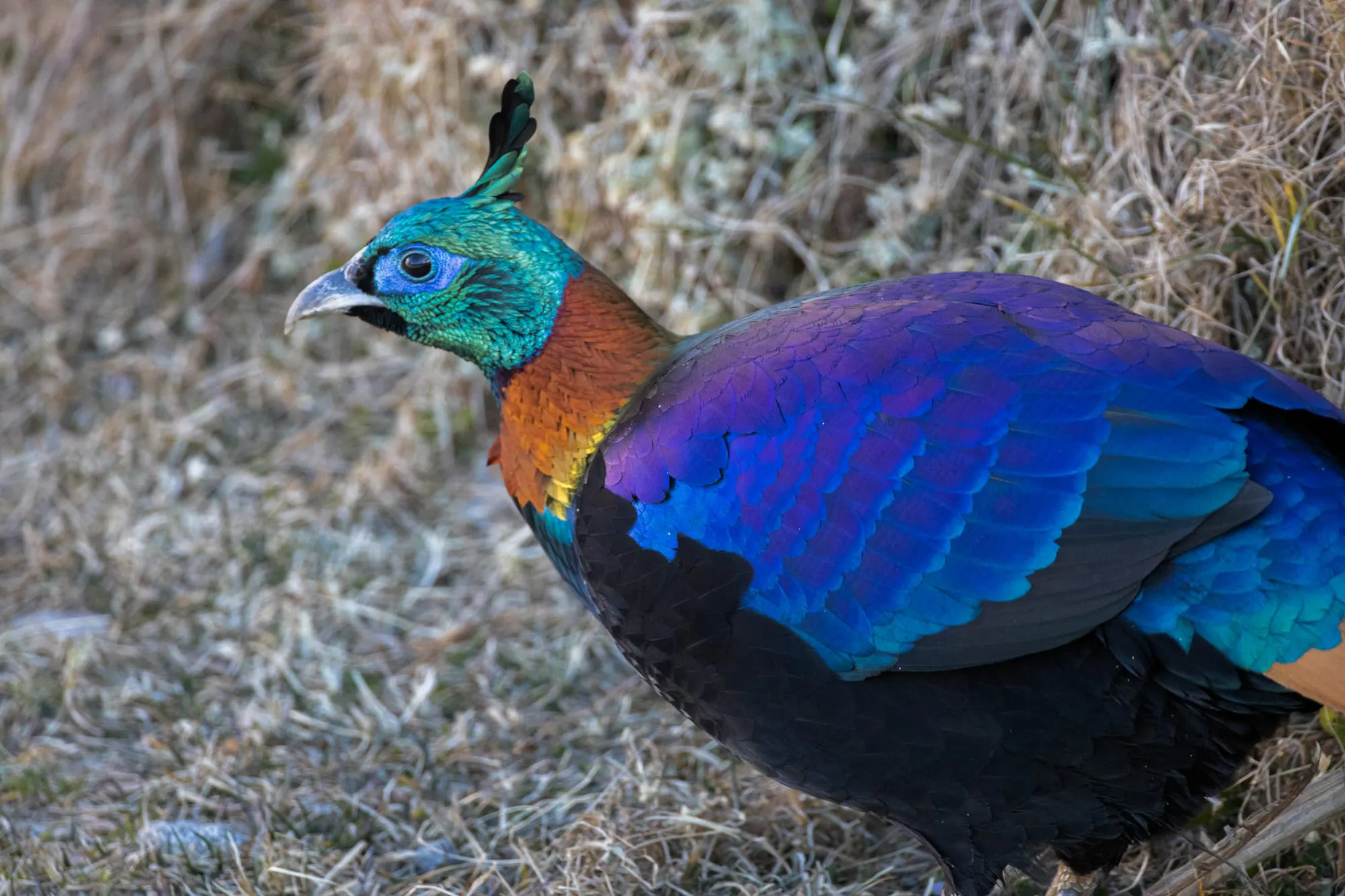
For birders, Bhutan is extraordinary. Over 736 species have been recorded here. I tallied 128 during my 17 days, including the dazzling Himalayan Monal Pheasant. The elevation range — from subtropical valleys at 4,000 feet to alpine passes above 13,000 feet — creates a diversity of habitats that keeps the sightings coming around every bend. Notable target species include:
- Black-necked Crane — Phobjikha Valley, November–December
- Himalayan Monal Pheasant — mid-elevation forests year-round
- Satyr Tragopan — spring, at higher elevations
- Beautiful Nuthatch — Eastern Bhutan, Royal Manas National Park area
- Ward’s Trogon — subtropical forests in the east
- White-bellied Heron — one of the world’s rarest herons; Bhutan is a stronghold
This is genuinely one of the most underrated wildlife destinations on earth. The combination of conservation commitment and habitat diversity puts Bhutan in a class by itself for a serious birder or naturalist.
“The length of the trip gave us time to travel the whole country. The combination of birding and cultural aspects was excellent and the guides fulfilled both roles to a T.”
— Candy McManiman, Bhutan Traveler
Culture & Hospitality
Bhutan measures its prosperity not in GDP but in Gross National Happiness — and you feel this philosophy in every interaction. From the monks tending centuries-old monasteries to the families who welcomed me into their homes for traditional meals, the Bhutanese carry a deep sense of contentment and pride in their culture. Even Bhutan’s street dogs are part of this ethos: well-cared-for through a nationwide sterilization and care program, they wander the towns like old friends.
Cultural highlights include:
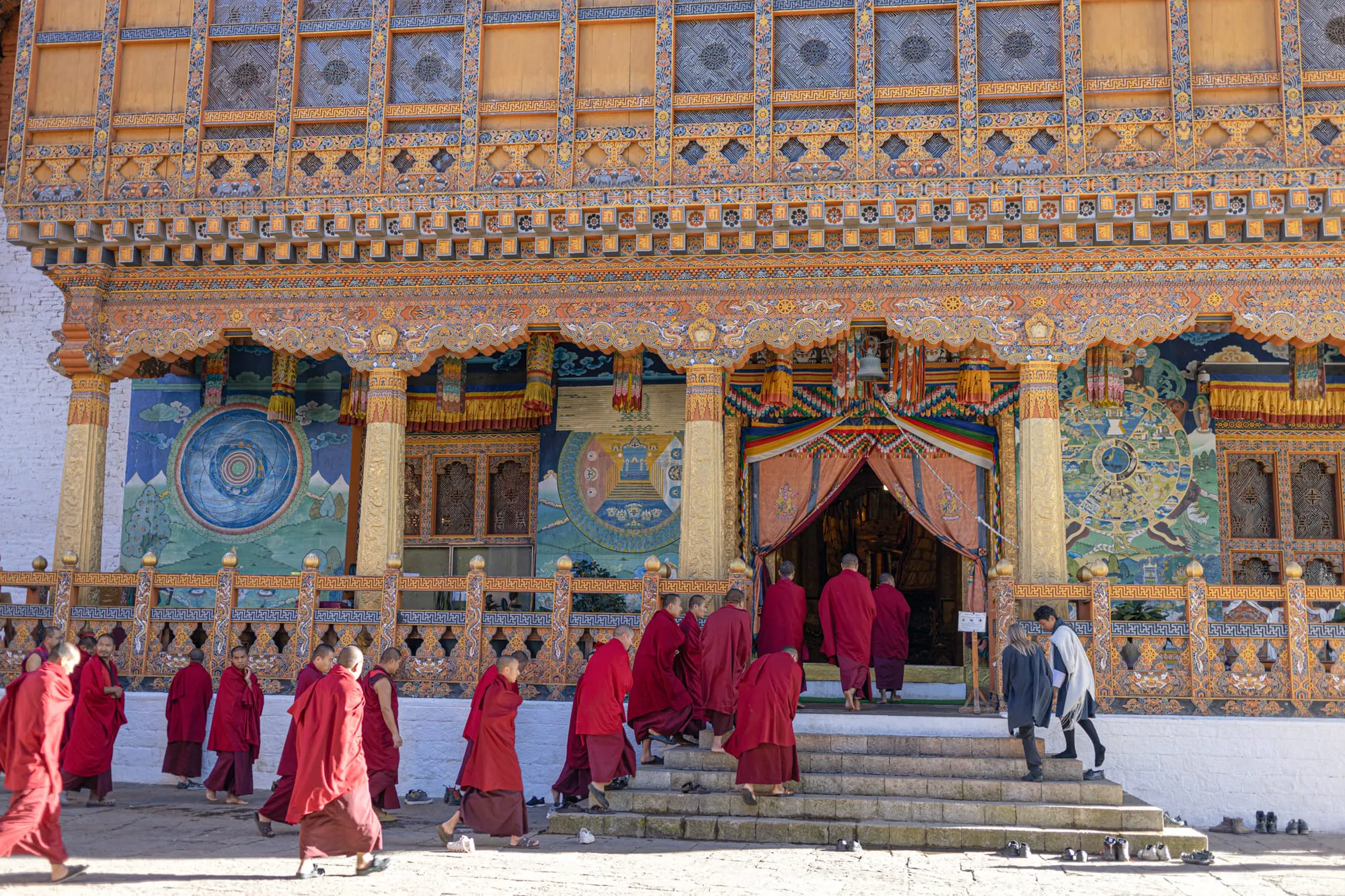
- Dzongs — ancient fortress-monasteries that still serve as the administrative and religious center of each district. They are stunning.
- Tiger’s Nest Monastery (Paro Taktsang) — perched 3,000 feet above the Paro Valley, accessible by a spectacular 4-mile roundtrip hike. One of the most iconic sights in all of Asia.
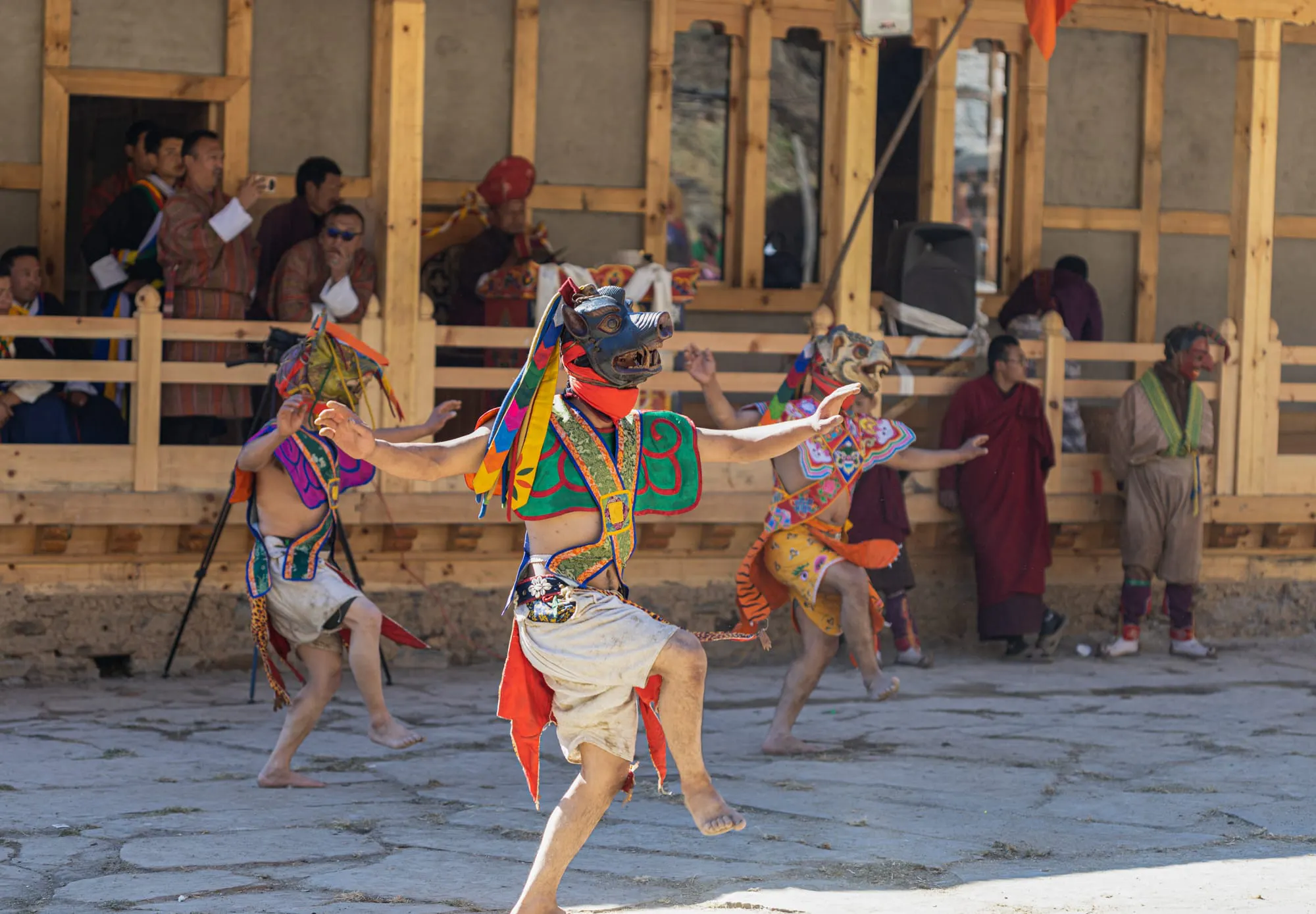
- Tsechu festivals — colorful masked dances, sacred music, and vibrant rituals. The Mongar Tsechu is particularly memorable.
- Traditional village homestays — meals with local families offer a depth of cultural connection that no hotel can replicate.
Accommodations & Cuisine
Lodges throughout Bhutan are clean, comfortable, and atmospheric — think warm wood interiors and mountain views. Meals are included and served buffet-style, showcasing the fresh, flavorful ingredients of Bhutanese cooking. Vegetarian, gluten-free, and dairy-free needs are easily accommodated. Hishey and his team handle all accommodations, transfers, and logistics seamlessly, so you can focus entirely on the experience.
Unique Experiences
No two days in Bhutan look alike. One morning you’re scanning a misty valley for rare cranes; the next you’re walking the courtyards of a 15th-century dzong. Multi-day treks through high mountain passes, dedicated birding excursions, and helicopter flights over glaciated peaks are all available for those who want to extend their trip. Bhutan doesn’t just offer sights — it offers stories.
Bhutan is a place where nature and culture exist in genuine harmony — not as a curated spectacle, but as a living reality. Whether you come for the birding, the trekking, the monasteries, or simply the rare pleasure of being surrounded by untouched nature, you will leave changed. And you will want to come back.
Bhutan is a place where nature and culture exist in genuine harmony — not as a curated spectacle, but as a living reality. Whether you come for the birding, the trekking, the monasteries, or simply the rare pleasure of being somewhere the modern world hasn’t quite reached, you will leave changed. And you will want to come back.
Join Us in Bhutan
Two departures. Both led by Hishey Tshering.
November 3–27, 2026 · 25 days · 10 guests max · From $9,750
October 29–November 22, 2027 · 25 days · 10 guests max · From $9,750
View 2026 Trip View 2027 TripFAQ
Whats the Best Time to Visit?
October–November for Black-necked Cranes and clear skies; March–May for spring blooms and peak bird diversity
What Wildlife Should You Watch For?
Bhutan Takin, Himalayan Monal Pheasant, Black-necked Crane, barking deer, giant flying squirrel, 736+ bird species
What are the Cultural Must-Dos?
Hike to Tiger's Nest Monastery, visit a dzong, share a home-cooked meal with a local family, attend a Tsechu festival
Are There Any Adventure Add-Ons?
Helicopter tours to Jhomolhari Base Camp, multi-day Himalayan treks, dedicated birding excursions
How Do I Get There?
Route through Bangkok with an overnight stay recommended. Paro Airport's mountain approach is one of the world's most dramatic.
What If I Have Special Dietary Needs?
All meals included on Cheesemans' departures; vegetarian, gluten-free, and dairy-free options available
What Should I Know About Fitness Levels?
Moderate. Walking 1–2 miles daily on varied terrain. Tiger's Nest hike is optional and strenuous (6 miles round-trip, 3,000 ft elevation gain)
Ready to discover Bhutan? Contact us to begin planning your journey.

This is a guest blog from longtime traveler Jack Hochfeld, who has joined us on many unforgettable journeys, from the frozen shores of Svalbard to the steamy rainforests of Borneo. With his sharp eye for detail and lyrical storytelling, Jack brings Borneo to life—capturing not only the rare and remarkable wildlife, but also the mud, the heat, the laughter, and the sheer wildness of the place. His reflections offer a rich, personal window into one of the world’s most biodiverse corners.
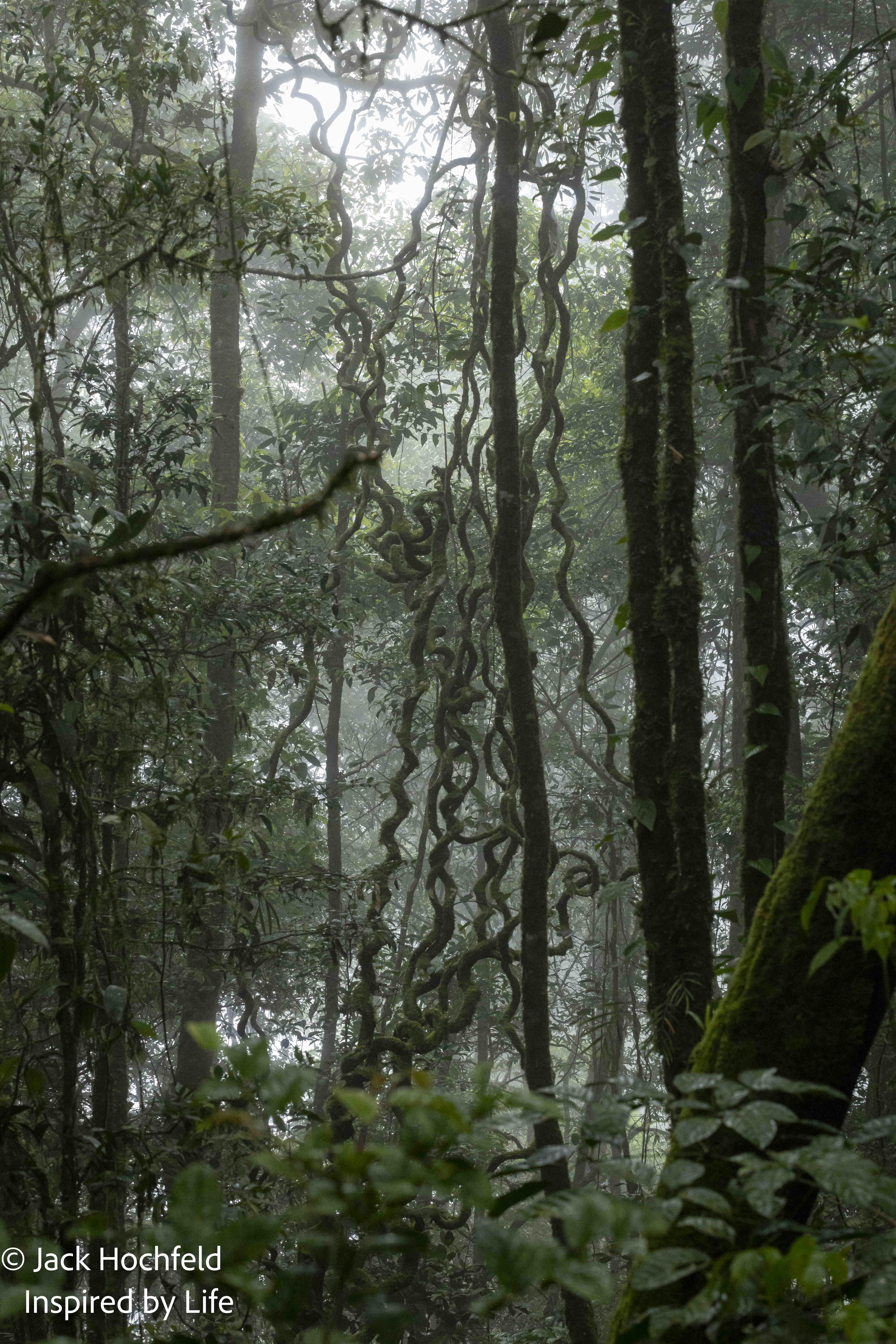
Borneo: Heat, Humidity, Mud and Glorious Wildlife
We arrived early for our flight, missed the boarding call, raced for the gate, and the aircraft door closed behind us. The fuel tank was overfilled, the overflow tanks needed to be drained; we began taxiing, then returned to a gate (when one became available) to repair a fault in the braking system. We were about to depart again when the ground power tripped and needed to be reset; it tripped again, and the aircraft systems shut down. We disembarked, re-boarded, and finally had an uneventful but six-hour delayed flight to Singapore. After disembarking, we collected our luggage and headed back through immigration to our departure gate for Kuala Lumpur and Borneo. We missed our overnight hotel stay in Singapore.
Borneo lays south of China, just off the equator, with Vietnam, Cambodia and Thailand to the northwest, Singapore to the west, Indonesia to the west and south, and the Philippines to the northeast. As the third-largest island in the world, Borneo was divided over several decades in the twentieth century between Brunei, Malaysia and Indonesia.
I associated Borneo with the Allies’ disastrous loss of the island during WWII, shortly after Pearl Harbor. The defence—or more accurately, the non-defence—was split between Dutch and British colonial forces. Borneo was overrun by the Japanese and later liberated in 1945 by Australian forces, overcoming stiff resistance in harsh terrain of swamps, jungles and mountains. One could only imagine how difficult and brutal the conditions must have been.
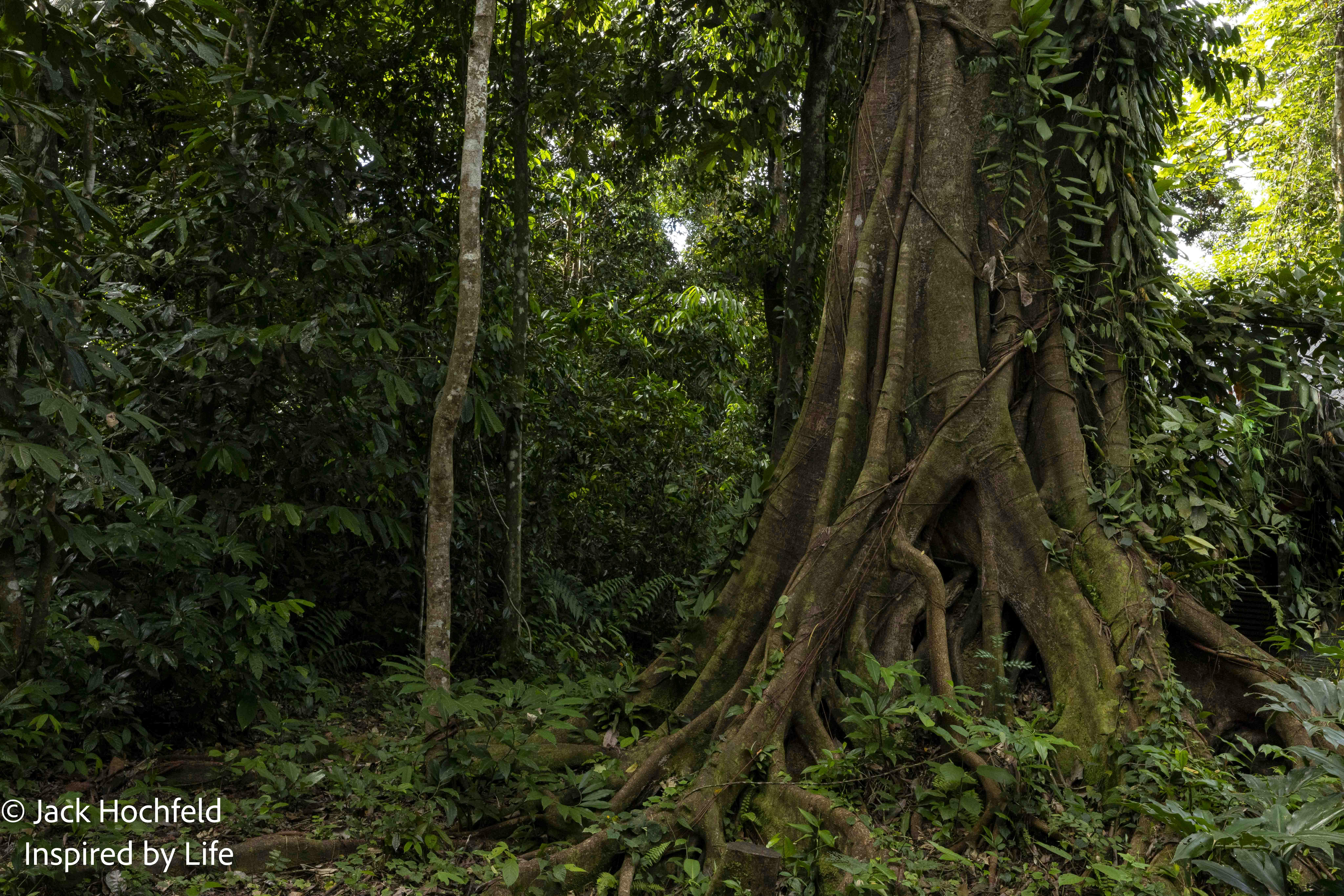
A Living Museum of Biodiversity
The rainforests of northeastern Borneo have existed continuously for over 2.5 million years, evolving into some of the most ecologically biodiverse ecosystems on Earth. A stable climate and isolation during ice ages preserved ancient lineages of plants and animals, many endemic to the region. Almost half of all endemic birds and 65% of the island’s endemic mammals are found at Kinabalu. This deep evolutionary history make the forests of Borneo not just a conservation priority but a living museum of life on Earth.
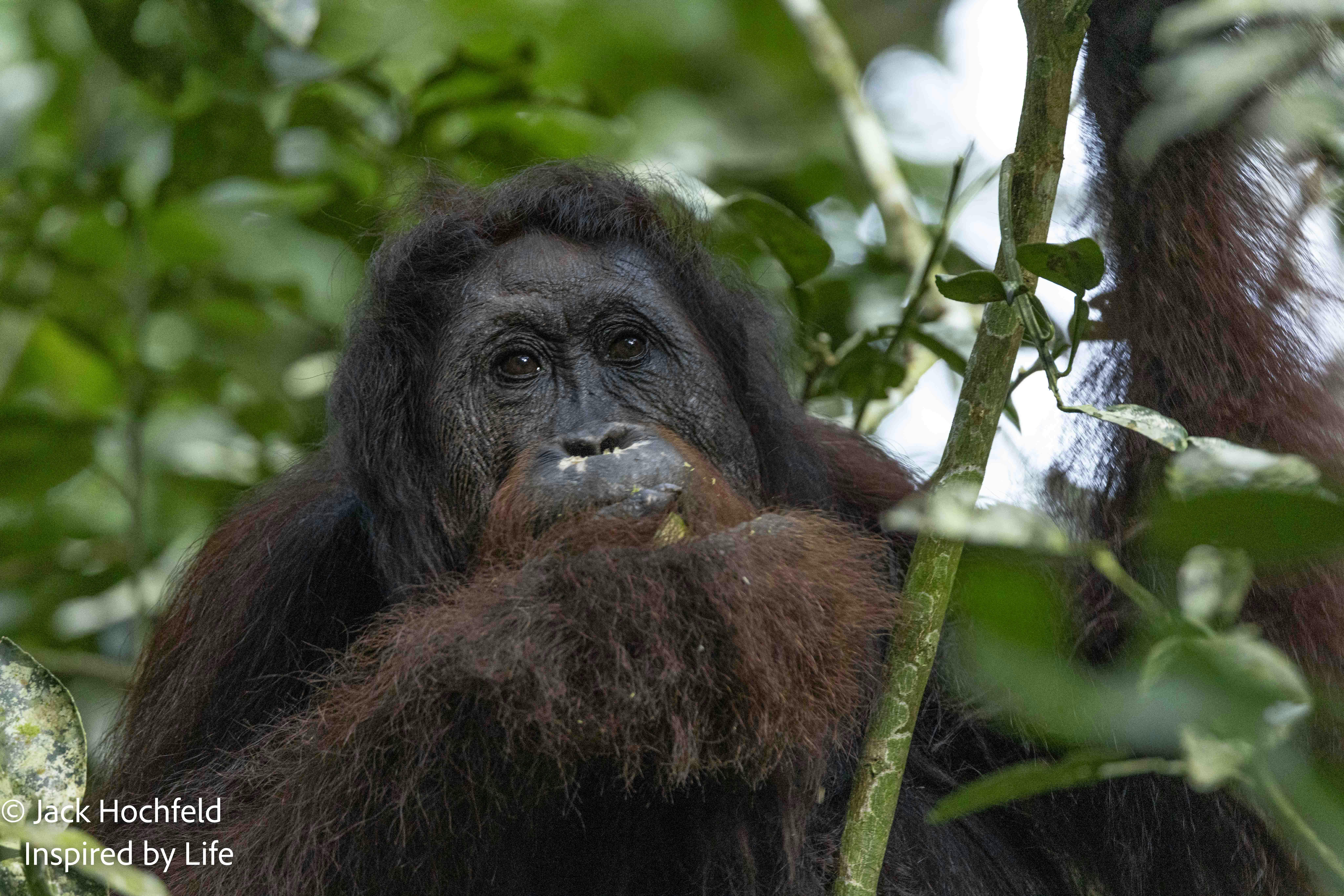
Extraordinary Wildlife
The wildlife and biodiversity are extraordinary — over 15,000 species of flowering plants, more than 600 bird species and over 220 mammals: pygmy elephants, pygmy civets, pygmy squirrels; giant squirrels, giant Atlas moths, giant centipedes, giant island flying foxes; flying squirrels, flying frogs and flying snakes. Orang meant people, utan meant forest — people of the forest.
Gibbons, small tailless apes with long arms, looked almost human. They swung through the canopy, rarely coming to the ground. They are monogamous—rare among primates—and formed lifelong partnerships. The great apes all descended from the gibbon lineage.
The tarsier is tiny, the world’s smallest monkey, with huge fixed eyes that required it to turn its entire head like an owl to change perspective—a miniature nag-apie. The mouse deer was the world’s tiniest deer. We saw him a few times but I didn’t manage a photo.
The corpse plant—the largest flowering plant in the world—wasn’t on our routing, but the forests still dazzled. Birds are spectacular, though not always easy to spot in the thick canopy: hornbills fit the same ecological niche as toucans but weren’t related—a classic case of convergent evolution. Storm’s Stork, one of the rarest and most endangered storks globally, with perhaps 200 individuals remaining, made a miraculous appearance. We saw four in one go—2% of the world’s population.
Sun bears, the smallest bears in the world, were another highlight. Their claws and teeth were so strong and sharp that they could tear into ironwood—a feat that would destroy drill bits and saws.
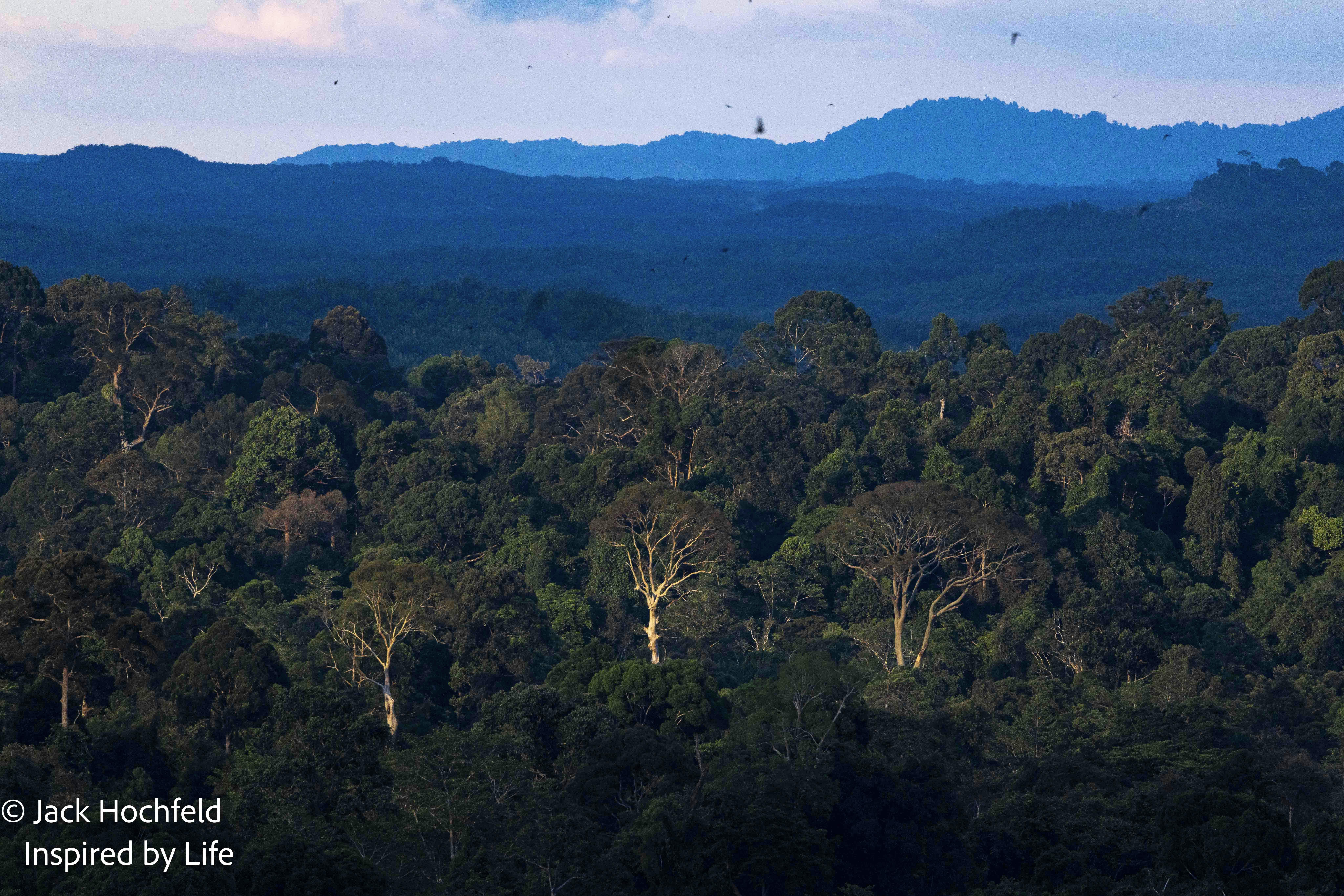
Layers of Forest and Habitat
The lowland forest landscape was dominated by giant dipterocarp trees, straight-trunked titans that formed the upper canopy. We visited lowland tropical rainforest, transitional coastal, peat and montane forests—each with its own distinct wildlife, atmosphere and feel. These forests were green, lush and thick, but quite different from the sprawling rainforests of the Amazon or Central America—more vertical, layered and dense.
Over 150 species of fig trees exist in Borneo, making it one of the richest regions in the world for fig diversity. These trees fruit multiple times a year, asynchronously, offering food even when other trees don’t. They support countless animals: apes, hornbills, fruit bats and insects. The elephant ear fig bears clusters of large yellow fruit (5–10 cm in diameter) directly on the trunk or lower branches.
Nipa palms were unique in preferring coastal and estuarine environments, thriving in brackish waters where rivers met the sea.
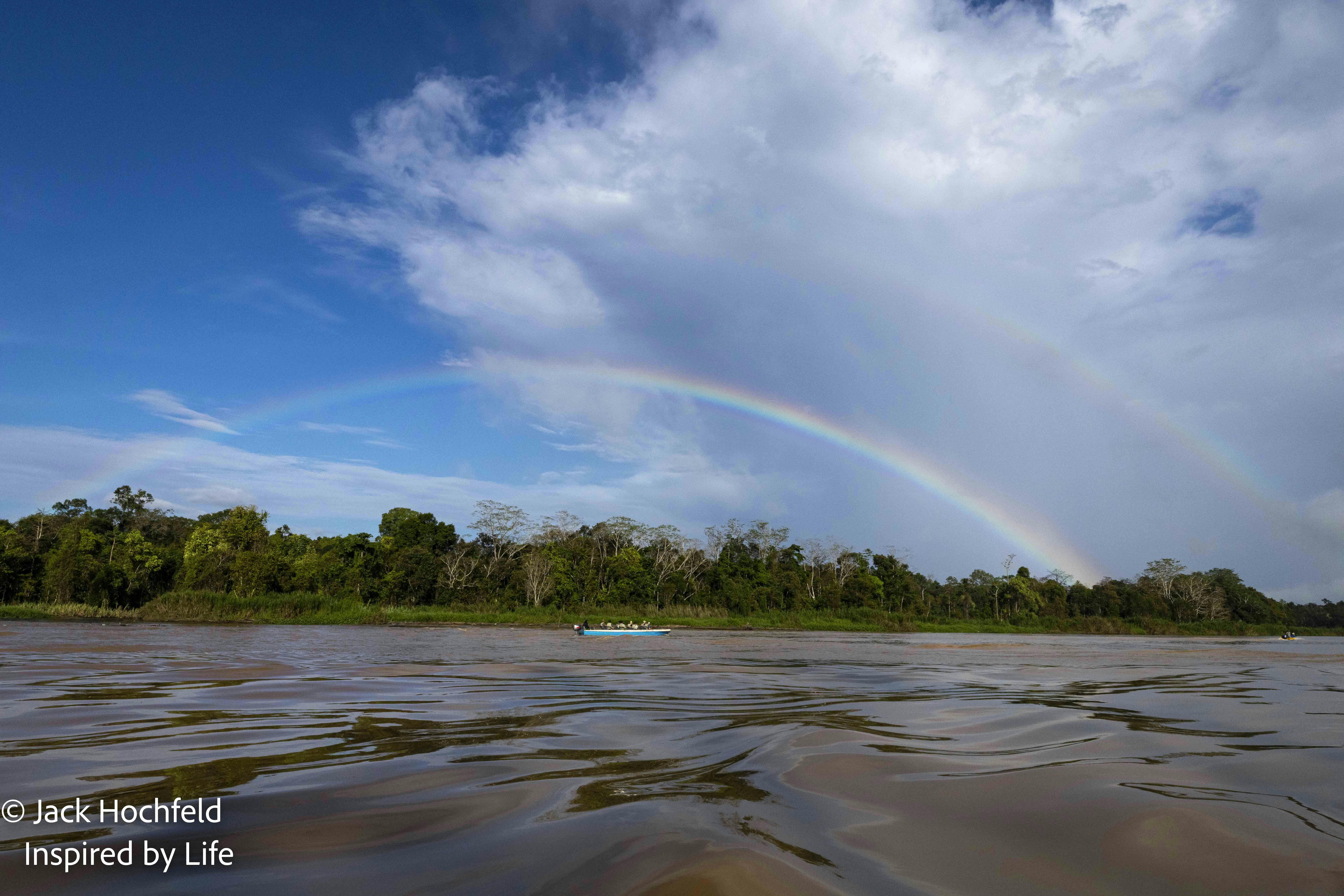
Logging and the Reality of Conservation
The government seemed committed to protecting what remained of the natural environment, but vast areas had been logged, cleared and converted into palm oil plantations. These plantations were pretty in their own way but clearly not natural. They hosted some wildlife that fed off the palm fruits. We drove through miles of plantations to reach the reserves. At the edge, the contrast was stark: one side of the road dense forest, the other side neat rows of oil palm. It made me wonder how deep the natural forest truly extended.
One proposed conservation model planted indigenous trees, grasses and forest patches within plantations—offering wildlife refuge and corridor continuity without robbing farmers of their livelihood. Scaling back plantations and reforesting, though appealing, didn’t seem realistic. Rope bridges had been strung across roads and rivers, letting isolated canopy wildlife move and access food.
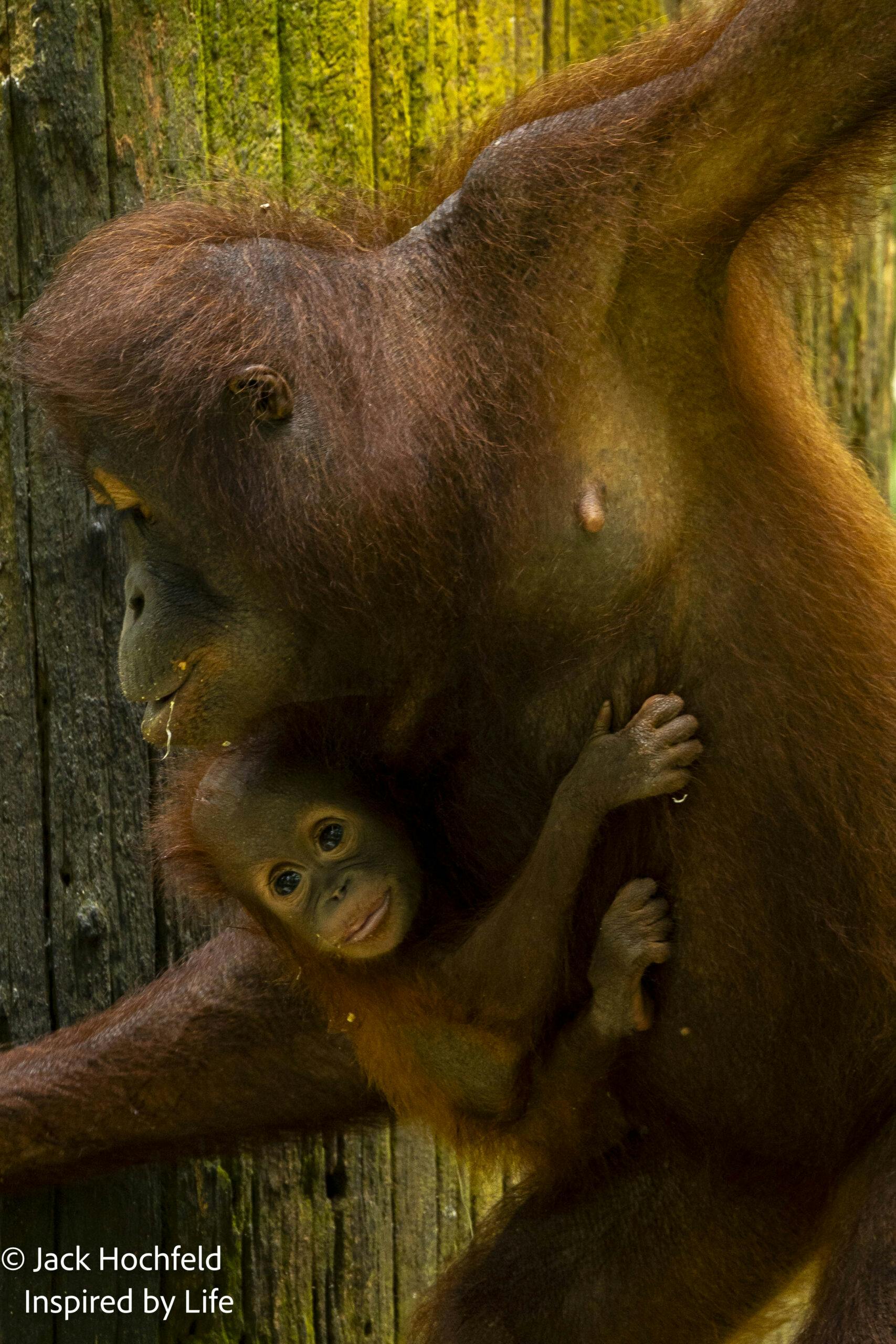
Into the Heat, the Humidity — and the Mud
The heat and humidity were relentless. The forest air was still and heavy. There was no breeze, no breath. Walking generated internal heat and the illusion of a breeze. After rain, the temperature dropped but humidity soared. Clouds built in the late afternoon, but rain often came without warning. The sky could be blue while moisture seemed to be squeezed and condensed straight from the air. It was cooler on the water and, during the final leg of our journey in the highlands at Mount Kinabalu, refreshingly mild. I now understood why the British had sought refuge in the hills.
There was rain and more rain, heat, humidity and more humidity, and of course—mud. We dripped with sweat when walking, and still dripped when sitting in hides. Our clothes were saturated; my headlamp showed drops of moisture evaporating off my skin.
The mud was thick and gloopy. The road had recently been repaired, but we didn’t get more than 500 metres into a night drive before sinking axle-deep. The rescue team arrived with something like tooth floss for a rope. Our guide walked back to the lodge and returned with gumboots so we could hike out. On a night walk through the same area, he sank knee-deep in mud and immediately touched a live electric fence—after warning us not to all week.
At one point I reversed to take another route; my gumboots were sucked in and mud leaked over the tops. I was grateful I’d extended my tripod legs to save the camera from landing in the sludge.
Local Life and Lingering Histories
I’d packed long trousers and long-sleeved shirts to guard against bugs, but the insects were fewer than expected. I eventually reverted to shorts and lighter hiking gear. The heat proved a greater challenge than the insects.
A local SIM card cost $5 a month—smarter than Telstra’s $10 a day.
We met at a shelter—a pondok. In 1800s Cape Town, the same word referred to reed huts used by Malay and other enslaved peoples in colonial gardens. It appeared often in court records and was later absorbed into Afrikaans and South African English. The Afrikaans word for banana—piesang—also came from the Malay pisang, a small linguistic echo of history in the Dutch East Indies, now Indonesia.
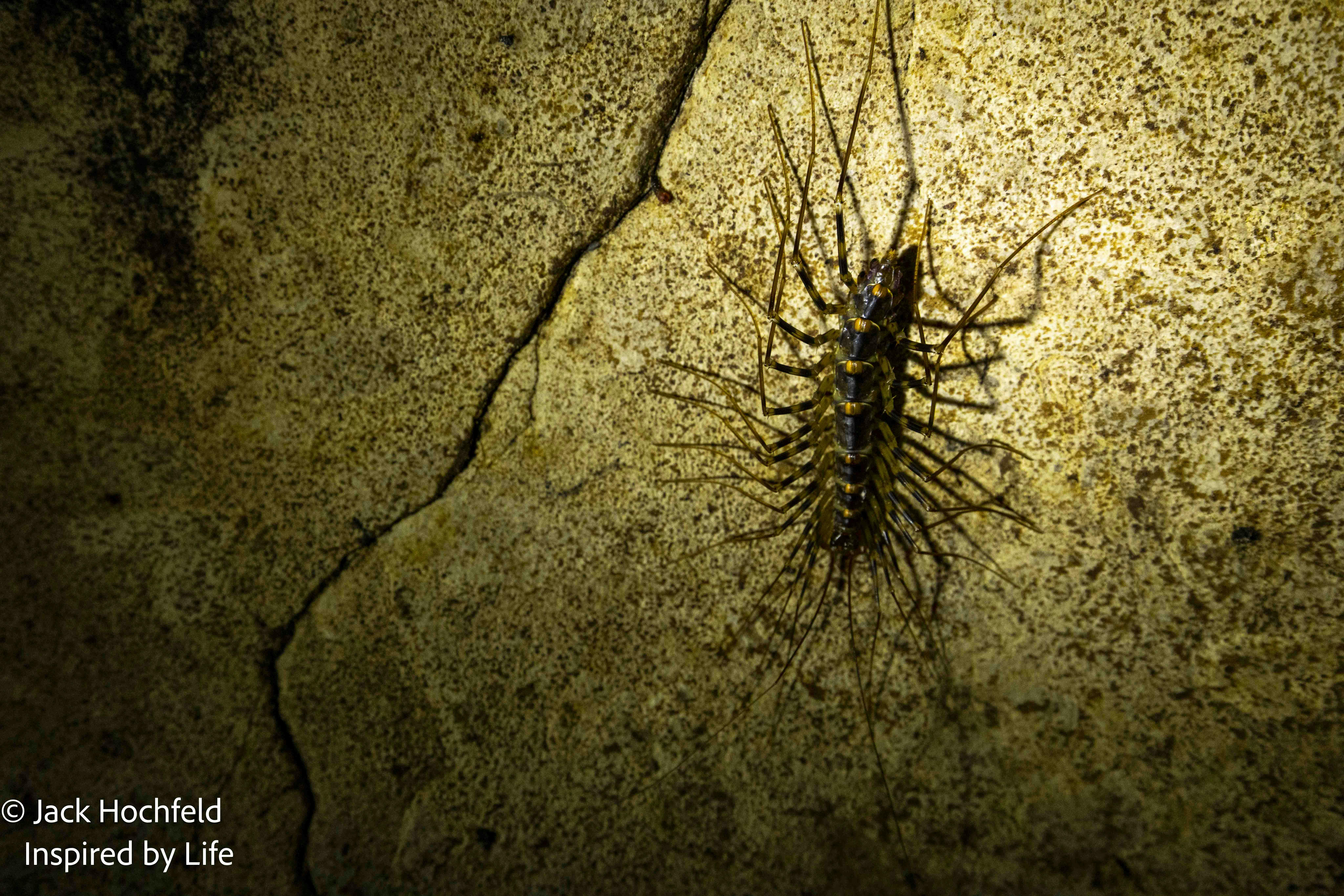
The Caves and the Call of Birds
We visited Gomantong Caves, a UNESCO World Heritage site. Thousands of echo-locating swiftlets nested there in perpetual darkness. The cave was also home to centipedes, cockroaches and millions of bats. We hiked up 552 stairs hoping to witness the evening bat exodus, but they declined to exit before dark. Still, we watched the swifts return to nest. Abandoned nests, built from feathers, plant matter and saliva, were harvested for bird’s nest soup. Our guide had spent three months filming the BBC Planet Earth series in these very caves.
We heard a white-headed broadbill. I searched for a bird with a broad beak and a white head. It turned out to be luminous lime green—with no white head. It was Whitehead’s broadbill, named after a 19th-century naturalist.
The gibbon’s call carried for miles in long looping phrases, rising and falling—something between an oriole and a green-spotted pigeon. The orangutan was less melodic, more guttural. The leopard cat mewed softly from the undergrowth. Bird calls were often more common than sightings, but helped us locate them in the dense canopy.
There were eight species of hornbills, each with a distinct call—croaking barks, awk-awks, or piercing squawks. Their wingbeats created a loud whump-whump through the air. The rhinoceros hornbill’s ivory-colored bill was topped with a fiery-orange casque known as red ivory.
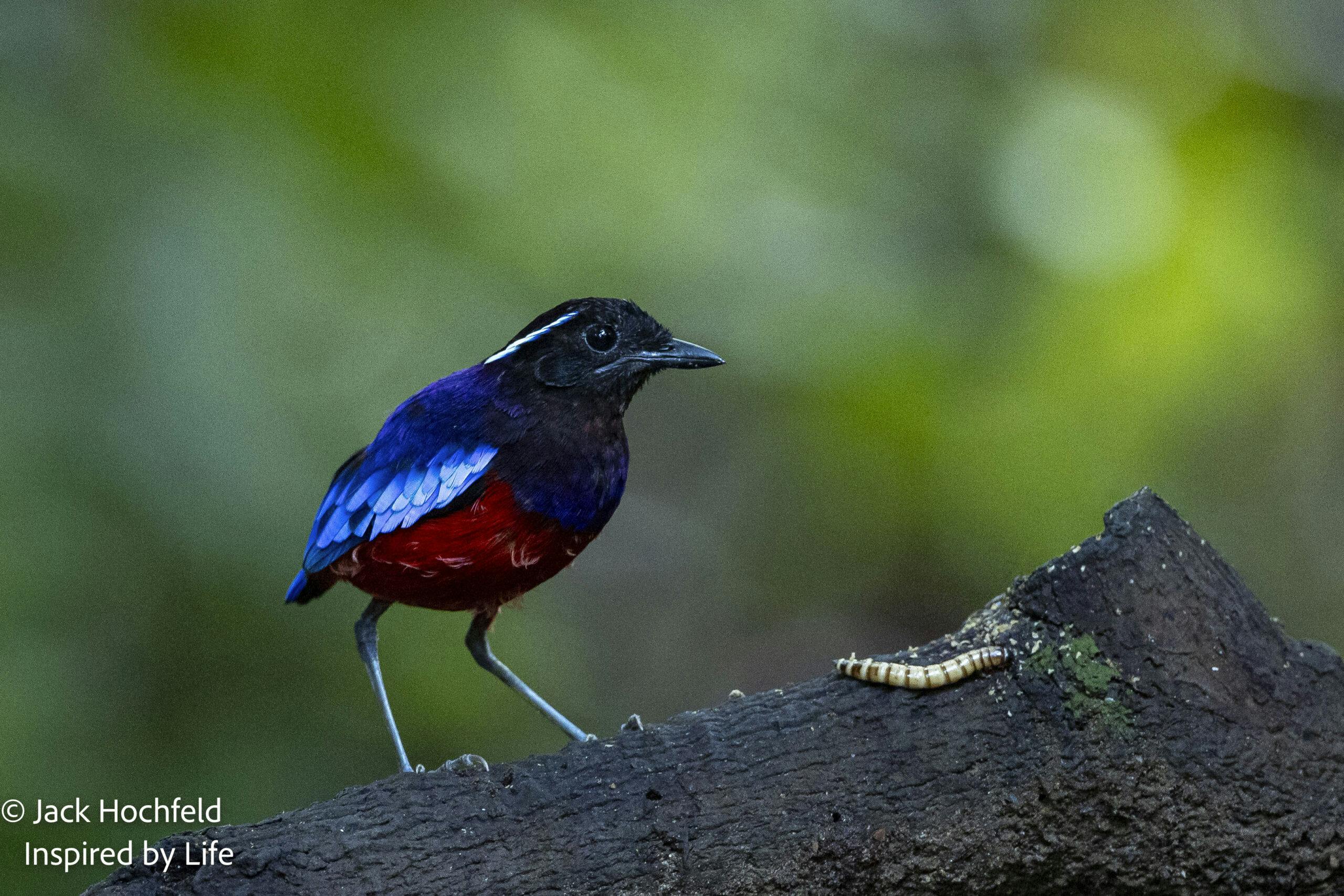
Boats, Dolphins and Squirrels
We lingered by the fishing boats to spot the Irrawaddy dolphin. These blunt-nosed, round-headed creatures lived in freshwater and surfaced with a soft puff to collect scraps from the catch.
I tried to photograph a pygmy squirrel—tiny and irresistibly cute. Every time I got him in the viewfinder, he scampered to the far side of the tree. I moved around, he darted back. We played a ridiculous game of squirrel chase that had my fellow travelers in tears of laughter.
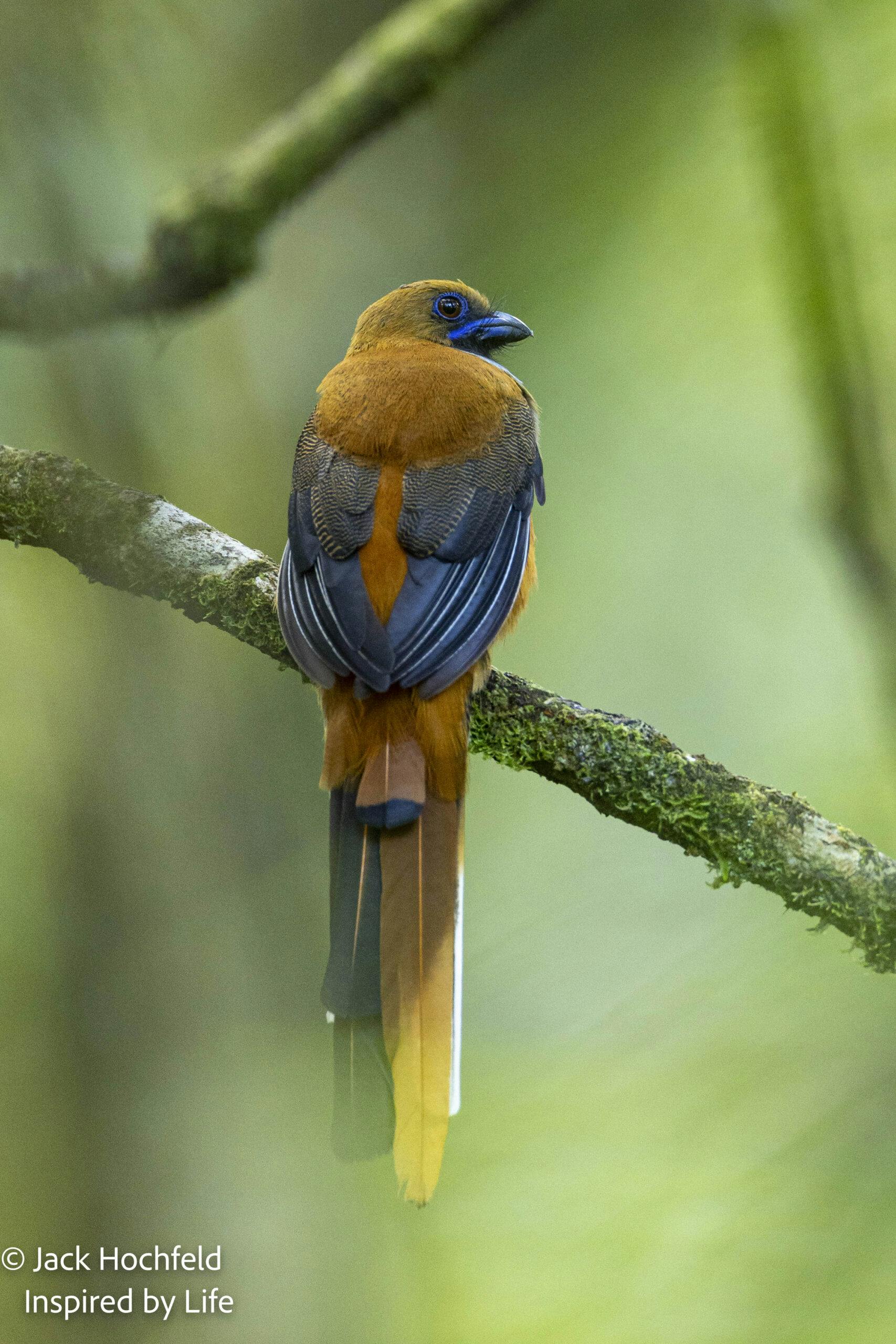
Mount Kinabalu and Wallace's Legacy
Mount Kinabalu was Borneo’s first UNESCO World Heritage Site. When it wasn’t wrapped in cloud, its 4,095-meter peak dominated the skyline. Hikers tackled the 9.8 km trail over two days—up and down.
Darwin had hesitated to publish his theory for 18 years, fearing backlash from the church. Wallace, working independently across the Malay Archipelago—including Borneo—reached the same conclusion and wrote to Darwin. This prompted Darwin’s advisors to urge immediate publication. Numerous species in Borneo were named in Wallace’s honor.
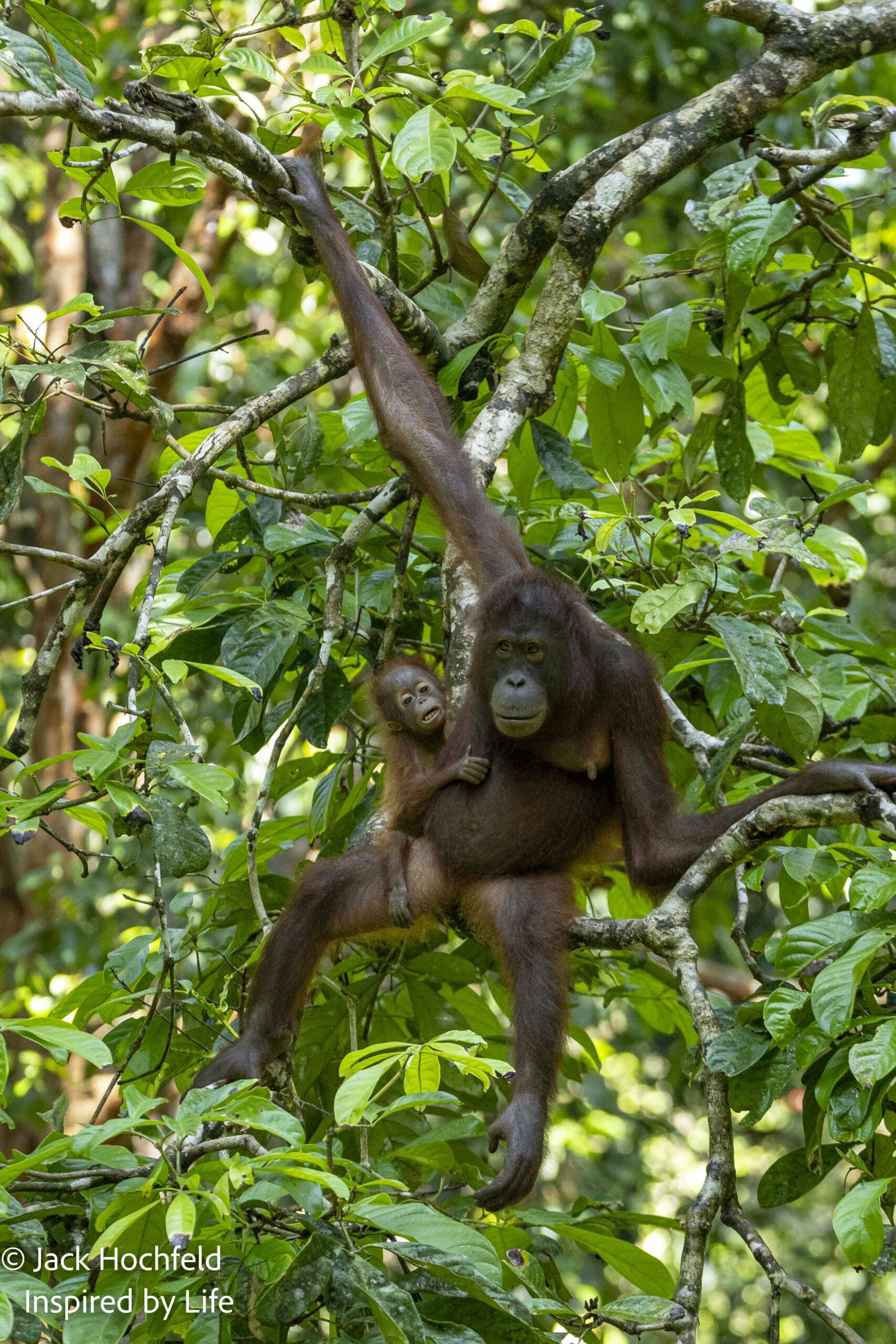
The People and the Photographer
Our fellow travelers were delightful—a mother-daughter duo from Tucson, Arizona, whom we’d previously met in Antarctica. Our guide and team leader was terrific: knowledgeable, helpful, funny. A great photographer, he’d shot for the BBC and National Geographic. Born in Hawaii, he’d come to Borneo for environmental work and never left. He’d lived there over 20 years, published a book on Bornean wildlife, and was working on another about Southeast Asia.
As it turned out, the wild man of Borneo was American.
Final Thoughts
Borneo tested the limits of comfort, patience, and camera gear — yet gave back far more than it took. Beneath the dripping humidity and sinking mud lay a world few will ever witness so intimately: ancient rainforests humming with life, creatures that defied scale and expectation, and a rhythm of wildness that made time stretch and contract.
These reflections don’t just recount a trip — they distill what it means to experience a place so raw, so ecologically irreplaceable, that its very fragility becomes part of its awe. The mist-covered canopies, the nighttime calls of hornbills, and the eyes of an orangutan peering through the trees — these moments stay with you. They remind us that travel, at its best, doesn’t just show us the world. It reorients how we exist in it.
This journey through Borneo wasn’t about checking species off a list. It was about being still, being muddy, being curious — and letting the wild speak.
🌎 Explore All Our Asia Trips
This is a guest blog from our frequent traveler, Jack Hochfeld, who has traveled with us on many trips, including to the Svalbard Islands. With his signature blend of keen observation and poetic detail, Jack captures the essence of Arctic exploration—from calving glaciers and curious walruses to the quiet wonder of the midnight sun. His reflections offer a vivid glimpse into the raw beauty and fragility of the far north.
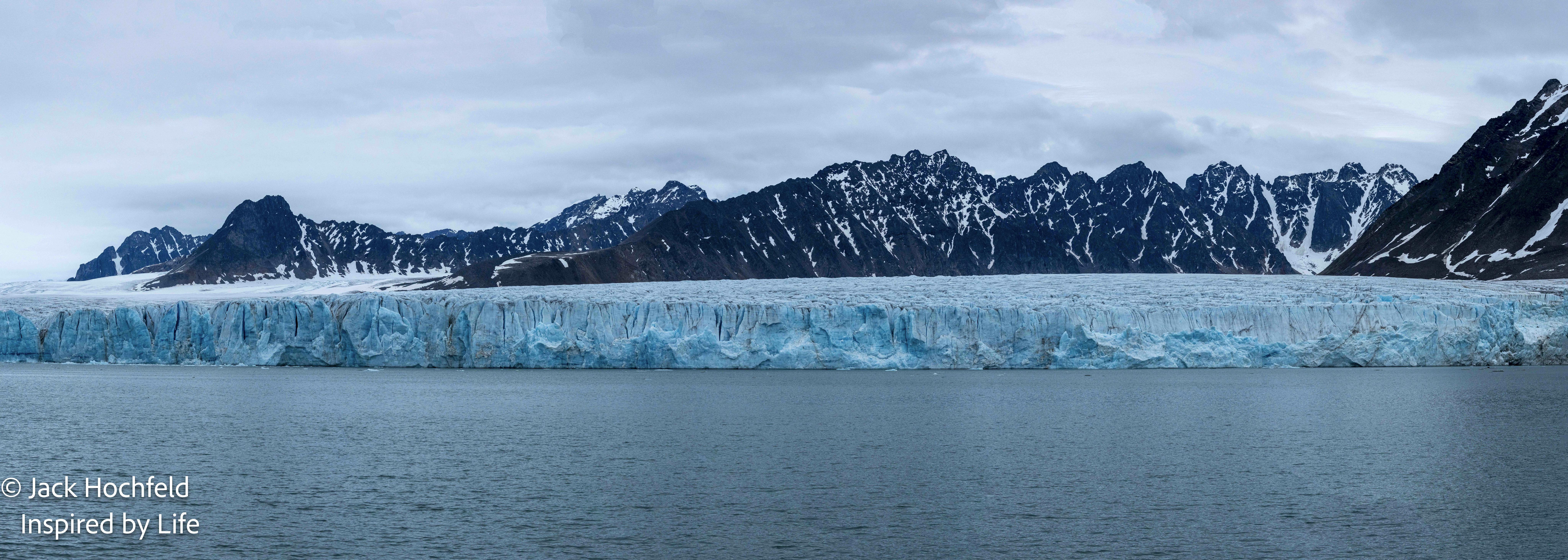
Departure to Svalbard
We fly for three hours north to Longyearbyen, Svalbard, 78° N, 15° E, the world’s most northerly permanent settlement with a population of over 1,000, halfway between mainland Norway and the North Pole. A directional sign at the airport shows 1,300 km to the North Pole and 18,960 km to the South Pole. We are well beyond the Arctic Circle and further north than we’ve ever been. Polar bears in Svalbard vastly outnumber people. Venturing beyond town limits without an armed polar bear guide is prohibited.
Svalbard falls under Norwegian sovereignty by international treaty, with shared economic and scientific interests, including Russian activity. It is home to the Svalbard Global Seed Vault, a secure backup for the world’s seed crops.
Onboard
We board our small expedition vessel with 12 cabins and 11 passengers, including two Australian couples originally from South Africa and others from the USA, including a Serbian couple. Many are academics: a mathematician, pathologist, microbiologist, GP, biologist, geologist, and a computer chip designer.
Our Alaskan and Californian guides are seasoned Arctic and Antarctic travelers, marine and wildlife biologists, and accomplished photographers with experience shooting for National Geographic, the BBC, Animal Planet, and more. Both are professional, friendly, and knowledgeable.
Cabin & Seas
Cabin space is efficient, designed for exploration rather than luxury. Space is limited, so we packed sparingly and carefully. As we leave the harbor and enter open seas, the ship rolls a bit. Once in the sheltered fjords, we find our rhythm with the ocean and settle comfortably into life at sea.
Arctic vs Antarctic
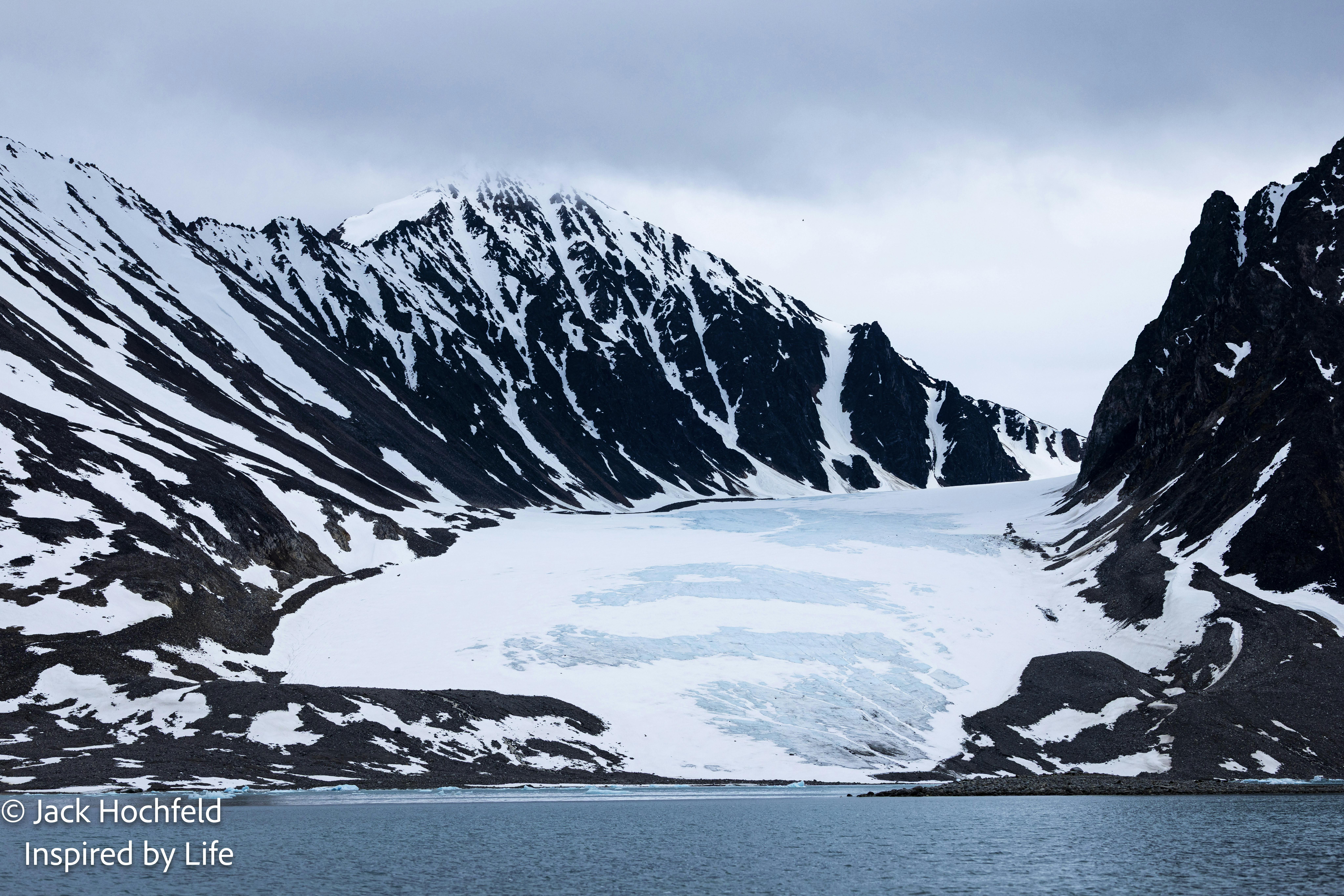
The Arctic is surprisingly different from Antarctica—less dramatic but more subtle, milder, with calmer seas and a more leisurely pace. Though there are fewer species, the bird flocks are immense. The Arctic is an ocean surrounded by land, while the Antarctic is land surrounded by ocean—contributing to their contrasting characters.
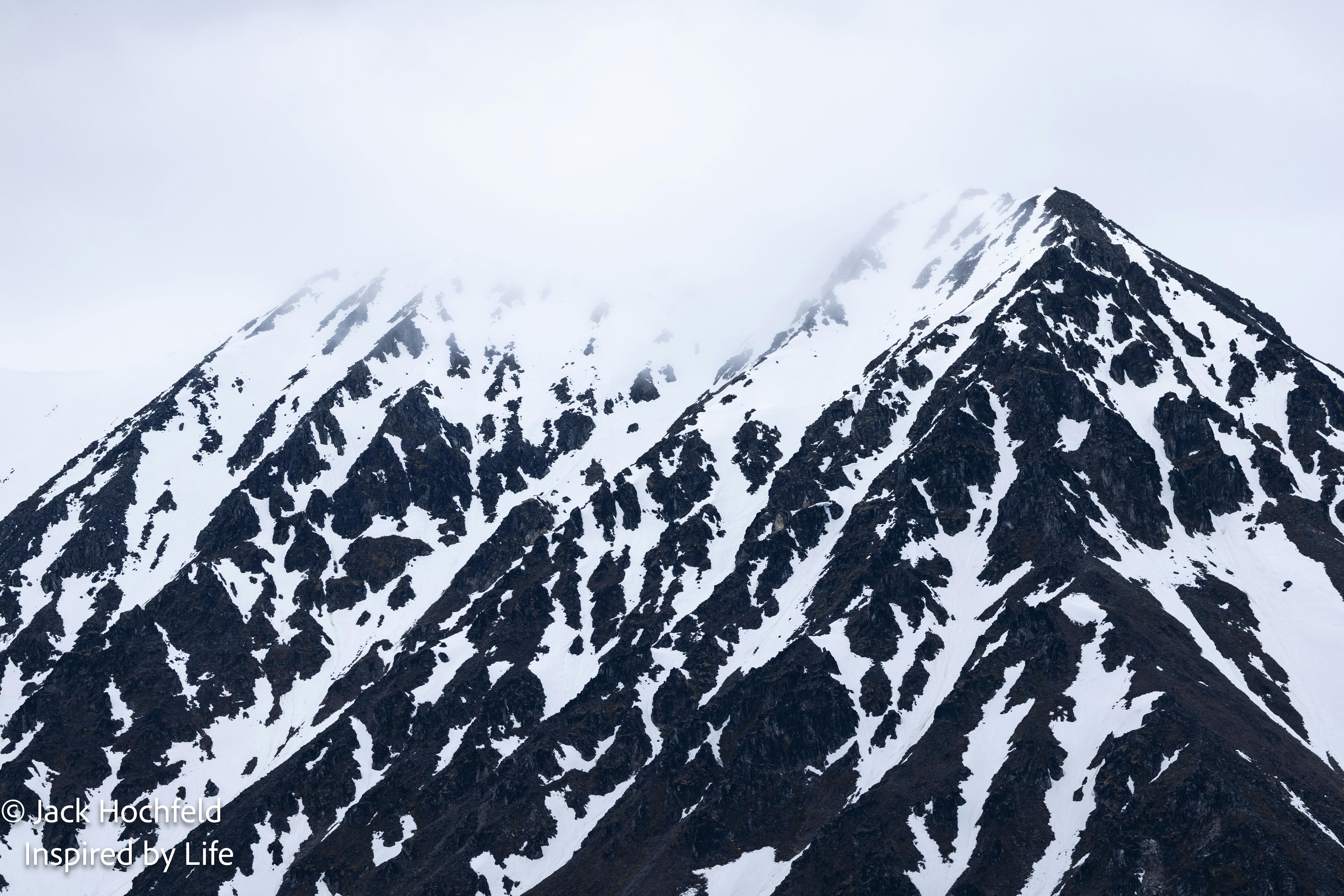
This rugged, raw environment reveals its beauty slowly, through patience and presence. Stark, monochromatic landscapes dominate—sharp peaks under a heavy grey sky mirrored by a sea tinged with glacier blue and pale green. The black-and-white banded cliffs appear compressed between sky and sea, forming a sublime, minimalist canvas.
Glacier Approach & Wildlife
Our itinerary is shaped by weather and wildlife sightings. We aim north. One day, bright sun gives way to dense fog, and though we near Brasvellbreen—a massive 45 km glacier with cascading waterfalls—conditions require we abandon the approach. Instead, we reverse course and continue west and south, ultimately reaching the northernmost point of our journey beyond 80° N, less than 1,000 km from the North Pole.
Towering cliffs come alive with nesting birds: a constant swirl of flight, sound, and motion. We slowly nose through brash ice, the light catching the translucent blues and whites.
A sharp crack breaks the stillness—a glacier calves. Ice shards explode into the sea with a roar and splash, stirring the water and drawing krill to the surface. Clouds of Black-legged Kittiwakes descend, feeding and calling across the icy amphitheater. The air is sharp and clean.
Lodges & Peace
A desolate hunting lodge, abandoned yet still used in winter, offers shelter from the elements. Another, Texas Bar, is stocked with alcohol—true Arctic essentials. The waves gently lap the shore, the only interruption to the profound quiet.
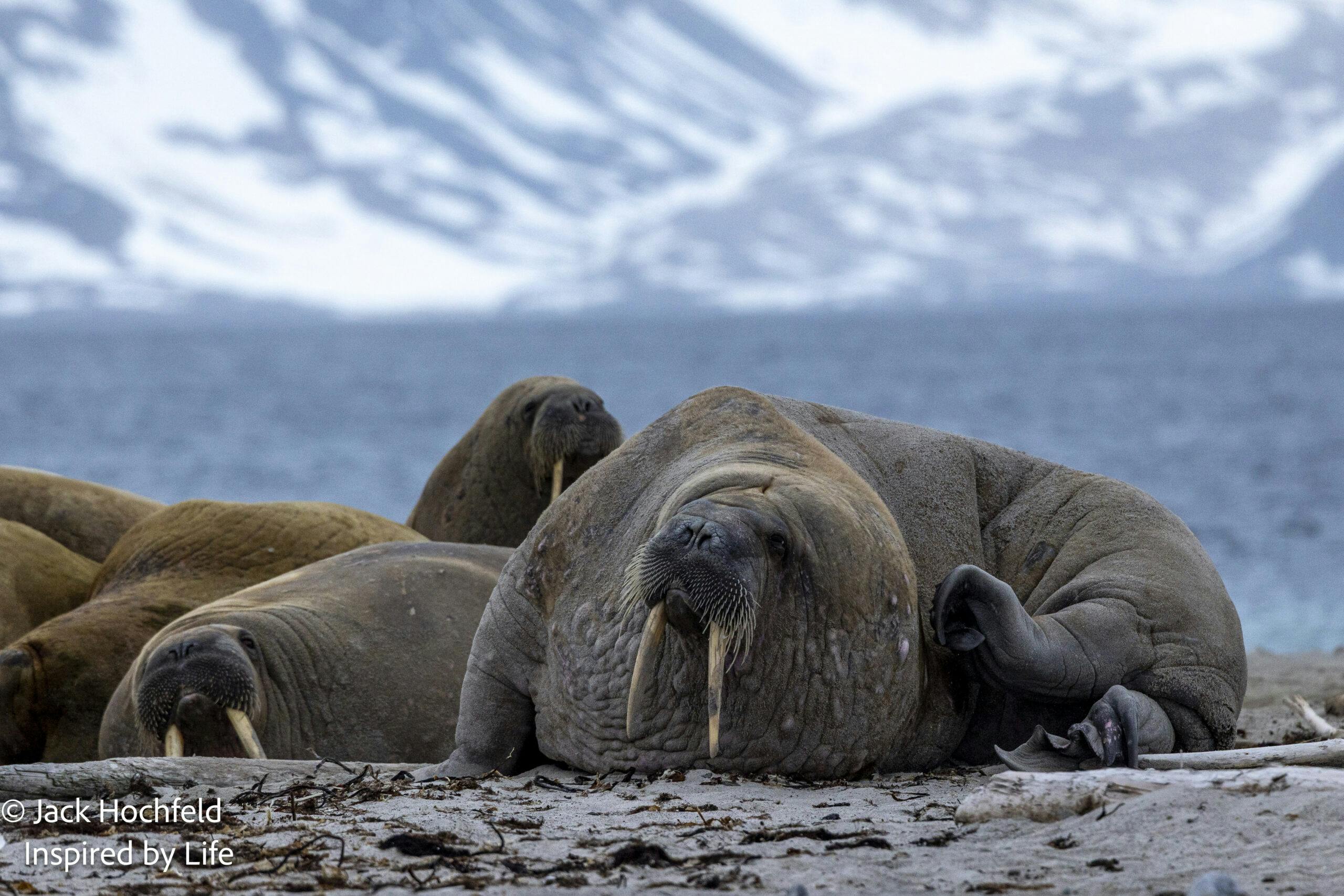
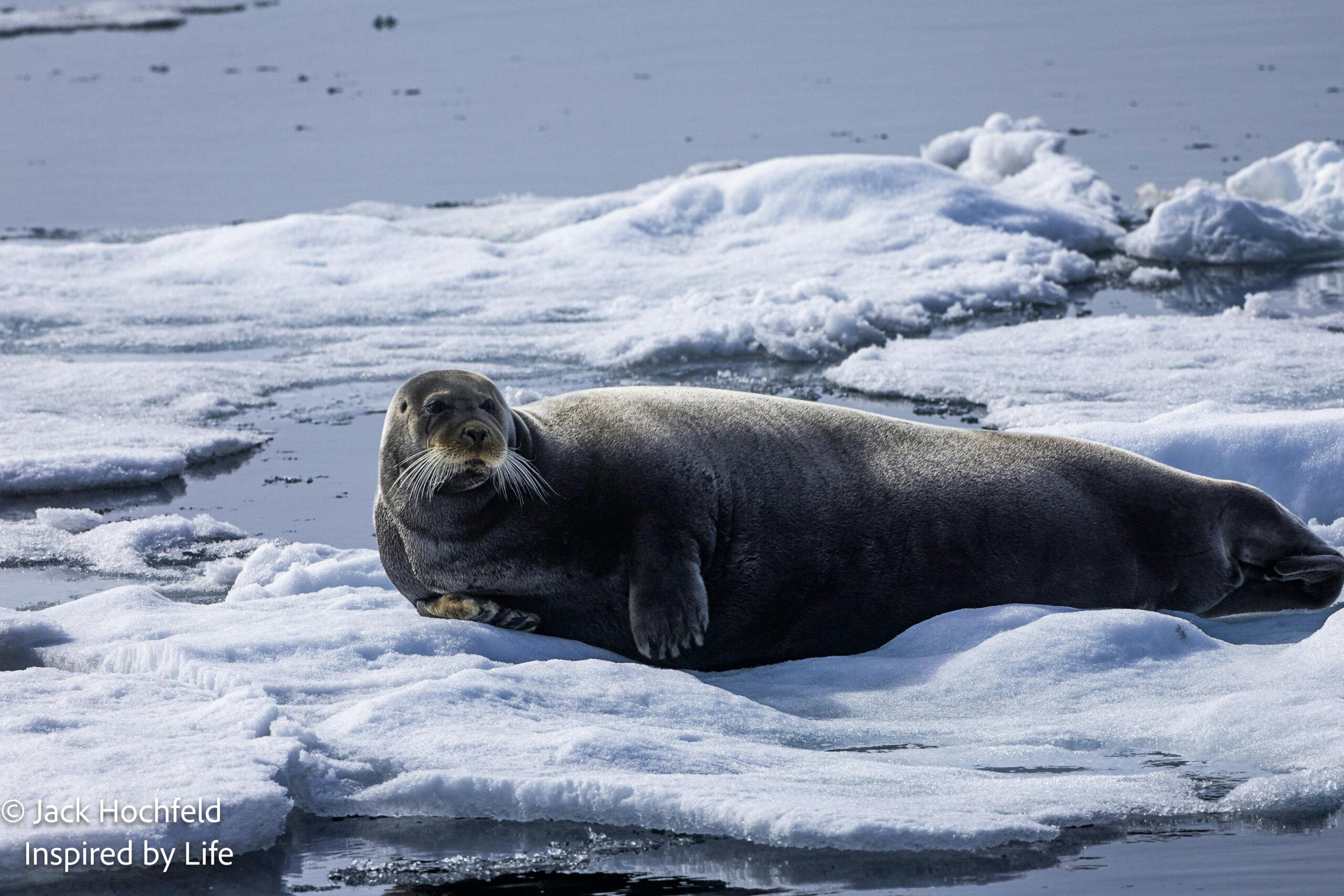
We spot a pair of Rock Ptarmigans. The male, in white plumage with feathered legs, blends into the snowy terrain. On drifting ice, we observe sleeping seals and walruses. We maintain distance as required by Svalbard regulations, observing wildlife calmly and without interference. The rhythmic clunk of ice against the ship’s hull adds to the soundtrack of solitude.
Editor’s Note: All wildlife encounters are conducted following AECO (Association of Arctic Expedition Cruise Operators) guidelines.
Wildlife Encounters & Walrus Thought
We live under 24-hour sunlight. The midnight sun distorts our sense of time—watches become essential for navigation of daily life. While animals follow natural rhythms, we operate on a fixed schedule, balancing Zodiac excursions, hikes, and onboard life.
First Zodiac Excursion & Polar Bears
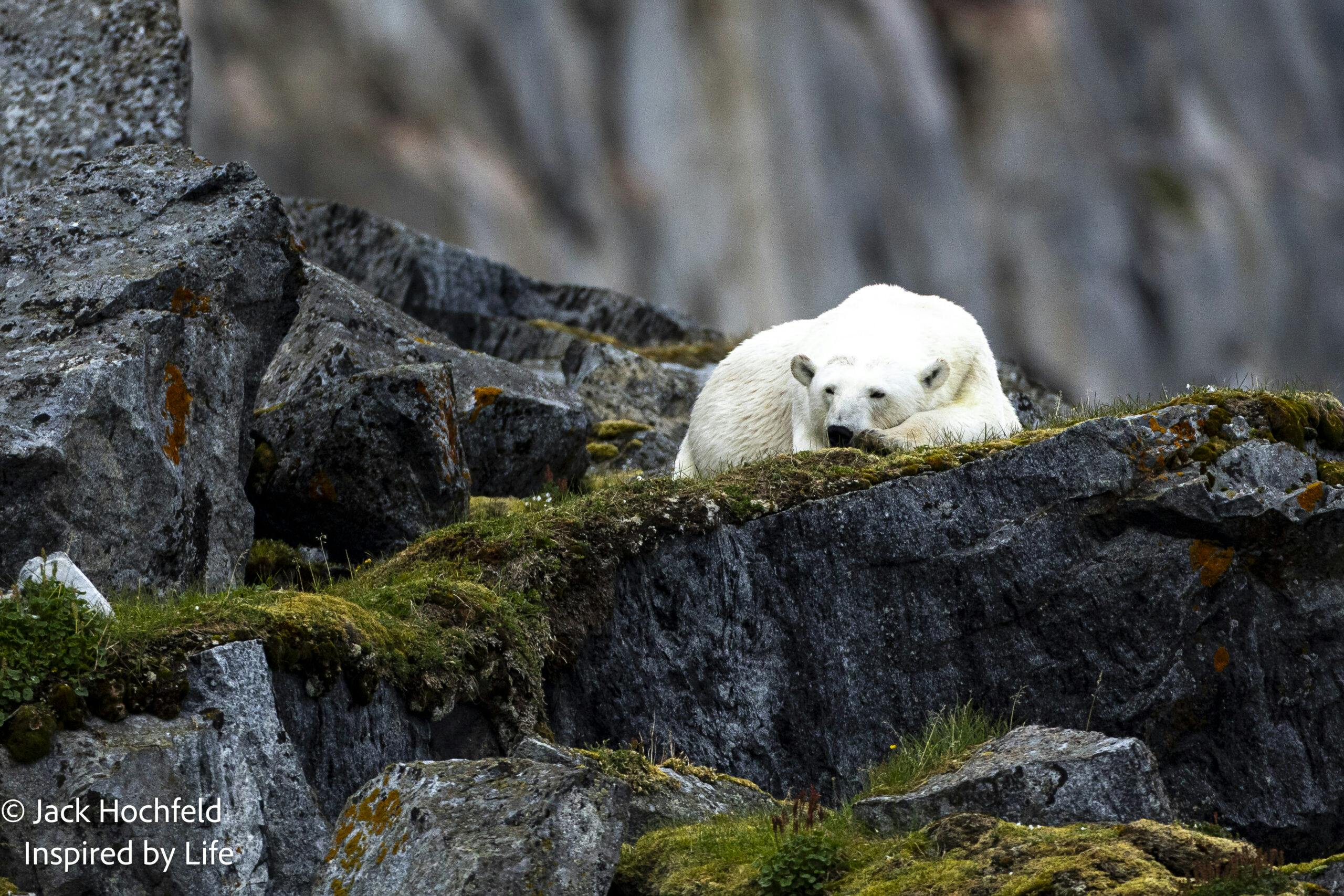
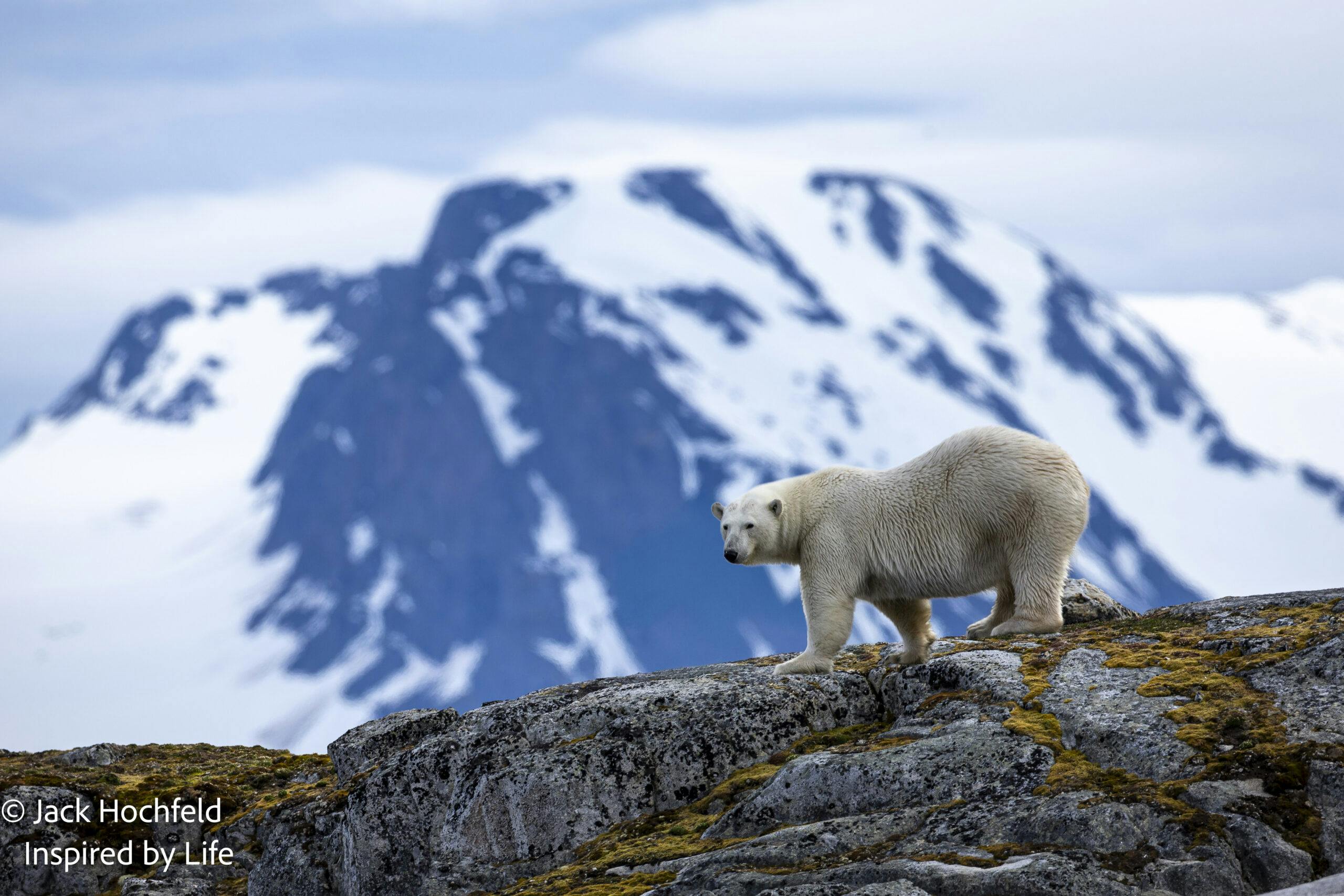
On our first Zodiac outing, we spot three polar bears interacting over a walrus carcass. They are distant, and the conditions are challenging for photography, but observing their behavior—the posturing, tugging, and shifting between individuals—is captivating. With the right lenses and good resolution, excellent images can still be obtained despite the distances encountered.
Editor’s Note: Travelers are advised to always bring their primary camera gear on Zodiac outings, as significant wildlife sightings can happen at any moment.
Daily Wildlife & Wildlife List
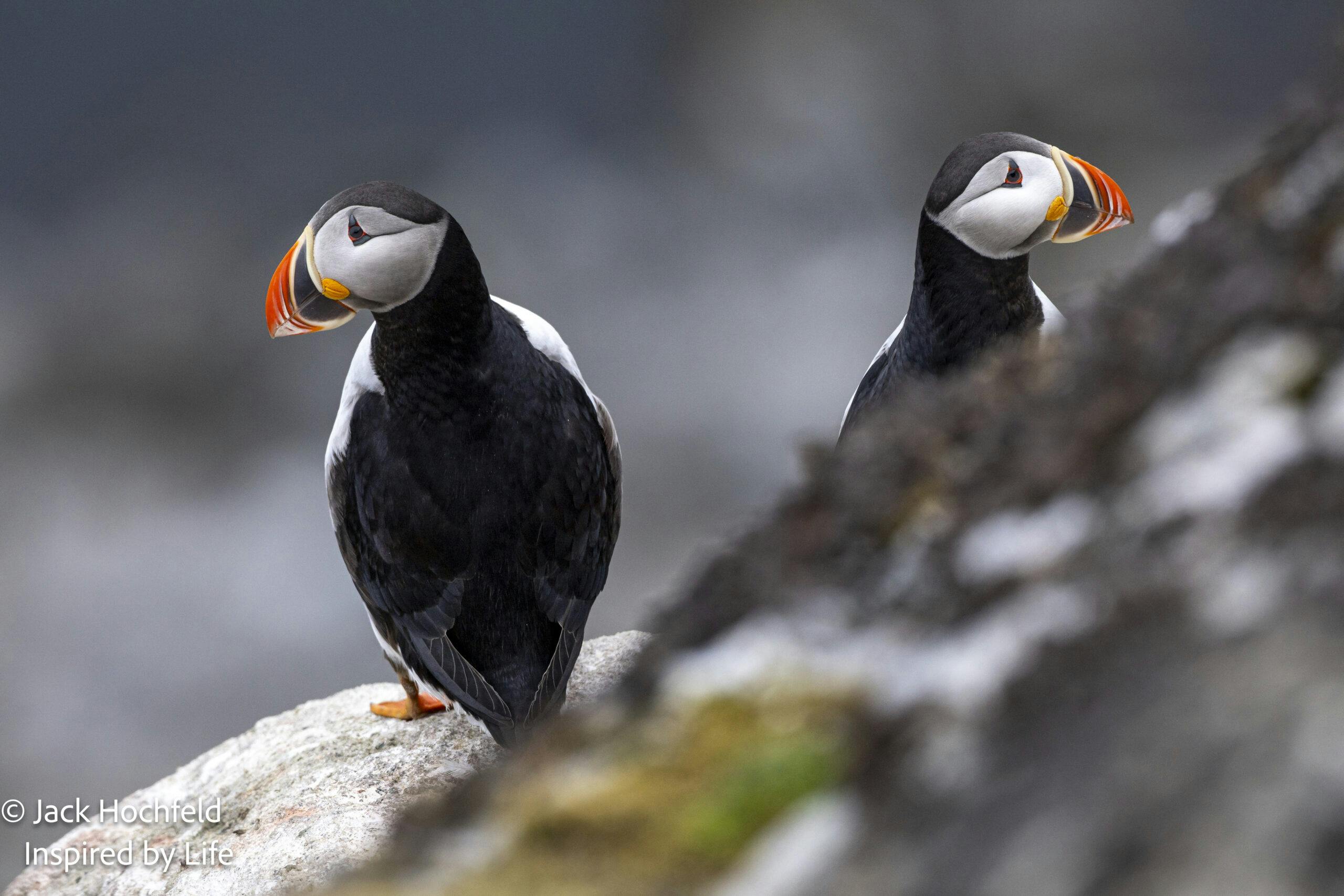
Each day we venture out—by Zodiac or on foot—and are rewarded with sightings of polar bears, reindeer, Arctic foxes, walruses, seals, and an impressive array of birds: Arctic Terns, a lone Red Phalarope, an Ivory Gull, Black and Brunnich’s Guillemots, Kittiwakes, Glaucous Gulls, Common Eiders, and Barnacle Geese. No whales this trip, but Northern Fulmars occasionally follow the boat. Their flight patterns often defy our attempts to photograph them, vanishing just as the shutter is raised.
All landings are guided and safeguarded—our team always carries rifles as a legal and safety requirement in polar bear territory.
Polar Bears
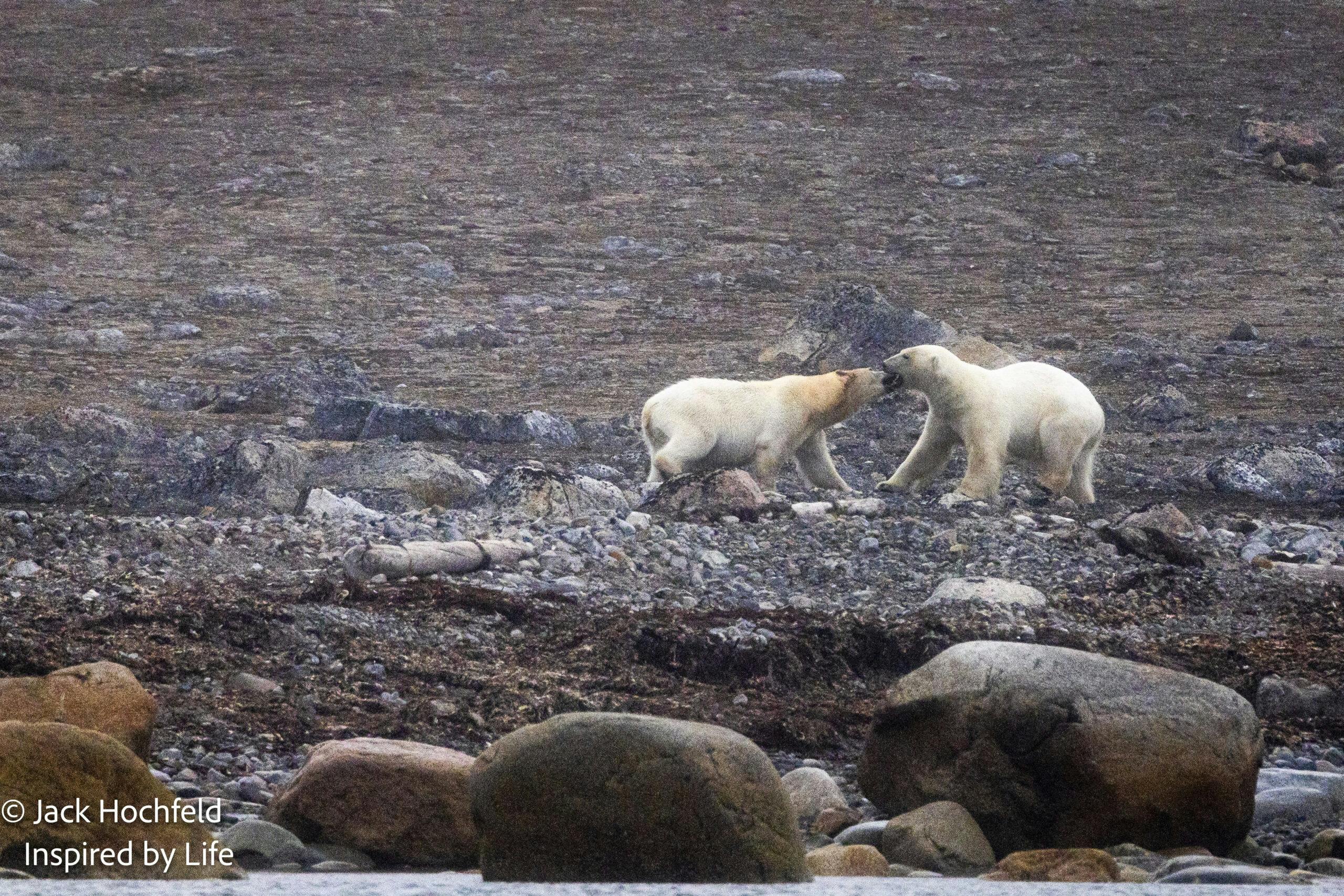
Our polar bear sightings are memorable. We observe them sleeping, swimming, and traversing the ice. They appear nearly weightless, stepping with precision, their movements elegant and unhurried. They scan their environment for any signs of movement, the top predator in their domain.
Arctic Fox Cubs & Reindeer Flora
Unlike previous experiences where we watched fox dens from afar, here the Arctic fox cubs rest openly under a rock overhang, unconcerned with our distant observation.
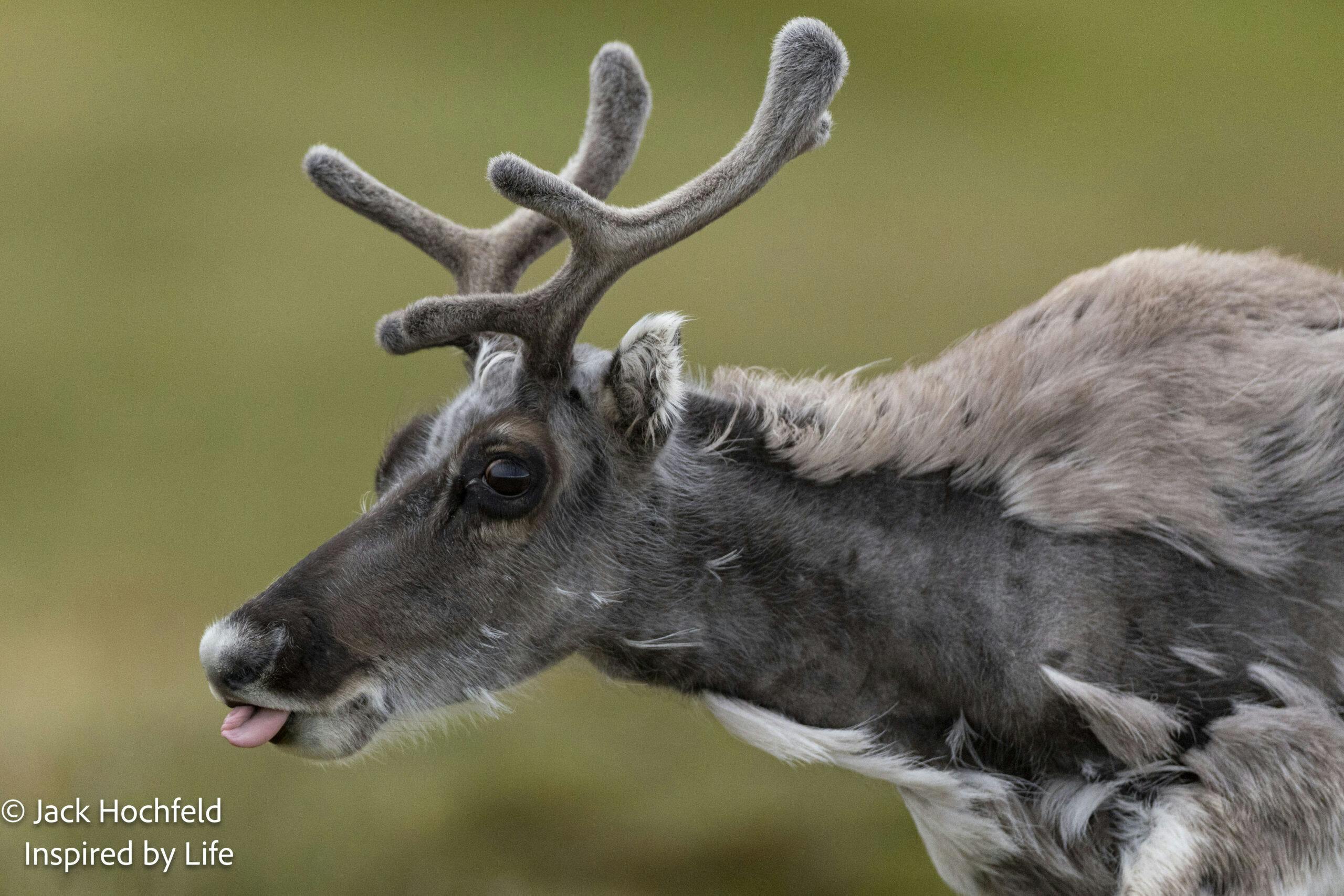
Reindeer dot the steep slopes, grazing the sparse vegetation. Polar Willow blooms—though only centimeters tall, it thrives in this harsh climate. Lichen species (742 in total) offer bursts of color and serve as vital winter forage.
Hunting & Population
Foxes, seals, and reindeer are still legally hunted in Svalbard, though population data indicates healthy numbers for certain species.
Distorted Time & Duration
We spend 10 days aboard our small but homey expedition ship. With no sunrise or sunset, time becomes elastic. We accomplish much, yet it feels as though we’ve barely begun. The Arctic compresses and expands time all at once.
Final Reflection & Invitation
We leave awed by the stark beauty of the Arctic—its silence, its light, its slow rhythms. This is a land where survival is never guaranteed, and every birdcall, pawprint, or breeze over ice feels miraculous.
To witness this world—still wild, still enduring—is a rare privilege, and a reminder of what we need to protect.
🌎 Explore Our Svalbard Expeditions
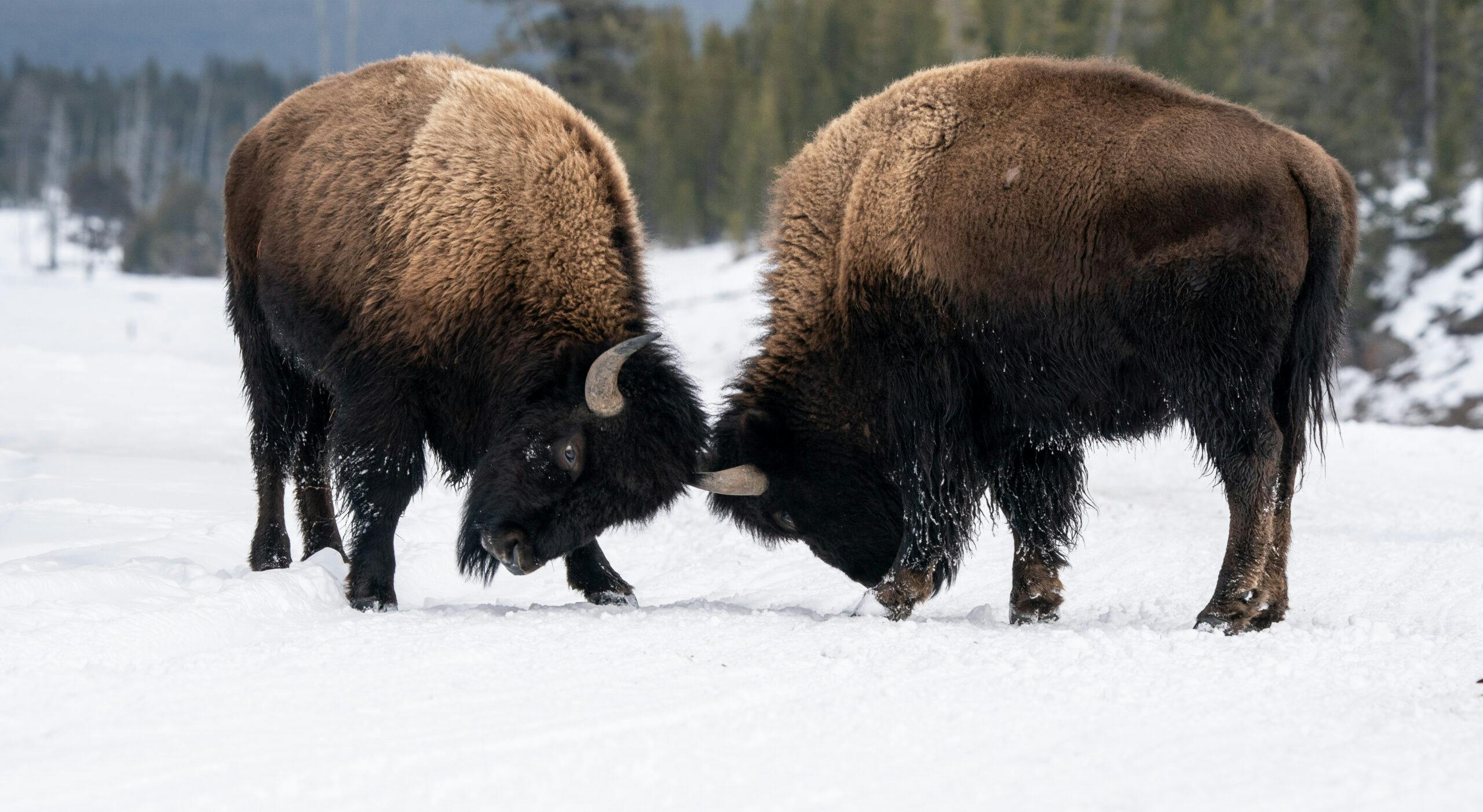
Yellowstone National Park cast its wintry spell on a small group of travelers during Cheesemans’ nine-day photographic safari in early 2025. Blanketed in snow and silence, the park’s dramatic geothermal features and iconic wildlife took center stage. Led by professional wildlife photographer Scott Davis, guests ventured through steaming geyser basins, frosted valleys, and snow-covered forests, capturing unforgettable scenes of bison, foxes, elk, and, with patience and luck, wild wolves. With every step and shutter click, the group experienced Yellowstone’s rare solitude and the stark beauty that only winter can unveil.
🏞️ Trip Highlights
From the haunting howls of wolves echoing through Lamar Valley to the ethereal steam rising from vibrant geothermal pools, every day in Yellowstone delivered unforgettable moments. With expert guidance, intimate group size, and immersive access via snowcoach, this winter safari offered extraordinary opportunities for wildlife encounters and stunning photography.
Highlights Included:
- 🐺 Spotted gray wolves, red foxes, coyotes, and bison thriving in their natural winter habitat
- 🌋 Photographed iconic geothermal features, including Old Faithful, Grand Prismatic Spring, and bubbling mud pots
- 📸 Refined photography skills with guidance from expert wildlife photographer Scott Davis
- 🚌 Explored Yellowstone’s remote interior by private snowcoach, away from winter crowds
- ❄️ Captured dramatic winter landscapes featuring frozen waterfalls, steaming valleys, and frost-covered wildlife
- 🔭 Enjoyed wildlife encounters in Lamar and Hayden Valleys, two of Yellowstone’s best areas for winter viewing
Welcome to the Winter Wild
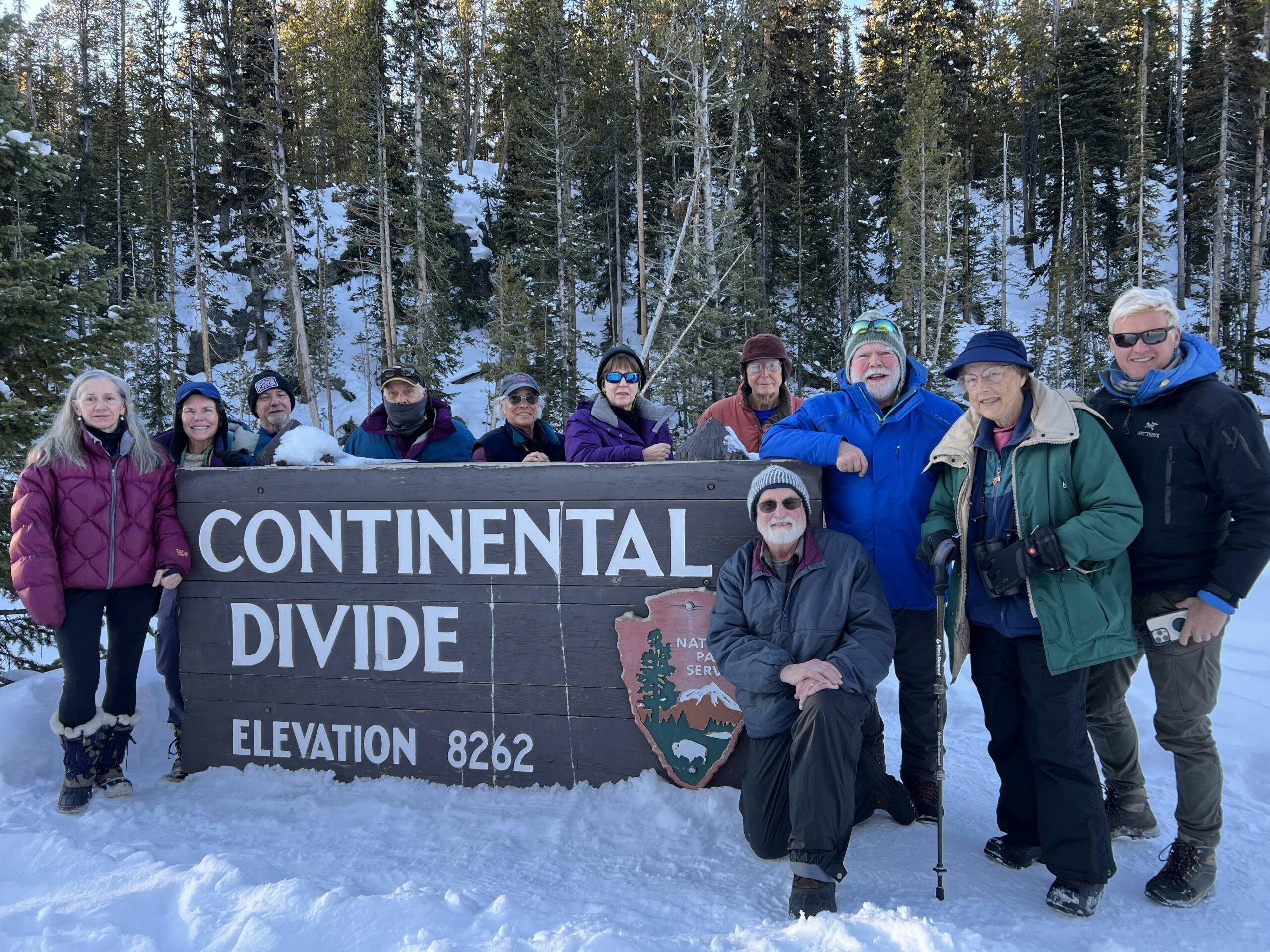
Guests touched down in Bozeman, Montana, where snow-covered mountains framed the skyline and the crisp winter air signaled the start of an adventure. After settling into their hotel, travelers met their expert guide, renowned wildlife photographer Scott Davis, and the rest of the group. Excitement built as everyone gathered to discuss the journey ahead into one of the most unique and untamed winter landscapes on Earth.
Into the Icebound Frontier
The group departed Bozeman, journeying south along the frozen Yellowstone River and into the park’s northern range. Along the way, they encountered bighorn sheep perched on snowy cliffs, herds of elk crossing the open fields, and pronghorn navigating the winter terrain. Upon arrival at Mammoth Hot Springs, guests were awestruck by the surreal scene—billowing steam rising from mineral terraces that glowed with pale hues against the snow, setting the tone for a week of contrasts and natural wonders.
Wolves and Wonder in Lamar Valley
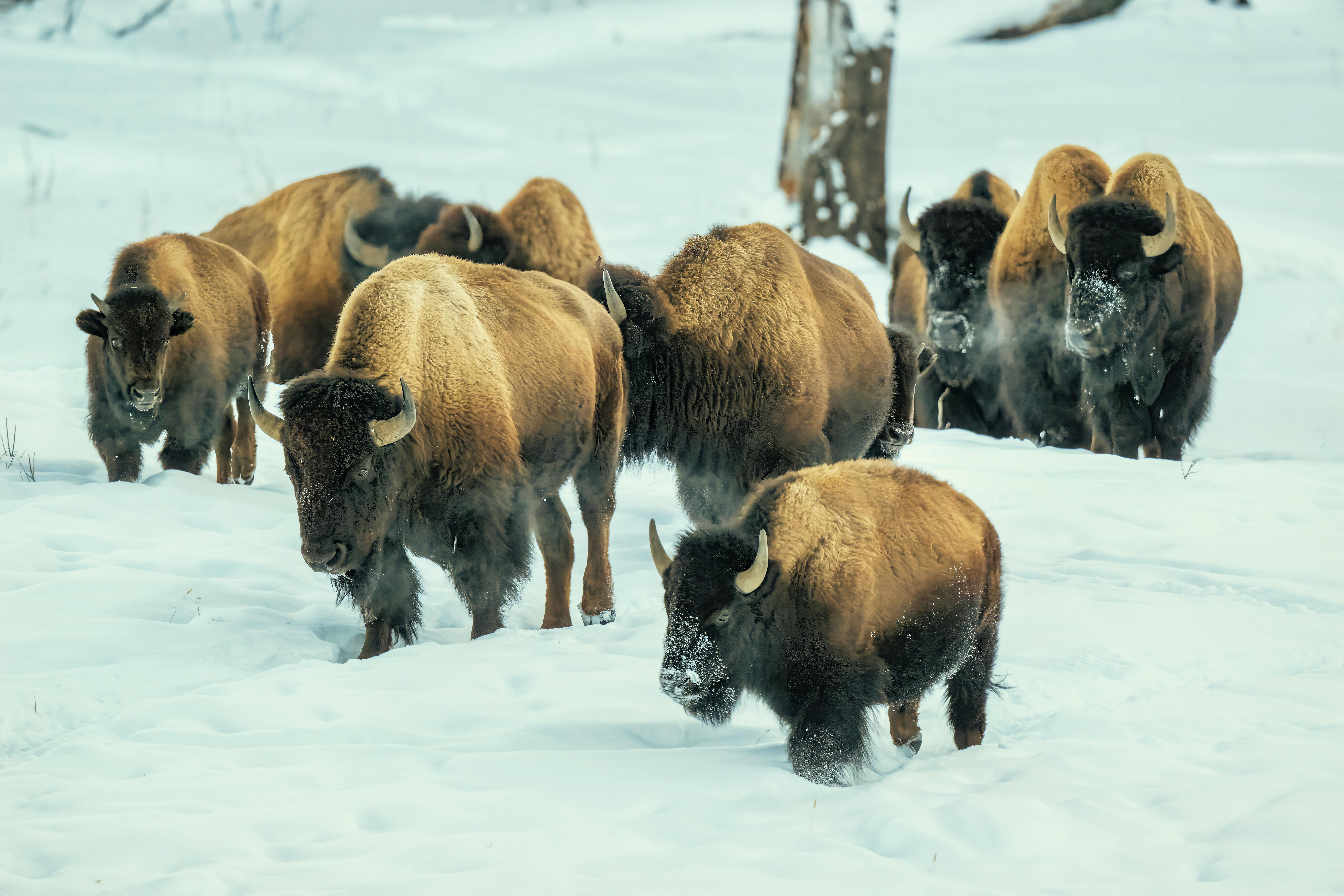
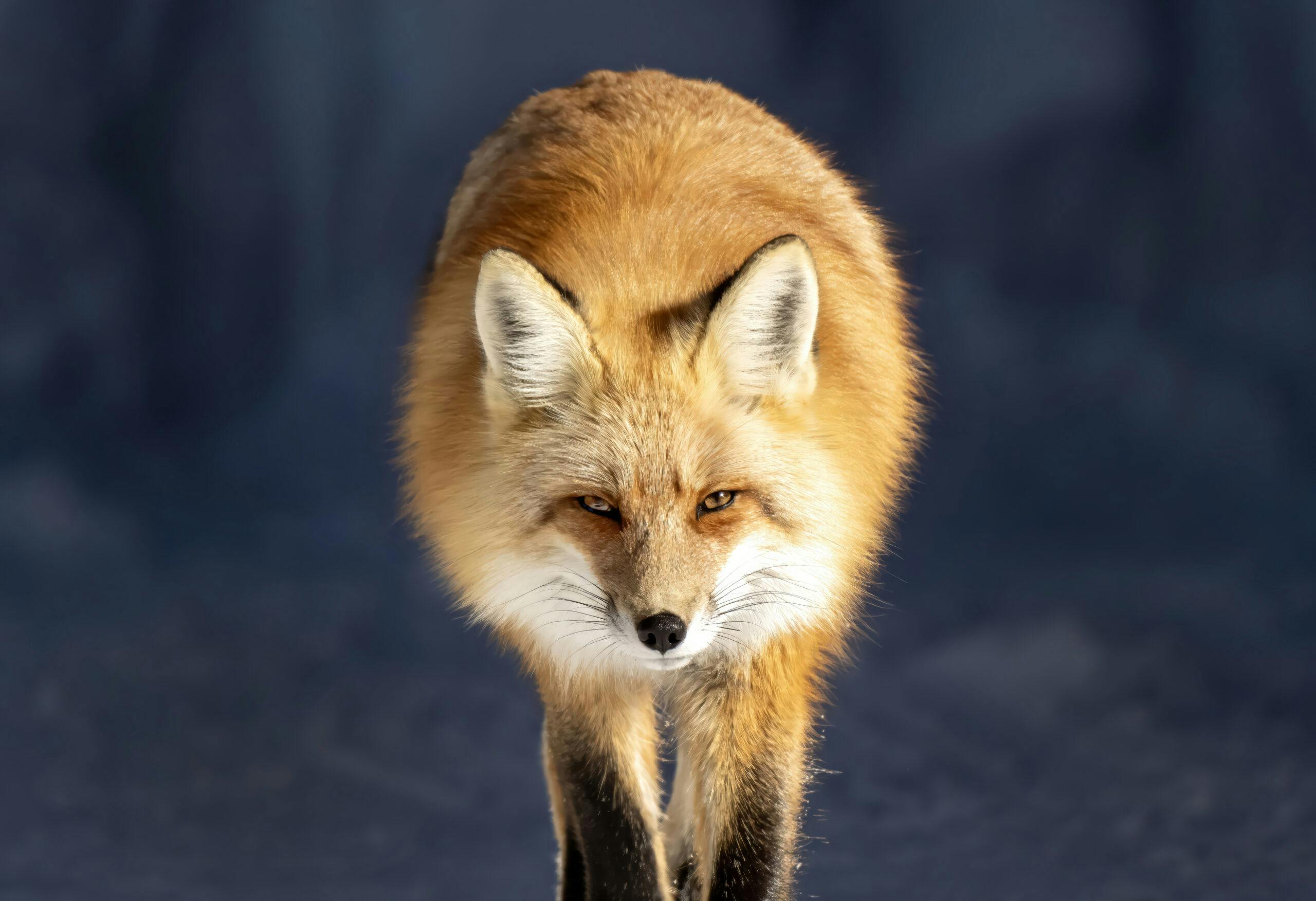
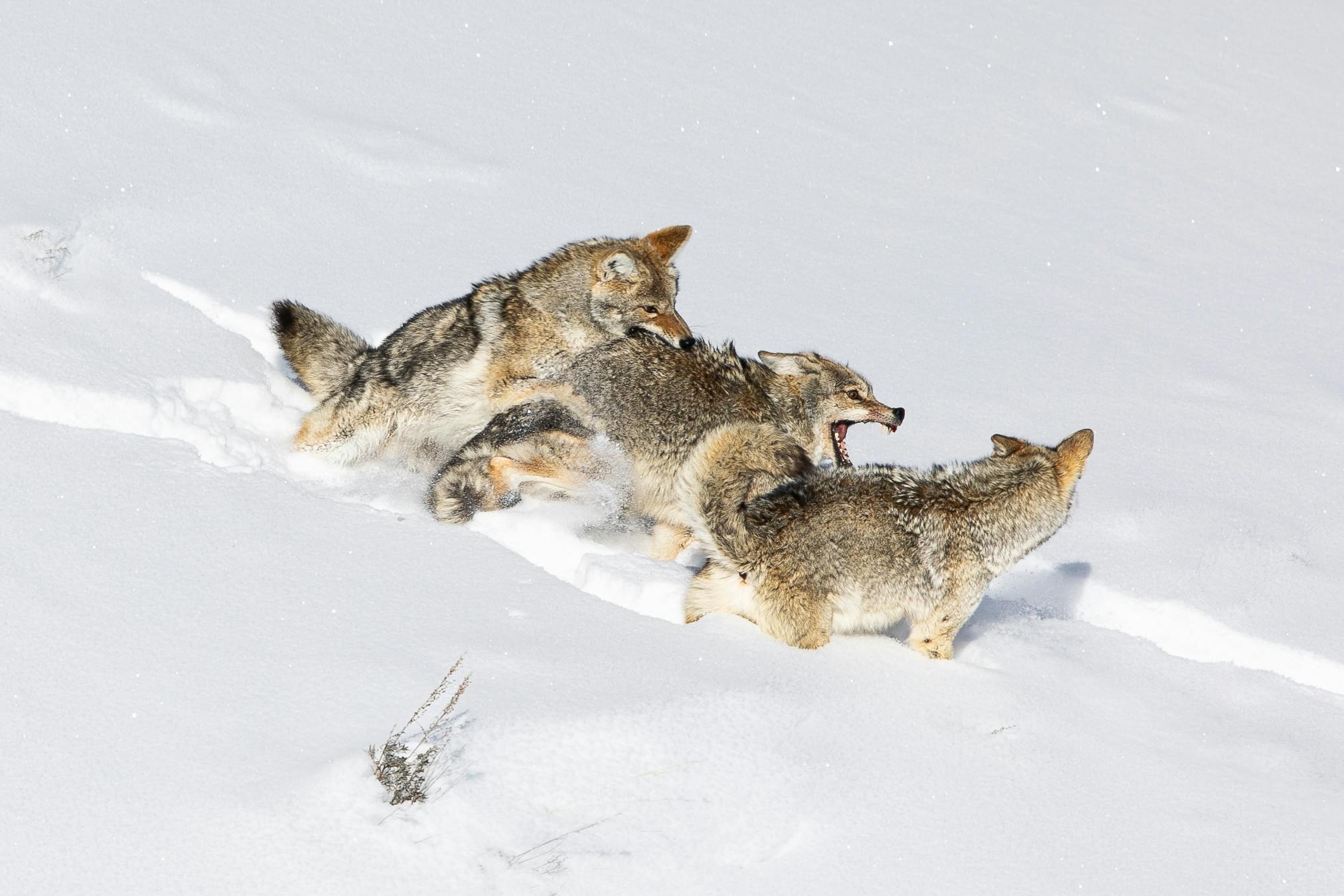
The day was dedicated to Lamar Valley, a wildlife-rich haven often called the “American Serengeti.” With scopes and long lenses ready, the group observed bison forging paths through deep snow, red foxes leaping after prey, and bald eagles soaring overhead. They patiently scanned the ridges and open flats, eventually rewarded by the eerie, unforgettable sound of wolves howling in the distance. It was a day filled with anticipation, awe, and rare glimpses into Yellowstone’s most elusive winter residents.
Snowcoach Safari to Yellowstone’s Heart
Leaving the northern range behind, guests boarded a private snowcoach—one of the only ways to access Yellowstone’s interior during winter. As they moved deeper into the park, the scenery transformed into a vast, snow-blanketed wilderness. In Hayden Valley, wildlife dotted the landscape: Trumpeter Swans glided across ice-edged rivers, coyotes trotted through meadows, and solitary bison stood like statues against the backdrop of frosted pines. Every turn revealed a new photographic opportunity in this pristine, frozen frontier.
Geysers Aglow in a Frozen Realm
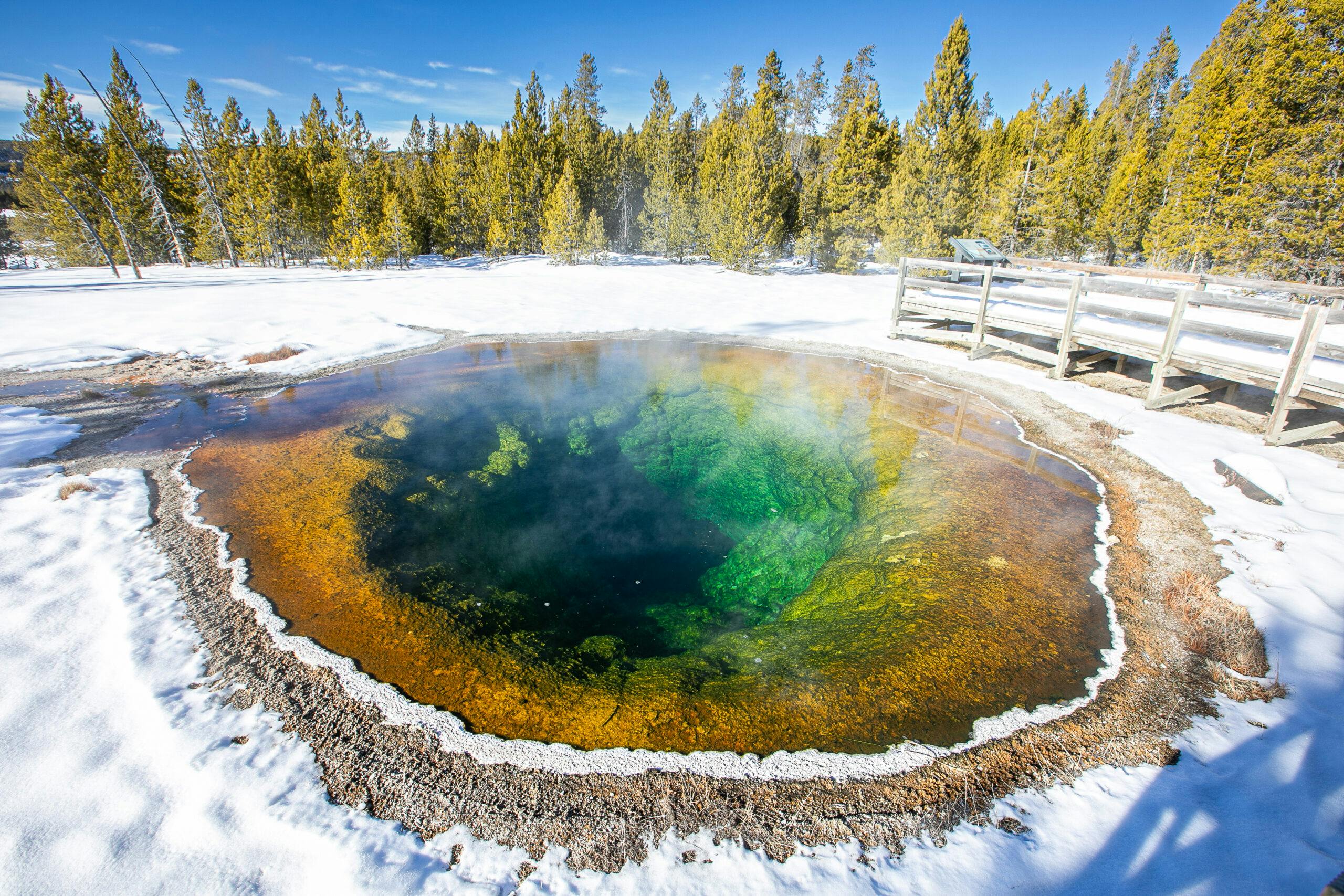
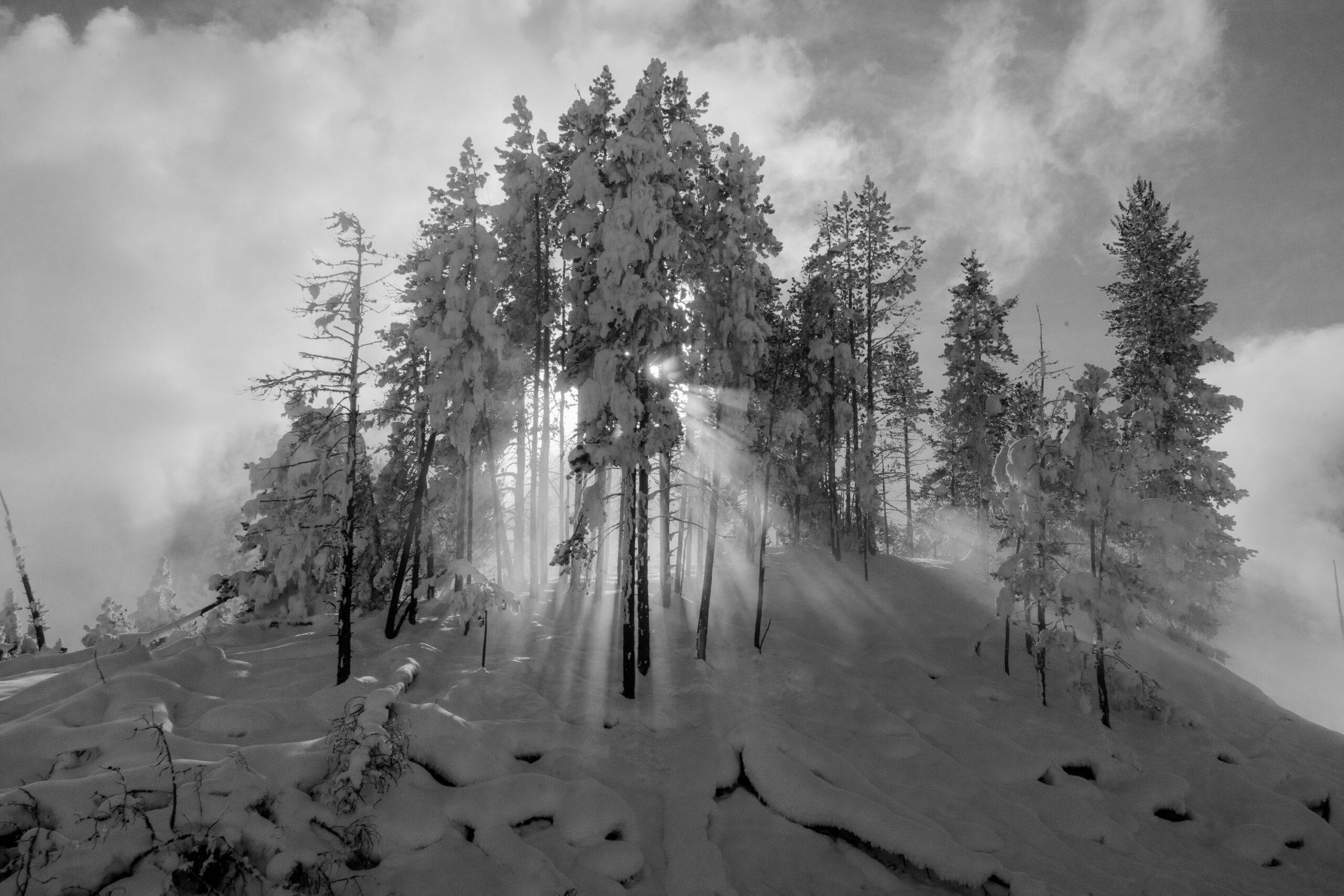
Based near Old Faithful, guests explored the geothermal wonders of Yellowstone’s core. They captured the dramatic eruptions of Old Faithful, with steam rising into cold air and cascading down as glittering “geyser rain.” Guided walks along the boardwalks brought them to bubbling mud pots, roaring fumaroles, and vibrant hot springs like the Grand Prismatic, whose colors burned brightly even through the icy mist. Early morning light created magical scenes as sunbeams filtered through steam, casting long shadows and illuminating the crystalline frost.
Return Through a Living Snow Globe
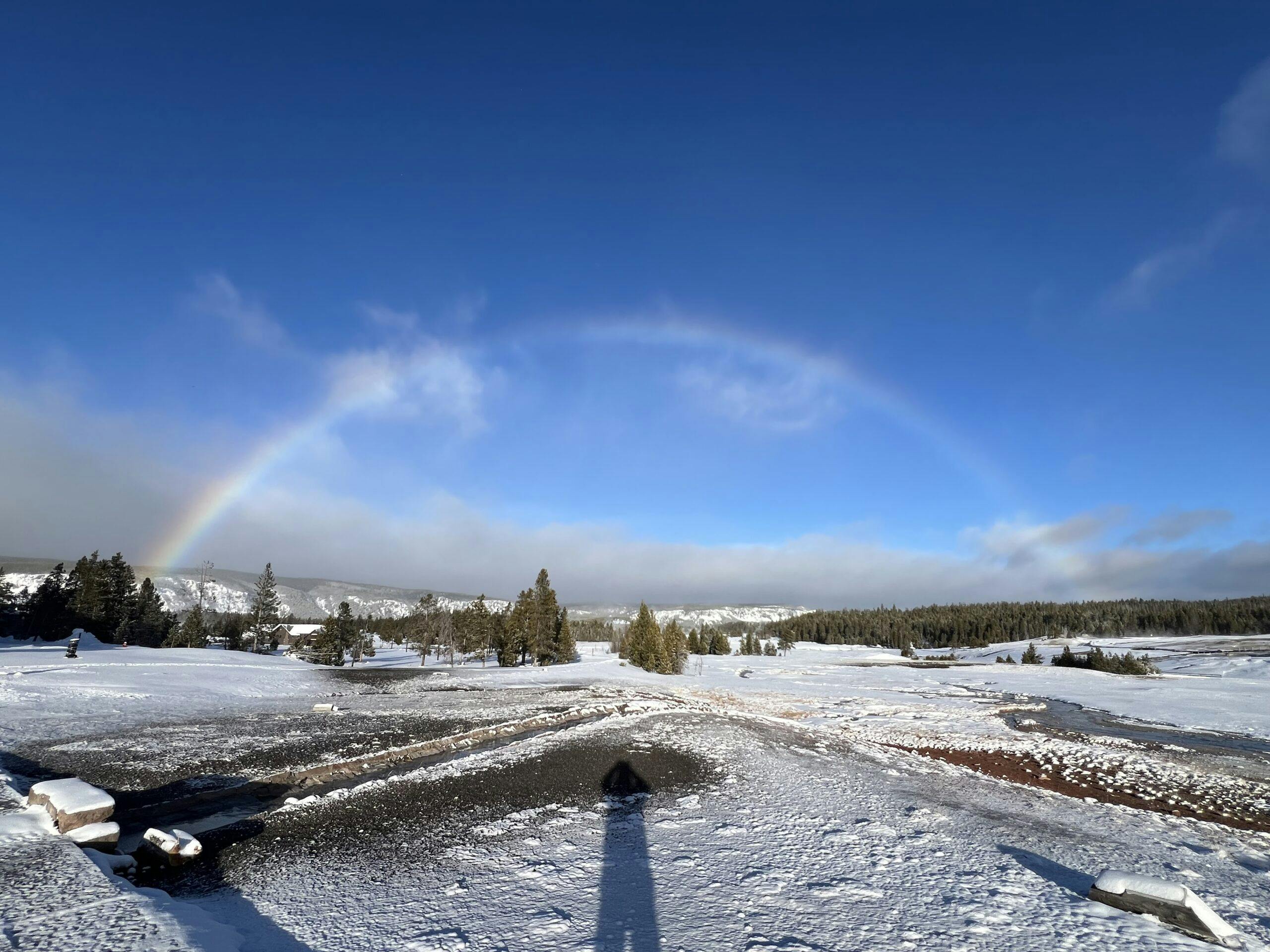
After one last peaceful morning walk among geysers, the group began their journey back to Mammoth Hot Springs by snowcoach. The return trip was far from ordinary—guests stopped often to photograph waterfalls frozen in time, rugged cliffs softened by snow, and the wildlife that continued to thrive in Yellowstone’s deepest winter. The park’s geothermal landscapes felt otherworldly, making this day a reflective and richly visual end to their time in the park’s interior.
Farewell to the Wild North
Returning to Lamar Valley one final time, the group embraced the quiet thrill of winter wildlife viewing. They scanned the snowy terrain for one last wolf sighting, spotted playful otters along icy creeks, and listened to the sounds of trumpeter swans echoing through the valley. The group gathered for a warm and heartfelt farewell dinner in Livingstone, before returning to Bozeman, reminiscing on moments from an extraordinary week in the wild..
Depart with Memories Etched in Snow
With gear packed and hearts full, travelers said goodbye to Yellowstone’s stunning winter landscapes. They departed Bozeman carrying not only breathtaking images but also a deeper appreciation for the raw beauty and resilience of the natural world in its most elemental season.
📅 Join Us in Yellowstone!
Experience Yellowstone’s quietest, wildest season for yourself. On our next winter safari, you’ll explore this iconic park in the peaceful stillness of snow-covered landscapes, photograph incredible wildlife, and journey deep into geyser country with expert guides.
🚀 Explore trips & book now:
Explore Our Expeditions | Contact Us for Assistance
Plan Your Next Adventure:
Embark on an unforgettable Zimbabwe safari adventure, where breathtaking landscapes, thrilling wildlife encounters, and impactful conservation efforts come together. From the thunderous roar of Victoria Falls to the remote wilderness of Hwange National Park, this journey immerses travelers in the heart of Africa’s wild beauty.
Led by expert guide Vusa Ncube, this immersive experience offers unparalleled access to Zimbabwe’s diverse ecosystems — from elephant encounters to inspiring conservation projects that protect the country’s rich natural heritage.
Discovering the Pulse of Wild Zimbabwe
The safari began at the edge of one of the world’s greatest natural wonders — Victoria Falls. Known as “The Smoke That Thunders,” this breathtaking cascade of water marked a dramatic start to the adventure. But the real heartbeat of Zimbabwe lay further afield — in Hwange National Park, home to vast elephant herds and some of Africa’s most untouched wilderness.
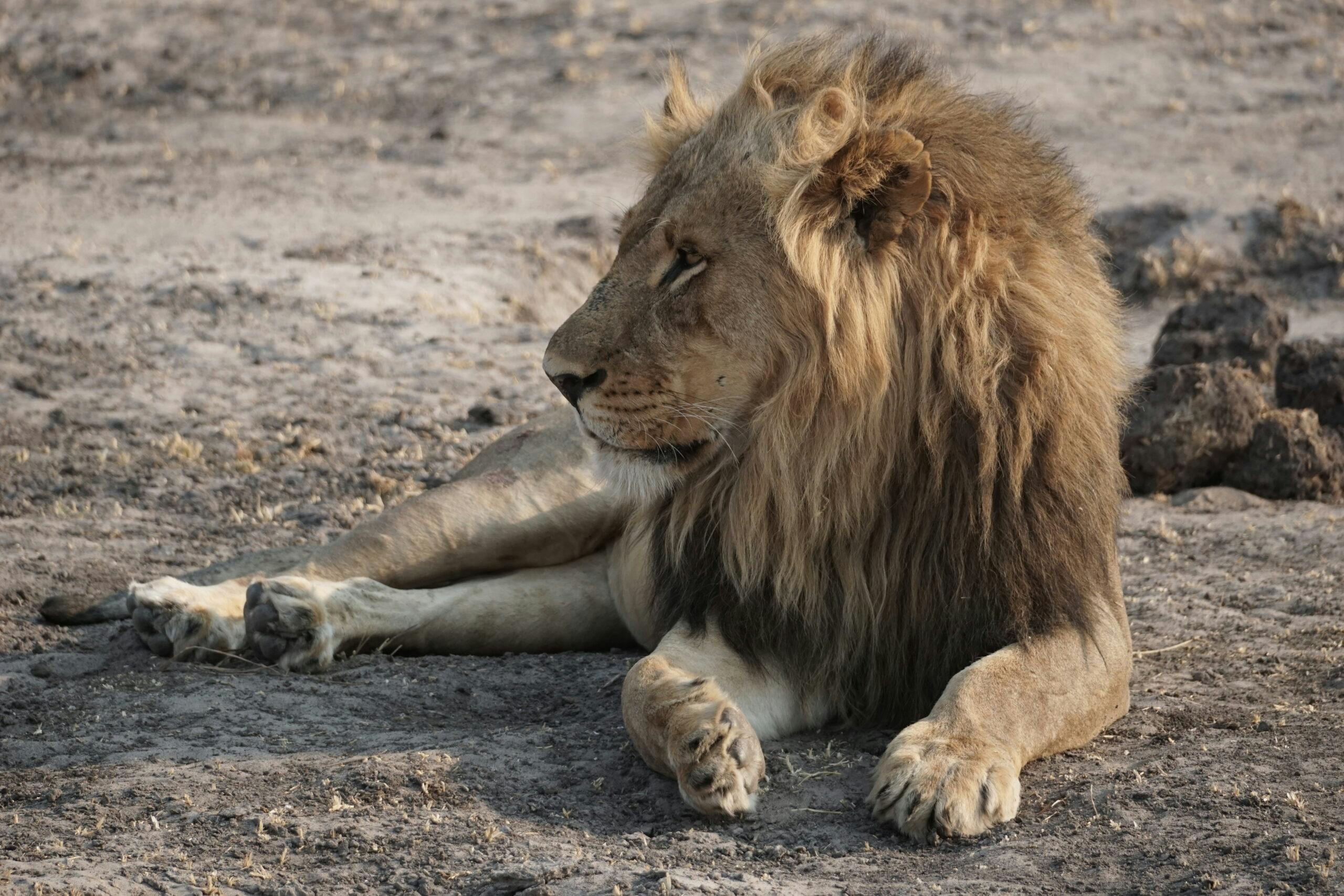
The group settled into Nehimba Lodge in northern Hwange, where each day brought intimate wildlife moments: lions on the move, buffalo wallowing, and elephants gathering at mineral-rich seeps — a rare behavior unique to this region.
Immersed in Remote Southern Hwange
A chartered bush flight carried the group to Jozibanini, an off-the-grid camp tucked deep in Southern Hwange. Once ravaged by poaching, this region now thrives thanks to visionary ecotourism initiatives.
Highlights Included:
- 🐘 Tracking elephants on foot along ancient migratory paths
- 🚴 Exploring rugged terrain by mountain bike
- ✨ Watching night skies blaze with starlight, uninterrupted by civilization
Every moment took the group deeper into wild Zimbabwe — raw, unfiltered, and utterly unforgettable.
Wildlife Encounters from Eye Level
At Bomani Tented Lodge, the group experienced one of the most remarkable wildlife viewing setups in Africa — the Look-Up Blind. Just feet from a bustling waterhole, participants sat eye-level with elephants, zebras, and warthogs. The result? Emotional, unguarded encounters in absolute silence.
The group also visited nearby villages and met locals whose lives are shaped — and improved — by the ripple effects of conservation travel.
Southern Carmine Bee-Eater© Vusa Ncube
Hippo© Bonnie Miller
Cape Buffalo© Bonnie Miller
Giraffes© Bonnie Miller
Lions© Bonnie Miller
Lions© Bonnie Miller
Lions© Bonnie Miller
© Bonnie Miller
Lions© Bonnie Miller
Lion© Bonnie Miller
Martial Eagle© Bonnie Miller
Southern Yellow-billed Hornbill© Bonnie Miller
Elephants© Bonnie Miller
Sunset© Bonnie Miller
Elephants© Bonnie Miller
Zeebras© Bonnie Miller
Elephants & Wildebeests© Bonnie Miller
White Rhino© Bonnie Miller
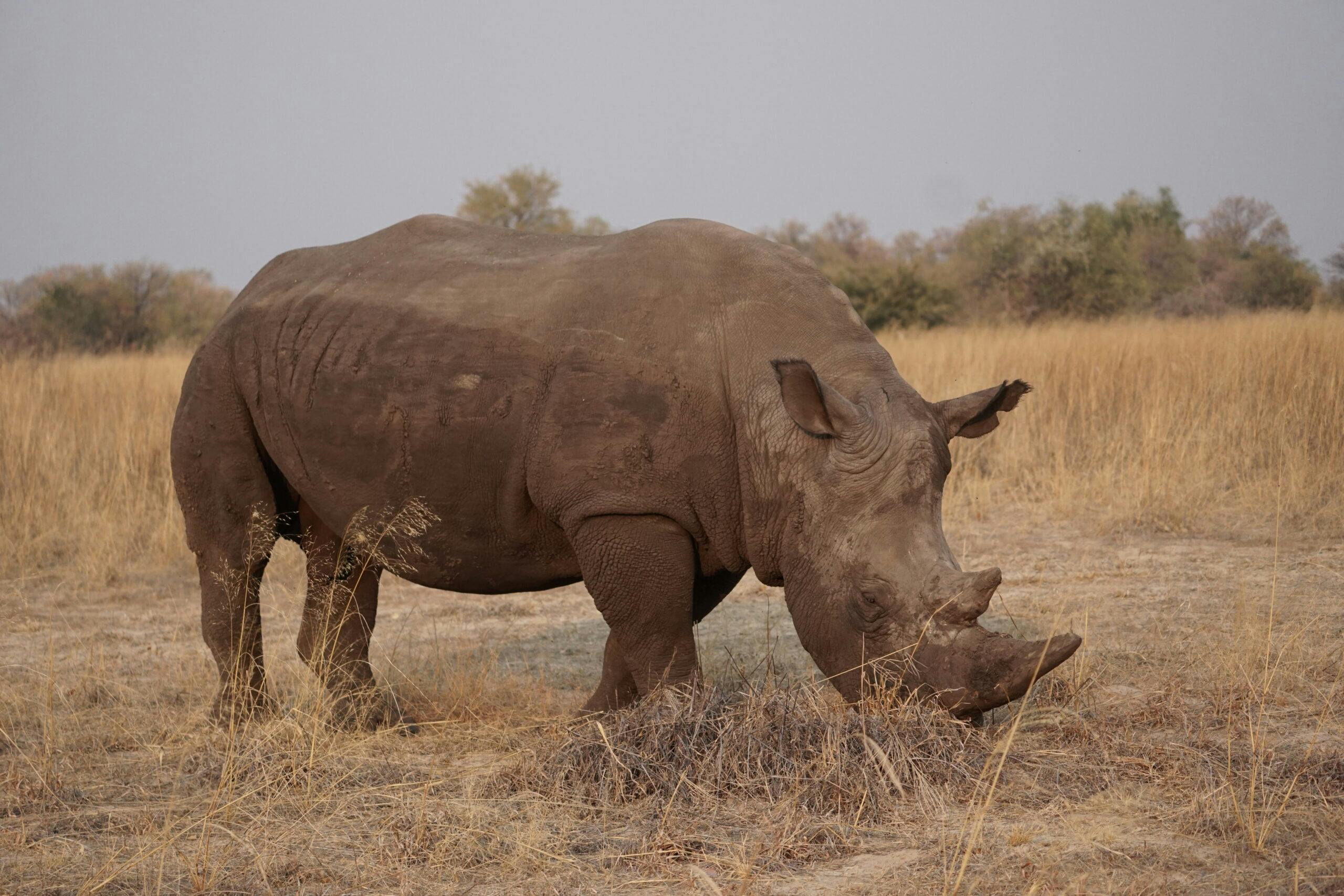
Guardians of the Wild: Zimbabwe’s White Rhinos
In a powerful moment of connection, the group visited Zimbabwe’s reintroduced white rhinos, now protected by the dedicated Cobra Rangers. Their story — from near extinction to recovery — is a testament to what focused conservation and local leadership can achieve.
During the visit, the group:
- 🦏 Stood just meters from grazing rhinos
- 🎓 Learned about the threats they face
- 💡 Witnessed how ecotourism funds clinics, schools, and community infrastructure
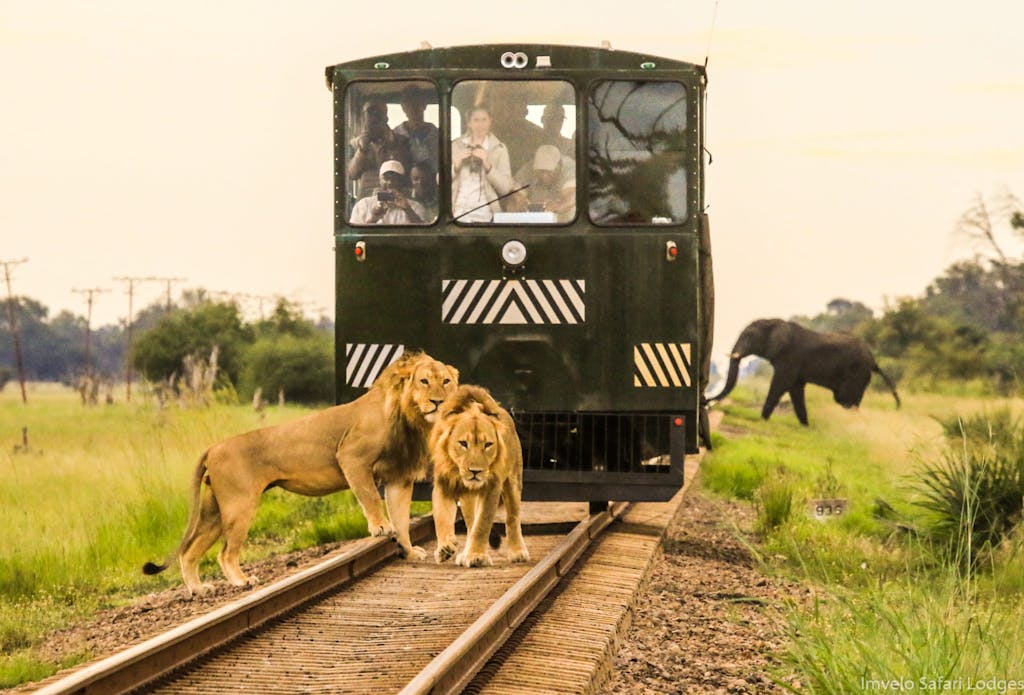
A Final Ride on the Elephant Express
The journey concluded aboard the Elephant Express, a slow-moving train through golden savannahs. Wildlife sightings dotted the ride — elephants, zebras, and even a lounging cheetah.
A final sunset cruise on the Zambezi River provided the perfect send-off, with hippos, crocodiles, and kingfishers filling the group’s last golden hour in Africa.
From Zimbabwe to Silver Bank: Where Will You Go Next?
If Zimbabwe inspired, consider joining Cheesemans’ next adventure — snorkeling with humpback whales at Silver Bank. Float in warm Caribbean waters beside these gentle giants, hearing their ethereal songs resonate beneath the surface.
👉 Explore your next journey
From the heart of Africa to the depths of the Caribbean, every Cheesemans’ safari is a story waiting to be told. 🌍🐘🐋
🚀 Explore trips & book now:
Explore Our Expeditions | Contact Us for Assistance
Plan Your Next Adventure:
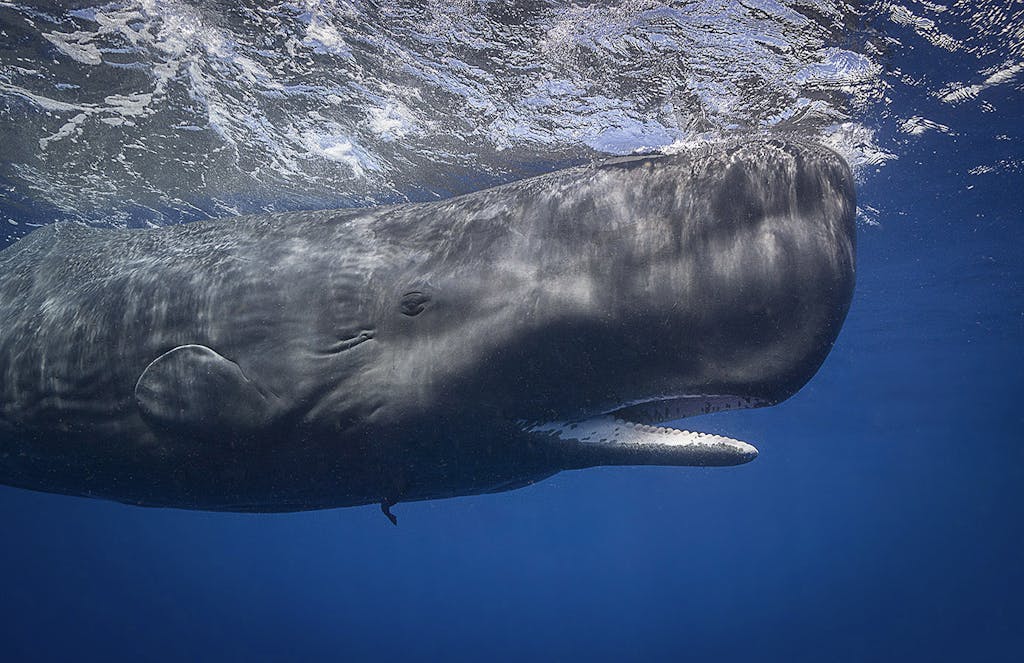
Swim alongside the largest toothed predator on Earth—Dominica’s resident sperm whales—in a once-in-a-lifetime Caribbean adventure. In the crystal-clear waters of this pristine island nation, guests on Cheesemans’ Ecology Safaris came face-to-face with these awe-inspiring marine giants, gaining a rare and intimate glimpse into their underwater world.
Why the Caribbean is a Whale-Watching Paradise
The Caribbean Sea is a global hotspot for marine megafauna, offering year-round whale watching in some of the most biologically rich waters on the planet. Dominica, located between Guadeloupe and Martinique, is one of the few places in the world where sperm whales reside year-round, while nearby Silver Bank—a shallow underwater plateau north of the Dominican Republic—hosts migrating humpback whales each winter.
While Dominica provides encounters with sperm whales in their natural family pods, Silver Bank offers the chance to float quietly as massive humpbacks swim past, often singing their haunting songs. Both destinations highlight the Caribbean’s extraordinary marine biodiversity and make the region a must-visit for eco-travelers and ocean lovers alike.
Trip Highlights:
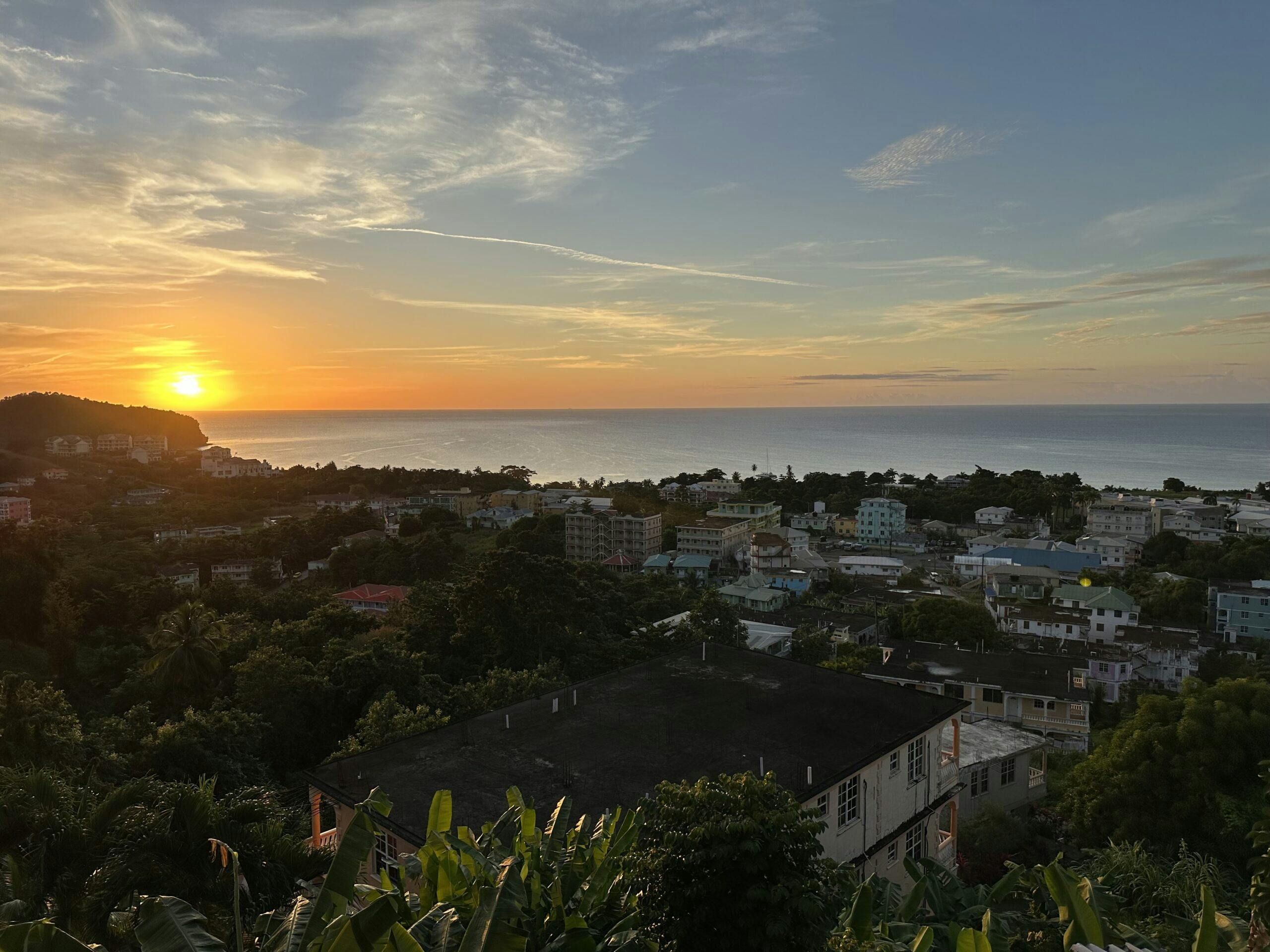
Dominica: The Nature Island Adventure
Dominica’s volcanic peaks, lush jungles, and unspoiled beaches create a dramatic and captivating landscape. Upon arrival, guests traveled along winding coastal roads lined with waterfalls and tropical vegetation to reach Portsmouth, the jumping-off point for their marine expedition.
Between whale outings, guests snorkeled over colorful coral reefs, trekked through the rainforest to discover hidden waterfalls, and relaxed in natural hot springs. A festive New Year’s Eve celebration with locals brought music, laughter, and a warm sense of Caribbean hospitality to the adventure.
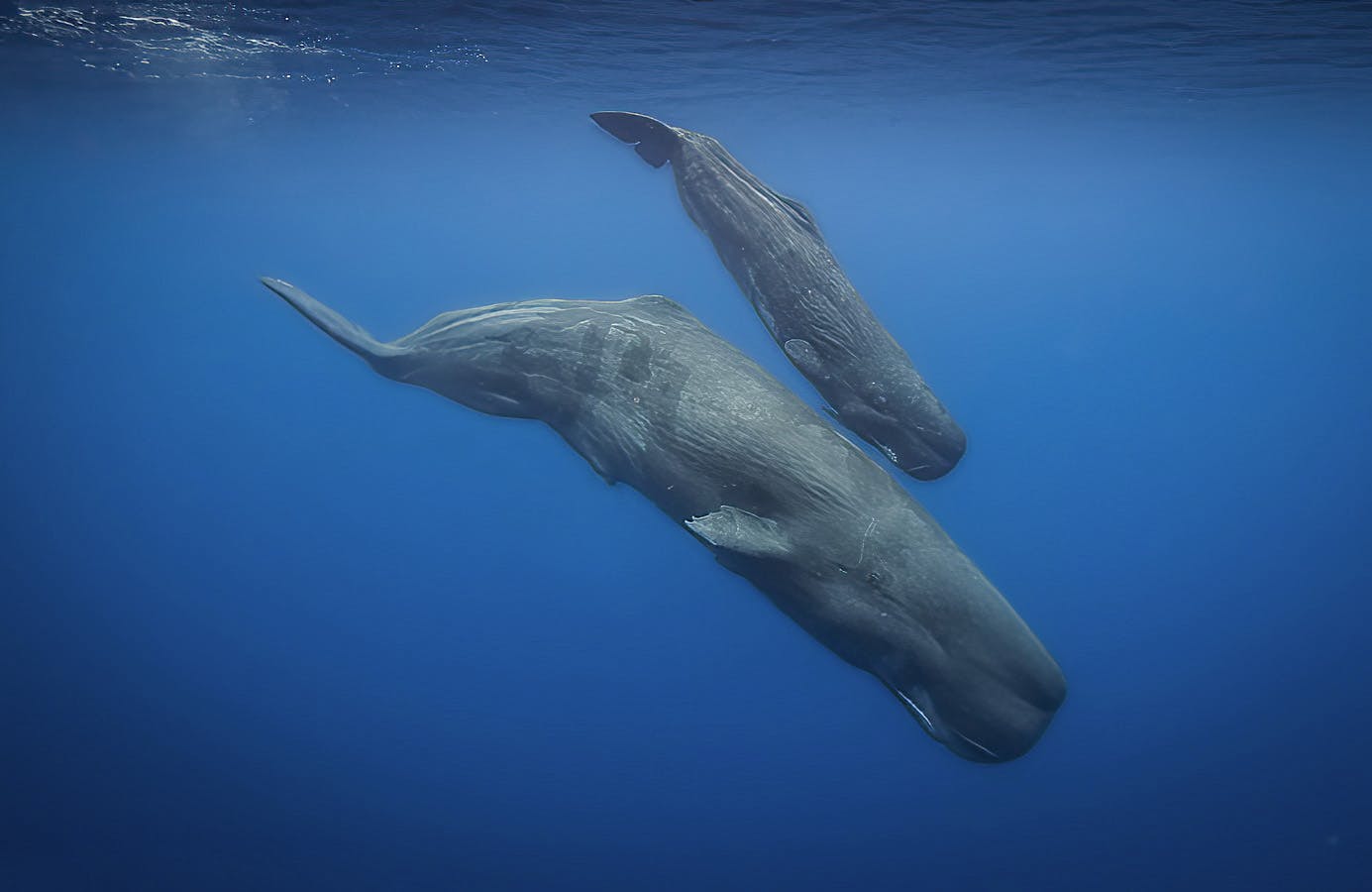
Sperm Whale Encounters: A Rare and Powerful Experience
Each day, the group boarded a specially outfitted 30-ft vessel designed to approach whales responsibly. With hydrophones in the water, they listened for the clicks of echolocation—the signature sound of nearby sperm whales.
Then came the moment: the echolocation clicks were heard and whales were spotted. Guests slipped into the sea, floating quietly in the blue. A large sperm whale appeared, gliding gracefully past. The guests watched the whale effortlessly swim by and then dive, disappearing slowly into the deep blue.
Besides in-water swimming, other guests watched as whales lifted their massive tails high before diving deep into the depths. Each encounter was a humbling and unforgettable experience.
Beyond the Whales: Discover Dominica’s Natural Wonders
While close encounters with sperm whales were the centerpiece of the trip, the relaxed pace of life on Dominica added a special richness to the experience. Known as the “Nature Island” of the Caribbean, Dominica offered the perfect setting to unwind, connect, and enjoy island hospitality.
When not out at sea, guests:
- 🏝️ Visited the coastal village and quiet beaches, where colorful markets and Creole-style homes showcased the island’s culture. It was a chance to experience the warmth and friendliness that Dominica is known for.
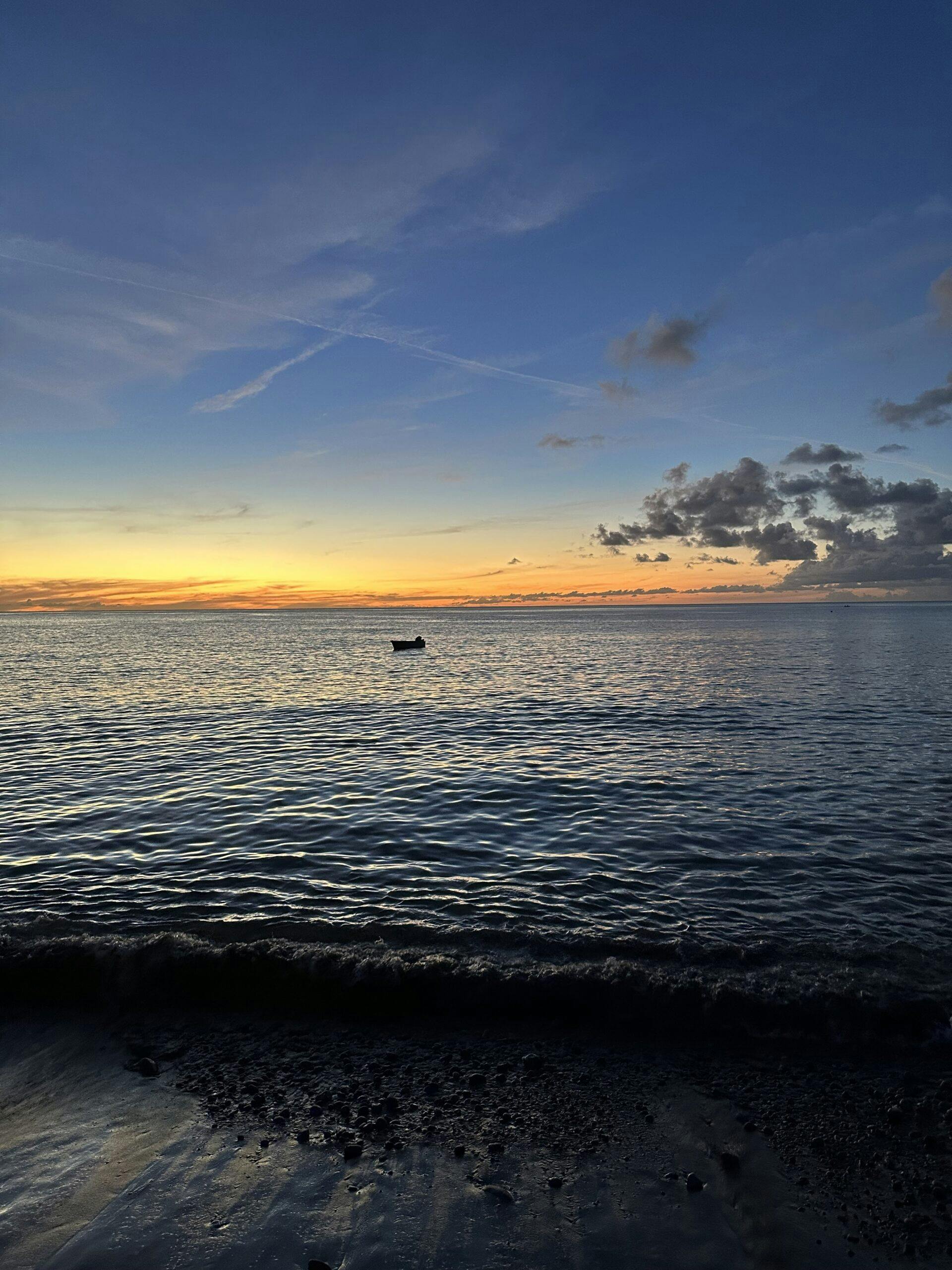
- 🌅 Gathered each evening to watch spectacular sunsets over the Caribbean Sea, a simple but unforgettable highlight as the sky lit up with incredible colors.
- 🎉 Celebrated New Year’s Eve with a festive dinner gathering, sharing local food, good company, and plenty of laughter as they welcomed the new year together in true island style.From soaring mountain peaks to turquoise bays, Dominica is a land of dramatic contrasts and untamed beauty—making it the perfect backdrop for a truly transformative travel experience.
Dominica’s welcoming spirit, stunning landscapes, and relaxed pace made it the perfect complement to the excitement of time spent with the whales—creating memories both on the water and on land.
Looking Ahead: Swim with Humpbacks in Silver Bank
While Cheesemans’ Dominica sperm whale trips are not currently scheduled, you can still experience a once-in-a-lifetime encounter with another gentle giant: the humpback whale. Join us at Silver Bank, one of the world’s top destinations for soft in-water whale interactions.
Why Choose Cheesemans’ Silver Bank Safari?
- 🐳 Five days of snorkeling with humpback whales in calm Caribbean waters
- 📷 Expert guidance from professional naturalists and photographer Scott Davis
- 🌍 Small group size (maximum of 19 participants) for intimate encounters
- 🎓 Evening presentations on whale behavior, marine ecology, and conservation
- 🐋 Witness breaching whales, singing males, and mother-calf pairs in their natural environment
Your Next Adventure Awaits!
If swimming with sperm whales in Dominica stirred your passion for marine life, don’t miss your chance to snorkel with humpback whales on the Silver Bank. This extraordinary journey offers powerful, close encounters guided by experts who prioritize conservation and respectful wildlife interaction.
👉 Start planning your next unforgettable adventure: Snorkel with Humpbacks at Silver Bank
The ocean’s giants are waiting—when will you dive in? 🐋🌊
👉Start planning your next aquatic adventure
Explore the Snorkeling with Humpacks
Swim with Humpback Whales!
“Every aspect of the trip was well thought out, from the accommodations, the guide (Scott) and the itinerary. The food was excellent, the sightings (both animals and Aurora) were amazing and the participants were congenial and got along well.”
-Steve Gorfien
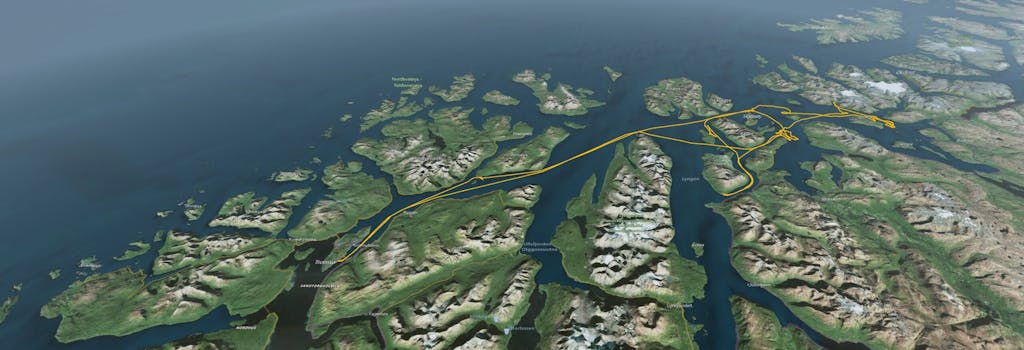
In the heart of Arctic Norway, where icy fjords slice through dramatic coastlines and the Aurora Borealis dances across the sky, Cheesemans’ Ecology Safaris offers an unforgettable winter expedition. Guests embark on a small-ship adventure, cruising through pristine waters in search of orcas and humpbacks, while immersing themselves in the stark beauty of Norway’s frozen wilderness.
This journey is more than just wildlife viewing—it’s an exploration of Arctic culture, photography, and thrilling winter activities that leave travelers with memories etched in frost and fire.
Trip Highlights:
- Witness orcas and humpback whales feeding in Norway’s Arctic waters.
- Experience the Northern Lights at their peak, illuminating the dark, polar-night skies.
- Cruise through scenic fjords aboard a comfortable, ice-strengthened vessel designed for intimate exploration.
- Enjoy exhilarating winter activities like dogsledding, snowmobiling, and unwinding in a traditional hot sauna.
- Discover remote Arctic villages, savor local cuisine, and immerse yourself in rich cultural experiences.
- Capture stunning images with expert guidance from professional photographer Scott Davis.
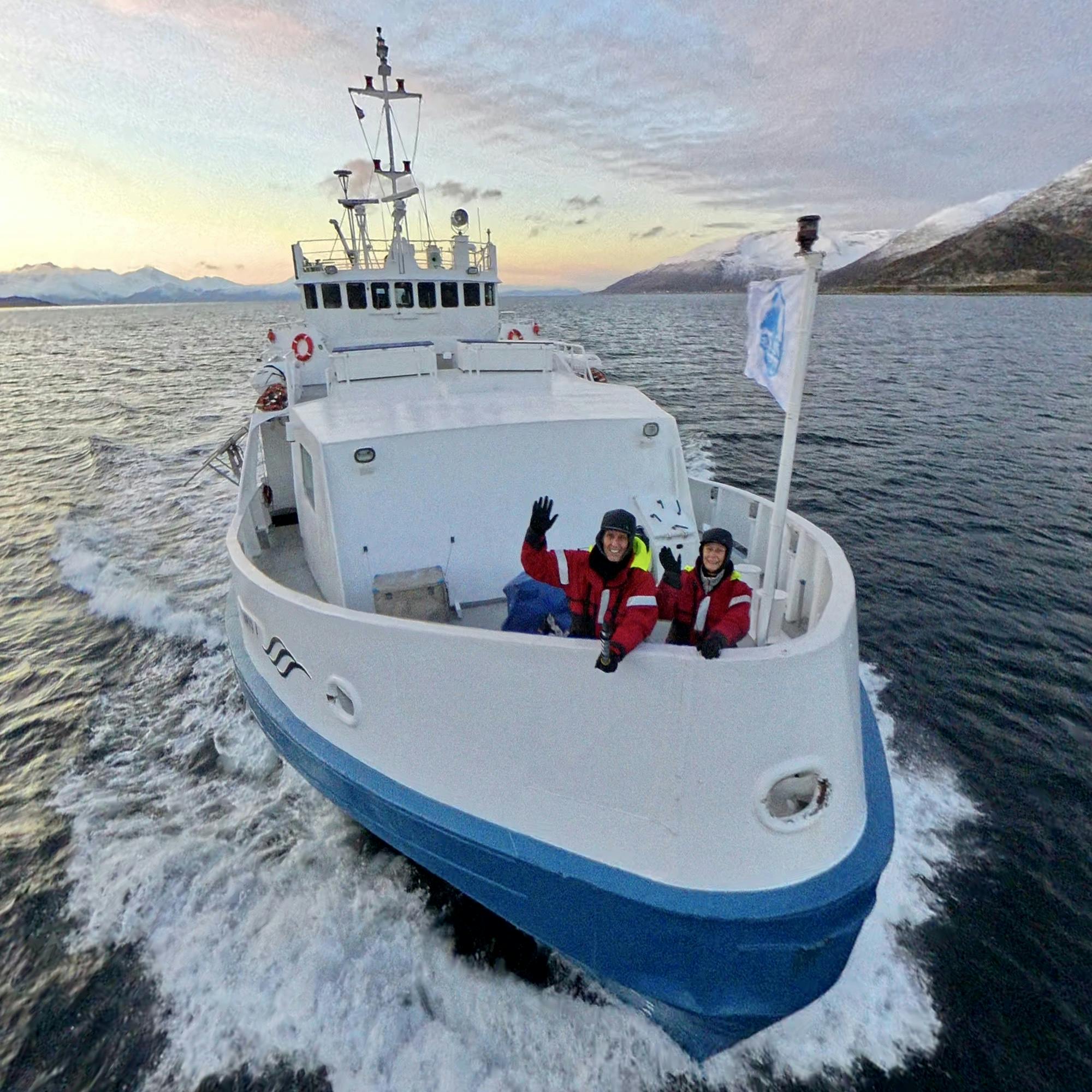
Aboard the Arctic Expedition Ship: Cozy Comfort in the Cold
Guests embarked on a well-equipped, small expedition ship designed for intimate encounters with Arctic wildlife. With just 12 passengers, the vessel offered unmatched flexibility to navigate hidden inlets and linger during prime wildlife encounters.
From the spacious observation deck, guests marveled at misty whale blows rising from the water, and as daylight faded, the ship’s heated lounge provided a warm, relaxing space for reviewing photographs or sharing stories over dinner prepared by the onboard French chef.
Whales Up Close: Encounters with Norway’s Giants
The waters off northern Norway are renowned for hosting massive gatherings of herring, attracting pods of orcas and humpback whales that feast in spectacular fashion.
Each day, guests ventured out in sturdy Zodiacs to explore the fjords. With Scott Davis guiding the experience, the group had front-row seats to nature’s drama. Whales surfaced just meters away, their sleek dorsal fins slicing through the water. At times, guests witnessed cooperative hunting—a remarkable behavior where orcas worked together to corral herring into tight balls before surging in to feed.
As the golden Arctic light illuminated the snowy peaks, photographers captured breathtaking images of whale tails rising from the icy water.
Orca© Stephen Gorfien
Orca© Stephen Gorfien
Humpback Whale© Stephen Gorfien
Orca© Stephen Gorfien
Orca© Stephen Gorfien
Orcas© Stefan Froehlich
Orcas© Stephen Gorfien
Humpback Whale© Stephen Gorfien
Humpback Whale© Stephen Gorfien
Orcas© Stefan Froehlich
Orca and Zodiac© Stephen Gorfien
Orcas© Stefan Froehlich
Orca© Stephen Gorfien
Sunset© Stefan Froehlich
Orca© Stephen Gorfien
Humpback Whale© Stephen Gorfien
Orca© Stephen Gorfien
Orca© Stephen Gorfien
Orca© Stephen Gorfien
Chasing the Northern Lights: Nature’s Celestial Performance
One of the most magical elements of this journey was the opportunity to witness the Aurora Borealis in all its glory. With flexible itineraries and clear night skies, the group positioned itself in prime locations to watch the green, purple, and pink hues swirl above the frozen landscape.
Guided by Scott Davis, guests learned expert tips for photographing the Northern Lights, capturing mesmerizing images of this fleeting yet unforgettable display.
Adventures on Ice: Dogsledding, Snowmobiling, and More
For those seeking even more Arctic adventure, this journey offered a thrilling mix of winter activities and cultural experiences. Guests soared across snow-covered landscapes on an exhilarating dogsledding adventure, with eager huskies leading the way. On another outing, they geared up for a heart-pounding snowmobile tour, racing across frozen terrain as icy air whipped past their faces.
Between these adrenaline-fueled excursions, guests had the opportunity to explore remote coastal villages nestled among the fjords. Visits to these small fishing communities provided a glimpse into Norway’s rich Arctic heritage. A memorable stop at a local island museum revealed the resilience and traditions of those who call this frozen landscape home, with artifacts and stories painting a vivid picture of Arctic life.
Evenings often ended with a visit to a traditional Arctic sauna, where the warmth of the steam and the soft glow of candles created a soothing contrast to the day’s cold-weather exploration. Sampling local cuisine added another layer to the cultural experience, with hearty stews and warm pastries providing comfort in the chilly air.
Your Next Adventure Awaits!
If this taste of Norway’s frozen beauty has left you inspired, consider joining Cheesemans’ upcoming expedition to the breathtaking Lofoten Islands. Known for their dramatic peaks, vibrant fishing villages, and striking coastal scenery, the Lofoten Islands provide unmatched opportunities for Arctic wildlife photography, cultural immersion, and outdoor adventure.
👉Start planning your next Arctic adventure
Explore the Arctic With Us!
“Possibly one of the best trips I’ve ever taken! Uganda was beautiful, our time with the chimpanzees and gorillas was a once in a lifetime experience, and the accommodations were awesome!” -Nancy Frank
Uganda is a land where ancient forests hide the secrets of our closest primate relatives—from chimpanzees swinging through the canopy to mountain gorillas that call the Impenetrable Forest home. On Cheesemans’ Ecology Safaris primate safari, guests journey deep into the lush landscapes of Kibale National Park and Bwindi Impenetrable Forest, trekking through misty jungles to see wild primates in their natural habitats, unfiltered and raw in their beauty.
Trip Highlights:
- Chimpanzee tracking in Kibale National Park, home to 1,500 chimps and 12 other primate species.
- Three gorilla treks in Bwindi Impenetrable Forest, encountering endangered mountain gorillas.
- Immersive cultural experiences, including a visit to a local village and a women’s empowerment initiative.
- Spectacular birdwatching, with chances to see Albertine Rift endemics and colorful forest species.
- Luxury lodges nestled in the heart of the jungle, offering serene settings and unforgettable views.
- Expert-guided trekking adventures, navigating through some of Africa’s most pristine rainforests.
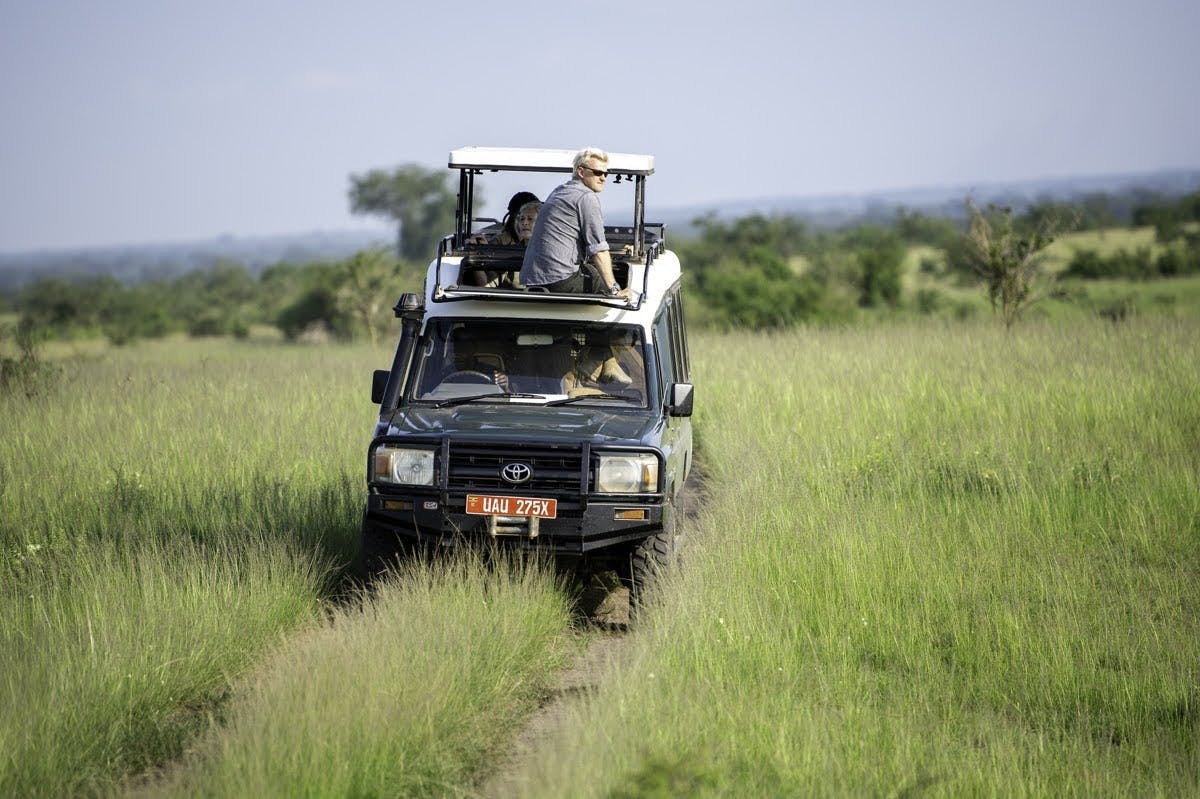
Arrival in Uganda: Entebbe’s Warm Welcome
Upon arrival in Entebbe, guests are welcomed with the vibrant greenery and warm hospitality that define Uganda. A peaceful stay at a comfortable lodge near Lake Victoria provides a chance to unwind and prepare for the adventures ahead. Over a delicious meal, excitement builds as travelers discuss the experiences awaiting them in the heart of Africa.
Kibale National Park: Into the Realm of the Chimpanzees
A Journey into the Jungle
A scenic transport guests to Kibale National Park, one of East Africa’s most biodiverse regions. This rainforest is home to 13 species of primates, including red colobus monkeys, olive baboons, and the charismatic L’Hoest’s monkey. But the true highlight is the chance to track wild chimpanzees in their natural habitat.
Tracking the Chimps: An Unforgettable Encounter
With an early morning start, trekkers venture into the dense jungle, guided by expert trackers who listen for telltale calls echoing through the trees. Suddenly, the group hears a deep pant-hoot, a signal from a nearby chimpanzee troop. As they move closer, the canopy comes alive—juvenile chimps swing effortlessly from branch to branch, while others groom each other or forage along the forest floor.
Spending time with these intelligent, social primates offers an intimate glimpse into their world. Watching them interact, communicate, and care for one another is both humbling and exhilarating—a powerful reminder of our shared evolutionary past.
Watching a Chimpanzee by Scott Davis
Chimpanzees © Scott Davis
Chimpanzee © Adam Walter
Chimpanzee
© Scott Davis
© Scott Davis
Chimpanzee
© Scott Davis
© Scott Davis
Chimpanzee
© Scott Davis
© Scott Davis
Chimpanzee © Scott Davis
Chimpanzee © Scott Davis
Chimpanzees © Scott Davis
Chimpanzee © Brian Shepard
Chimpanzee
© Scott Davis
© Scott Davis
Chimpanzee
© Scott Davis
© Scott Davis
Travelers and Chimpanzee © Adam Walter
Chimpanzee © Brian Shepard
Chimpanzee © Adam Walter
Chimpanzee © Brian Shepard
Chimpanzees © Brian Shepard
Chimpanzee © Scott Davis
Traveler with Chimpanzee Adam Walter
Chimpanzee © Adam Walter
Bwindi Impenetrable Forest: A Pilgrimage to the Mountain Gorillas
A Mystical Landscape – Nestled in the heart of Uganda, Bwindi Impenetrable Forest is a realm of towering trees, tangled vines, and mist-covered hills. This UNESCO World Heritage Site is one of Africa’s oldest and most ecologically rich forests, sheltering nearly half of the world’s remaining mountain gorillas. It’s also the destination for gorilla trekking in Uganda.
Gorilla Trekking: The Ultimate Wildlife Encounter – Each morning, guests set out with expert guides to track one of Bwindi’s habituated gorilla families. The trek can be challenging—steep trails, thick vegetation, and muddy terrain make for an adventurous journey—but the reward is beyond words.
As the group approaches a clearing, the guide signals to stop. A massive silverback sits just ahead, his watchful gaze surveying his family. Nearby, a mother gently cradles her infant, while young gorillas playfully tumble through the undergrowth.
For one magical hour, guests observe these incredible primates up close, watching them forage, interact, and move with a quiet grace that defies their enormous size. It’s an experience that leaves an indelible mark, a reminder of how fragile yet powerful these creatures are—and why their conservation is so important.
Mountain Gorilla © Elizabeth Coler
Mountain Gorilla Brian Shepard
Mountain Gorilla © Scott Davis
Mountain Gorilla © Adam Walter
Mountain Gorillas and Travelers© Adam Walter
Mountain Gorilla © Scott Davis
Mountain Gorillas © Scott Davis
Mountain Gorillas © Brian Shepard
Mountain Gorilla © Brian Shepard
Mountain Gorilla © Ann Laubach
Travelers with Mountain Gorillas © Adam Walter
Mountain Gorilla© Scott-Davis
Mountain Gorilla © Brian Shepard
Mountain Gorilla © Scott Davis
Mountain Gorillas © Brian Shepard
Mountain Gorilla Silverback by Scott Davis
Mountain Gorilla and Travelers© Adam Walter
Travelers with Mountain Gorillas © Adam Walter
Mountain Gorilla © Scott Davis
Silverback Mountain Gorilla© Scott Davis
Mountain Gorillas © Adam Walter
Mountain Gorilla © Elizabeth Coler
Travelers with Mountain Gorilla © Adam Walter
Mountain Gorilla © Scott Davis
Traveler & Mountain Gorilla © Ann Laubach
Mountain Gorilla by Scott Davis
Traveler with Mountain Gorilla © Adam Walter
Mountain Gorilla © Ann Laubach
Beyond the Gorillas: Exploring Bwindi’s Wonders
Between treks, guests have the opportunity to explore the cultural and ecological wonders of Bwindi. Some choose to visit Ride 4 a Woman, a community-driven initiative supporting local women through sustainable craftmaking. Others take a guided waterfall hike, keeping an eye out for colorful birds and, if lucky, the elusive pangolin.
Evenings at Bwindi Lodge are a time for reflection—stories shared around a crackling fire, the sounds of the jungle humming in the background, and the lingering awe of the day’s encounters.
The Journey Home: A Changed Perspective
As guests depart Uganda, they carry more than just photographs—they leave with a deep connection to the wild places and creatures they encountered. Seeing chimpanzees and mountain gorillas in their natural habitat is not just a wildlife experience—it’s a profound, humbling reminder of our place in the natural world.
Your Next Adventure Awaits!
Unforgettable Uganda safaris are just one of the many ways Cheesemans’ Ecology Safaris brings travelers face to face with the world’s most extraordinary primates. Whether tracking orangutans in Borneo, spotting lemurs in Madagascar, or embarking on another East African adventure, your next great wildlife encounter is waiting.
👉 Start planning your next primate safari today:
Cheesemans’ Primate Expeditions.
Join the Adventure:
Discover the Untouched Wilderness of Bhutan
Bhutan, the mystical “Land of the Thunder Dragon,” is a haven of towering Himalayan peaks, lush valleys, and centuries-old monasteries. For nearly three weeks, our guests embarked on an unforgettable expedition, immersing themselves in Bhutan’s spectacular birdlife, vibrant culture, and breathtaking landscapes. From the revered Black-necked Cranes of Phobjikha Valley to the iconic Tiger’s Nest Monastery, each day was a new chapter in a journey woven with natural wonder and spiritual heritage.
Key Experiences from the Bhutan Trip
- Spotted the rare Black-necked Cranes in the breathtaking Phobjikha Valley
- Hiked to the legendary Tiger’s Nest Monastery, perched on a dramatic cliffside
- Explored Jigme Dorji National Park, home to exotic birds and elusive wildlife
- Journeyed through Dochu La Pass for stunning Himalayan panoramas
- Witnessed the critically endangered White-bellied Heron along pristine rivers
- Experienced Bhutanese culture with visits to ancient dzongs and monasteries
- Discovered the vibrant birdlife of Thrumsingla National Park, from hornbills to pheasants
“The length of the trip gave us time to travel the whole country. The combination of birding and cultural aspects was excellent and the guides fulfilled both roles to a ‘T’.
Hishey was an excellent guide and his positive attitude was contagious. Sharing meals with his family on several occasions was also a welcoming feature.” -Candy McManiman
Setting Off for Bhutan
The adventure began with flights to Bangkok, Thailand, where guests enjoyed a restful night before their early morning departure to Bhutan. Anticipation ran high as they prepared to explore one of the world’s most pristine and remote destinations.
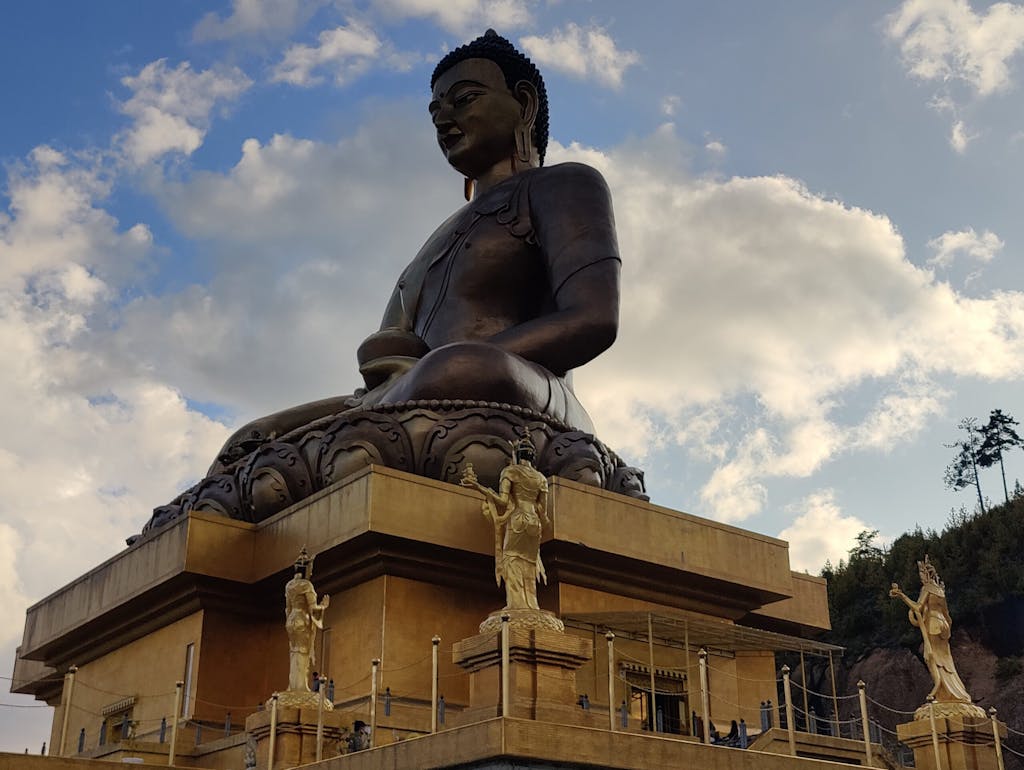
Paro to Thimphu
Flying into Paro International Airport was an adventure in itself. As the aircraft maneuvered through the towering Himalayas, guests marveled at the snow-capped peaks before descending into Bhutan’s lush valleys. Upon arrival, they were warmly welcomed by their expert guide, Hishey Tshering, a seasoned birder with a deep passion for Bhutan’s biodiversity.
The scenic drive to Thimphu, Bhutan’s capital, offered the first glimpses of the country’s natural beauty—rolling hills, fluttering prayer flags, and traditional Bhutanese architecture. That evening, guests settled into their cozy hotel, savoring a traditional welcome meal and a briefing on the incredible journey ahead.
Exploring Bhutan’s Natural and Cultural Wonders
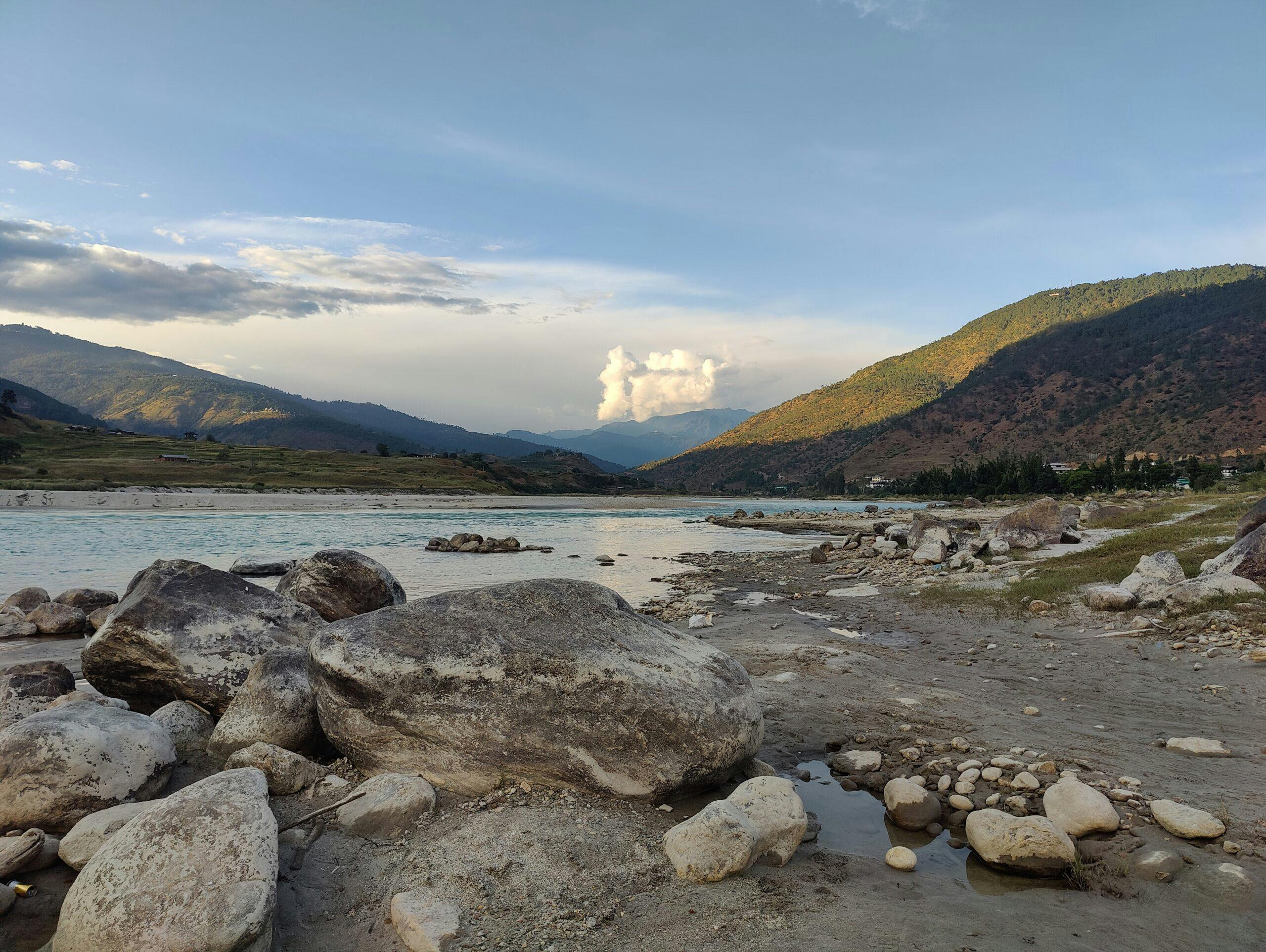
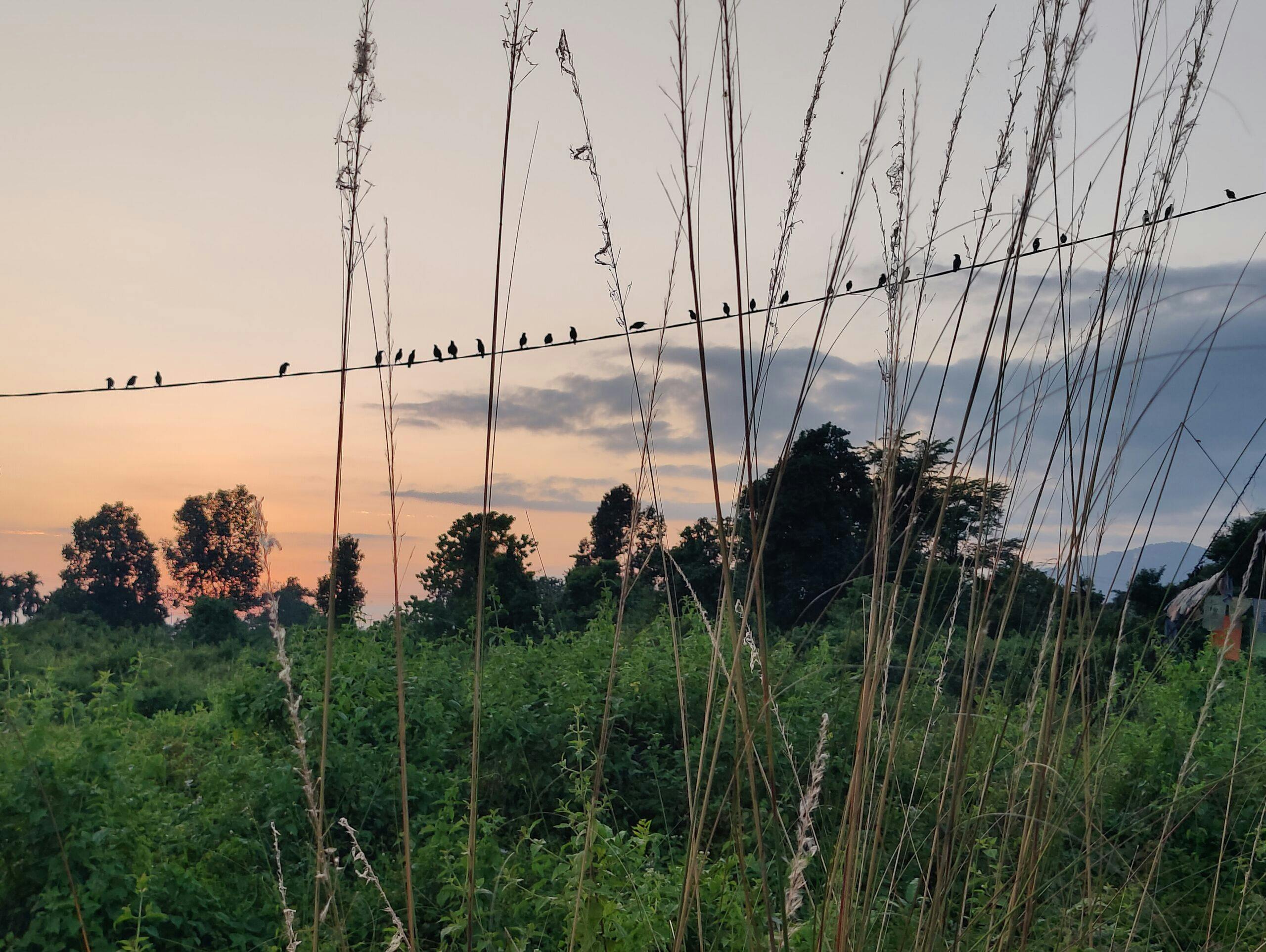
Thimphu & Jigme Dorji National Park
In Thimphu, guests explored Bhutanese culture through visits to a traditional paper-making workshop and a weaving center, where artisans preserved ancient techniques. At the takin reserve, they encountered Bhutan’s national animal, a peculiar goat-antelope hybrid found only in the Eastern Himalayas.
A day trip to Jigme Dorji National Park, Bhutan’s second-largest protected area, provided thrilling birding experiences, with sightings of the Crested Kingfisher and Rufous-bellied Woodpecker. Lucky visitors even spotted the elusive Yellow-rumped Honeyguide, a species uniquely adapted to feeding on rock bee honeycombs.
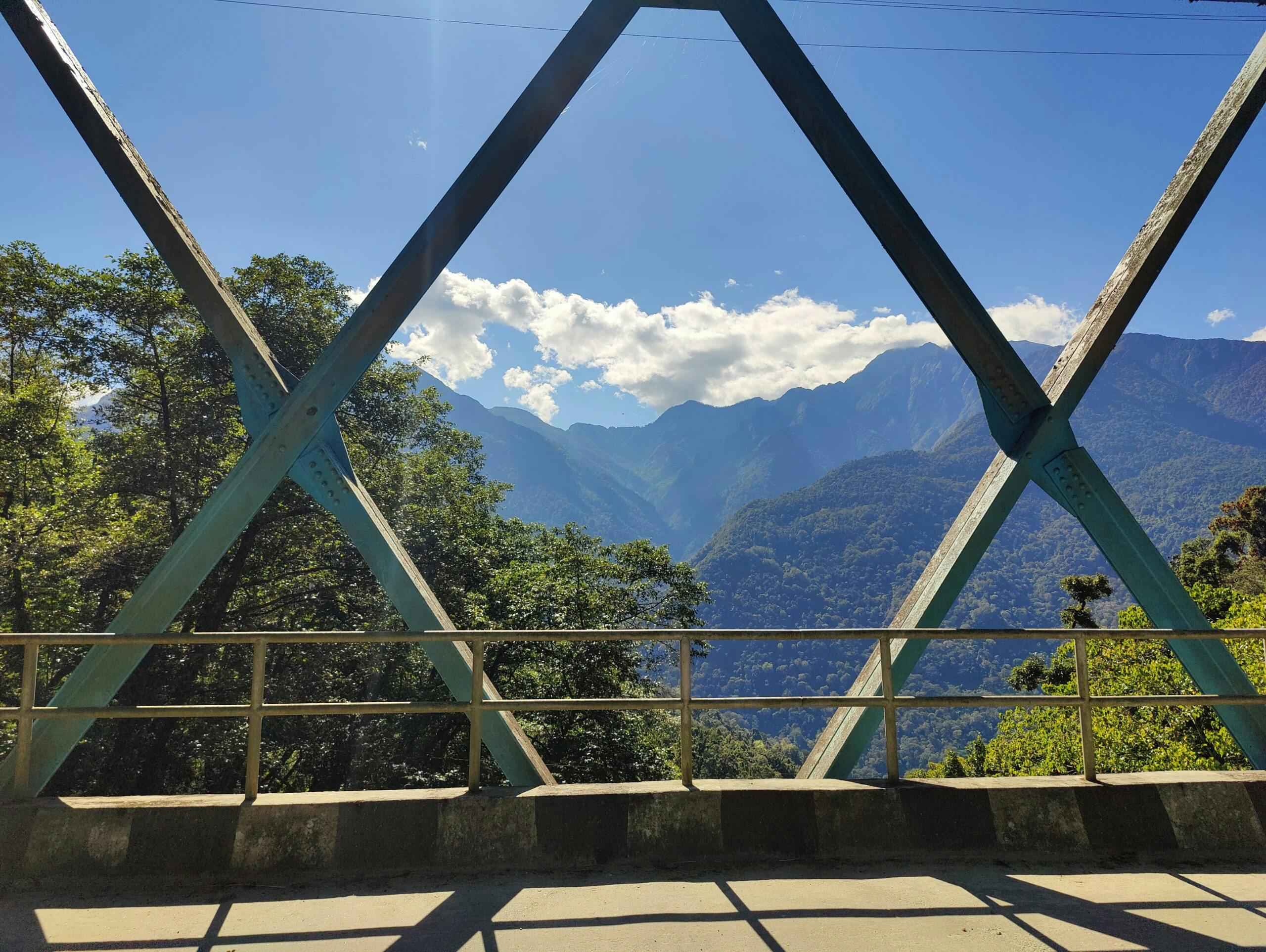
Central & Eastern Bhutan – Diverse Habitats and Rich Culture
Traveling eastward, guests ventured deeper into Bhutan’s wilderness, passing through Trongsa, Bumthang, Mongar, and Zhemgang—each region offering unique landscapes and birding opportunities.
In Trongsa, they explored Bhutan’s largest dzong, an architectural masterpiece overlooking a dramatic gorge. Continuing into Bumthang, guests wandered through blue pine forests teeming with Himalayan Griffons, Rosefinches, and Rufous-breasted Accentors. Lucky observers caught glimpses of the golden langur, an endemic primate found only in Bhutan and parts of India.
In Zhemgang, the group explored pristine subtropical forests, home to the Fire-tailed Myzornis, Blue-bearded Bee-eaters, and Golden Babblers. Encounters with the black giant squirrel and yellow-throated marten added excitement to the journey. Night drives in Thrumsingla National Park provided opportunities to spot elusive nocturnal species, including the leopard cat.
Blue-throated Barbet© Judy & Jim McTigue
Traveler© Judy & Jim McTigue
Monastery© Judy & Jim McTigue
Landscape© Judy & Jim McTigue
Local Art© Judy & Jim McTigue
Landscape© Judy & Jim McTigue
Festival© Judy & Jim McTigue
Monks© Judy & Jim McTigue
Honeycomb© Lynn Salmon
Zhemgang© Judy & Jim McTigue
Gee's Golden Langur© Judy & Jim McTigue
Sultan Tit© Judy & Jim McTigue
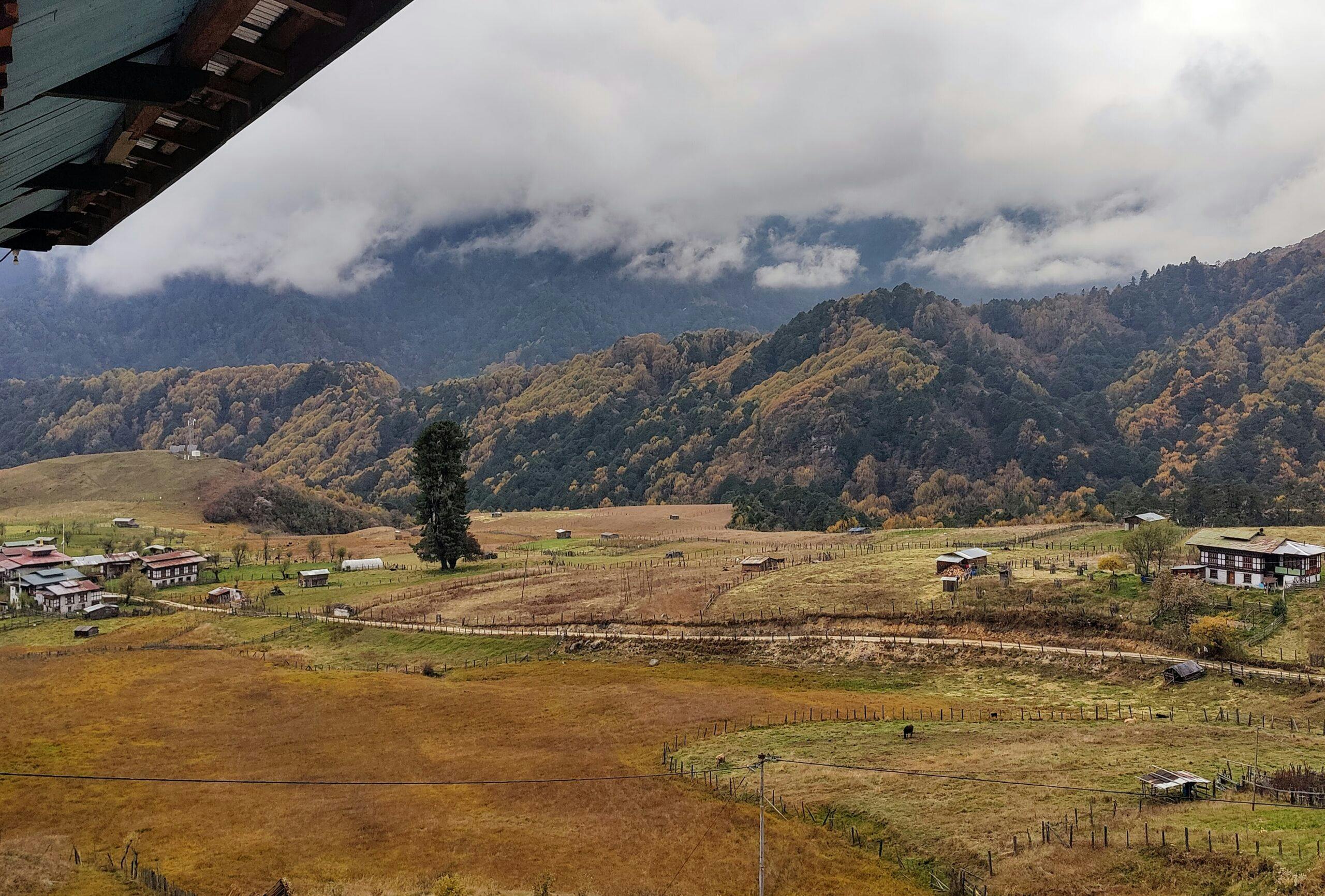
Phobjikha Valley – The Sacred Land of Cranes
Paro Valley & Tiger’s Nest Monastery
The journey concluded in Paro Valley, a region rich in history and wildlife. A drive up to Chele La Pass (nearly 13,000 feet) rewarded guests with panoramic mountain views and excellent birding opportunities.
A highlight of the trip’s finale was the hike to Tiger’s Nest Monastery (Paro Taktsang), an architectural marvel perched on a cliffside at over 10,000 feet. The trail wound through pine forests teeming with Assam macaques, offering a rare glimpse into Bhutan’s thriving ecosystem.
November 23 – 24: Farewell to Bhutan
With hearts full of memories, guests bid farewell to Bhutan, flying from Paro back to Bangkok. As the Himalayan peaks faded into the distance, they carried home stories of rare cranes, ancient monasteries, and encounters with Bhutan’s extraordinary wildlife—a journey unlike any other.
Your Next Adventure Awaits!
Bhutan and India share deep cultural and ecological connections, from the sacred Himalayan landscapes to the incredible biodiversity of their national parks. Just like Bhutan, India offers a mix of breathtaking mountain scenery, vibrant wildlife, and rich traditions. Guests who enjoyed Bhutan’s natural wonders will find India’s national parks equally captivating, with opportunities to spot tigers, elephants, and an astonishing array of bird species.
Join the Adventure:
Dive Palau May 15 to 26, 2024
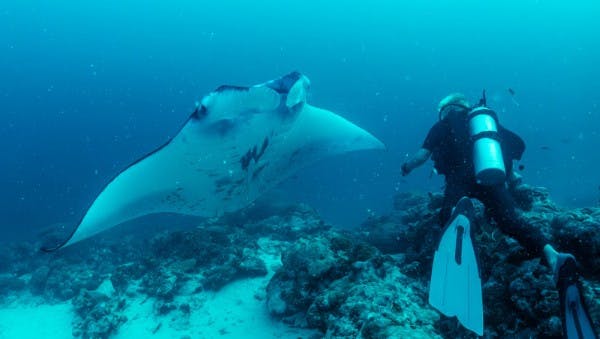
Dive into the rich marine world of Palau, experiencing vibrant coral gardens, awe-inspiring spawning events, and mesmerizing blackwater dives with Cheesemans’ Ecology Safaris.
Discovering Marine Wonders on a Palau Diving Expedition
Palau is a diver’s paradise, renowned for its vibrant coral reefs, thrilling currents, and unique dive experiences like blackwater dives and snapper spawning events. Embarking on a Palau Diving Expedition offers a once-in-a-lifetime opportunity to explore vibrant coral reefs and diverse marine life. In May 2024, a lucky group of divers took part in a one-of-a-kind expedition to Palau, an underwater wonderland in the western Pacific Ocean. Guided by our expert leaders Scott Davis, Richard Barnden, and Macstyl Sasao, they explored the unique Palau National Marine Reserve. Here, science and art intertwine to create a symphony of marine life that few have the chance to experience up close. From sunrise dives with thousands of spawning red snapper to nighttime blackwater dives where 100 million tons of biomass rise from the depths, Palau proved to be an enchanting destination like no other.
If you’re interested, we’d be happy to develop a private group trip to Palau for you and your friends! And Cheesemans’ has several thrilling aquatic trips lined up, capturing the same sense of wonder and excitement. Experience your next adventure with our Snorkel with Humpback Whales tour in March 2026. Discover more here! Or, in August 2025, explore Komodo Island’s incredible marine biodiversity on our Sulawesi and Komodo tour.
Key Experiences from Our Palau Diving Journey
- A Dance of Life: The Snapper Spawning Event
On the mornings around the full moon, divers descended before sunrise to witness one of nature’s most rhythmic spectacles—the spawning ritual of the red snapper. The waters filled with thousands of fish moving in unison, creating a swirling dance. It was a heart-pounding experience for everyone on board, as blacktip reef sharks joined in, adding an extra thrill to the scene. - Blackwater Dives: A Journey into the Abyss
At night, the Palau Siren anchored in the open ocean for an unforgettable blackwater dive. With lights lowered to 15 meters, divers hovered in the darkness, watching as microscopic zooplankton rose from the mesopelagic layers. This incredible migration brings with it an array of mysterious, translucent creatures. Divers were treated to close encounters with jellyfish, comb jellies, and various other species that rarely meet the human eye. - Learning the History of Palau
While Palau is renowned for its stunning underwater landscapes, its military history adds a fascinating layer to its story.
“The overall experience, leader, and group who came to the trip made it wonderful.”
-Logan Walter
May 18: Snorkeling in Lost Lake and Kayaking Through Risong Bay
The journey began with a breathtaking snorkel through a coral-filled tunnel into Lost Lake, a secluded paradise within West Ngeruktabel Island. This magical lake offered our snorkelers a front-row seat to Seahorse Bay, where they encountered exotic marine life like seahorses and shrimp fish—just a glimpse of Palau’s underwater marvels. The following day, the group paddled through the crystal-clear waters of Risong Bay, passing hidden lagoons framed by lush island scenery.
May 19–25 – Onboard the Palau Siren: Dive into Adventure
The liveaboard portion of the Palau Diving Expedition began with a morning check-out dive and quickly escalated into an exhilarating schedule of three to four dives per day, each more breathtaking than the last. Palau’s underwater world offered no shortage of marvels—blue holes, dramatic caverns, colorful coral reefs, and vertical drop-offs teeming with marine life. The Blue Corner, one of Palau’s most iconic dive sites, is celebrated for its strong currents that attract an array of marine life, including sharks, barracudas, and schools of jackfish. Every dive felt like a fresh chapter in an underwater odyssey, with surprises waiting at every turn. For photographers, the visibility—often exceeding 100 feet—provided unparalleled opportunities to capture wide-angle shots of Palau’s aquatic grandeur.
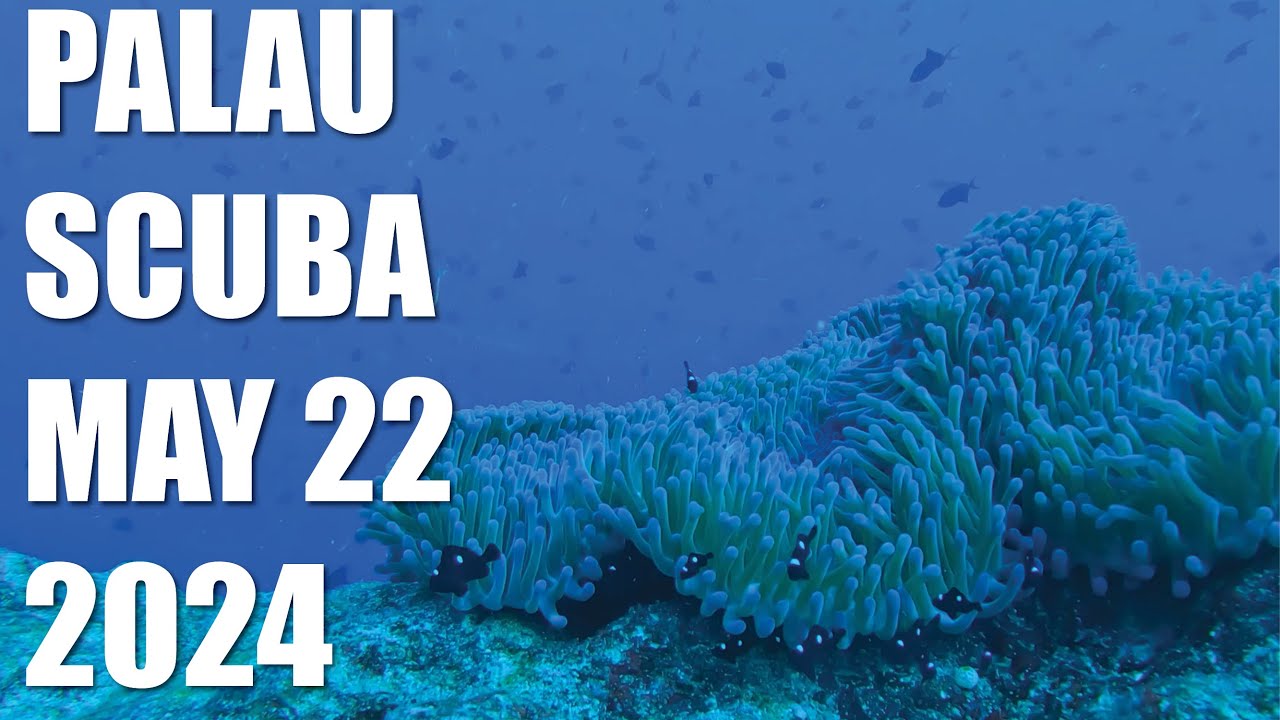
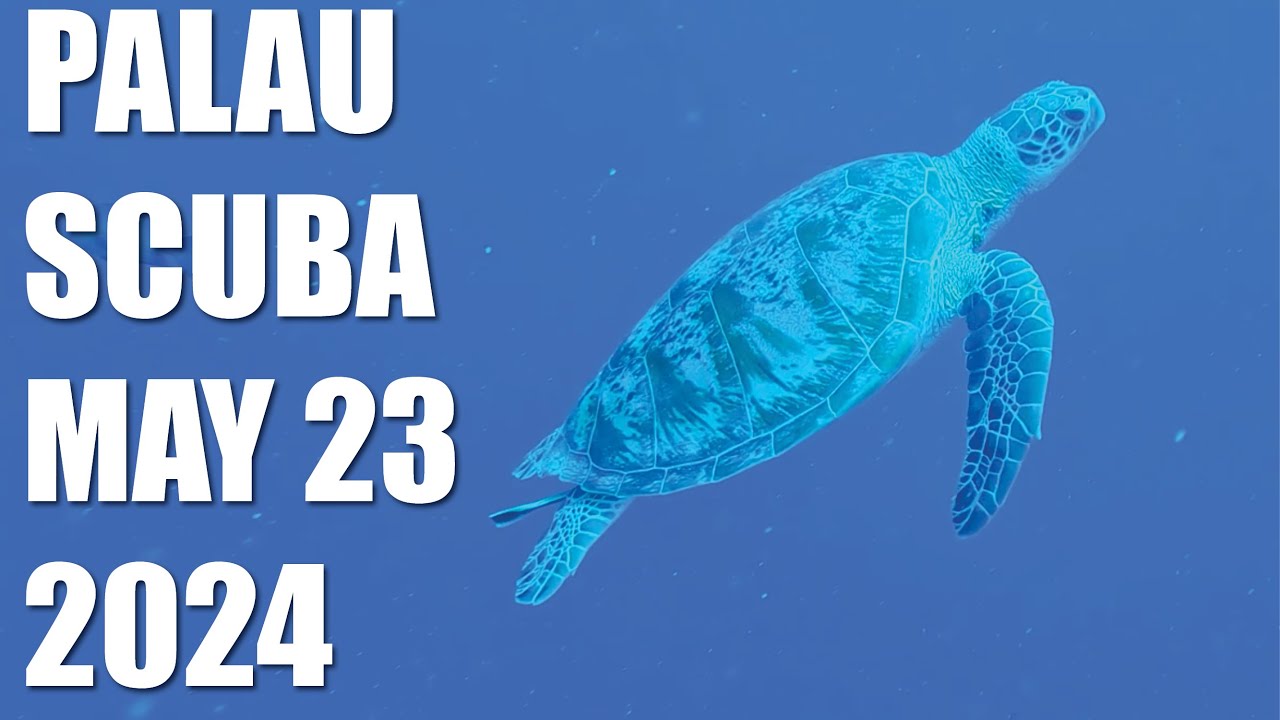
Words alone, however, can only begin to convey the magic of a Palau diving expedition. To truly grasp the beauty, diversity, and otherworldly experiences that awaited on each dive, you need to see it for yourself. Learn more about Palau’s marine ecosystem at the Palau Conservation Society. We’ve compiled a video playlist below to bring you as close as possible to these incredible underwater moments. Watch the schools of snapper swirl in rhythmic unison, the eerie allure of blackwater dives, and the vibrant coral gardens that left our divers in awe. Dive in virtually and let these videos inspire your own Palau diving expedition—it’s the next best thing to being there!
Palau DivingMay 15 to 26, 2024
6 Videos

5:25

10:00

12:54
9:34
7:43

22:52
May 23: A Humbling Visit to Peleliu Island’s WWII Battlefields
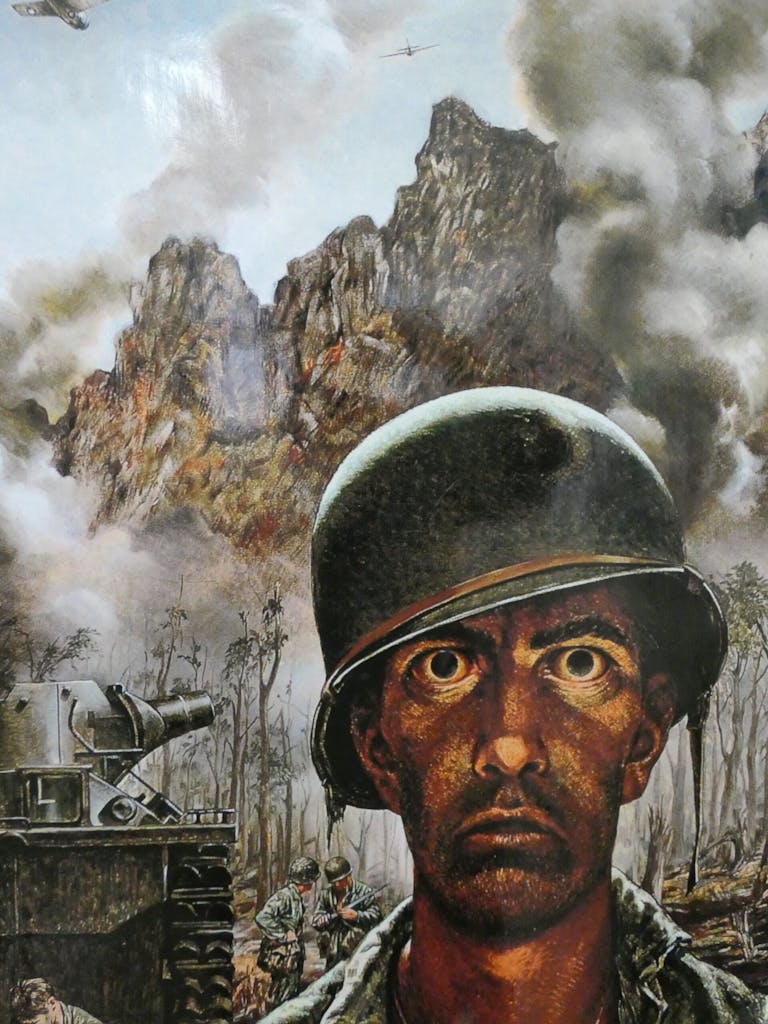
On May 23, our group stepped back from the underwater wonders to explore a powerful part of Palau’s history: a tour of Peleliu Island, where one of WWII’s most intense battles took place. Palau served as a pivotal battleground during World War II, leaving behind relics both above and below the surface. A native guide, whose family has called Peleliu home for generations, led us on a drive through this now-peaceful island. With insight and personal stories, he brought to life the realities of the Battle of Peleliu, one of the fiercest and most tragic conflicts of the Pacific theater. The scars of war remain in bunkers, airstrips, and rusting equipment scattered across the island, each piece serving as a quiet memorial to those who fought and sacrificed.
Our guide shared unforgettable stories of courage and sacrifice on both sides, recounting acts of heroism alongside tales of profound loss. His words painted a vivid picture of the days when the island became a contested stronghold, and the lives forever changed by the battle. Standing on the grounds where soldiers once fought, our group was moved by the resilience of Peleliu’s people, who have turned their island into a place of remembrance and healing. This humbling day added depth to our Palau journey, reminding us of the strength of the human spirit amidst unimaginable hardship. Exploring Palau is not only a journey into its marine wonders but also a dive into its rich military history.
Japanese Officers' Building© Adam Walter
Bullet Casing© Adam Walter
Japanese Officers' Building© Adam Walter
Japanese Officers' Building© Adam Walter
Japanese Zero Airplane© Adam Walter
Japanese Power Plant© Adam Walter
Tanks© Adam Walter
United States Memorial© Adam Walter
Japanese Shrine© Adam Walter
United States Memorial© Adam Walter
Japanese Tank© Adam Walter
Japanese Shrine© Adam Walter
Onboard Experience: Life During the Palau Diving Expedition
The luxurious Palau Siren liveaboard offered a comfortable base for our divers. With eight spacious cabins, each featuring climate controls and entertainment systems, the Siren made each evening a relaxing retreat. The onboard crew attended to every need, from arranging nightly dinners on the open-air deck to organizing massage sessions for those looking to unwind after a day of adventure. Between dives, guests gathered in the air-conditioned lounge to review photos, learn from onboard marine lectures, and share stories from their underwater encounters.
“The Palau Siren was great! Plenty of room for all aboard including the crew.” -Logan Walter
Take the Plunge with Cheesemans’ Aquatic Adventures
A Palau Diving Expedition is an unforgettable journey that connects you with the wonders of the underwater world. The wonders of Palau have reminded us of the deep connection we share with the ocean. If you’re inspired by these stories, it’s time to set your sights on Cheesemans’ next unforgettable marine journey.
- Snorkel with Humpback Whales in the Dominican Republic
Experience the majesty of Humpback Whales as you snorkel in the Silver Bank, a sanctuary where these giants gather. Witness mothers and calves, hear their haunting songs, and enjoy an encounter few get to experience. - Dive into the Future: Let Us Know Where You’d Like to Go
Are you eager to explore more remote dive locations? Whether it’s a return to Palau or a new aquatic adventure, let us know! Your interests could inspire our next destination.
Join An Aquatic Adventure With Us!
If you dream of getting up close with penguins, our South Georgia Island and Antarctic Peninsula expedition, departing from Ushuaia, Argentina, is your ticket to an unforgettable adventure! These remote, icy regions are among the best places on Earth to observe a stunning array of penguin species in their natural habitats, often in breathtaking numbers. From the moment we set sail, you’ll be immersed in a world of wildlife wonder, encountering colonies teeming with life—from the comical waddling of Gentoos to the regal presence of King Penguins. Each species is a marvel, with its own unique characteristics, behavior, and charm. Let’s dive into the penguins you might encounter on this journey of a lifetime!
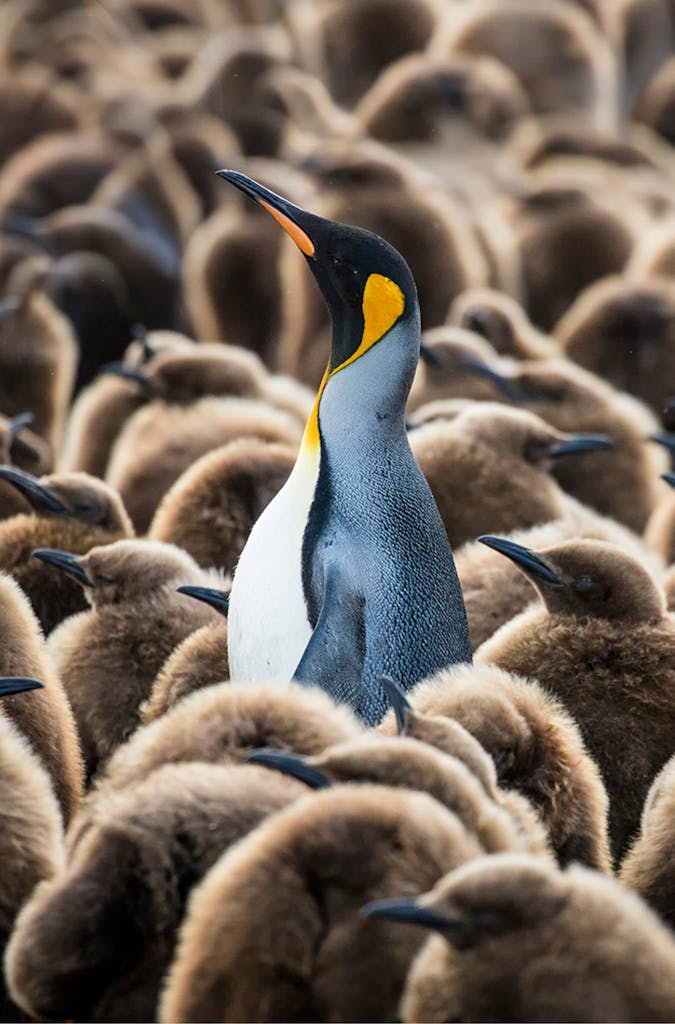
King Penguins: The Royal Residents of South Georgia
When you step ashore on South Georgia Island, you will likely be greeted by the sight—and sound—of thousands of King Penguins. These are striking birds, with their vibrant orange markings and black-and-white bodies highlighted with silver on the black feathers. They comprise the second-largest penguin species in the world, following only the Emperor Penguin.
As you witness their bustling colonies, you’ll see adults nurturing their fluffy, brown chicks, which some think resemble fuzzy teddy bears. They are also called “Oakum Boys”, a name given them by early whalers because their brown downy coats resemble the tarred cotton twine used to seal gaps in wooden ships. The calls of both adults and chicks echos across the beaches, creating a chorus that adds to the wild, untamed beauty of South Georgia Island.
If you are on the trip, be sure to have your camera ready to capture the spectacle of thousands of King Penguins stretching to the horizon.
Gentoo Penguins: The Speedsters of the Ice
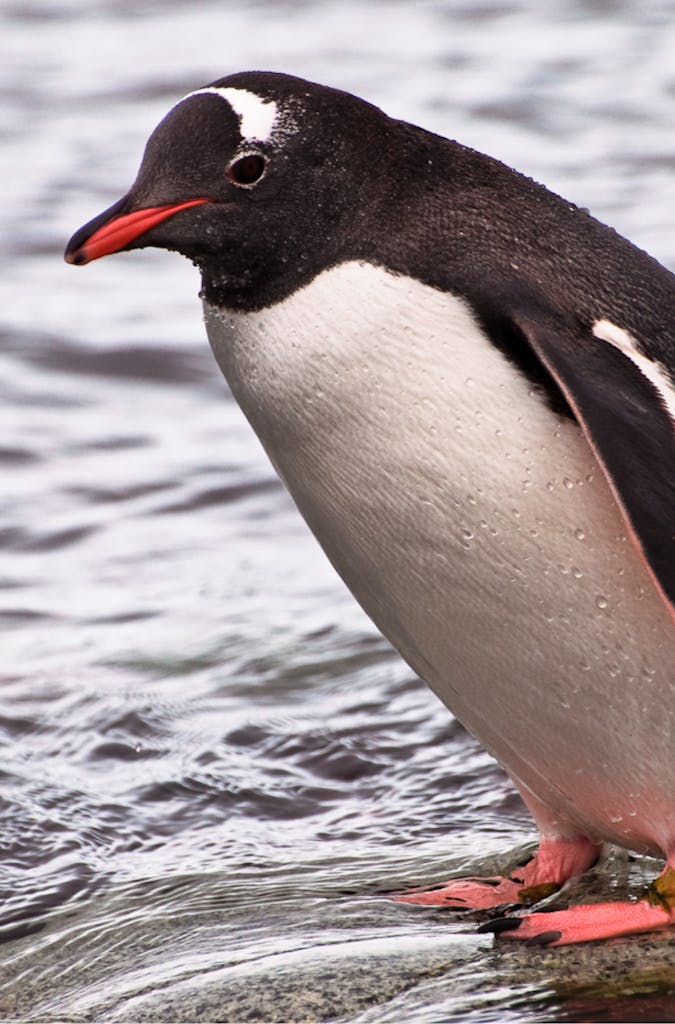
Among the easiest penguins to spot on this journey are the Gentoo Penguins. They’re the ones you’ll often see dashing through the water with surprising agility—Gentoos are the fastest-swimming penguins, reaching speeds of up to 22 mph!
Gentoos are playful, curious, and more than willing to interact. On land, they are often seen waddling across the beaches, their bright orange beaks and white headbands making them easy to identify. Watching these determined birds gather pebbles to build their nests is a heartwarming sight.
On our trips, we like to ensure plenty of time to observe their comical antics—whether they’re stealing pebbles or sliding on their bellies!
Chinstrap Penguins: The Bold and Boisterous Neighbors
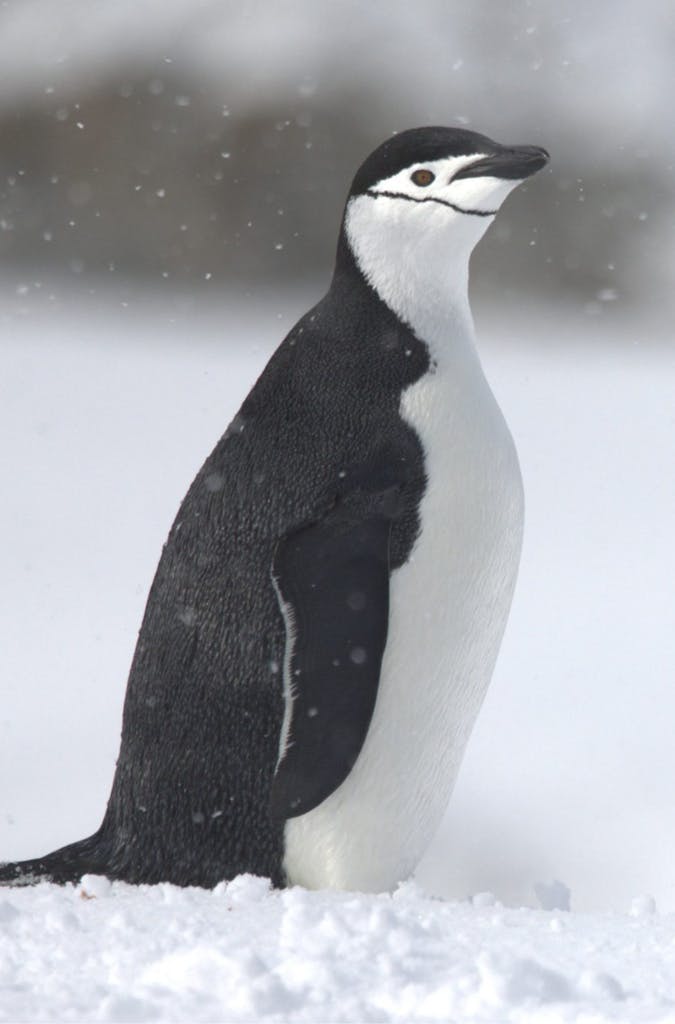
Named for the distinctive black line running under their chins, Chinstrap Penguins are full of personality! You’ll often find them nesting on steep, rocky slopes, calling to each other with raspy, energetic cries. Their colonies can be loud and chaotic, but they’re also a great place to observe classic penguin behaviors like courtship displays and feeding.
Chinstrap Penguins are skilled climbers and seem to thrive on the rocky, rugged cliffs and shorelines of the sub-Antarctic islands and Antarctic Peninsula, making them an impressive sight to behold.
These penguins are a delight to watch, showcasing both the challenges and wonders of Antarctic life.
Adélie Penguins: The Antarctic Icons
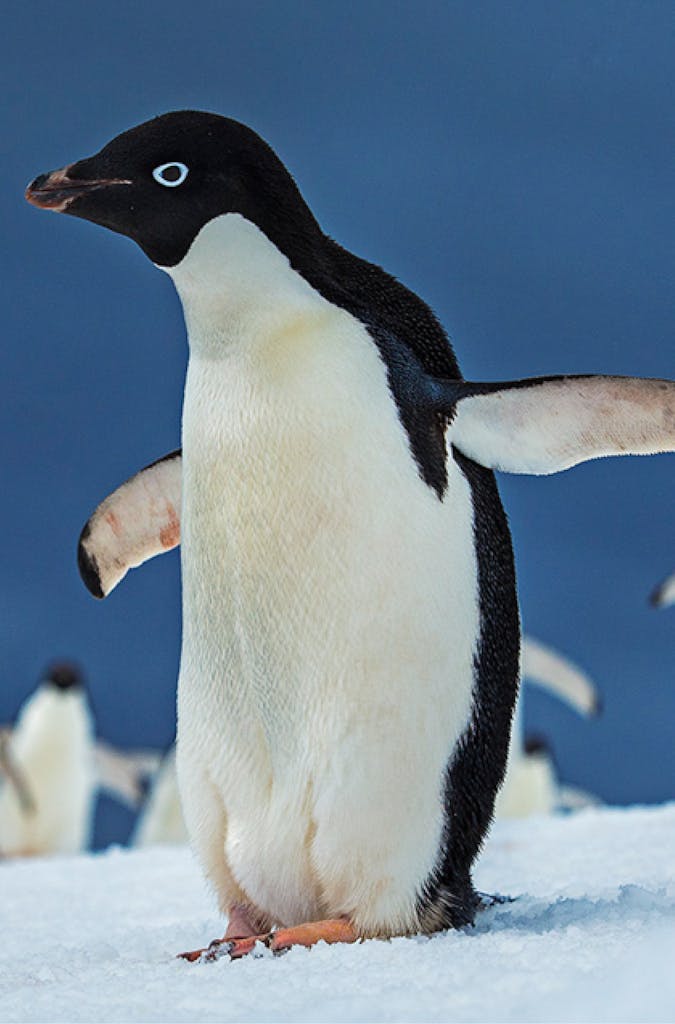
When we reach the Antarctic Peninsula, we enter Adélie Penguin territory. Adélies are the classic “tuxedoed” penguins, sporting a bold black-and-white appearance with white eye rings that give them a perpetual look of surprise.
These small, energetic penguins are fascinating to watch as they leap from ice floes into the frigid waters, often hunting in groups. Adélies are also incredibly social, making them entertaining company as they interact in their colonies. Their determination is inspiring—they can travel hundreds of miles across sea ice during migration!
Their behavior is one of the highlights of any Antarctic journey, perfectly representing the spirit of the frozen south.
Macaroni Penguins: A Lucky Encounter
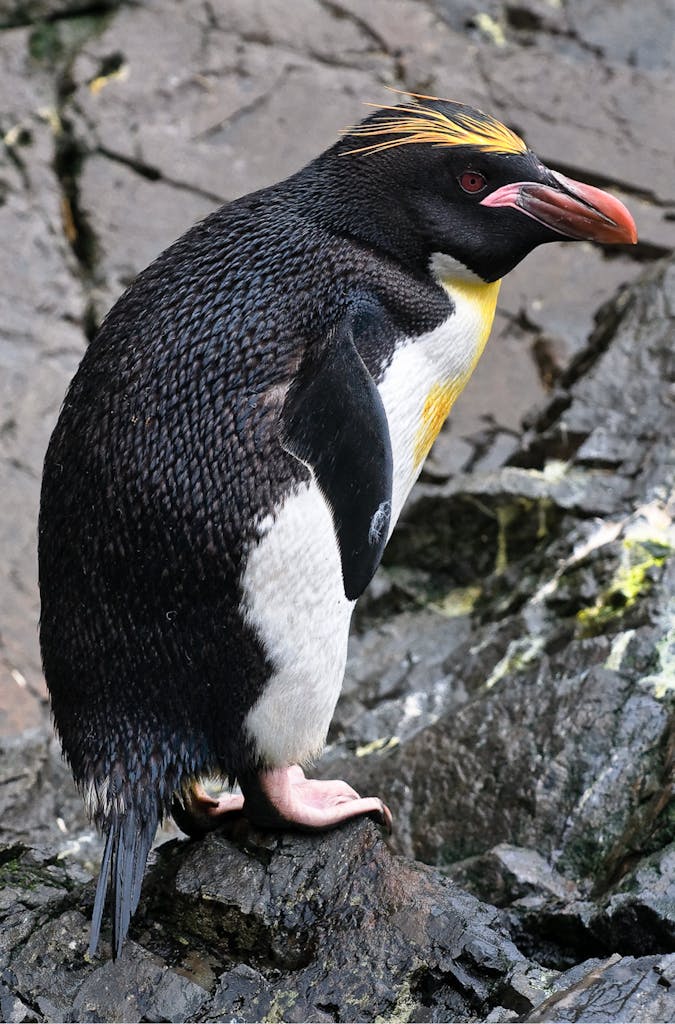
Spotting the Macaroni Penguin is a special treat—this elusive species is not always a guaranteed sighting, making any encounter particularly thrilling!
These small, colorful penguins are distinguished by their red bills and bright yellow-orange crests, which give them a flamboyant appearance. Their name comes from the resemblance of these feathers to those on men’s hats from the 18th century and called, at the time, macaroni (like in the classic nursery rhyme ‘Yankee Doodle’).
Typically found in smaller, scattered groups, Macaronis are known to nest in more challenging, rocky locations. While they might be harder to find, they are a true delight to encounter.
Macaroni Penguins are one of the best surprises on this journey, so if you take our October 2025 trip with us, keep your binoculars handy!
Emperor Penguins: The Ultimate Bucket-List Sighting
The Emperor Penguin is the crown jewel of Antarctic penguin sightings. While encountering Emperors on this trip is rare, the possibility is tantalizing.
These remarkable penguins, the largest in the world, stand nearly four feet tall, with sleek black-and-white bodies accented by a striking splash of yellow and orange around their necks. They seem almost otherworldly—dignified guardians of their icy realm. Spotting one feels like discovering a hidden gem amidst the snow and ice, commanding both attention and admiration.
Emperors are primarily found farther south, but sometimes an adventurous individual makes its way closer to the Peninsula. If you’re lucky enough to witness their majestic presence, it’s bound to be a trip highlight.
Even if you don’t catch sight of them on our upcoming October 2025 trip, the thrill of possibility keeps every day exciting!

Join Us In Antarctica!
Snorkel with Humpback Whales
March 16 to 23, 2024
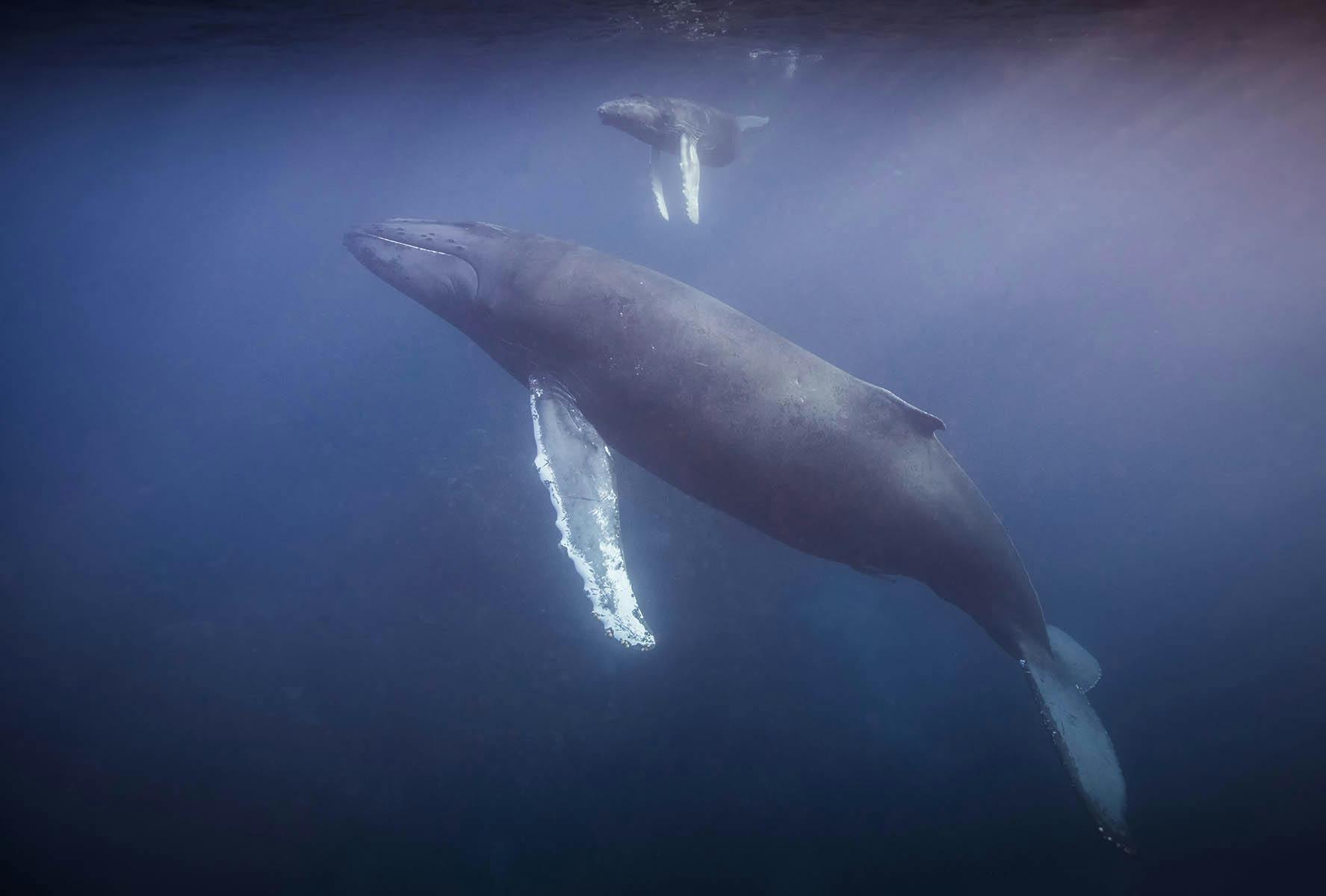
Imagine swimming eye-to-eye with one of the ocean’s most awe-inspiring creatures—the humpback whale—while surrounded by the serene beauty of the Caribbean Sea. This incredible encounter is a reality at the Silver Bank, where Cheesemans’ Ecology Safaris offers an exclusive, intimate snorkeling expedition with these gentle giants. Our journey to the Silver Bank is more than just an adventure; it’s an immersion into one of nature’s grandest spectacles.
A Dive into Paradise: Exploring the Silver Bank
The Silver Bank, located off the northern coast of the Dominican Republic, is part of the Sanctuary for the Marine Mammals of the Dominican Republic, one of the few places in the world where humans can snorkel with humpback whales. Every year, from January to April, these whales migrate here to mate, give birth, and nurse their young in the warm, shallow waters.
This trip is an unforgettable opportunity to witness the complex social behaviors of humpback whales. The journey unfolds over seven days and six nights aboard the spacious M/V Turks & Caicos Explorer II, our floating base for exploration and discovery.
Highlights
- Unmatched Whale Encounters: With expert guides and whale researchers on board, guests had the chance to swim and snorkel alongside humpback whales, observing their fascinating behaviors up close. The Silver Bank’s shallow waters (20 to 100 feet deep) provided an ideal setting for in-water interactions, maximizing both visibility and safety. Participants often witnessed everything from mother-calf pairs bonding to the acrobatic breaching displays of courting males. Many described these moments as life-changing, with mother whales sometimes gliding just feet away, calves nestled beside them.
- Small Group Advantage: The trip’s intimacy was unparalleled, with a maximum of just 19 guests. This allowed for personalized opportunities for in-water interactions. Cheesemans’ guides maintained small groups and ensured respectful encounters to protect the safety and well-being of both travelers and whales.
- Daily Snorkeling Expeditions: Each day consisted of two excursions in smaller tenders, designed to bring participants closer to the whales. The dedicated guides facilitated encounters with minimal disturbance, often leading to curious whales approaching swimmers.
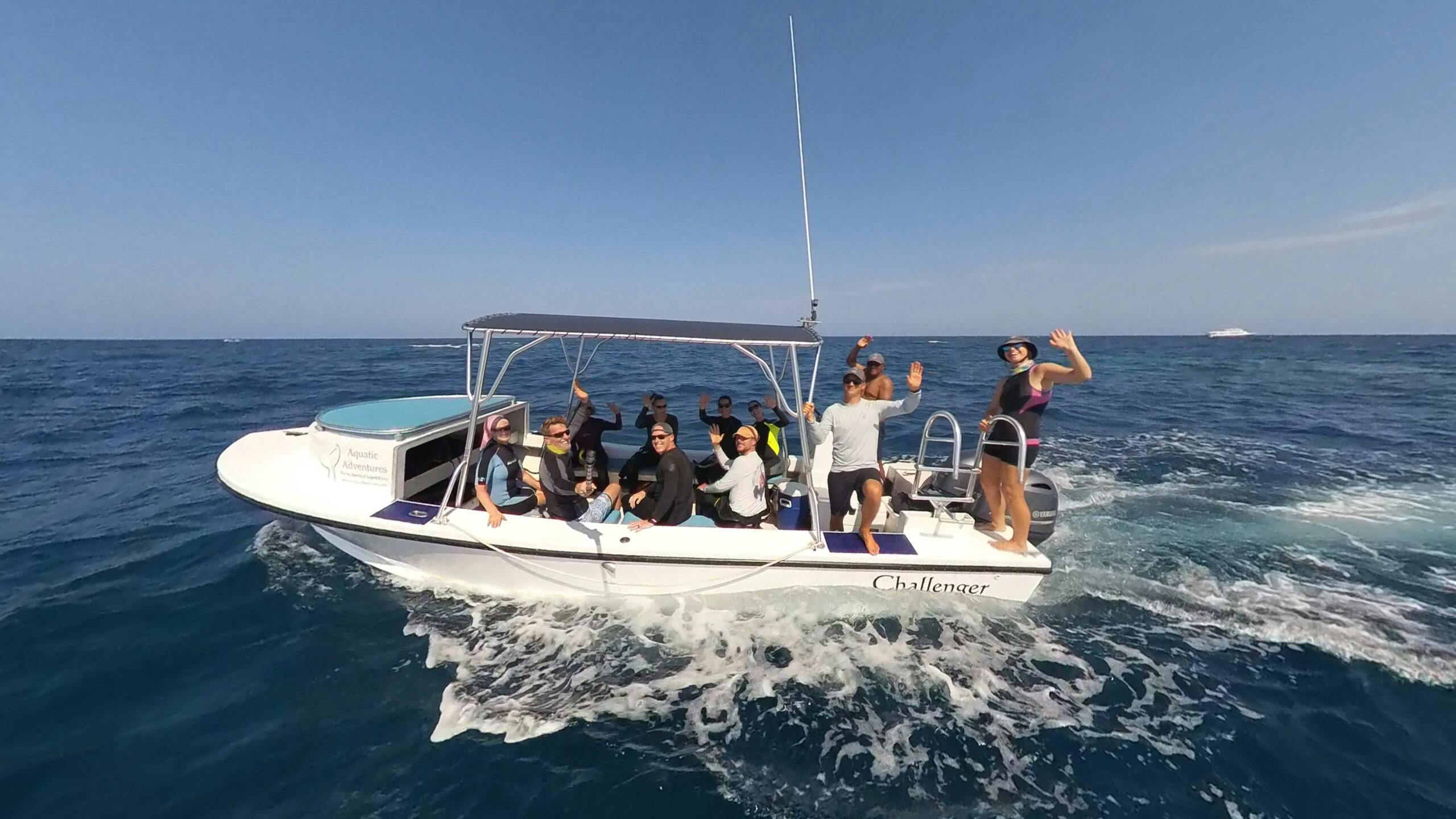
“Scott is an absolute superstar – he cared for us at each and every moment. The Aquatic Adventures and boat crew were also very professional, interesting and supportive with a fabulous stream of Dad-jokes from Simon.”
-Elspeth Chasserv
“CES consistently provides unique wildlife experiences at reasonable prices with GREAT guides!”
-Steve Thompson
“Cheesemans’ has always provided me with the kind of trip that I love focused on wildlife experiences.”
-Debbie Thompson
Day 1: “Welcome Aboard!”
After settling into their cabins, travelers attended a safety briefing and enjoyed their first dinner onboard. Due to unfavorable weather, all ships decided to stay in port overnight and set sail for the Silver Bank in the early morning. The group spent the evening getting to know one another, sharing excitement for the upcoming encounters, and learning about the area’s ecology from expert guides.
Day 2: “Anchors Aweigh”
The group enjoyed breakfast as the ship departed for the Silver Bank. On the journey there, they kept an eye out for humpback whales breaching, dolphins swimming alongside the ship, and the occasional sea birds gliding by.
The ship arrived at the Silver Bank in the afternoon and the guides conducted an in-depth briefing on snorkeling safety and whale interaction protocols. Once everyone had their gear ready, they found their tender group and went out for their in-water test run and first whale encounters before dinner.
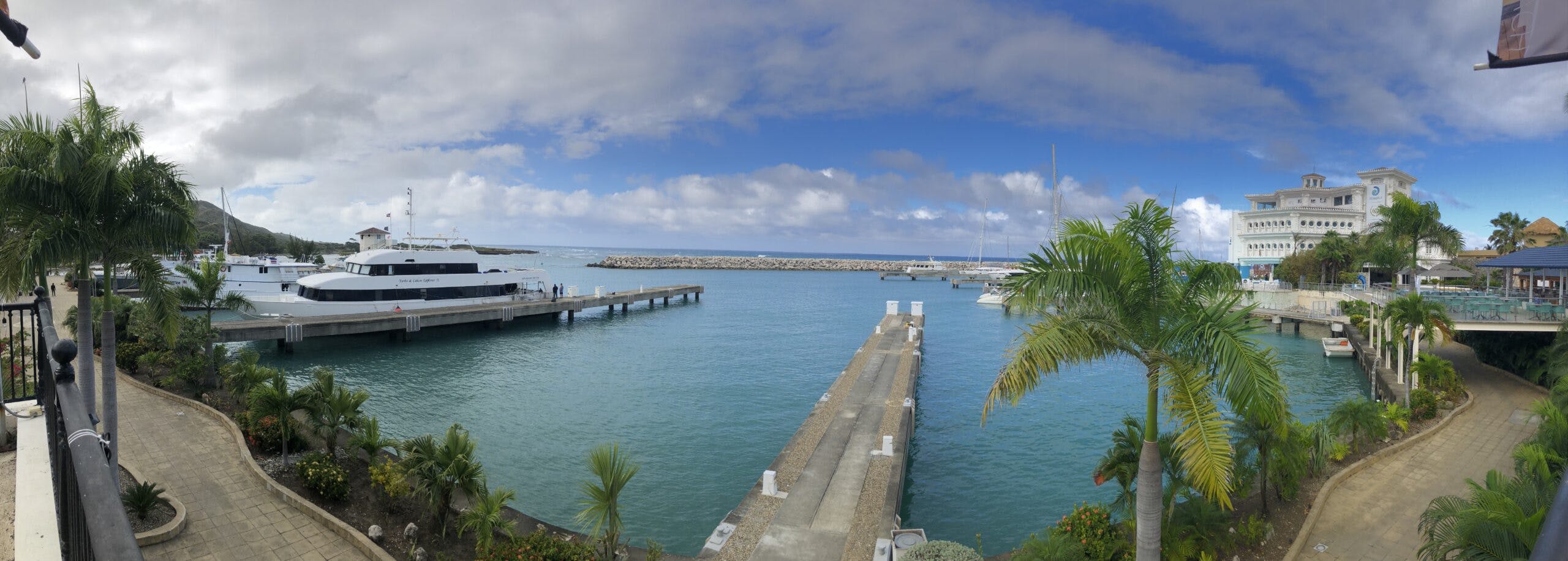
Day 3: “Into the Blue – First Whale Encounters”
The first full day in the Silver Bank dawned with sunny skies and calm seas, ideal conditions for whale encounters.
- Morning: After breakfast, guests boarded their assigned tenders and set out in search of where the Humpback Whales may be breaching.
- Daytime Adventures: The first snorkeling sessions offered incredible moments as travelers found themselves just feet away from these gentle giants. Some observed mother-calf pairs bonding, while others were thrilled by the sight of breaching and tail-slapping males competing for attention. Guests often described these encounters as surreal, with the sheer size and grace of the whales leaving them in awe.
- Evening: After each day’s excursions, travelers returned to the vessel for a happy hour on the open-air deck while sunsets bathed the ocean in golden light. They shared stories, photos, and insights over relaxed dinners and enjoyed a presentation by the crew on the Silver Bank’s ecology and the whales.
“Floating in the water as a humpback mother and calf swam towards us and veered away at the last moment. Magical!” -Steve Thompson
Days 4-5: “Voices from the Deep – Listening to the Humpback Chorus”
The middle days of the trip offered deeper experiences, with the highlight being the haunting songs of the male Humpbacks.
- Morning: Guides used hydrophones to broadcast the whales’ songs, allowing travelers to listen to the underwater melodies. As the guides explained, these vocalizations were part of the whales’ complex communication and courtship rituals, adding a deeper layer to the experience.
- Daytime Adventures: During snorkeling sessions, travelers often encountered curious young calves that approached them closely, seemingly as interested in the visitors as the visitors were in them. Guests also observed mothers teaching calves how to breach and surface-breathe, offering rare insights into Humpback parenting.
- Evening: Back onboard, naturalists led informative discussions about whale behavior, migration patterns, and conservation challenges. Travelers left with a greater appreciation for the need to protect these magnificent animals and their habitats.
“There was one moment where I felt like it was just me and the baby whale. It wasn’t of course, but it felt like it. Like we were just looking at each other with curiosity. And then she started swimming towards me! Amazing. Just amazing. I swam backwards, as we had been told to do, and she curved away as well, but it was a beautiful moment.” -Elspeth Chasser
Snorkel with Humpback Whales March 16 to 23, 2024
6 Videos

1:19

0:29

0:22

0:15

1:16

2:06
Day 6: “Final Encounters – Bidding Farewell to the Giants”
The last full day on the Silver Bank delivered a blend of excitement and nostalgia as travelers made the most of their final opportunities to snorkel with the humpback whales.
- Morning: With conditions favorable, the last snorkeling excursion brought an unforgettable moment for many travelers, with close encounters as mother whales and their calves glided effortlessly beneath them.
- Afternoon: Following a celebratory lunch on the vessel, the group began the journey back to Puerto Plata. Travelers shared stories of their favorite encounters and reflected on the unique opportunity they had to witness these animals in such an intimate way.
- Evening: The ship arrived back at the marina in Puerto Plata and the group enjoyed one last night aboard. A farewell dinner capped the trip, with toasts to the whales, the crew, and the lifelong memories made on this adventure.
Day 7: “Back to Shore – Returning with Memories”
- Morning: After breakfast, travelers disembarked, exchanging contact information and bidding fond farewells to each other and the crew. They left with a sense of awe and gratitude for the experiences shared over the week.
Unforgettable Highlights of the Silver Bank Expedition
The entire trip offered unparalleled whale encounters, small-group interactions, and daily snorkeling excursions designed to provide maximum in-water time. Expert guides ensured that every interaction was respectful and meaningful, emphasizing conservation and safety at all times. Travelers returned home not only with incredible photographs but also with a profound connection to the ocean’s giants.
You Can Snorkel with Humpback Whales!
Join Us for the Next Adventure!
The Silver Bank adventure offered travelers a once-in-a-lifetime opportunity to snorkel alongside humpback whales in their natural habitat. It was more than just a trip—it was a journey into the wild heart of the Caribbean, filled with awe-inspiring moments and meaningful encounters.
Book your spot today for Cheesemans’ next Silver Bank adventure and create your own unforgettable memories!
For more information and to reserve your spot, visit our website or contact us at (800) 527-5330. We can’t wait to explore the world with you!
Join the Adventure
Sulawesi and Komodo
July 6 to 19, 2024
Welcome back to our journey through Indonesia’s wild heart! After our last post where we took you through the stunning landscapes and unforgettable encounters of Sulawesi and Komodo, we’re excited to dive even deeper into the incredible biodiversity that makes these islands a must-visit for any wildlife enthusiast.
From the dense forests of Sulawesi, teeming with endemic species, to the rugged coastlines of Komodo, home to the legendary Komodo Dragon, our recent adventure was a celebration of nature at its most raw and untouched. But what exactly did we see on this expedition?
A Rich Tapestry of Life
Indonesia is a global biodiversity hotspot, and our Sulawesi and Komodo journey highlighted just how extraordinary this part of the world is. Our days were filled with sightings of unique creatures, from the vibrant colors of the Sulawesi Dwarf Kingfisher to the awe-inspiring Komodo Dragon. Each species we encountered told a story of evolution, adaptation, and survival in some of the most challenging environments on Earth.
Download Our Complete Species List
For all the nature lovers, birders, and eco-adventurers who want to take a closer look at what we encountered, we’ve compiled a comprehensive species list from our July 2024 trip. This downloadable PDF features every bird, mammal, reptile, and plant species our group identified during the journey. Whether you’re planning your own trip or just dreaming of the wildlife wonders of Indonesia, this list is an invaluable resource.
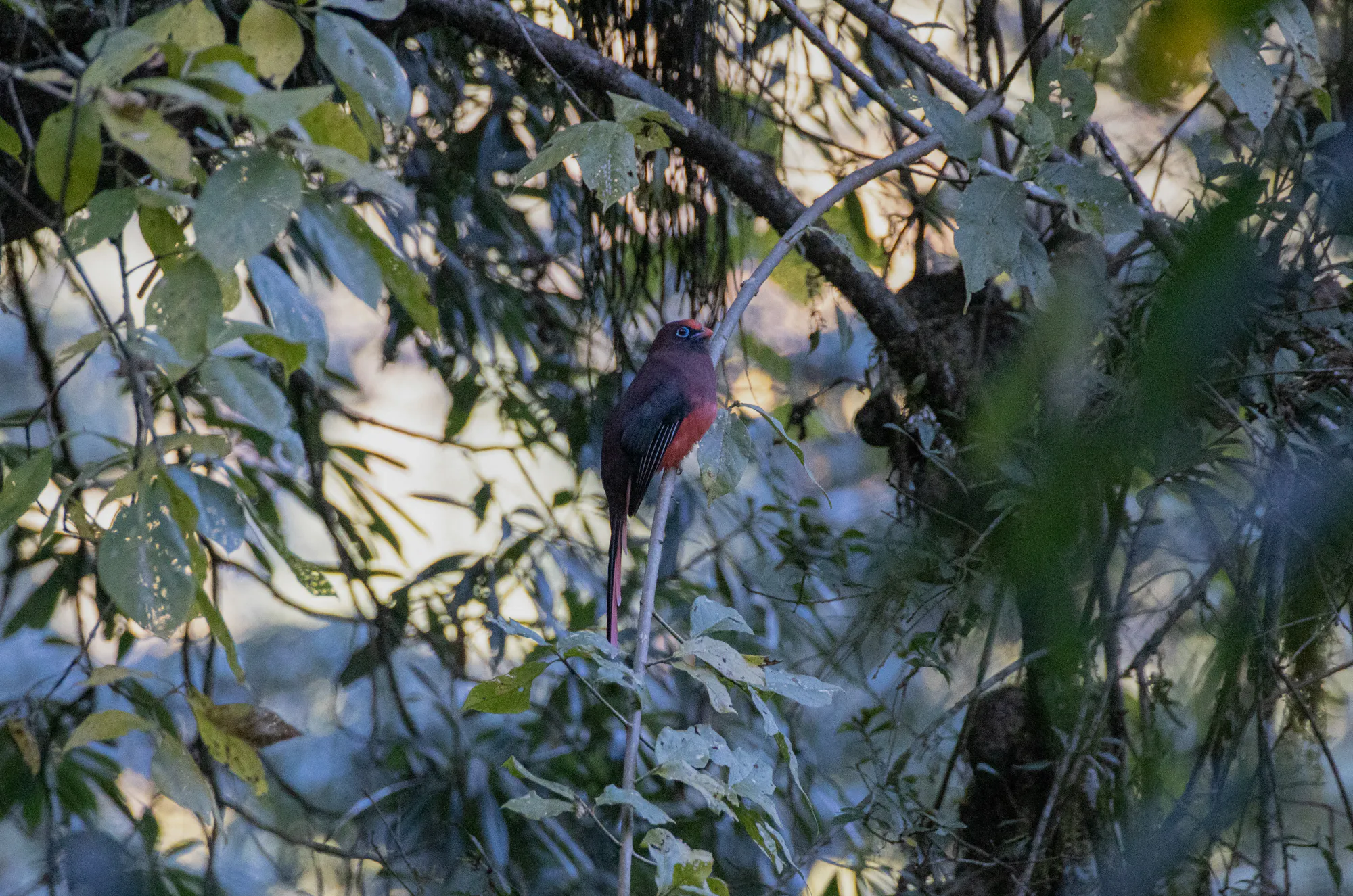
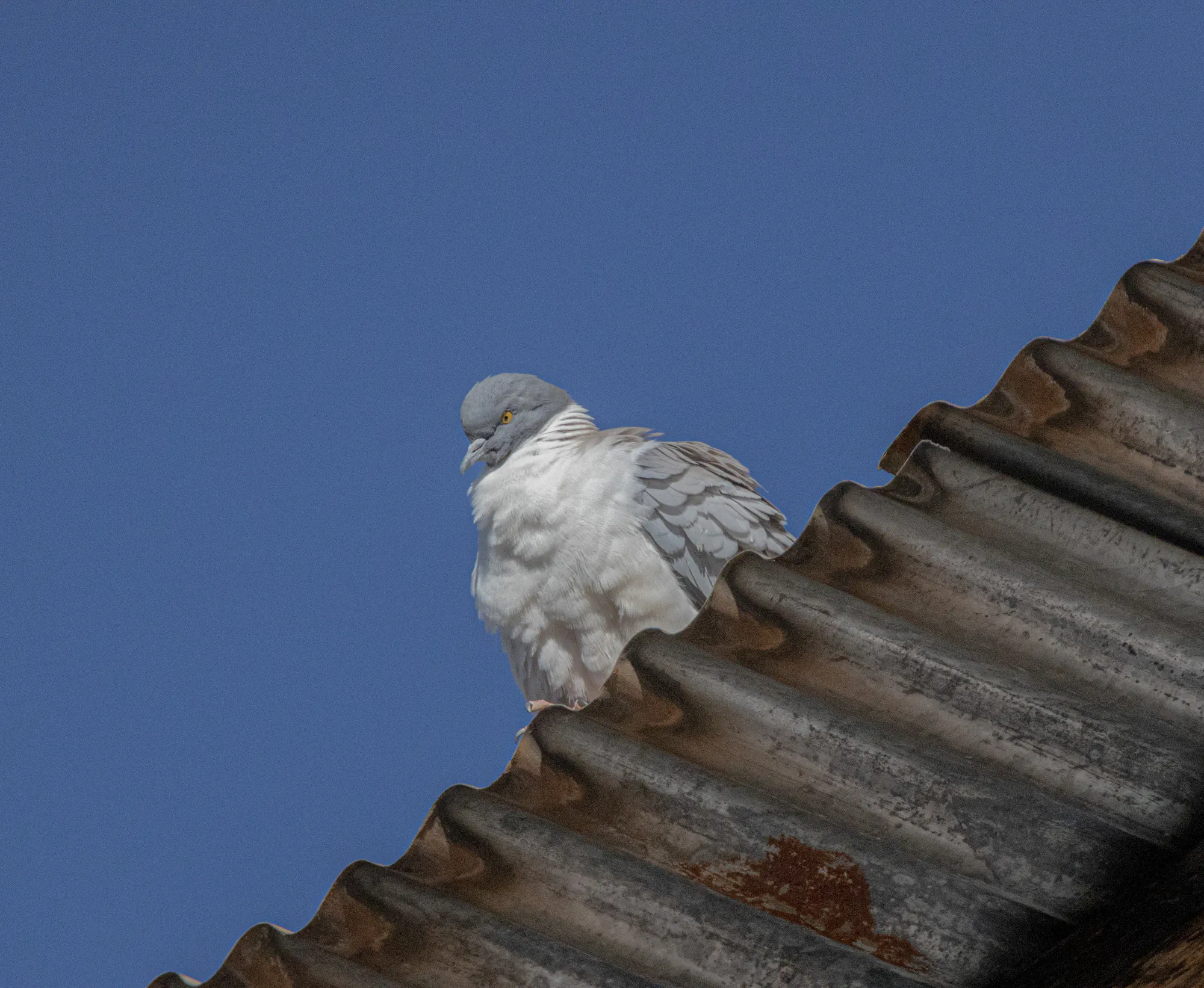
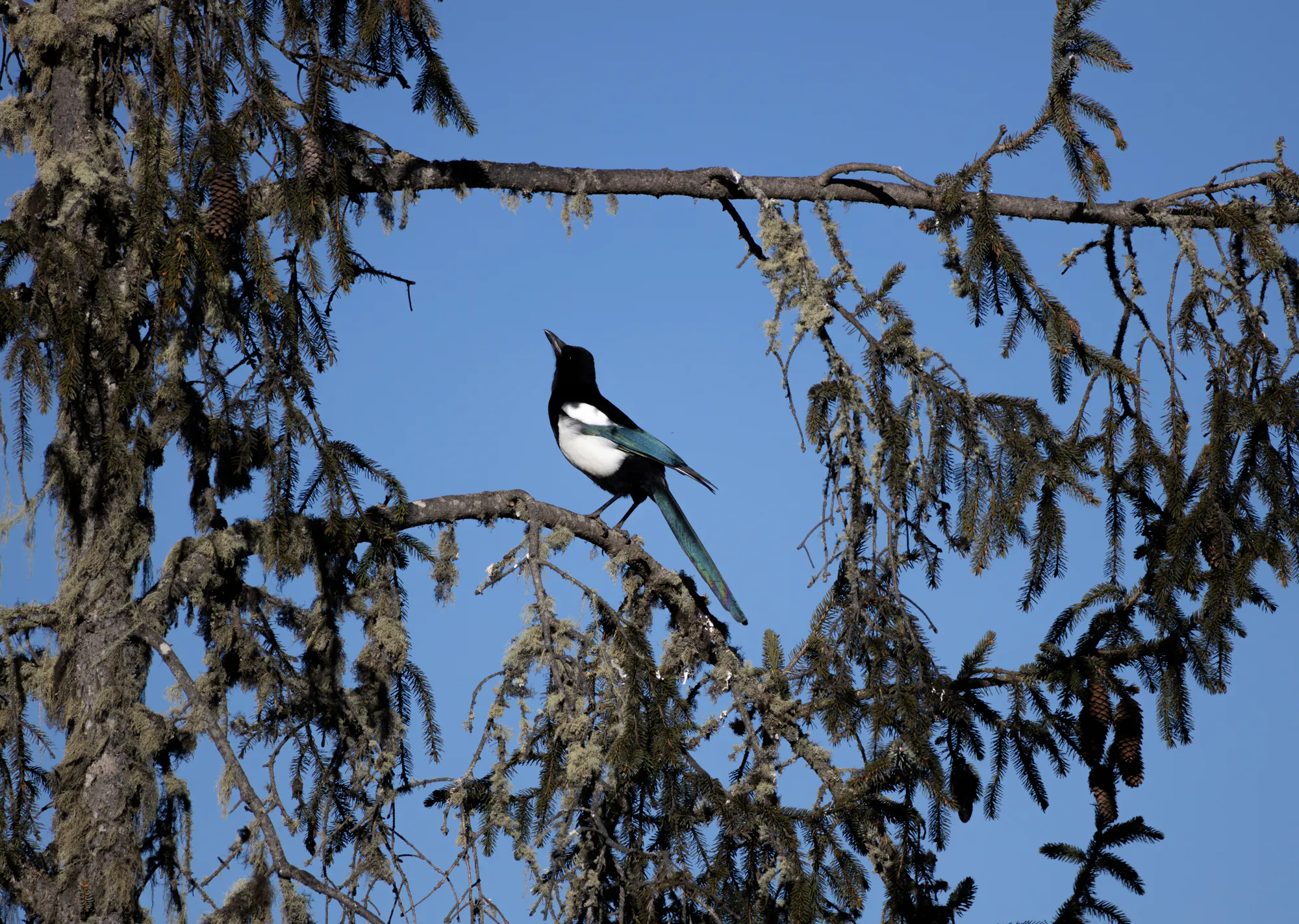

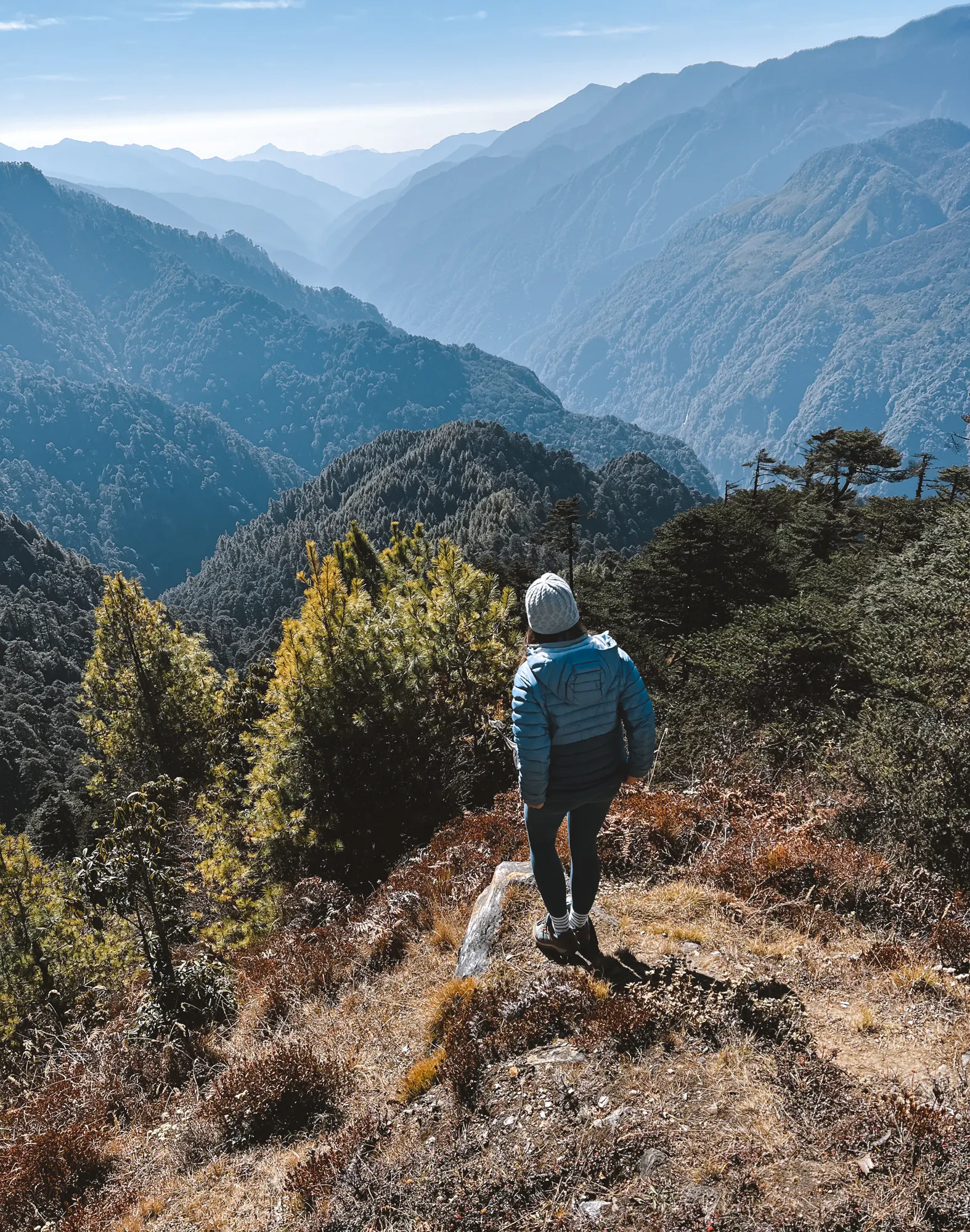
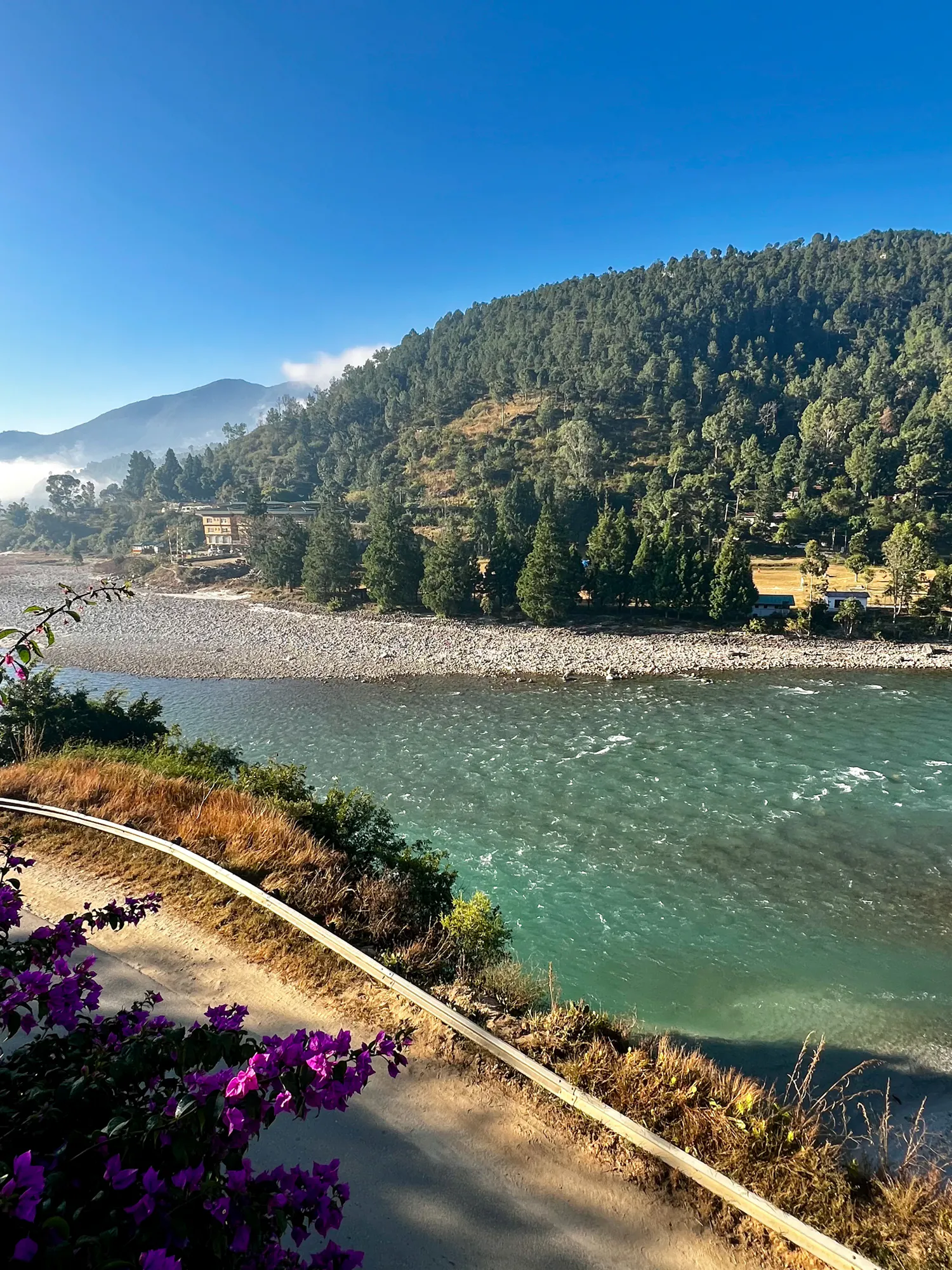
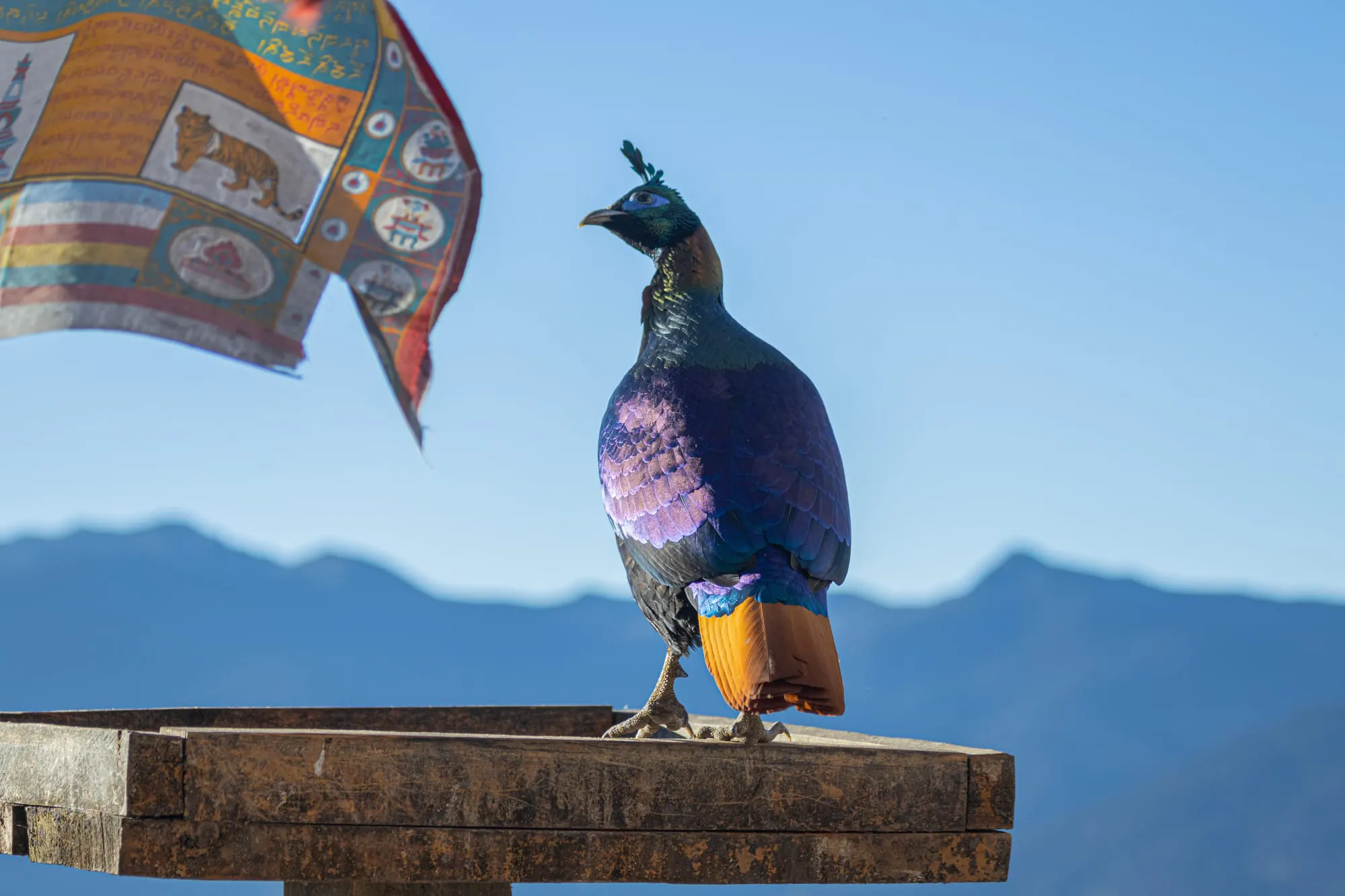
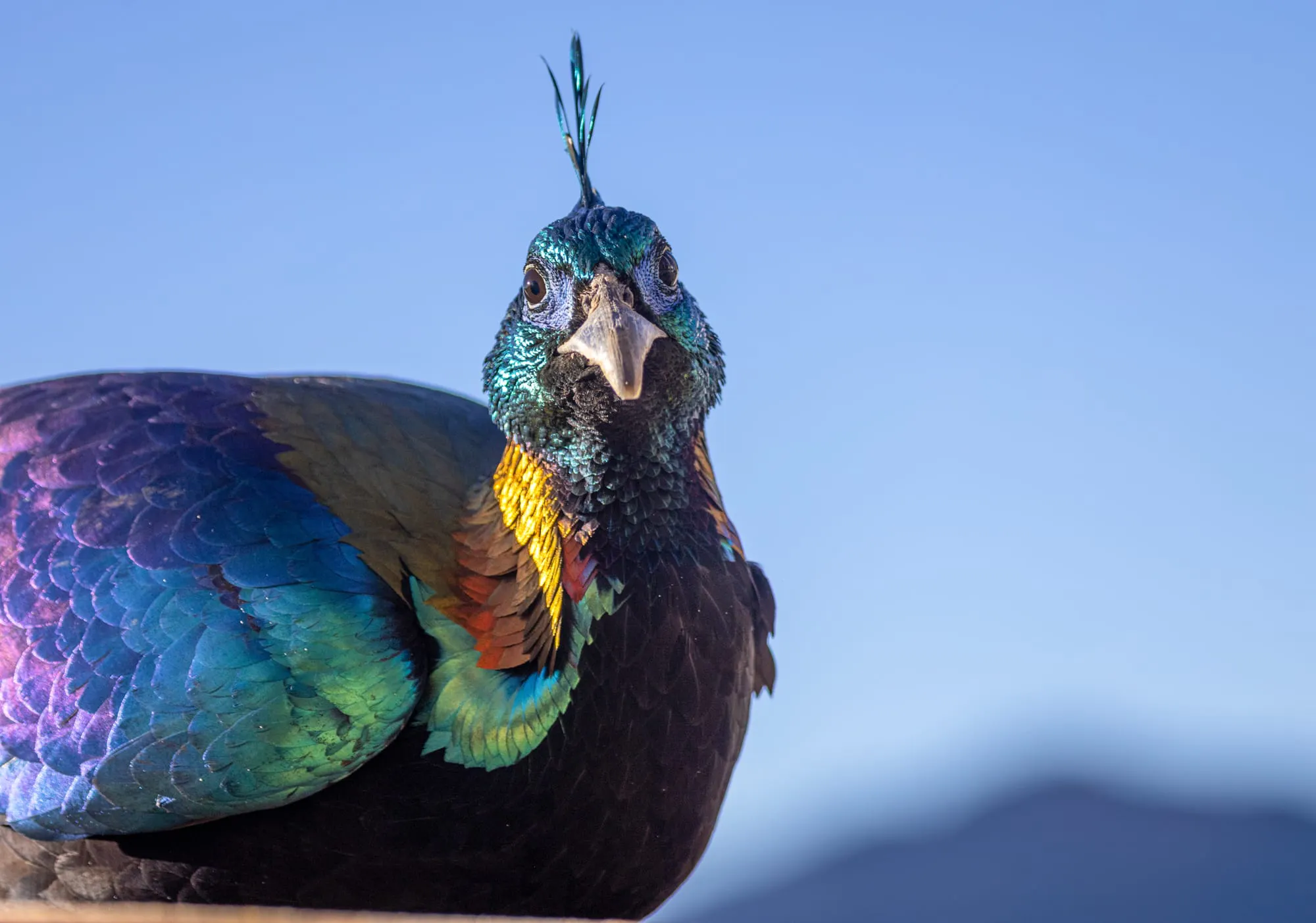
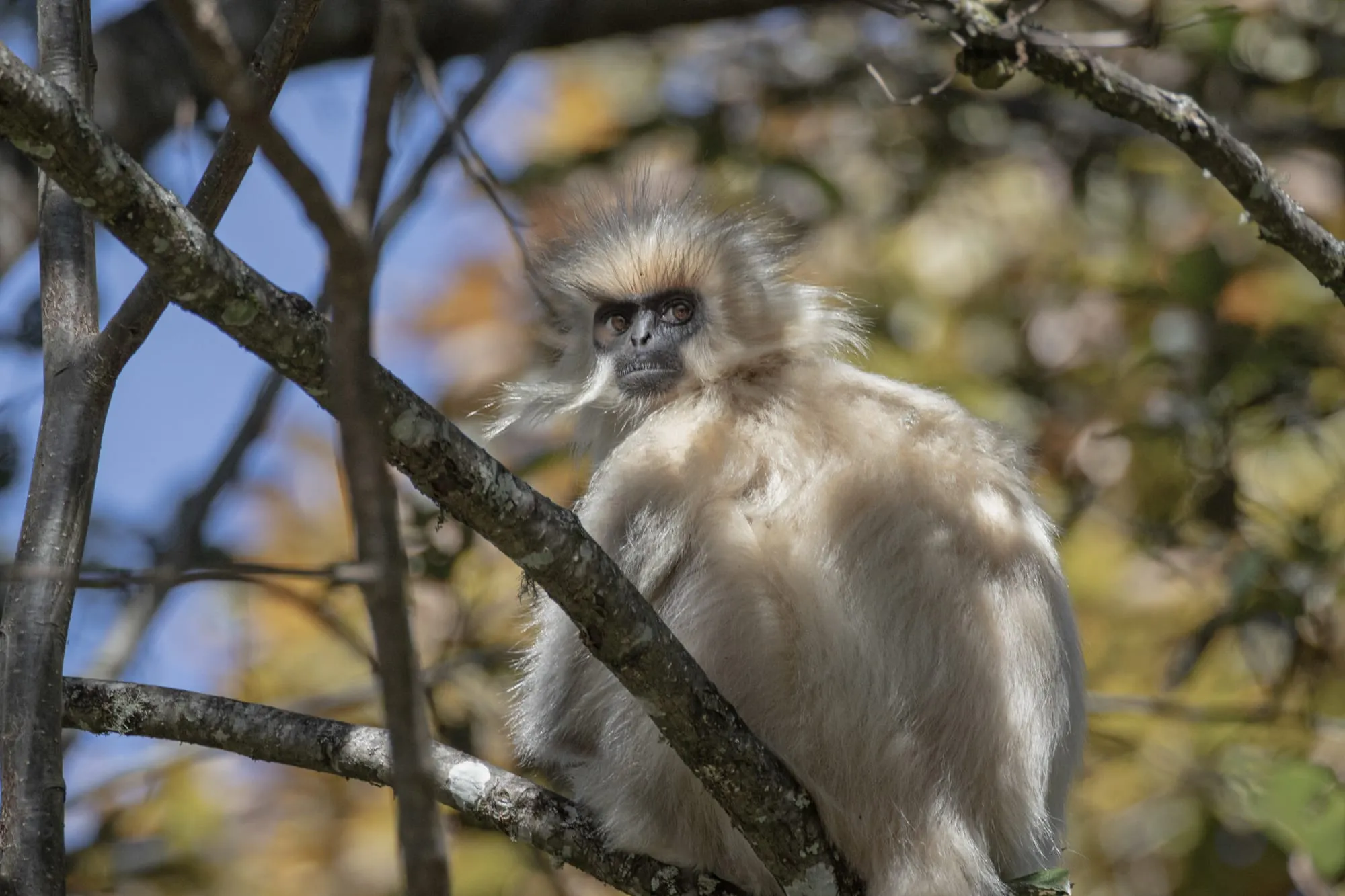
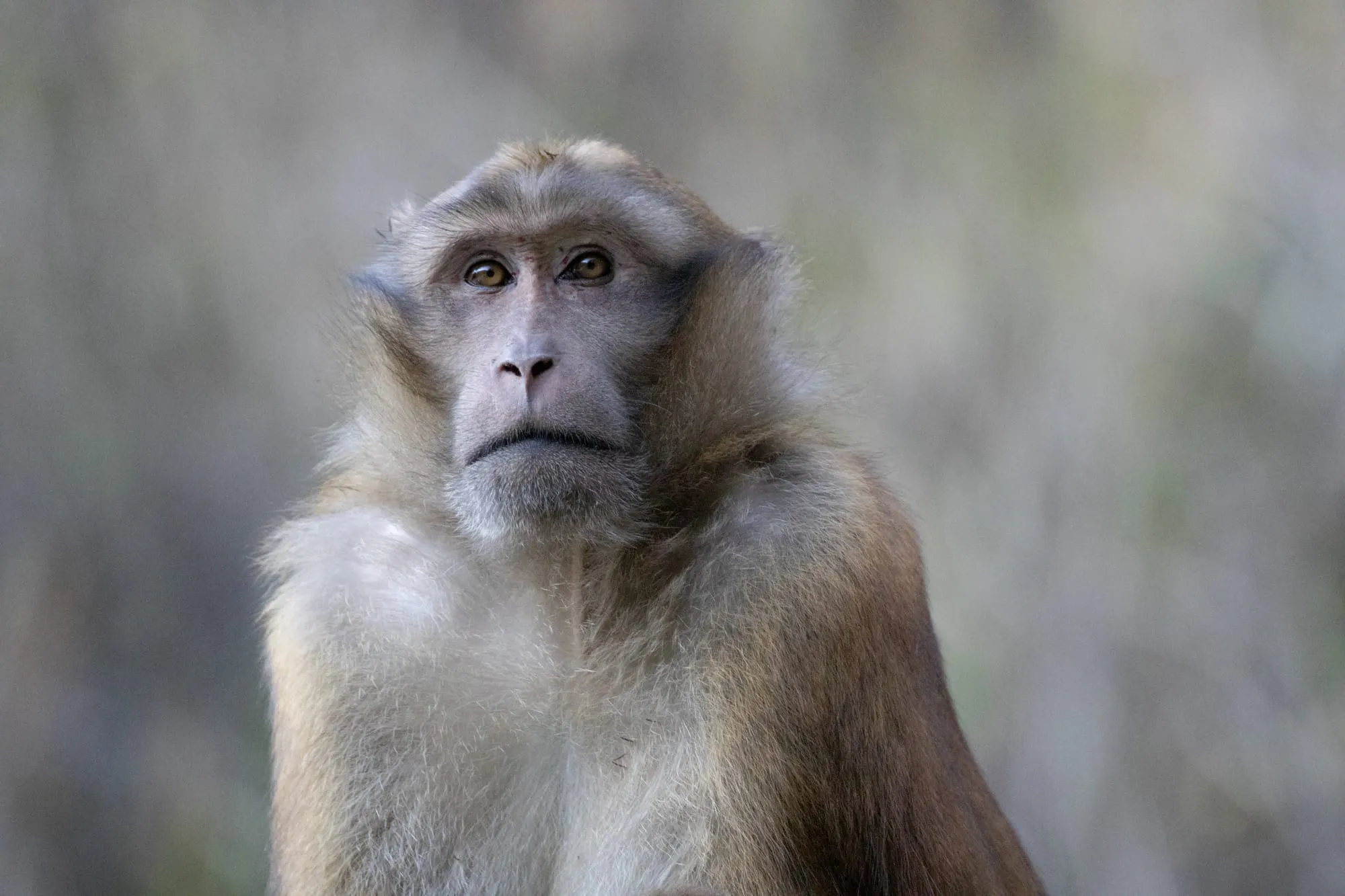
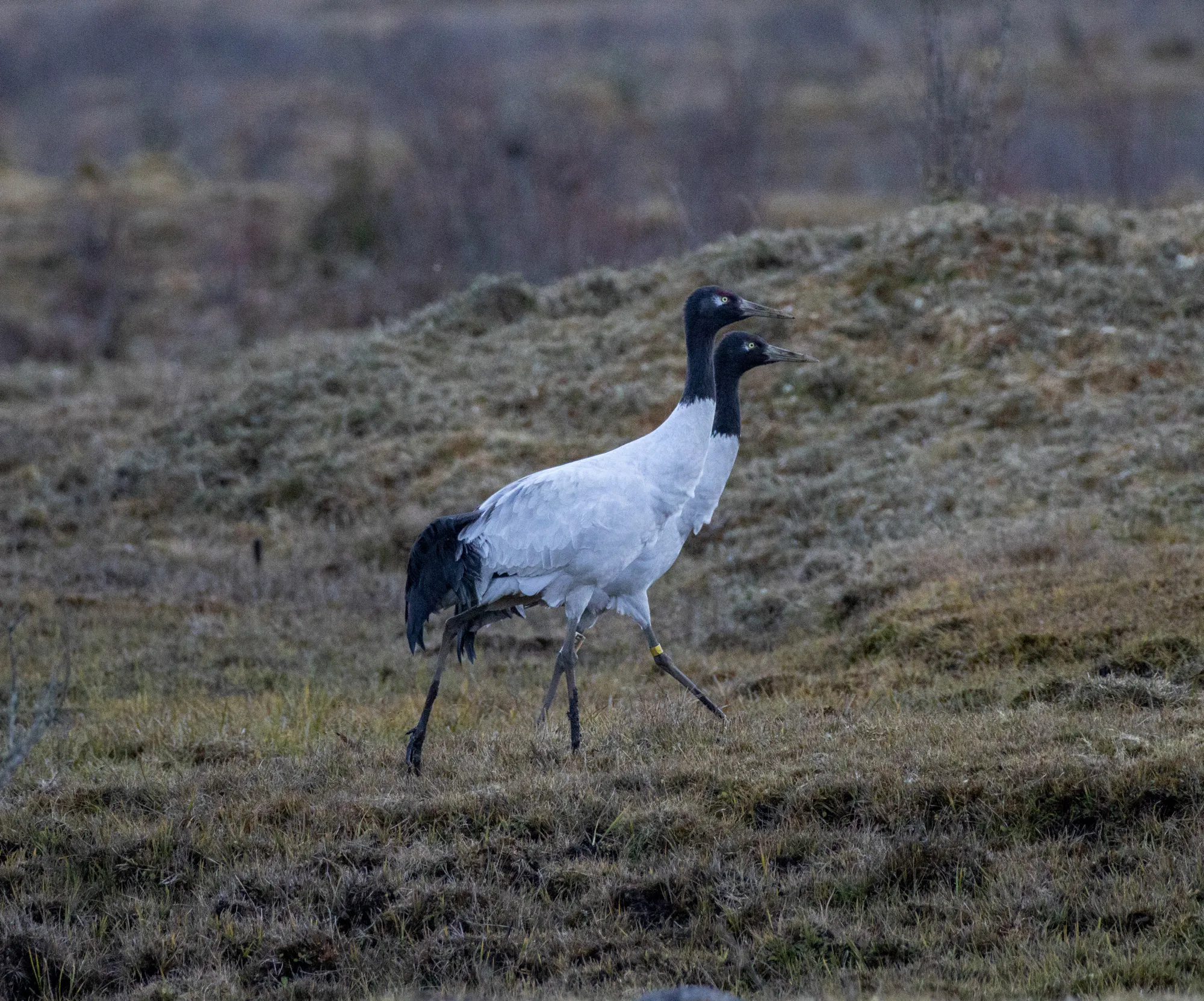
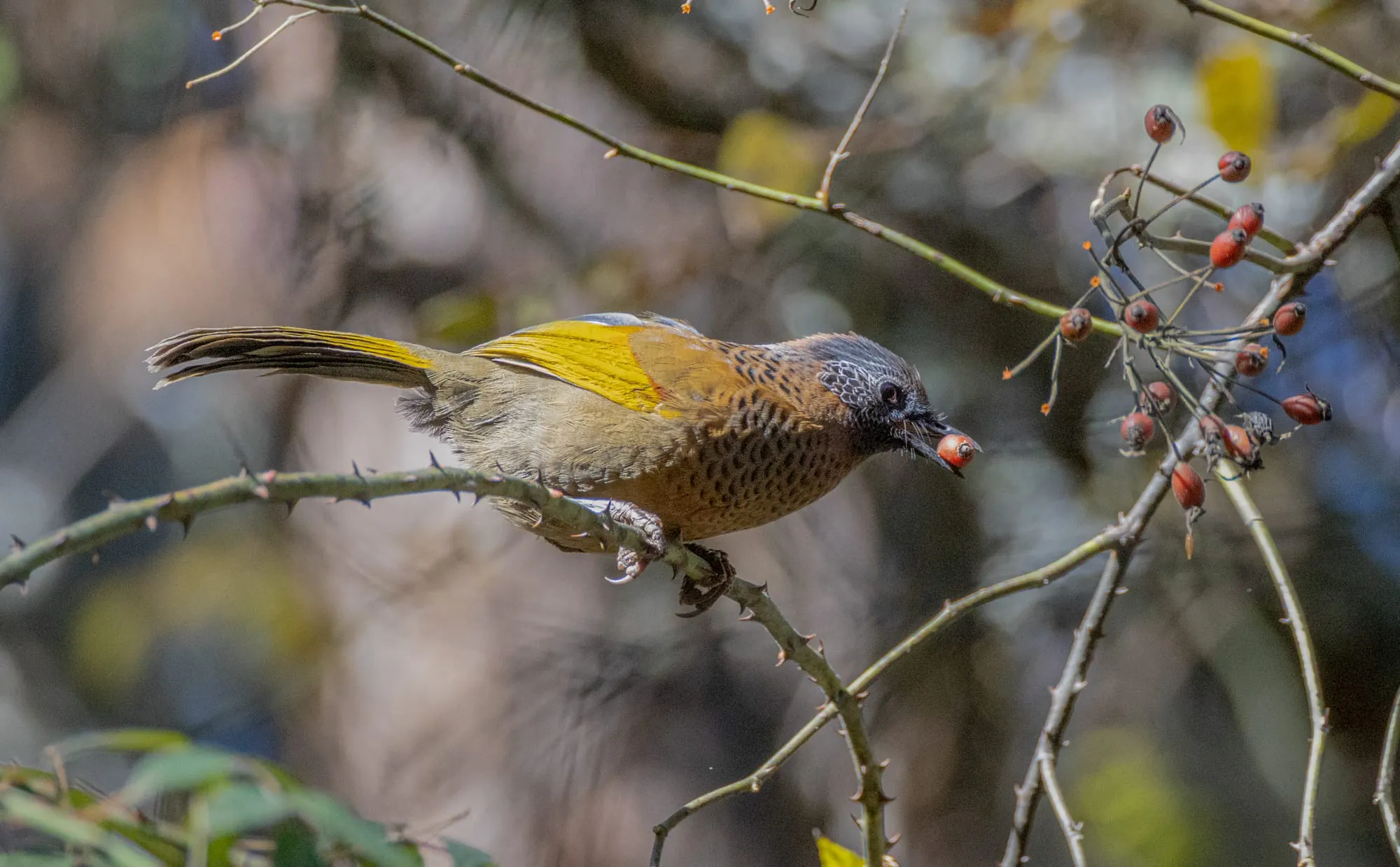
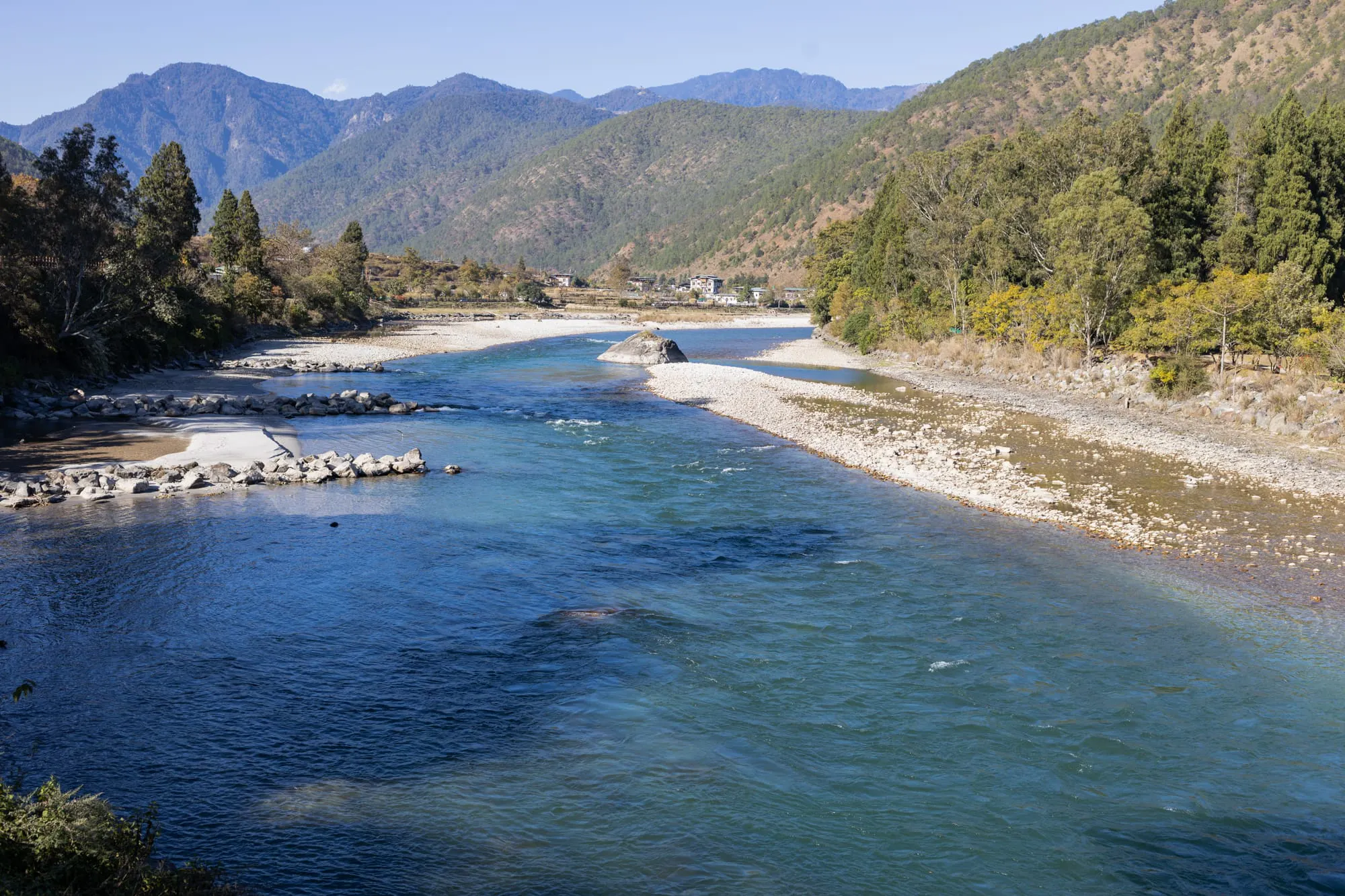
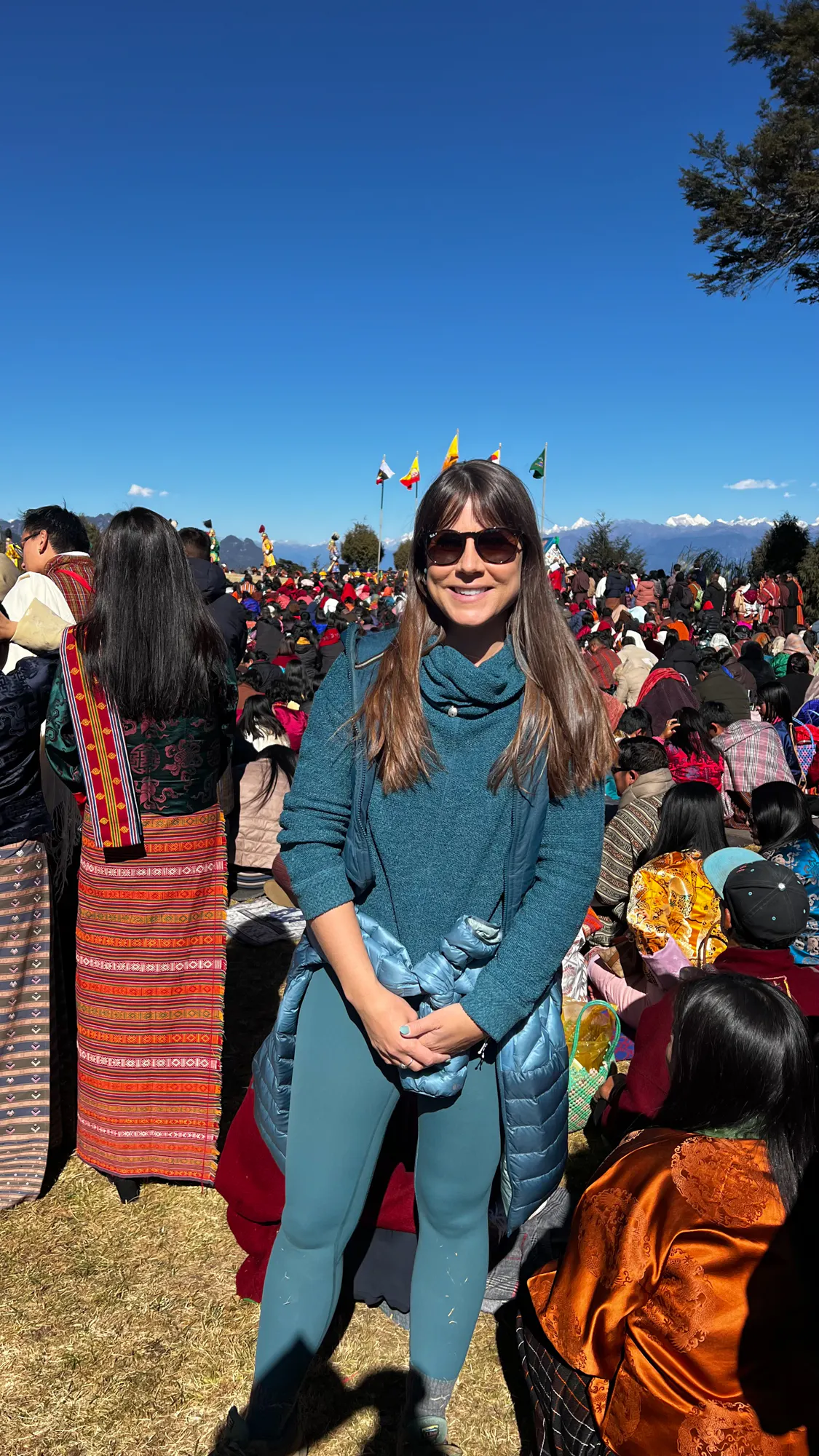

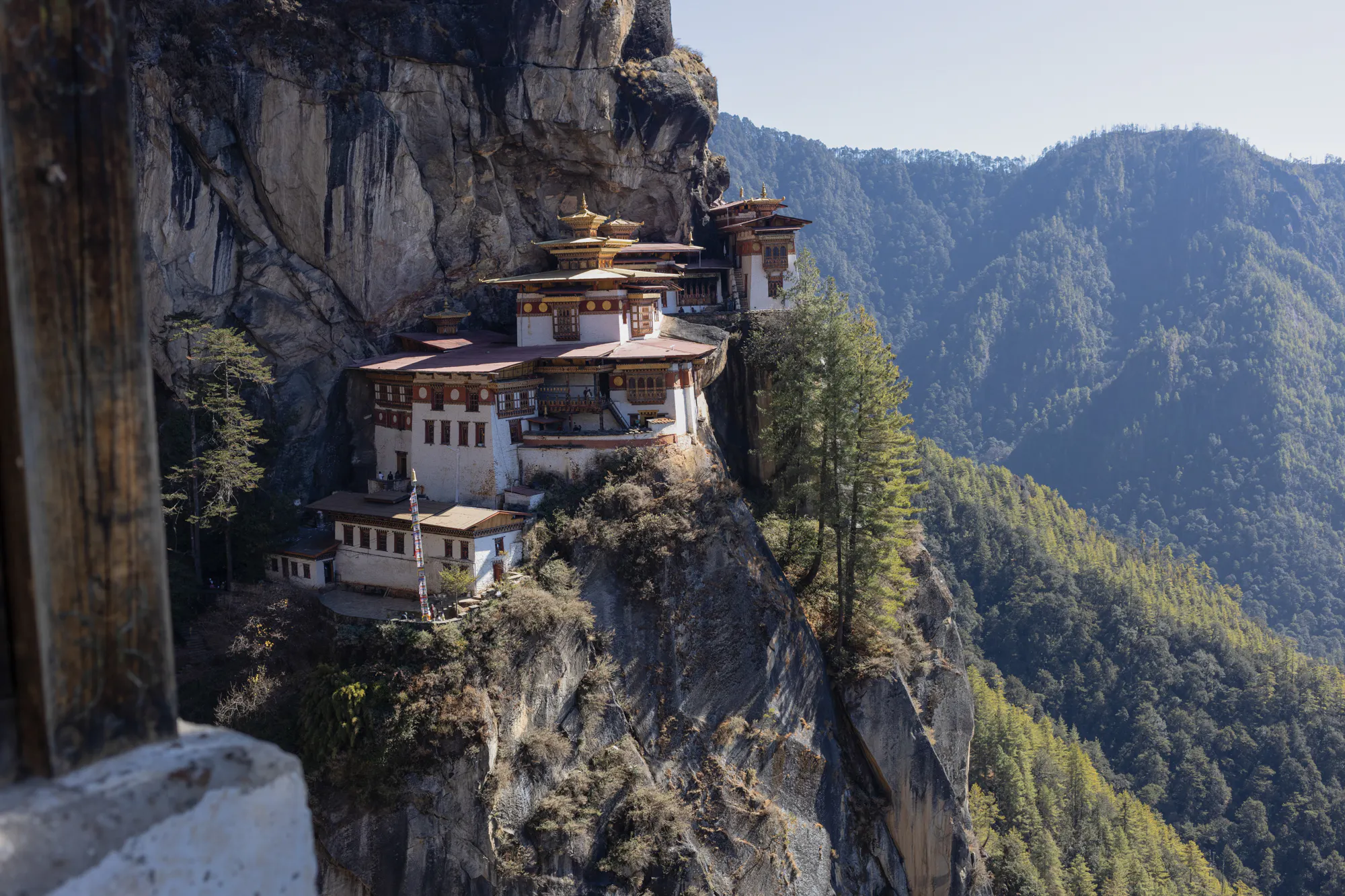

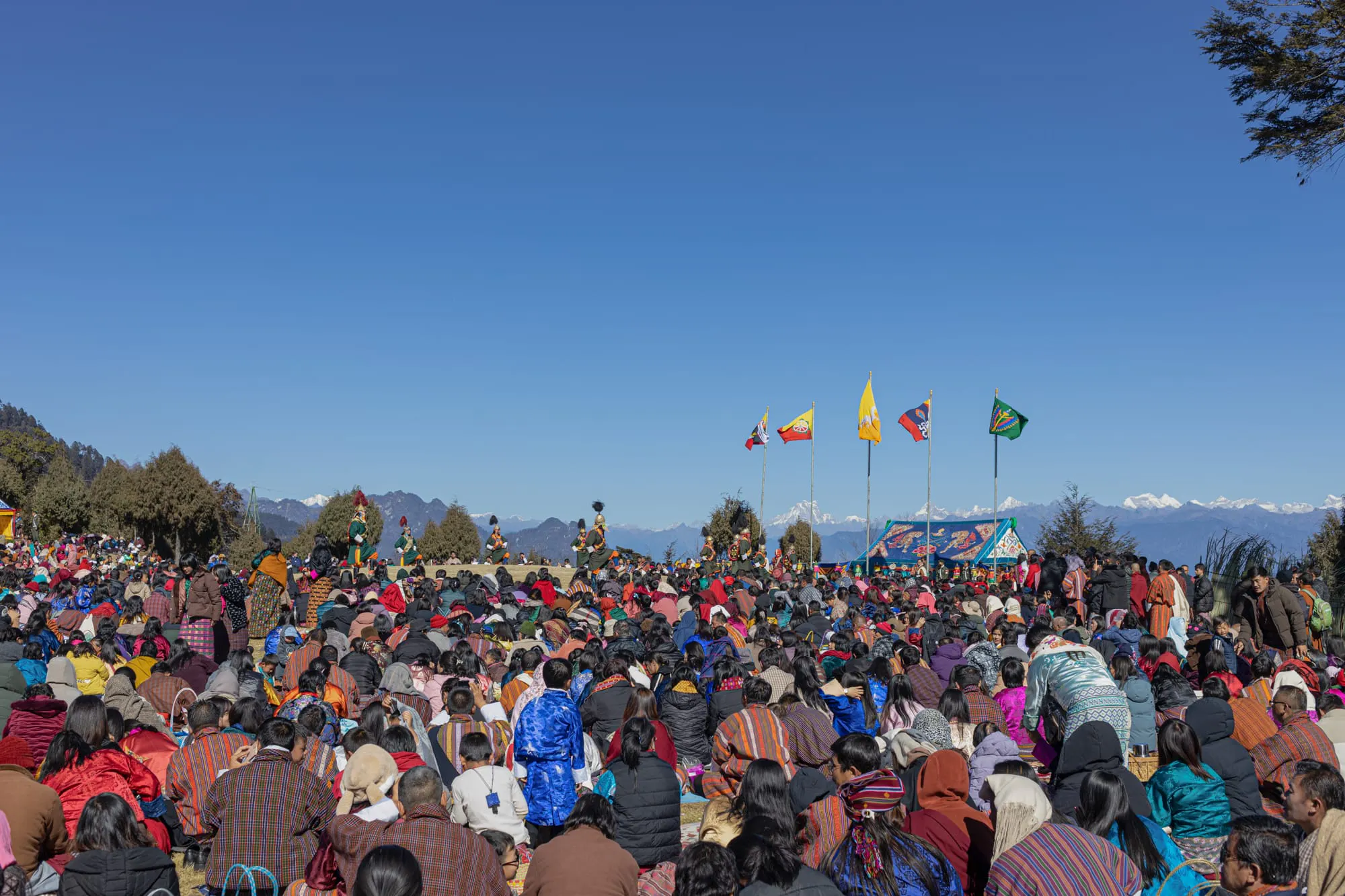
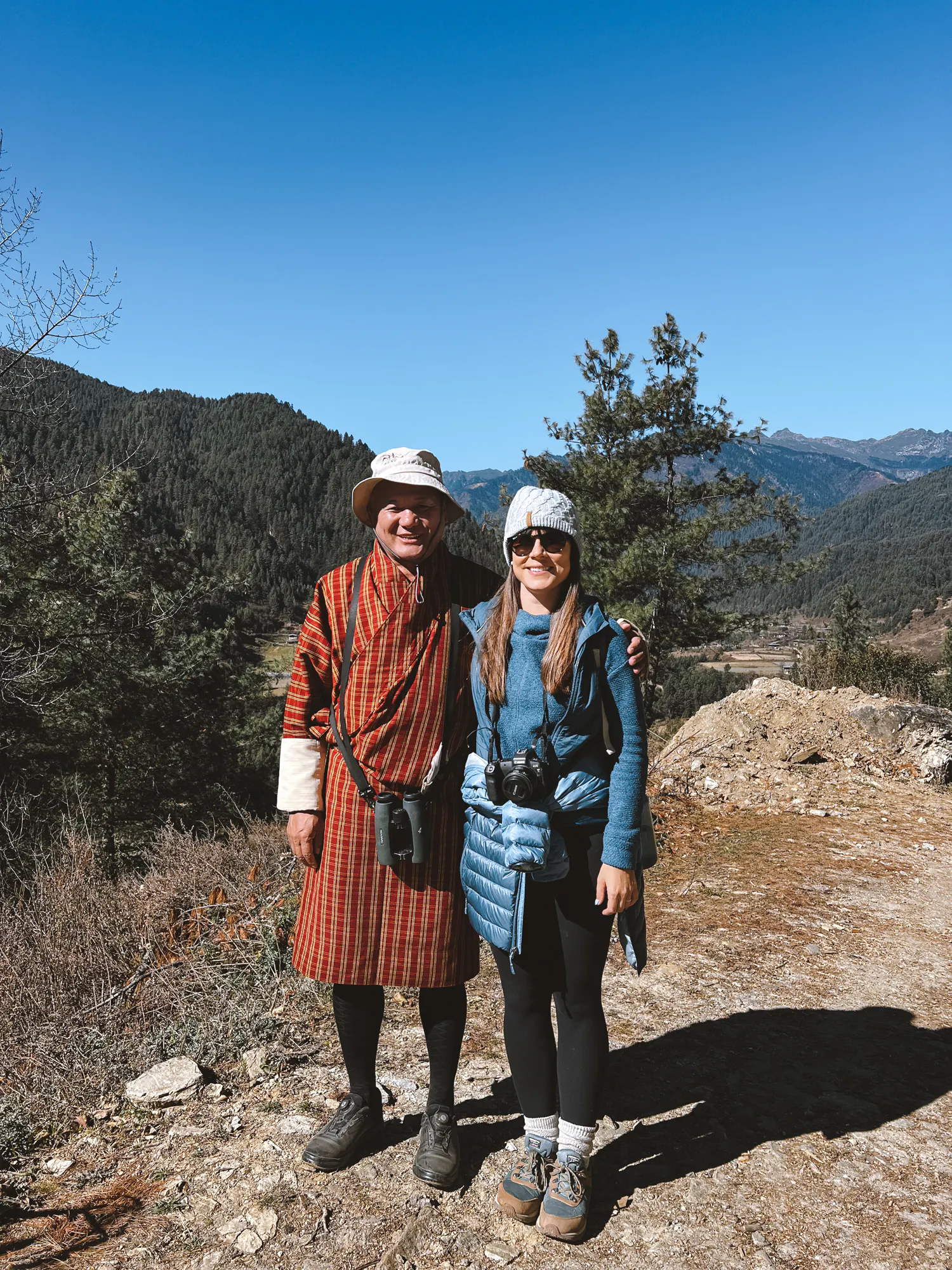
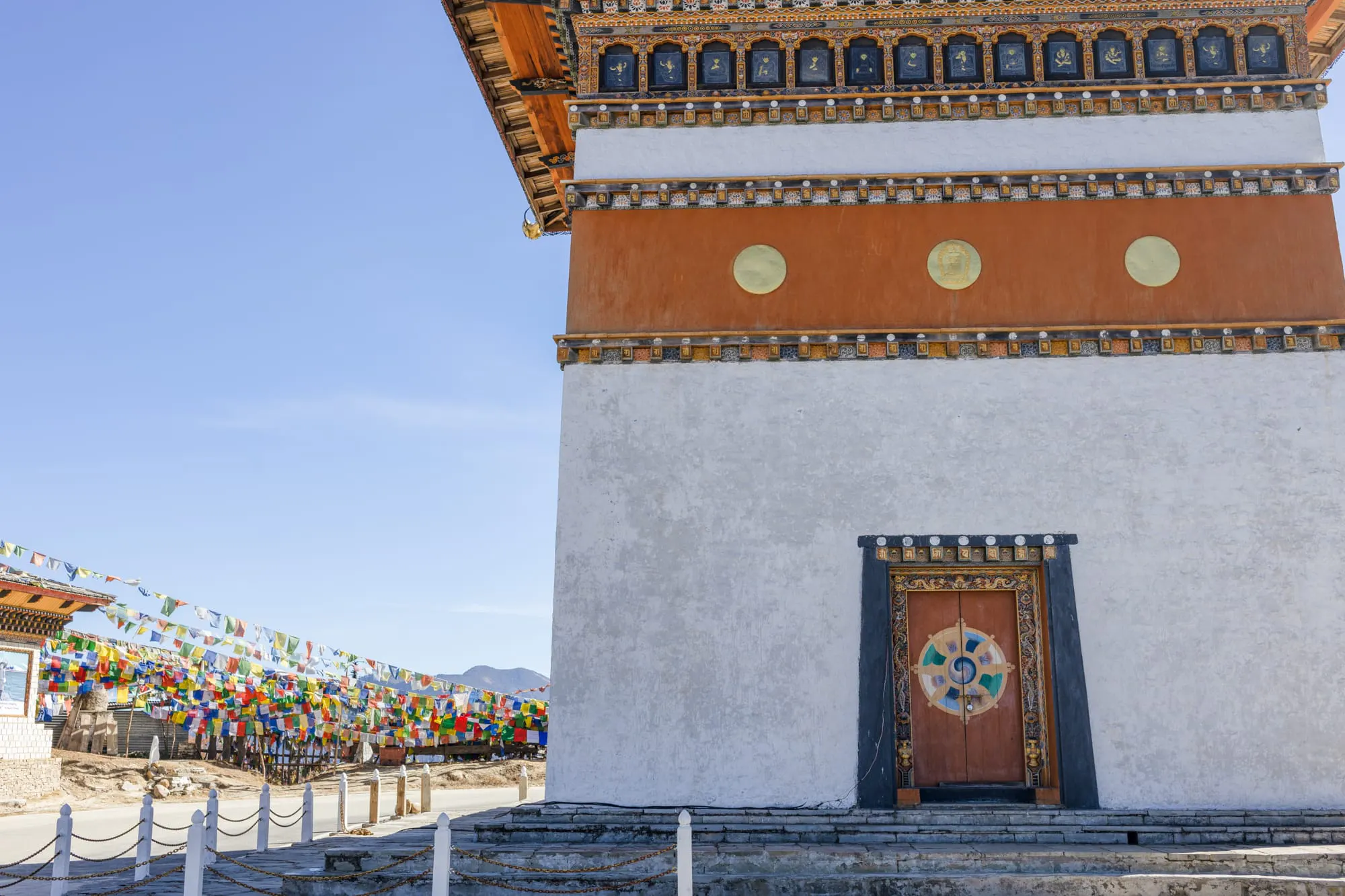
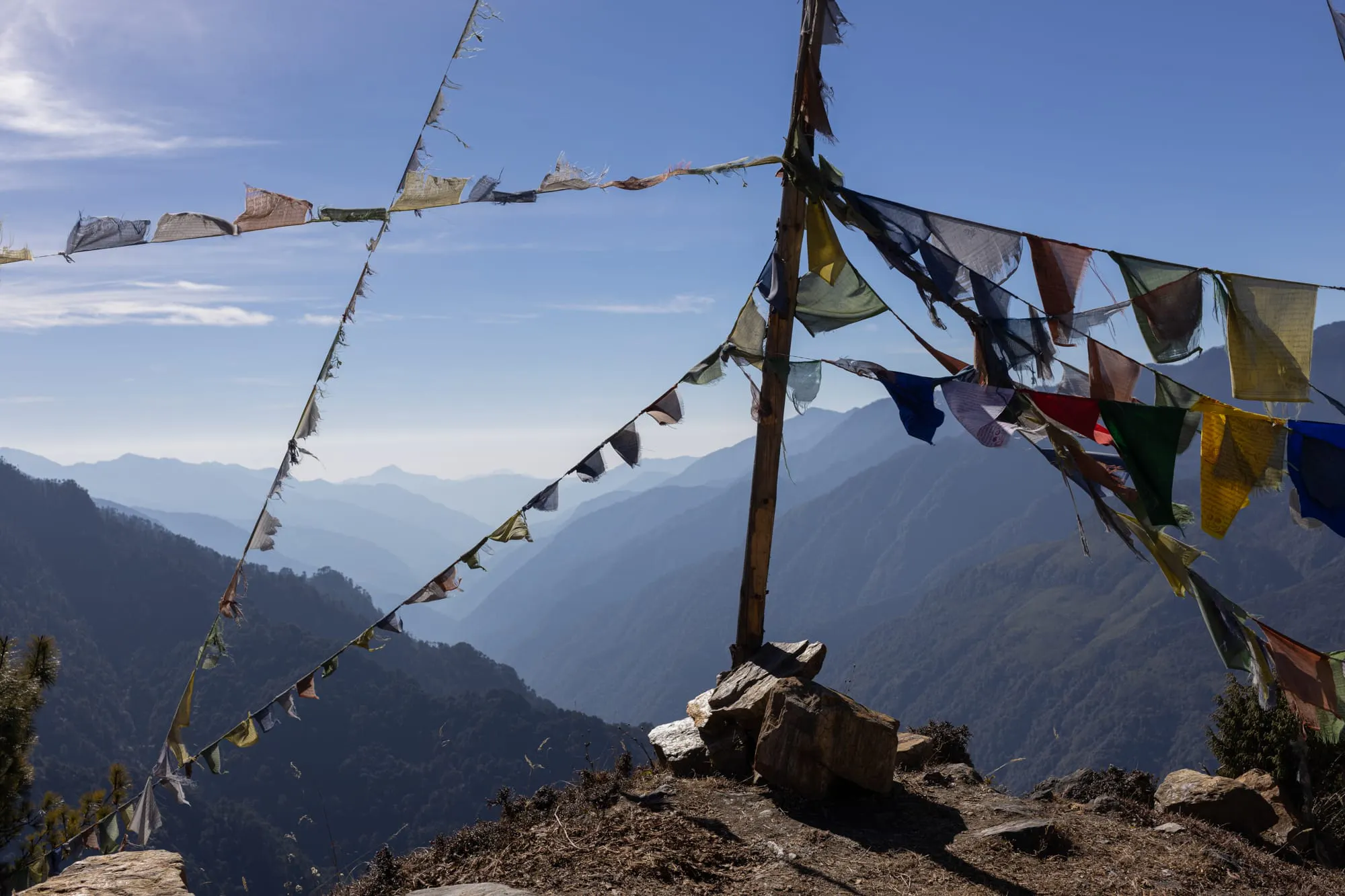

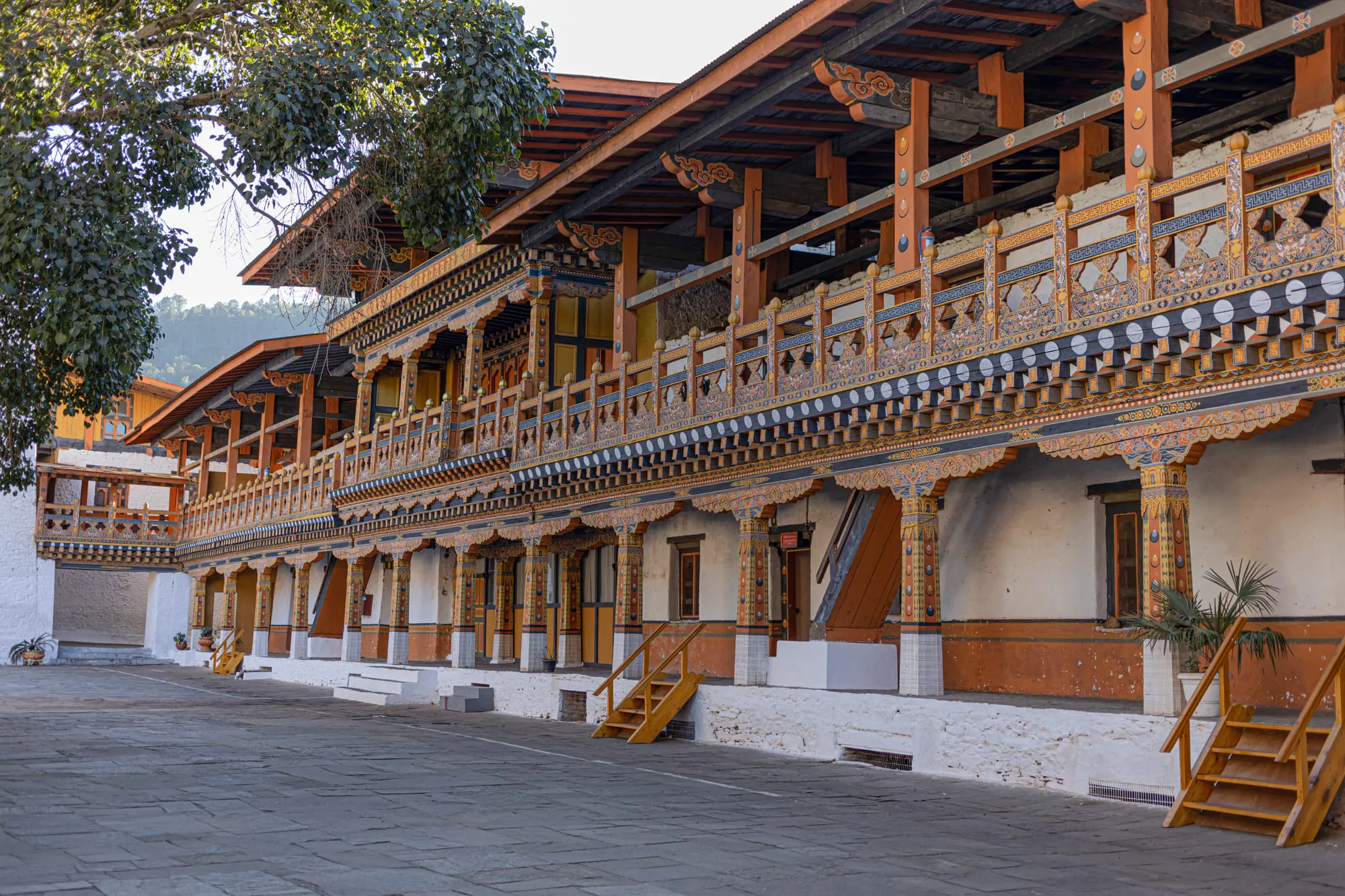
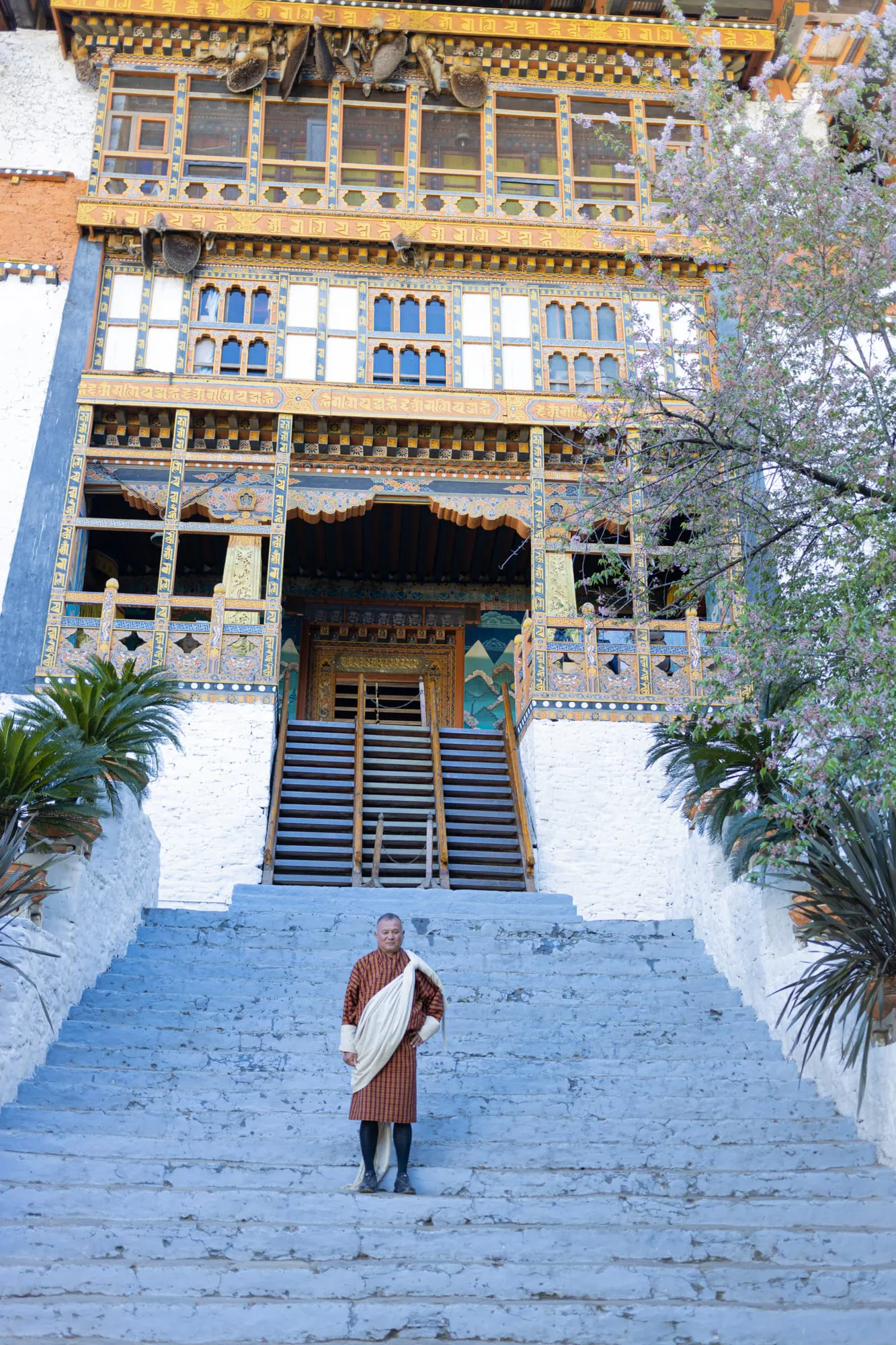



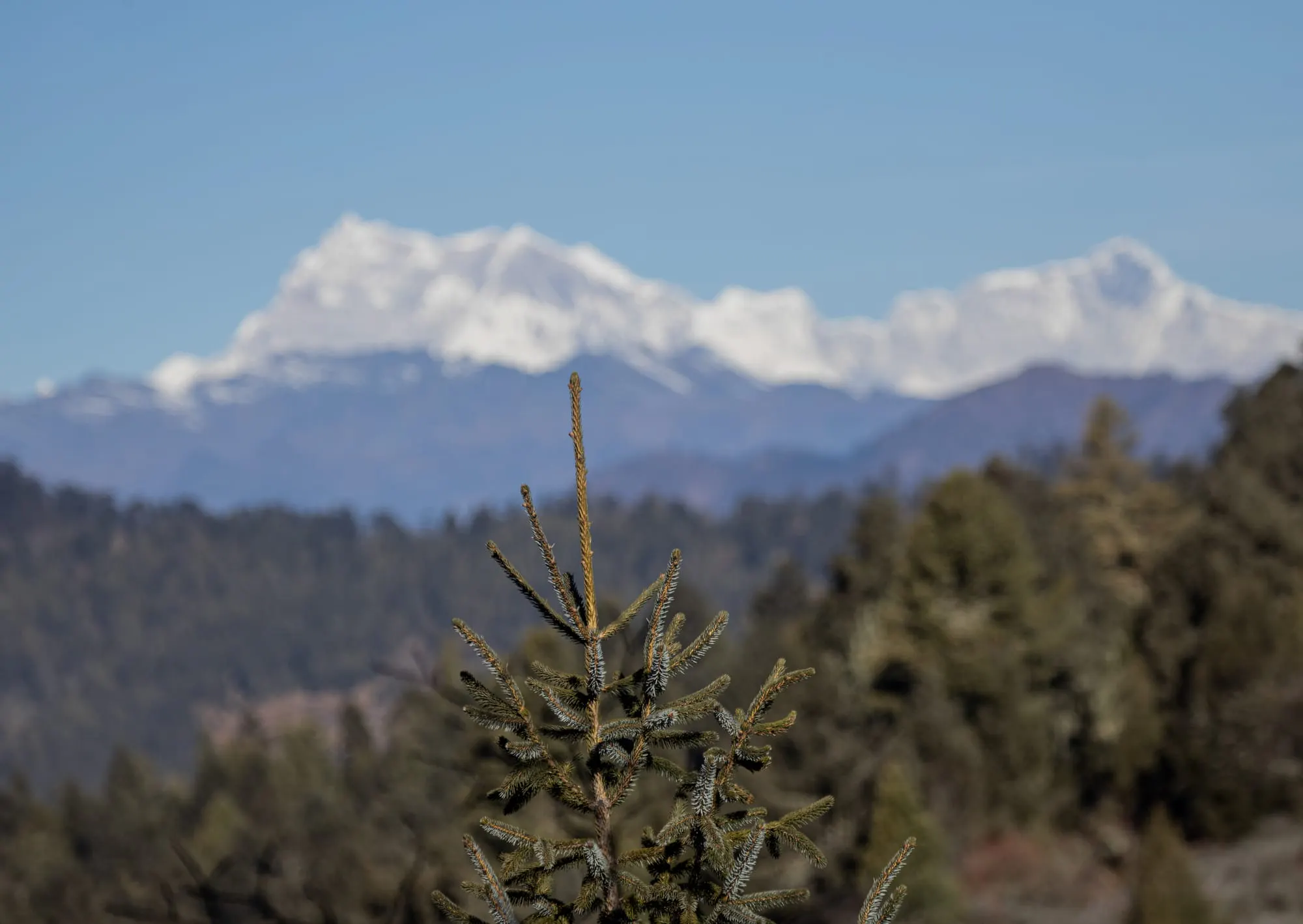
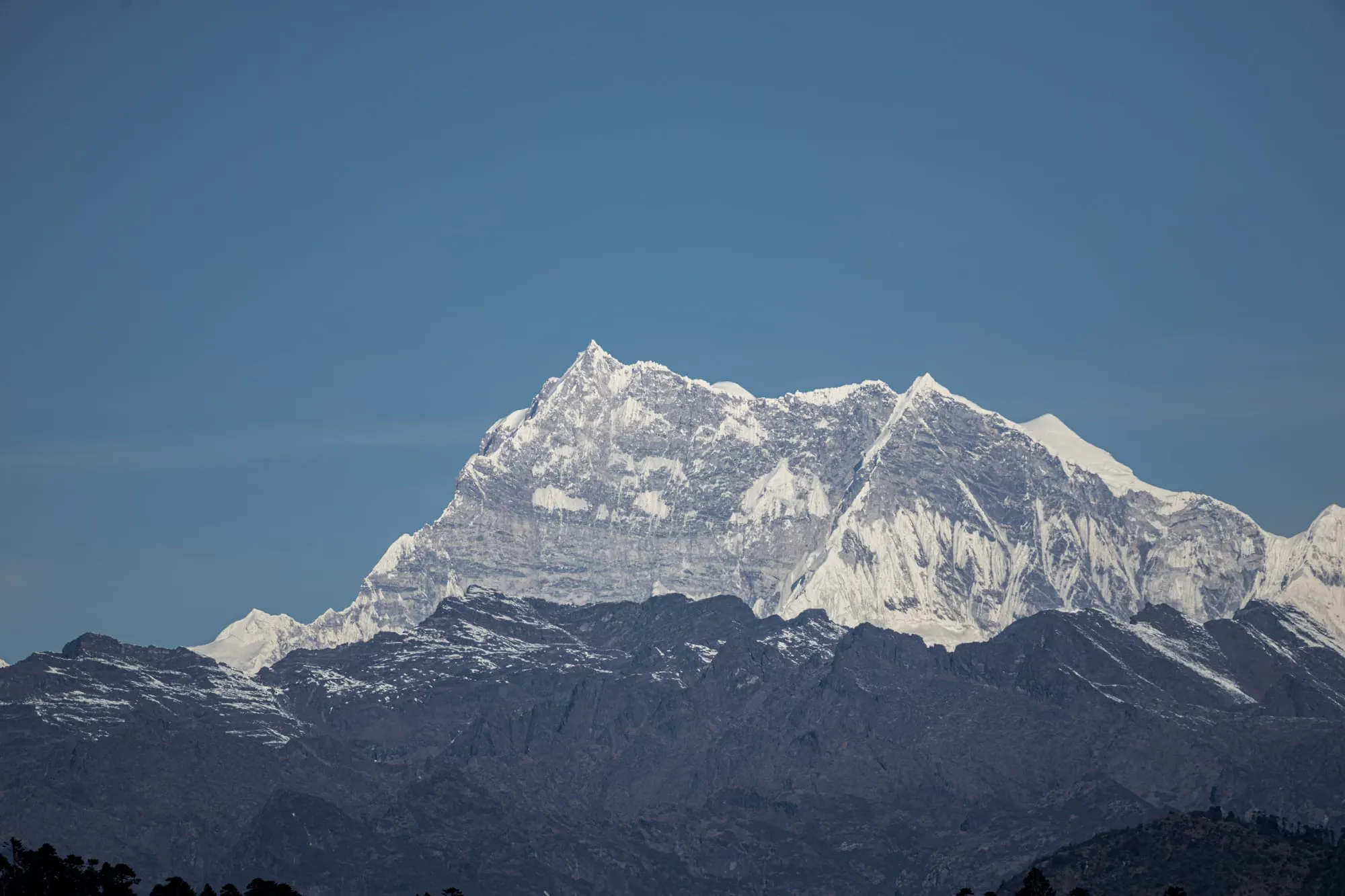

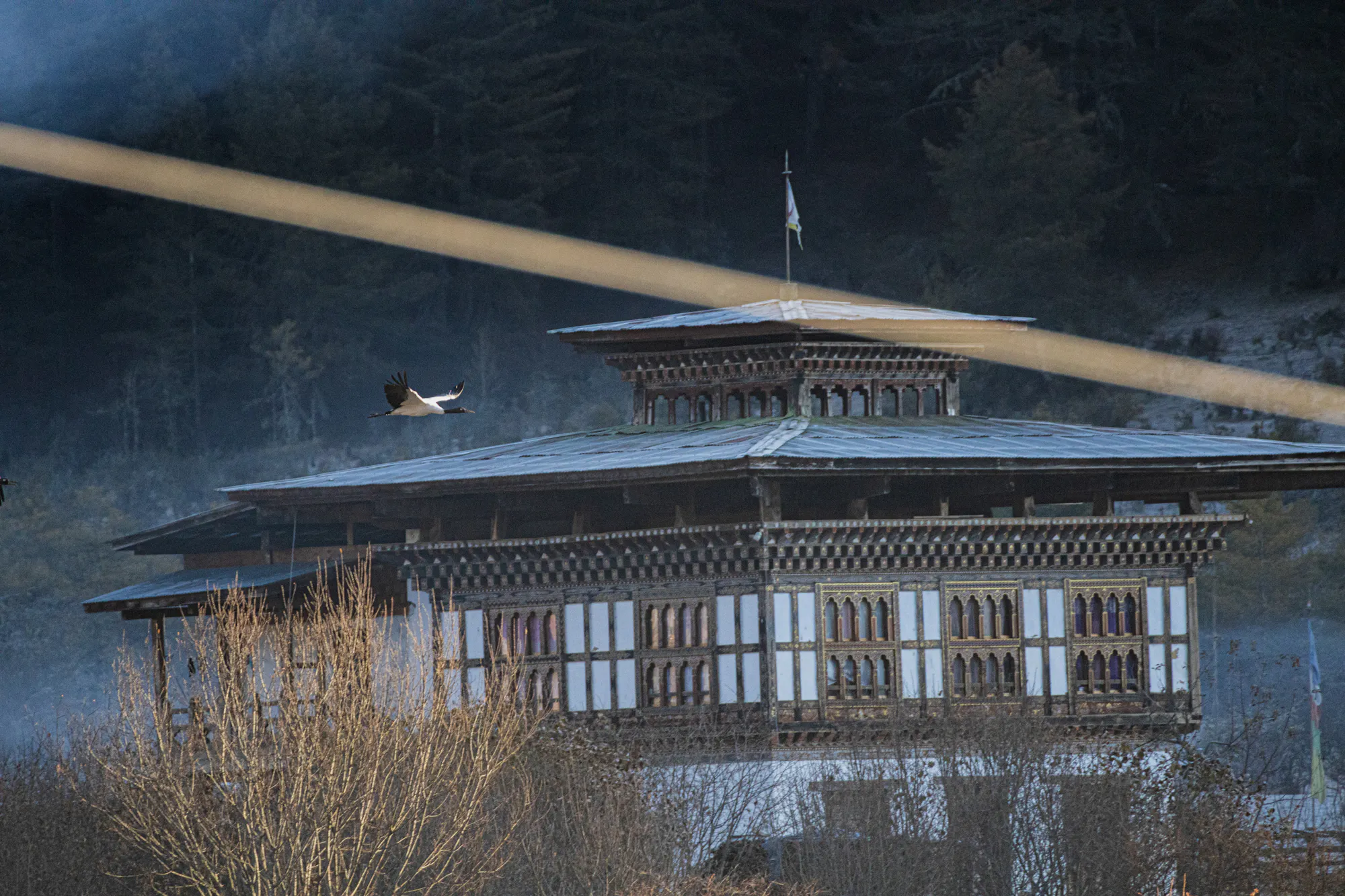
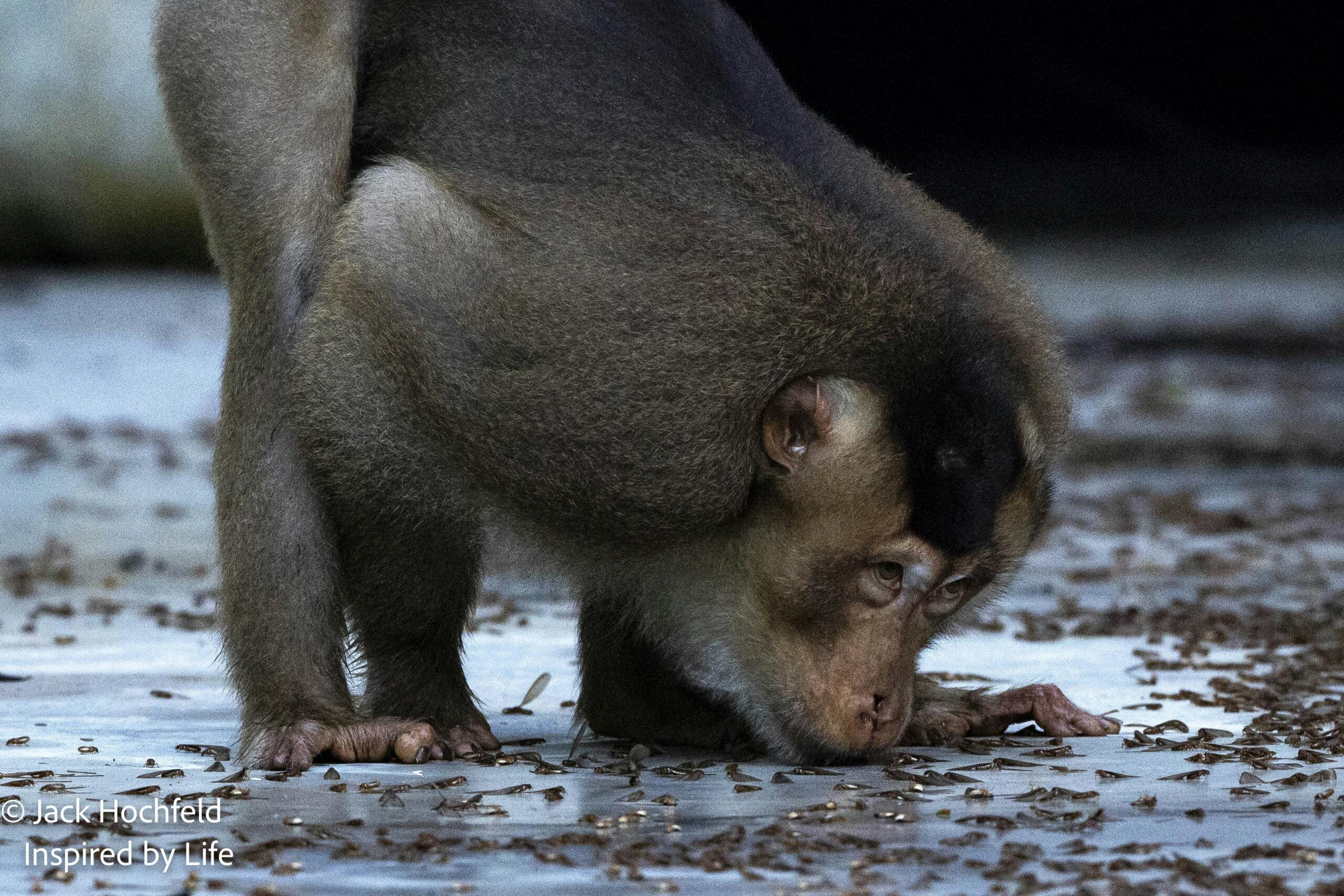
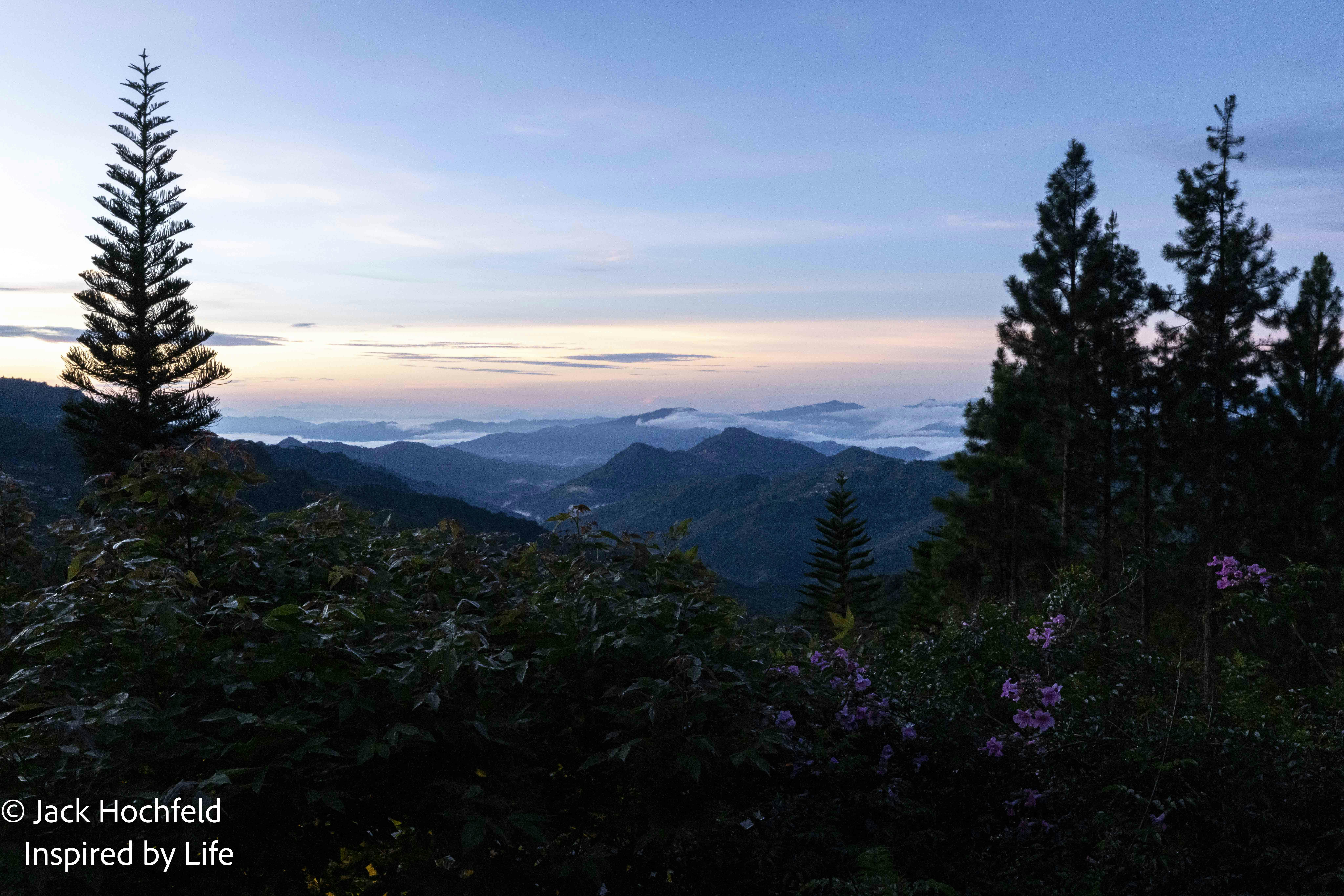
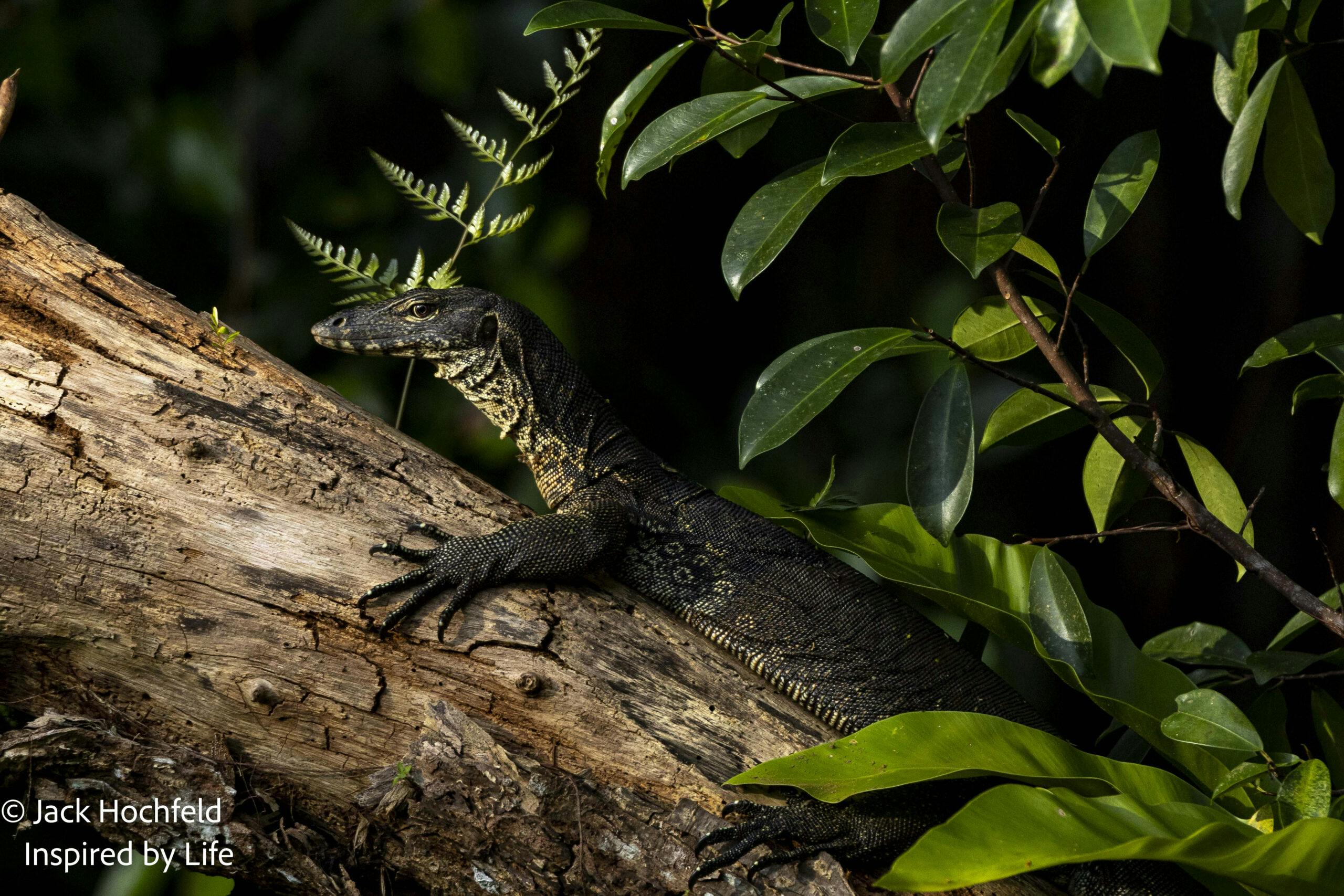
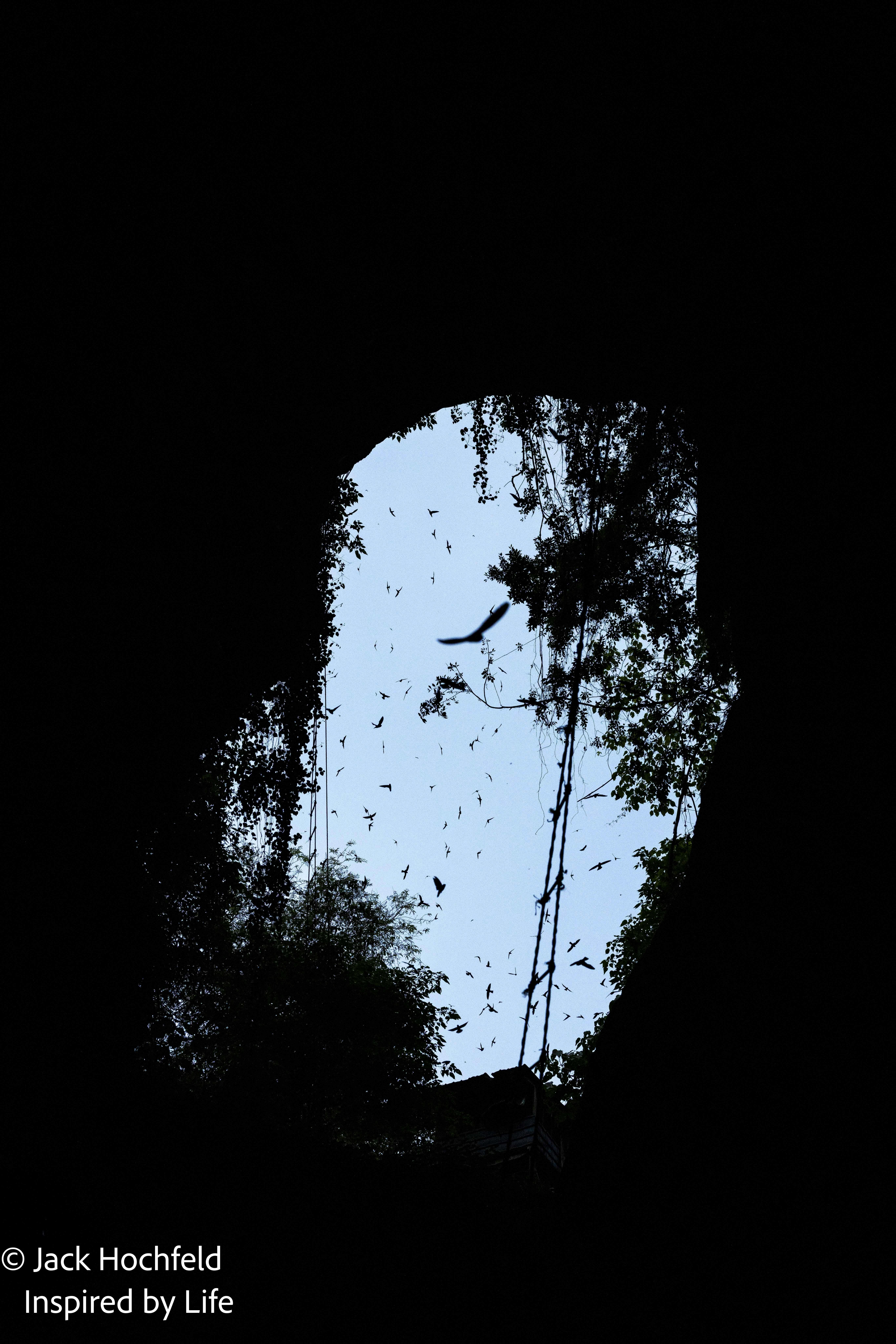
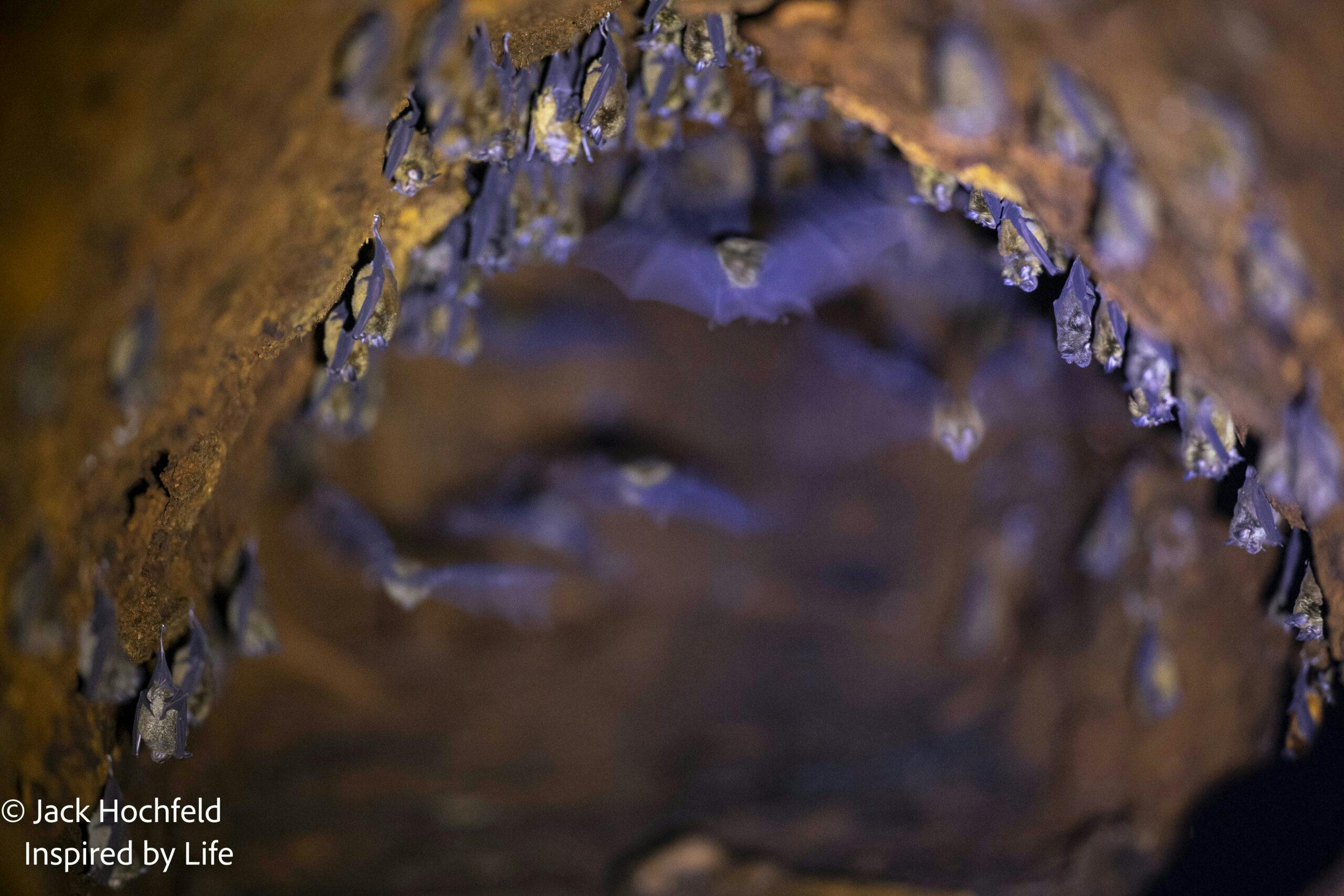
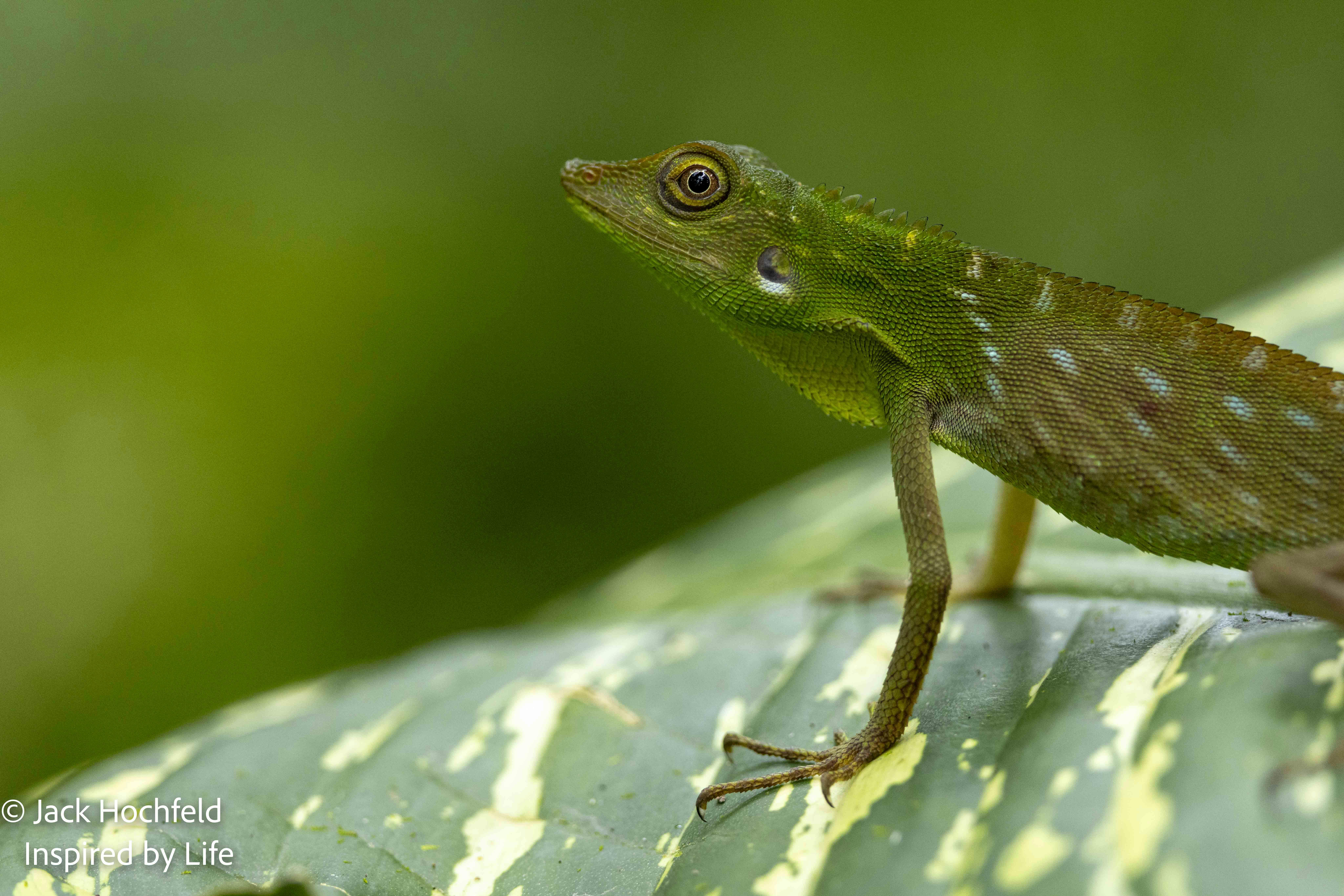
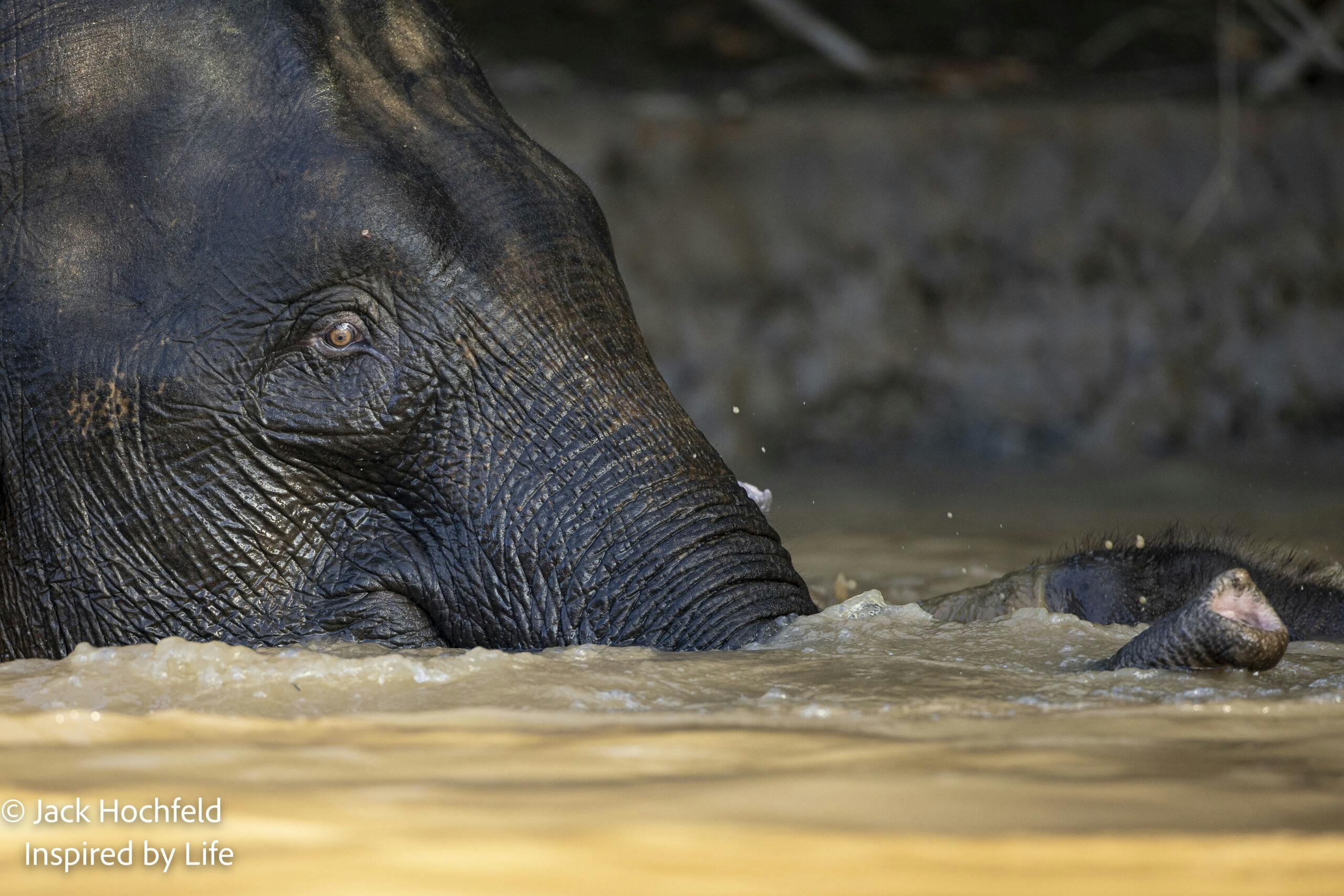
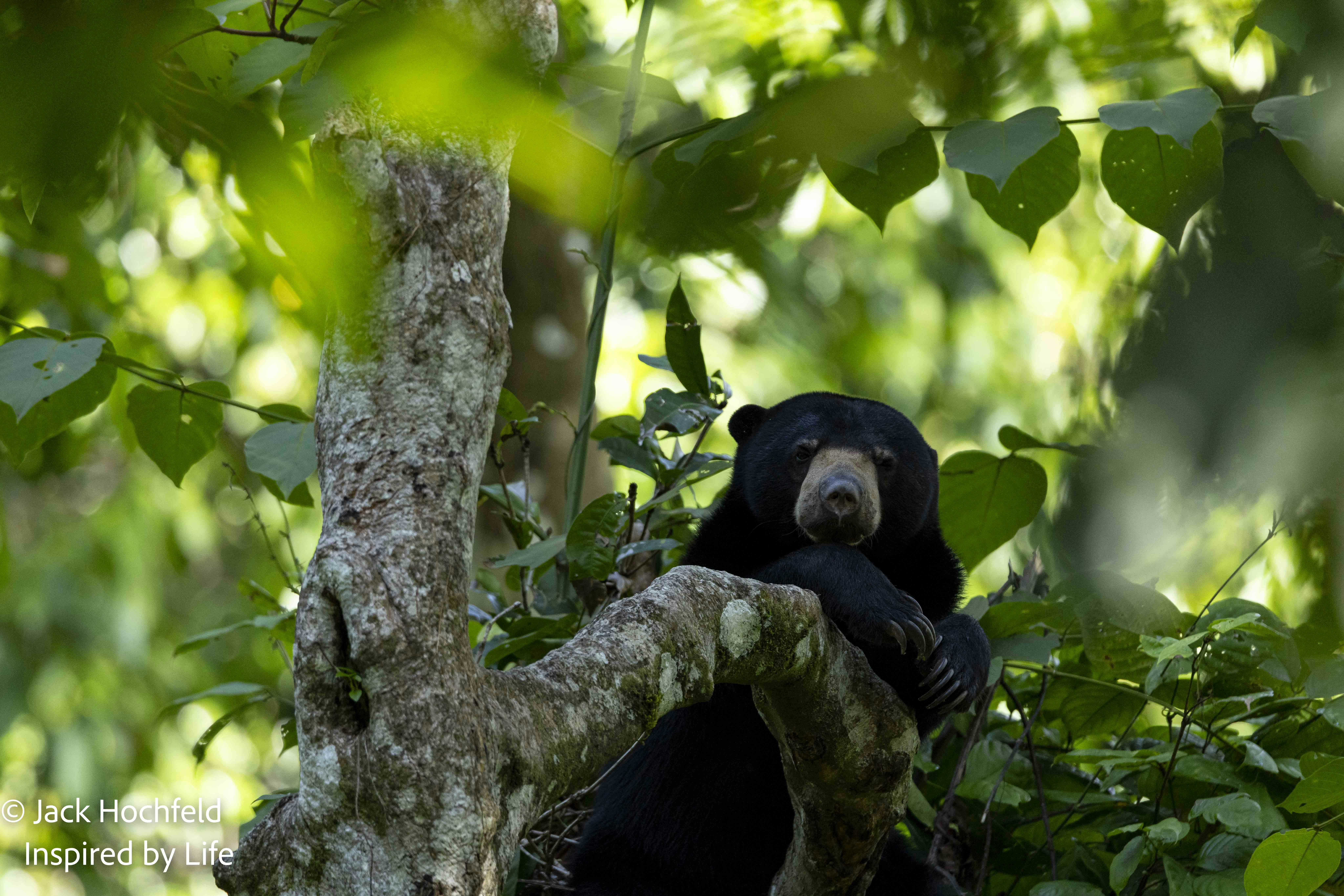
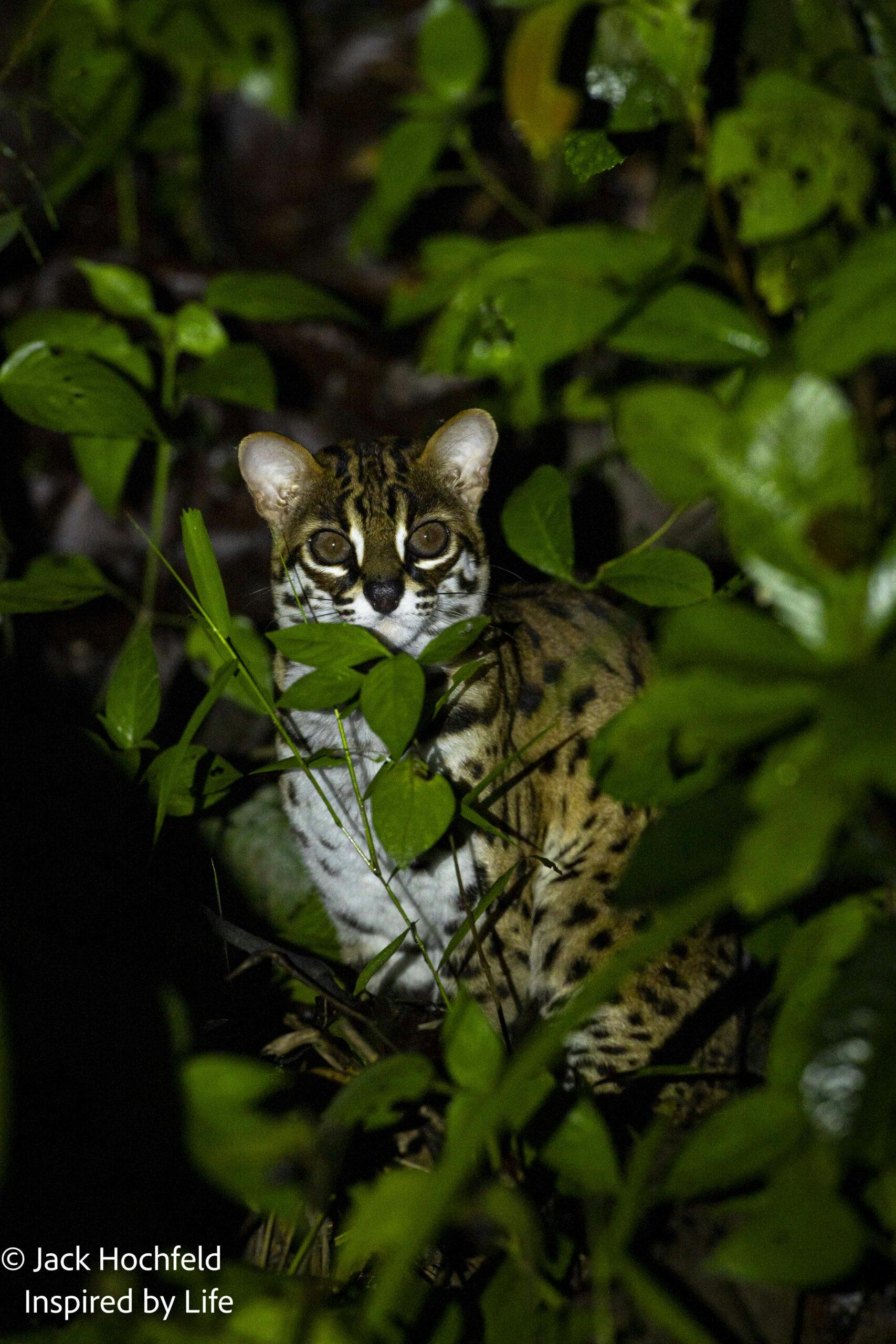
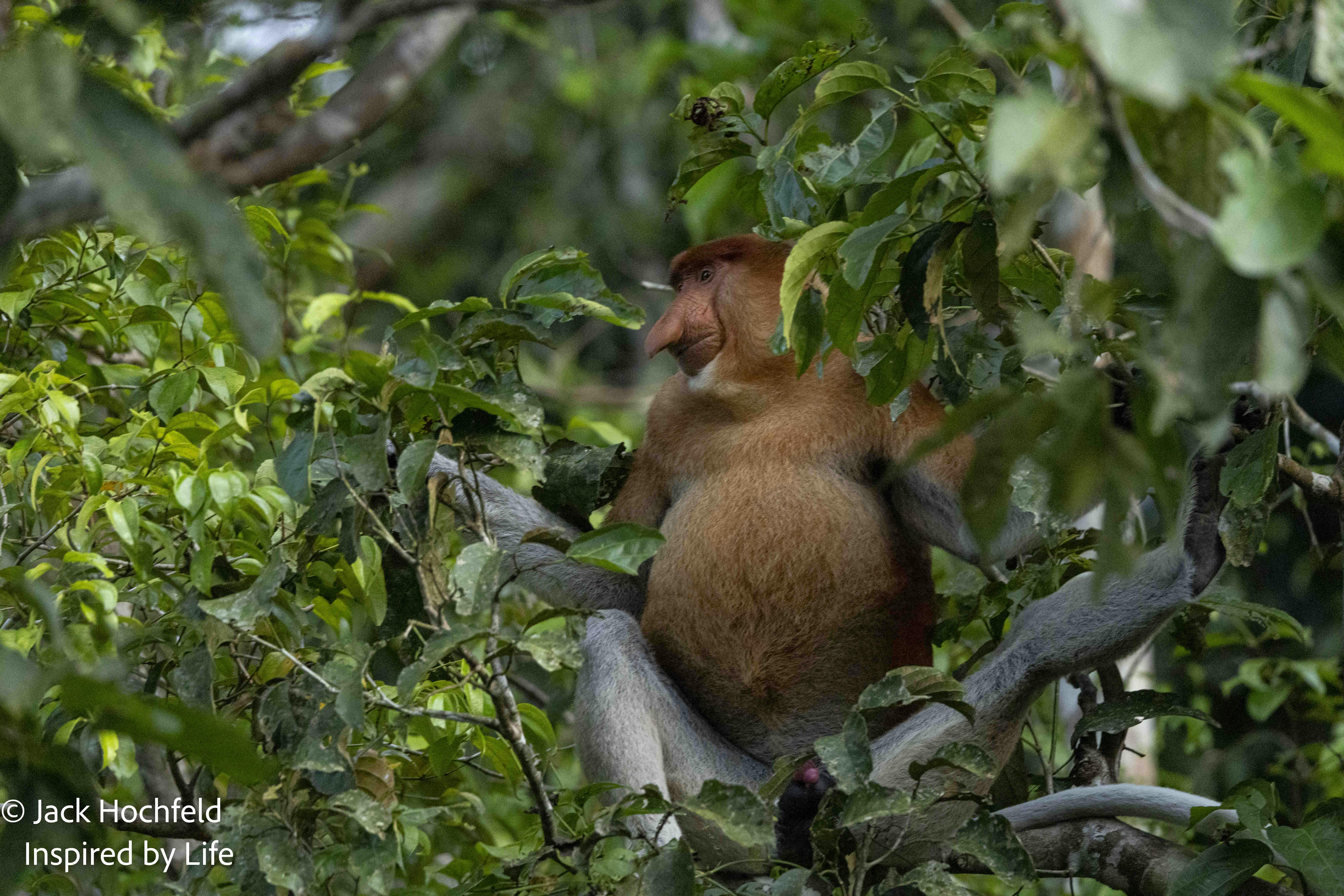
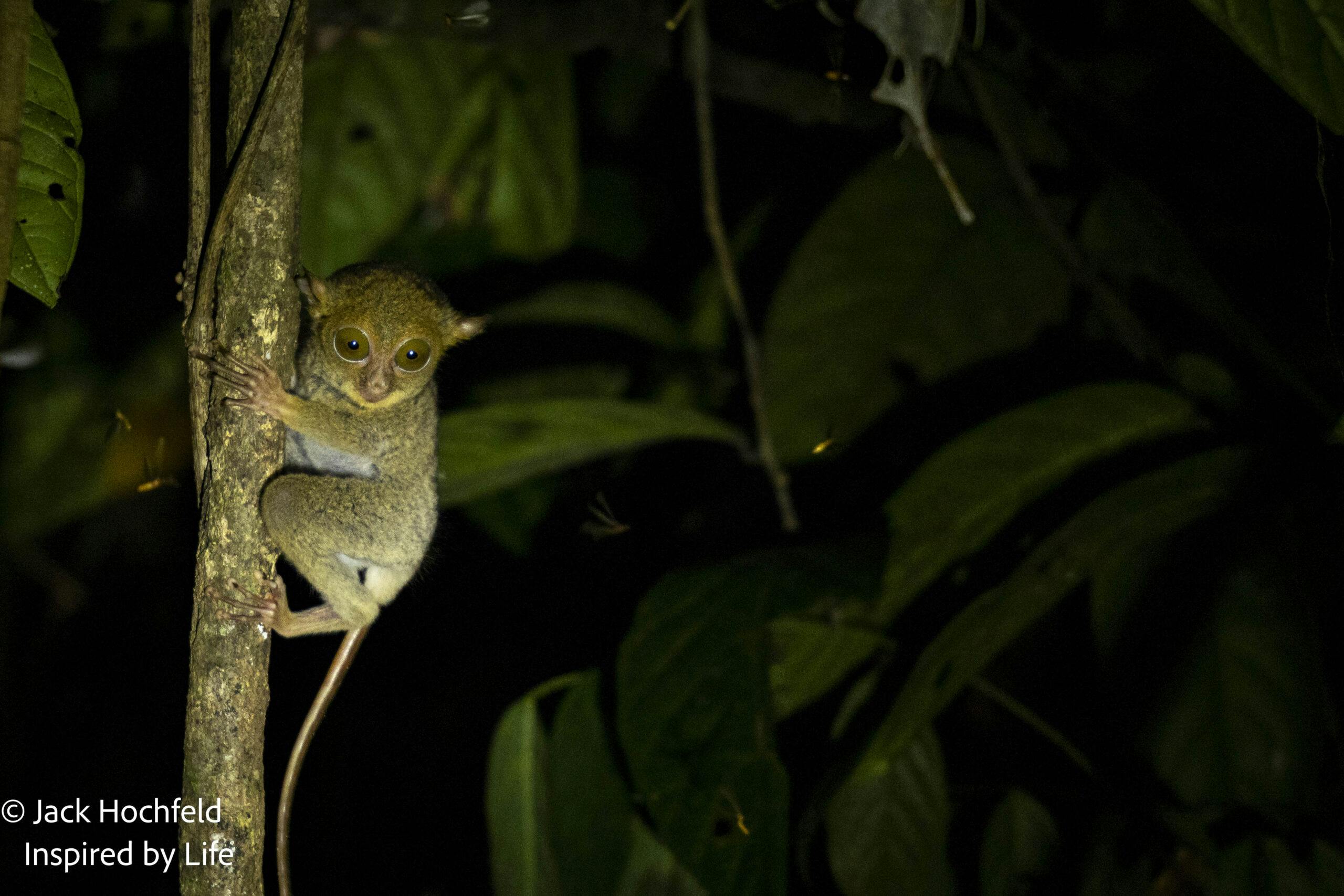
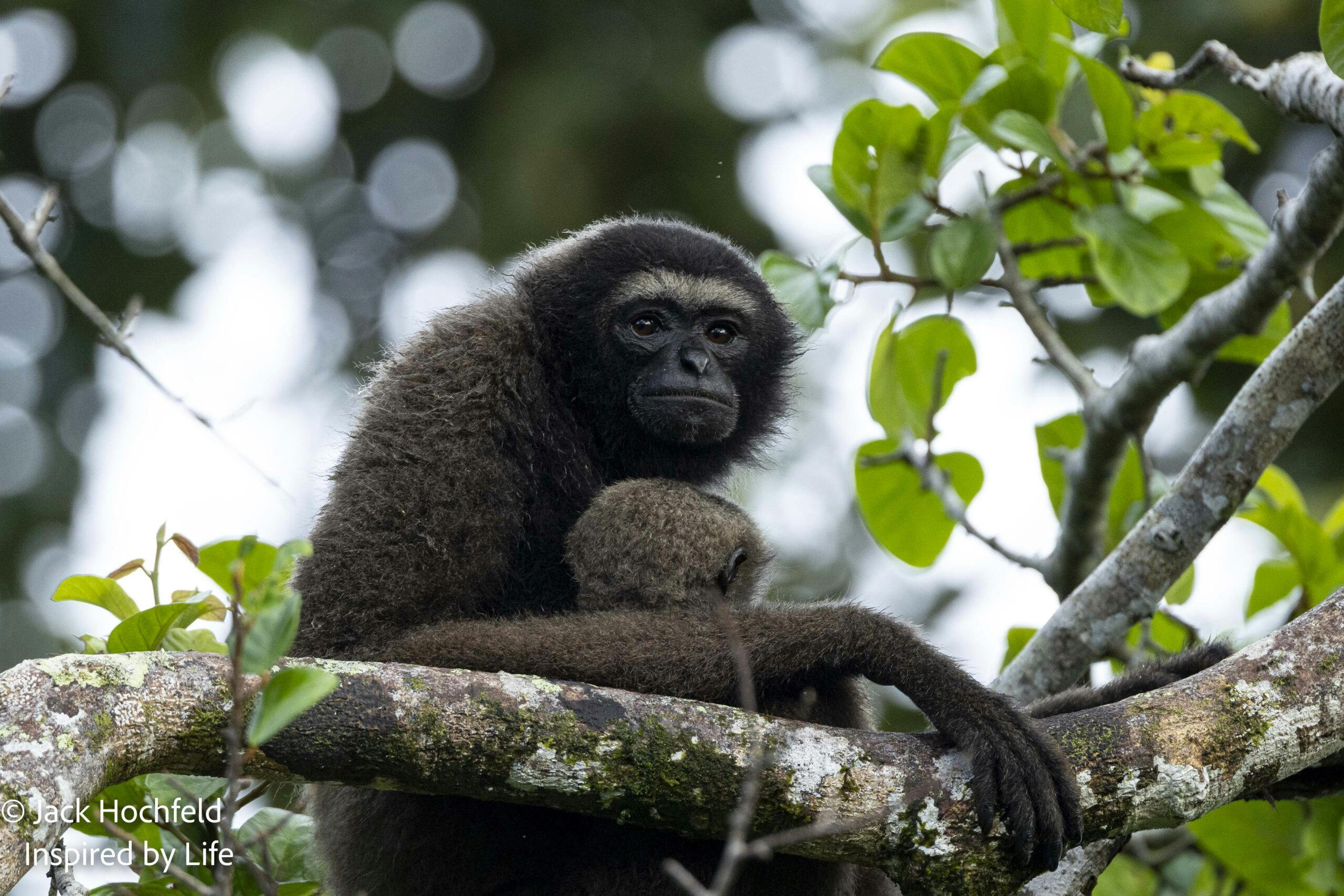
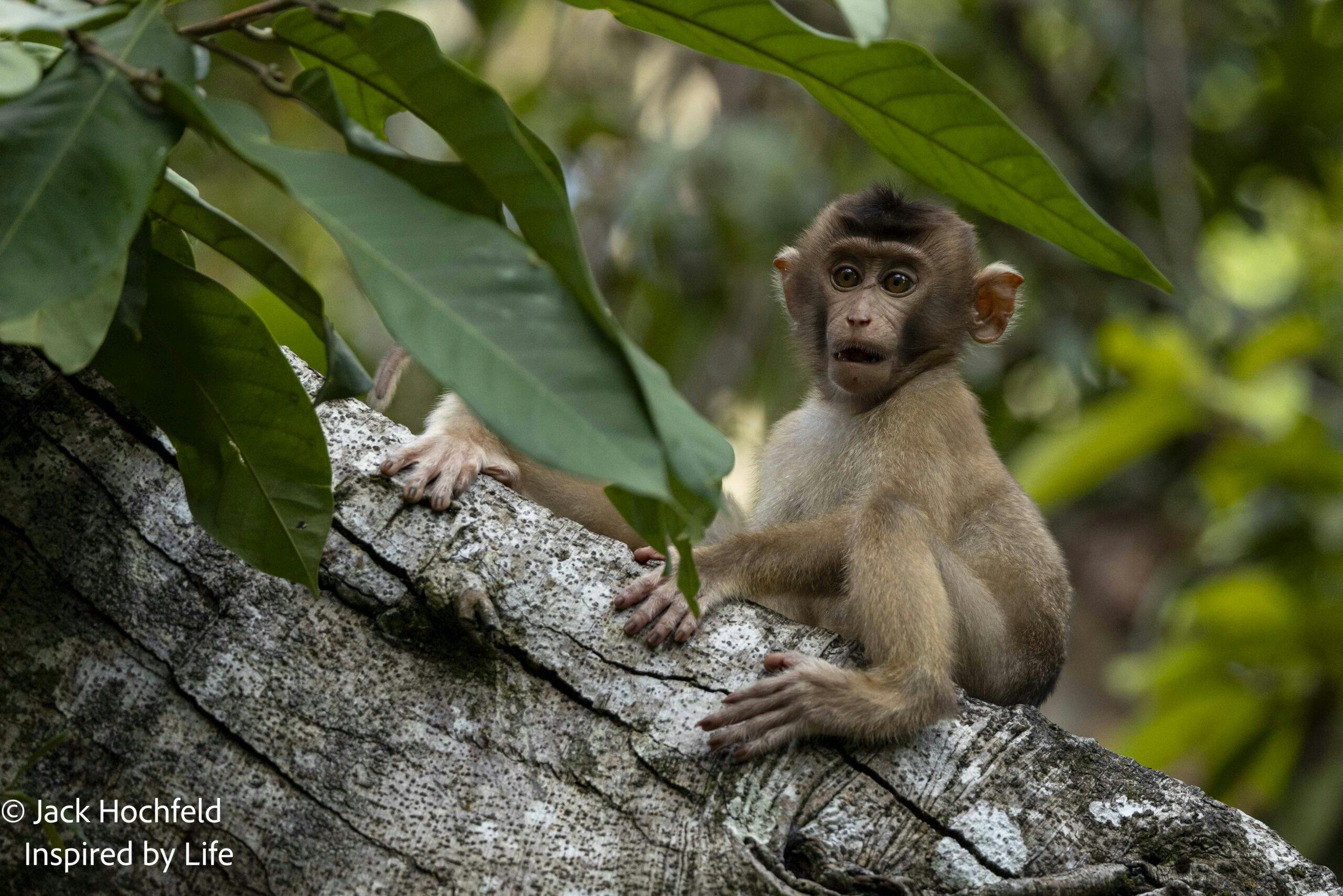
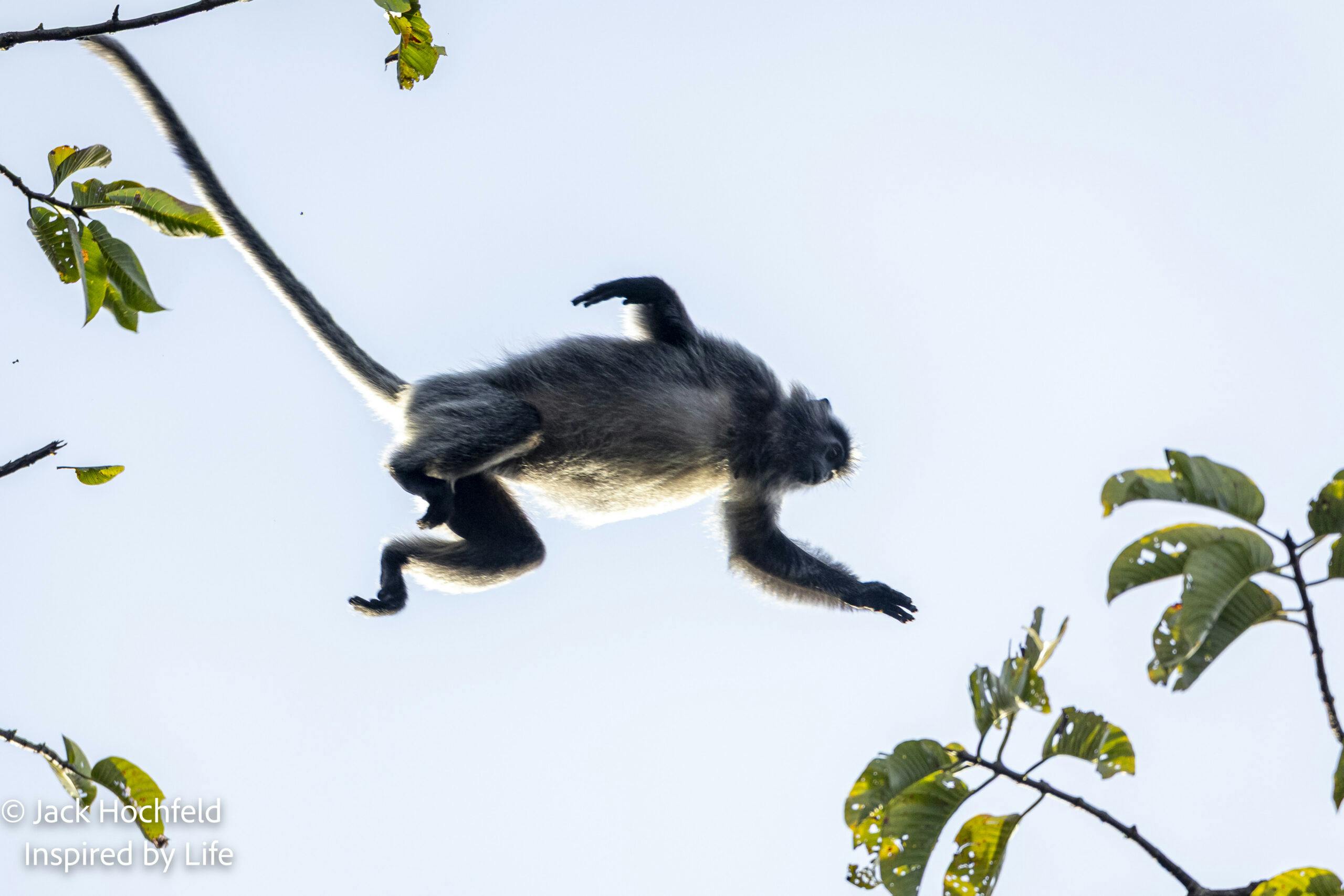
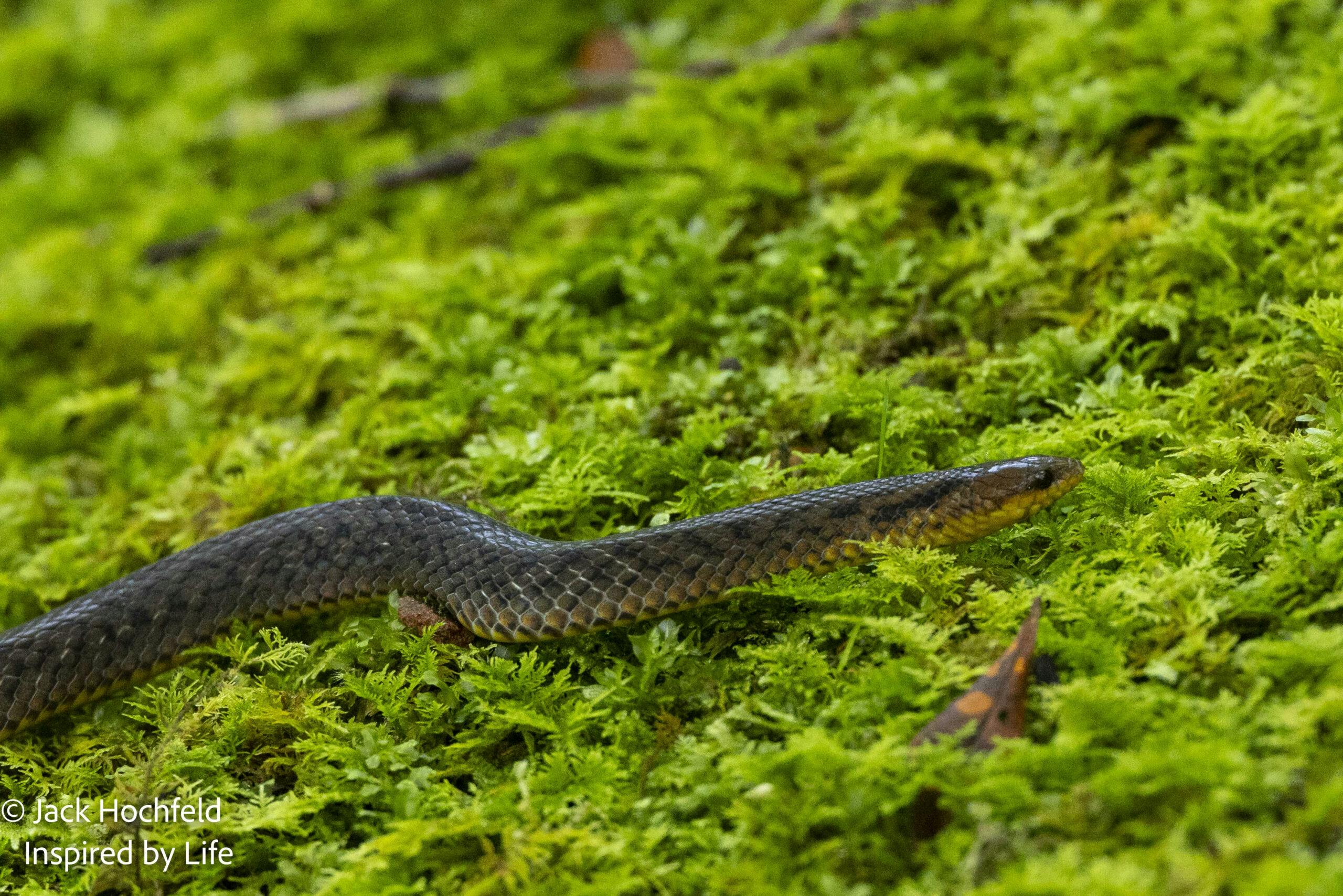
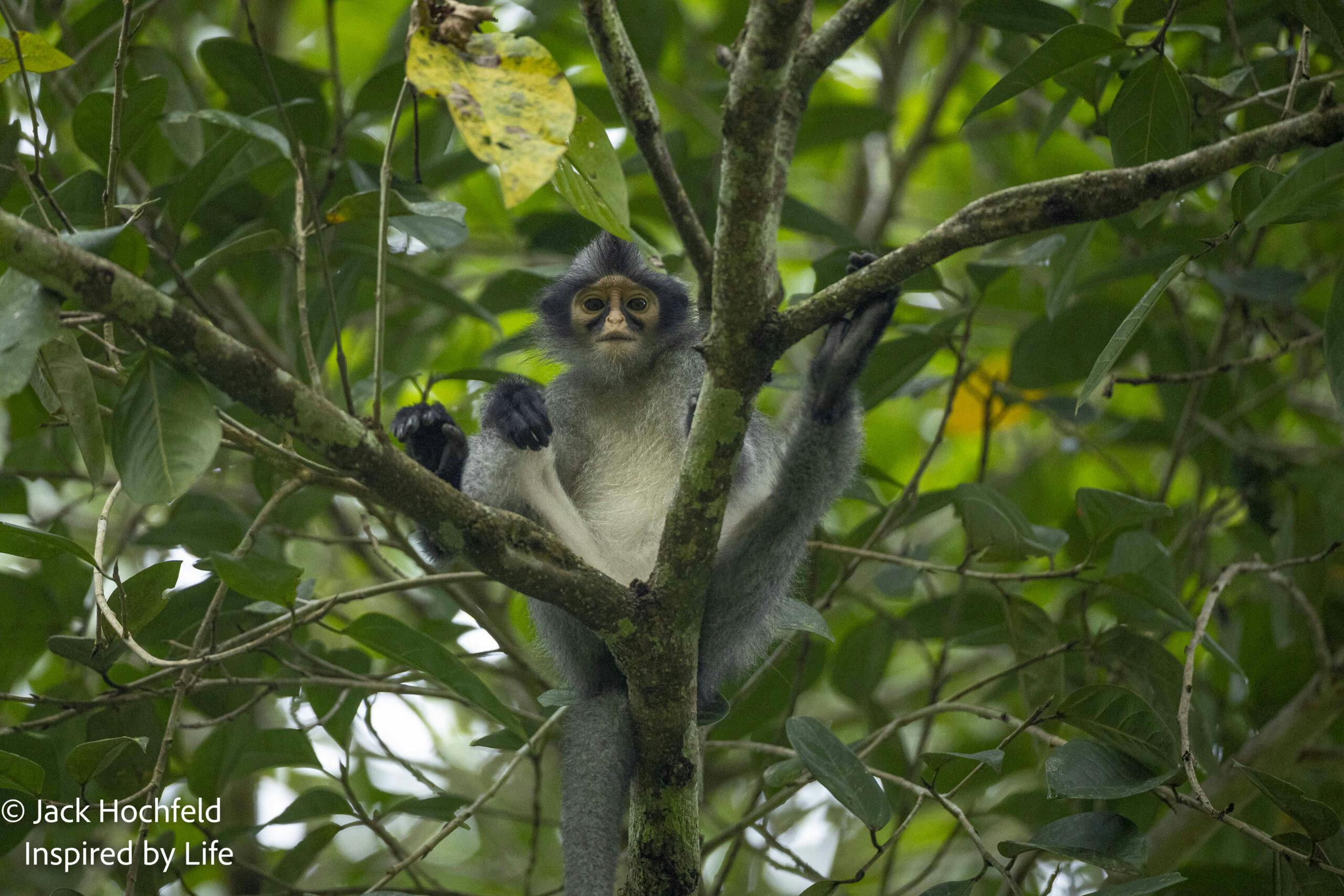
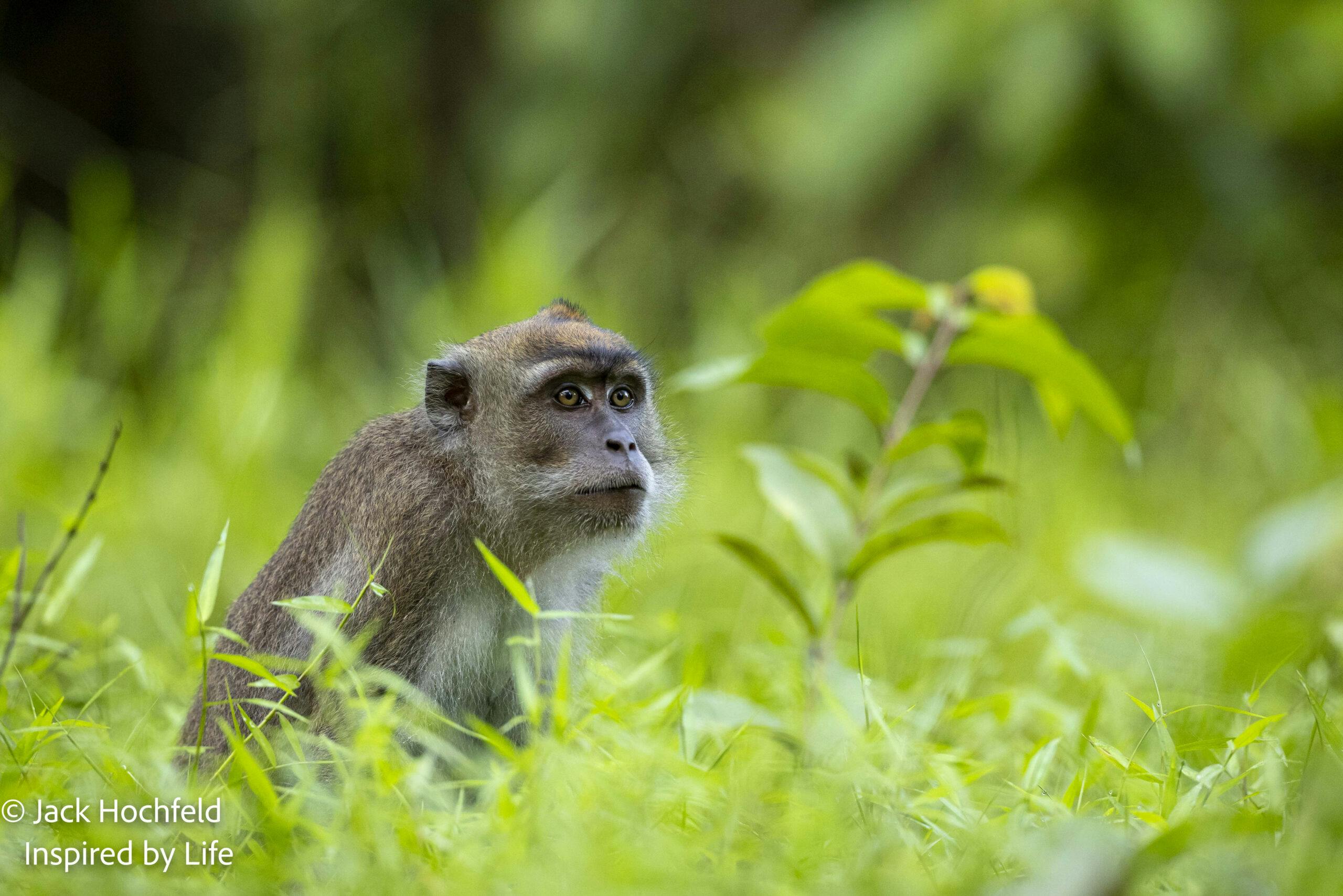
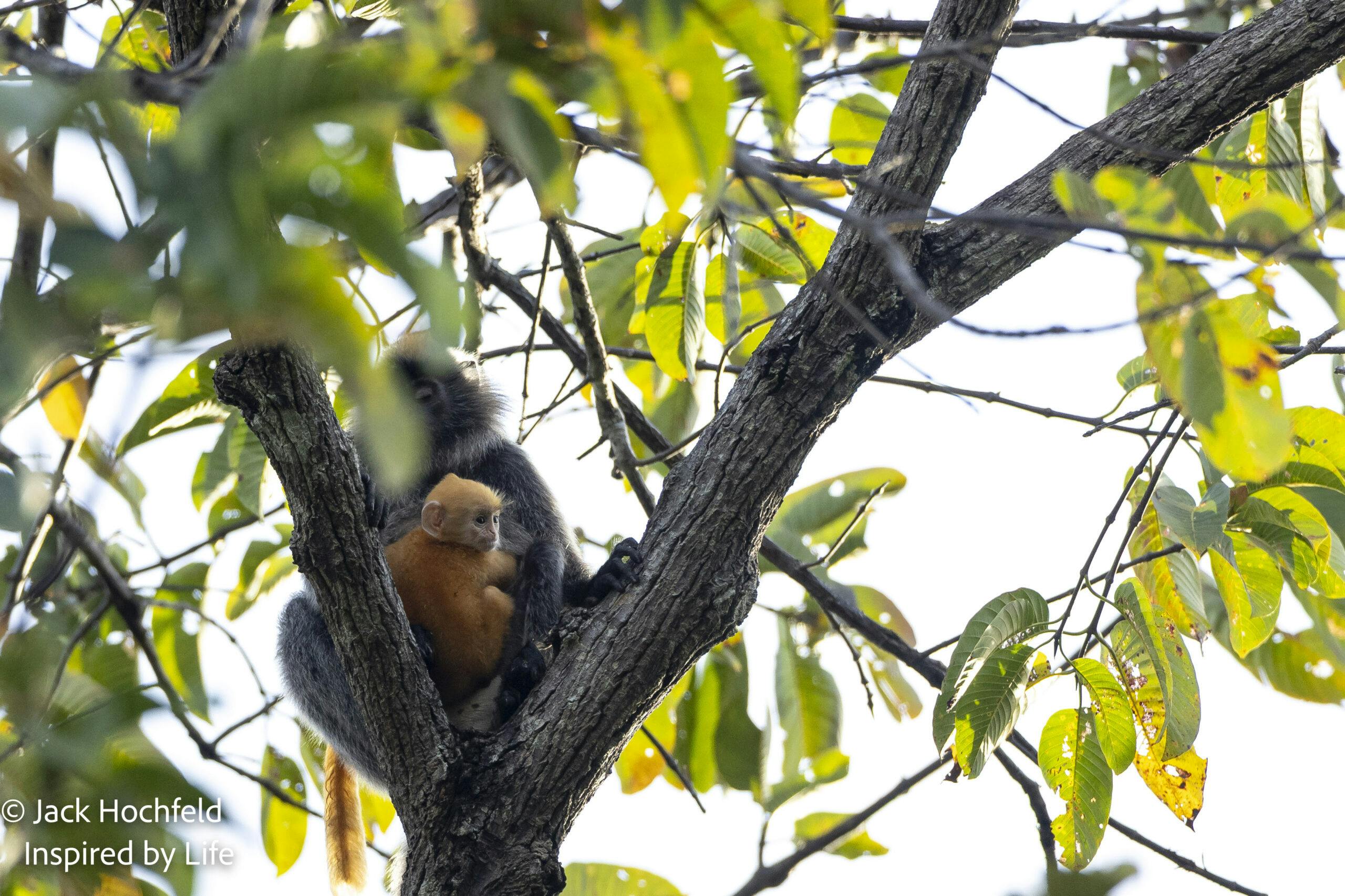
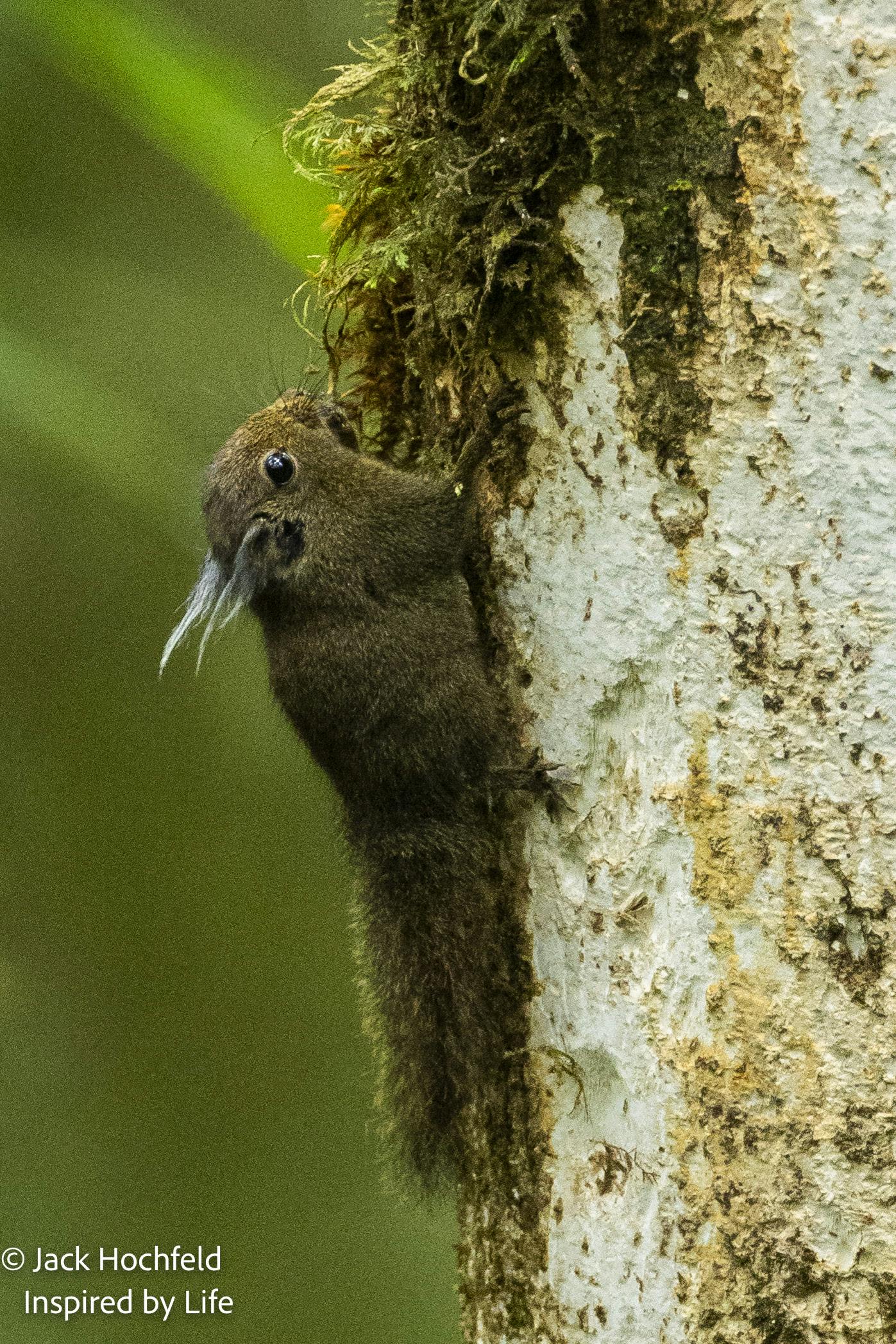
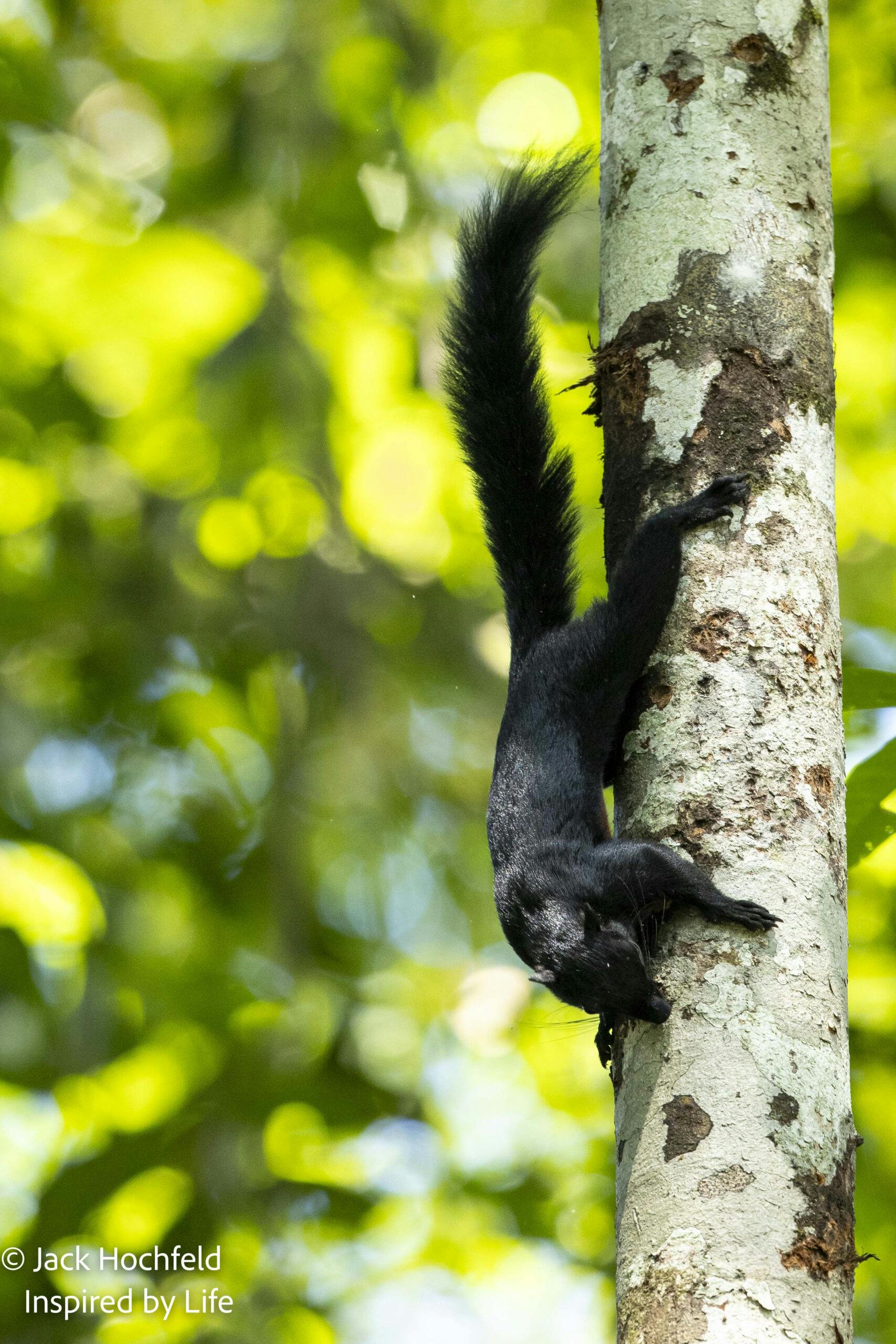
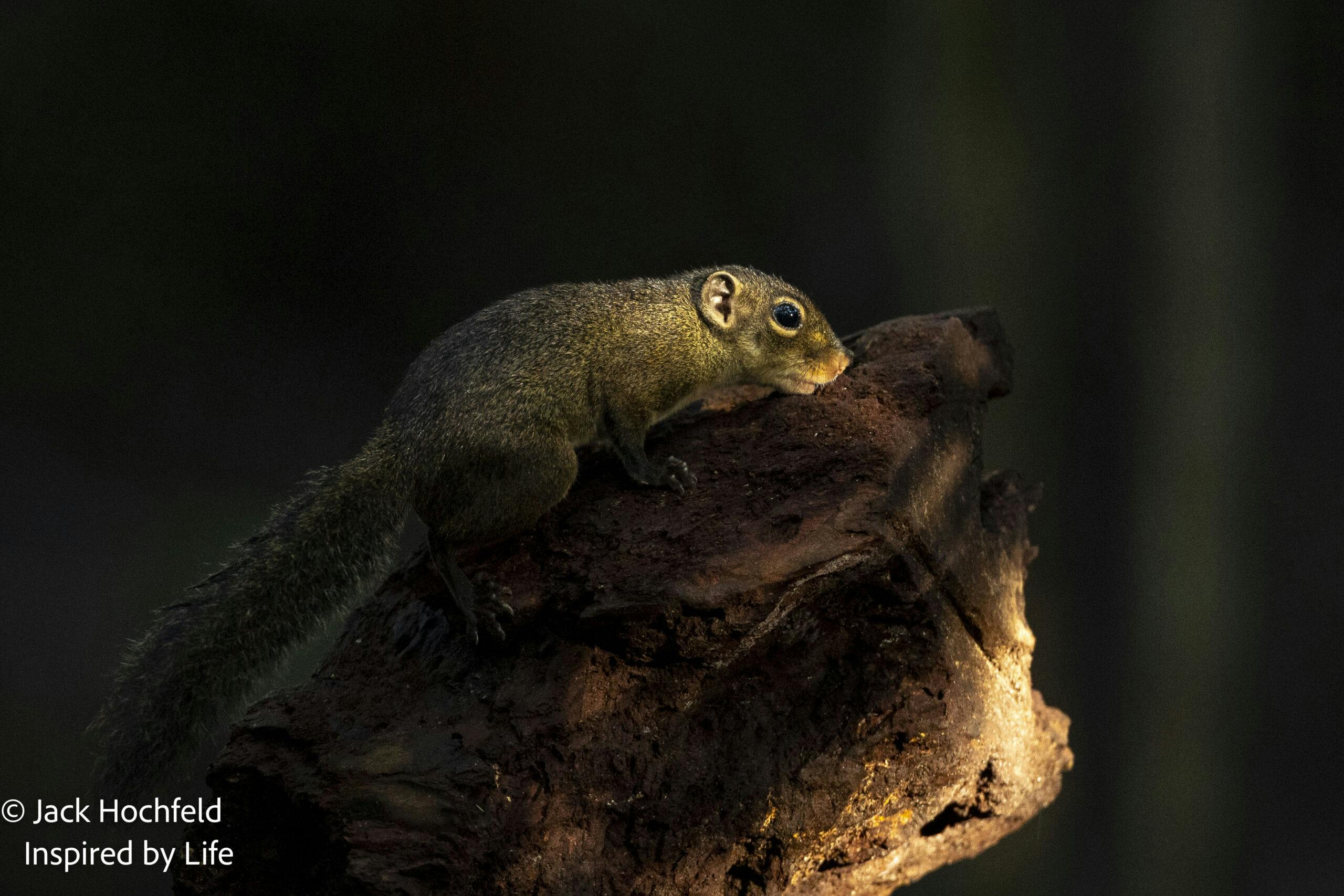
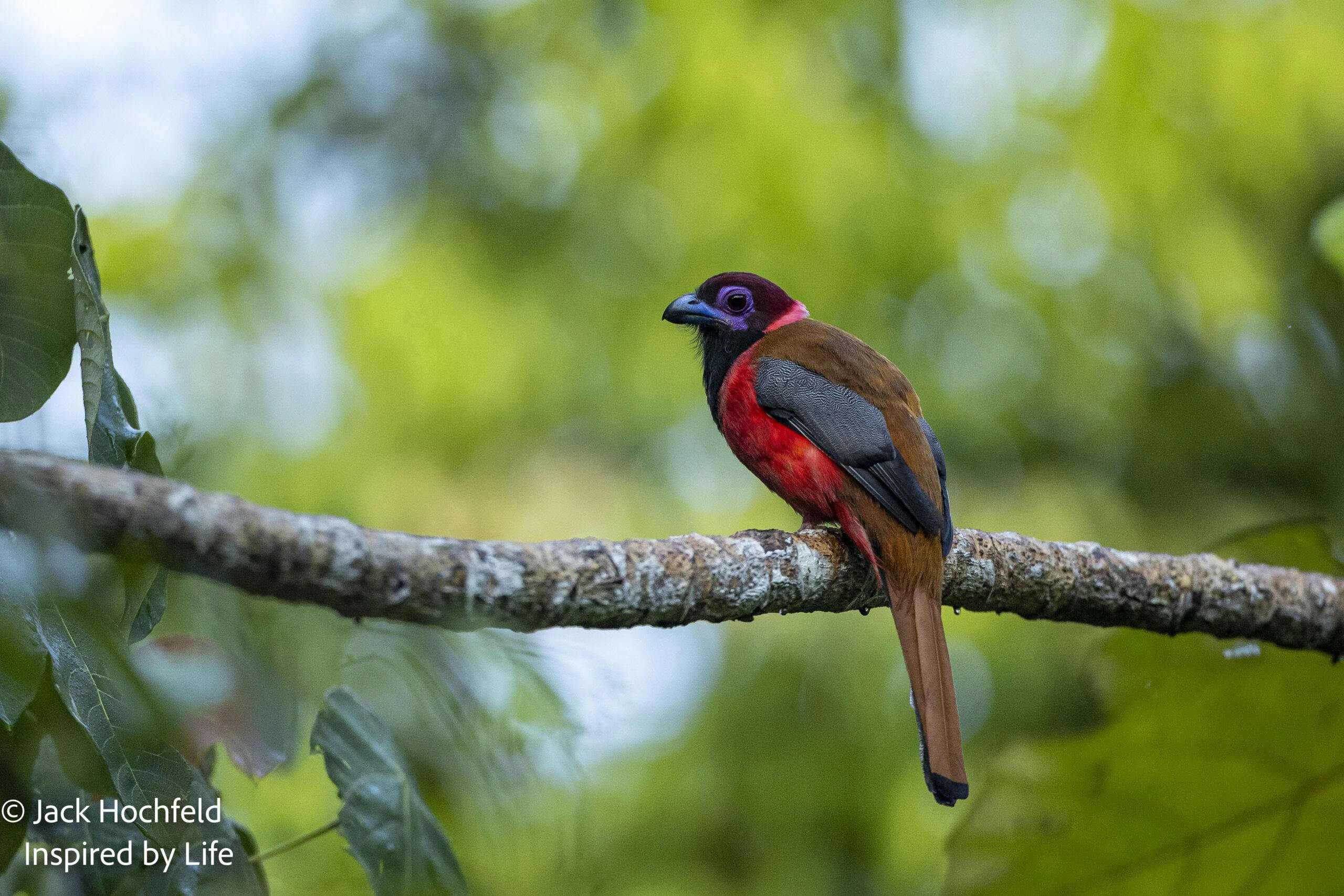
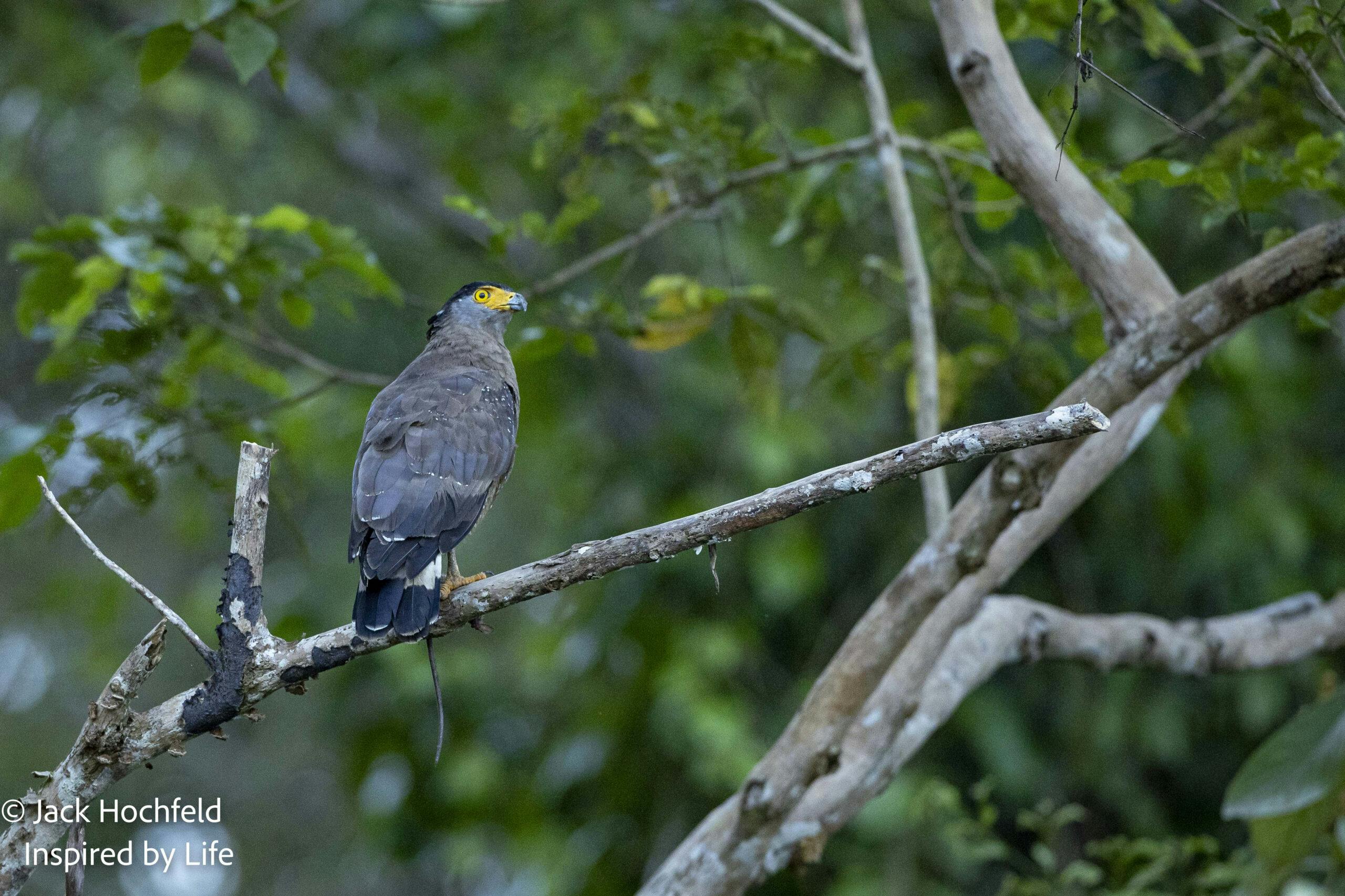
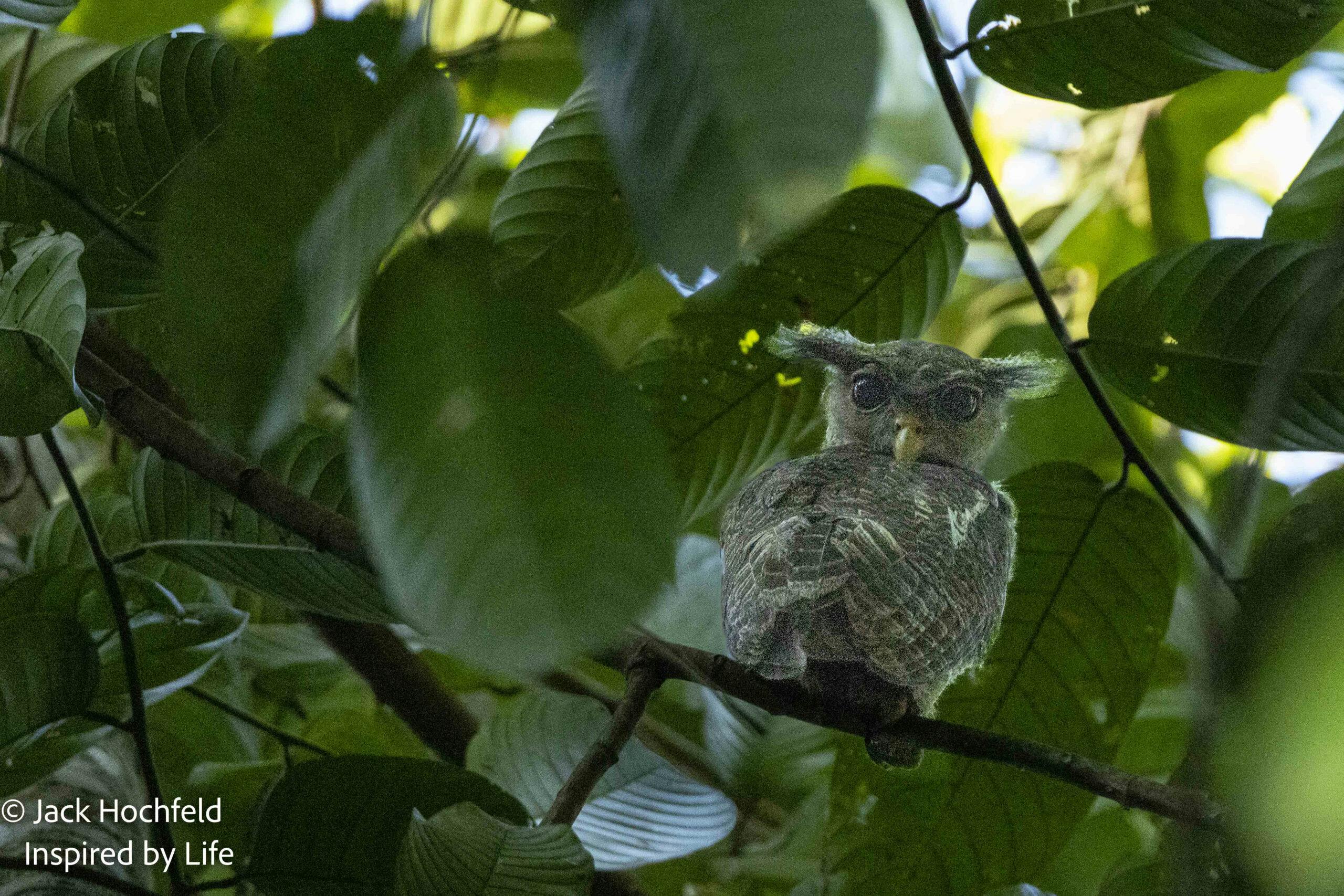
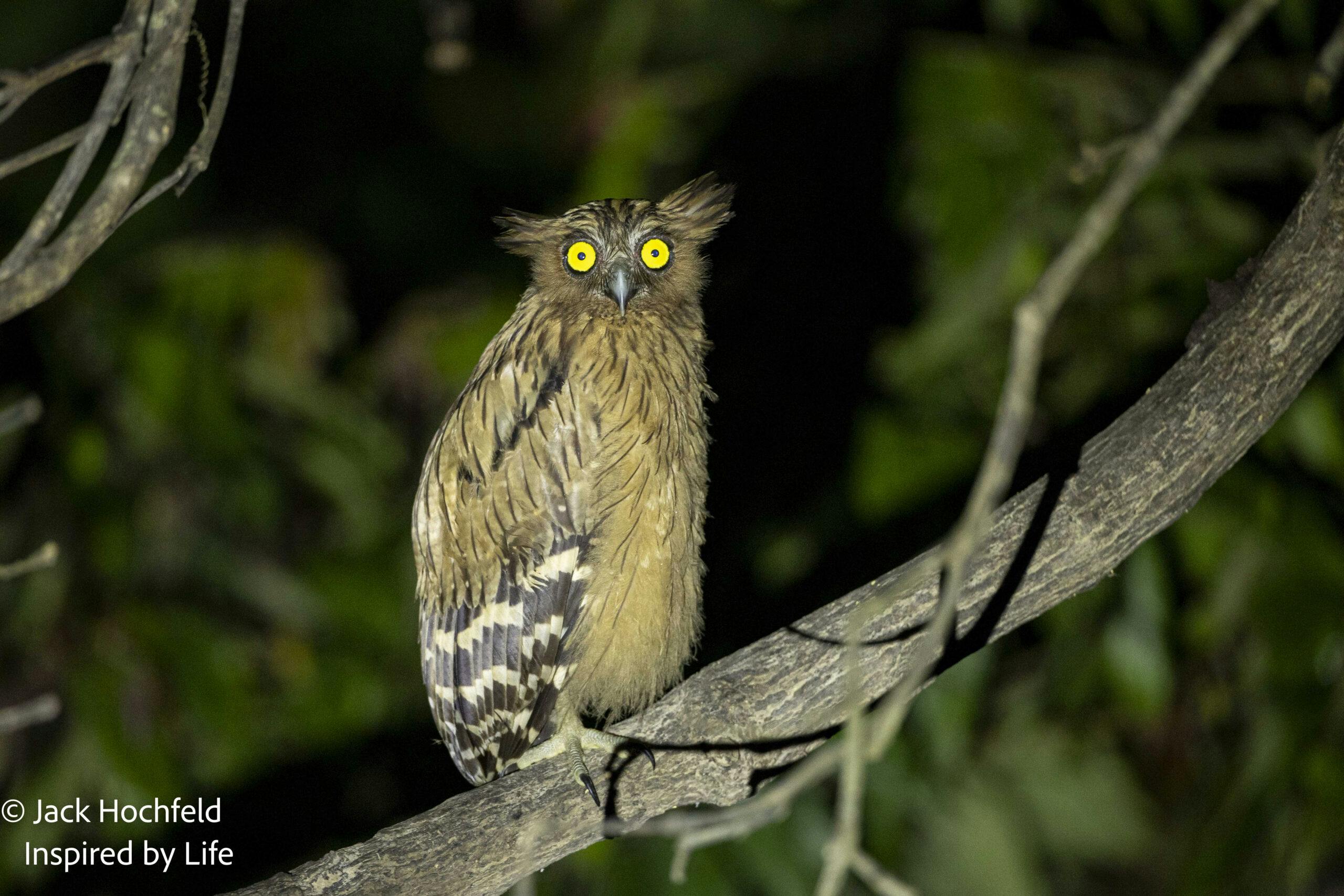
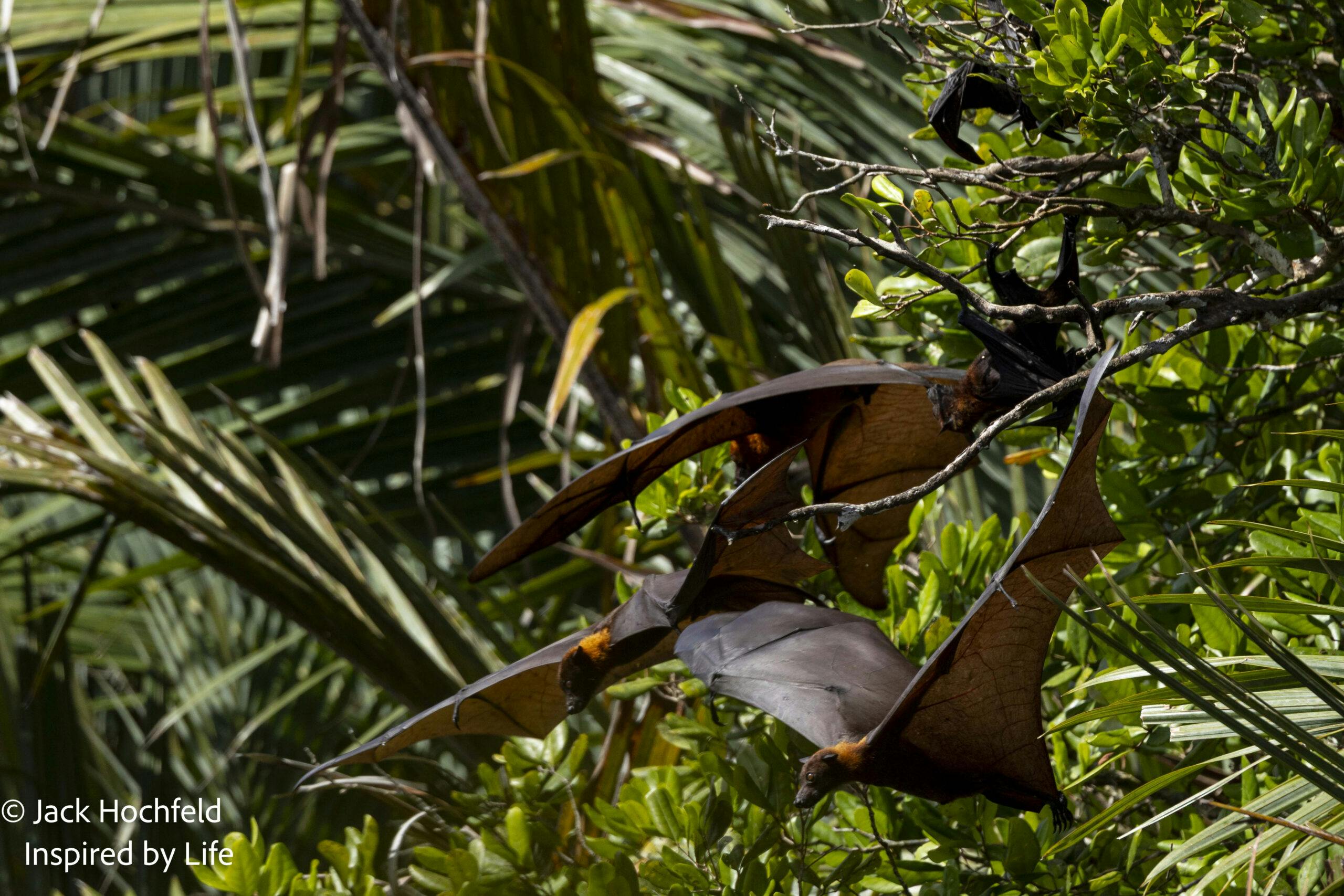
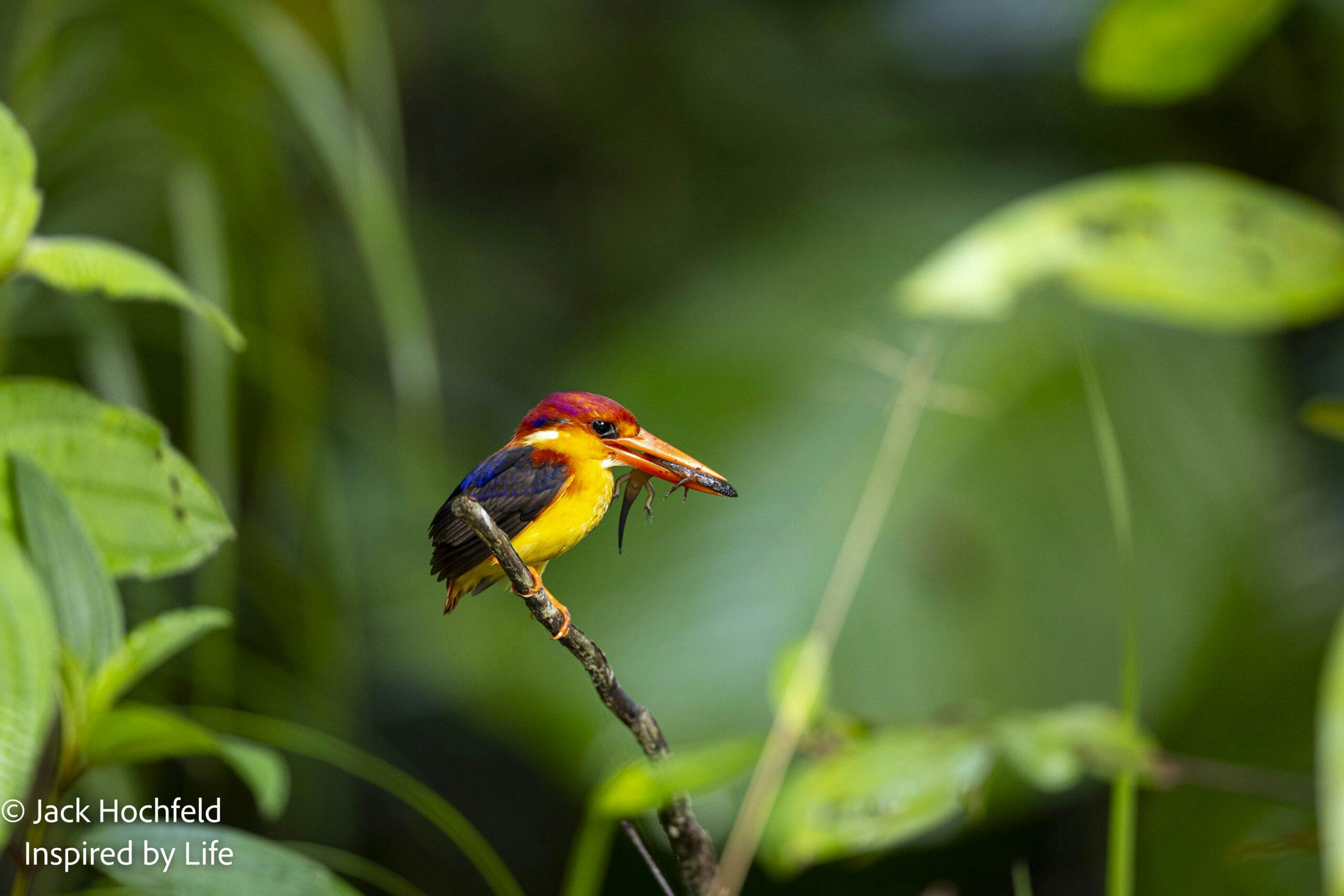
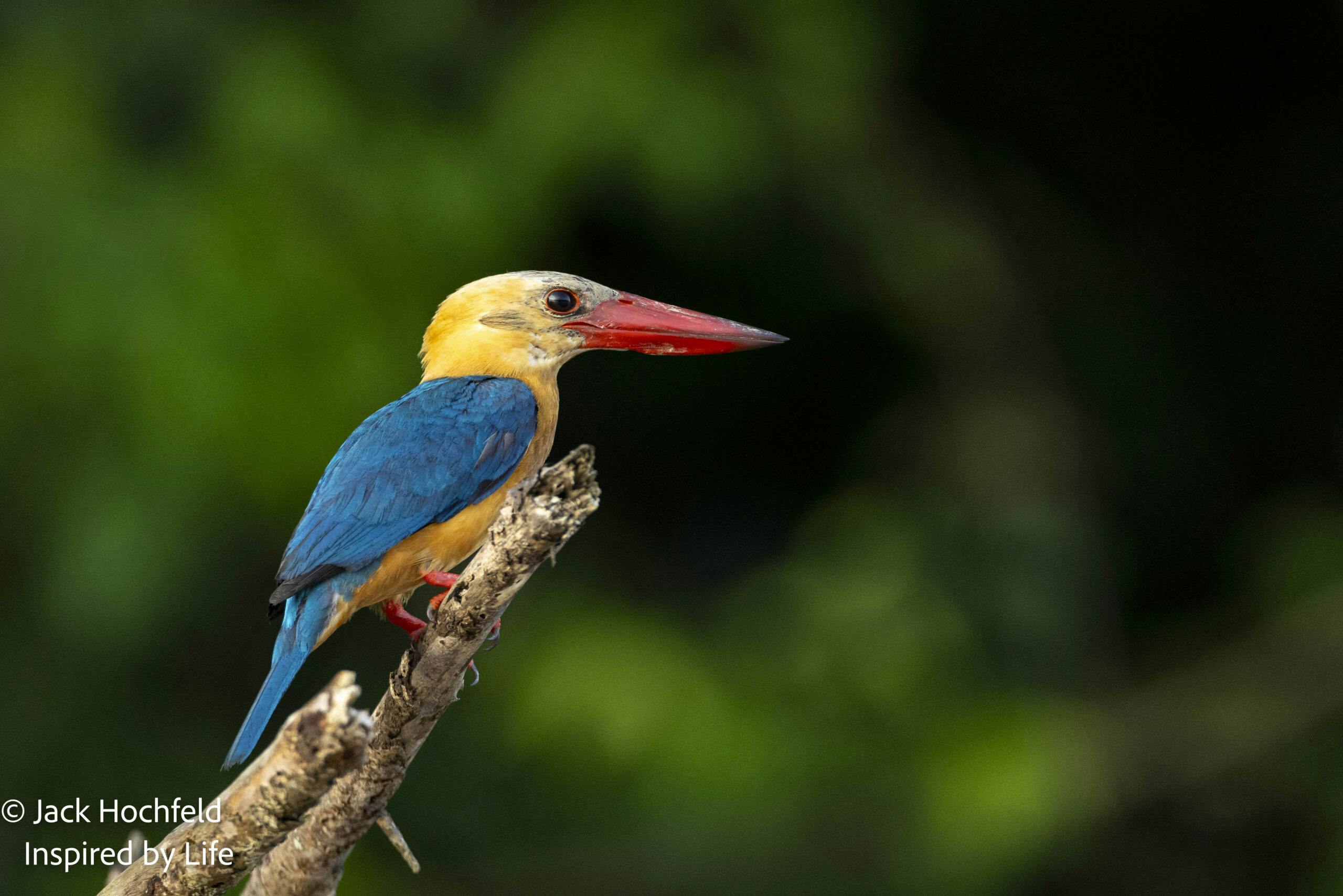
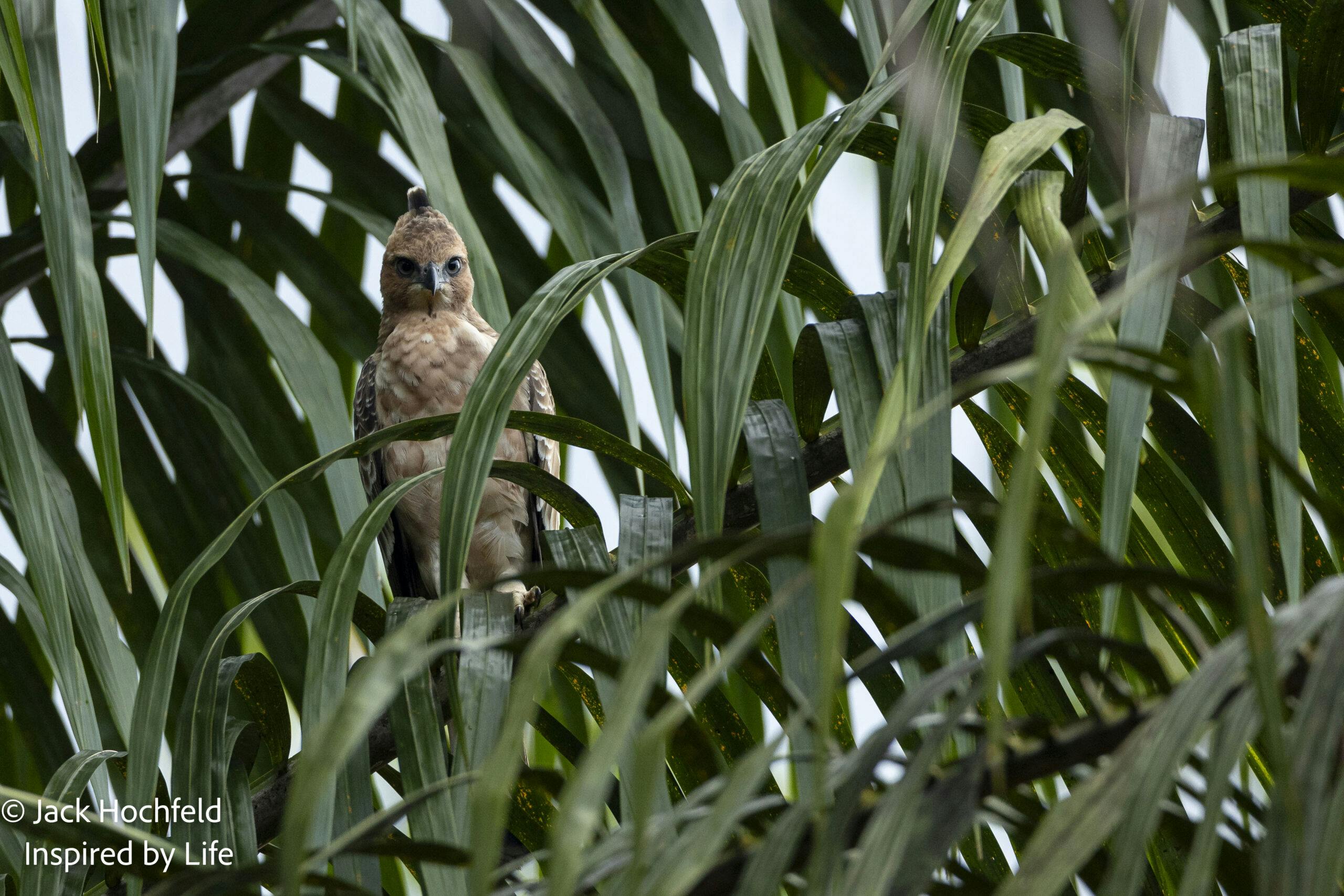
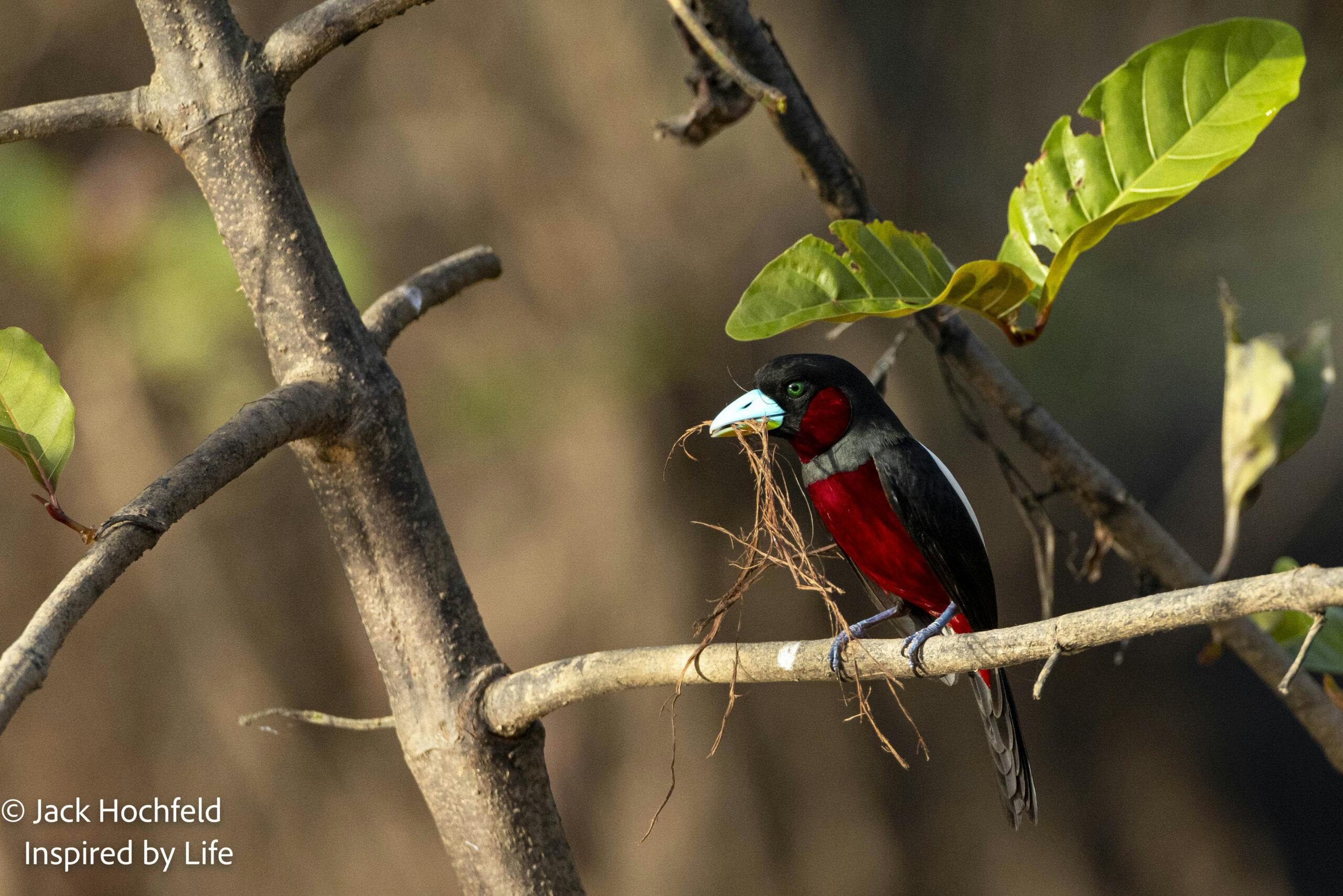
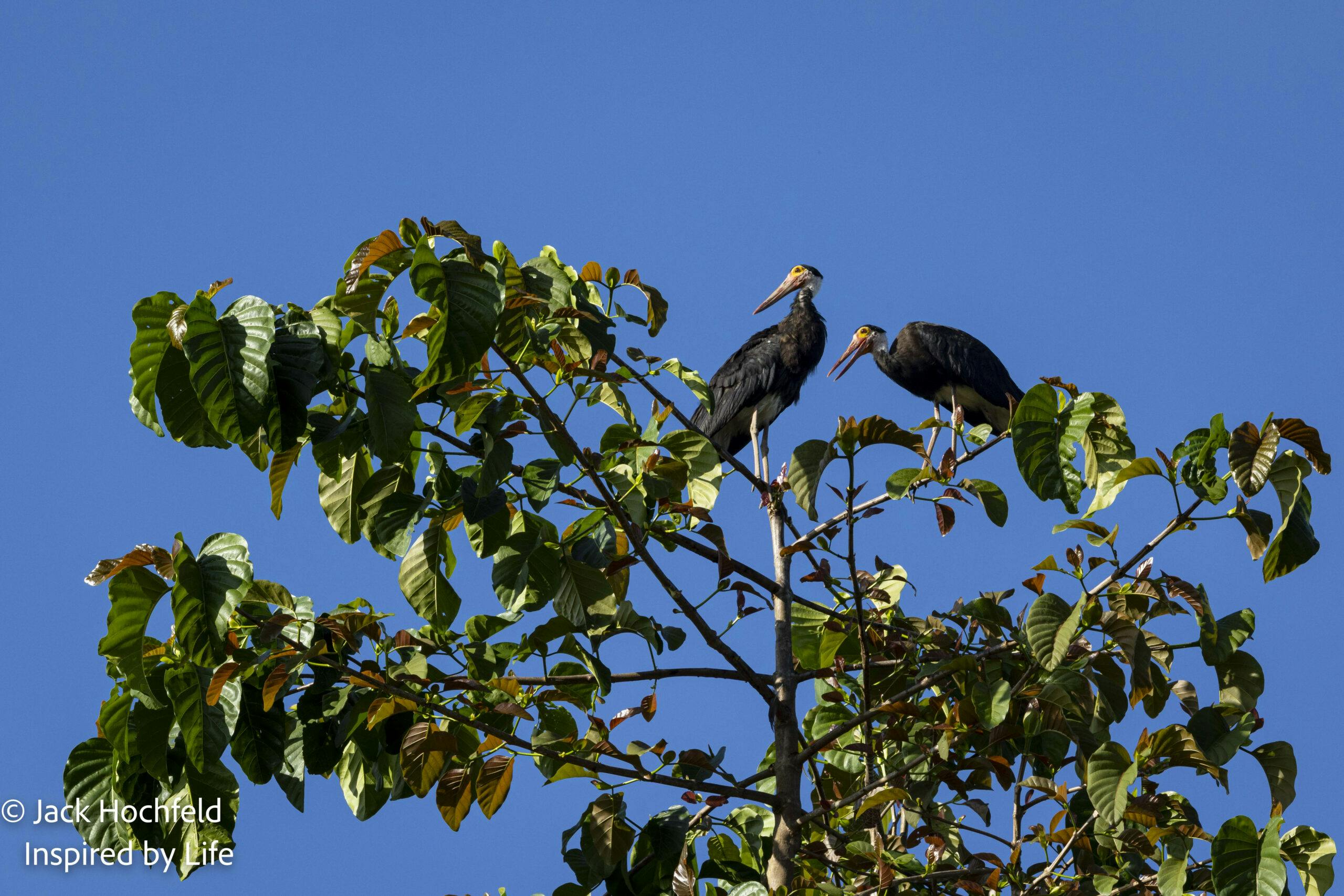
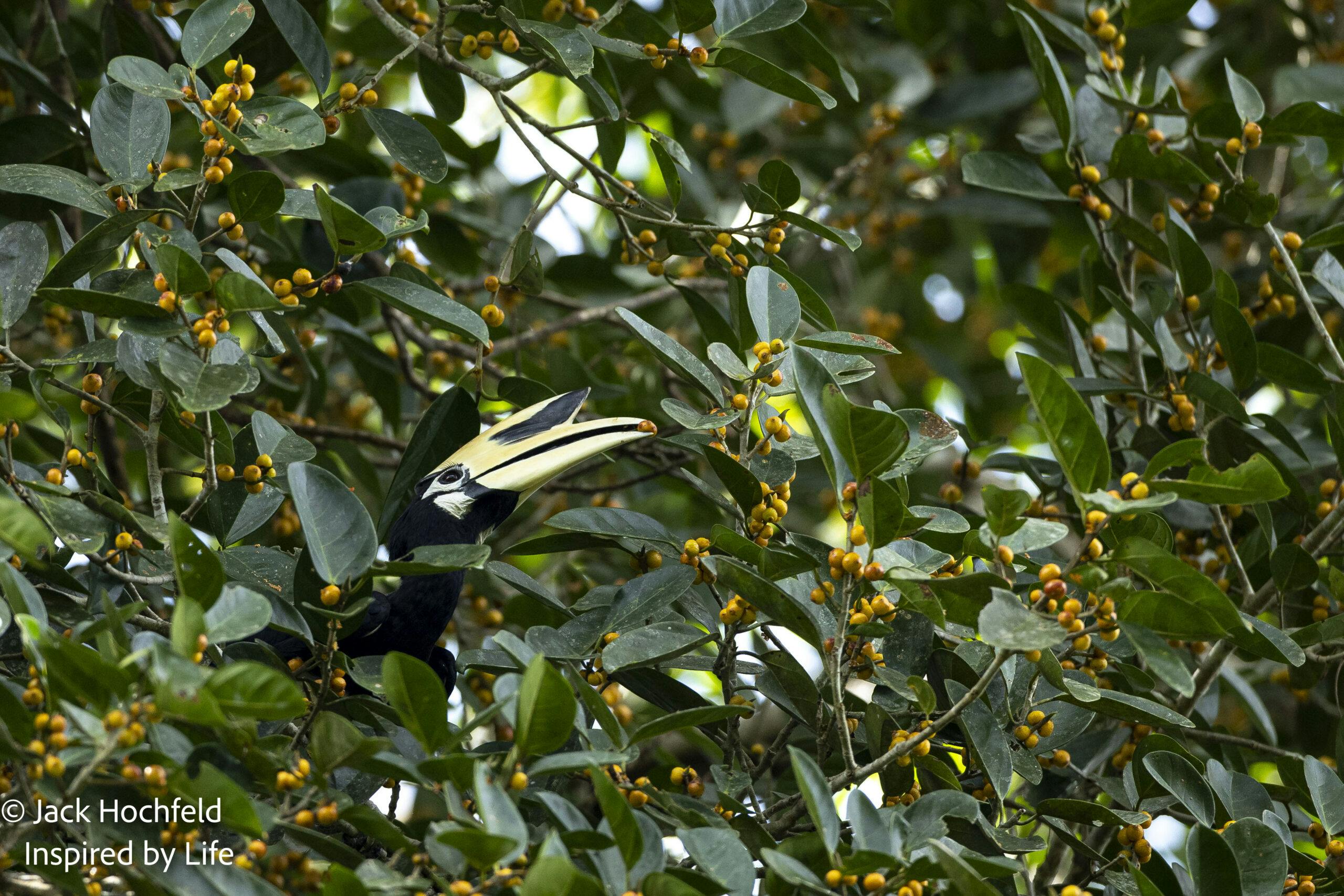
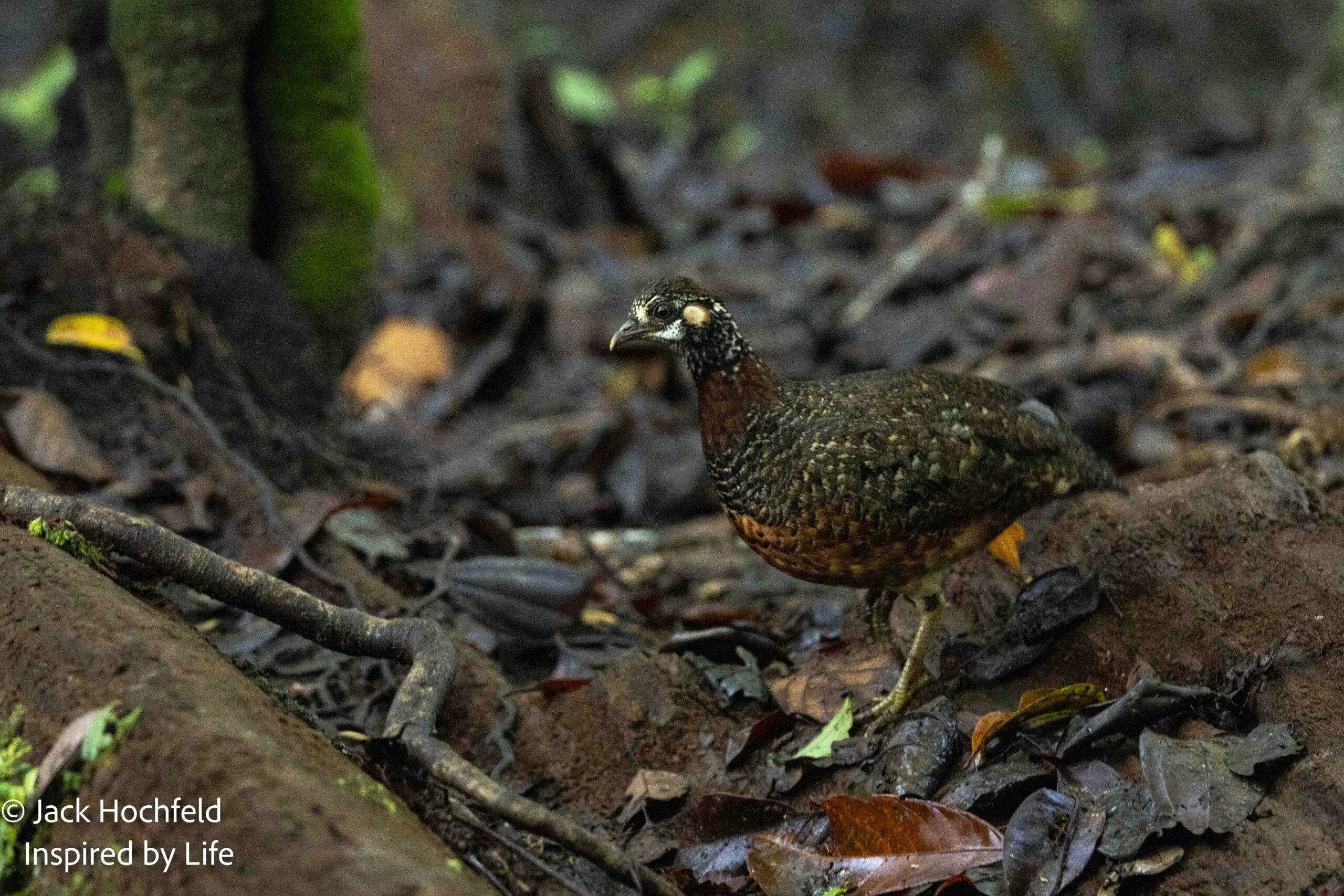
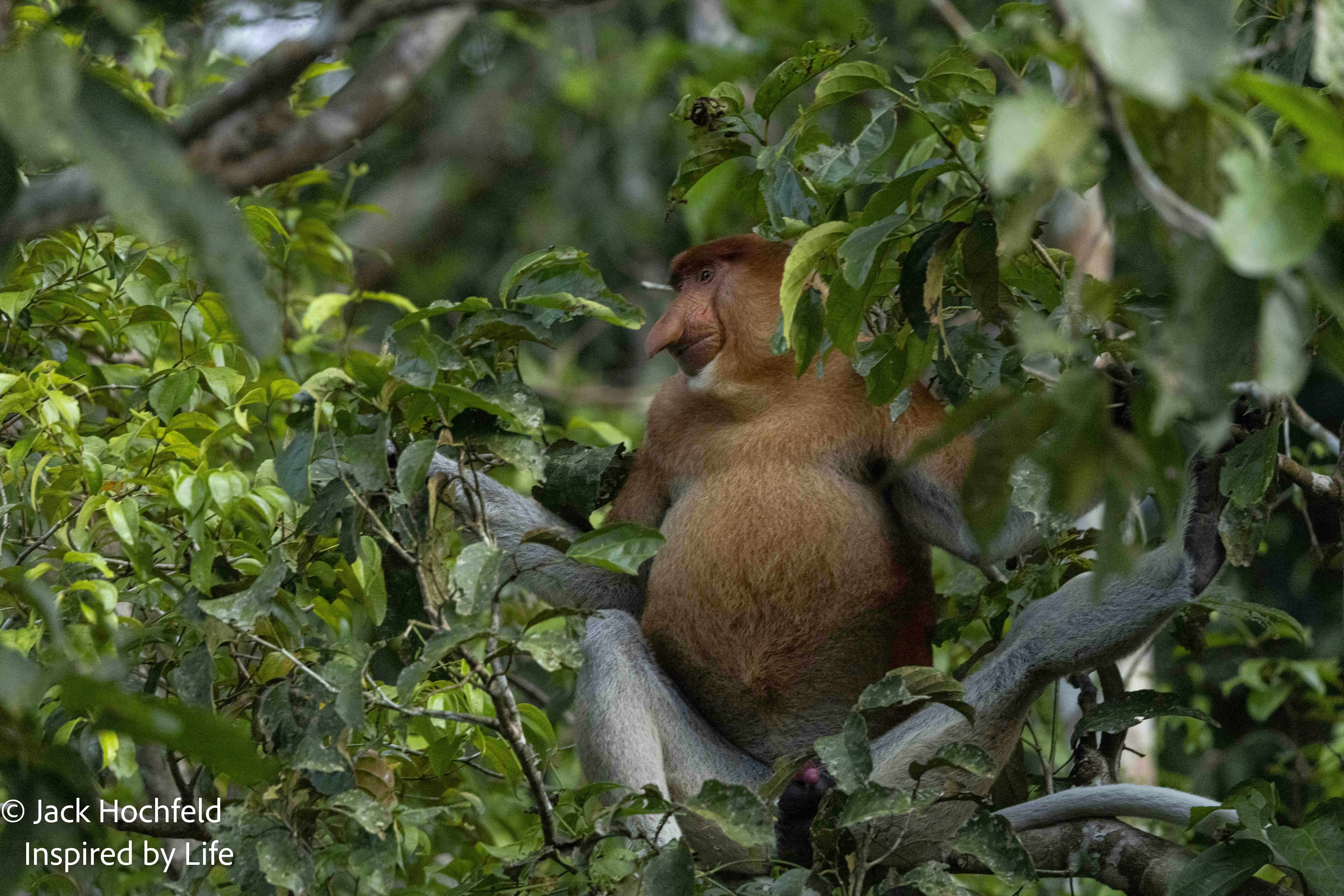
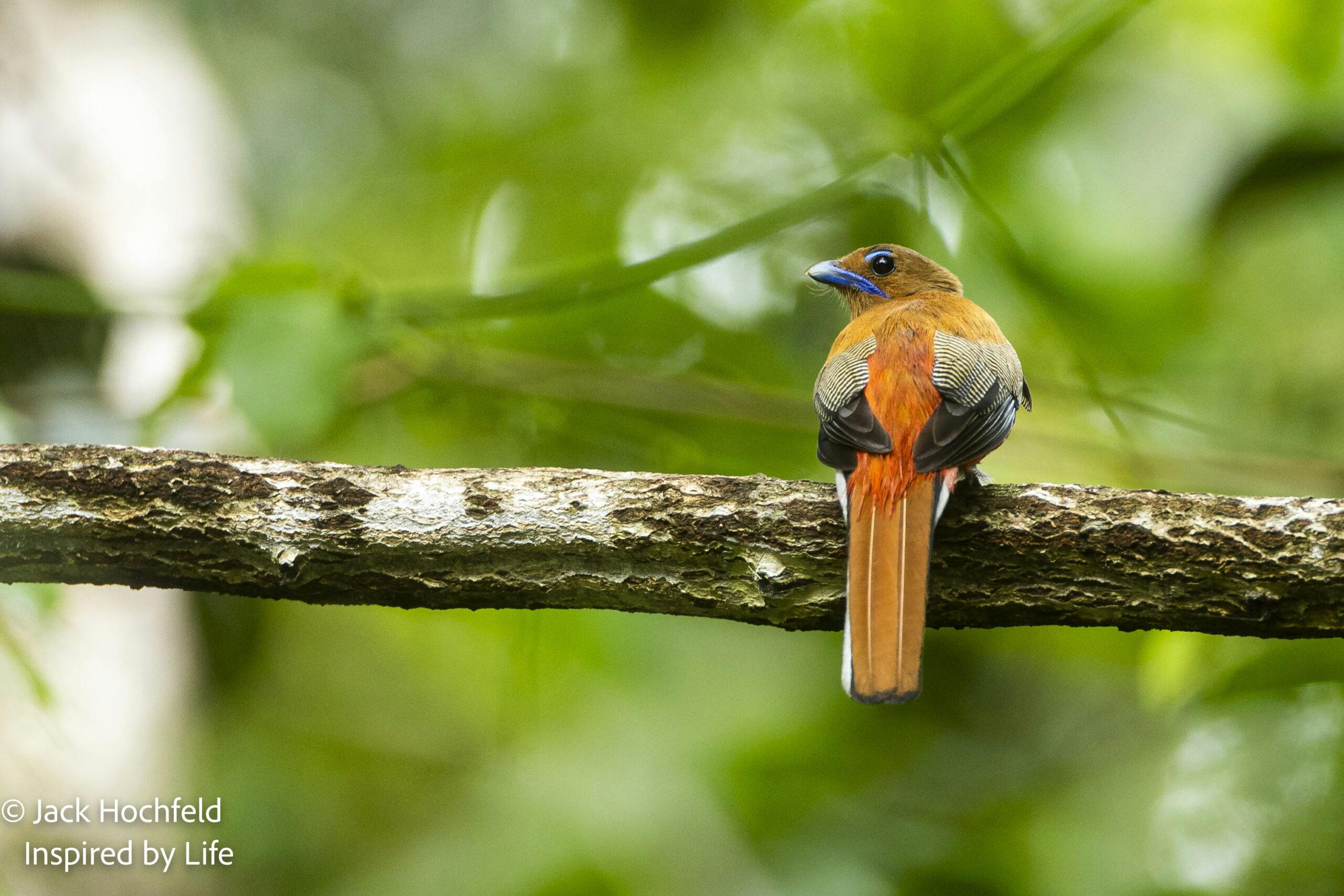
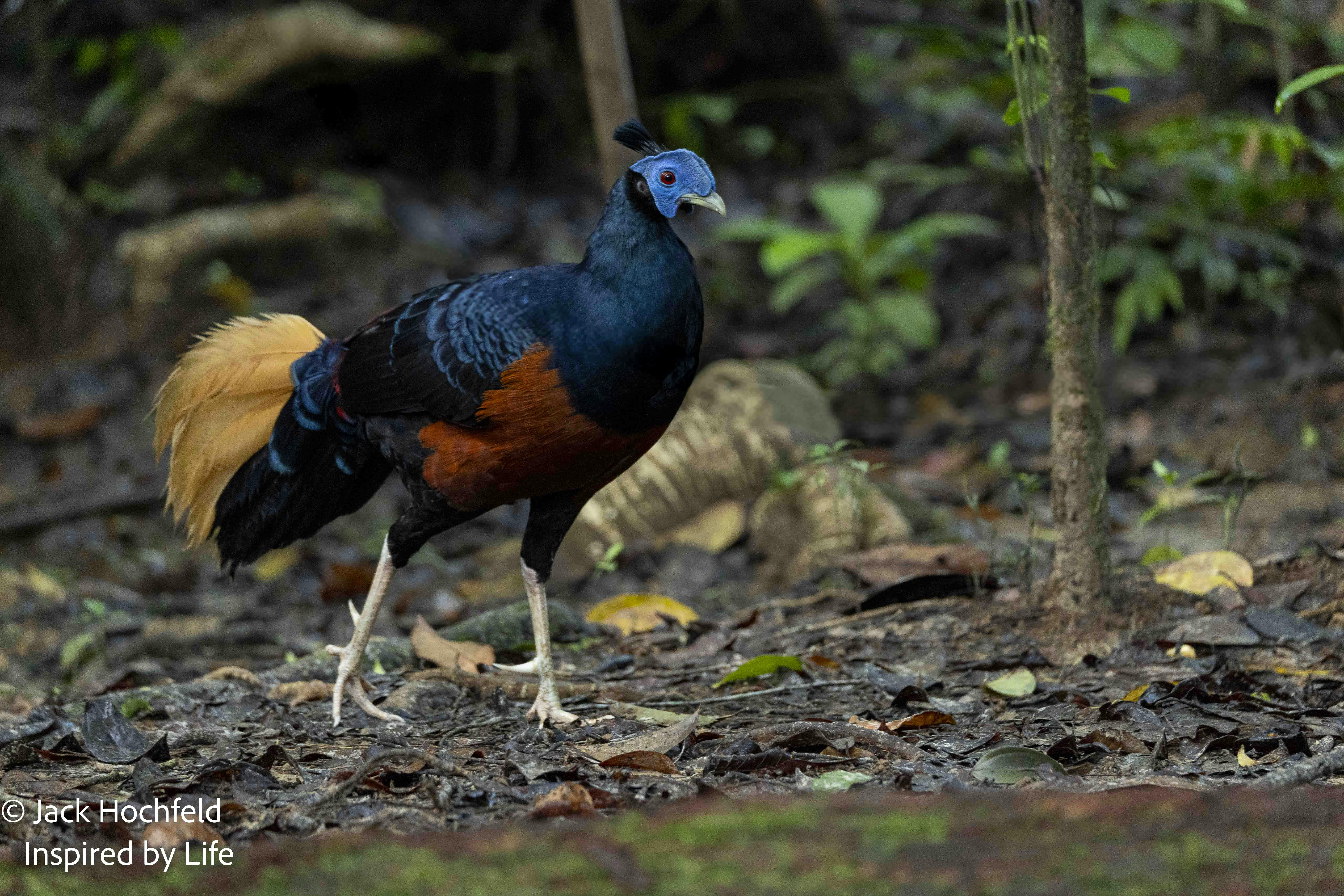
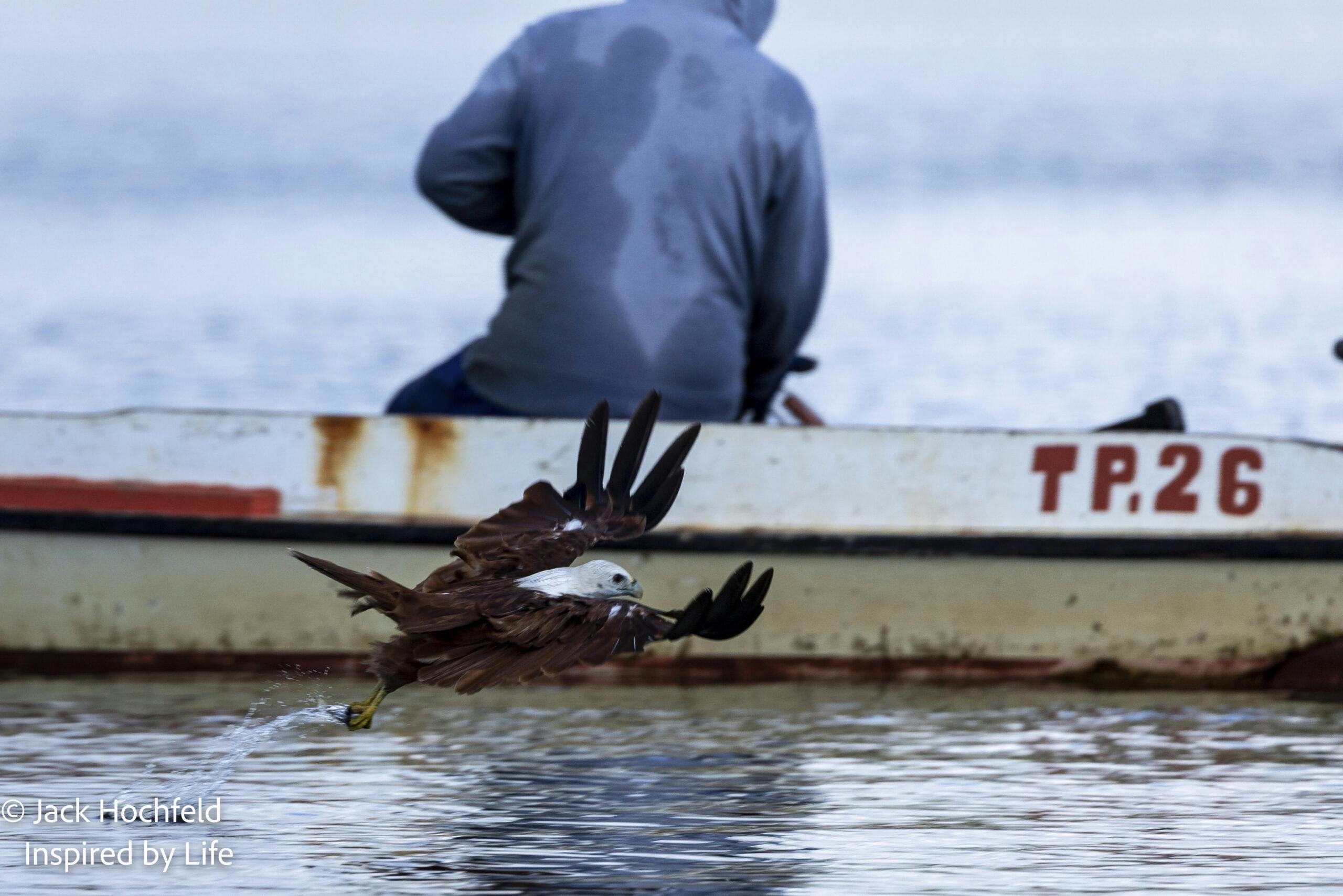
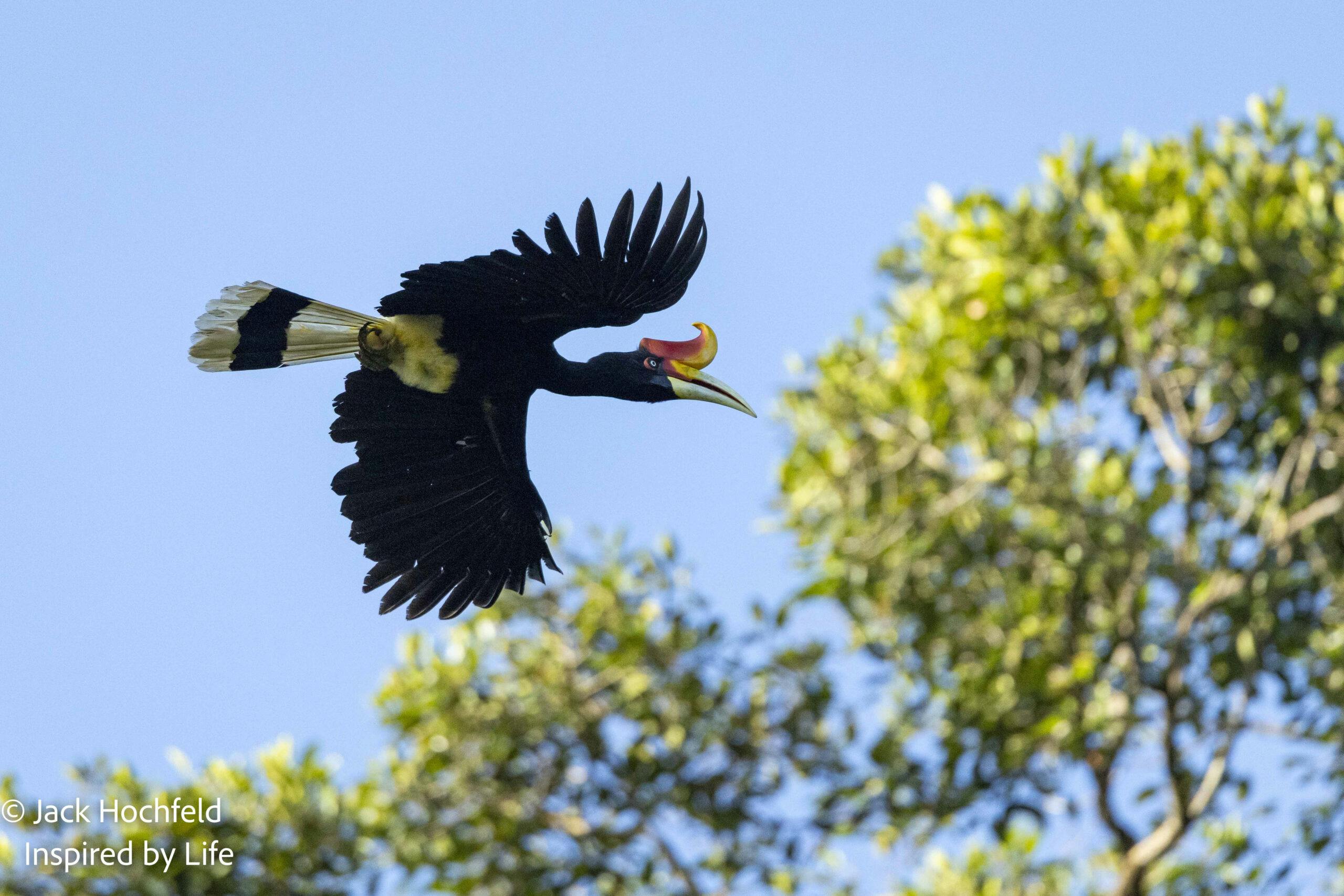
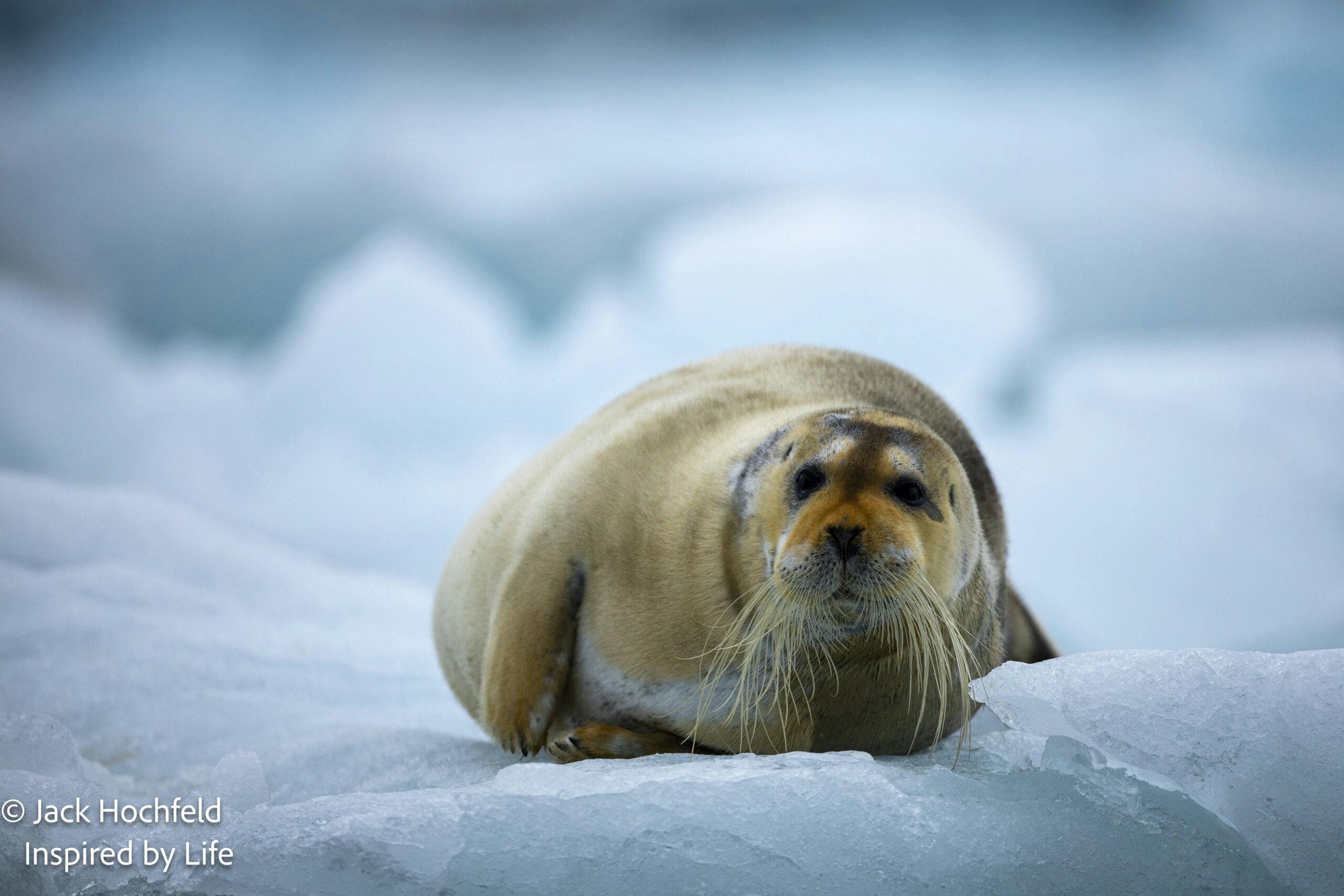
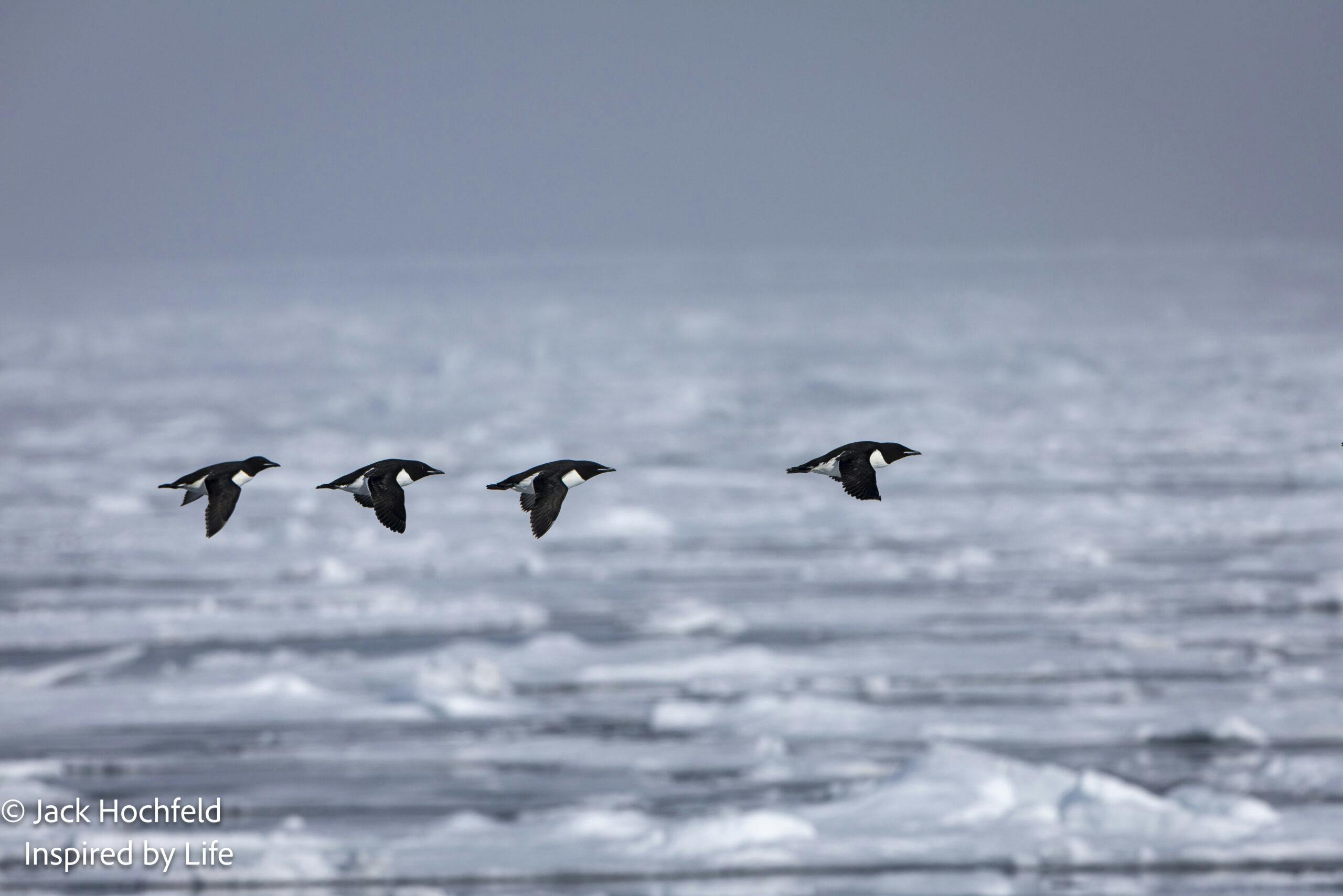
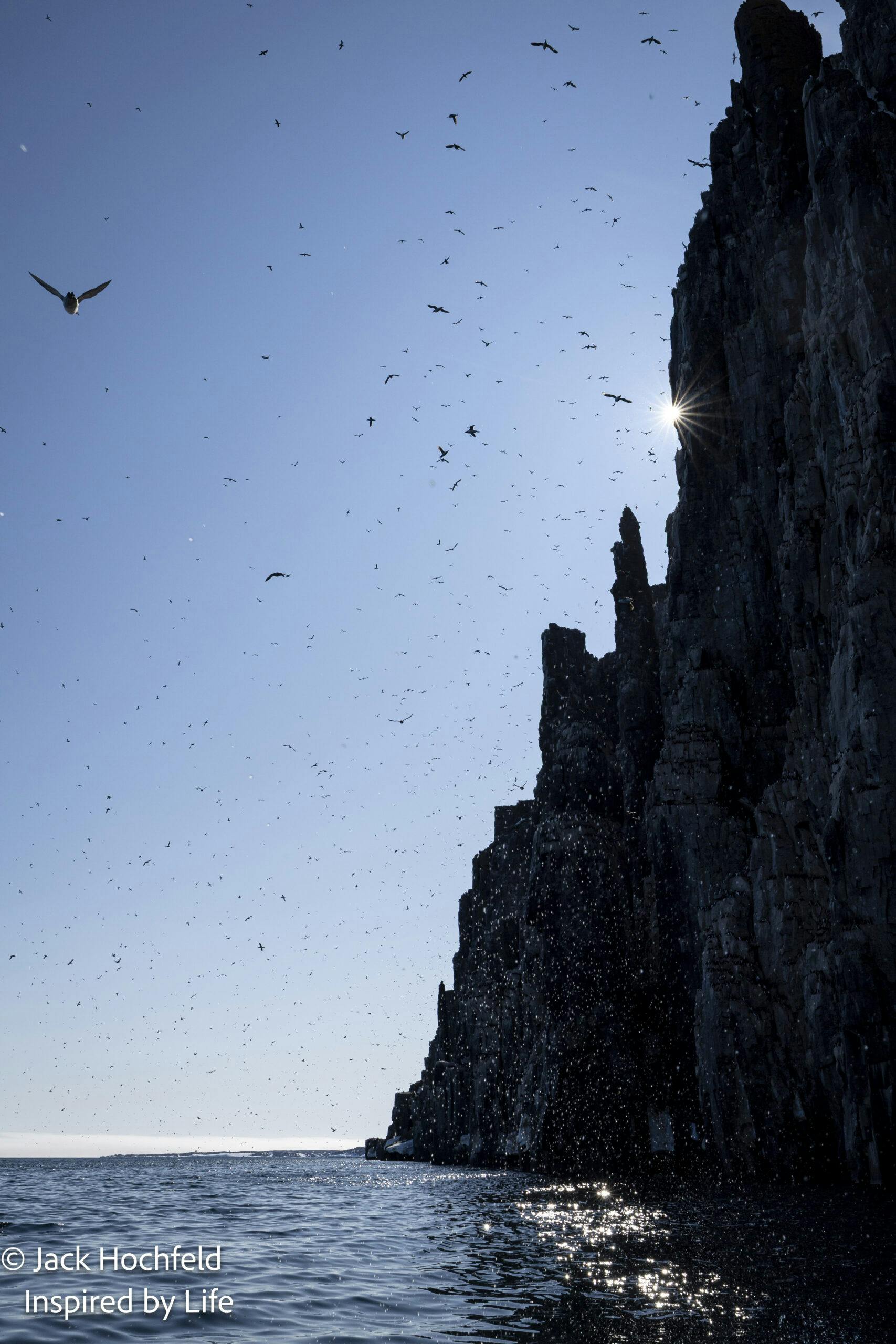
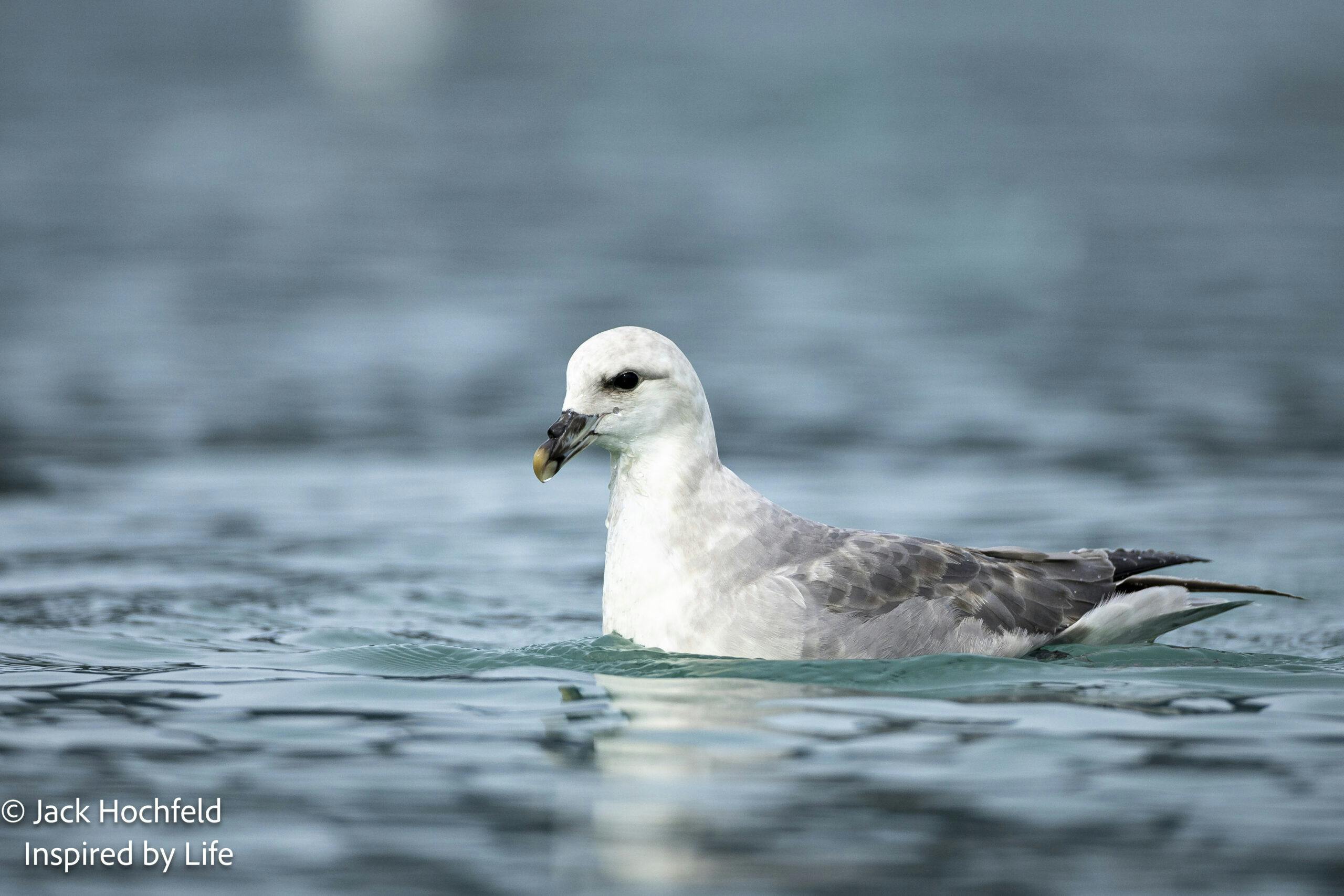
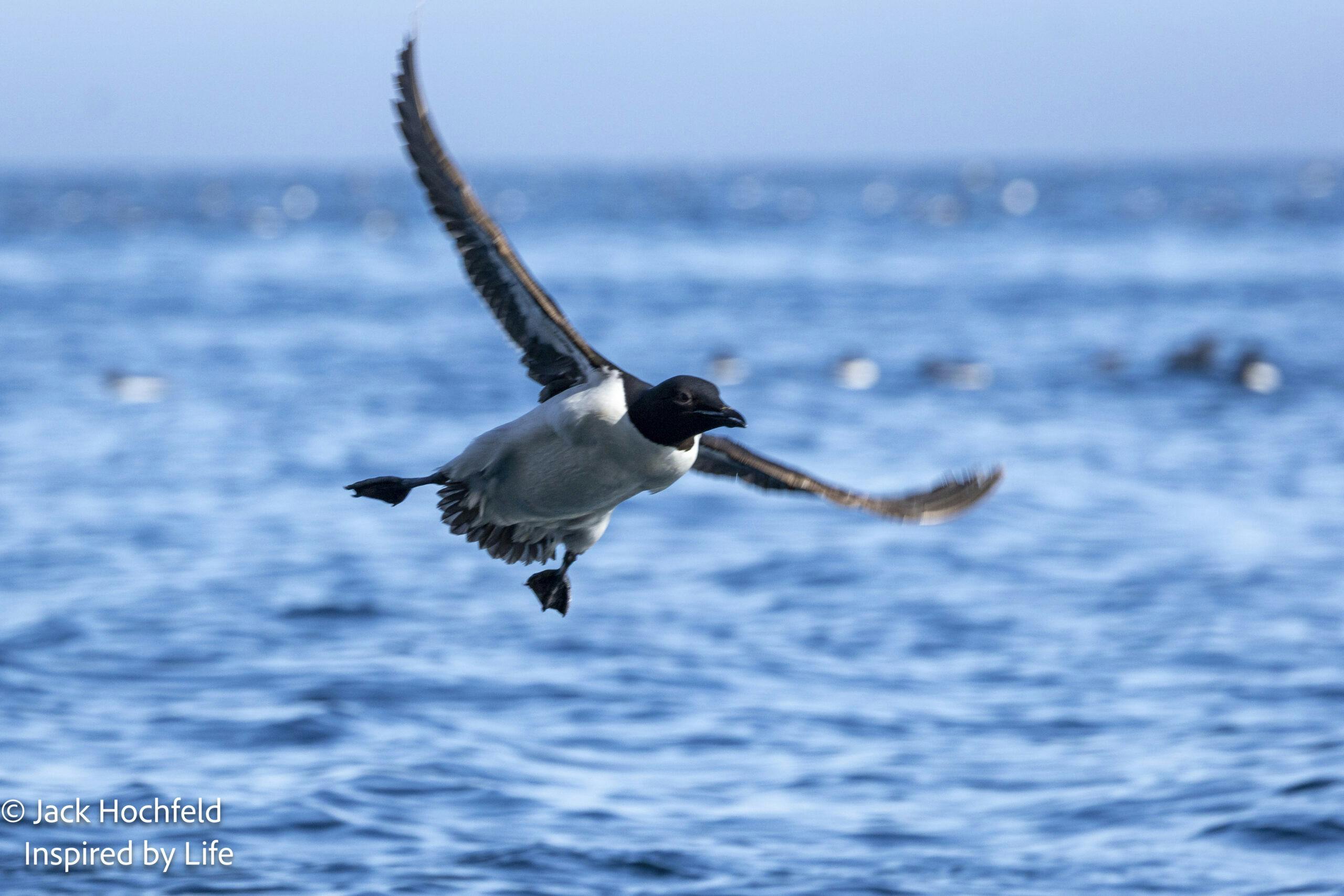
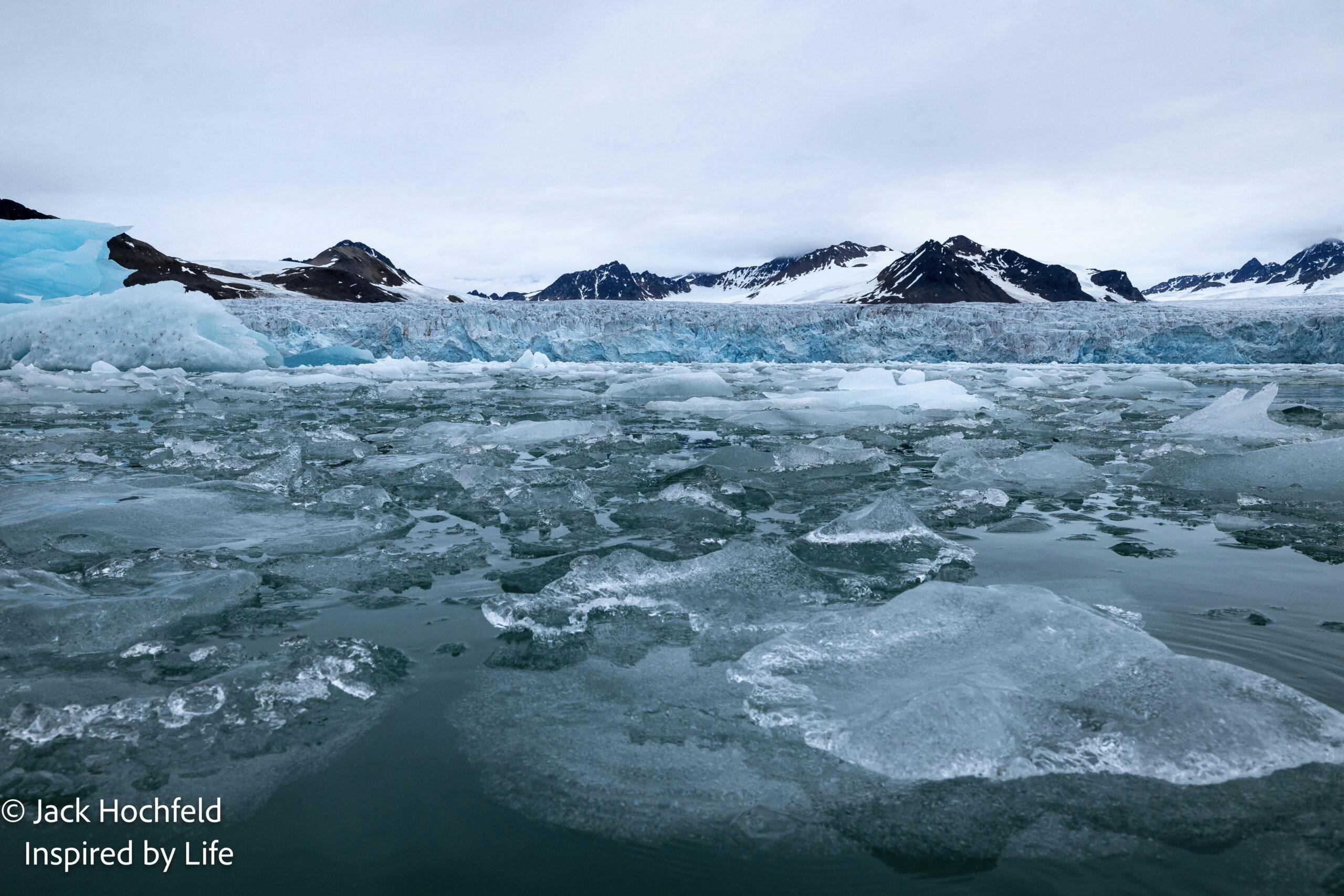
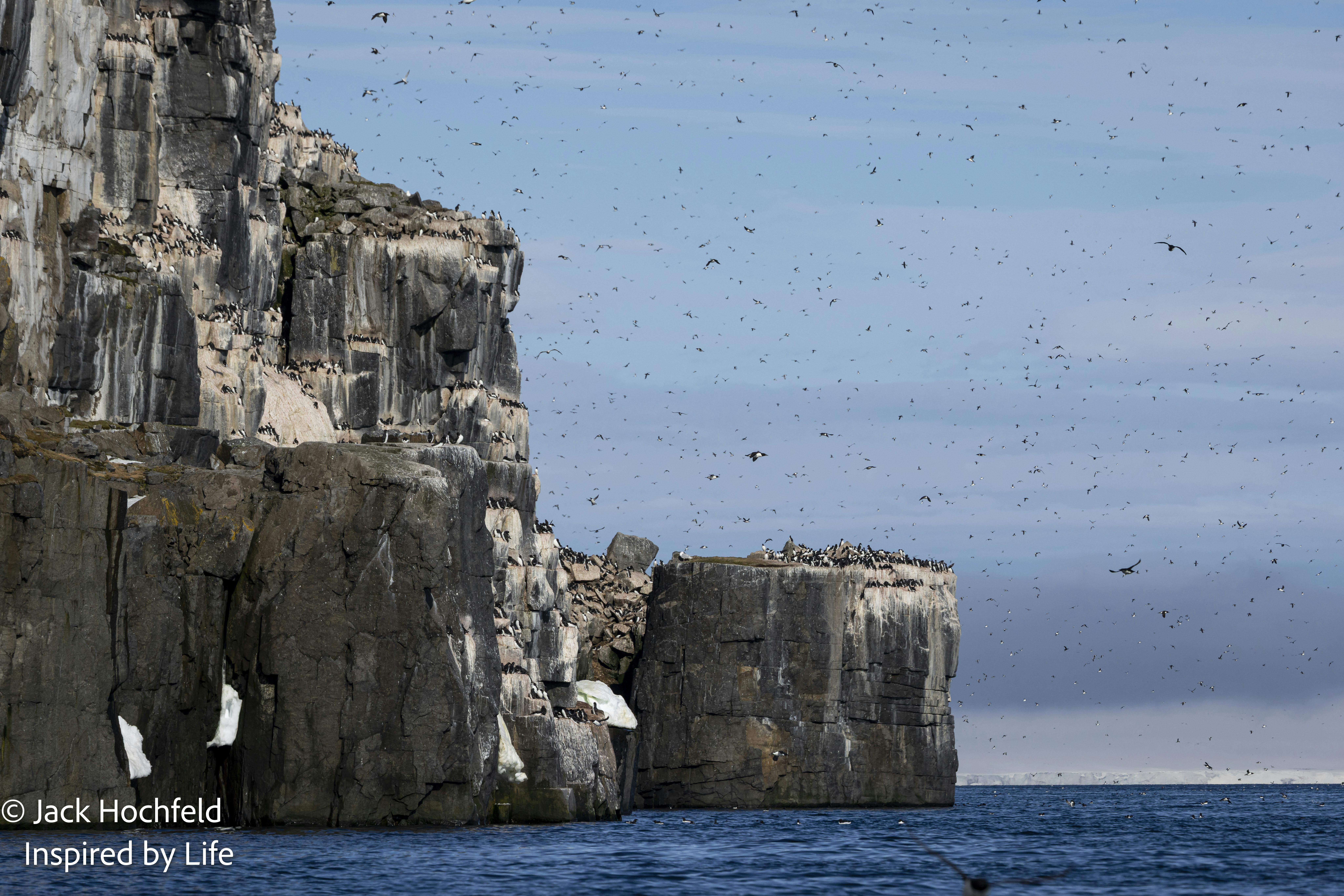
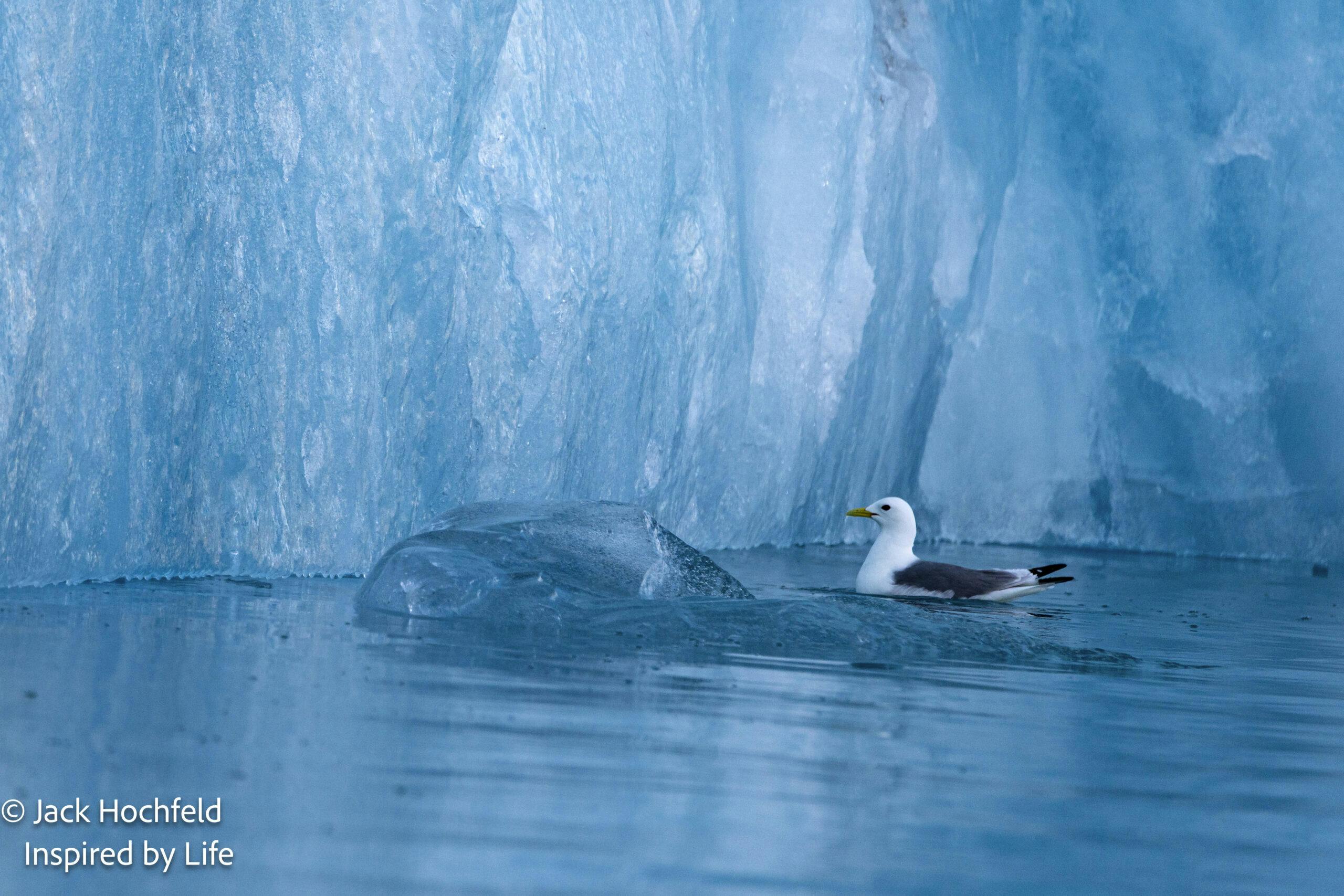
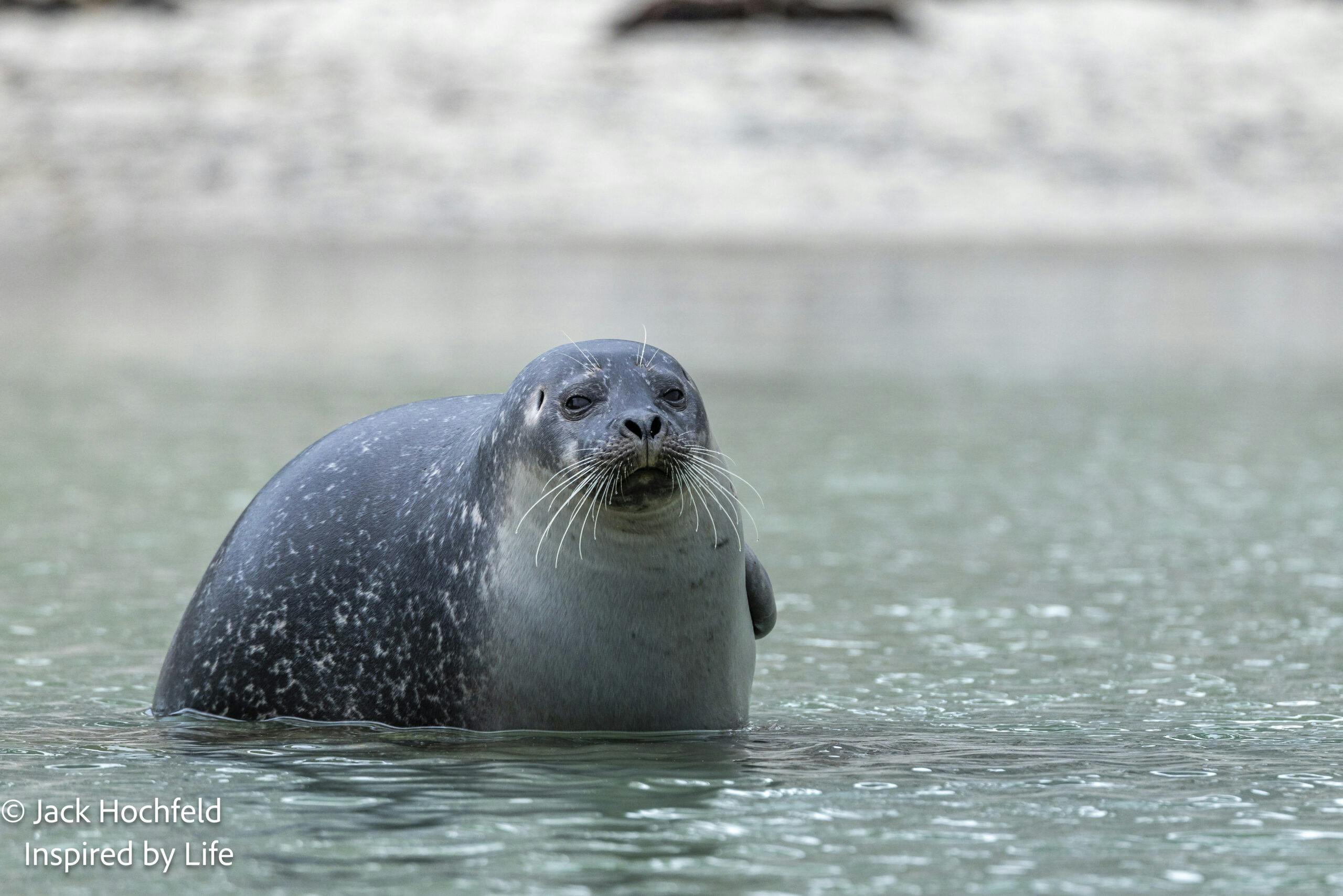
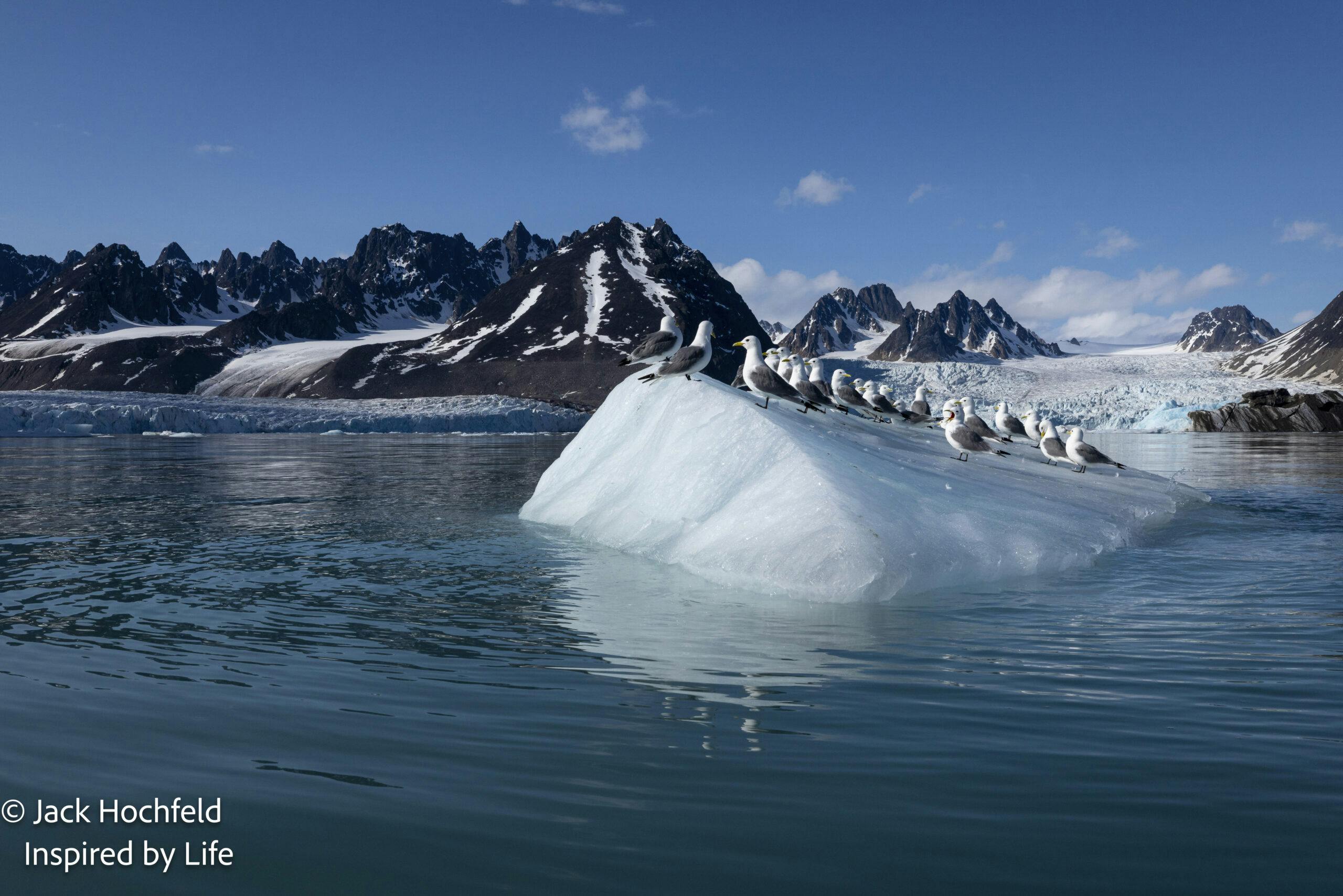
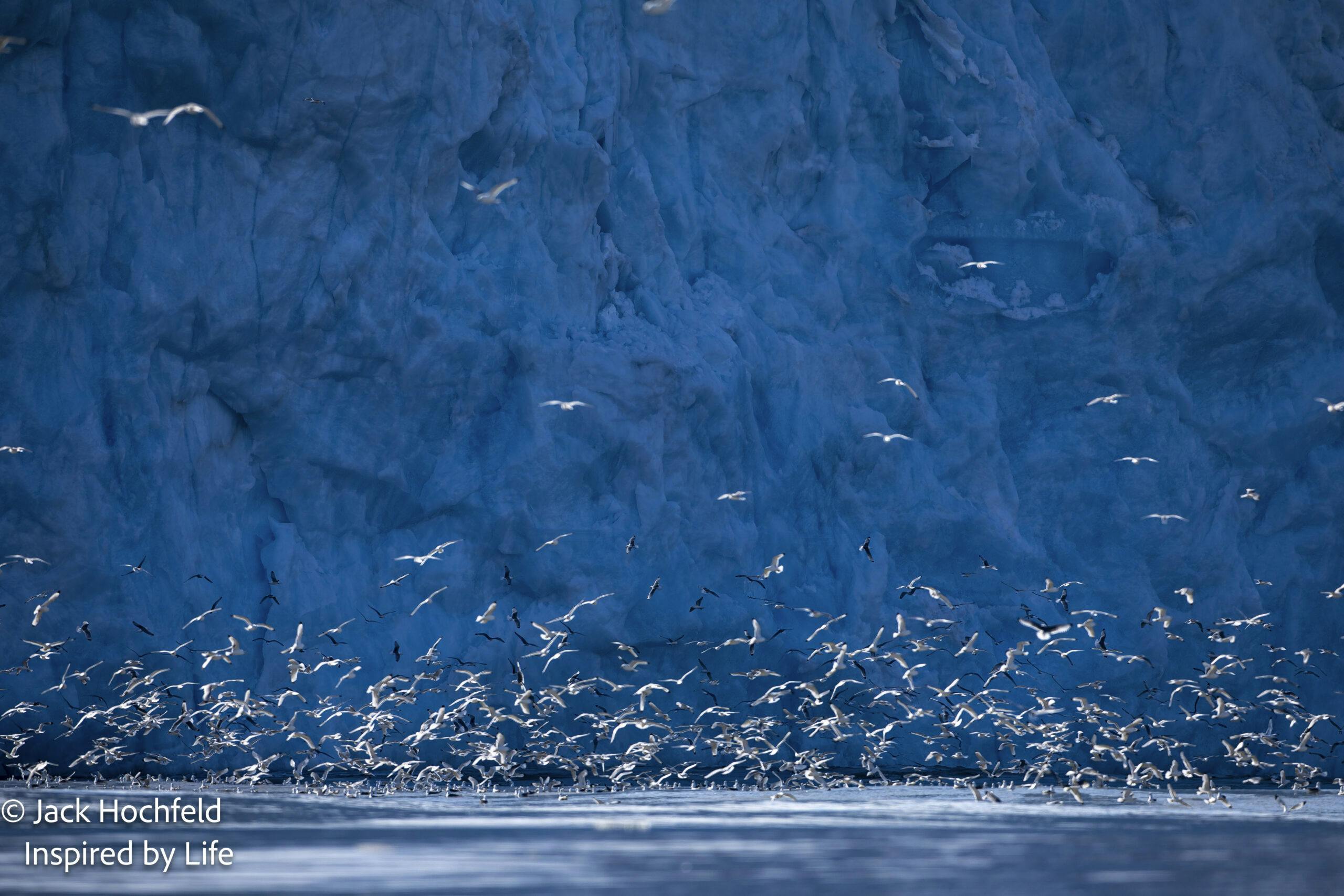
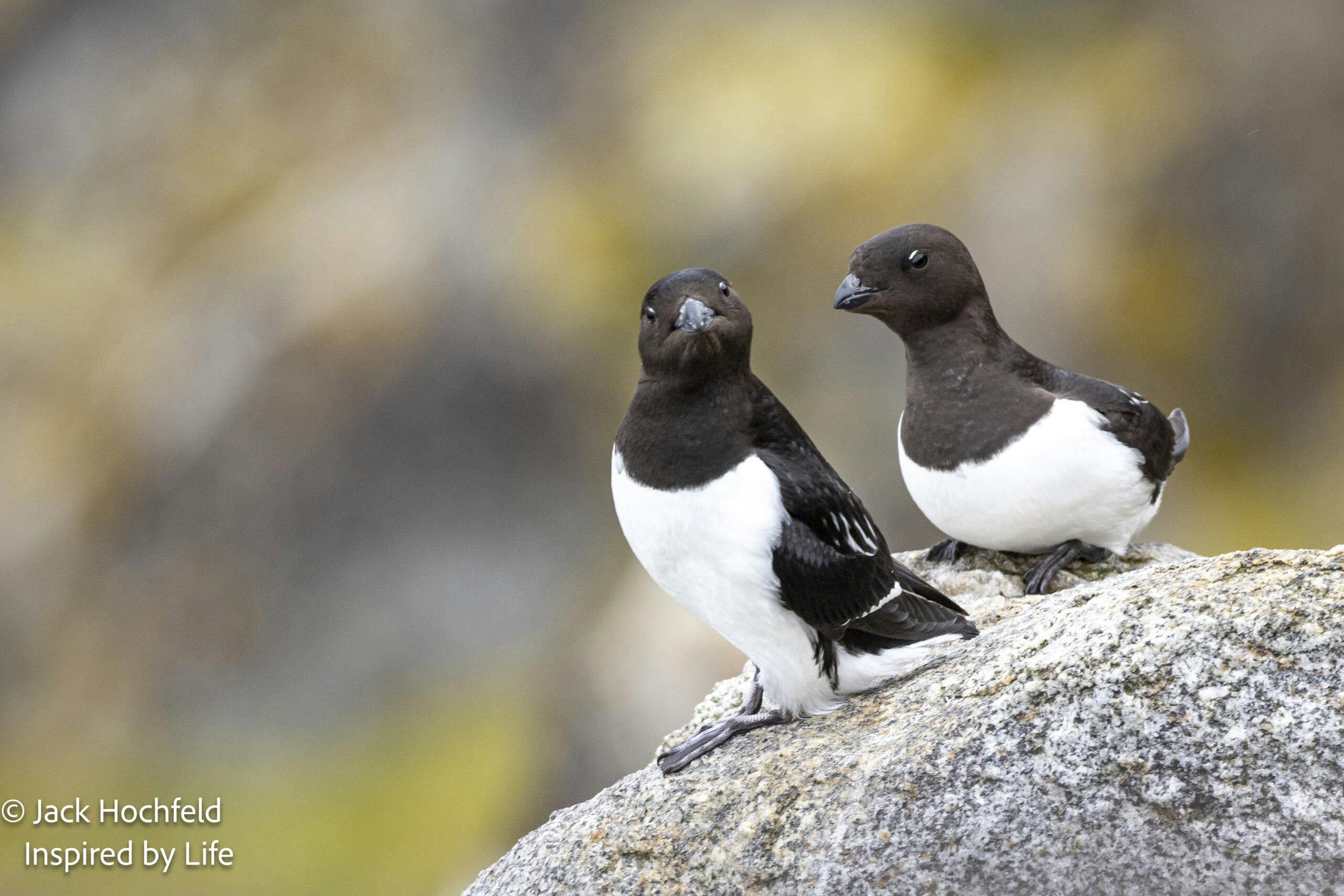
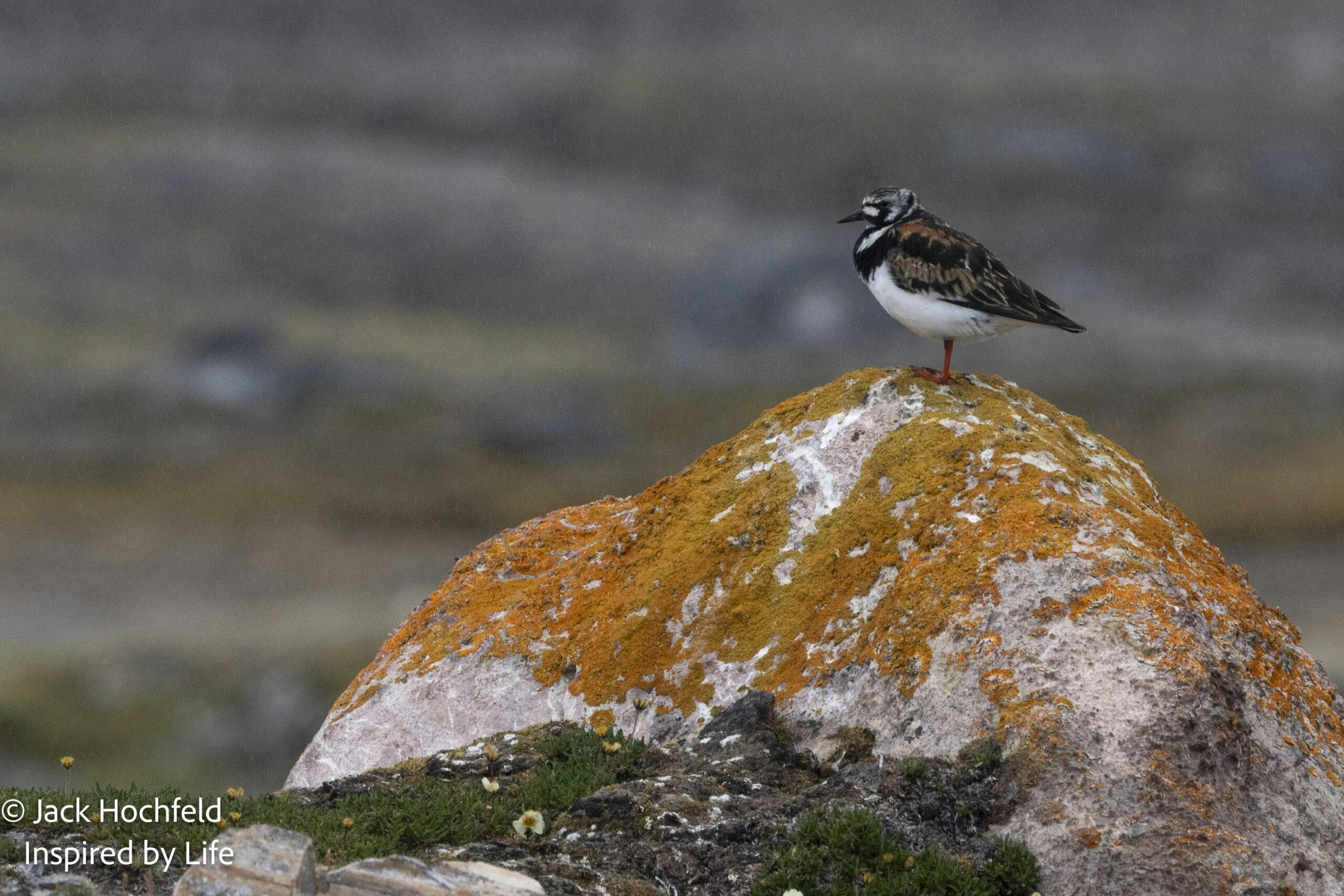
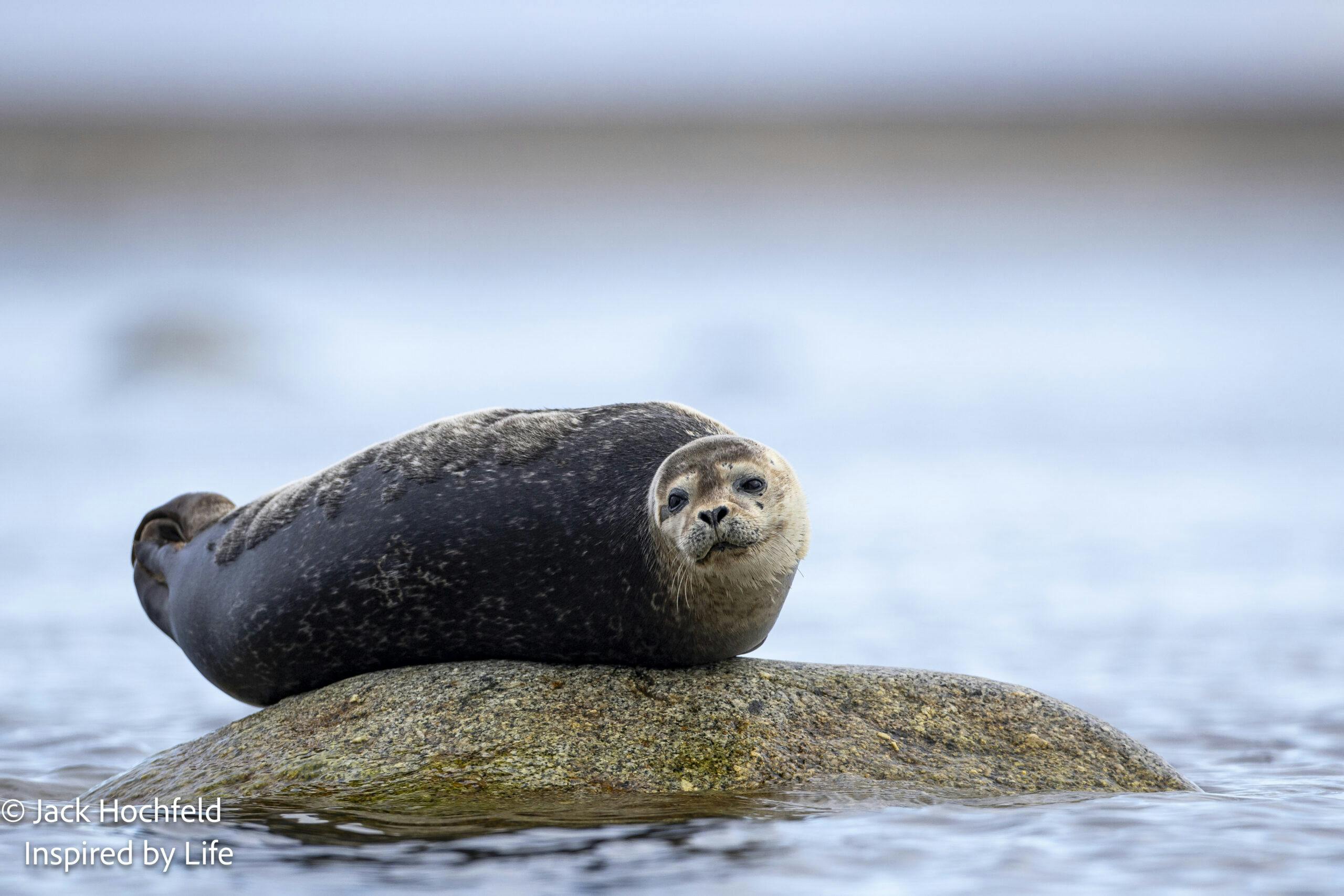
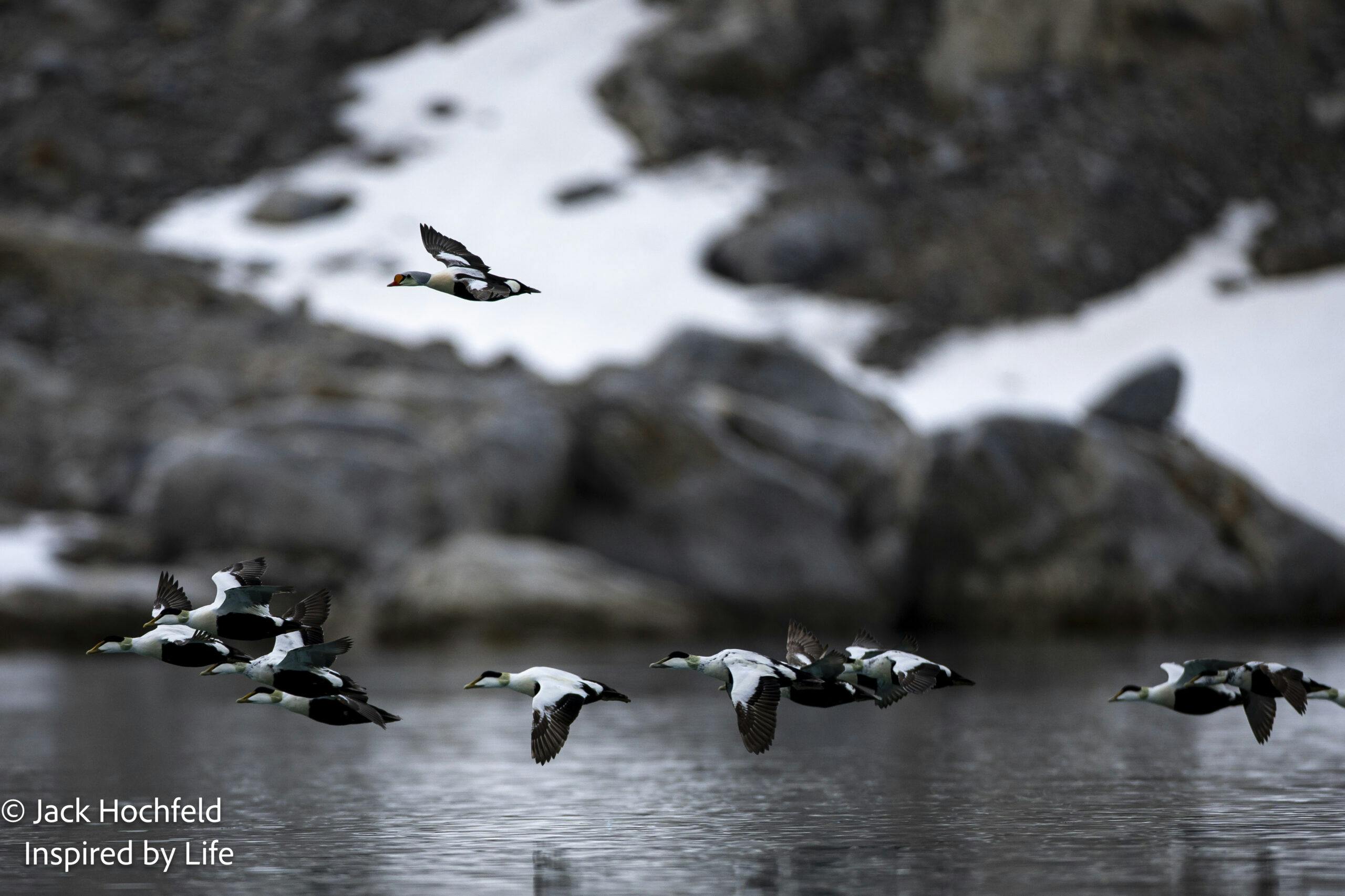
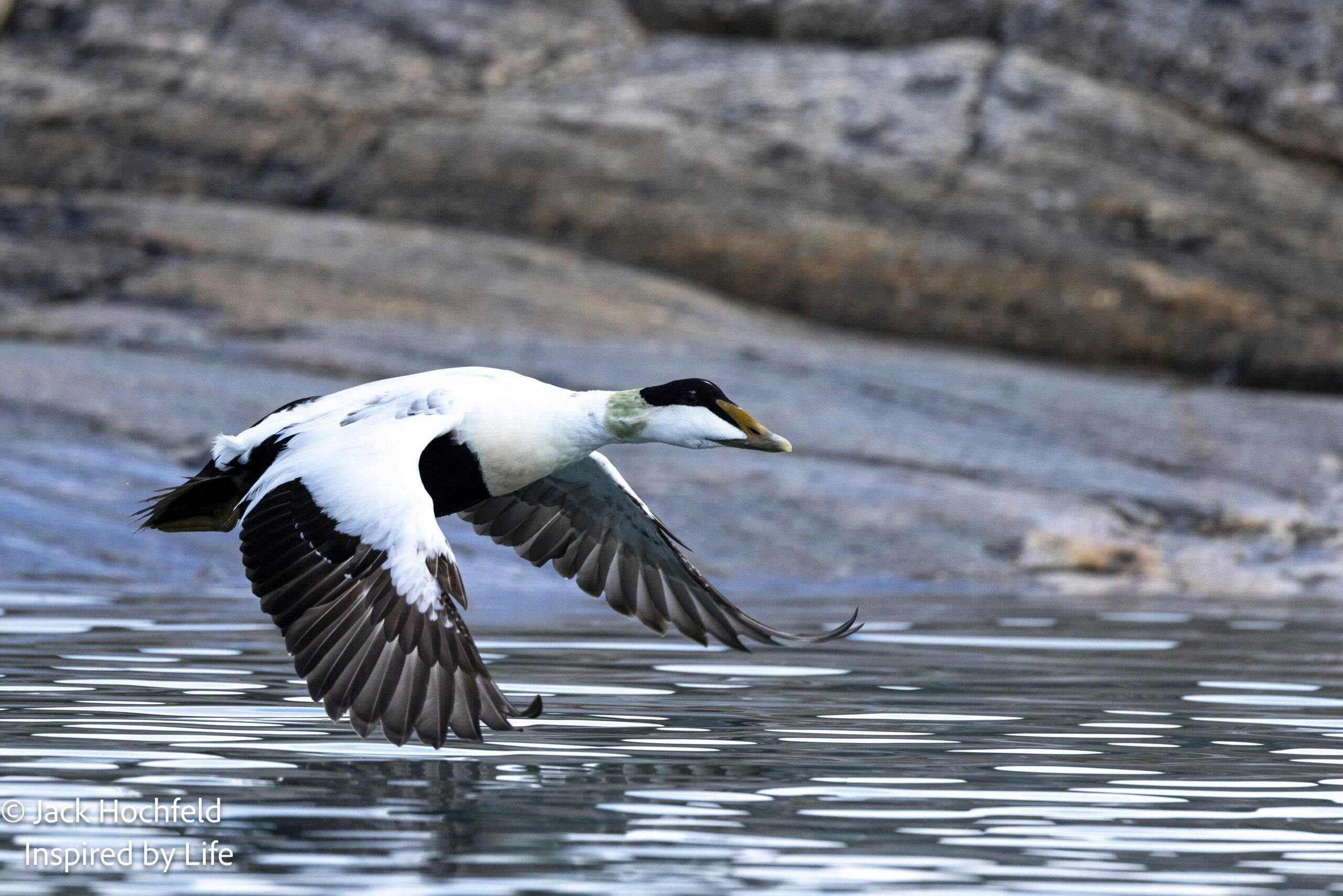
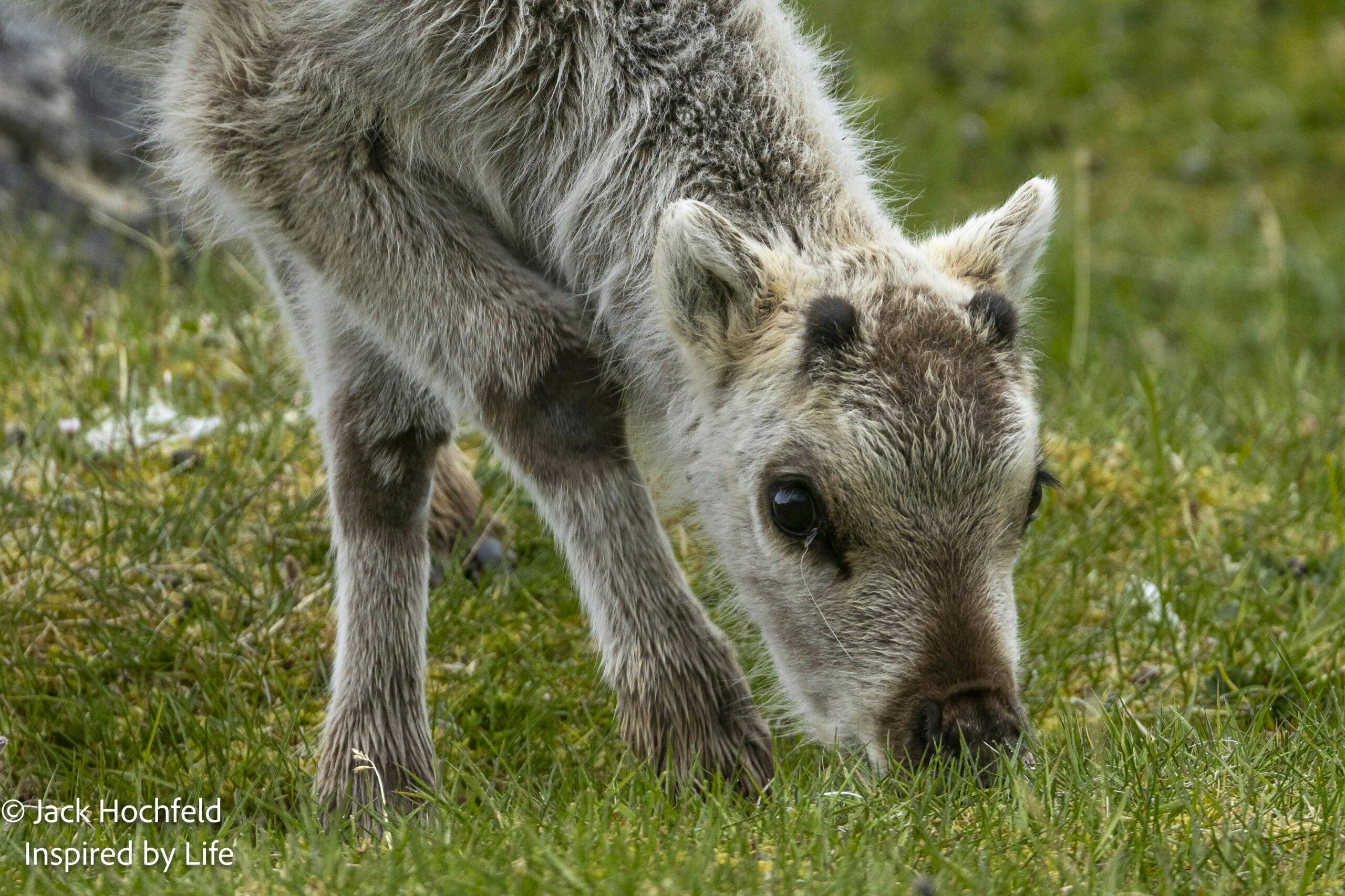
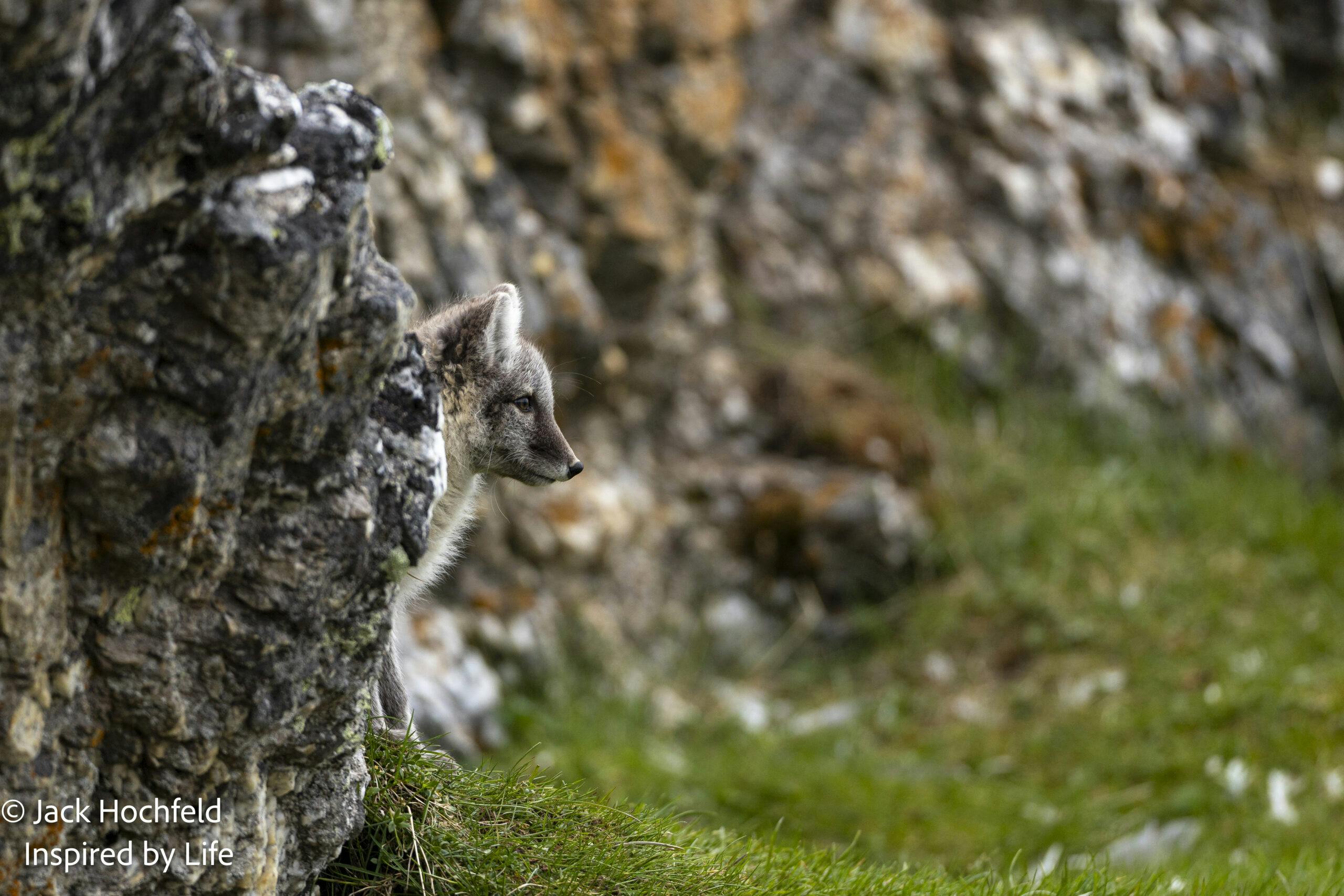
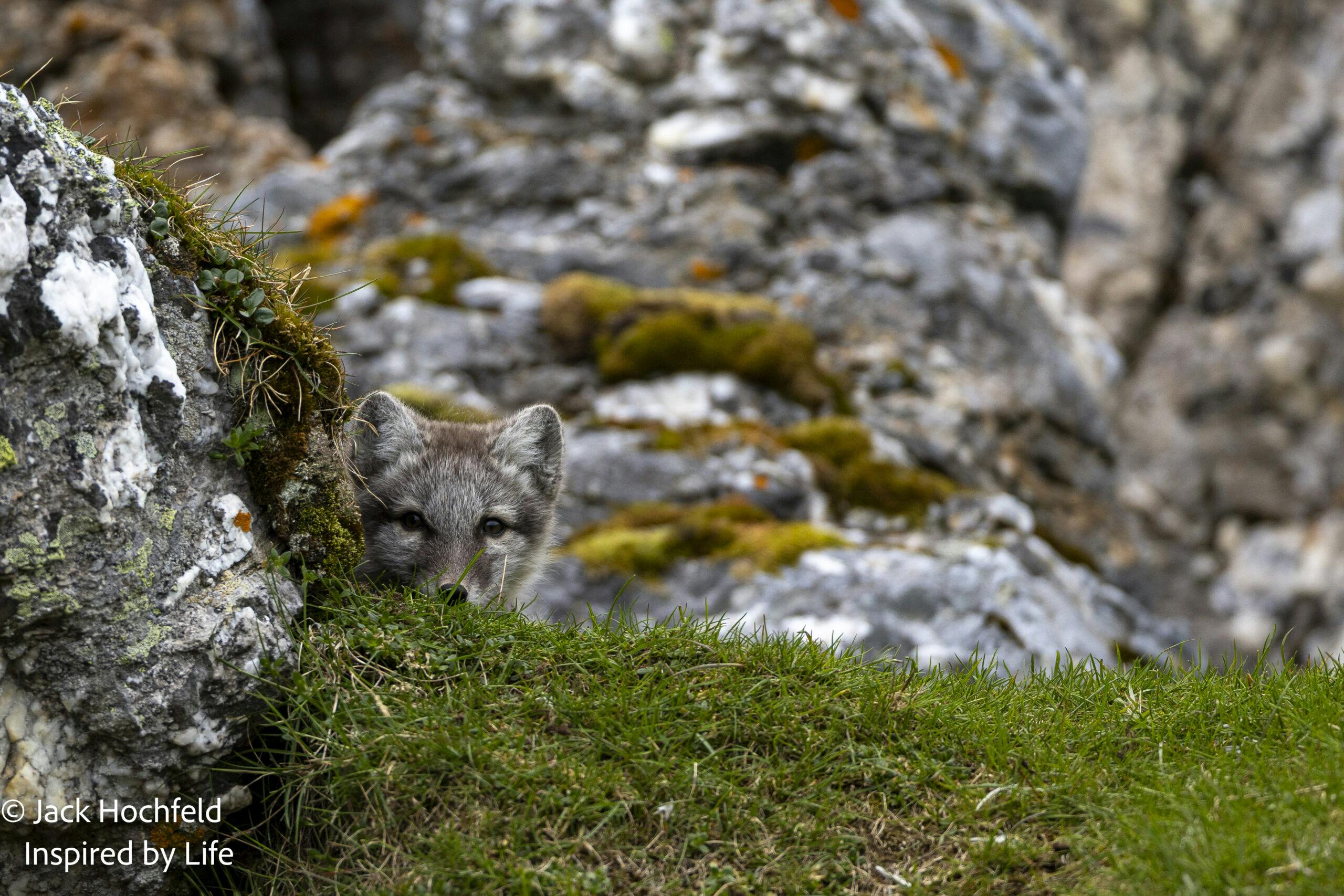
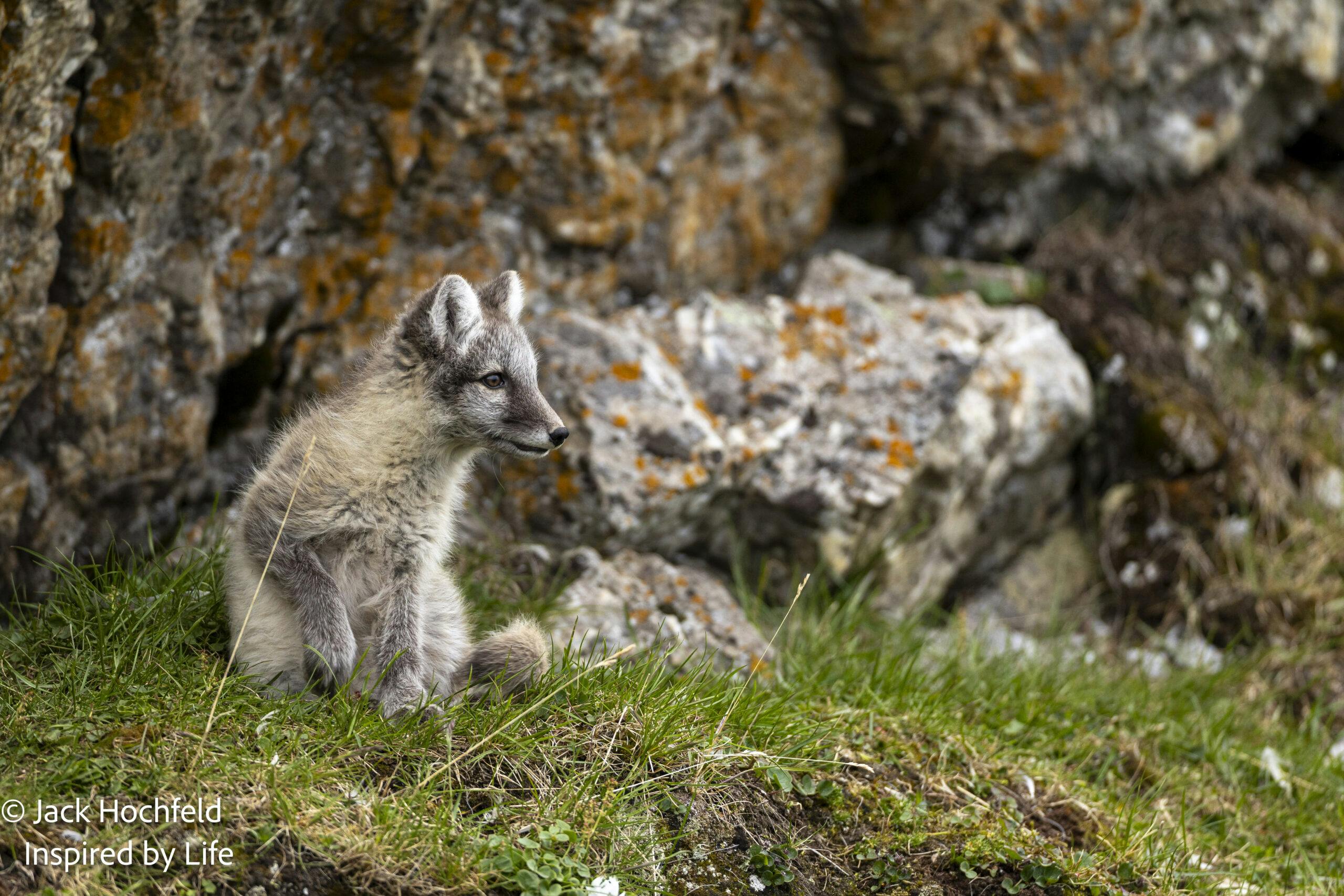
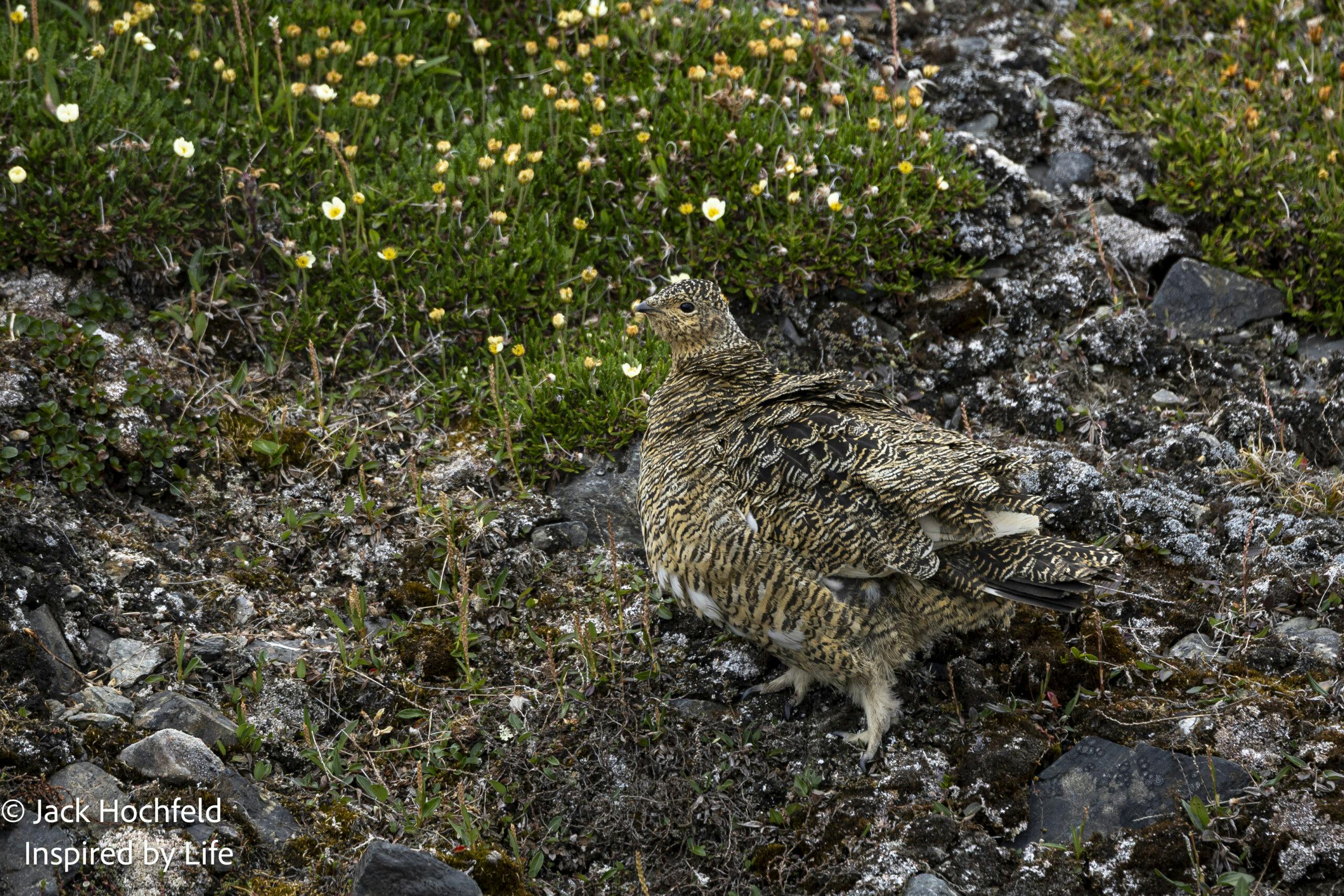
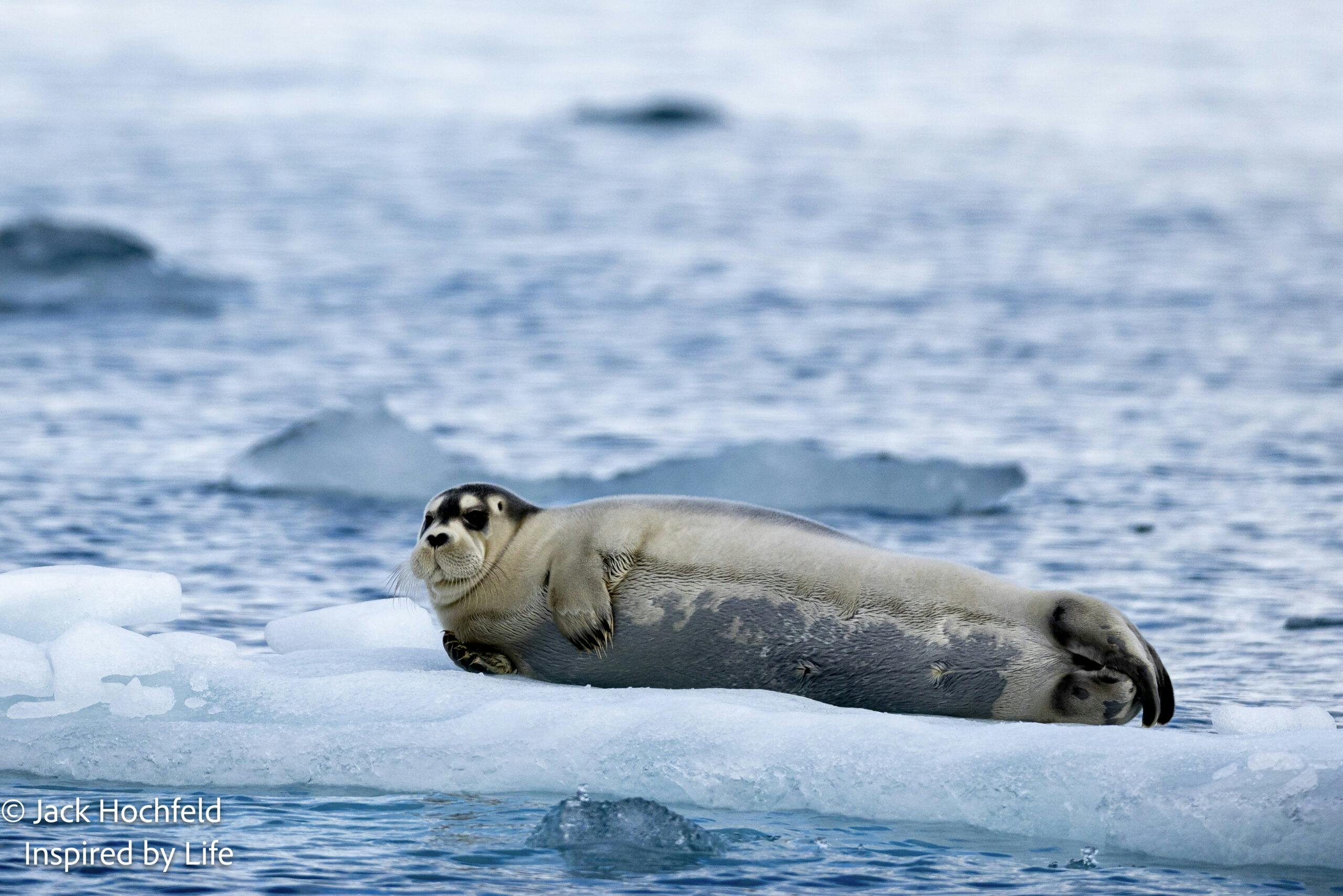
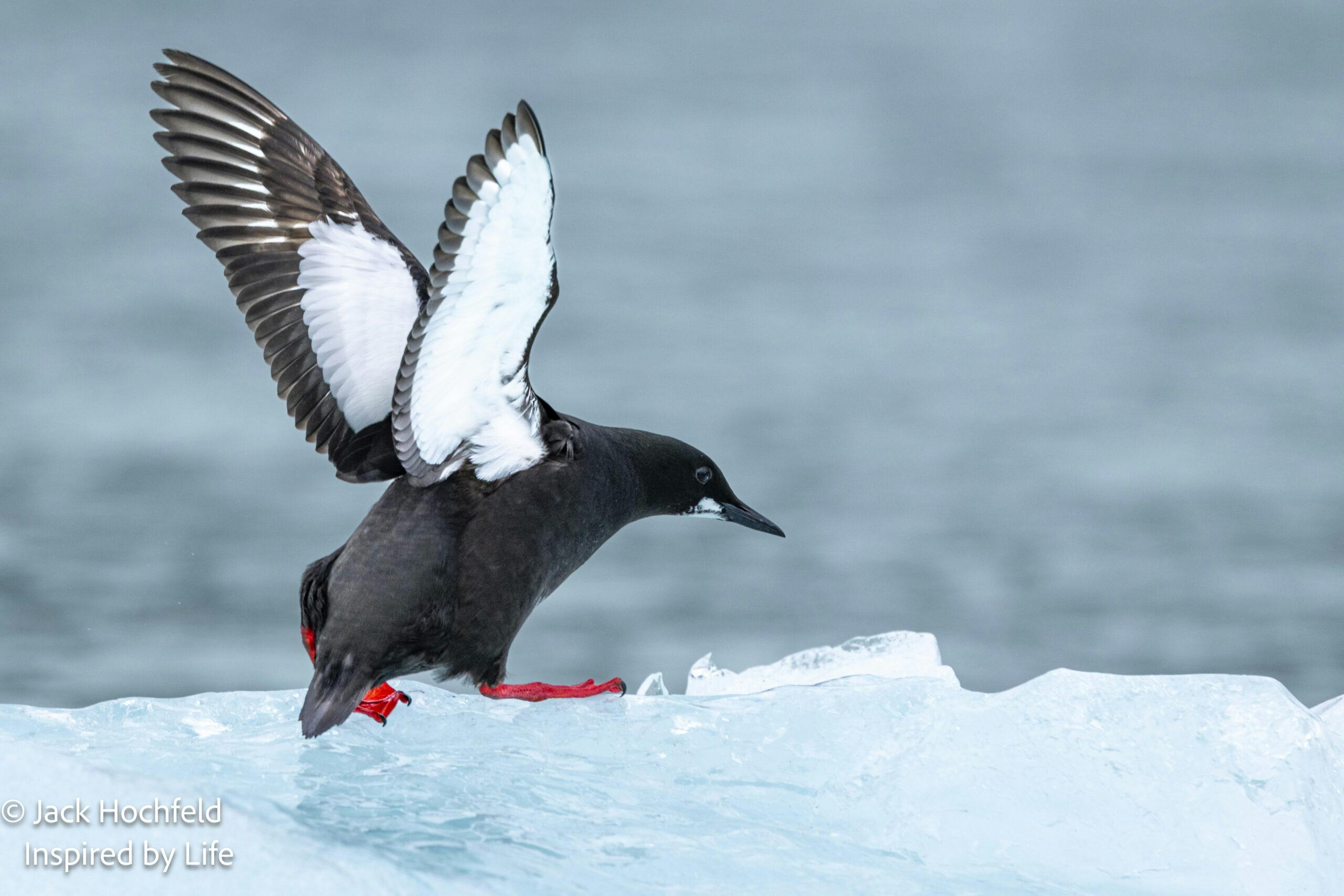
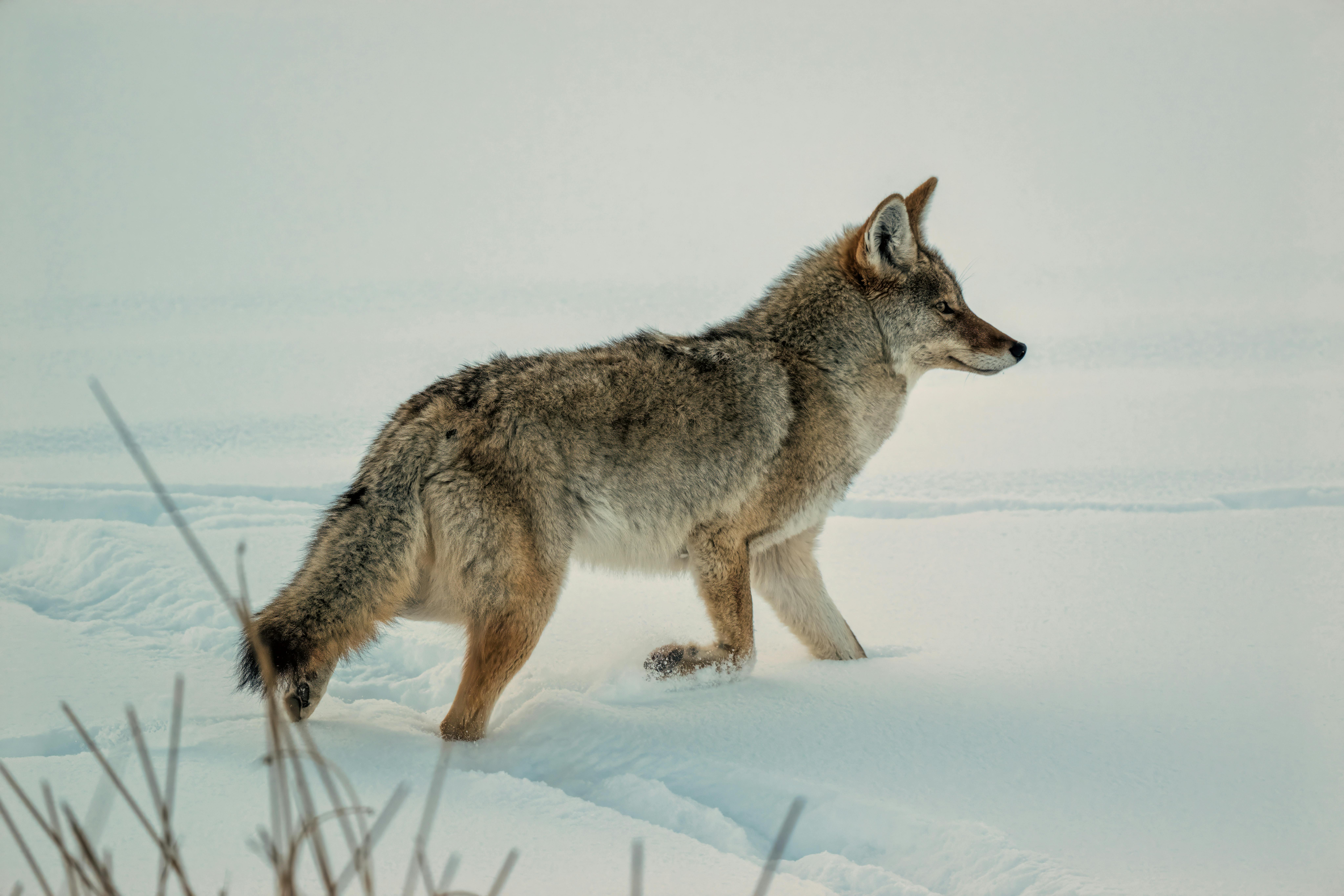
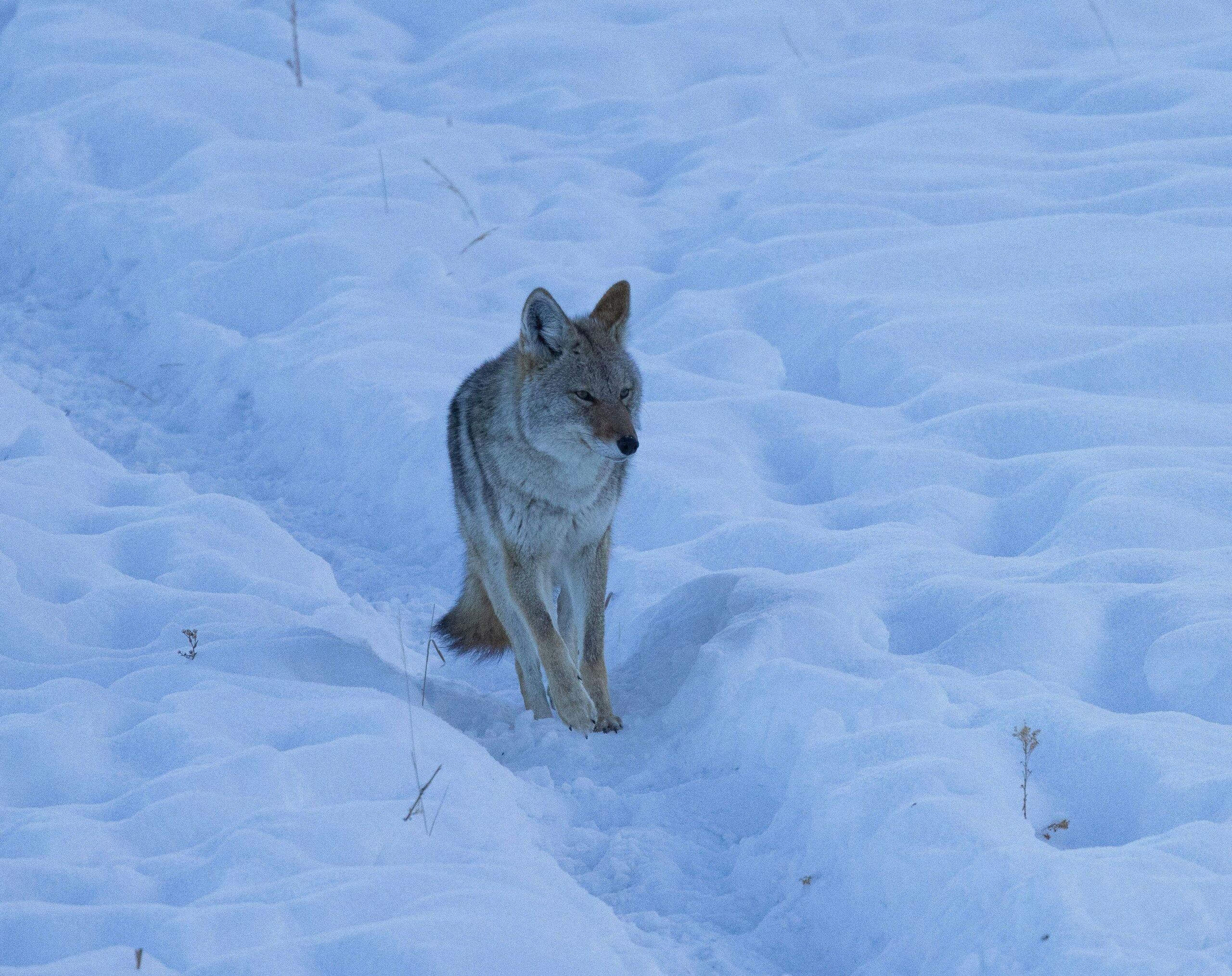
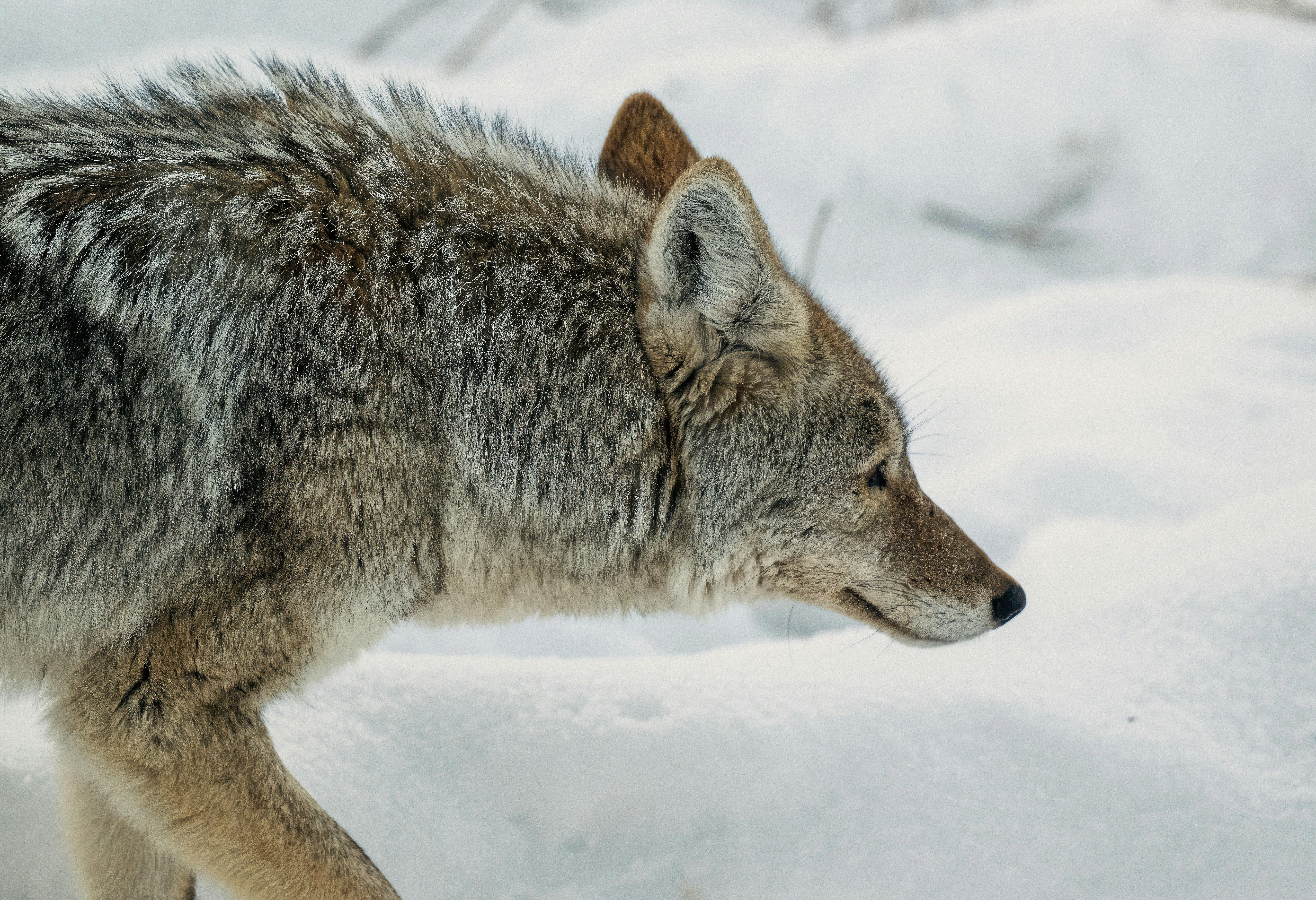
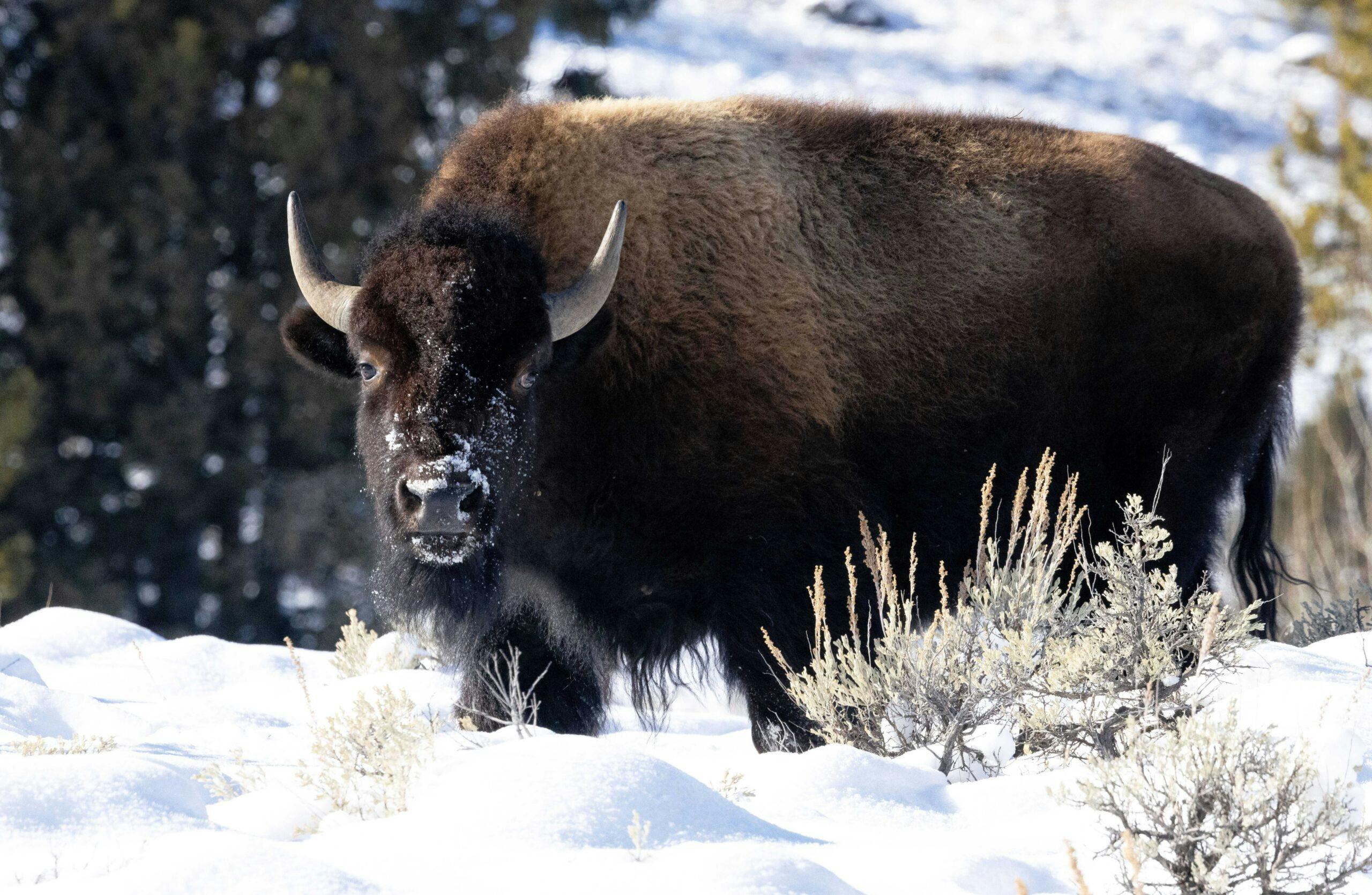
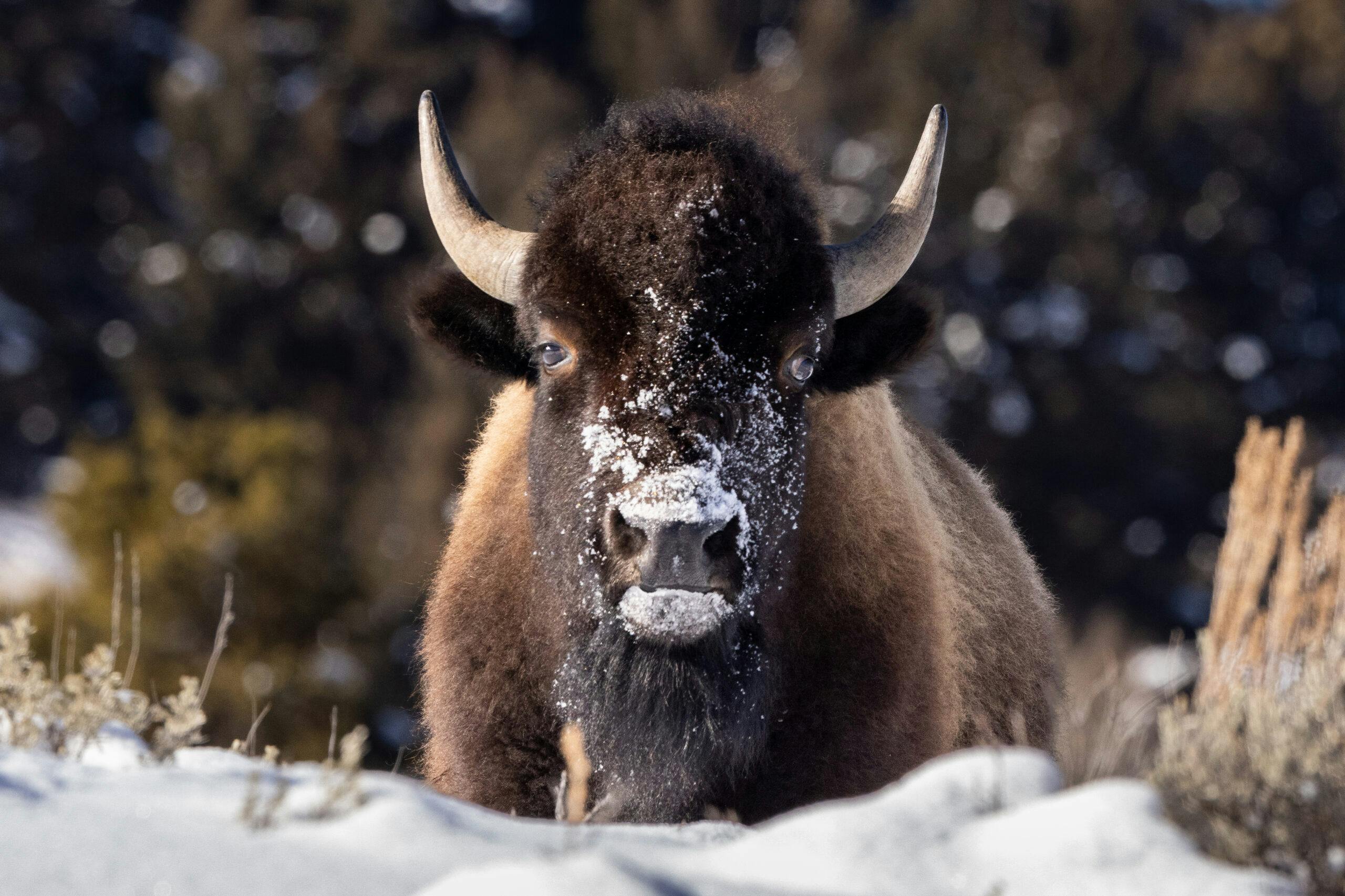
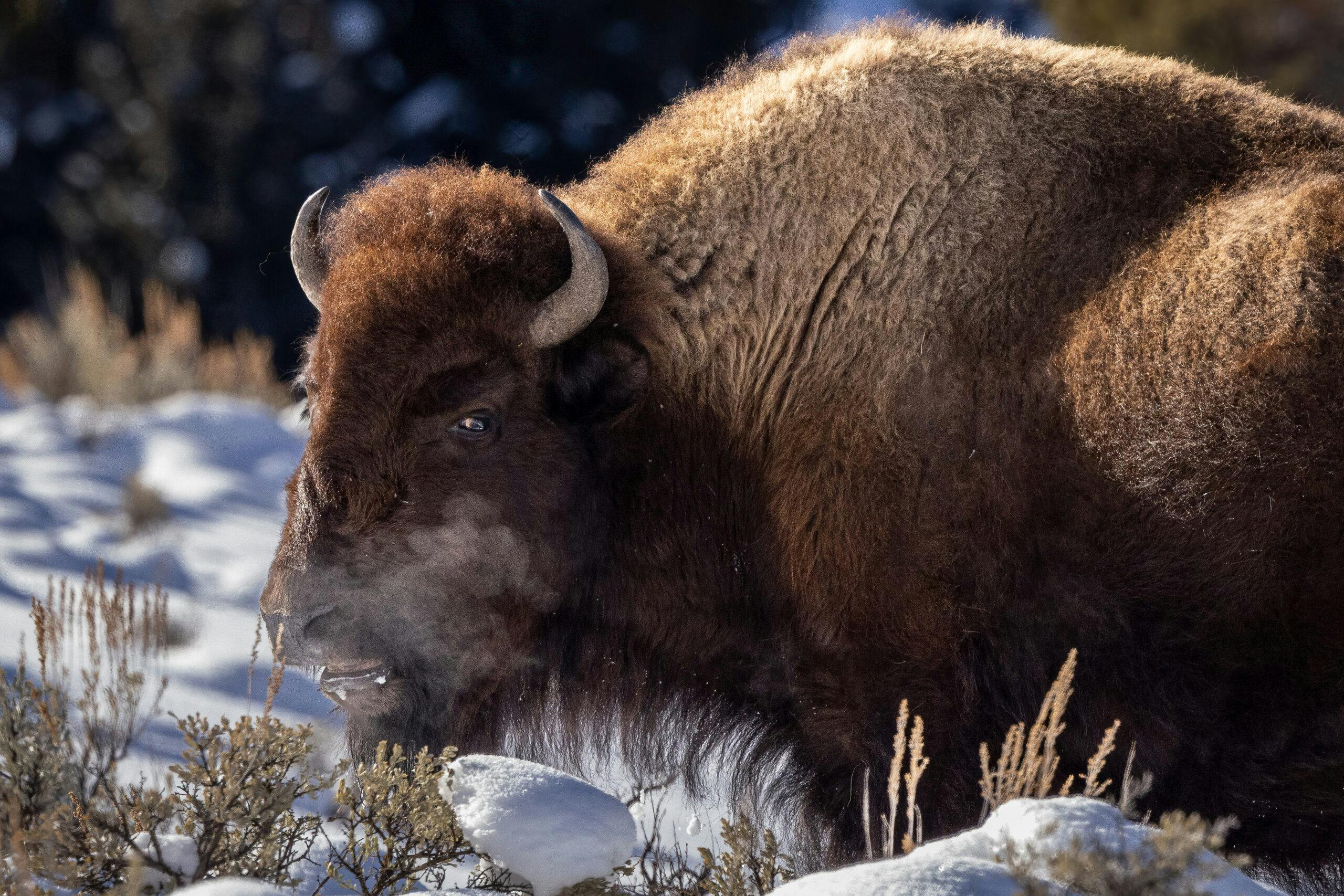
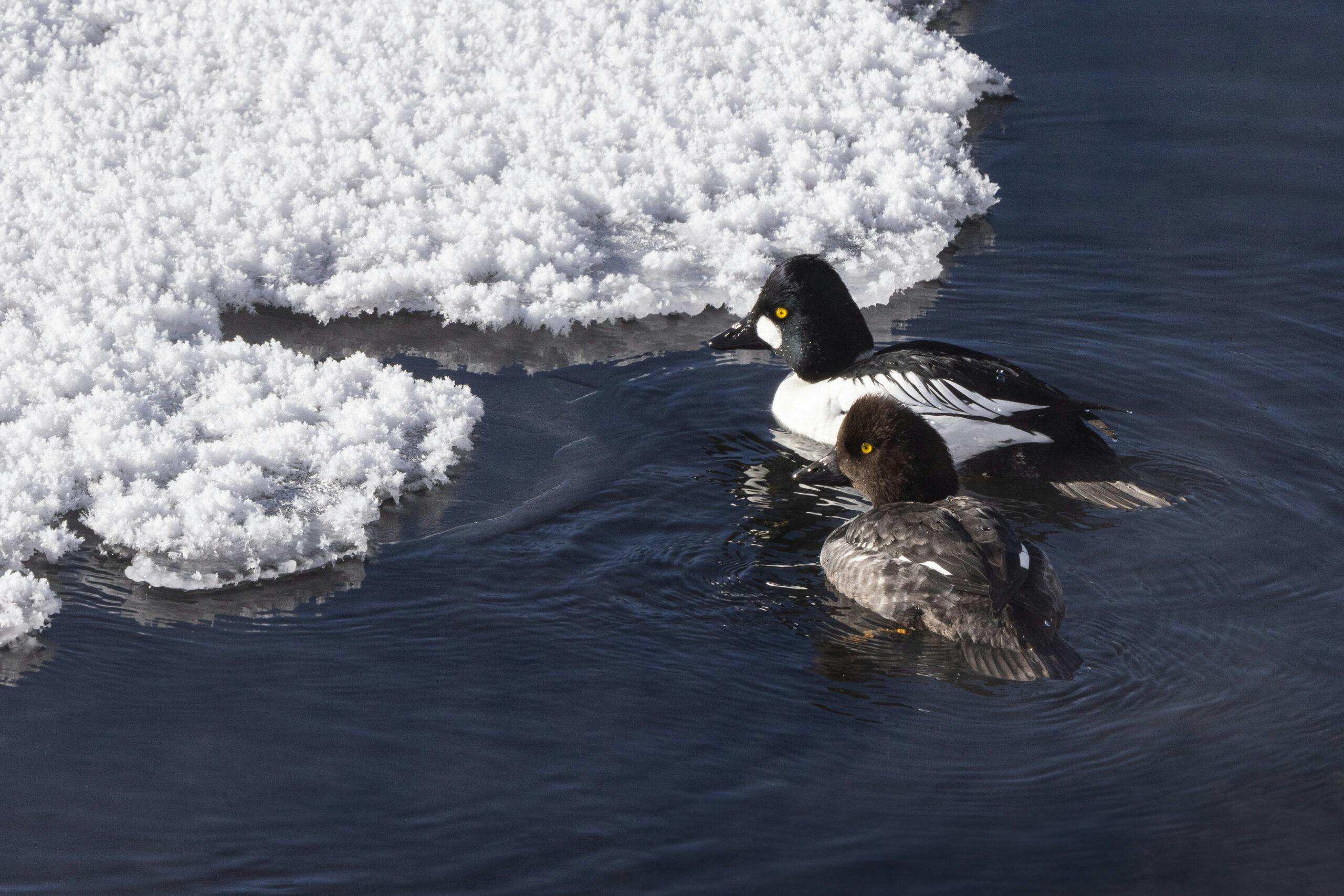
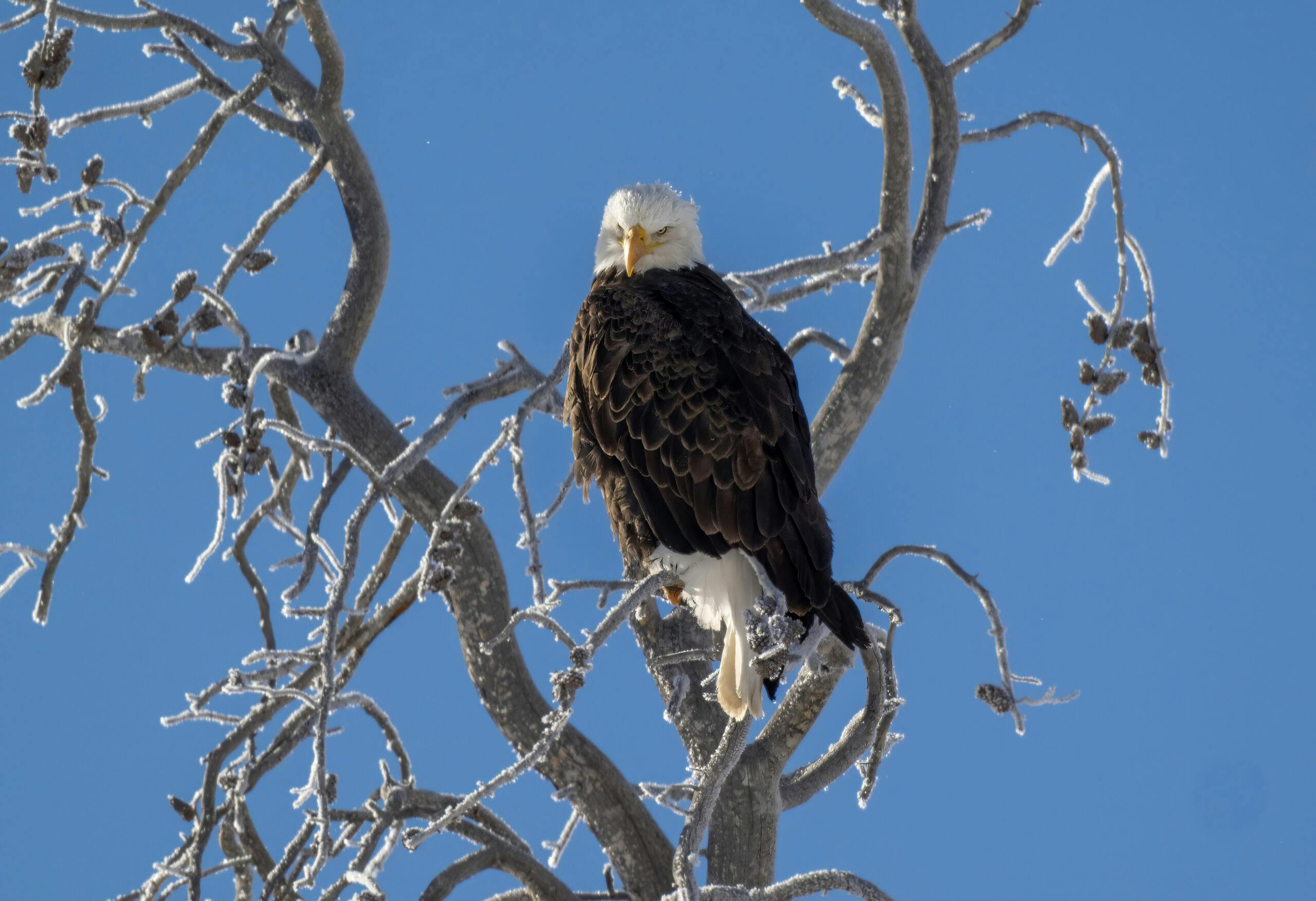
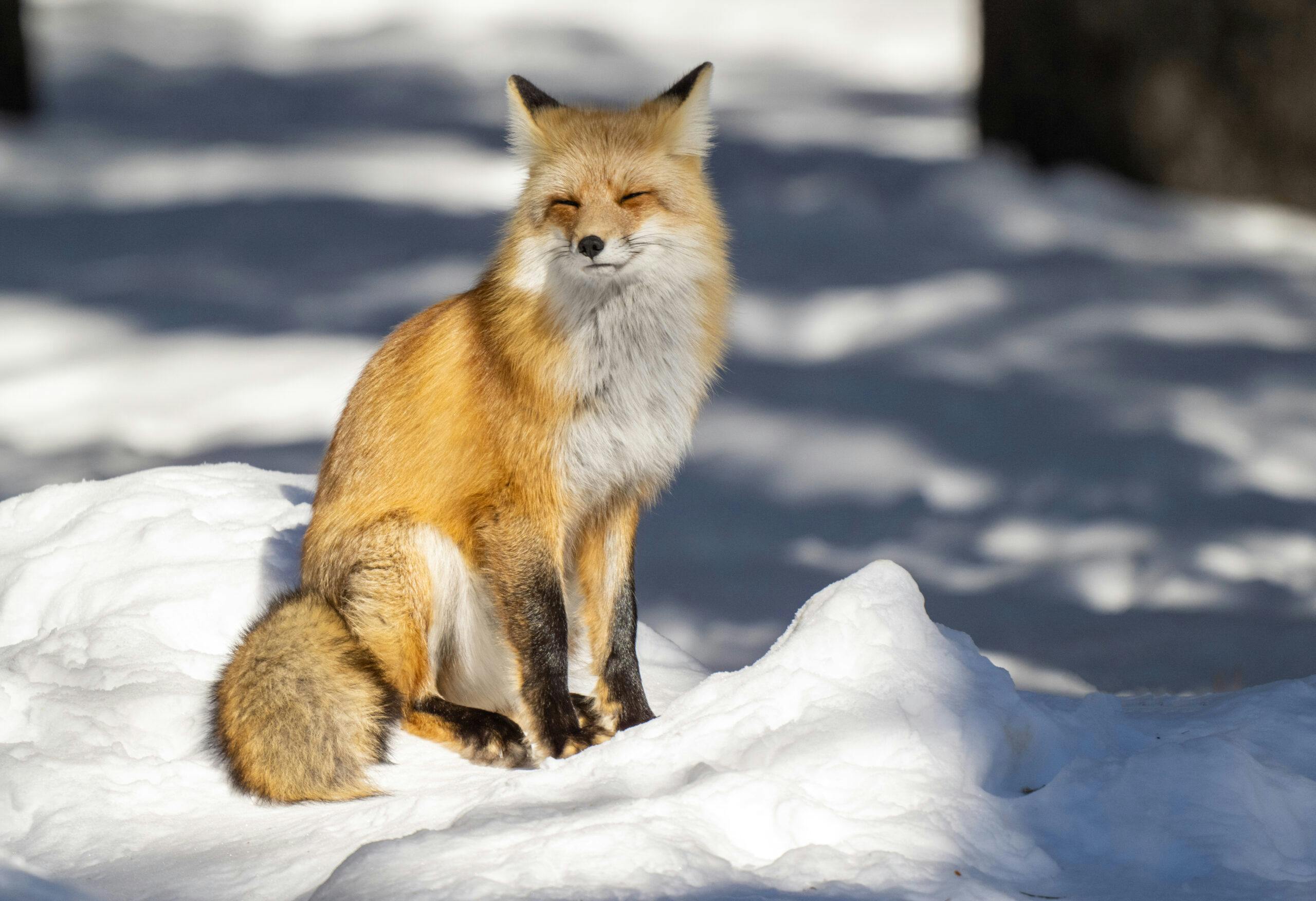
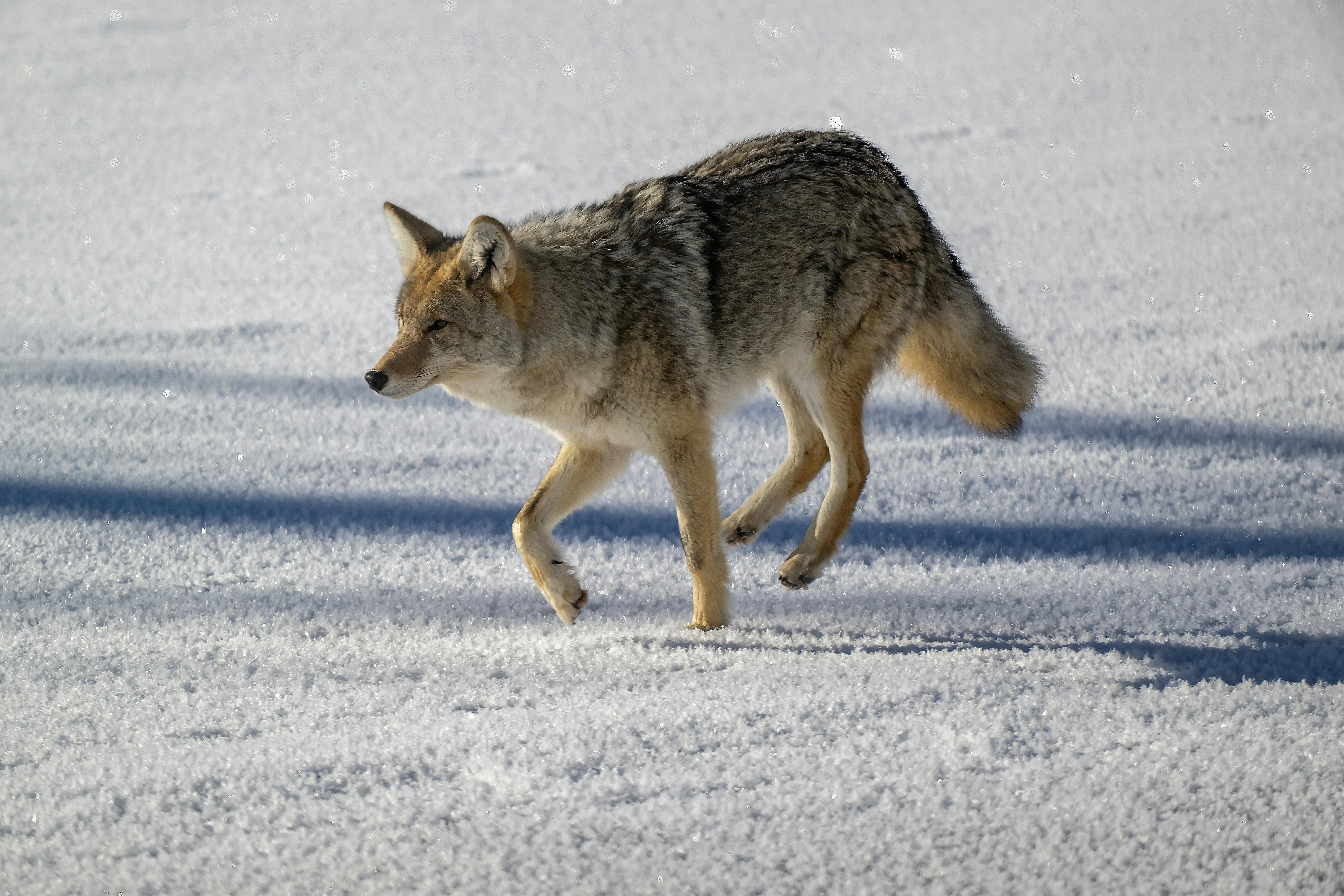
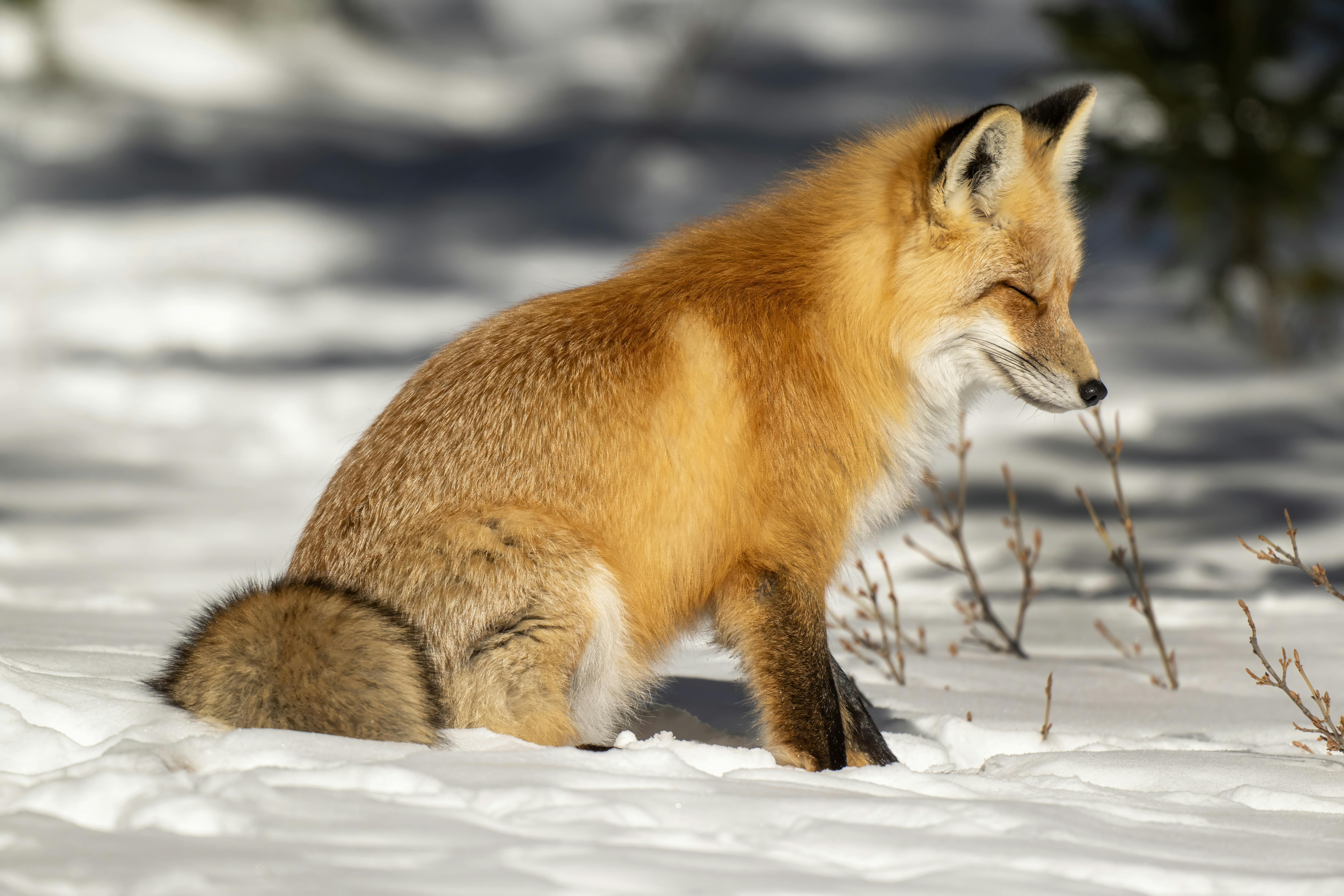
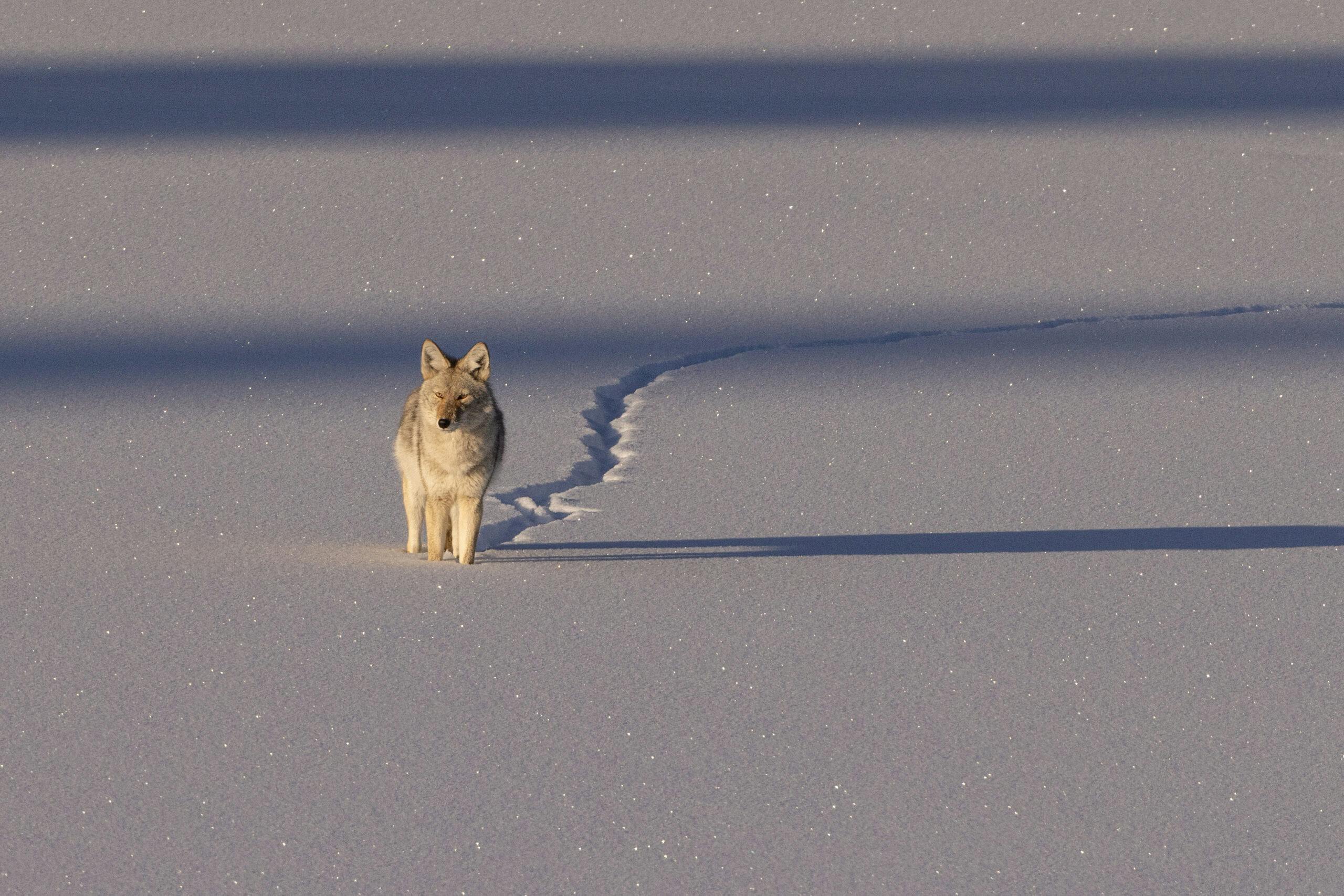
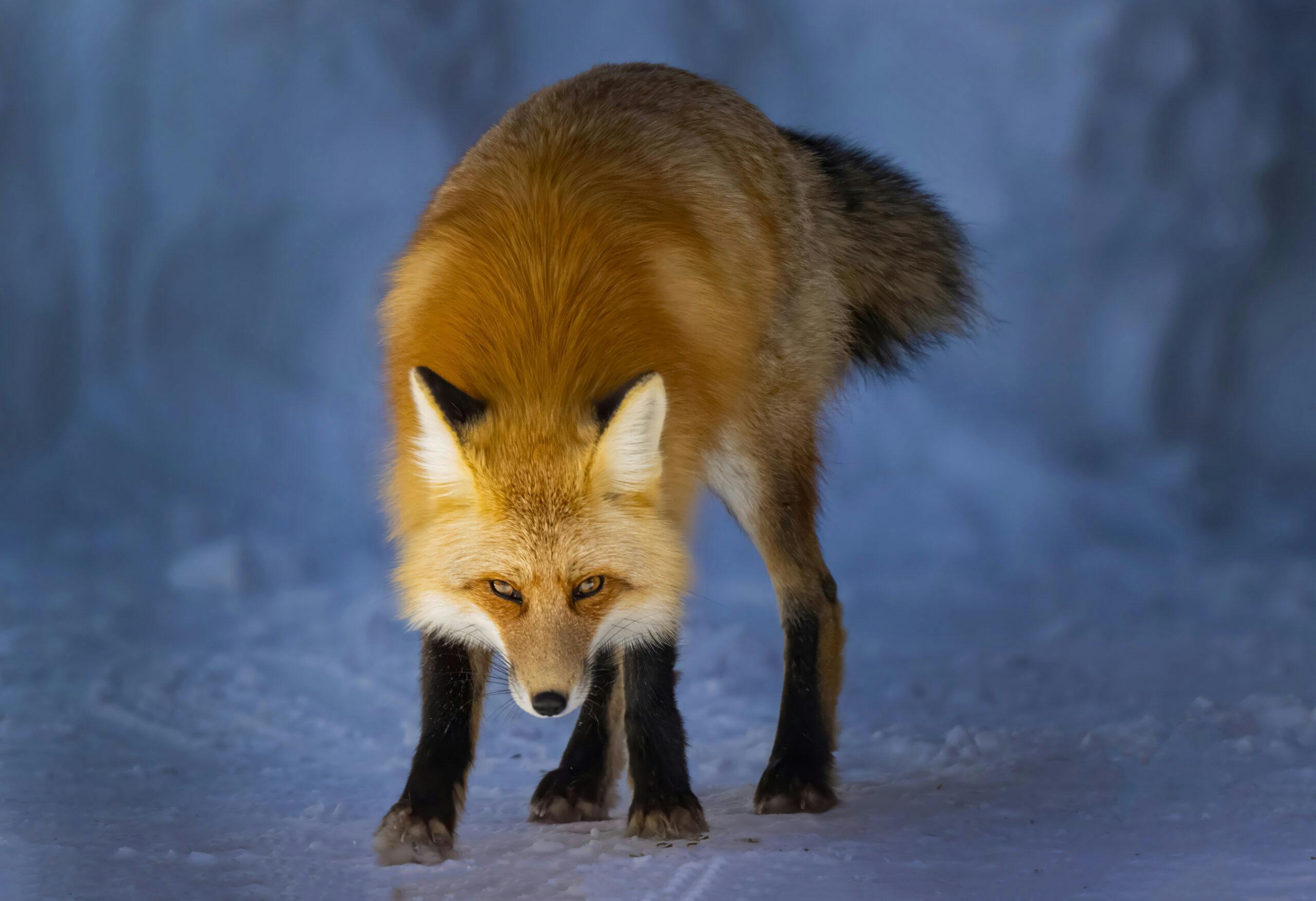

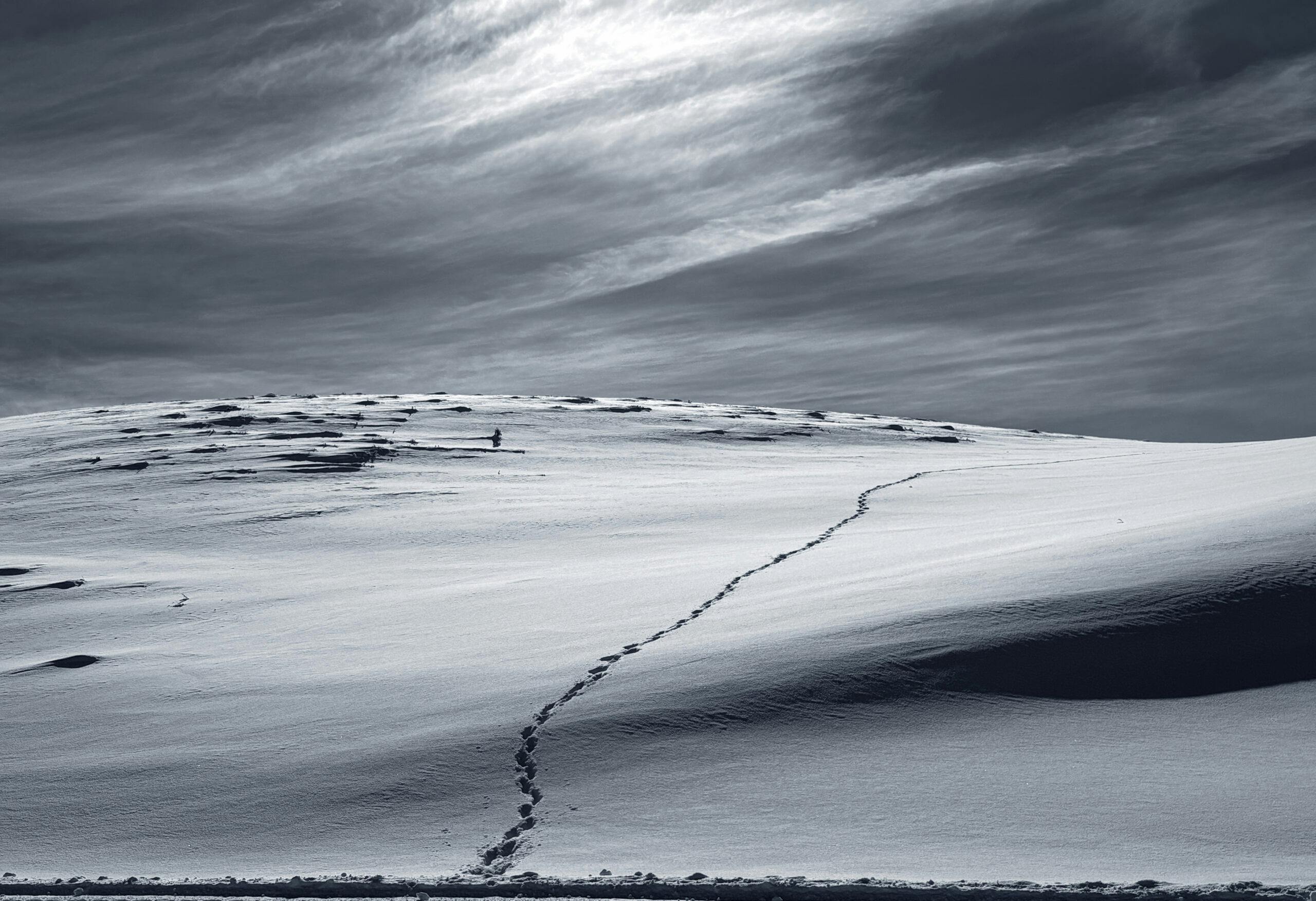
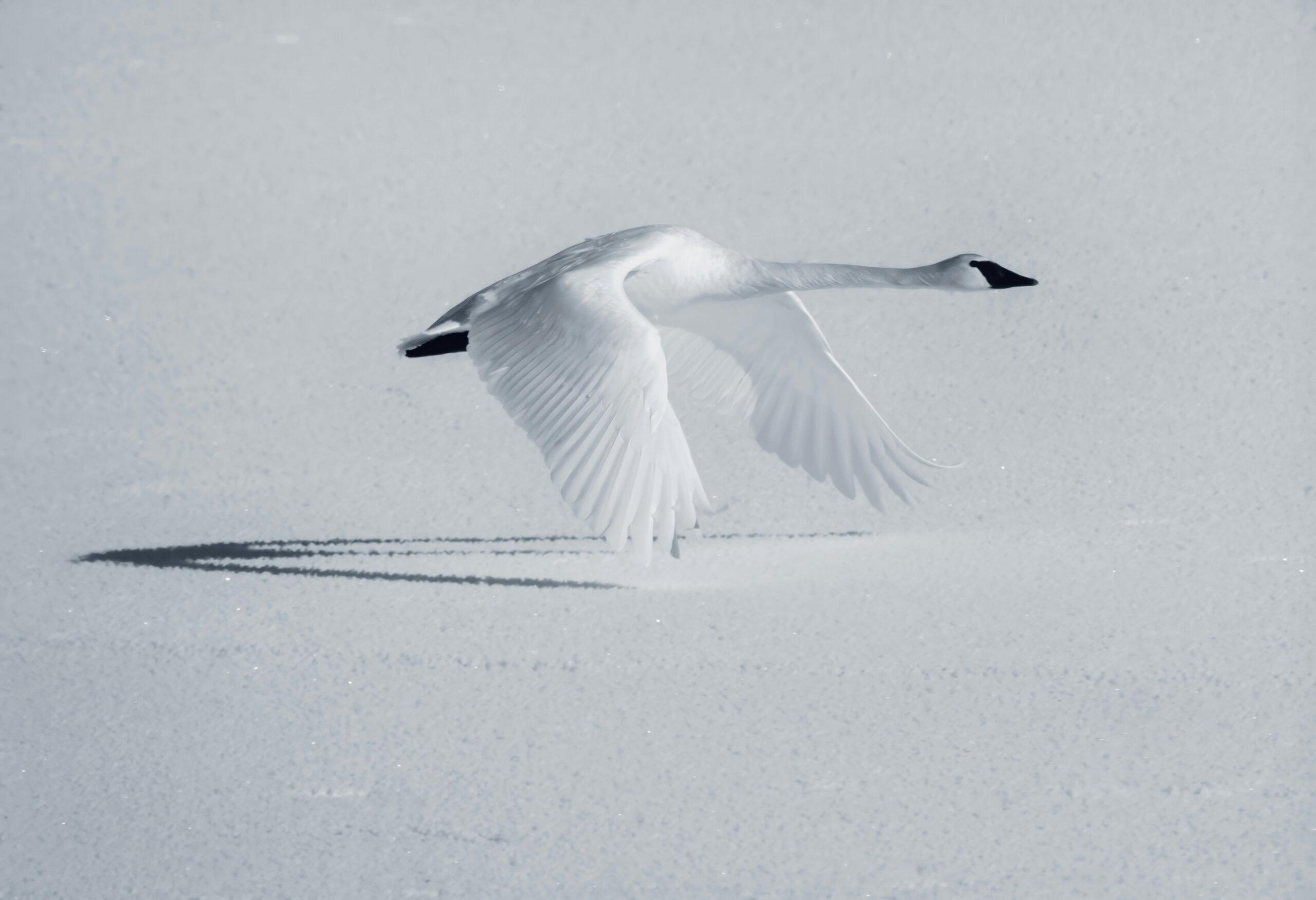
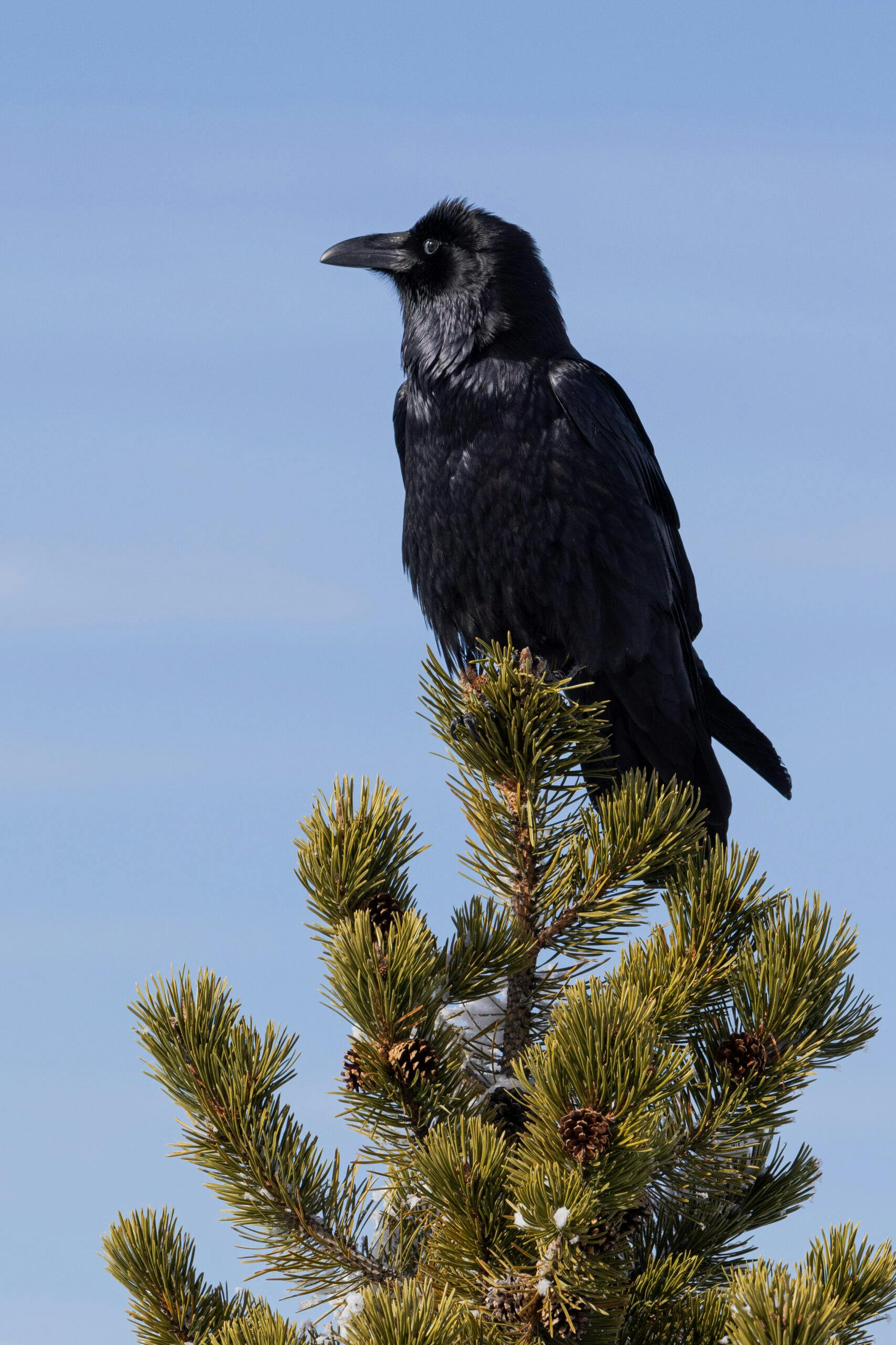
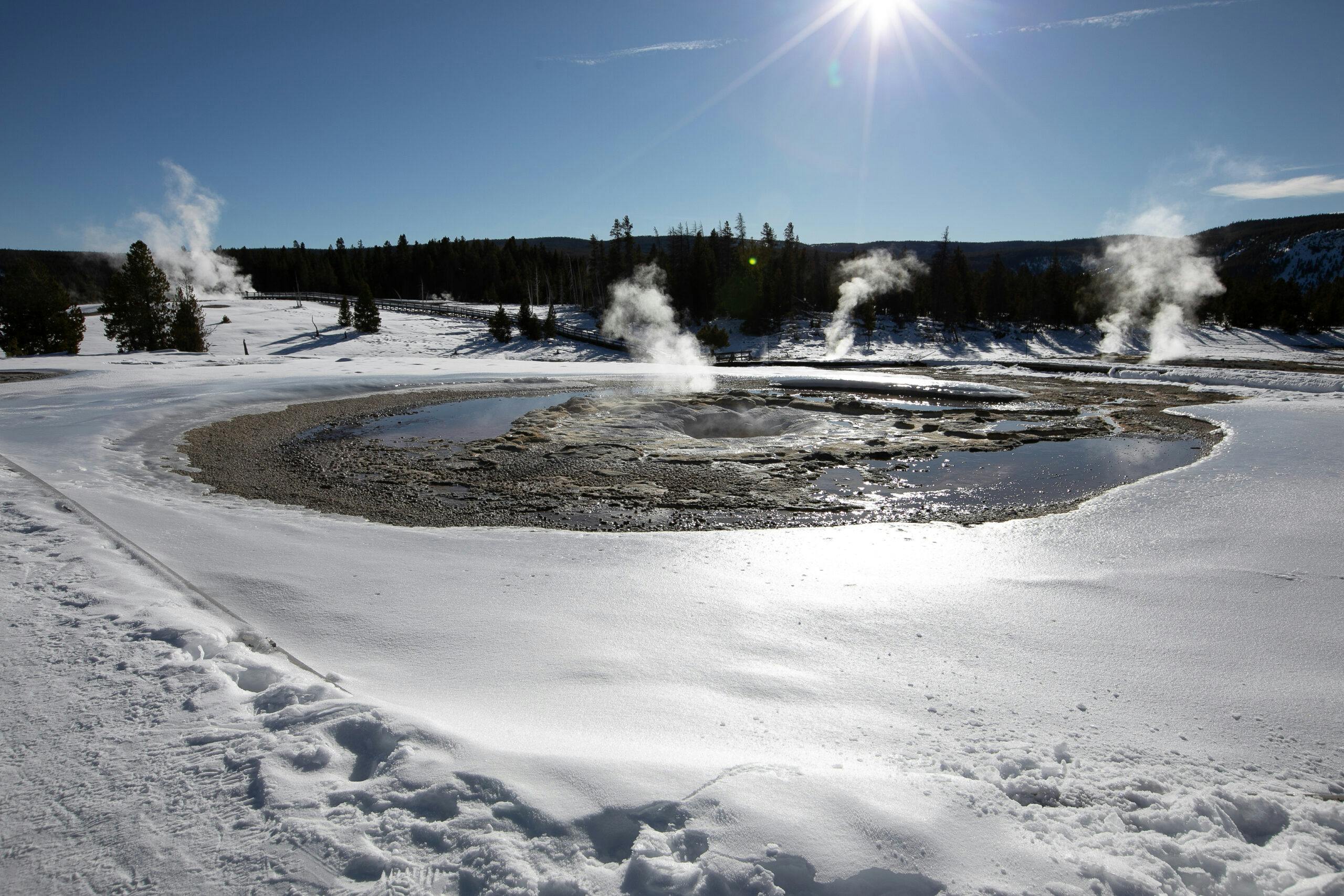
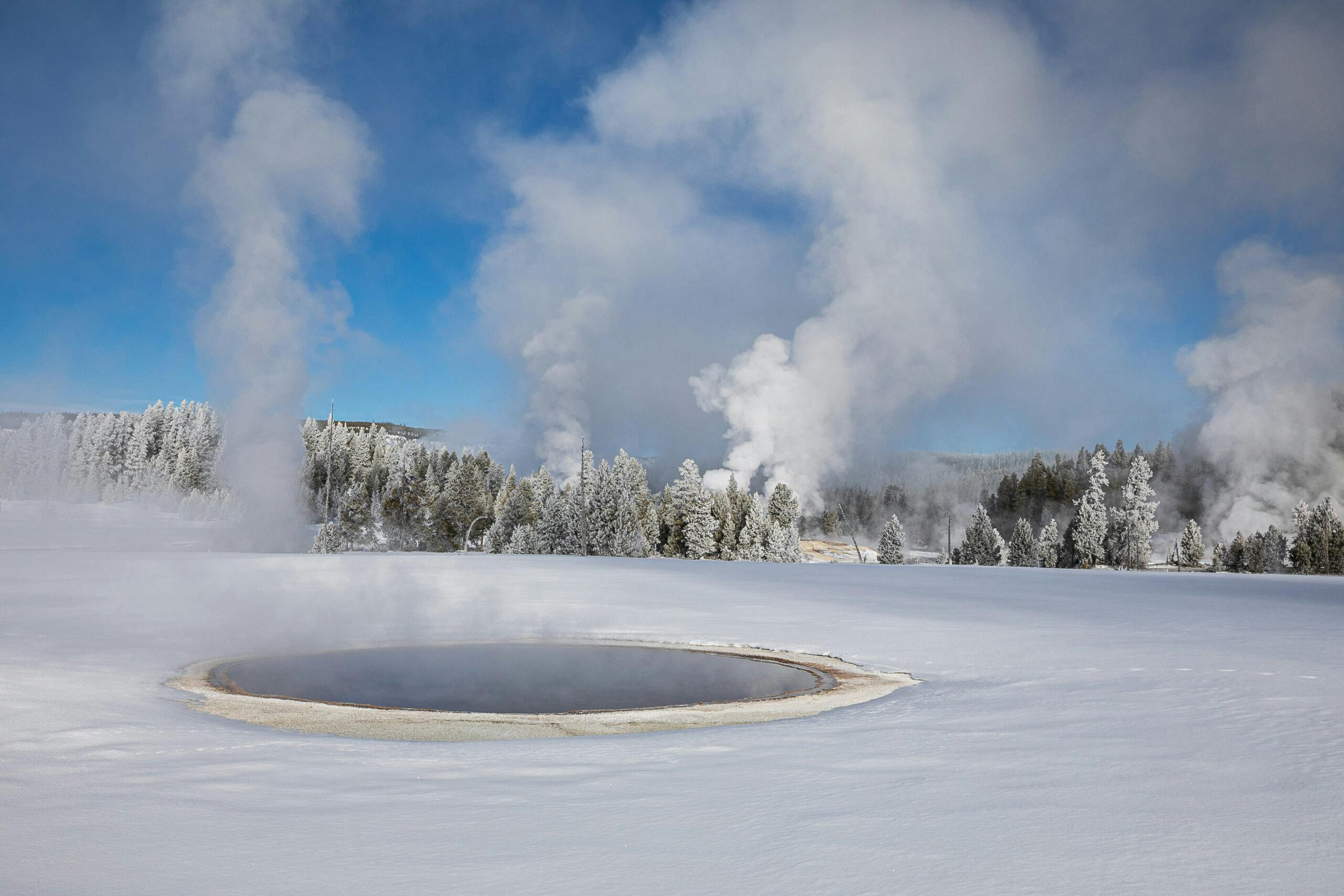
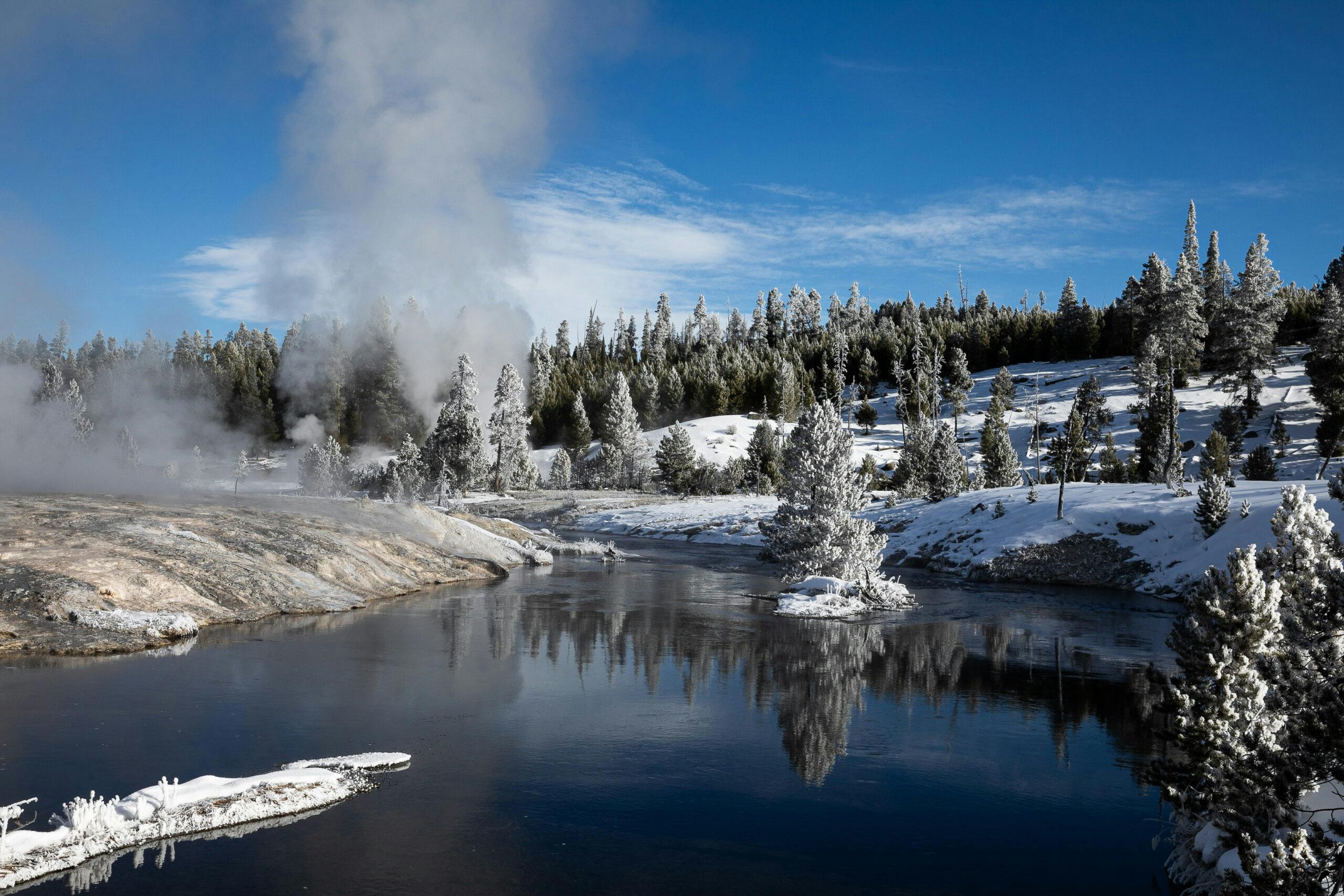
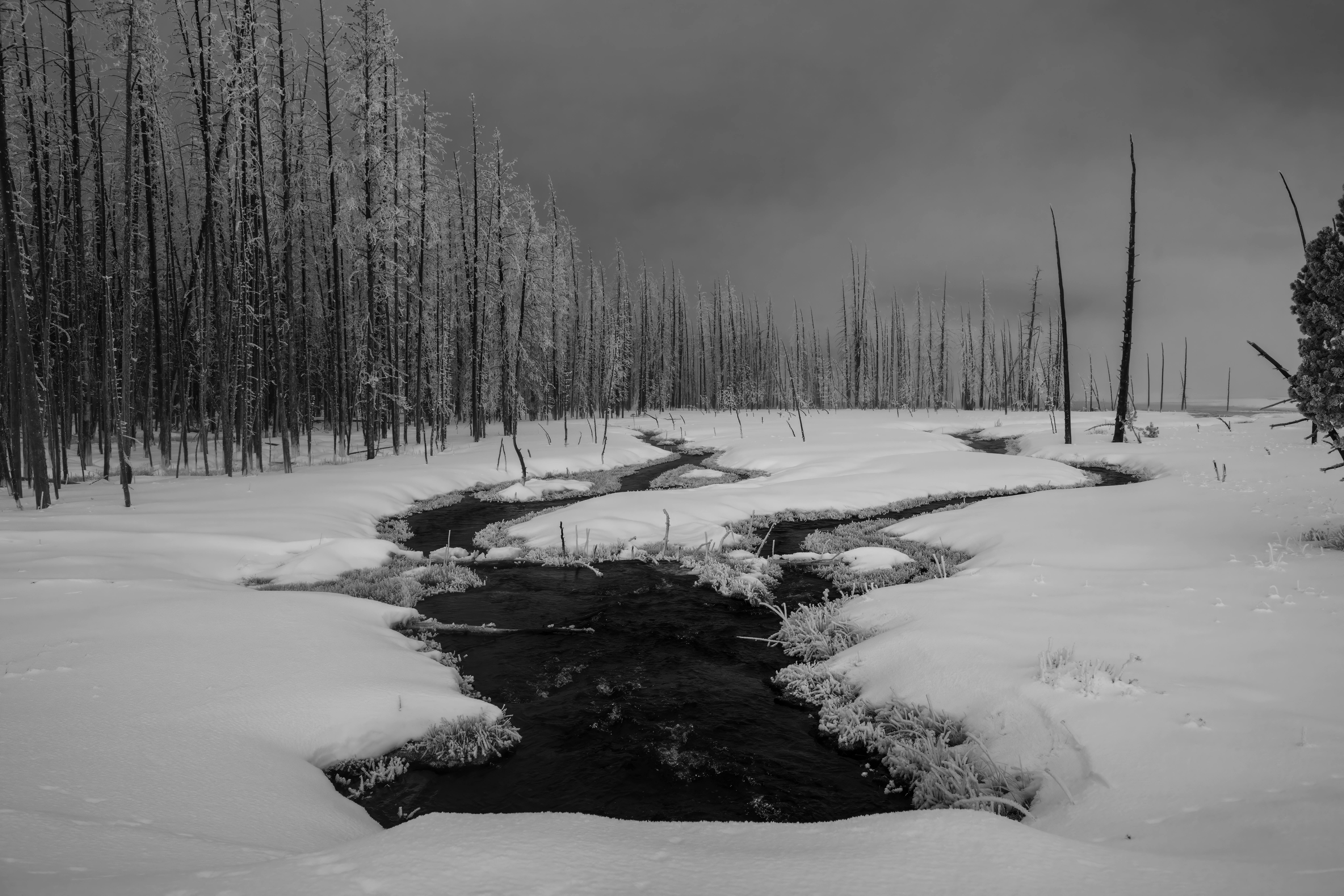
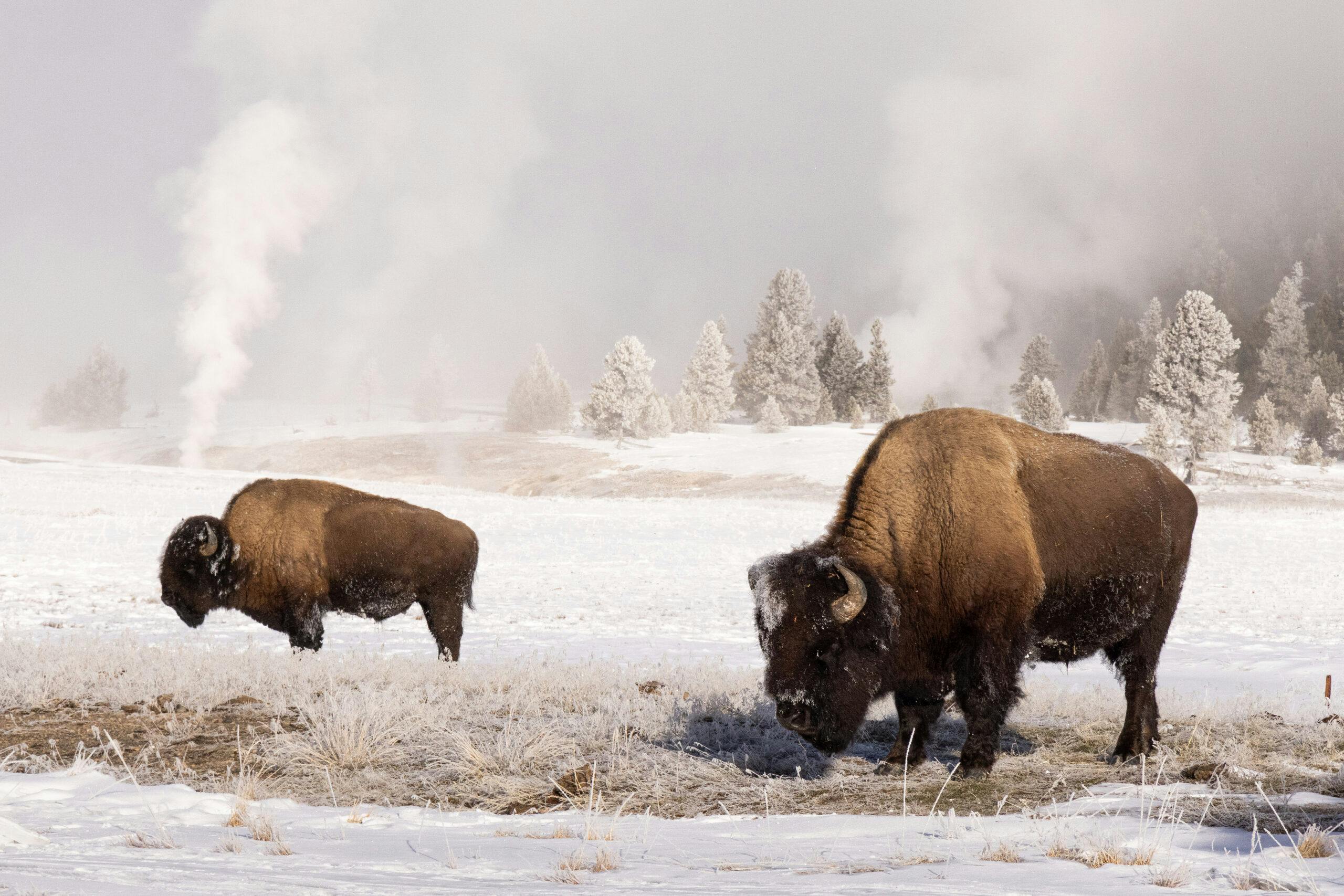
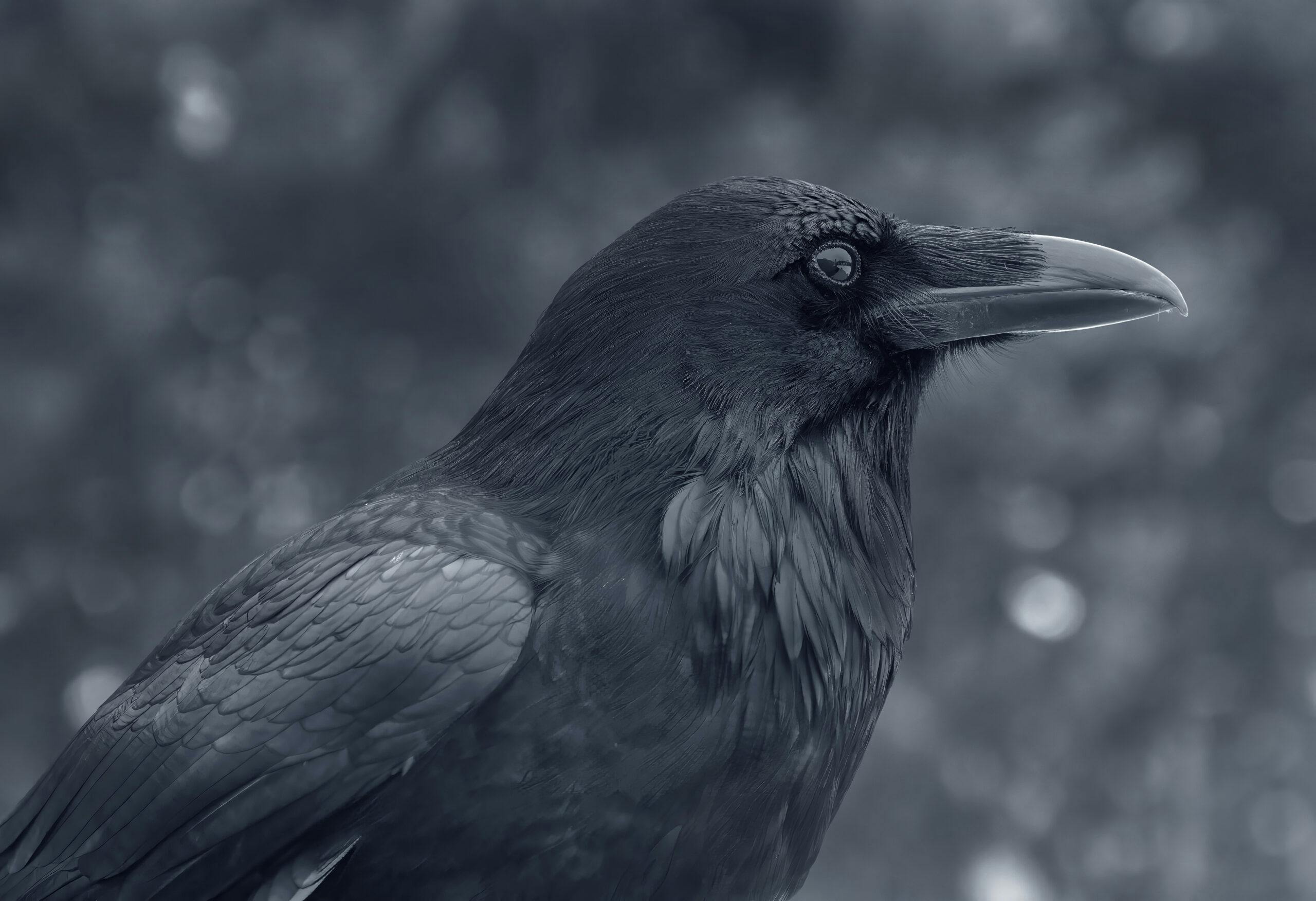
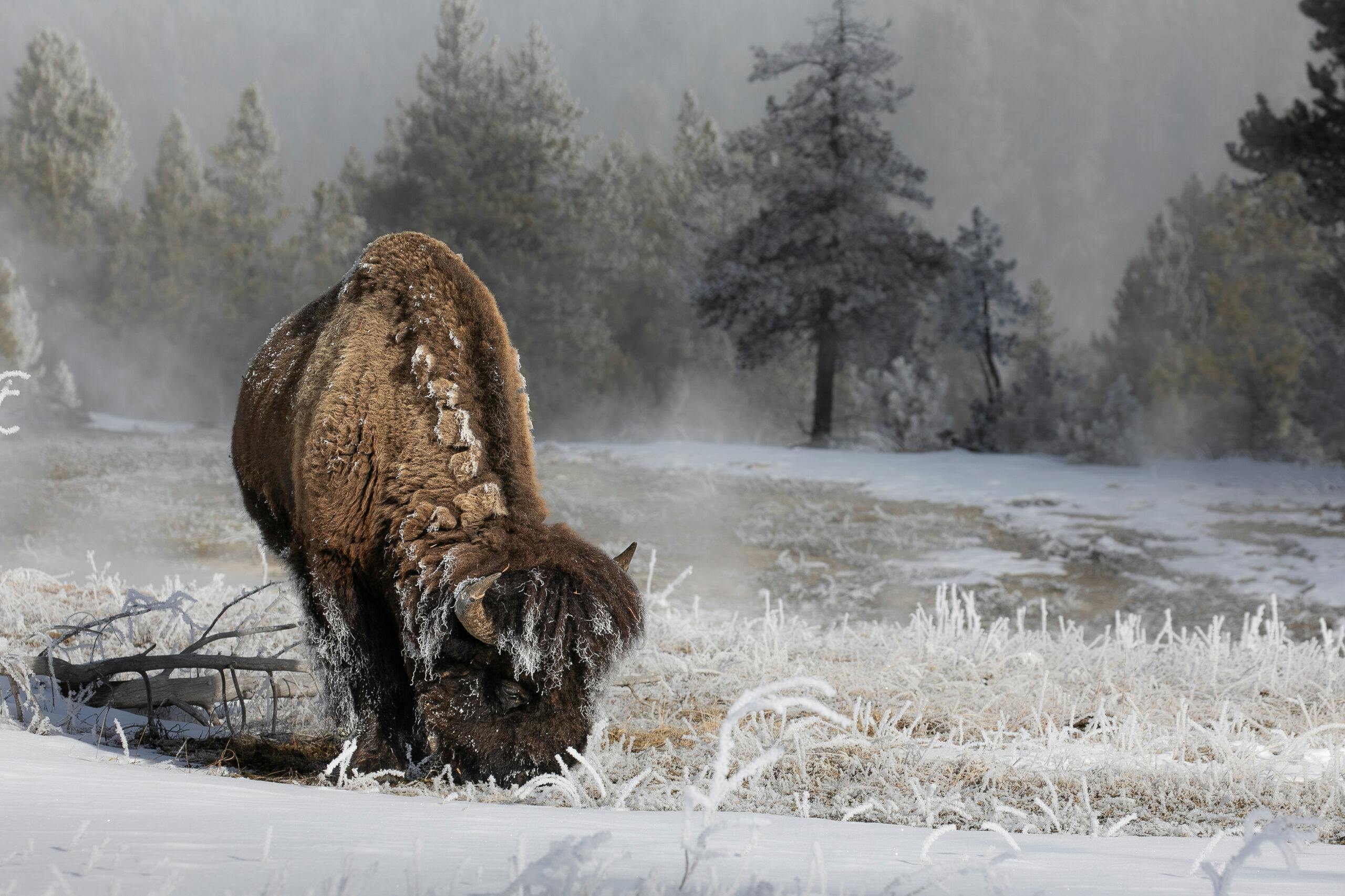
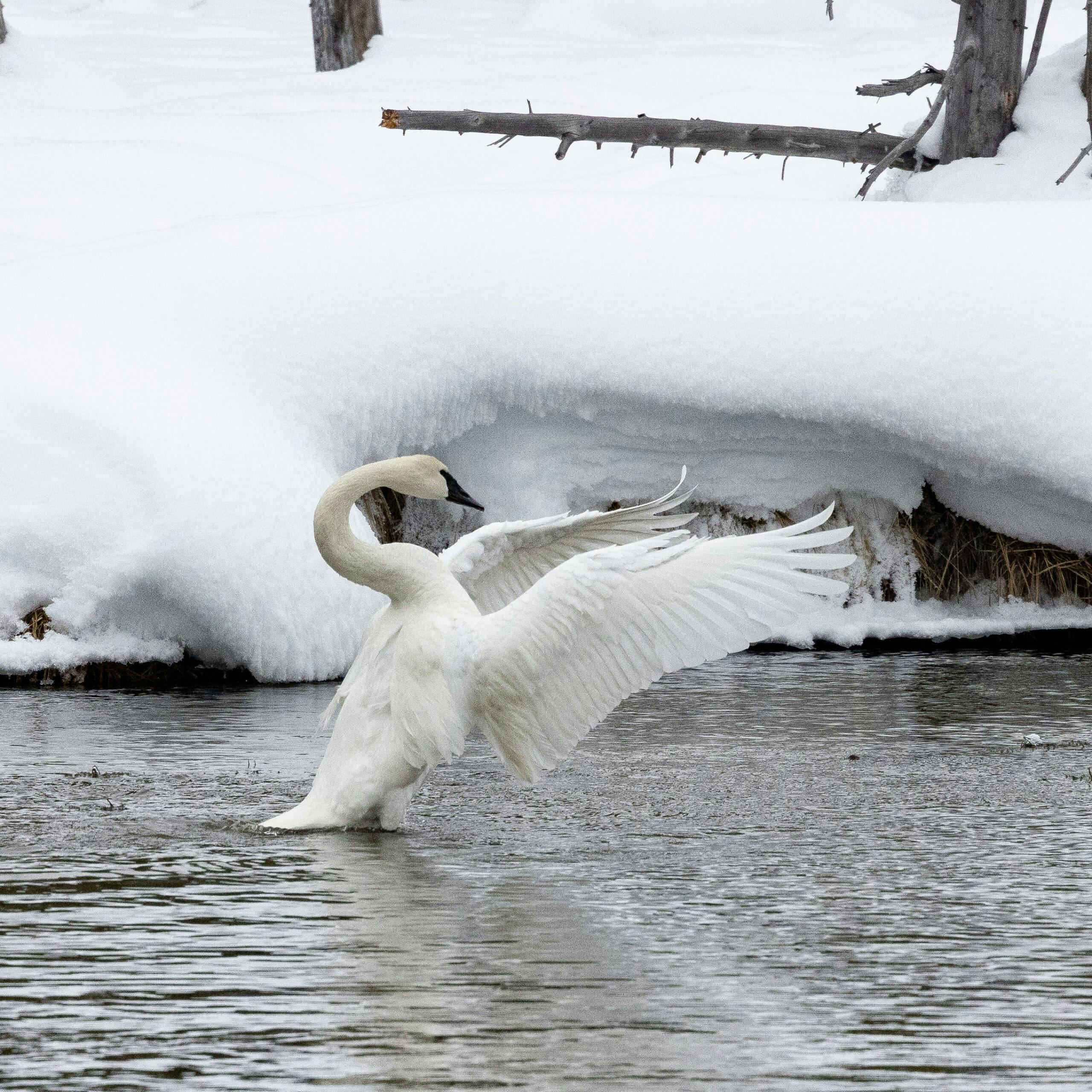
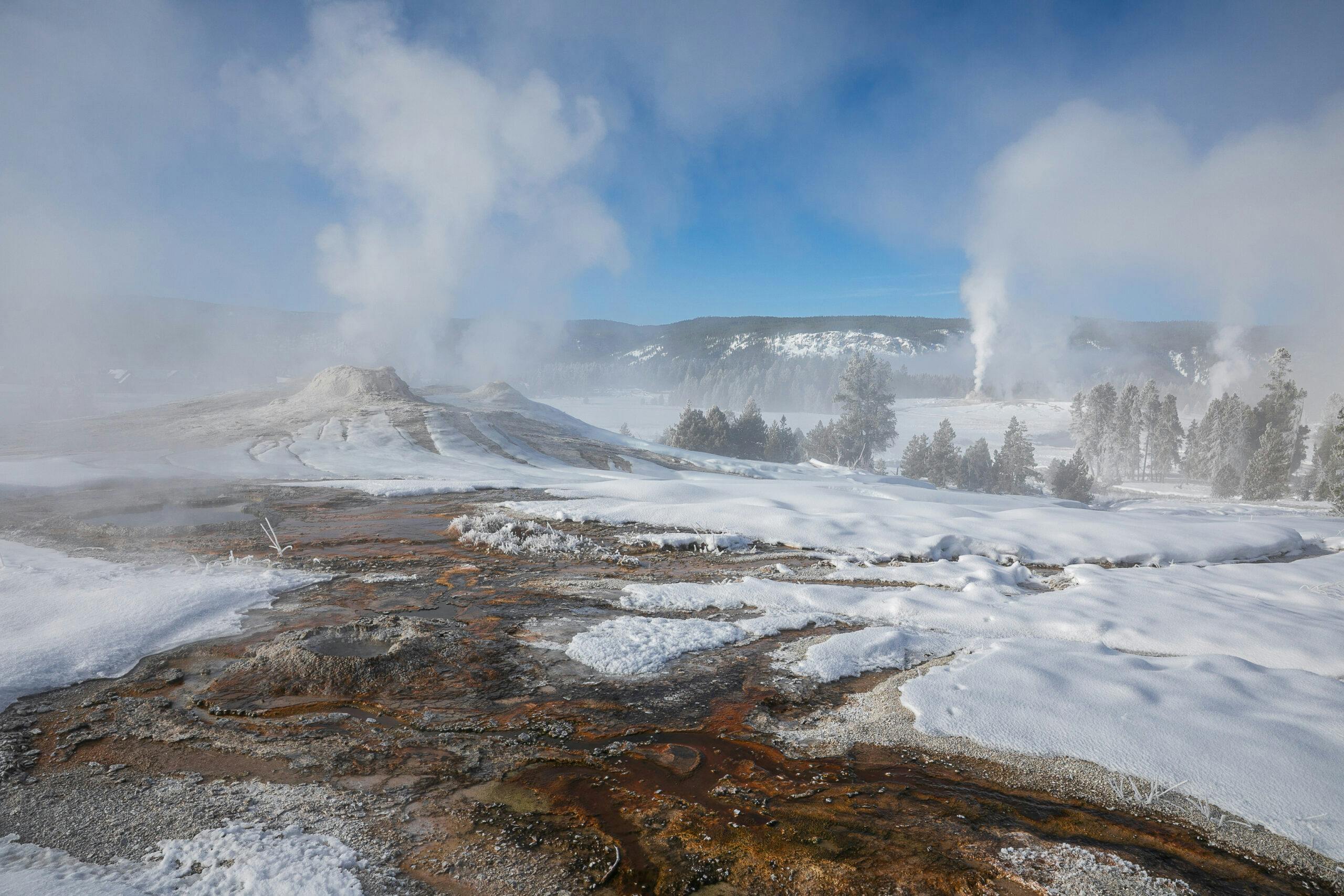
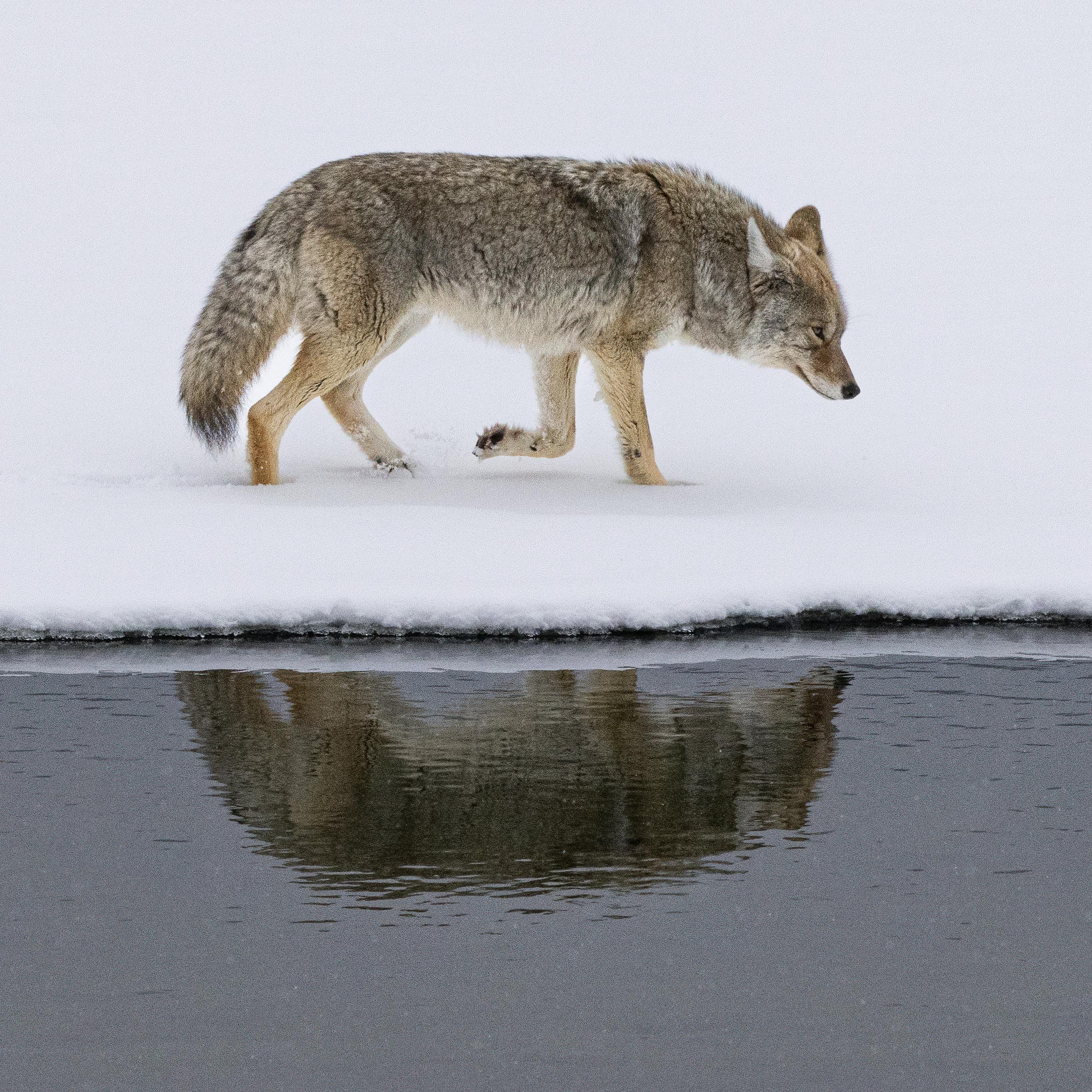
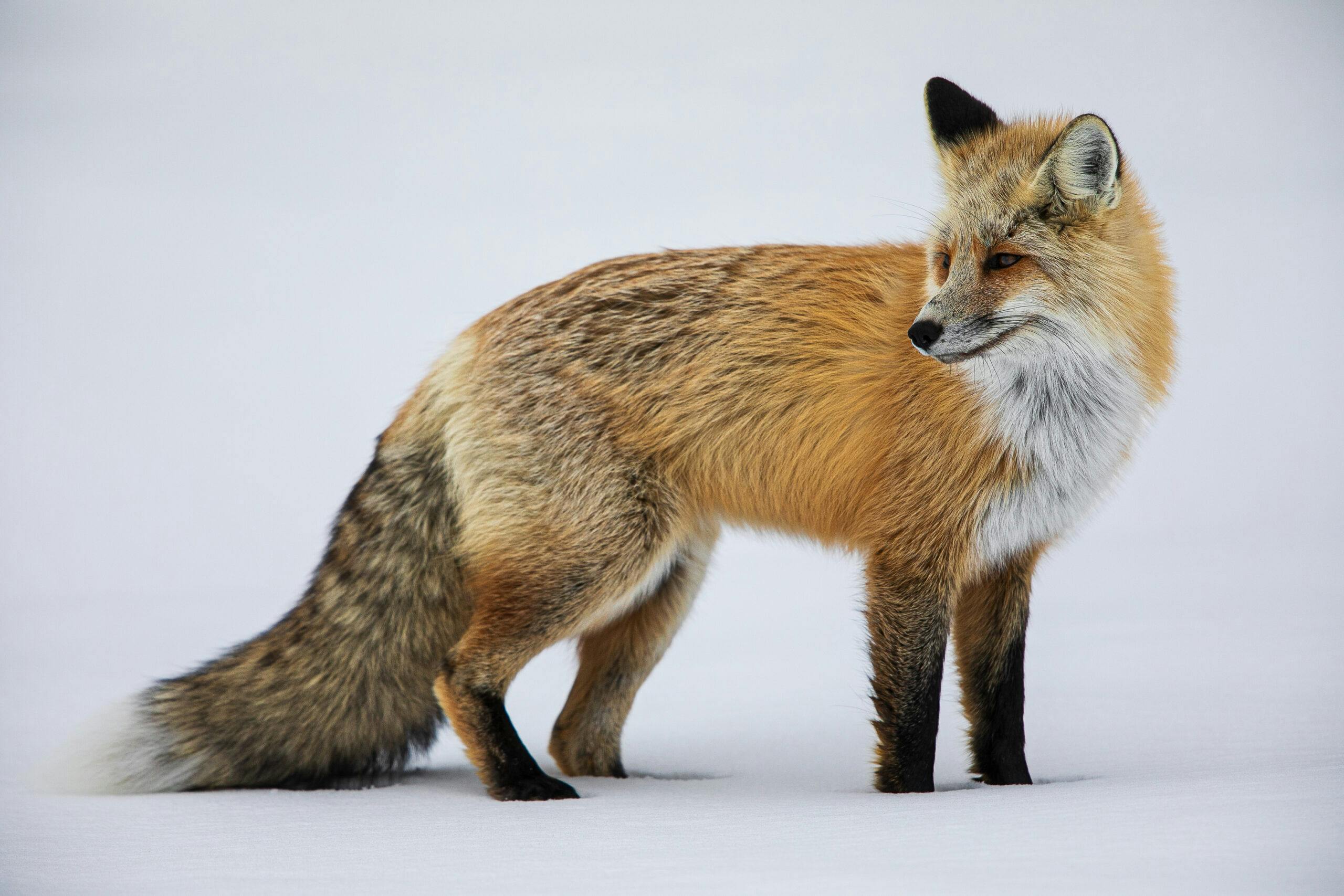
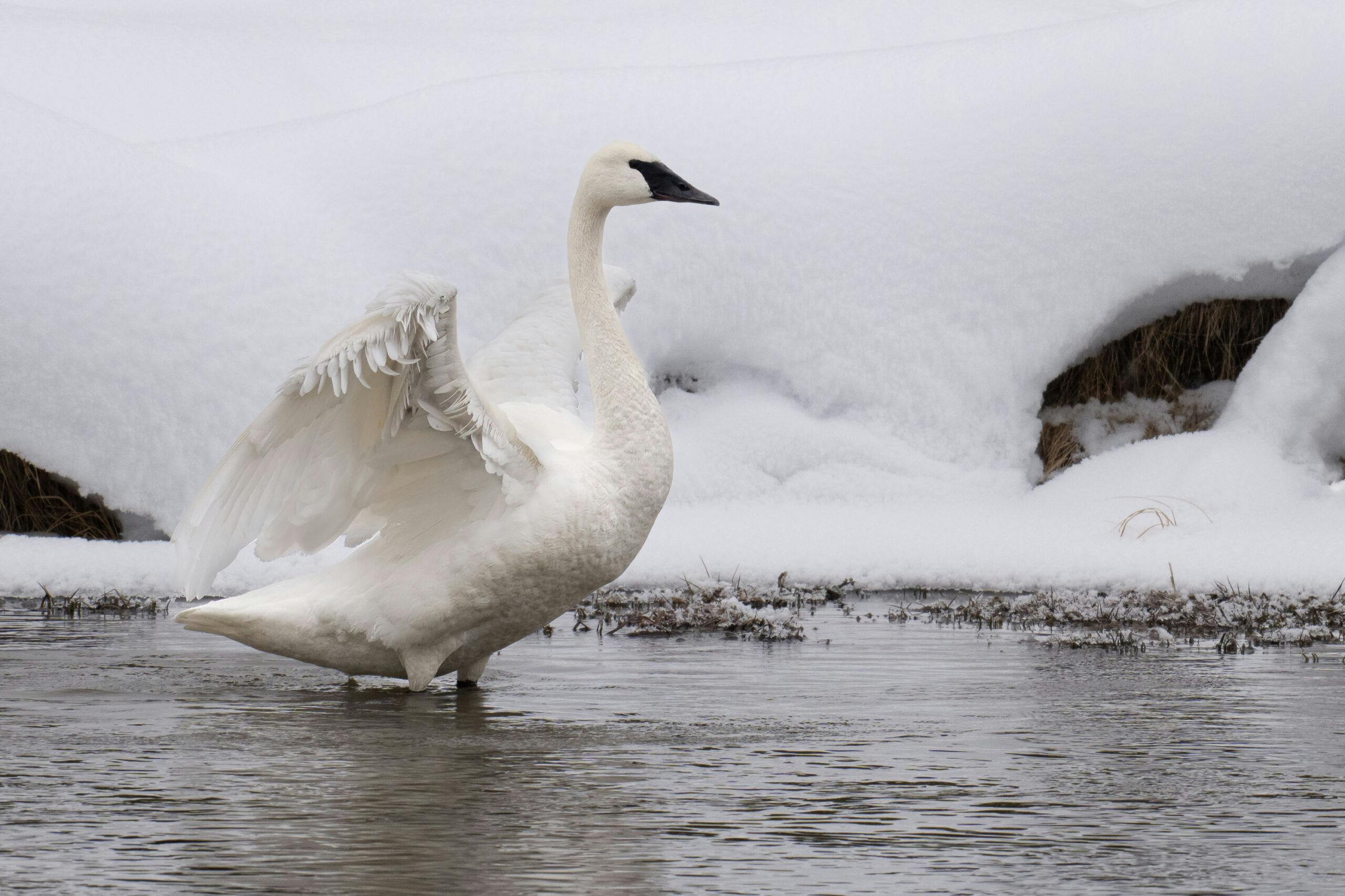
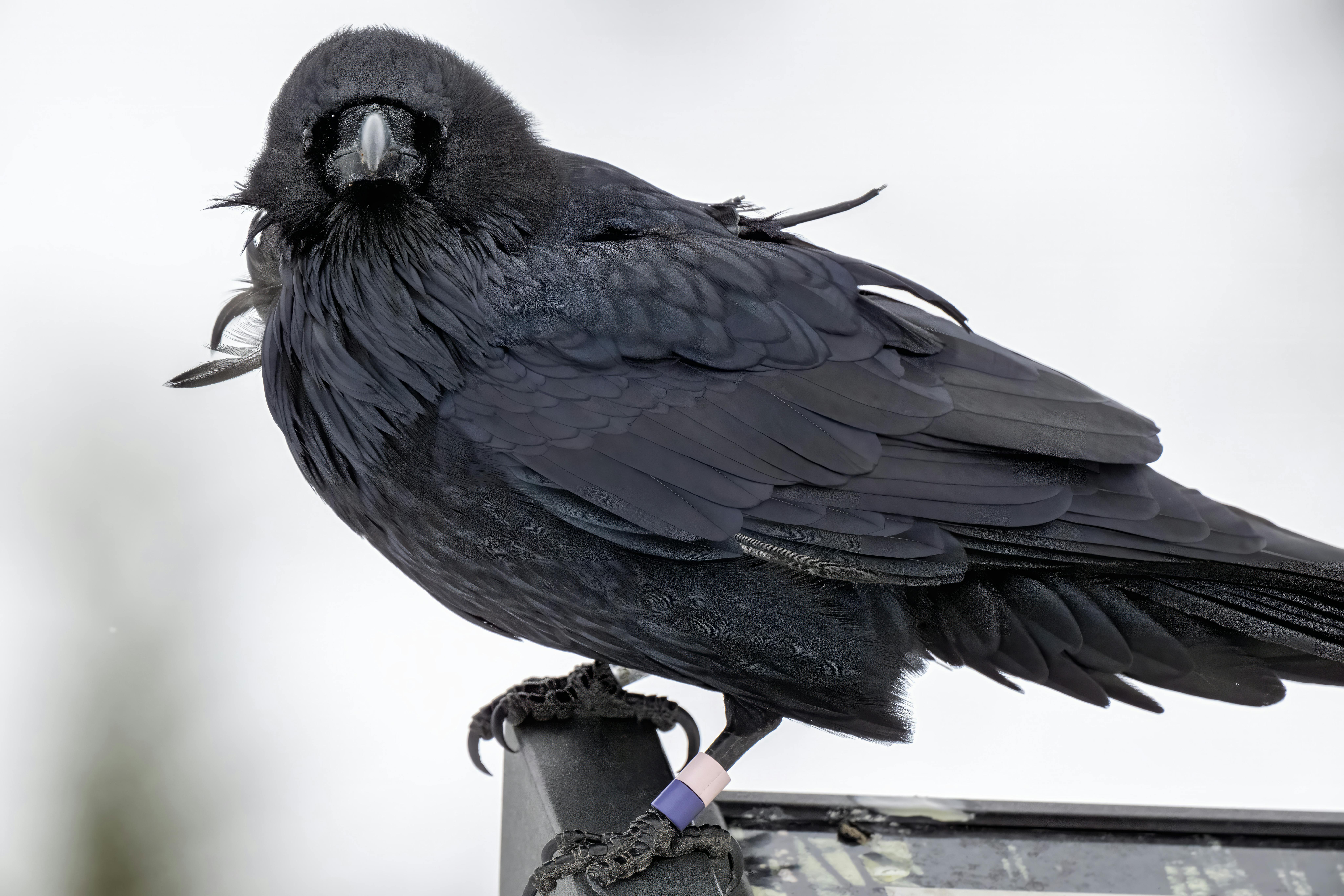
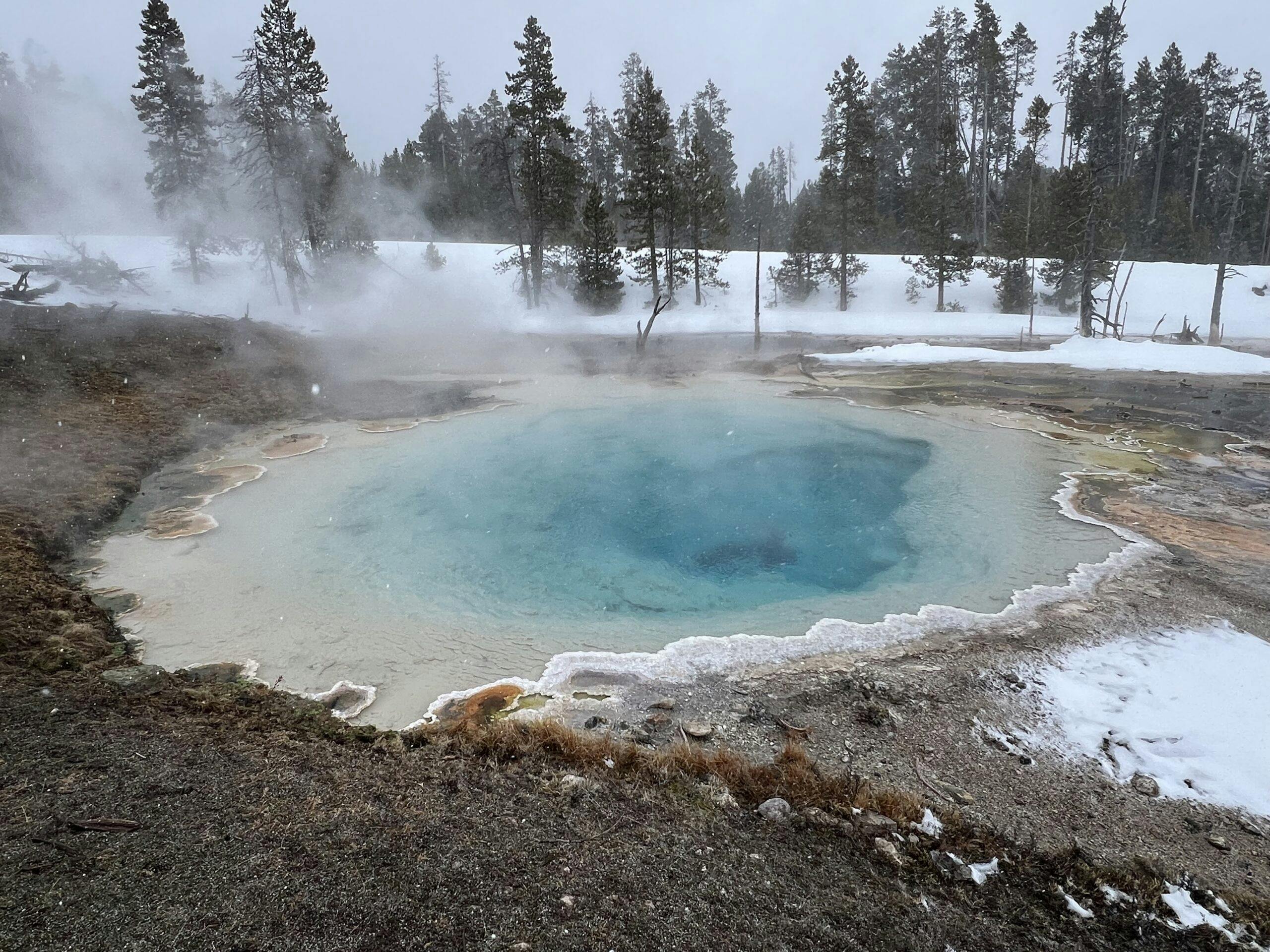
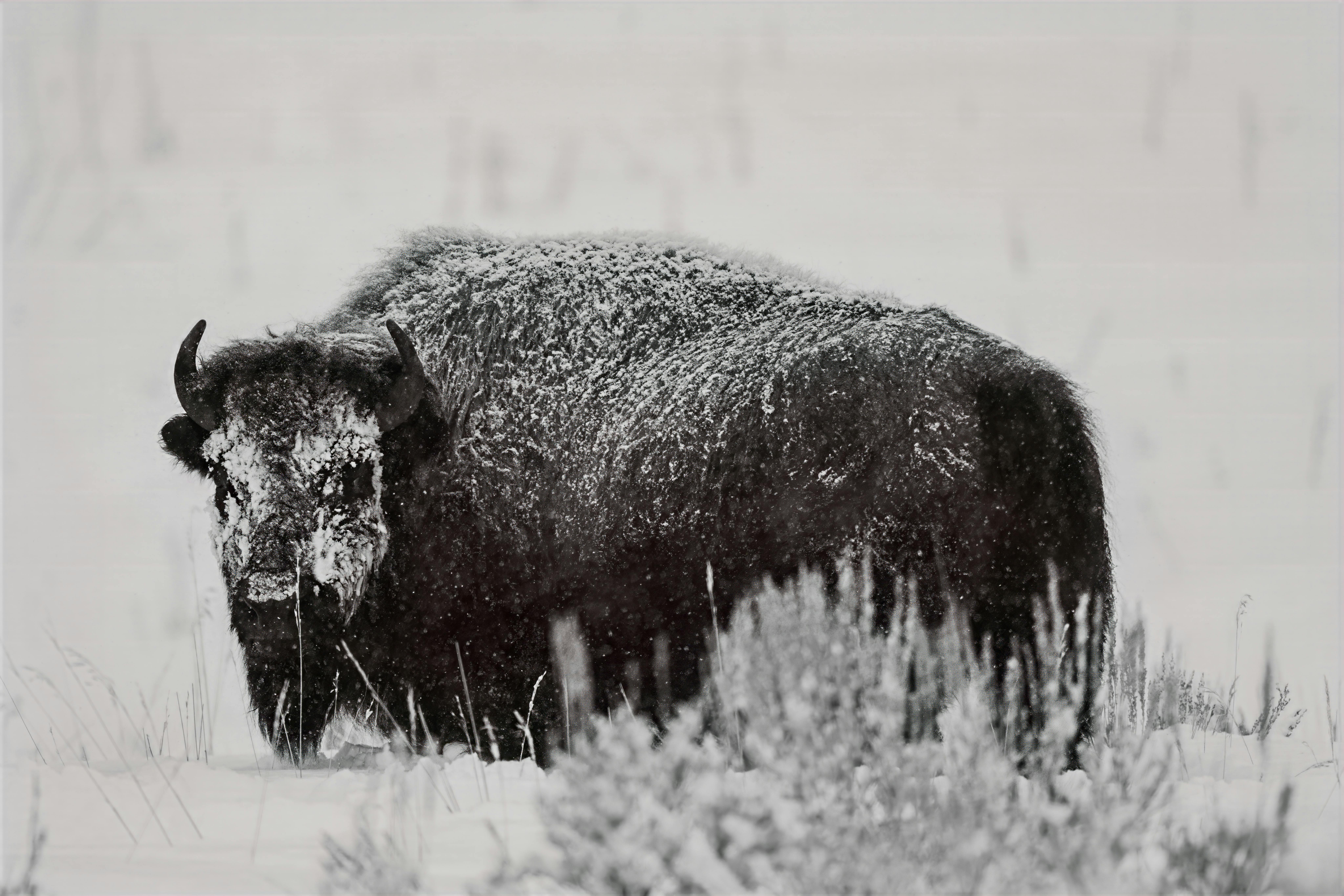
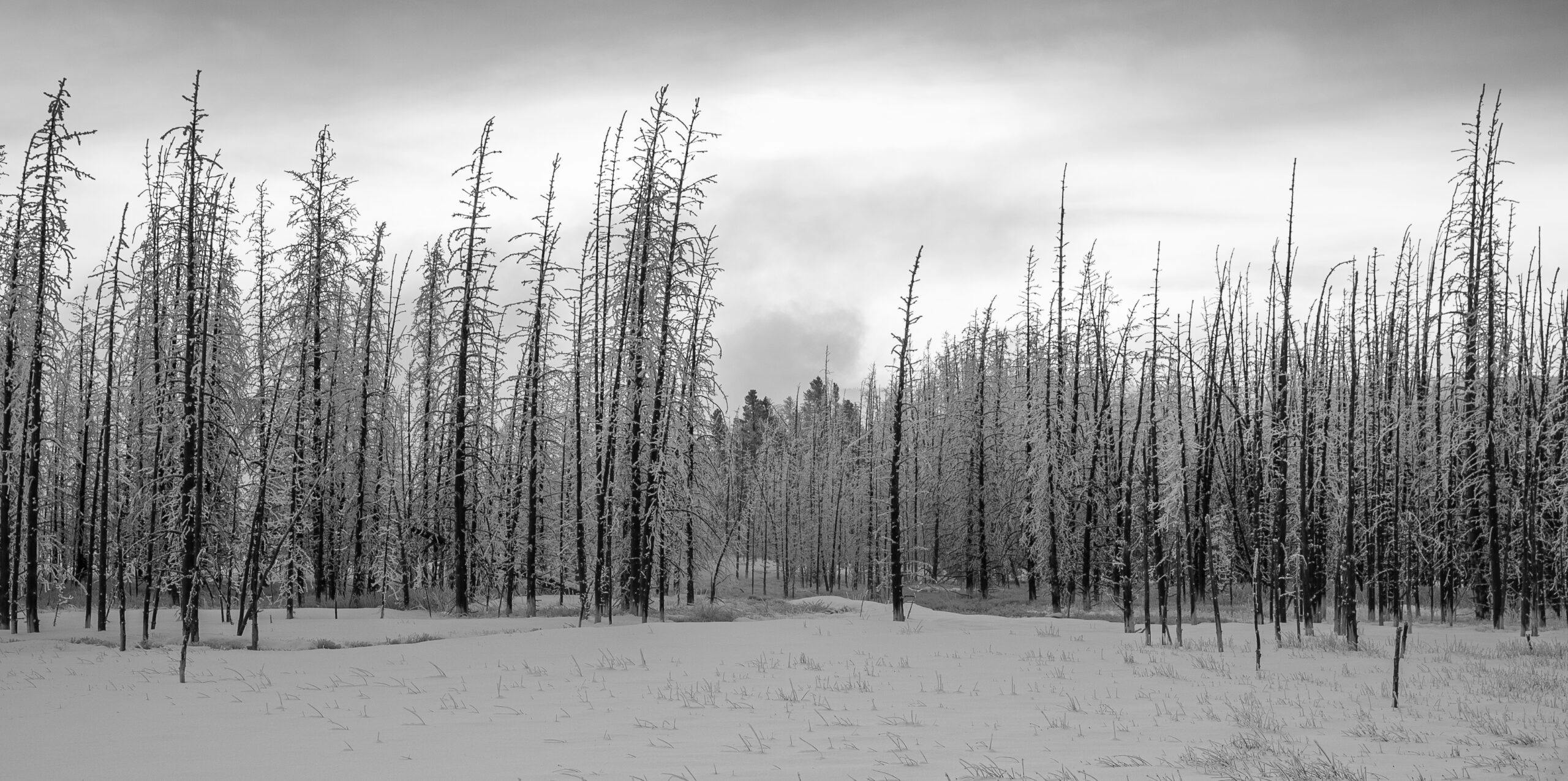
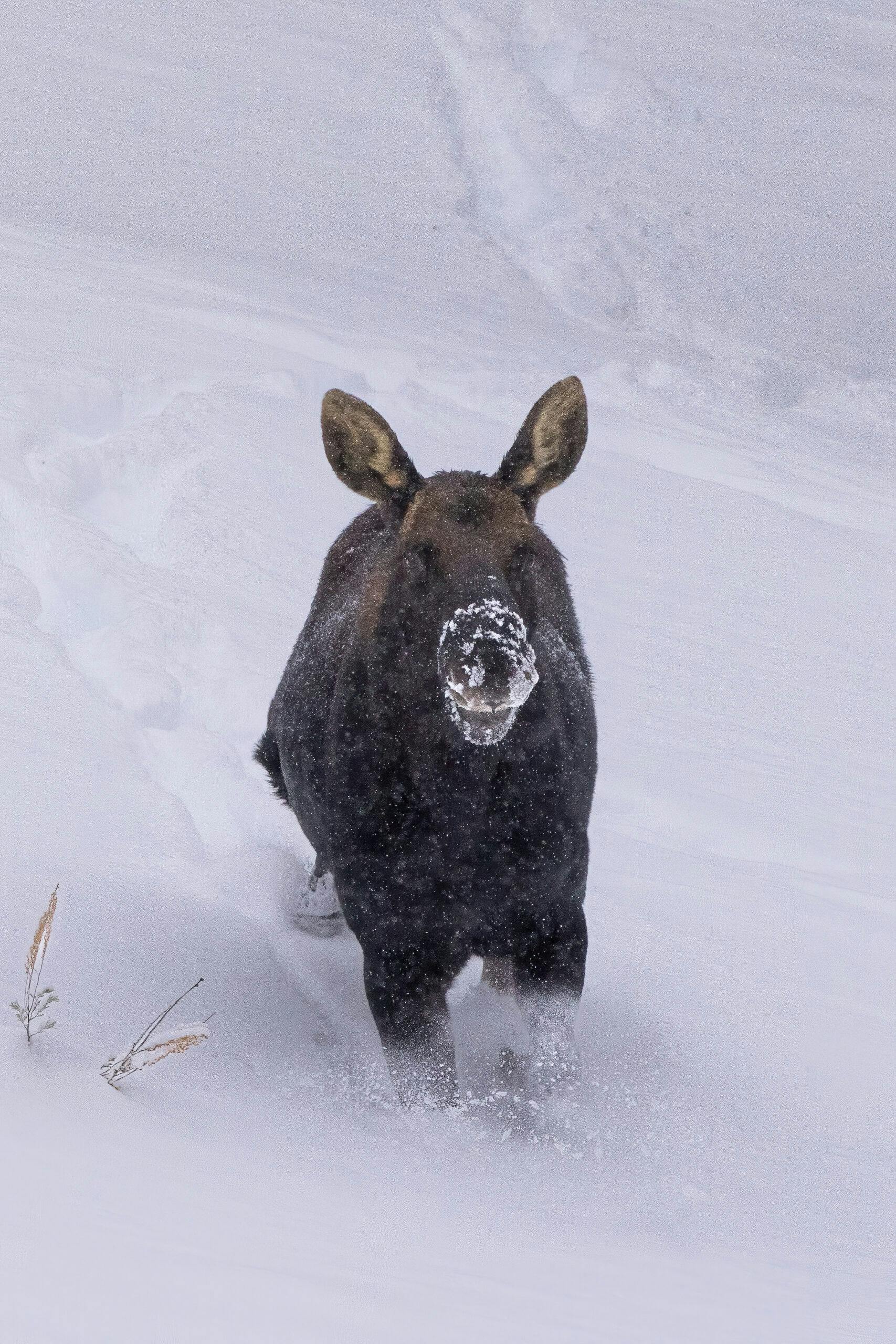
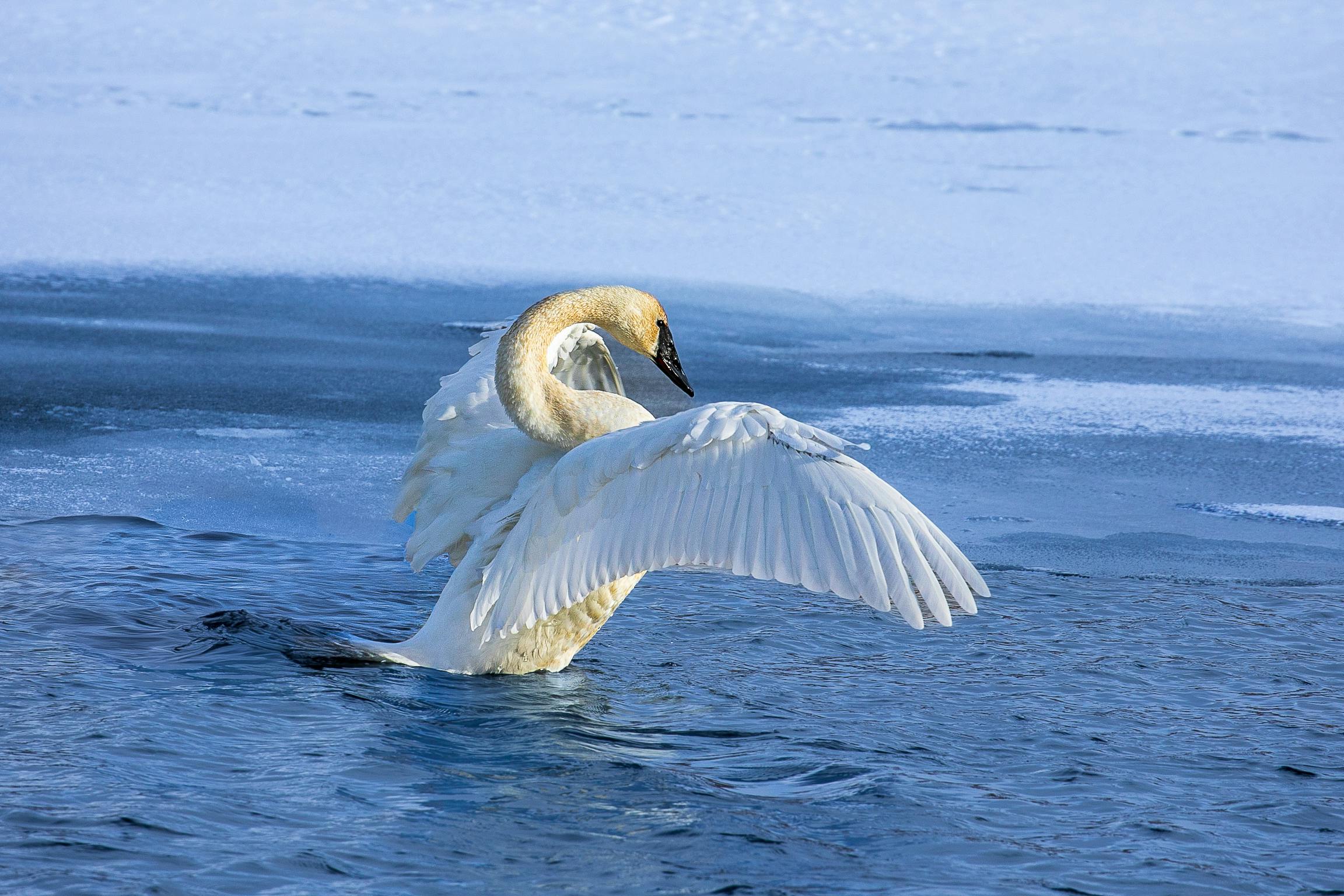
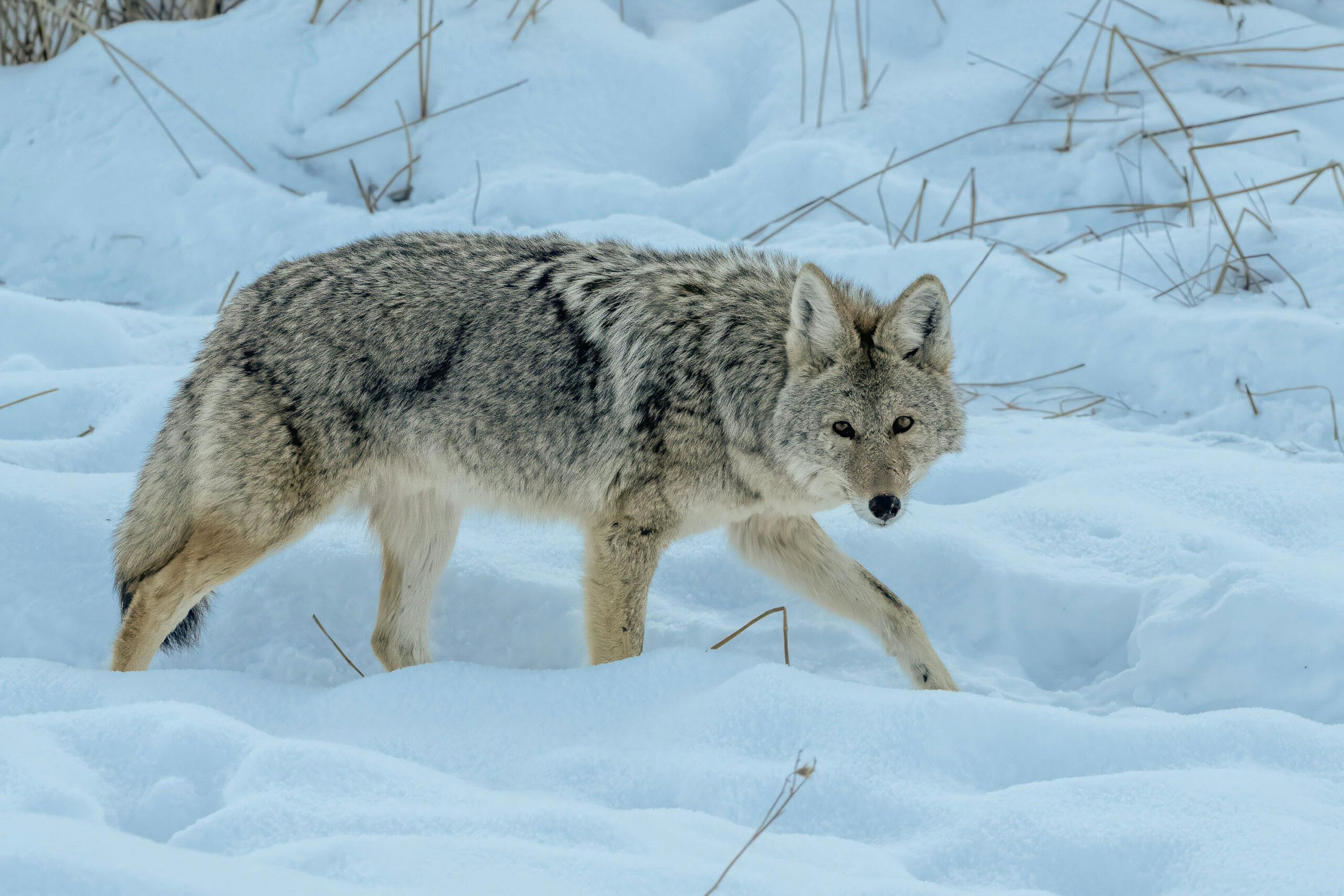
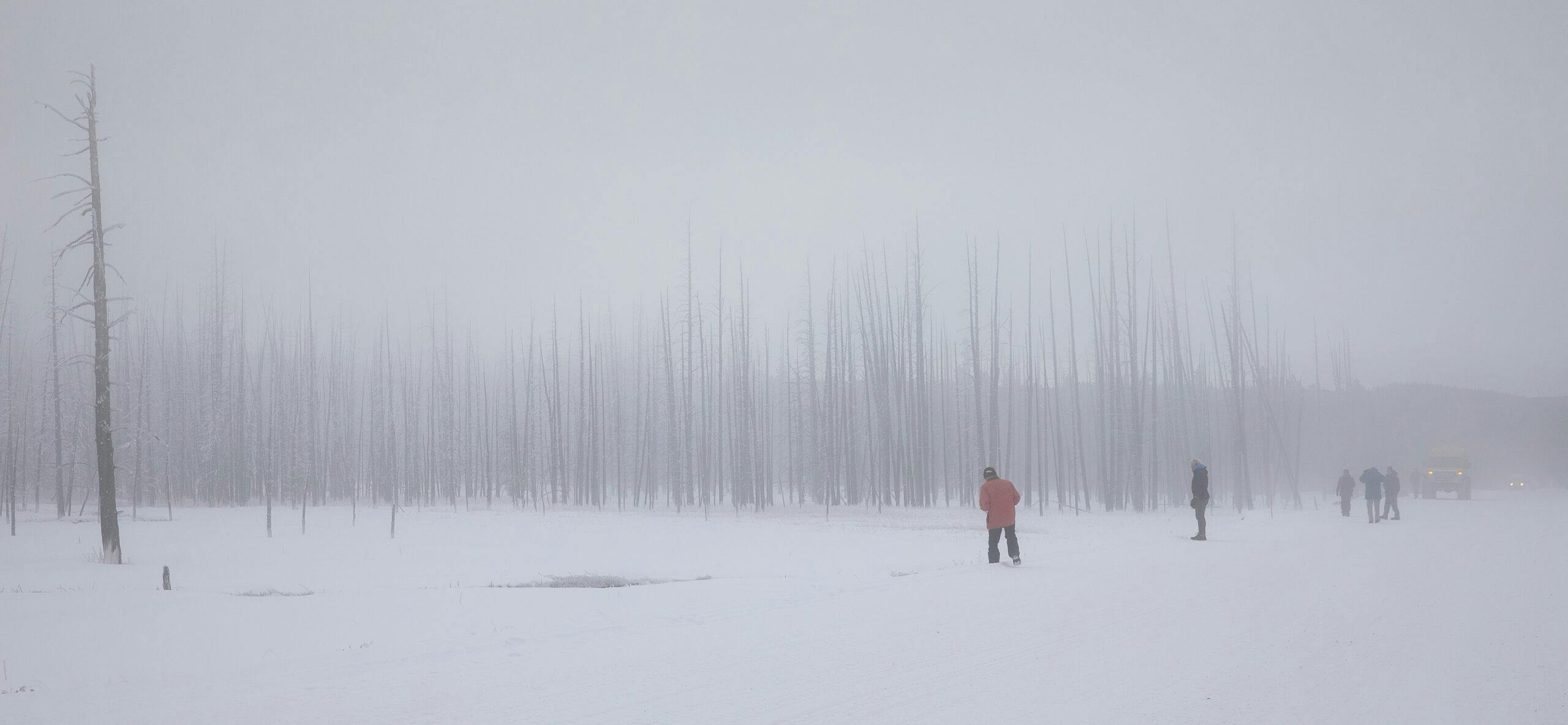
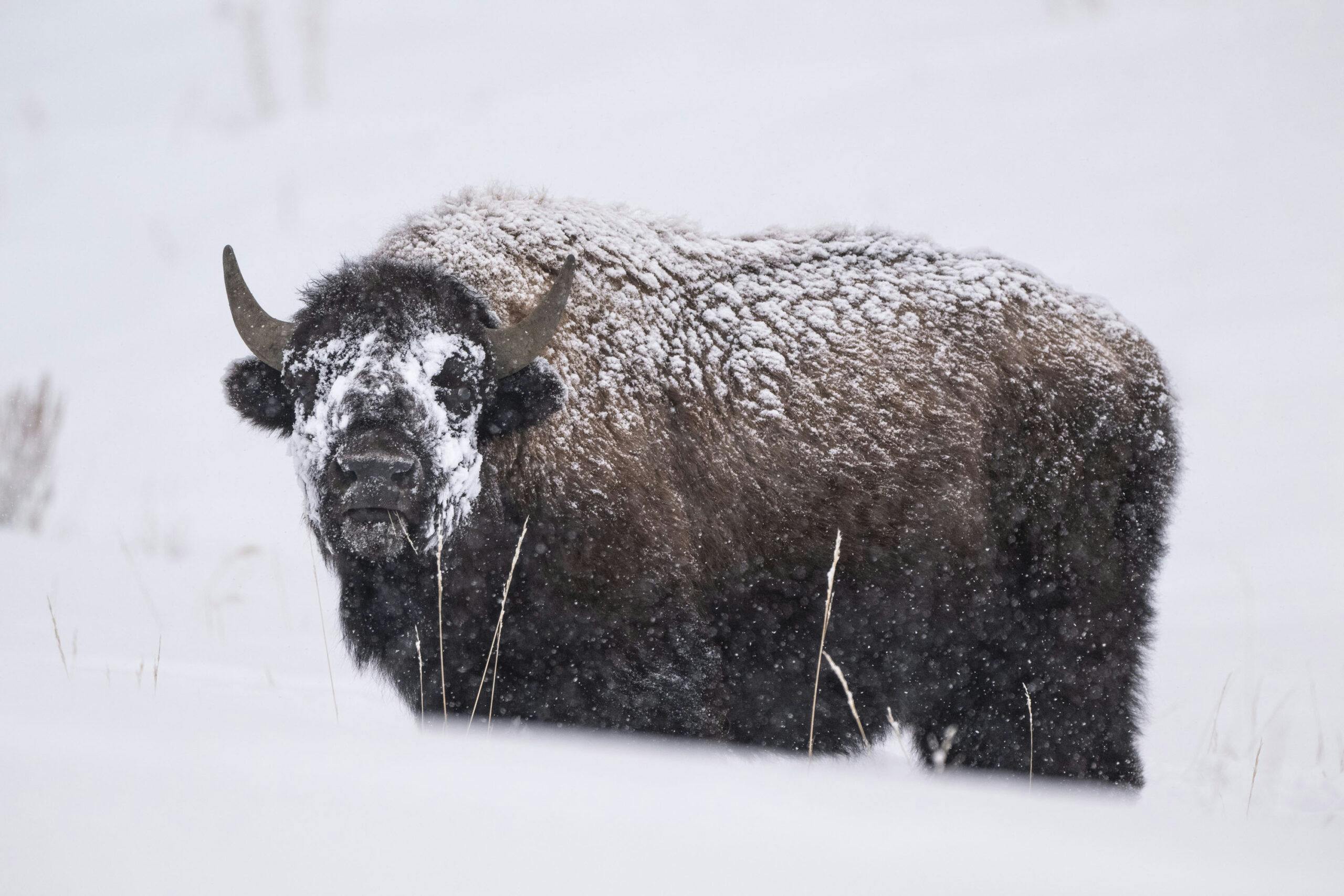
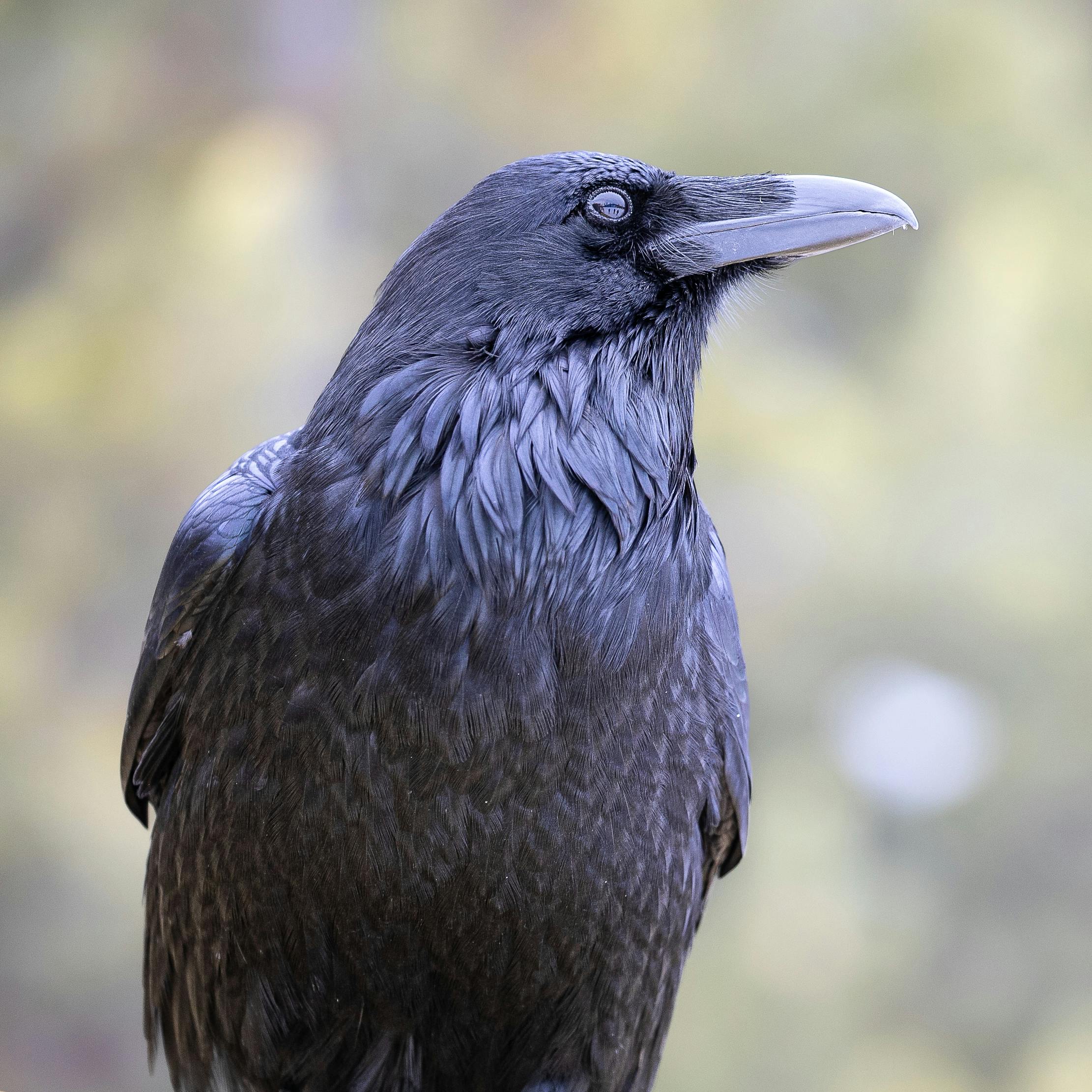
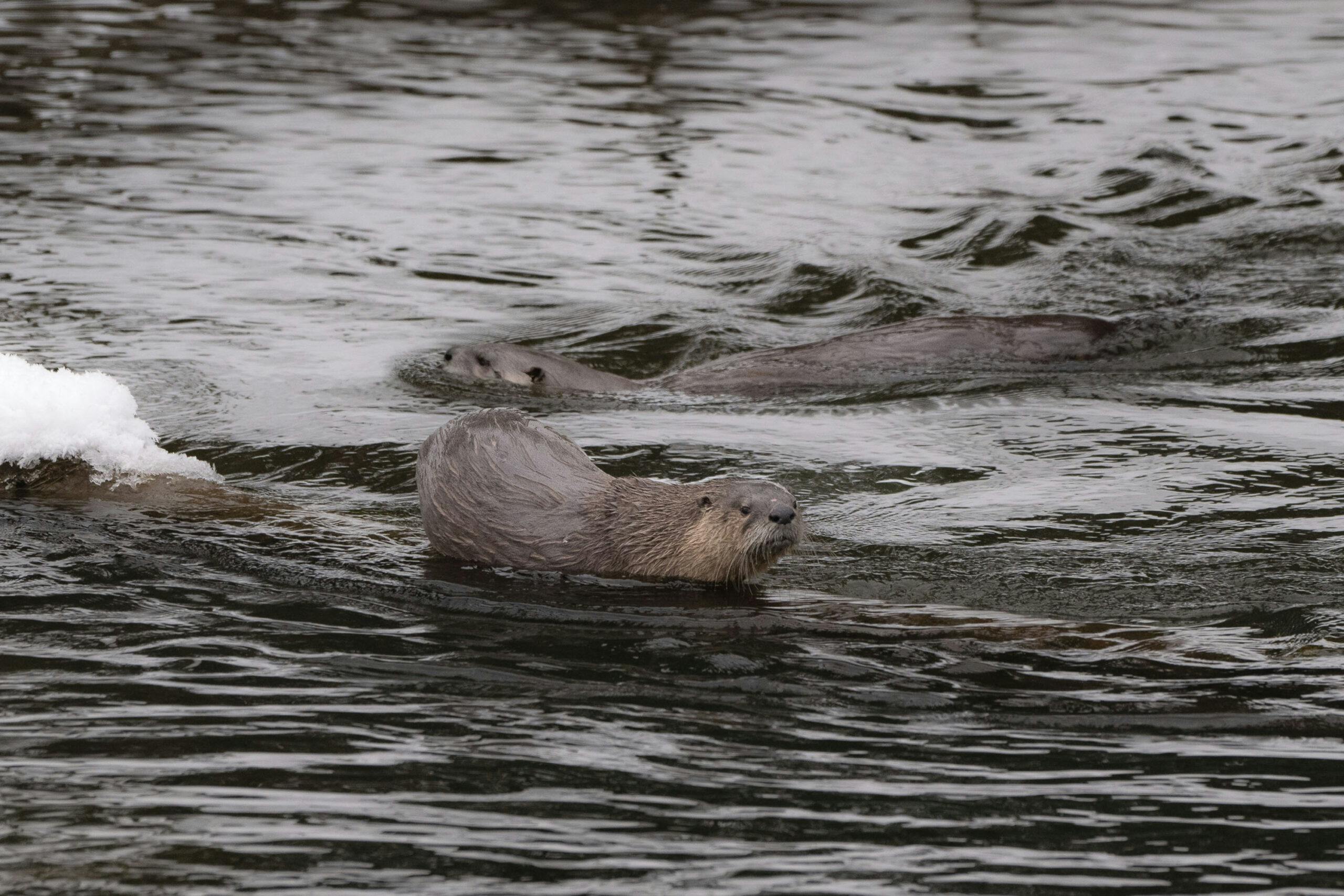
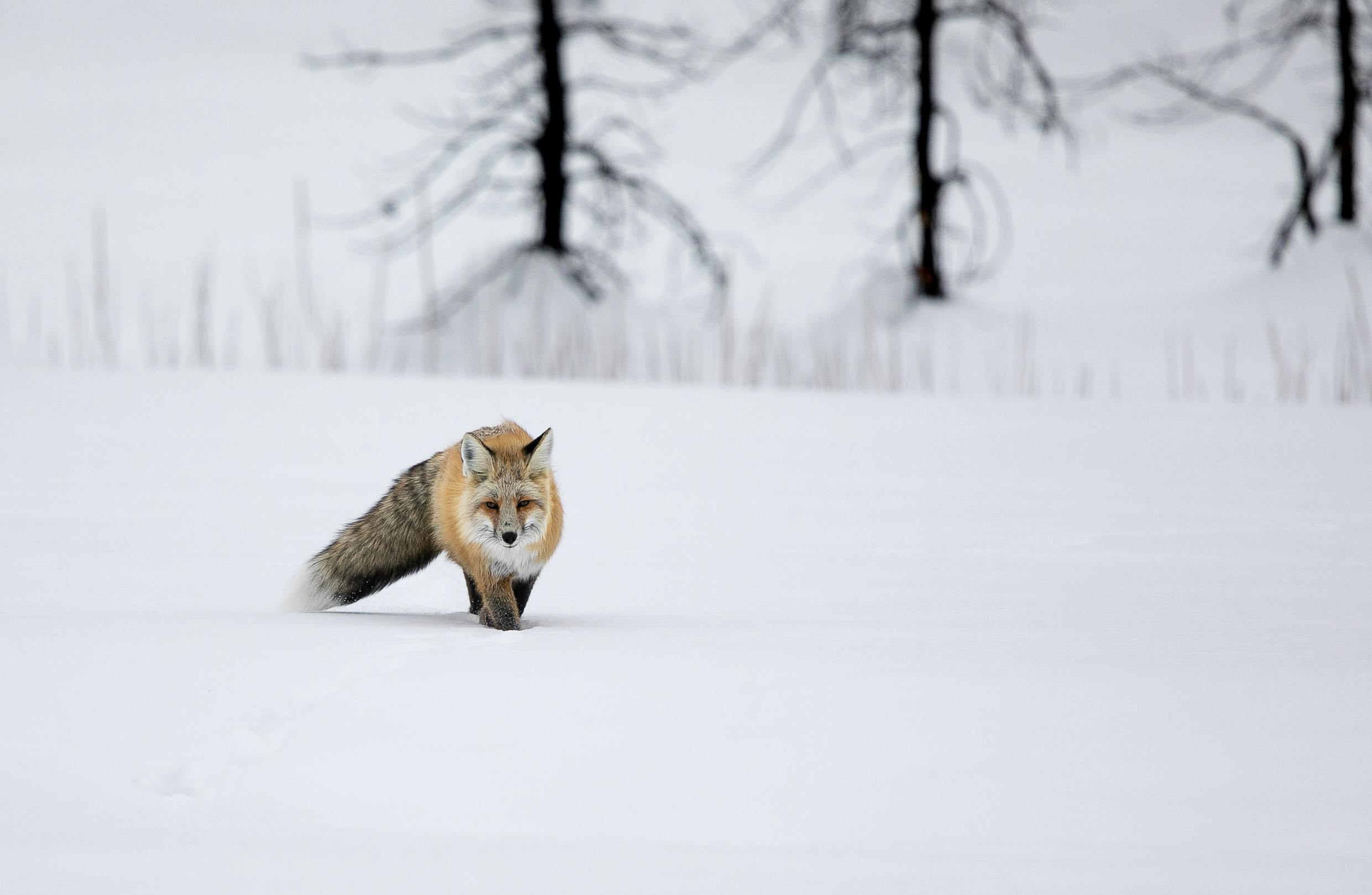
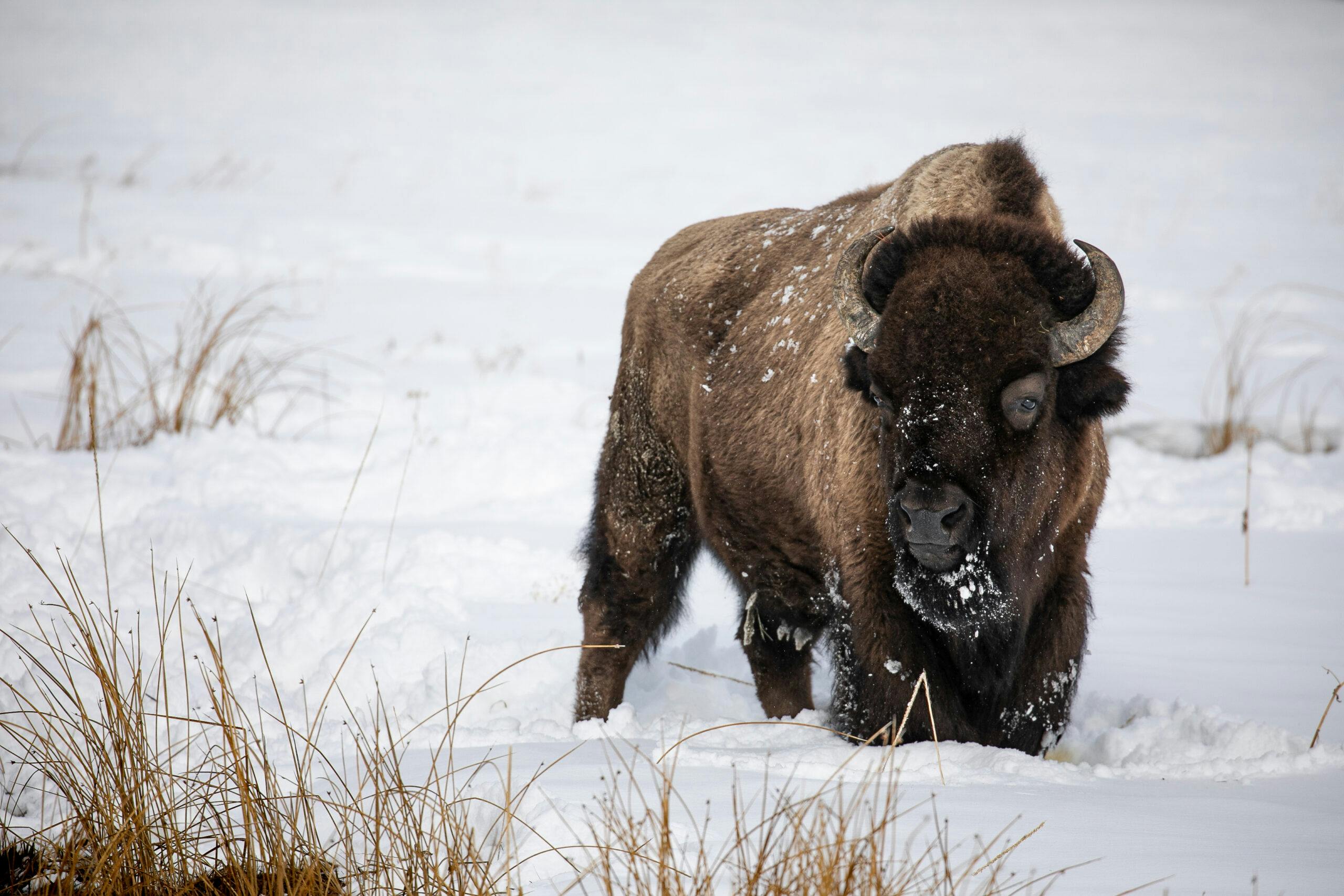
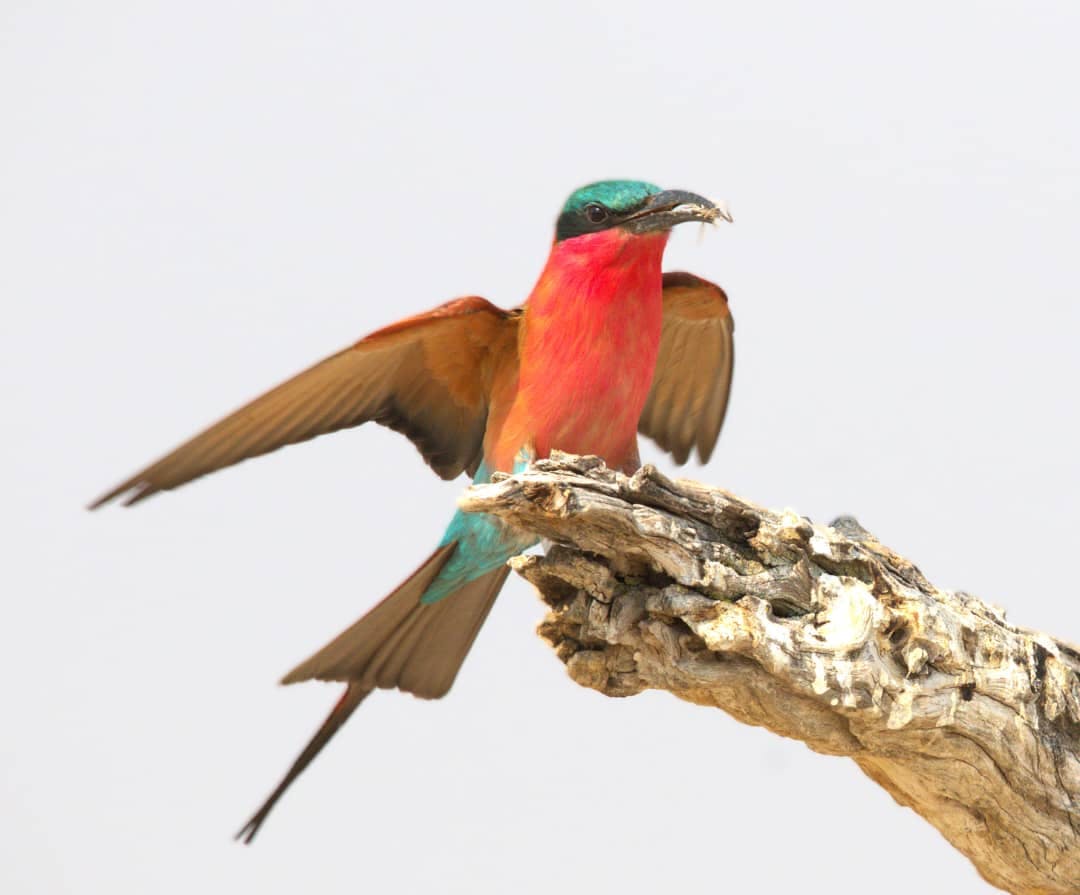
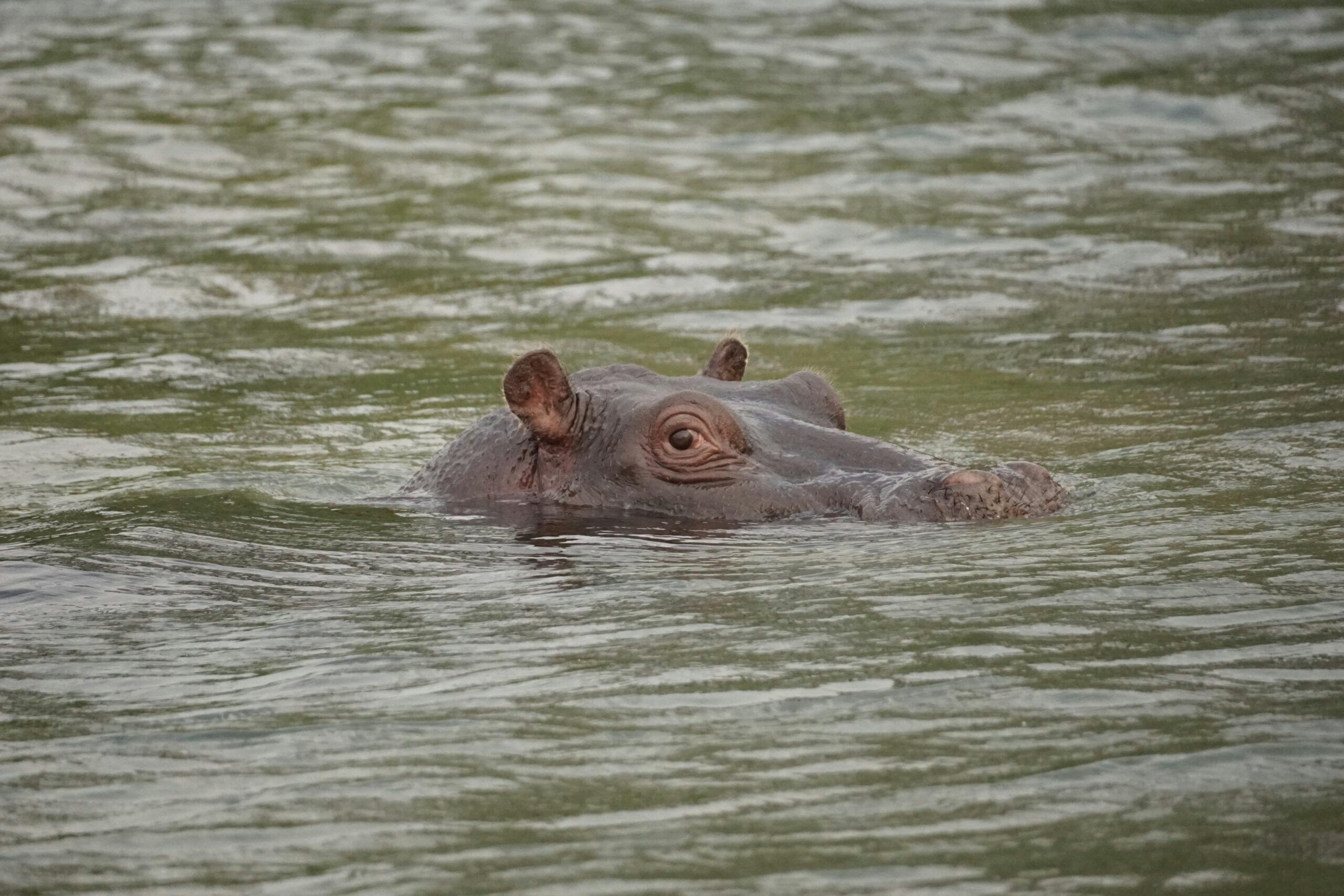
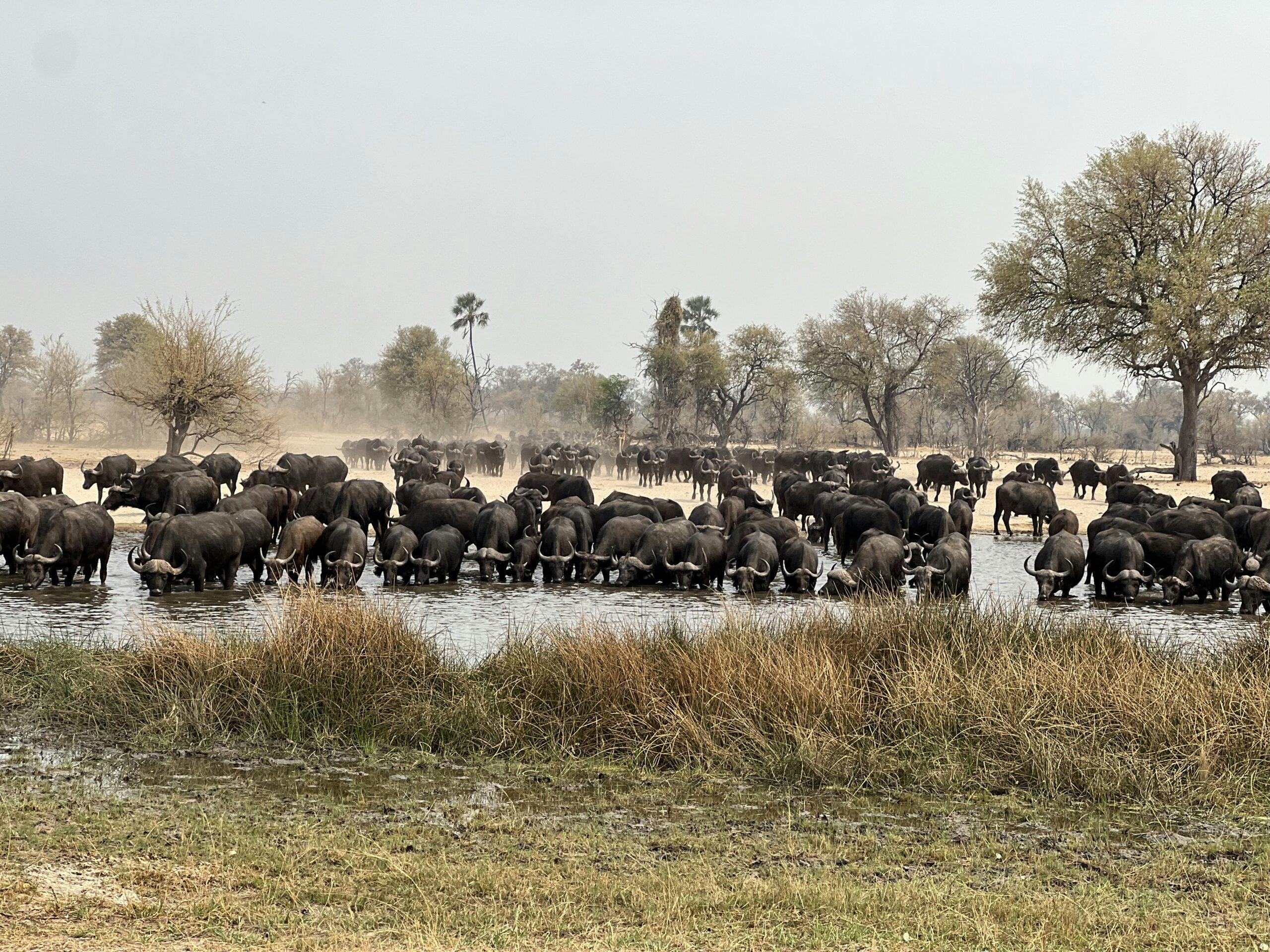
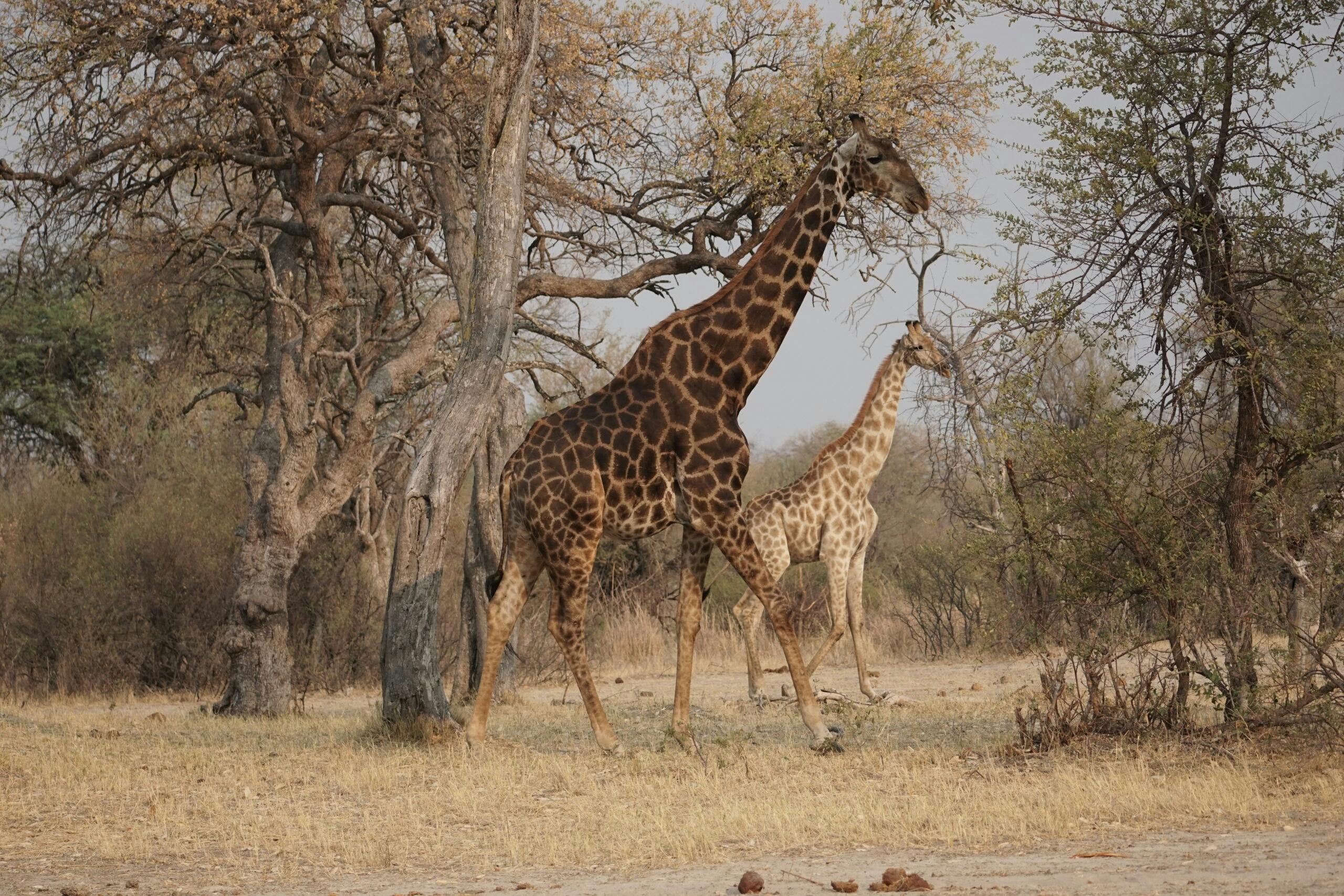
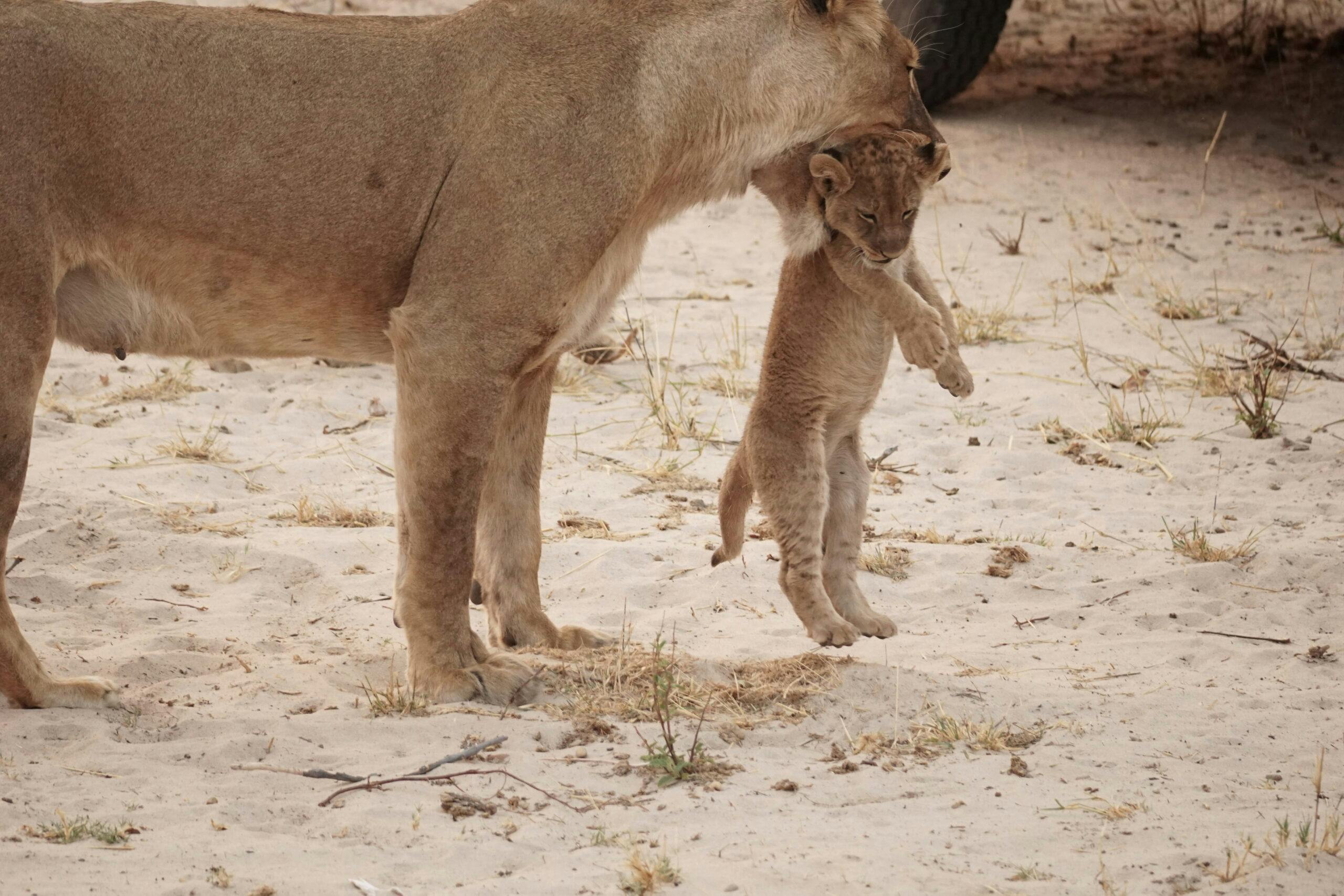
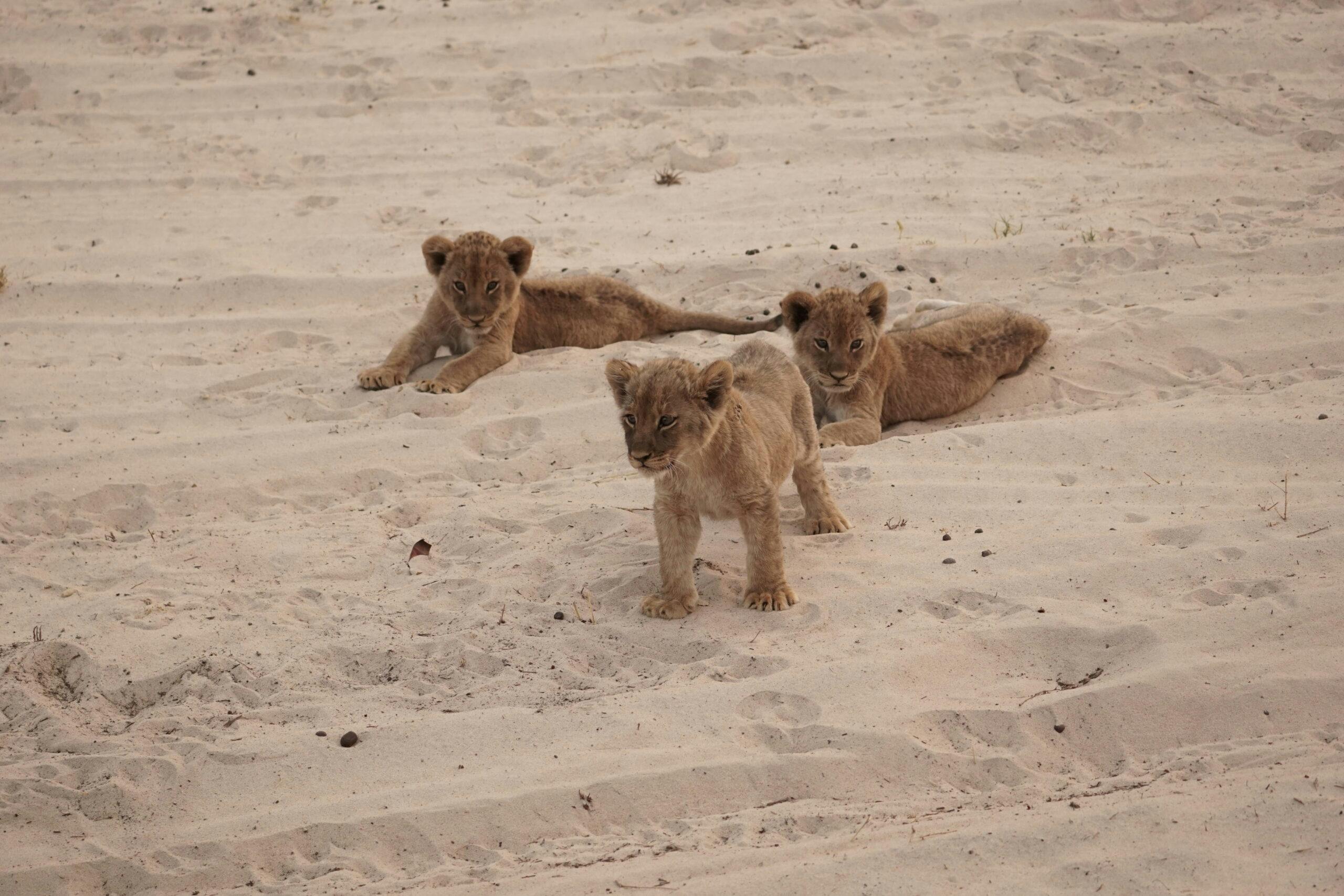
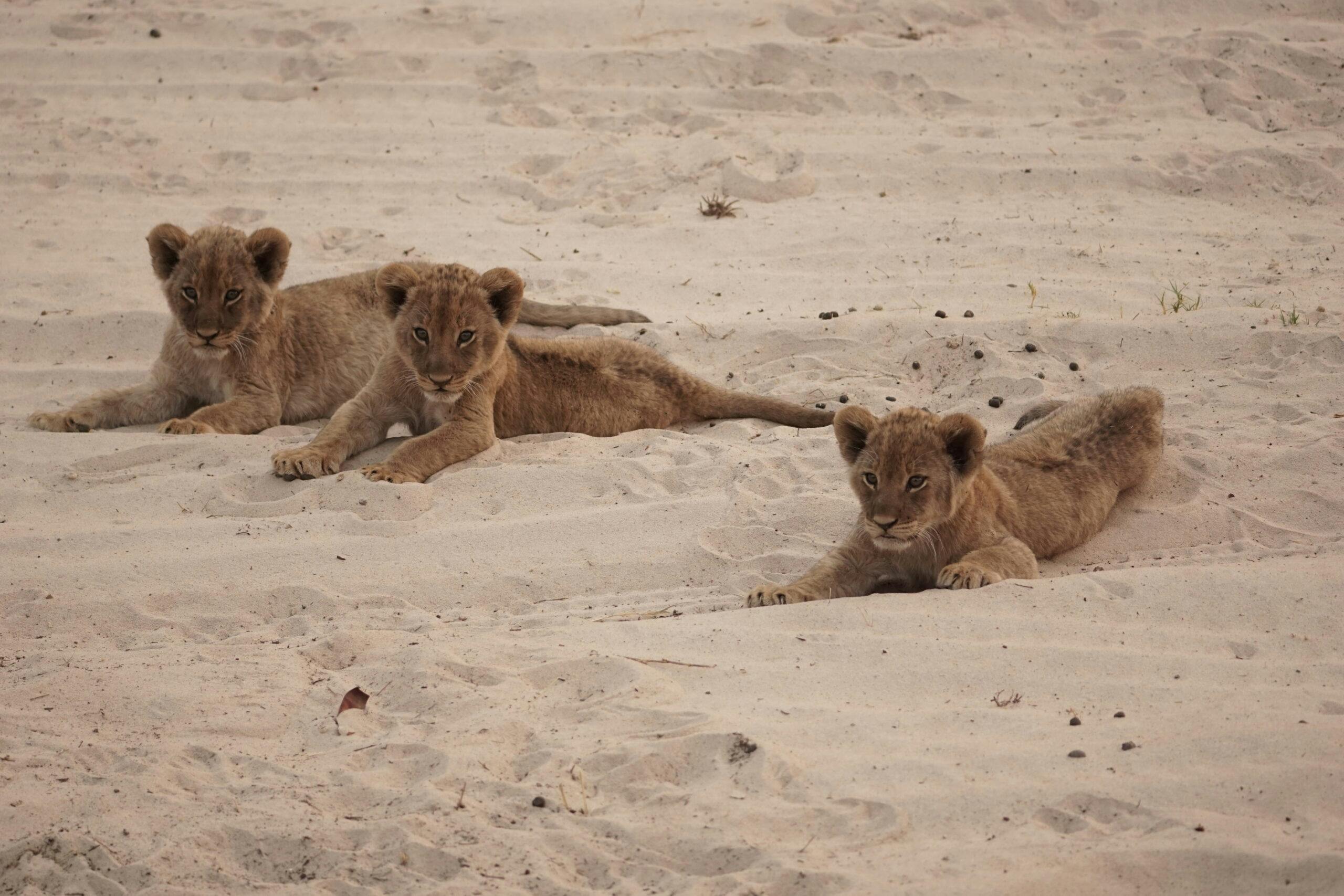
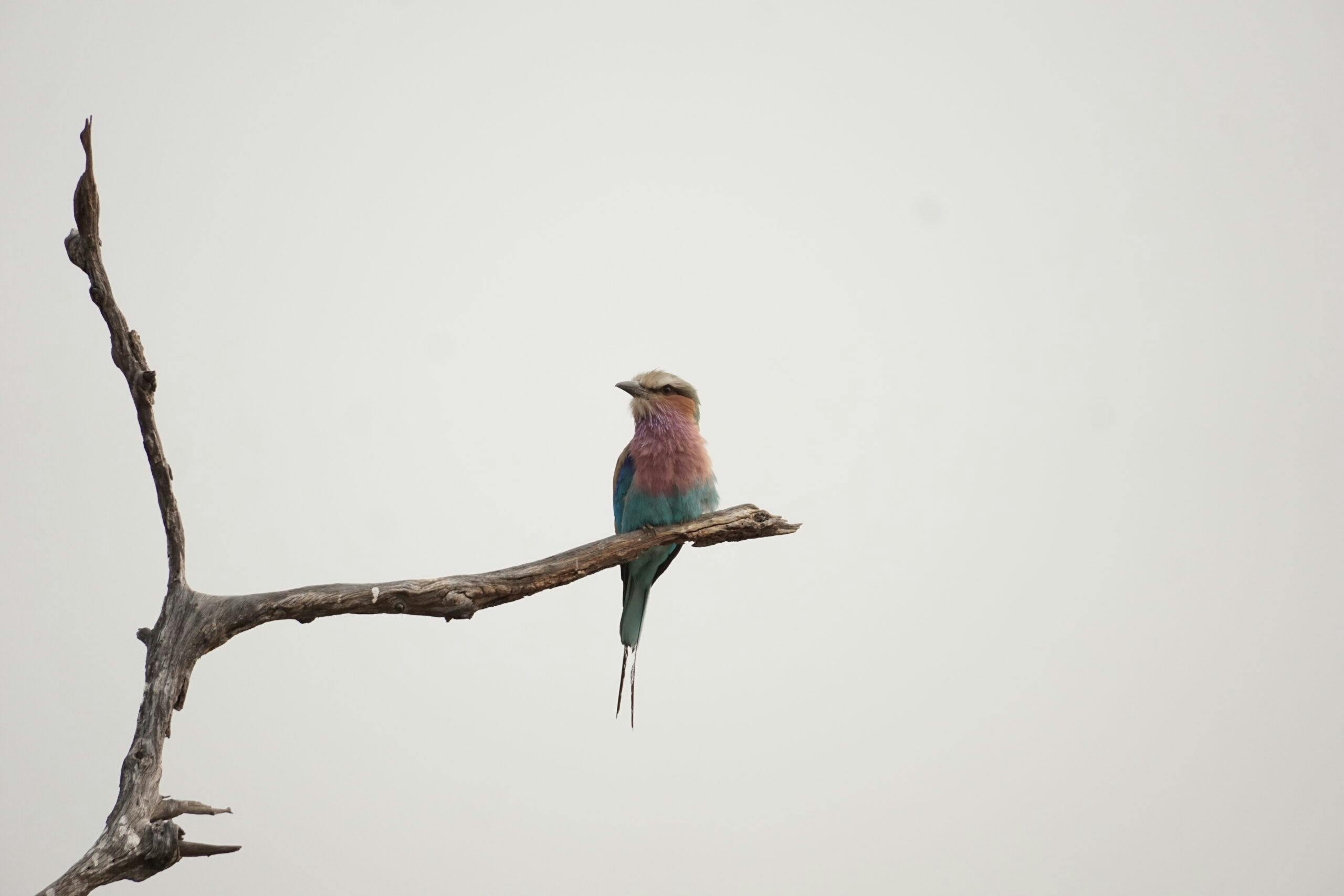
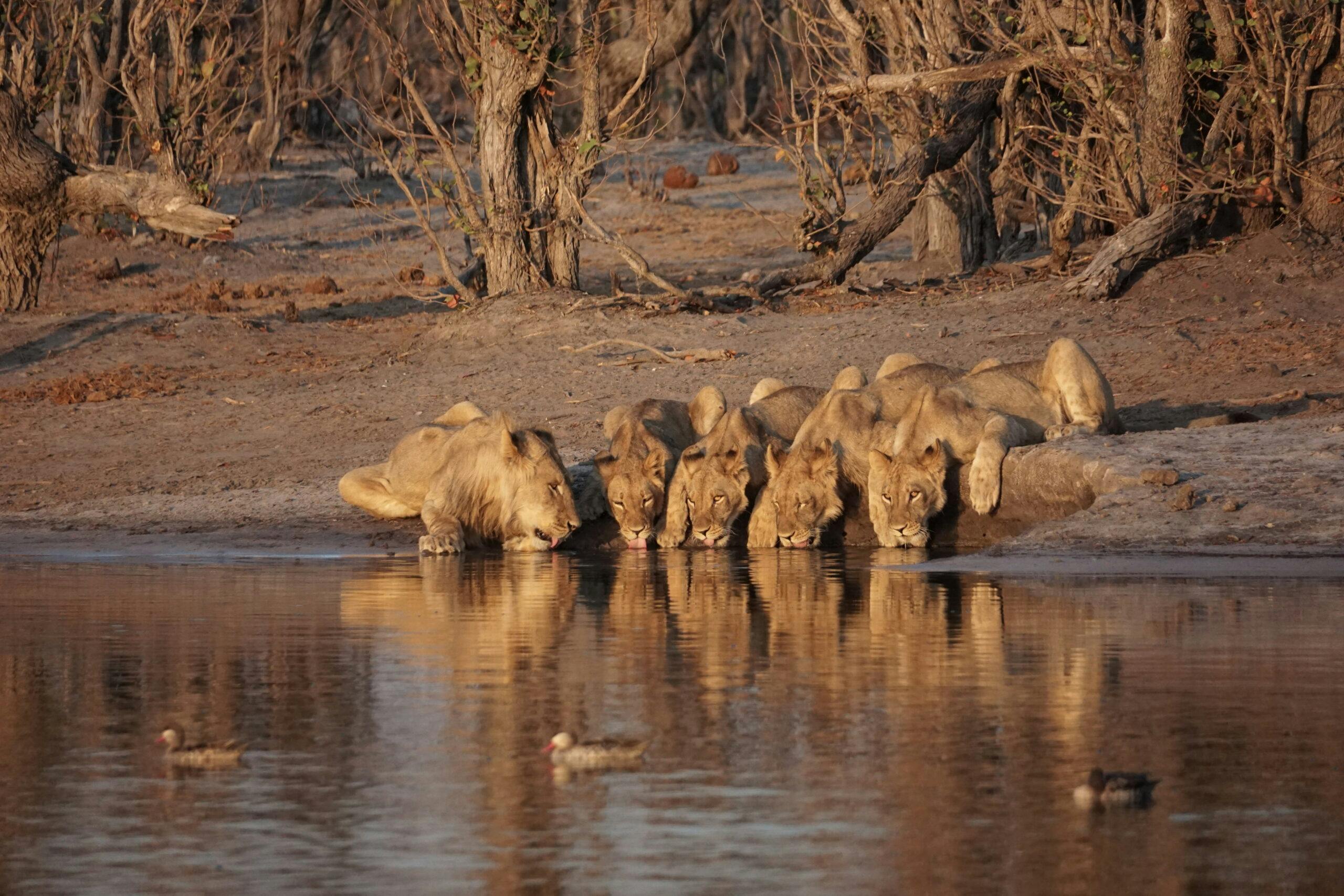
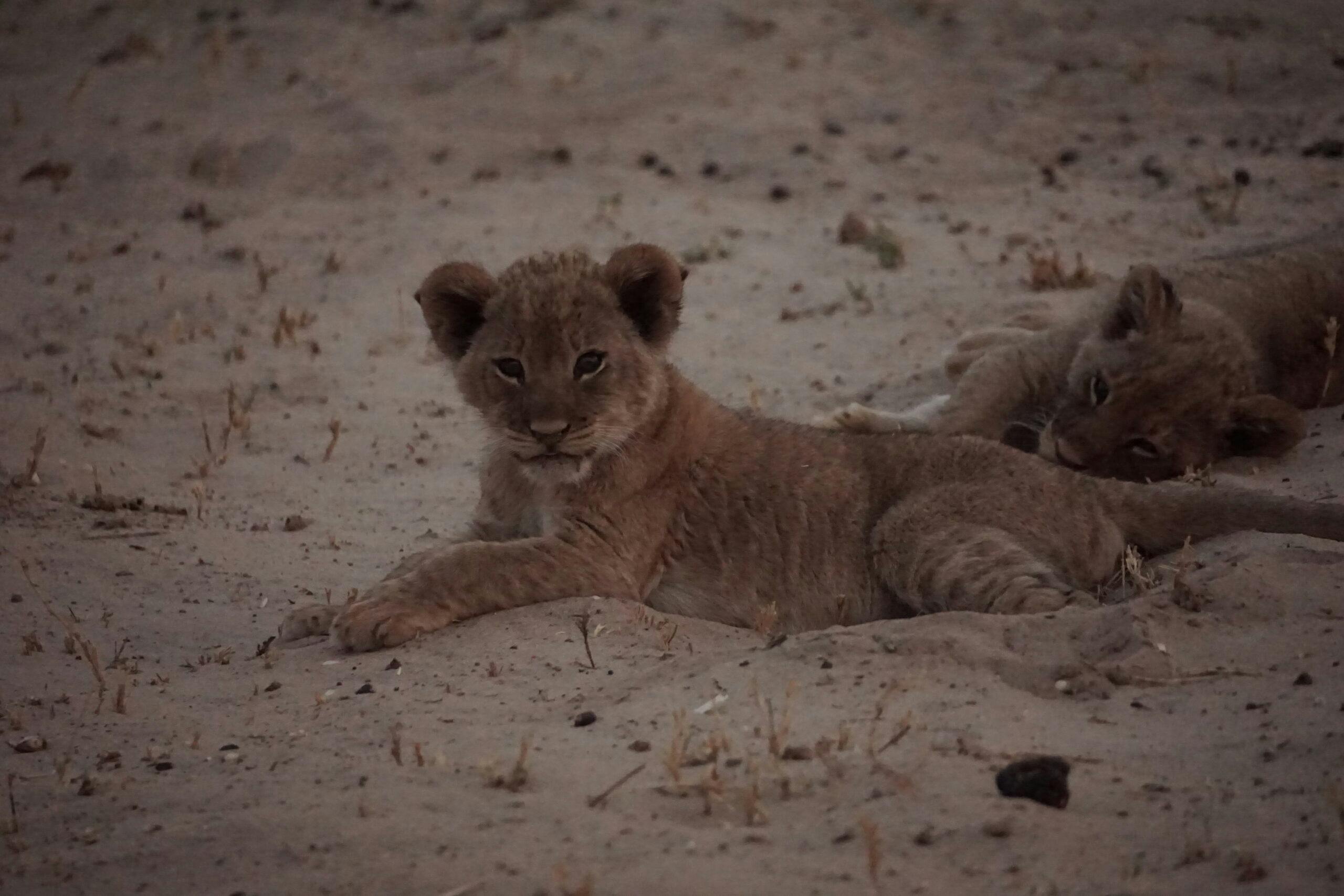
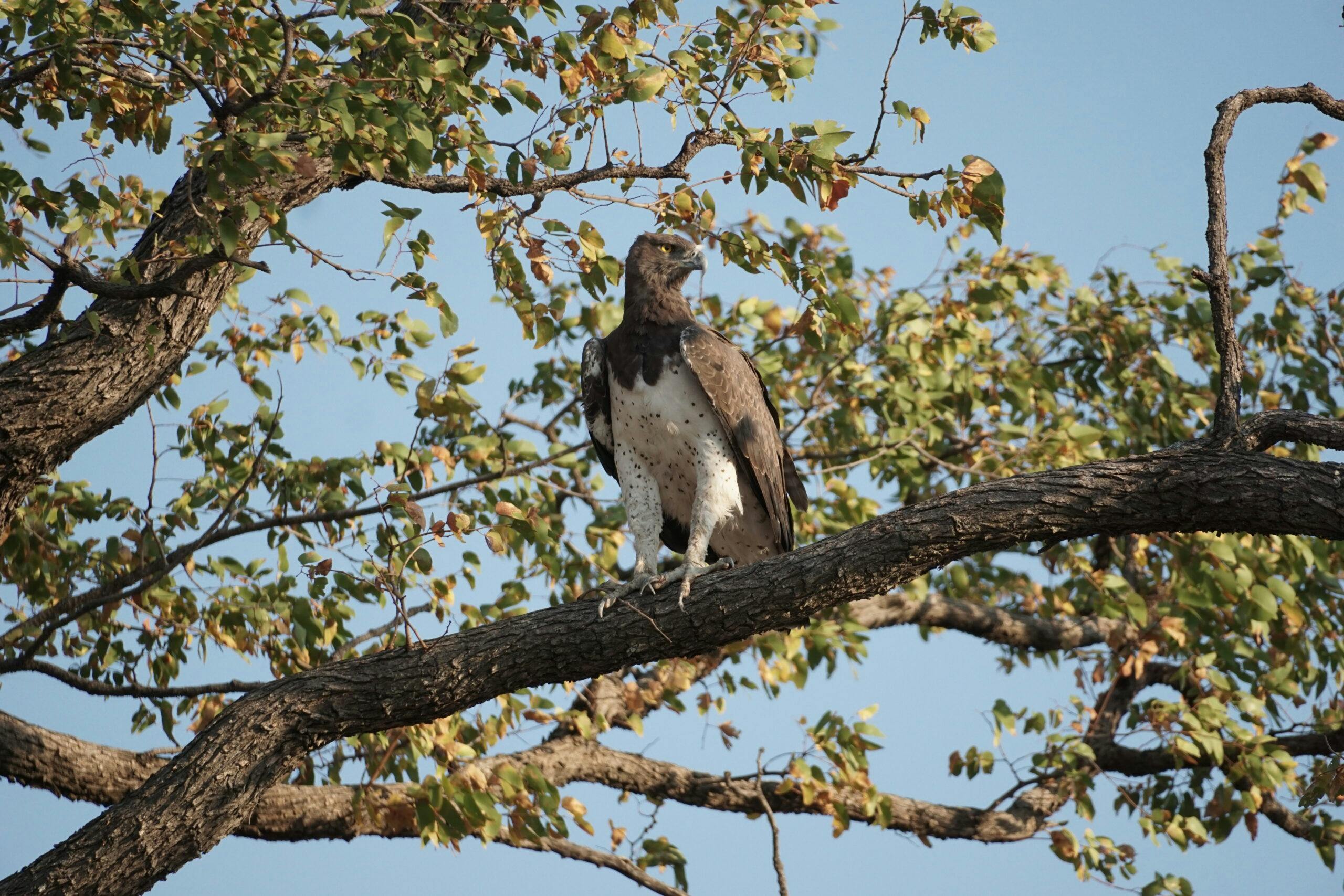
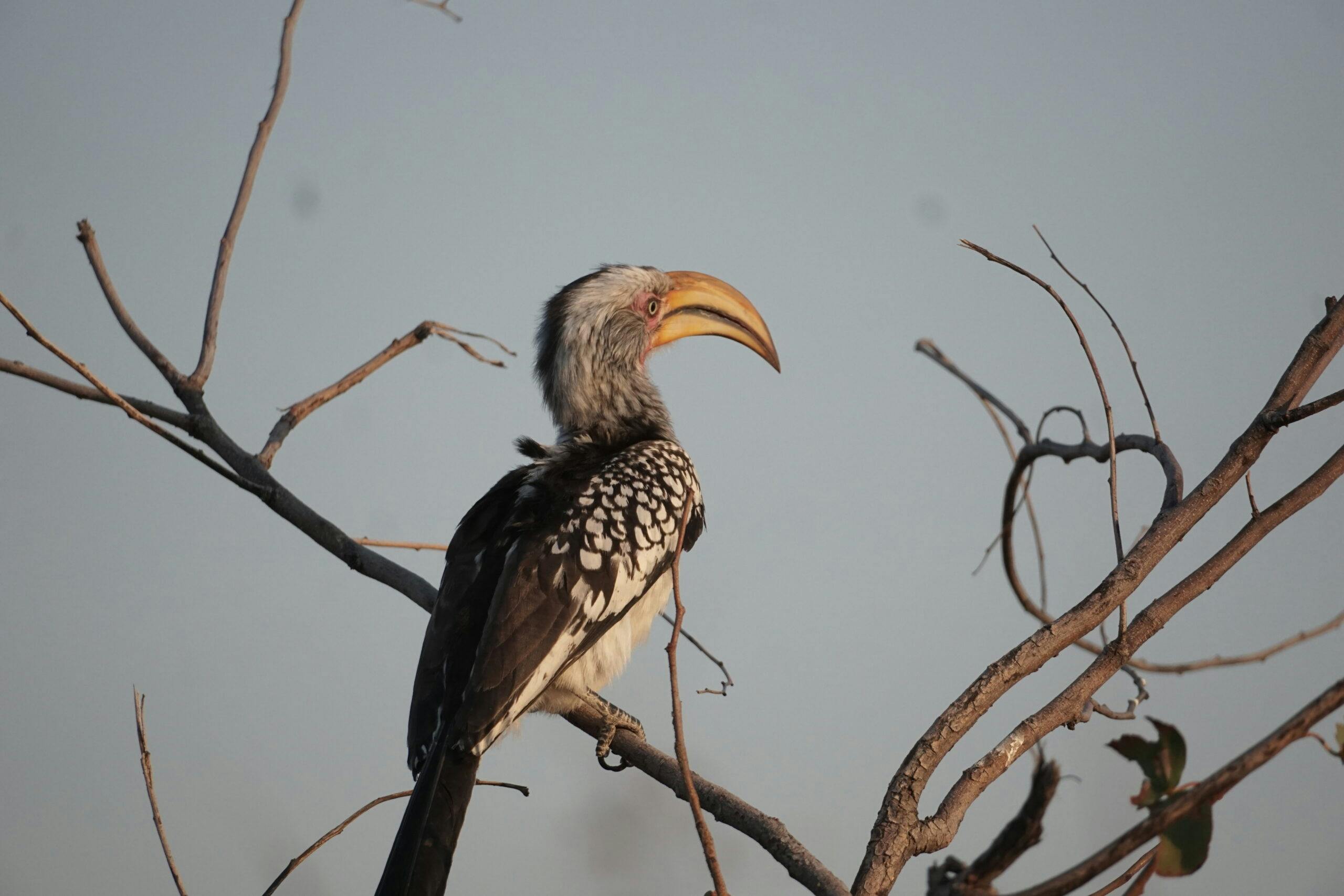
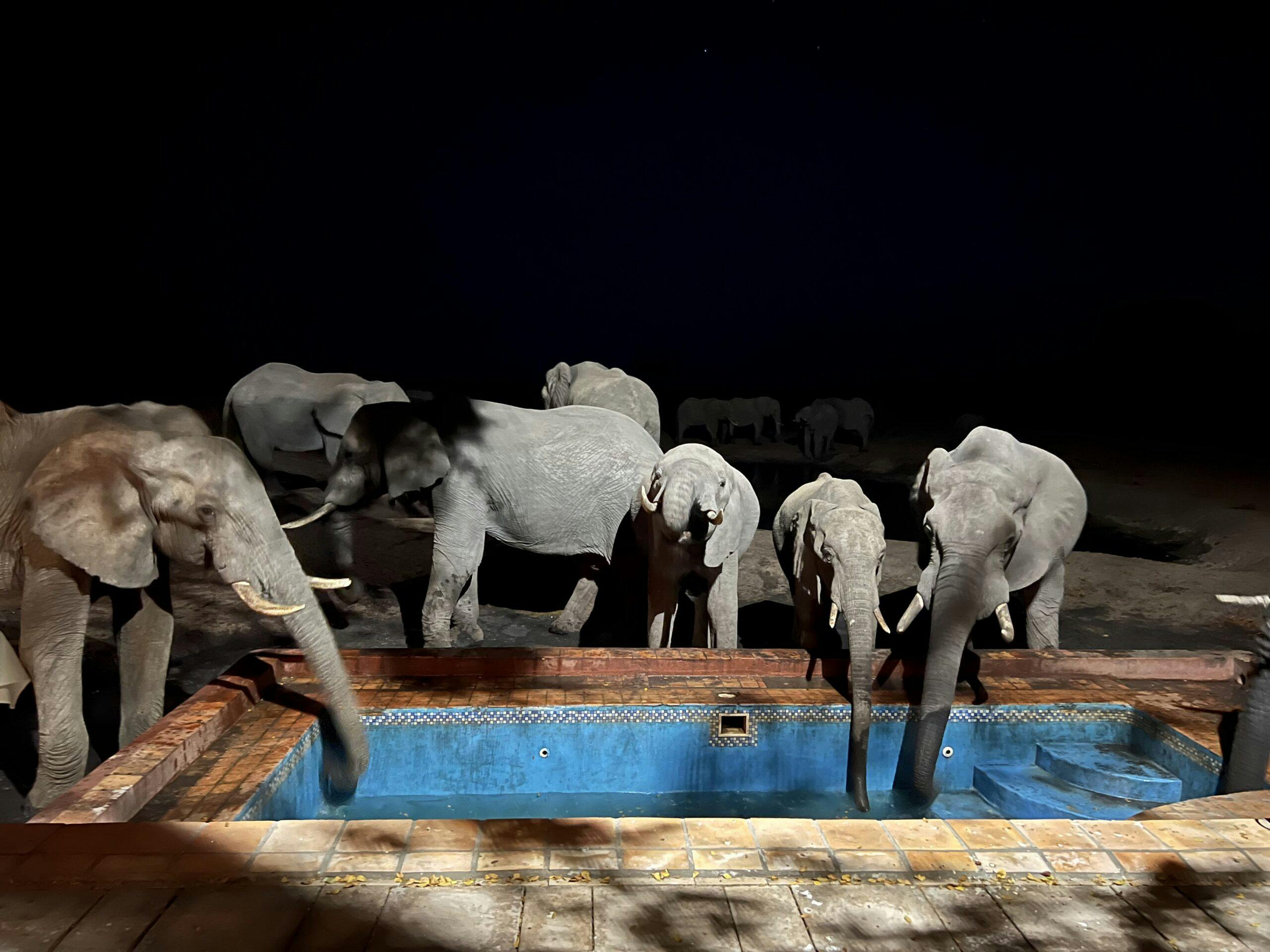
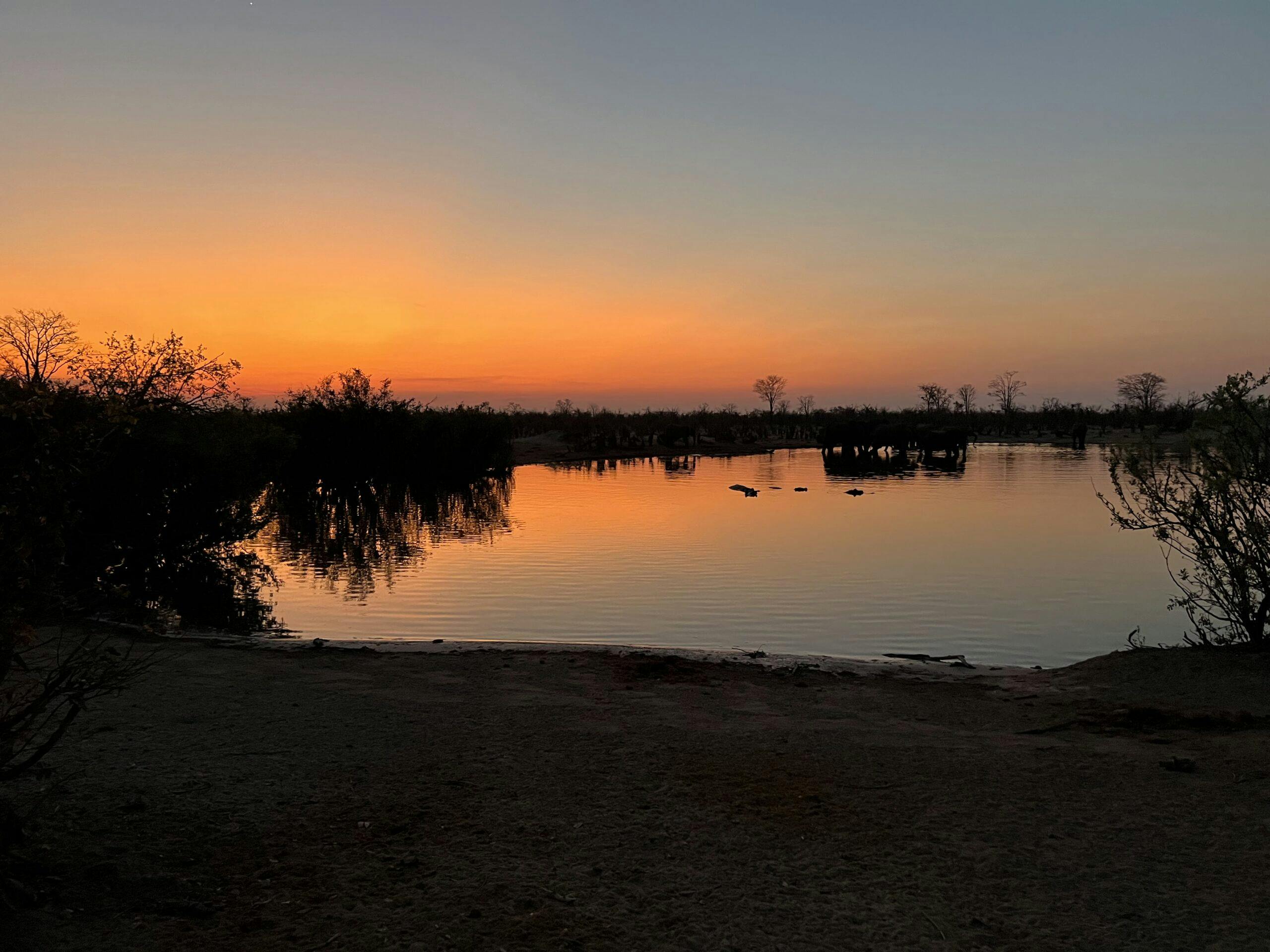
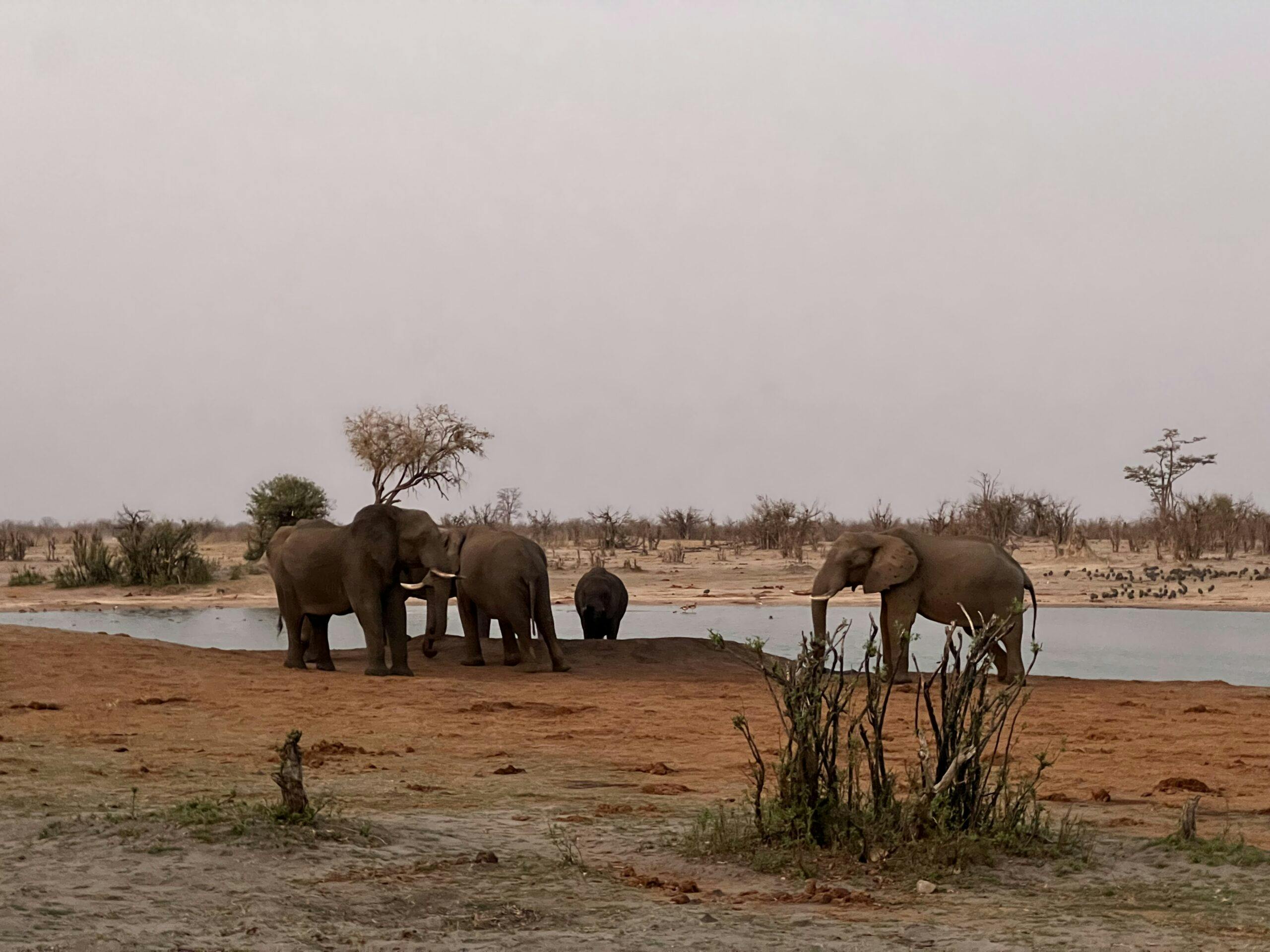
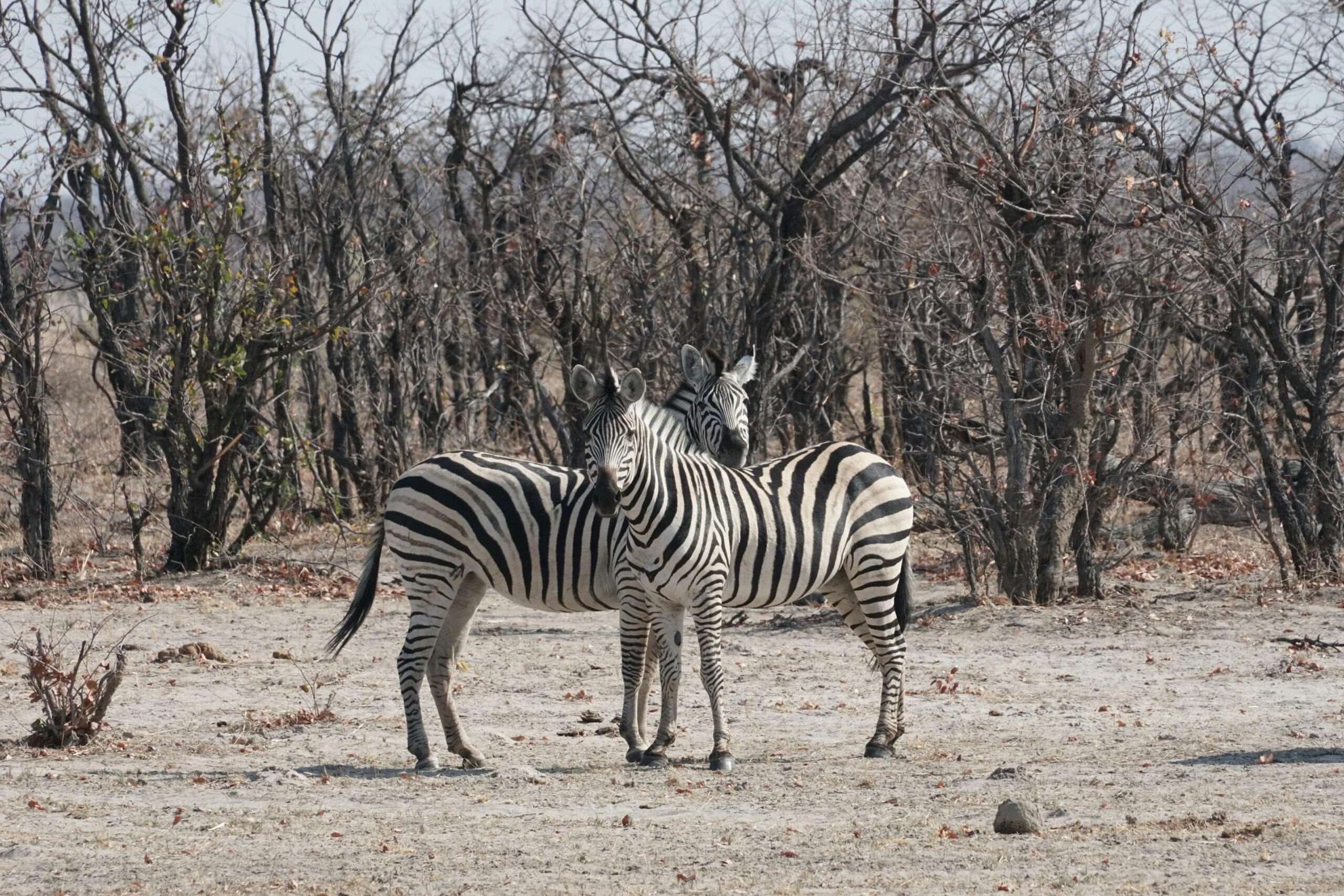
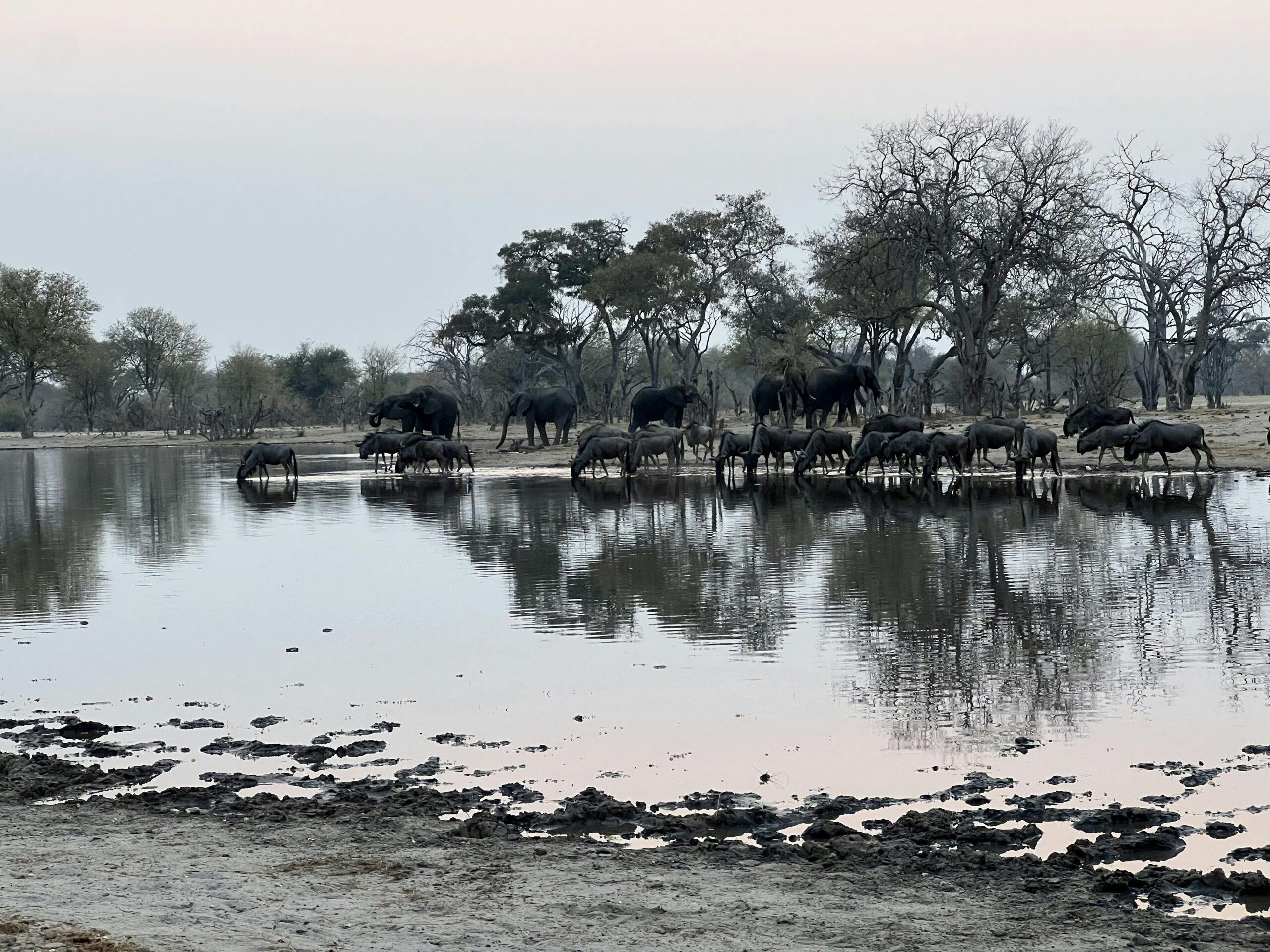
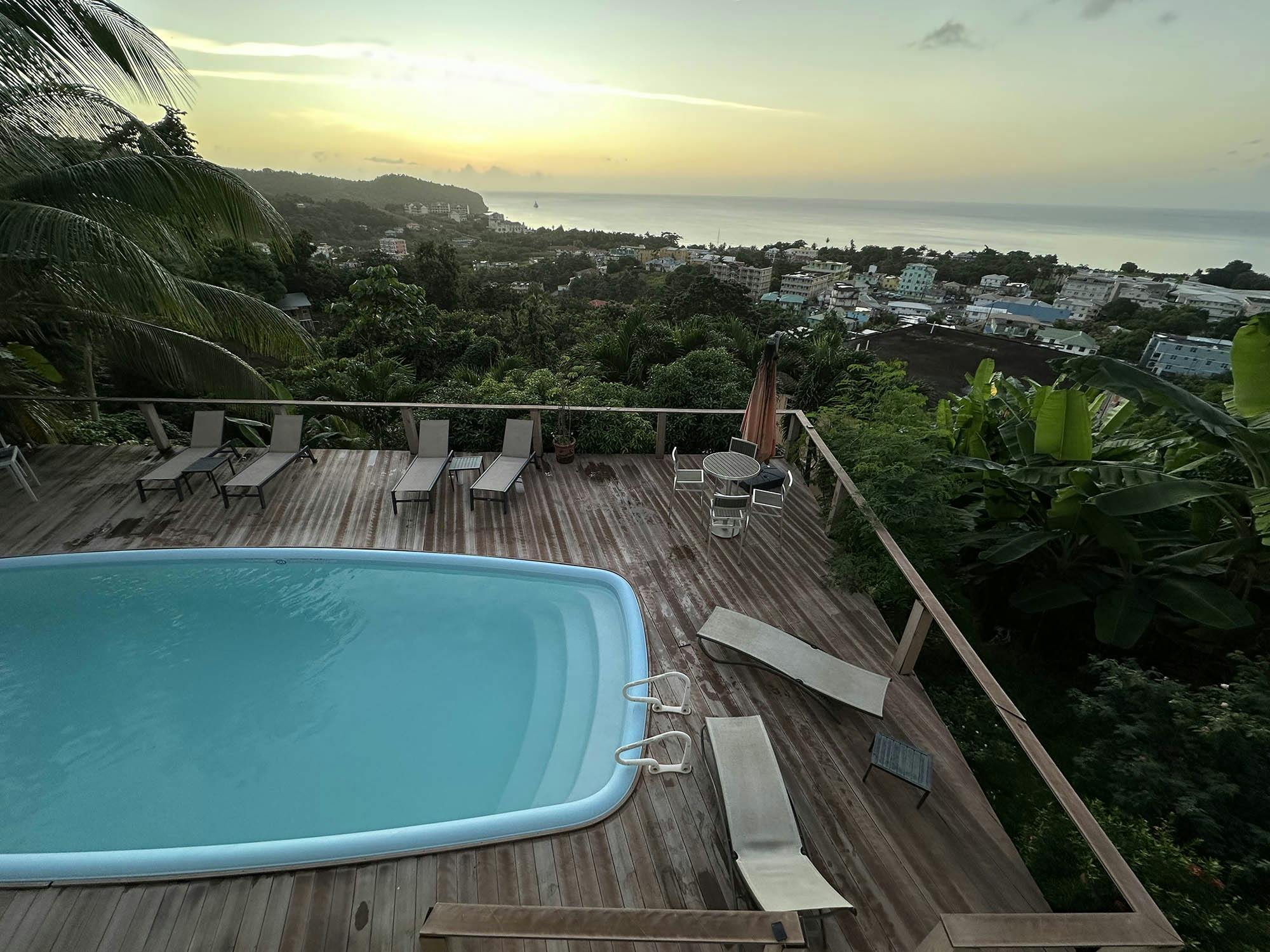
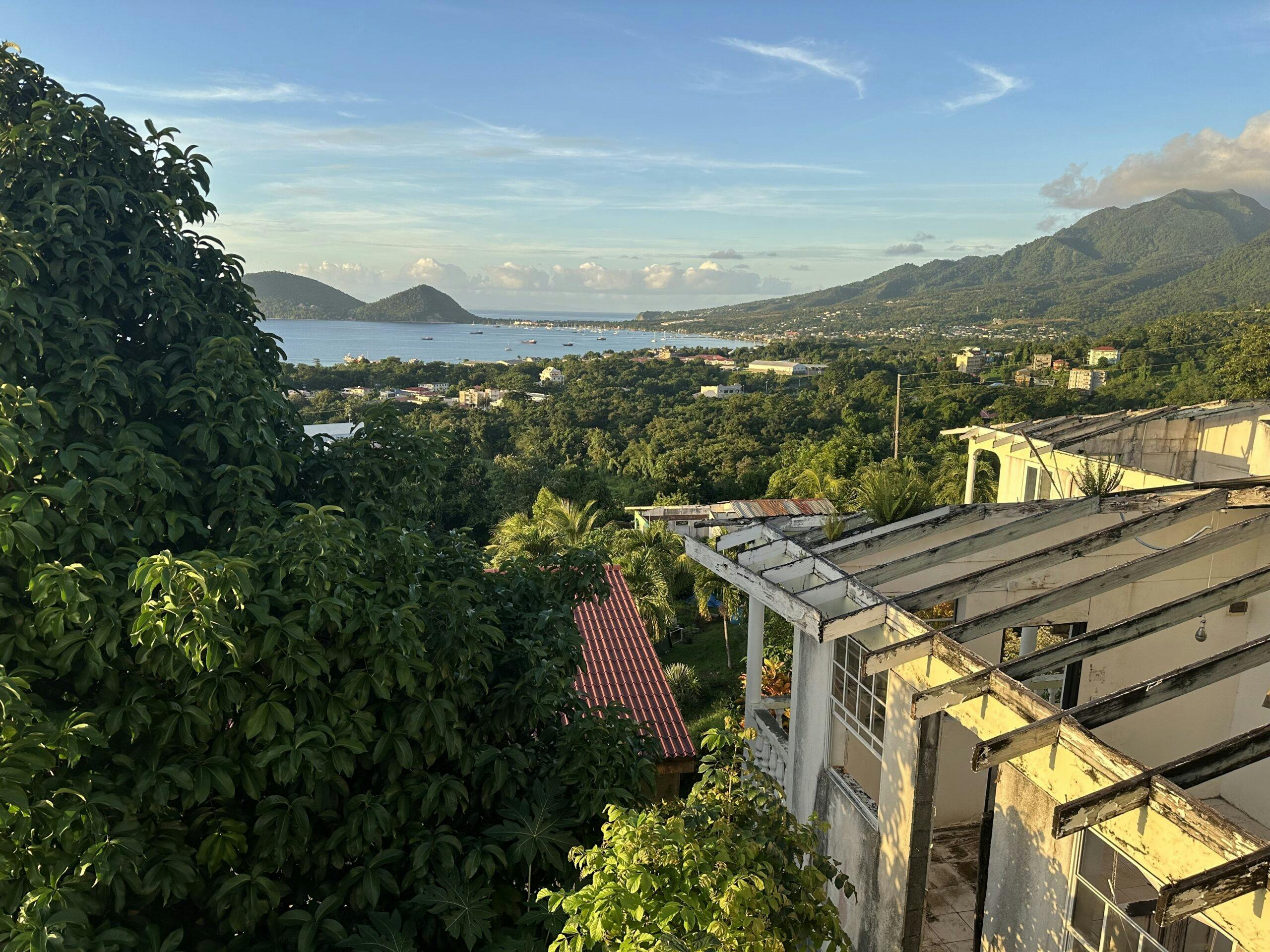
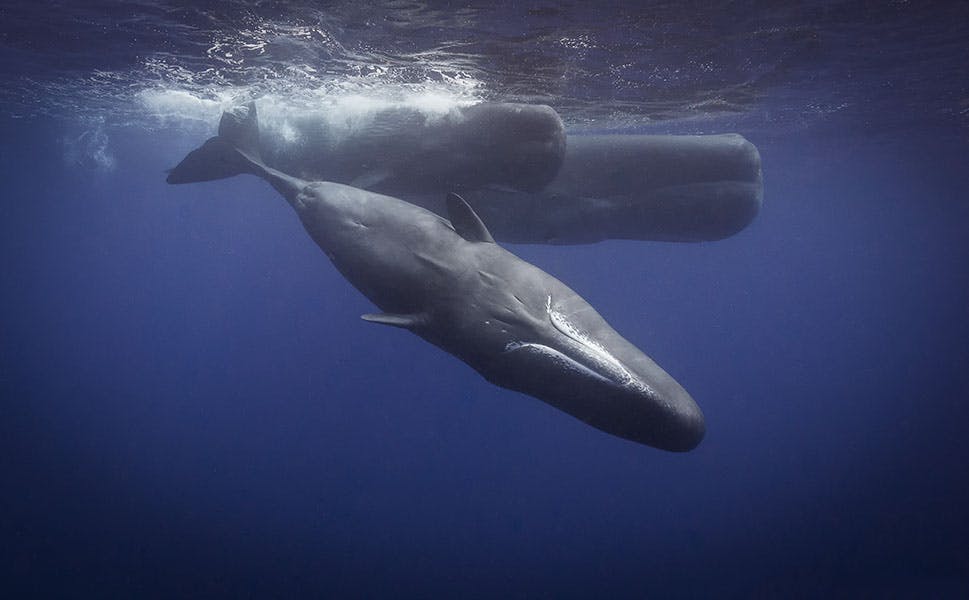
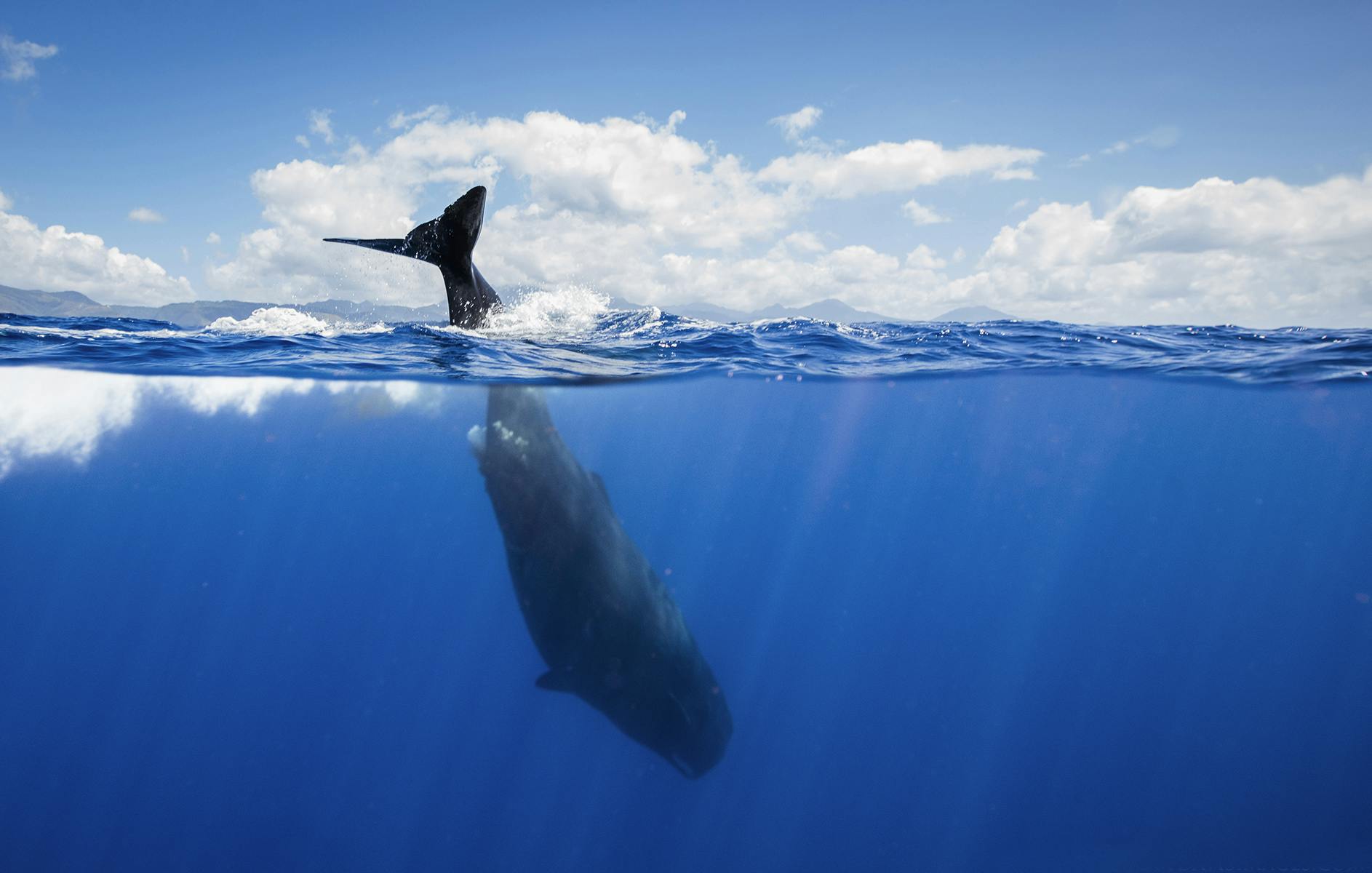
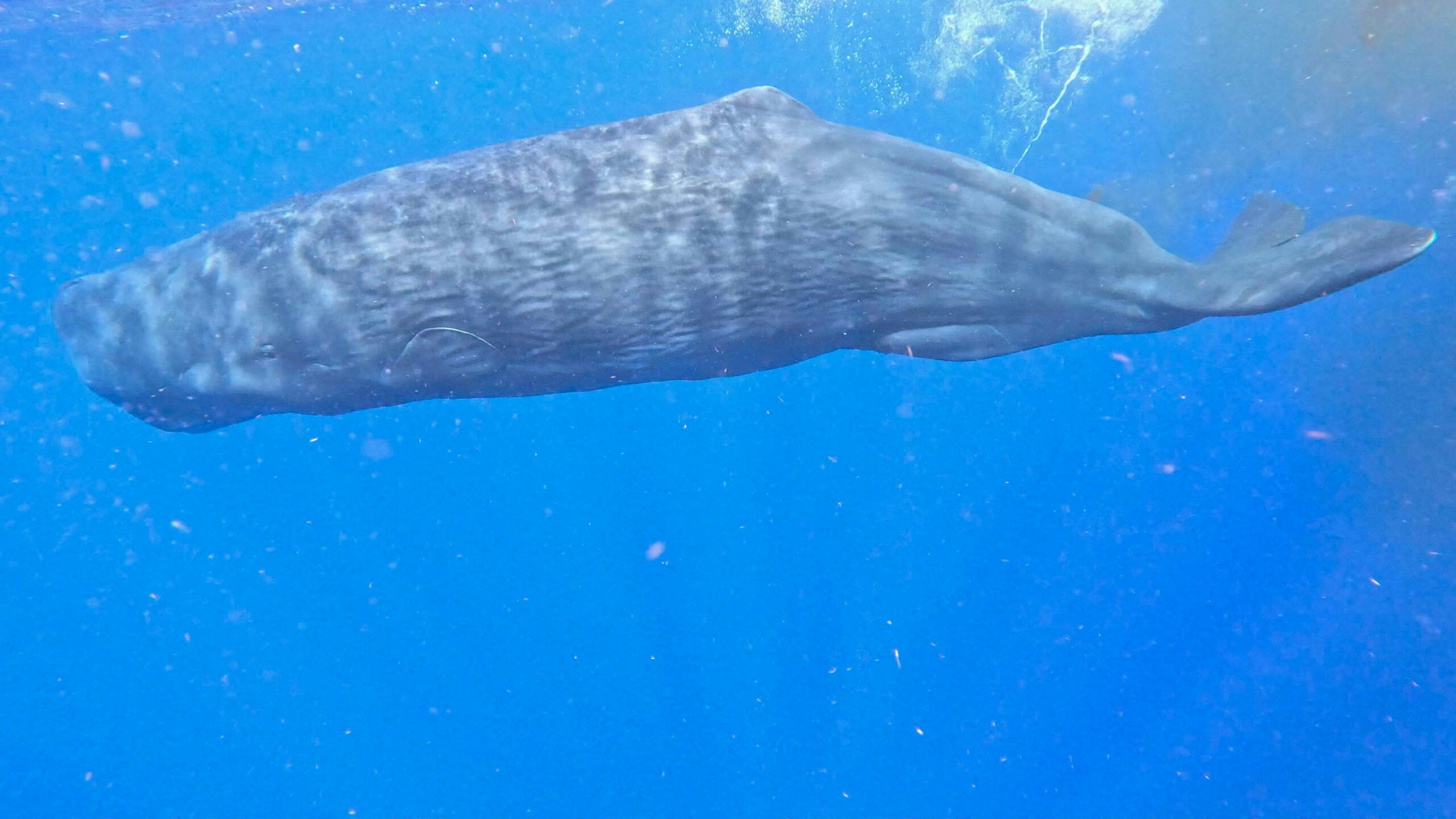
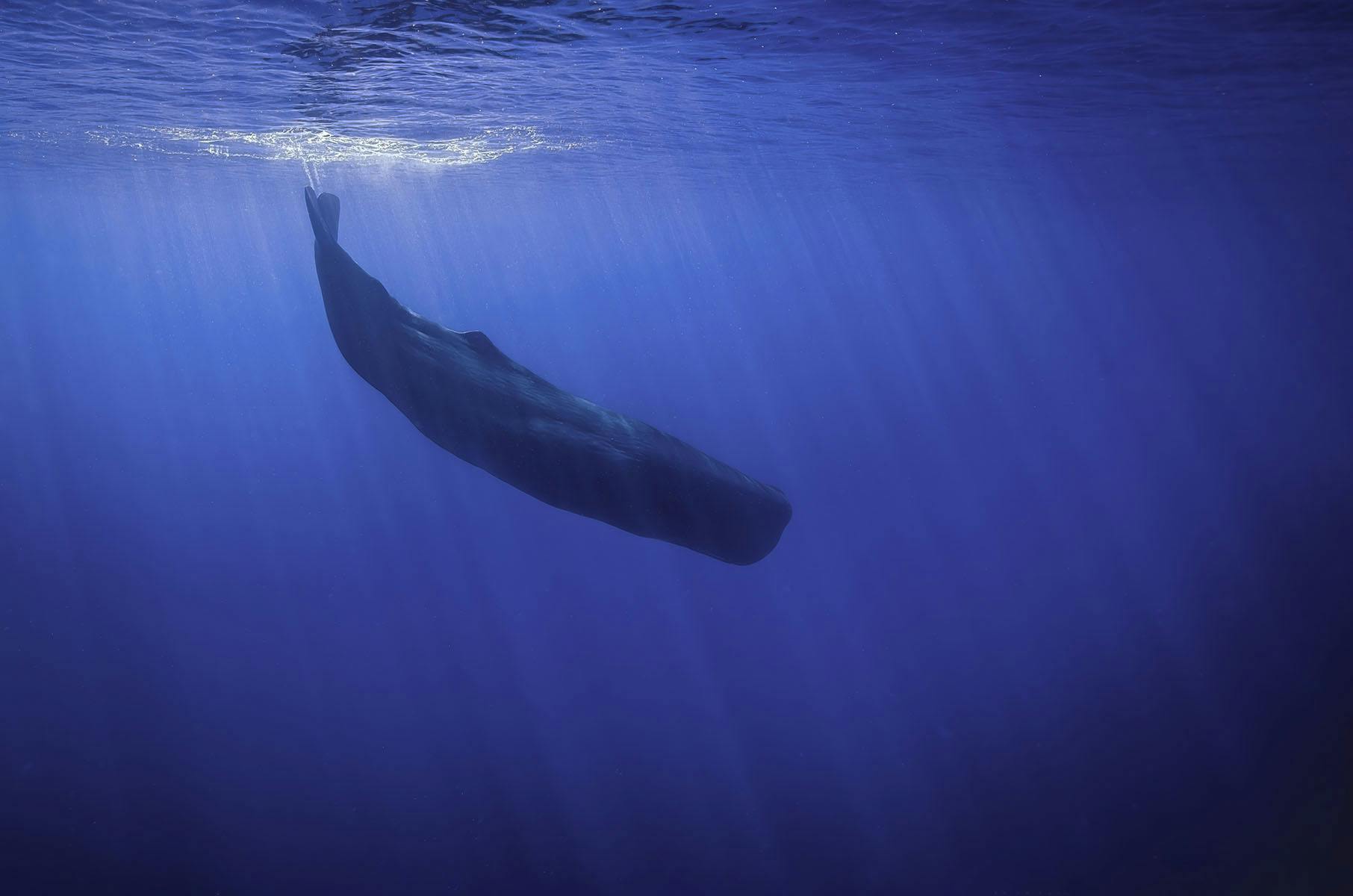
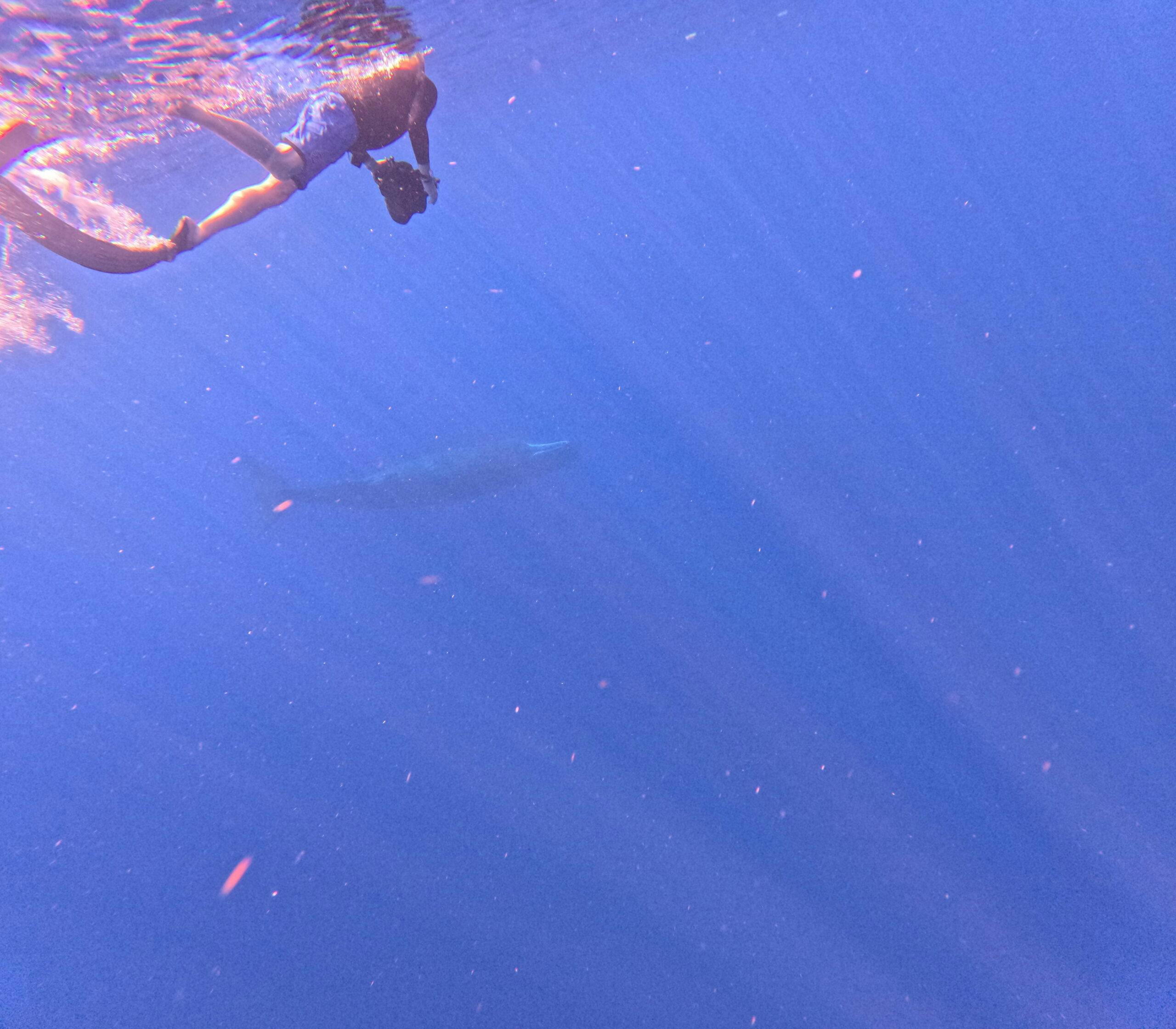
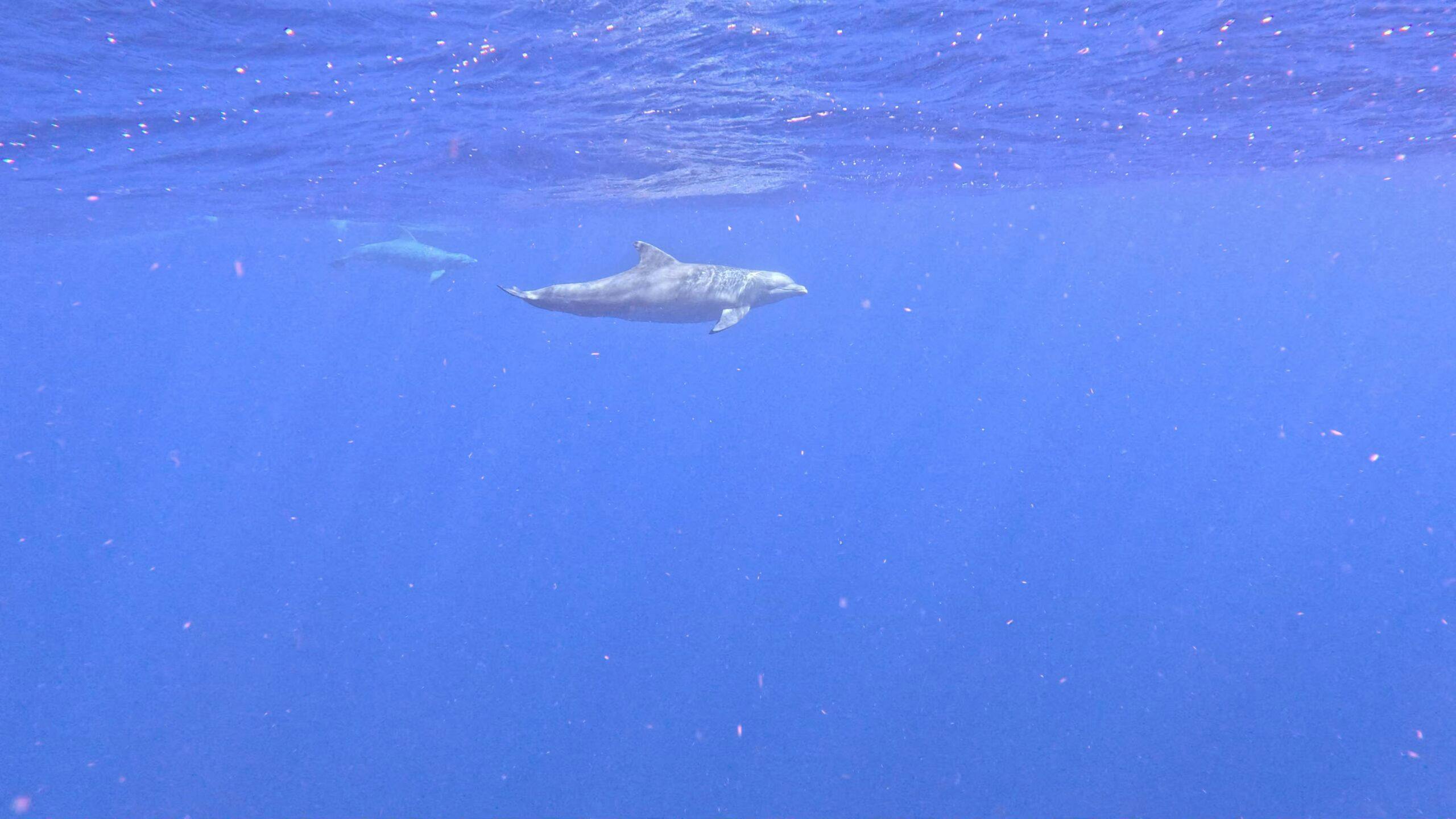
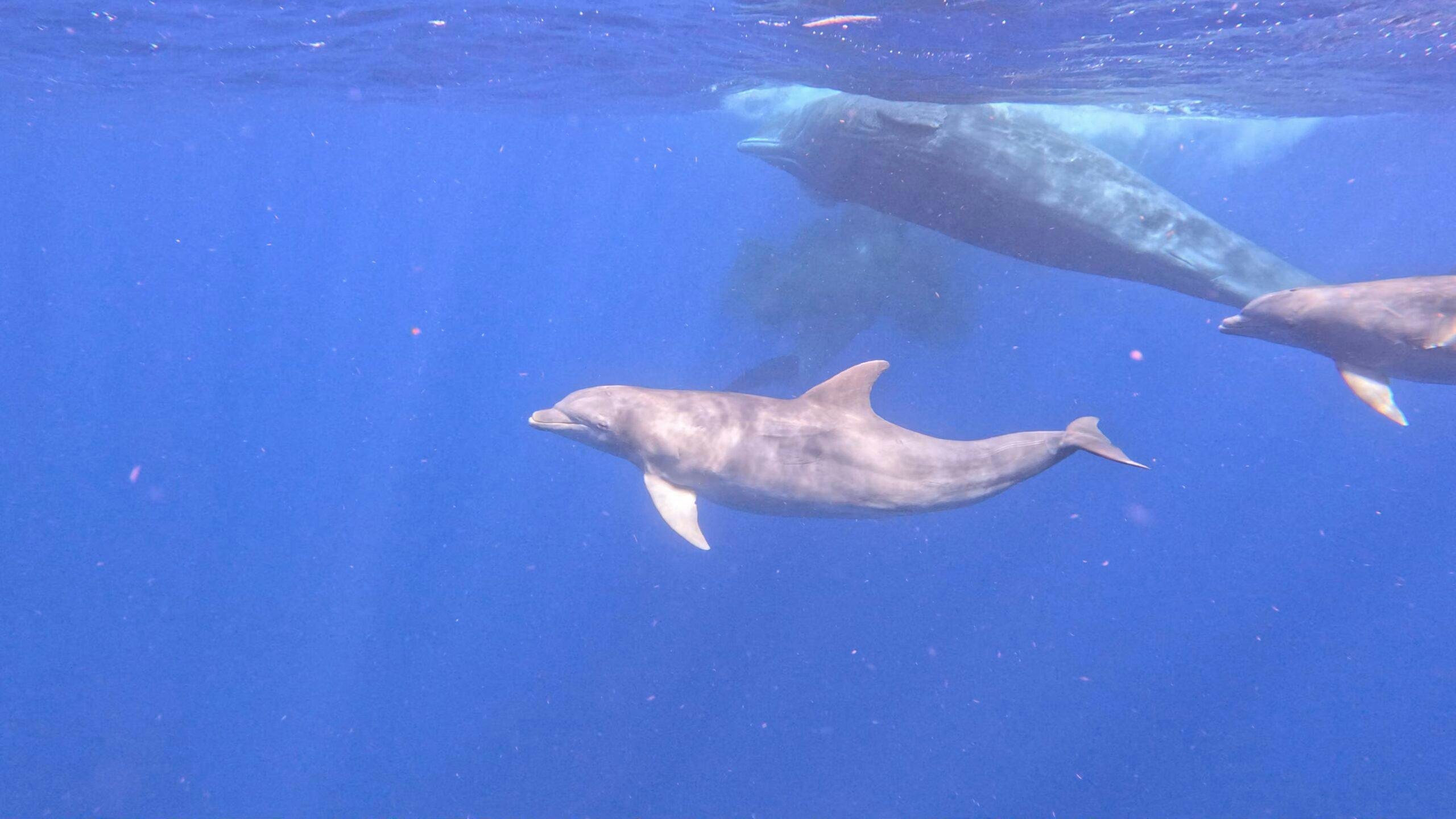
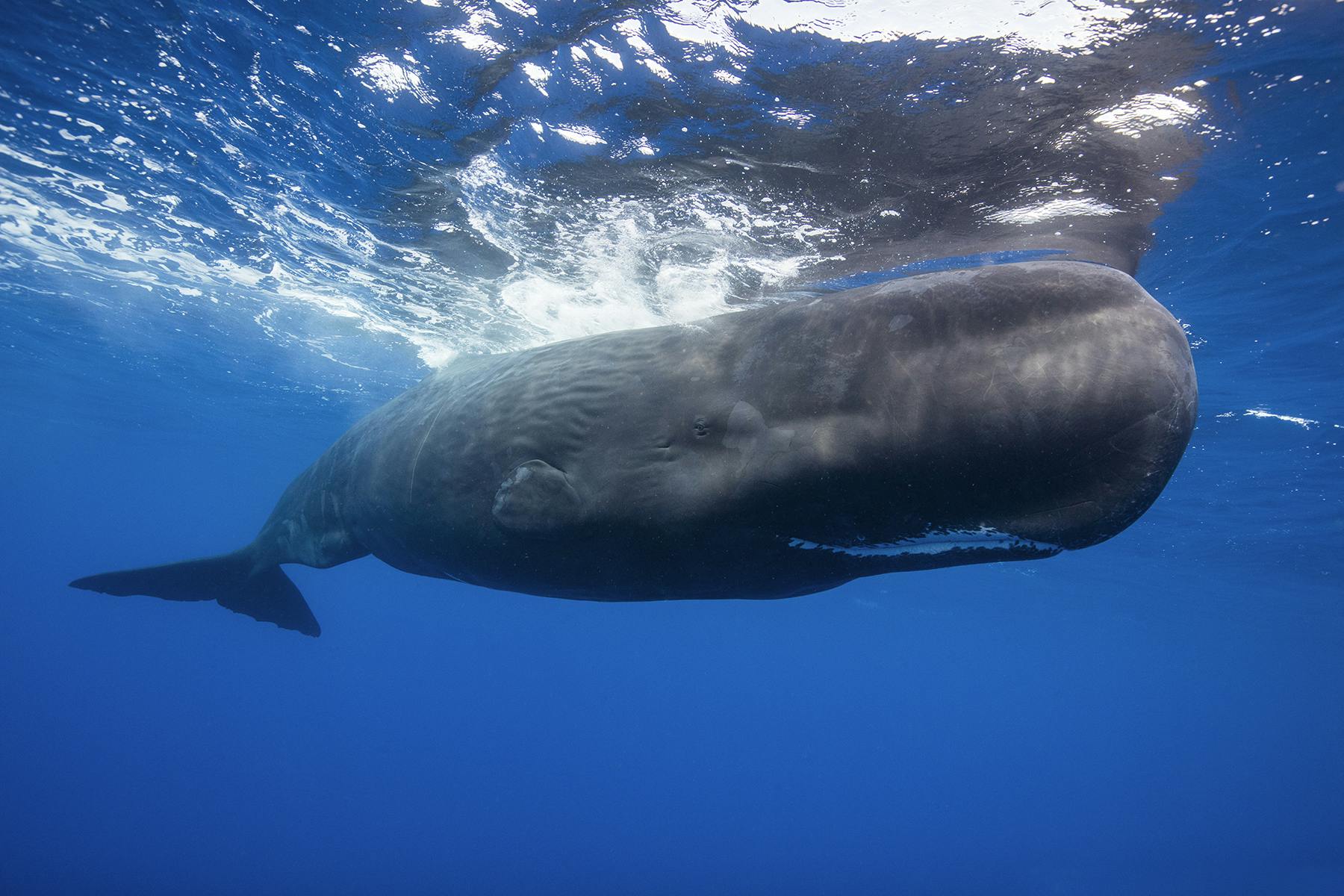
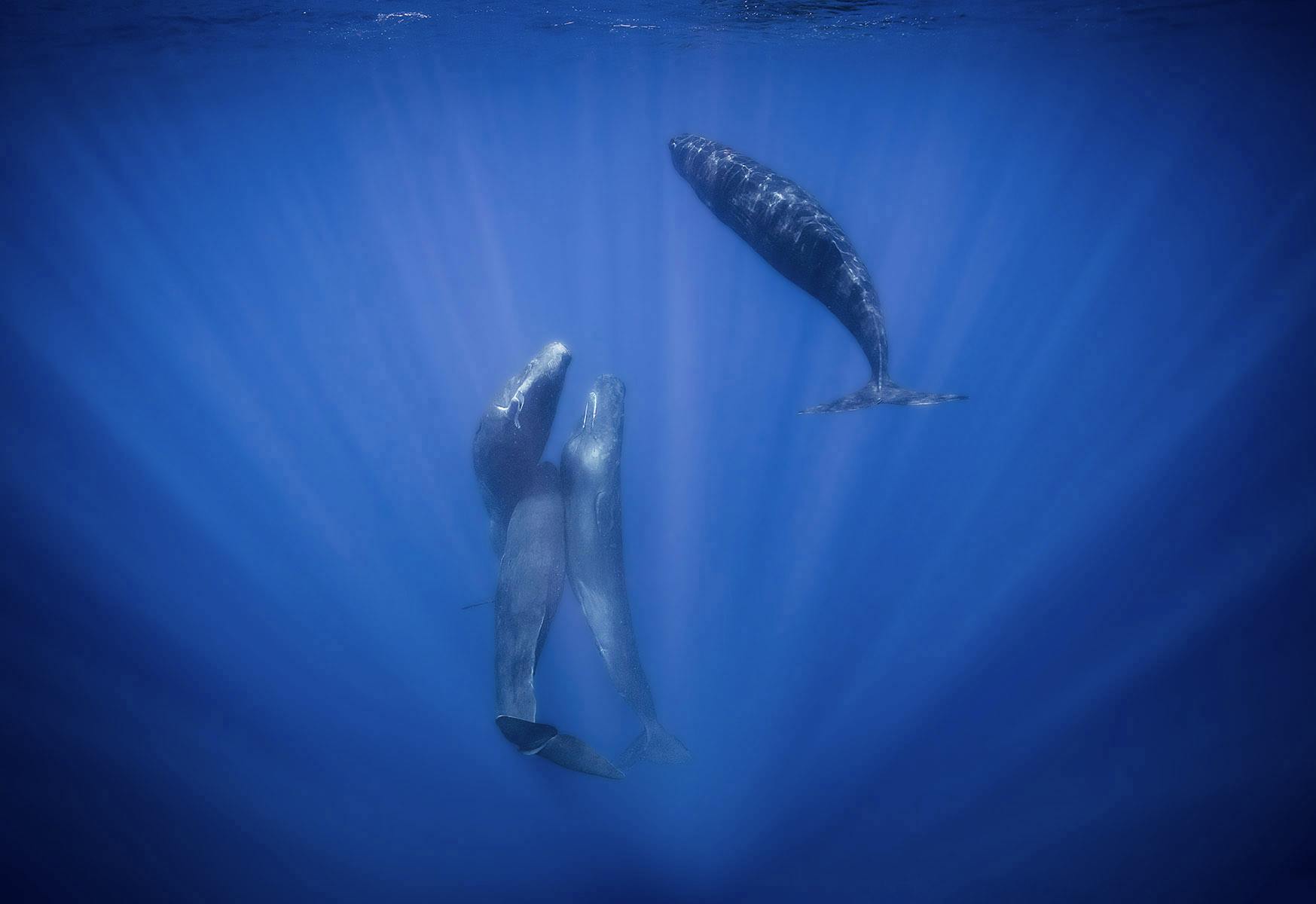
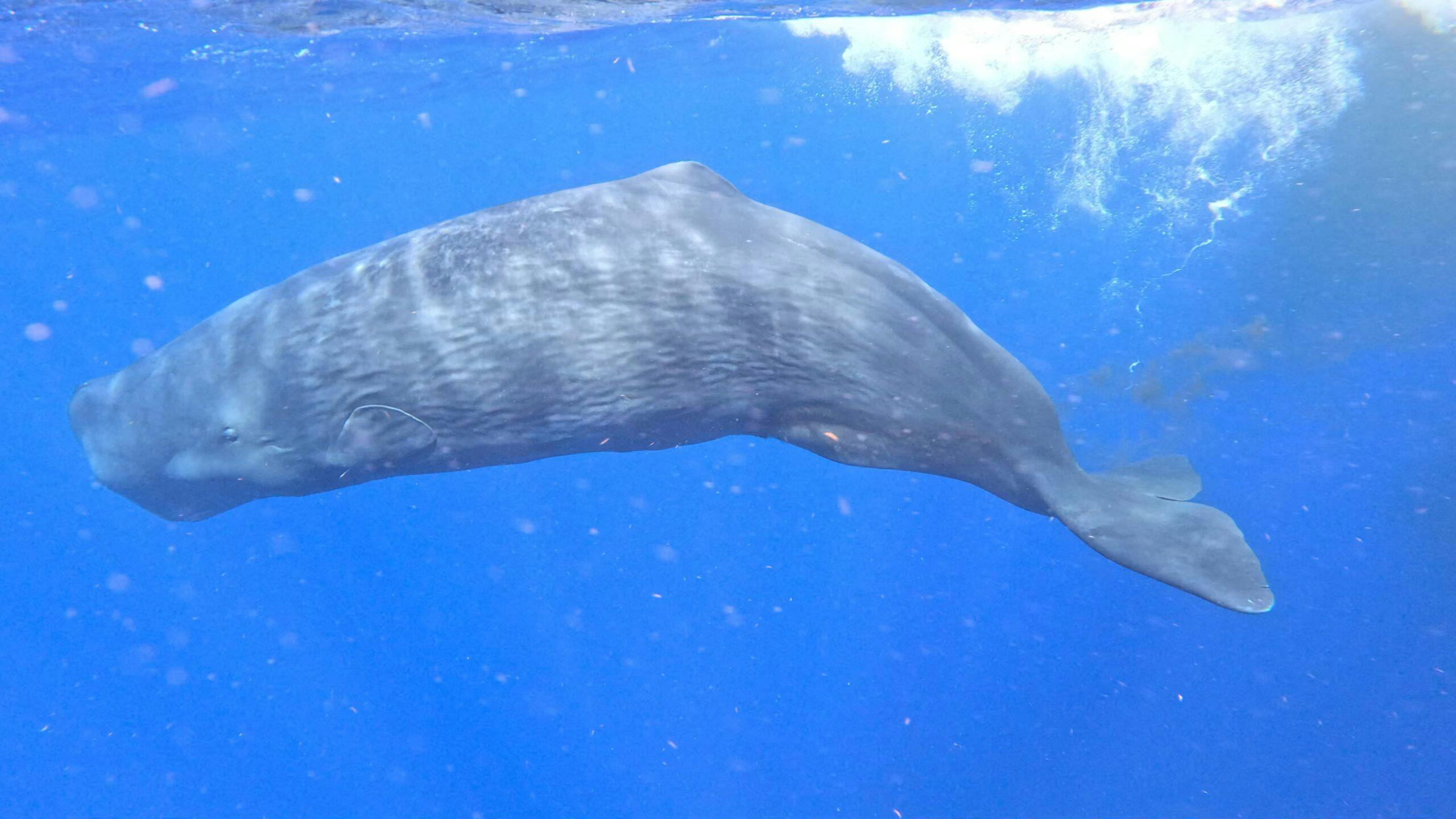

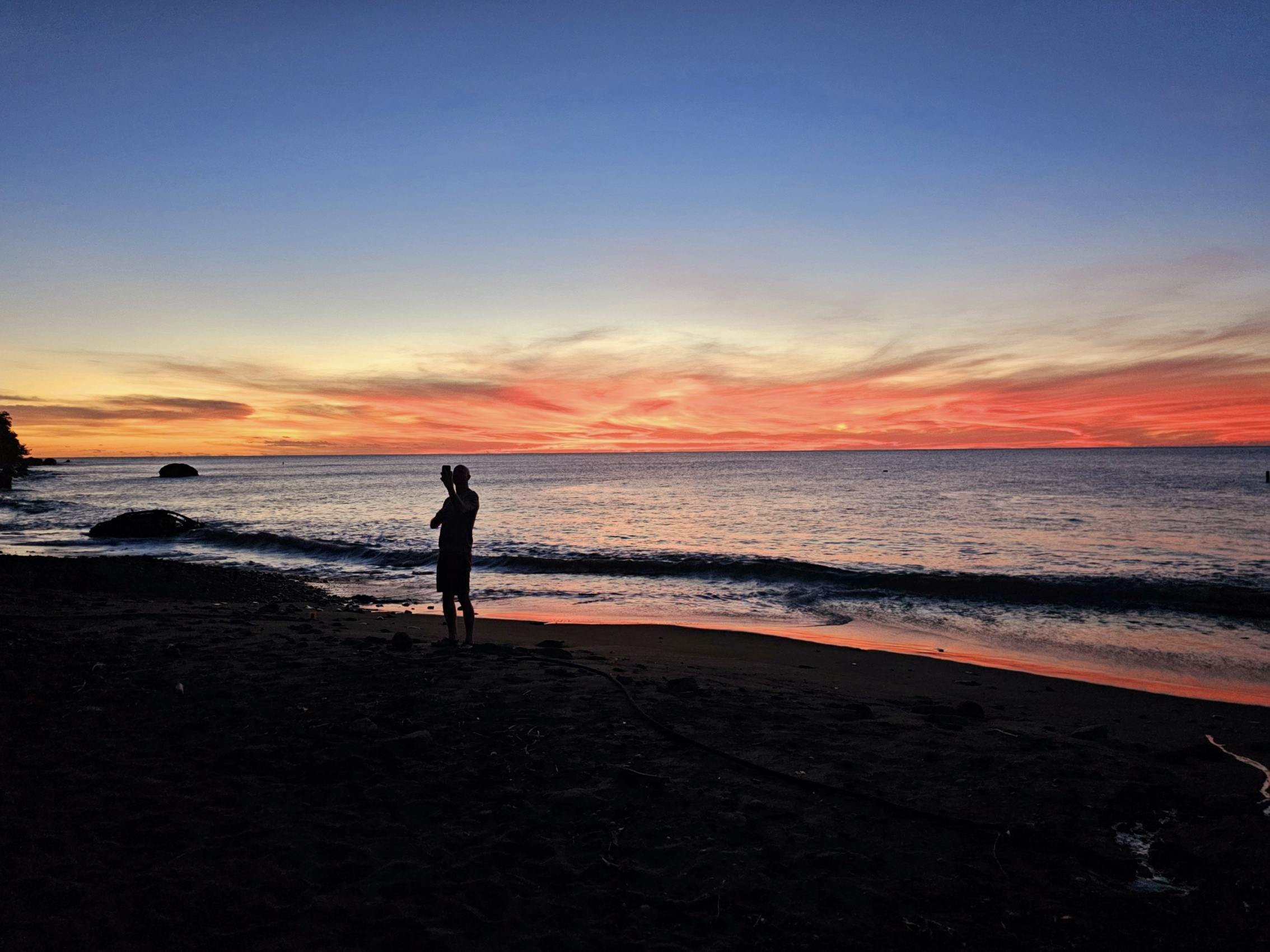
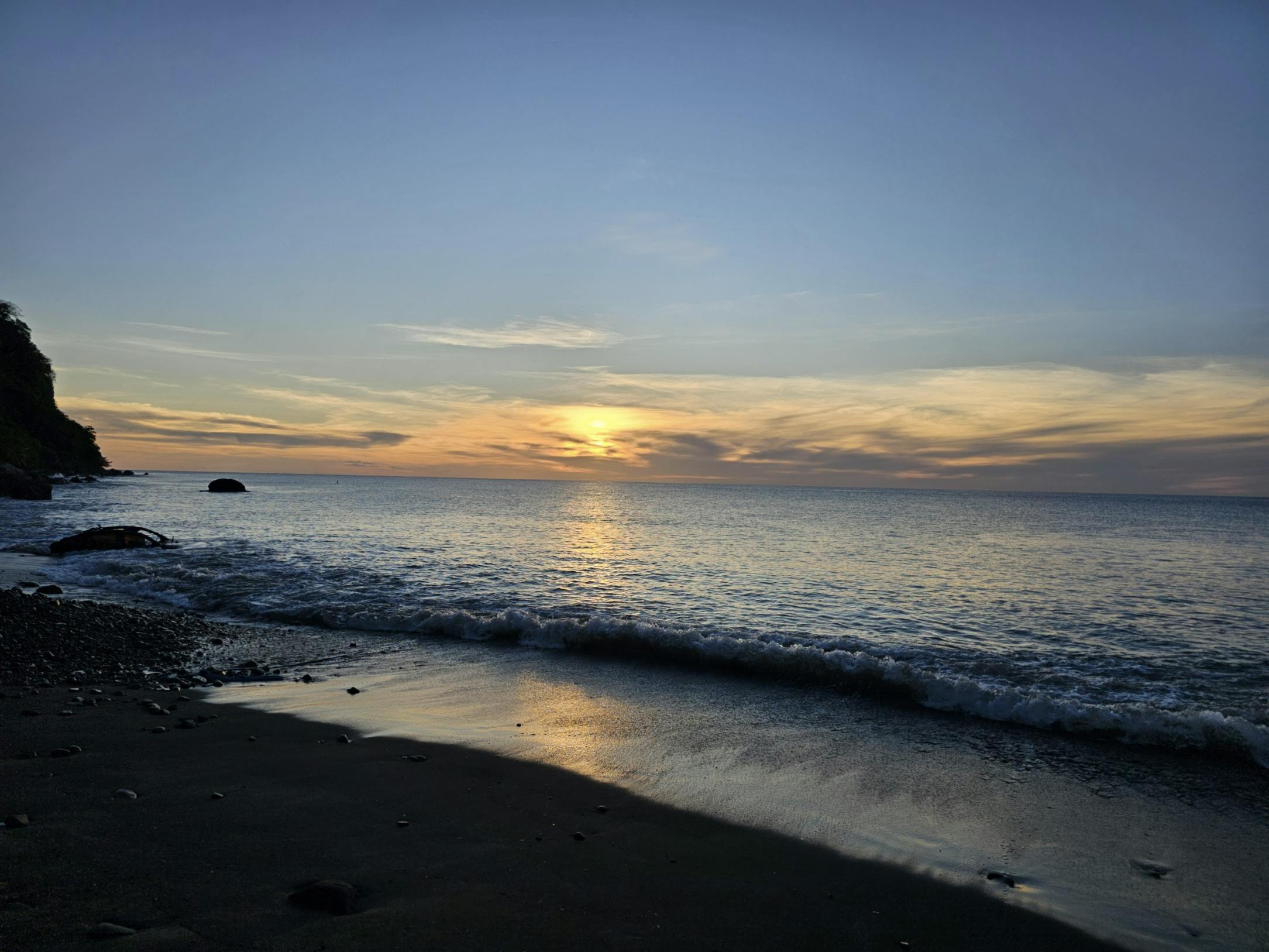



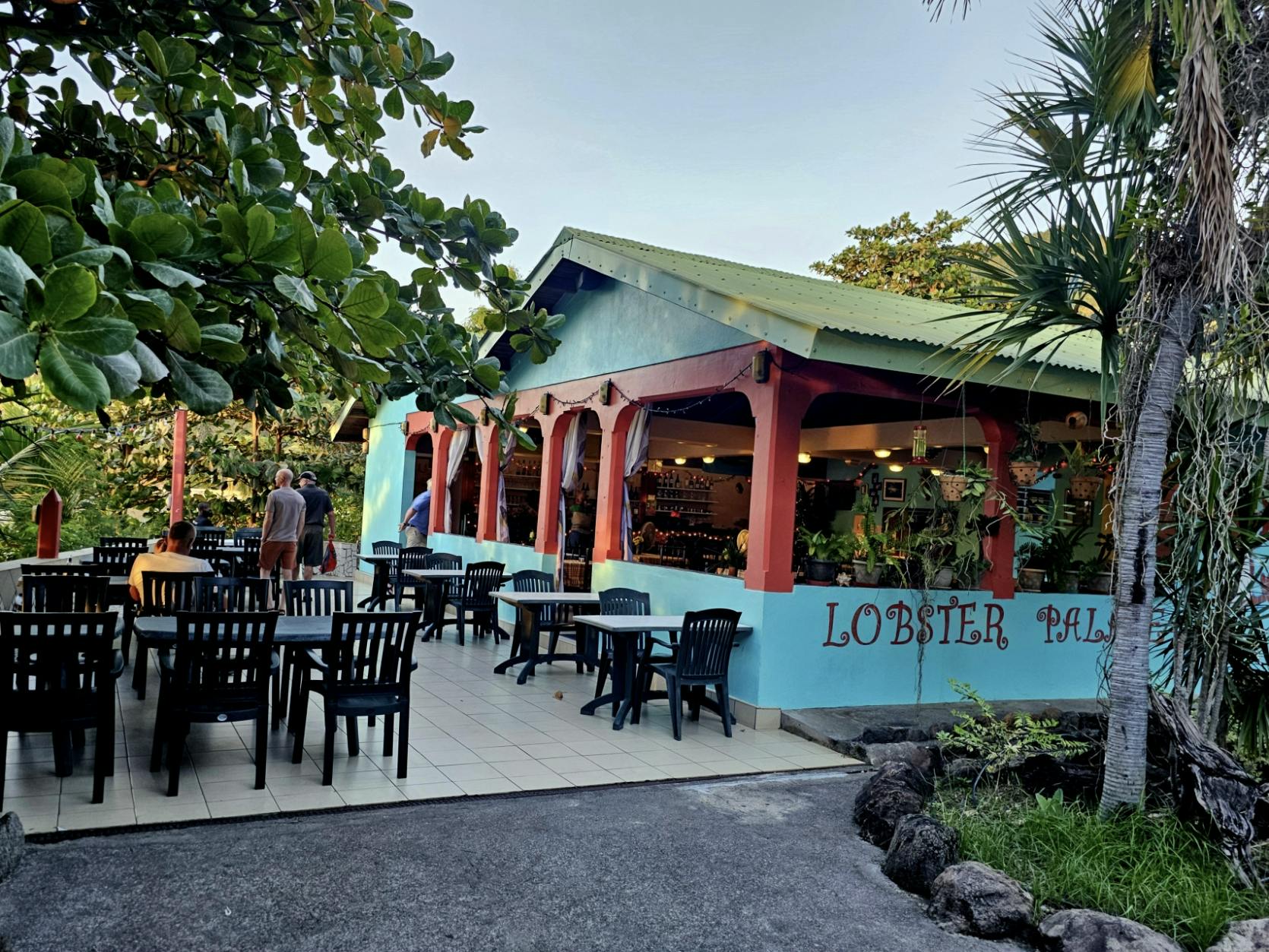
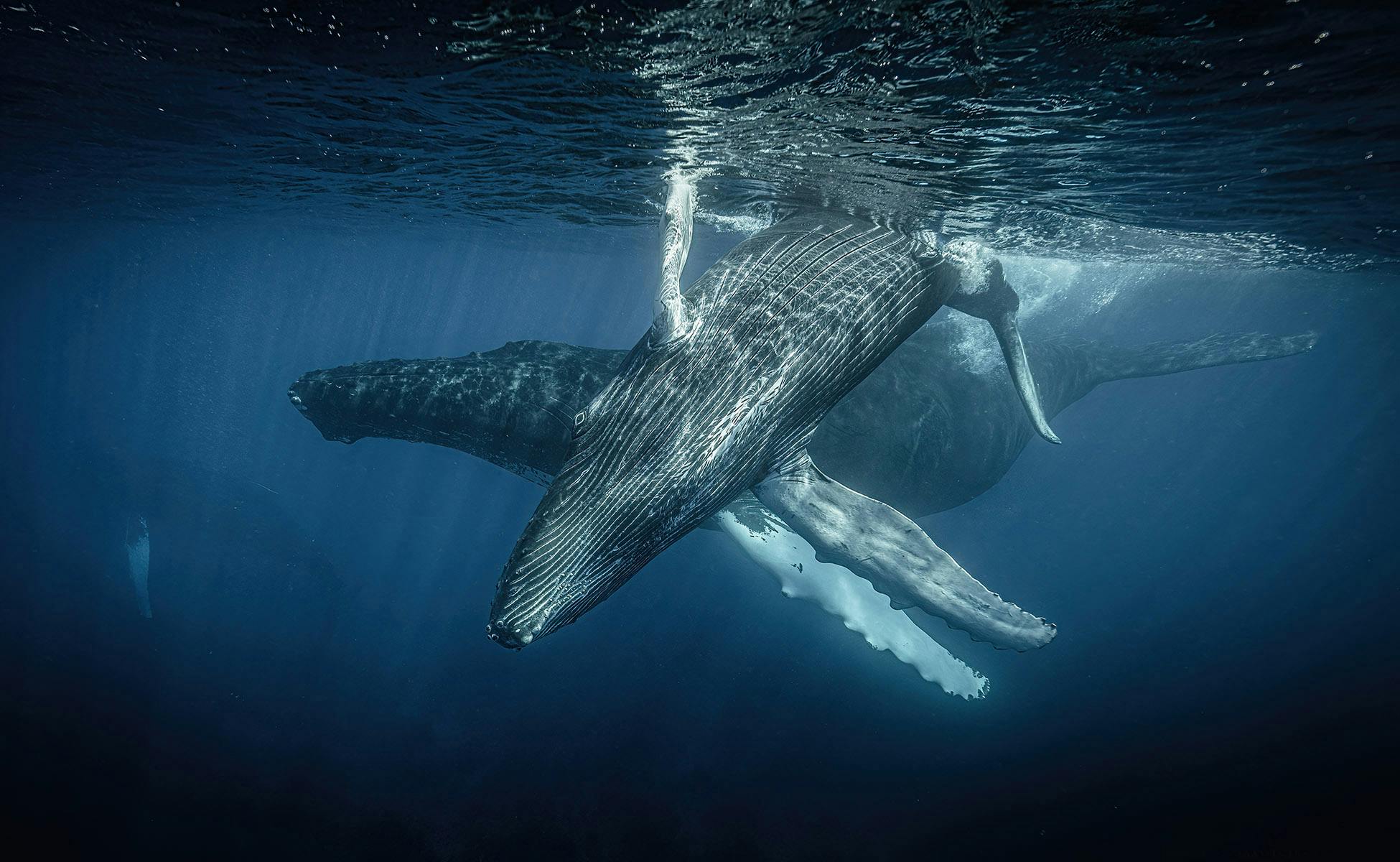
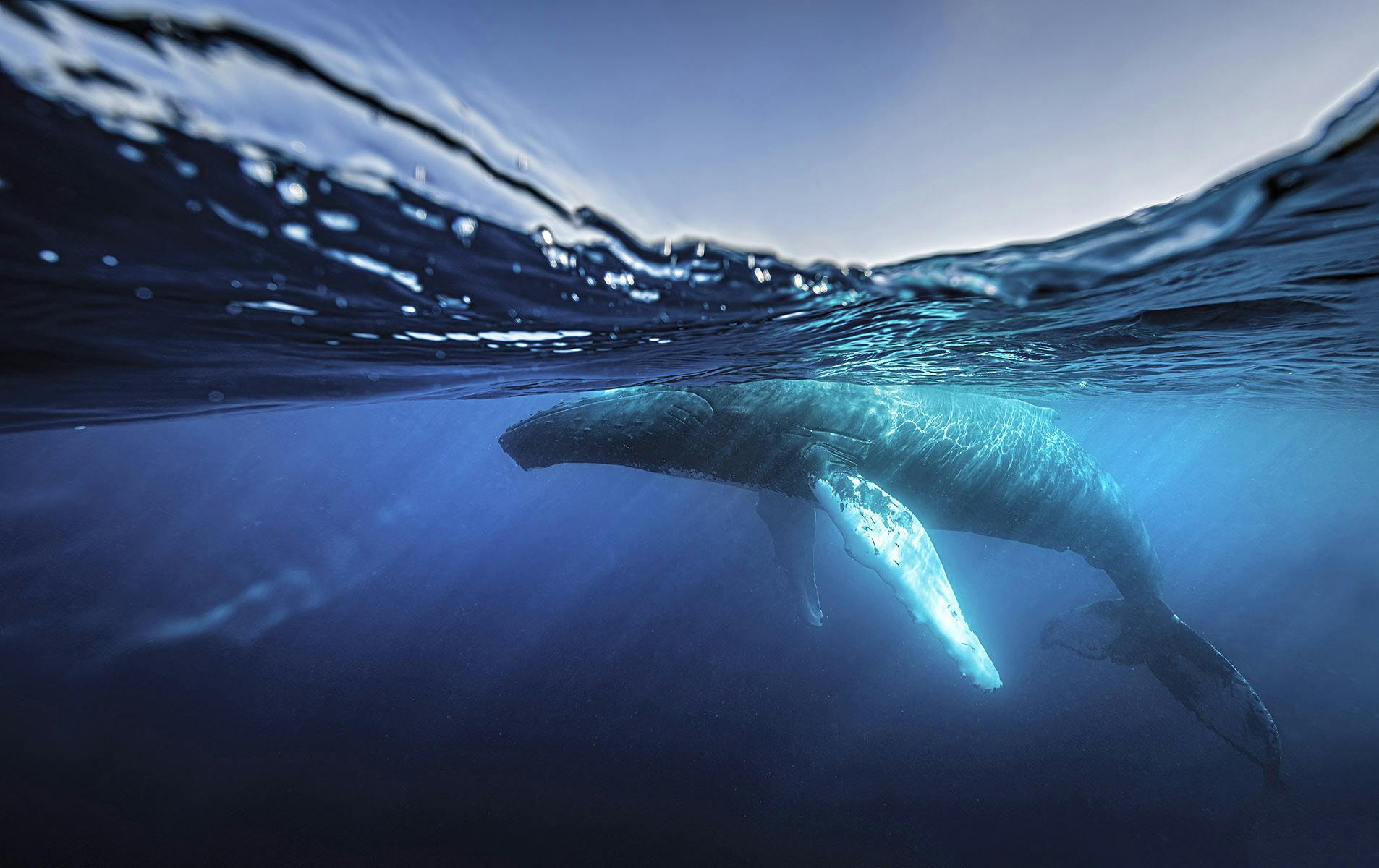
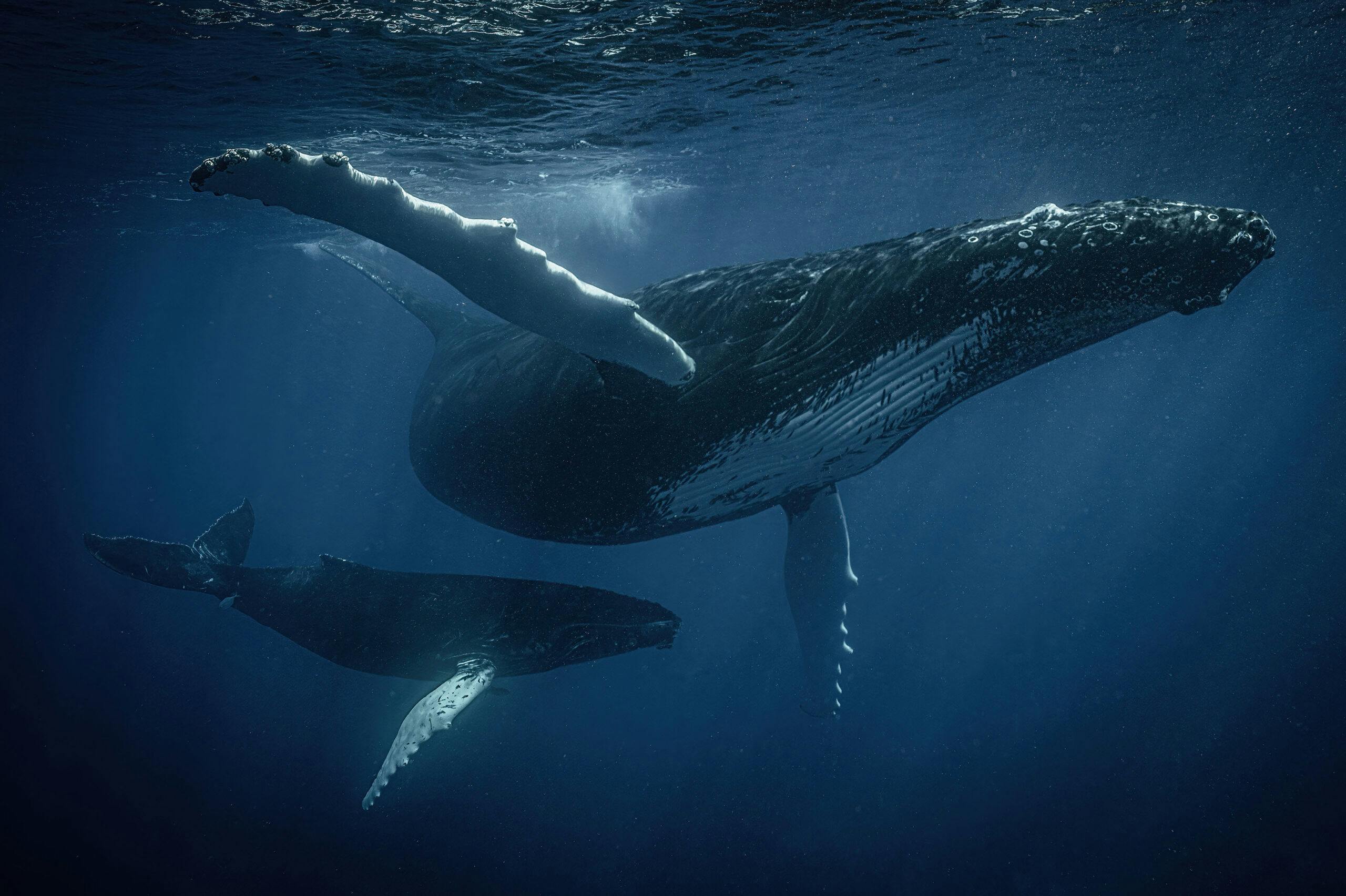
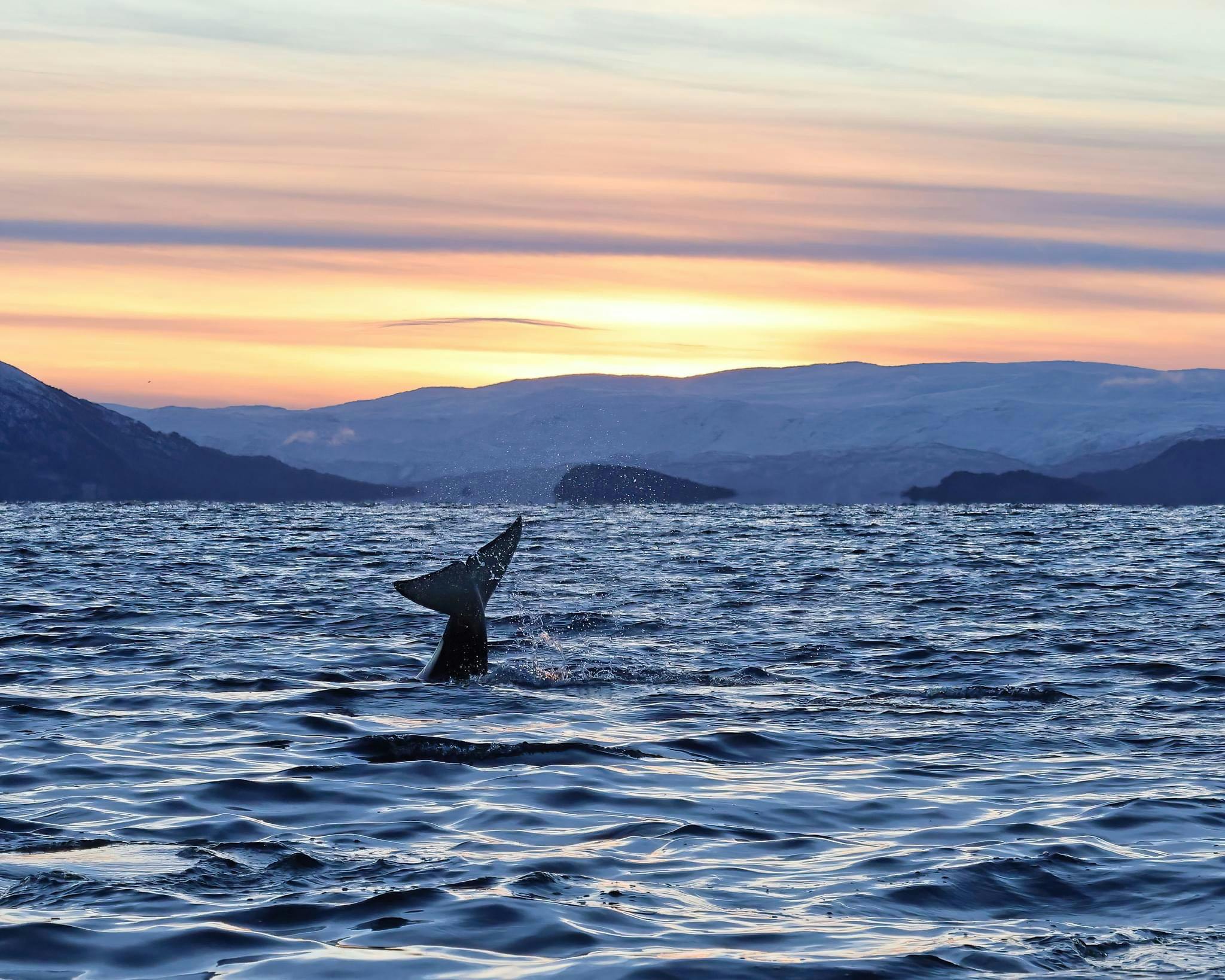
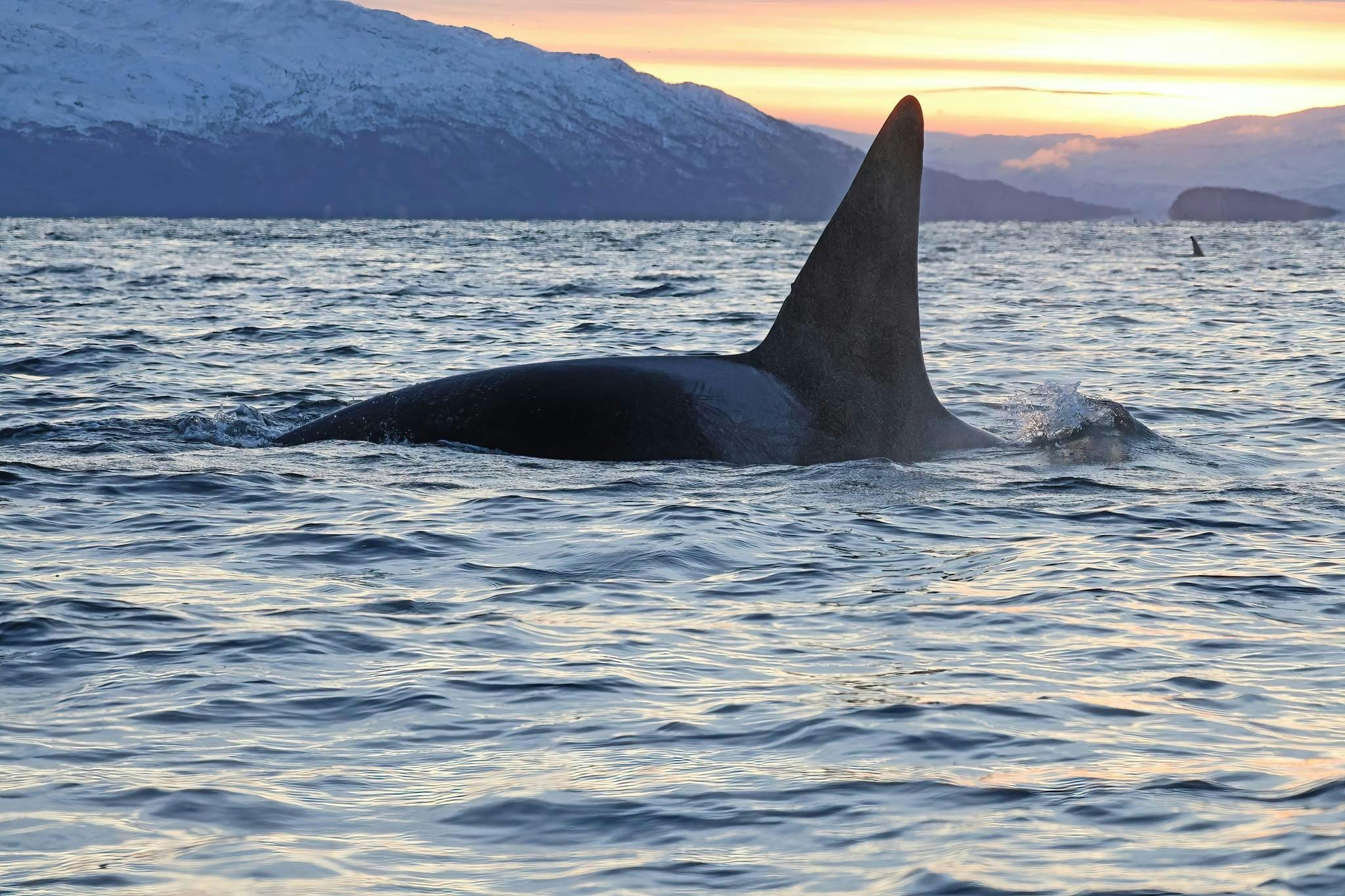
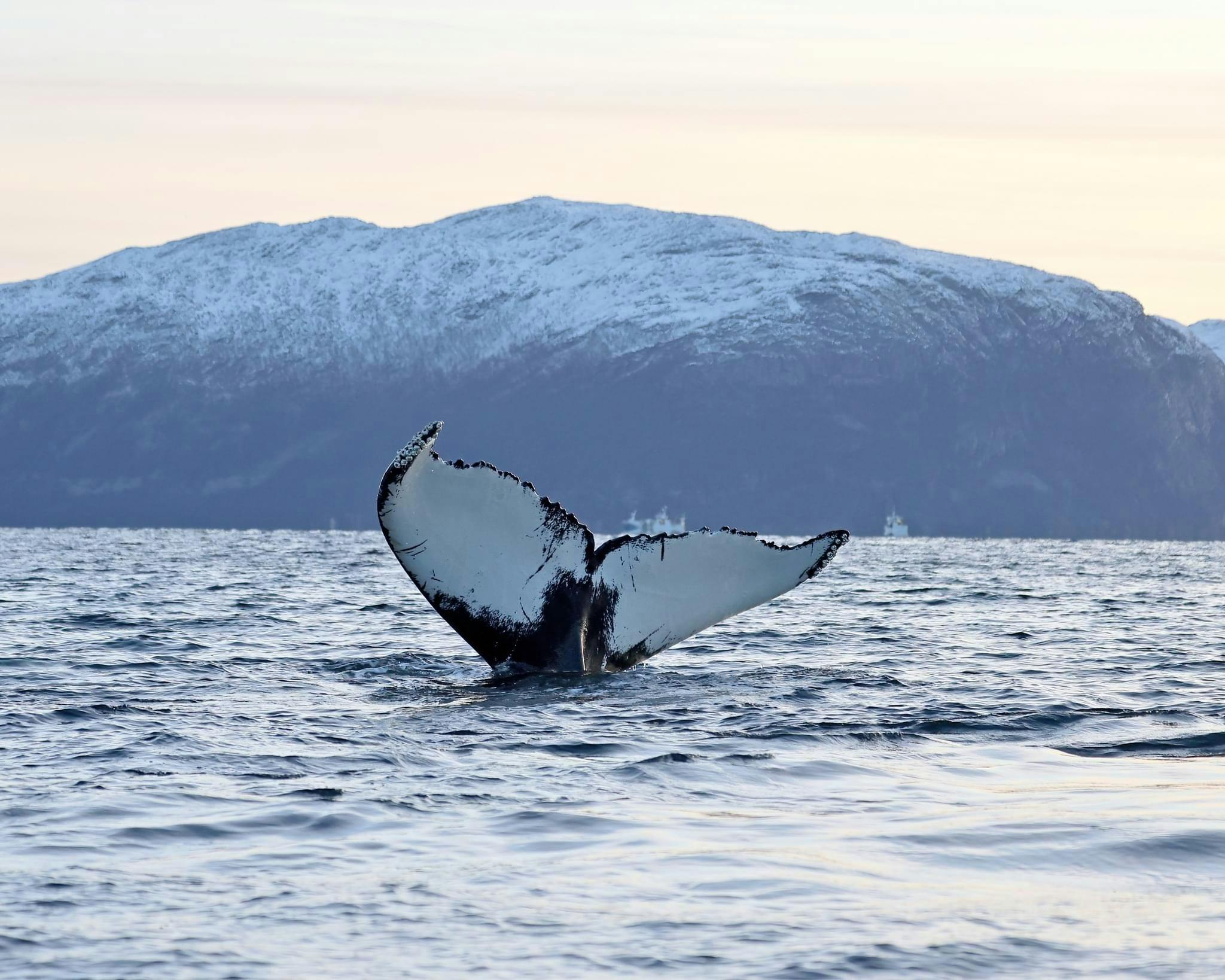
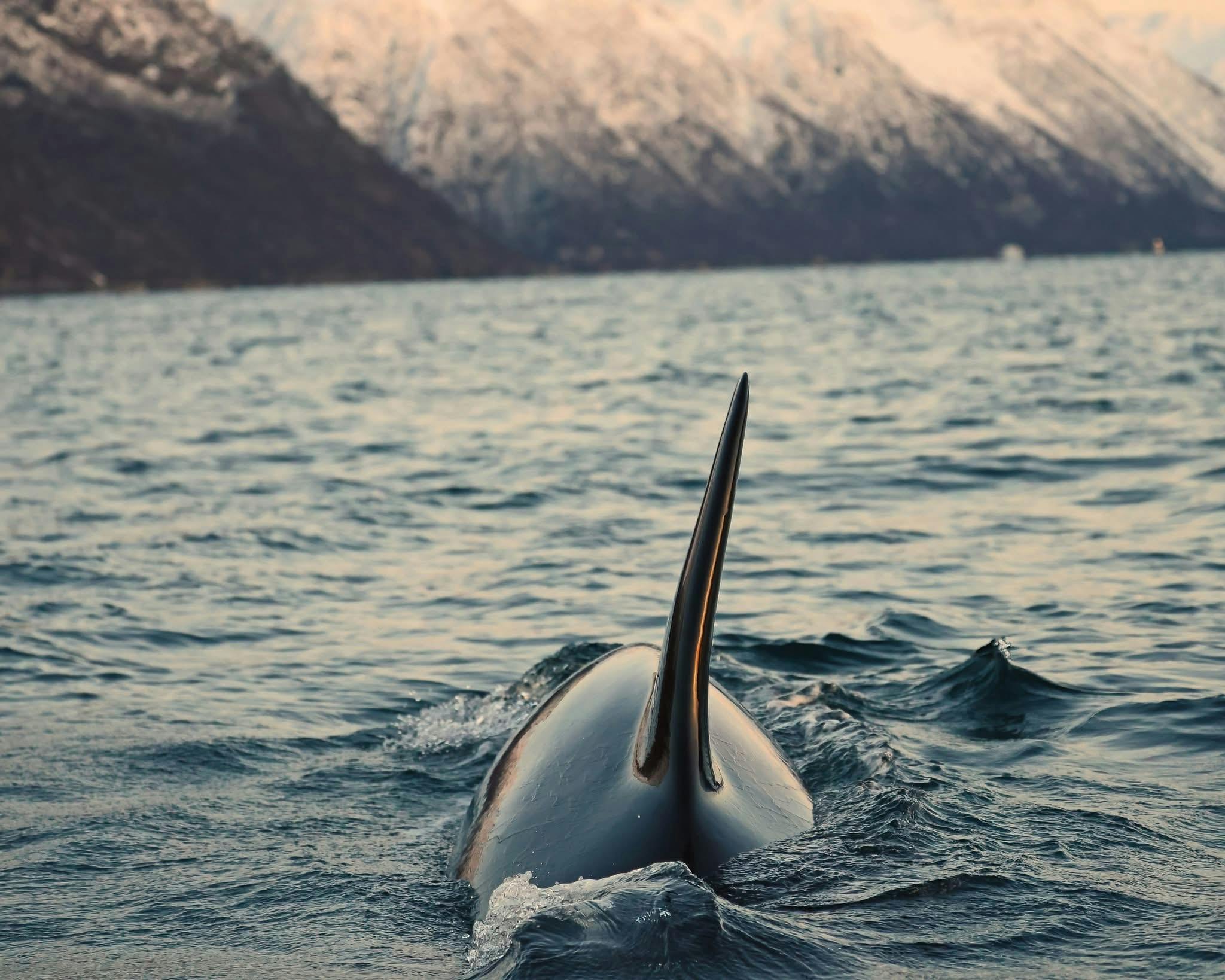
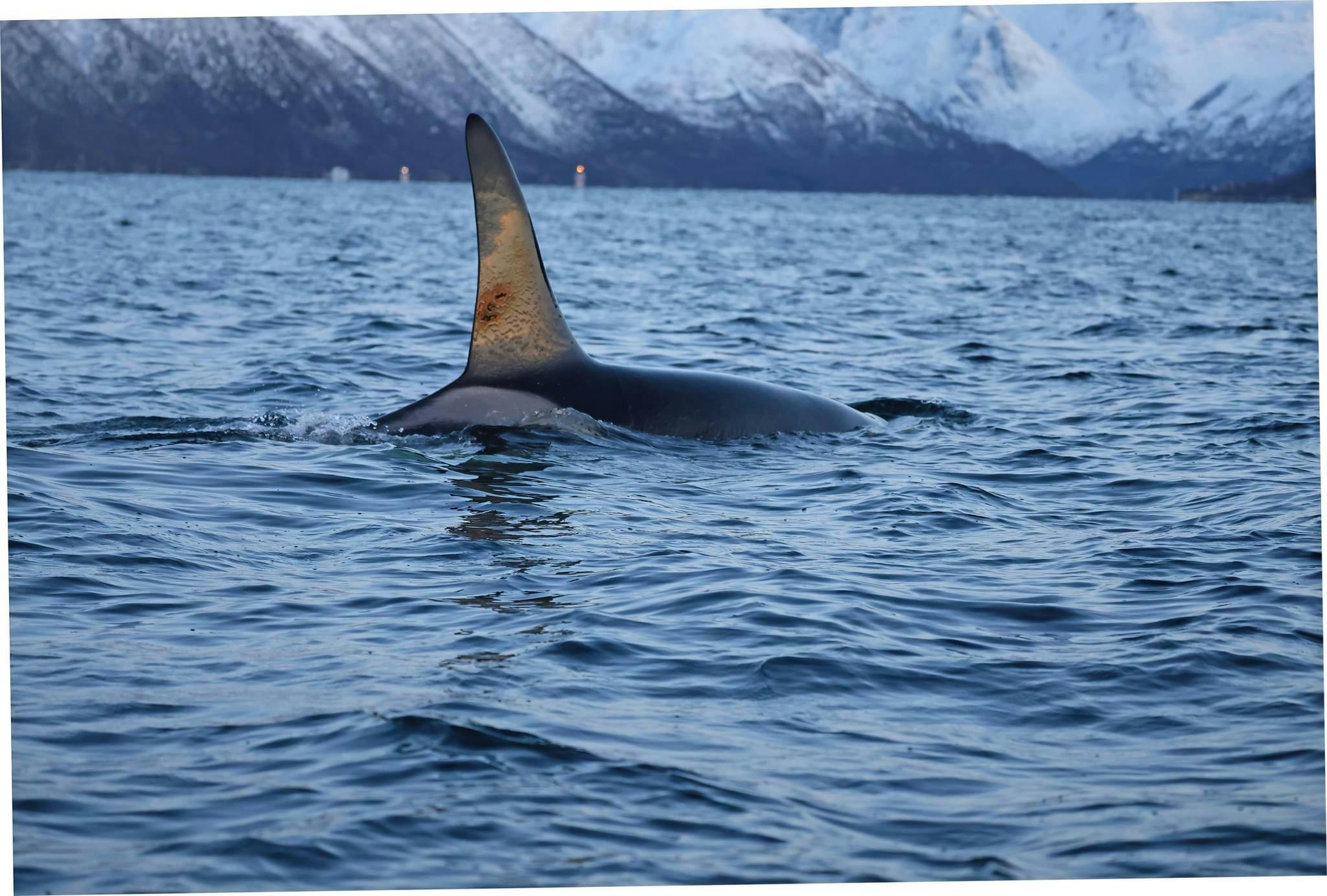
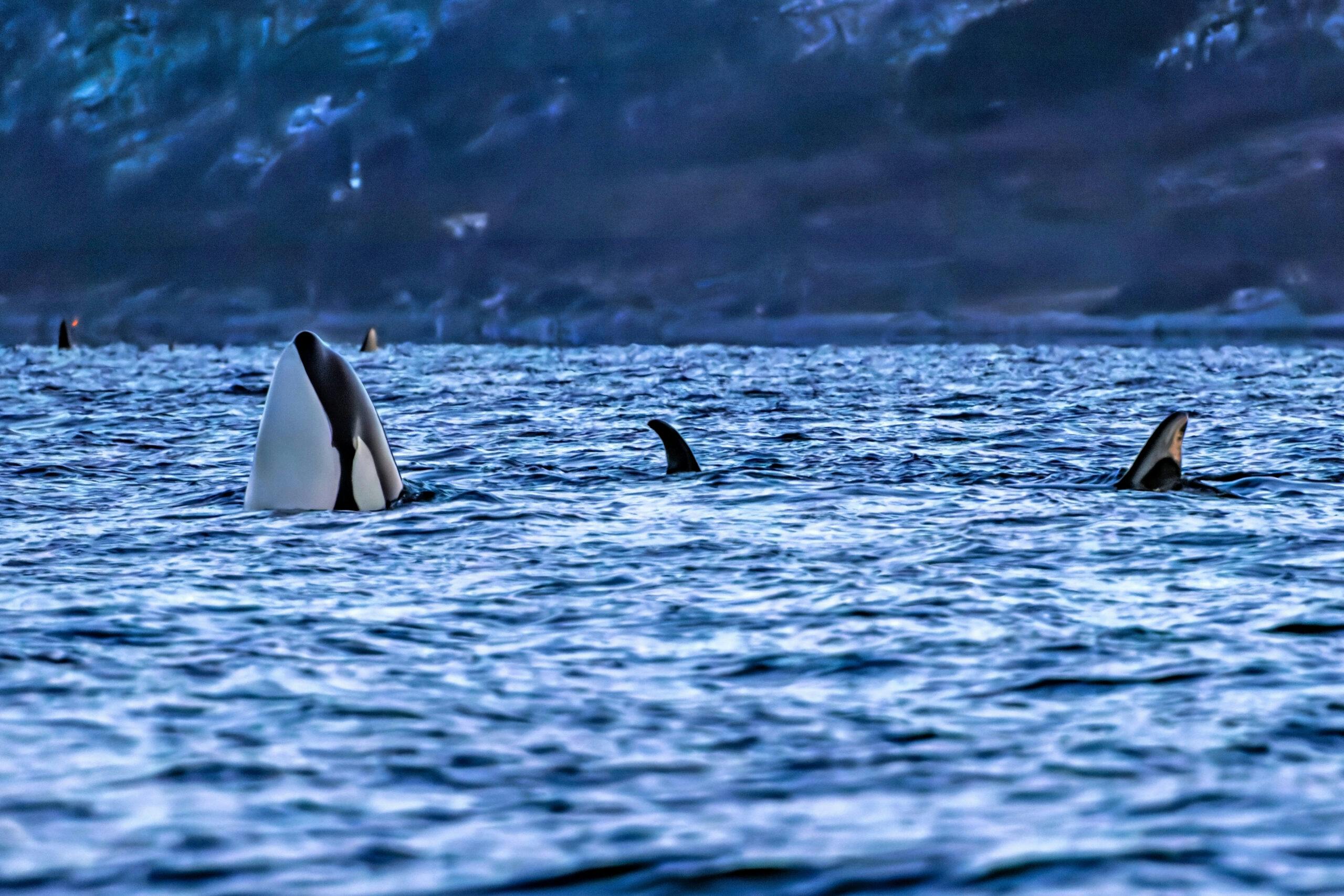
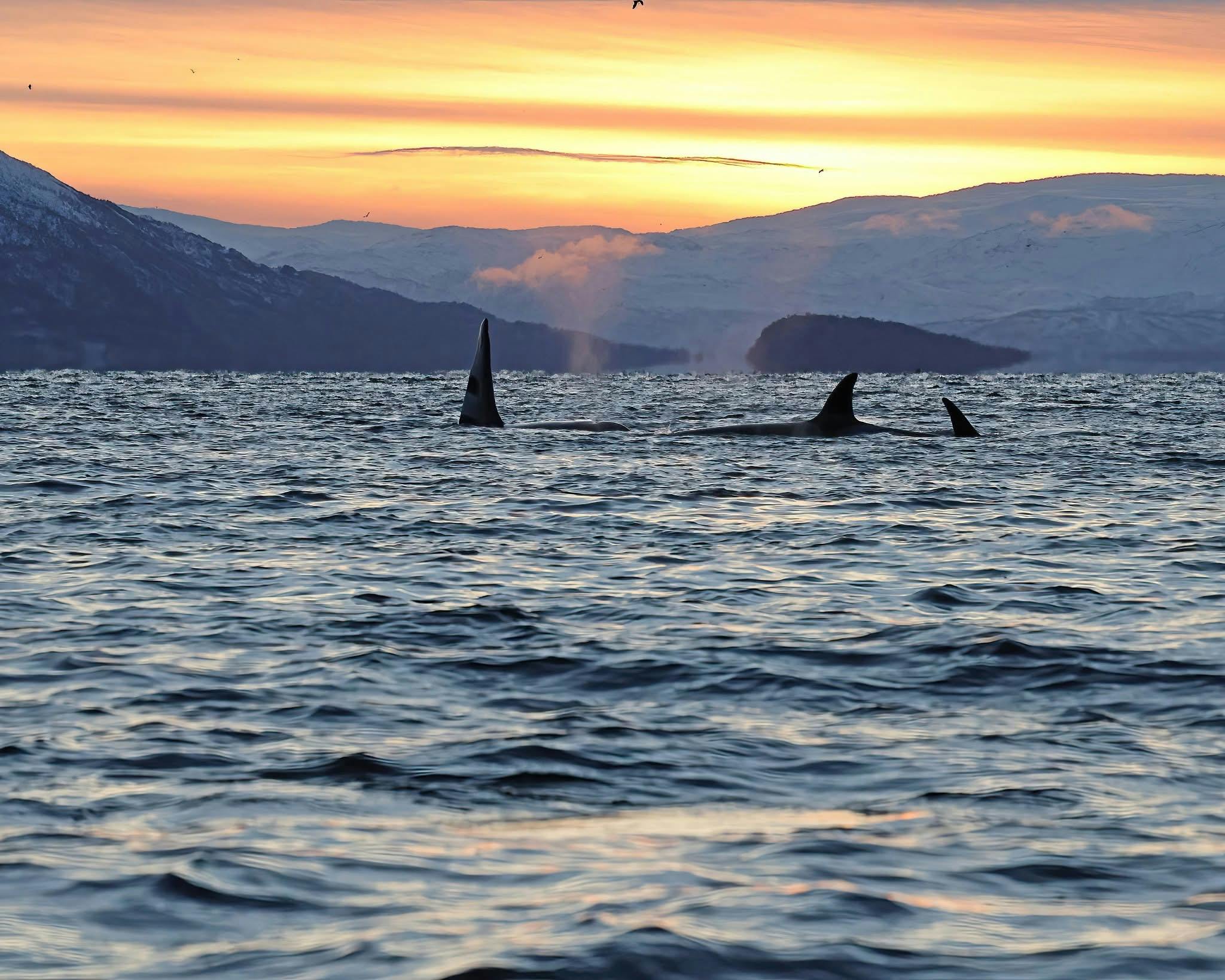
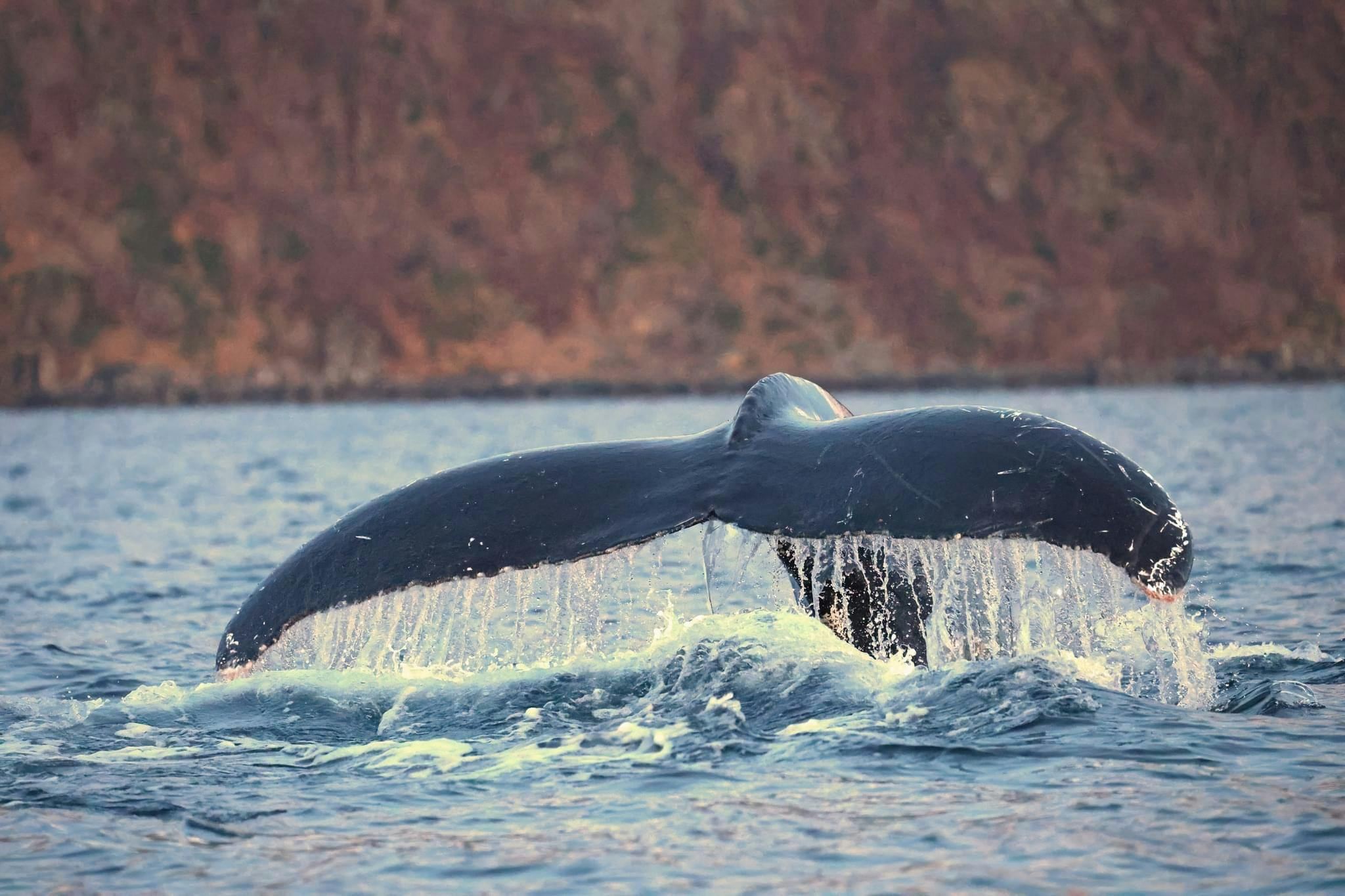
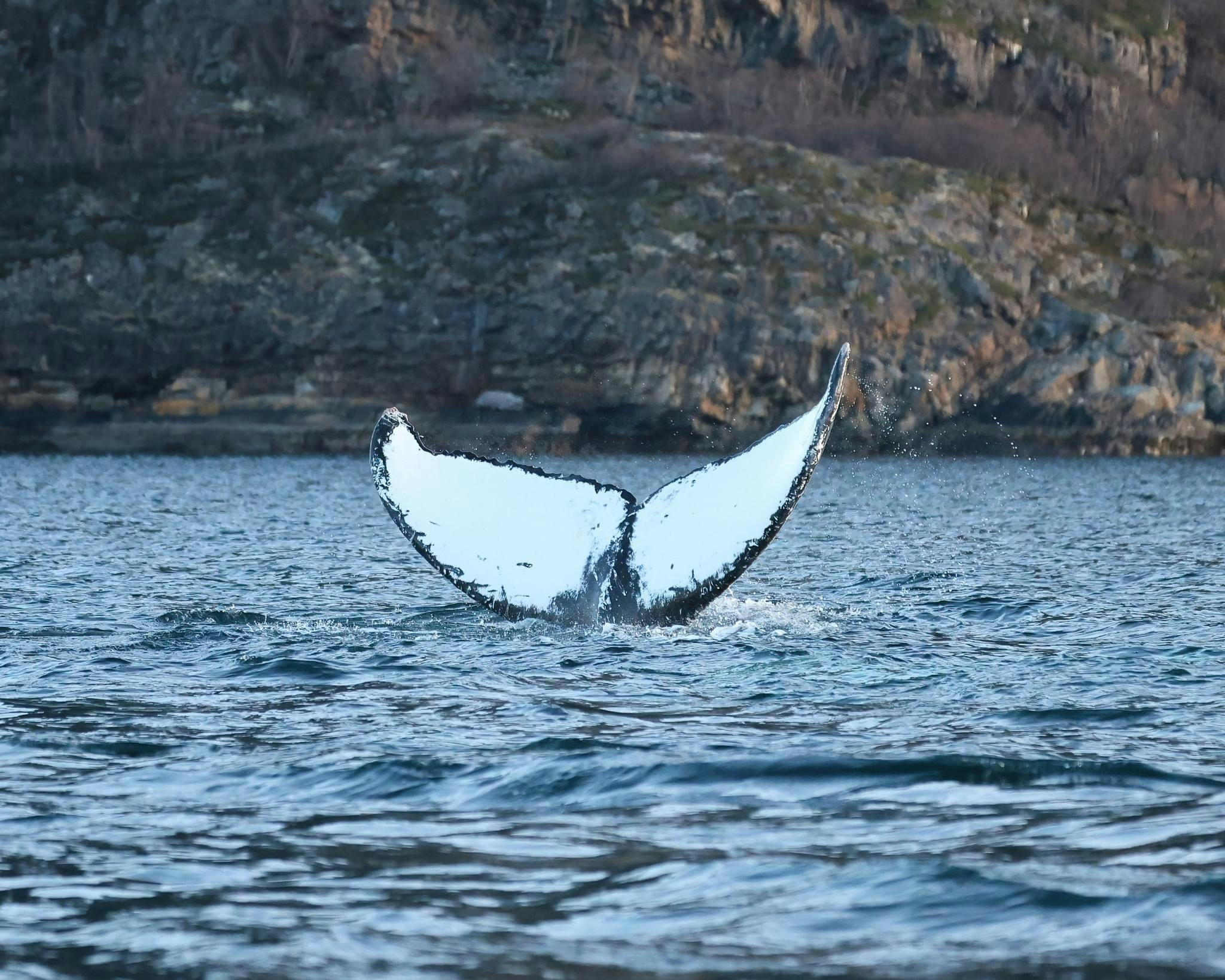
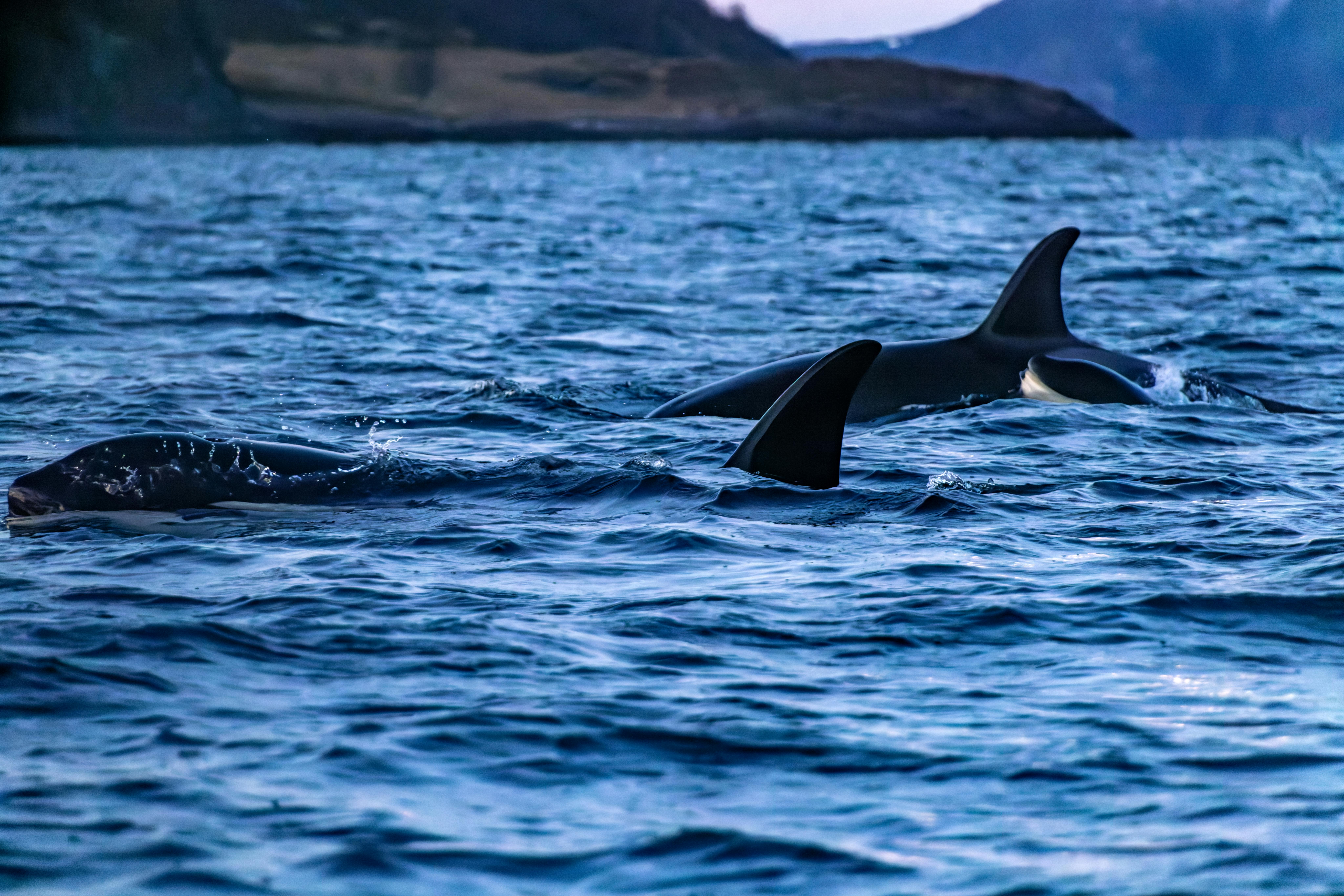
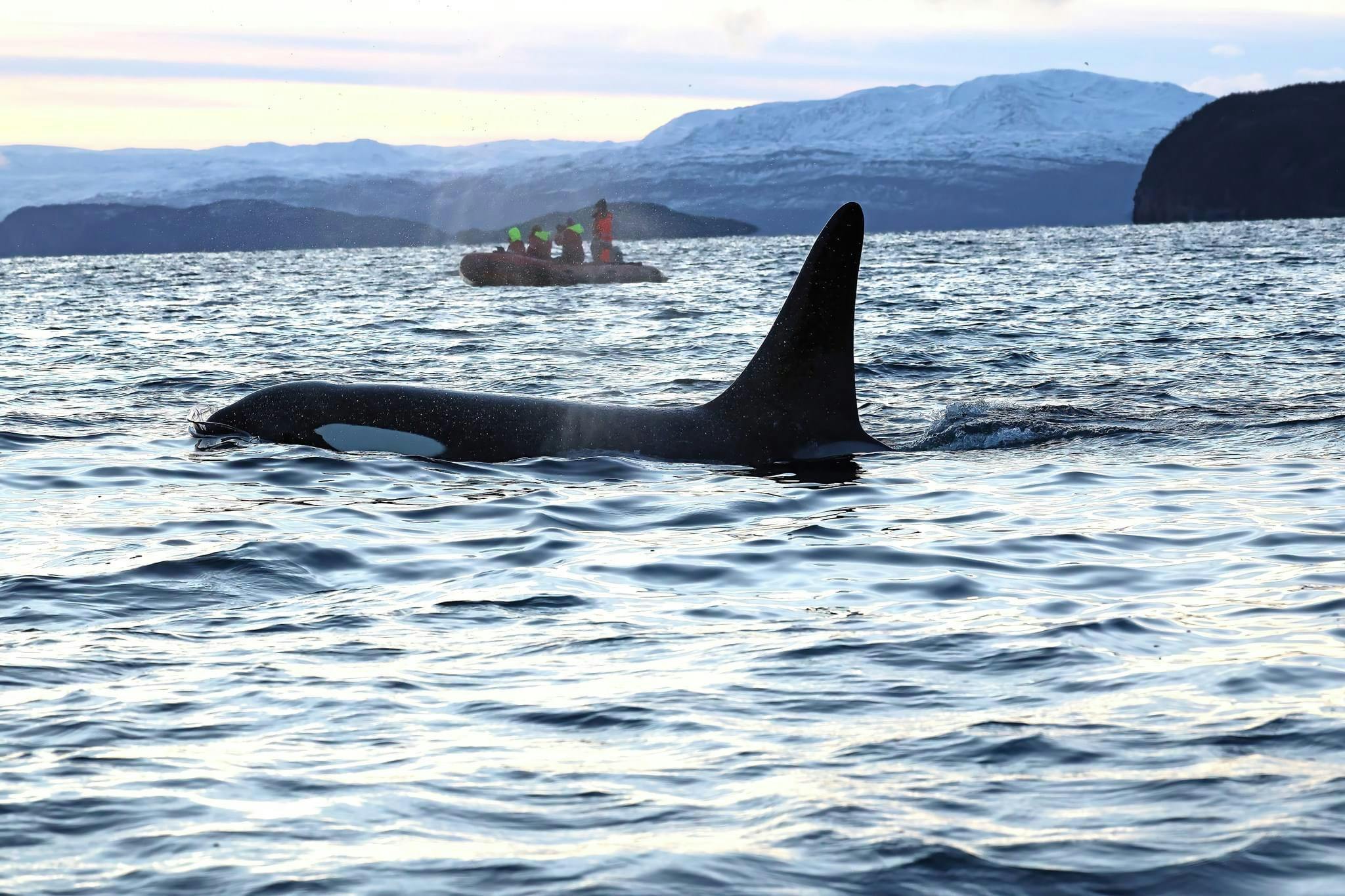
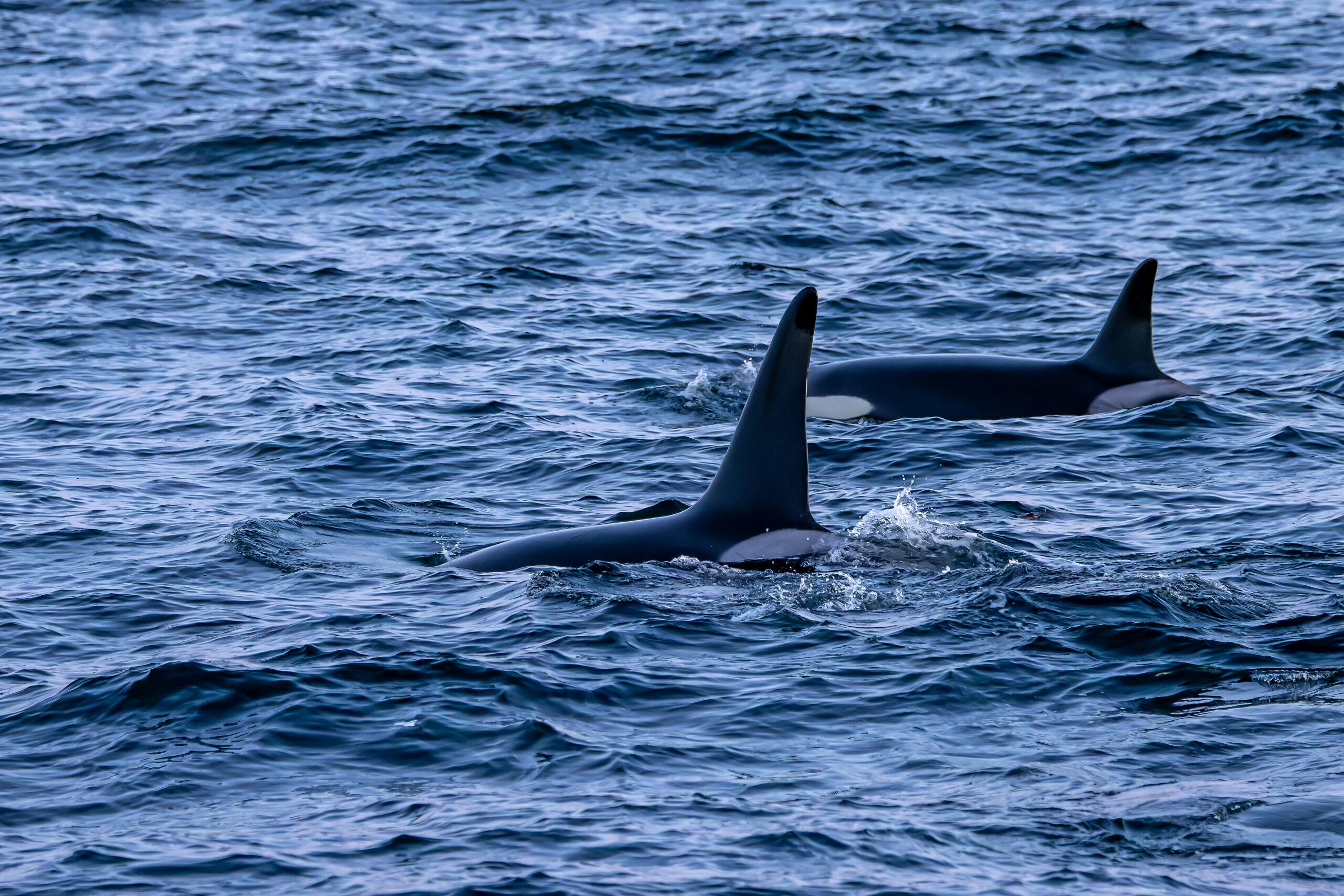
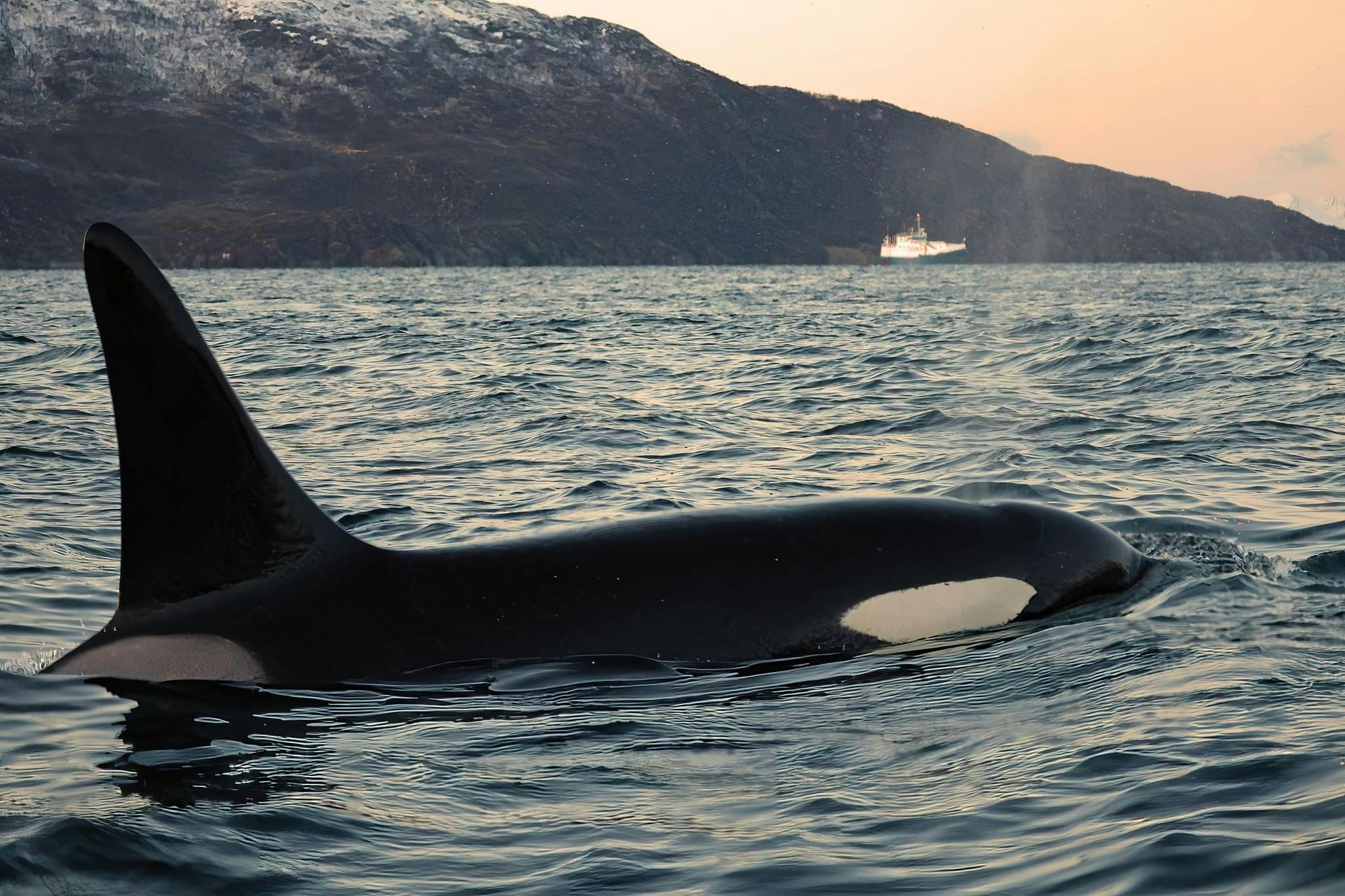
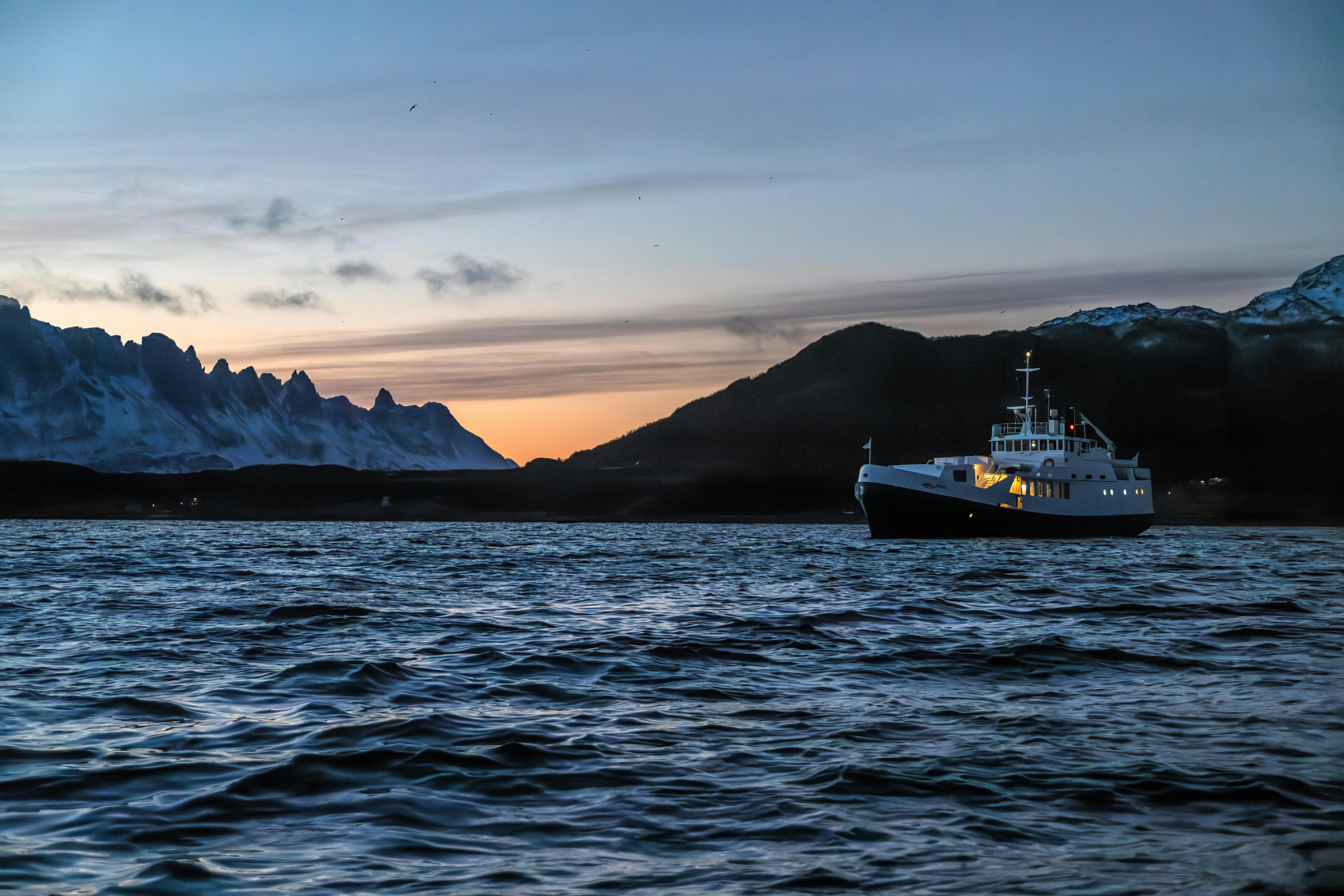
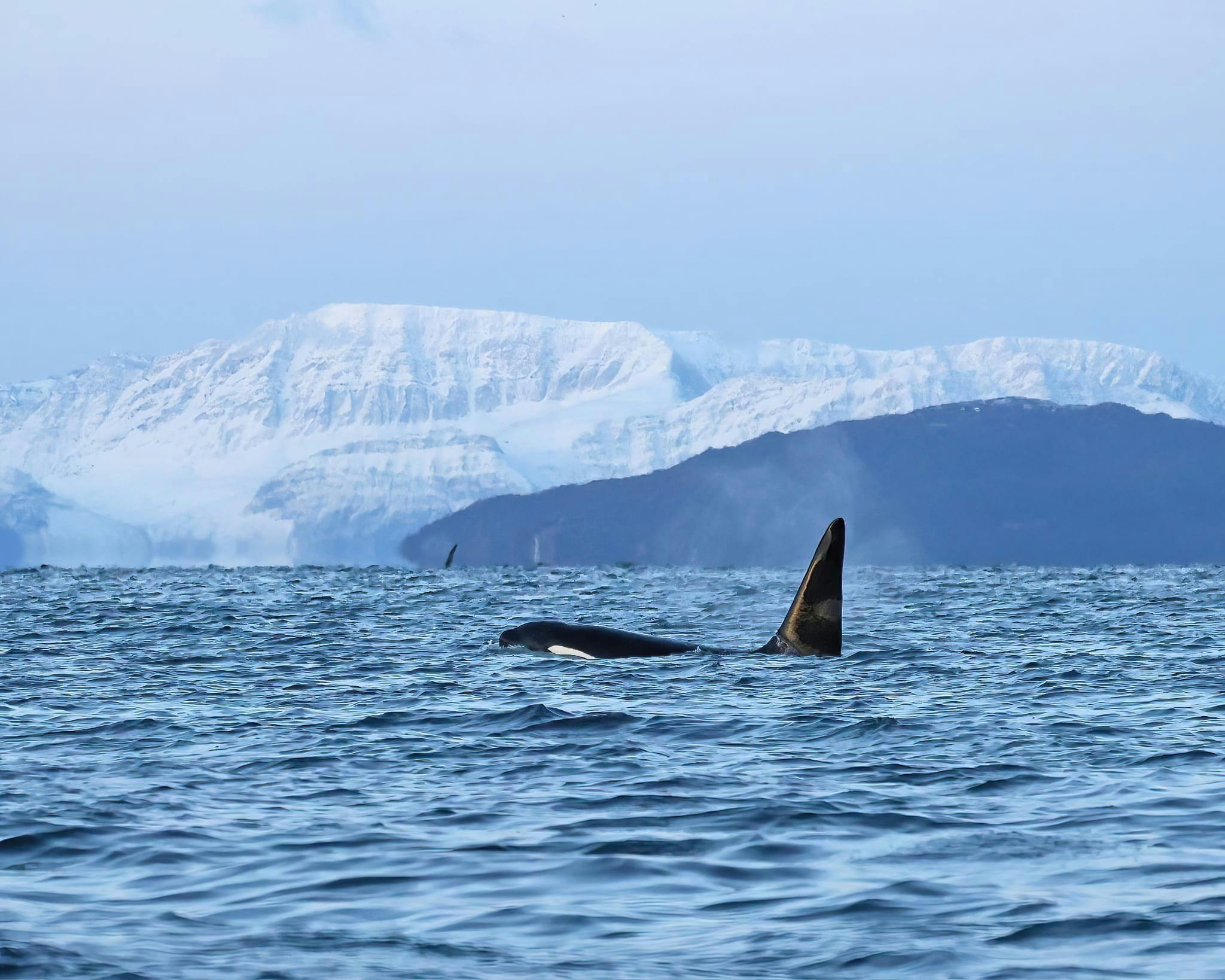

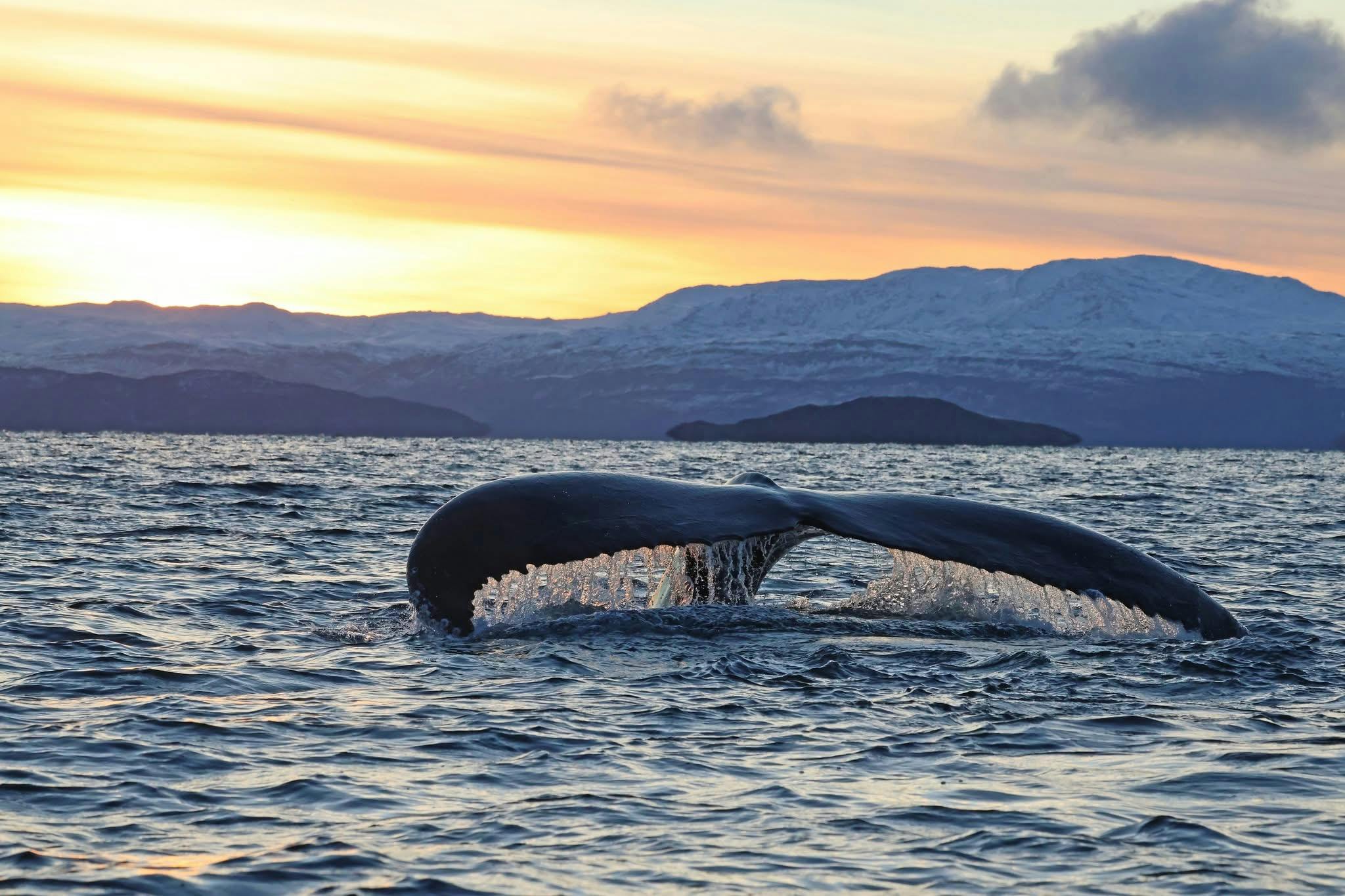
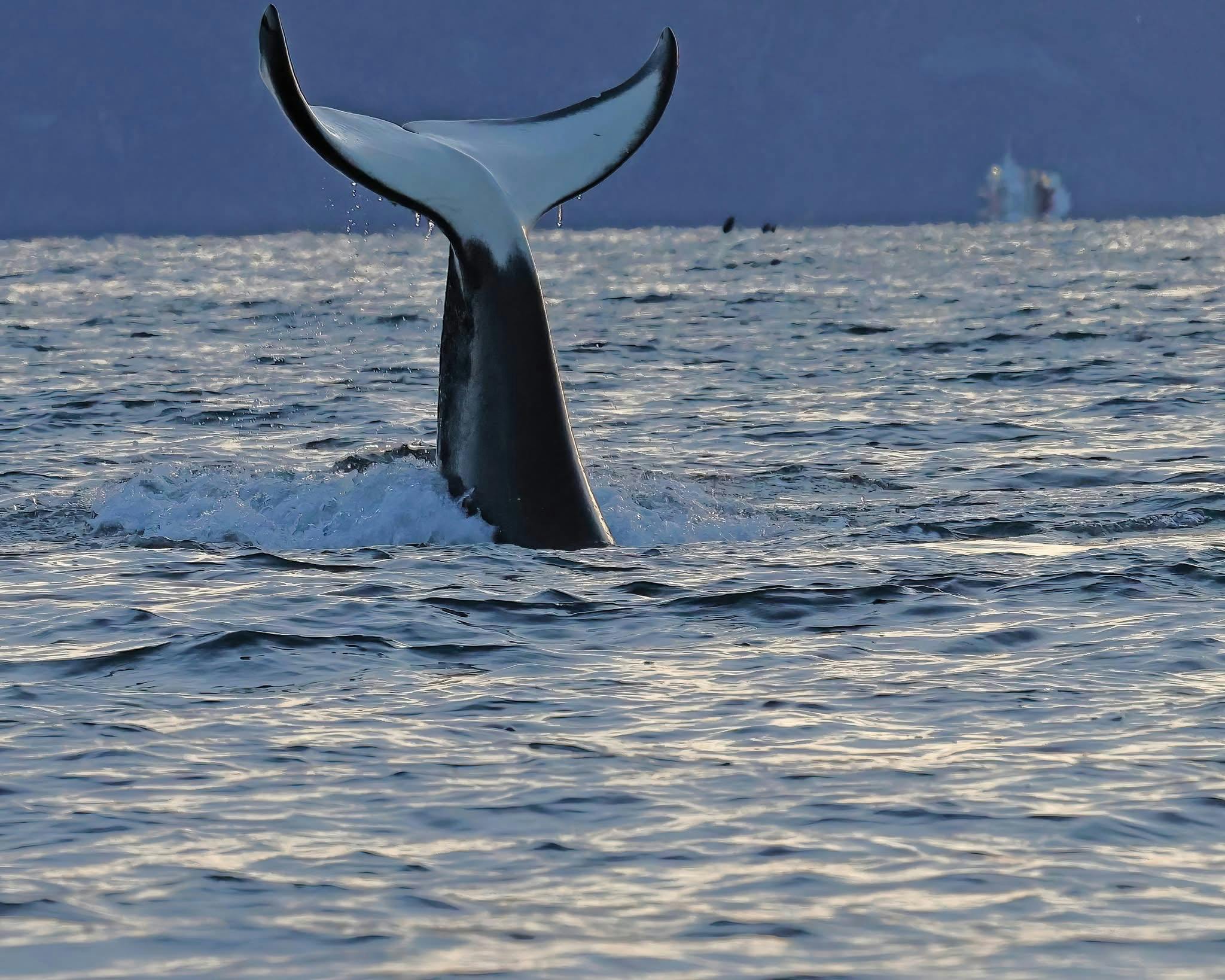
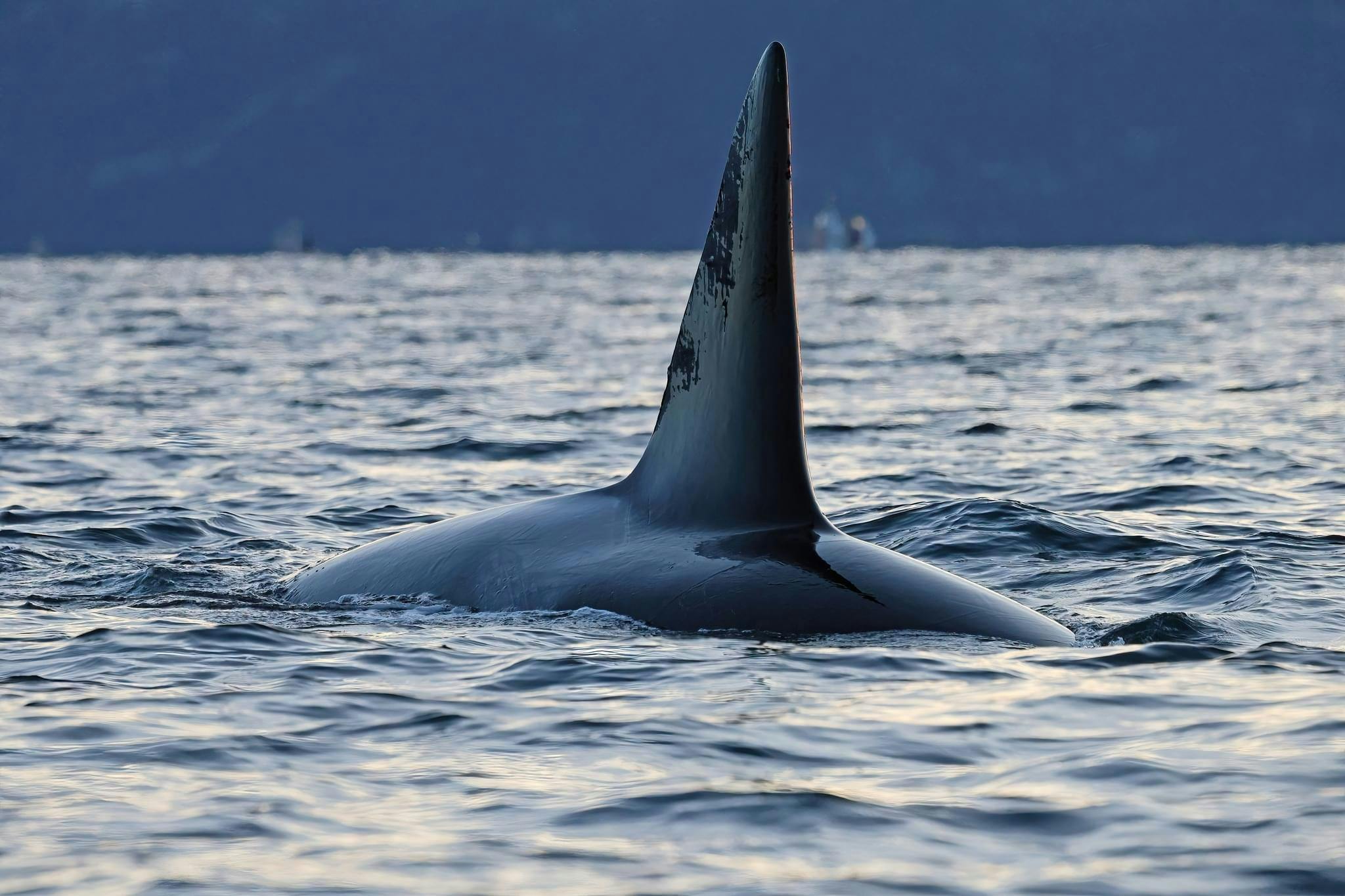
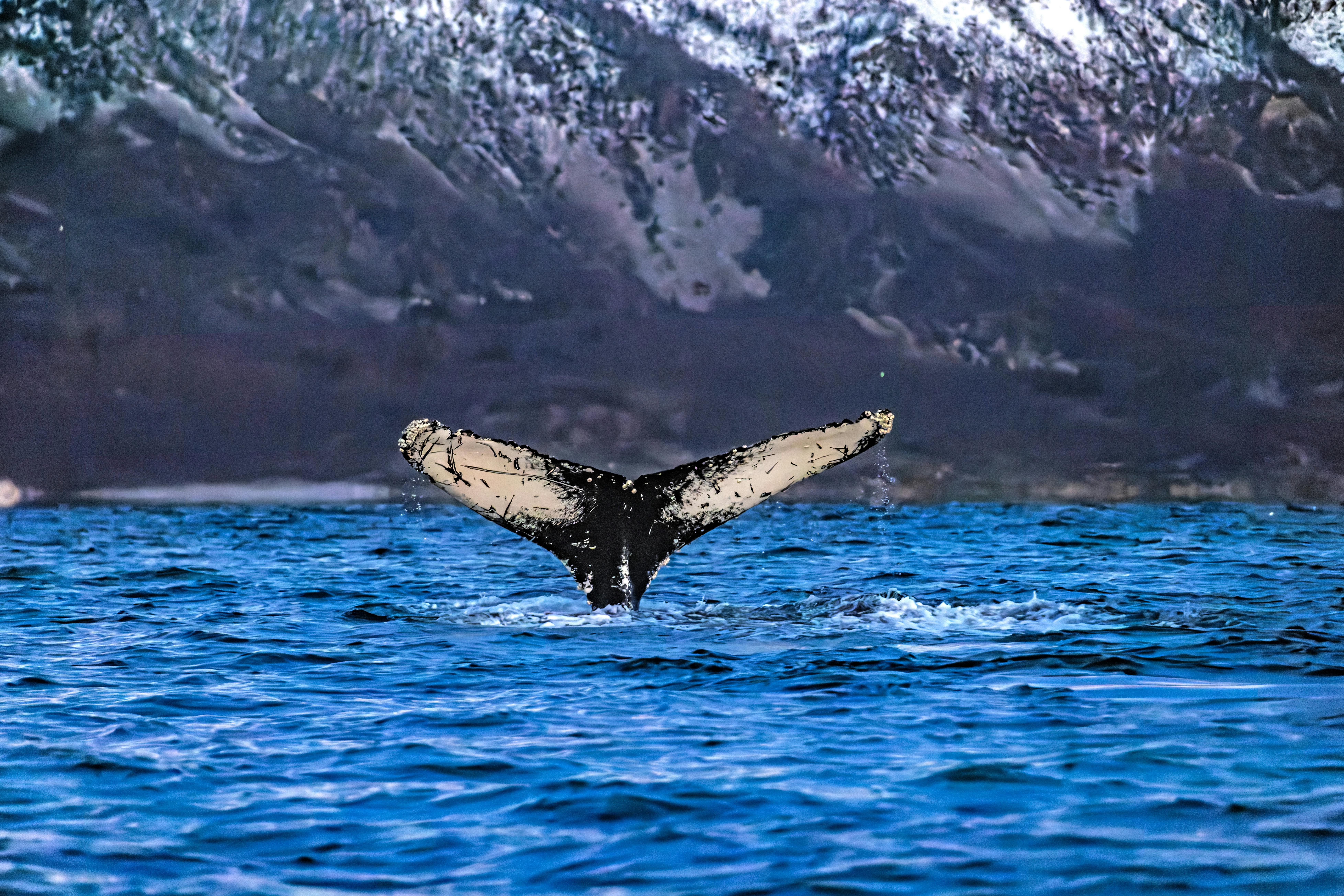
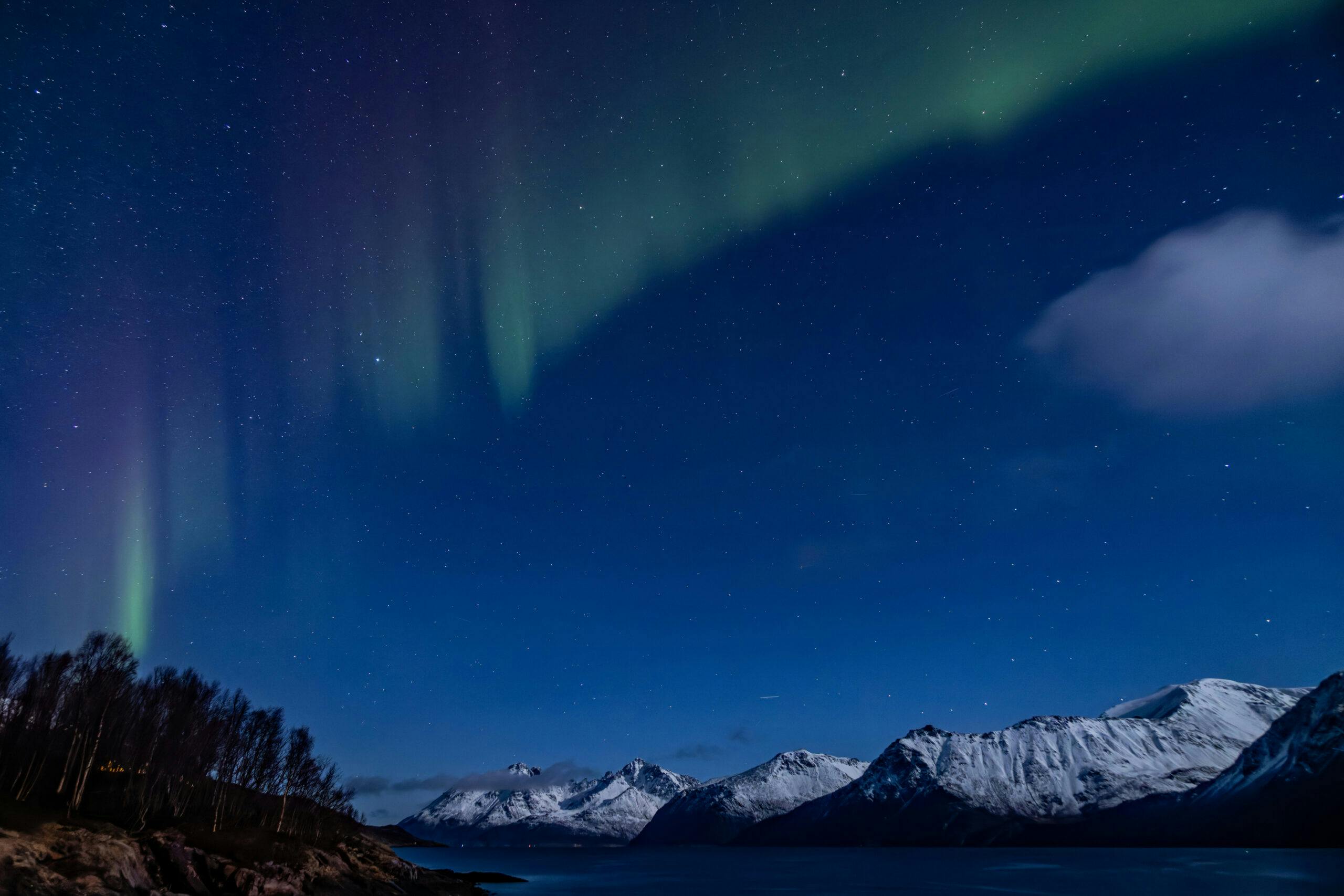

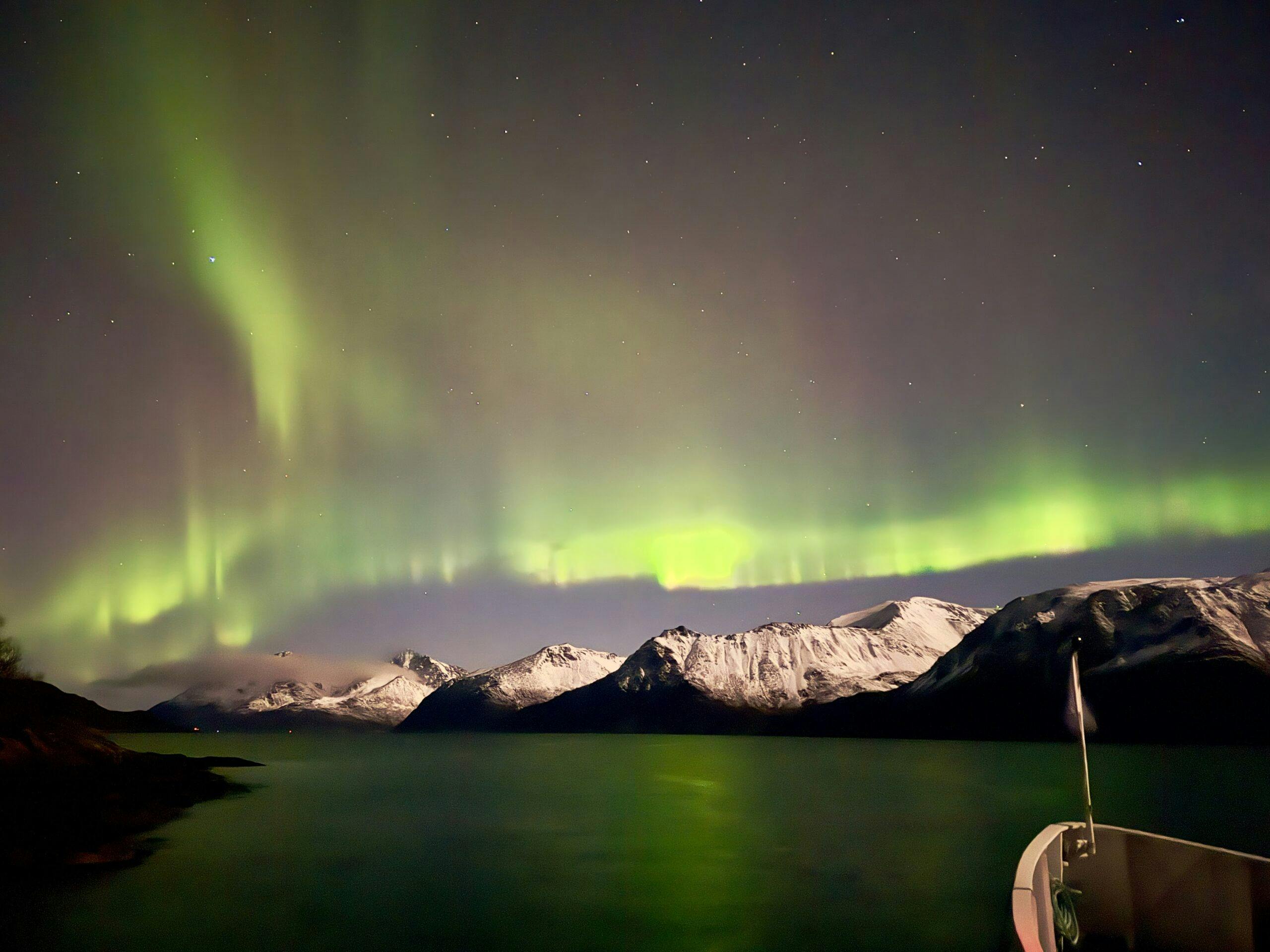
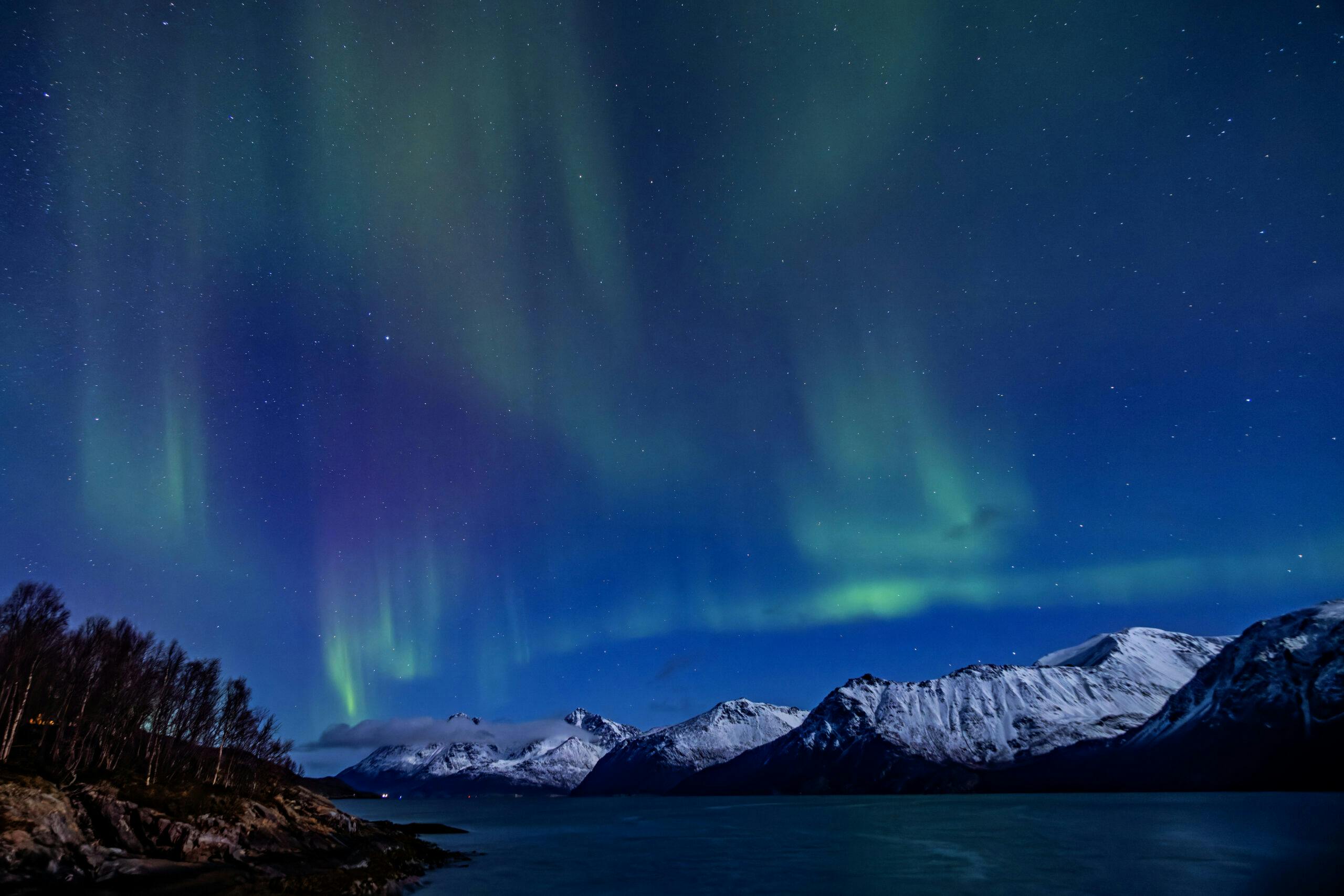
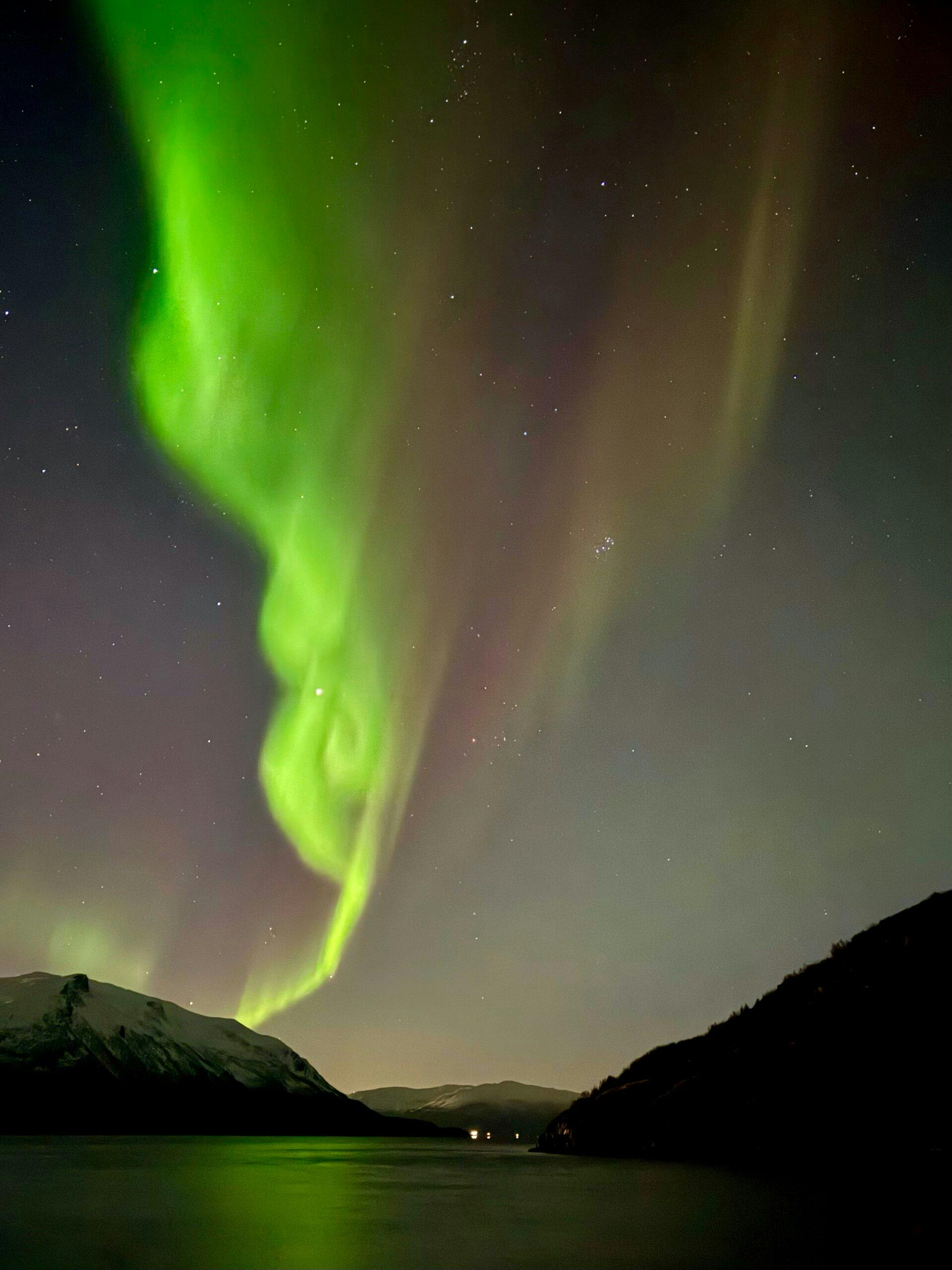
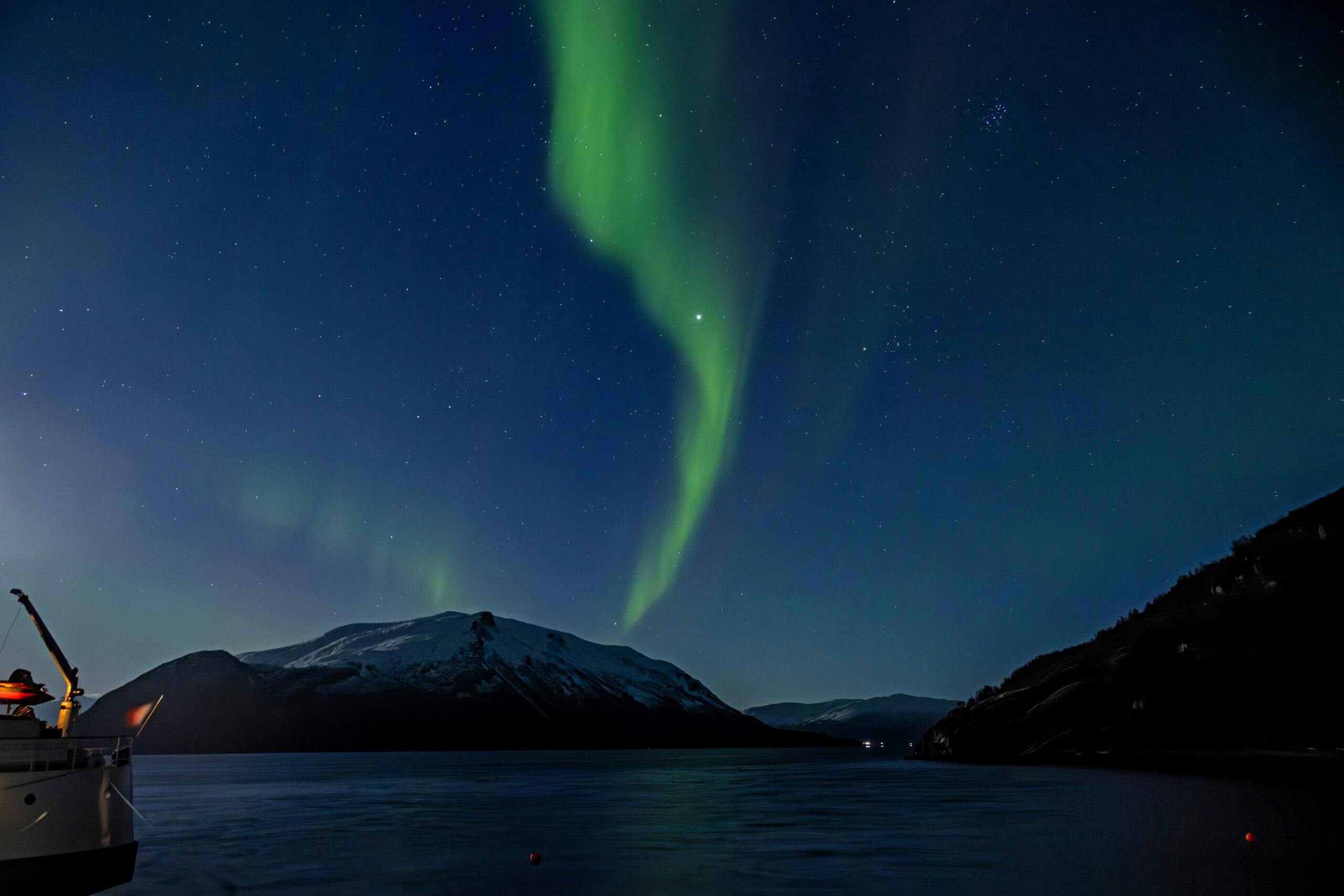
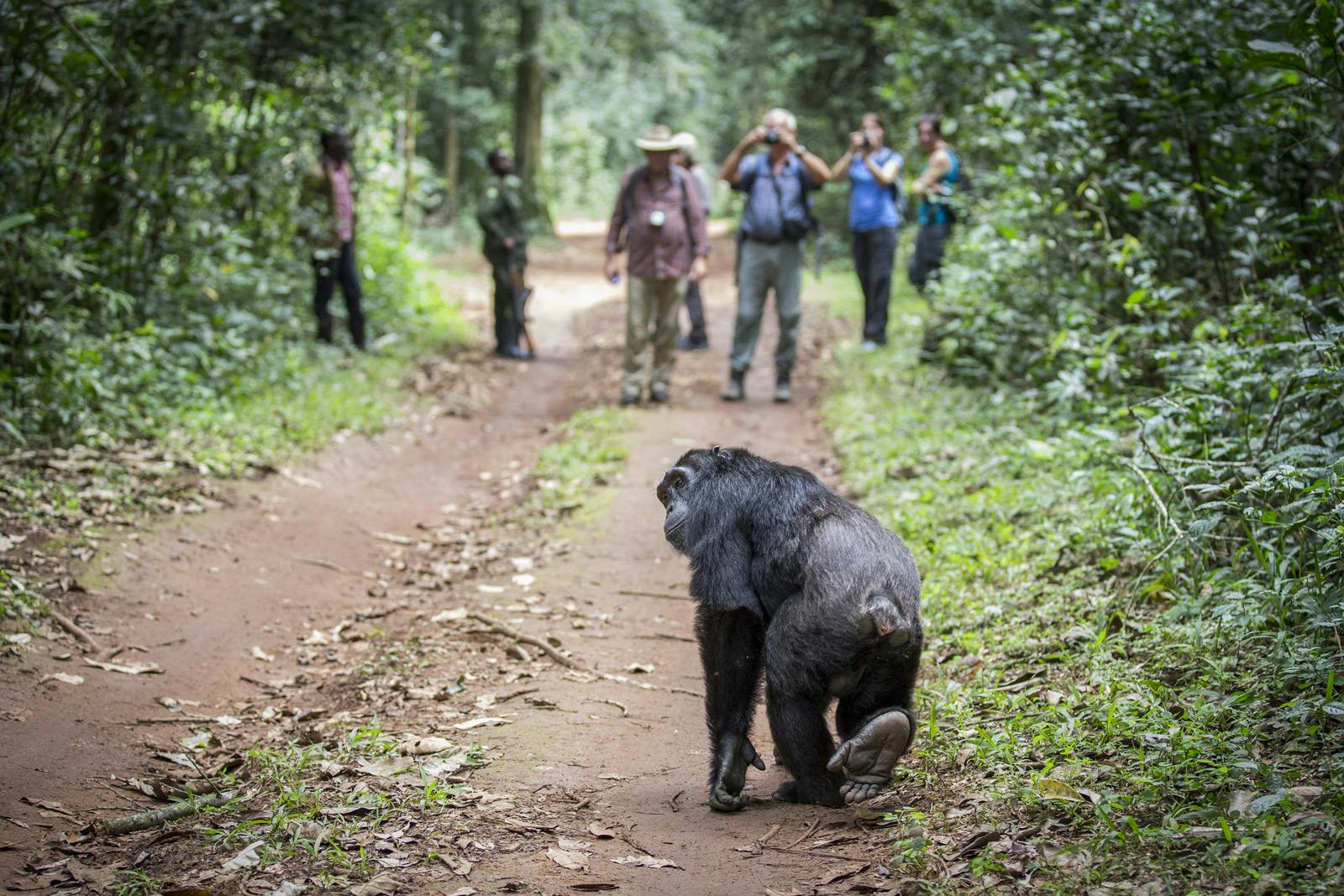
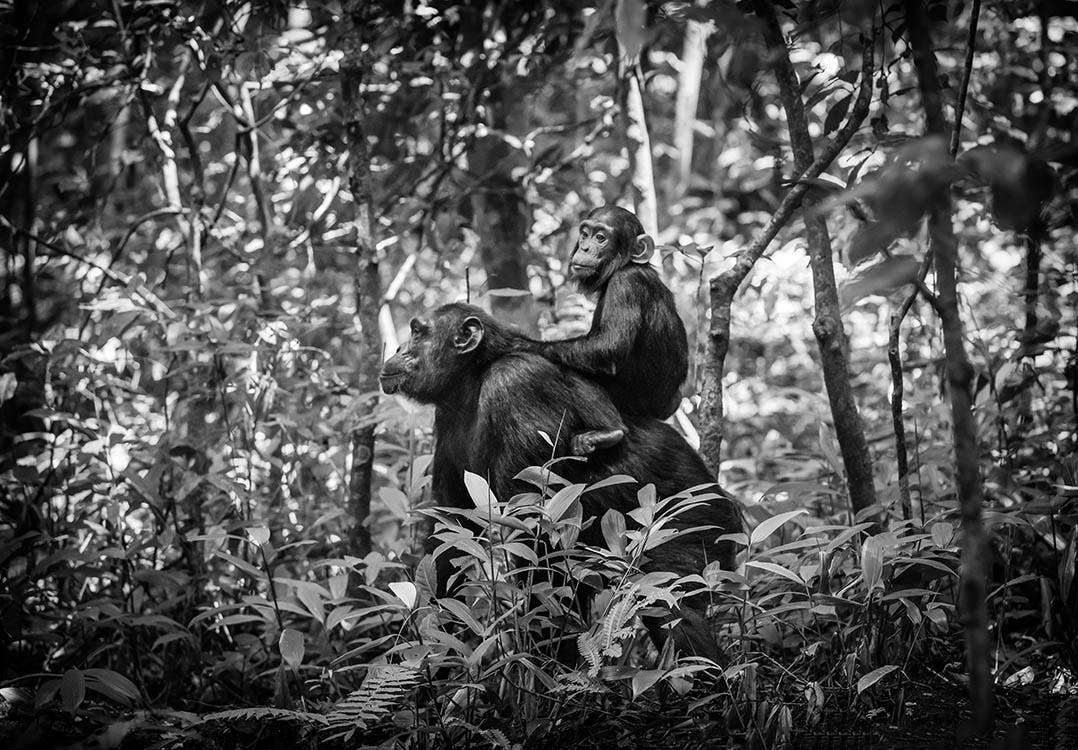
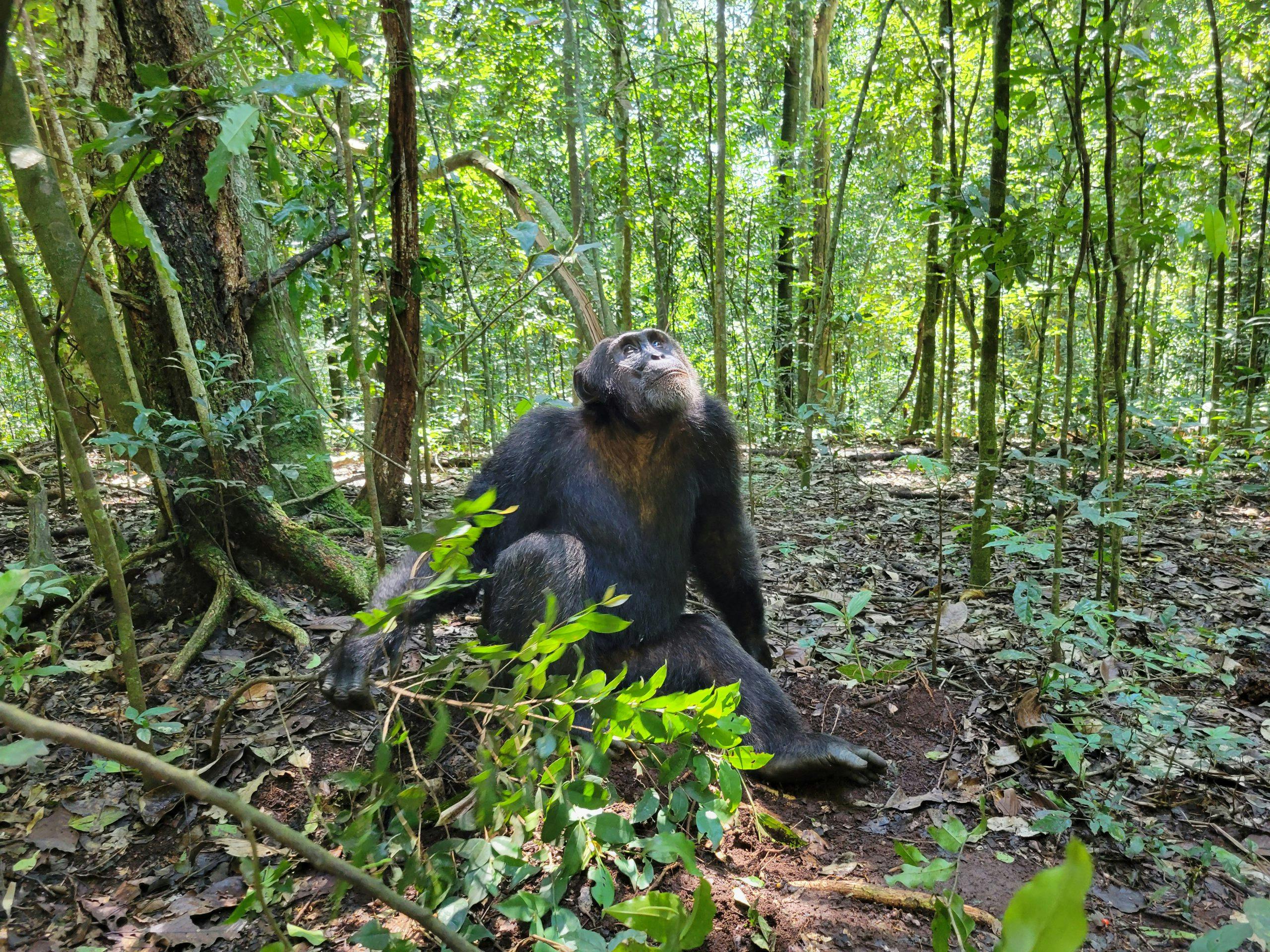
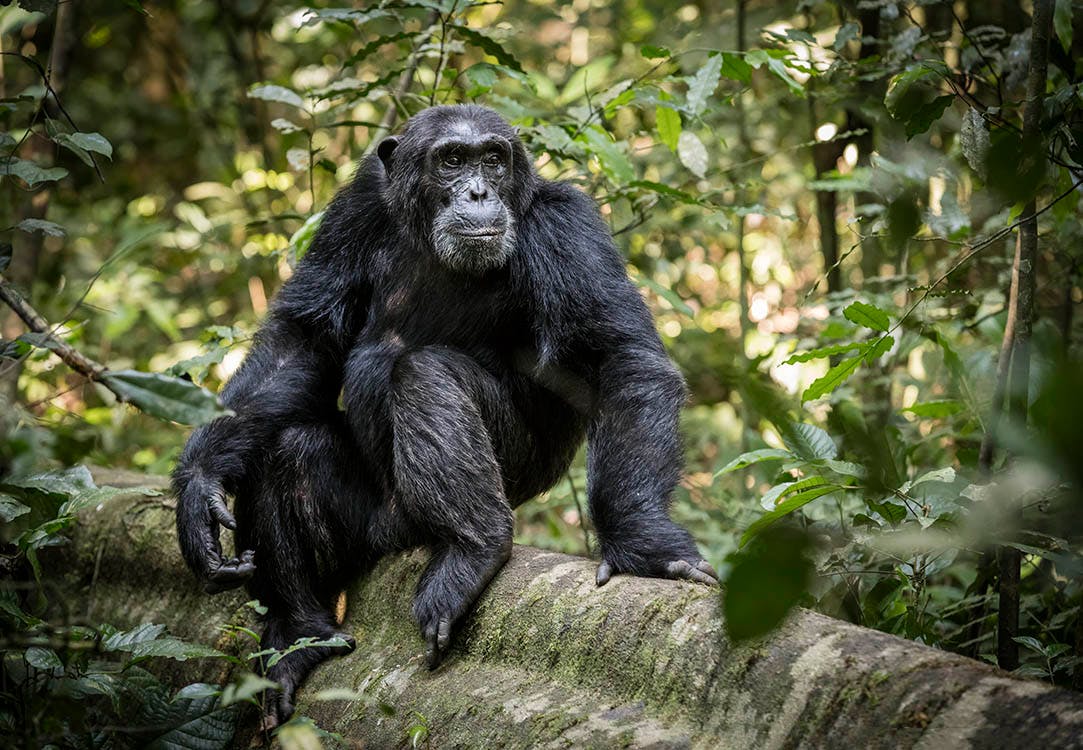
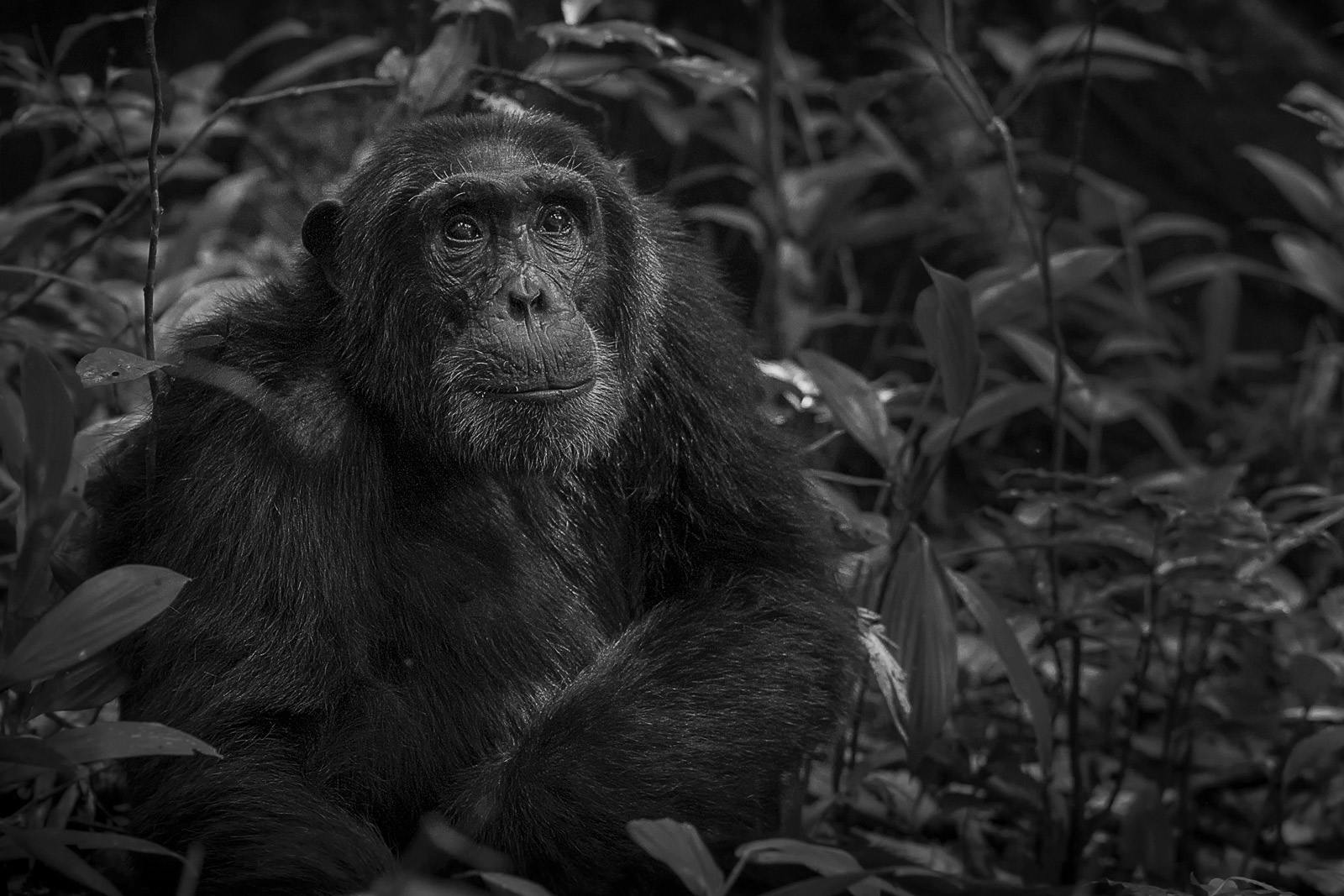
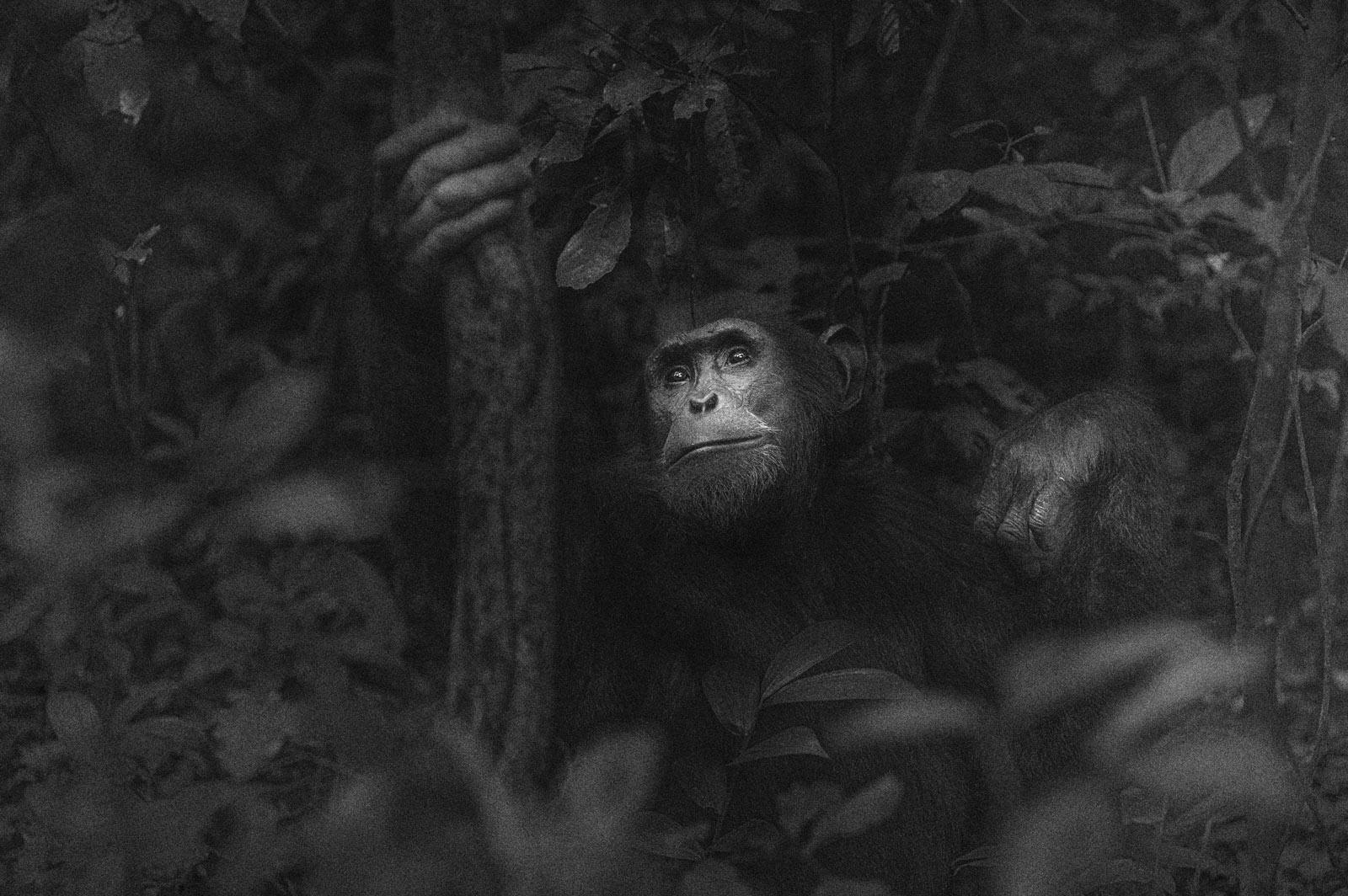
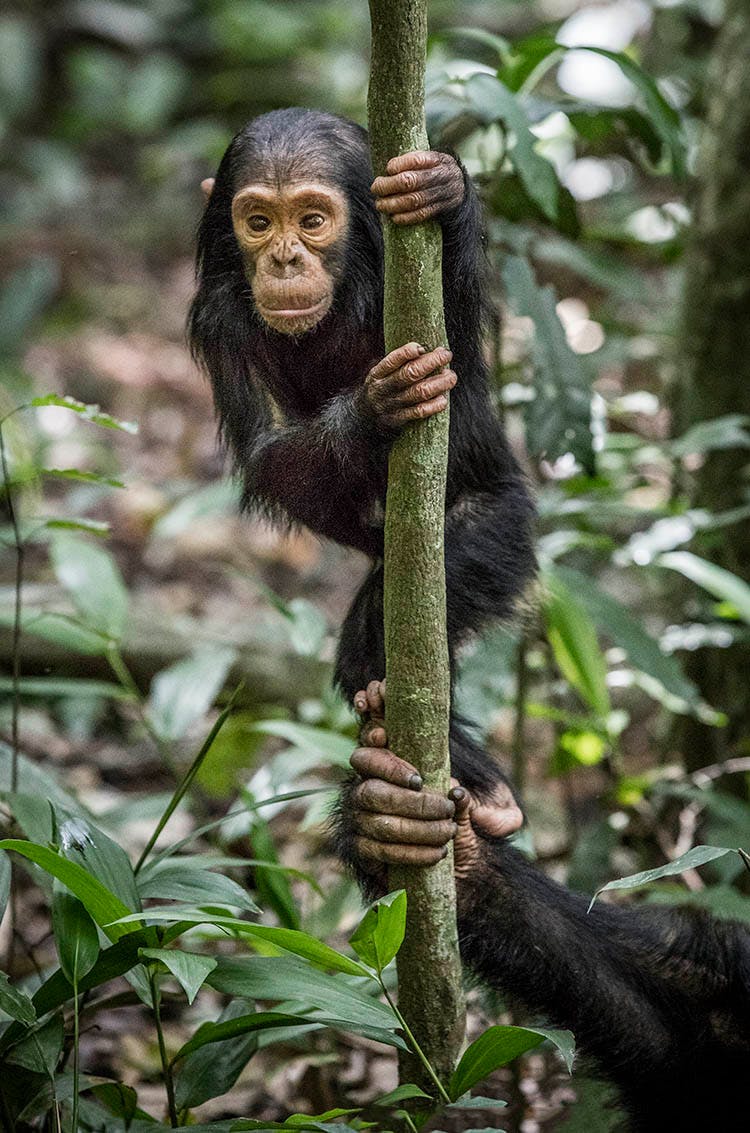
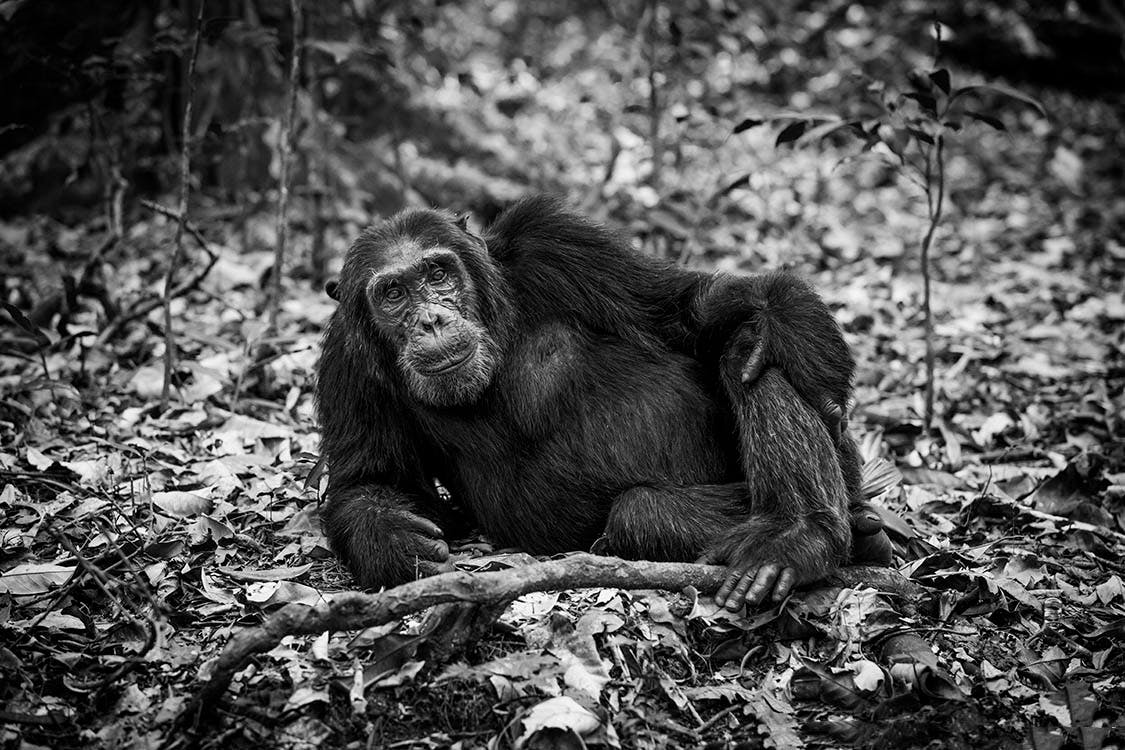
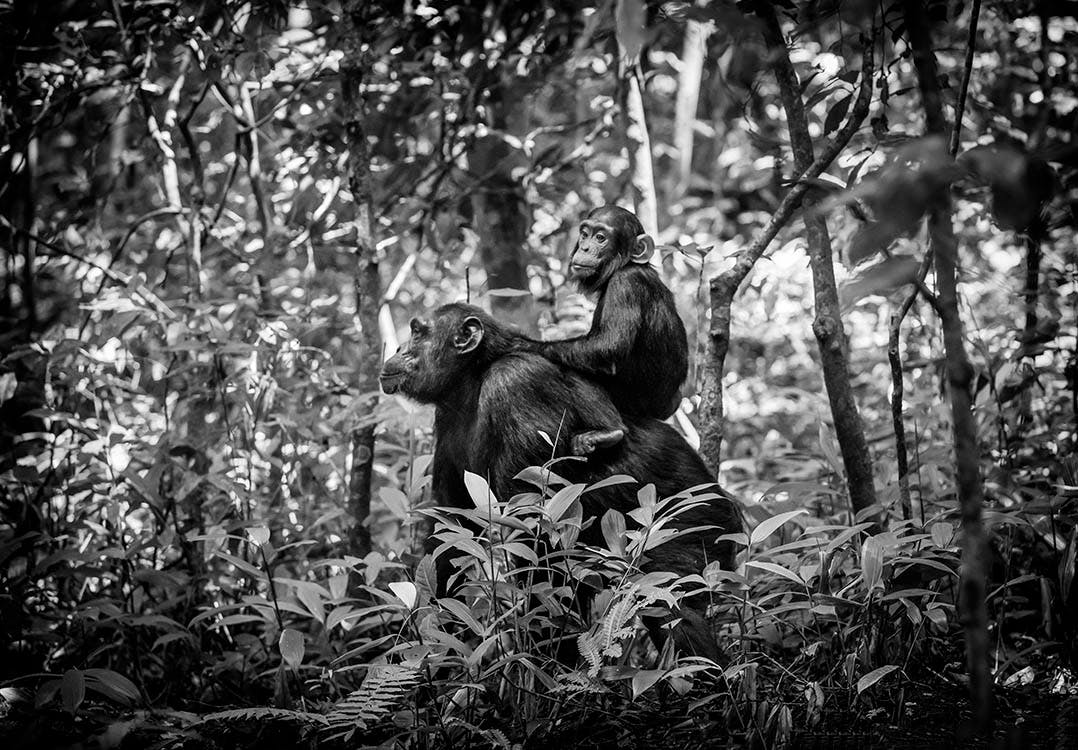
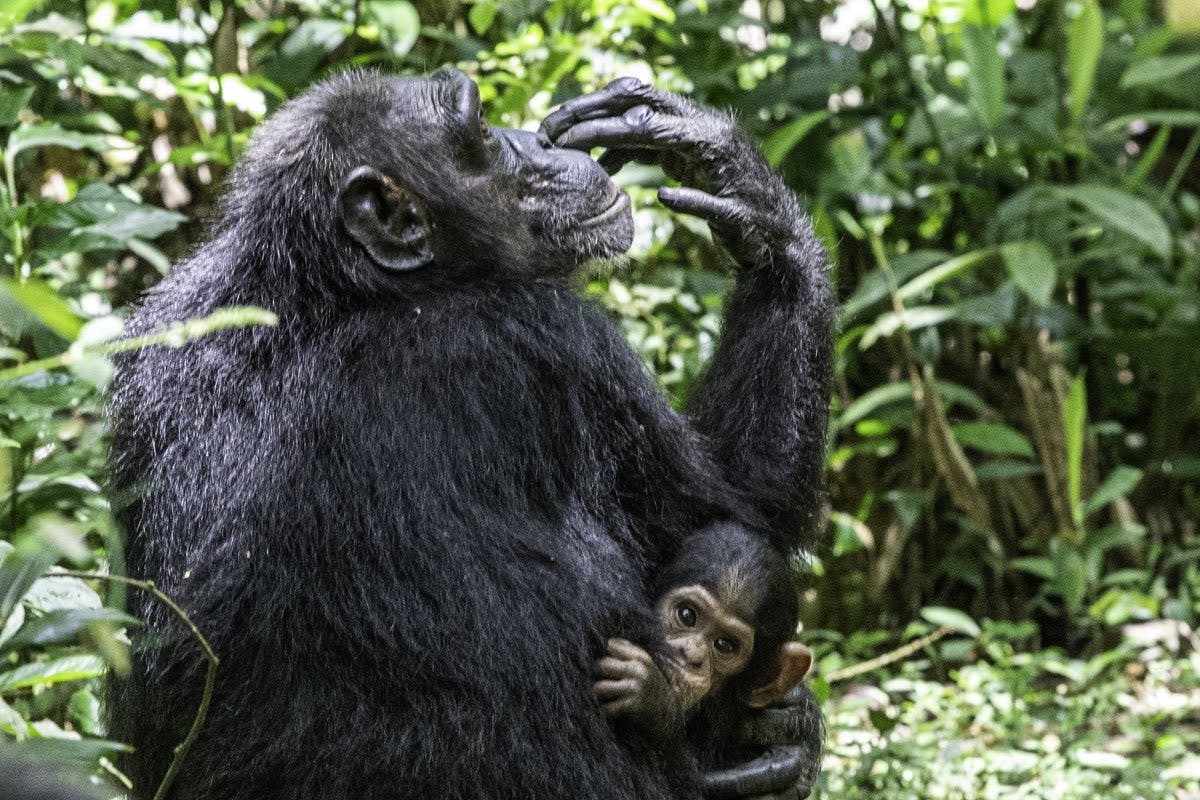
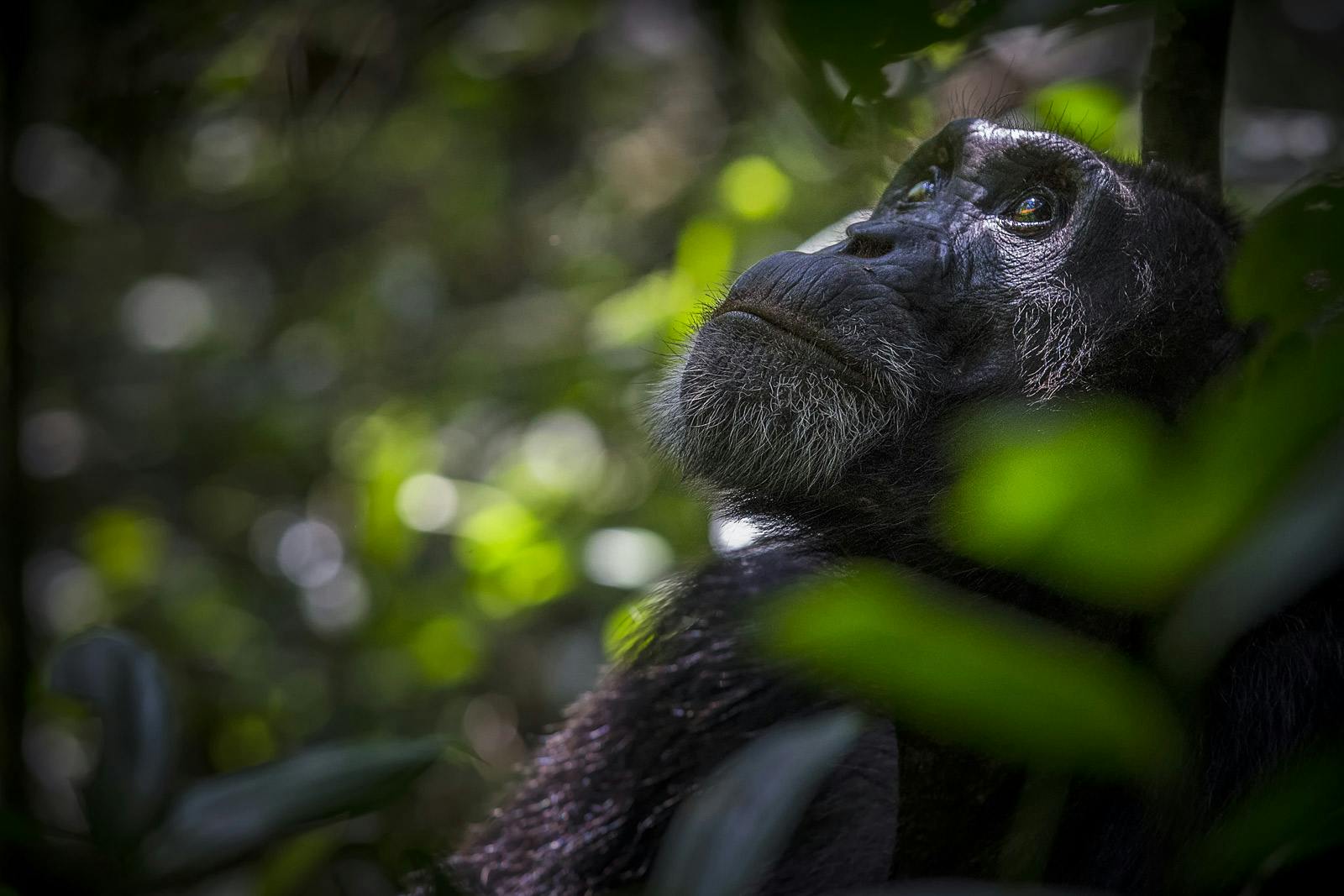
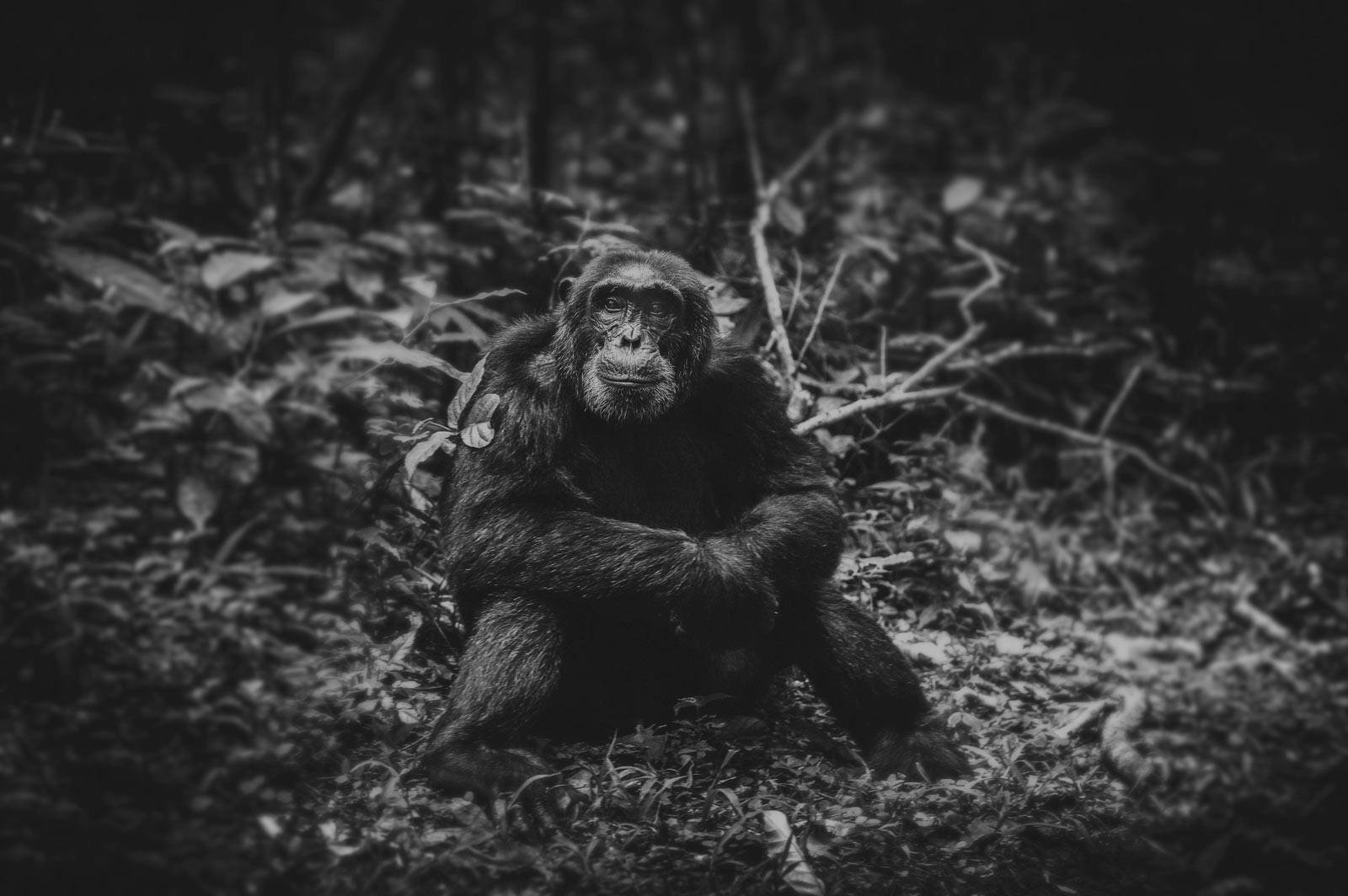
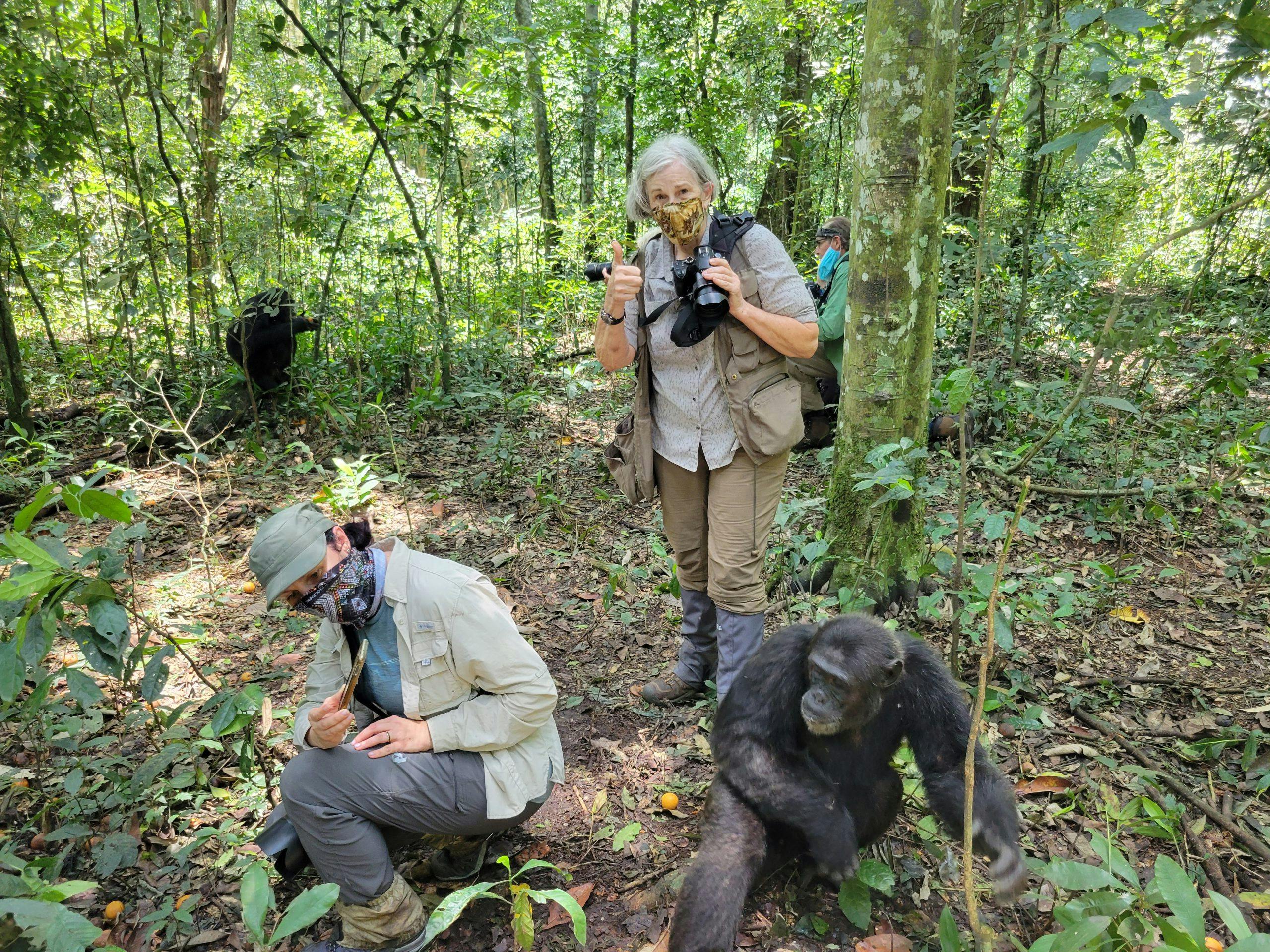

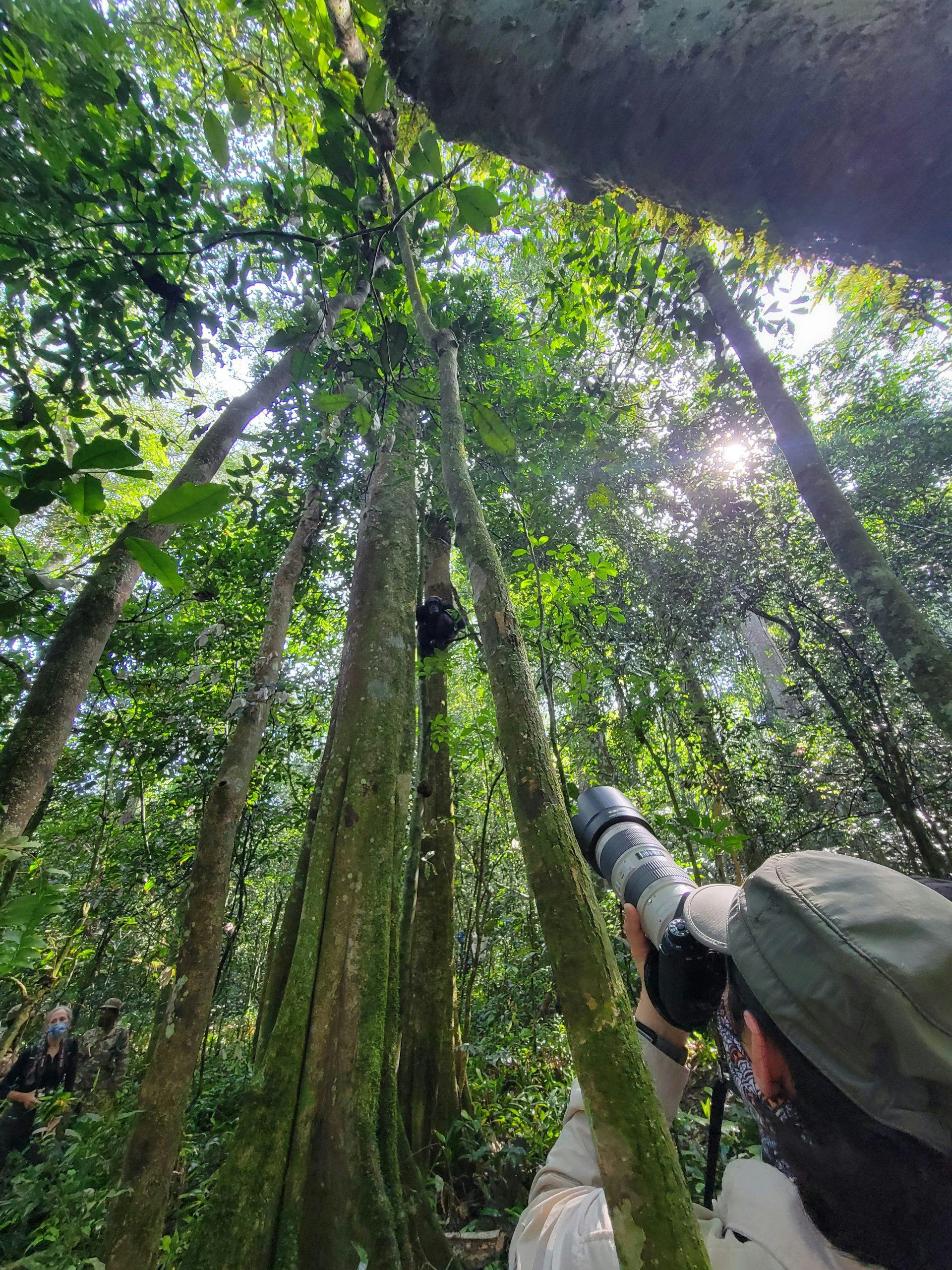
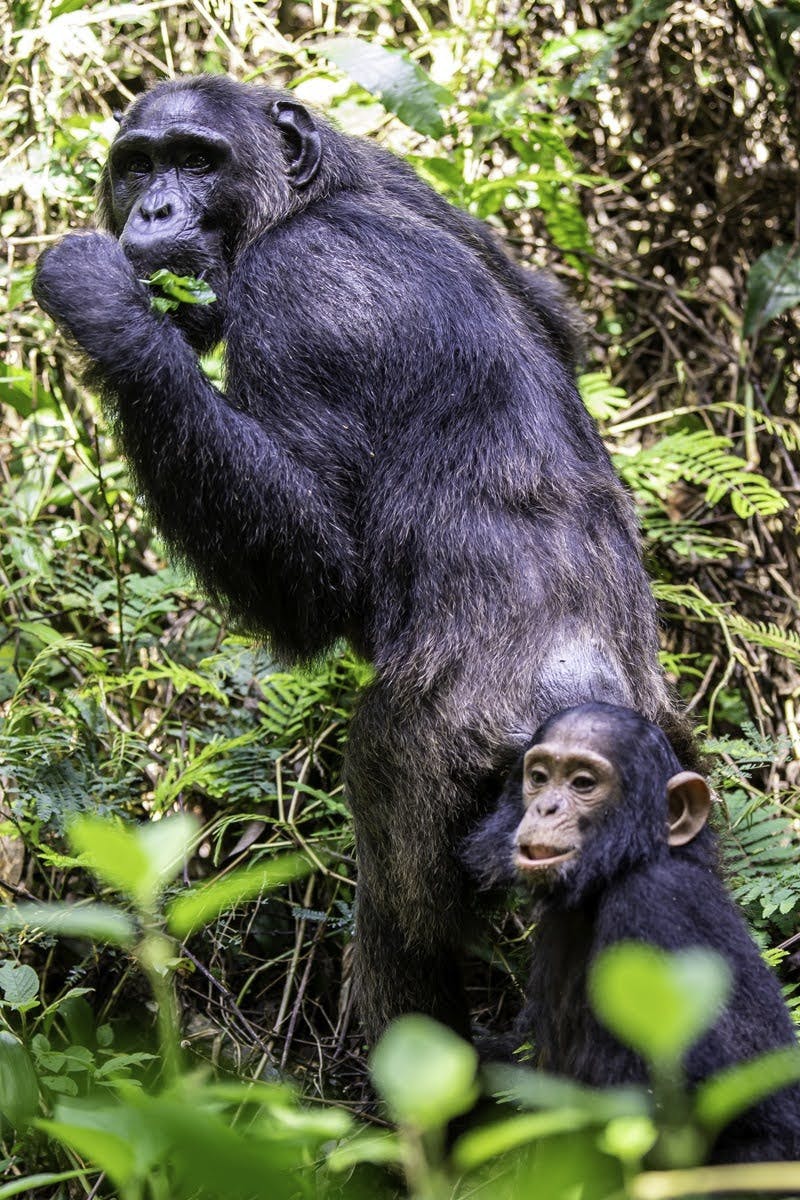
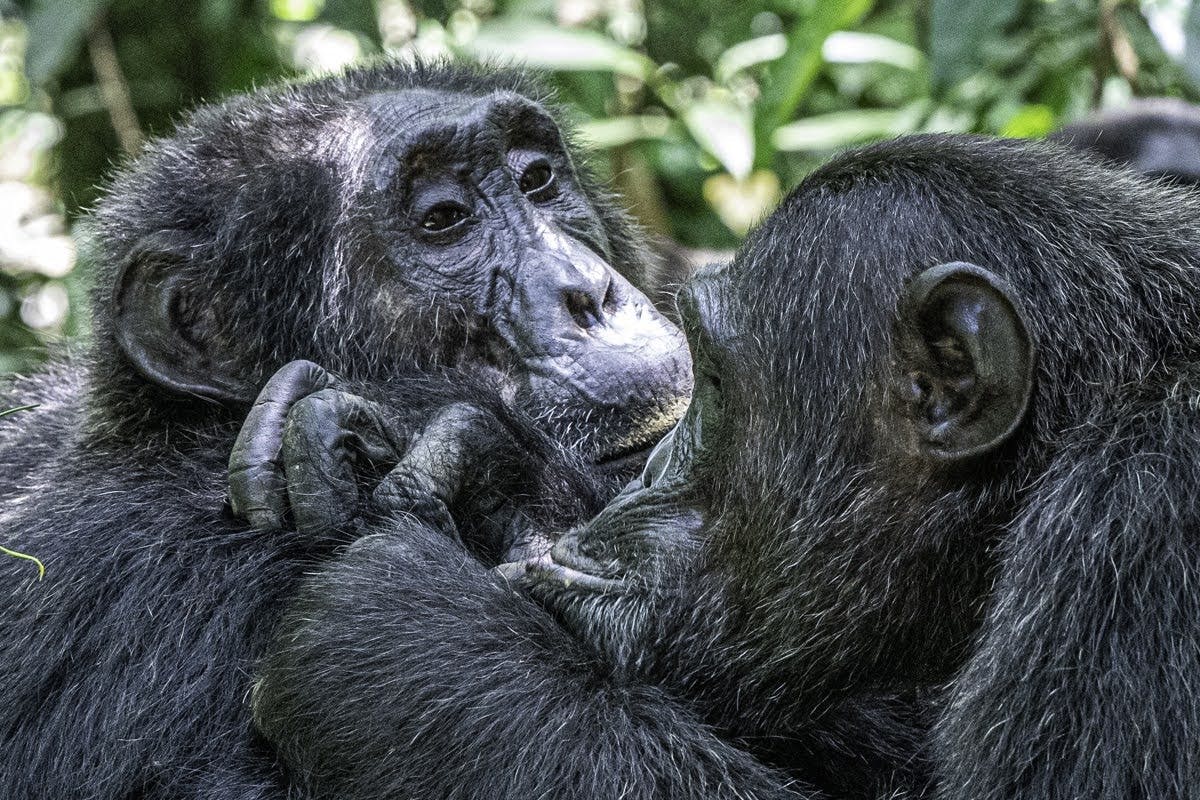
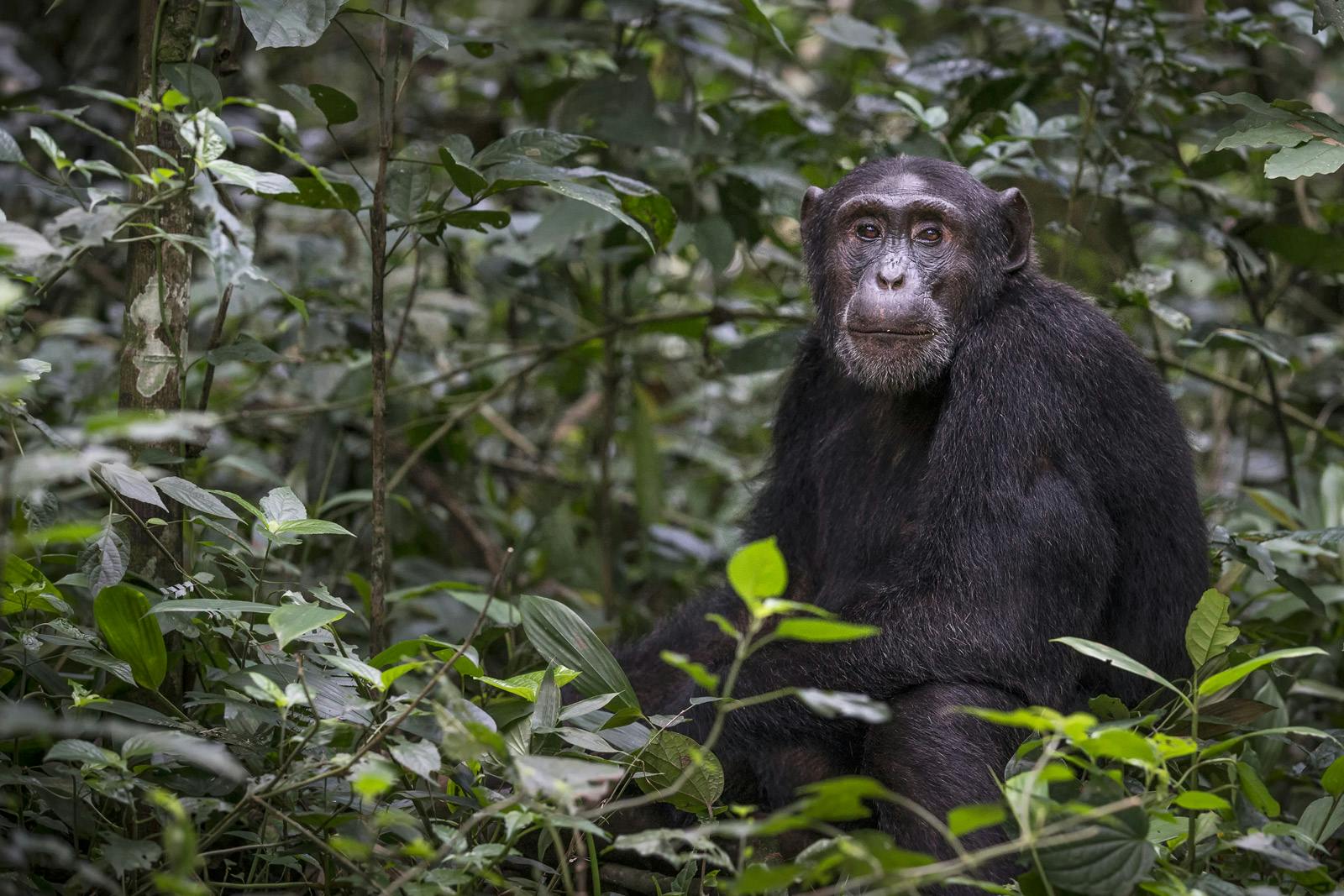
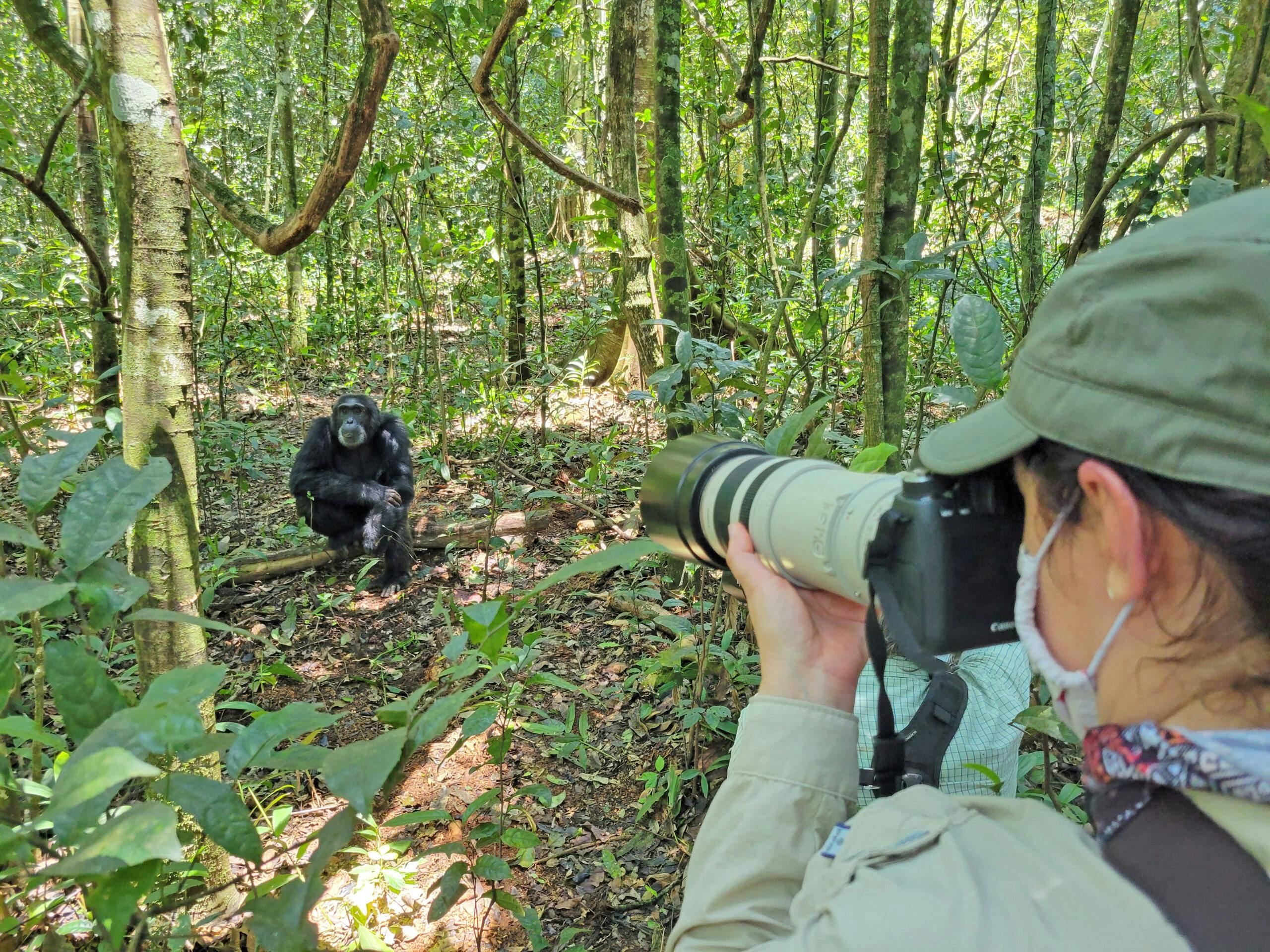
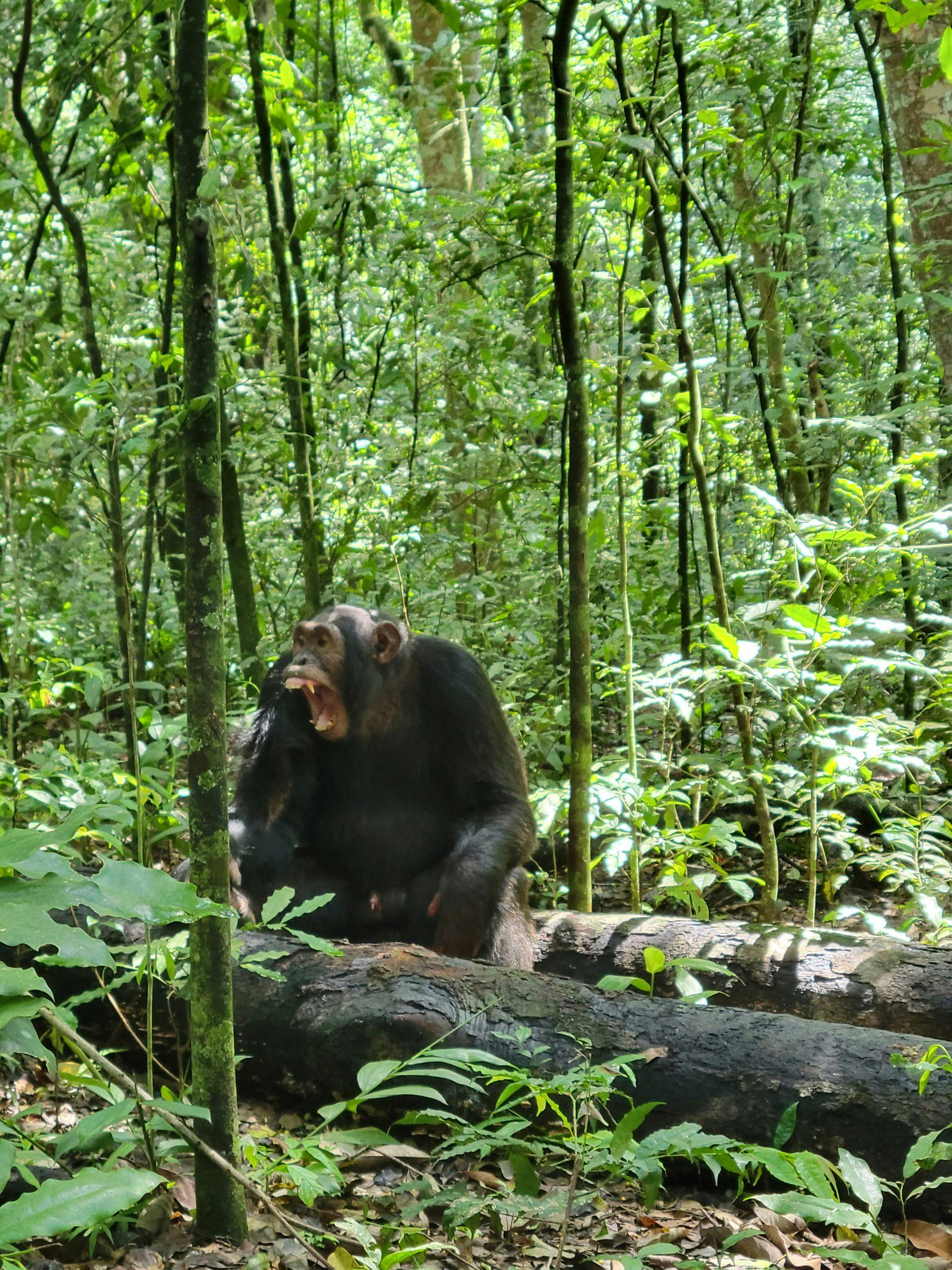
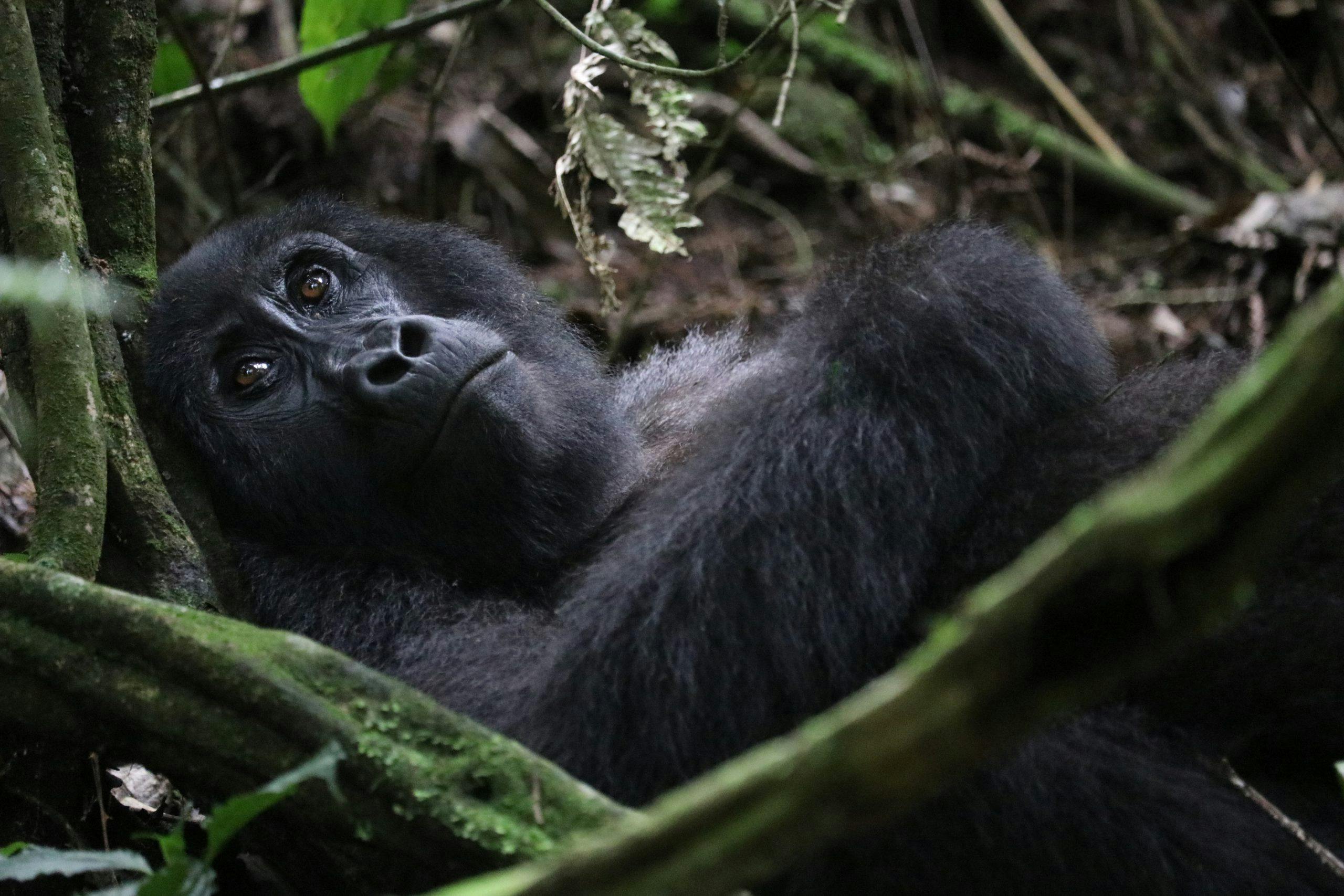
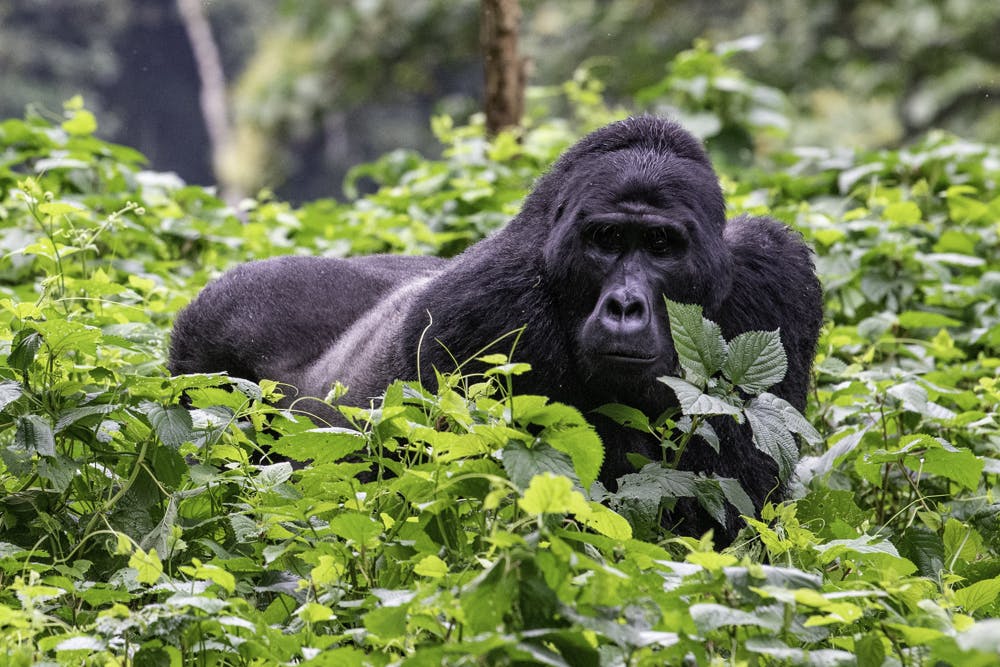
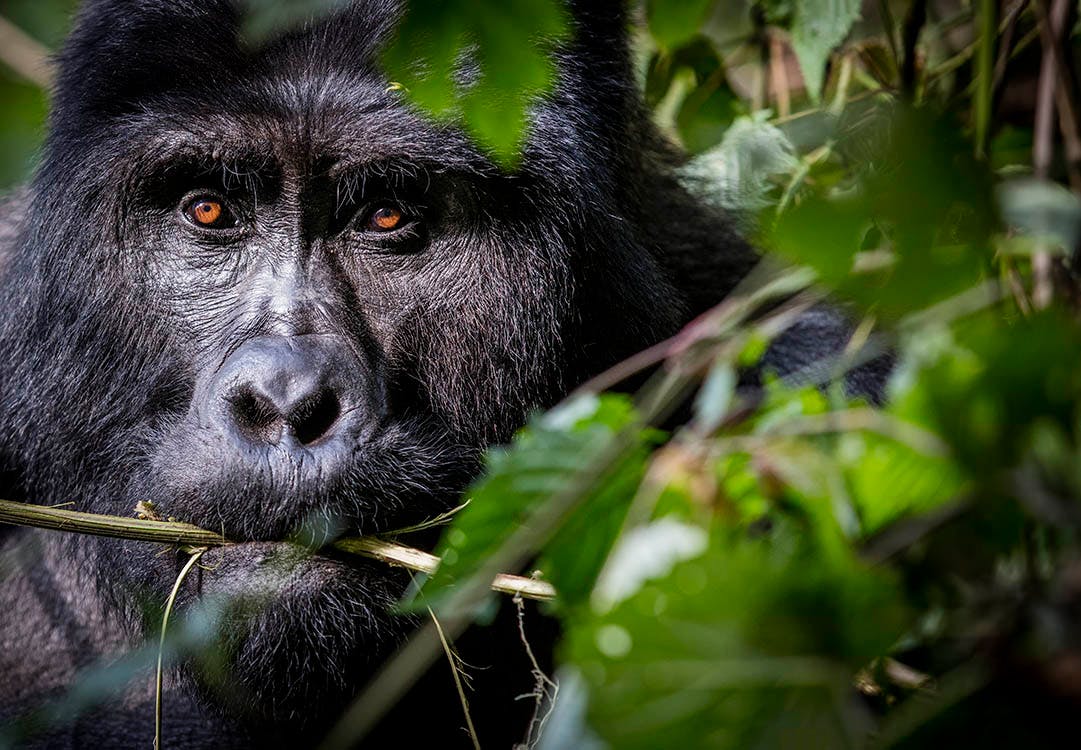
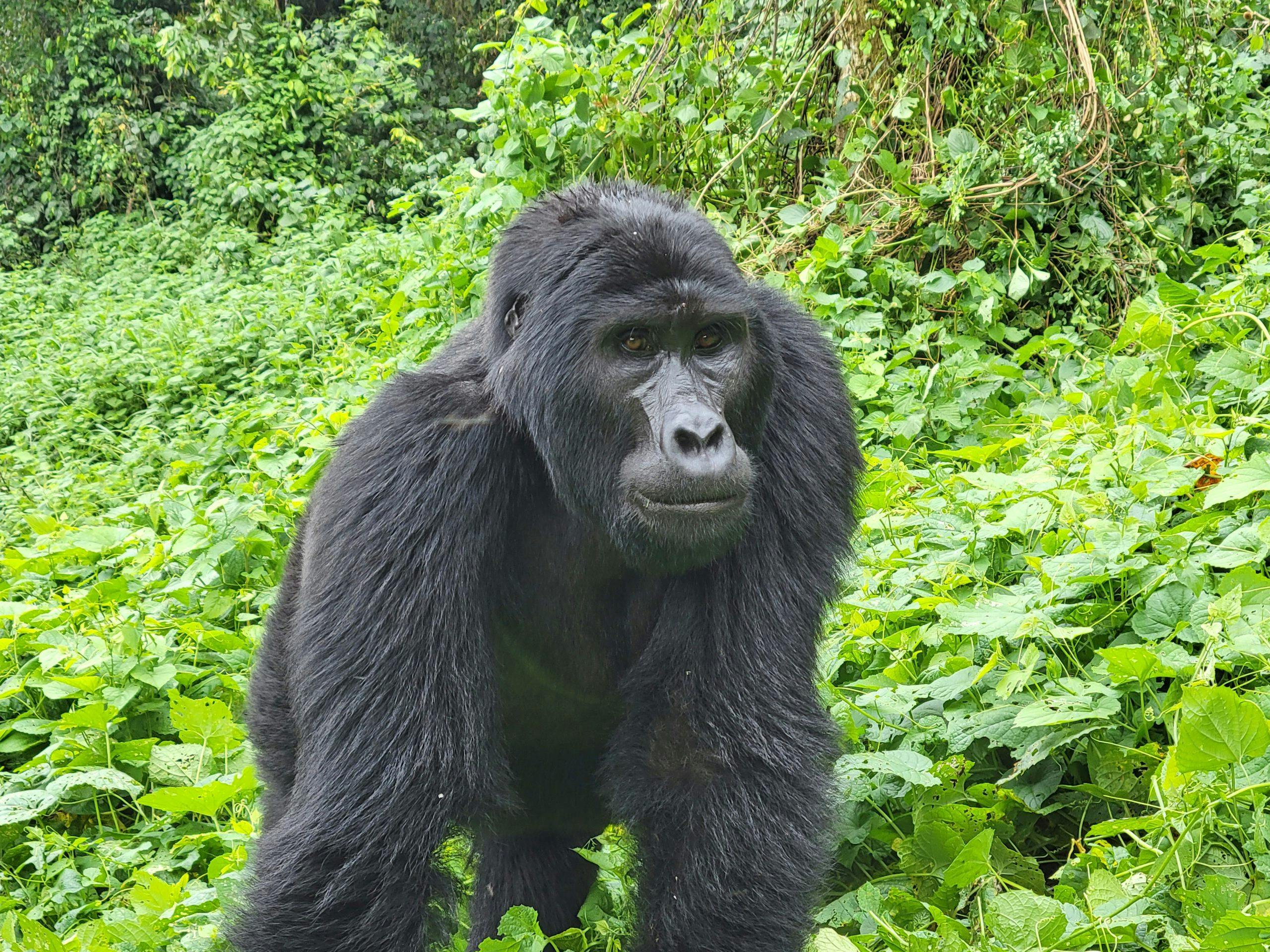
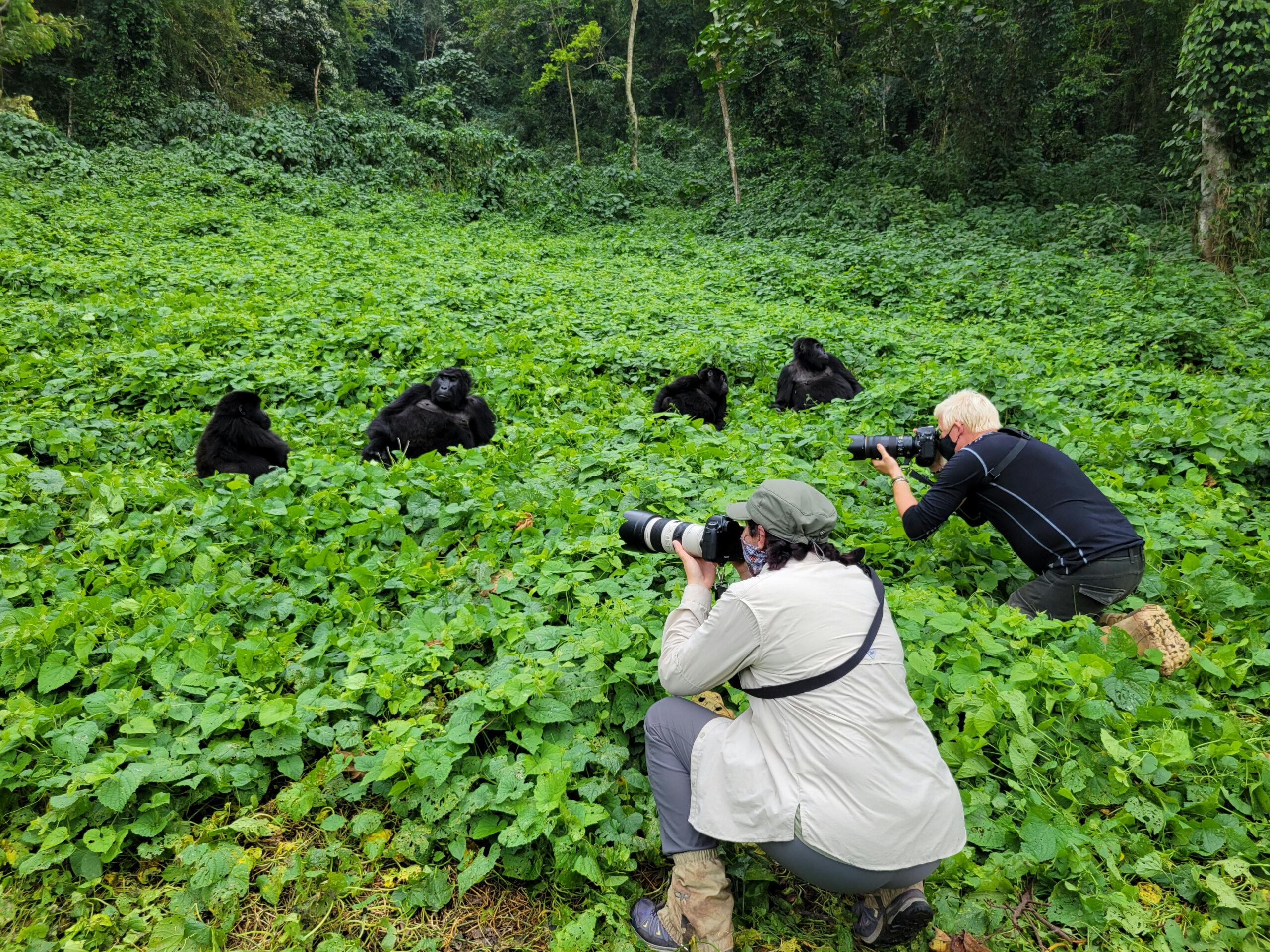
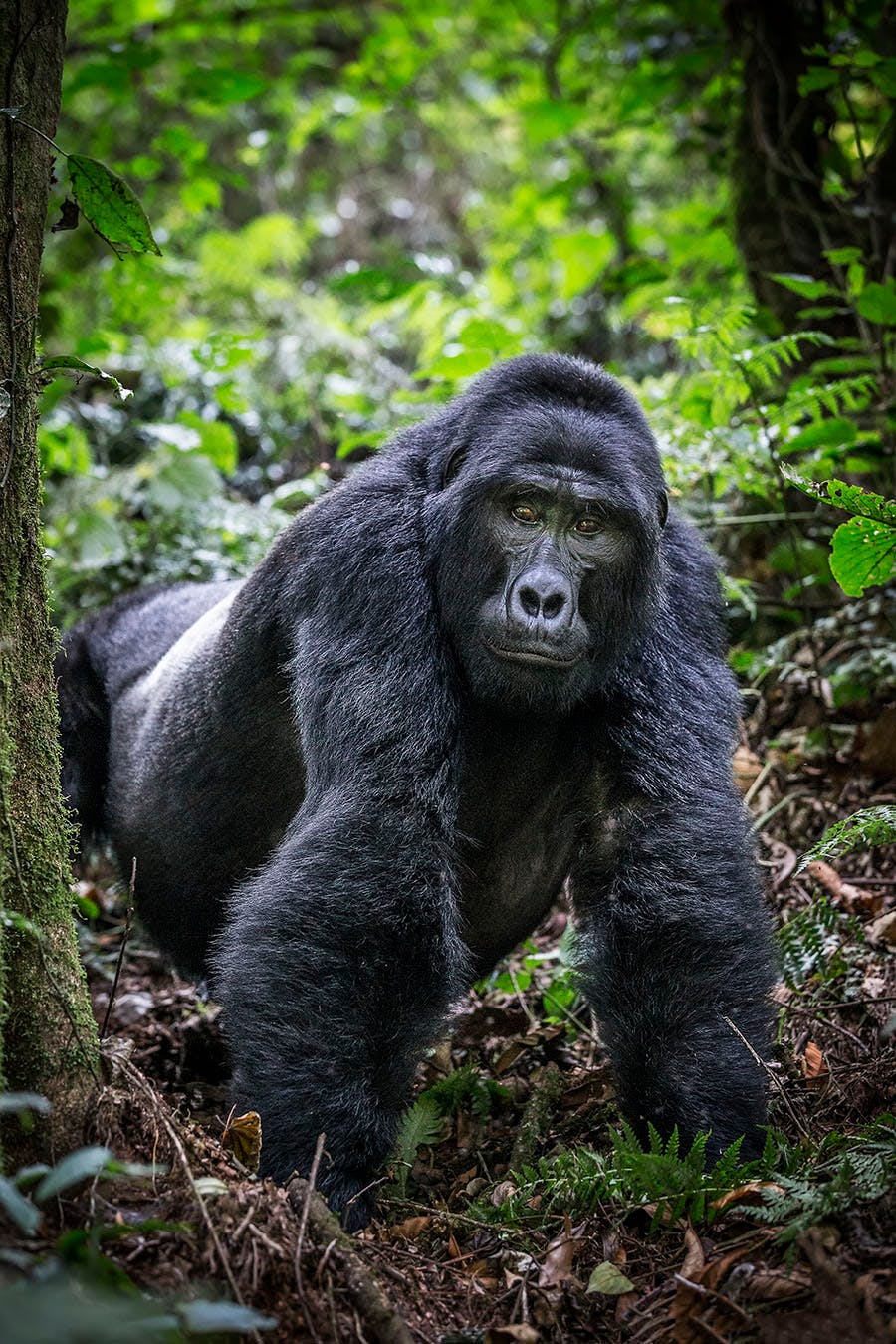
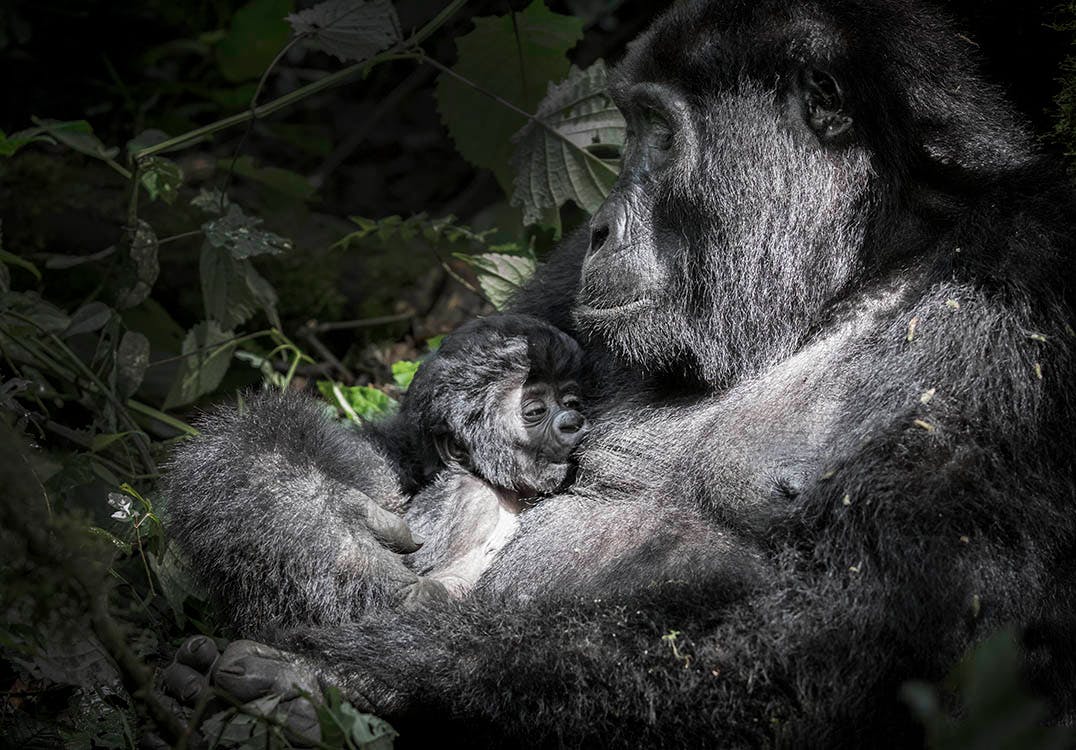
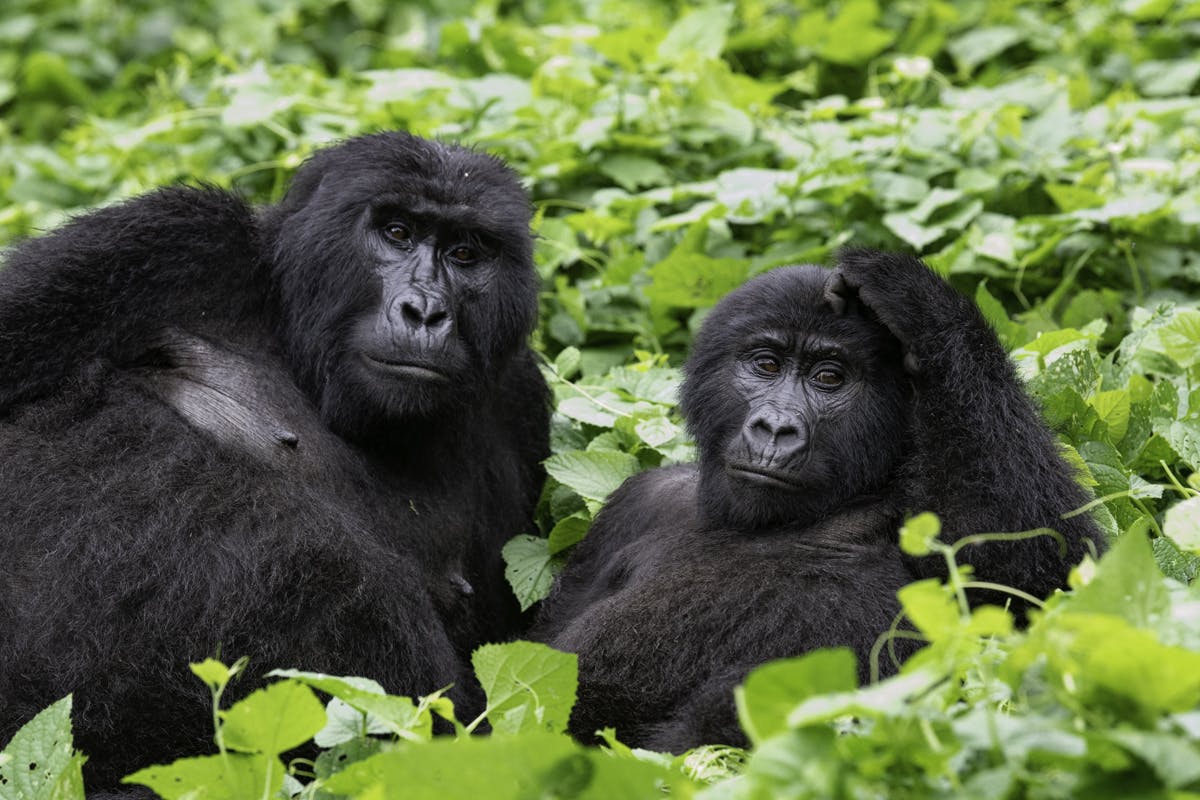
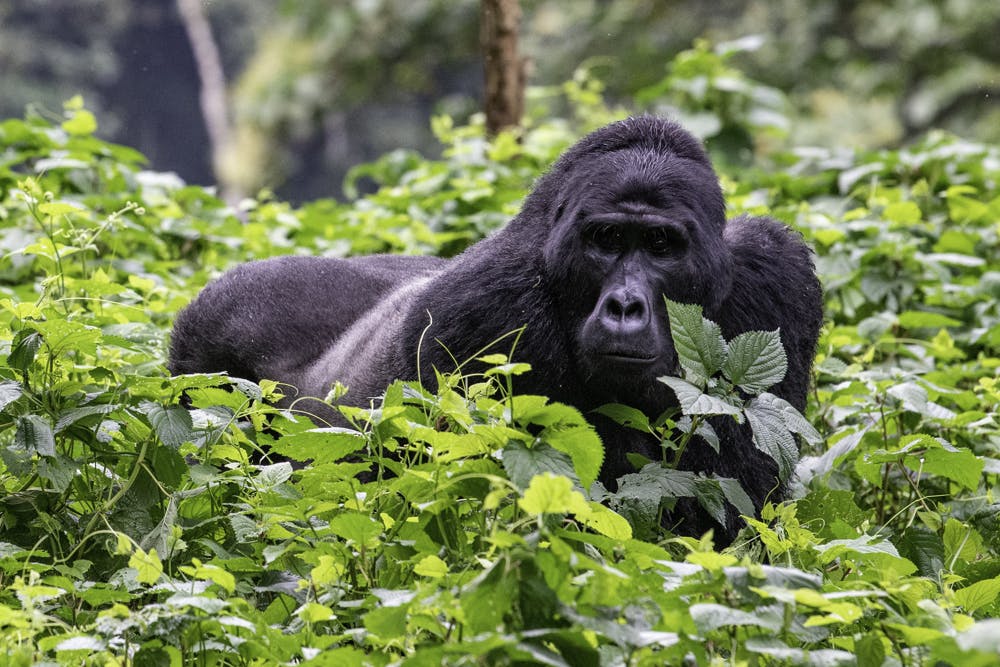
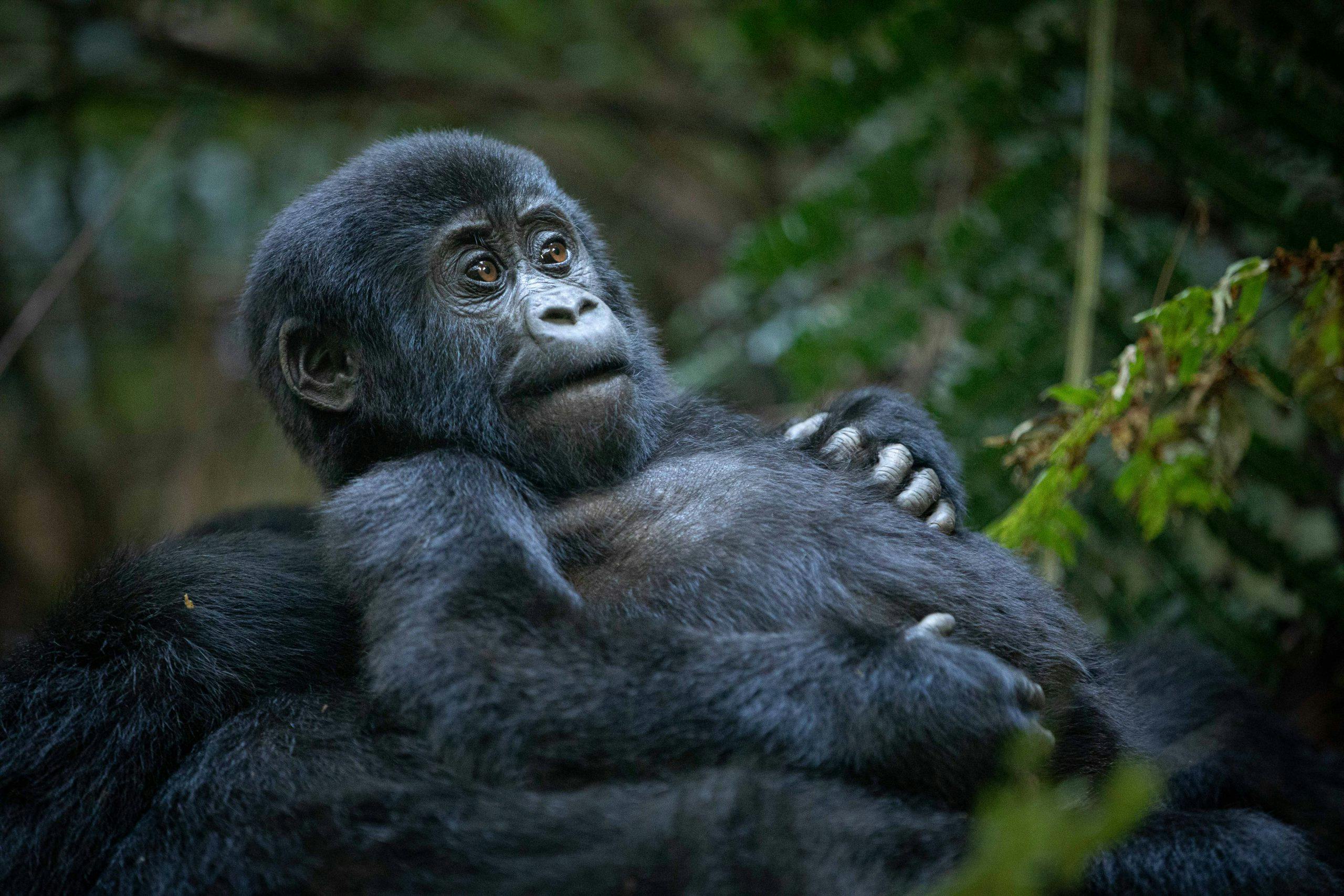
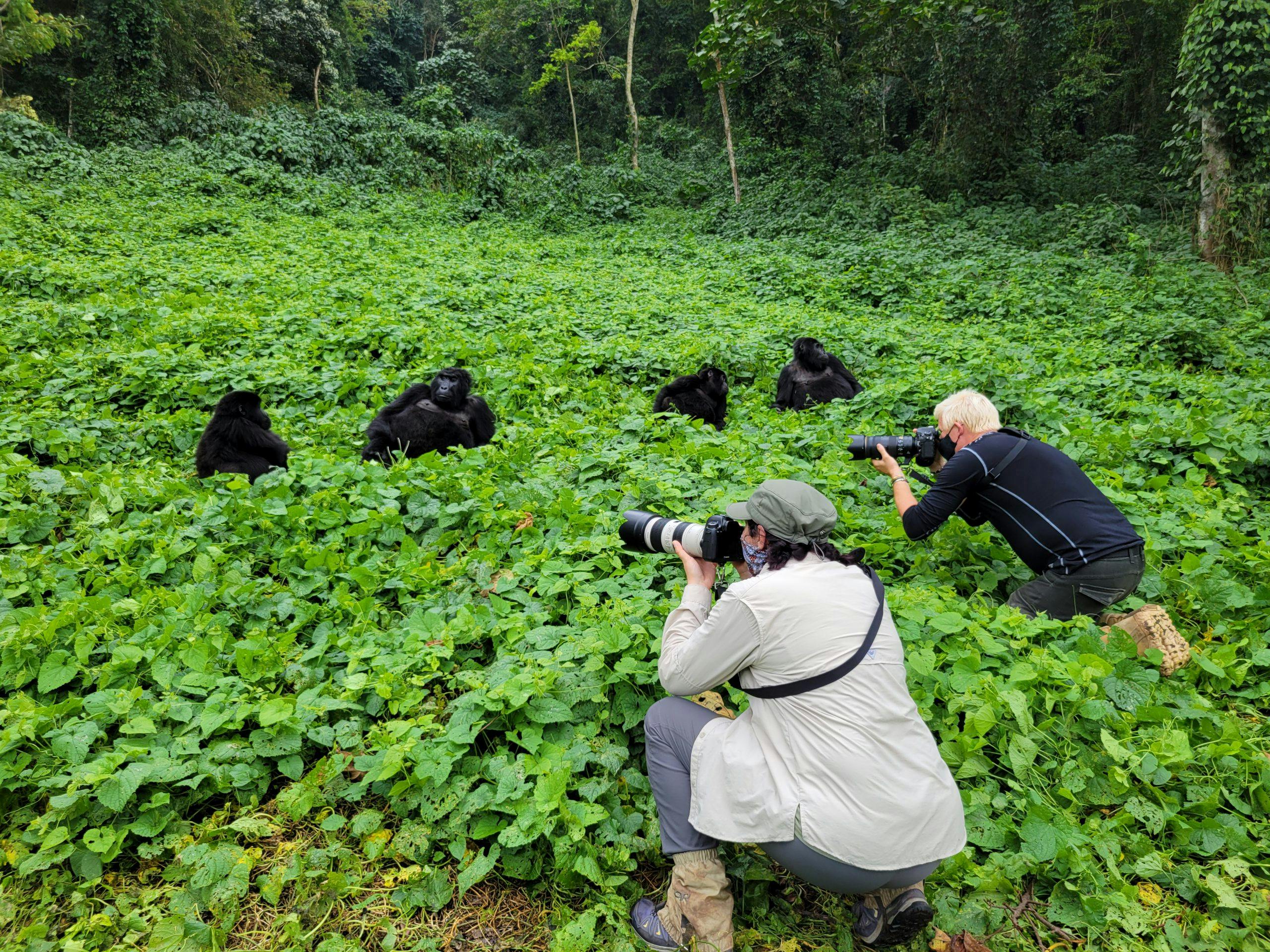
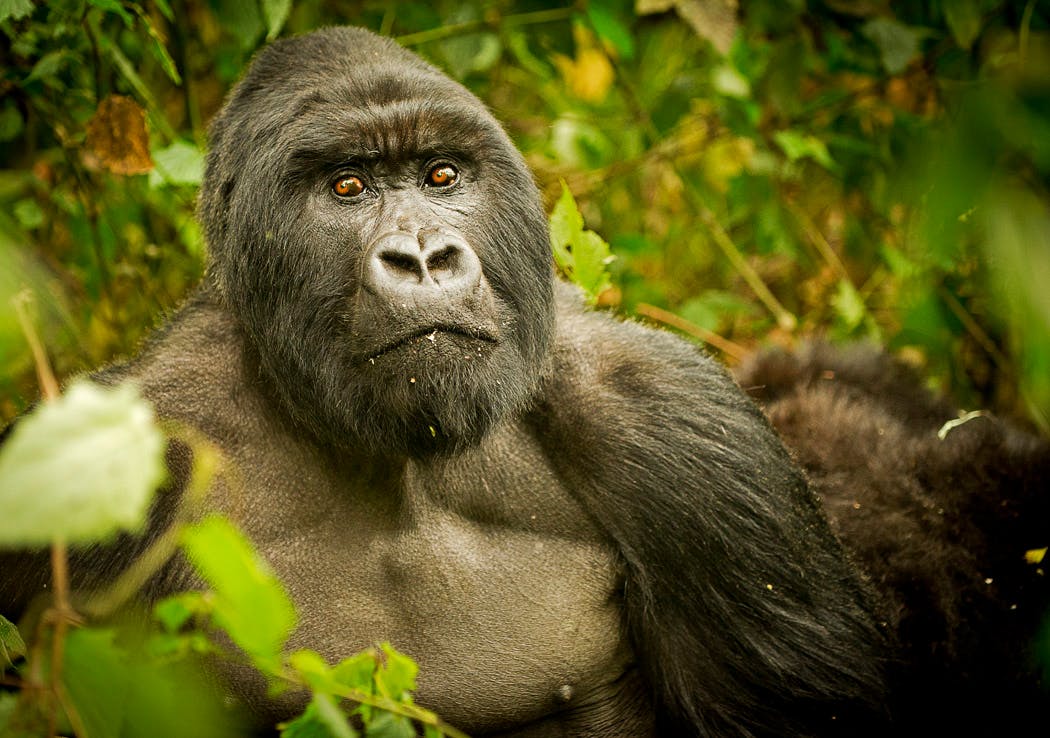
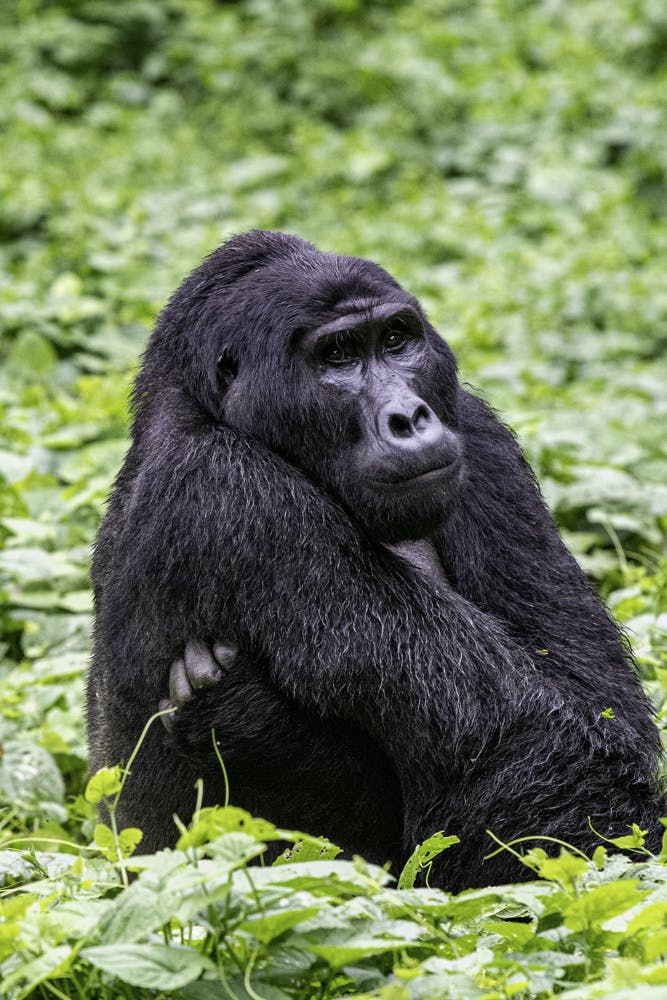

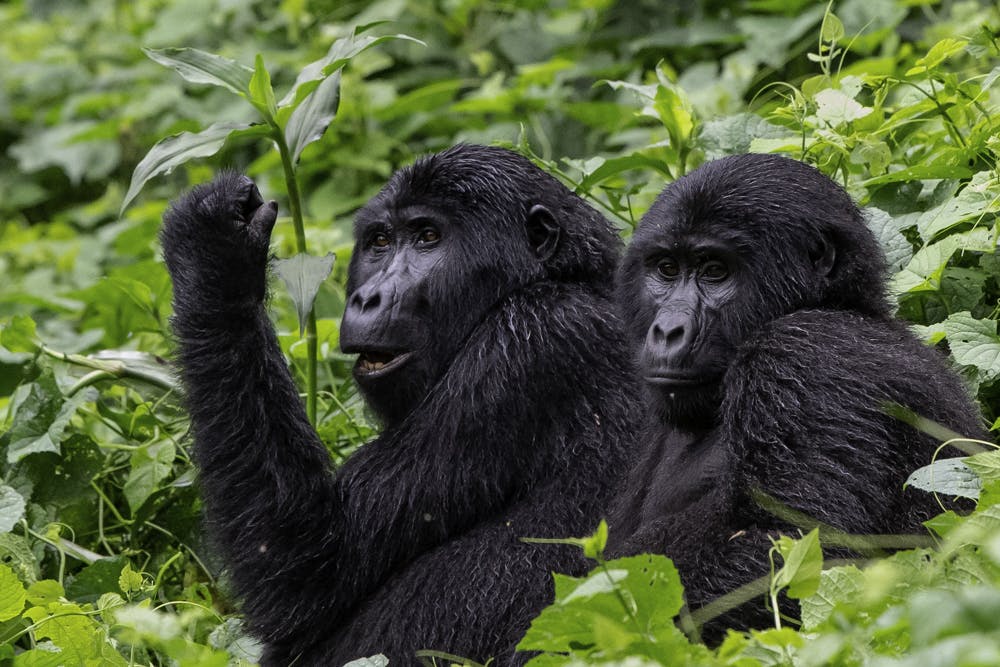
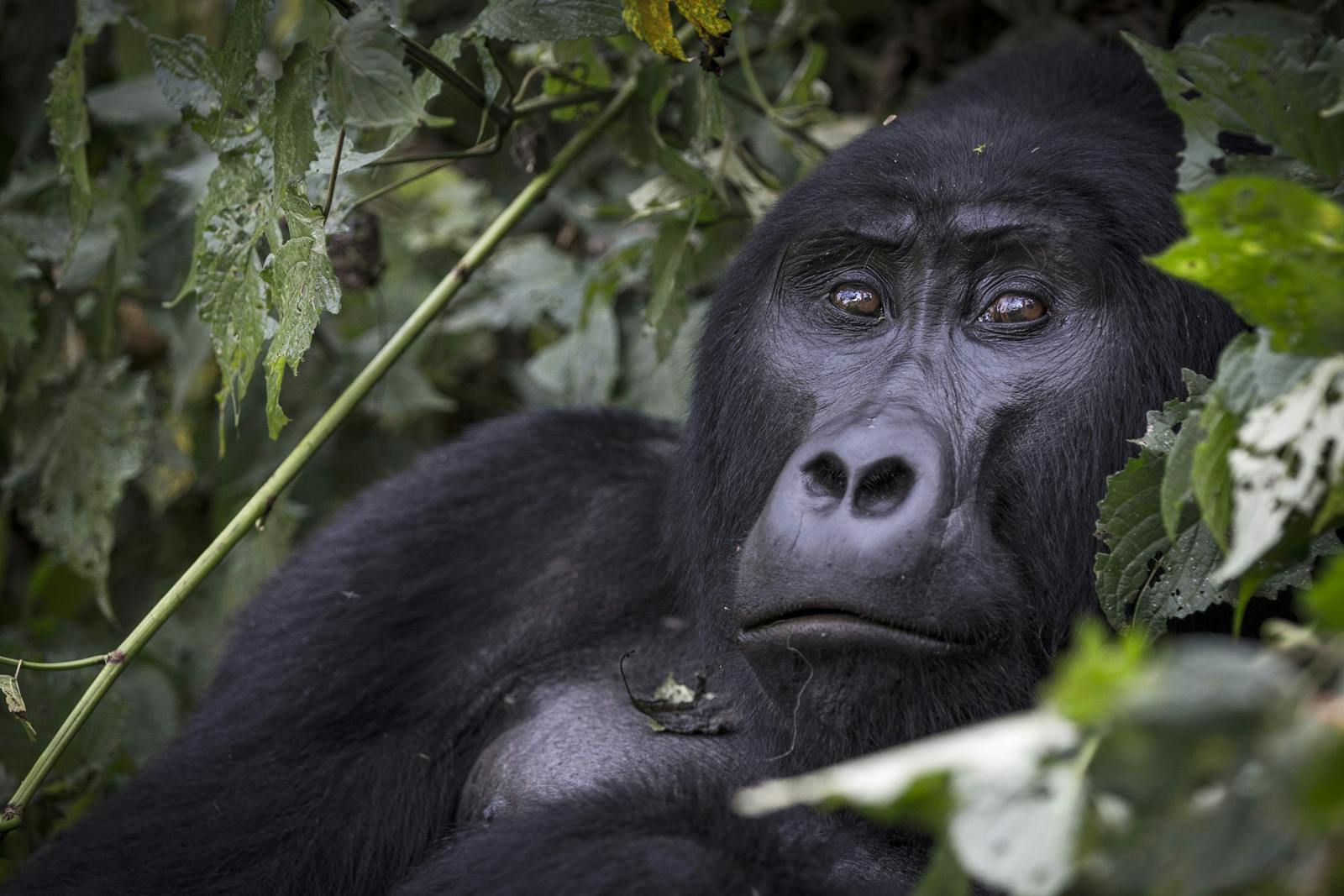
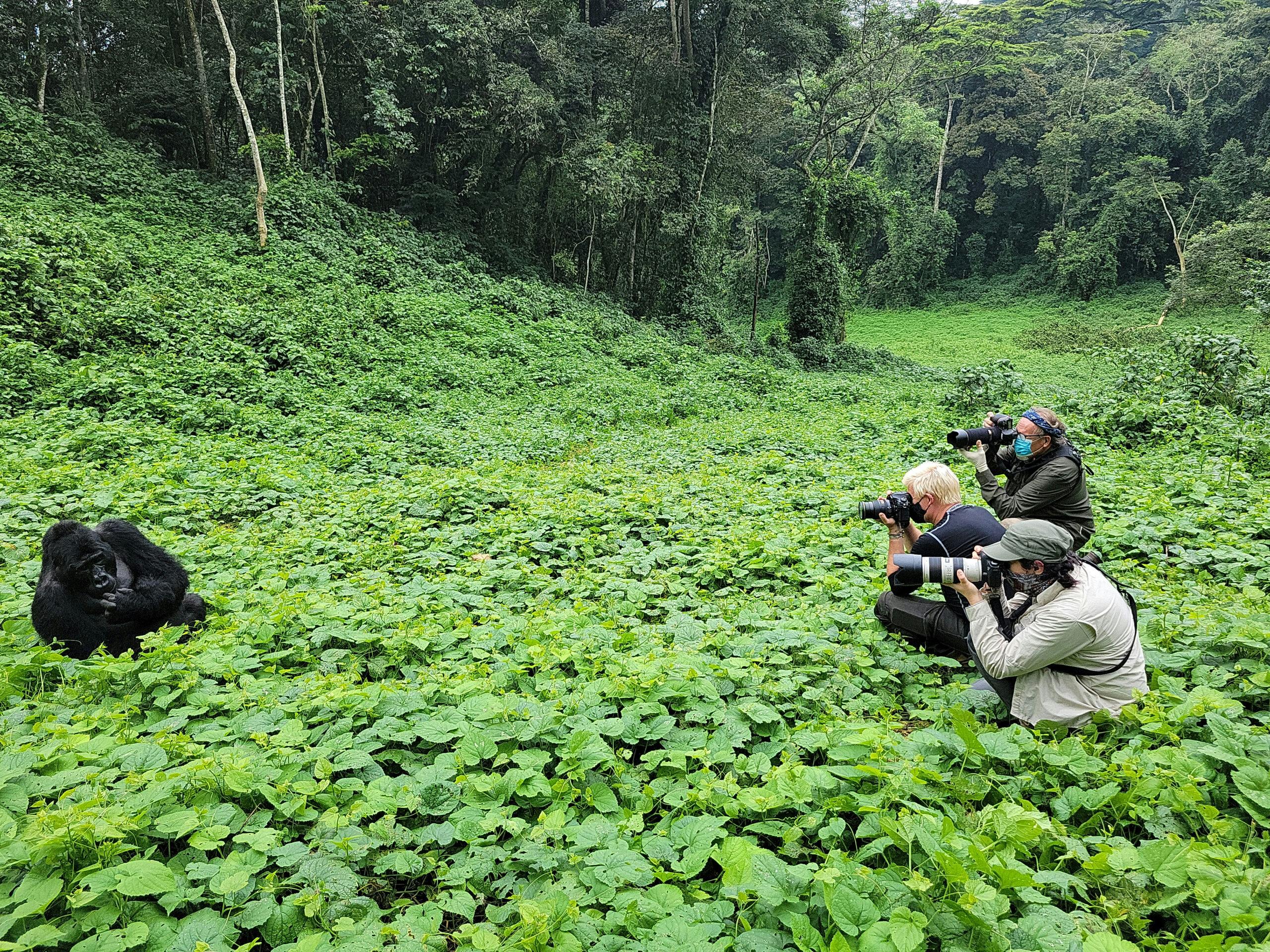
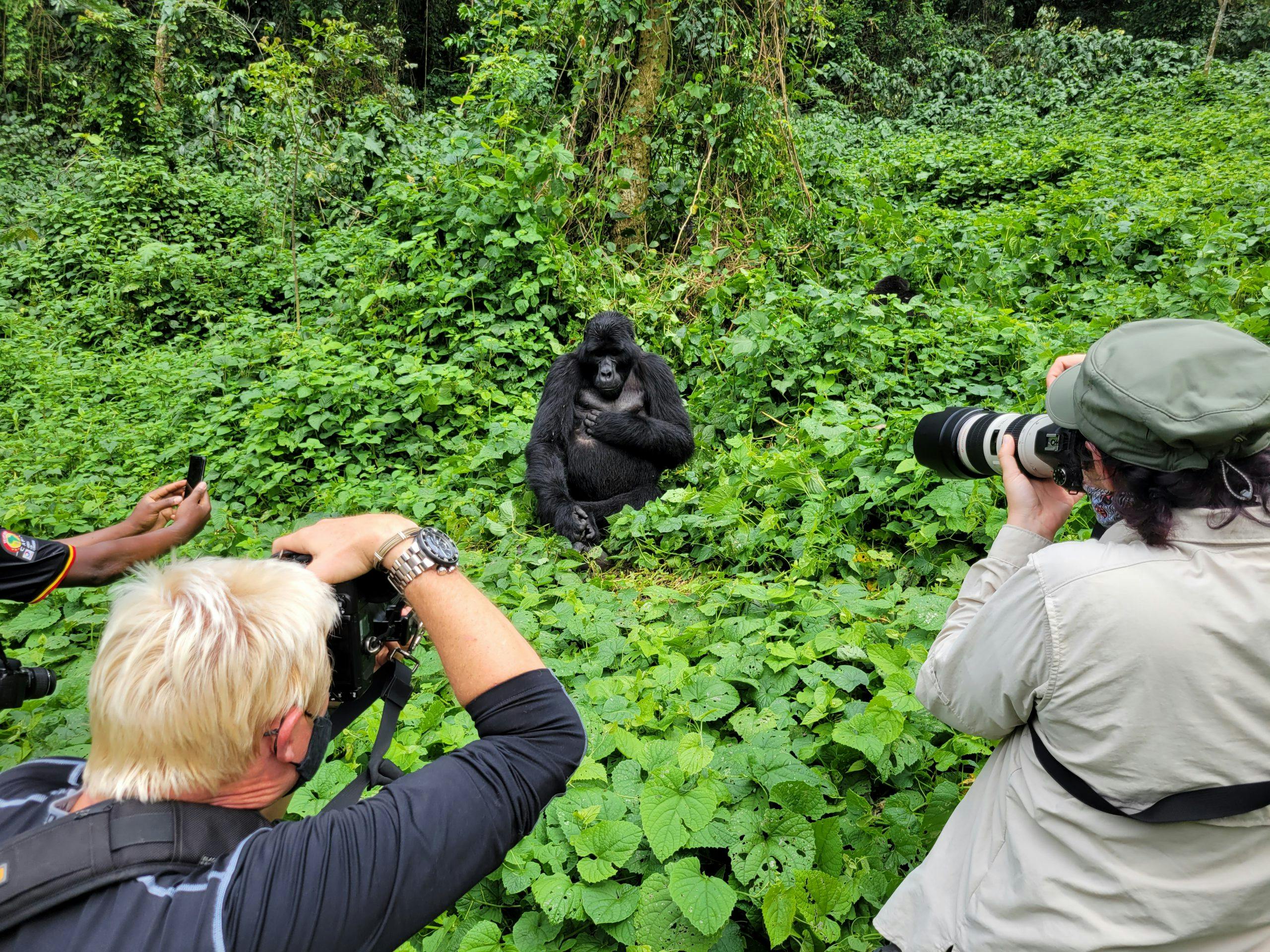
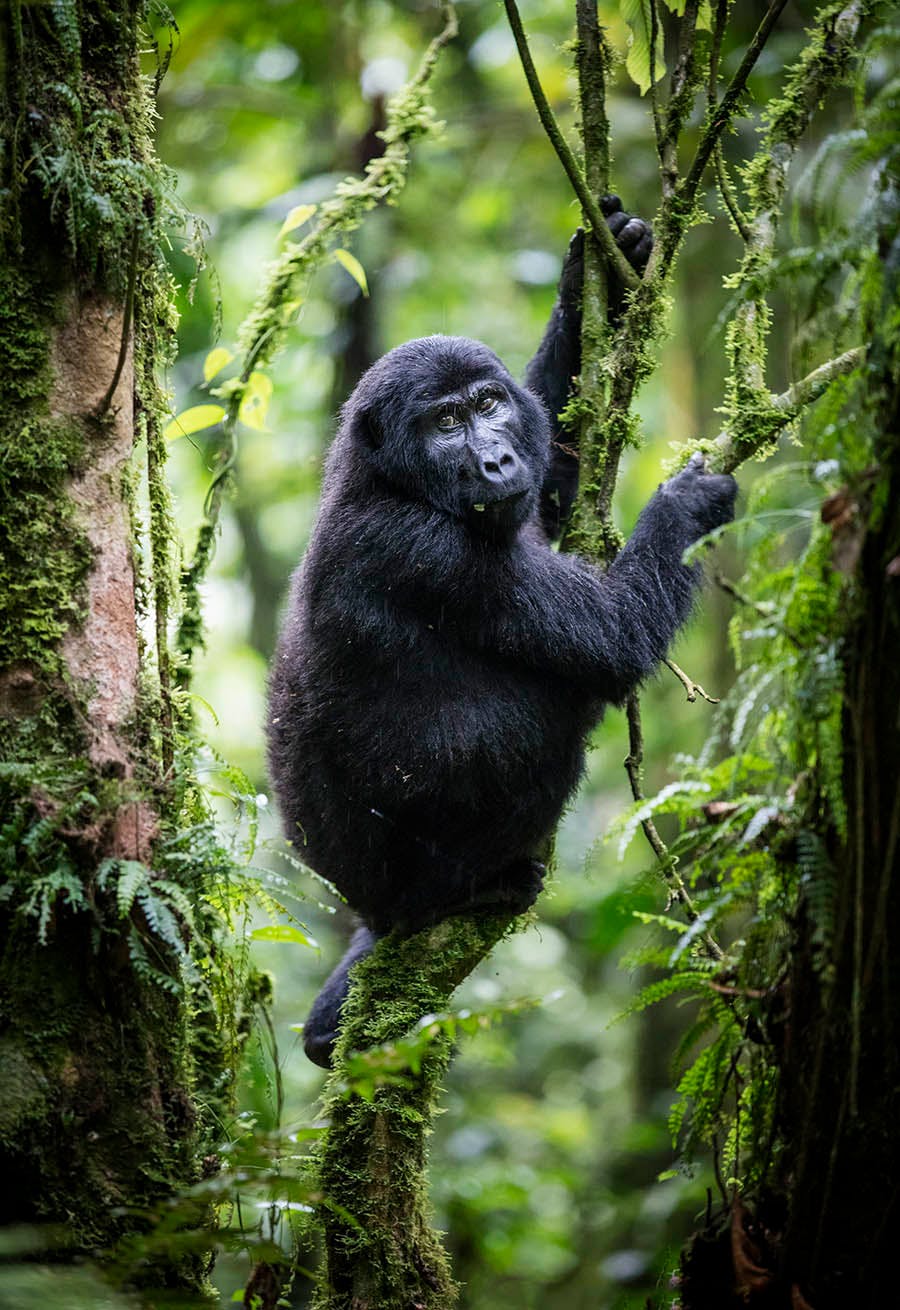
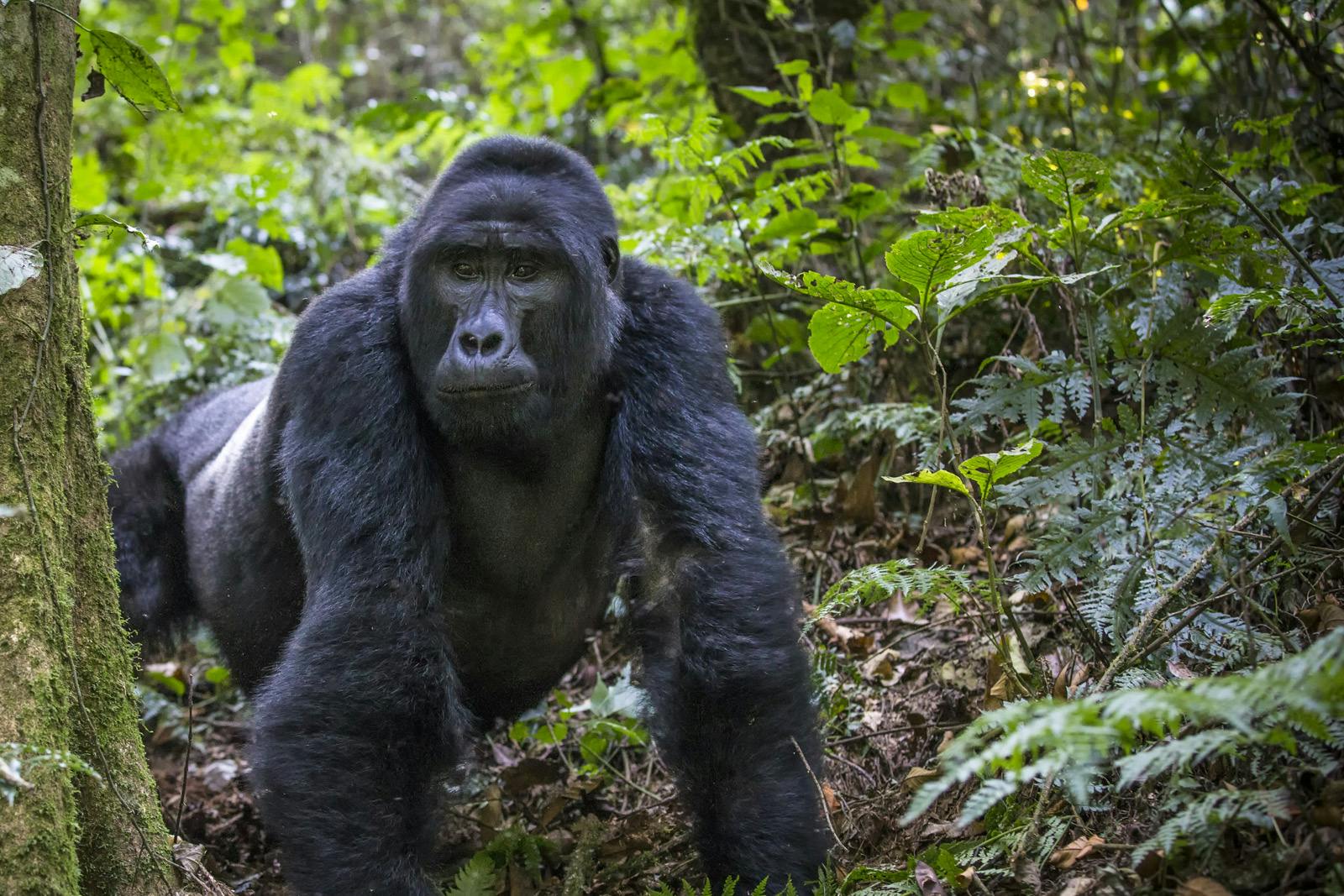
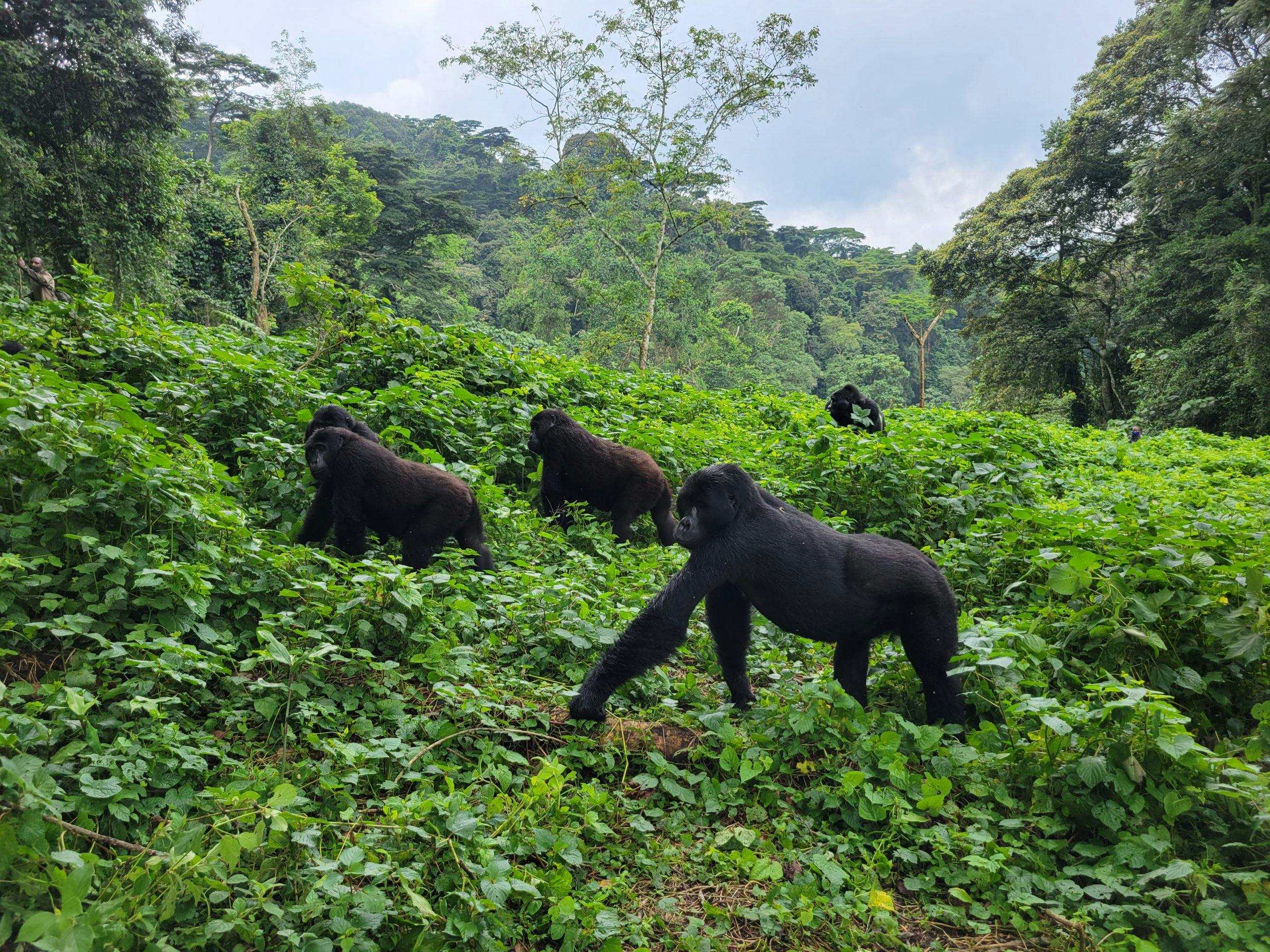
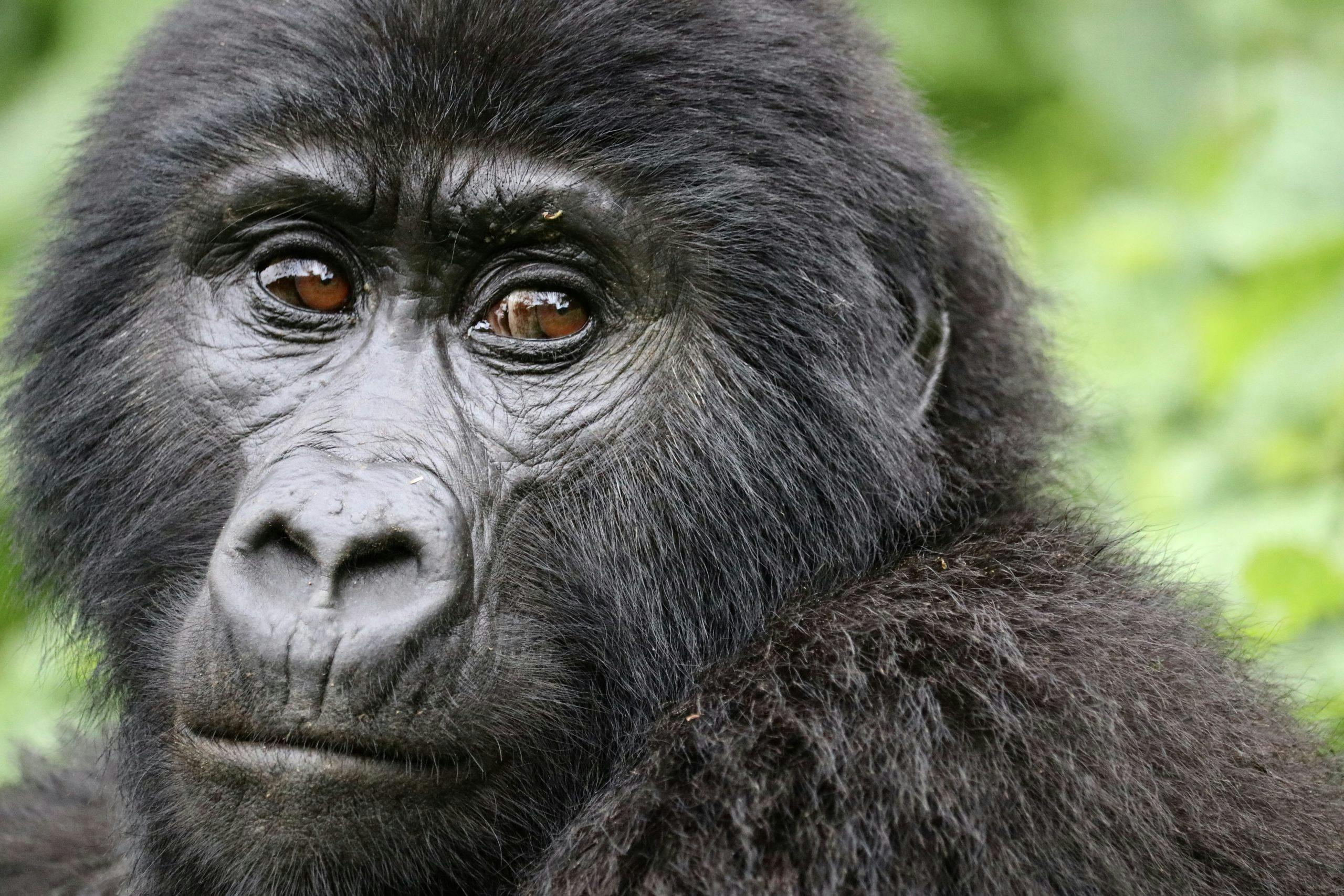
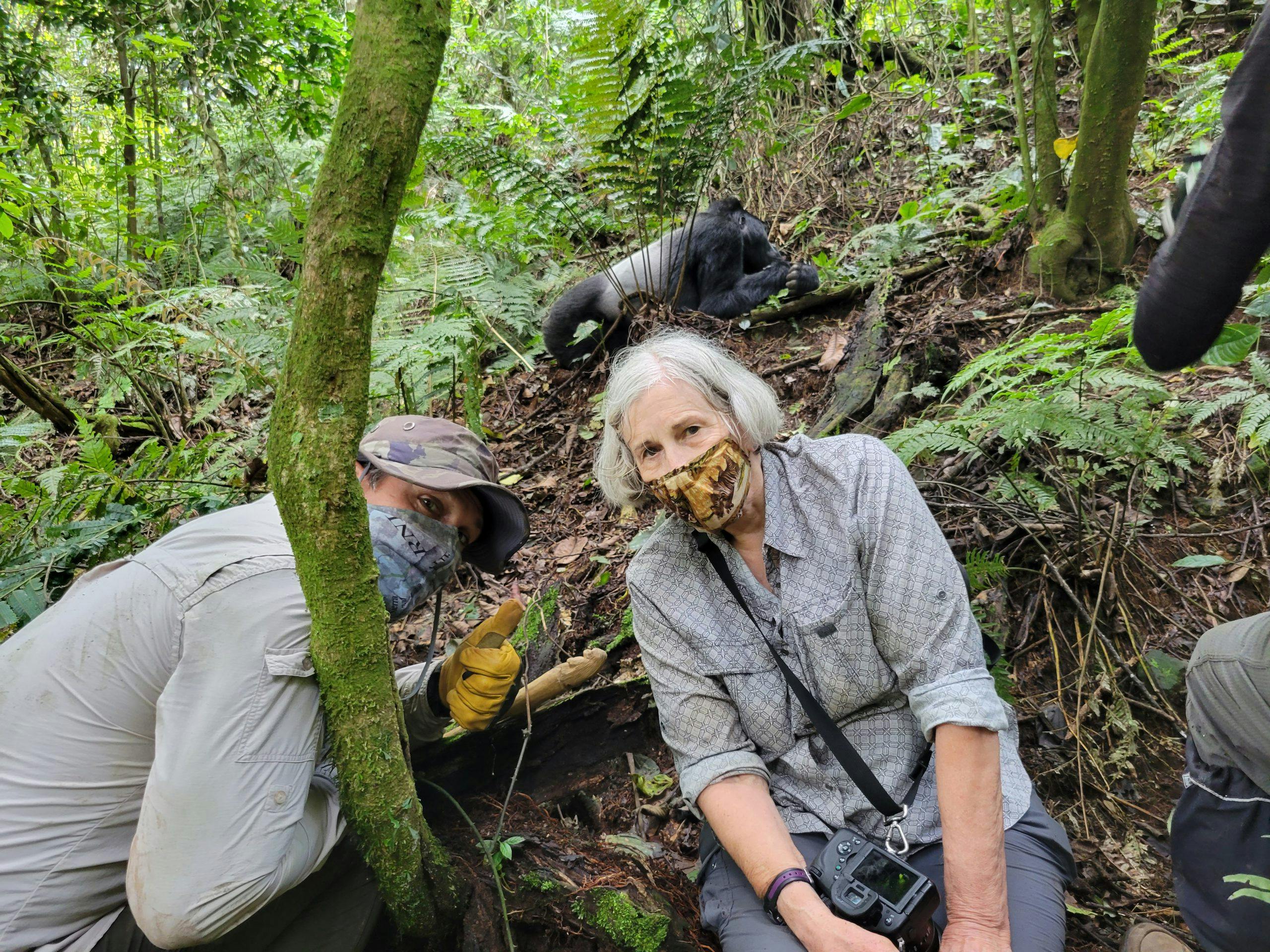
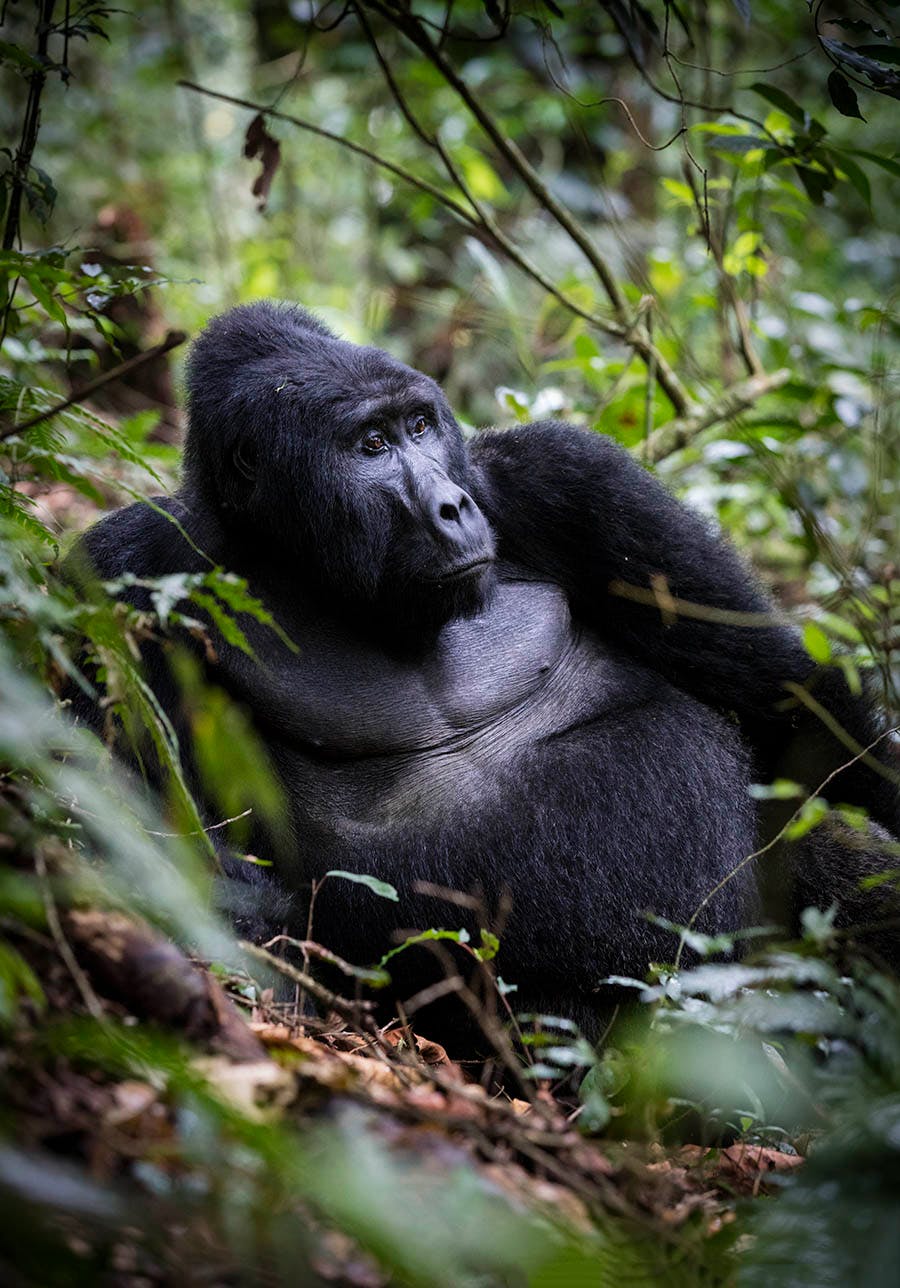
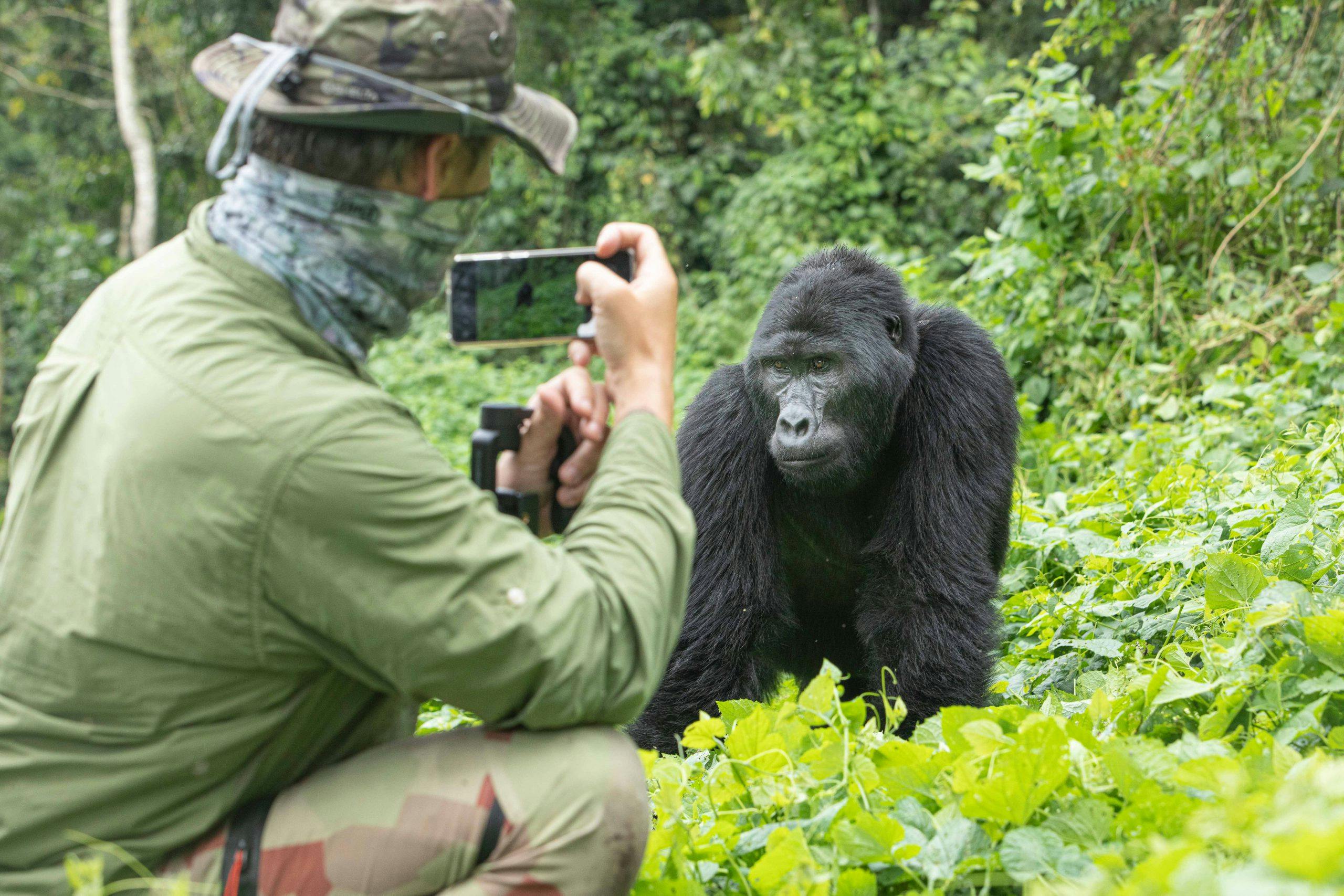
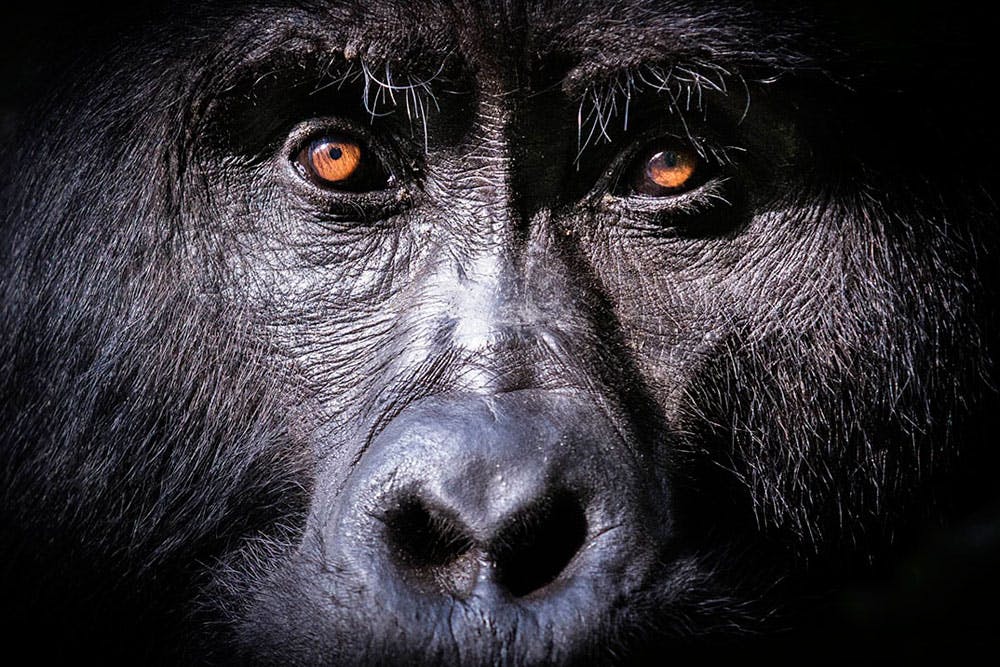
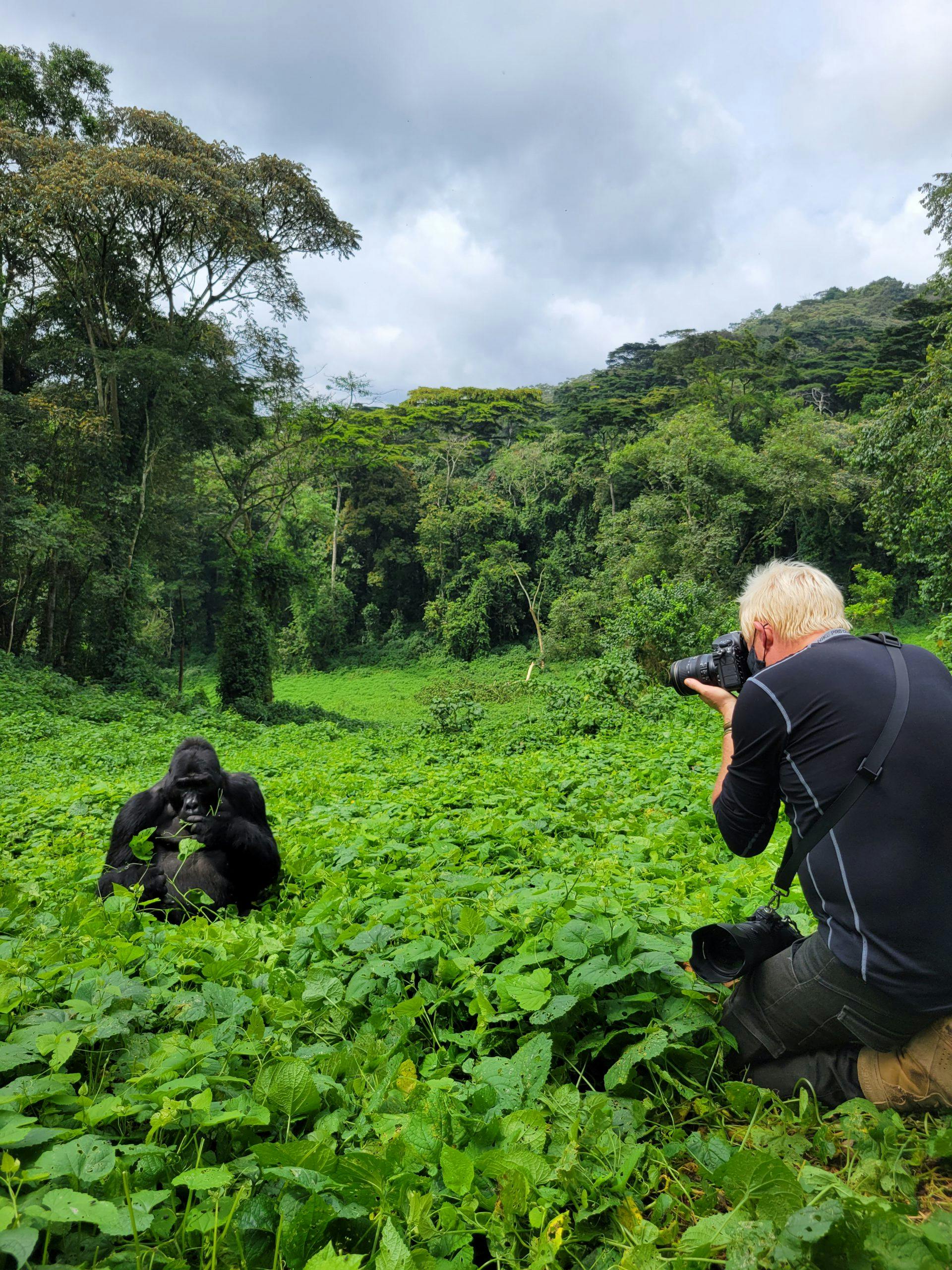
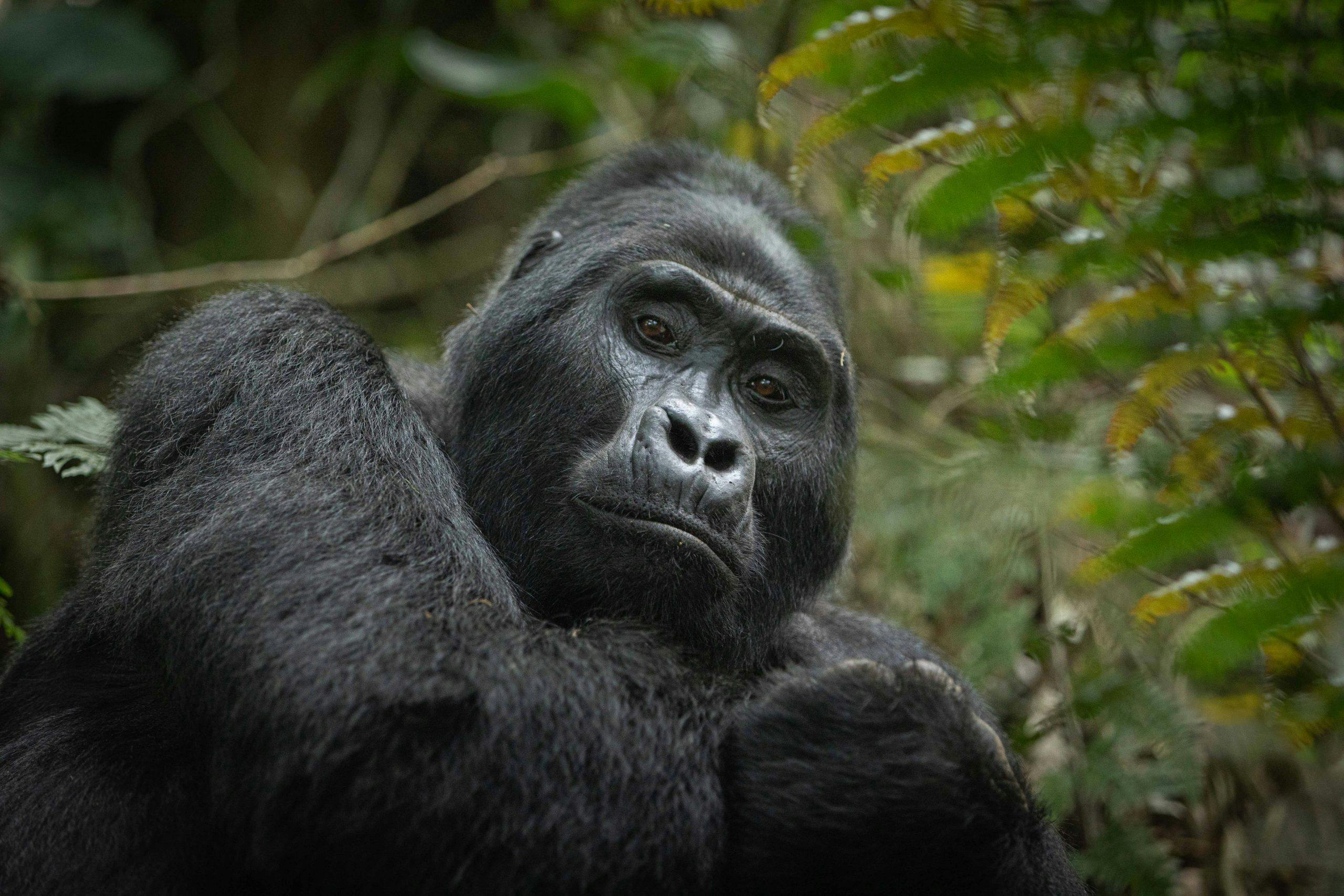



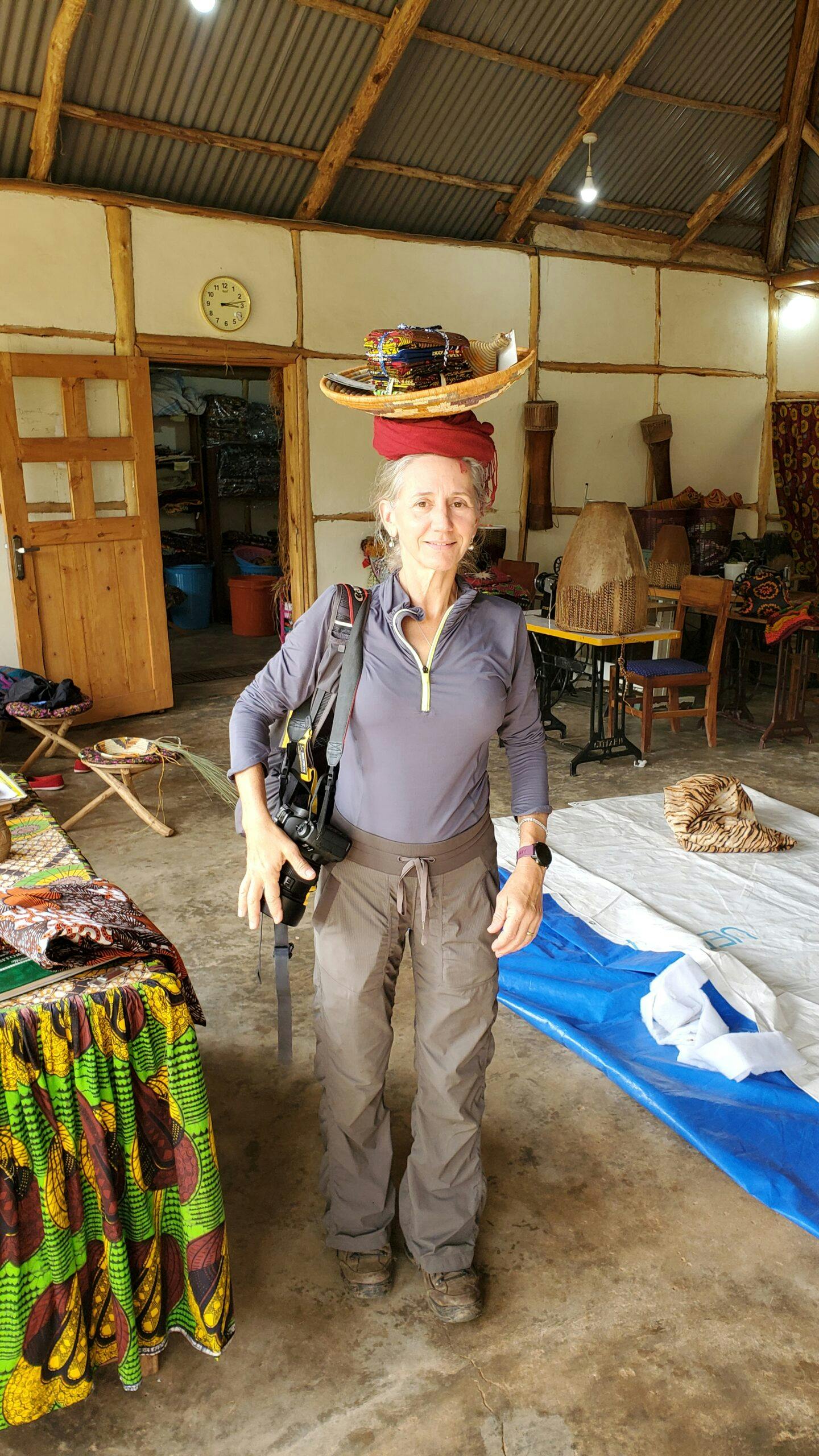
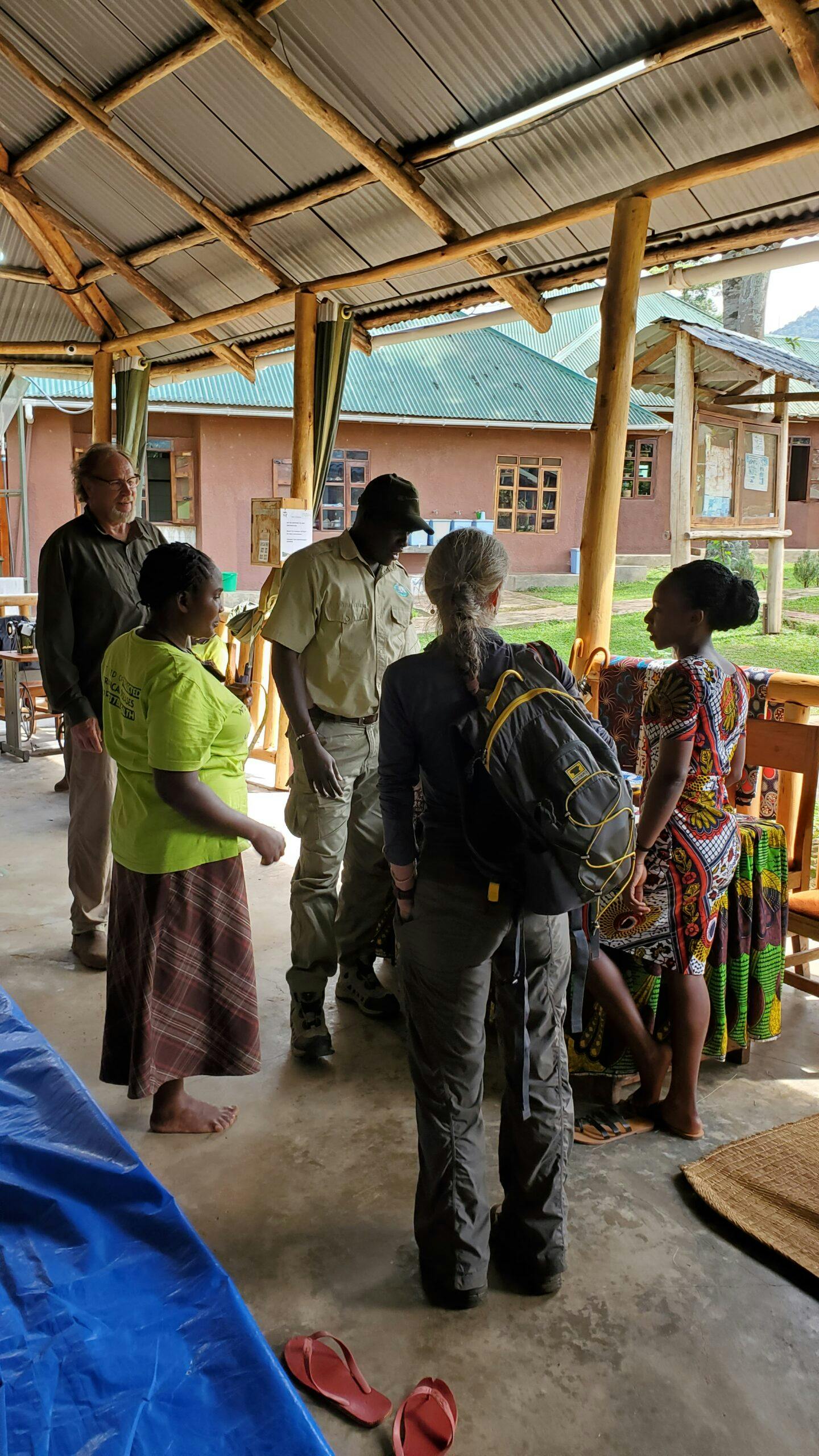
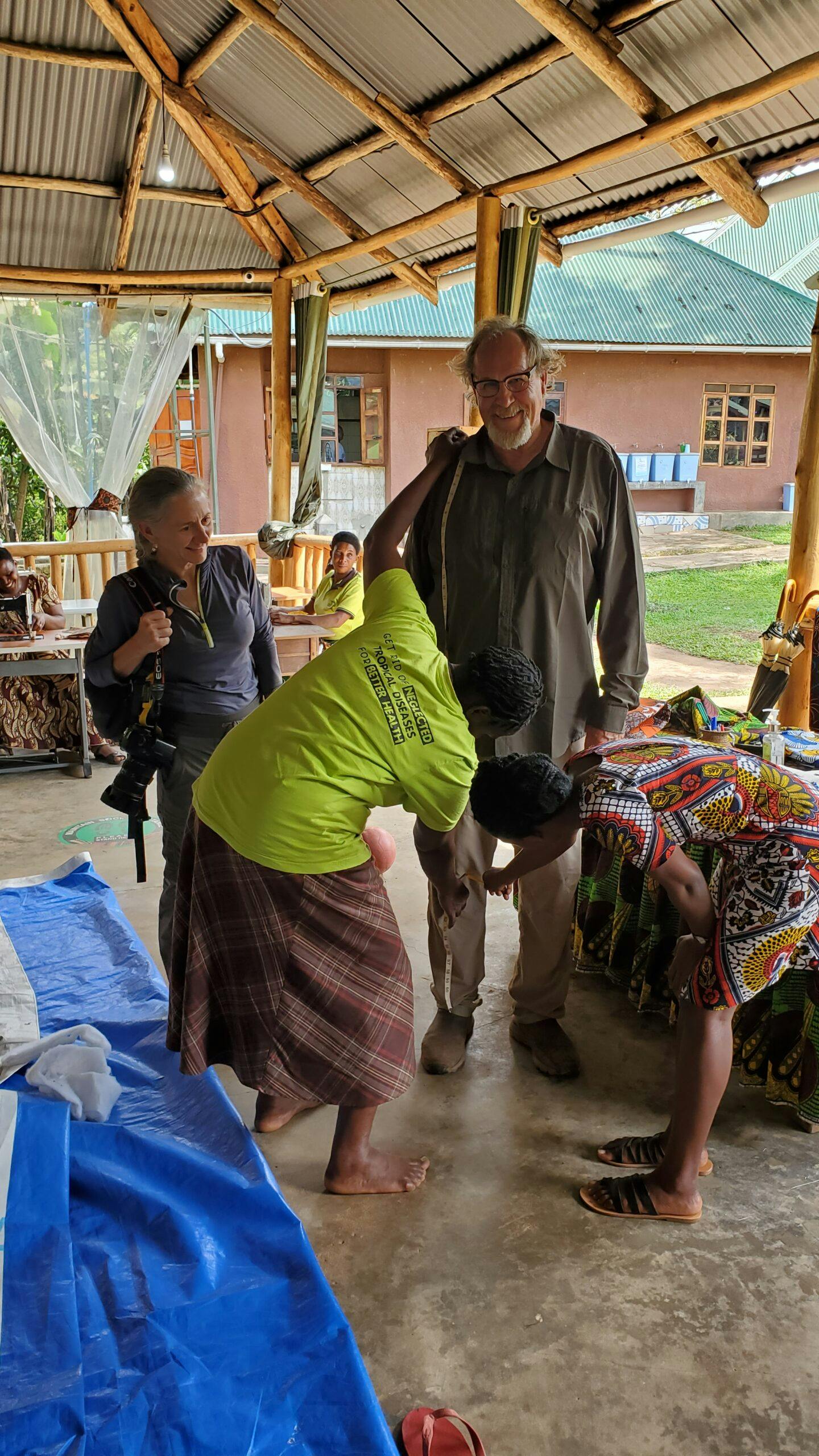
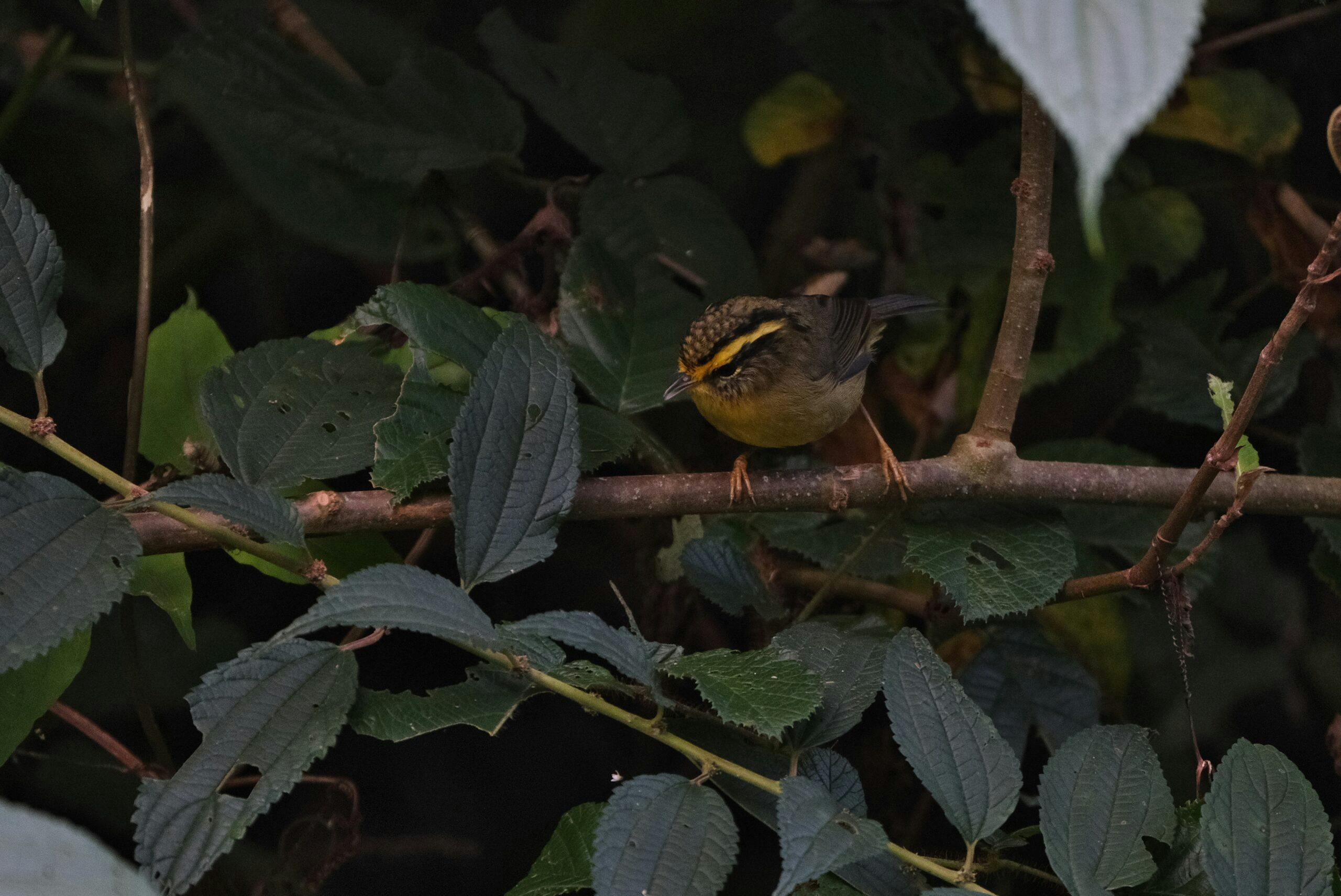
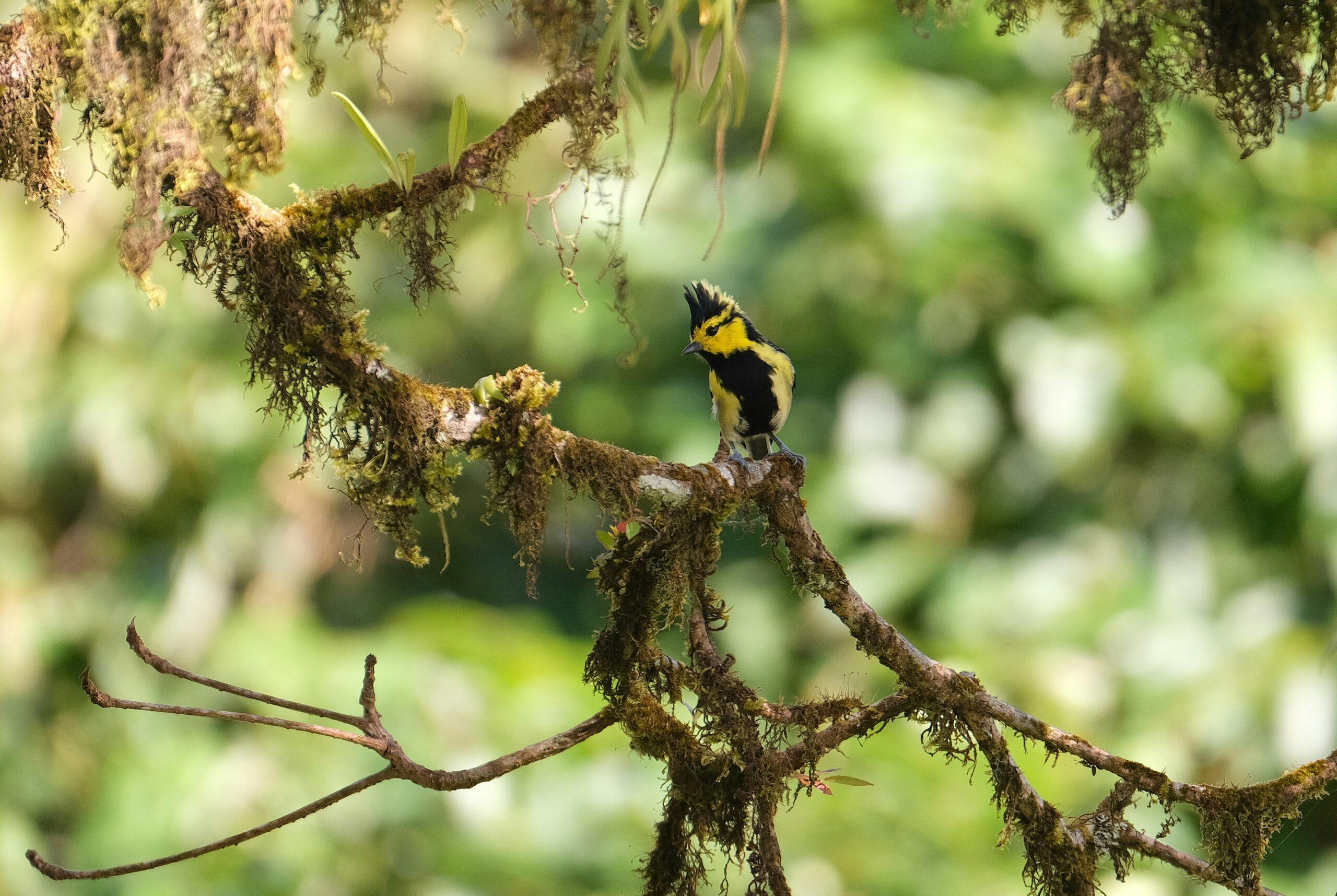
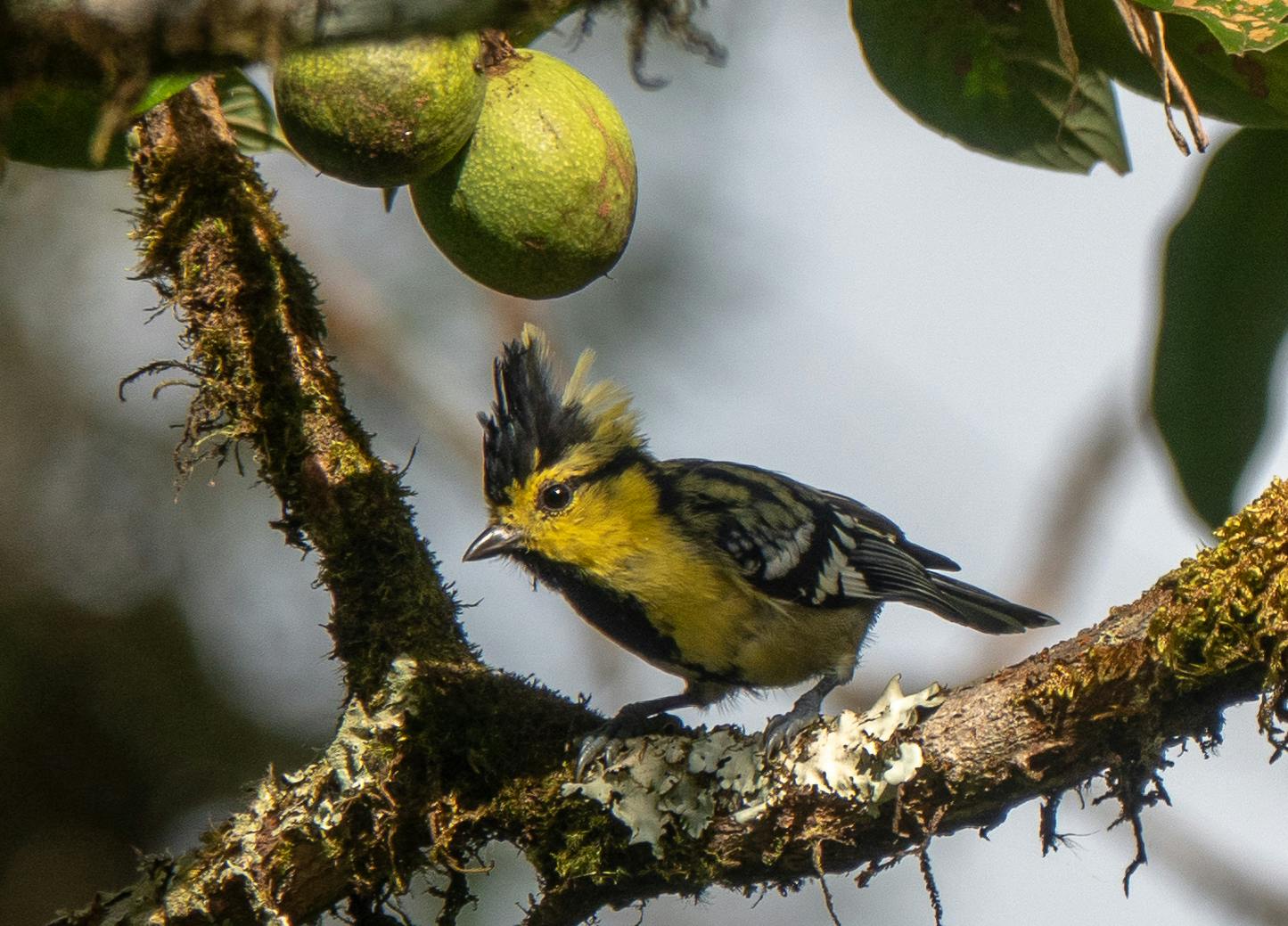
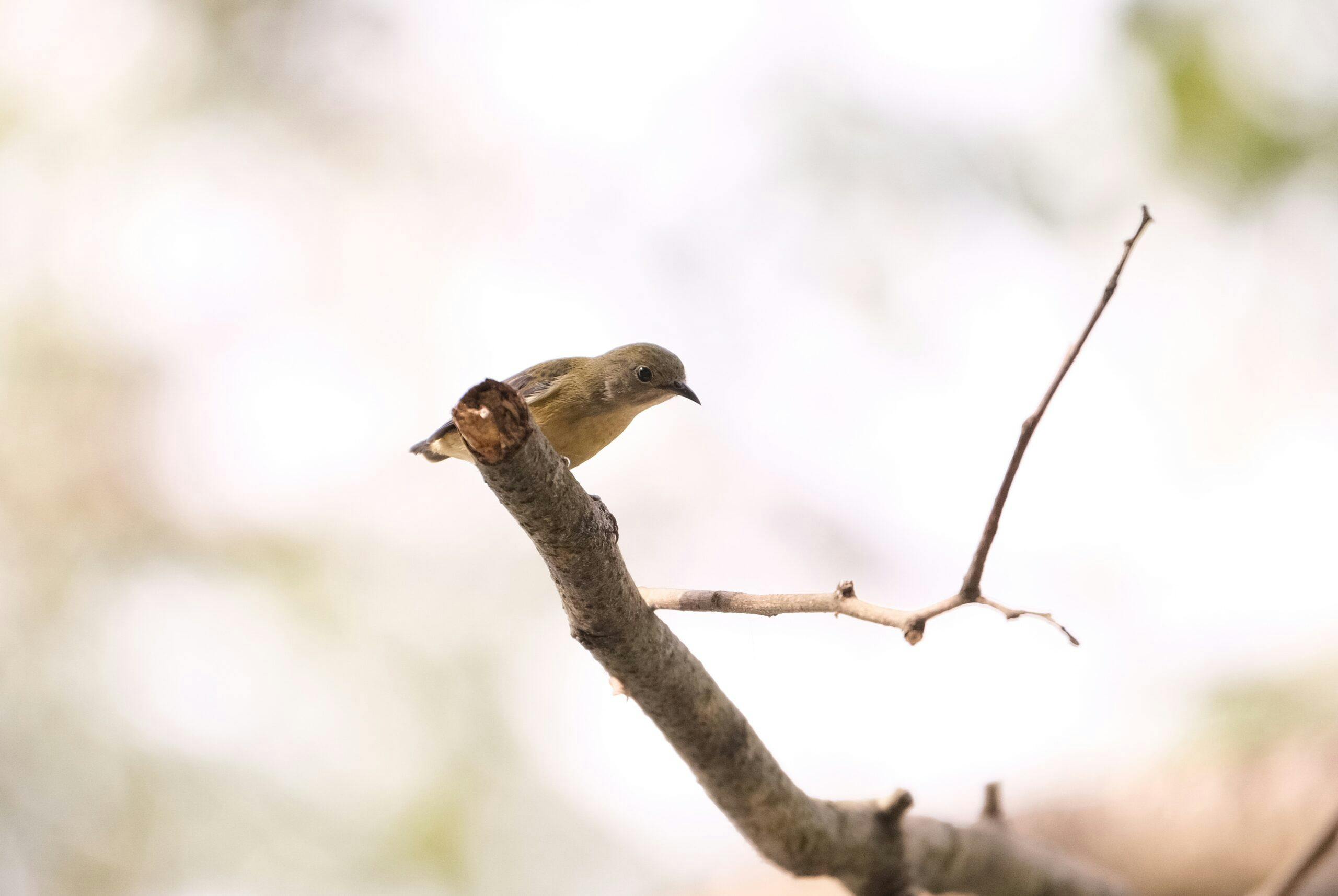
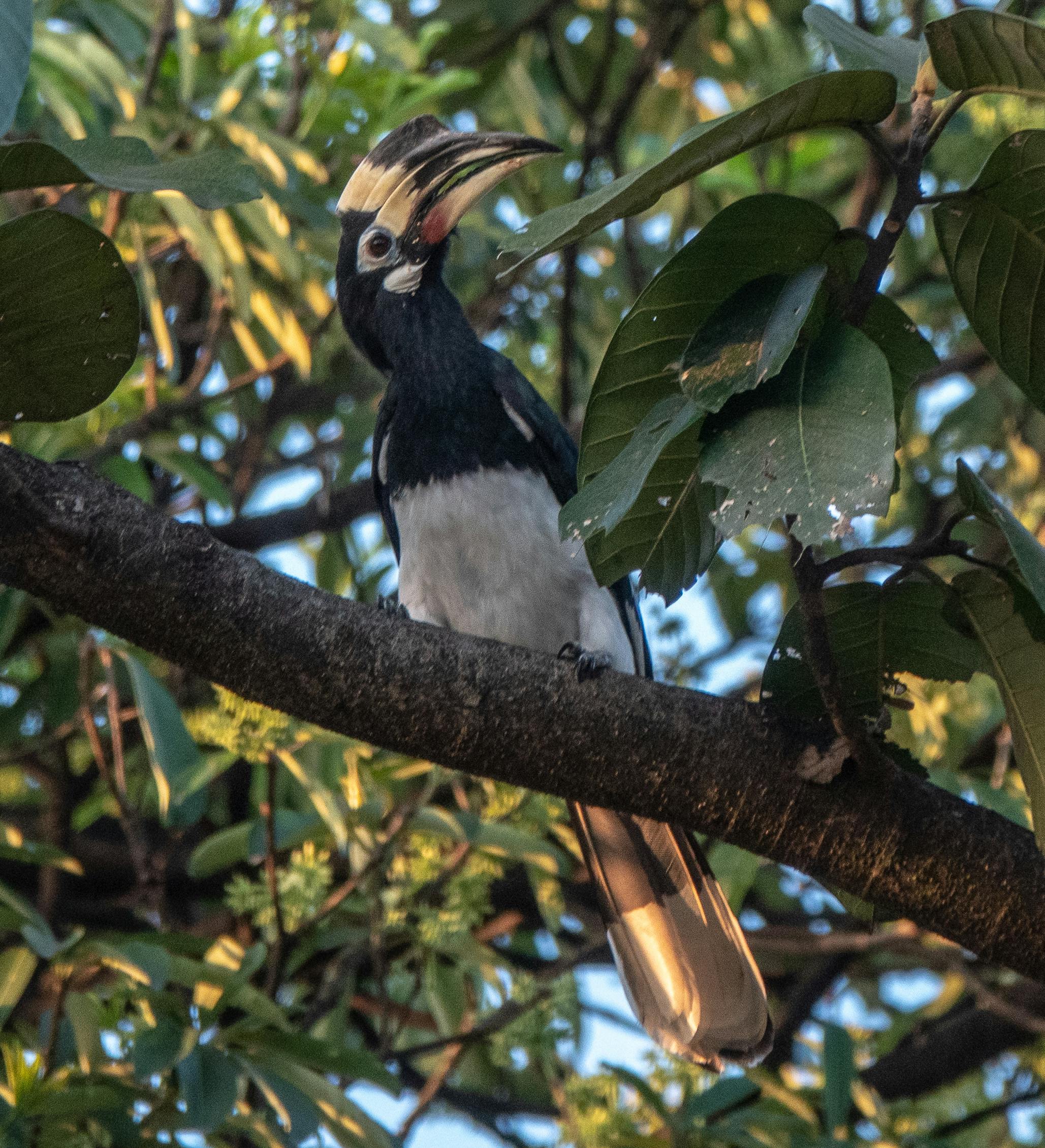
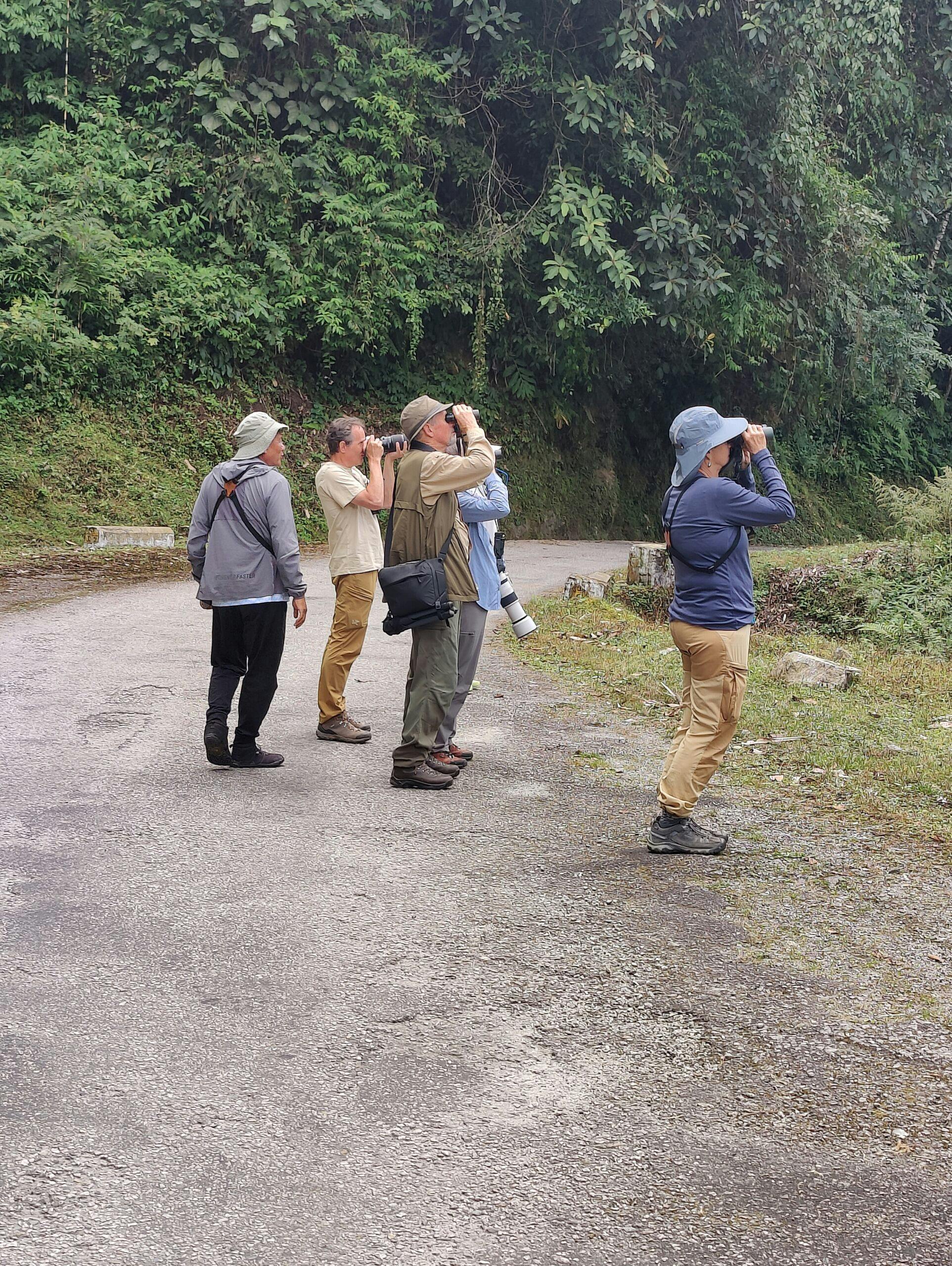
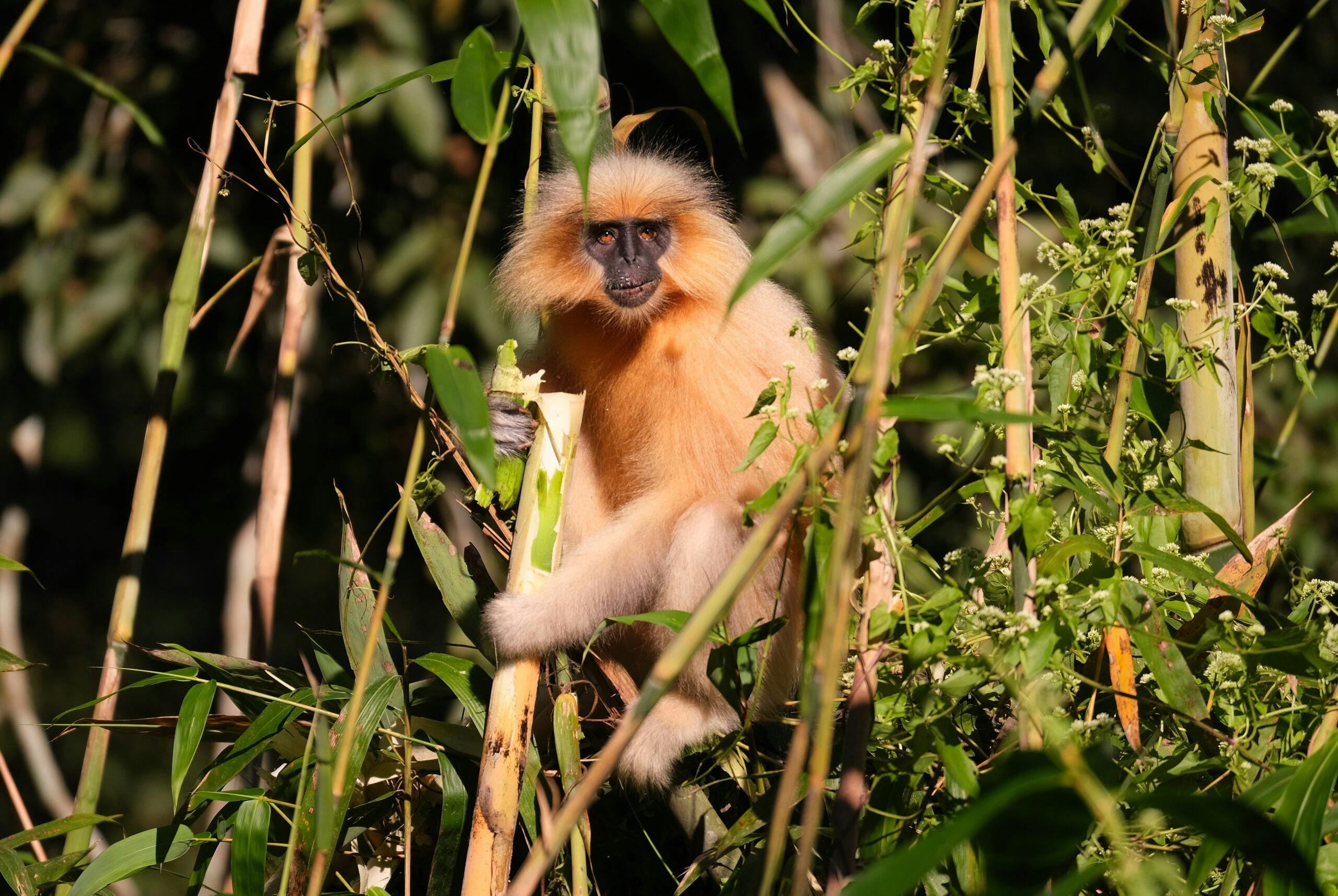
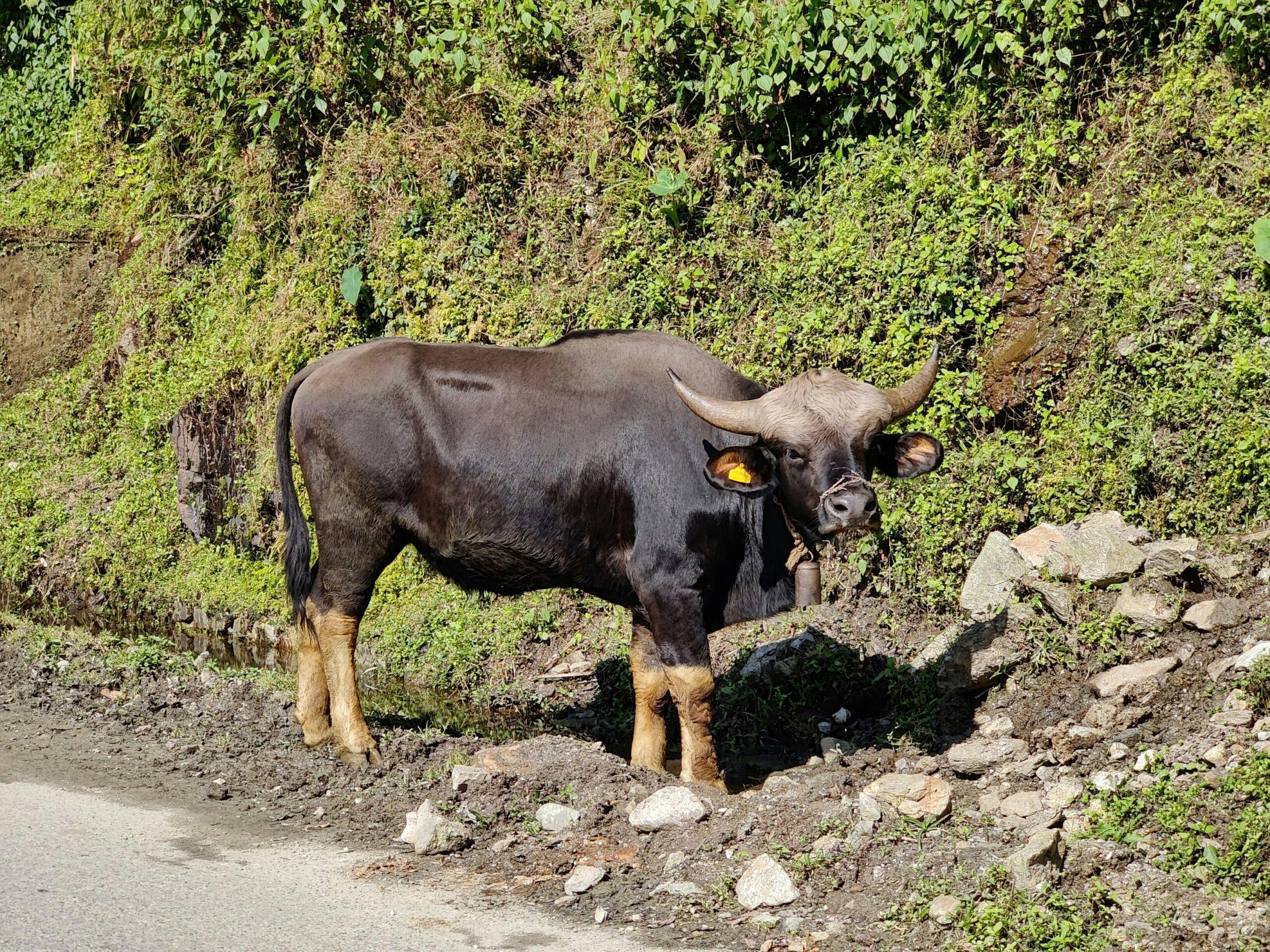
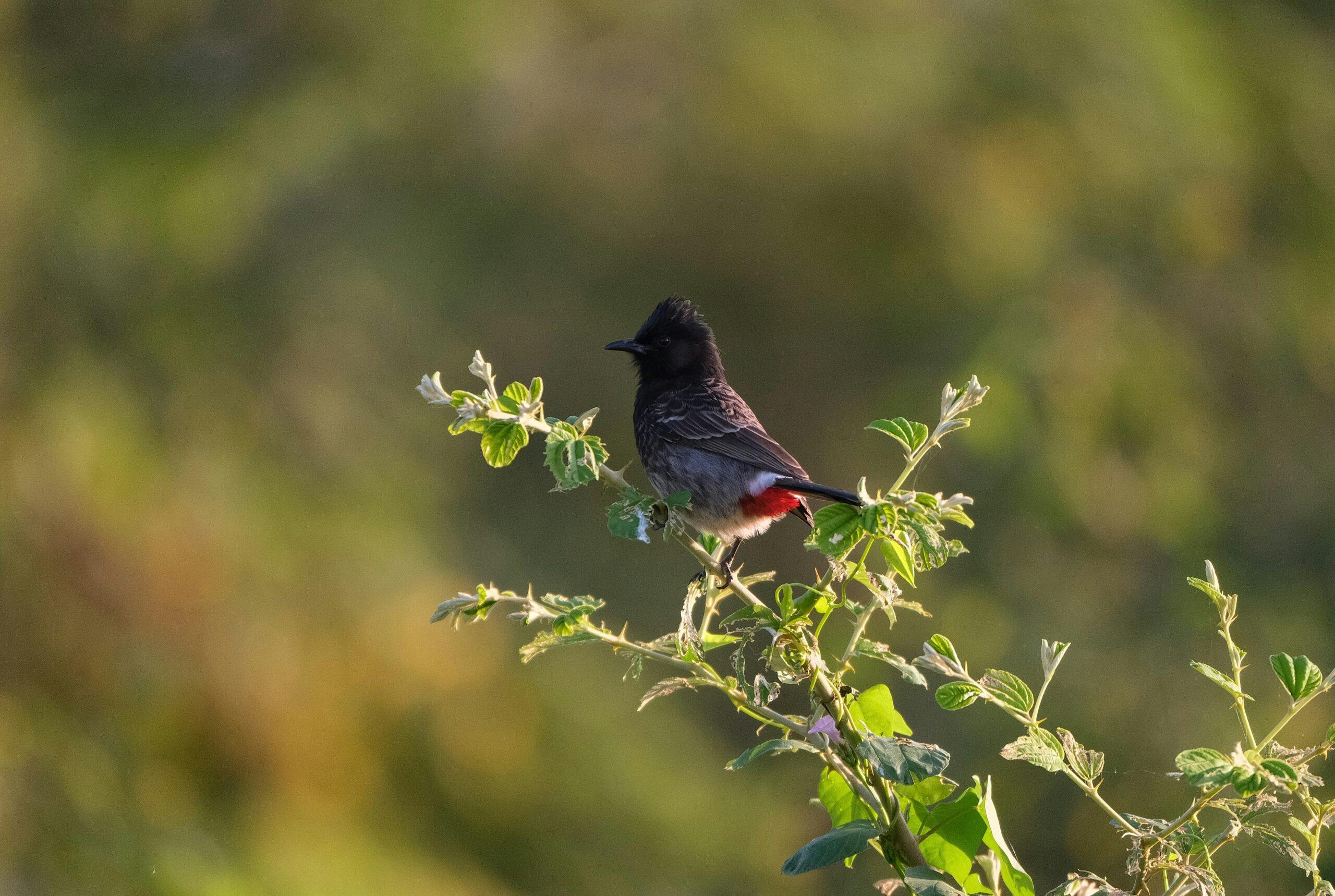
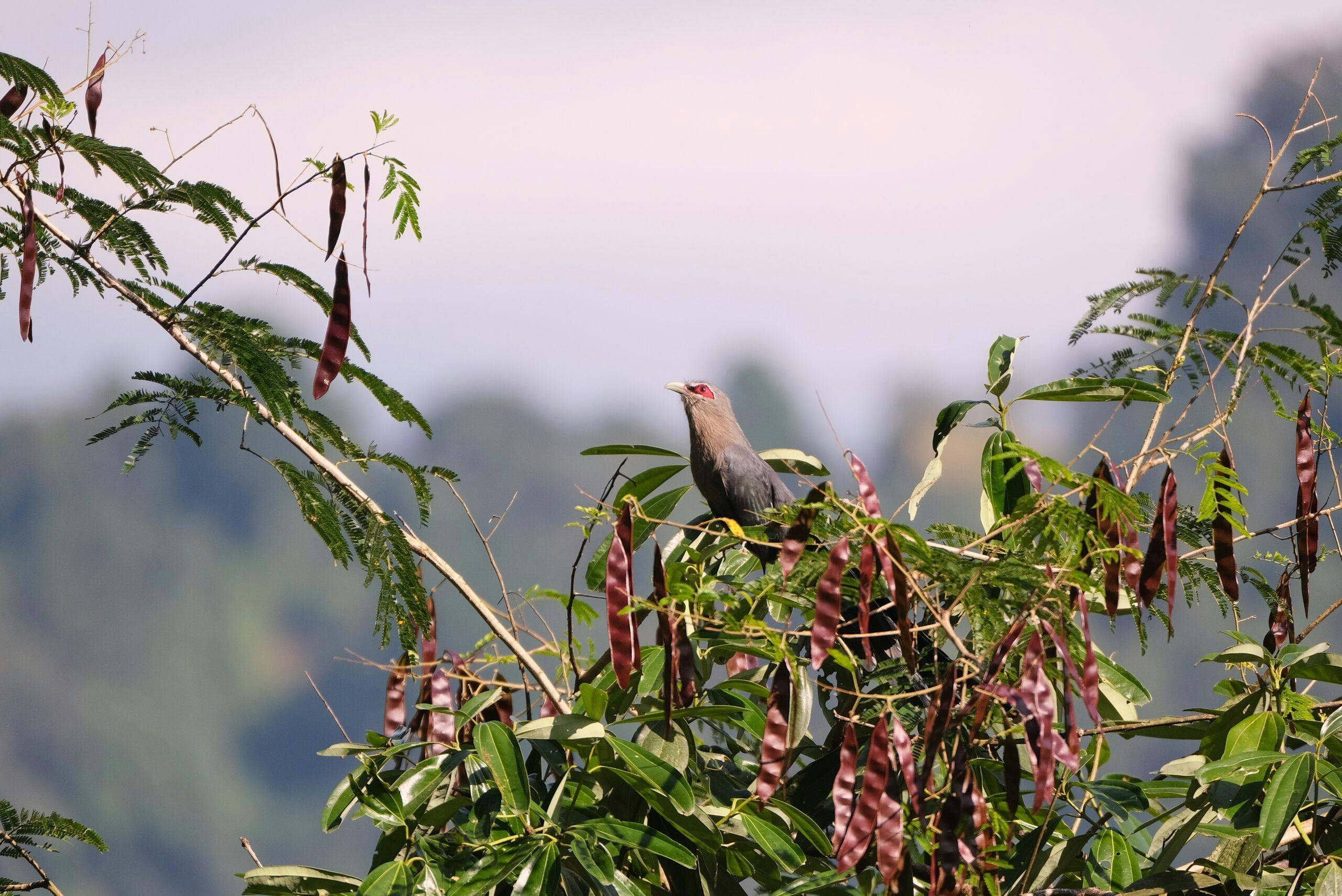

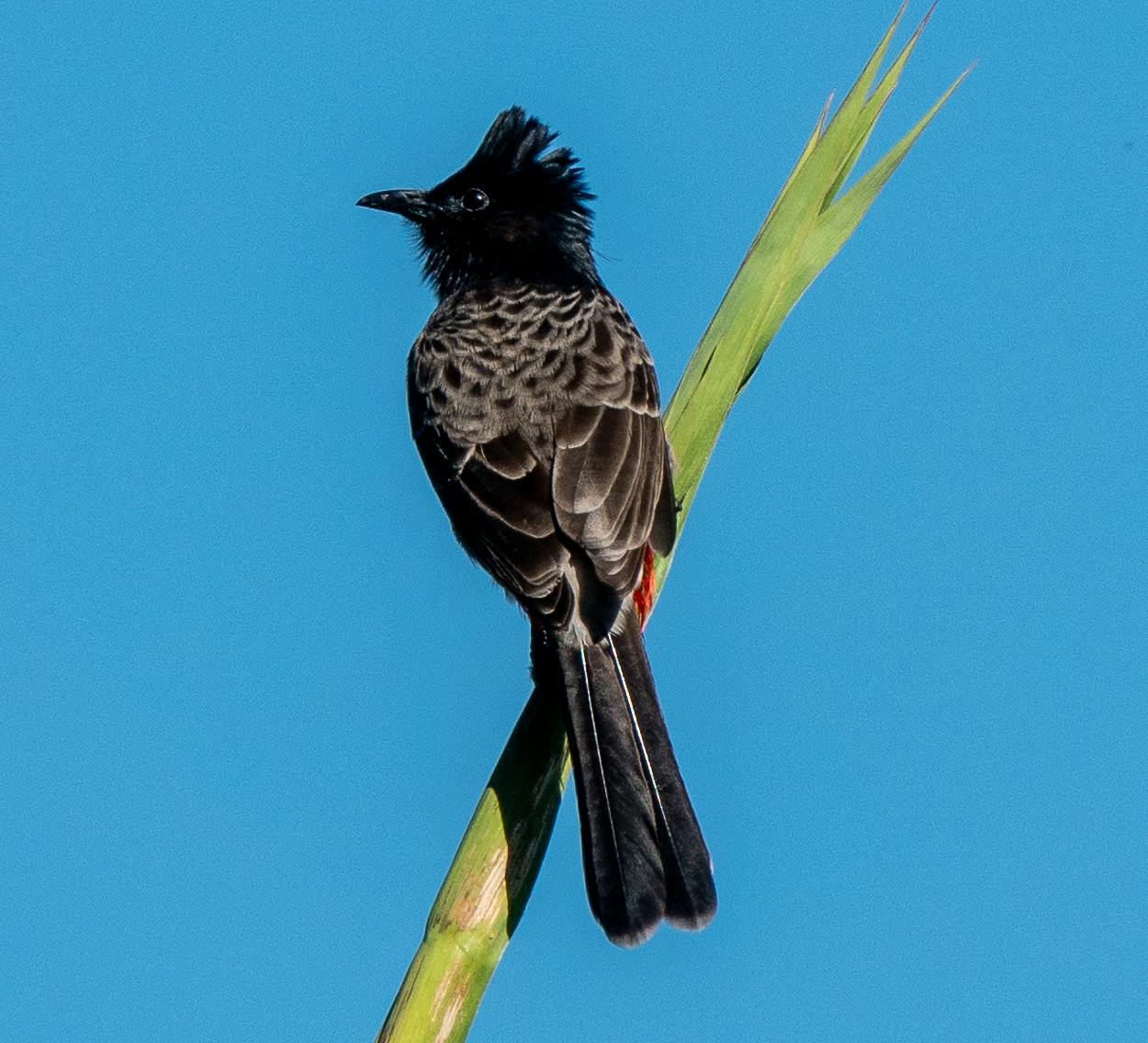
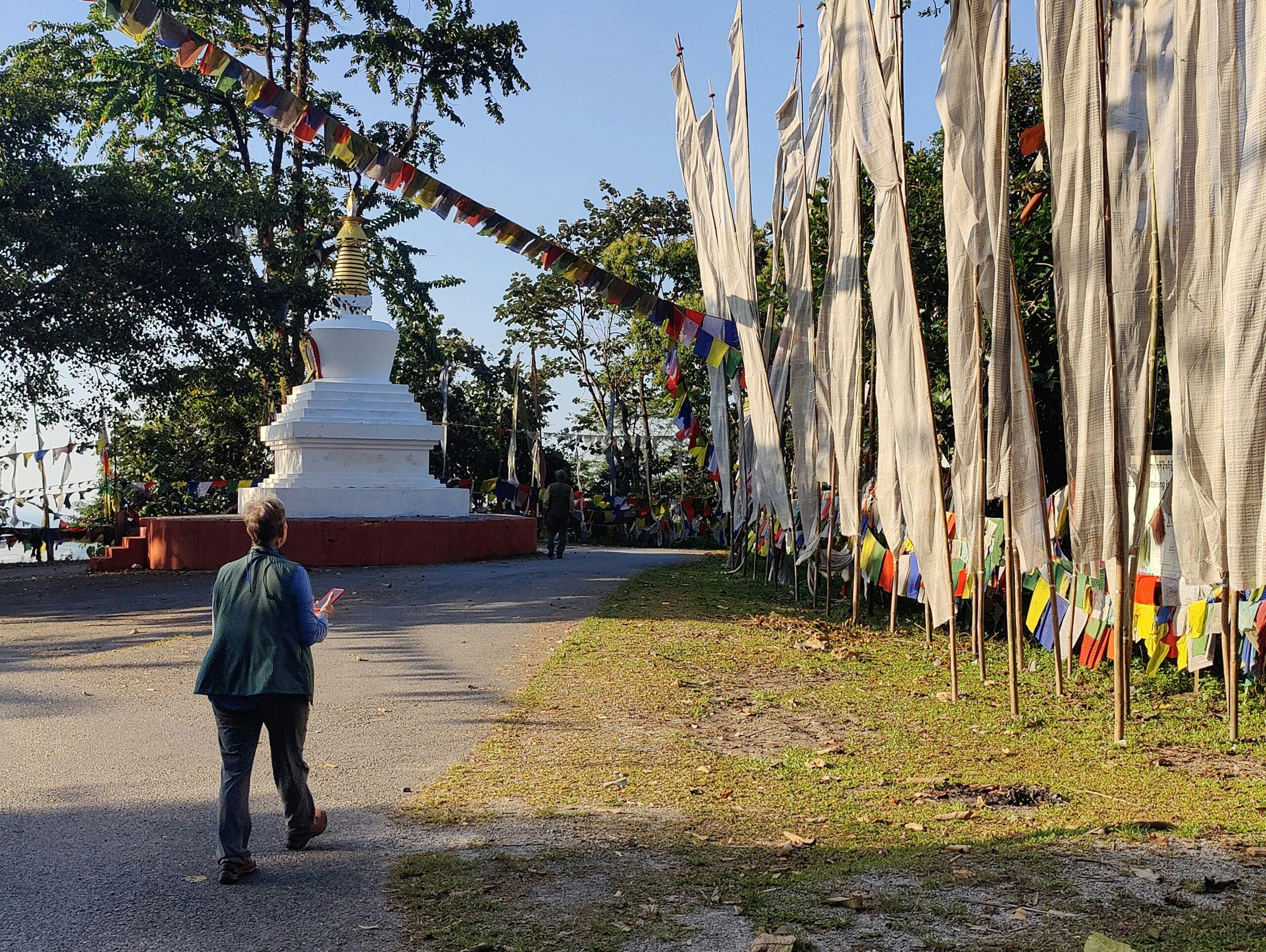
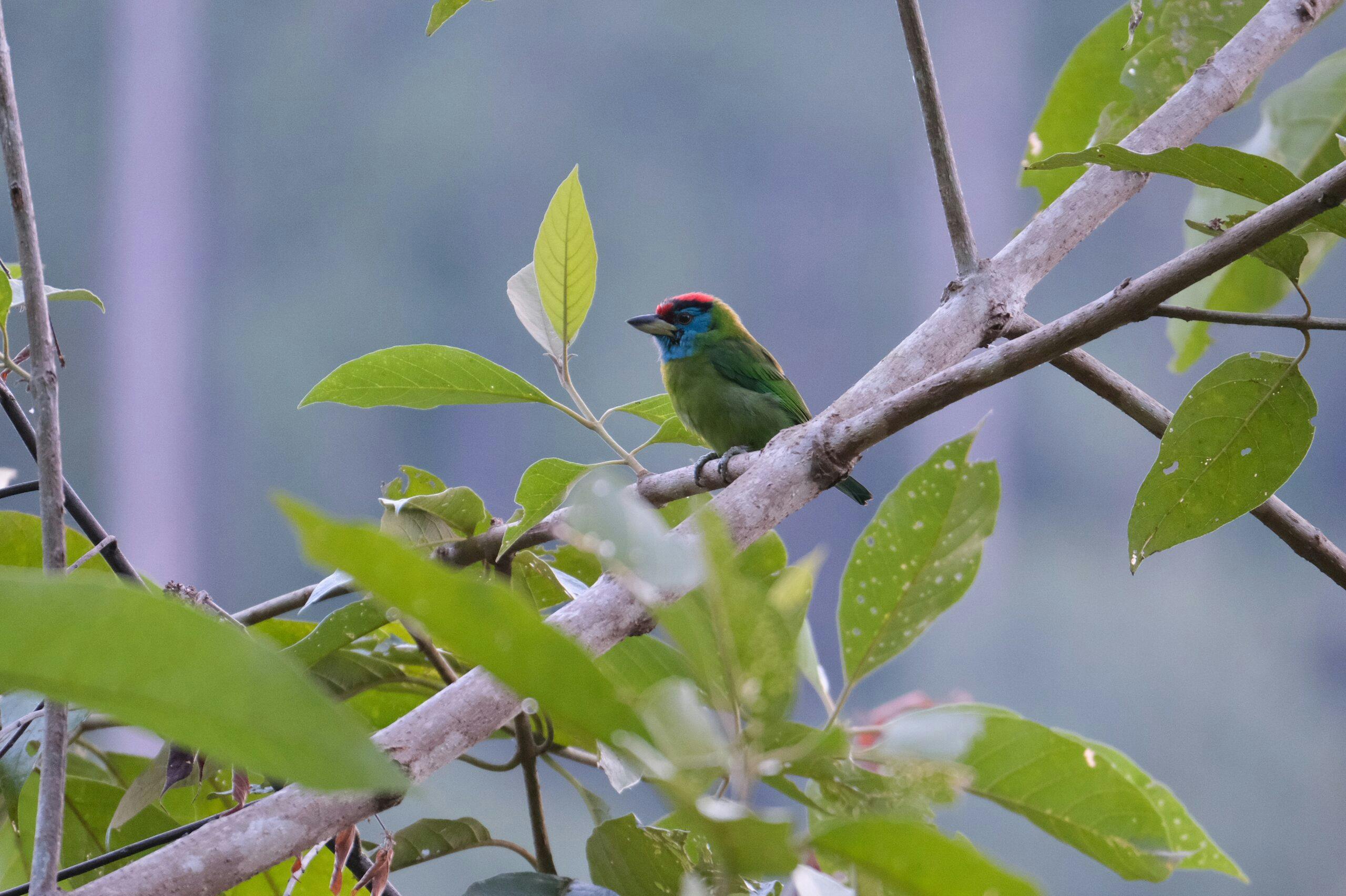

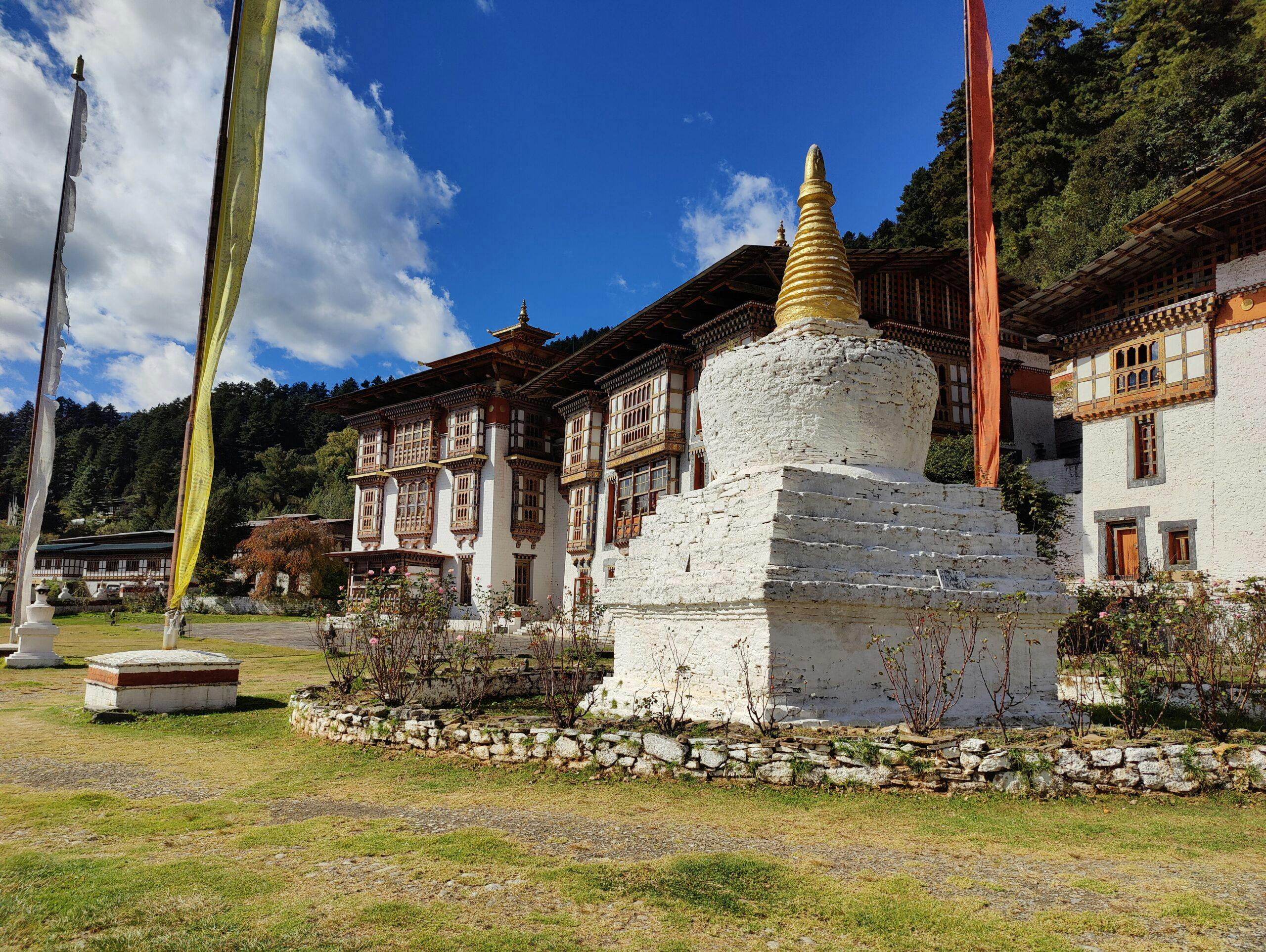
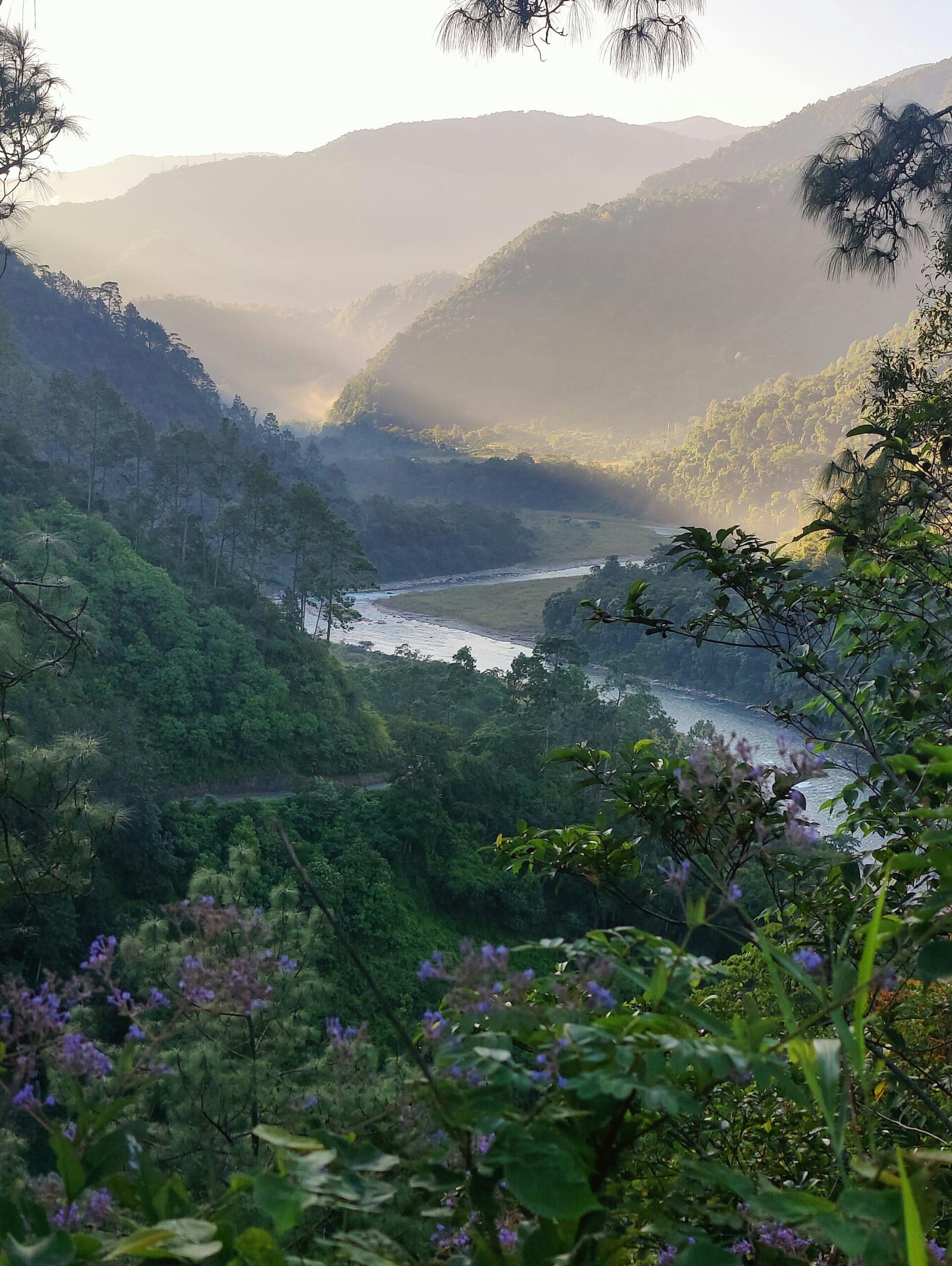
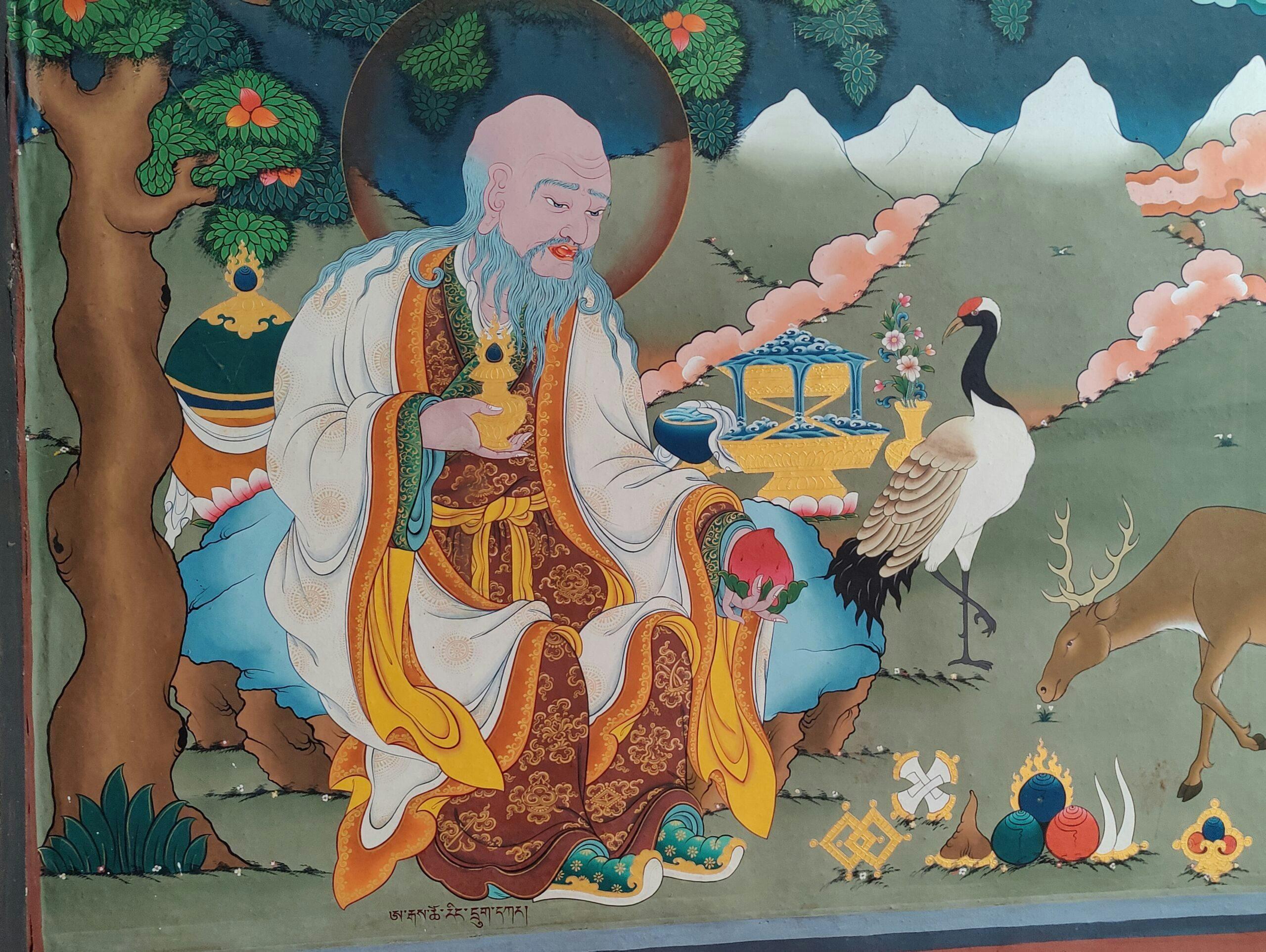
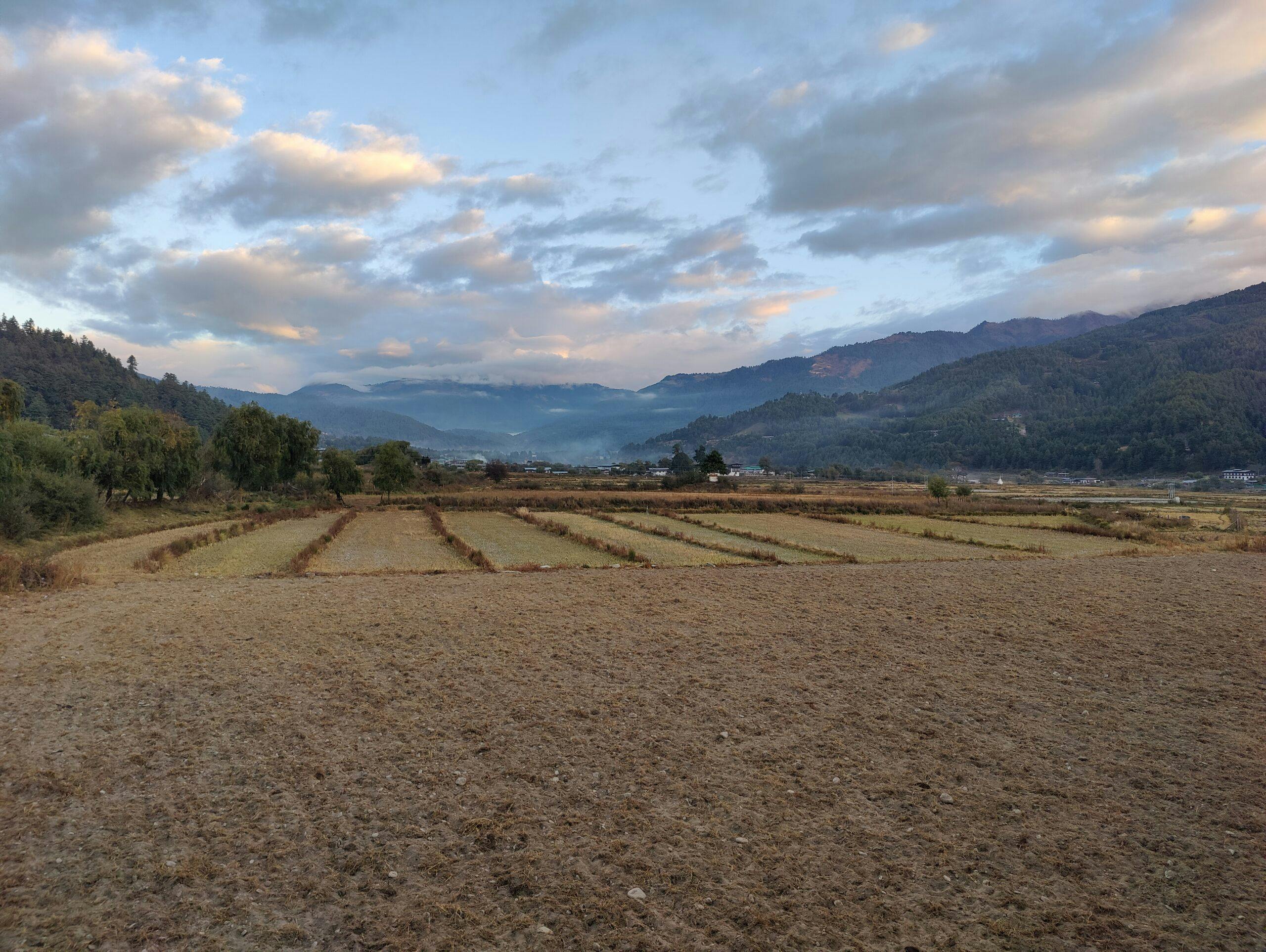

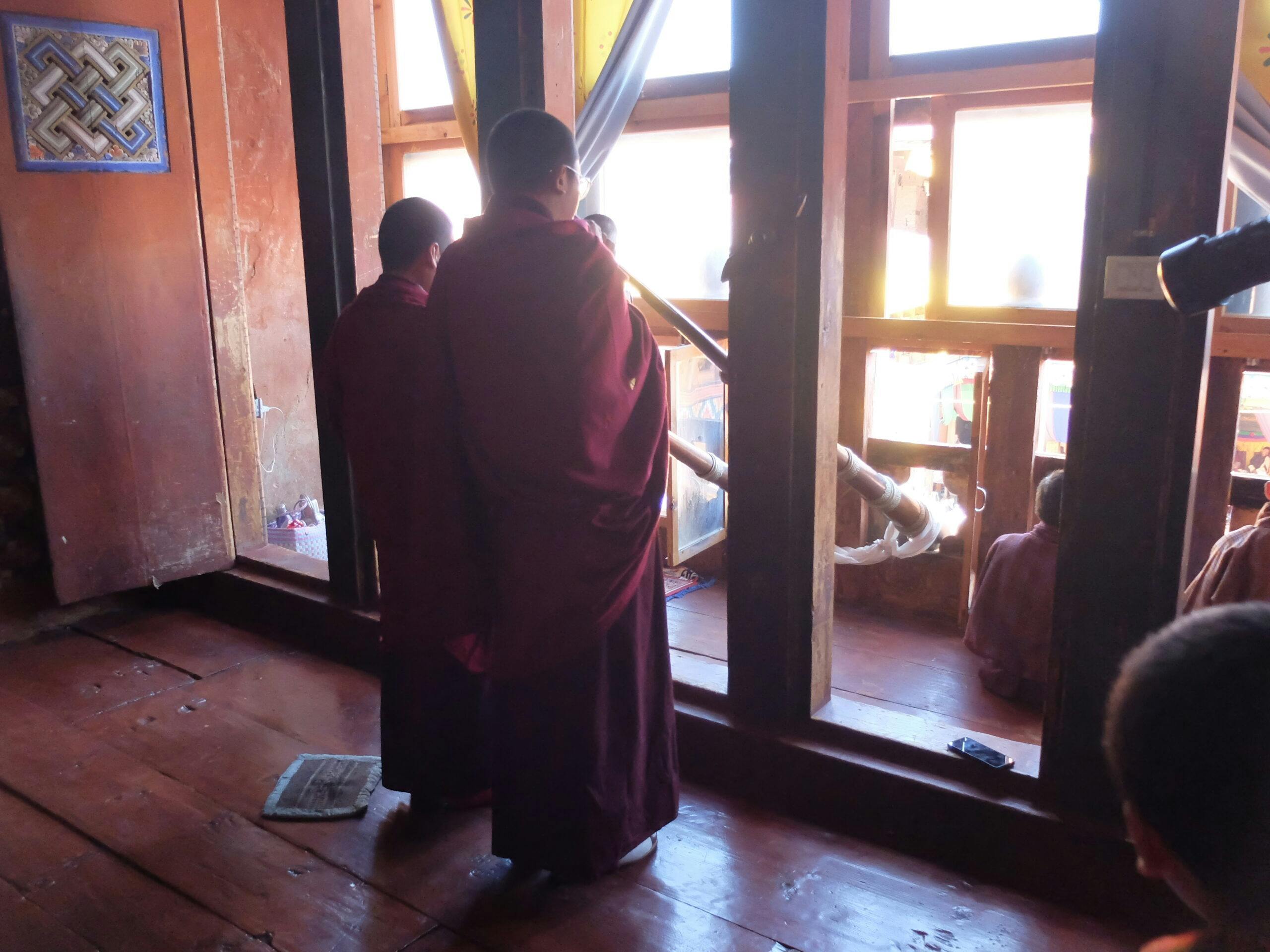
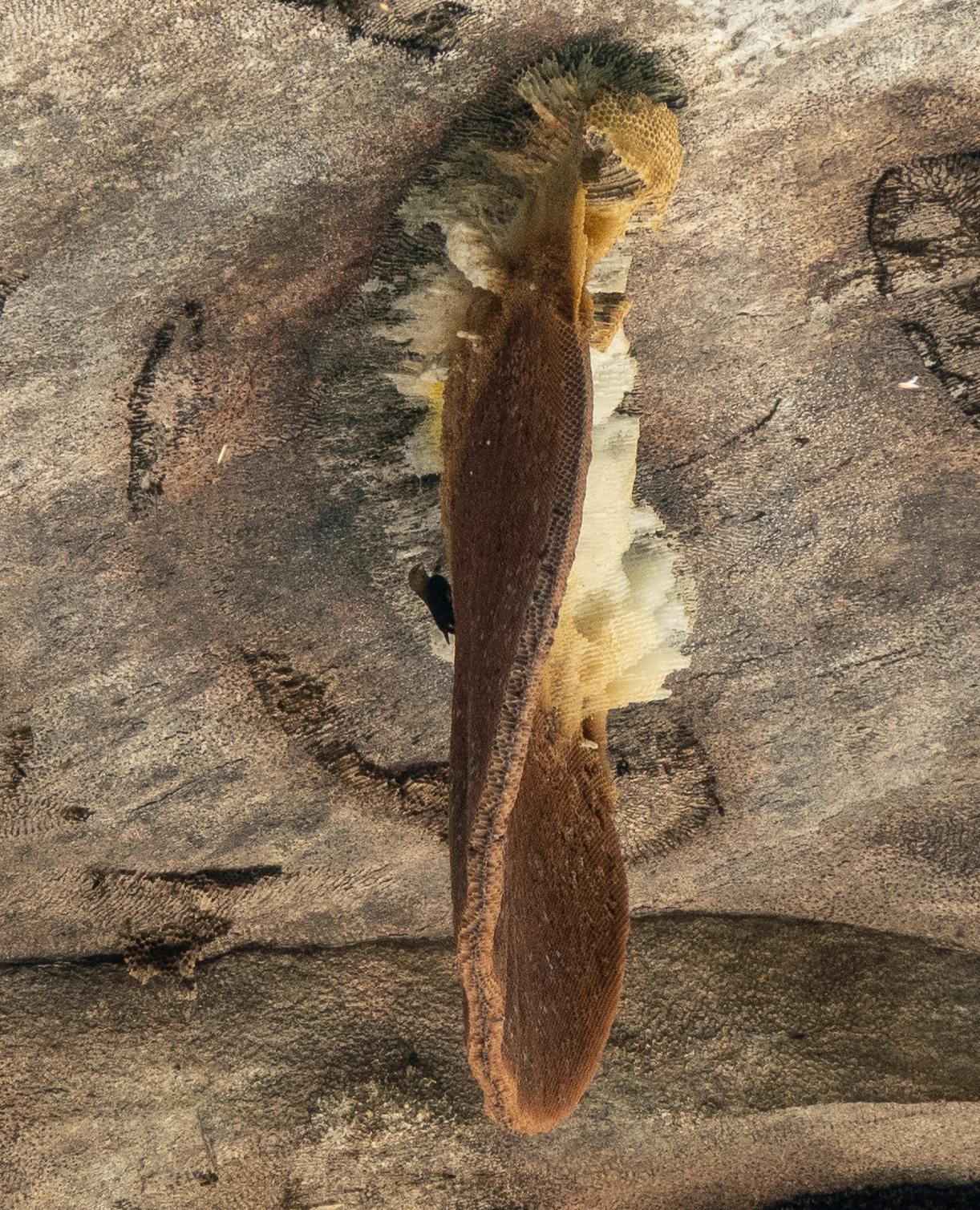
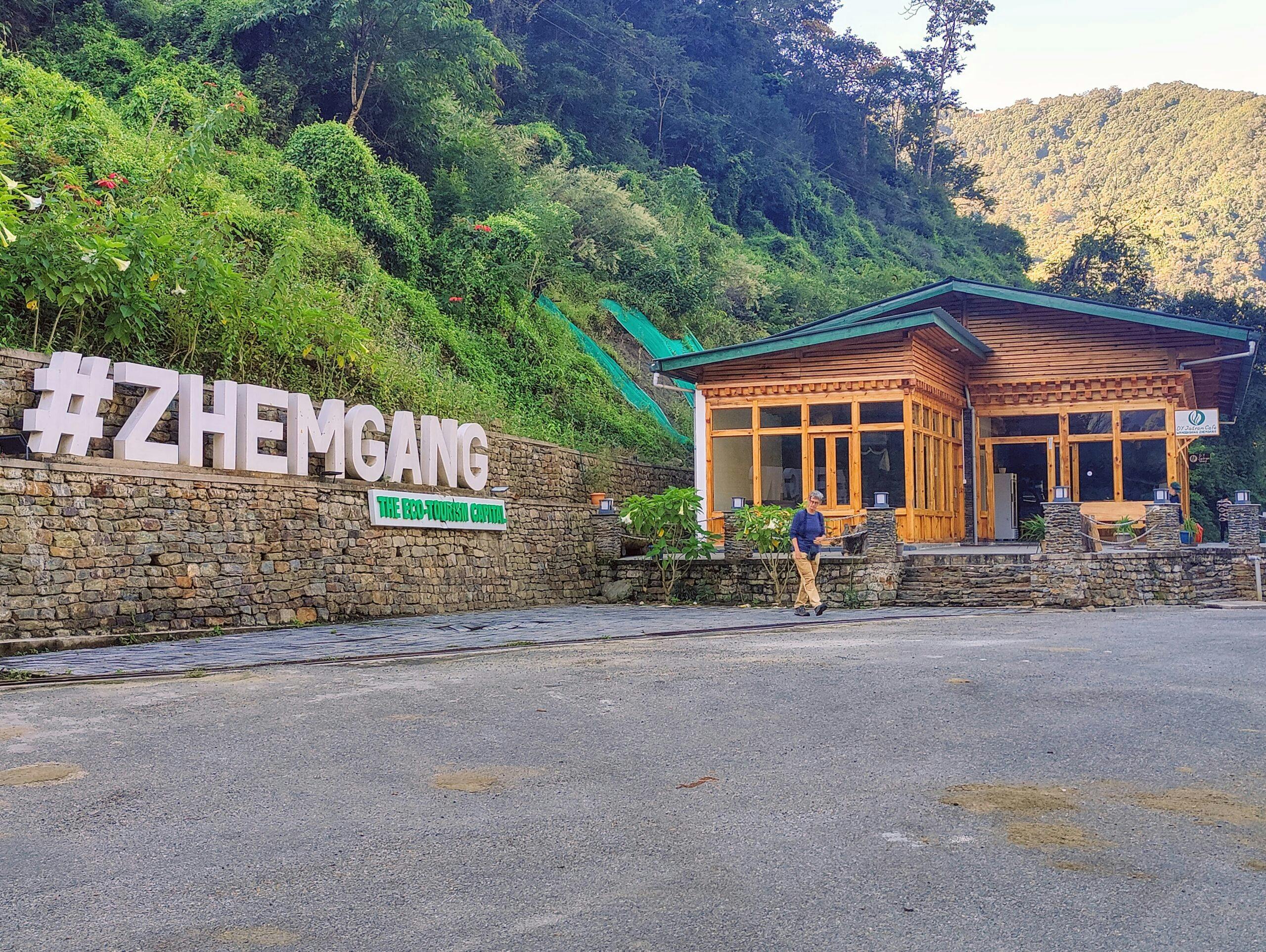
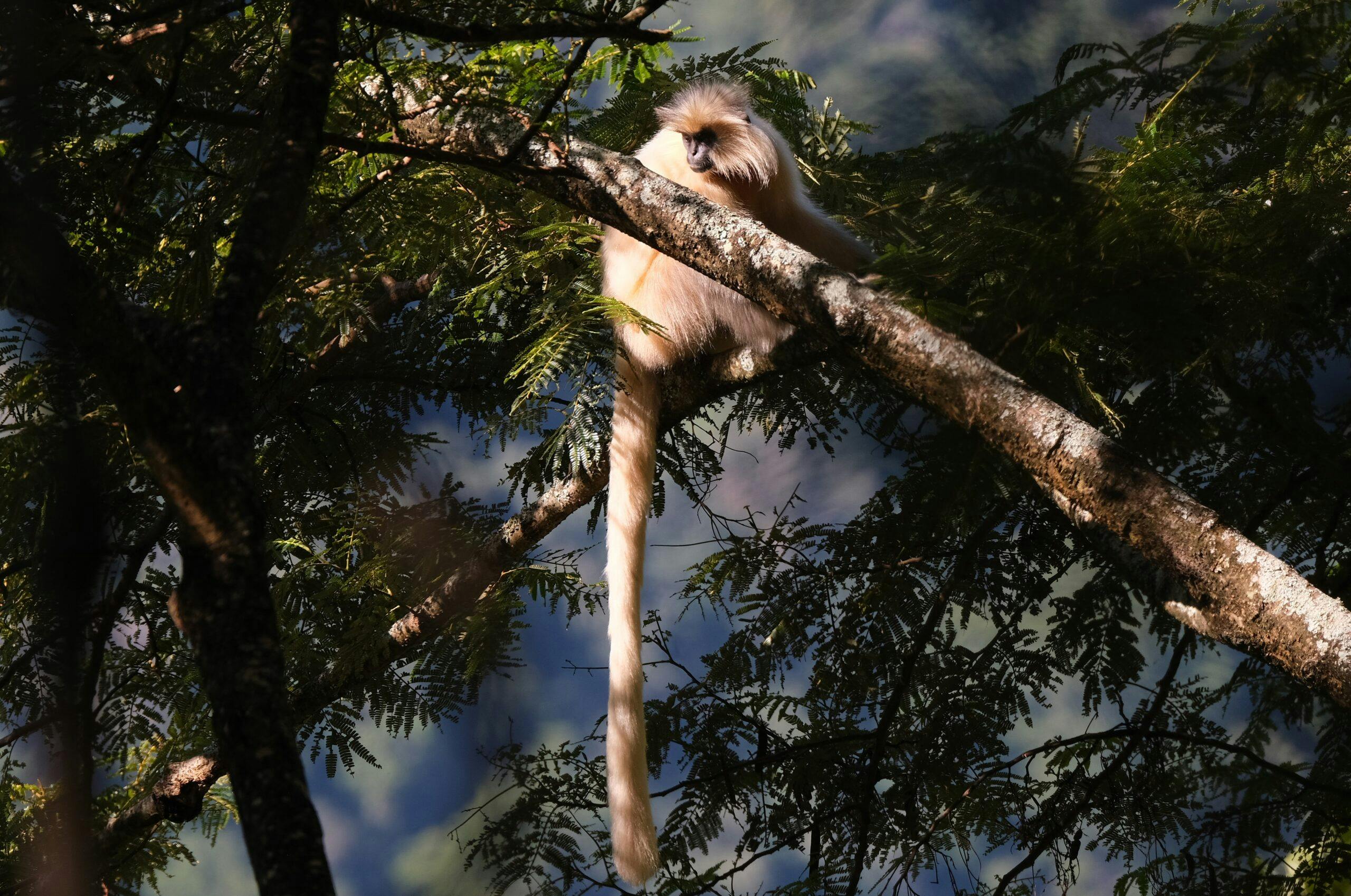
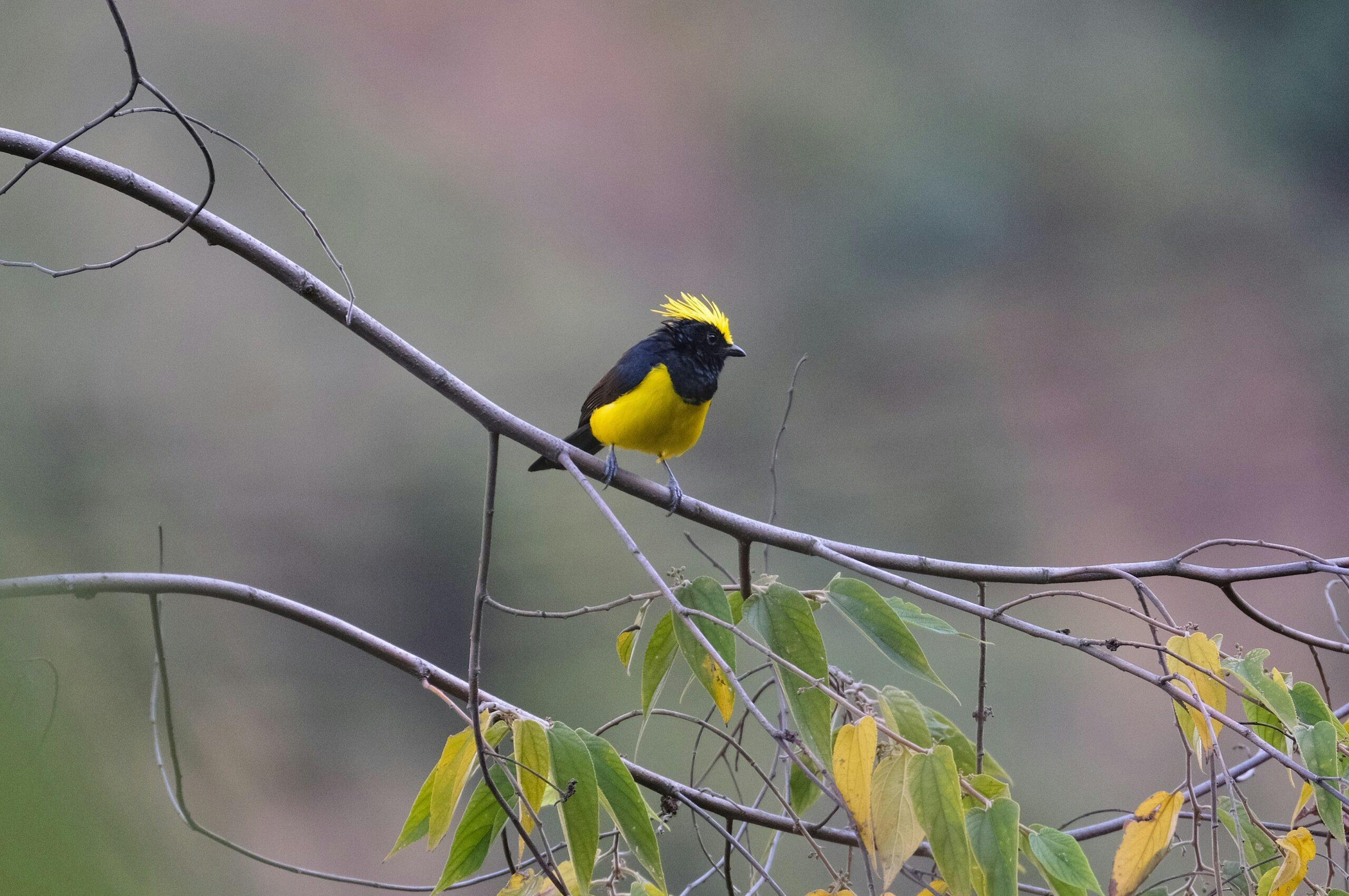
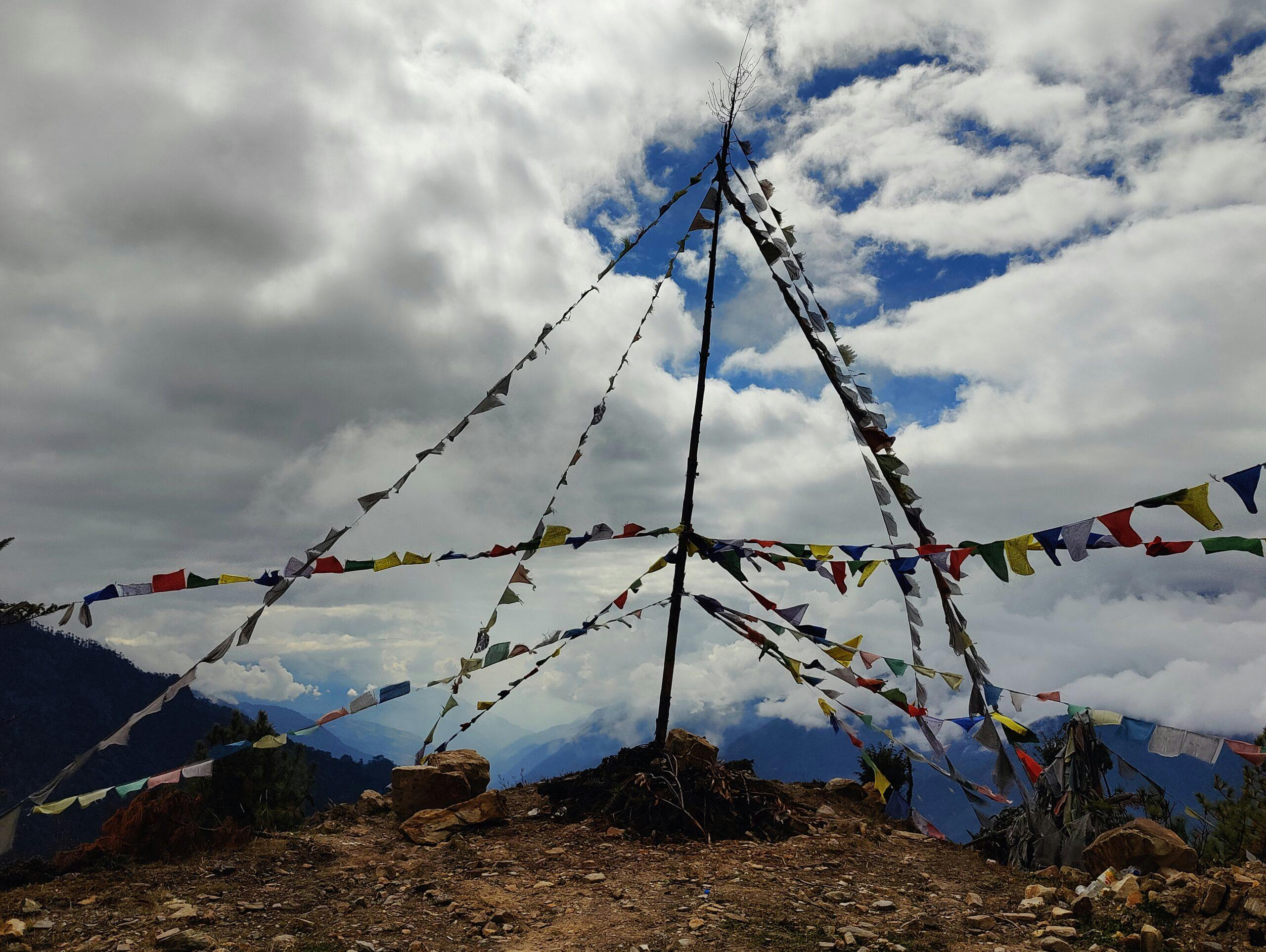
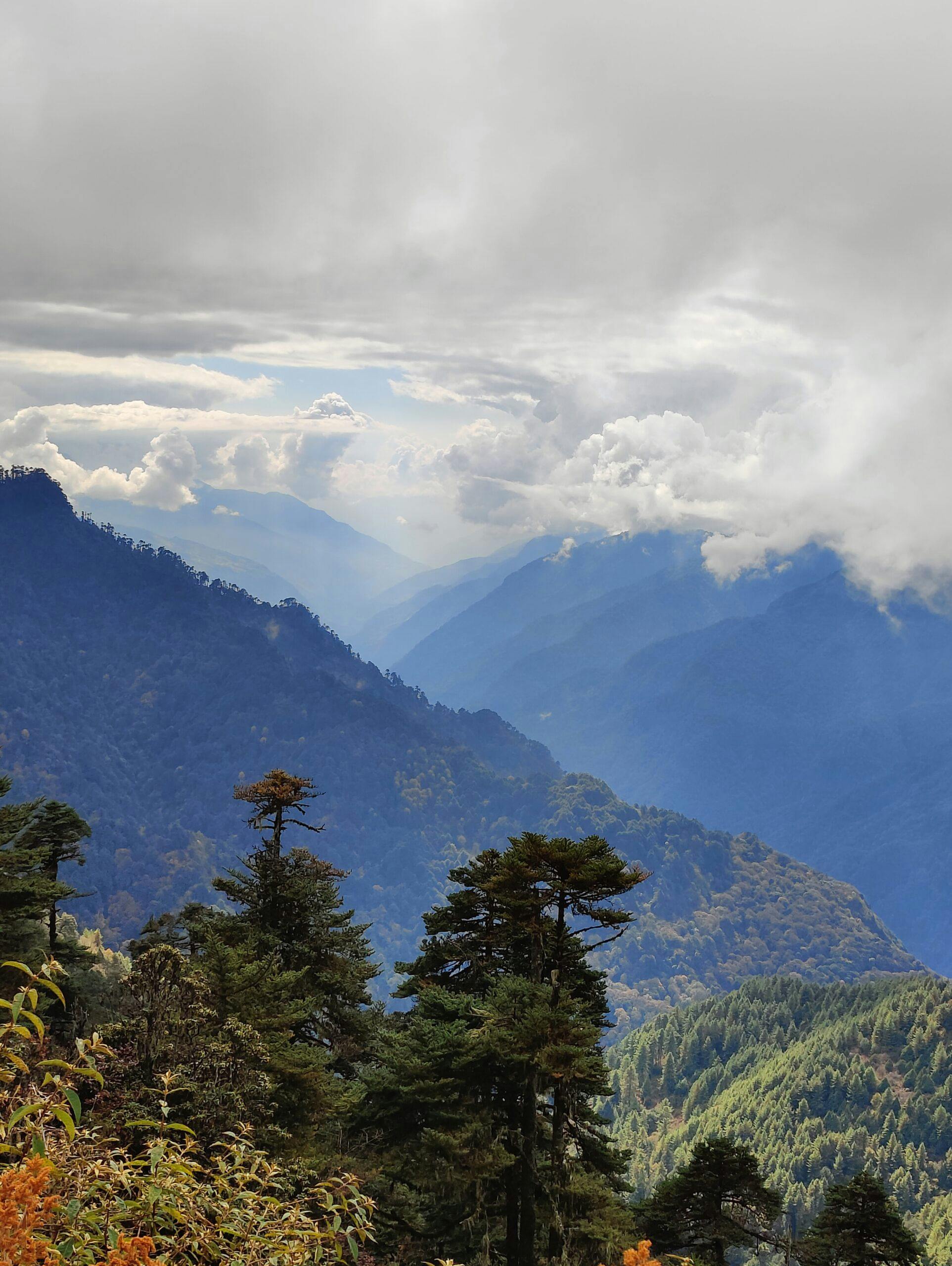
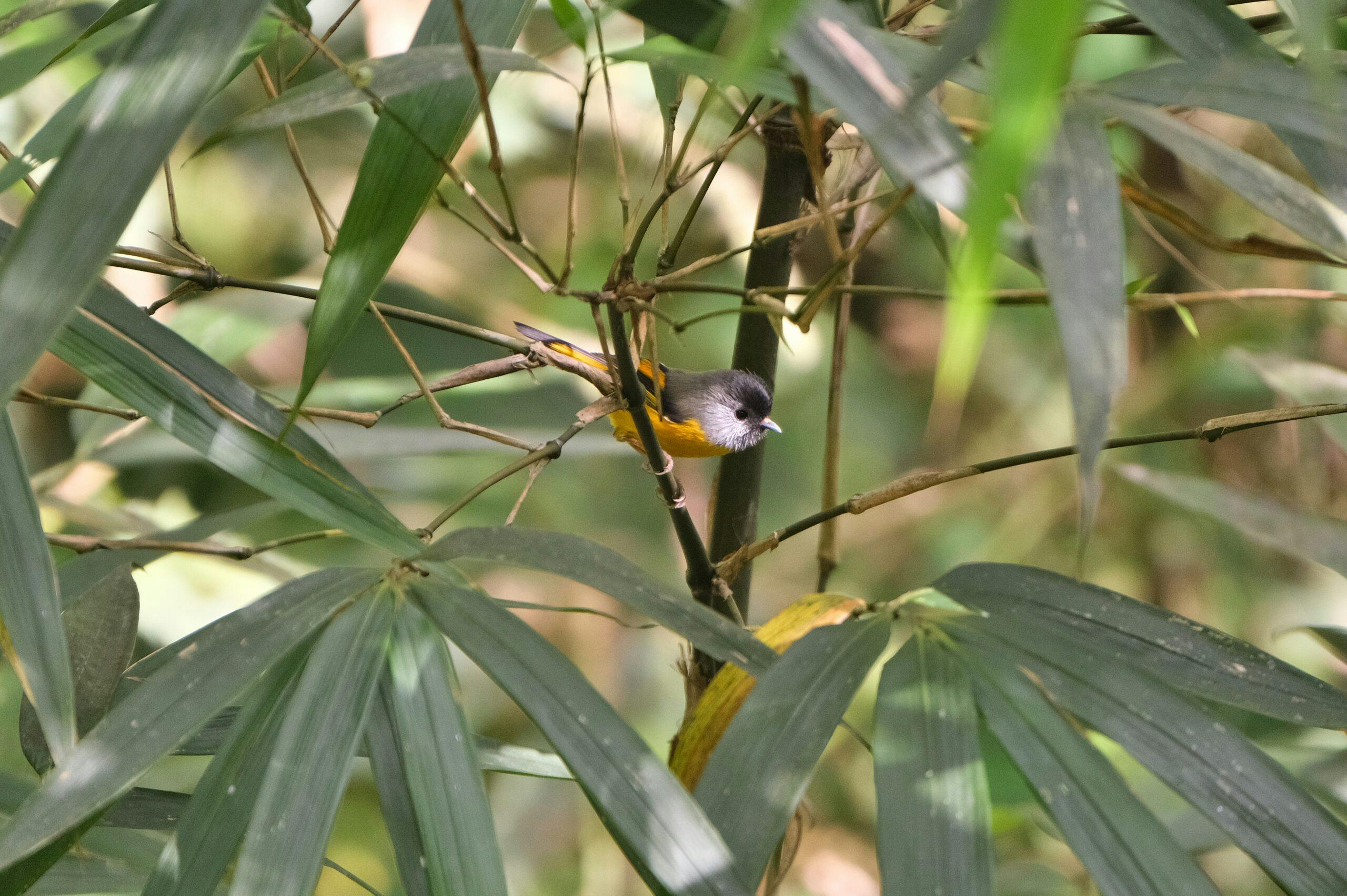
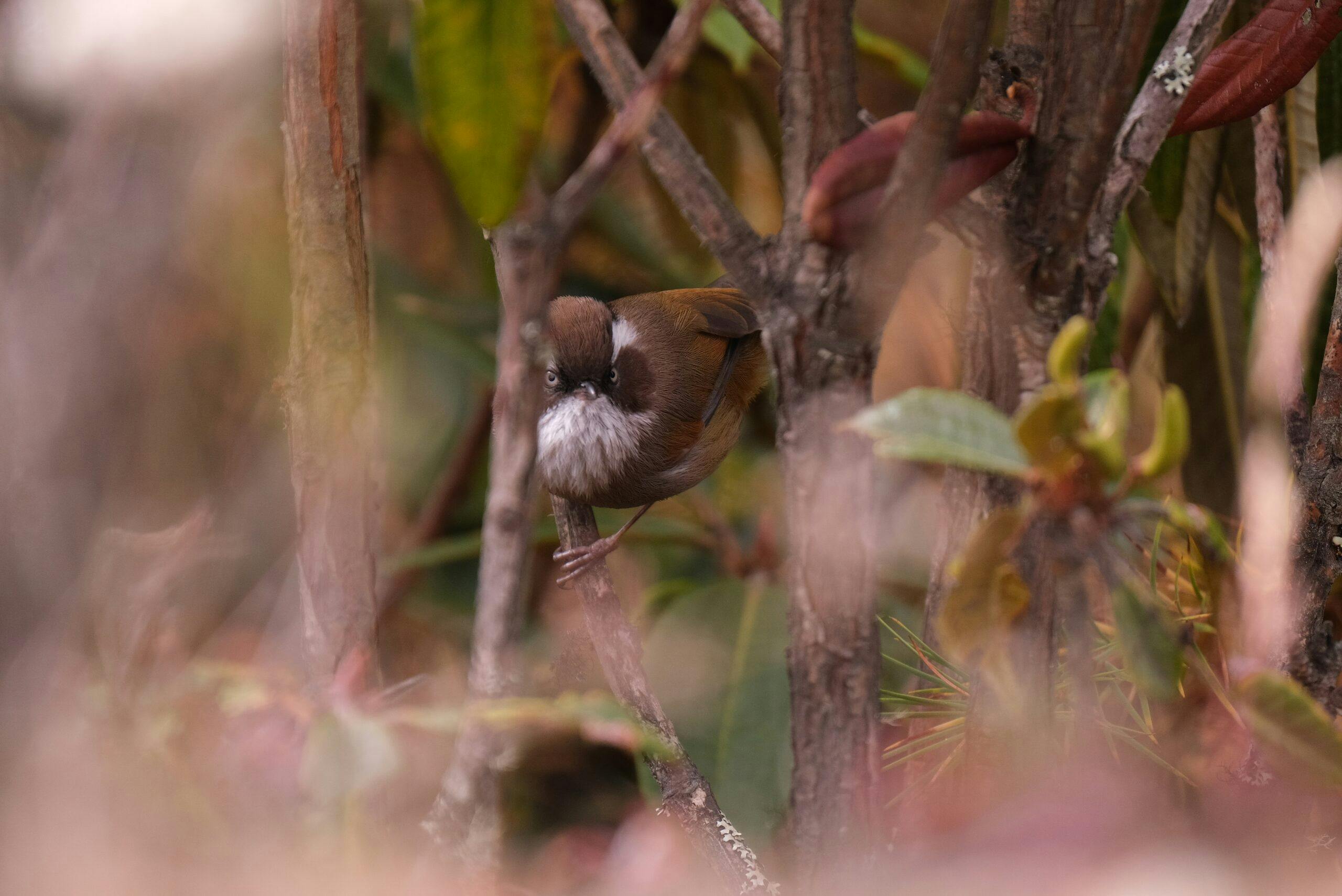
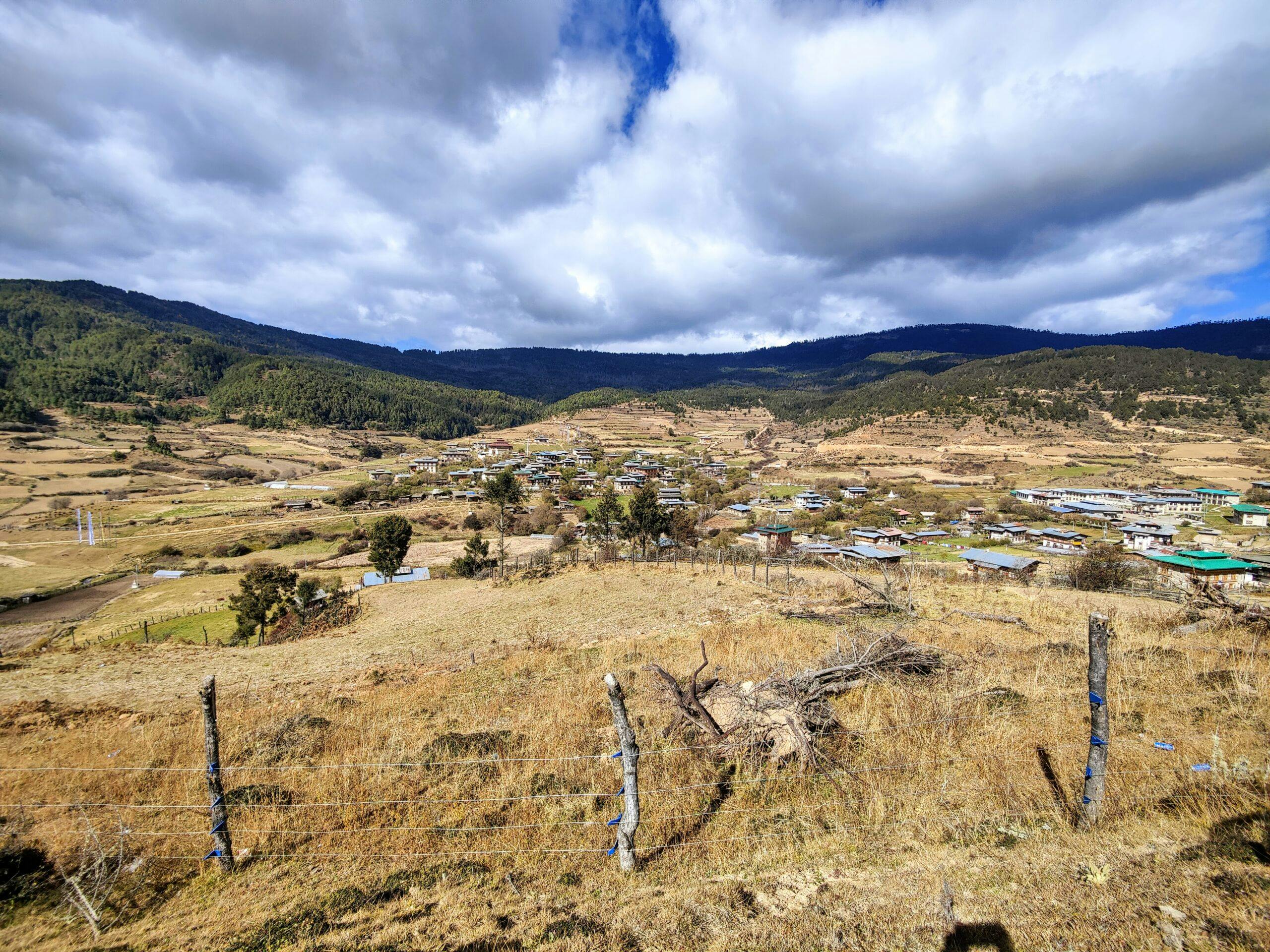
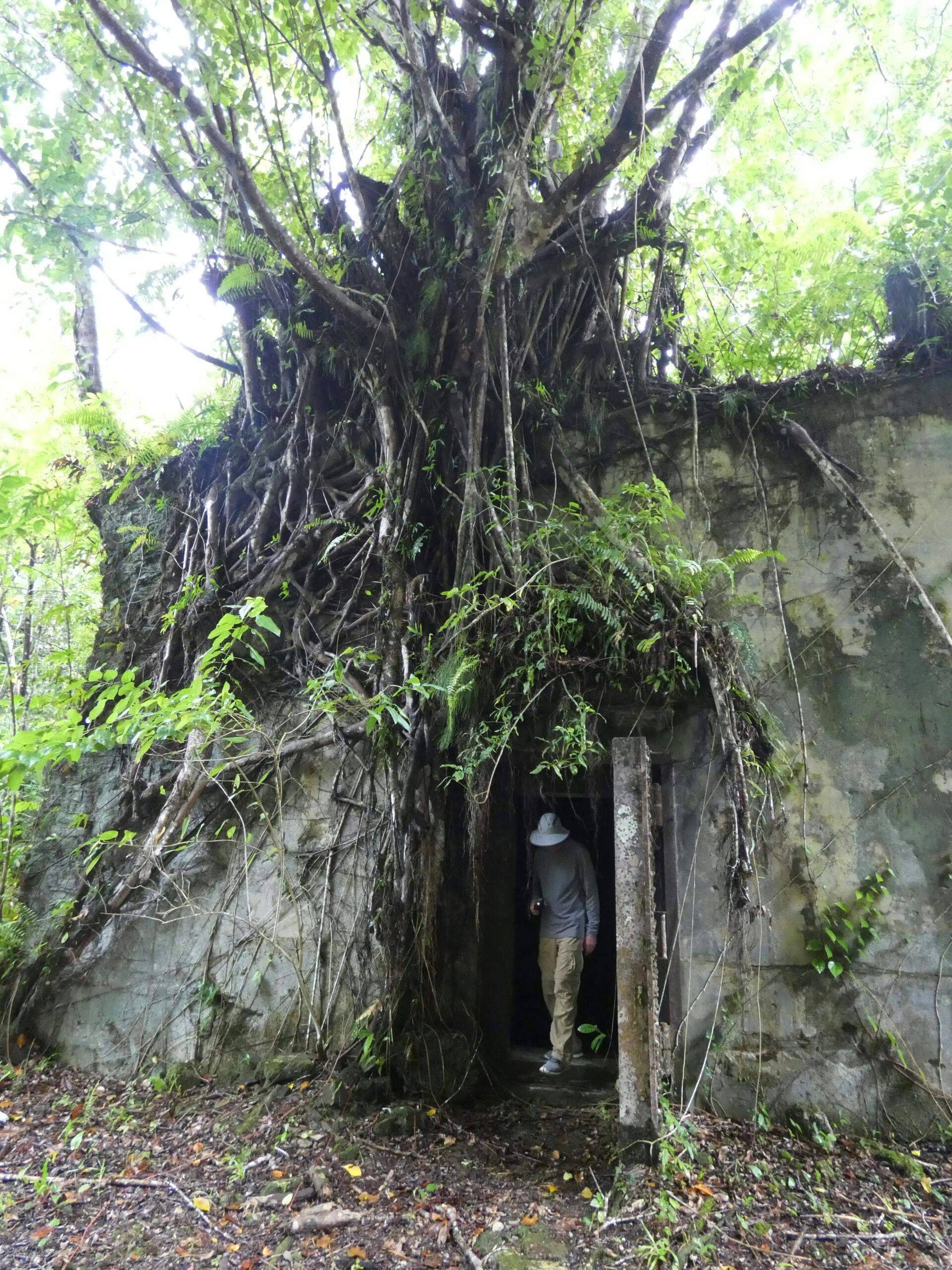

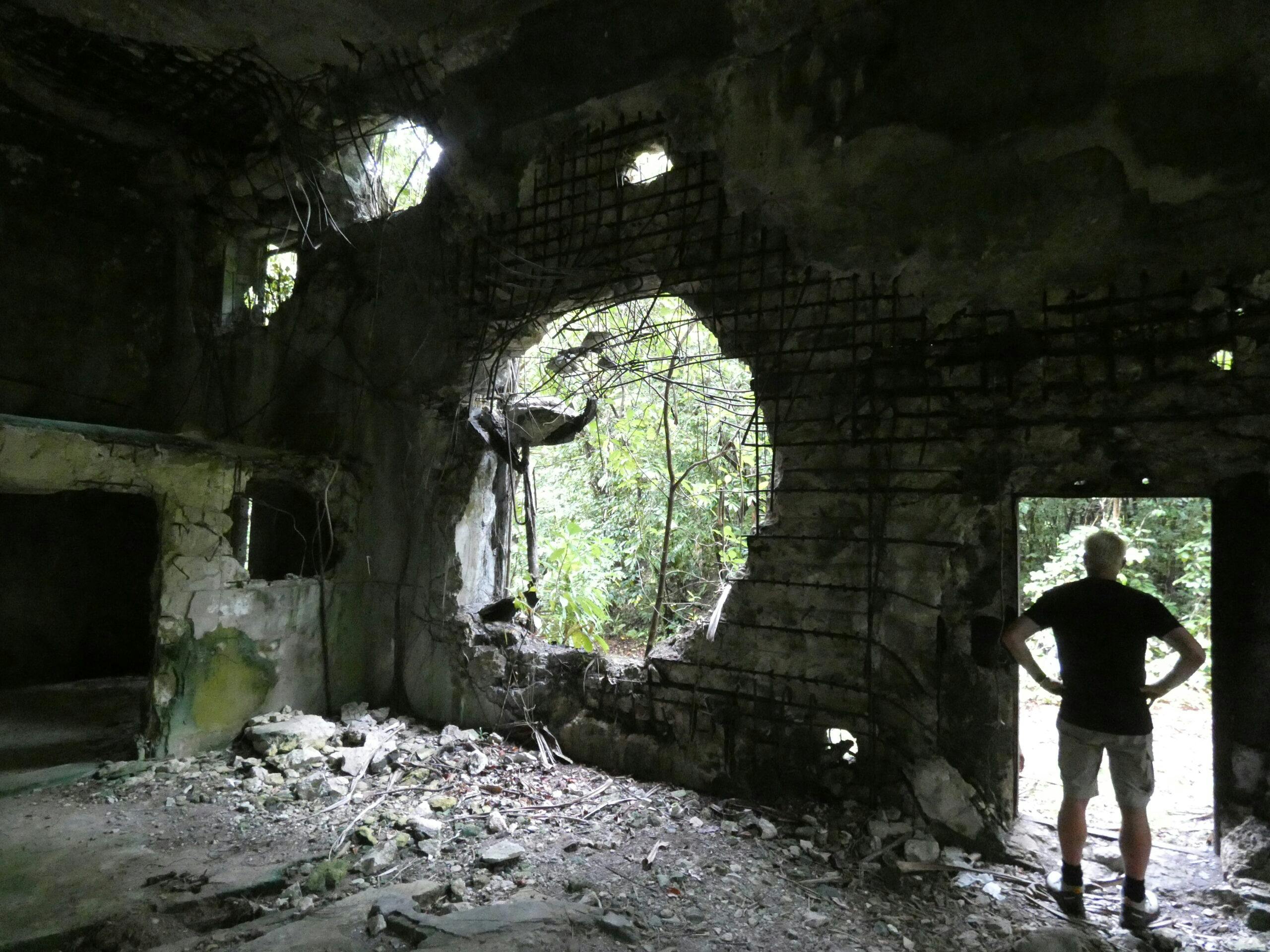
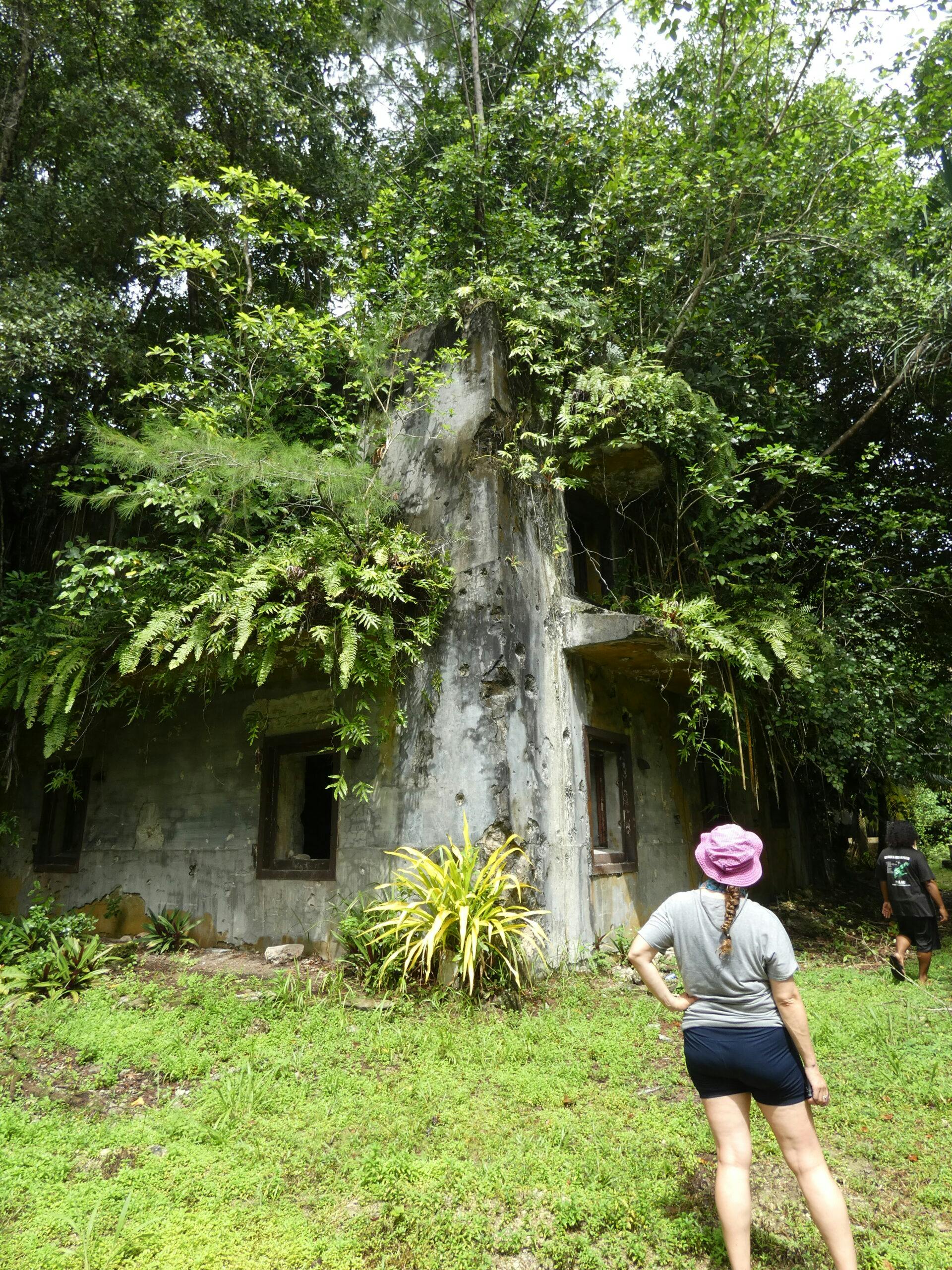
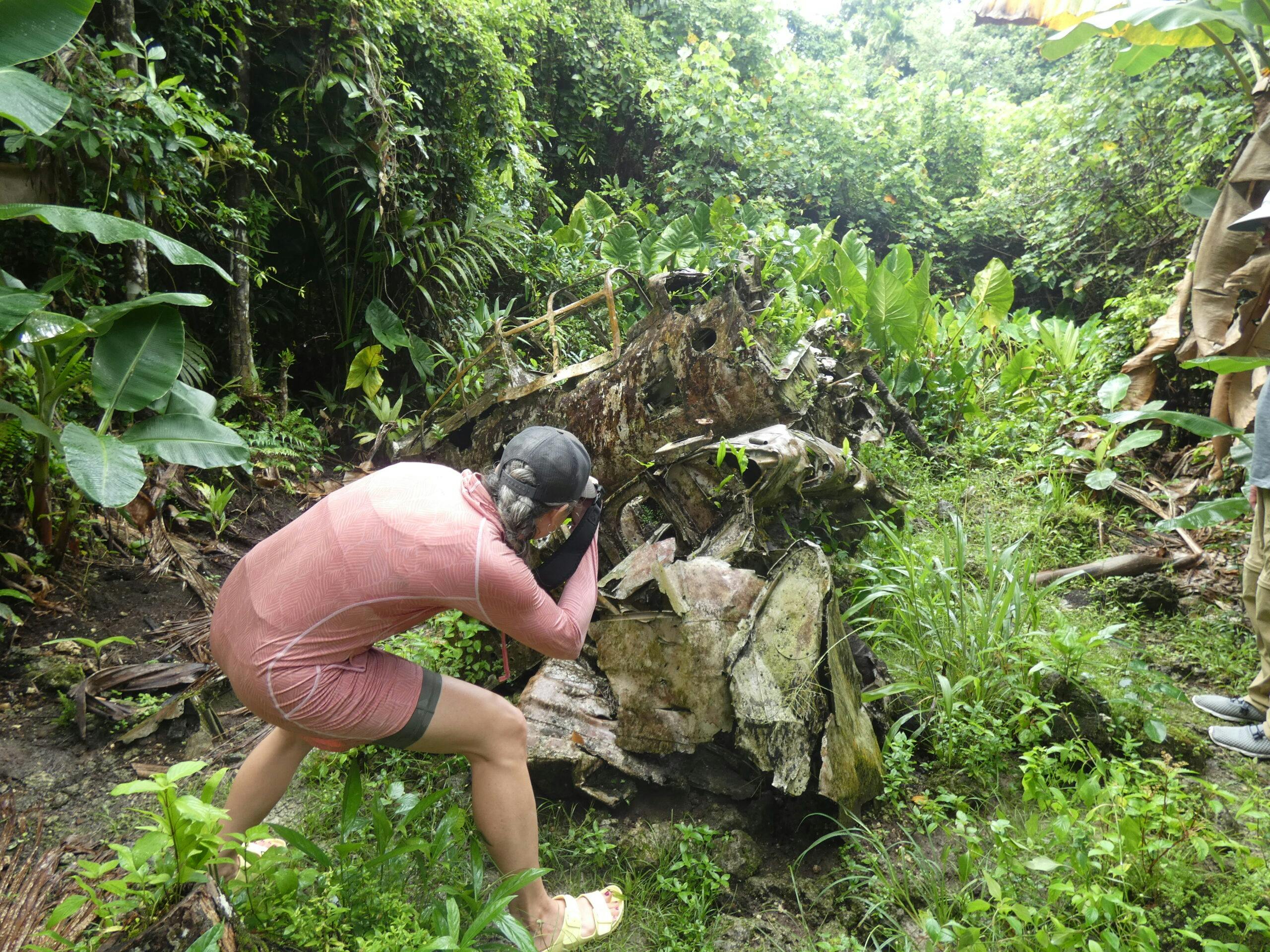
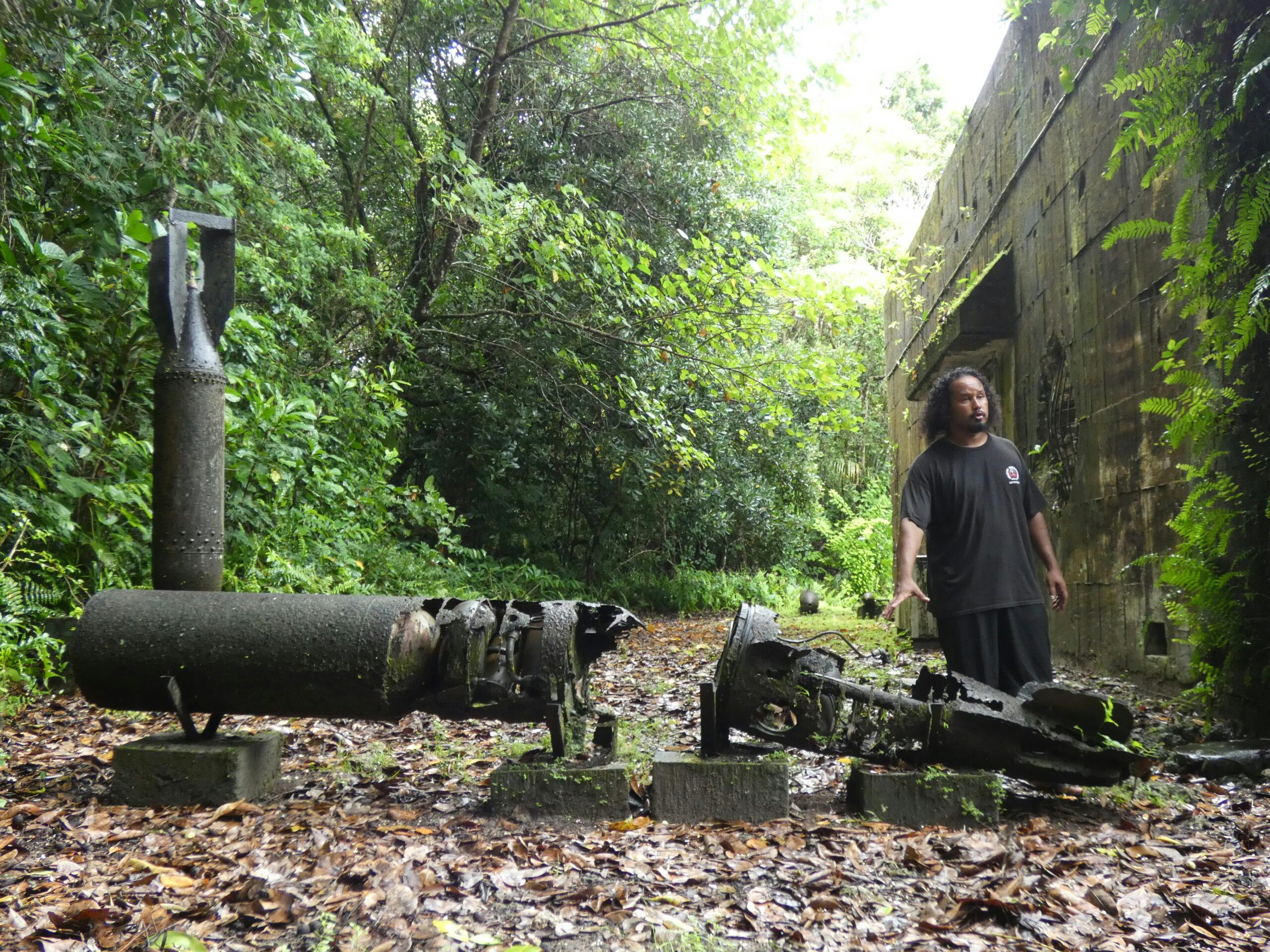
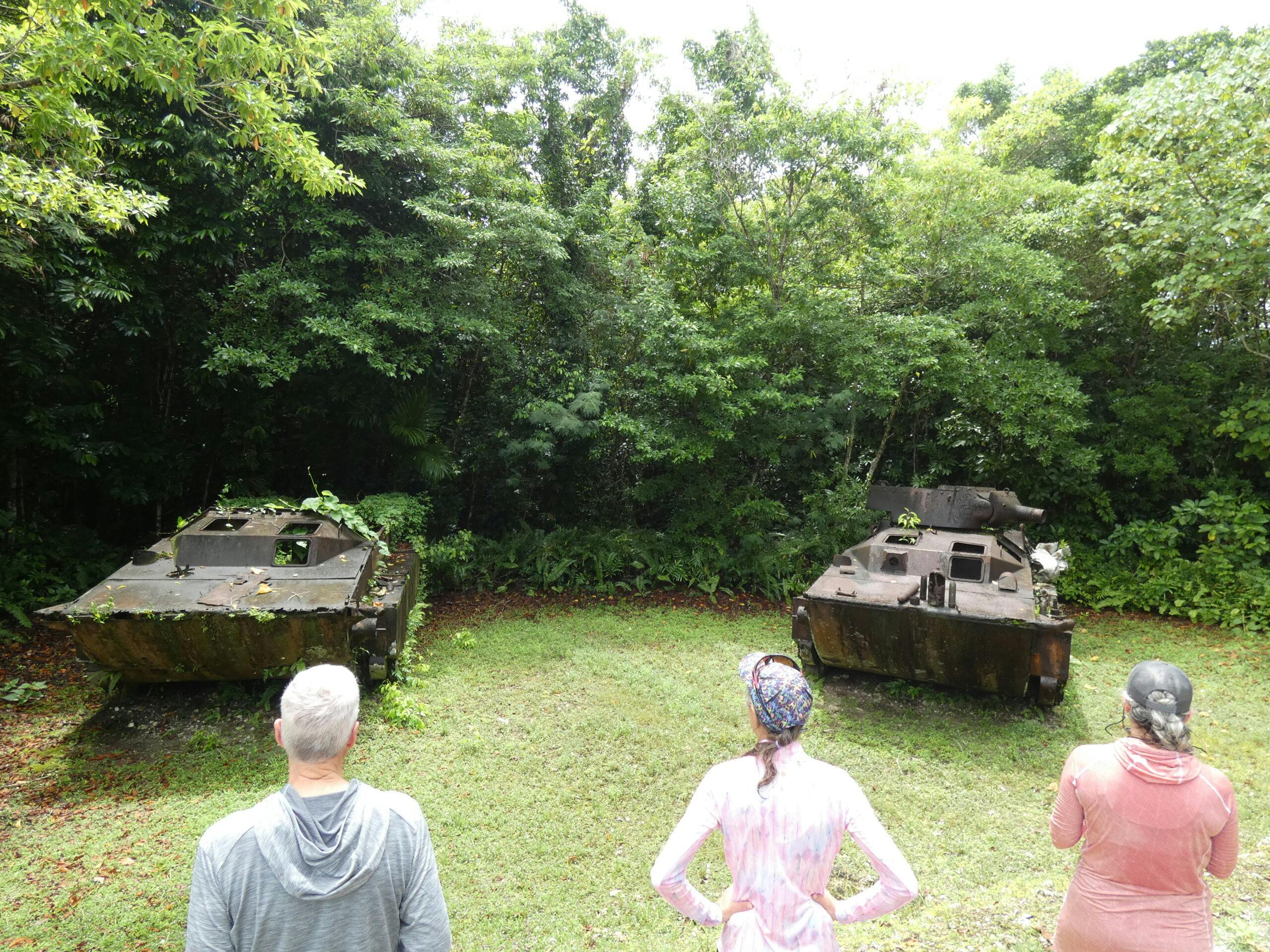
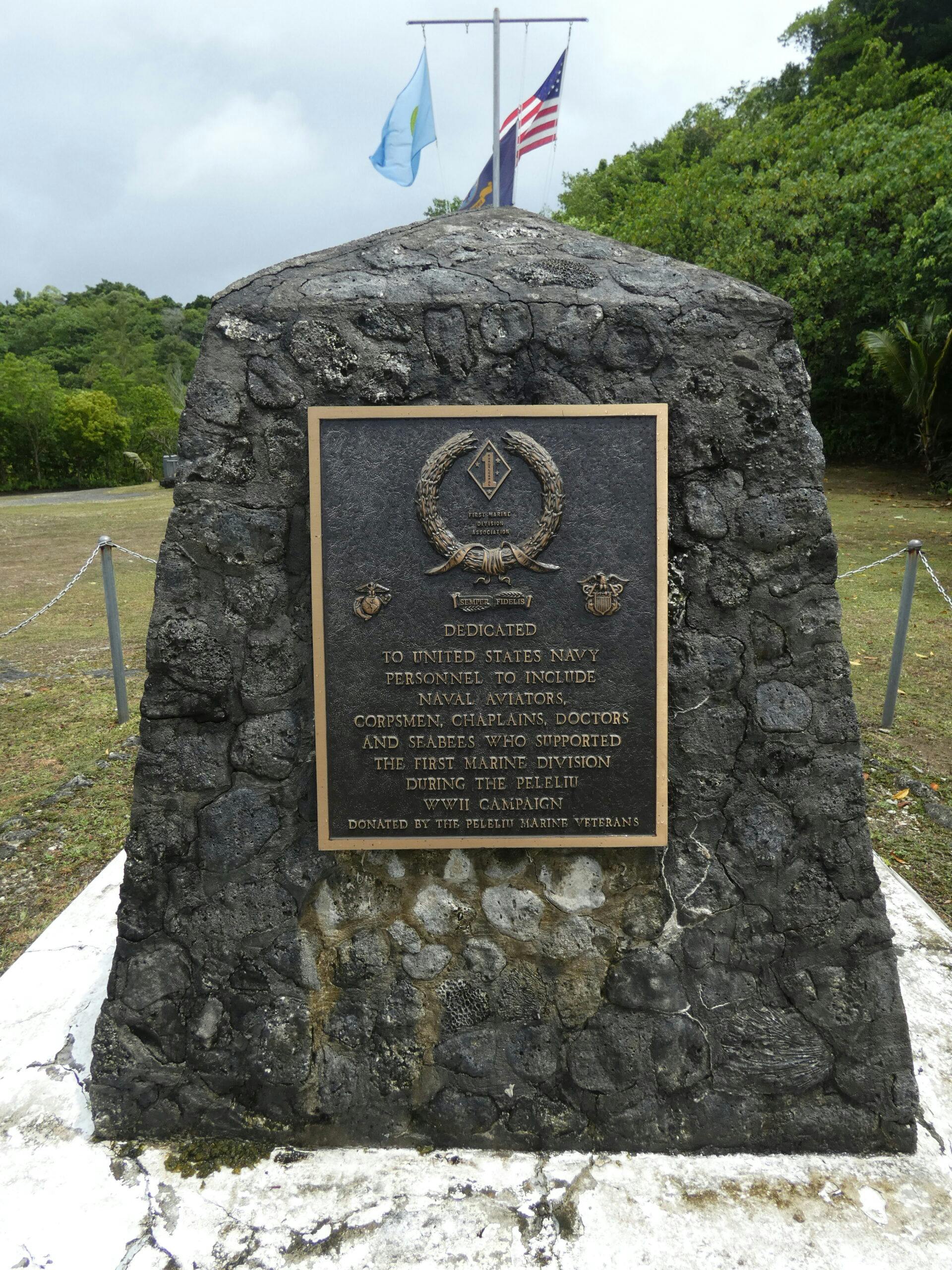



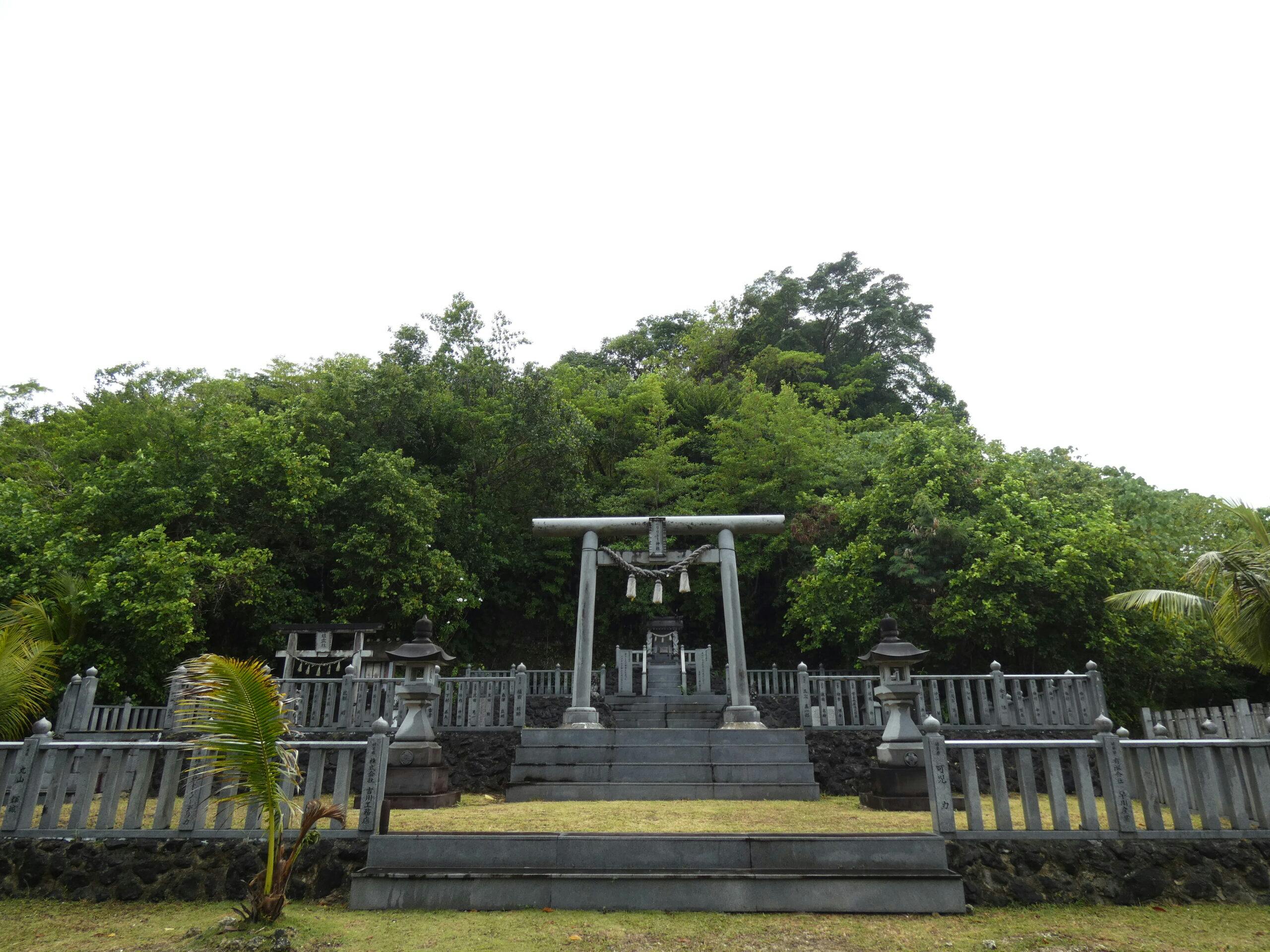
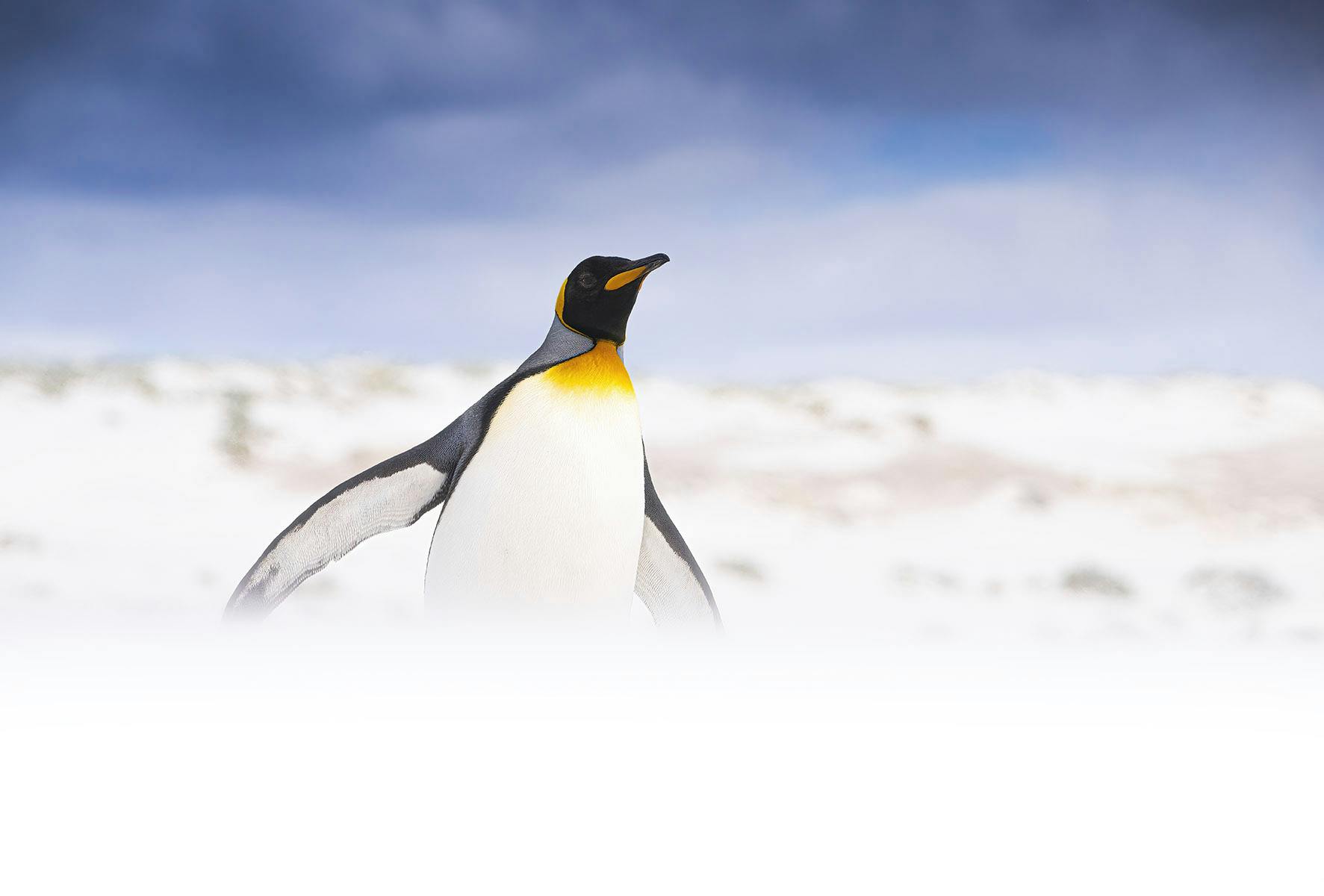
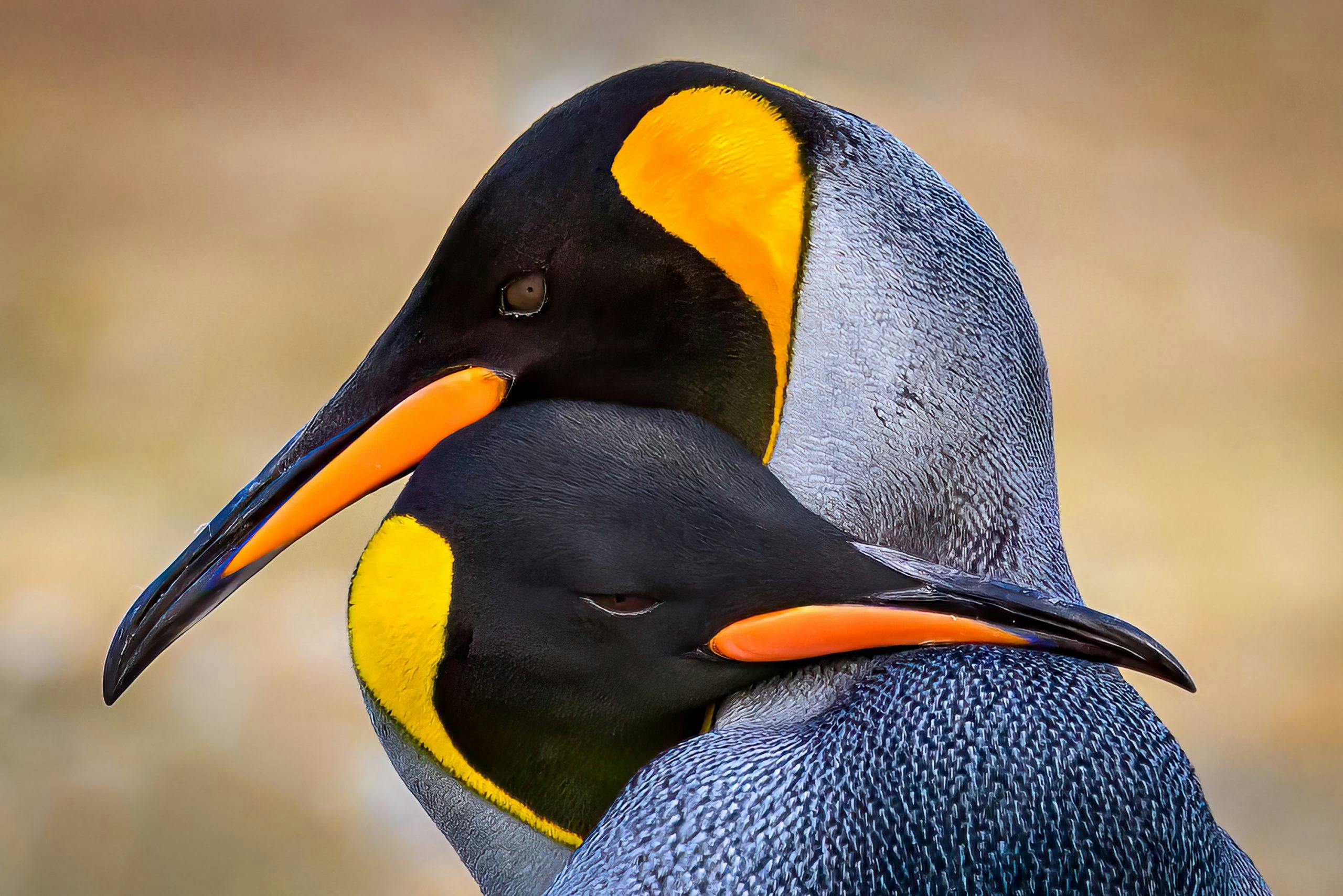
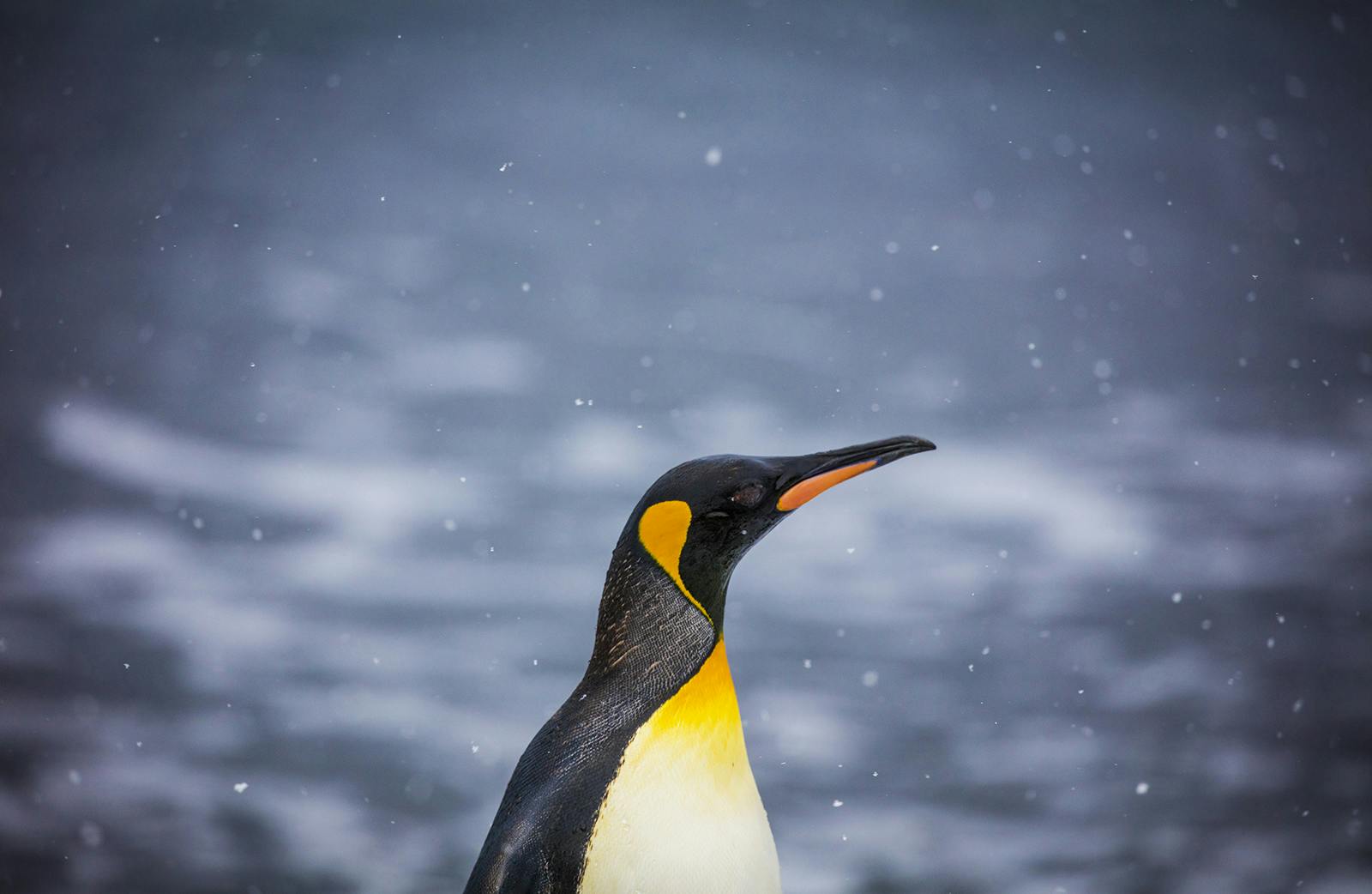
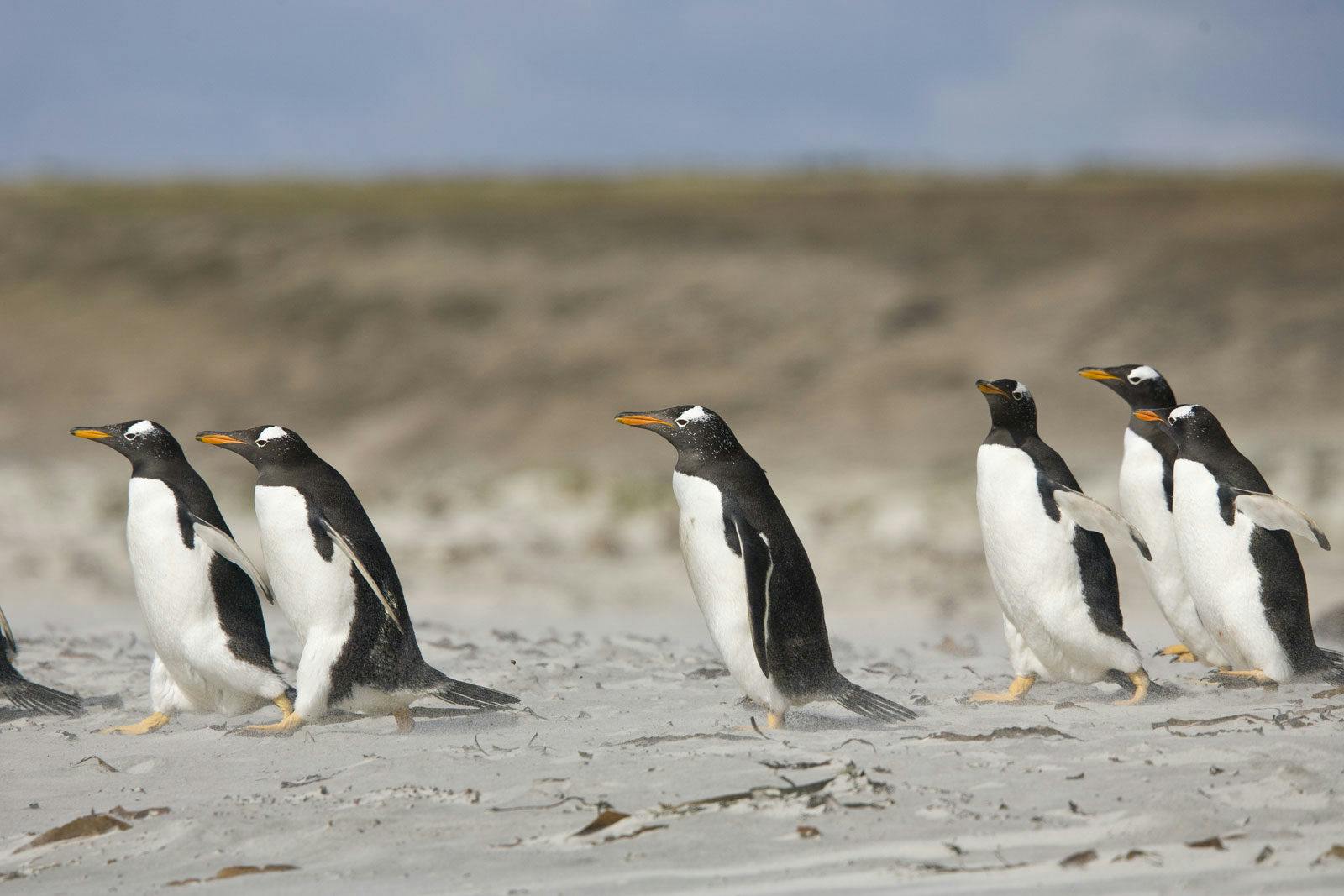
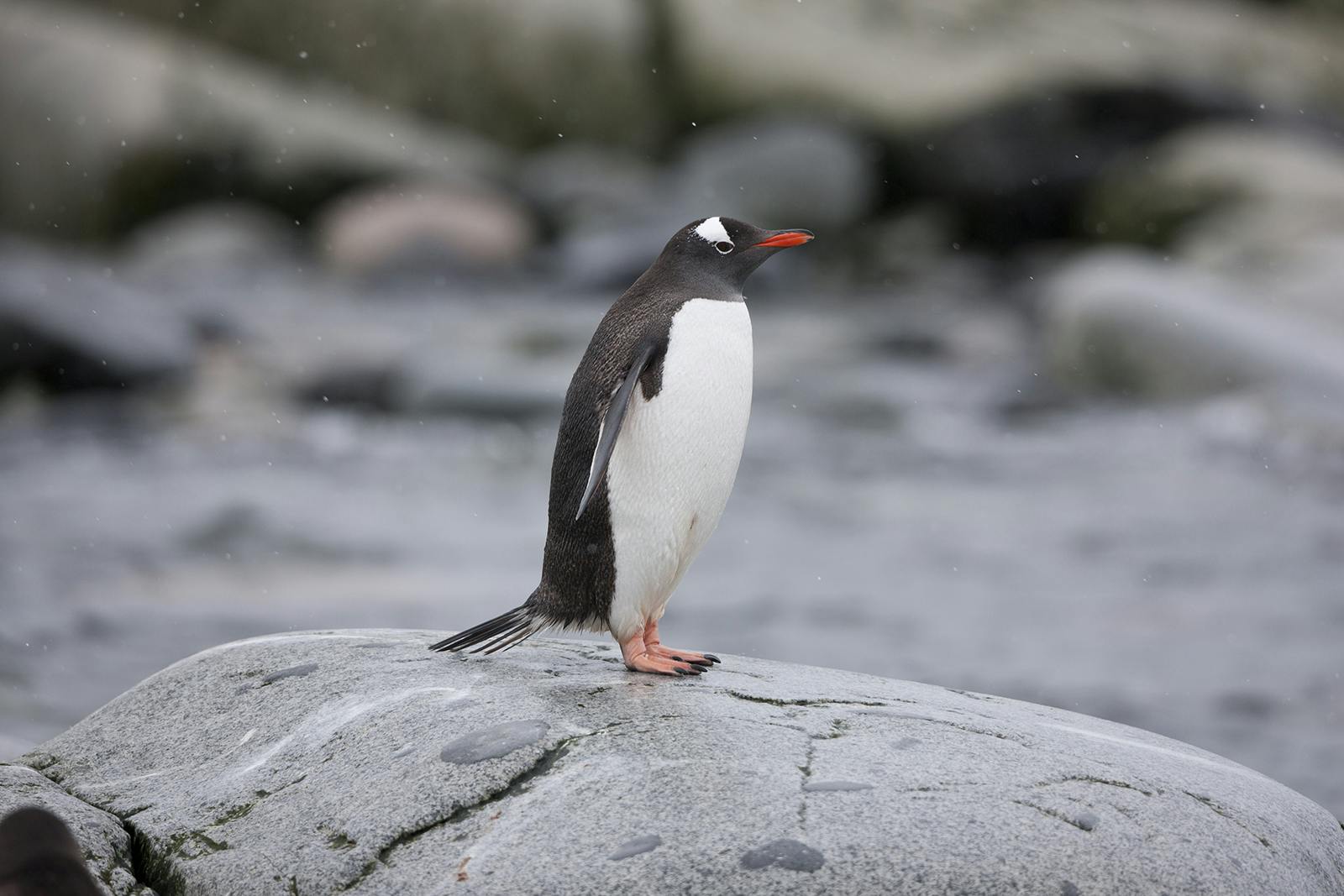
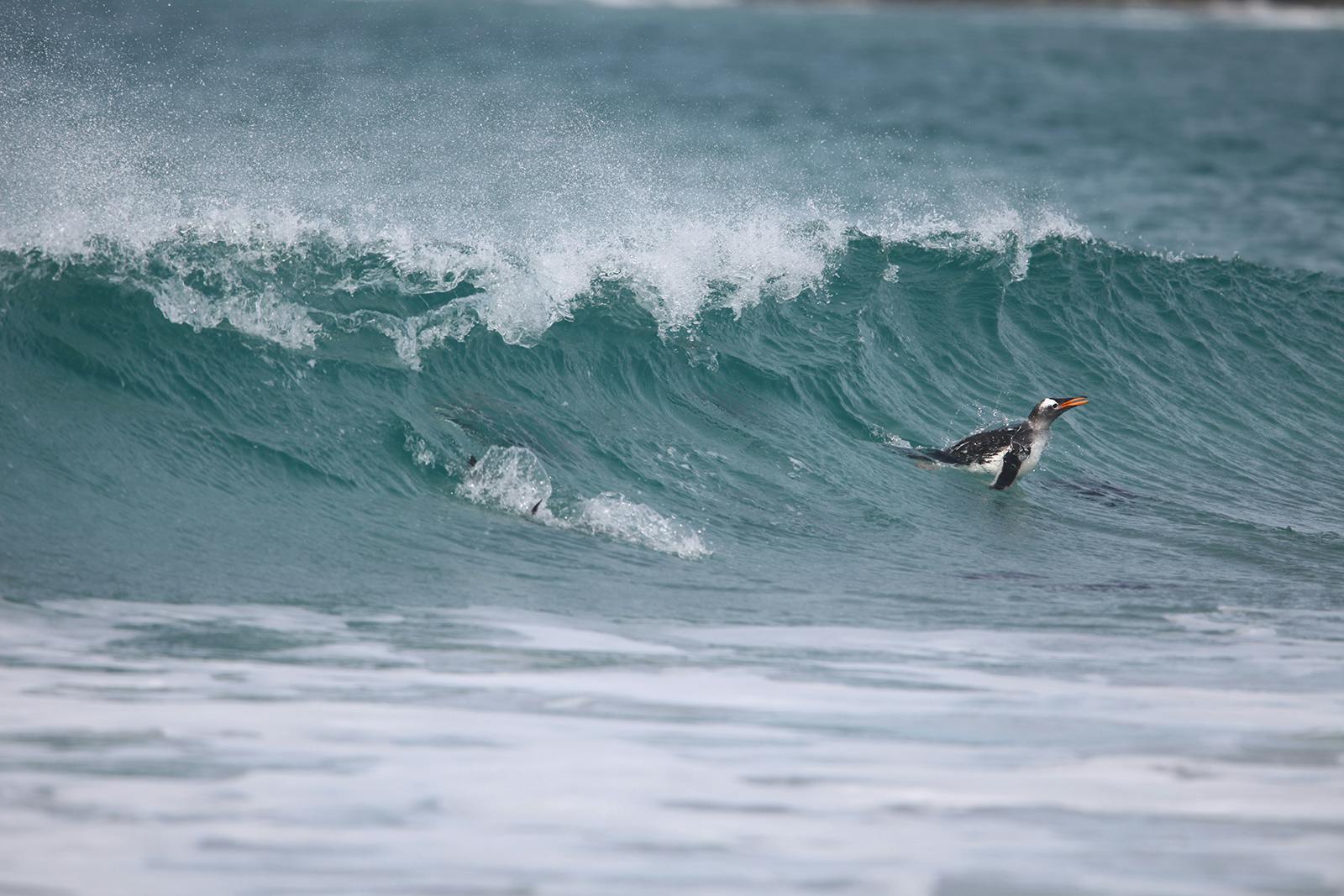
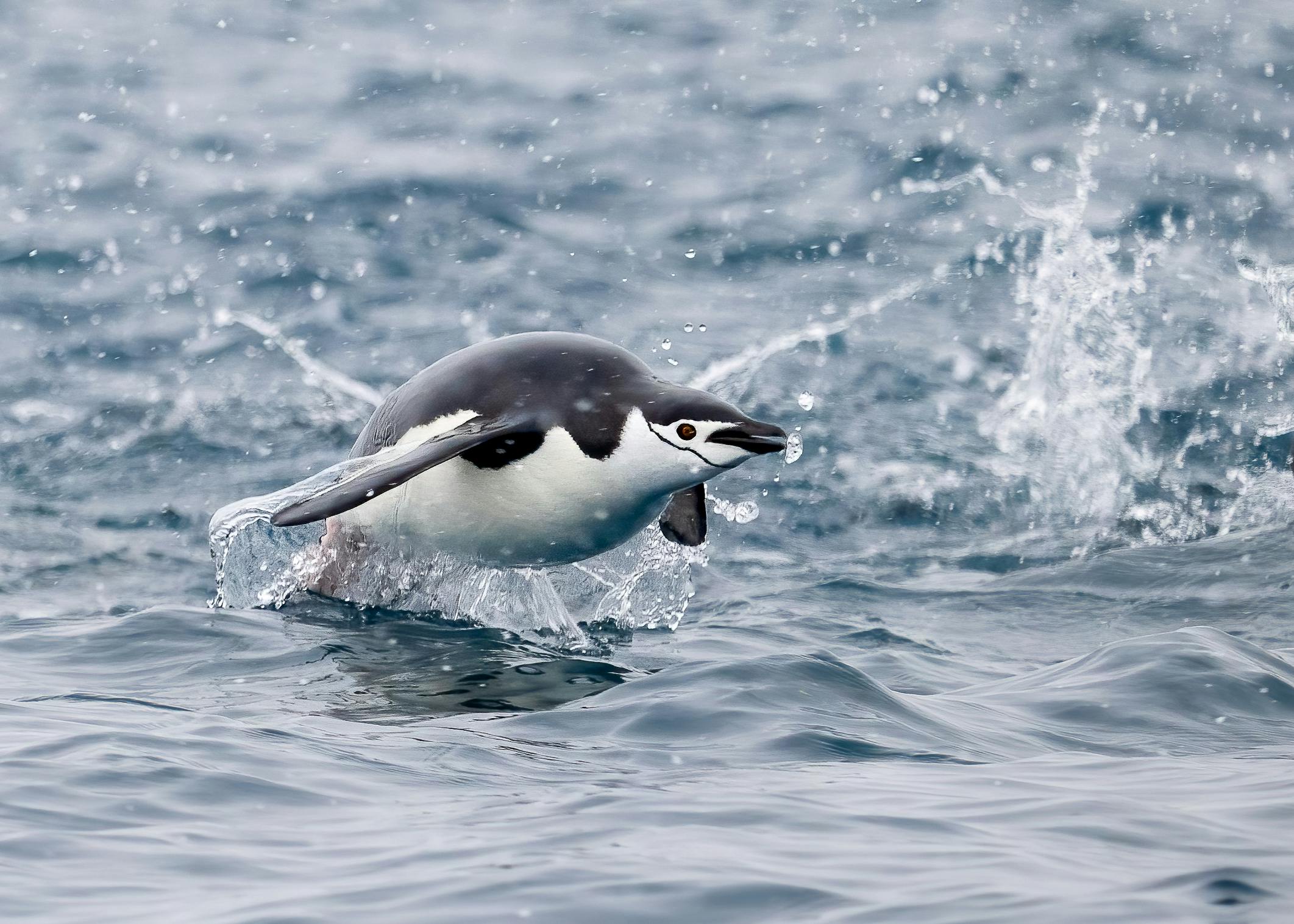
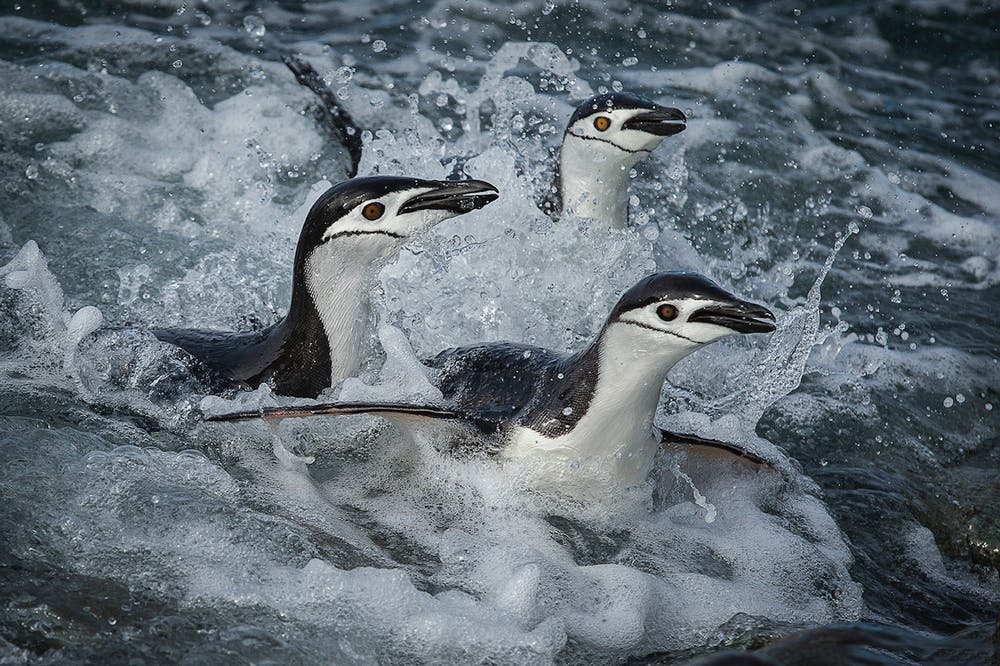
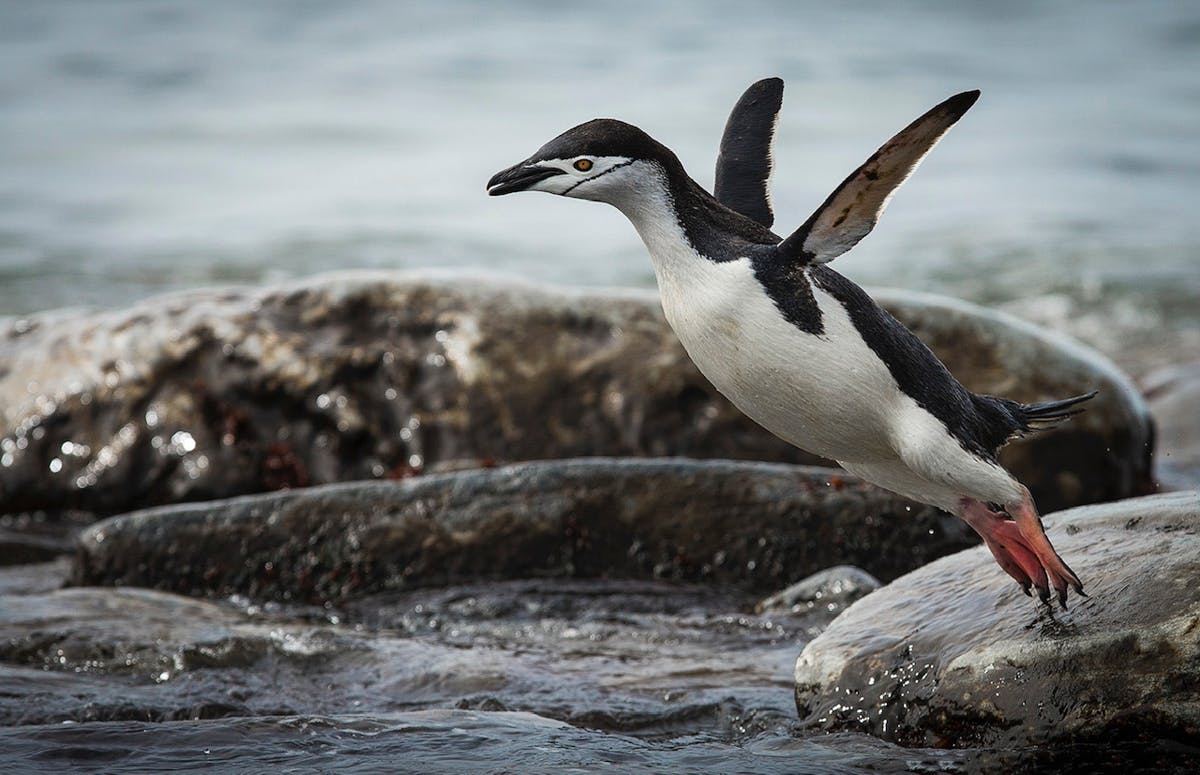
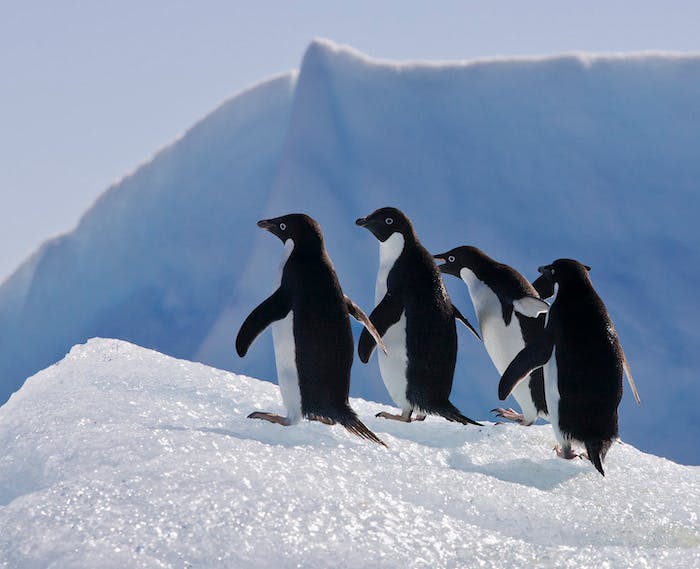
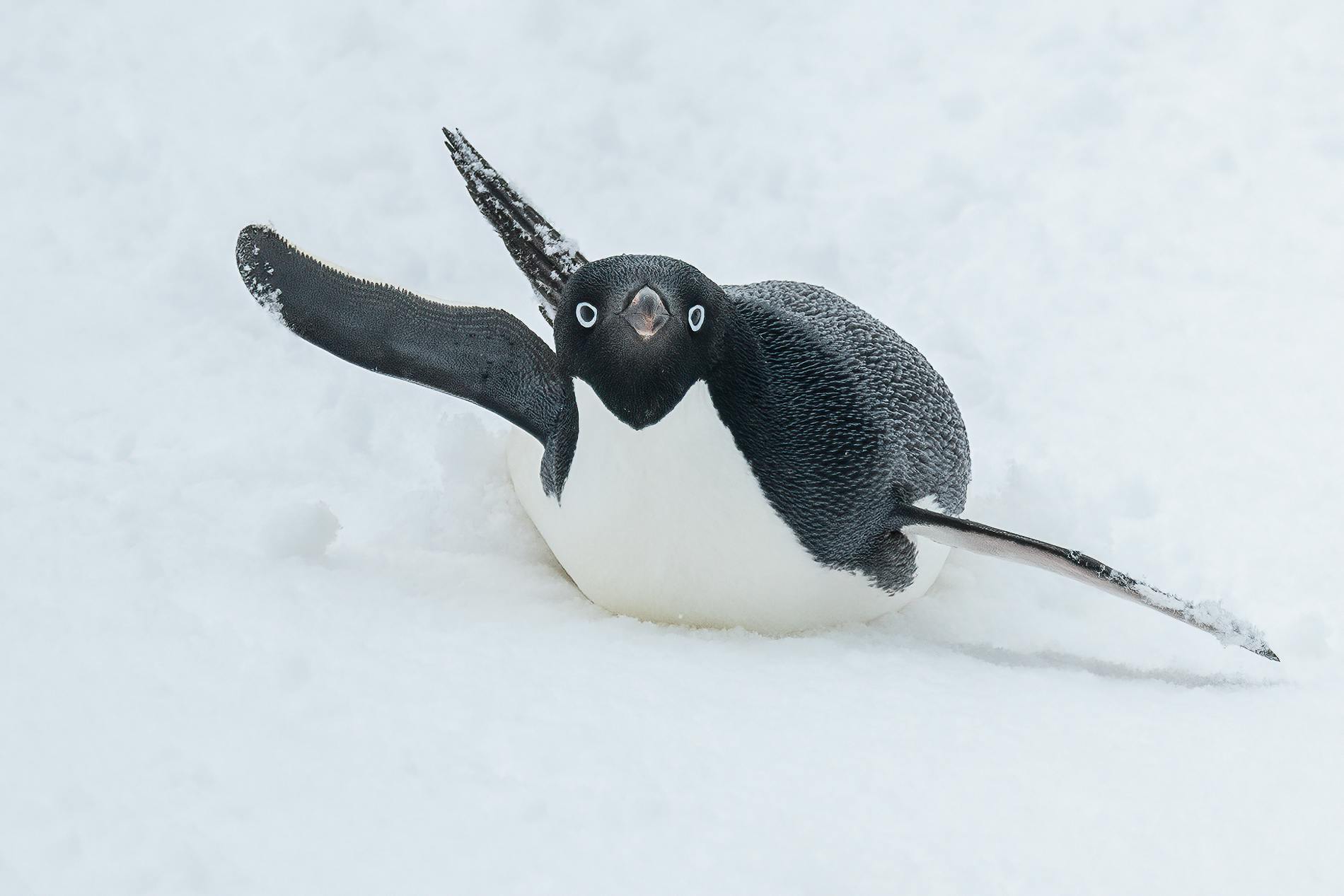
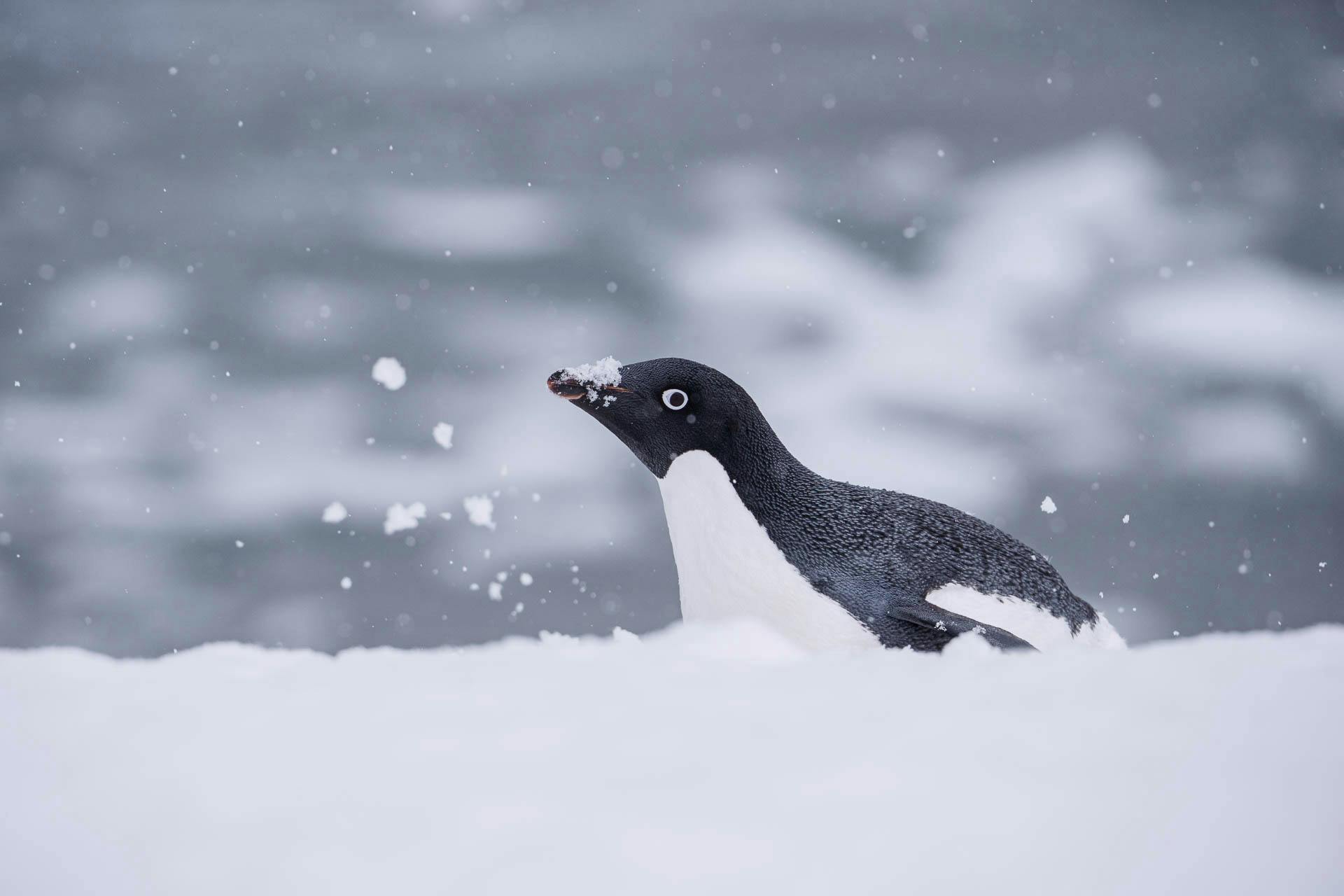
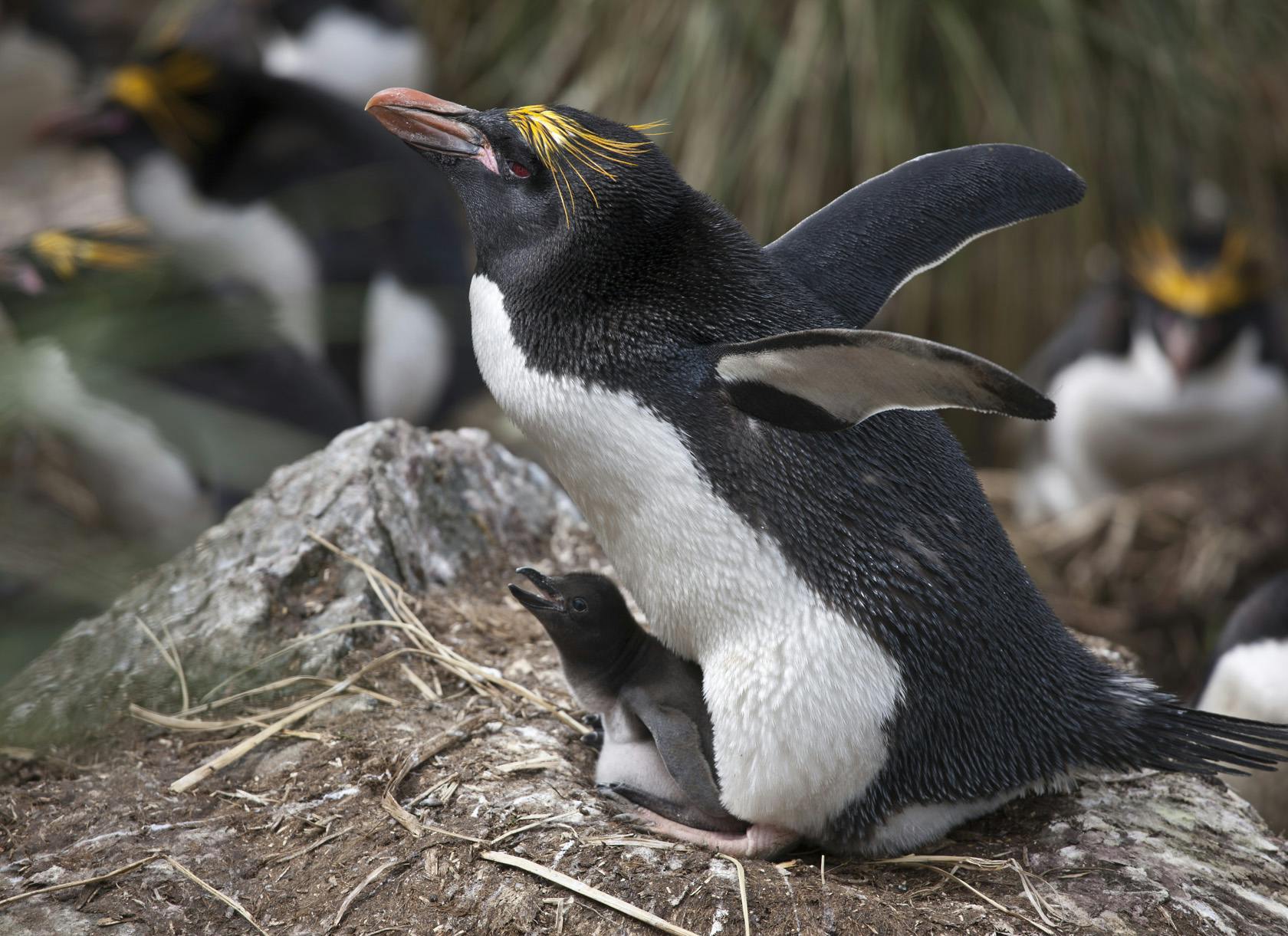
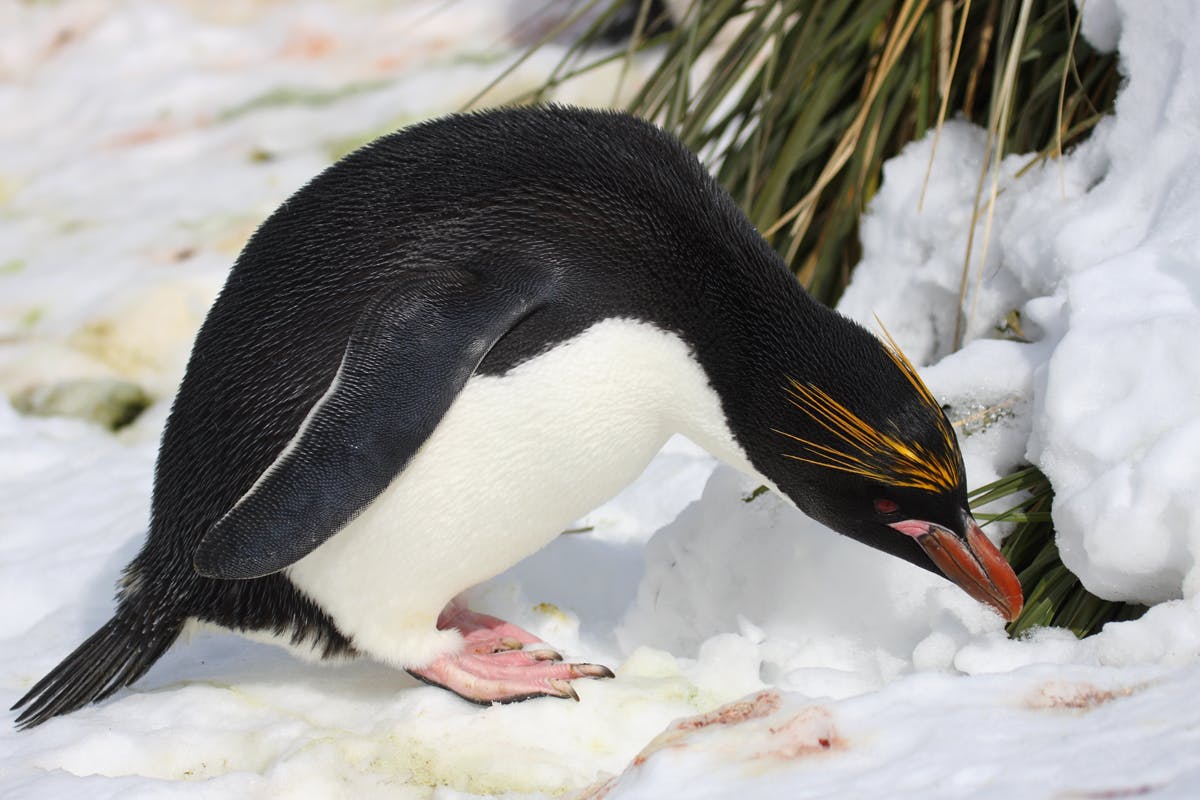
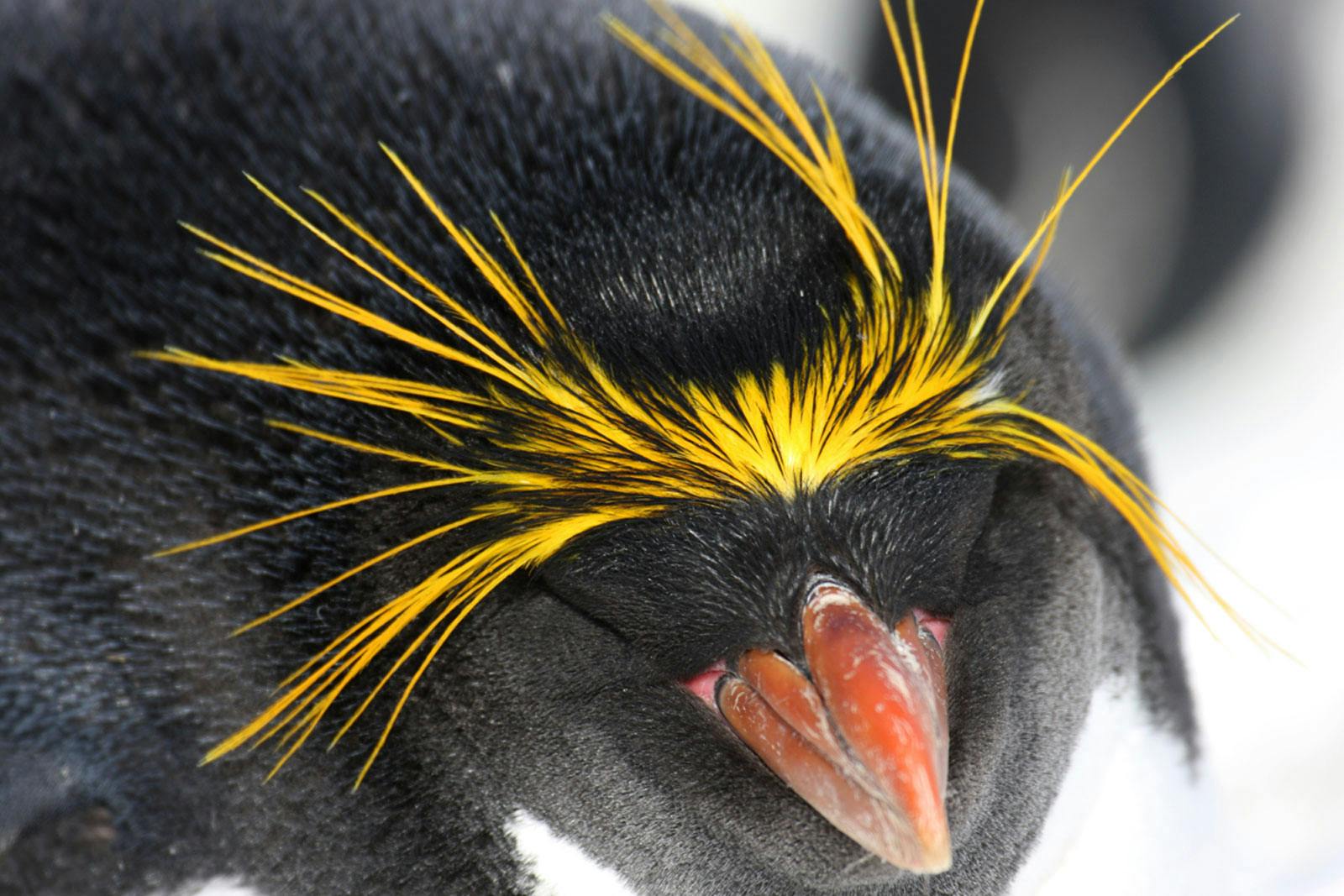
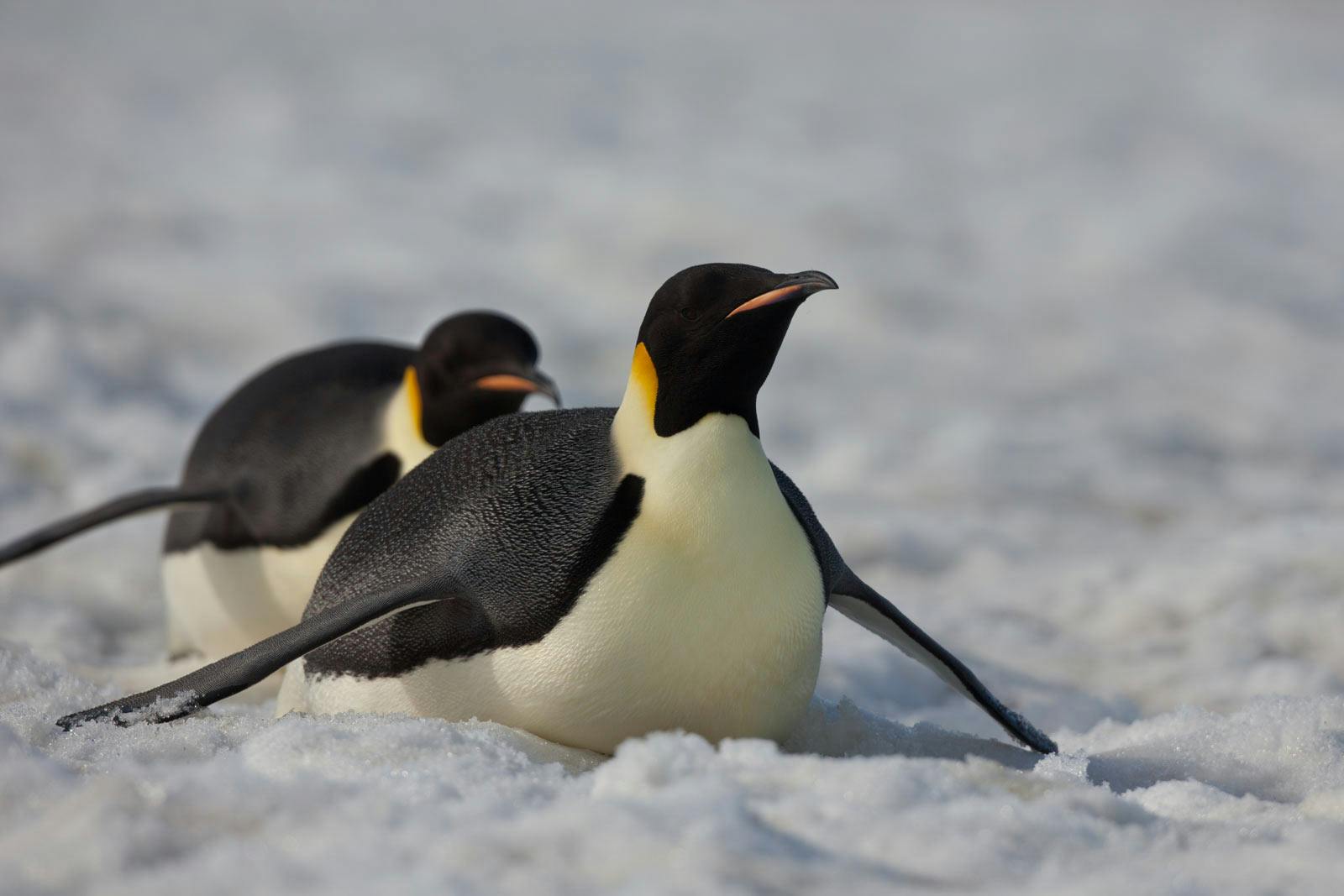
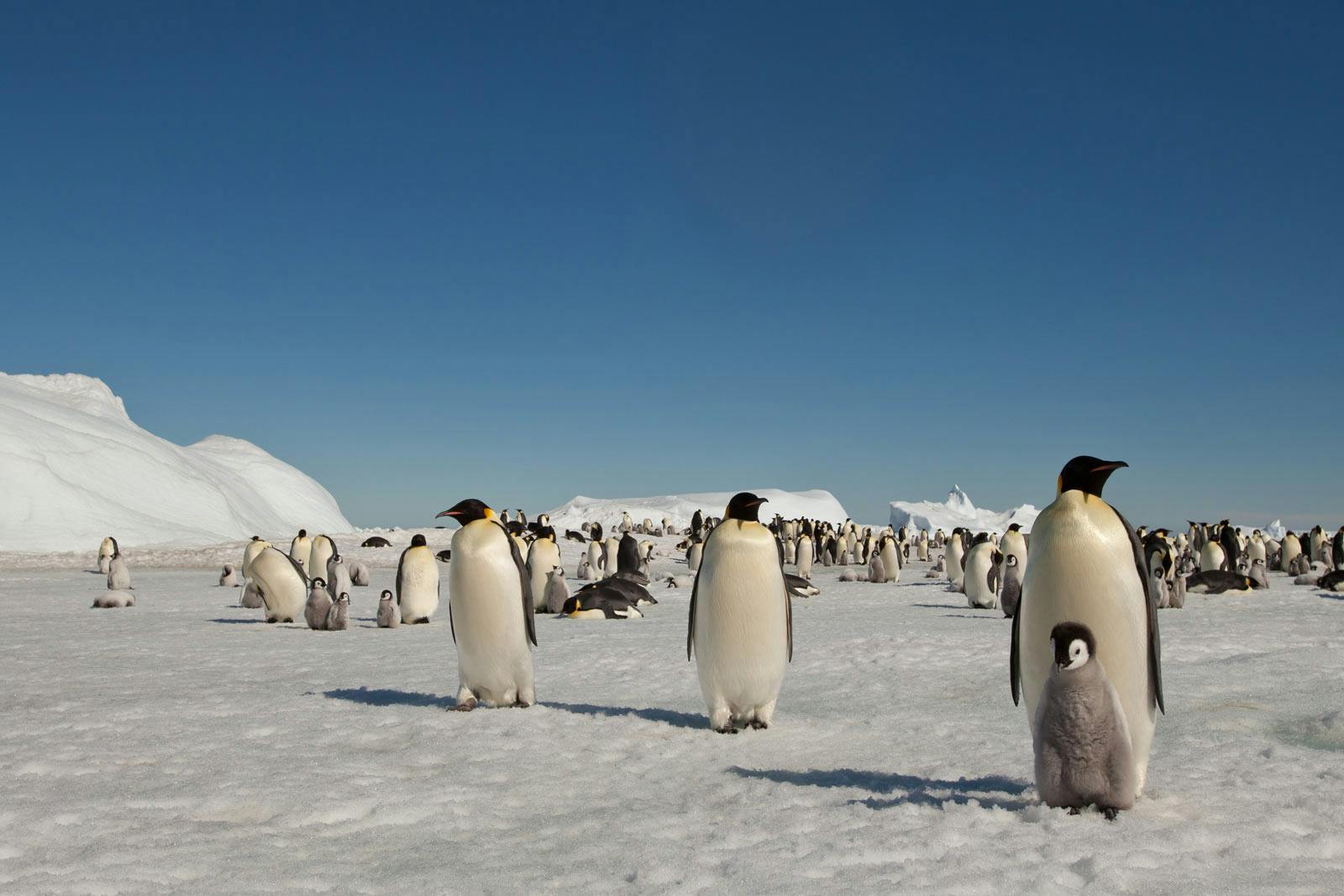
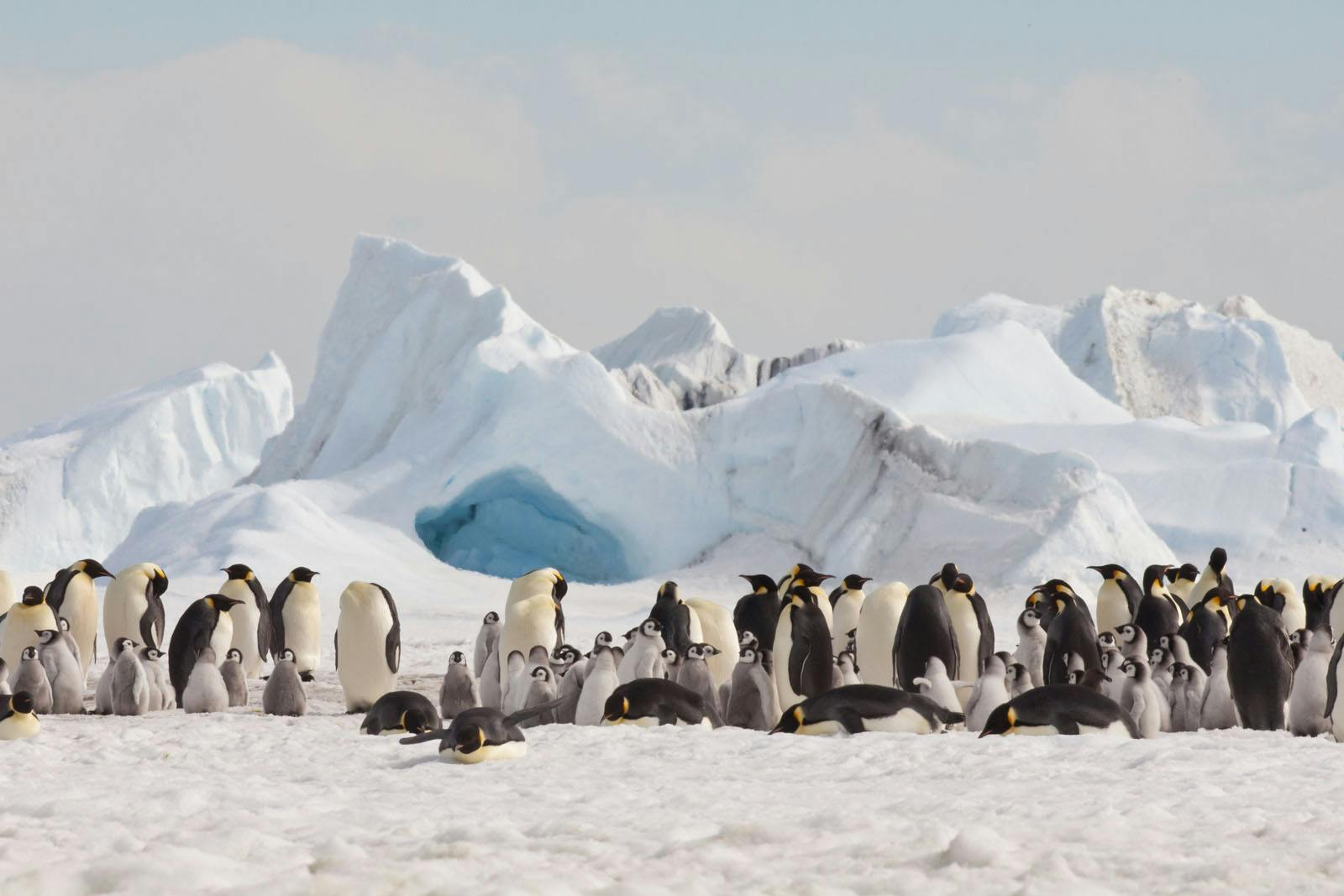

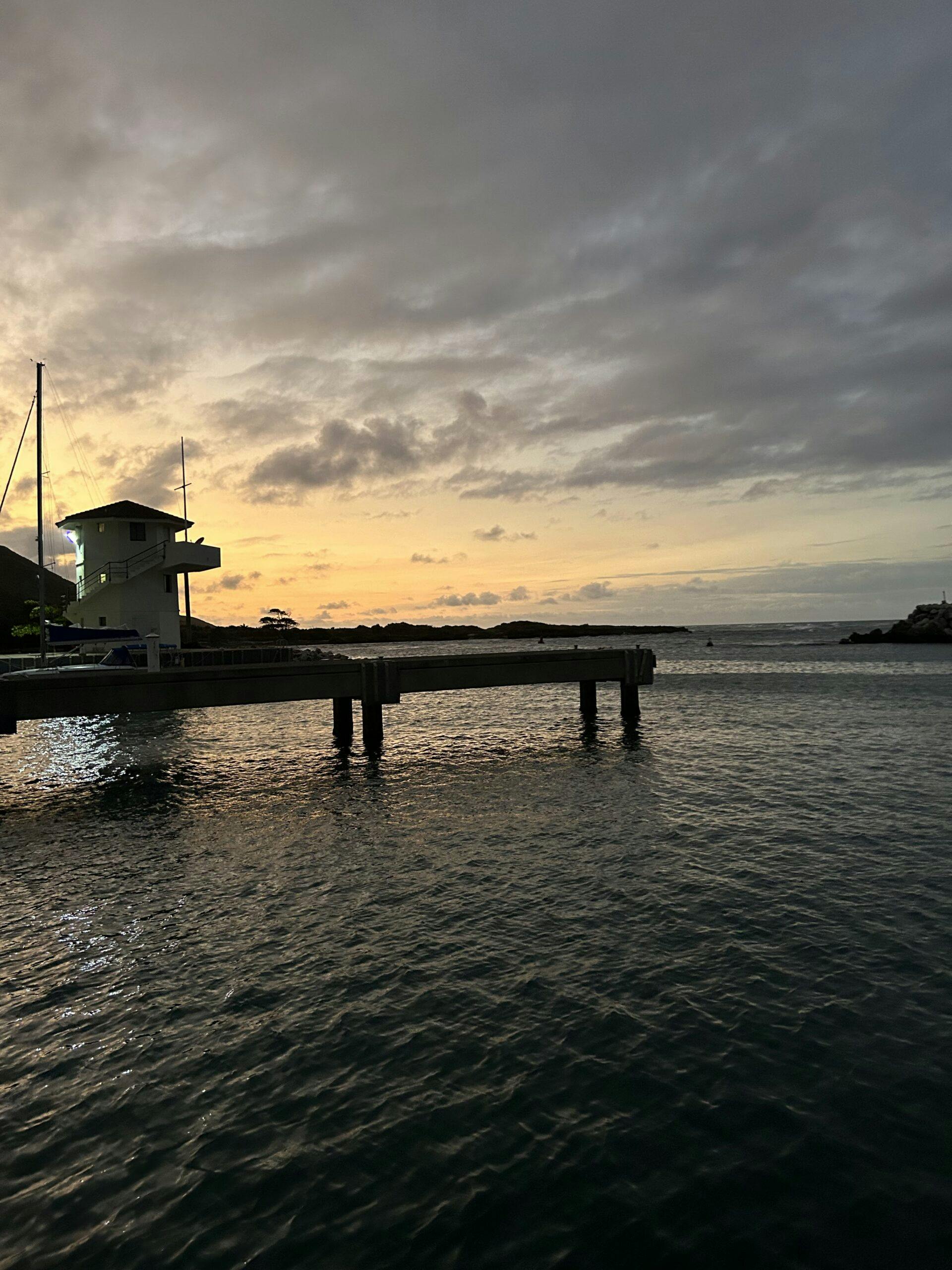
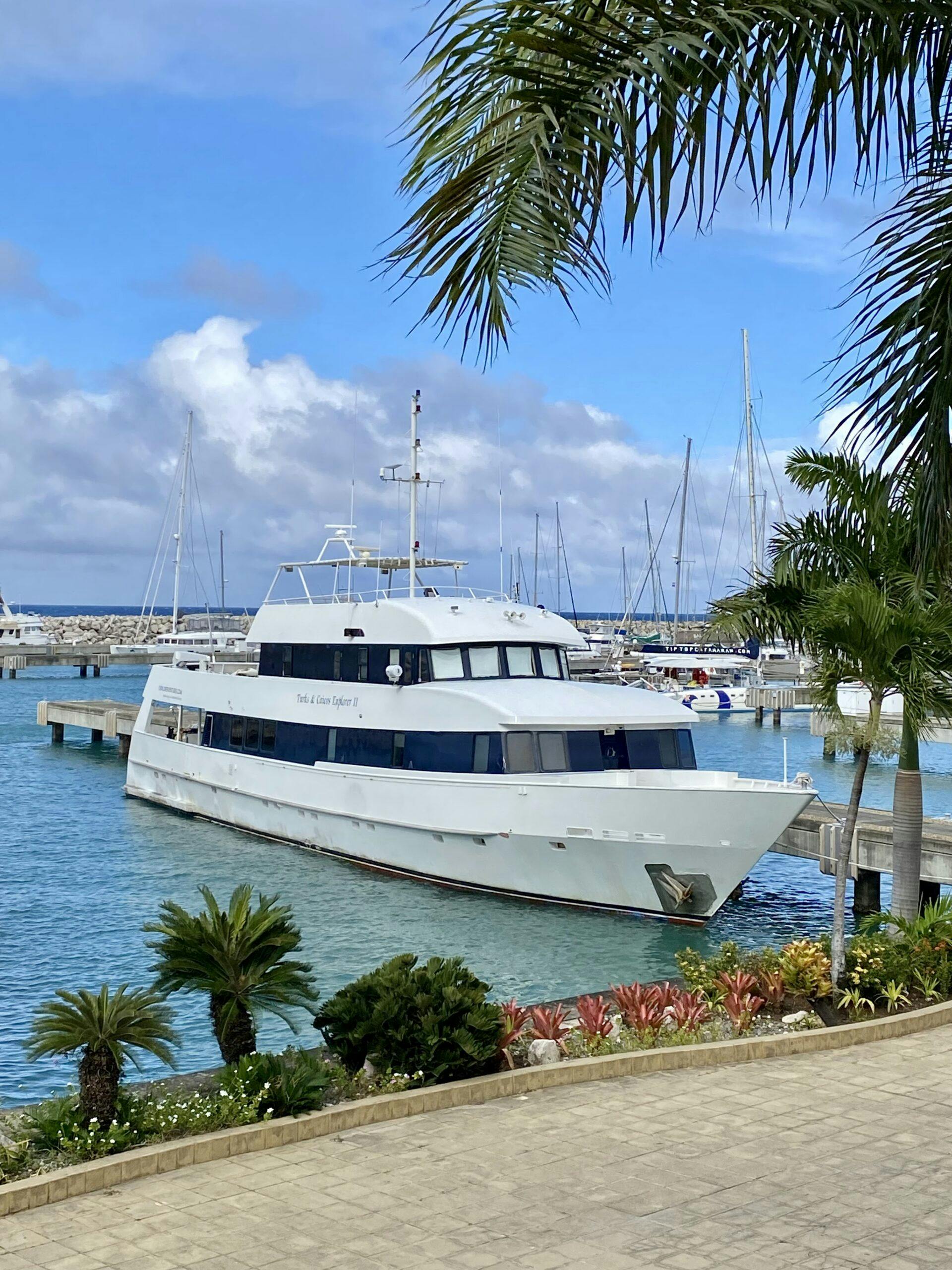

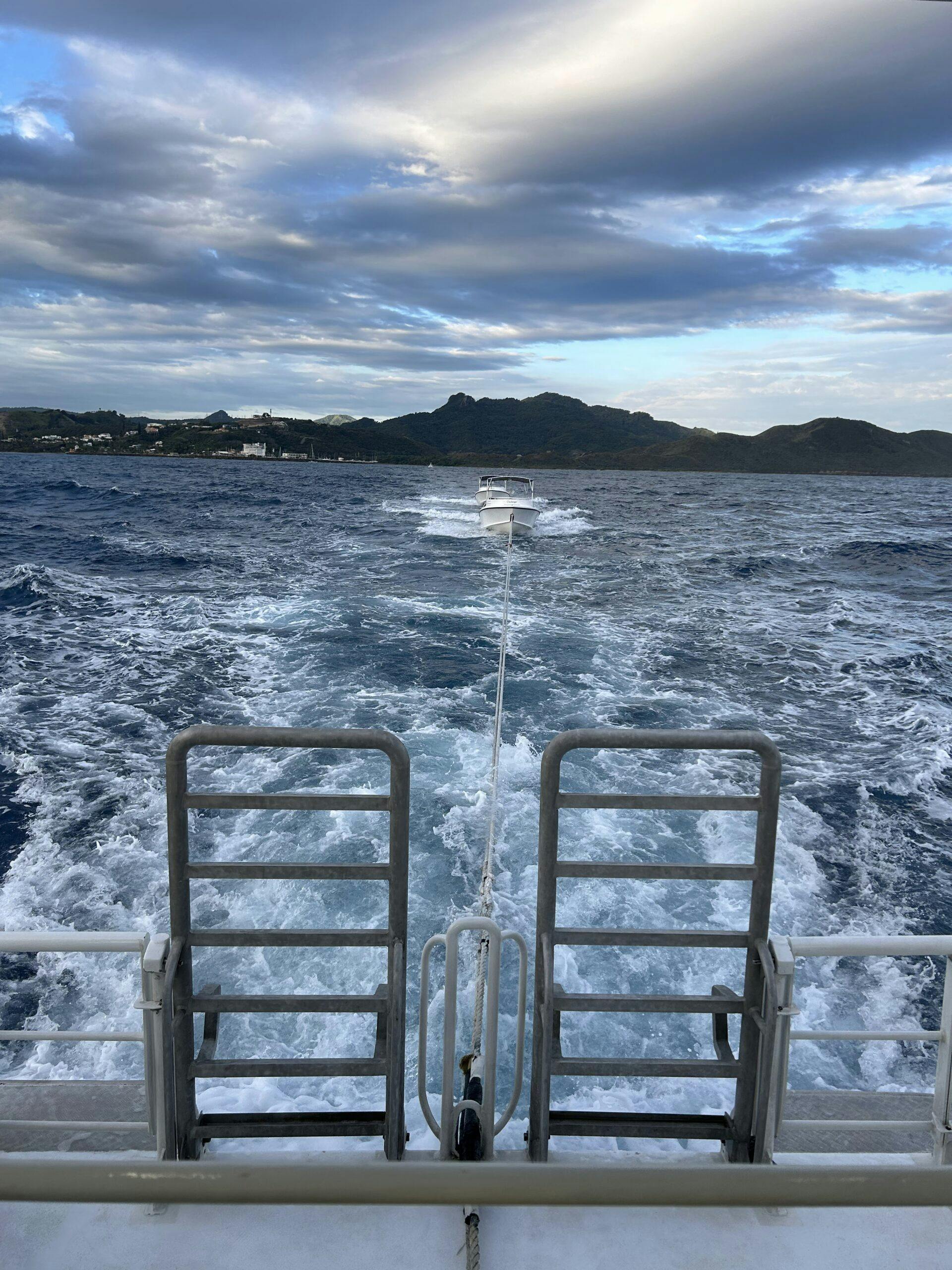
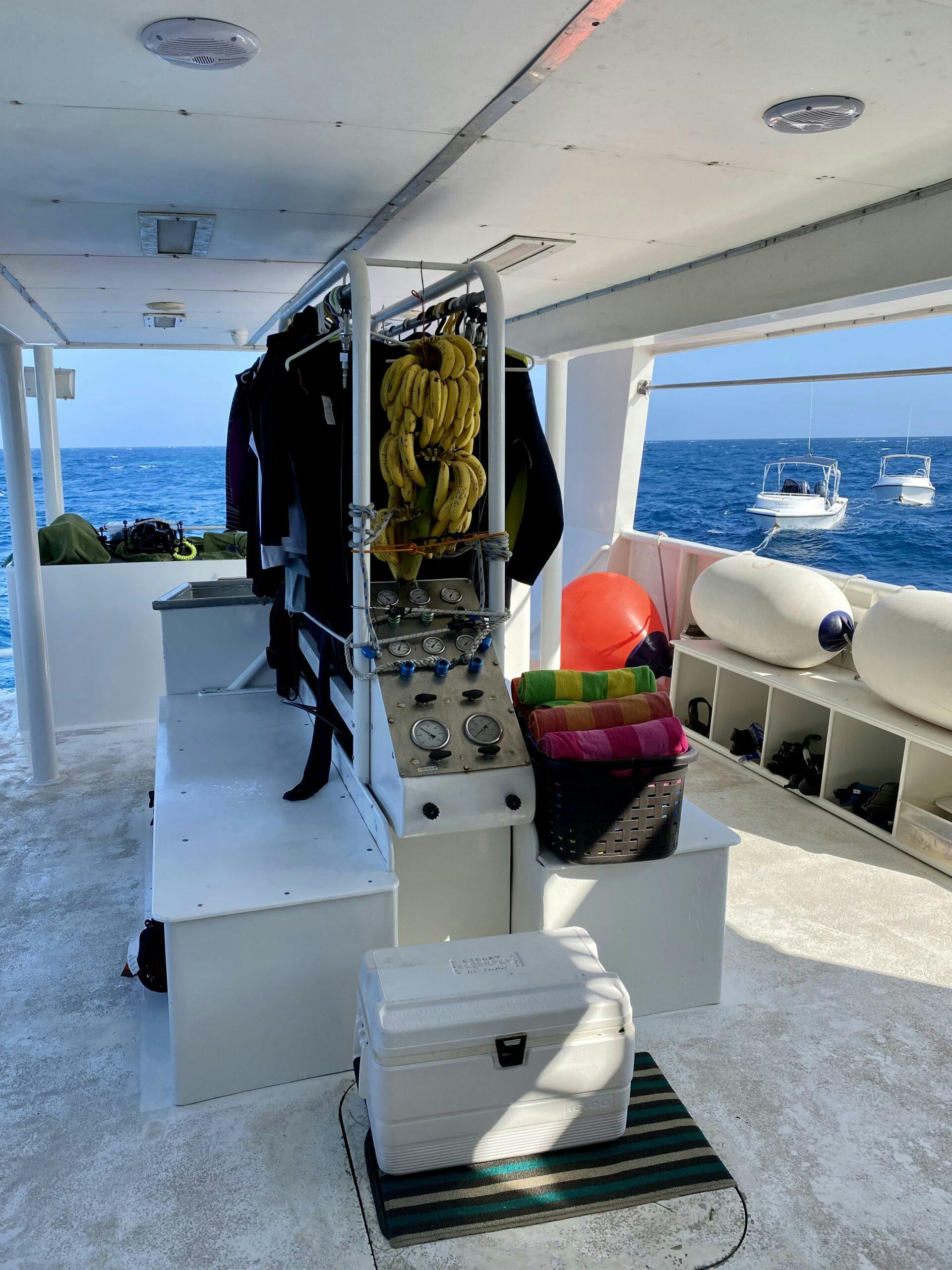
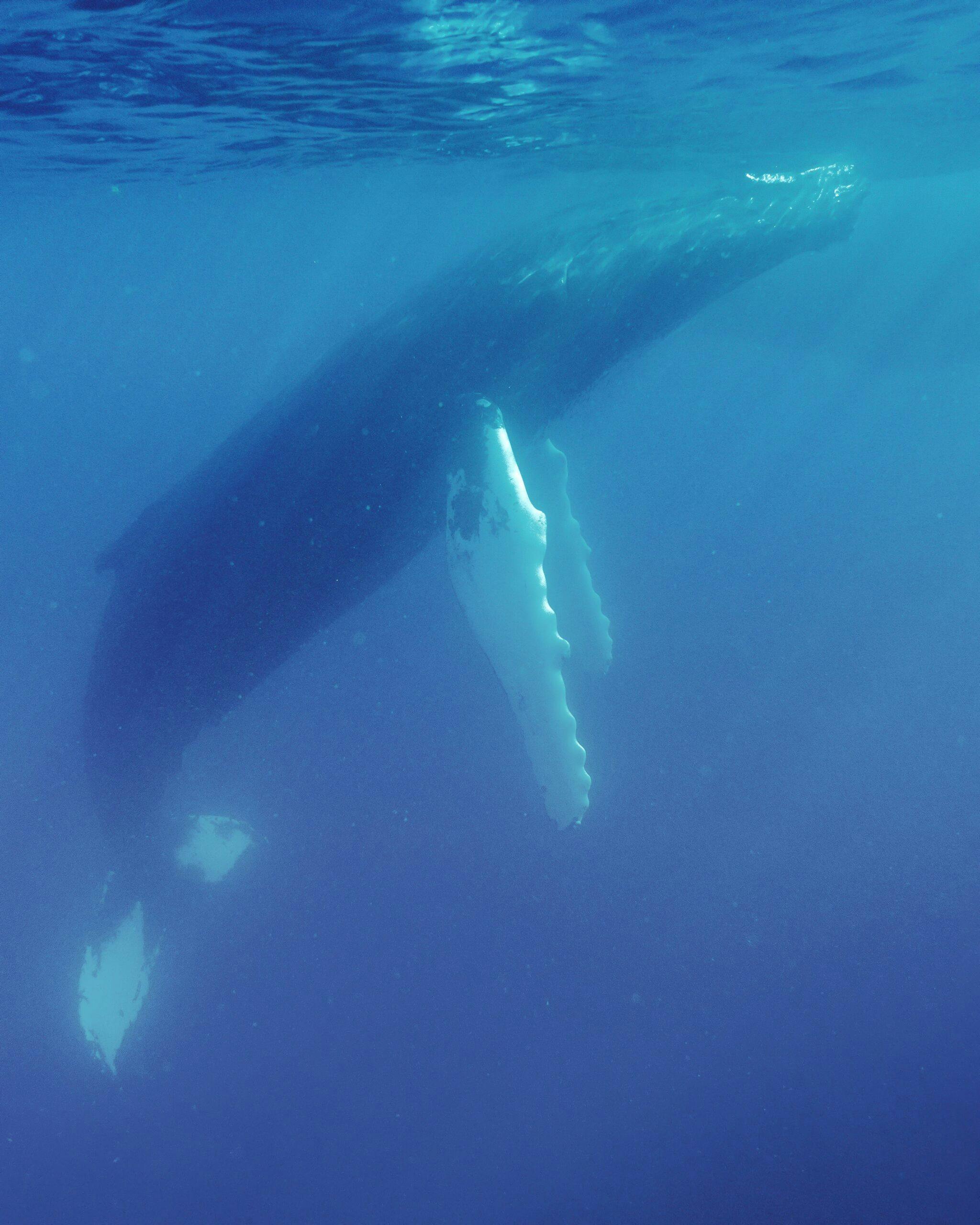

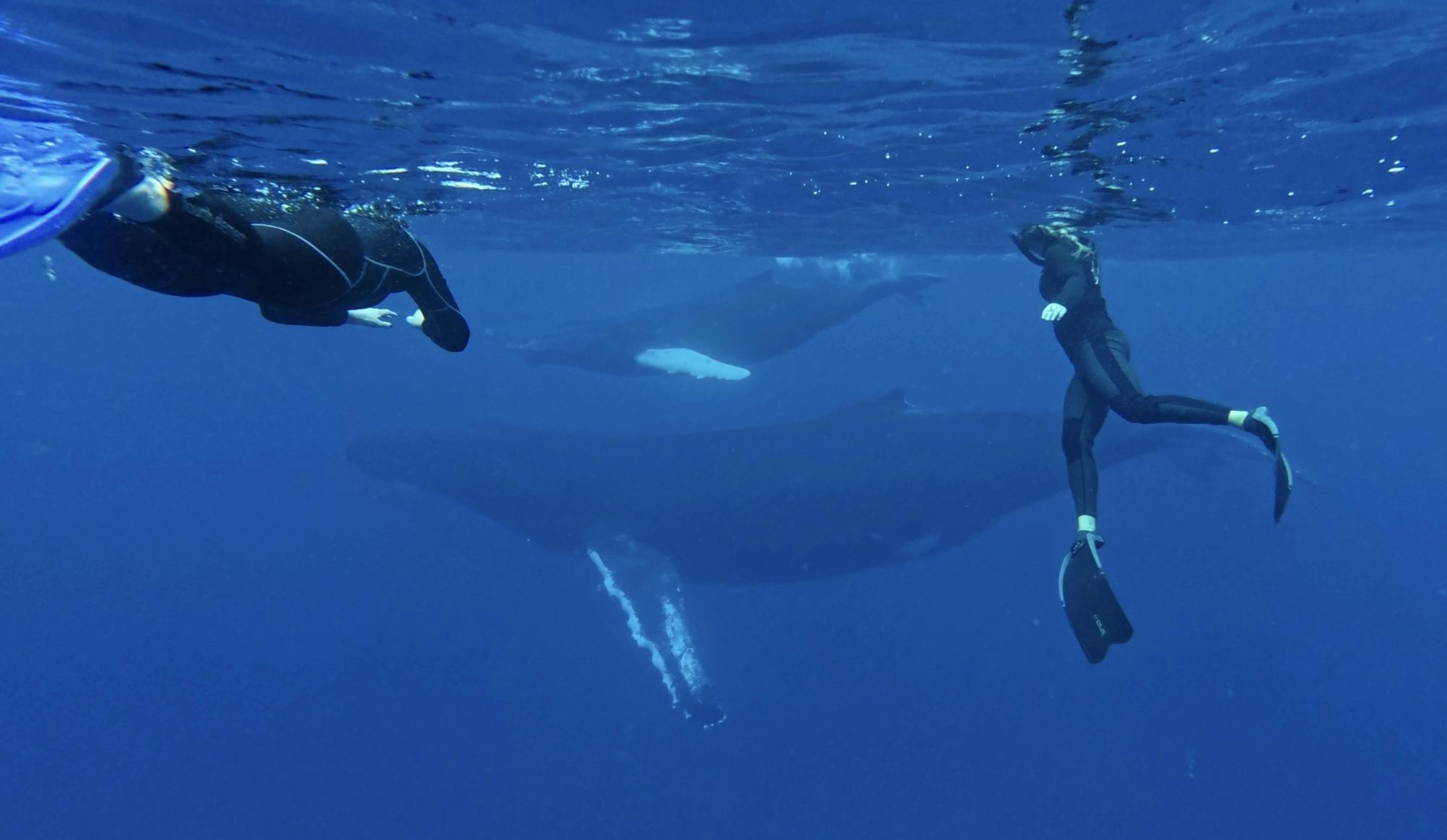
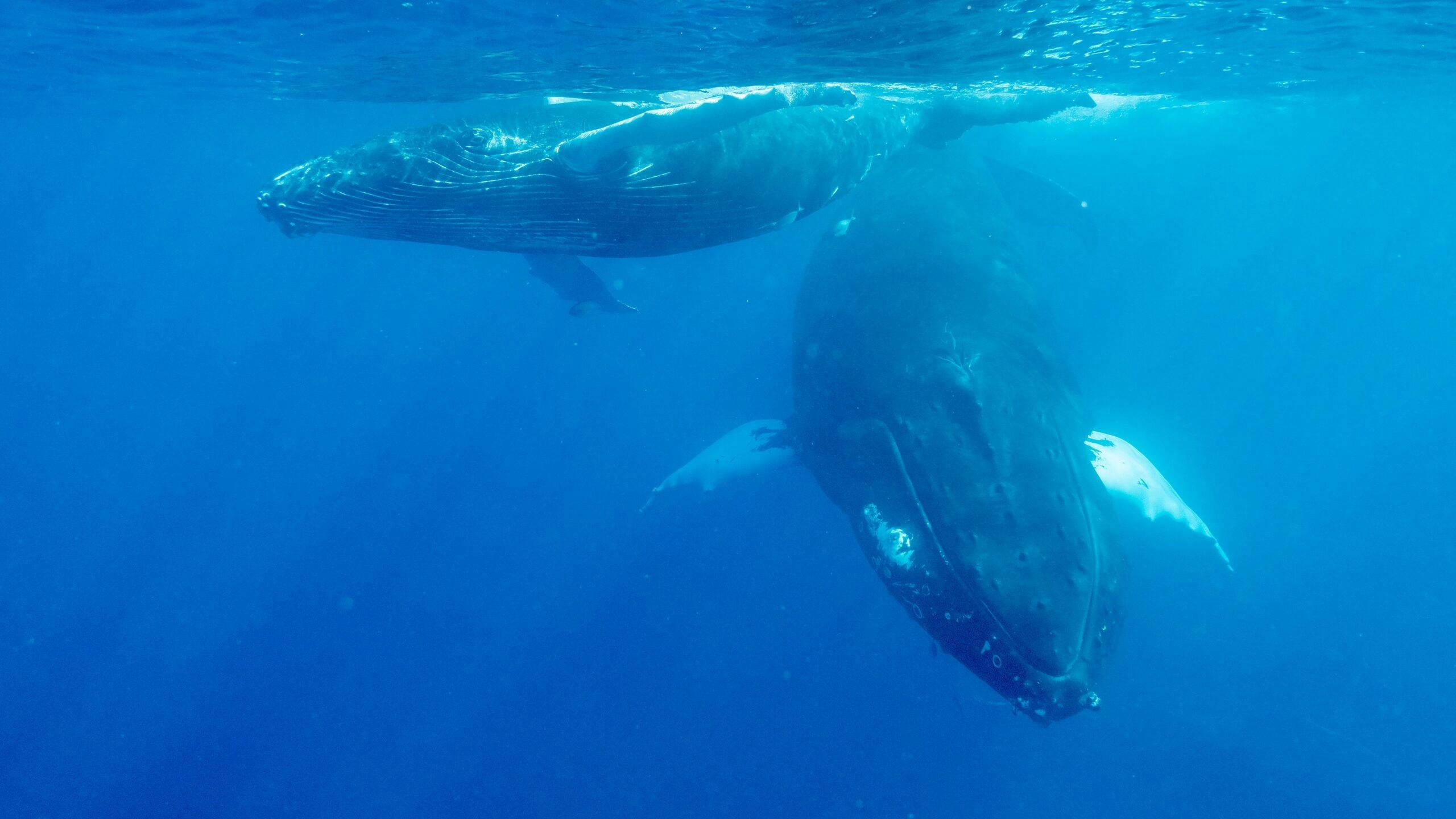
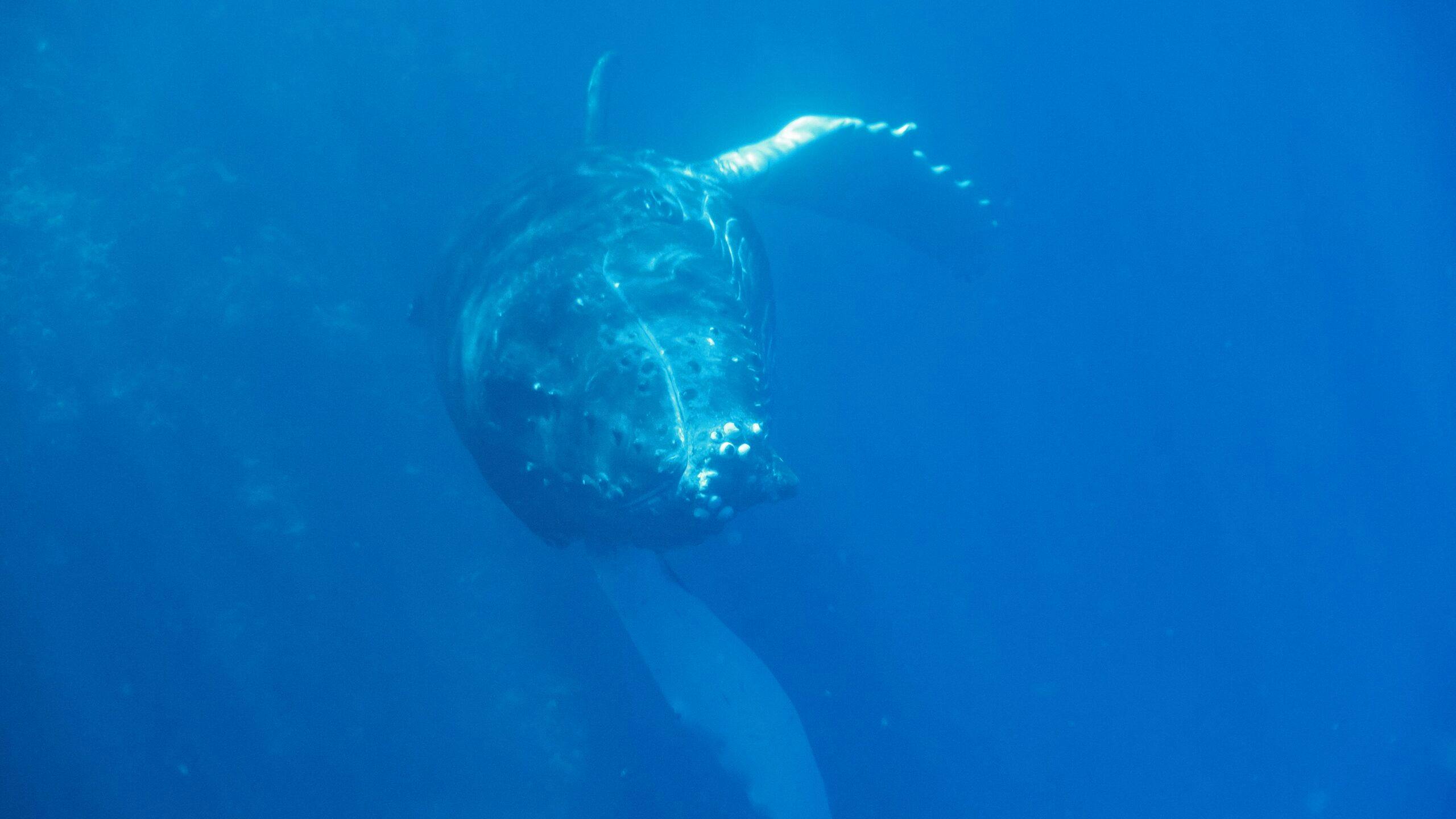
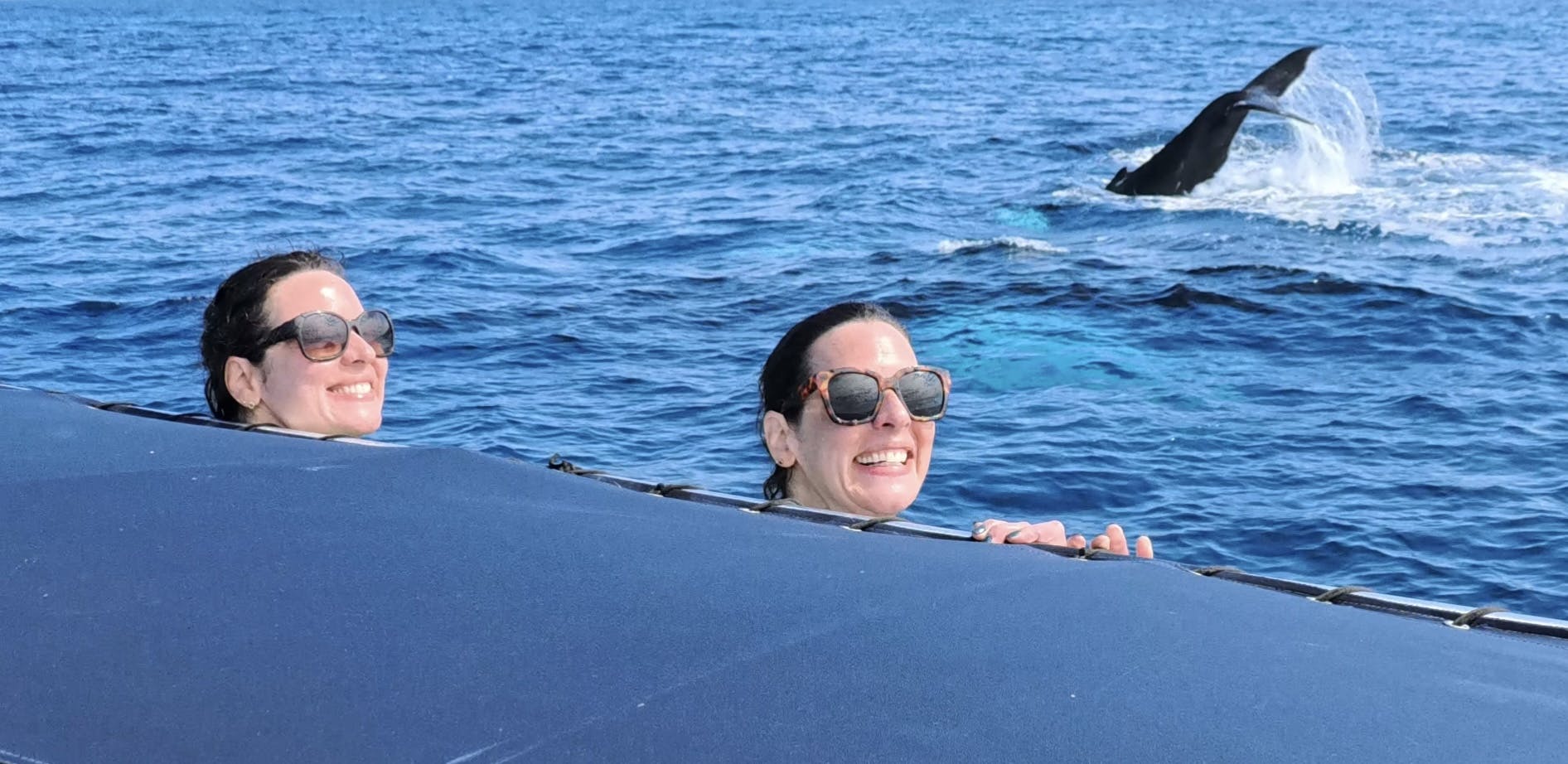
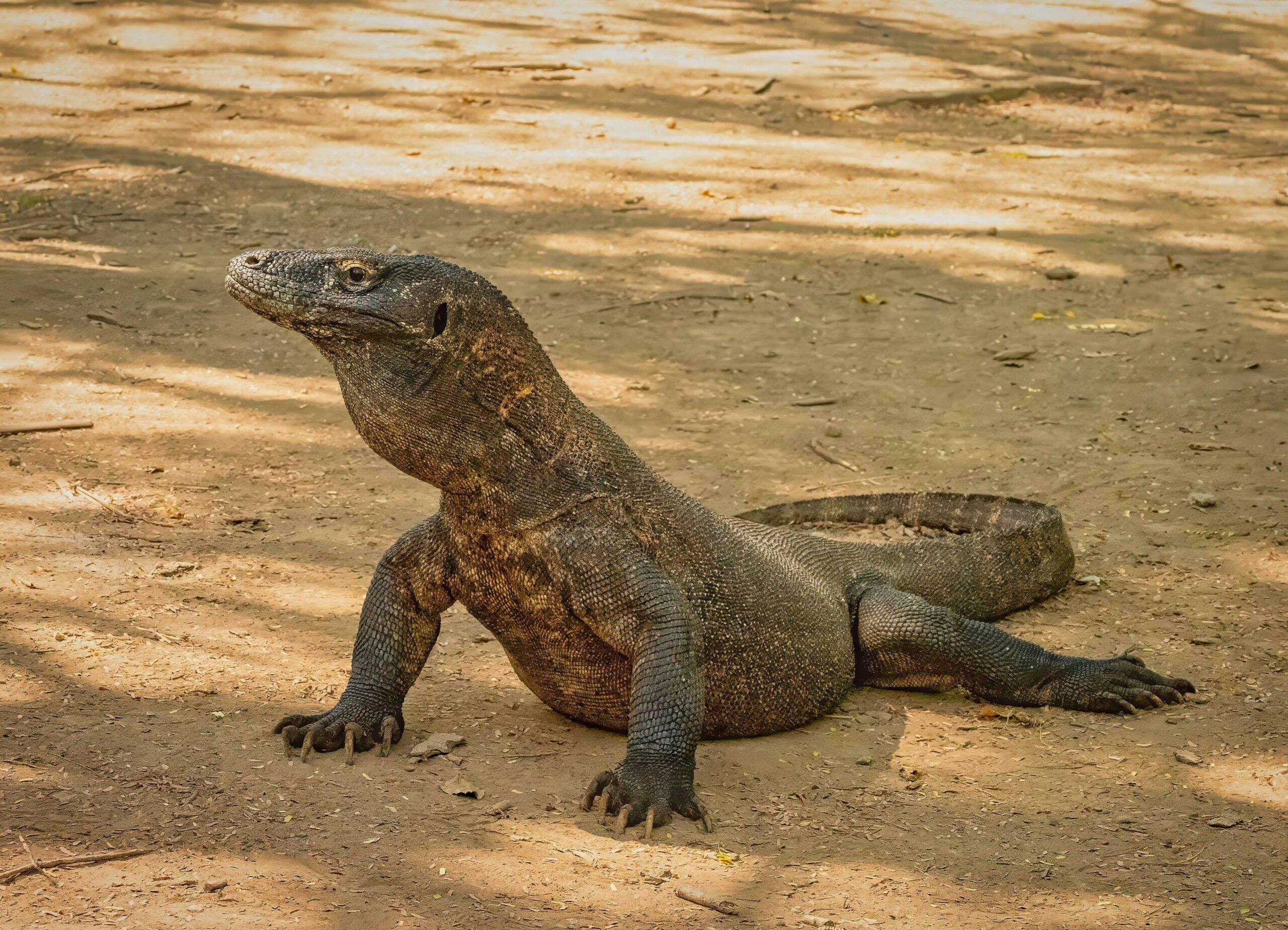
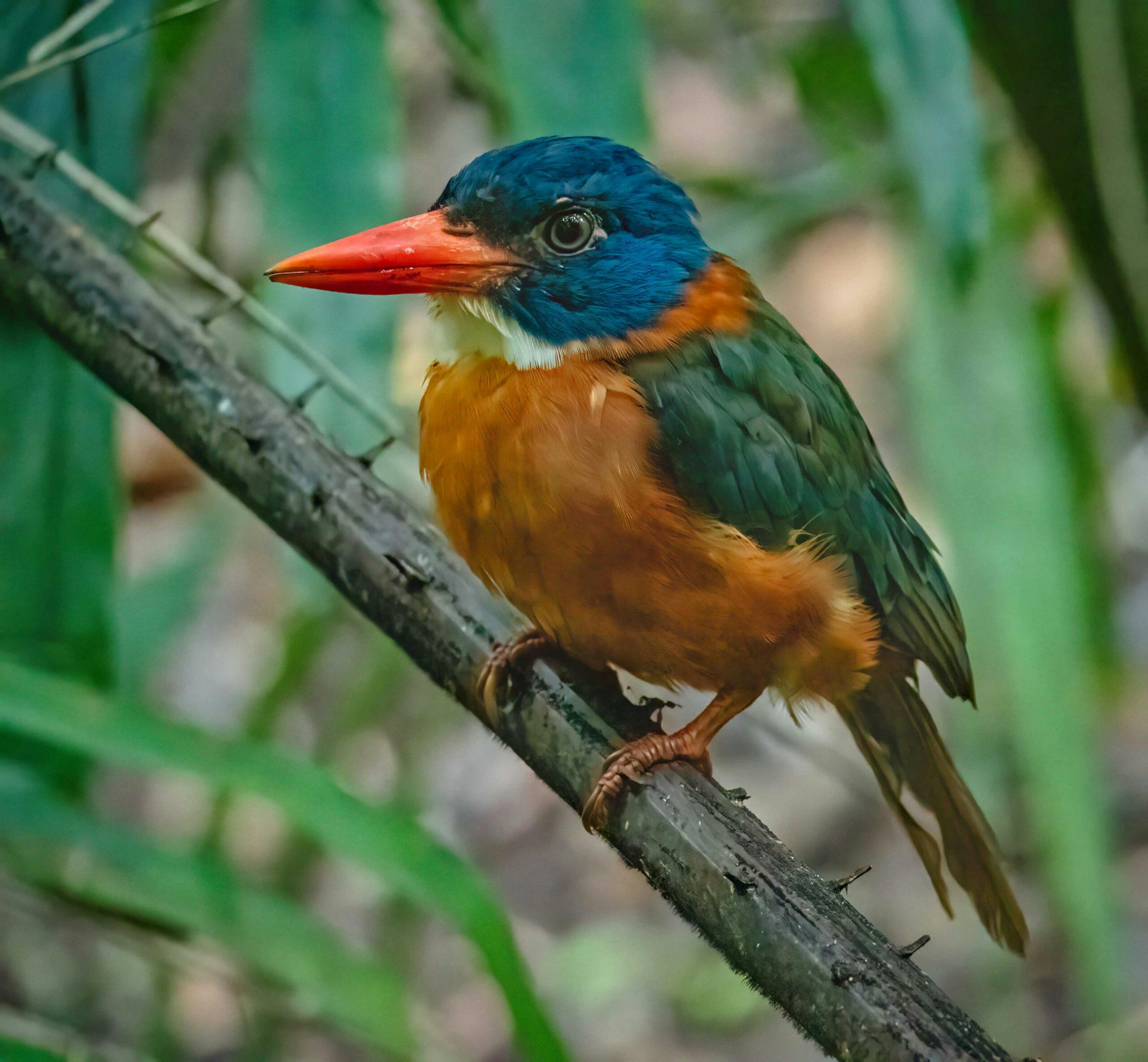
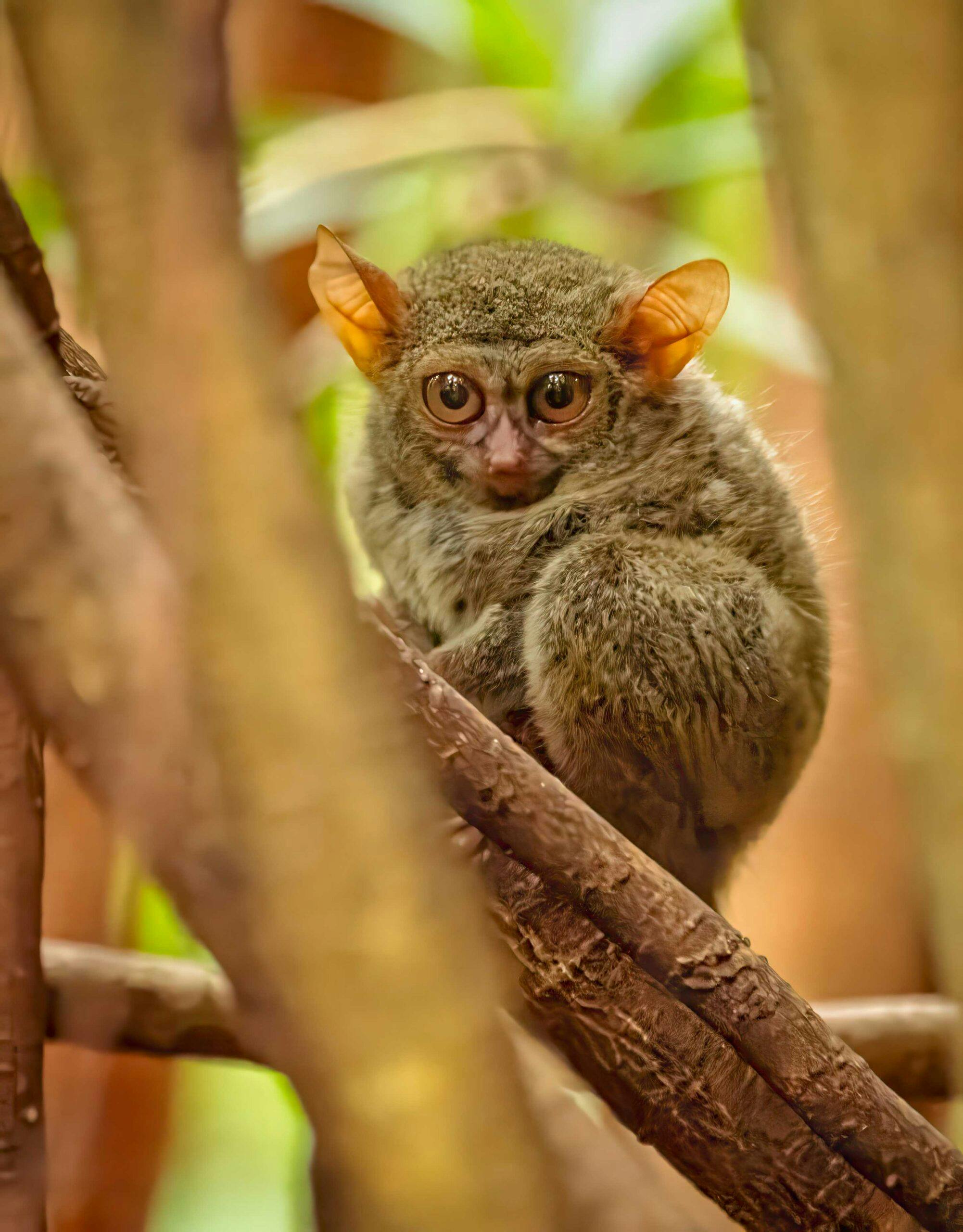
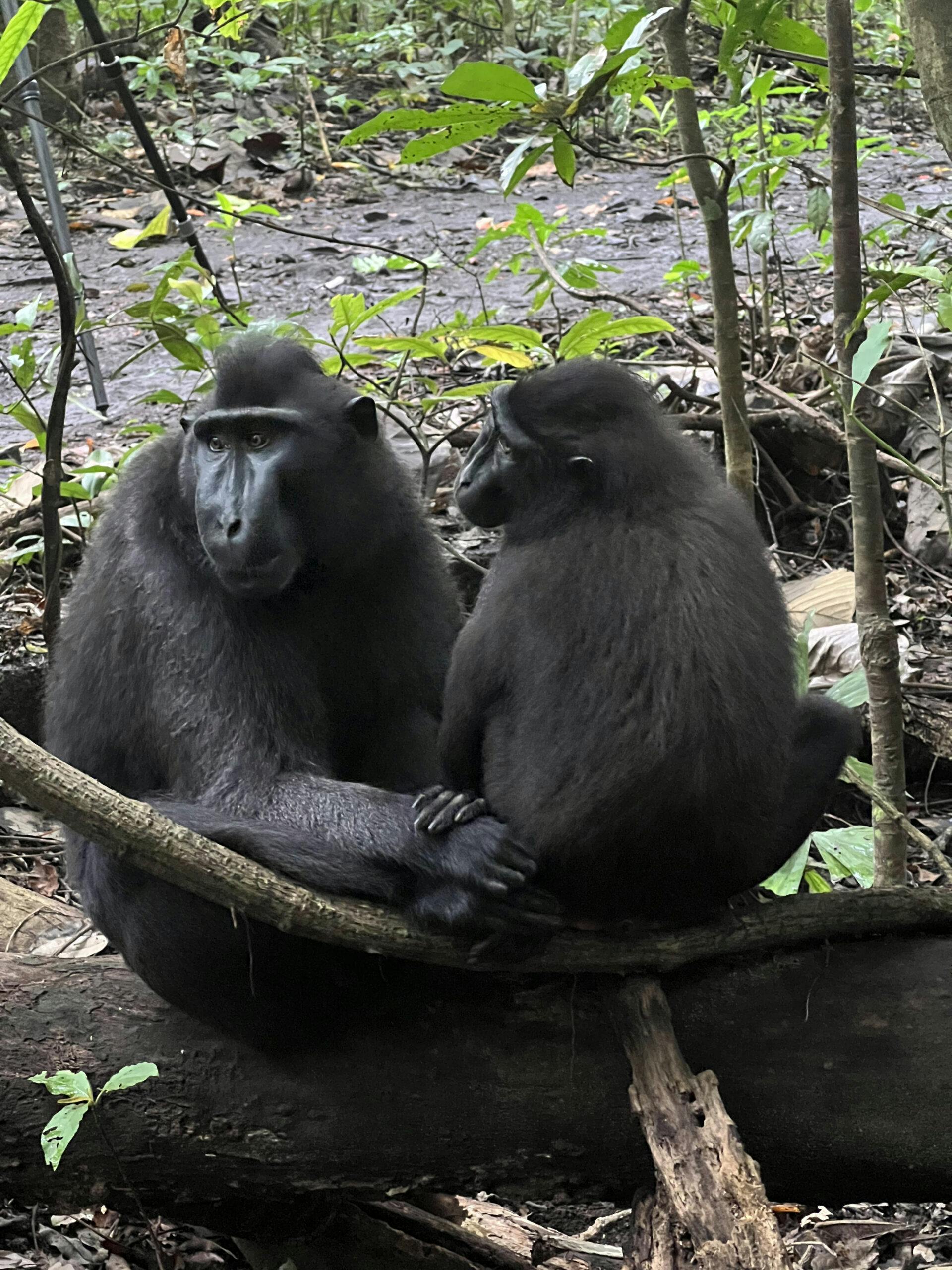
Why This Matters
Understanding and appreciating the diversity of life on our planet is more crucial than ever. This species list is not just a record of our sightings; it’s a testament to the richness of life in Sulawesi and Komodo. It serves as a reminder of why conservation efforts are so vital and why we need to continue exploring and protecting these irreplaceable ecosystems.
Join Us for the Next Adventure!
If reading about this journey has sparked your curiosity, imagine experiencing it firsthand. Join us on our next expedition and create your own stories of discovery and adventure in some of the world’s most breathtaking destinations. Our trips are designed for wildlife enthusiasts, birders, photographers, and nature lovers who seek not just to see the world, but to truly experience it.
Don’t miss out! Book your next adventure with Cheesemans’ Ecology Safaris and embark on a journey that will leave you with memories to last a lifetime.
For more information and to reserve your spot, visit our website or contact us at (800) 527-5330. We can’t wait to explore the world with you!
Join the Adventure
Sulawesi and Komodo
July 6 to 19, 2024
Exploring Wallacea
Indonesia is a land of extraordinary biodiversity, where ancient forests and deep blue seas intertwine to create one of the most unique ecological landscapes on Earth. Our July 2024 expedition to Sulawesi and Komodo, led by the expert naturalist Charlie Ryan, was nothing short of spectacular. From encountering endemic species in remote jungles to witnessing the iconic Komodo Dragon in its natural habitat, this journey was a celebration of life in all its wild and untamed beauty. The detailed daily summaries and impressive species list that follow are courtesy of Charlie Ryan, whose knowledge and passion brought this adventure to life.
Highlights
- Hiked Tangkoko National Park for three full days, finding over 60 bird species, cuscus, spectral tarsiers, and black crested macaques.
- Spent two mornings searching for and finding Komodo dragons, including a mating pair.
- Watched thousands of island flying foxes leaving their mangrove island roost at sunset.
- Snorkeled at the lodge reef and other wonderful spots around Komodo, finding and swimming with manta rays.
“Cheesemans Ecology Safaris knocked it out of the park with Sulawesi/Komodo! I felt enlightened and fulfilled, my heart bursting with joy at multiple points during this journey. Releasing baby leatherback turtles, watching tarsiers calling to each other as they emerged from trees at dusk, hiking through the jungle at night during a rainstorm, snorkeling with mantas and posing with Komodo dragons, all in one trip! And of course, snorkeling the house reef at the dive resort’s pristine beach. Wow, so many wow moments! Charlie Ryan is one of the finest guides on the planet. His depth of knowledge is vast on both land and sea. Also, I was fortunate enough to room with Krista. Such a fine woman! She would make Gail and Doug proud. I’ve been a CES fan since 2007 and hope to continue with the finest travel company on the planet. Good job, CES!”
-Vicki Cooper

July 8, 2024: Manado Airport – Tangkoko National Park
It was time to start the Sulawesi adventure! Everyone arrived, and we made the driving journey to Tangkoko National Park, situated between 4 volcanoes and facing the Molluca Sea. Everyone was keen for some activities, so we got ready and headed in for our first visit to explore the diverse ecosystem of Sulawesi’s coastal forests. Upon entering the park, the endemic and beautiful black-crested macaques were waiting to greet us. Troop 1’s territory is the front of the park, and they have several favorite sleeping trees near the parking lot of the national park. A highlight of our first experience was getting a very rare opportunity to release leatherback sea turtle hatchlings into the sea, as led by local rangers. An incredible experience that very few people have been able to experience globally. As we continued on our walk, Maddy and Mensur, our local guides, worked hard to point out a few bird species, but overall the forest was a bit quiet due to the overcast weather. Even Alfred Russell Wallace, the pioneering naturalist who spent extensive time in Sulawesi and developed here his contributions to the theory of natural selection, had a few quiet days. We knew tomorrow would bring more discoveries.
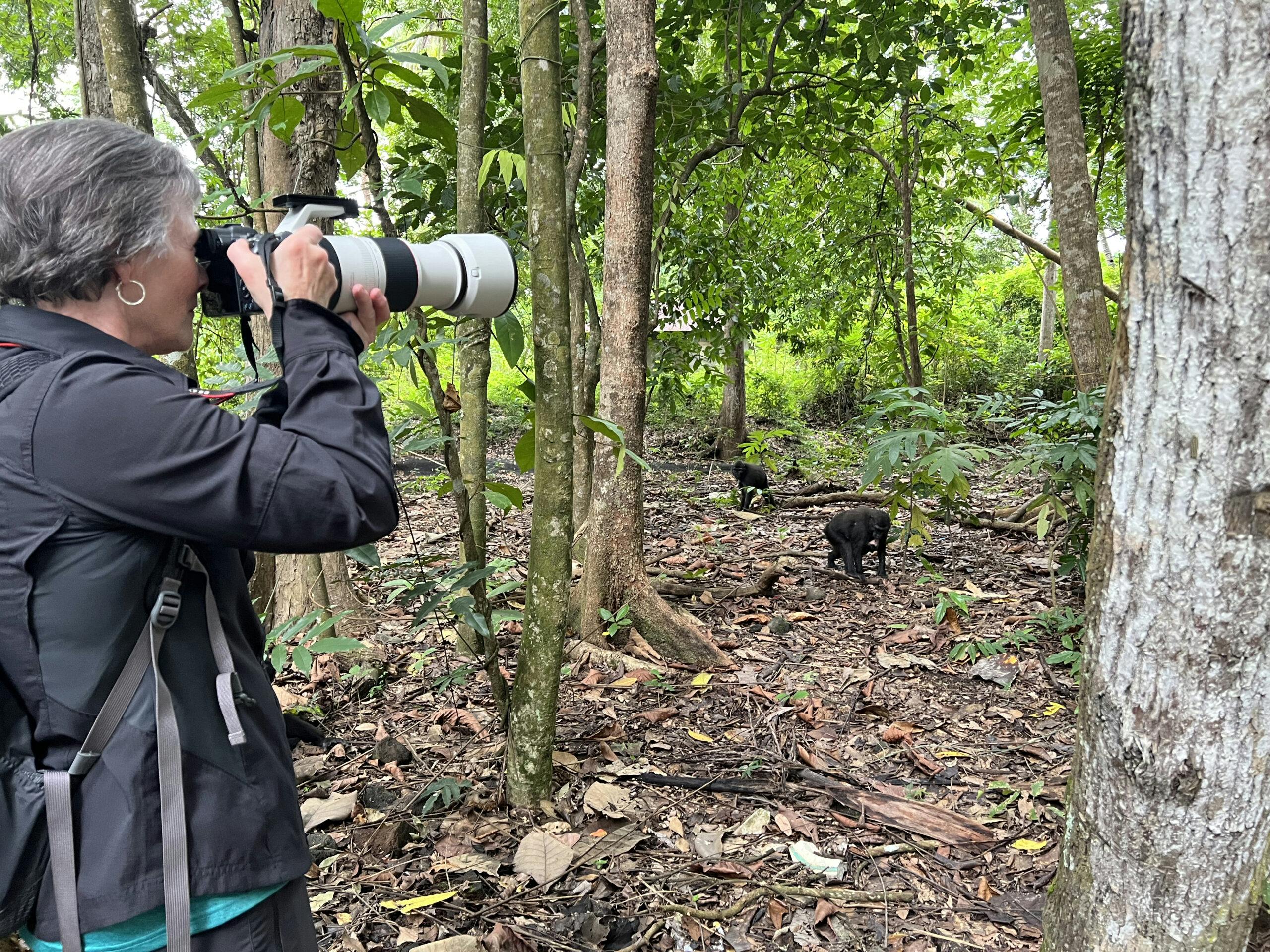

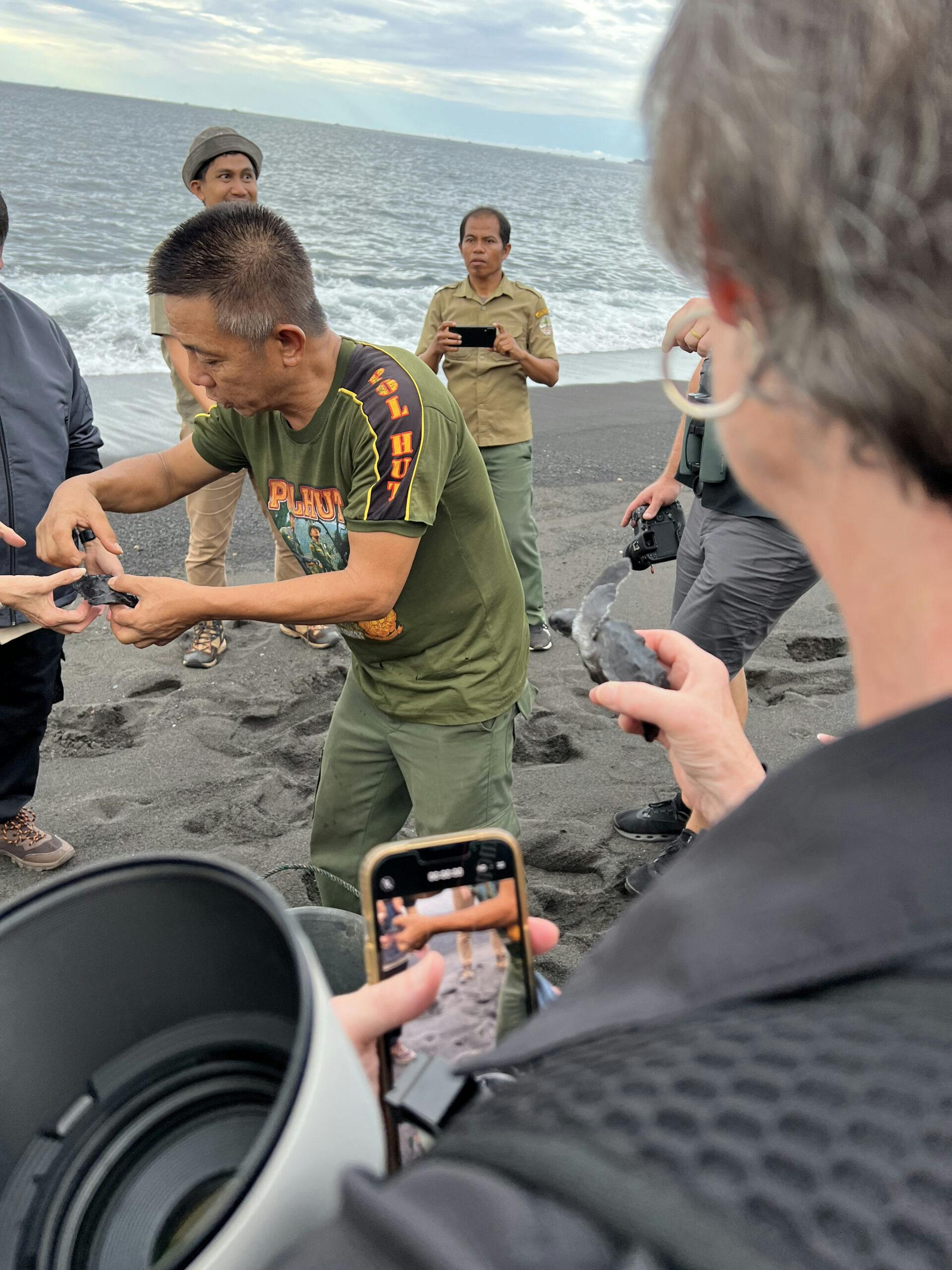
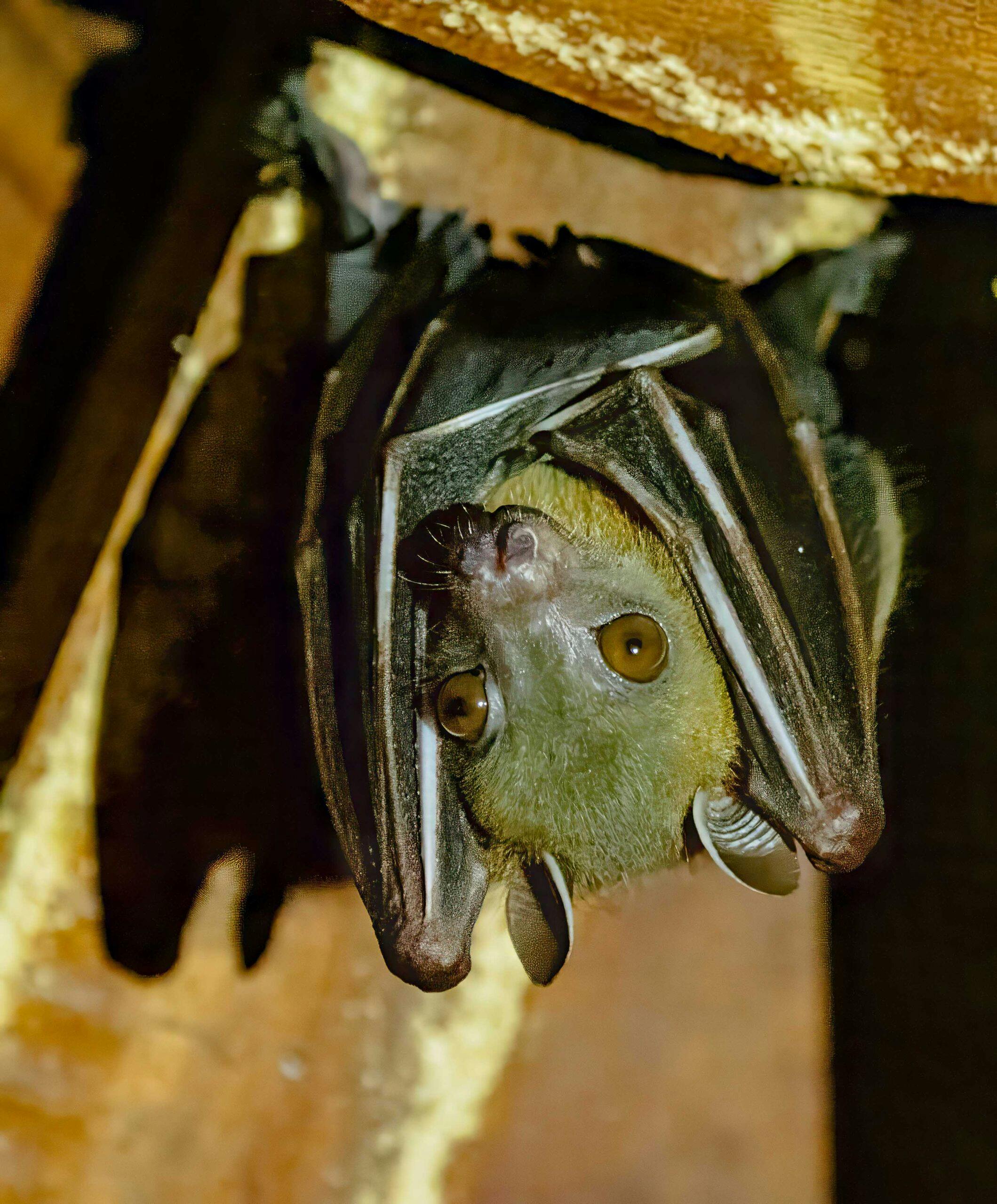

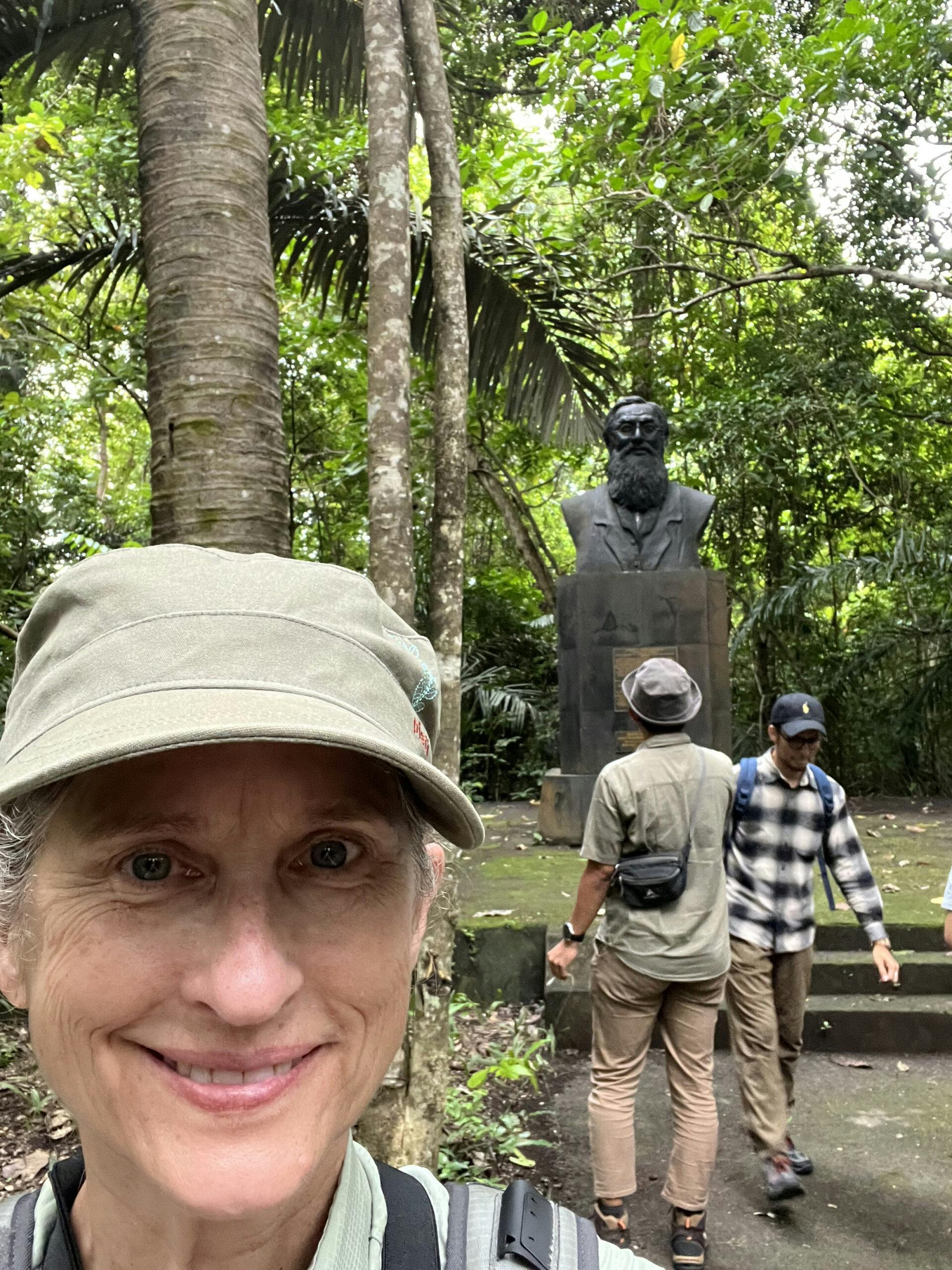
July 9, 2024: Tangkoko National Park
As we rose early, we entered the park and started walking towards a known Sulawesi Knobbed Hornbill nest site in hopes of seeing the male or female cleaning the nest in preparation for the nesting. Along the way, we saw our first Green-backed Kingfisher (female), which was very cooperative and allowed everyone to get some great views. A few steps further and the male was sitting on a low branch which also just stayed sitting for us to enjoy. Because of the lack of predators, forest-dwelling species in Tangkoko are not afraid of humans and allow for very close and clear sightings. Along the way, we had our first sighting of a spectral tarsier that was sitting on the outside of a strangling fig as we approached. Incredible to see such a unique species. Our patience at the hornbill nest site did not pay off this morning. There was so much hornbill activity in the surrounding forest, but none wanted to visit the nest hole. We decided to come back and check another day. Mensur managed to find an Ochre-bellied Boobook, so we traversed the foothills to where it was sitting in a low branch. With finding the right position, everyone got some great looks at these cute owls. We returned to the park in the afternoon and explored the areas nearer to the park entrance because the weather was threatening rain. At the field, we got great views of Yellow-billed Malkoha, White-faced Cuckoo Dove, Sahul Sunbird, Purple-winged Roller, and Sulawesi Drongo to name a few.
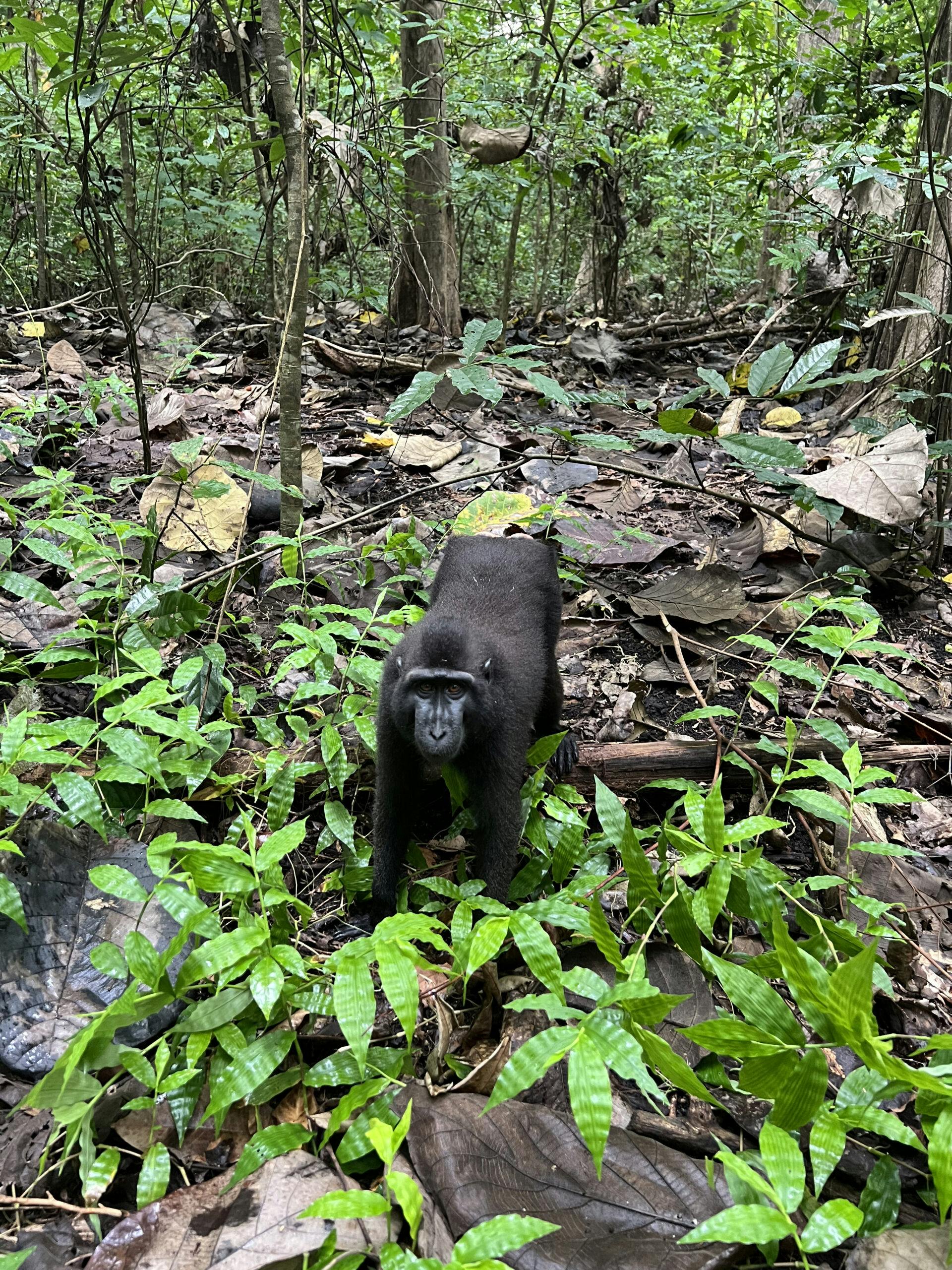
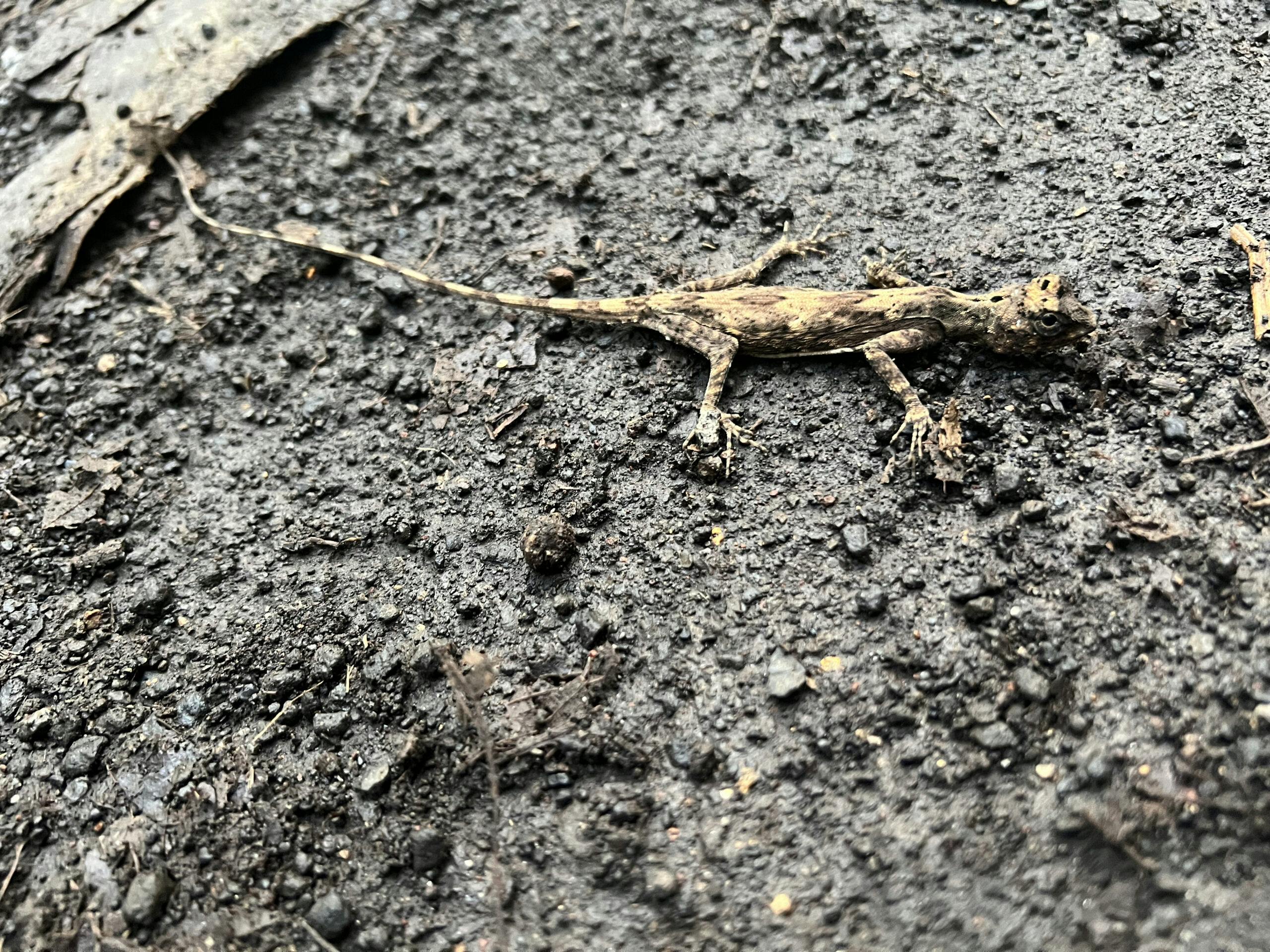
July 10, 2024: Night Walks and Nocturnal Wonders
This morning we embarked on small boats and followed the coastline to explore the mangroves up the coast. Along the way, we had sightings of White-bellied Sea Eagle, Brahminy Kites, and a cooperative Collared Kingfisher. Near the caves on the rocky coast, we saw the Great-billed Kingfisher, which was one of the main targets to see of all of the endemic kingfishers of this region. The tide was high so we could easily enter the mangroves. Some of the birds we saw were Sulawesi Triller, Pink-necked Green Pigeons, Pied Imperial Pigeons, and we heard the interesting call of Channel-billed Cuckoos. We came back, and everyone was still up for activity, and this attempt on the Red-knobbed Hornbill was a success! We had a lucky bonus of a Ruddy Kingfisher waiting for us at the parking lot along the small river. On the trail to the nest, we encountered 5 bear cuscus, and everyone got clear views as this nocturnal species rested in the trees. Finally we arrived at the hornbill nest. After 15 minutes of waiting, the beautiful male came in and spent about 1 minute inspecting the nest hole and doing some cleaning. What an incredible view to watch such a stunning hornbill species on a nest hole! On the way back, we were treated to our first look at the Lilac Kingfisher, another endemic. In the afternoon, we continued back into the park for more exploration. In the afternoon, the weather was looking like rain, so we focused near the entrance again. We picked up another Lilac Kingfisher, Great-billed Parrots in flight, and had a great view of a group of Yellow-billed Malkohas. We waited at the tarsier tree further into the forest and watched the small family wake up and leave for the evening to terrorize their prey. Even though there was quite a few people at the tree, it was still amazing to have clear views and watch them for over an hour. Our walk back to the lodge was wet with heavy rain, giving us a true tropical rainforest experience. It didn’t deter us from animal watching, and we were able to see some cool amphibians and earth tarantulas. After dinner, some of us called in a Sulawesi Scops Owl which was very cooperative. It came in fast and then sat on the same open branch until we went back to the rooms. Great to see another owl species that is endemic to the island.
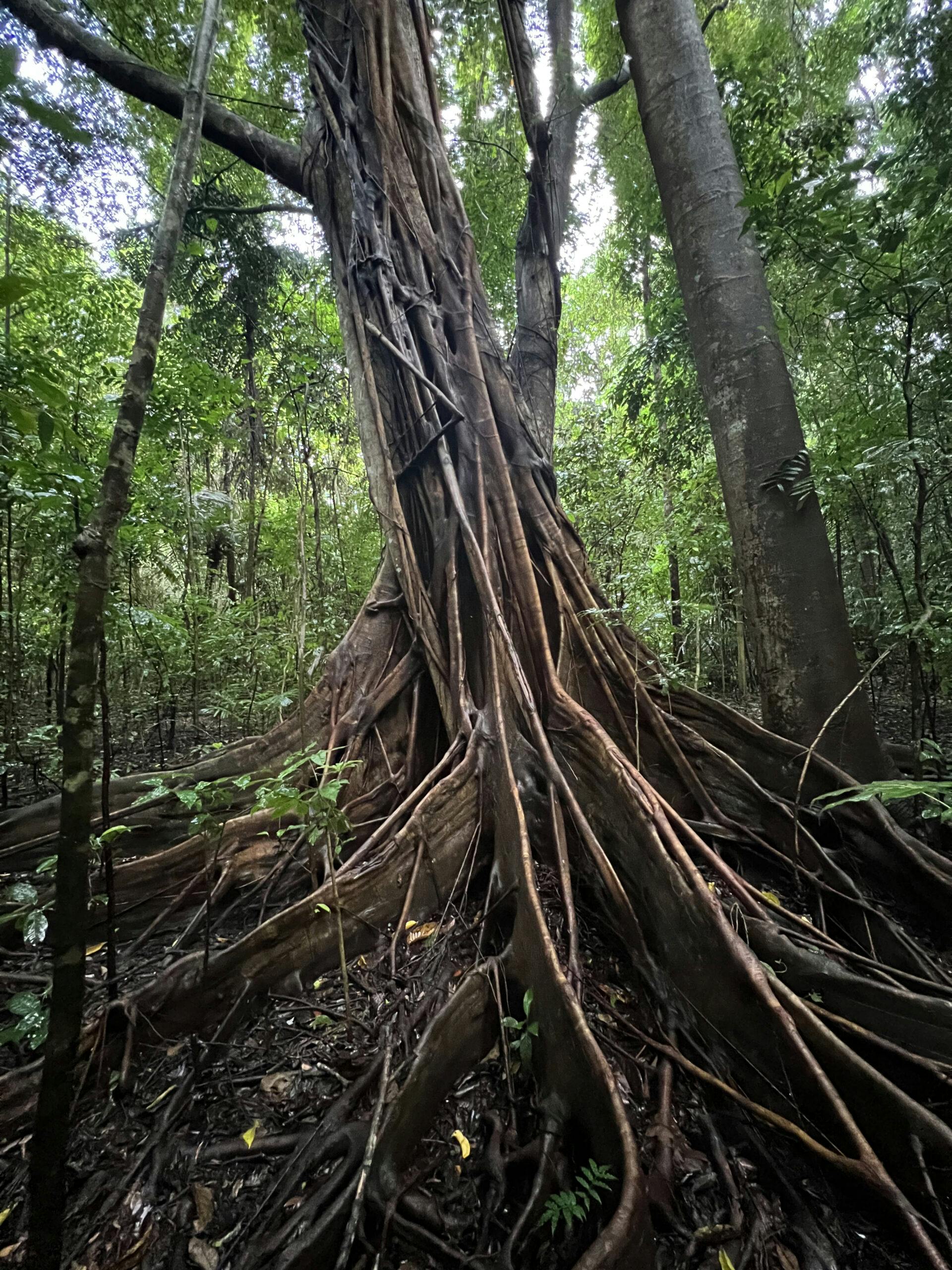
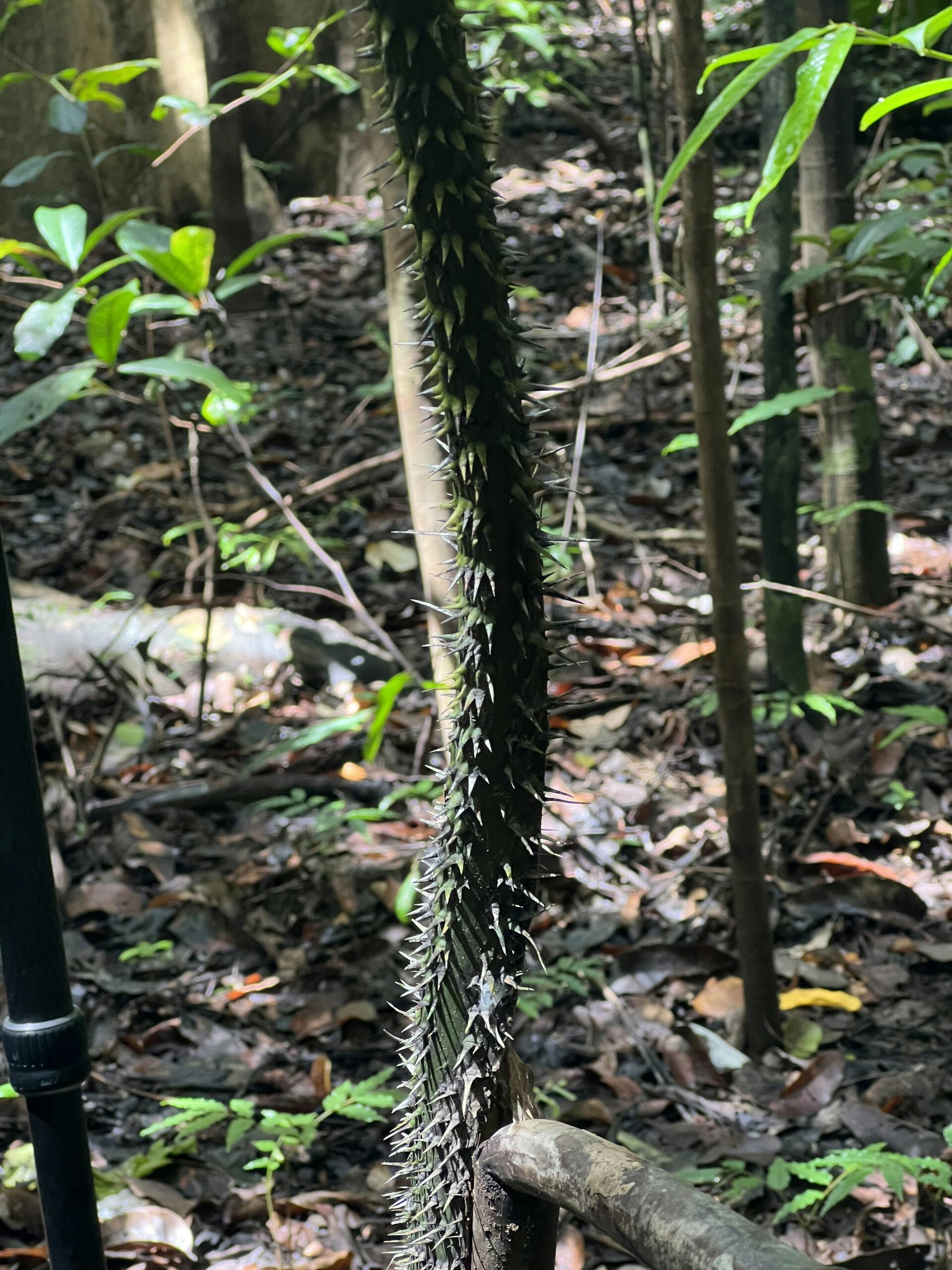
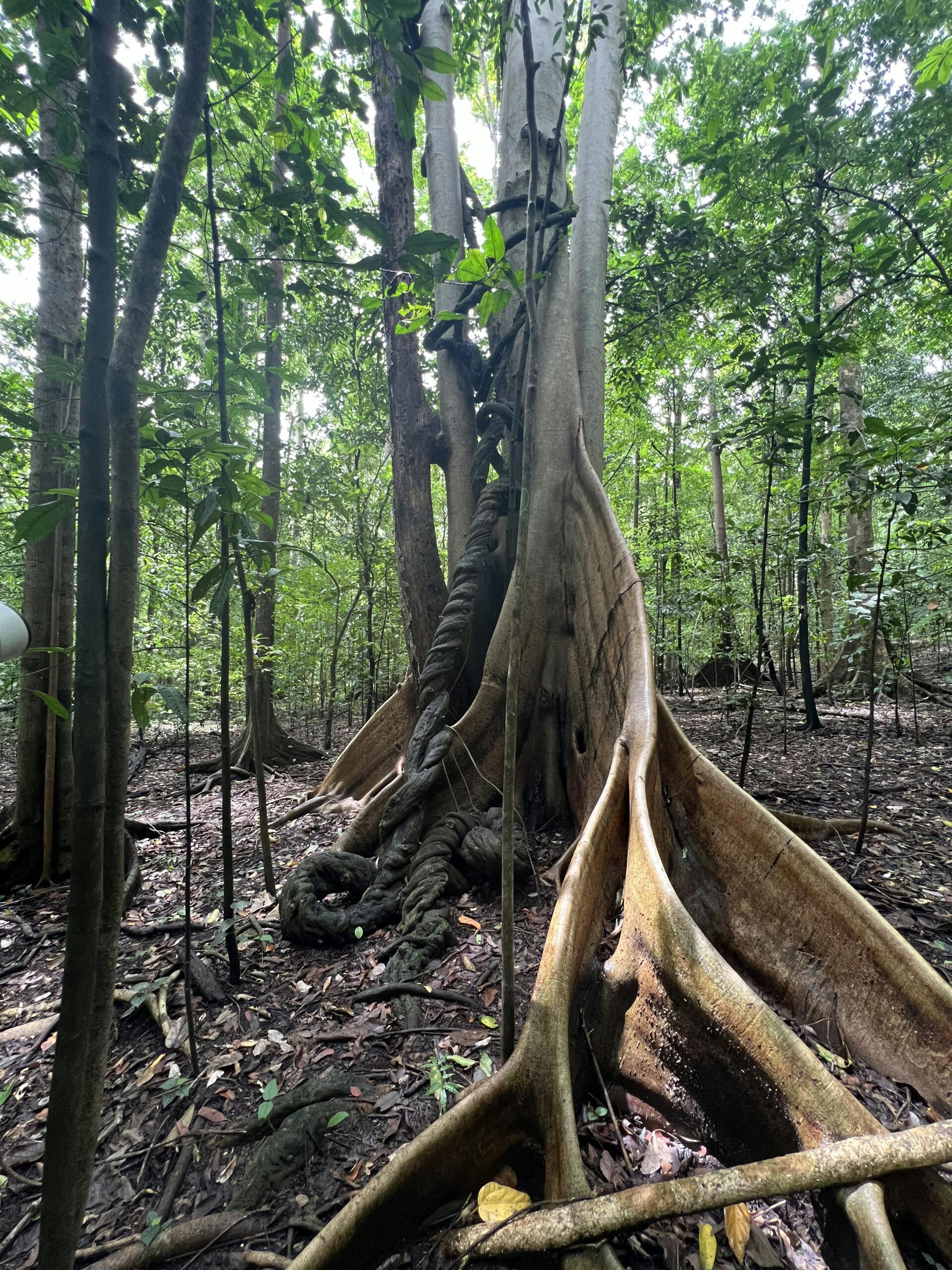
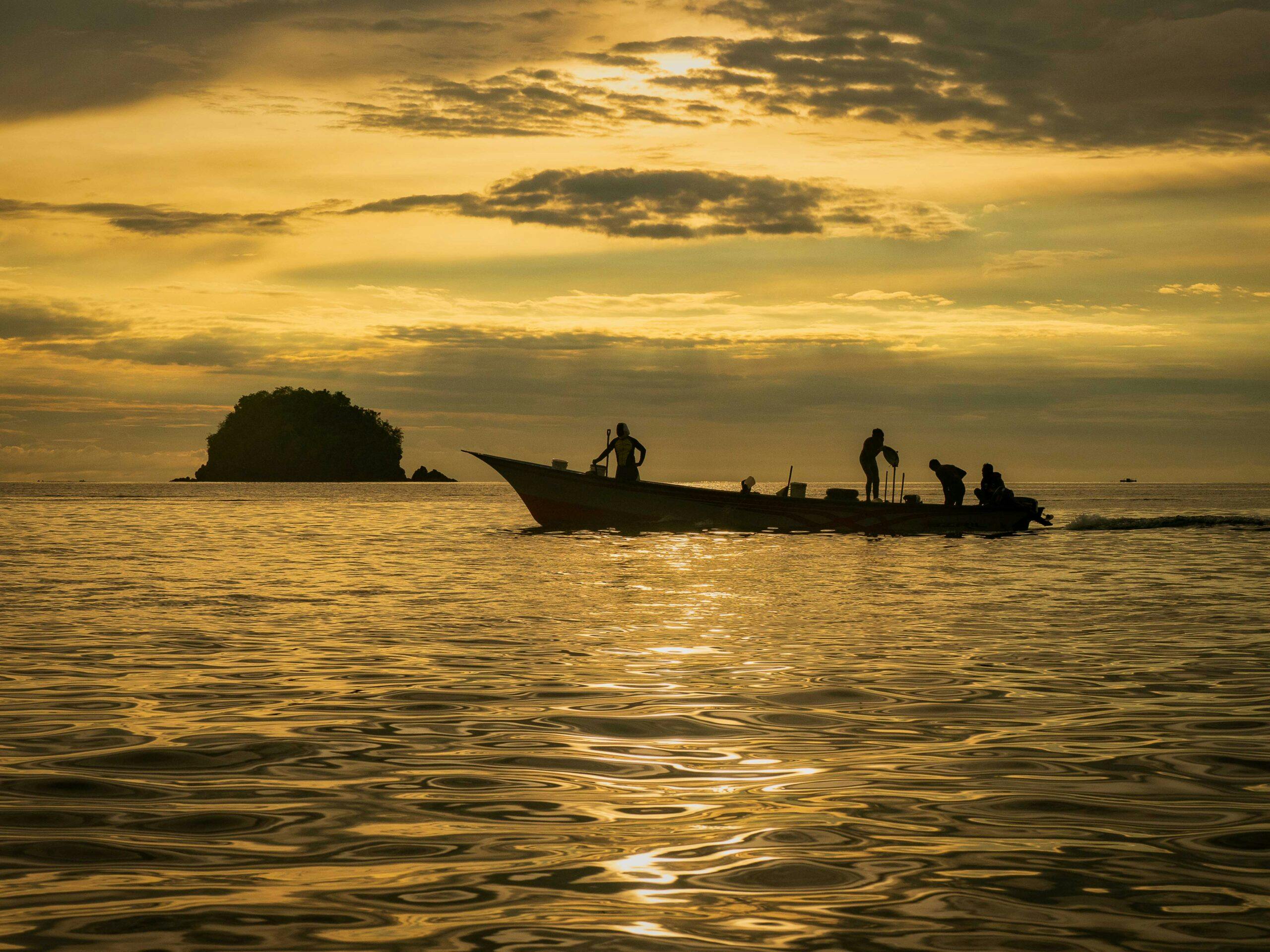
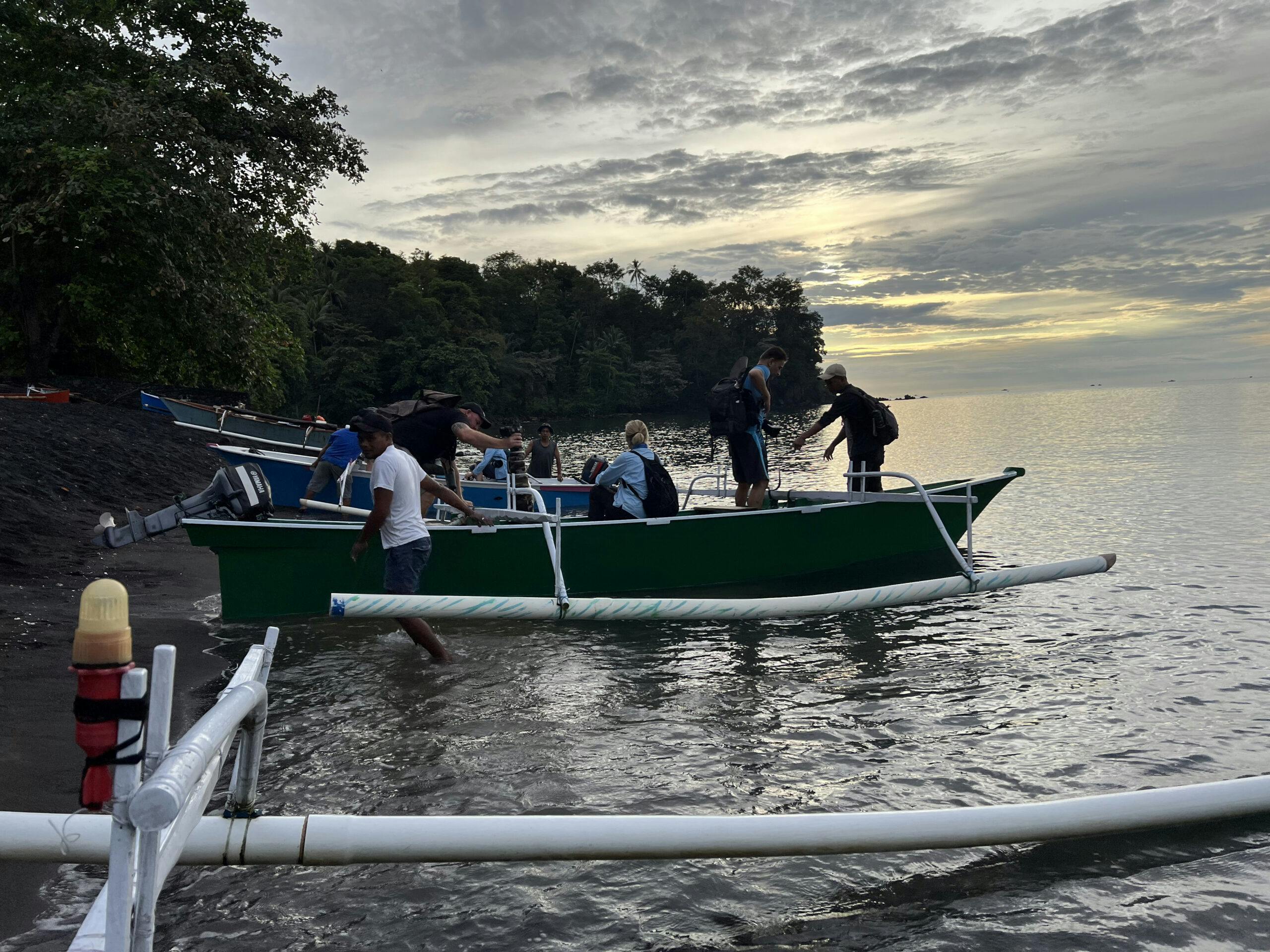
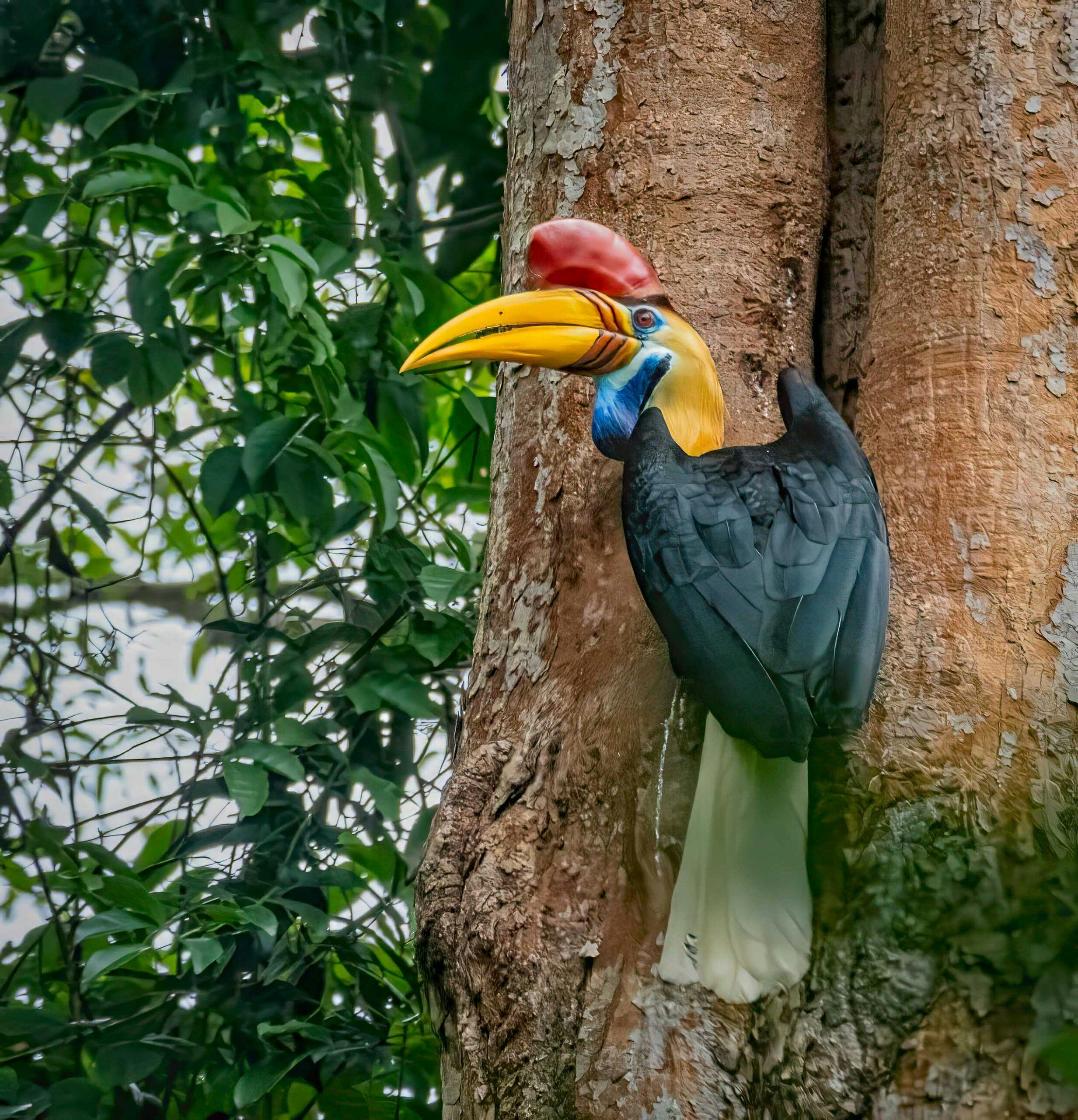
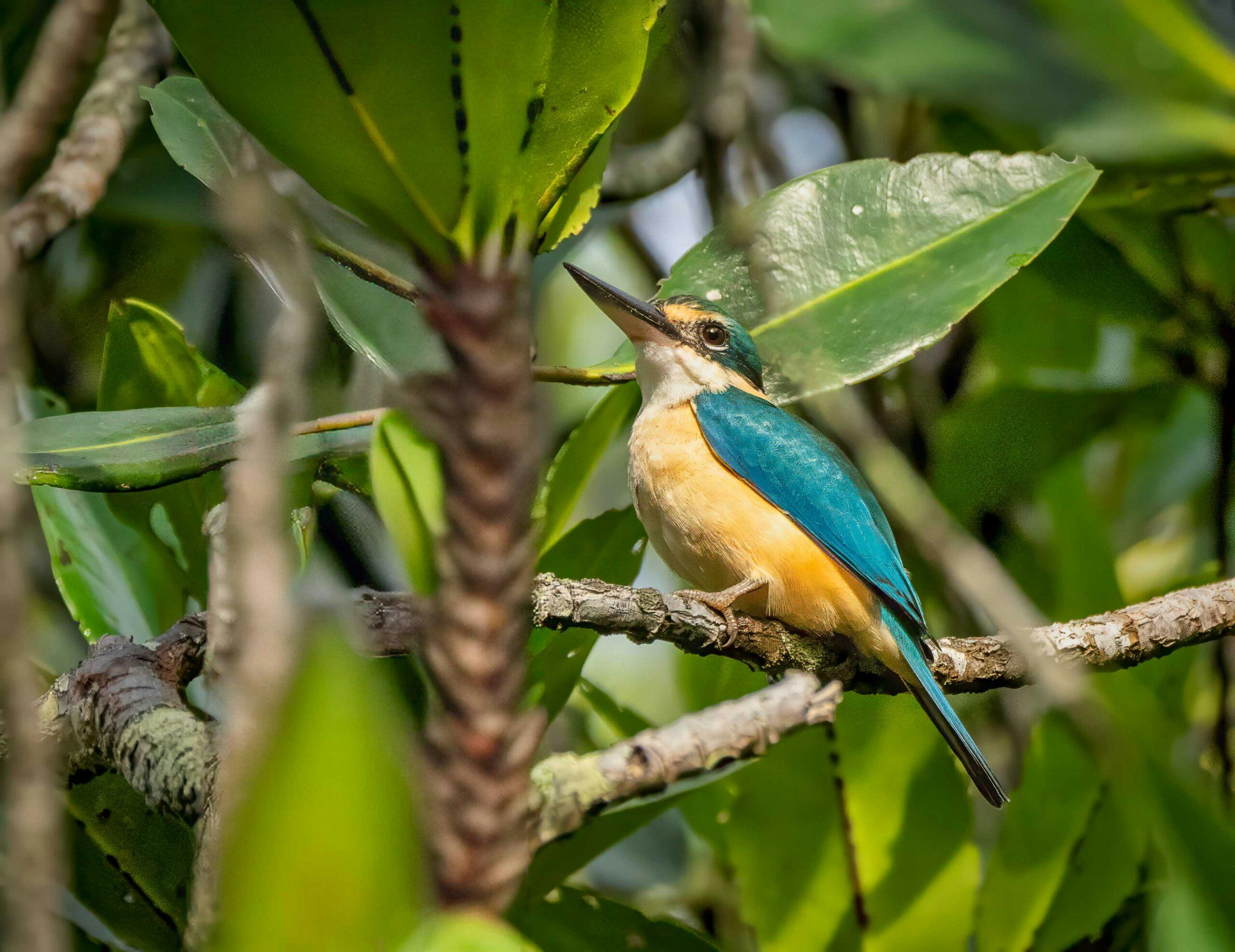
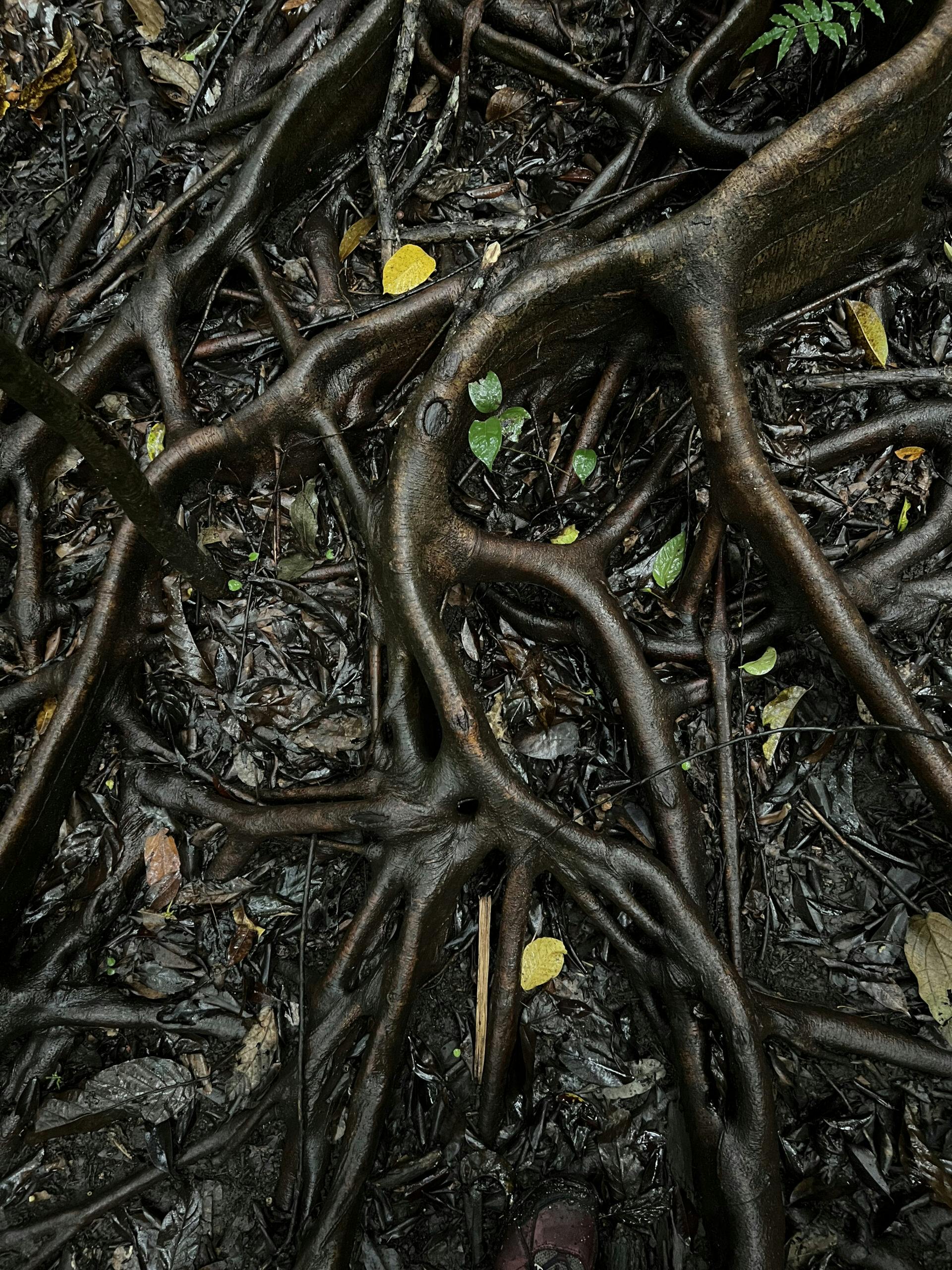
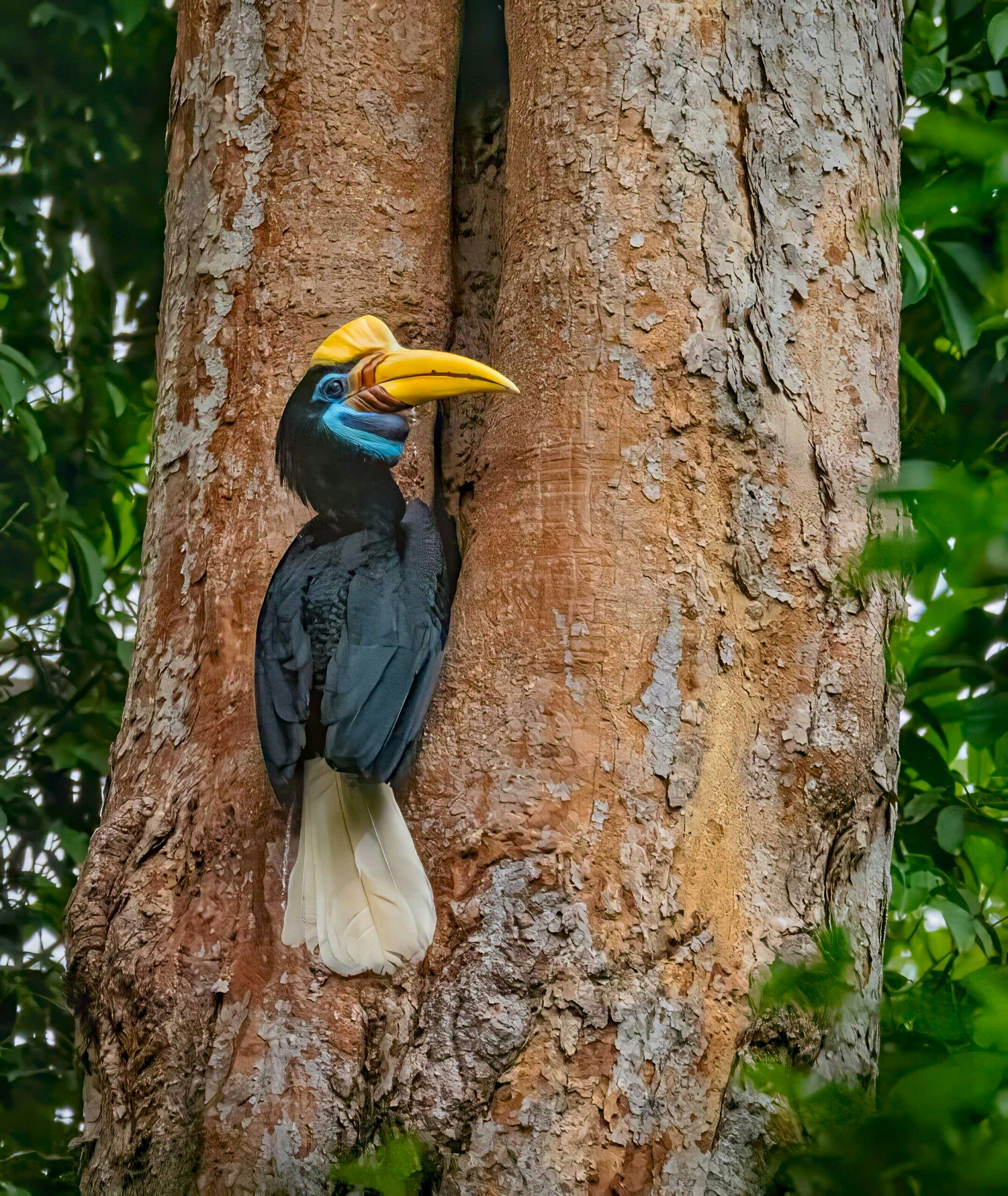
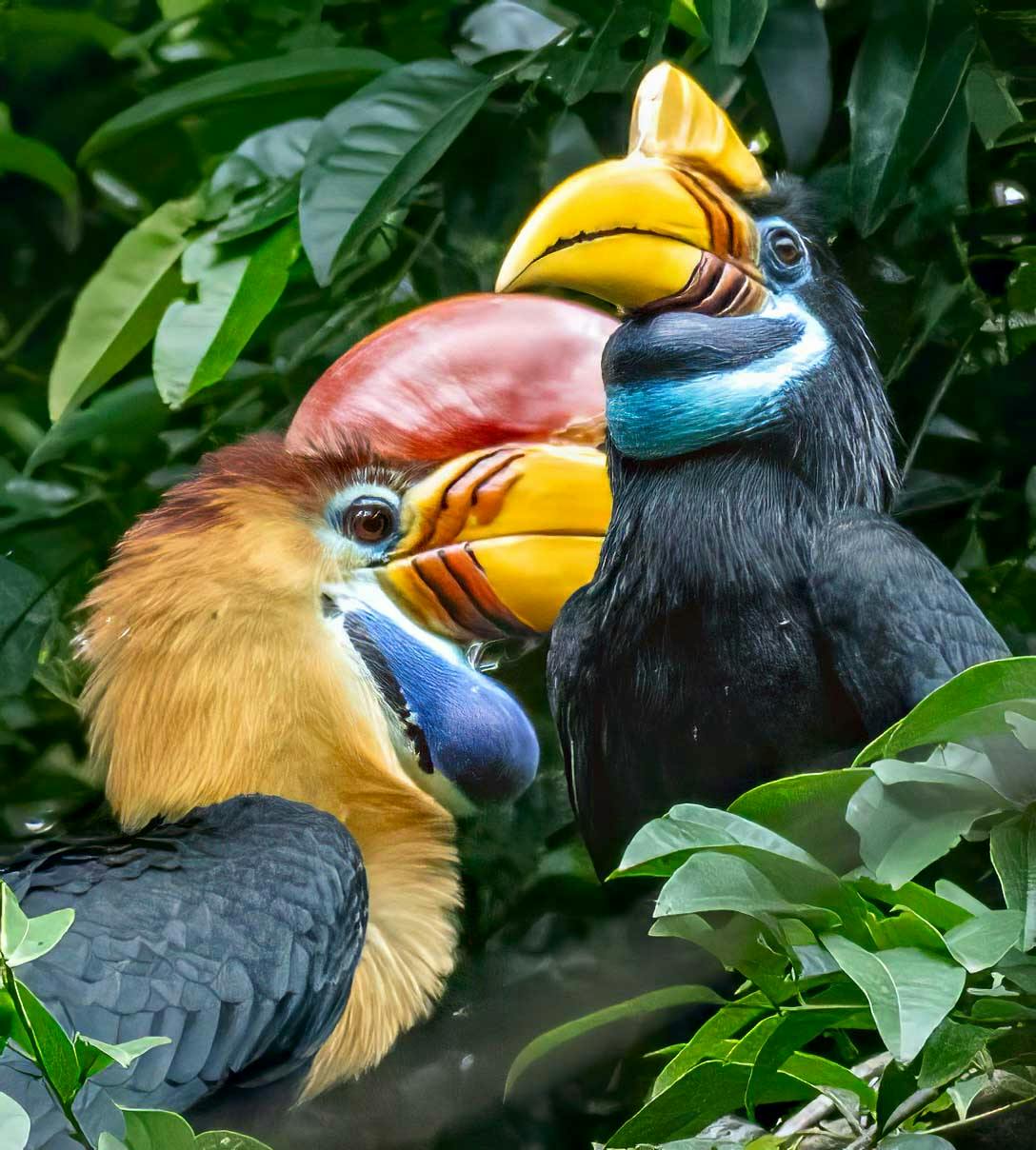
July 11, 2024: Morning with the Celebes Crested Macaques and Sulawesi Pitta
This morning we focused on the hilly area of Timbuan. The bird activity was great, and we added a lot of beautiful species to our list. From our first stop, we had great views of Sulawesi Knobbed Hornbill, White-necked Mynas, Yellow-breasted Racket-tail, Fiery-browed Mynas, Sulawesi-hanging Parrots, White-rumped Triller, and more. We started to walk along the road and saw some other beautiful species, including White-bellied Imperial Pigeon, Grey-sided Flowerpecker, Black-sided Flowerpecker, and a large group of Knobbed Hornbills. On a quick stop on the way down the hill, we finally all got to see the Sulawesi Dwarf Hornbill, which we had been looking for. While watching the hornbill, a few of us saw a Sulawesi Serpent Eagle flying through the valley. Next stop, find the Sulawesi Dwarf Kingfisher. We came back down to near Tangkoko Hill and entered a small trail that goes through farmland. The guides quickly found the Sulawesi Dwarf Kingfisher, but by the time we got there it had flown again. After more searching, find again, and then it flies, and then we find. This went on for about 30 minutes but eventually everyone got a good look at it and some photos. Since 2 people had missed the leatherback release, we arranged to release 3 more turtle hatchlings in the afternoon, which the park rangers helped us make possible.
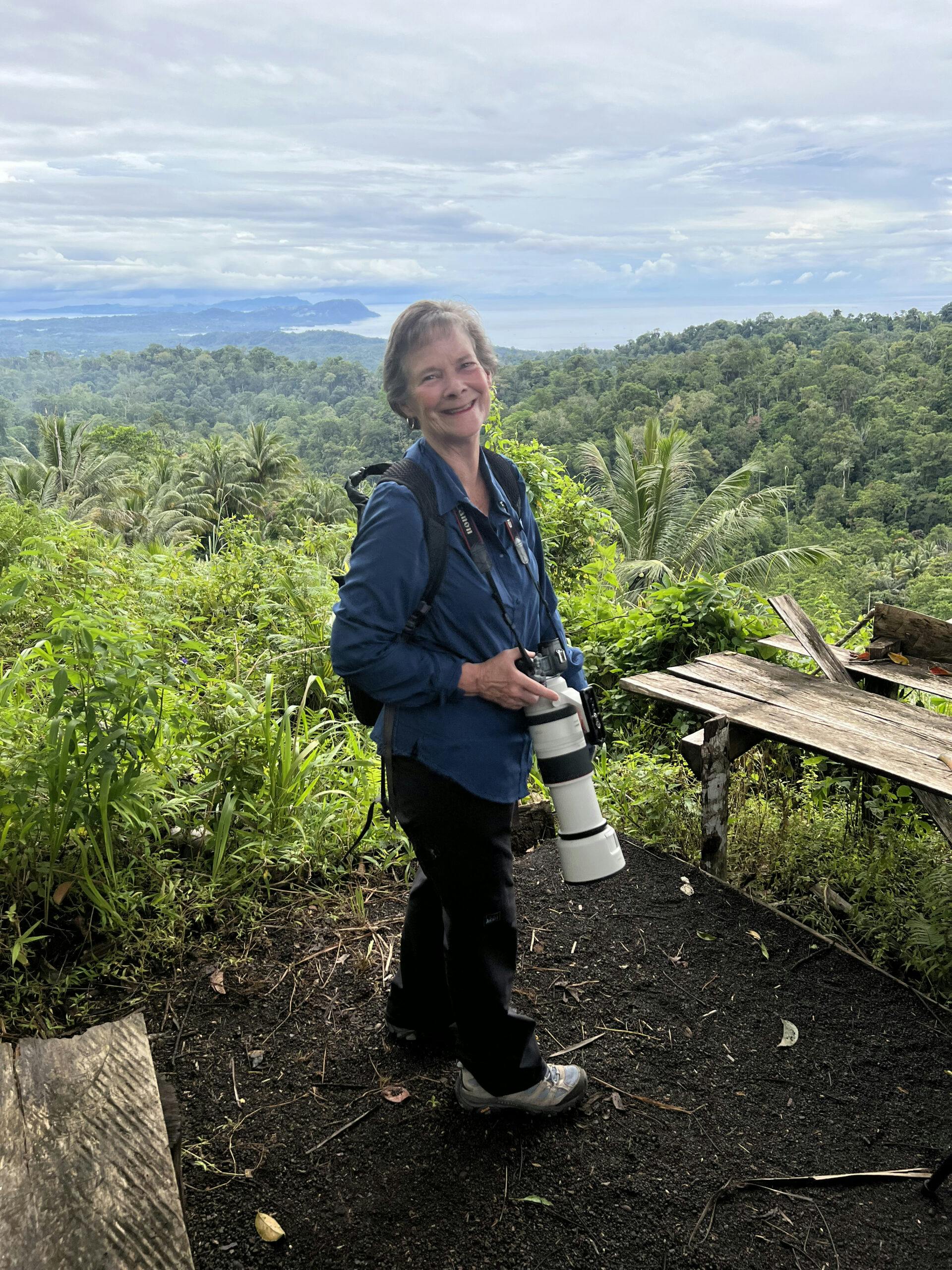
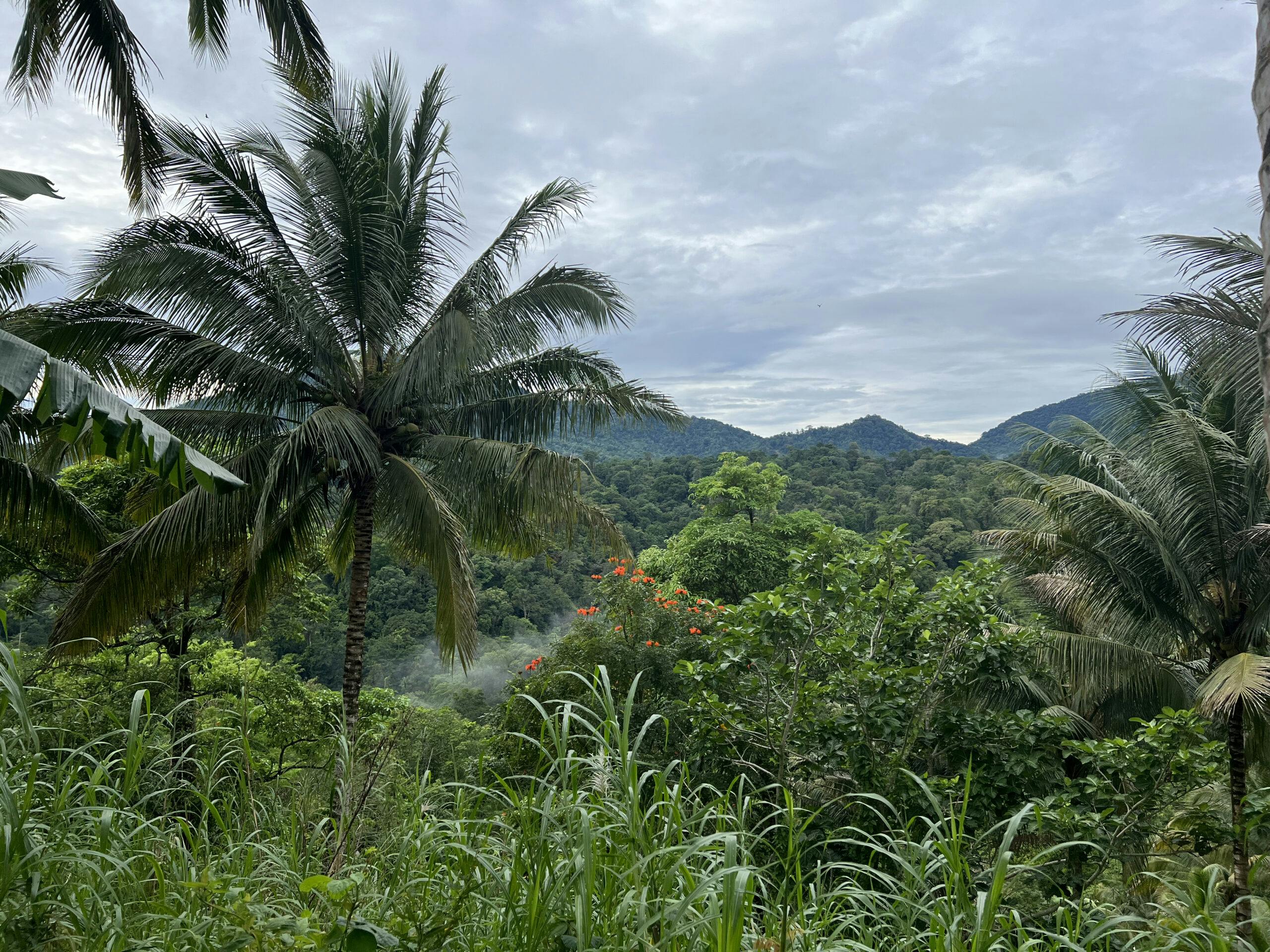
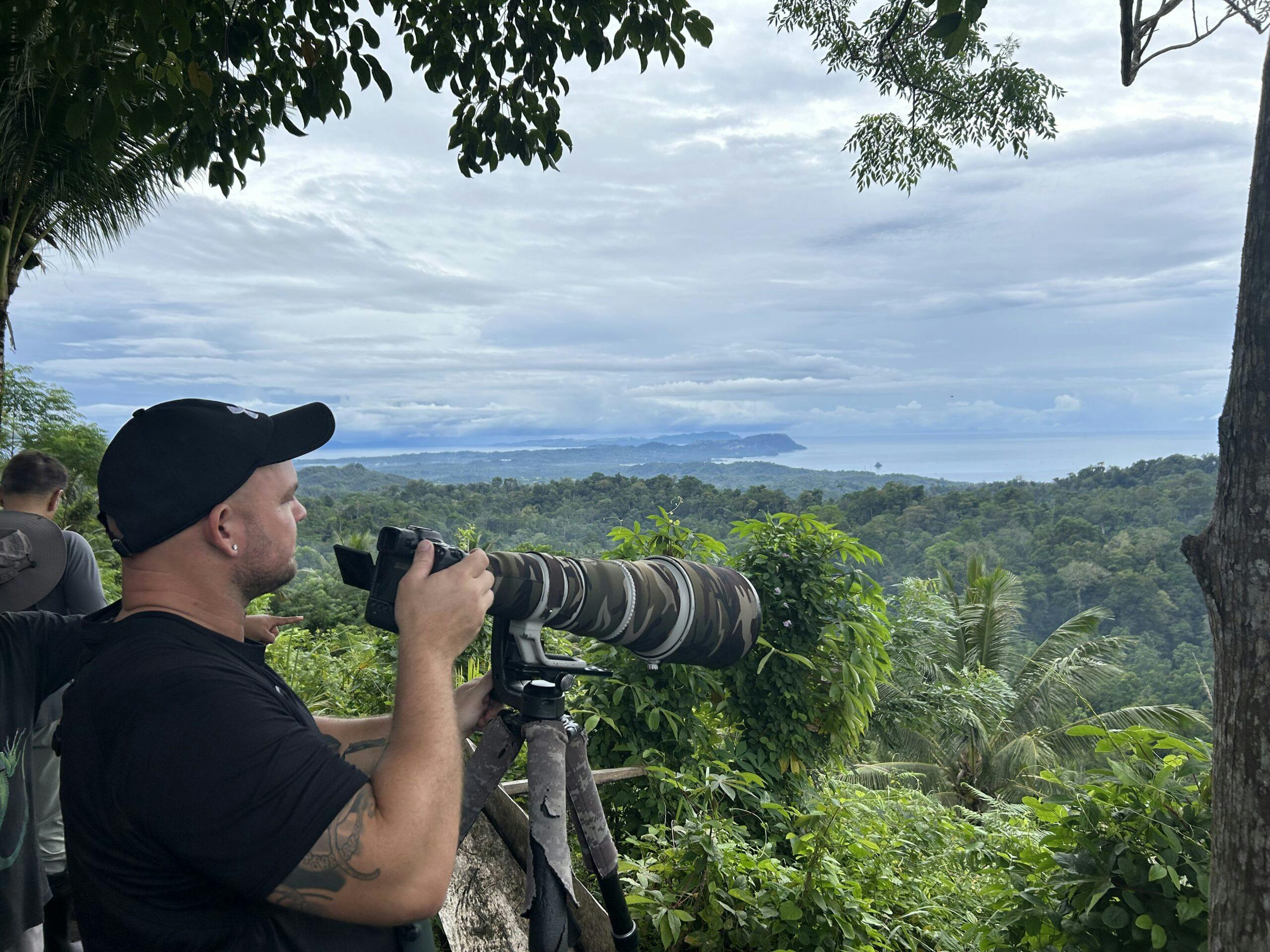
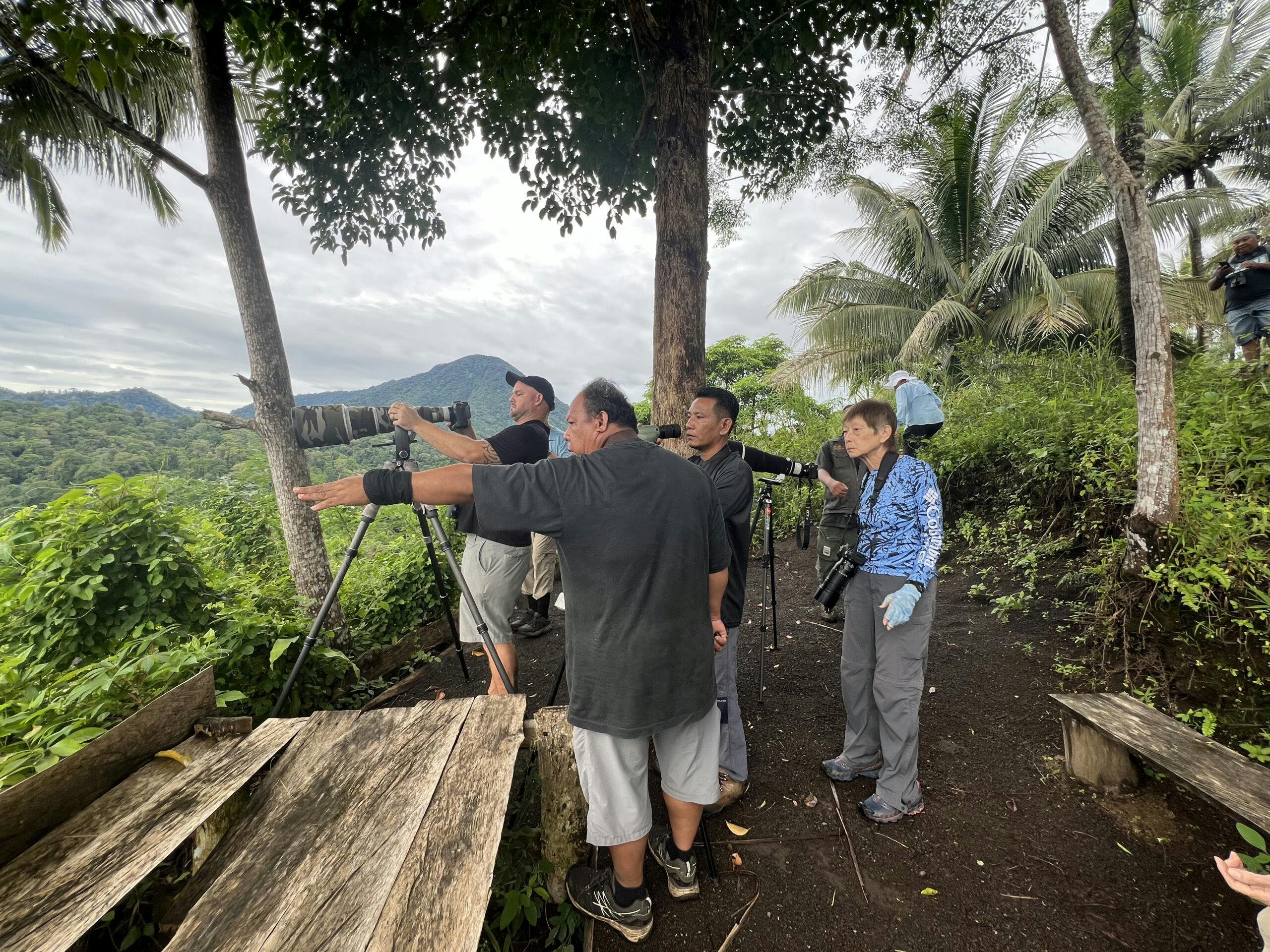
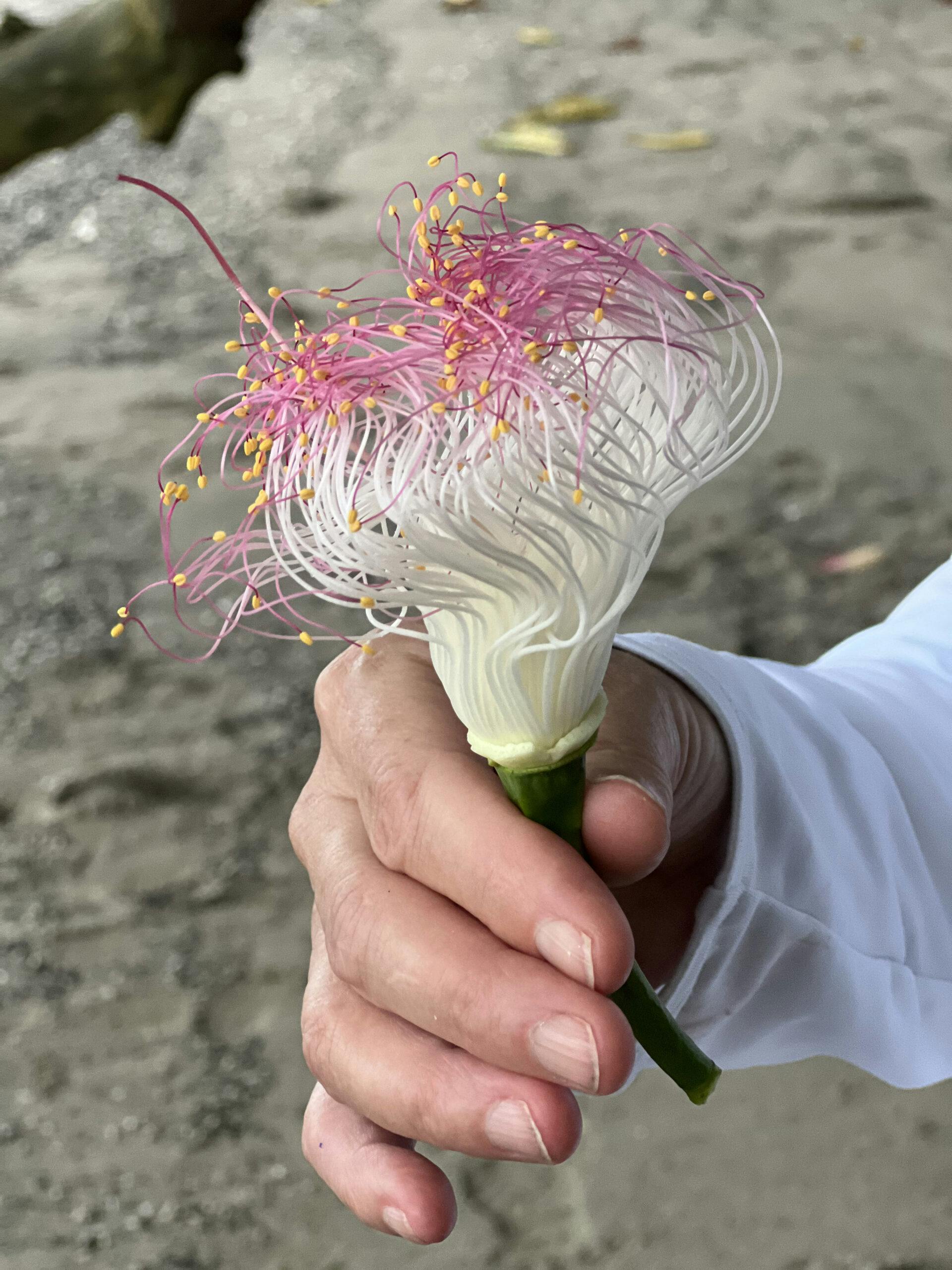
July 12, 2024: Birding and Biodiversity
This morning some people went for a boat trip to look for dolphins. Unfortunately, the dolphins decided they didn’t want to be in this area today, but the boat ride was still beautiful (although rolly with the ocean swell), and some flying fish were spotted. The people who went into the park focused mostly on getting better photos of Green-backed Kingfisher, Lilac Kingfisher, and we spent more time with the Black-crested Macaques as the troop was sitting in a nice patch of forest. We all packed up and had lunch before departing back to Manado. Our last stop for birding in Timbuan was hampered by rain, which pushed us back into the vehicle and on the road back to Manado. Dinner this night was fun to try all the different local dishes, and eat some excellent fish with some incredibly spicy dabu dabu (a chile paste with lots of variations). The most flavorful is the one that is cooked in coconut oil, which brings the sweet flavor of coconut, followed by intense heat from the chilis!
“Had a wonderful time taking pictures of all the new birds & wildlife we encountered. Snorkeling the wonderful reefs we saw, as well as experiencing various fish & underwater creatures was a big bonus. The flying foxes at sunset was a surreal experience.” -Brenda Coleman
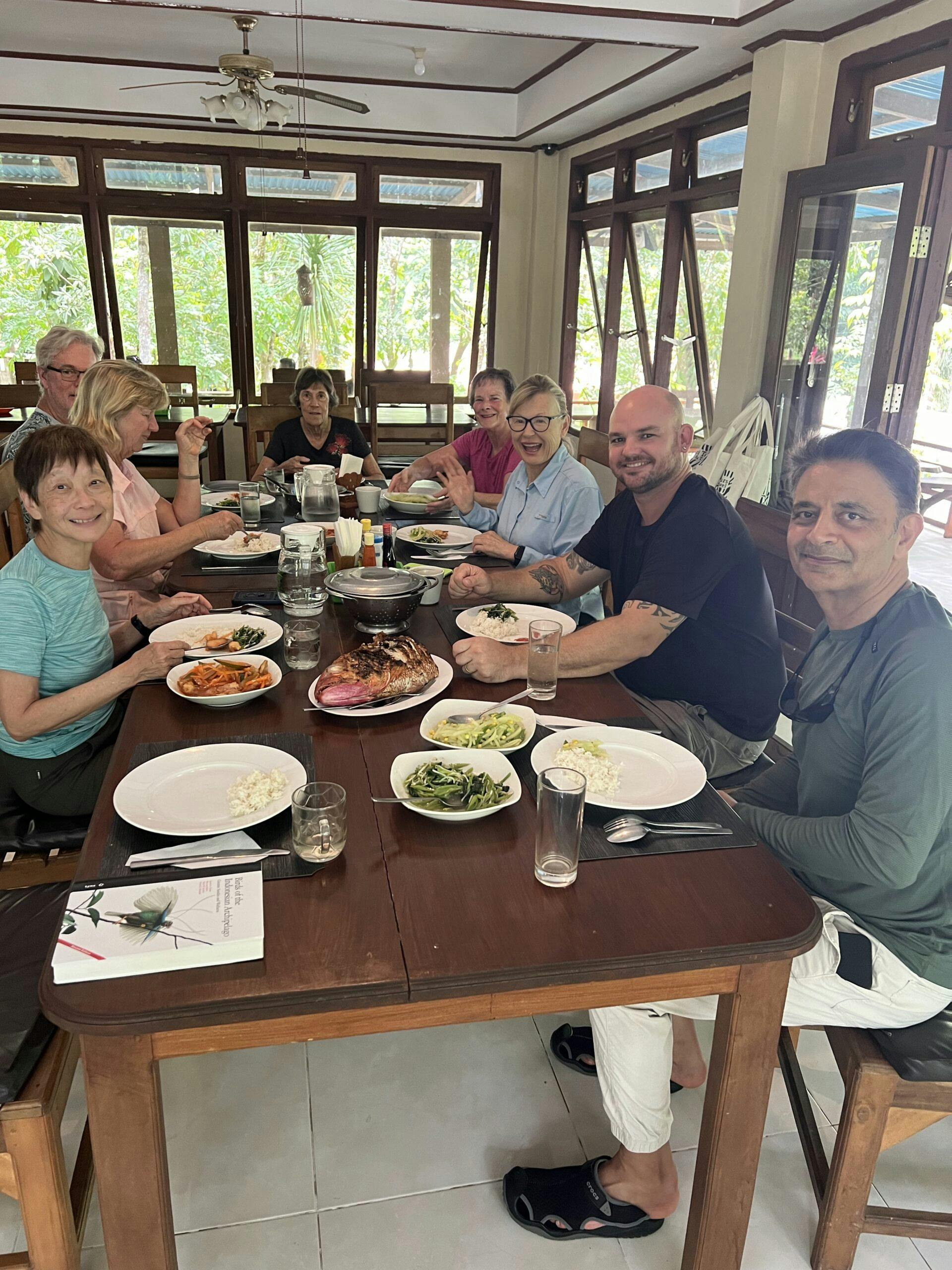
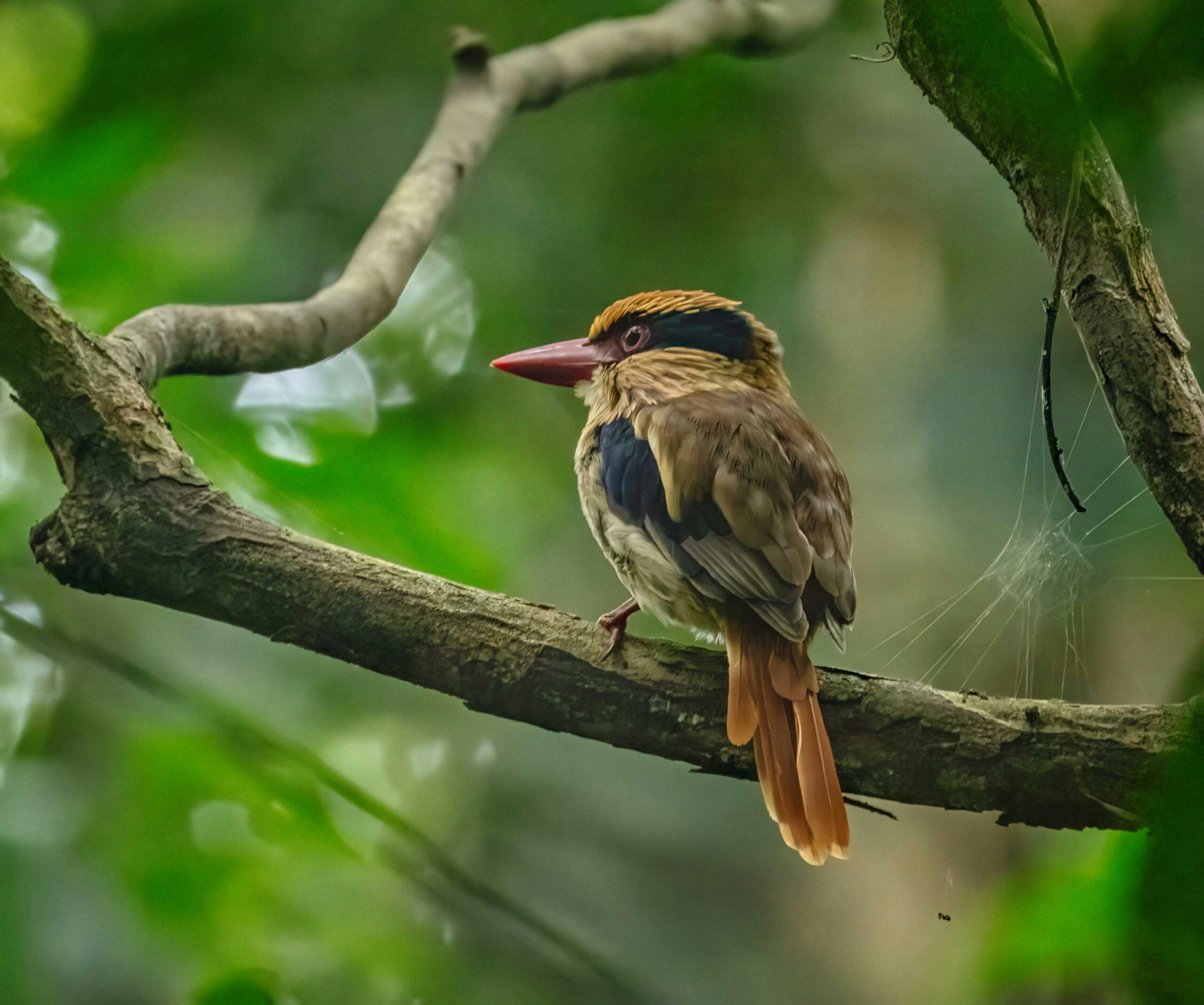
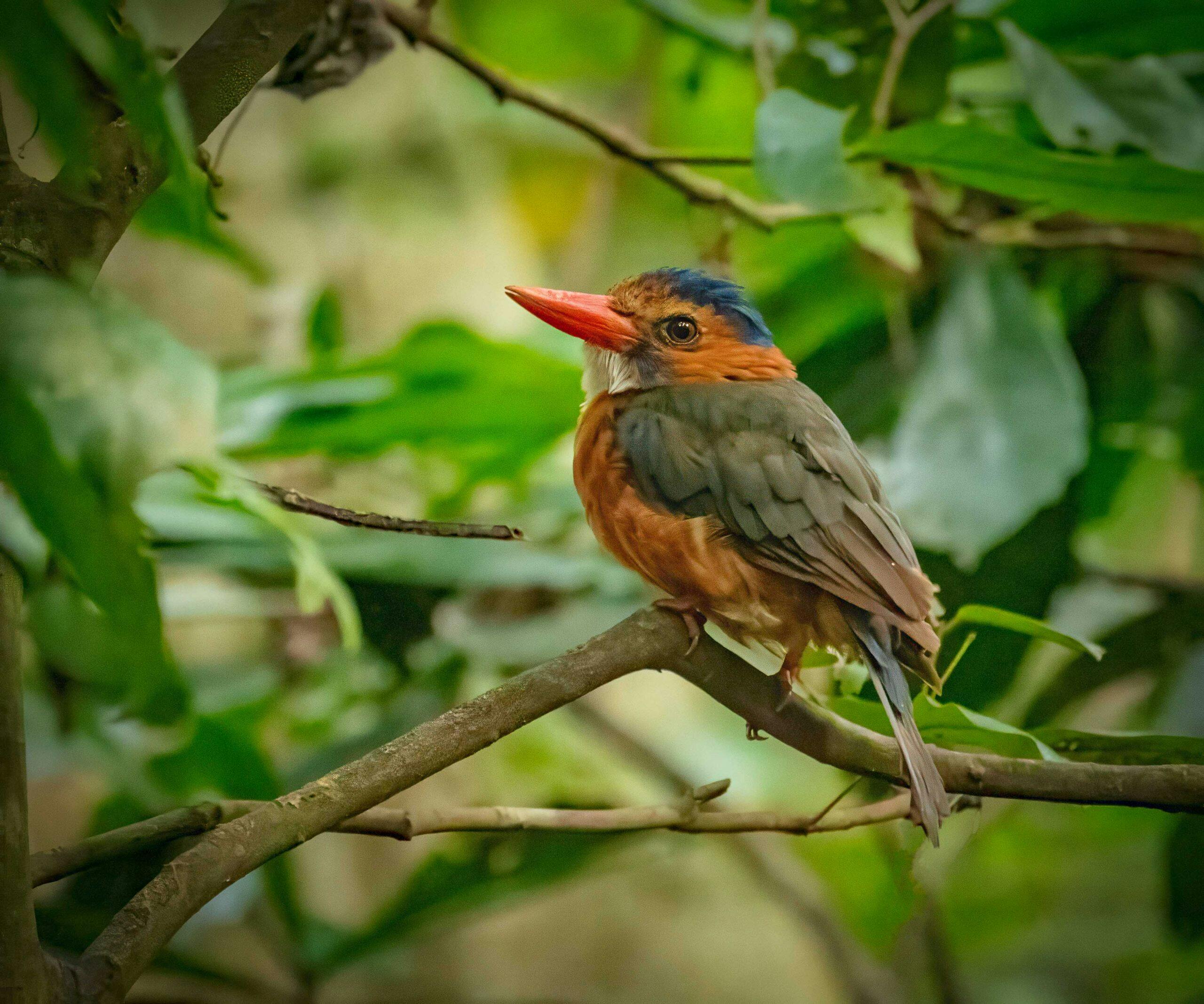
July 13, 2024: Arrival at Komodo National Park
An early departure from the Novotel started us on our 7-hour journey and 3 planes to arrive in Komodo National Park. The travel day went smoothly, and we arrived at Sebayur Besar Island and got settled into Komodo Resort. Our first snorkel on the house reef was incredible and teeming with schooling fish. Some of the highlights were white-tipped reef shark, black-tipped reef shark, green sea turtle, hawksbill sea turtle, and razor fish. Near the jetty, Donna found a broadclub cuttlefish that was in shallow water and amazing to watch. The speed they change colors blew us away.
Playlist
5 Videos

0:27

0:16

0:17

0:15

1:31
July 14, 2024: Up Close with Komodo Dragons
After breakfast, we headed out to two snorkel locations – Sebayur Kecil Island and Sebayur Rock. Seabuyur Kecil had an incredible hard coral garden that extended as far as the eye could see. Conditions were calm, and the water clarity was at least 60 feet. There were some big triton triggerfish swimming across the reefs throughout the snorkel. When we finished our snorkel, we switched to Sebayur Rock and were treated to many more fish in the water and a nice combination of hard and soft corals. Aldo, the snorkeling guide, found a scorpion fish, which was very cool to see how well camouflaged it was in the environment. After returning to the resort for lunch, we set out to search for the infamous Komodo dragons on Rinca Island. We managed to see 4 different dragons, including a mating pair. Watching these prehistoric reptiles is always something that is special.
From Rinca, we departed to Kalong, a small mangrove island off of the coast of Flores. As sunset approached and the island flying foxes emerged, everyone was left in awe as the sky became filled with thousands of fruit bats with wingspans up to 4 feet. The sky turned bright orange and the sight of thousands of bats on the burning sunset was breathtaking. It is interesting that these fruit bats do not use sonar like most bat species, and rely on eye sight for finding food.
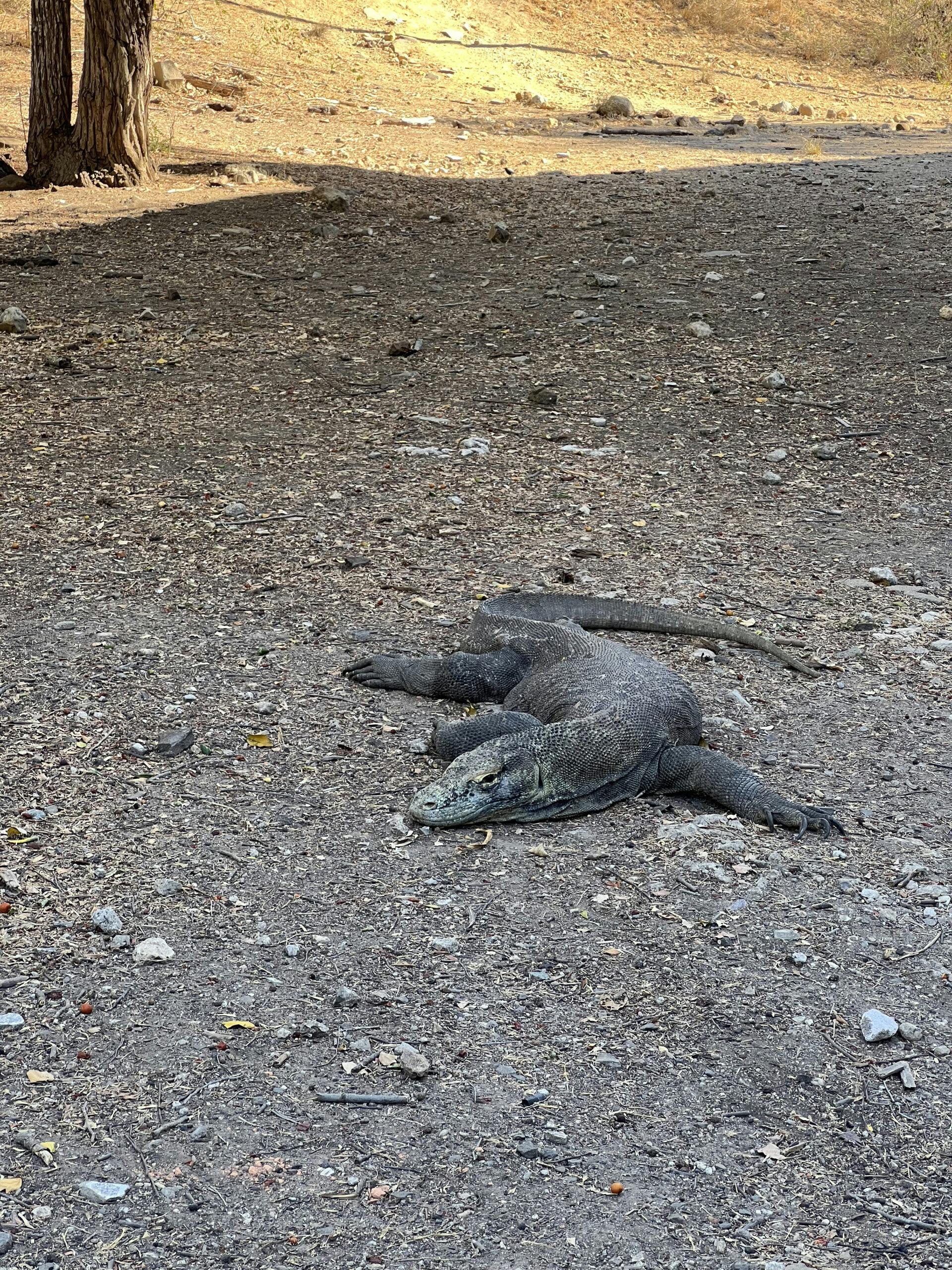
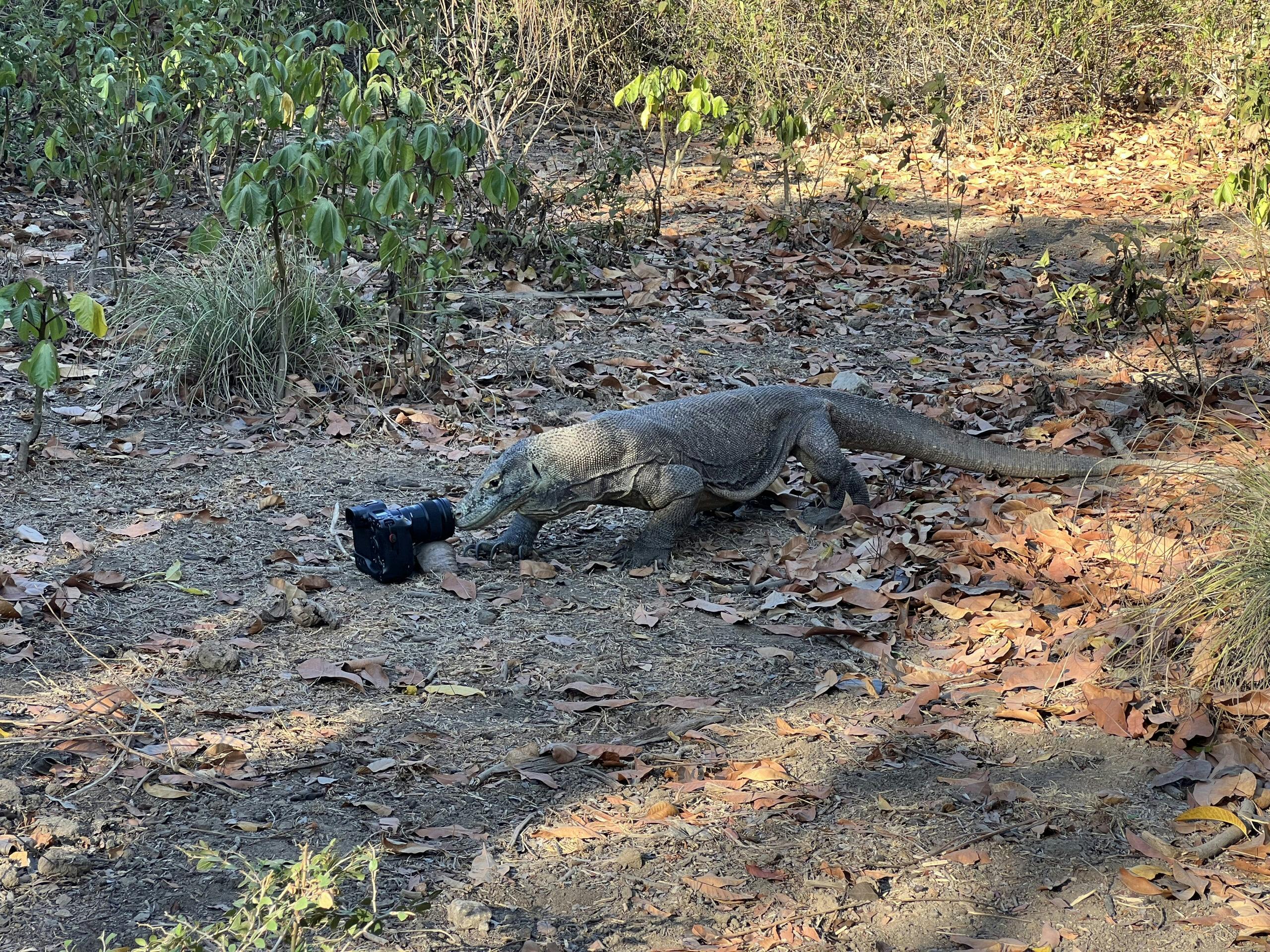
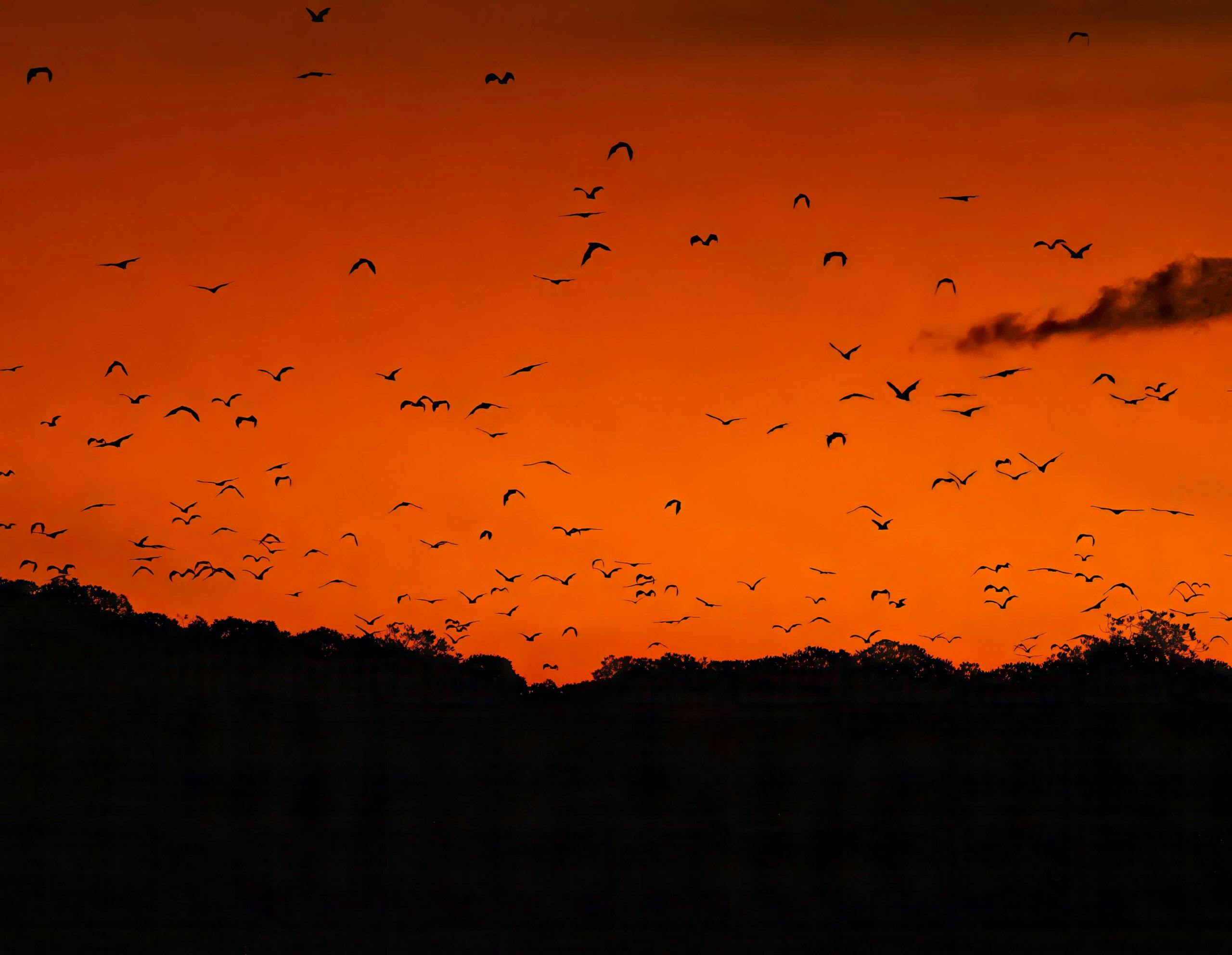
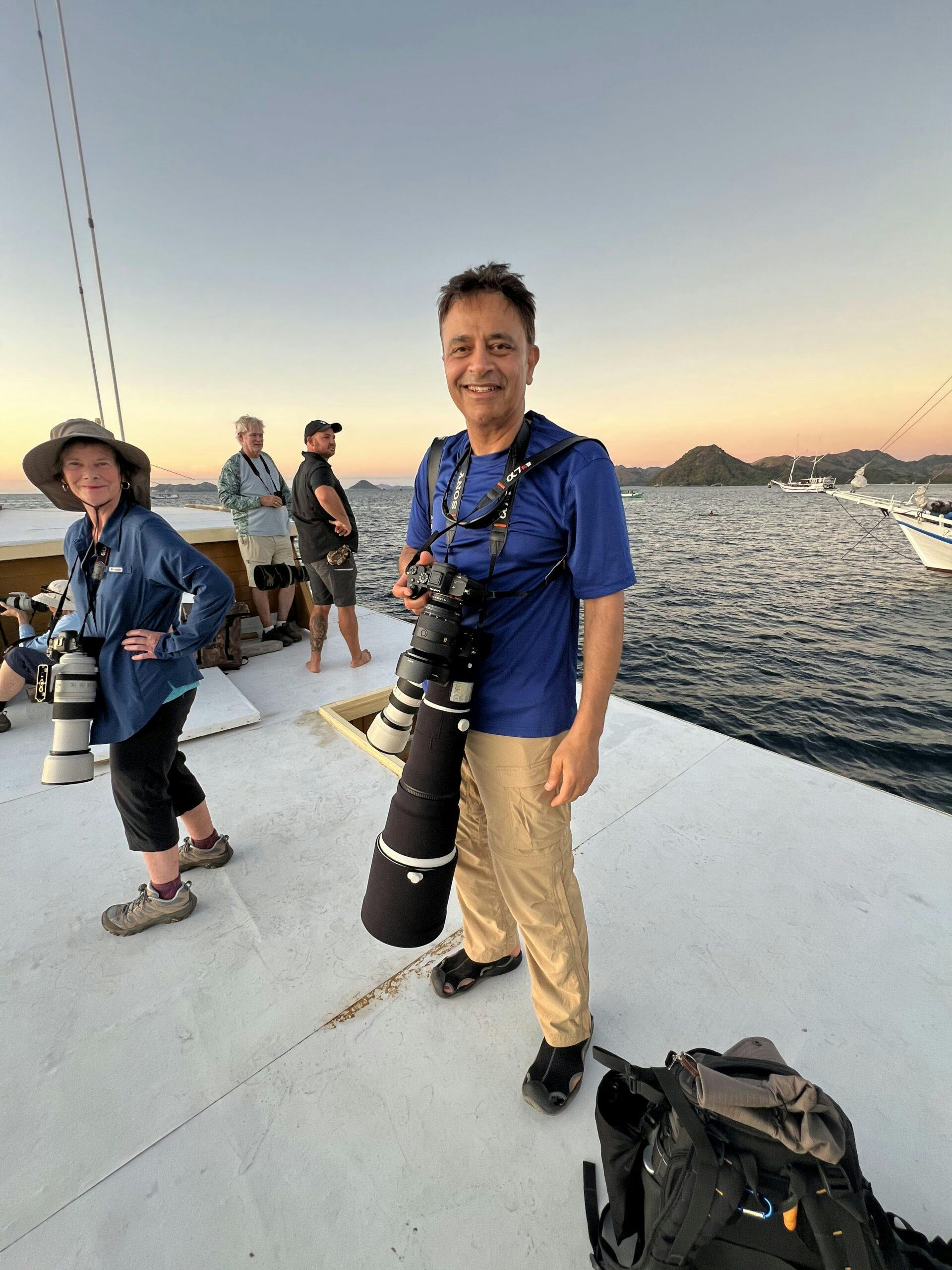
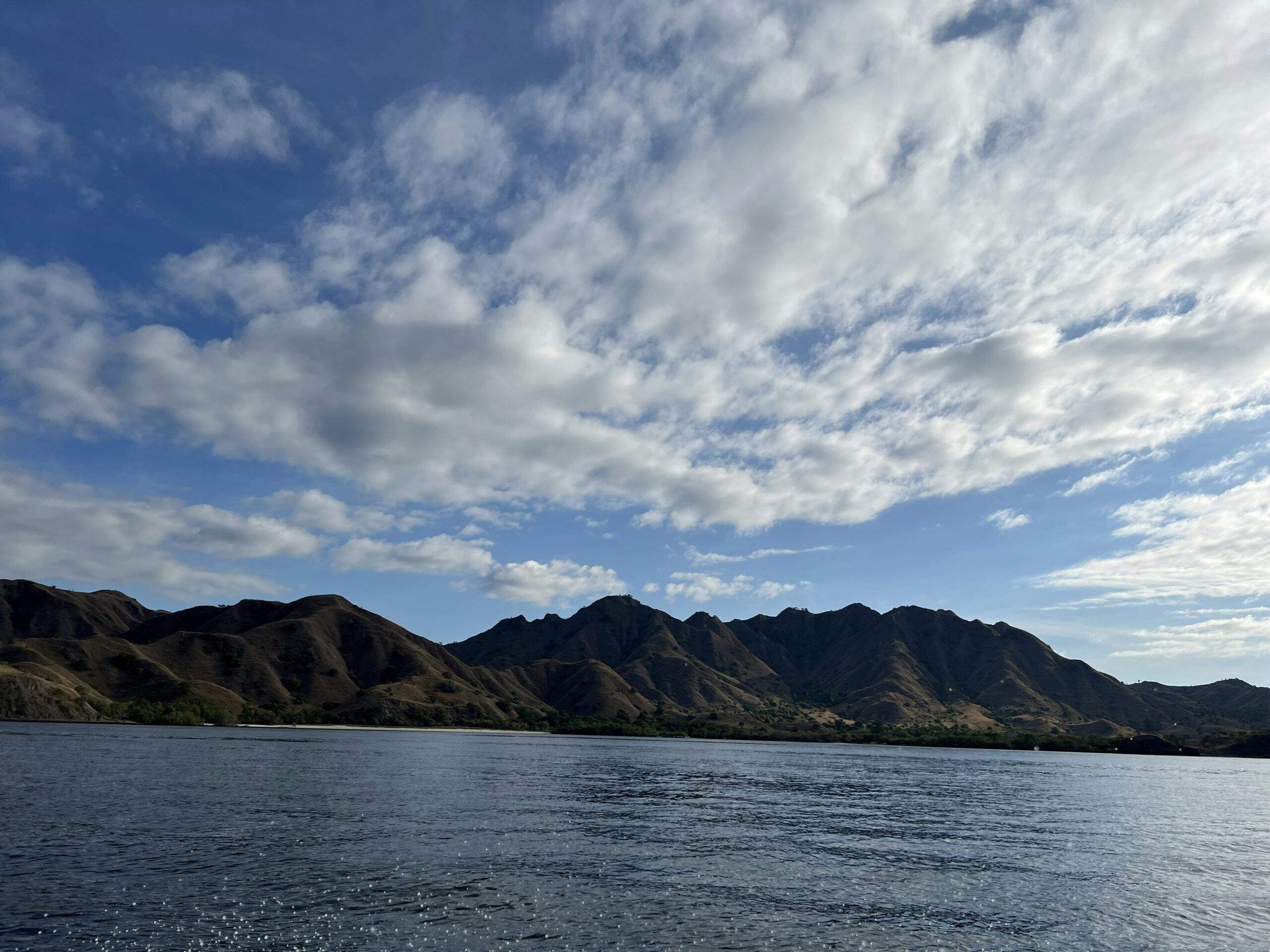
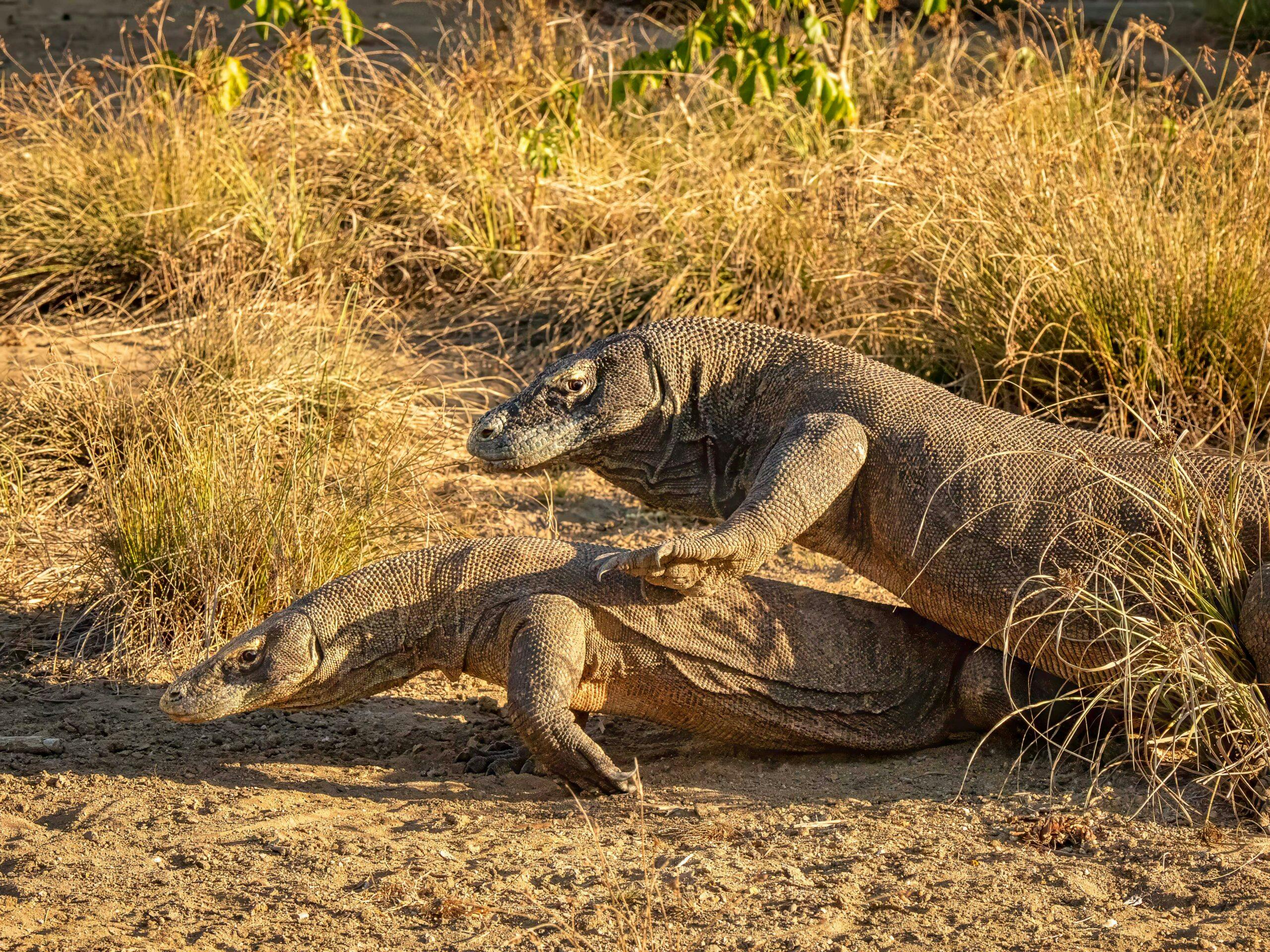
July 15, 2024: Snorkeling and Wildlife in Komodo’s Reefs
We set off on the speedboat to explore Komodo Island this morning. We first started walking, and a green jungle fowl greeted us just off the beach. It is so cool to see the ‘OG chicken’ in its native habitat. Red jungle fowl are found throughout Asia, but the green jungle fowl are restricted from Bali heading east into the Lesser Sunda islands. In our search for more dragons, we got good views of Yellow-crested Cockatoos, Golden Whistler, Spice Imperial Pigeon, and a few more. When we were walking back, we had great looks at a male and female Komodo dragon at the watering hole. It was nice that there weren’t other people around, so we got to spend a nice amount of time observing them. We had lunch at the beach and then continued by boat to Makassar Reef. A highlight of the drifting was seeing a cowtail ray right before getting back on the boat. We jumped in twice and let the strong current fly us across the reef while searching for mantas. Unfortunately, no mantas came to say hello today, so we packed up and moved over to Tattawa Besar, a small island with an incredible reef. When we first jumped in, some were swept into the current so we reorganized, re-positioned, and tried again. The reef and fish life here was amazing. There were tons of reef sharks, big schools of fusiliers, and a number of green sea turtles. It was our best snorkel site yet, and we still had a few days! We returned to Komodo Resort, and some opted to head out for an afternoon snorkel on the house reef, which is always filled with life. Then a few of us went to the top of the hill to do some sunset photography. The sky didn’t disappoint with its intense yellows, oranges, reds, and purples silhouetting volcanoes in the distance.
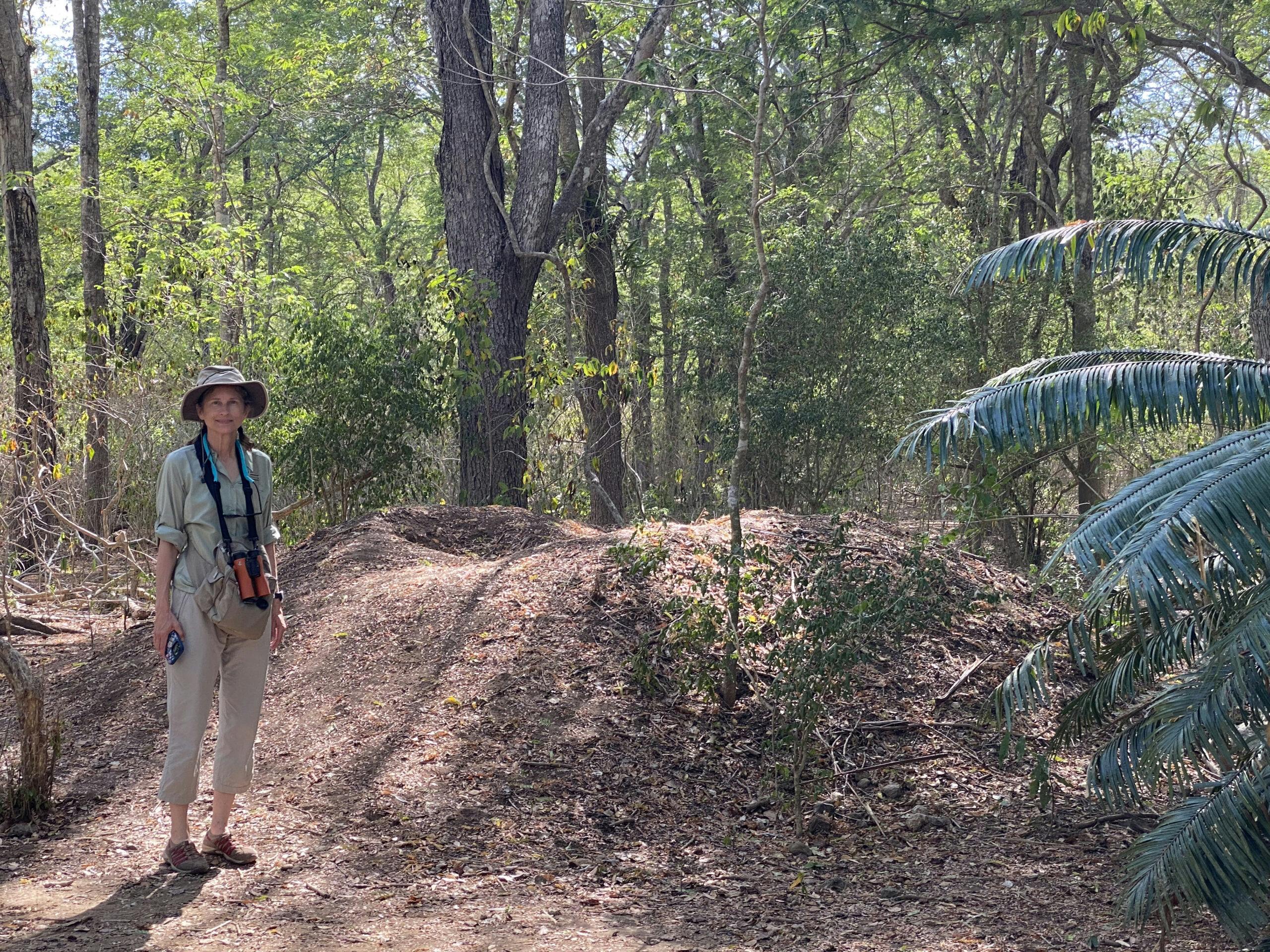
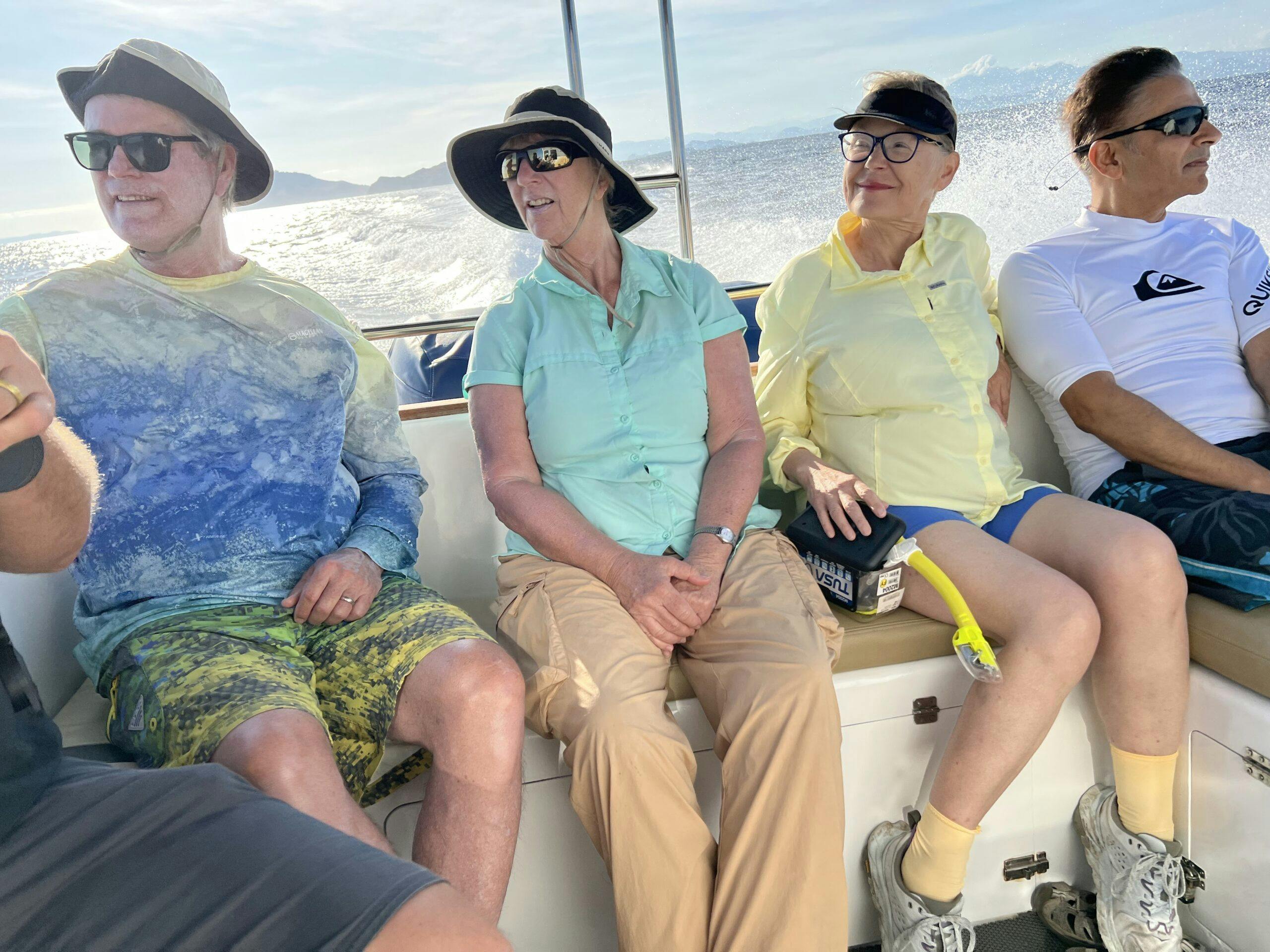
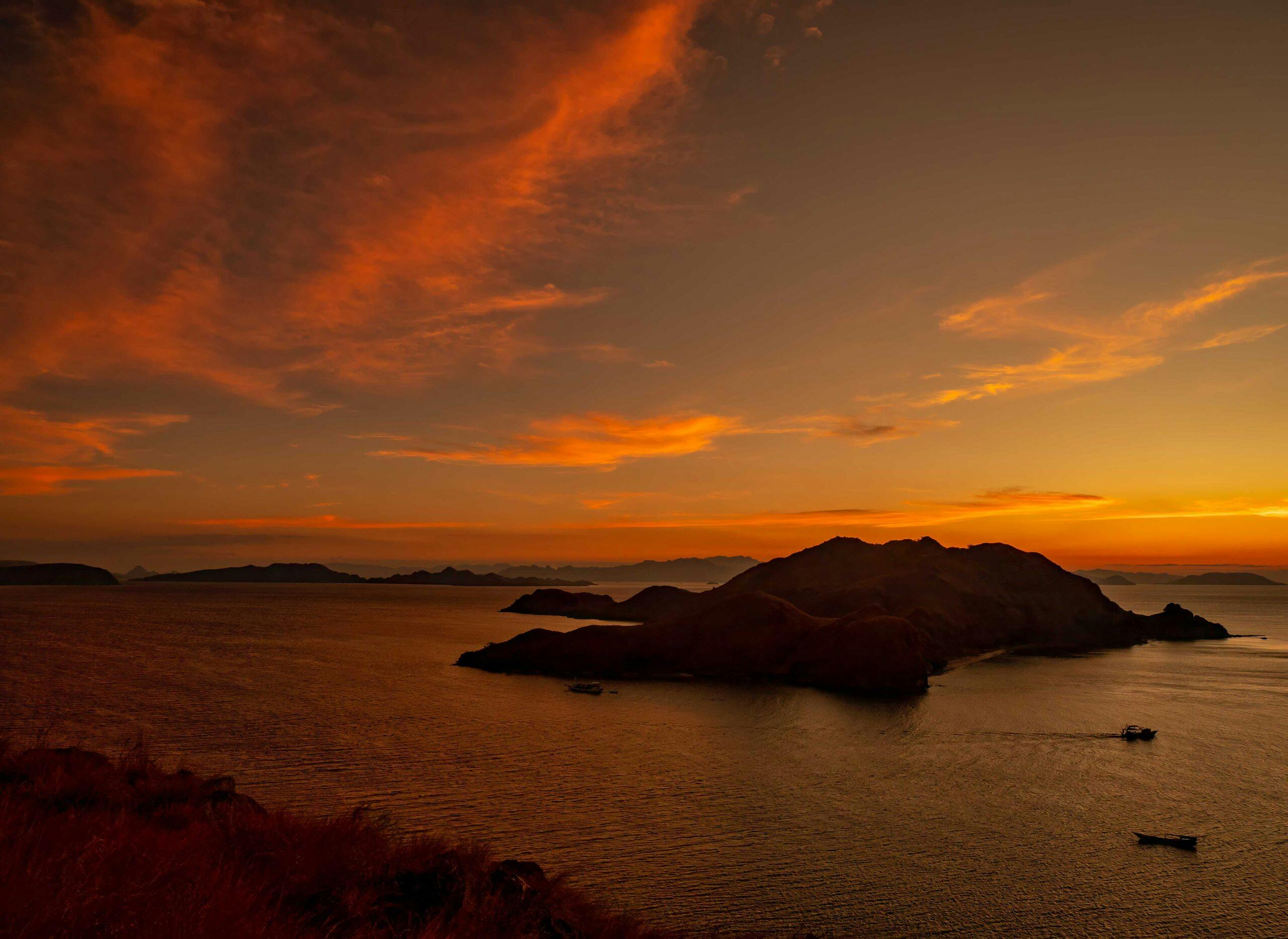
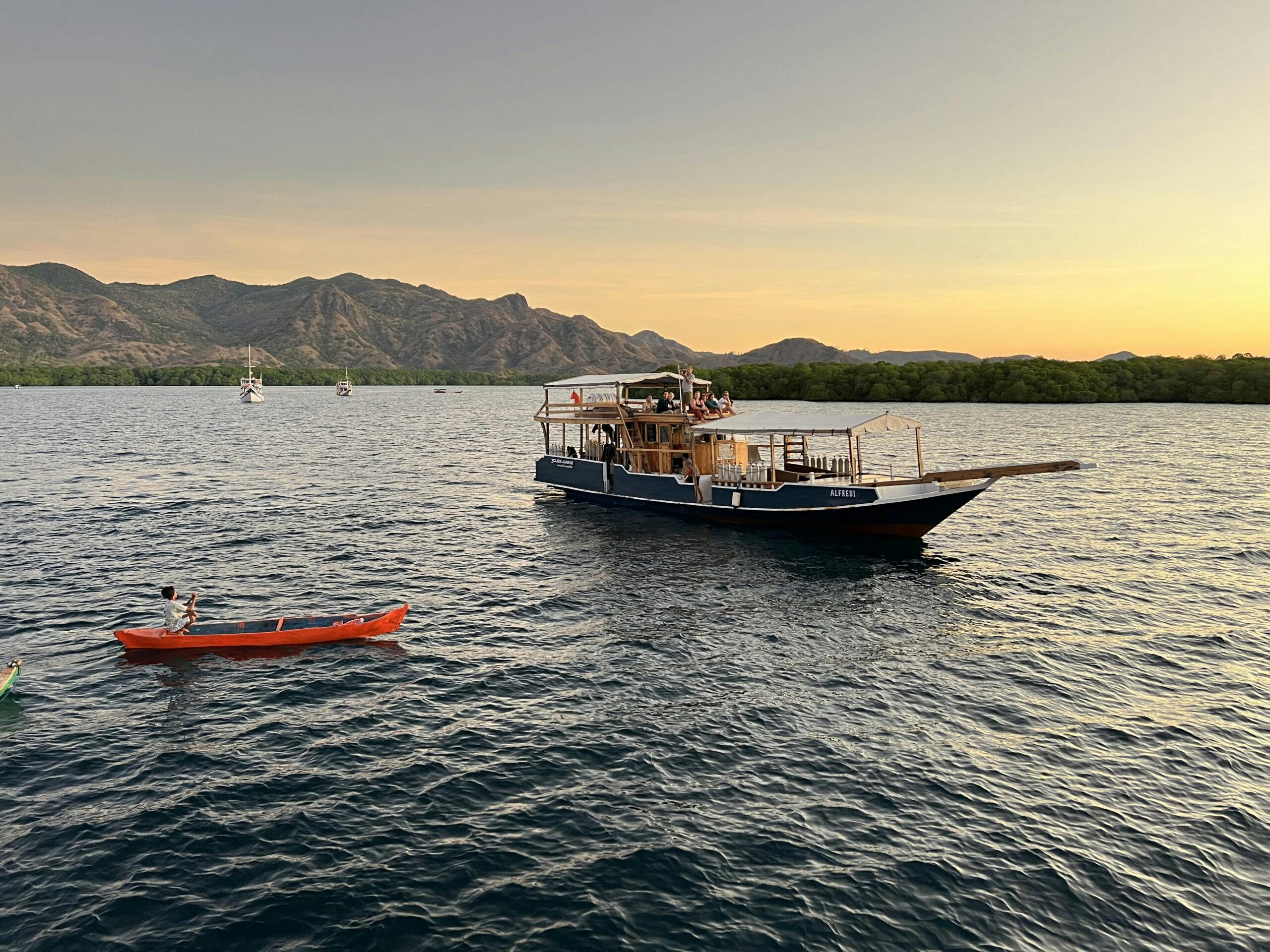
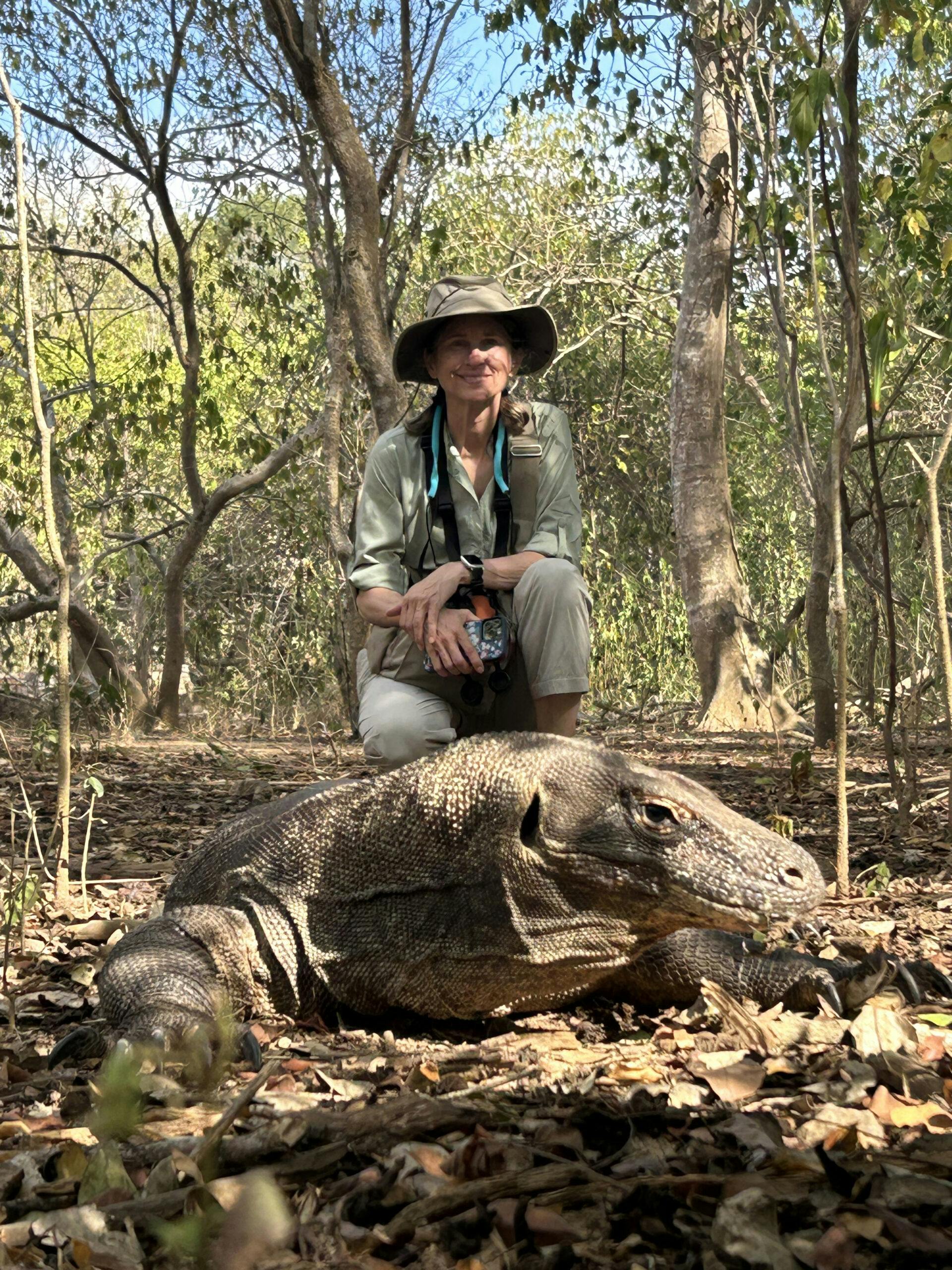
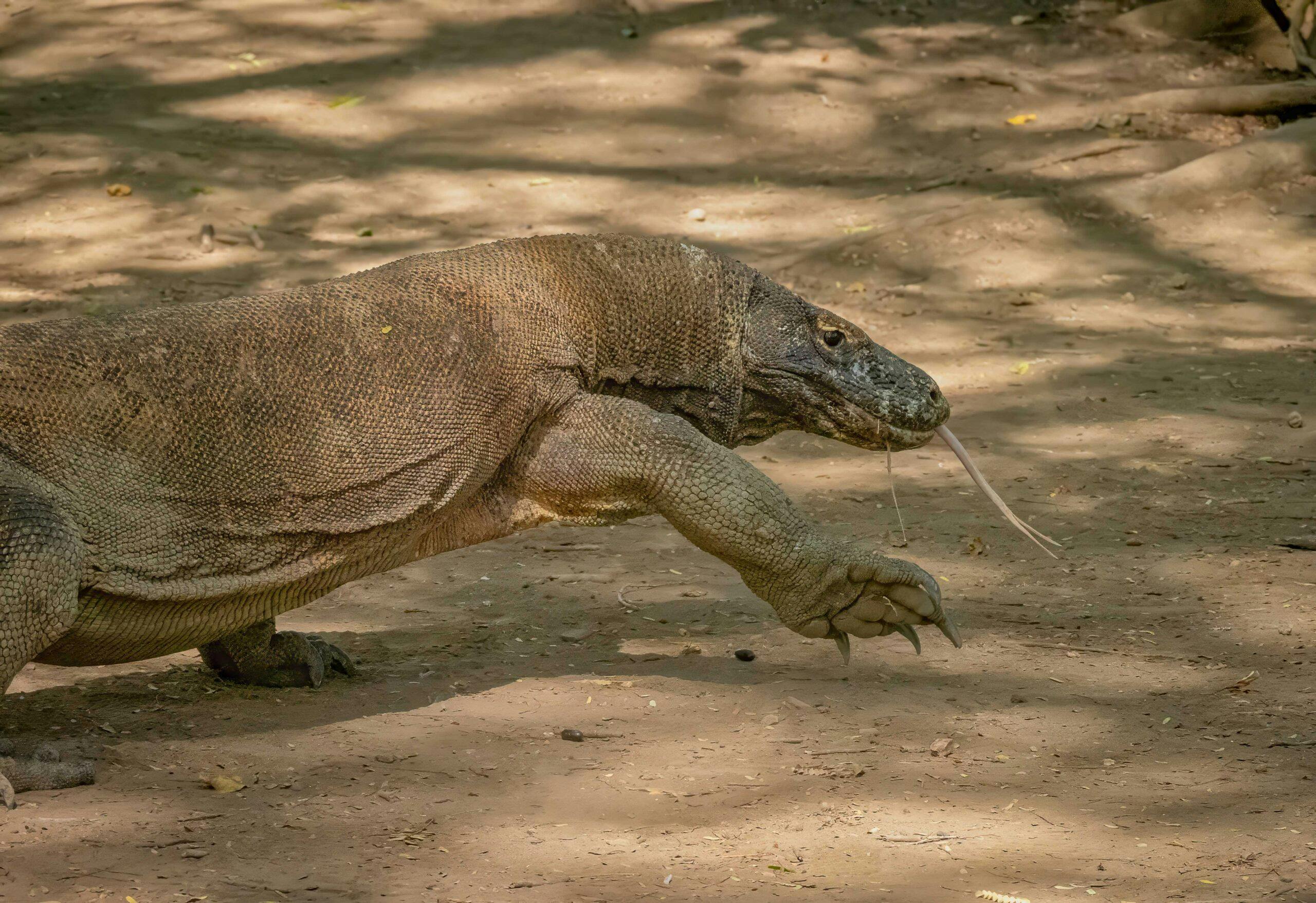
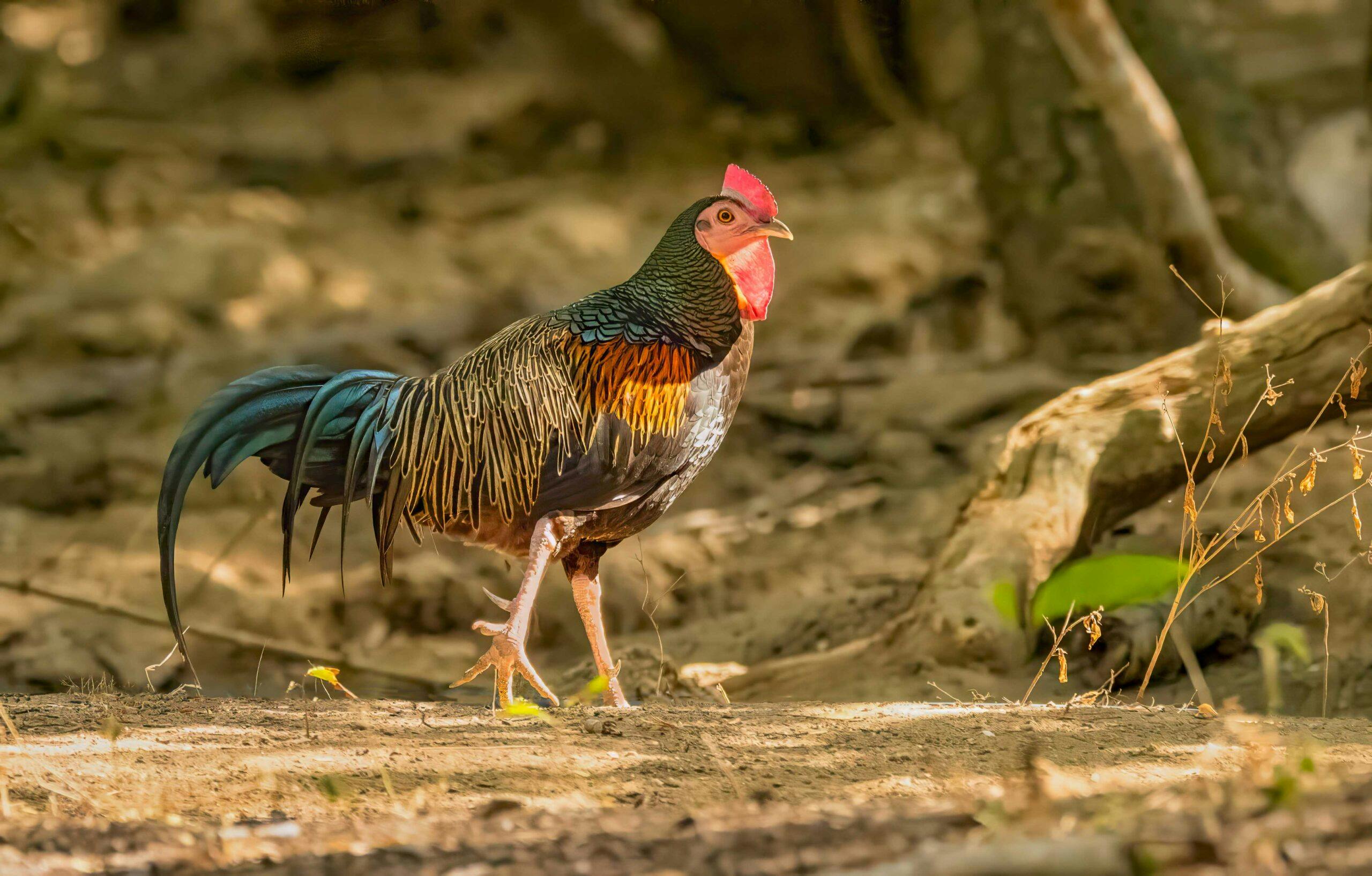
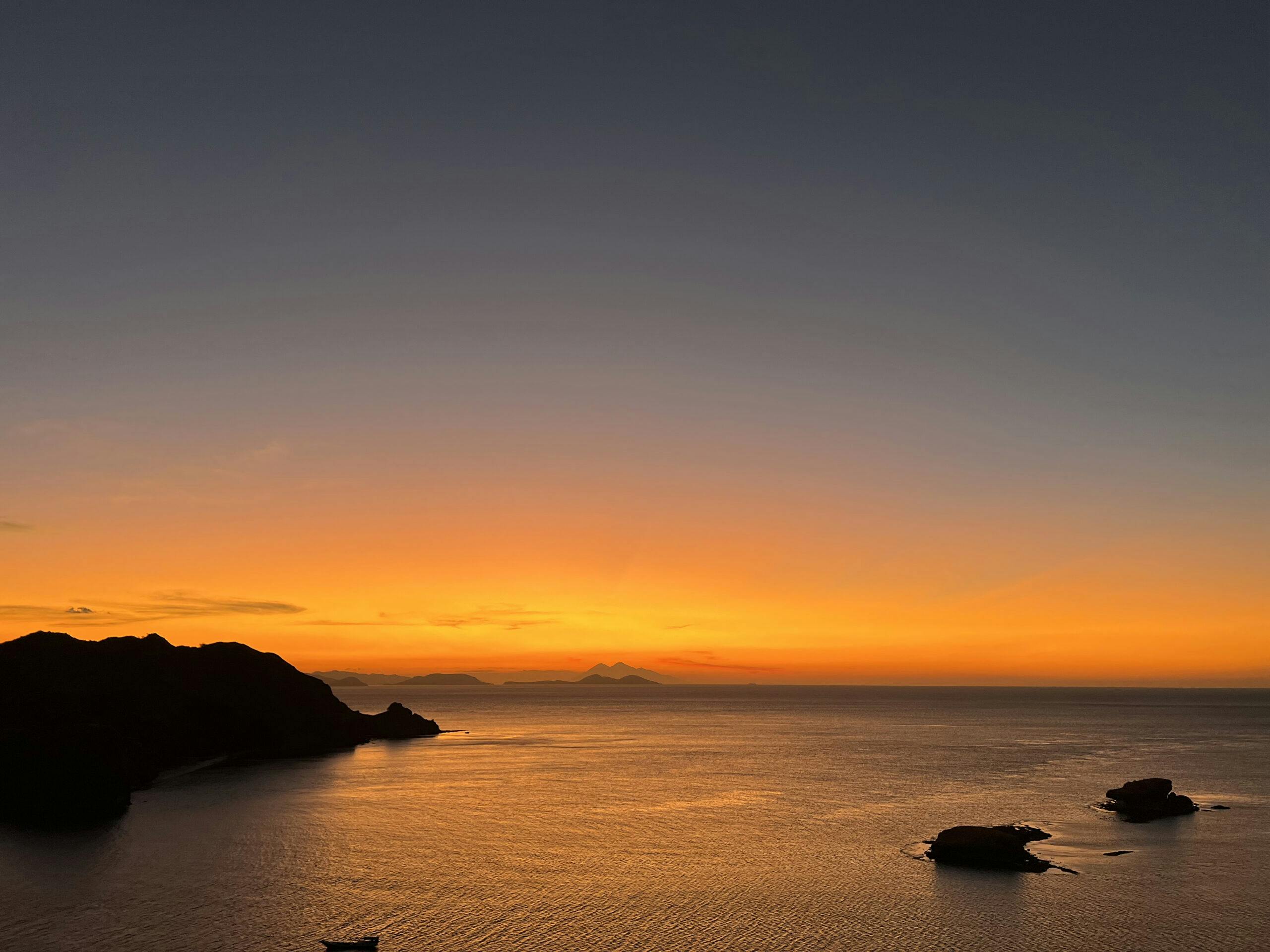
July 16, 2024: Dragons and Dramatic Landscapes
This morning we headed for Padar Island in the south of Komodo National Park. We saw some Crested Terns and Whiskered Terns along the way feeding in the shallow reef and sand patches. We had a nice walk and took in an amazing view of the islands below. I think everyone learned what it is like to be a social media influencer as the selfie game was strong at the top! We finished up and then headed towards Makassar Reef. After checking around and seeing no mantas from the surface, we made our way towards Turtle City at the island of Siaba Besar. The very shallow (sometimes almost too shallow) reef was a perfect place for careful snorkeling. The corals close to the water’s surface were so vibrant, and you could look closely into anemones and see the clown fish just in front of your face. Even though the snorkeling site is called Turtle City, we only saw one turtle on this snorkel session. In the afternoon, people took a rest, and then we met at dusk to head out for a night snorkel. Snorkeling at night is such an incredible experience and so different than the daytime. Some of the cool creatures that we saw included decorator shrimp, morey eels, a bamboo shark, an octopus, and tons of cool large hermit crabs.
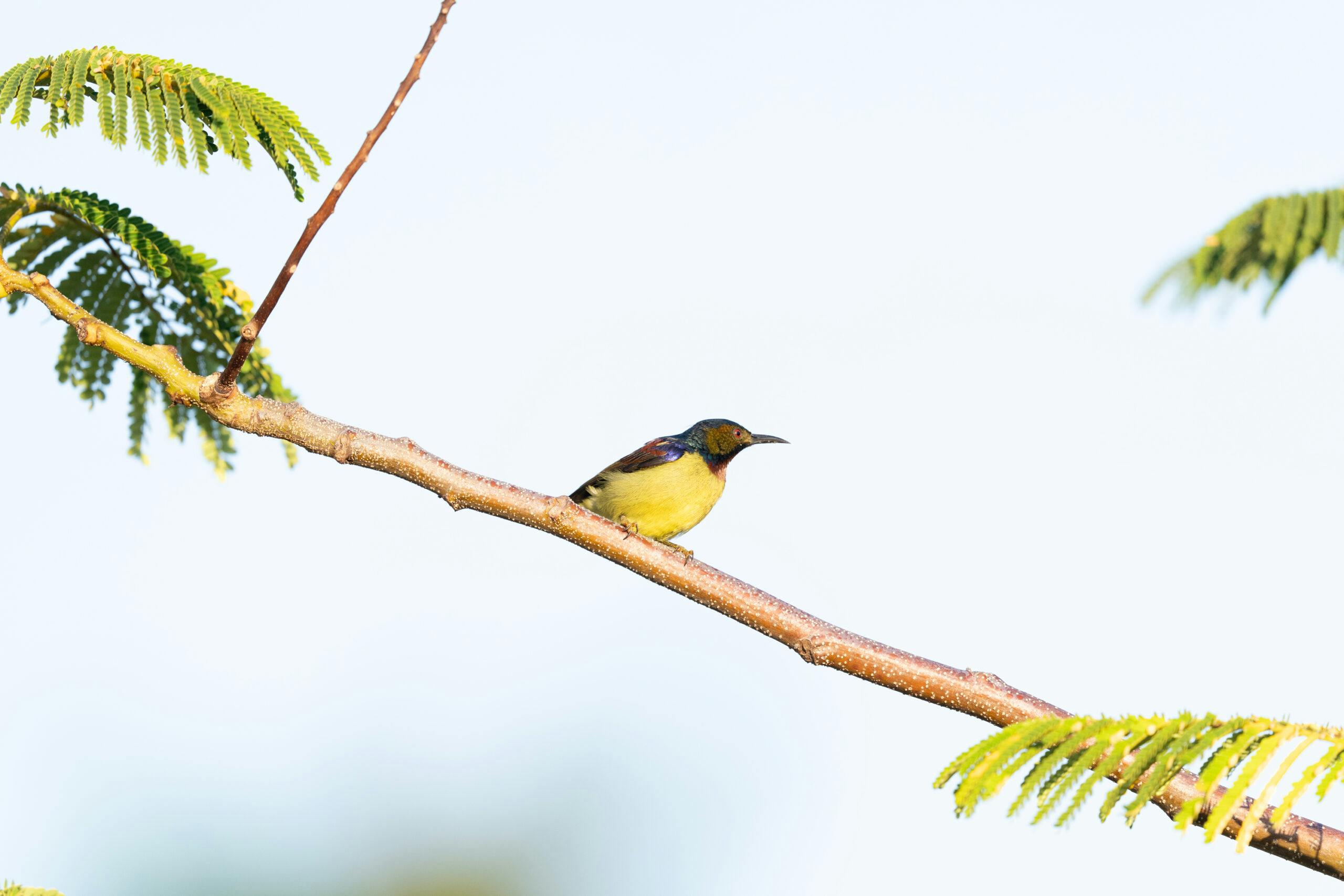
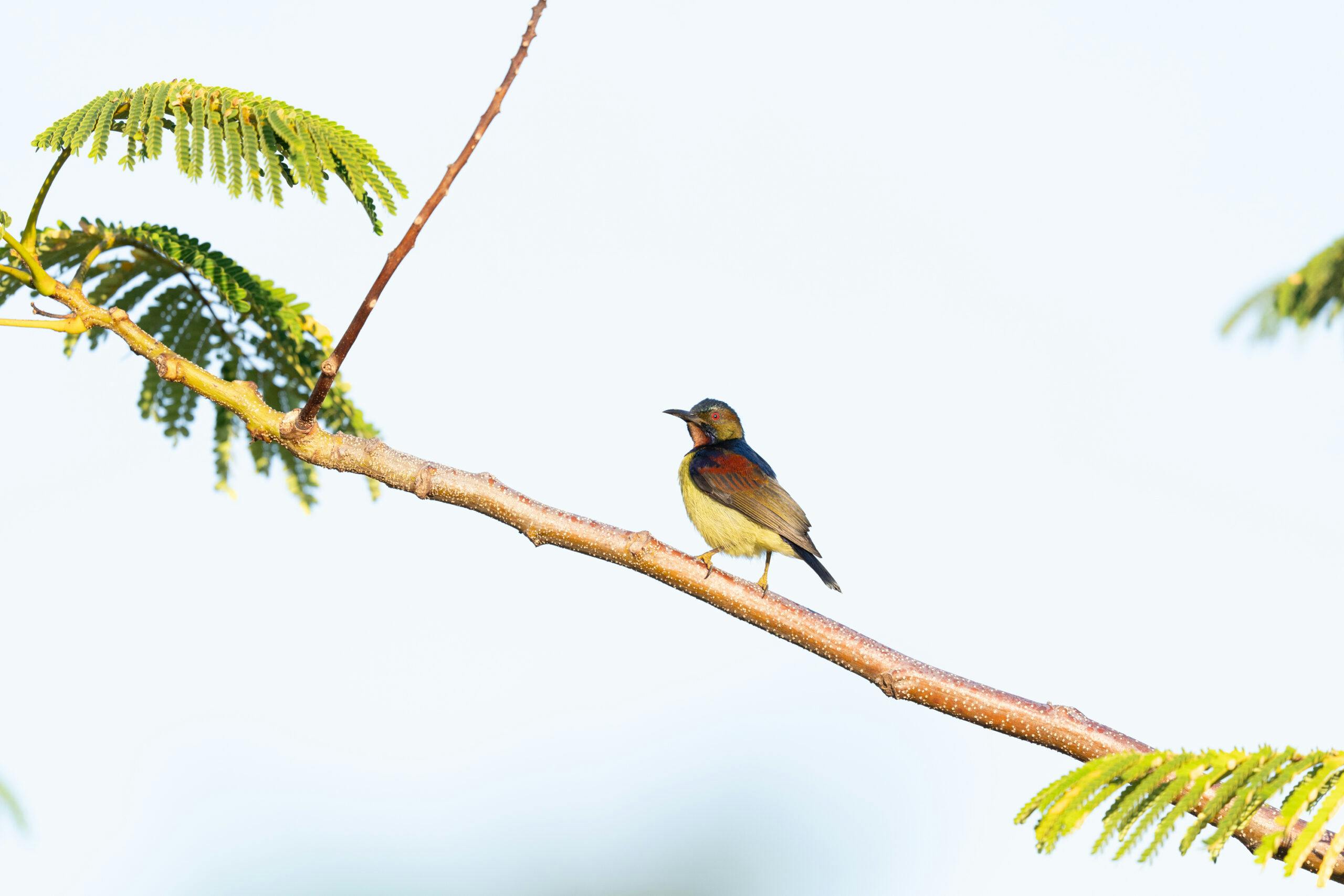
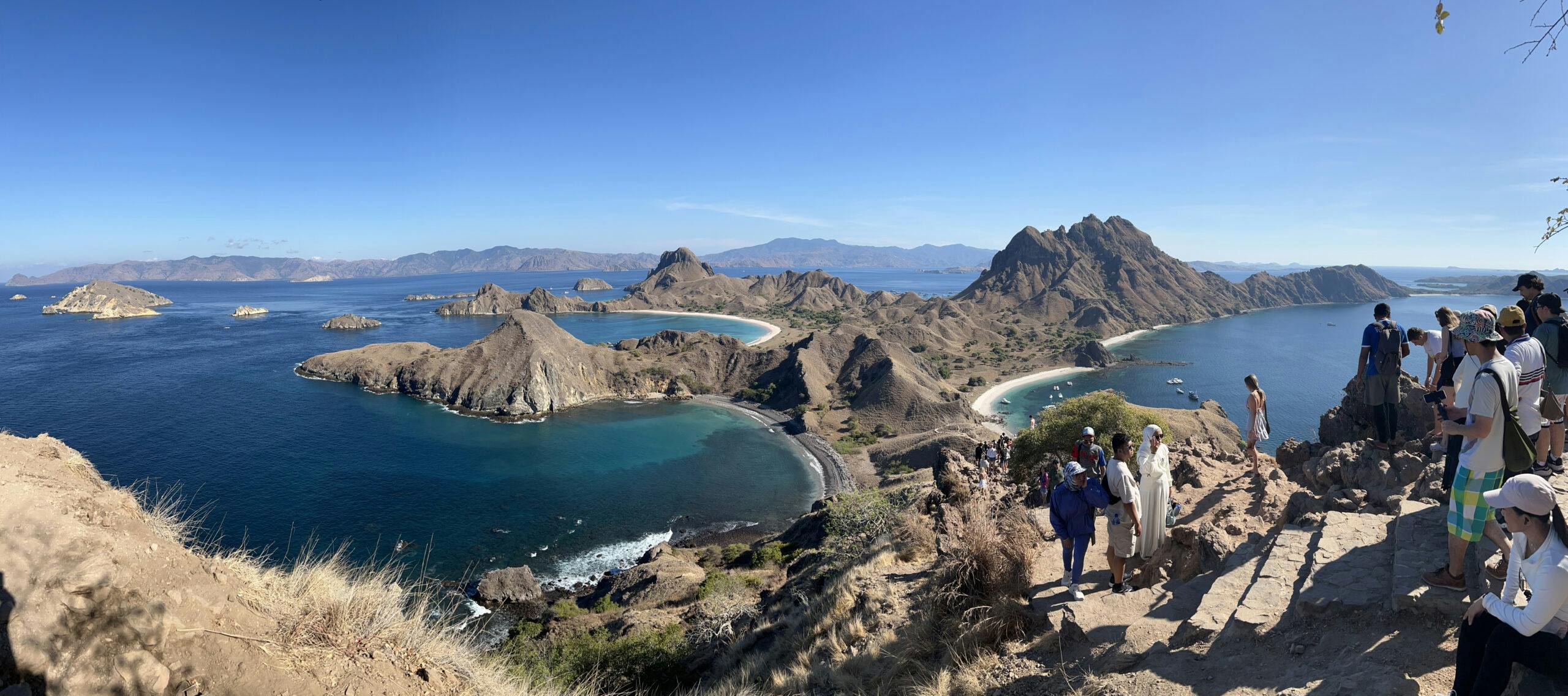
July 17, 2024: The Hidden Gems of Komodo
We made our third trip to Makassar Reef, leaving earlier at 7:30am. As soon as we arrived, we could see a manta feeding on the surface, and the excitement kicked in. We spent 20-30 minutes swimming with the manta watching it glide along the surface and make periodic turns and spins. We also were able to snorkel with another manta that showed up near the end of this half hour. Once other boats caught on to what we were doing, we were happy everyone was agreeable to leave the craziness and head for our next spot. We moved to a snorkel site called Matt’s Wall, and we think that this was the best reef that we snorkeled on. The reef was in perfect condition; the fish life was overwhelming, and we had great turtle (hawksbill and green) sightings. Seeing a large eagle ray coming off the top reef was a real highlight. One of the other impressive sightings was an adult Napoleon wrasse, which is a beautiful fish and rarely-spotted large specimen. We came back to the resort for lunch and had another afternoon dive on the north side of the house reef in near-perfect conditions. The water was so clear, and the fish were so abundant. There was another eagle ray, a white-tipped reef shark, and plenty of fish.
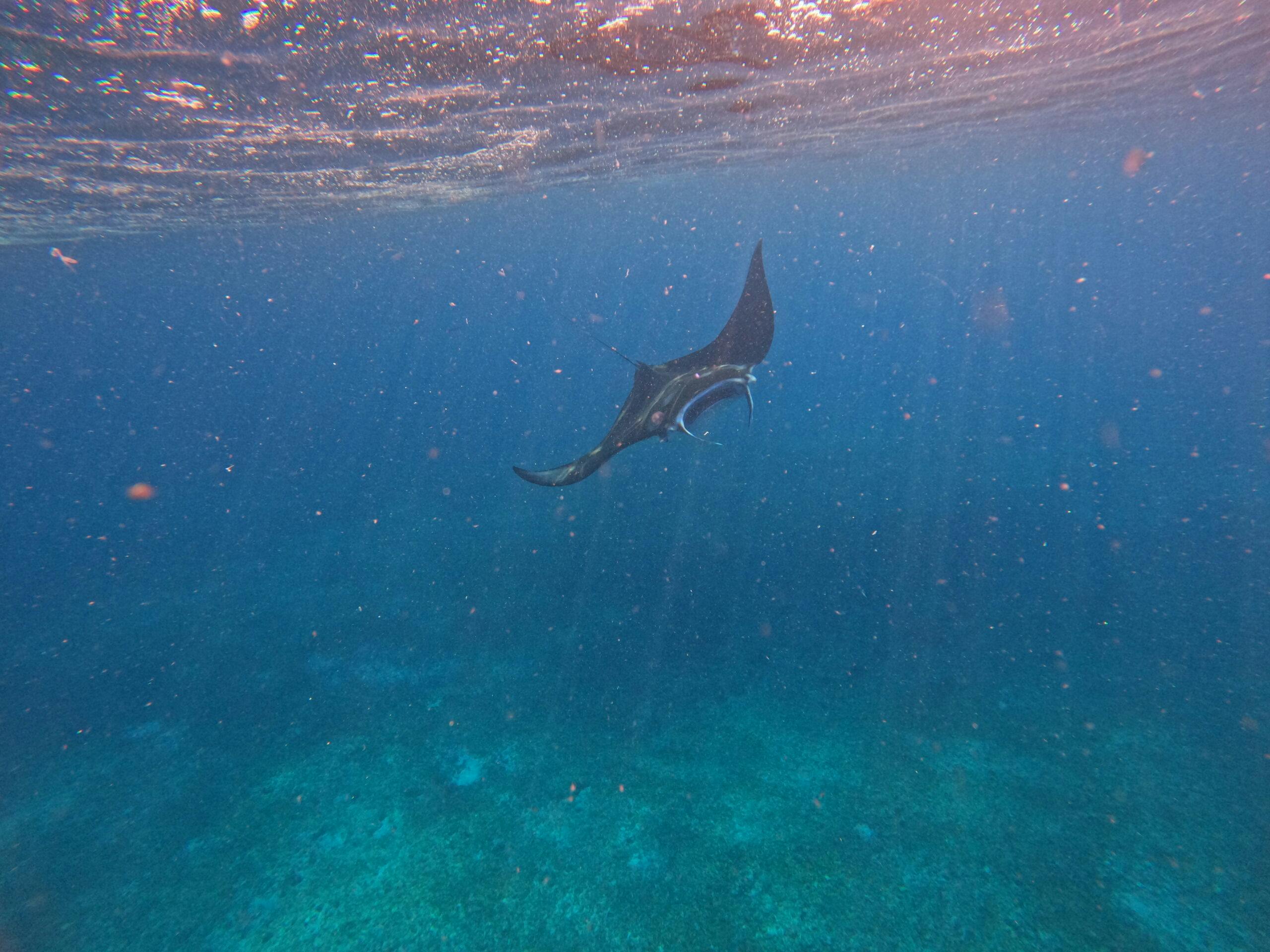
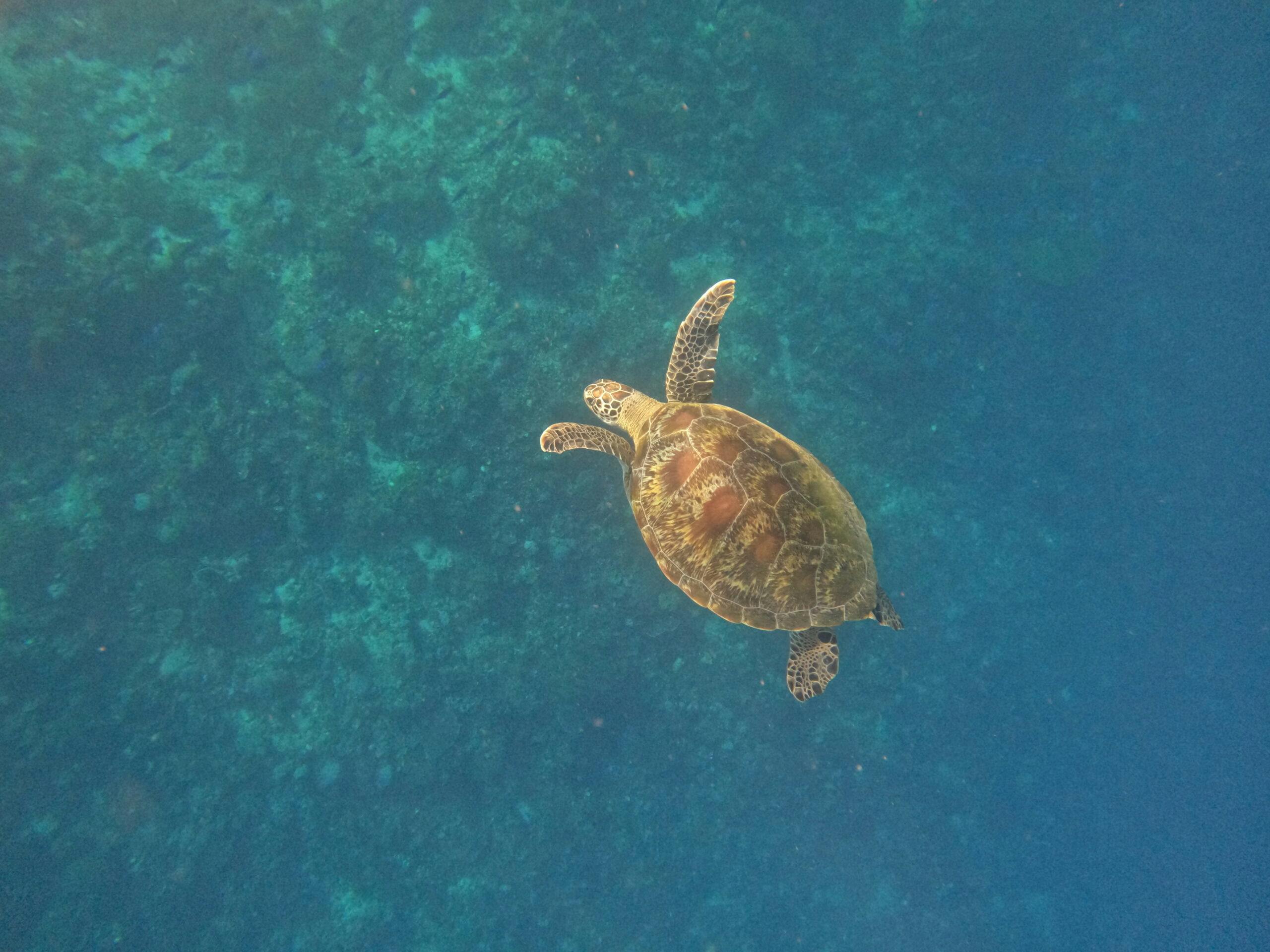
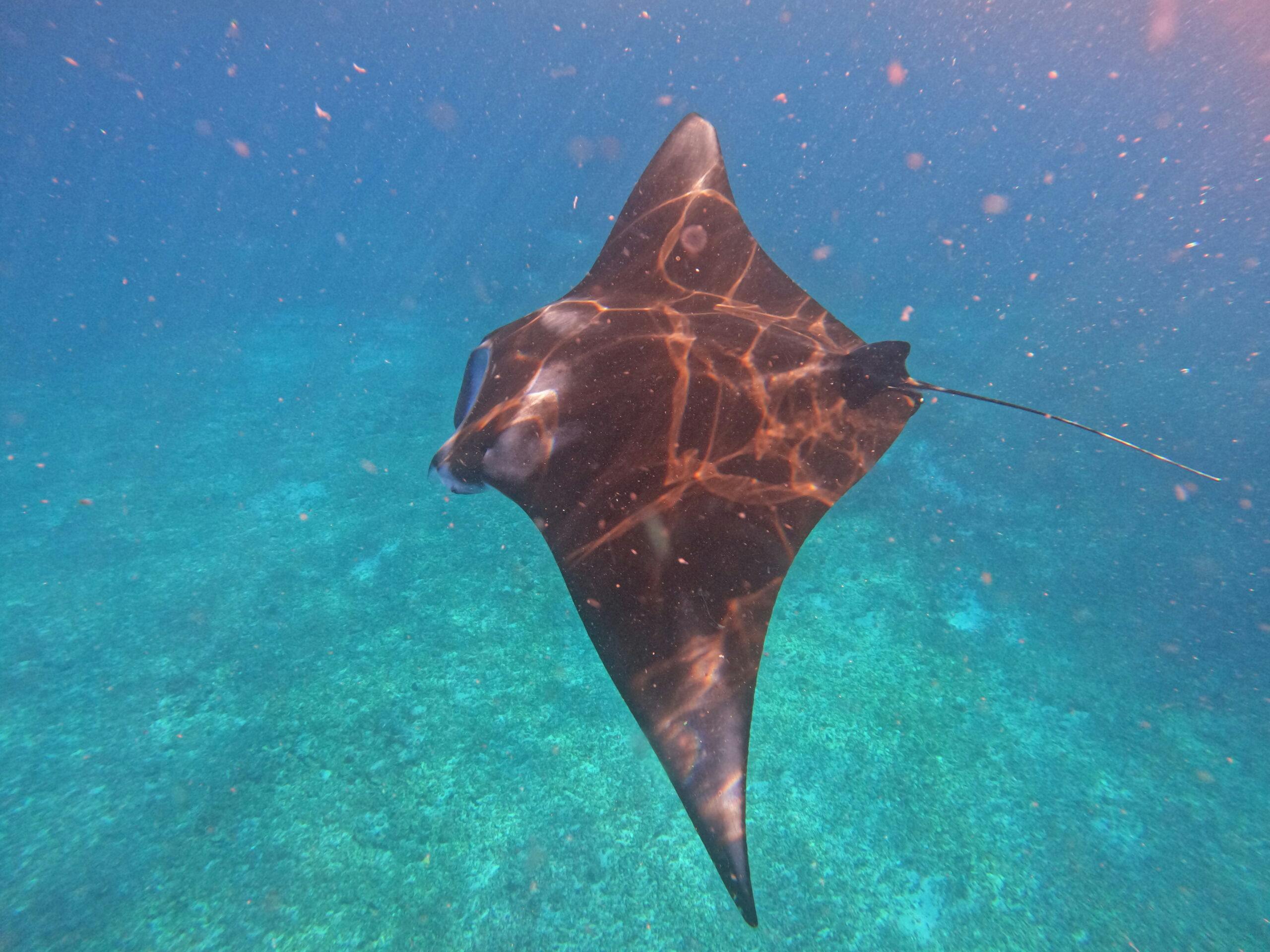
July 18, 2024: Reflections and Farewell Dinner
It is always nice to do a sunrise snorkel, and today was no different. In the early morning, fish had just started their morning feeding, and the activity was always so busy. The large schools of fish were everywhere, and we enjoyed watching the large school of adult batfish that lives under the jetty. We packed our bags and headed to the airport after an incredible journey.

July 19, 2024: Arrive Home
Participants arrive home, filled with memories of their Sulawesi & Komodo journey.
“Everything was very well organized and detailed. Cheeseman’s team did a great job explaining everything before the trip started and then followed up by doing everything they promised while on the trip. Always felt safe & secure throughout the trip.” -Vickey Cooper
Join Us for the Next Adventure!
If reading about this journey has sparked your curiosity, imagine experiencing it firsthand. Join us on our next expedition and create your own stories of discovery and adventure in some of the world’s most breathtaking destinations. Our trips are designed for wildlife enthusiasts, birders, and nature lovers who seek not just to see the world, but to truly experience it.
Don’t miss out! Book your next adventure with Cheesemans’ Ecology Safaris and embark on a journey that will leave you with memories to last a lifetime.
For more information and to reserve your spot, visit our website or contact us at (800) 527-5330. We can’t wait to explore the world with you!
Join the Adventure
Tanzania
February 2 to 17, 2024
Migration and Predation
Timing is everything. The vast herds of wildebeest, zebra, and gazelle that constitute the Great Migration of the Serengeti ecosystem arrived in the southern shortgrass plains just after the seasonal rains brought a green hue back to the landscape. February proved to be the perfect time for seeing young herbivores and carnivores, as well as migratory birds from Europe and Asia, who joined the many colorful resident species to partake in the bounty of nature. Travelers witnessed about 50 species of mammals and over 300 species of birds, along with some fascinating reptiles. The diverse habitats of Arusha National Park, Tarangire, Ngorongoro Crater, and the Serengeti provided an unforgettable wildlife-watching experience.
Highlights
- Tarangire’s Elephants: Observing these giants as they frolicked in wetlands or feasted on grass and leaves beneath towering baobab trees.
- Dramatic Predators: Searching for lions, leopards, cheetahs, and hyenas, and observing their complex social systems.
- Colorful Birdlife: Enjoying sightings of weavers, rollers, starlings, oxpeckers, secretarybirds, and storks in their natural habitats.
- Herbivores and Carnivores: Comparing the ecological strategies of diverse herbivores and small carnivores.
- Ngorongoro Crater: Marveling at the dense wildlife herds contained by the lush caldera walls.
- Great Migration: Experiencing the astonishing abundance of large mammals involved in the Serengeti’s Great Migration.
- Cultural Heritage: Learning about early hominid discoveries at Oldupai Gorge and the traditional pastoral heritage of the Maasai.
“First class accommodations combined with experienced guides.” -Alan Robinson
Day 1: Arrived in Arusha
Participants met with local guides and fellow travelers, setting the stage for an exciting journey.
Day 2: Exploring Arusha National Park
The journey began with a day on the slopes of Mt. Meru, ascending through montane forest to spot baboons, monkeys, African buffalo, and dozens of bird species. The group peered into the pristine ecosystem of Ngurdoto Crater and proceeded through woodlands to the Momela Lakes, observing a wide variety of wildlife, including giraffes, waterbucks, shorebirds, and flamingos.

American Fish Eagle© Gregory Hachigian
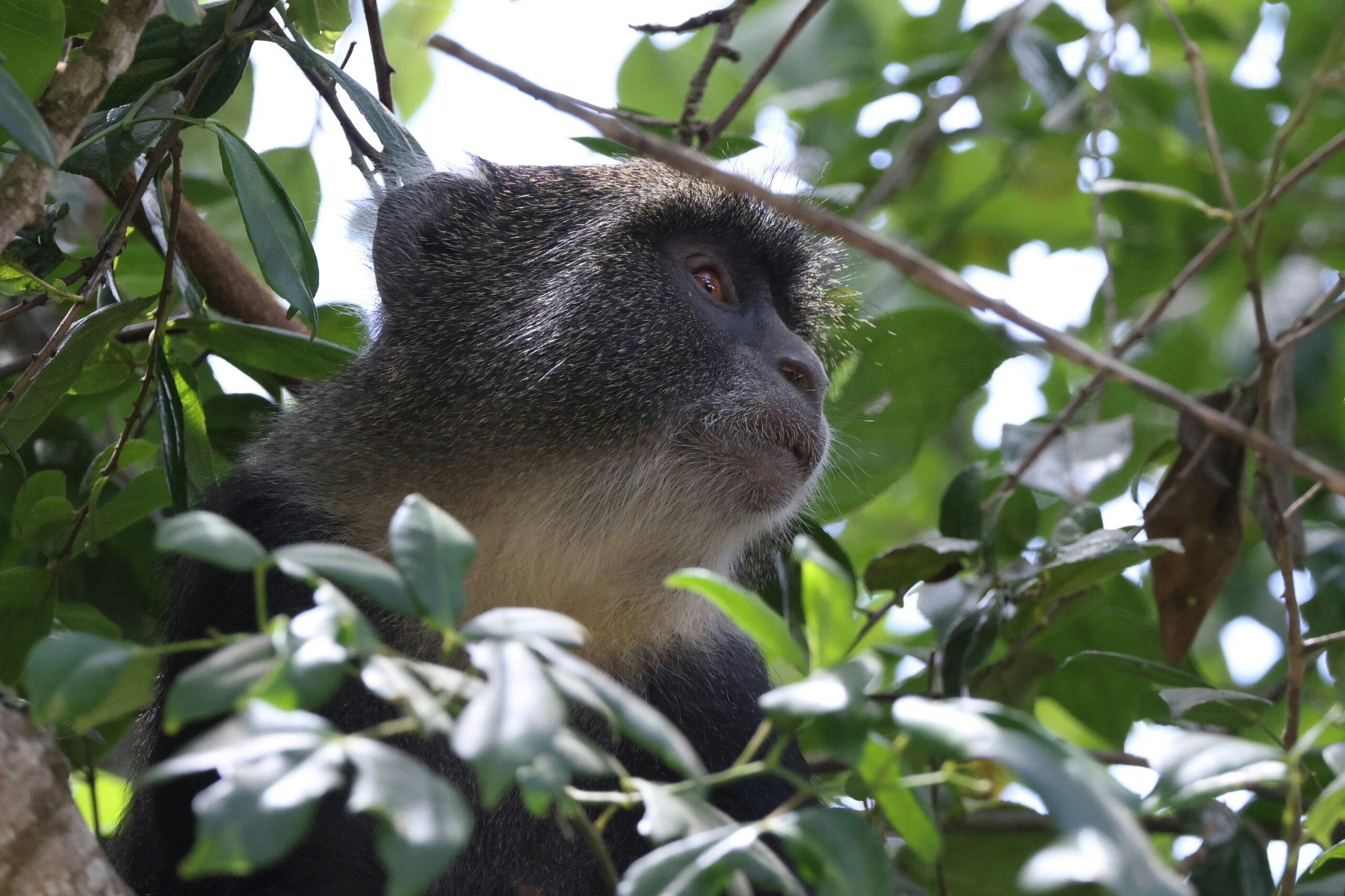
Black-and-white Colobus Monkey© Gregory Hachigian

Grosbeak Weaver© Gregory Hachigian
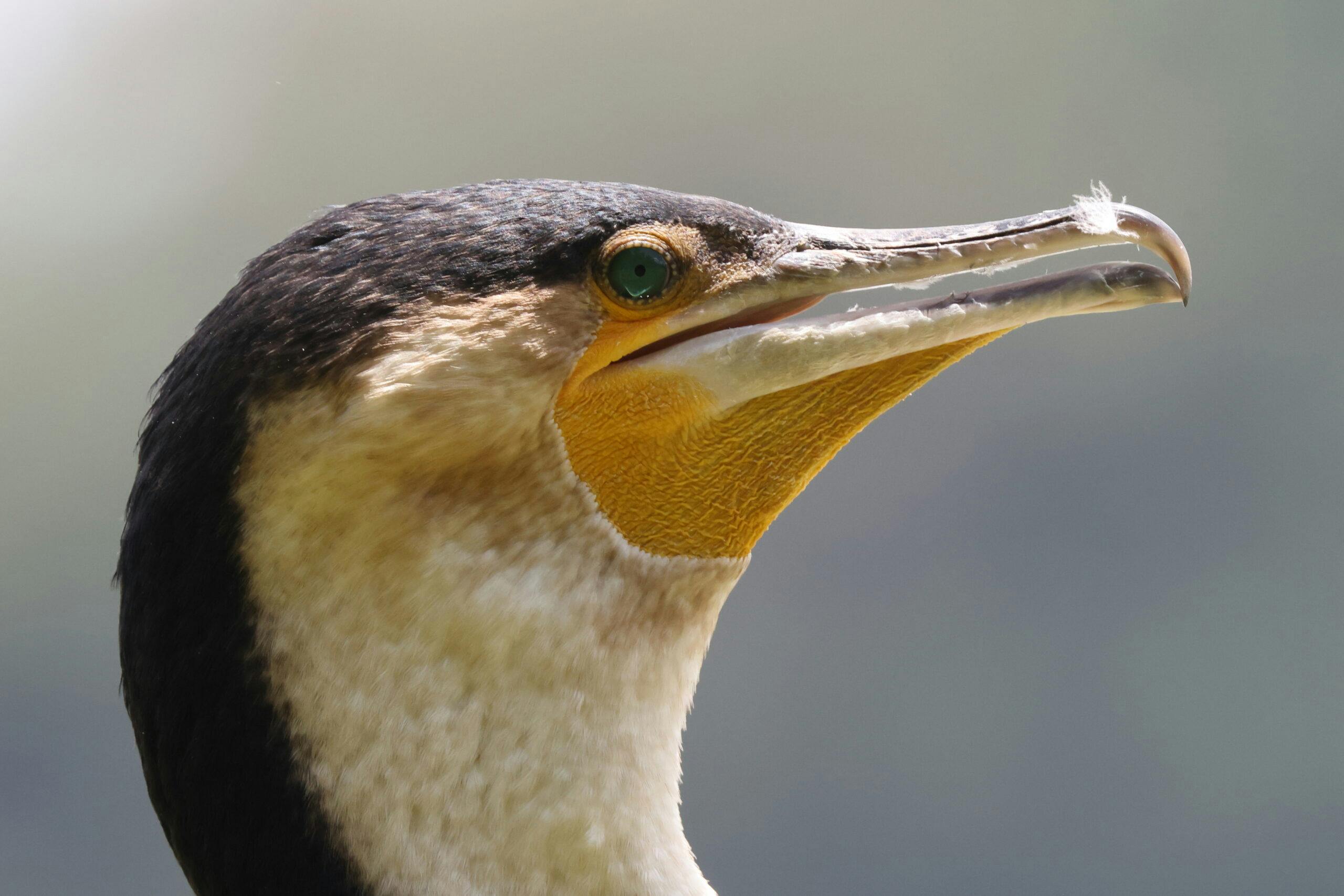
White-breasted Cormorant © Gregory Hachigian
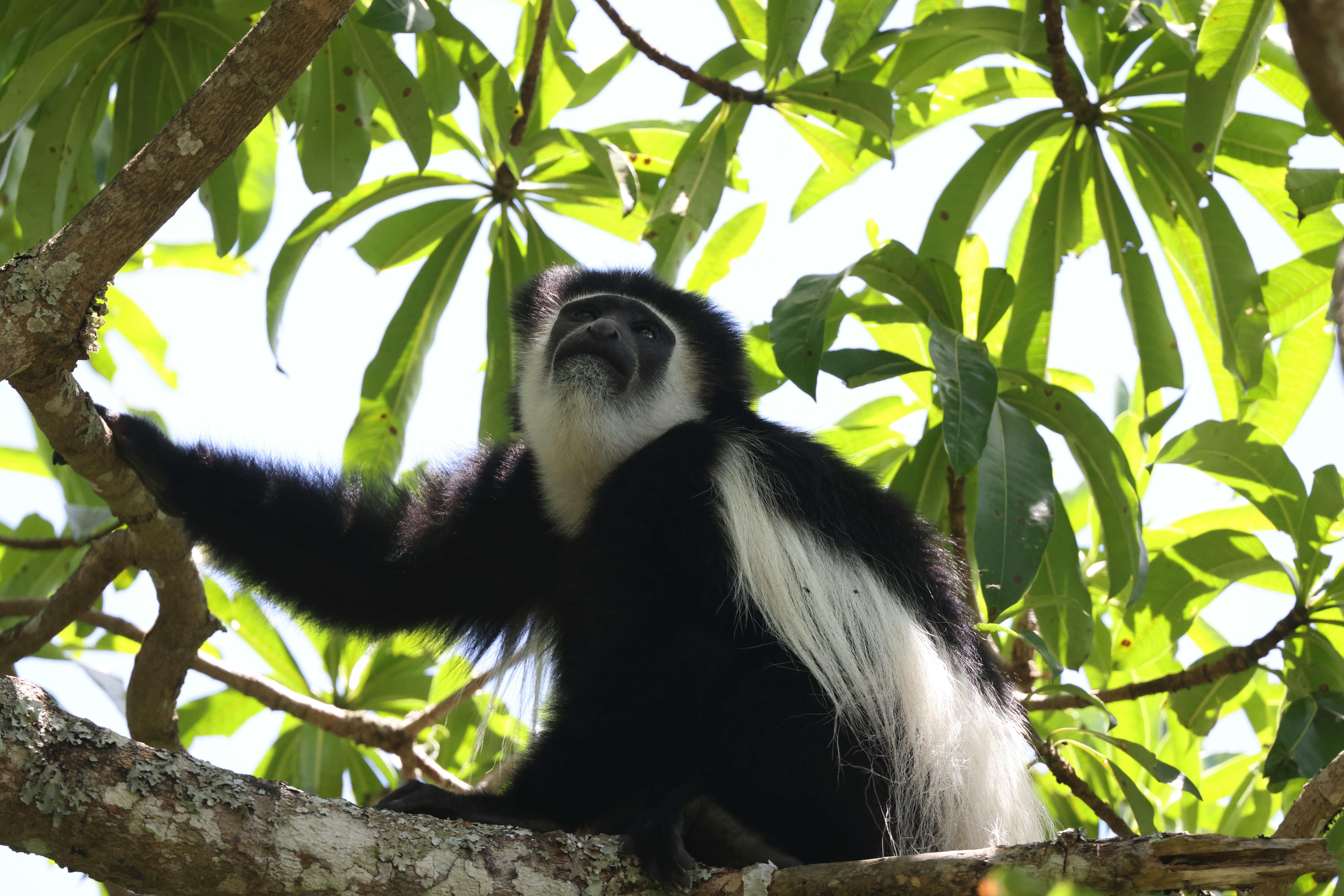
Black-and-white Colobus Monkey© Gregory Hachigian
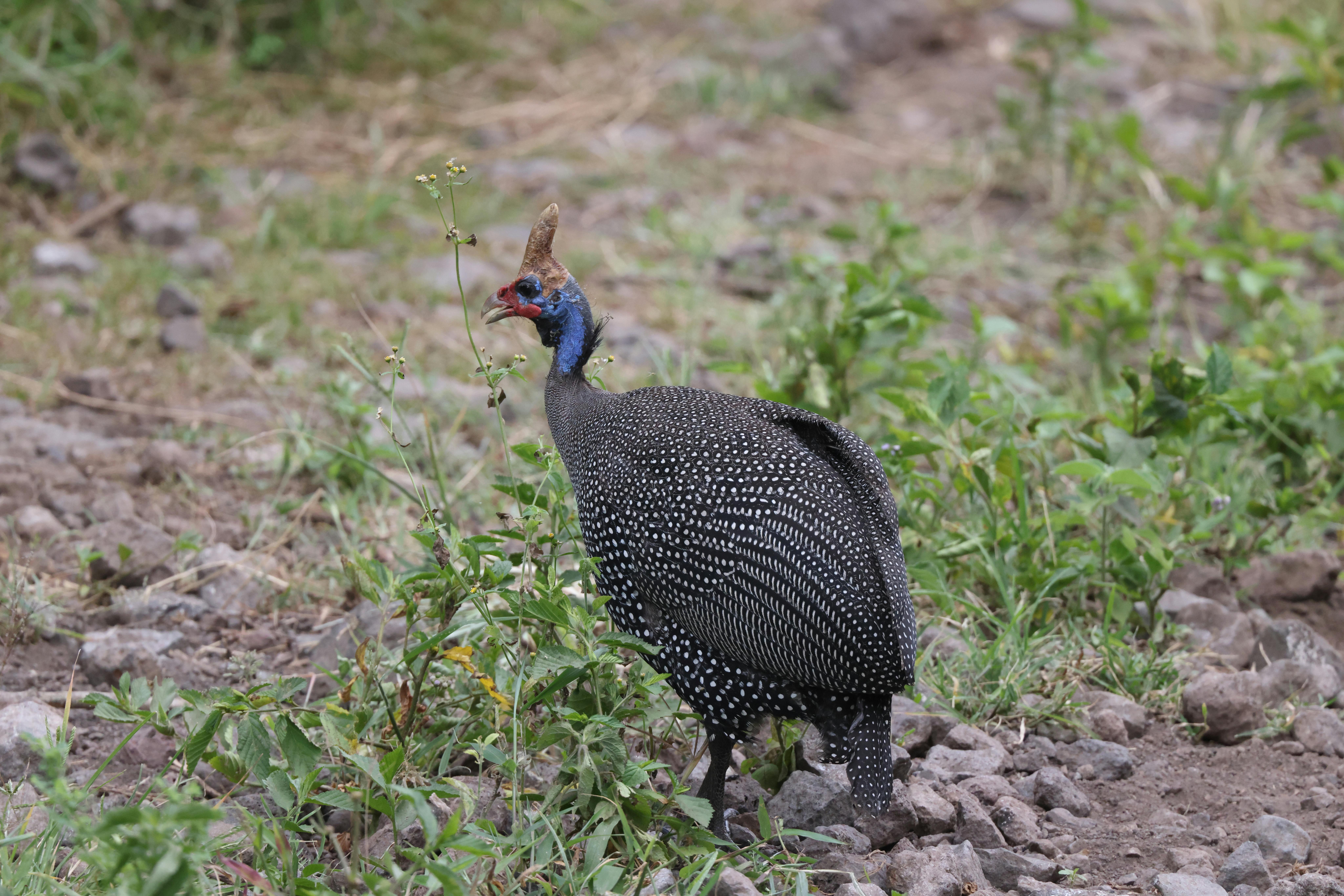
Helmeted Guineafowl© Gregory Hachigian
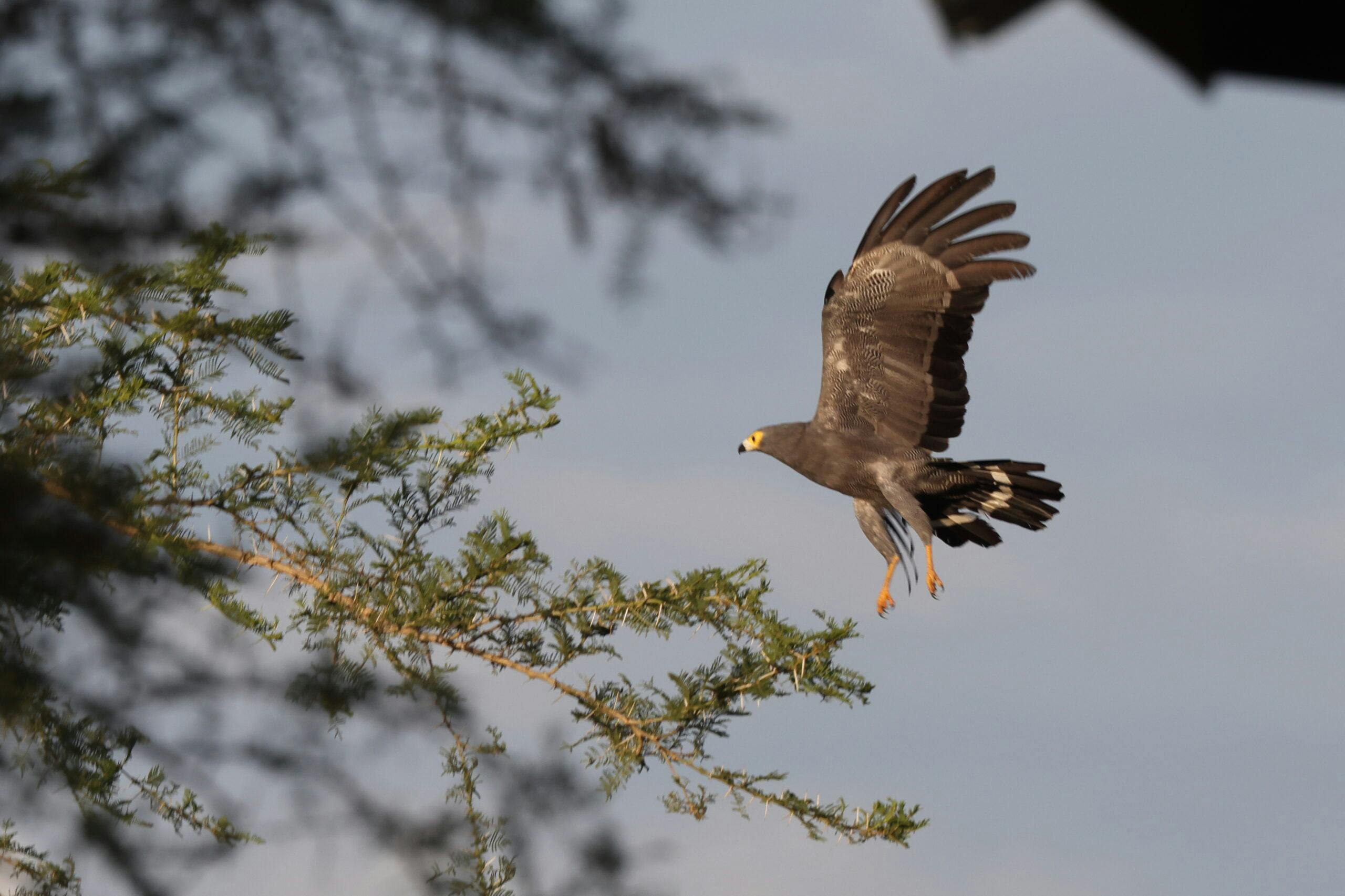
African Harrier-Hawk© Gregory Hachigian
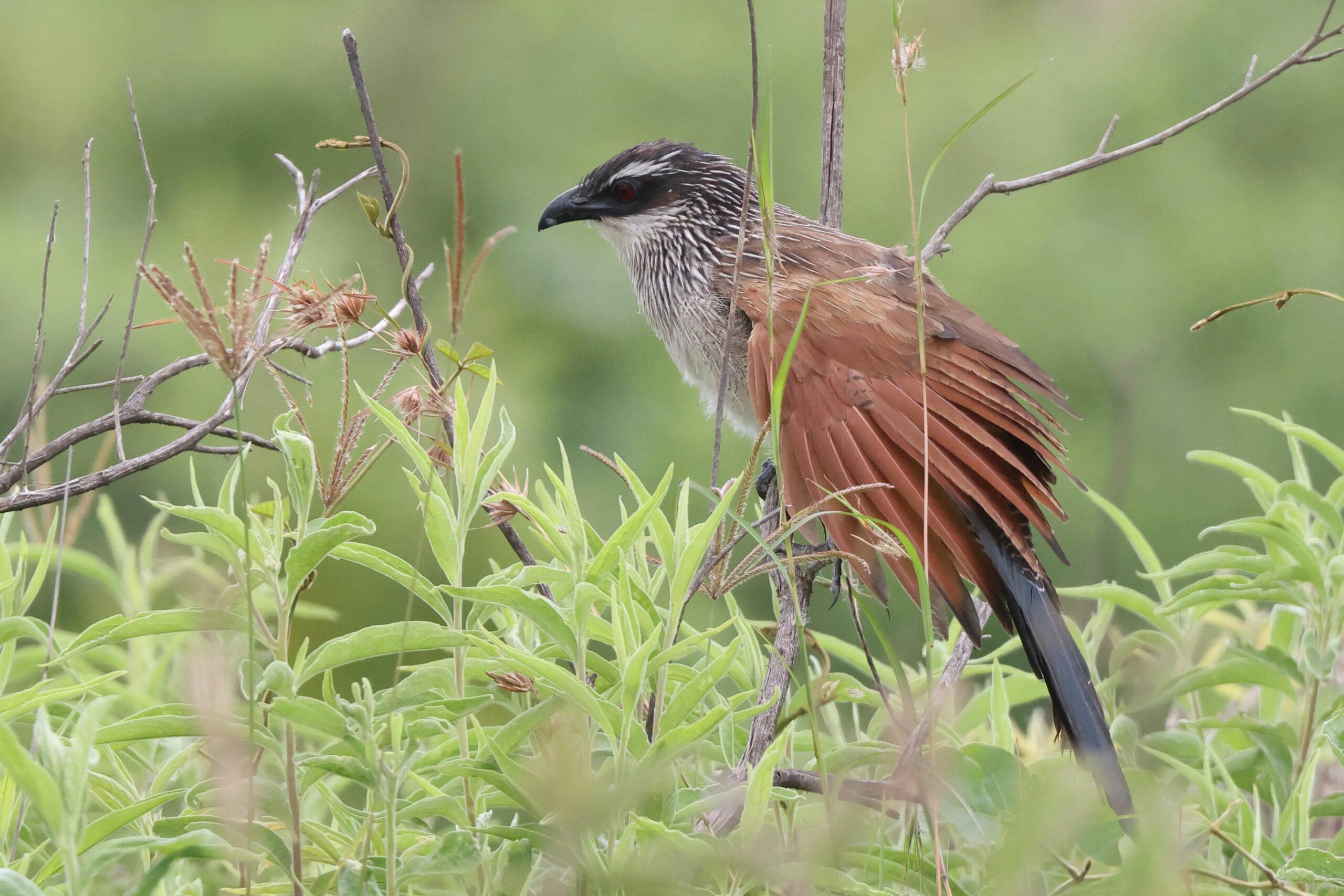
White-browed Coucal© Gregory Hachigian
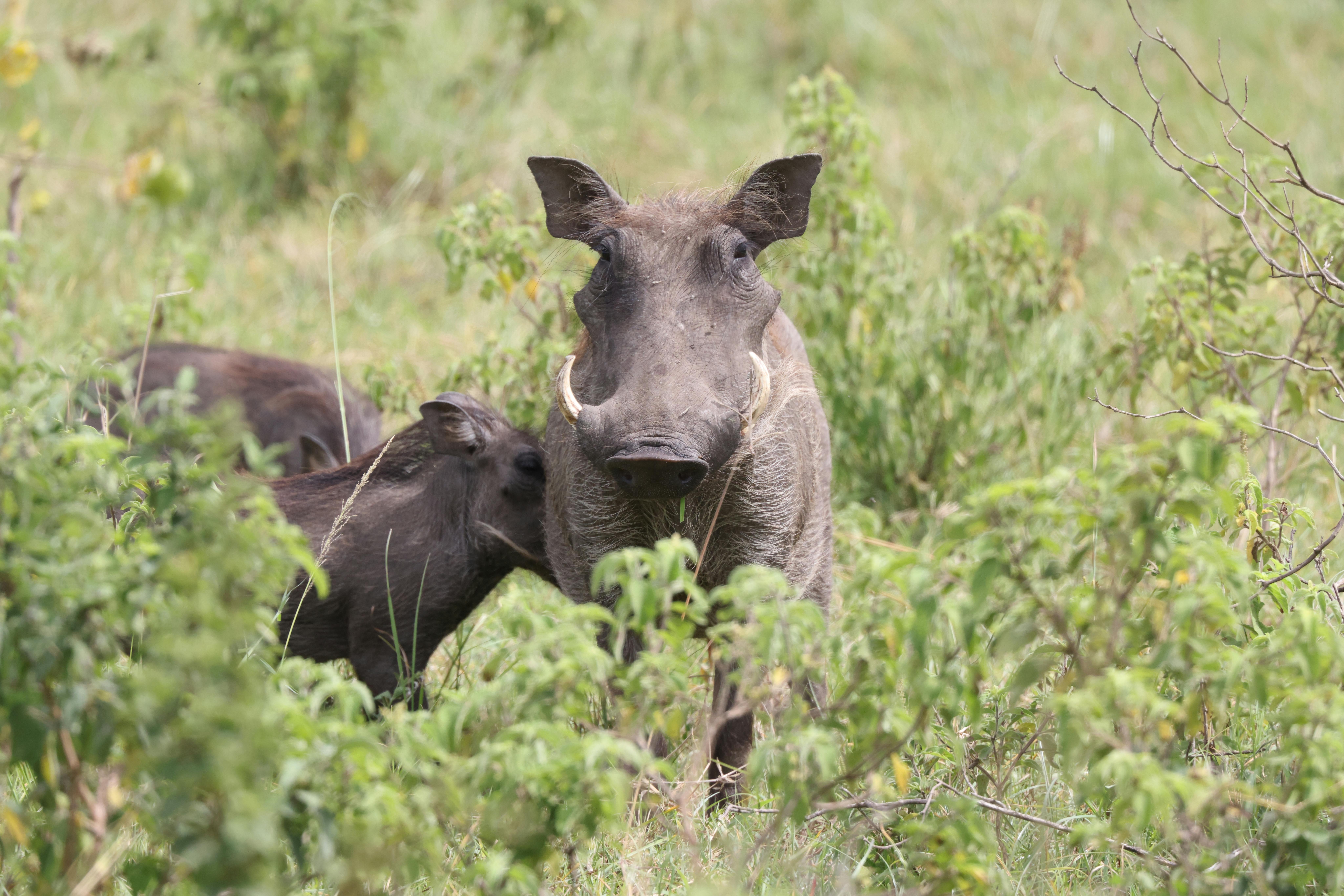
Warthog© Gregory Hachigian
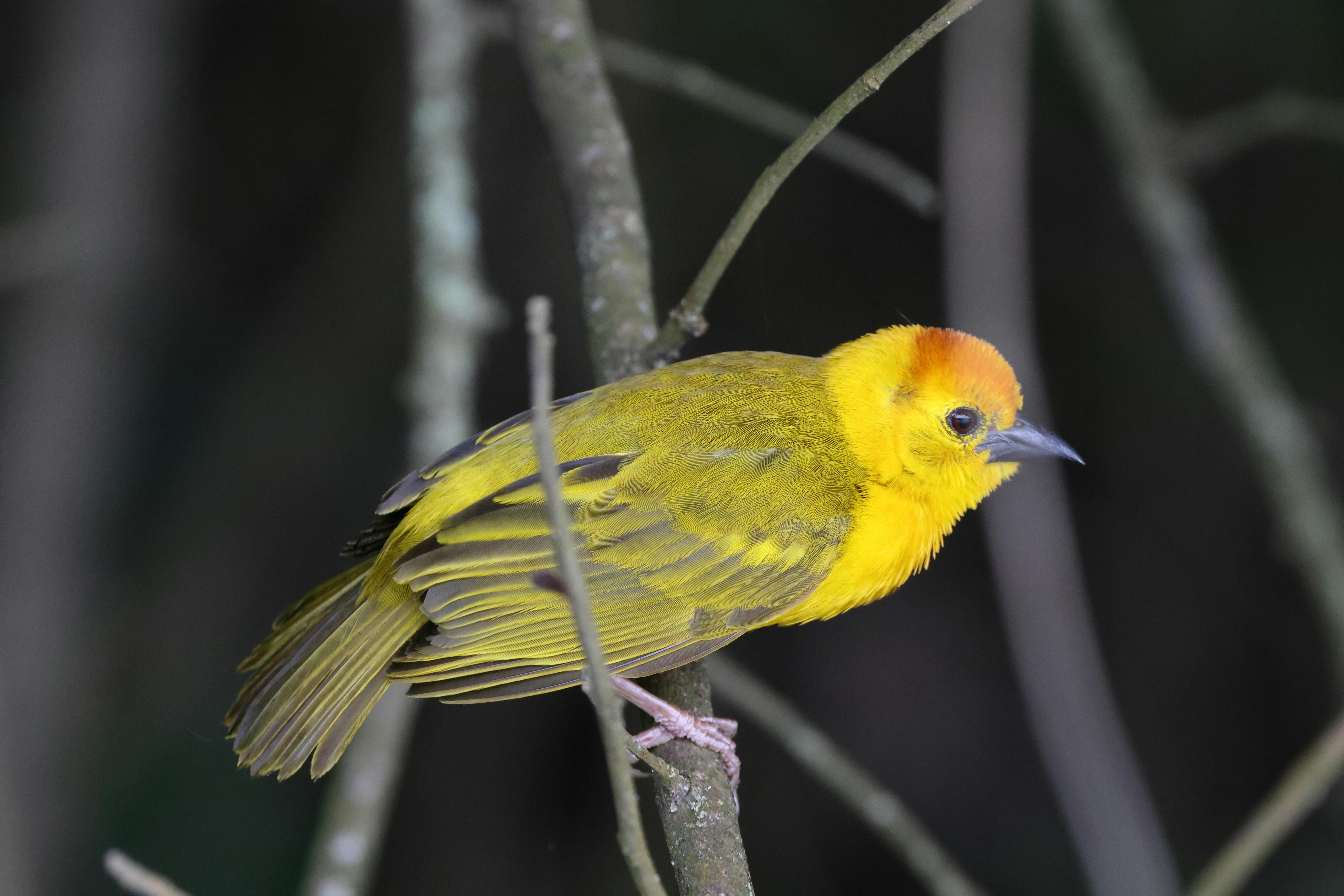
Taveta Golden Weaver© Gregory Hachigian

Monitor Lizzard© Gregory Hachigian

Falmingos© Gregory Hachigian
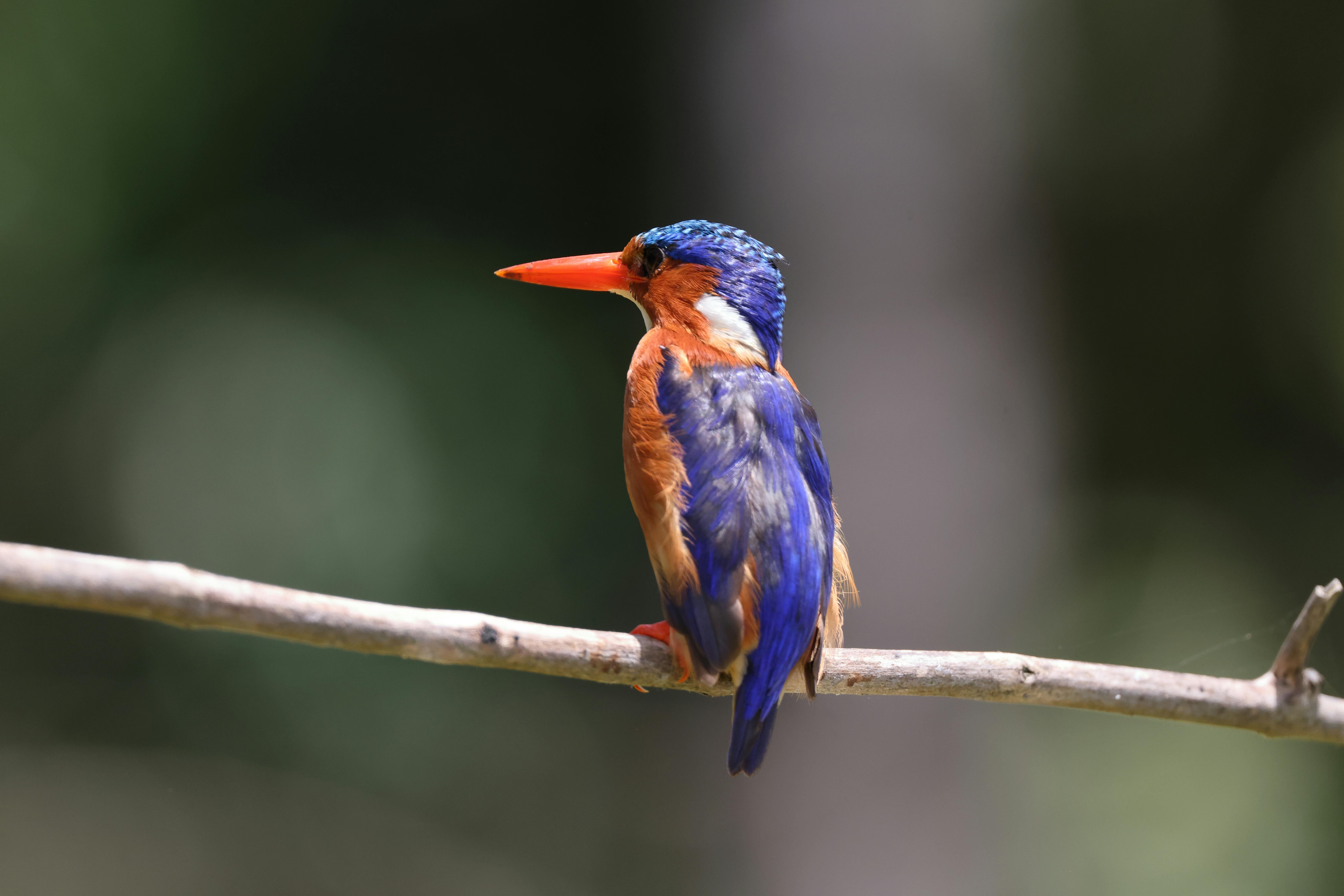
Malachite Kingfisher© Gregory Hachigian
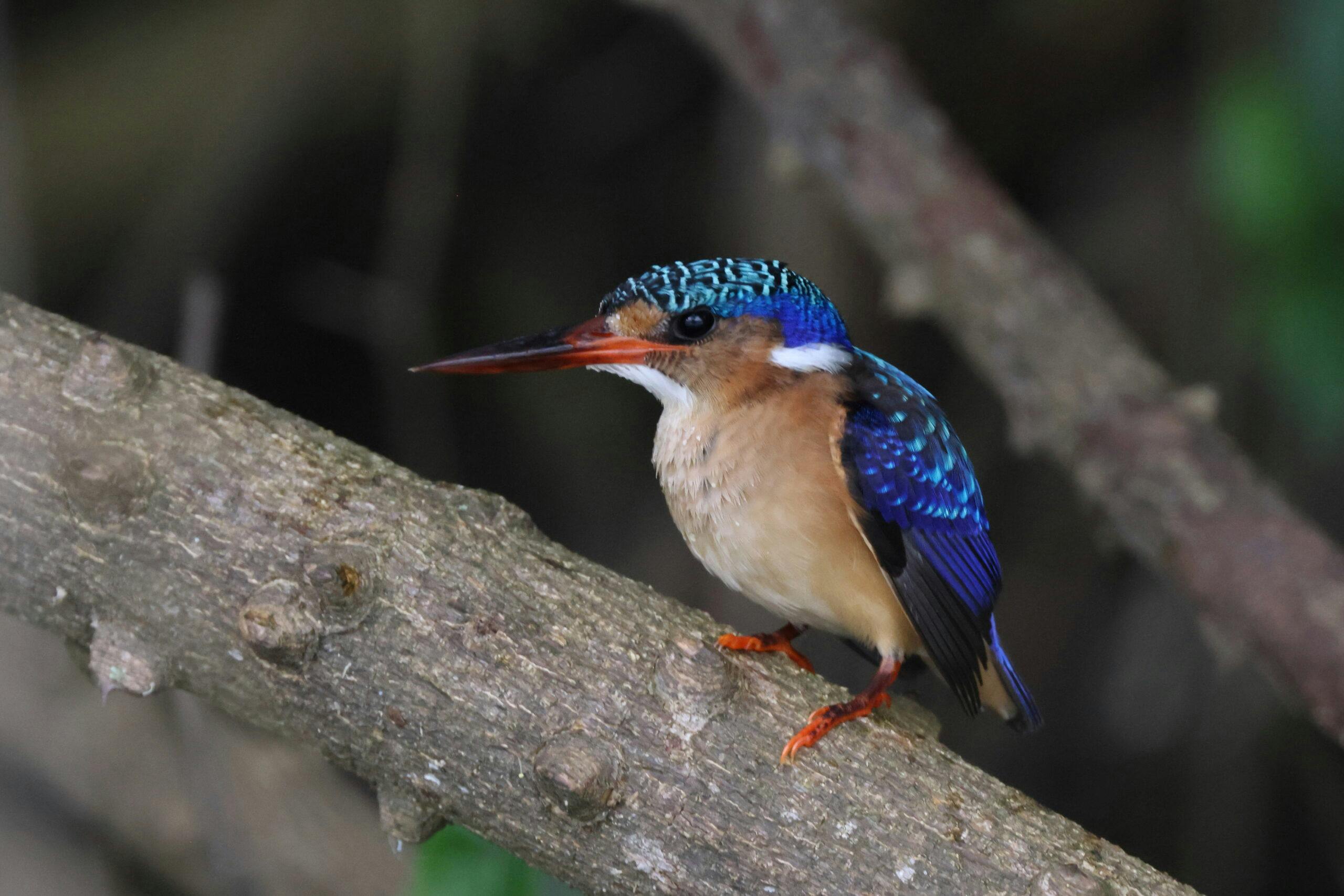
Malachite Kingfisher© Gregory Hachigian
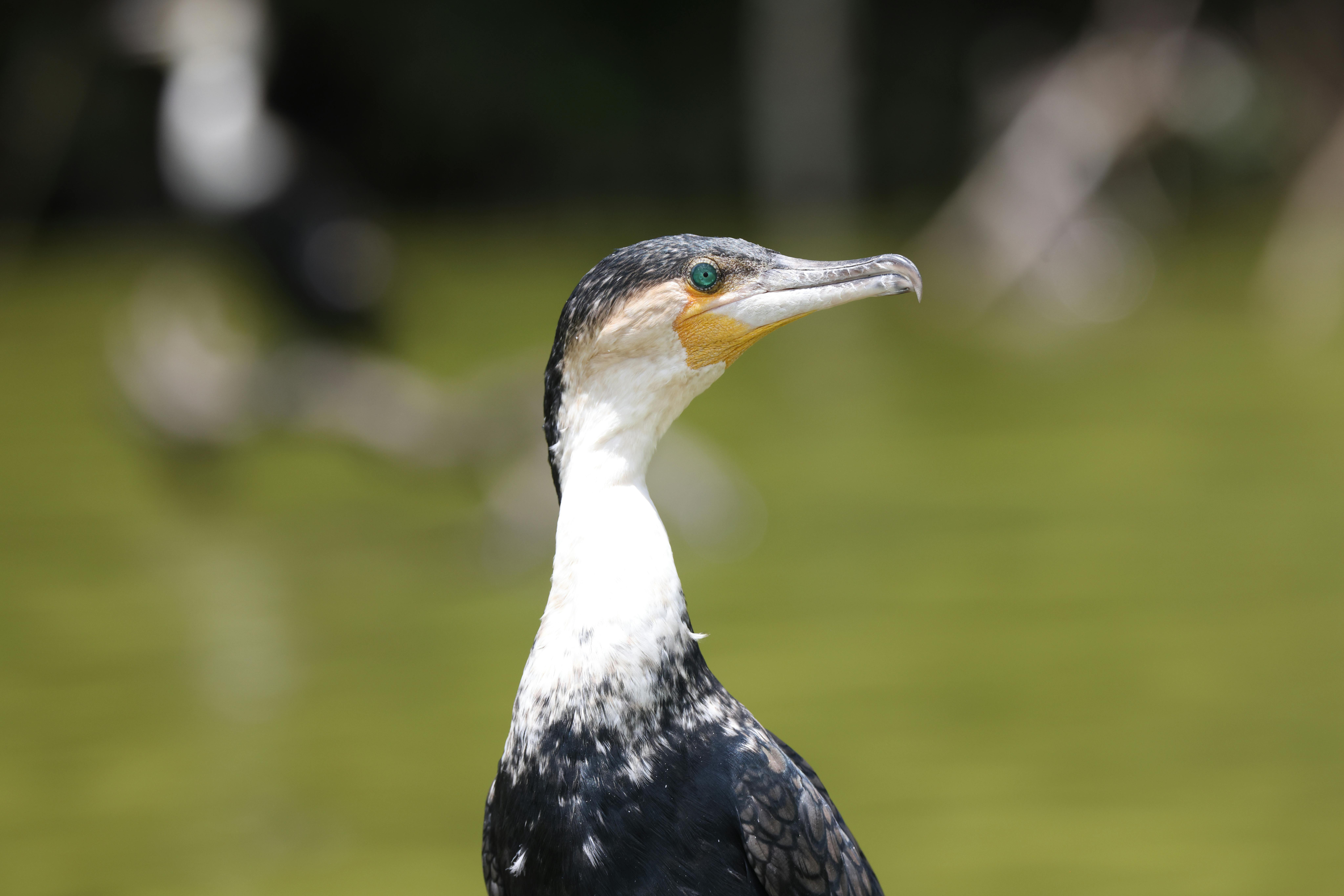
White-breasted Cormorant© Gregory Hachigian

Pied Kingfisher© Gregory Hachigian

Blue Monkey© Gregory Hachigian
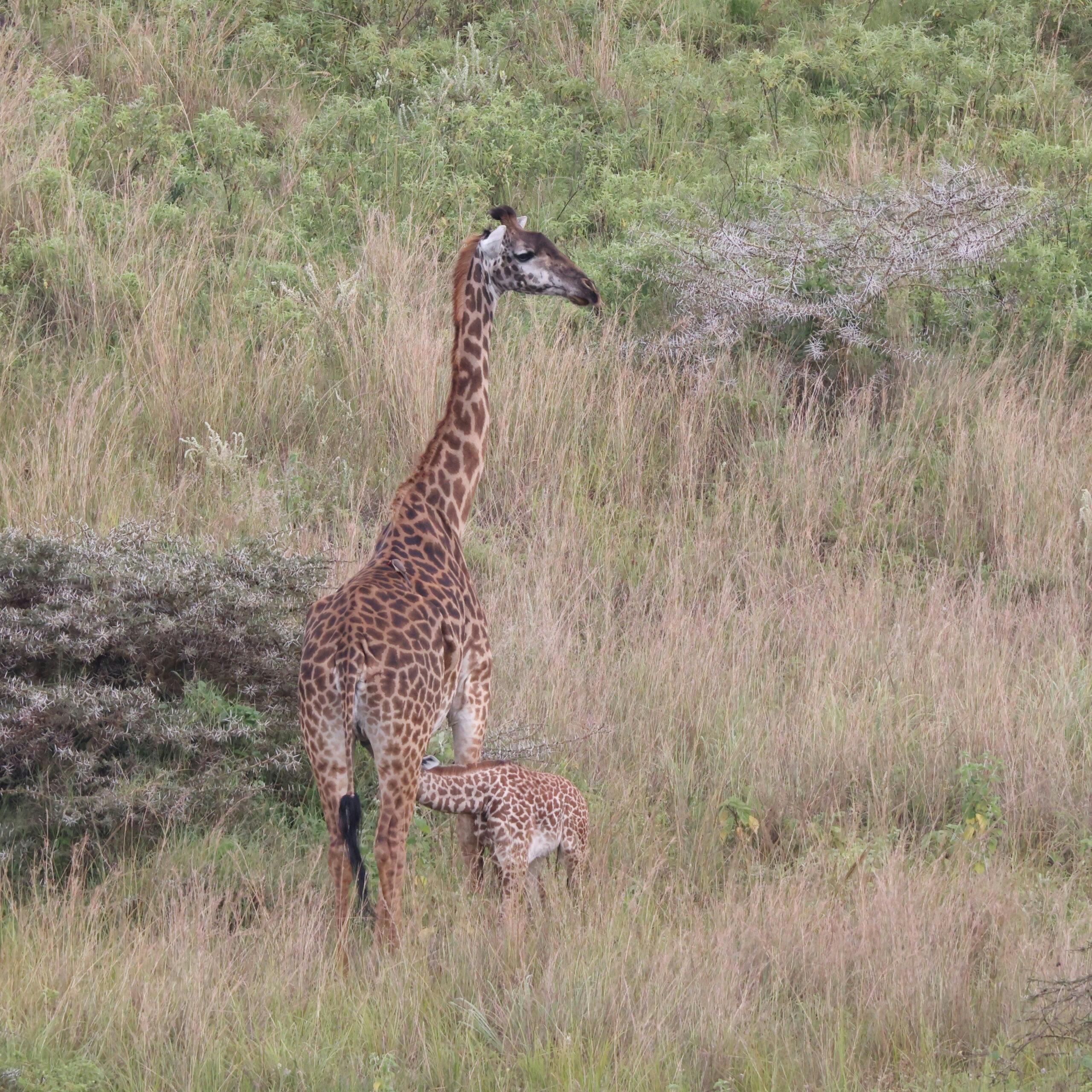
Giraffes© Gregory Hachigian
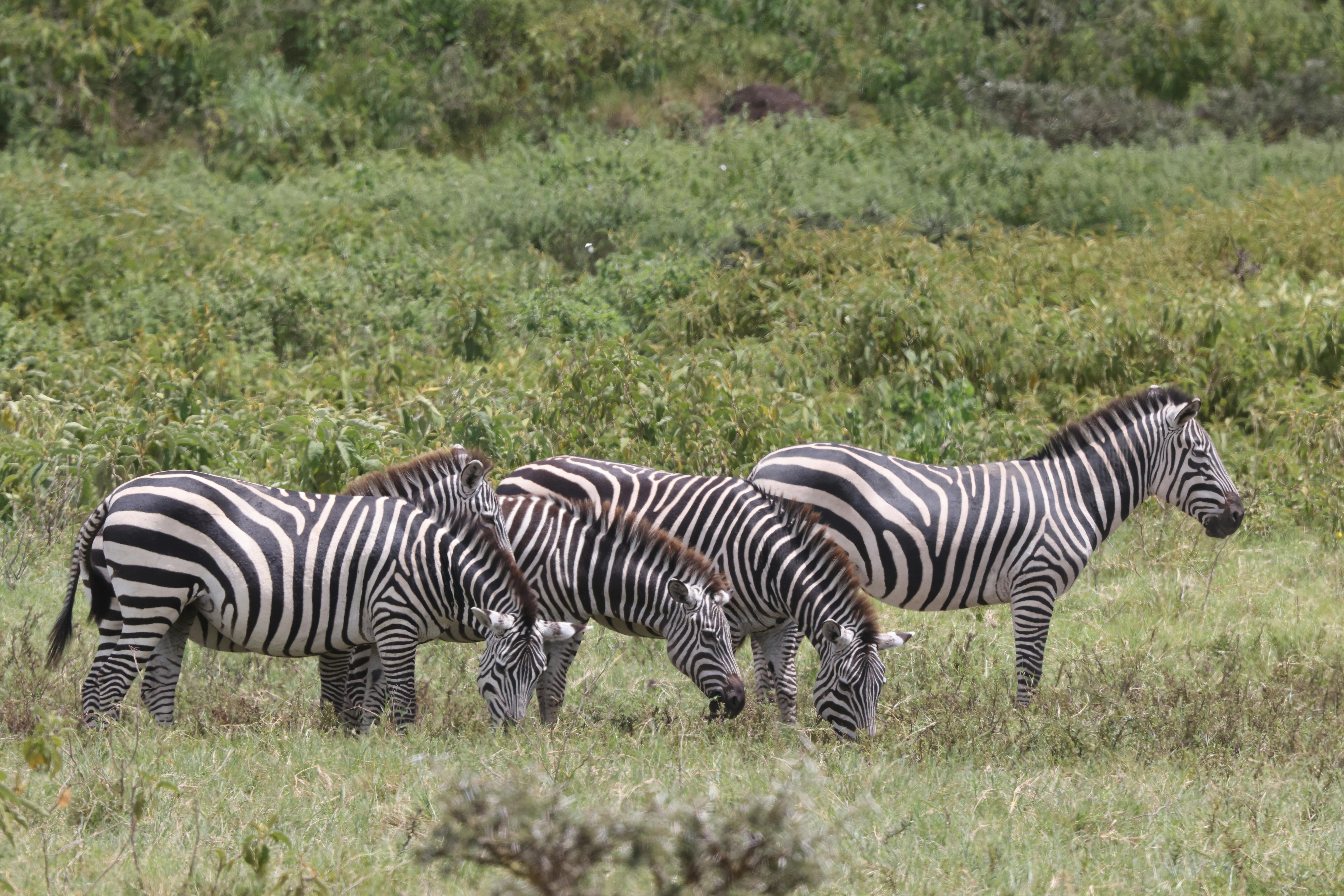
Zebras© Gregory Hachigian
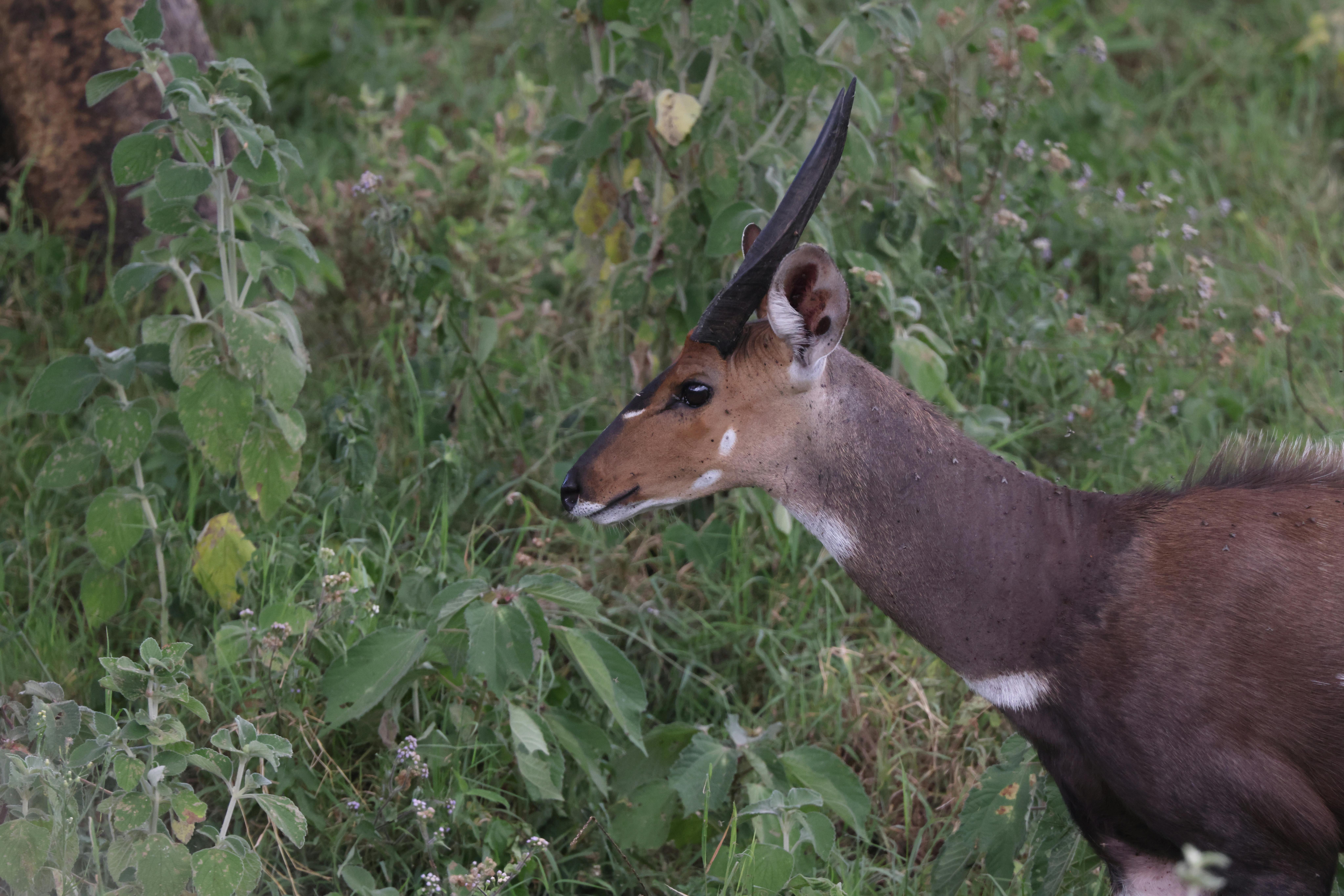
Bushbuck© Gregory Hachigian
Days 3–4: Wildlife Encounters in Tarangire National Park
In Tarangire National Park, travelers explored a diverse landscape of open plains, baobab stands, riverine forest, and extensive marshes. They observed resident lions, leopards, cheetahs, elephants, zebras, giraffes, and much more. The park also offered exceptional birding opportunities with several endemic species. A special night game drive provided unique sightings of nocturnal mammals like civets, genets, springhares, mongooses, and bushbabies.


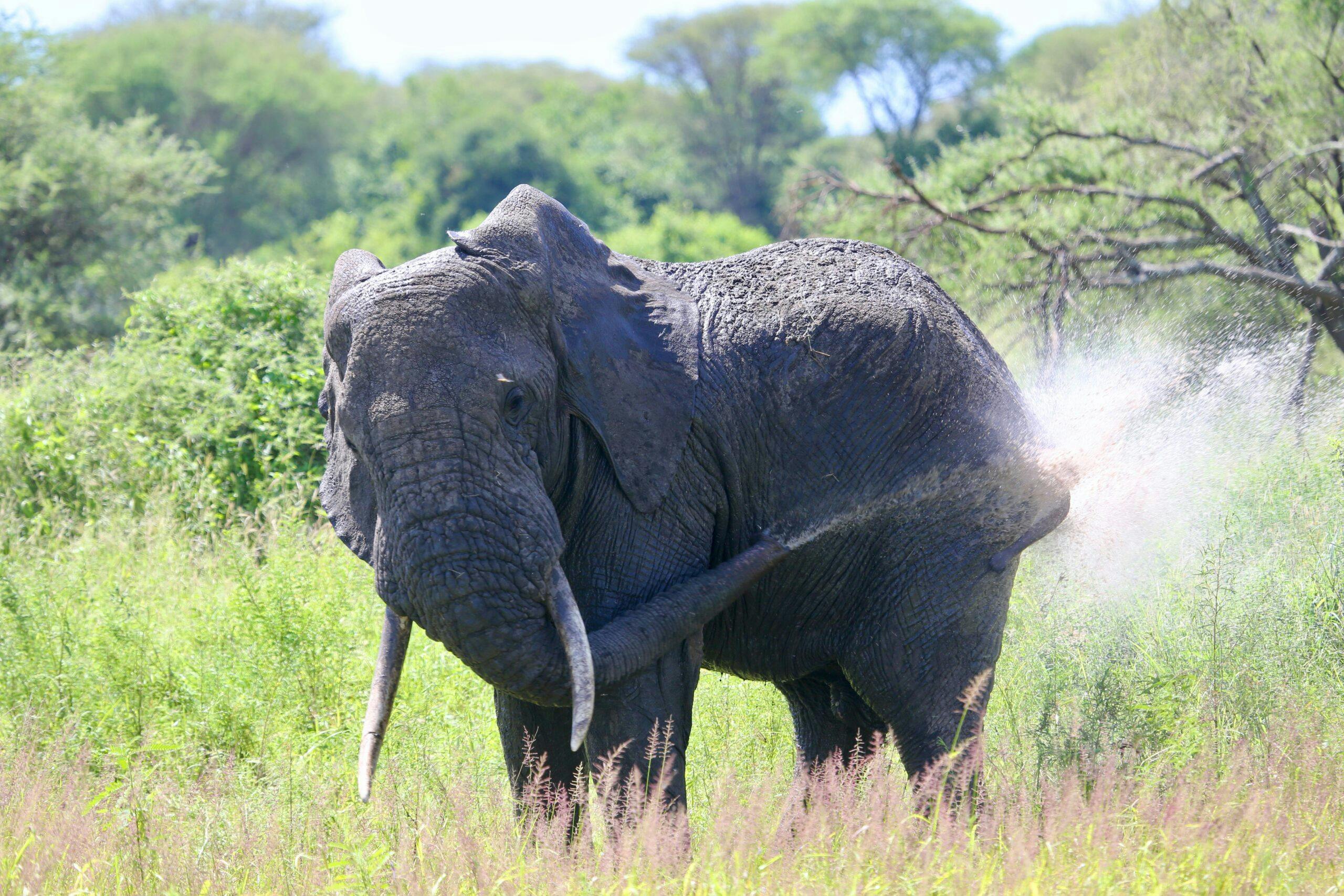

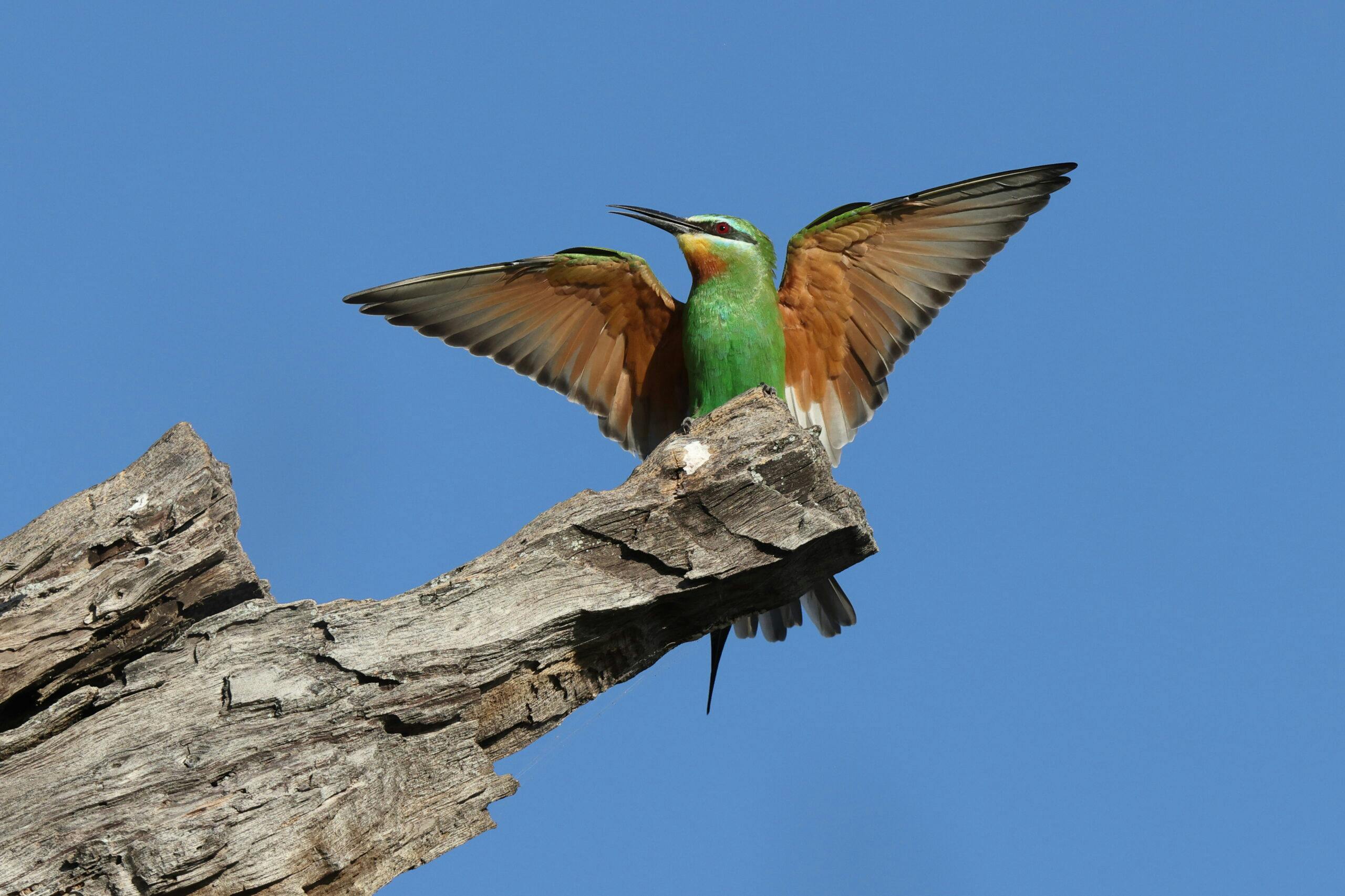

Days 5–7: The Wonders of Ngorongoro Crater
The group headed west to Ngorongoro Conservation Area, ascending to the crater rim for breathtaking views of the landscape below. They explored one of the world’s largest calderas, home to a diverse ecosystem supporting lions, hyenas, baboons, zebras, hippos, and more. The visit to Empakaai Crater offered stunning views and a chance to walk through beautiful forest to a pristine caldera lake.
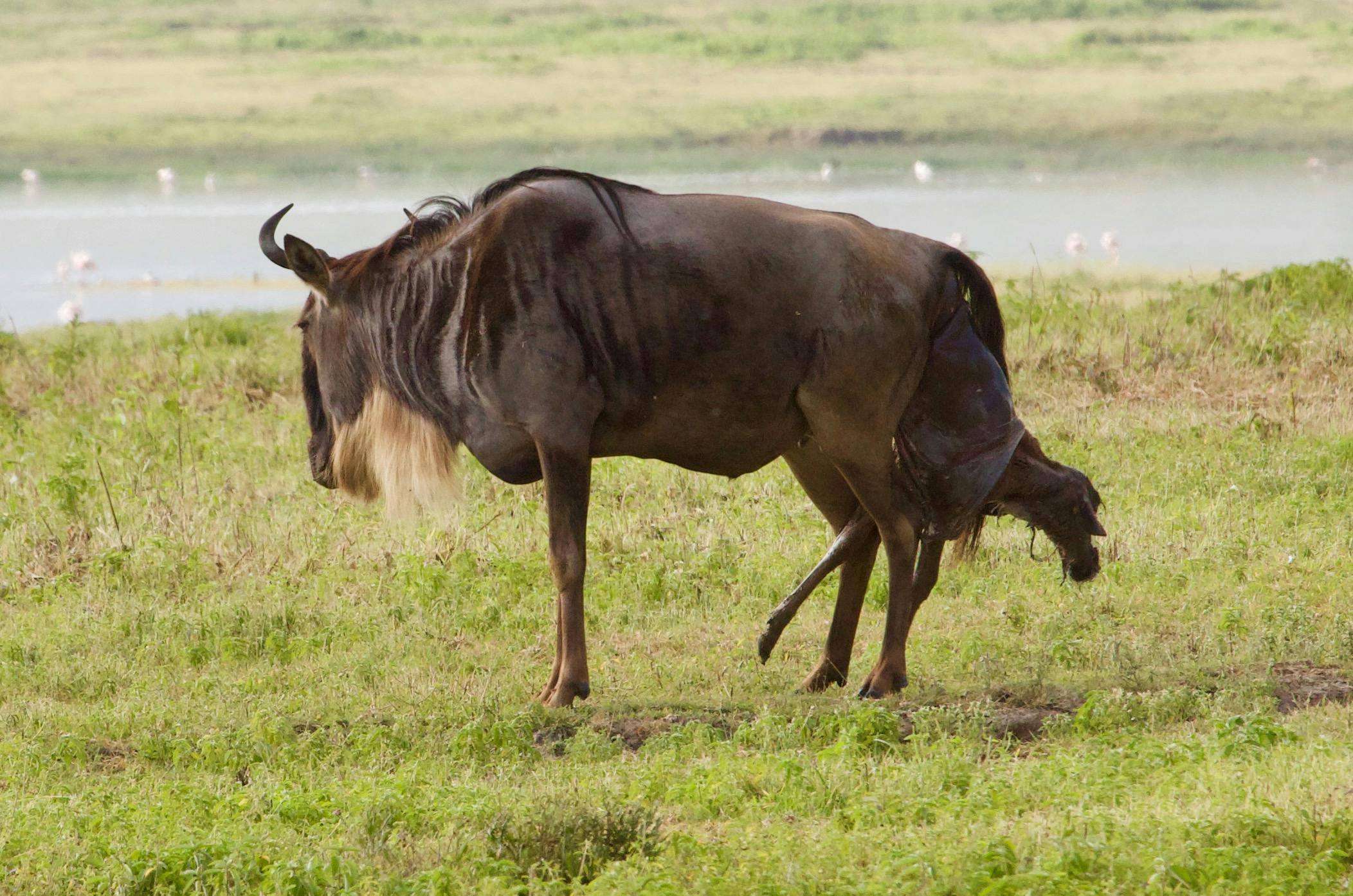
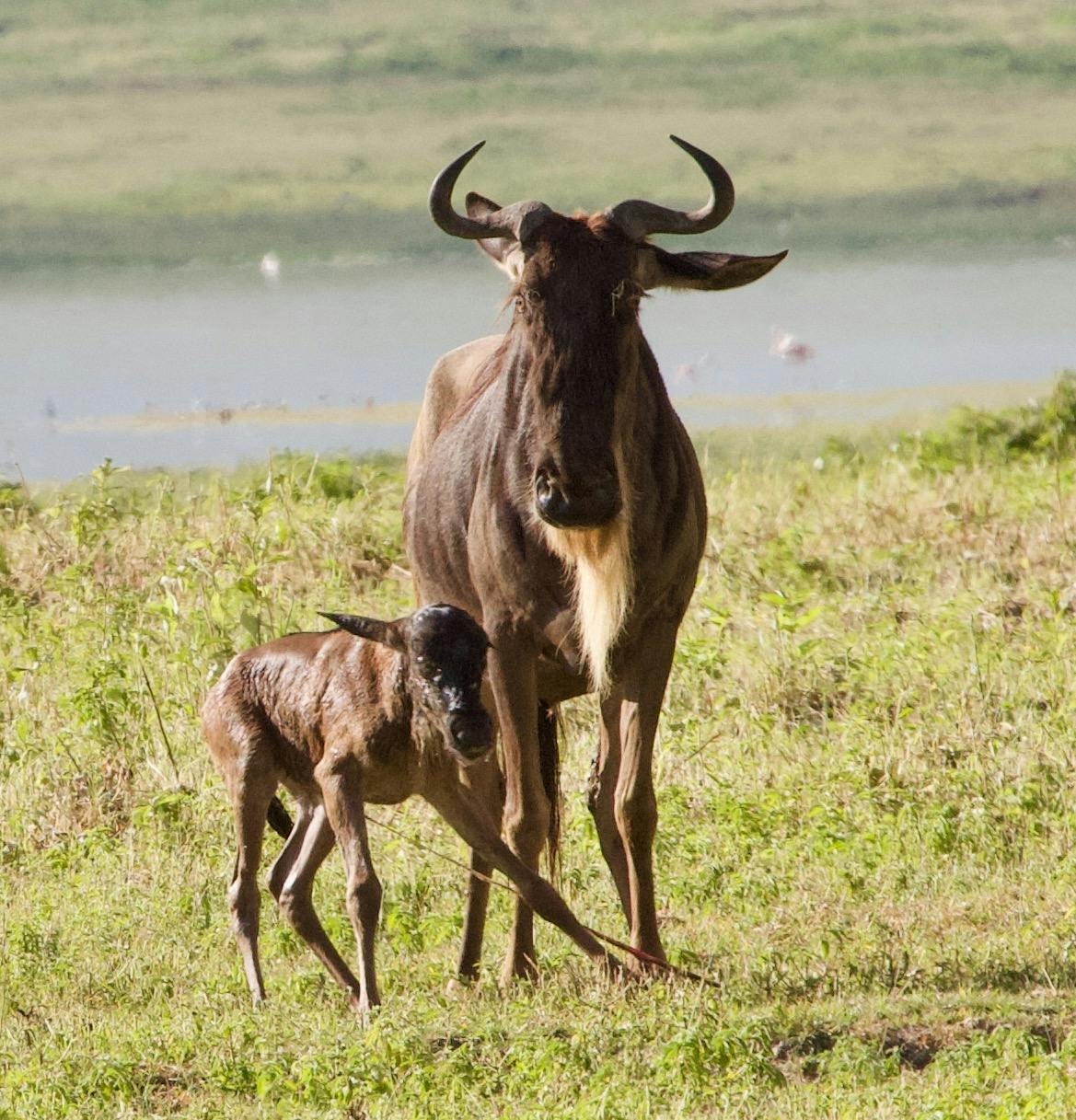
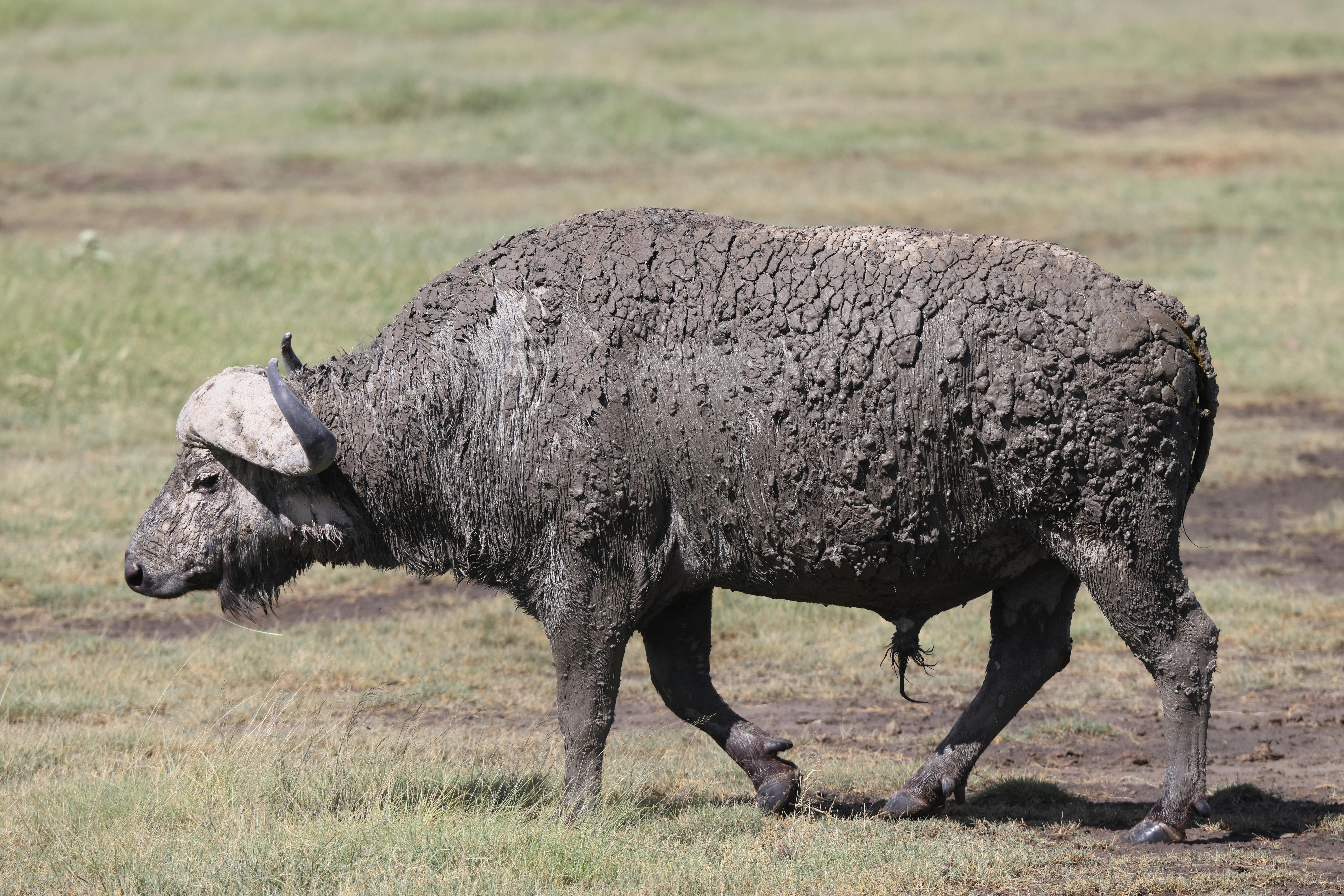
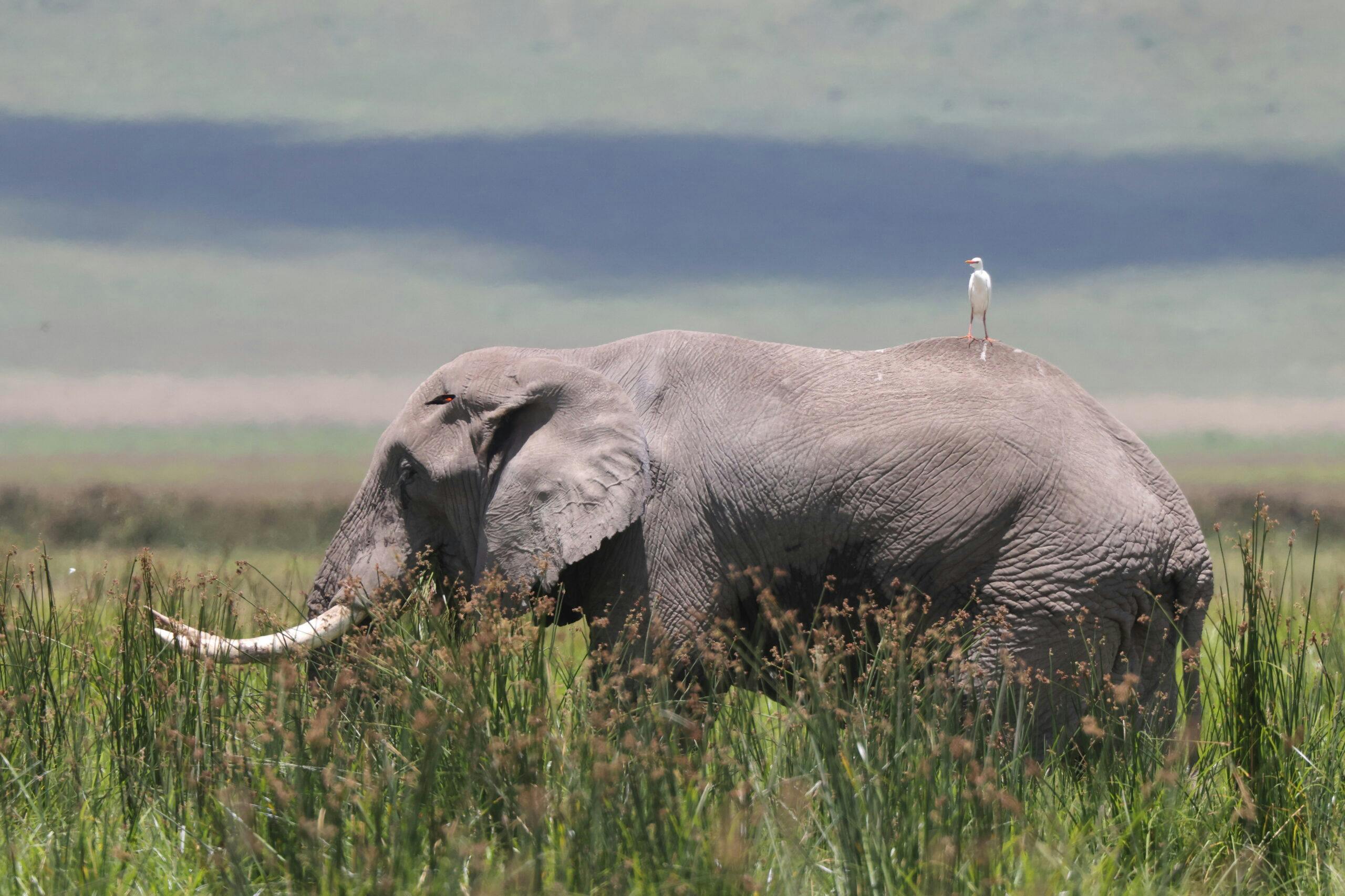
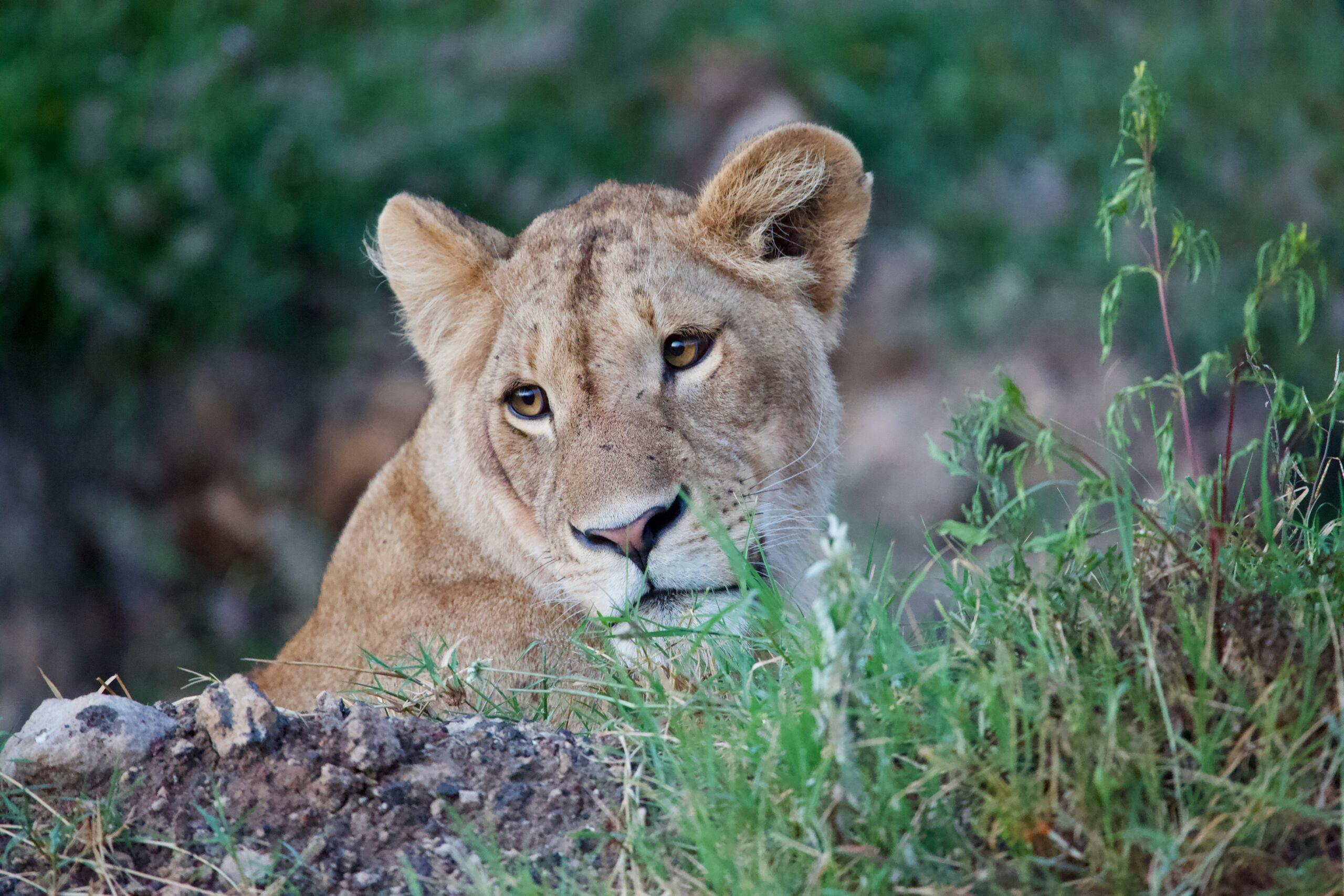


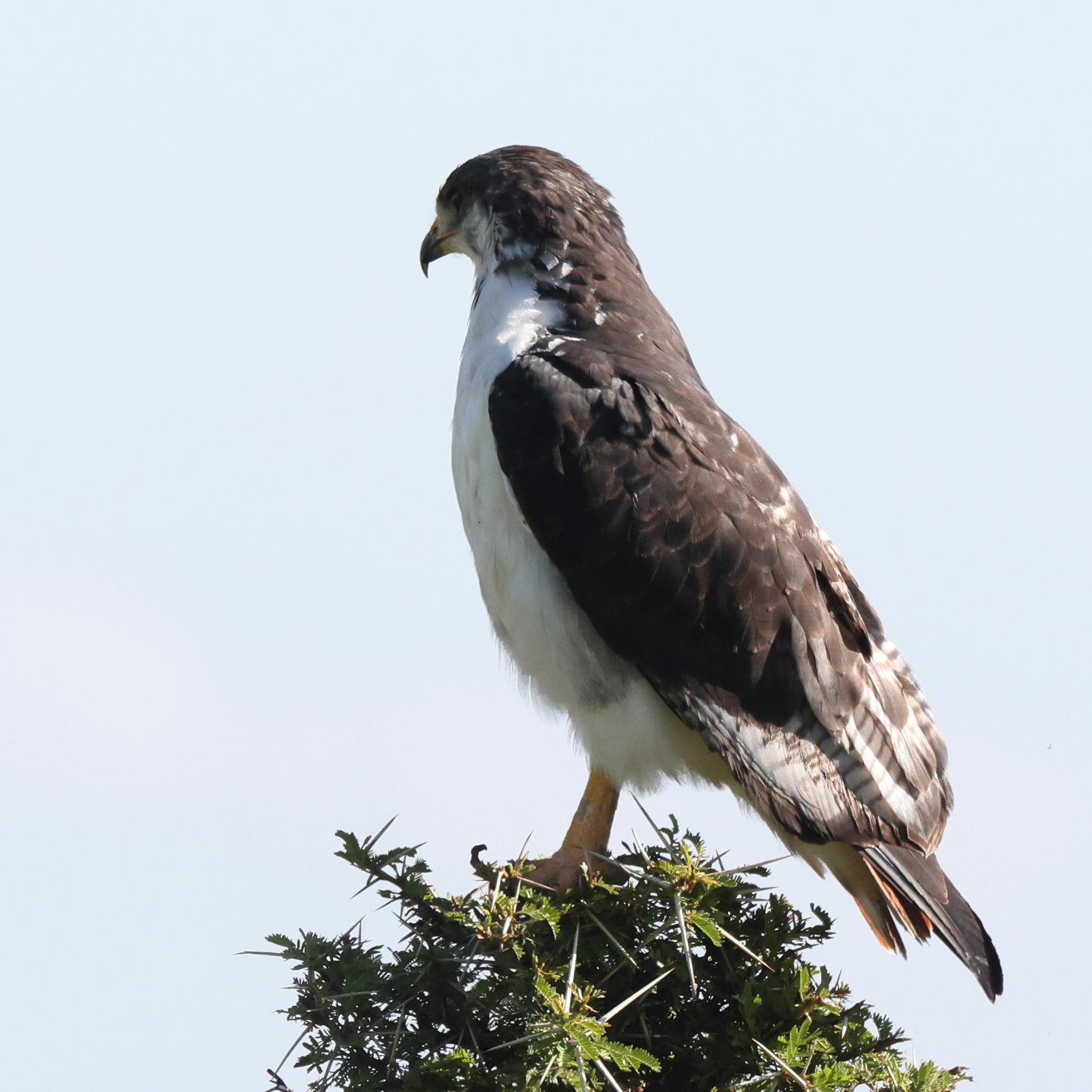

Days 8–10: The Great Migration in Ngorongoro and Serengeti
Travelers ventured into the short-grass plains of the Ngorongoro Conservation Area, where they witnessed the vast migratory herds and the synchronized calving of wildebeest. This period also meant an abundance of predators, making it a prime area for lion prides and cheetahs. Lakes Ndutu and Masek provided exceptional birding and opportunities to see scavengers like vultures, eagles, jackals, and hyenas.
“A high-end experience with the best accommodations and most experienced and knowledgeable guides.” -Alan Rackelmann

European Roller© Gregory Hachigian
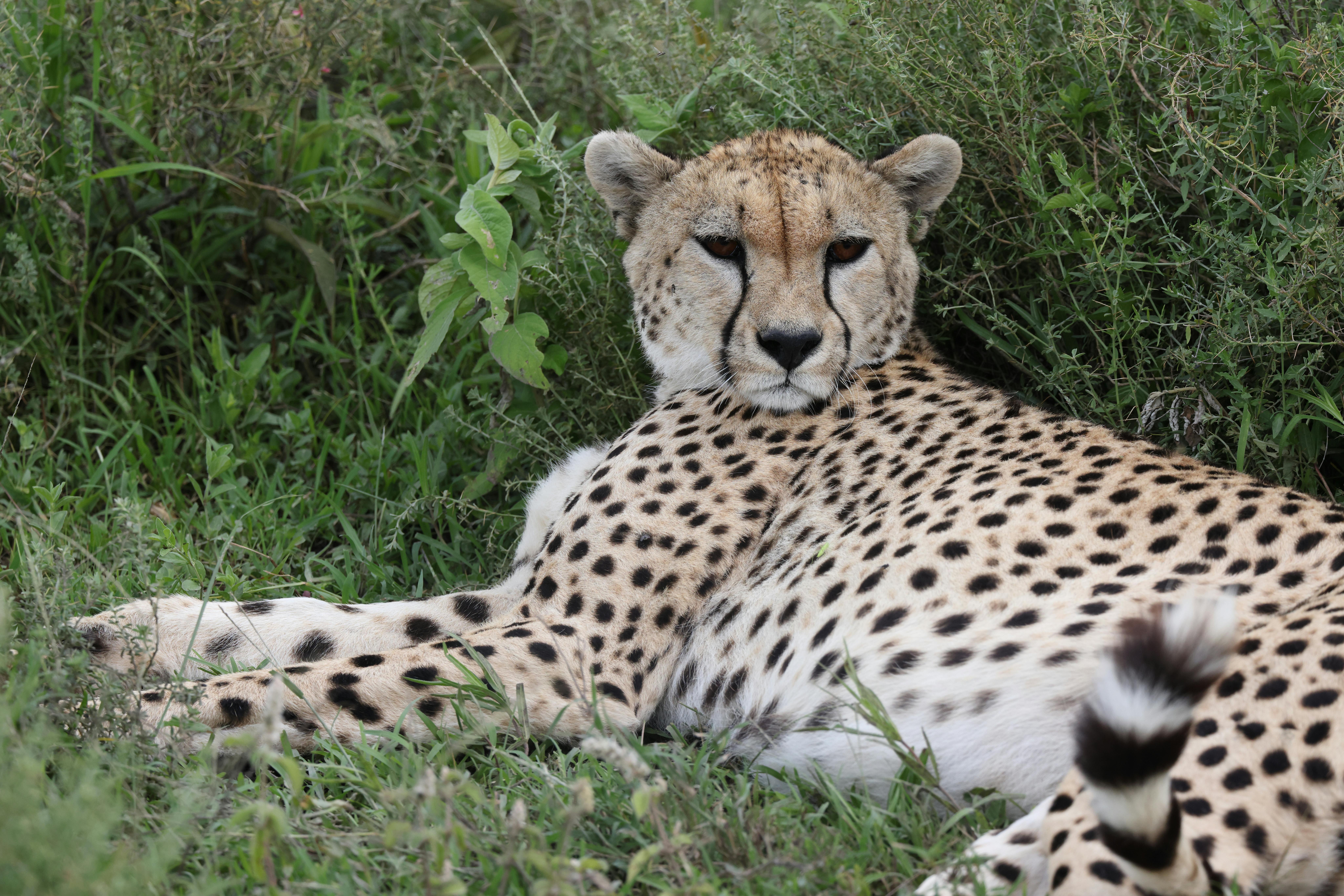
Cheetah© Gregory Hachigian

Zebras and Wildebeests© Alan Robinson

Bat-eared Fox© Gregory Hachigian
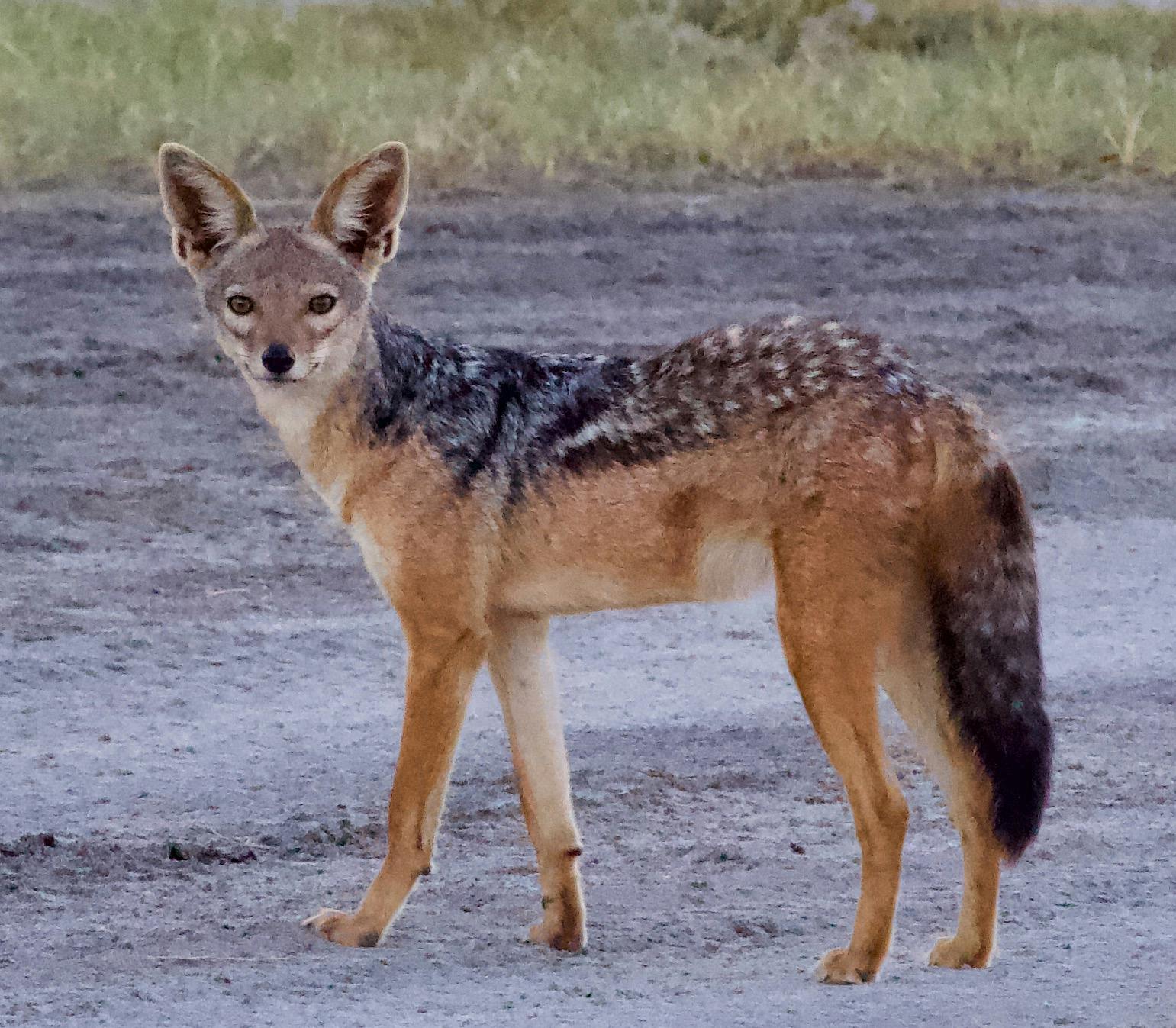
Jackal© Alan Robinson
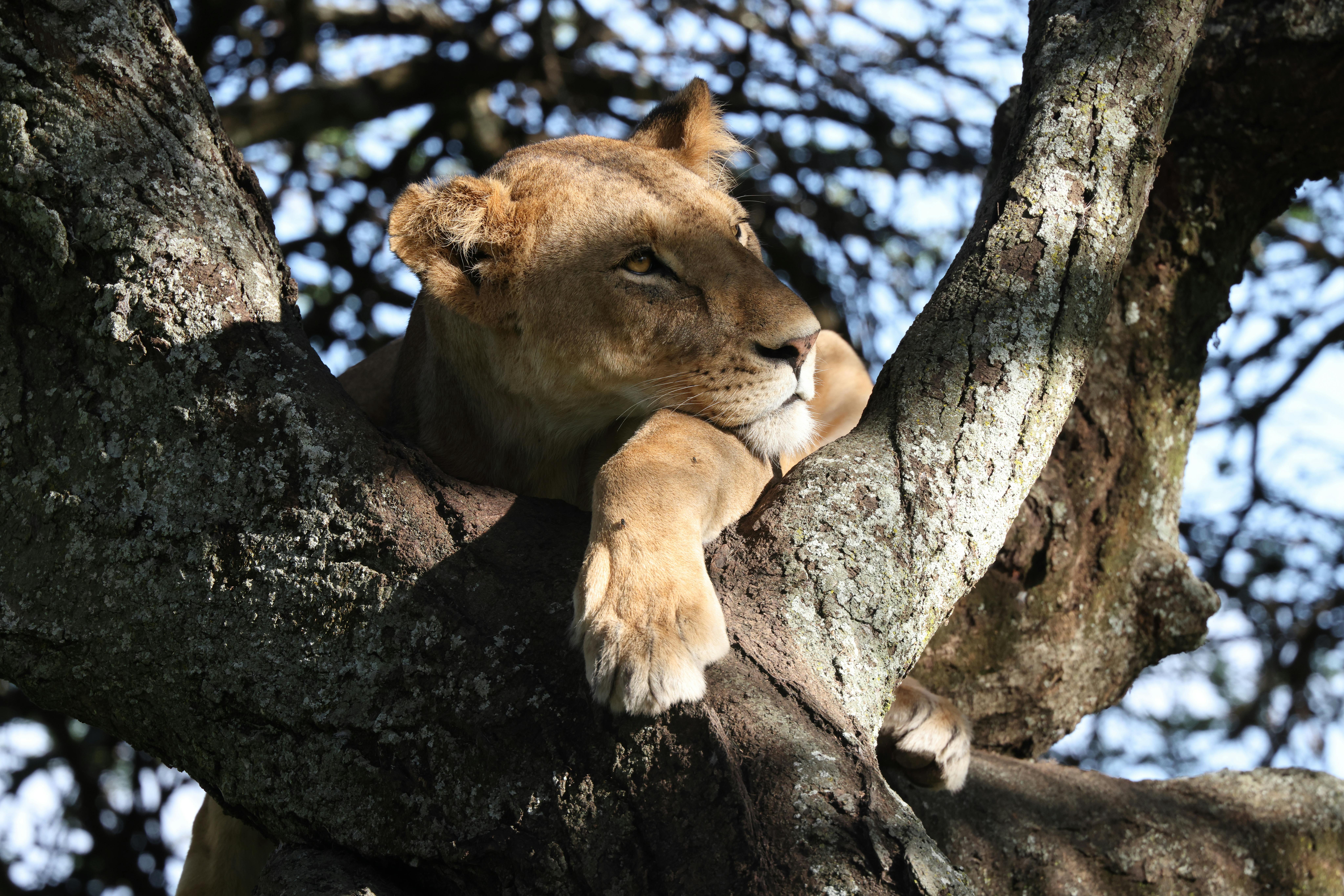
Lion © Gregory Hachigian

Coke's Hartebeest© Gregory Hachigian

Lions© Alan Robinson
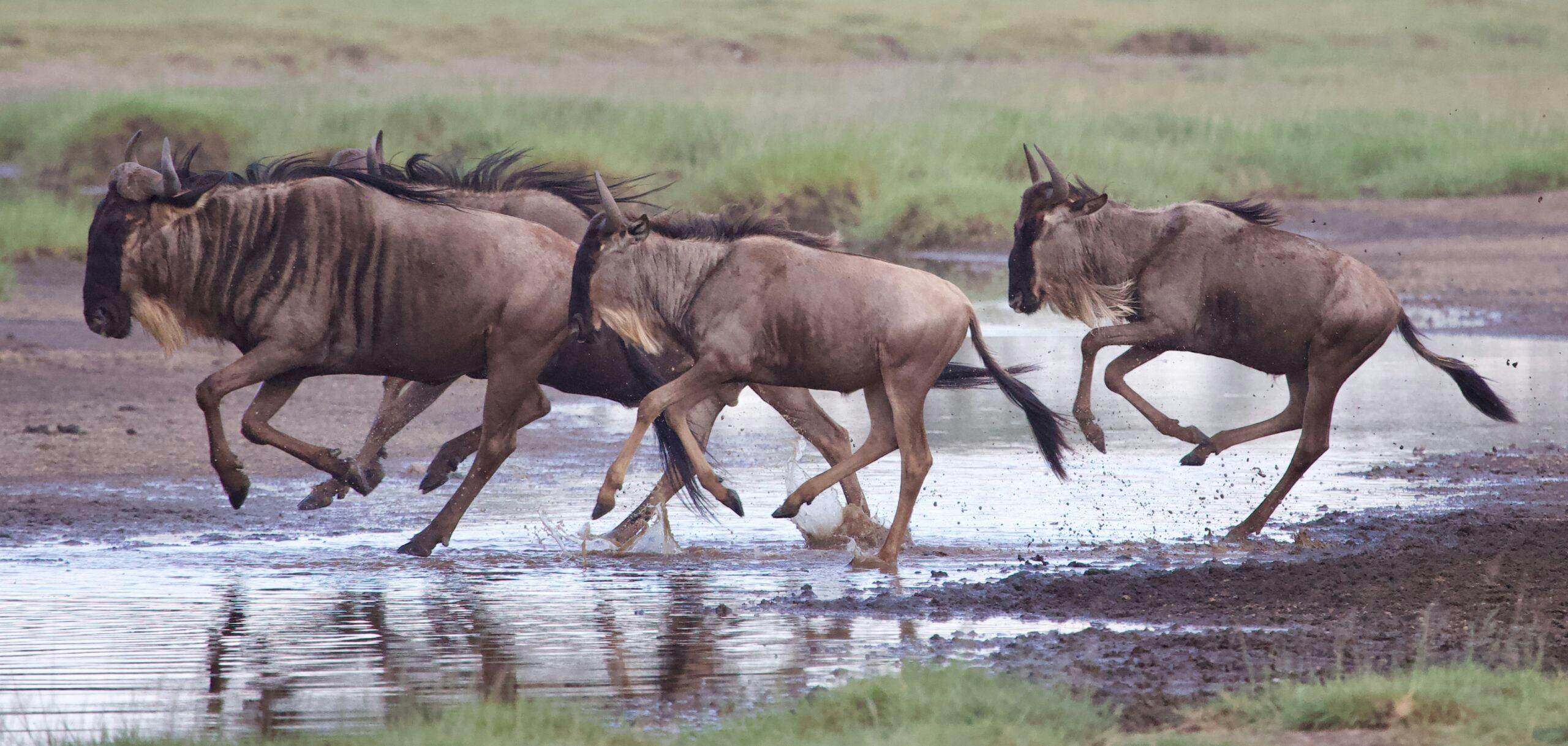
Wildebeests© Alan Robinson
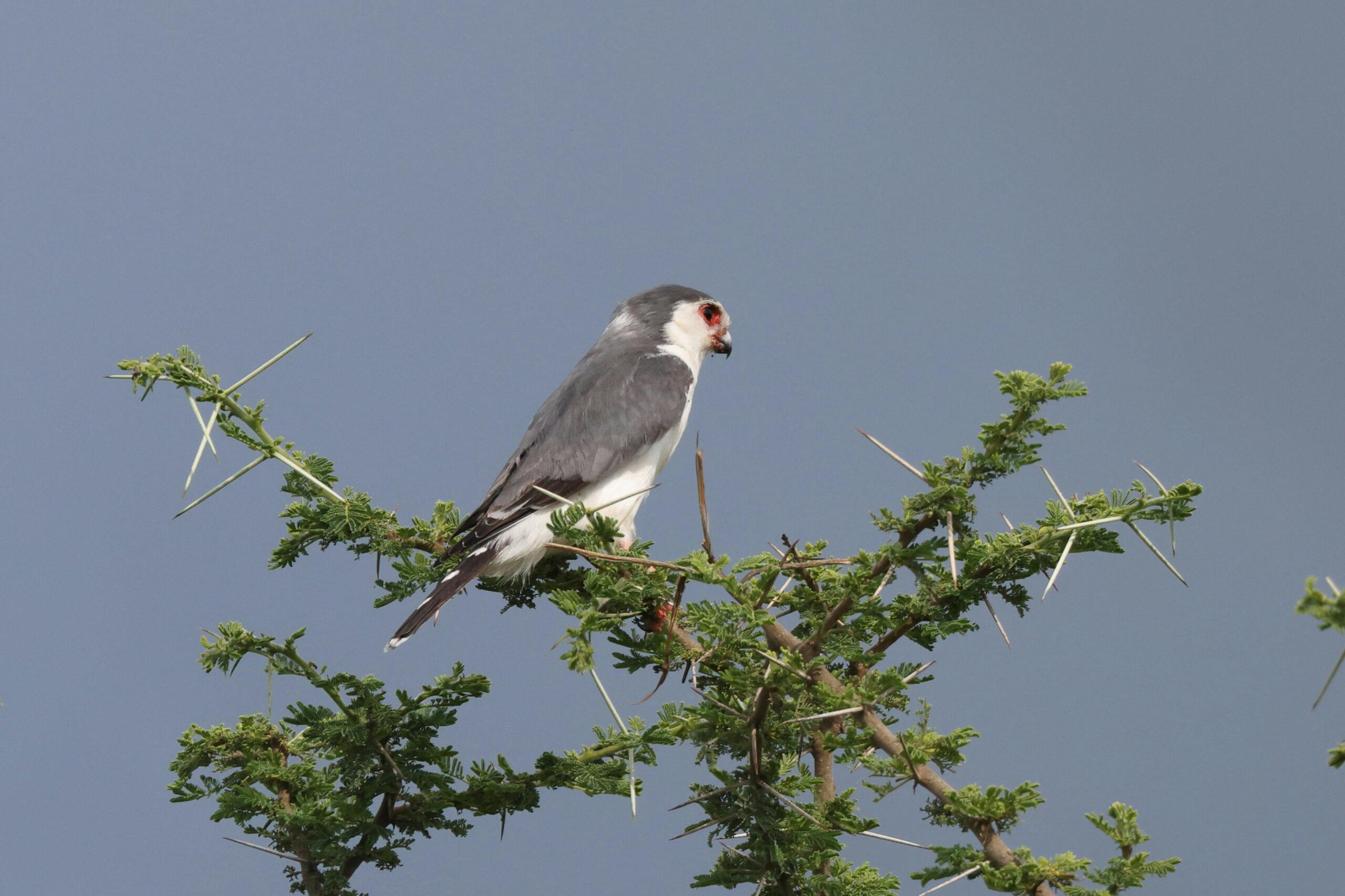
African Pygmy Falcon© Gregory Hachigian
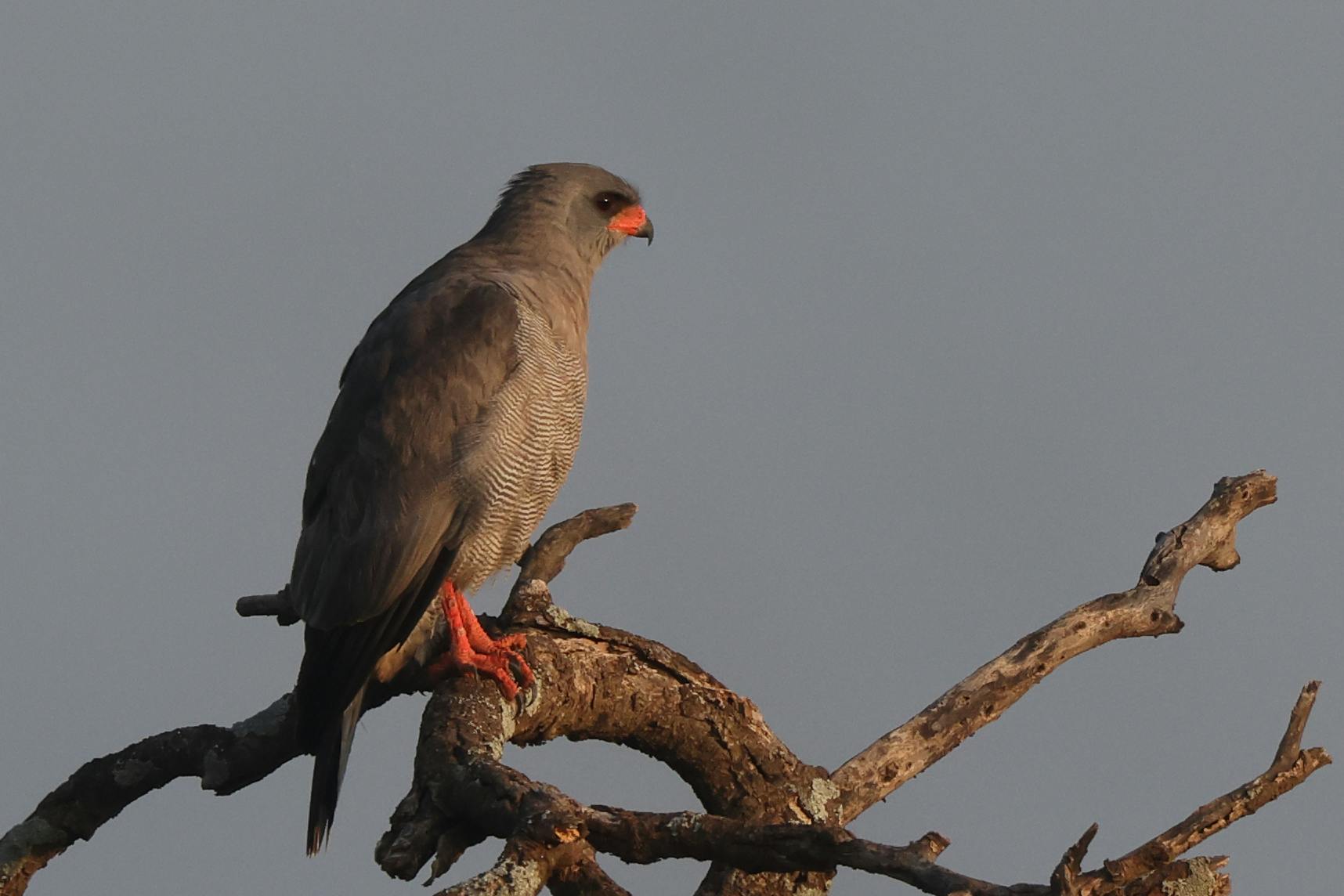
Dark Chanting-goshawk© Gregory Hachigian

Dung Beetle© Gregory Hachigian

Lion © Gregory Hachigian
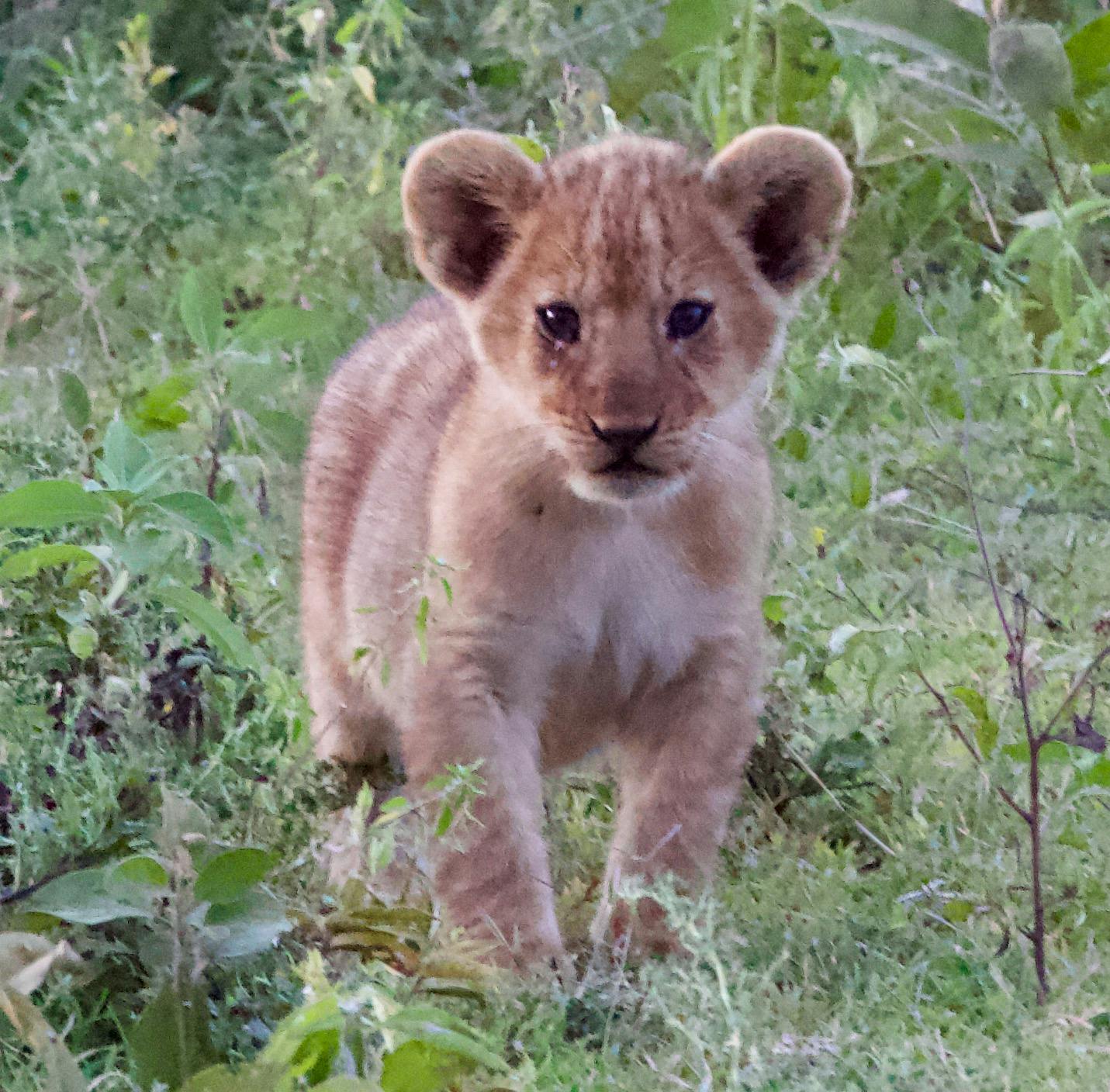
Lion Cub© Alan Robinson
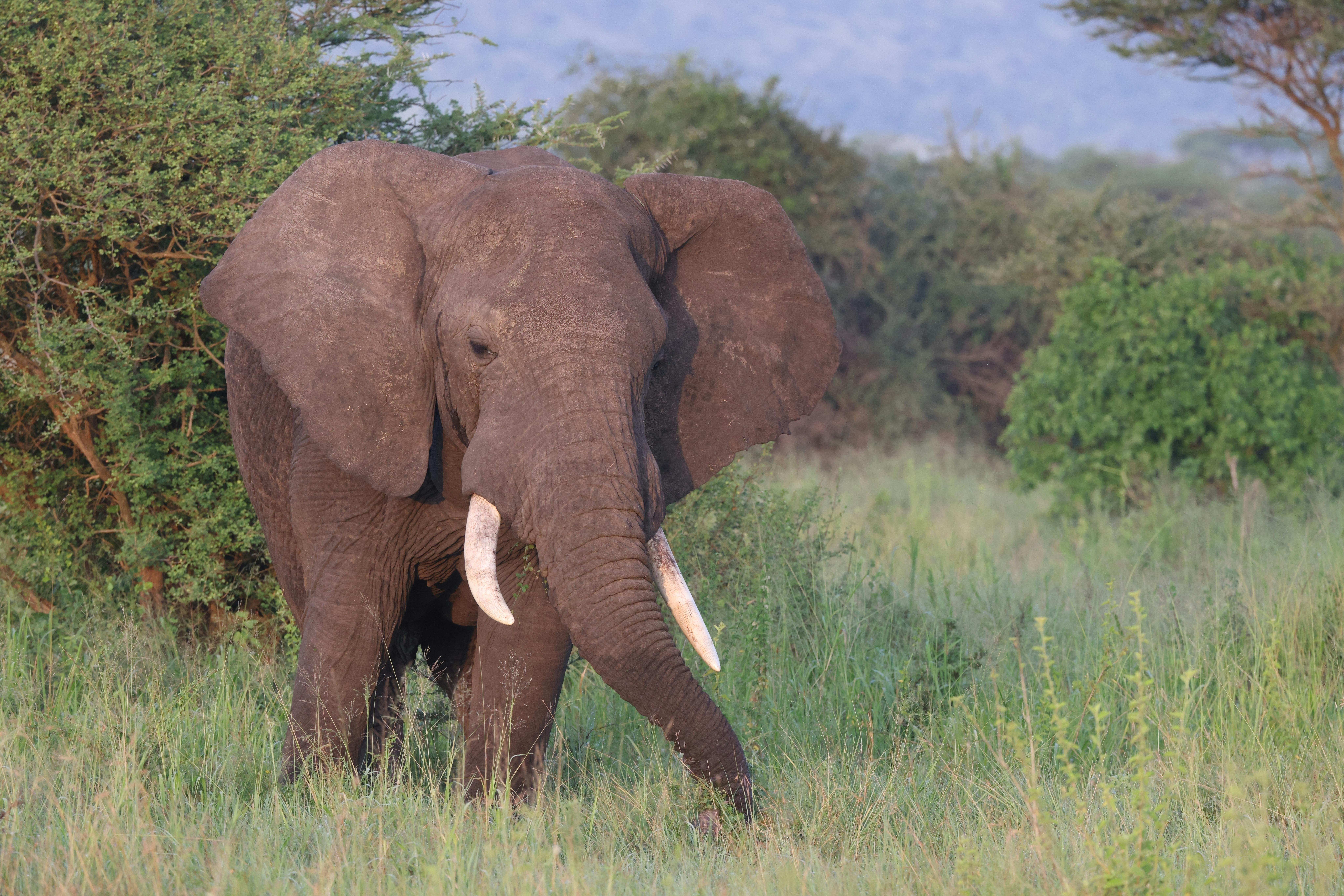
Elelphant © Gregory Hachigian

Giraffes© Gregory Hachigian
Days 11–12: Exploring Central Serengeti
The group journeyed north to the Central Serengeti, a landscape of rolling plains, dramatic rock outcrops, and riverine forests. They enjoyed superb birding, spotting diurnal birds of prey, sunbirds, bee-eaters, rollers, and more. The Acacia Bliss Tented Camp, set in a stunning landscape, offered excellent wildlife sightings, including leopards. A visit to the Serengeti visitor center provided insights into the region’s ecology and history.
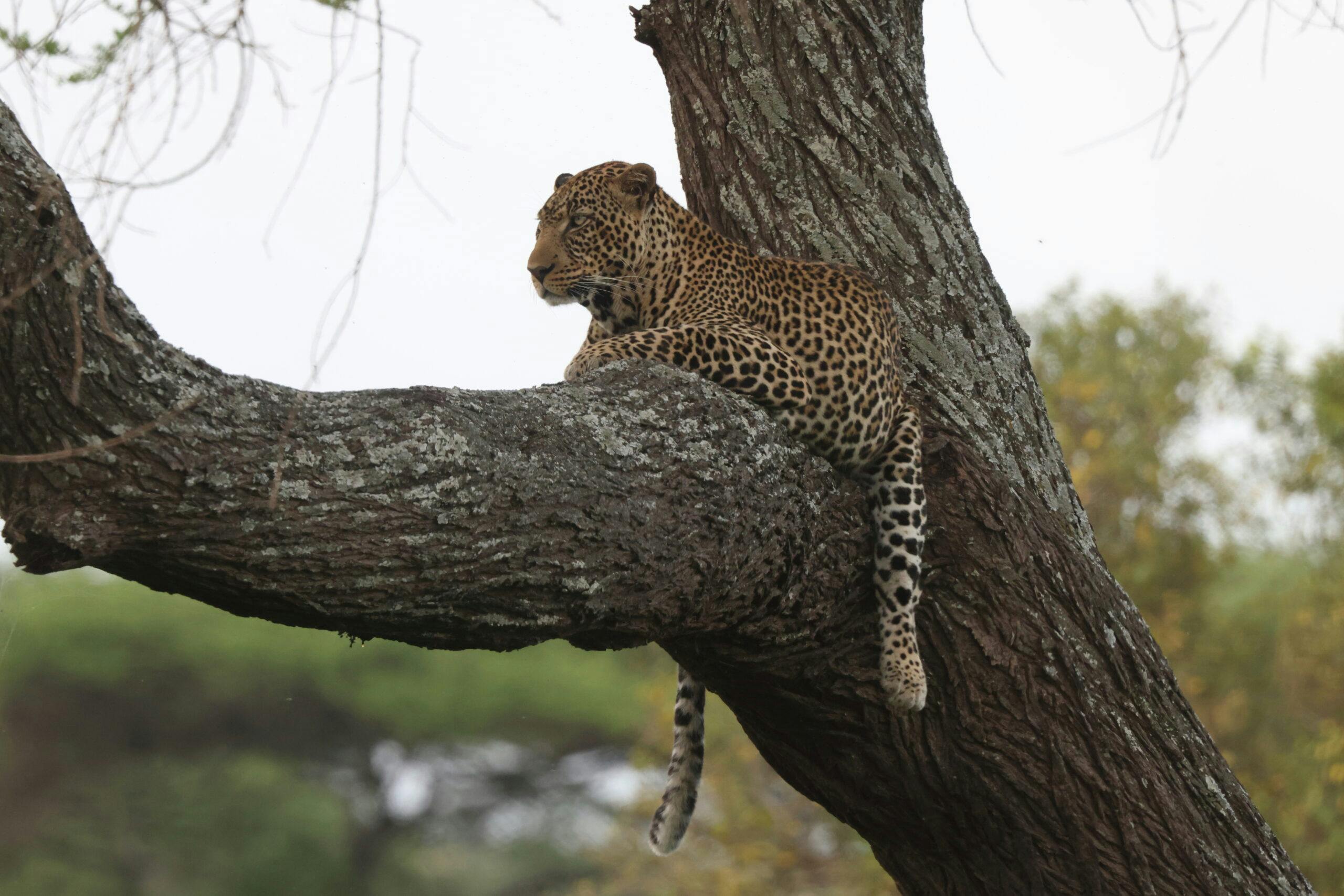
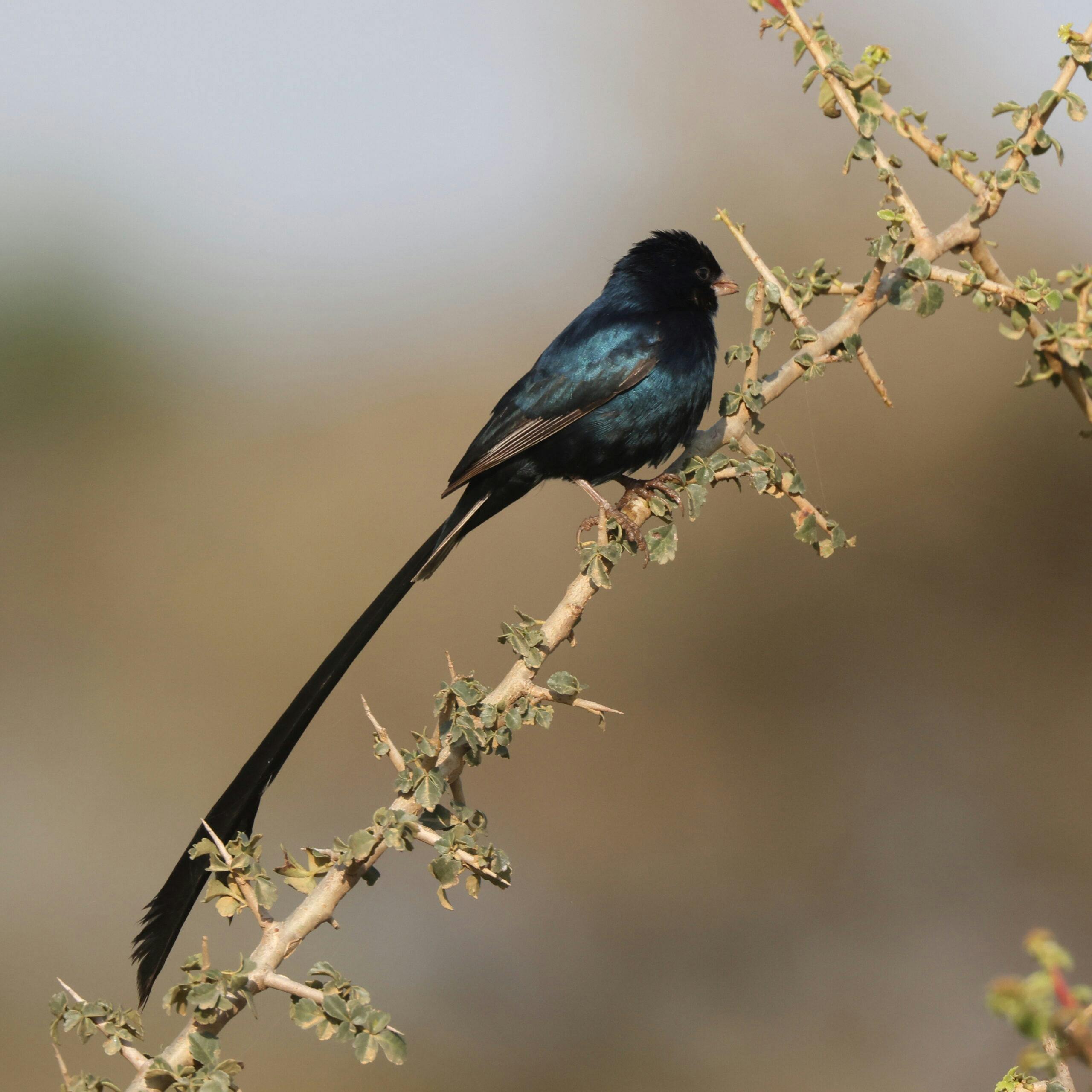
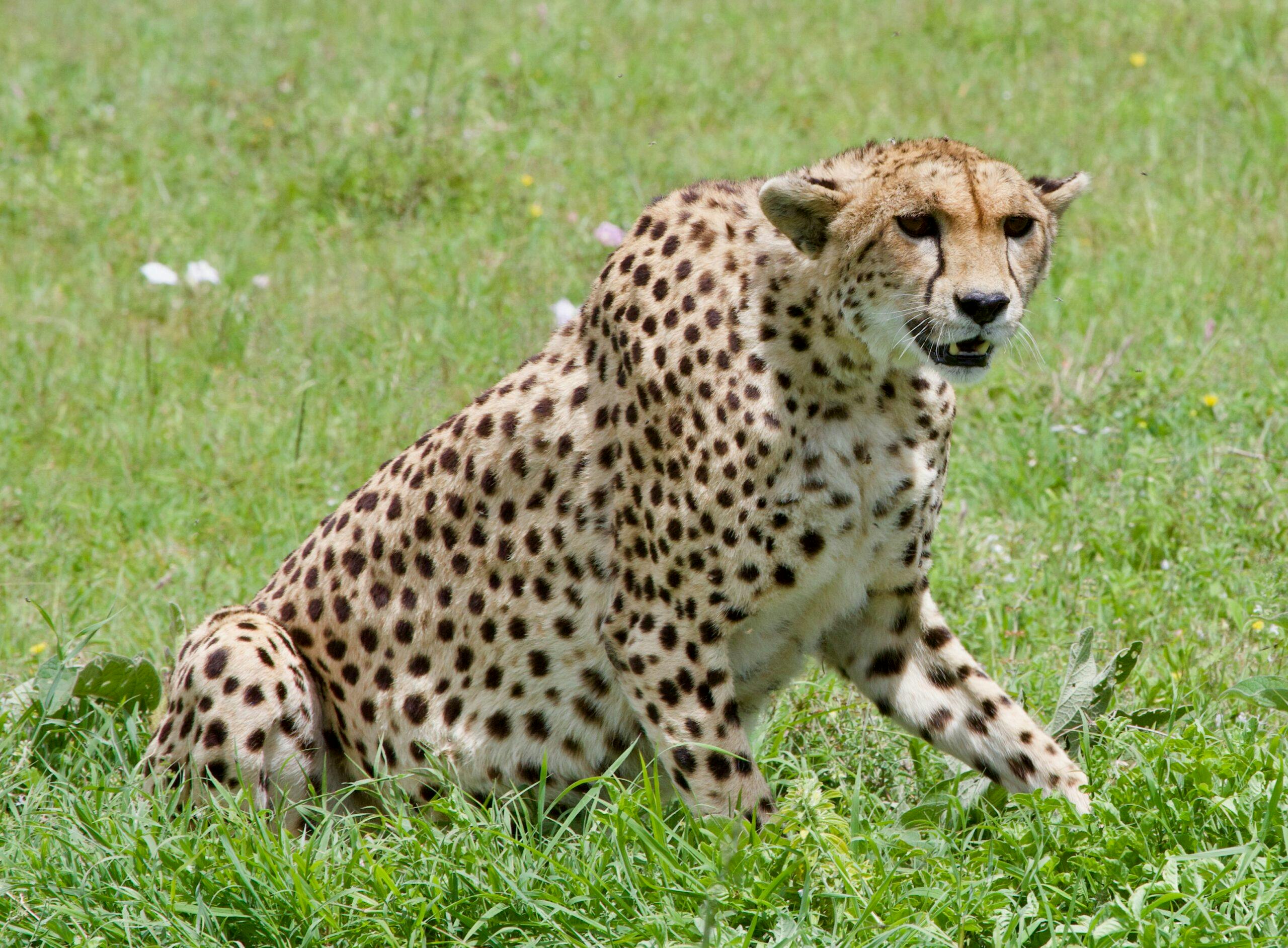
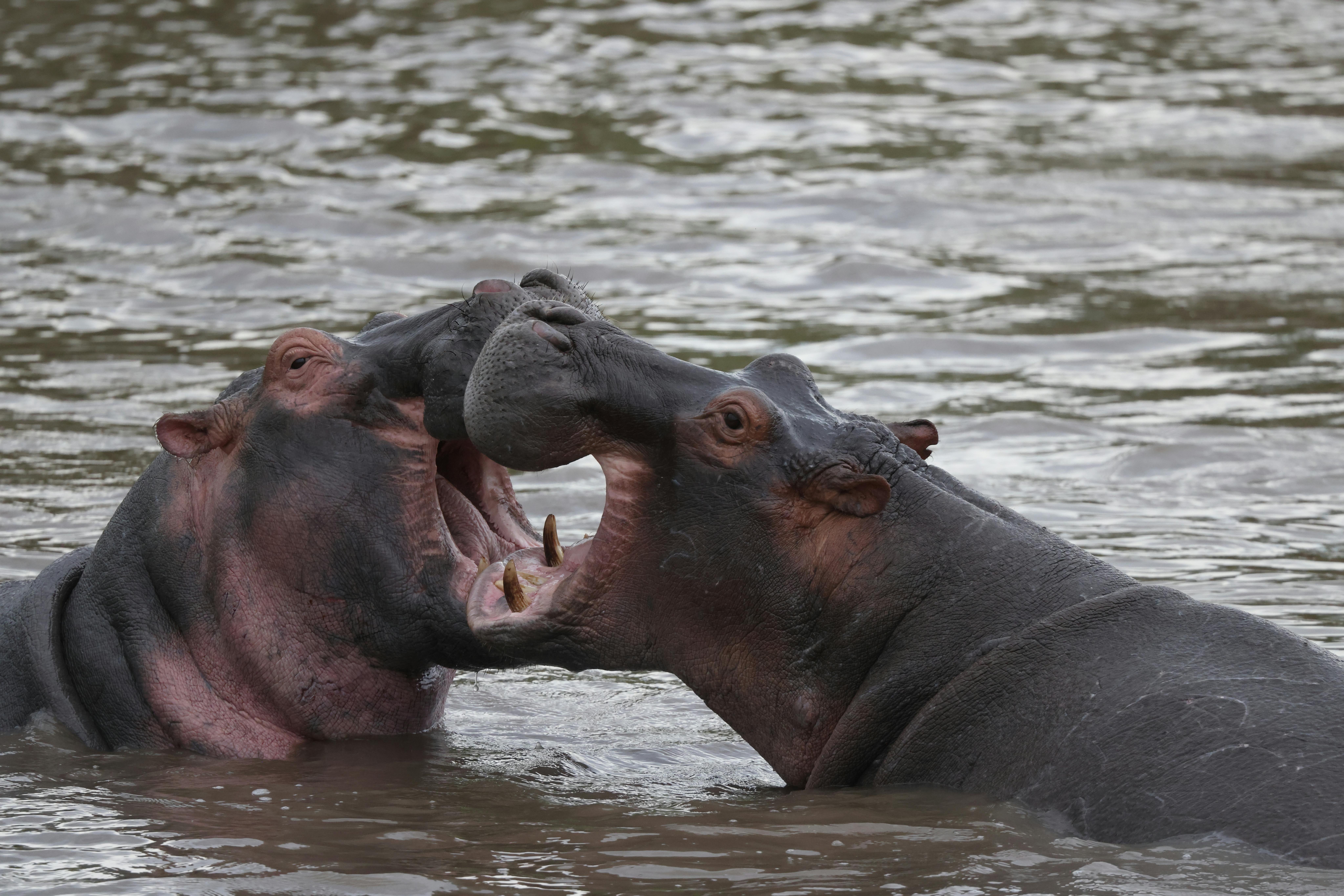
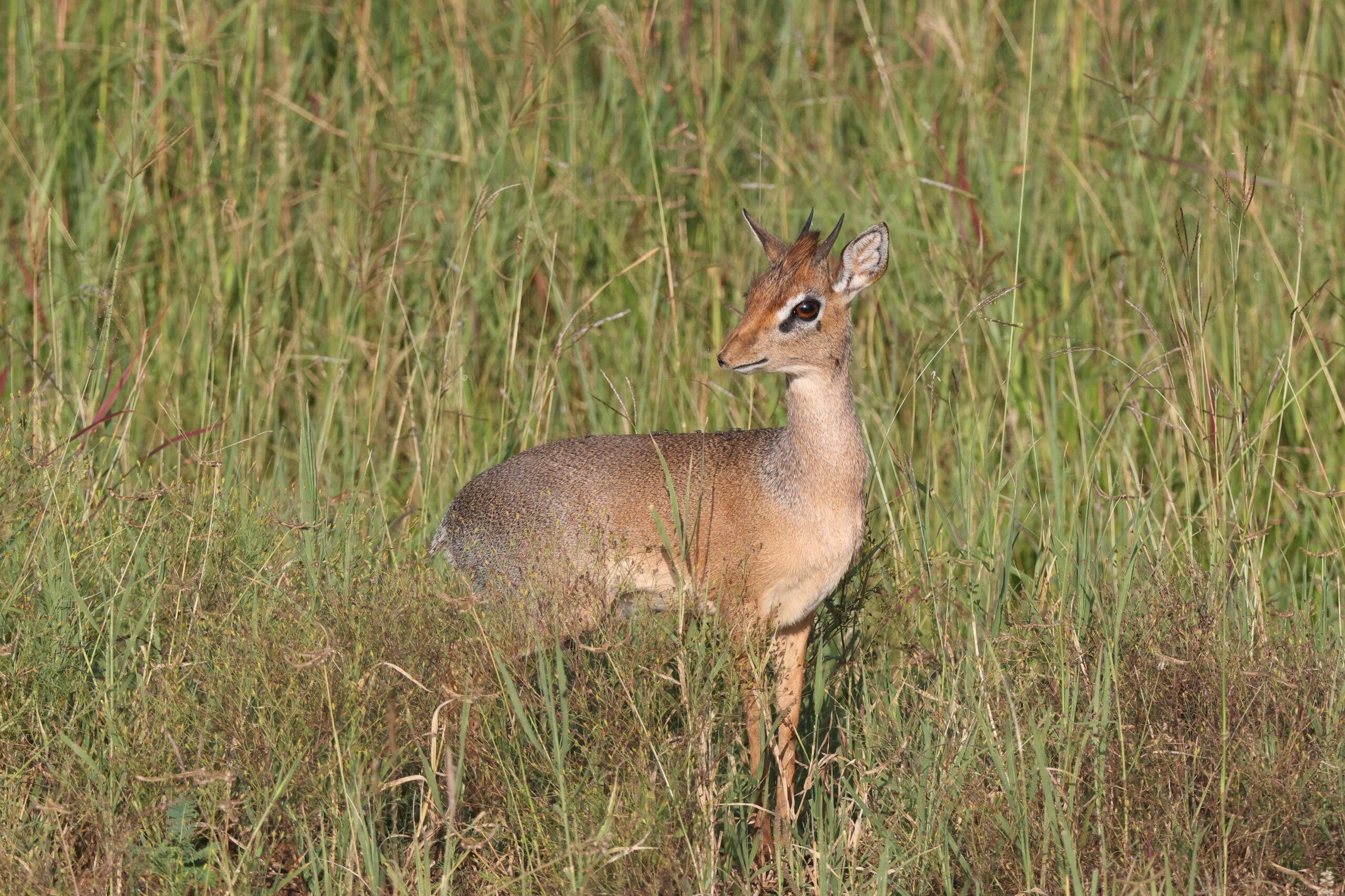

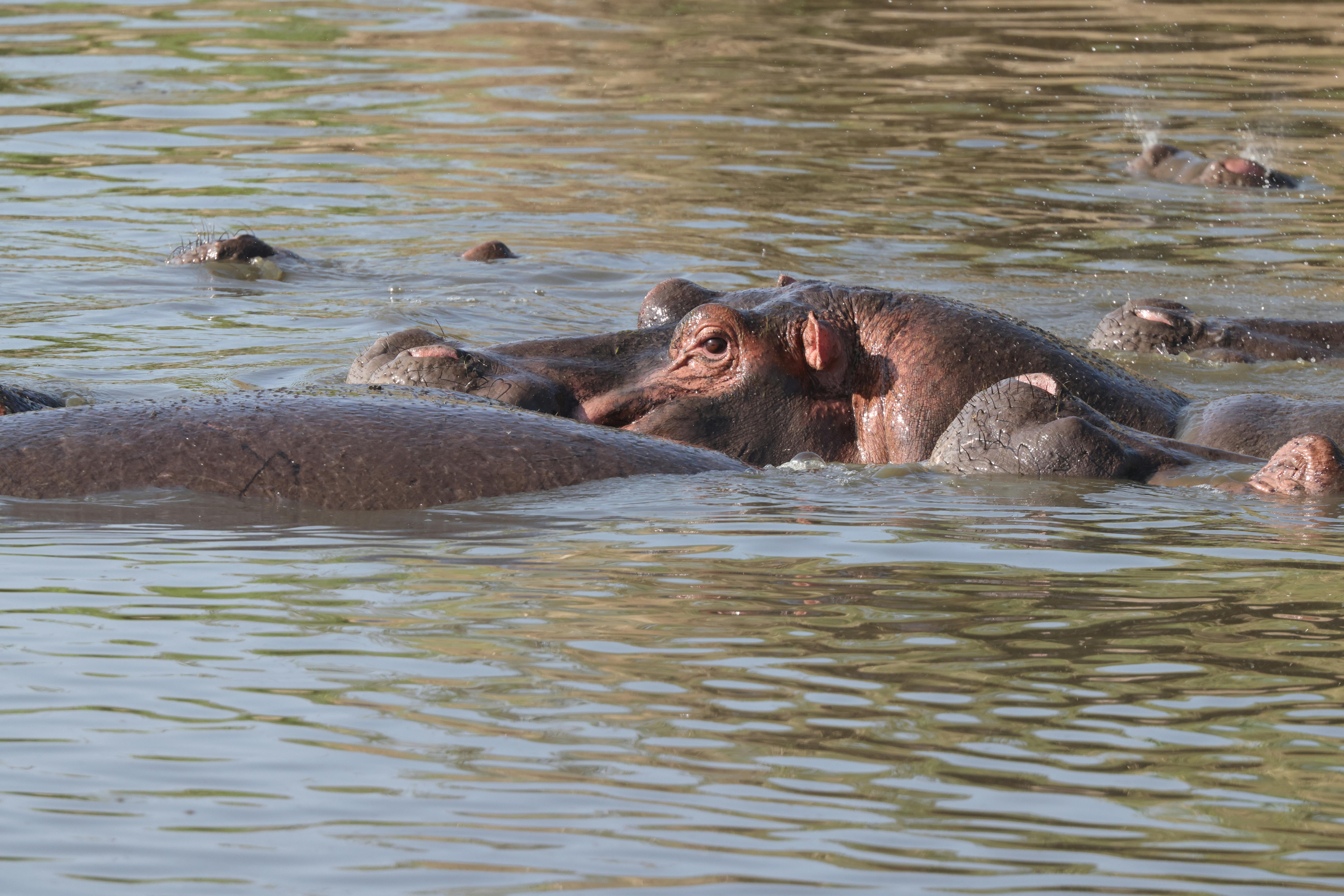
Day 13: Discovering Oldupai Gorge and Ngorongoro Highlands
After a final breakfast in the Serengeti, travelers visited Oldupai Gorge, renowned for early hominid discoveries, and its museum. They also had the opportunity to visit a Maasai Village before relaxing at the Ngorongoro Farm House, where they shared highlights of their safari. During their stay, guests were fortunate enough to encounter Jane Goodall at the lodge. Cheesemans’ co-owner and co-CEO, Scott Davis, took some time to chat with her, rekindling a personal history that goes way back.
Day 14: Returned to Arusha
The group returned back to Arusha filled with wonderful new memories, full hearts and SD cards, as well as many stories to tell when they returned home.
Mkomazi National Park Extension: Northern Tanzania’s Hidden Gem
February 16 to 20, 2024
Participants discovered the exclusive Mkomazi National Park, a conservation success story and beautiful landscape that few visitors to Tanzania’s Northern Safari Circuit even know about. In the 1980s, only 11 elephants survived in the area, but today a thousand or more wandered through this landscape. This birding paradise offered the chance to see wintering birds from Eurasia, as well as many beautiful resident species. With only two small camps, travelers enjoyed the rare privilege of wildlife viewing without hordes of competing tourists. This was wild Africa at its finest!
Day 1: Drove to Mkomazi
After lunch in Arusha, travelers enjoyed the changing scenery as they proceeded east to Moshi at the foot of majestic Mt. Kilimanjaro, then southeast to the Pare Mountains and the entrance to Mkomazi National Park on the border with Kenya. They encountered vervet monkeys and colorful birds at the park entrance, then observed birds and mammals in the lush landscape. The group settled in at Mkomazi Wilderness Lodge to savor the sunset and enjoy some bush luxury with a friendly staff.
Day 2: Exploring Mkomazi National Park
Near the camp, Dindera Dam created an oasis that attracted thirsty wildlife. Participants saw elephants, giraffes, elands, zebras, kongonis, and other herbivores, as well as some of the carnivores looking for a meal. The lake also hosted storks, waterfowl, shorebirds, and much more. A bush breakfast near the lake provided exciting wildlife observation opportunities and delicious sustenance. Travelers discovered endemic bird species not found elsewhere in Tanzania.
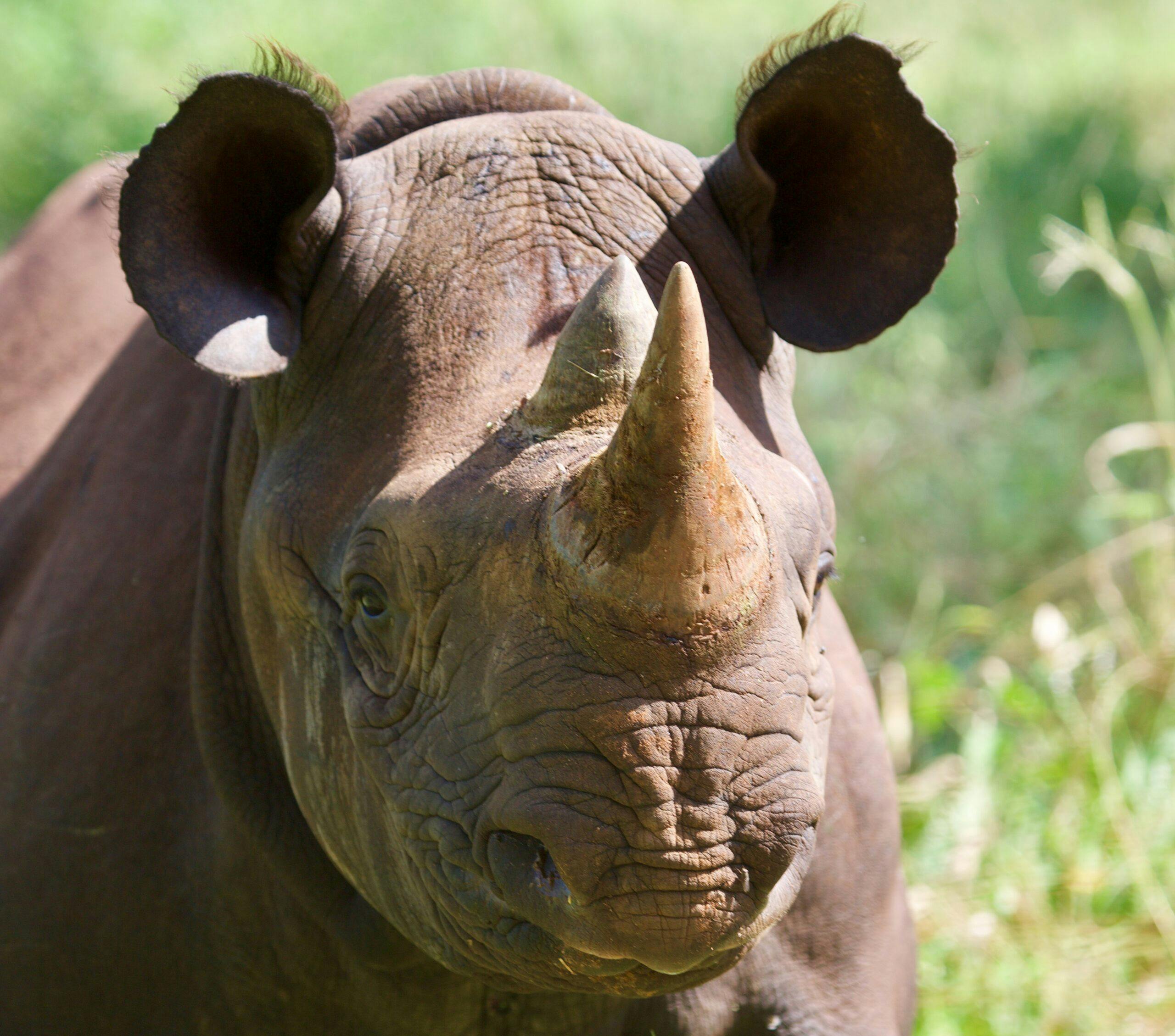
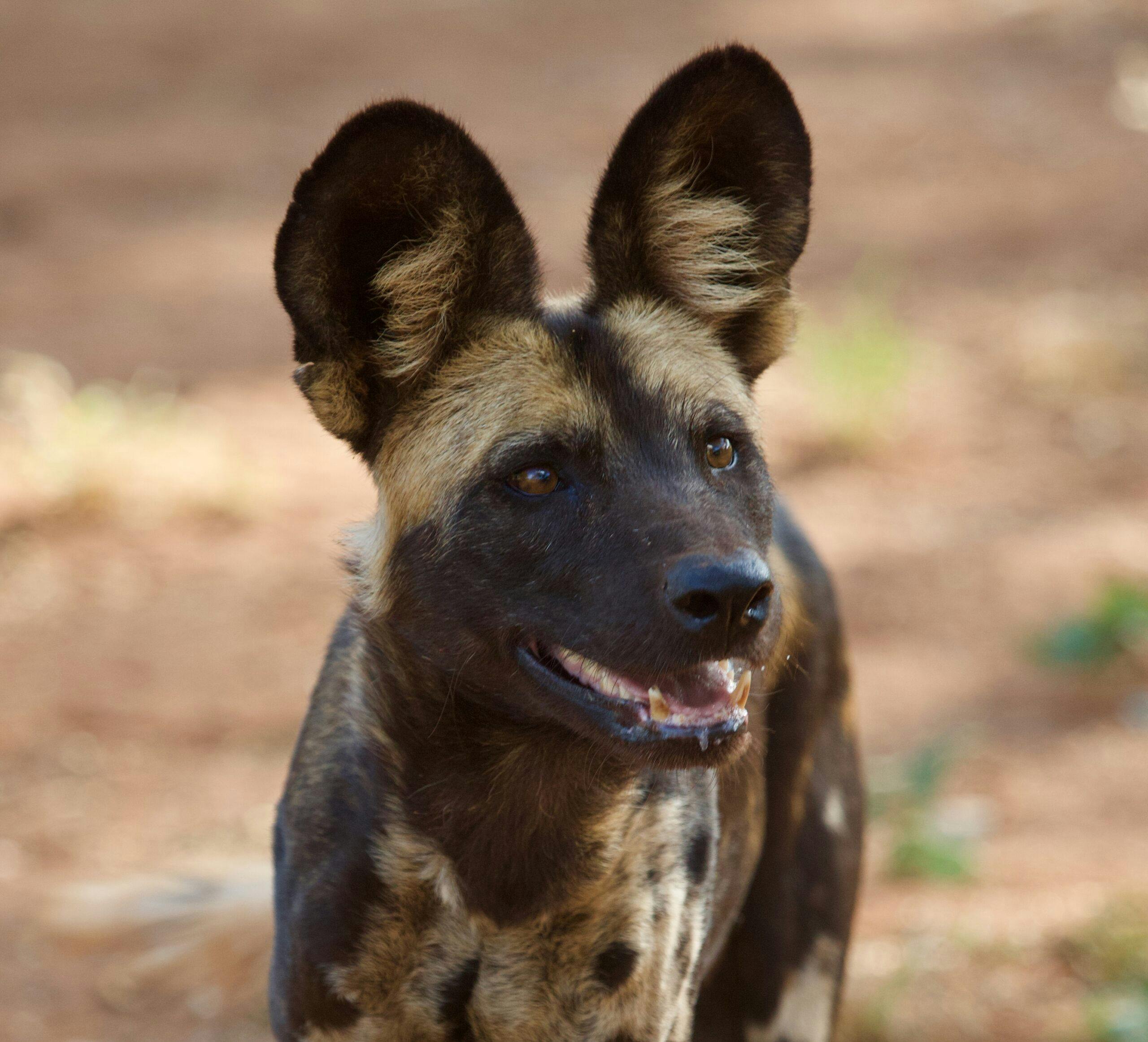
Day 3: More Exploring of Mkomazi National Park
The day involved a leisurely game drive through the park to visit a center where captive breeding programs and releases have had remarkable success in restoration efforts for endangered black rhinos and African wild dogs. This was a special opportunity to see conservation in action and to observe hyraxes, yellow baboons, colorful lizards, and flashy birds. The park also hosted the elegant fringe-eared oryx, the spiral-horned lesser kudu, the shy red duiker, and the bizarre long-necked gerenuk. In the evening, participants shared highlights of their adventures and toasted their incomparable driver-guides.
Day 4: Morning in the Park and Drove Back to Kilimanjaro Area
The final morning featured another memorable game drive, looking for any of the special animals that may have been missed. Previous guests rated this park visit as one of the most memorable of their safari experiences. Afterward, the group drove back through Moshi to the Kia Lodge for relaxation, optional birding, and preparation for departure at nearby Kilimanjaro International Airport.
Day 5: Arrive Home
Participants arrive home, filled with memories of their Tanzanian journey.
Prized Memory: “On the main safari, it was getting up close to a multi female and adolescent cub pride of lions who were playing in a low tree and around our vehicles in the central Serengeti portion of our trip. For the Mkomazi extension, it was seeing the wild dogs up close during their feeding time.” -Alan Robinson
Join Us for Future Adventures!
Inspired by this journey? Don’t miss our next incredible adventure in Tanzania, happening from July 16 to August 1, 2025! Witness the awe-inspiring Great Migration, explore diverse landscapes, and encounter Africa’s most iconic wildlife. Reserve your spot today and be part of an unforgettable safari experience with Cheesemans’ Ecology Safaris.
Secure Your Spot Today!
- Contact Us: Reach out to us directly for any questions or assistance with your booking.
- Follow Us: Stay connected on social media for updates, stunning photos, and travel inspiration.
Don’t miss out—spaces are limited and filling up quickly. Embark on an unforgettable adventure through Tanzania’s stunning landscapes and diverse wildlife.
Join the Adventure
Colombia
Feb 11 to 18, 2024
Avian Jewels of the Choco Region
Our 2024 travelers relished in the avian wealth of Colombia, home to the richest bird diversity in the world. With 562 documented species in the Cali area alone—more than all of Europe—this journey promised incredible bird-watching opportunities. The beautiful Araucana Lodge served as a home base to explore a variety of ecosystems from the Western Andes to the wetlands. The trip also offered a unique immersion into Colombian culture, providing a holistic and unforgettable experience.
Highlights
- Bird Diversity: Documented 416 different species on the trip and extension combined.
- Prime Locations: Explored renowned birding spots like KM 18, Sonso Lagoon, San Cipriano Reserve, and Santa Marta.
- Unique Experiences: Enjoyed small, private backyard birding spots as well as stunning shows like mating rituals of the Andean Cock-of-the-Rock.
“You take care of your clients. You go to interesting places and we get to spend quality time in those places with good/excellent guides.” -Mariann Cyr
Day 1: Arrive in Cali, Colombia
The adventure began 40 minutes after departing the Cali airport when our travelers arrived at the beautiful Araucana Lodge set on 20 acres of Andean forest perfectly located for day trips to hotspots. The property was designed by birders for birders and includes a vegetable farm and orchards, walking paths, forests, and gardens.
“Loved Aracuana Lodge! I enjoyed the grounds, my room was fabulous, the food and staff excellent. The people at the lodge really enhanced my experience.” -Linda Walden
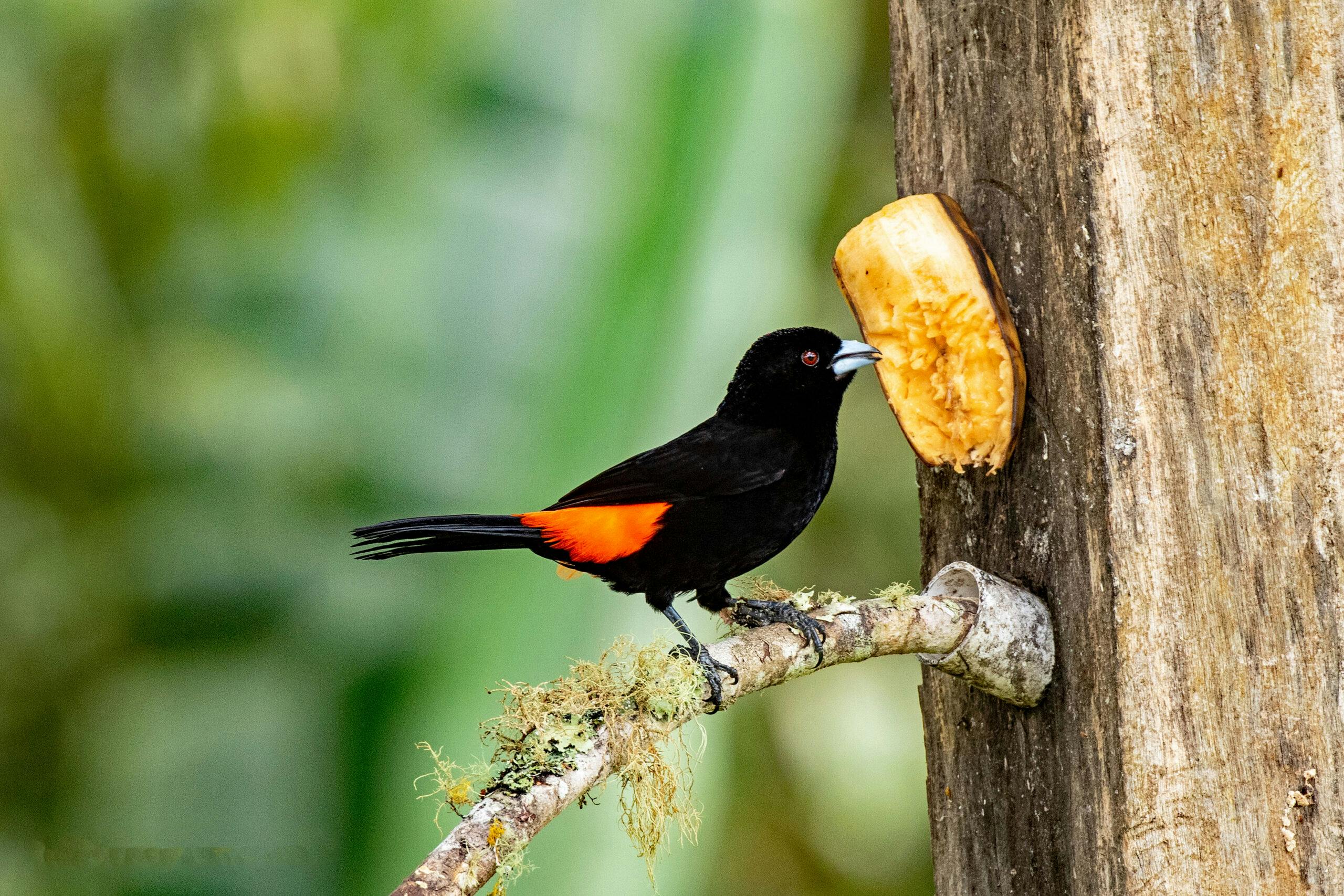
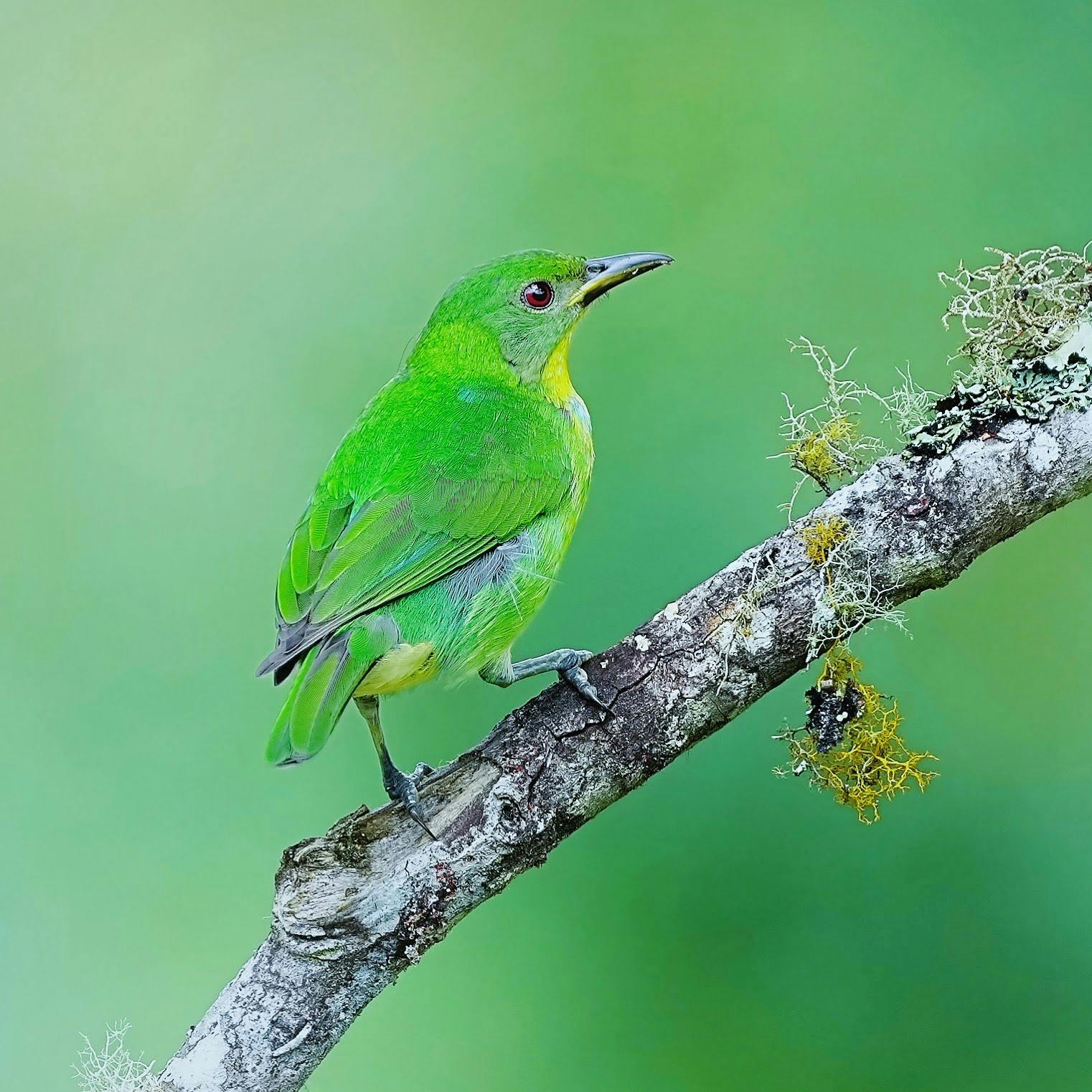
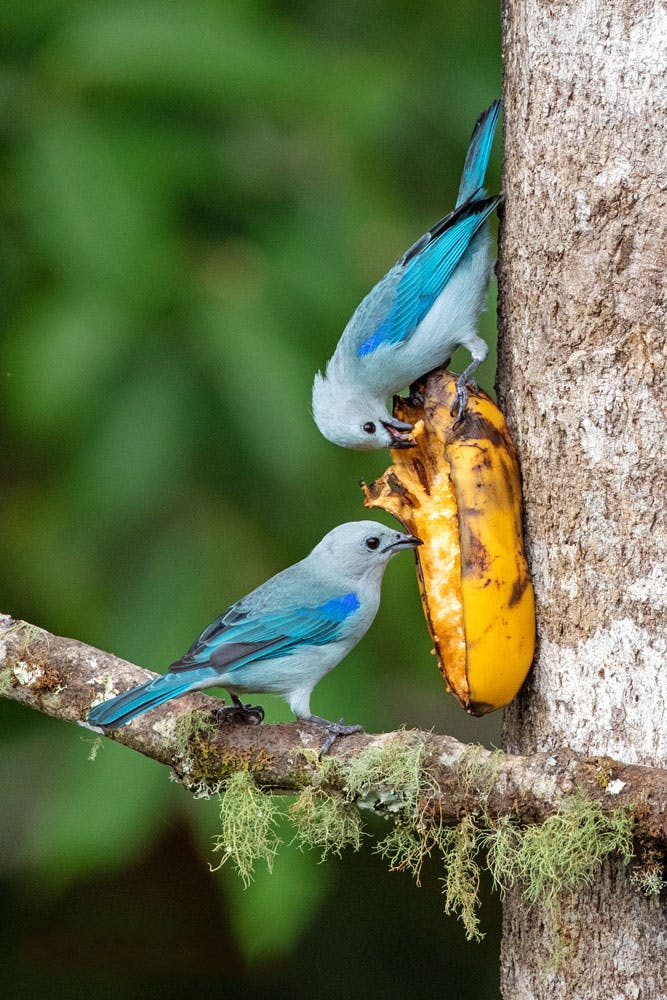
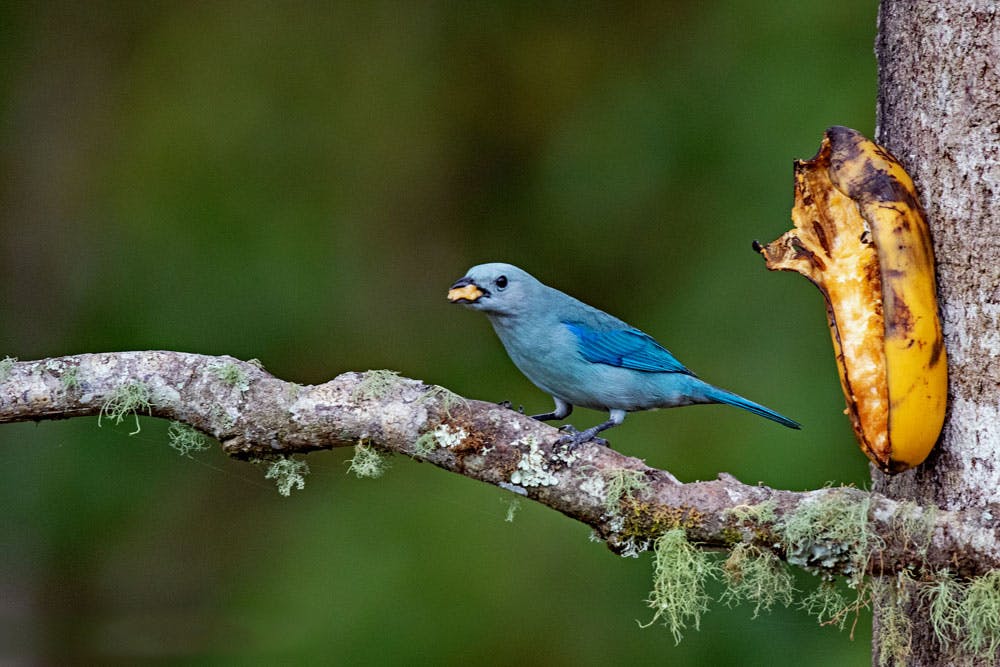
Day 2: KM 18
The group spent the day at KM 18, a renowned birding hotspot. They searched for endemics like the Chestnut Wood-Quail, Colombian Chachalaca, Grayish Piculet, and the spectacular Multicolored Tanager. The area is a tanager paradise, featuring species like the Purplish-Mantled, Summer, Golden, and Golden-Naped Tanagers. Participants also enjoyed an impressive display of hummingbirds including the Long-Tailed Sylph, Booted Racket-Tail, and White-Necked Jacobin at a private house along the road.
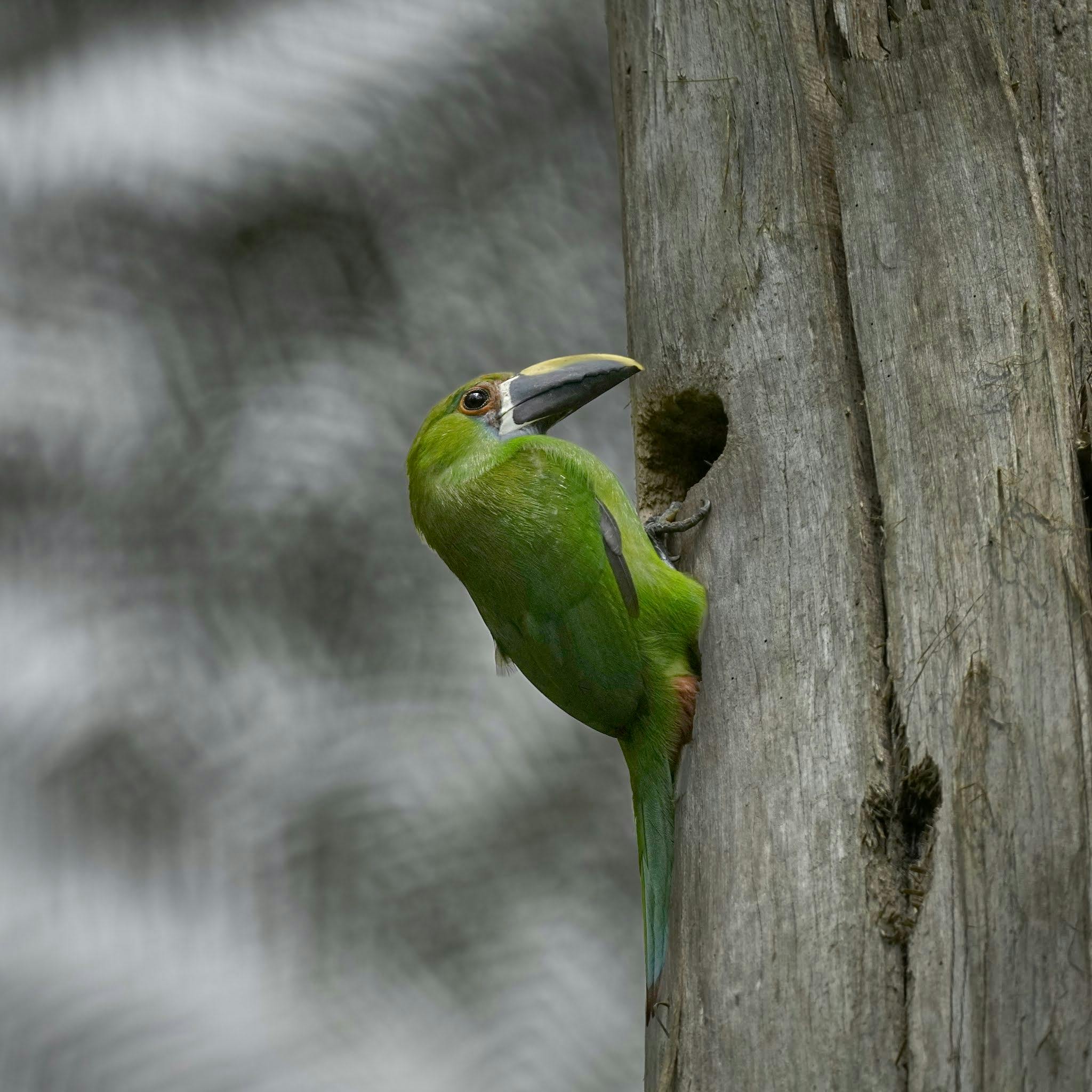
Green Toucanet© Daniel Sands
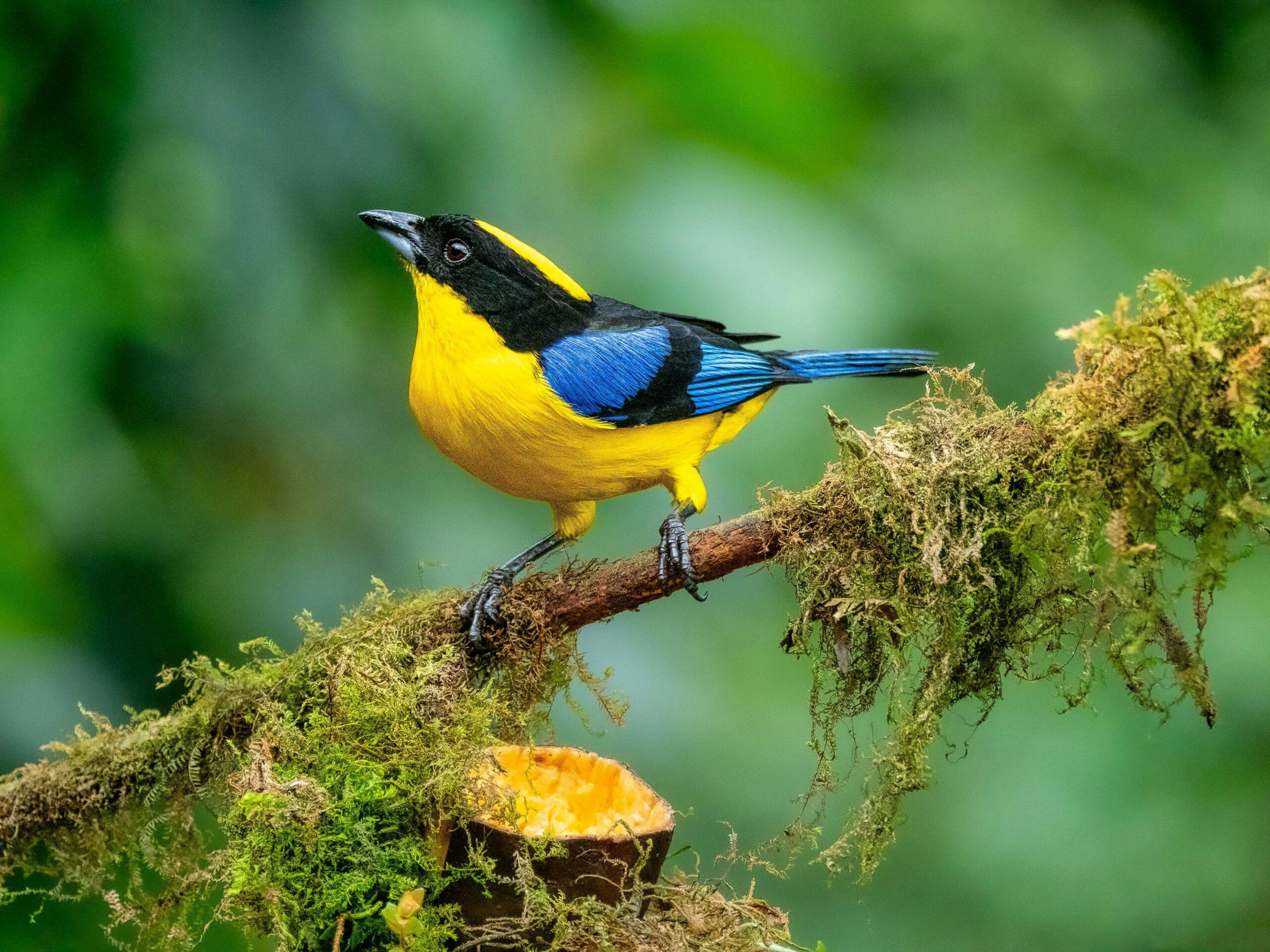
Blue-winged Mountain Tanager© Grace Chen
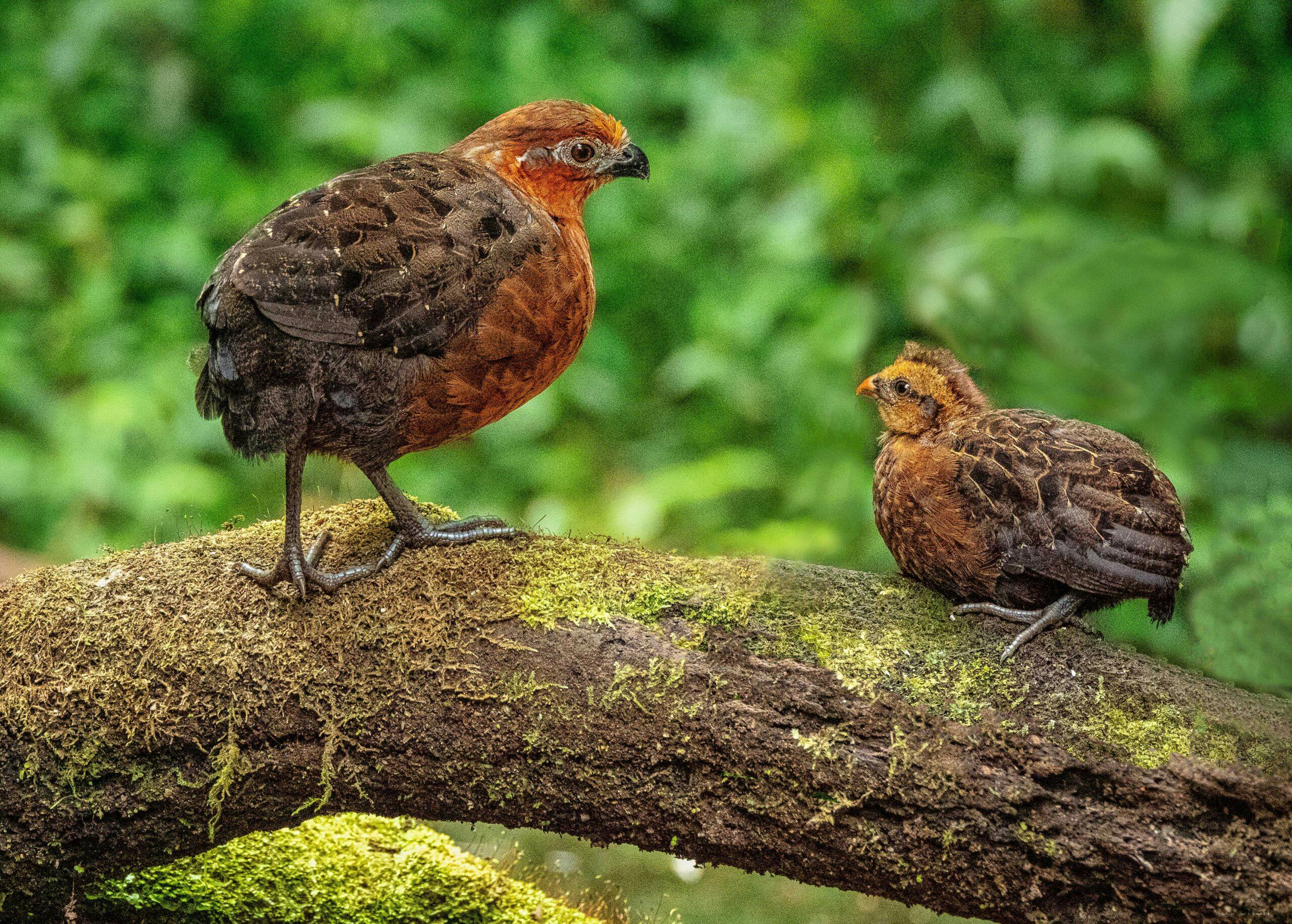
Chestnut Wood-Quail© Grace Chen
Green Honeycreeper© Grace Chen
Green Toucanet© Daniel Sands

Multicolored Tanager© Grace Chen
Green Toucanet© Daniel Sands
Green Toucanet© Daniel Sands
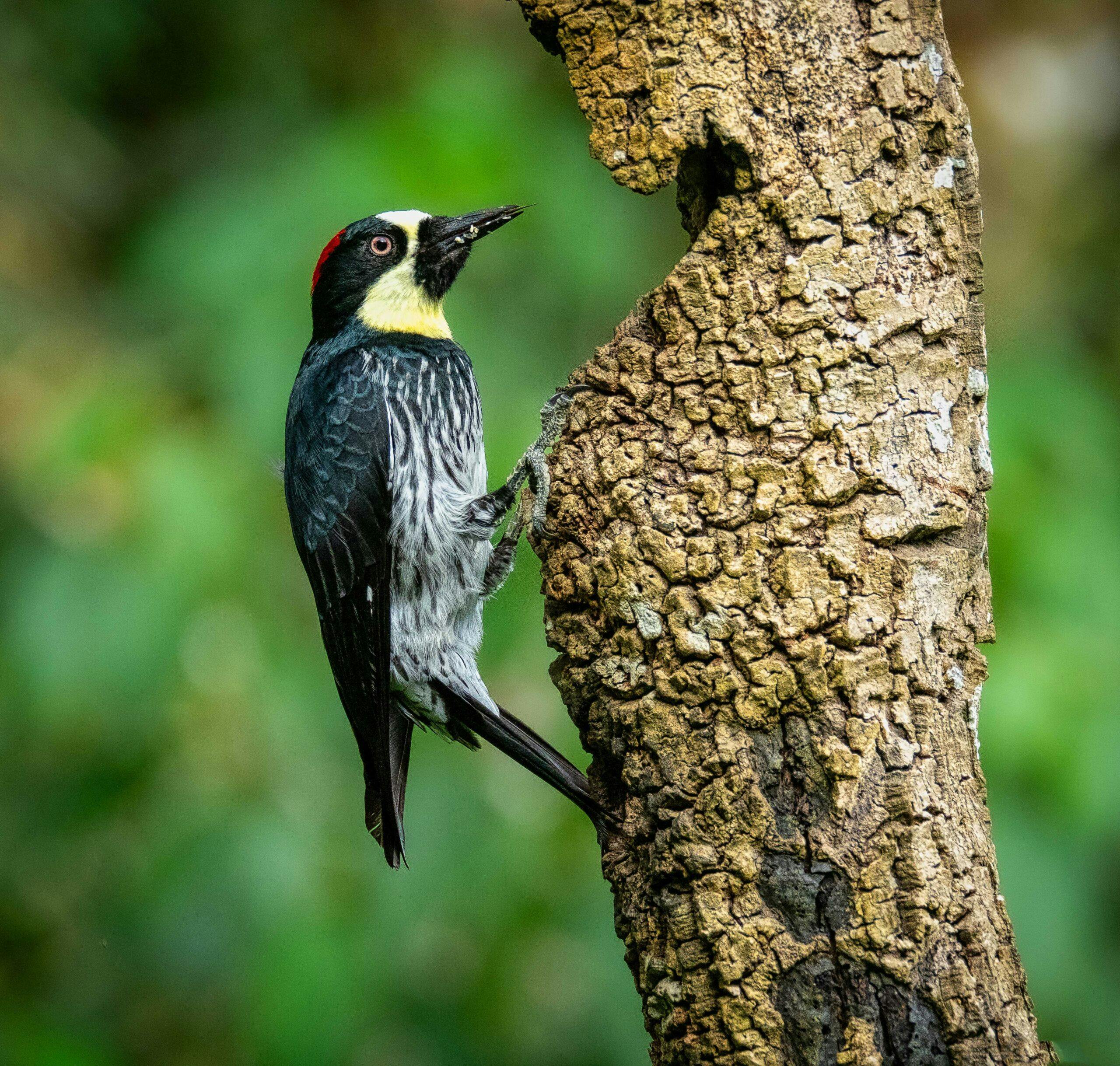
Acorn Woodpecker© Grace Chen
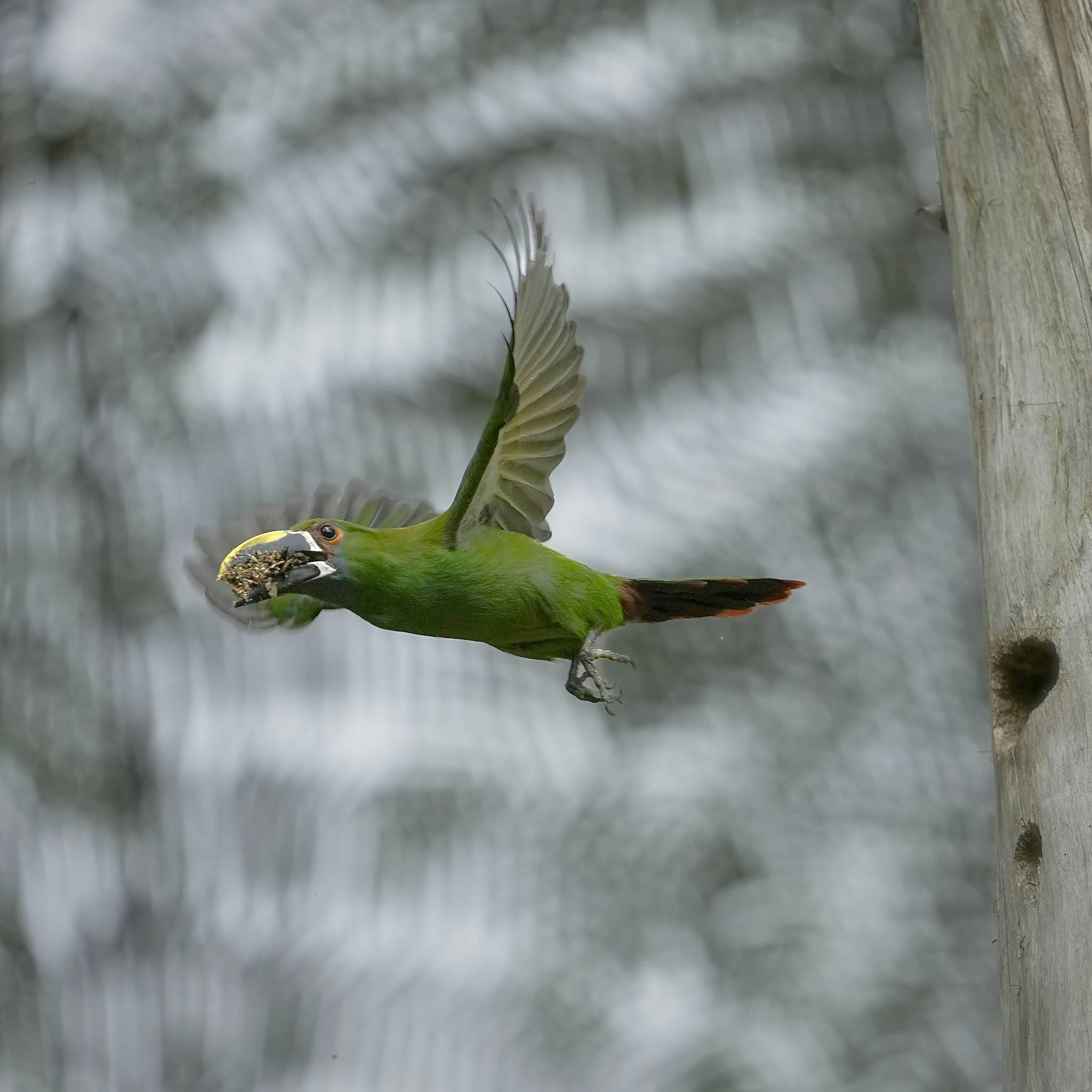
Green Toucanet© Daniel Sands
Day 3: Sonso Lagoon
A two-hour drive brought the group to Sonso Lagoon, one of the Cauca Valley’s few remaining wetlands. Here, they spotted species such as Fulvous and Black-Bellied Whistling-Ducks, Roseate Spoonbill, and Snail Kite. The wetlands also offered sightings of Wattled Jacana and Greater Ani, showcasing fascinating polyandry and communal nesting behaviors.
Day 4: Araucana Lodge and Bosque de San Antonio
The morning was spent exploring the 20 acres of Araucana Lodge. Birders searched for targets like Parker’s Antbird, Smoky-Brown Woodpecker, and Crimson-Rumped Toucanet. They also strolled through trails and organic gardens, enjoying the lodge’s natural beauty. In the afternoon, the group headed to nearby Bosque de San Antonio and enjoyed sightings such as the Montane Woodcreeper, Montane Foliage-Gleaner, Red-Headed Barbet, and Andean Solitaire.
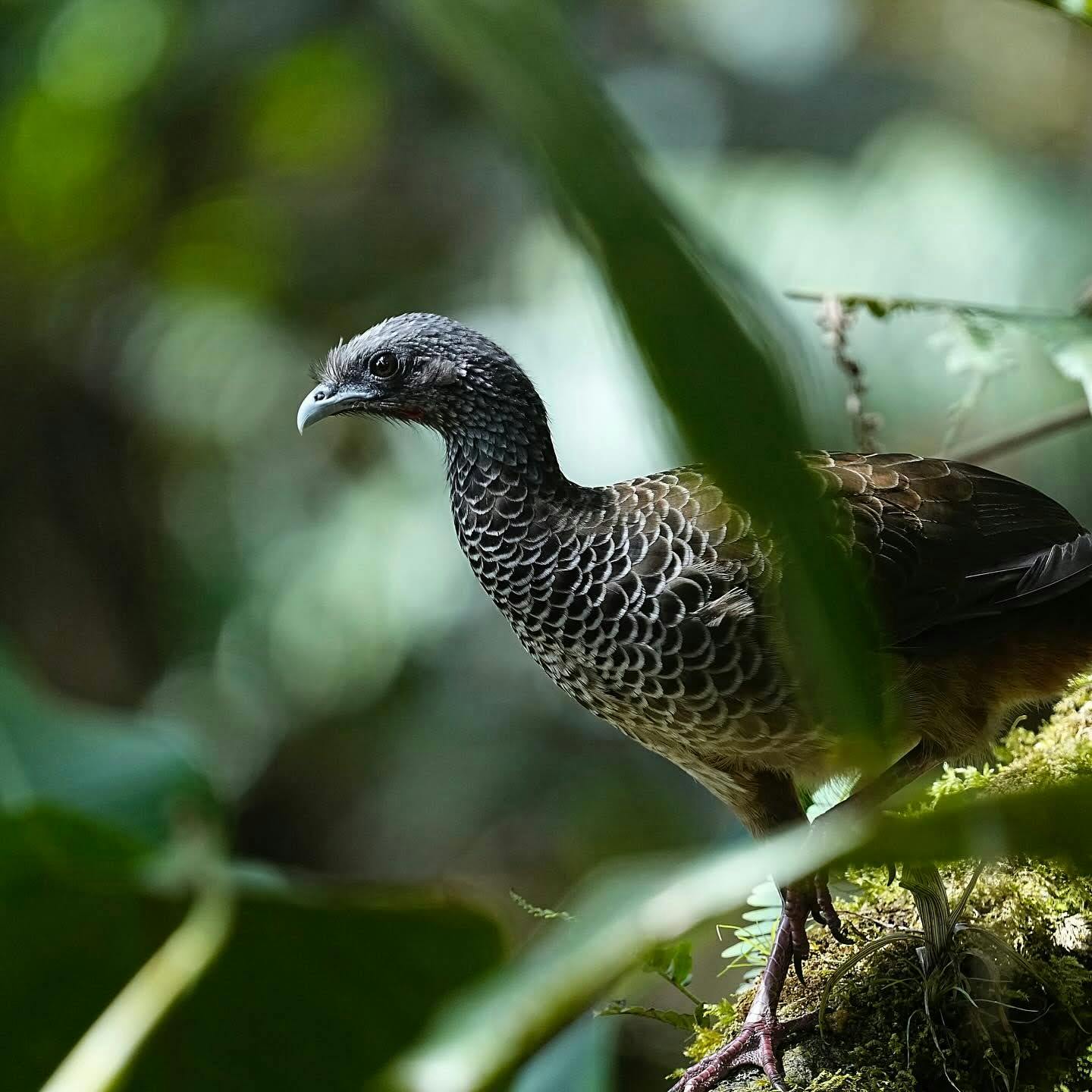
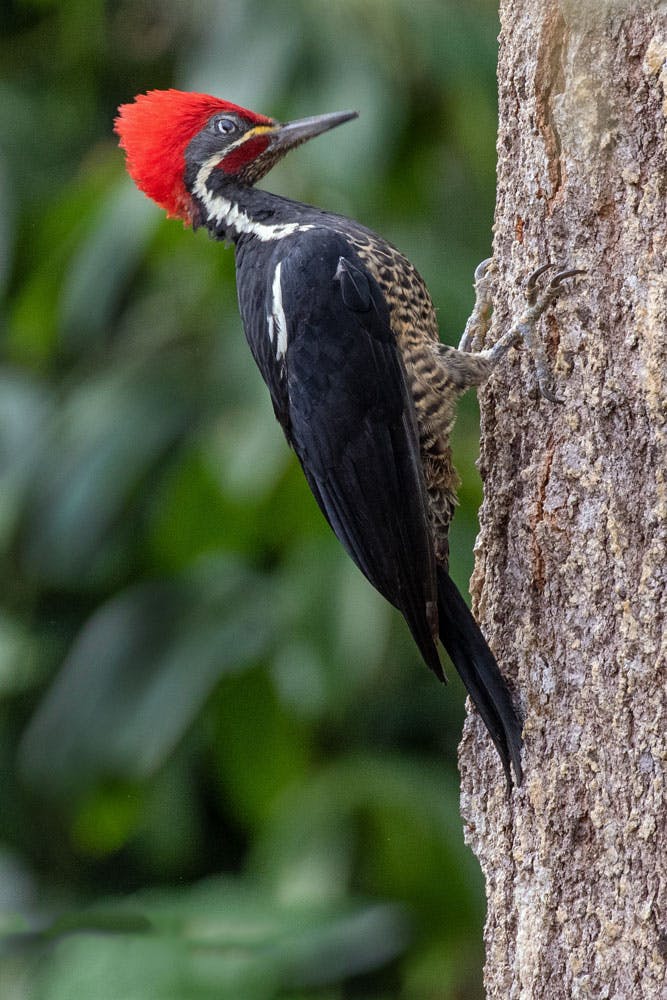
Day 5: San Cipriano Reserve
The group traveled to Zaragosa and entered the San Cipriano Reserve on an exciting ride via motorcycle-powered wooden carts on rails. In this humid forest, they encountered Choco Toucan, Blue-headed Parrots, and various antbirds. High humidity and heat made for a rich birding experience, with sightings of species like the Pacific Flatbill and Blue-capped Manakin.
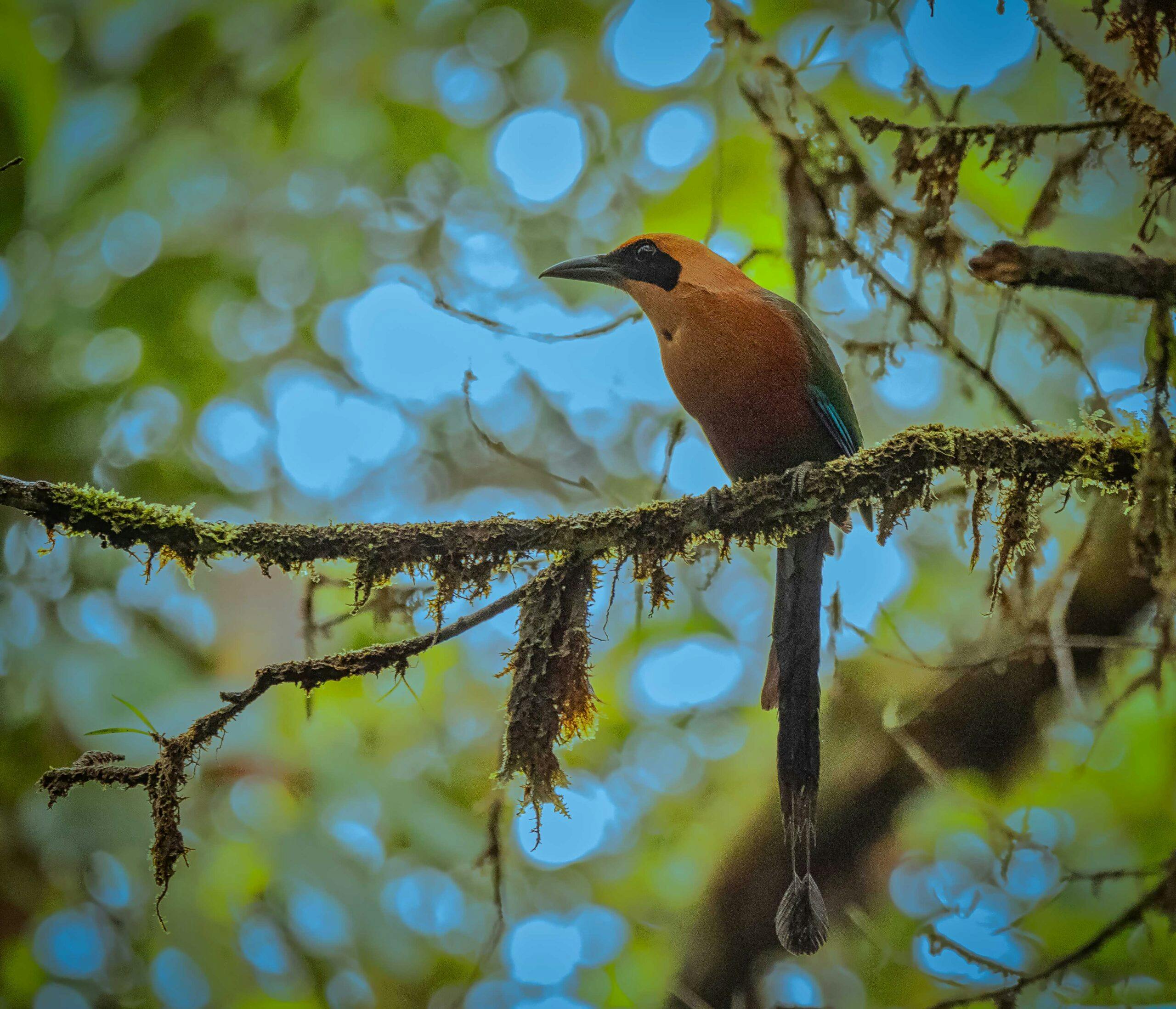
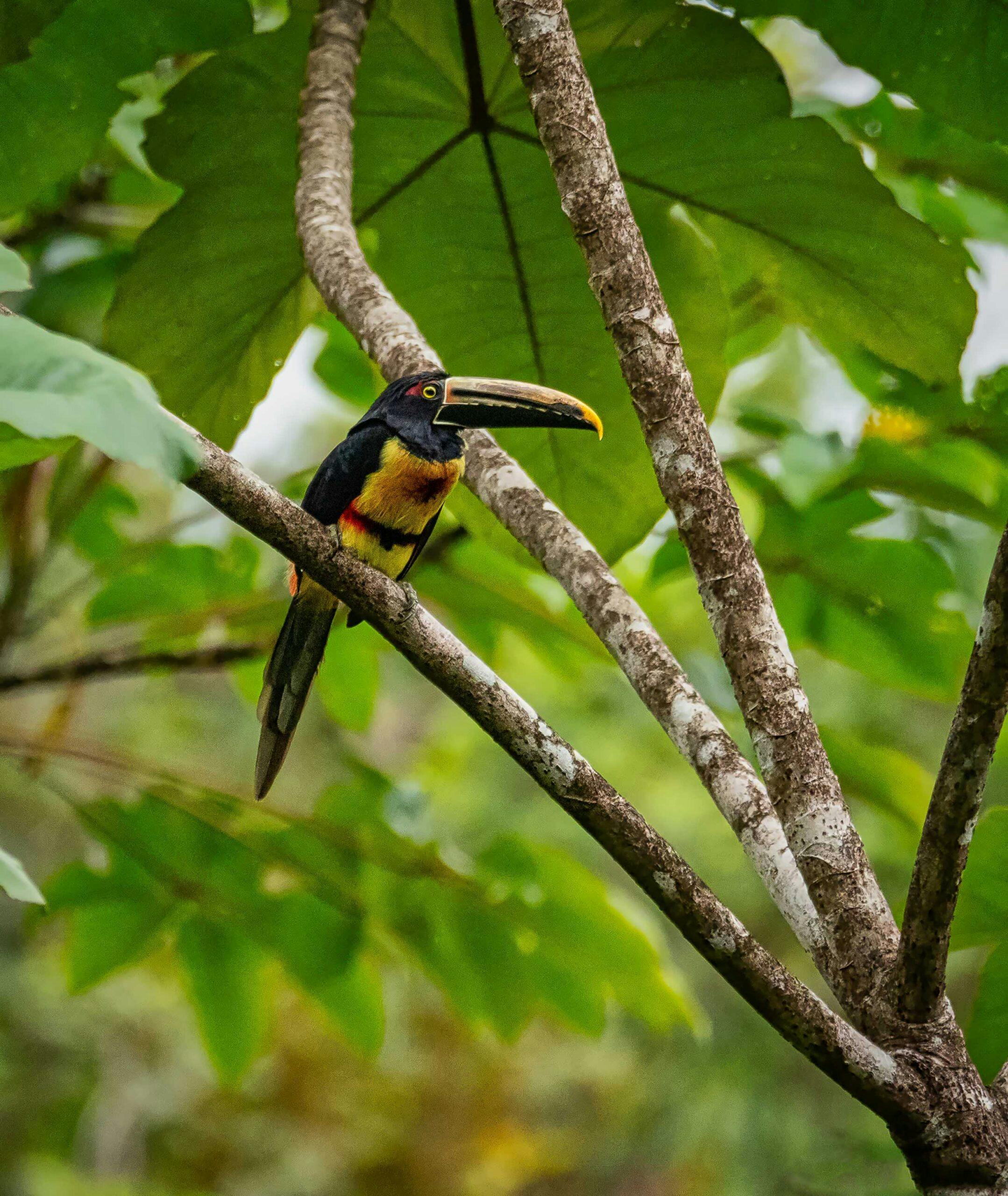
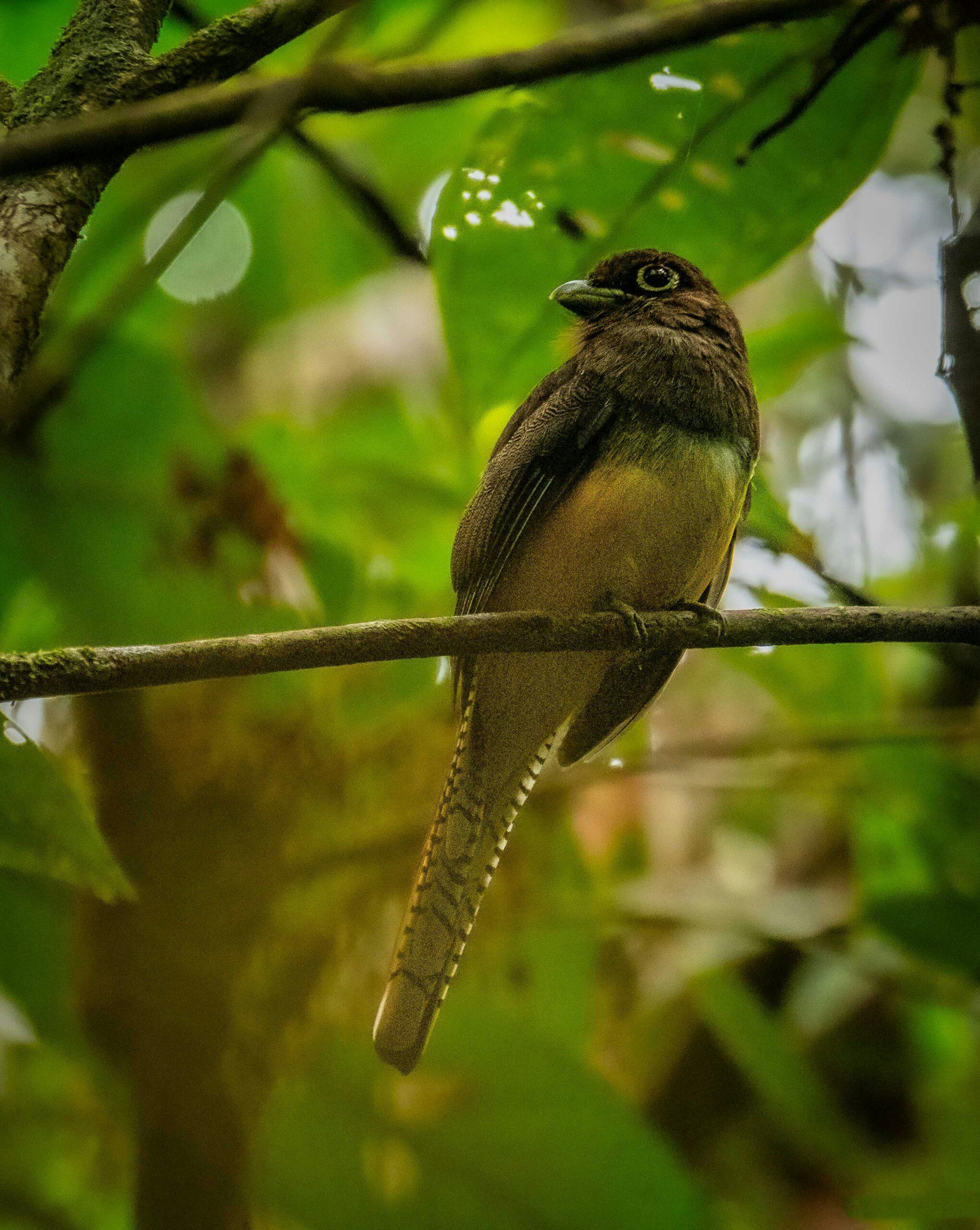
Day 6: Upper Anchicaya – Doña Doras – Cock-of-the-Rock Lek
The Anchicaya watershed in Farallones National Park offered a day of exceptional birding. The group visited the El Descanso area where Doña Dora’s small cafeteria provided a unique bird-watching spot. Highlights included the endemic Crested Ant-tanager, Green Thorntail, and a local favorite – the Toucan Barbet. After lunch, they witnessed the spectacular mating rituals of the Andean Cock-of-the-Rock.
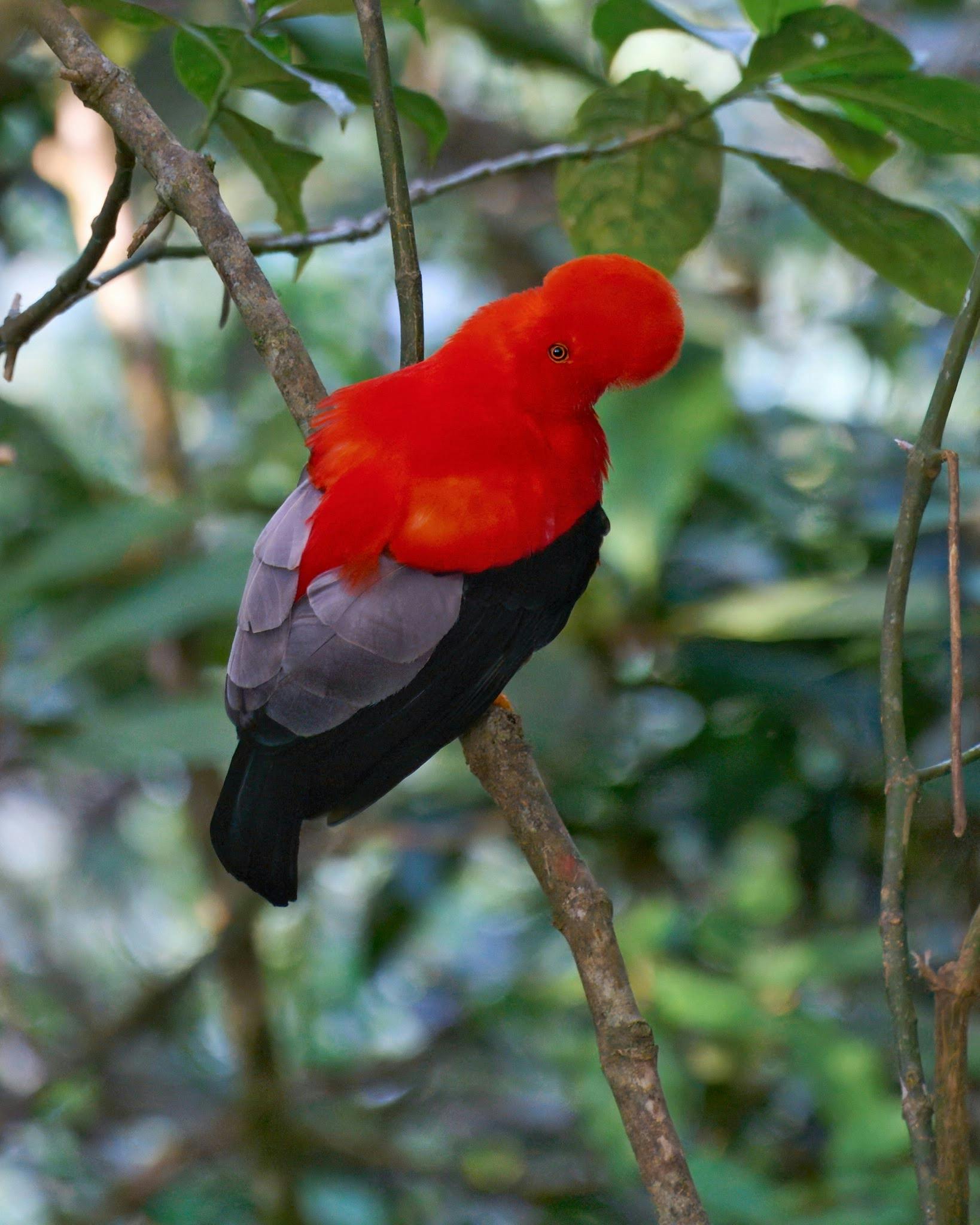
Guianan Cock-of-the-rock© Daniel Sands
Guianan Cock-of-the-rock© Daniel Sands
Saffron Finch© Jim Tchobanoff
Anrean Cock-of-the-rock© Grace Chen
Guianan Cock-of-the-rock© Daniel Sands

Glistening-green Tanager© Grace Chen
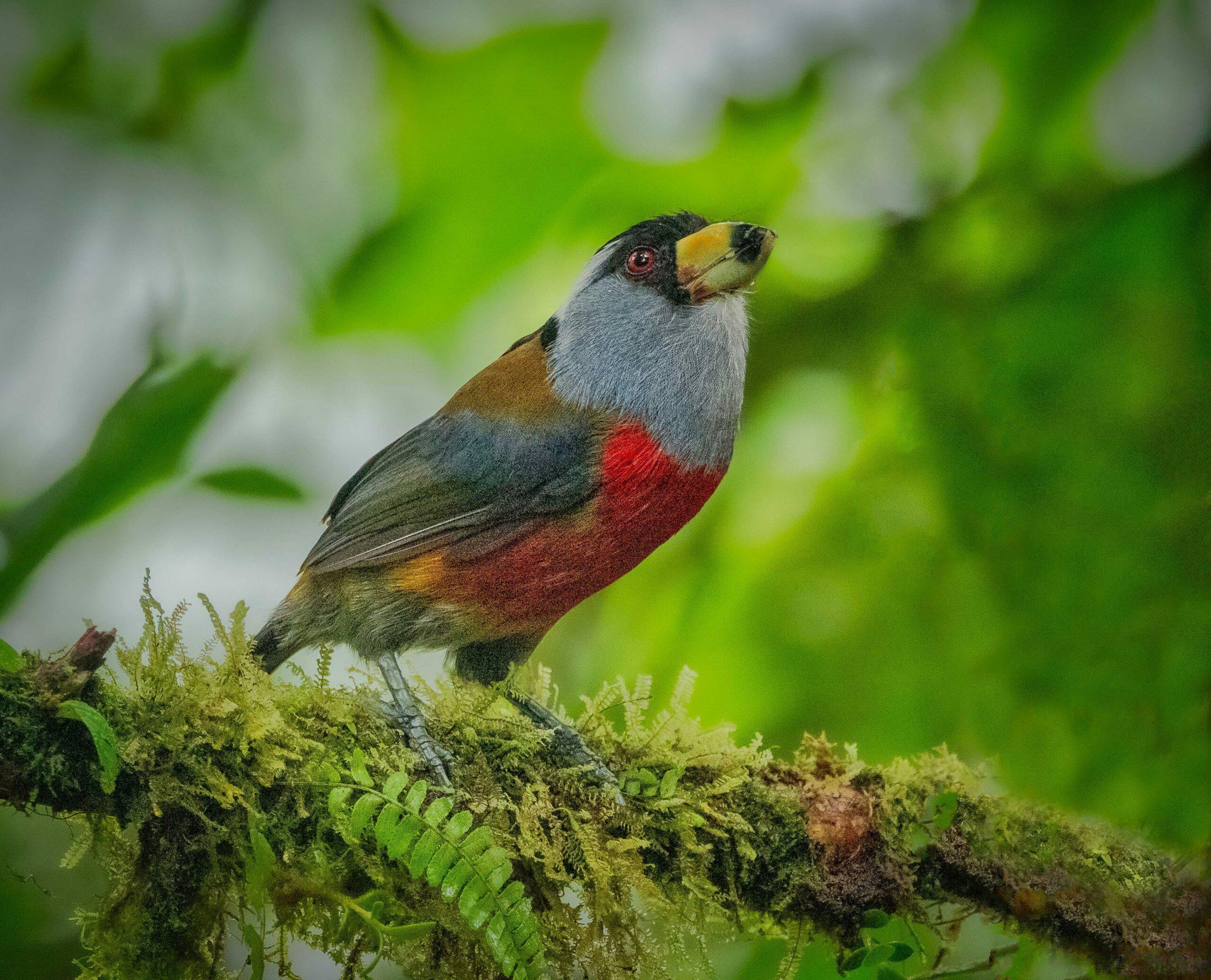
Toucan Barbet© Grace Chen
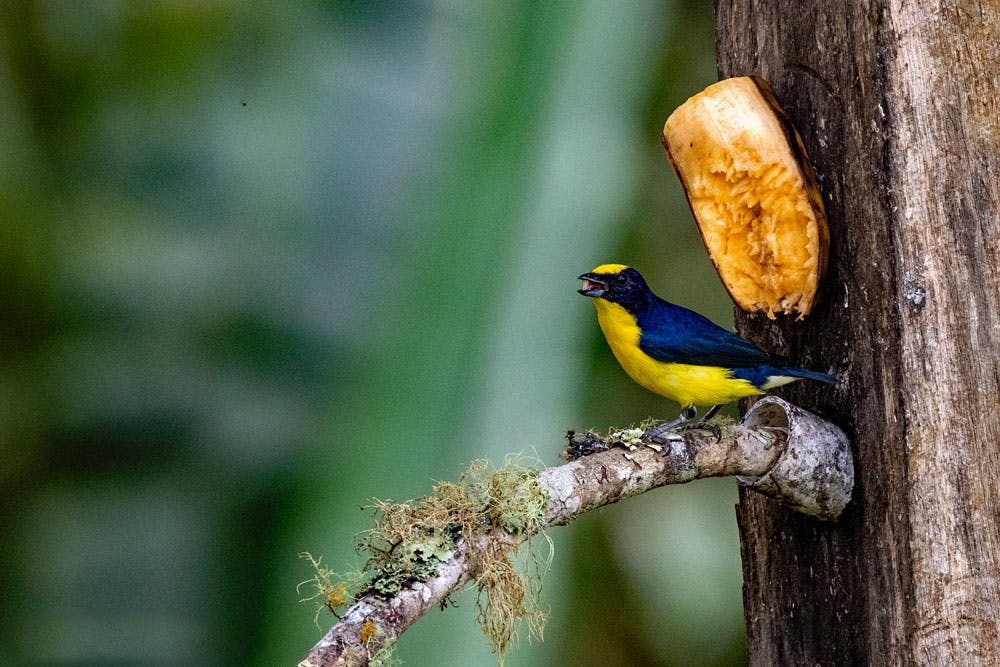
Yellow-throated Euphonia© Jim Tchobanoff
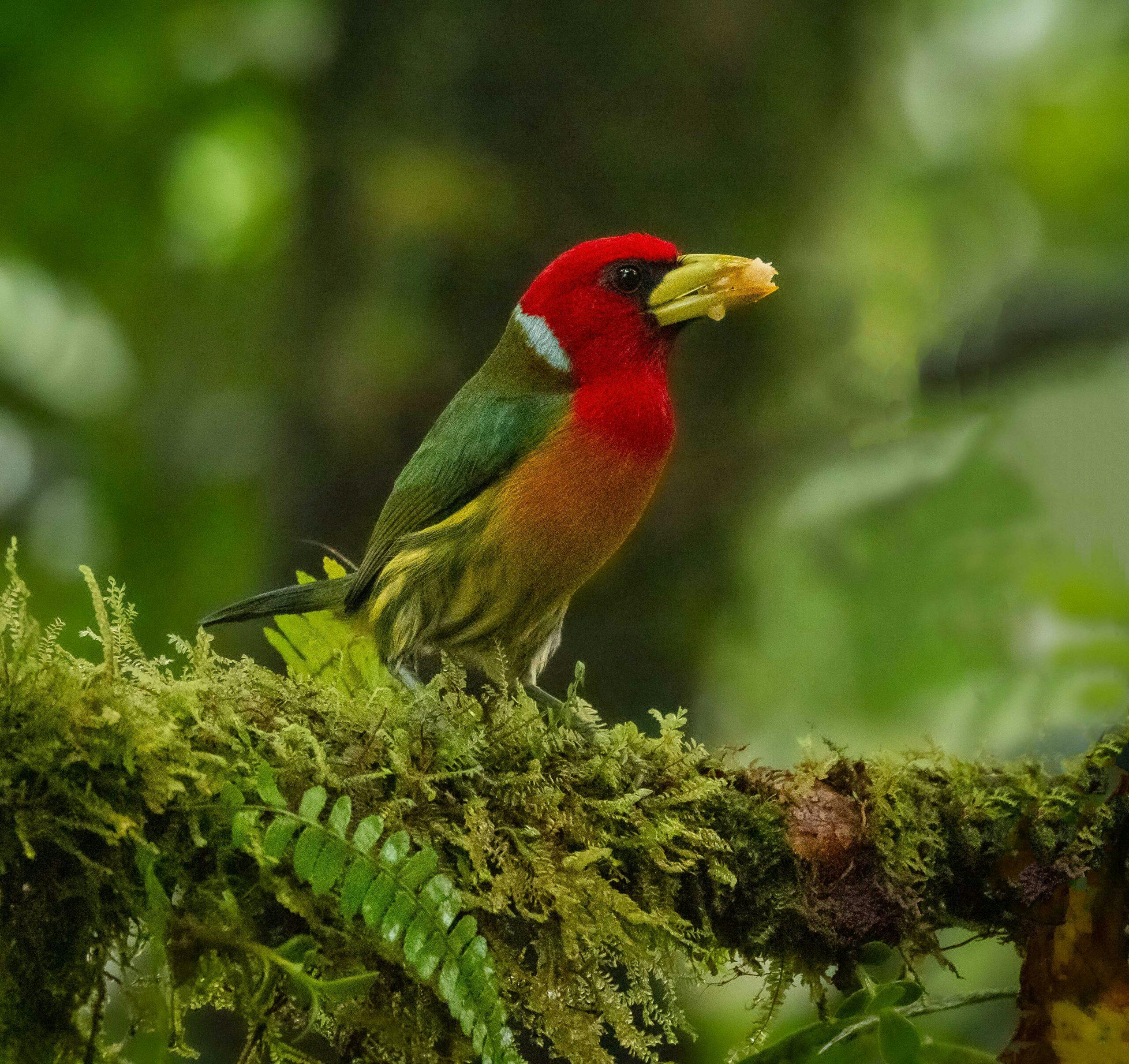
Red-headed Barbet© Grace Chen
Day 7: Atuncella and Rio Bravo
A visit to the village of Atuncella introduced the group to a dry forest habitat with unique species like Bar-crested Antshrike and Pale-breasted Spinetail. Later, at the Rio Bravo Reserve, they sought out targets such as Rufous-throated Tanager and Cerulean Warbler in one of the wettest parts of the world.
“I never expected to see sooooo many birds. I have been on trips where birding was part of the experience or maybe a whole day but not a birding trip this extensive. And what a beautiful place to be.” -Linda Walden
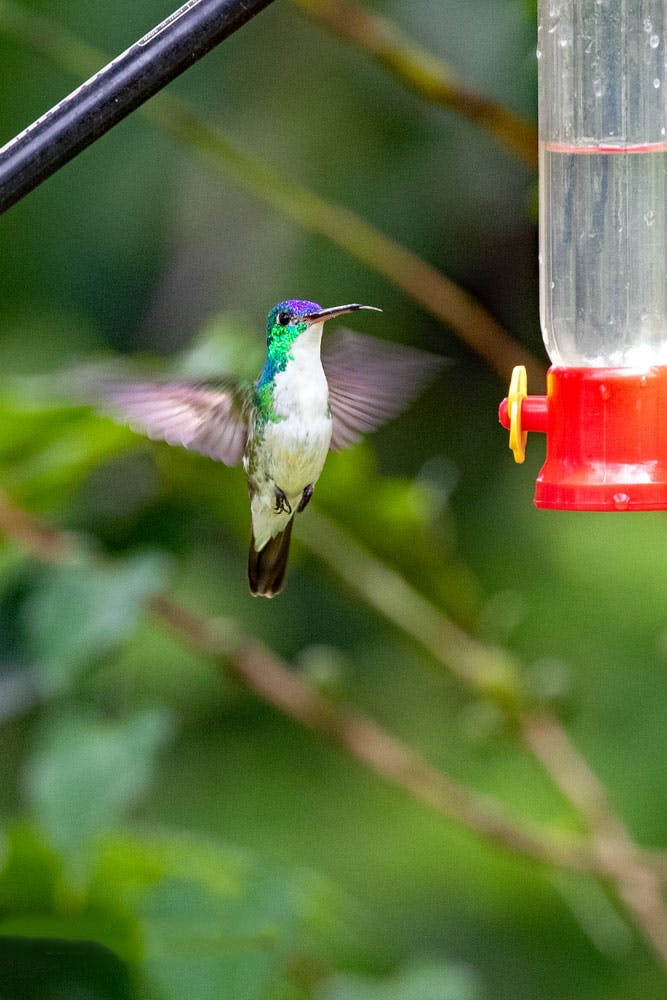
Andean Emerald Hummingbird© Jim Tchobanoff
Steely-vented Hummingbird© Jim Tchobanoff
Acorn Woodpecker© Jim Tchobanoff
Black-billed Thrush© Jim Tchobanoff
Golden Tanager© Jim Tchobanoff
Many-spotted Hummingbird© Jim Tchobanoff
Blue-grey Tanagers© Jim Tchobanoff
Palm Tanager© Jim Tchobanoff
Saffron Finch© Jim Tchobanoff
Day 8: Flew home or to Baranquilla for the Santa Marta Extension
After breakfast at Araucana Lodge, participants were transferred to the airport for their flights home, or they joined the Santa Marta Extension for more birding adventures.
Santa Marta Extension
February 18 to 25, 2024
Our group on the Santa Marta Extension traveled to one of the most important centers of endemism on the planet as they ascended from the Caribbean shore to the world’s highest coastal peak encountering a variety of endemic species. They explored Eldorado, Tayrona, and Los Flamencos National Parks.
Day 1: Travel to Barranquilla, Colombia from Cali
After flying to Barranquilla, participants spent the late afternoon birding.
Day 2: Barranquilla to El Dorado
The group ascended the Santa Marta Mountains, encountering a variety of bird species along the way. They also stopped for a lovely lunch in the charming town of Minca.
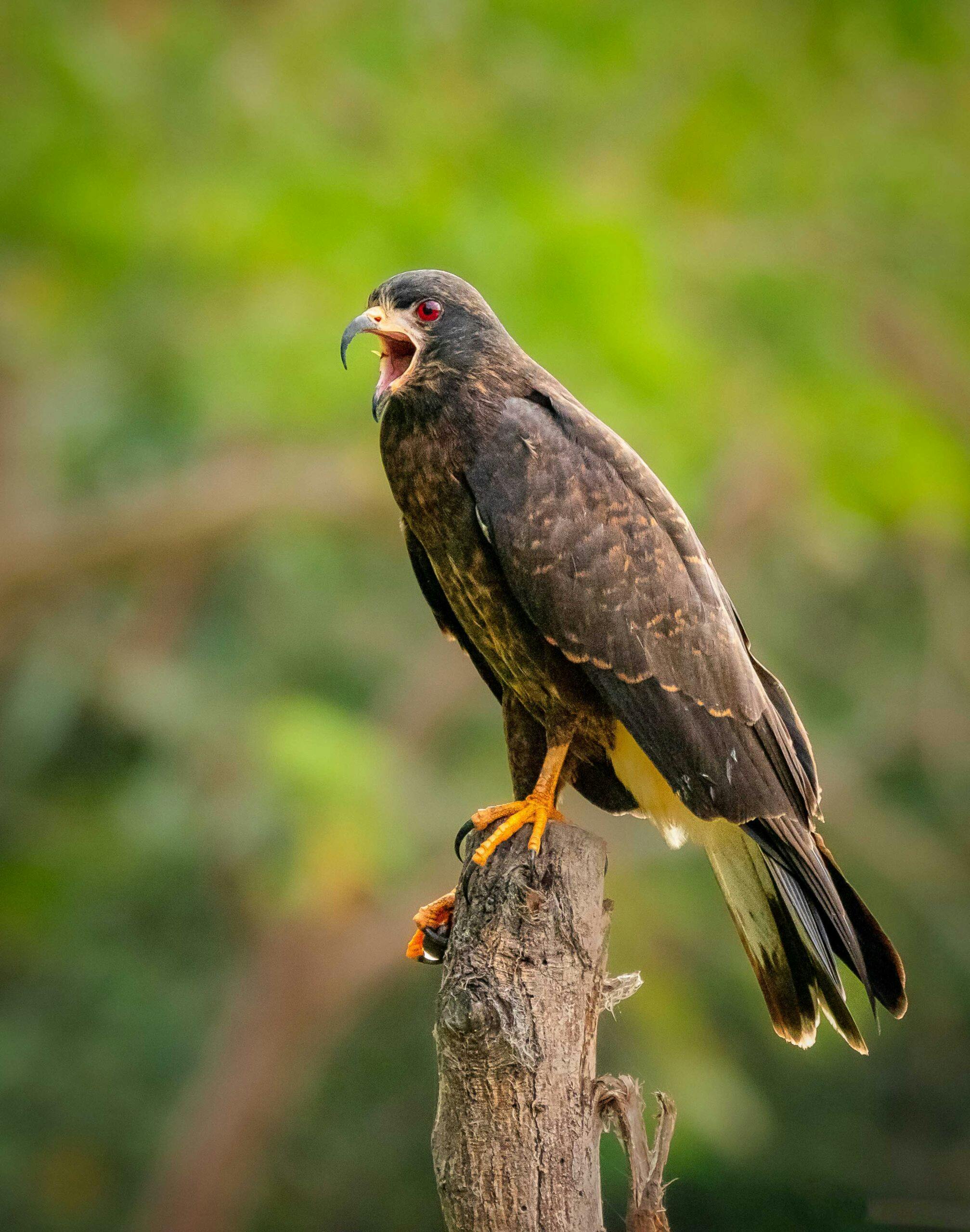
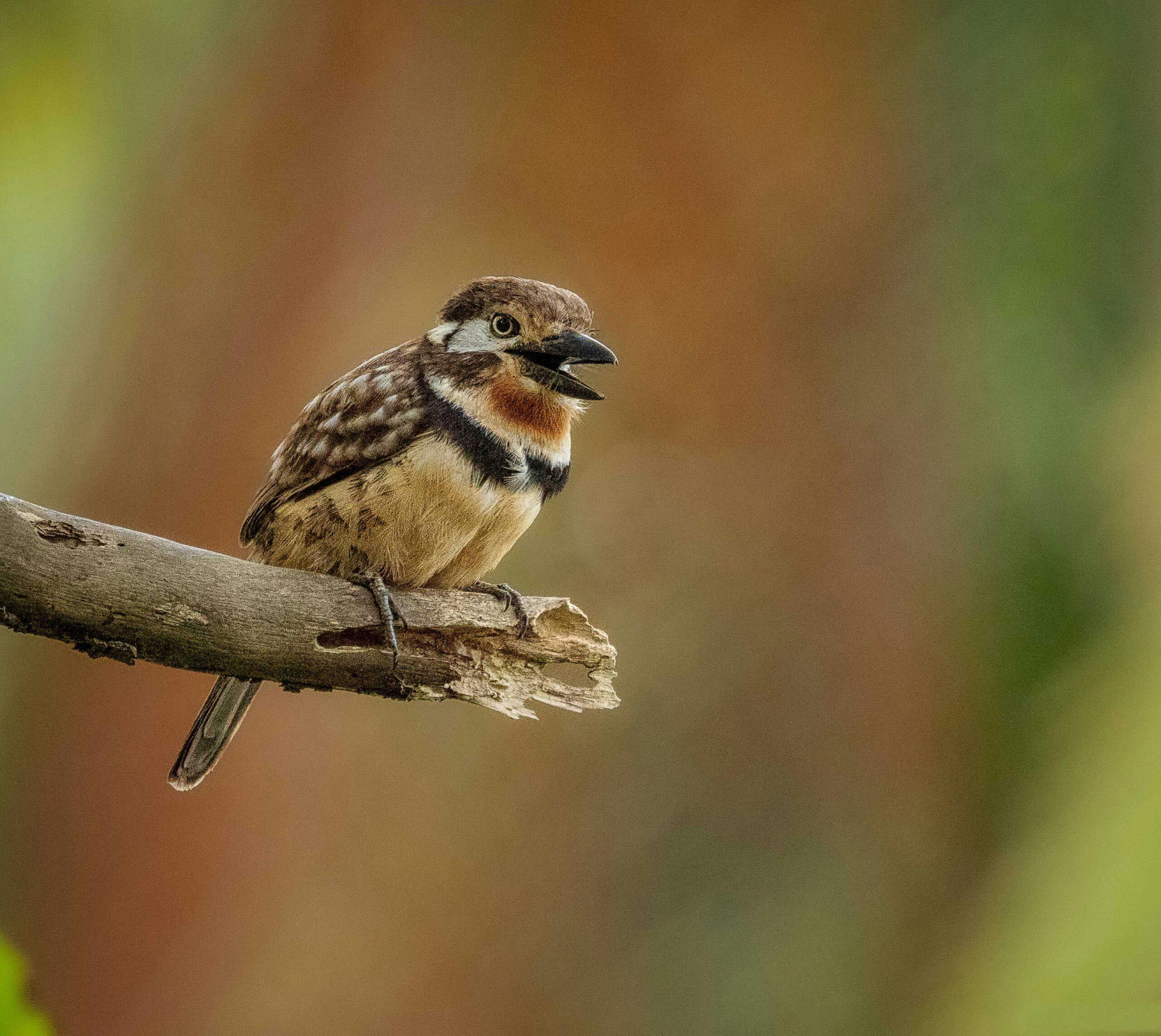
Day 3: El Dorado Lodge
Birding around El Dorado Lodge and at a lovely garden behind their lunch spot provided opportunities to see hummingbirds and endemic species like the Santa Marta Brushfinch. The day included efforts to spot the elusive Santa Marta Antpitta and the near-endemic Black-fronted Wood-Quail.
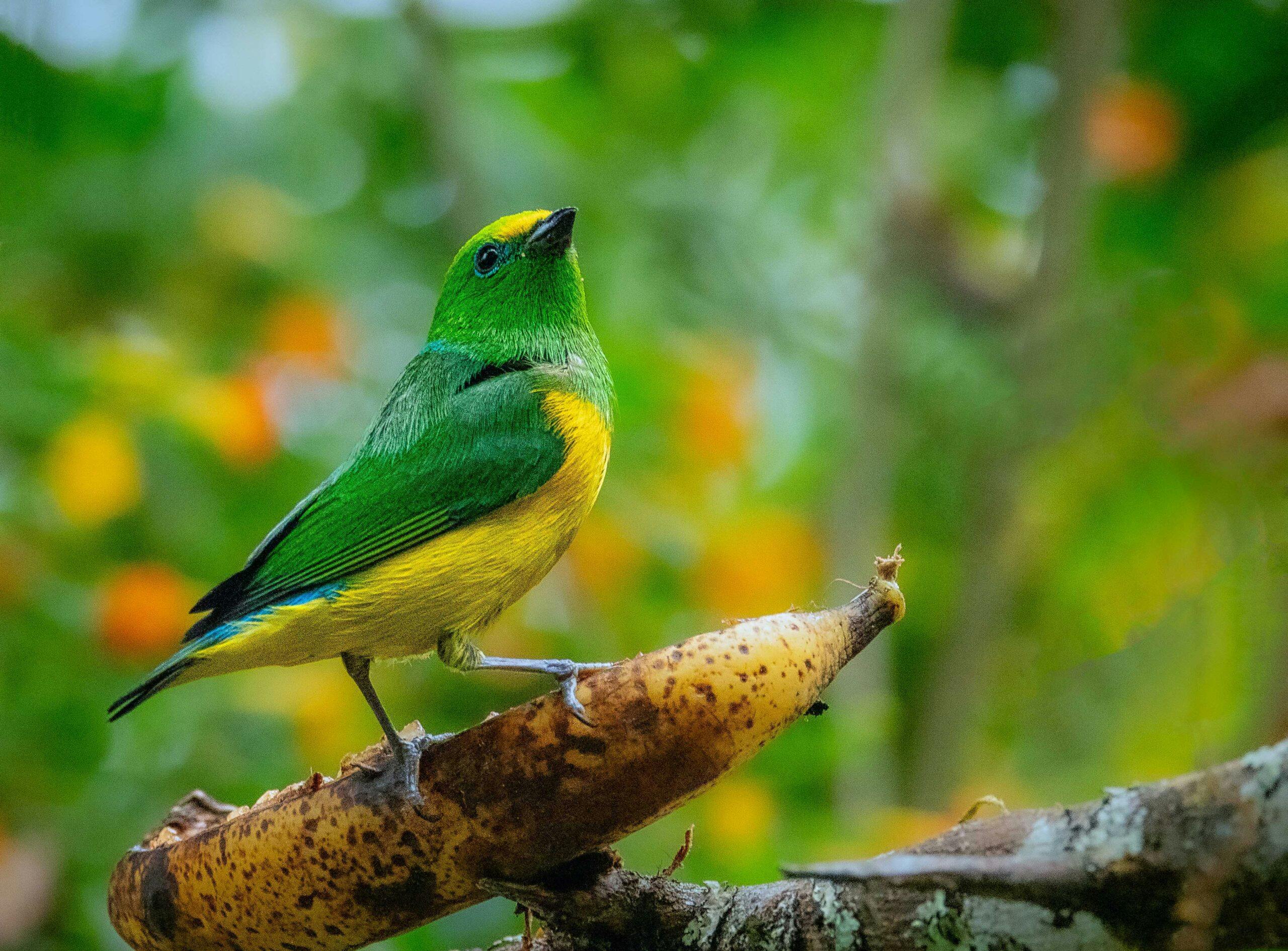
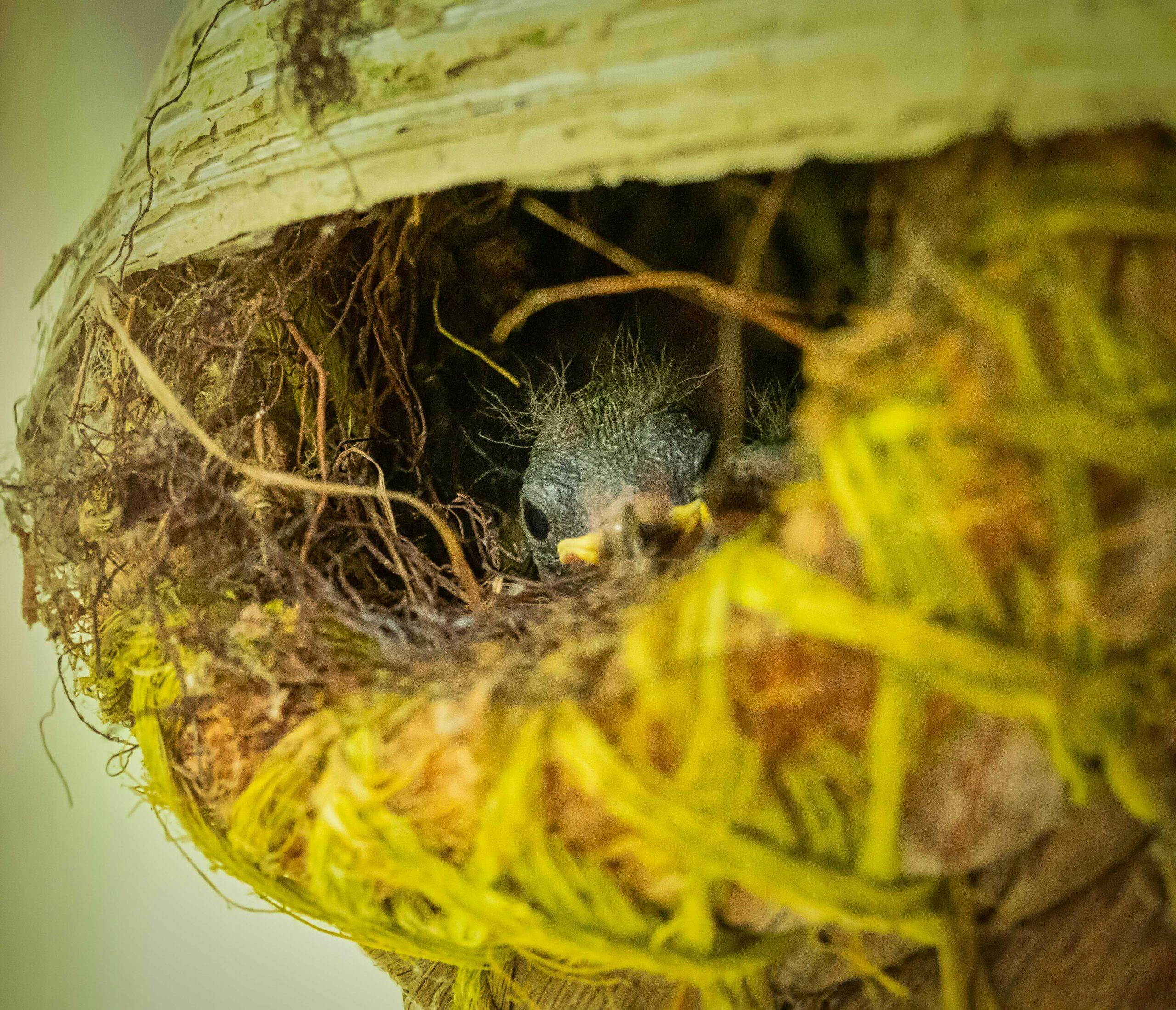
Day 4: Cerro Kennedy
An early start led to higher elevations toward Cerro Kennedy, home to endemics like Santa Marta Parakeet and Santa Marta Bush-tyrant. The group enjoyed a picnic with stunning views and continued birding on the descent. They were treated to an endemic Santa Marta Antpitta coming out for a worm as well as extended viewing of a male and female Quetzal entering and exiting their nest.
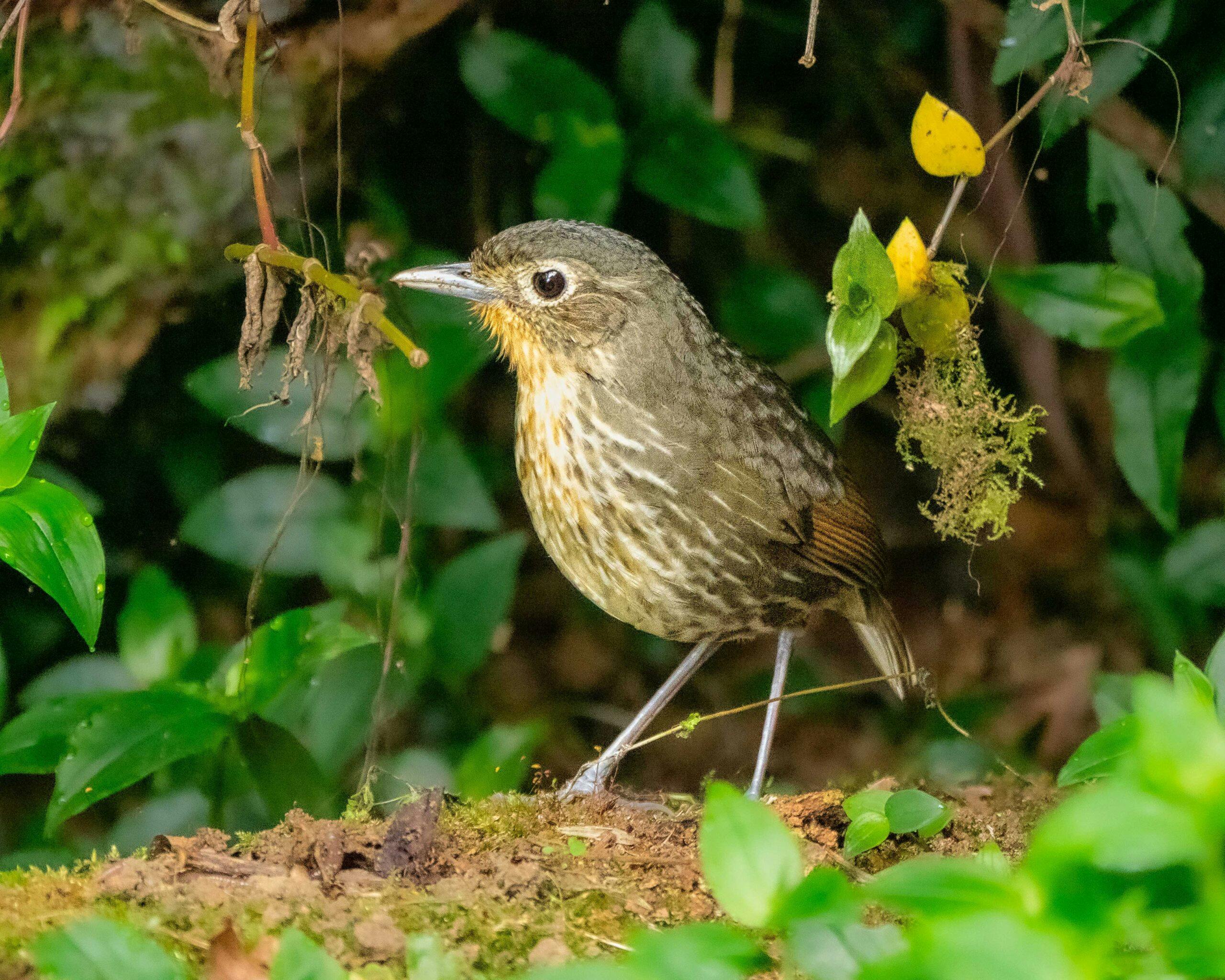
Day 5: El Dorado Lodge to Barlovento
The group birded along the road to Minca, enjoying lunch at the same local restaurant everyone wanted to visit again. They then descended to a hotel near Tayrona National Park.
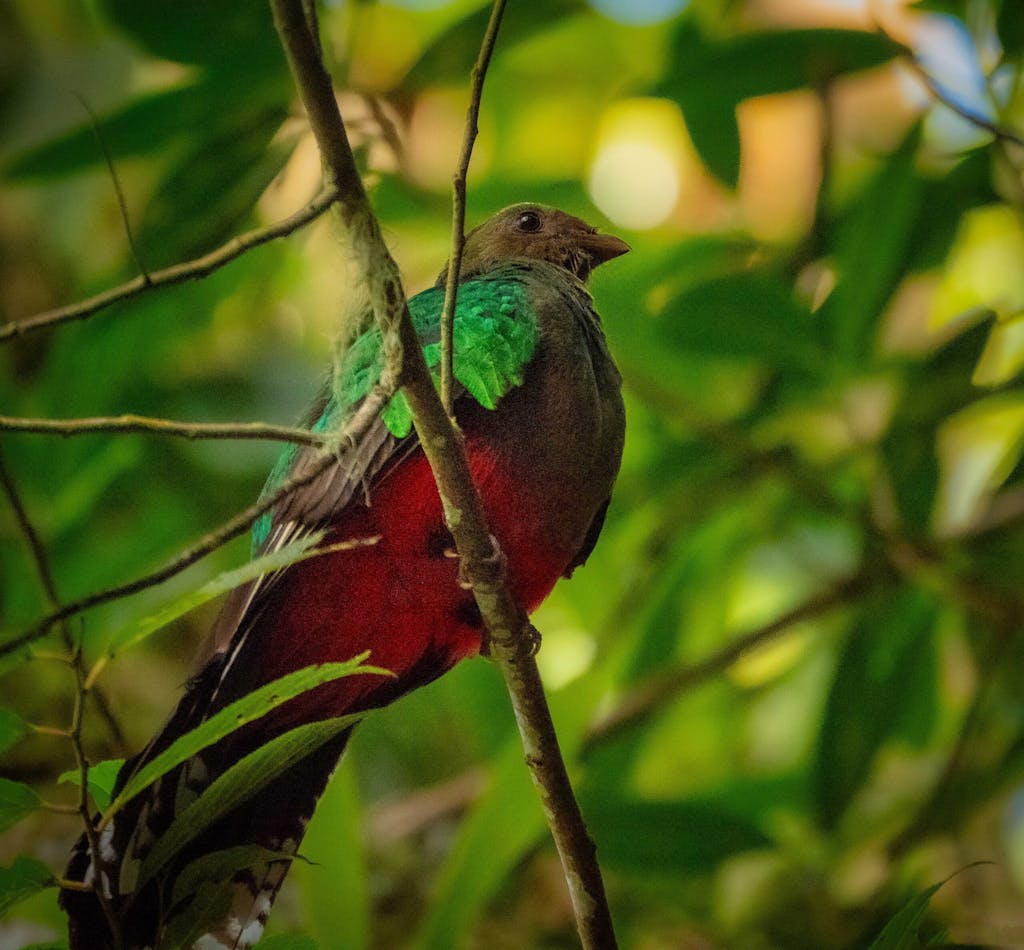
Day 6: Los Flamencos National Park
Los Flamencos offered sightings of male and female Vermilion Cardinal and White-whiskered Spinetail. Participants enjoyed the variety of birds in this dry forest habitat before walking on the beach and watching fisherman cast their nets among the waterfowl. They enjoyed a seafood lunch at a local spot before returning to Barlovento.
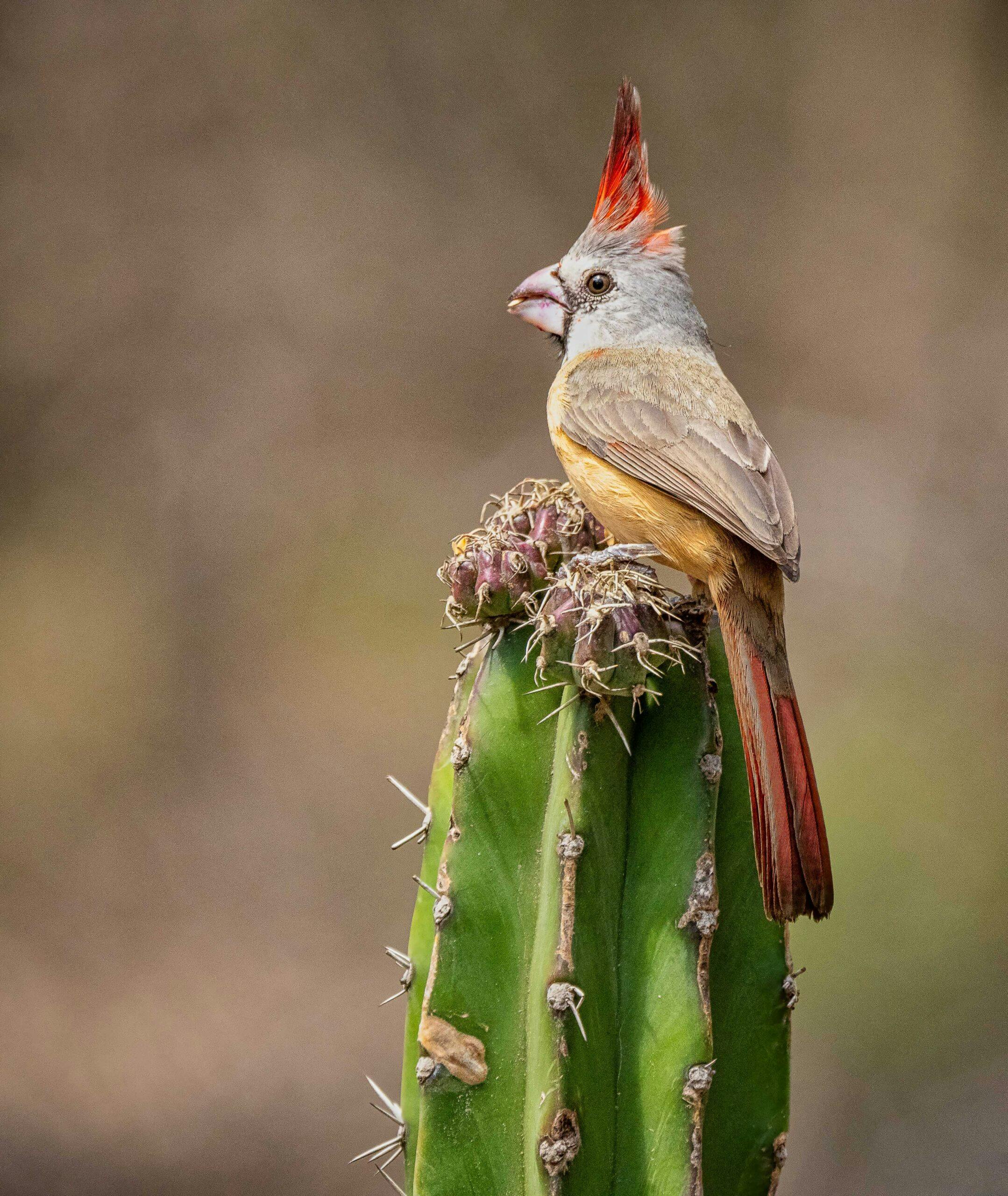
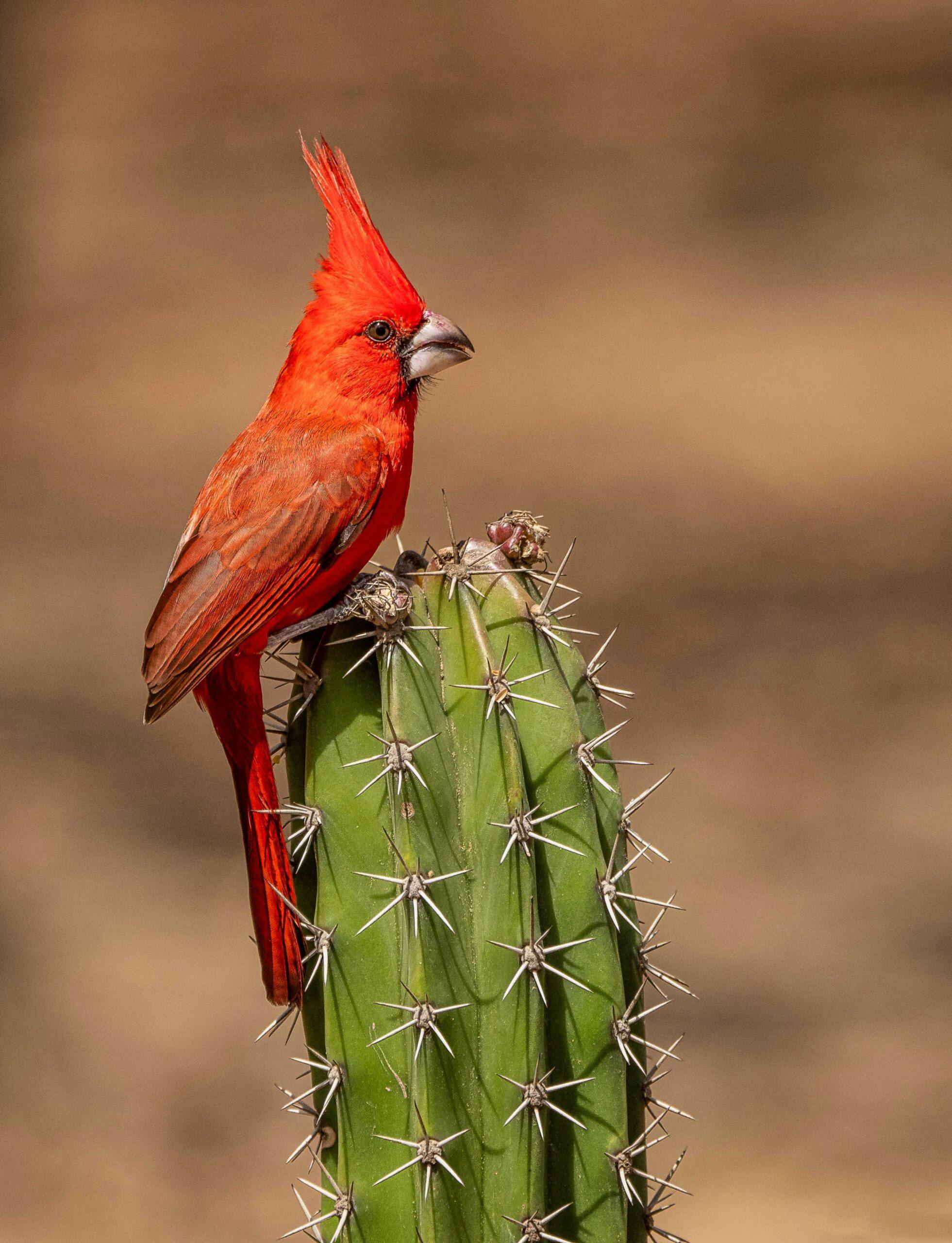
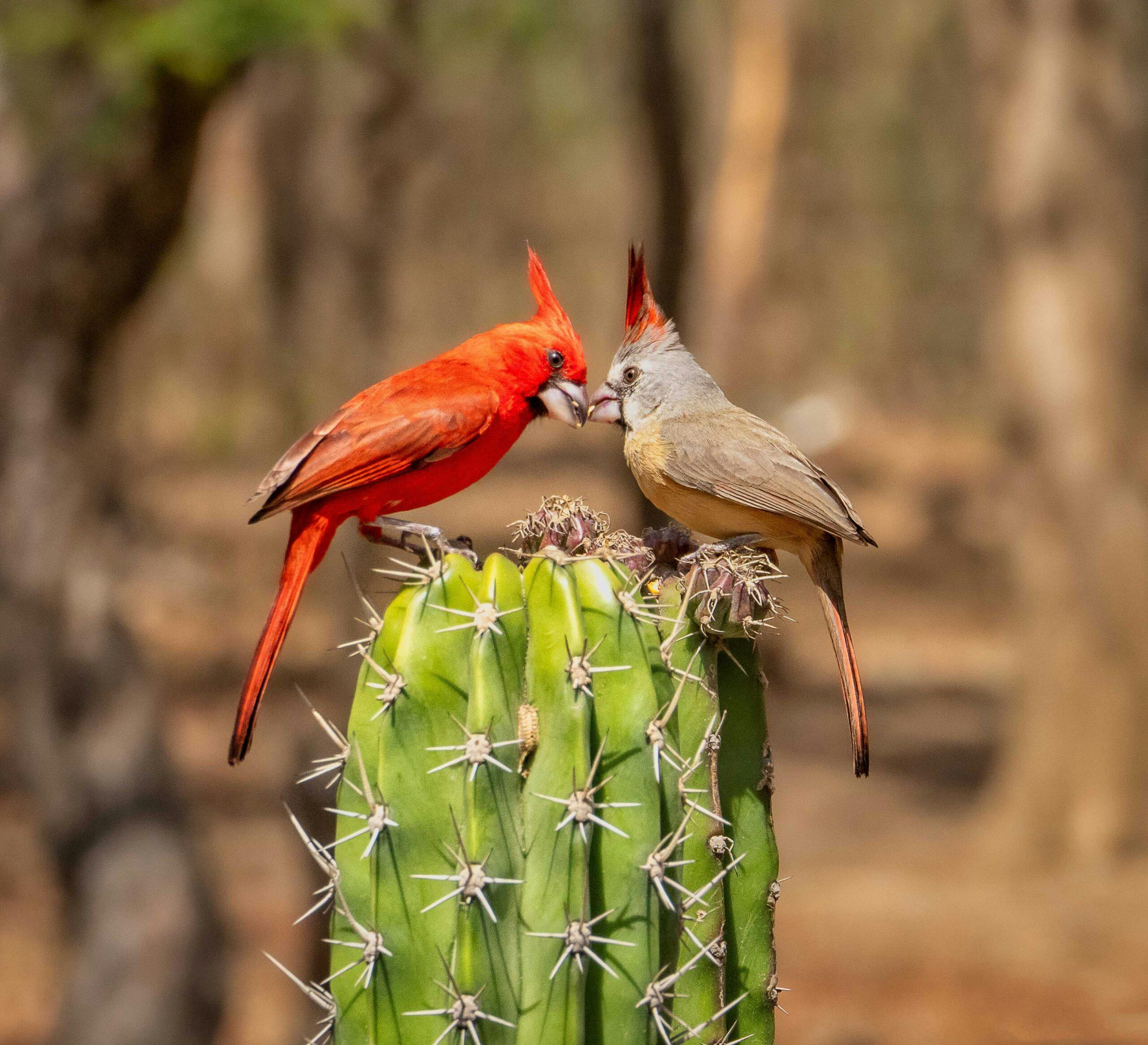
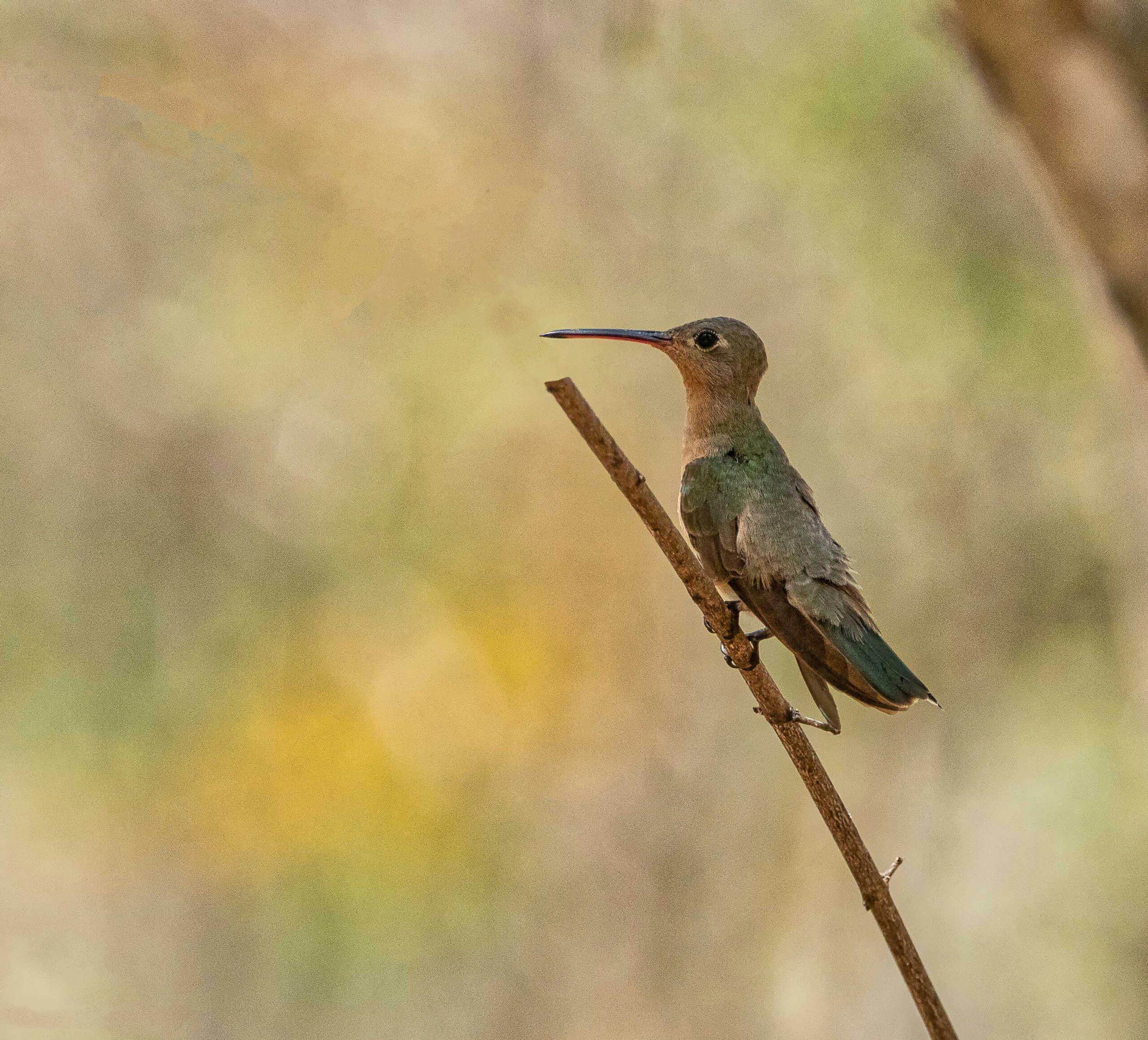
Day 7: Tayrona National Park and back to Barranquilla
The group visited Tayrona National Park, hoping to see the Blue-billed Curassow and other unique species. After lunch, they headed to Barranquilla to prepare for their flights home.
Day 8: Flew Home
Participants departed from Barranquilla, concluding their unforgettable birding adventure.
Ready to explore the avian treasures of Colombia?
Book your spot on our next adventure and immerse yourself in the world’s richest bird diversity.
Secure Your Spot Today!
- Contact Us: Reach out to us directly for any questions or assistance with your booking.
- Follow Us: Stay connected on social media for updates, stunning photos, and travel inspiration.
Don’t wait—spaces are limited and filling up fast. Join us for an unforgettable journey through Colombia’s breathtaking landscapes and vibrant wildlife.
Join the Adventure
Borneo
May 3 to 17, 2024
Primates of the Ancient Forest
Borneo is one of the last wild frontiers, where towering trees, dense jungle, and meandering rivers are home to some of the planet’s most elusive and fascinating creatures. On this journey, travelers were transported deep into the island’s heart, exploring a world where orangutans swing from the treetops, pygmy elephants bathe along the riverbanks, and the calls of gibbons echo through the ancient rainforest. From the moment they arrived, participants were immersed in Borneo’s rich biodiversity, embarking on river safaris, jungle treks, and canopy walks, witnessing the raw beauty and incredible wildlife of this tropical paradise.
Highlights
- Observed wild orangutans along with those undergoing rehabilitation, all within their natural habitat at the Sepilok Orangutan Rehabilitation Centre
- Explored the Kinabatangan River on wildlife cruises, spotting proboscis monkeys, pygmy elephants, and rare bird species
- Witnessed the dramatic bat exodus from the Gomantong Caves, a breathtaking spectacle of over a million bats taking flight
- Discovered Borneo’s untouched rainforest in Danum Valley, home to orangutans, clouded leopards, and pristine jungle
“Great guides, amazing places, and maximum time in the field have always resulted in fantastic experiences. Our travel philosophy is ‘Do it once and do it right.’ Cheesemans’ trips fit the bill perfectly. The guides are always knowledgeable, and they are intent on providing wonderful wildlife experiences while respecting the wildlife and the natural environment. This trip was no exception.” -Michelle Berens
May 3 to 17, 2024
Home to one of the oldest rainforests on Earth, Borneo offers travelers a chance to immerse themselves in pristine ecosystems teeming with rare wildlife. From towering treetops to the lush riverbanks, this 15-day journey led by expert guide Charlie Ryan gave participants a firsthand look at the island’s iconic species, including orangutans, pygmy elephants, and gibbons.
May 3-4: Journey to Borneo
Travelers departed their home countries, making their way to Sandakan, Sabah, the gateway to the wildlife-rich jungles of Borneo. After a long journey, they arrived in the ancient rainforest of Southeast Asia, ready for an adventure like no other.
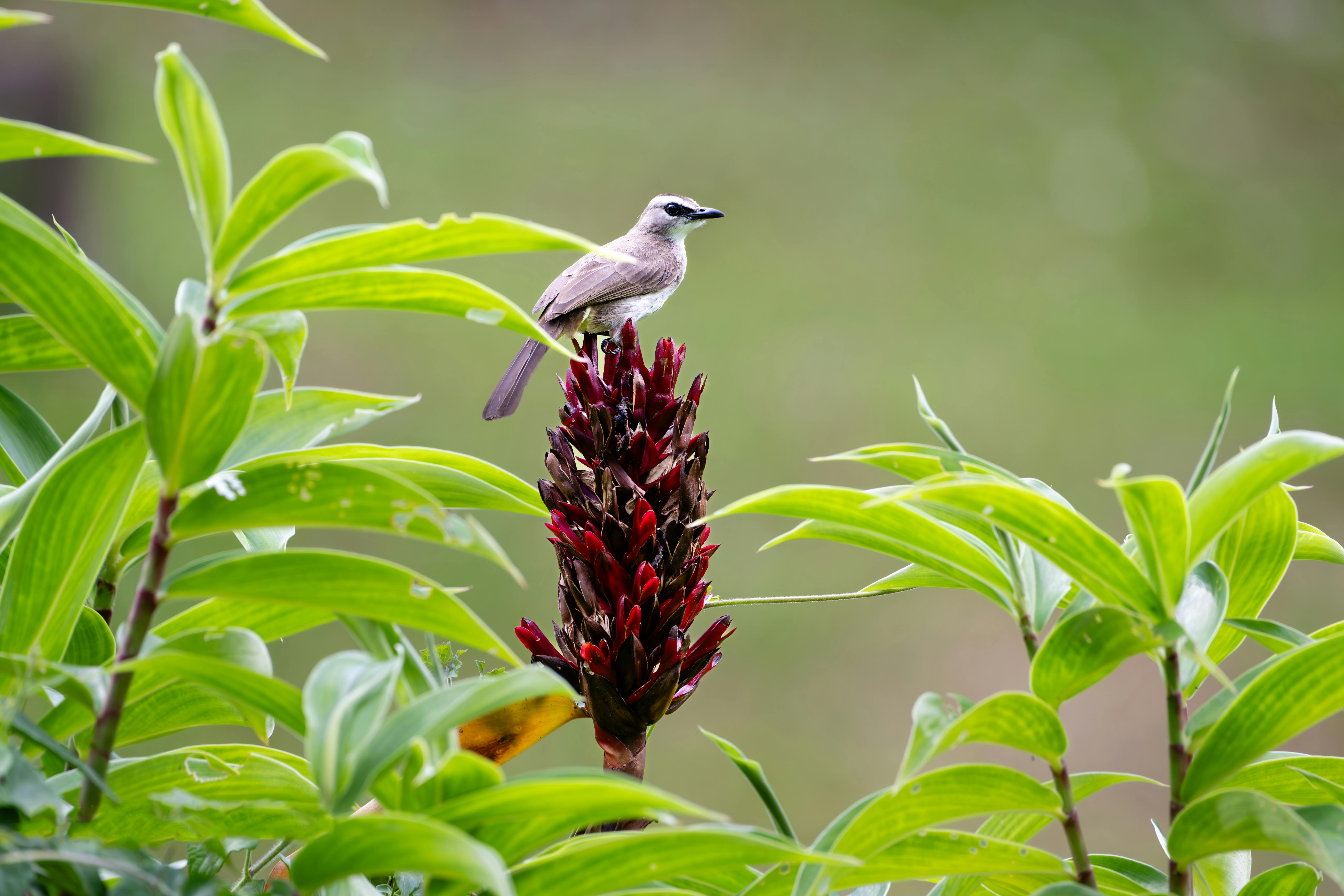
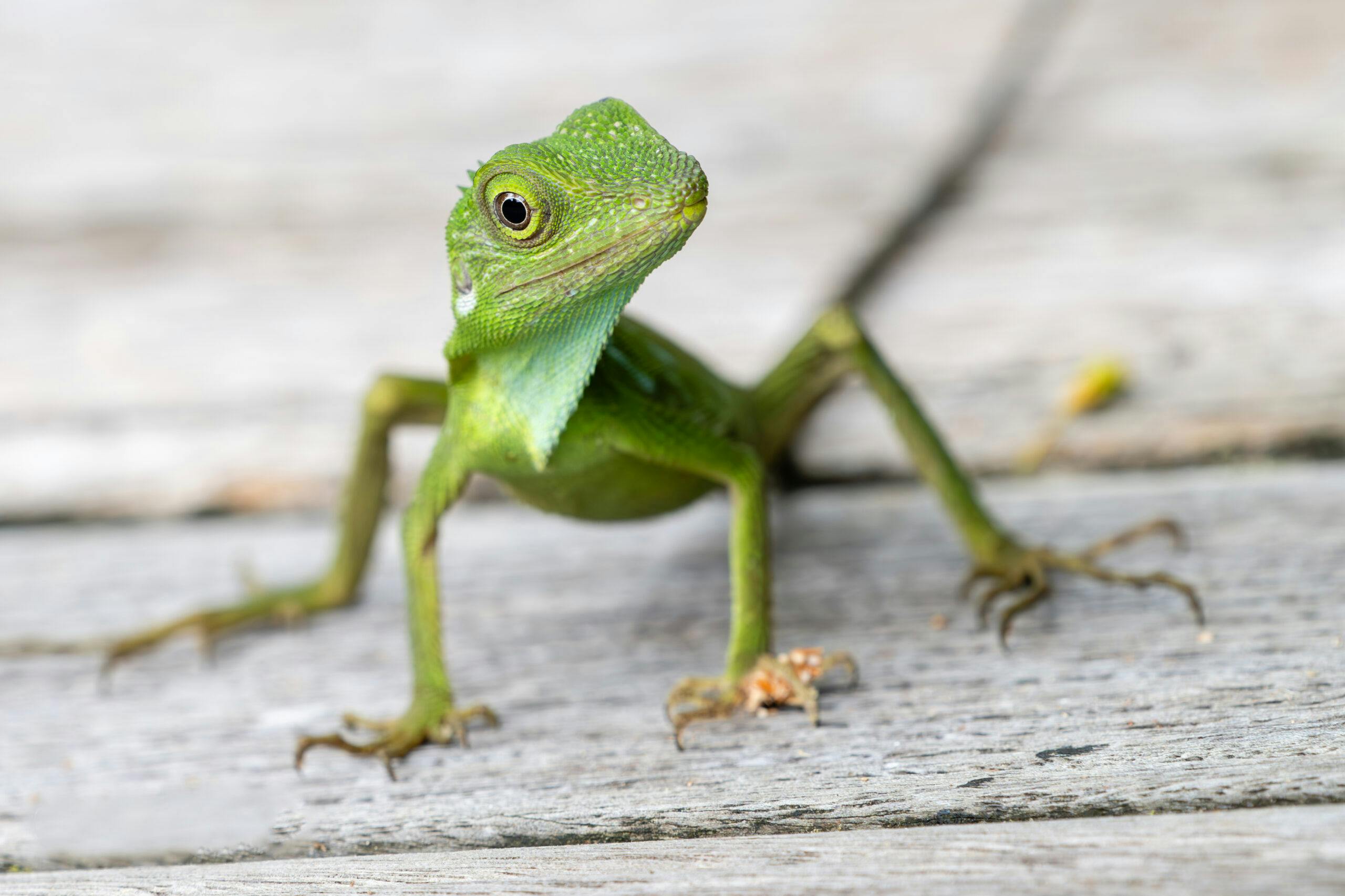
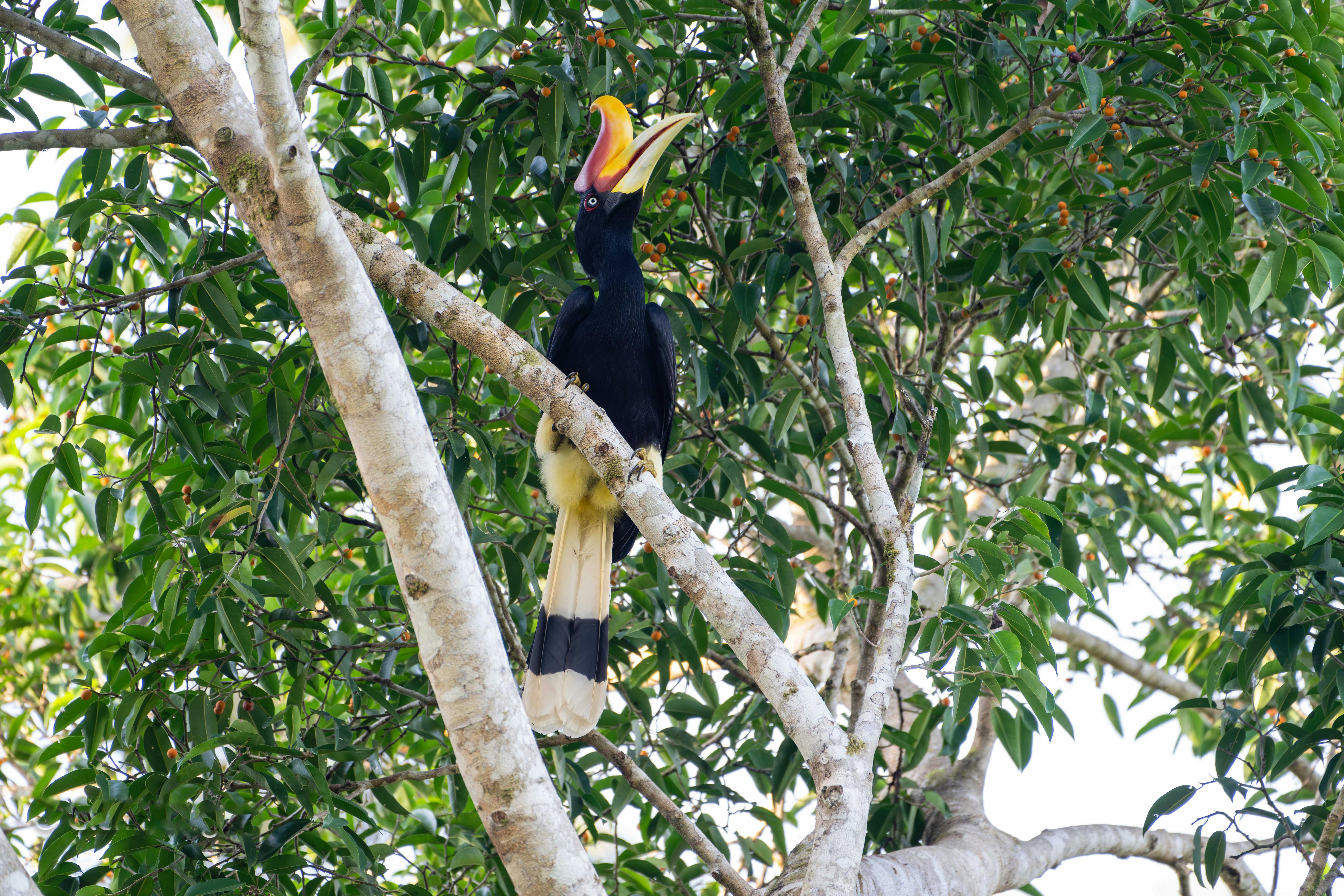
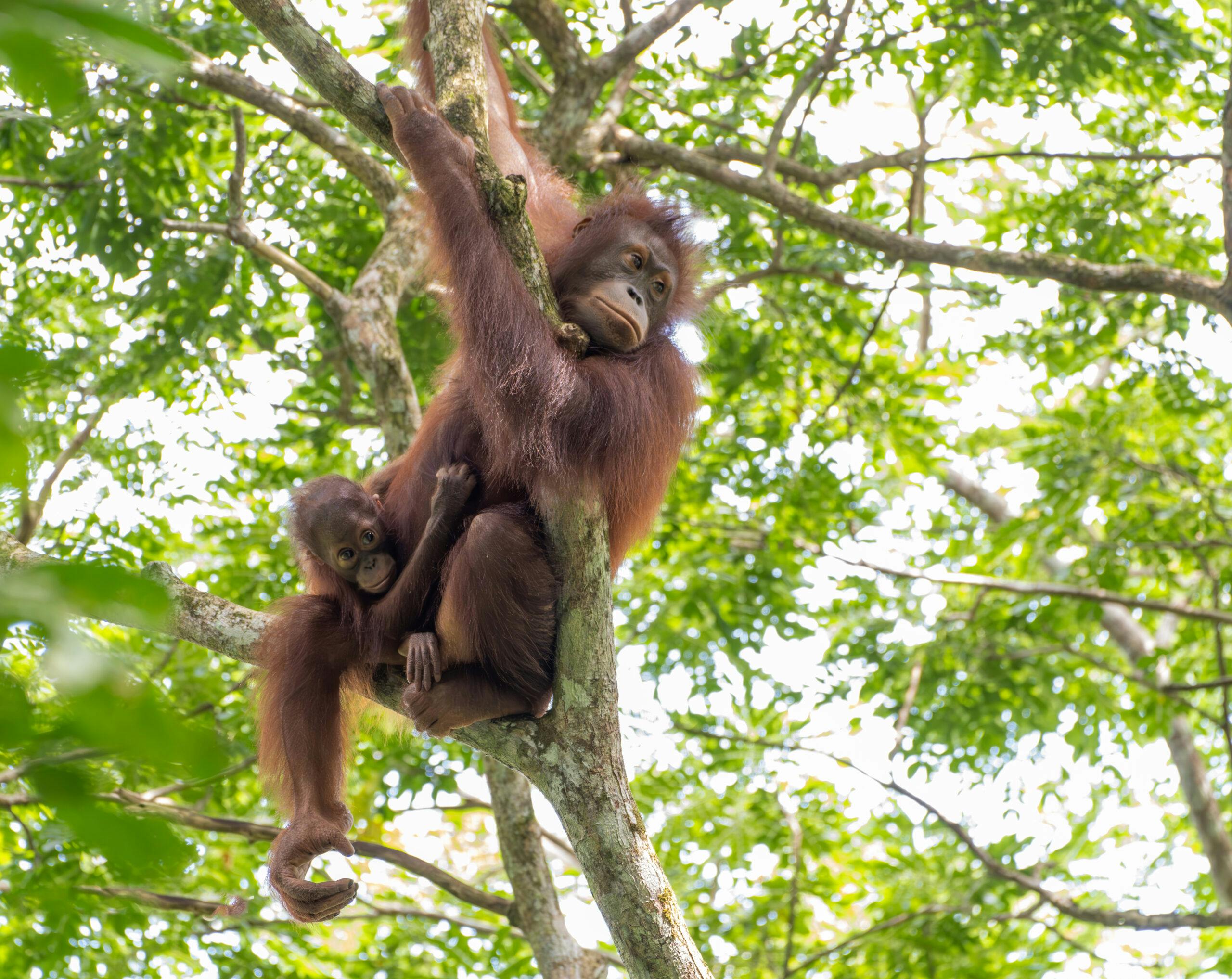
May 5: Arrival in Sandakan and Welcome to Sepilok
Upon arrival in Sandakan, participants were transferred to the tranquil Sepilok Nature Resort, nestled in the Kabili-Sepilok Forest Reserve. After settling in, they gathered for a warm welcome dinner with trip leader Charlie Ryan, who introduced the group to Borneo’s incredible biodiversity. After dinner, some chose to embark on an optional night walk, where they had their first encounters with nocturnal wildlife like giant red flying squirrels and Malay civets.
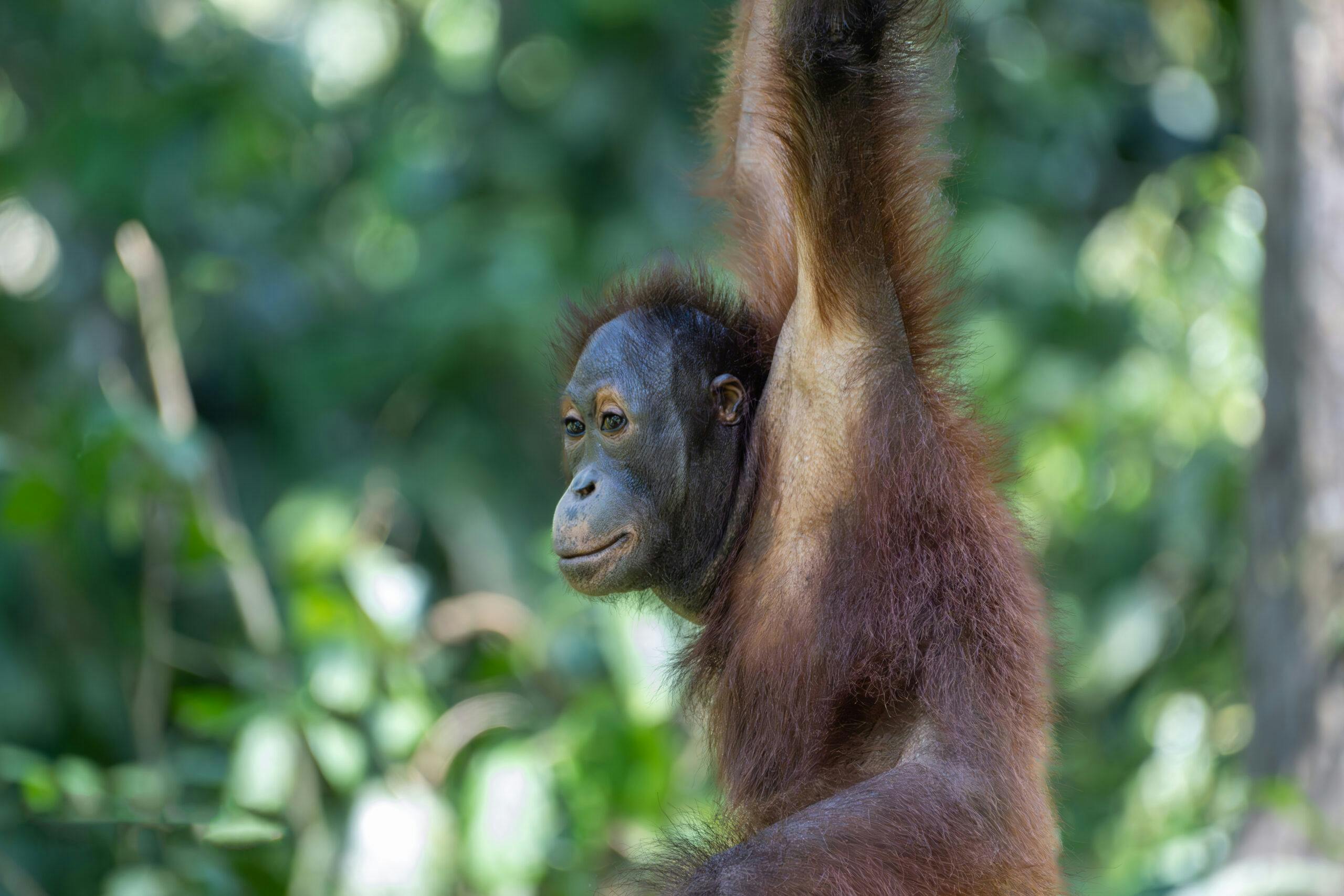
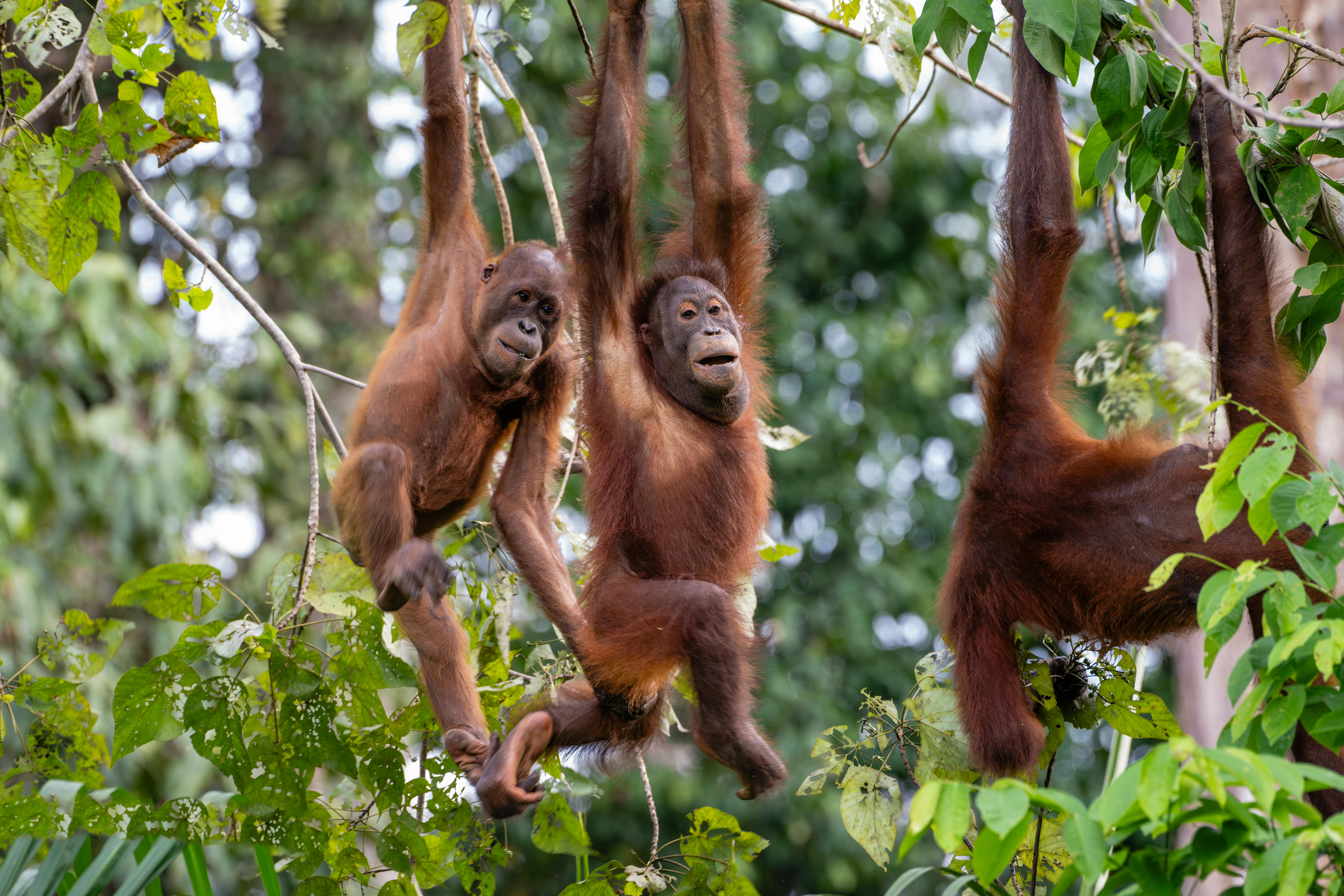
“Patrick and Charlie were both awesome. It was clear they were well respected by our guides from the lodges as well. Our lodge guides were also always friendly and helpful.” -Michelle Berens
May 6: Sepilok Orangutan Rehabilitation Centre
The group began their journey into the Sepilok Forest Reserve, where they explored the canopy walkways high above the forest floor. This was the perfect vantage point to spot birds such as Asian fairy bluebirds and black-and-red broadbills. A highlight of the day was visiting the Sepilok Orangutan Rehabilitation Centre, where participants observed rescued orangutans as they fed and interacted in their natural habitat. The afternoon and evening were filled with jungle treks, where more wildlife sightings included the elusive western tarsier and red leaf monkeys.
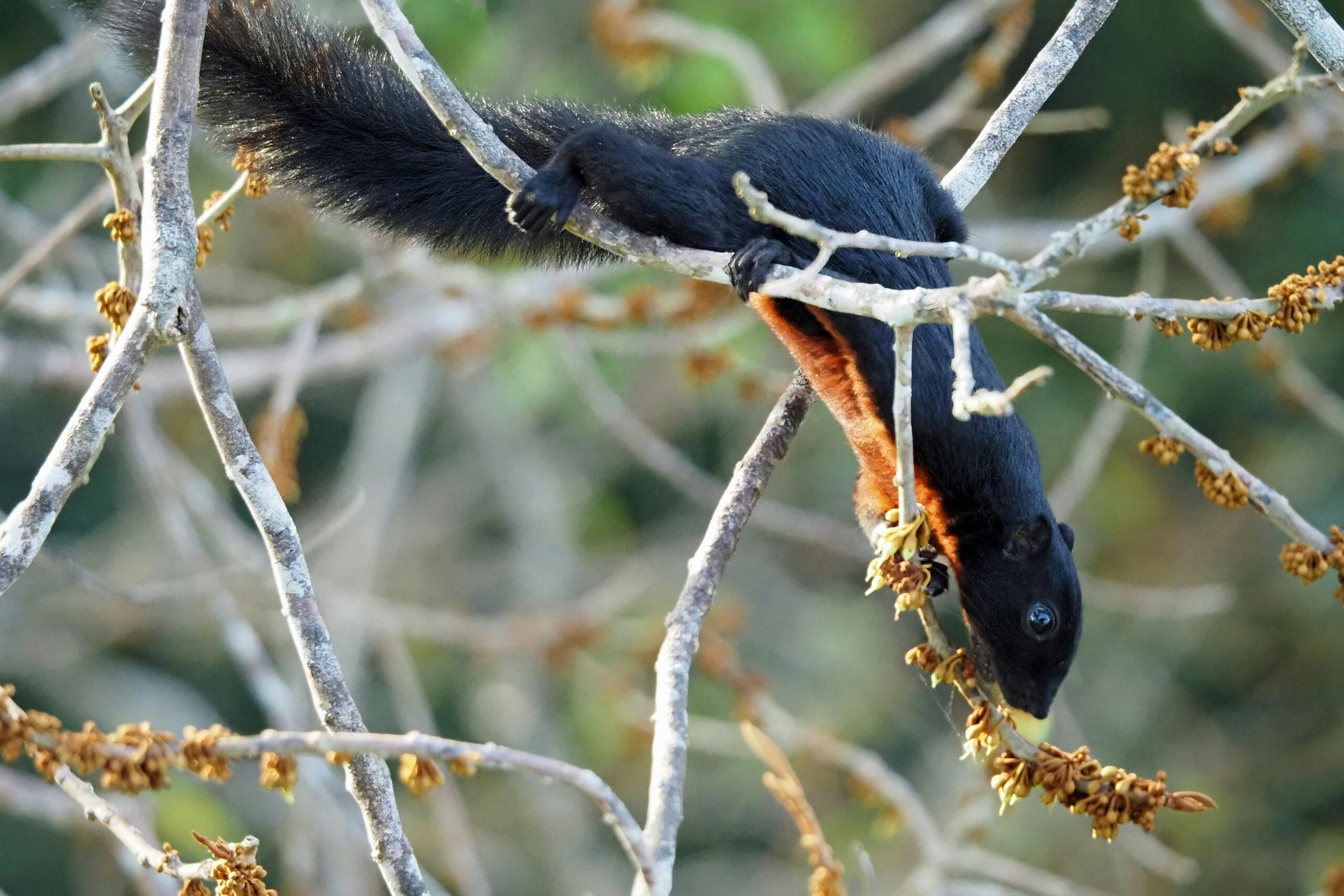
Black Prevost's Squirrel© Roy Robins-Browne
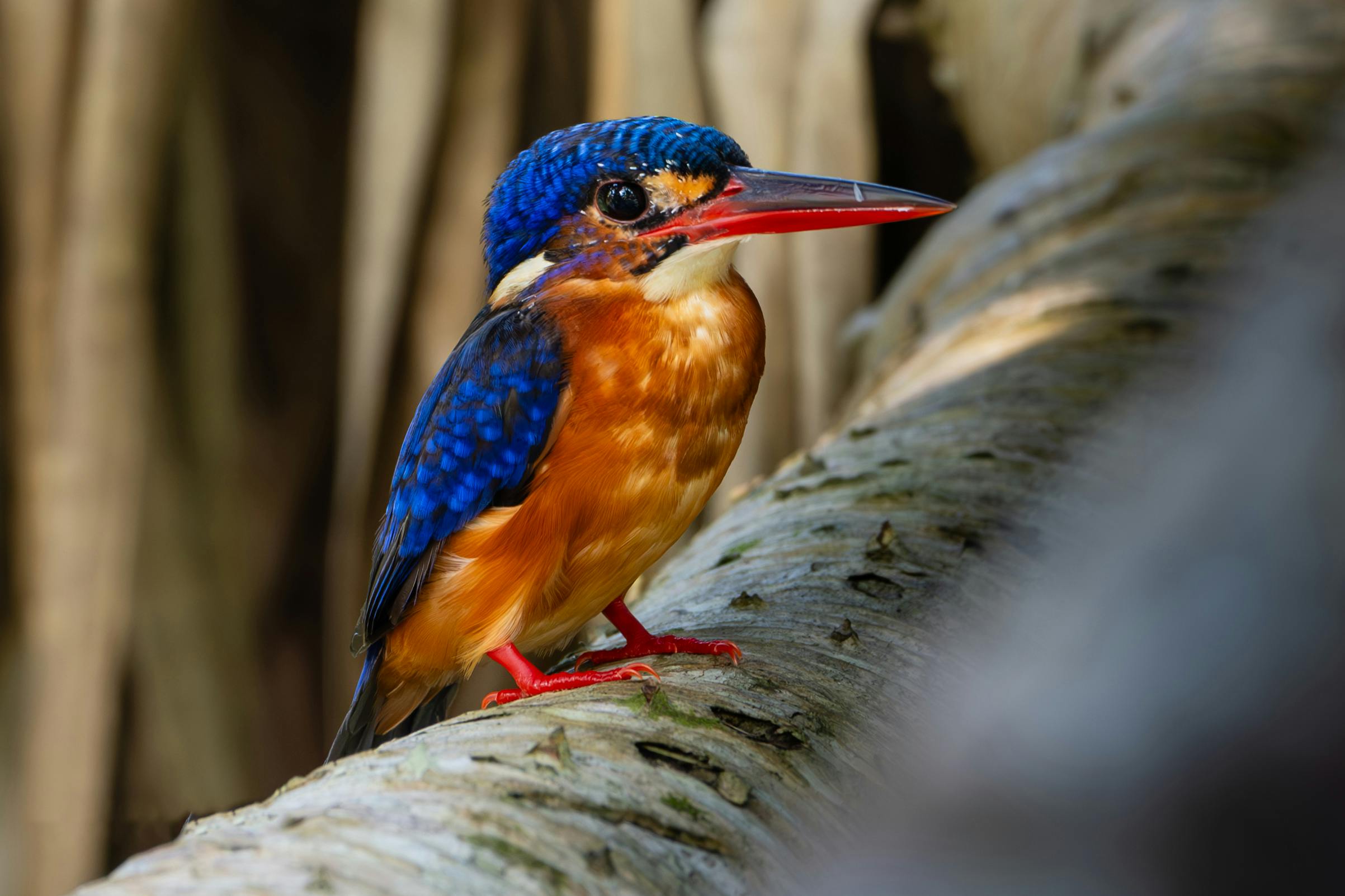
Blue-eared Kingfisher© Keri and Glenn Ciegler
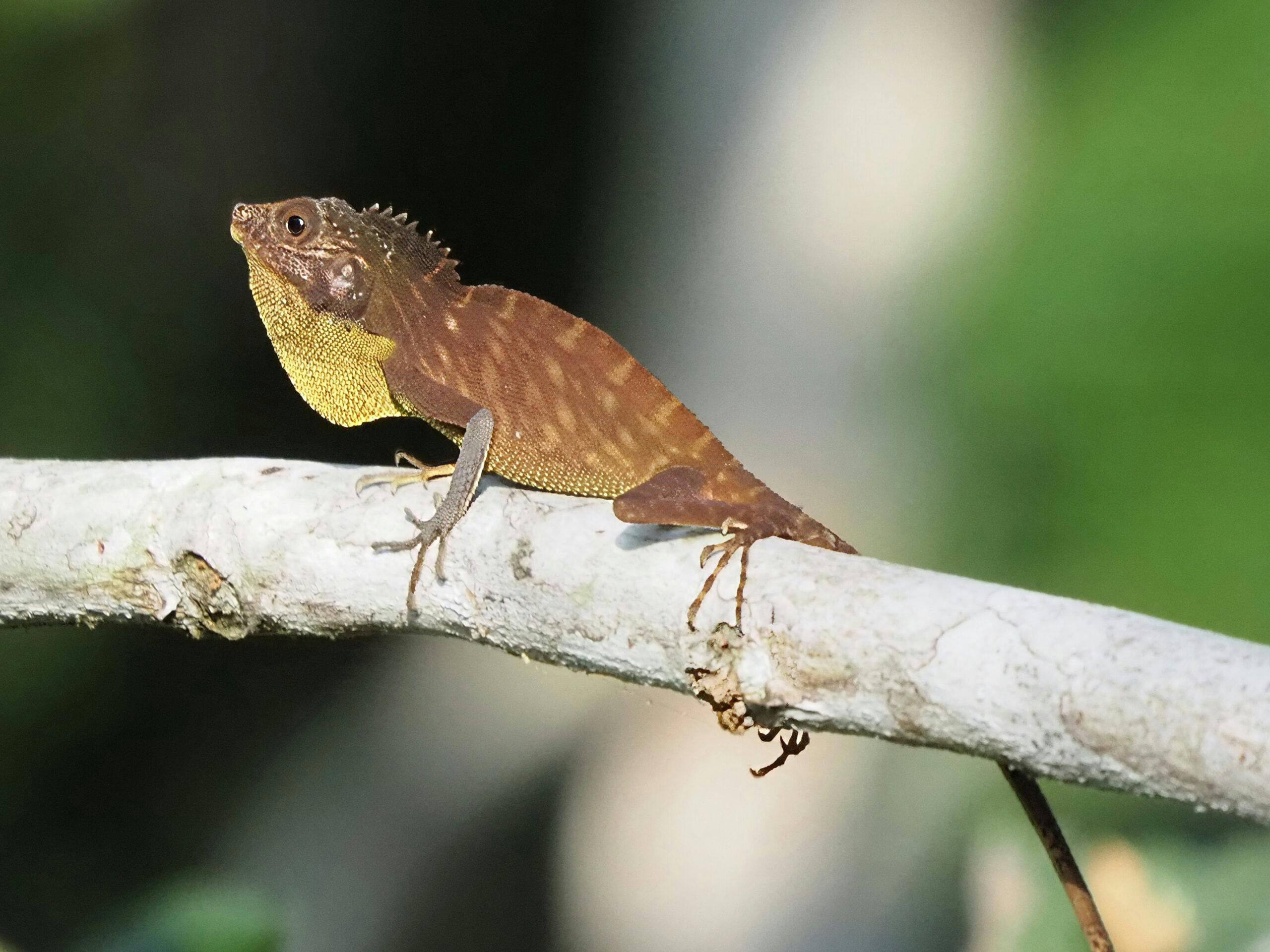
Green Crested Lizard© Roy Robins-Browne
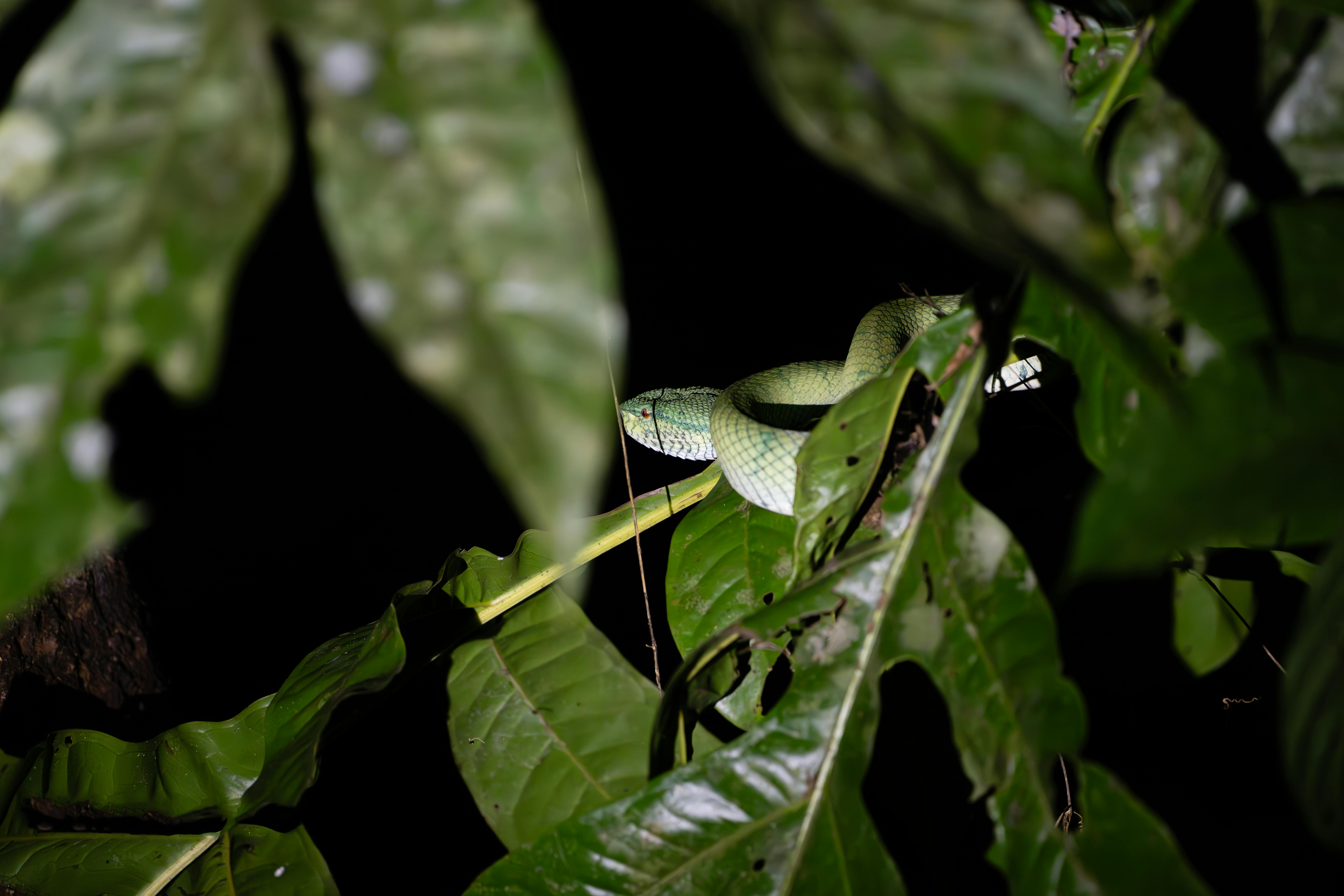
North Philippine Temple Pit Viper © Keri and Glenn Ciegler
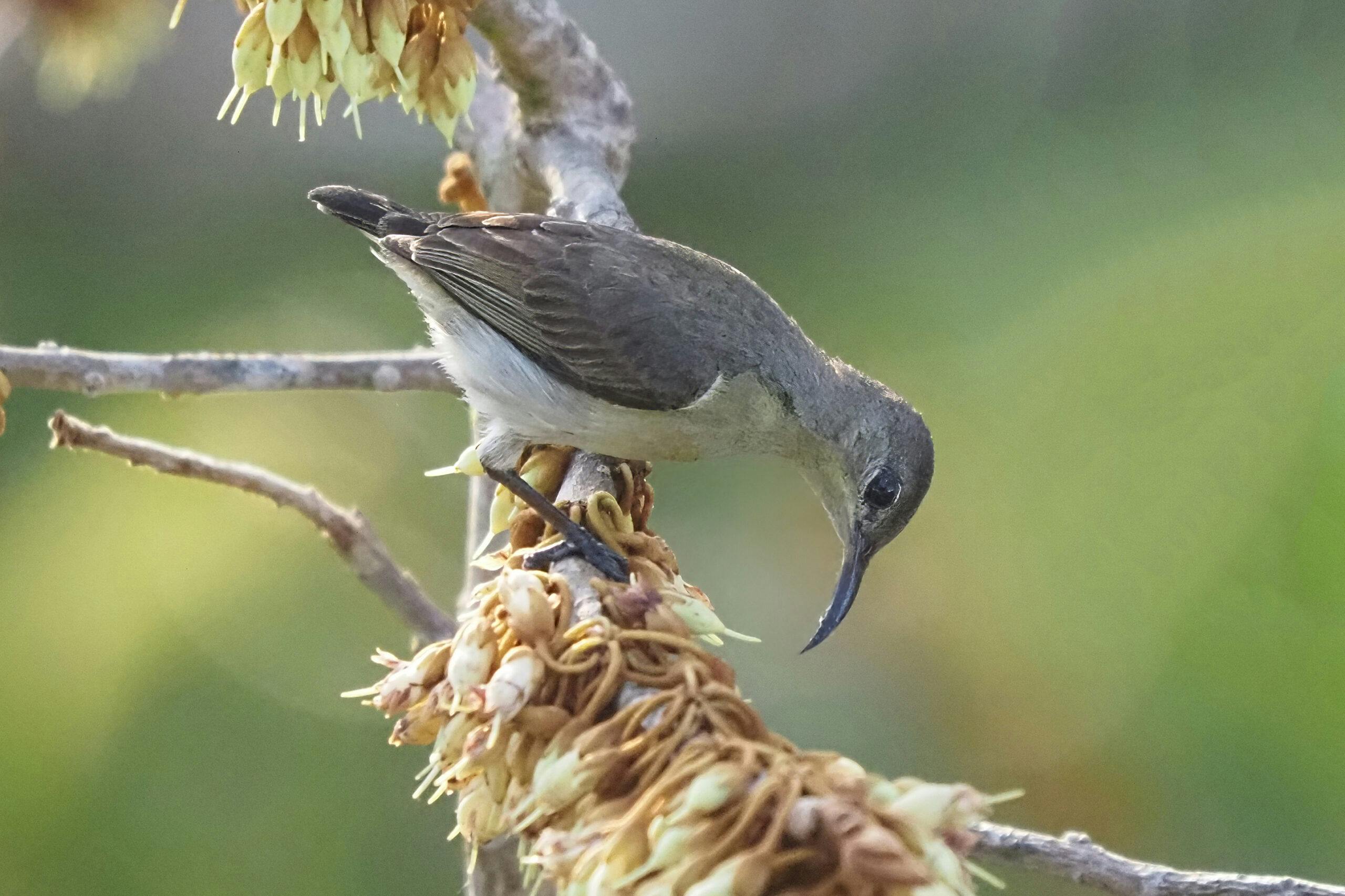
Van-Hasselt's Sunbird© Roy Robins-Browne
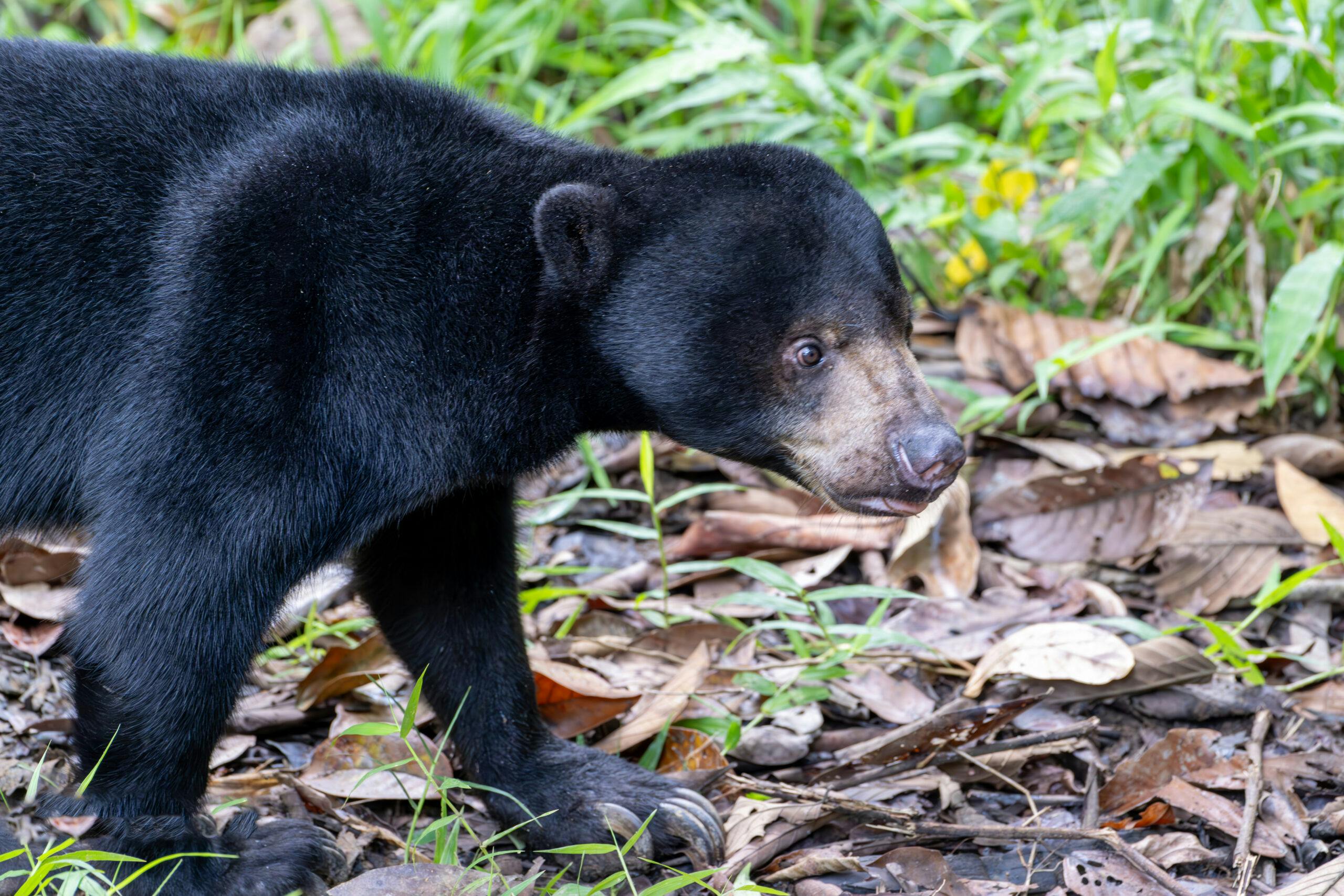
Bornean sun bear © Keri and- lenn-Ciegler
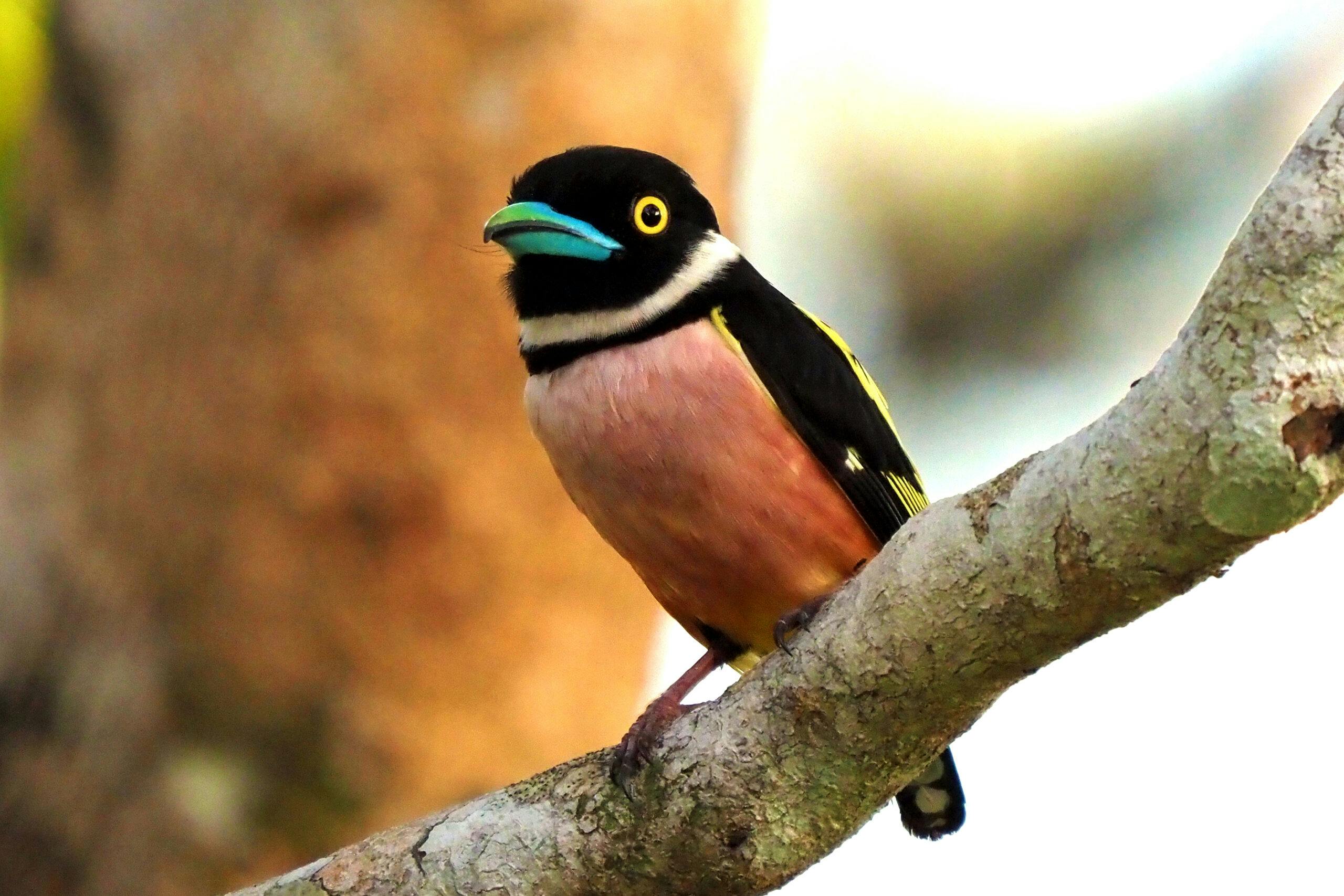
Black-and-yellow Broadbill © Roy Robins-Browne
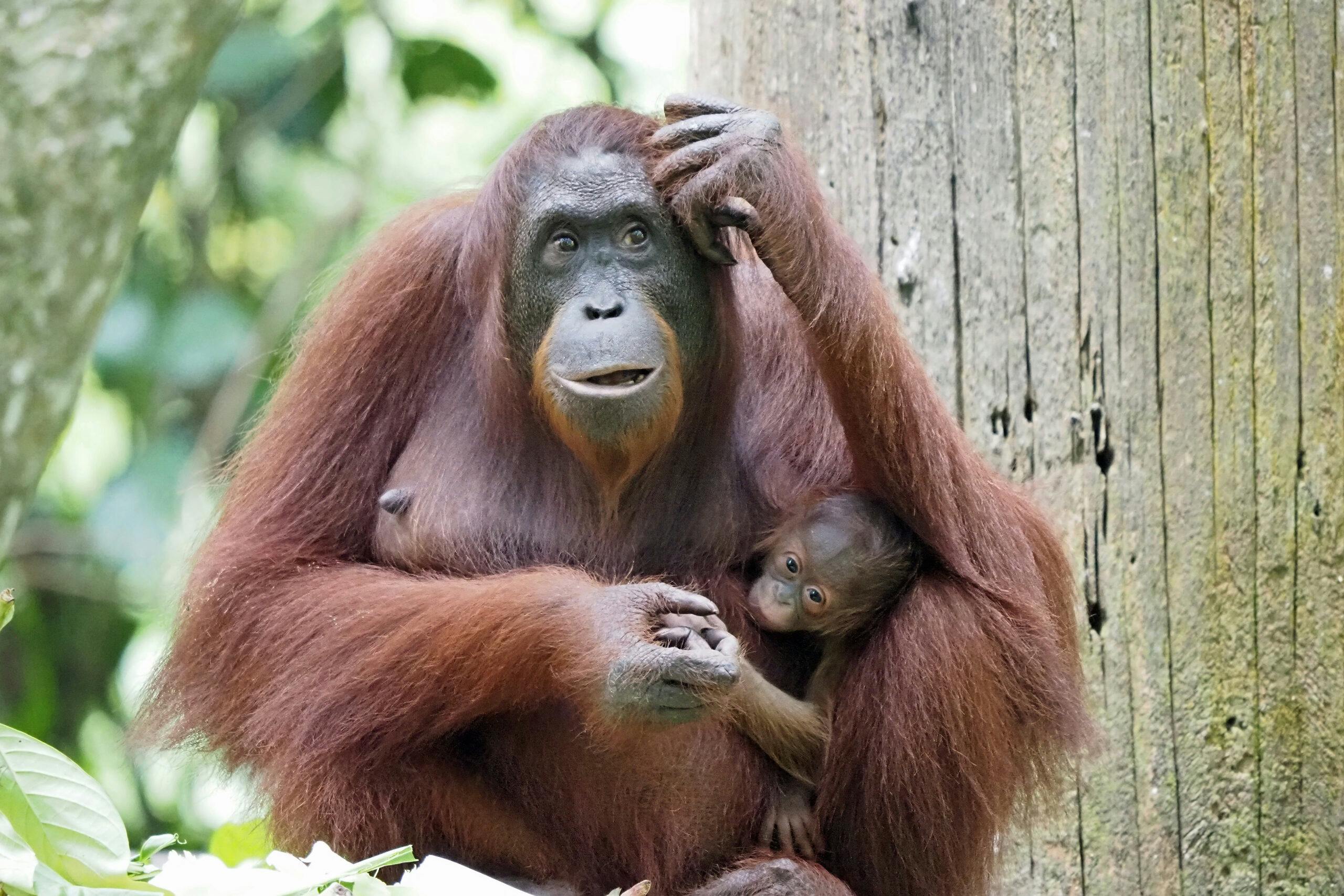
Orangutan © Roy Robins-Browne
May 7-9: Kinabatangan River and Wildlife Sanctuary
The adventure continued with a transfer to the Kinabatangan Wildlife Sanctuary, home to Borneo’s most diverse ecosystems. Travelers embarked on river cruises along the Kinabatangan River, one of the best places to spot rare wildlife. Dawn and dusk cruises offered the chance to see proboscis monkeys, pygmy elephants, and hornbills in their natural settings. On land, jungle treks through the sanctuary yielded sightings of Bornean gibbons, silvered langurs, and even a slow loris during an evening walk. A visit to the Bornean Sun Bear Conservation Centre was a unique opportunity to learn about the world’s smallest bear species.
Another unforgettable moment was the afternoon visit to the Gomantong Caves, where travelers witnessed the dramatic wrinkle-lipped freetail bat exodus—millions of bats swirling into the evening sky as they left the cave to feed.
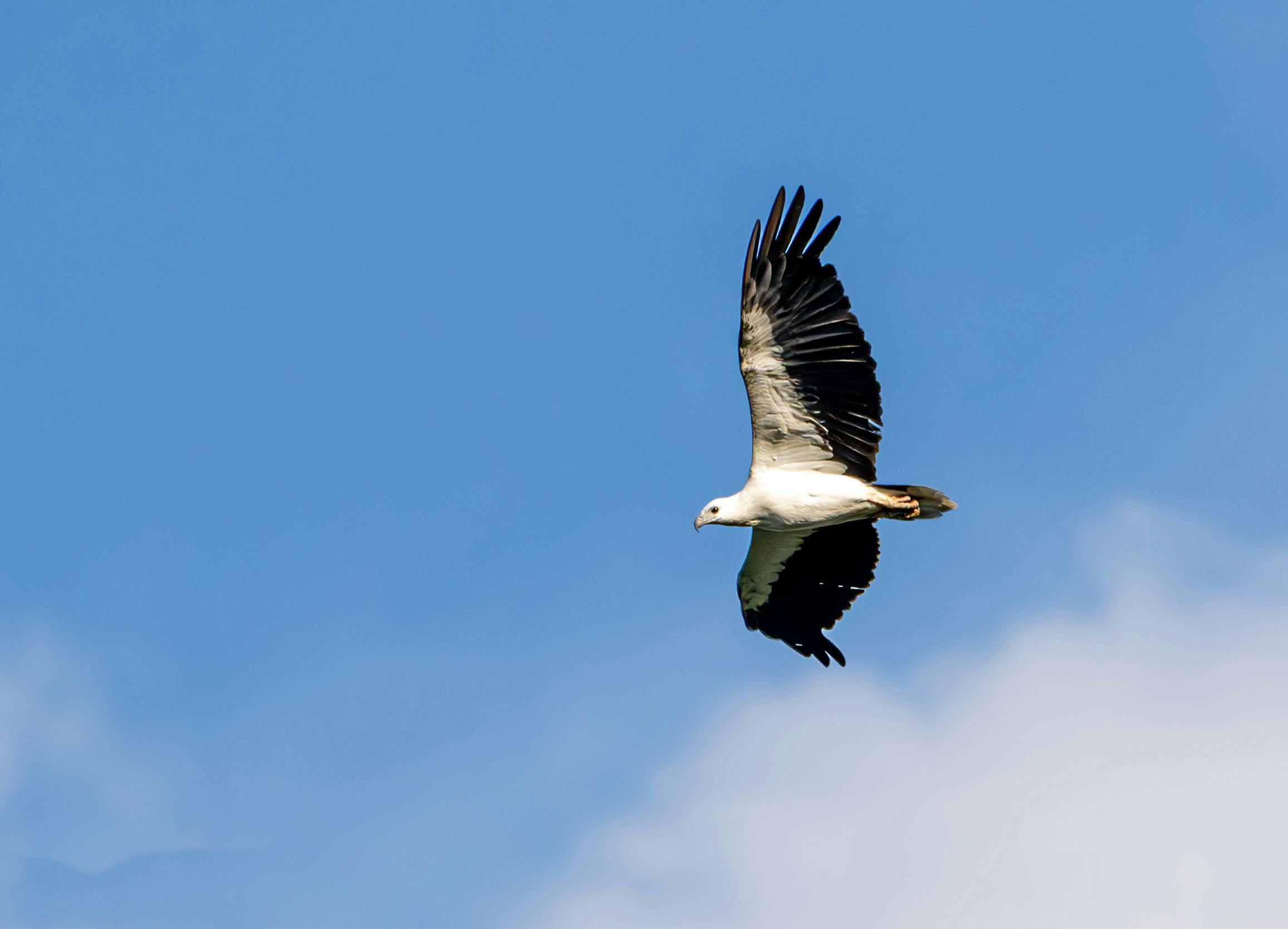
White-bellied Sea Eagle© Keri and Glenn Ciegler
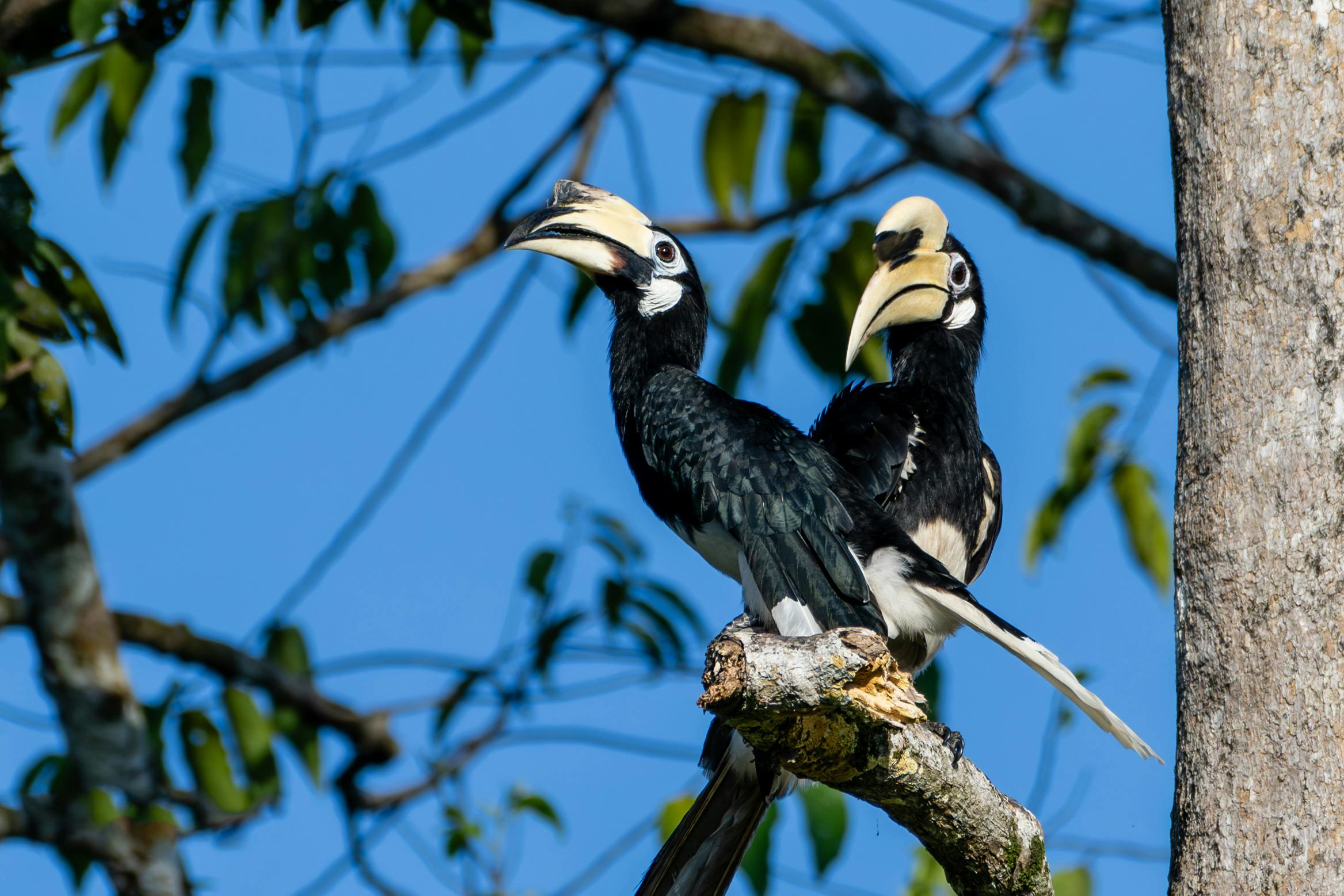
Oriental Pied Hornbill© Keri and Glenn Ciegler
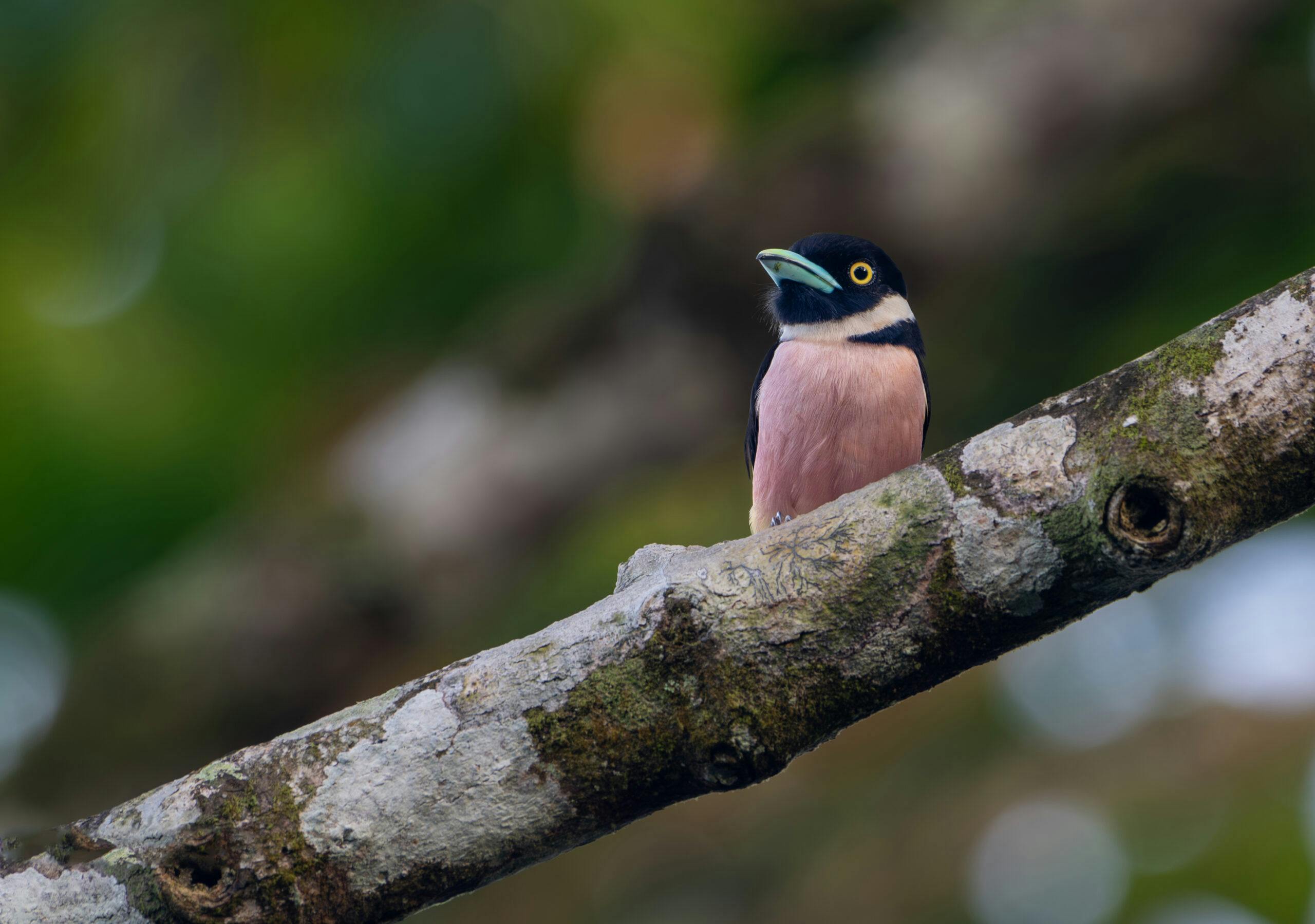
Black-and-yellow Broadbill© Keri and Glenn Ciegler
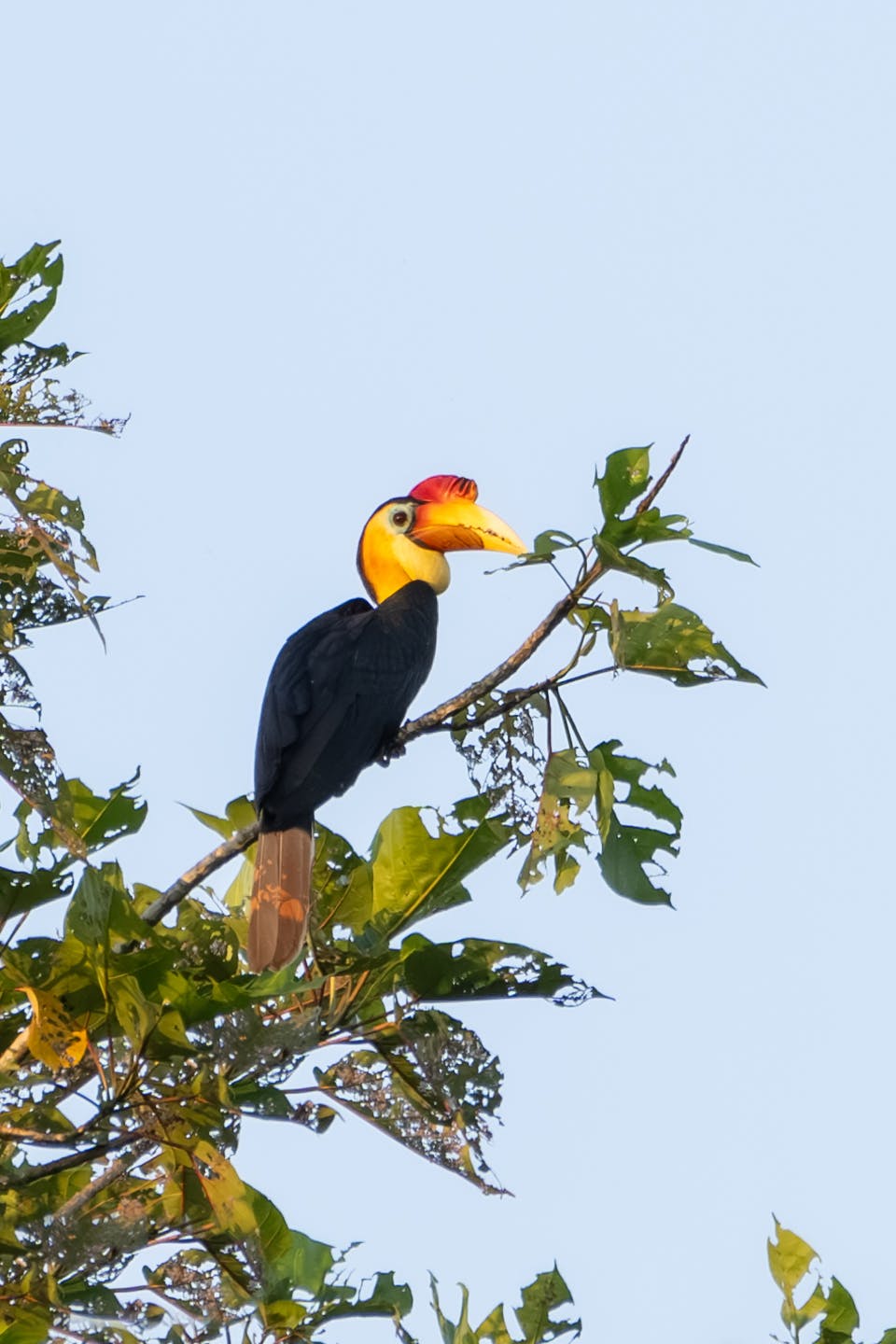
Wrinkled Hornbill© Keri and Glenn Ciegler
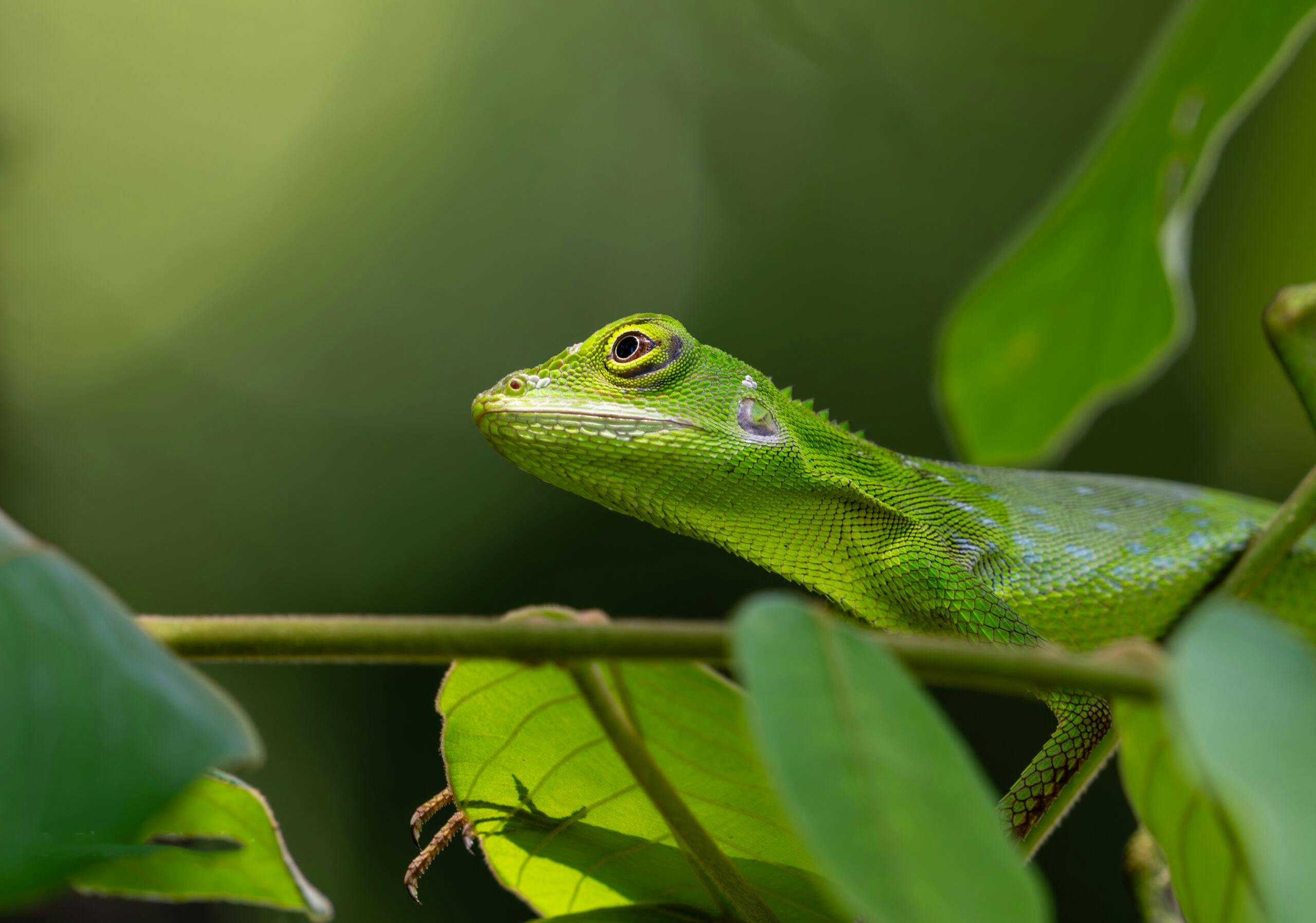
Green Crested Lizard© Roy Robins-Browne
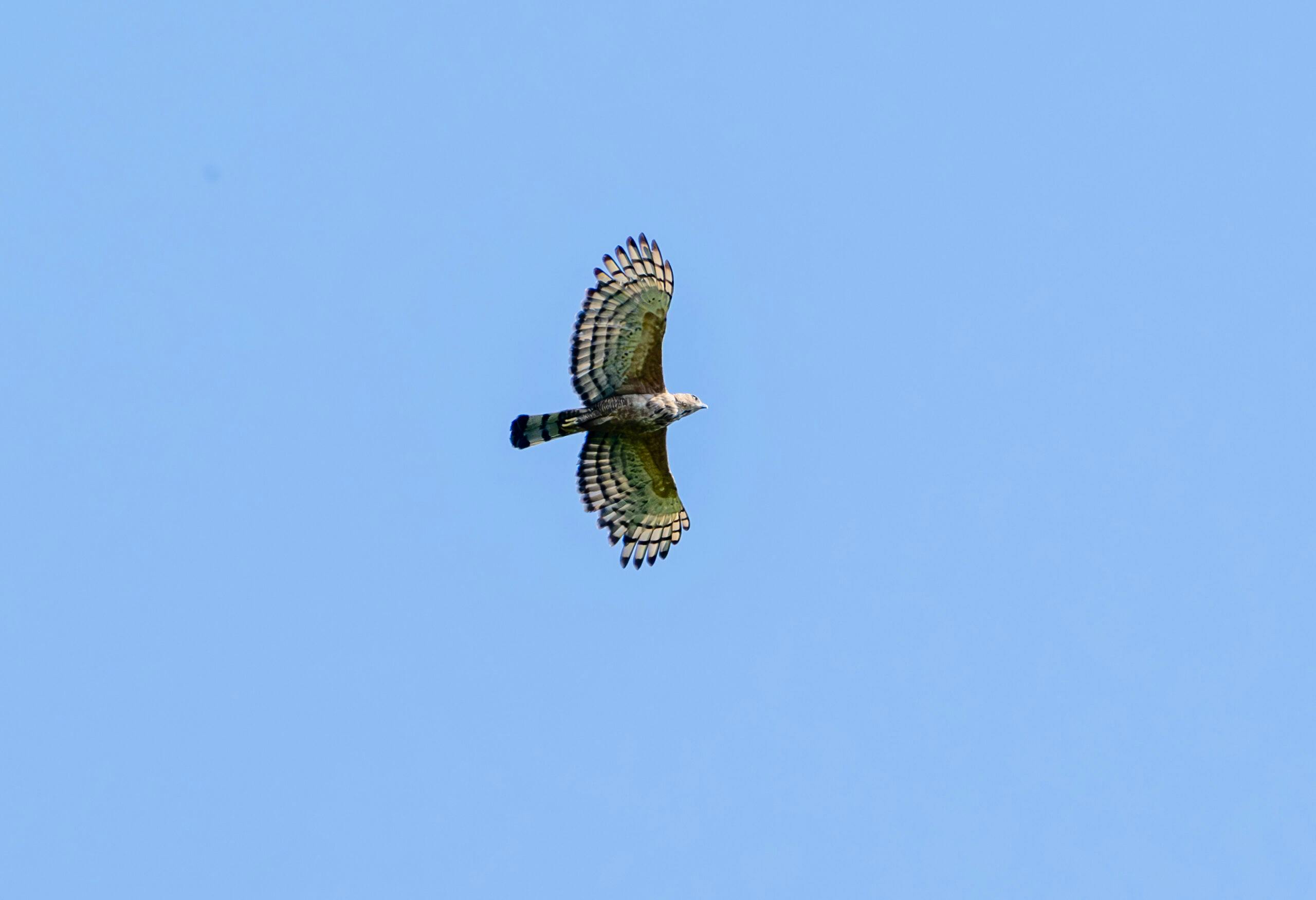
Wallace's Hawk-Eagle© Keri and Glenn Ciegler
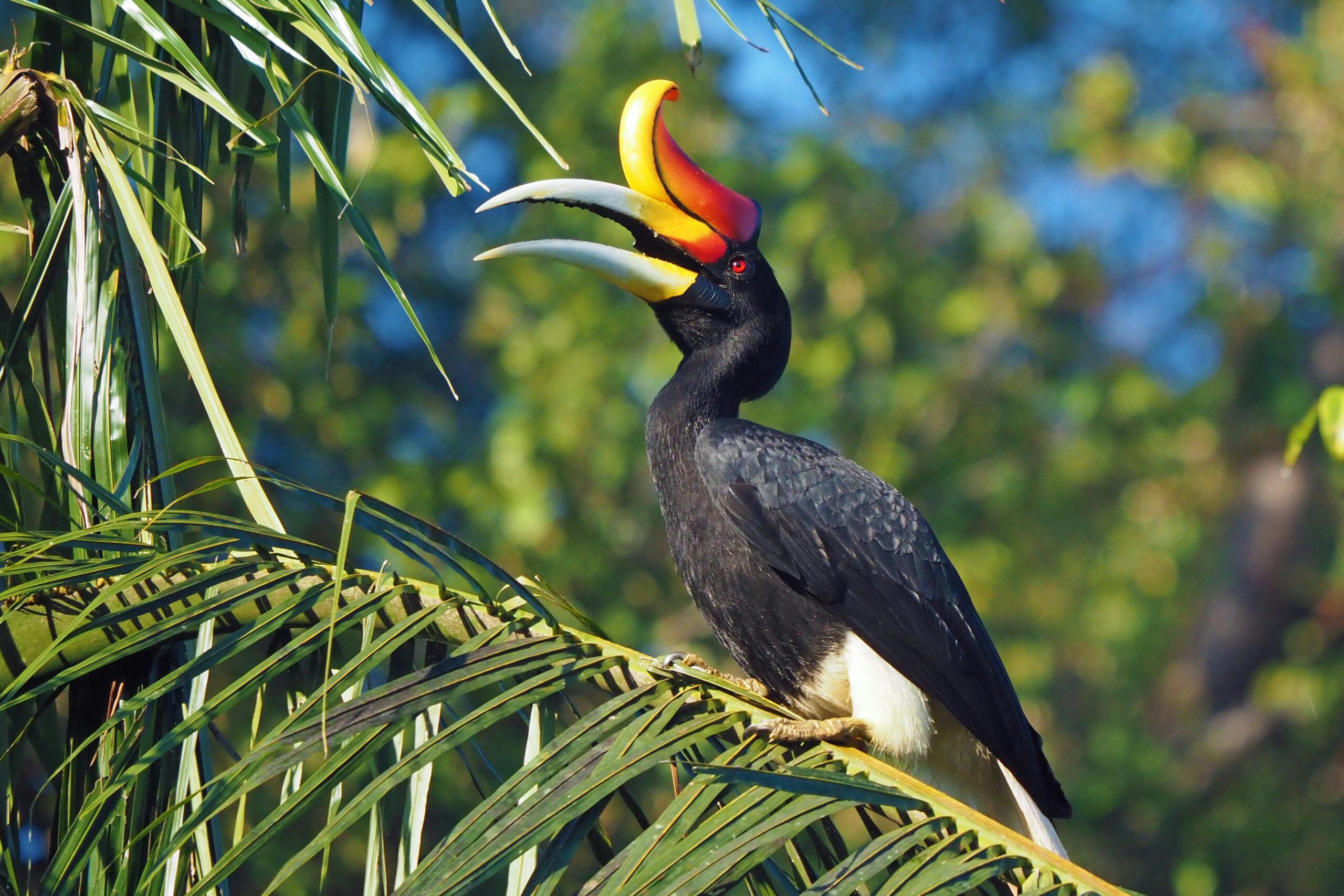
Rhinoceros Hornbill© Roy Robins-Browne
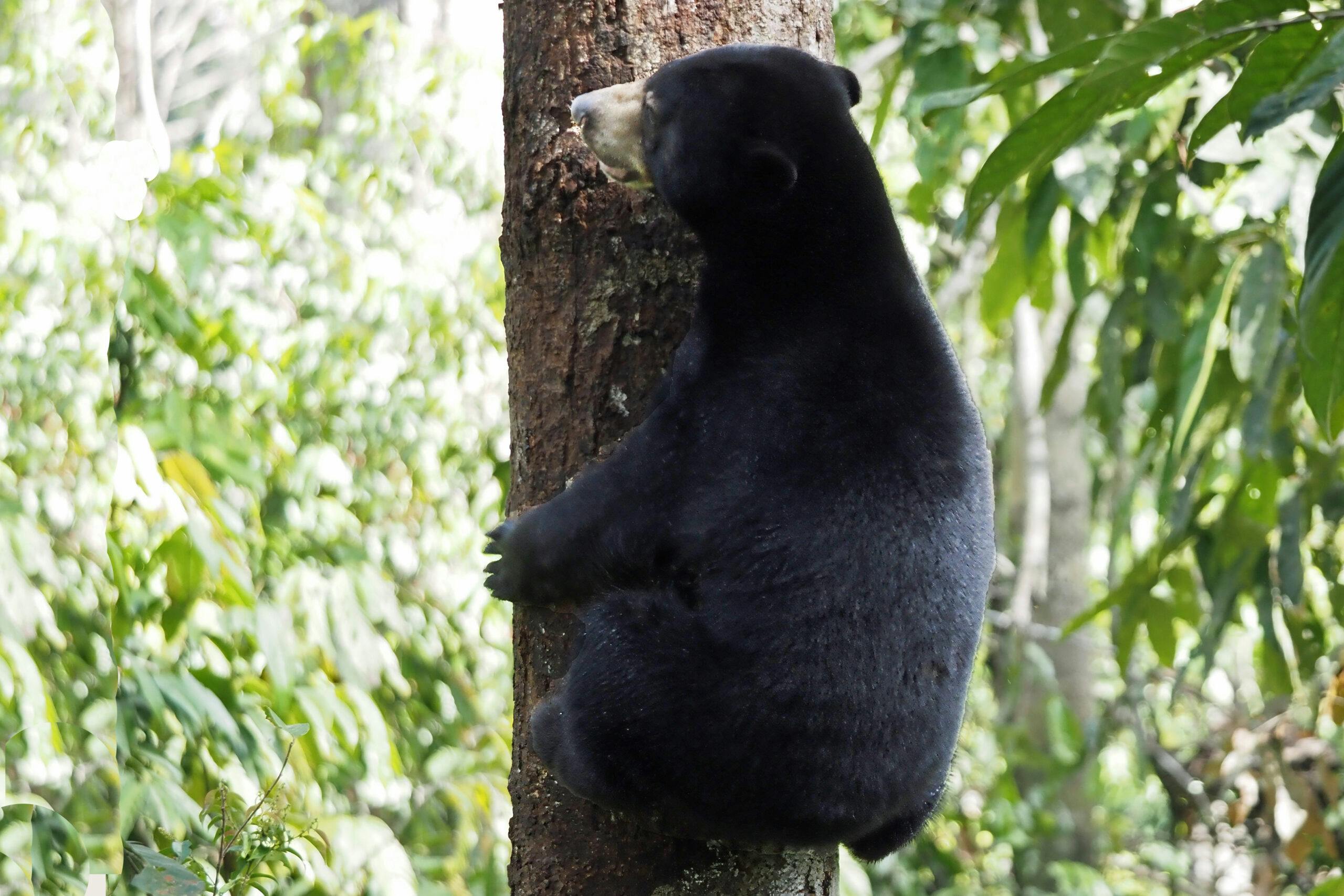
Bornean Sun Bear© Roy Robins-Browne
“Been on many trips with this ecotour business, and they always exceed expectations.” -Glenn Ciegler
May 10-11: Tabin Wildlife Reserve
Traveling deeper into Borneo’s wilderness, the group arrived at the Tabin Wildlife Reserve, known for its high biodiversity. Exploring this vast area by 4×4 vehicles, participants encountered wild banteng (Bornean cattle), and enjoyed morning treks to the mud volcano, where many animals come to bathe in the nutrient-rich mud. With 220 species of birds recorded here, this was a birder’s paradise. Night drives revealed elusive nocturnal animals, including marbled cats and leopard cats.
A special experience awaited the group with a lecture from the executive director of the Borneo Rhino Alliance, who shared insights into the efforts to save the critically endangered Sumatran rhinoceros.
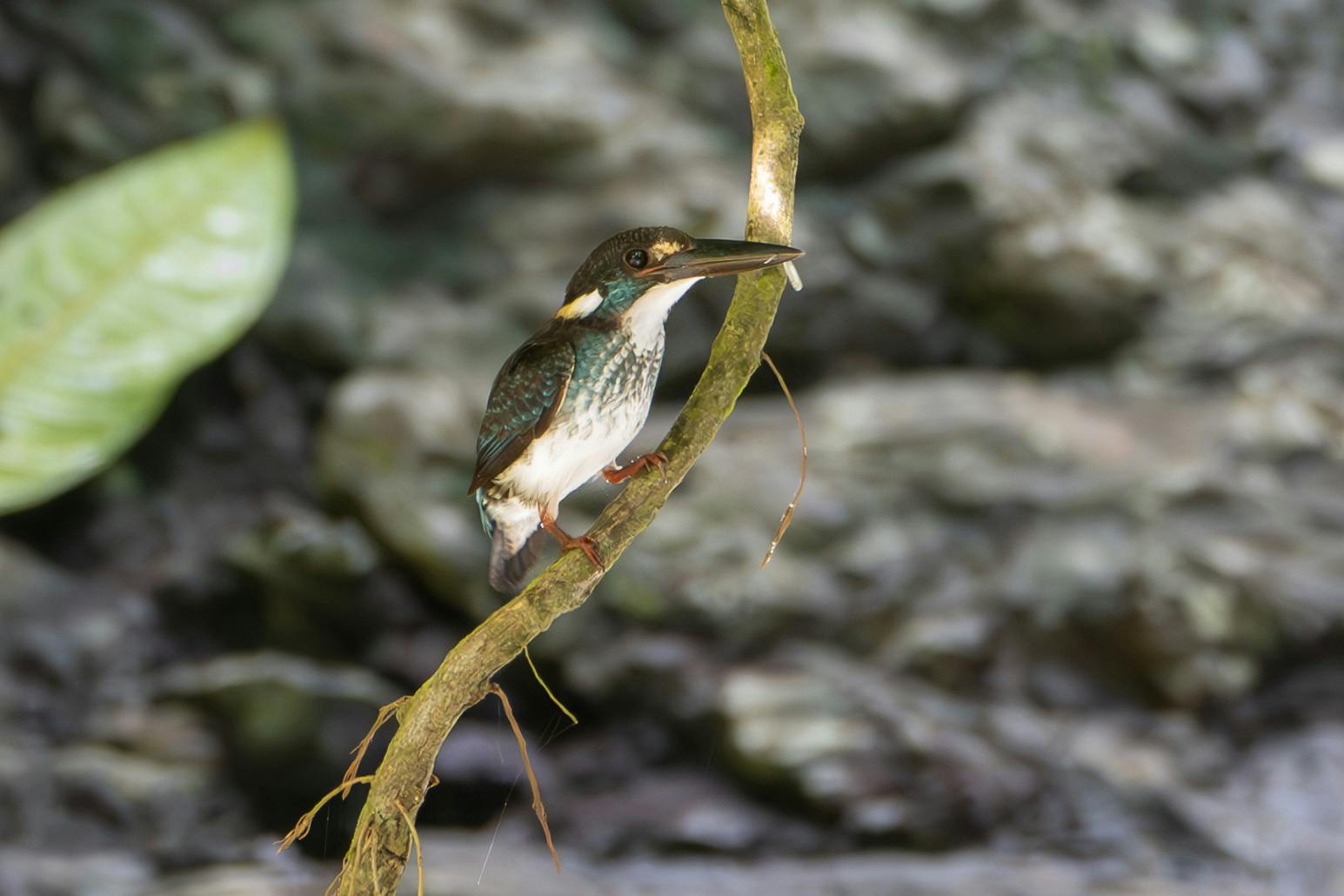
Malaysian Blue-banded Kingfisher© Keri and Glenn Ciegler
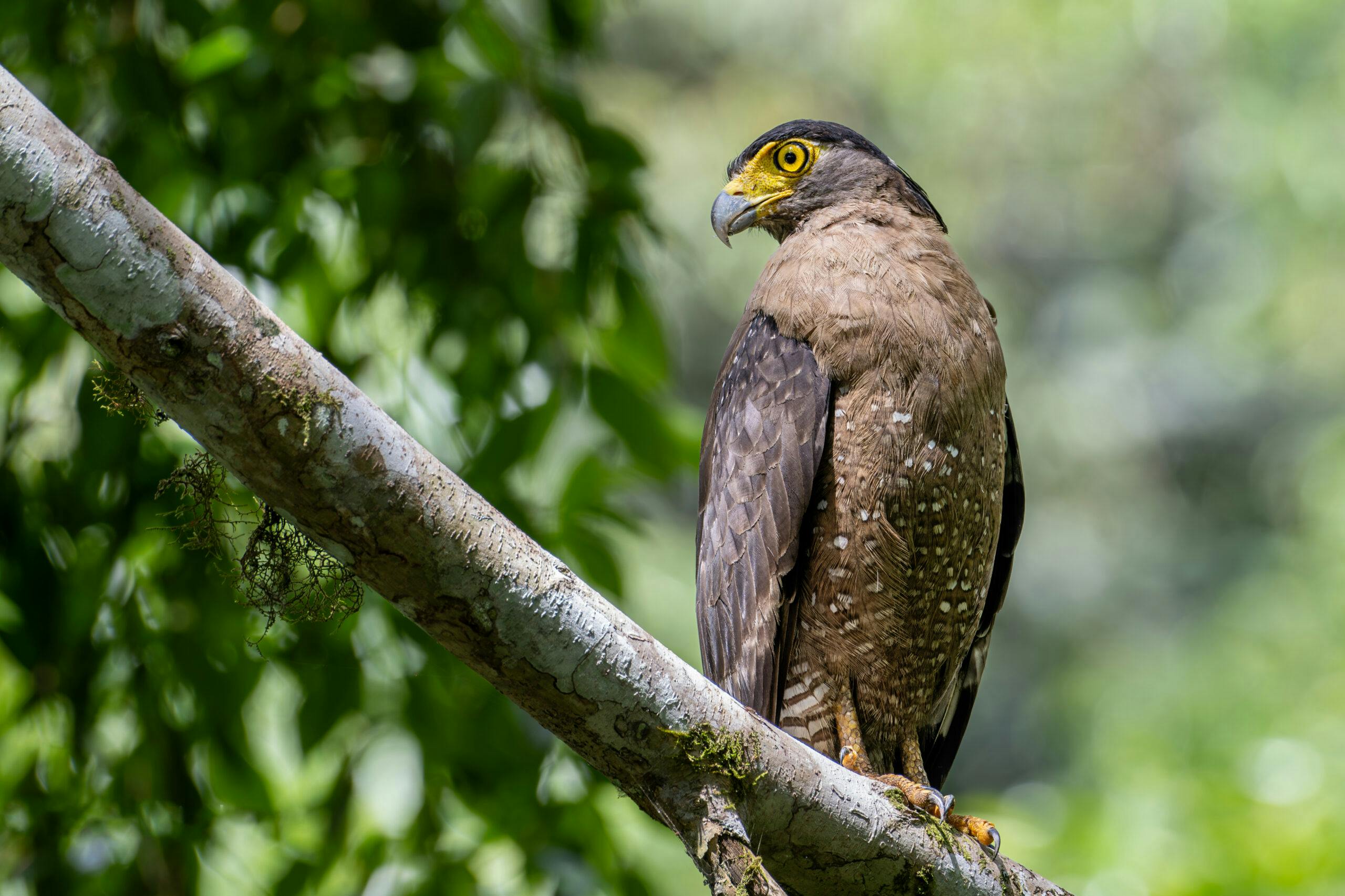
Crested Serpent-Eagle© Keri and Glenn Ciegler
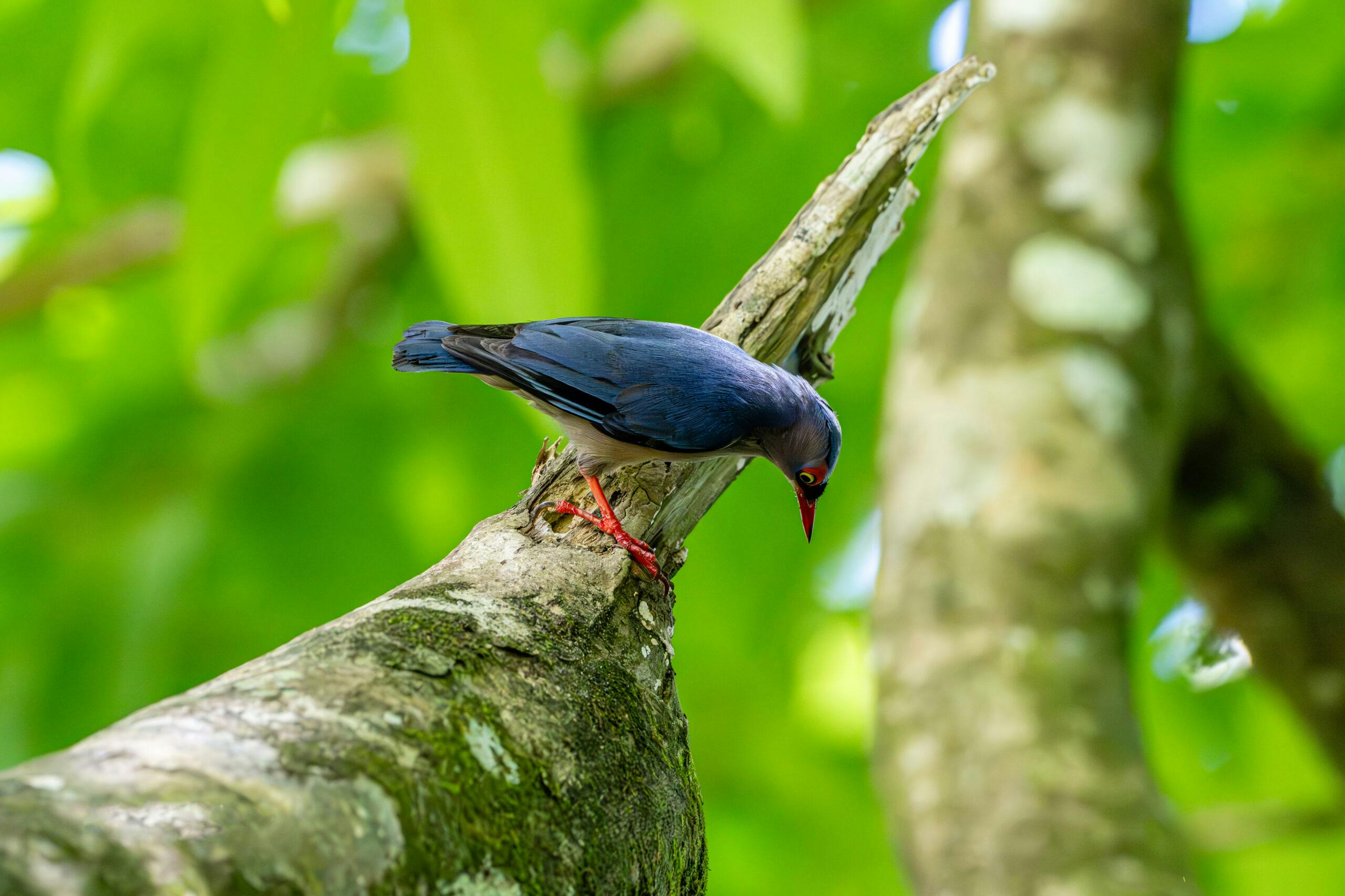
Nuthatch© Keri and Glenn Ciegler
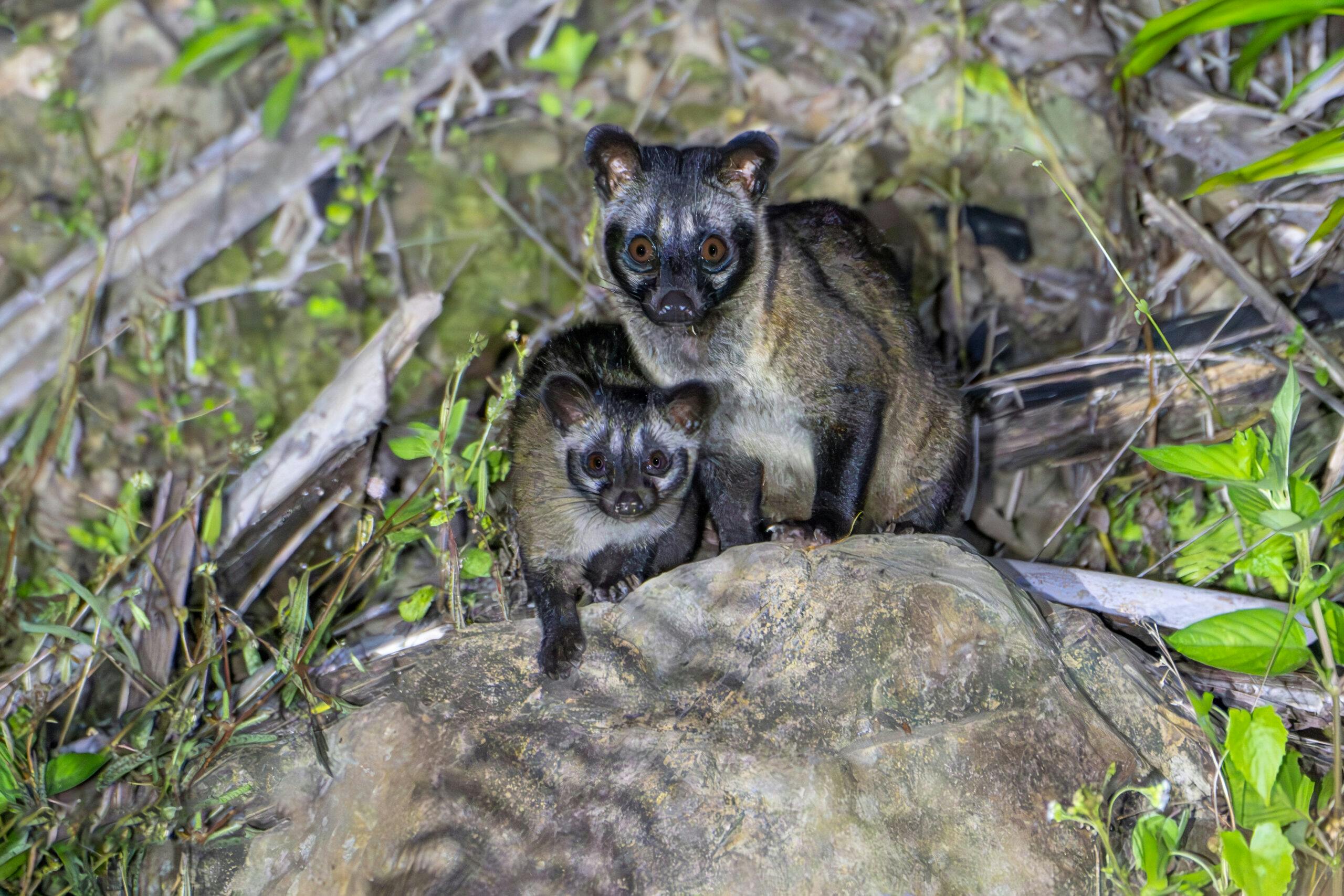
Common Palm Civets ©Keri and Glenn Ciegler
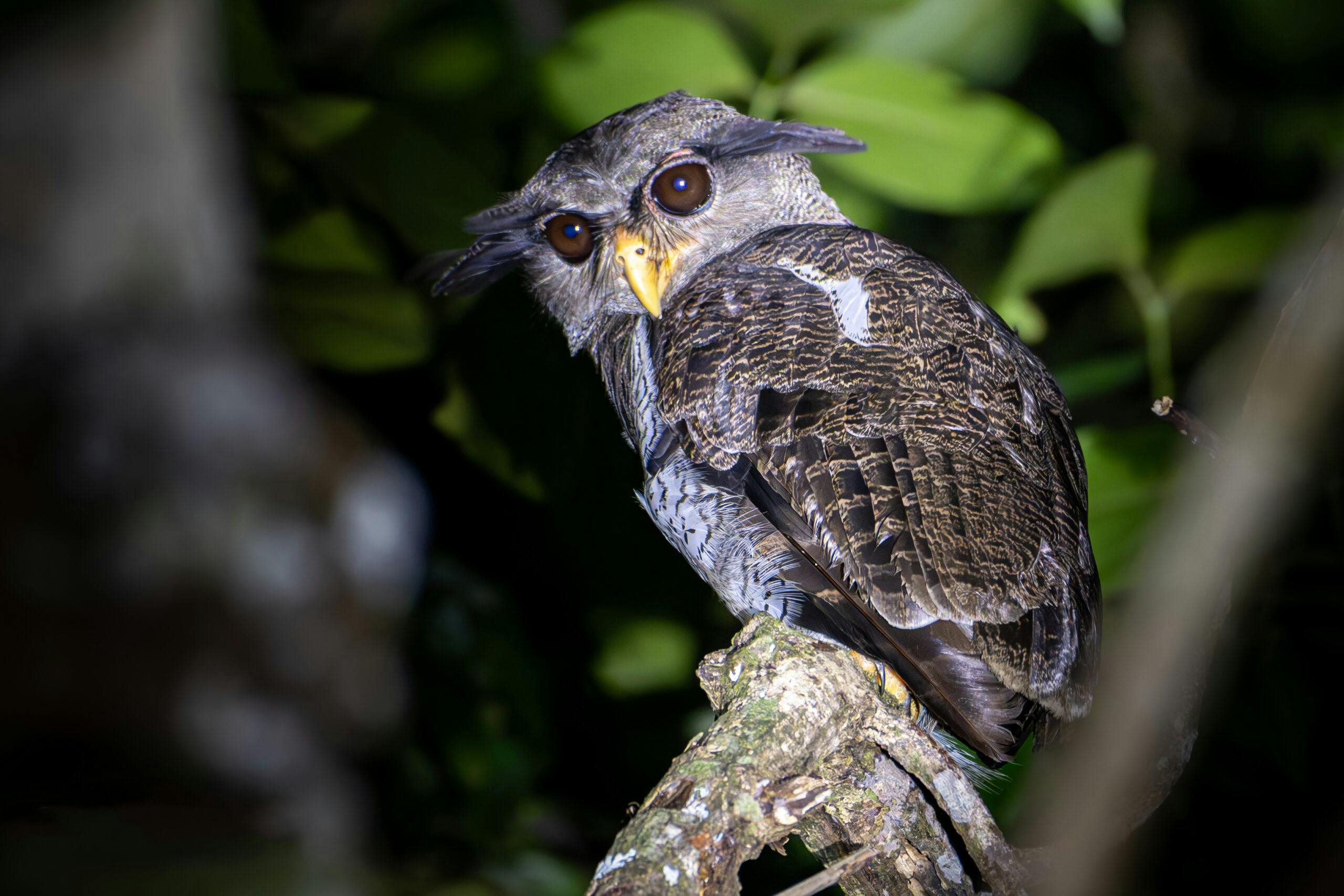
Barred Eagle-Owl© Keri and Glenn Ciegler
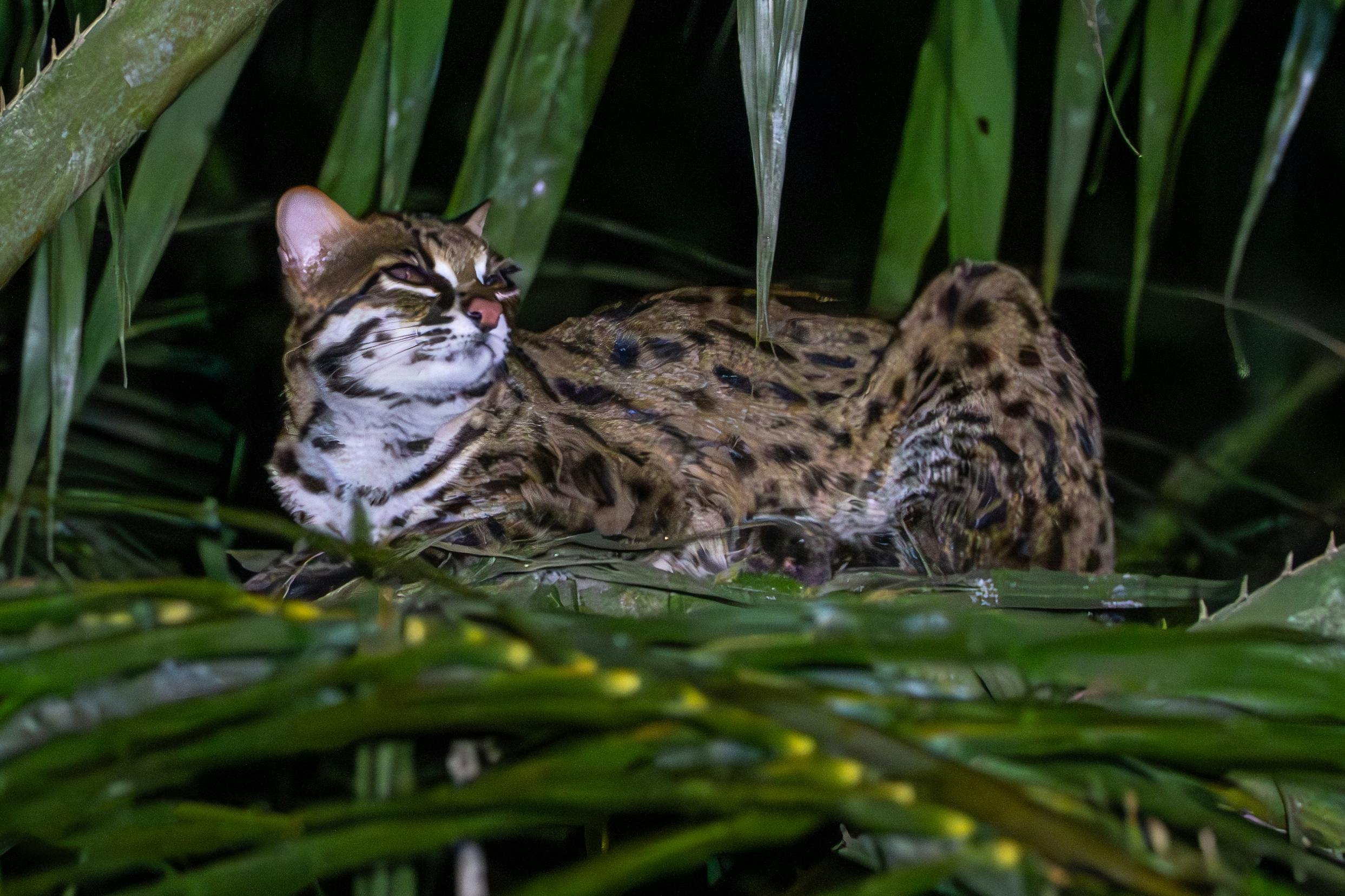
Bornean Leopard Cat© Keri and Glenn Ciegler
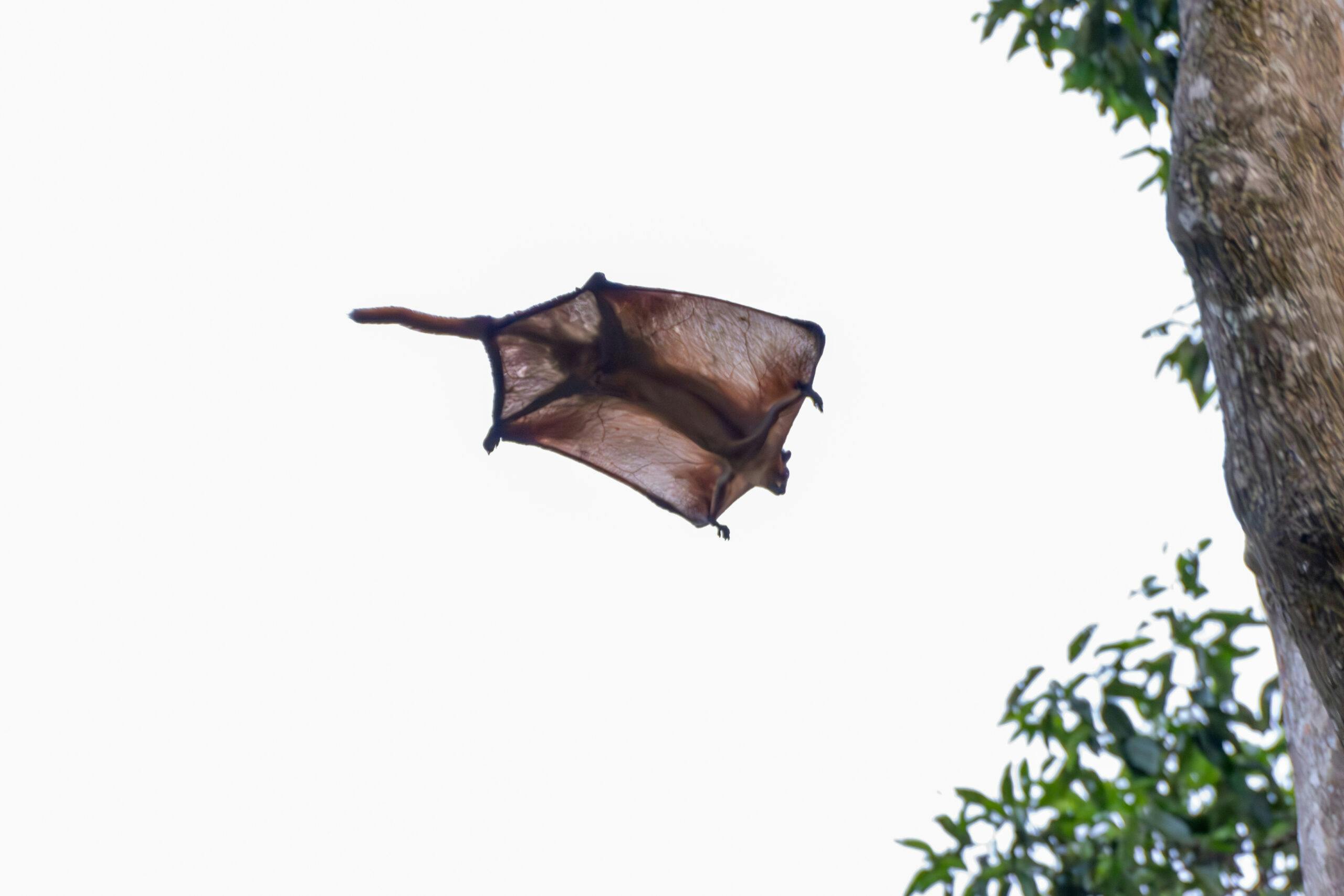
Giant Flying Squirrel© Keri and Glenn Ciegler
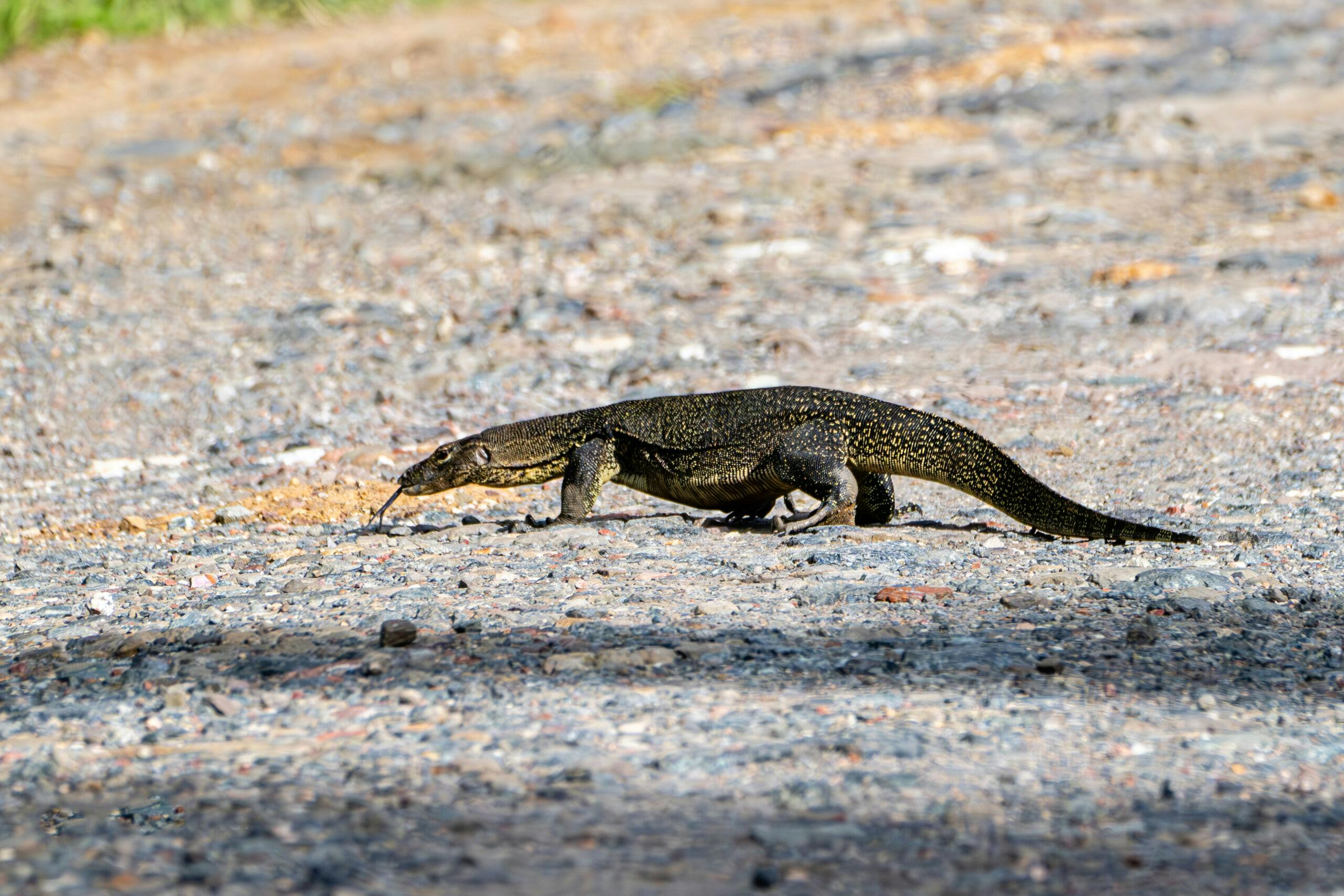
Southeast Asian Water Monitor© Keri and Glenn Ciegler
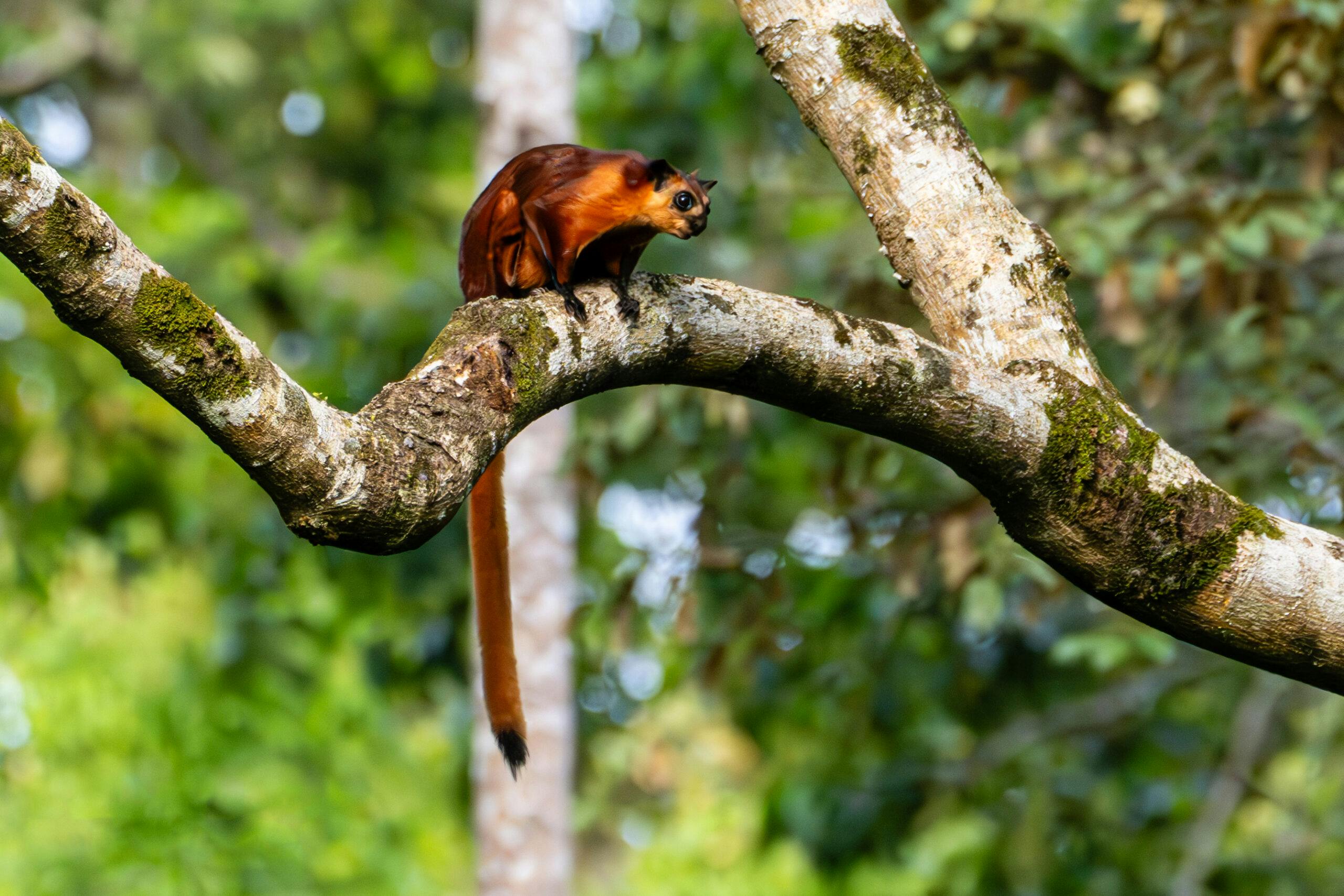
Giant Flying Squirrel© Keri and Glenn Ciegler
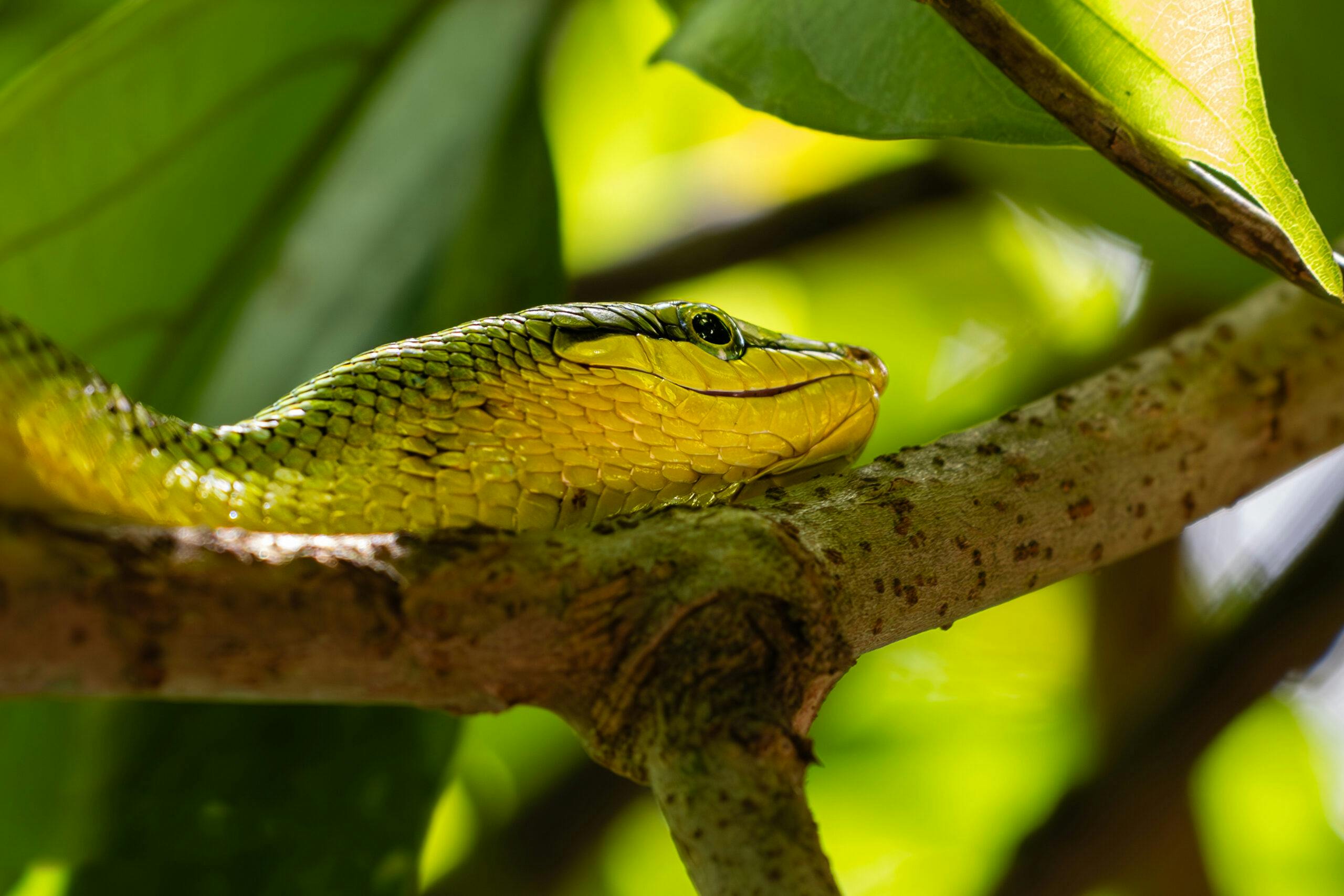
Red-tailed Green Ratsnake© Keri and Glenn Ciegler
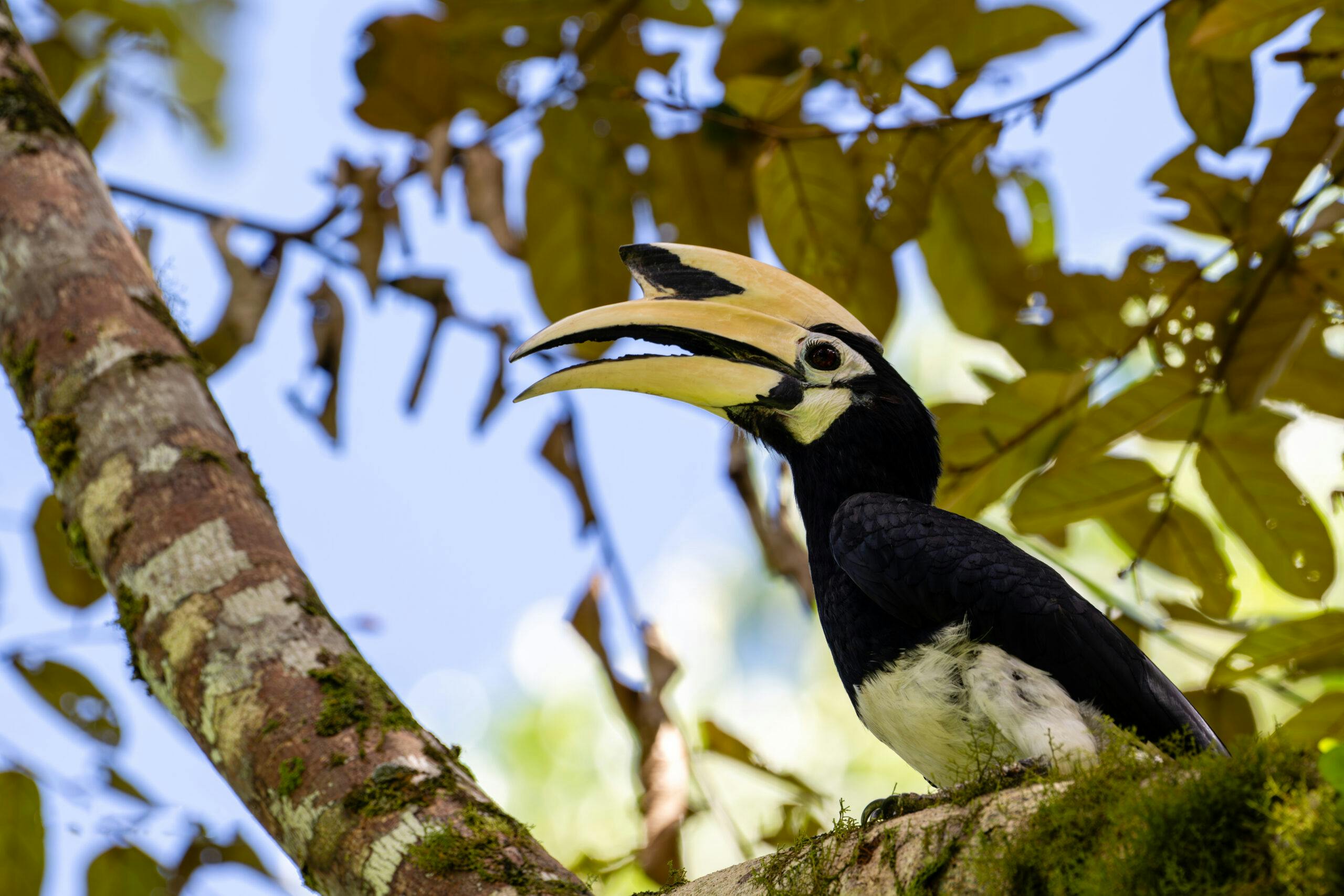
Oriental Pied Hornbill © Keri and Glenn Ciegler
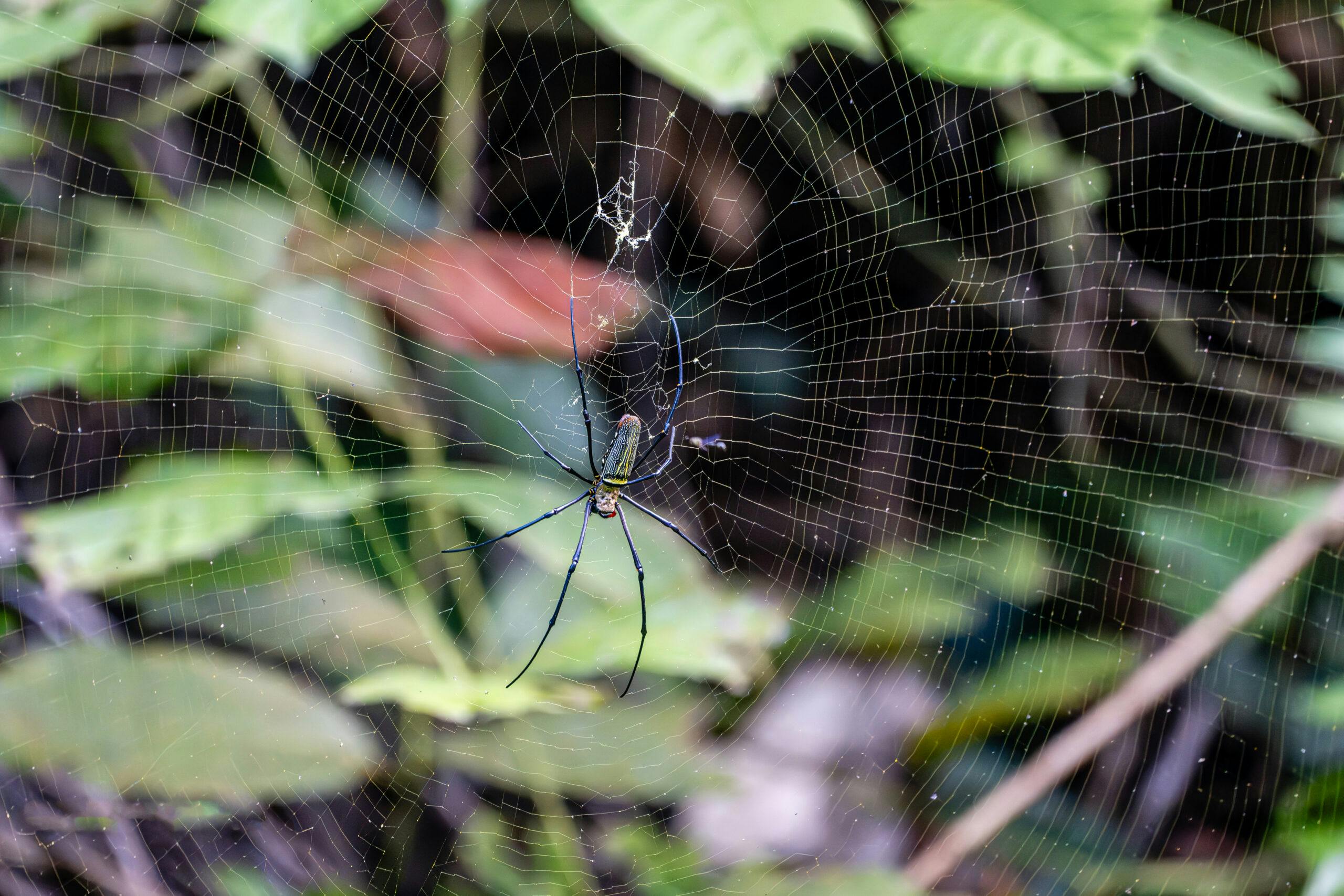
Giant Golden Orbweaver© Keri and Glenn Ciegler
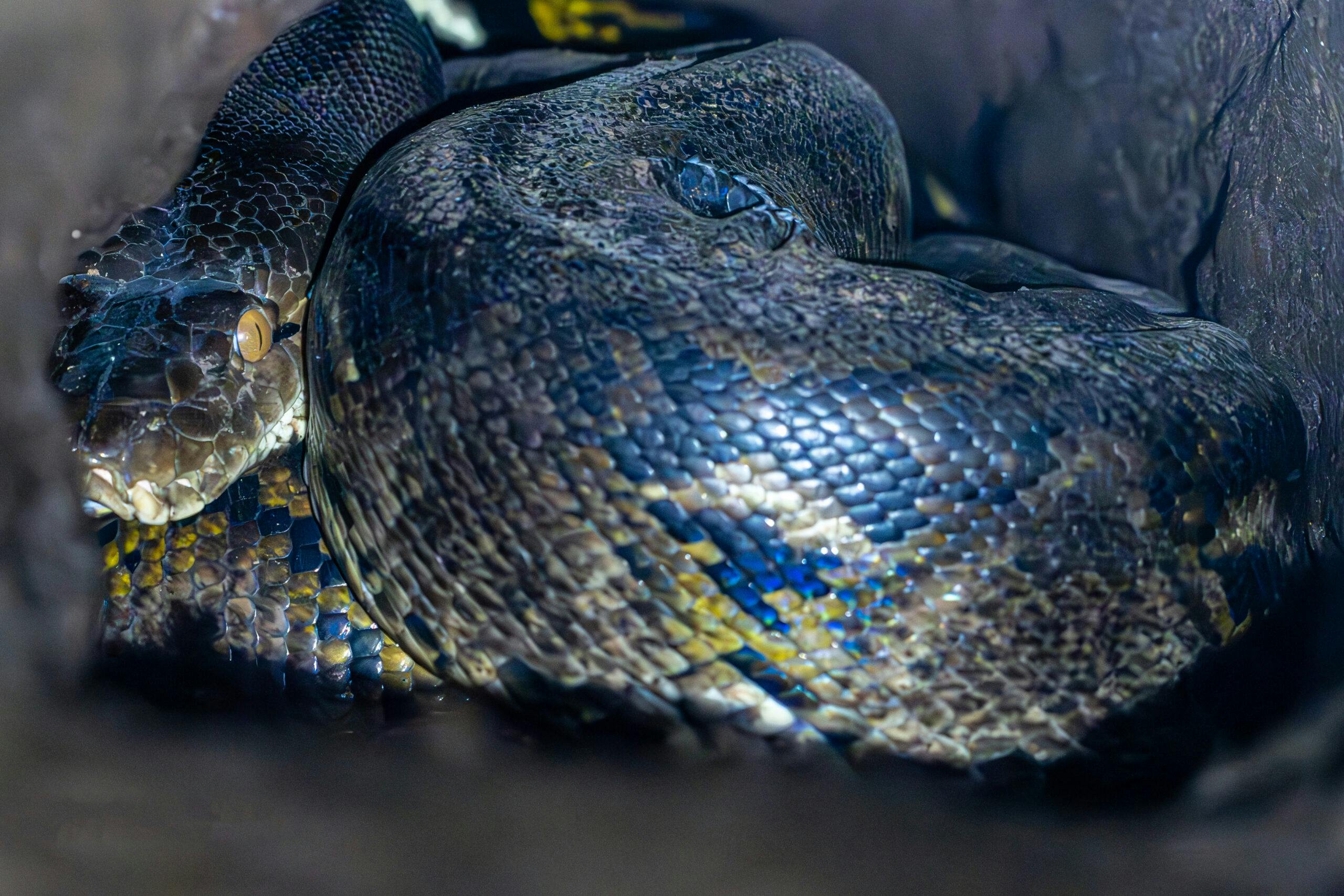
Reticulated Python © Keri and Glenn Ciegler
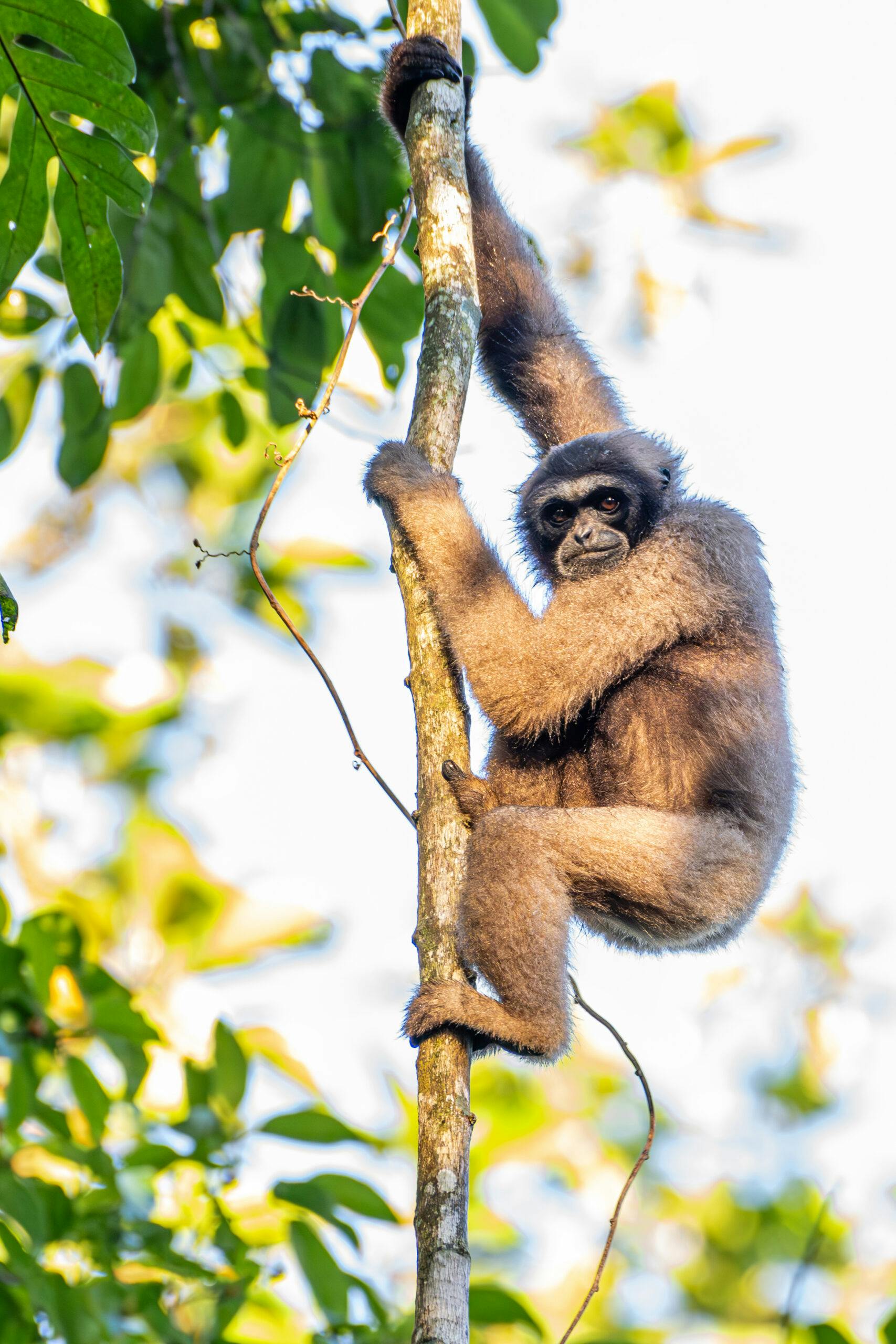
Gray Gibbon© Keri and Glenn Ciegler
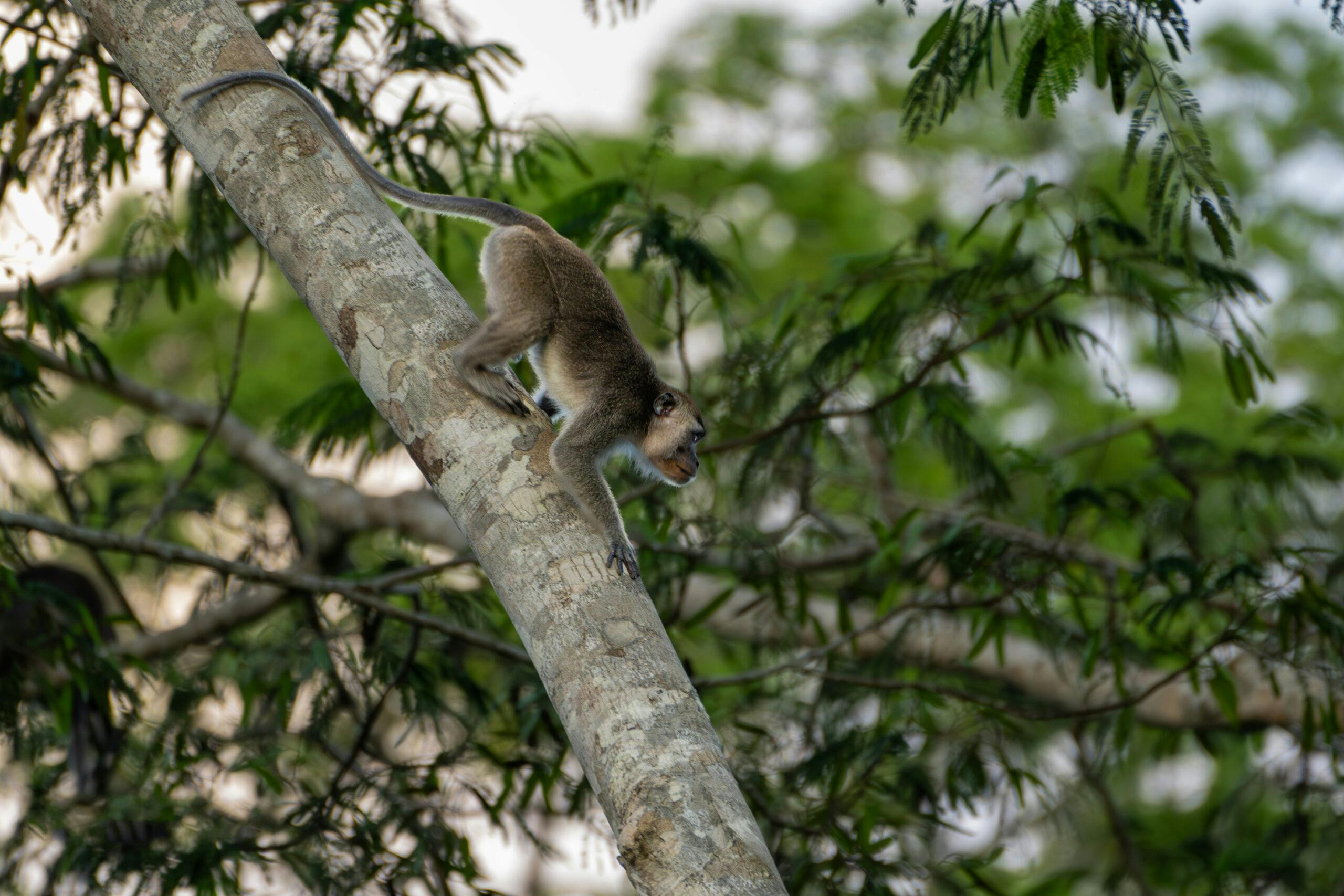
Long-tailed Macaque© Keri and Glenn Ciegler
May 12-14: Danum Valley Conservation Area
The journey continued to the breathtaking Danum Valley, a pristine area of rainforest spanning 400 square miles. Known as one of the richest areas for wildlife on the island, participants spent their days exploring the jungle trails and canopy walkways. The group marveled at the incredible birdlife, including species like the Blue-headed Pitta and Scarlet-rumped Trogon. There were also unforgettable sightings of orangutans, Bornean pygmy elephants, and the endemic maroon langur.
Evenings in Danum were spent on night walks, where the forest came alive with creatures like clouded leopards and colugo gliders. The adventurous members of the group also hiked to a nearby waterfall, soaking in the tranquility of this remote wilderness.
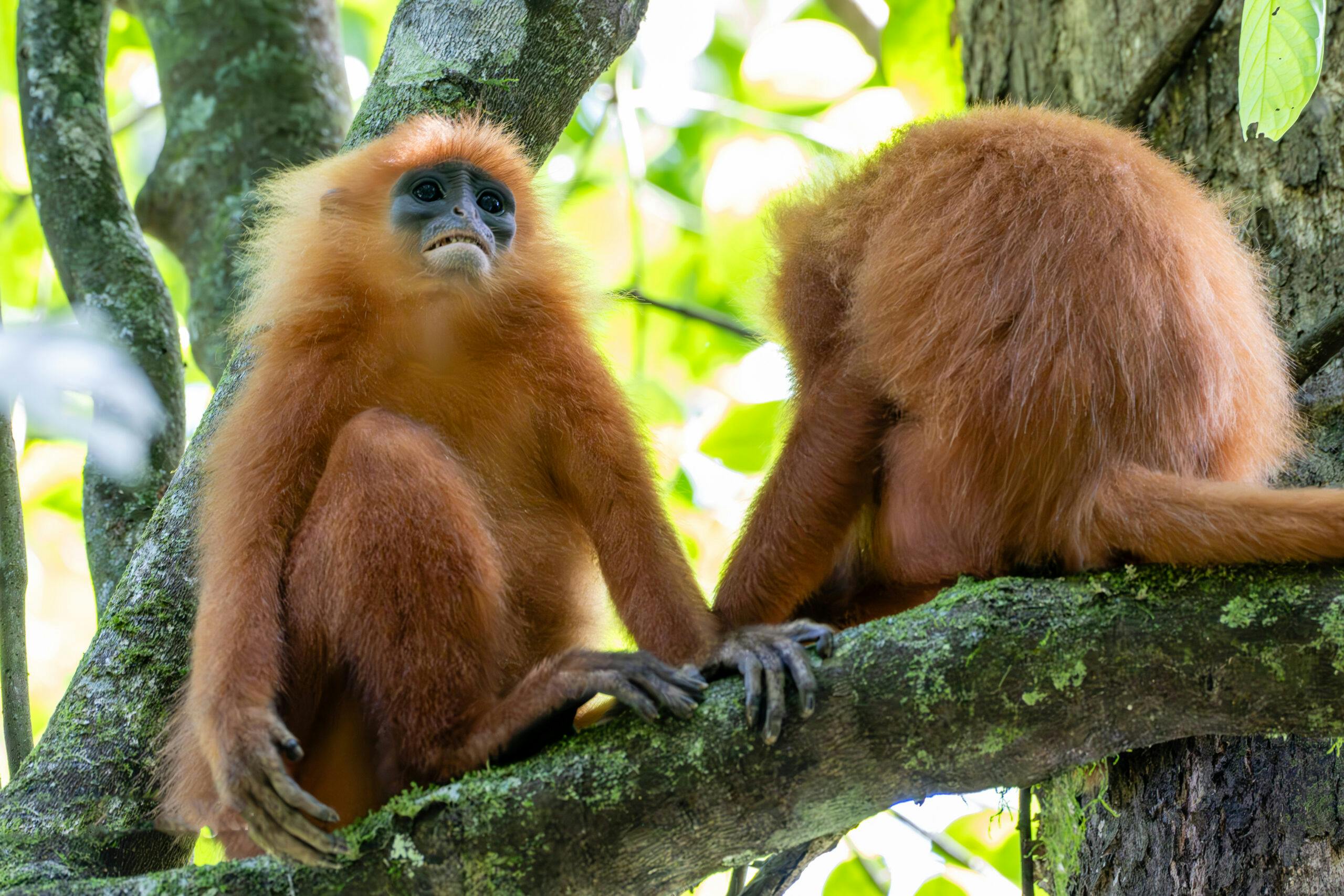
Maroon Leaf Monkey© Keri and Glenn Ciegler
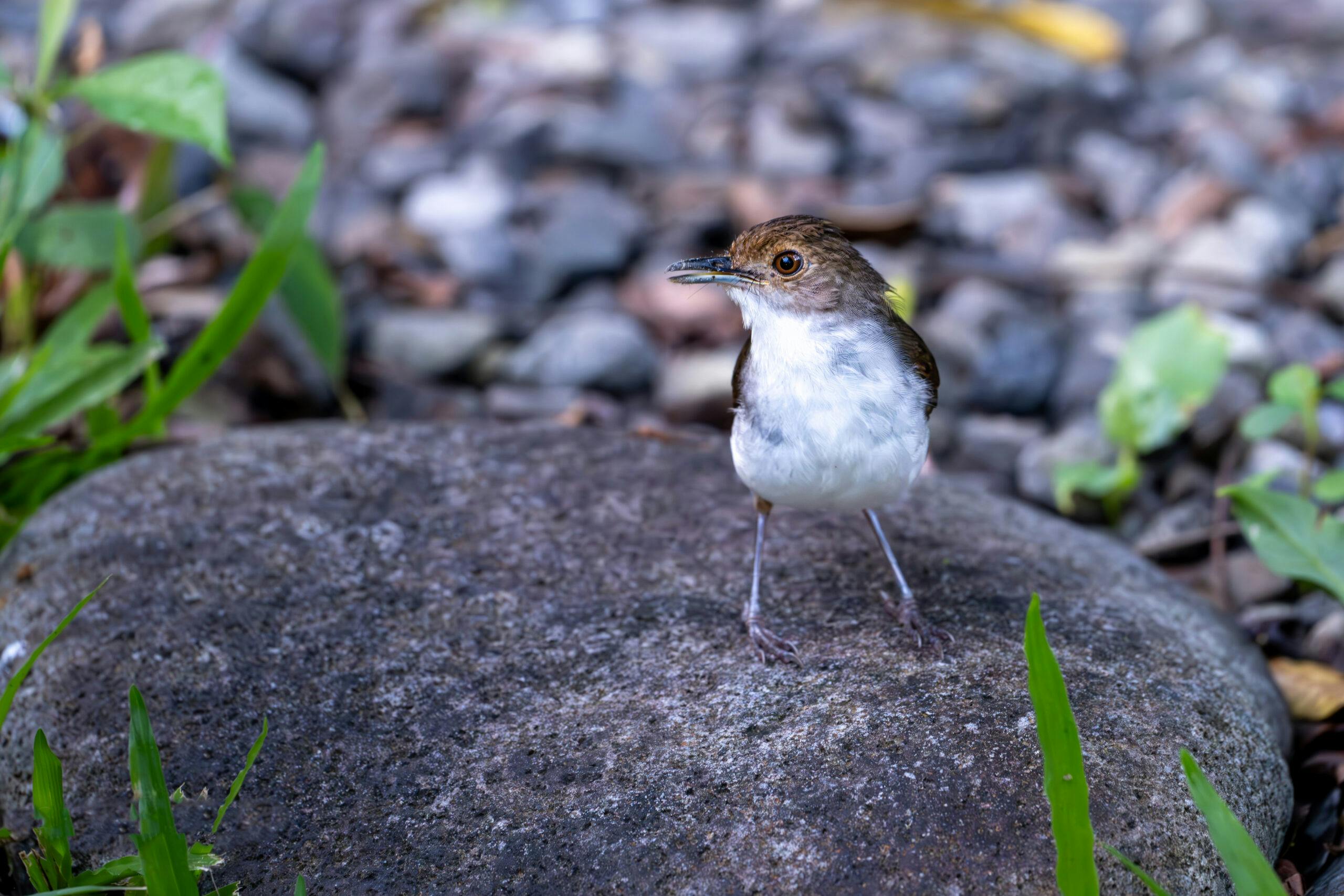
Typical Ground Babbler© Keri and Glenn Ciegler
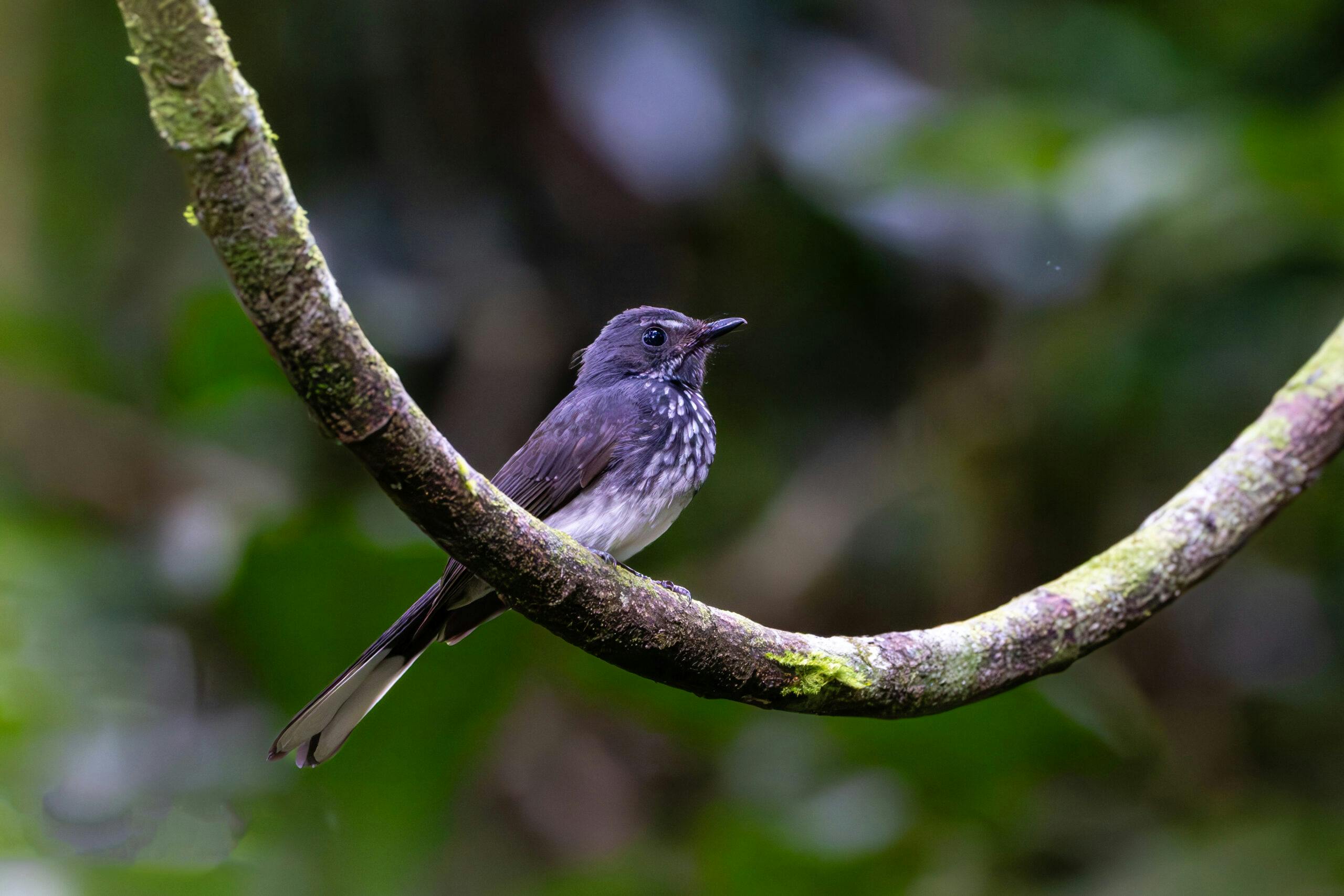
Spotted Fantail© Keri and Glenn Ciegler
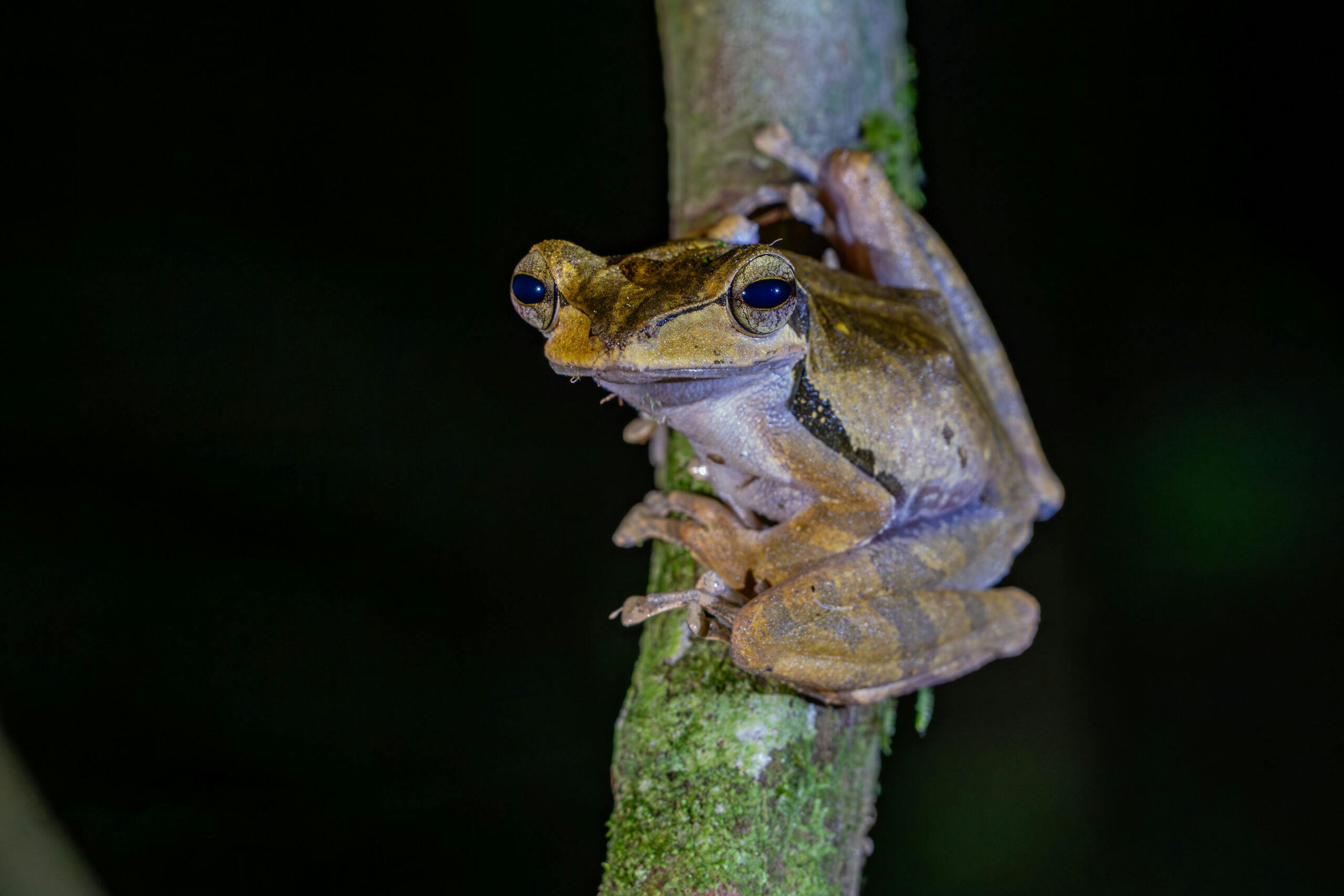
Whipping Frog© Keri and Glenn Ciegler
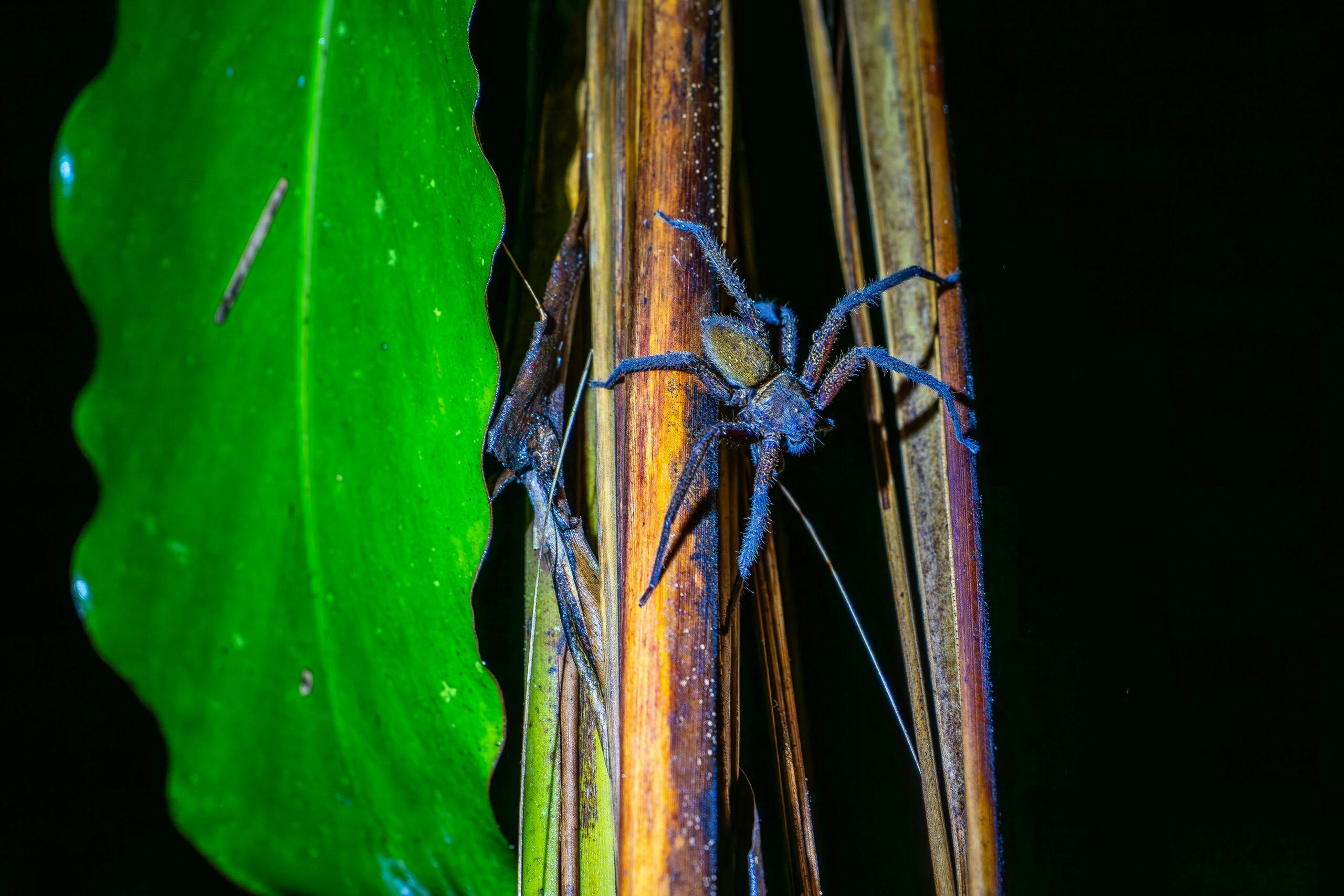
Huntsman Spider© Keri and Glenn Ciegler
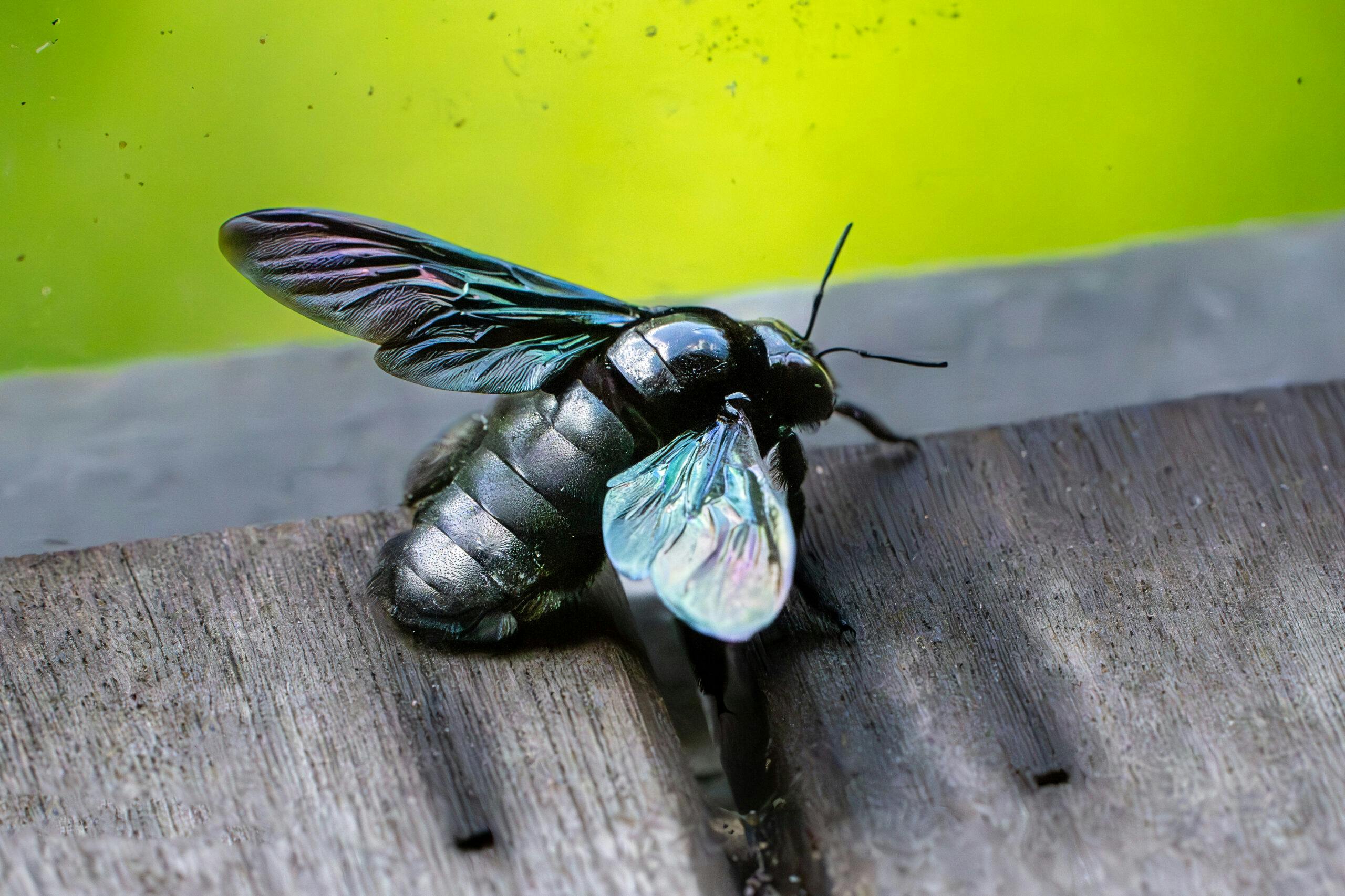
Broad-handed Carpenter Bee© Keri and Glenn Ciegler
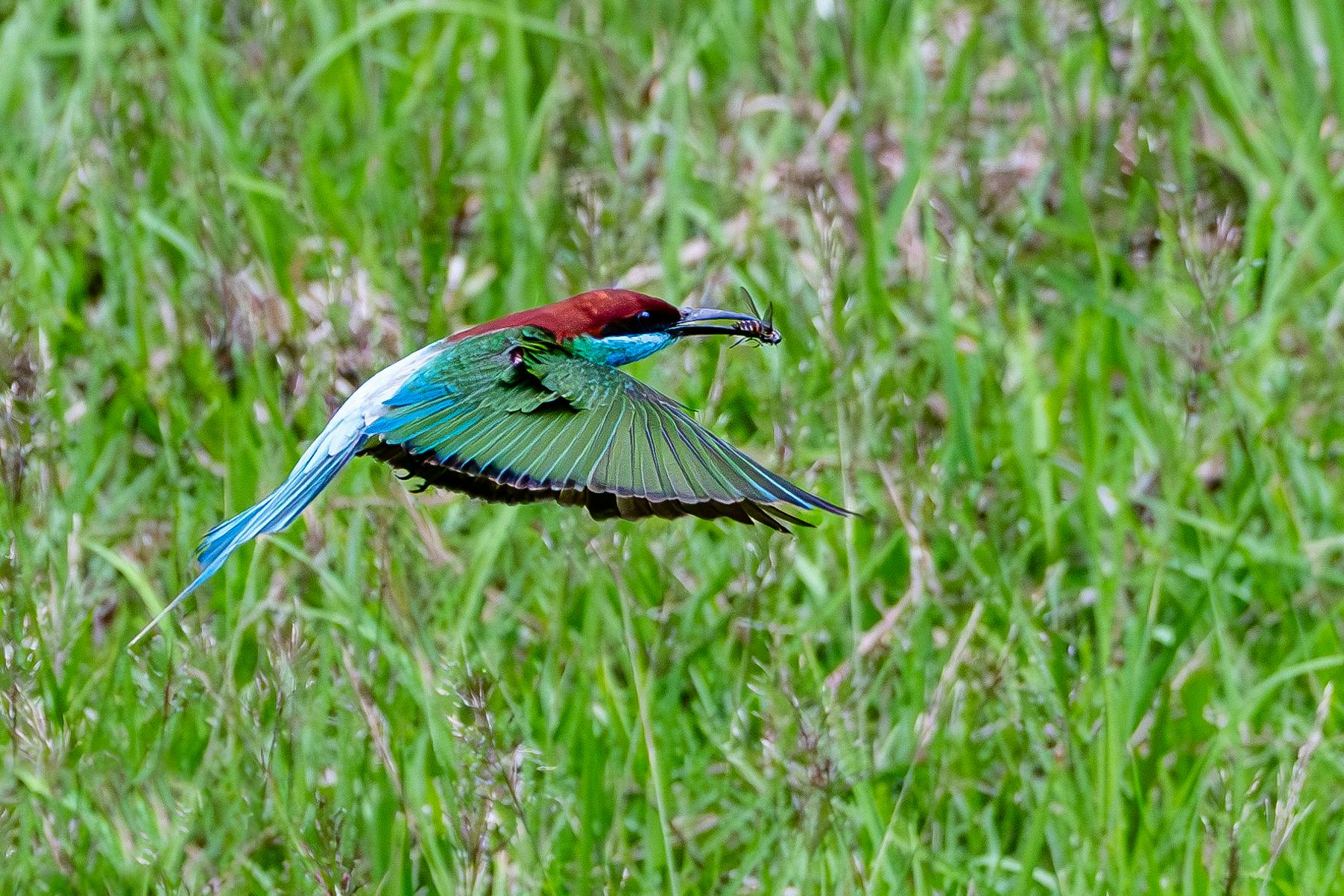
Blue-throated Bee-Eater© Keri and Glenn Ciegler
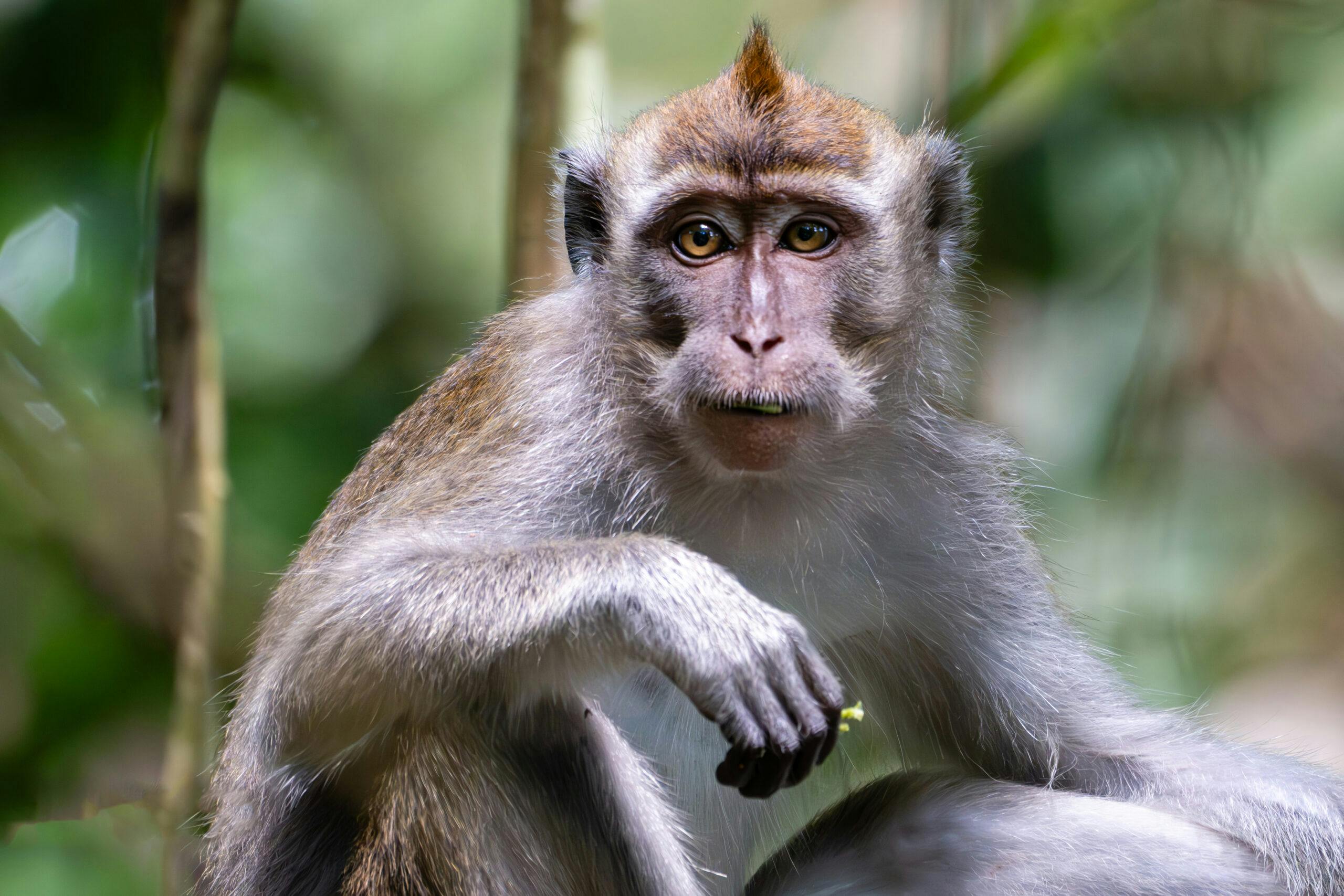
Long-tailed Macaque© Keri and Glenn Ciegler
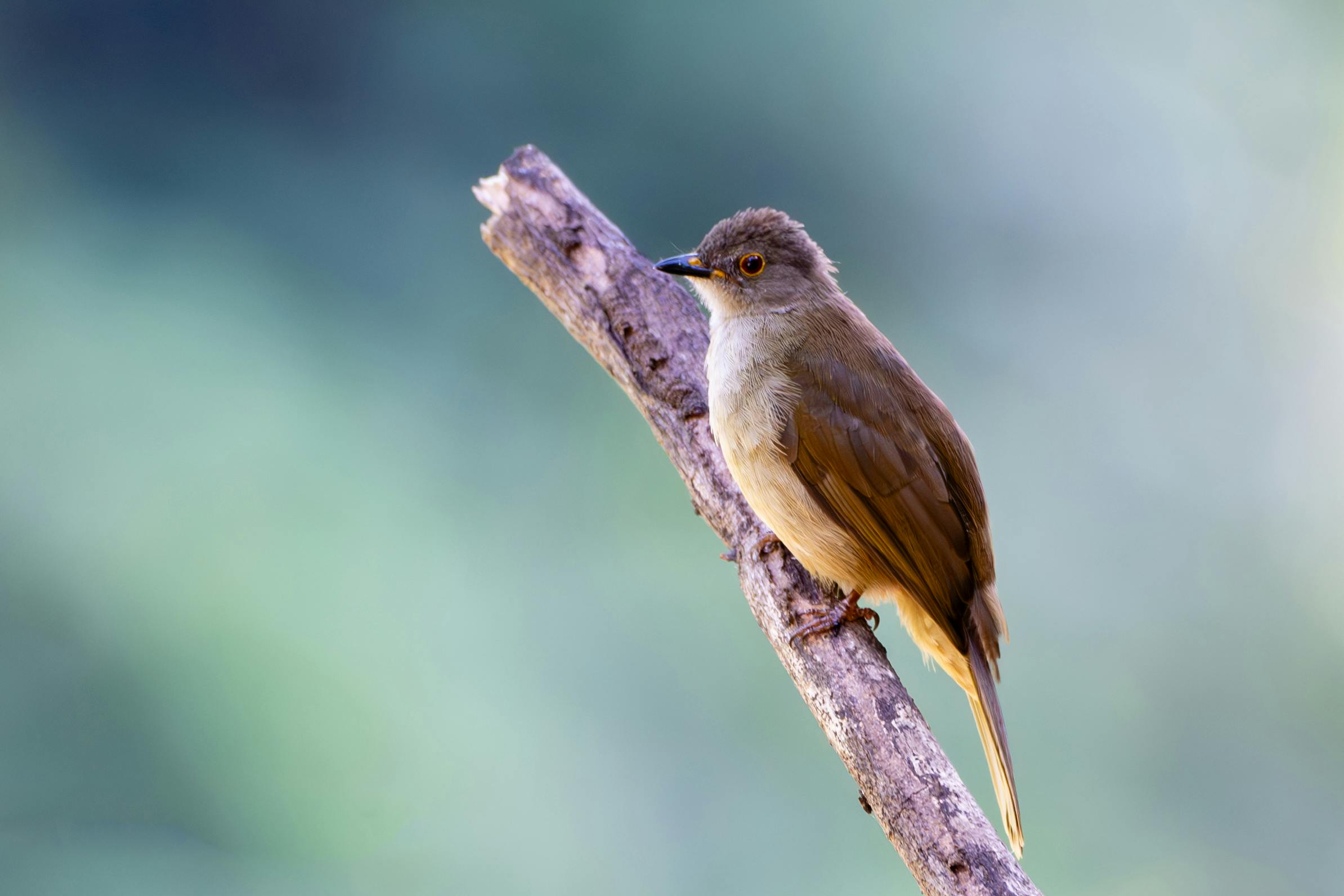
Spectacled Bulbul© Keri and Glenn Ciegler
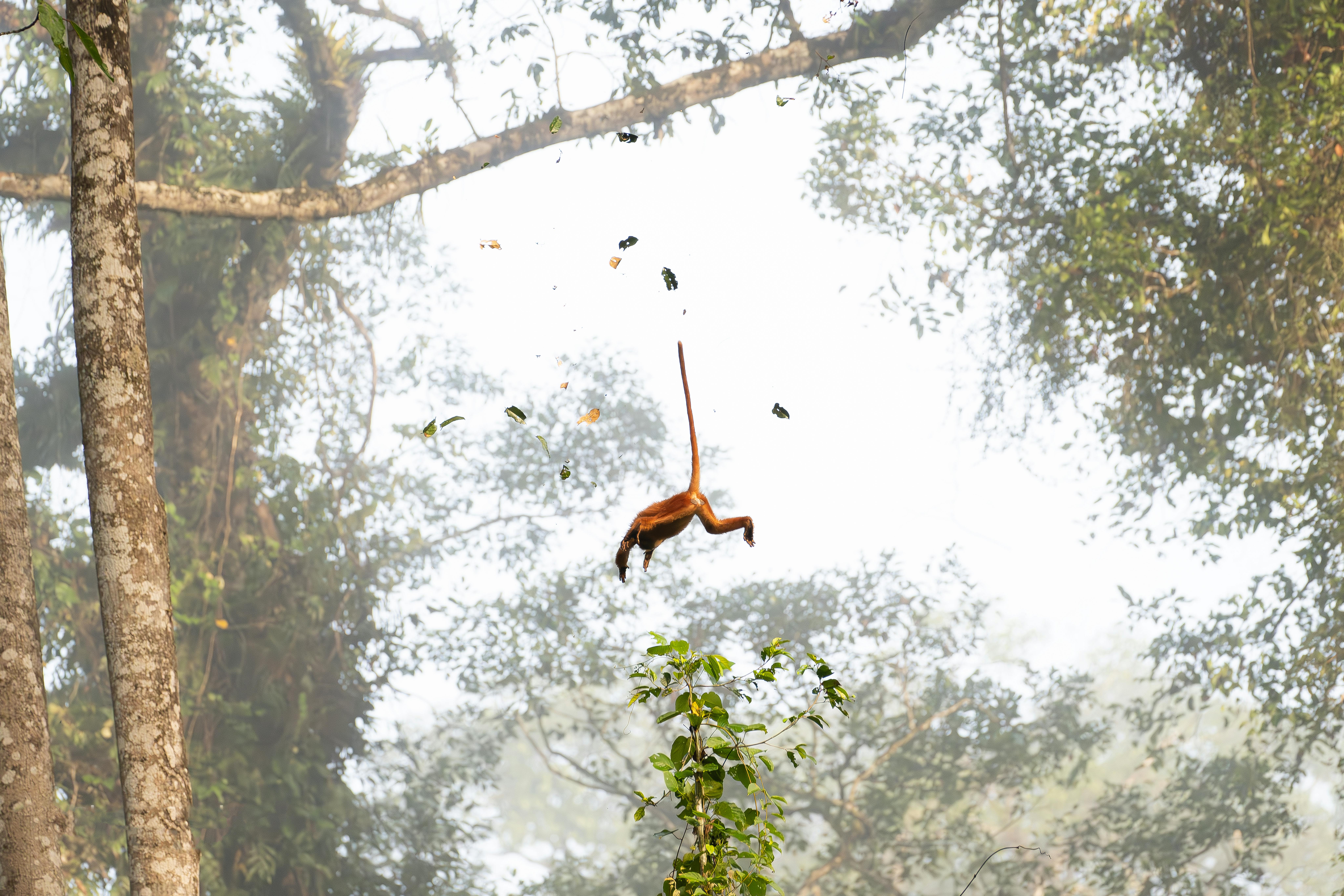
Maroon Leaf Monkey© Keri and Glenn Ciegler
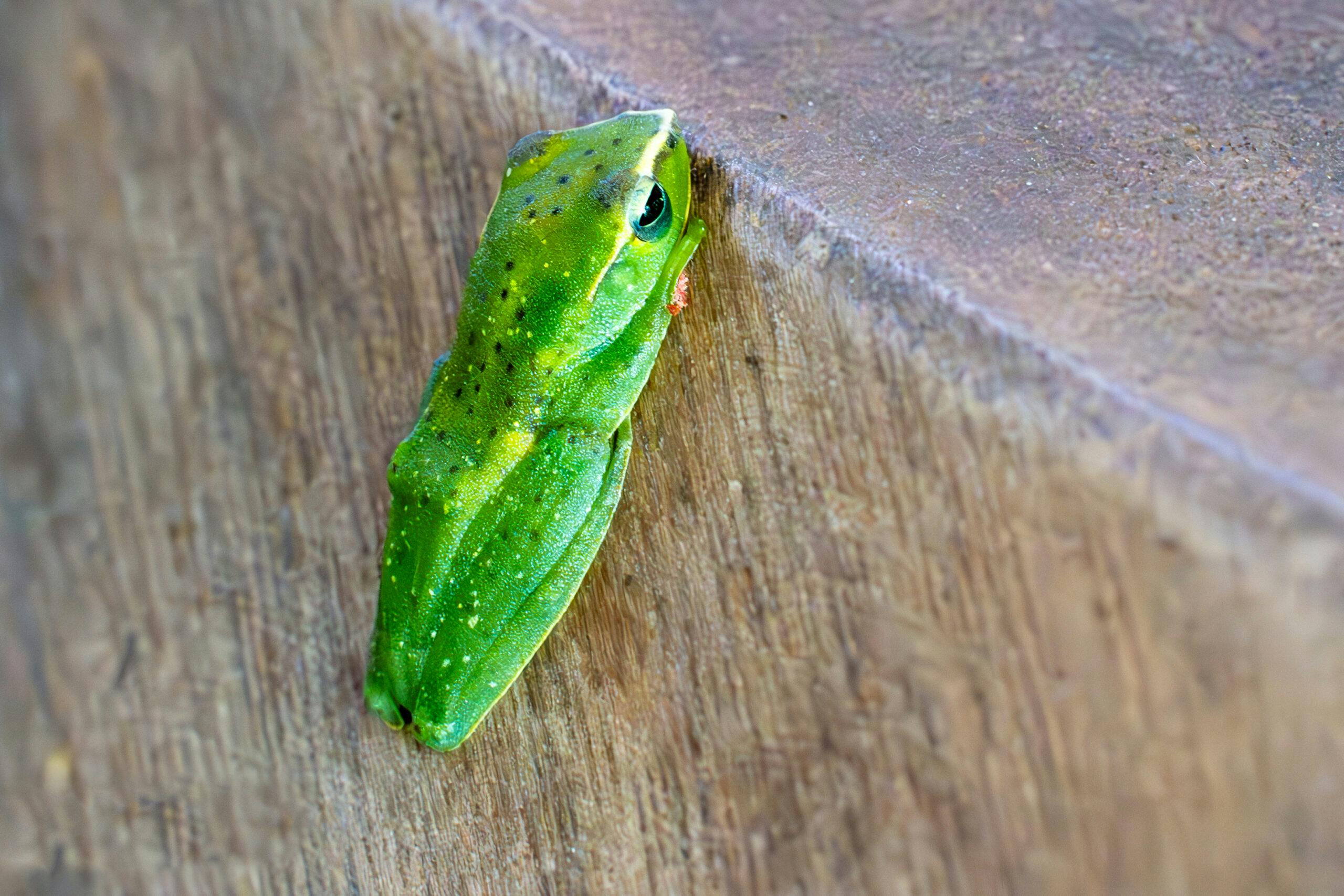
Dulit Flying Frog© Keri and Glenn Ciegler
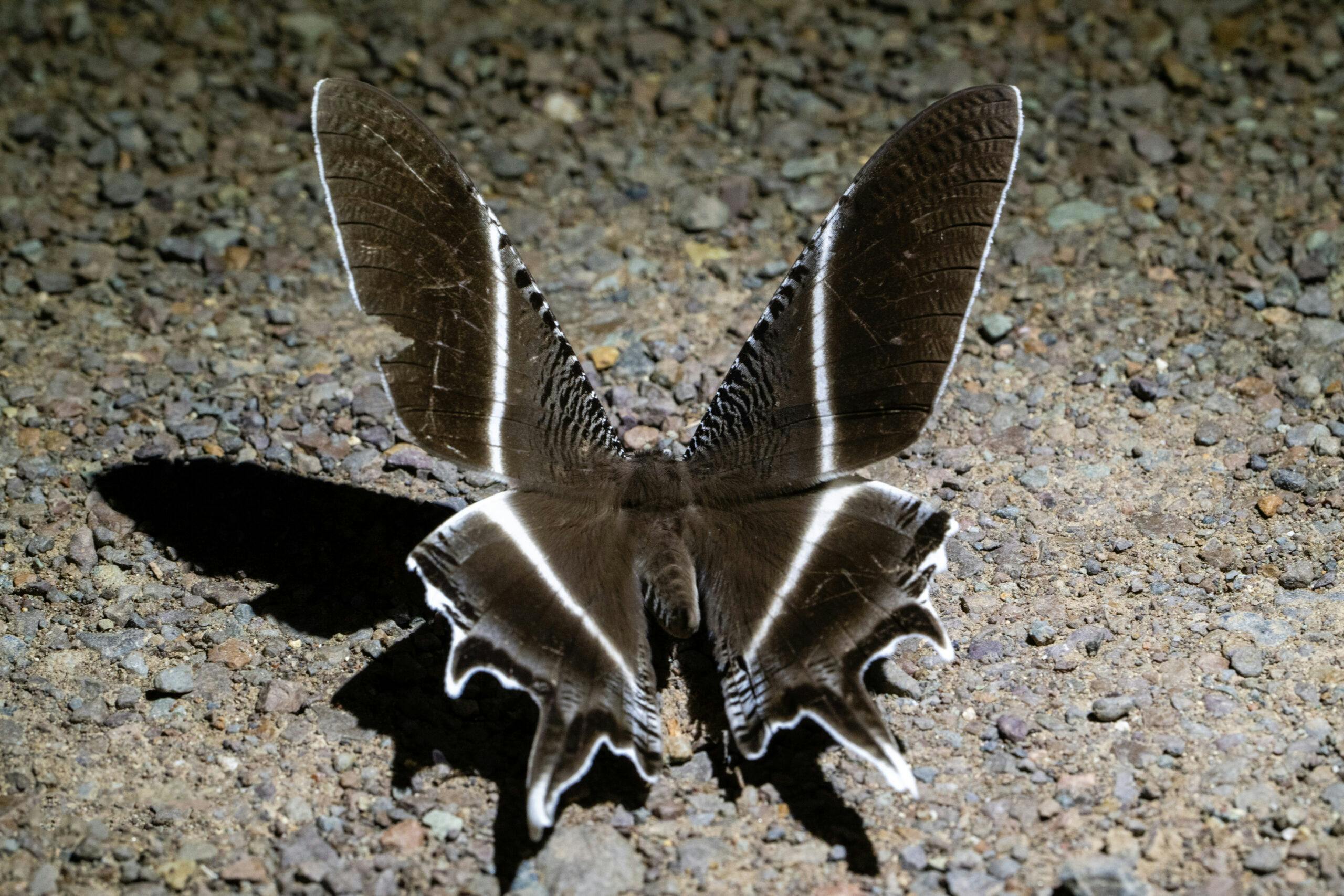
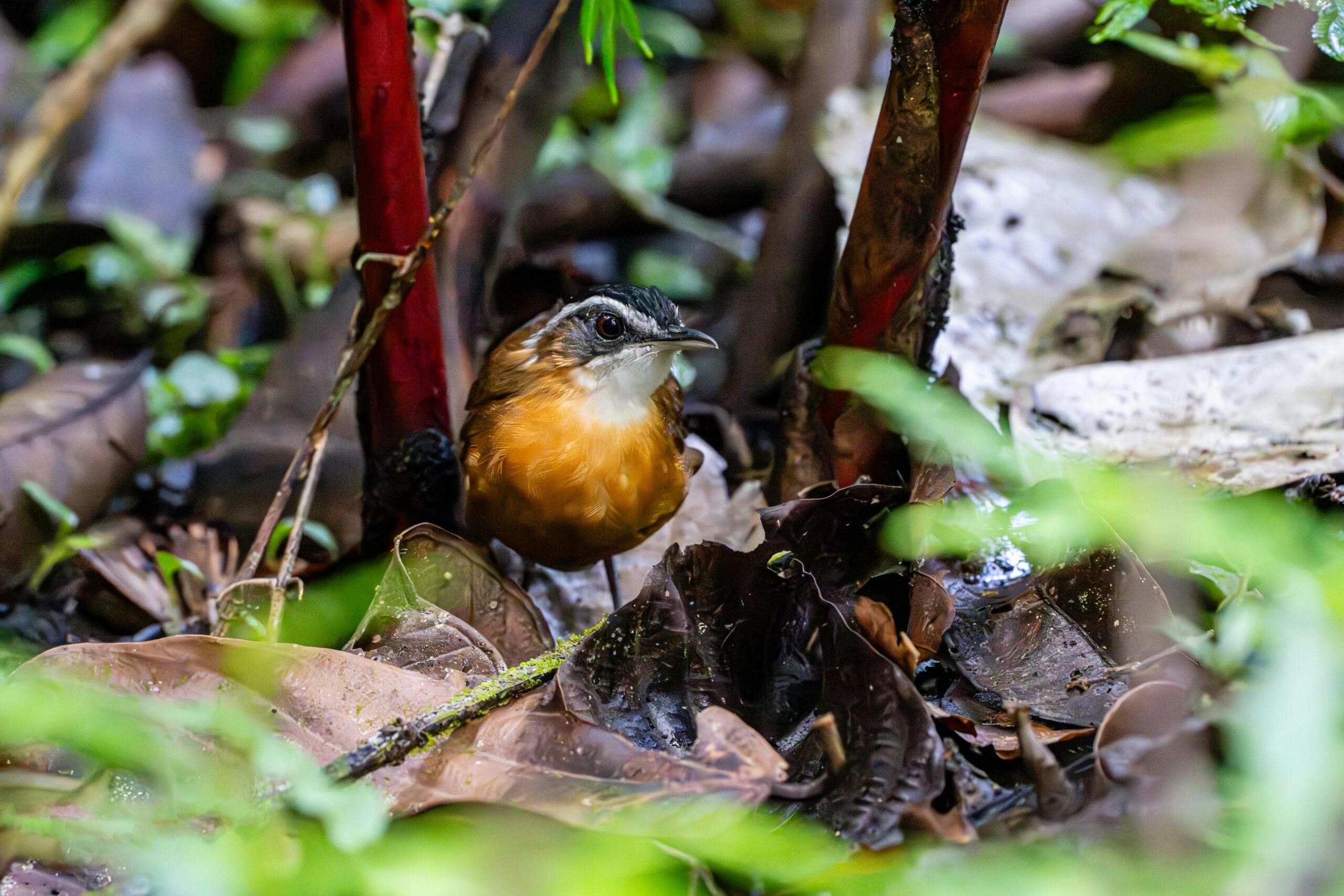
Bornean Black-capped Babbler© Keri and Glenn Ciegler
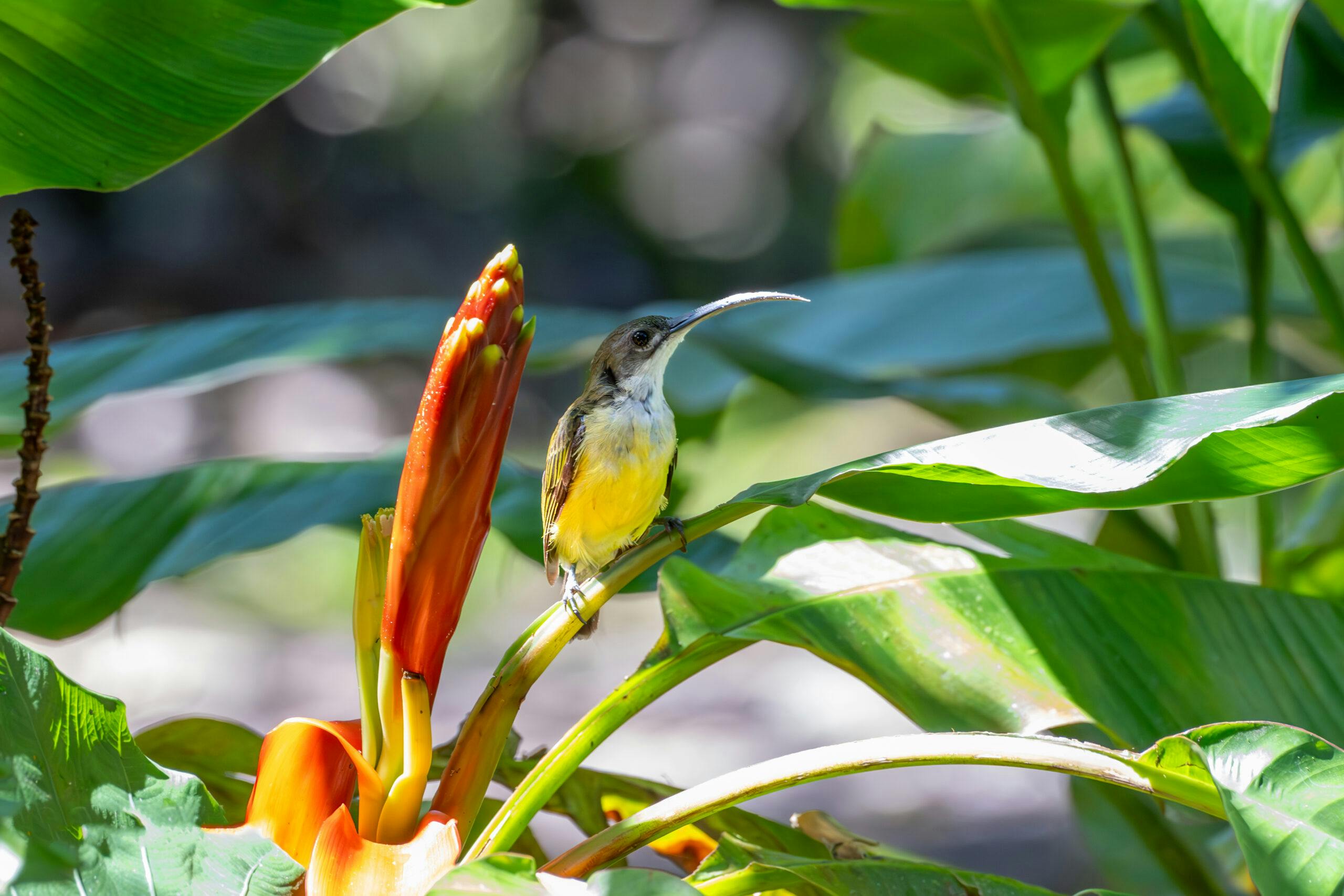
Little Spiderhunter© Keri and Glenn Ciegler
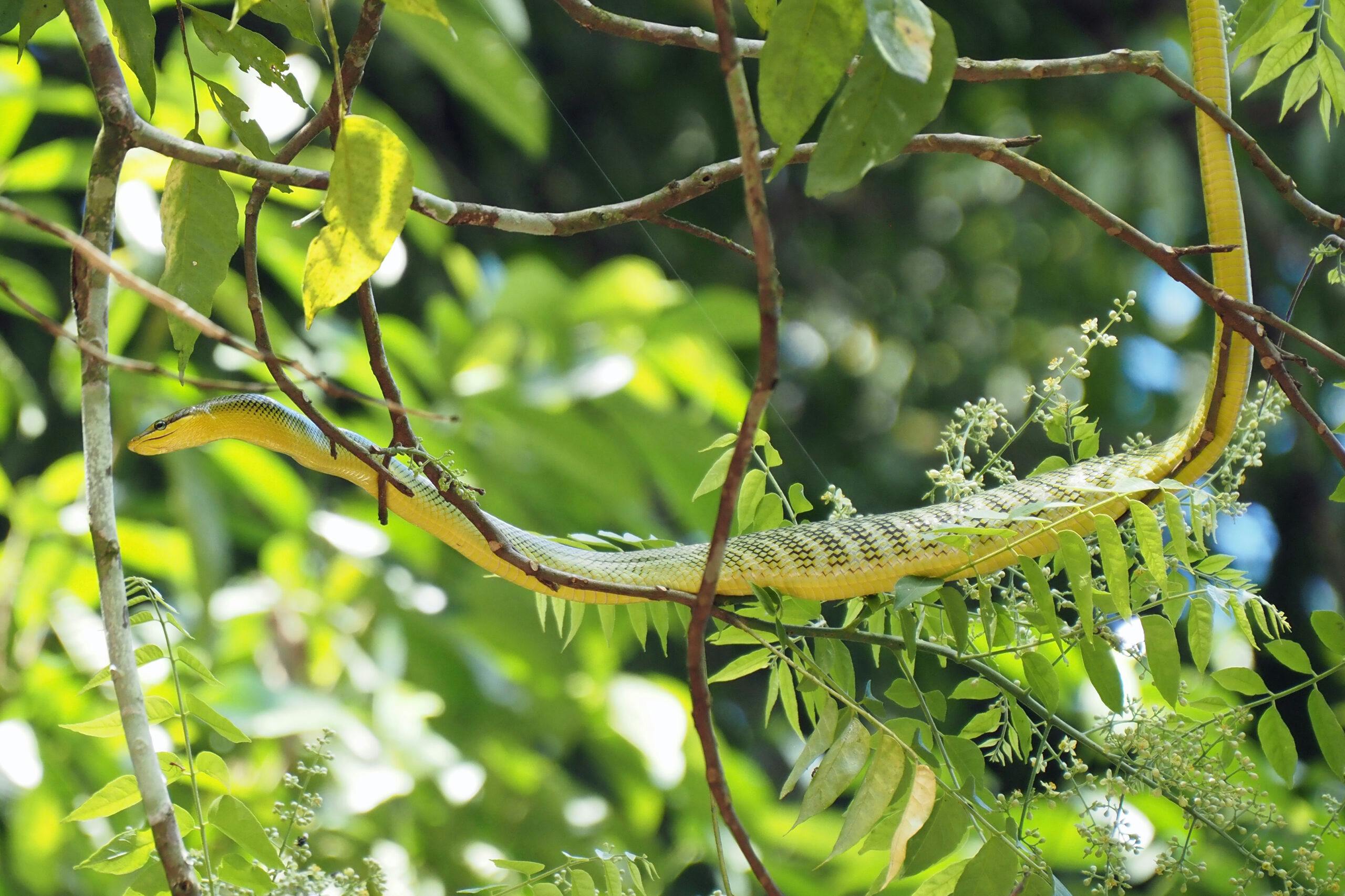
Red-tailed Green Ratsnake© Roy Robins-Browne
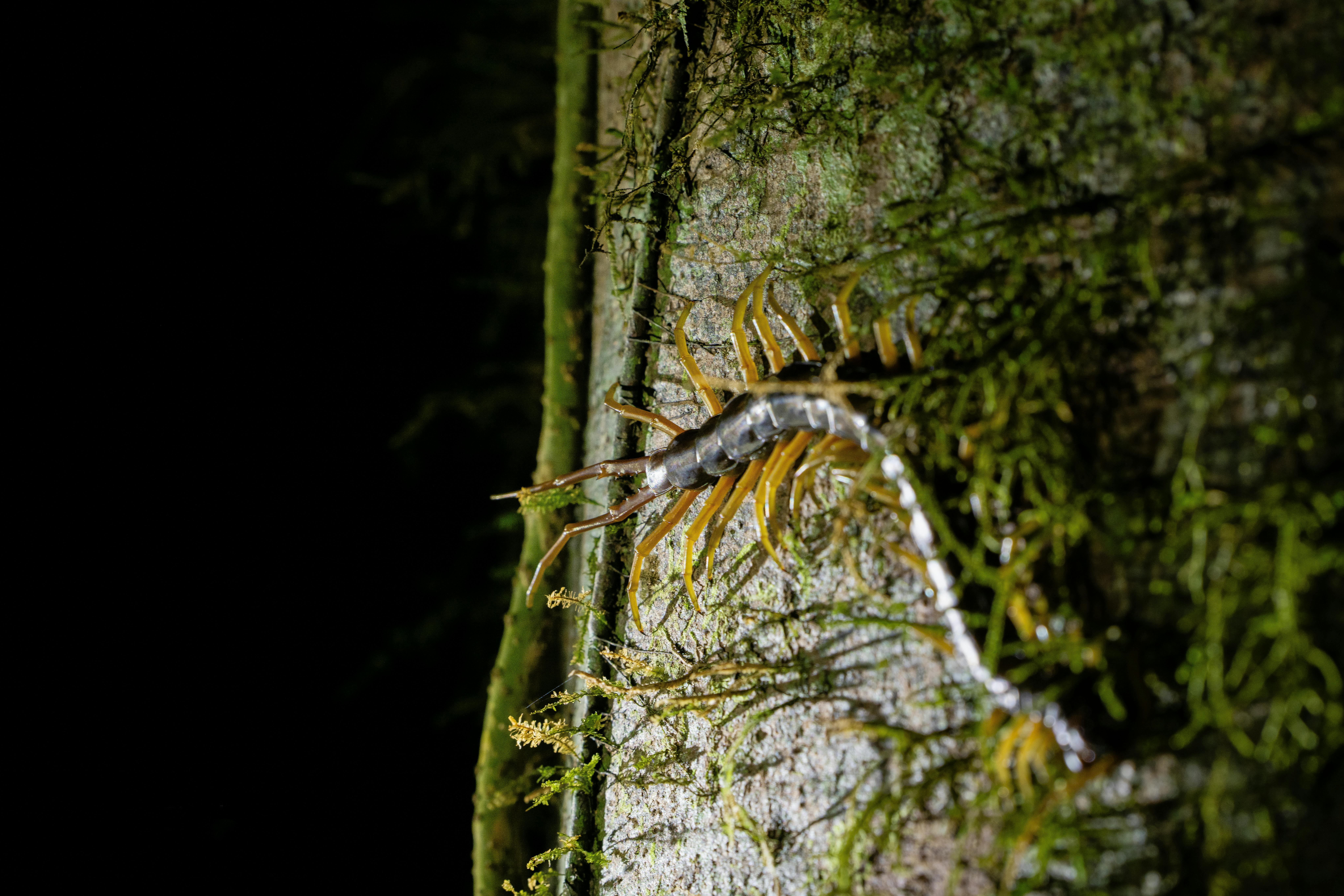
Giant Centipede© Keri and Glenn Ciegler
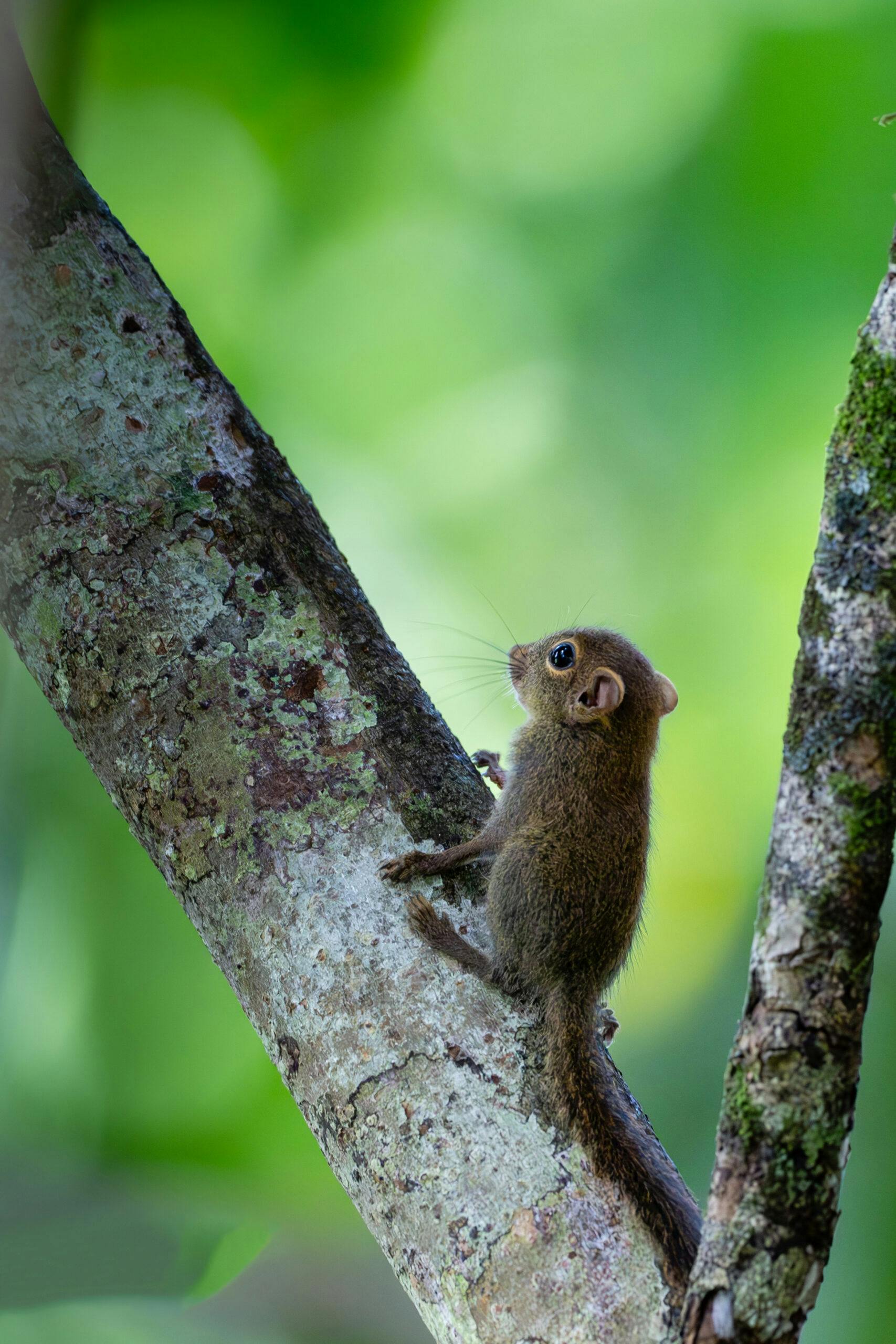
Least Pygmy Squirrel© Keri and Glenn Ciegler
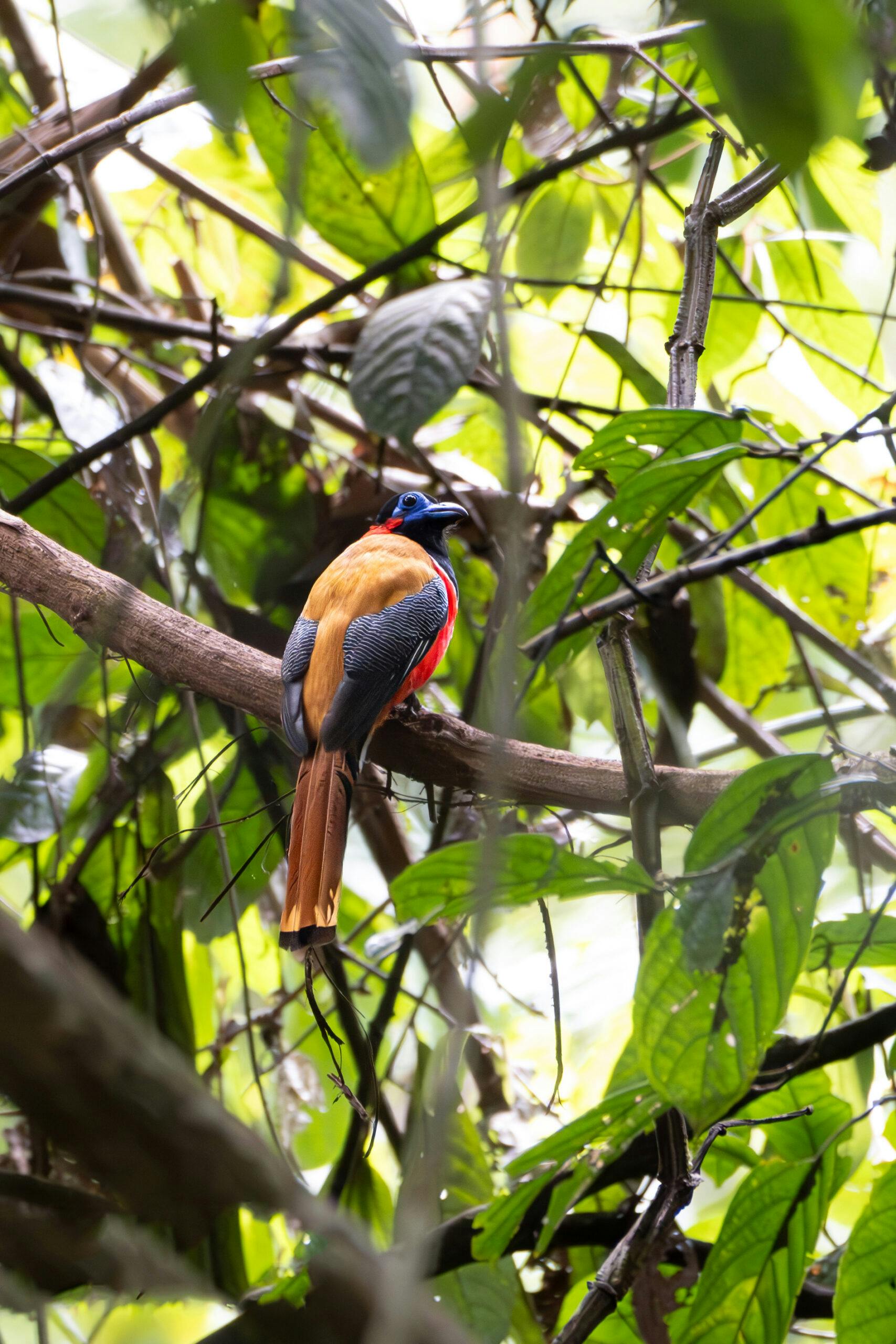
Asian Trogon© Keri and Glenn Ciegler
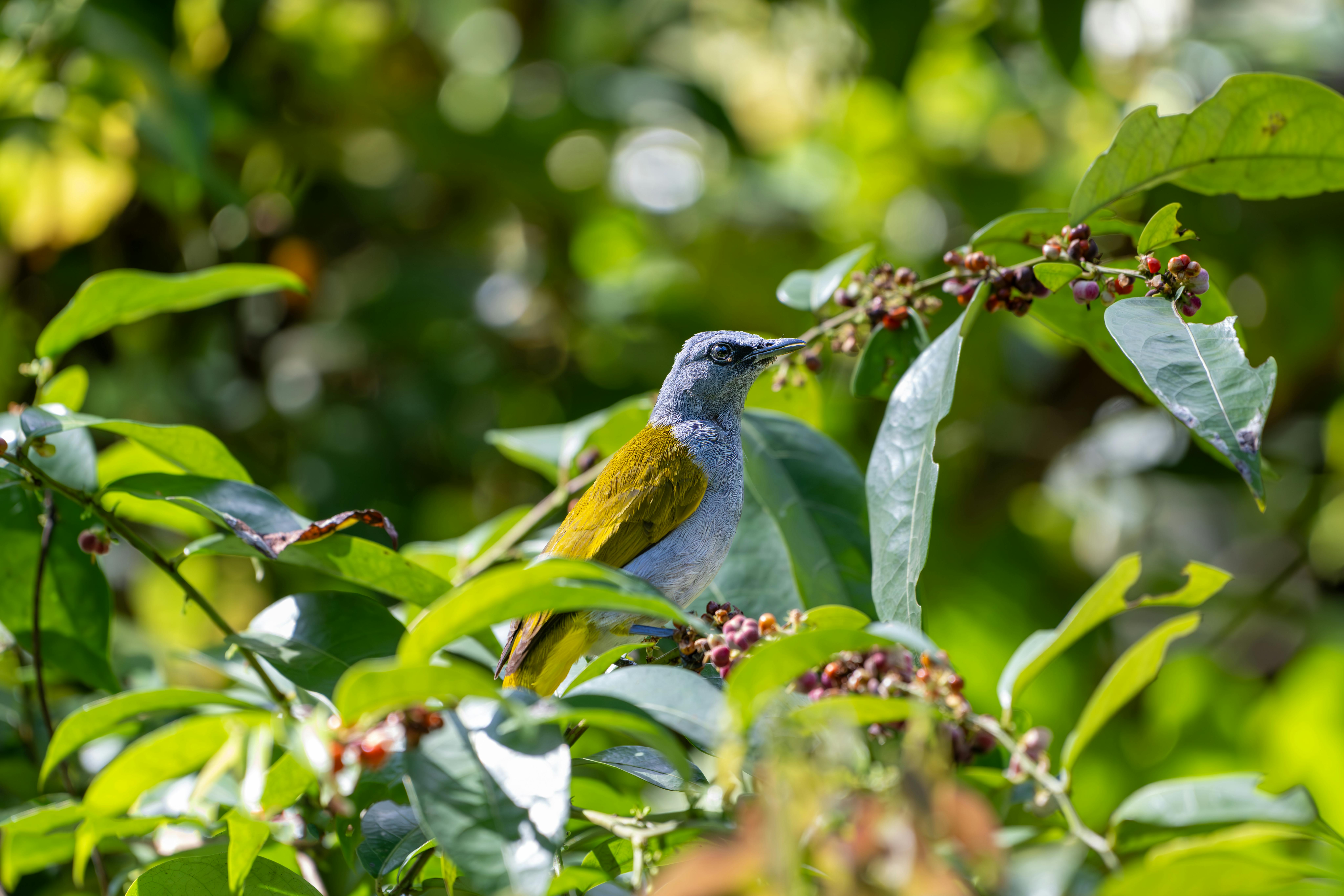
Gray-bellied Bulbul © Keri and Glenn Ciegler
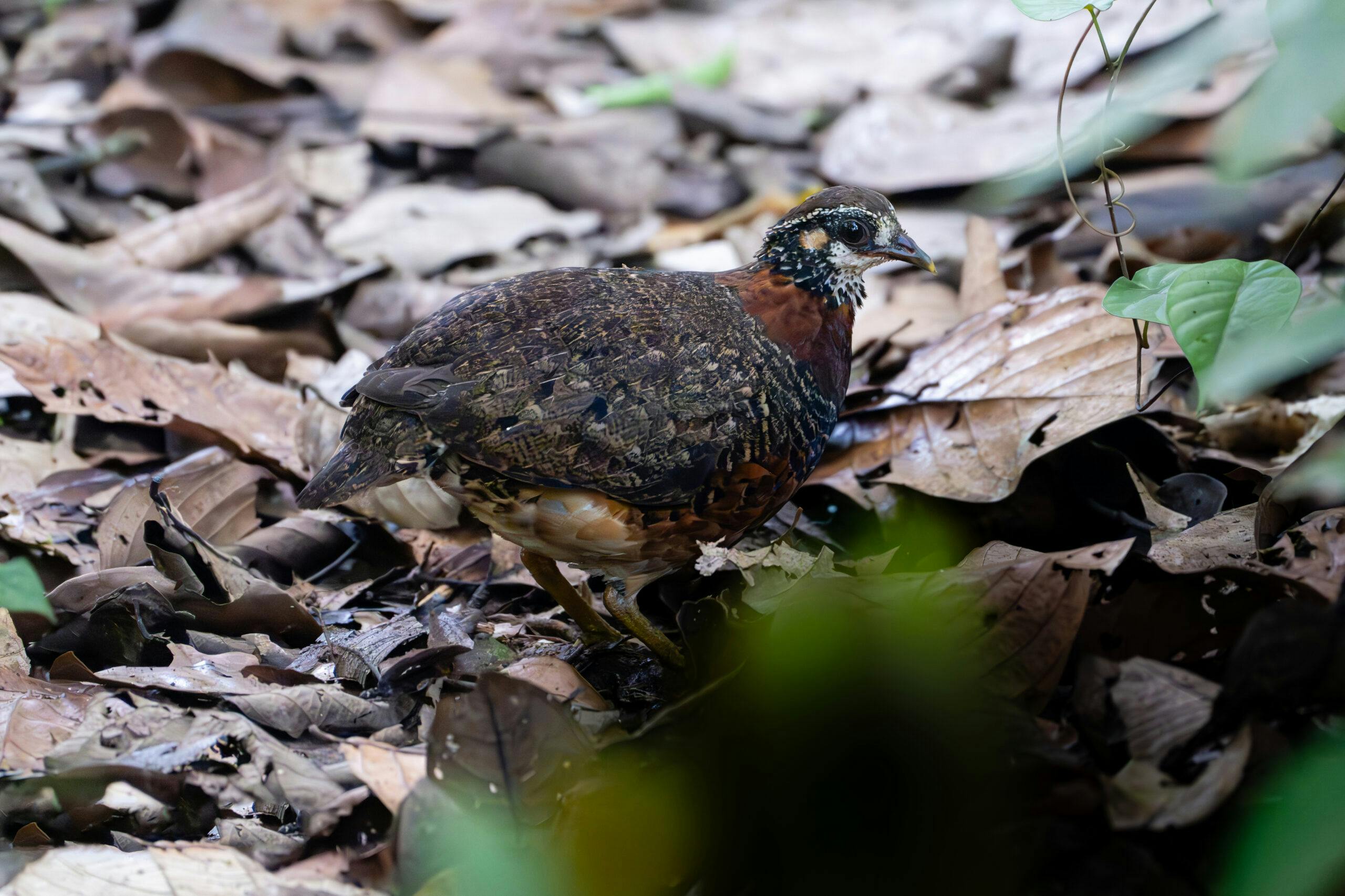
Sabah Partridge© Keri and Glenn Ciegler
May 15: Kota Kinabalu
On the final morning in Danum, travelers trekked the forest one last time in search of wildlife before flying to Kota Kinabalu. After settling in at the Hyatt Centric, the group gathered for a celebratory dinner, reminiscing about the wildlife wonders they had experienced over the last two weeks.
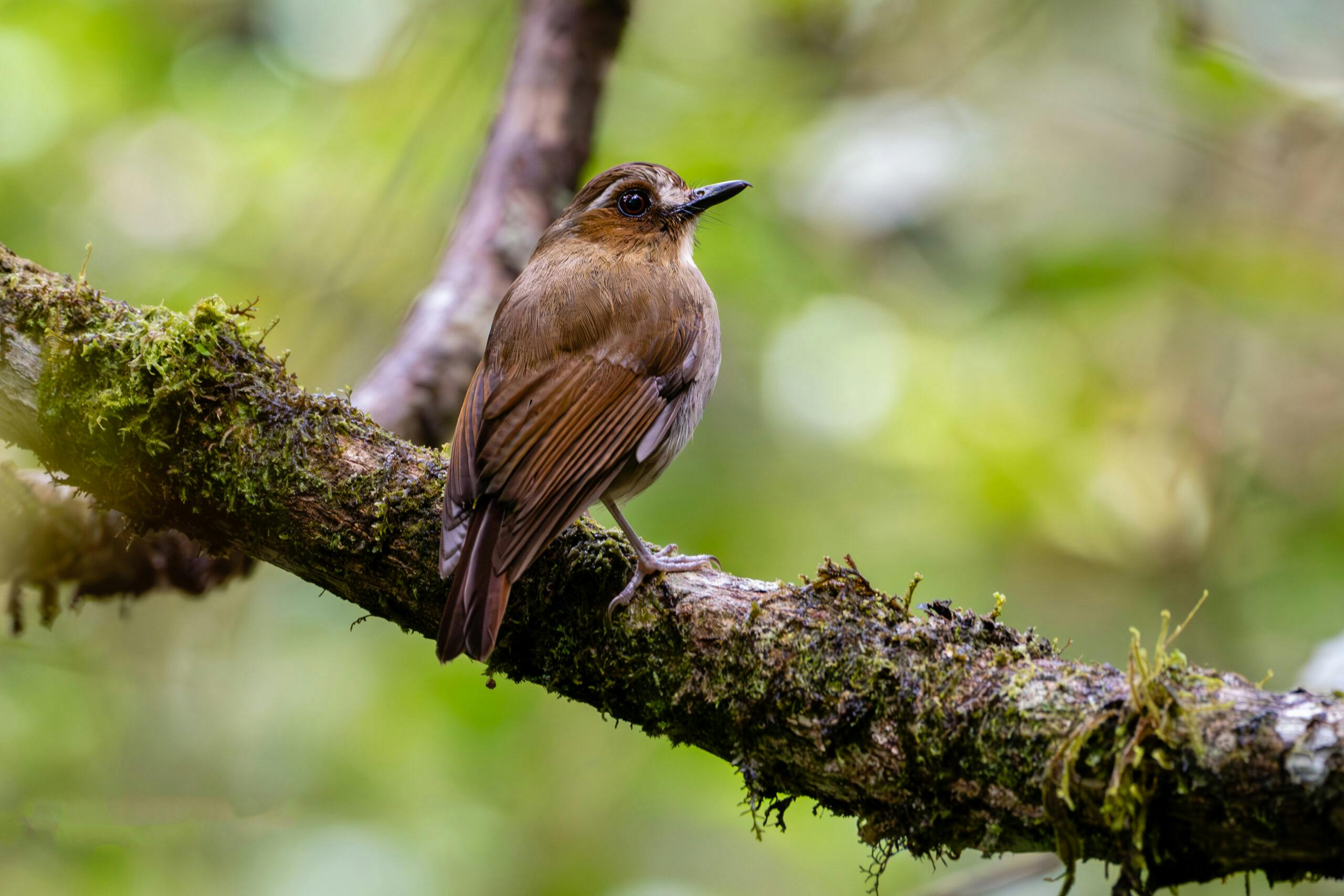
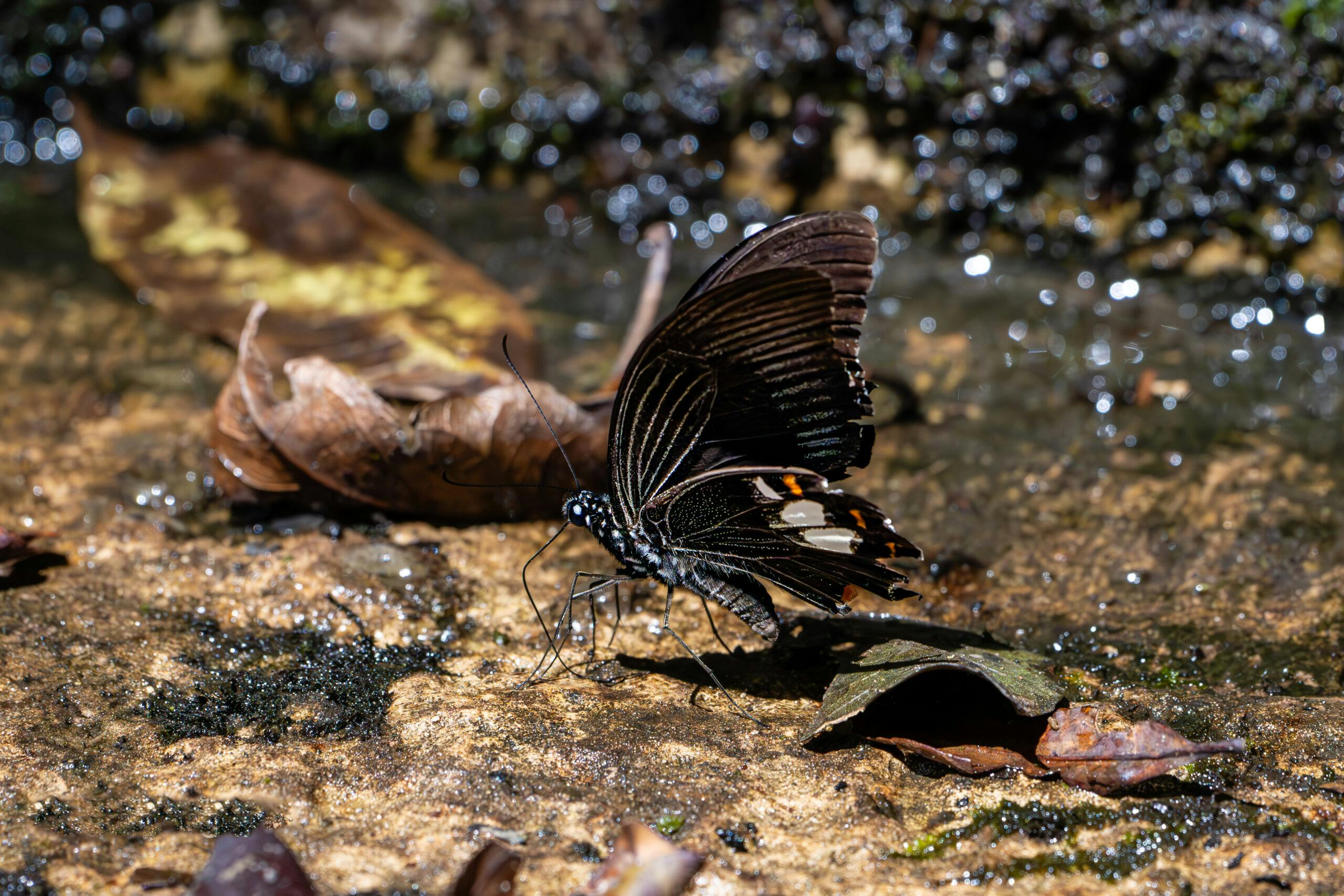
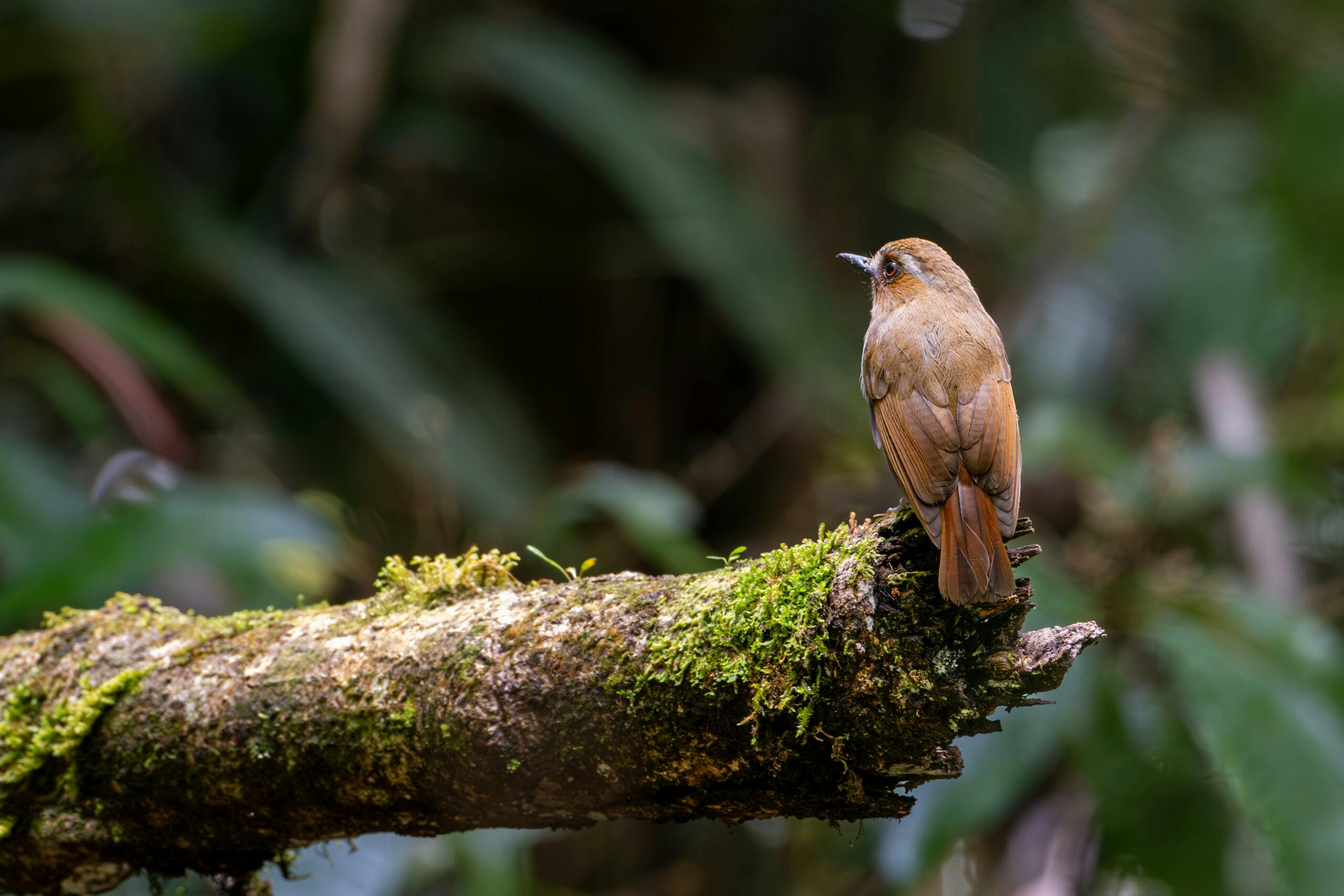
May 16: Departure or Extension to Mount Kinabalu
Some participants opted to continue their adventure with the Mount Kinabalu extension, a journey through the tropical mountain forests of Kinabalu National Park, while others prepared for their return flights home, filled with memories of Borneo’s magical forests and fascinating wildlife.
May 17: Arrival Home
With Borneo in their hearts, travelers arrived home with stories to share and a newfound appreciation for the wild beauty of one of the world’s oldest rainforests.
Mount Kinabalu Extension:
May 16–19, 2024
A Birdwatcher’s Dream
The Mount Kinabalu extension provided a stunning conclusion to the Borneo May 2024 adventure, offering participants an incredible opportunity to explore one of Southeast Asia’s most biodiverse regions. Nestled in the heart of Kinabalu National Park, this 3-day extension treated travelers to breathtaking mountain views, rich rainforests, and an abundance of bird species. With the guidance of expert leader Charlie Ryan, the group encountered some of Borneo’s rarest endemic birds while hiking through a variety of lush habitats. Each day unfolded new surprises, creating a memorable experience for birdwatchers and nature lovers alike.
Highlights
- Kinabalu National Park Exploration: The group enjoyed sightings of dozens of species out of the total possible 326 bird species, including 18 endemics, within this UNESCO World Heritage Site.
- Diverse Habitats: Participants trekked through rainforests and alpine scrub, encountering over 5,000 plant species and a wealth of wildlife along the way.
- Expert Leadership: Charlie Ryan’s local knowledge of Borneo’s ecology enriched the group’s experience, with up-close encounters with some of the island’s rarest bird species.
May 16–17: Scenic Drive and Birding
On the morning of May 16, the group departed for Kinabalu National Park, enjoying a scenic drive to the foothills of Mount Kinabalu. Upon arrival, participants settled into hillside bungalows and embarked on their first birding excursion. They quickly began spotting notable species, including the Mountain Blackbird and Bornean Treepie, against the backdrop of the towering mountain.
The following day, the group explored the park’s extensive trails, walking through various ecosystems that ranged from dense tropical forests to cooler alpine zones. A highlight was spotting Whitehead’s trio—the Trogon, Spiderhunter, and Broadbill—each a rare endemic found only in Borneo. The park’s rich biodiversity, combined with Charlie Ryan’s expert guidance, ensured that everyone left with fantastic birding memories.
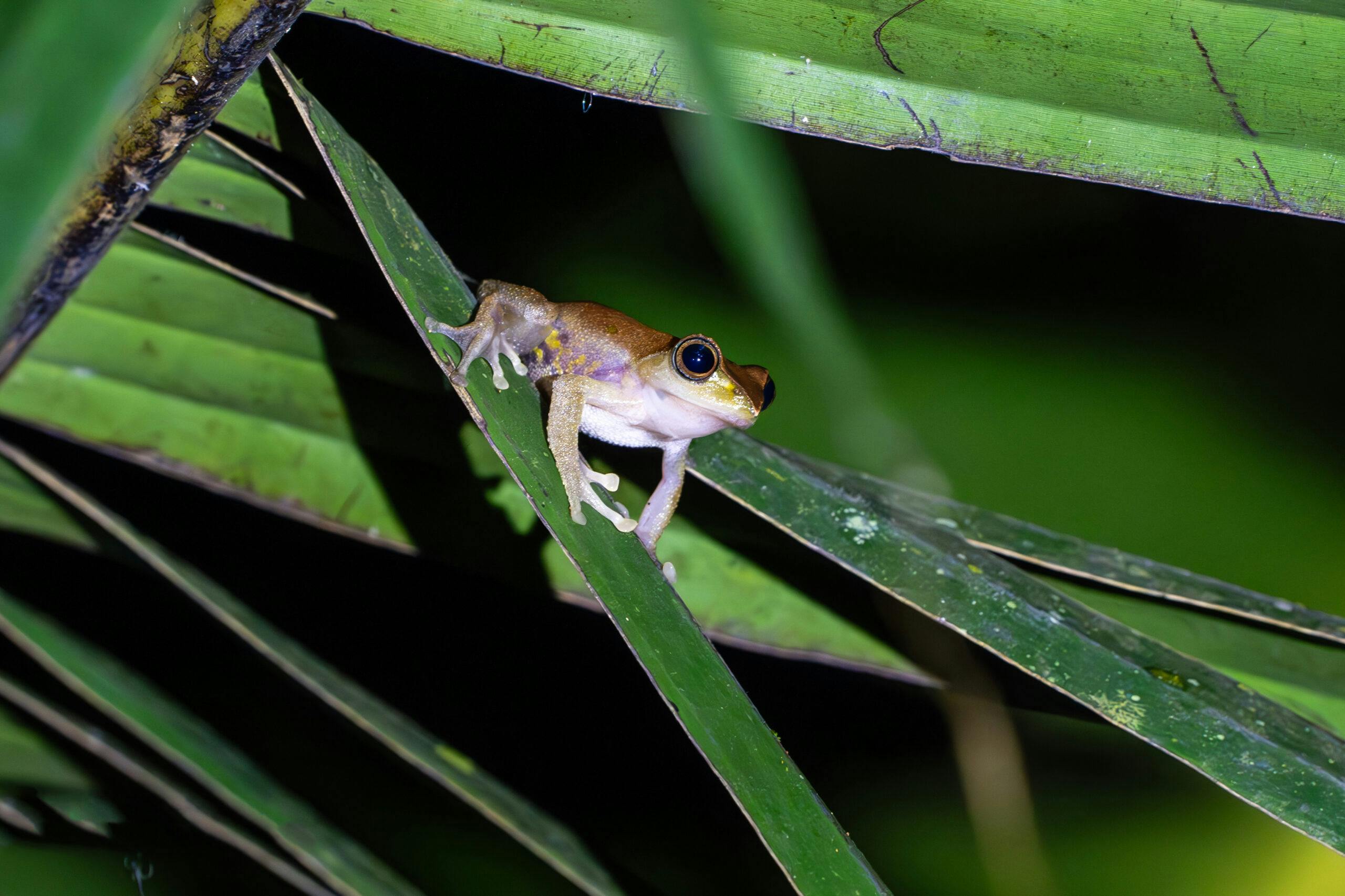
Masked Tree Frog© Keri and Glenn Ciegler
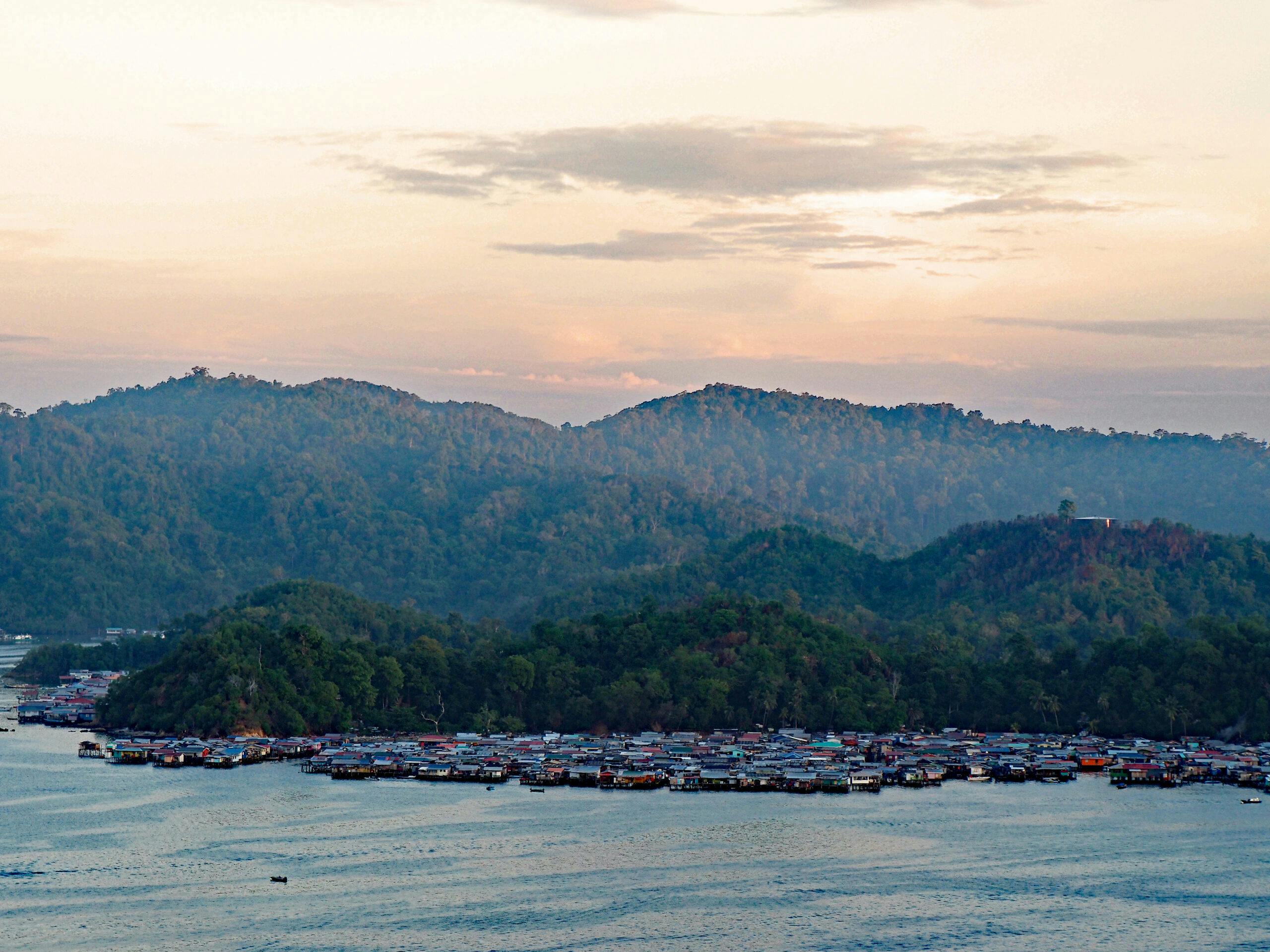
Landscape © Roy Robins-Browne
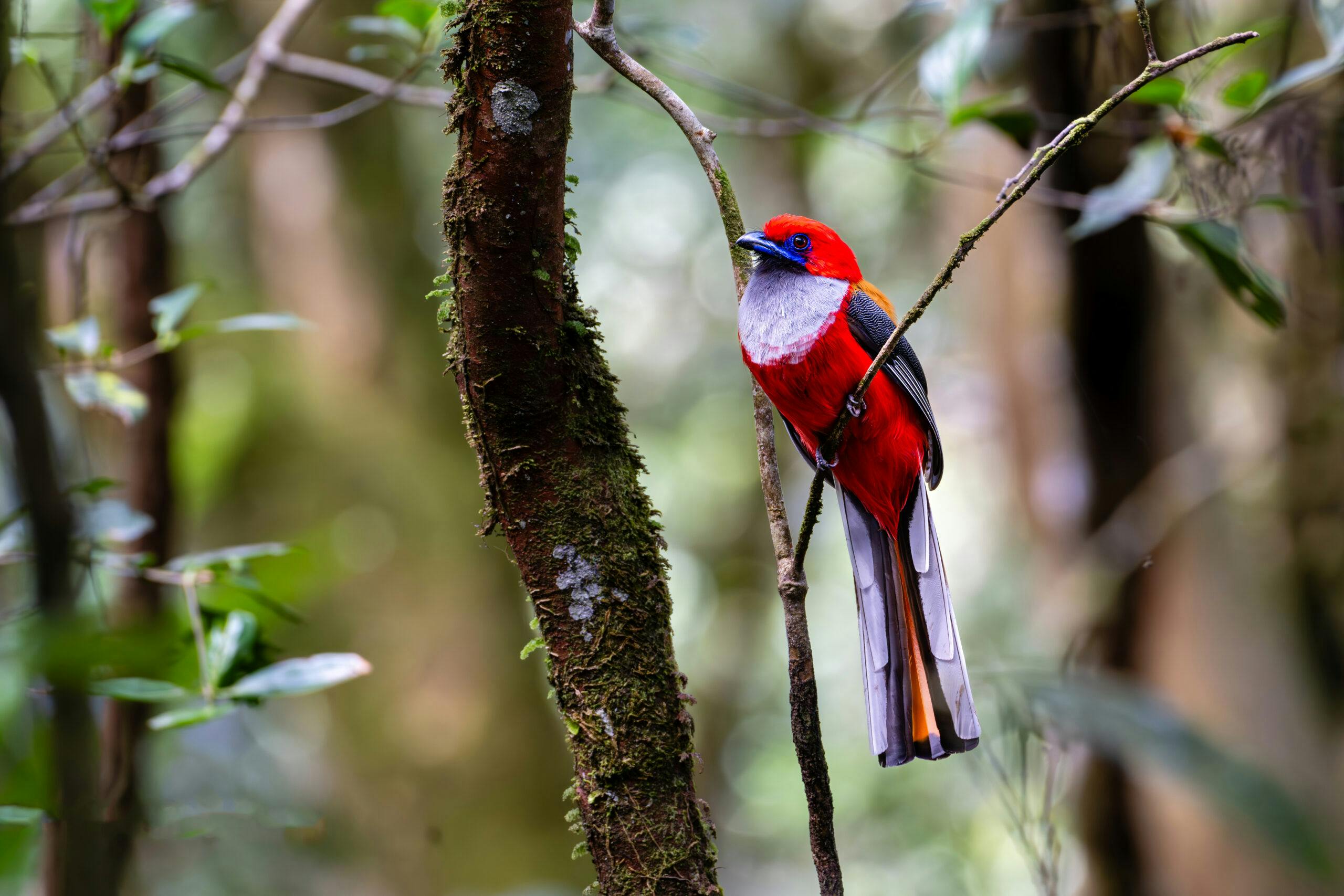
Whitehead's Trogon© Keri and Glenn Ciegler
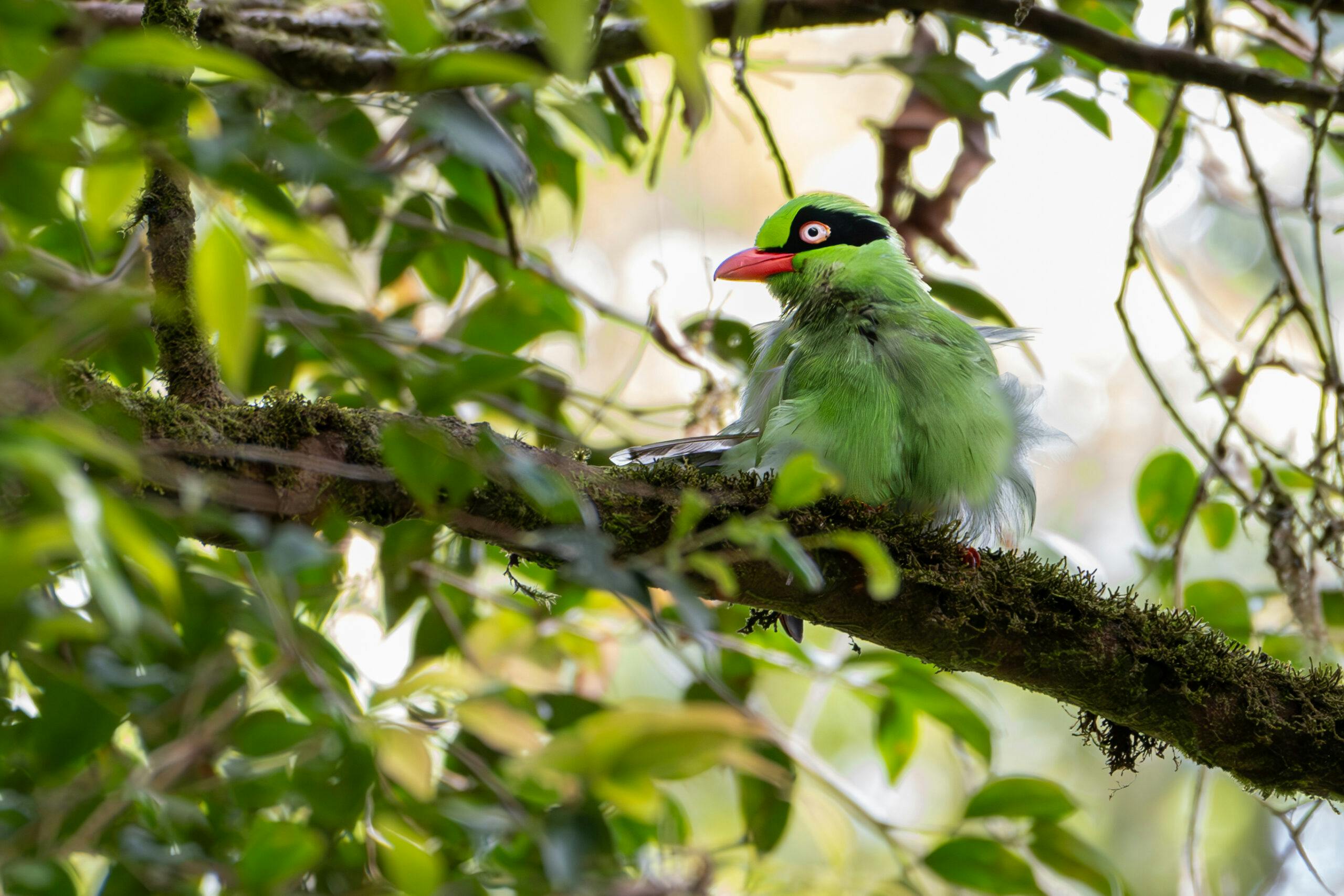
Green Magpie© Keri and Glenn Ciegler
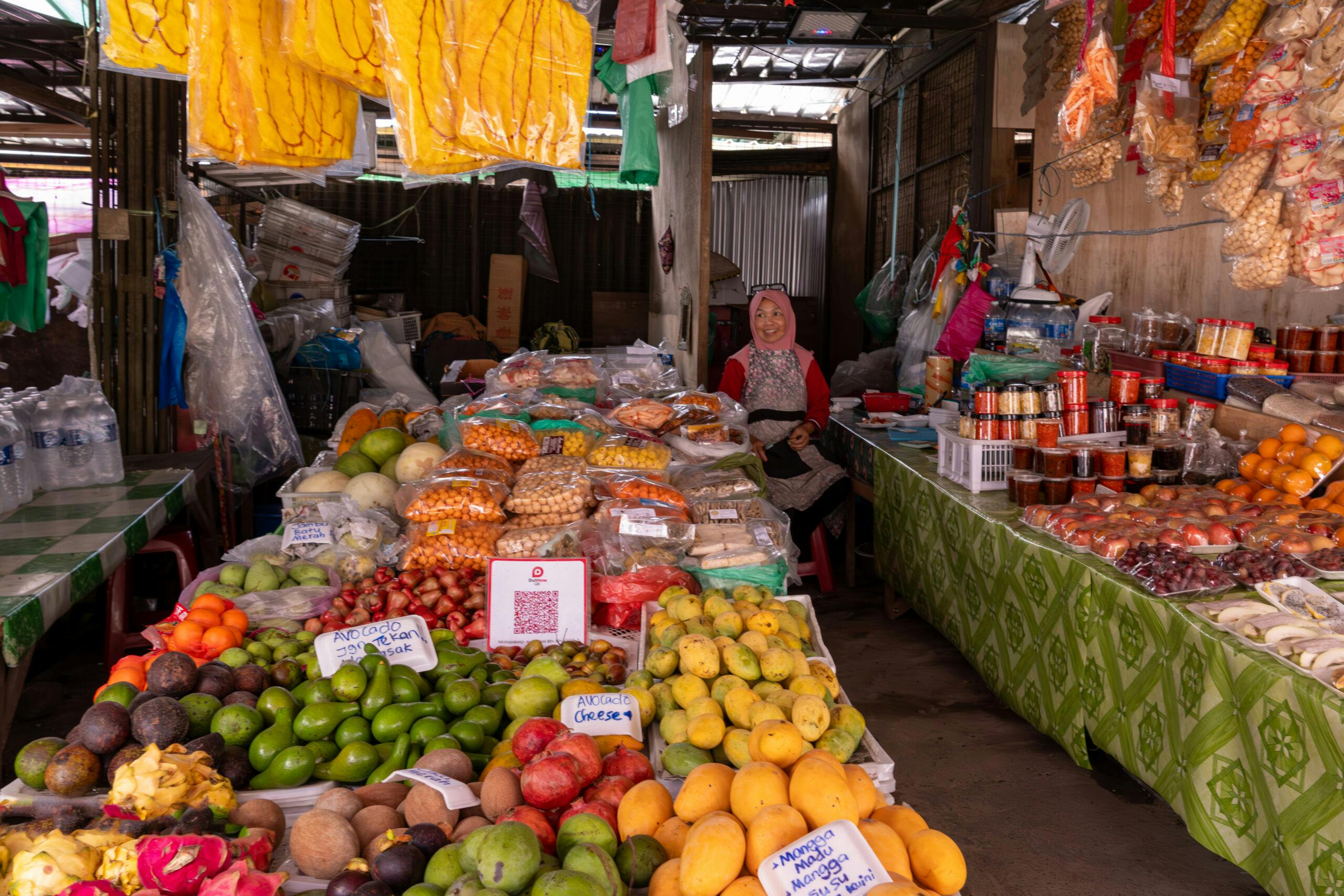
Market© Keri and Glenn Ciegler
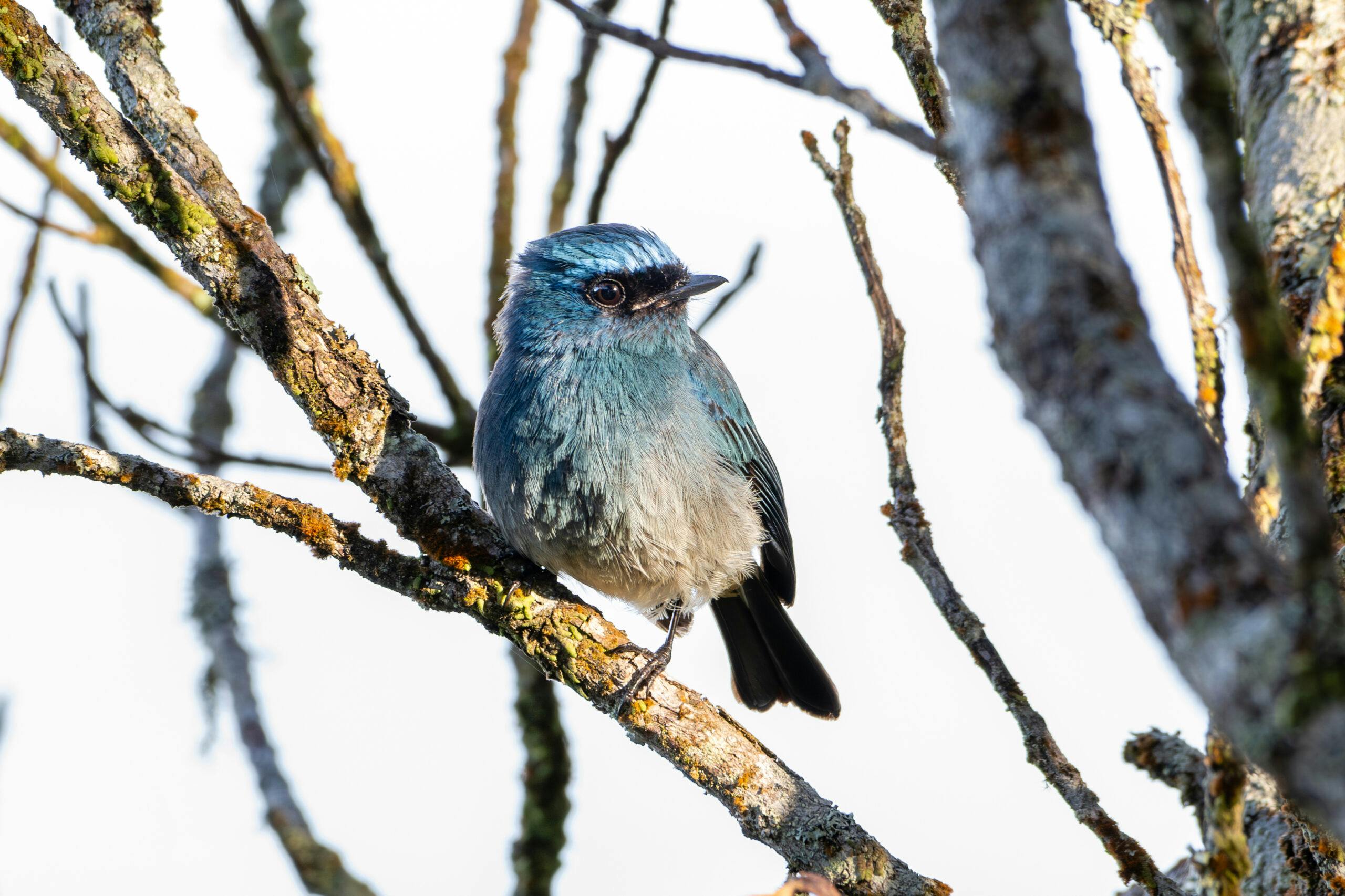
Warbling Flycatcher© Keri and Glenn Ciegler
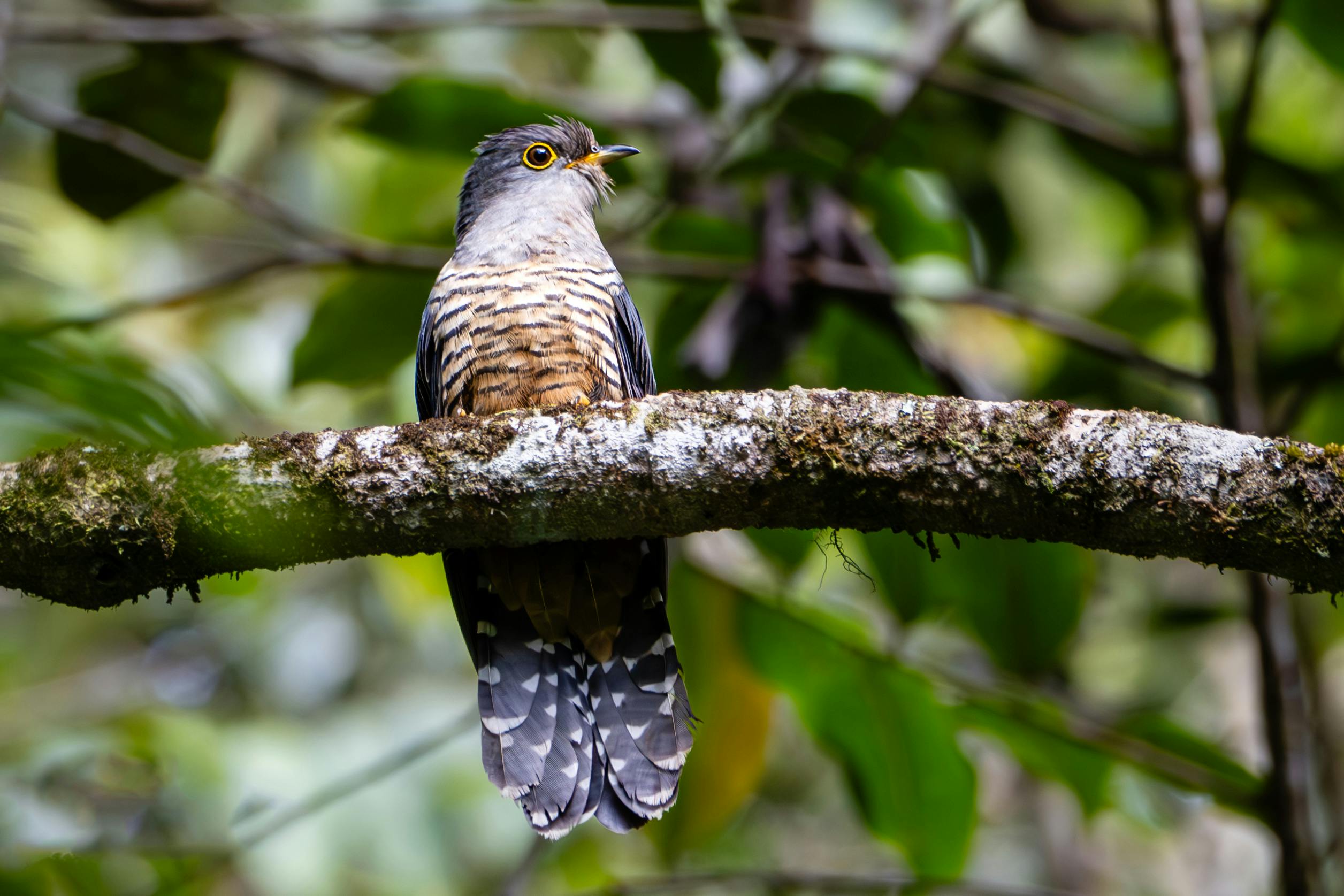
Cuckoo© Keri and Glenn Ciegler
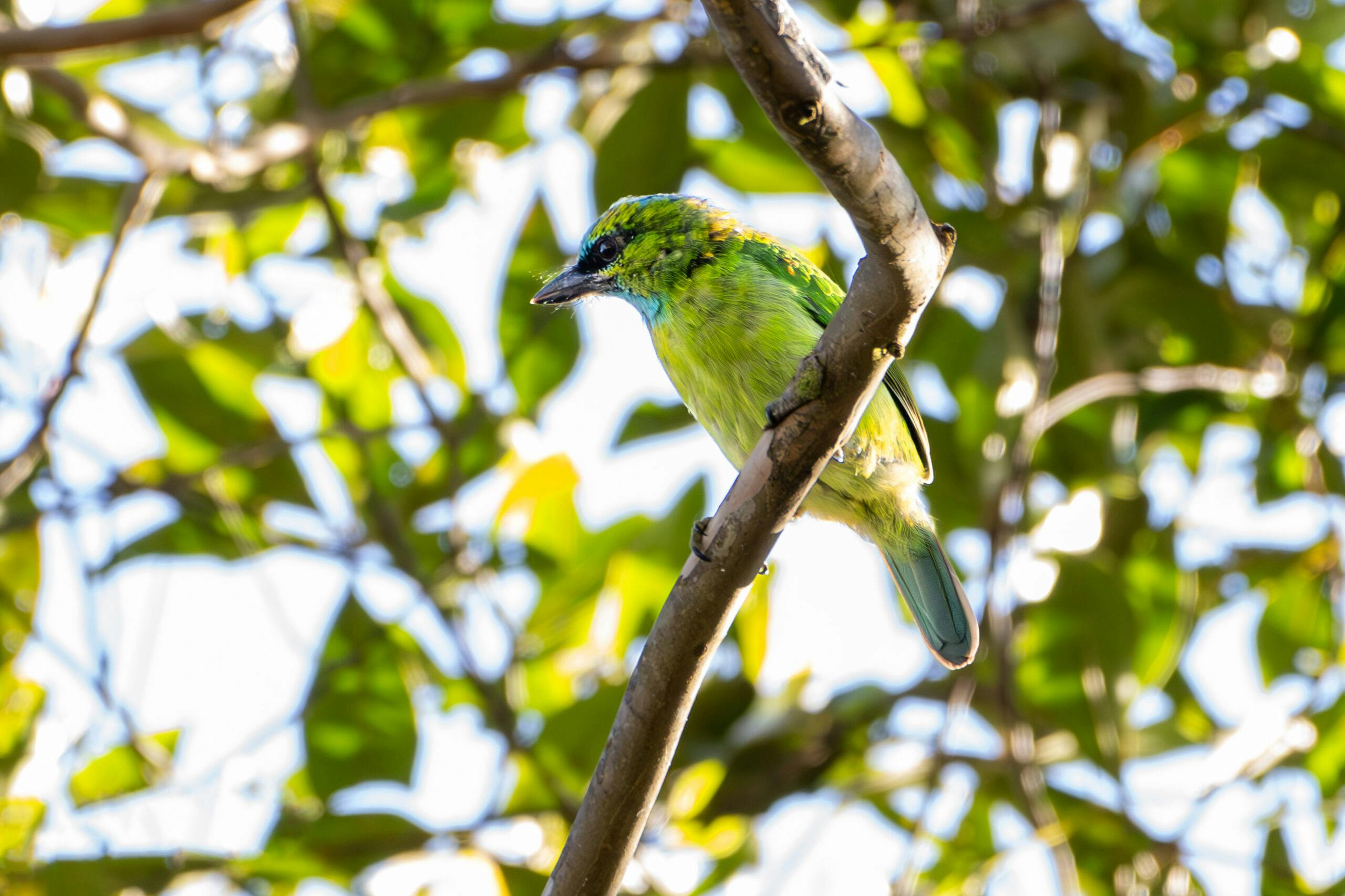
Typical Asian Barbet© Keri and Glenn Ciegler
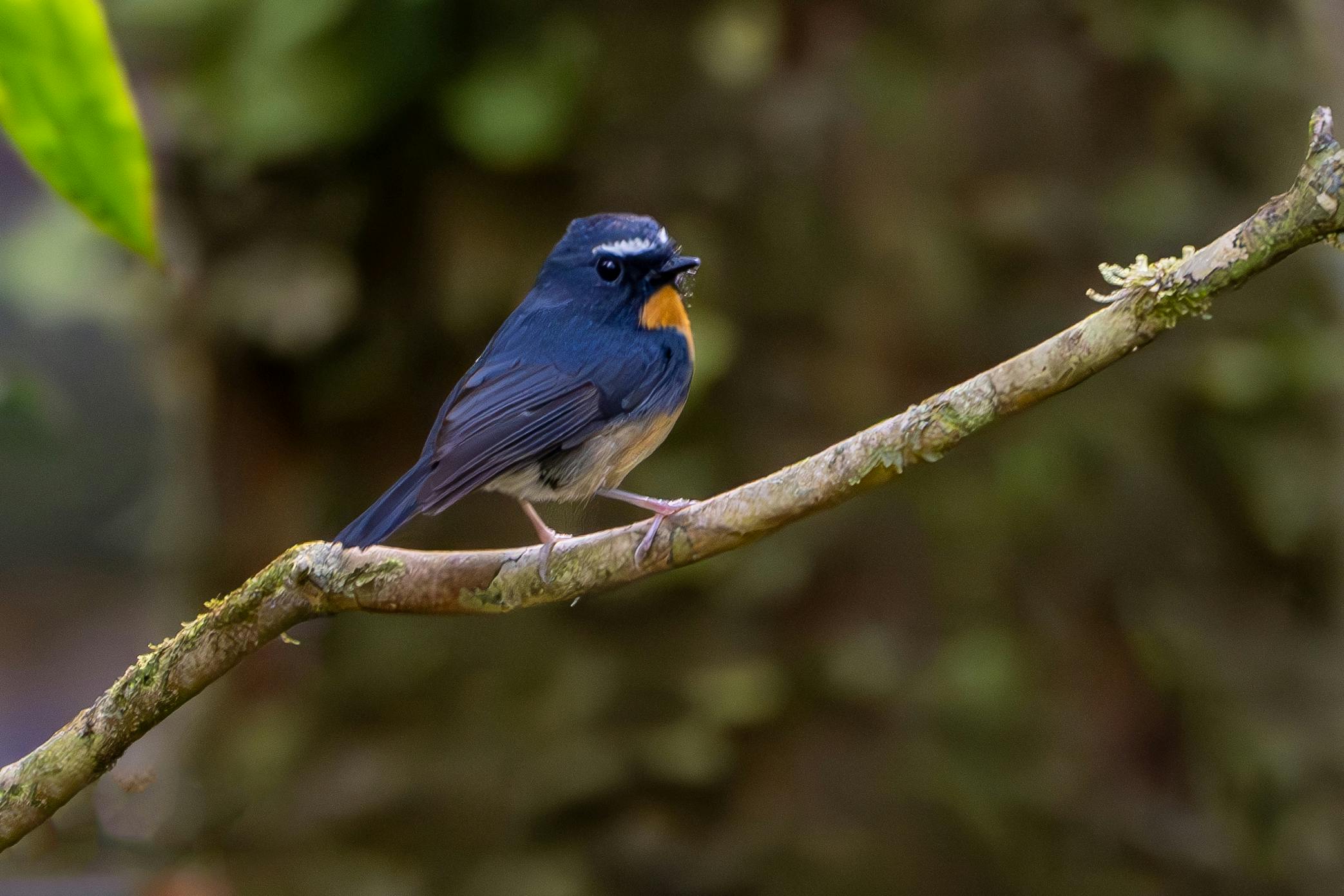
Snowy-browed Flycatcher© Keri and Glenn Ciegler
Lacewing Caterpillar© Keri and Glenn Ciegler
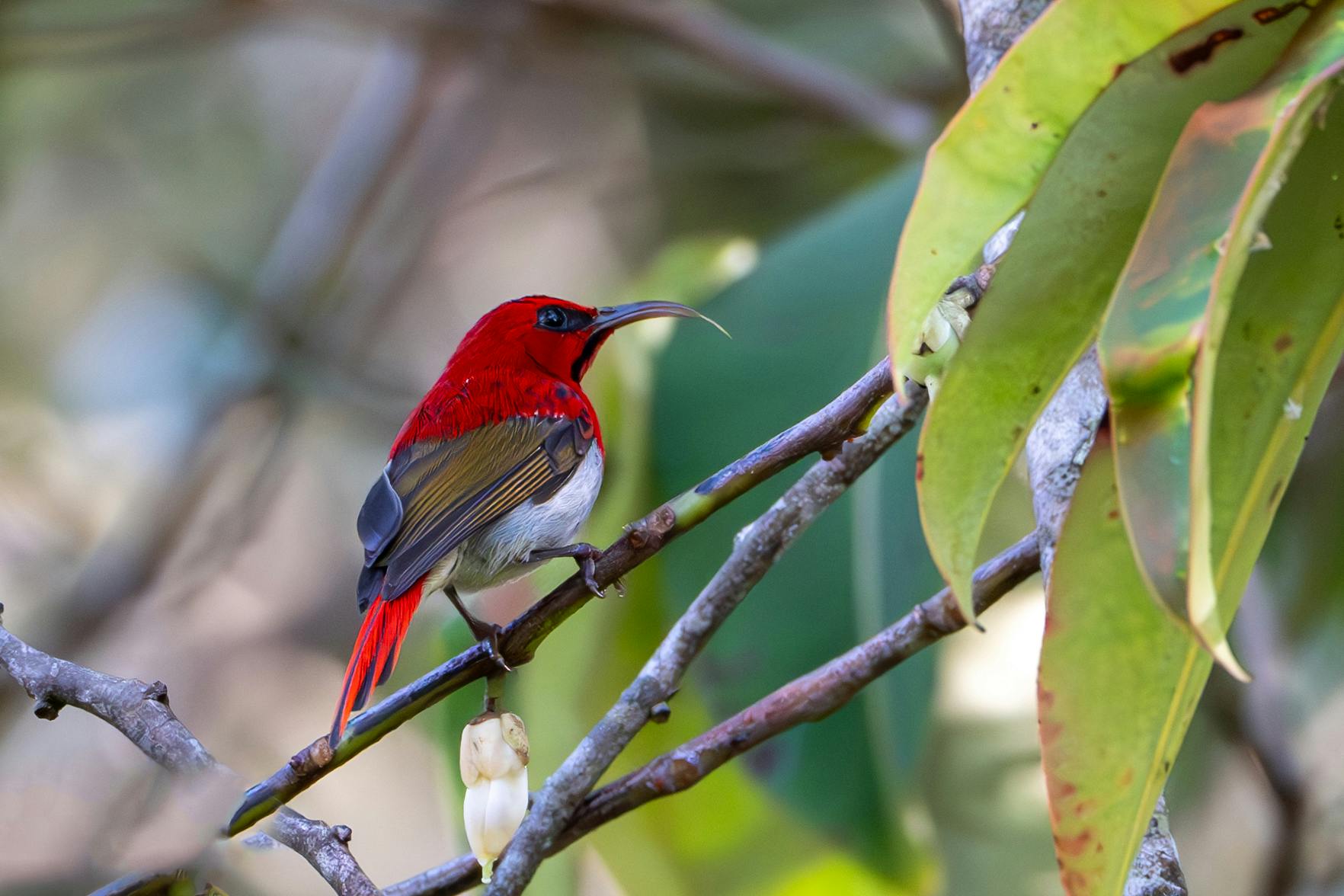
Temminck's Sunbird© Keri and Glenn Ciegler
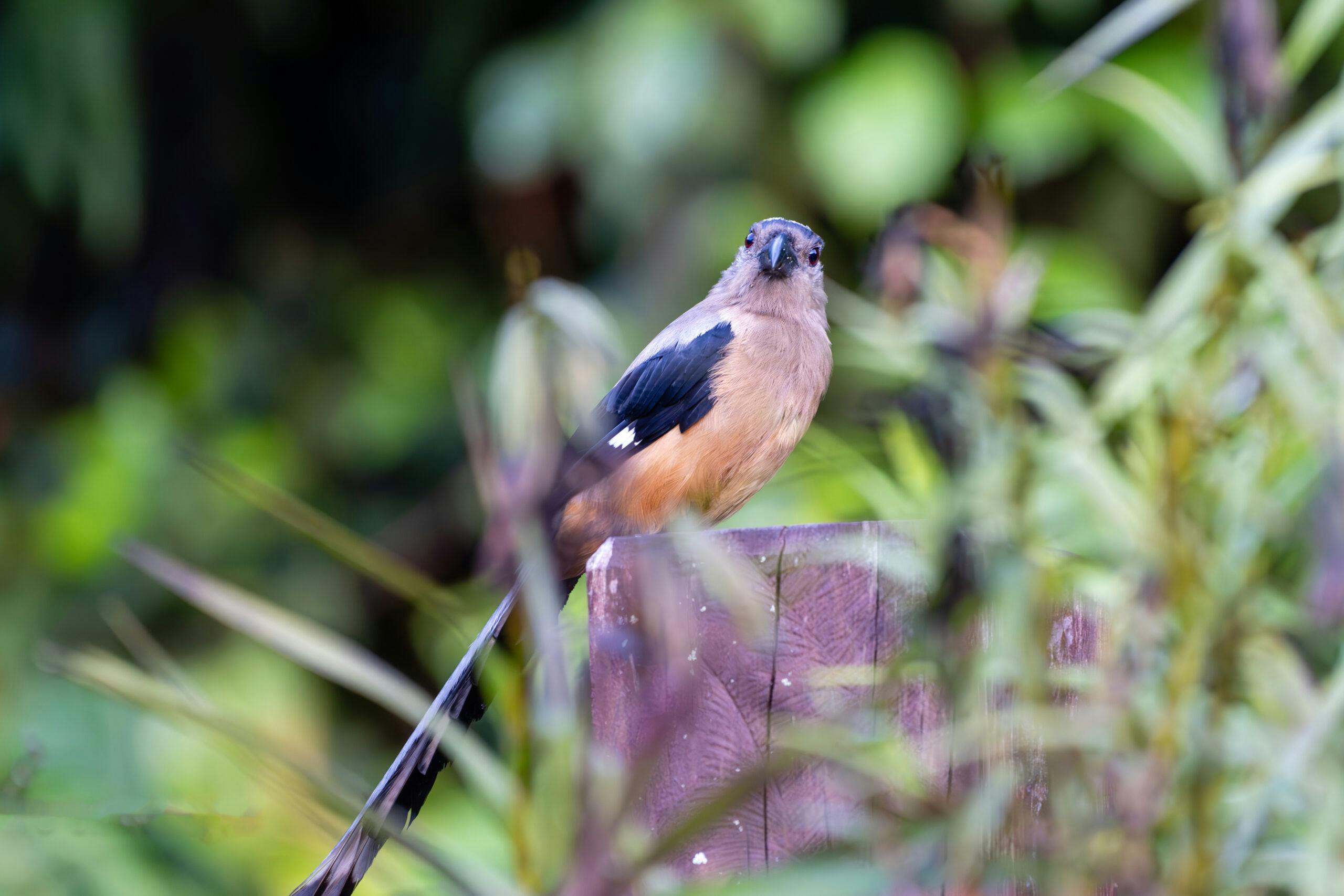
Bornean Treepie© Keri and Glenn Ciegler
May 18: Last Birding Morning and Departure
On their final morning, participants ventured out early for a last birdwatching session in Kinabalu National Park. They were greeted by mist-shrouded trails and the songs of Bornean endemics, creating a tranquil and fitting end to the extension. After a final lunch, the group made their way back to Kota Kinabalu for their return flights, reflecting on the unforgettable wildlife and scenic beauty of Mount Kinabalu.
Want to Explore Borneo’s Wilds for Yourself?
Inspired by the incredible wildlife of Borneo? Don’t miss the chance to join our next adventure.. From orangutans to pygmy elephants, this trip offers a once-in-a-lifetime opportunity to explore one of the most biodiverse regions on Earth.
Learn more and book your spot here before it fills up!
Join the Adventure
Galápagos Islands
May 6 to 24, 2023 | June 3 to 21, 2023
Discovering Paradise:
A Journey Through the Enchanted Galápagos Islands
Welcome aboard for this detailed account of our spectacular May and June 2023 Galápagos Islands voyages. Each journey, unique in its encounters and experiences, offered our adventurers unparalleled insights into the rich biodiversity and dynamic ecosystems of this volcanic archipelago. From up close wildlife interactions to dramatic volcanic landscapes, these trips encapsulated the essence of exploration and discovery.
May 6 to 24, 2023 Trip
Day 1 – Arrive in Quito, Ecuador
Our travelers were warmly welcomed upon arrival in Quito by our local representatives. After settling into the hotel, they had the evening to relax and prepare for the adventure that lay ahead.
Day 2 – From the Andes to the Cloud Forest
The day began with a scenic early morning drive to Yanacocha Reserve, known for its rich birdlife. After a wonderful breakfast, the group made their way along the vibrant Old Nono-Mindo Ecoroute. The highlight was witnessing the colorful displays at the Andean Cock-of-the-rock lek.
Day 3 – Birdwatching Extravaganza
The morning was dedicated to bird watching around Bellavista, where numerous hummingbirds and other colorful species were observed. After a relaxing lunch the group returned to Quito to prepare for their early flight to the Galápagos.
“Juan led the trip beautifully, providing many activity options for every day. Snorkeling, hiking, Zodiac and ship cruising, and kayaking all offered at the most strategic time of the day.” -Debbie Thompson
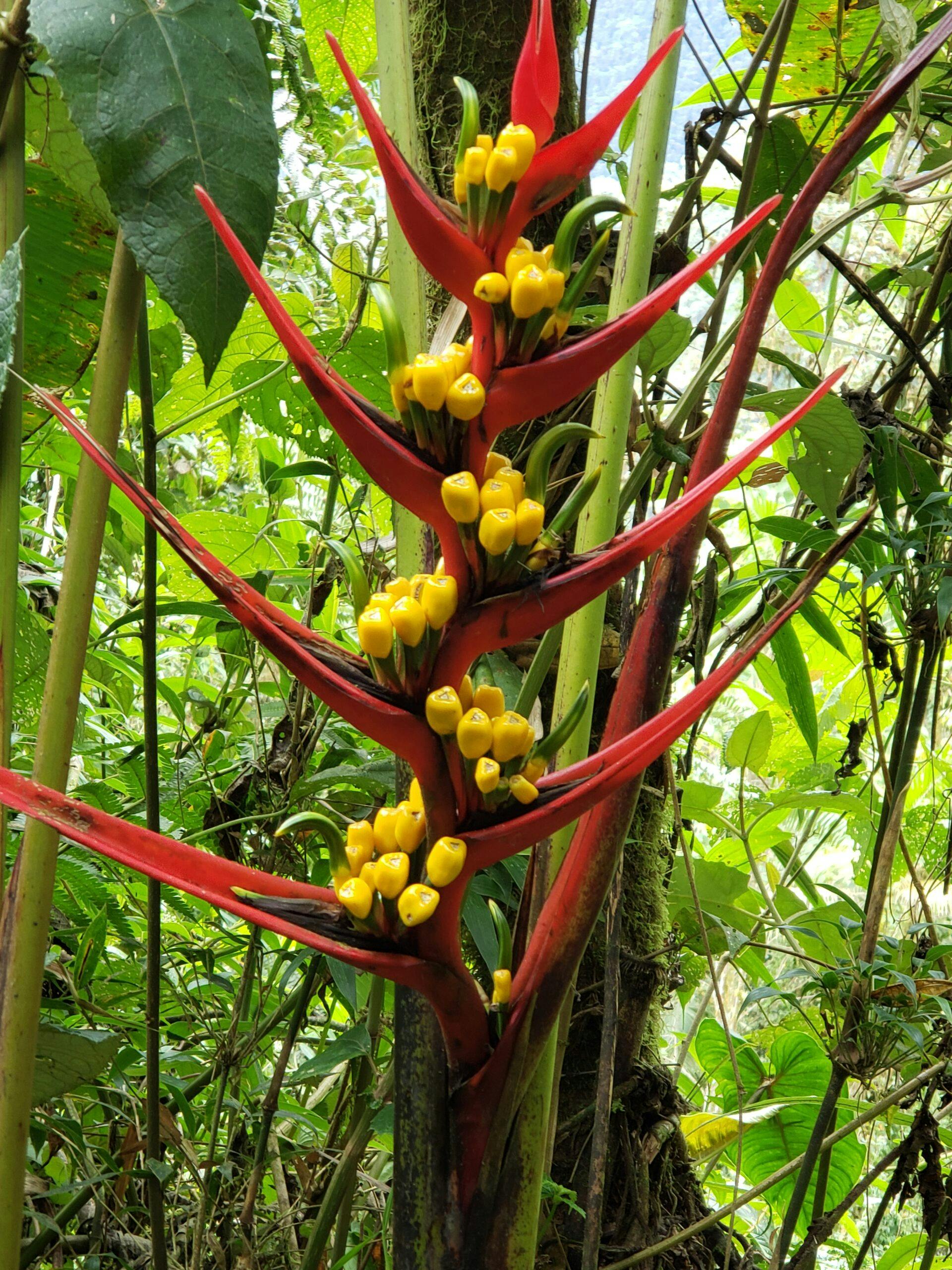
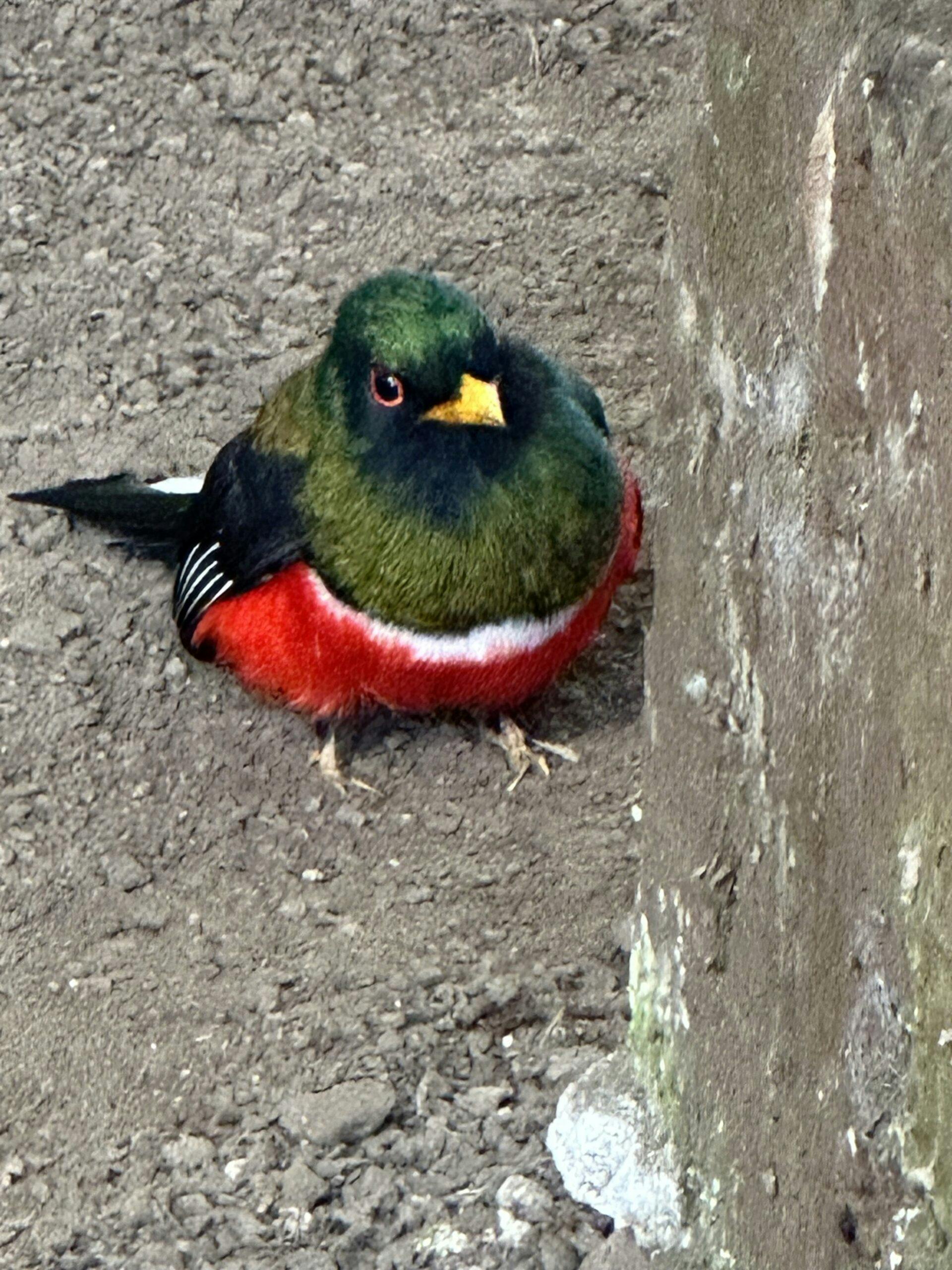
Day 4 – Arrival in the Galápagos
Excitement builds as everyone arrives in the Enchanted Islands and settles in on board the Samba. No time is wasted and the group has their first landing on the pristine Mosquera Islet, enjoying their first encounters with sea lions and sally lightfoot crabs on sandy beaches. The day ends as they cruise towards Genovesa Island.
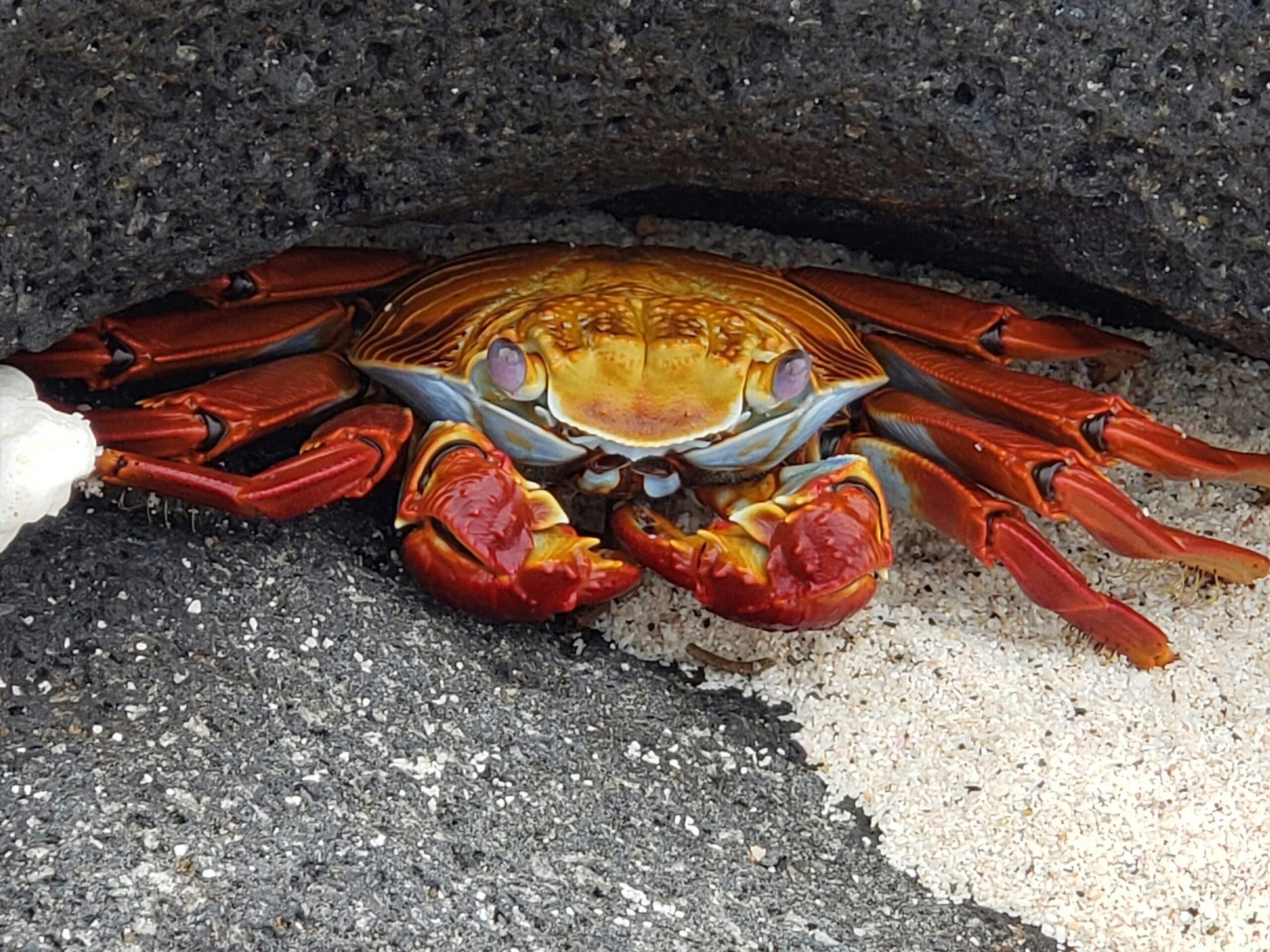
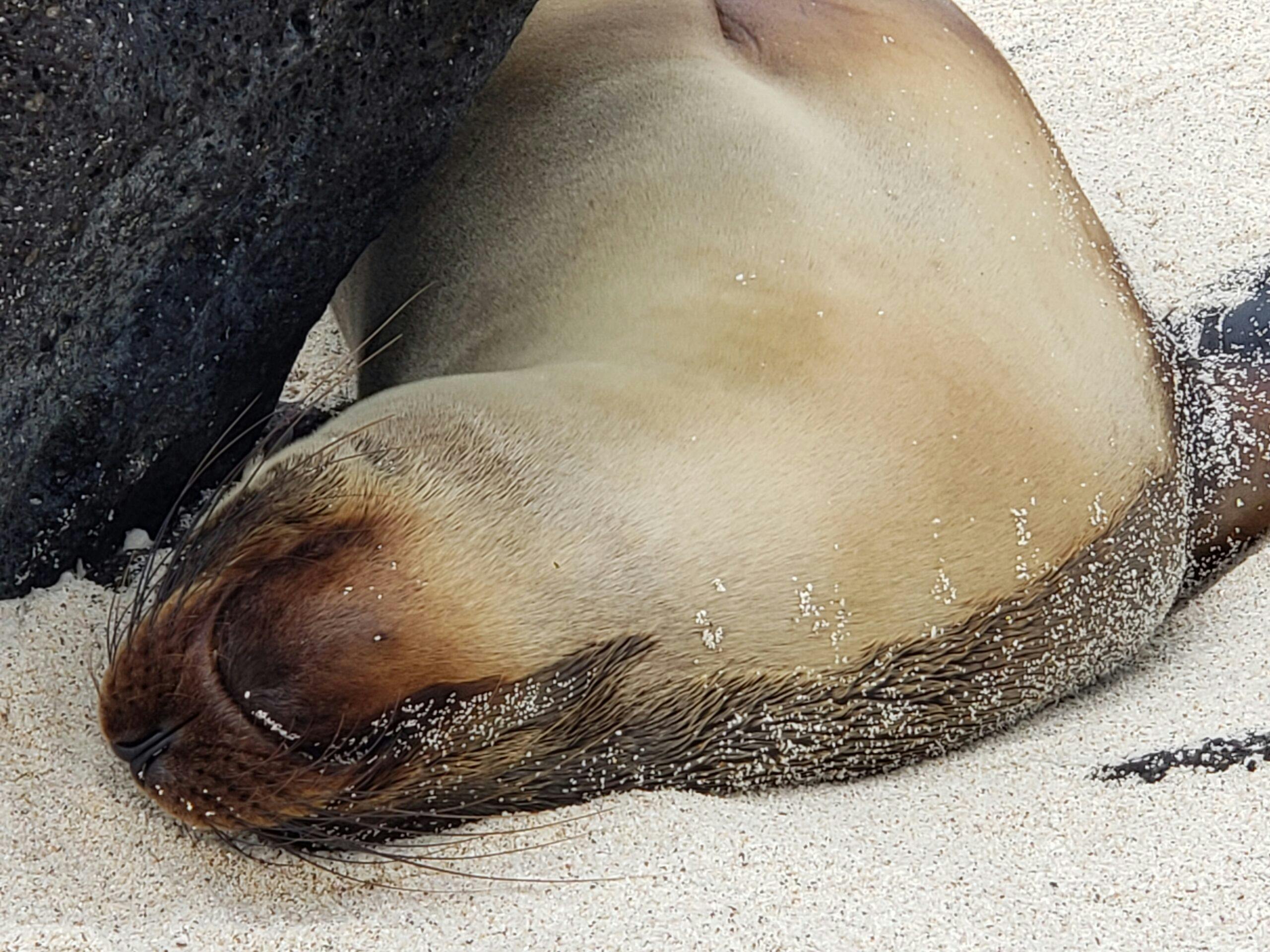
Day 5 to Day 17 – Galápagos Archipelago Exploration
The voyage made landings at various islands including the wildlife-rich shores of Isla Fernandina, the historic sites of Isla Floreana, the picturesque Isla Santiago, and many others. Each location offered unique experiences from snorkeling in biodiverse waters to observing rare bird species during walks onshore or while kayaking along the coastline.
“The snorkeling on this trip blew my mind.” -Steve Thompson
“Encounters with wildlife both on land and in sea, opportunities for fantastic pictures.” -Donna Fernandez
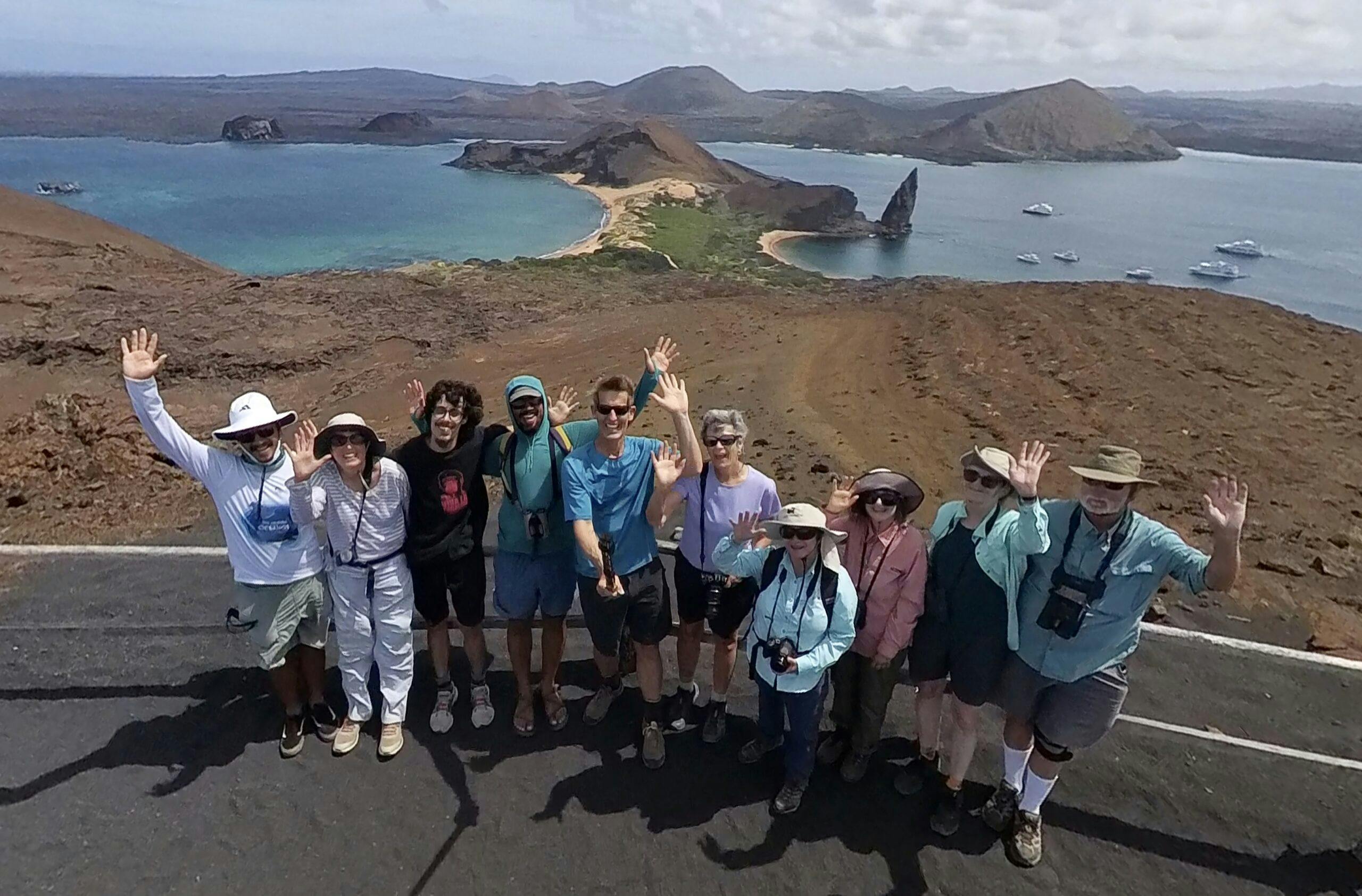
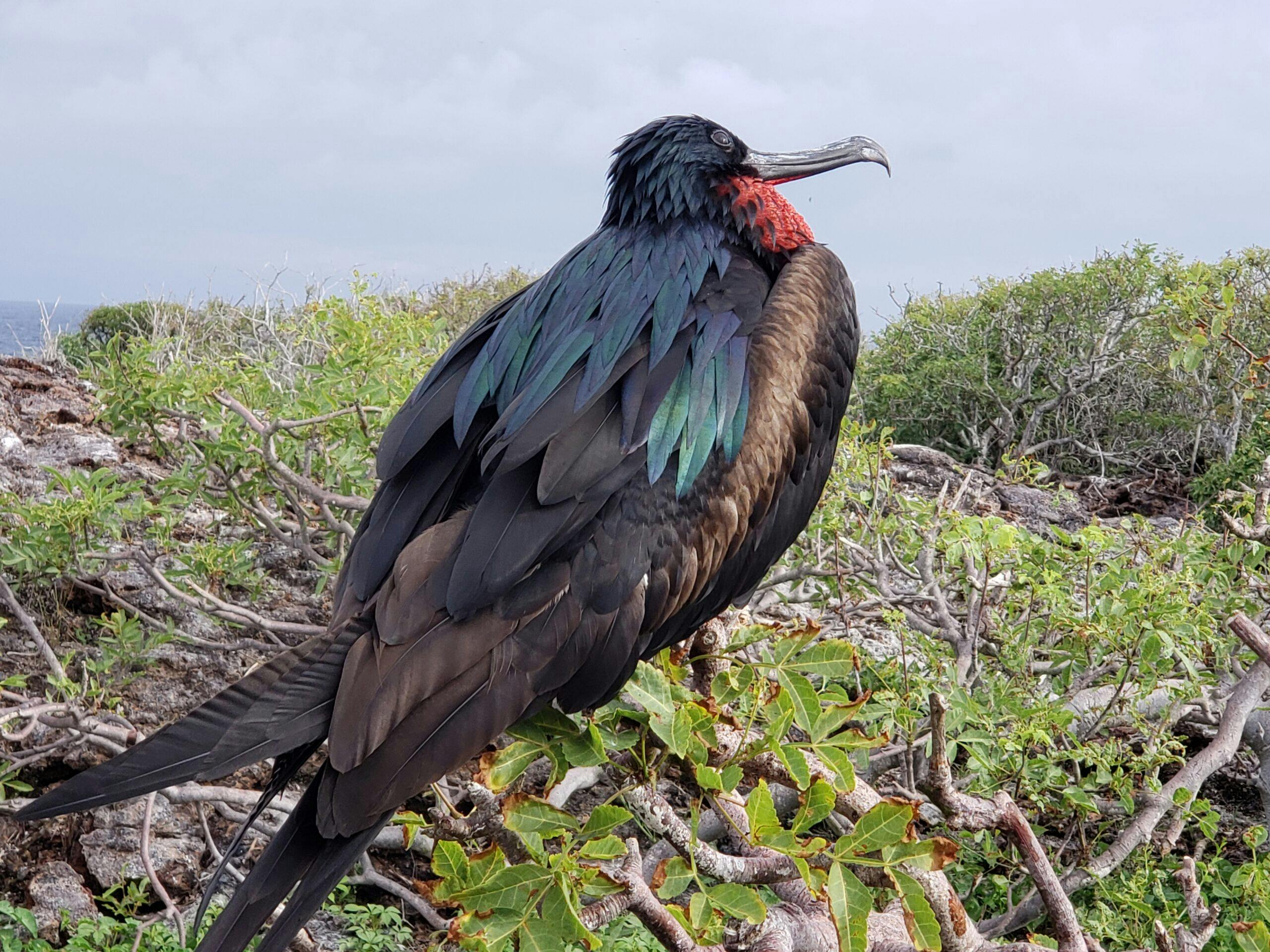

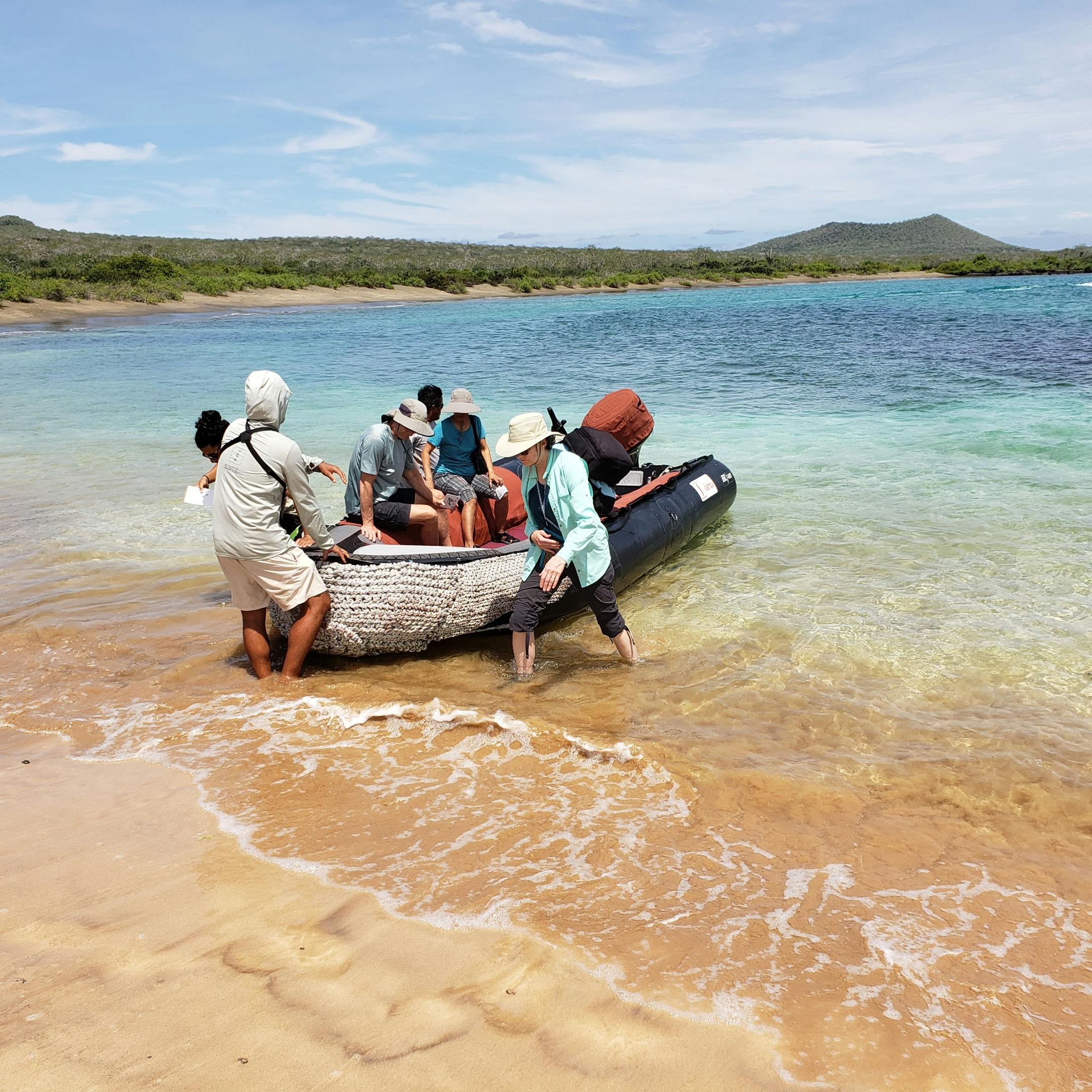
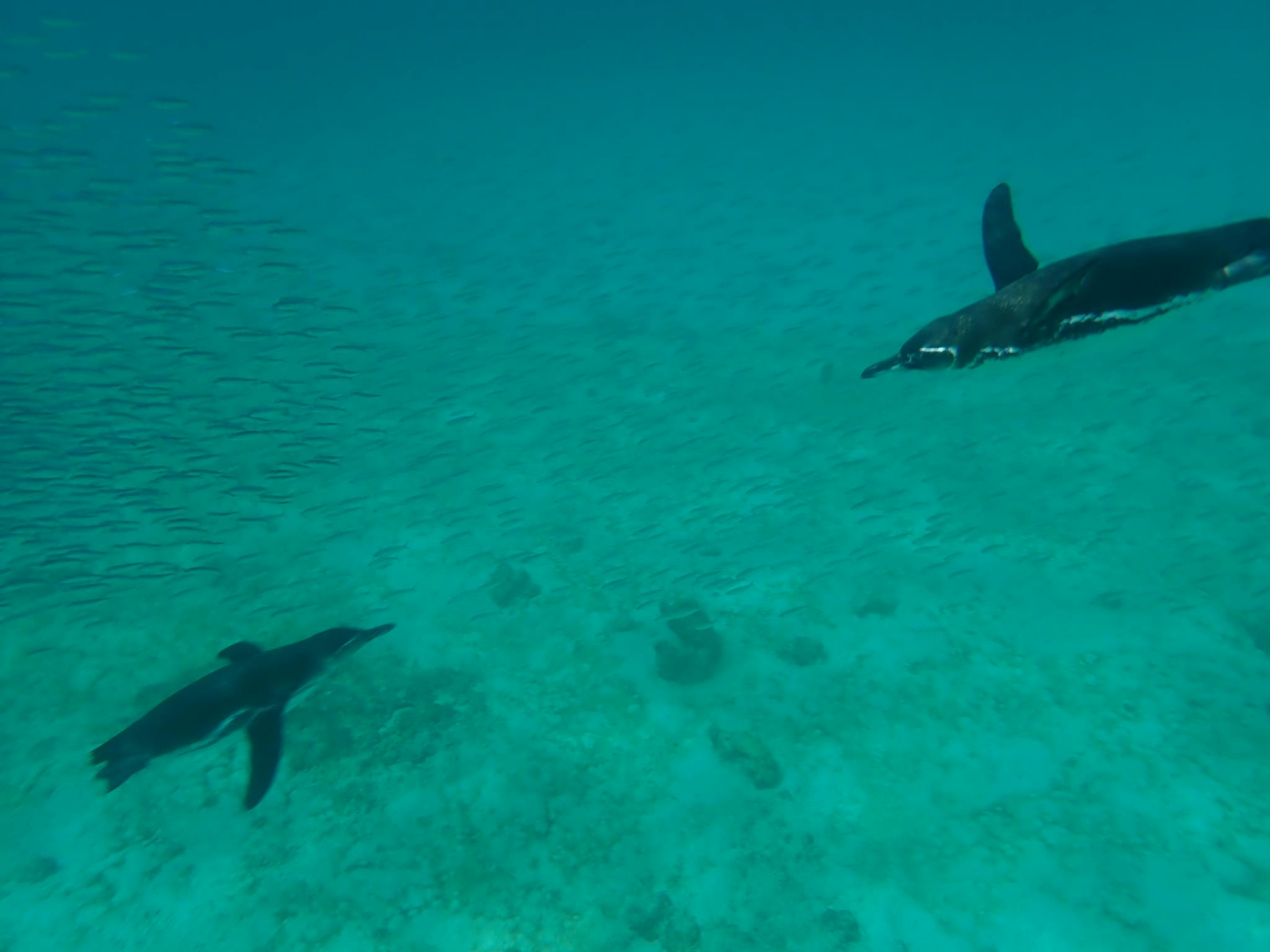
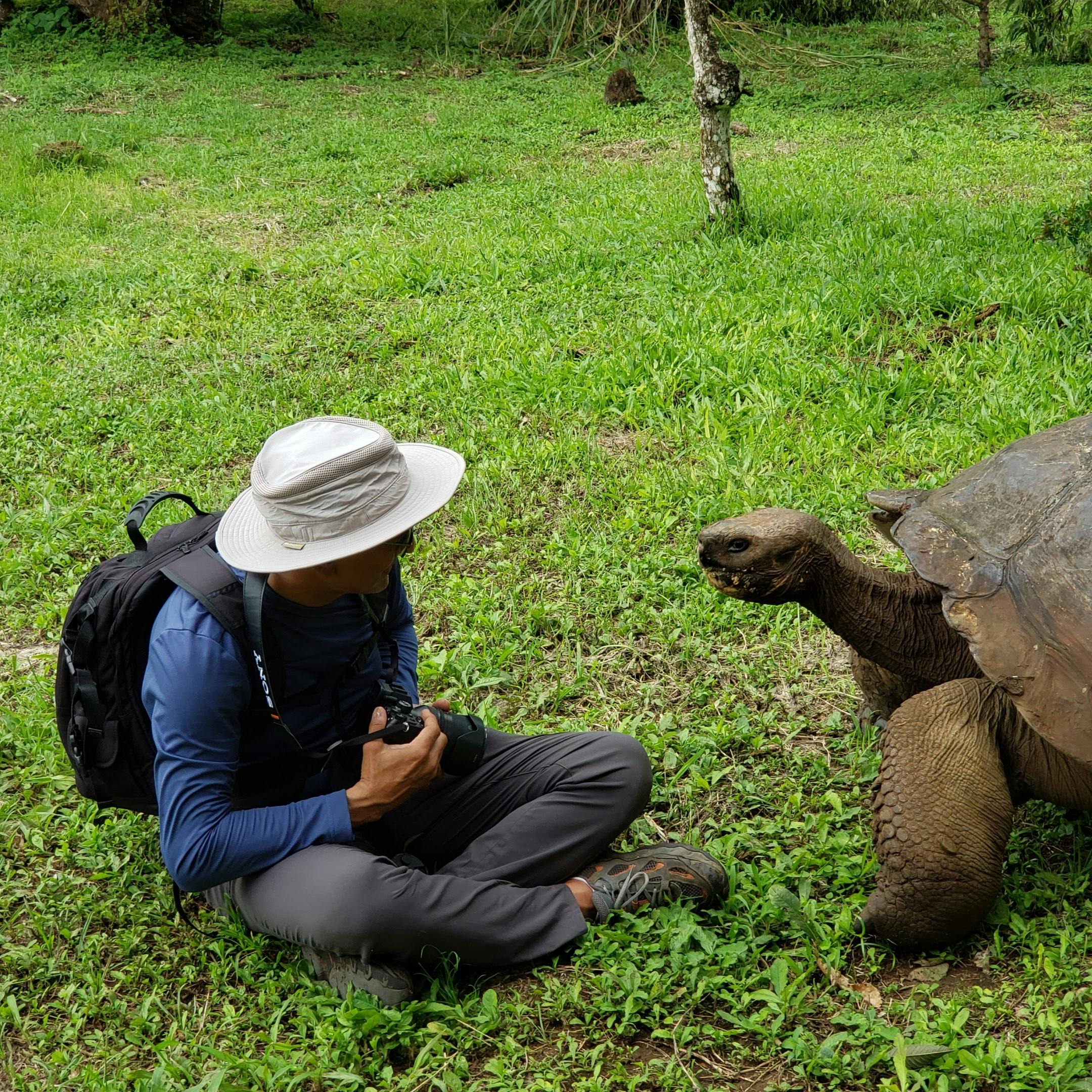
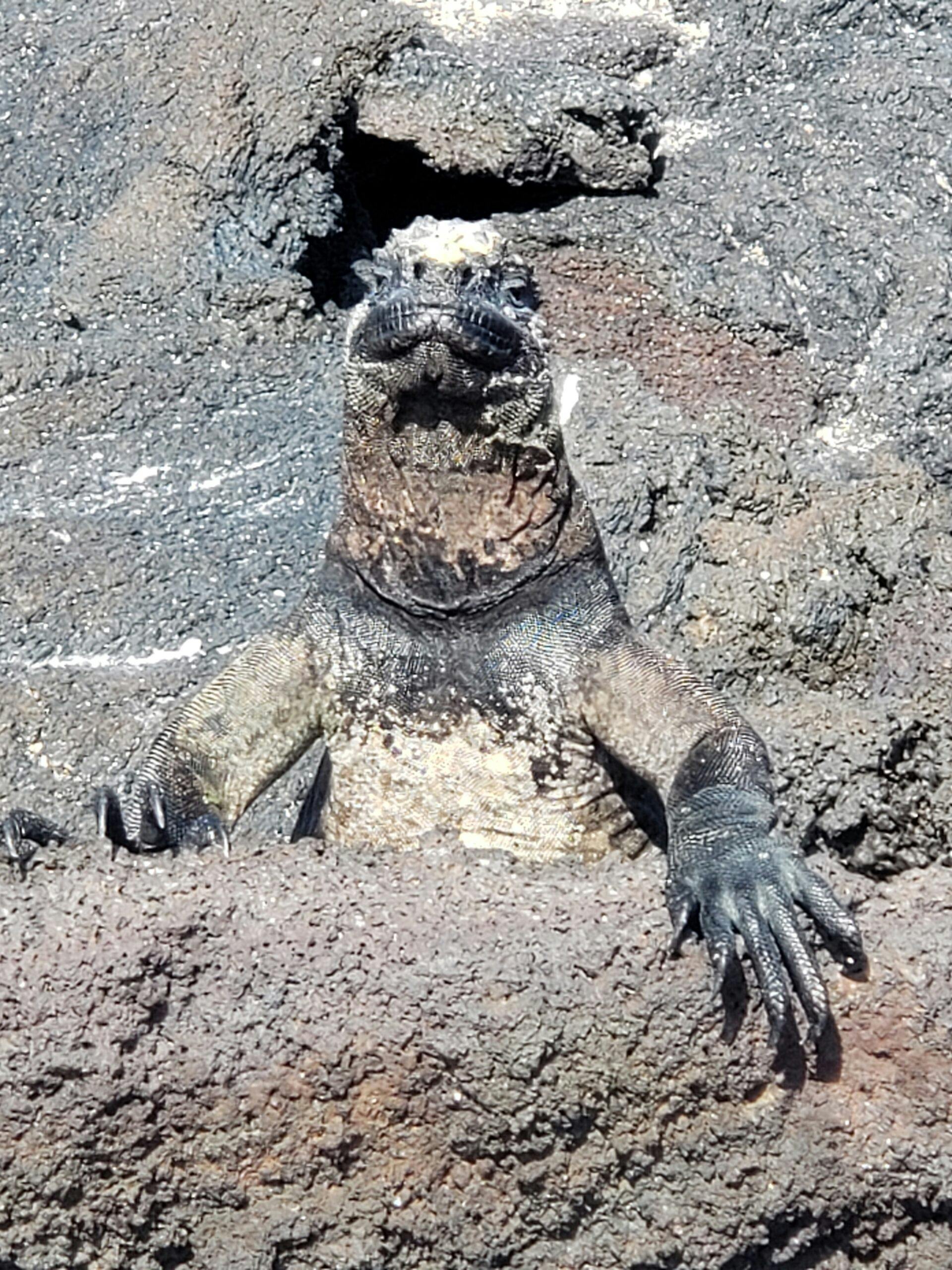
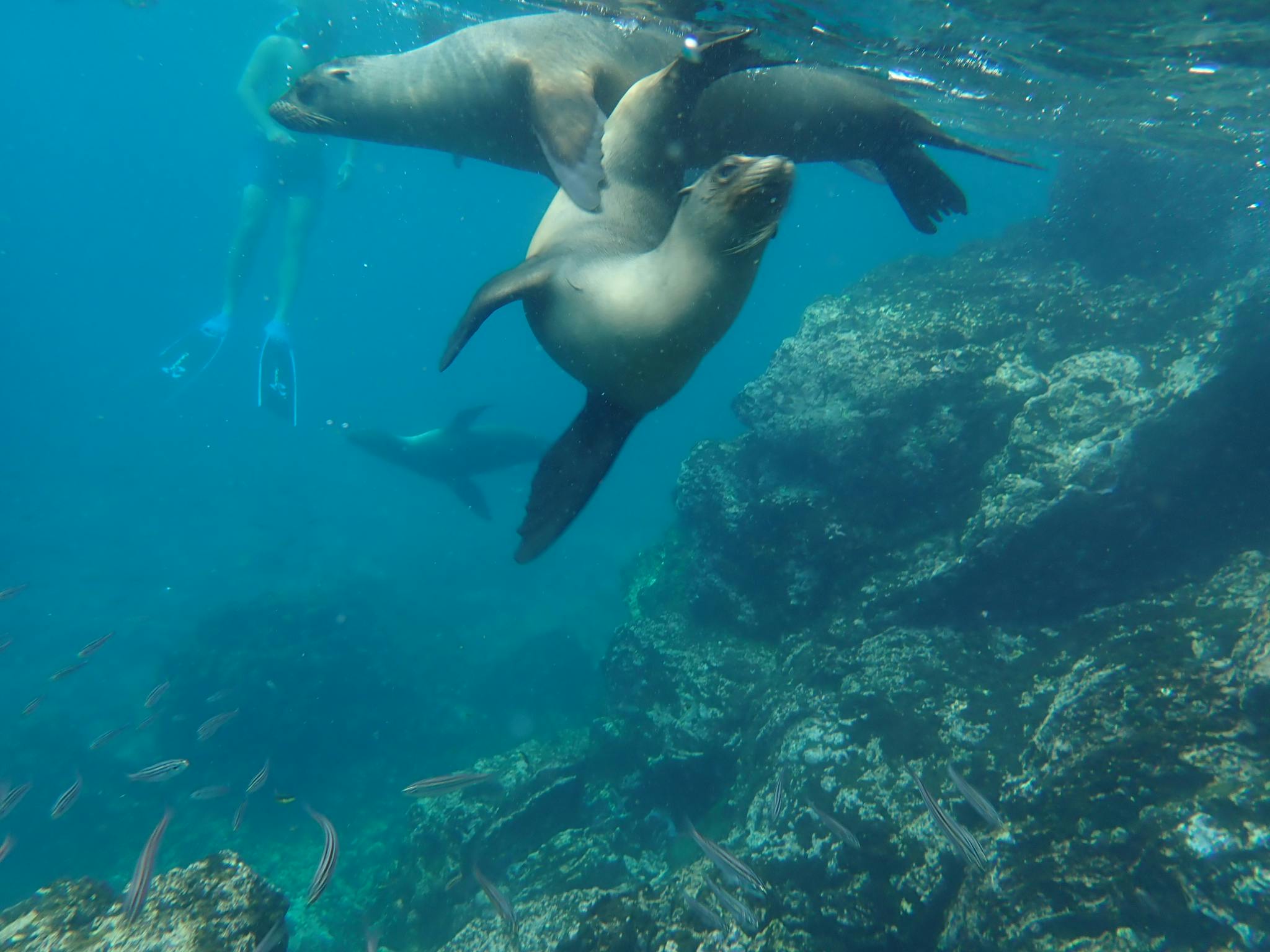
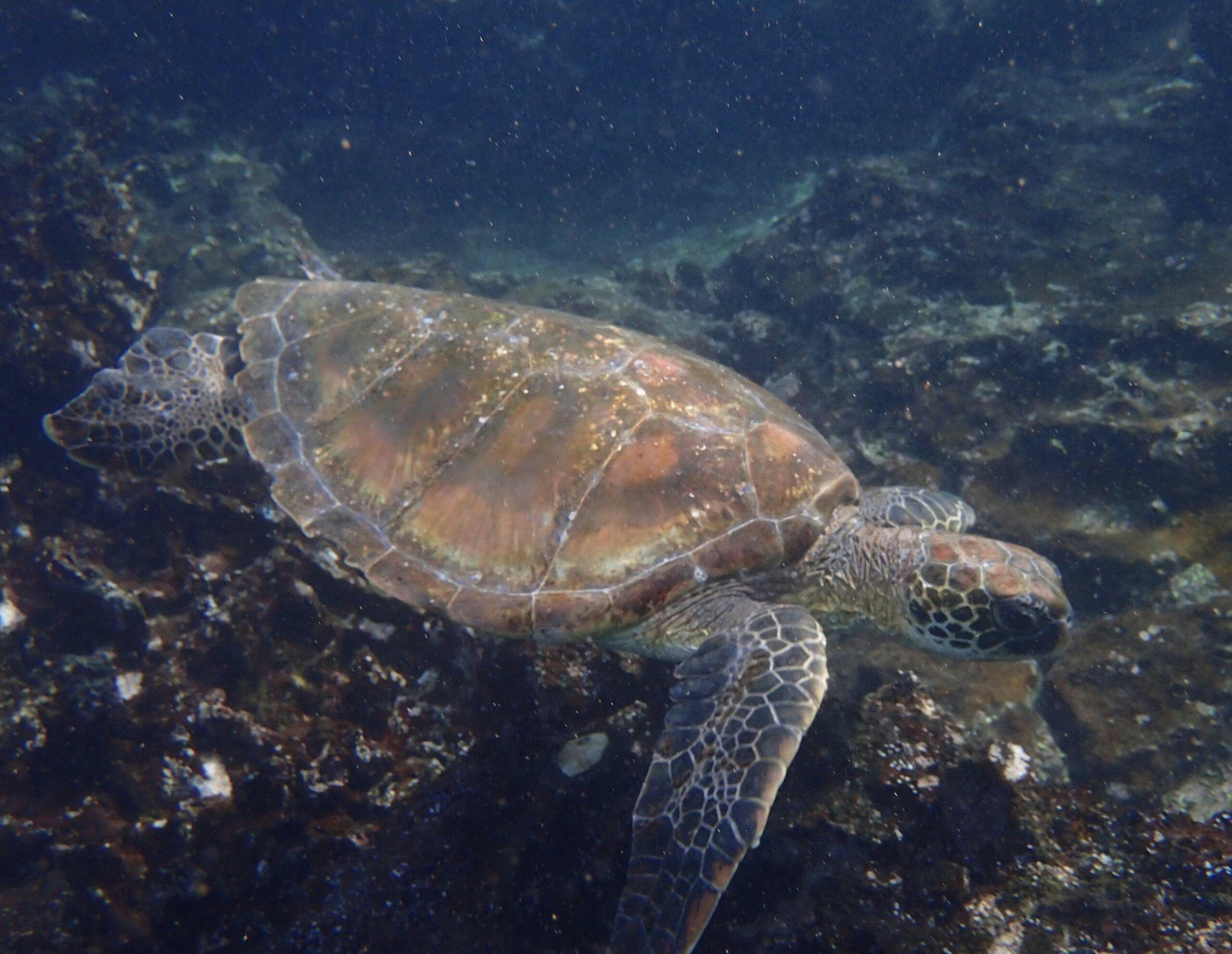
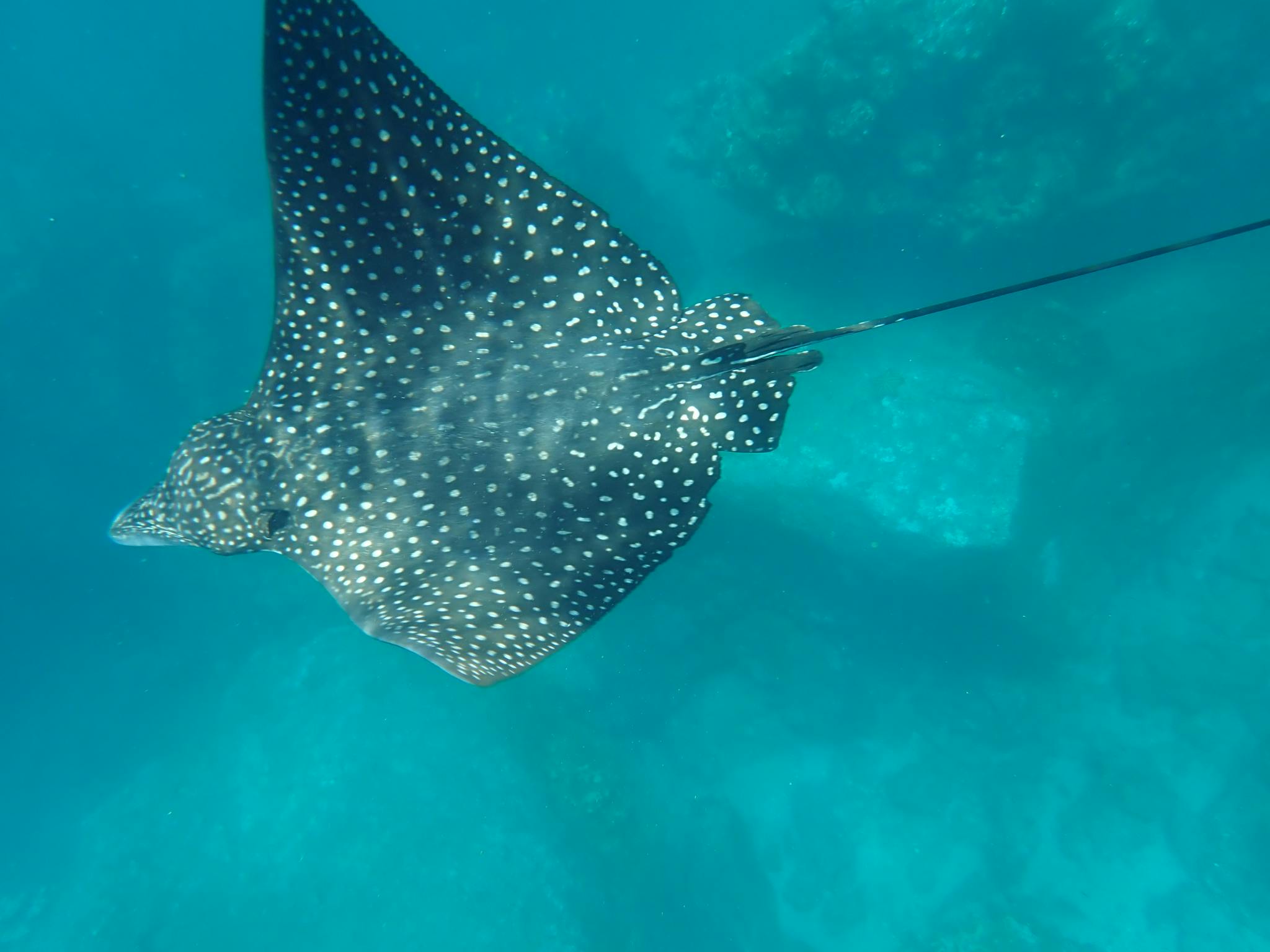
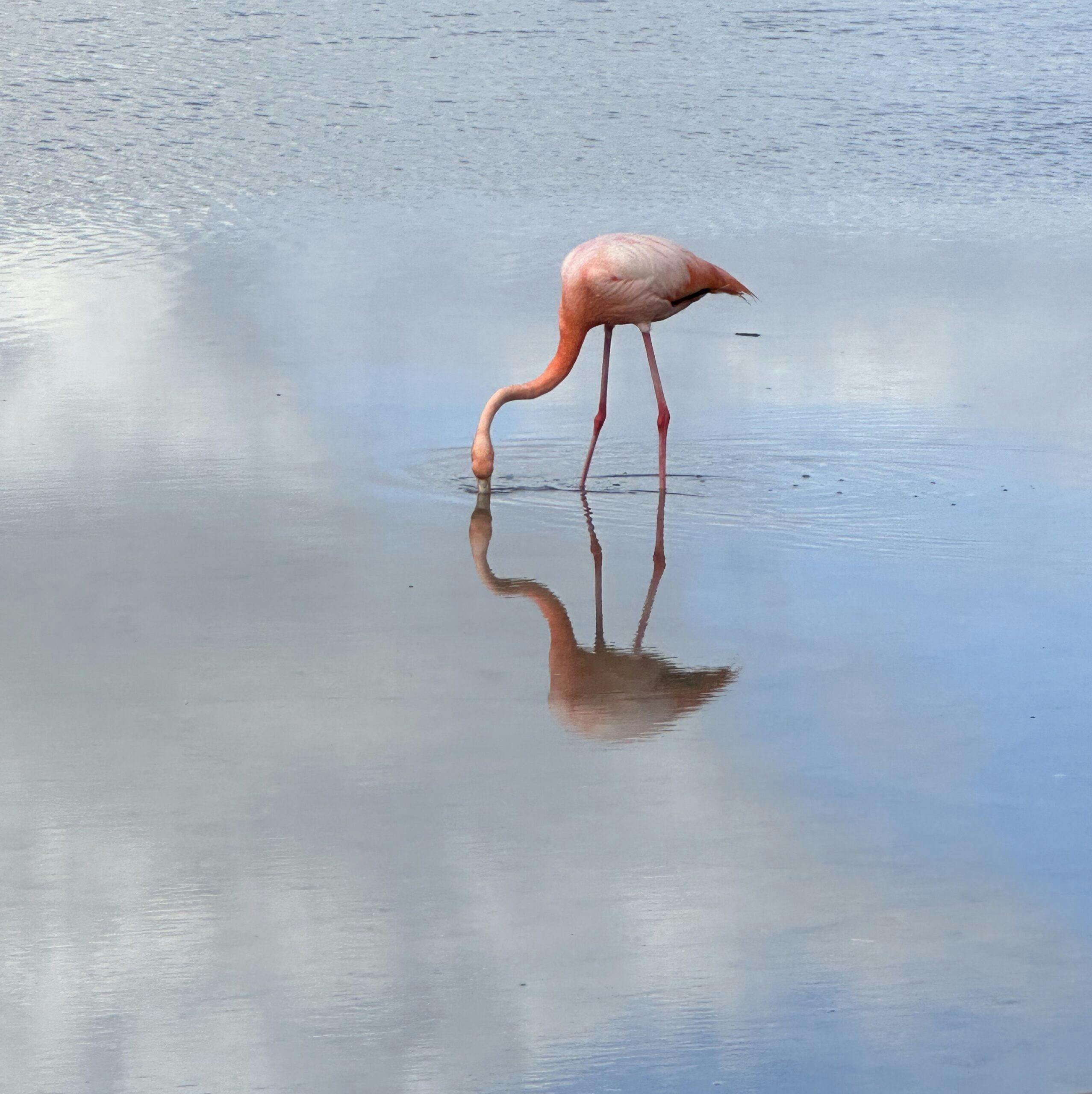
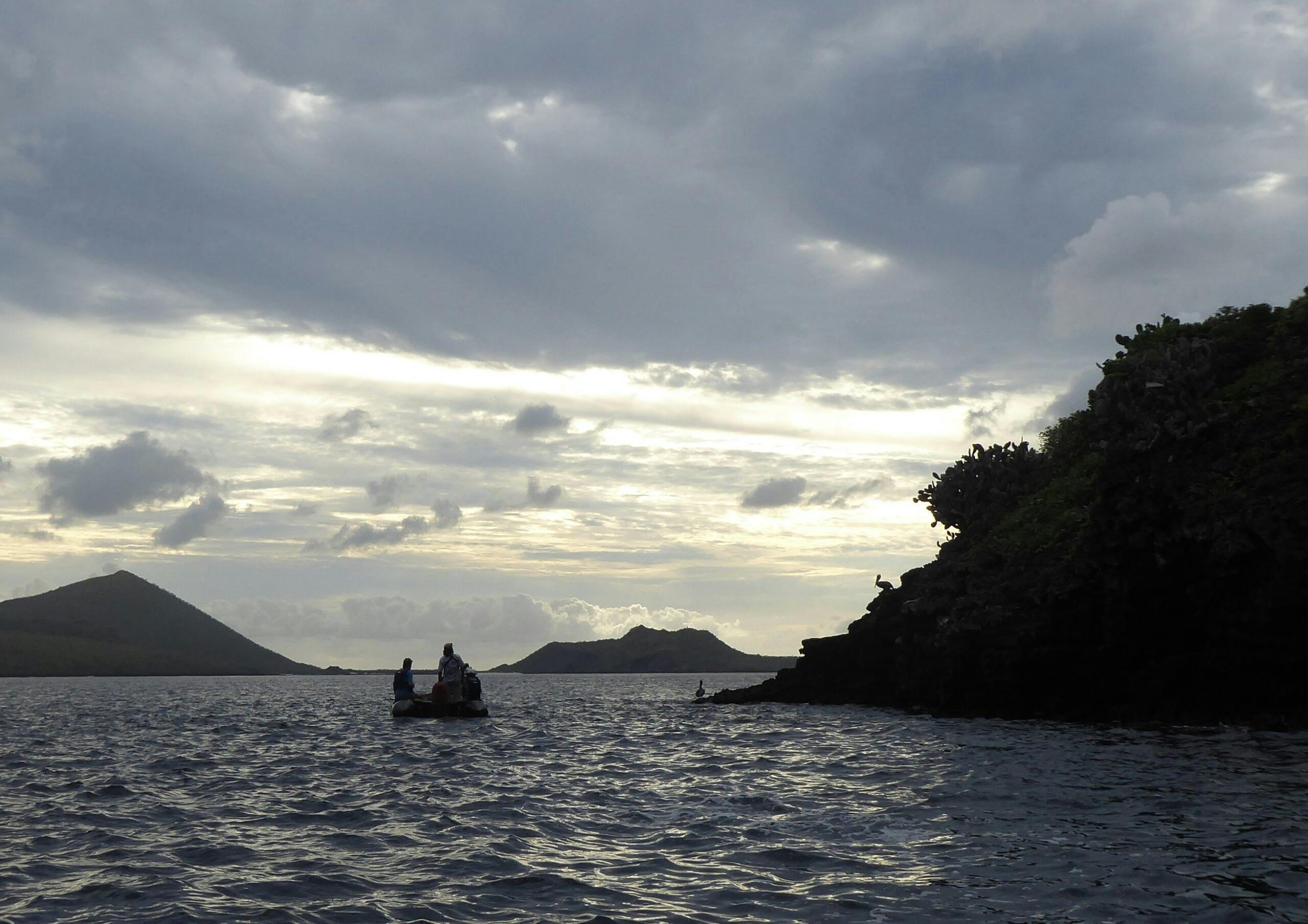
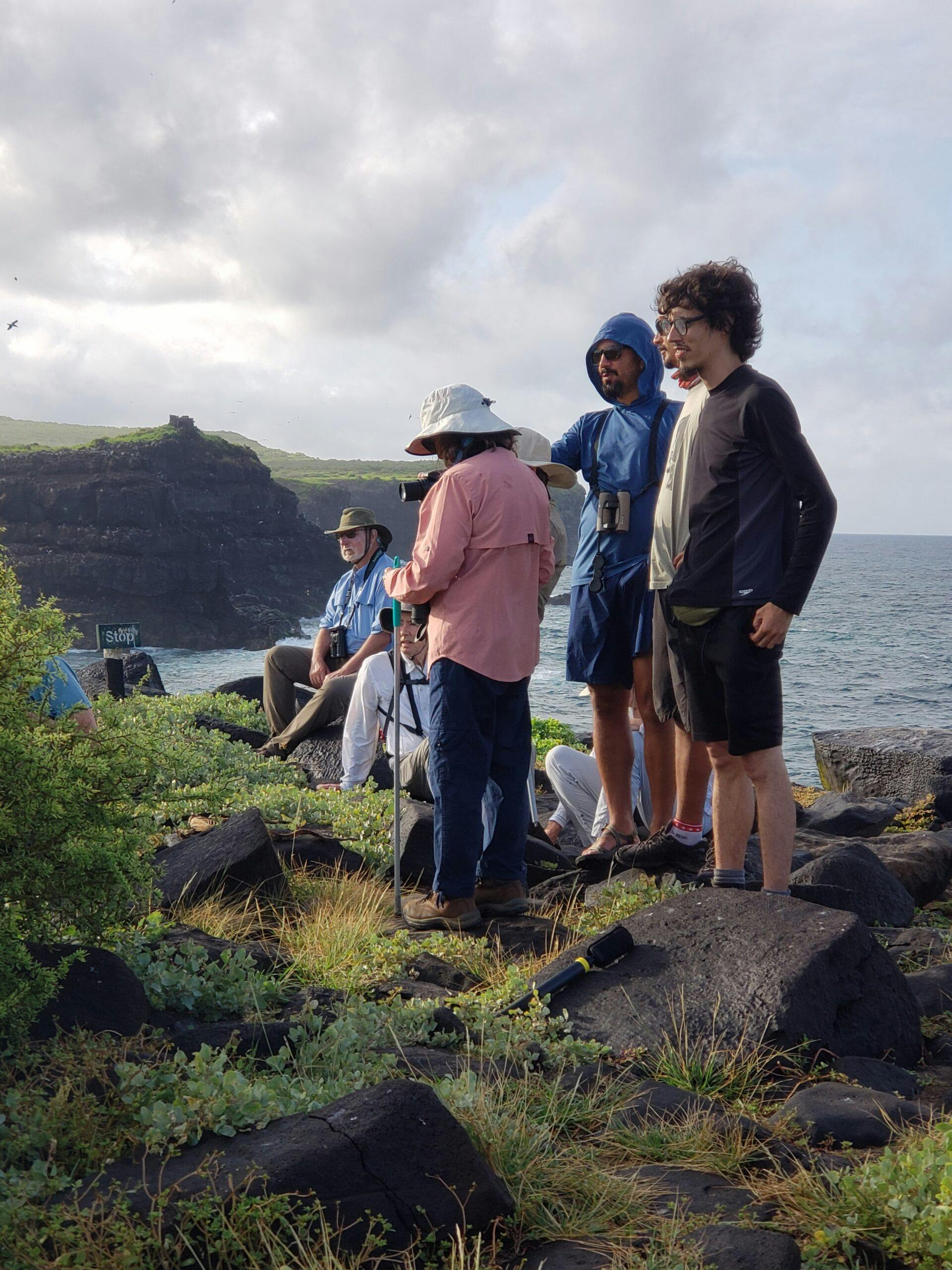
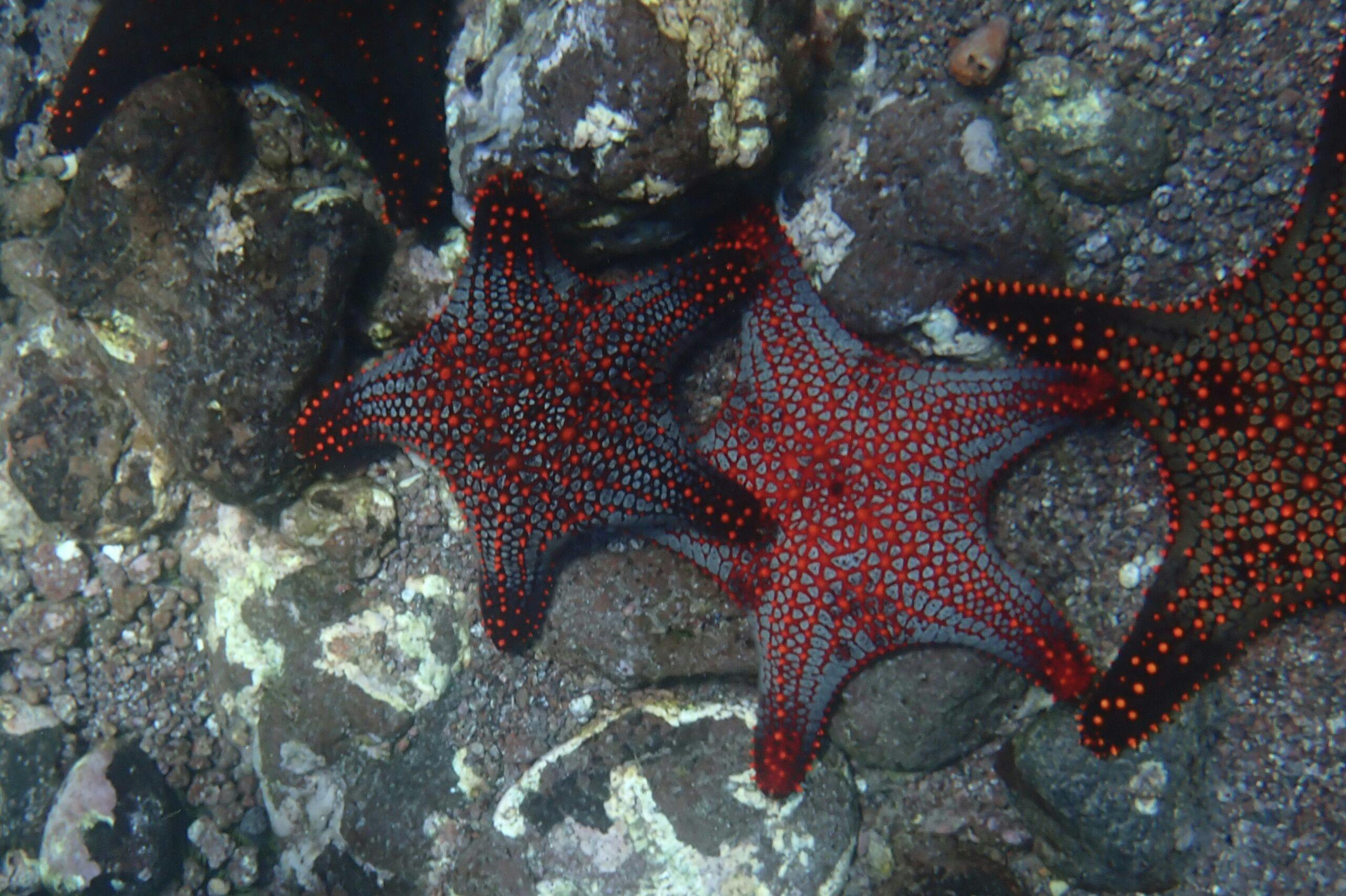
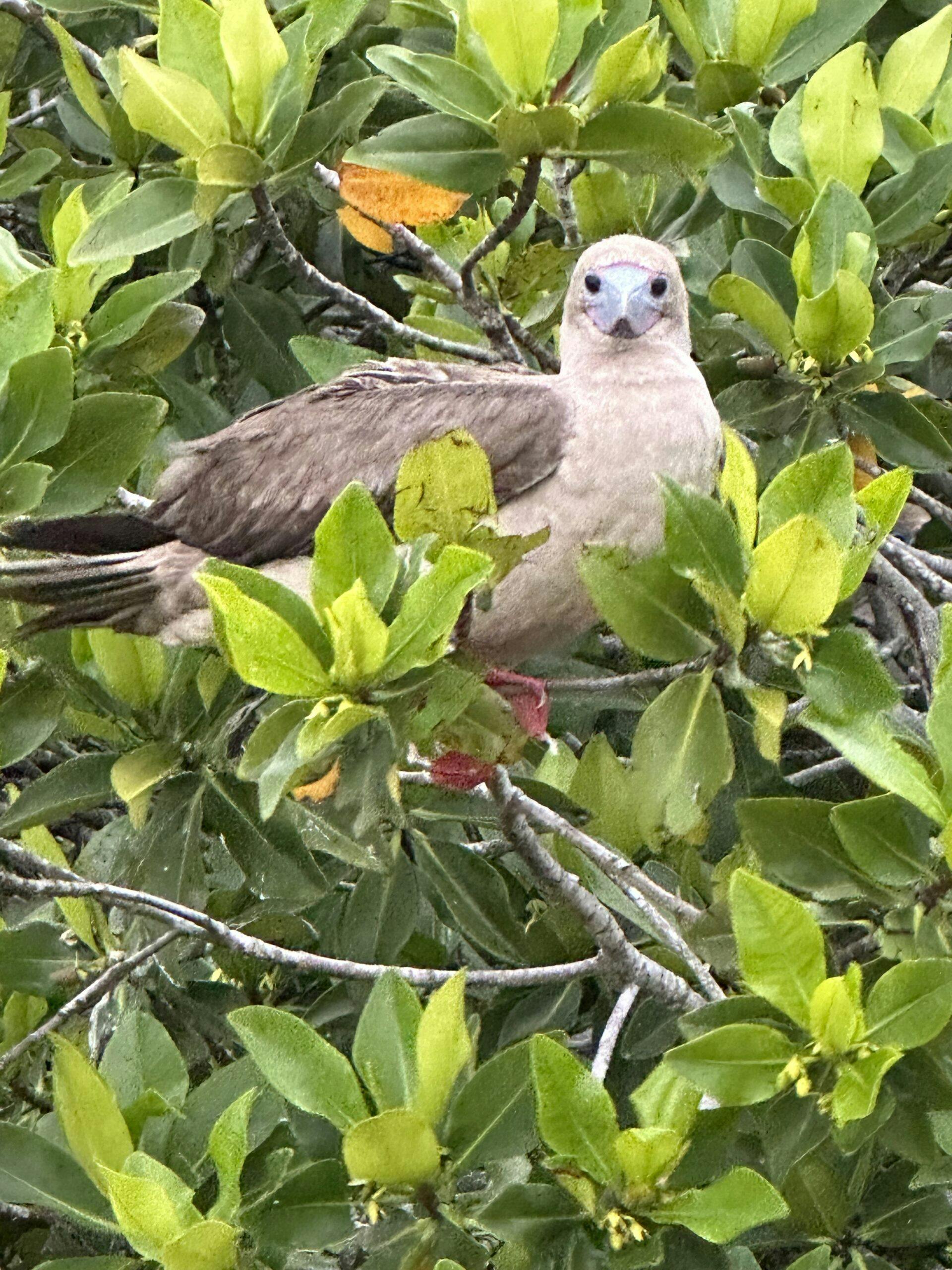
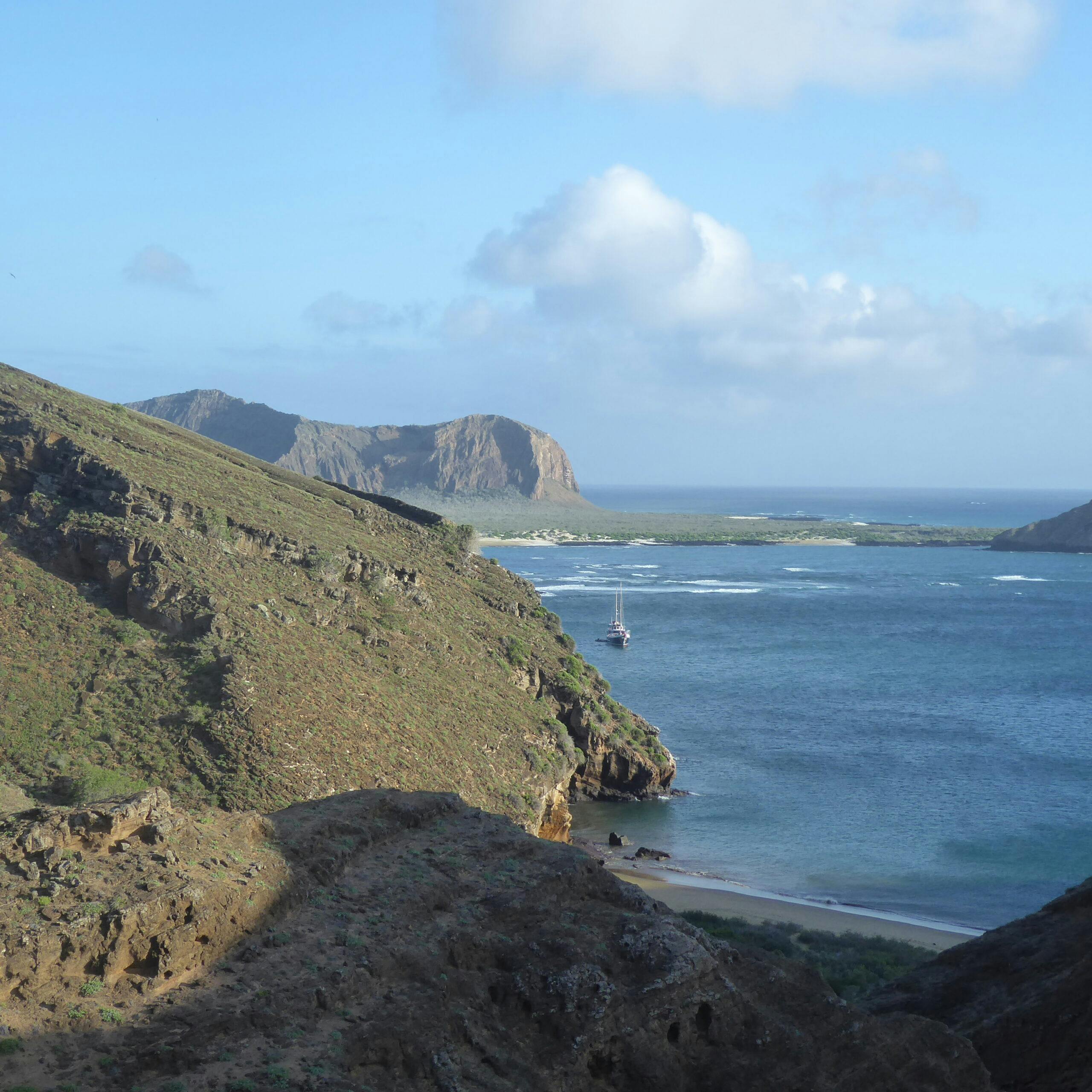
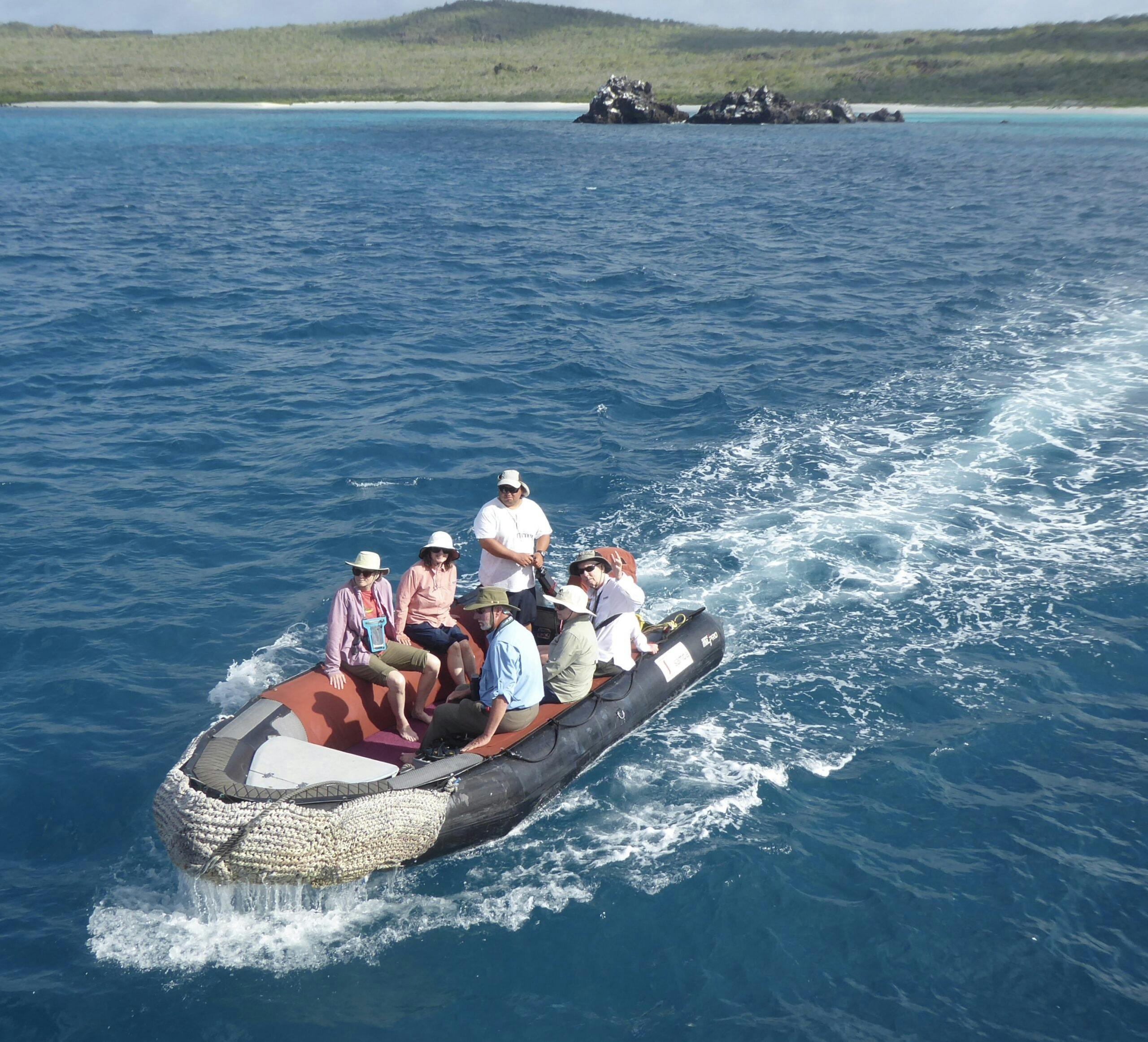
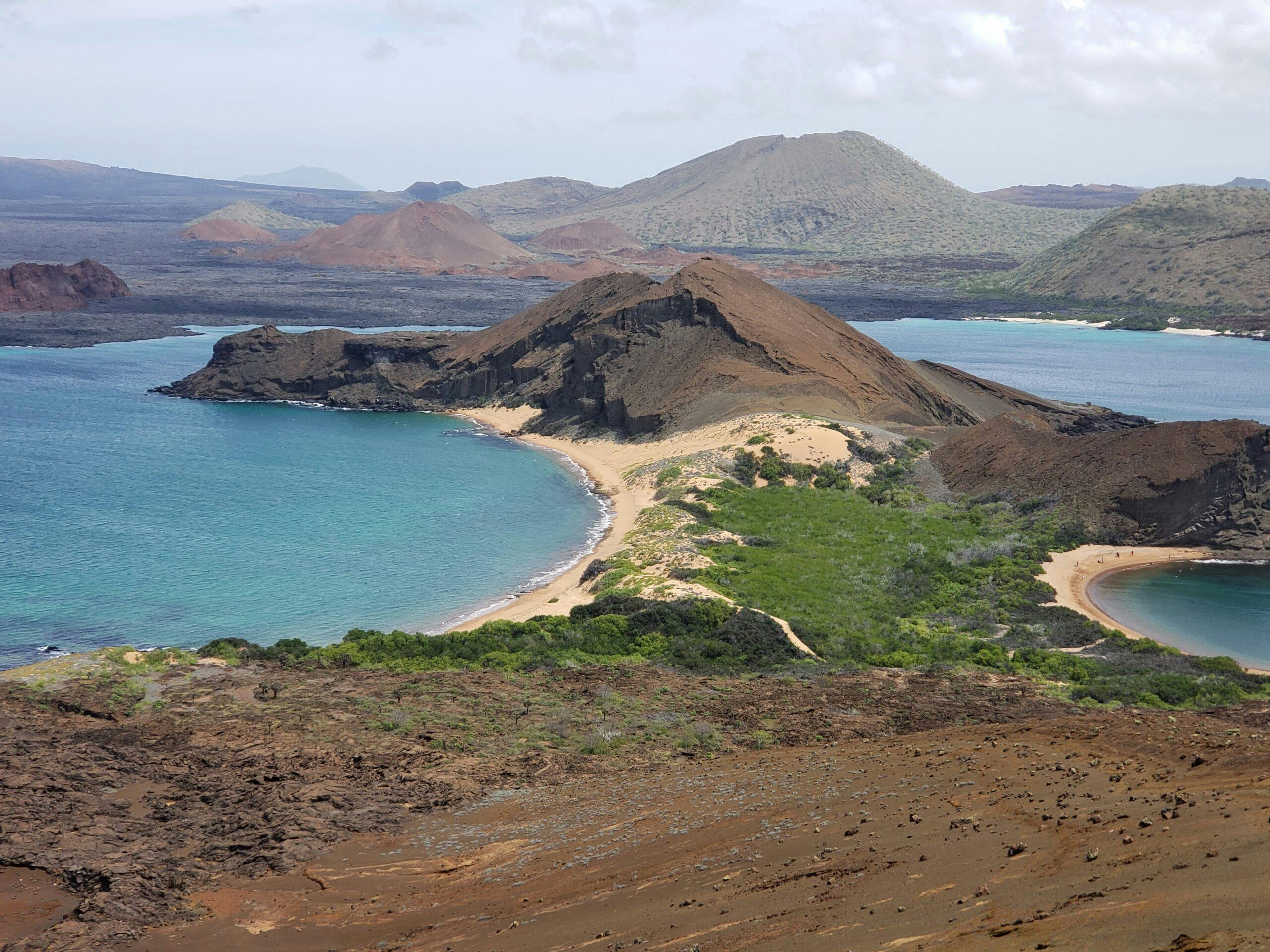
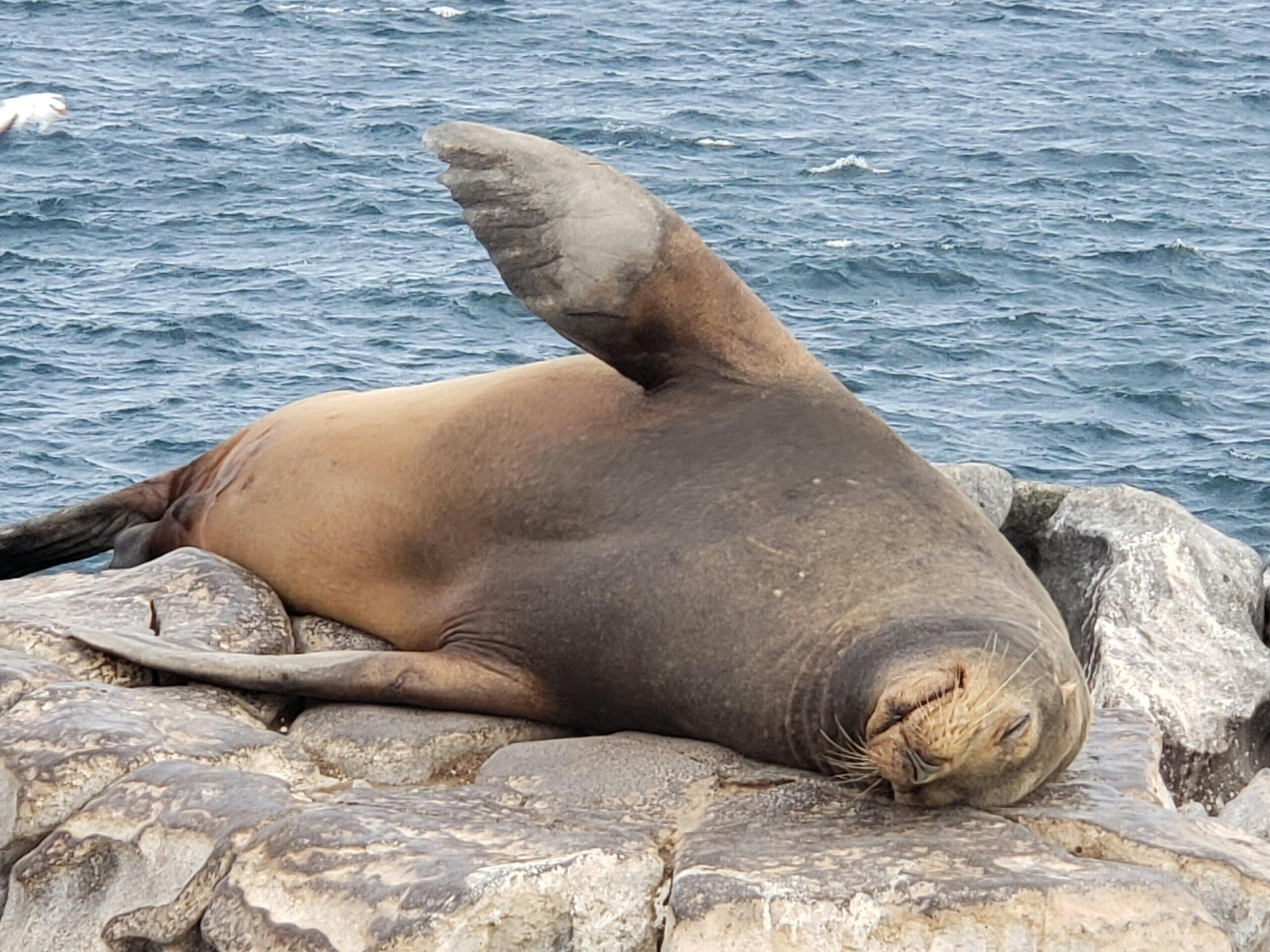
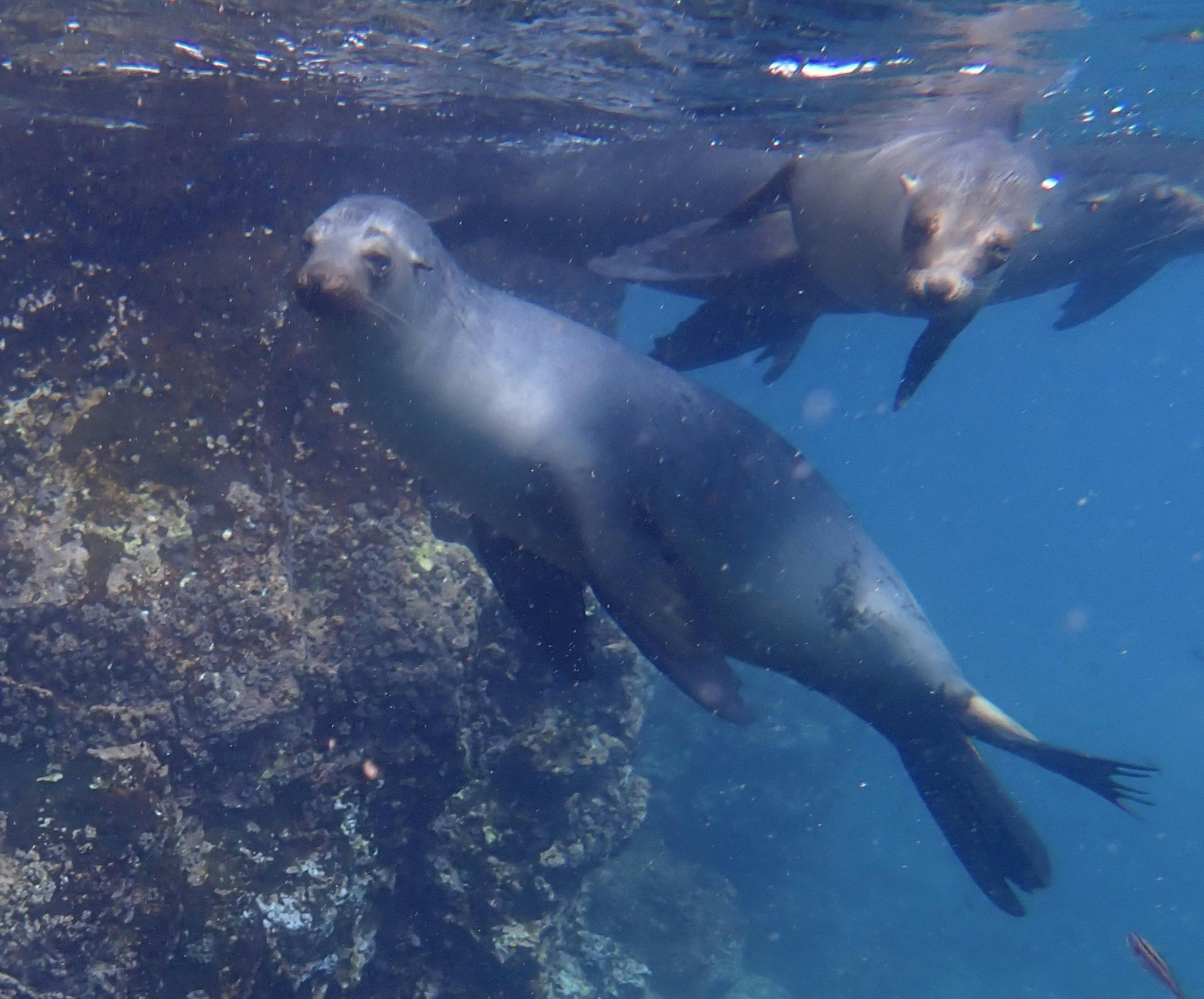
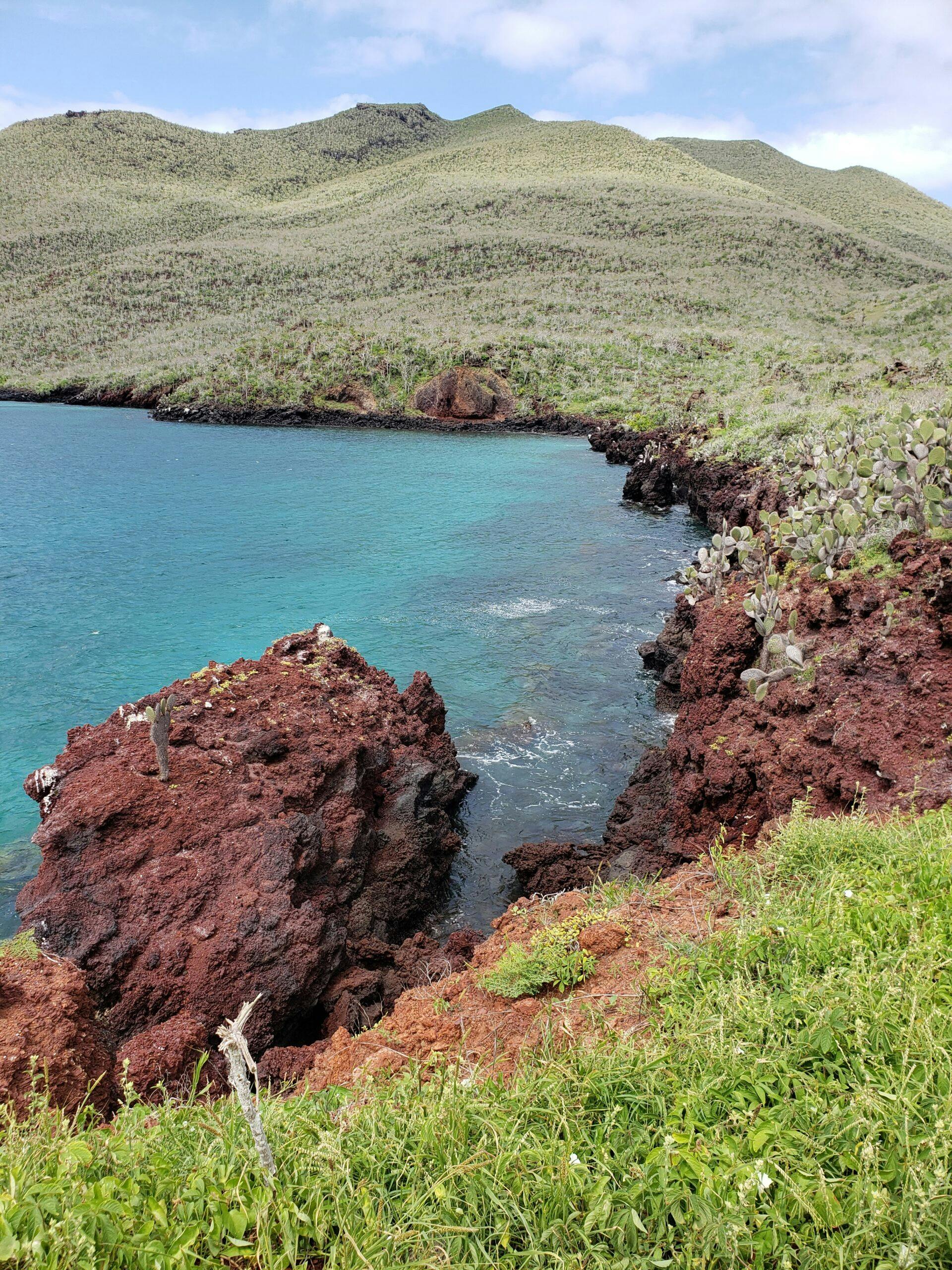
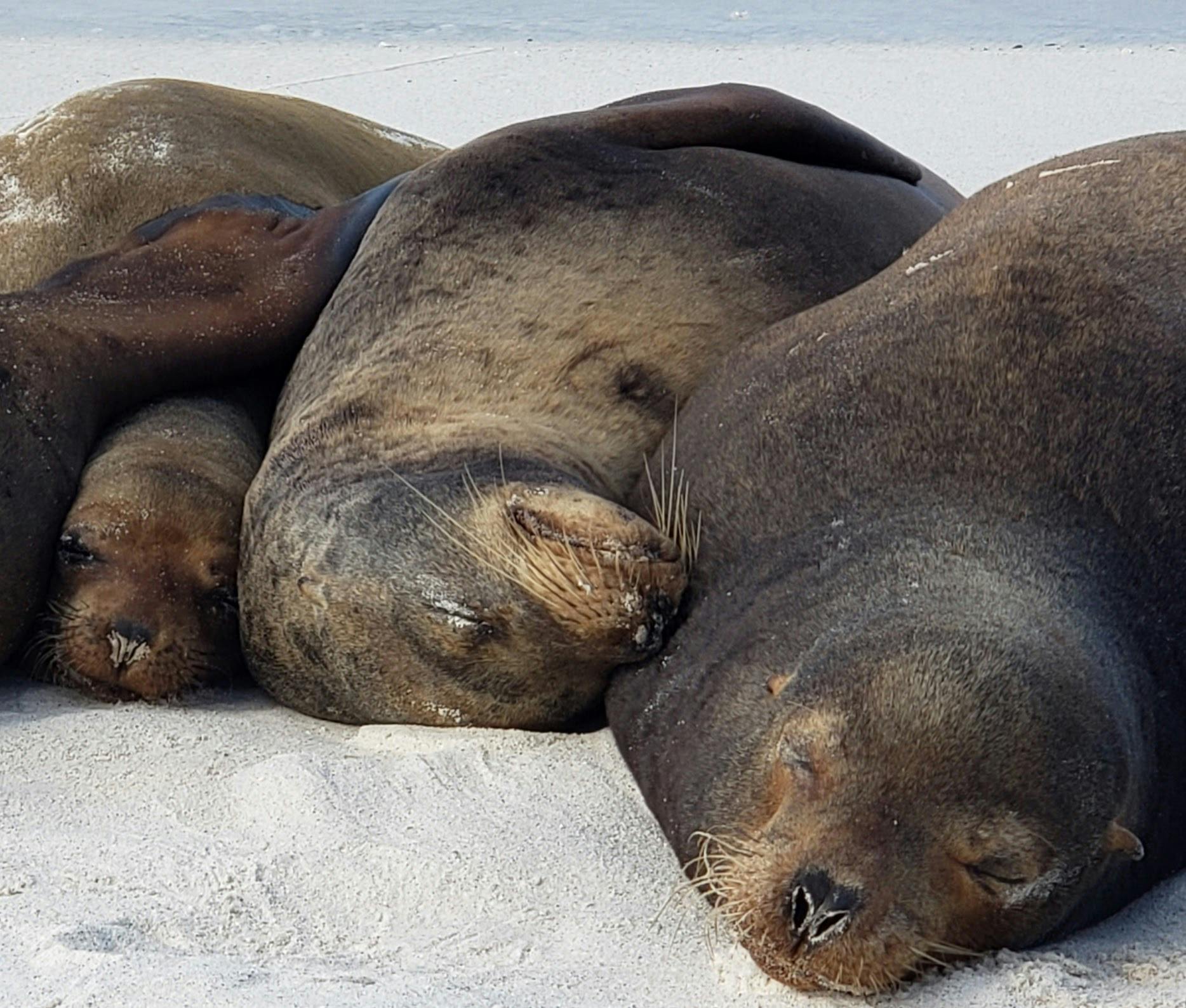
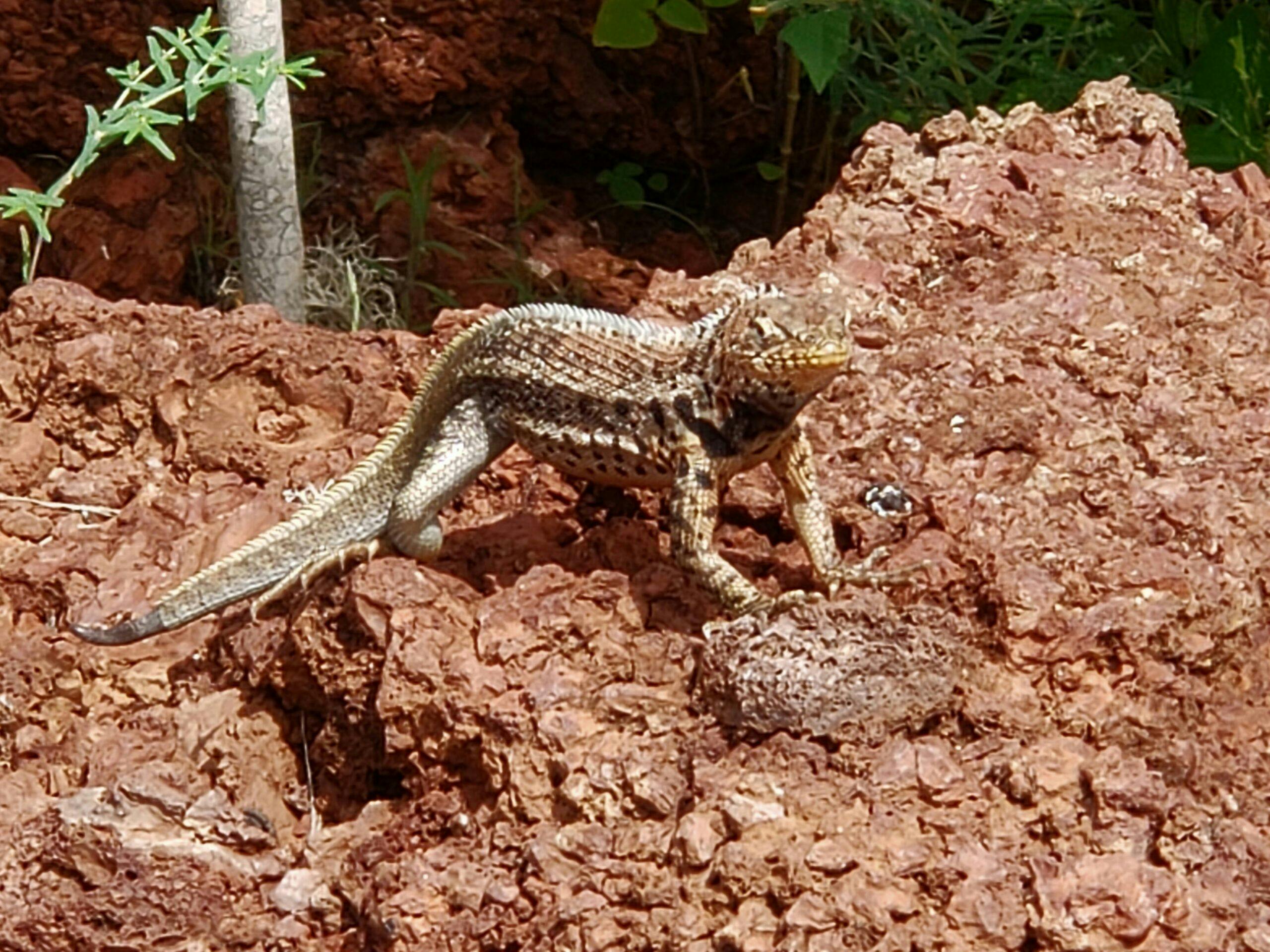
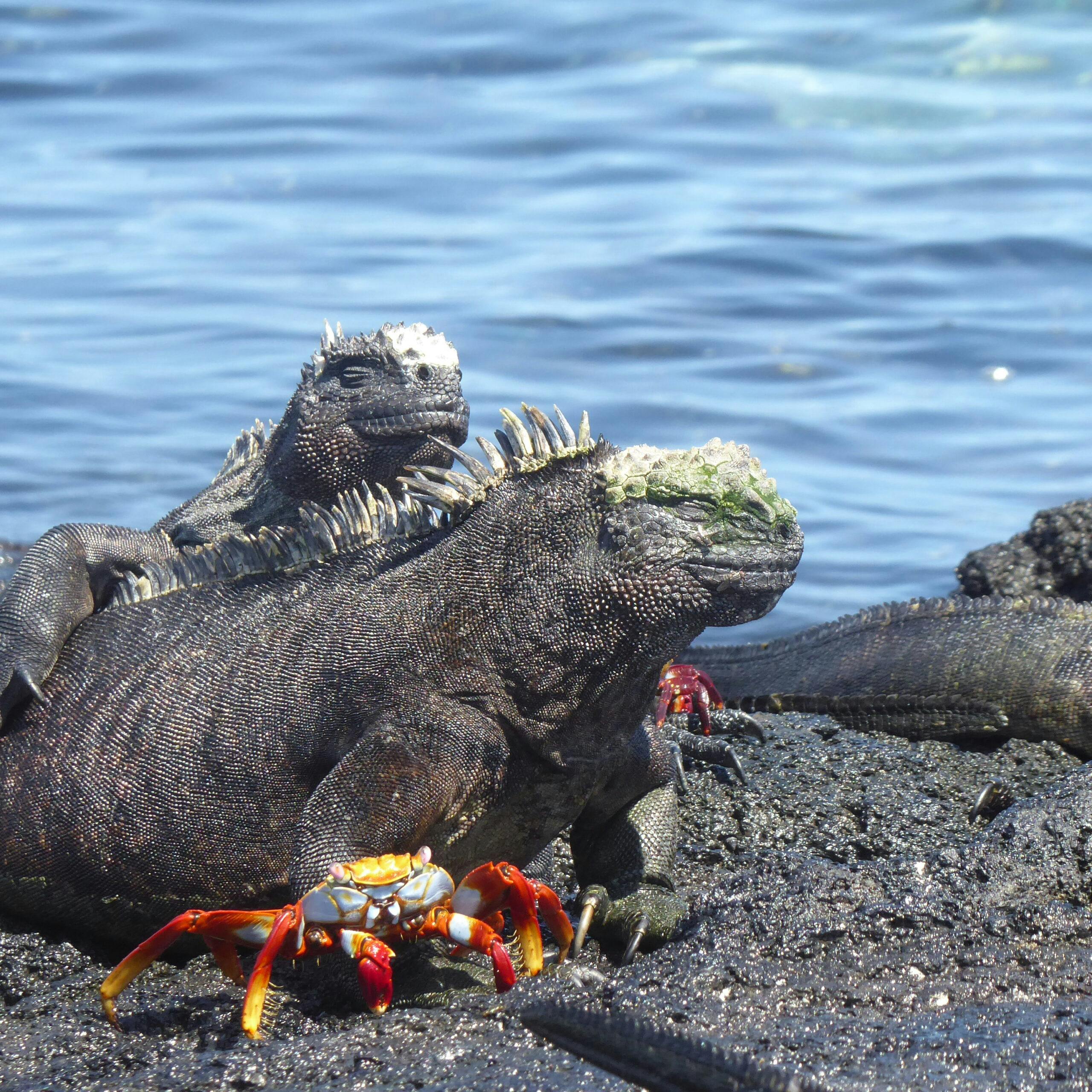
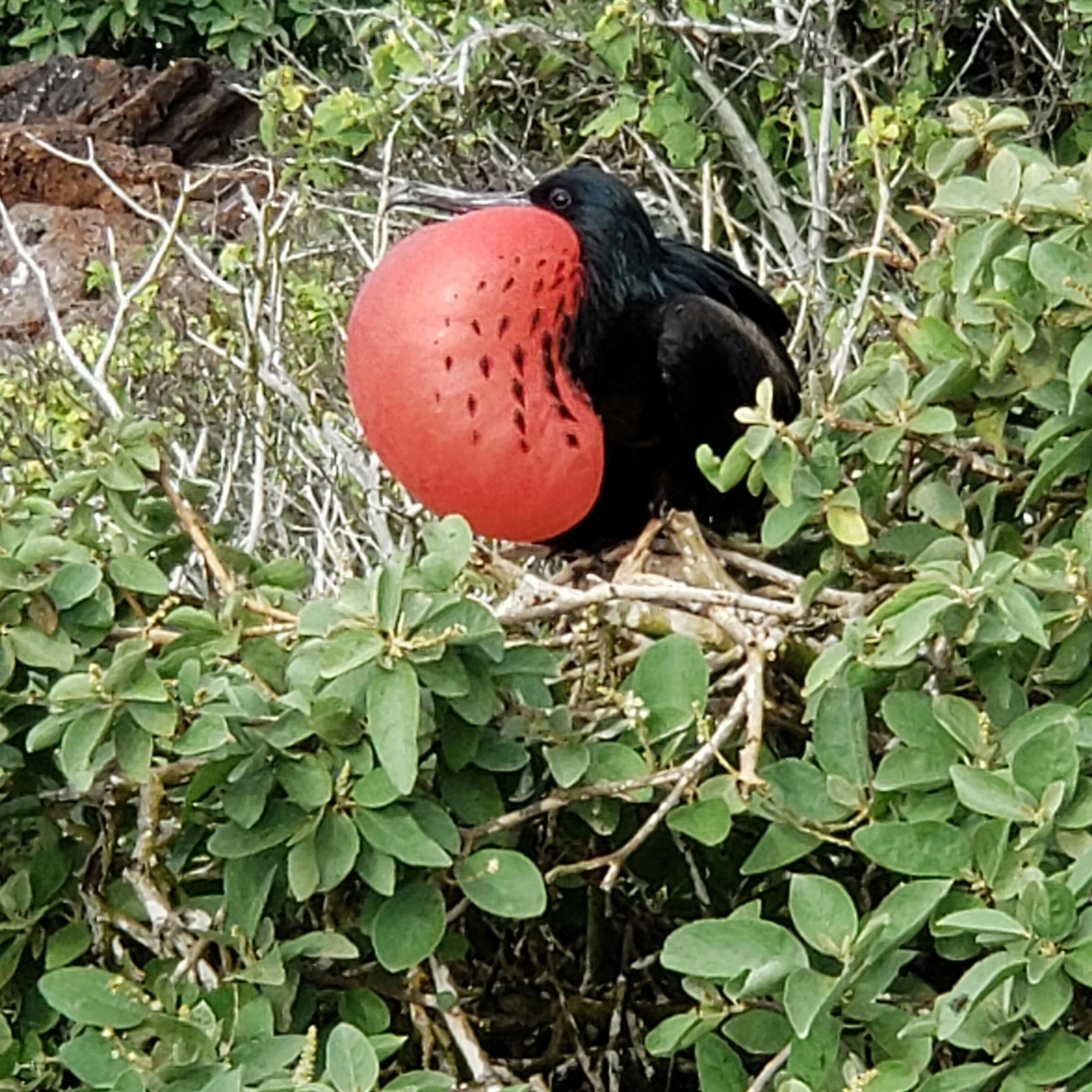
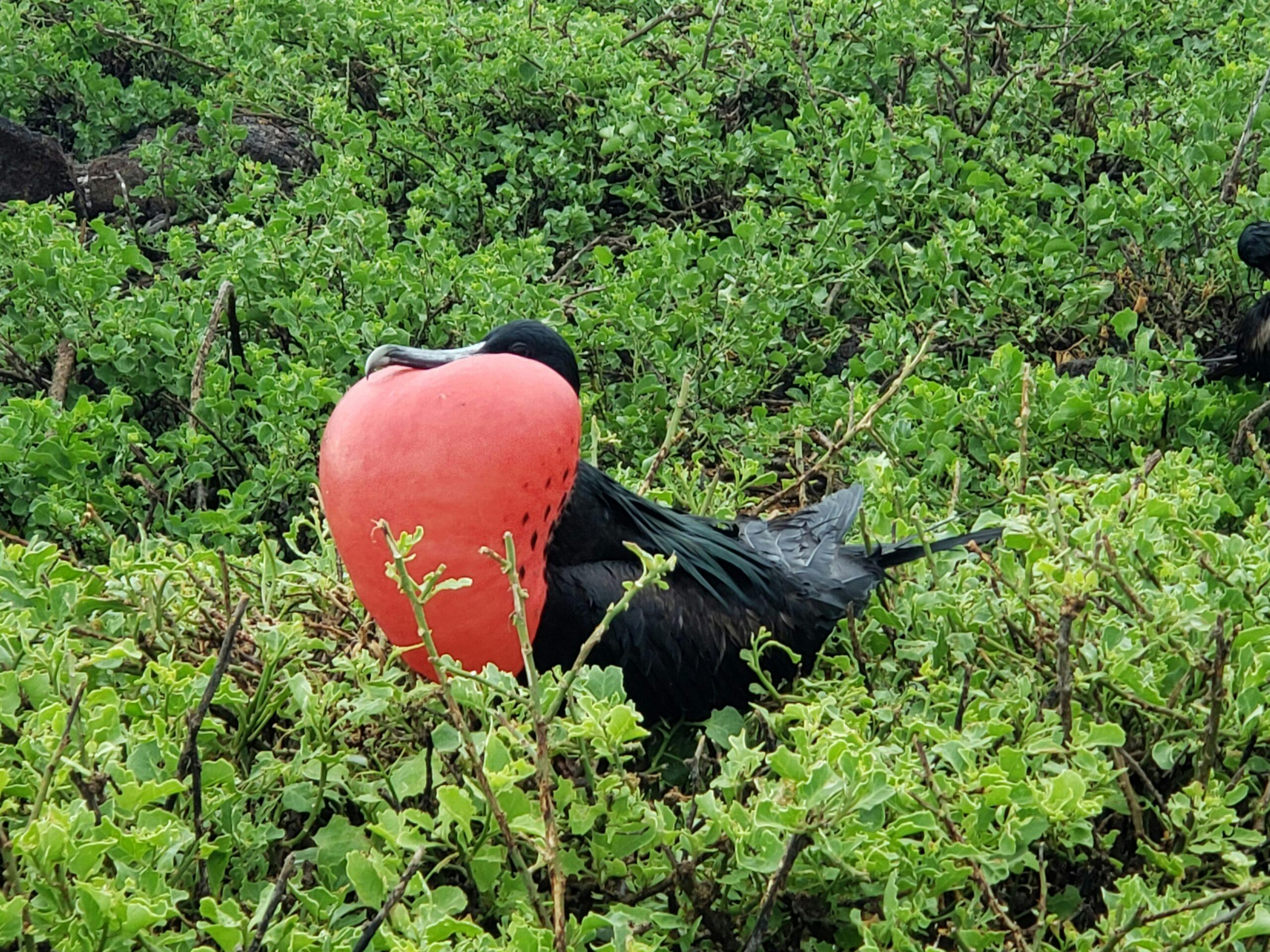
Day 18 – Departure from Galápagos
A final exploration of Isla Seymour Norte allowed for unforgettable encounters with nesting birds and Frigatebirds displaying their red throat pouches. The afternoon was spent traveling back to Quito.
“We learned so much about the Galápagos – it was like taking a condensed course at a university. Juan knows so much about the wildlife, plants, geology, and ecology of the islands, and explained it all so well.” -Debbie Thompson
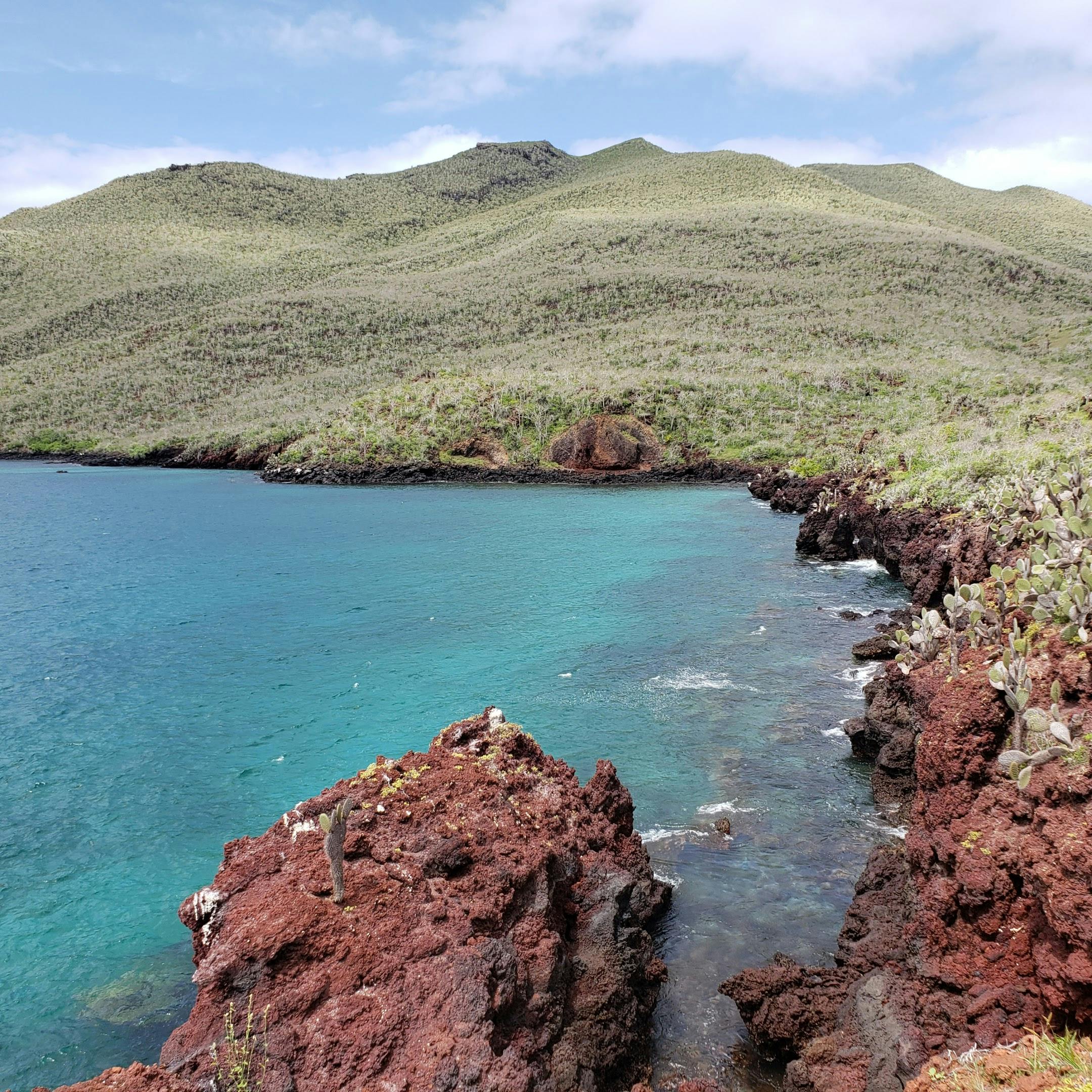
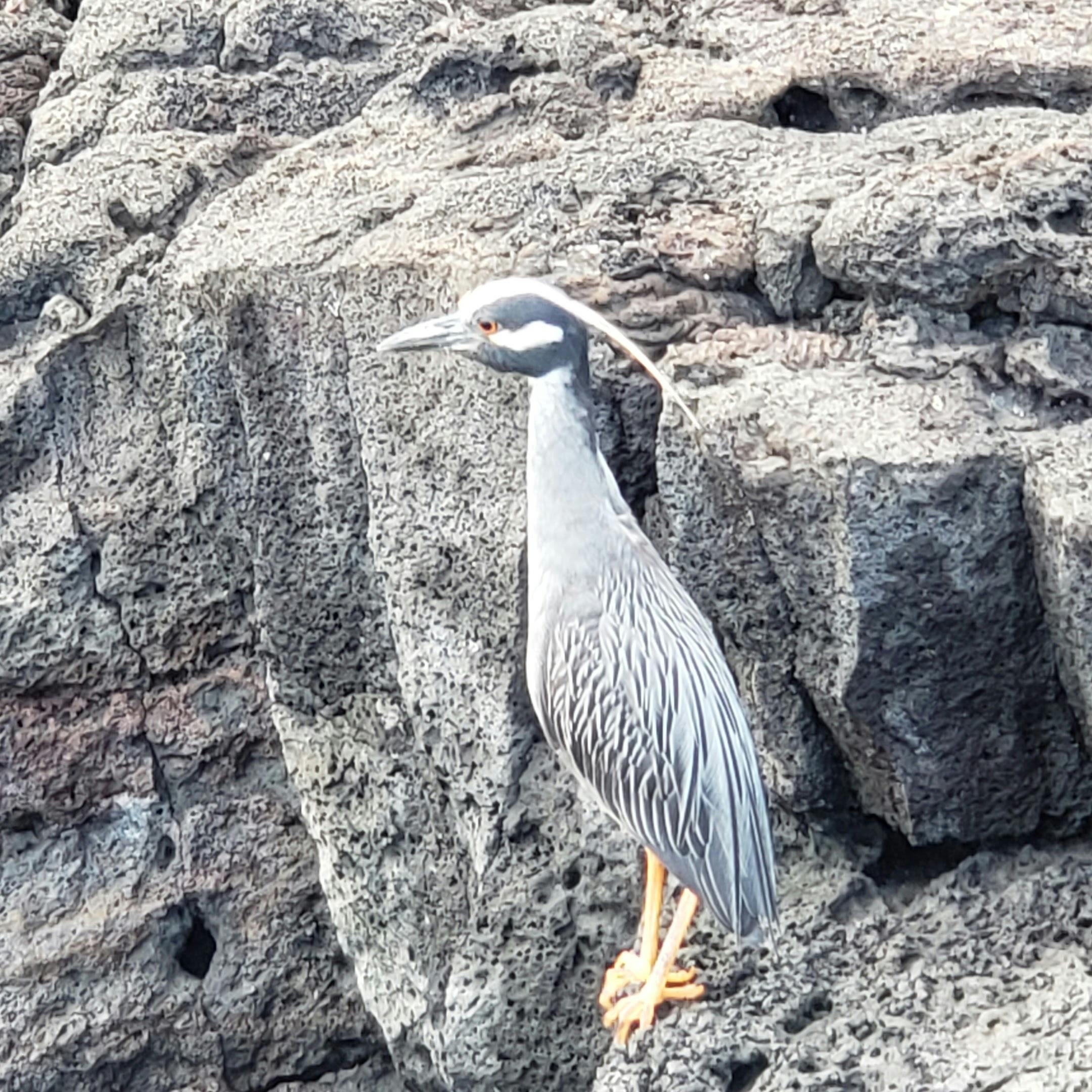
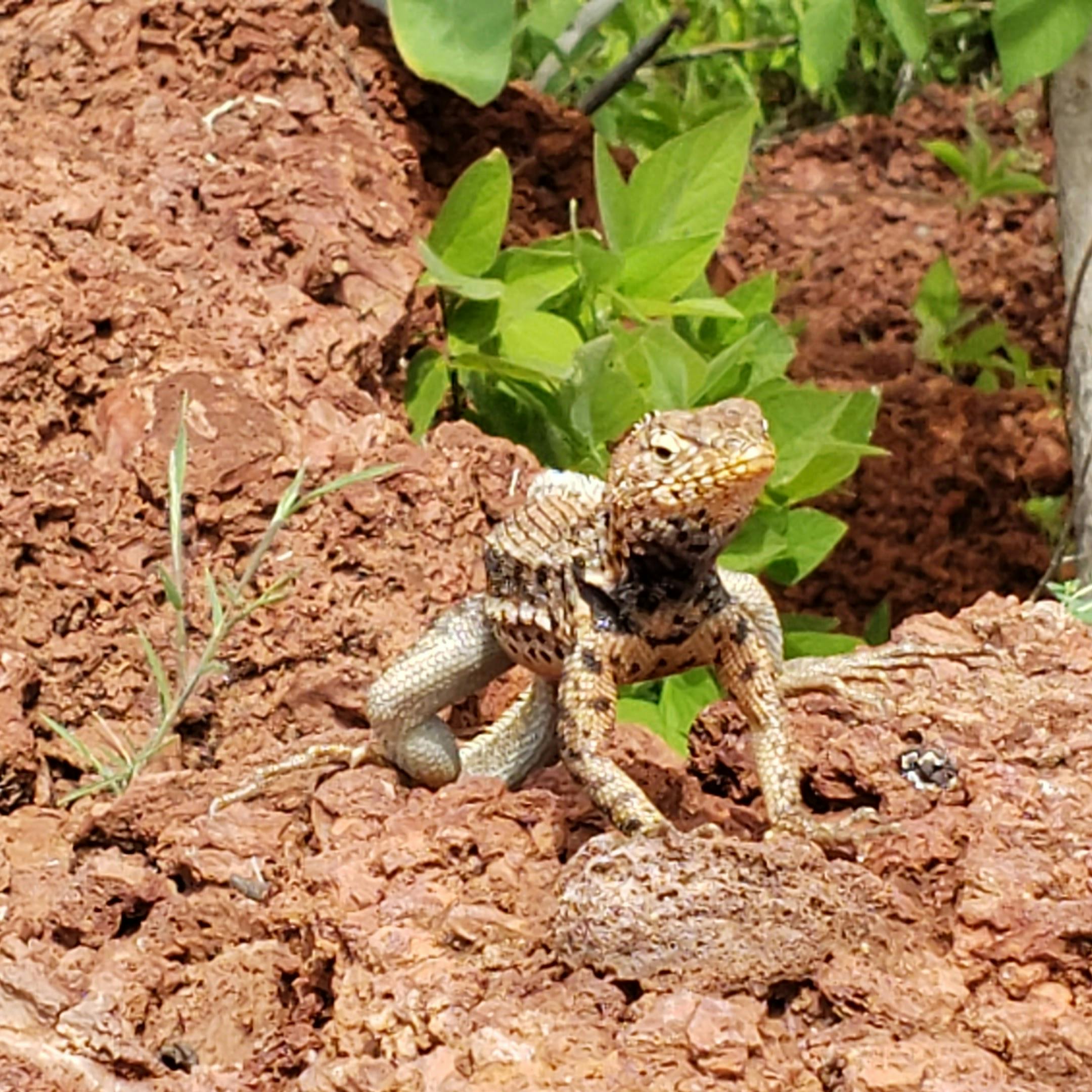
Day 19 – Homeward Bound
After a final night in Quito, our guests departed for home, carrying with them memories of a lifetime.
Videos From The Trip
Check out these awesome videos from the trip! If you would like to see more videos from our May 2023 Galápagos voyage, check out the specified video playlist linked below!
Be sure to subscribe, like, and comment on our videos to follow our trips and tell us what you think!
Playlist: Galápagos Islands – May 6 to 24, 2023
June 3 to 21, 2023 Trip
Day 1 – Arrival and Welcome in Quito
Similar to the May group, travelers arrived in Quito and were greeted by our team. The evening offered a chance to unwind and anticipate the exciting days ahead.
Day 2 to Day 3 – From Andes to Bird Sanctuaries
The journey starts with a trip from Quito descending into the lush cloud forests. Highlights include the vibrant Yanacocha Reserve and the Old Nono-Mindo Ecoroute, culminating in a visit to the Andean Cock-of-the-rock lek, where the colorful mating displays are a sight to behold. The next morning was focused on bird and nature walks around Bellavista lodge before enjoying an Ecuadorian lunch. From there the group returned to Qutio to prepare for their flight to the Islands.
Day 4 – Embarking on the Galápagos Adventure
After early morning travels, the group is happy to touch down in the Galápagos and set sail.
Day 5 – Exploring Isla Genovesa
The first full day in the islands is spent at Isla Genovesa, entering the caldera of Darwin Bay and ascending Prince Philip’s Steps to find thriving colonies of red-footed and Nazca Boobies, along with the elusive Short-eared Owl.
“Our Naturalist, Juan, is what made the trip so good. His knowledge, enthusiasm, and engagement with the environment were outstanding. I can imagine a trip without this knowledge and experience being far less compelling.” -Deanna Marsh
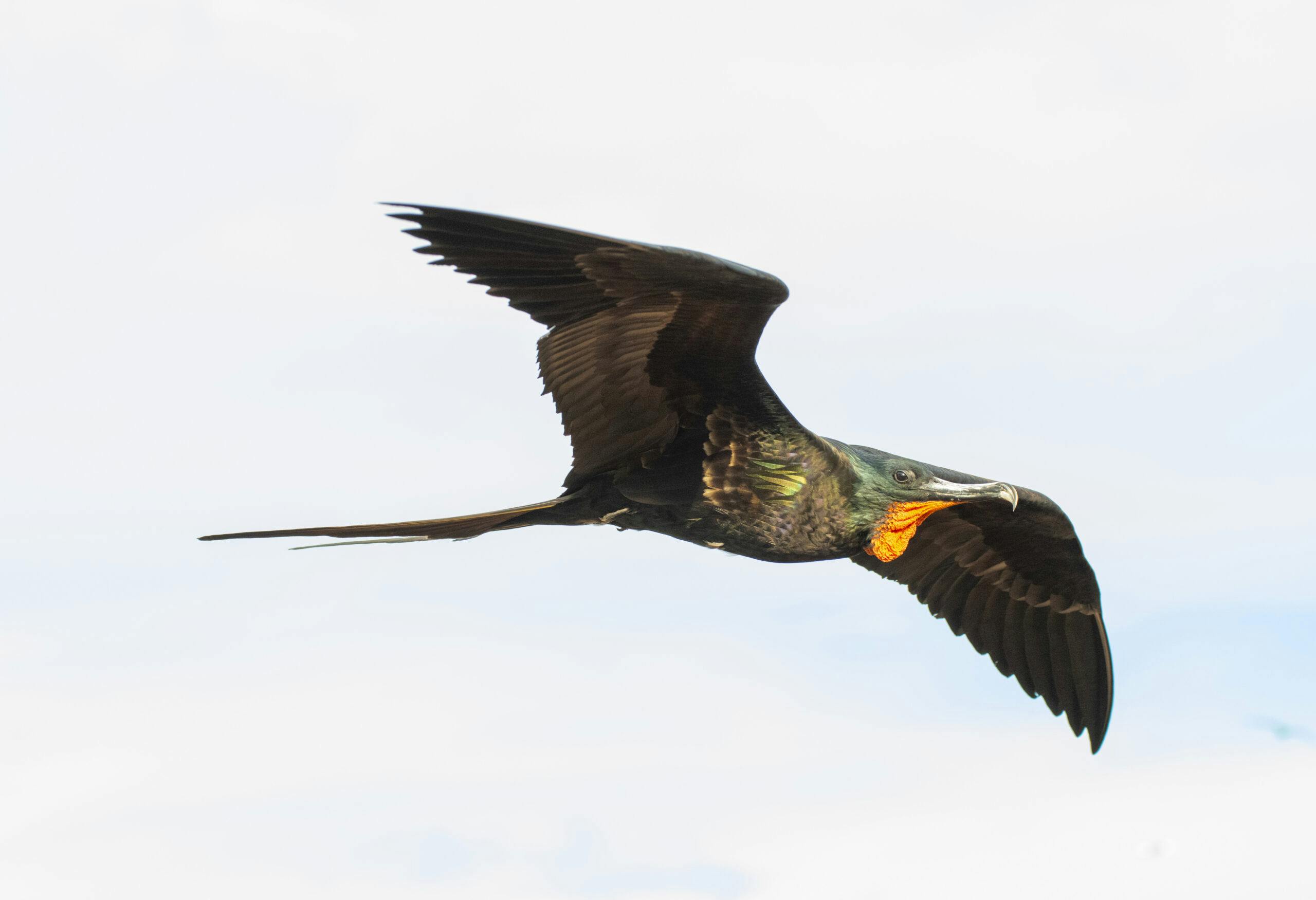
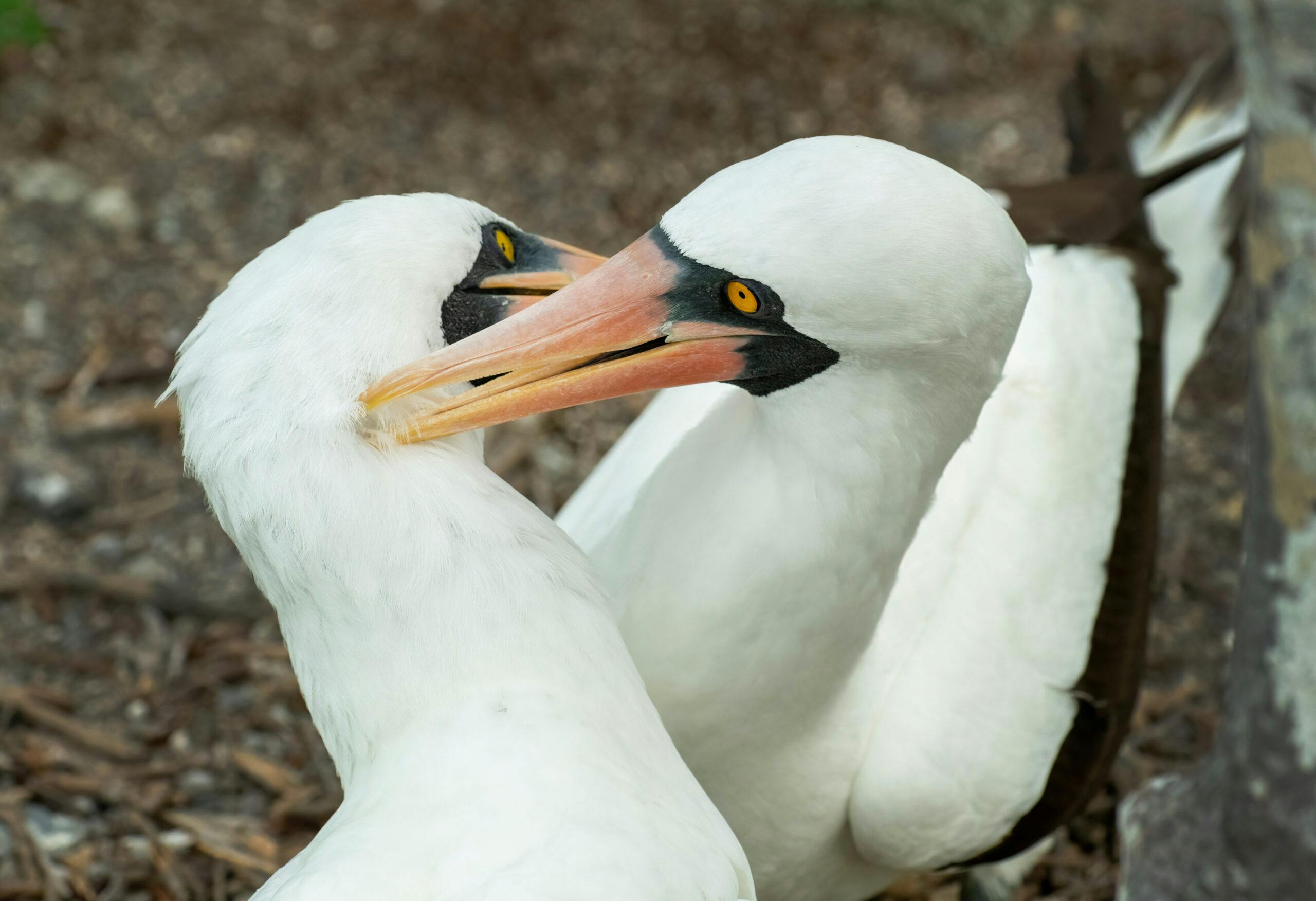

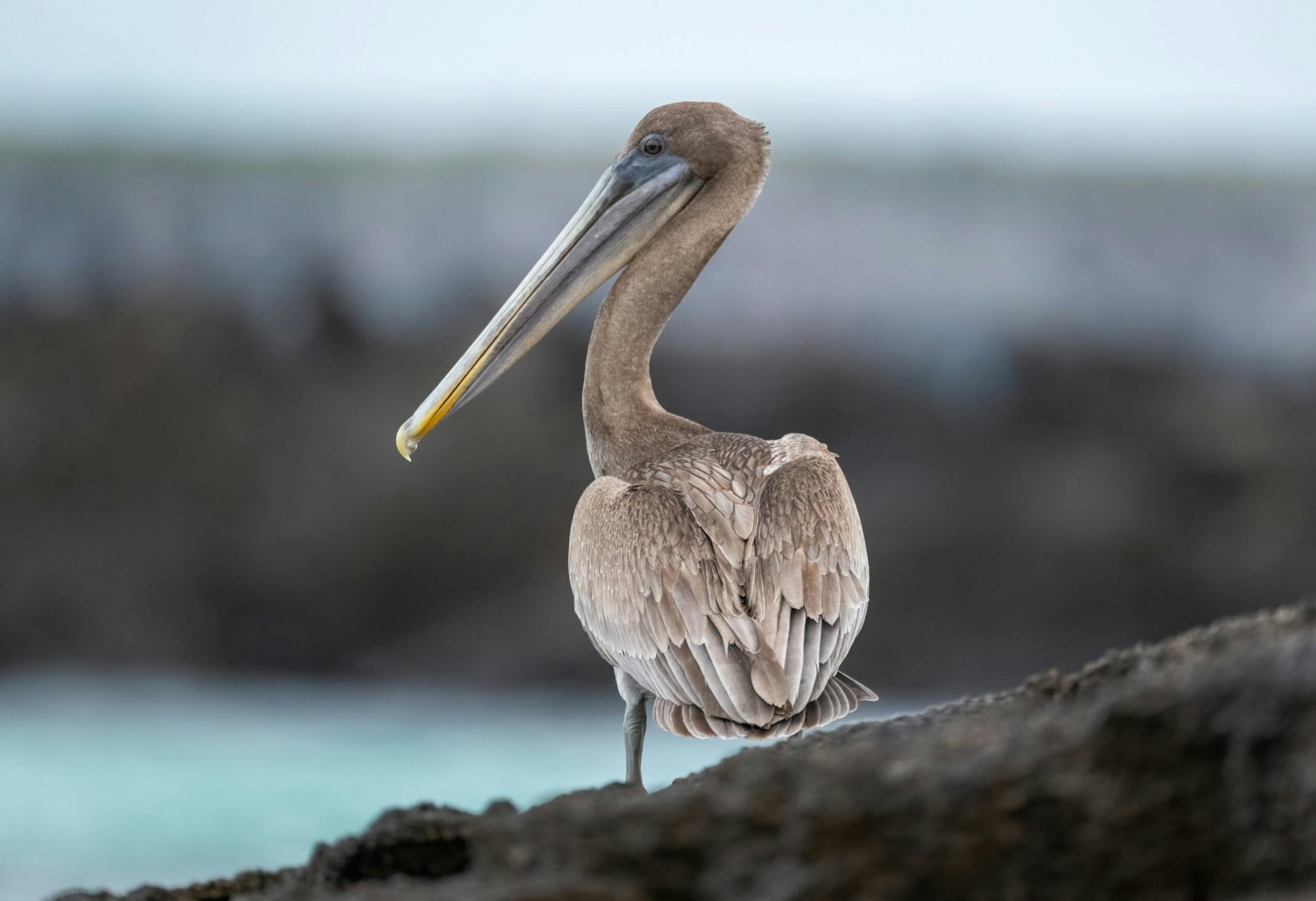

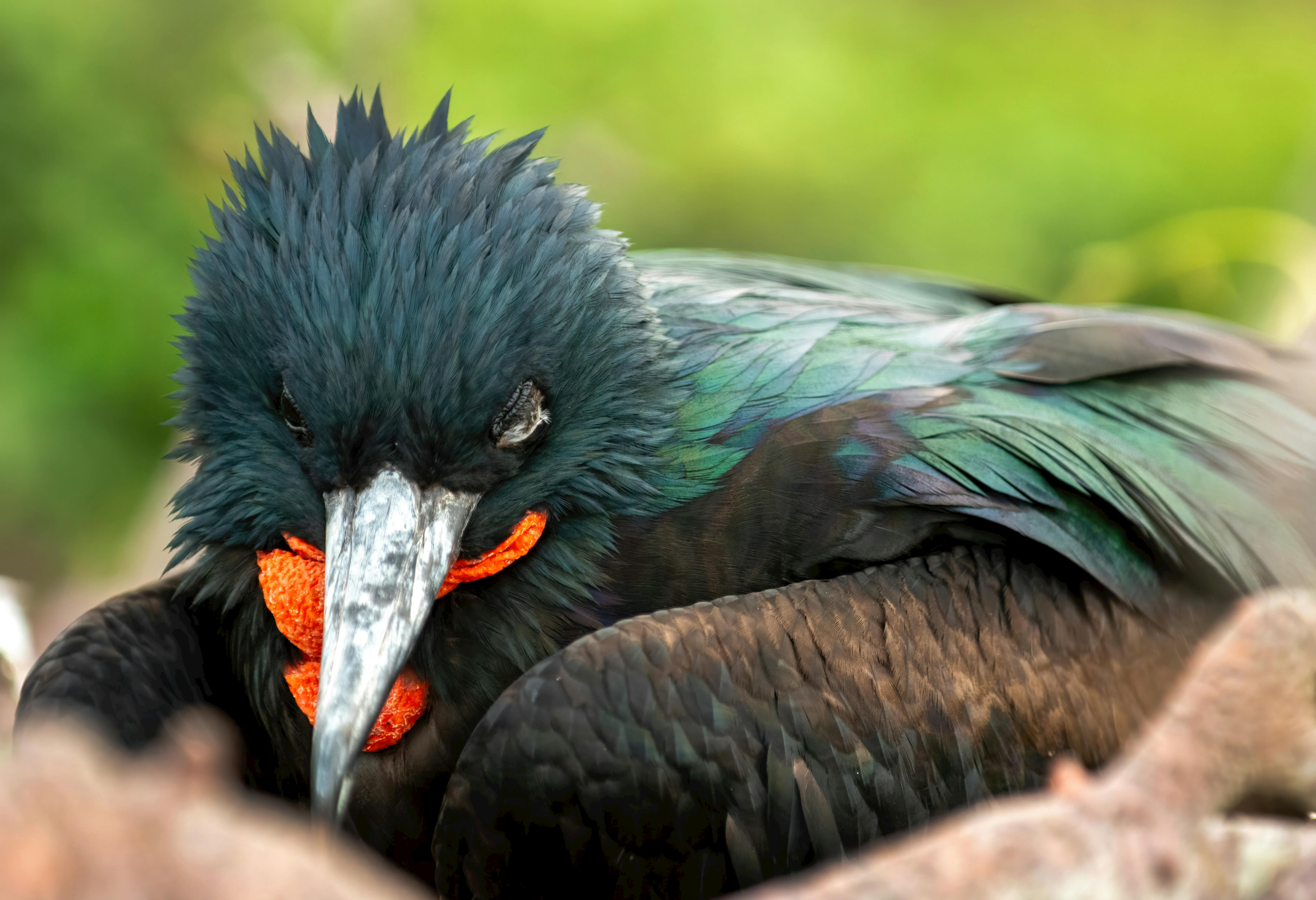
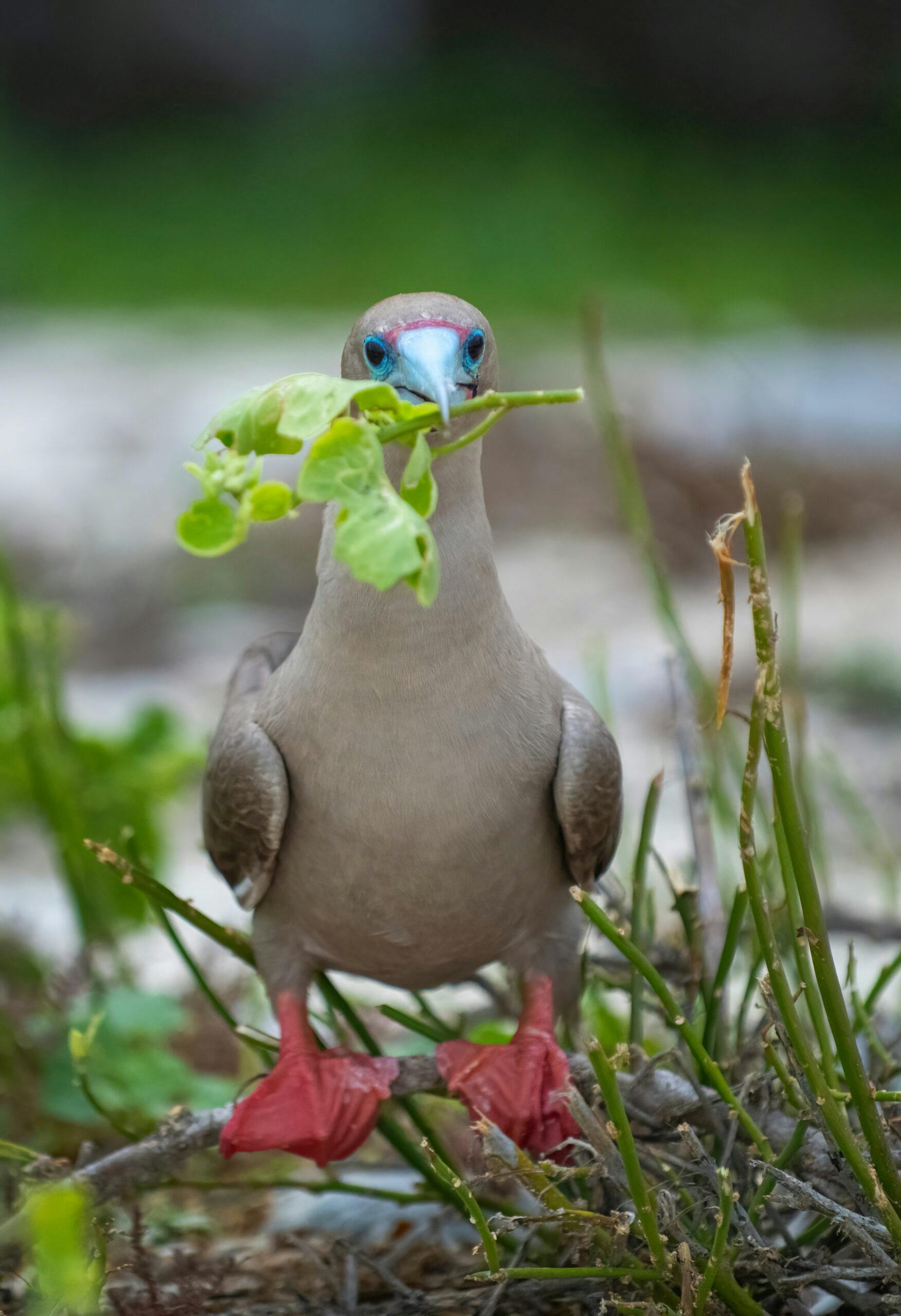
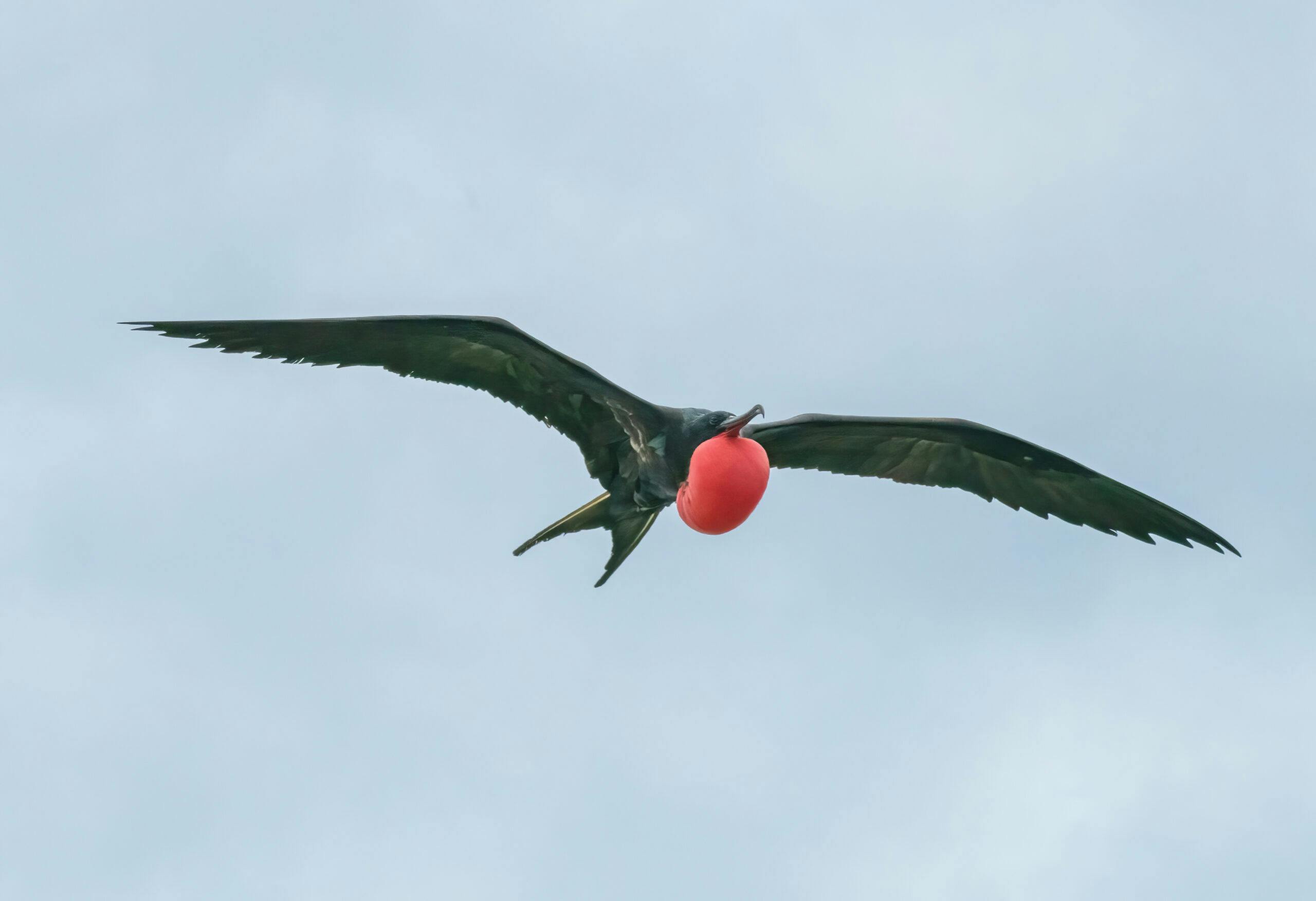
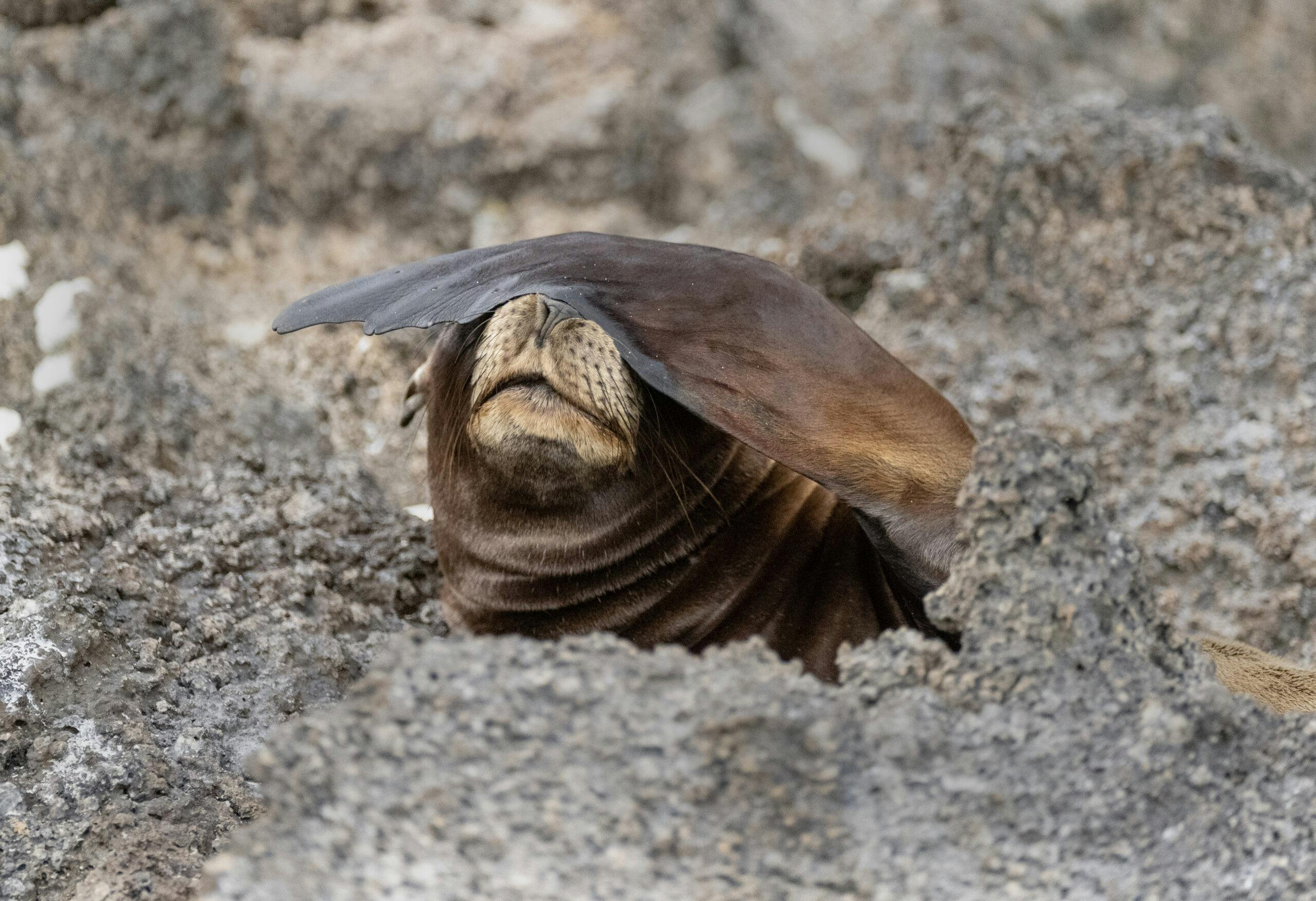

Day 6 – Snorkeling at Isla Marchena
Isla Marchena offers snorkeling in crystal-clear waters among tropical fish, rays, and coral formations—a rare experience in the Galápagos, enhanced by the potential sighting of whales in one of the region’s most cetacean-rich areas.
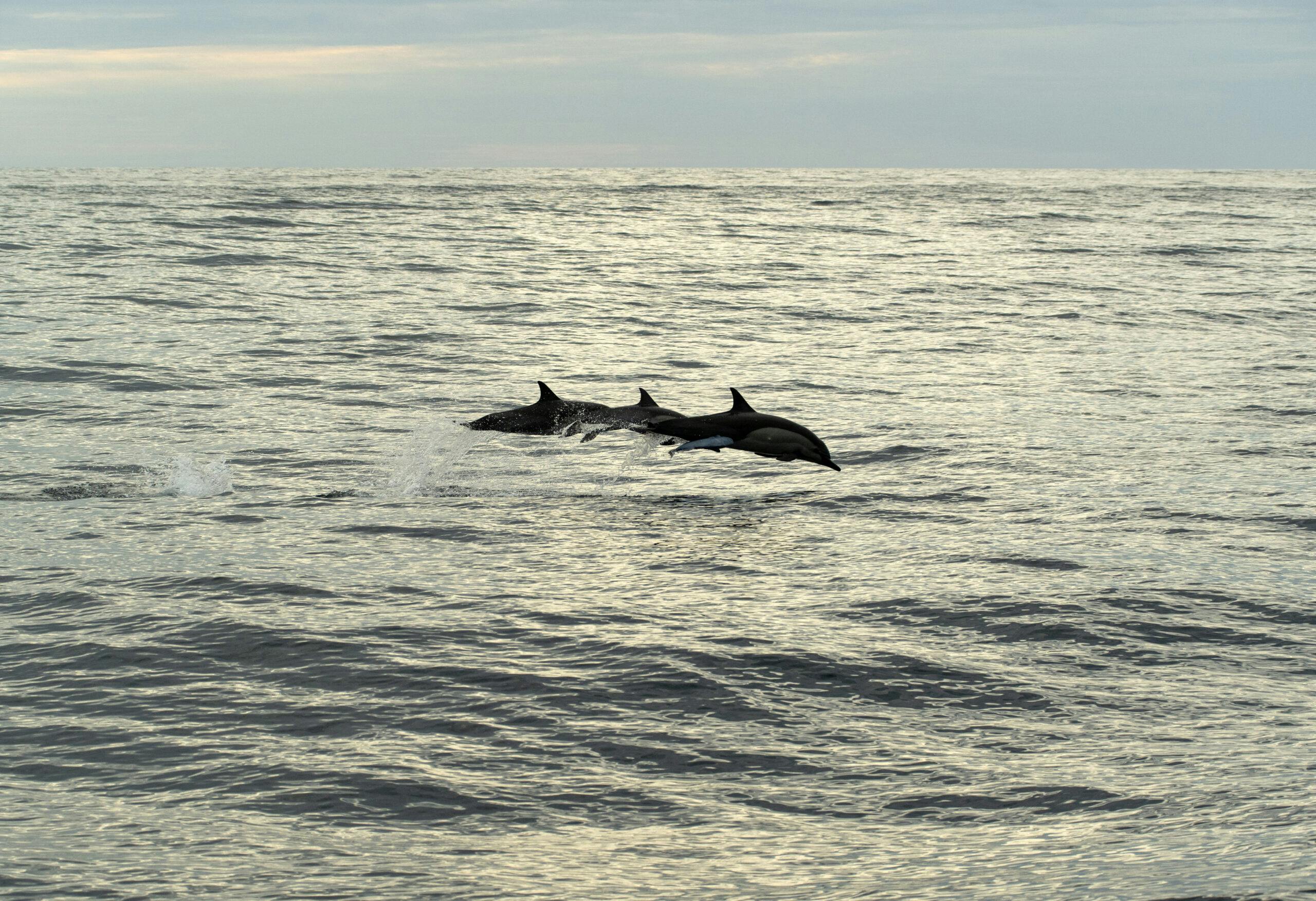
Day 7 & 8 – Isla Isabela’s Riches
The journey continues with stops at Punta Albermarle and Punta Vicente Roca on Isla Isabela, featuring interactions with Flightless Cormorants and other marine life. A visit to Fernandina showcases vast colonies of marine iguanas and other endemic species in pristine settings.
“This trip was amazing, primarily due to the expertise and tireless efforts of Juan. He was backed up by proficient and professional crew. ” -Franc Gorenc
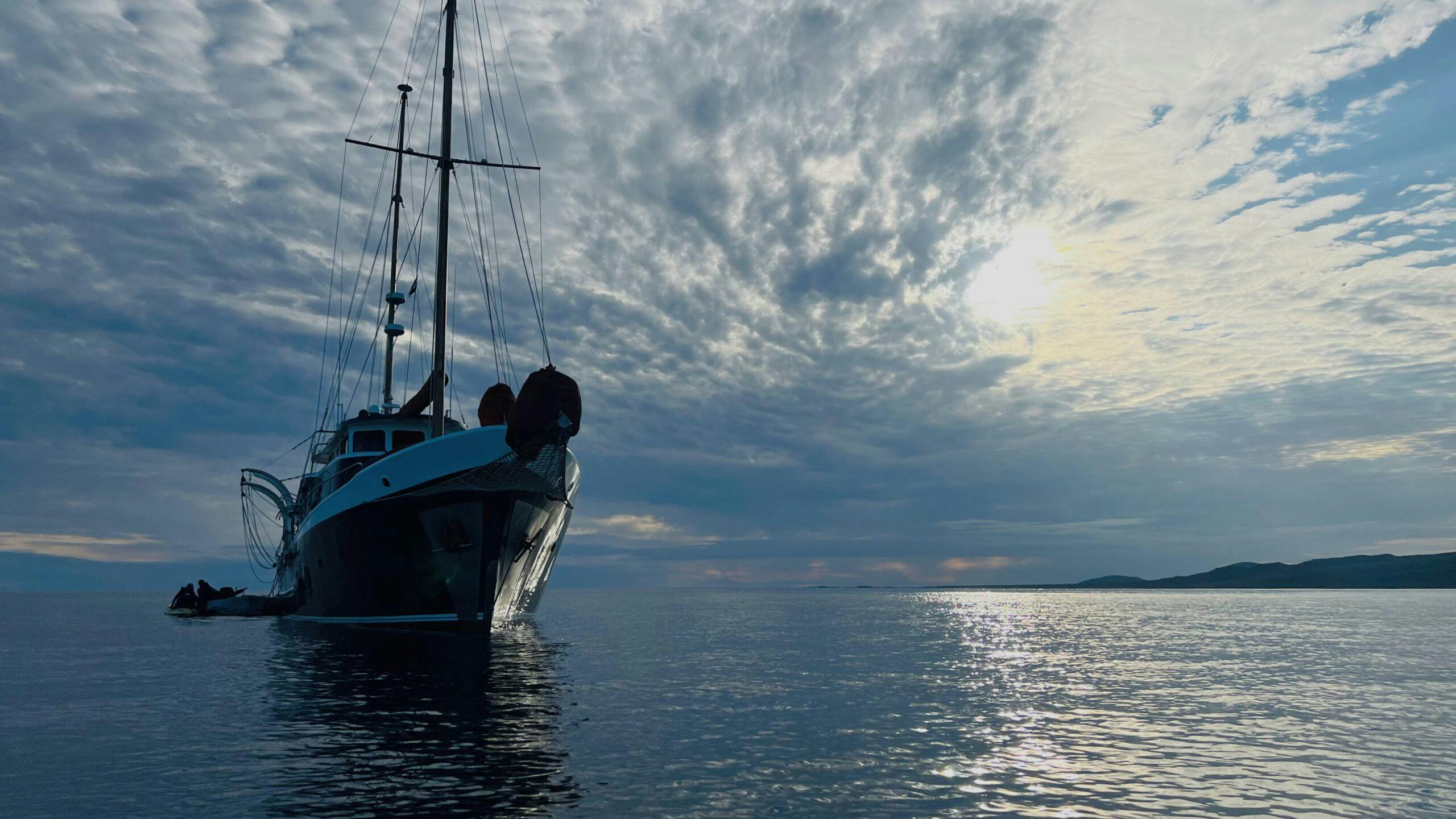
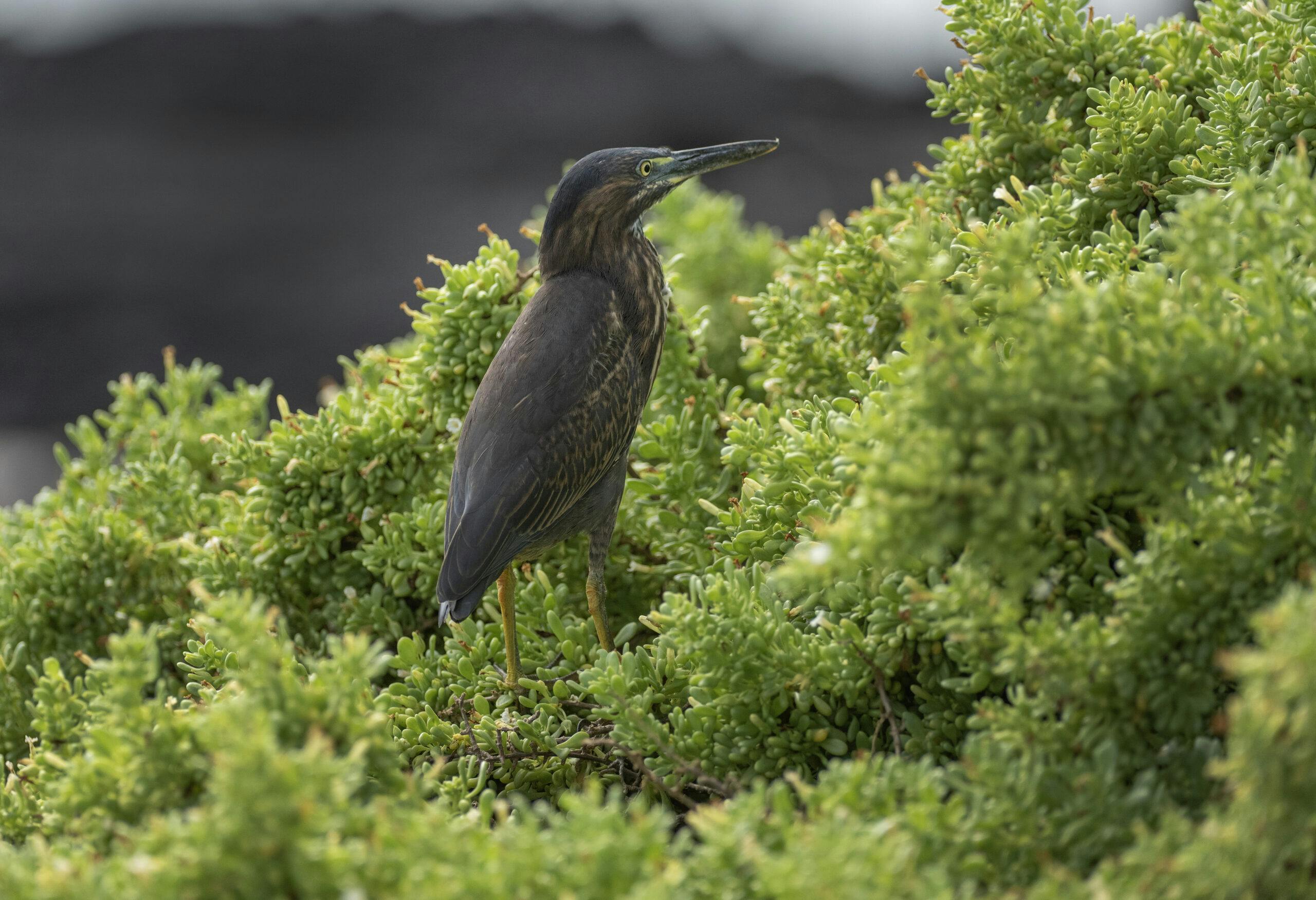
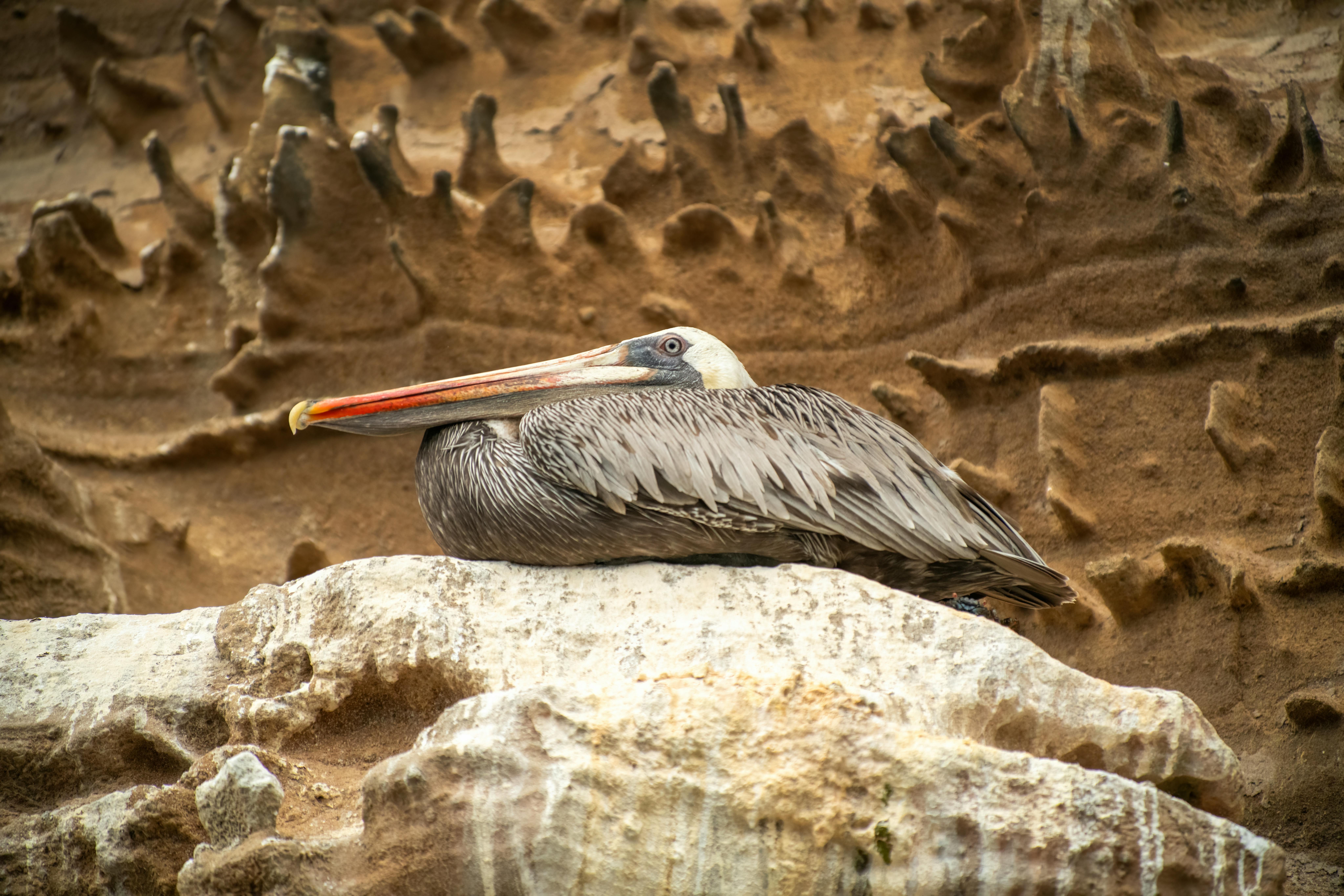
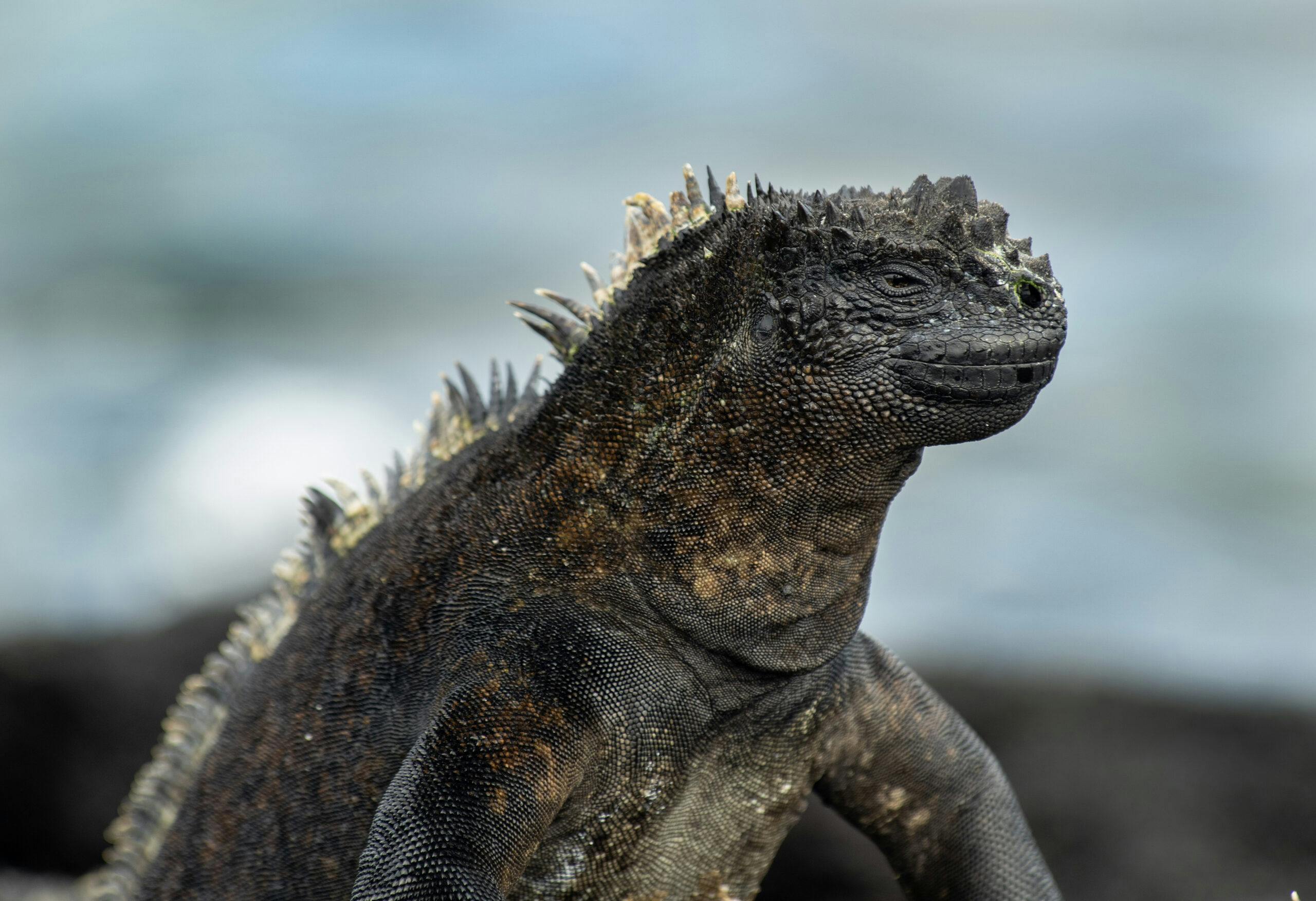
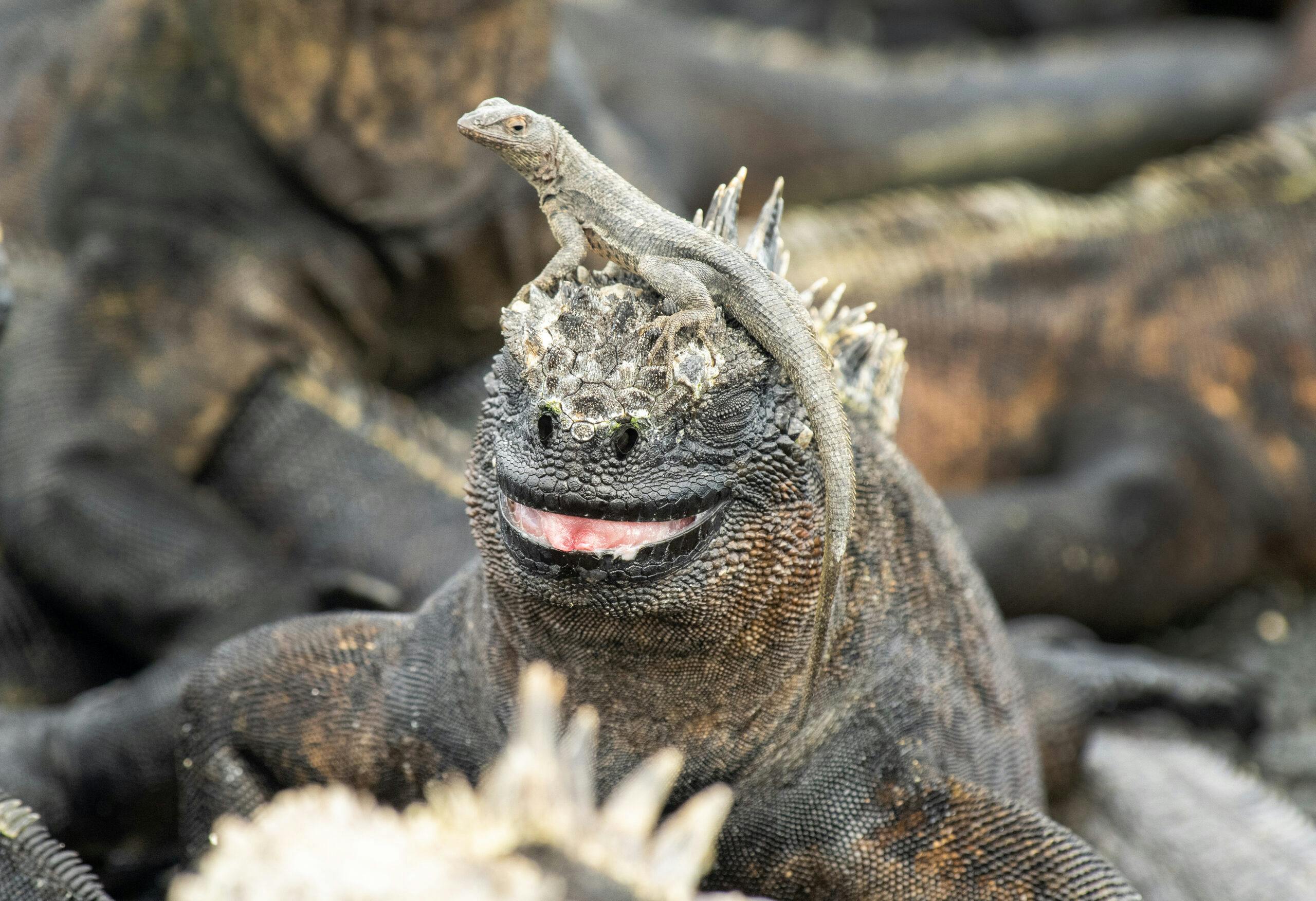
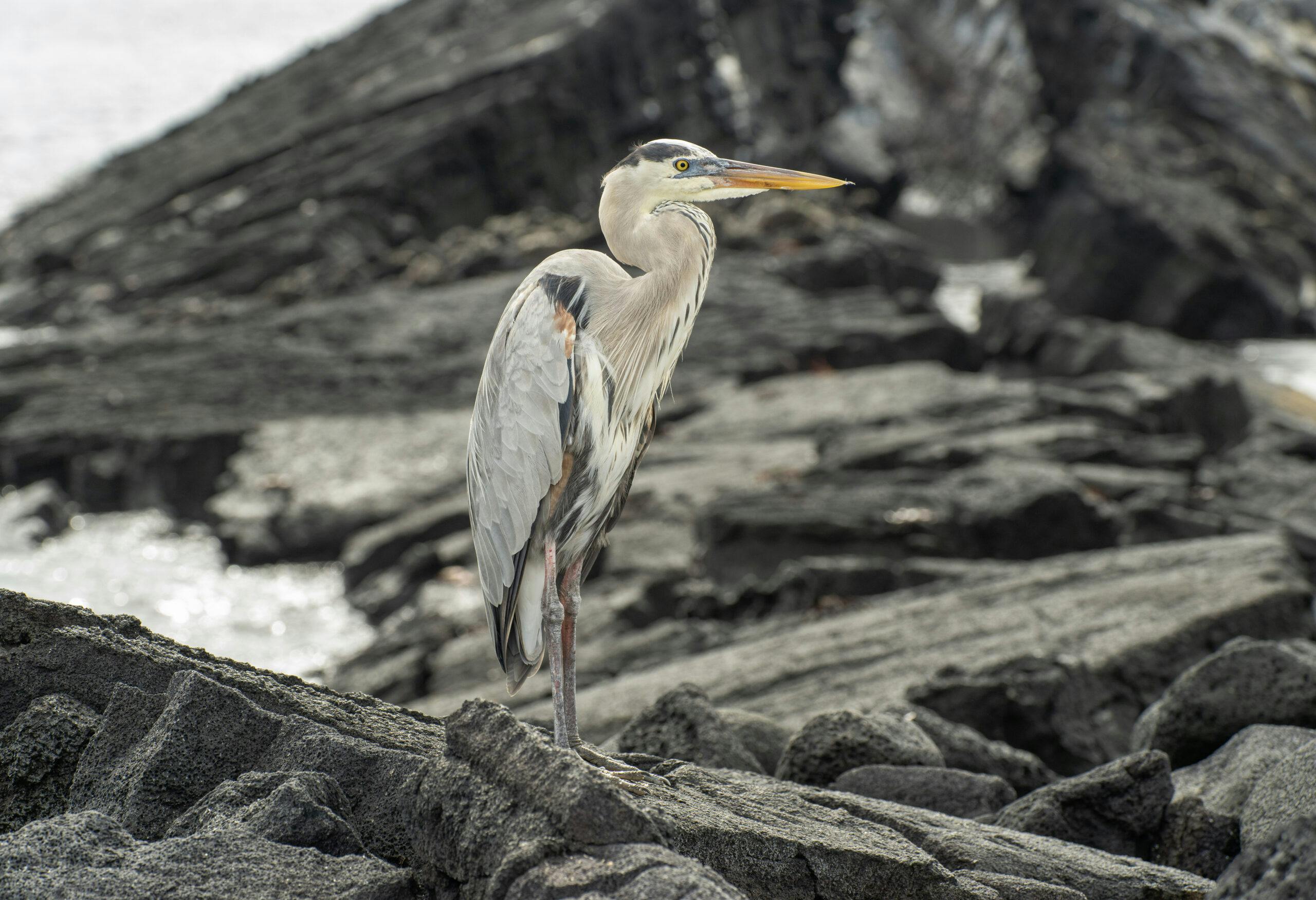

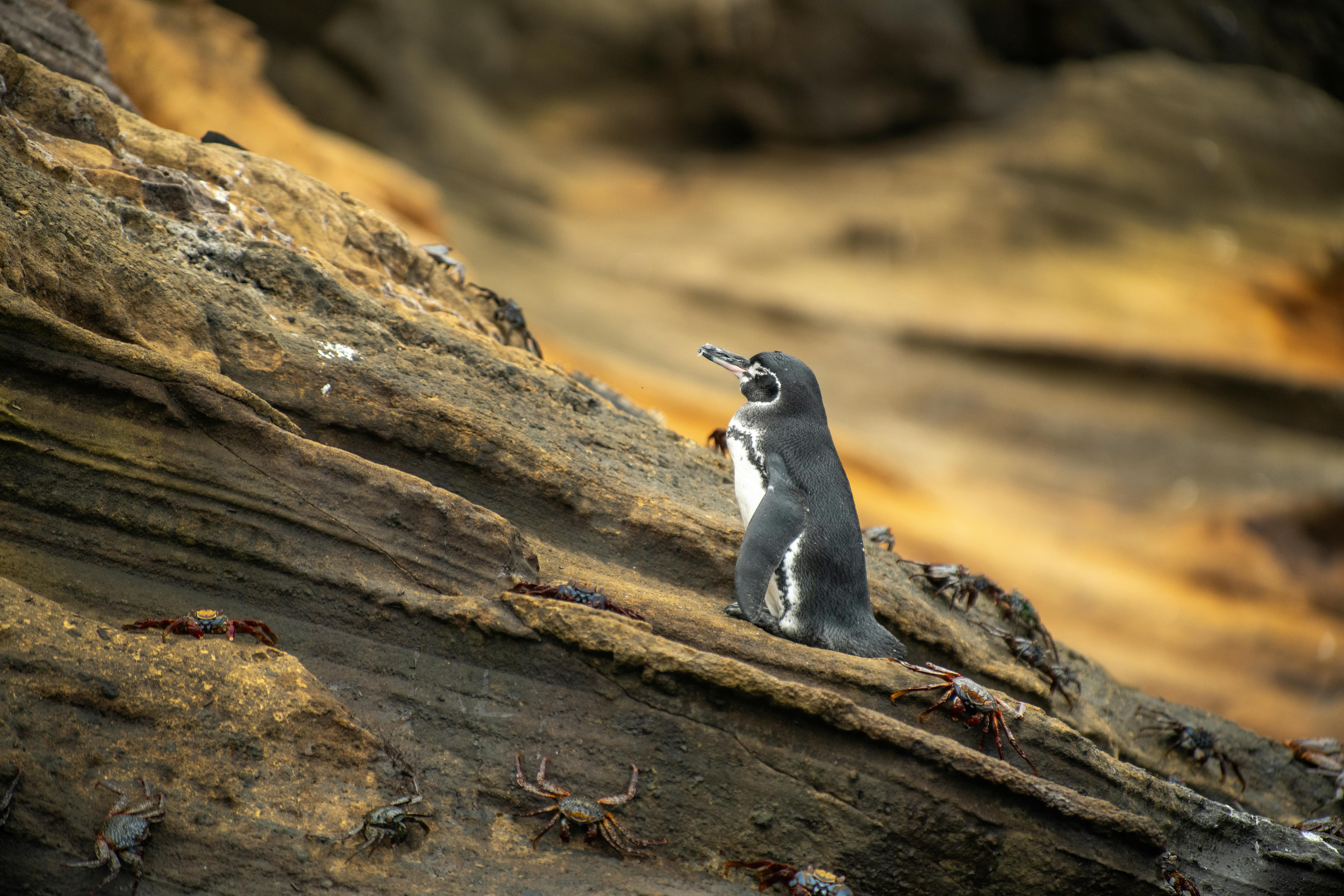
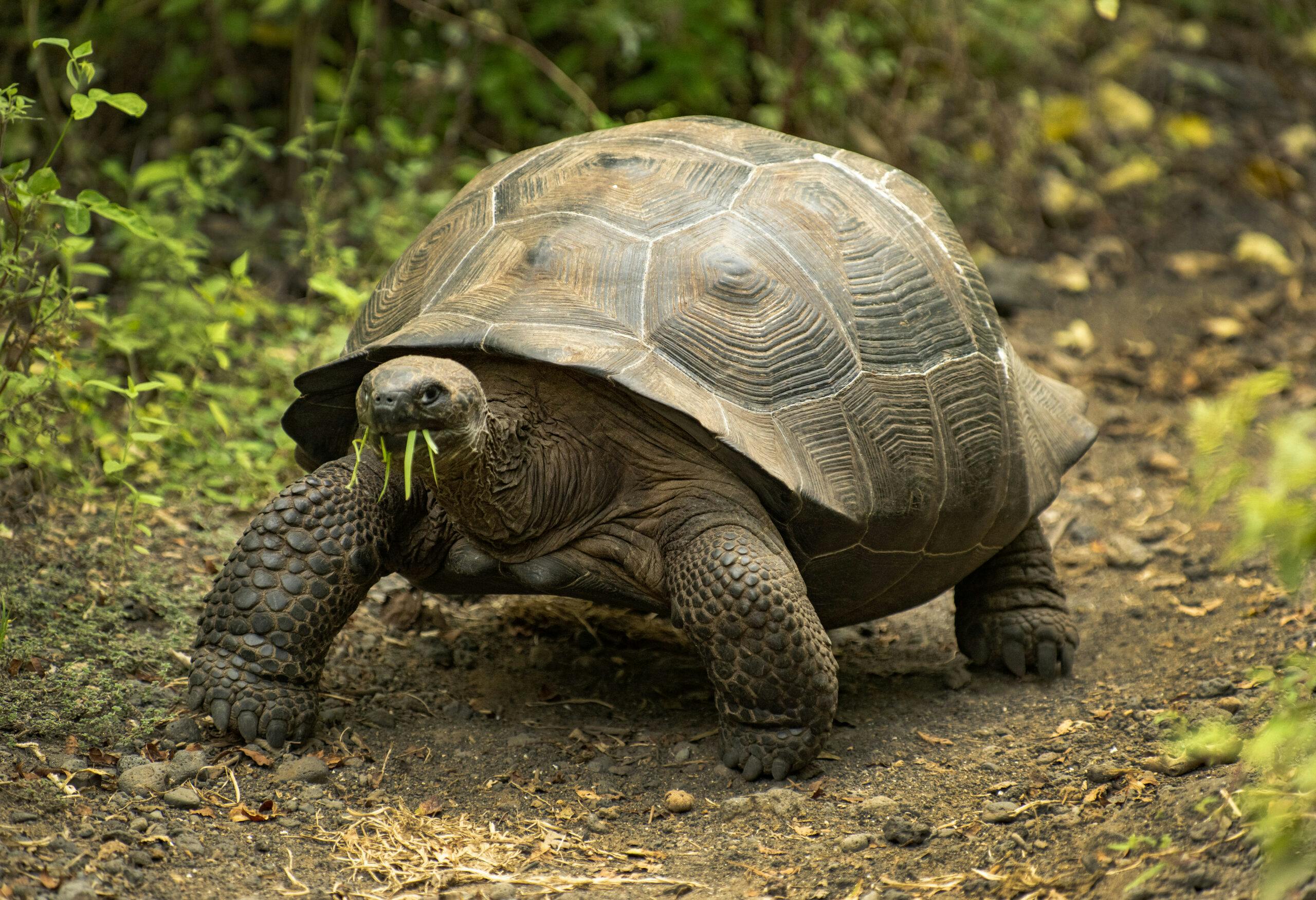
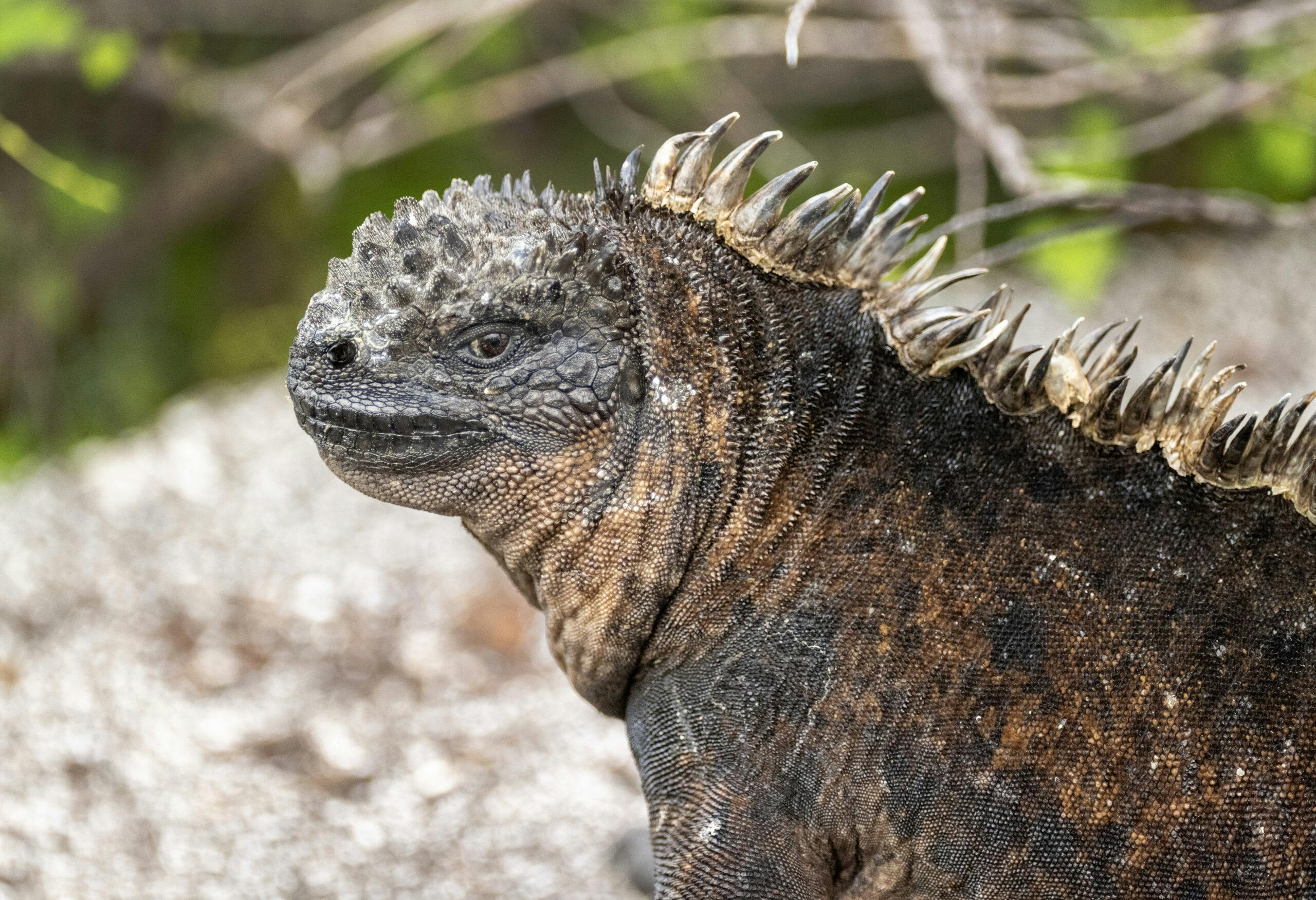
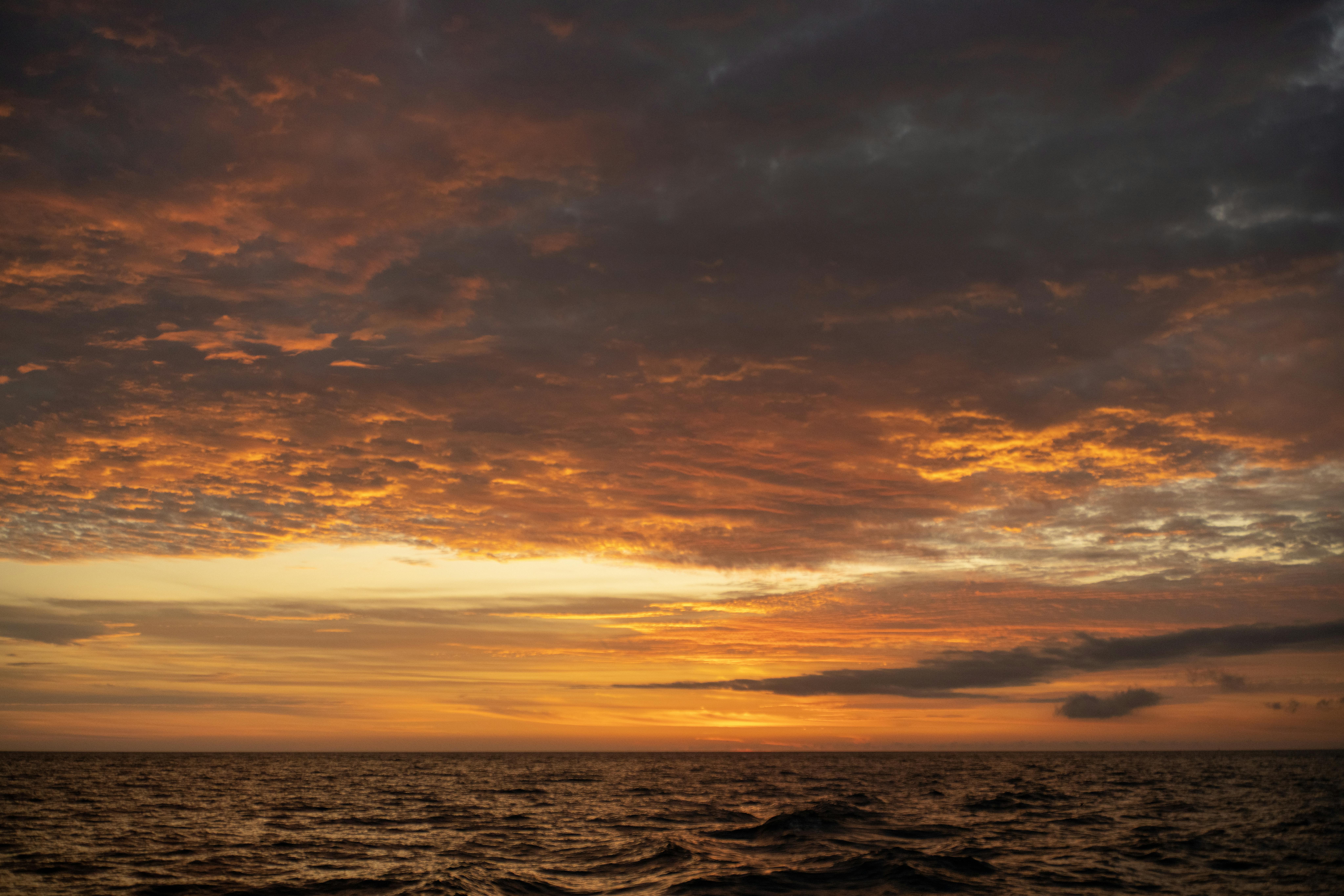
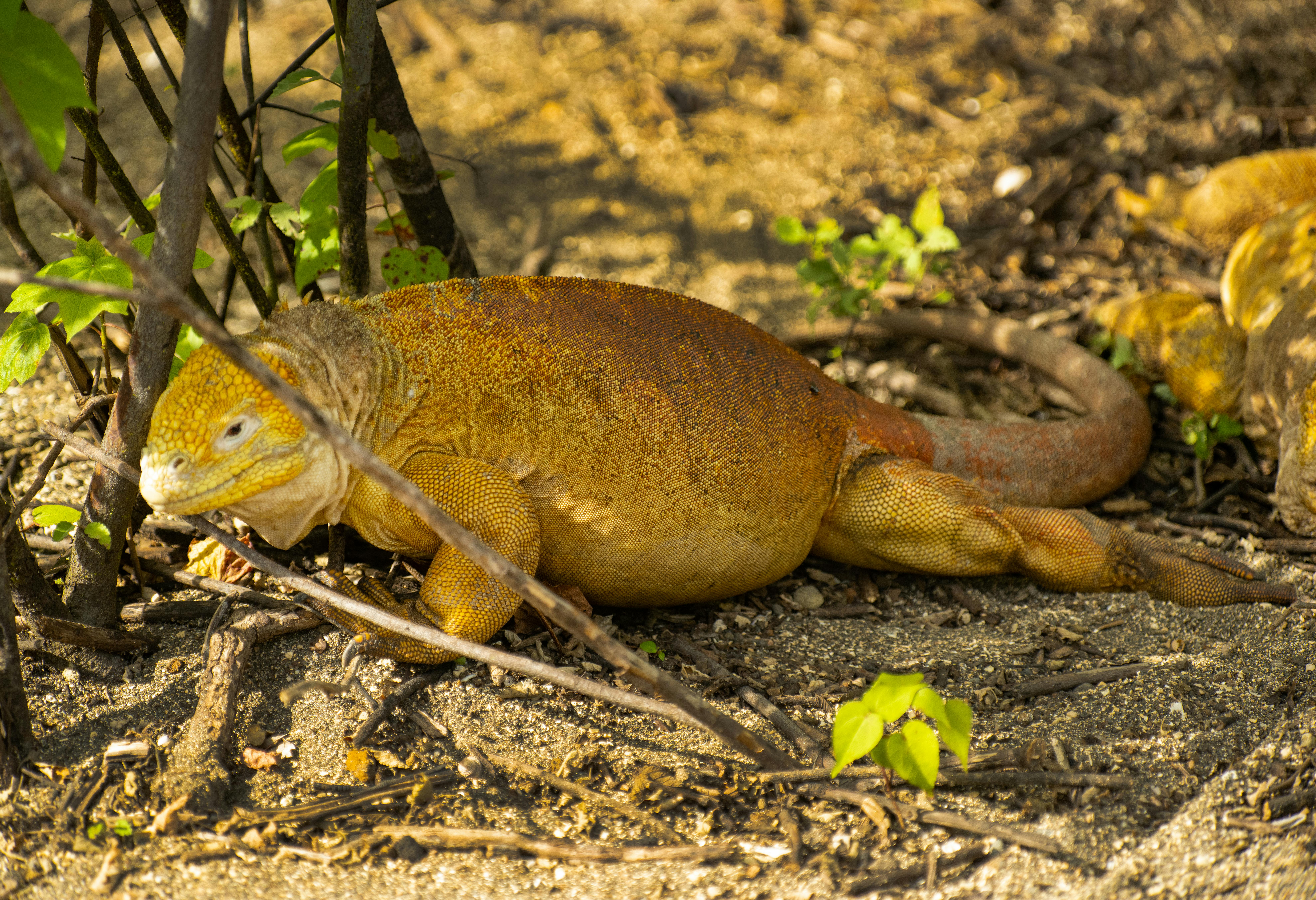
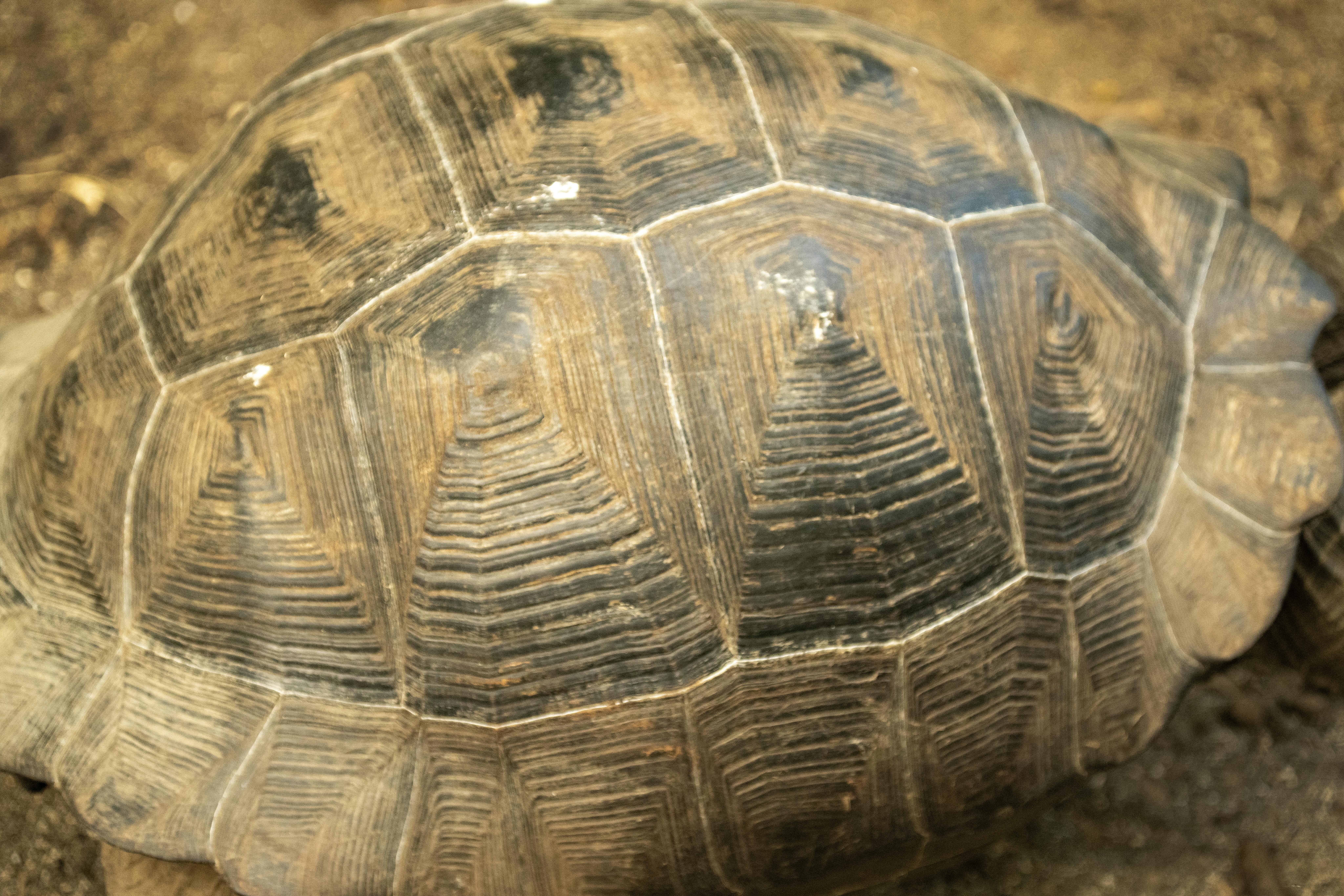

Day 9 – Mangrove Cruising at Isla Isabela
Elizabeth Bay’s mangroves offer serene encounters with penguins and playful sea lions, while Punta Moreno provides stark volcanic landscapes with life-sustaining lagoons scattered about.
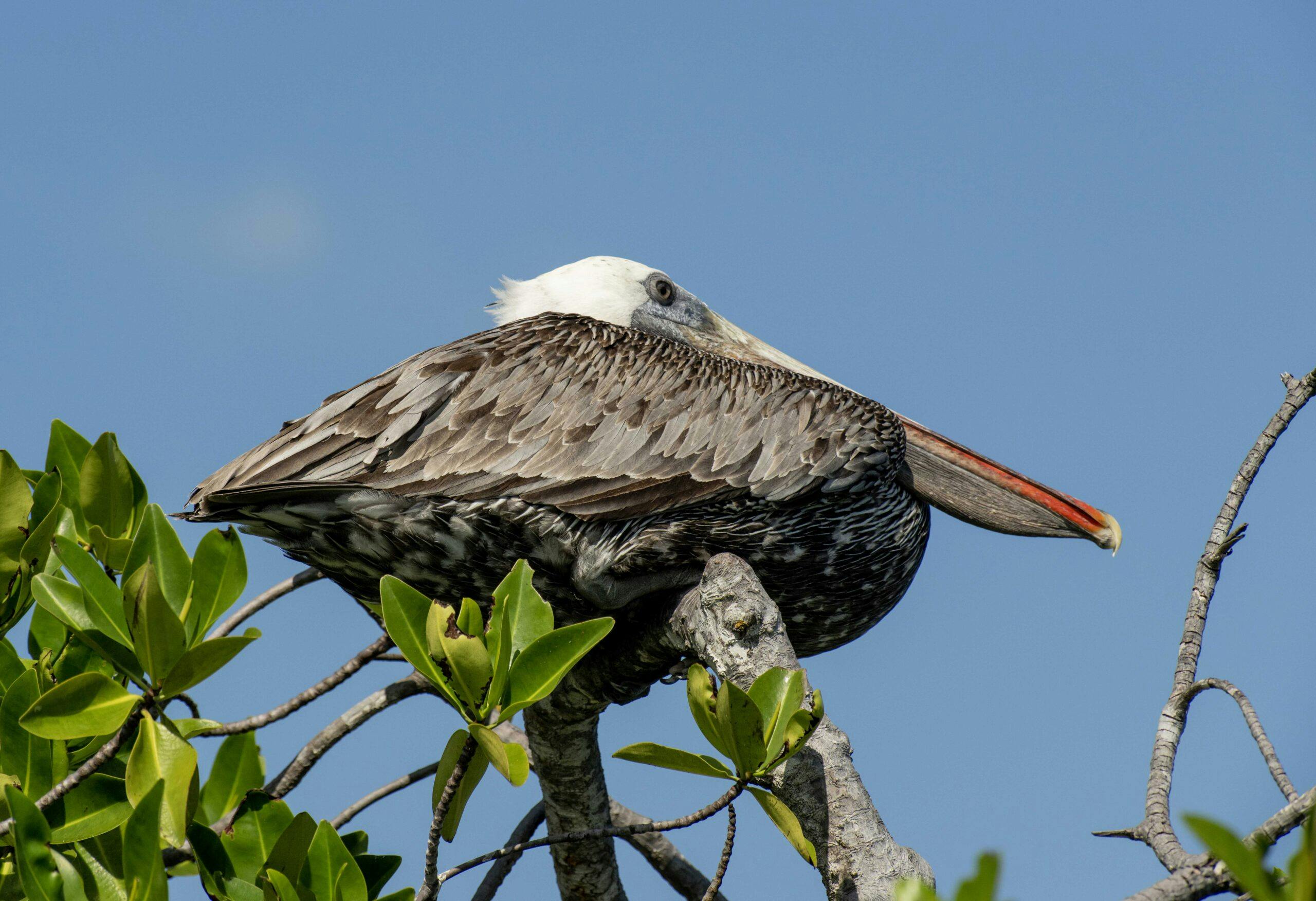
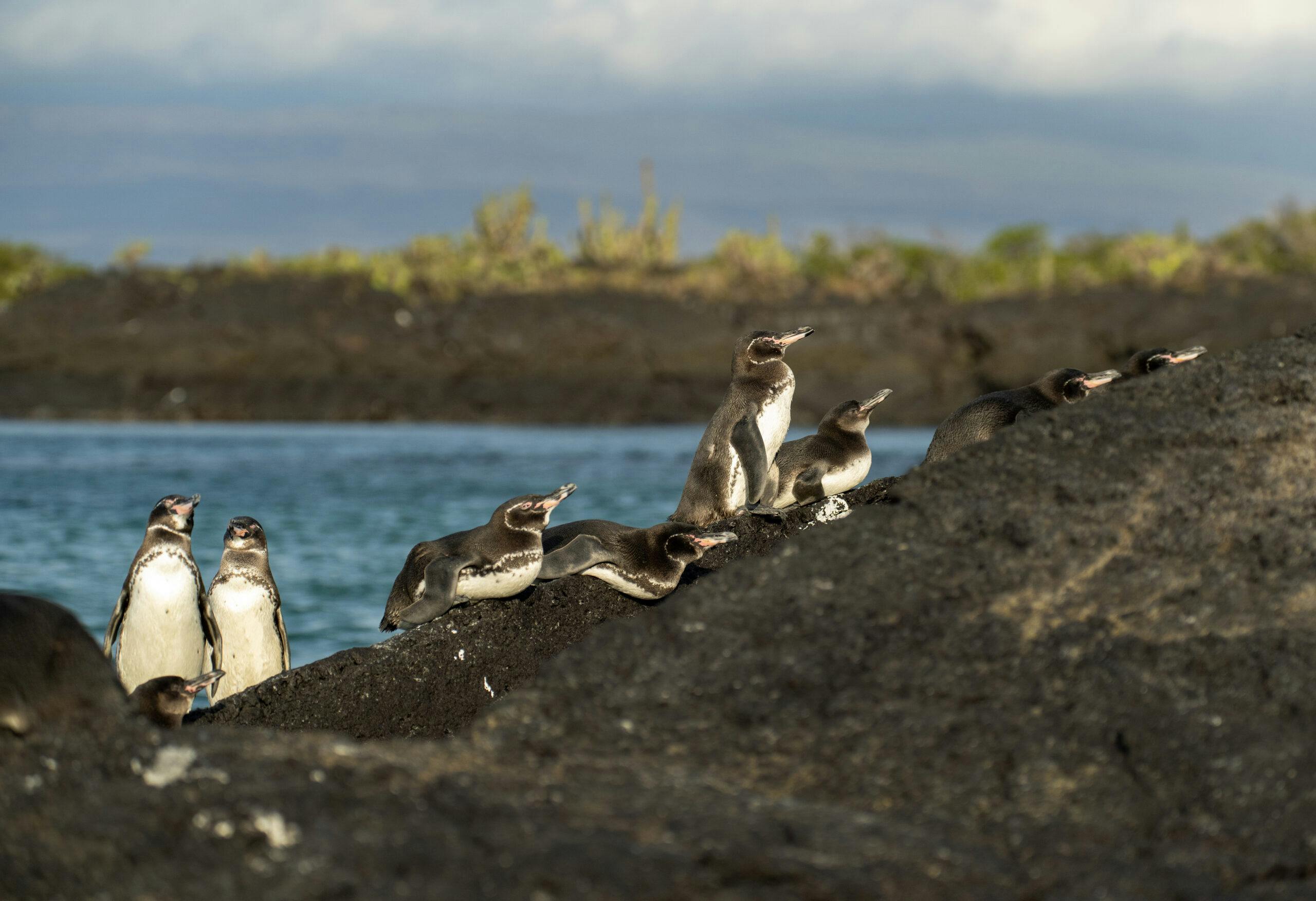
Day 10 – History and Snorkeling at Isla Floreana
Visitors explore the human history of the island with a stop at Baroness Lookout and then enjoy a fun snorkel at the Devil’s Crown.
Day 11 – Endemic Wildlife at Isla Santa Cruz
The day begins in Santa Cruz’s highlands, searching for island endemics in the lush Scalesia forest and viewing giant tortoises, followed by a visit to the Charles Darwin Research Station to learn about conservation efforts.
Day 12 – Return to Floreana
The group returns to Floreana to partake in the tradition of Post Office Bay and a walk to Punta Cormorant, stopping along the way to watch the Flamingos in the estuary.
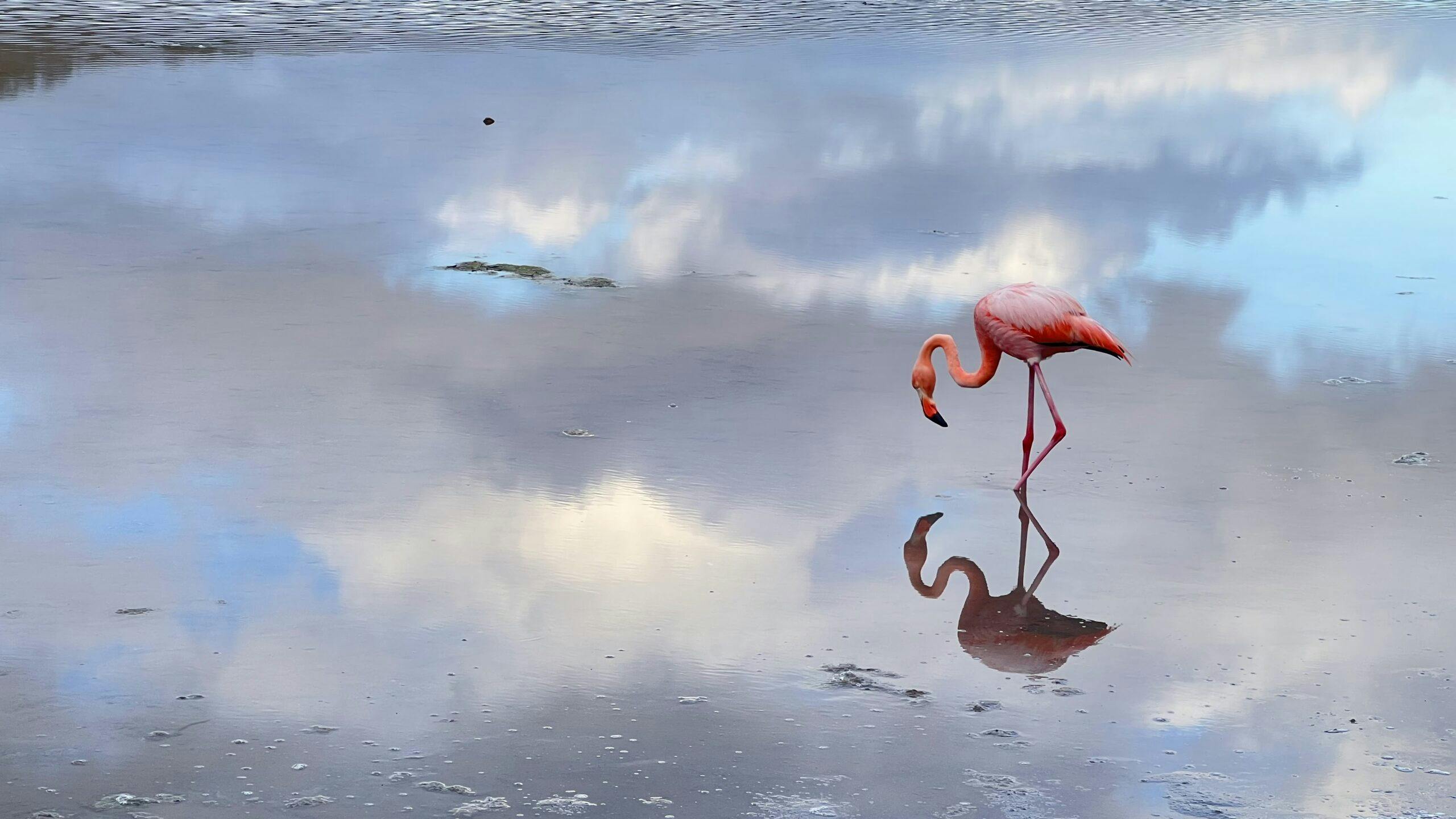
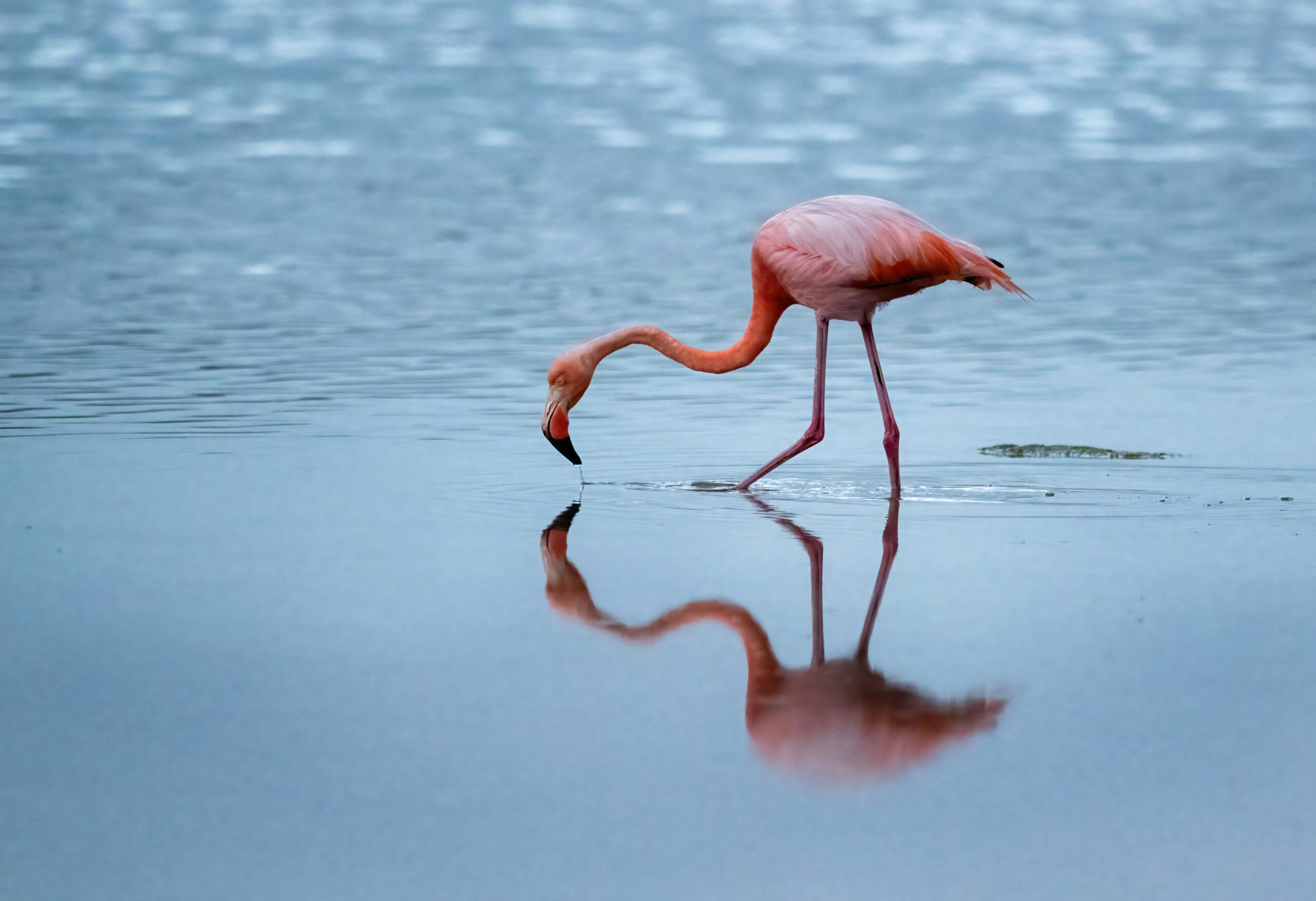
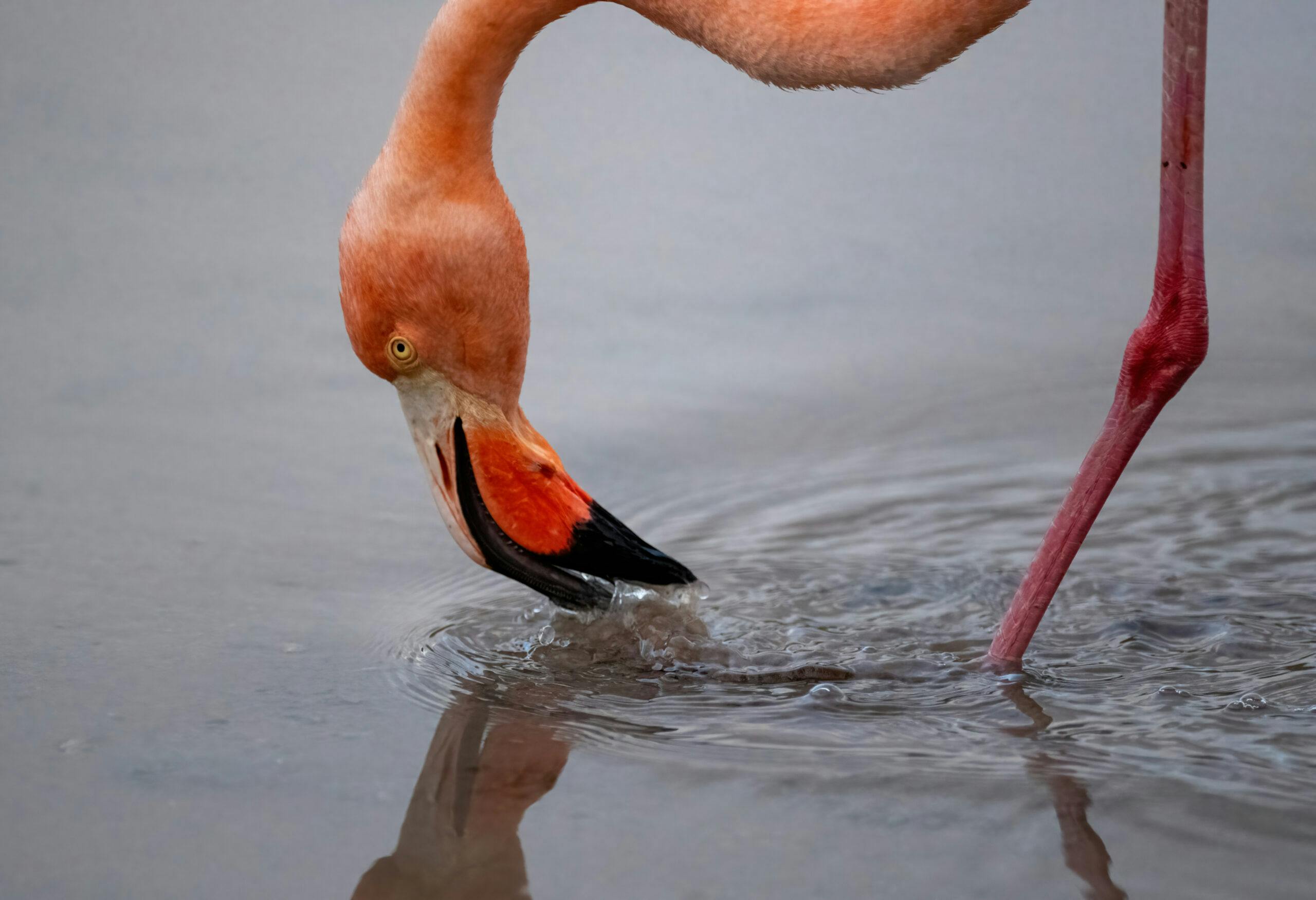
Day 13 – Birdwatching at Isla Española
The group explored the remarkable Punta Suárez on Isla Española, a wildlife haven in the Galápagos Islands. They observed a plethora of breeding birds, including the majority of the world’s Waved Albatross population, witnessing unforgettable courting rituals. The group also encountered Española Mockingbirds, Blue-footed and Nazca Boobies, Swallow-tailed Gulls, Galápagos Hawks, marine iguanas, lava lizards, and Galápagos sea lions. The breathtaking seascapes, highlighted by a blowhole spouting water up to 75 feet high, captivated everyone. The afternoon at Gardner Bay offered pristine beaches for snorkeling and relaxation, rounding out a day rich in biodiversity and stunning landscapes.
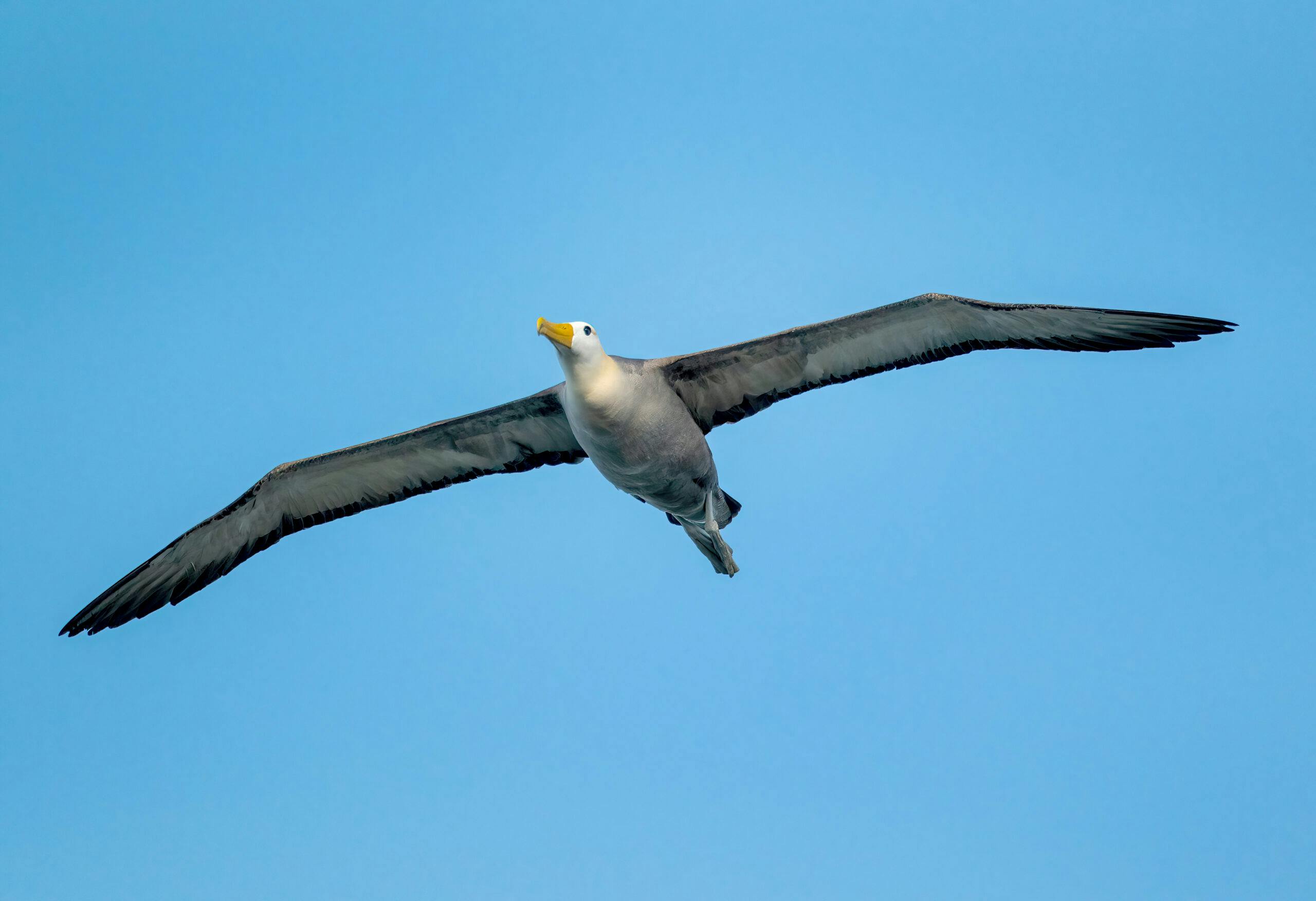
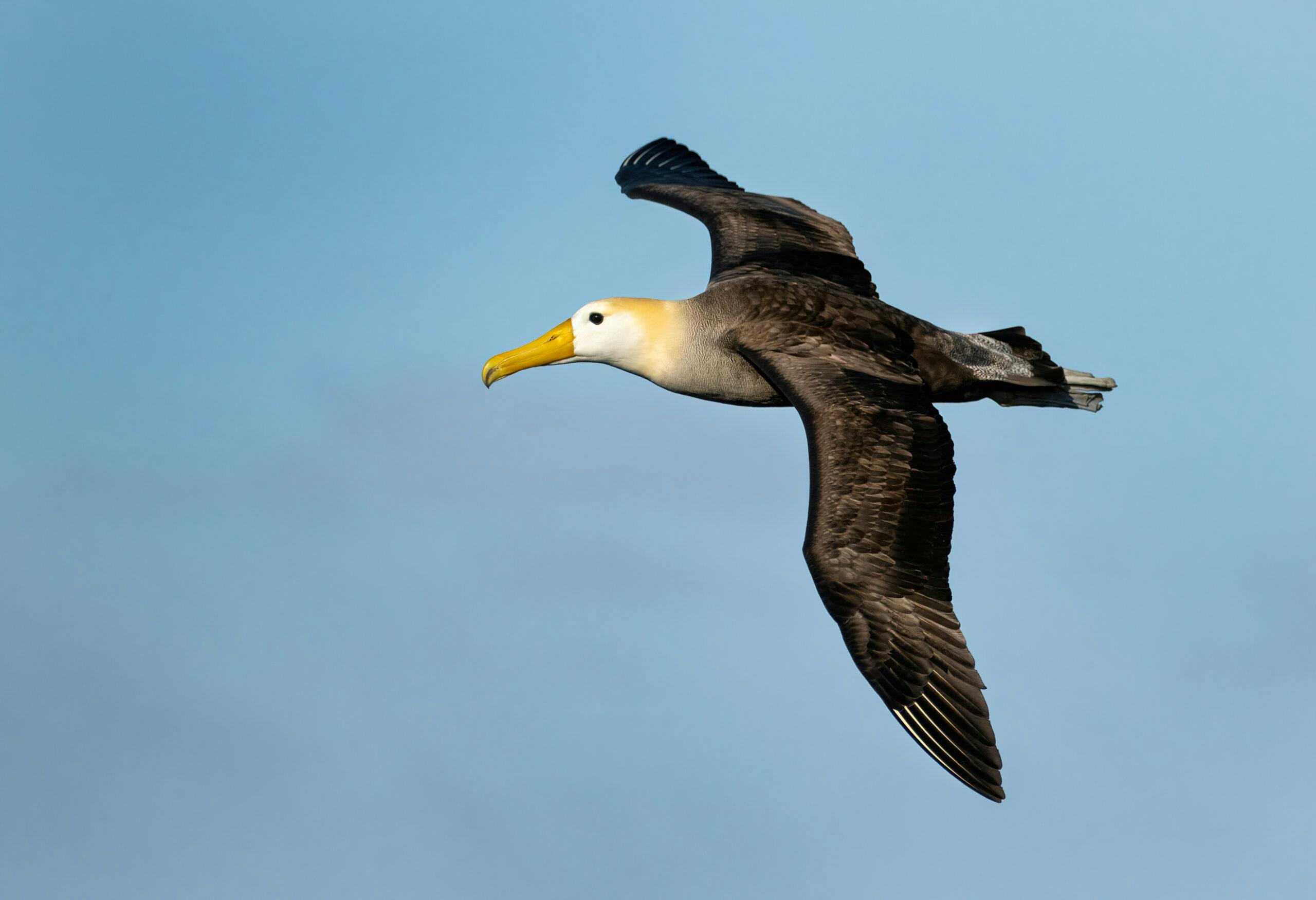
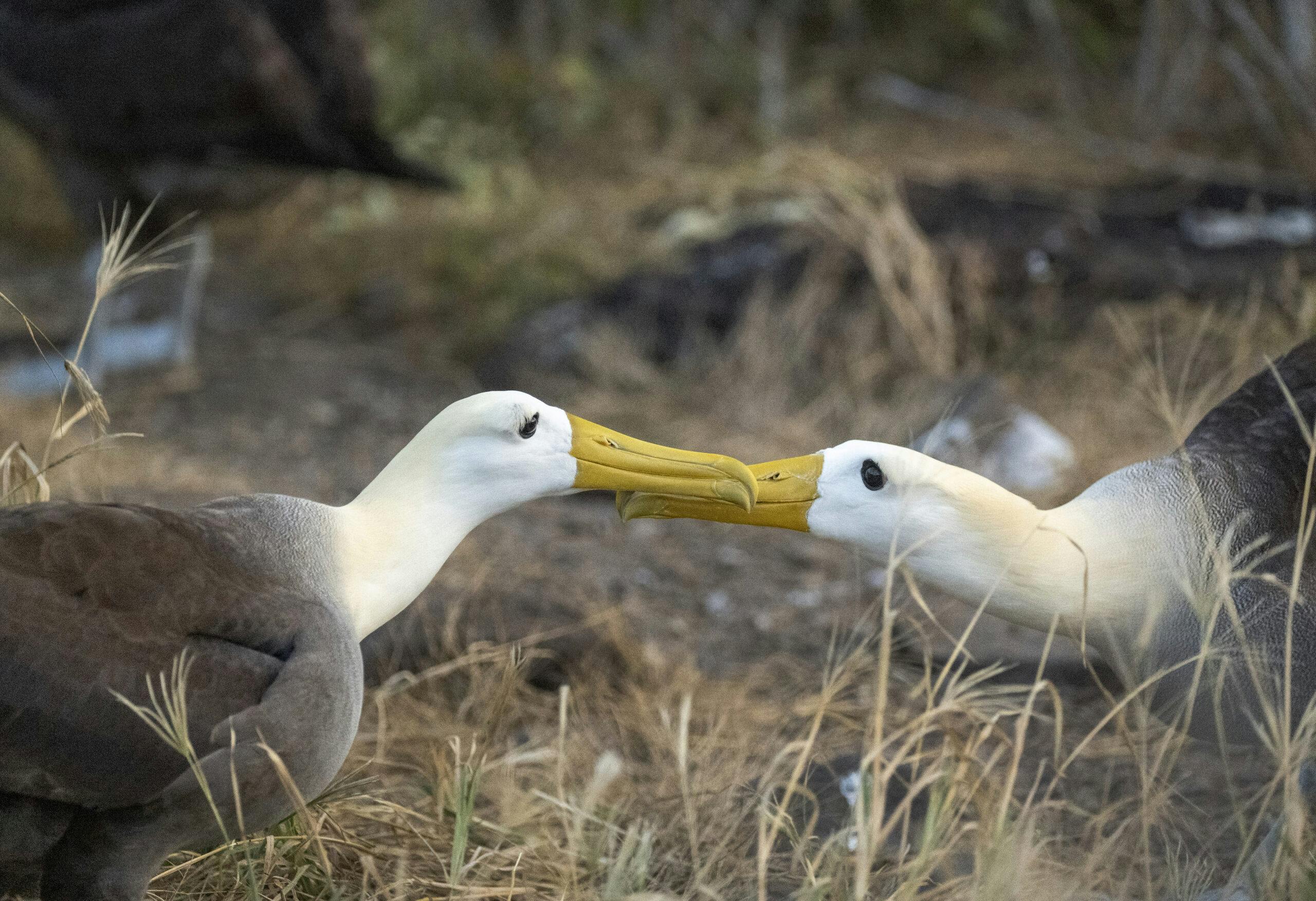
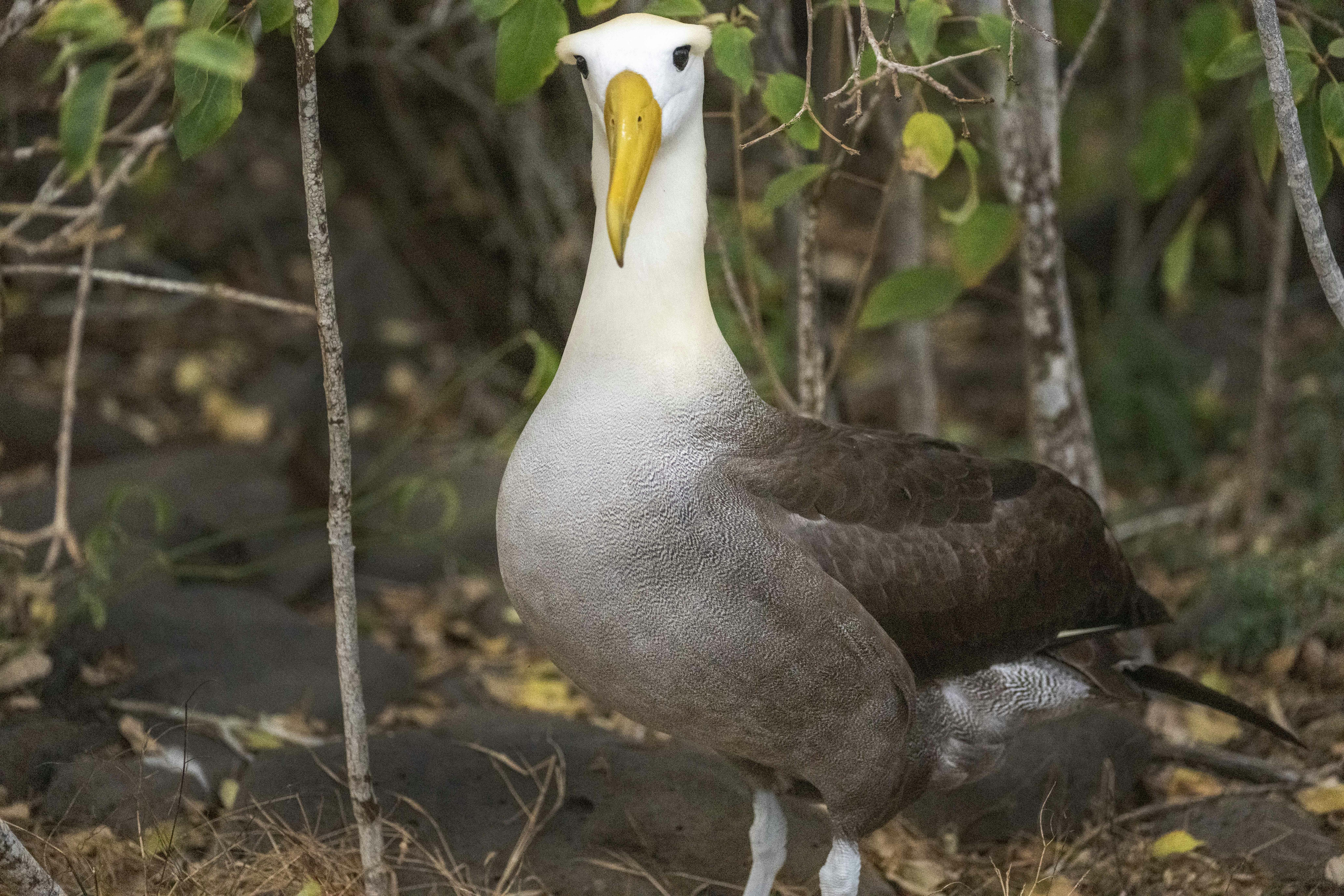
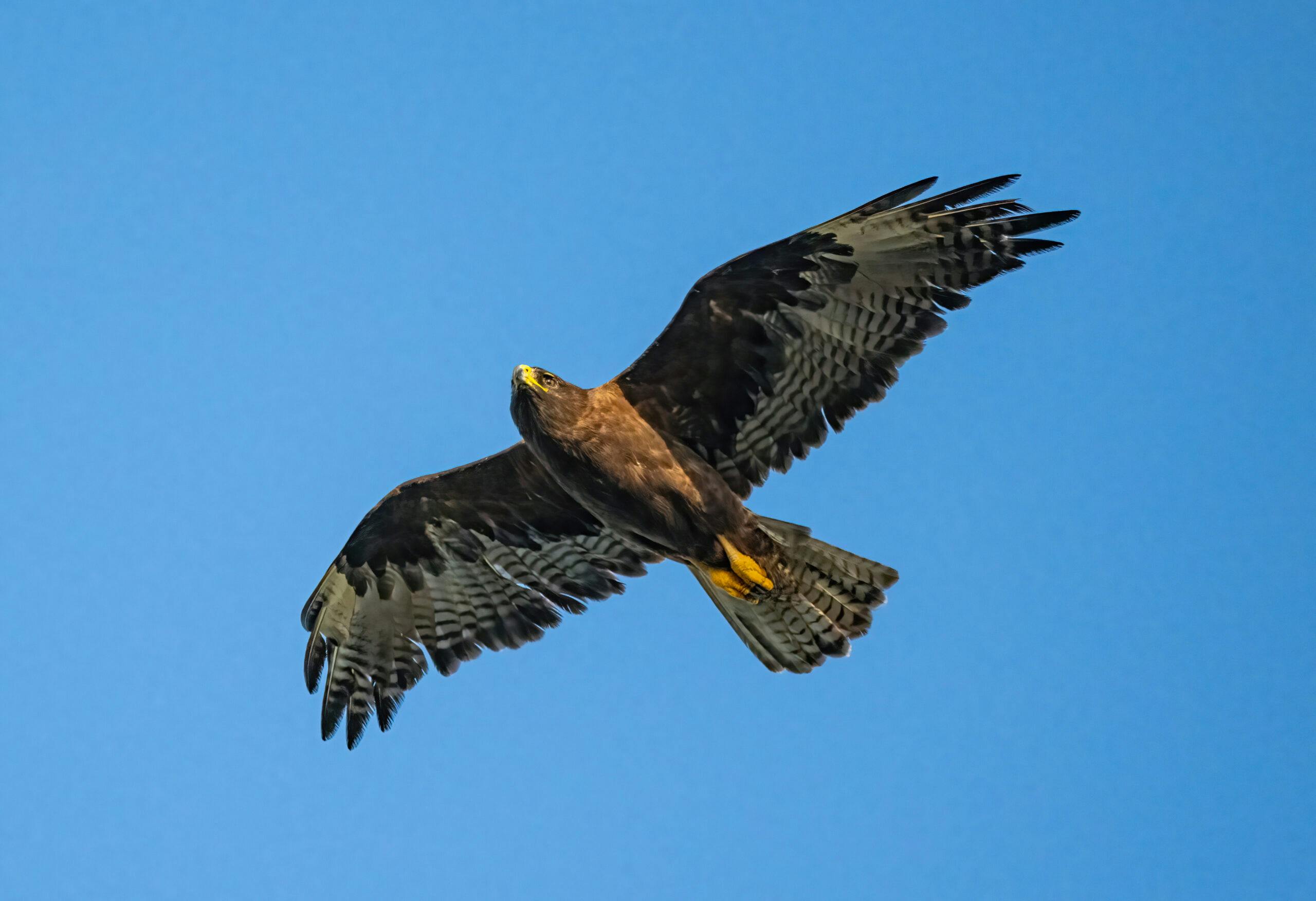
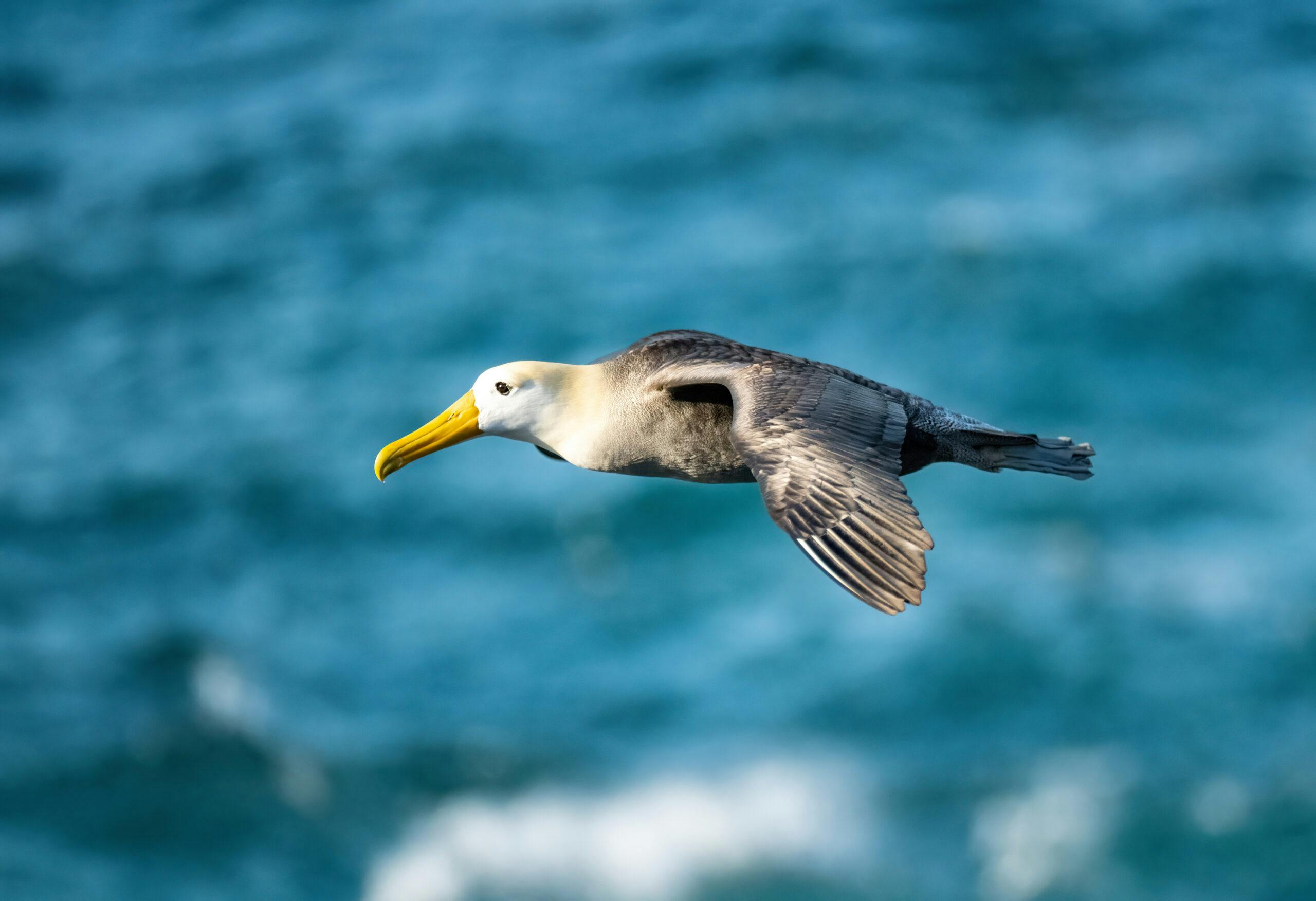
Day 14 – Geological Wonders of Isla San Cristóbal
Adventures at Punta Pitt and Isla Lobos feature diverse geological formations and vibrant marine life, perfect for hiking and snorkeling.
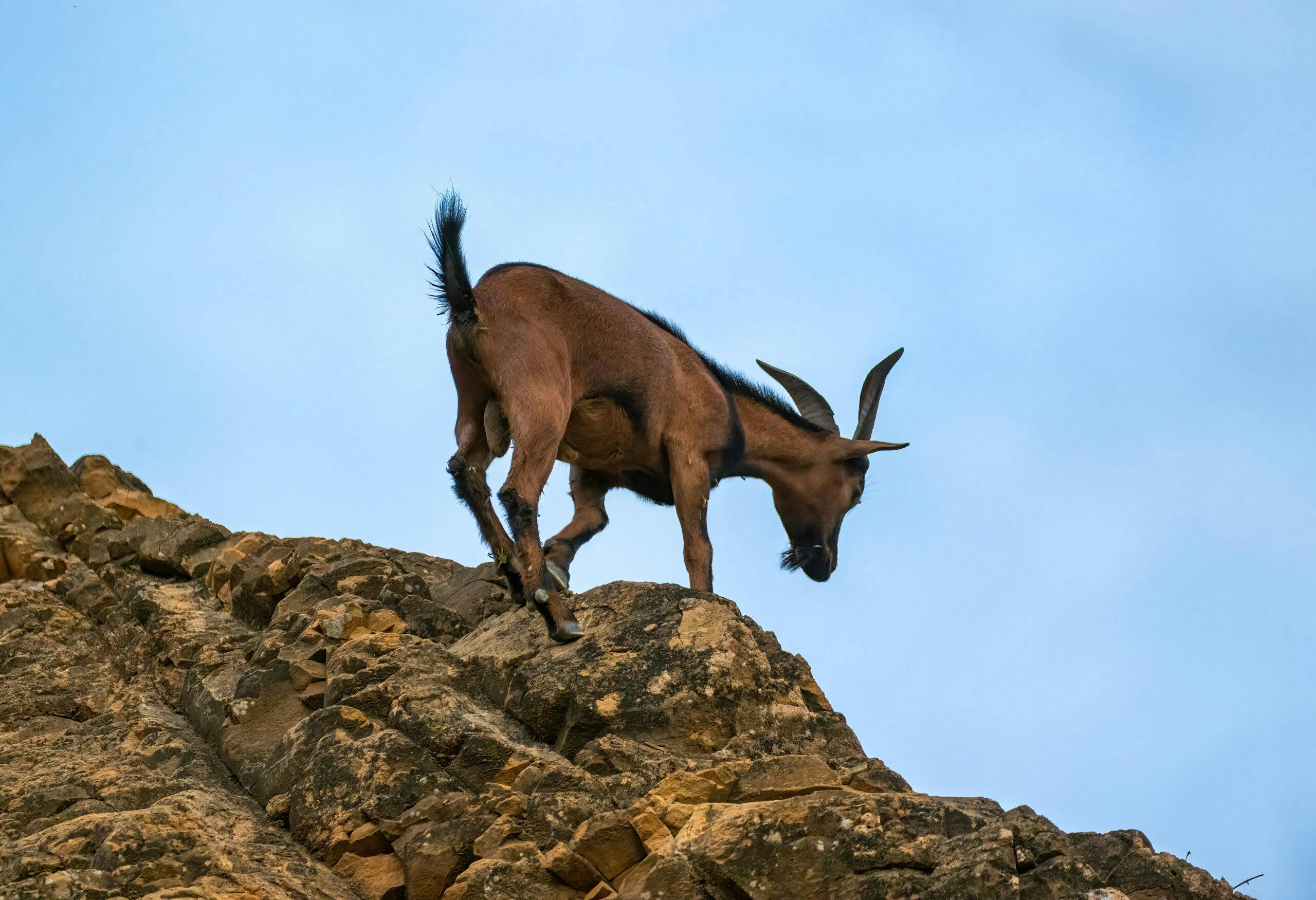
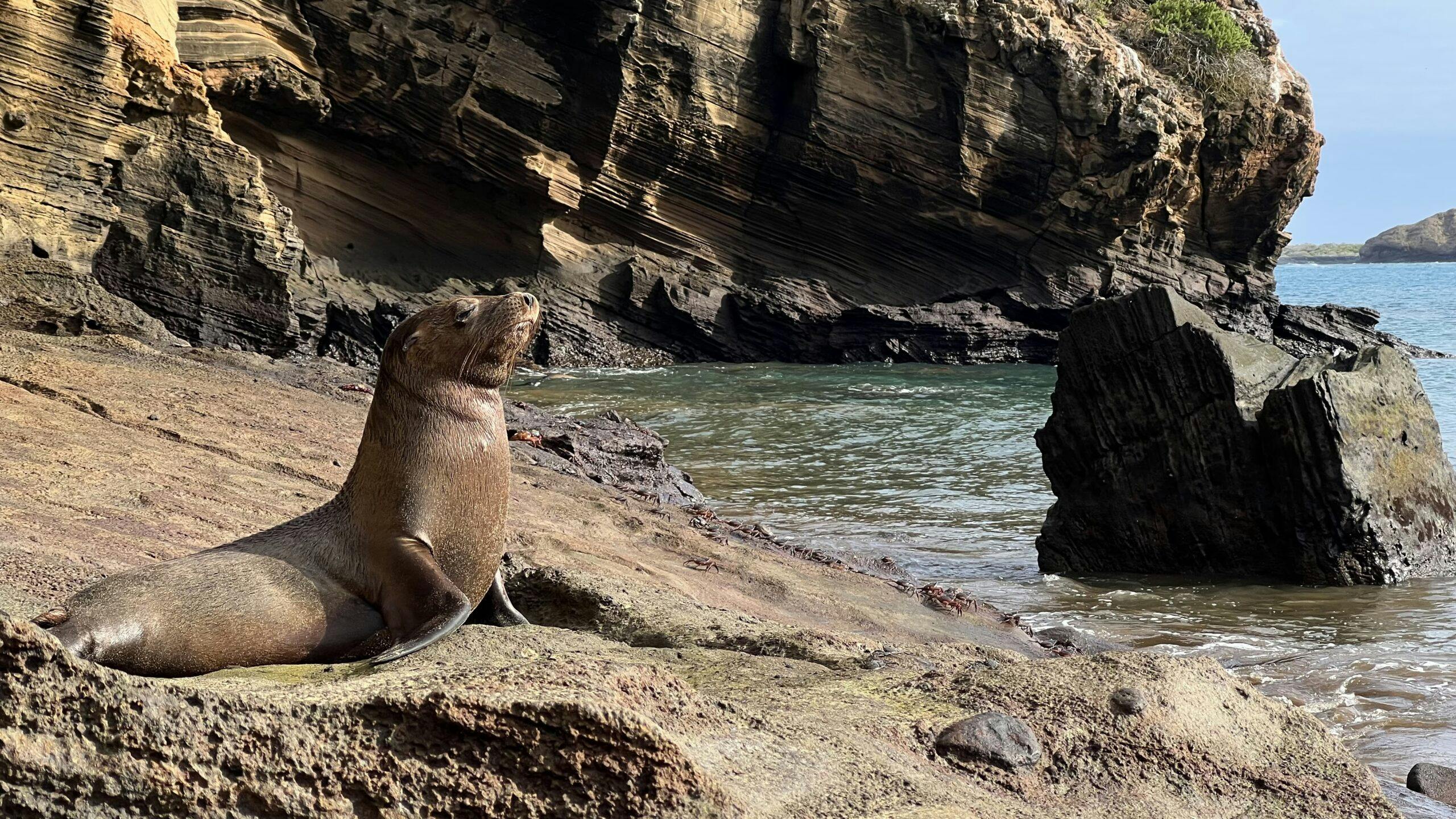
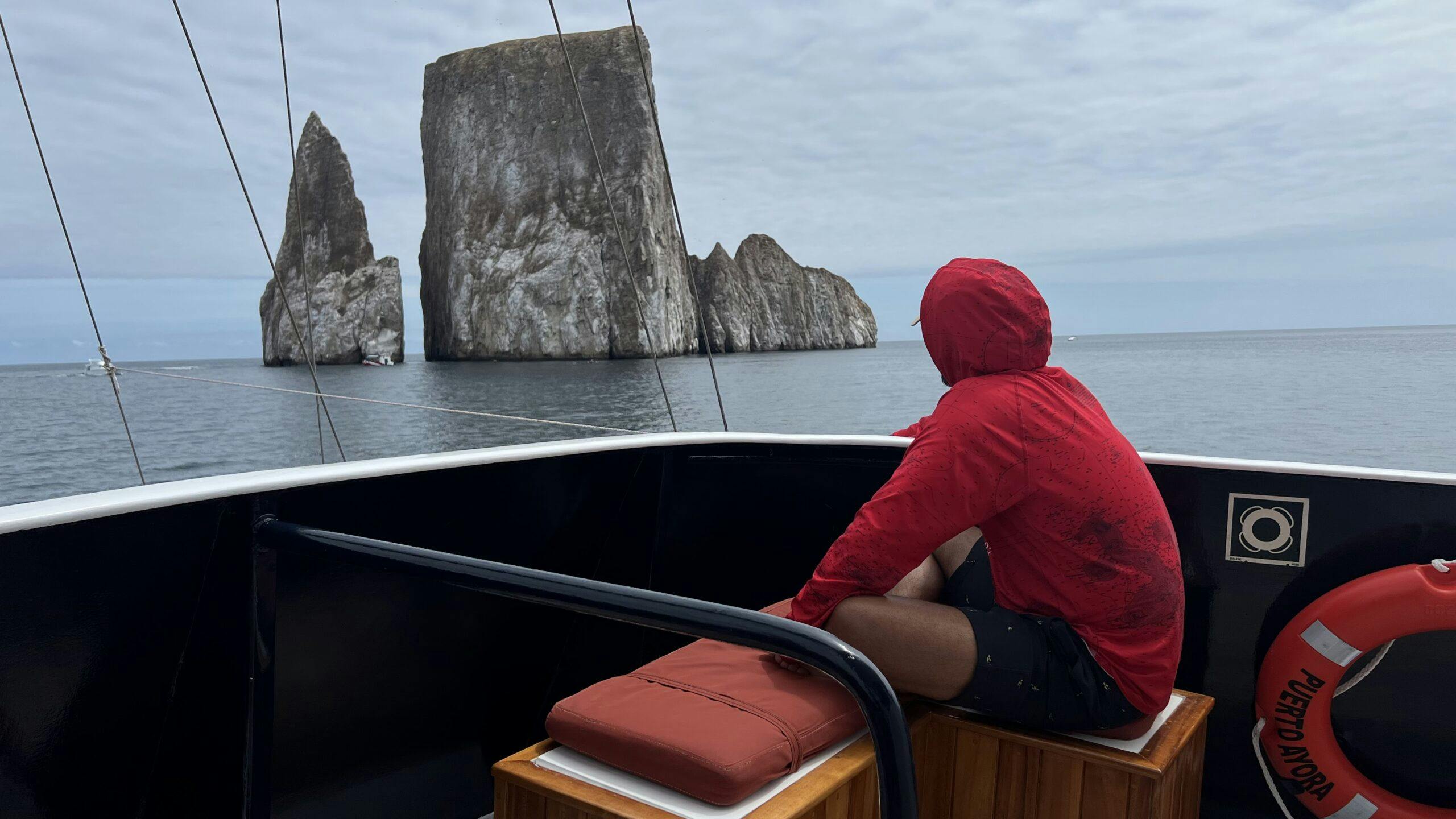
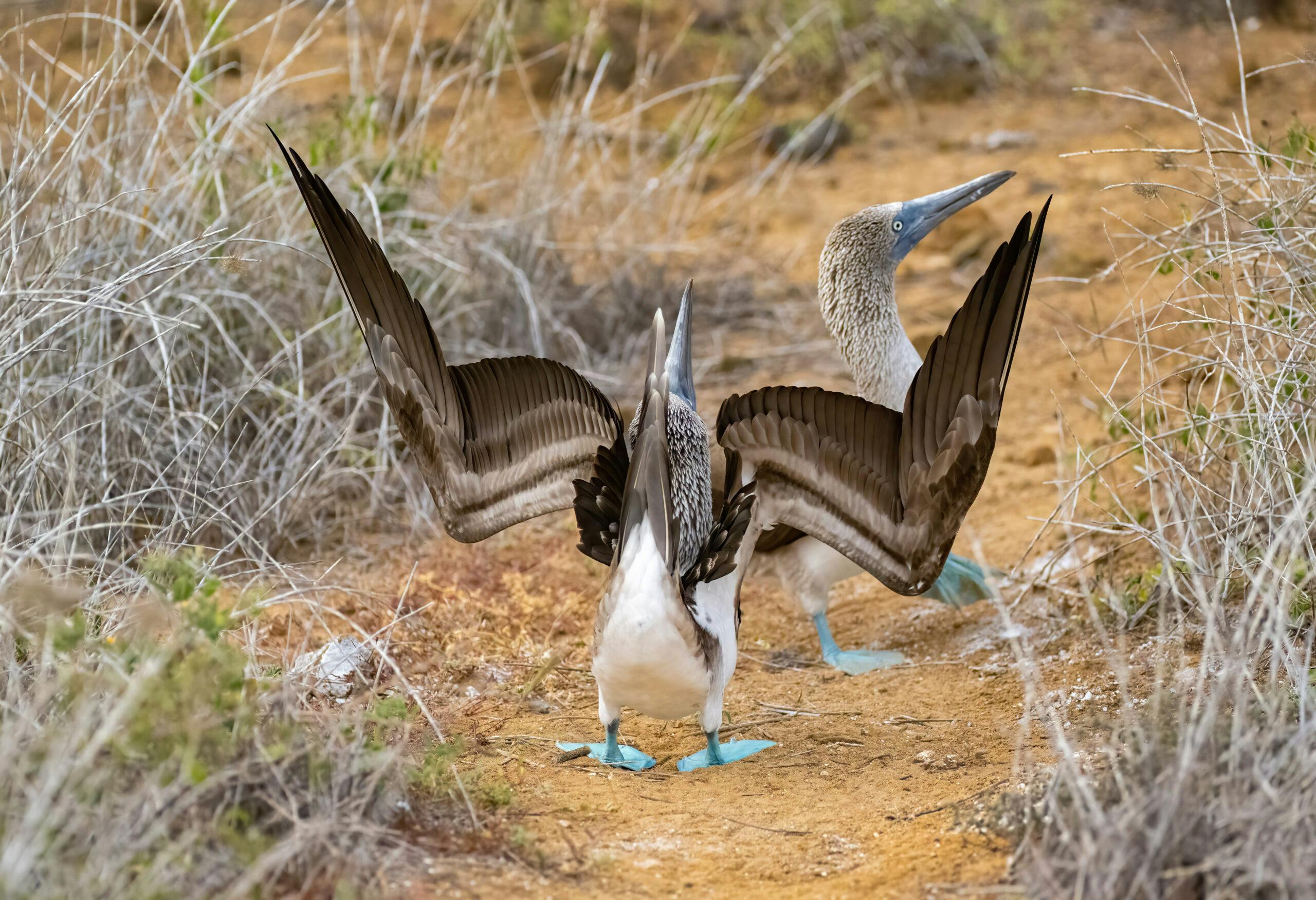
Day 15 – The Biodiversity of Santa Fé and South Plaza
Visits to Santa Fé and South Plaza highlight the adaptive prowess of island species, from land iguanas to Cactus Finches, set against a backdrop of dramatic landscapes.
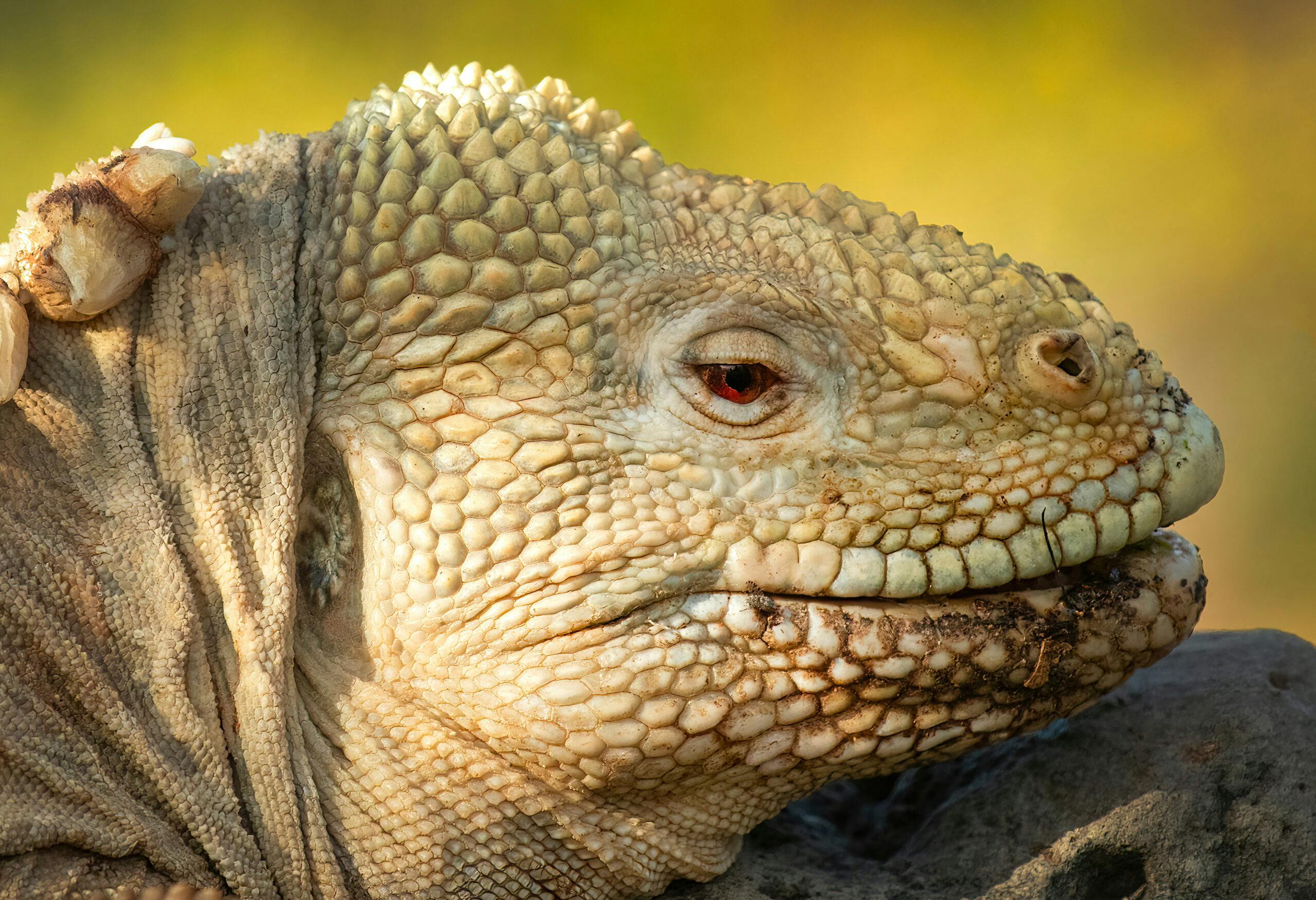
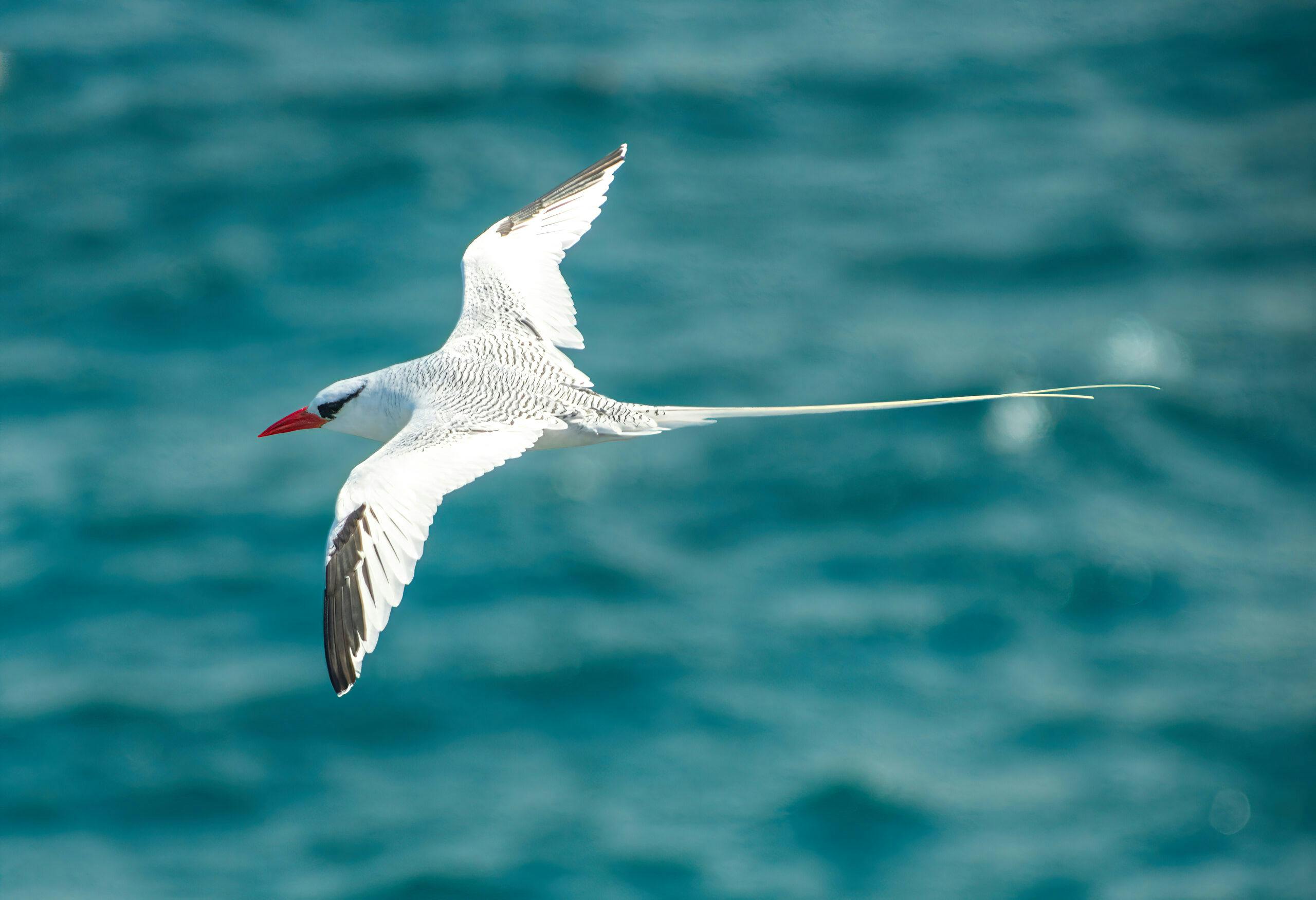
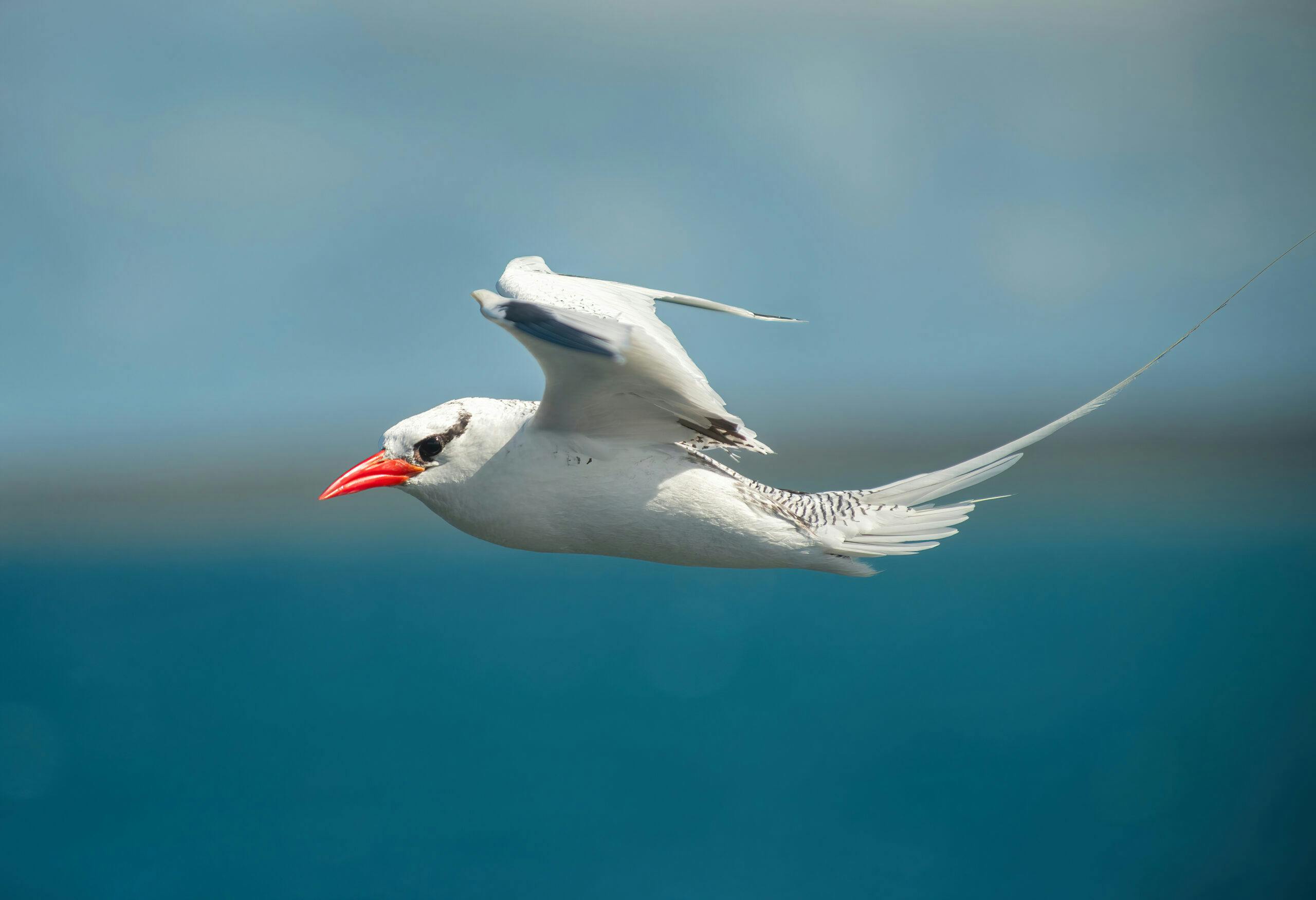
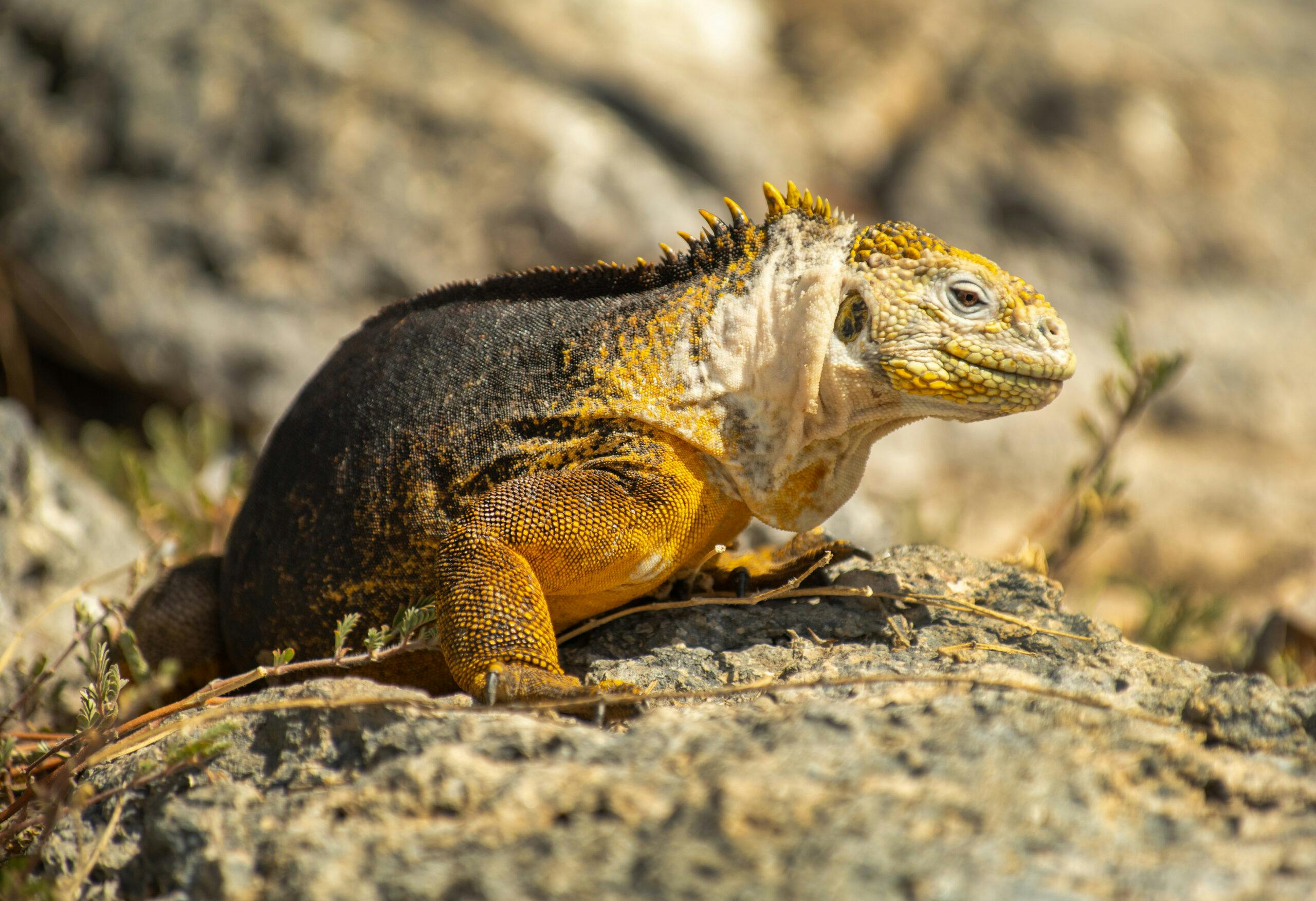
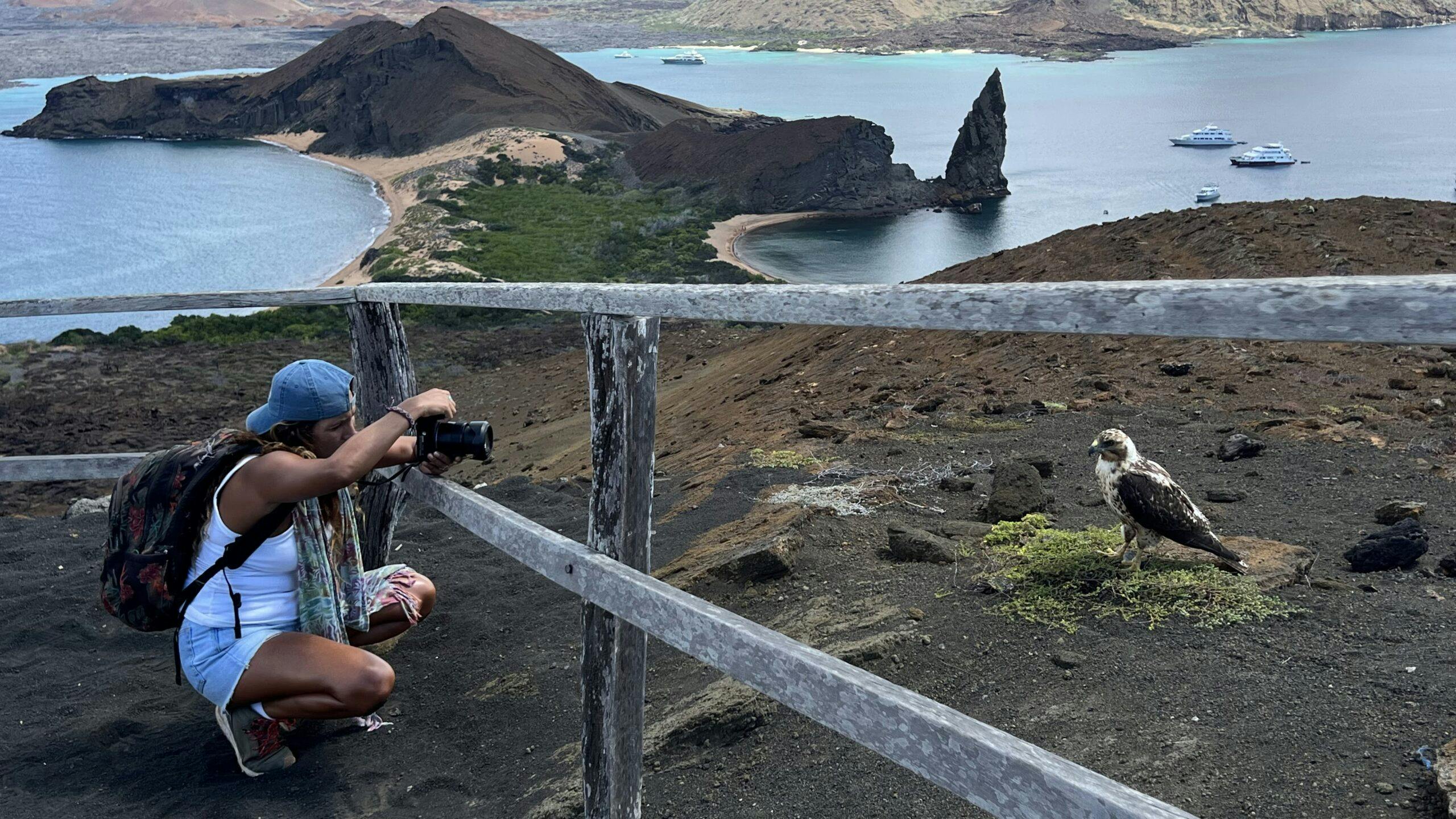
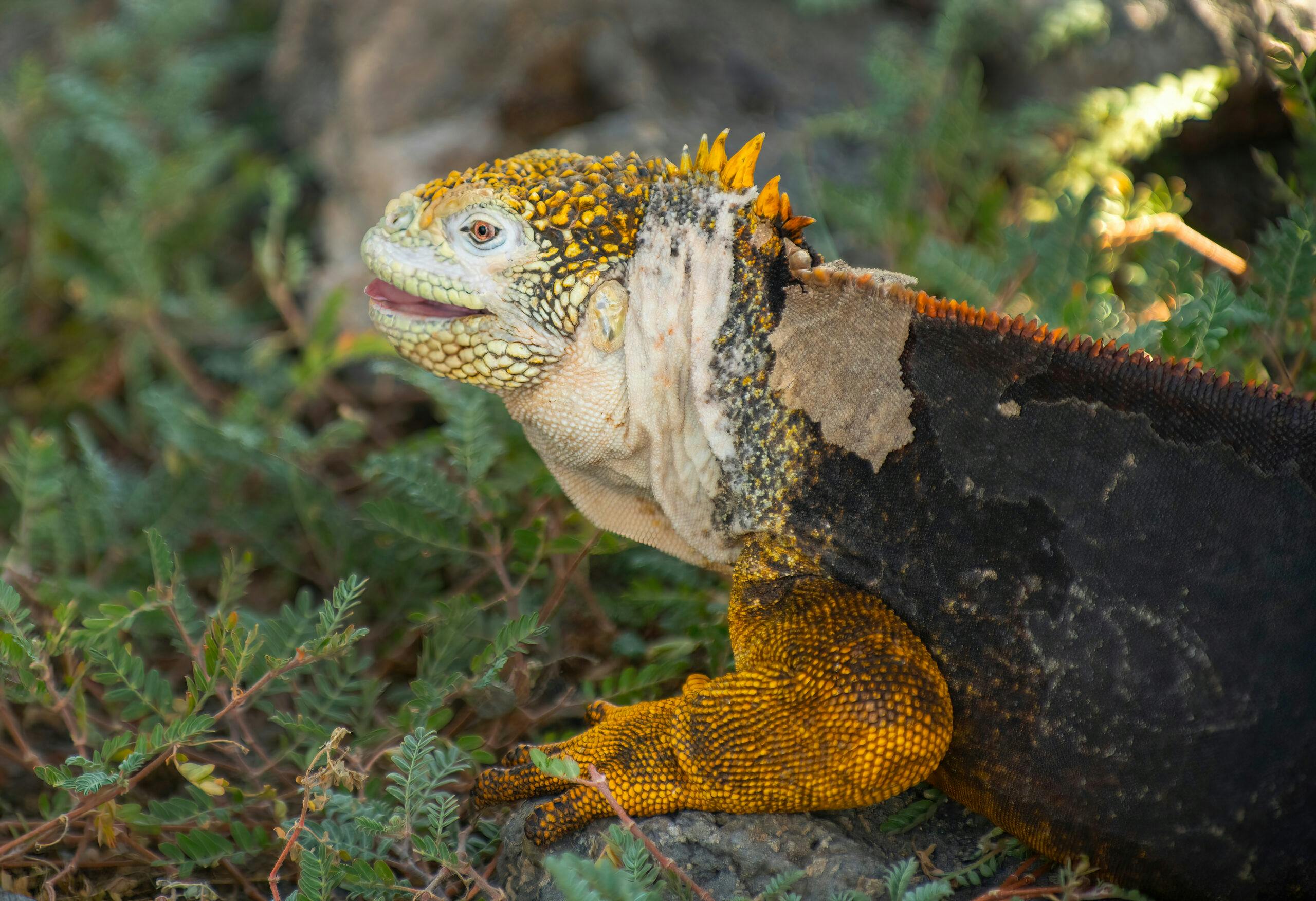
Day 16 – Iconic Scenes at Sombrero Chino and Isla Bartolomé
The surreal landscapes of Sombrero Chino Islet and the iconic Pinnacle Rock at Bartolomé provide unforgettable vistas, concluding with snorkeling among penguins and tropical fish.
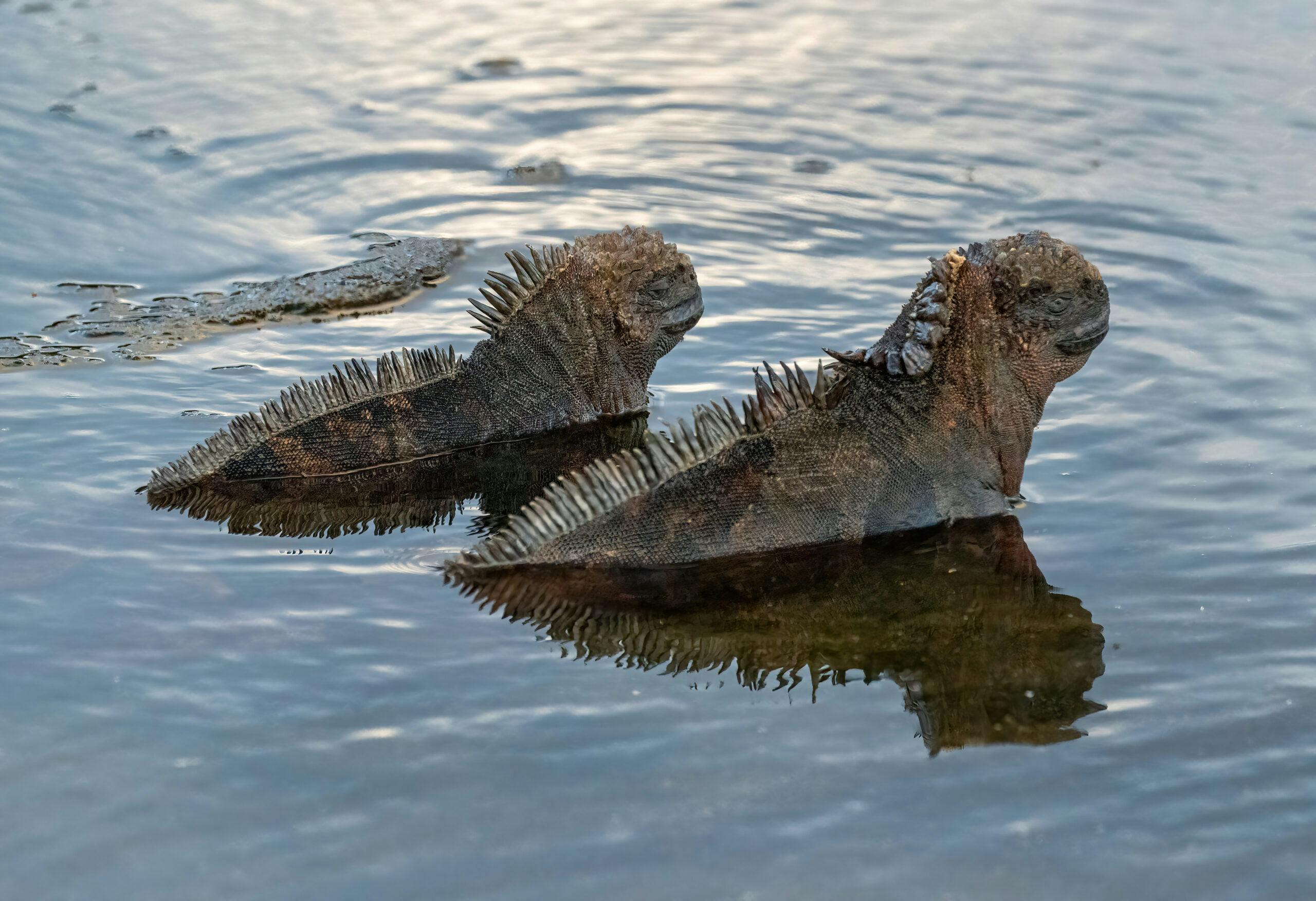
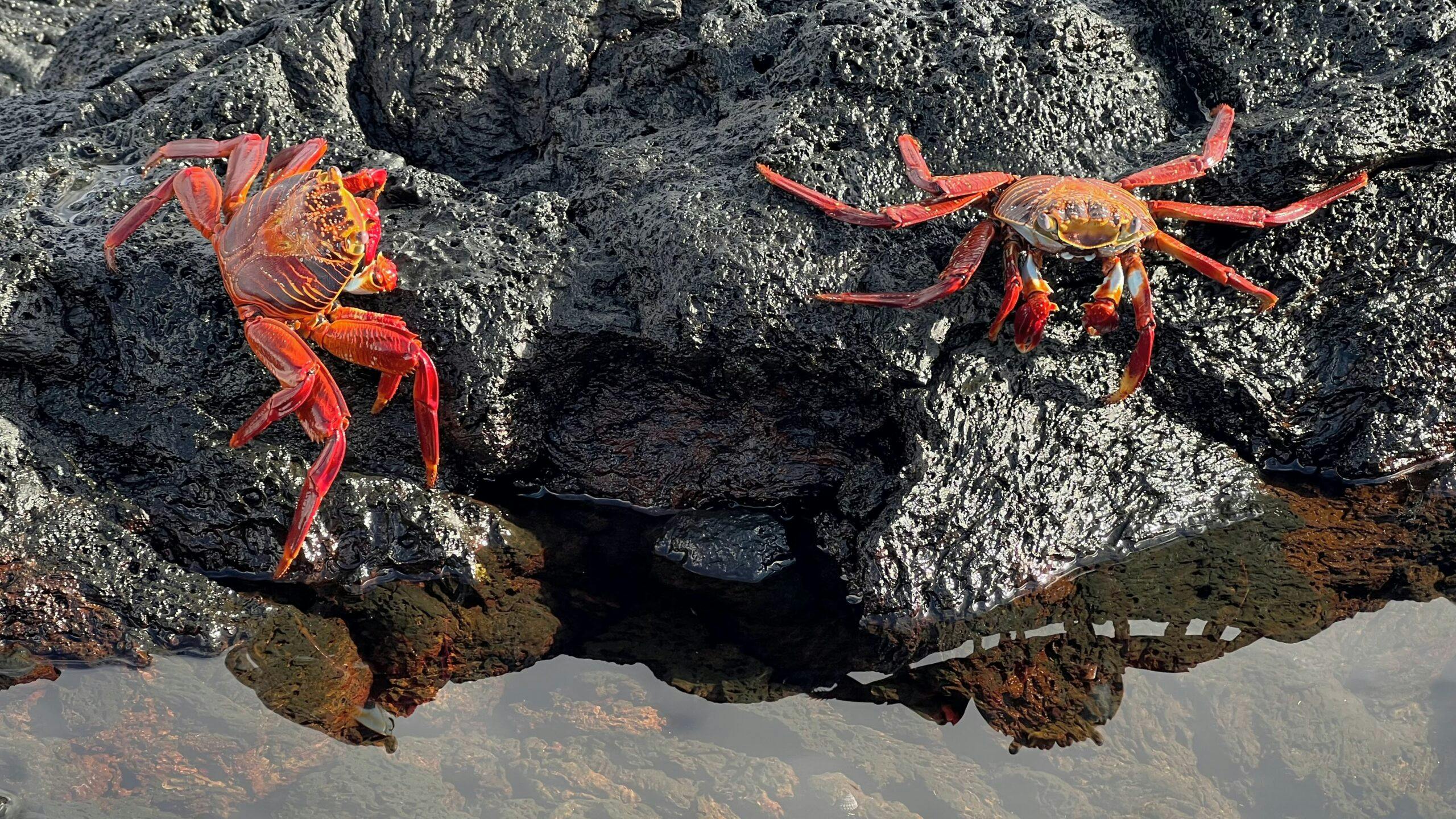
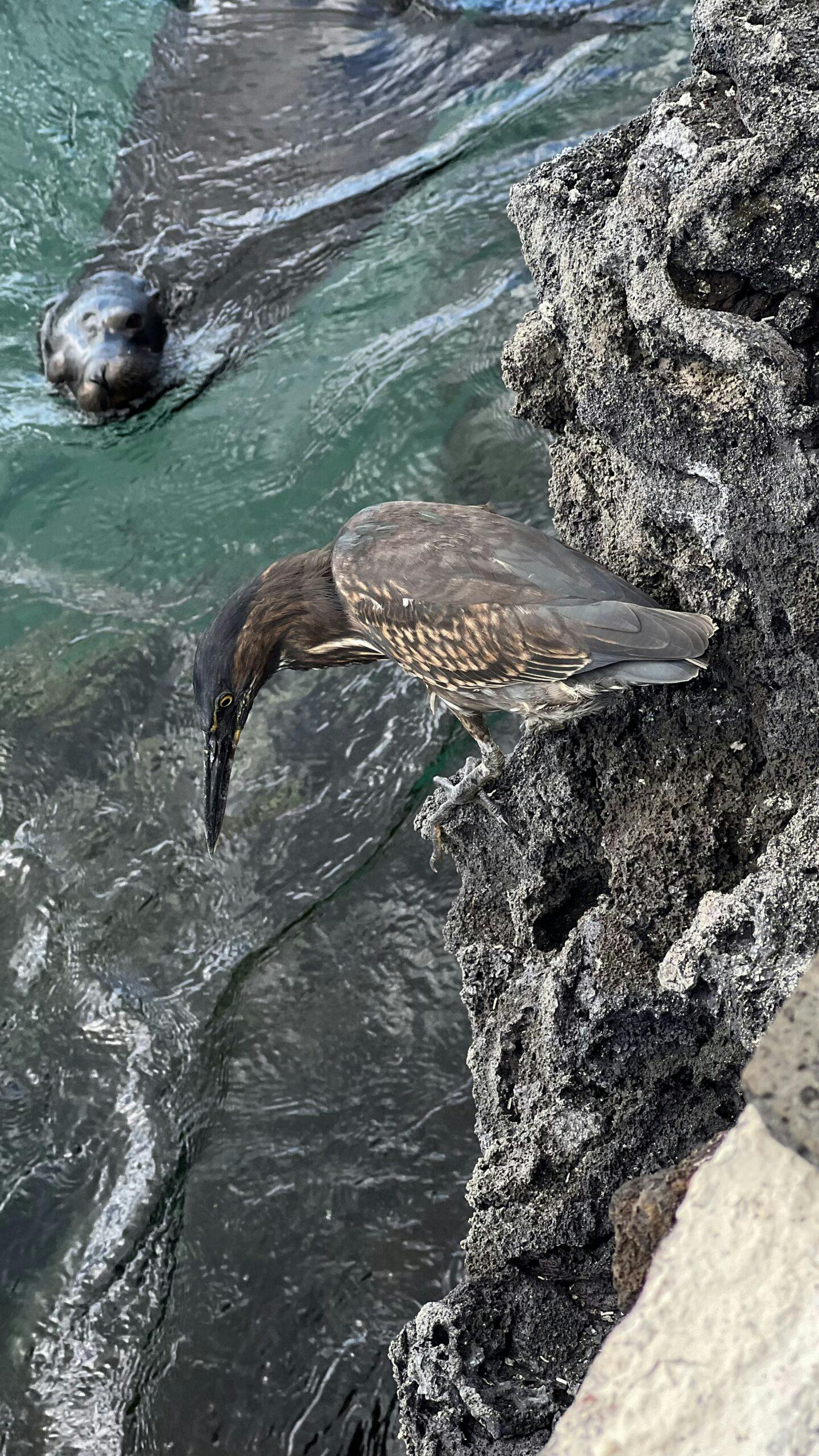
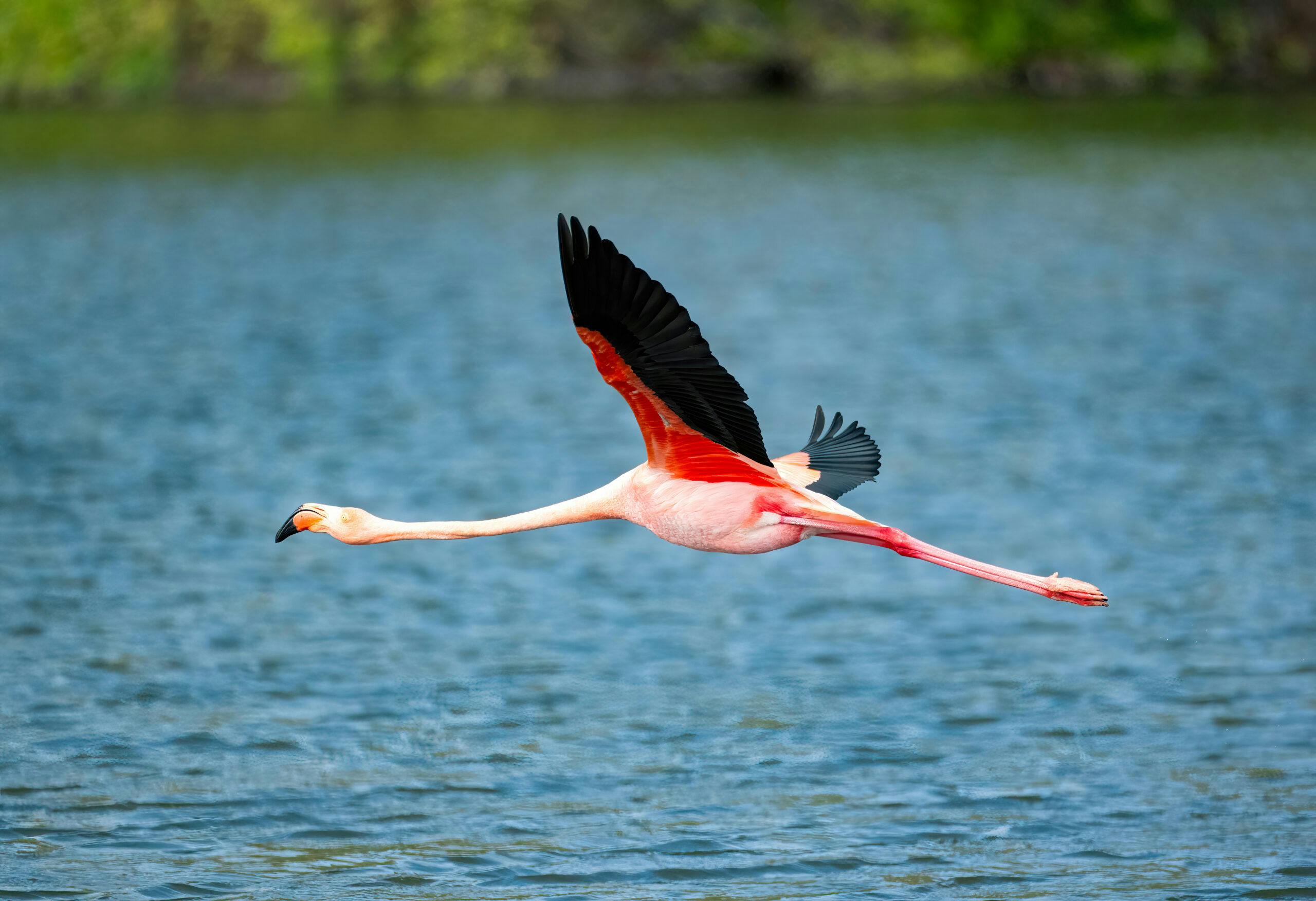
Day 17 – Last Impressions of the Islands
The final days are spent visiting the rich environments of Santiago and Rábida, offering last moments with the archipelago’s varied wildlife and landscapes before the return to Quito.
Day 18 – Farewell and Departure
The last morning in the Galápagos was spent at Isla Seymour Norte, engaging with the diverse birdlife and marine iguanas before returning to Quito.
“It was an absolutely fantastic trip and without a doubt one of the best I have ever been on. Juan and the crew were excellent. Juan’s knowledge is incredible, and the four excursions per day were tremendous and also kept off any potential for weight gain even with the masses of excellent food we were continually served lol. I cannot say enough about how fantastic a trip this was.” -Chris Desborough
Day 19 – Journey Home
With spirits high and cameras full, the travelers made their way back home, enriched by the extraordinary natural wonders of the Galápagos.
Our Galápagos Islands Trips
Feeling inspired to see the Enchanted Isles? Visit our website to learn more about how you can join one of our future voyages and experience the magic of the Galápagos Islands firsthand.
Whether you’re a photography enthusiast aiming to capture the vibrant wildlife and unique landscapes of the islands, a nature lover intrigued by the diverse ecosystems of the Galápagos, or an adventurer eager to explore one of the most extraordinary biodiversity hotspots on the planet, our Galápagos expedition offers an unmatched experience.
Don’t miss the opportunity to be part of this remarkable adventure. Join us as we voyage to the enchanted Galápagos Islands and experience the wonder of this unrivaled natural paradise together.
Join the Adventure
Svalbard
June 29 to July 12, 2023 | July 9 to 22, 2023
Svalbard Islands:
A Polar Expedition Like No Other
From June 29 to July 12, 2023 and July 9 to 22, 2023, two groups of Cheesemans’ Ecology travelers embarked on expeditions to become Arctic explorers of the Svalbard Archipelago. Nestled between Norway and the North Pole, this pristine wilderness served as our playground for two weeks at a time under the enchanting glow of the midnight sun. Join us as we recount the highlights and unforgettable experiences of our Arctic journey in the realm of the polar bear, complete with testimonials from our travelers that bring the adventure and unforgettable wildlife encounters vividly to life.
Day 1 – Arrival in Longyearbyen, Svalbard
Our adventure began in Longyearbyen, the largest settlement on the Svalbard Archipelago. This quaint Scandinavian town, set against the stark beauty of the Arctic, welcomes with its unique charm and the day was spent exploring local attractions, last minute shopping, and soaking in the breathtaking landscapes that beckoned our further exploration by ship the next two weeks.
Day 2 – Embarking on Our Arctic Voyage
Embarkation day! We boarded our vessel, set to navigate through the icy realms of the Arctic. The excitement was palpable as we embarked from Longyearbyen, ready to explore the vast fjords and rugged wilderness awaiting us.
“It was a trip of a lifetime! This is my third and best Cheesemans’ trip. I didn’t think Antarctica could be topped but this was even better, probably because of the smaller group of travelers. We had nice cabins, a great crew, and two knowledgeable, friendly and fun guides. Most days were sunny. Wildlife was plentiful and the scenery was breathtaking. -Lynn DuPratt
“We experienced everything we hoped to with the added benefit of Cheesemans’ expert guides.” -Lori & Richard Rothstein
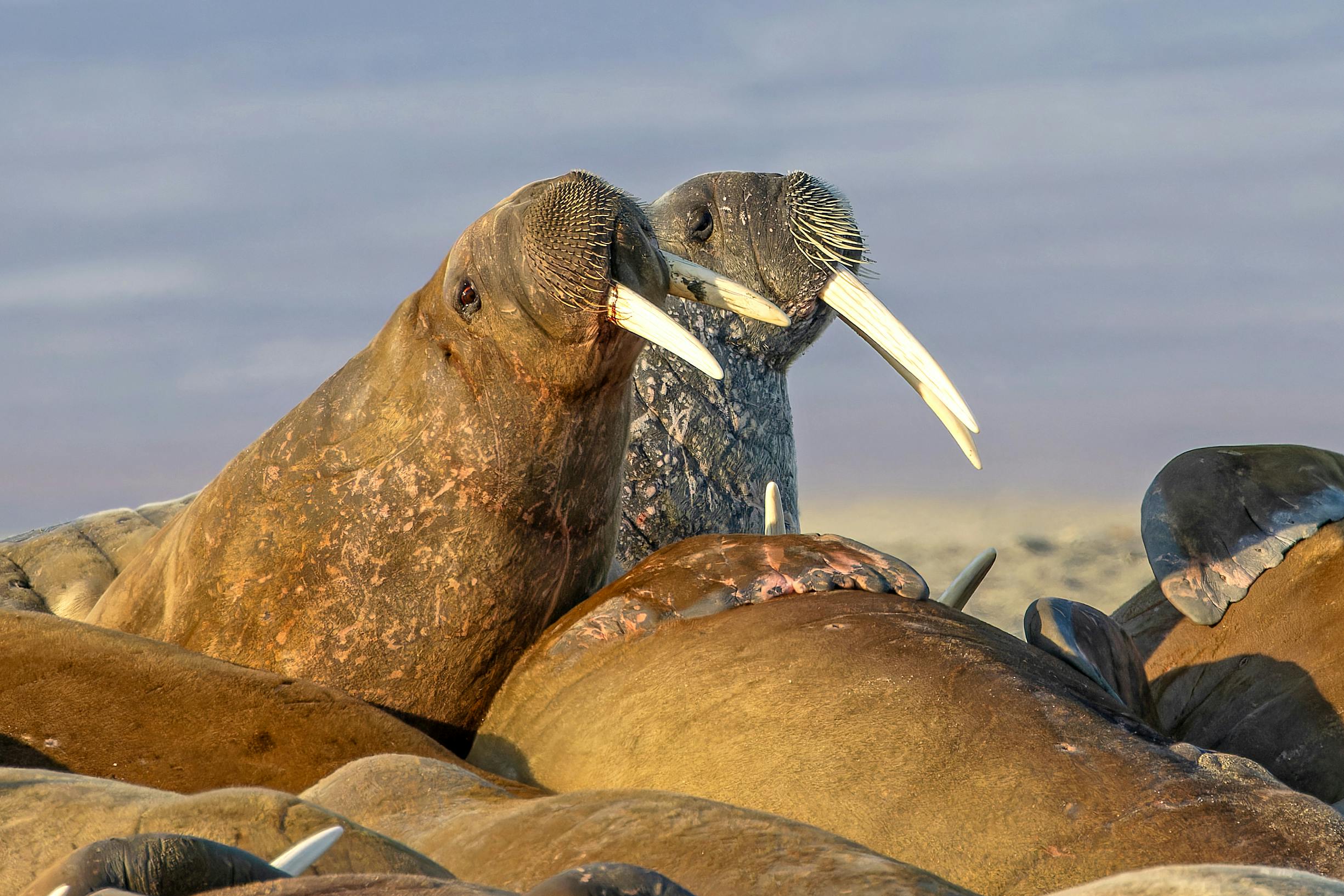
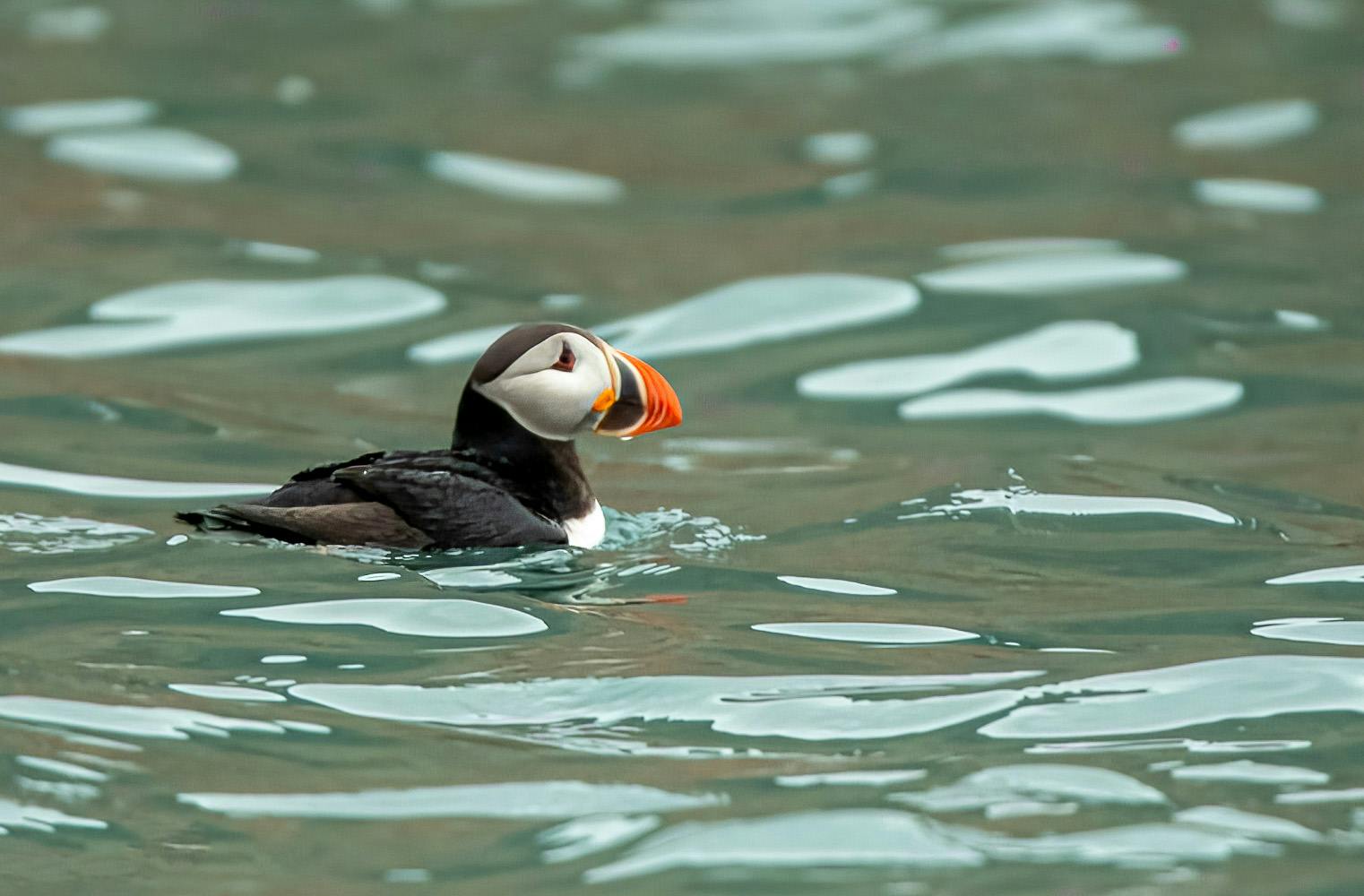
Days 3-9 – Highlights of the Expedition
Throughout our voyage, we immersed ourselves in the unparalleled beauty of the Svalbard Archipelago. Here are a few standout moments:
Wildlife Encounters: Our primary goal was to spot the mythical polar bear in its natural habitat. With 24 hours of daylight, each day offered endless opportunities to witness these majestic creatures, as well as other iconic Arctic wildlife like walruses and various whale species.
Zodiac Cruises: Small, agile Zodiac boats allowed us to approach the base of massive glaciers and navigate close to the nesting sites of seabird colonies. These excursions provided us with up-close experiences of the archipelago’s rich birdlife and stunning ice formations.
Photography Workshops: Under the guidance of Scott Davis, our group enhanced their photography skills, capturing the ethereal beauty of the Arctic landscape and its inhabitants. These workshops were a highlight for many, offering professional tips and techniques for wildlife and landscape photography.
Exploring Remote Inlets: The flexibility of our small group and the maneuverability of our ship allowed us to enter narrow inlets and straits, exploring areas that larger vessels could not reach. This access to untouched parts of the archipelago made our expedition truly special.
“Close interactions with polar bears, arctic foxes, and ice cruising were among the most unforgettable experiences.” -James Horsch
“Following an arctic fox along the shore for some 45 minutes was an absolute thrill.” -Stephen Tauber
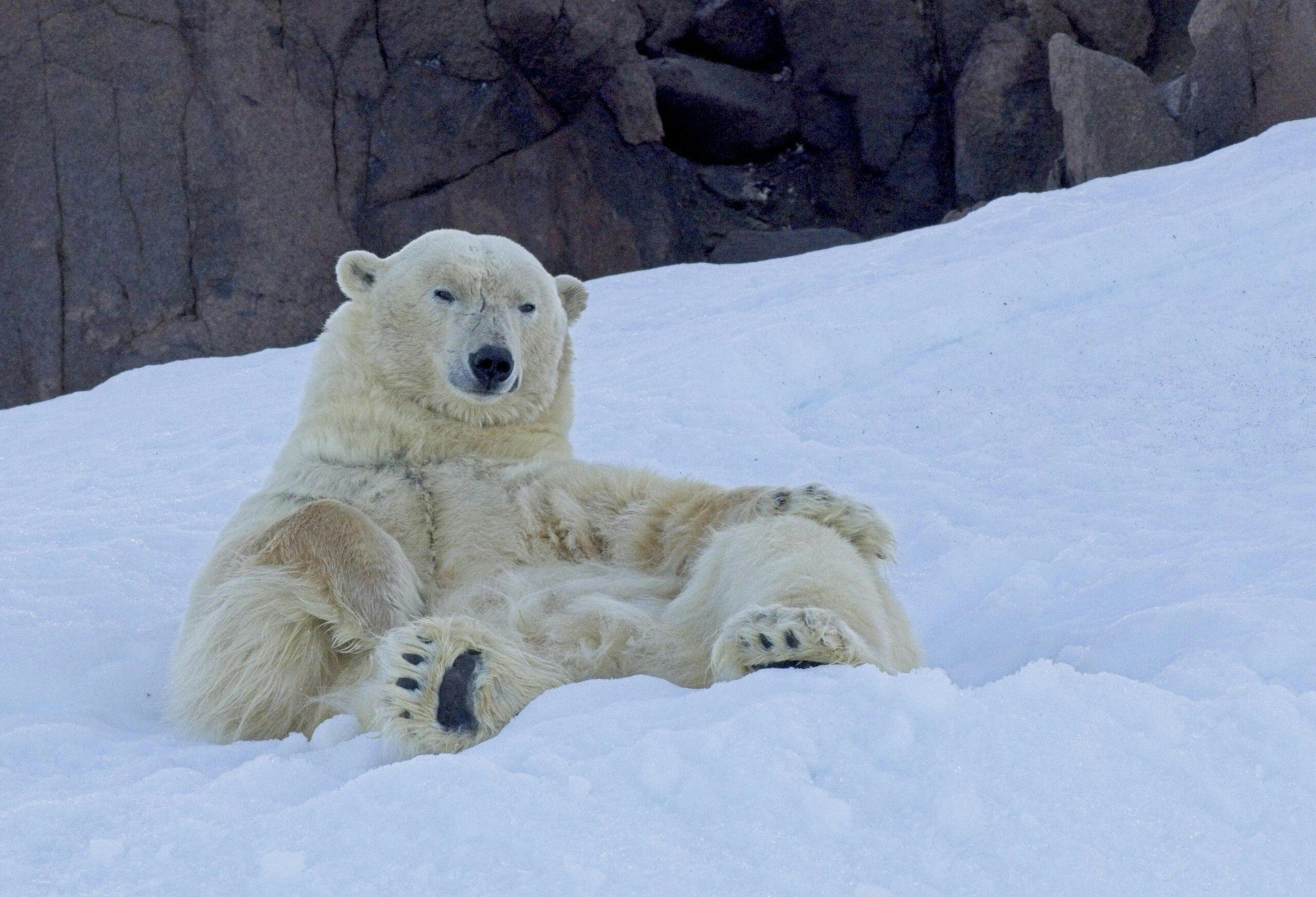
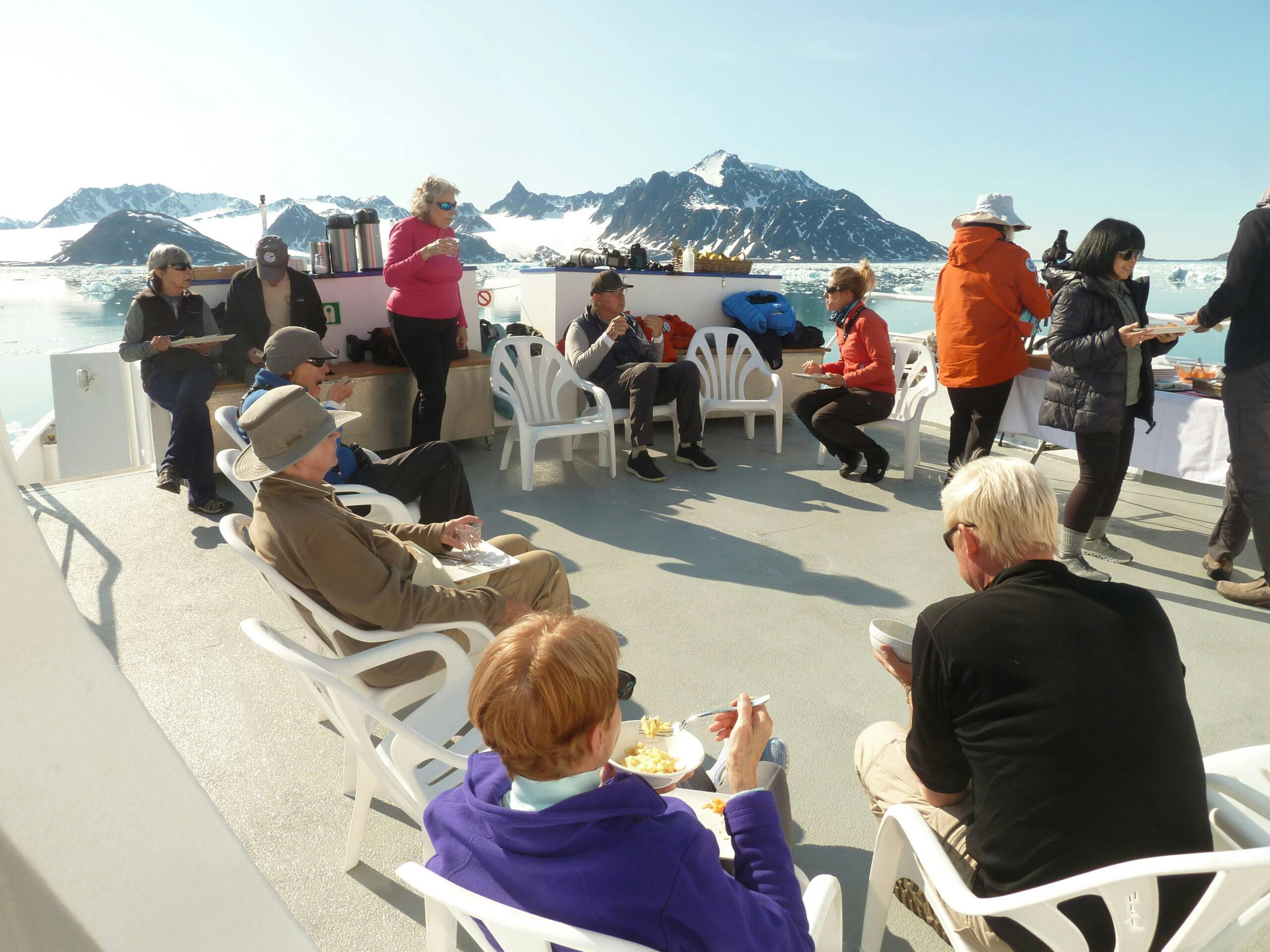

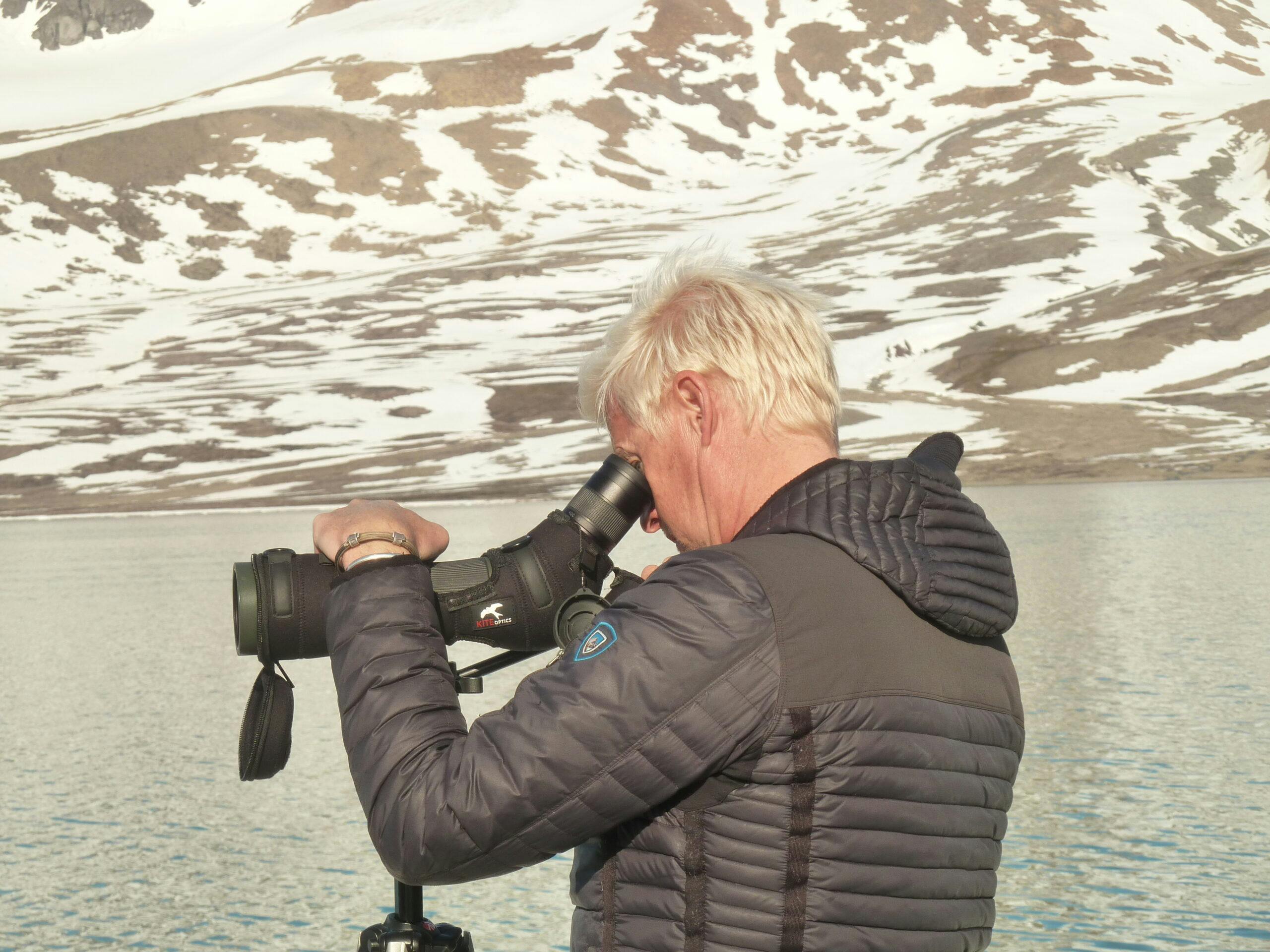

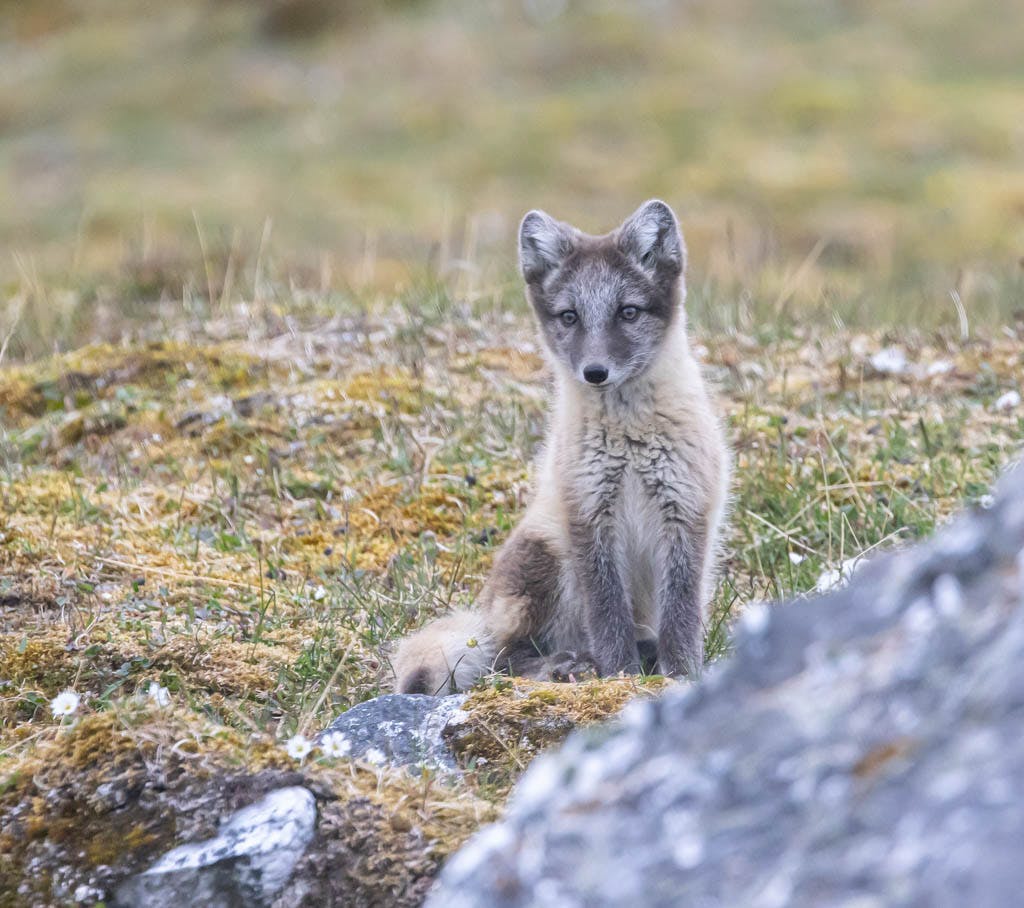
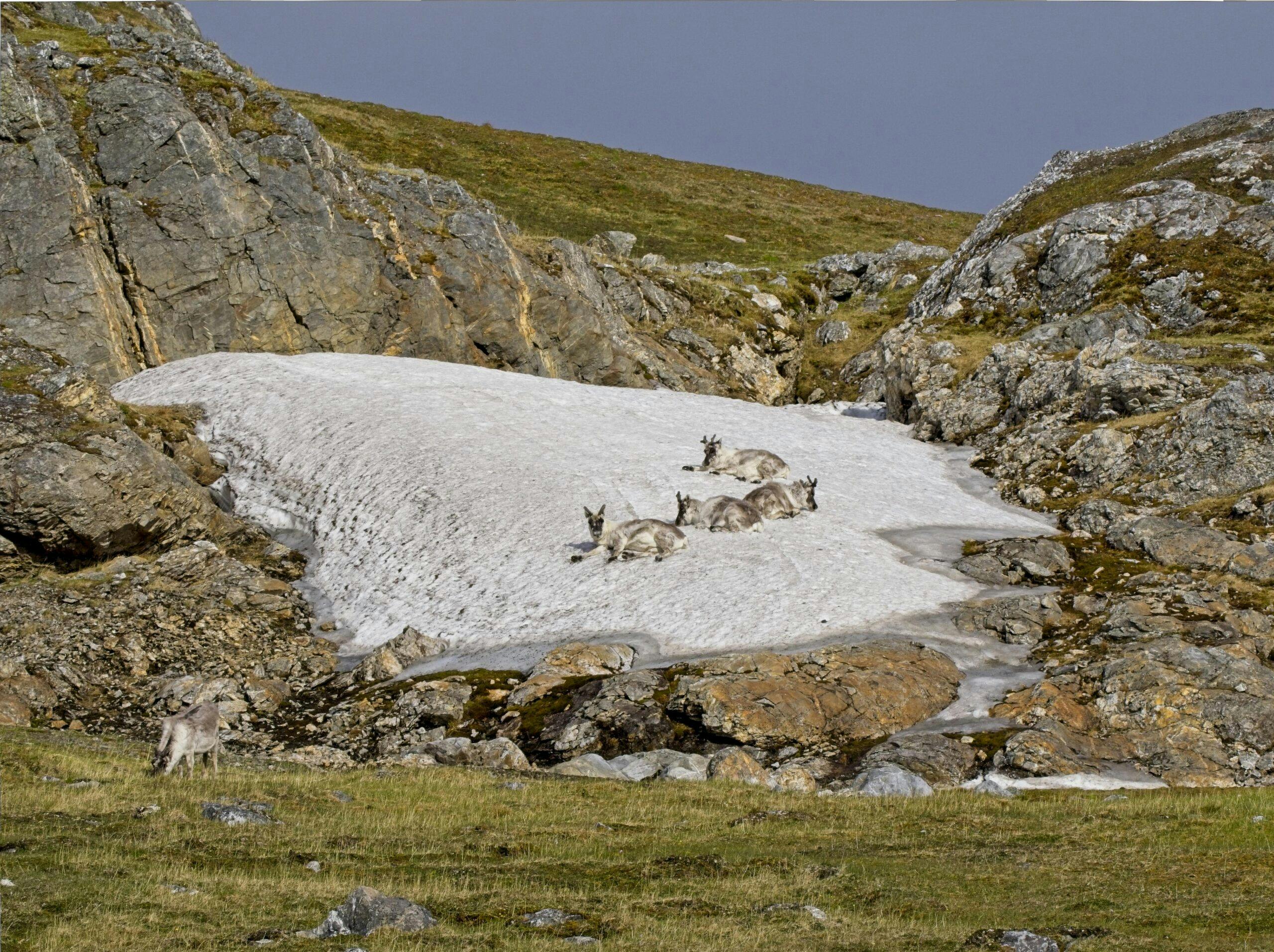
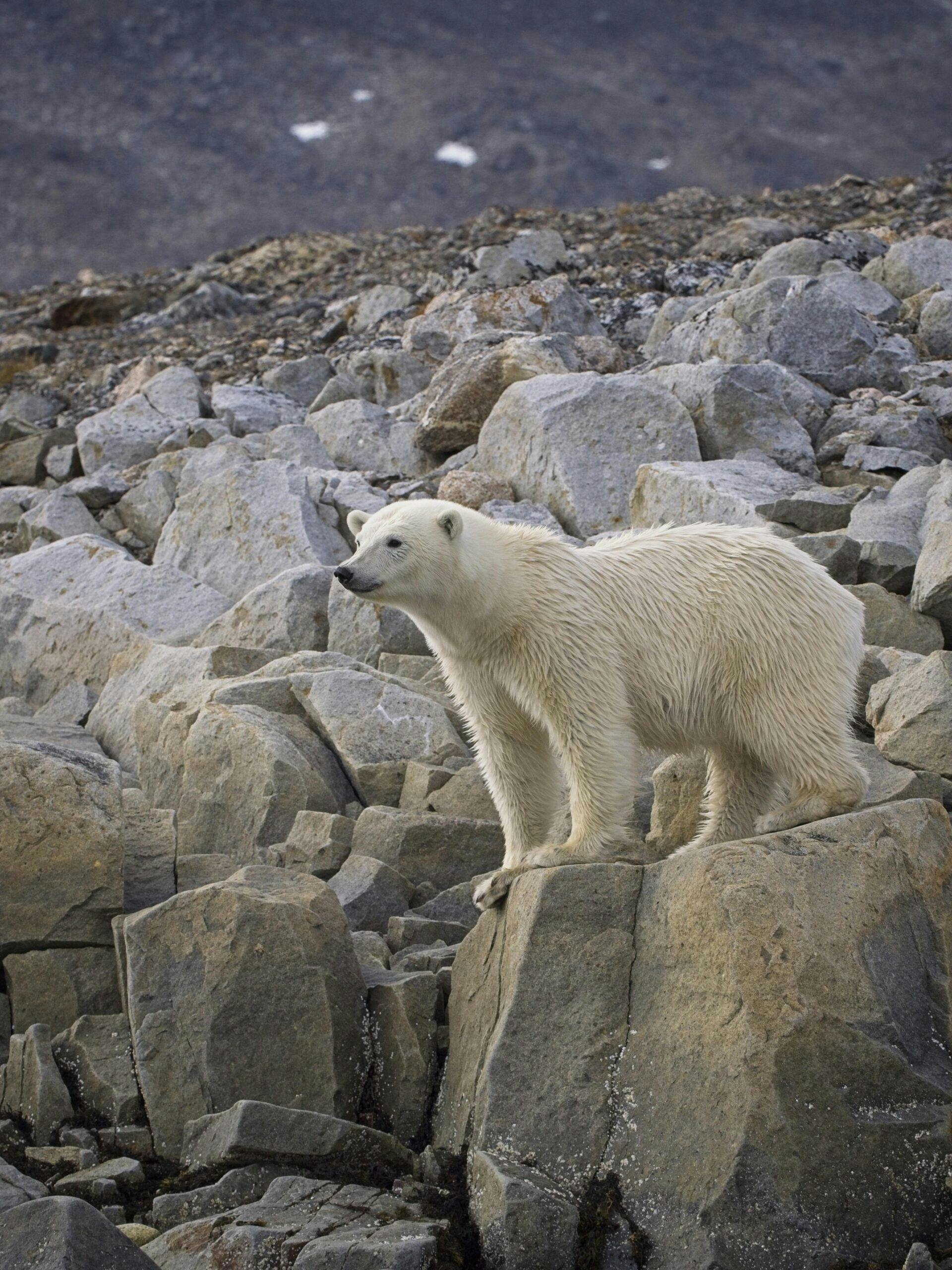
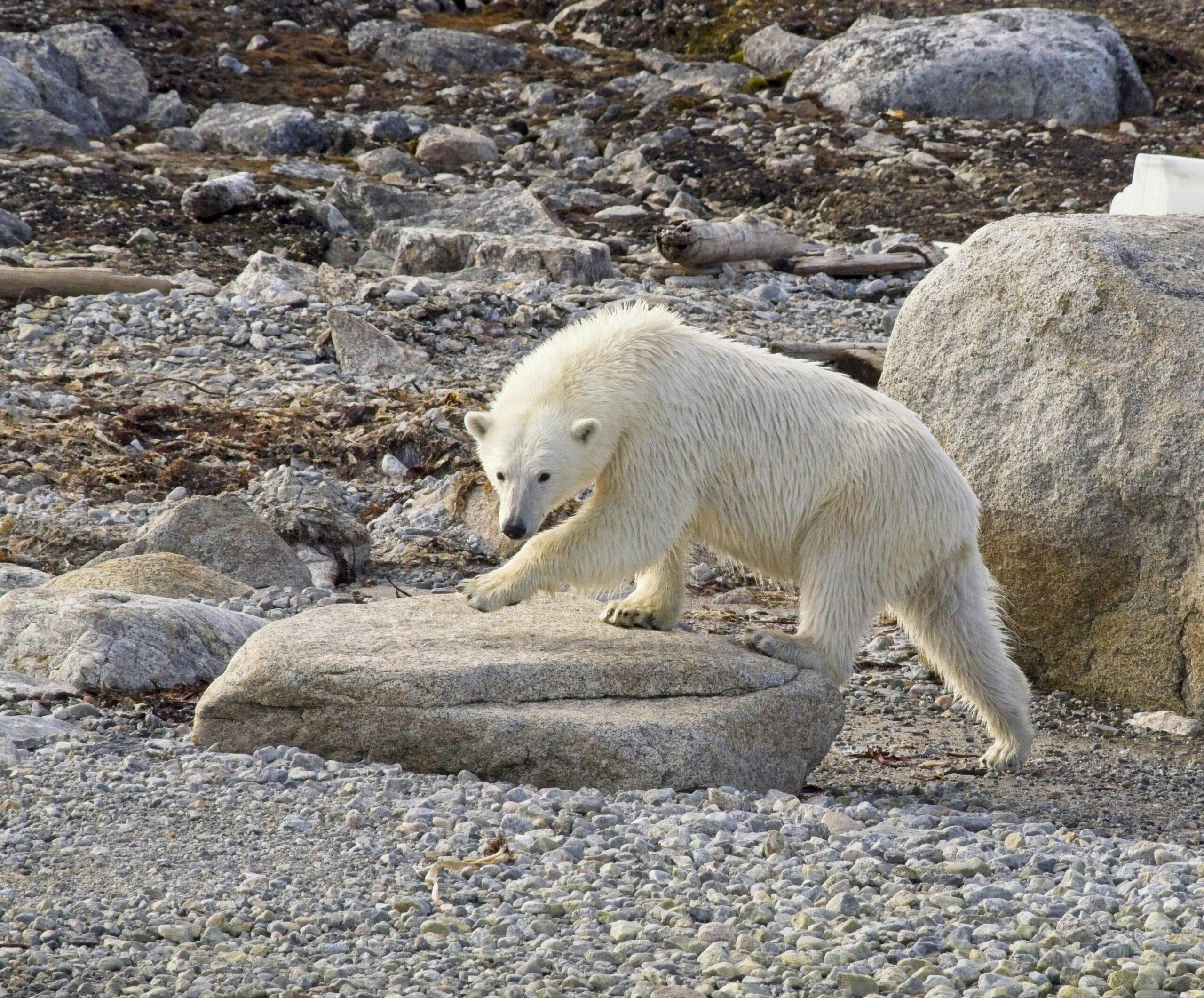
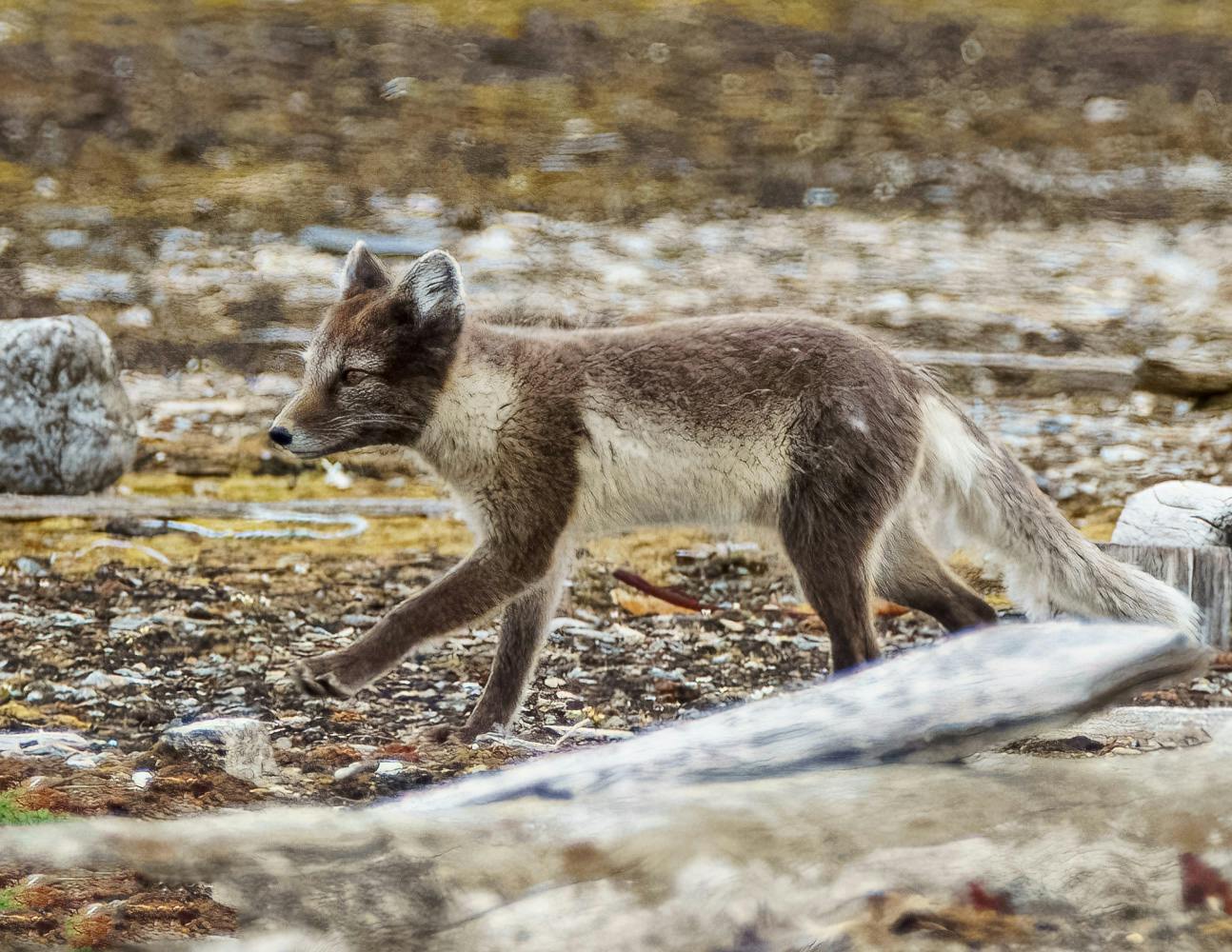
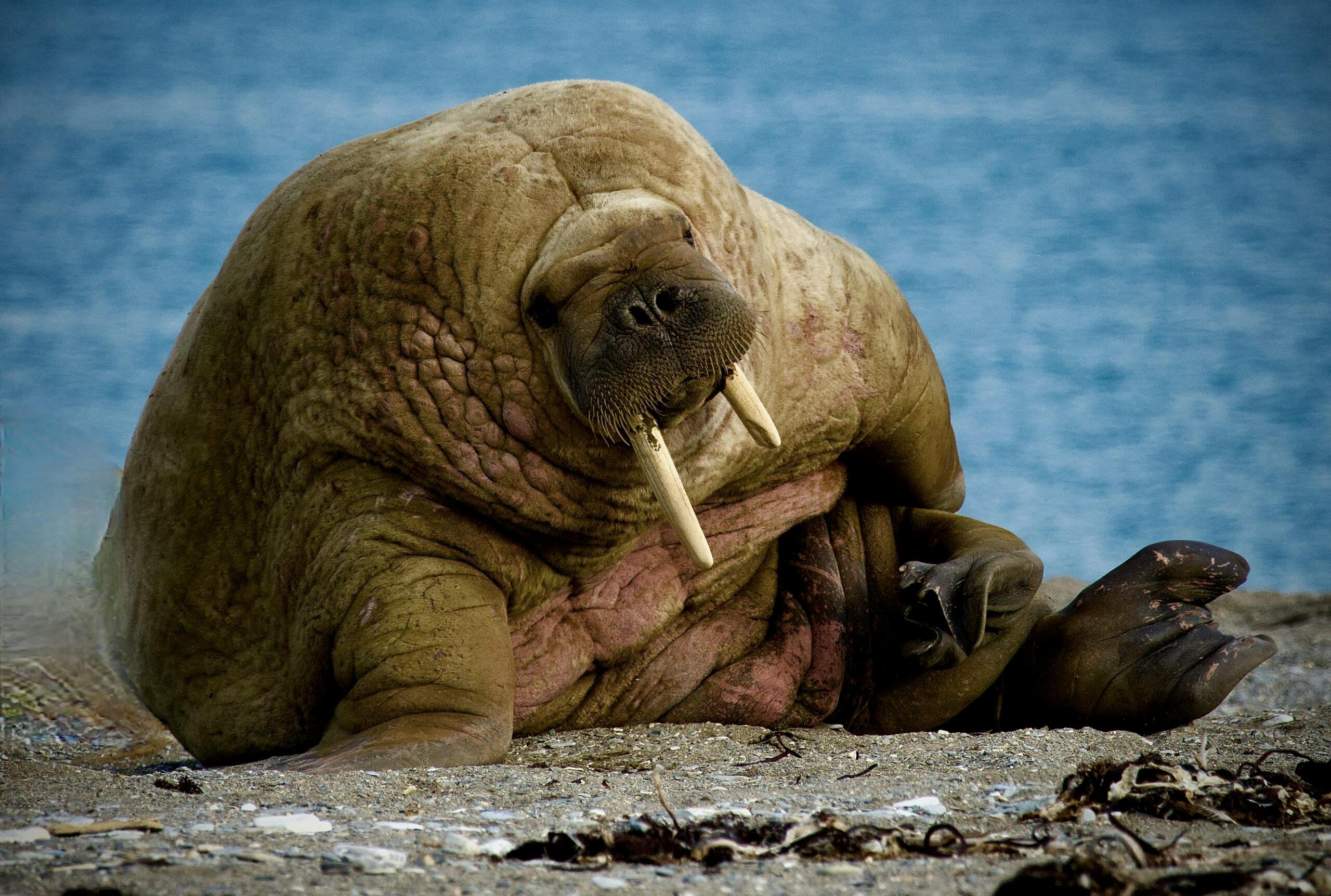
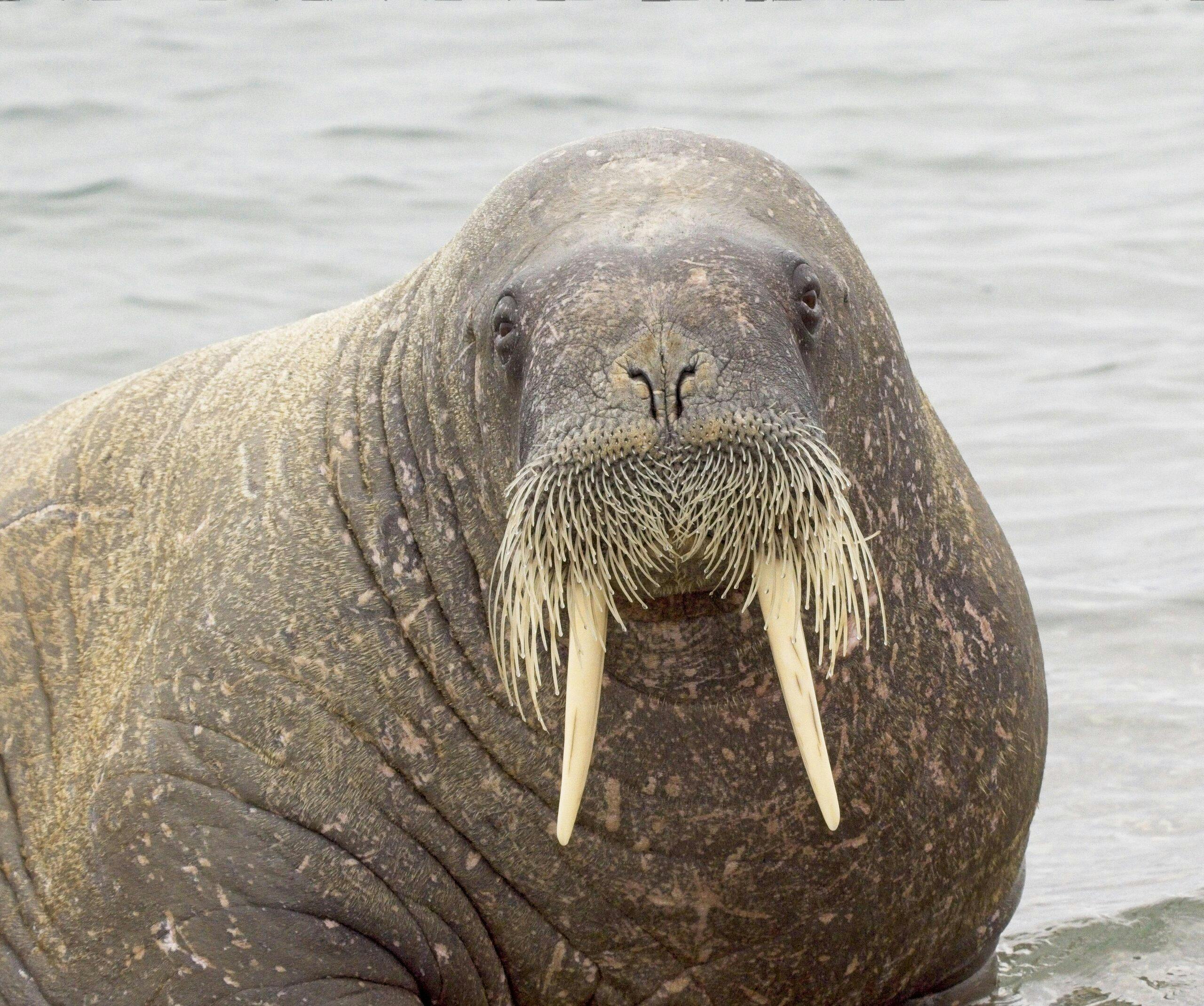
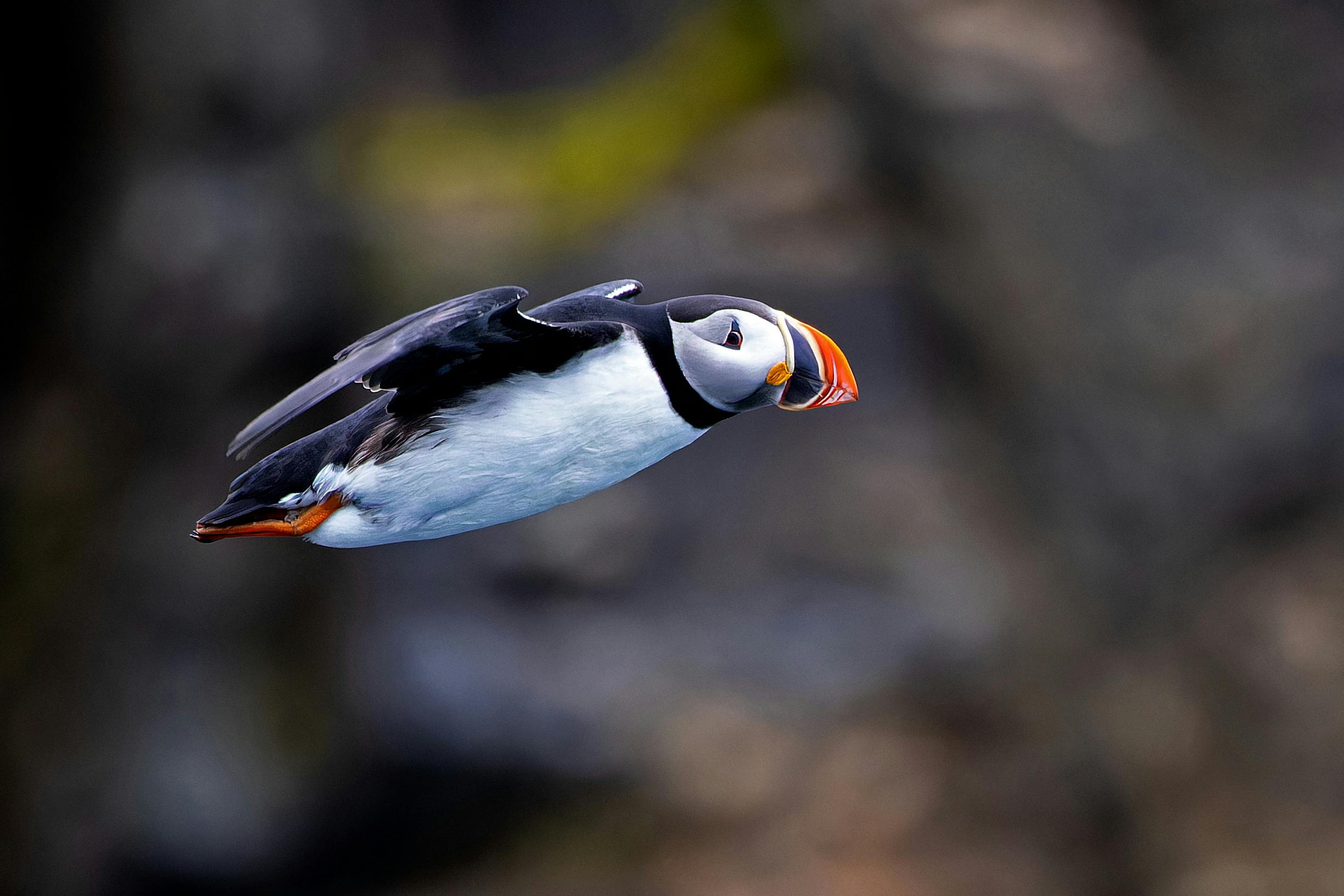
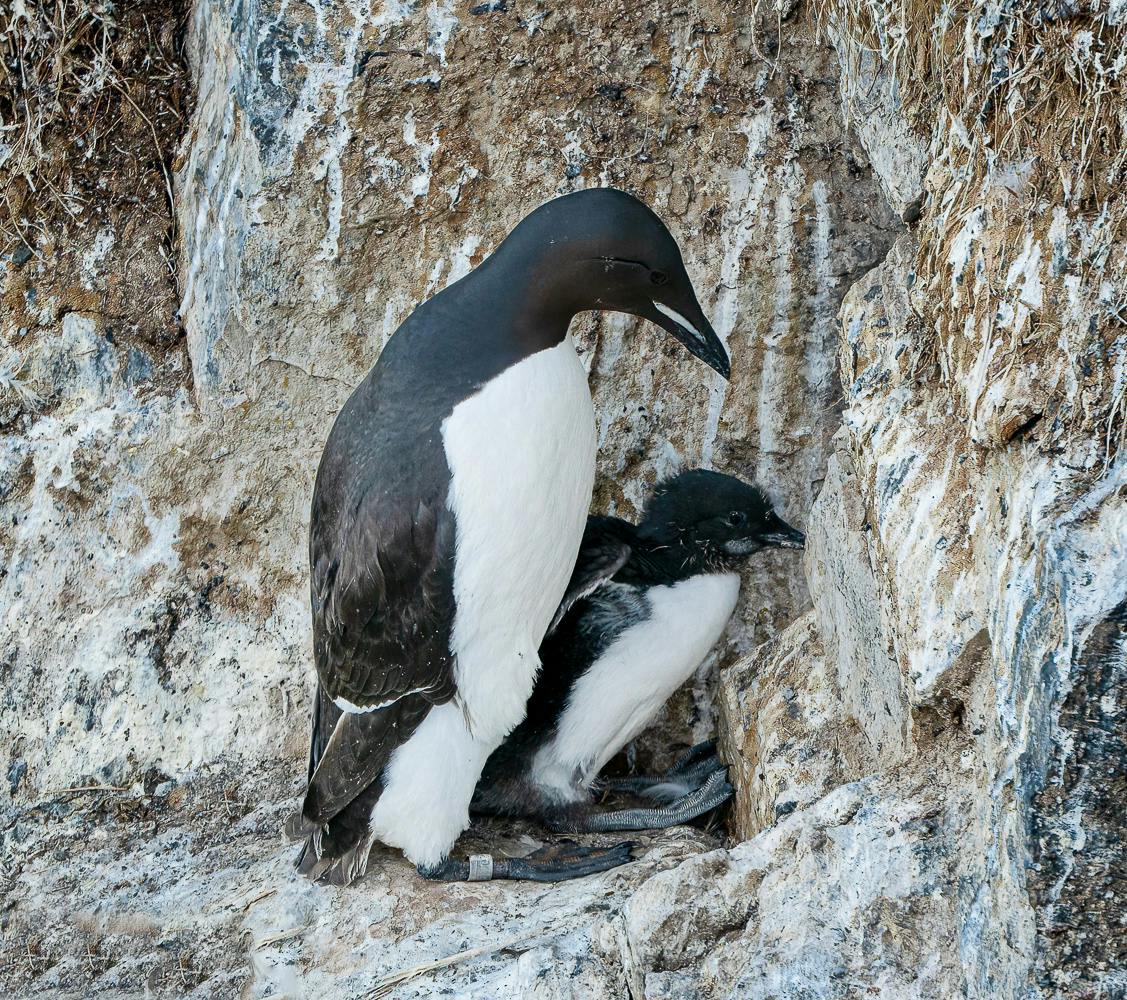

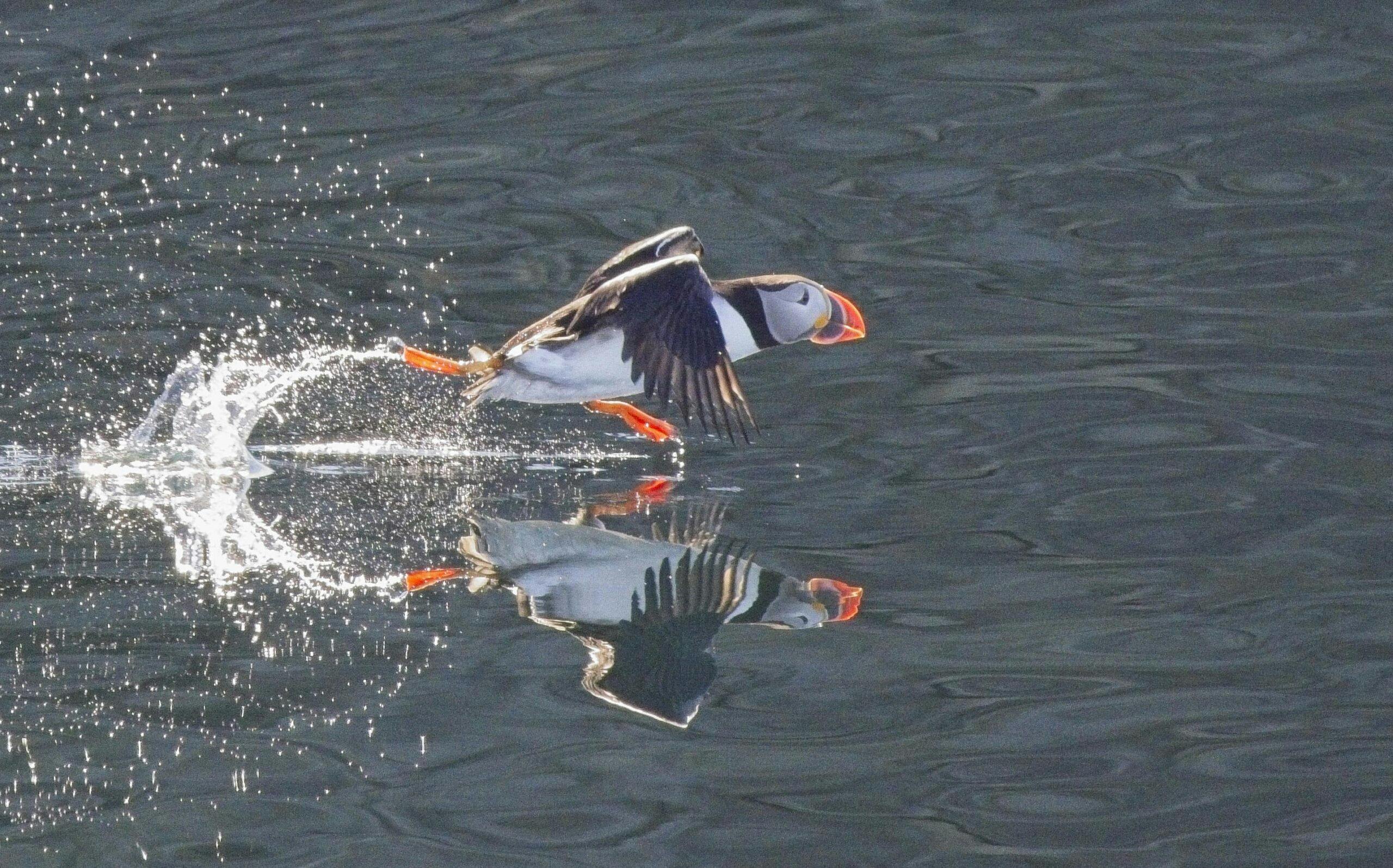
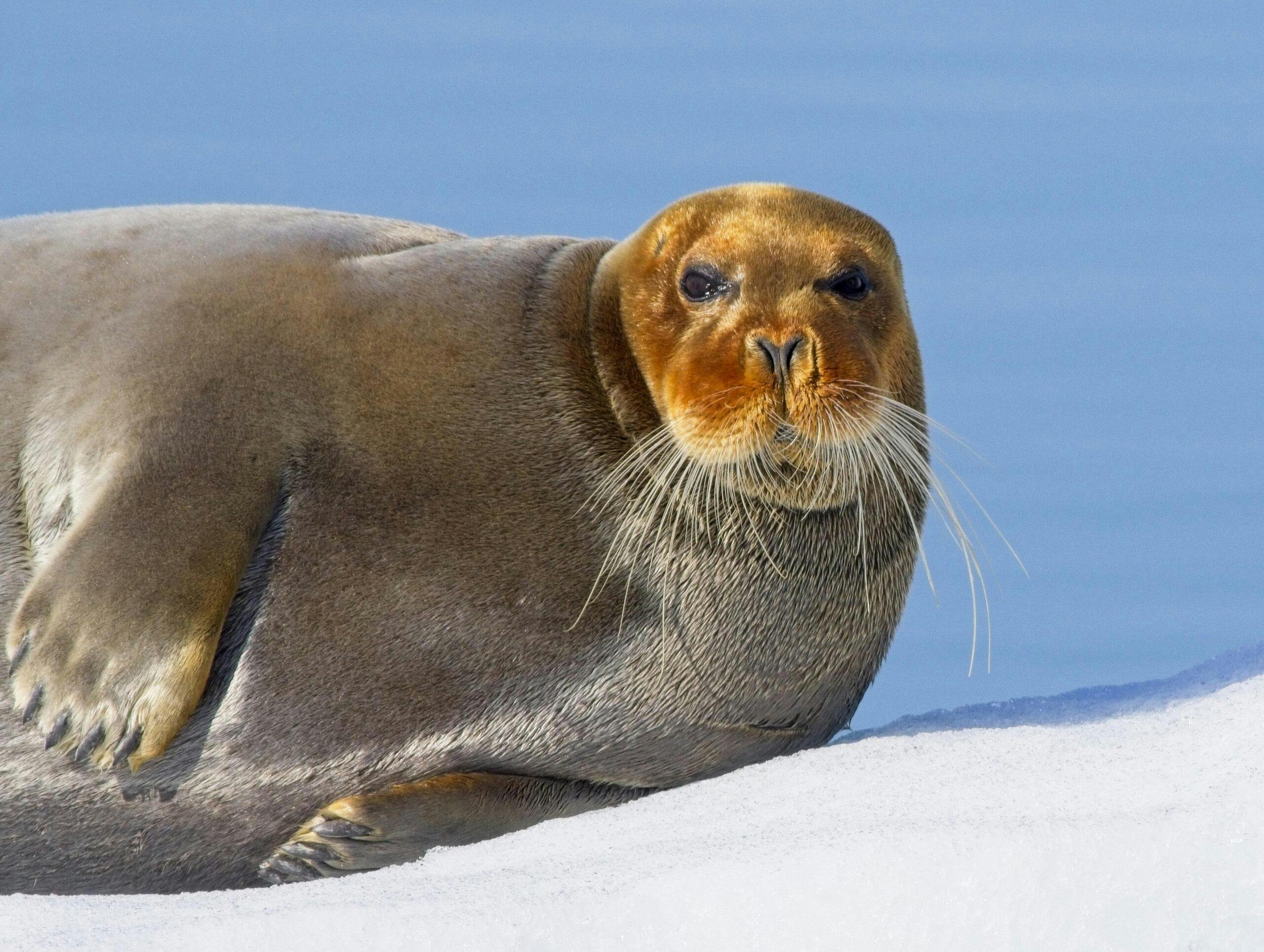
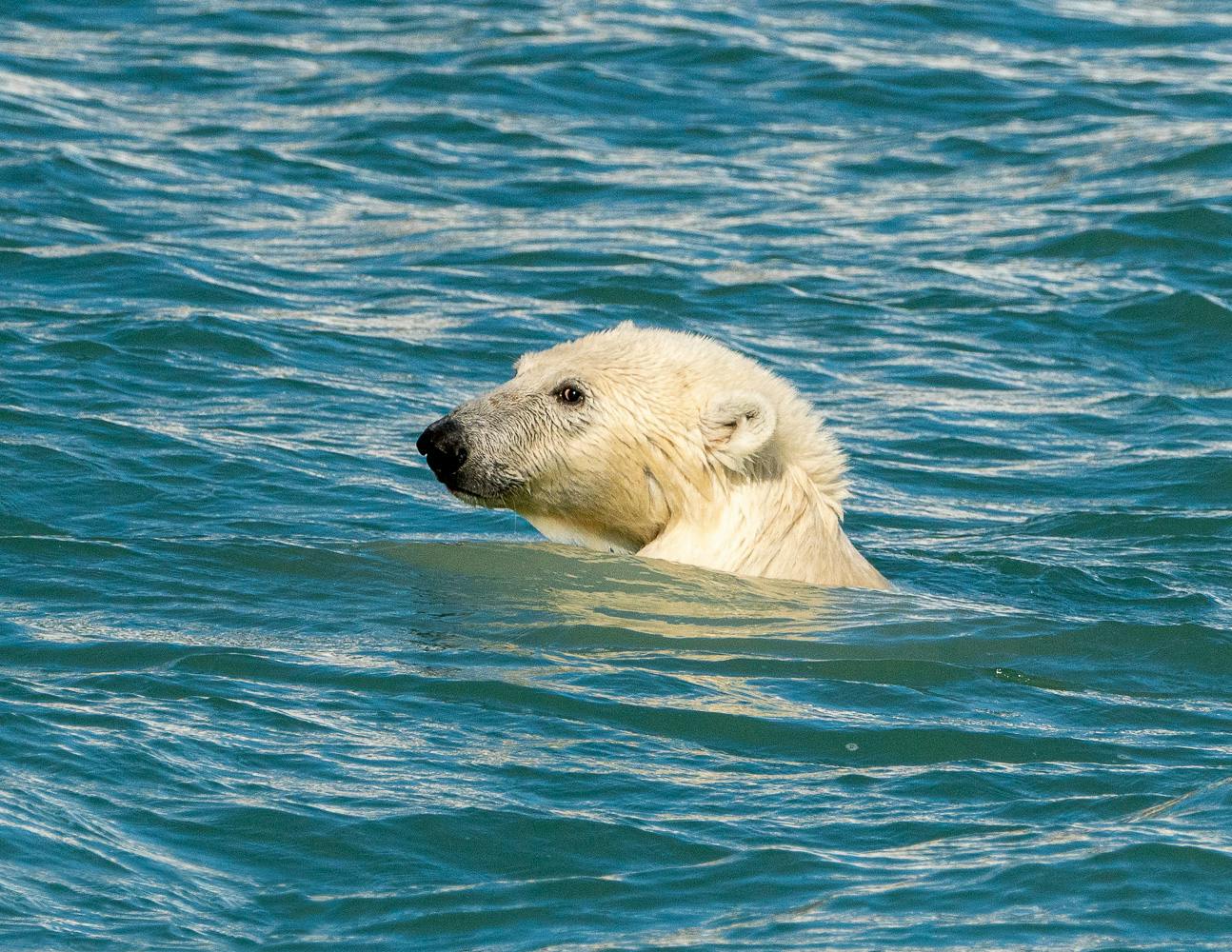

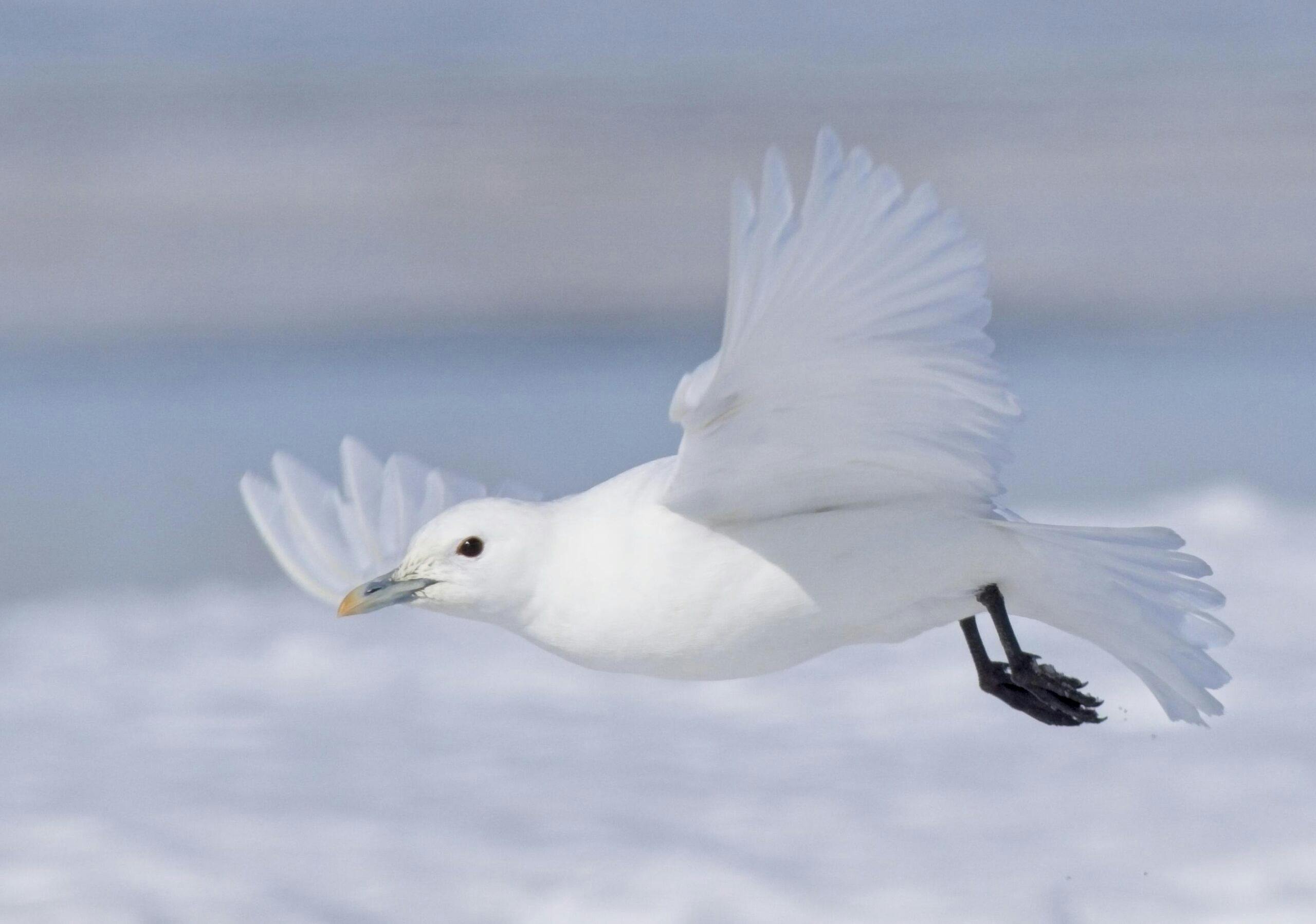
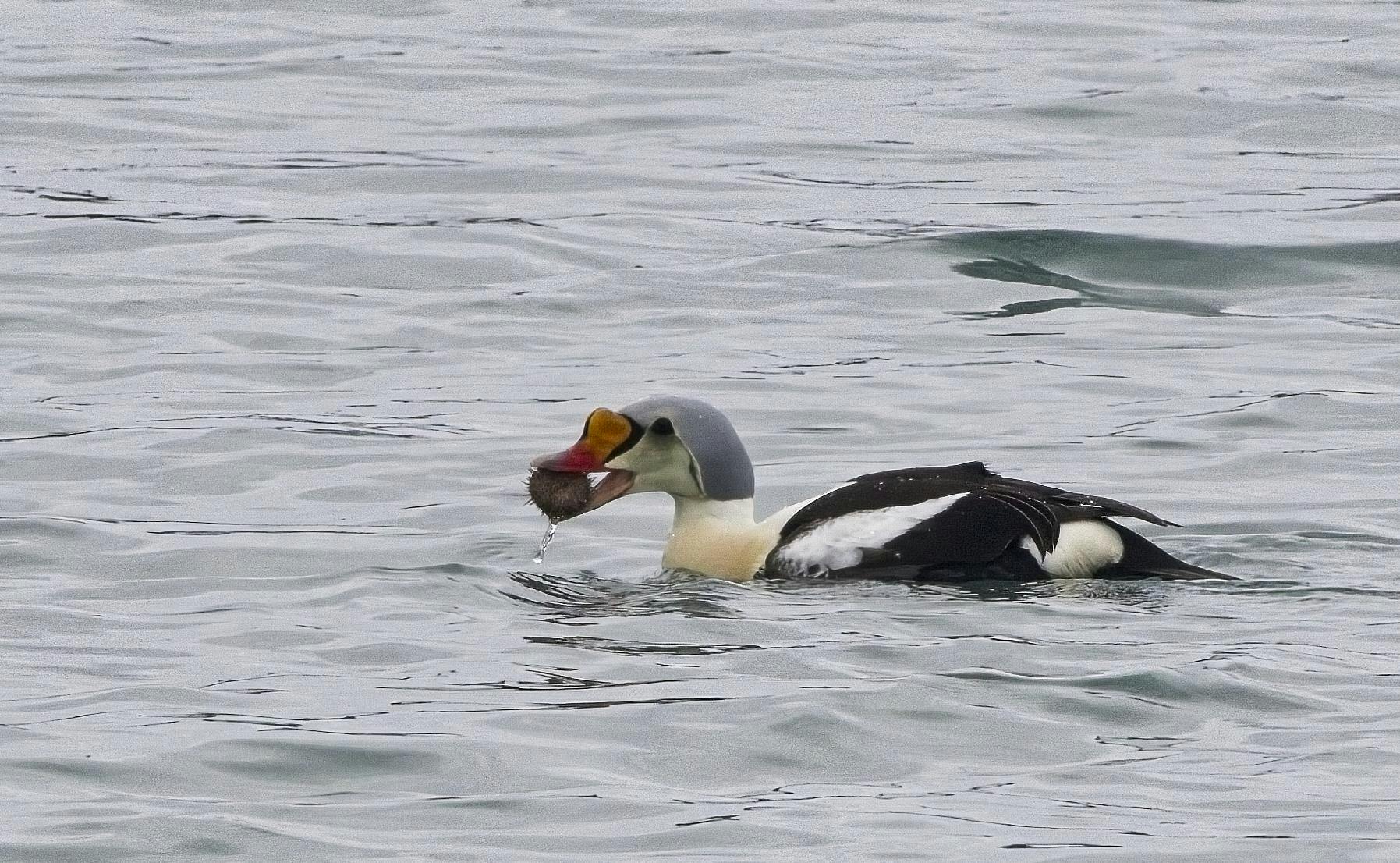
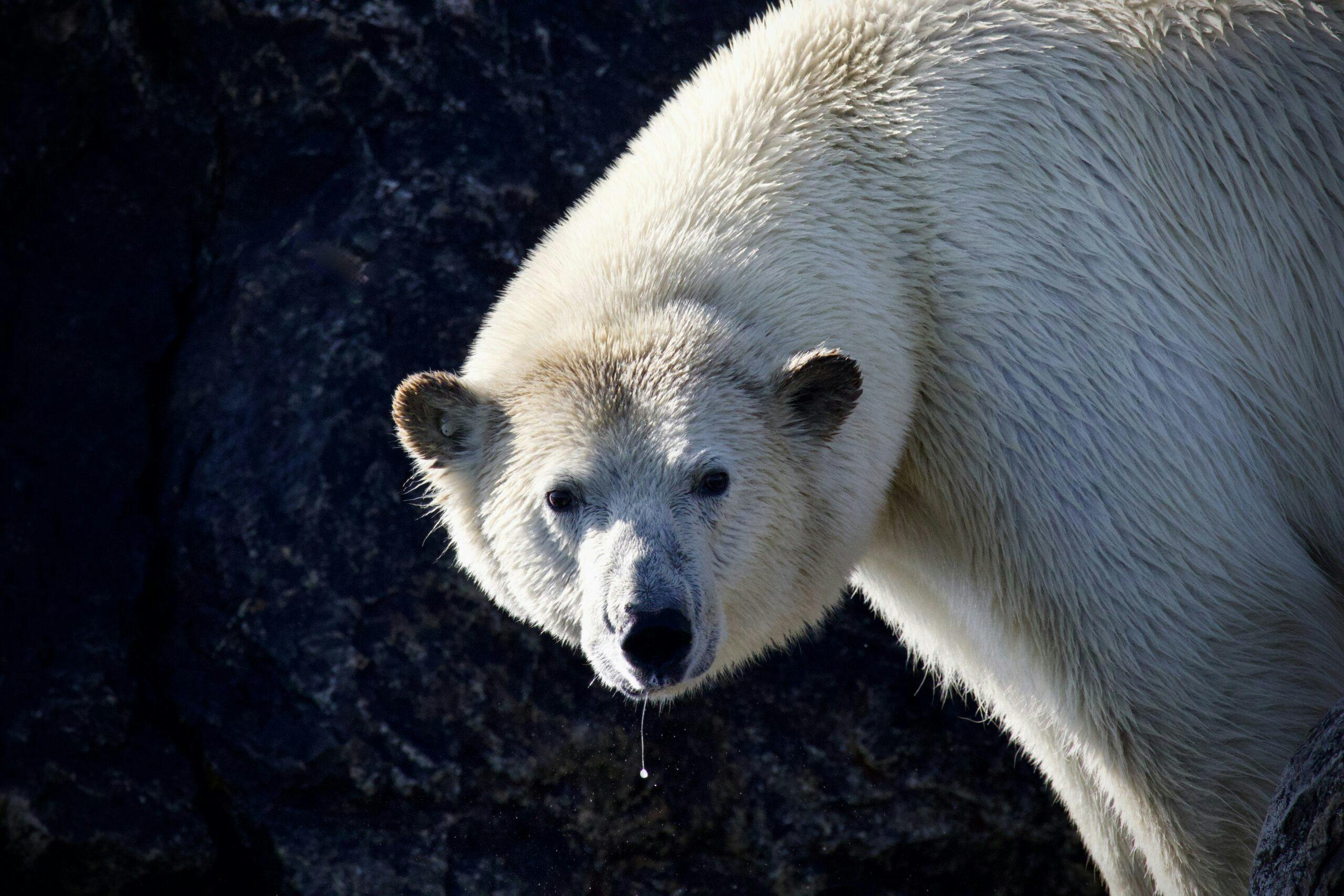
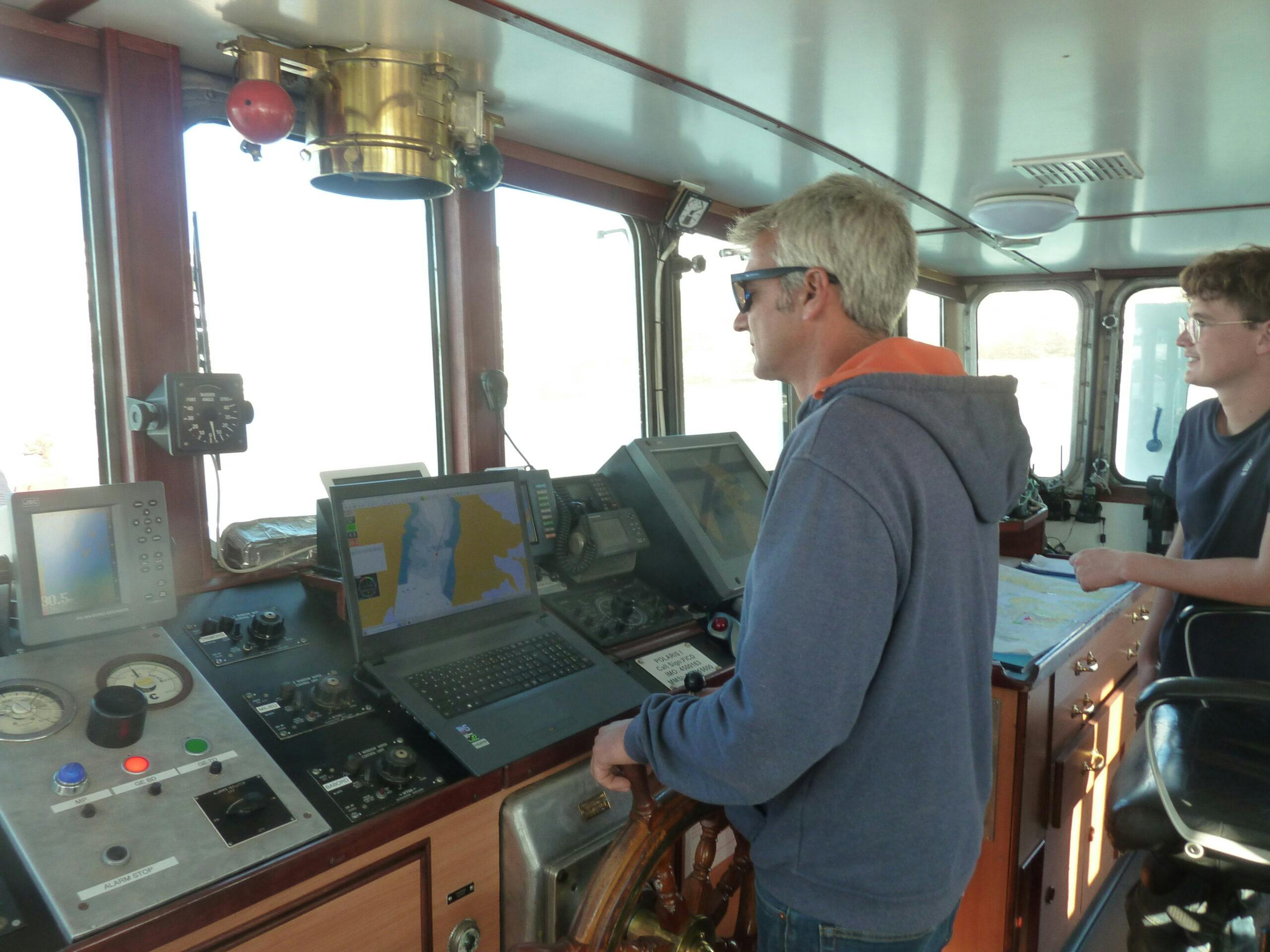
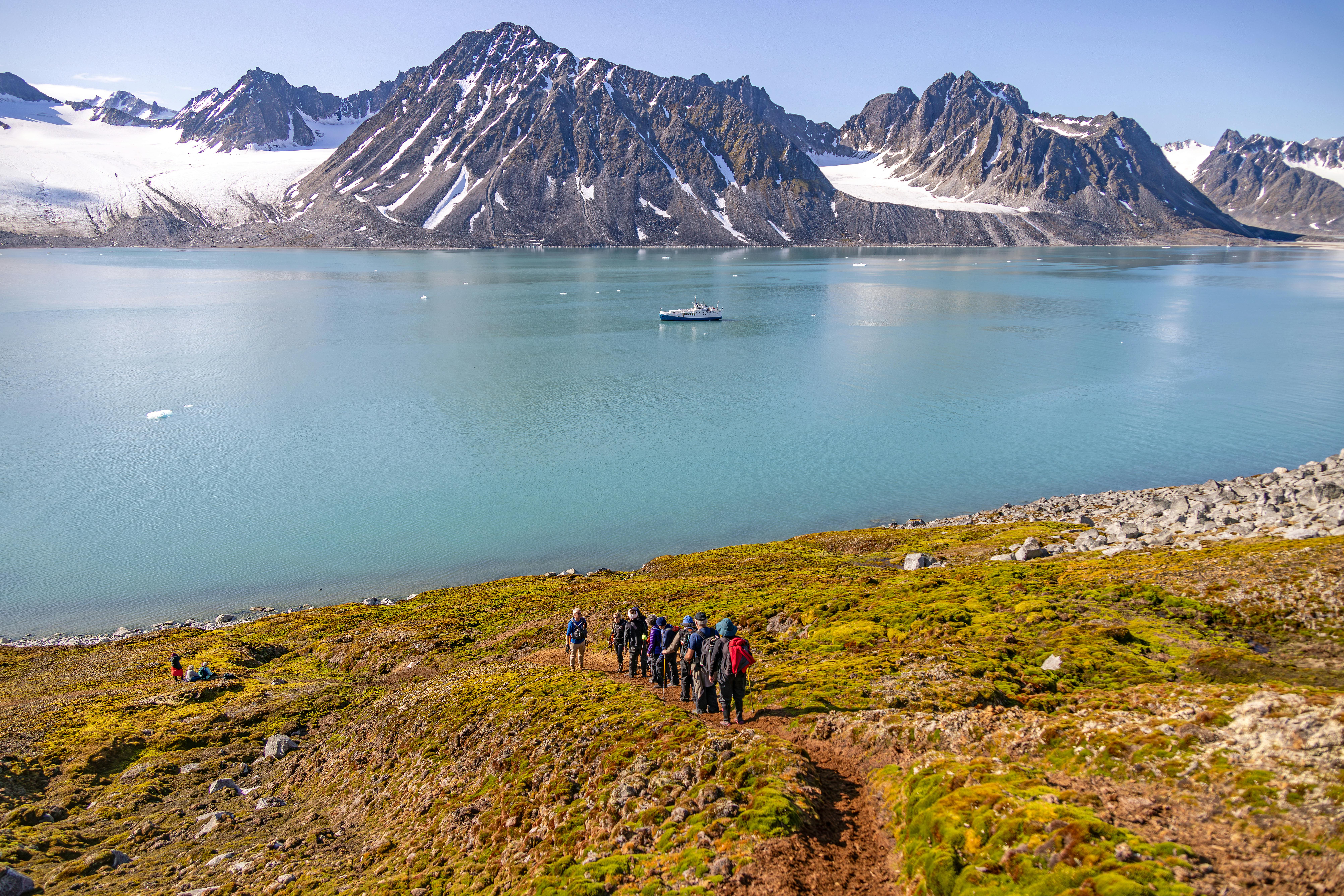
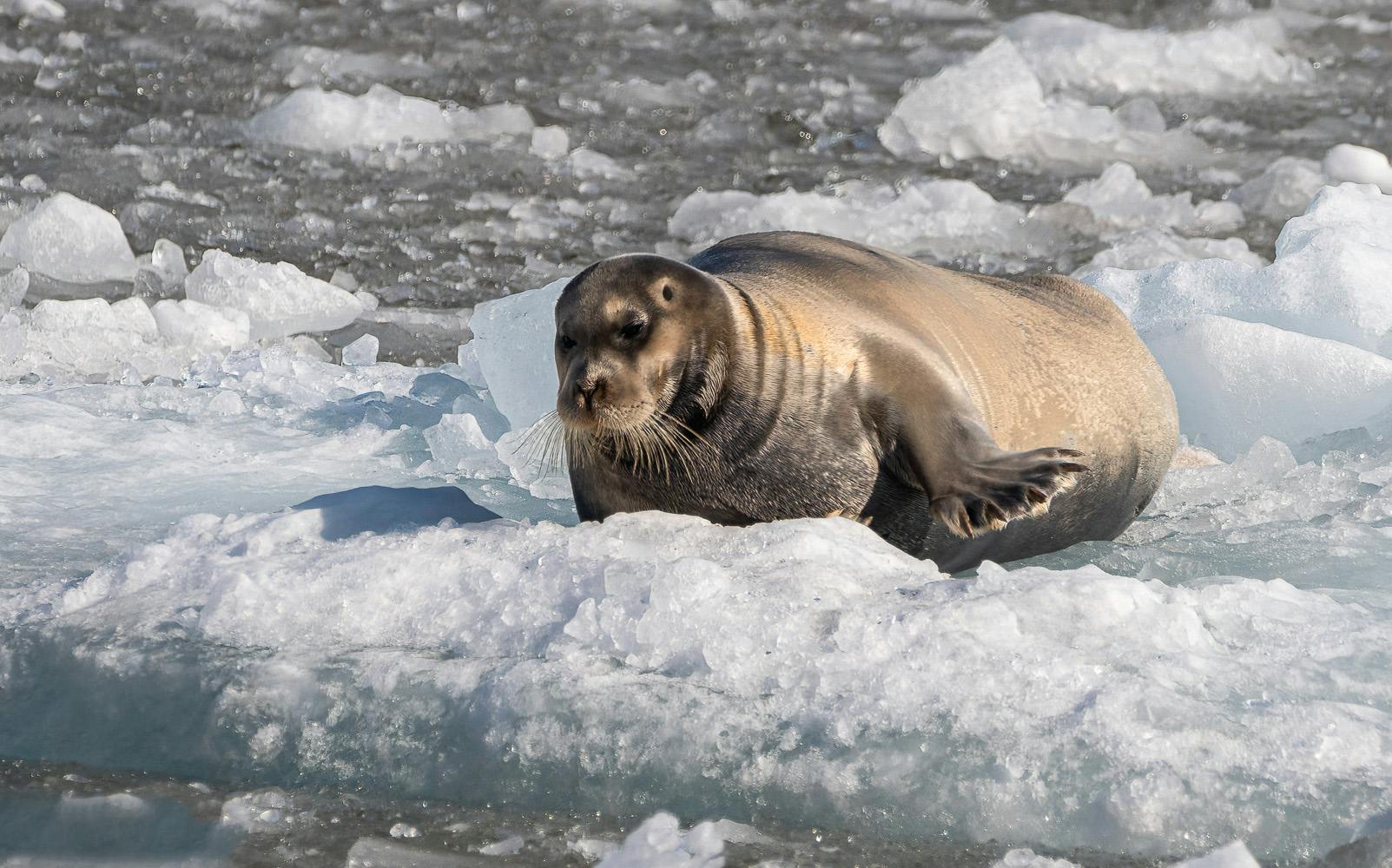
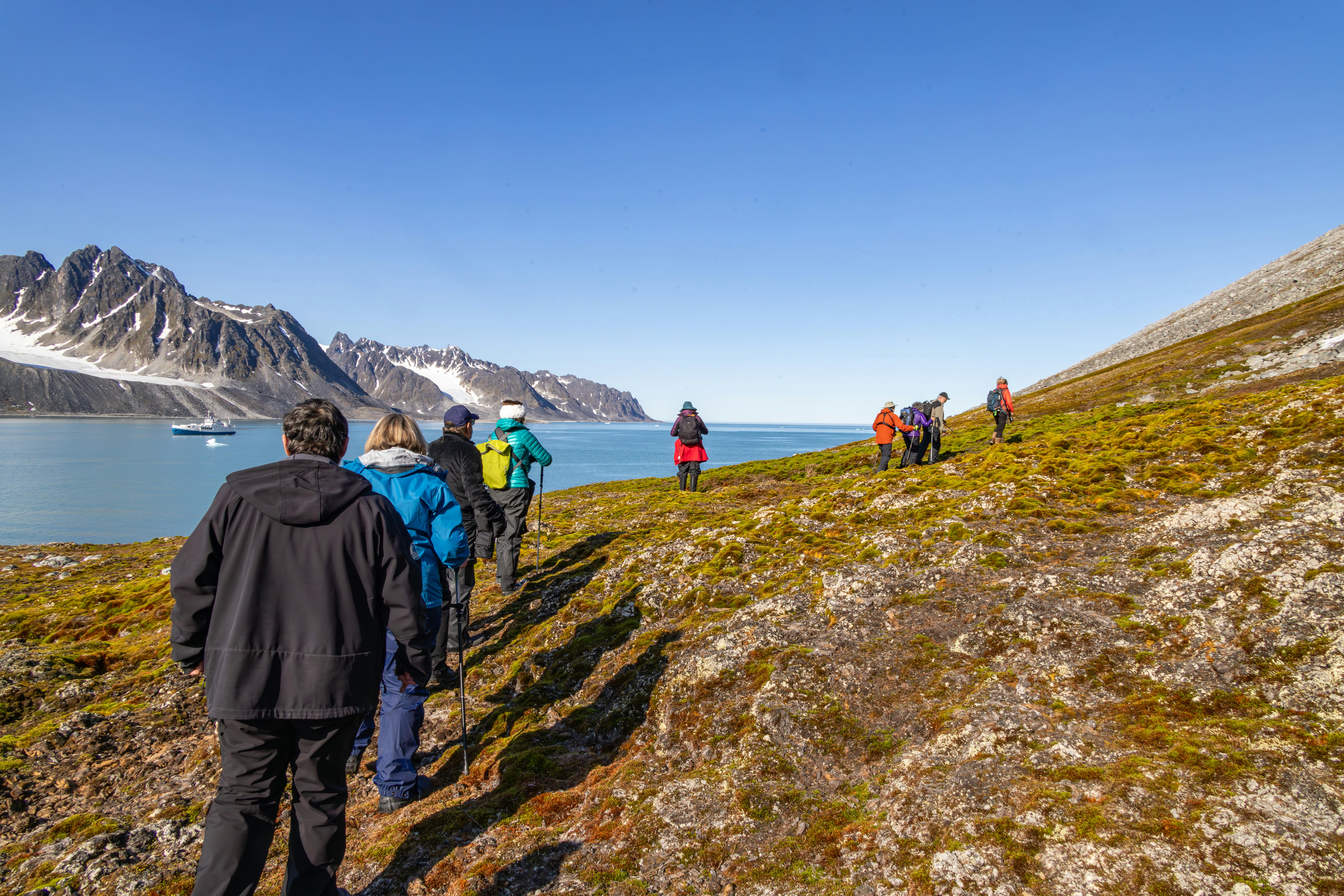
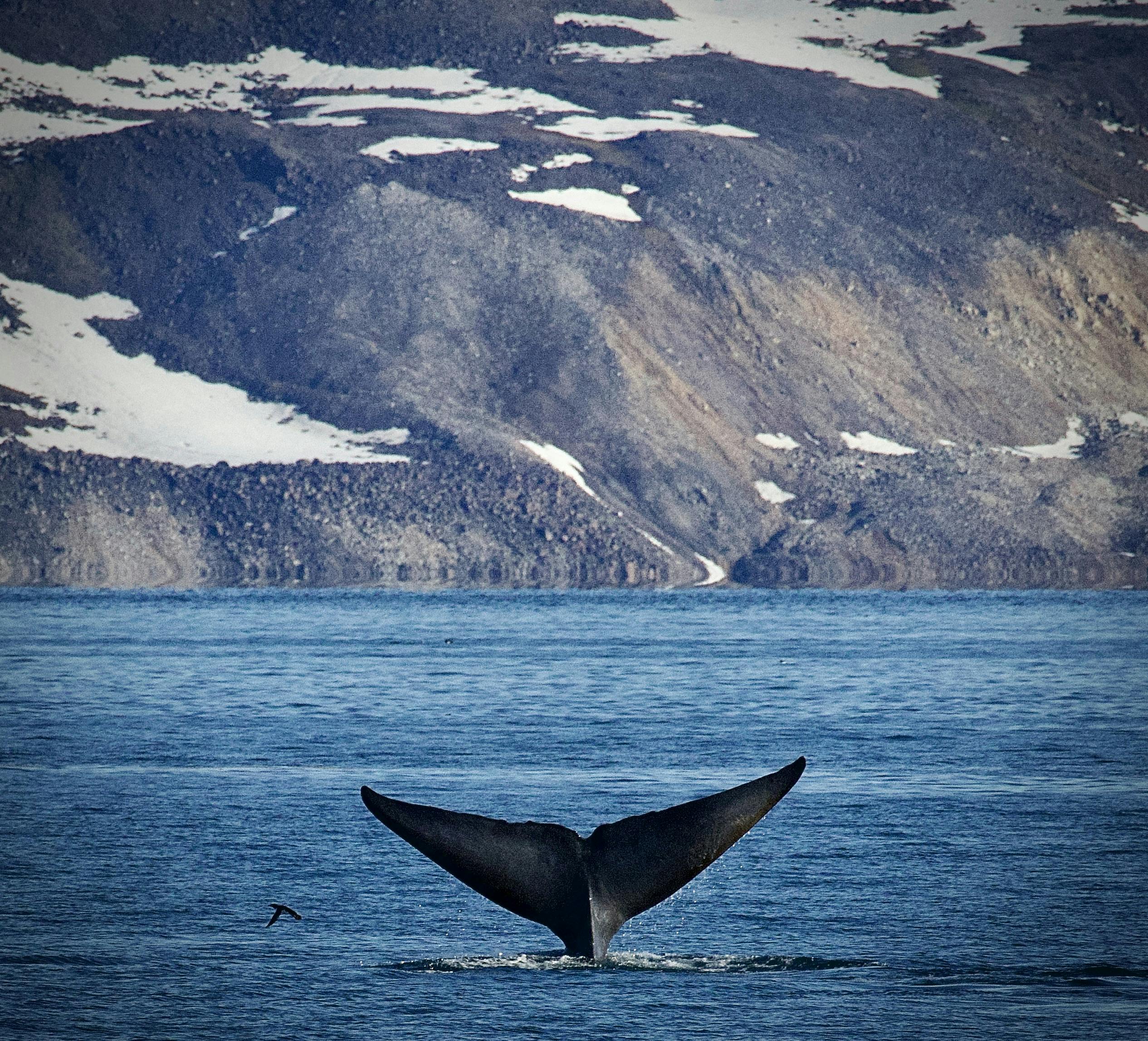
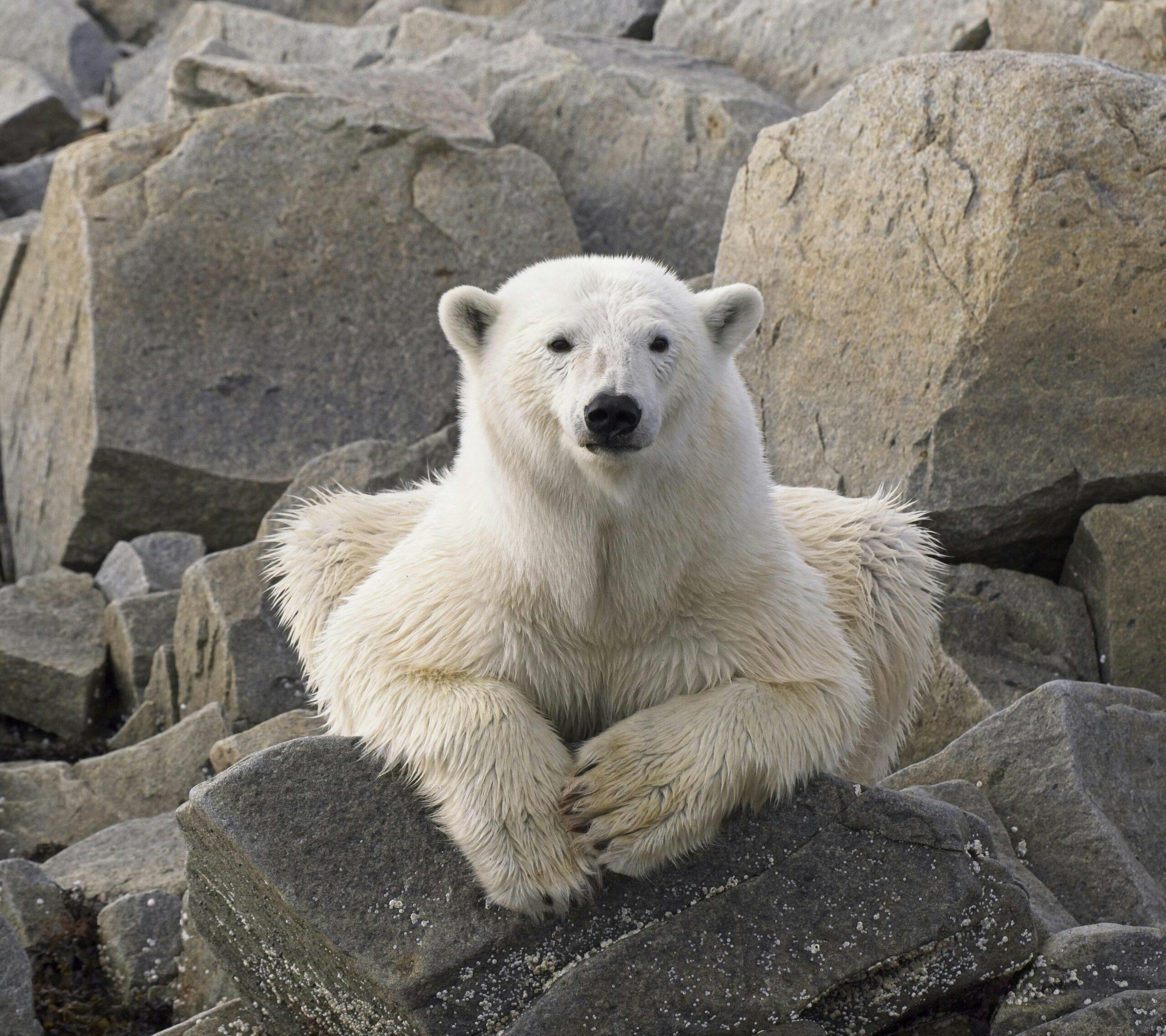
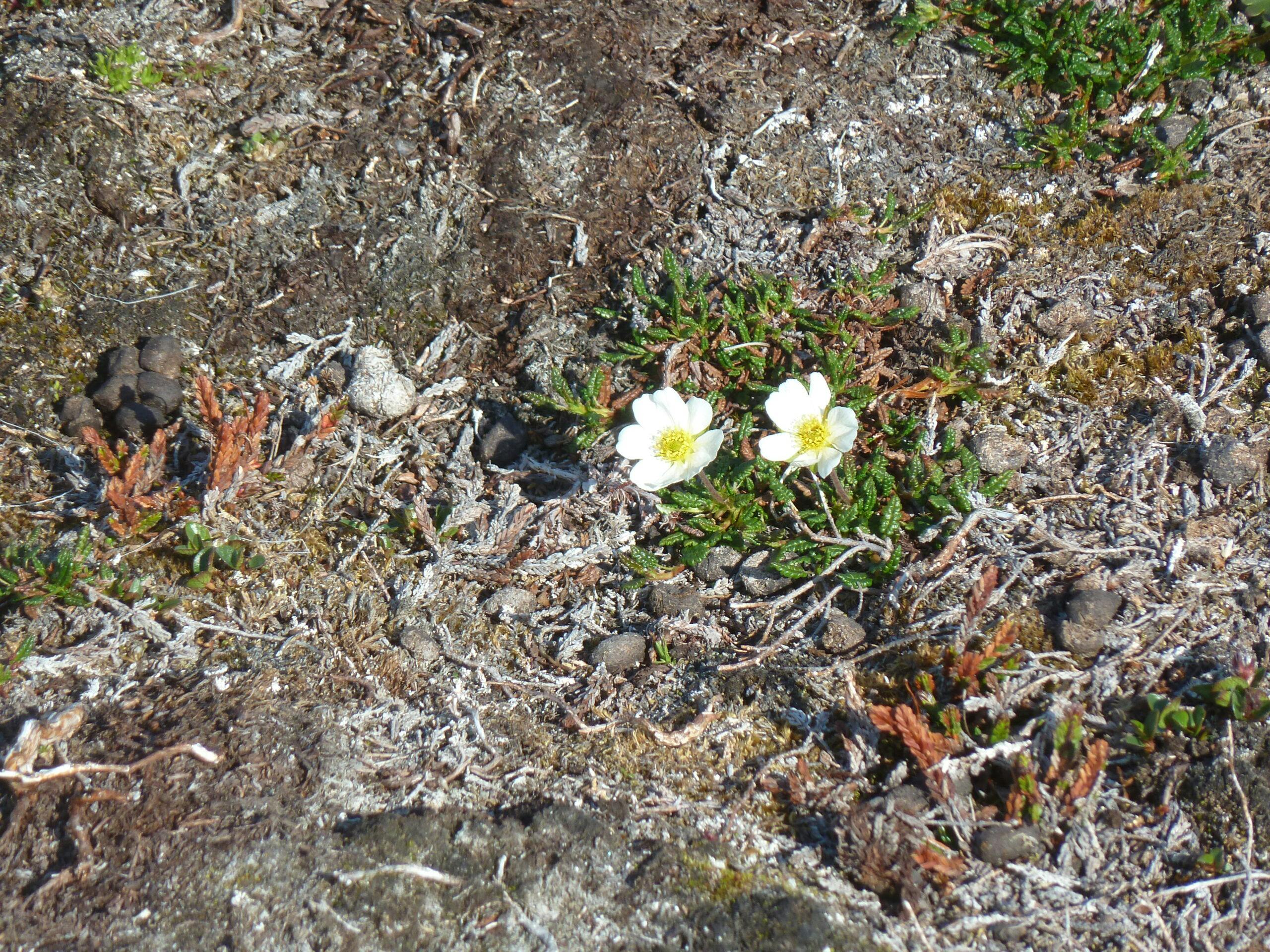
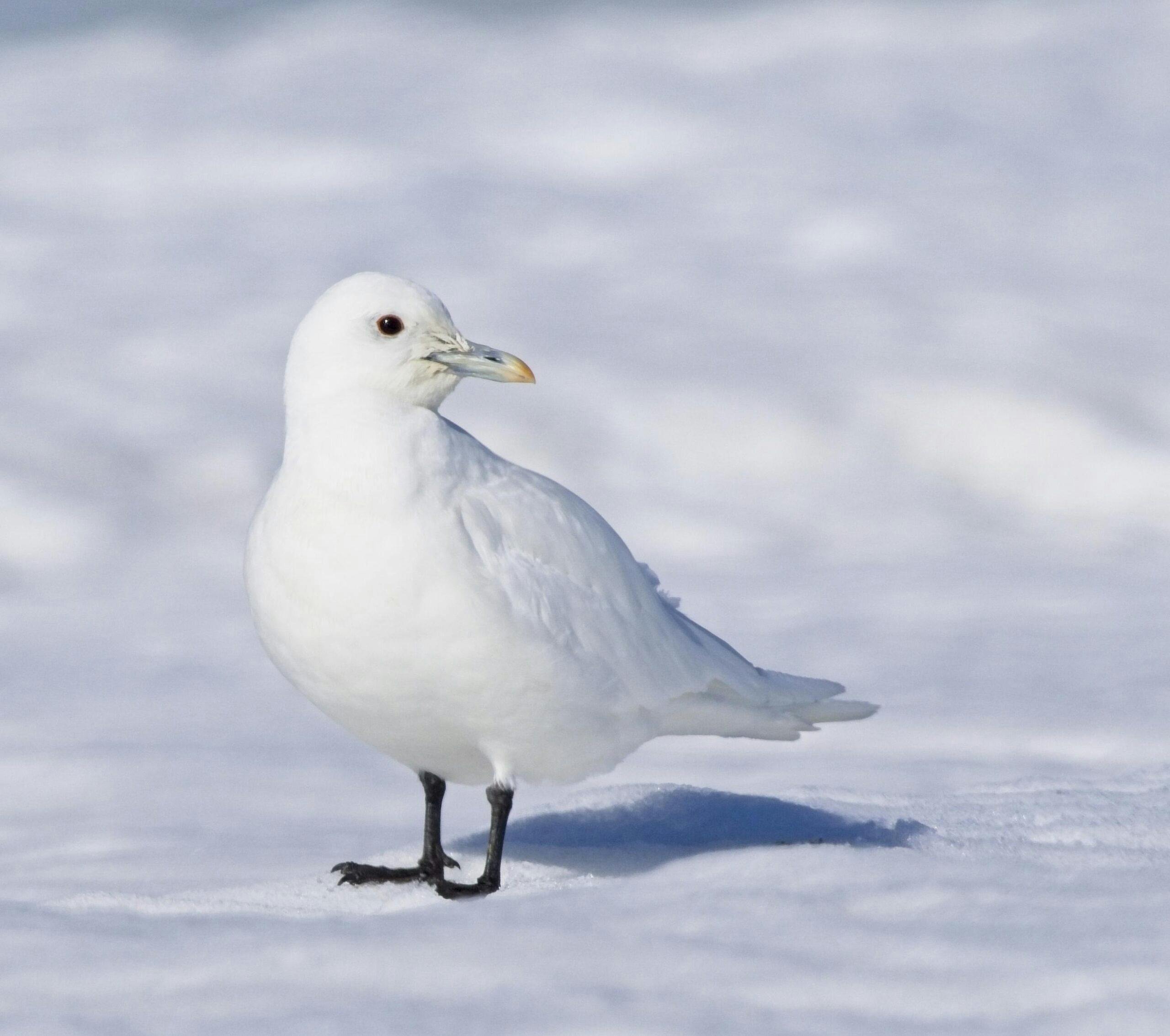
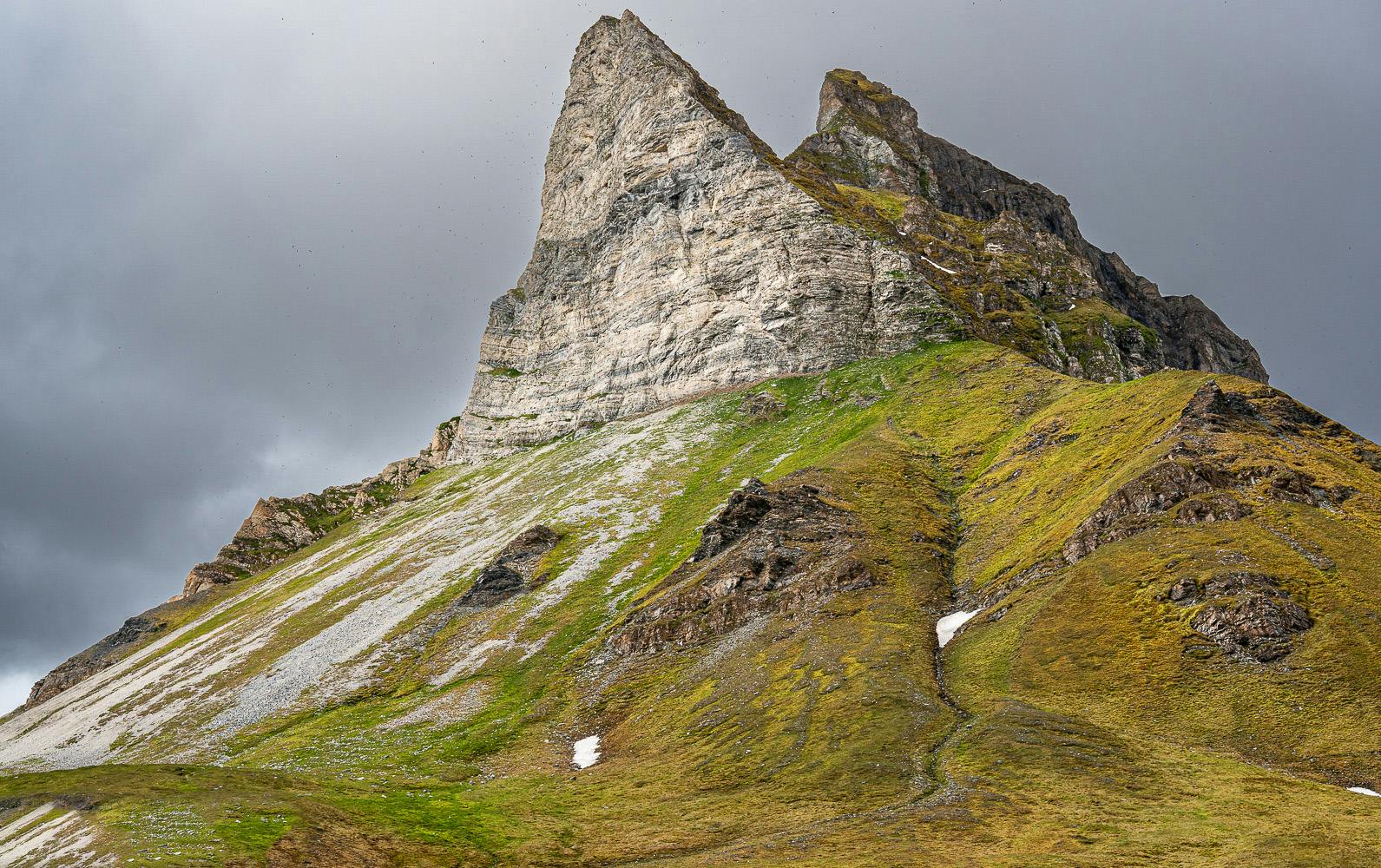
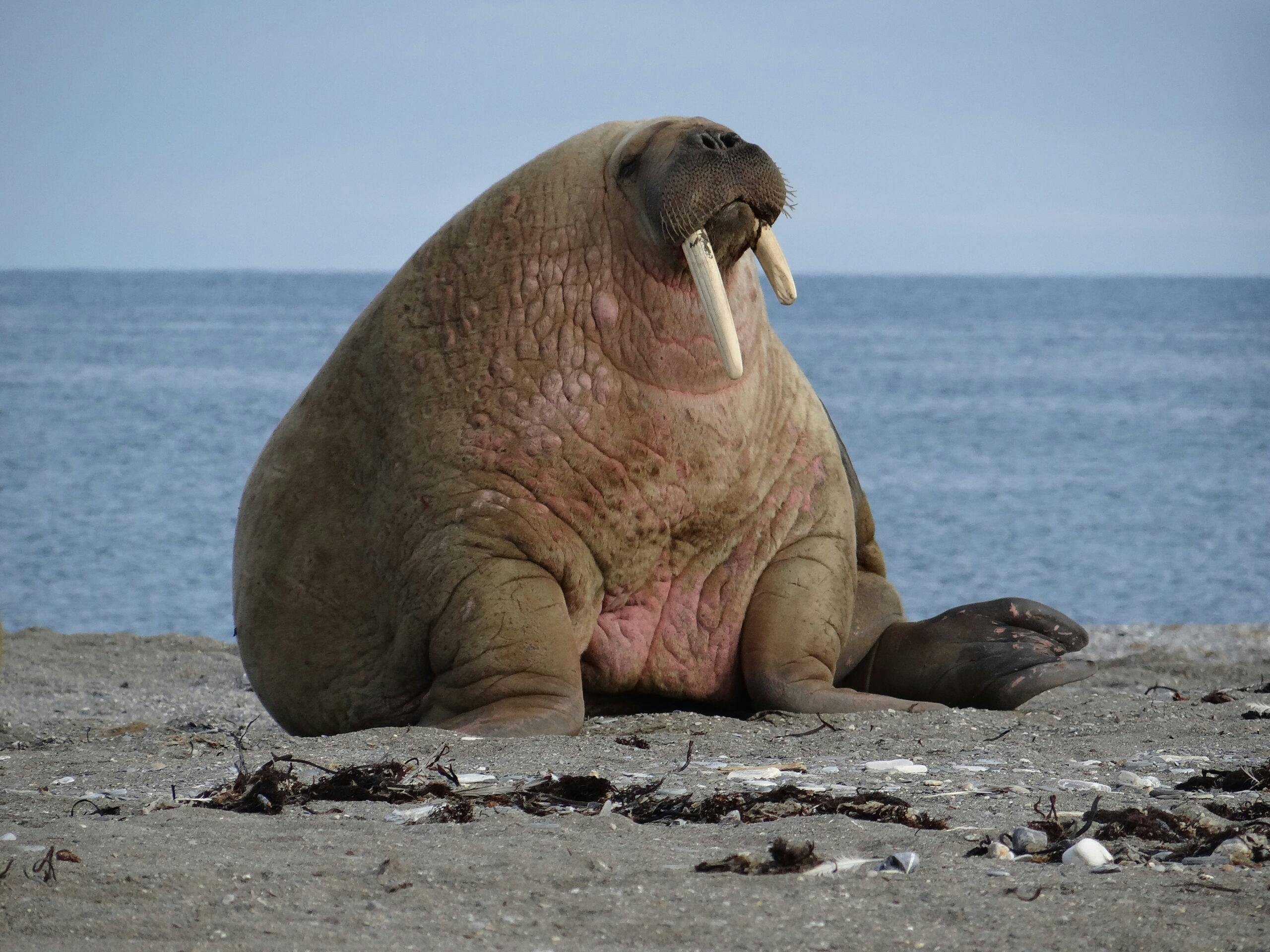
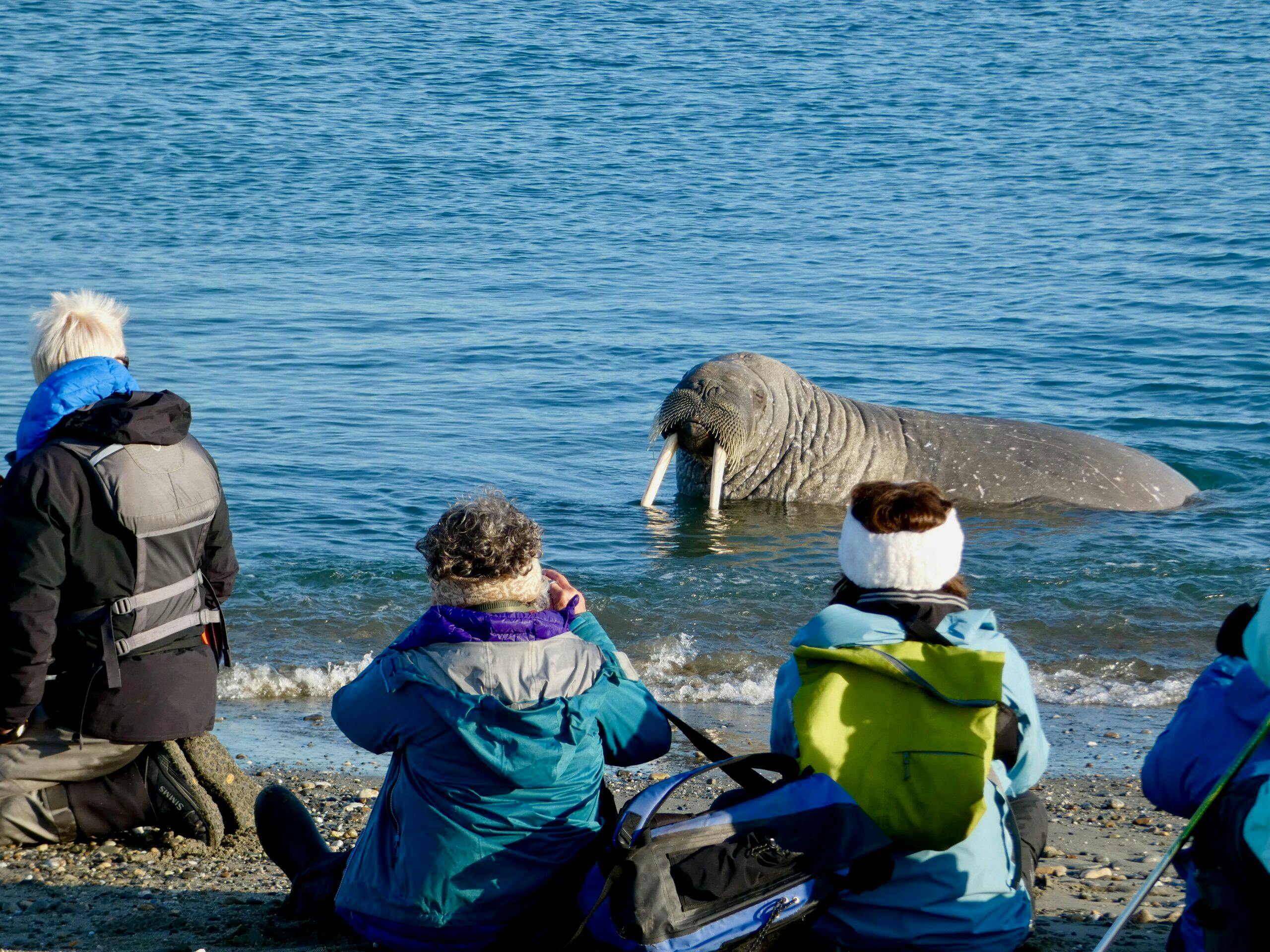
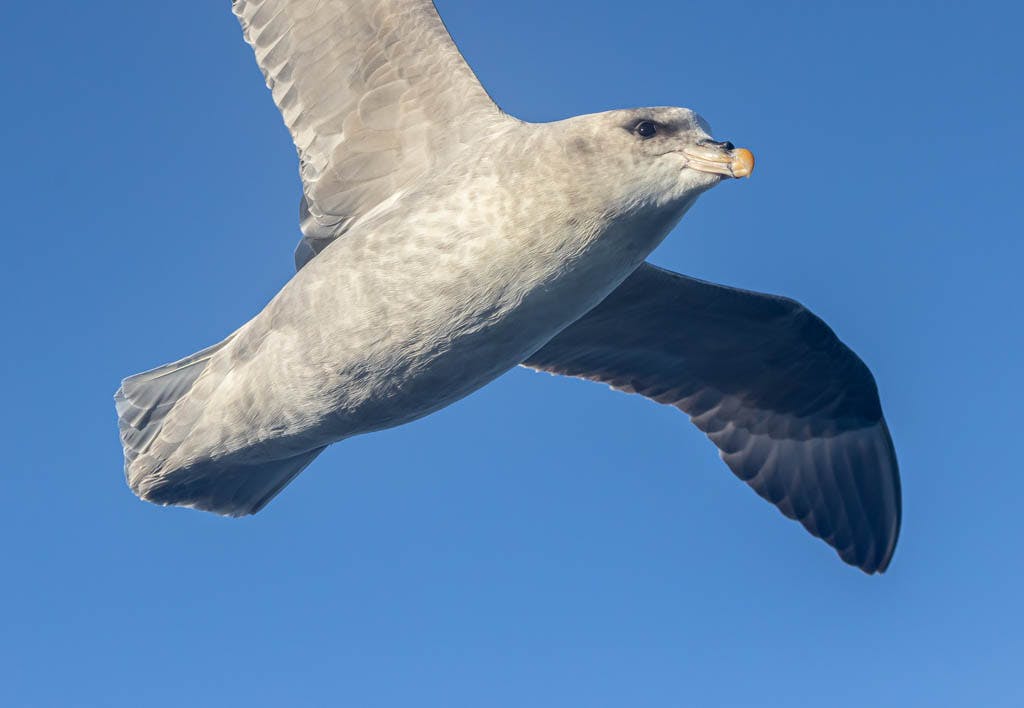
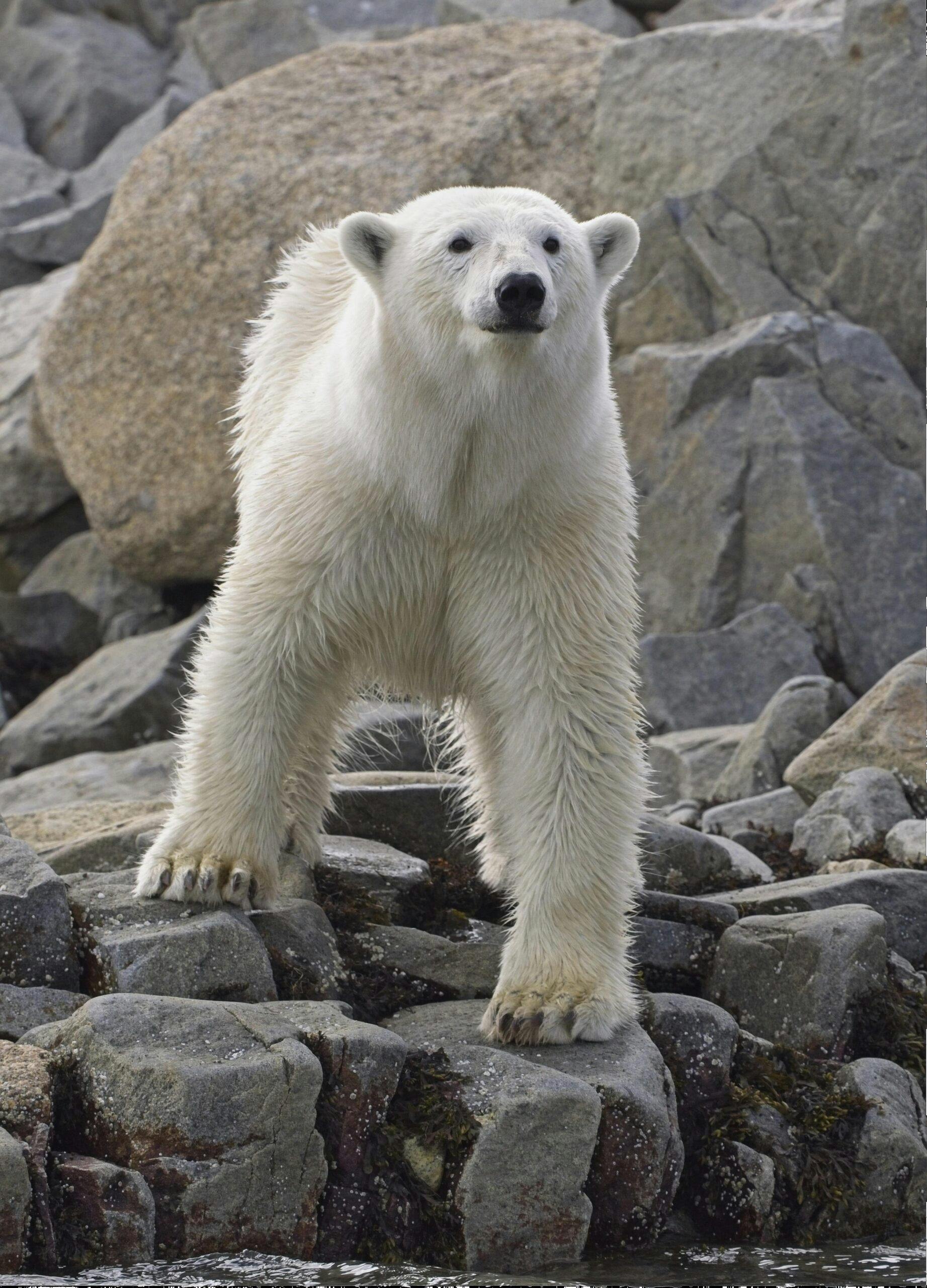
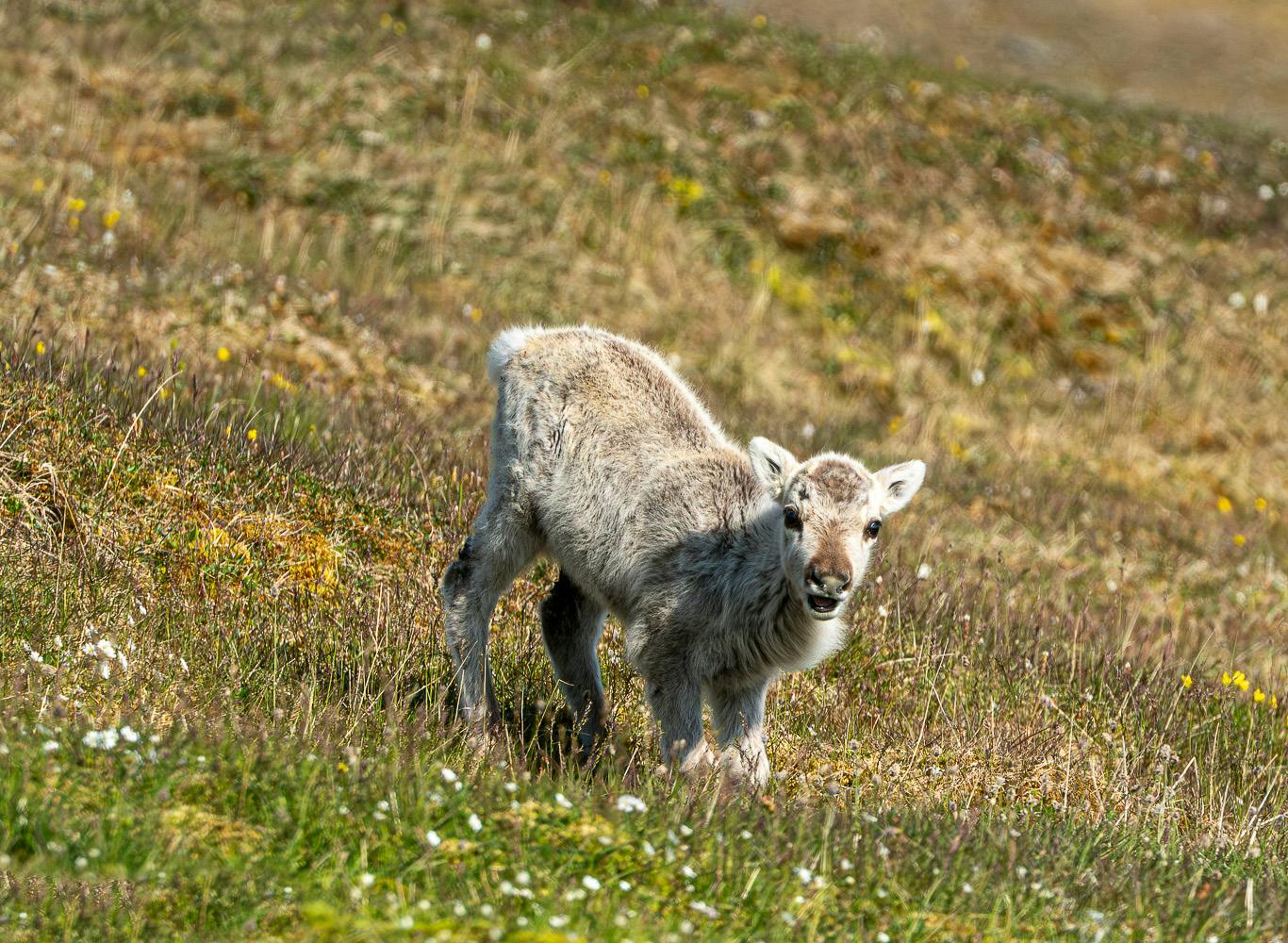
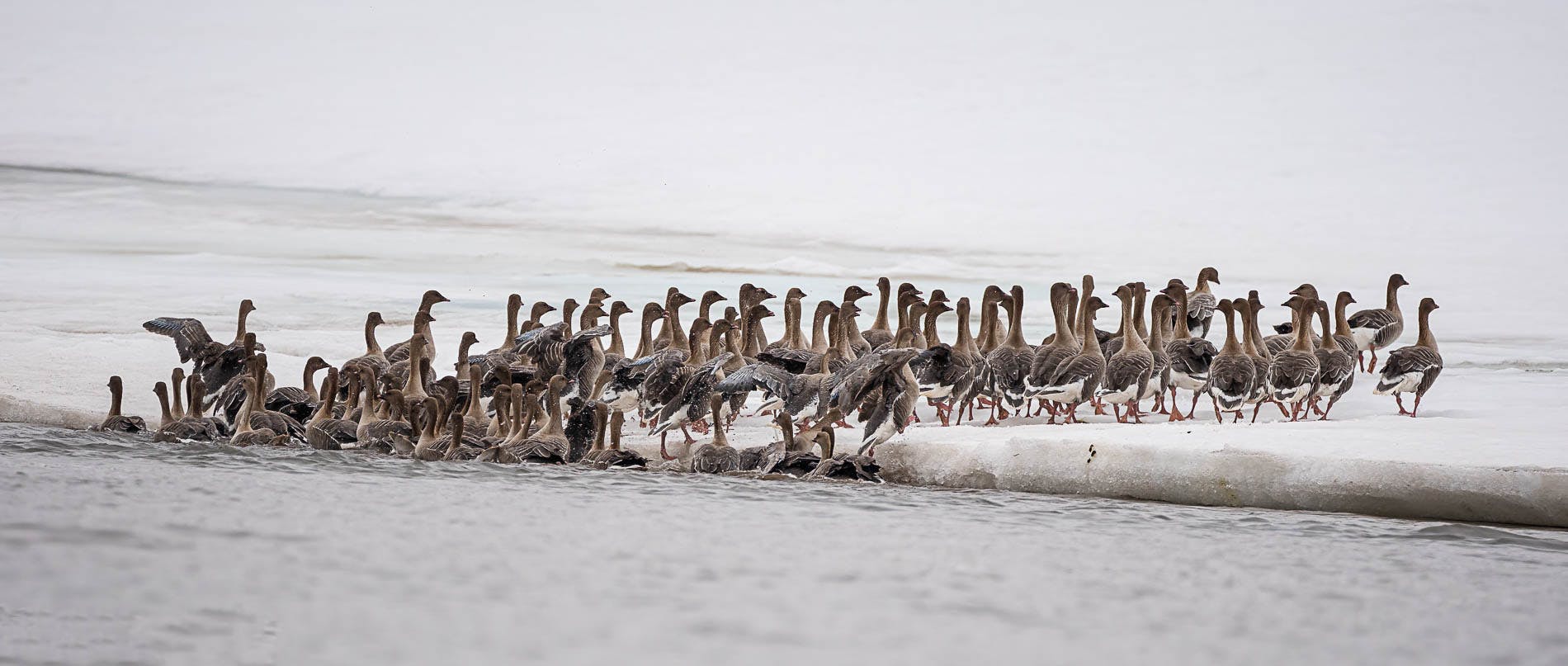
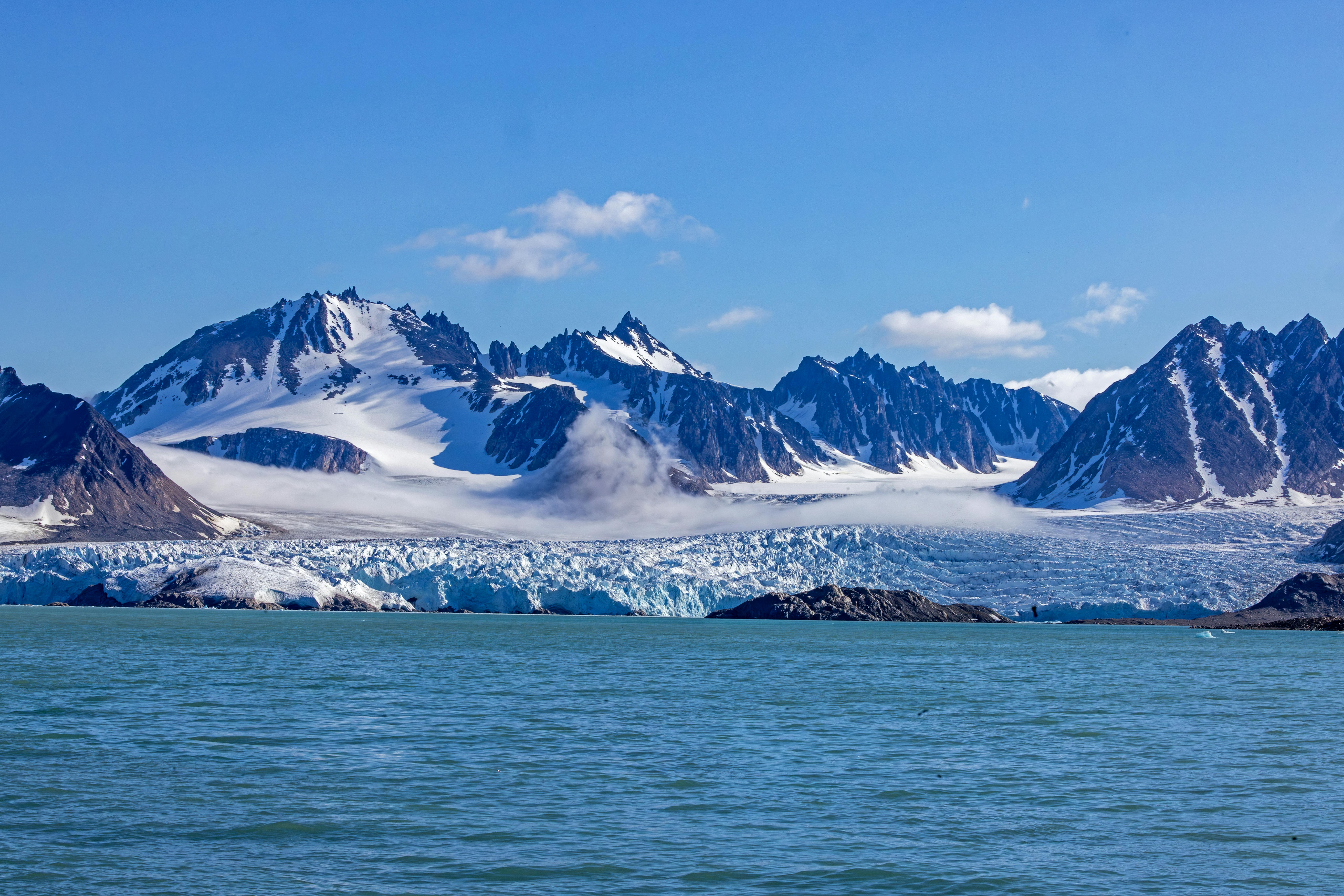
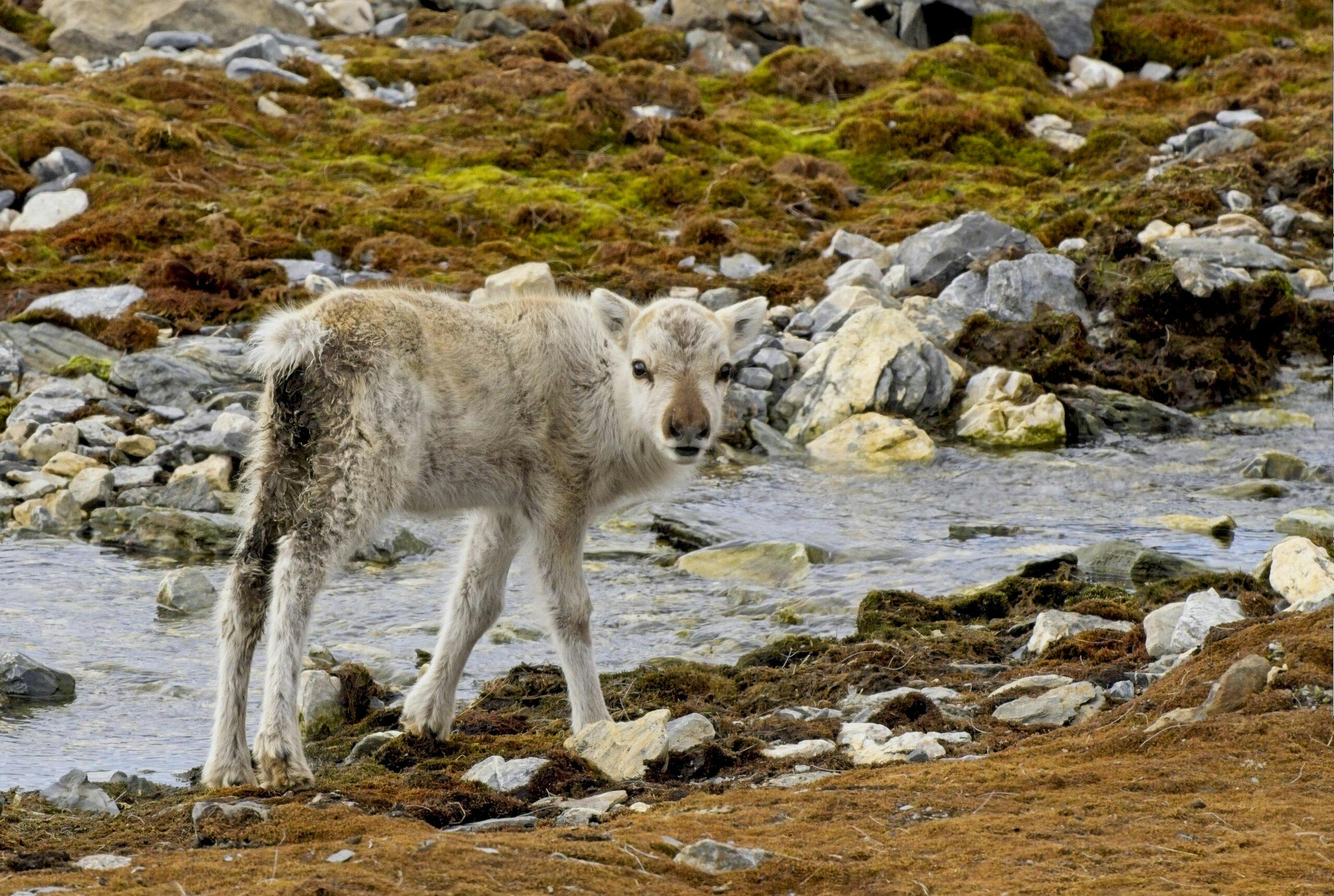
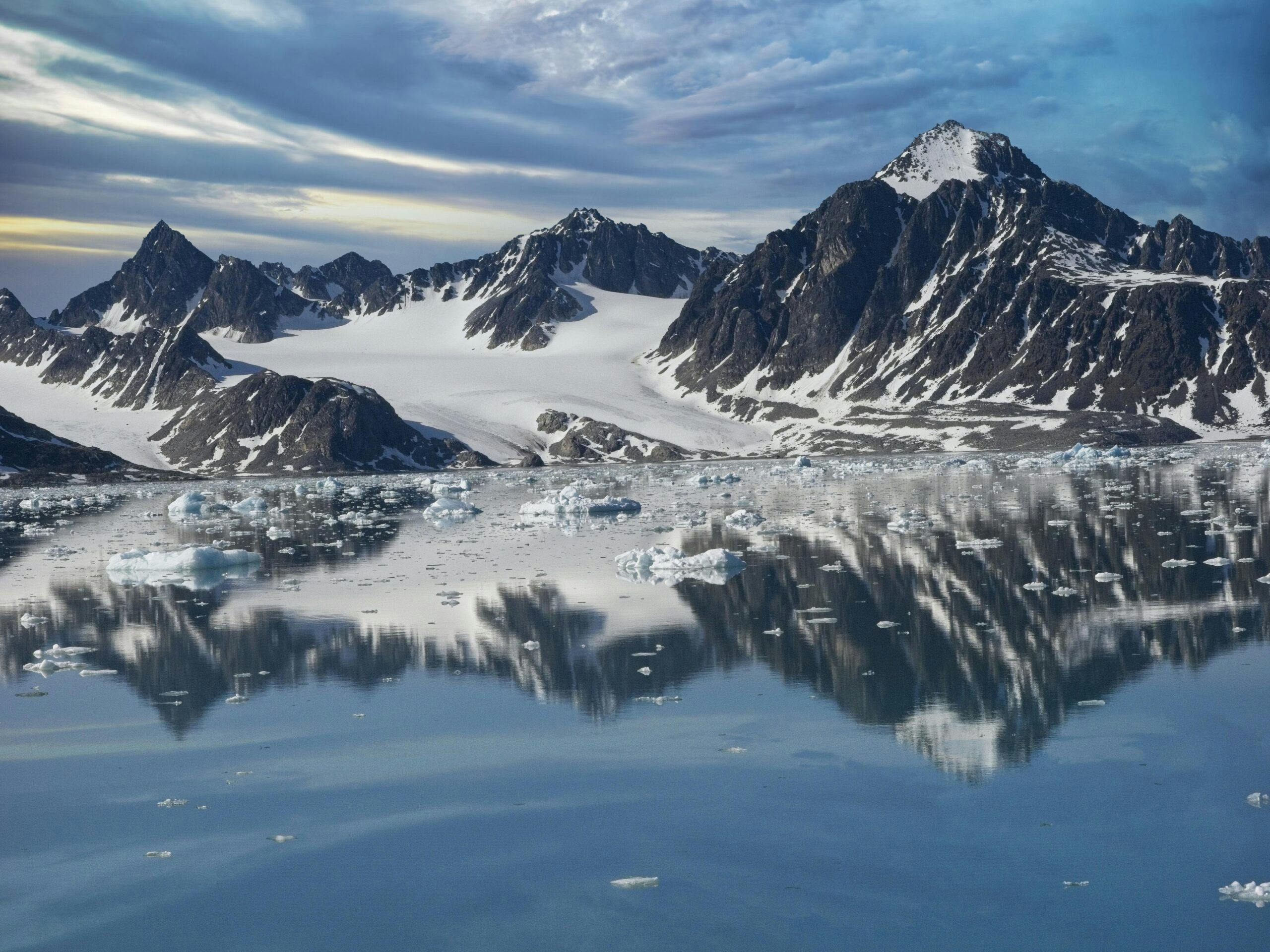
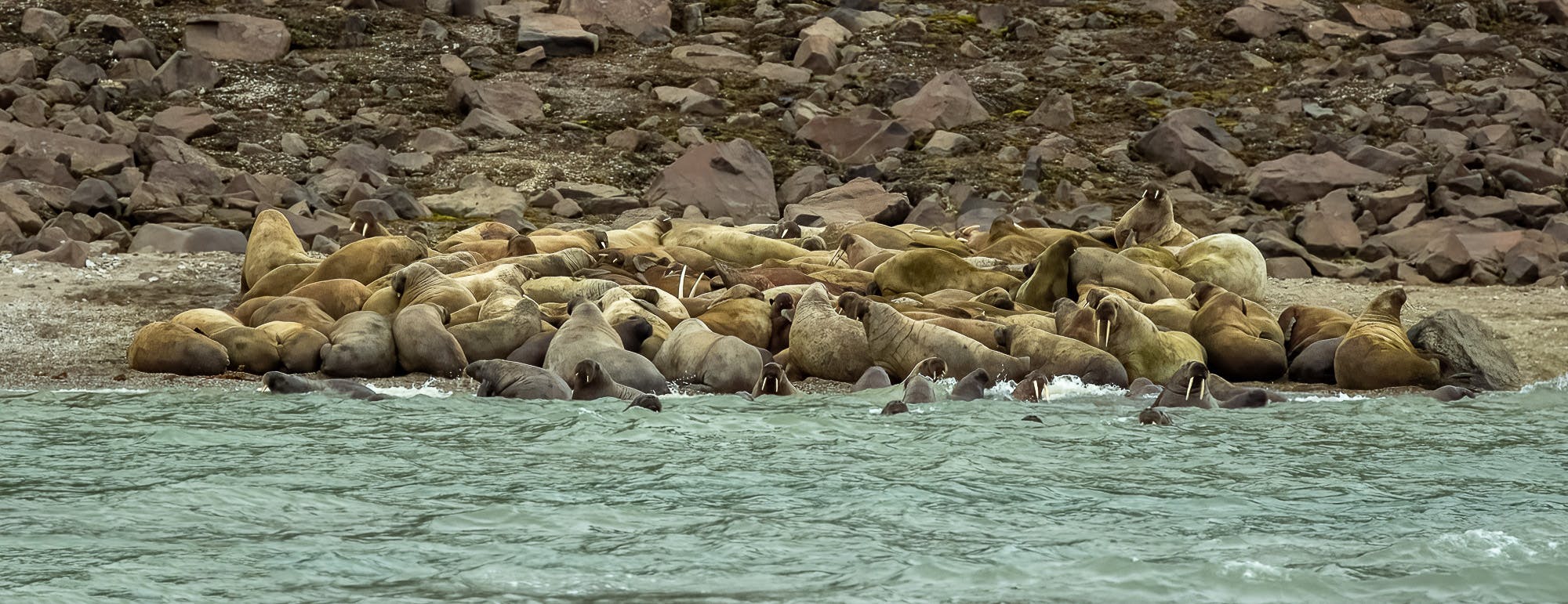

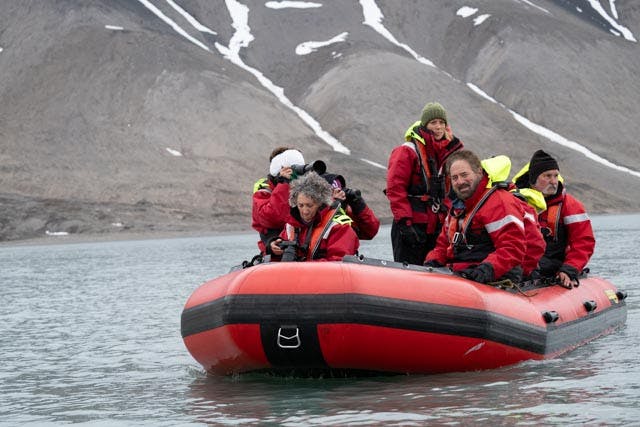
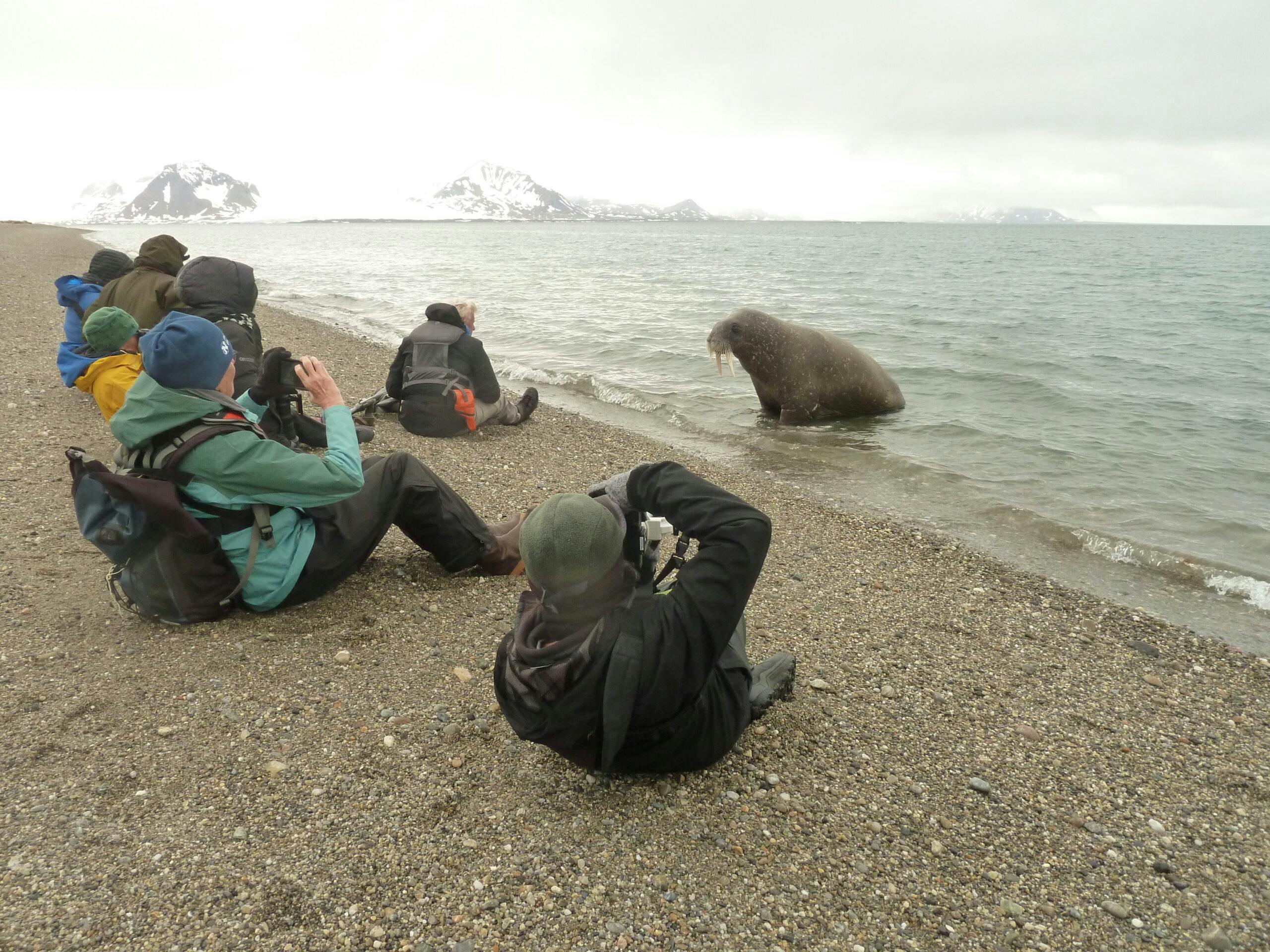
Day 10 – Disembarkation and Reflections
As our journey neared its end, we disembarked in Longyearbyen. The last day was spent reflecting on our experiences and sharing stories of the incredible sights and encounters. The sense of camaraderie among the group was strong, forged through shared adventure and awe-inspiring moments.
“First rate from the office (Lauren), to our guides, to the crew aboard the ship. A seamless and wonderful experience from start to finish.” -Tom & Lindsay Bell
“You have great guides… and small trip experience is priceless” -Mary Ann Fernandez and Richard Pierce
“Magnificently operated; great ship crew; congenial group that was a pleasure to travel with. Great attention to detail, superb leadership.” -Stephen Tauber
“Your scale is too small. This trip was WAY more than ‘very good.’ In fact this was the most remarkable trip experience of my life!!” -Robyn Carmel
“Traveling with Cheesemans’ means you’ll have access to remote and incredible places with the added comfort of being in expert hands.” -Lori & Richard Rothstein
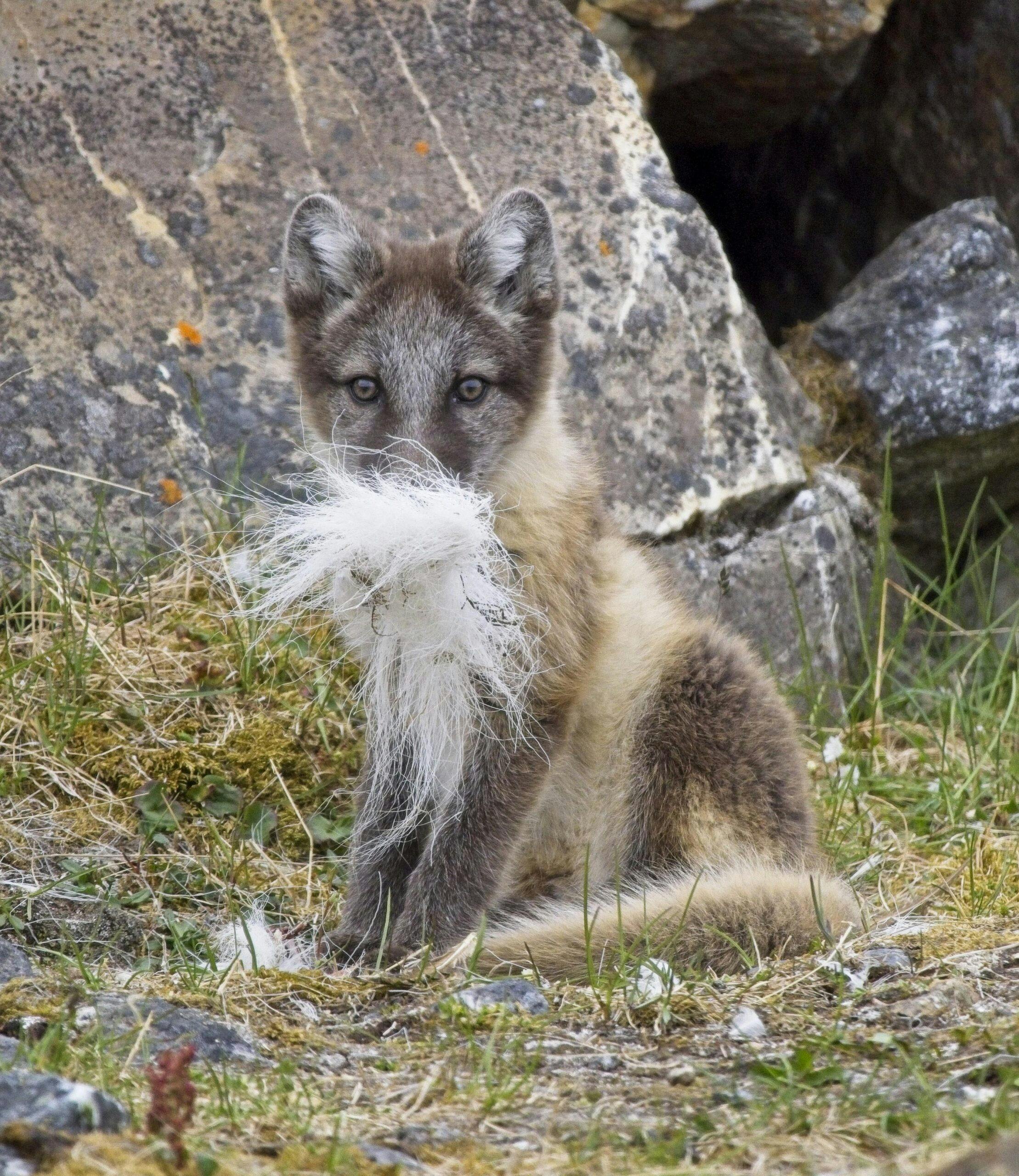
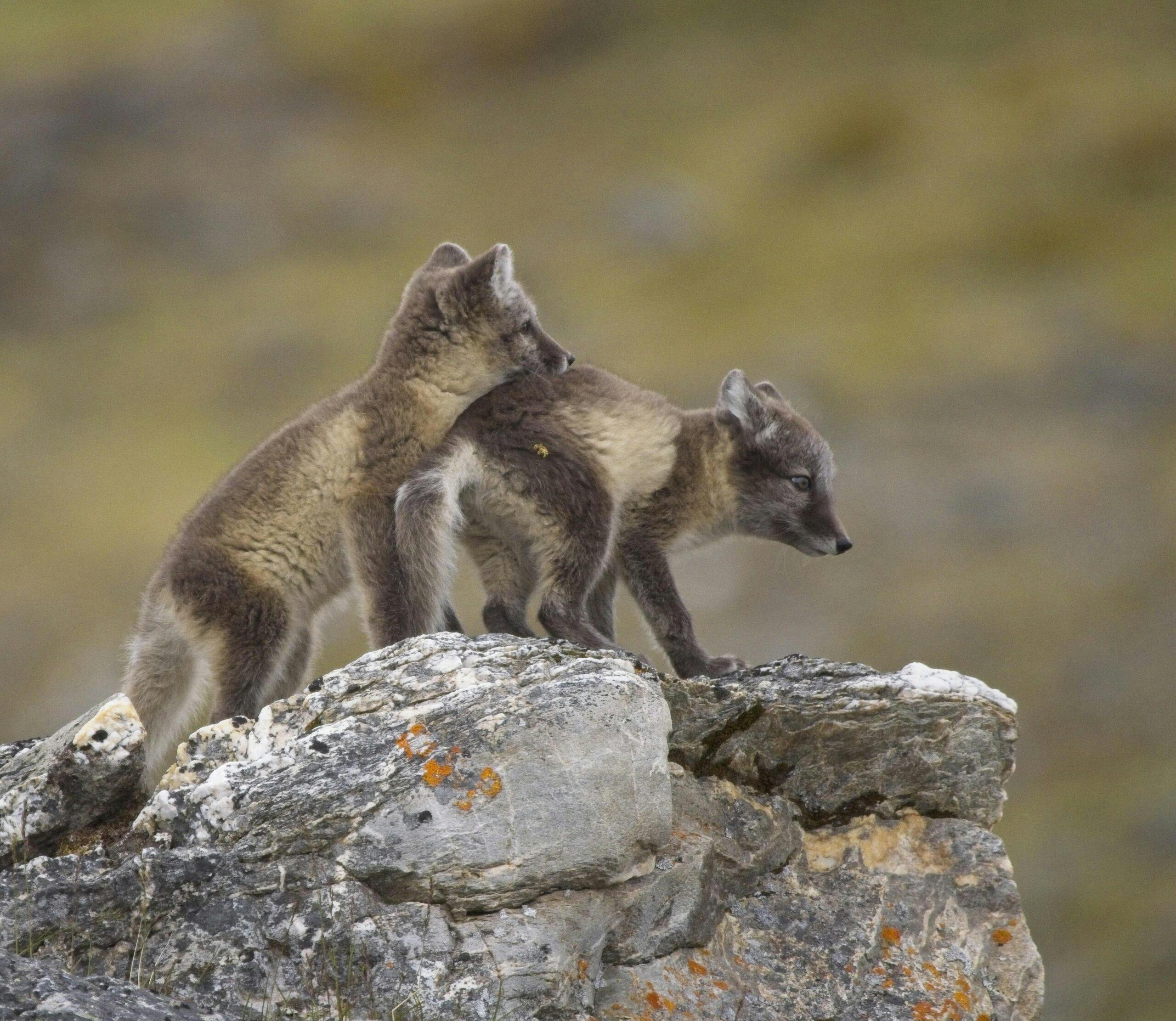

Looking Ahead: July 2025 Svalbard Expedition
Inspired by the success of our 2023 expedition, we are excited to announce our next journey to the Svalbard Islands. This upcoming trip promises more breathtaking encounters with Arctic wildlife, stunning landscapes, and the serene beauty of the polar night.
Whether you’re a photography enthusiast eager to capture the stark beauty of the ice, a wildlife lover fascinated by Arctic fauna, or an adventurer seeking to explore one of the planet’s most pristine environments, the Svalbard expedition offers an unrivaled experience.
Don’t miss the chance to be part of this extraordinary adventure. Join us as we return to the realm of the polar bear and experience the magic of the Arctic together.
Join the Adventure
Nepal
March 4 to 22, 2023
A Himalayan Odyssey:
Exploring Nepal’s Natural Beauty
Join us on A Himalayan Odyssey 2023, a transformative journey through Nepal’s majestic landscapes, vibrant cultural heritage, and extraordinary biodiversity. This once-in-a-lifetime expedition with Cheesemans’ Ecology Safaris takes you to some of Nepal’s most iconic sites, including the bustling streets of Kathmandu, the wildlife haven of Bardia National Park, and the breathtaking Annapurna foothills. From tracking the elusive Bengal tiger to standing in awe before the towering Himalayan peaks, A Himalayan Odyssey 2023 promises an adventure that blends discovery, education, and conservation.
March 6: Arrival in Kathmandu
Upon arriving in Kathmandu, travelers were warmly greeted and transferred to their hotel, marking the commencement of their adventure in Nepal. The bustling streets and vibrant atmosphere immediately immersed them in the charm of the city. As they journeyed from the airport to their accommodations, they were captivated by the diverse heritage and energy of Kathmandu. This warm welcome set the stage for an unforgettable exploration of Nepal’s rich culture and landscapes.
March 7: Cultural Highlights of Kathmandu Valley during the Himalayan Odyssey 2023
After breakfast during this Himalayan odyssey of 2023, travelers met with their trip leader, Tashi, for trip introductions and a briefing before embarking on a full-day city tour. Highlights included visits to the iconic Boudhanath Stupa, the revered Pashupatinath Temple, and the scenic Monkey Temple. The afternoon was dedicated to exploring the charming old city of Patan, immersing travelers in the rich cultural tapestry of Kathmandu Valley.
“The range and diversity of activities on this trip were amazing and a highlight.” -Stephen Martin
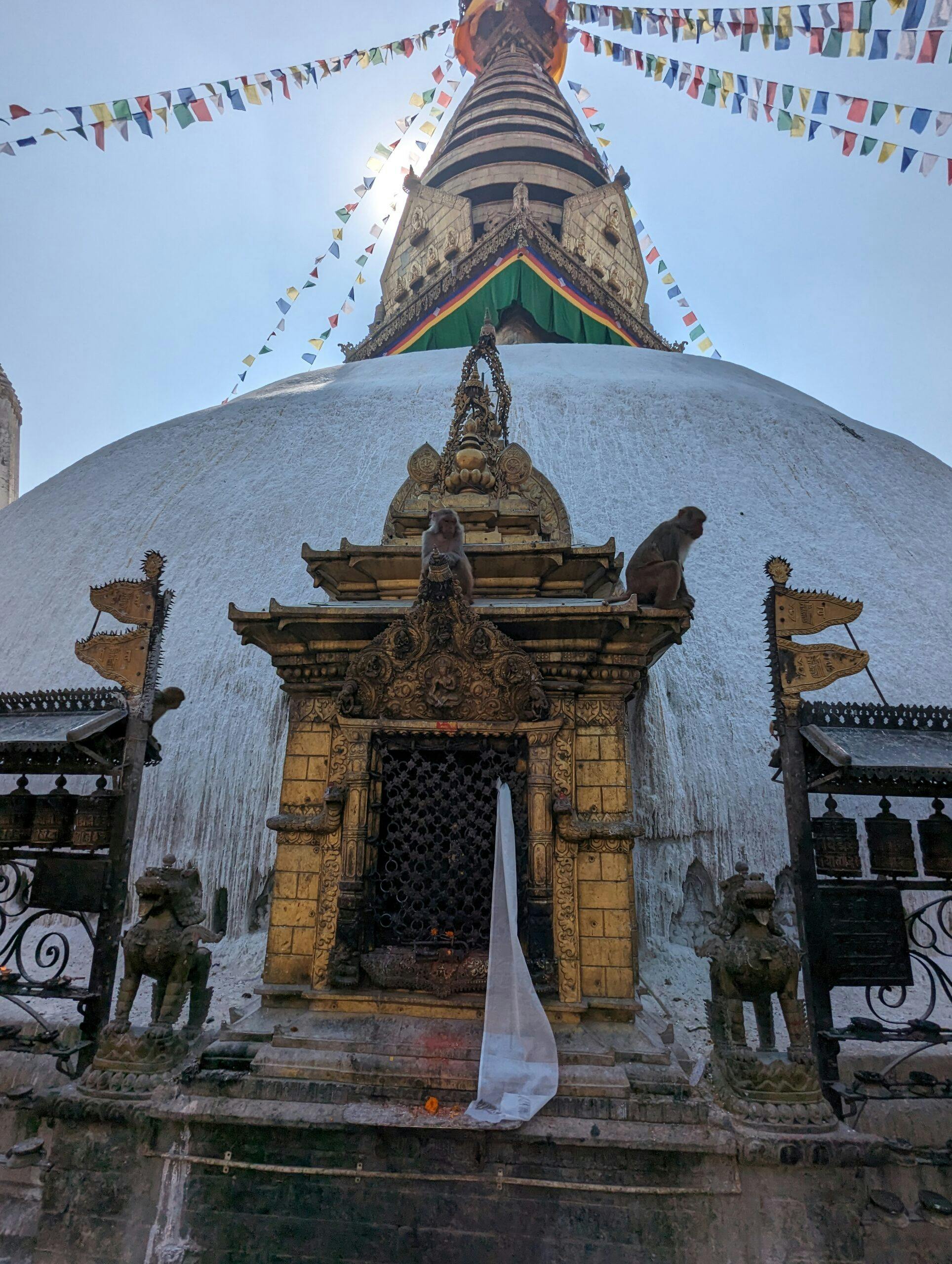
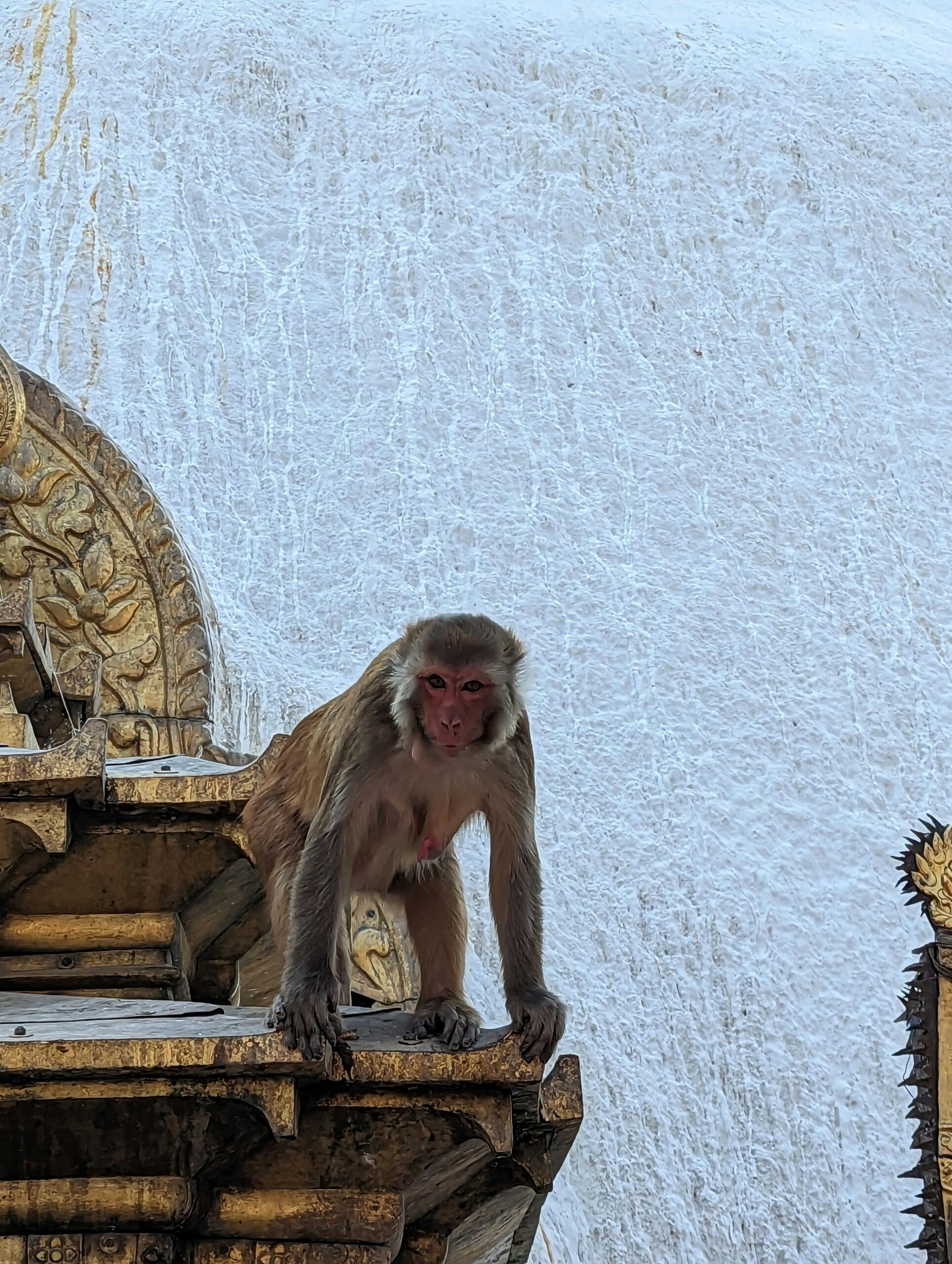
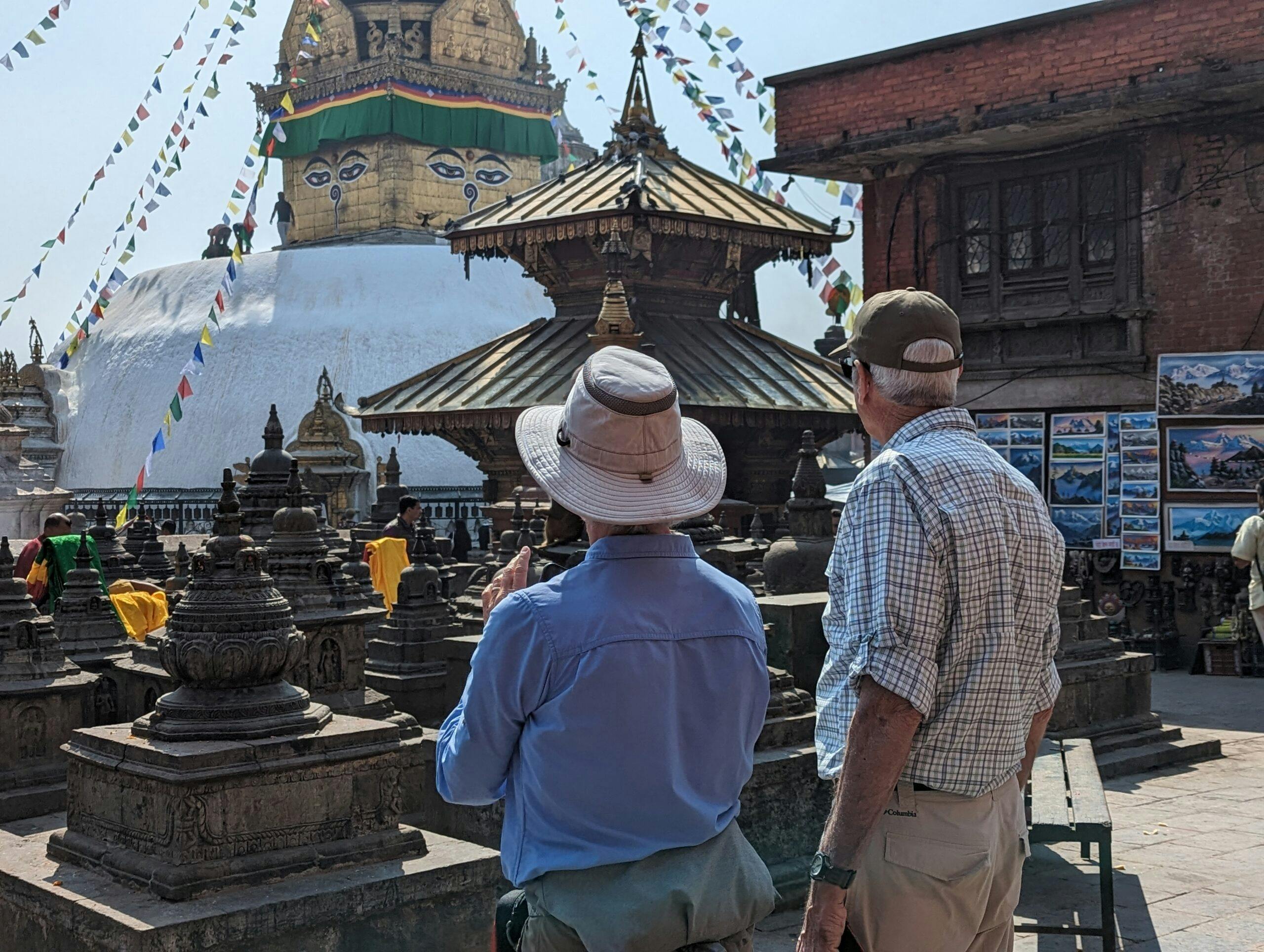
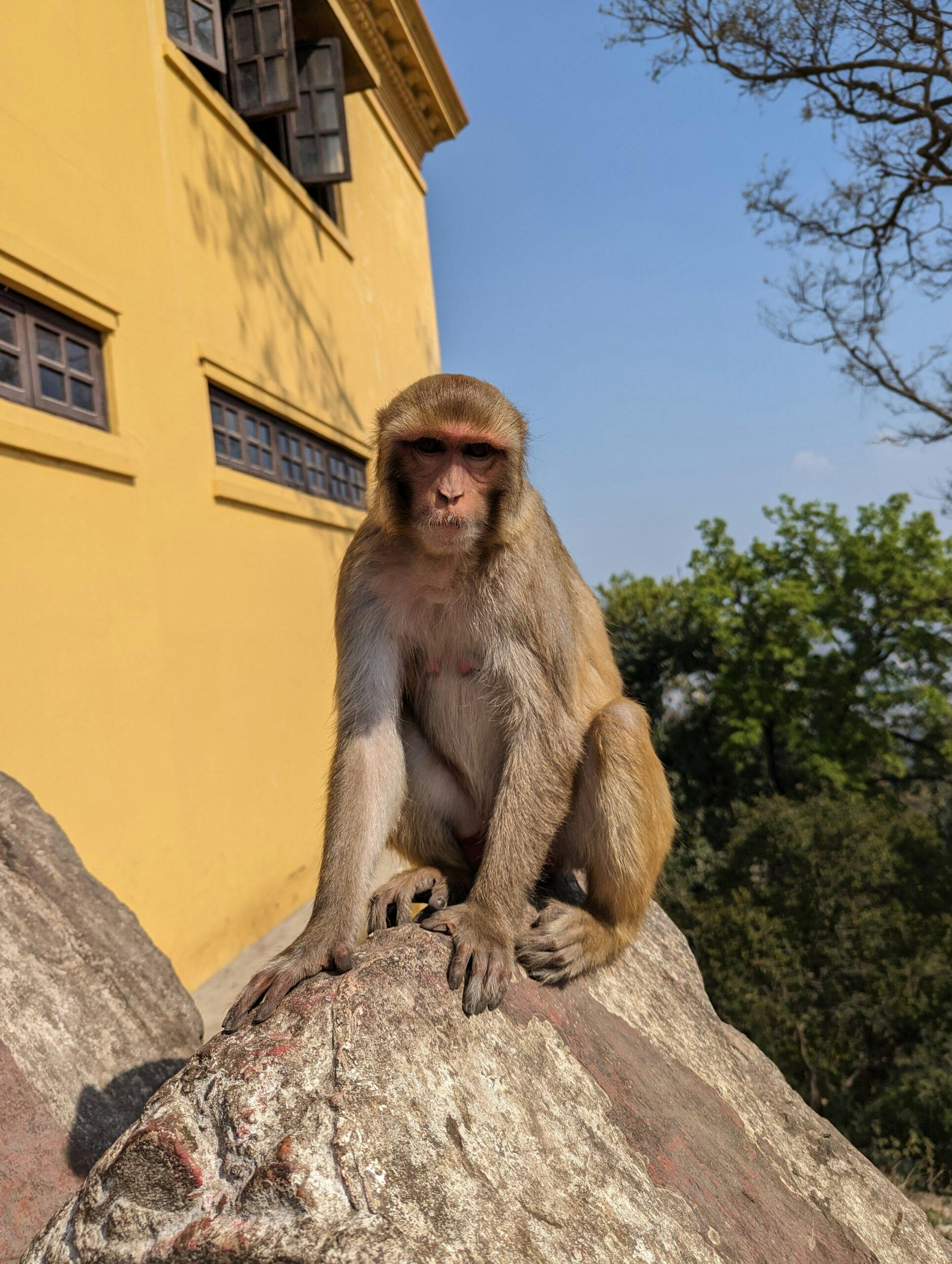
March 9–11: Wildlife Wonders in Bardia National Park on A Himalayan Odyssey 2023
For three full days, travelers experienced the natural wonders of Bardia National Park, a highlight of A Himalayan Odyssey 2023, a sprawling expanse nestled within the lowland Terai region of Nepal. Their adventure began with immersive jeep safaris, each day promising new encounters and breathtaking scenery.
Traversing through vast grasslands, dense woodlands, and along serene riverbanks, travelers found themselves deep in the diverse habitats that make Bardia National Park a haven for wildlife. With every turn of the jeep, they were greeted by the sights and sounds of nature’s bounty
Among the highlights were sightings of majestic tigers prowling through the tall grass, graceful deer darting through the trees, and playful langurs swinging from branch to branch overhead. The park’s vibrant birdlife added to the spectacle, with colorful plumage and melodious calls filling the air.
As they ventured deeper into the heart of the park, travelers were captivated by the sheer diversity of species that call Bardia home. From elusive predators to delicate butterflies, each encounter served as a reminder of the park’s vital role in preserving Nepal’s rich biodiversity.
Throughout their safari experience, travelers were treated to unforgettable moments of connection with the natural world, fostering a deep appreciation for the wonders of Bardia National Park and the importance of conservation efforts in preserving its precious ecosystems.
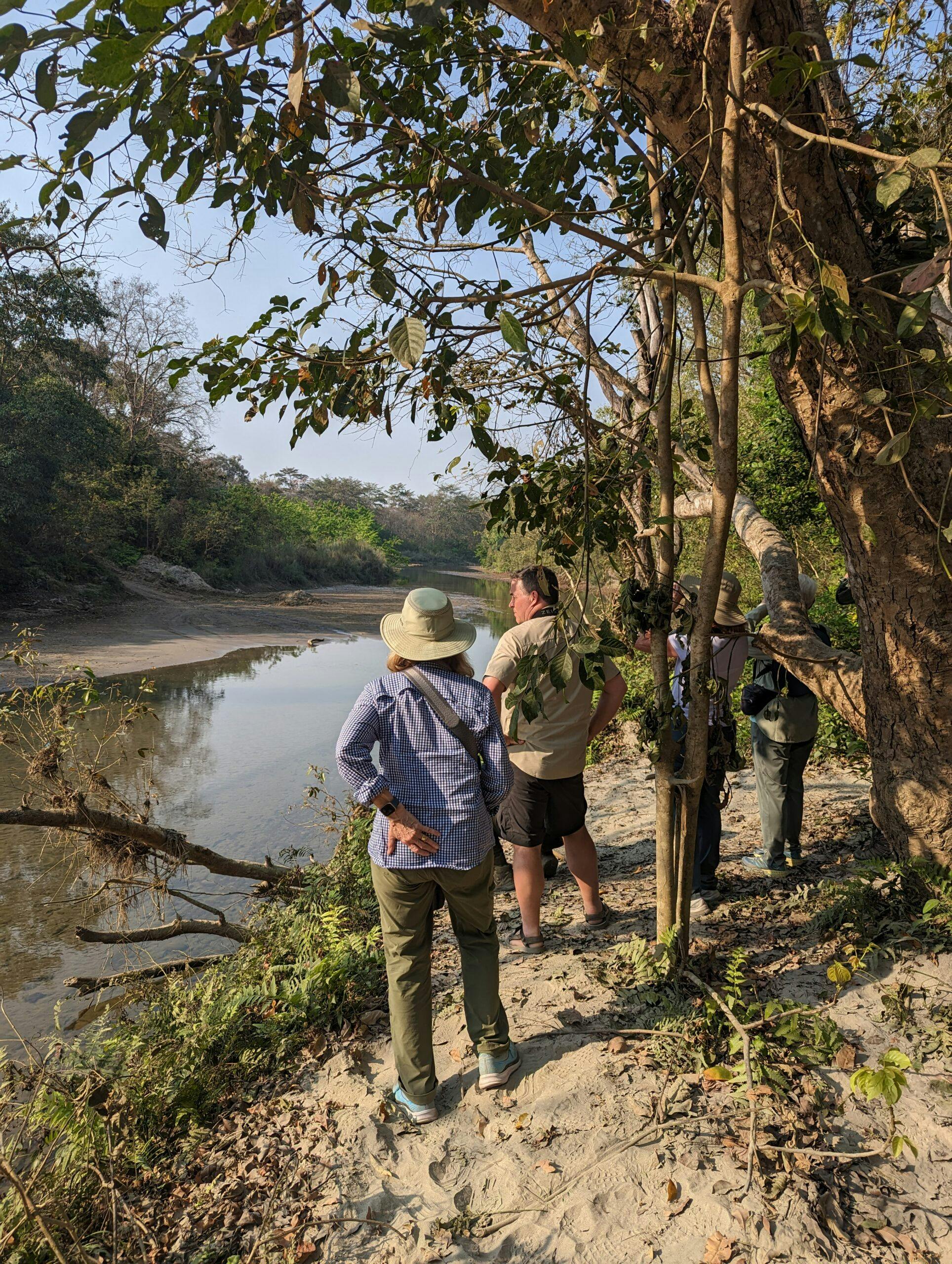
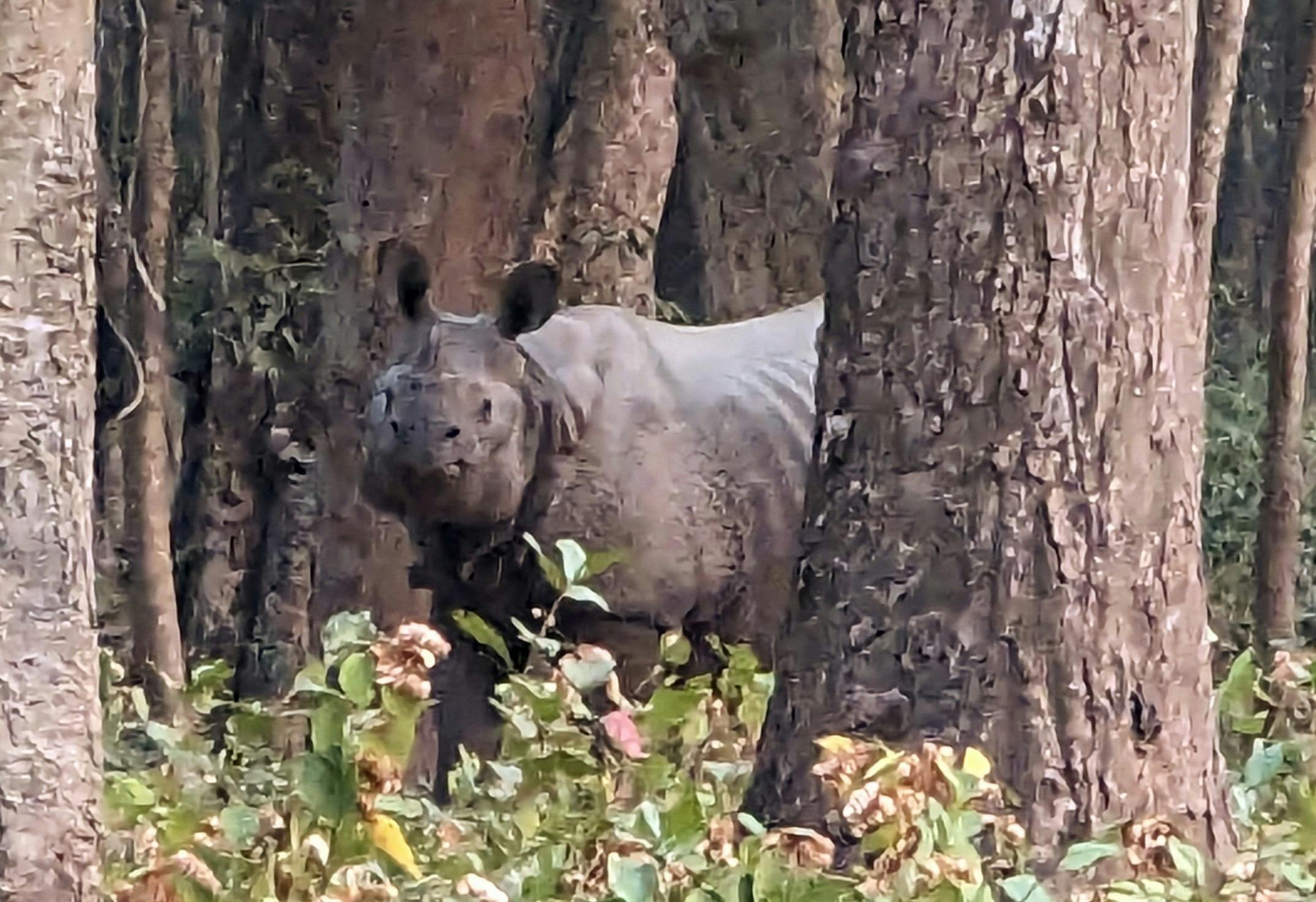
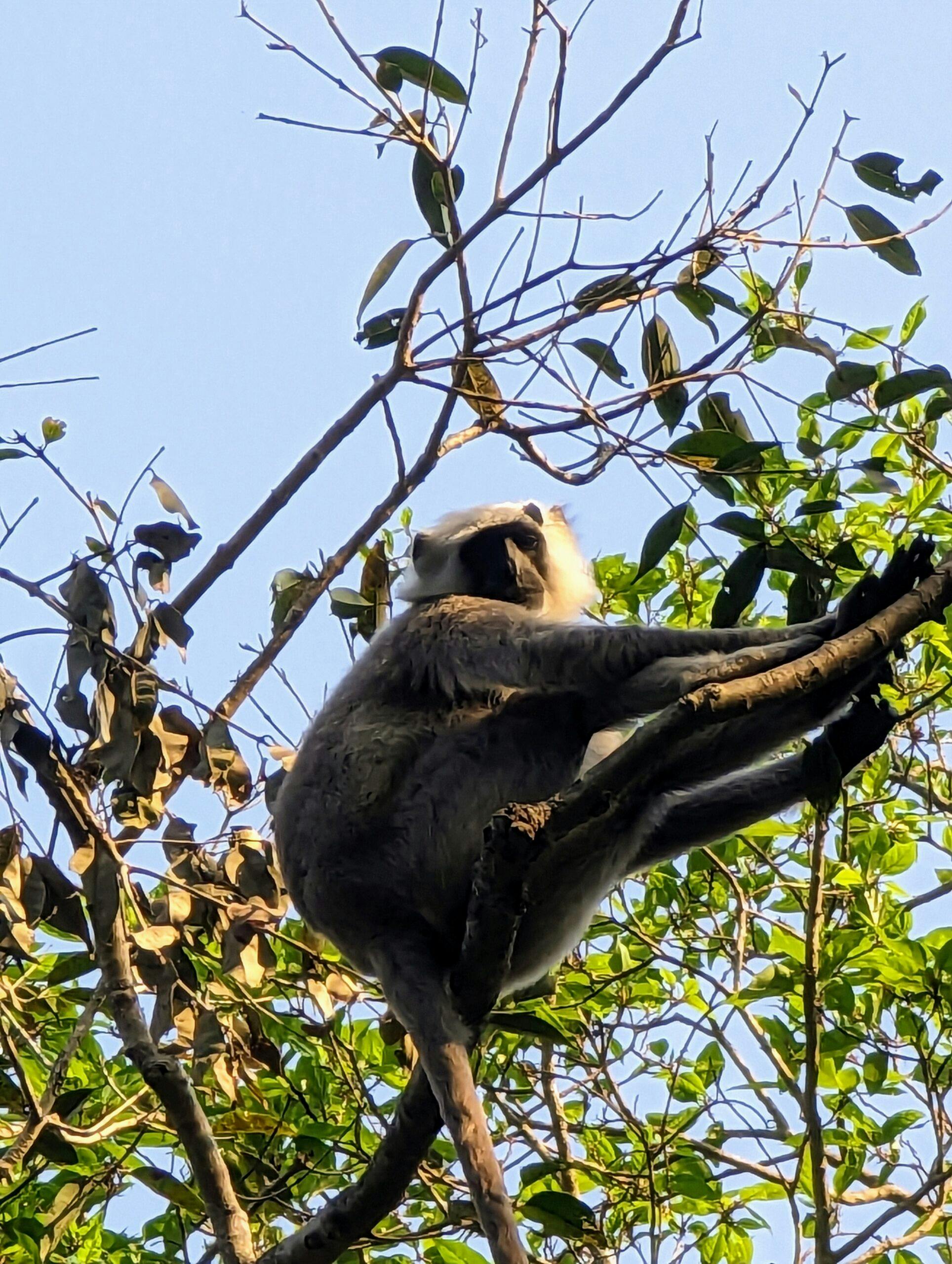
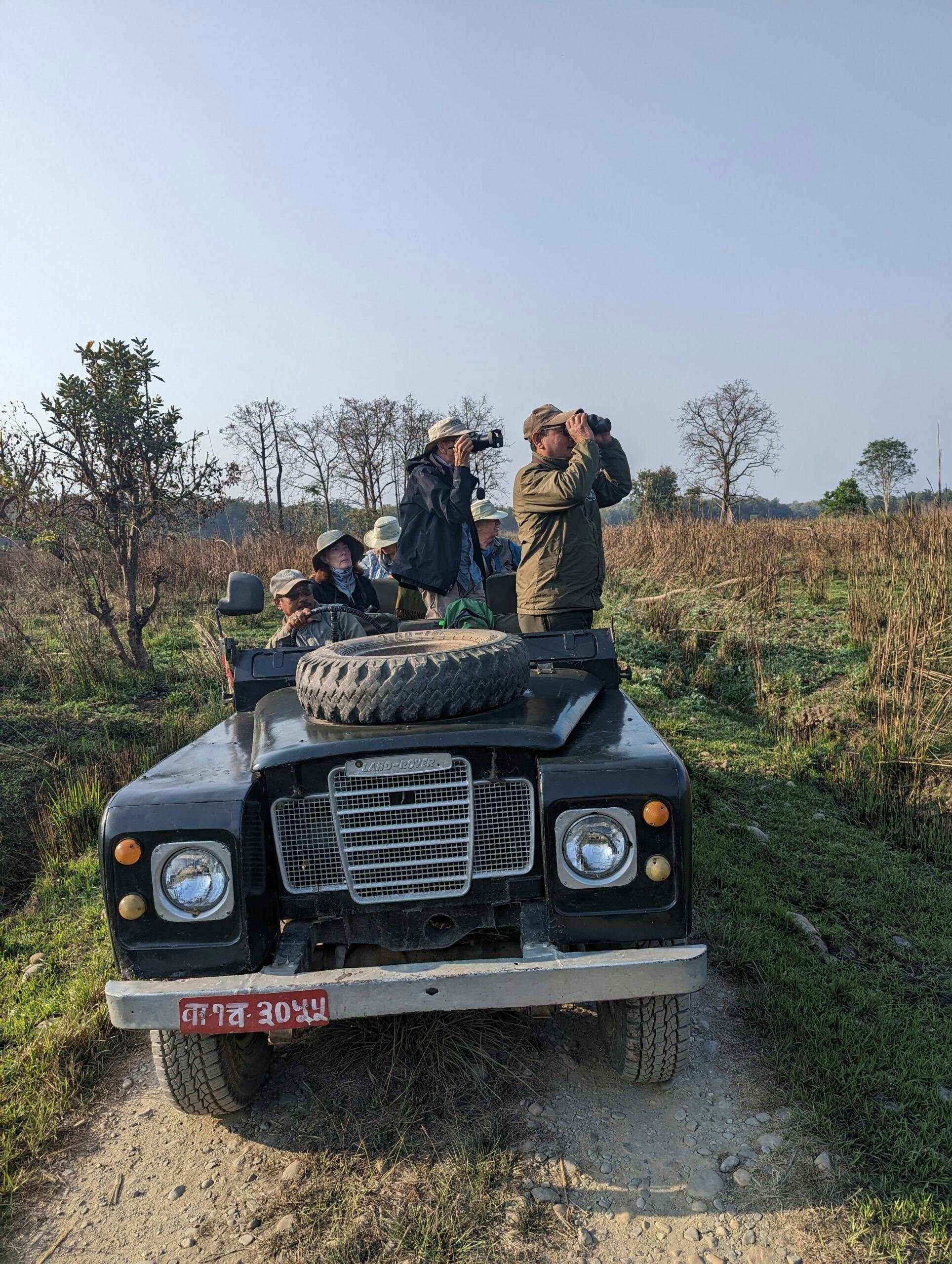
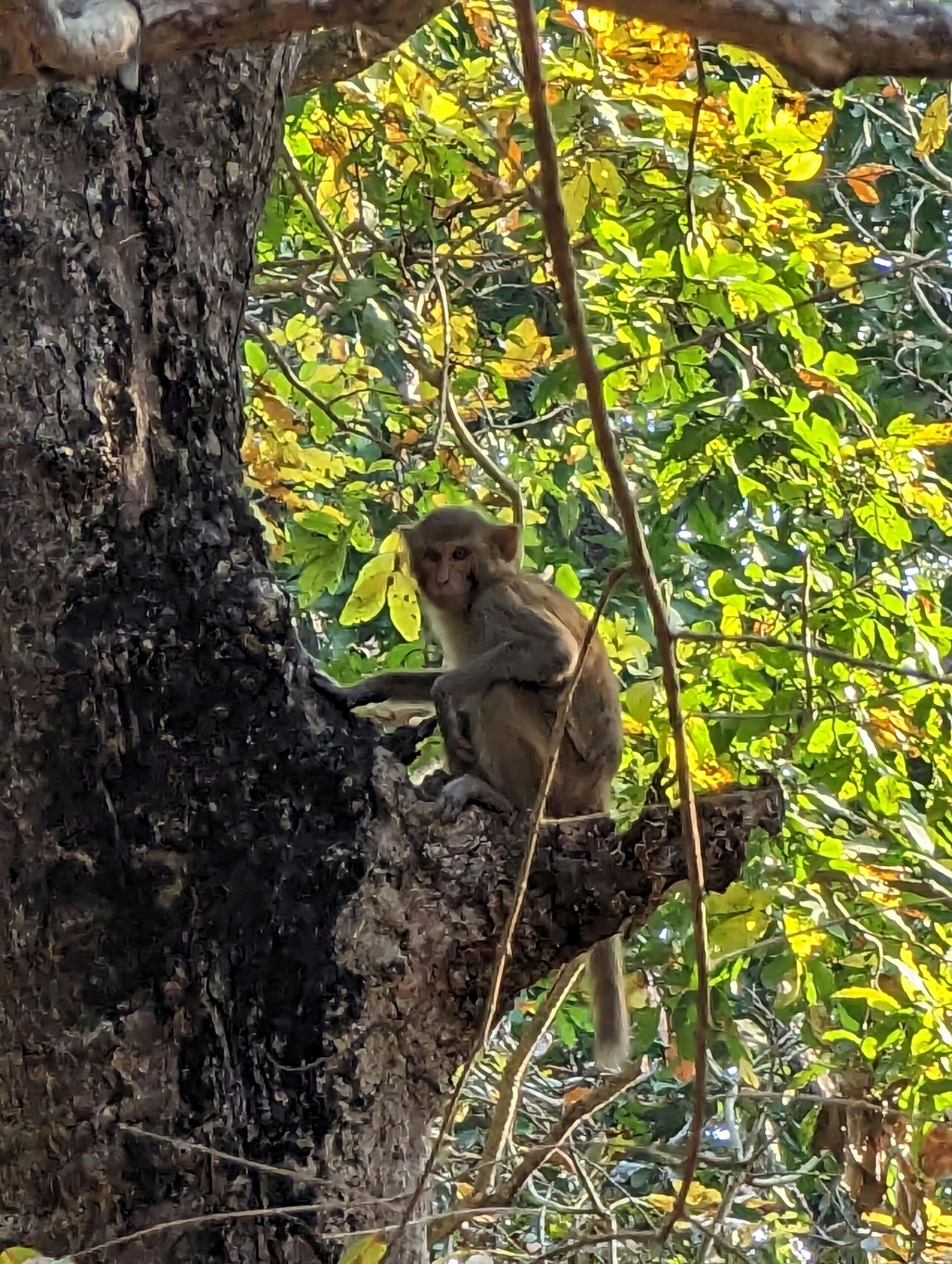
March 13–14: Exploring Chitwan National Park
Over the course of two days, travelers delved into the captivating landscapes of Chitwan National Park, a sanctuary teeming with life and natural beauty. Nestled amidst the verdant surroundings of Nepal’s Terai region, the park beckoned with promises of thrilling wildlife encounters and unforgettable adventures.
Venturing into the heart of Chitwan, travelers found themselves immersed in a mosaic of habitats, from the meandering rivers and lush grasslands to the dense sal forests that cloak the landscape. Each corner of the park revealed a new facet of its rich biodiversity, offering glimpses into the lives of its diverse inhabitants.
Amidst the tranquil waters of the Narayani River, travelers embarked on serene boat rides that provided unique perspectives of the park’s vibrant ecosystem. Drifting along the river’s gentle currents, they marveled at the sight of majestic Indian elephants bathing on the riverbanks, while crocodiles lurked stealthily in the shallows, and colorful bird species flitted overhead.
On land, guided walks through the park’s grasslands and forests offered opportunities to encounter Chitwan’s most iconic residents, the lumbering Indian rhinoceroses as well as a myriad of bird species that filled the air with their melodious calls.
As the sun dipped below the horizon casting a golden hue over the landscape, travelers found themselves filled with a sense of awe and wonder at the sheer beauty that surrounded them in Chitwan National Park. While young locals performed their traditional dance, our travelers were reminded of the importance of preserving this natural treasure for future generations to cherish and enjoy.
“Tashi is a great leader. He is constantly monitoring everything and everyone.” -Karen Backer
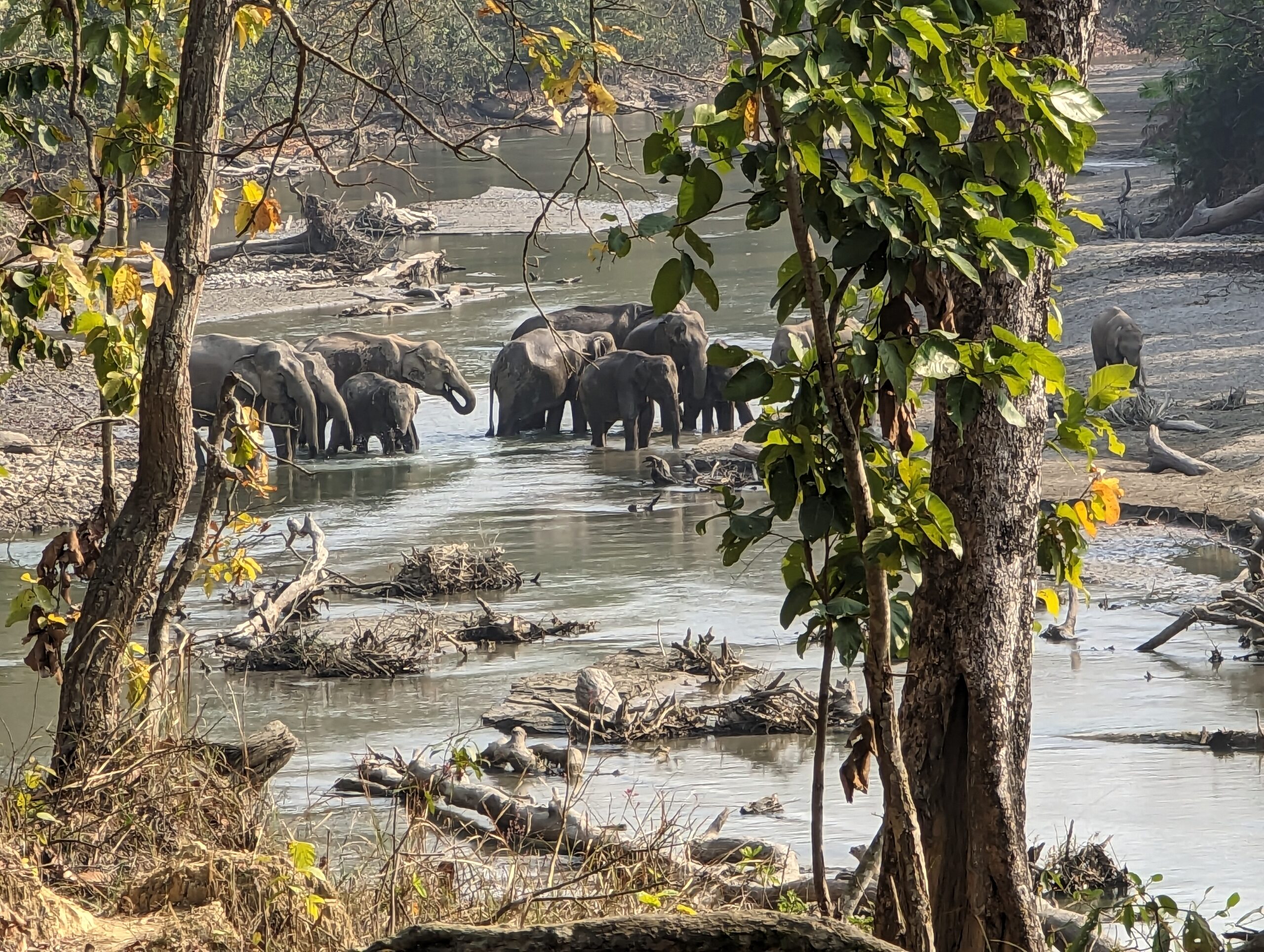
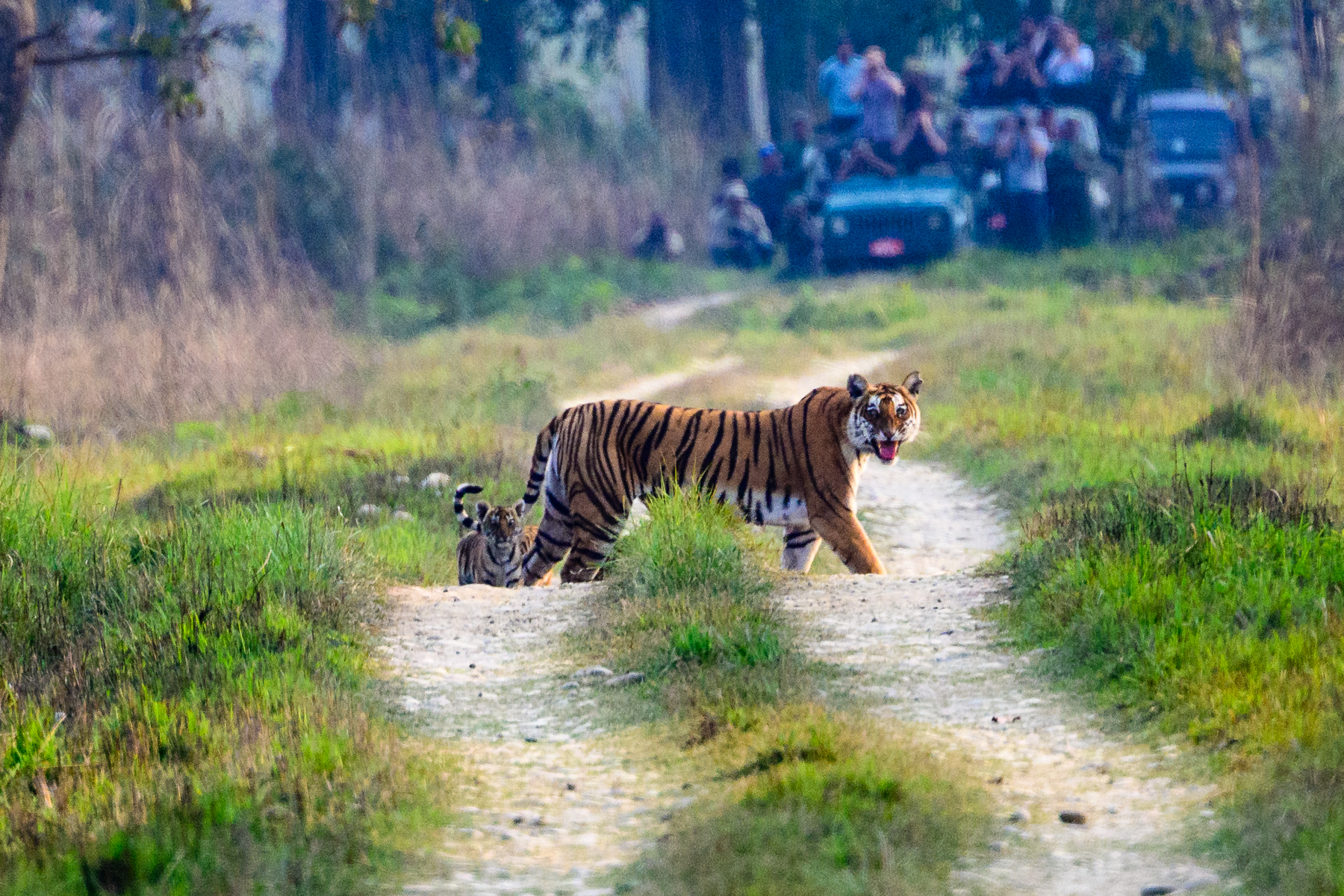
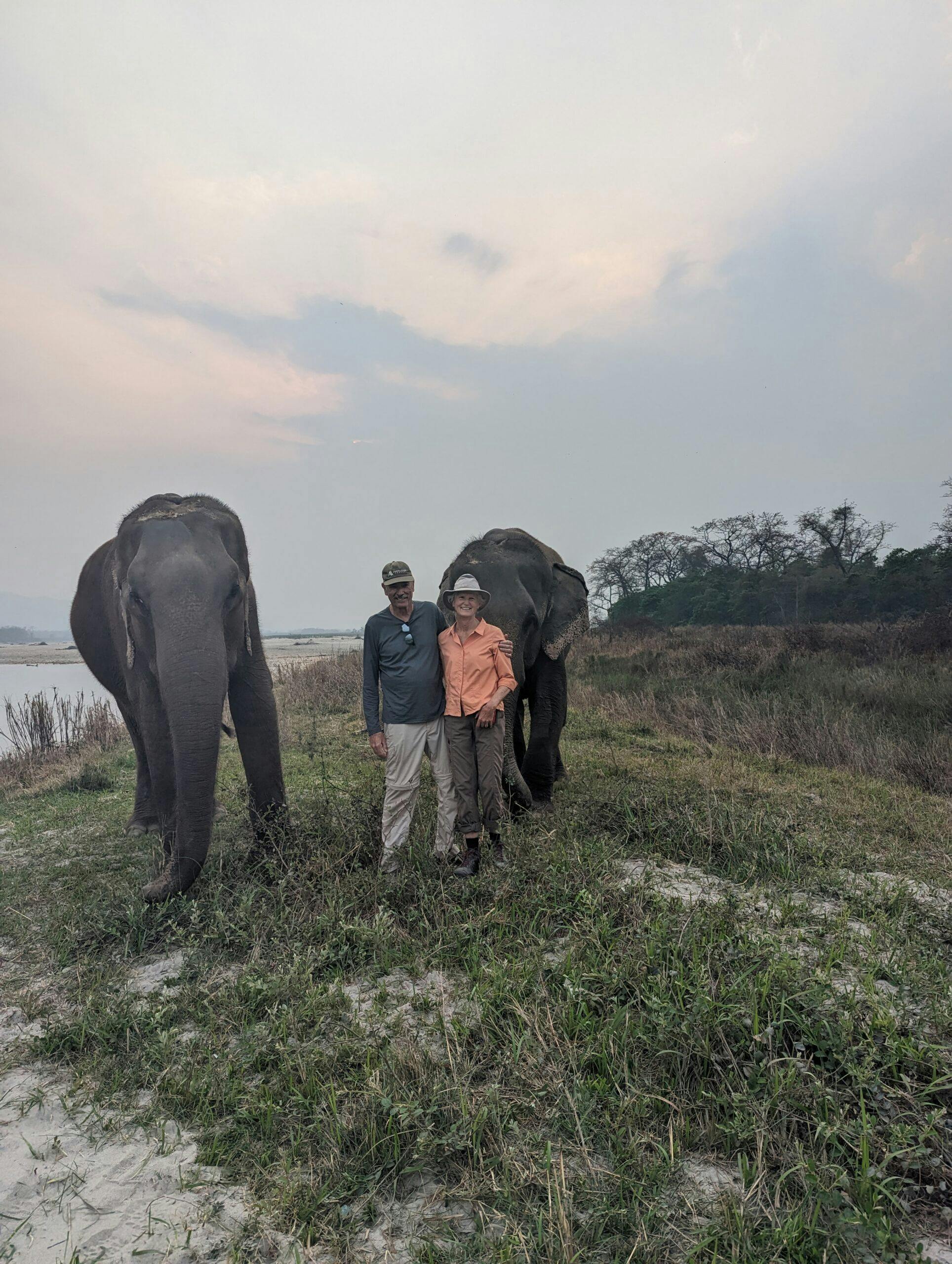
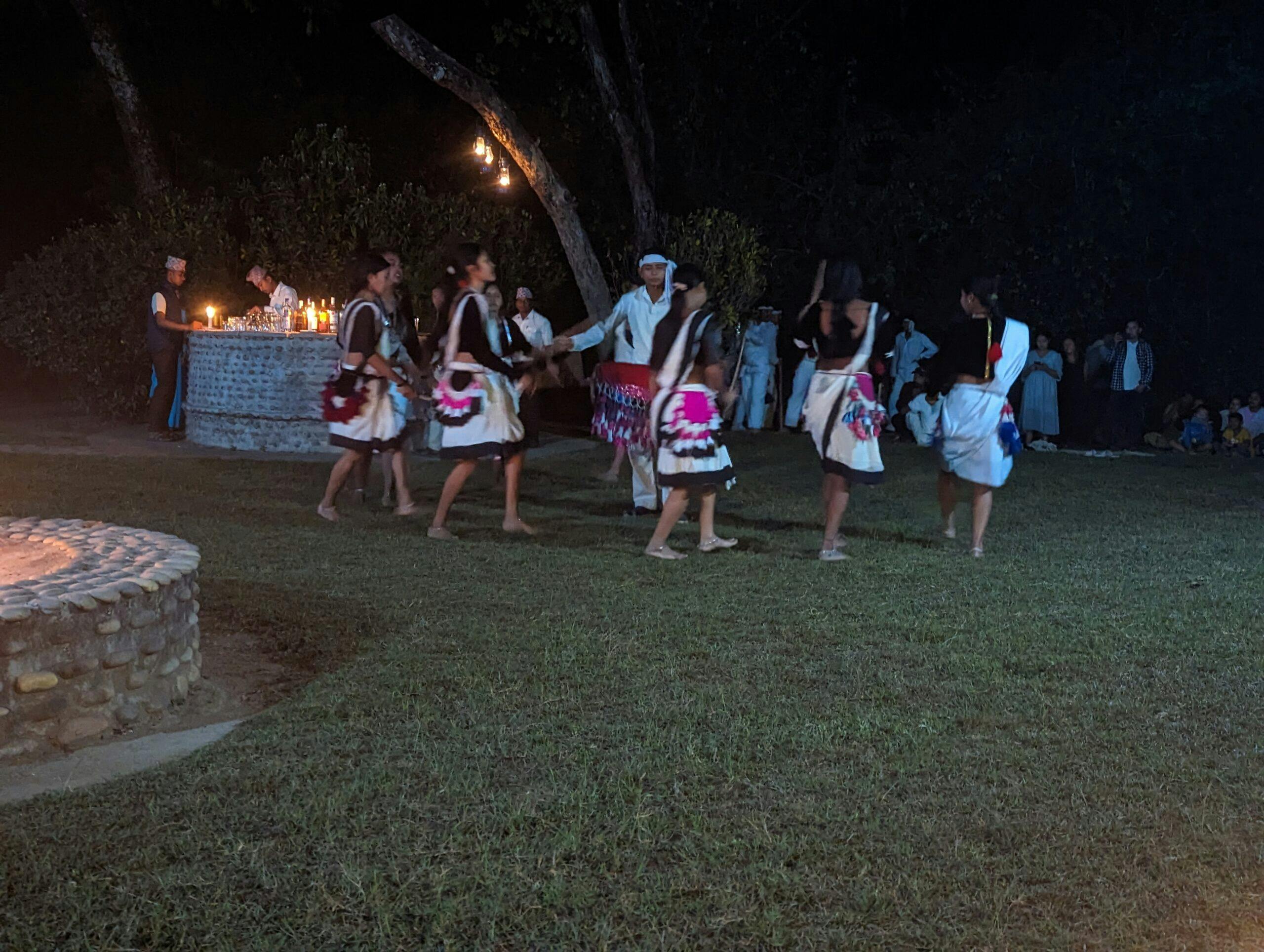
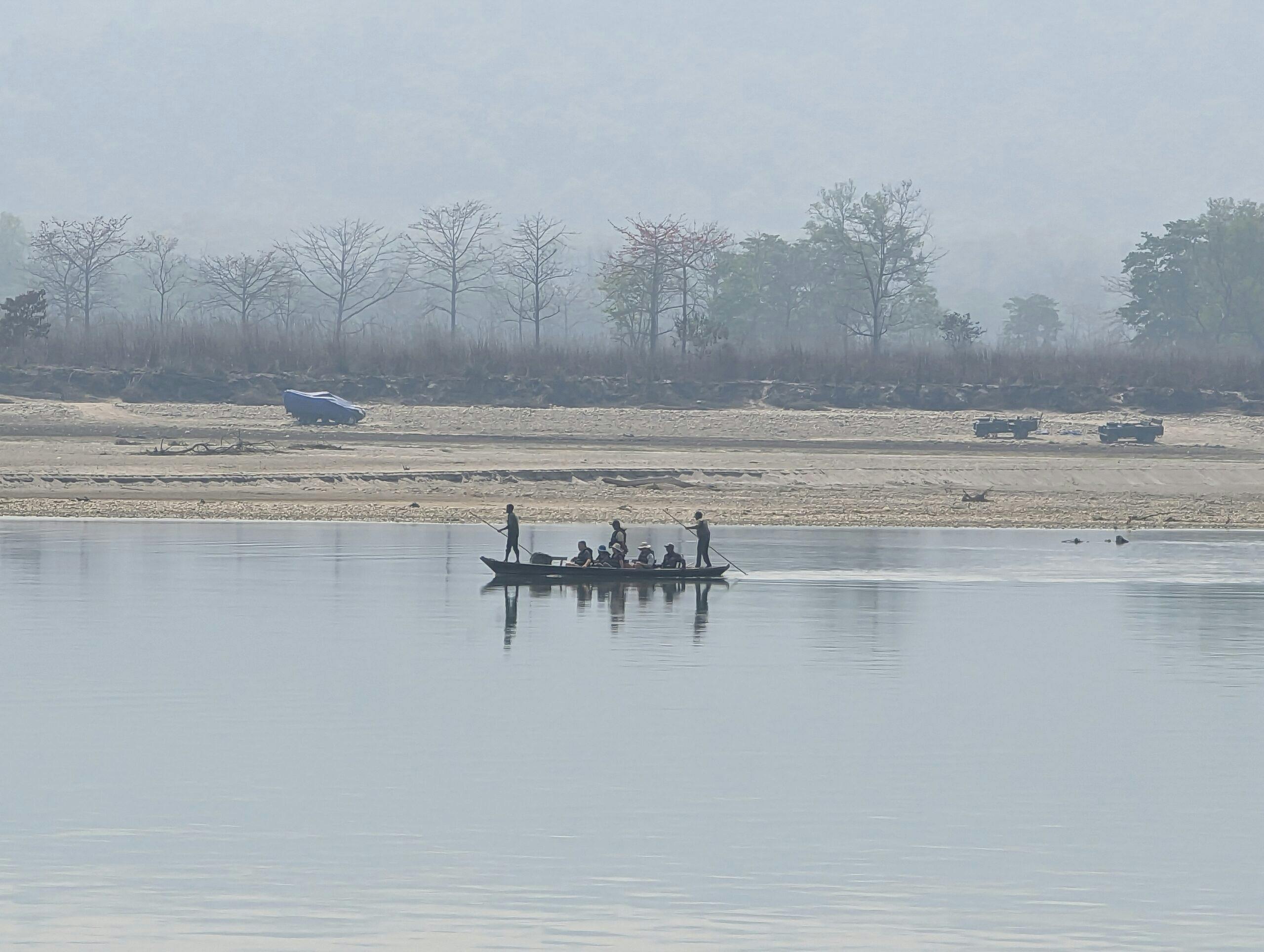
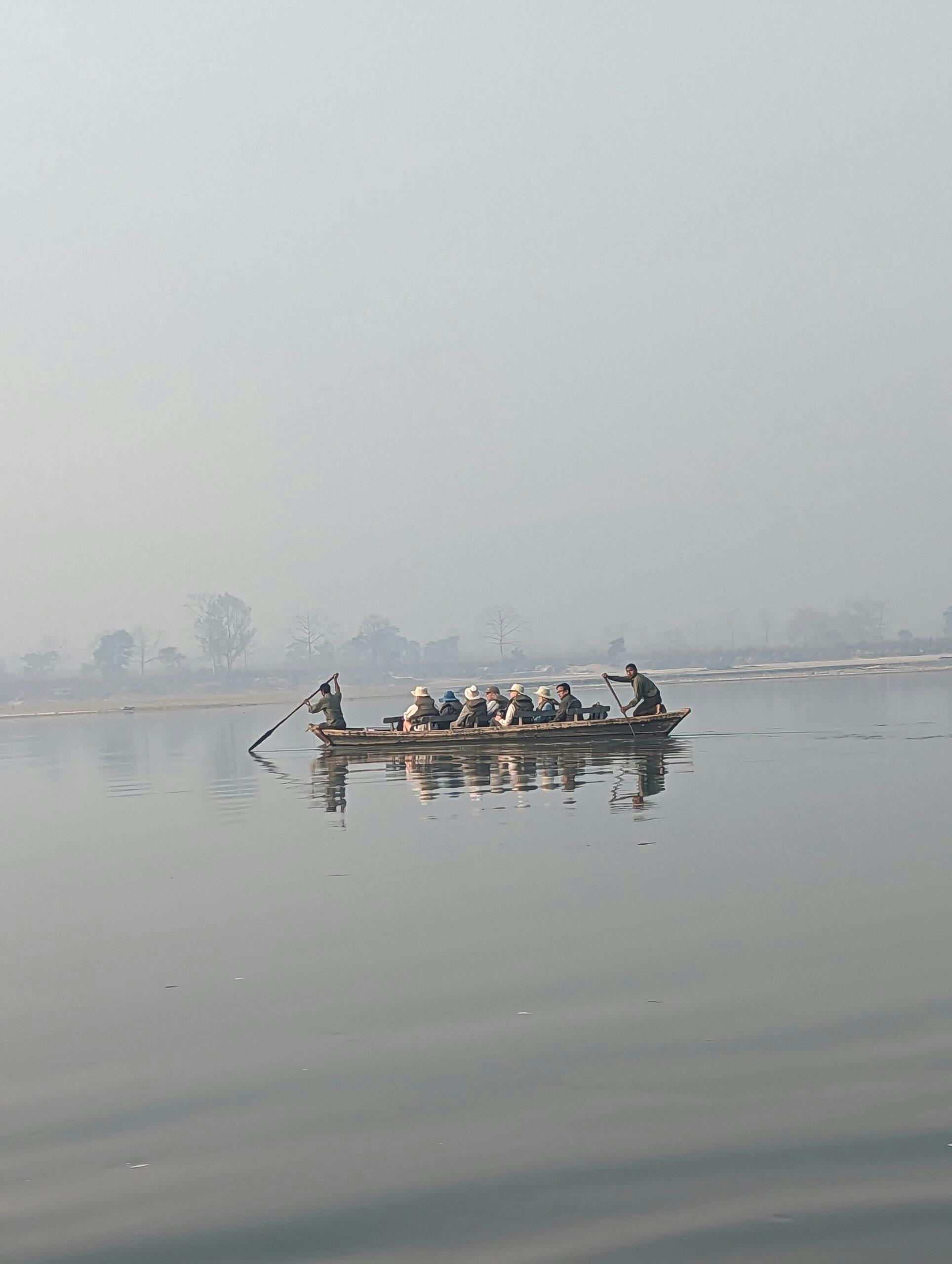
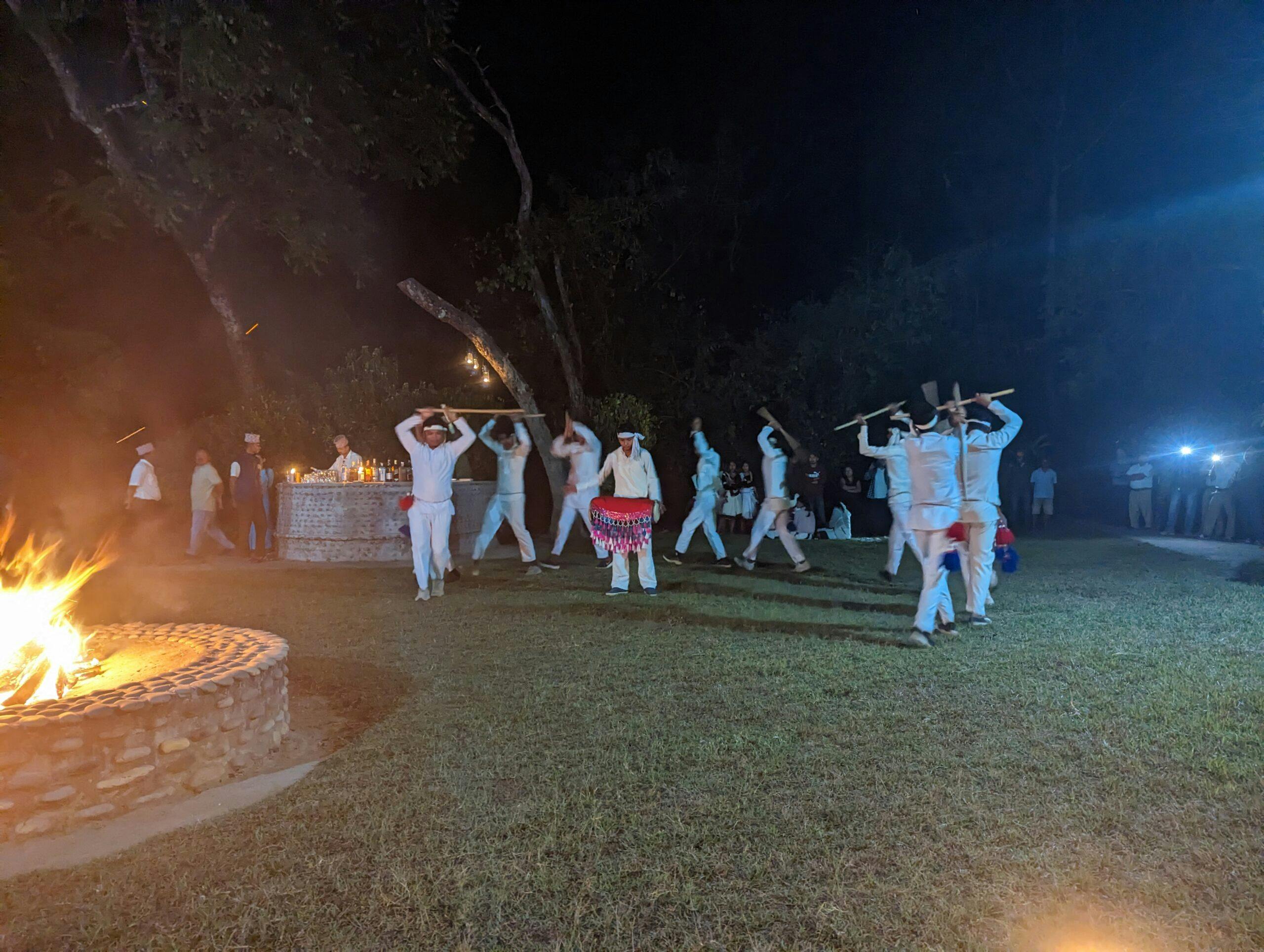
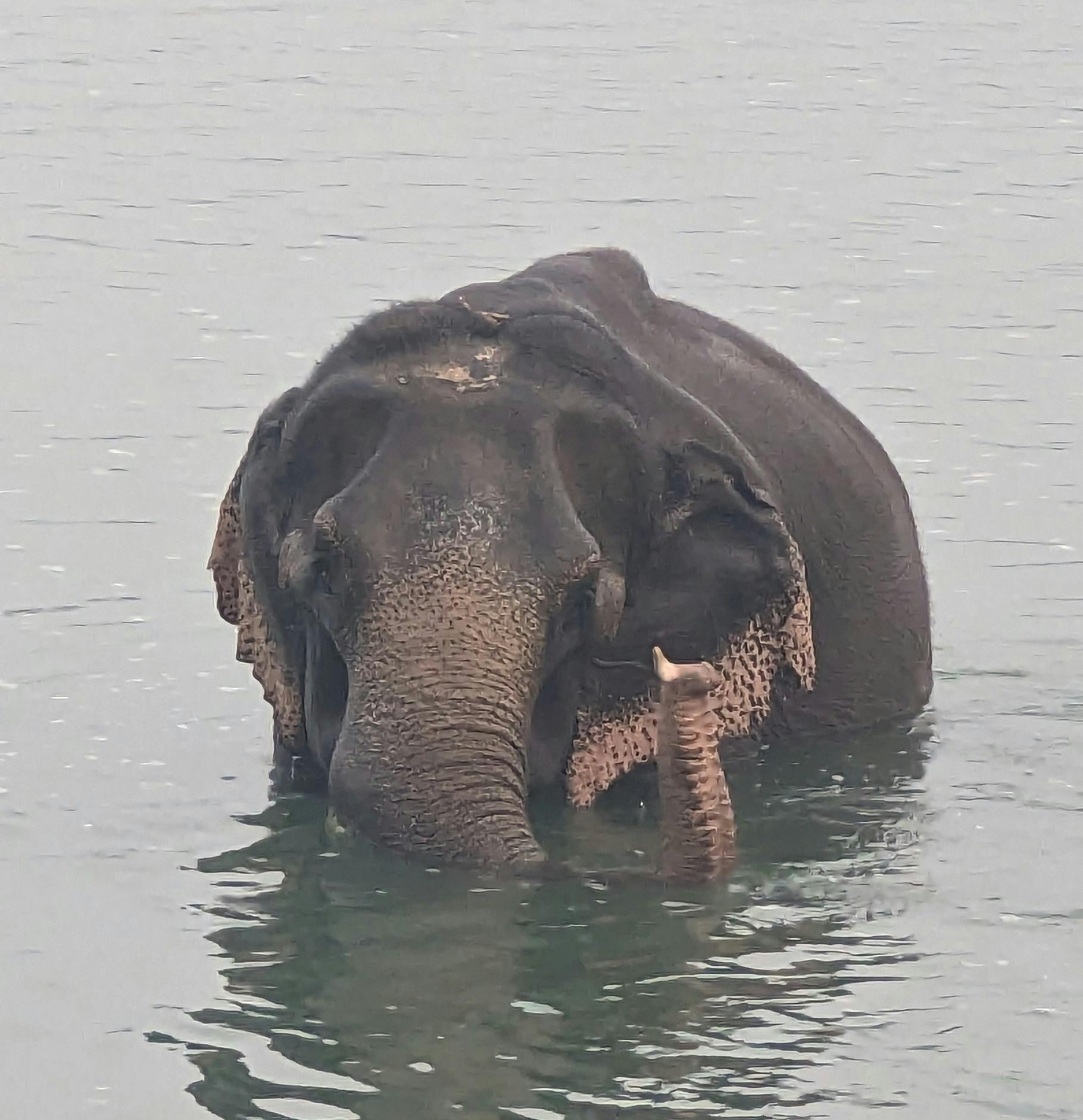
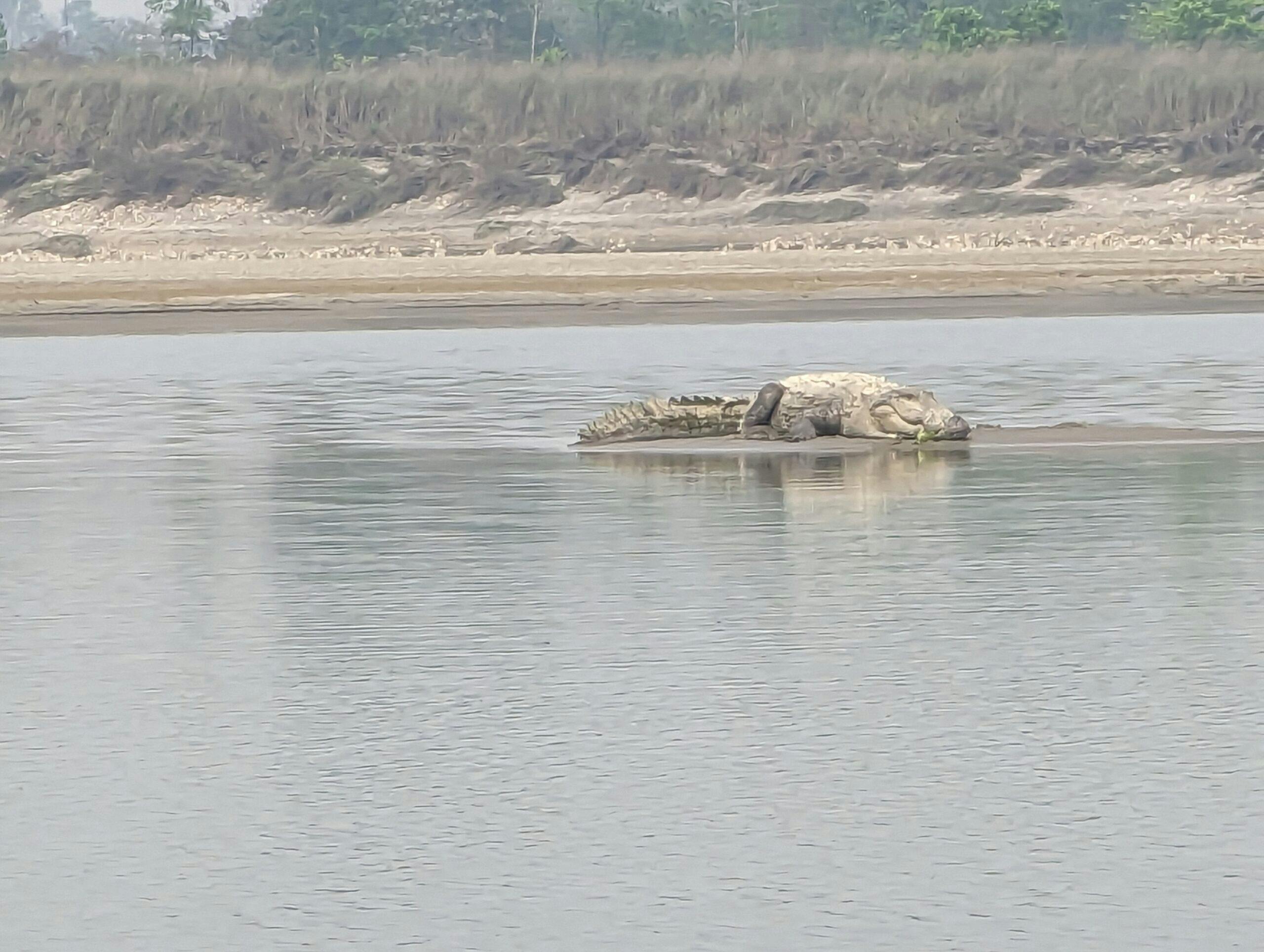
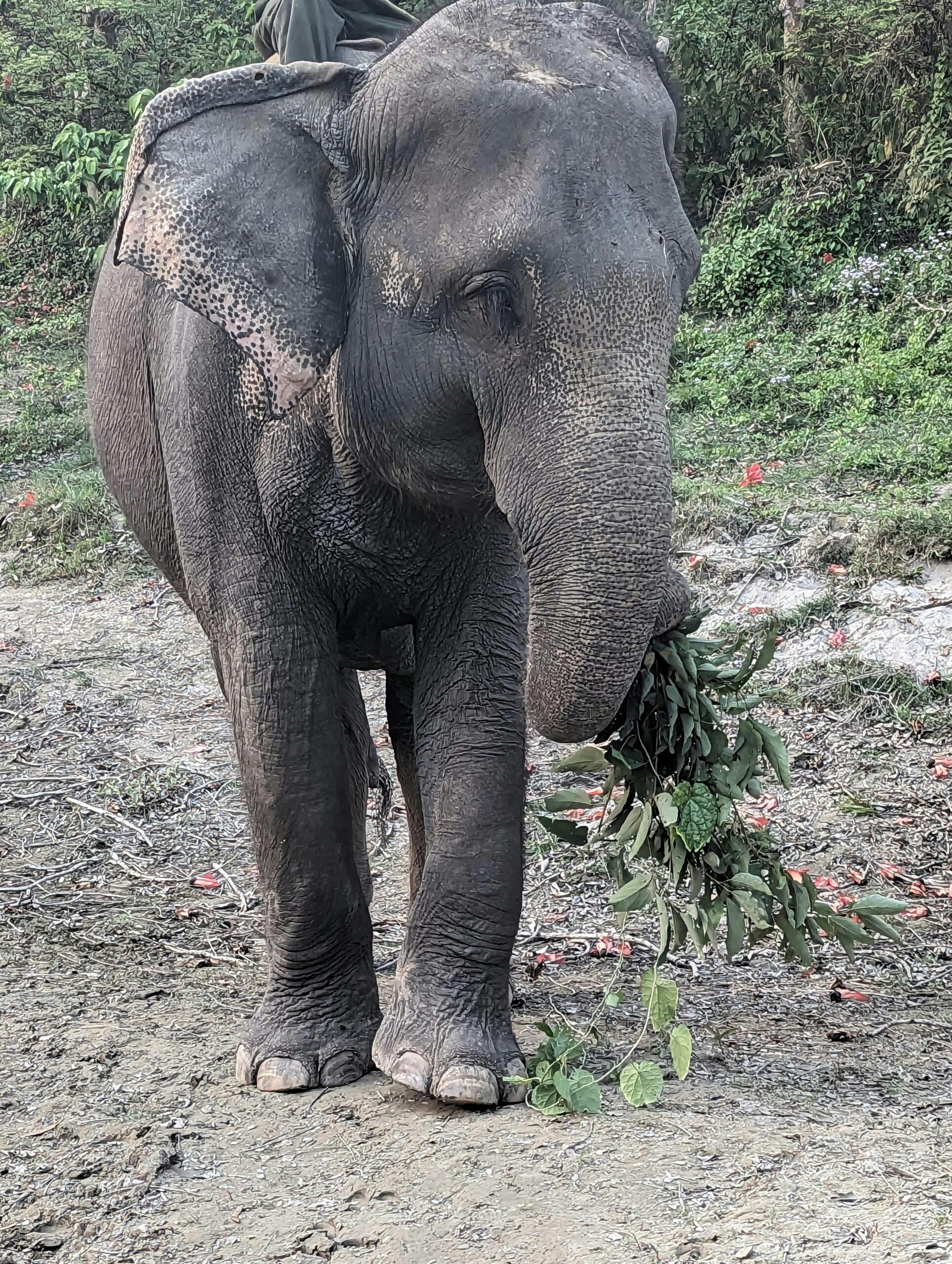
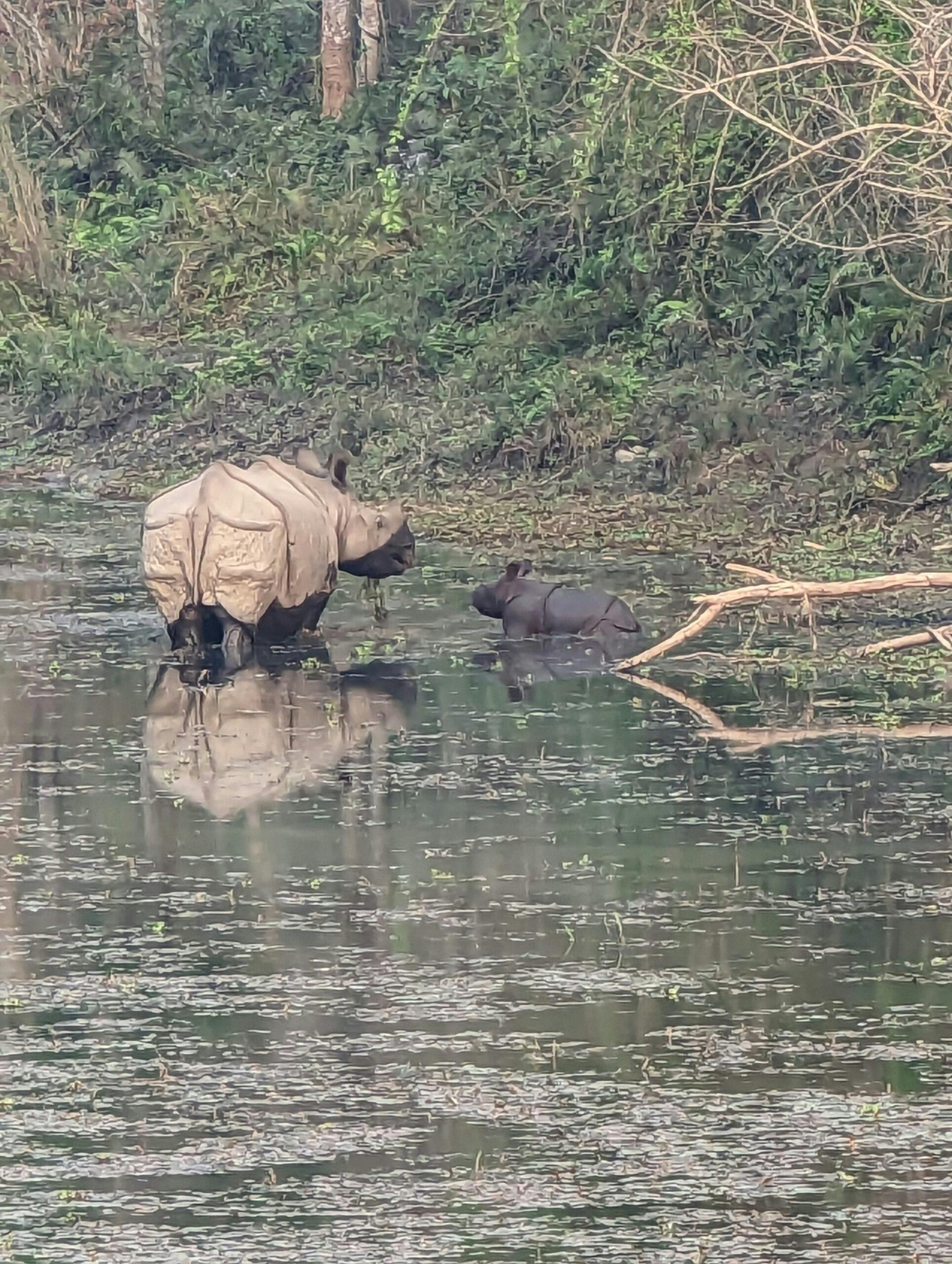
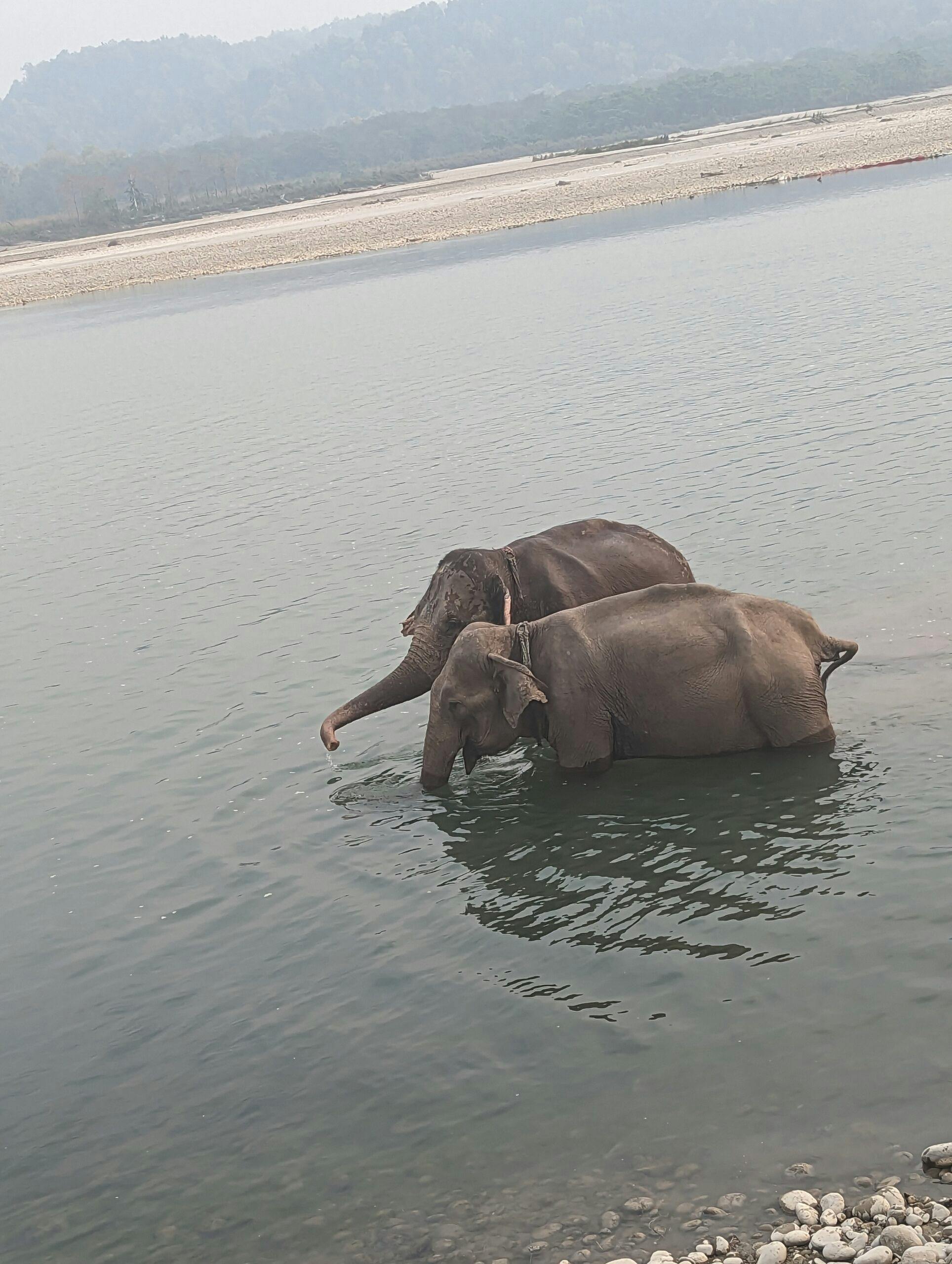
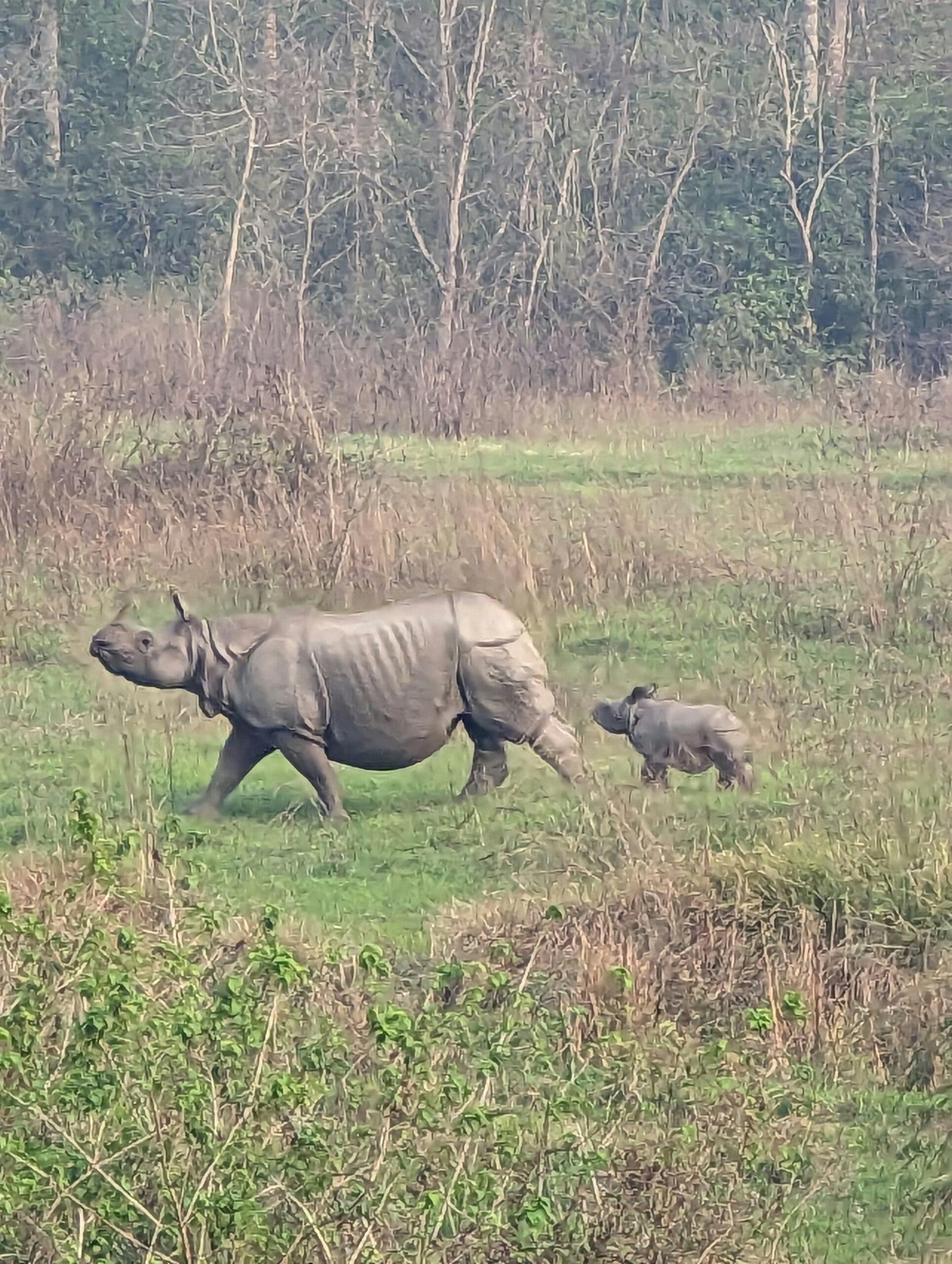
March 15: Trekking Adventure to Majgaon
Embarking on a trekking adventure, travelers flew to Pokhara before ascending to Majgaon at 4,600 feet. Along the way, they were treated to breathtaking views of the Annapurna mountain range and encountered diverse bird species amidst picturesque landscapes. Each step revealed the beauty of the Himalayas and fostered bonds among fellow adventurers, leaving lasting memories of nature’s grandeur.
March 16: Trek to Landruk
Continuing their trek through the rugged terrain of the Himalayas, travelers reached the charming village of Landruk, a hidden gem nestled amidst the towering peaks. As they wandered through the narrow streets lined with traditional stone houses, adorned with colorful prayer flags fluttering in the breeze, they couldn’t help but be enchanted by the serene beauty of their surroundings. Interactions with the friendly locals provided insight into the daily lives and cultural traditions of the community, enriching their journey with a deeper understanding of the region’s heritage.
In Landruk, travelers were treated to unparalleled views of the Annapurna range, its majestic peaks casting long shadows over the picturesque landscape. Against this backdrop of natural splendor, they savored moments of tranquility and reflection, grateful for the opportunity to immerse themselves in the timeless beauty of the Himalayas. As the sun dipped below the horizon, painting the sky with hues of orange and pink, travelers found themselves filled with a sense of peace and contentment, knowing that their adventure in Landruk had left an indelible mark on their hearts and souls.
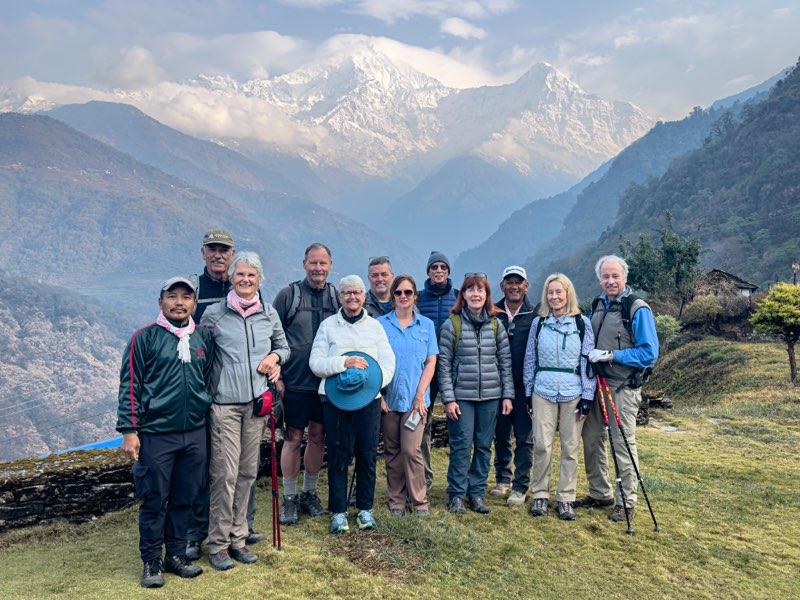
March 17: Trek to Ghandruk
On the final day of their trek, travelers reached the charming village of Ghandruk, surrounded by the majestic Himalayan mountains. They wandered through the village’s winding streets admiring traditional stone houses and interacting with friendly locals. Amidst the tranquil setting, travelers embraced the rich heritage of Ghandruk as they toured a local museum highlighting the history of the town. One last evening with sunset views of Fishtail Mountain cemented memories that would last forever.
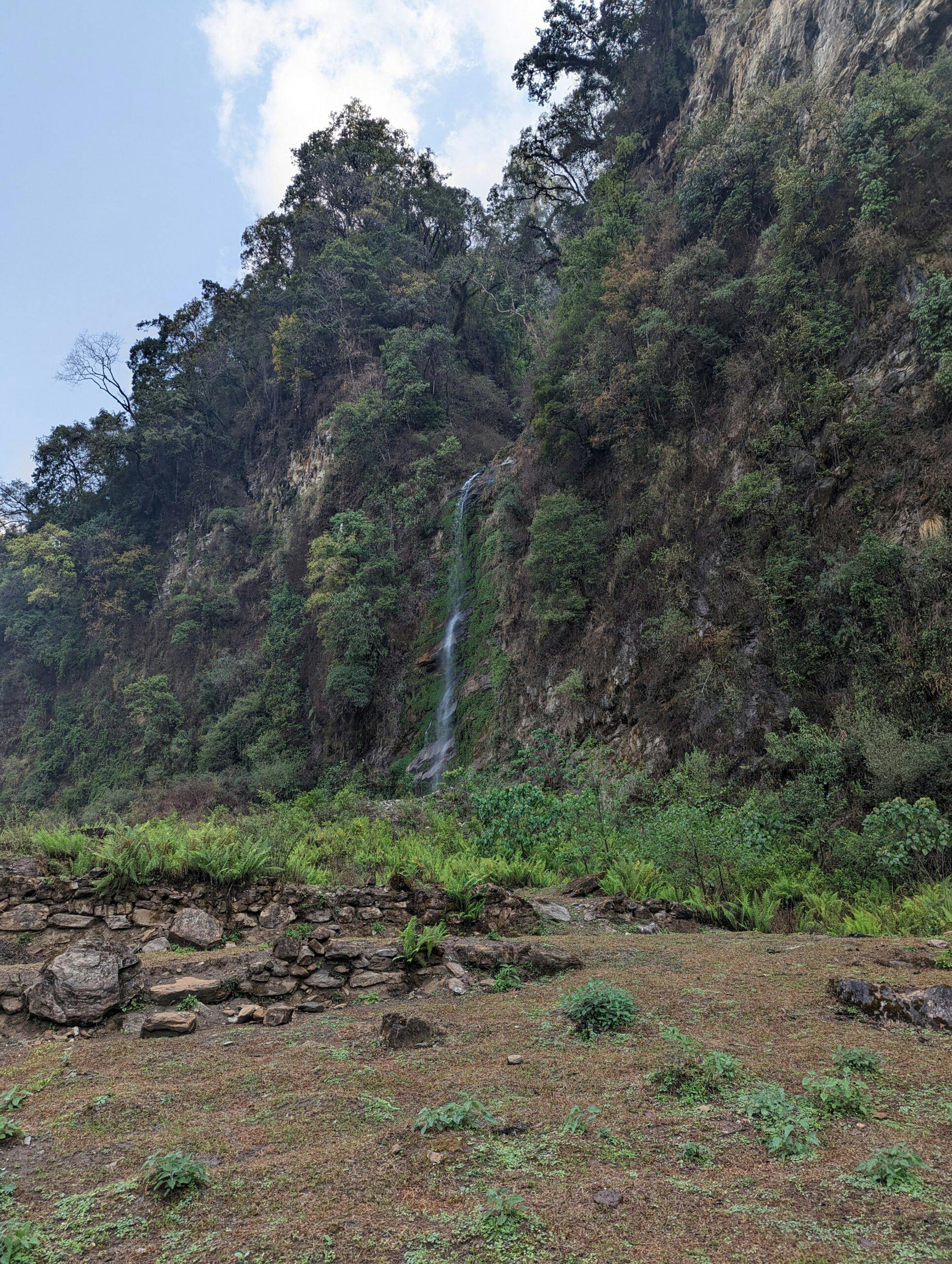
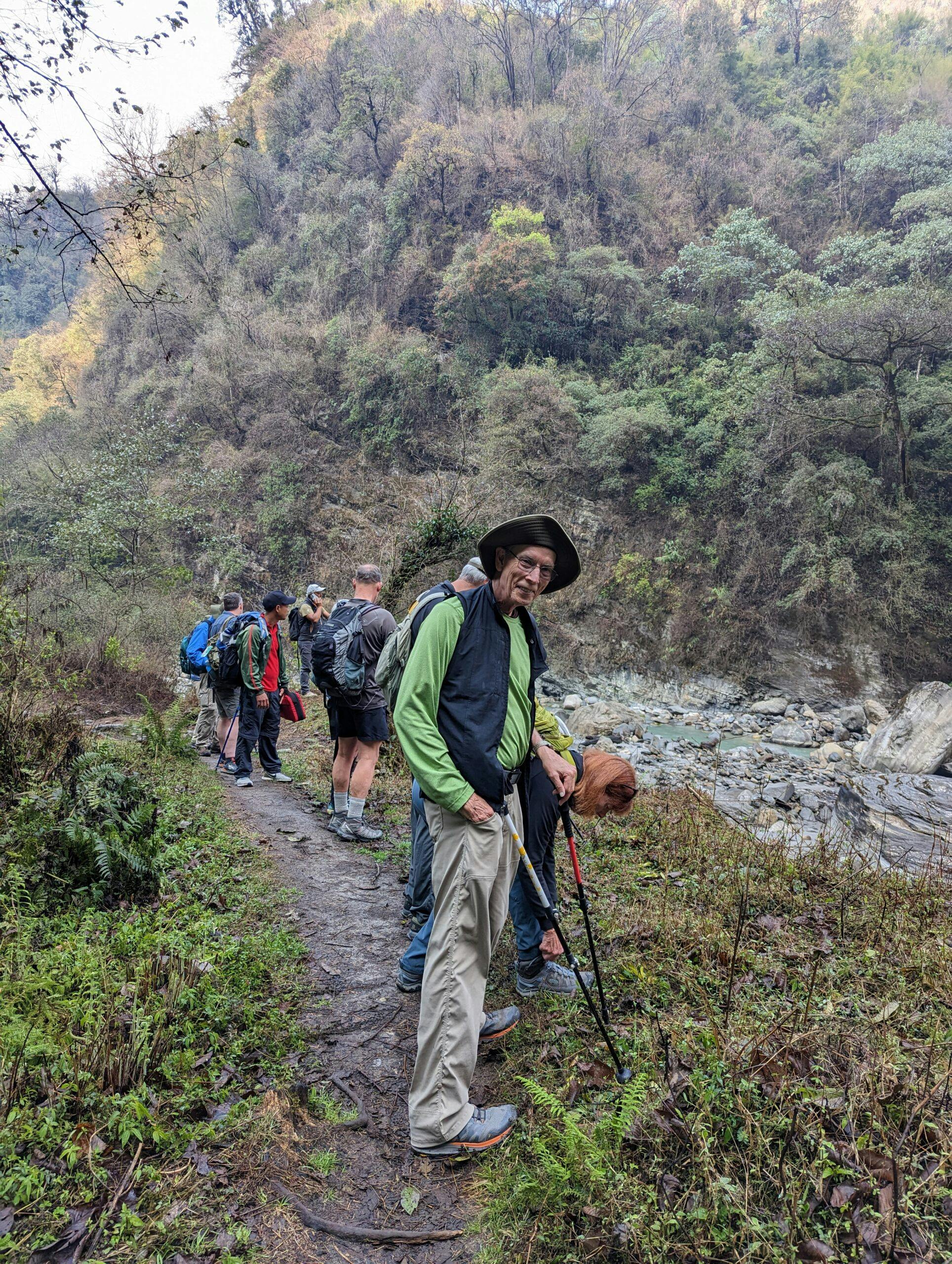
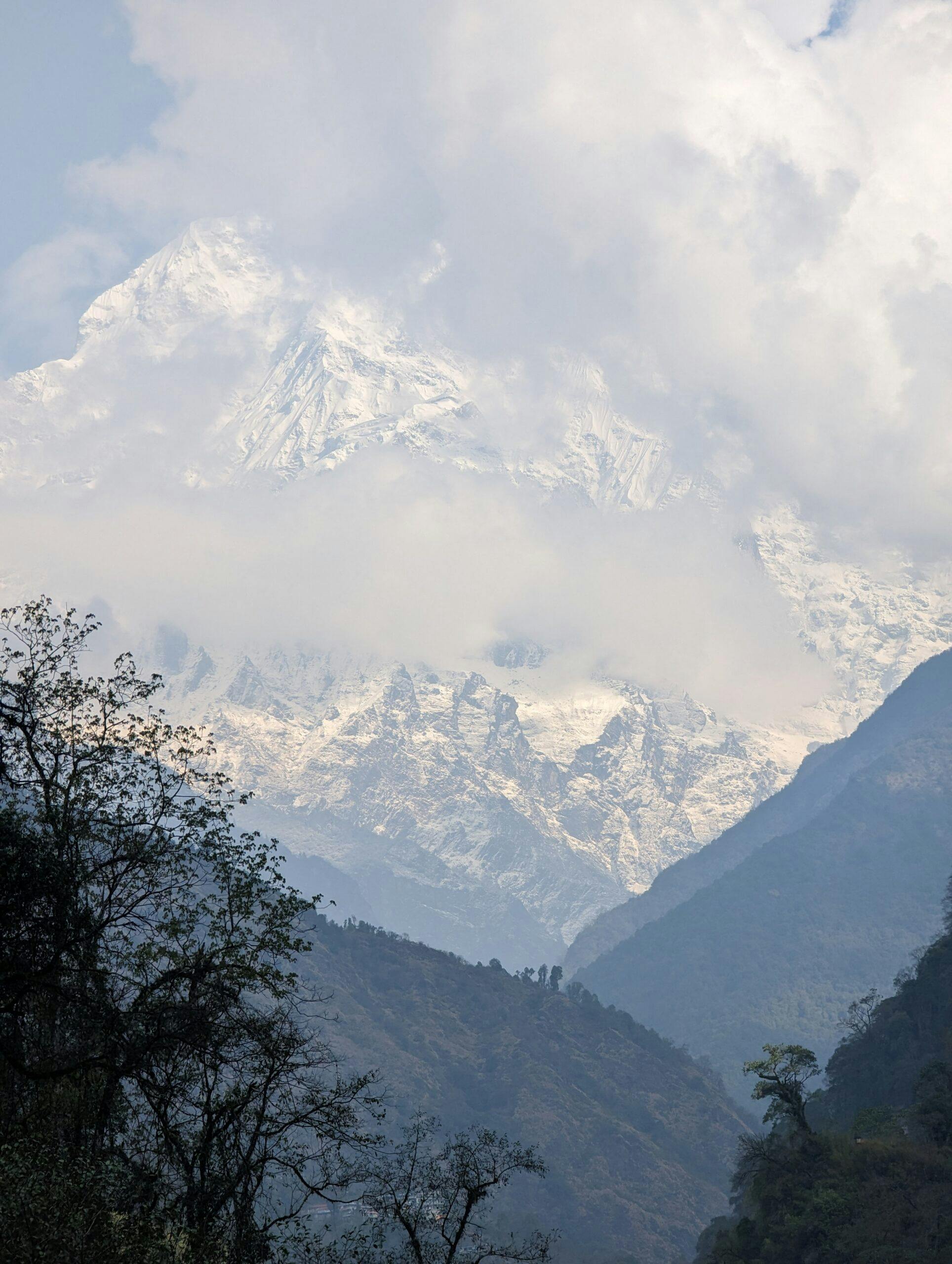
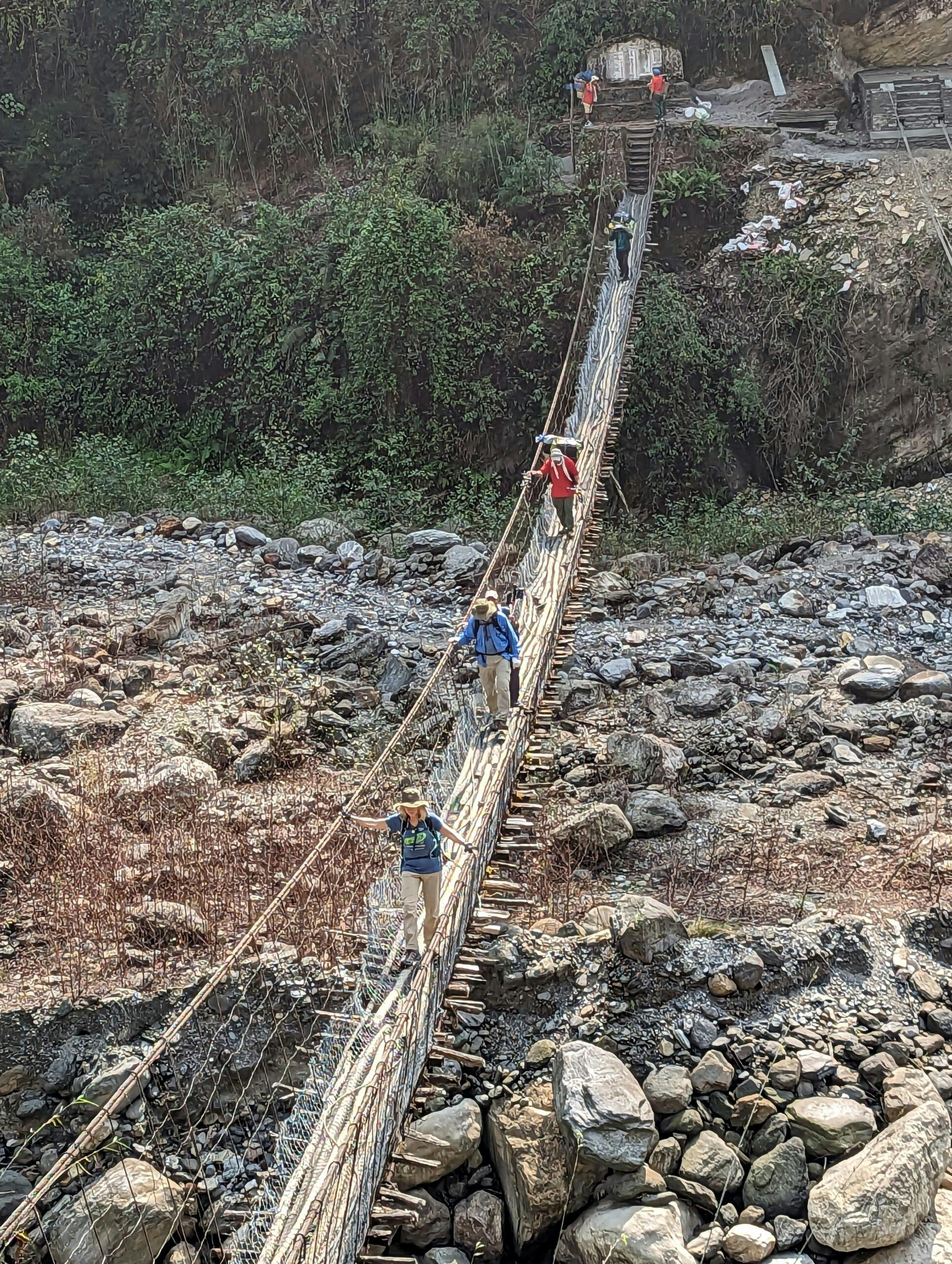
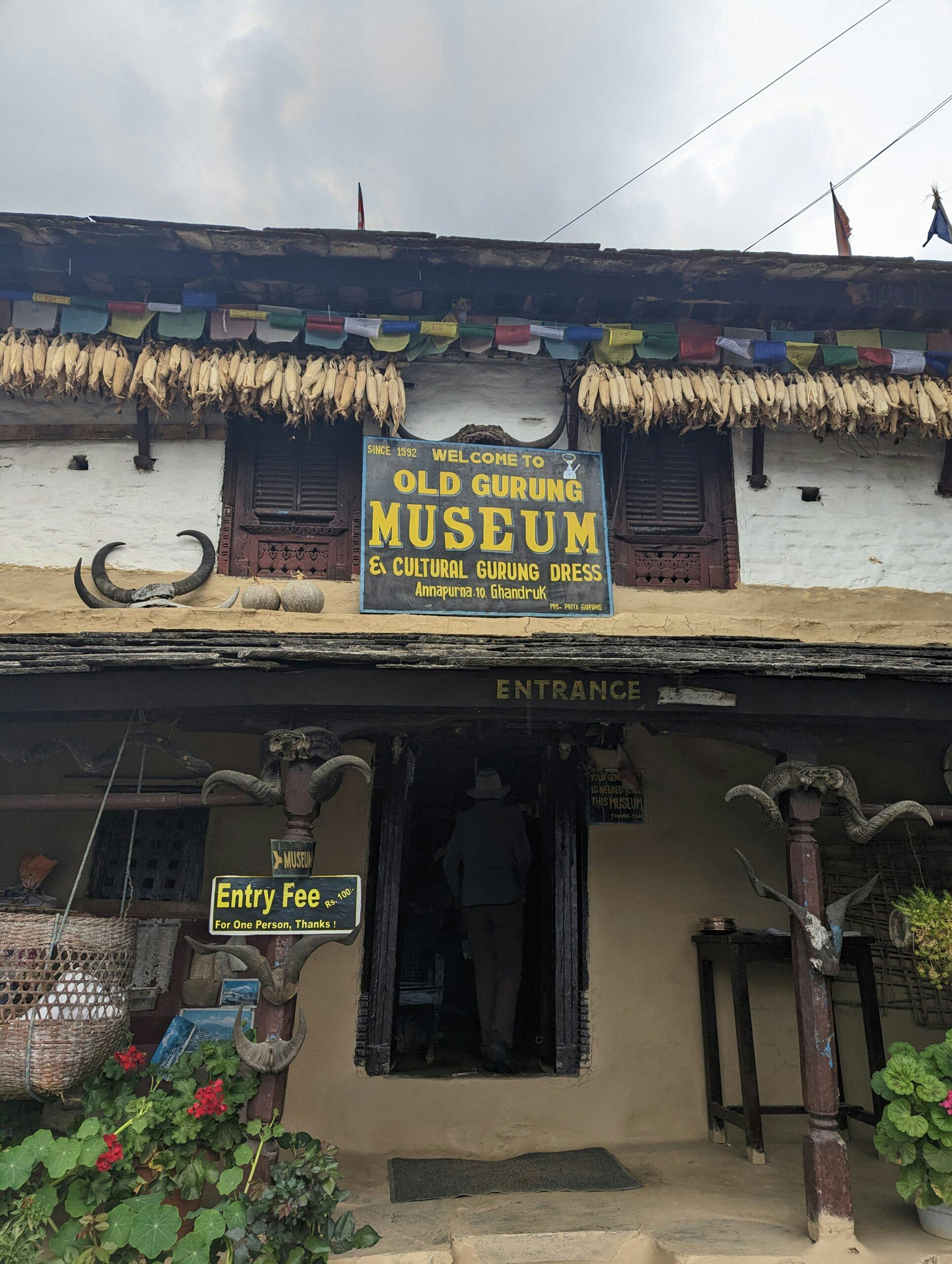
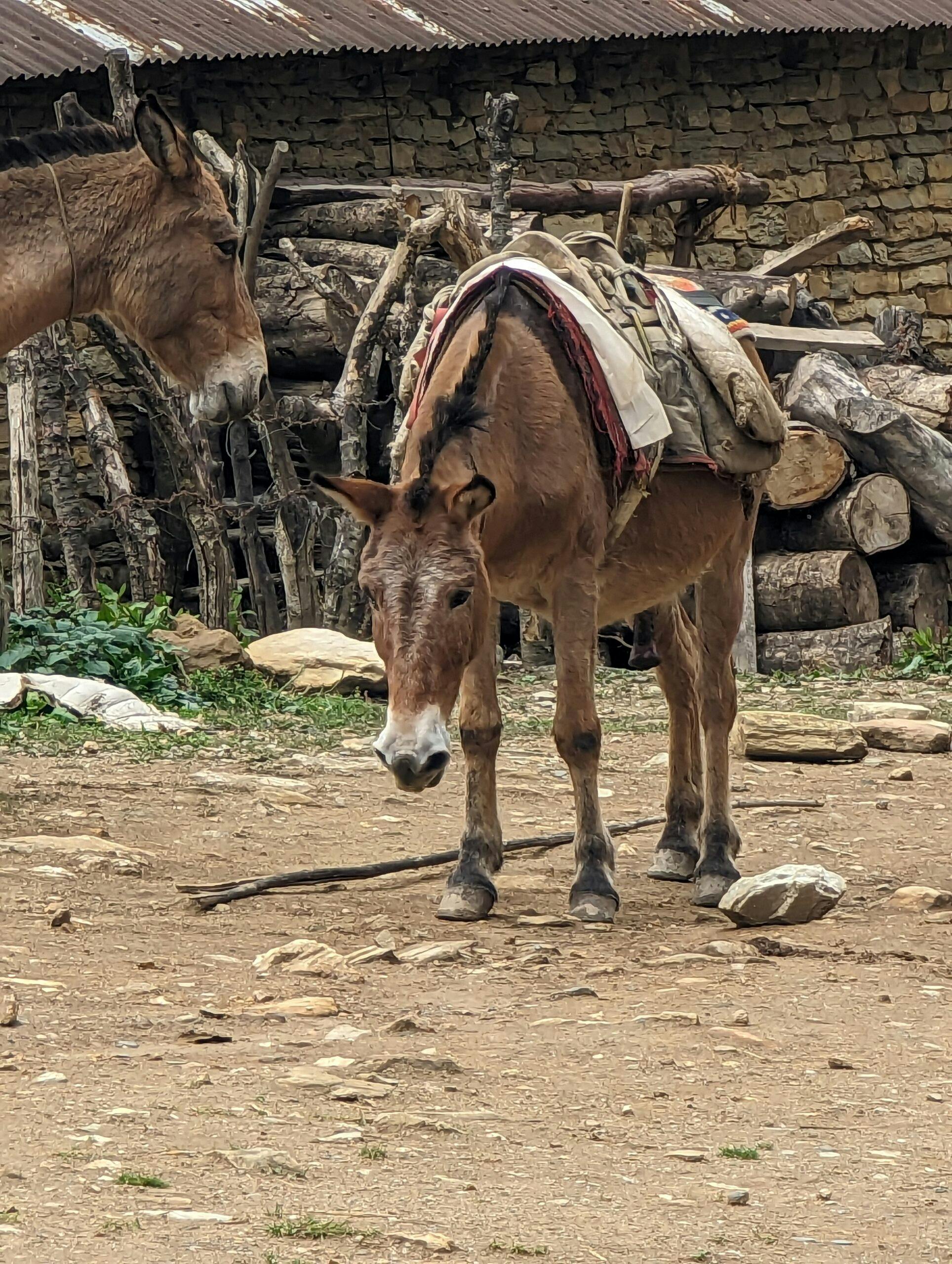
March 18: Return to Pokhara
Following a scenic drive to Pokhara, travelers leisurely strolled along the picturesque lakeside soaking in the tranquil atmosphere and taking in the serene beauty of the surroundings. Amidst the lush hotel gardens, travelers indulged in birdwatching, marveling at the colorful avian visitors that flitted among the trees. In these moments of relaxation and exploration, they found solace and rejuvenation, cherishing the simple joys of nature amidst the breathtaking scenery of Pokhara.
March 18: Peace Pagoda, Annapurna by Helicopter, and return to Kathmandu
Travelers embarked on a journey to the iconic Peace Pagoda at sunrise where they were greeted by panoramic views of the surrounding landscape. After breakfast, they experienced another trip highlight with a helicopter ride through the Annapurna region with a surprise landing at the base camp. The views were indescribable, and exhilaration was palpable as the travelers relived their experiences together as they headed back to Kathmandu.
March 20: Mount Everest Flight and Farewell Dinner
An early morning flight treated travelers to awe-inspiring views of Mount Everest, the tallest peak in the world, as they soared above the clouds. Upon landing, they immersed themselves in the vibrant atmosphere of Thamel City, exploring its bustling streets and vibrant markets. In the evening, travelers were treated to a special farewell dinner hosted by Tashi and Nima Tenzing, where they shared stories and laughter, reminiscing about the unforgettable experiences throughout their journey. In this final celebration, amidst the backdrop of friendship and camaraderie, travelers bid farewell to Nepal, cherishing memories that would last a lifetime.
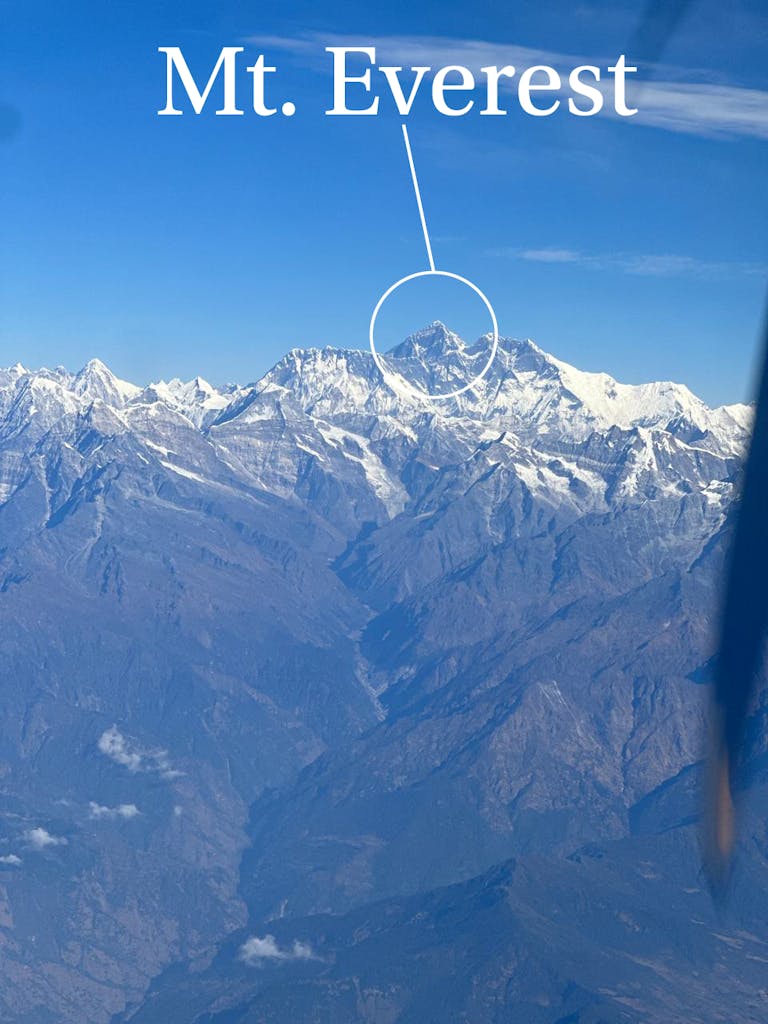
Reflections and Recommendations
As travelers reminisce on their unforgettable journey through Nepal, they are left with a multitude of favorite moments and comments to share with fellow adventurers:
“Trekking and our time in the lodges while trekking; helicopter and plane ride in the Himalayas.” -Nancy Frank
“Of course it was the totally unexpected helicopter ride and landing at Annapurna Base Camp!” -Karen Backer
“The range and diversity of activities on this trip were amazing and a highlight.” -Stephen Martin
“All schedule times and places were met. We were well taken care of.” -Lynn Watkins
Final Thoughts
As a glimpse into this special journey through Nepal draws to a close, readers are encouraged to reflect on the incredible experiences shared from the expedition. From the breathtaking views of the Himalayas to the rich cultural tapestry of Kathmandu, each moment has left an indelible mark on the travelers’ hearts.
For those who have been captivated by the stories and images of this adventure, there is an opportunity to embark on their own Himalayan odyssey. The company invites readers to consider joining the next expedition to Nepal in 2025. It’s a chance to immerse oneself in the beauty of the Himalayas, discover new cultures, and create unforgettable memories.
Don’t let the opportunity slip away. Book your 2025 Nepal trip now and begin your own journey of exploration and discovery amidst the majestic landscapes of Nepal.
Join A Himalayan Odyssey with Cheesemans’ Ecology Safaris
Join the Adventure
BrazilAugust 5 - 22, 2023
The Pantanal Chronicles: A Recap of Our 2023 Adventure & Looking Ahead to 2025
Embark on an unforgettable Pantanal Wildlife Safari as we explore the heart of Brazil and the world’s largest tropical wetland. This natural wonder served as the backdrop for an trip filled with wildlife marvels and unparalleled experiences. As we cherish these memories, we’re thrilled to announce our next adventure: “Brazil: Pantanal’s Big Five,” slated for August 9 to 26, 2025. Join us as we explore the enchanting landscapes and encounter Brazil’s iconic “Big Five.”
Highlights of Our Pantanal Nature Adventure
- River Safaris & Night Excursions: Our journey through the Pantanal was marked by thrilling river safaris along the Cuiabá River, offering close encounters with the elusive jaguar and vibrant birdlife. Night excursions revealed the nocturnal wonders of the wetlands, from ocelots to tapirs under the starlit sky.
- Expert Guidance: Guided by Diogo, a renowned naturalist, our trip was enriched with in-depth insights into the Pantanal’s ecosystem. Diogo’s expertise and passion for conservation brought the wilderness to life, making every encounter more meaningful.
- Wildlife Conservation Workshops: Emphasizing our commitment to the environment, the trip featured workshops on wildlife conservation. These sessions highlighted the importance of preserving the Pantanal’s biodiversity, engaging travelers in the global effort to protect these critical habitats.
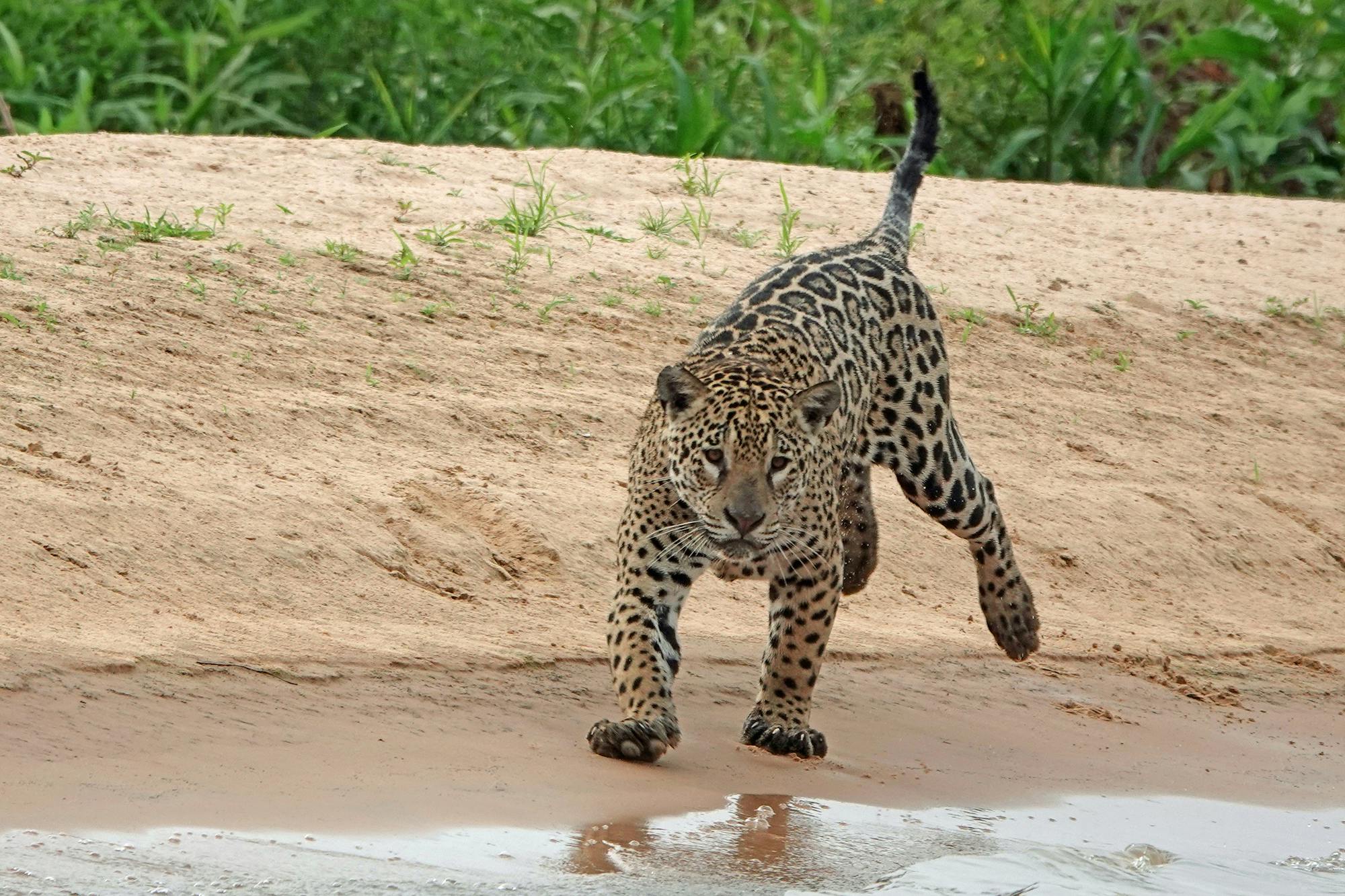
Nancy Frank’s Pantanal Wildlife Safari: Encounters of a Lifetime
Nancy Frank’s 2023 Pantanal trip was a series of awe-inspiring wildlife encounters, guided by the incomparable expertise of Diogo. Witnessing the “Big Five” of Brazil in their natural habitat, Nancy’s journey was a testament to the vibrant life that thrives in the Pantanal. Her reflections underscore the invaluable role of conservation efforts discussed by Diogo, enhancing the trip’s impact beyond mere observation.
“The Pantanal is an amazing area! We were able to view all of the big 5–jaguar, ocelot, tapir, giant anteater, giant otter—many of them multiple times. We saw other wonderful animals and hundreds of beautiful birds. Diogo, our guide, was the best guide I’ve ever had on a trip!” -Nancy Frank
David Hoar: Insights and Wildlife Encounters
David Hoar’s Pantanal experience was a testament to the seamless organization of Cheesemans’ trips. He praised the trip’s structure and the remarkable knowledge of their guide, Diogo. David’s fascination with the “Big Five” was evident, with the jaguars and striking birds like Jabirus and Seriemas leaving an indelible mark on him.
“Learning how the whole process of introducing jaguars to people has evolved over time to become a reliable way of showing guests these amazing creatures. There is hope that other species will also develop tolerance and draw guests into their world in a meaningful way.” -David Hoar
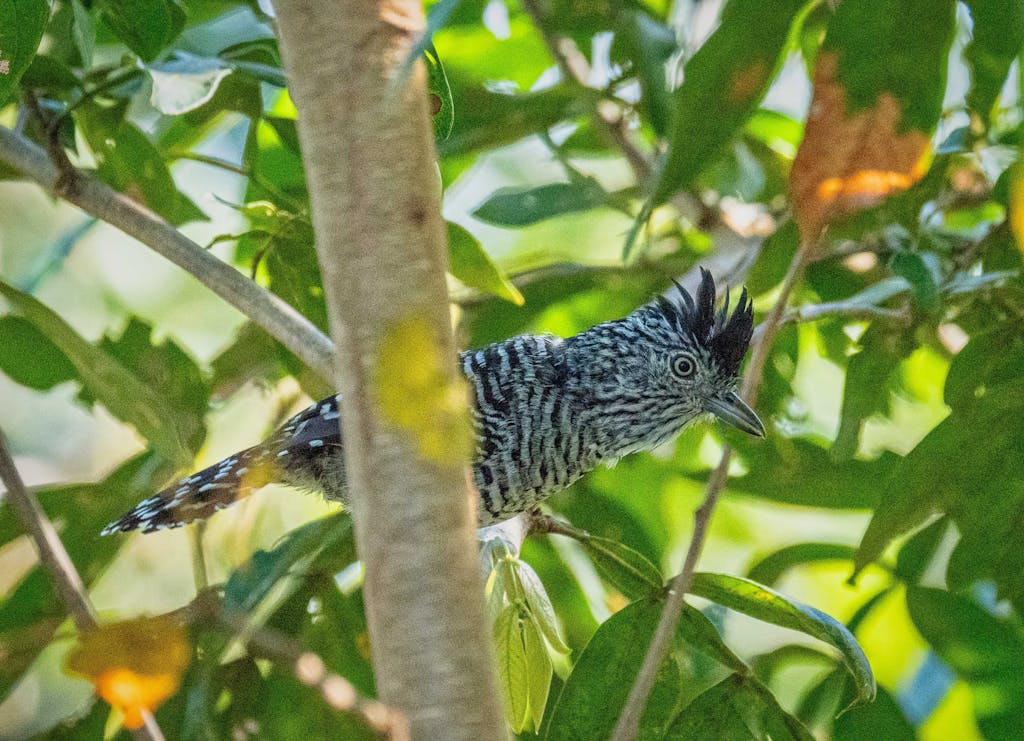
Noreen Rudd: In the Realm of Jaguars
Noreen Rudd’s Pantanal trip was a wildlife enthusiast’s dream come true. Her experience, immersed in the natural habitat of jaguars, was profound and well-facilitated, showcasing the importance of skilled guidance in wildlife tours. Diogo’s expertise shone, particularly in his adept management of group dynamics, enhancing Noreen’s adventure and underscoring the worth of the journey from Canada. The pinnacle of her trip was the peaceful time spent with jaguars, a cherished encounter that resonated deeply with her passion for wildlife photography.
“A guide sets the tone for a trip such as this and Diogo is a very special guide. I wanted to see Jaguars in their natural habitat and he managed that very well.” -Noreen Rudd
Grace Chen: Pantanal’s Wildlife Embrace
Grace Chen’s Pantanal experience with Cheesemans’ was nothing short of extraordinary, painting her journey with strokes of vibrant wildlife encounters and educational richness. She praises the trip as one of the best, highlighting the abundant and colorful birds and the skilled guidance of Diogo, who she regards as exceptionally knowledgeable and adept at wildlife spotting. A treasured memory from her adventure was the entrancing sight of jaguars, offering a privileged look into their world. Her commendation of the accommodations at Caiman and the personalized service emphasizes the quality of the experience that awaits future travelers in our 2025 trip.
“The trips are educational. We spent the maximum time in the field and the guides know how to anticipate where the animals will be. Also the guide knows how to position the vehicles for optimum viewing.” -Grace Chen
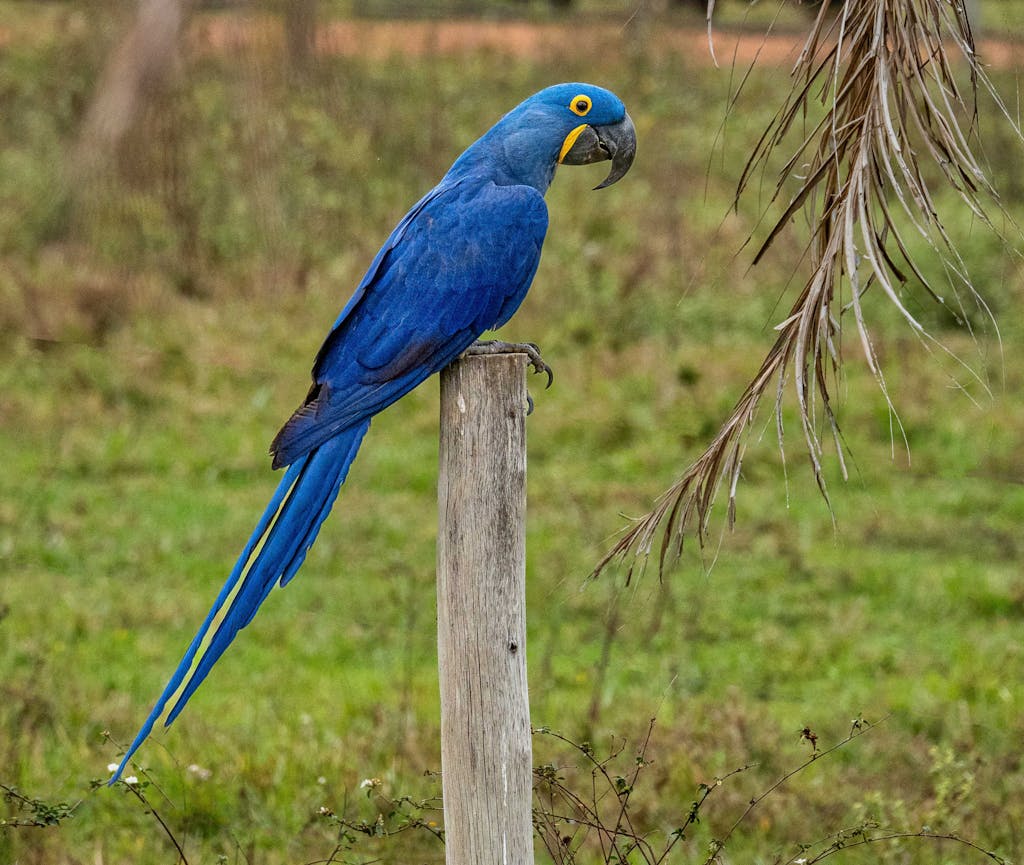
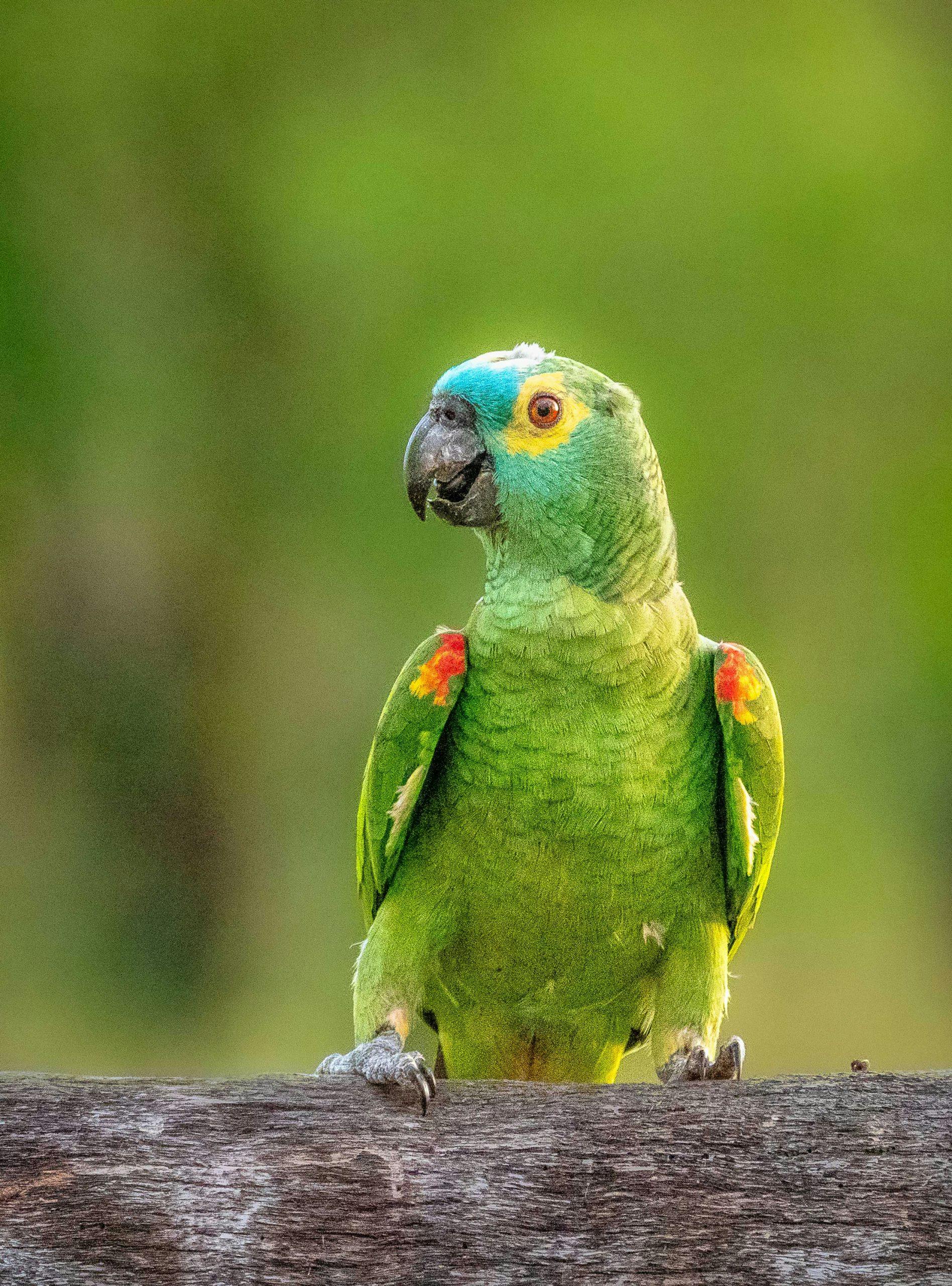
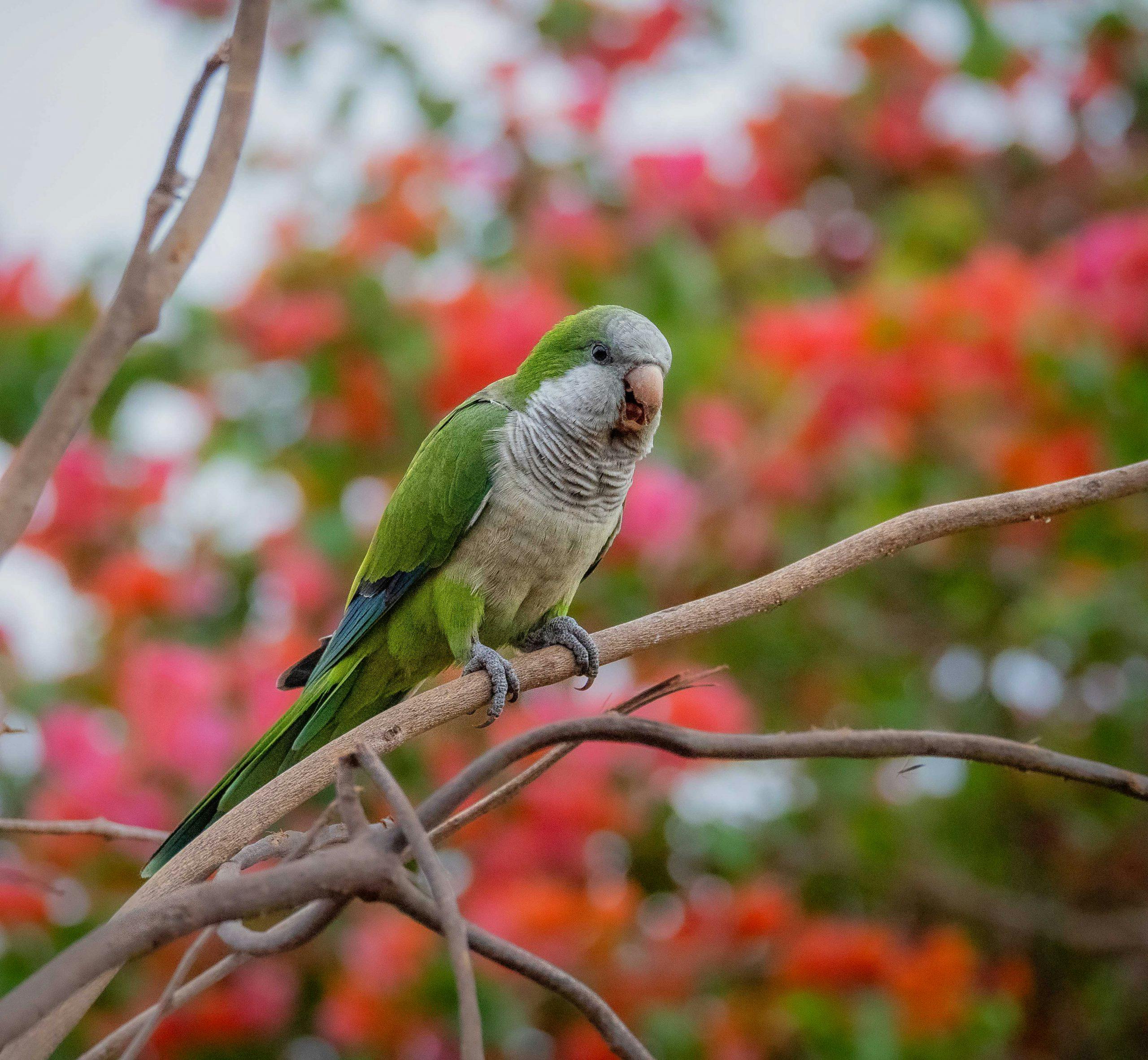
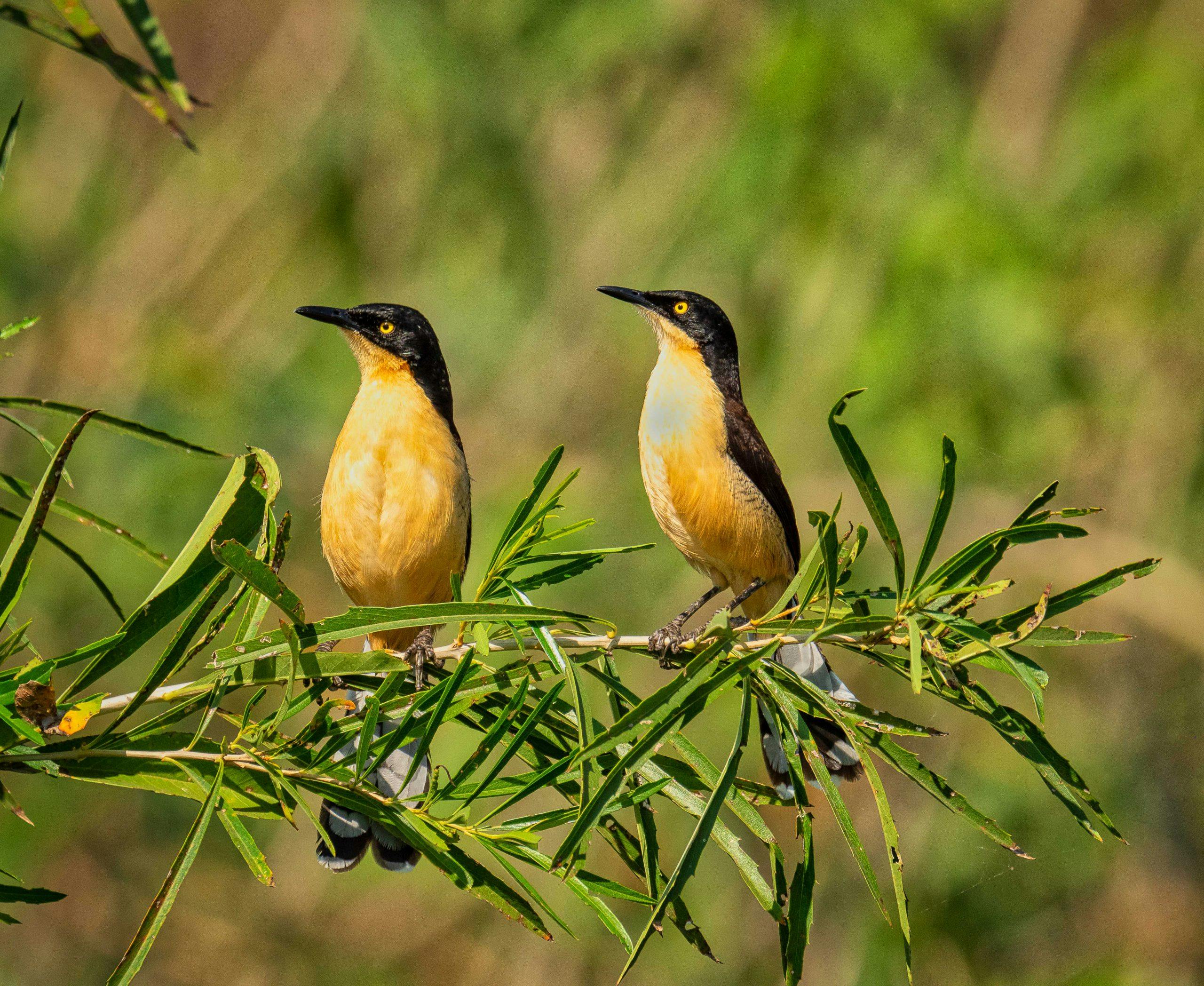
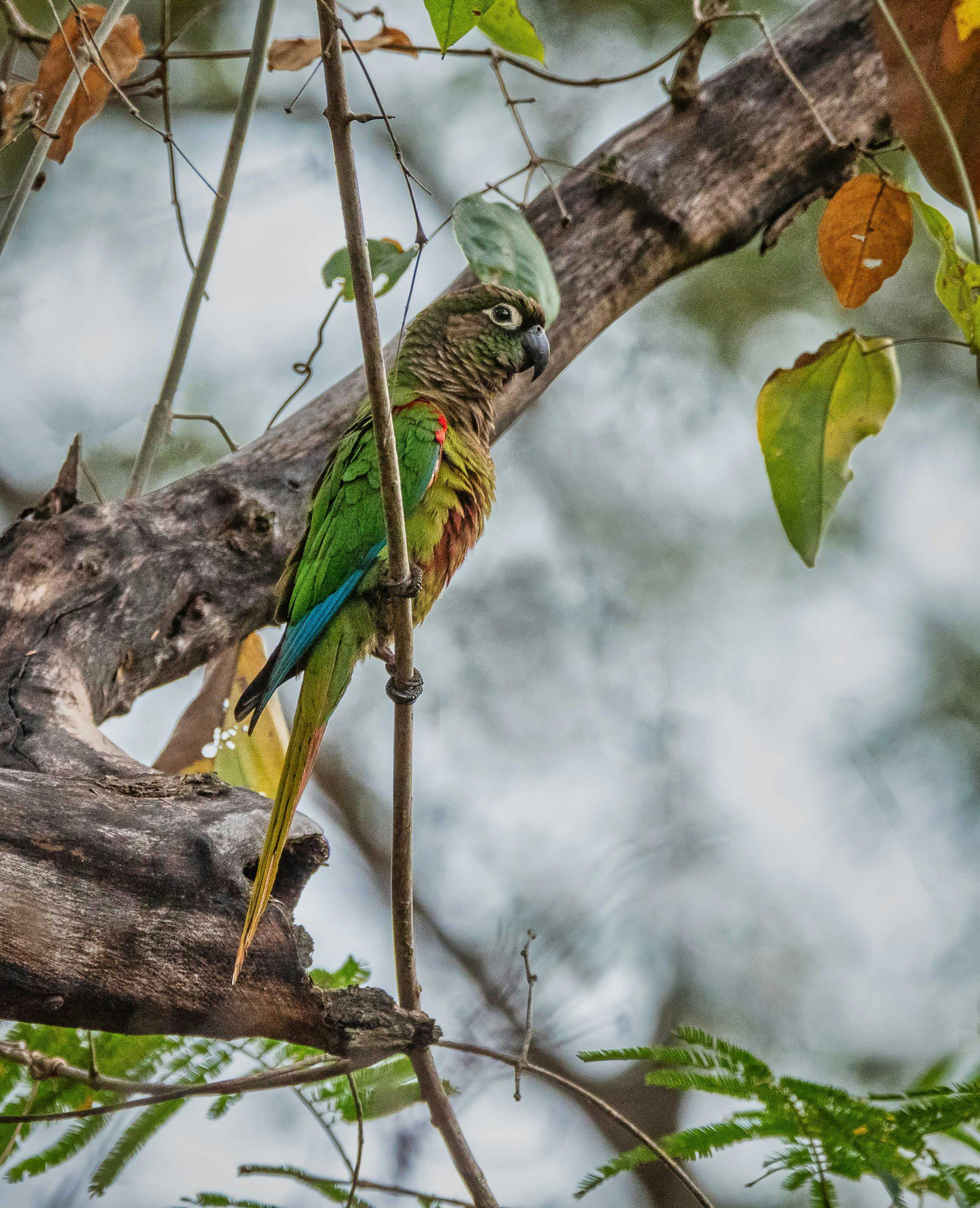
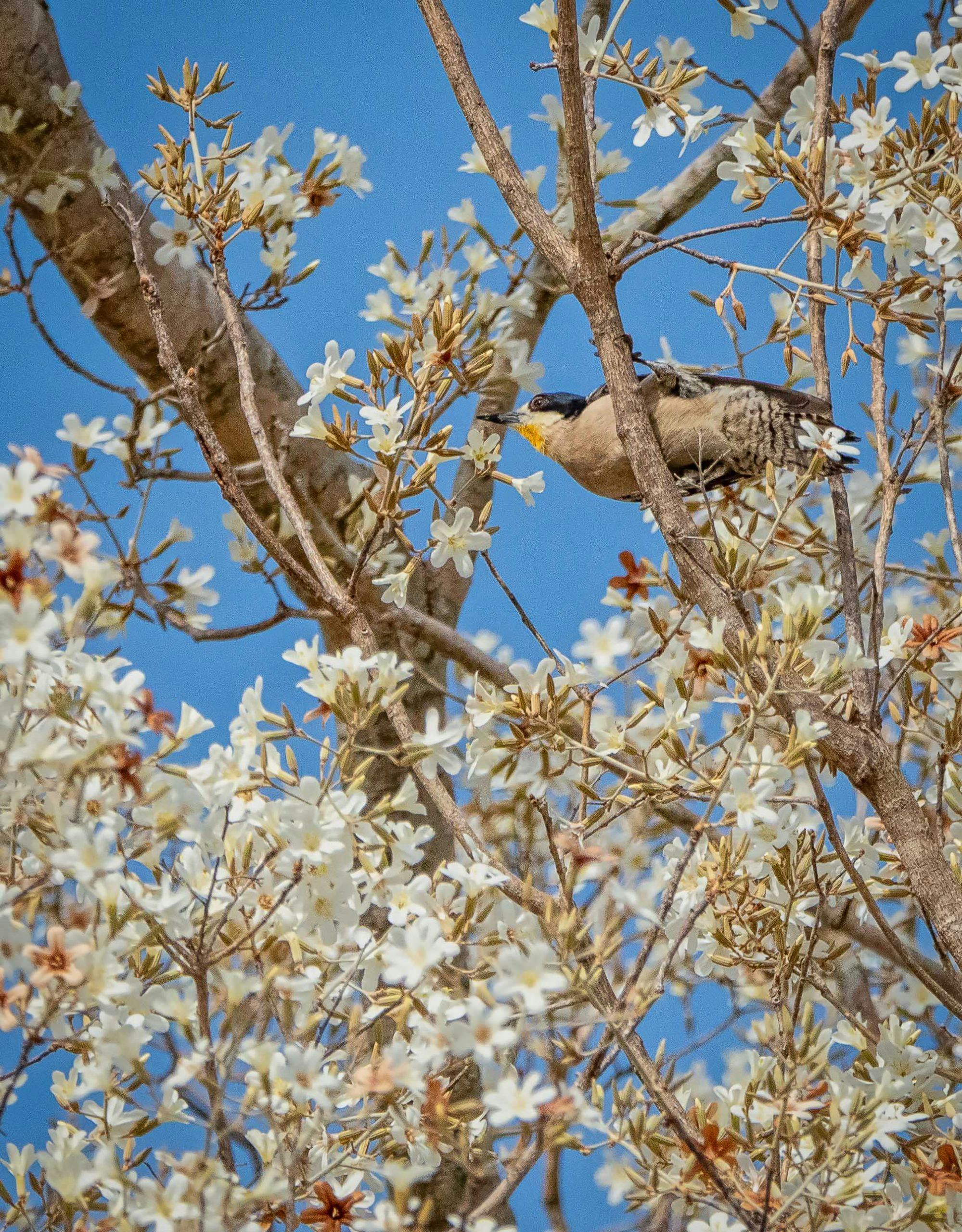
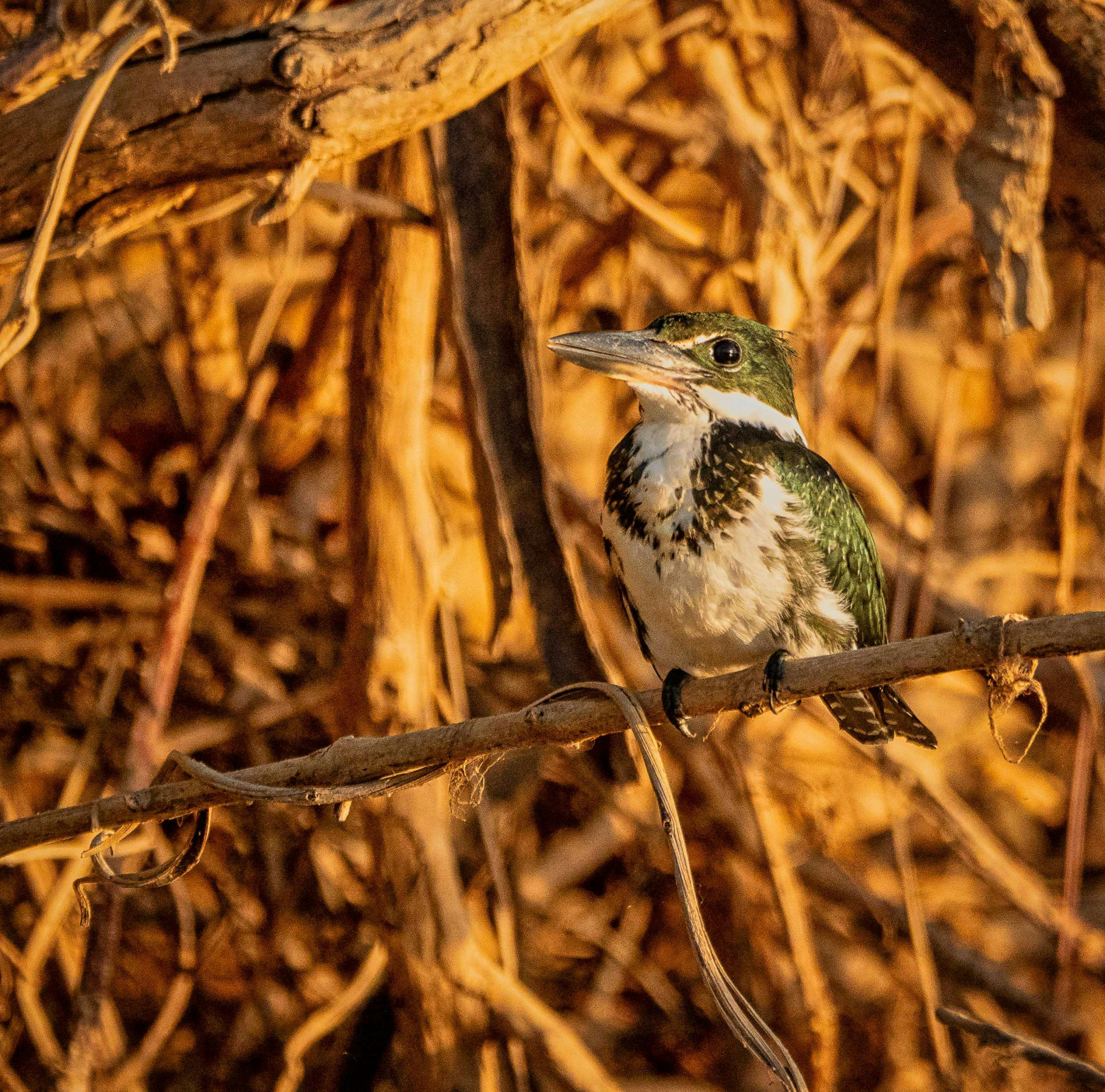
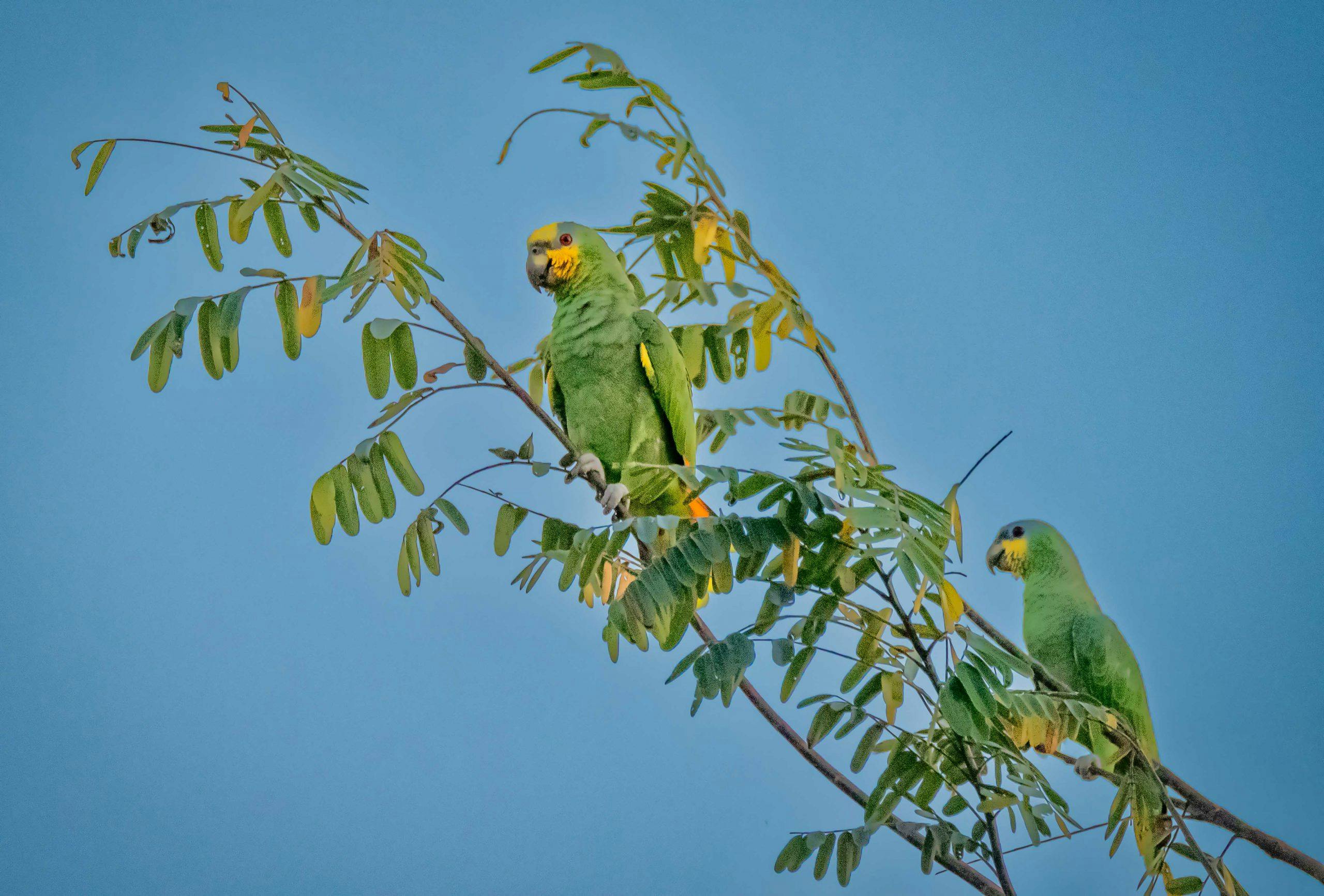
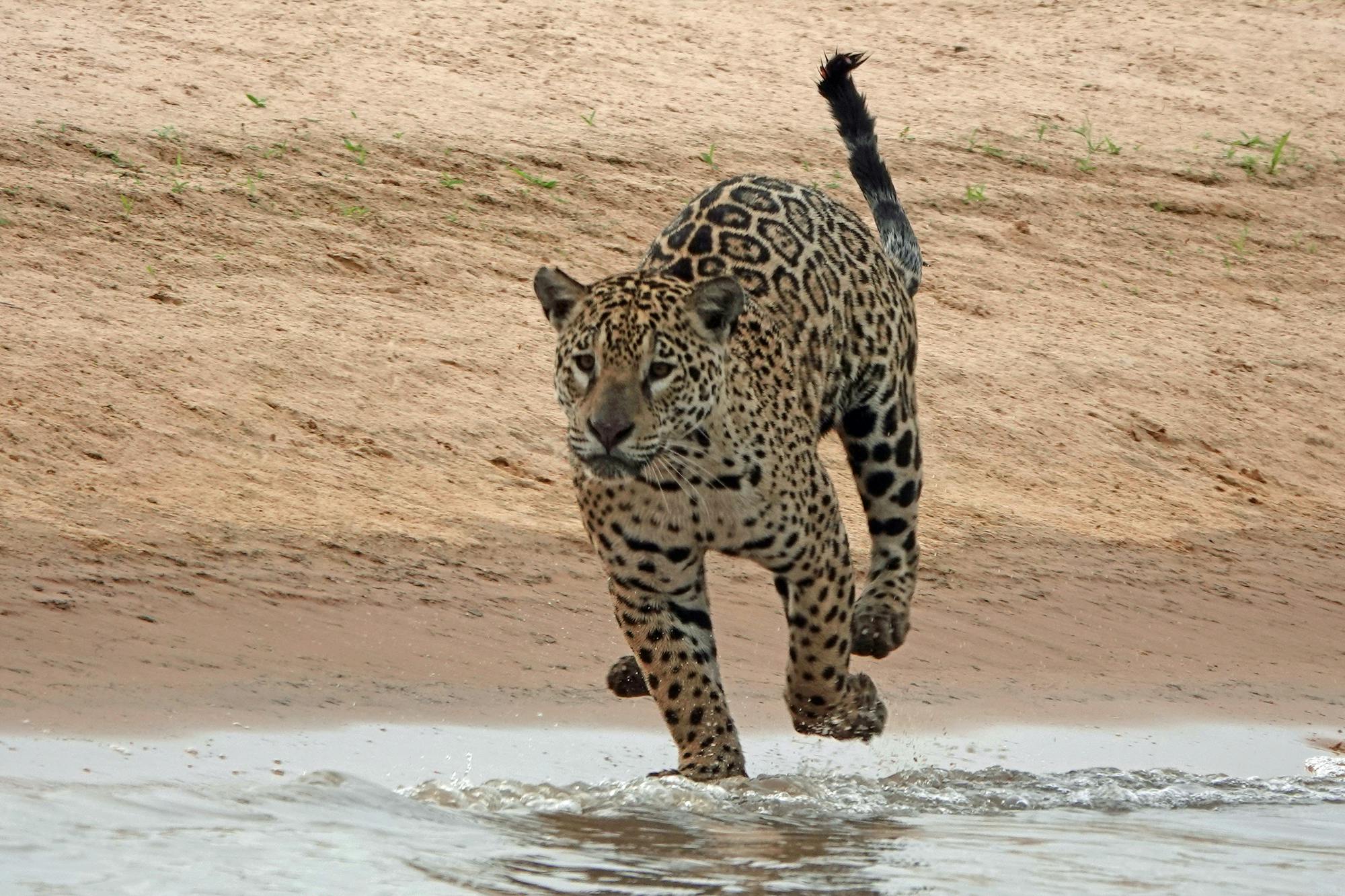
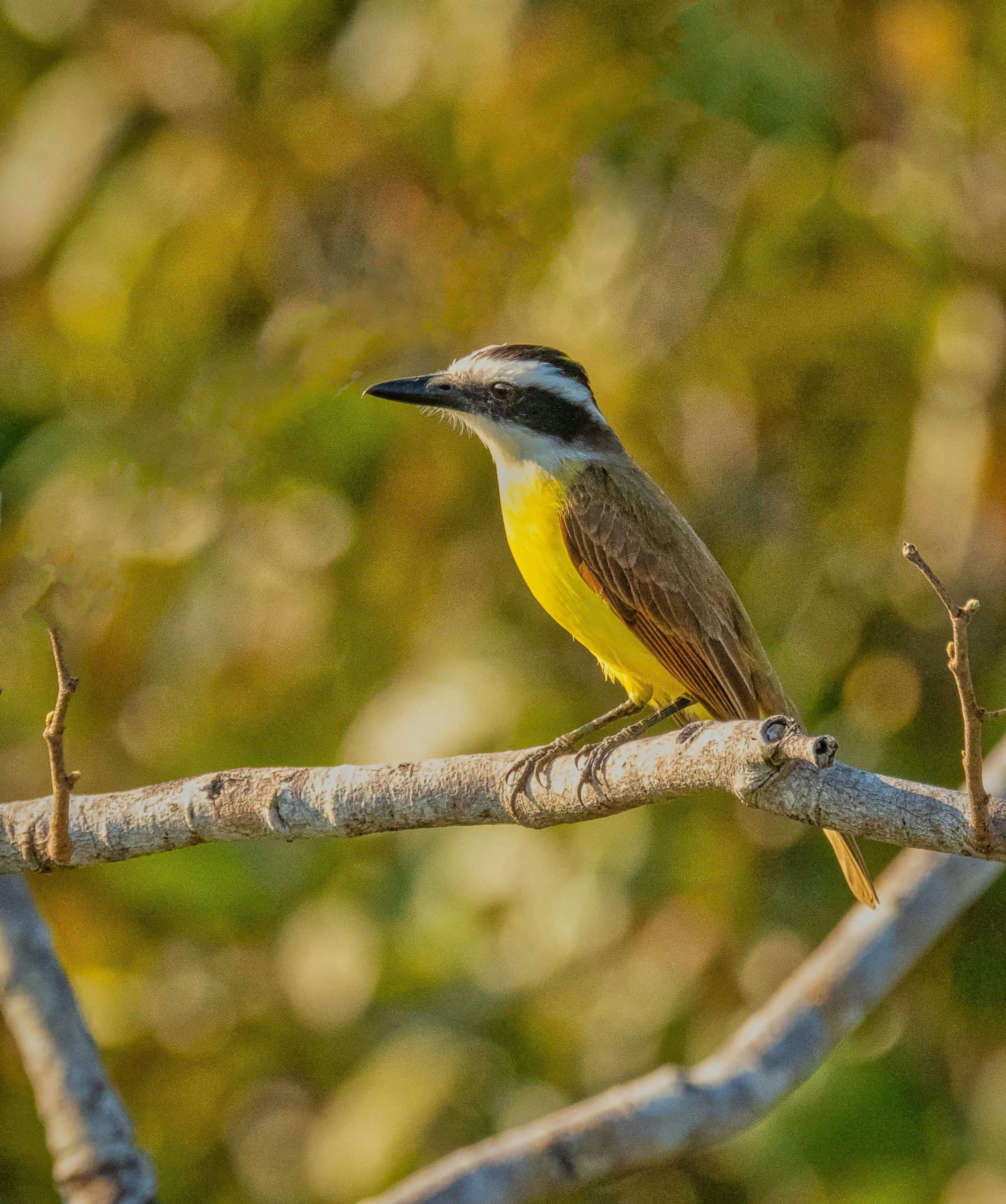
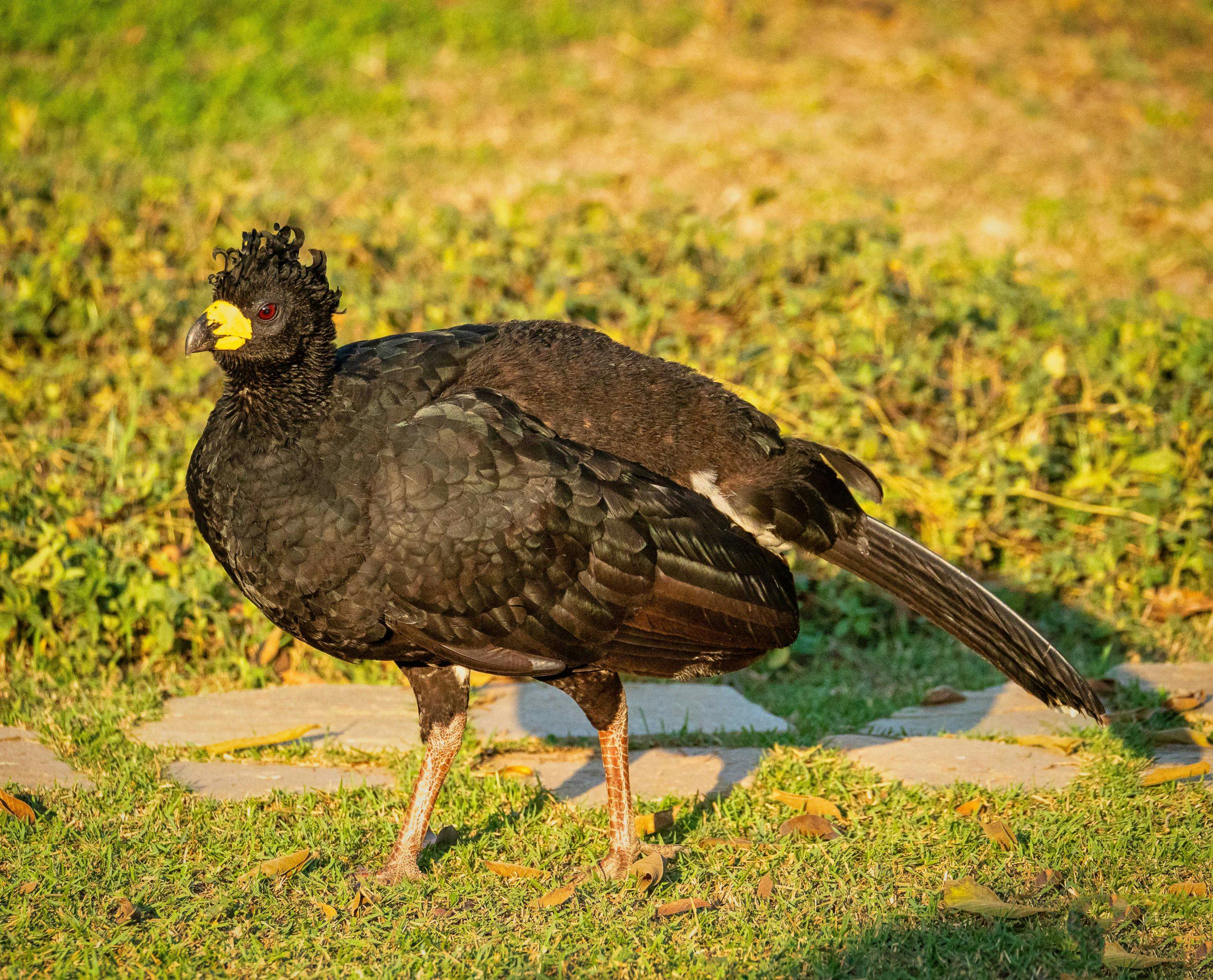
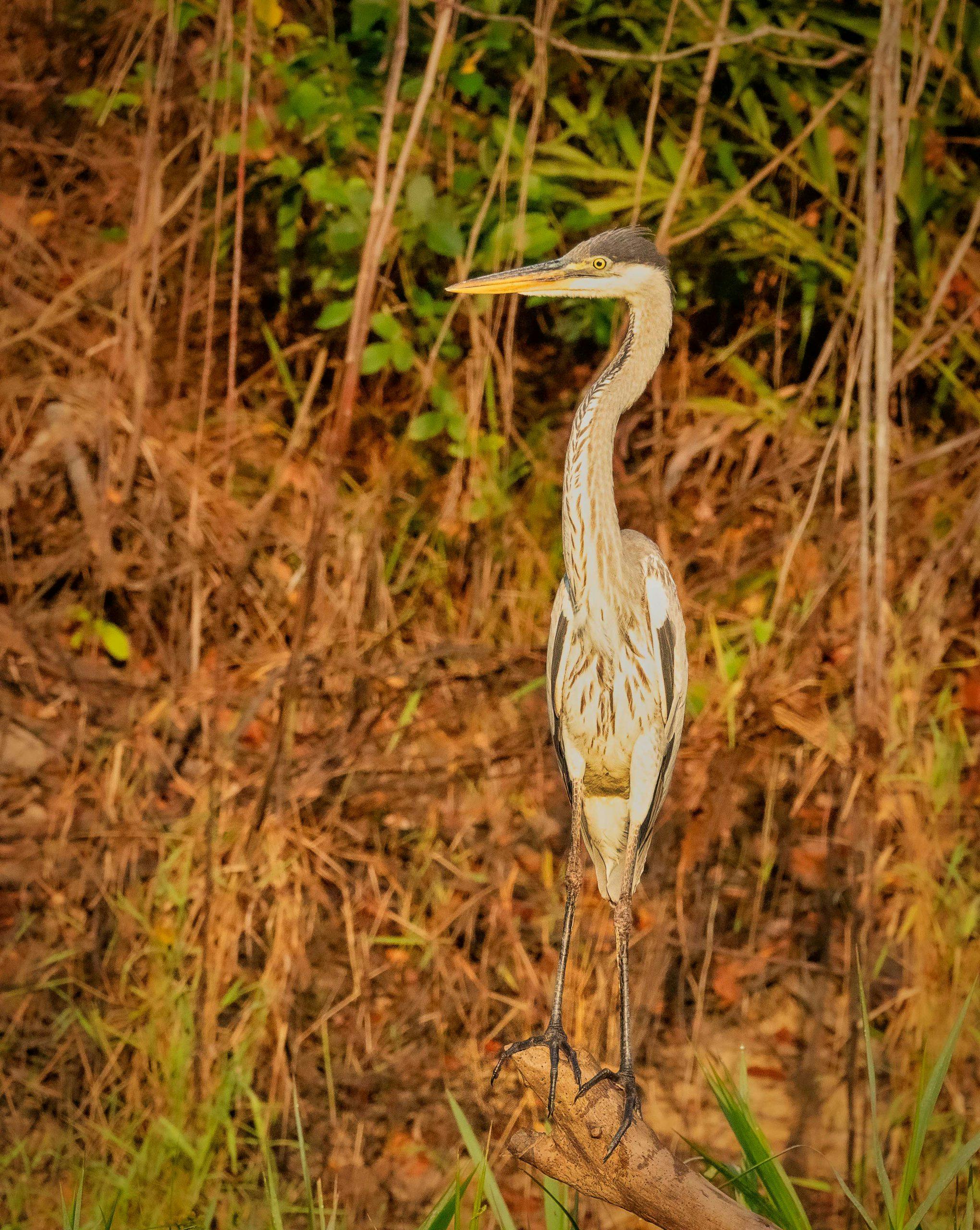
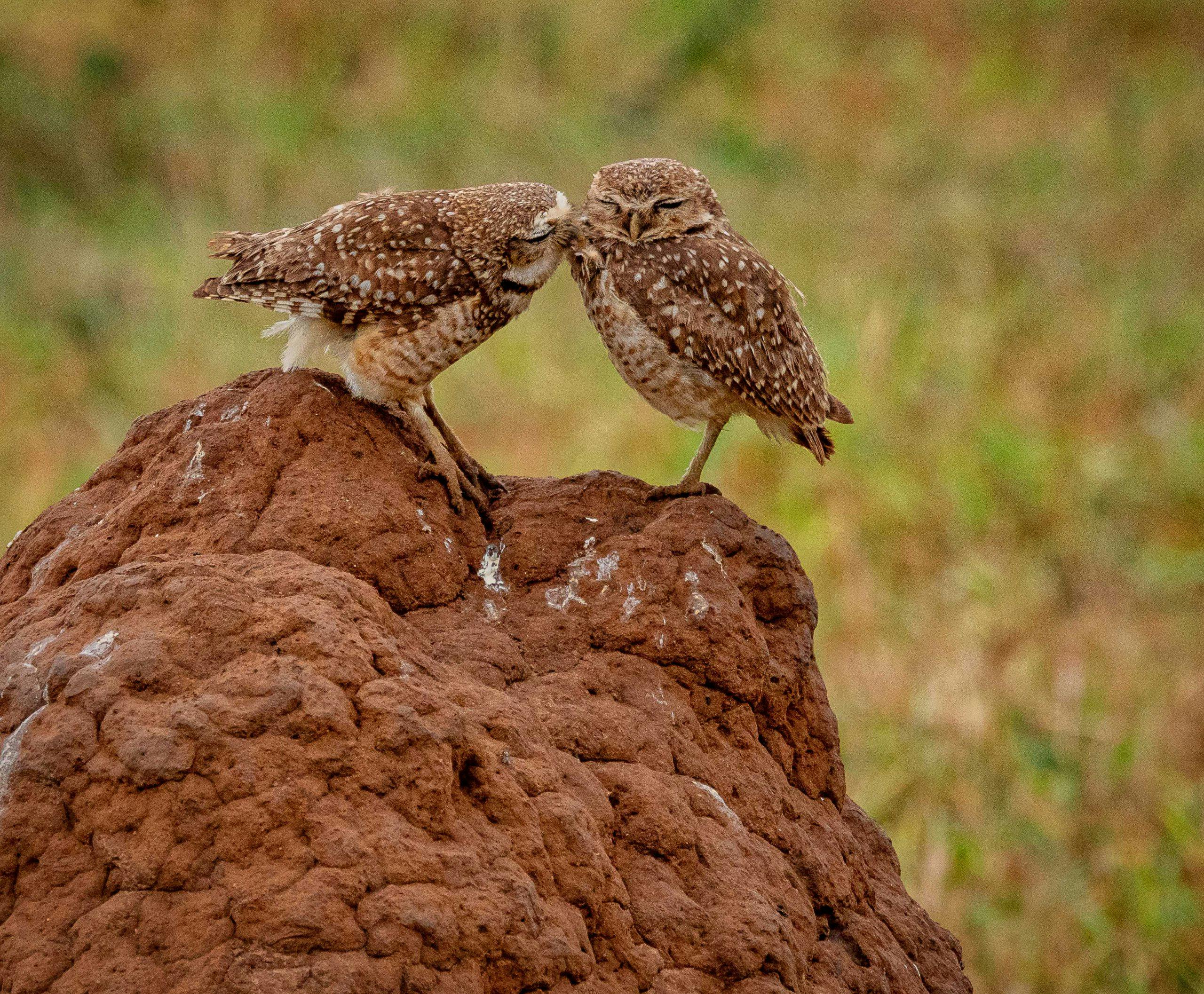
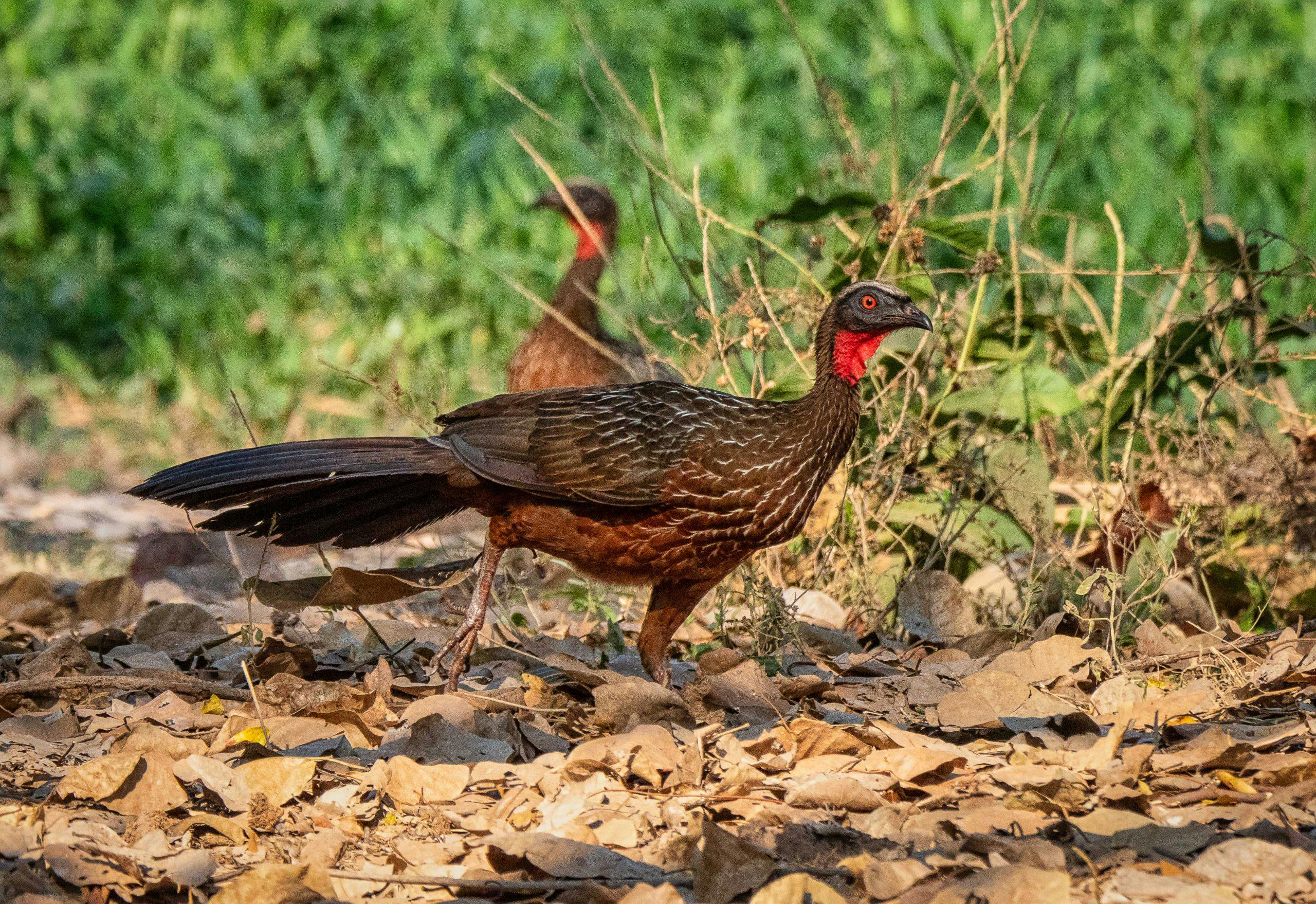
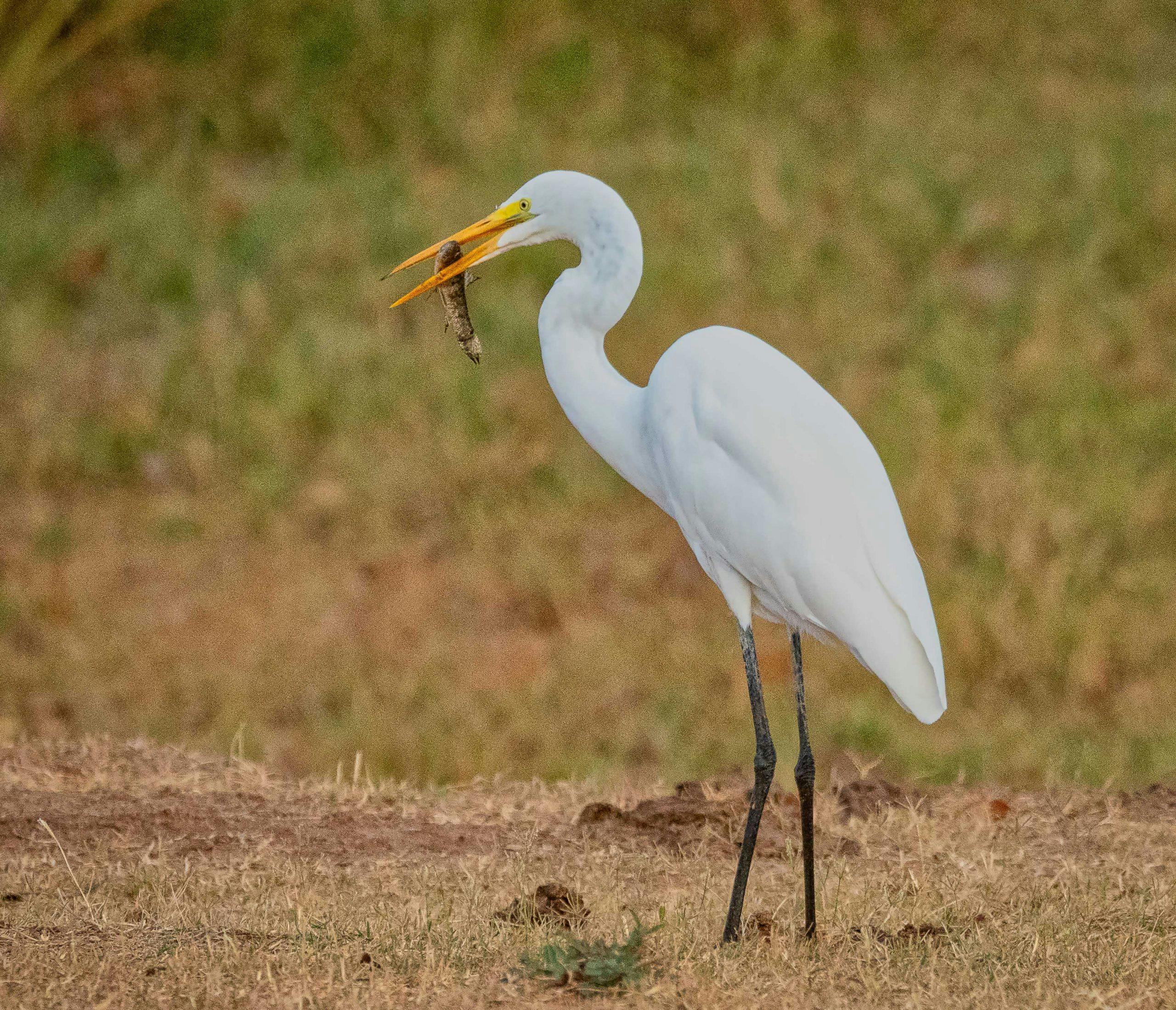
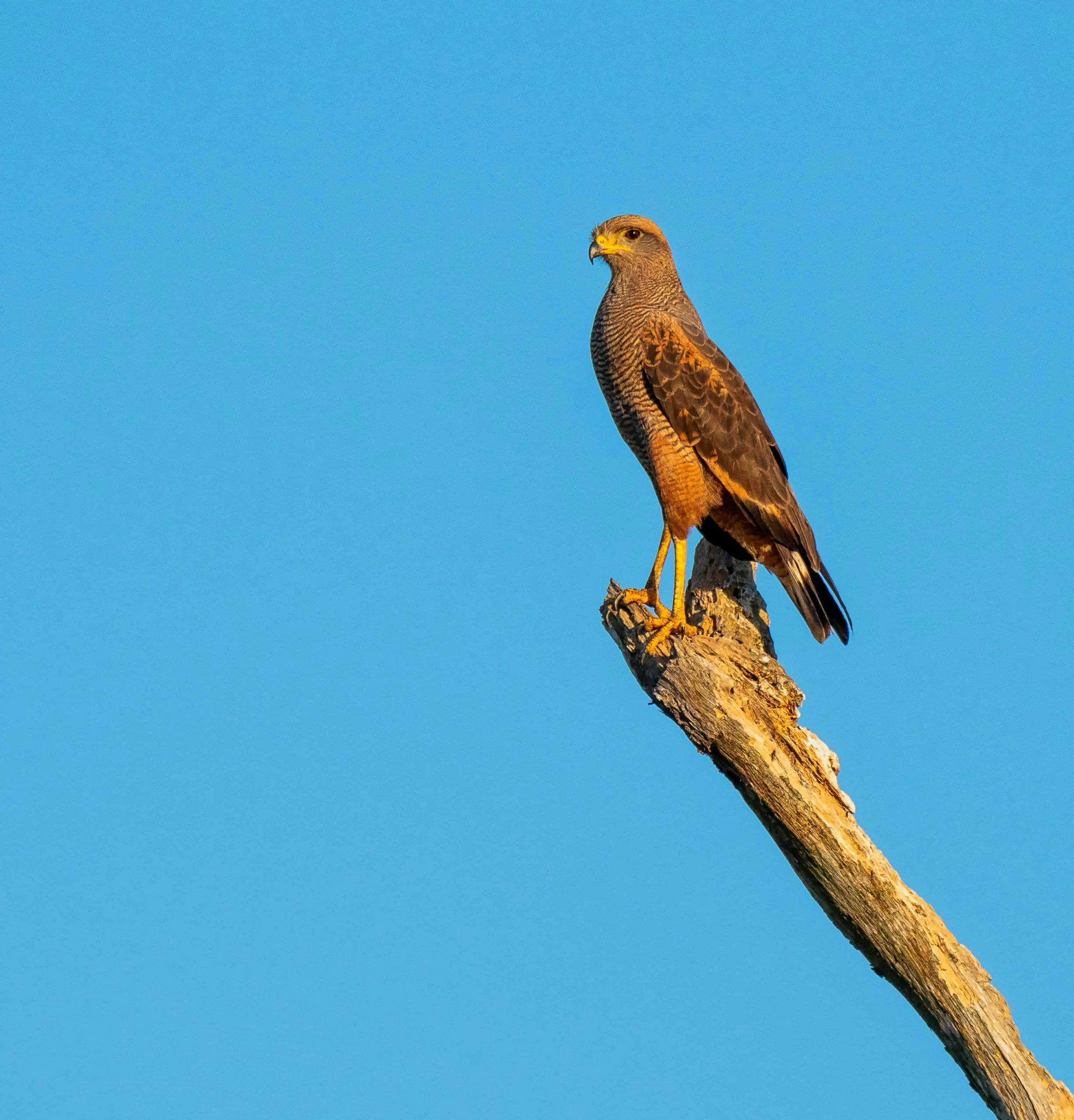
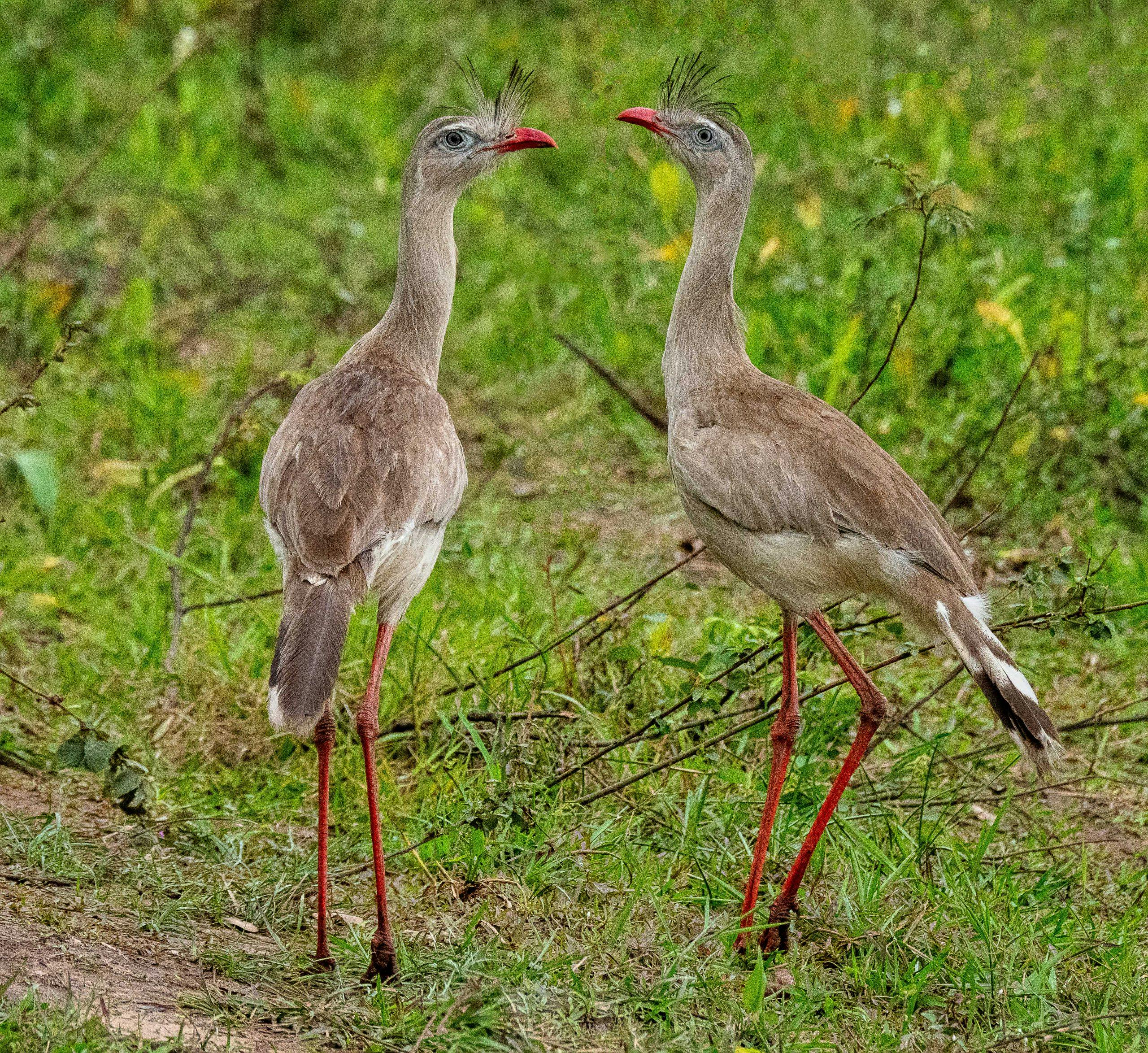
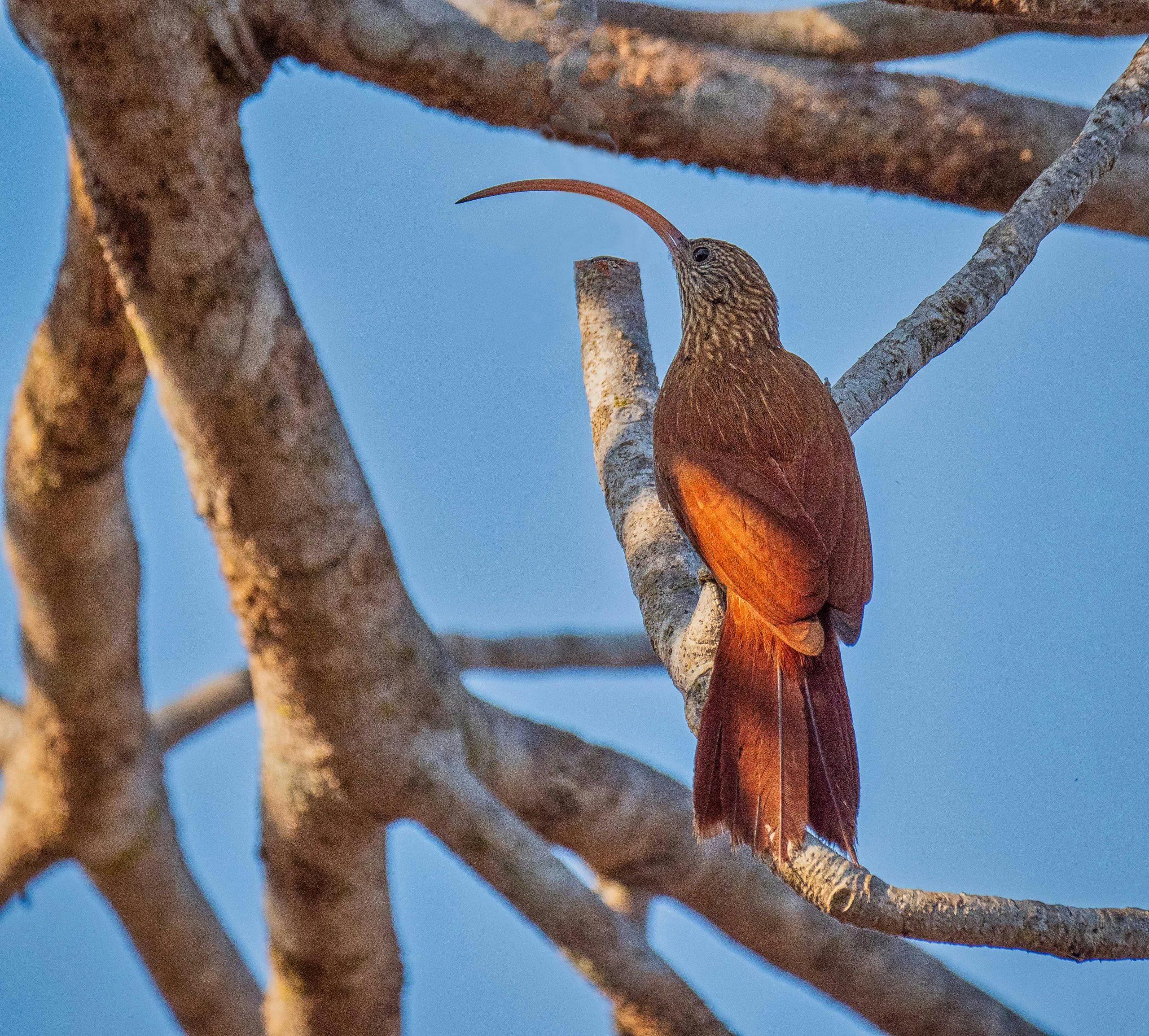
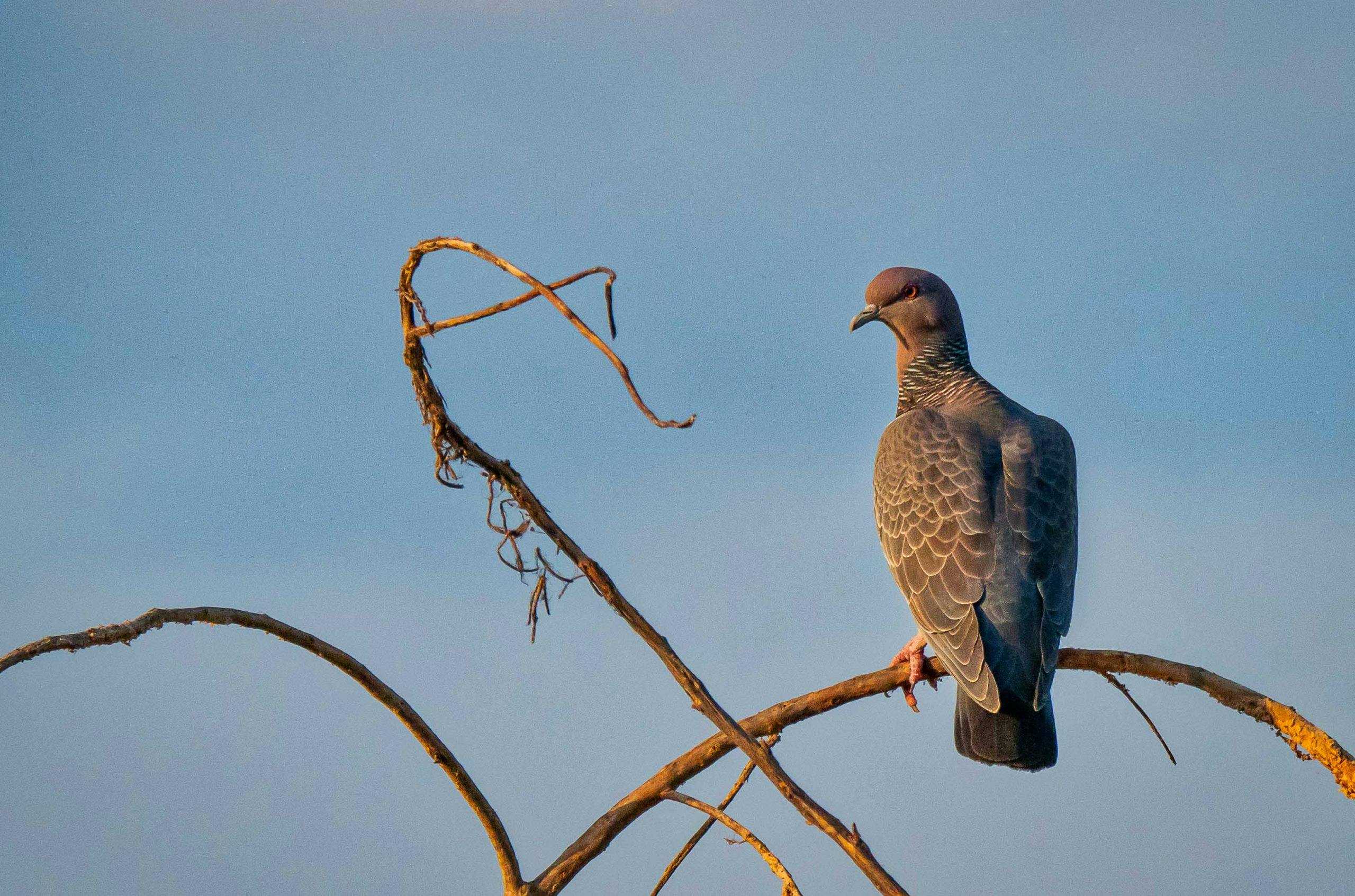
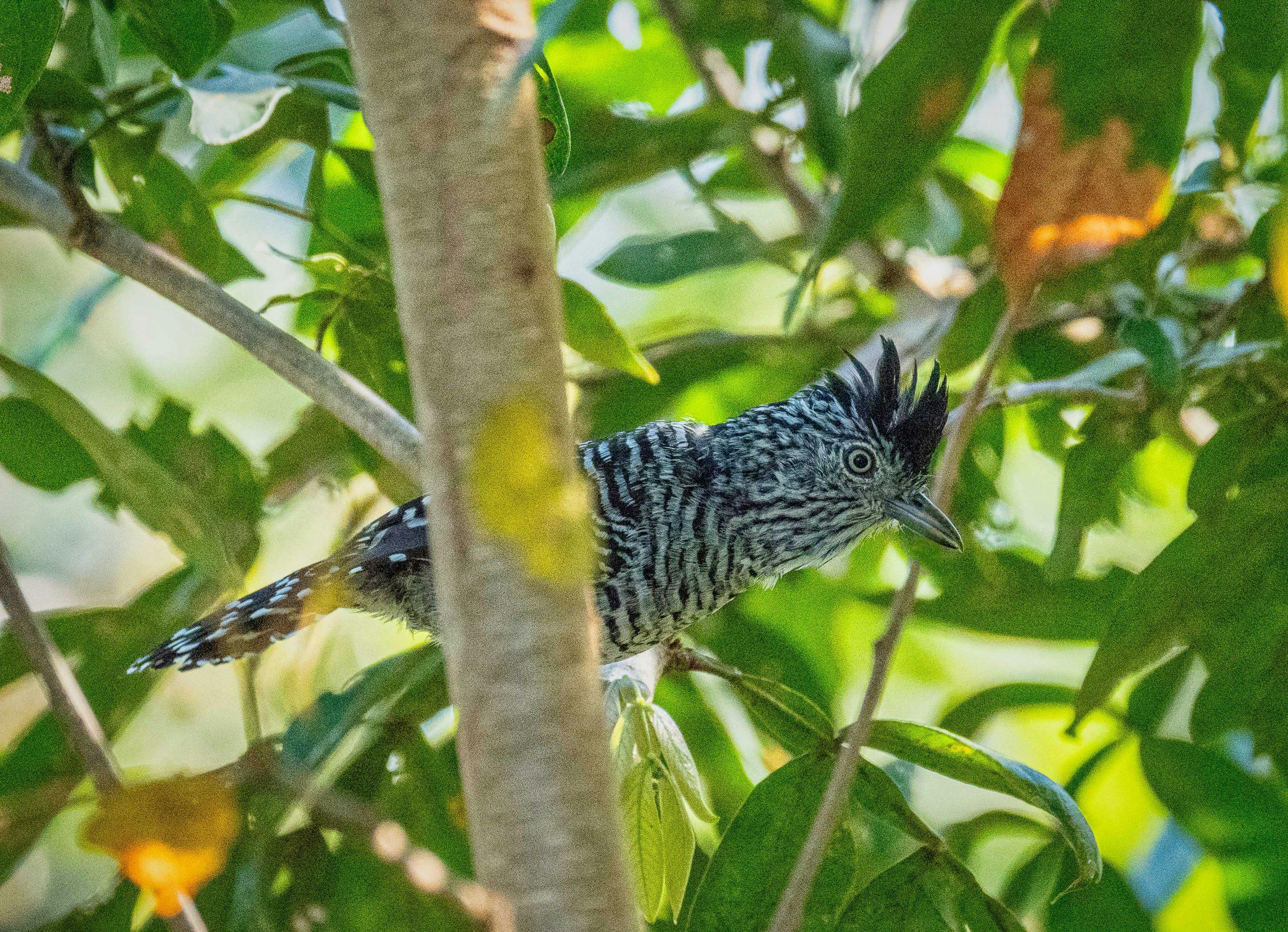
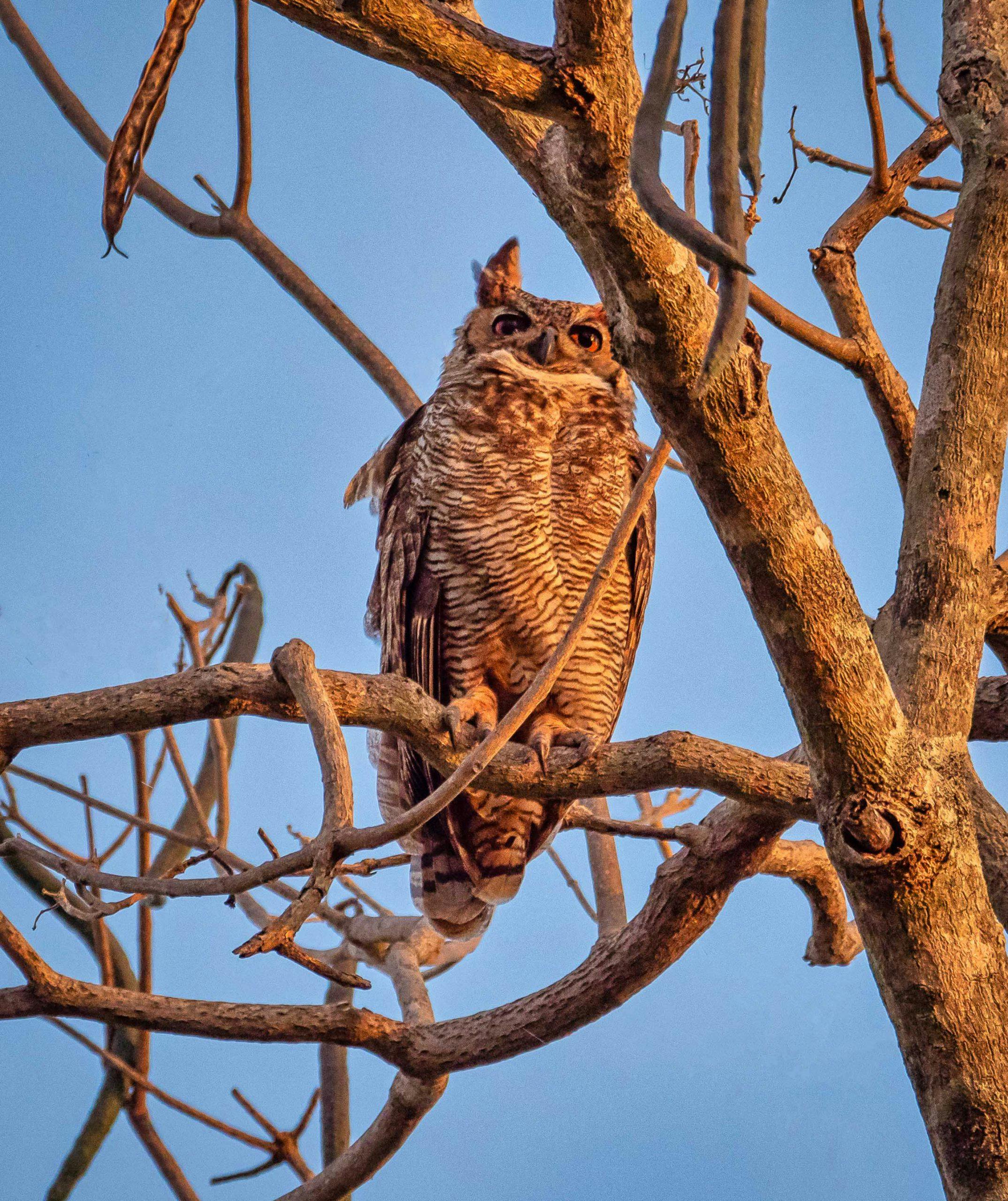
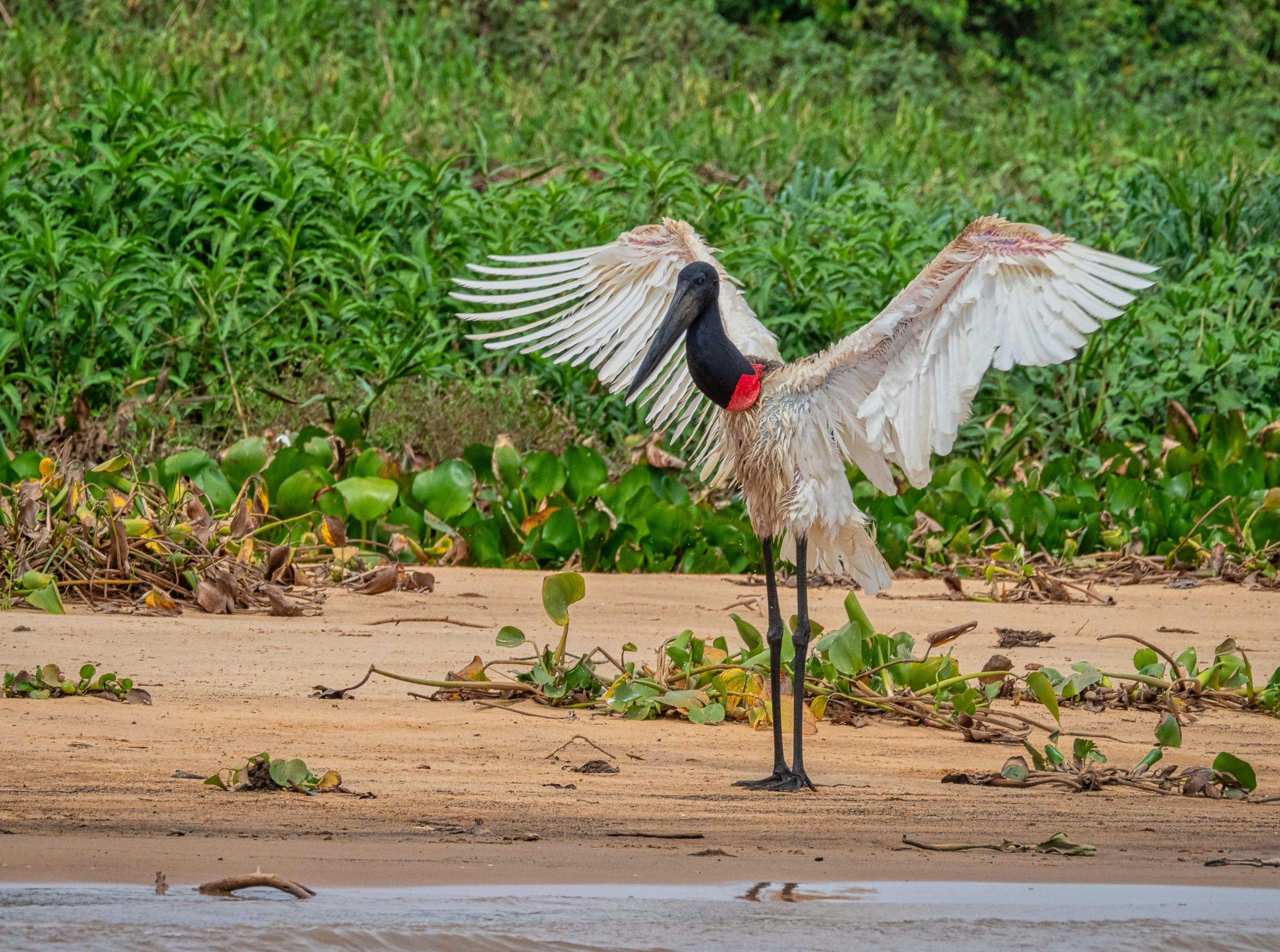
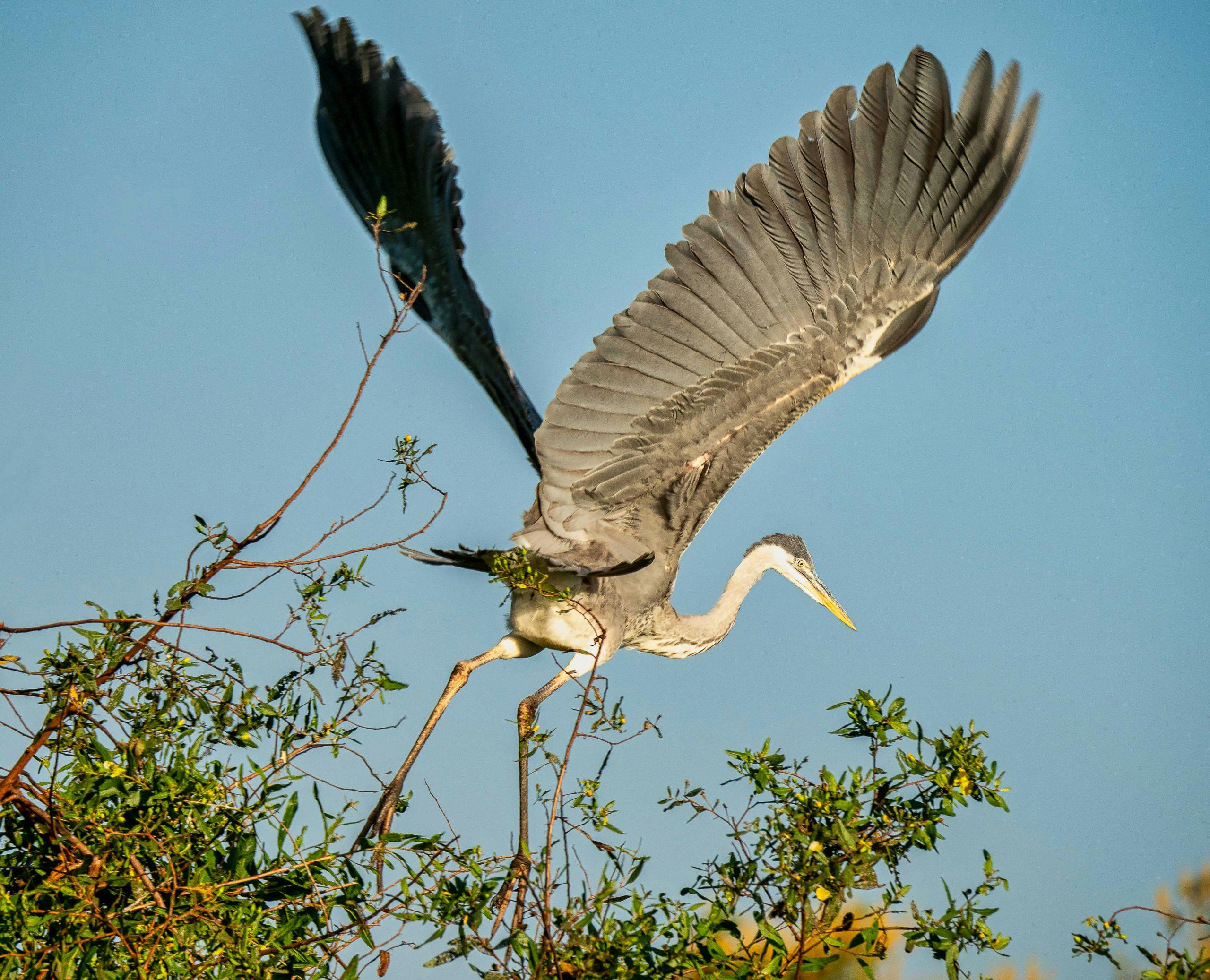
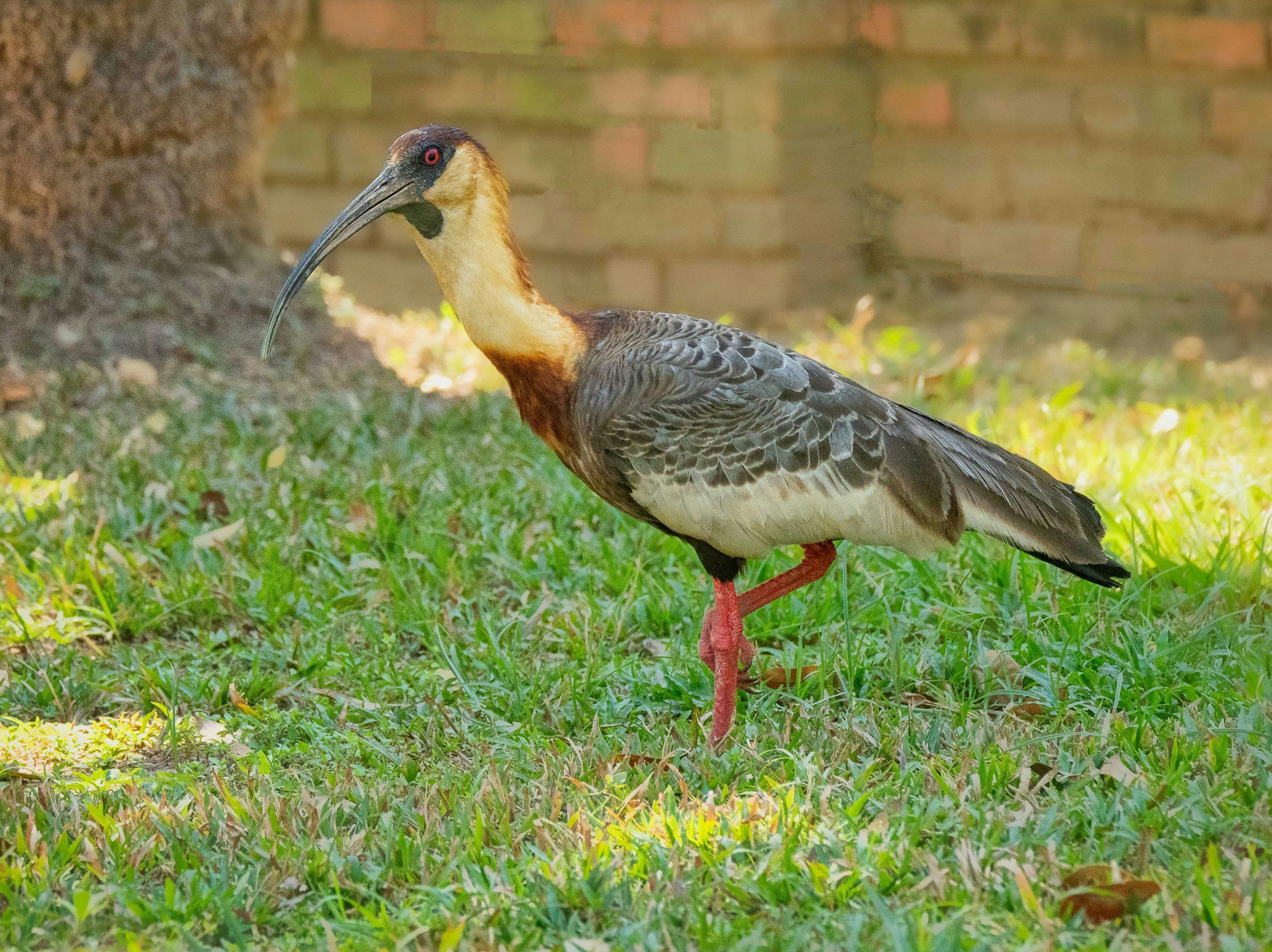
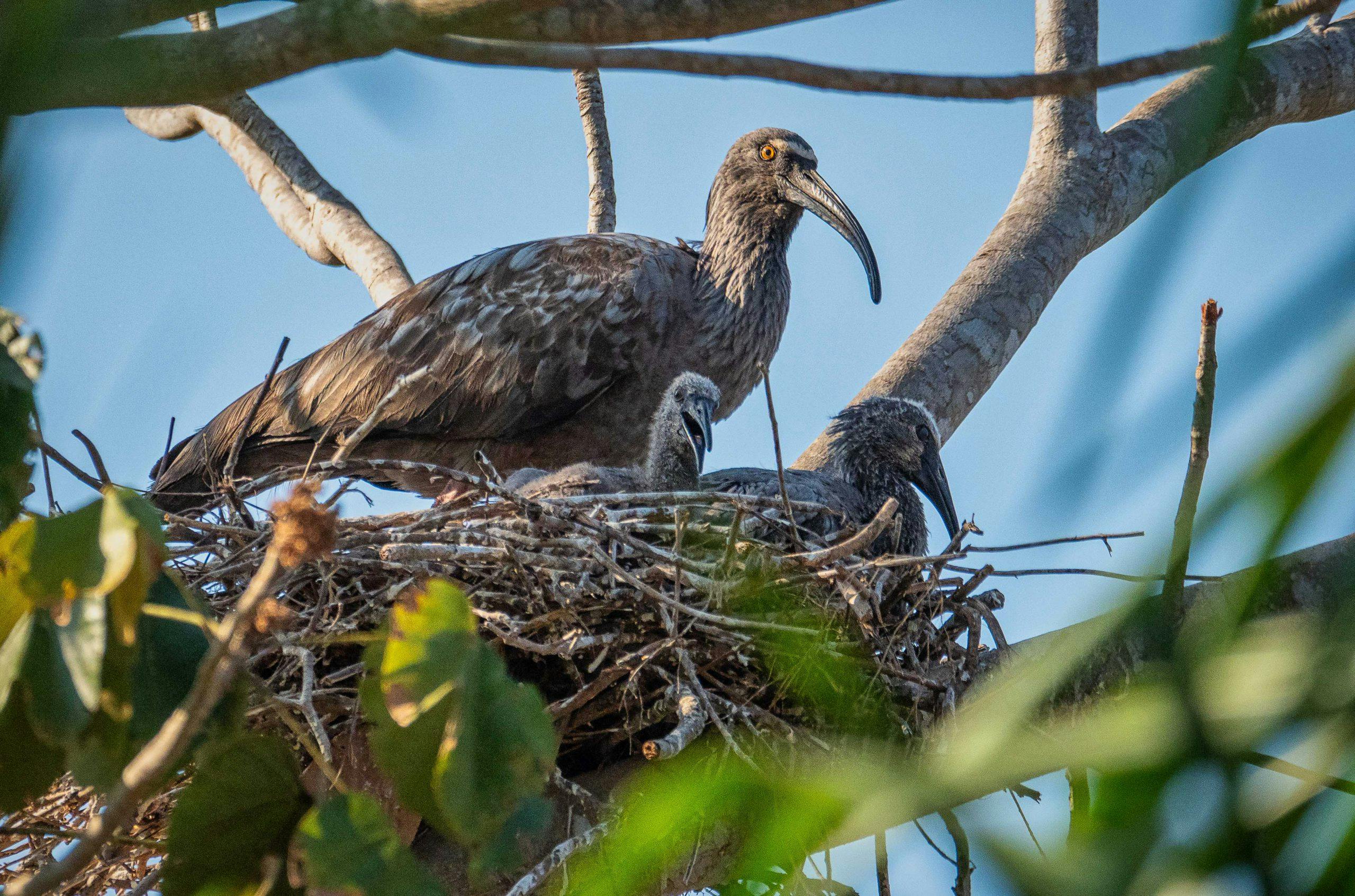
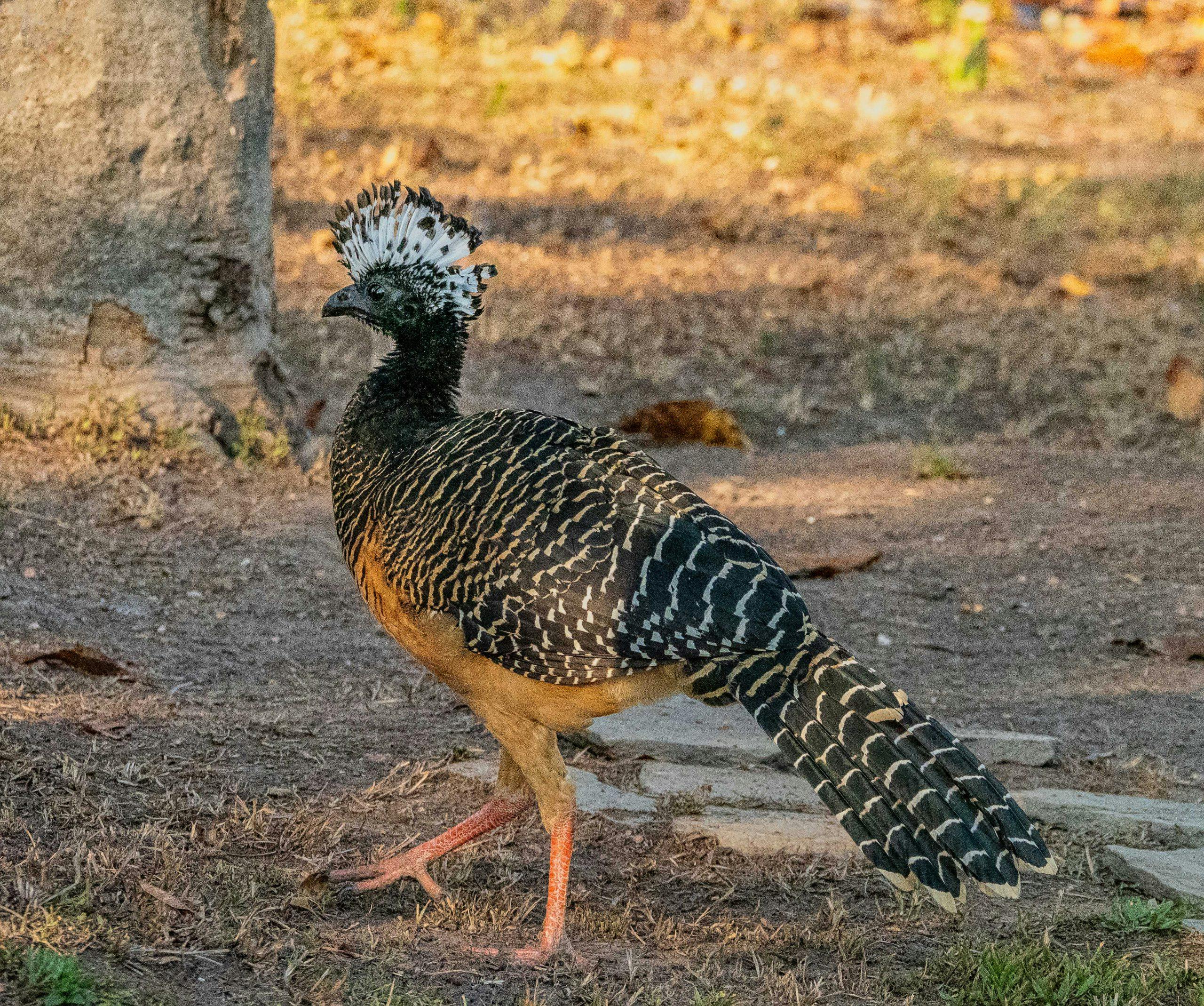
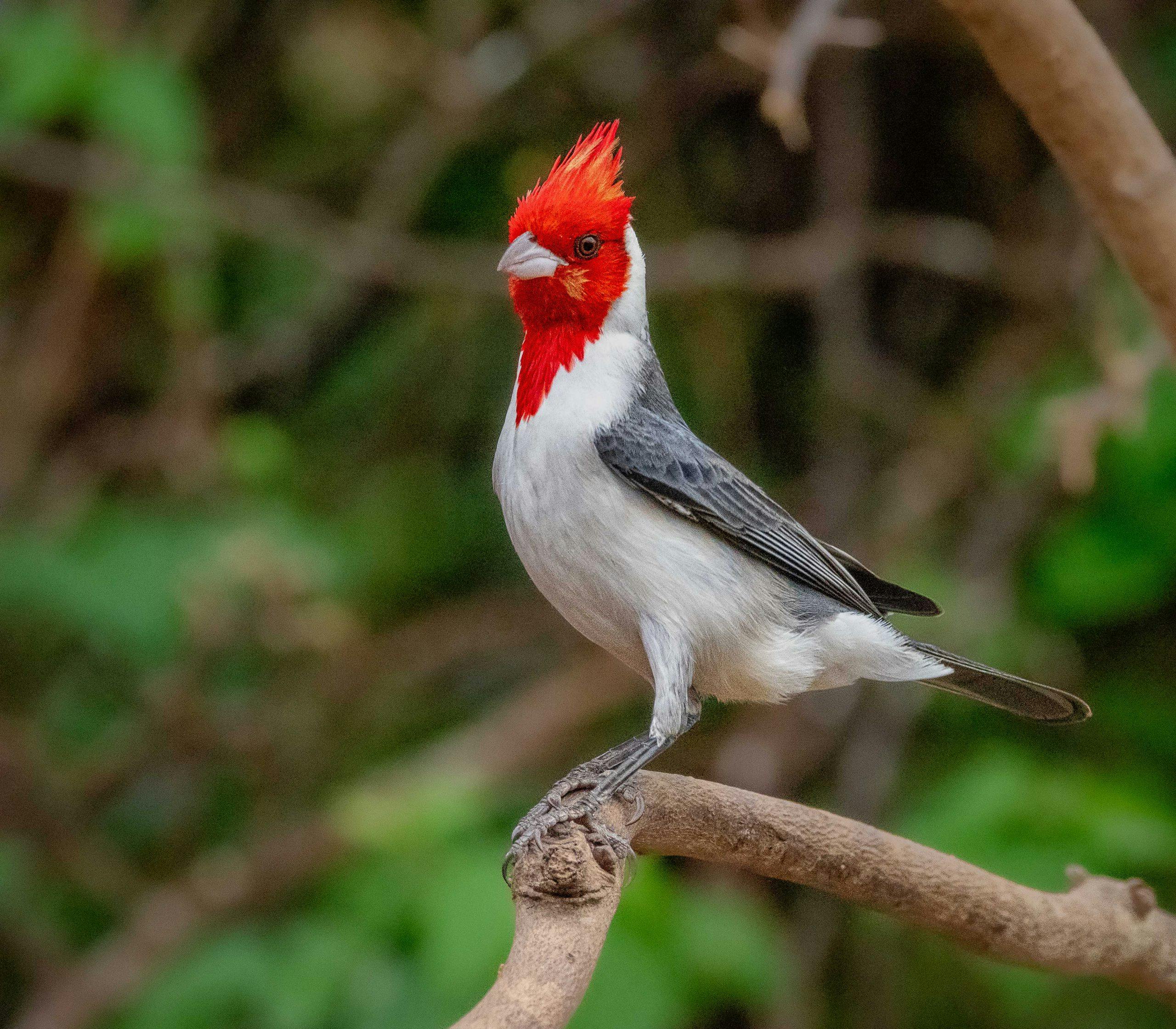
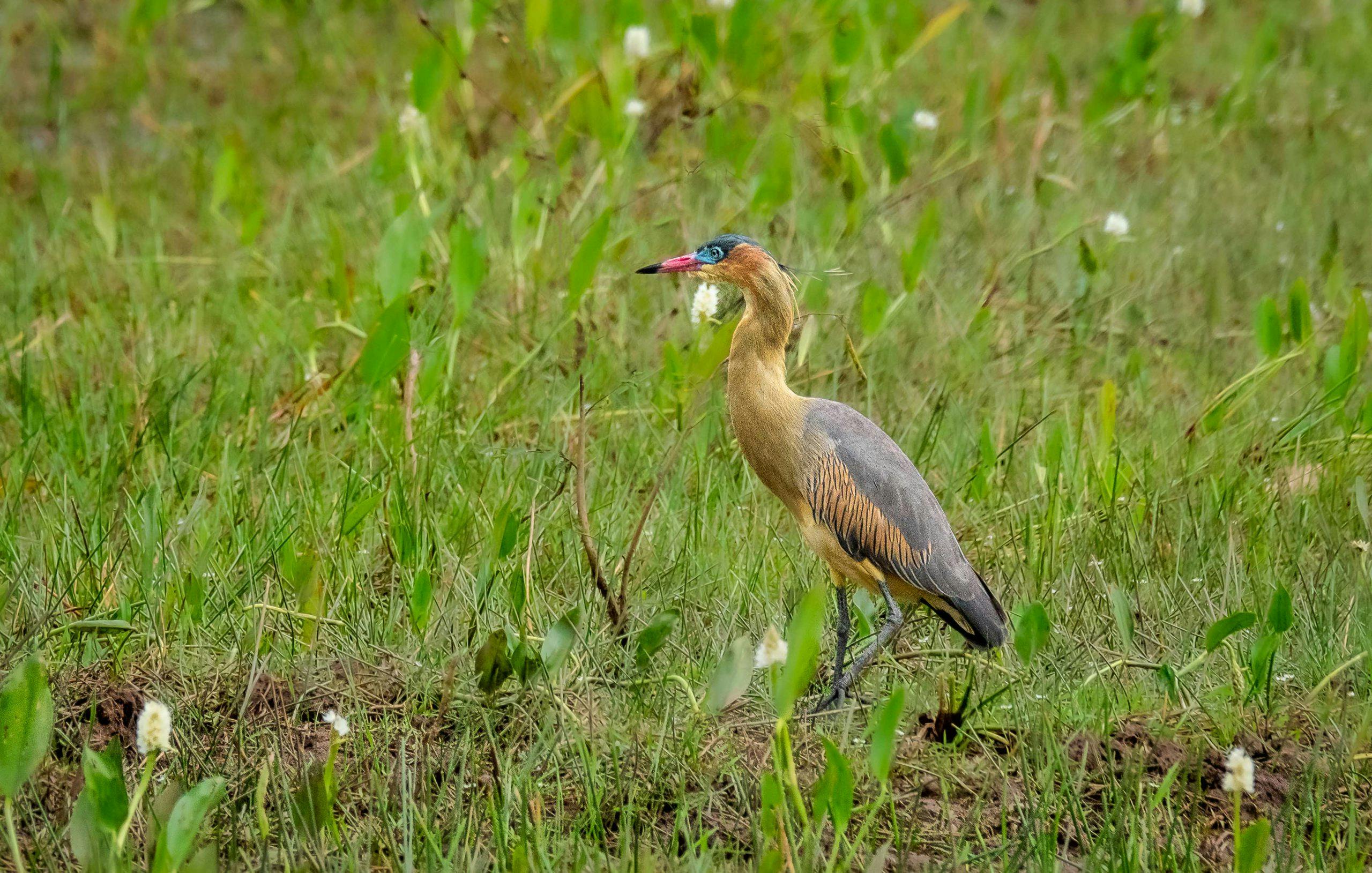
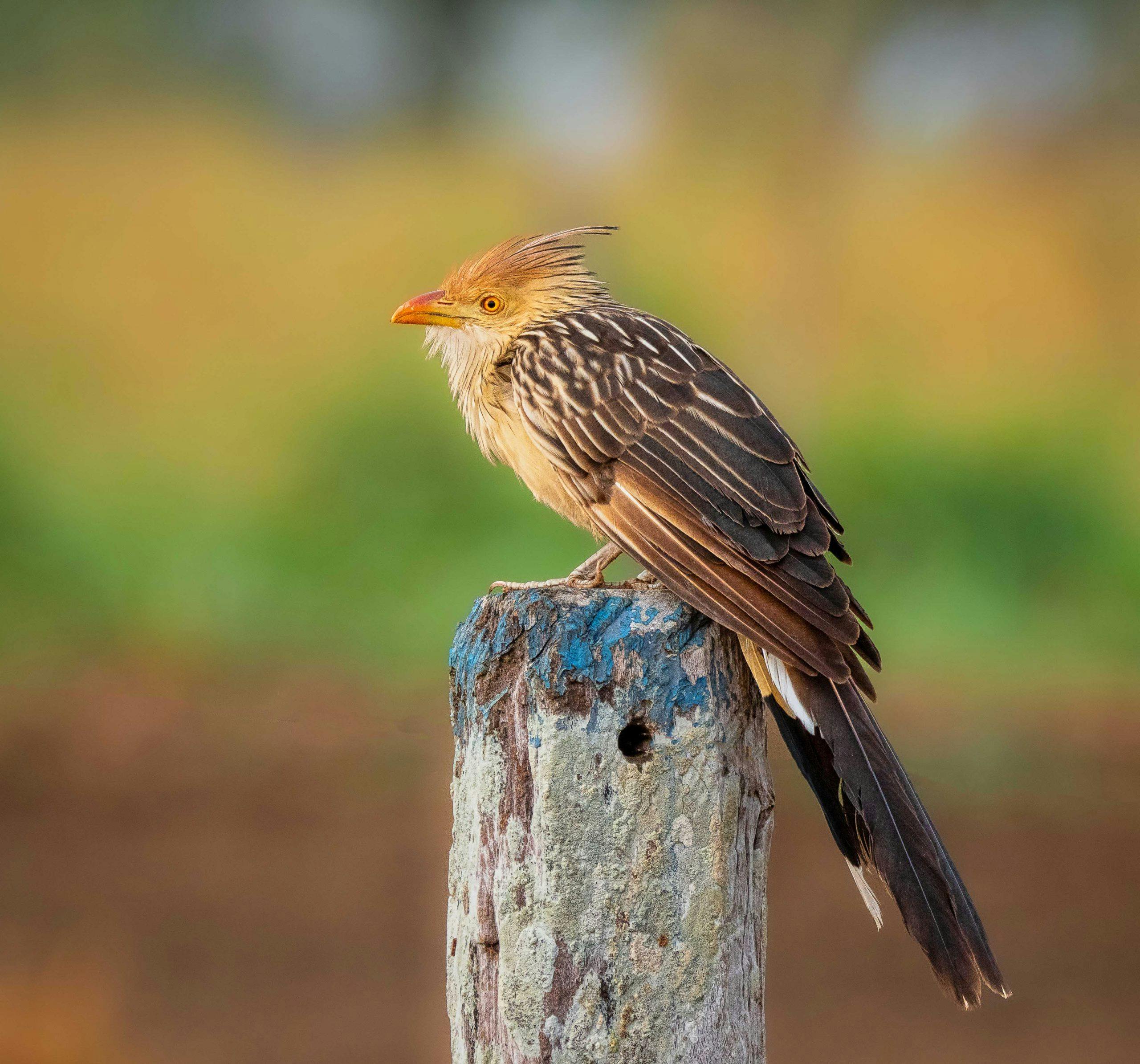
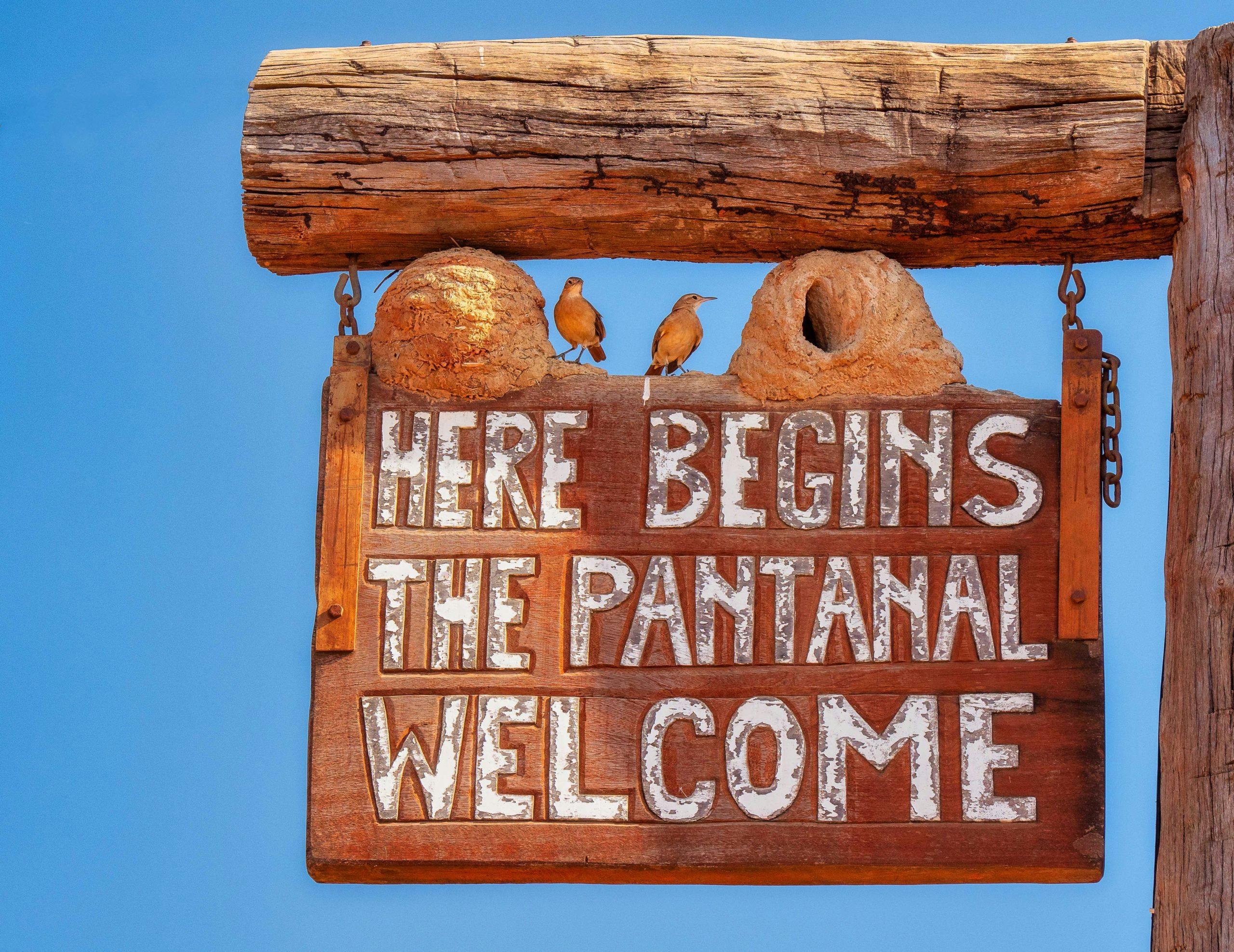
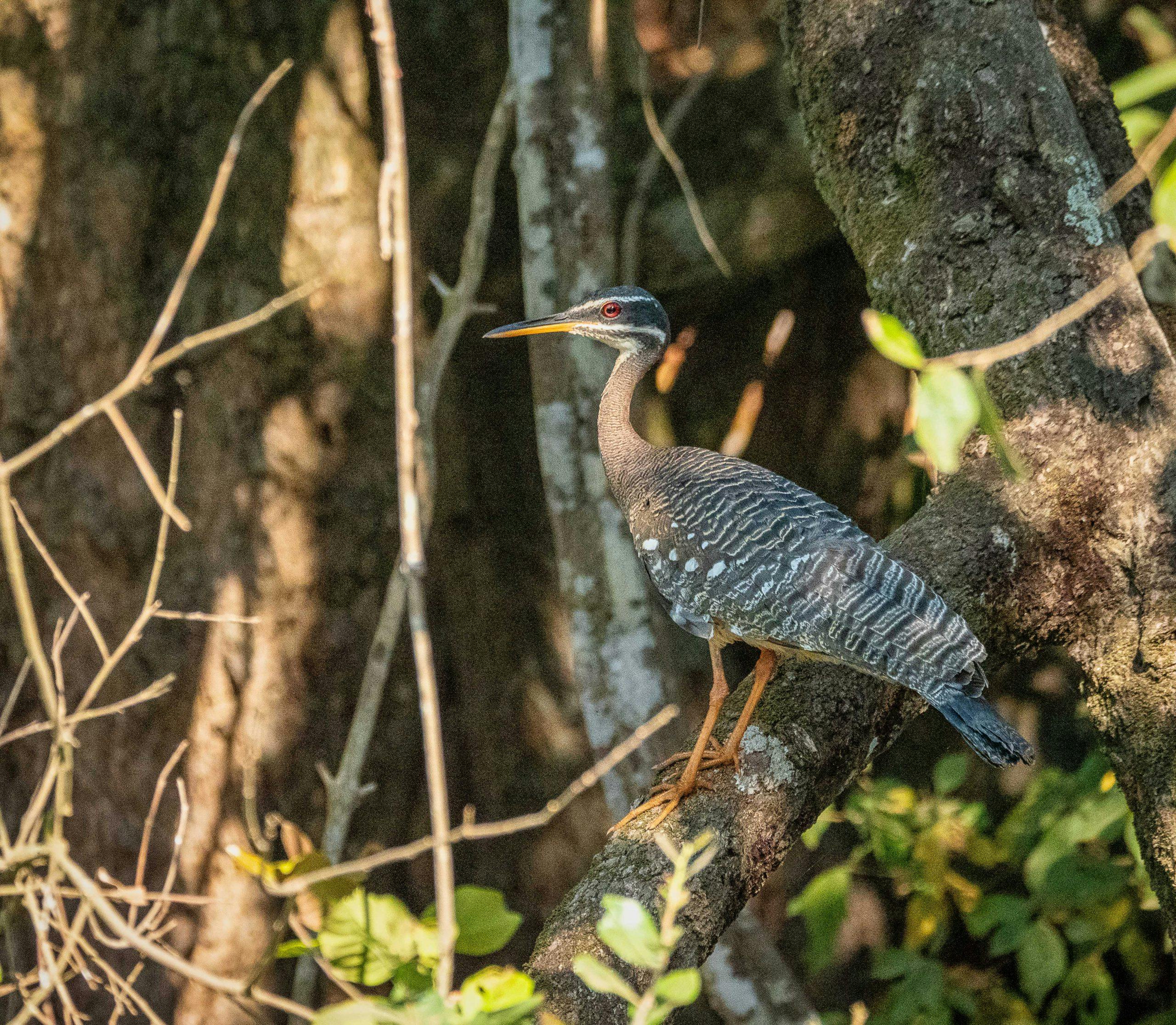
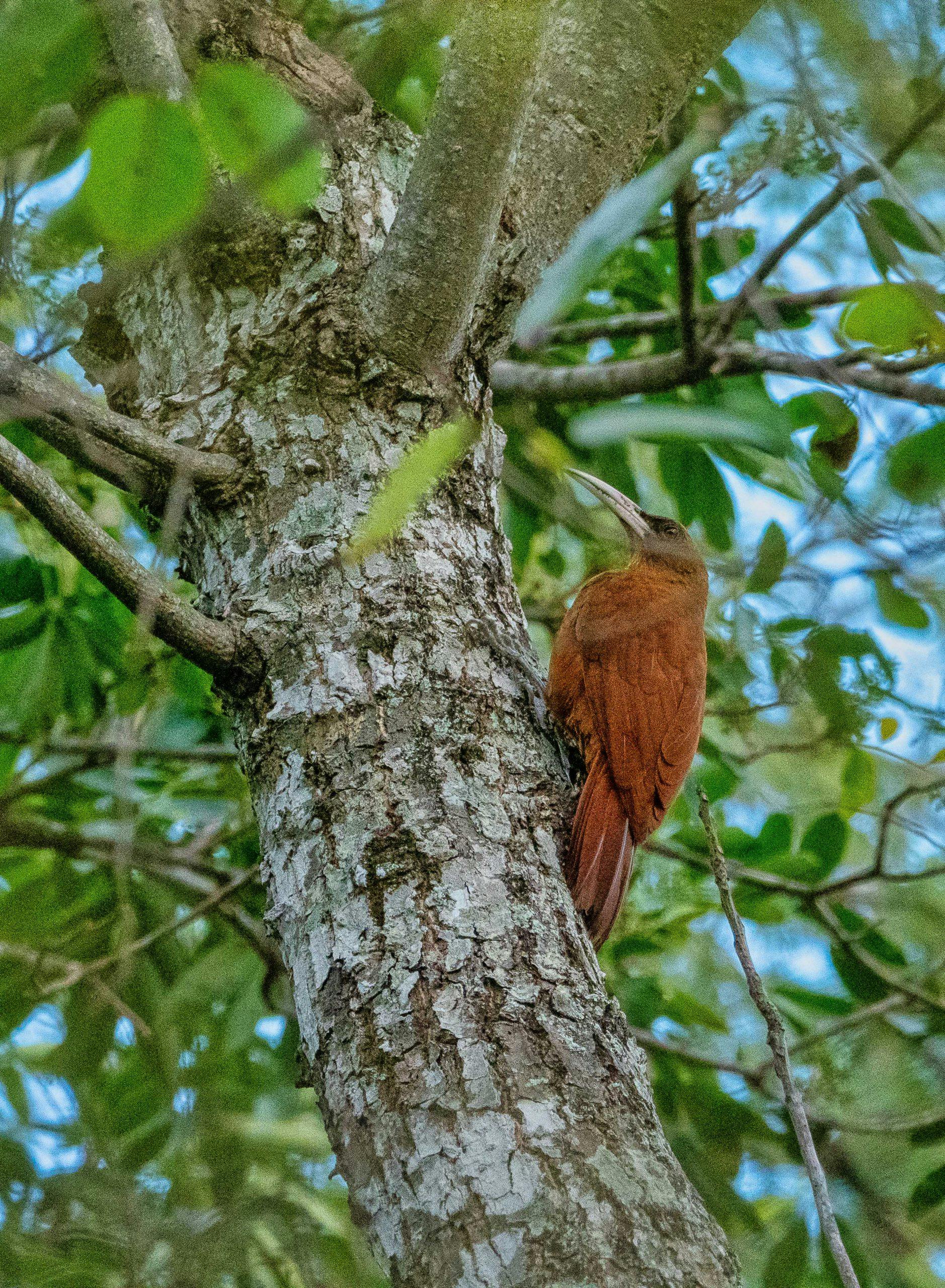
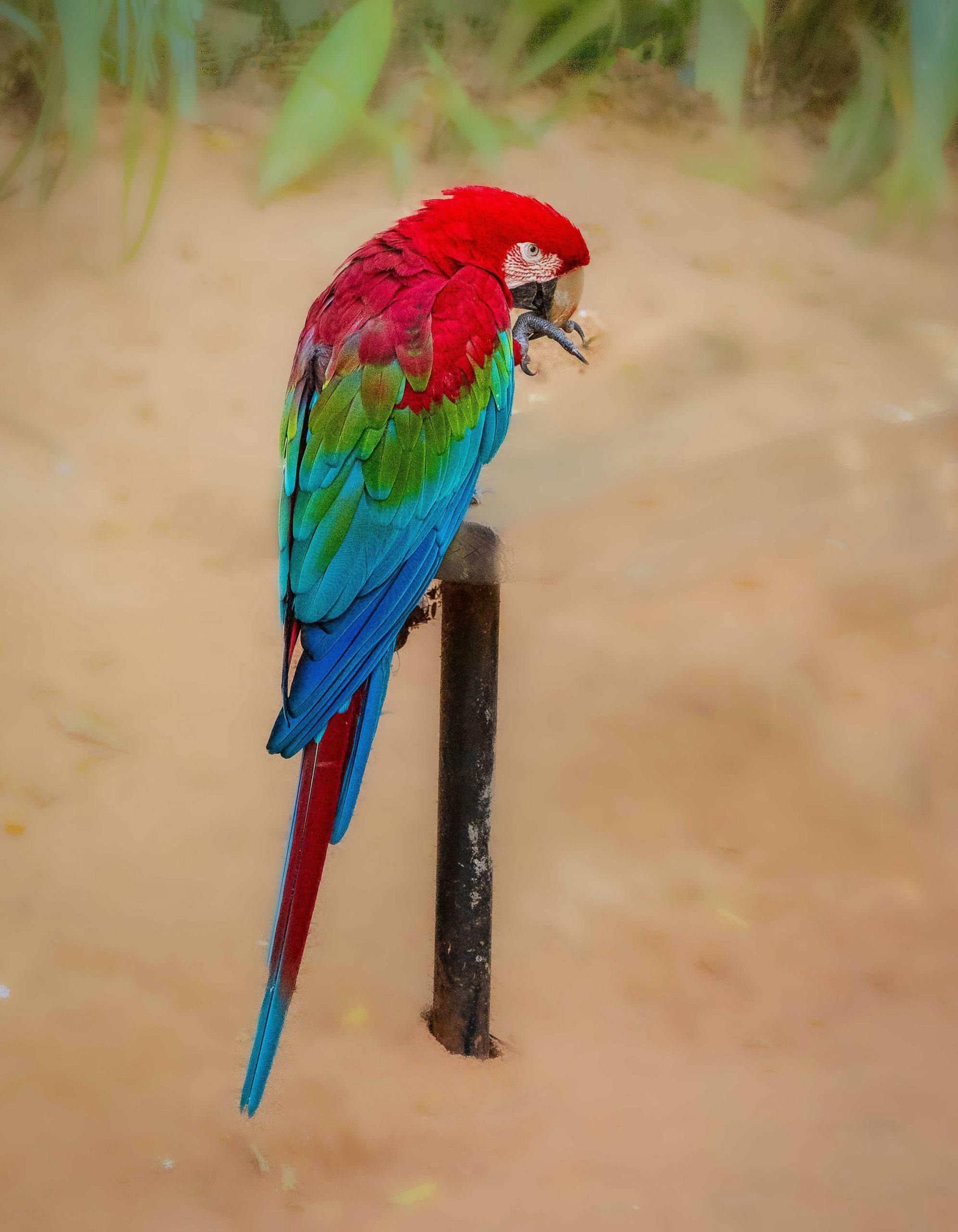
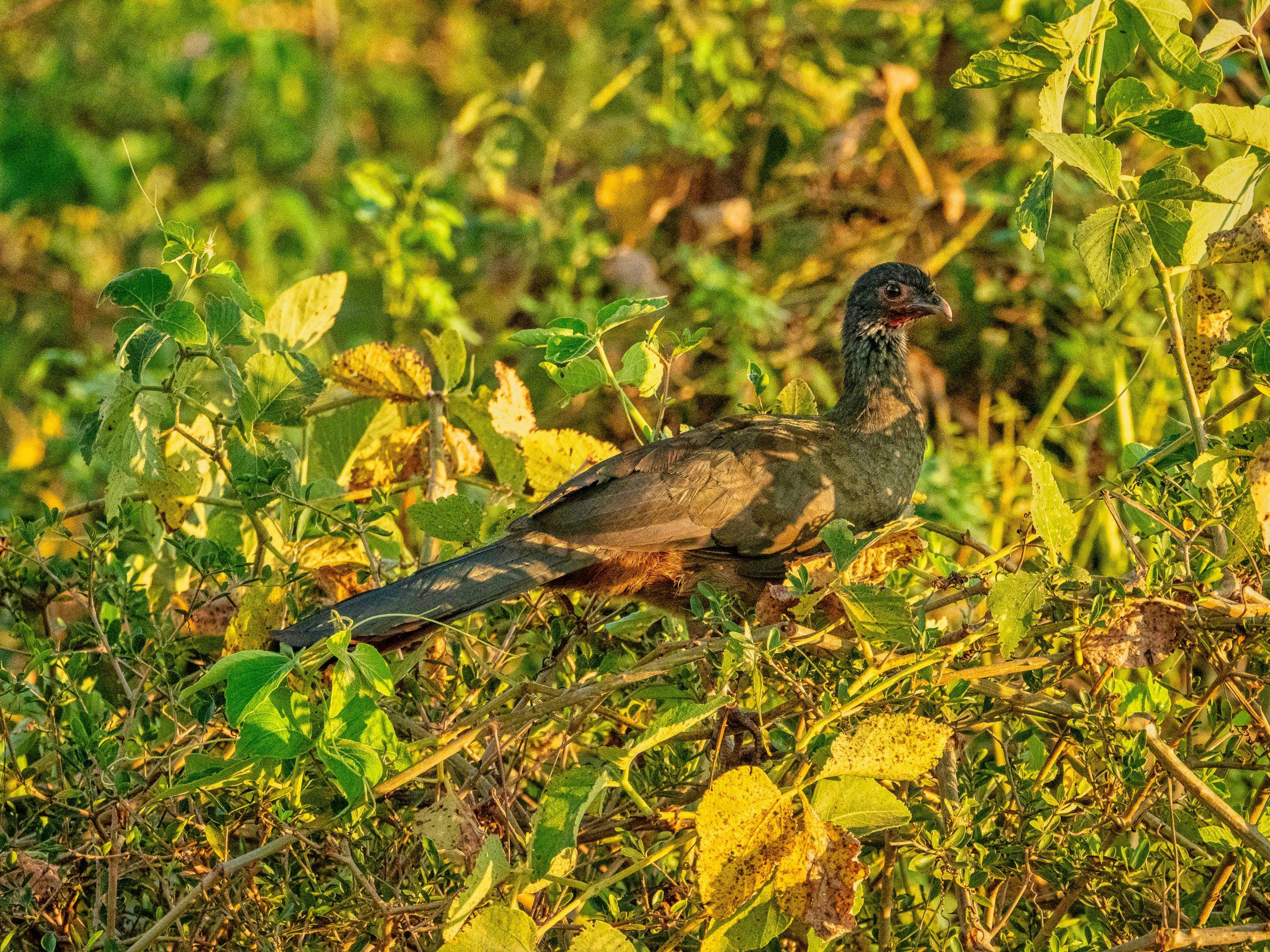
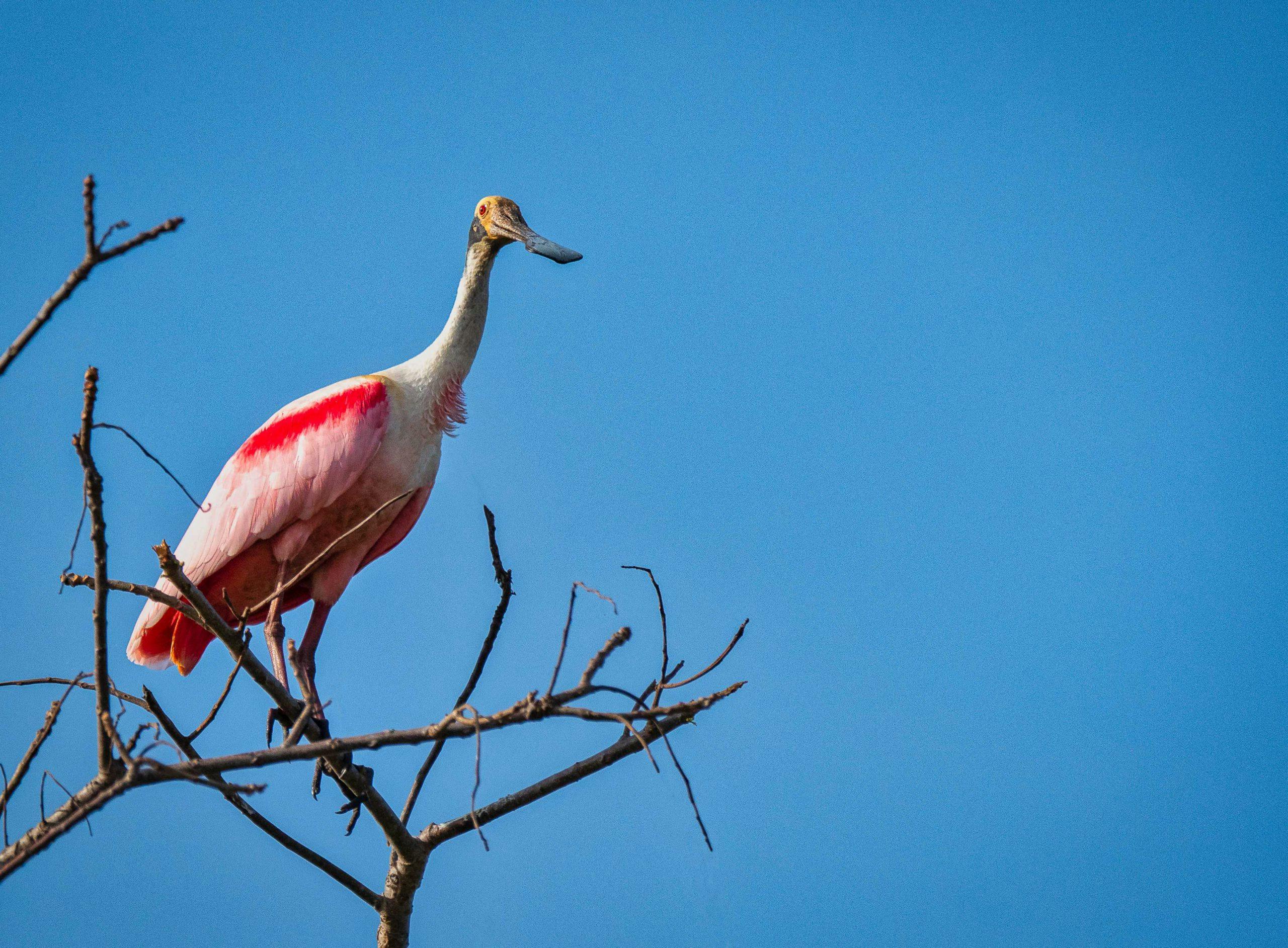
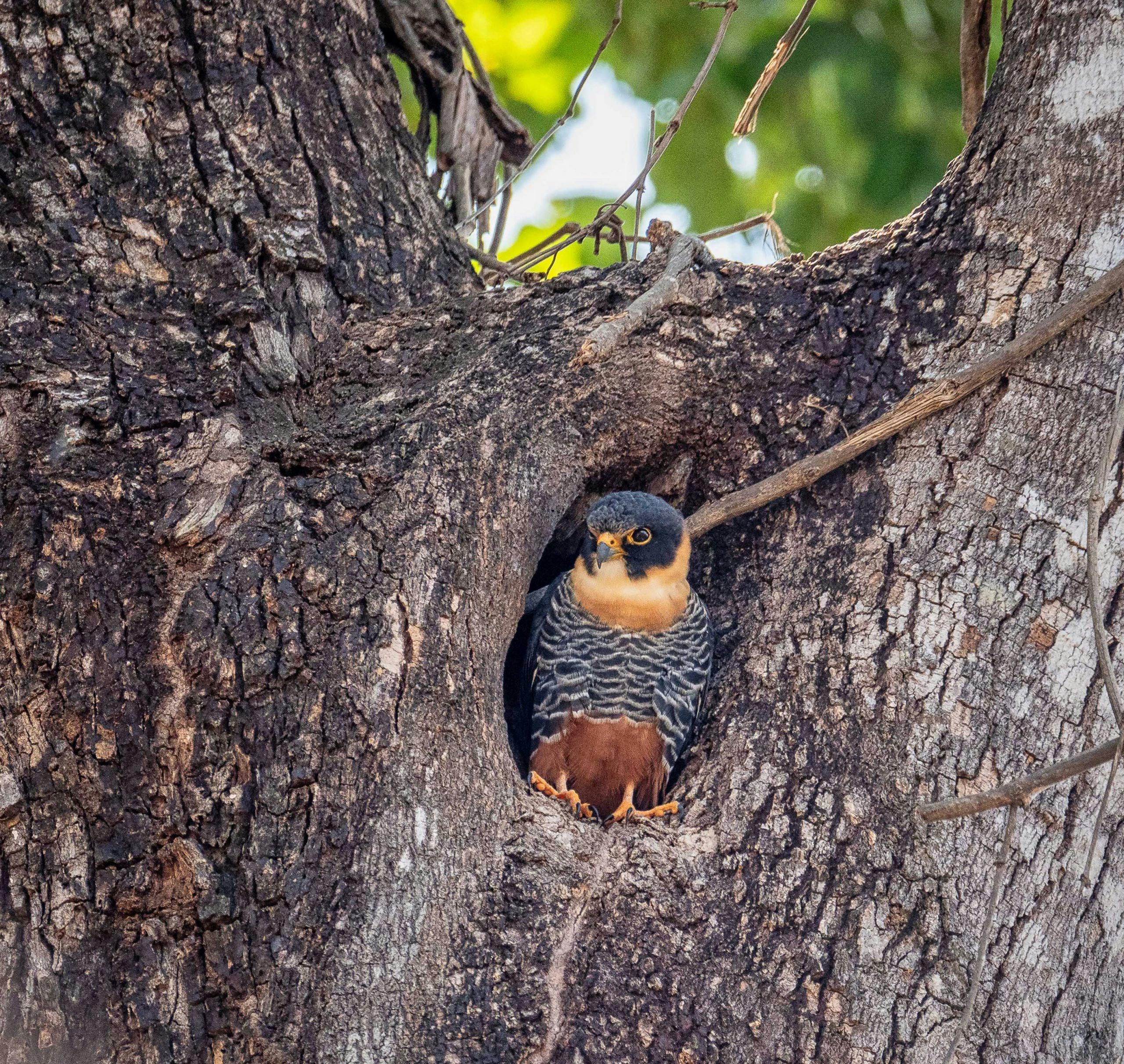
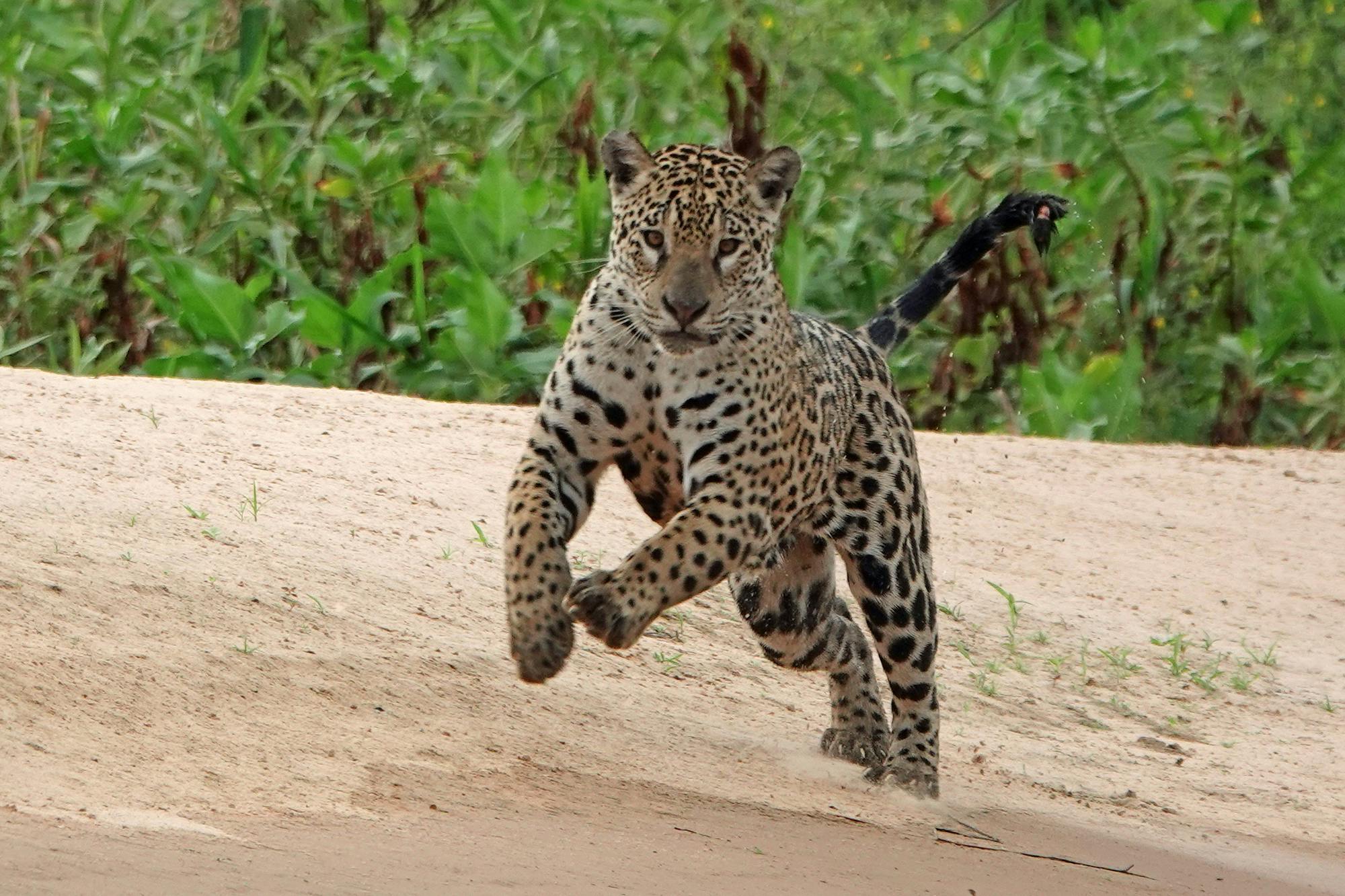
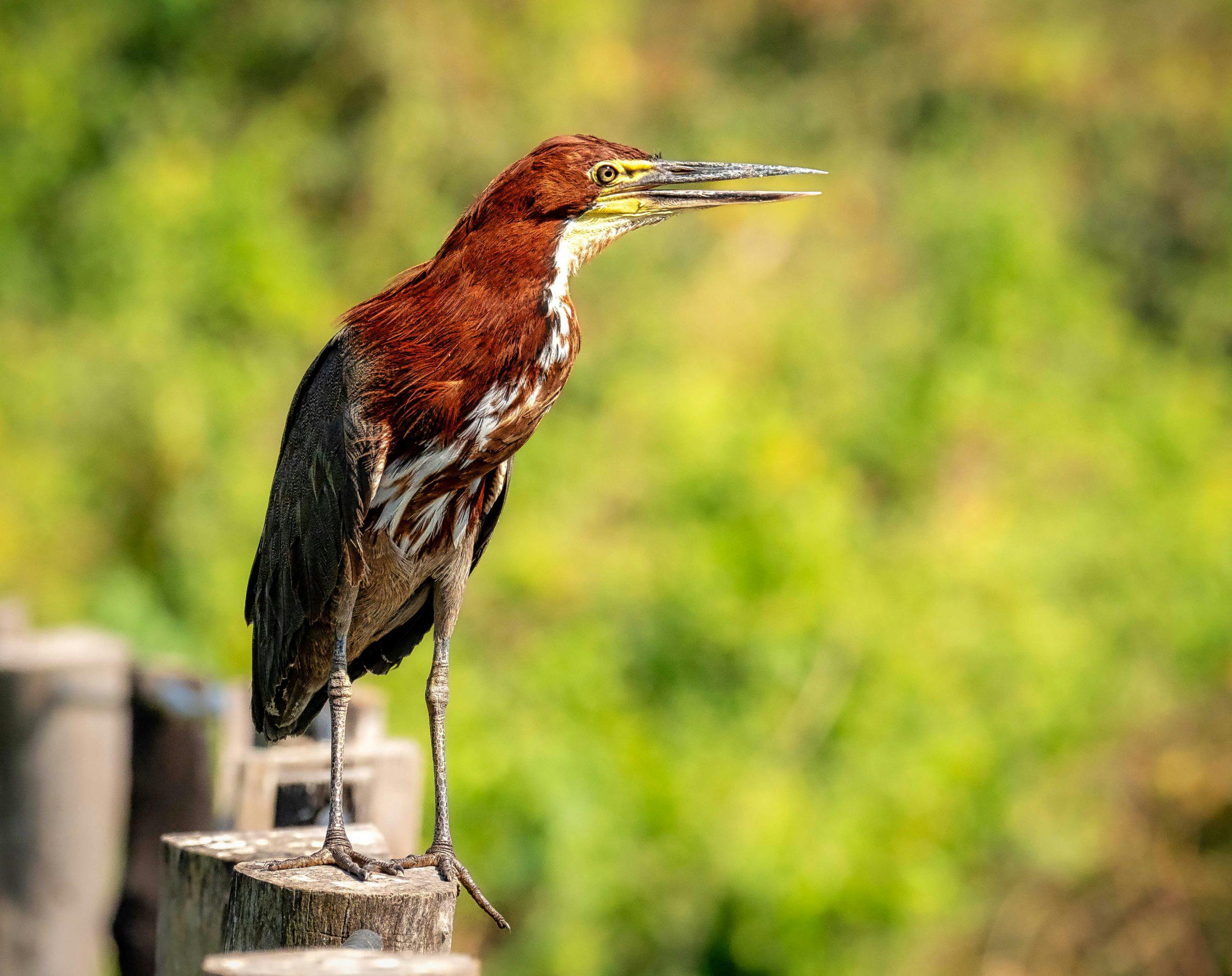
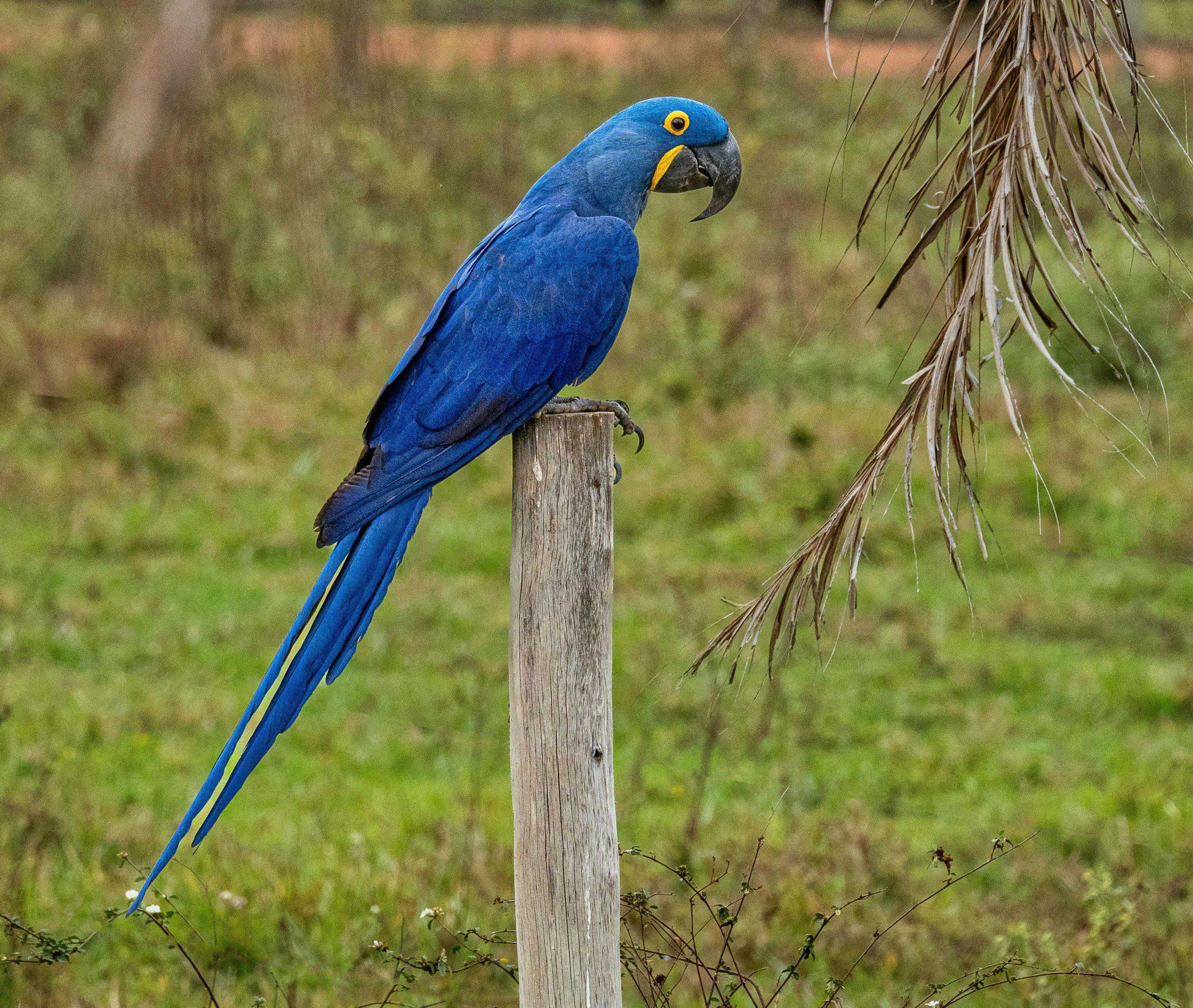
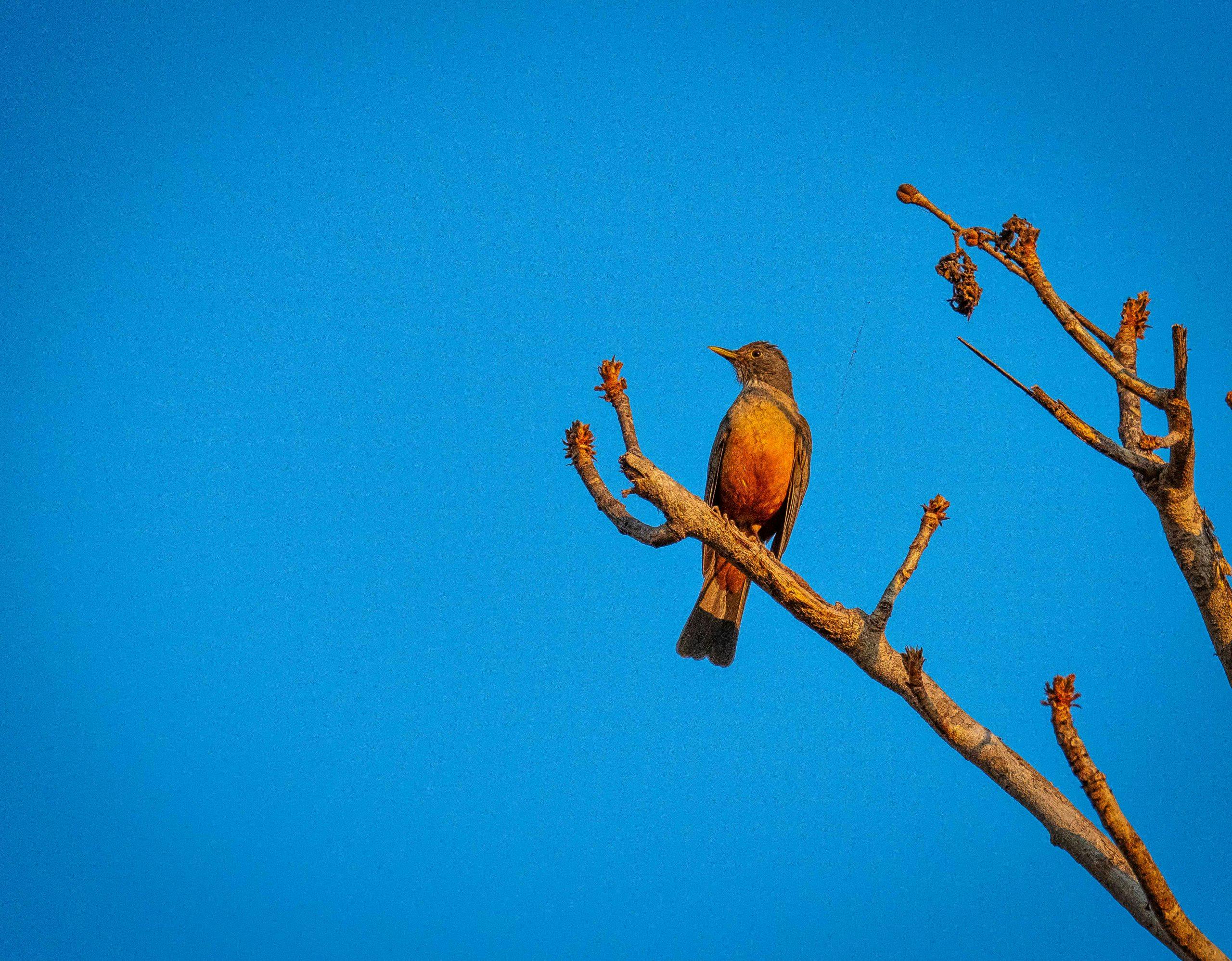
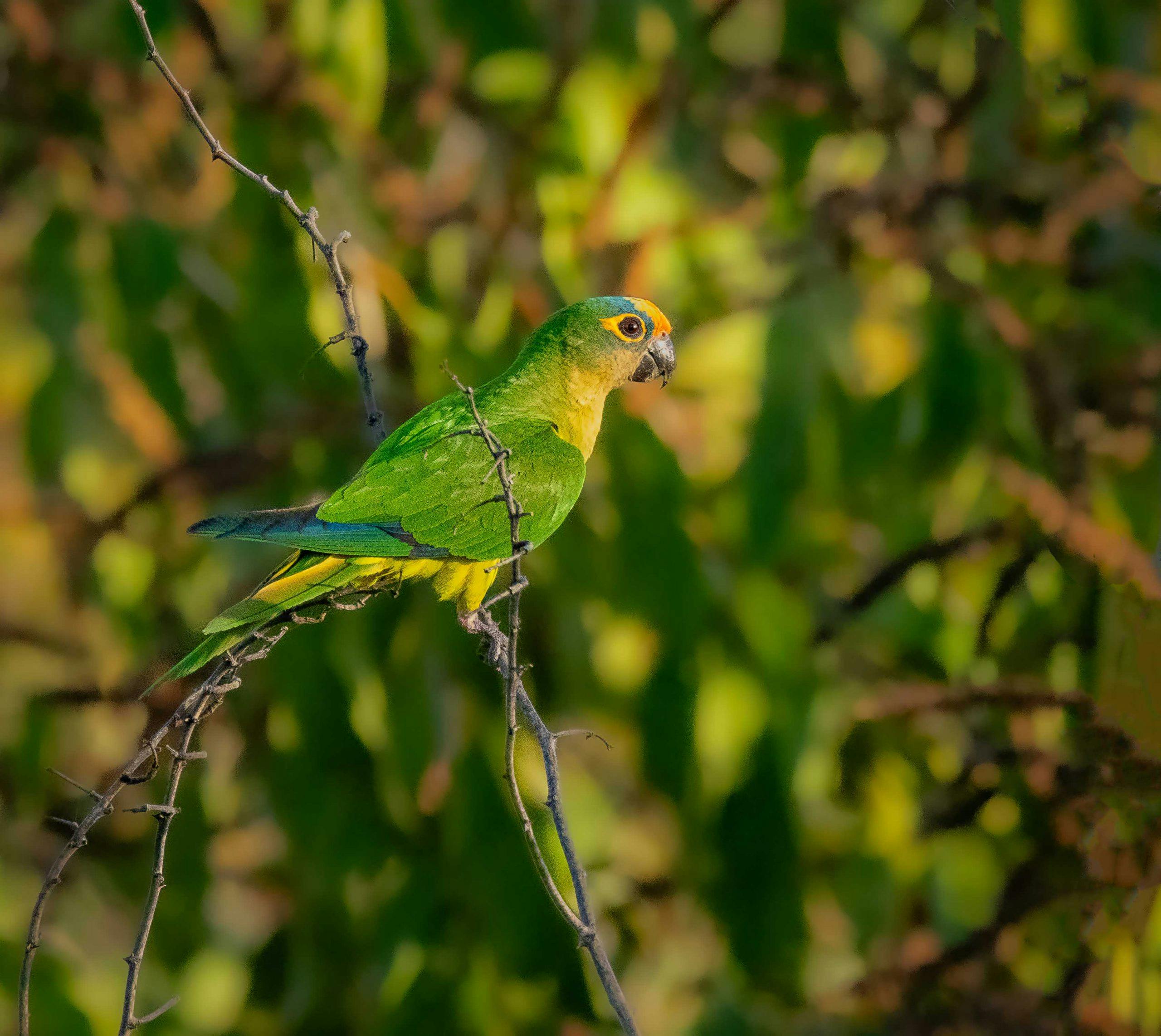
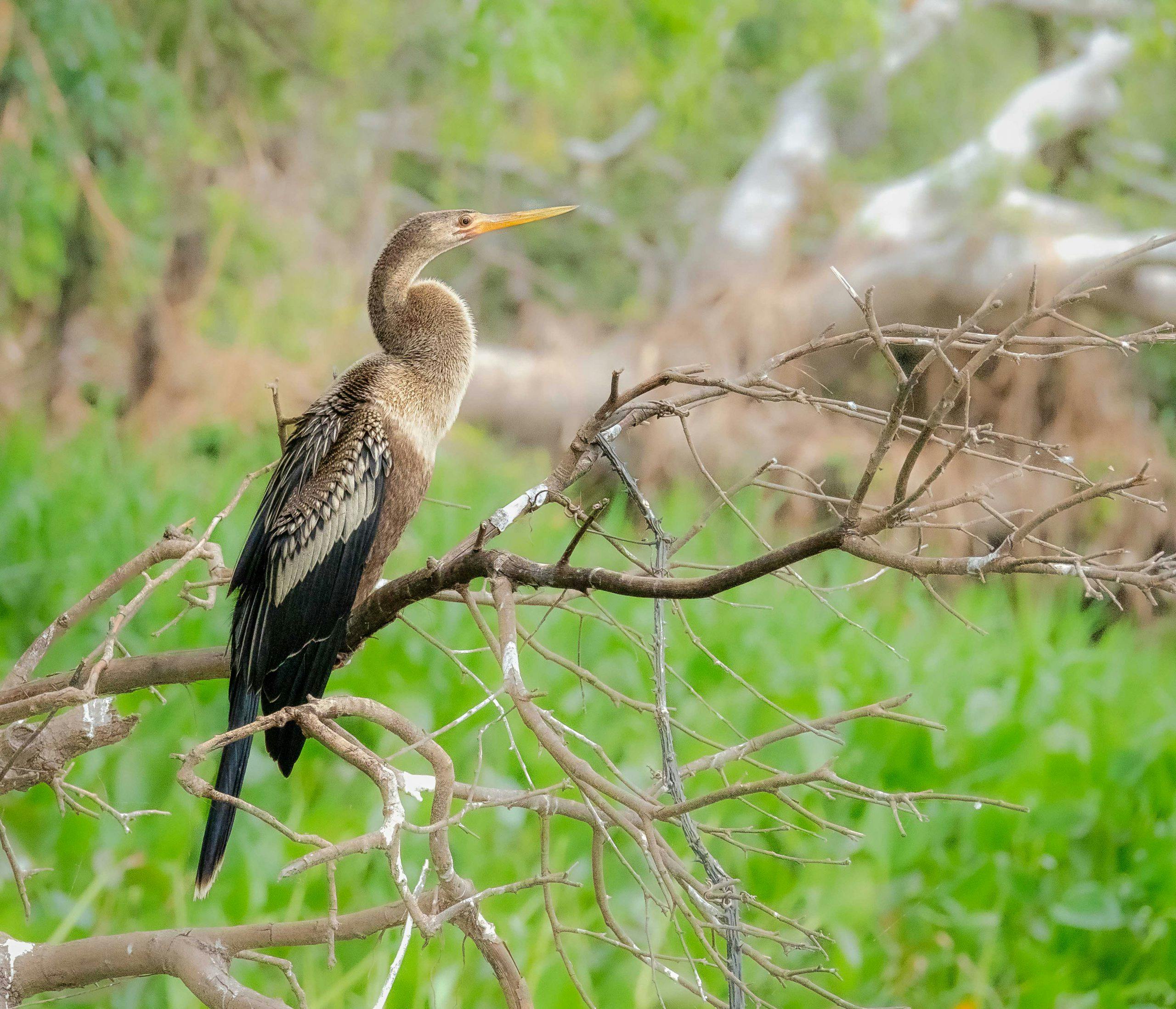
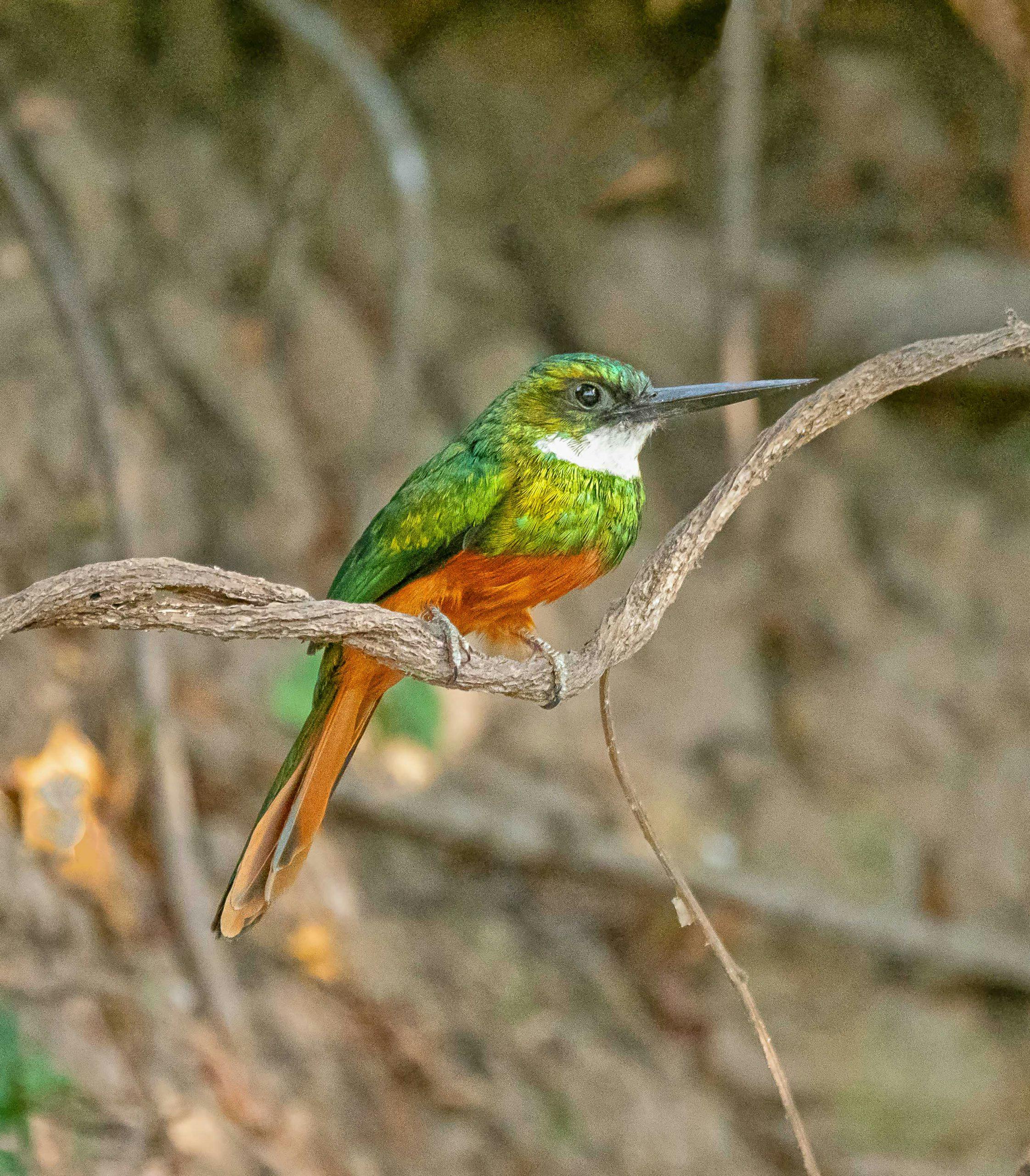
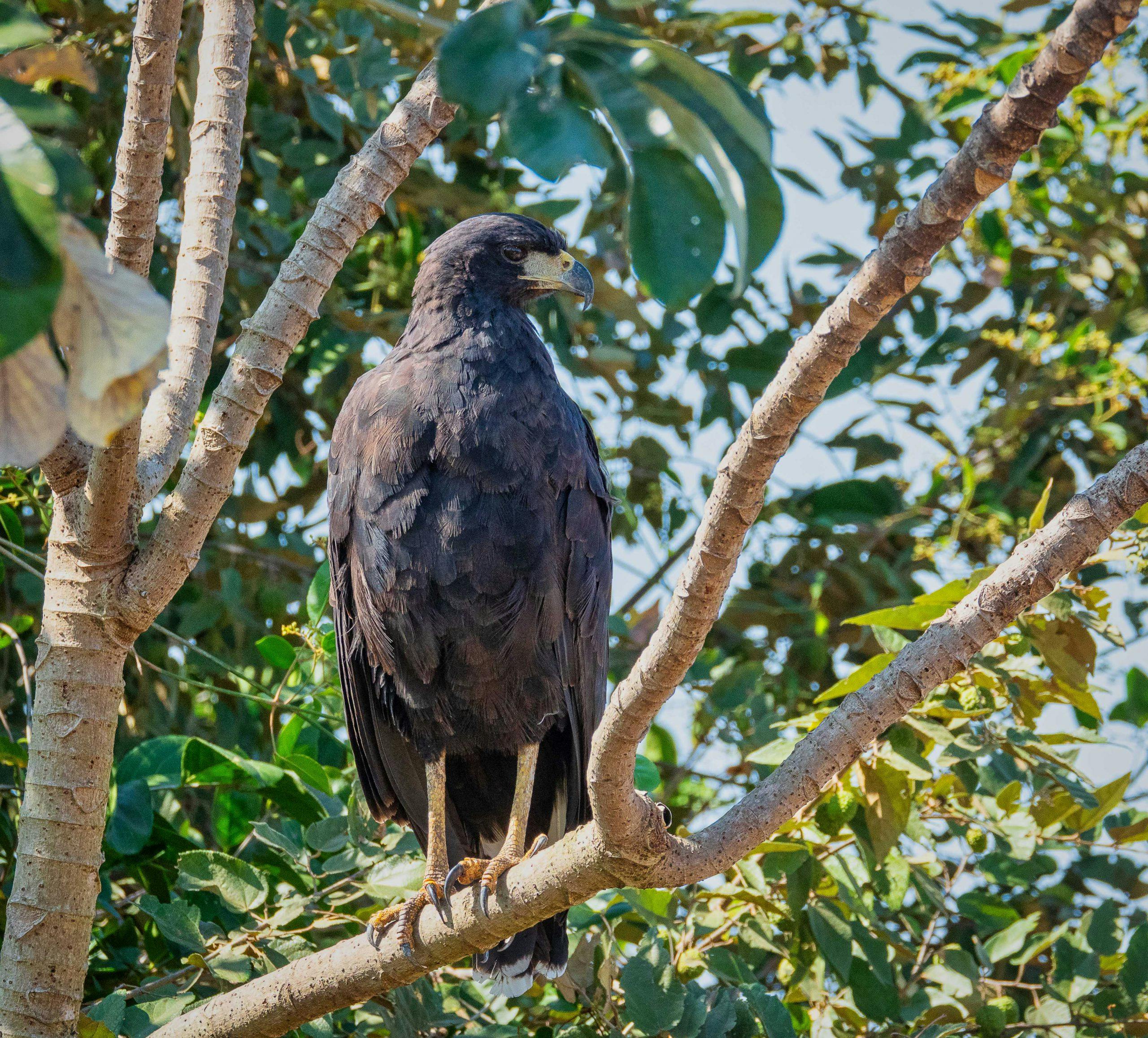
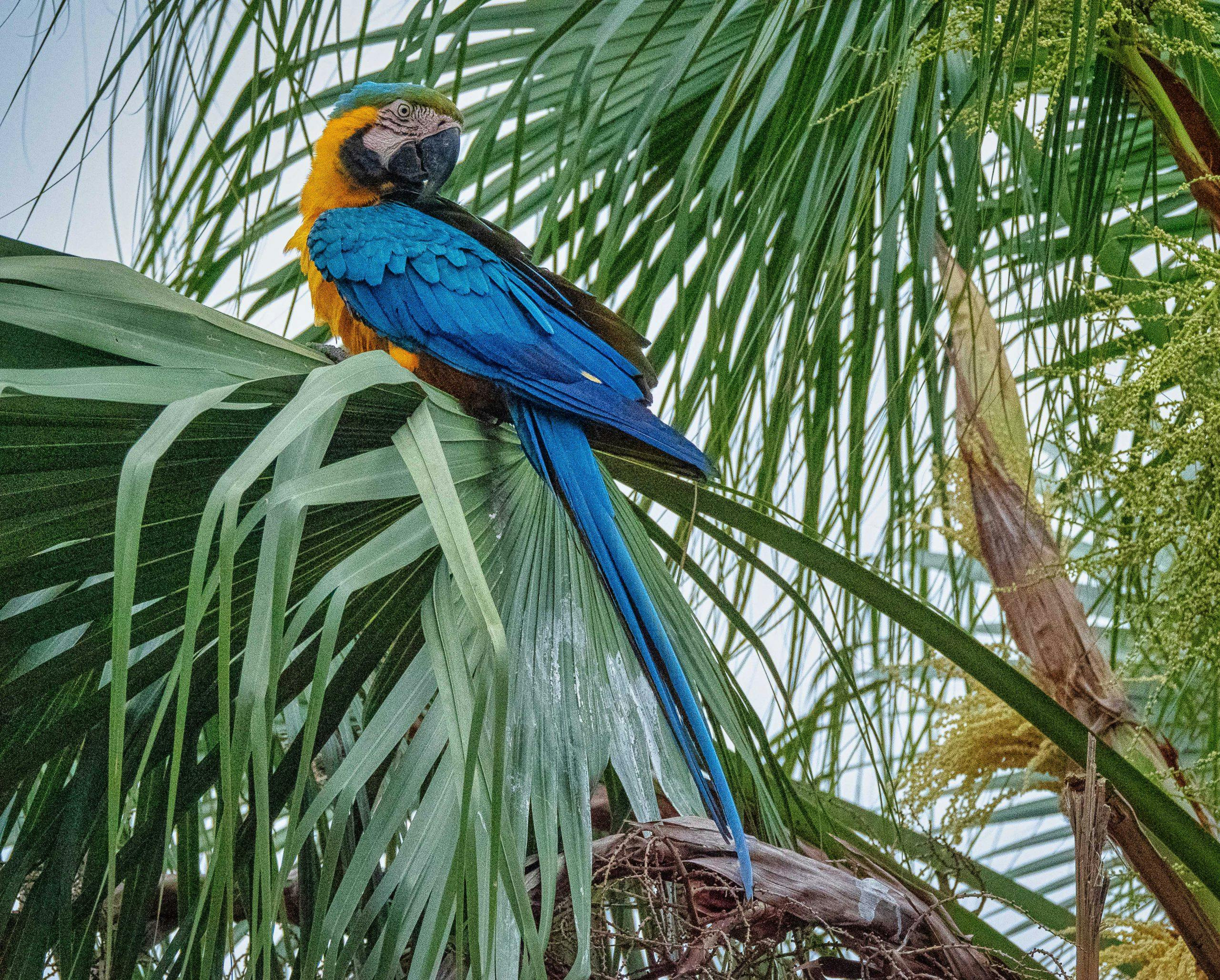
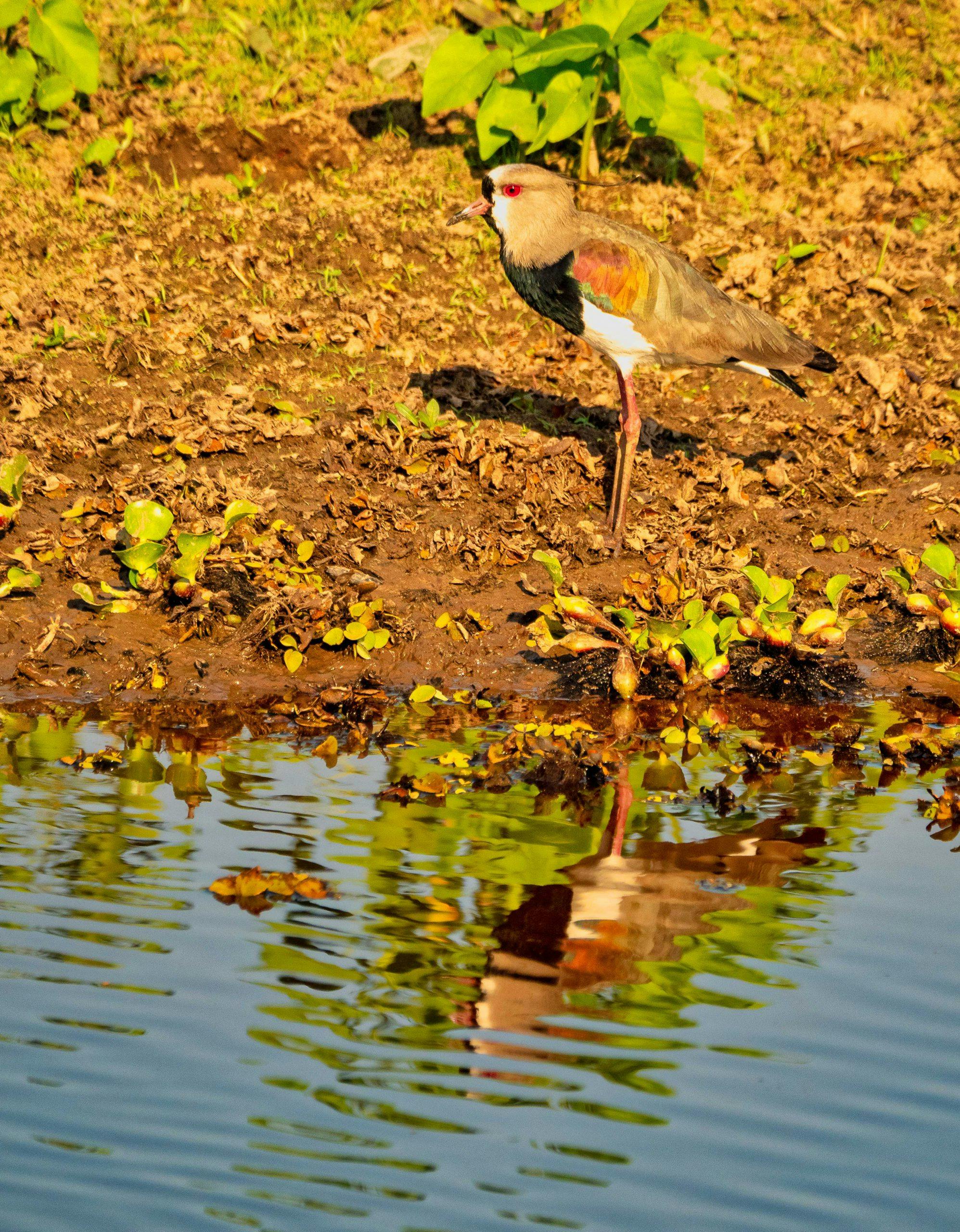
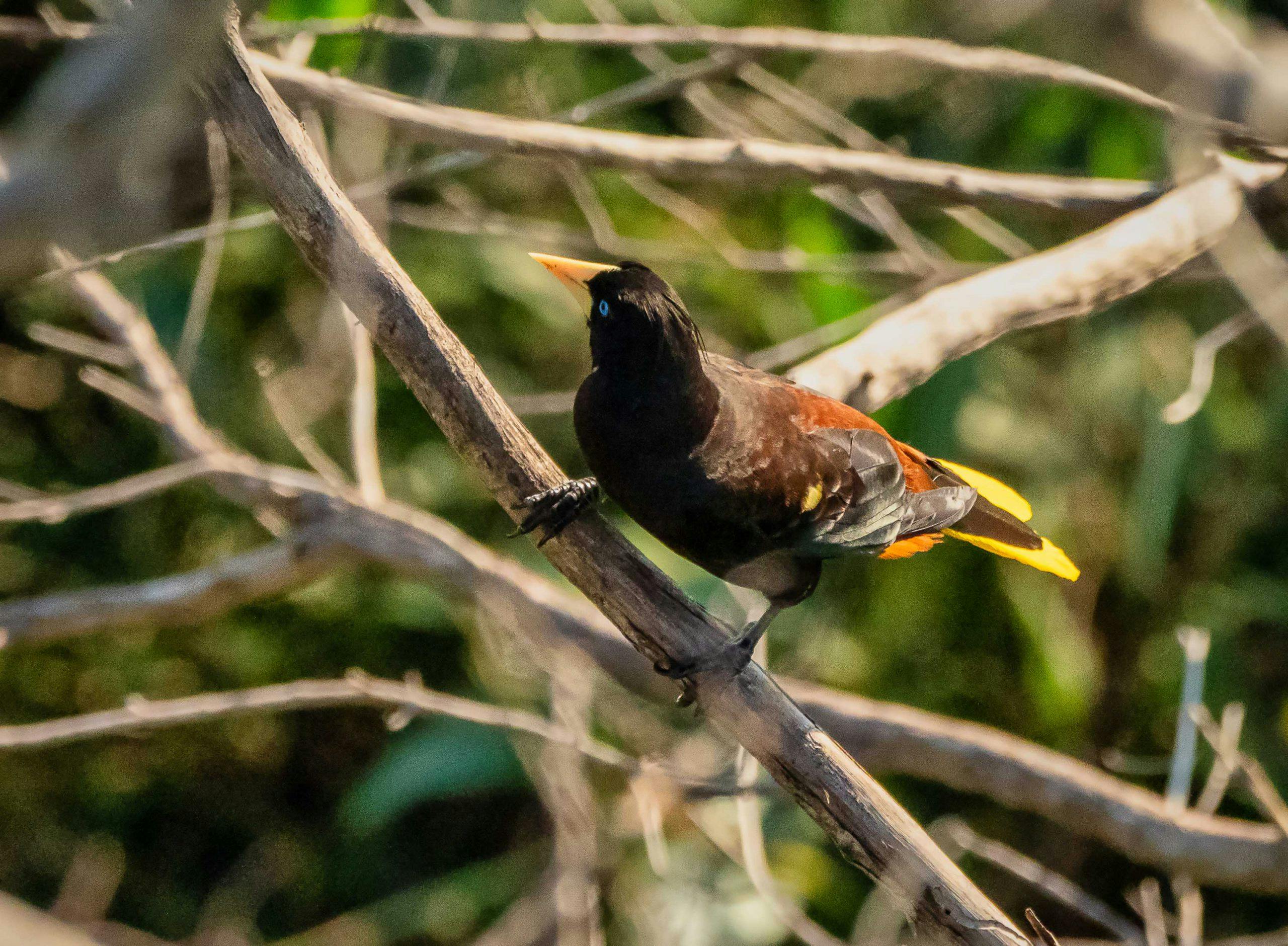
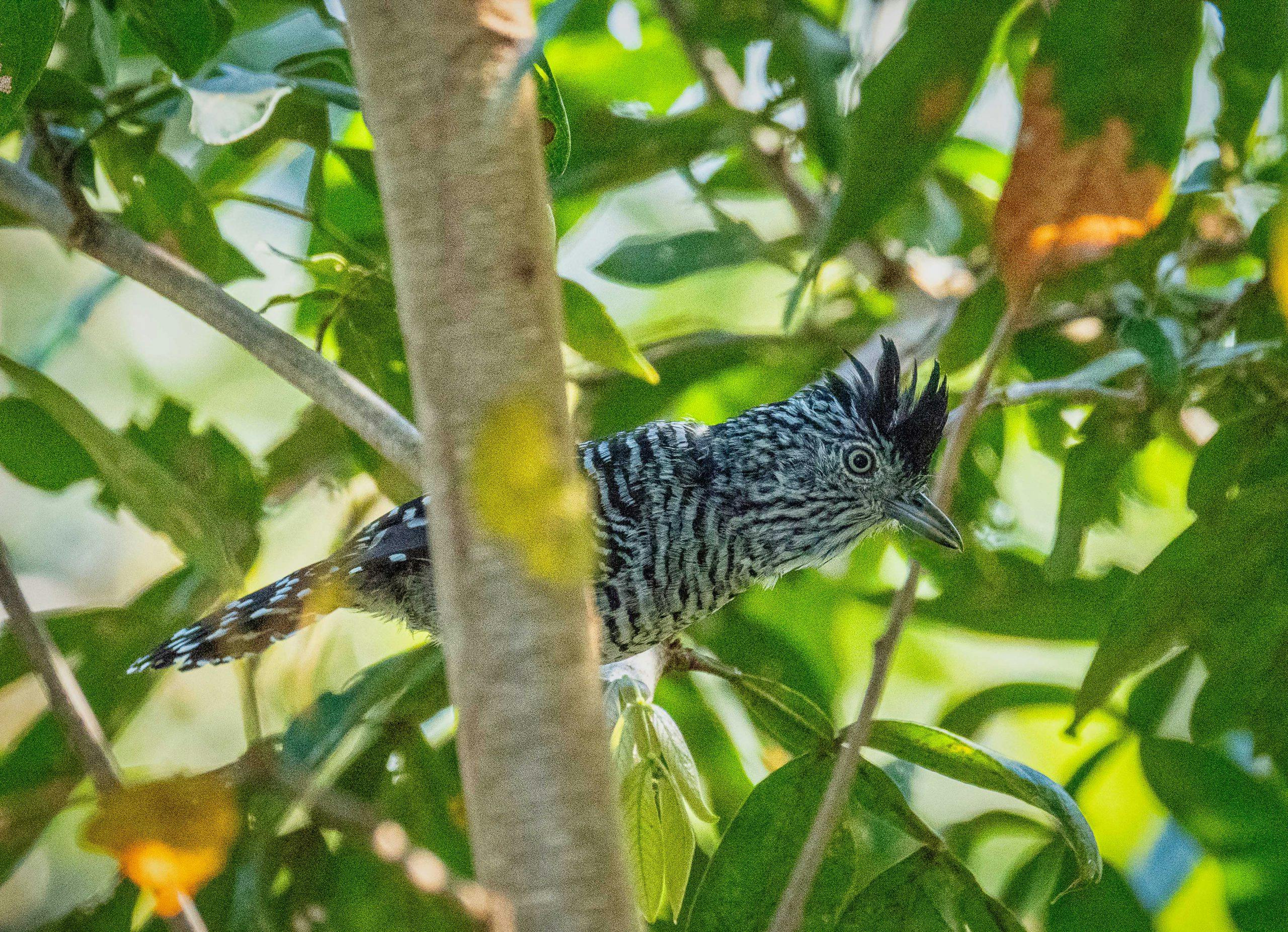
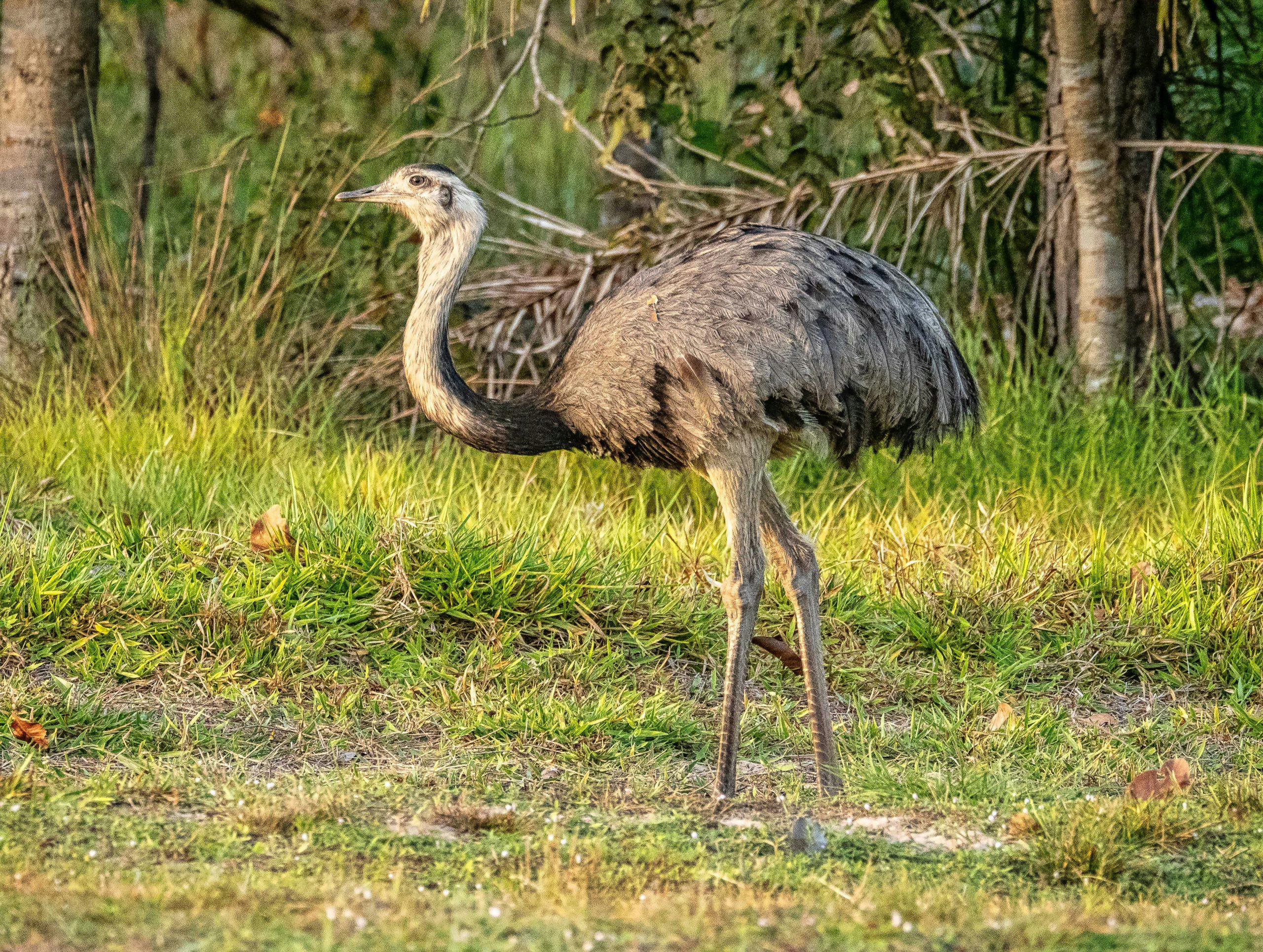
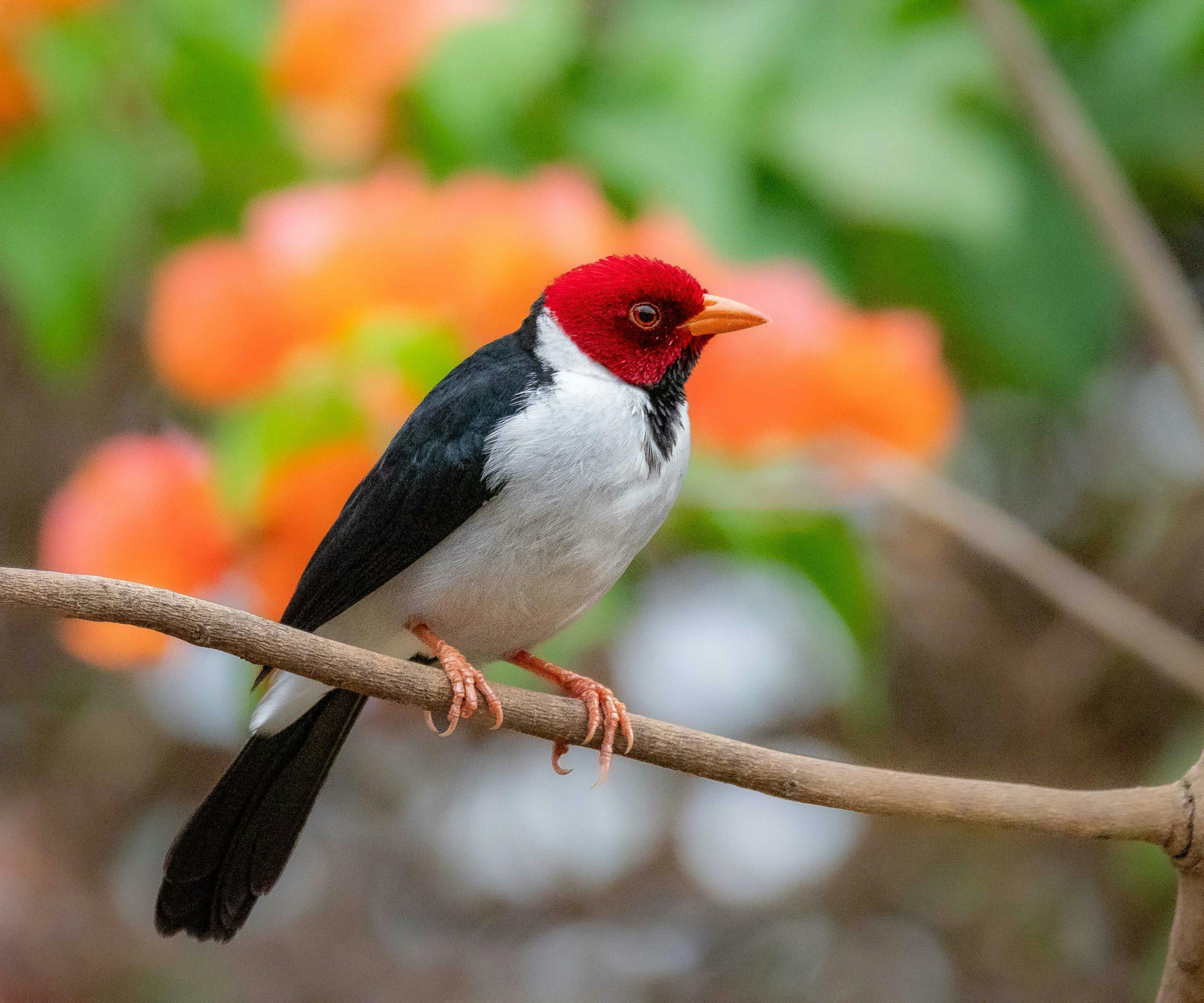
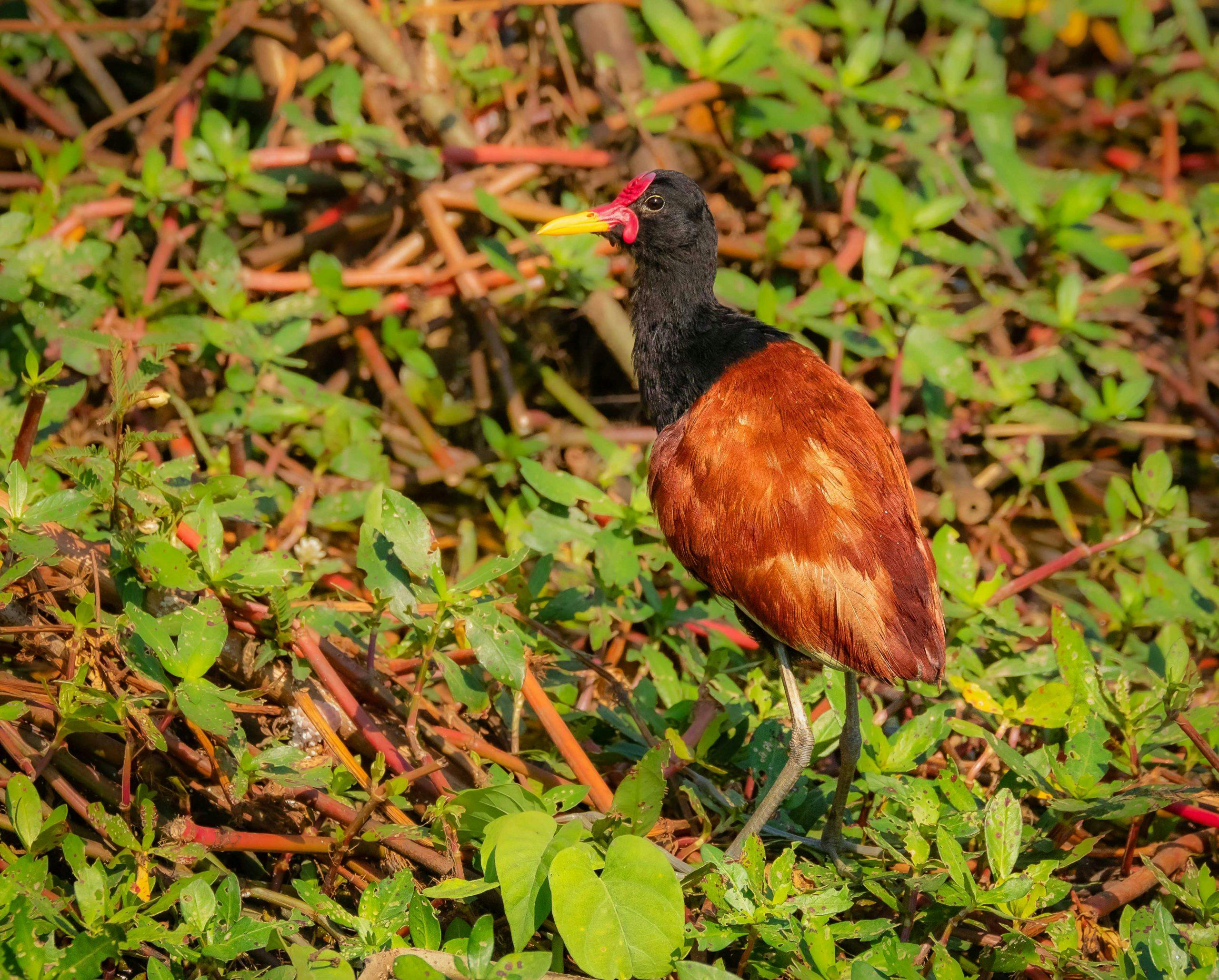
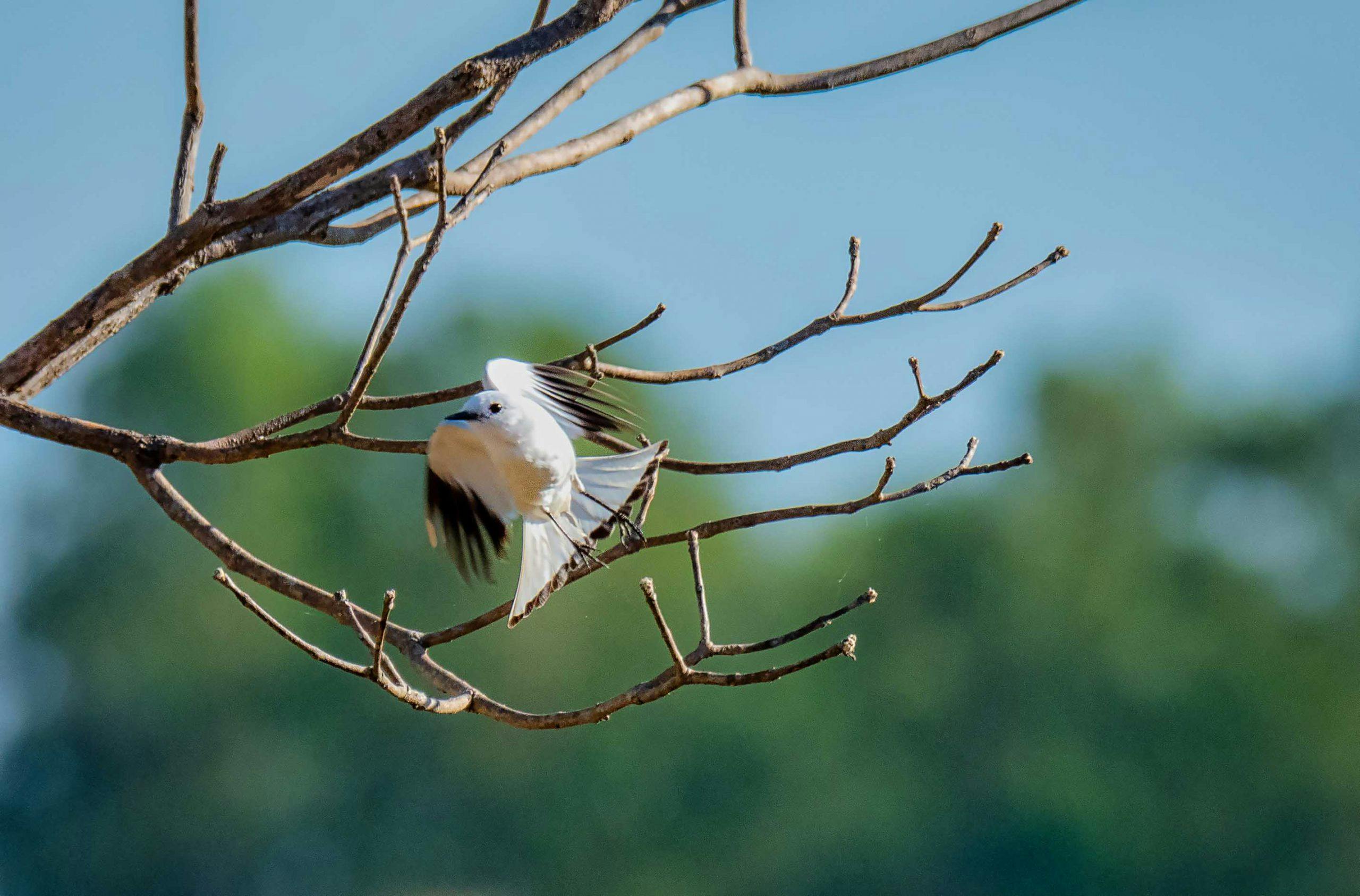
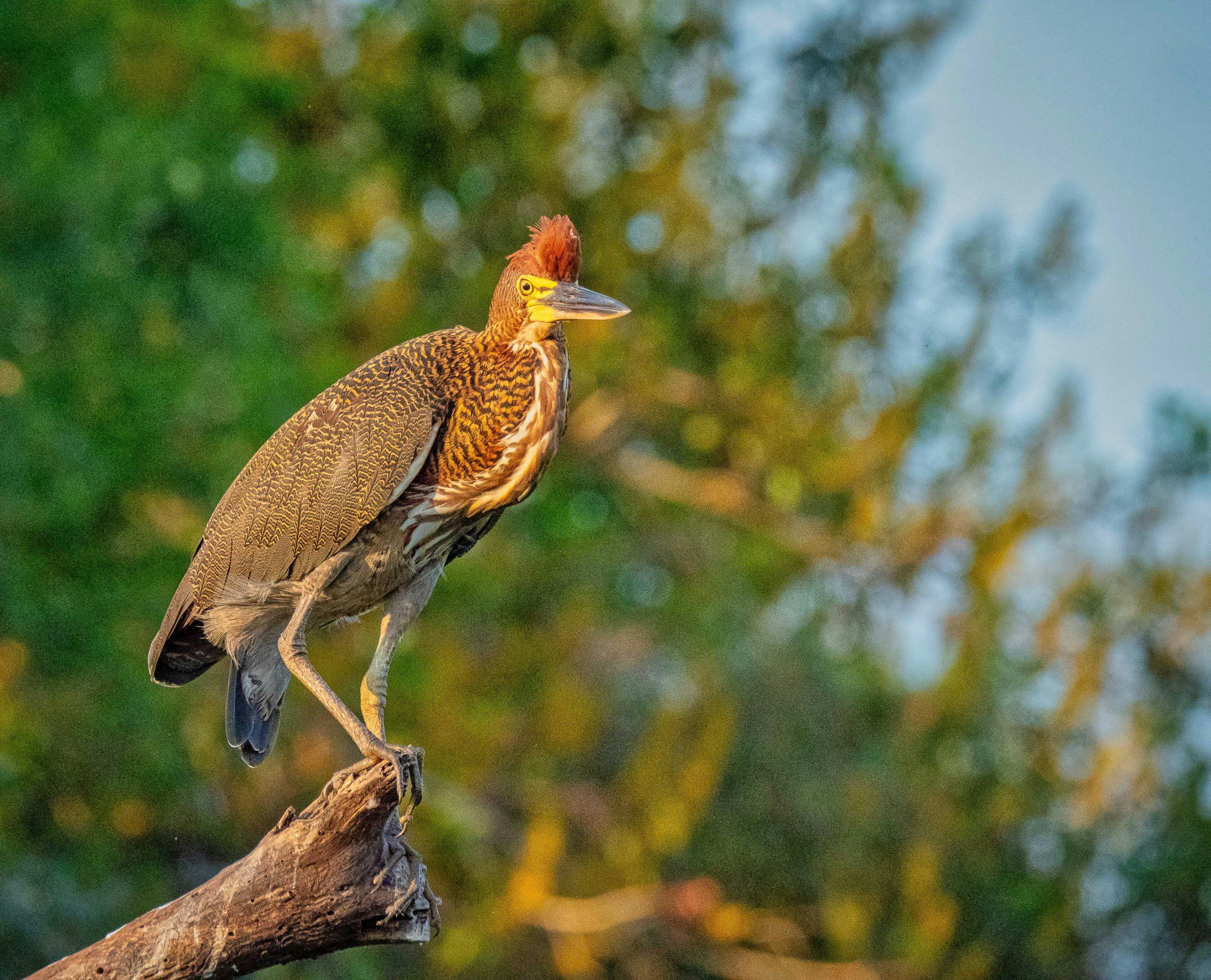
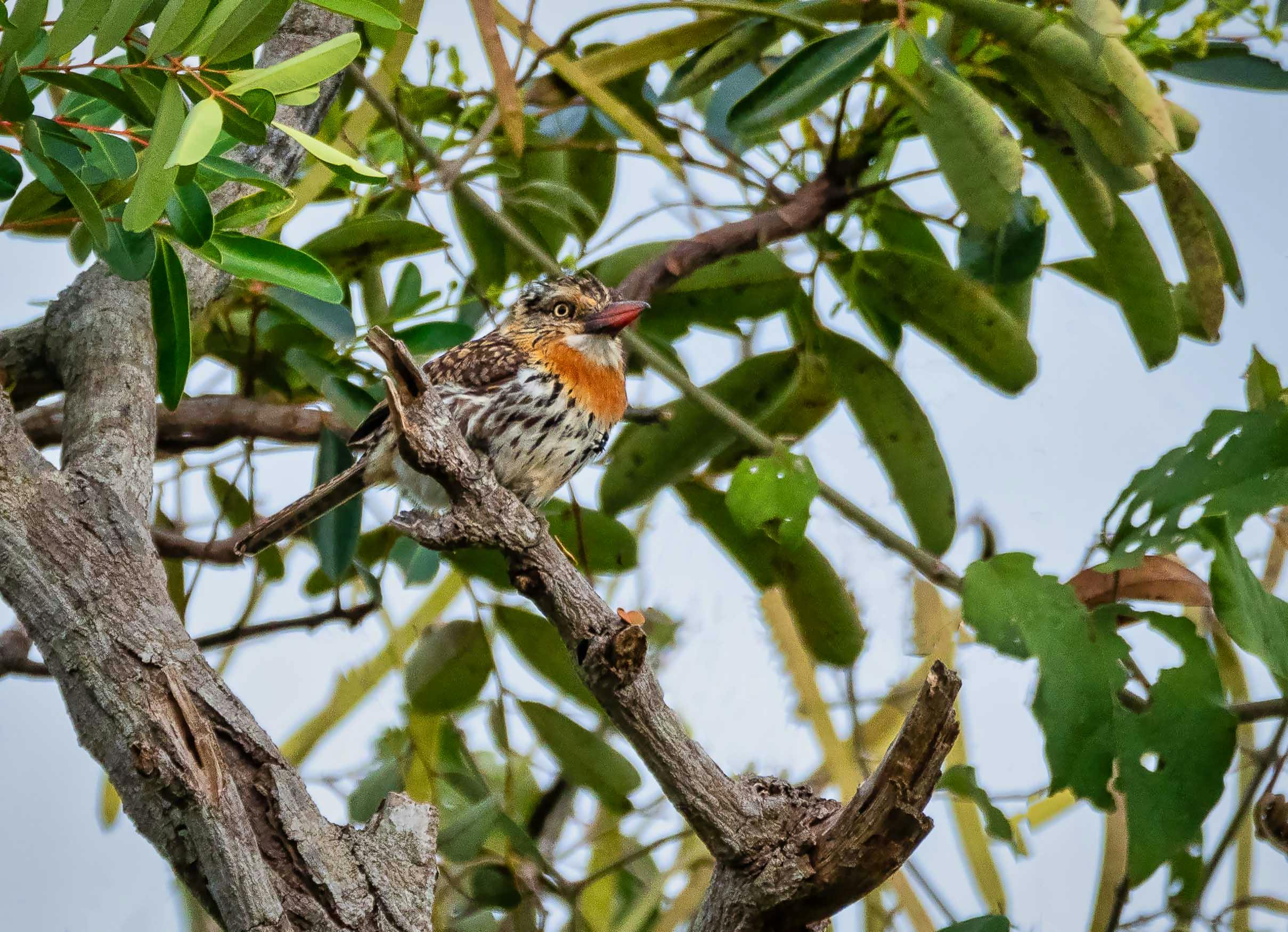
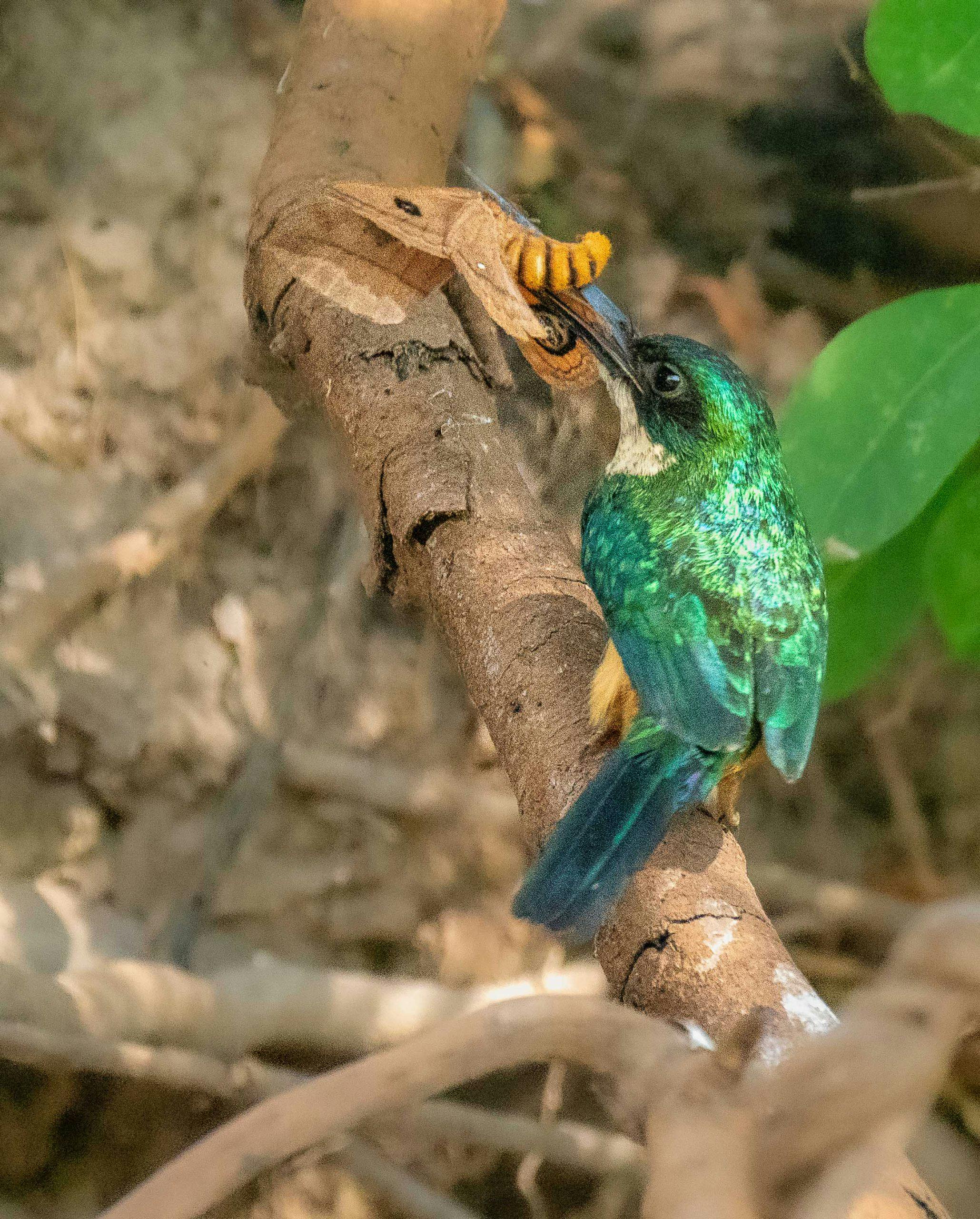
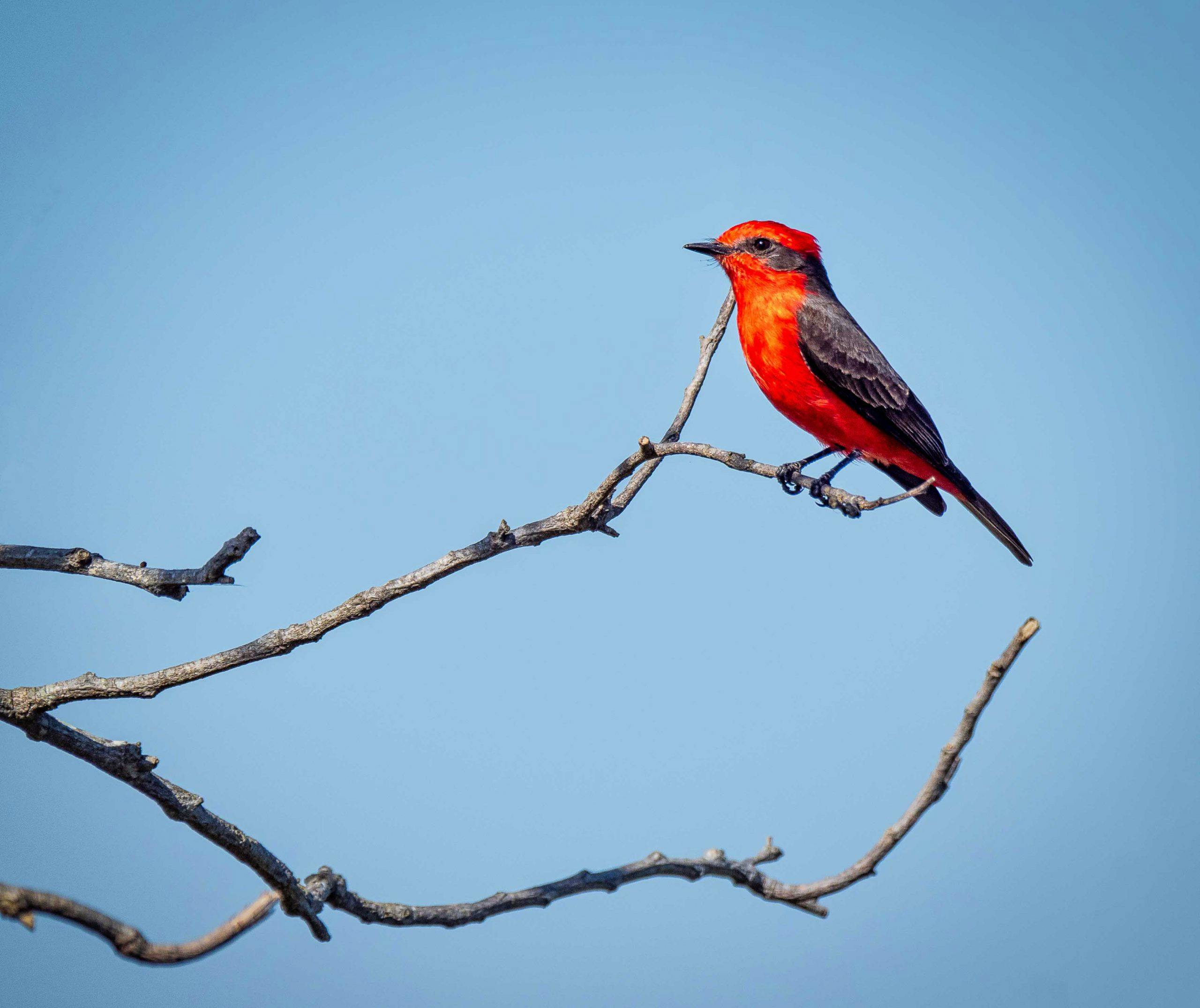
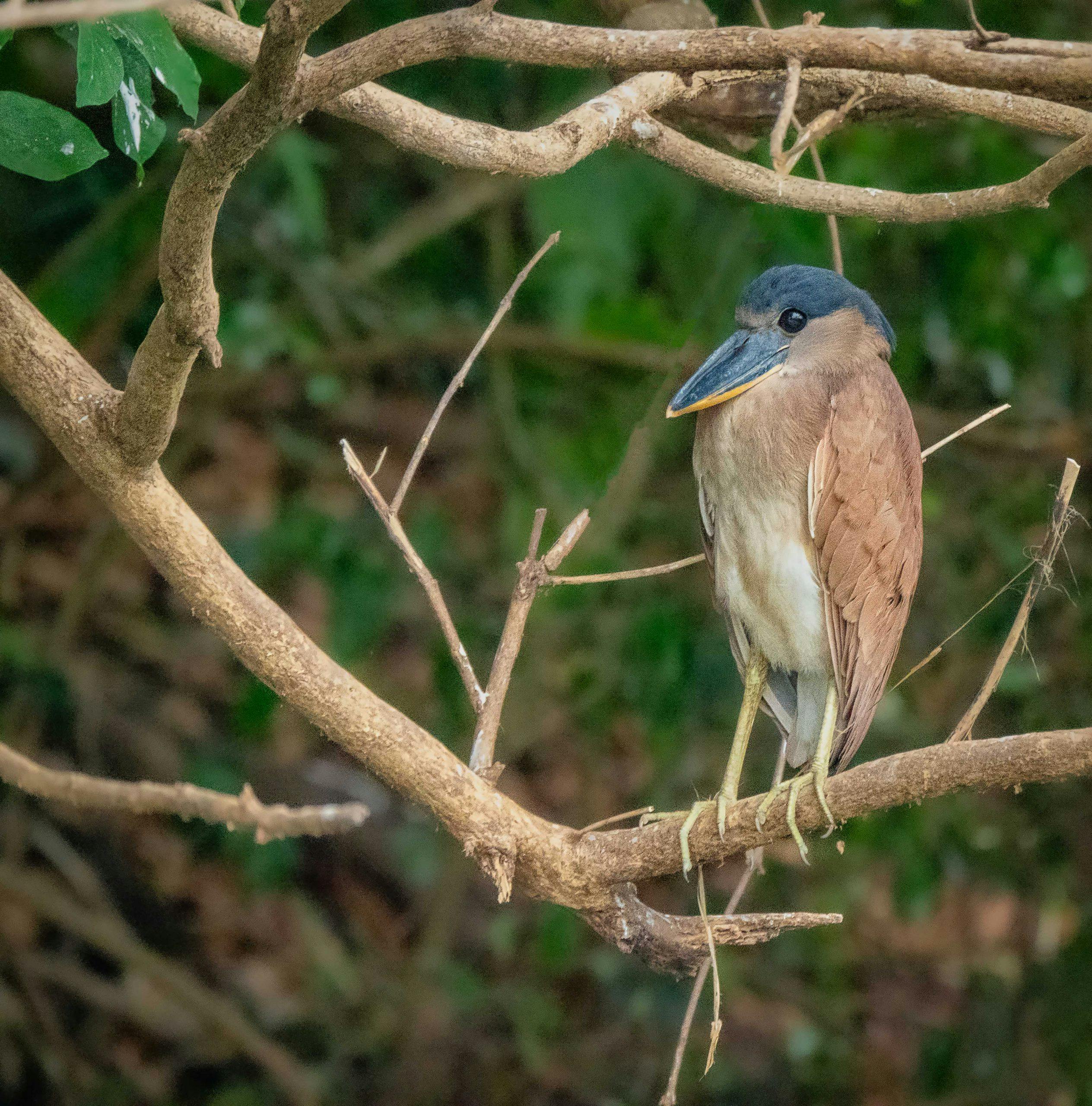
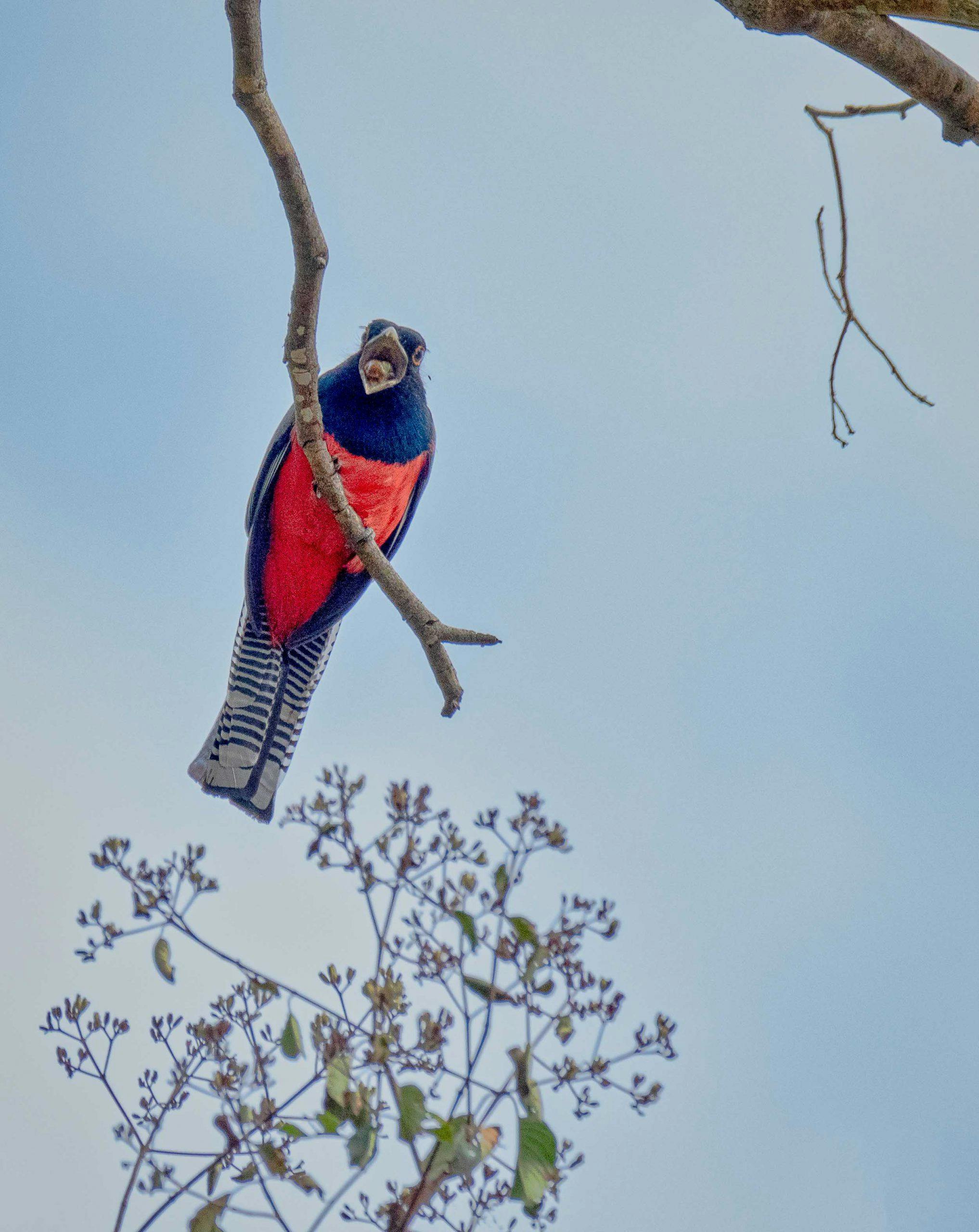
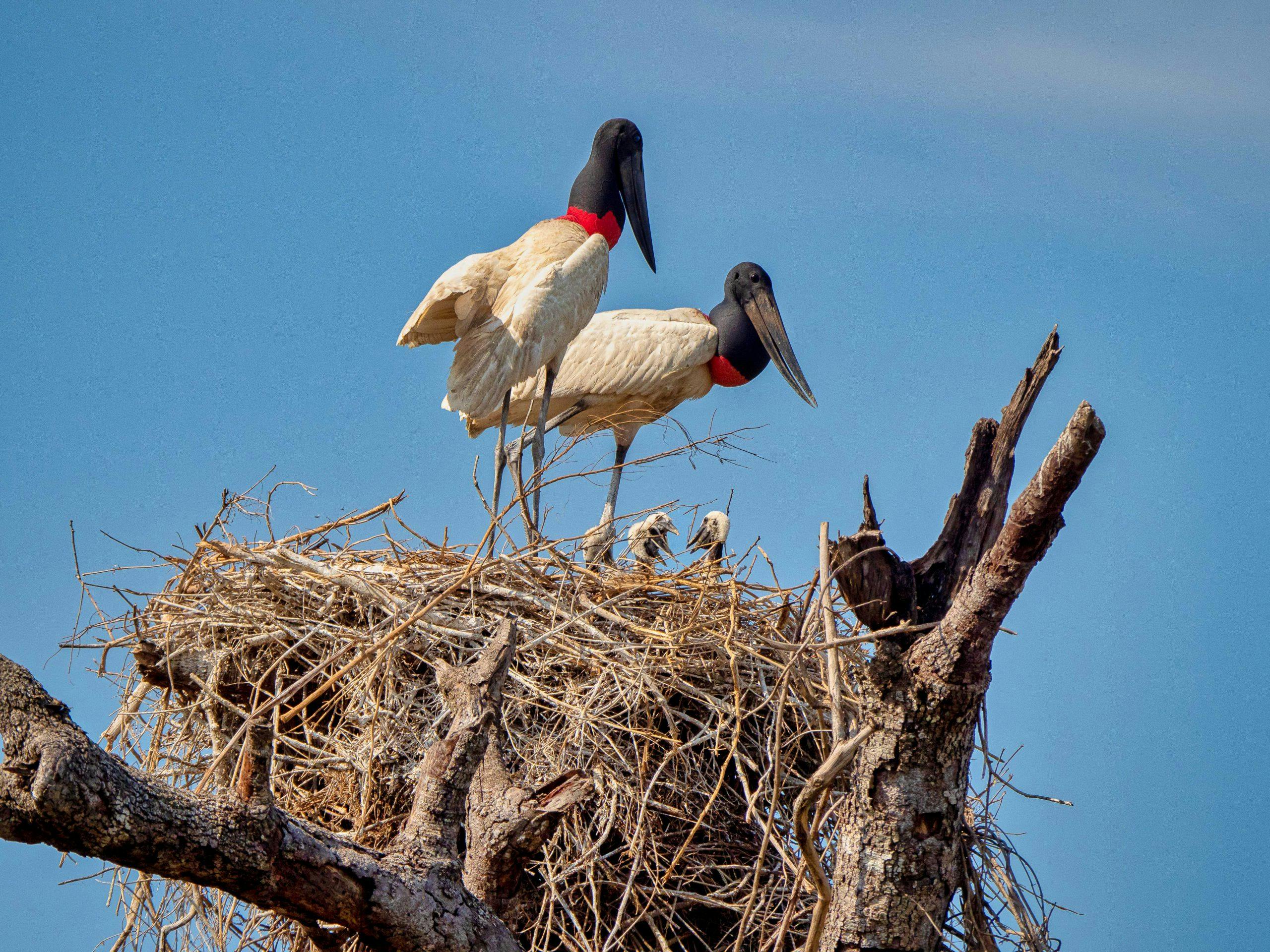
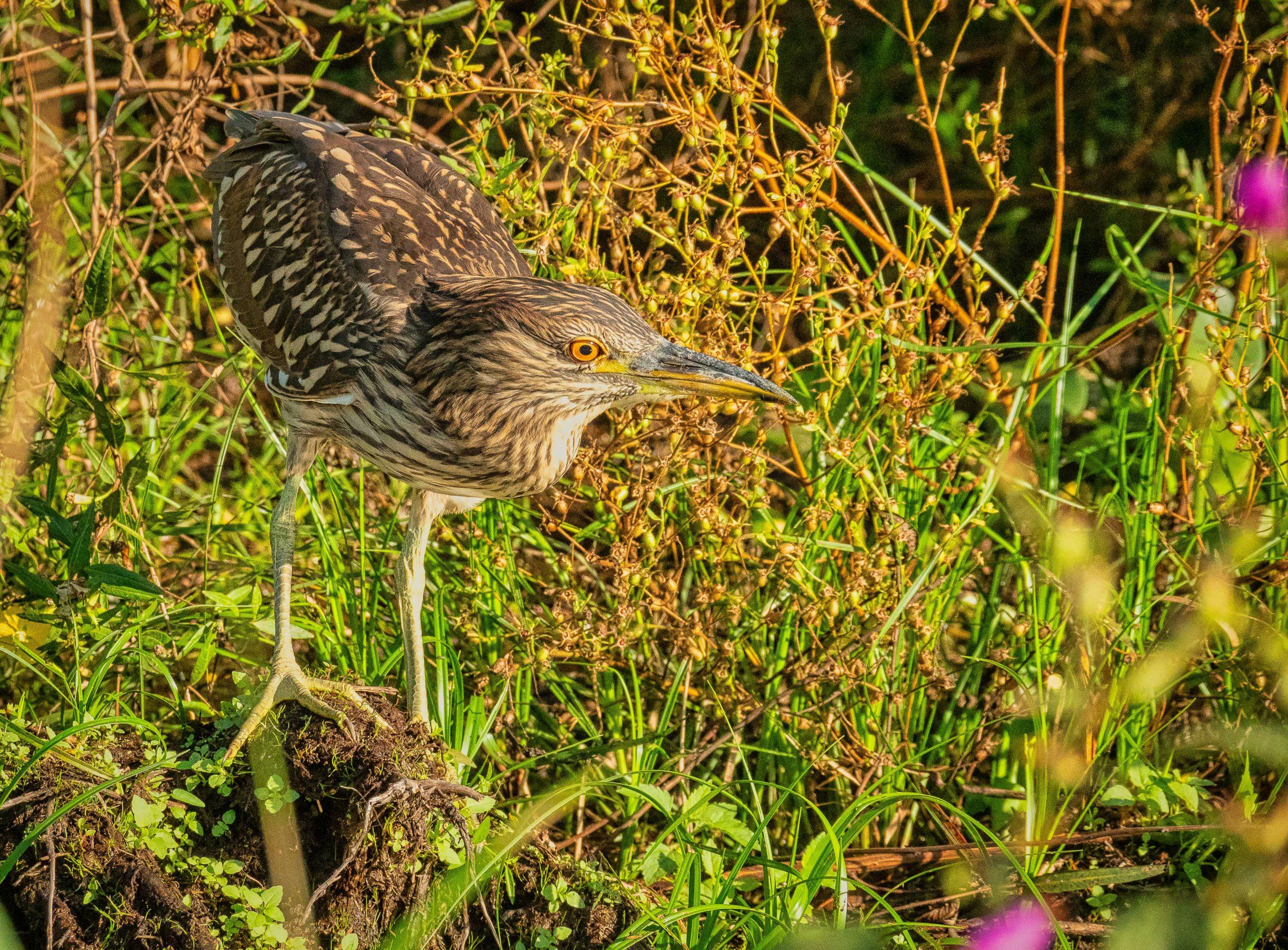
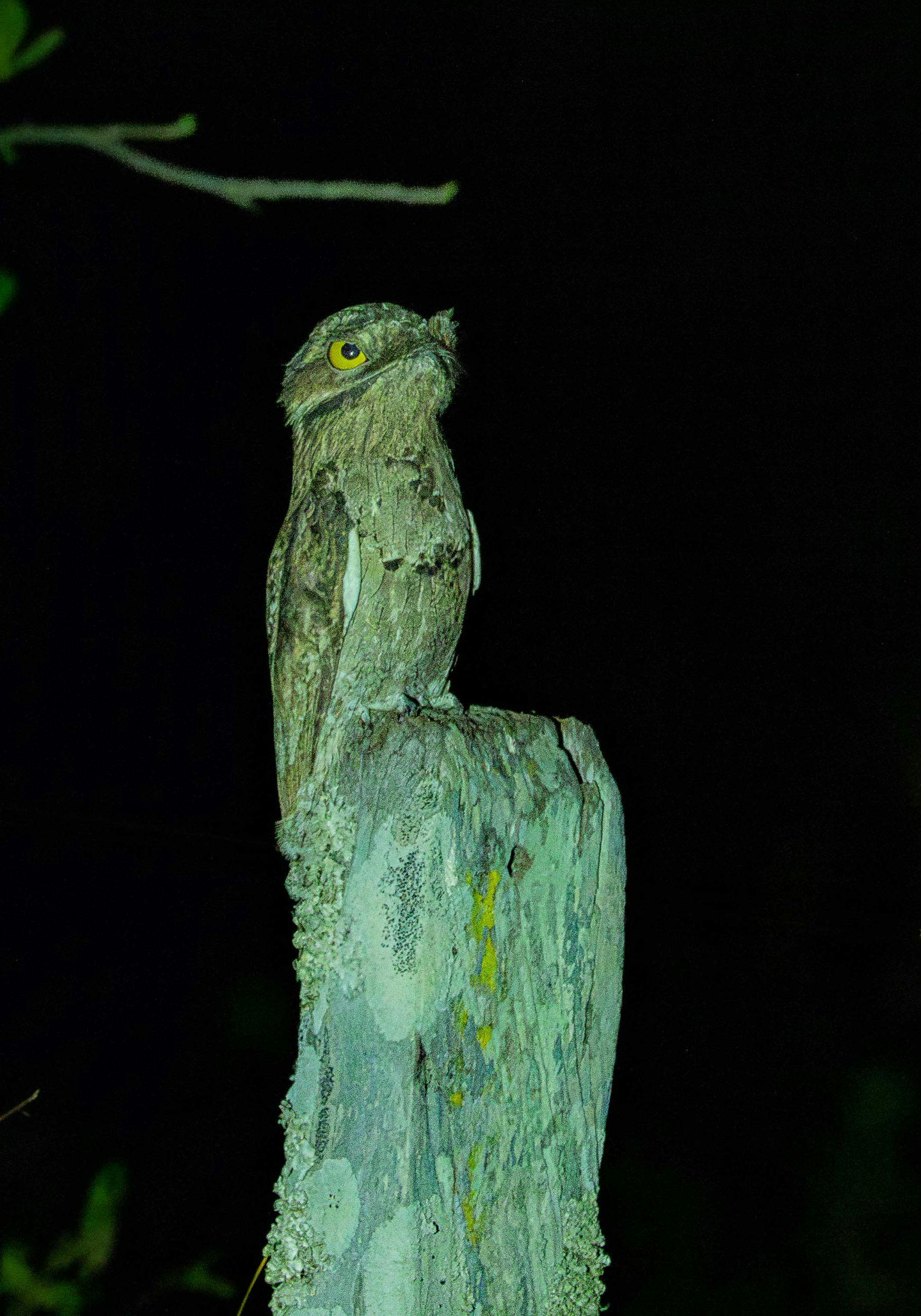
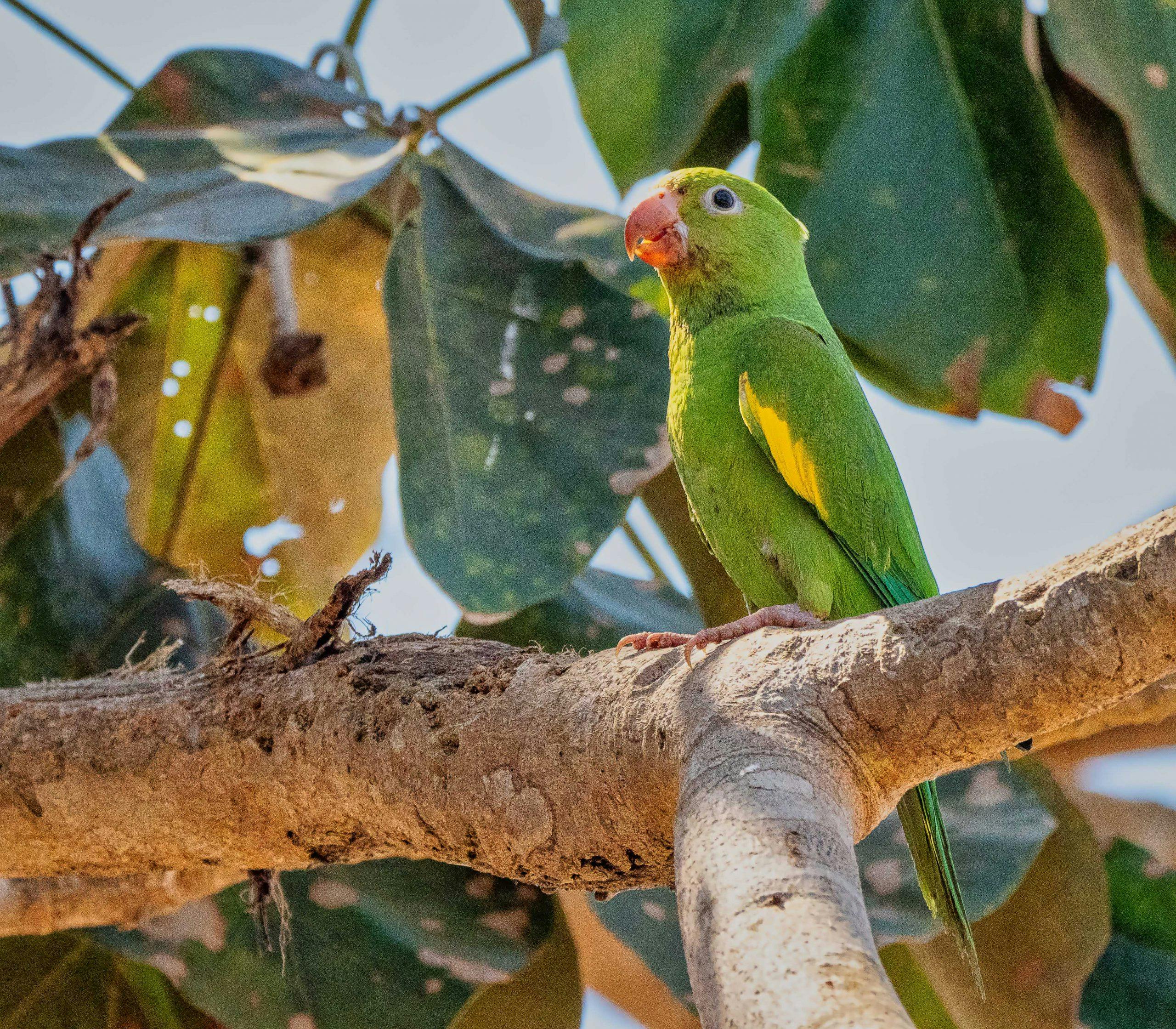
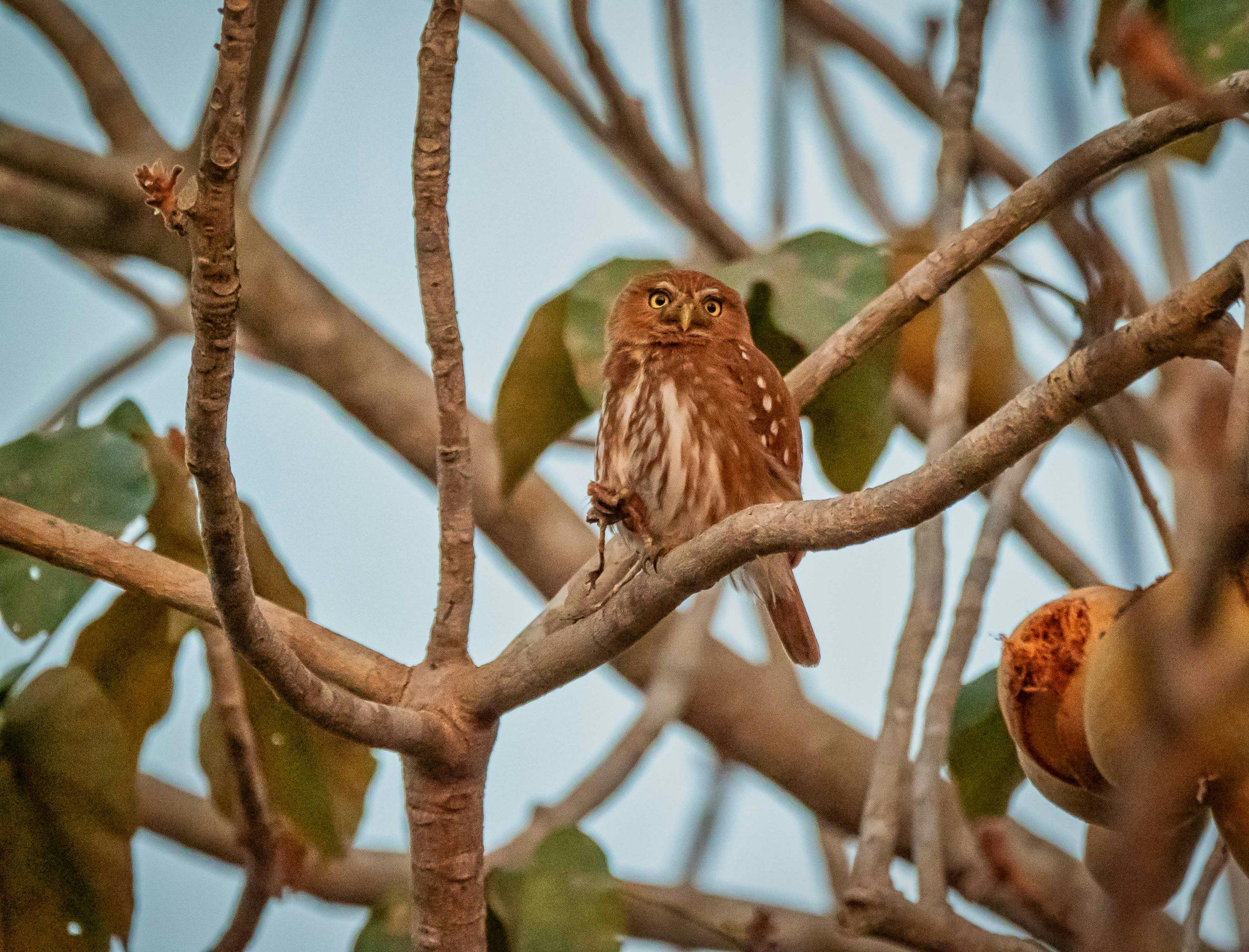
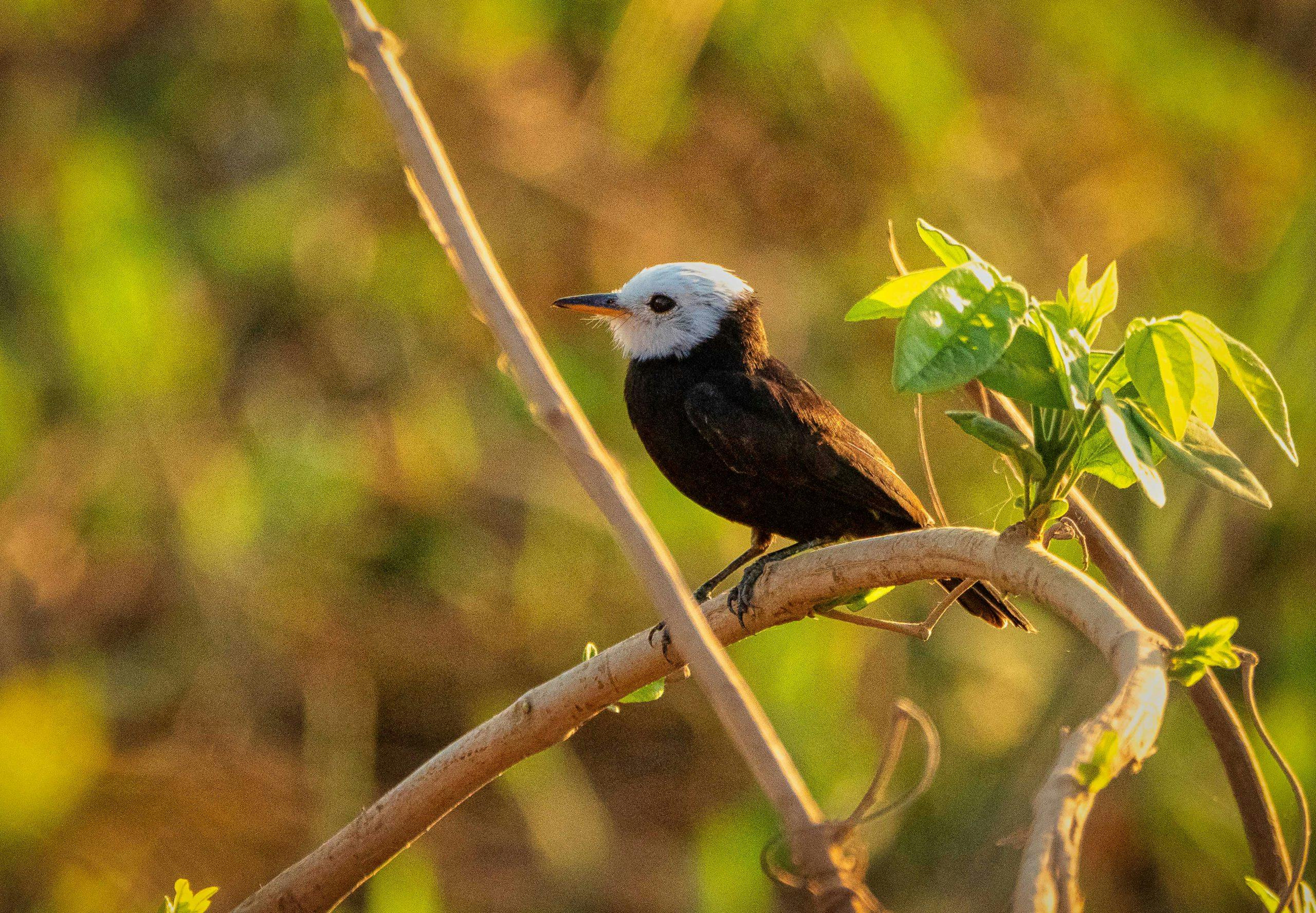
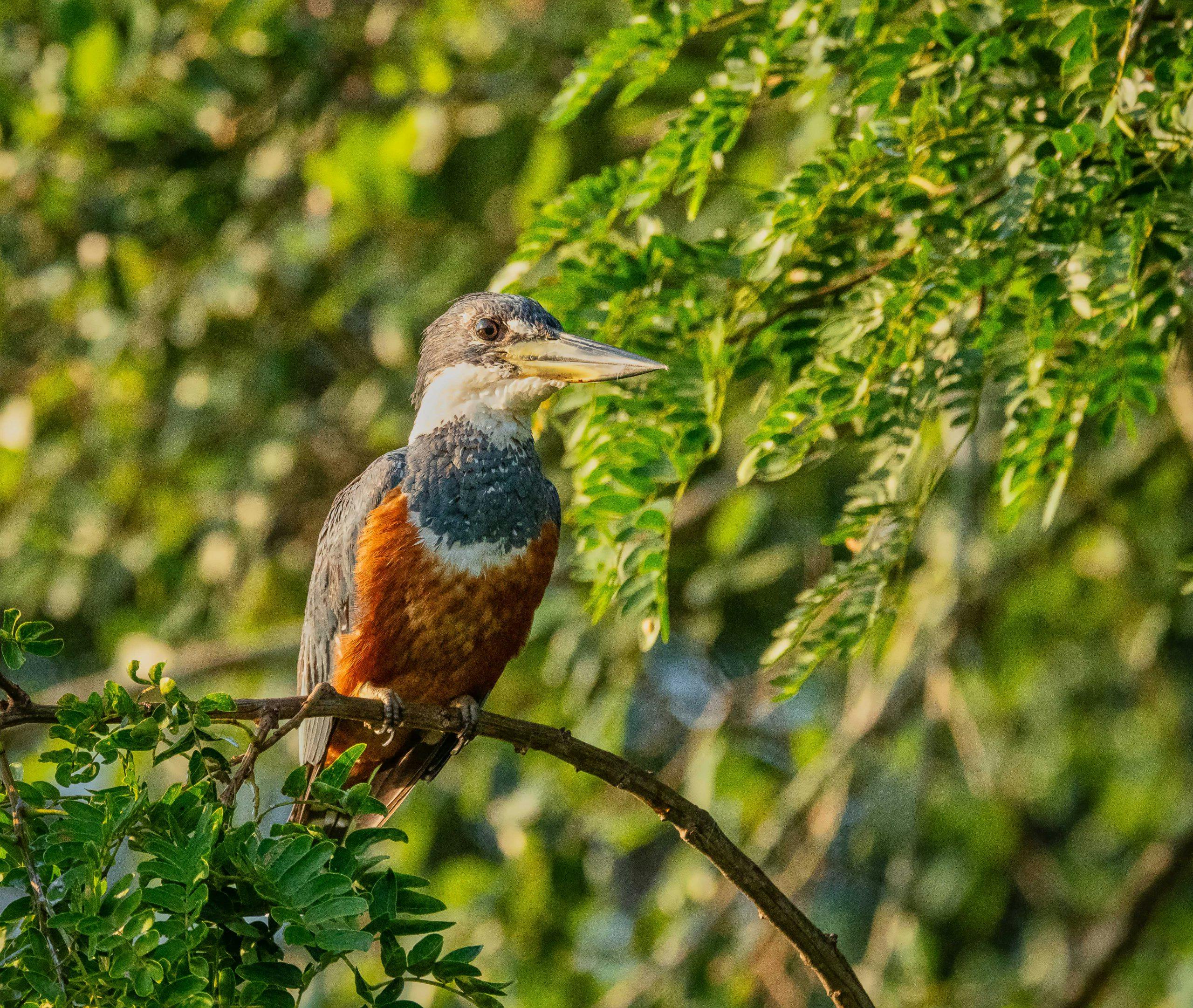
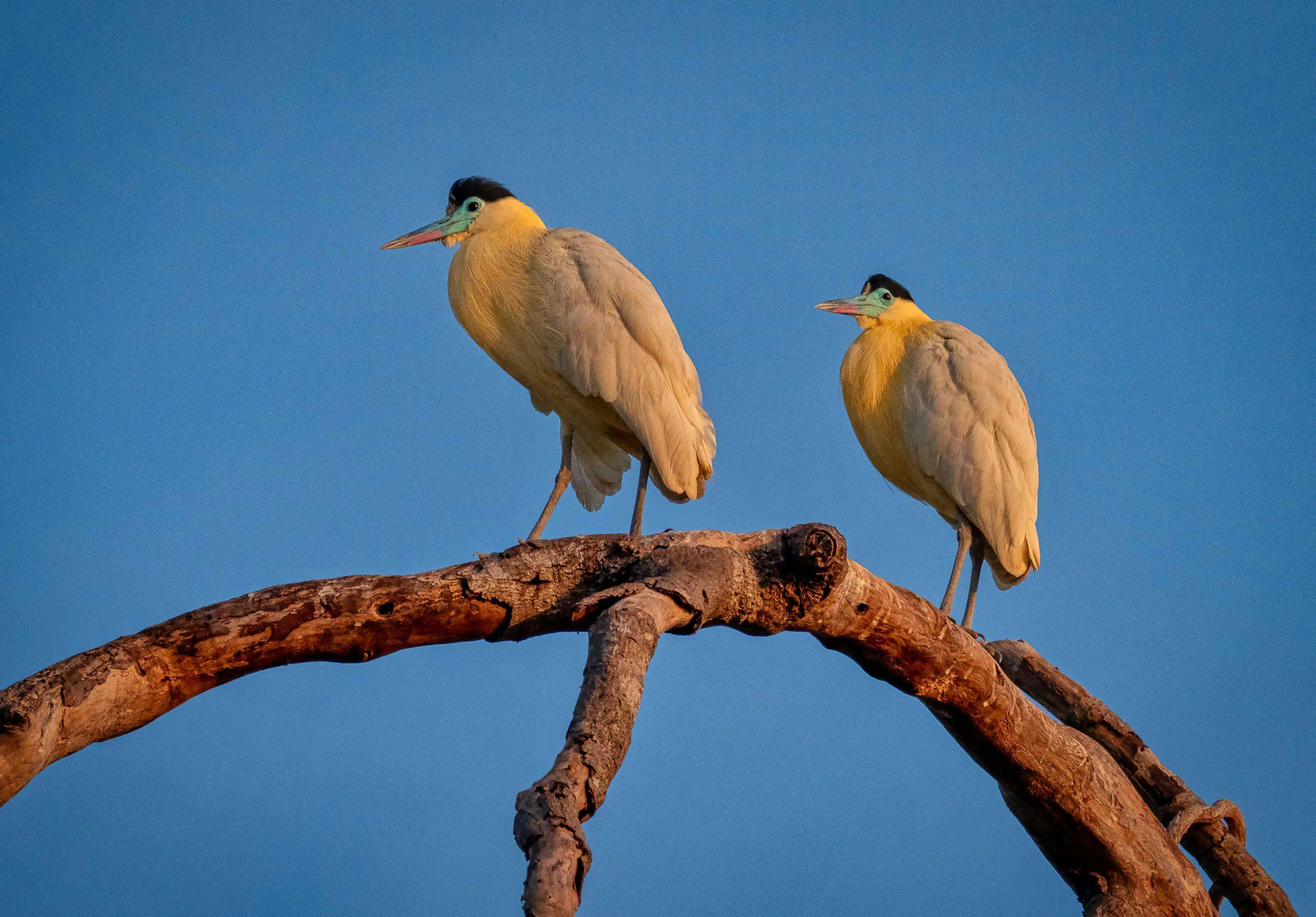
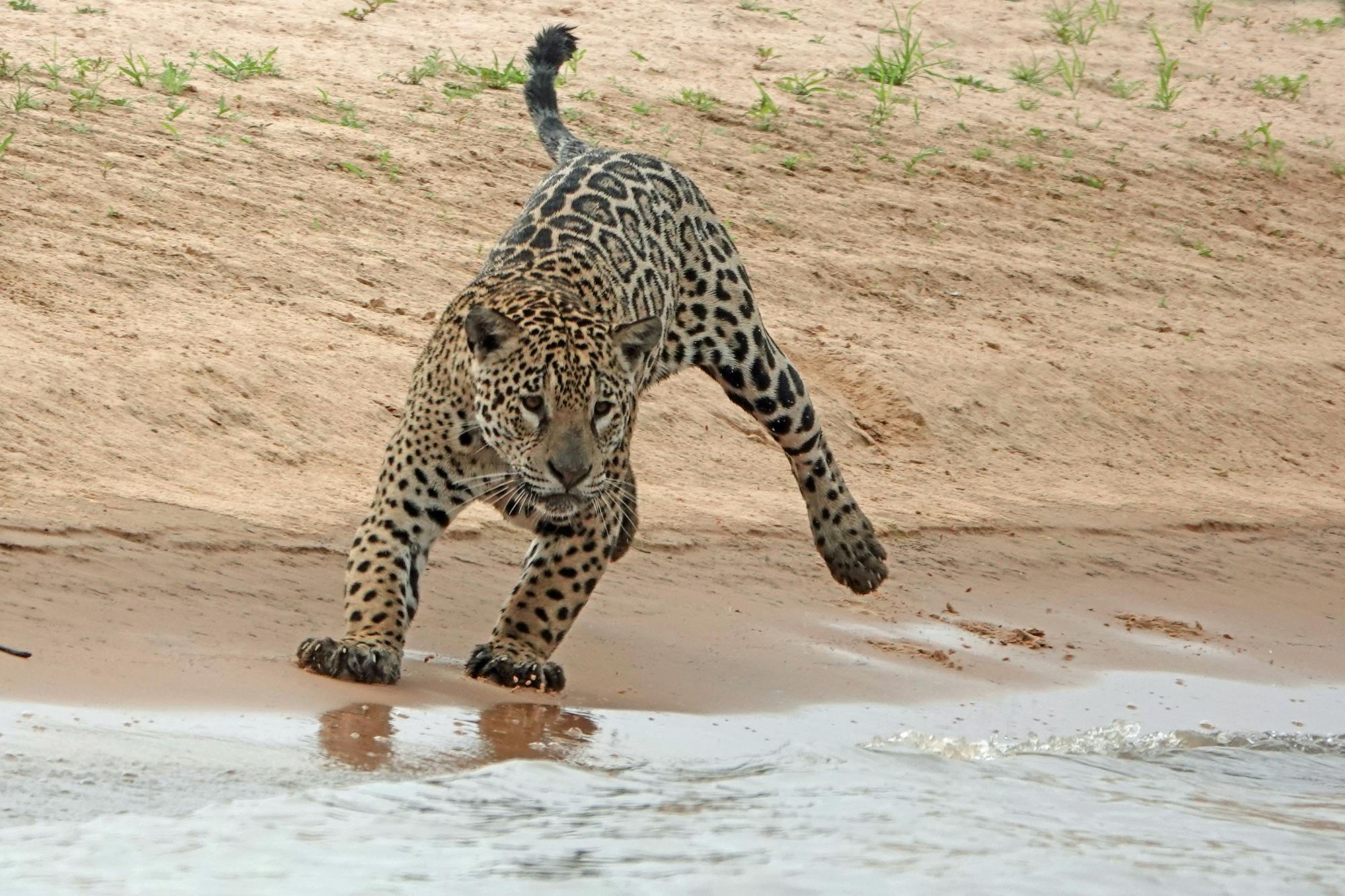
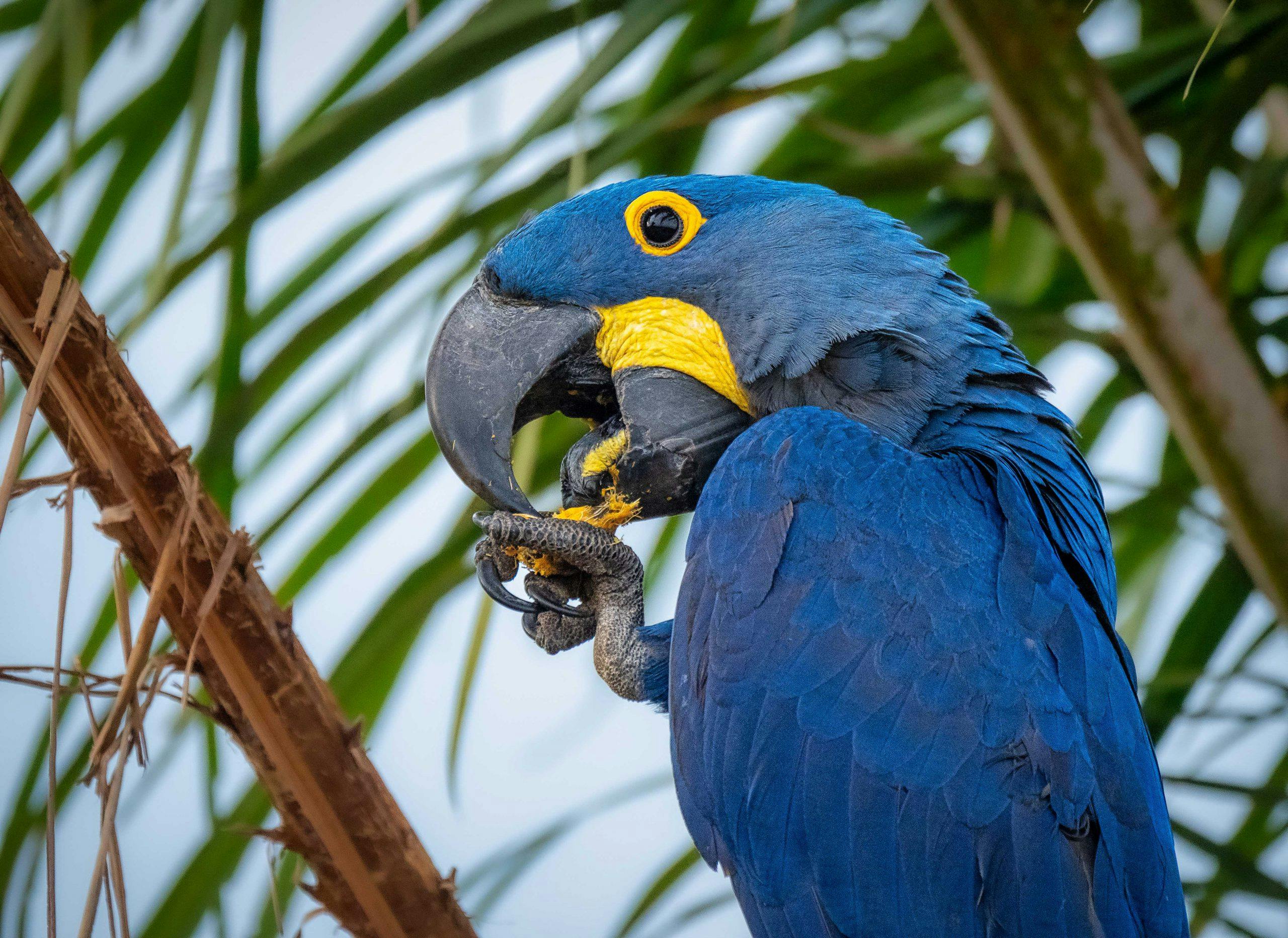
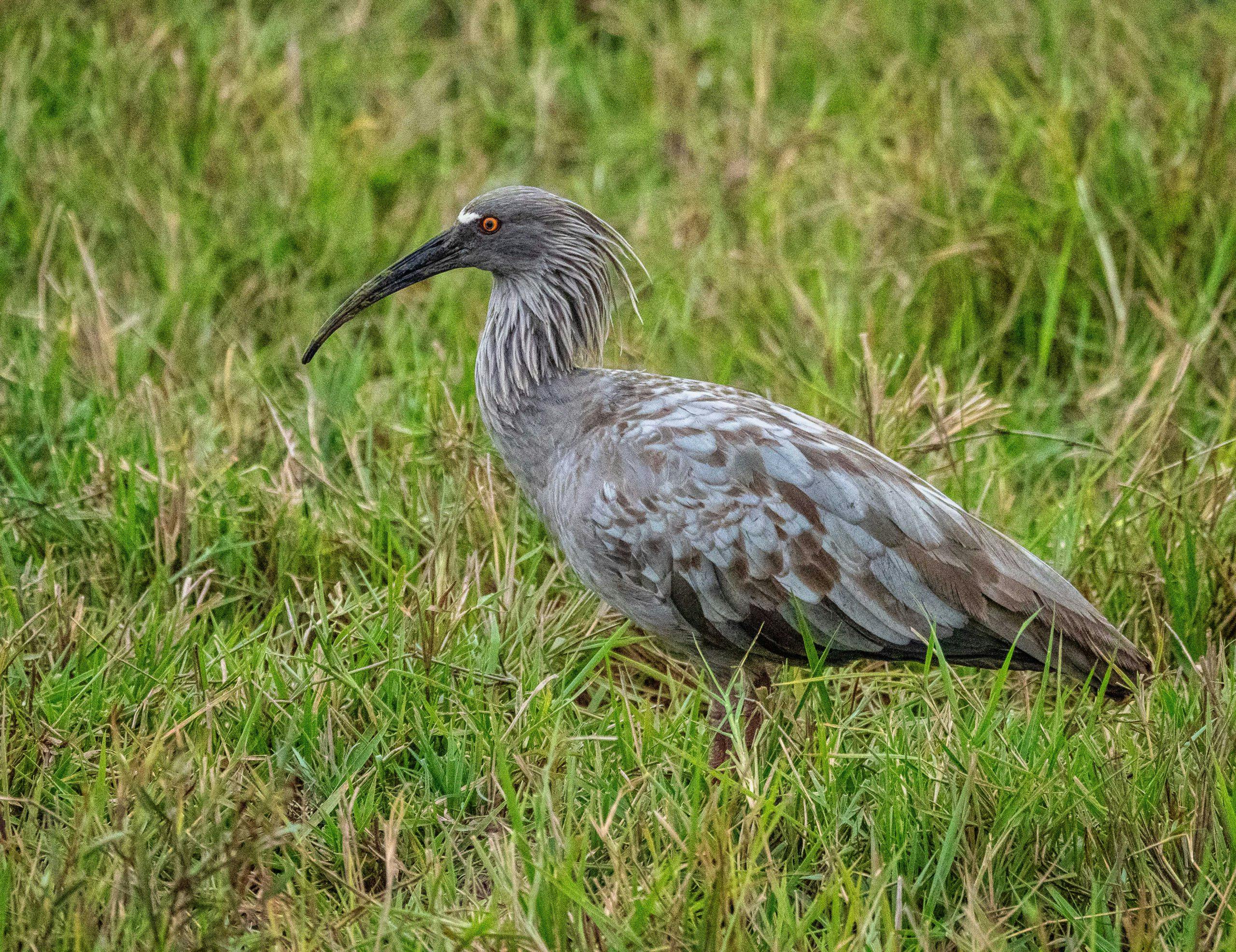
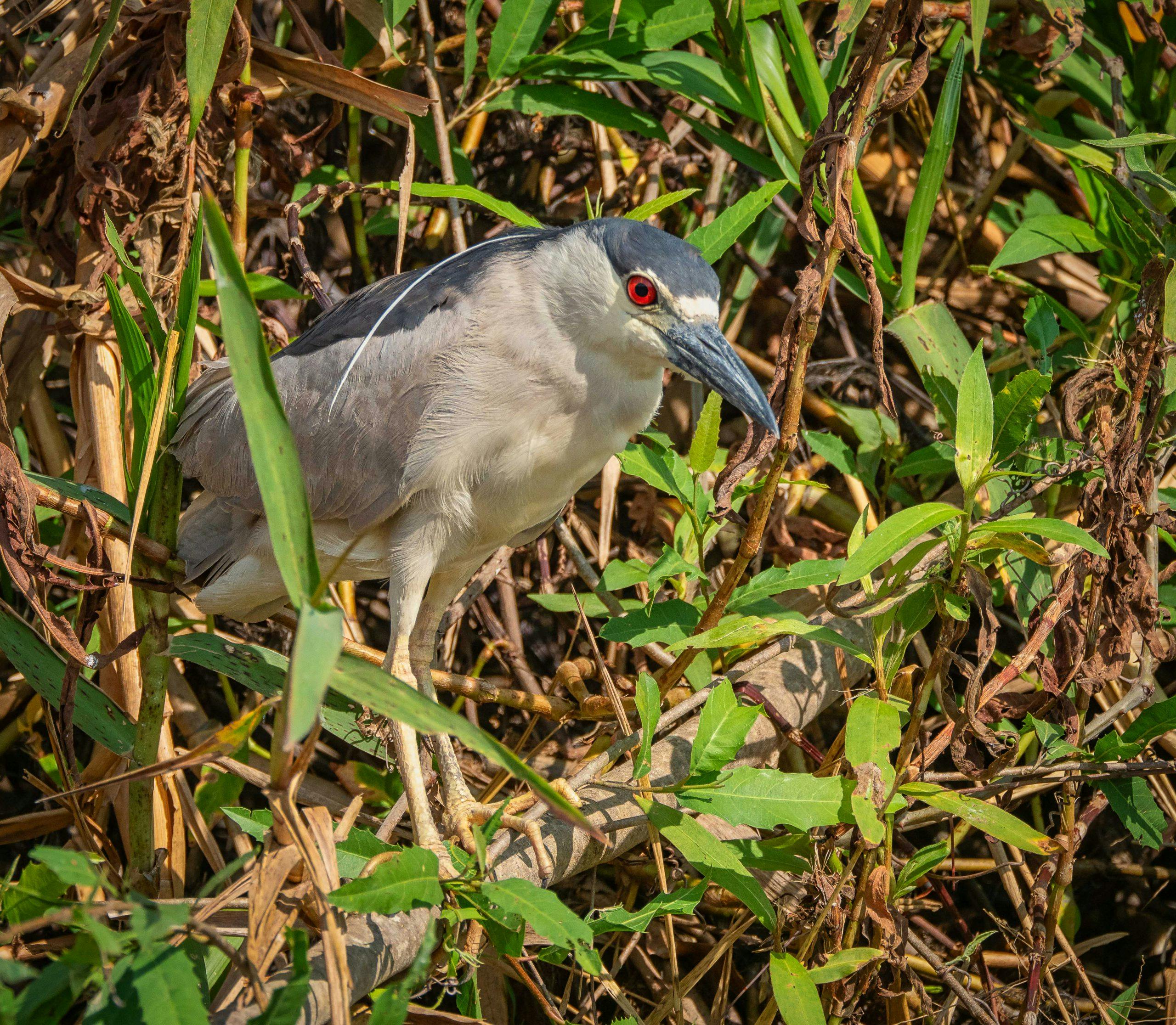
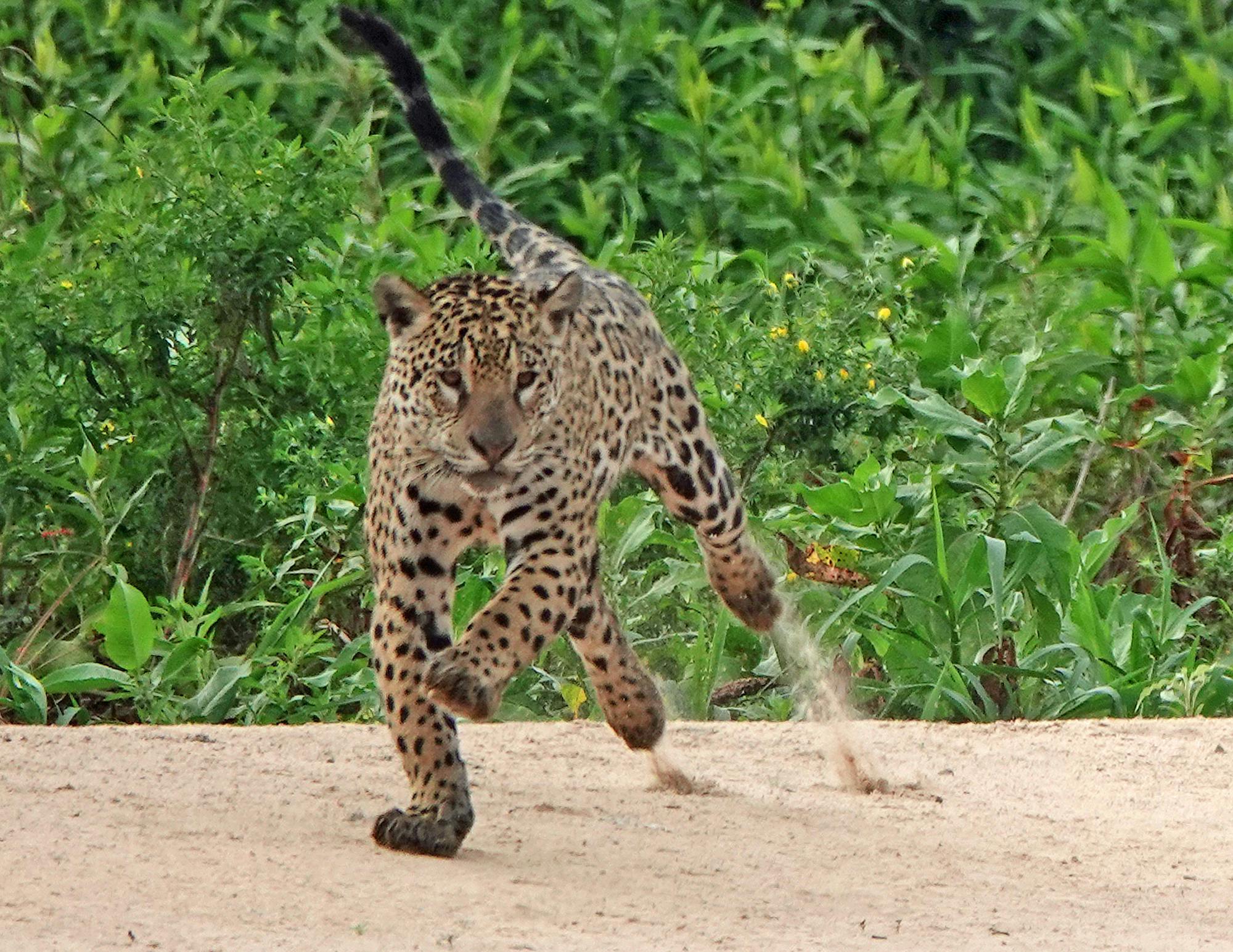
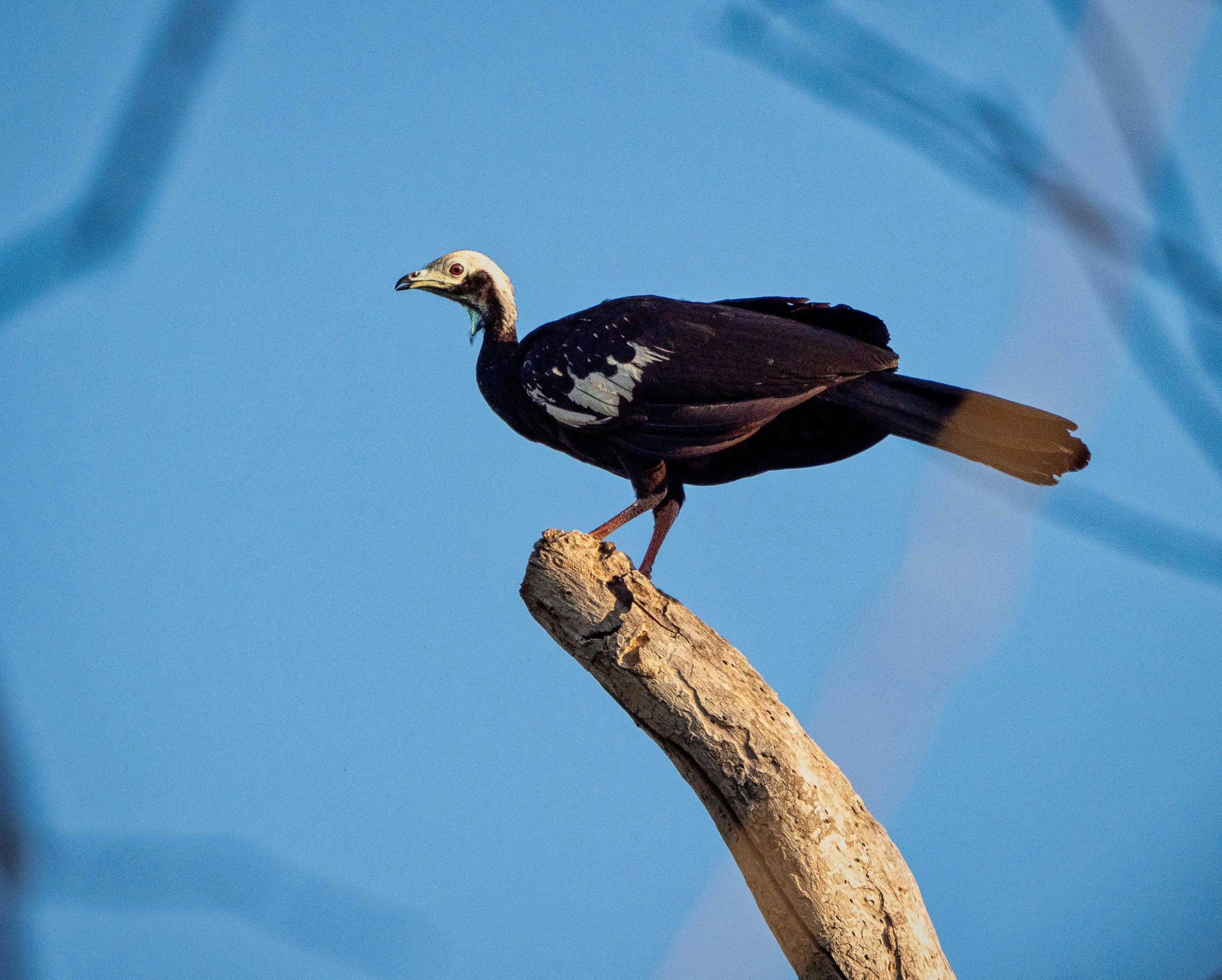
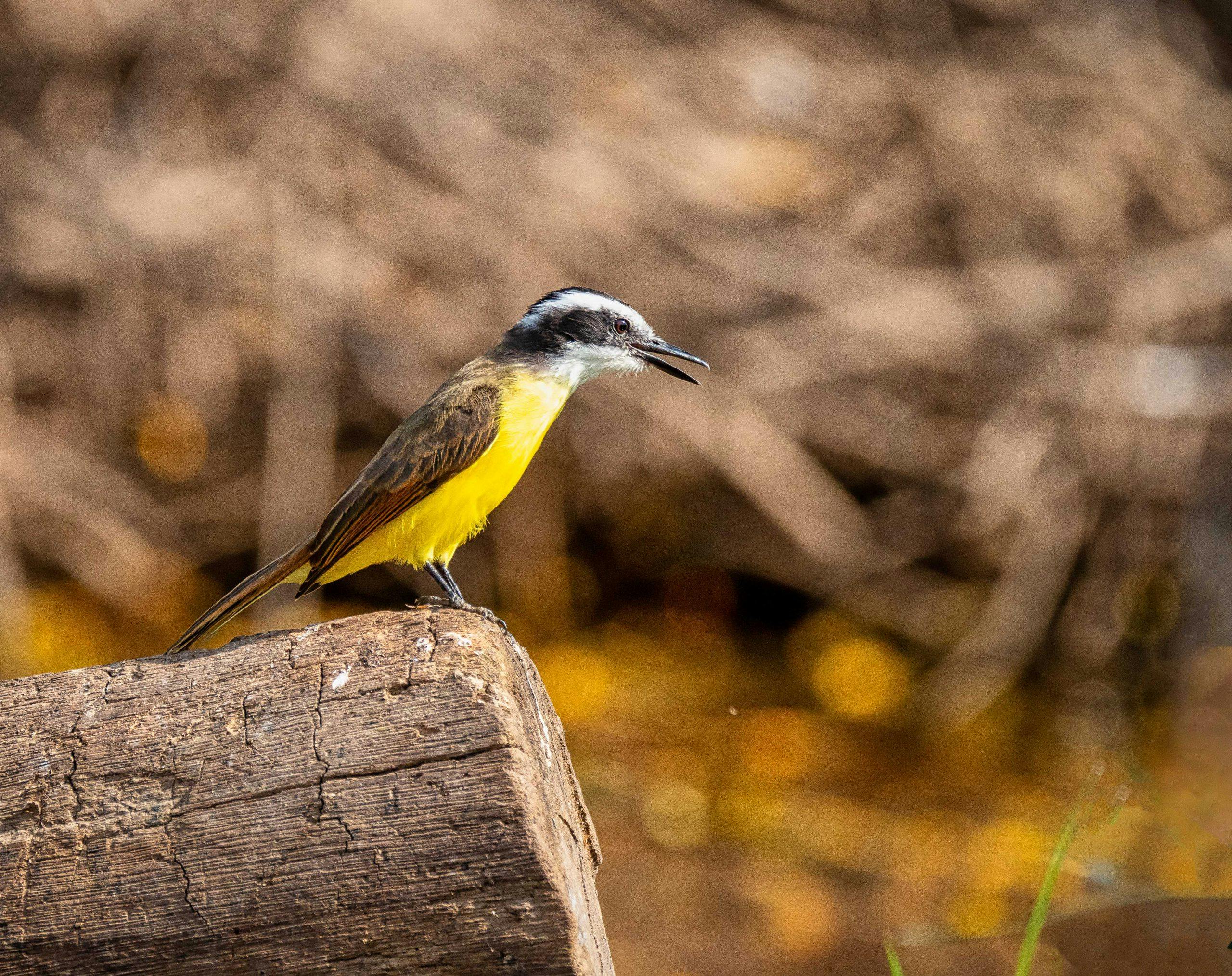
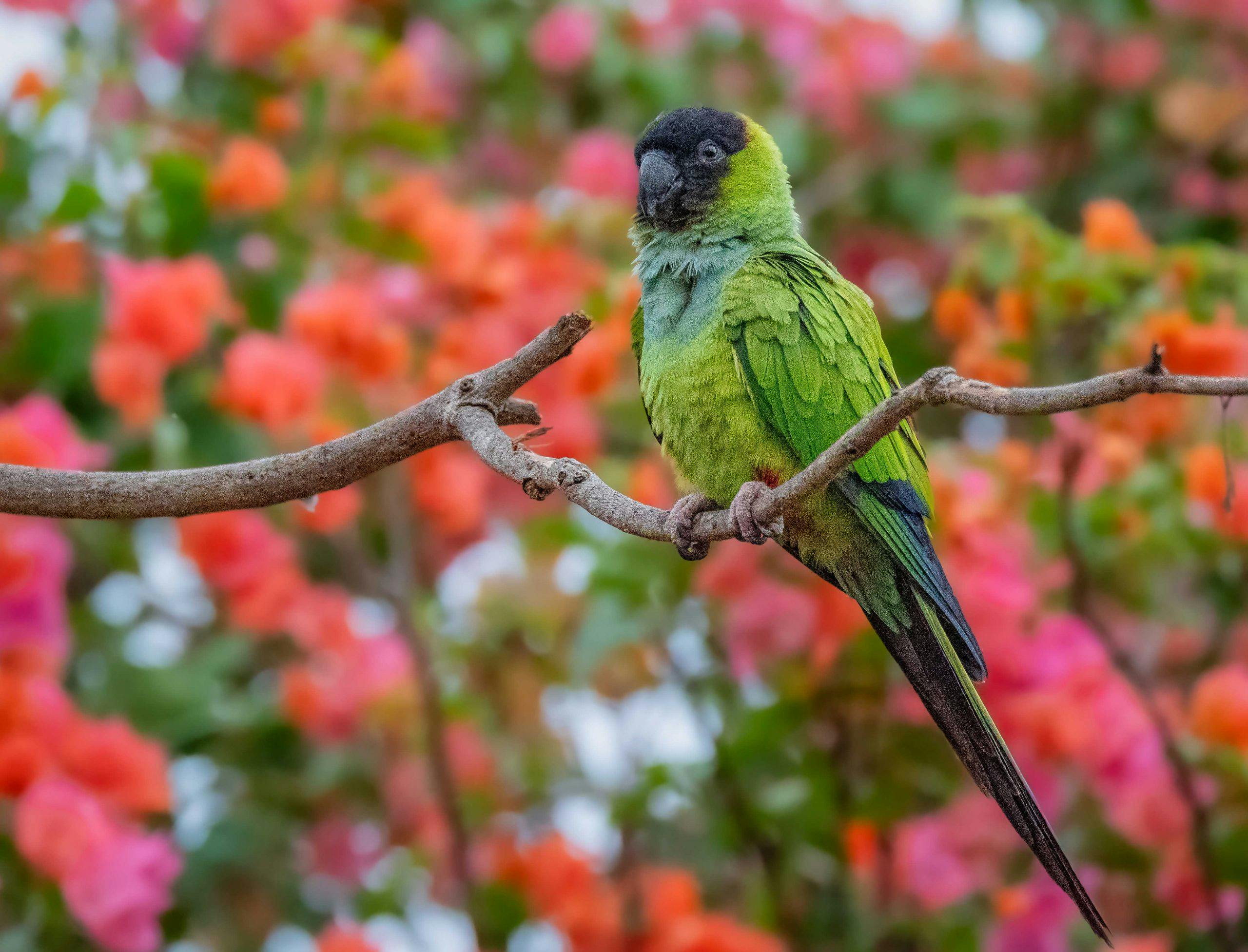
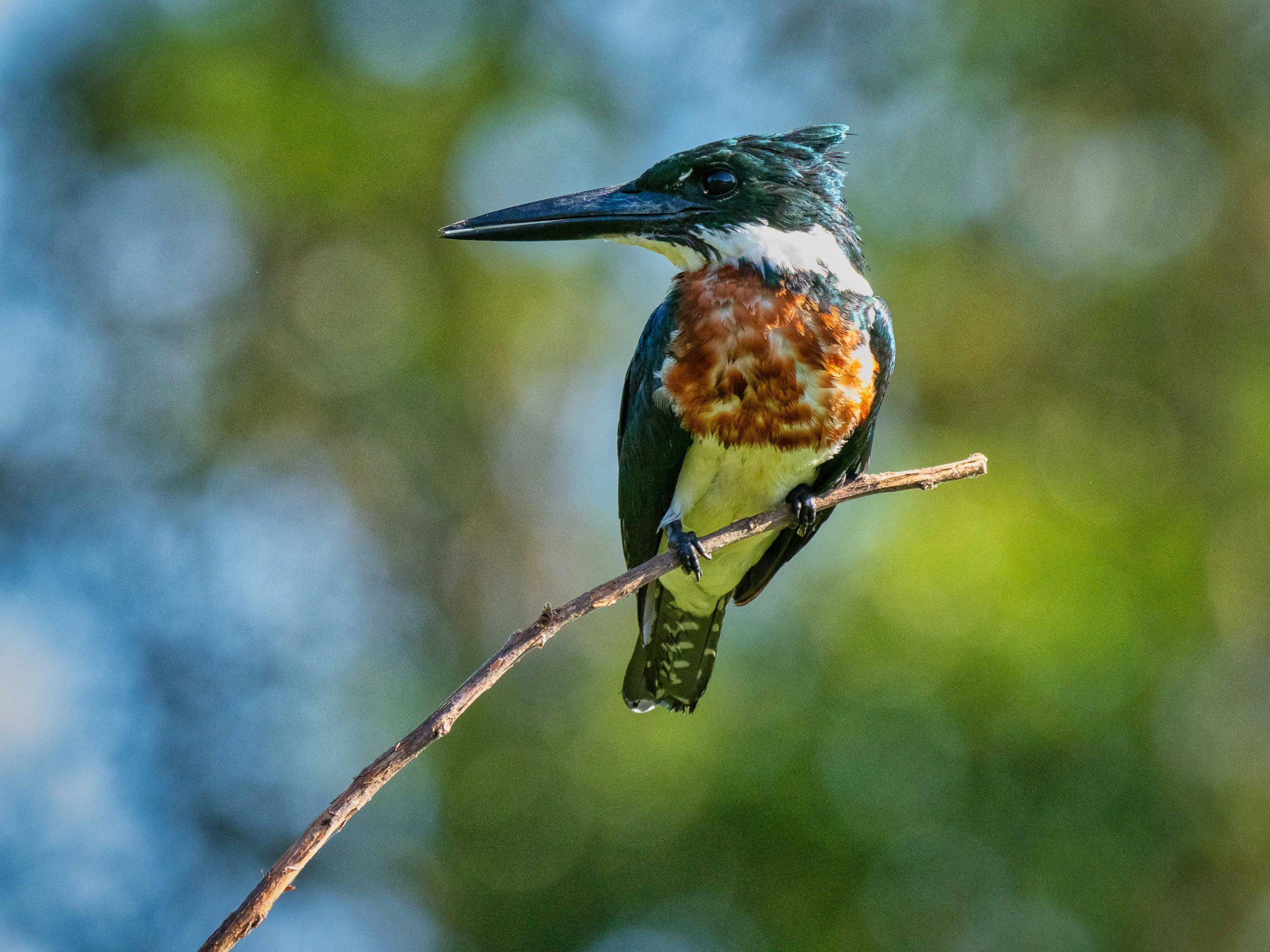
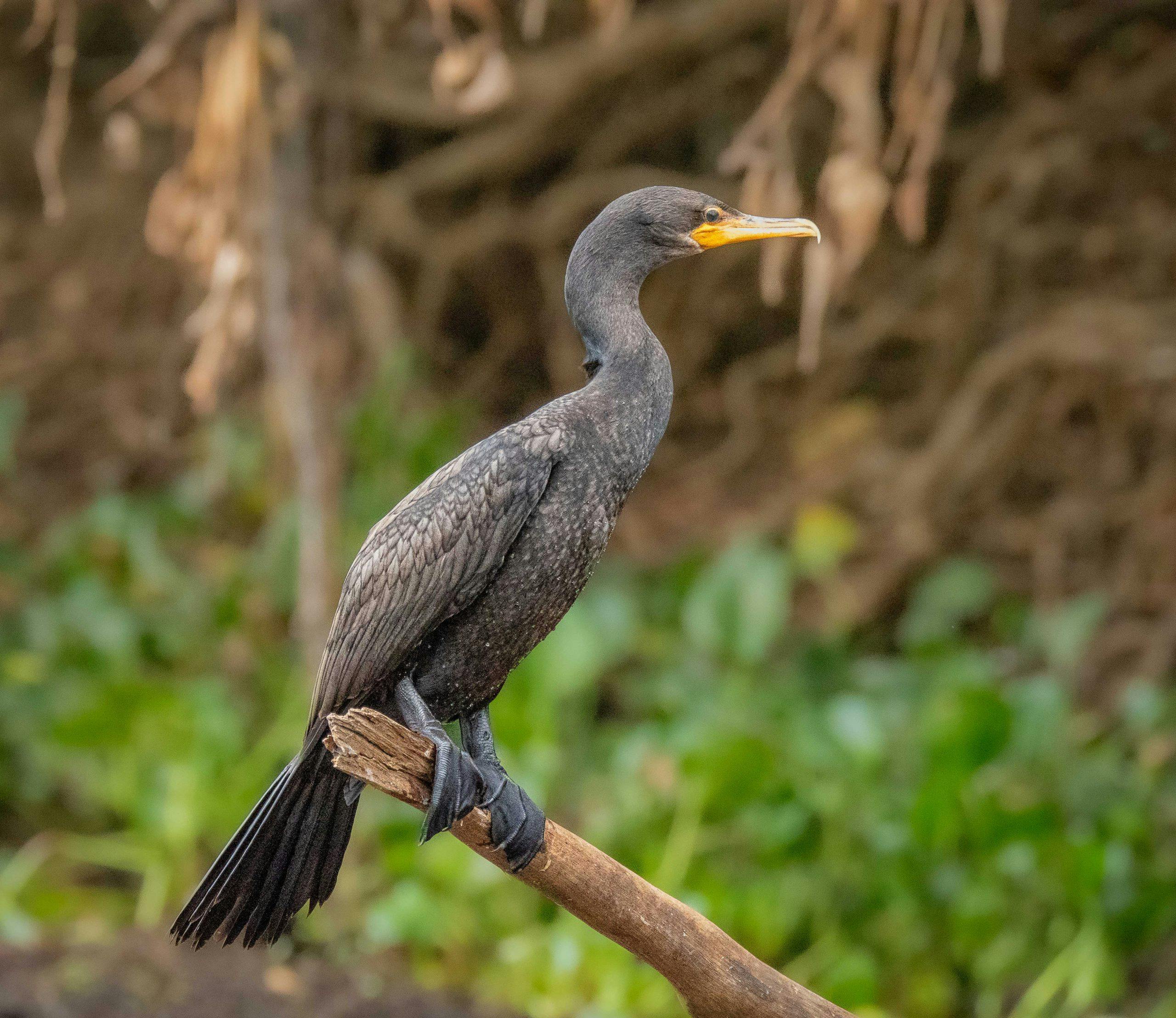
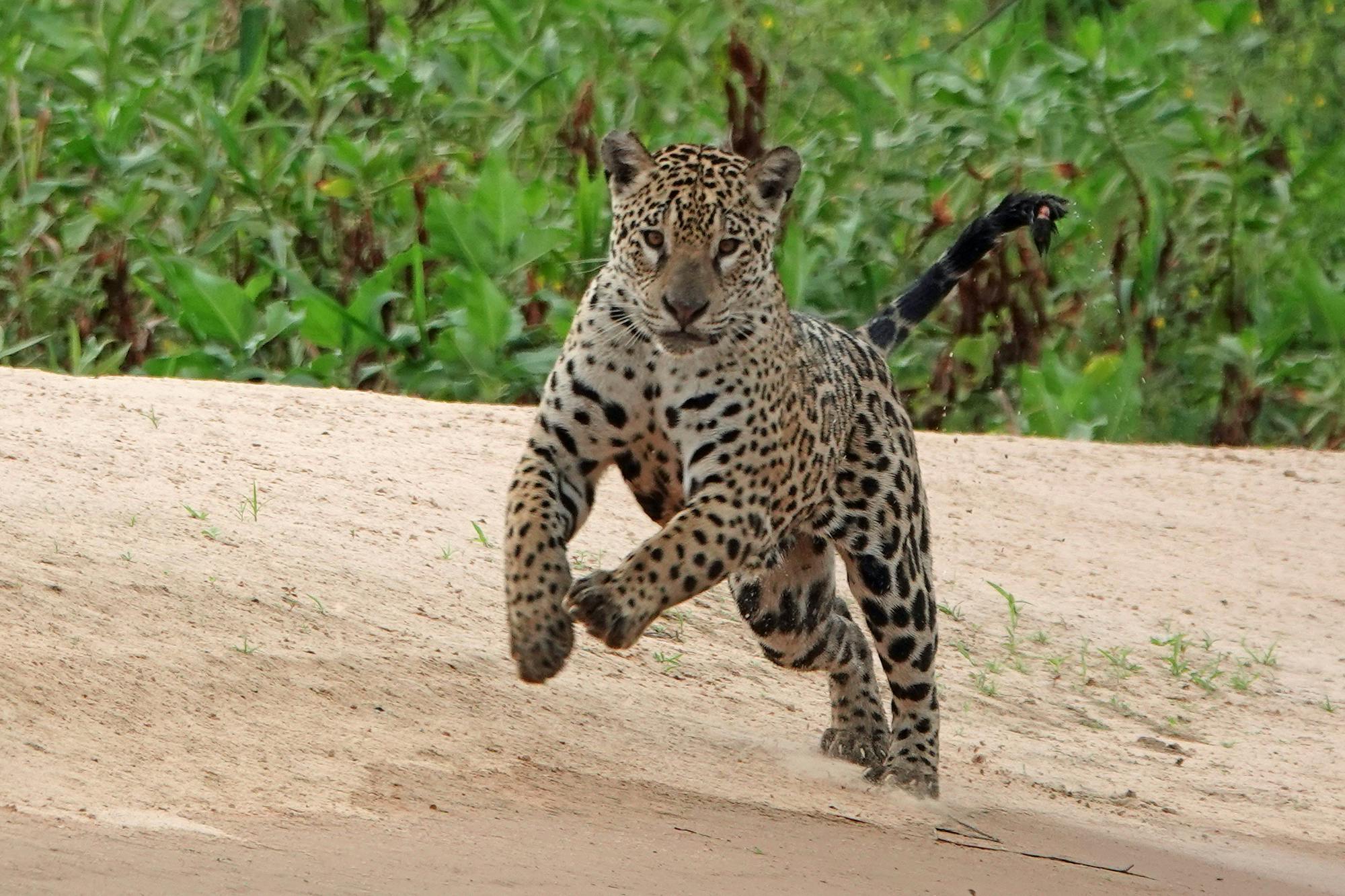
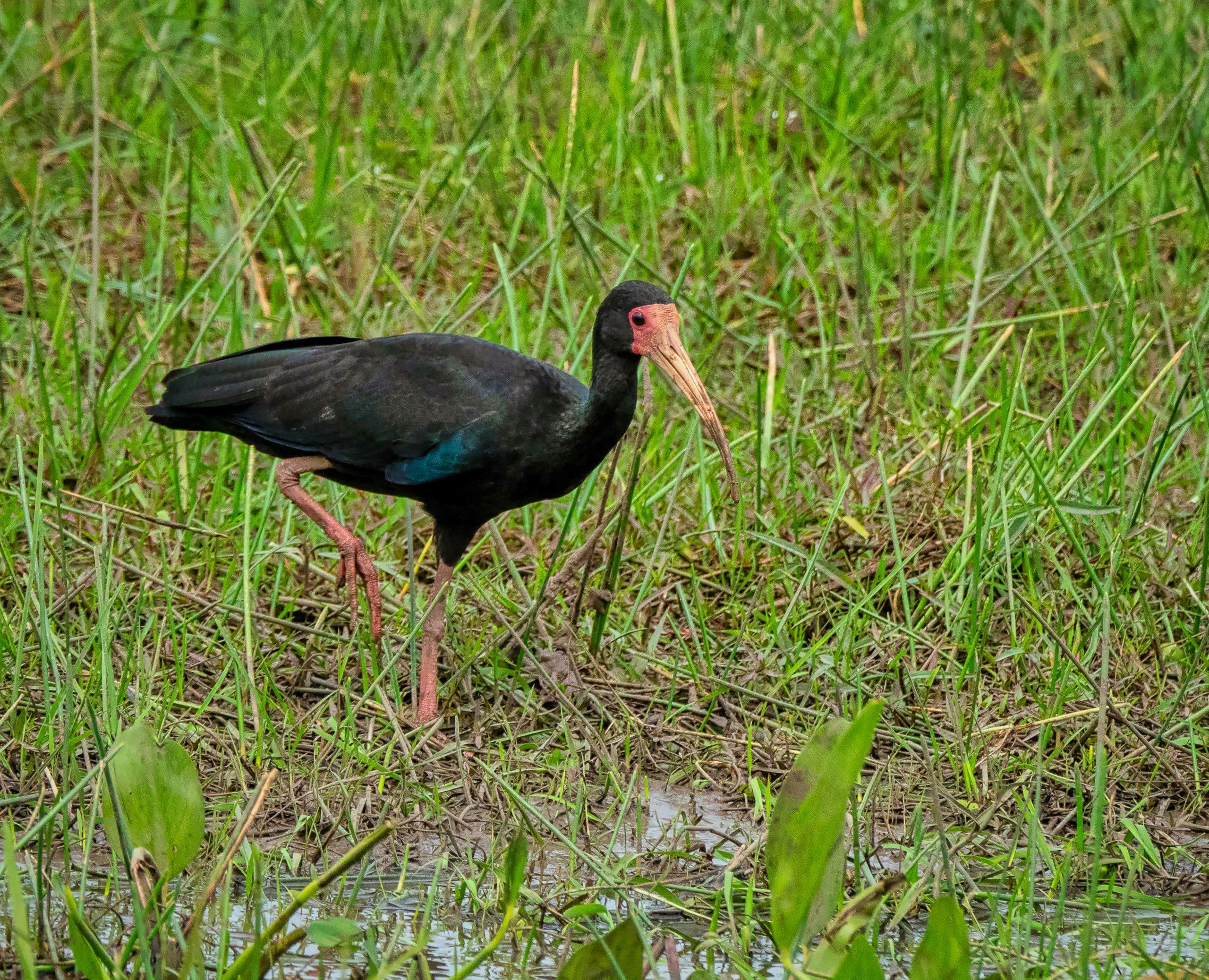
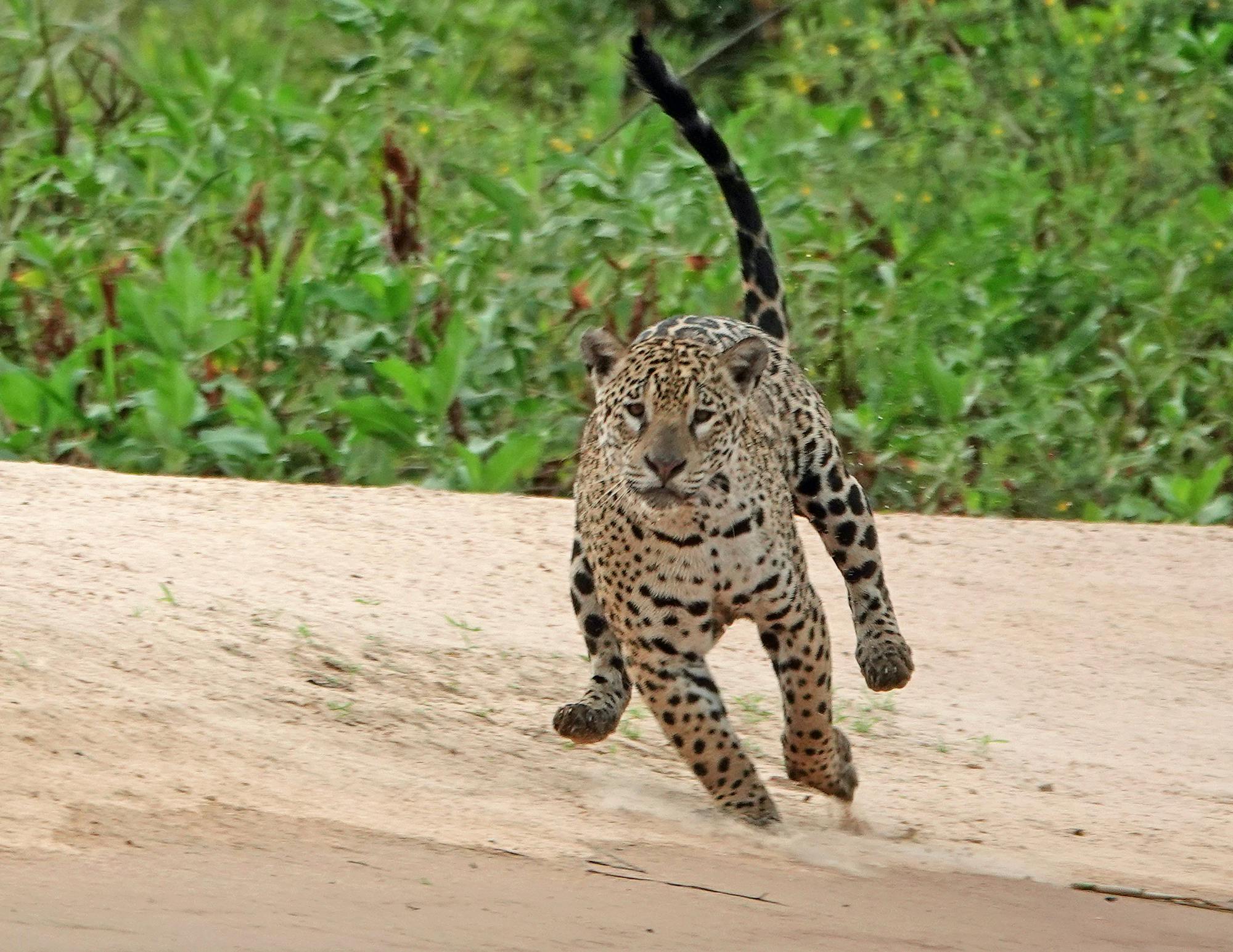
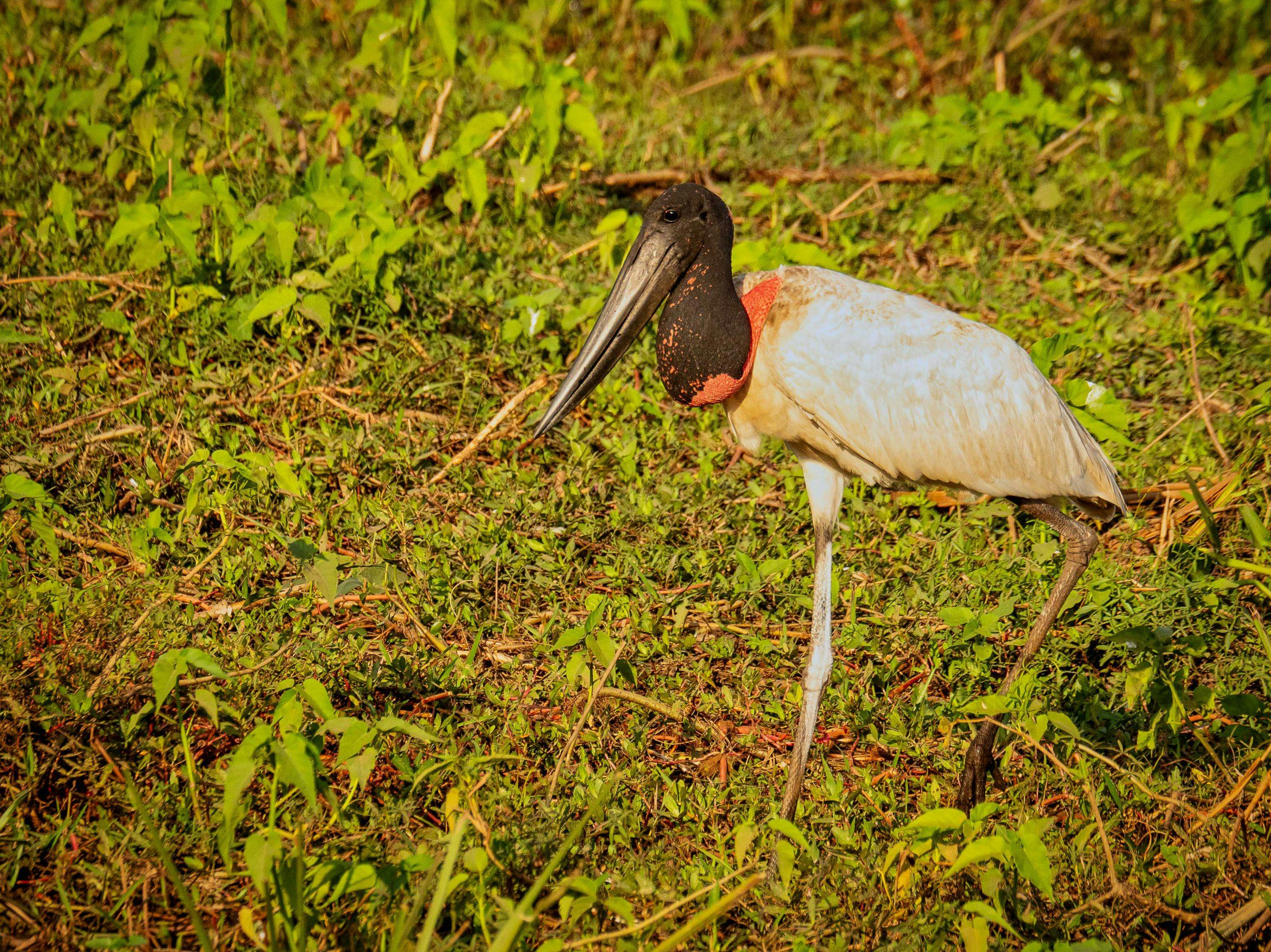
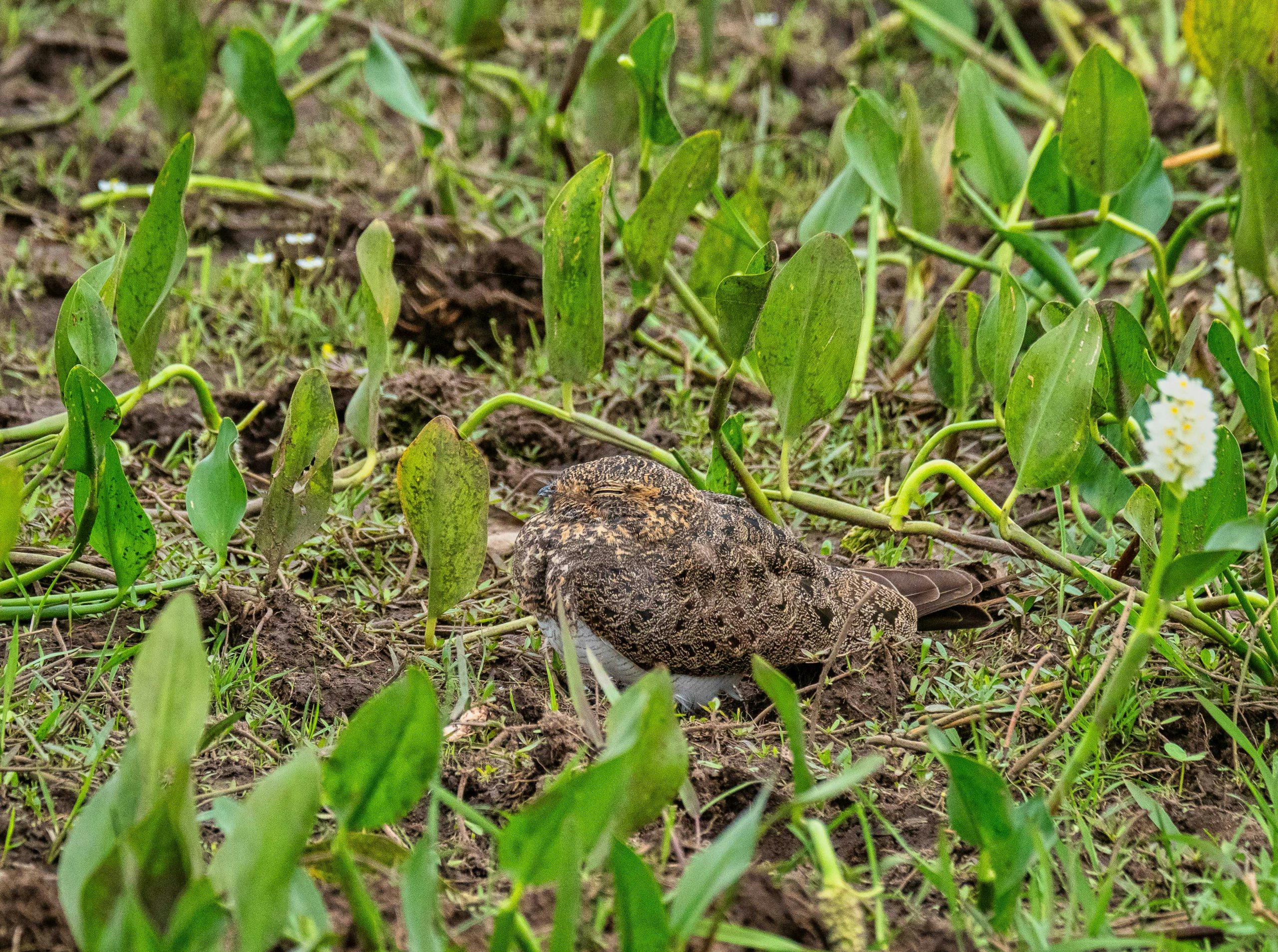
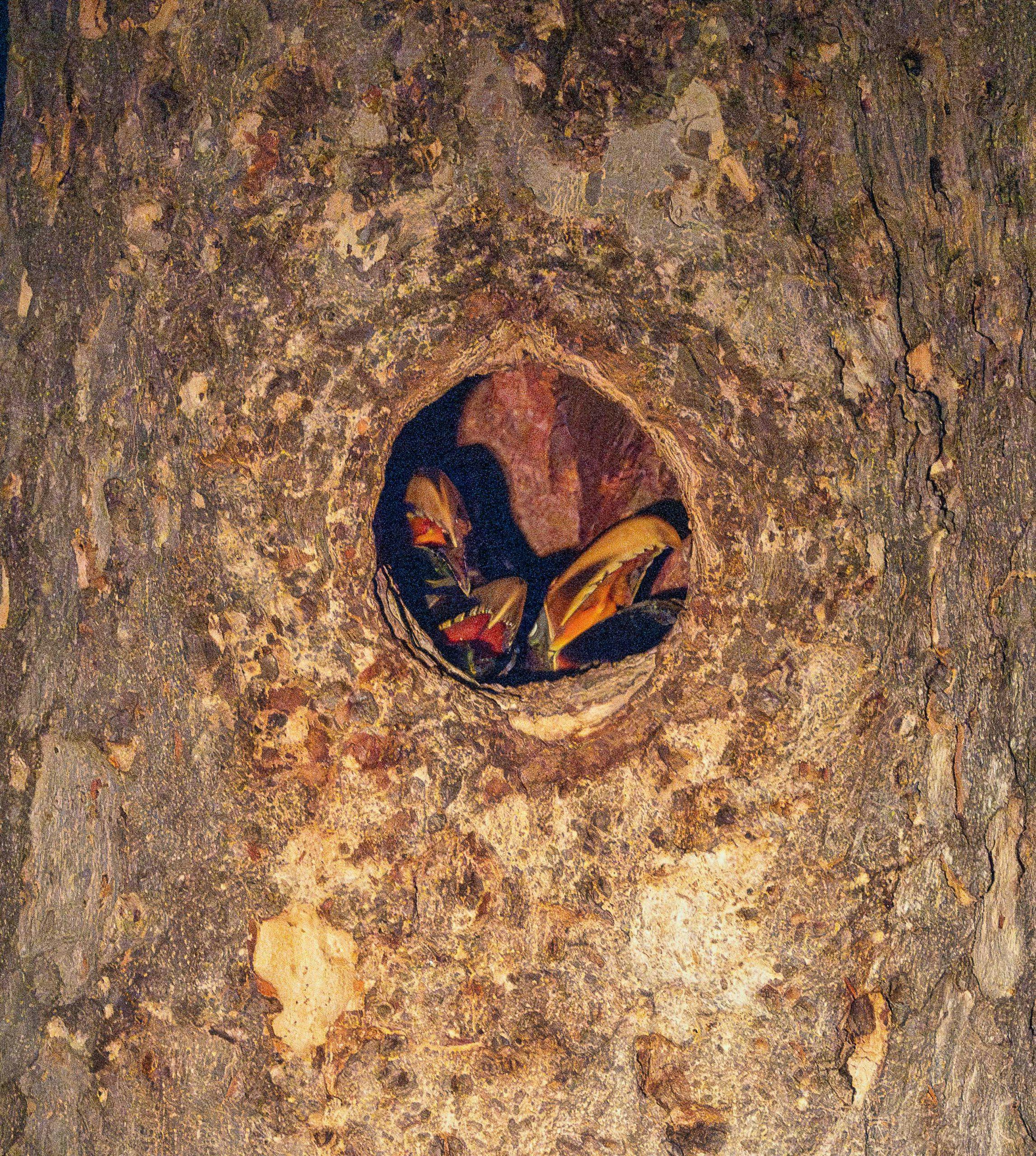

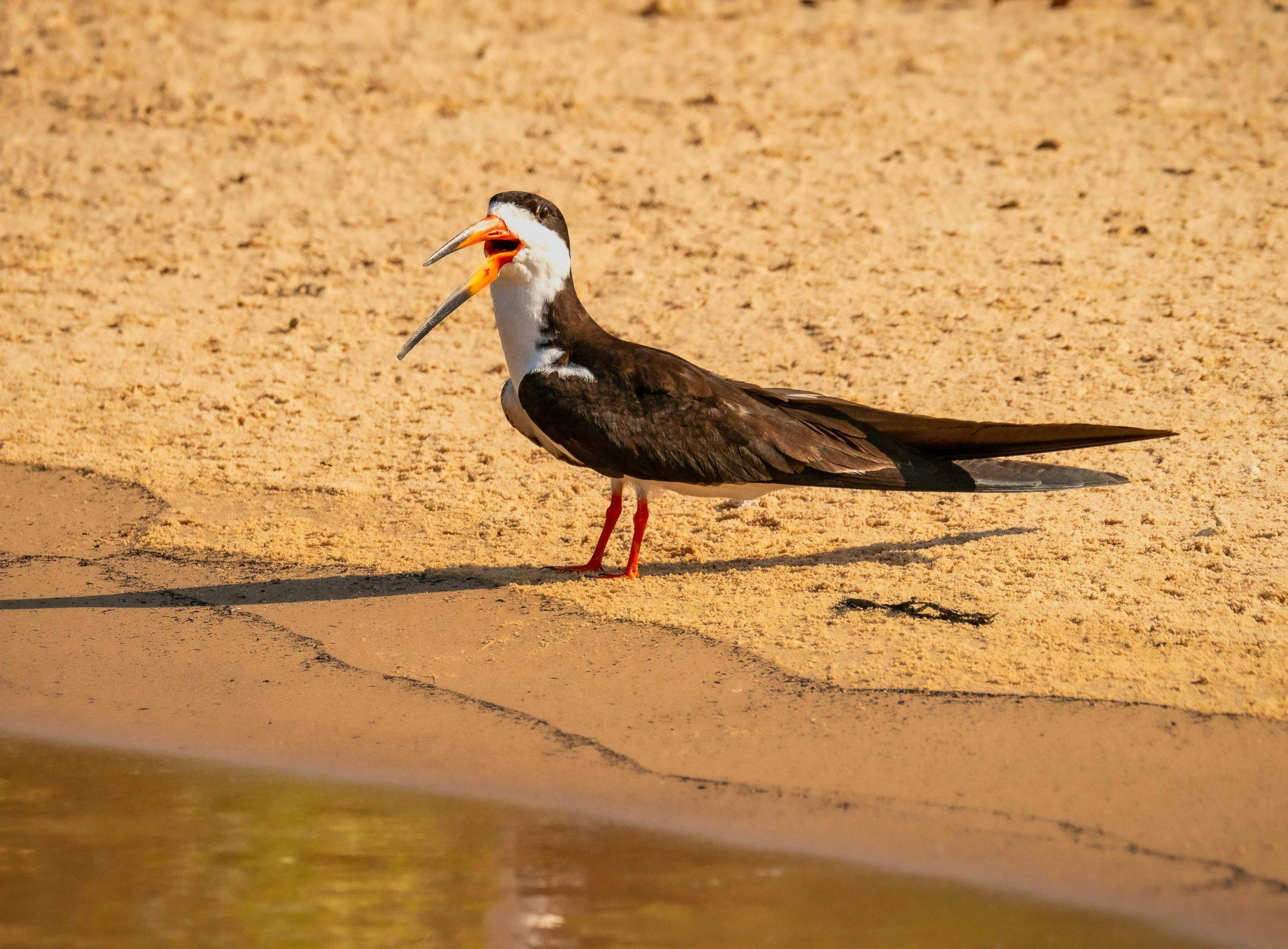
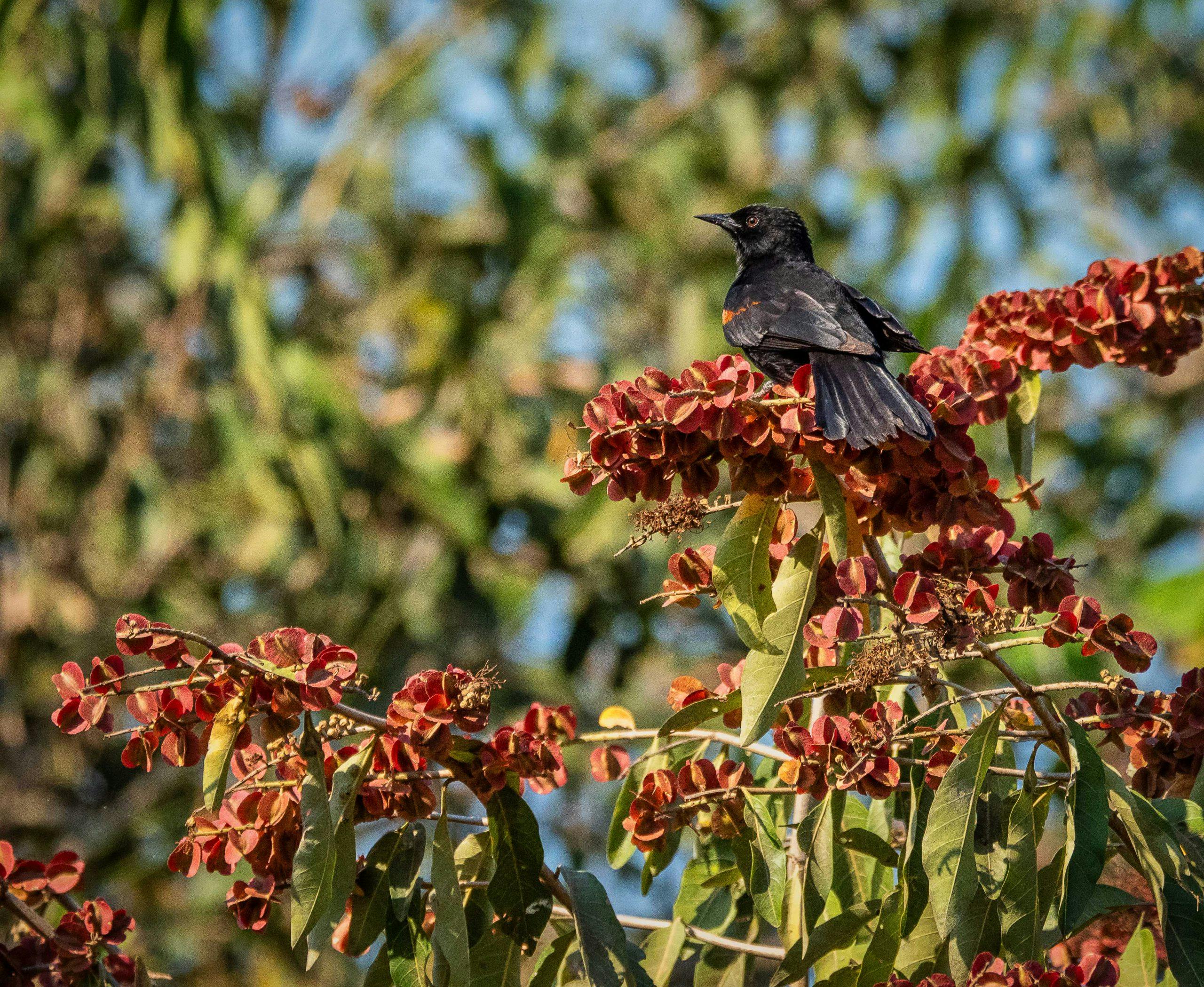
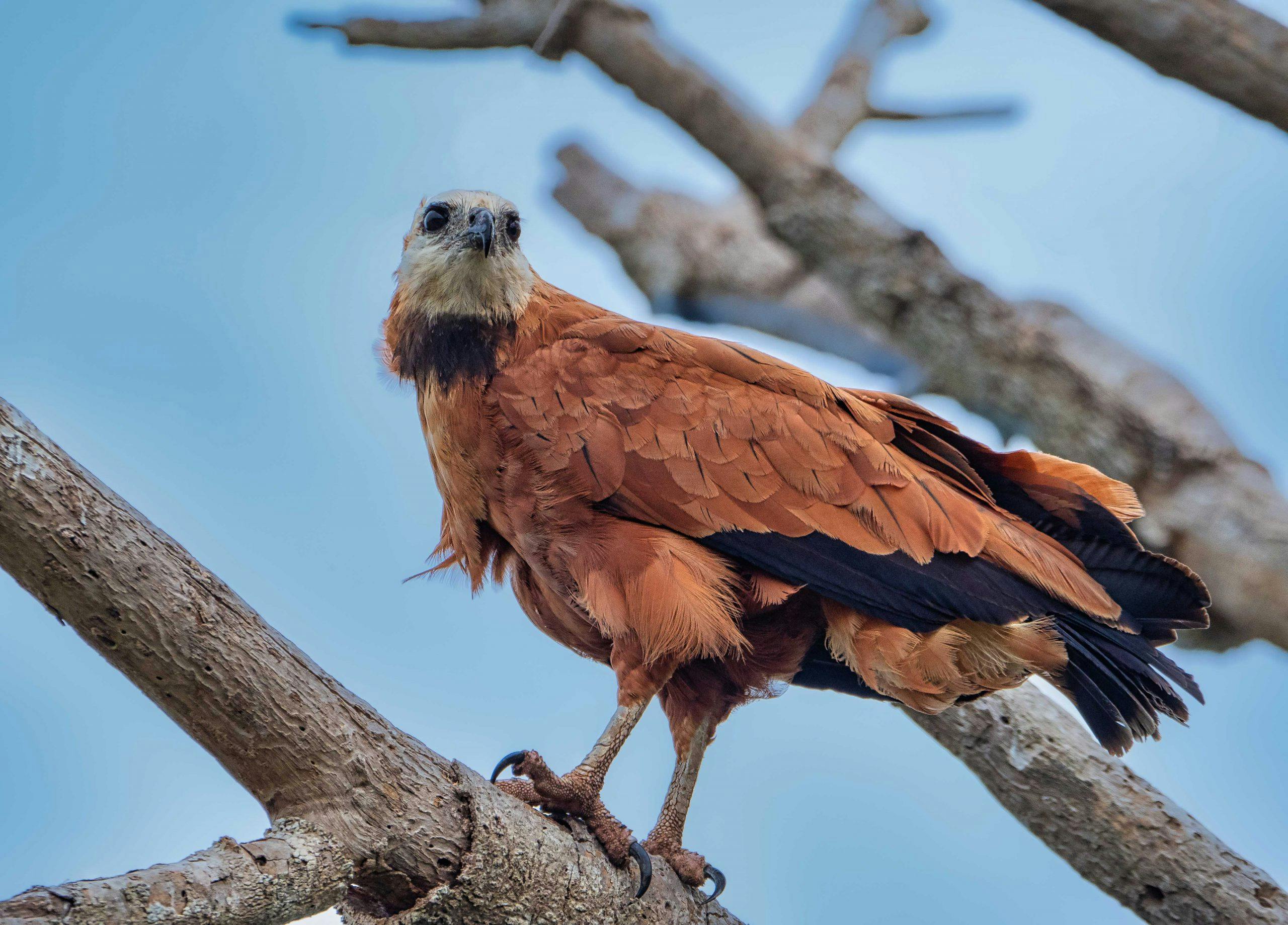
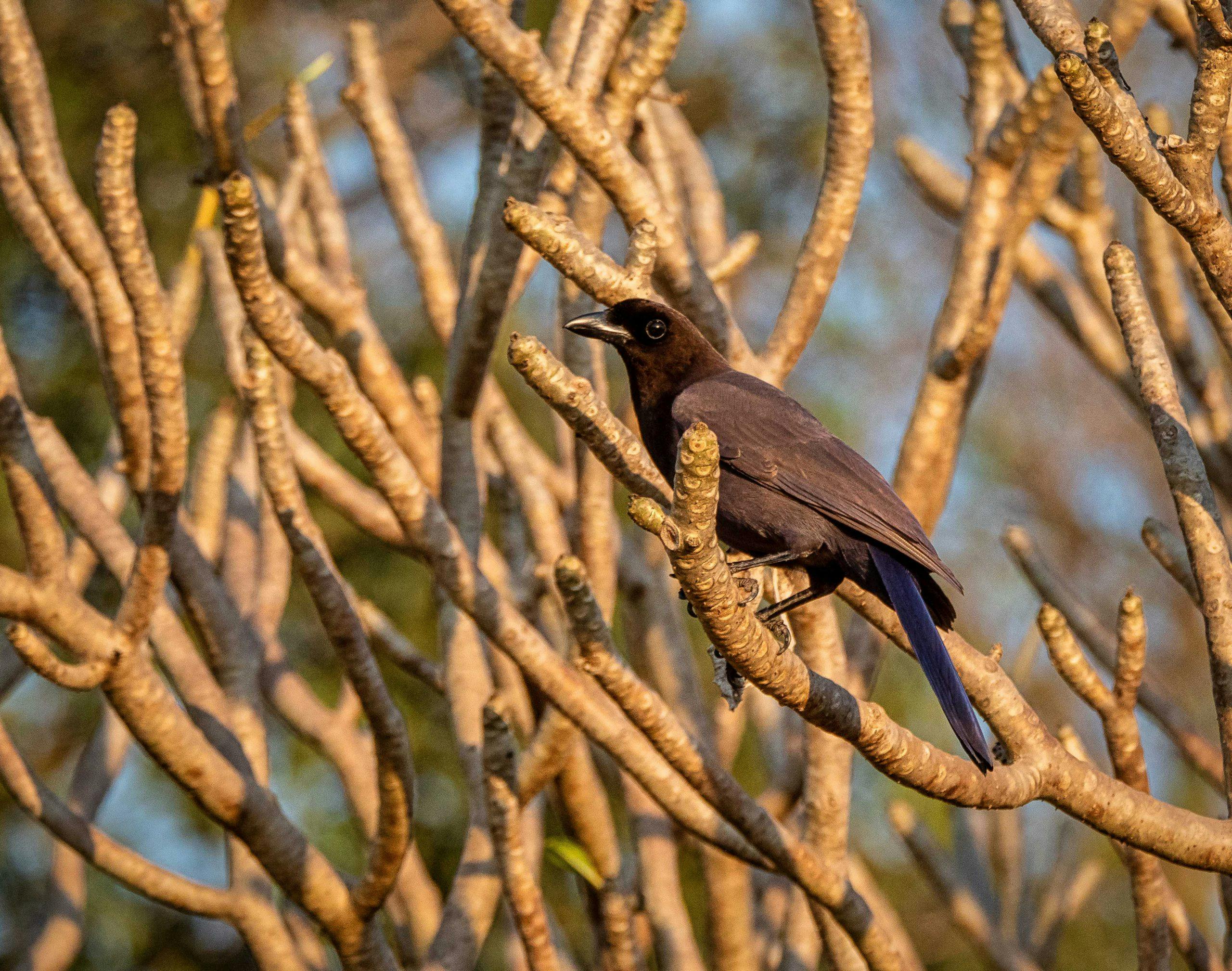
Join Us in the Pantanal
As we look back on the success of our Pantanal trip, we extend an invitation to you for our upcoming adventures. Set to explore the vibrant ecosystems and encounter the “Big Five” of Brazil, this journey promises to be an extraordinary trip into the wild heart of Brazil. Join us for an unforgettable Pantanal wildlife safari and experience the world’s largest tropical wetland firsthand.
Reserve your spot for Brazil and be part of a story that continues to unfold. Together, let’s create memories that will inspire for a lifetime.
Join the Adventure
South Georgia & Antarctic Peninsula PeninsulaOctober 19 - November 10, 2023
Journey Beyond the Edge of the World: The Epic of South Georgia & Antarctic Peninsula
In October and November 2023, a group of intrepid travelers set sail from Ushuaia, Argentina, to Antarctica, embarking on an expedition that would etch the raw beauty of South Georgia and the Antarctic Peninsula into their memories forever. Led by Cheesemans’ Ecology Safaris and meticulously documented by Katlyn Taylor, this journey promised an unparalleled adventure into the heart of the Southern Ocean’s wildest regions, leaving participants with unforgettable experiences and rave reviews.
Unforgettable Highlights from this Antarctica Adventure
- Wildlife Wonders: From the vast colonies of king penguins in South Georgia to the diverse avian life, including the endangered gray-headed and wandering albatross, the trip offered unparalleled wildlife viewing opportunities. Participants also encountered five penguin species, numerous whale species, and various seals in their natural habitats.
- Expert Guidance: With 15 polar specialists aboard, the voyage was enriched with lectures, workshops, and guided excursions, deepening the understanding and appreciation of the fragile ecosystems encountered.
- Community and Conservation: A highlight was the collective experience of adventure, learning, and the shared commitment to conservation, underscored by the onboard charity auction raising funds for Polar Citizen Science Collective, Friends of South Georgia Island, and Whales of Guerrero.

Embarking from Punta Arenas
The journey on this Antarctic journey began in Punta Arenas, Chile, a historic gateway to the Antarctic. This vibrant city, rich in indigenous and colonial history, served as the perfect launching pad for our expedition. As travelers gathered, anticipation buzzed through the air, fueled by the promise of witnessing Earth’s last unspoiled wildernesses. Participants like Paul Luehrmann, who hailed this as his fourth journey into the Southern Ocean with Cheesemans’, praised the exceptional quality of the MV Plancius and its crew, highlighting the trip as the best yet in terms of wildlife encounters and onboard expertise.
Navigating the Falklands and the Southern Ocean
Our first significant stop was the Falkland Islands, a windswept archipelago with a complicated geopolitical history and a haven for birdlife. Here, amid the howling winds of RAF Mount Pleasant and the rugged beauty of Stanley Harbor, we prepared for the wonders that lay ahead. The Falklands offered our first taste of the Southern Ocean’s wild, unbridled nature, setting the stage for the incredible wildlife spectacles to come.
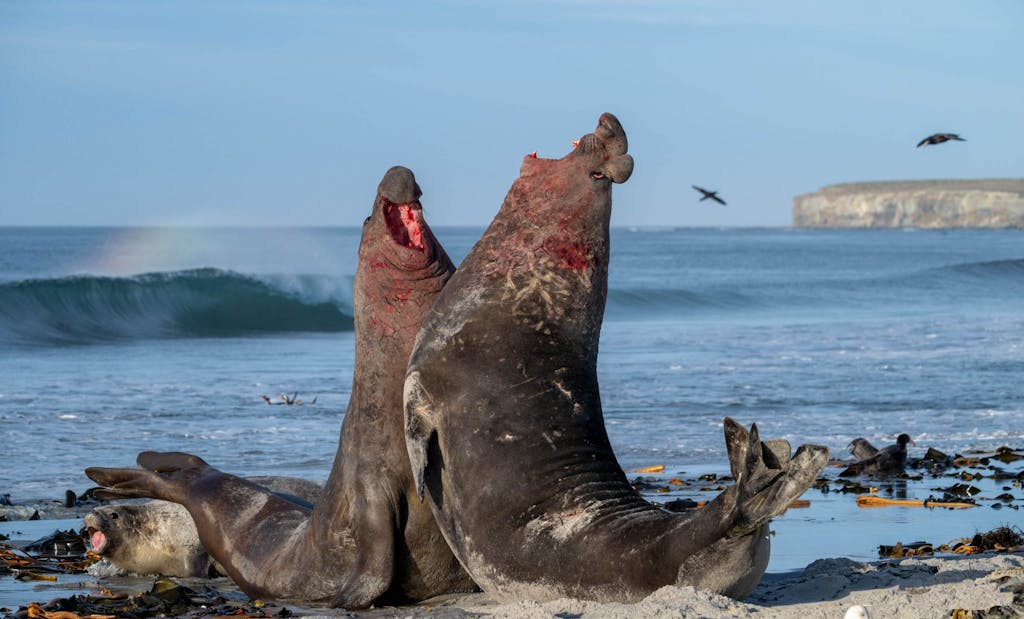
South Georgia: A Wildlife Haven
South Georgia was a highlight, a place where the spectacle of nature unfolds in its most dramatic form. Amid the challenges and committed diligence of navigating highly pathogenic avian influenza restrictions, we witnessed the raw power of southern elephant seal battles, the tenderness of penguins nurturing their young, and the awe-inspiring sight of massive king penguin colonies against a backdrop of glaciers and snow-capped peaks. Traveler Gloria Freund described this first exposure to South Georgia as a “magnificent, fill you up experience,” emphasizing the unhurried opportunities to observe and photograph wildlife behaviors in captivating ways.
Antarctic Peninsula: Early Spring Wonders
The early spring of the Antarctic Peninsula on this polar journey revealed a world coming to life after the long polar winter. Icebergs dotted the Weddell Sea, and lone emperor penguins graced the ice floes. Our days were filled with Zodiac cruises past iceberg graveyards, landings on islands teeming with penguins, and quiet moments watching whales navigate icy waters. Georgia Struhsaker recounted the pre-trip extension to the Falkland Islands as a “wildlife photographer’s dream come true,” setting the tone for the exceptional experiences that followed in South Georgia and Antarctica.
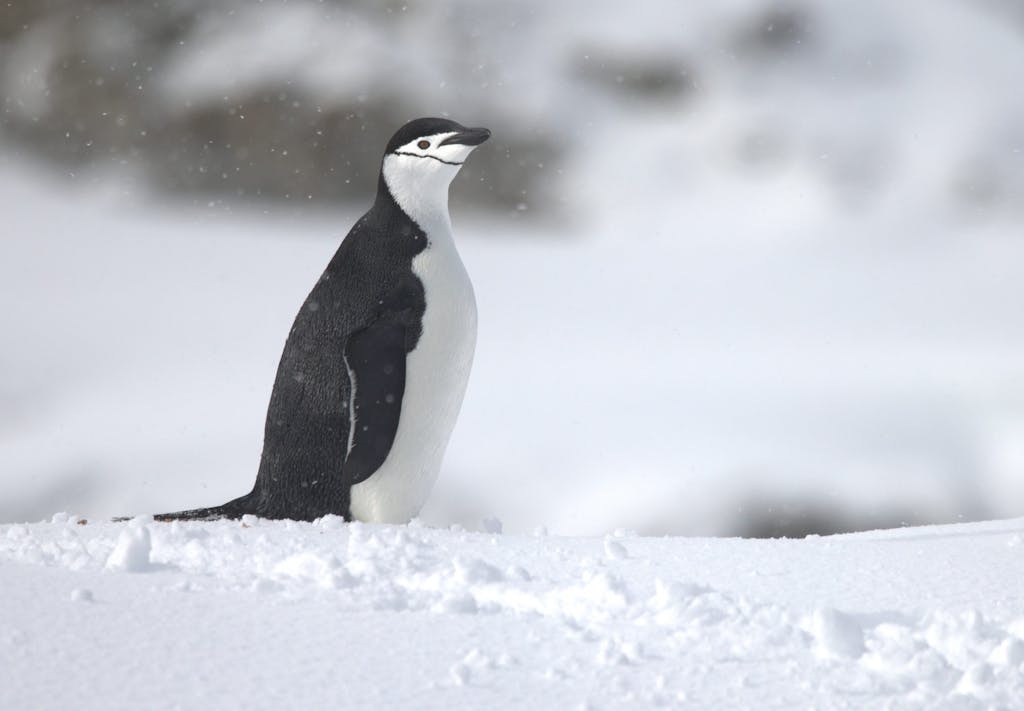
Challenges and Triumphs
Navigating the Southern Ocean on this Antarctic expedition is never without challenge. From the unpredictable weather to the risk of ice, our journey was a testament to the resilience of both the crew and passengers. Yet, it was these very challenges that underscored the beauty and fragility of these remote places. Our experiences, from the decks of the Plancius to the silent majesty of icebergs in the moonlight, reminded us of the preciousness of the natural world.
Conservation and Reflection
As we journeyed through these pristine environments, the importance of conservation was unabating. The specter of avian influenza and the visible impacts of climate change served as stark reminders of the threats facing these wilderness areas. Our journey was not just an adventure but a call to action—a reminder of our responsibility to protect these last wild places.
An Antarctic Expedition to Remember
As our Antarctic expedition drew to a close, we reflected on the incredible journey we had undertaken. From the rugged beauty of South Georgia to the ethereal landscapes of the Antarctic Peninsula, we had witnessed nature in its most raw and unfiltered form. The memories of this voyage, the wildlife we encountered, and the landscapes we explored will stay with us forever, a reminder of the beauty and fragility of our planet. The positive reviews from our travelers, including the detailed testimonials of those who were moved by the experience, underscore the transformative power of this expedition.
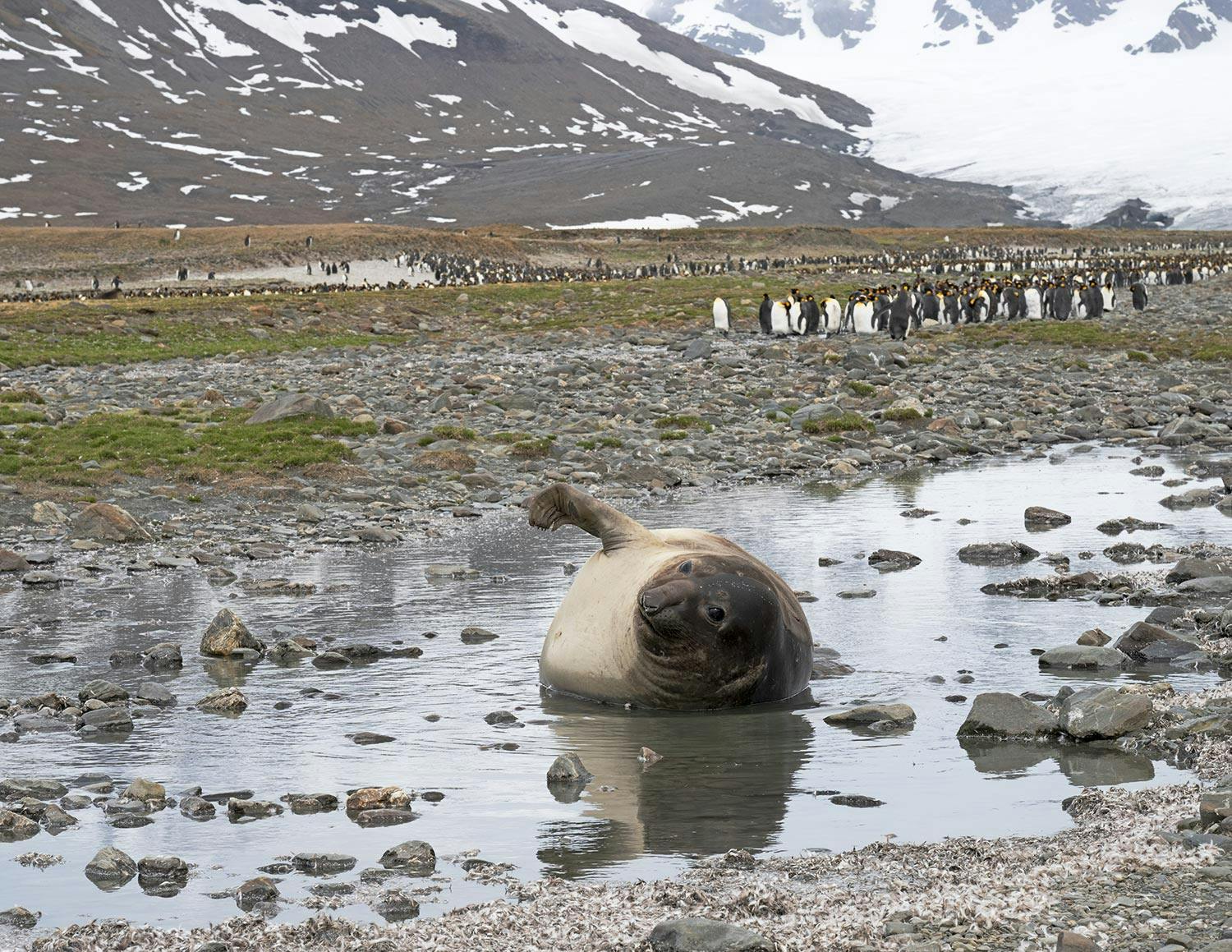
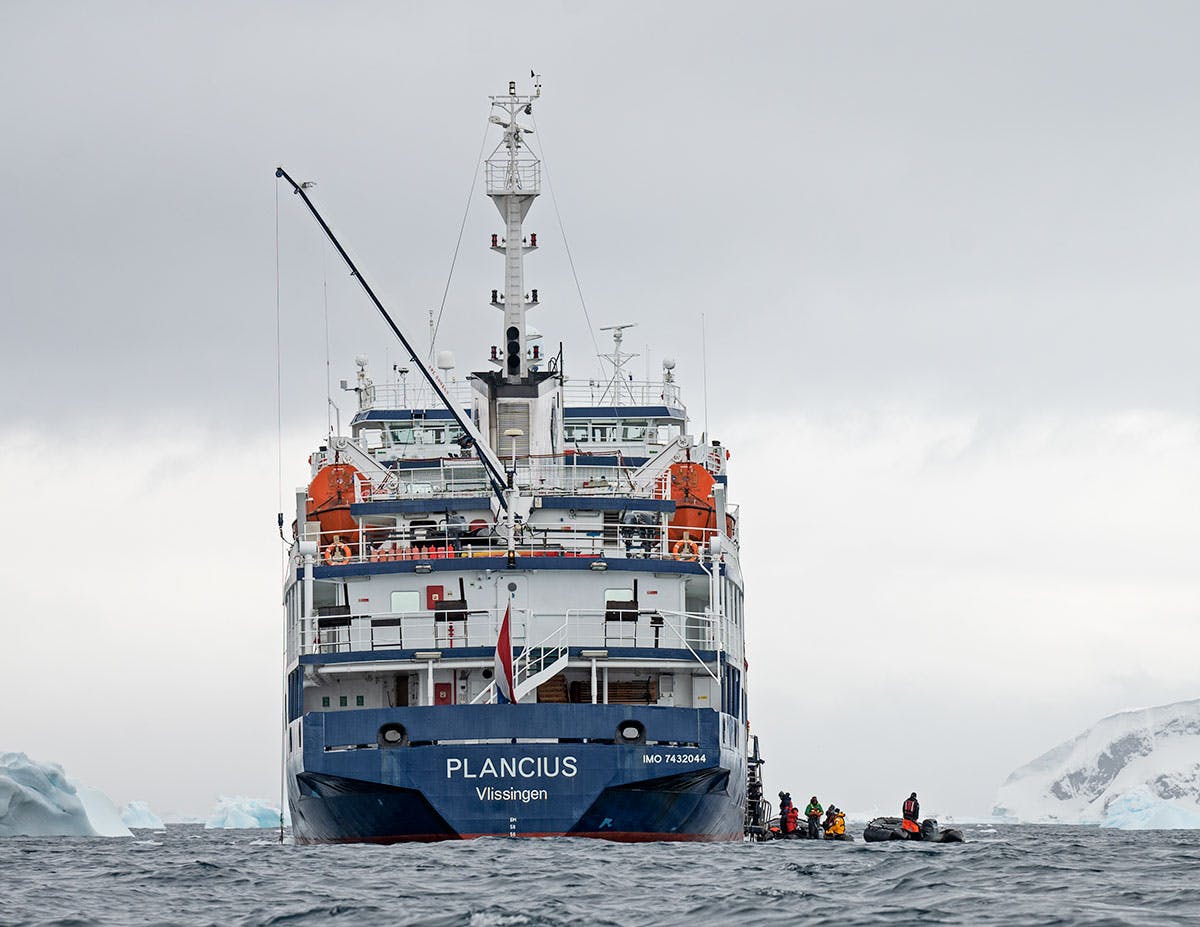

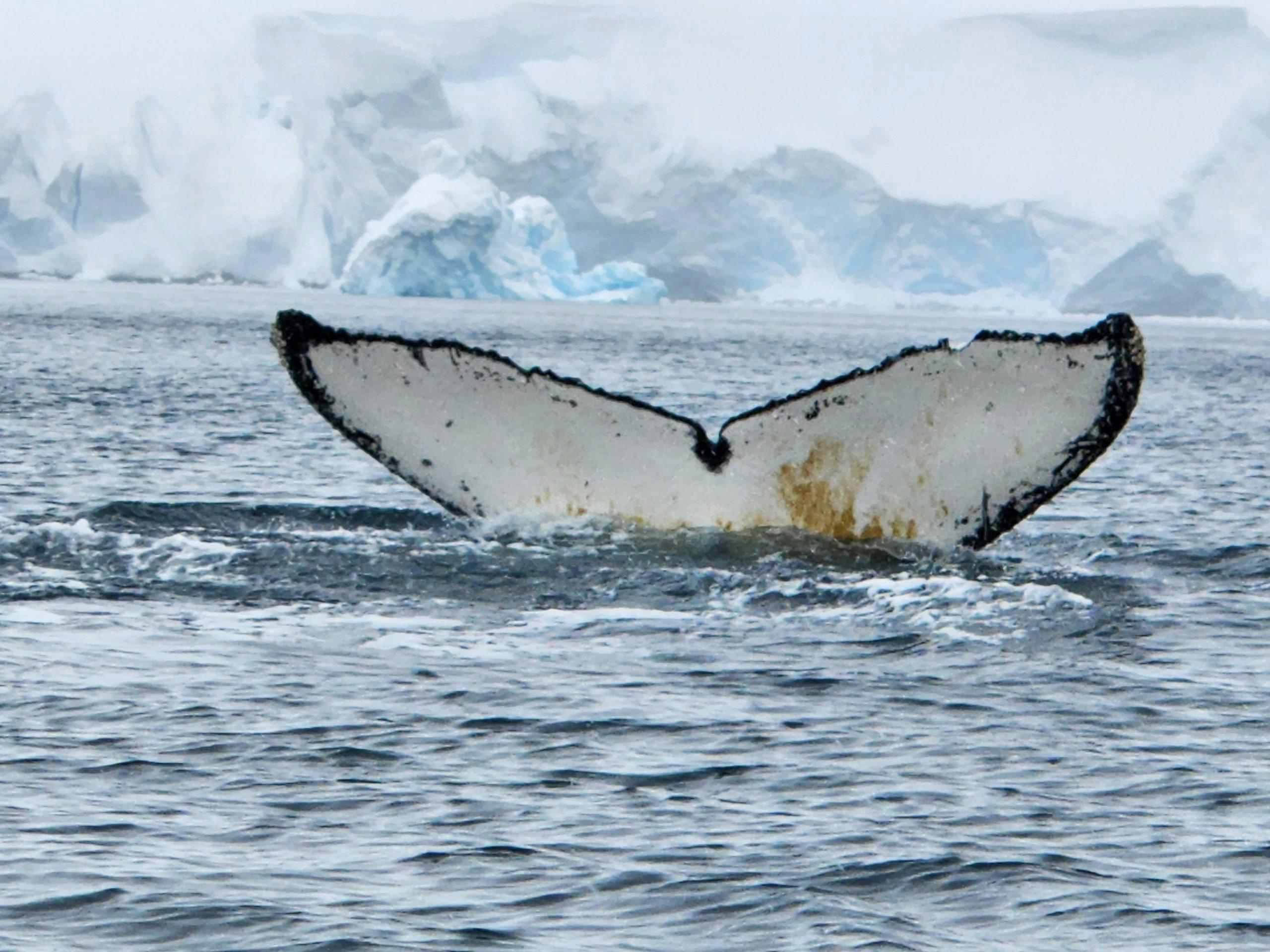
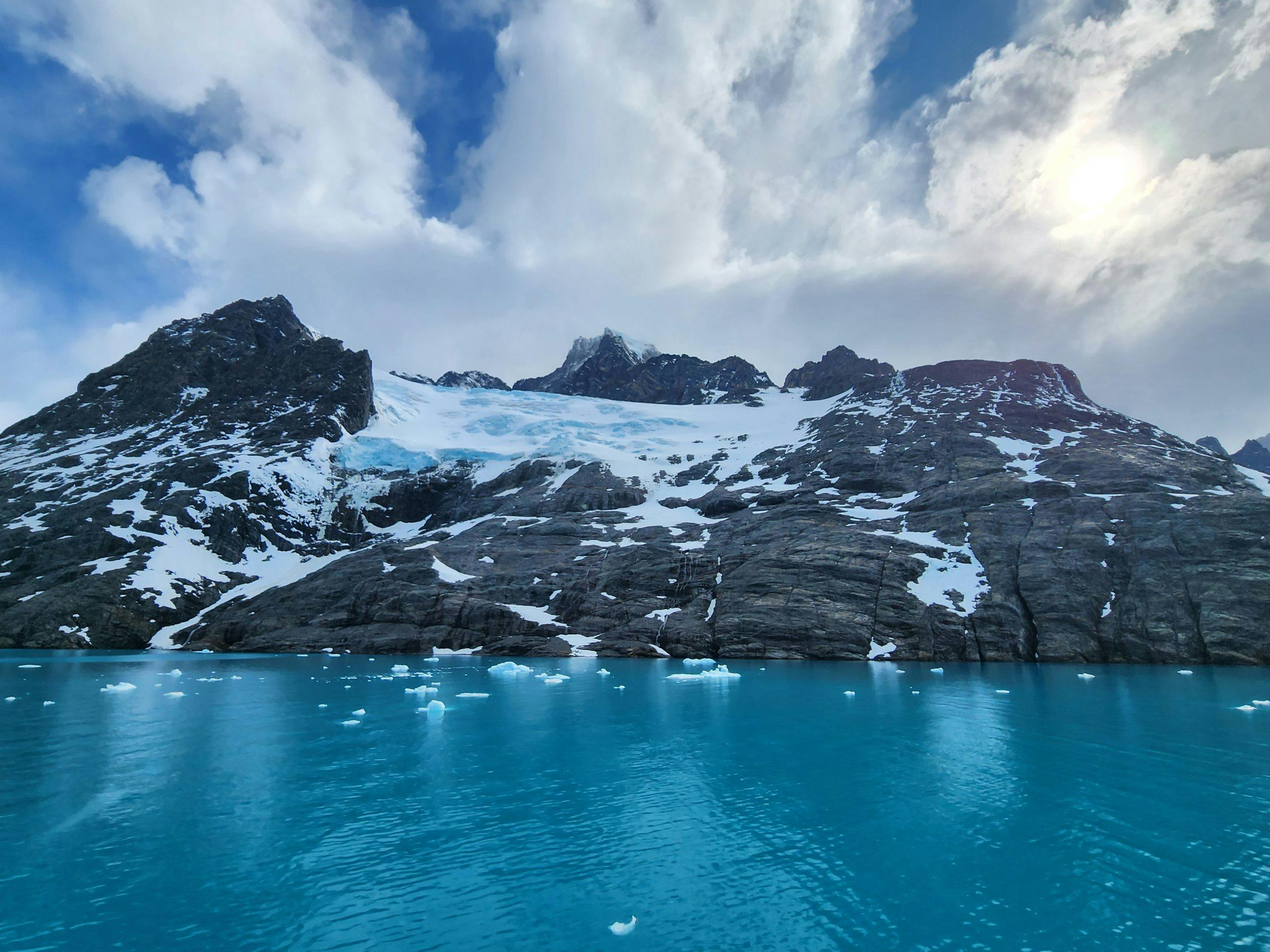
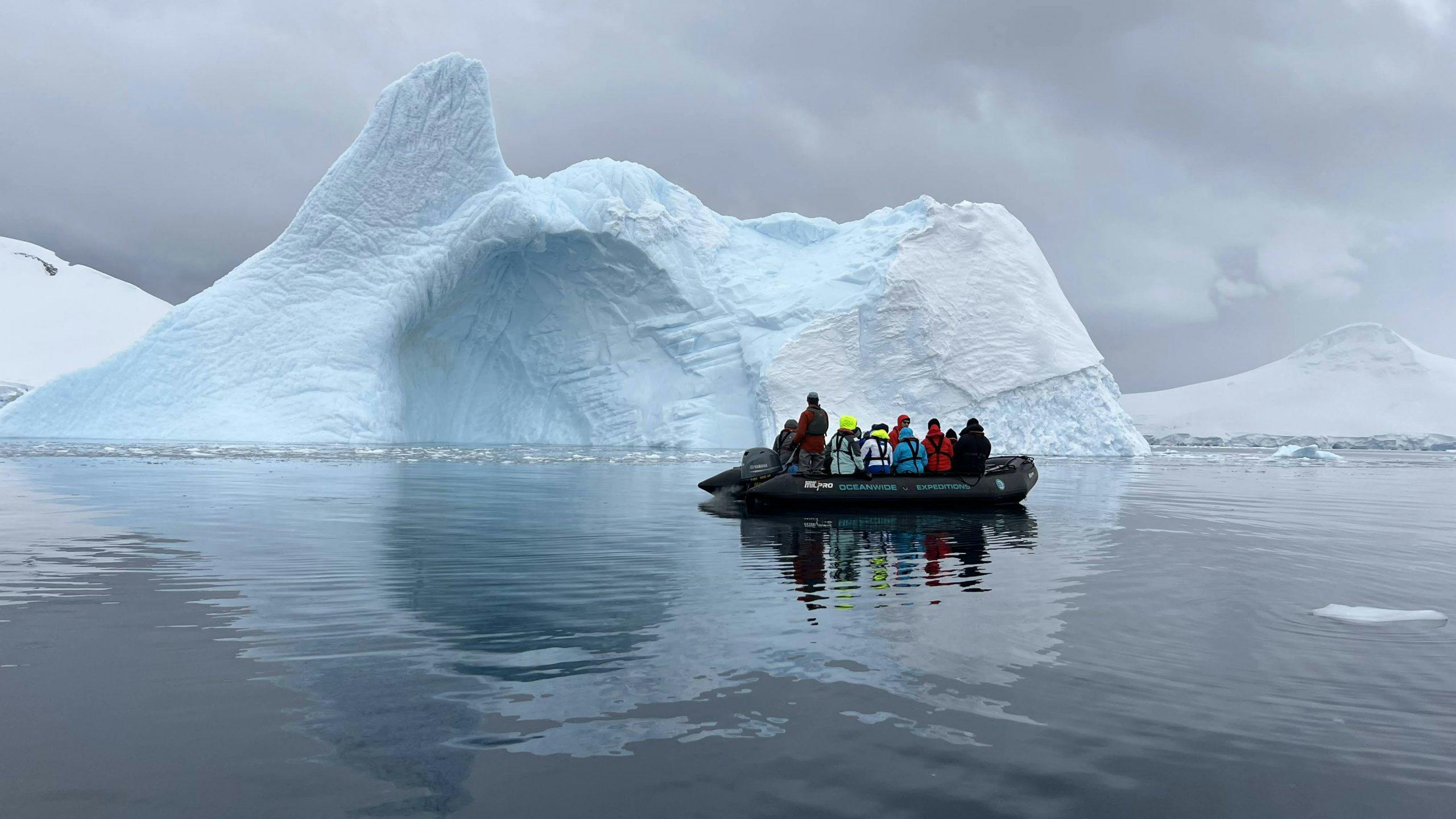
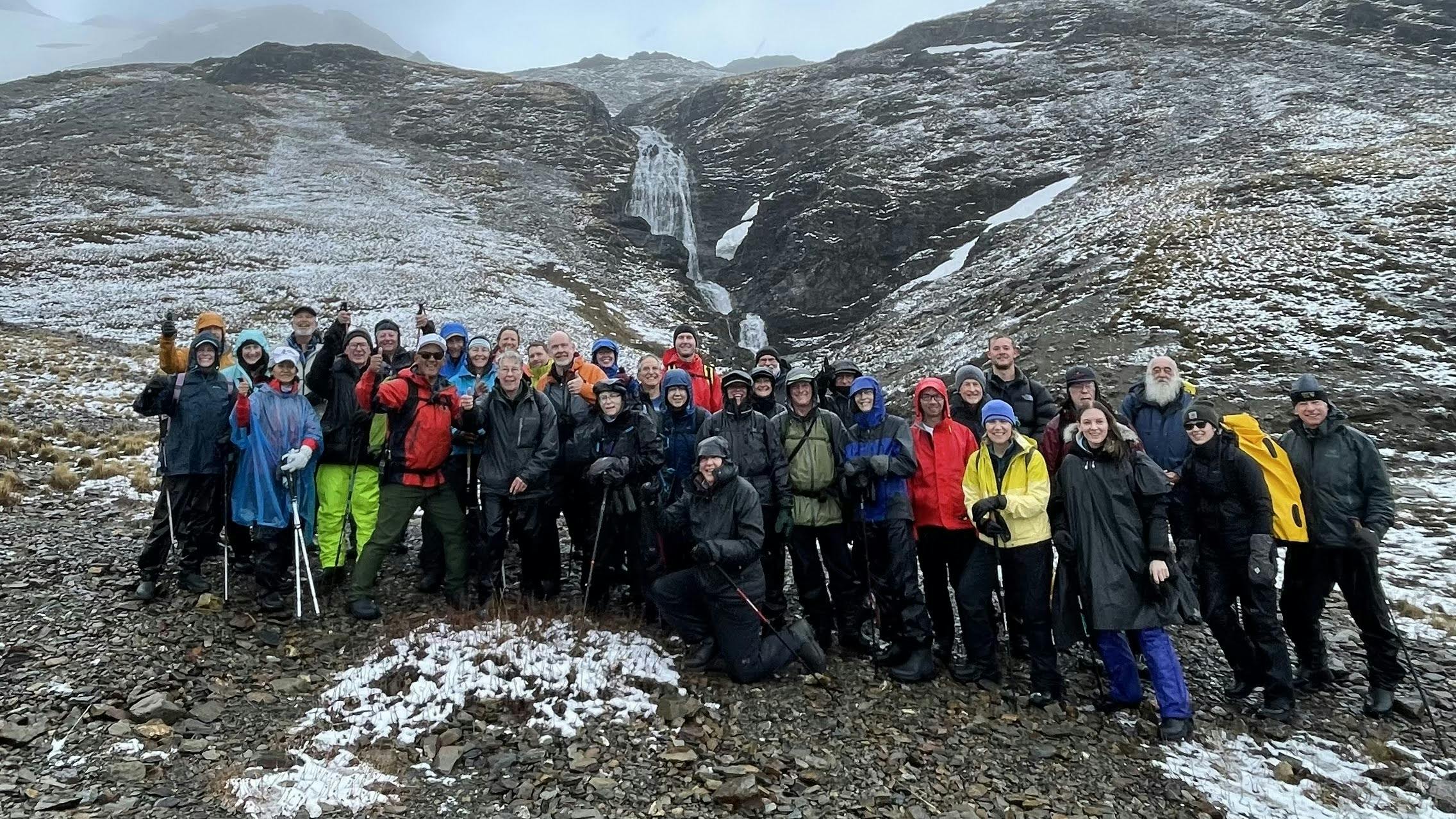
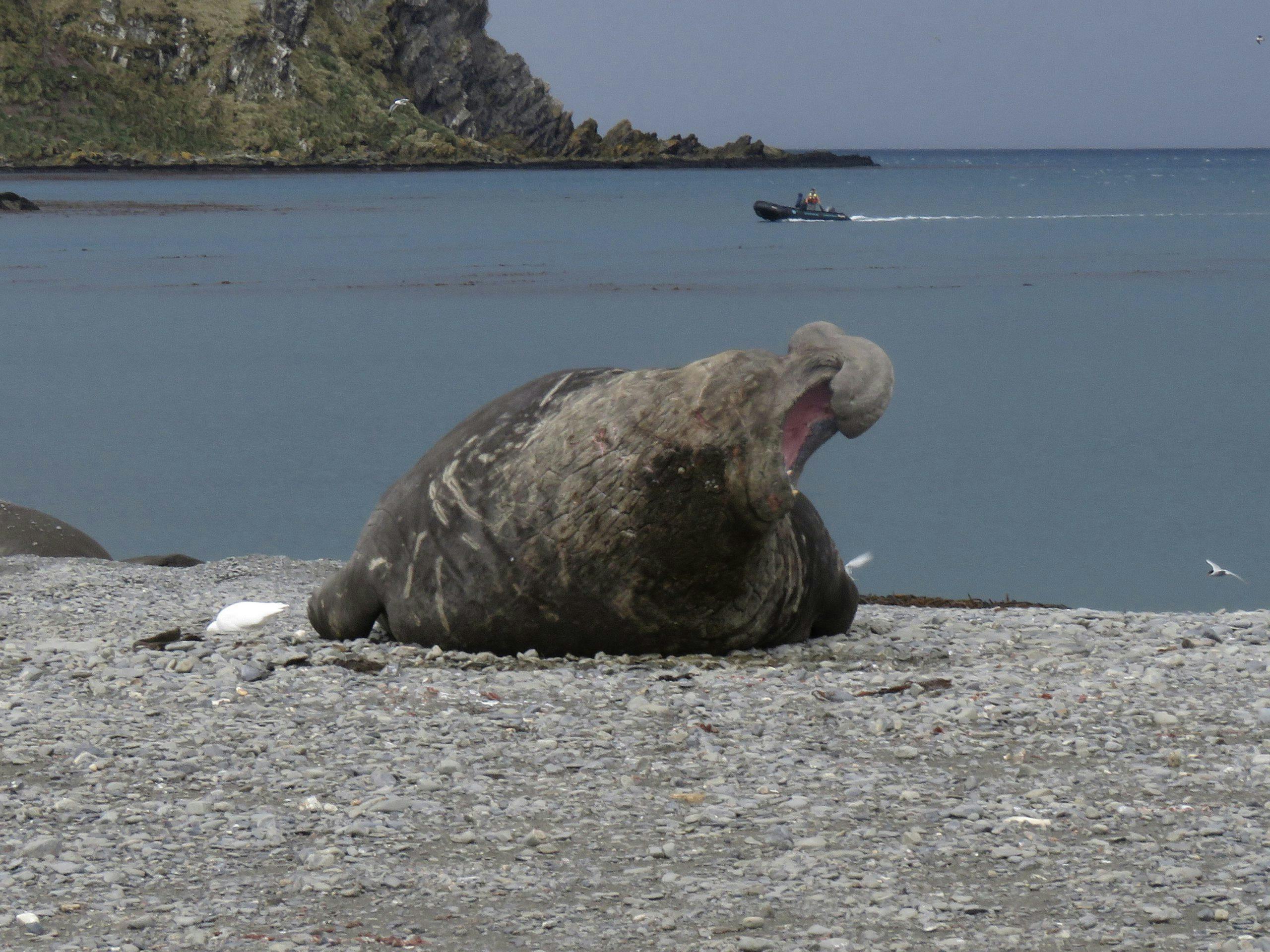
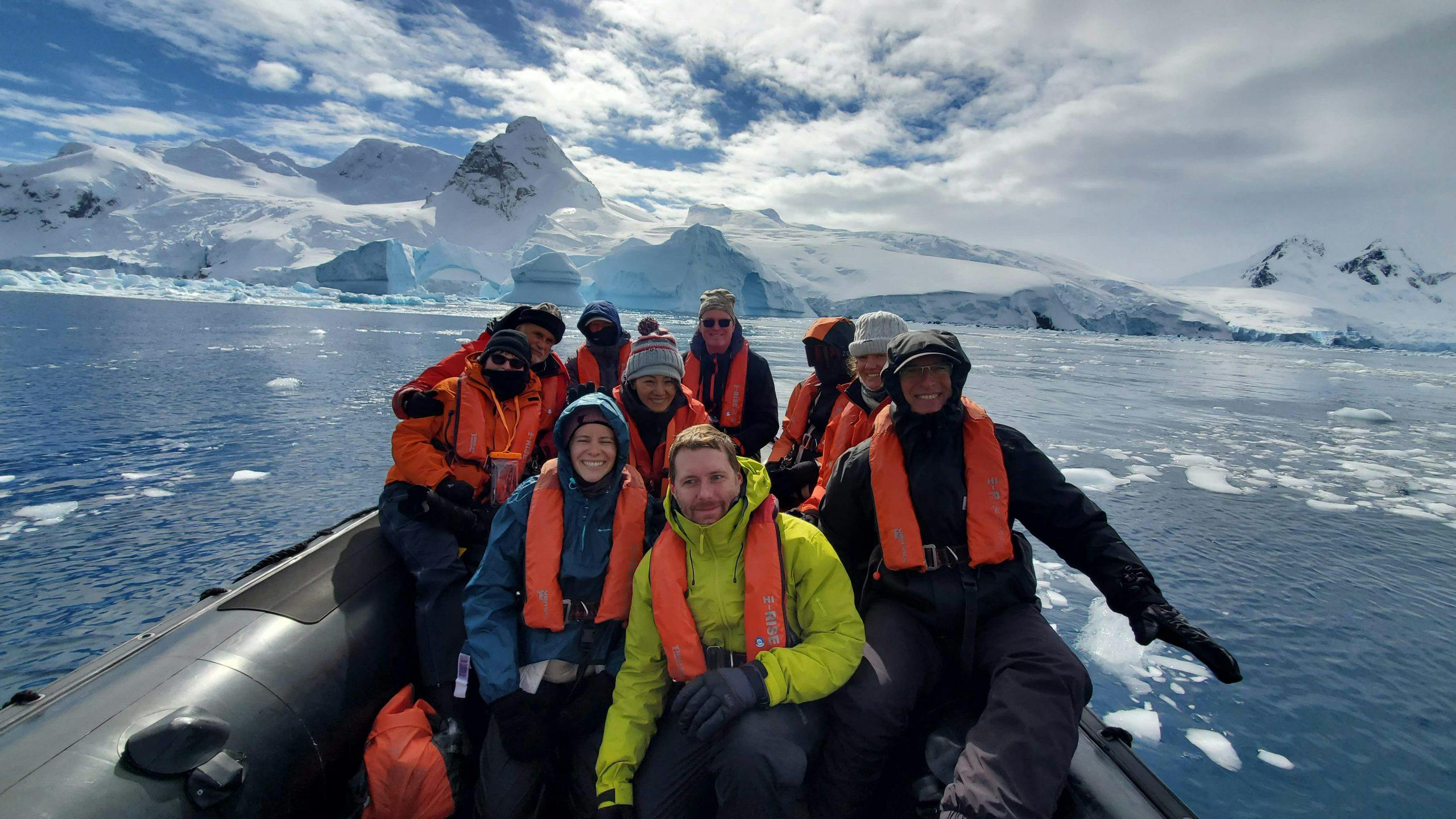
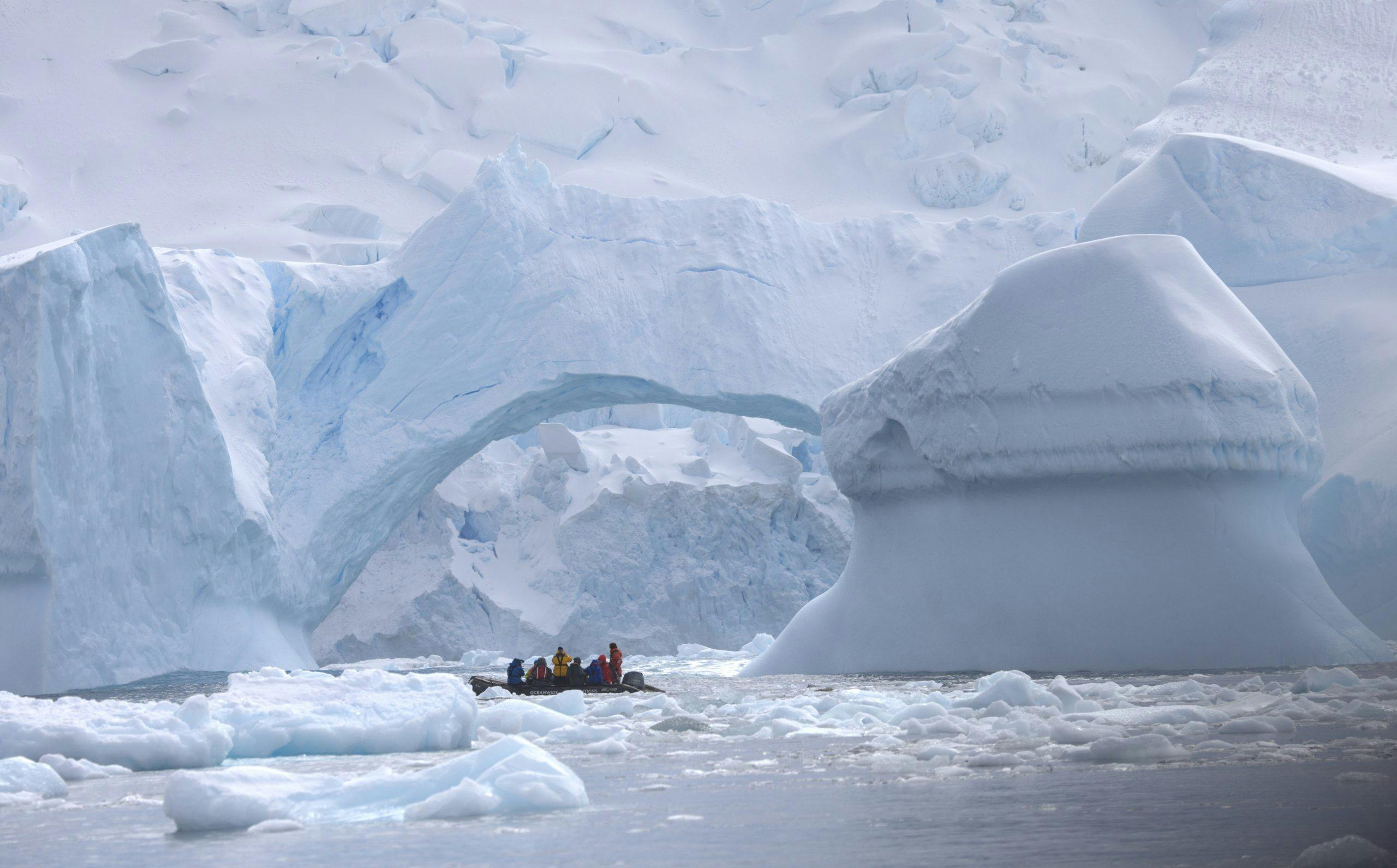
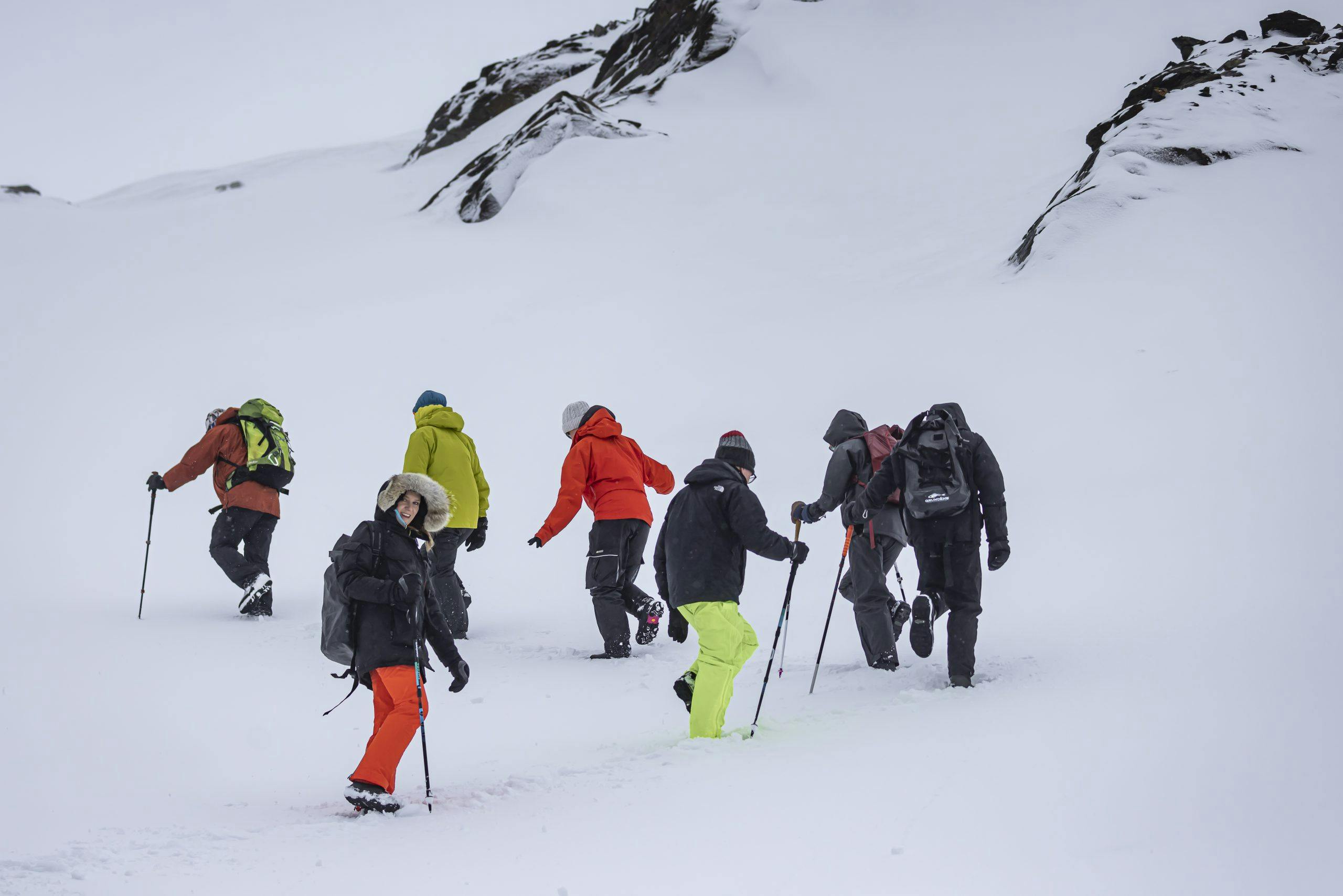
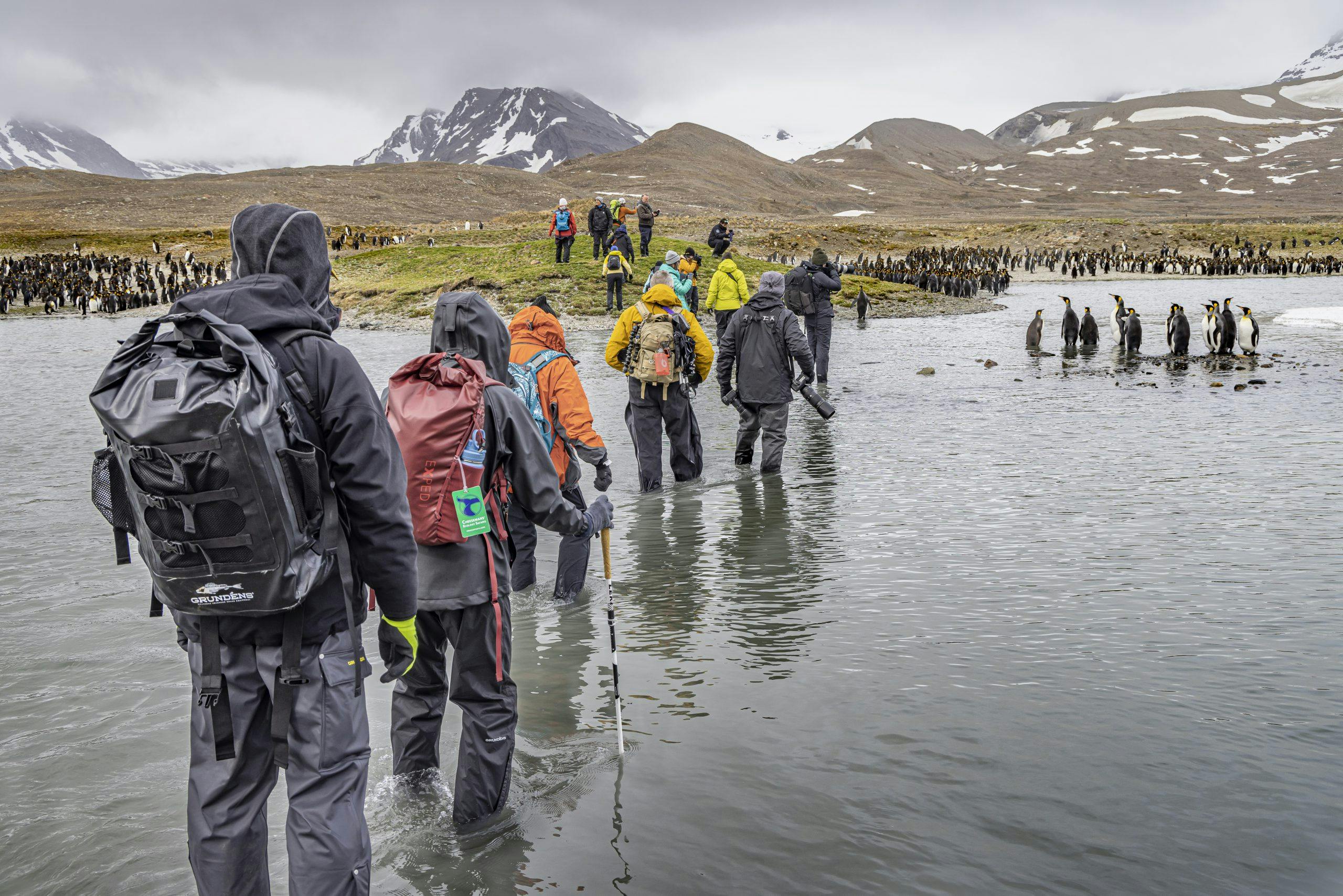
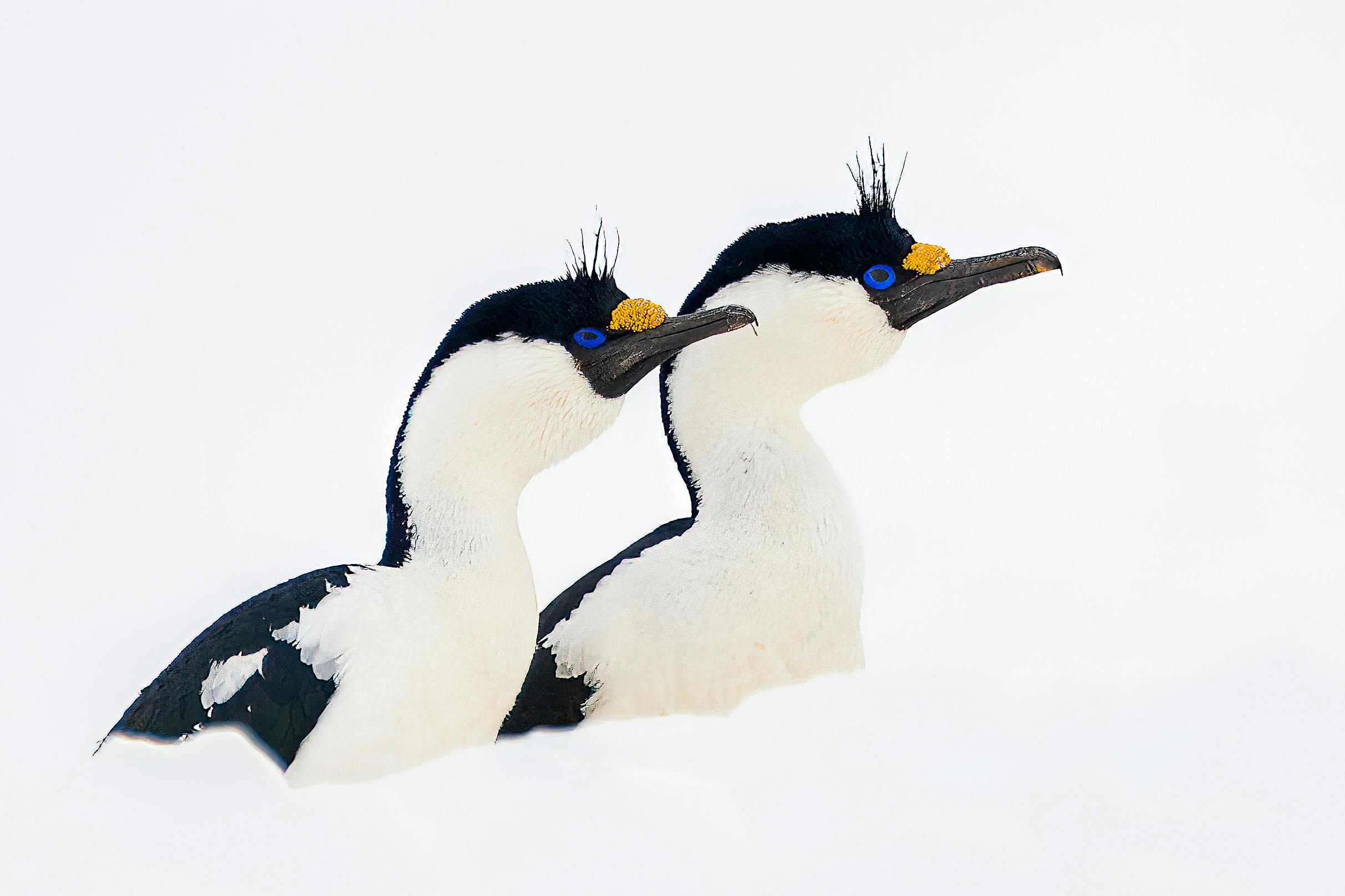
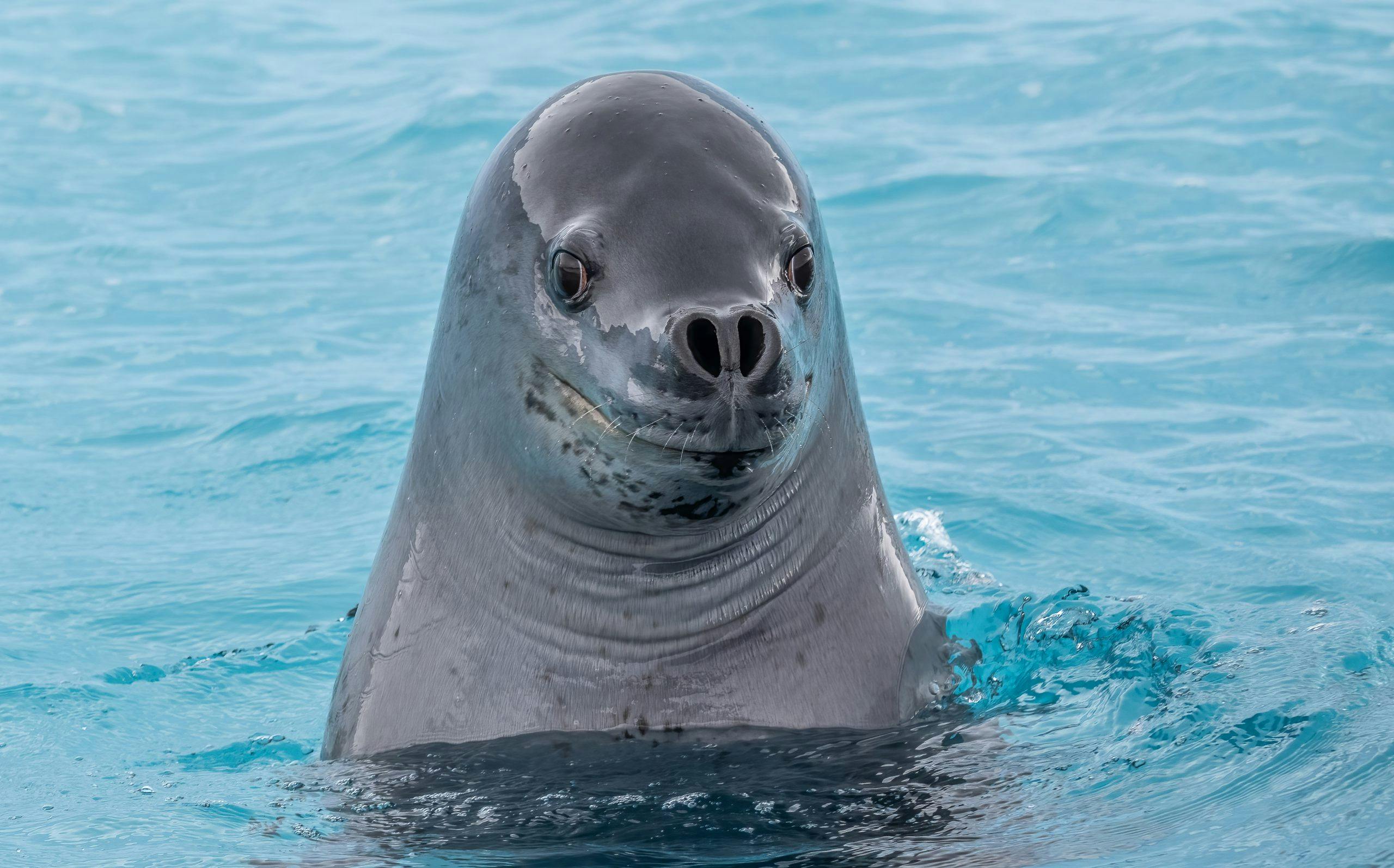
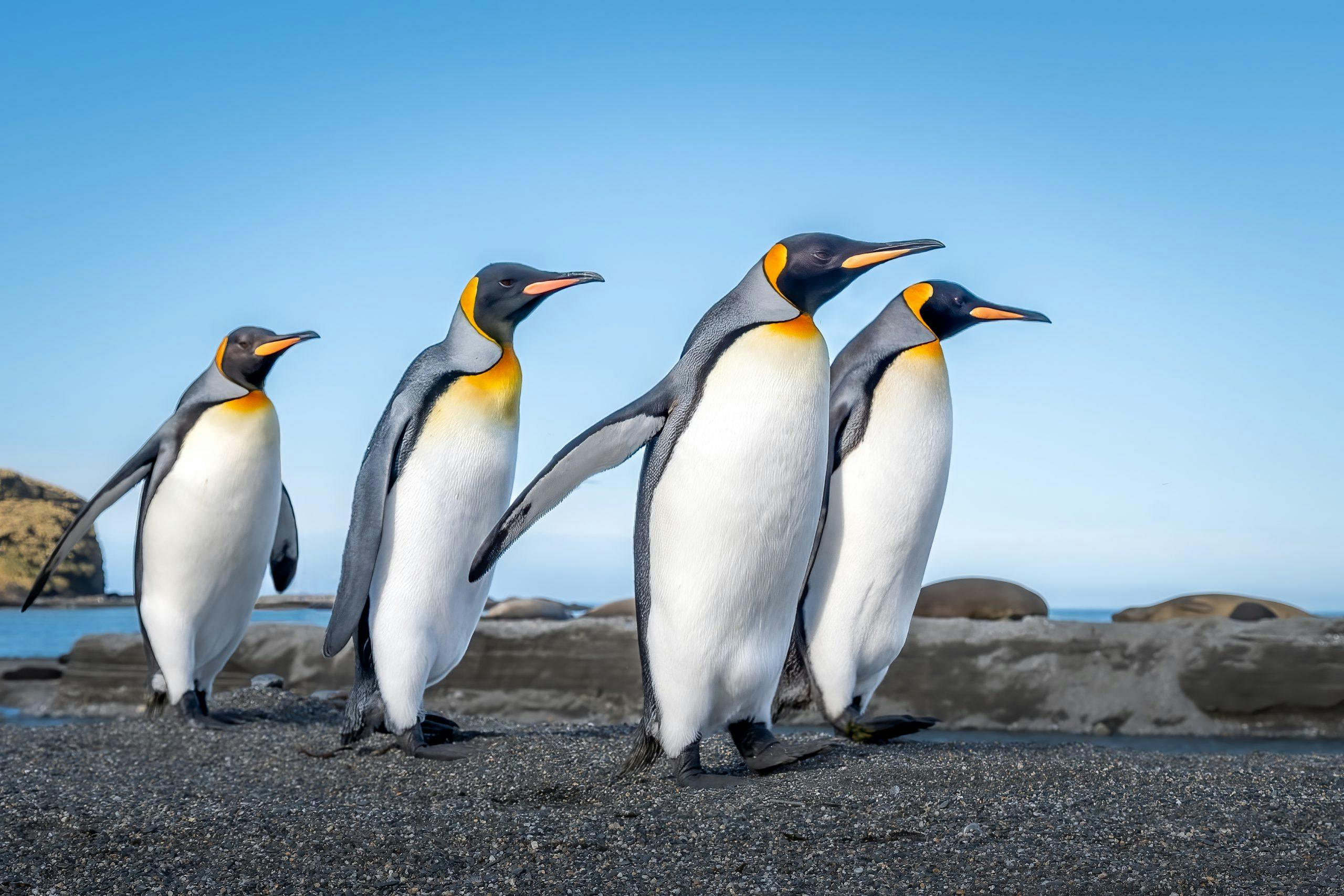
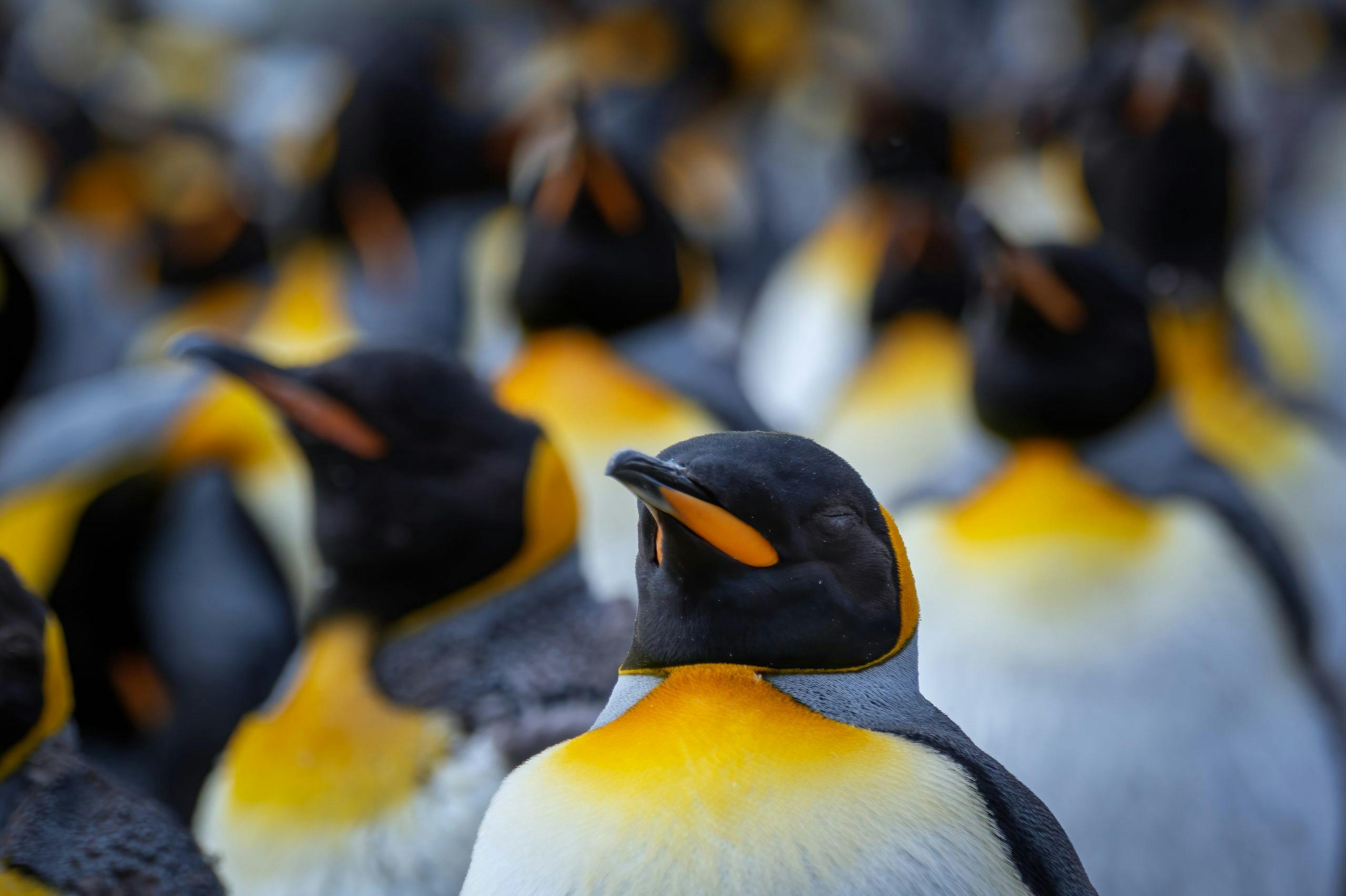
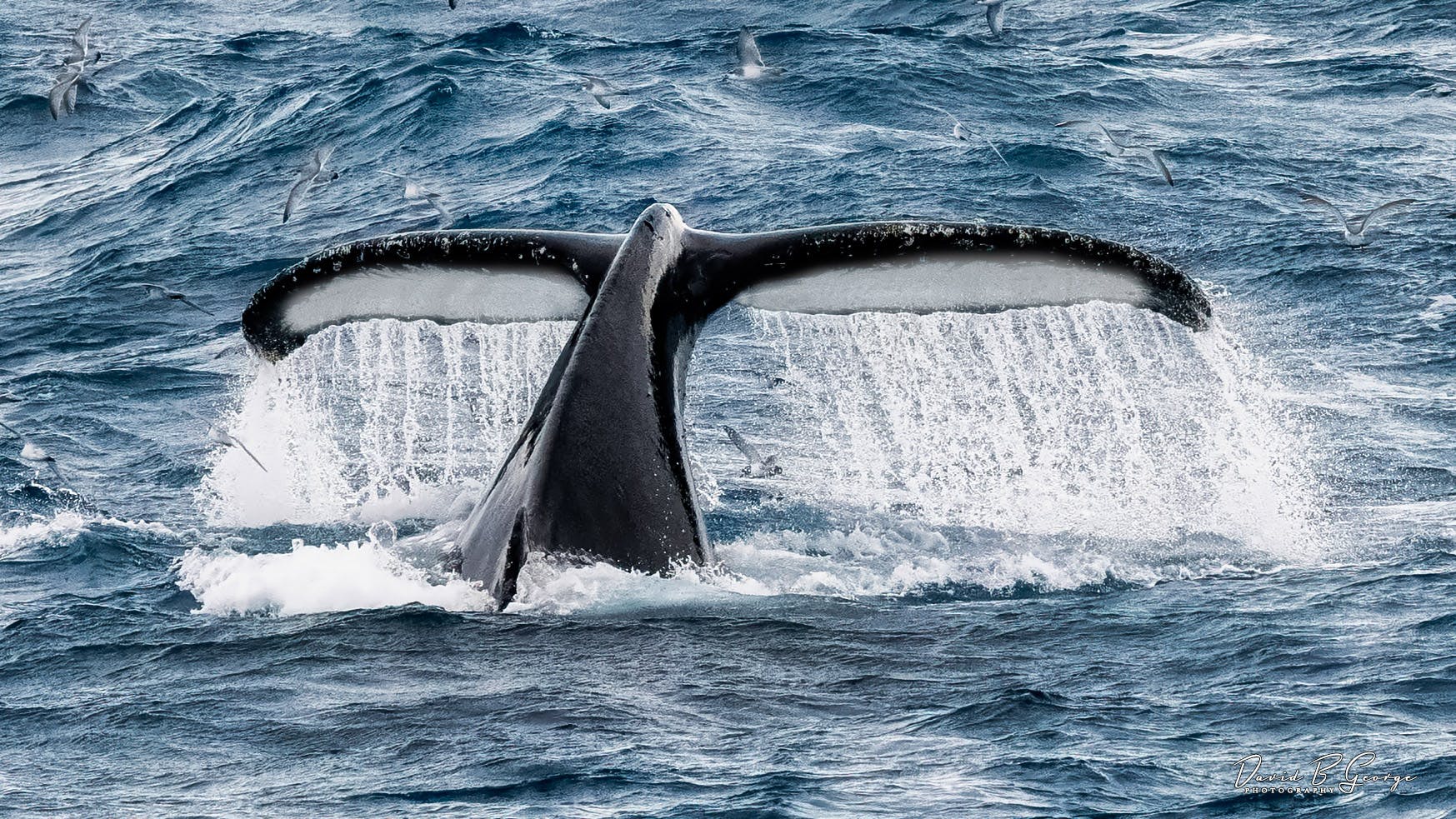
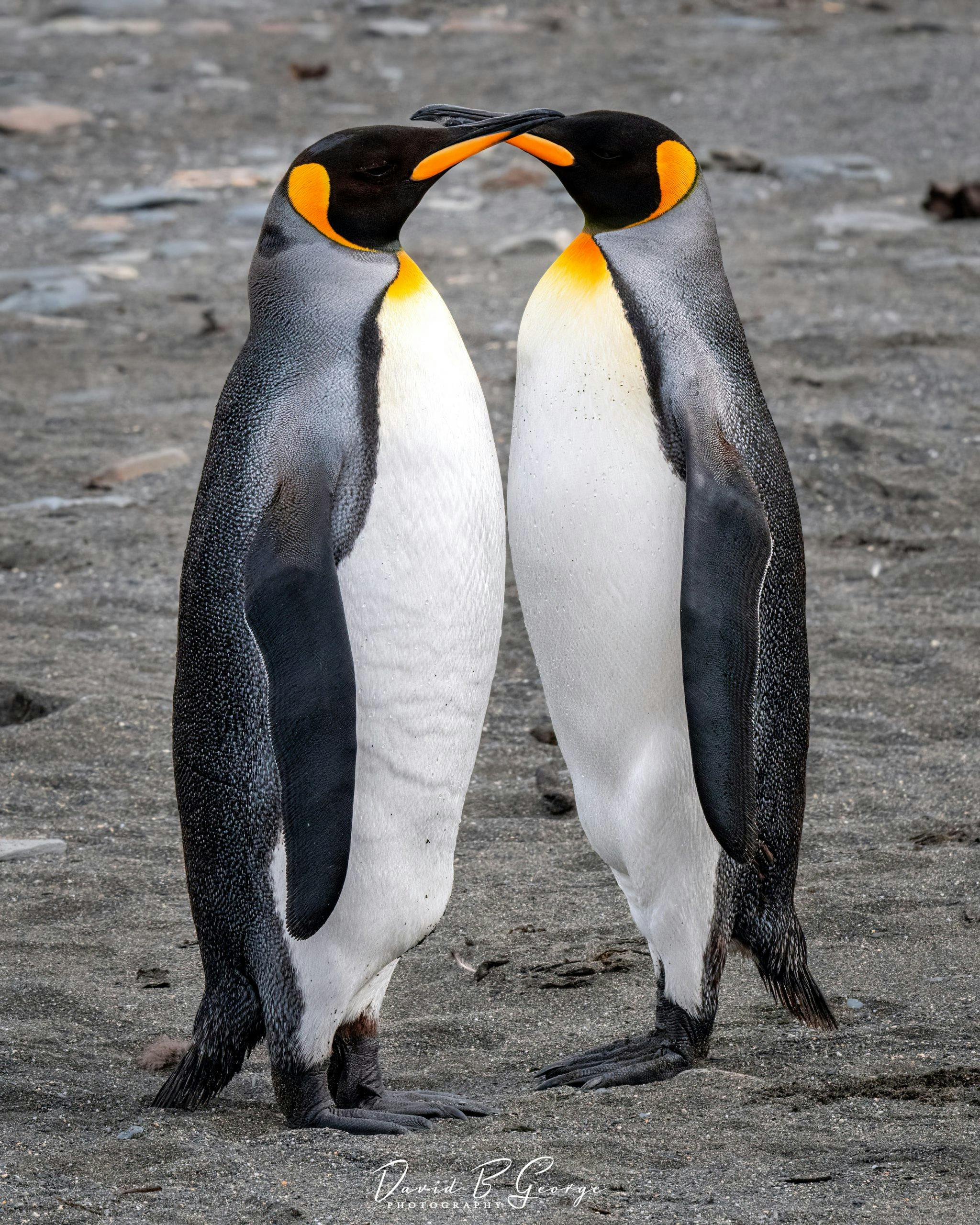
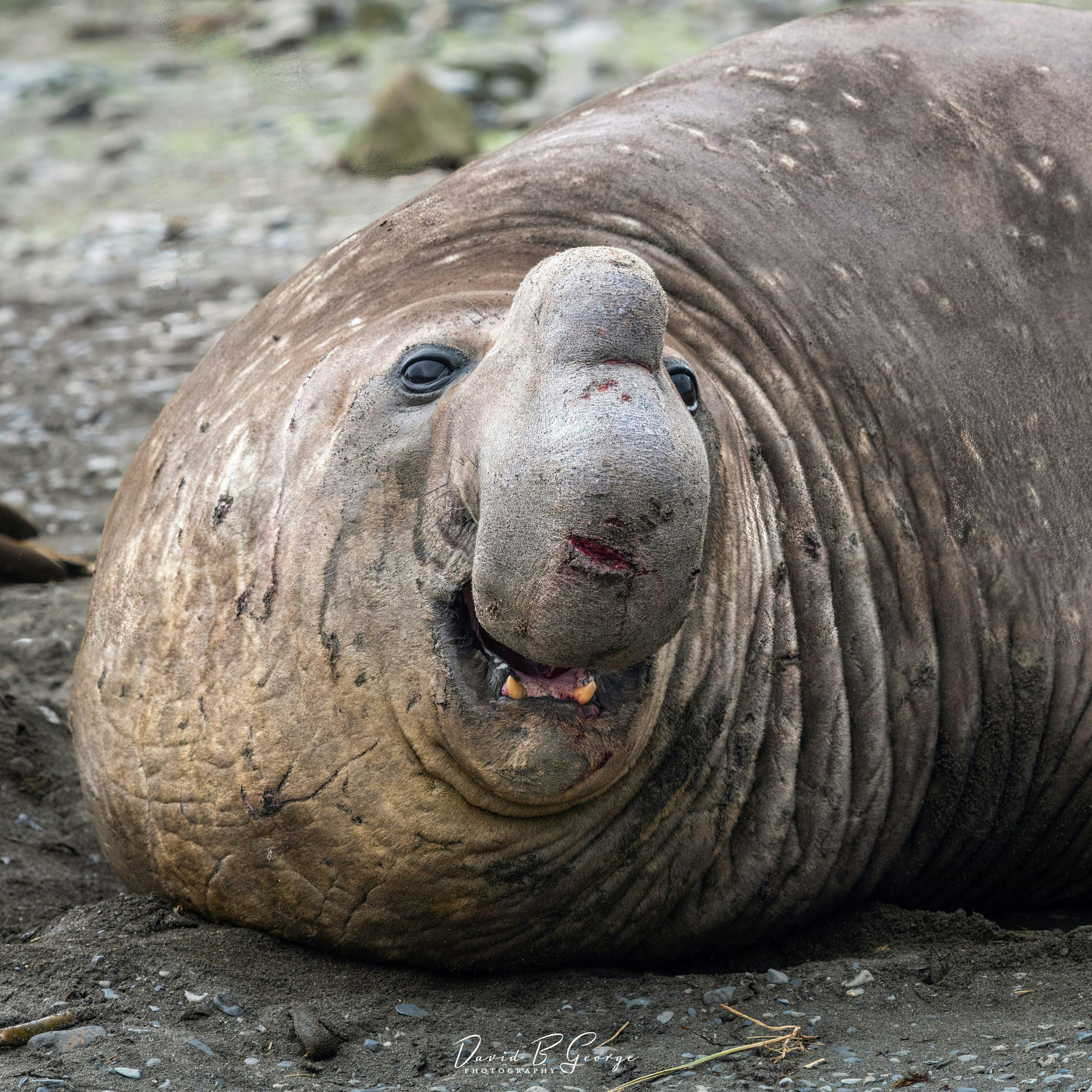

Traveler Testimonials
- Paul Luehrmann: “This was my fourth trip into the Southern Ocean with Cheeseman’s… The MV Plancius and its crew were first rate… Hugh Rose is an amazing expedition leader… The sense of wonder they displayed was terrific and motivating… This was what made the trip really worthwhile.”
- Georgia Struhsaker: “Pre-trip extension to Falkland Islands was incredible; it’s a wildlife photographer’s dream… The expedition to South Georgia and Antarctica was awesome; Cheeseman’s made good on its promise to get us out there with the wildlife… The Plancius and her crew were well suited to this journey.”