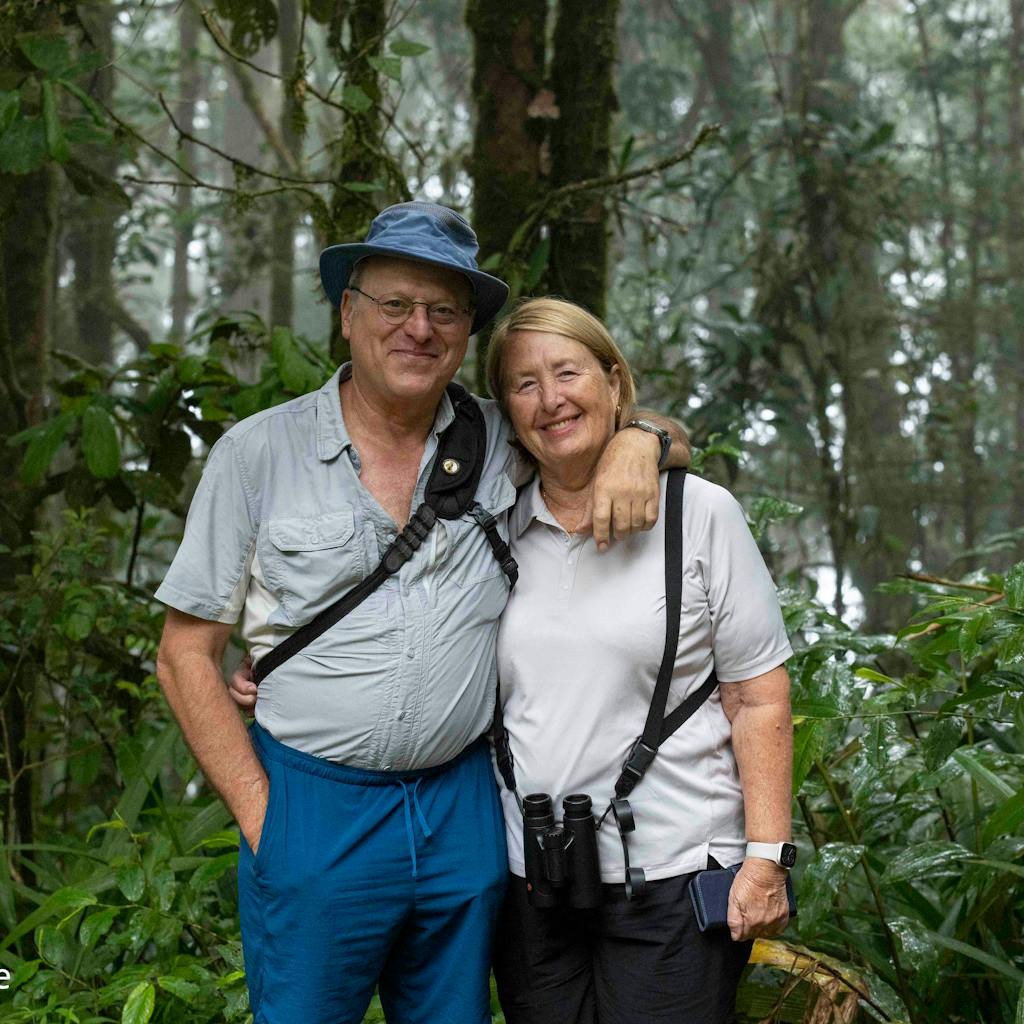
This is a guest blog from longtime traveler Jack Hochfeld, who has joined us on many unforgettable journeys, from the frozen shores of Svalbard to the steamy rainforests of Borneo. With his sharp eye for detail and lyrical storytelling, Jack brings Borneo to life—capturing not only the rare and remarkable wildlife, but also the mud, the heat, the laughter, and the sheer wildness of the place. His reflections offer a rich, personal window into one of the world’s most biodiverse corners.
Borneo: Heat, Humidity, Mud and Glorious Wildlife
We arrived early for our flight, missed the boarding call, raced for the gate, and the aircraft door closed behind us. The fuel tank was overfilled, the overflow tanks needed to be drained; we began taxiing, then returned to a gate (when one became available) to repair a fault in the braking system. We were about to depart again when the ground power tripped and needed to be reset; it tripped again, and the aircraft systems shut down. We disembarked, re-boarded, and finally had an uneventful but six-hour delayed flight to Singapore. After disembarking, we collected our luggage and headed back through immigration to our departure gate for Kuala Lumpur and Borneo. We missed our overnight hotel stay in Singapore.
Borneo lays south of China, just off the equator, with Vietnam, Cambodia and Thailand to the northwest, Singapore to the west, Indonesia to the west and south, and the Philippines to the northeast. As the third-largest island in the world, Borneo was divided over several decades in the twentieth century between Brunei, Malaysia and Indonesia.
I associated Borneo with the Allies’ disastrous loss of the island during WWII, shortly after Pearl Harbor. The defence—or more accurately, the non-defence—was split between Dutch and British colonial forces. Borneo was overrun by the Japanese and later liberated in 1945 by Australian forces, overcoming stiff resistance in harsh terrain of swamps, jungles and mountains. One could only imagine how difficult and brutal the conditions must have been.
A Living Museum of Biodiversity
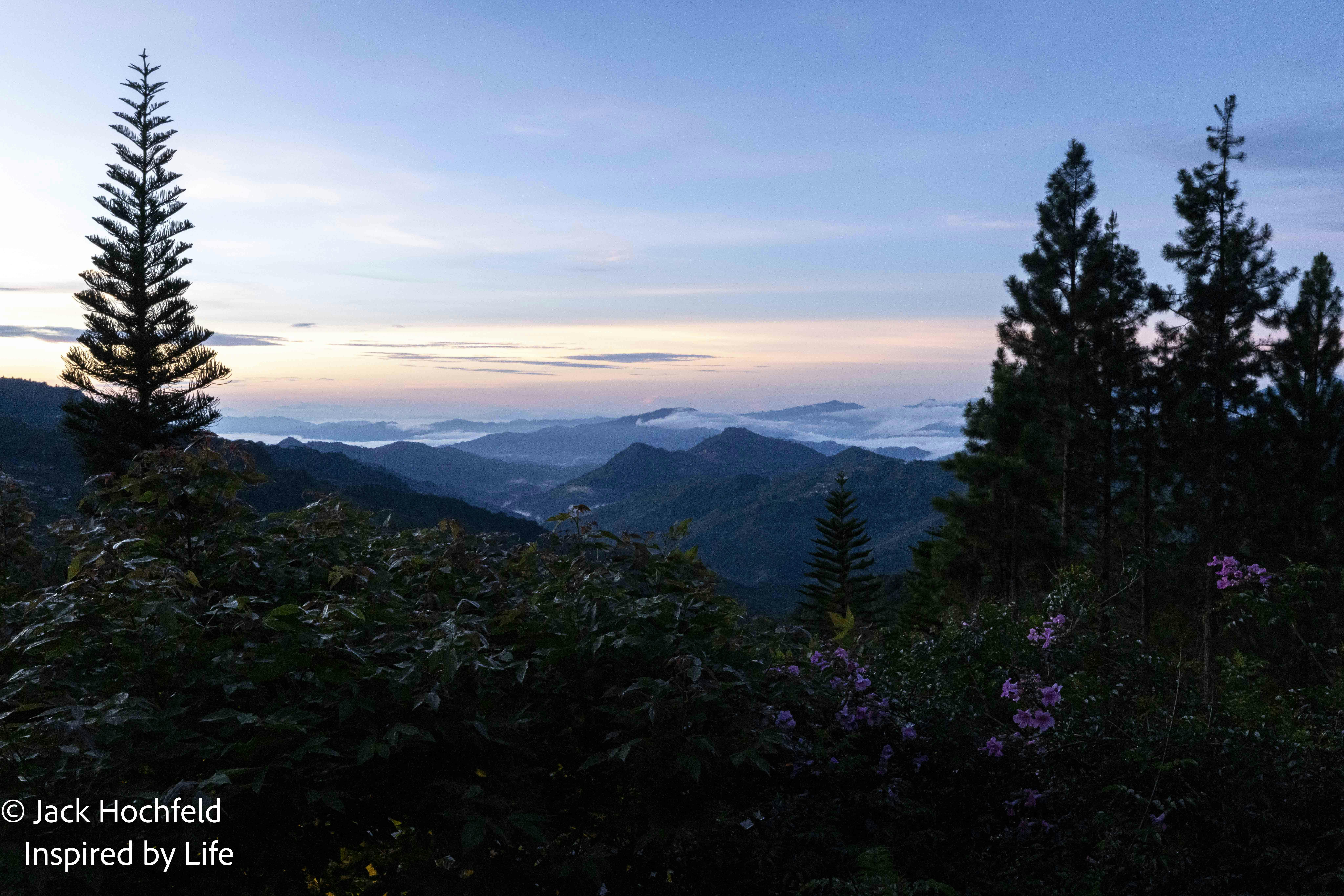
The rainforests of northeastern Borneo have existed continuously for over 2.5 million years, evolving into some of the most ecologically biodiverse ecosystems on Earth. A stable climate and isolation during ice ages preserved ancient lineages of plants and animals, many endemic to the region. Almost half of all endemic birds and 65% of the island’s endemic mammals are found at Kinabalu. This deep evolutionary history make the forests of Borneo not just a conservation priority but a living museum of life on Earth.
Extraordinary Wildlife
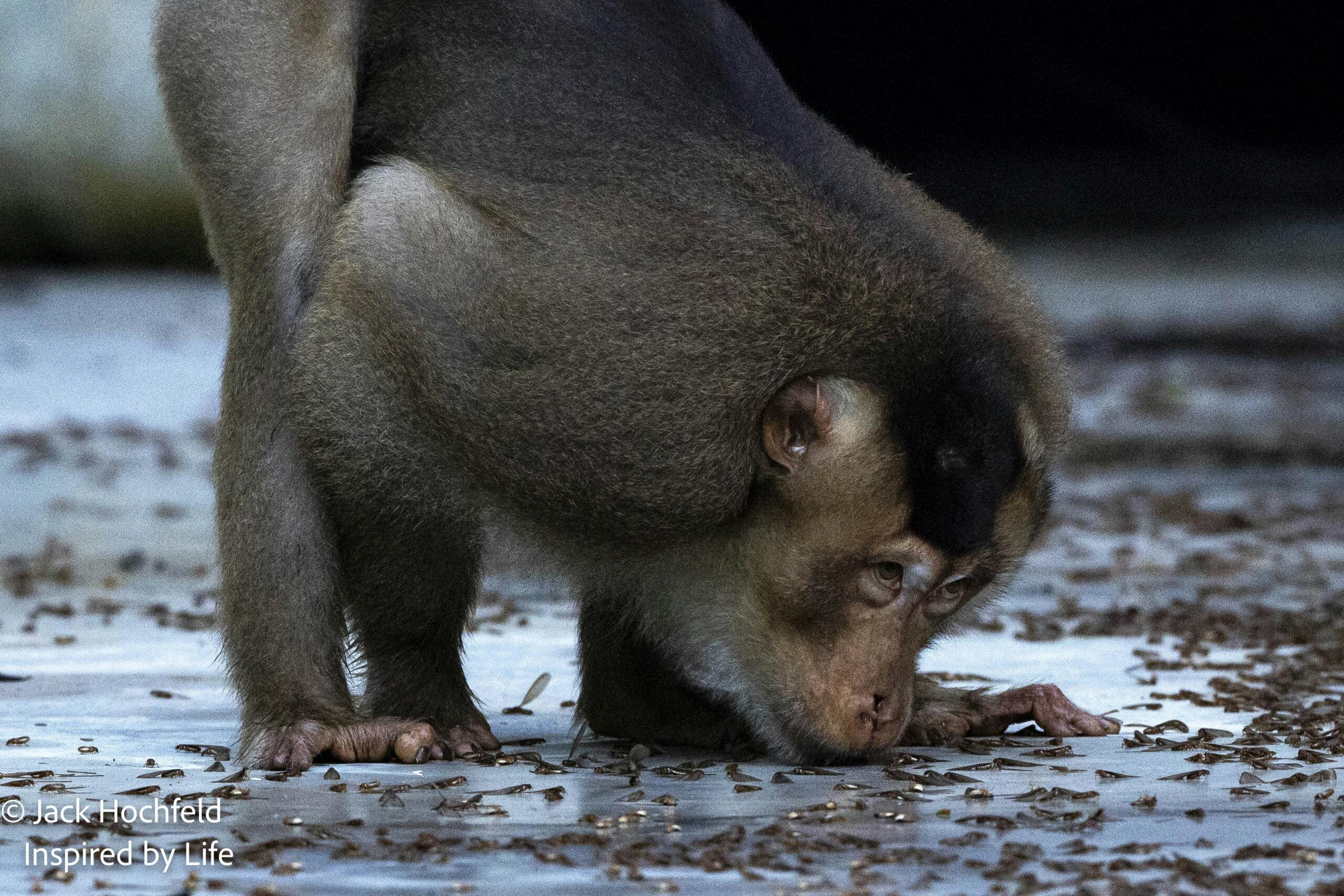
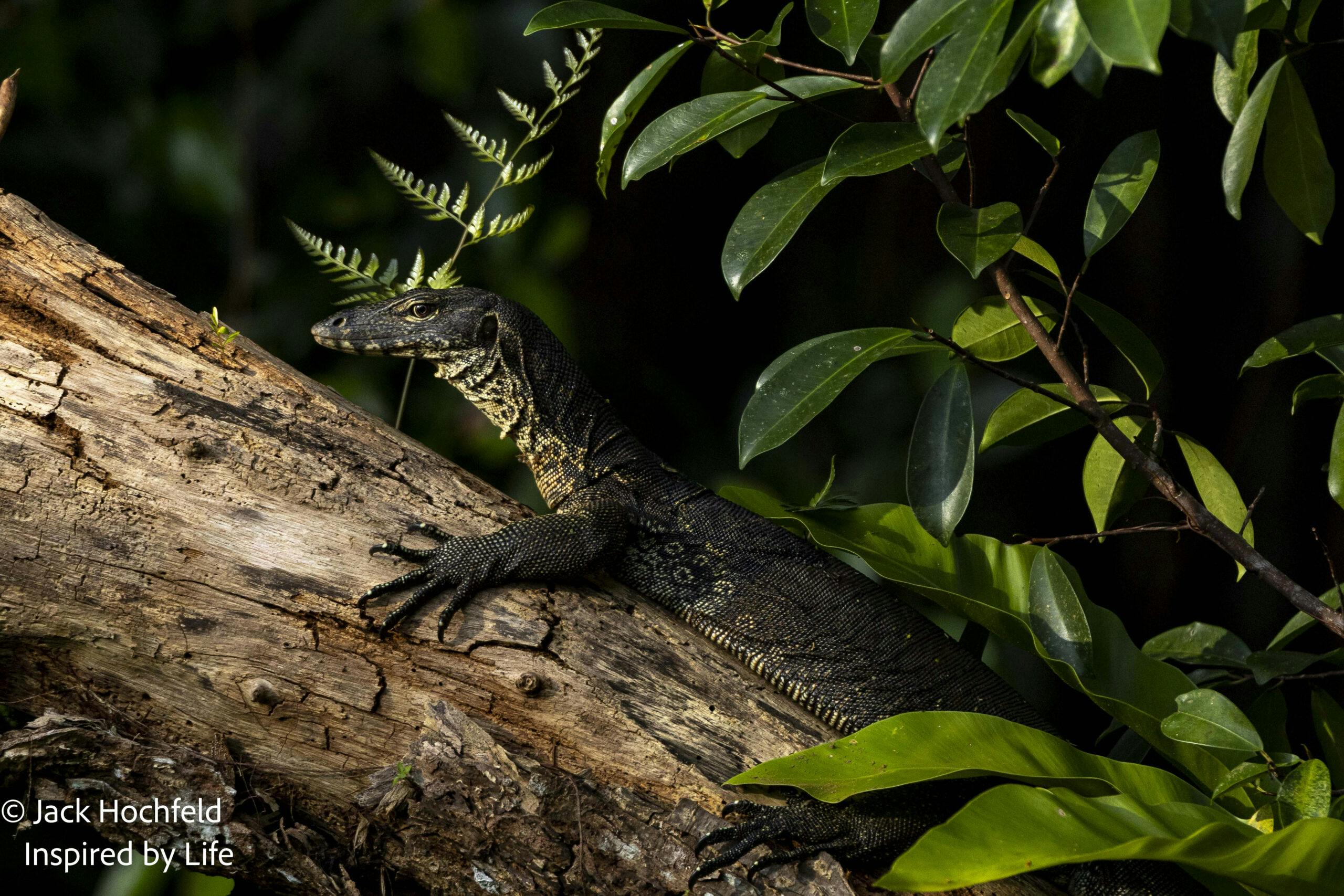
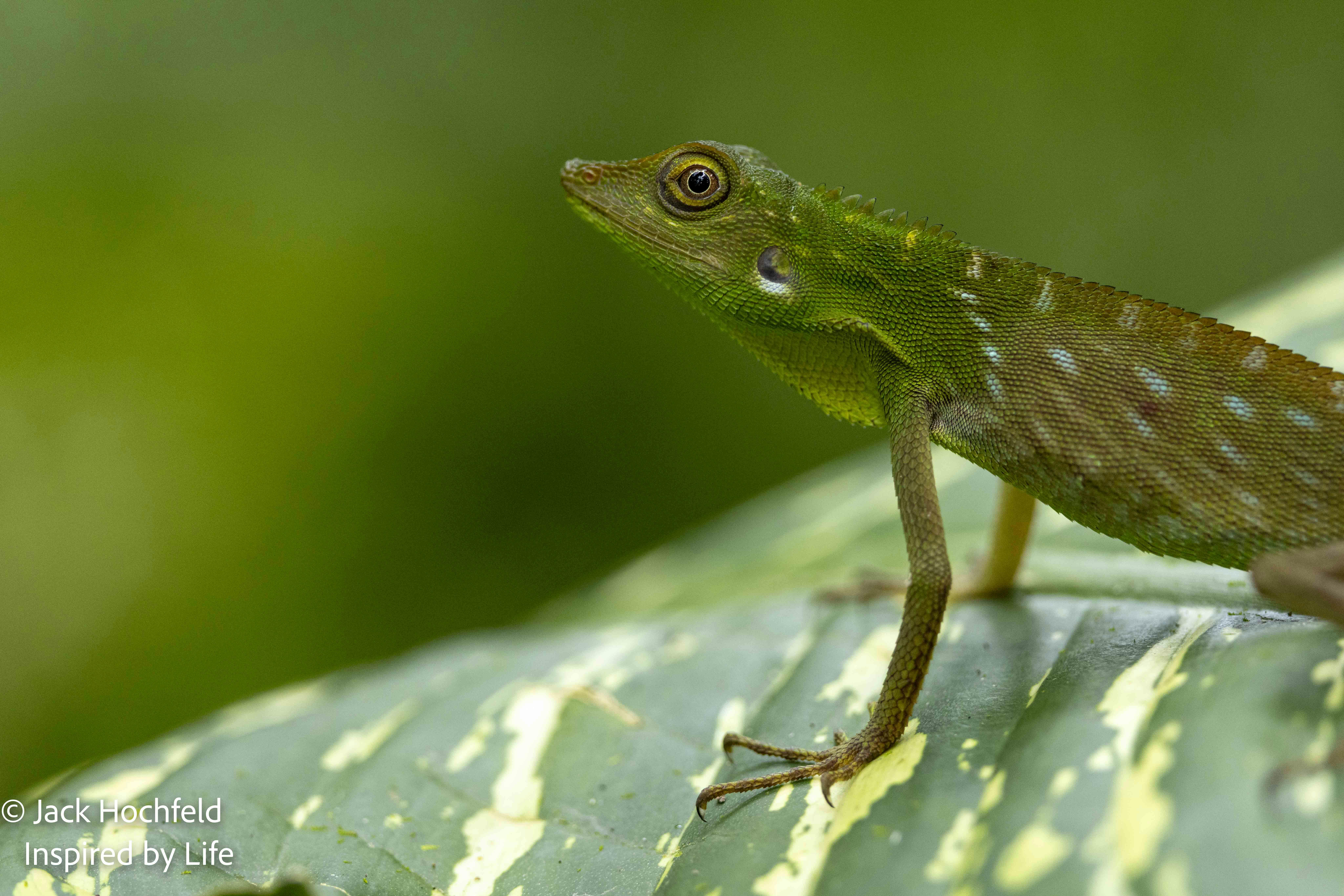
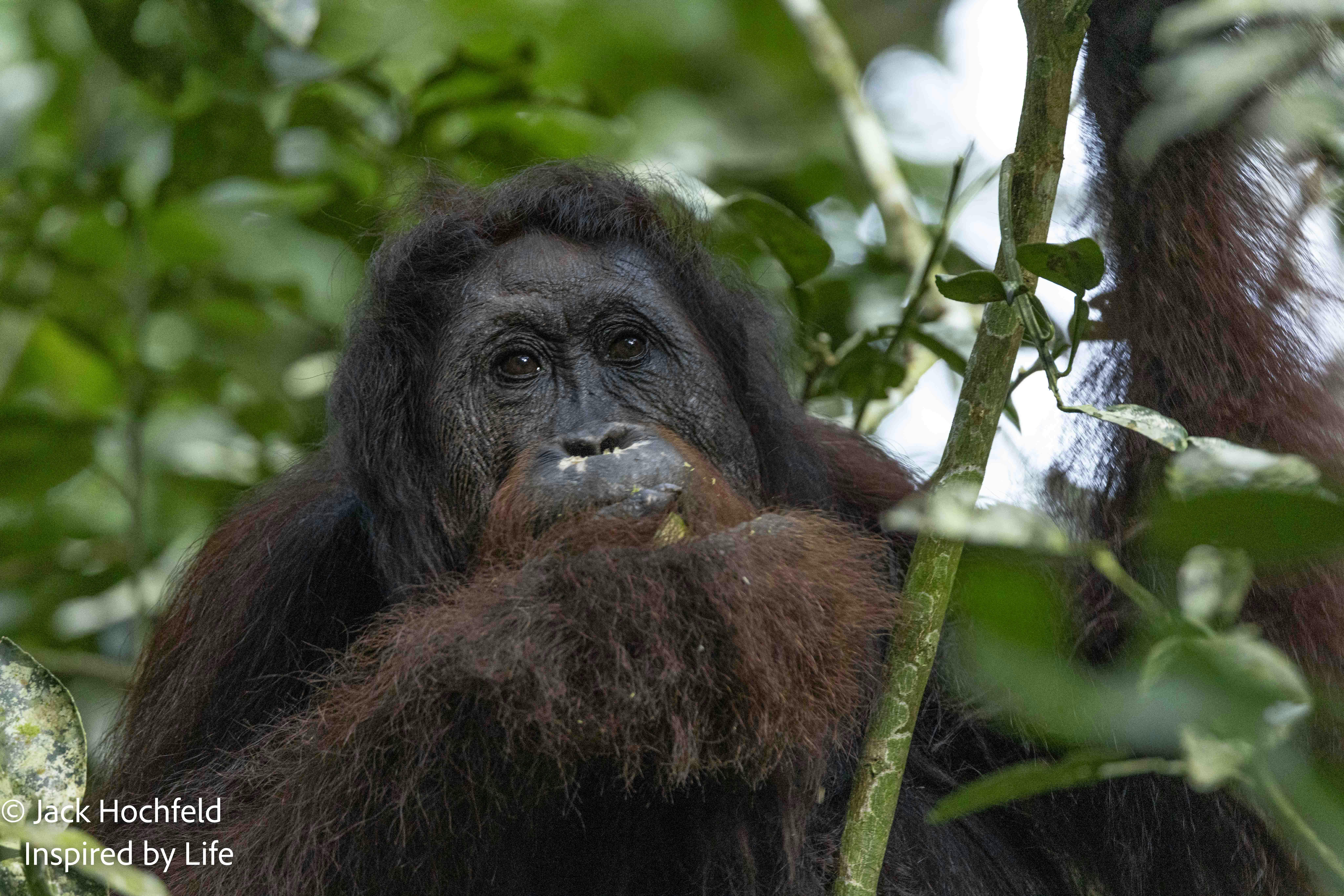
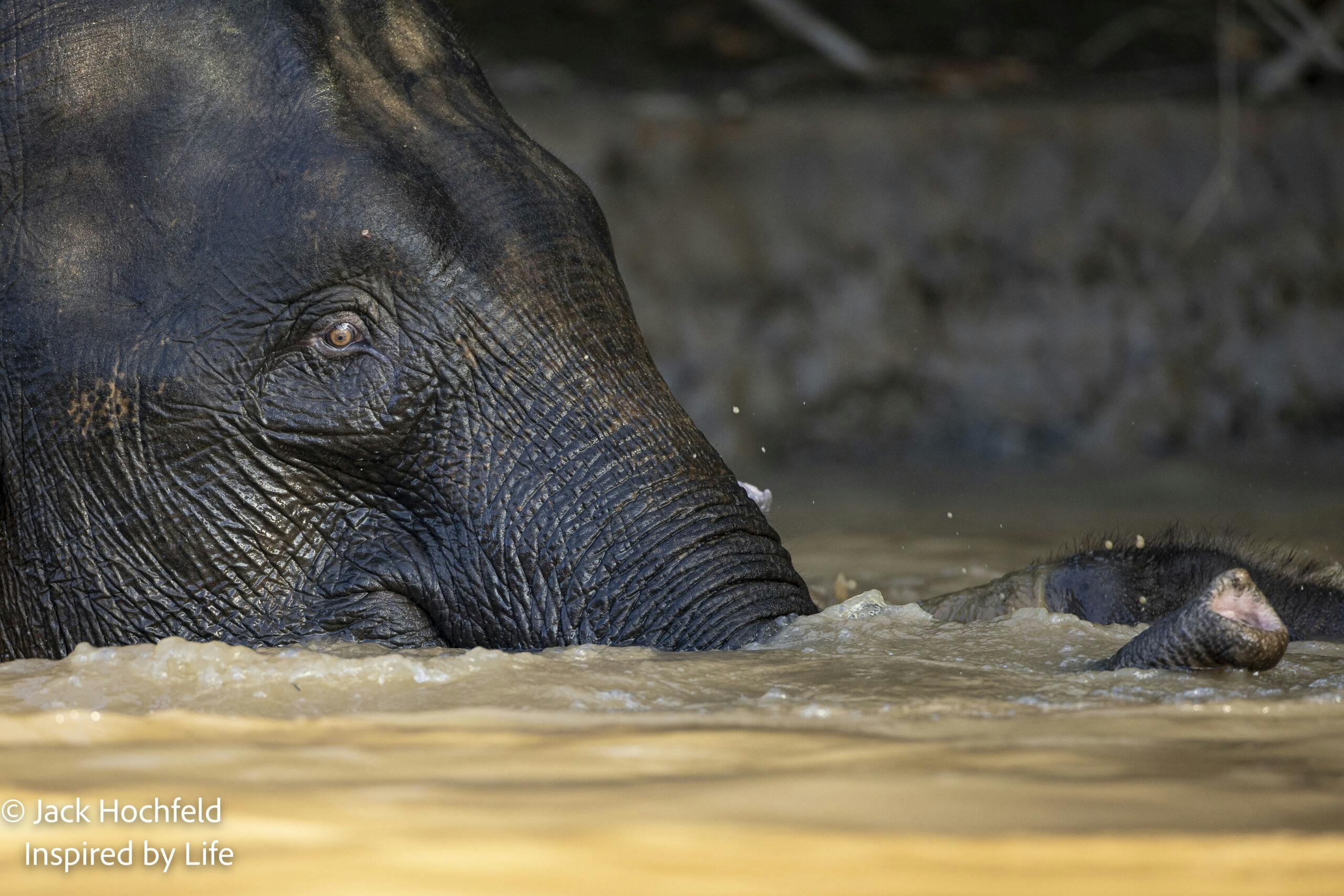
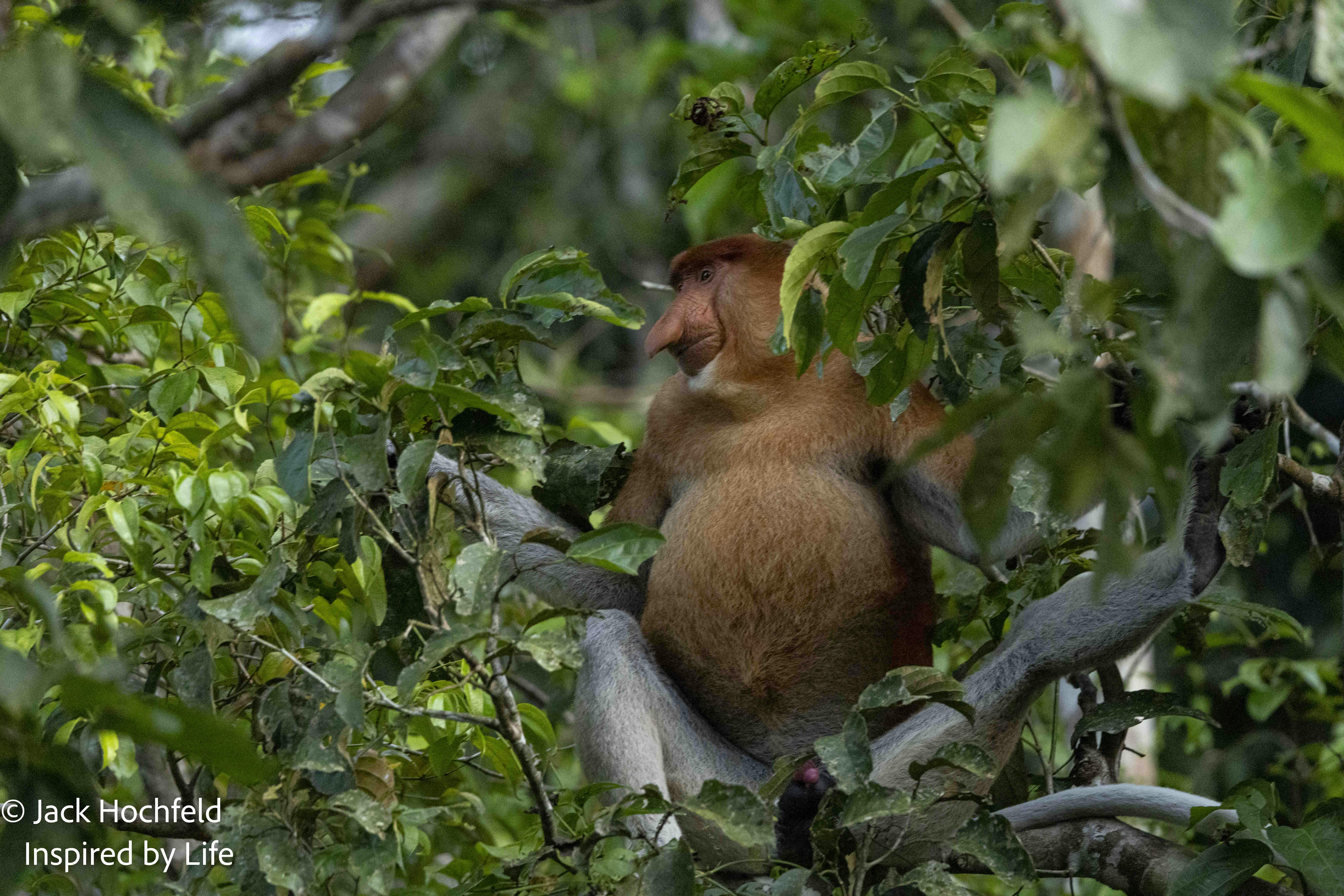
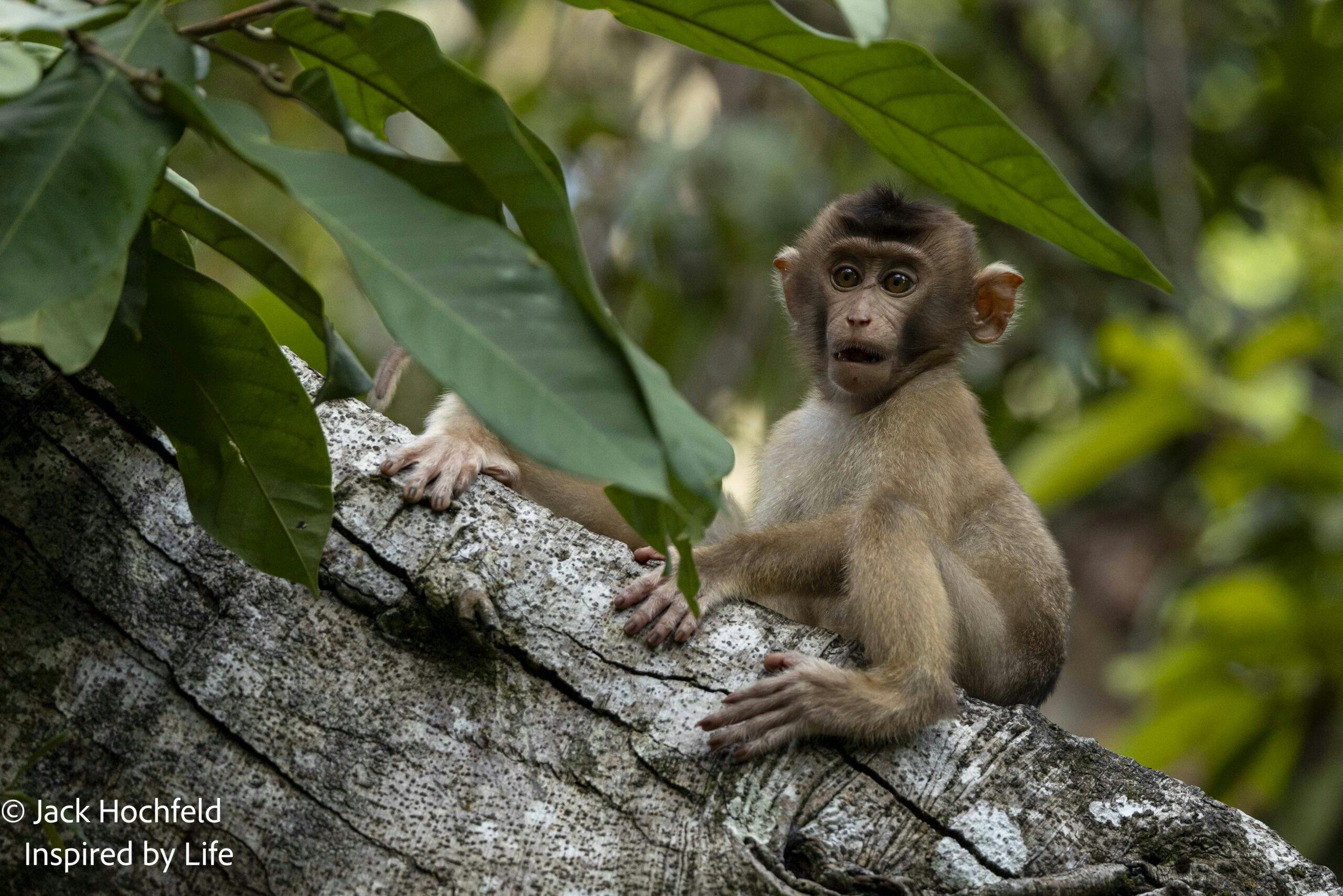
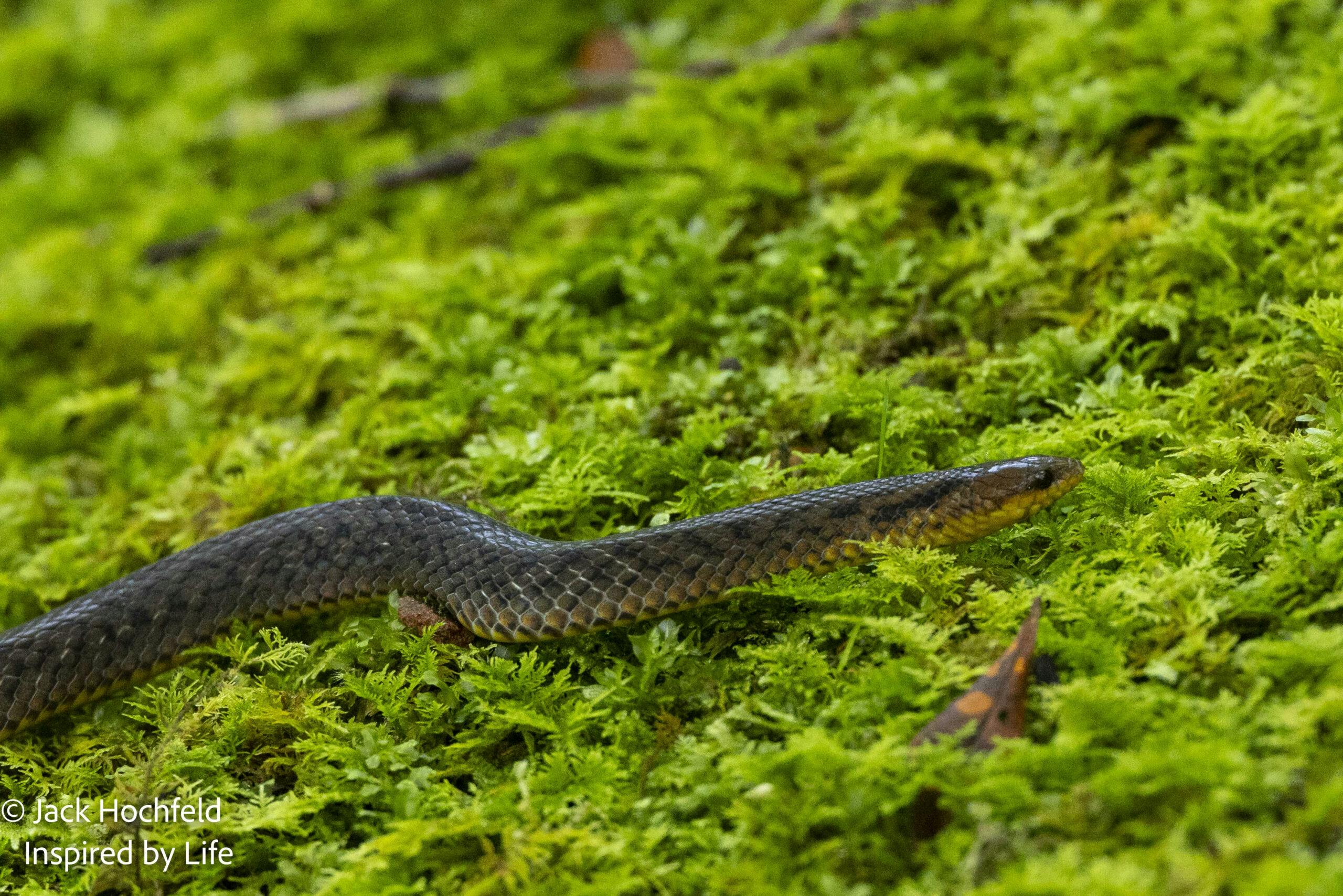
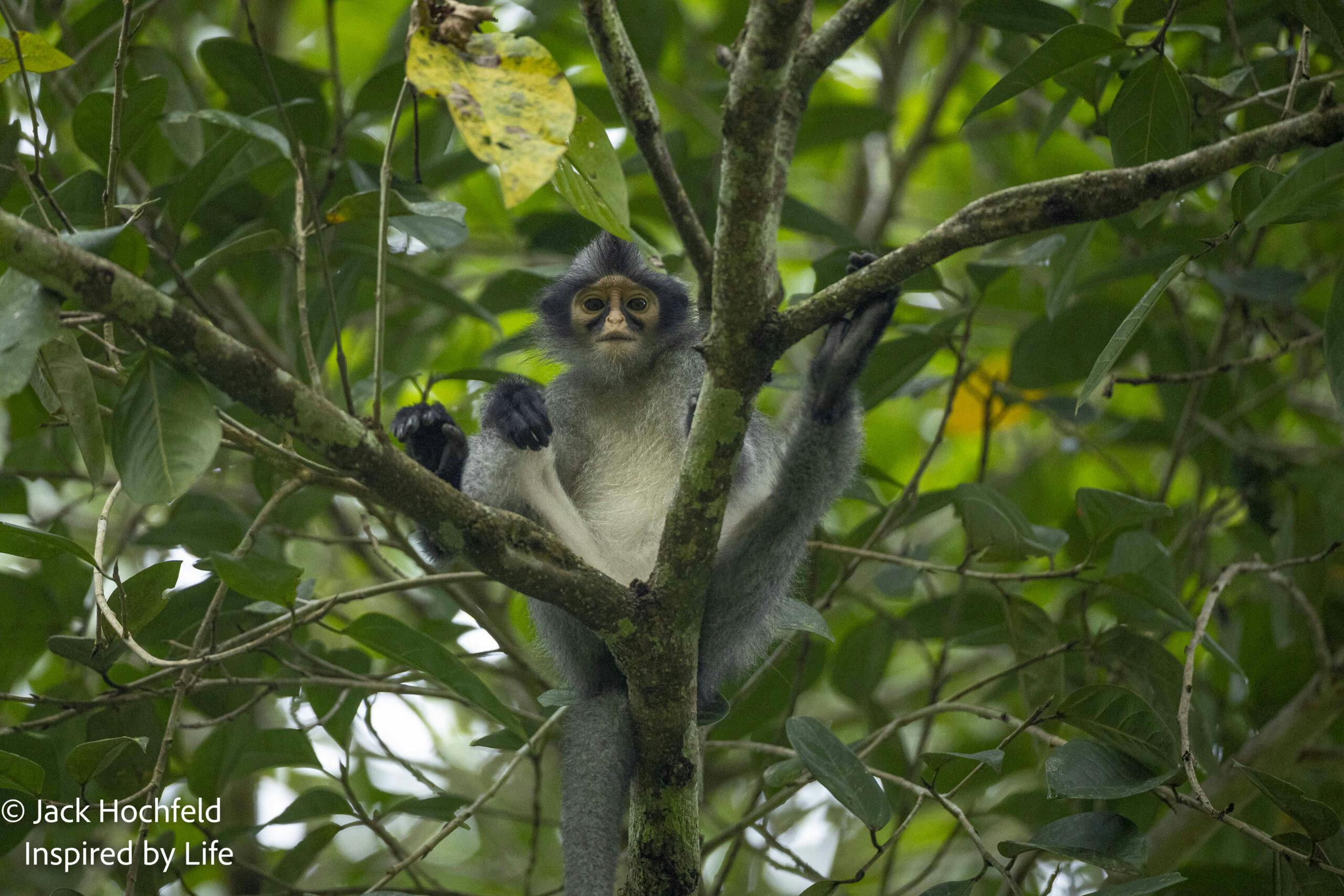
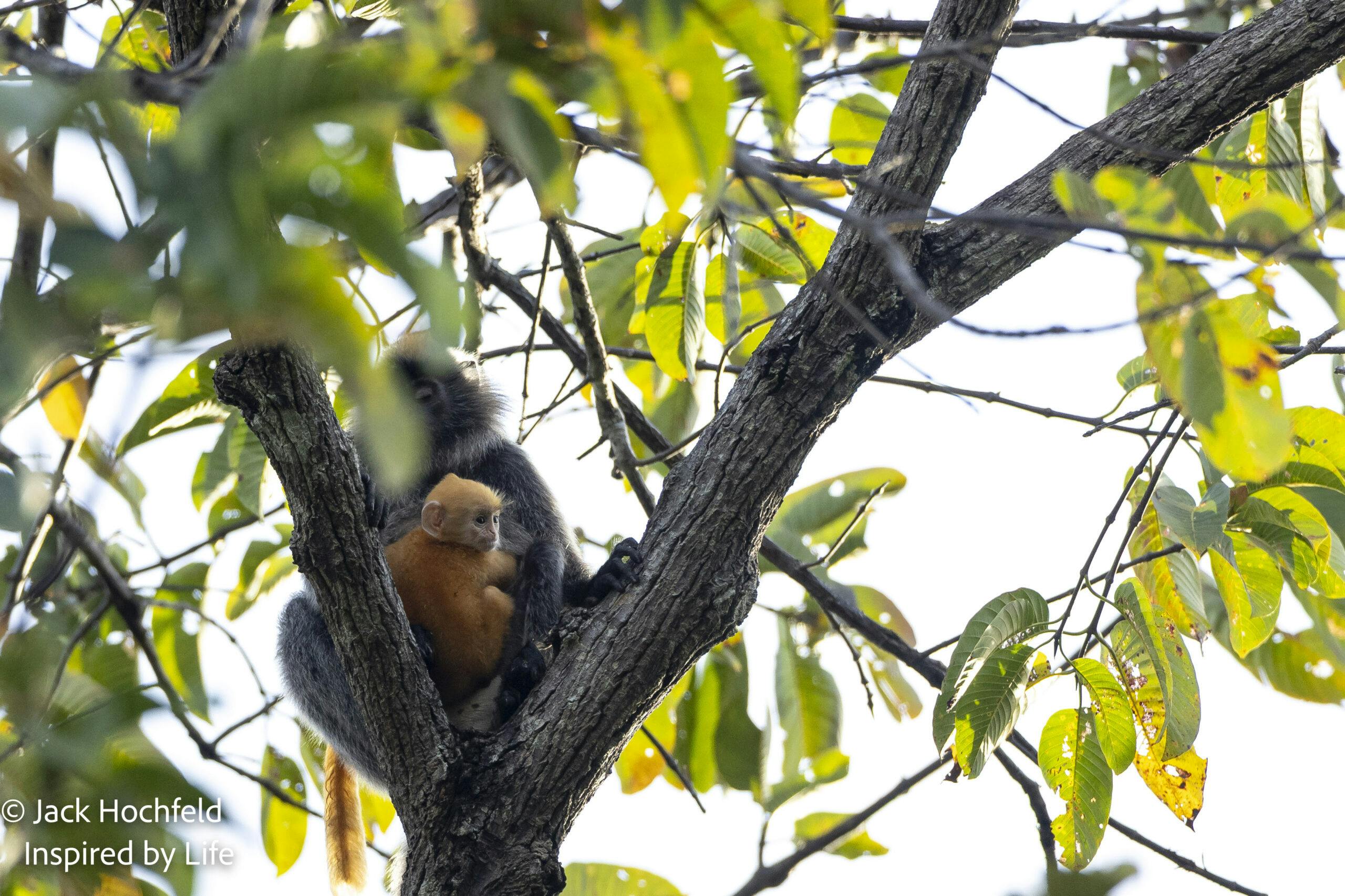
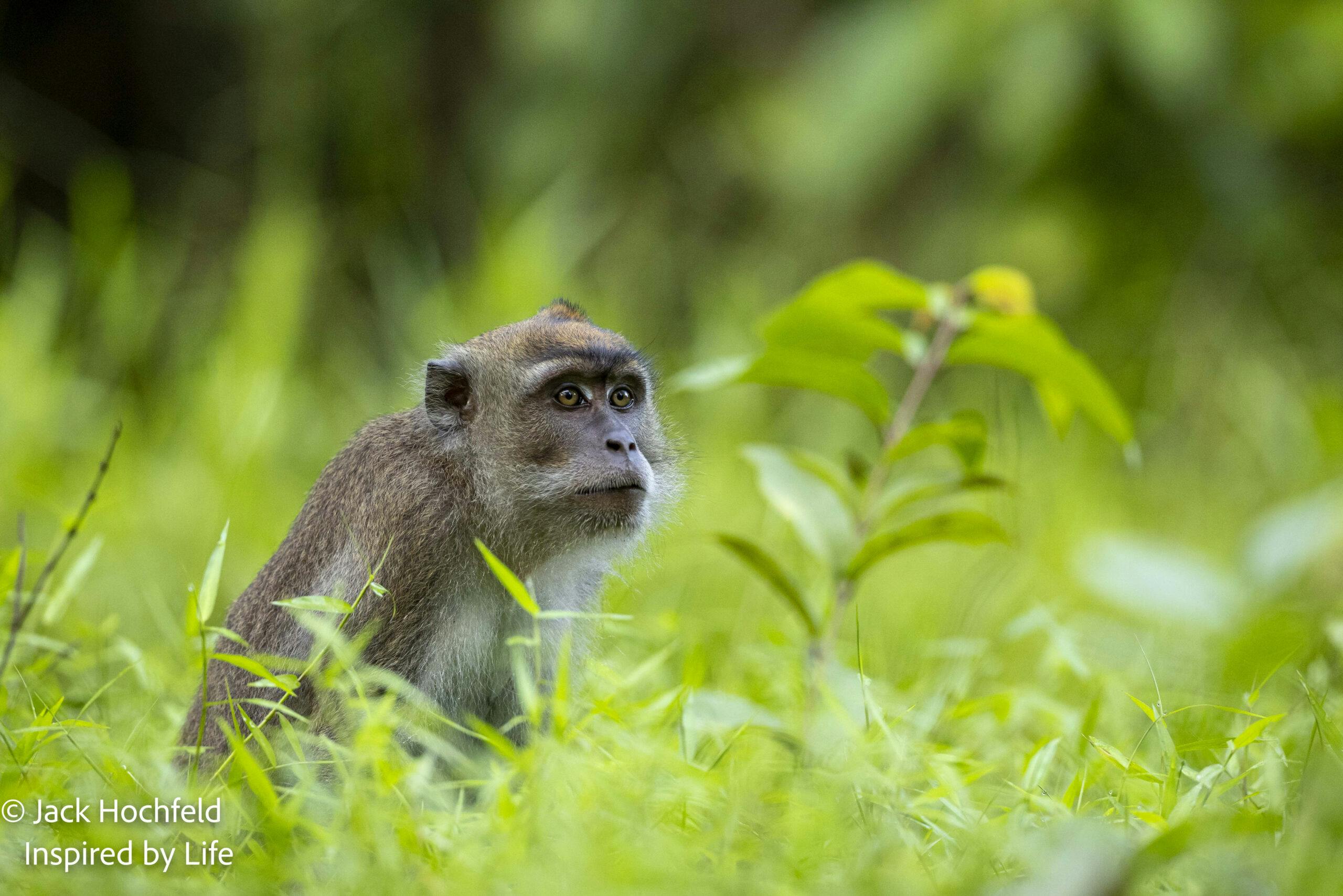
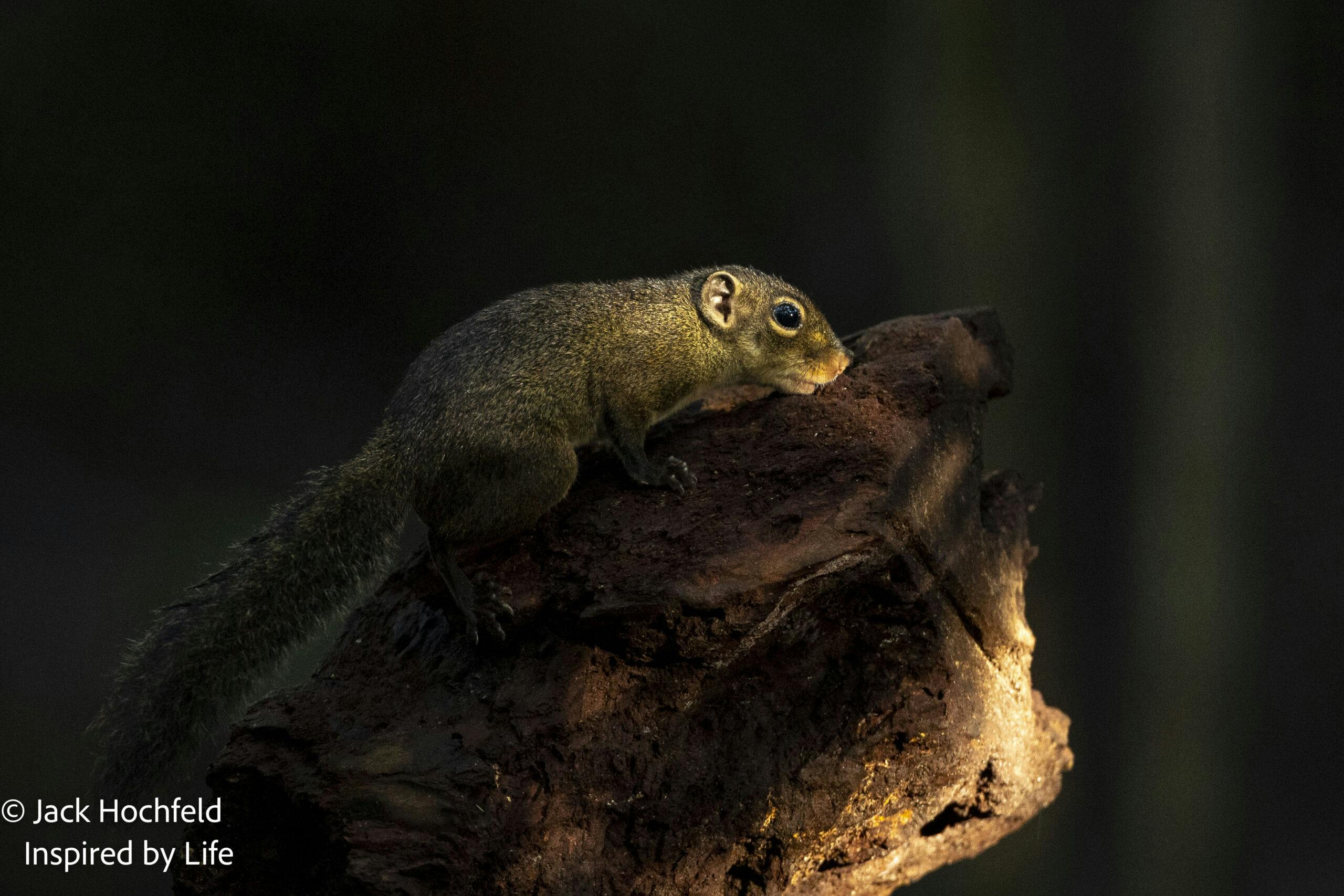
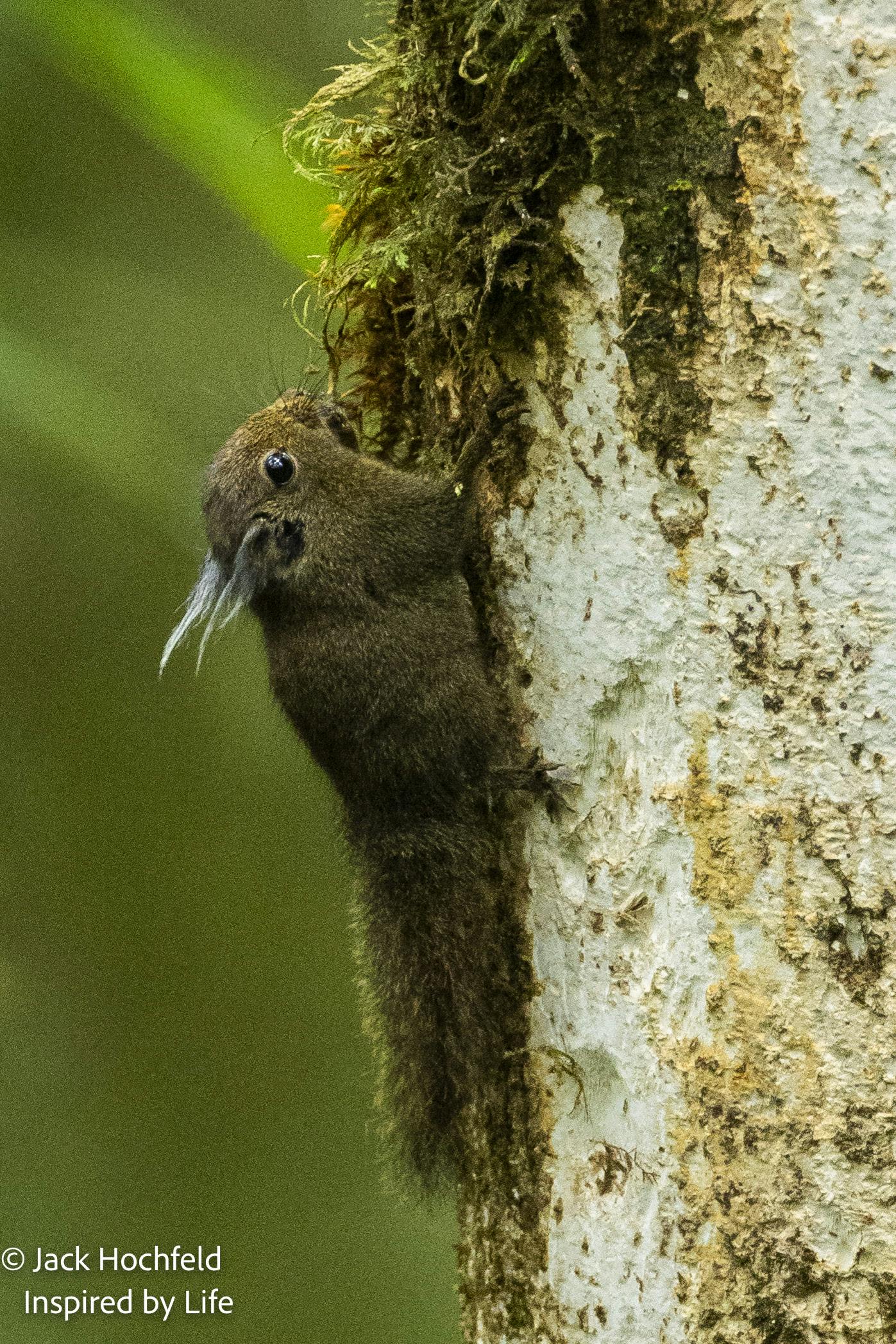
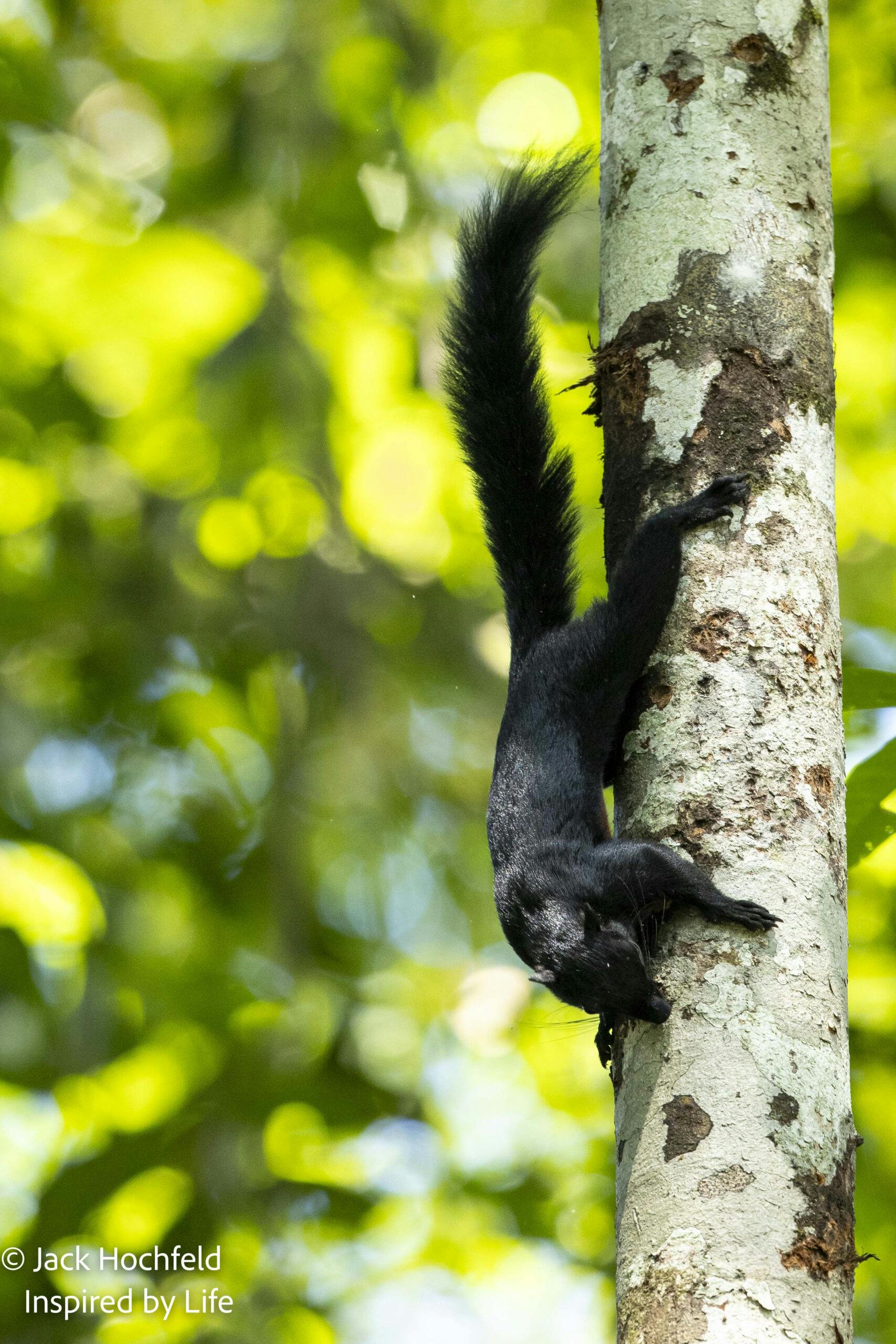
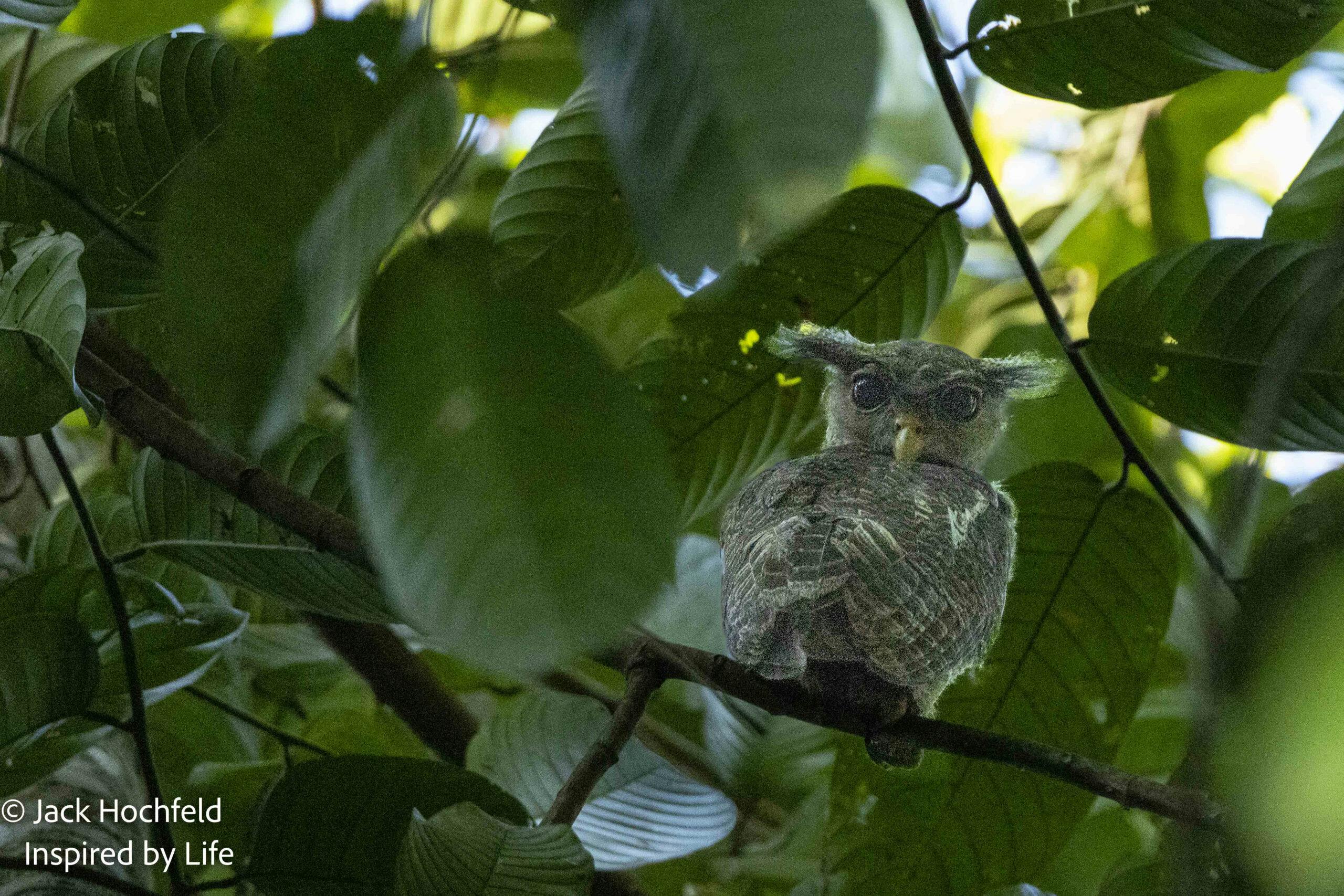
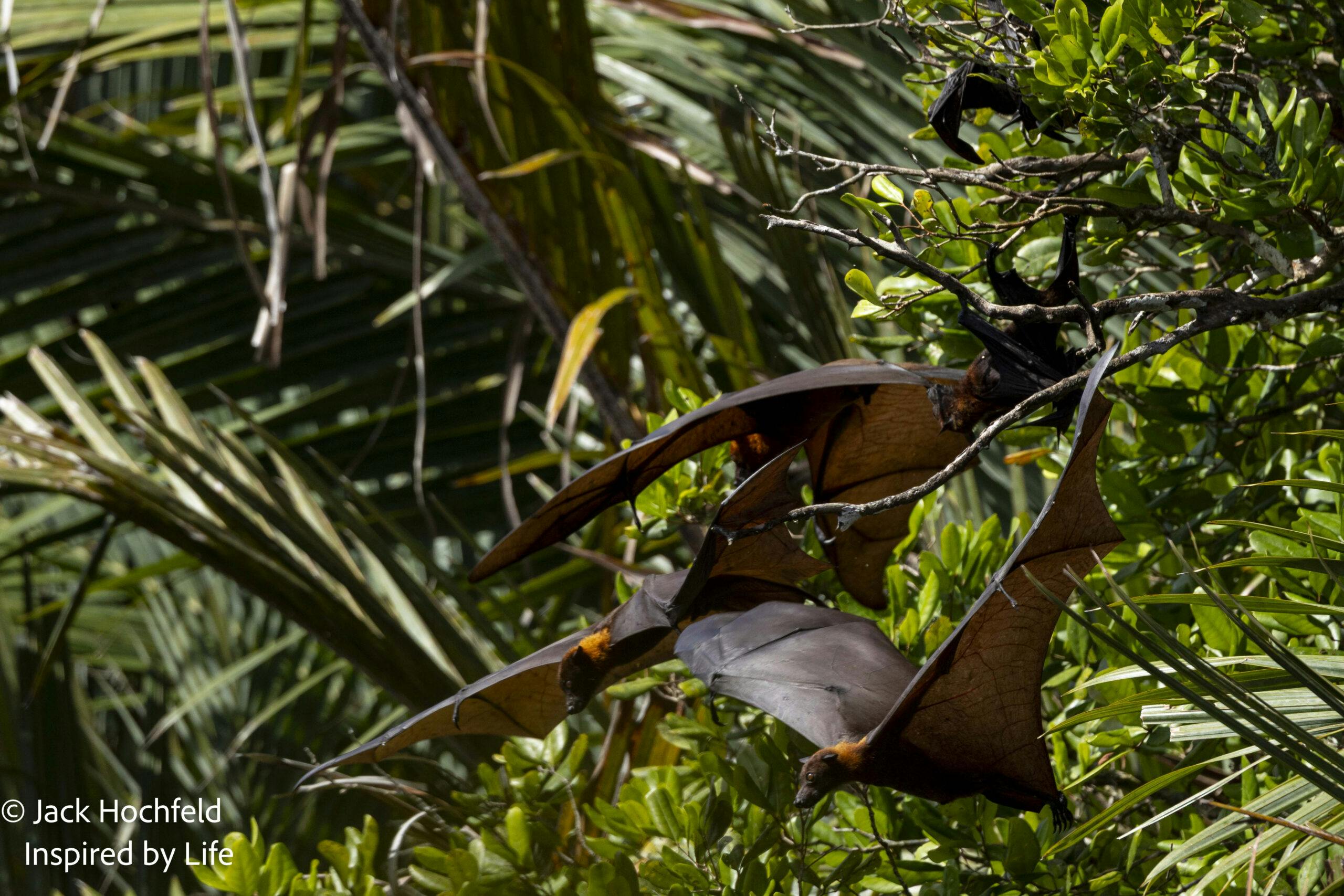
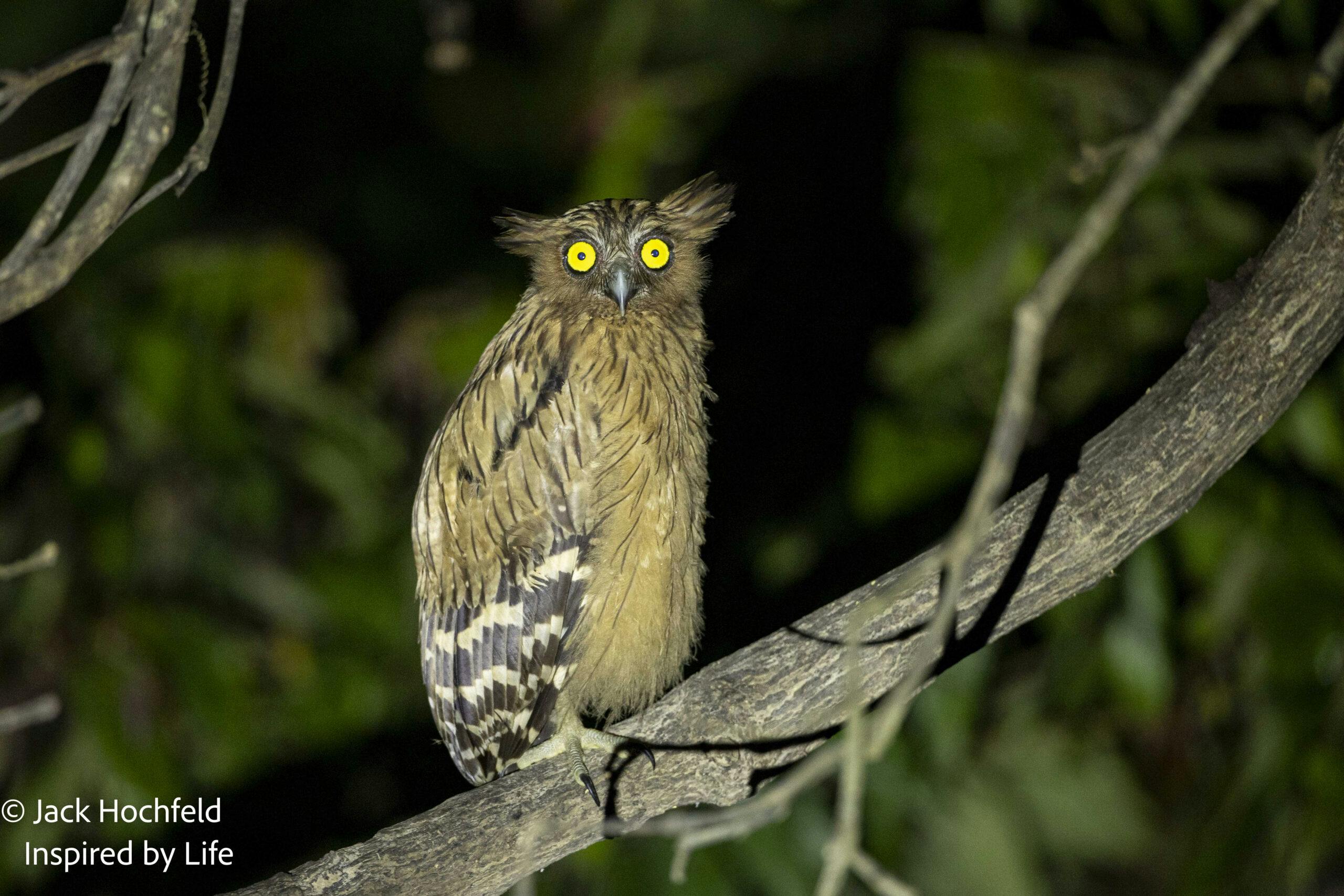
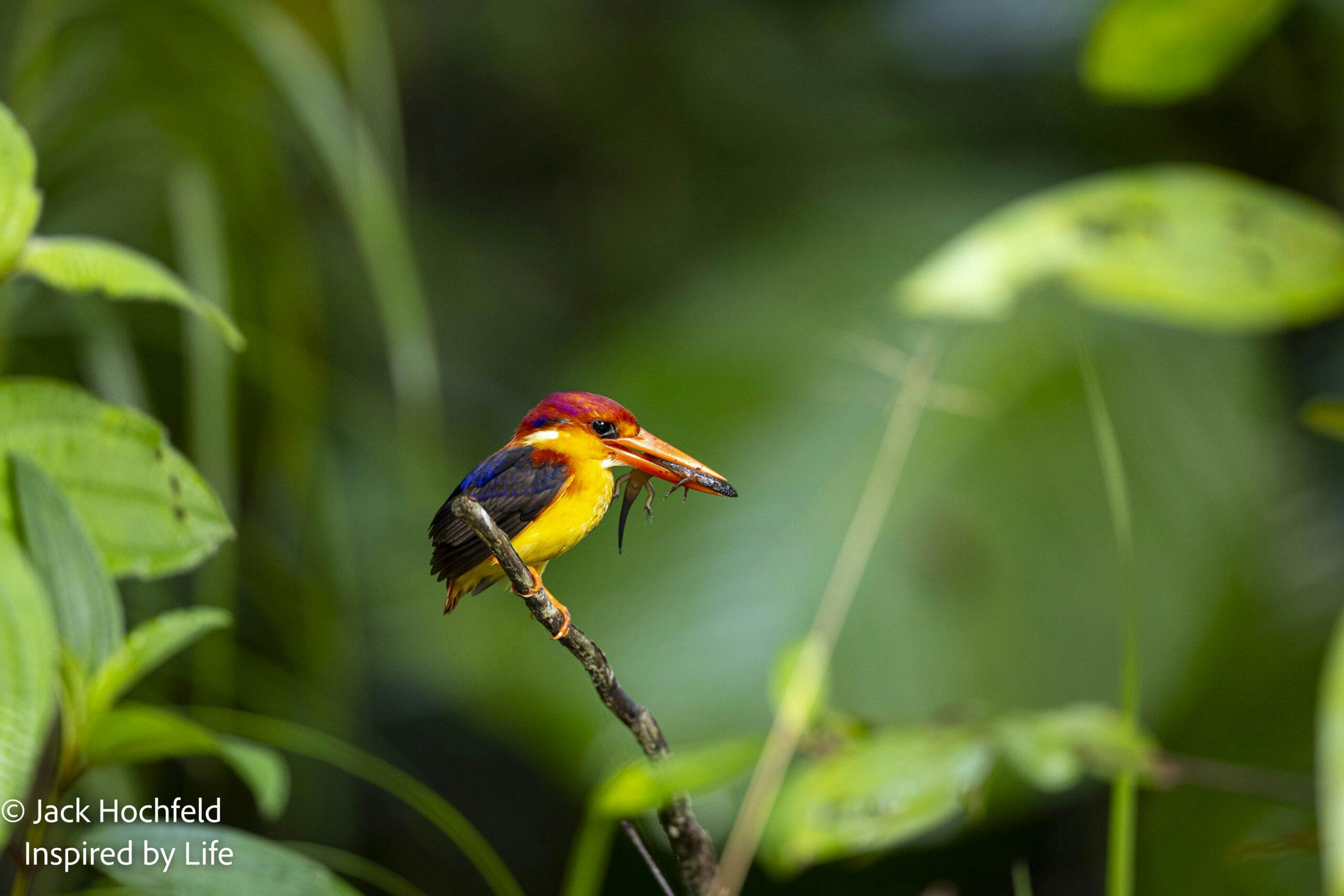
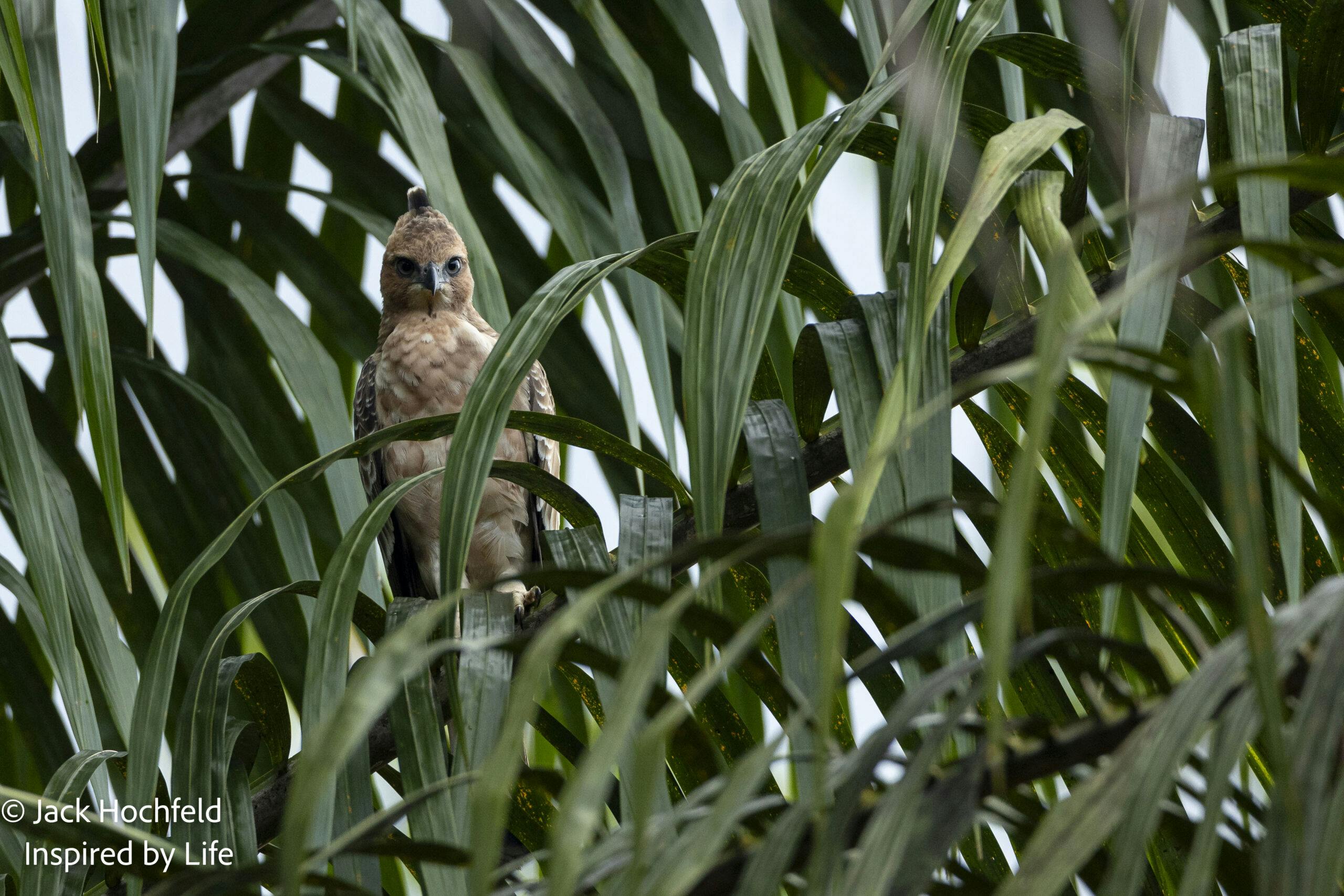
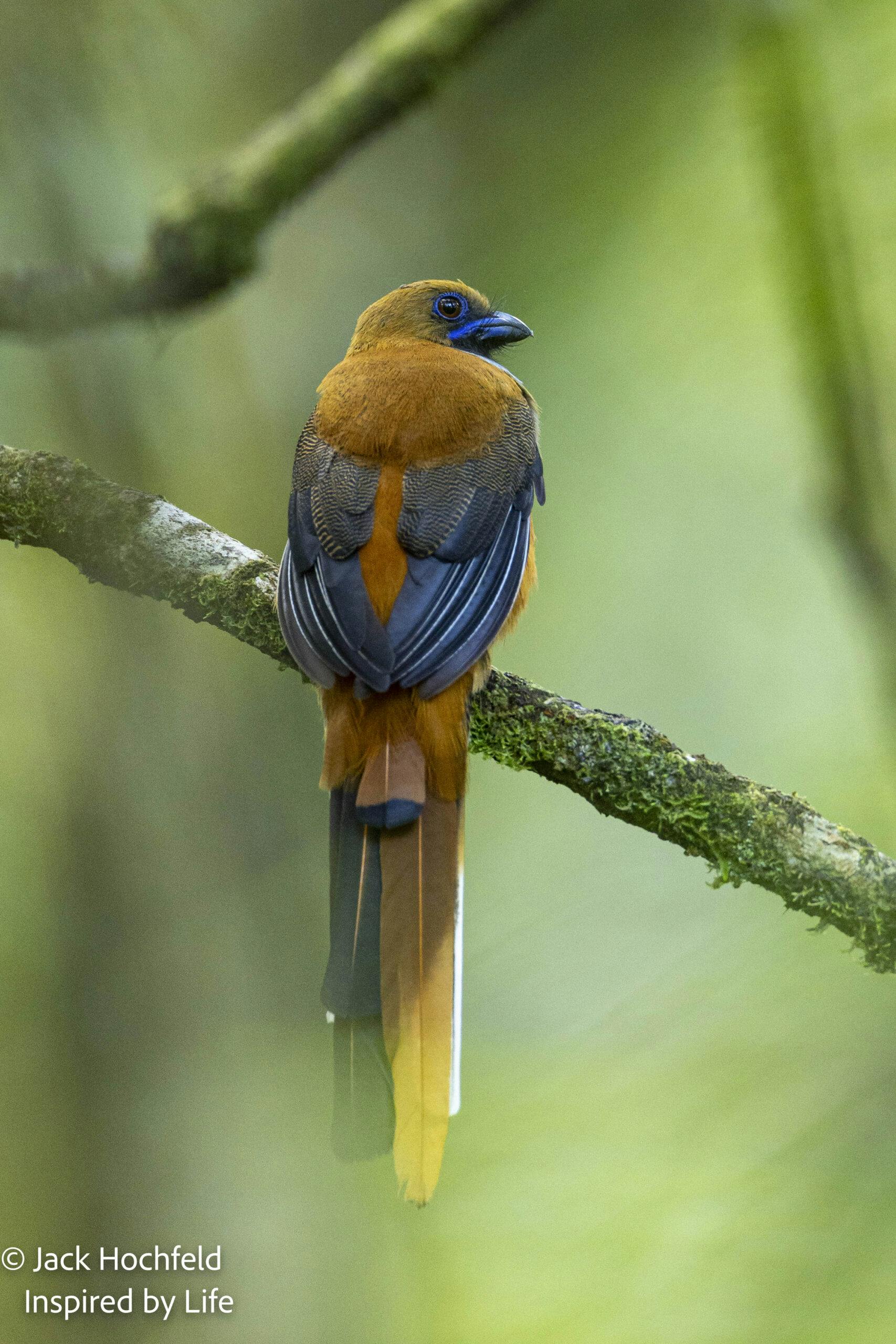
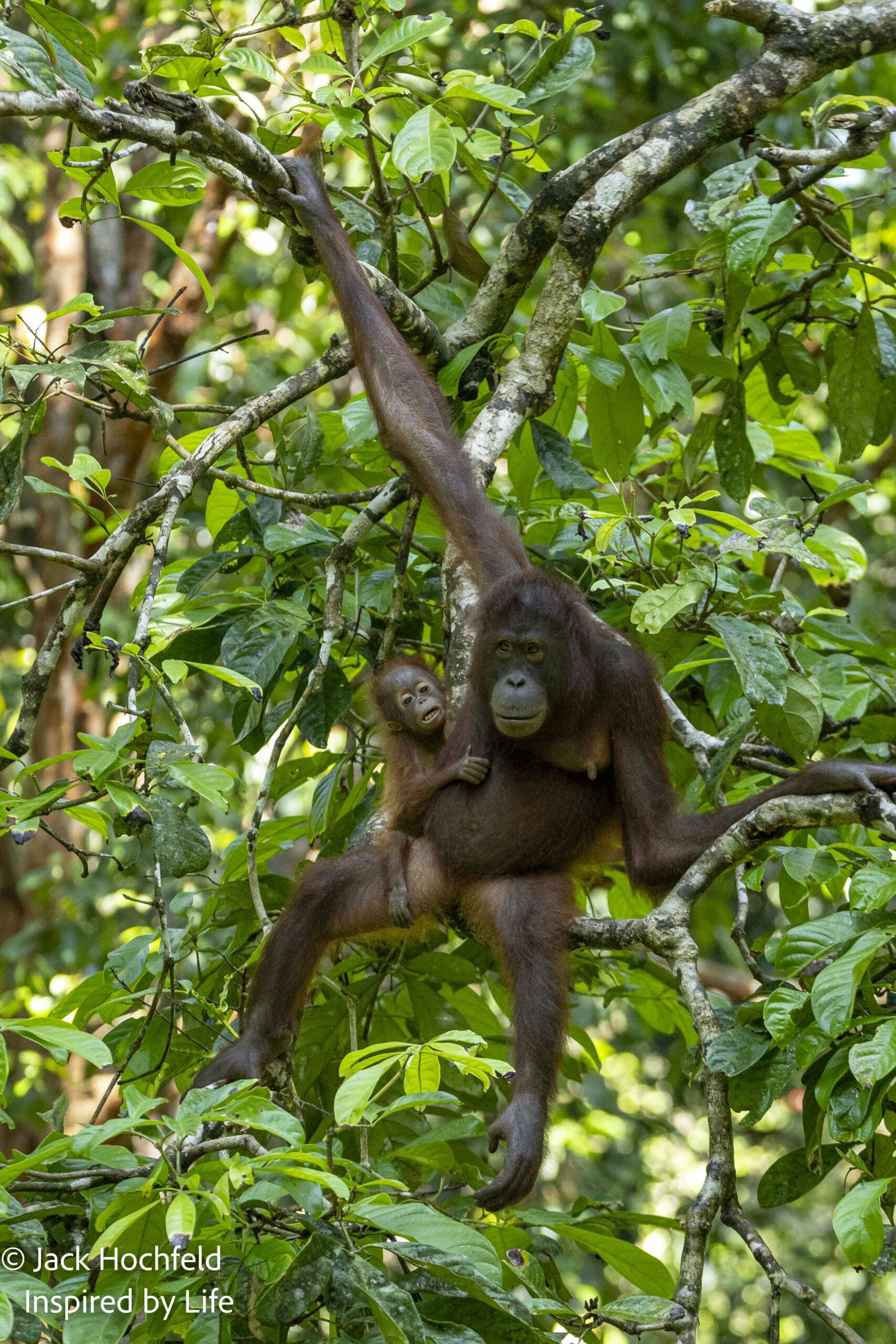
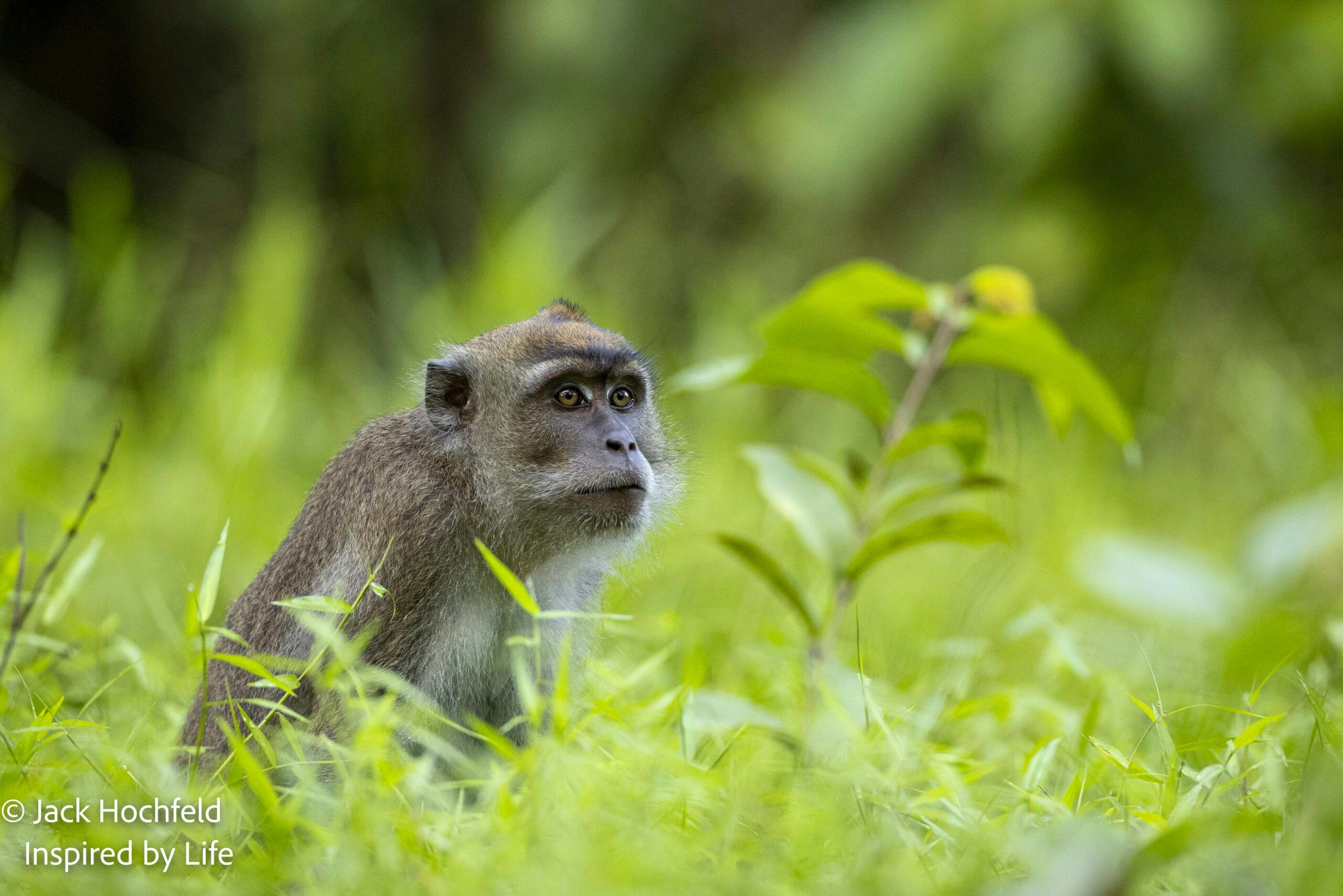
The wildlife and biodiversity are extraordinary — over 15,000 species of flowering plants, more than 600 bird species and over 220 mammals: pygmy elephants, pygmy civets, pygmy squirrels; giant squirrels, giant Atlas moths, giant centipedes, giant island flying foxes; flying squirrels, flying frogs and flying snakes. Orang meant people, utan meant forest — people of the forest.
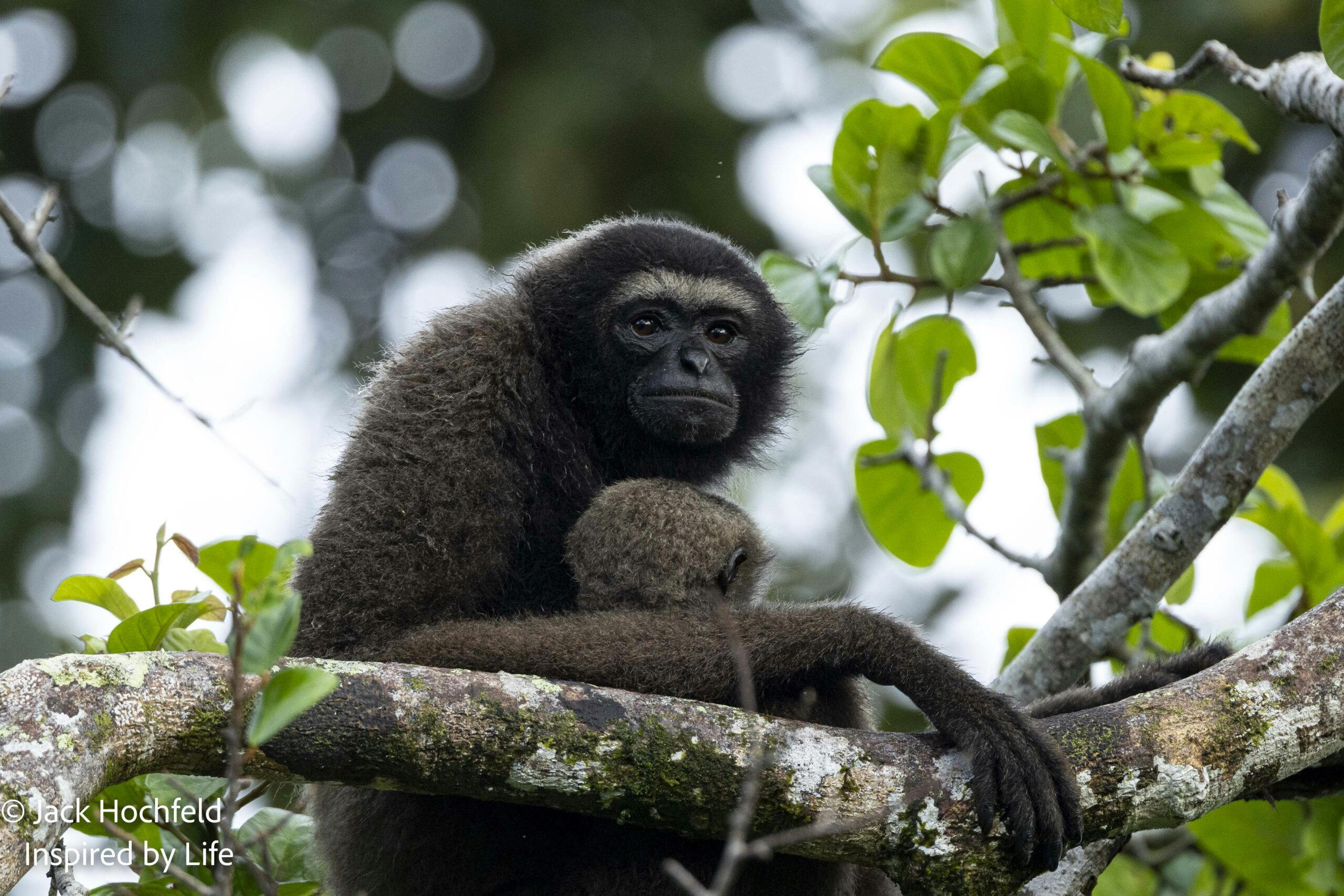
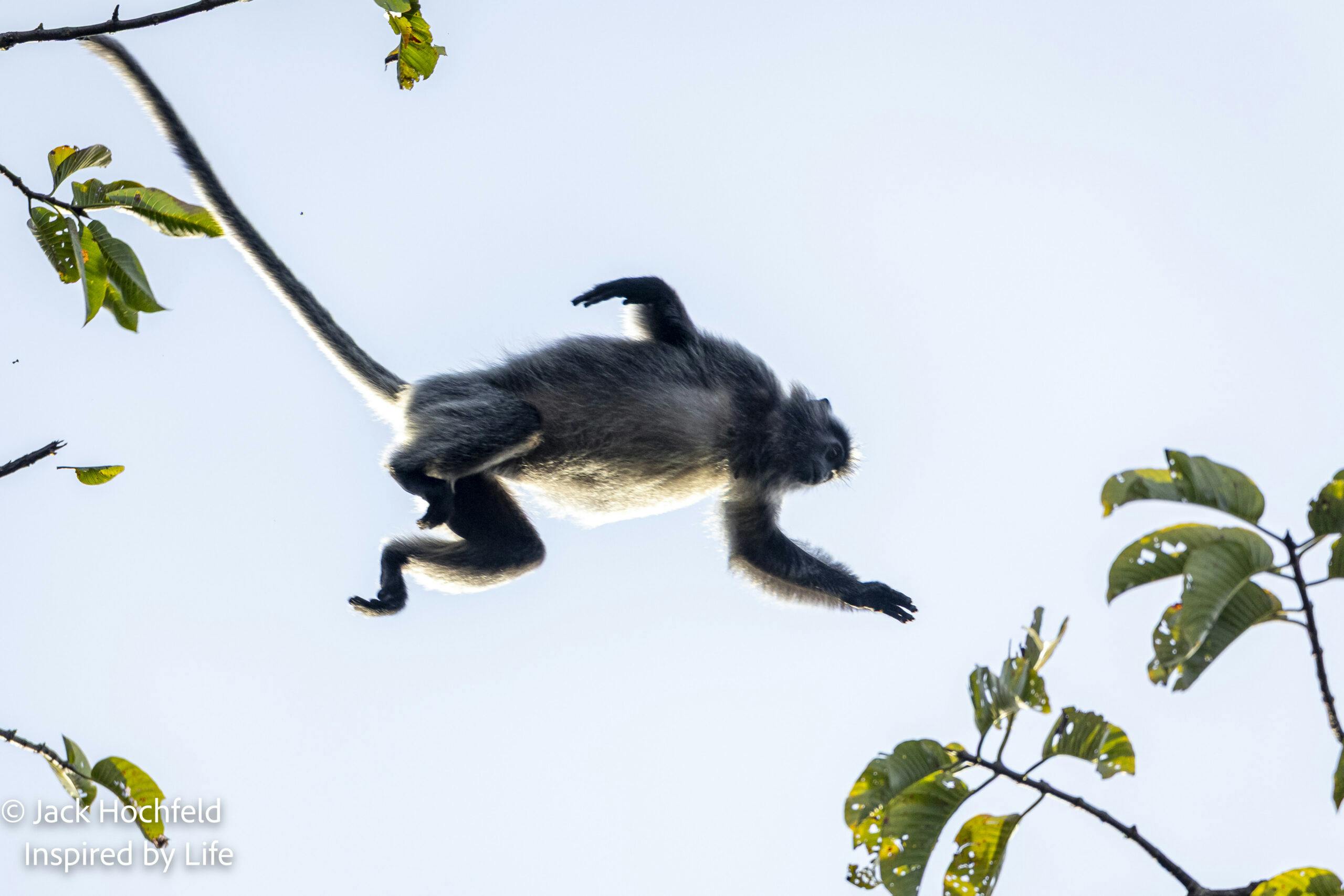
Gibbons, small tailless apes with long arms, looked almost human. They swung through the canopy, rarely coming to the ground. They are monogamous—rare among primates—and formed lifelong partnerships. The great apes all descended from the gibbon lineage.
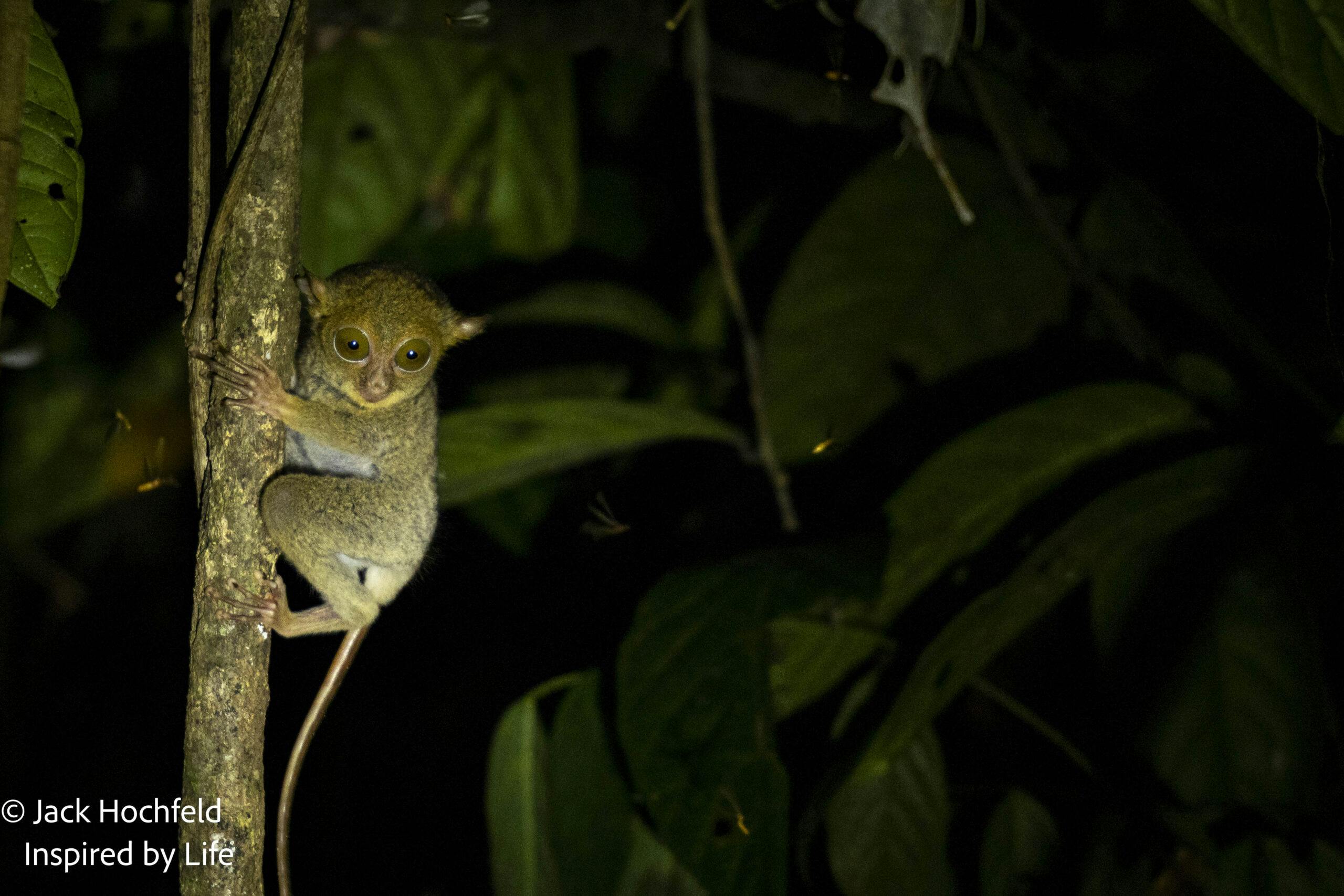
The tarsier is tiny, the world’s smallest monkey, with huge fixed eyes that required it to turn its entire head like an owl to change perspective—a miniature nag-apie. The mouse deer was the world’s tiniest deer. We saw him a few times but I didn’t manage a photo.
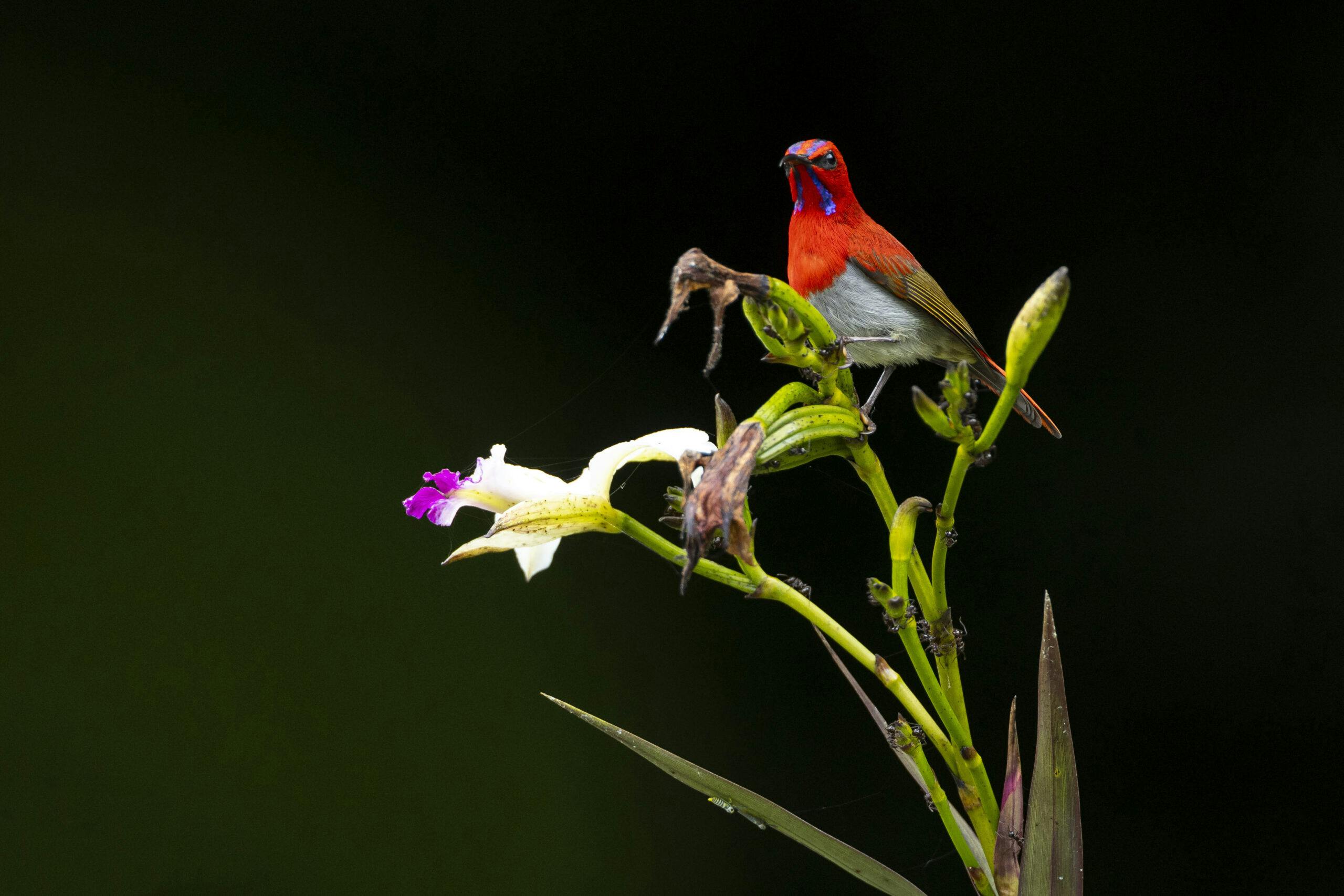
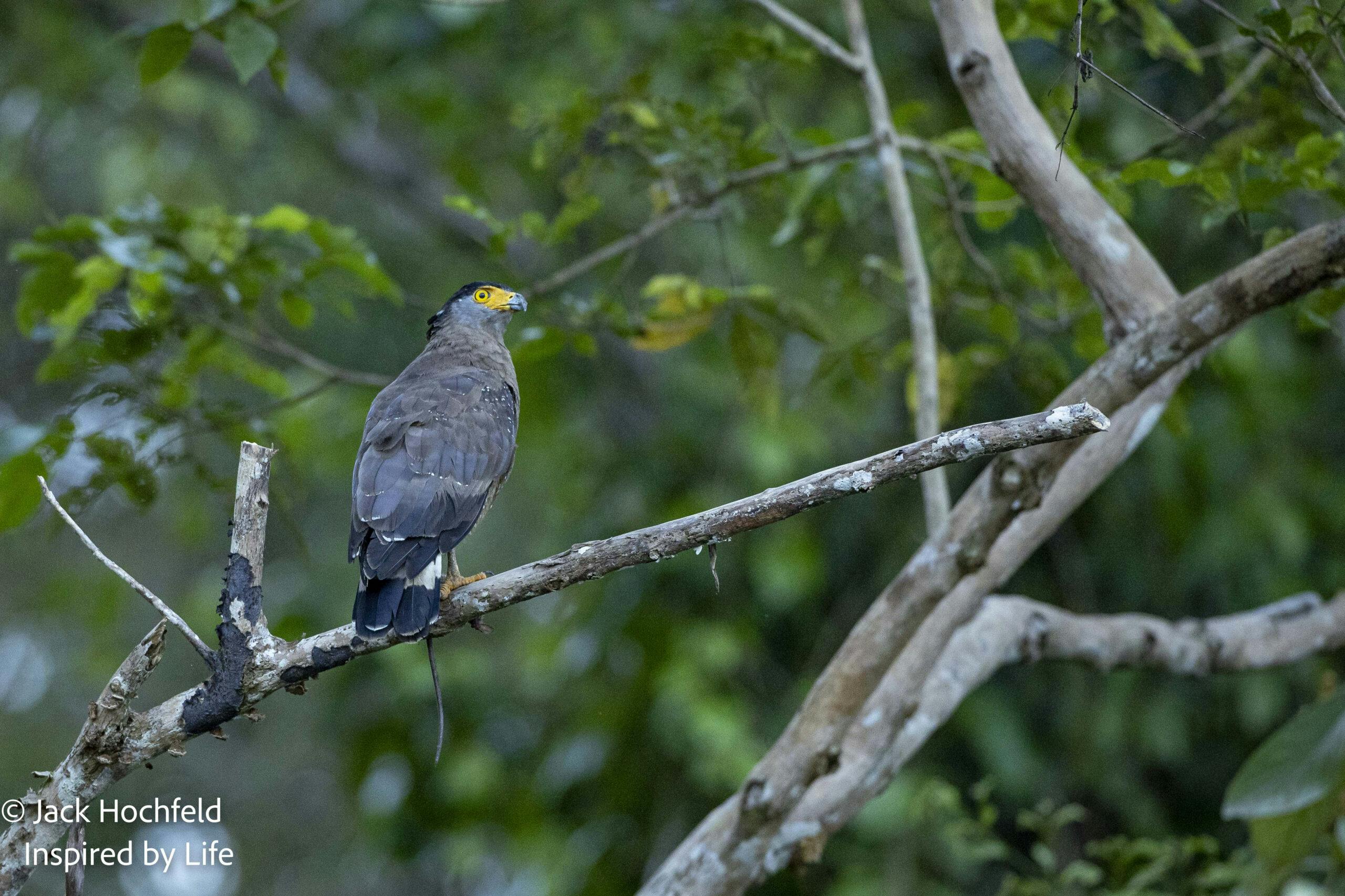
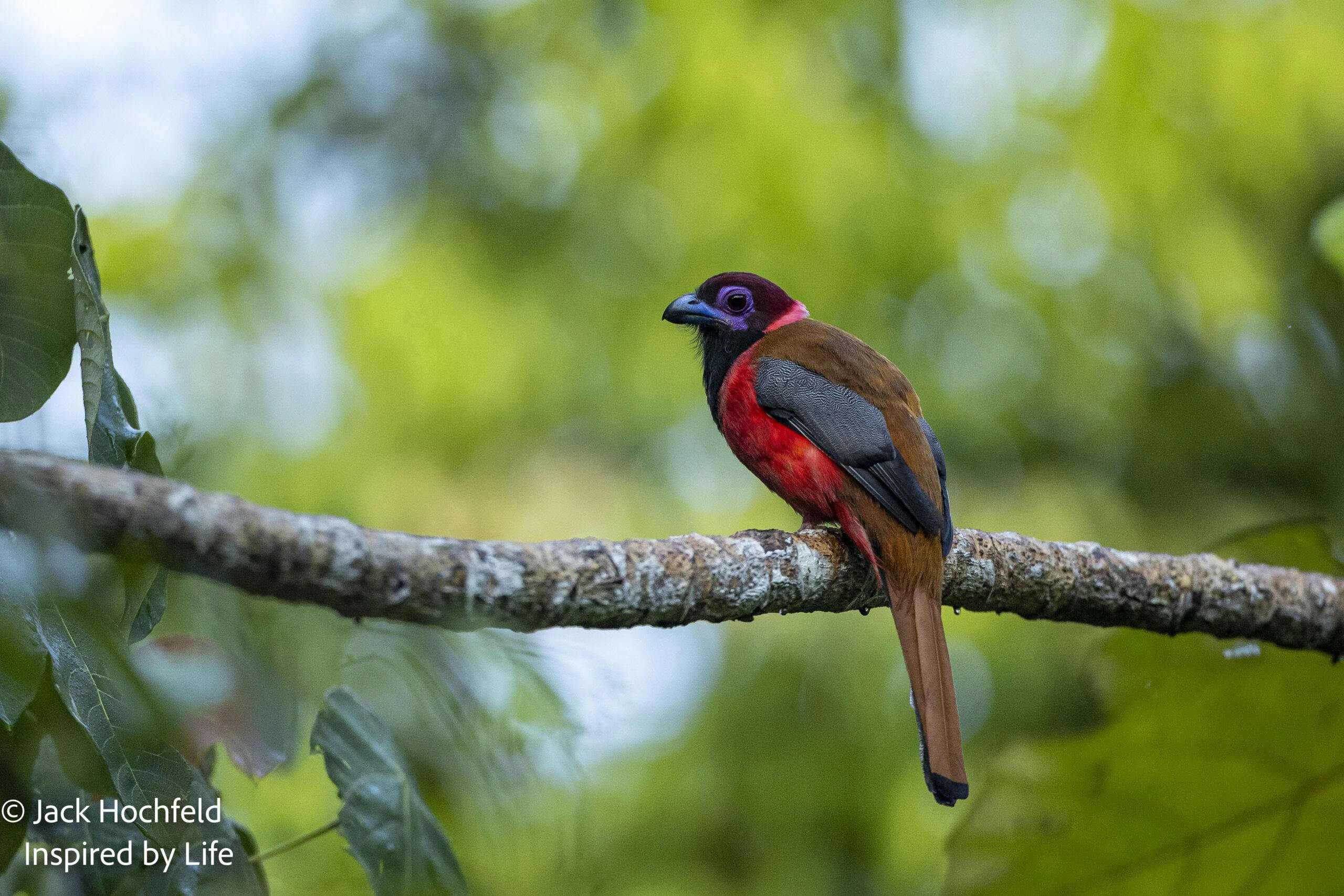
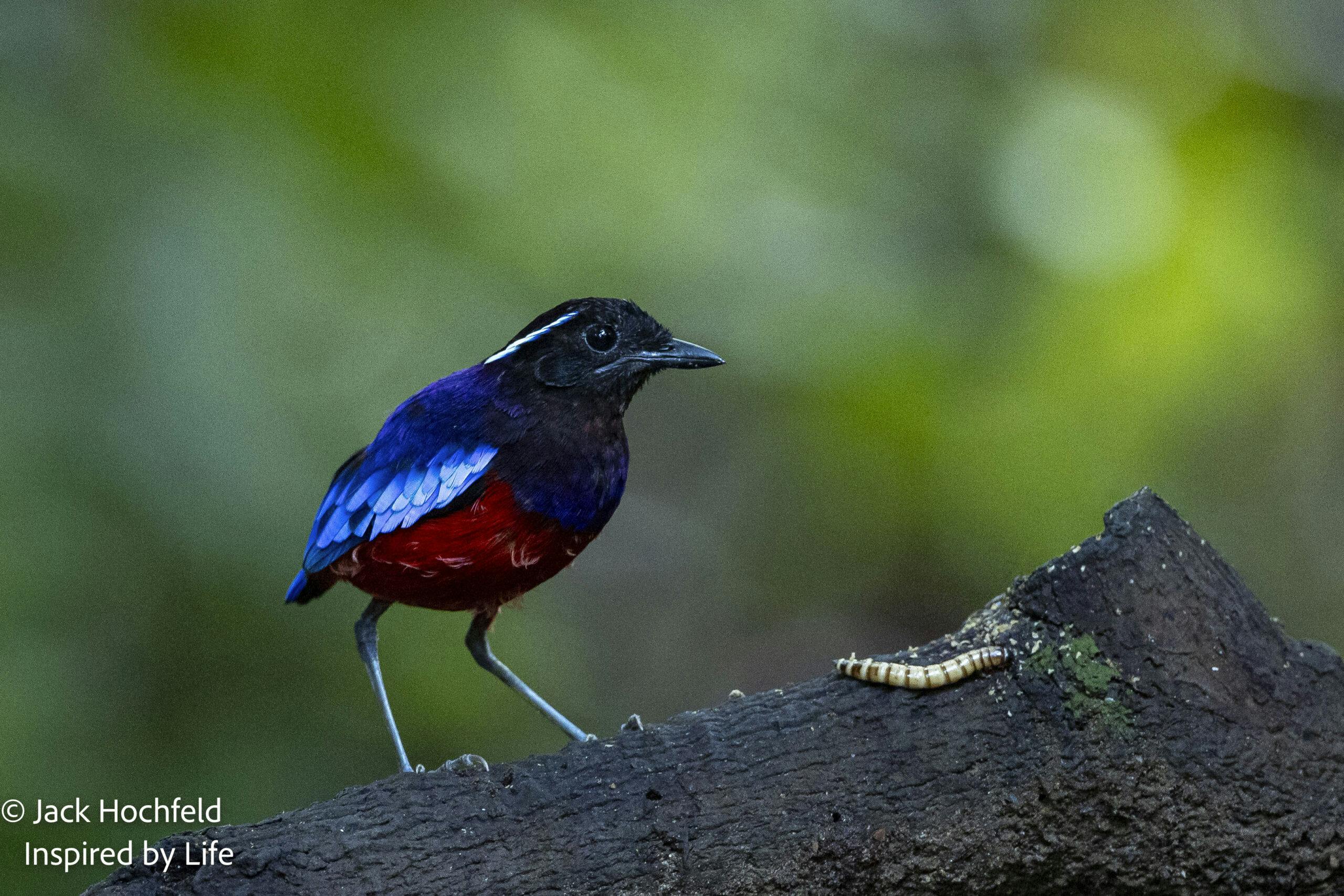
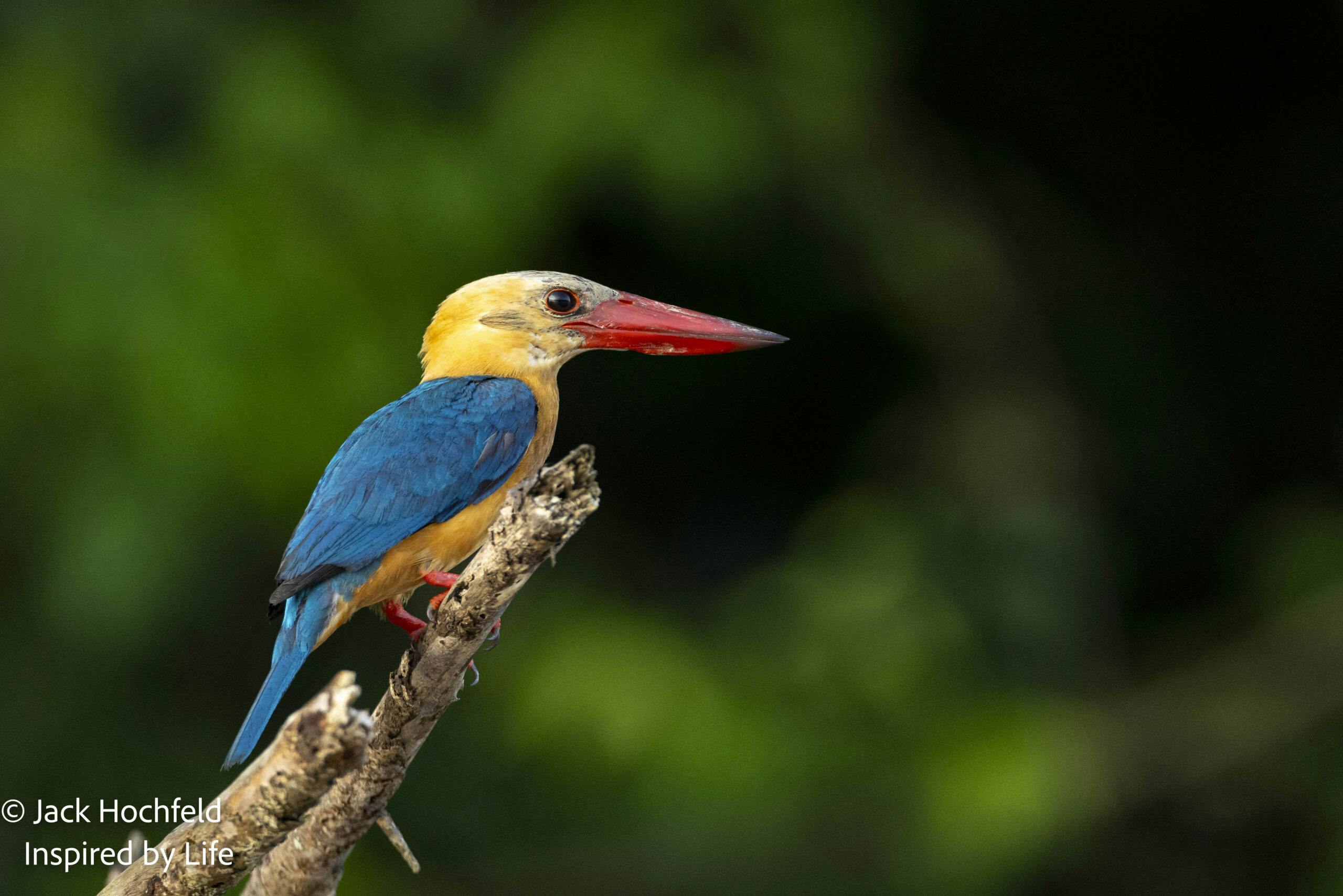
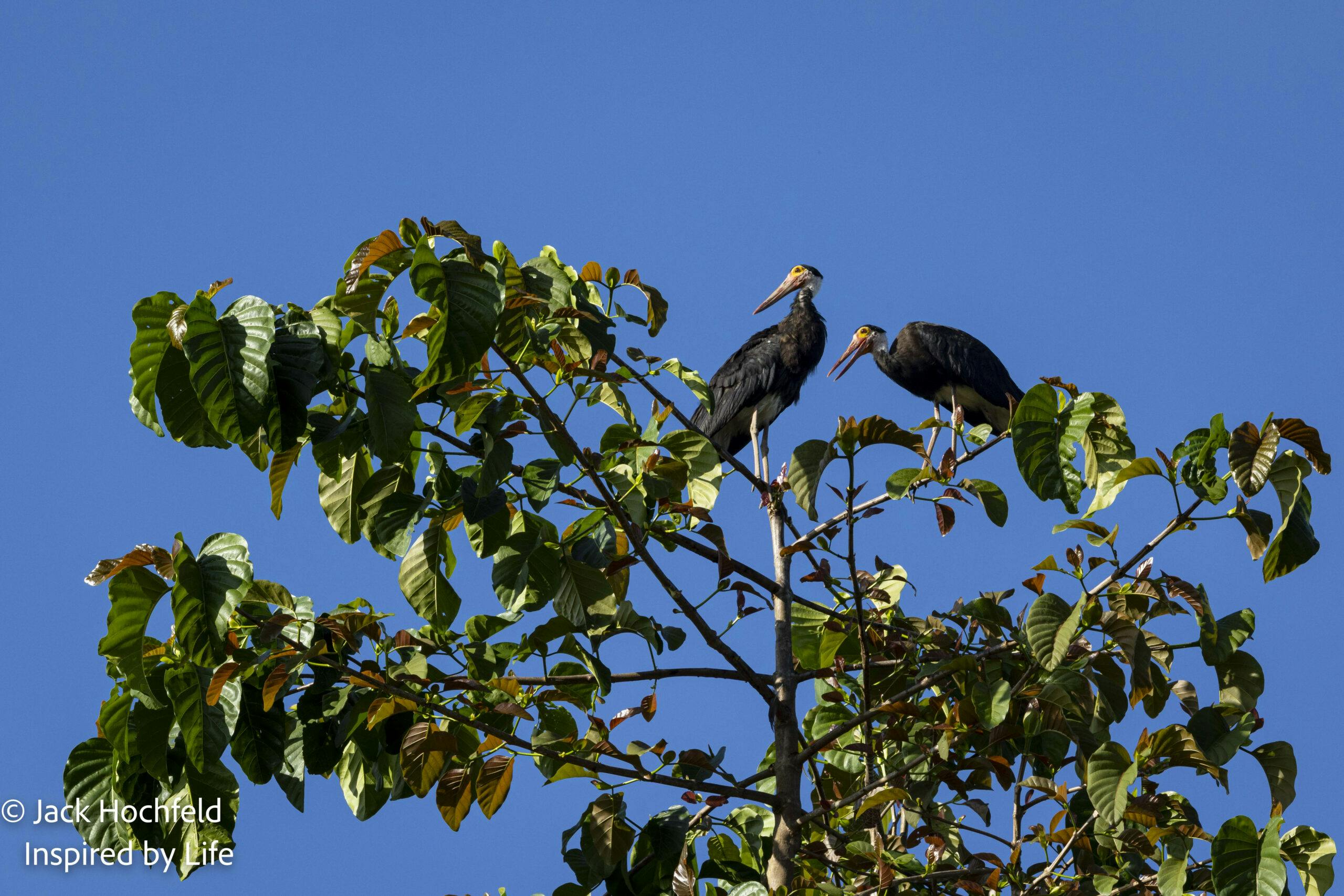
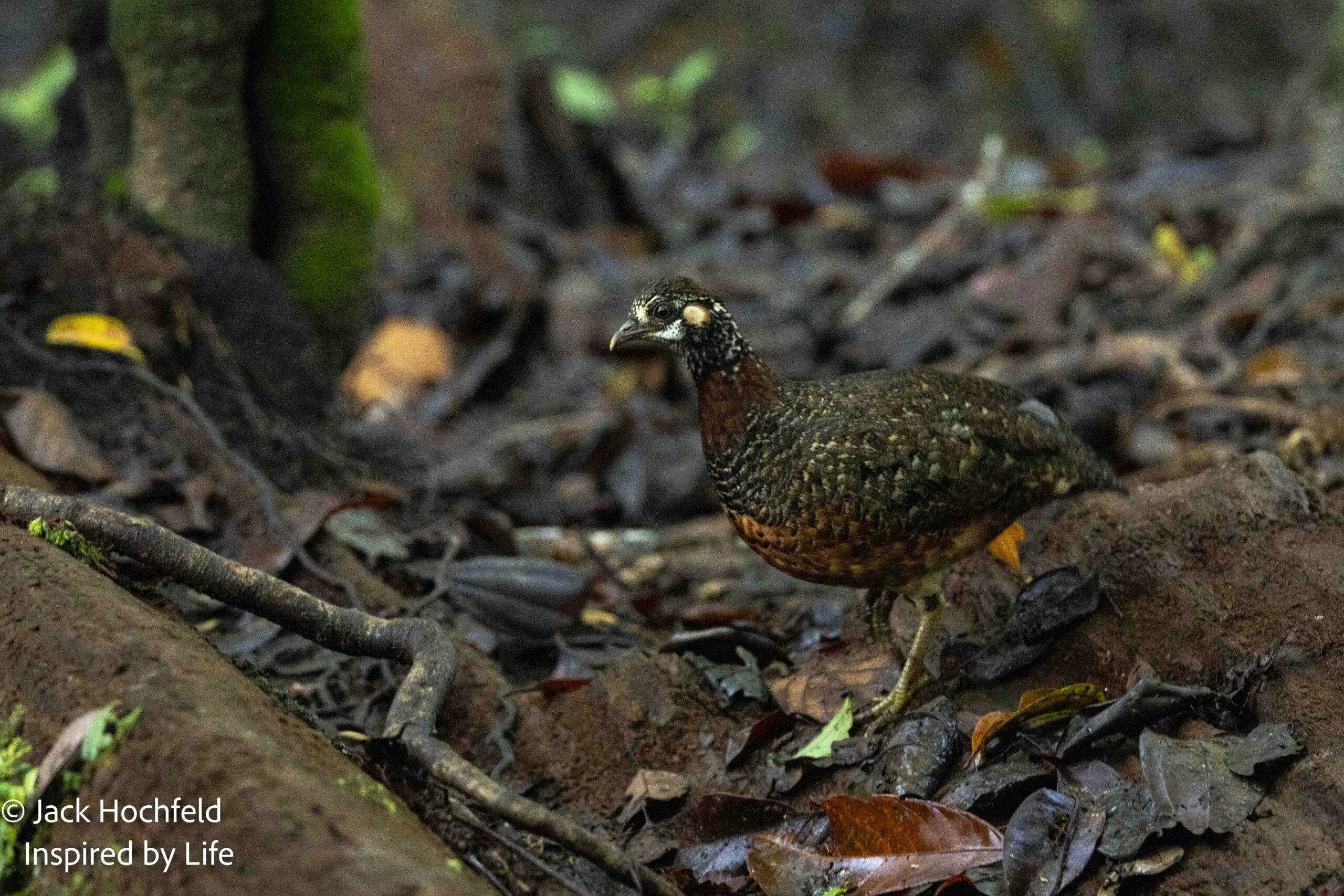
The corpse plant—the largest flowering plant in the world—wasn’t on our routing, but the forests still dazzled. Birds are spectacular, though not always easy to spot in the thick canopy: hornbills fit the same ecological niche as toucans but weren’t related—a classic case of convergent evolution. Storm’s Stork, one of the rarest and most endangered storks globally, with perhaps 200 individuals remaining, made a miraculous appearance. We saw four in one go—2% of the world’s population.
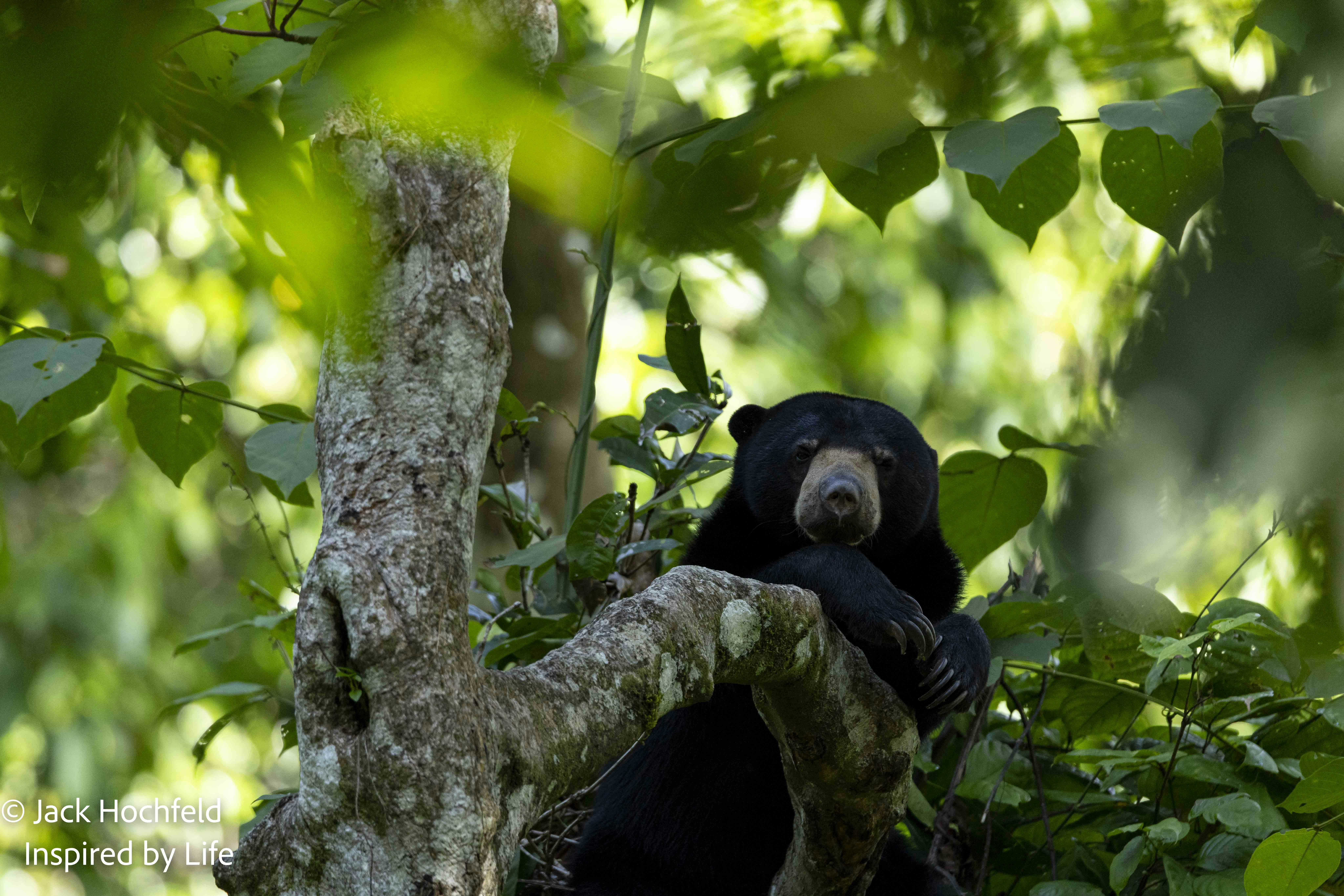
Sun bears, the smallest bears in the world, were another highlight. Their claws and teeth were so strong and sharp that they could tear into ironwood—a feat that would destroy drill bits and saws.
Layers of Forest and Habitat
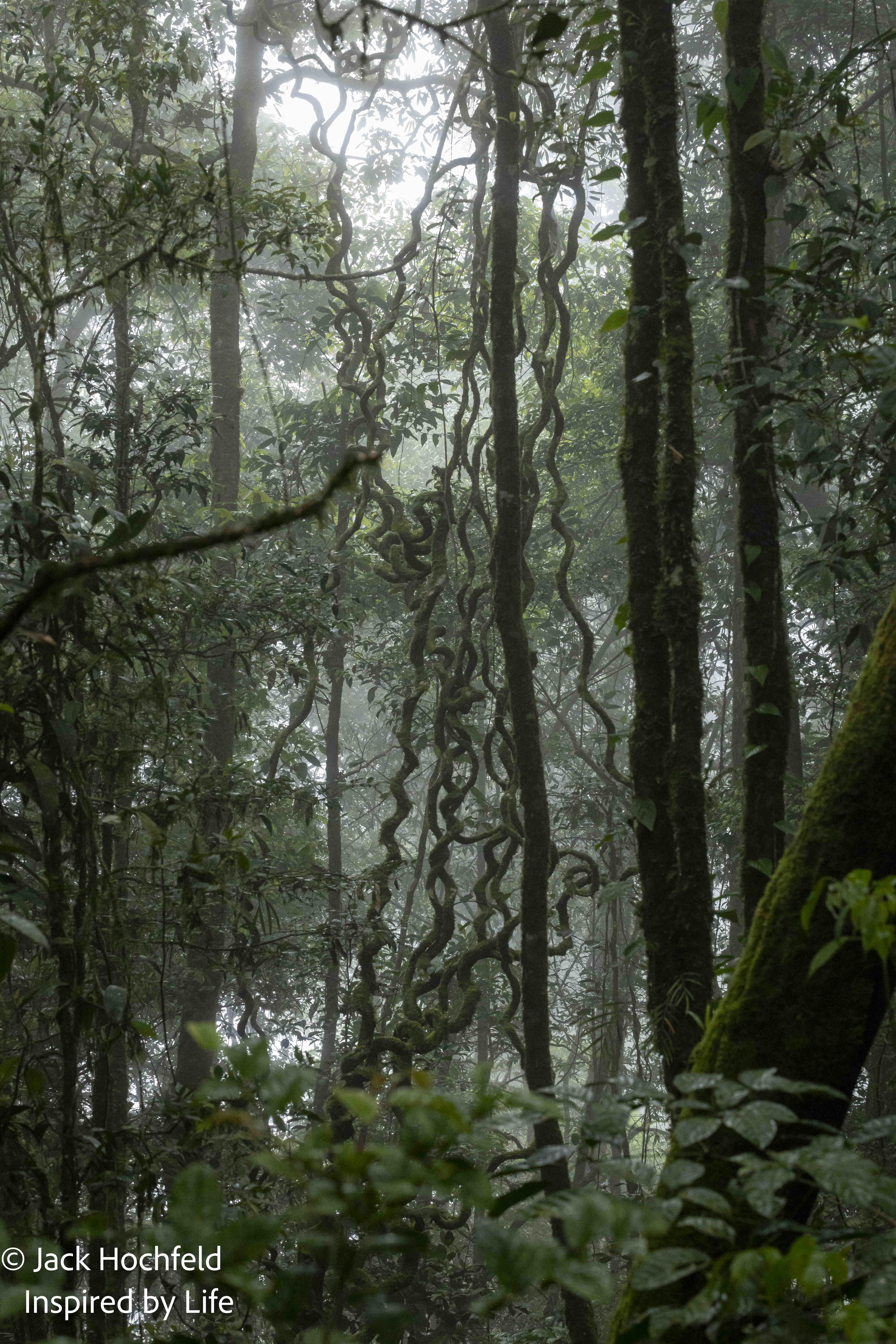
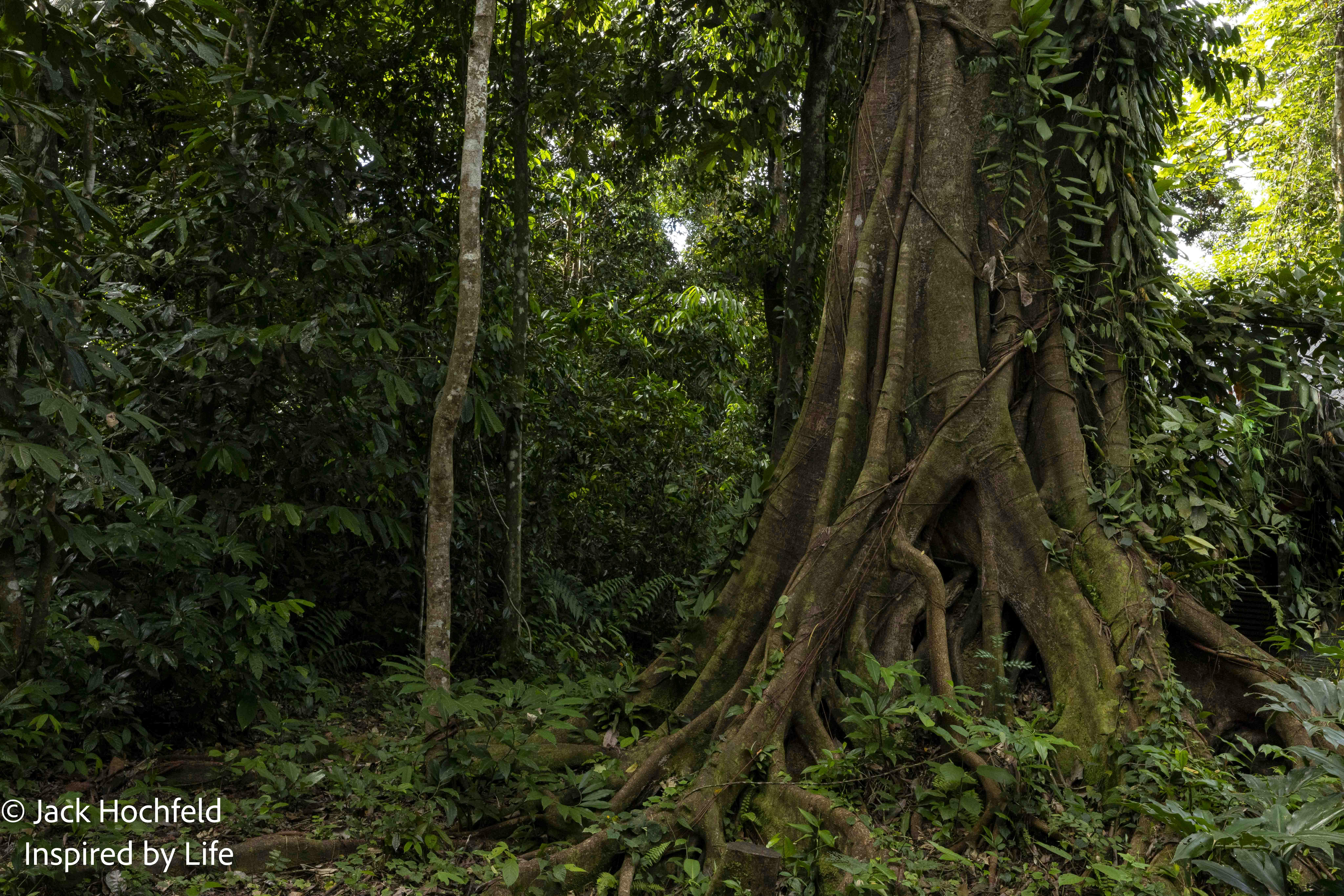
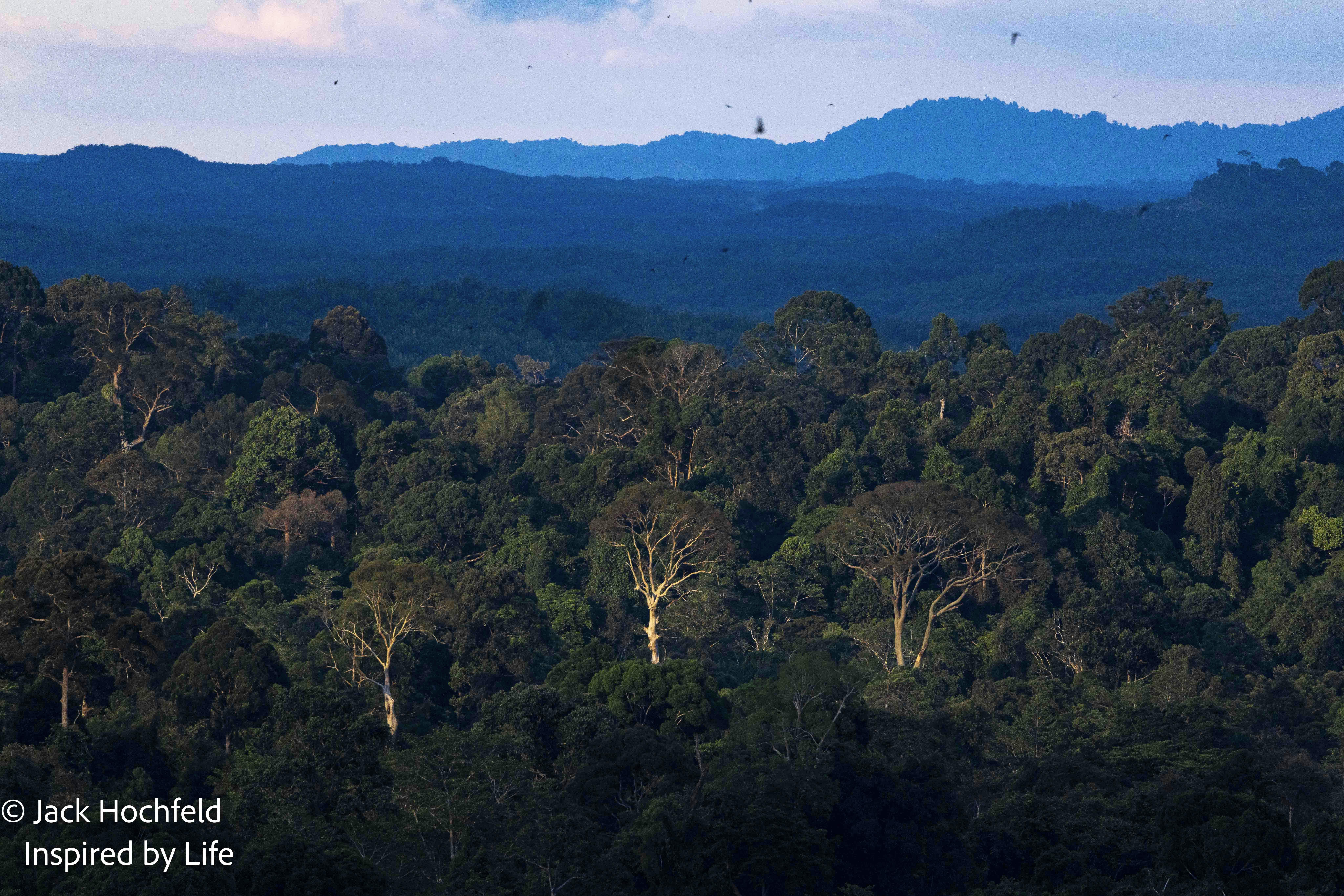
The lowland forest landscape was dominated by giant dipterocarp trees, straight-trunked titans that formed the upper canopy. We visited lowland tropical rainforest, transitional coastal, peat and montane forests—each with its own distinct wildlife, atmosphere and feel. These forests were green, lush and thick, but quite different from the sprawling rainforests of the Amazon or Central America—more vertical, layered and dense.
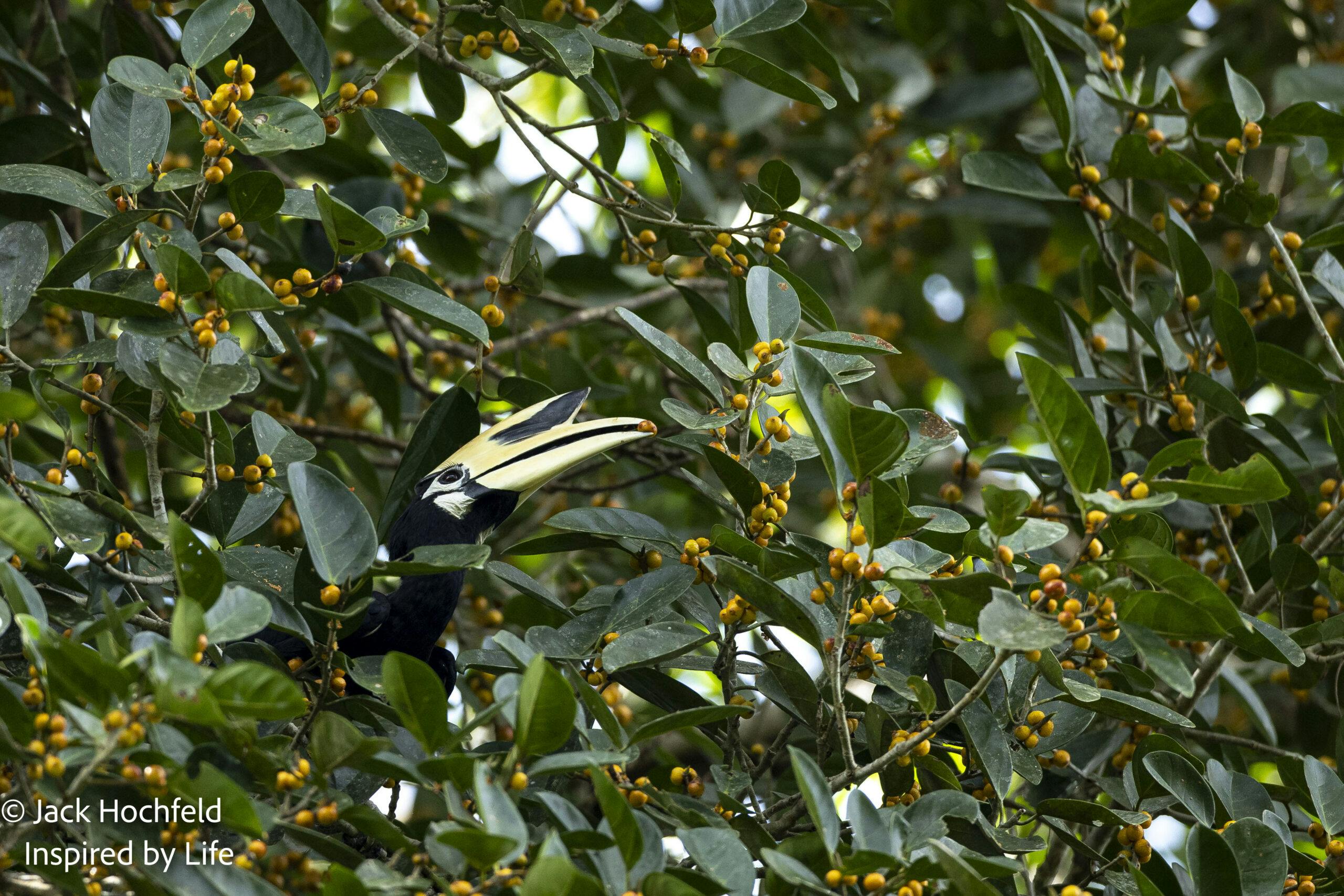
Over 150 species of fig trees exist in Borneo, making it one of the richest regions in the world for fig diversity. These trees fruit multiple times a year, asynchronously, offering food even when other trees don’t. They support countless animals: apes, hornbills, fruit bats and insects. The elephant ear fig bears clusters of large yellow fruit (5–10 cm in diameter) directly on the trunk or lower branches.
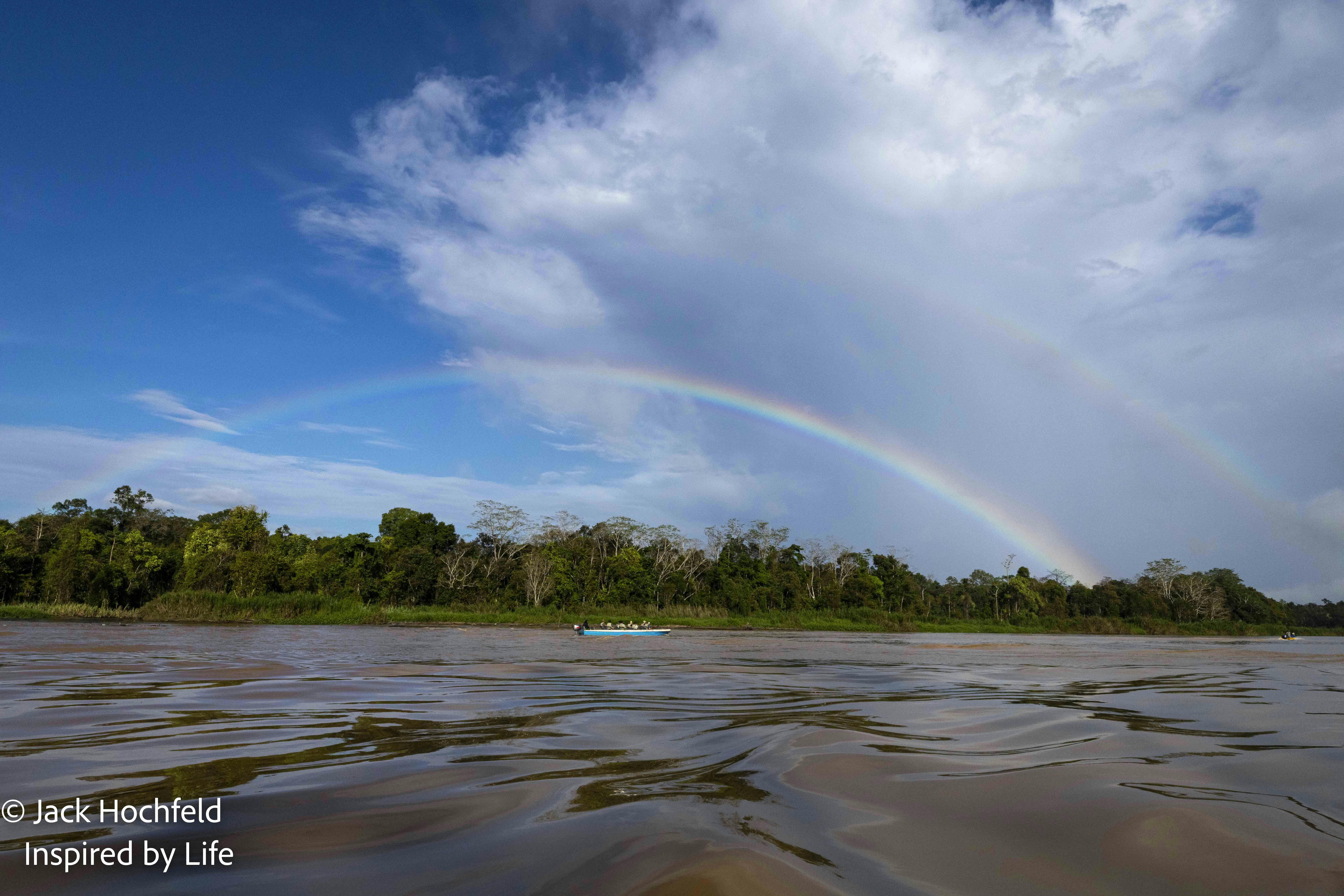
Nipa palms were unique in preferring coastal and estuarine environments, thriving in brackish waters where rivers met the sea.
Logging and the Reality of Conservation
The government seemed committed to protecting what remained of the natural environment, but vast areas had been logged, cleared and converted into palm oil plantations. These plantations were pretty in their own way but clearly not natural. They hosted some wildlife that fed off the palm fruits. We drove through miles of plantations to reach the reserves. At the edge, the contrast was stark: one side of the road dense forest, the other side neat rows of oil palm. It made me wonder how deep the natural forest truly extended.
One proposed conservation model planted indigenous trees, grasses and forest patches within plantations—offering wildlife refuge and corridor continuity without robbing farmers of their livelihood. Scaling back plantations and reforesting, though appealing, didn’t seem realistic. Rope bridges had been strung across roads and rivers, letting isolated canopy wildlife move and access food.
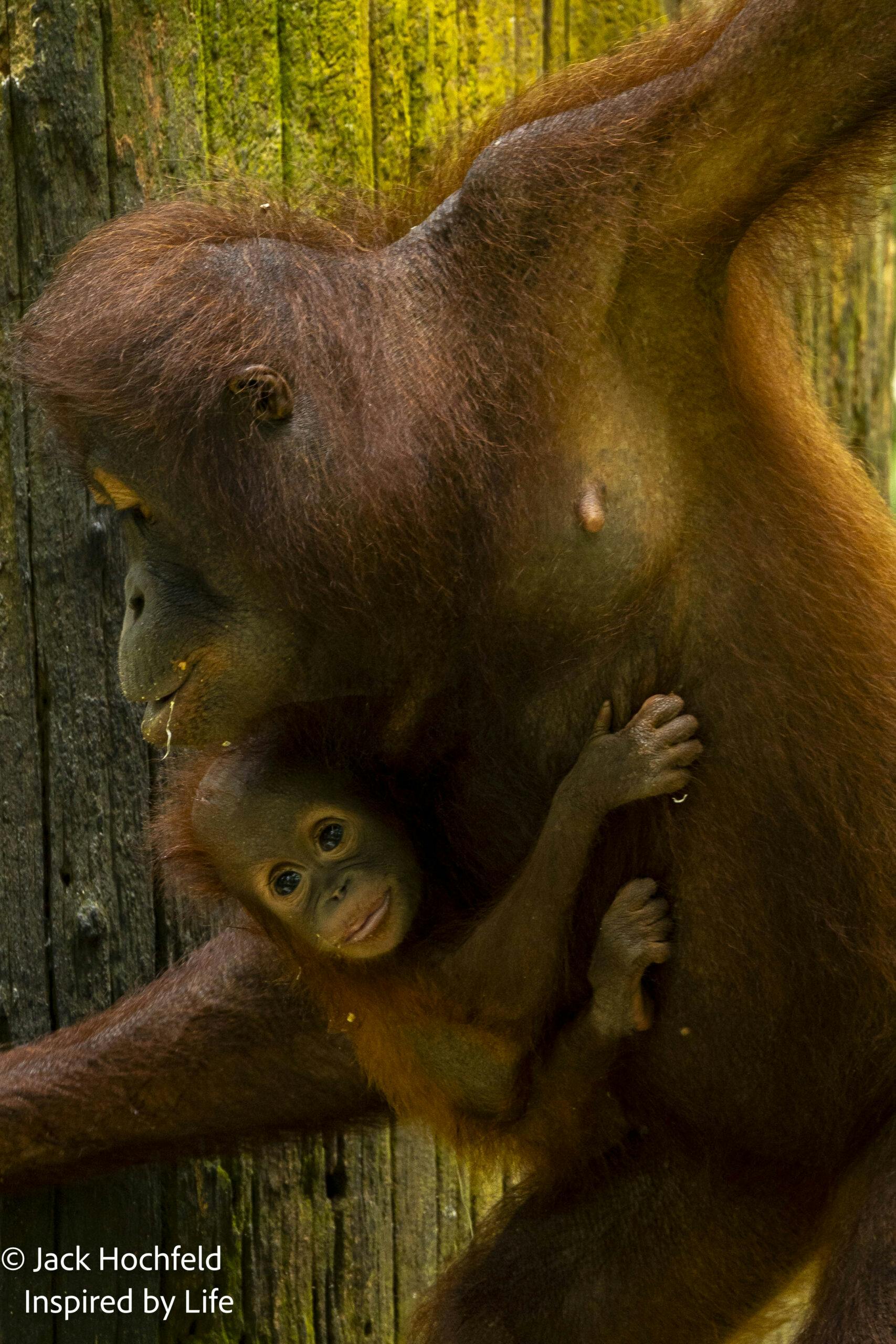
Into the Heat, the Humidity — and the Mud
The heat and humidity were relentless. The forest air was still and heavy. There was no breeze, no breath. Walking generated internal heat and the illusion of a breeze. After rain, the temperature dropped but humidity soared. Clouds built in the late afternoon, but rain often came without warning. The sky could be blue while moisture seemed to be squeezed and condensed straight from the air. It was cooler on the water and, during the final leg of our journey in the highlands at Mount Kinabalu, refreshingly mild. I now understood why the British had sought refuge in the hills.
There was rain and more rain, heat, humidity and more humidity, and of course—mud. We dripped with sweat when walking, and still dripped when sitting in hides. Our clothes were saturated; my headlamp showed drops of moisture evaporating off my skin.
The mud was thick and gloopy. The road had recently been repaired, but we didn’t get more than 500 metres into a night drive before sinking axle-deep. The rescue team arrived with something like tooth floss for a rope. Our guide walked back to the lodge and returned with gumboots so we could hike out. On a night walk through the same area, he sank knee-deep in mud and immediately touched a live electric fence—after warning us not to all week.
At one point I reversed to take another route; my gumboots were sucked in and mud leaked over the tops. I was grateful I’d extended my tripod legs to save the camera from landing in the sludge.
Local Life and Lingering Histories
I’d packed long trousers and long-sleeved shirts to guard against bugs, but the insects were fewer than expected. I eventually reverted to shorts and lighter hiking gear. The heat proved a greater challenge than the insects.
A local SIM card cost $5 a month—smarter than Telstra’s $10 a day.
We met at a shelter—a pondok. In 1800s Cape Town, the same word referred to reed huts used by Malay and other enslaved peoples in colonial gardens. It appeared often in court records and was later absorbed into Afrikaans and South African English. The Afrikaans word for banana—piesang—also came from the Malay pisang, a small linguistic echo of history in the Dutch East Indies, now Indonesia.
The Caves and the Call of Birds
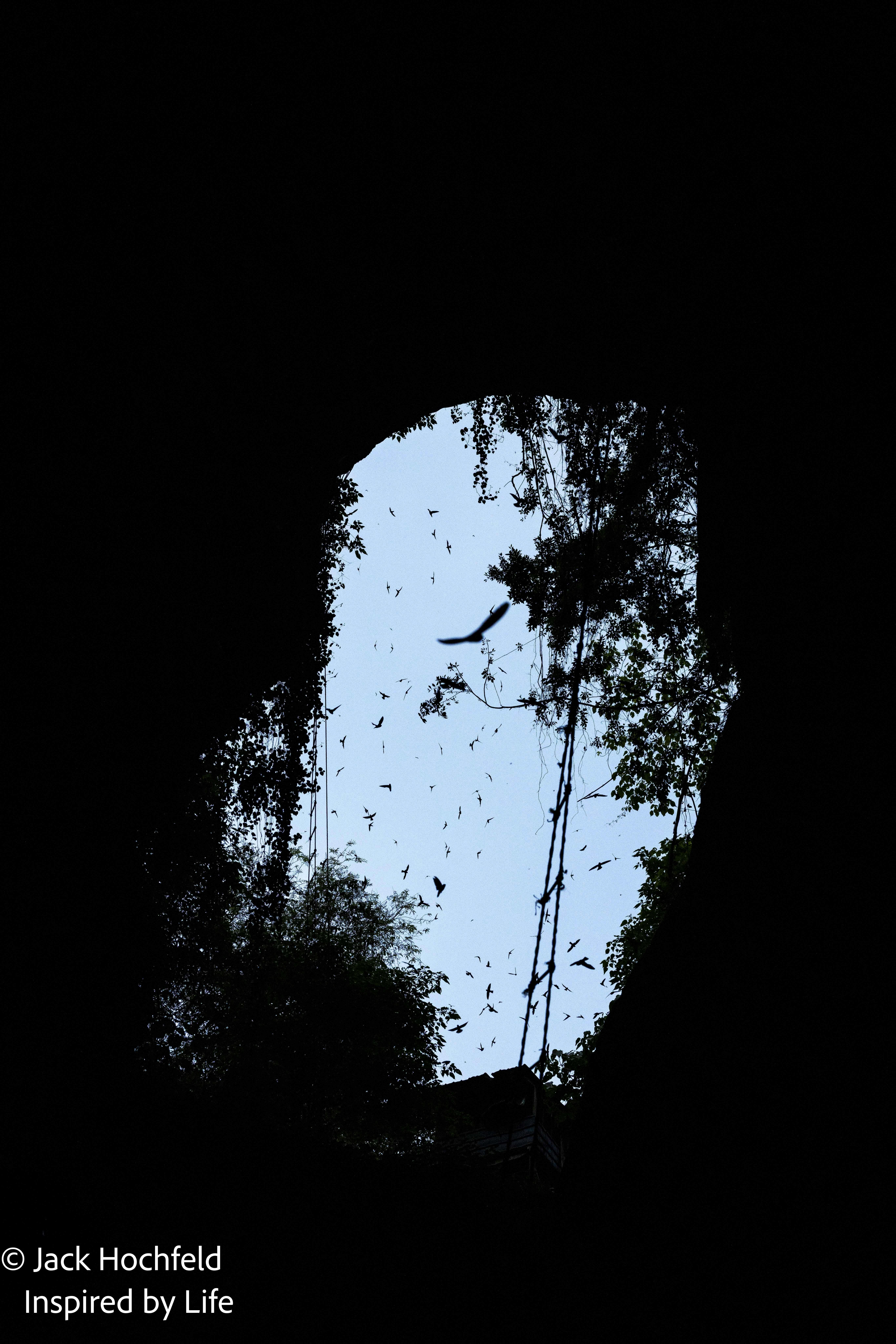
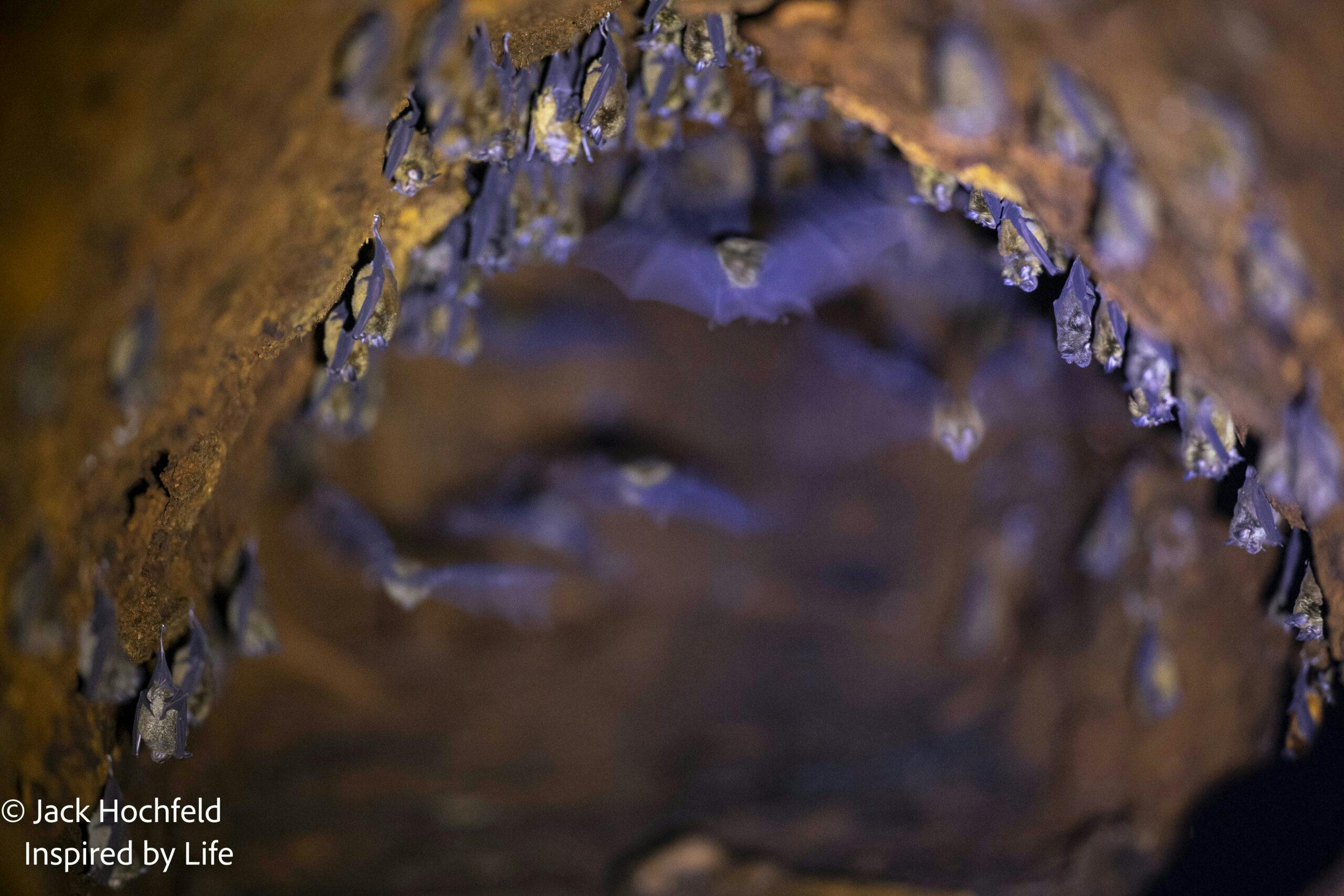
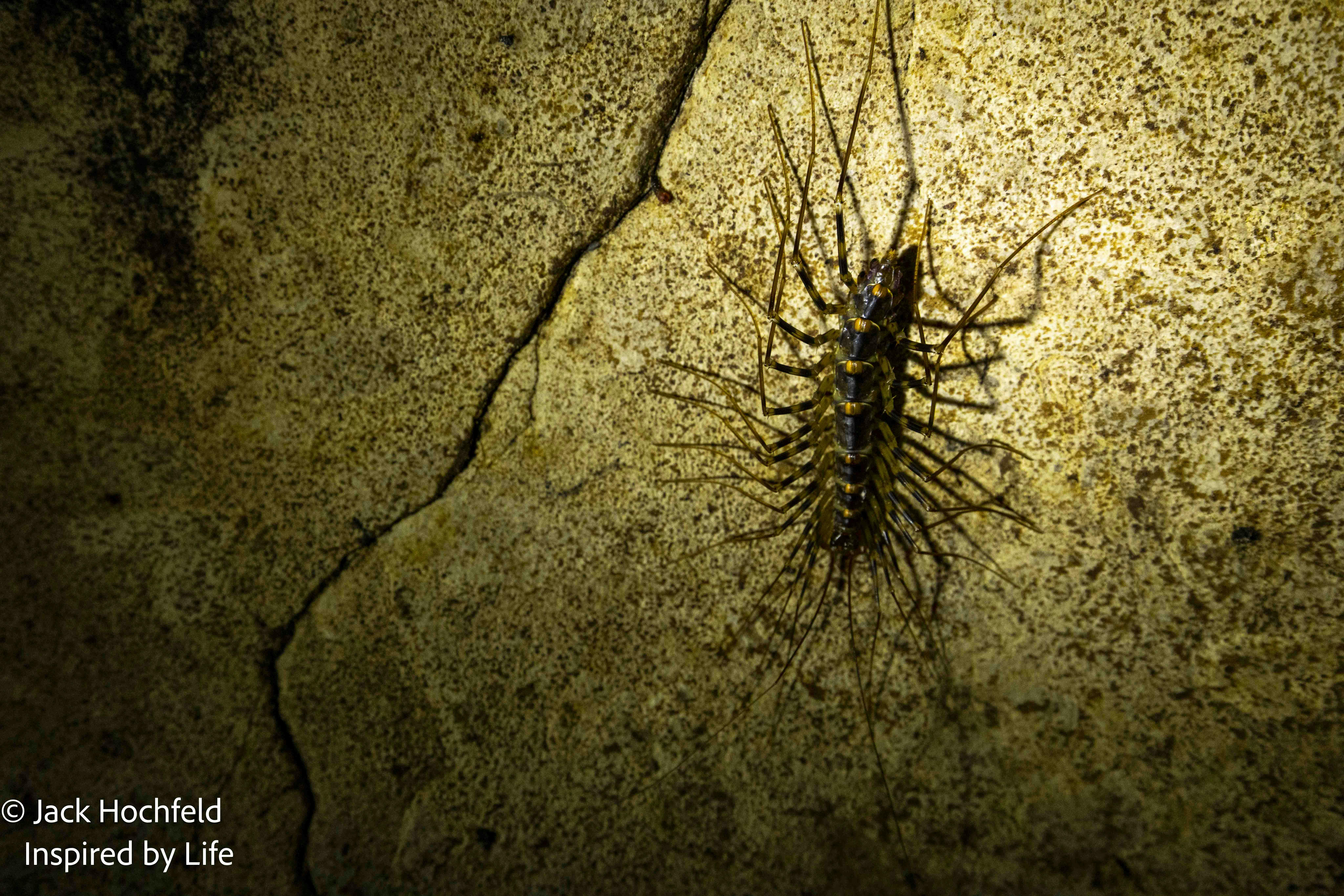
We visited Gomantong Caves, a UNESCO World Heritage site. Thousands of echo-locating swiftlets nested there in perpetual darkness. The cave was also home to centipedes, cockroaches and millions of bats. We hiked up 552 stairs hoping to witness the evening bat exodus, but they declined to exit before dark. Still, we watched the swifts return to nest. Abandoned nests, built from feathers, plant matter and saliva, were harvested for bird’s nest soup. Our guide had spent three months filming the BBC Planet Earth series in these very caves.
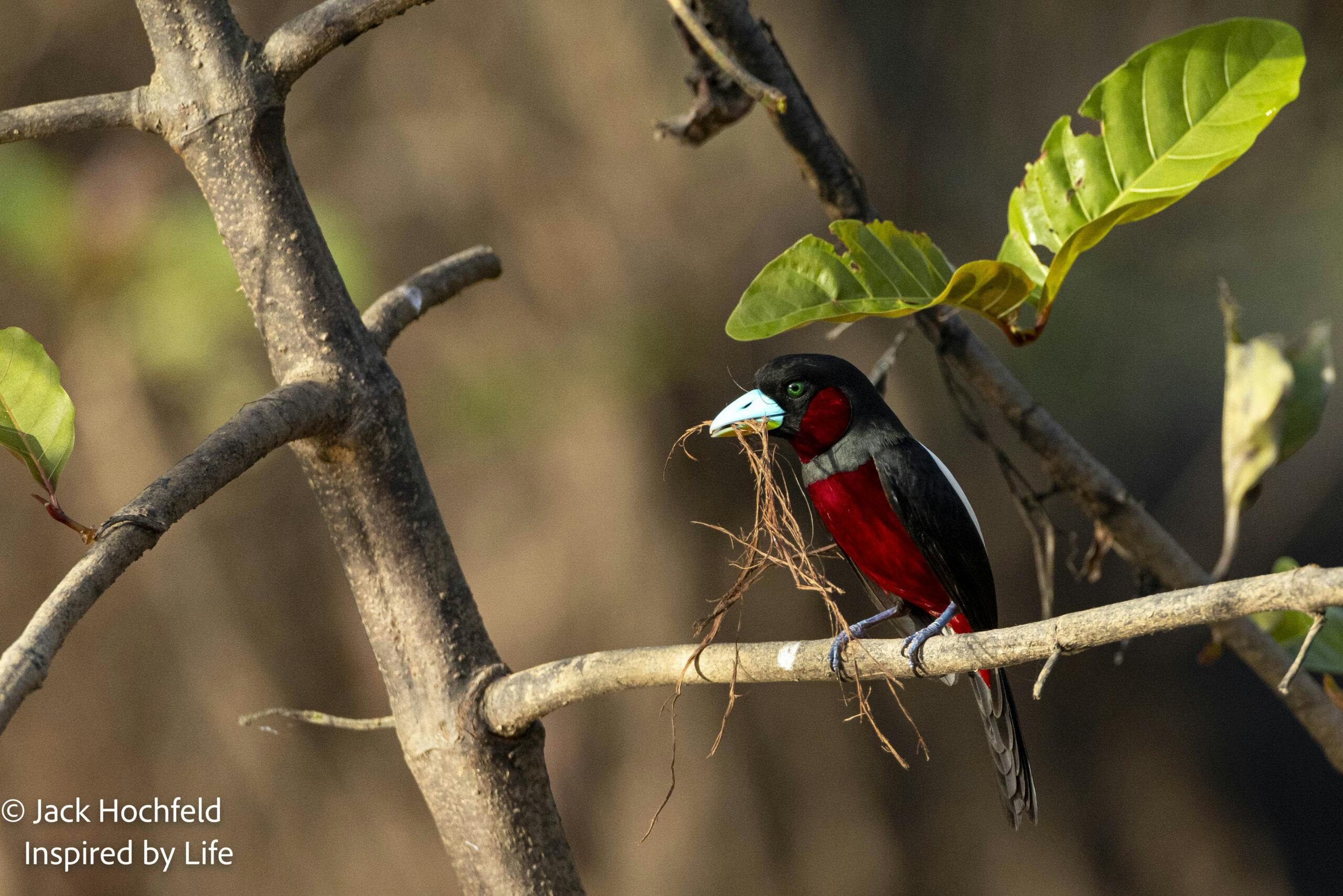
We heard a white-headed broadbill. I searched for a bird with a broad beak and a white head. It turned out to be luminous lime green—with no white head. It was Whitehead’s broadbill, named after a 19th-century naturalist.
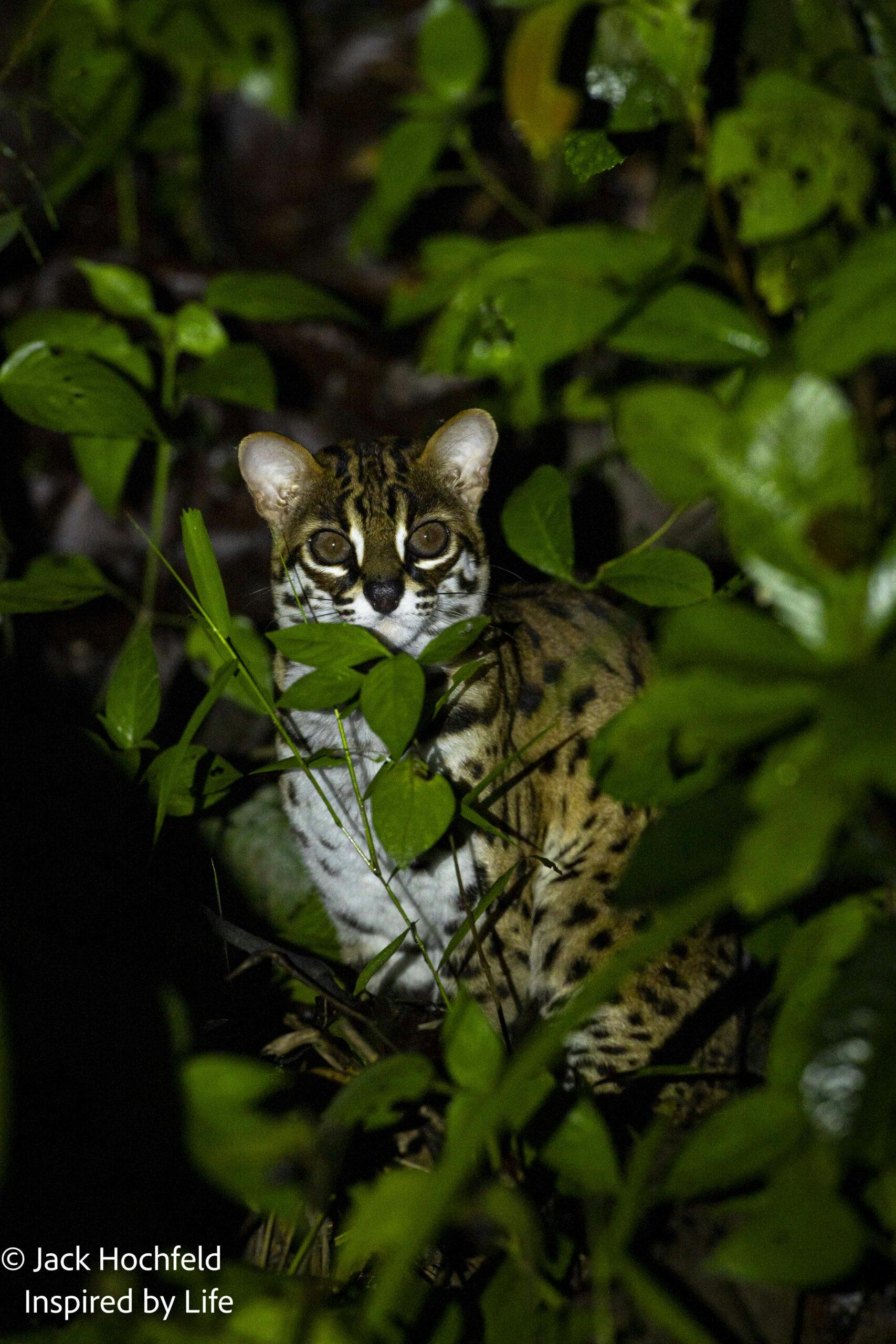
The gibbon’s call carried for miles in long looping phrases, rising and falling—something between an oriole and a green-spotted pigeon. The orangutan was less melodic, more guttural. The leopard cat mewed softly from the undergrowth. Bird calls were often more common than sightings, but helped us locate them in the dense canopy.
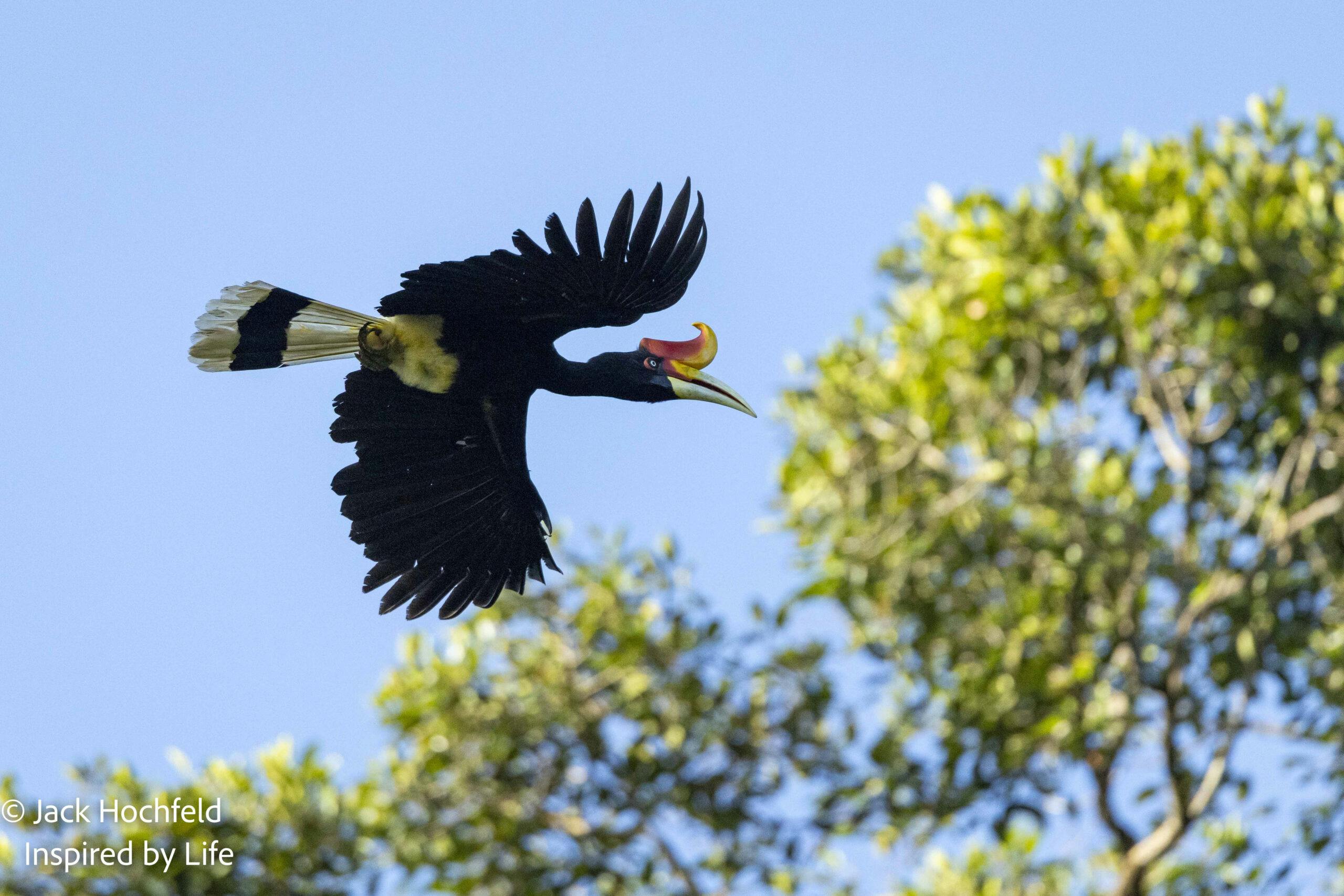
There were eight species of hornbills, each with a distinct call—croaking barks, awk-awks, or piercing squawks. Their wingbeats created a loud whump-whump through the air. The rhinoceros hornbill’s ivory-colored bill was topped with a fiery-orange casque known as red ivory.
Boats, Dolphins and Squirrels
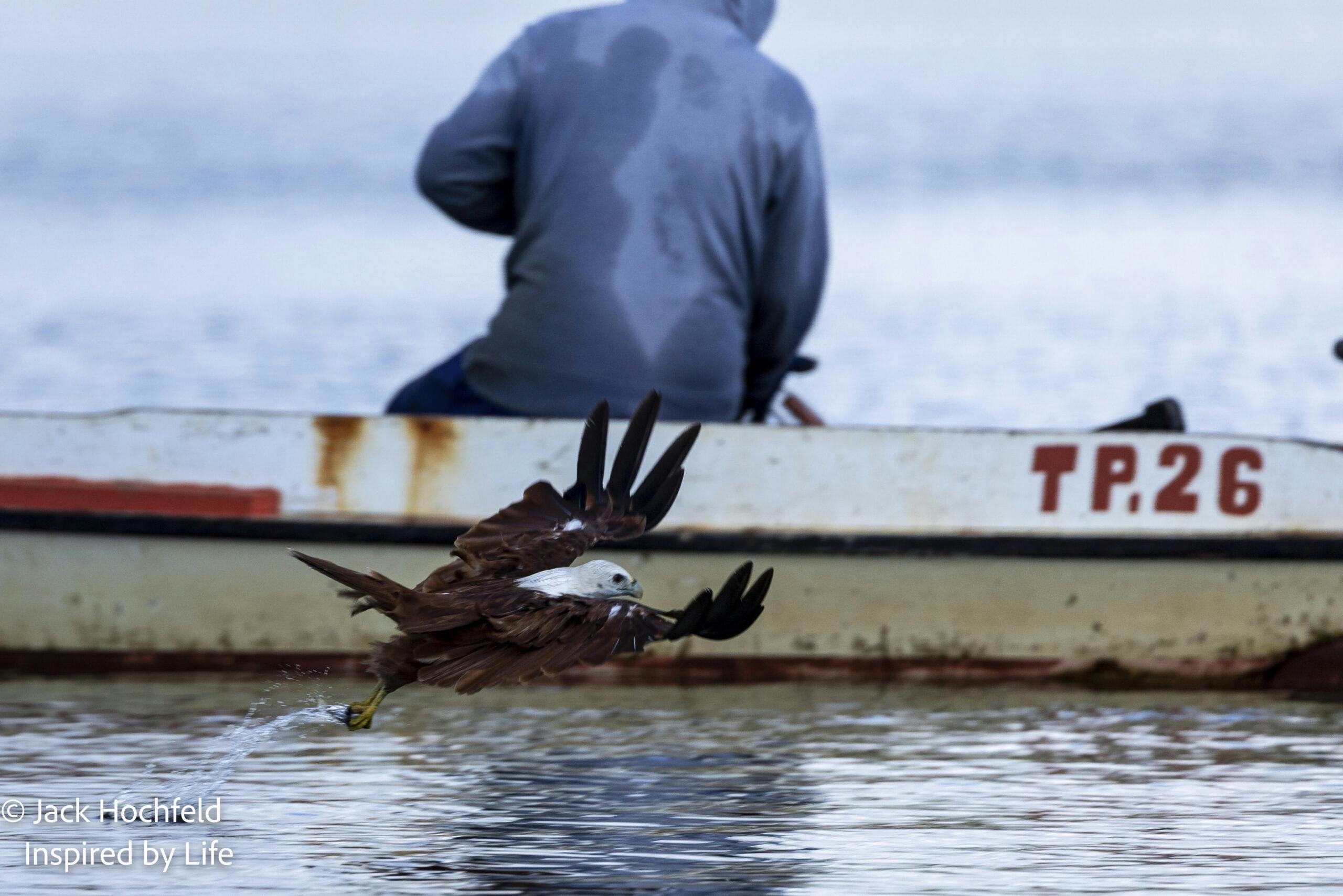
We lingered by the fishing boats to spot the Irrawaddy dolphin. These blunt-nosed, round-headed creatures lived in freshwater and surfaced with a soft puff to collect scraps from the catch.
I tried to photograph a pygmy squirrel—tiny and irresistibly cute. Every time I got him in the viewfinder, he scampered to the far side of the tree. I moved around, he darted back. We played a ridiculous game of squirrel chase that had my fellow travelers in tears of laughter.
Mount Kinabalu and Wallace's Legacy
Mount Kinabalu was Borneo’s first UNESCO World Heritage Site. When it wasn’t wrapped in cloud, its 4,095-meter peak dominated the skyline. Hikers tackled the 9.8 km trail over two days—up and down.
Darwin had hesitated to publish his theory for 18 years, fearing backlash from the church. Wallace, working independently across the Malay Archipelago—including Borneo—reached the same conclusion and wrote to Darwin. This prompted Darwin’s advisors to urge immediate publication. Numerous species in Borneo were named in Wallace’s honor.
The People and the Photographer
As it turned out, the wild man of Borneo was American.
Final Thoughts
Borneo tested the limits of comfort, patience, and camera gear — yet gave back far more than it took. Beneath the dripping humidity and sinking mud lay a world few will ever witness so intimately: ancient rainforests humming with life, creatures that defied scale and expectation, and a rhythm of wildness that made time stretch and contract.
This journey through Borneo wasn’t about checking species off a list. It was about being still, being muddy, being curious — and letting the wild speak.
🌎 Explore All Our Asia Trips
This is a guest blog from our frequent traveler, Jack Hochfeld, who has traveled with us on many trips, including to the Svalbard Islands. With his signature blend of keen observation and poetic detail, Jack captures the essence of Arctic exploration—from calving glaciers and curious walruses to the quiet wonder of the midnight sun. His reflections offer a vivid glimpse into the raw beauty and fragility of the far north.
Departure to Svalbard
We fly for three hours north to Longyearbyen, Svalbard, 78° N, 15° E, the world’s most northerly permanent settlement with a population of over 1,000, halfway between mainland Norway and the North Pole. A directional sign at the airport shows 1,300 km to the North Pole and 18,960 km to the South Pole. We are well beyond the Arctic Circle and further north than we’ve ever been. Polar bears in Svalbard vastly outnumber people. Venturing beyond town limits without an armed polar bear guide is prohibited.
Svalbard falls under Norwegian sovereignty by international treaty, with shared economic and scientific interests, including Russian activity. It is home to the Svalbard Global Seed Vault, a secure backup for the world’s seed crops.
Onboard
We board our small expedition vessel with 12 cabins and 11 passengers, including two Australian couples originally from South Africa and others from the USA, including a Serbian couple. Many are academics: a mathematician, pathologist, microbiologist, GP, biologist, geologist, and a computer chip designer.
Our Alaskan and Californian guides are seasoned Arctic and Antarctic travelers, marine and wildlife biologists, and accomplished photographers with experience shooting for National Geographic, the BBC, Animal Planet, and more. Both are professional, friendly, and knowledgeable.
Cabin & Seas
Cabin space is efficient, designed for exploration rather than luxury. Space is limited, so we packed sparingly and carefully. As we leave the harbor and enter open seas, the ship rolls a bit. Once in the sheltered fjords, we find our rhythm with the ocean and settle comfortably into life at sea.
Arctic vs Antarctic
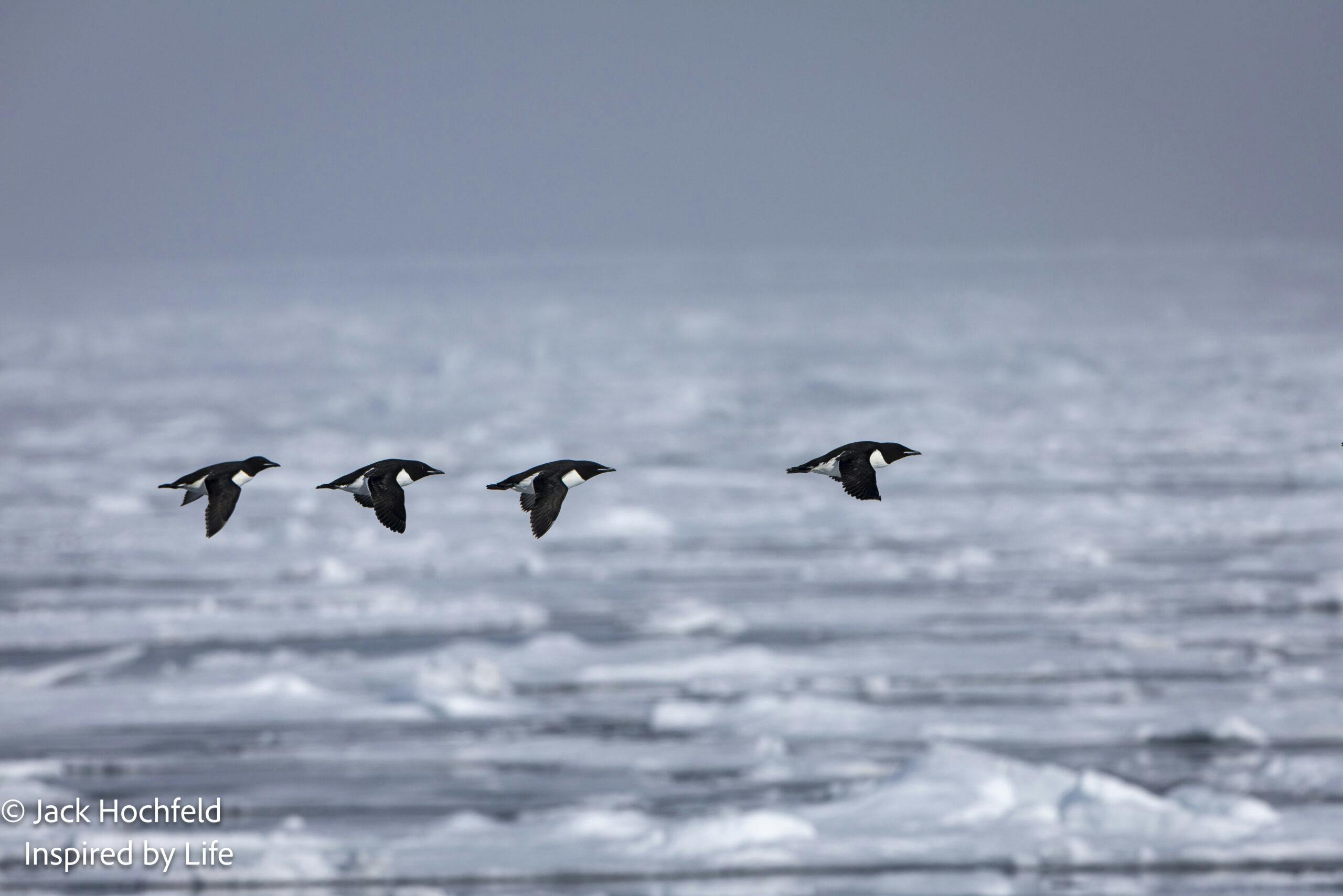
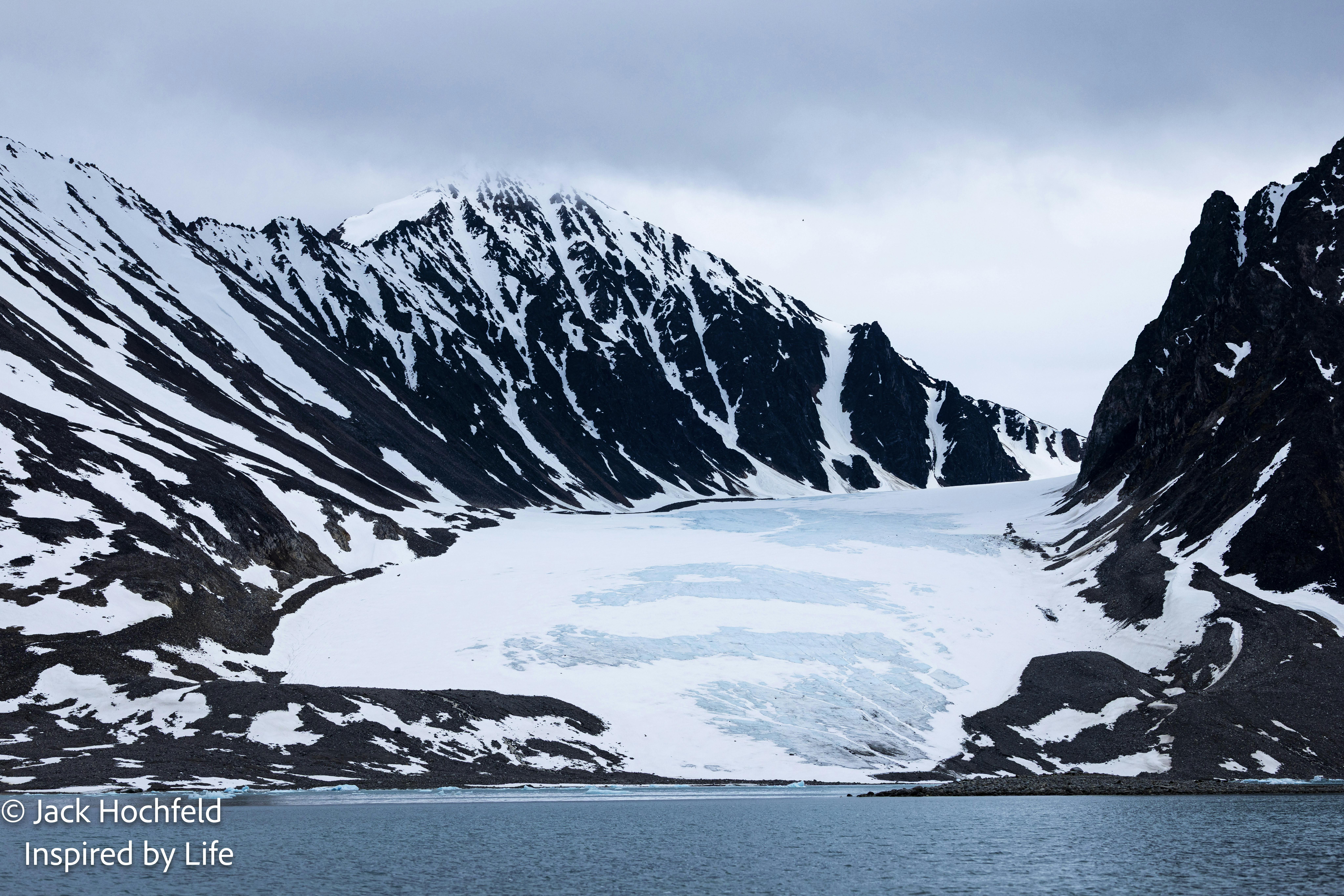
The Arctic is surprisingly different from Antarctica—less dramatic but more subtle, milder, with calmer seas and a more leisurely pace. Though there are fewer species, the bird flocks are immense. The Arctic is an ocean surrounded by land, while the Antarctic is land surrounded by ocean—contributing to their contrasting characters.
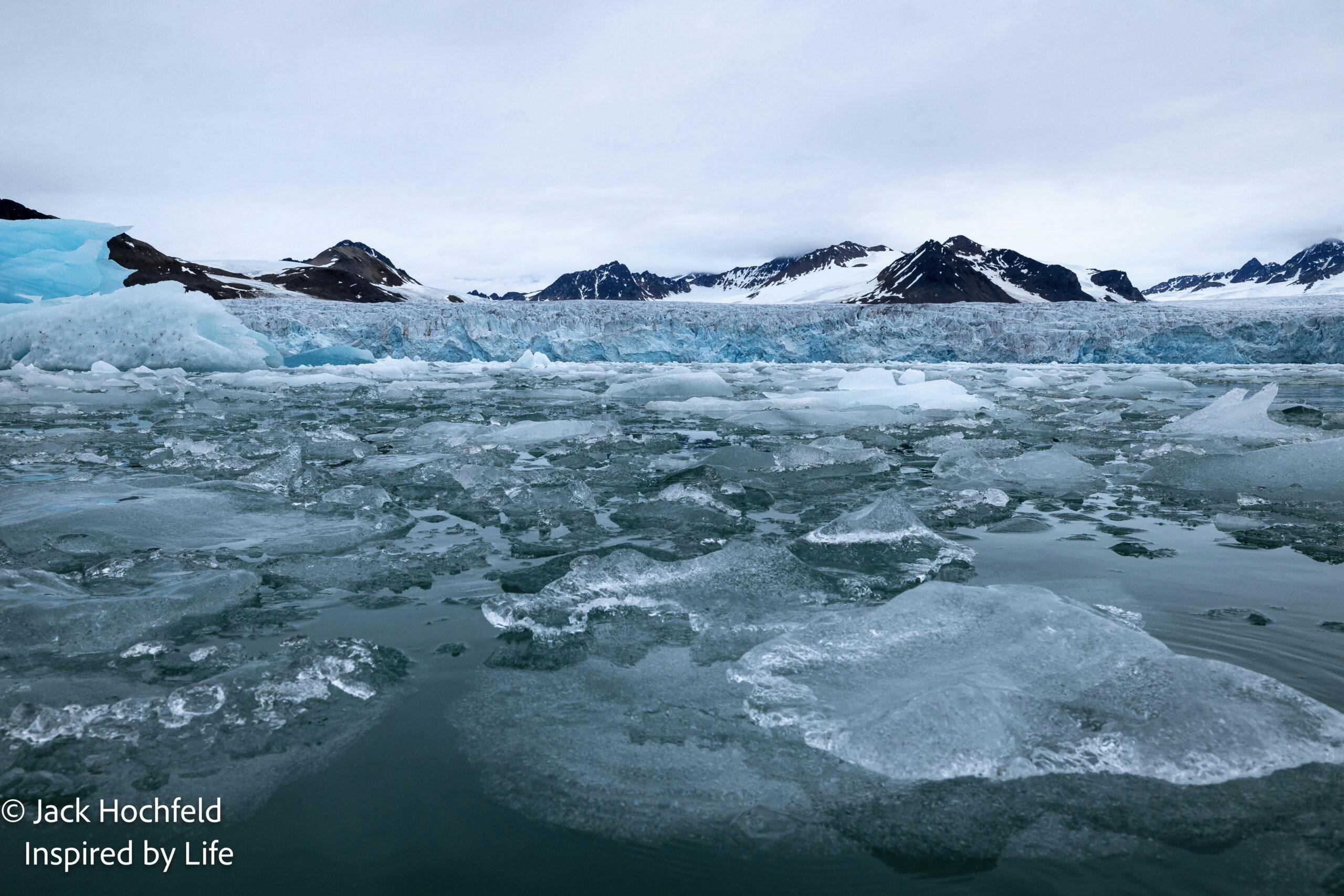
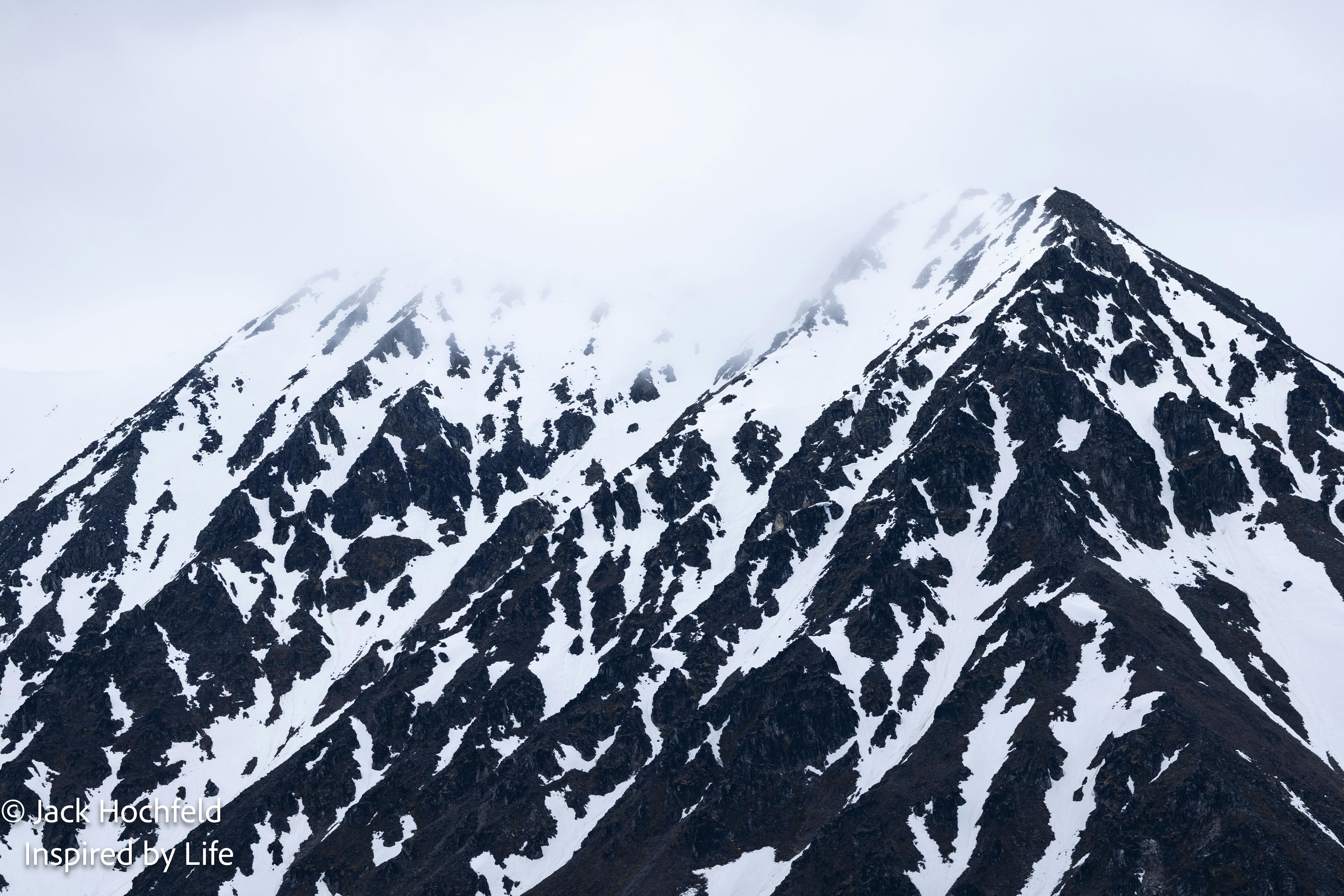
This rugged, raw environment reveals its beauty slowly, through patience and presence. Stark, monochromatic landscapes dominate—sharp peaks under a heavy grey sky mirrored by a sea tinged with glacier blue and pale green. The black-and-white banded cliffs appear compressed between sky and sea, forming a sublime, minimalist canvas.
Glacier Approach & Wildlife
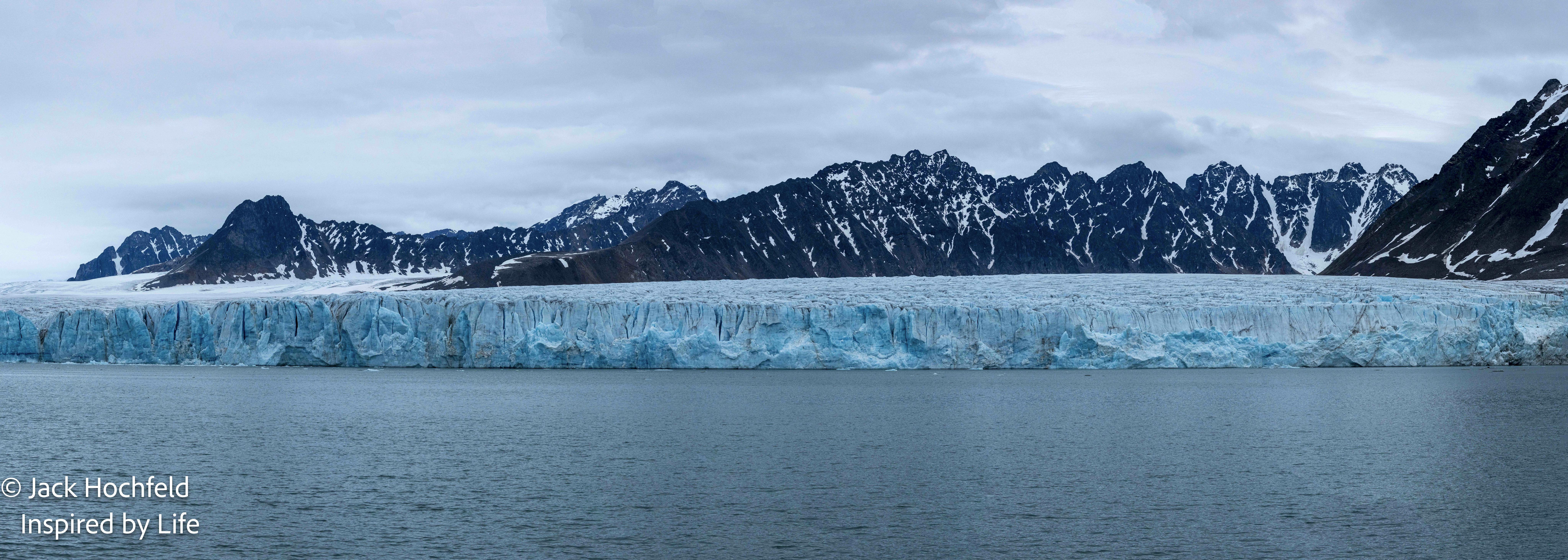
Our itinerary is shaped by weather and wildlife sightings. We aim north. One day, bright sun gives way to dense fog, and though we near Brasvellbreen—a massive 45 km glacier with cascading waterfalls—conditions require we abandon the approach. Instead, we reverse course and continue west and south, ultimately reaching the northernmost point of our journey beyond 80° N, less than 1,000 km from the North Pole.
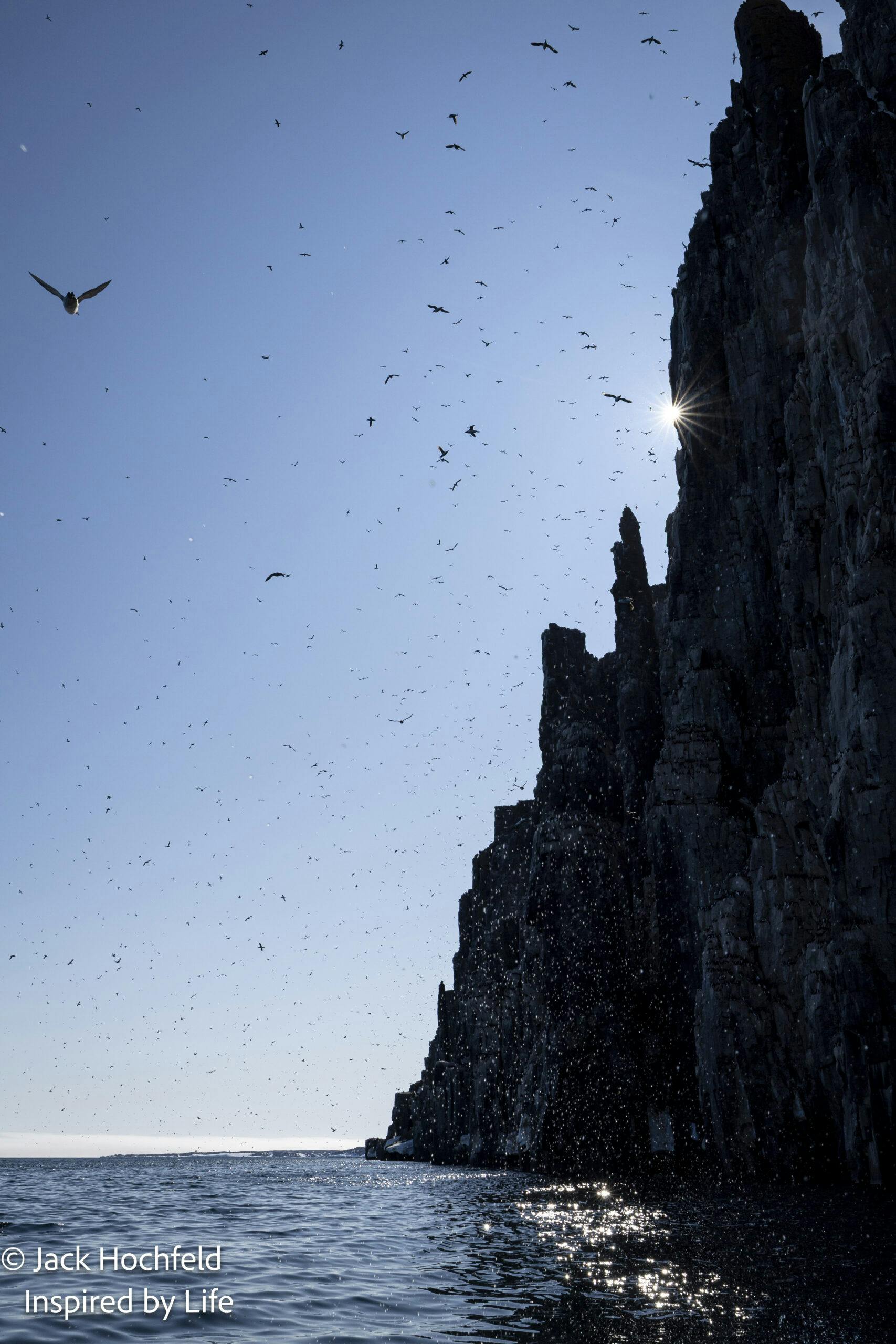
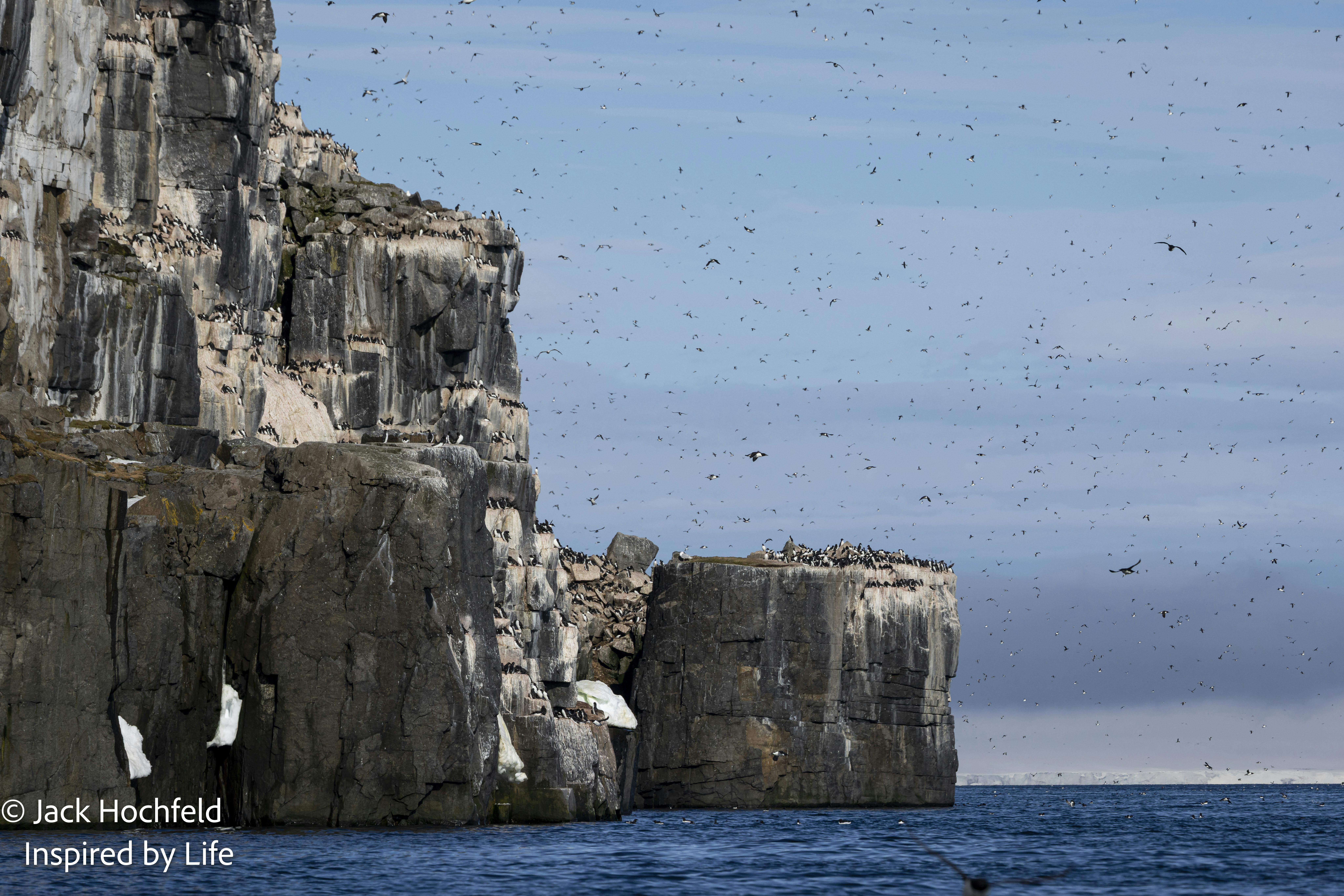
Towering cliffs come alive with nesting birds: a constant swirl of flight, sound, and motion. We slowly nose through brash ice, the light catching the translucent blues and whites.
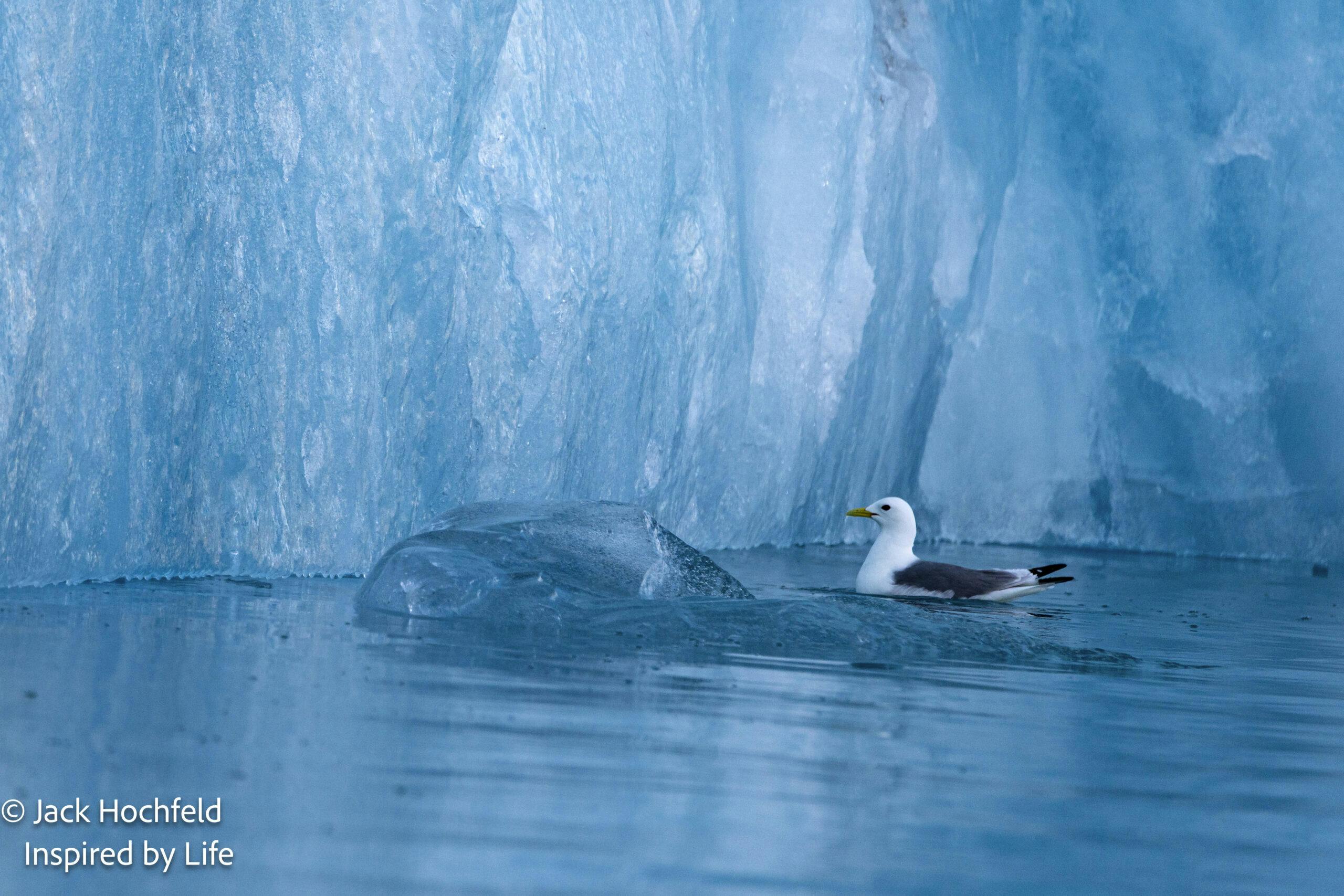
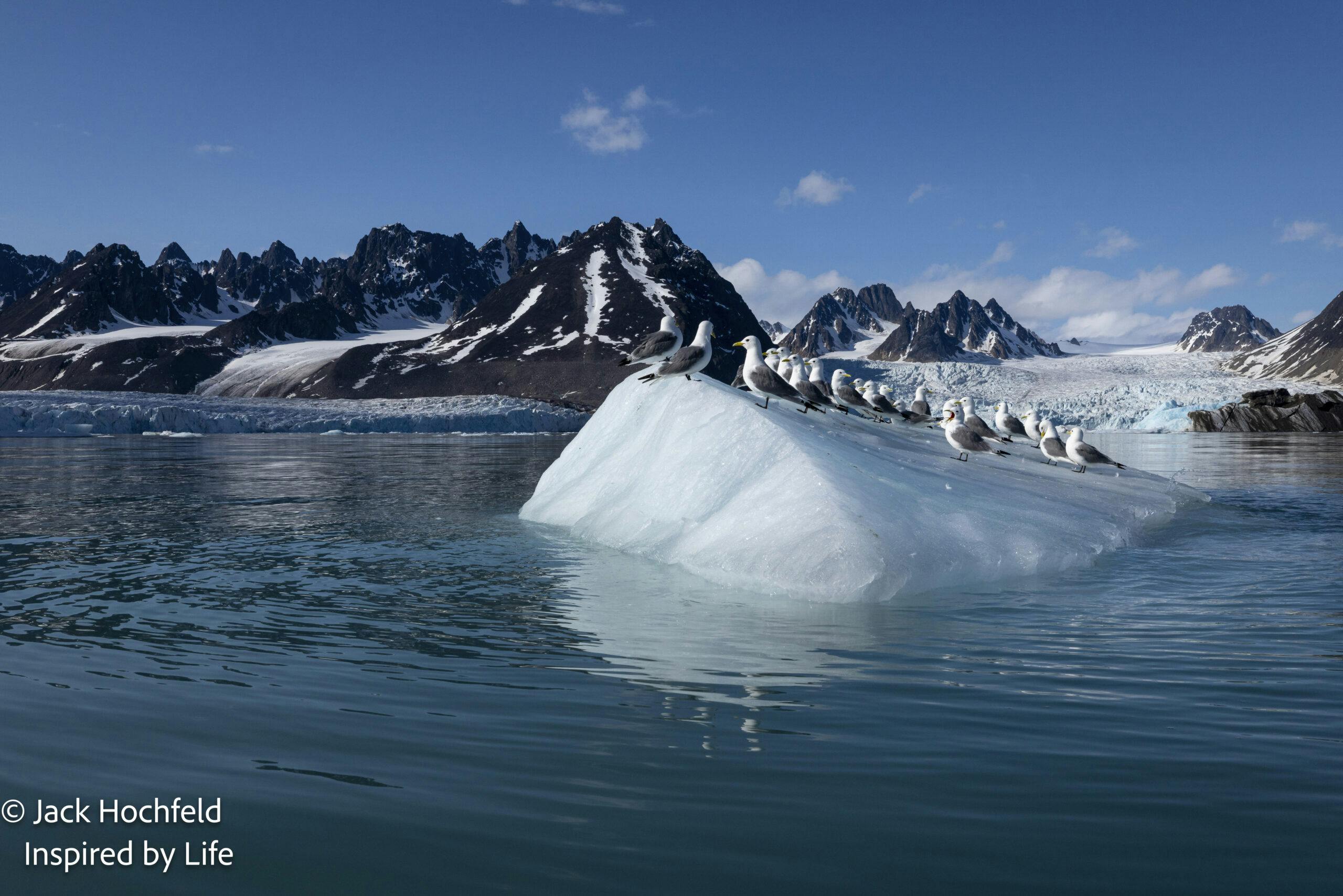
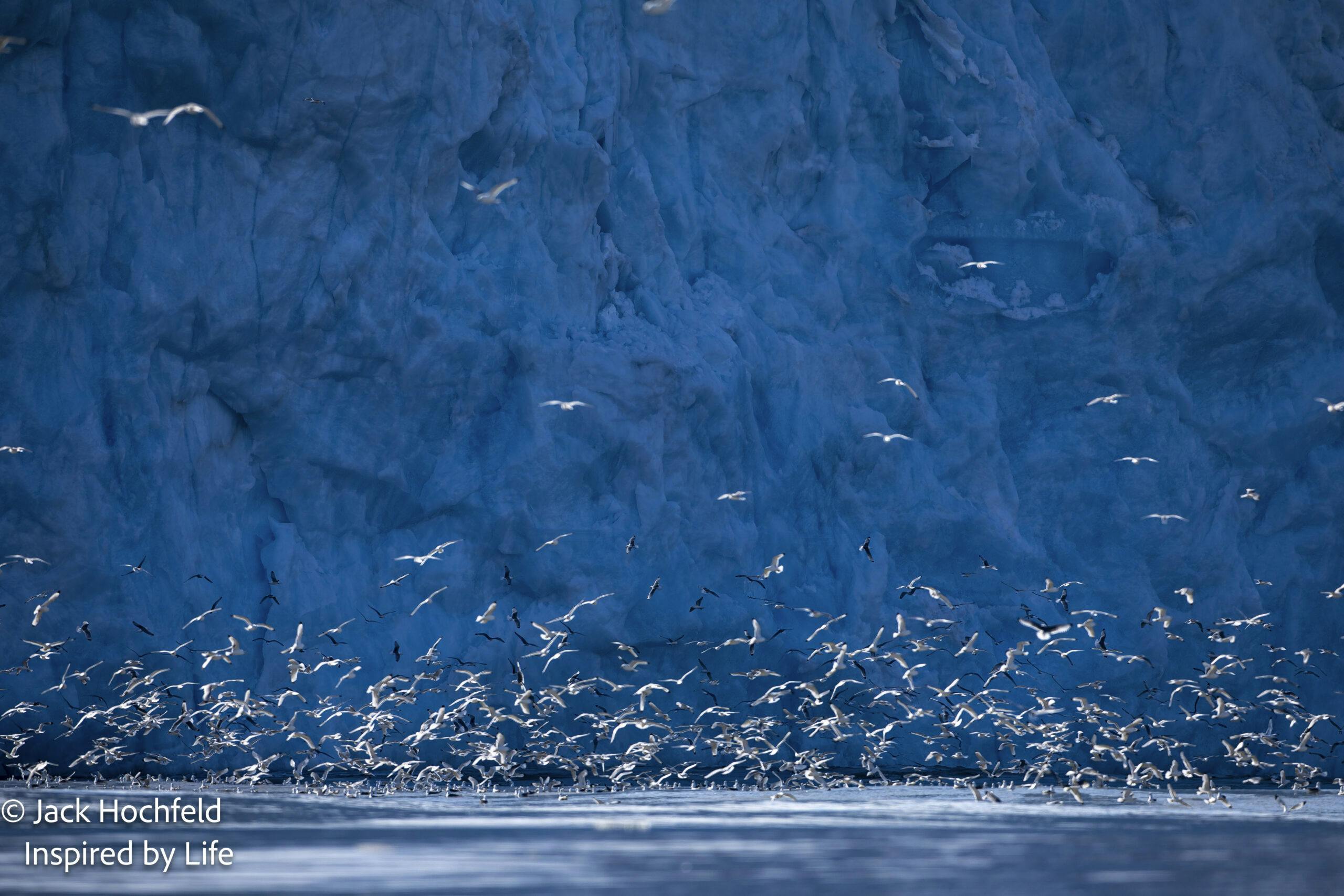
A sharp crack breaks the stillness—a glacier calves. Ice shards explode into the sea with a roar and splash, stirring the water and drawing krill to the surface. Clouds of Black-legged Kittiwakes descend, feeding and calling across the icy amphitheater. The air is sharp and clean.
Lodges & Peace
A desolate hunting lodge, abandoned yet still used in winter, offers shelter from the elements. Another, Texas Bar, is stocked with alcohol—true Arctic essentials. The waves gently lap the shore, the only interruption to the profound quiet.
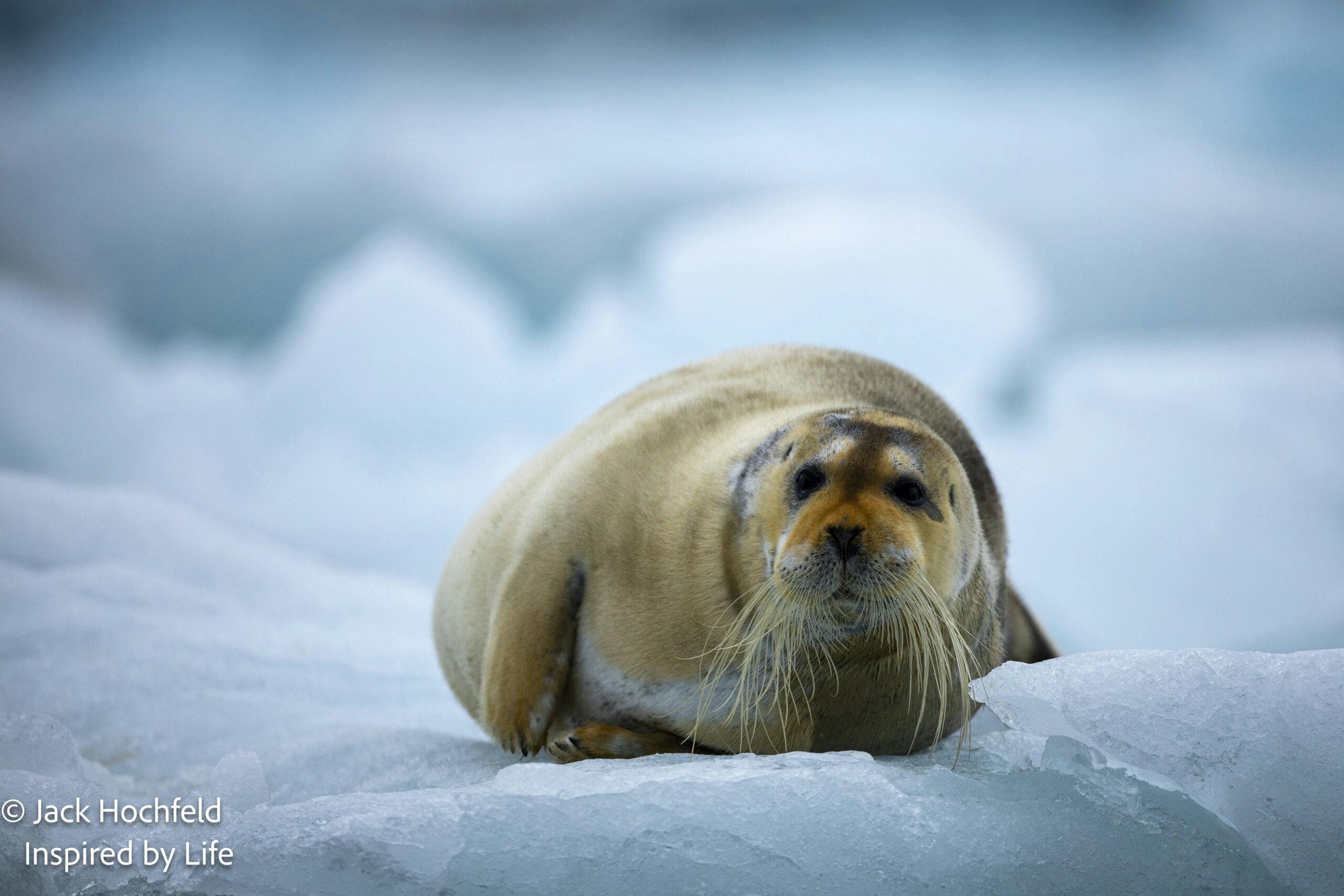
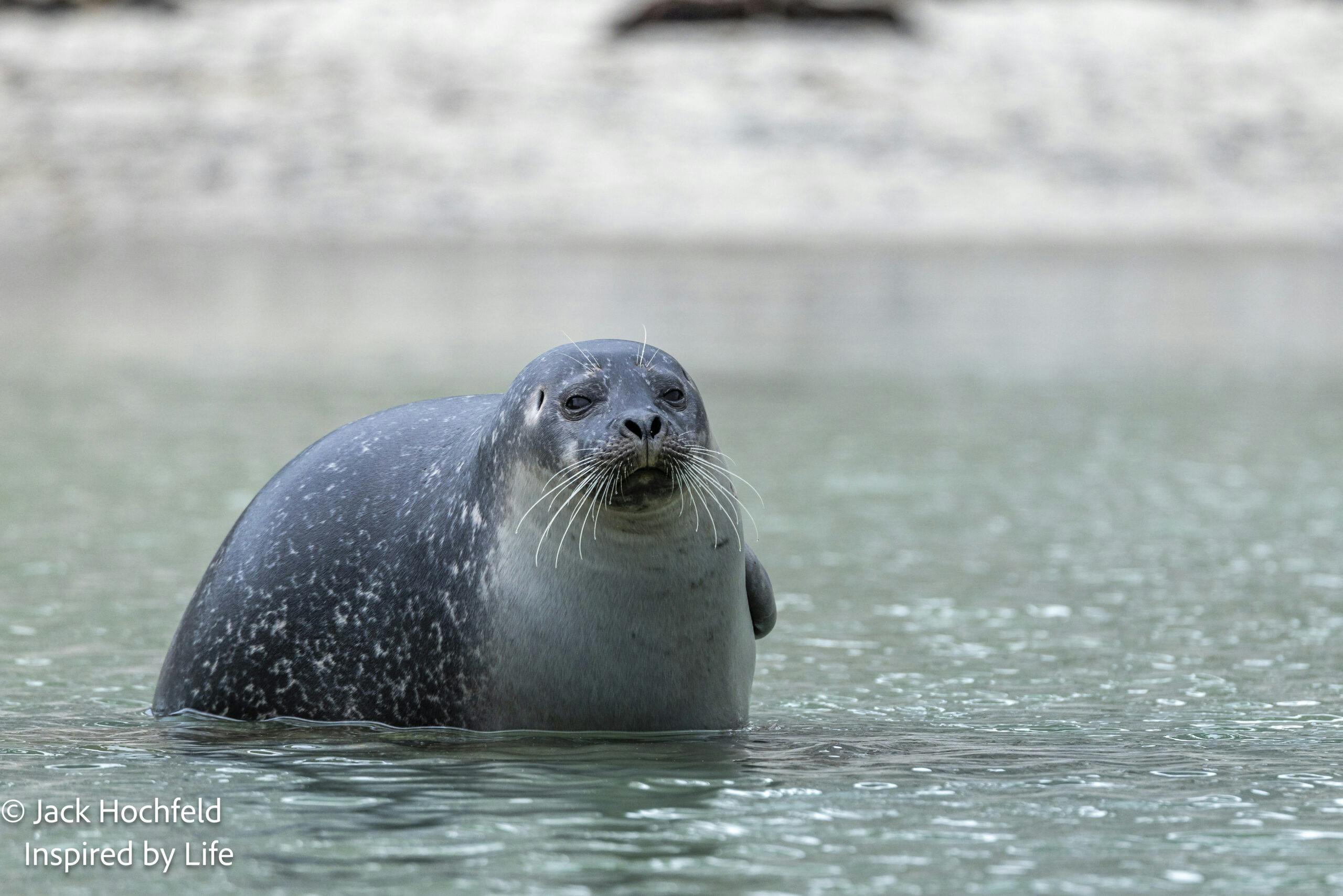
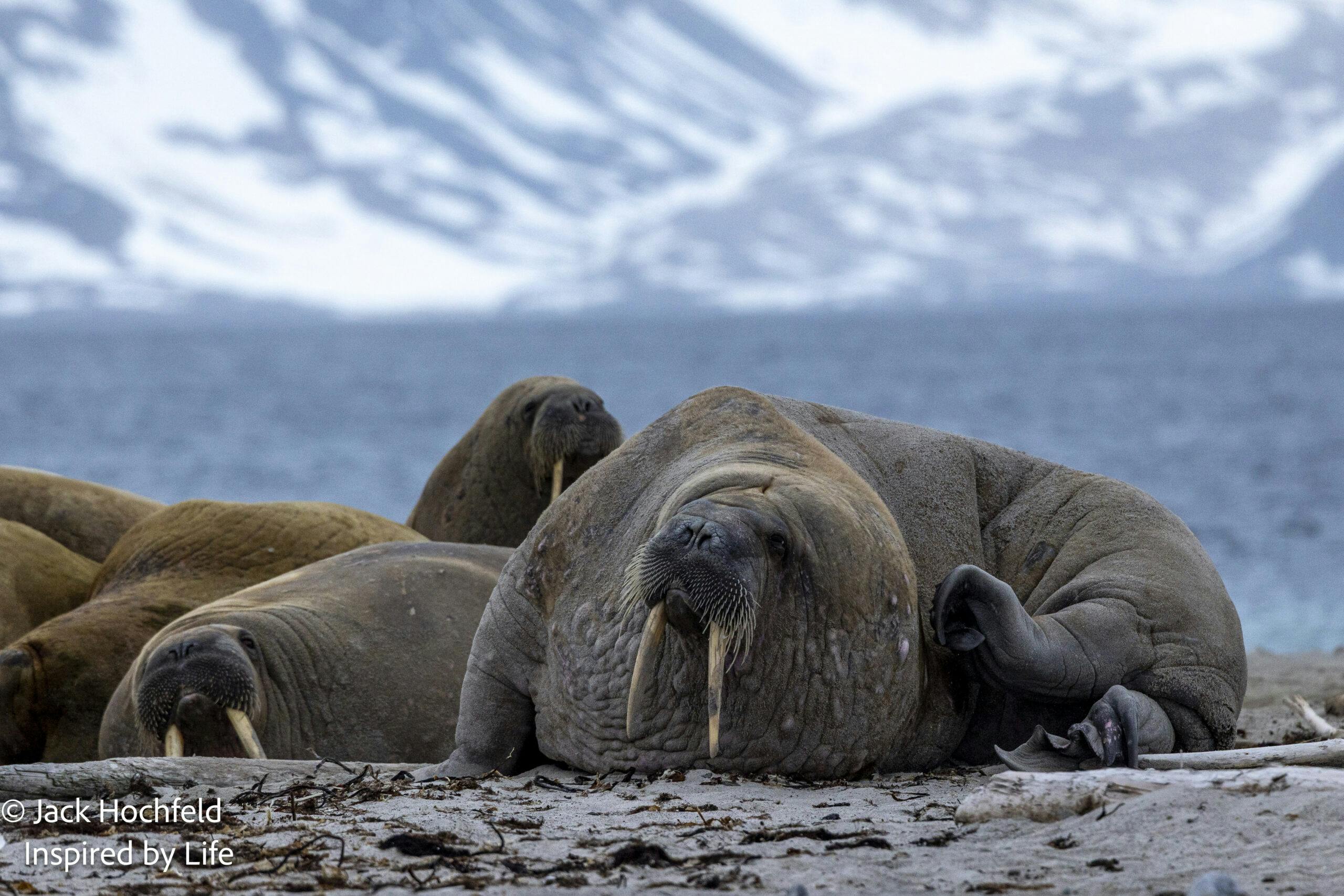
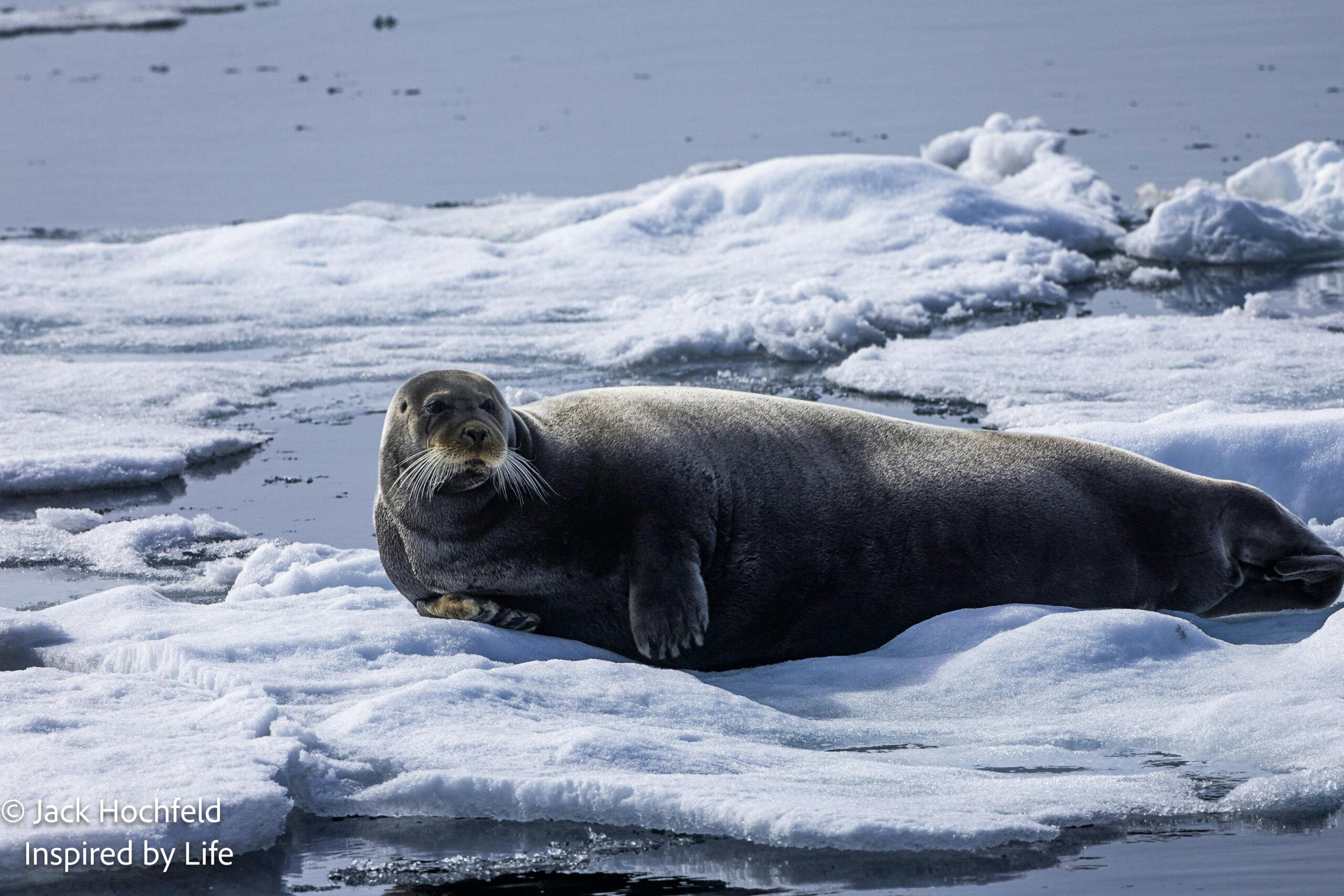
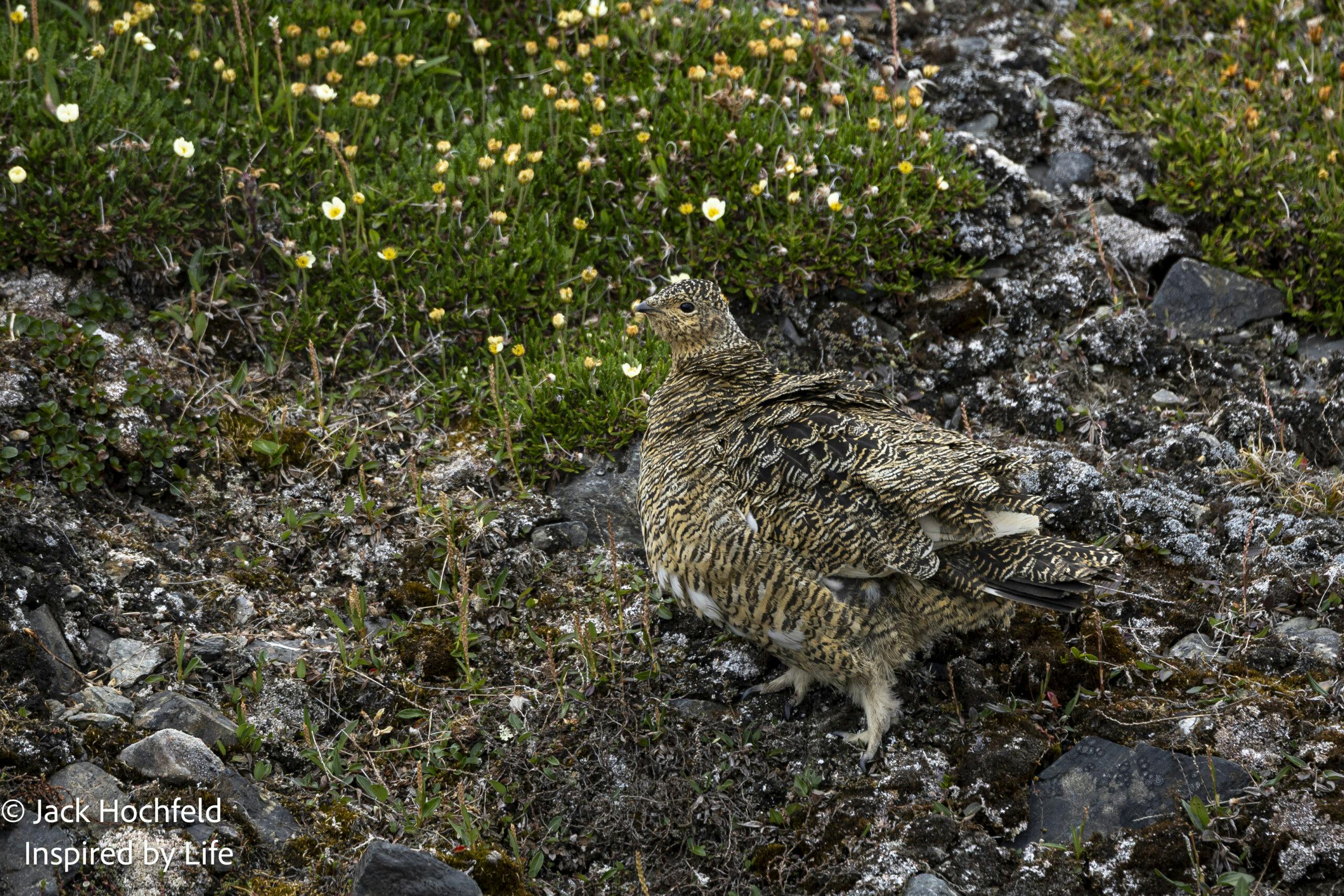
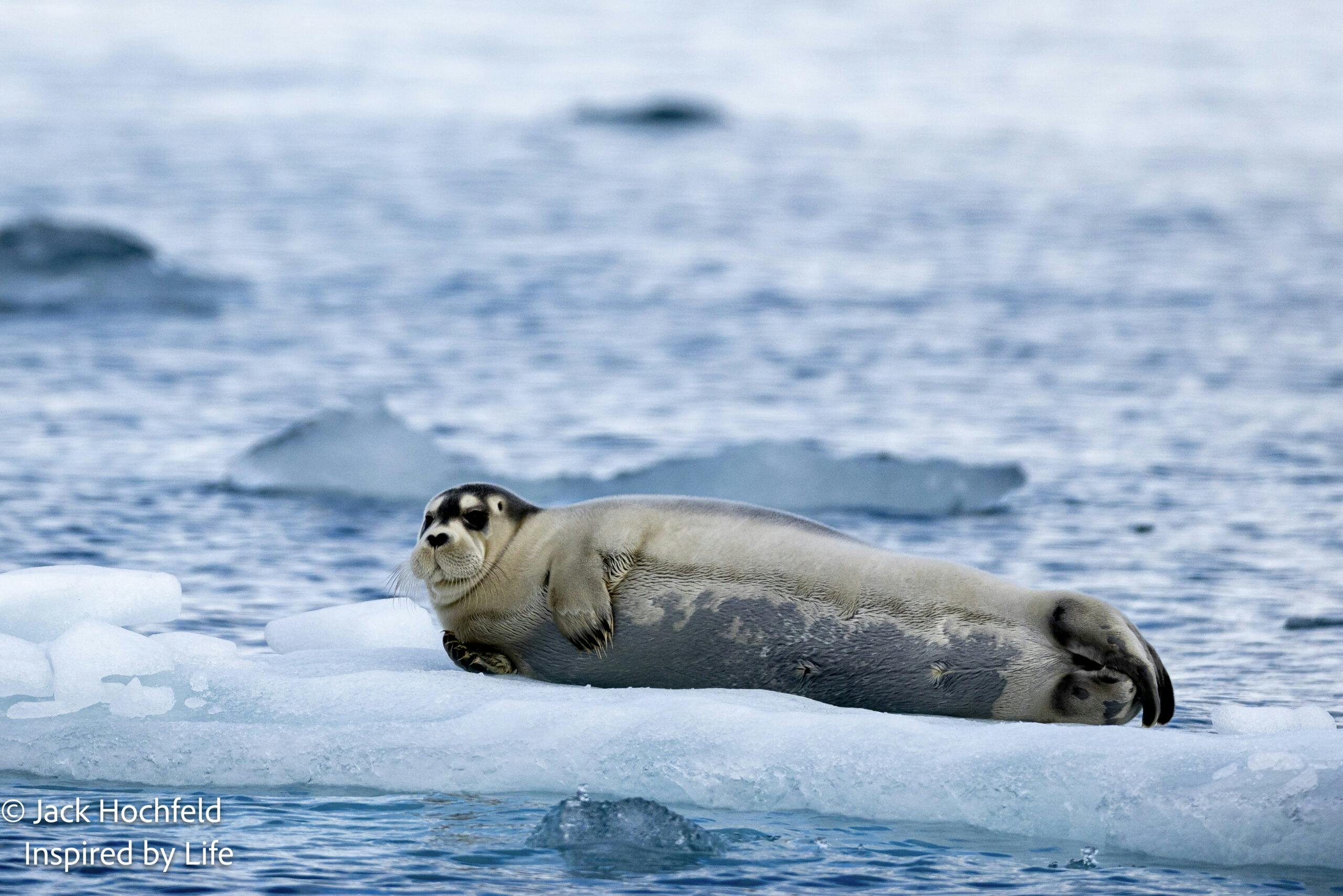
We spot a pair of Rock Ptarmigans. The male, in white plumage with feathered legs, blends into the snowy terrain. On drifting ice, we observe sleeping seals and walruses. We maintain distance as required by Svalbard regulations, observing wildlife calmly and without interference. The rhythmic clunk of ice against the ship’s hull adds to the soundtrack of solitude.
Editor’s Note: All wildlife encounters are conducted following AECO (Association of Arctic Expedition Cruise Operators) guidelines.
Wildlife Encounters & Walrus Thought
We live under 24-hour sunlight. The midnight sun distorts our sense of time—watches become essential for navigation of daily life. While animals follow natural rhythms, we operate on a fixed schedule, balancing Zodiac excursions, hikes, and onboard life.
First Zodiac Excursion & Polar Bears
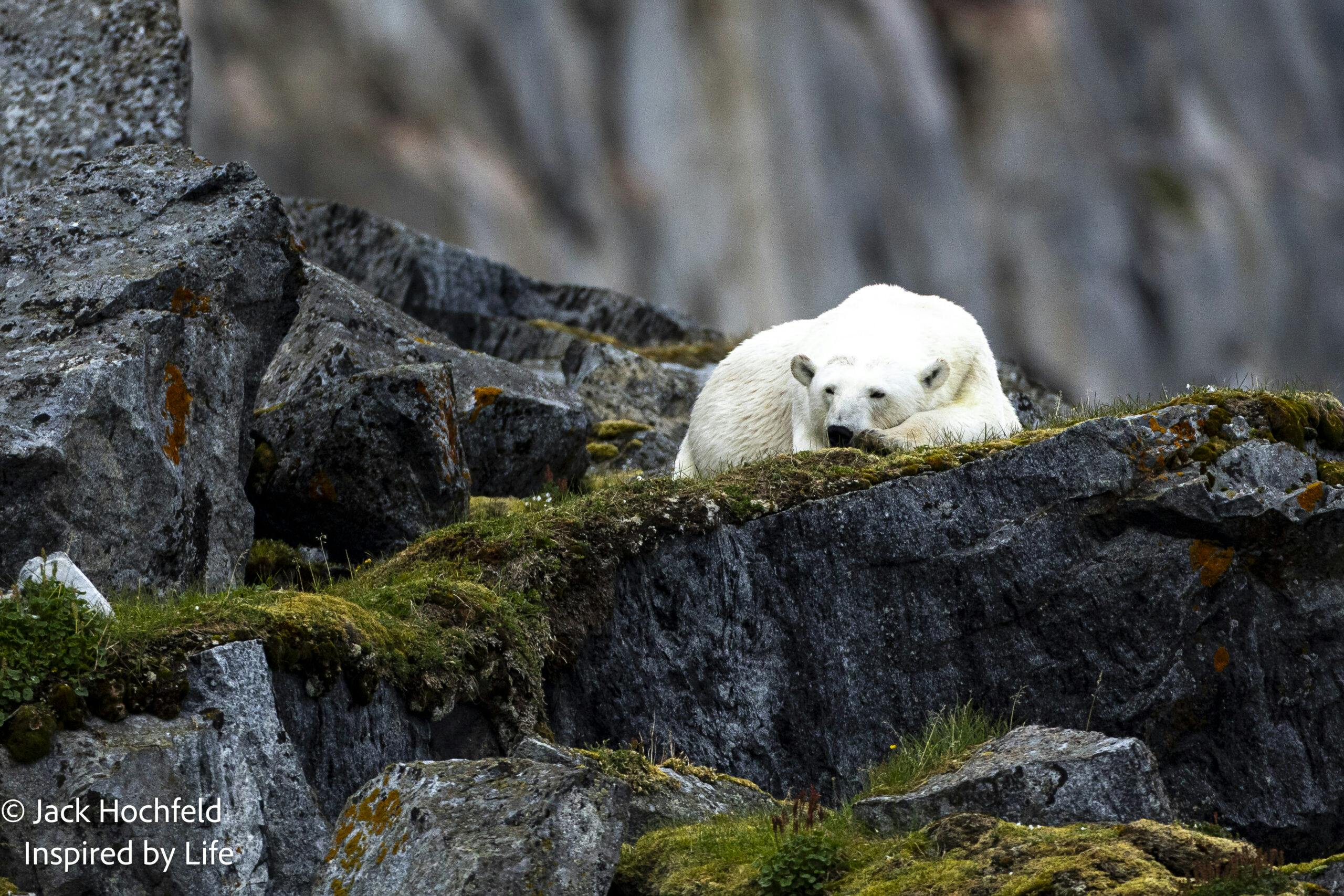
On our first Zodiac outing, we spot three polar bears interacting over a walrus carcass. They are distant, and the conditions are challenging for photography, but observing their behavior—the posturing, tugging, and shifting between individuals—is captivating. With the right lenses and good resolution, excellent images can still be obtained despite the distances encountered.
Editor’s Note: Travelers are advised to always bring their primary camera gear on Zodiac outings, as significant wildlife sightings can happen at any moment.
Daily Wildlife & Wildlife List
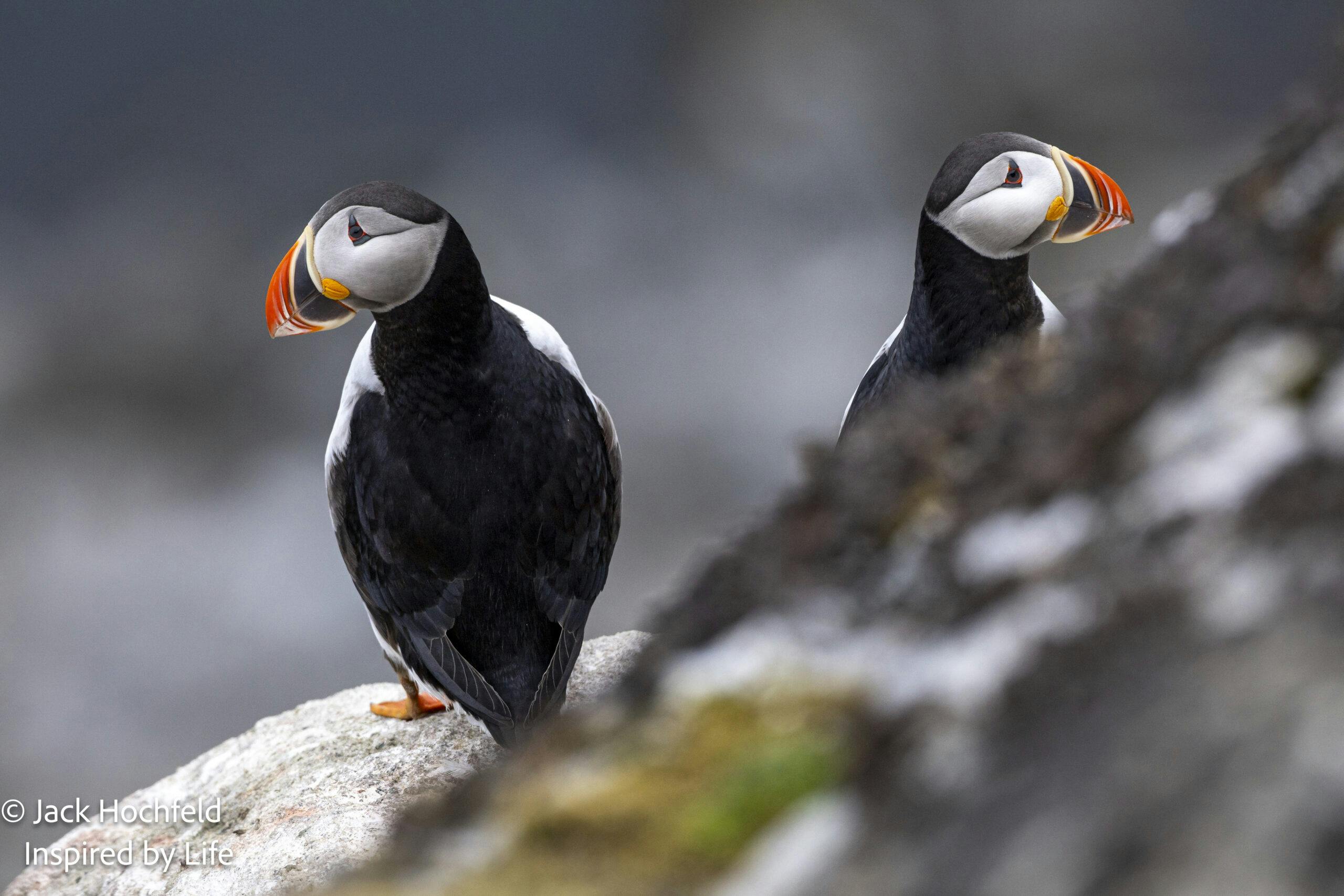
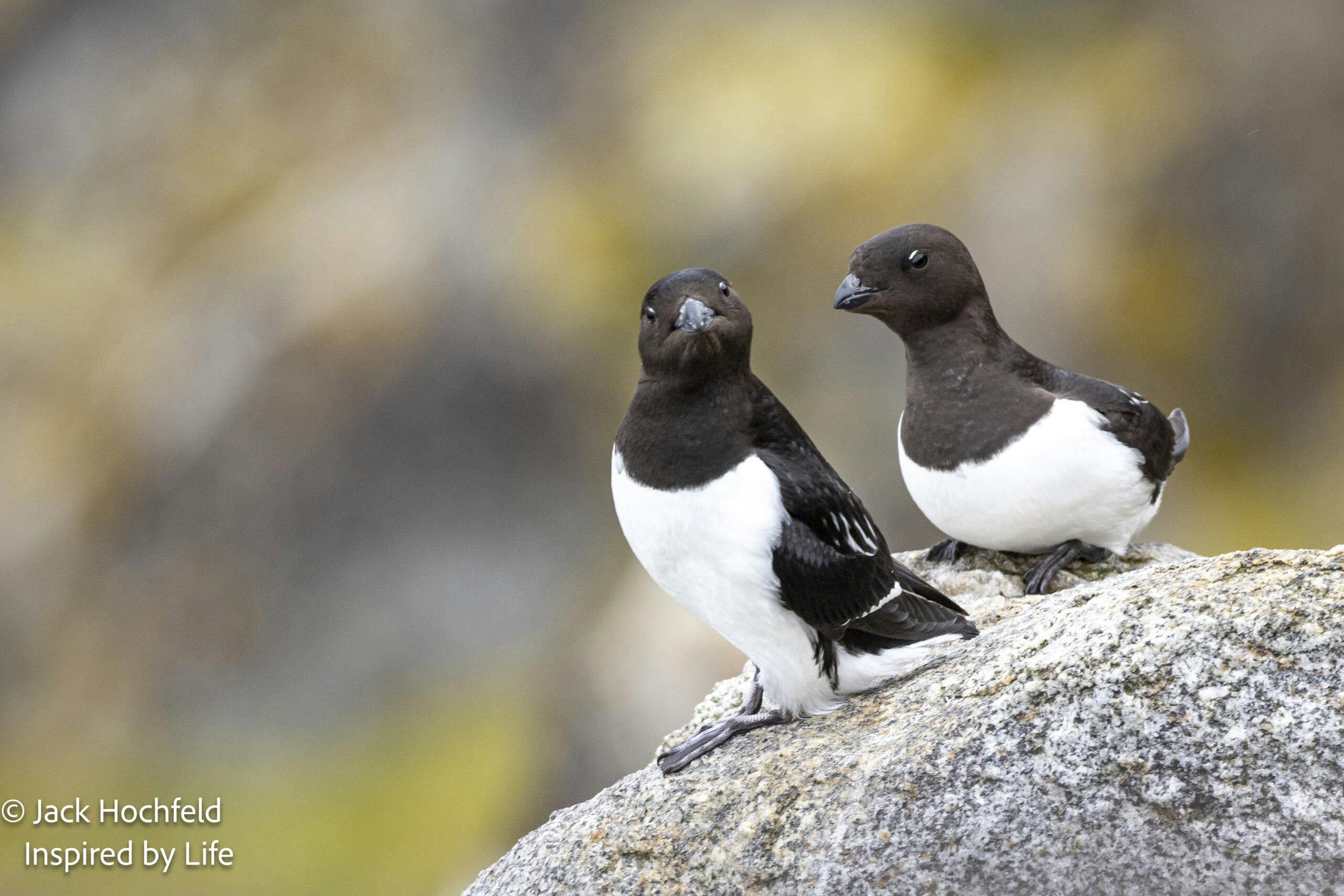
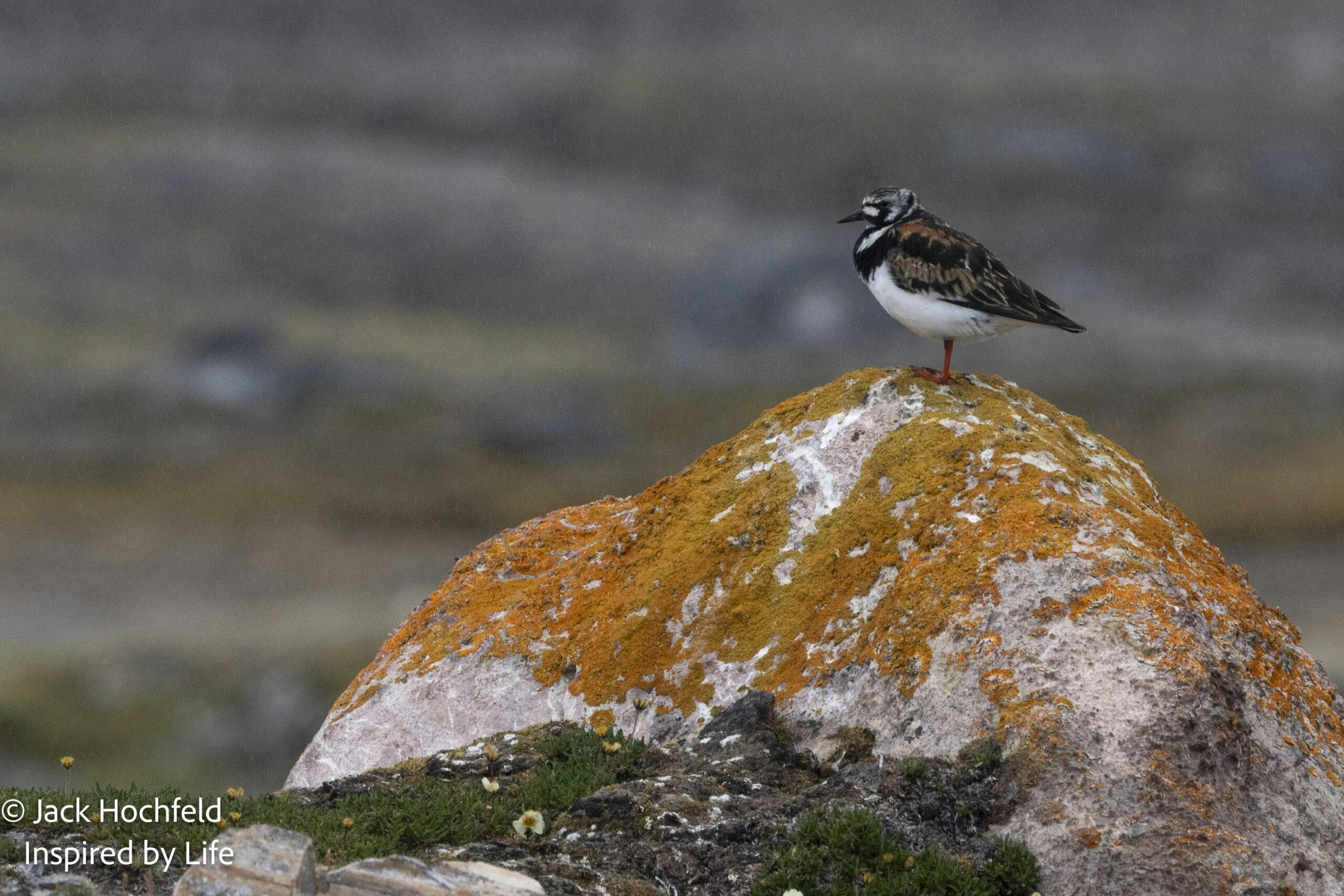
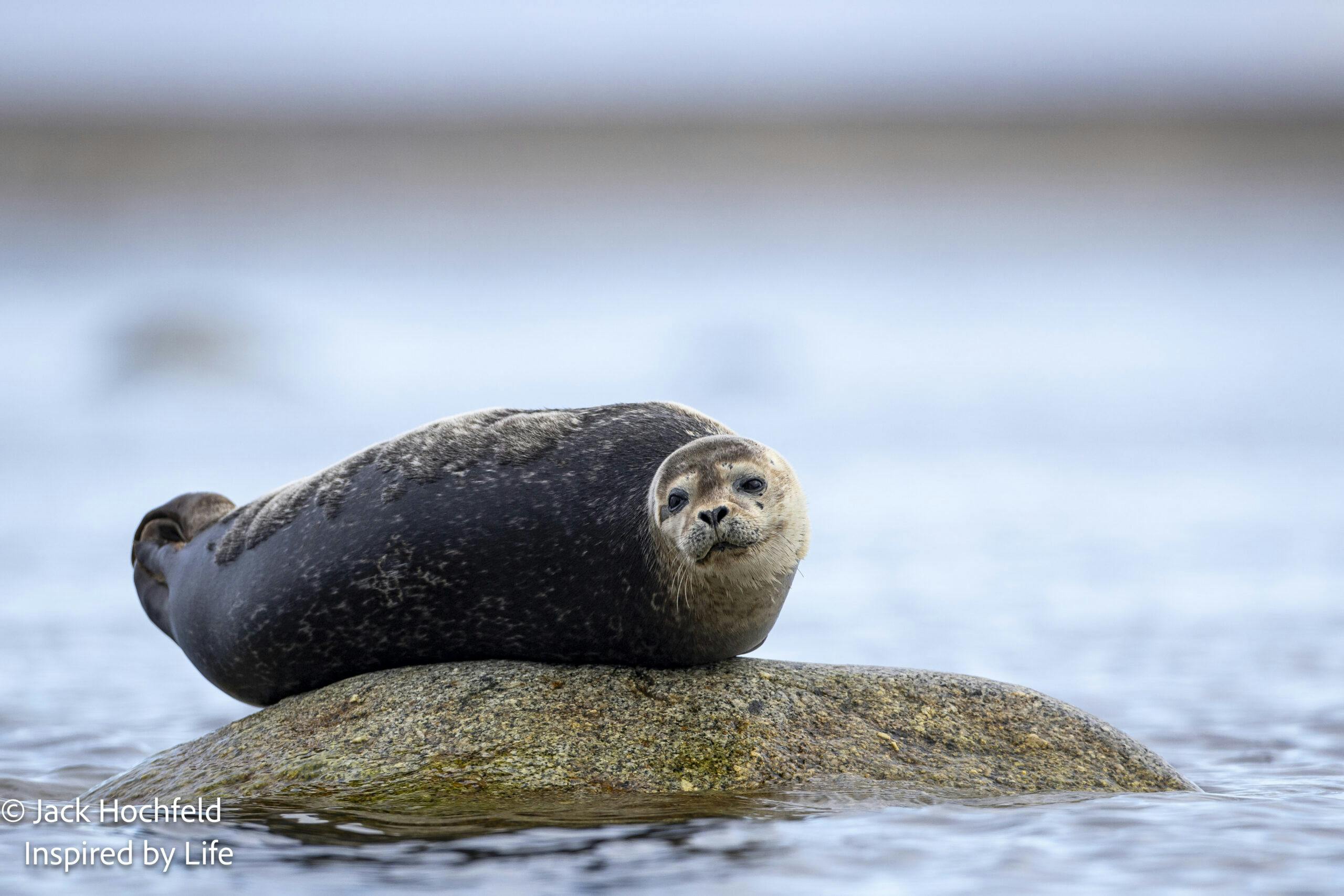
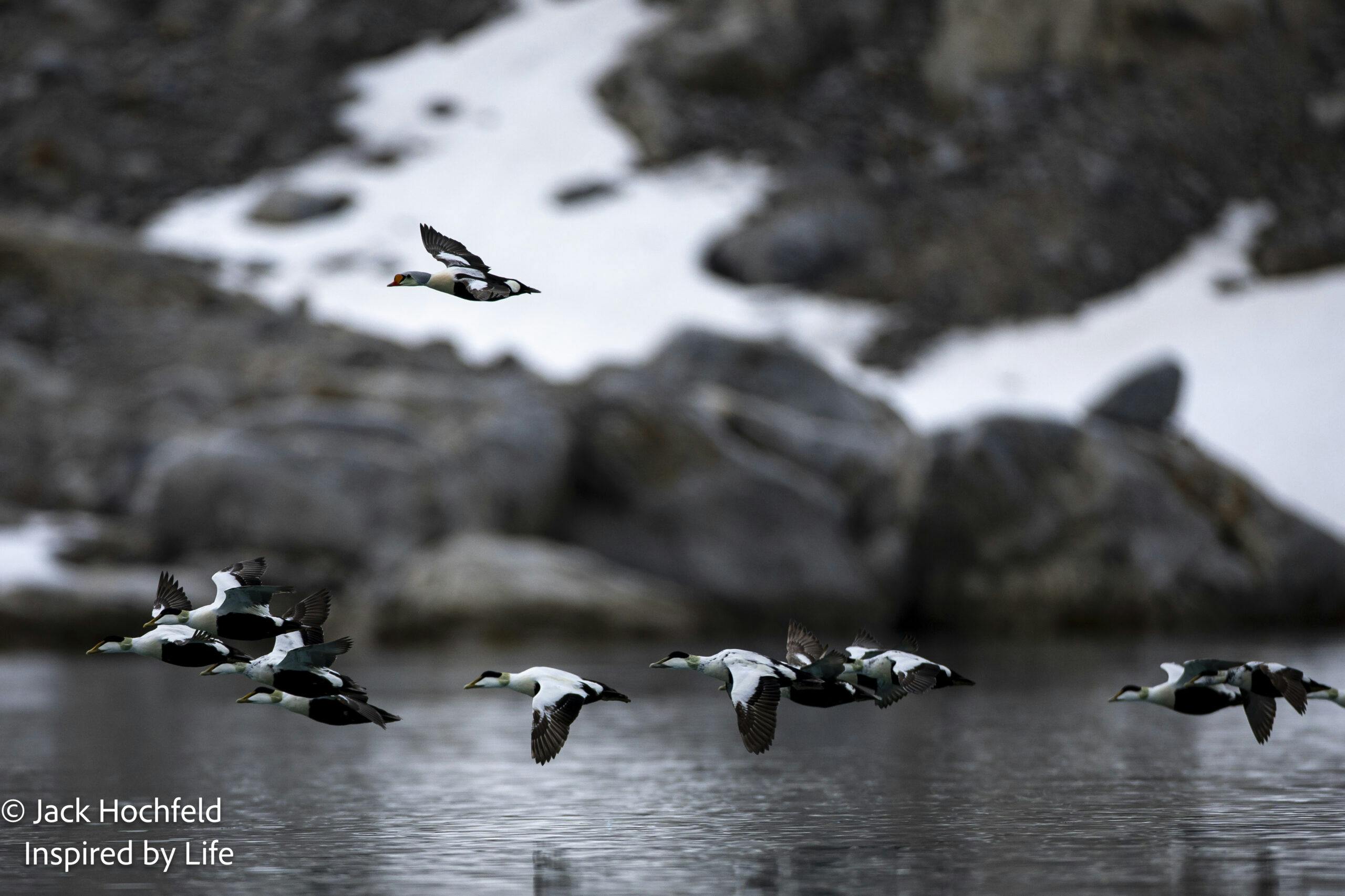
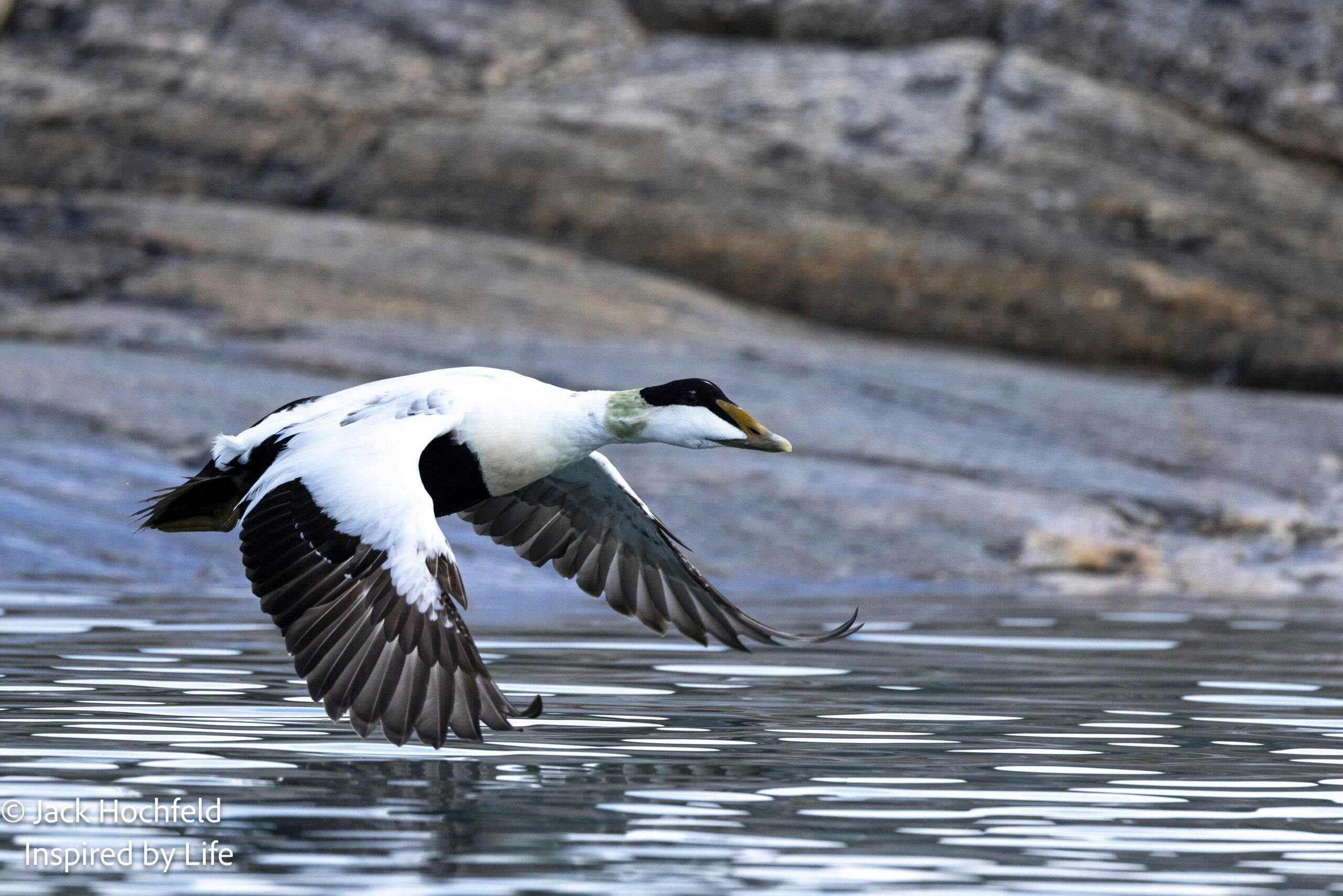
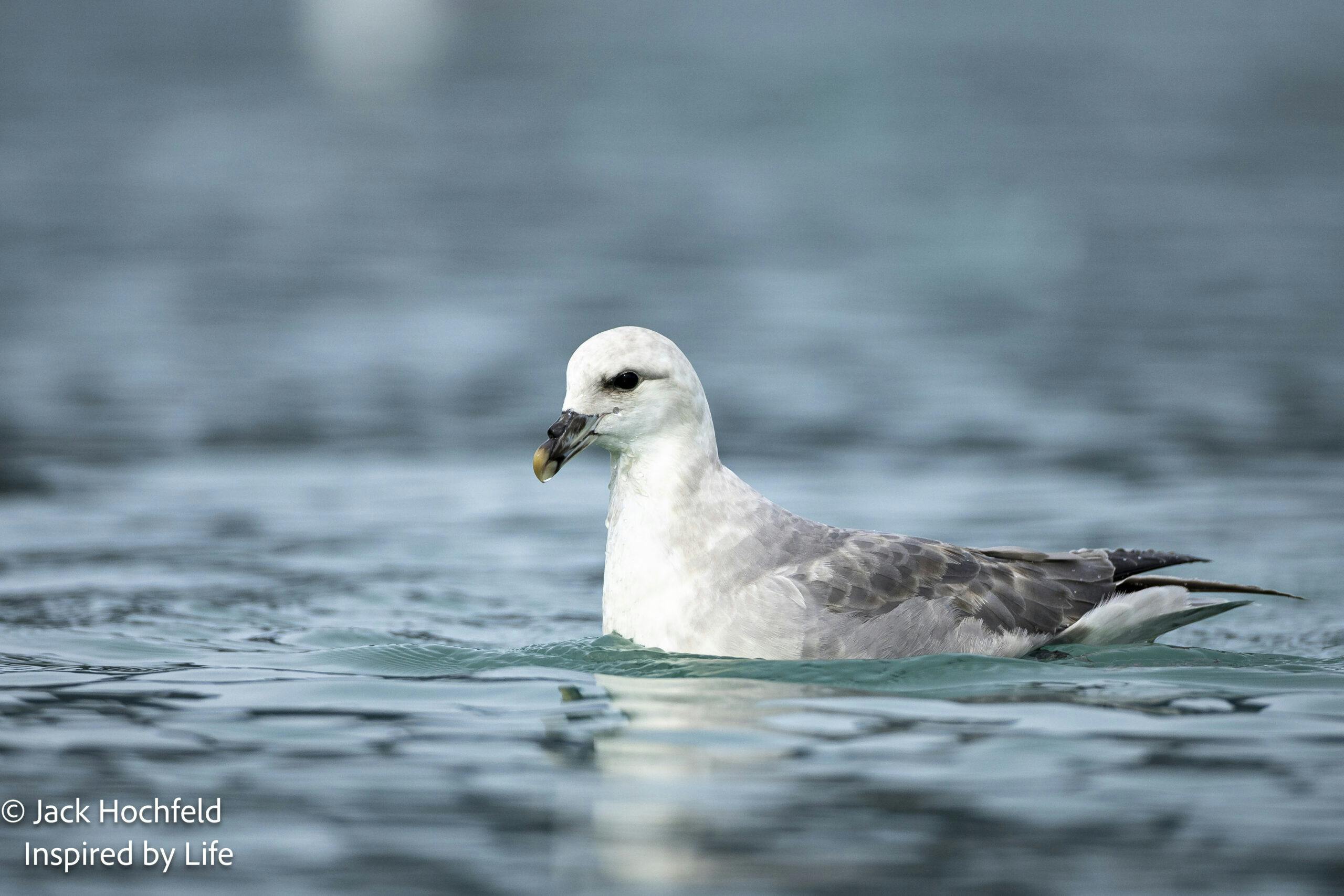
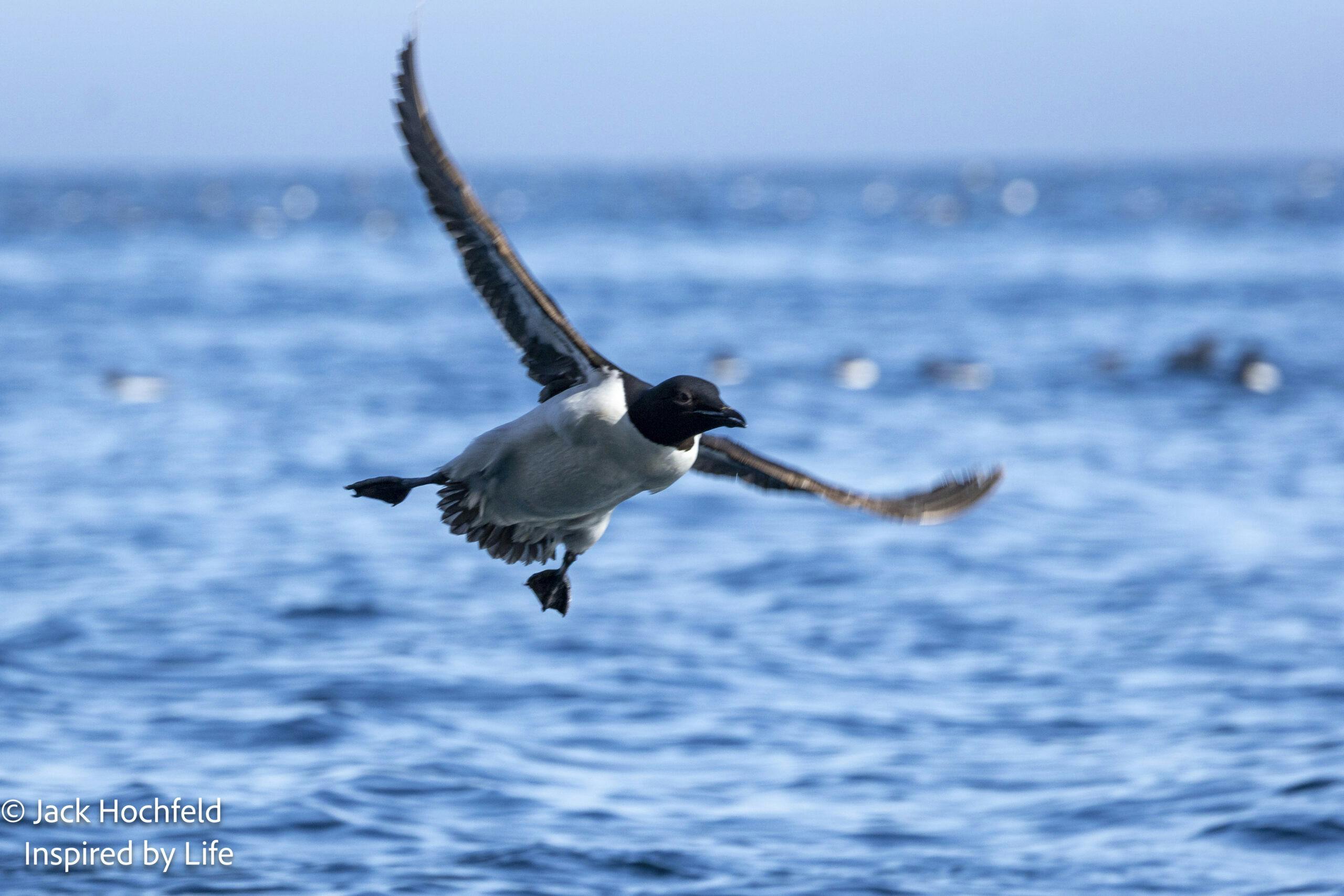
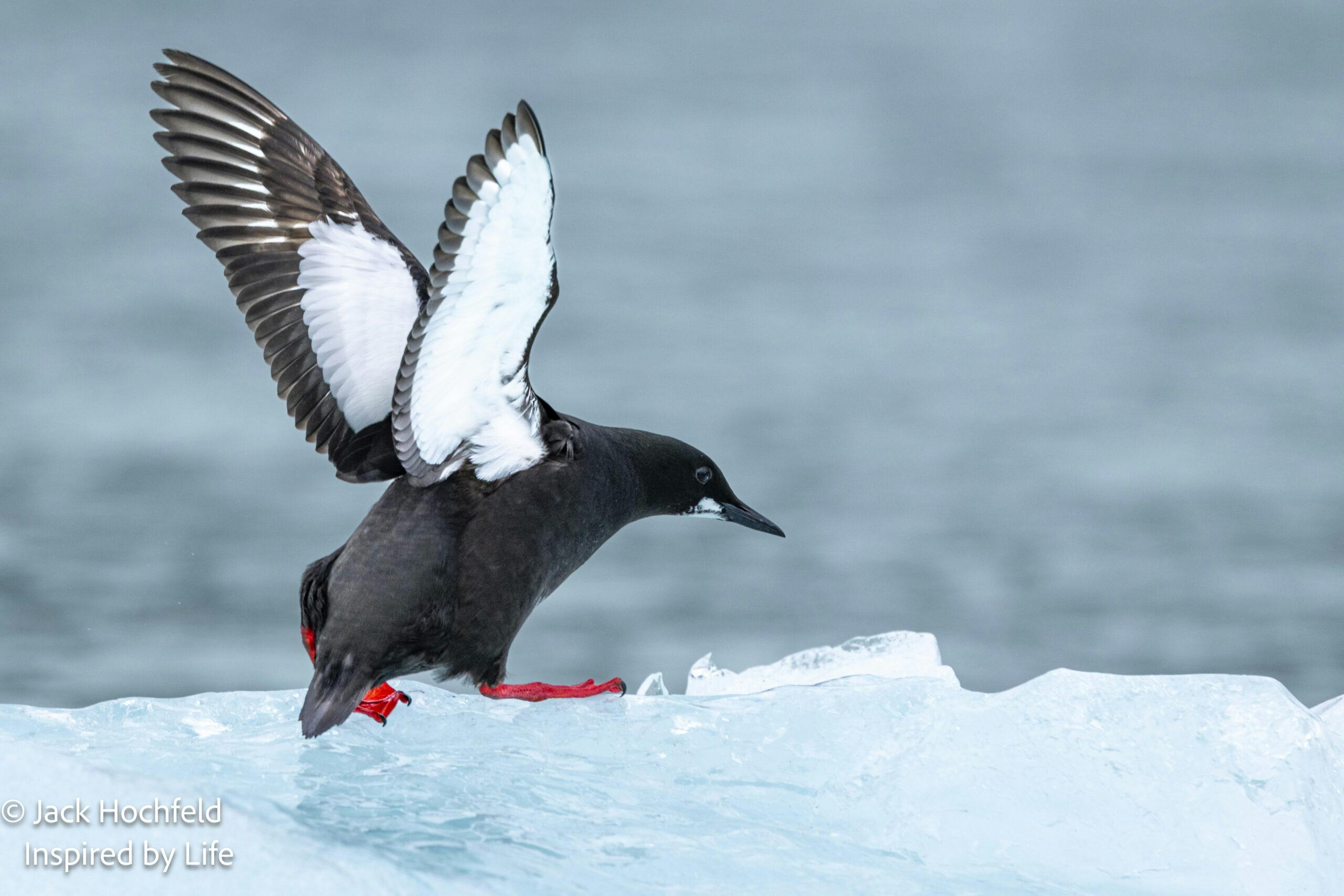
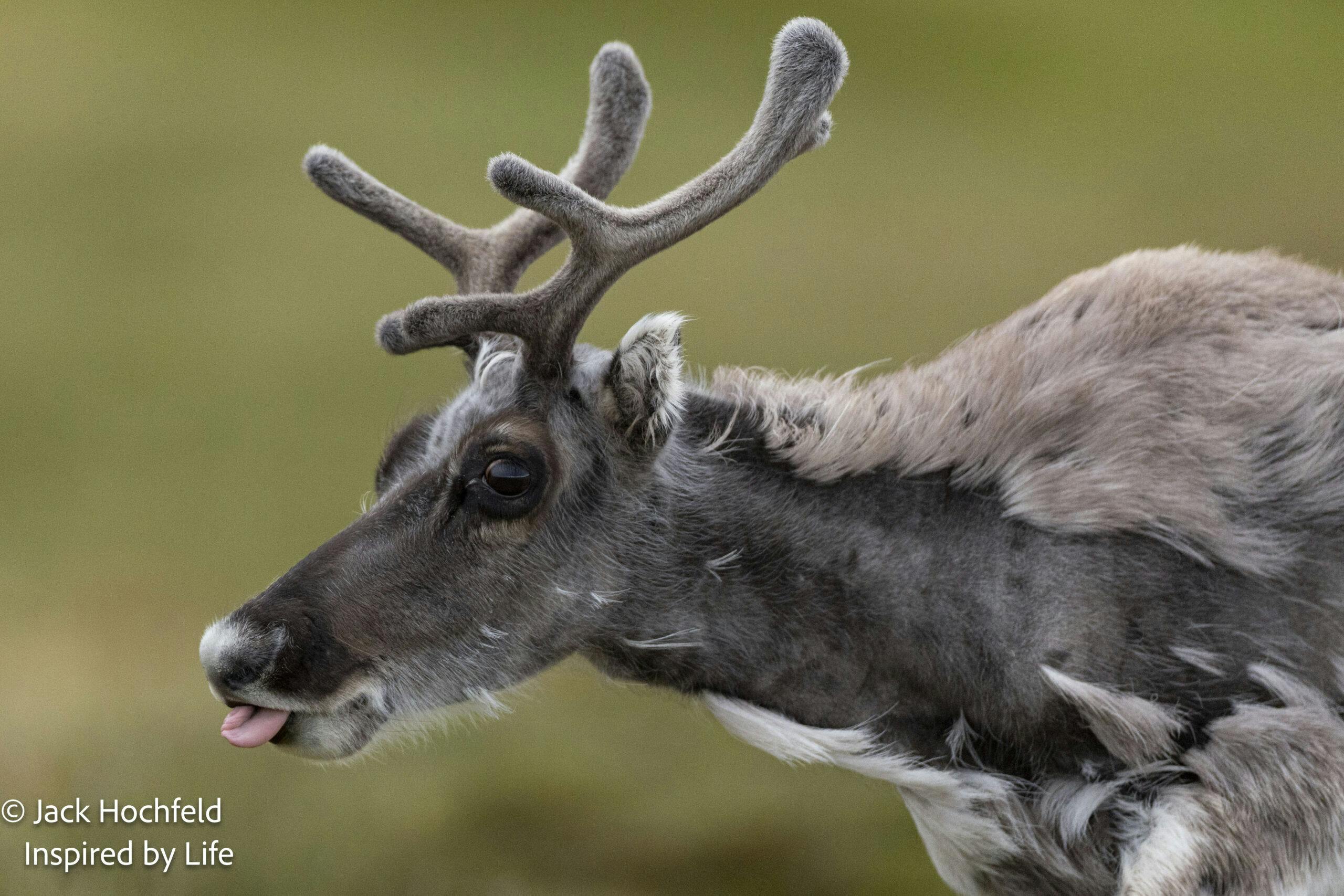
Each day we venture out—by Zodiac or on foot—and are rewarded with sightings of polar bears, reindeer, Arctic foxes, walruses, seals, and an impressive array of birds: Arctic Terns, a lone Red Phalarope, an Ivory Gull, Black and Brunnich’s Guillemots, Kittiwakes, Glaucous Gulls, Common Eiders, and Barnacle Geese. No whales this trip, but Northern Fulmars occasionally follow the boat. Their flight patterns often defy our attempts to photograph them, vanishing just as the shutter is raised.
All landings are guided and safeguarded—our team always carries rifles as a legal and safety requirement in polar bear territory.
Polar Bears
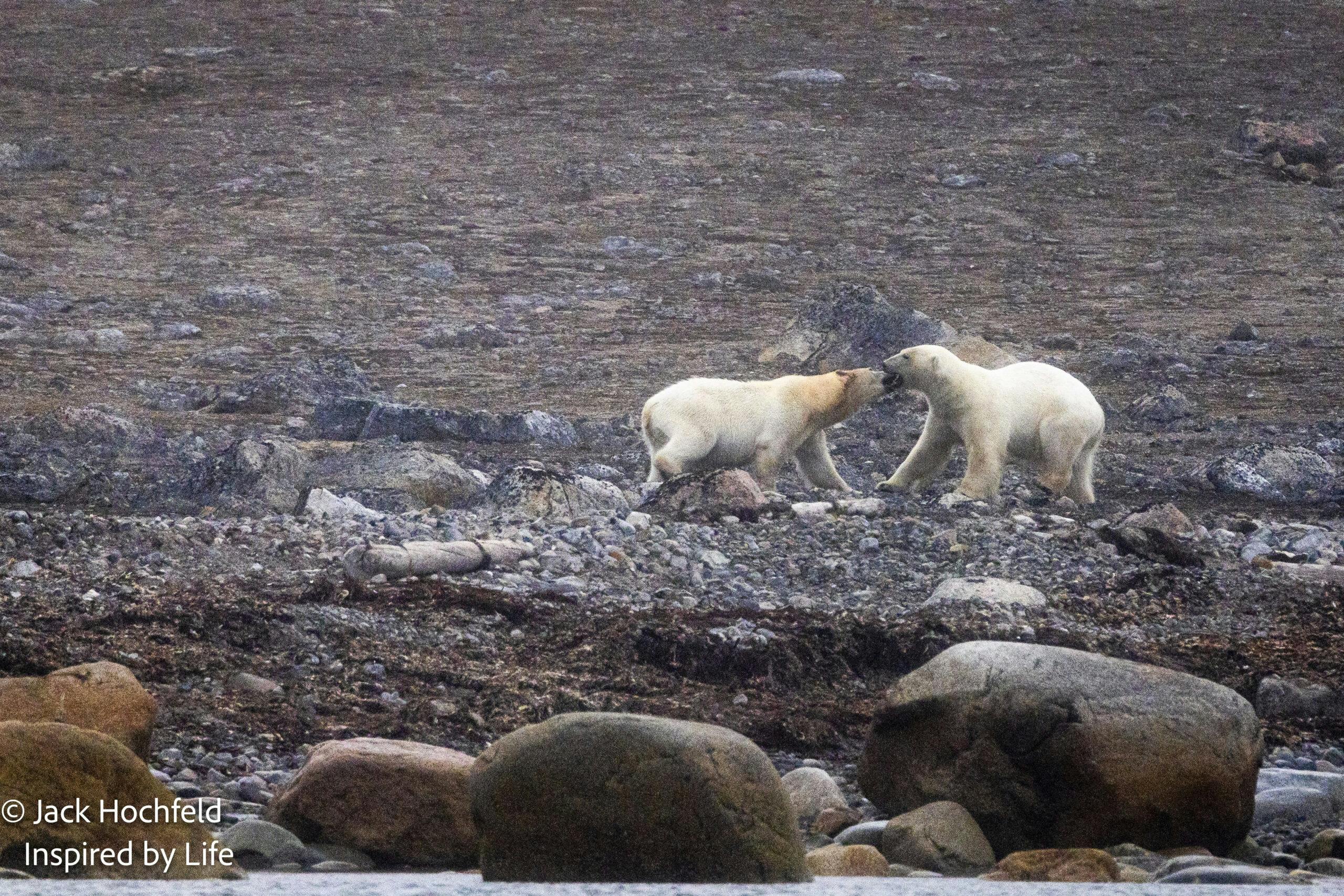
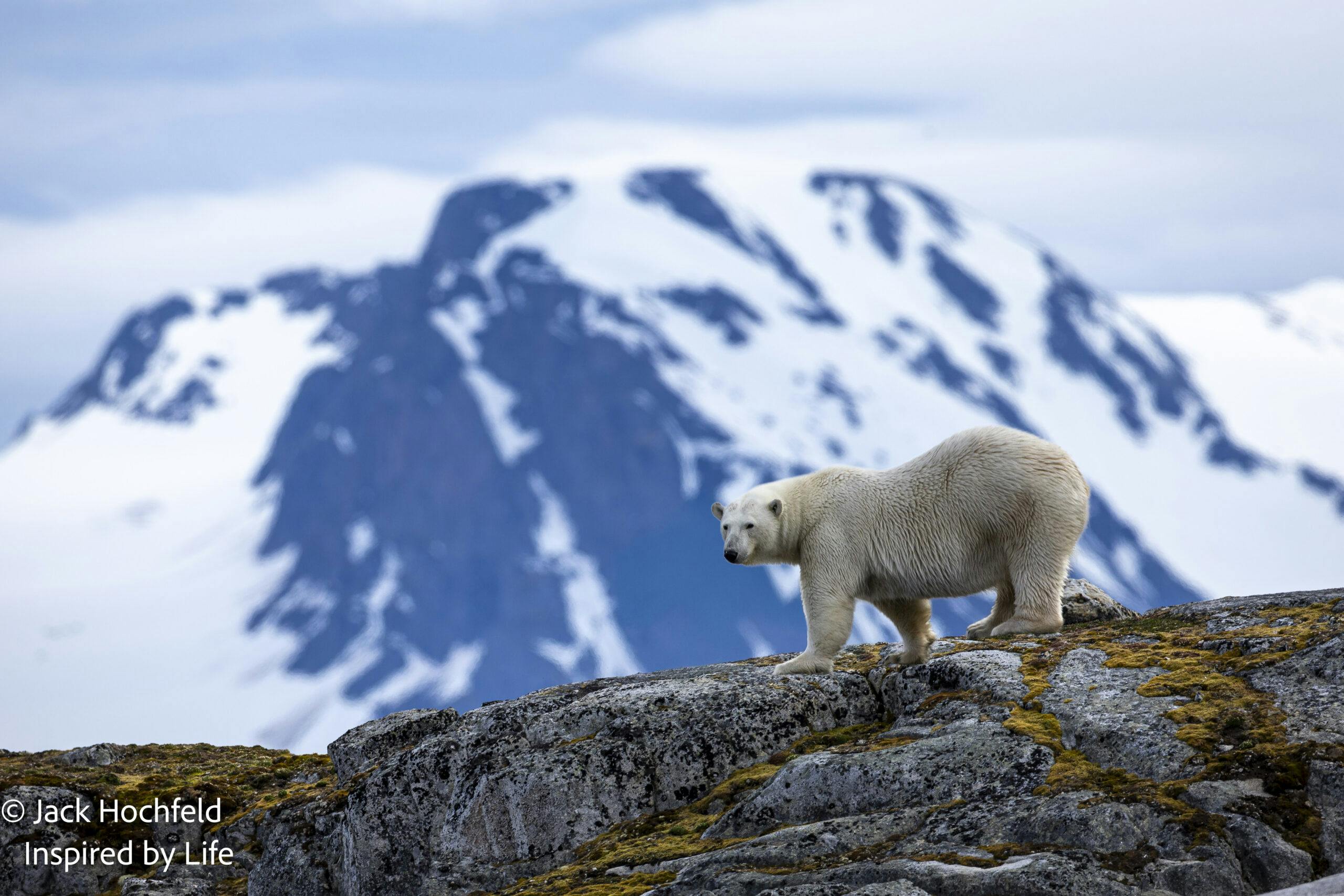
Our polar bear sightings are memorable. We observe them sleeping, swimming, and traversing the ice. They appear nearly weightless, stepping with precision, their movements elegant and unhurried. They scan their environment for any signs of movement, the top predator in their domain.
Arctic Fox Cubs & Reindeer Flora
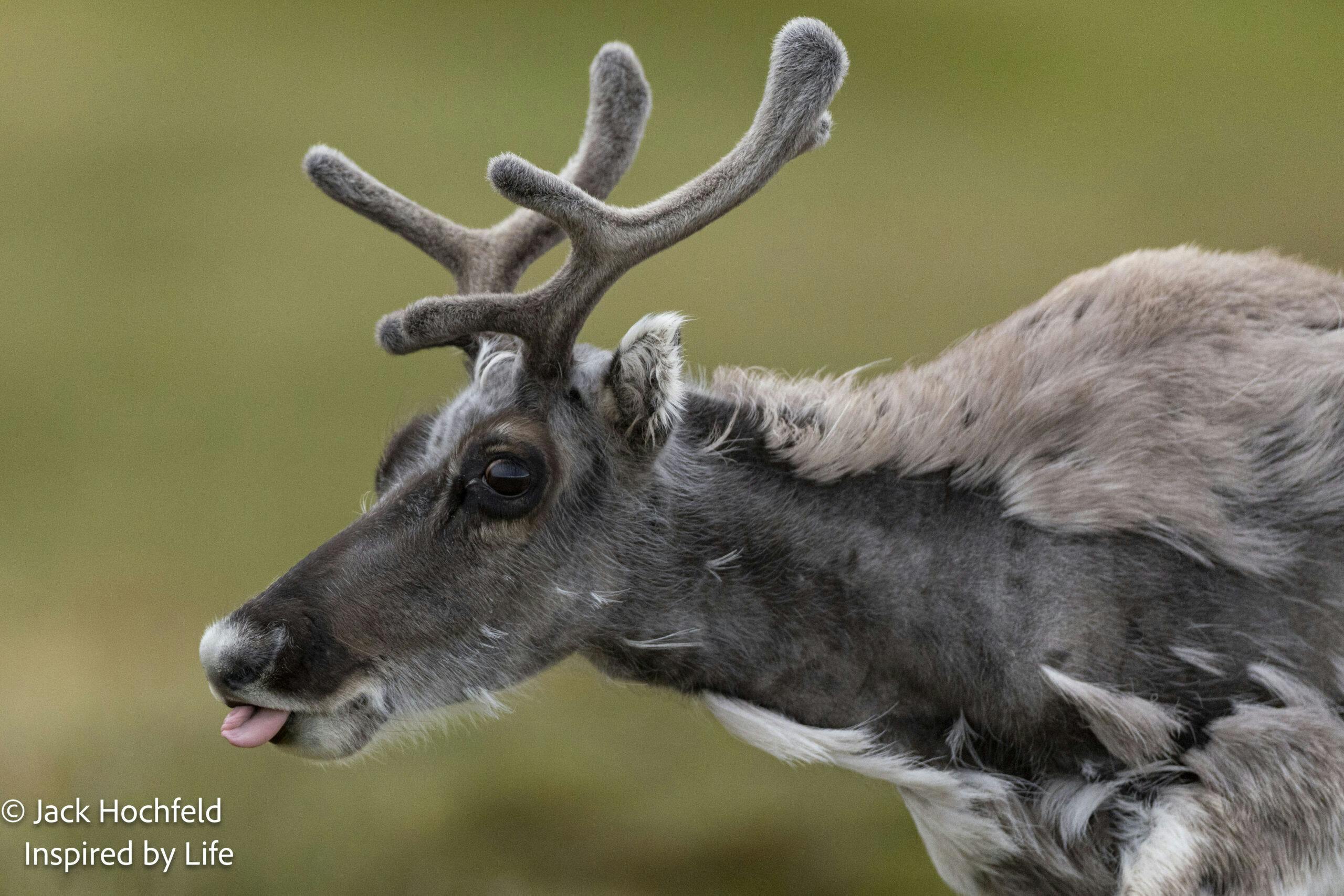
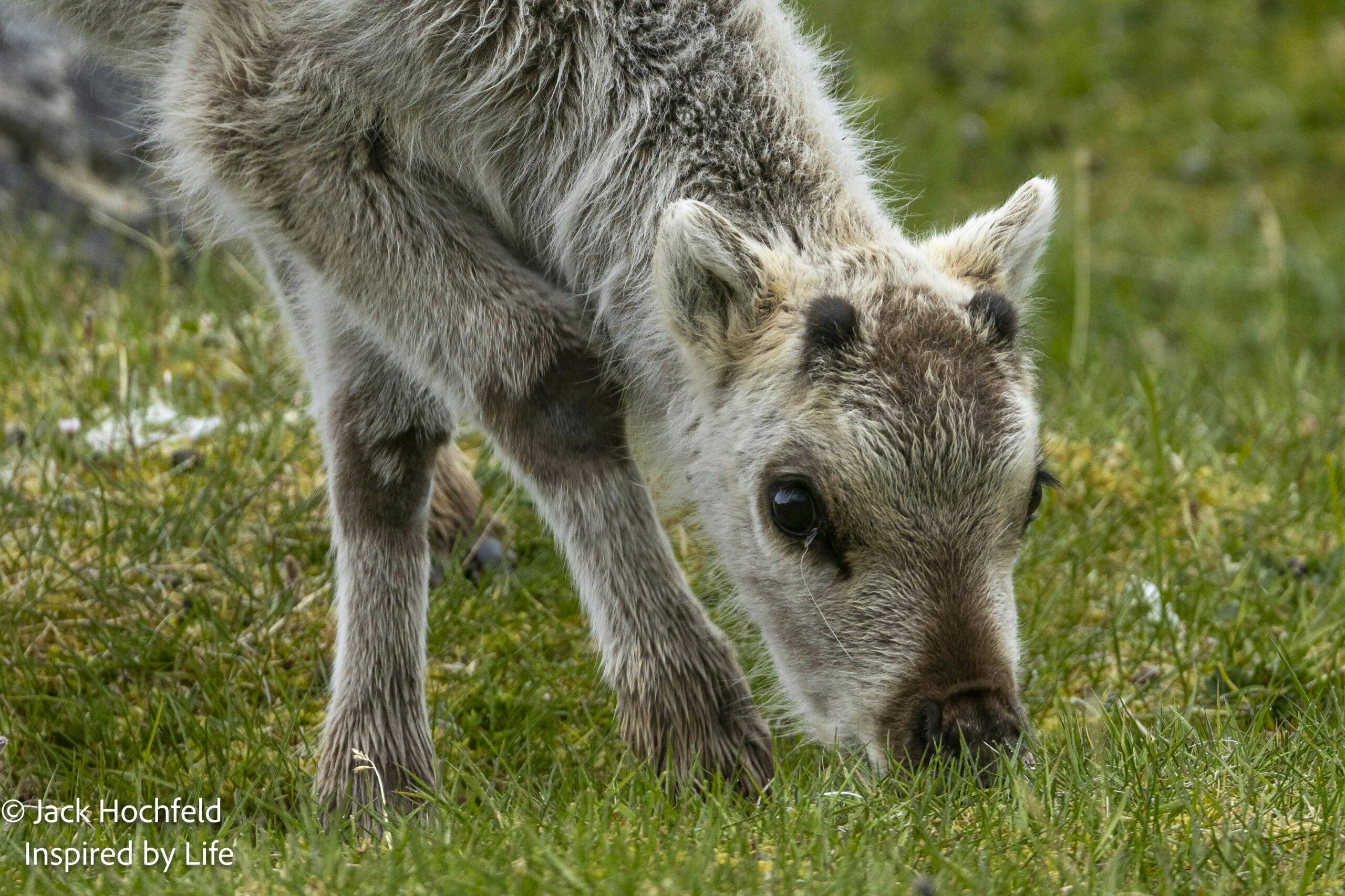
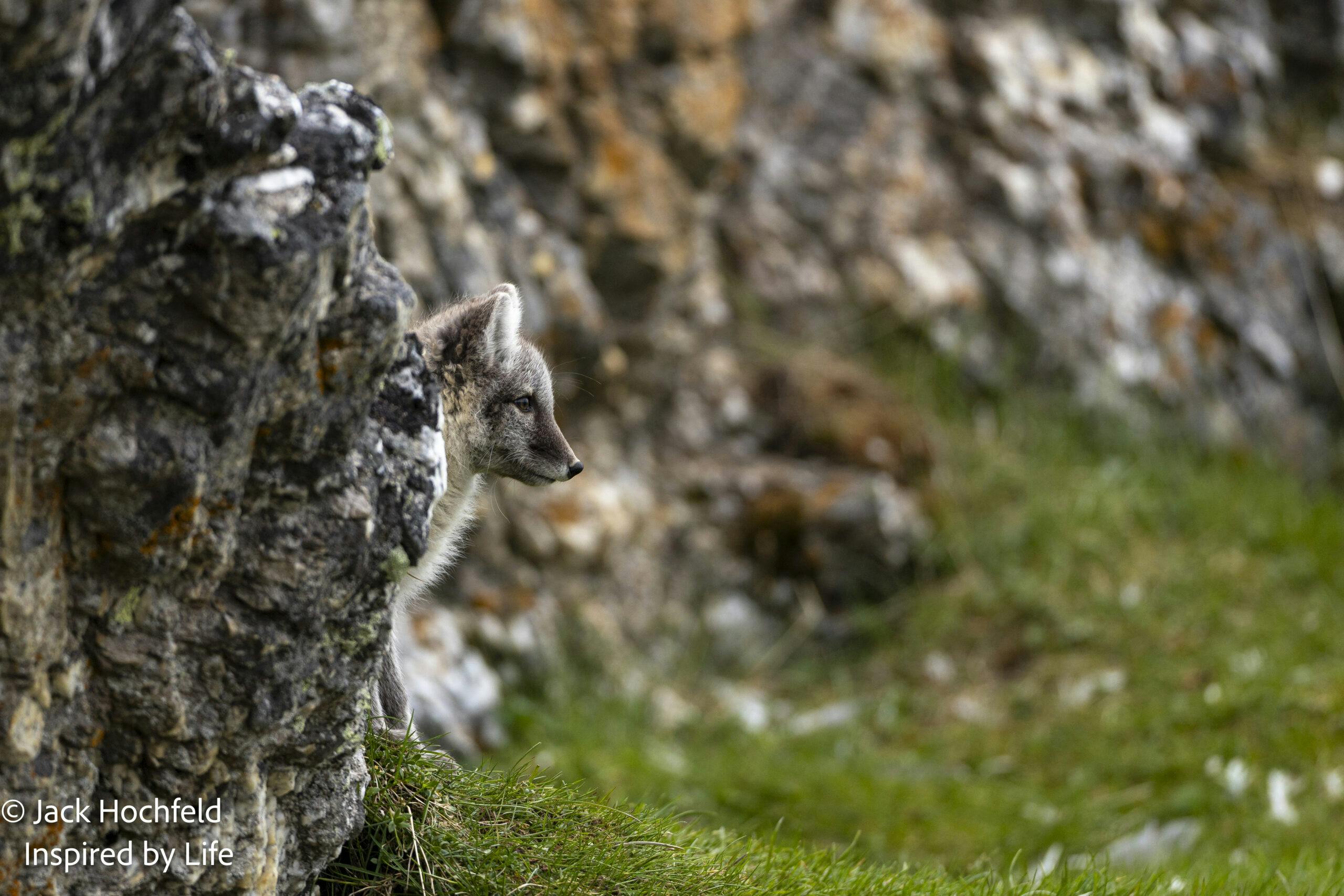
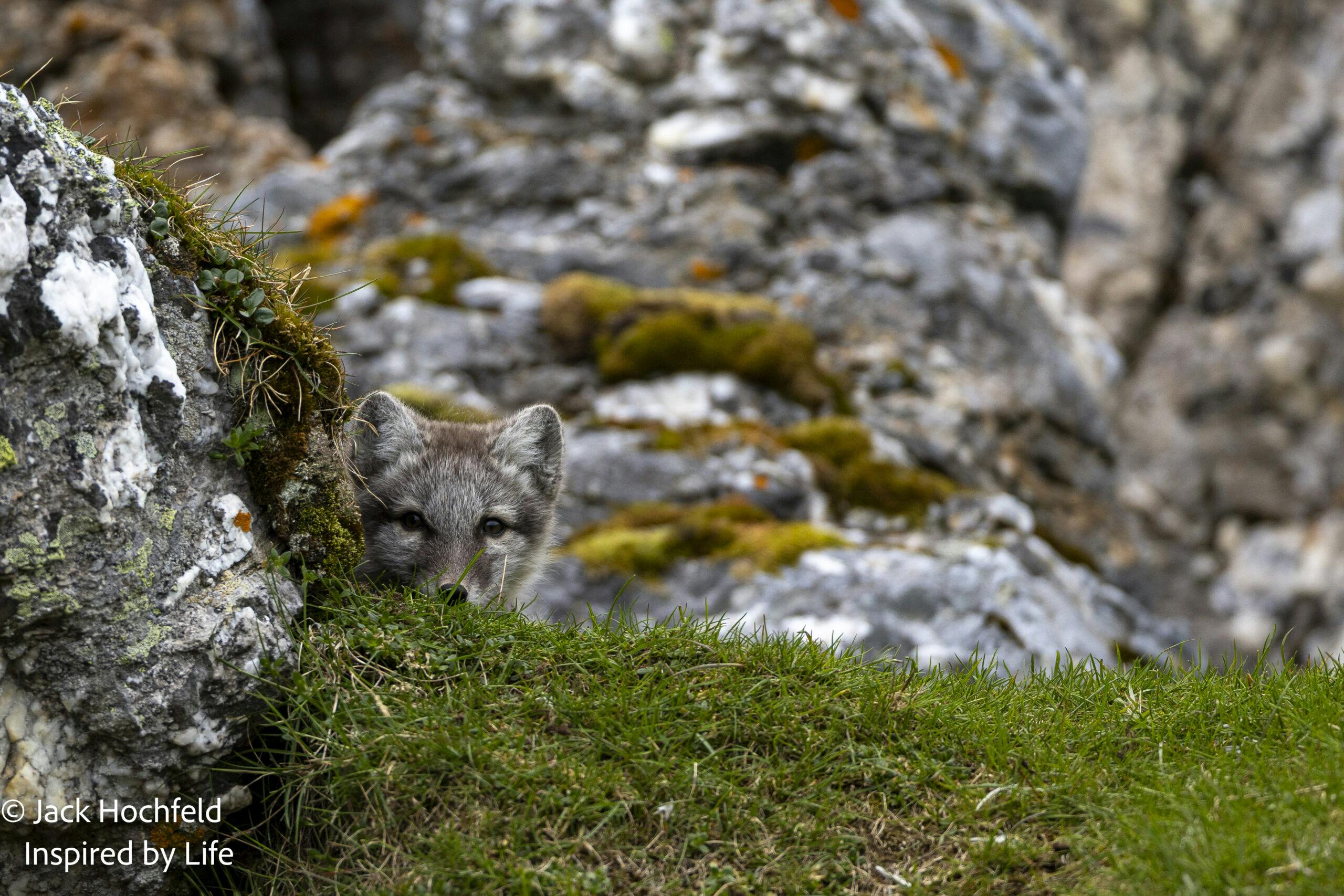
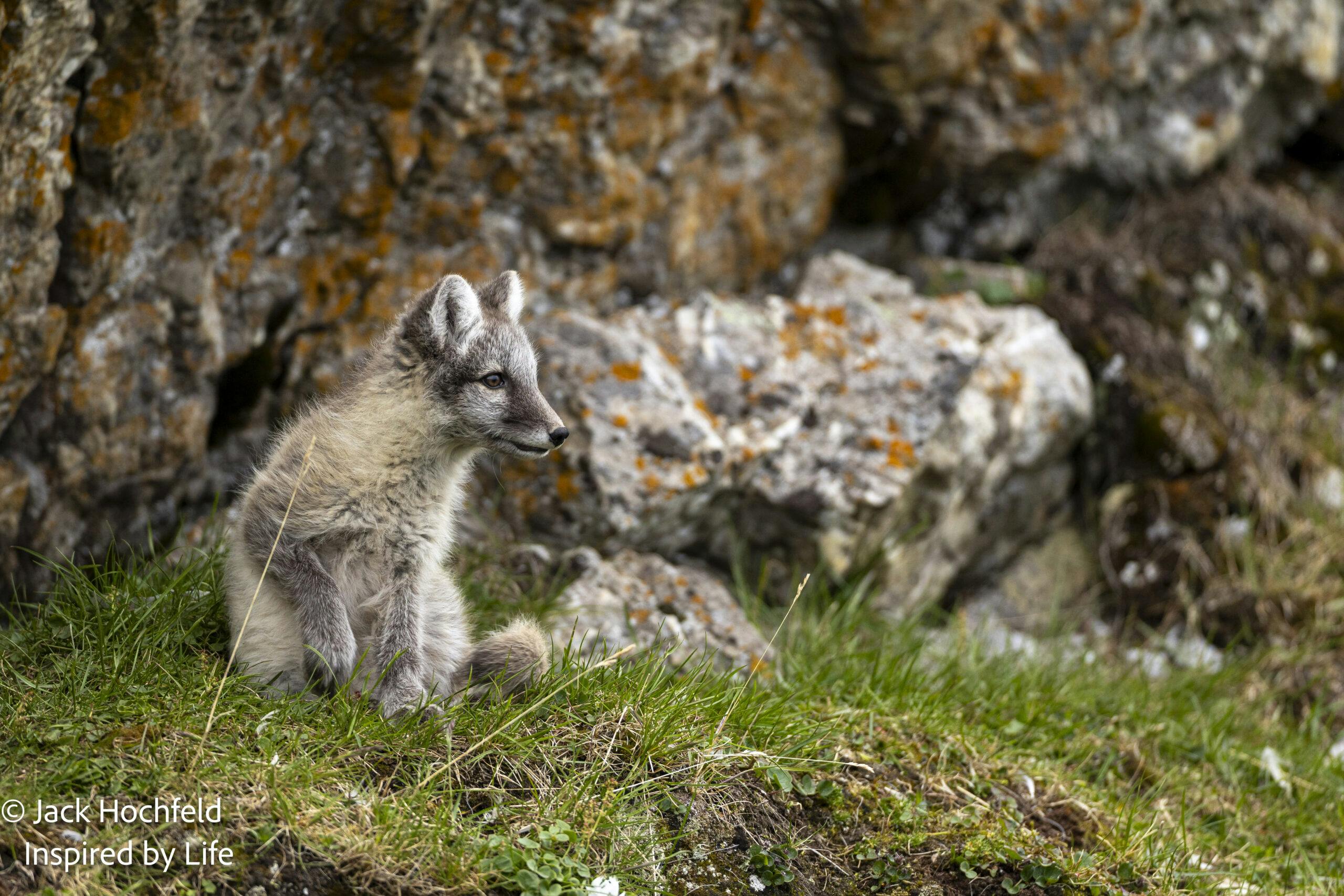
Unlike previous experiences where we watched fox dens from afar, here the Arctic fox cubs rest openly under a rock overhang, unconcerned with our distant observation.
Reindeer dot the steep slopes, grazing the sparse vegetation. Polar Willow blooms—though only centimeters tall, it thrives in this harsh climate. Lichen species (742 in total) offer bursts of color and serve as vital winter forage.
Hunting & Population
Foxes, seals, and reindeer are still legally hunted in Svalbard, though population data indicates healthy numbers for certain species.
Distorted Time & Duration
We spend 10 days aboard our small but homey expedition ship. With no sunrise or sunset, time becomes elastic. We accomplish much, yet it feels as though we’ve barely begun. The Arctic compresses and expands time all at once.
Final Reflection & Invitation
We leave awed by the stark beauty of the Arctic—its silence, its light, its slow rhythms. This is a land where survival is never guaranteed, and every birdcall, pawprint, or breeze over ice feels miraculous.
To witness this world—still wild, still enduring—is a rare privilege, and a reminder of what we need to protect.
🌎 Explore Our Svalbard Expeditions
We’re excited to introduce Voices from the Wild, a brand-new blog series that invites you into the heart of the journey—through the eyes of those who’ve lived it. These first-person stories come from the travelers, scientists, local guides, and conservationists who have explored some of the planet’s most extraordinary places with Cheesemans’ Ecology Safaris.
Through their voices, you’ll experience not just where we go, but why we go—what it feels like to stand among penguins in Antarctica, to listen to the call of a rainforest in Borneo, or to witness the stark silence of the Arctic tundra. These are stories of passion, purpose, and wild connection.
🧭 Why This Series?
At Cheesemans’ Ecology Safaris, we believe that storytelling is one of the most powerful tools for connection. While itineraries guide the journey, it’s the moments in between—the quiet awe, the unexpected encounters, the personal revelations—that truly stay with us.
Voices from the Wild is a celebration of those moments. These guest-contributed stories dive beneath the surface of travel to explore transformation, discovery, and a deeper bond with the natural world. Whether it’s a life-changing wildlife sighting or a reflection on conservation in action, each post invites you to experience the wild through someone else’s eyes—and perhaps, rediscover your own reason for exploring.
🌍 What to Expect:
- Intimate reflections from the field
- Conservation insights and local perspectives
- Practical travel wisdom and wildlife encounters
- Stunning media from real journeys
👤 First Up: Jack Hochfeld
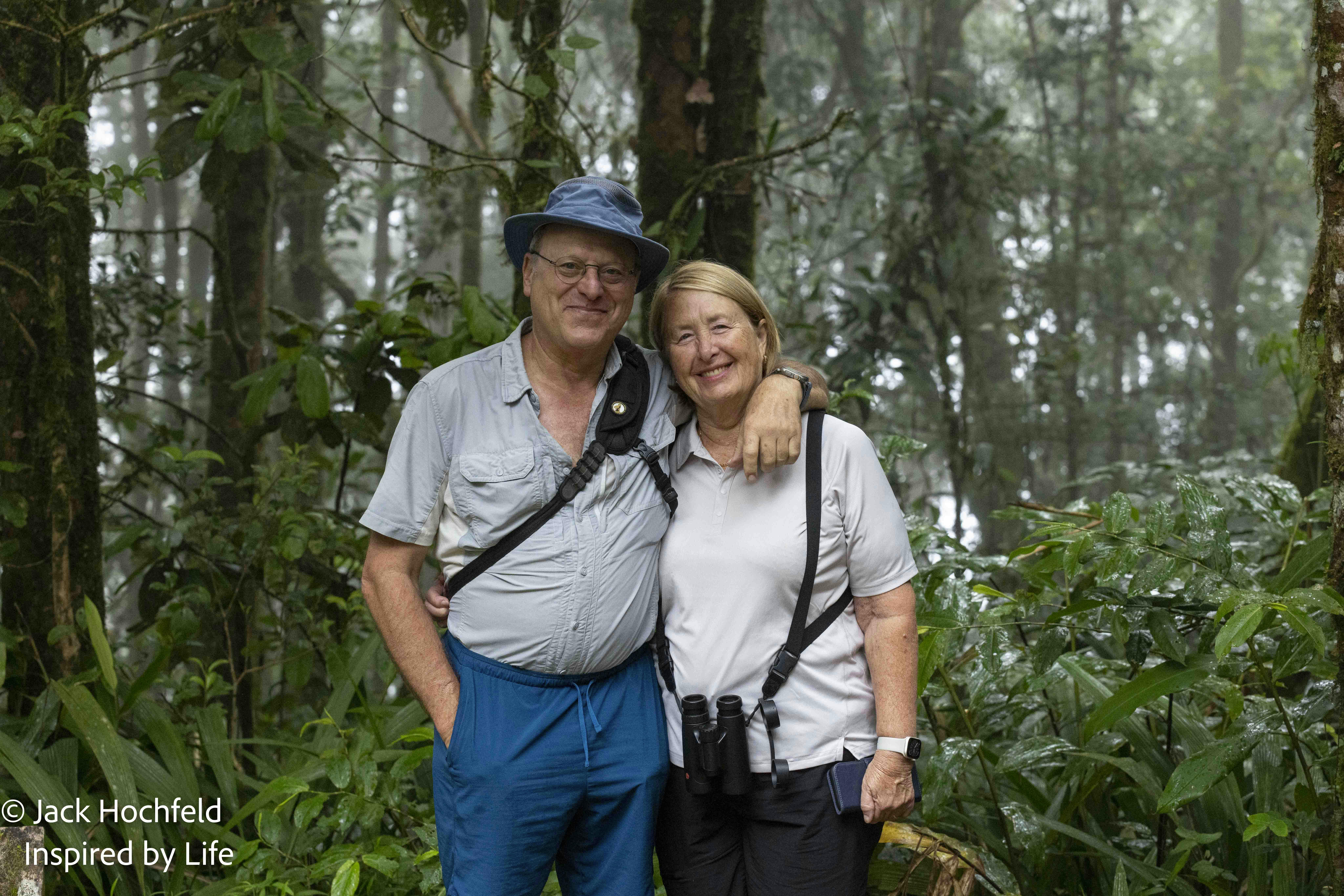
We’re honored to kick off Voices from the Wild with a three-part series by Jack Hochfeld, a passionate wildlife traveler who has explored the world with us since 2023. Jack has journeyed across three continents with Cheesemans’—experiencing the raw beauty of South Georgia and the Antarctic Peninsula, the remote wilderness of Svalbard, and the lush rainforests of Borneo.
In his stories, he takes us alongside him: from locking eyes with polar bears on the ice, to watching orangutans swing through ancient jungle canopies, to standing among penguins in the most remote reaches of the Southern Ocean. His reflections capture not just the wonder of the wild, but the emotional impact of traveling with intention and respect.
➡️ Stay tuned for his first post:
“Svalbard: The Time Has Come the Walrus Said”
COMING SOON!
📢 Do You Have a Story to Share?
Voices from the Wild is just beginning—and we want it to grow with you. If you’ve traveled with Cheesemans’ and found yourself transformed by a wildlife encounter, a conservation moment, or a connection with nature that left a lasting impression, we’d love to share your story.
Whether you’re a seasoned naturalist, a first-time traveler, or someone who found meaning in the wild, your voice can inspire others to explore with purpose.