Cheesemans' Ecology Safaris
Bhutan: The Hidden Kingdom of the Himalayas
By Stefanie Plein | December 2025
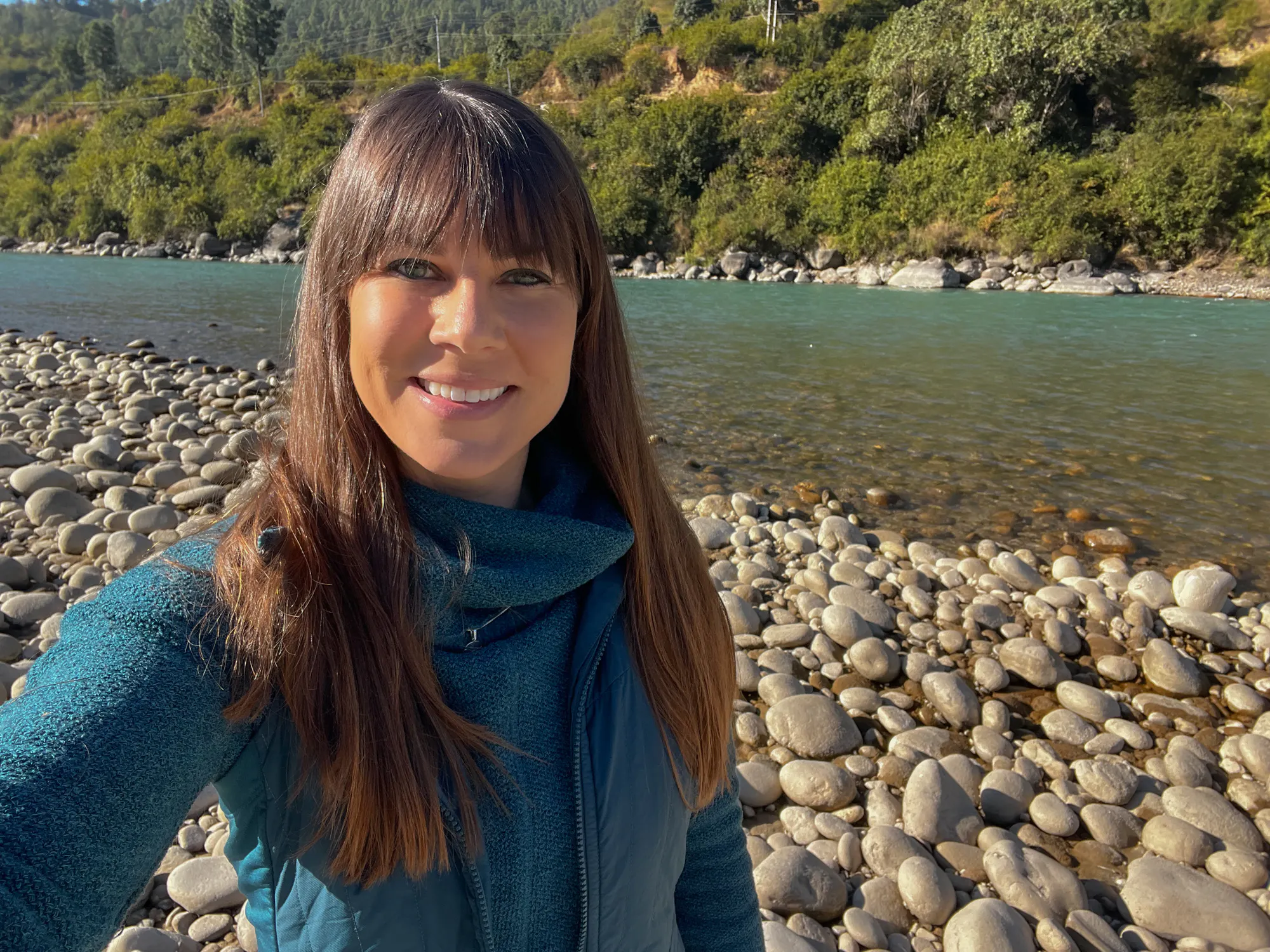
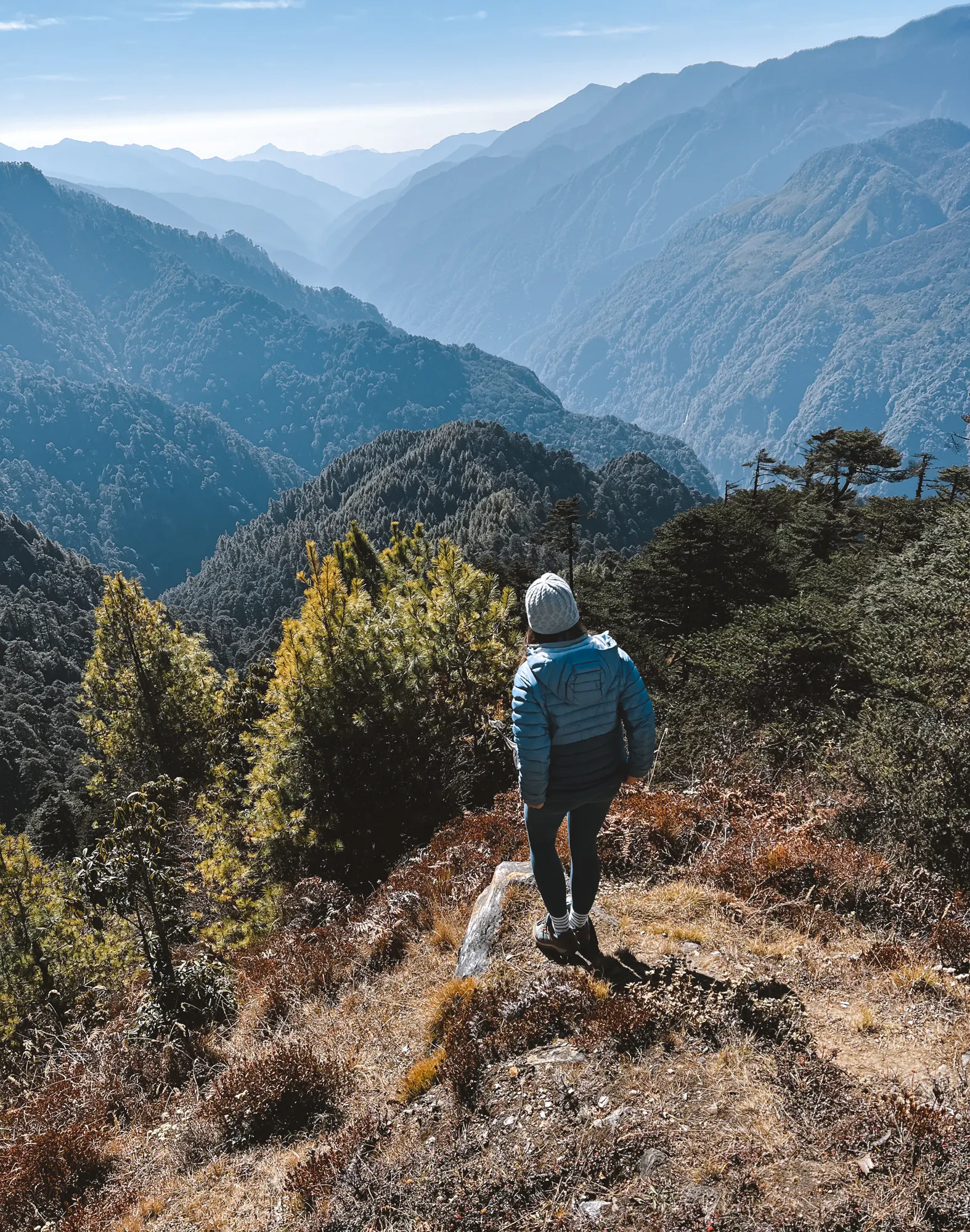
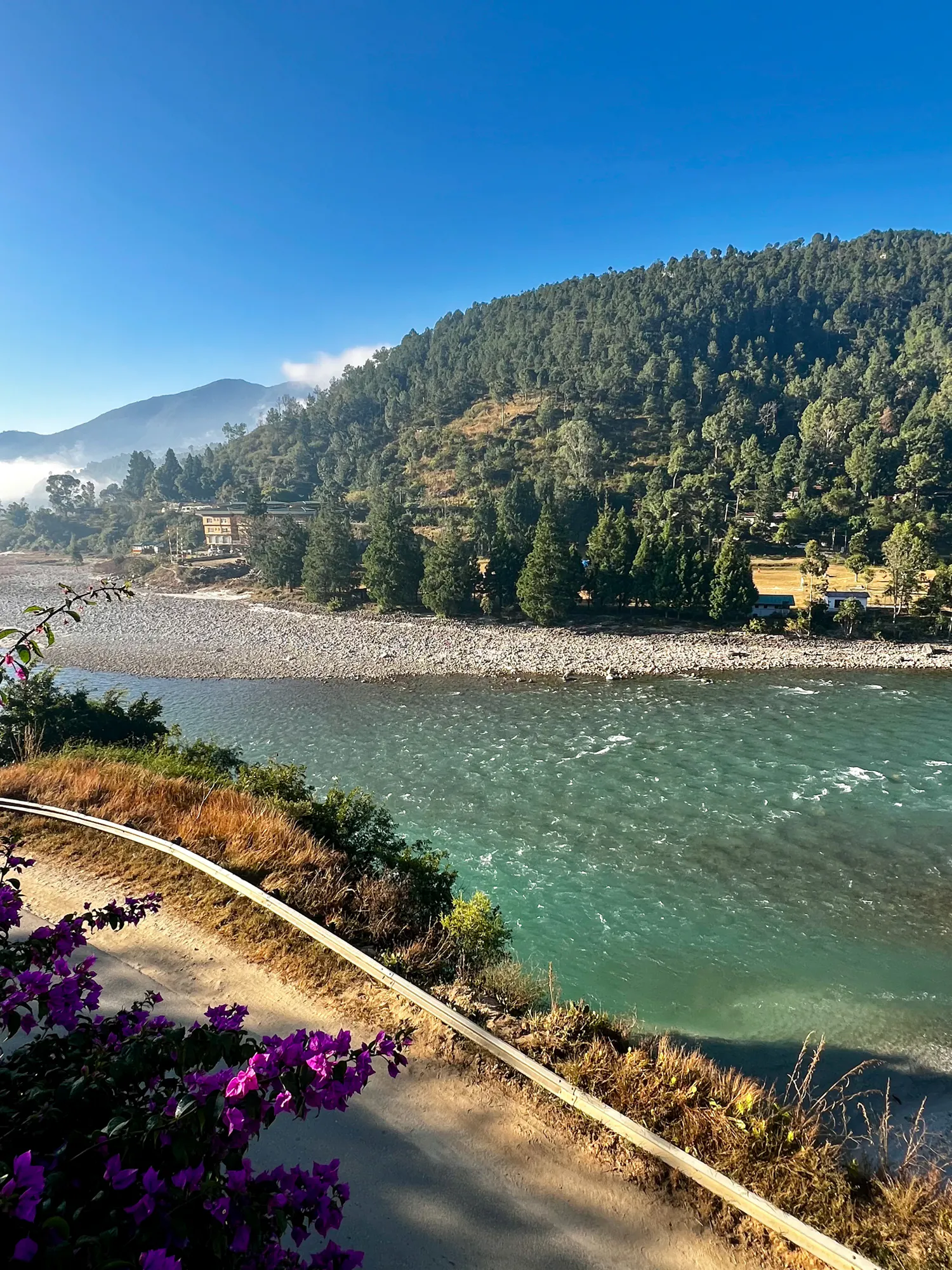
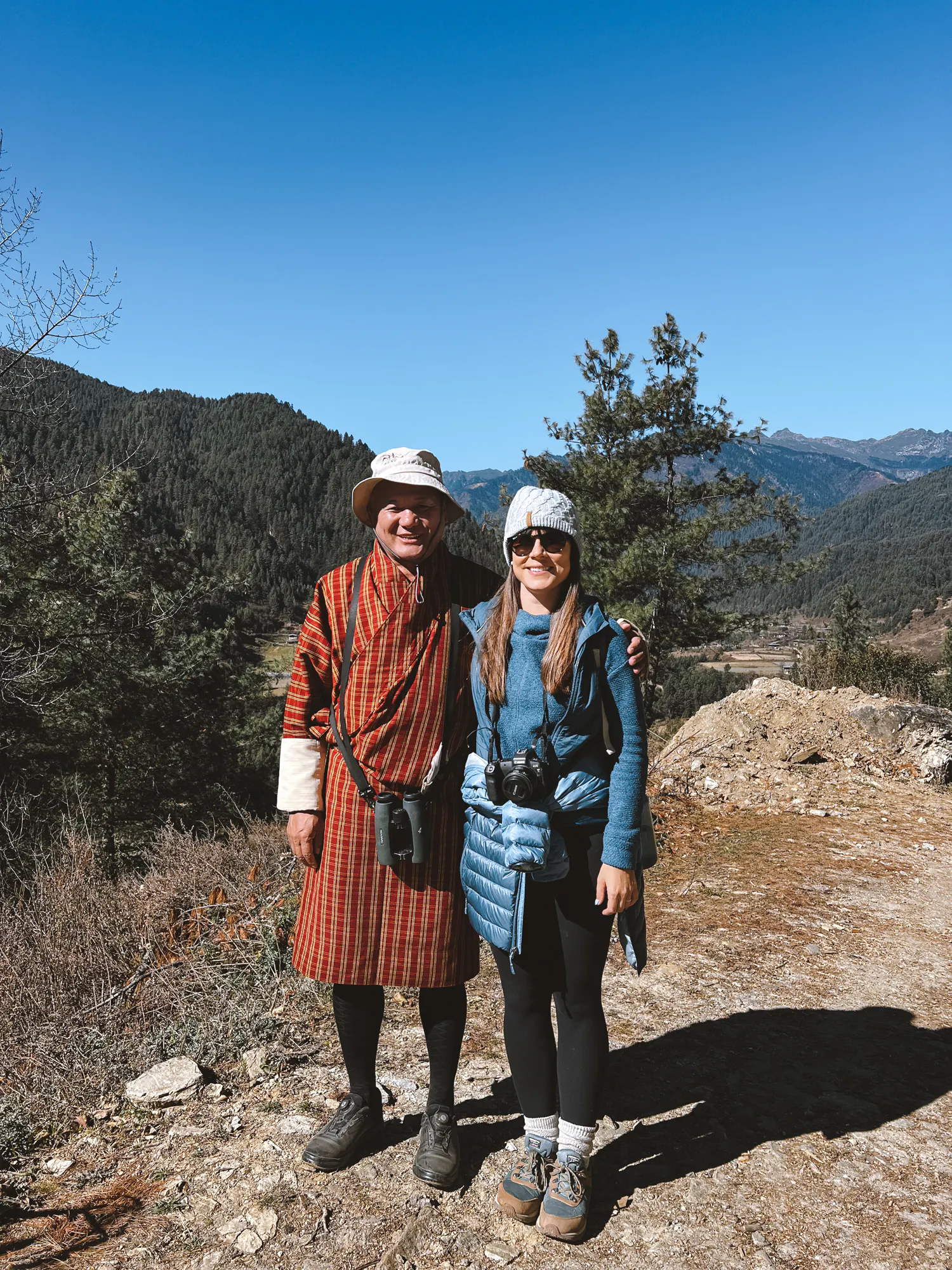
Bhutan is a country that feels like a secret waiting to be discovered. Nestled in the eastern Himalayas and fiercely protective of its cultural and natural heritage, it is one of the last truly unspoiled kingdoms on earth. During my 17-day journey with Hishey Tshering, I explored majestic mountains, wandered through vibrant villages, and witnessed rare wildlife in pristine valleys — all while experiencing the kind of warm, generous hospitality that stays with you long after you’ve returned home.
This is not a destination that shouts for attention. It whispers — and what it says is remarkable.
When to Visit
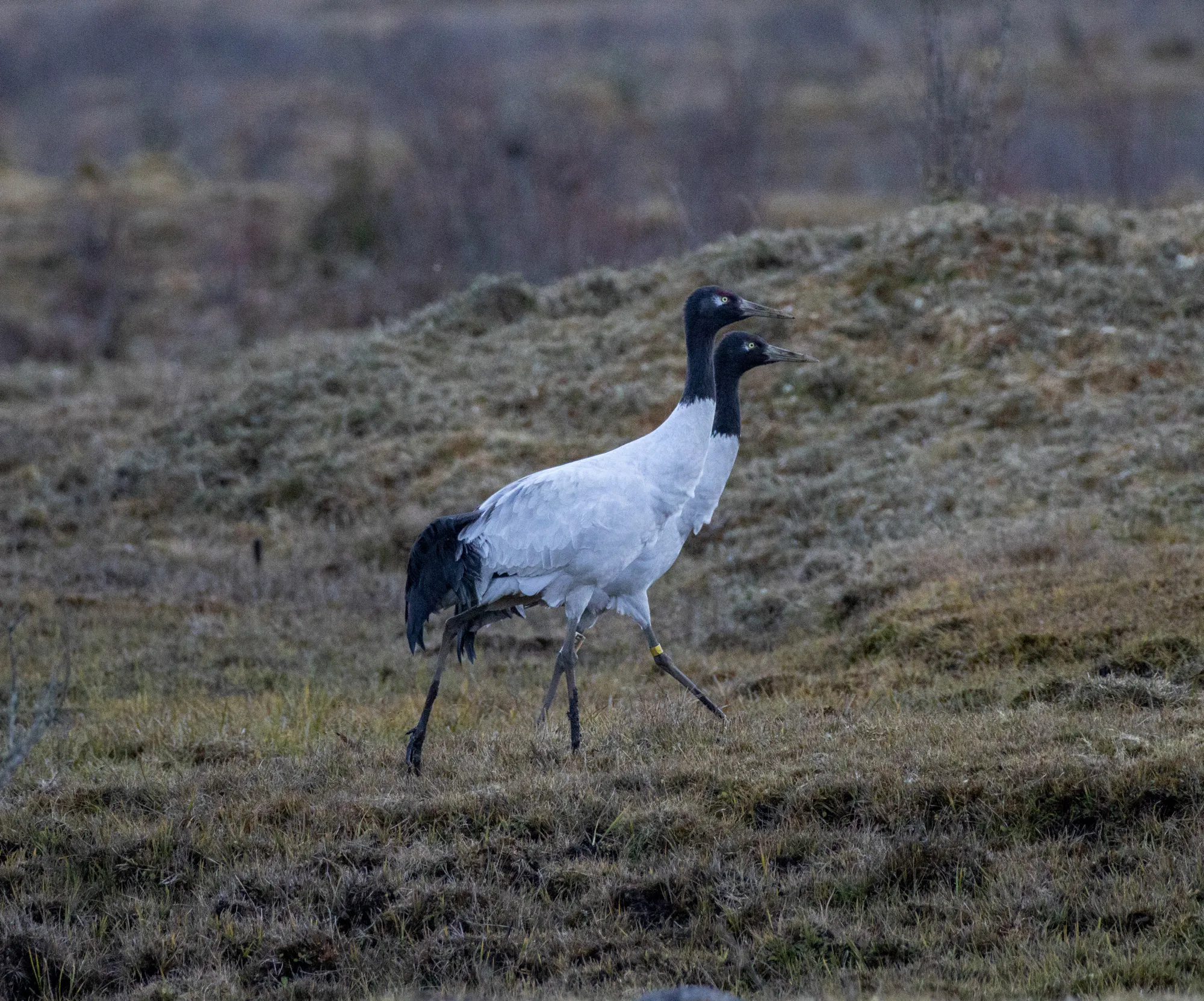
Bhutan rewards visitors year-round, but timing shapes the experience. October and November bring brilliantly clear skies and the spectacle of Black-necked Cranes arriving in the Phobjikha Valley. Spring (March–May) transforms the hillsides into a blaze of rhododendron blooms and mild temperatures perfect for trekking and sightseeing. Early-to-mid December — when I traveled — offers a quieter, off-season magic: crisp mountain air, uncrowded monasteries, and an intimacy with the landscape that the busier seasons can’t quite match. Whatever the season, Bhutan never disappoints.
Getting There
All international flights arrive at Paro Airport, considered one of the world’s most dramatic landing approaches — pilots navigate between towering Himalayan peaks before touching down on one of the region’s shortest runways. Most travelers route through Bangkok, with an overnight stay recommended for a smooth, unhurried connection. Once in Bhutan, scenic mountain roads and occasional domestic flights link the country’s main destinations. For something truly unforgettable, helicopter tours to remote Himalayan peaks — including Jhomolhari Base Camp — can be arranged for small groups.
Wildlife & Nature
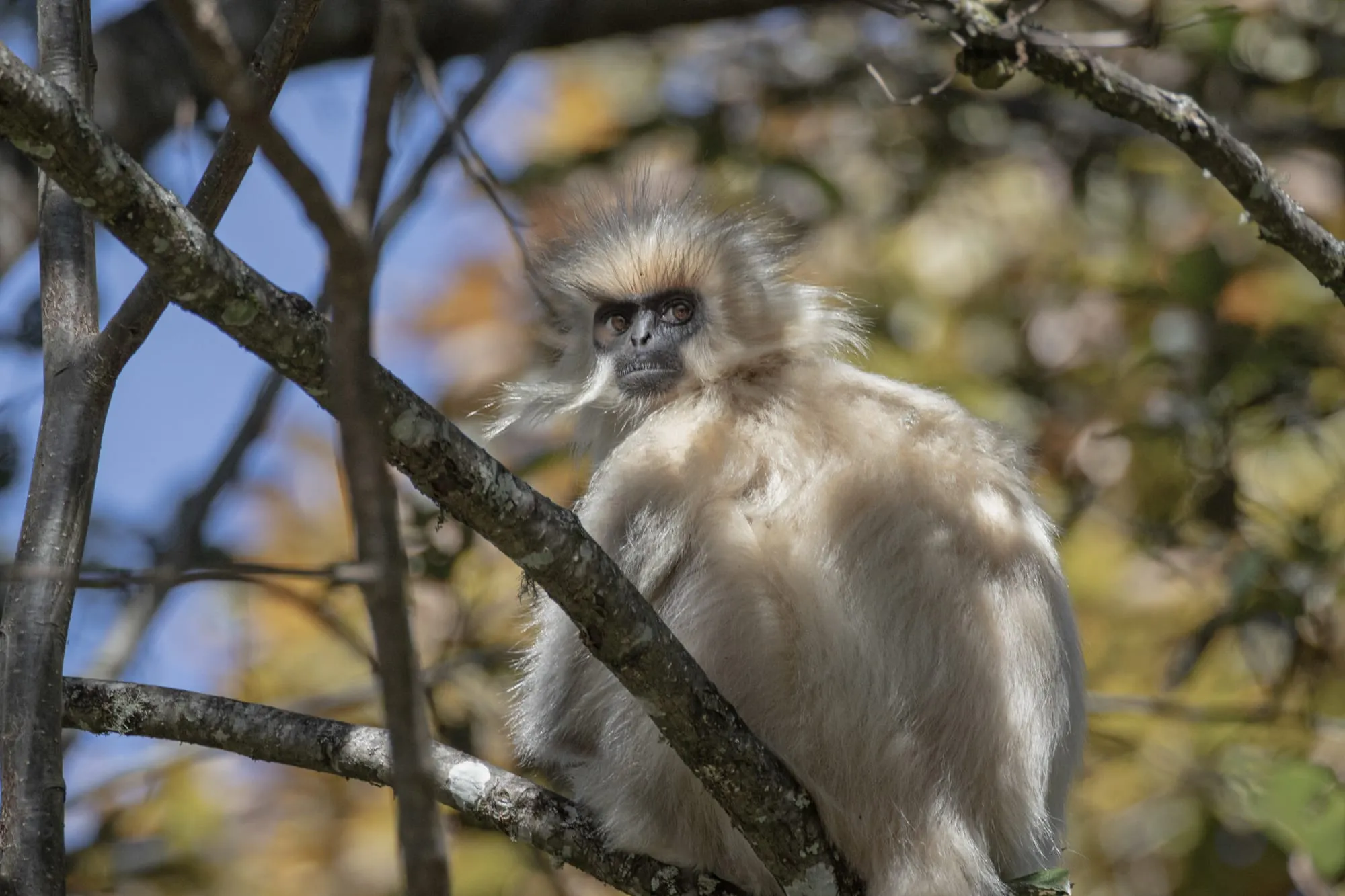
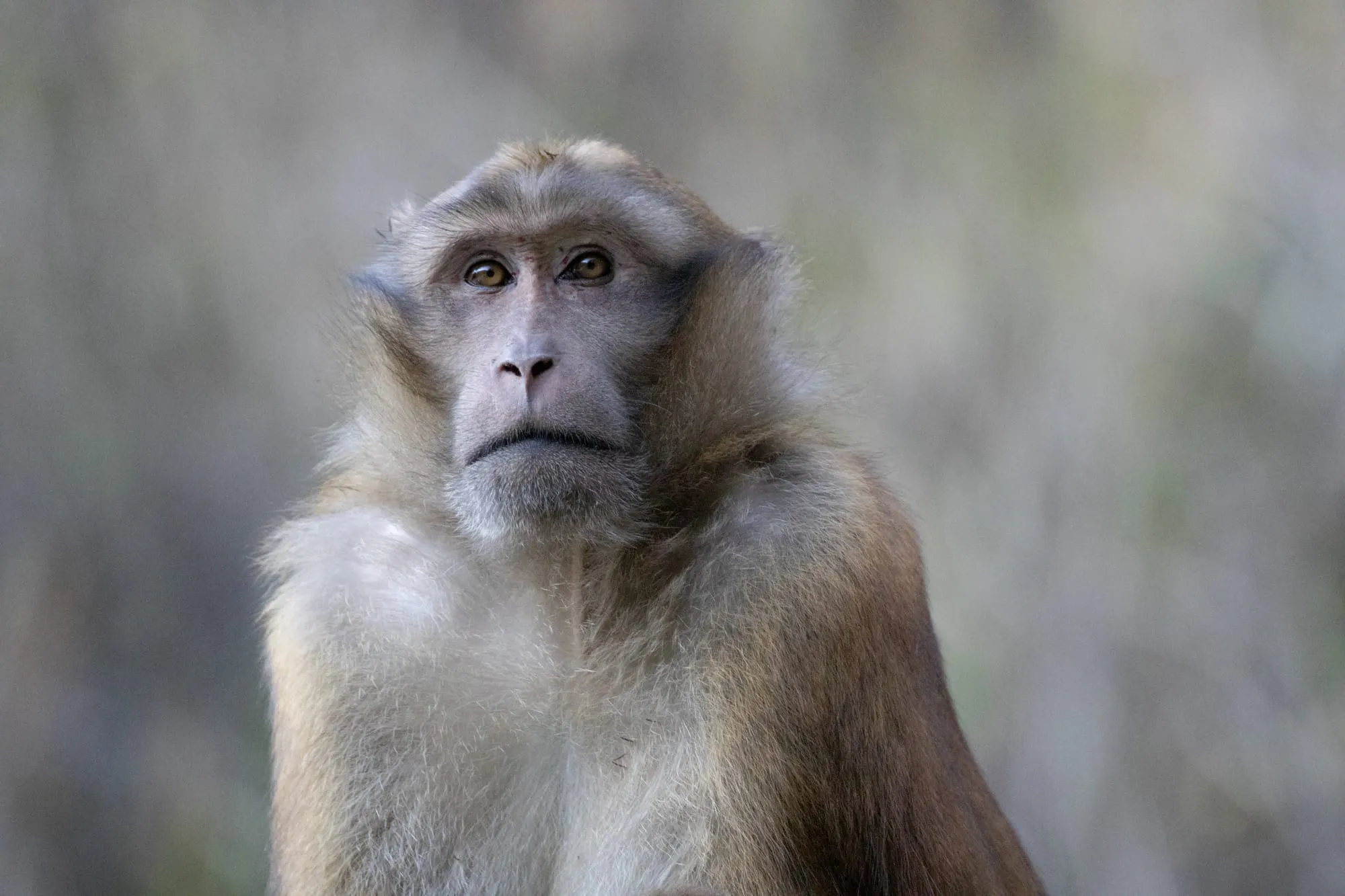
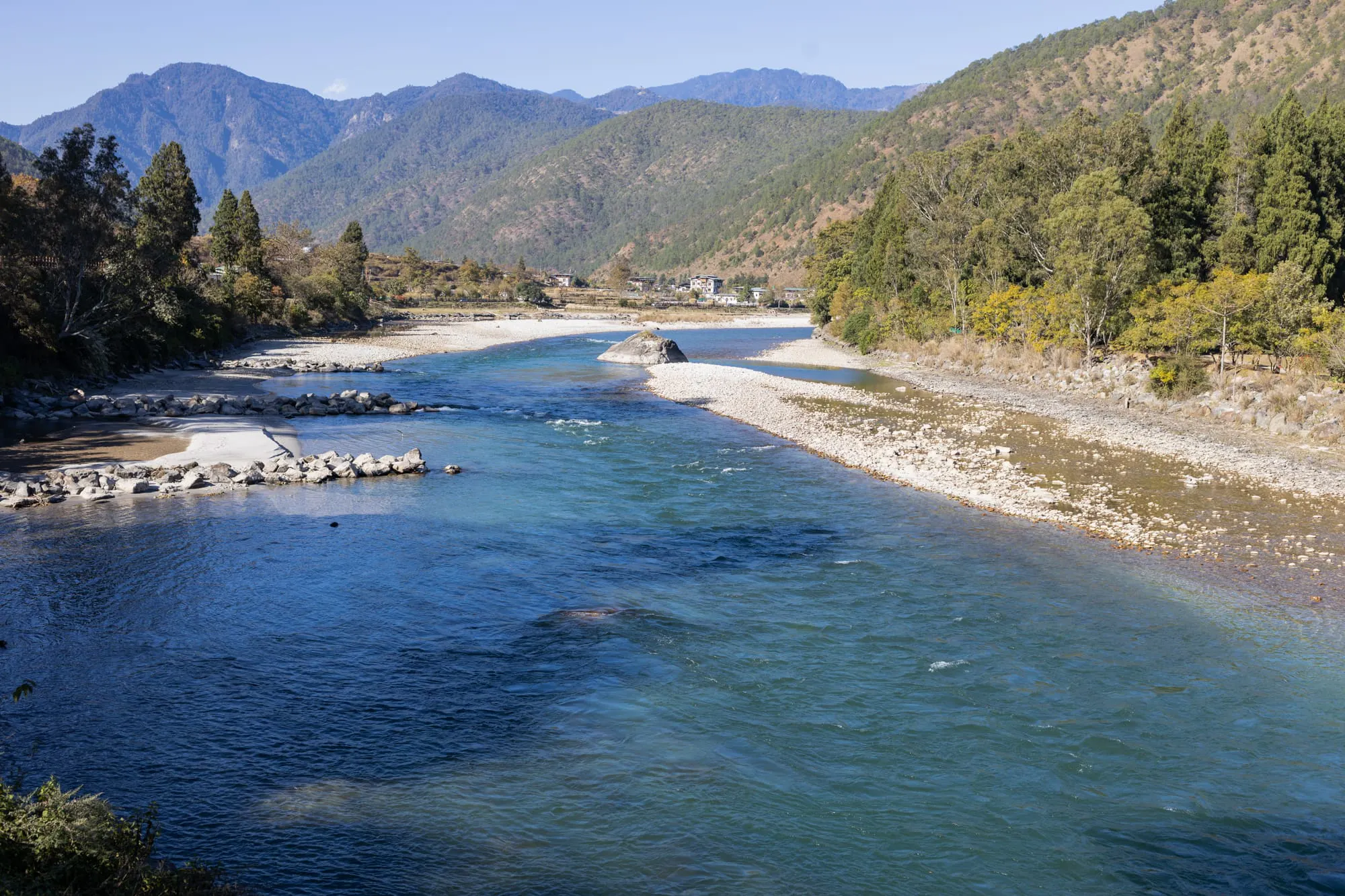
Bhutan is a living conservation miracle. More than 50% of its land remains forested, and a robust network of protected areas means wildlife genuinely thrives here. During my trip I encountered barking deer, Himalayan striped squirrels, giant flying squirrels, and the endearing Bhutan Takin — the country’s national animal, a wonderfully improbable-looking creature somewhere between a goat and a wildebeest.
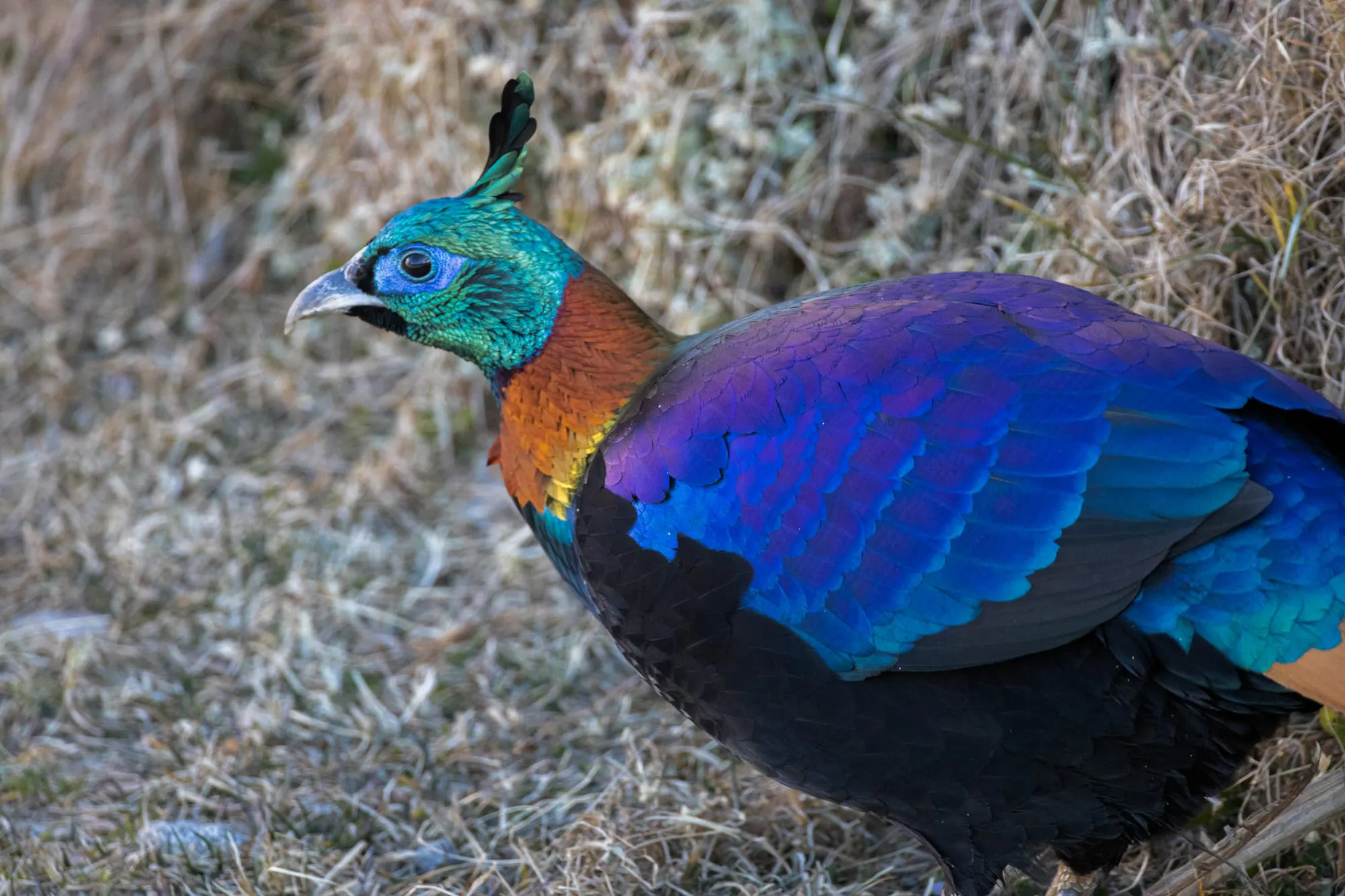
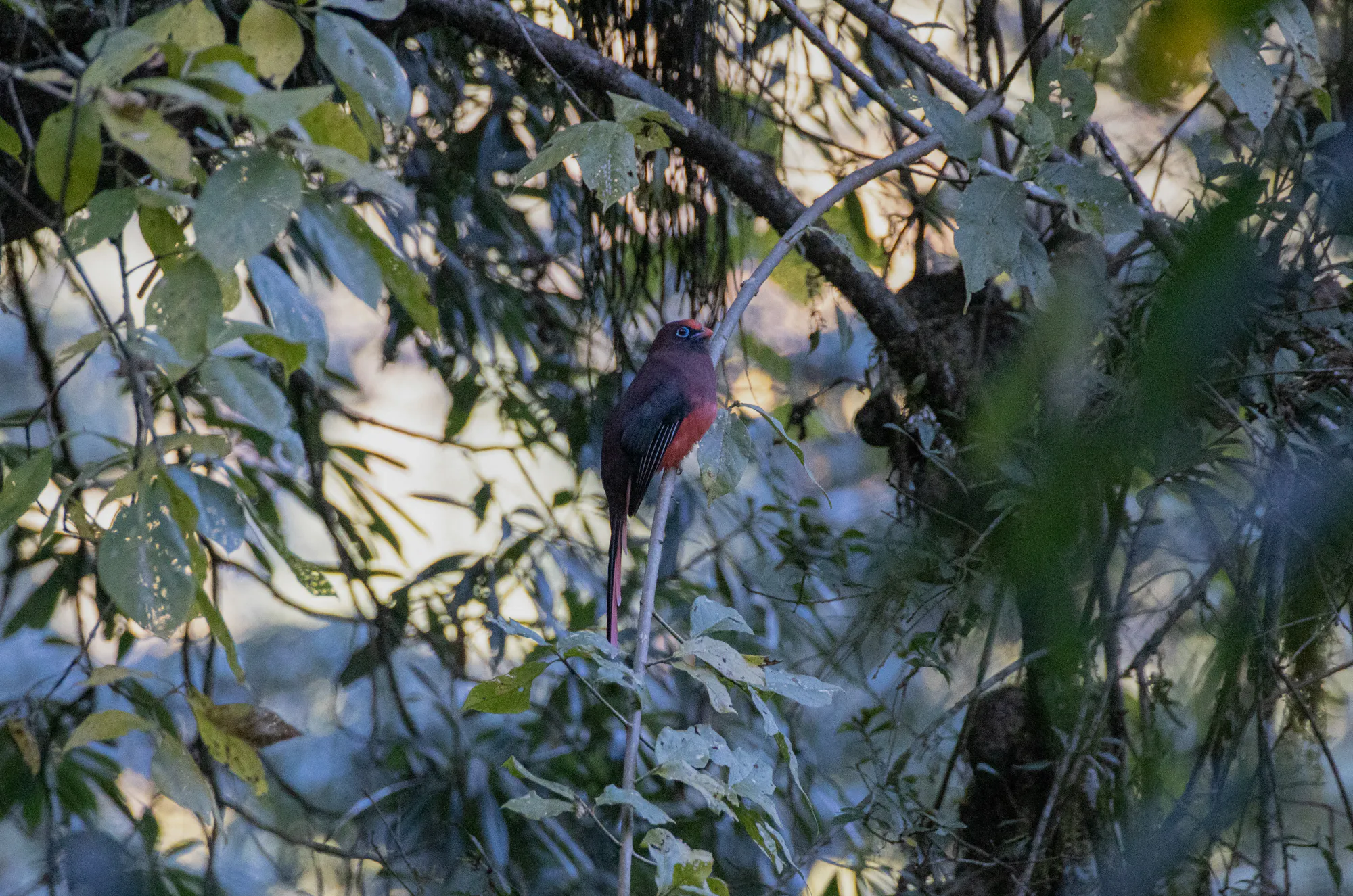
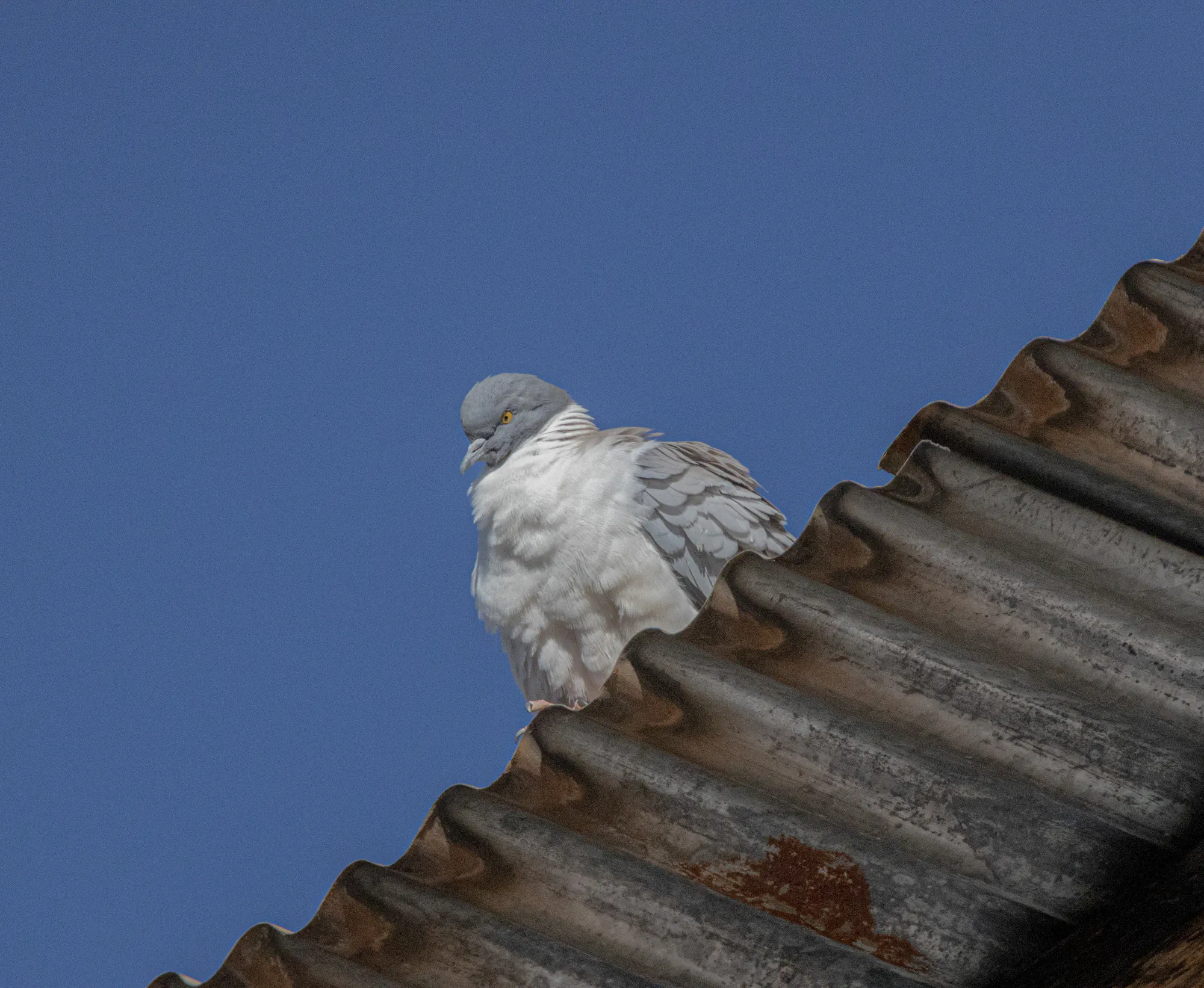
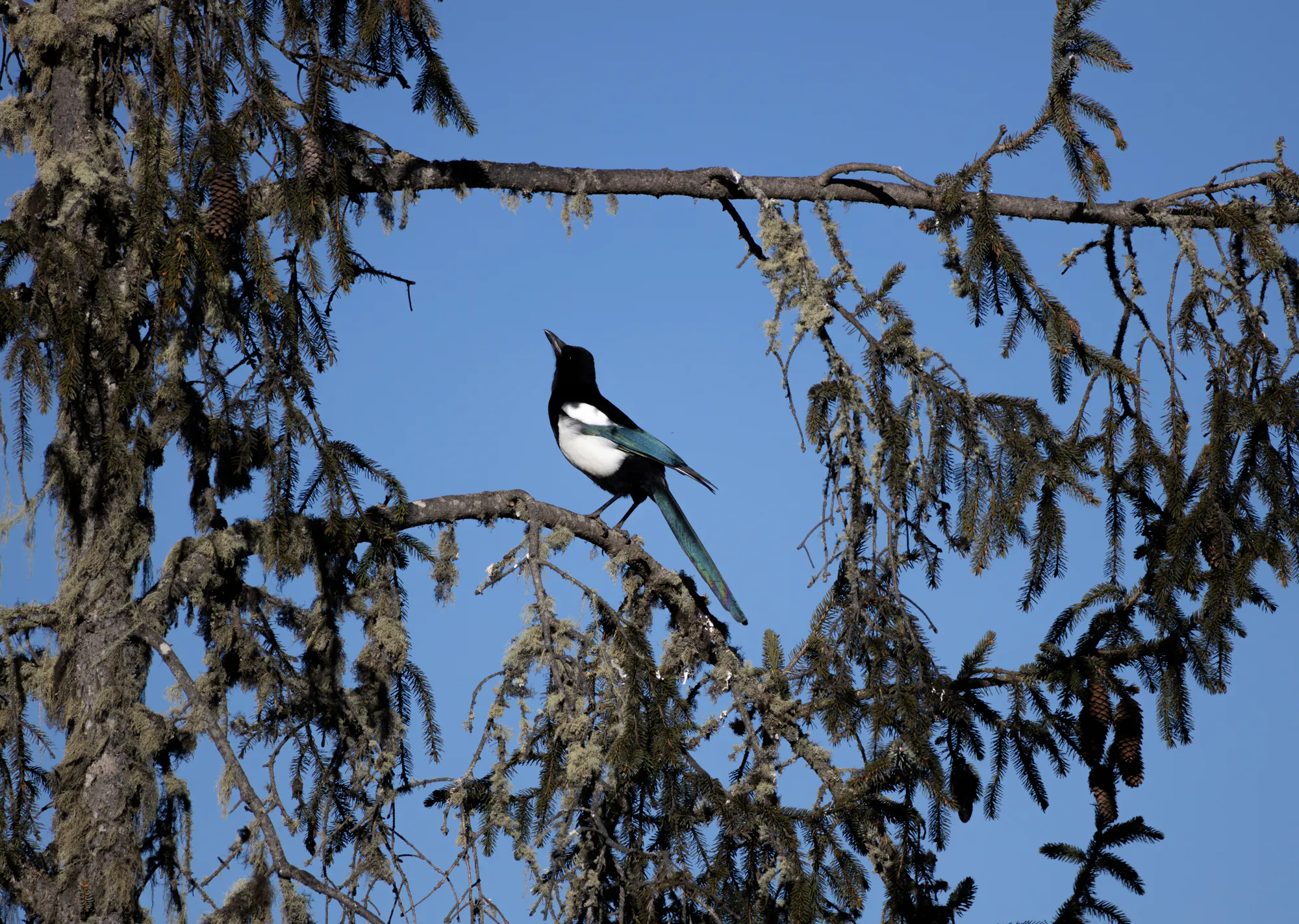
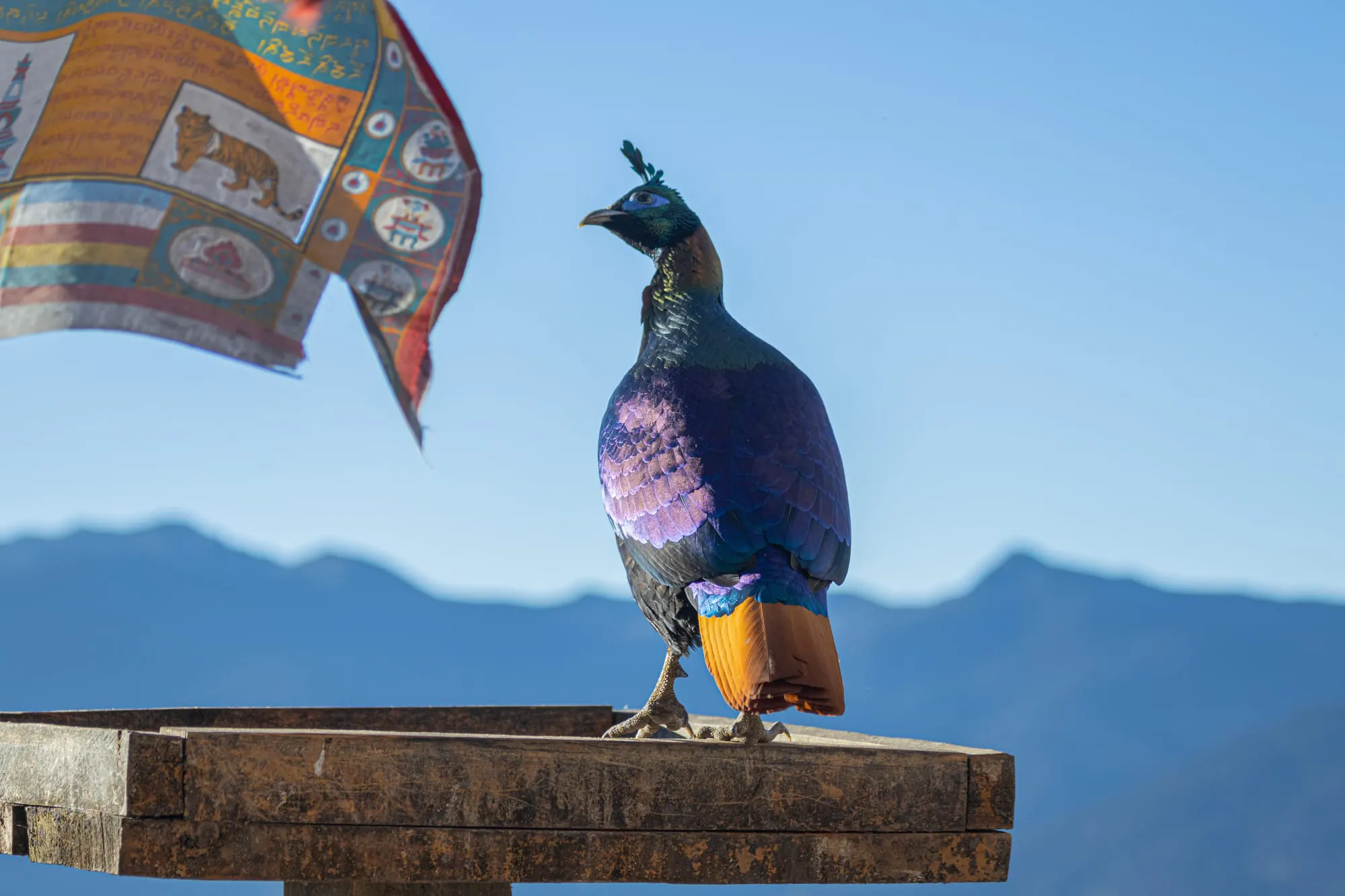
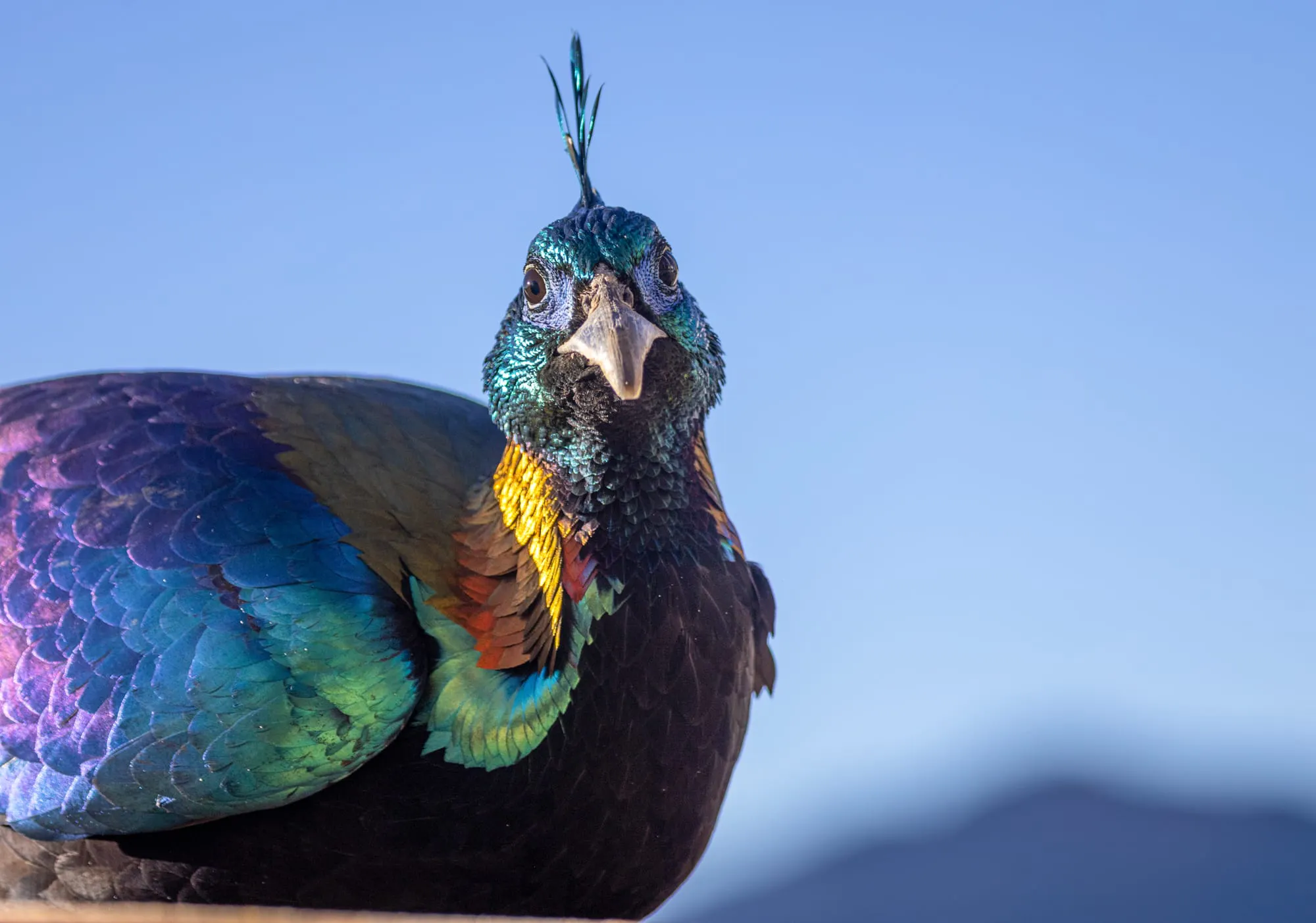
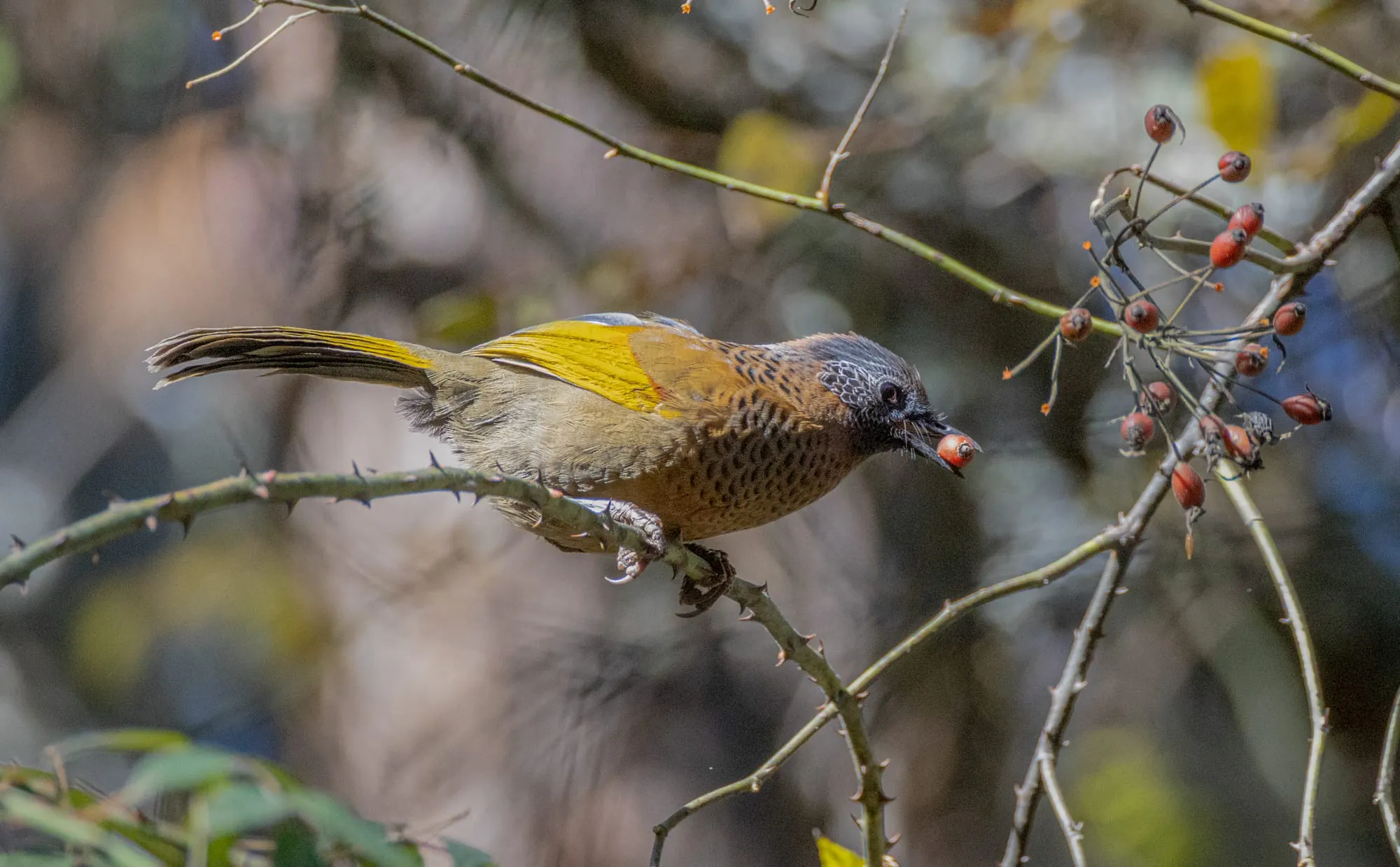
For birders, Bhutan is extraordinary. Over 736 species have been recorded here. I tallied 128 during my 17 days, including the dazzling Himalayan Monal Pheasant. The elevation range — from subtropical valleys at 4,000 feet to alpine passes above 13,000 feet — creates a diversity of habitats that keeps the sightings coming around every bend. Notable target species include:
- Black-necked Crane — Phobjikha Valley, November–December
- Himalayan Monal Pheasant — mid-elevation forests year-round
- Satyr Tragopan — spring, at higher elevations
- Beautiful Nuthatch — Eastern Bhutan, Royal Manas National Park area
- Ward’s Trogon — subtropical forests in the east
- White-bellied Heron — one of the world’s rarest herons; Bhutan is a stronghold
This is genuinely one of the most underrated wildlife destinations on earth. The combination of conservation commitment and habitat diversity puts Bhutan in a class by itself for a serious birder or naturalist.
“The length of the trip gave us time to travel the whole country. The combination of birding and cultural aspects was excellent and the guides fulfilled both roles to a T.”
— Candy McManiman, Bhutan Traveler
Culture & Hospitality
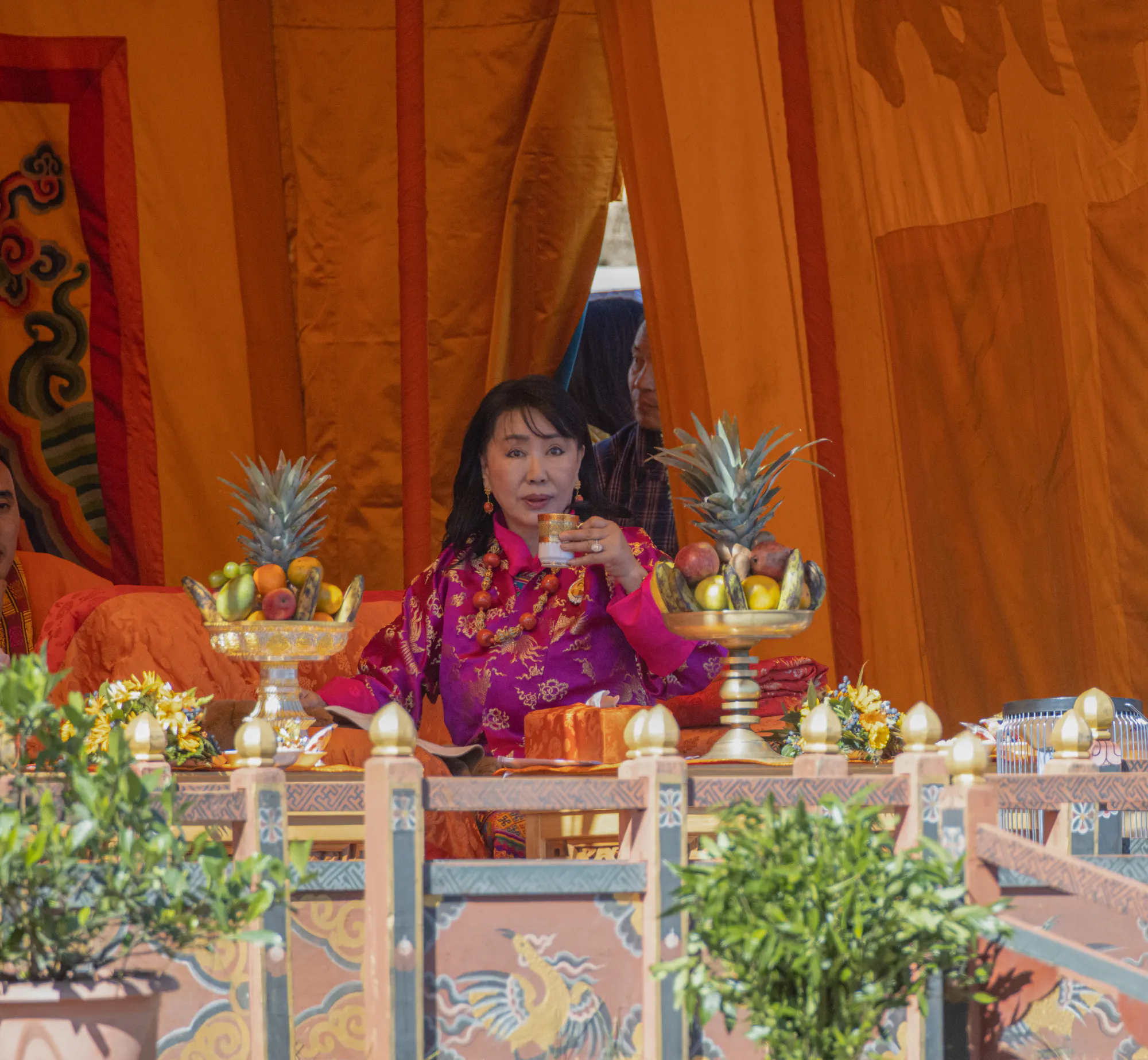
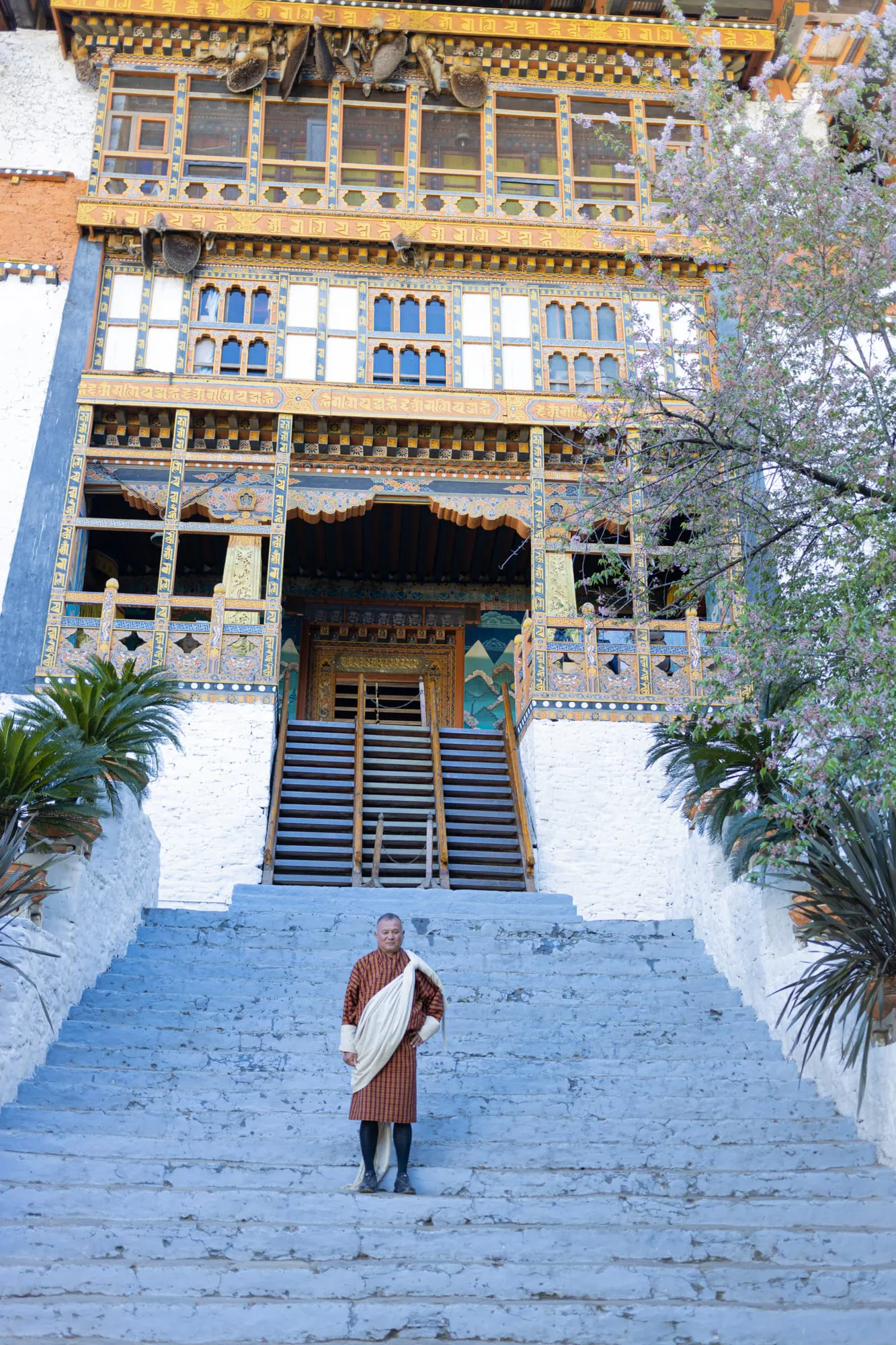
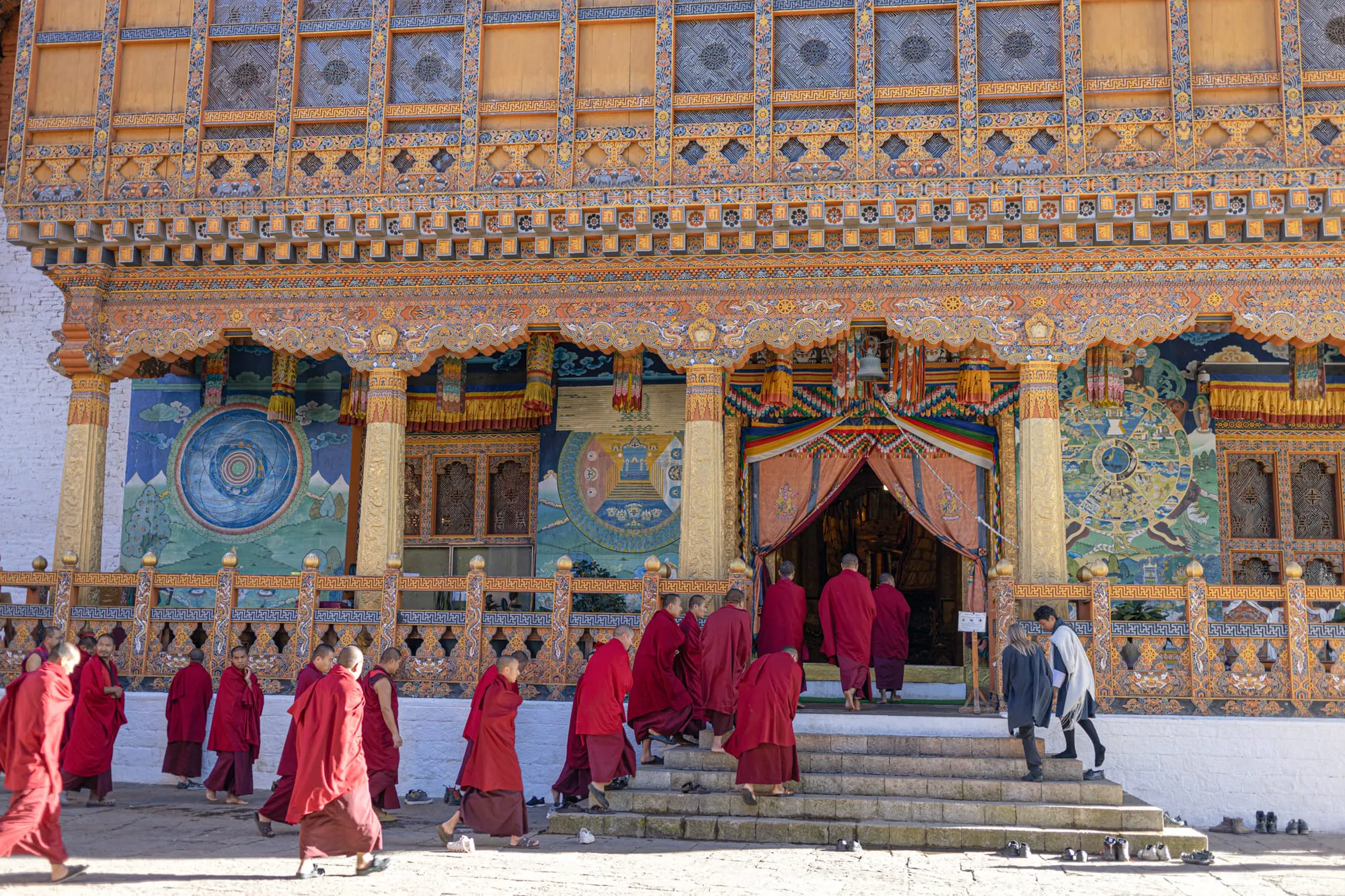
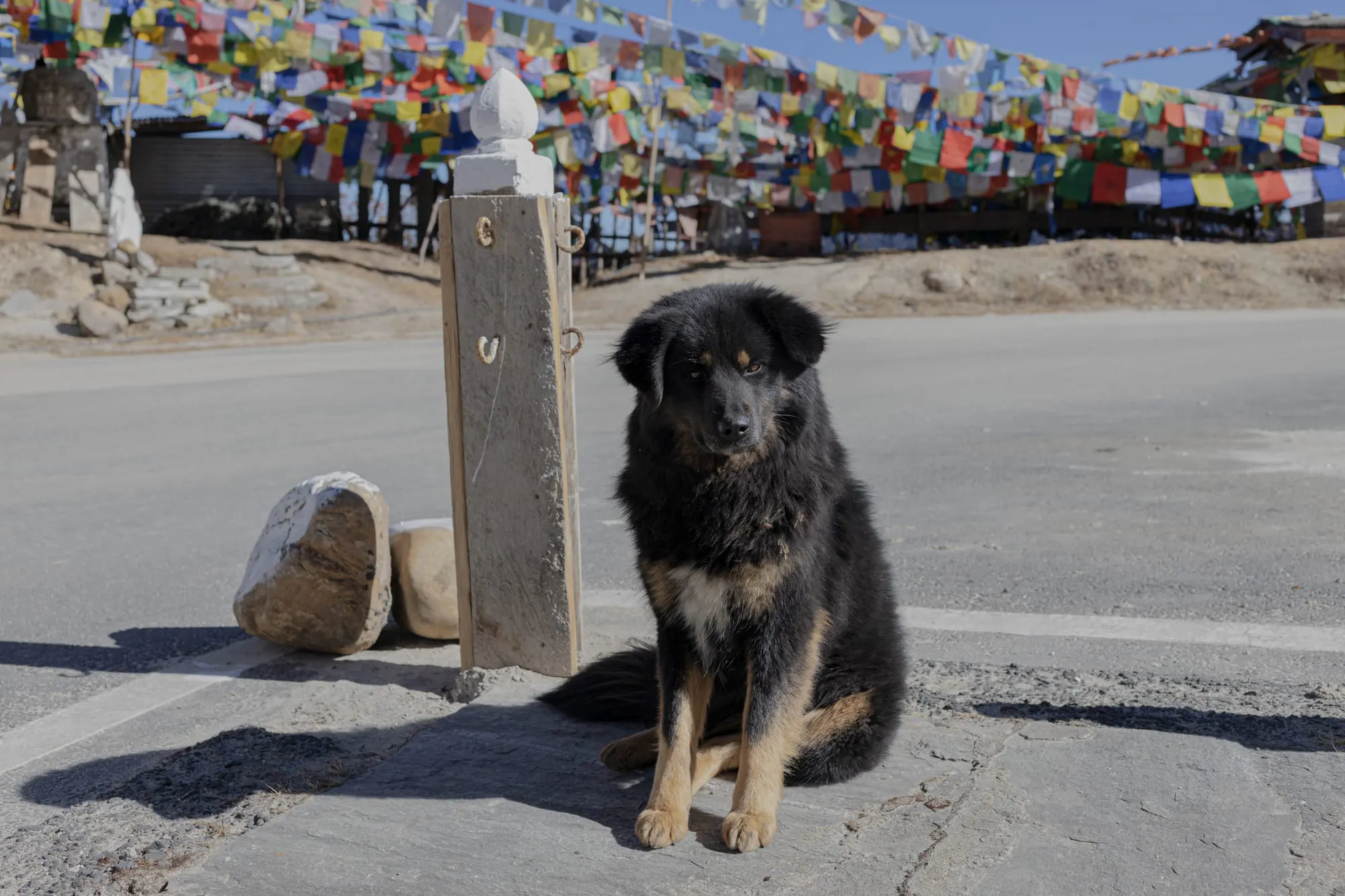
Bhutan measures its prosperity not in GDP but in Gross National Happiness — and you feel this philosophy in every interaction. From the monks tending centuries-old monasteries to the families who welcomed me into their homes for traditional meals, the Bhutanese carry a deep sense of contentment and pride in their culture. Even Bhutan’s street dogs are part of this ethos: well-cared-for through a nationwide sterilization and care program, they wander the towns like old friends.
Cultural highlights include:
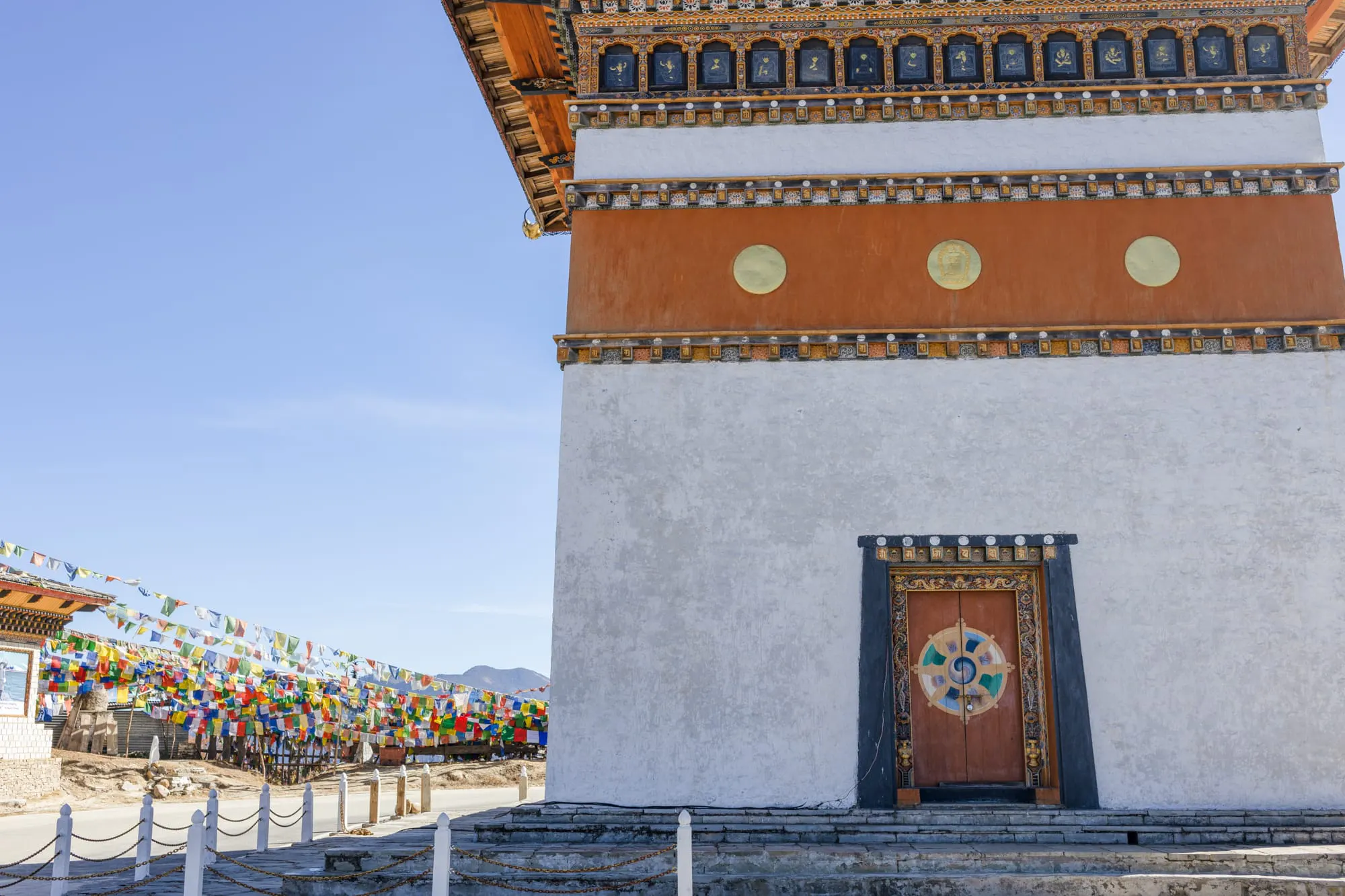
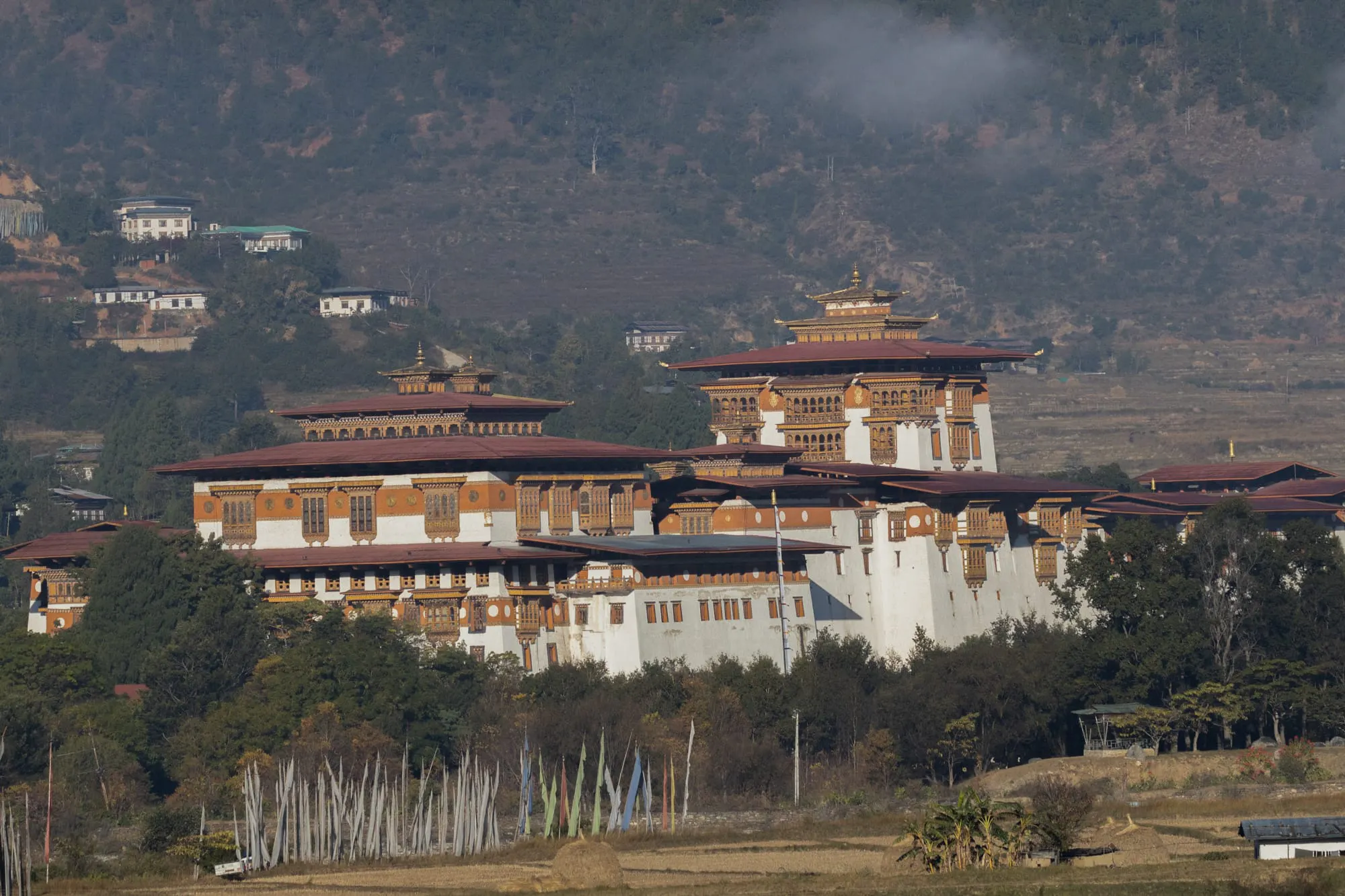
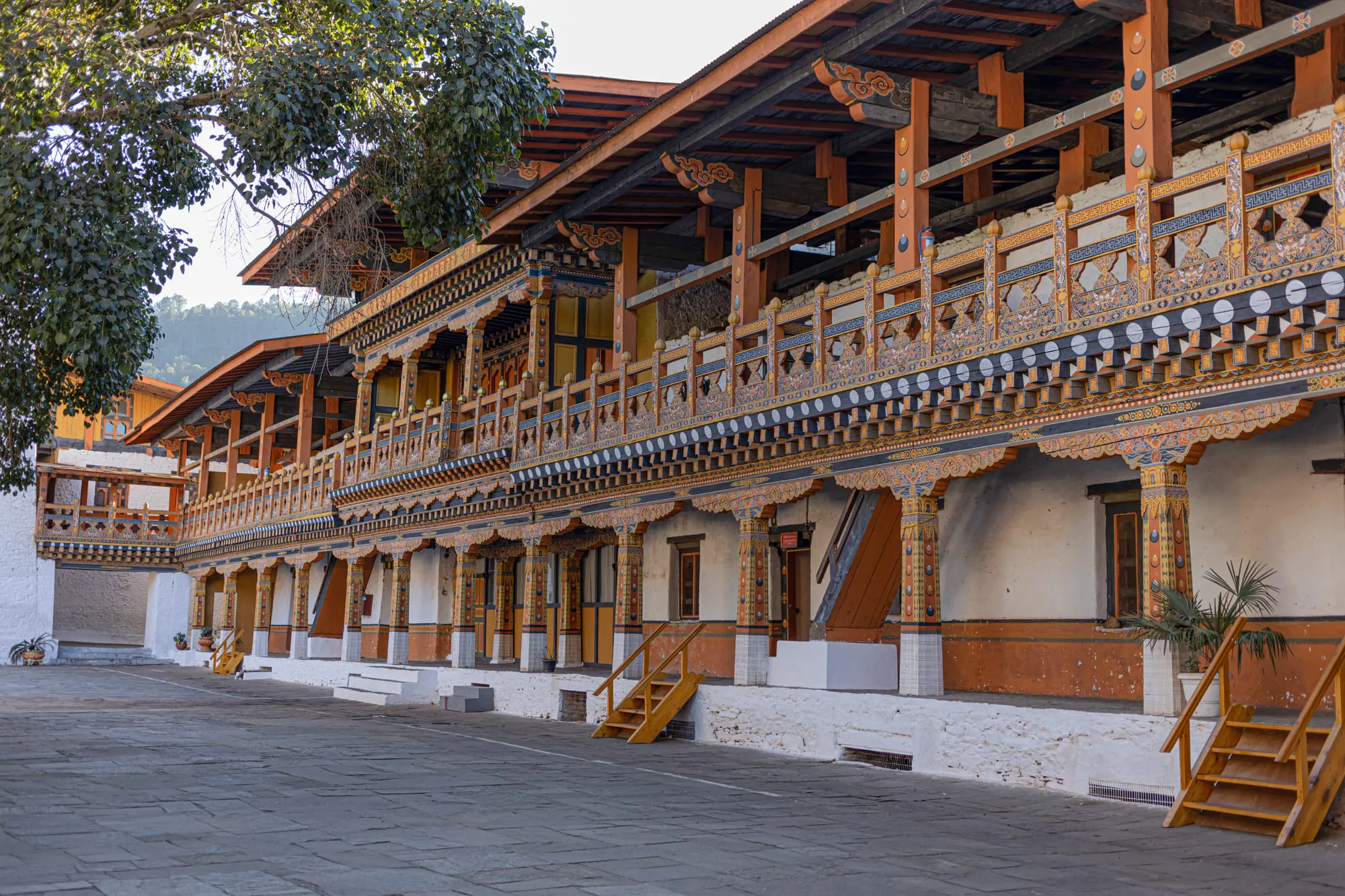
- Dzongs — ancient fortress-monasteries that still serve as the administrative and religious center of each district. They are stunning.
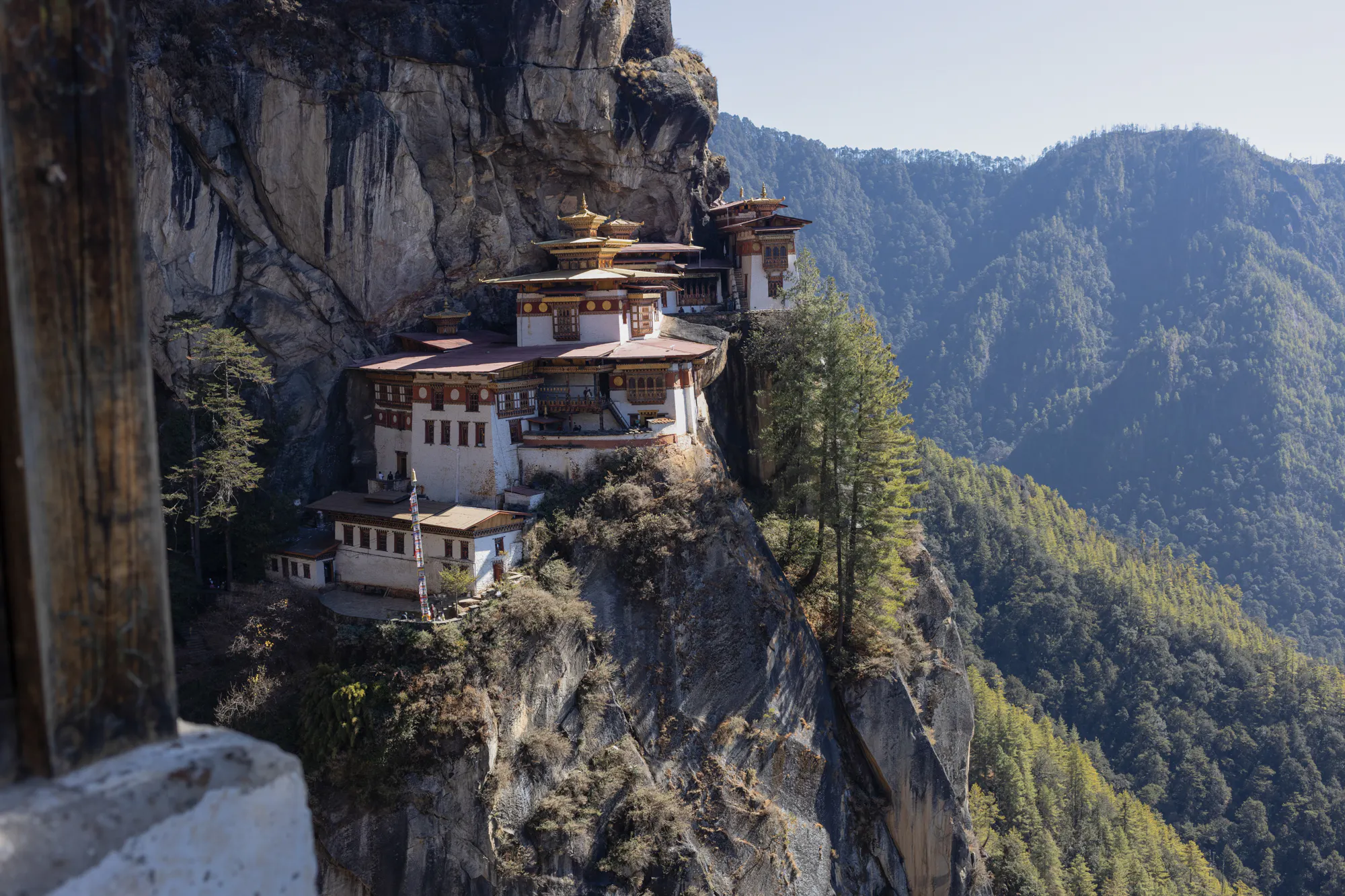
- Tiger’s Nest Monastery (Paro Taktsang) — perched 3,000 feet above the Paro Valley, accessible by a spectacular 4-mile roundtrip hike. One of the most iconic sights in all of Asia.
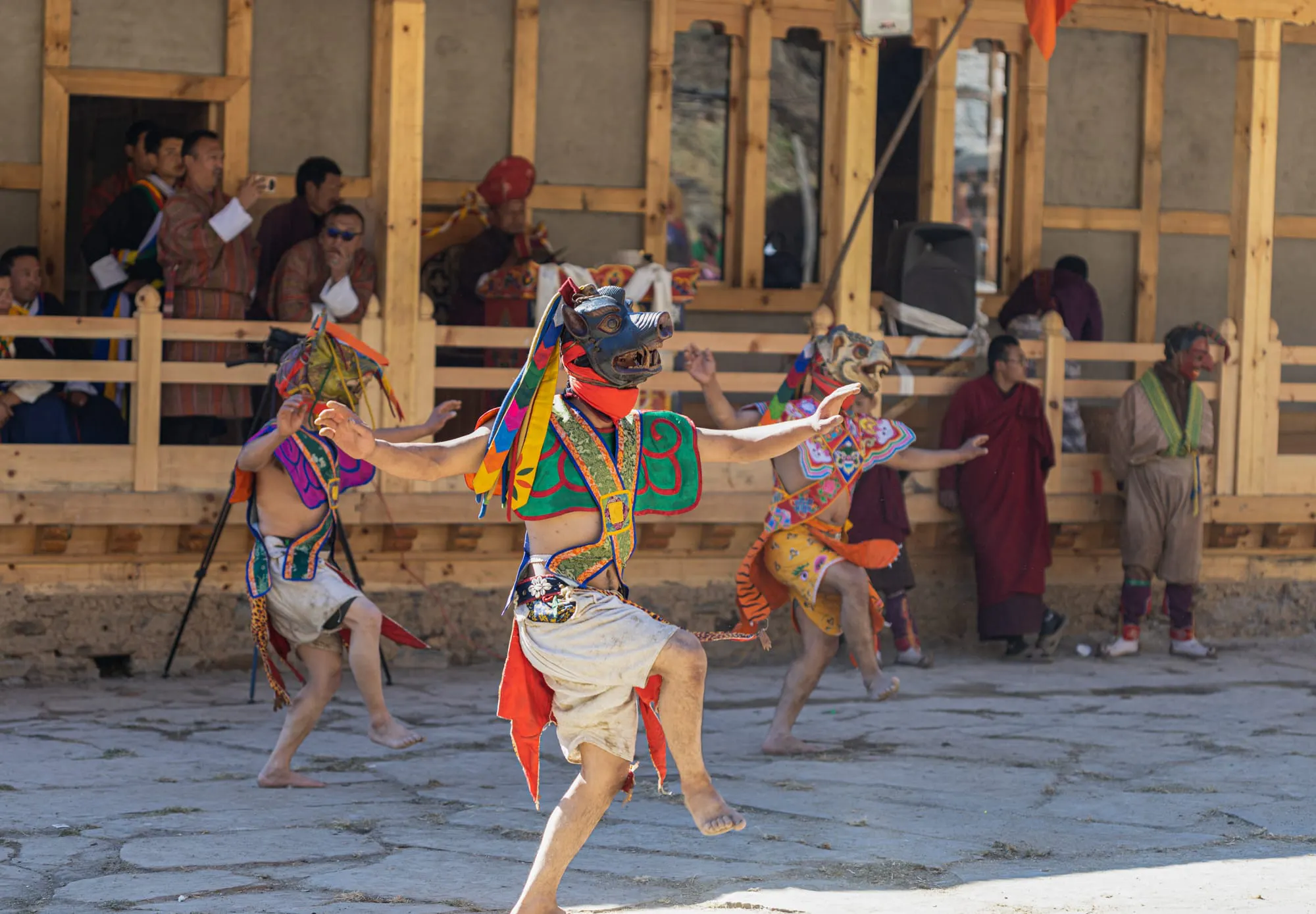
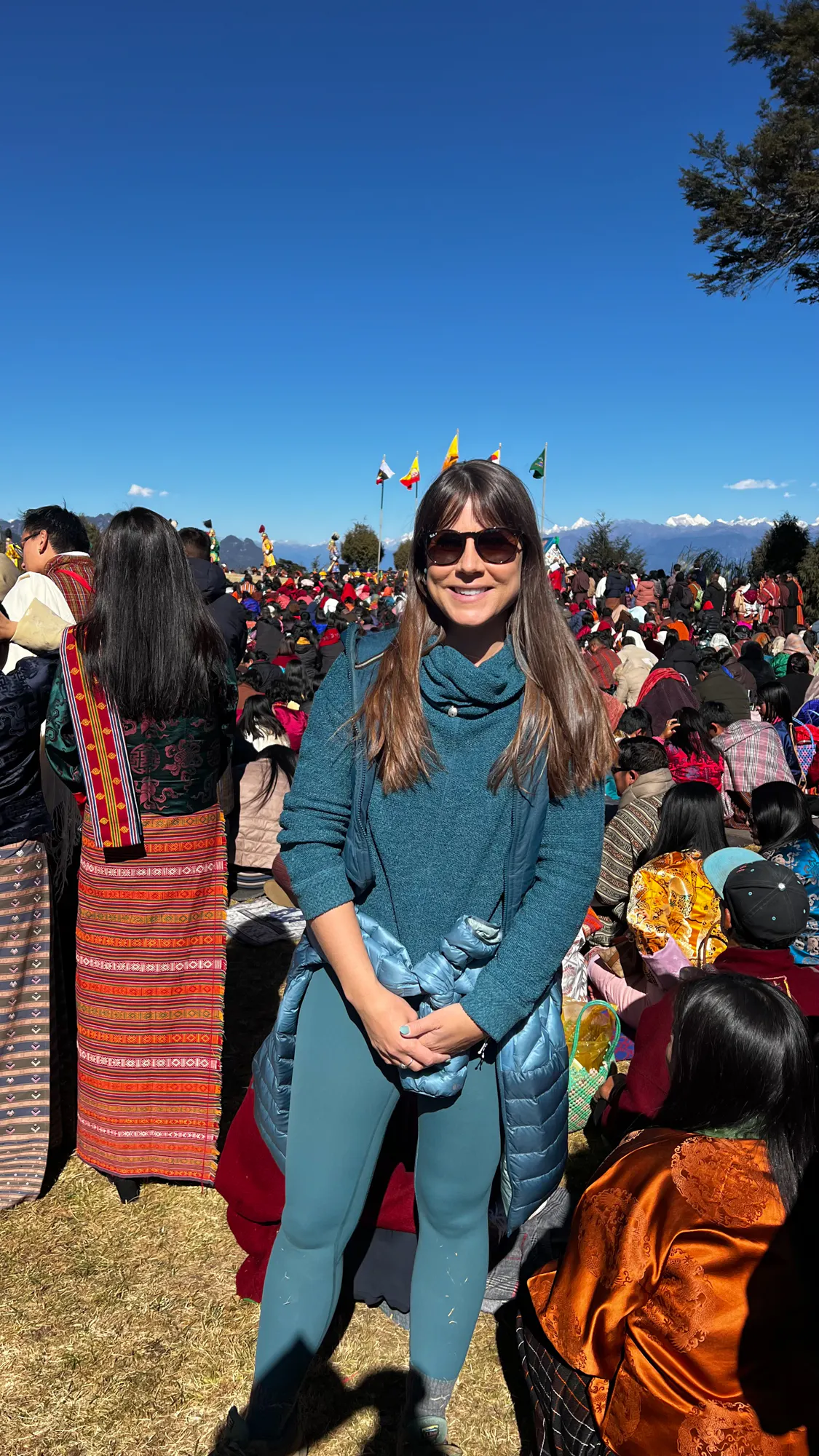
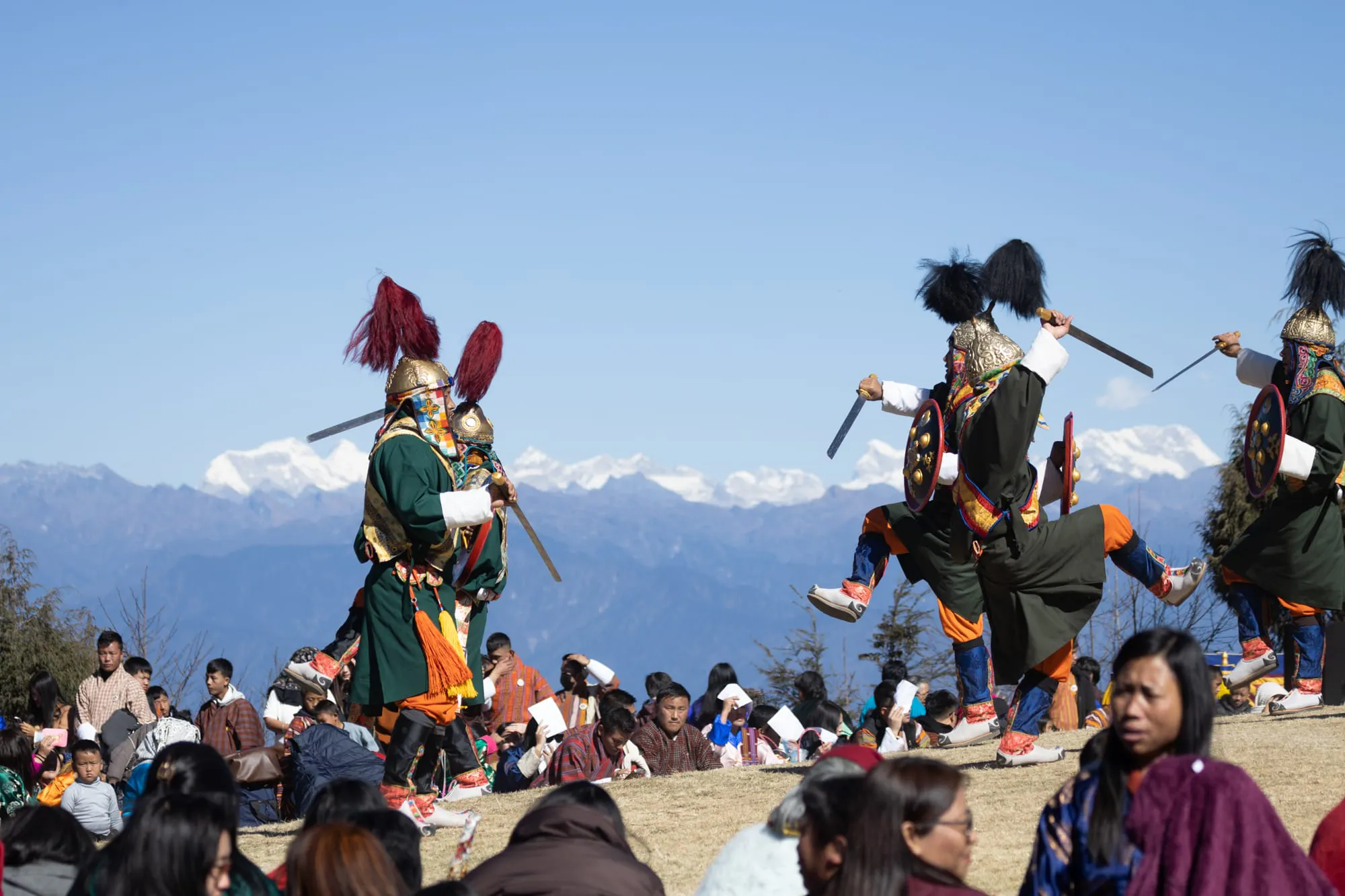
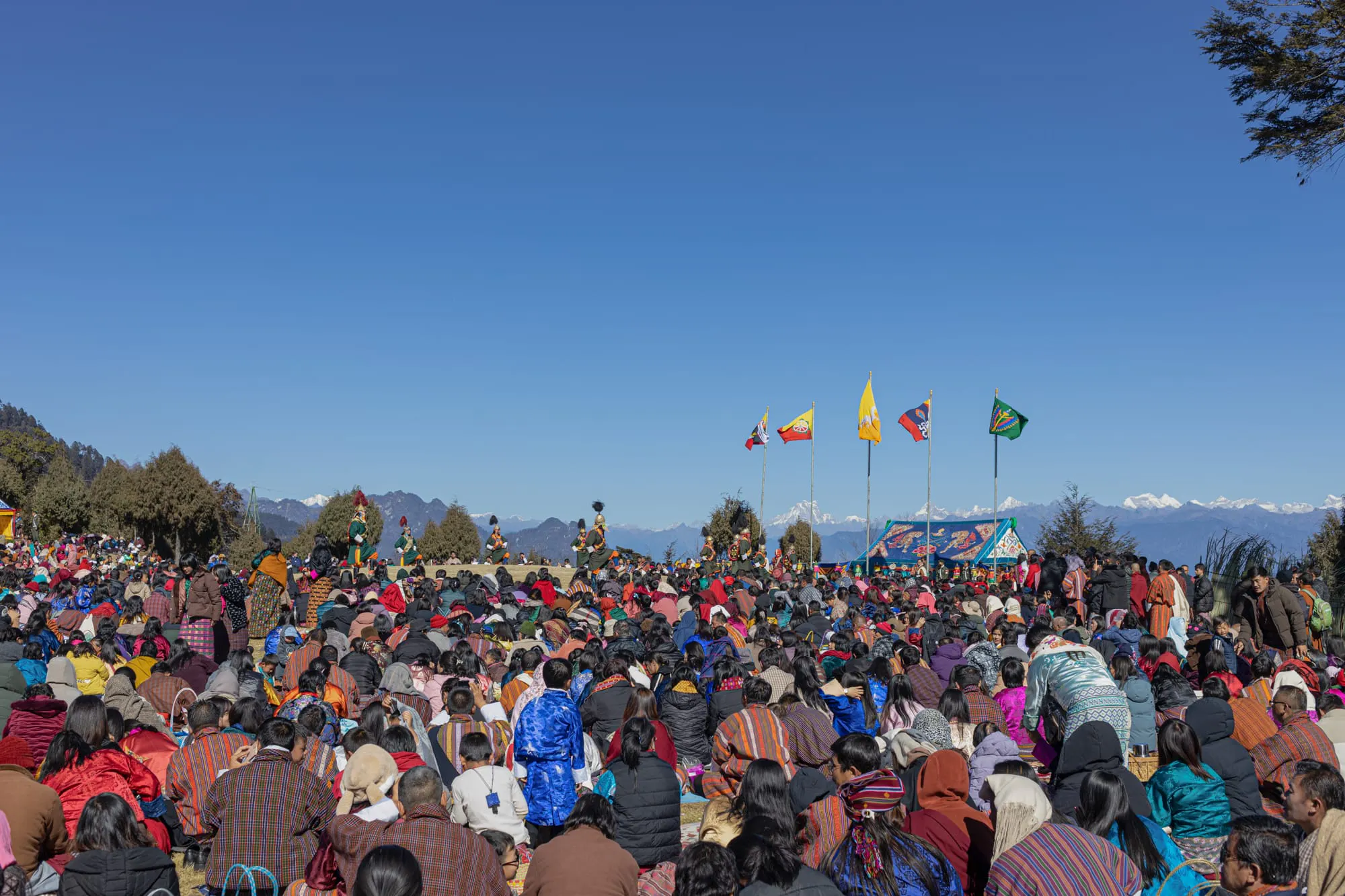
- Tsechu festivals — colorful masked dances, sacred music, and vibrant rituals. The Mongar Tsechu is particularly memorable.
- Traditional village homestays — meals with local families offer a depth of cultural connection that no hotel can replicate.
Accommodations & Cuisine
Lodges throughout Bhutan are clean, comfortable, and atmospheric — think warm wood interiors and mountain views. Meals are included and served buffet-style, showcasing the fresh, flavorful ingredients of Bhutanese cooking. Vegetarian, gluten-free, and dairy-free needs are easily accommodated. Hishey and his team handle all accommodations, transfers, and logistics seamlessly, so you can focus entirely on the experience.
Unique Experiences
No two days in Bhutan look alike. One morning you’re scanning a misty valley for rare cranes; the next you’re walking the courtyards of a 15th-century dzong. Multi-day treks through high mountain passes, dedicated birding excursions, and helicopter flights over glaciated peaks are all available for those who want to extend their trip. Bhutan doesn’t just offer sights — it offers stories.
Bhutan is a place where nature and culture exist in genuine harmony — not as a curated spectacle, but as a living reality. Whether you come for the birding, the trekking, the monasteries, or simply the rare pleasure of being surrounded by untouched nature, you will leave changed. And you will want to come back.
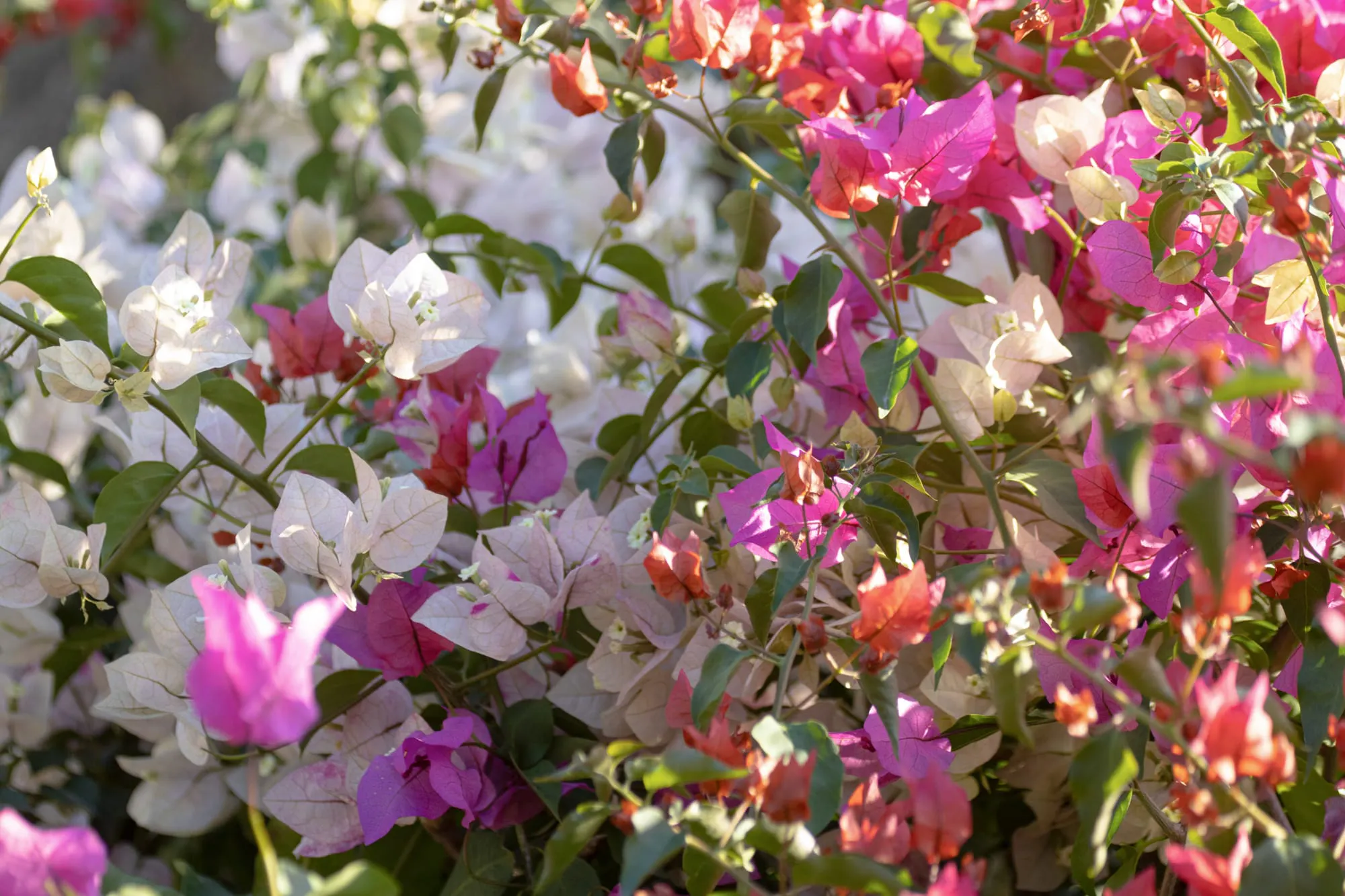
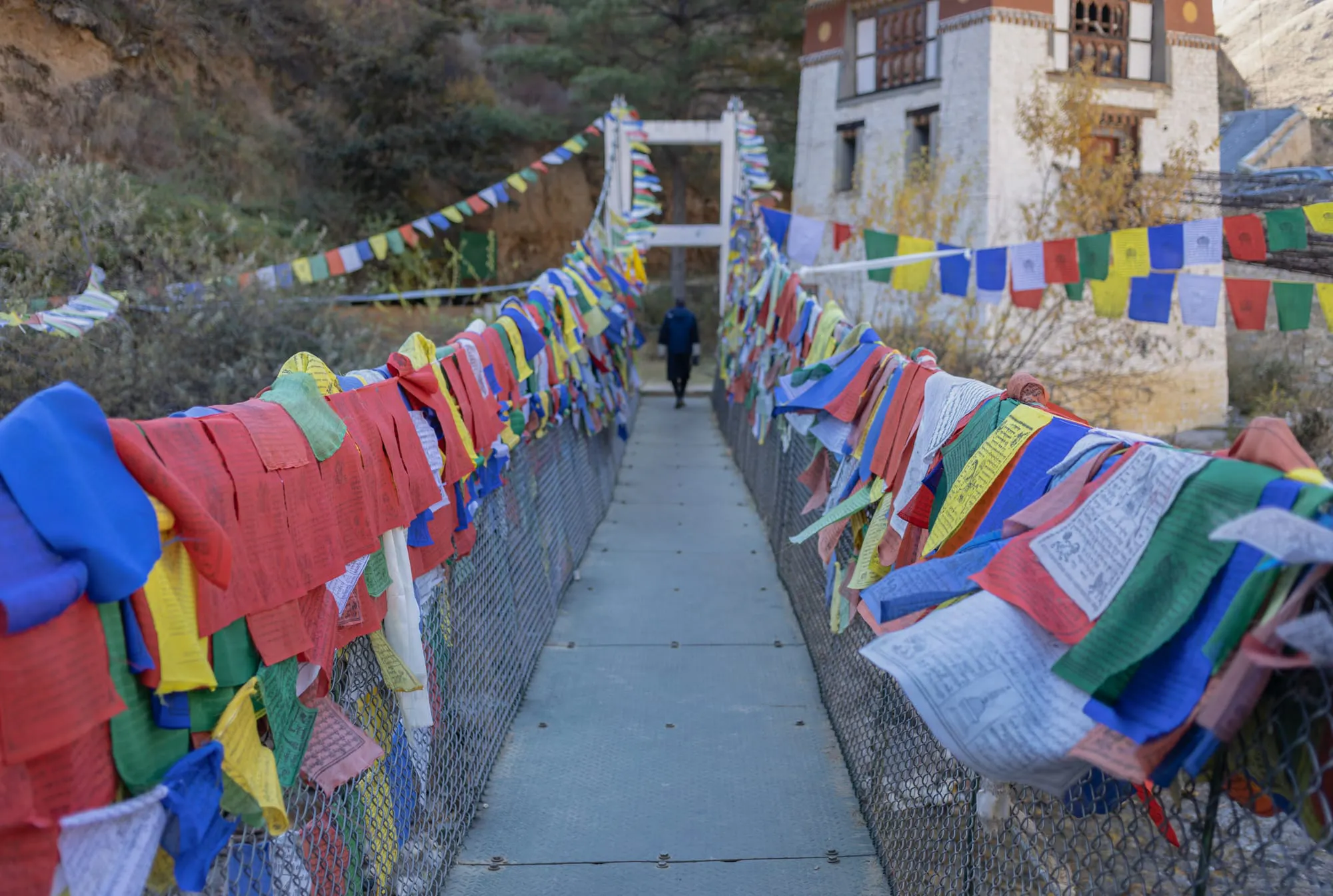
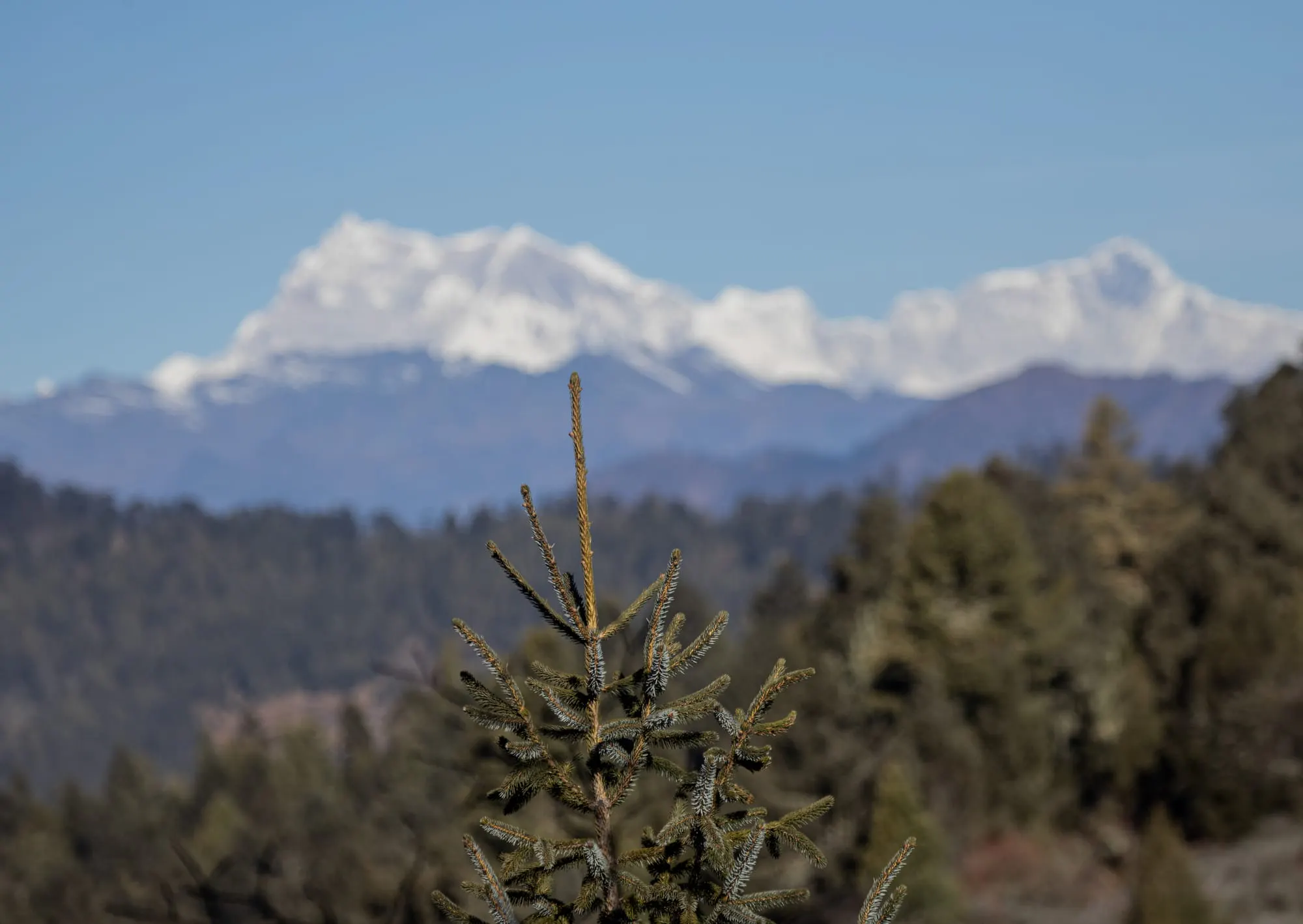
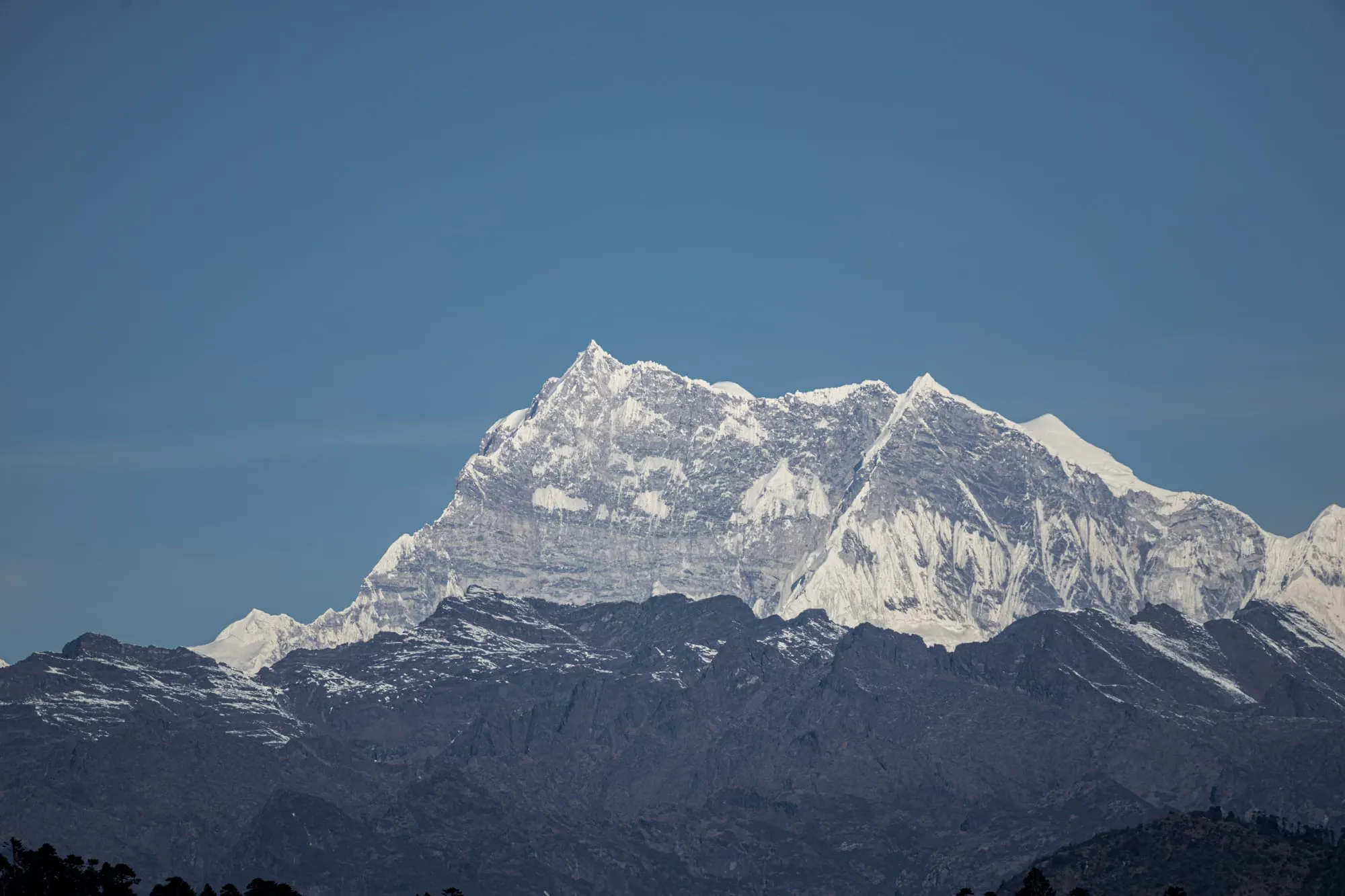
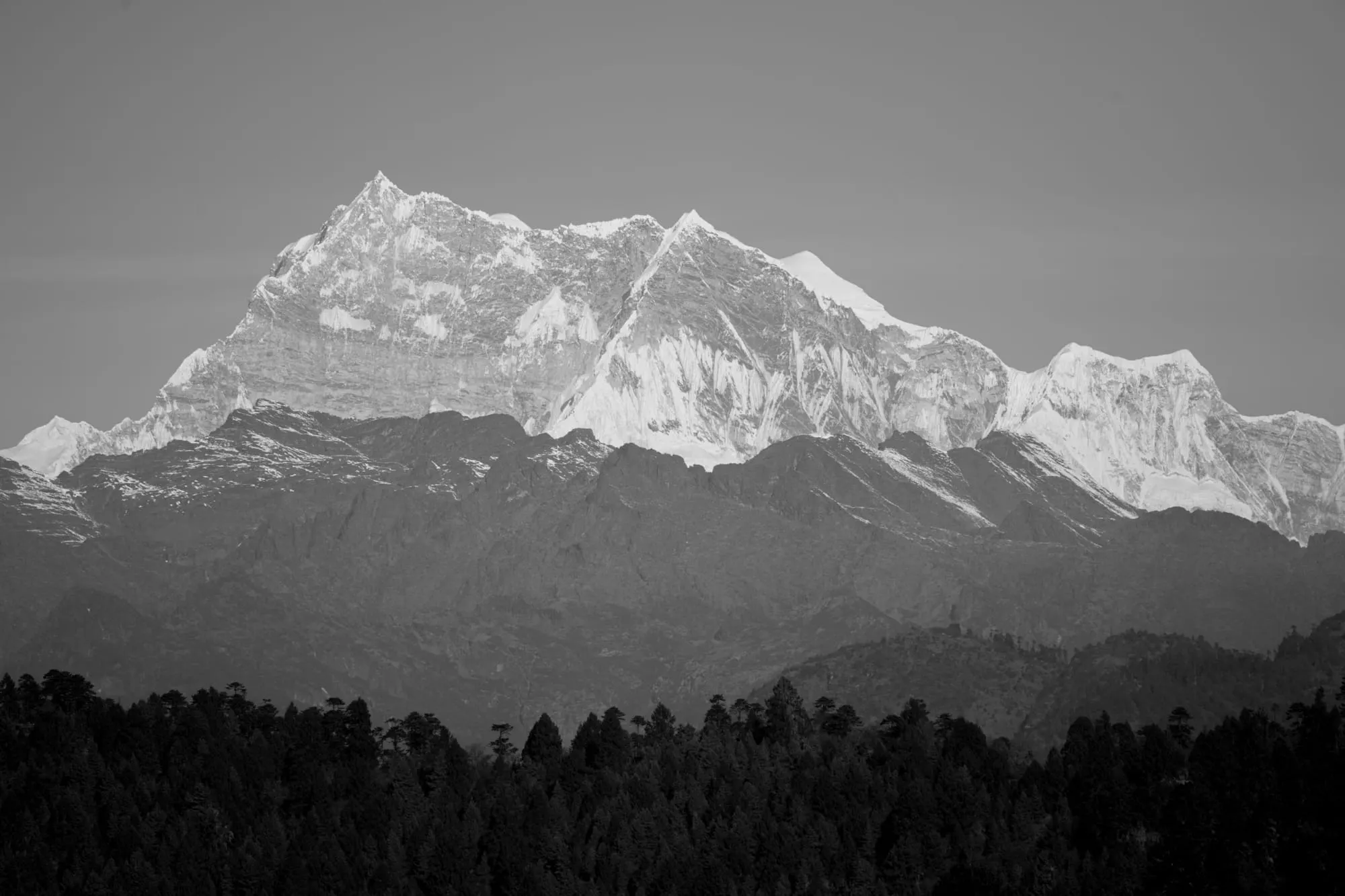
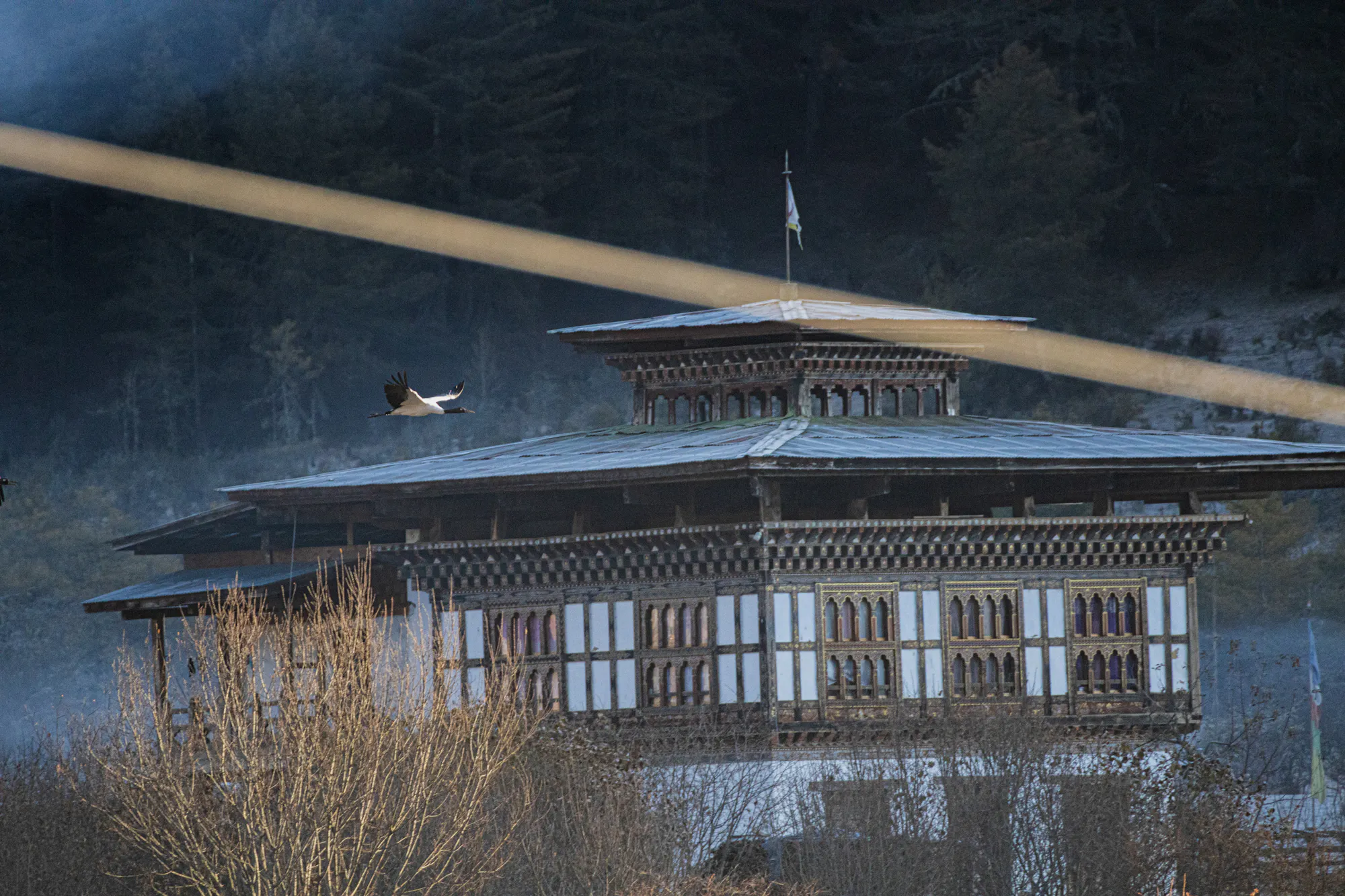
Bhutan is a place where nature and culture exist in genuine harmony — not as a curated spectacle, but as a living reality. Whether you come for the birding, the trekking, the monasteries, or simply the rare pleasure of being somewhere the modern world hasn’t quite reached, you will leave changed. And you will want to come back.
Join Us in Bhutan
Two departures. Both led by Hishey Tshering.
November 3–27, 2026 · 25 days · 10 guests max · From $9,750
October 29–November 22, 2027 · 25 days · 10 guests max · From $9,750
View 2026 Trip View 2027 TripFAQ
Whats the Best Time to Visit?
What Wildlife Should You Watch For?
What are the Cultural Must-Dos?
Are There Any Adventure Add-Ons?
How Do I Get There?
What If I Have Special Dietary Needs?
What Should I Know About Fitness Levels?
Ready to discover Bhutan? Contact us to begin planning your journey.
