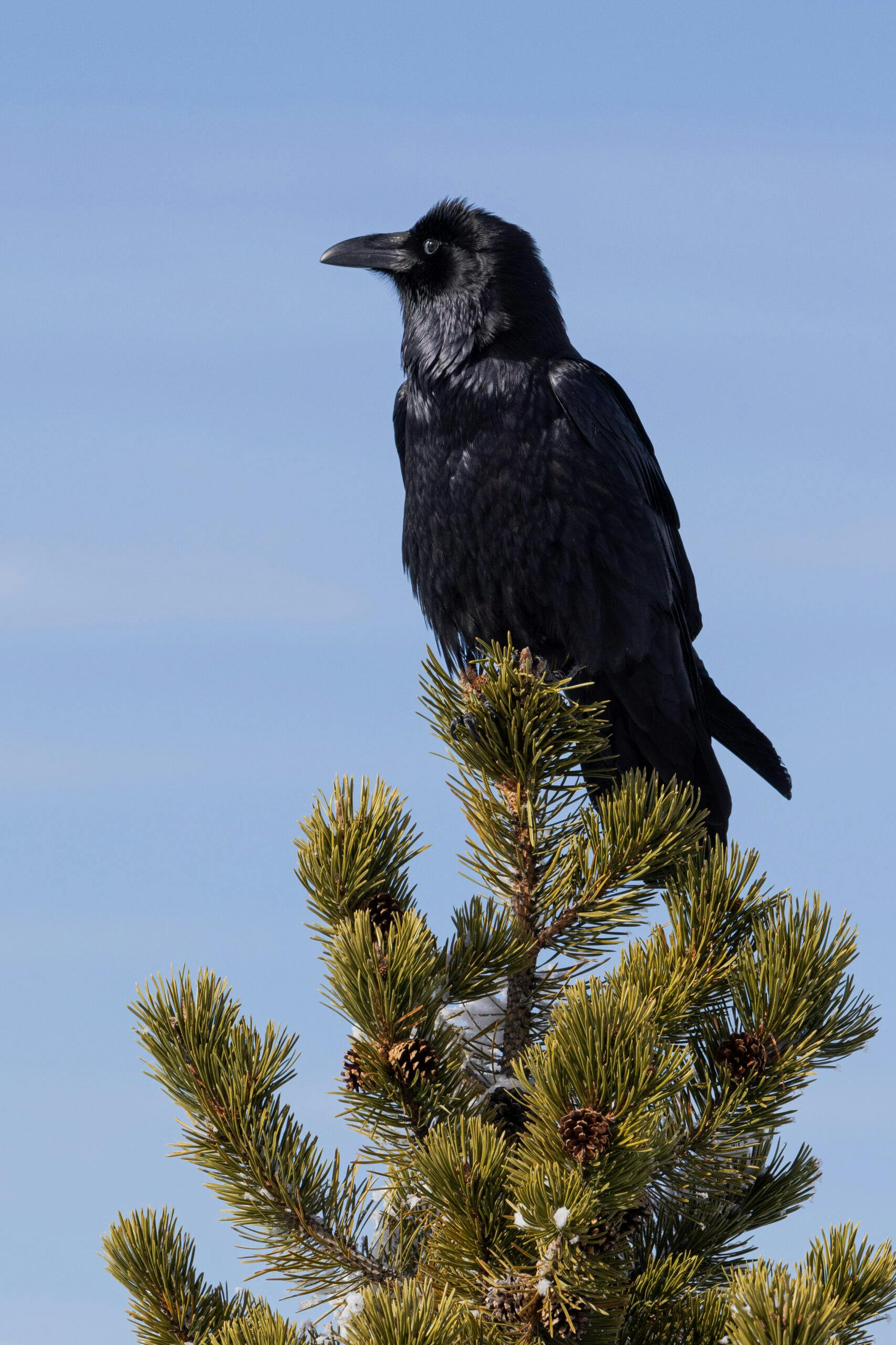
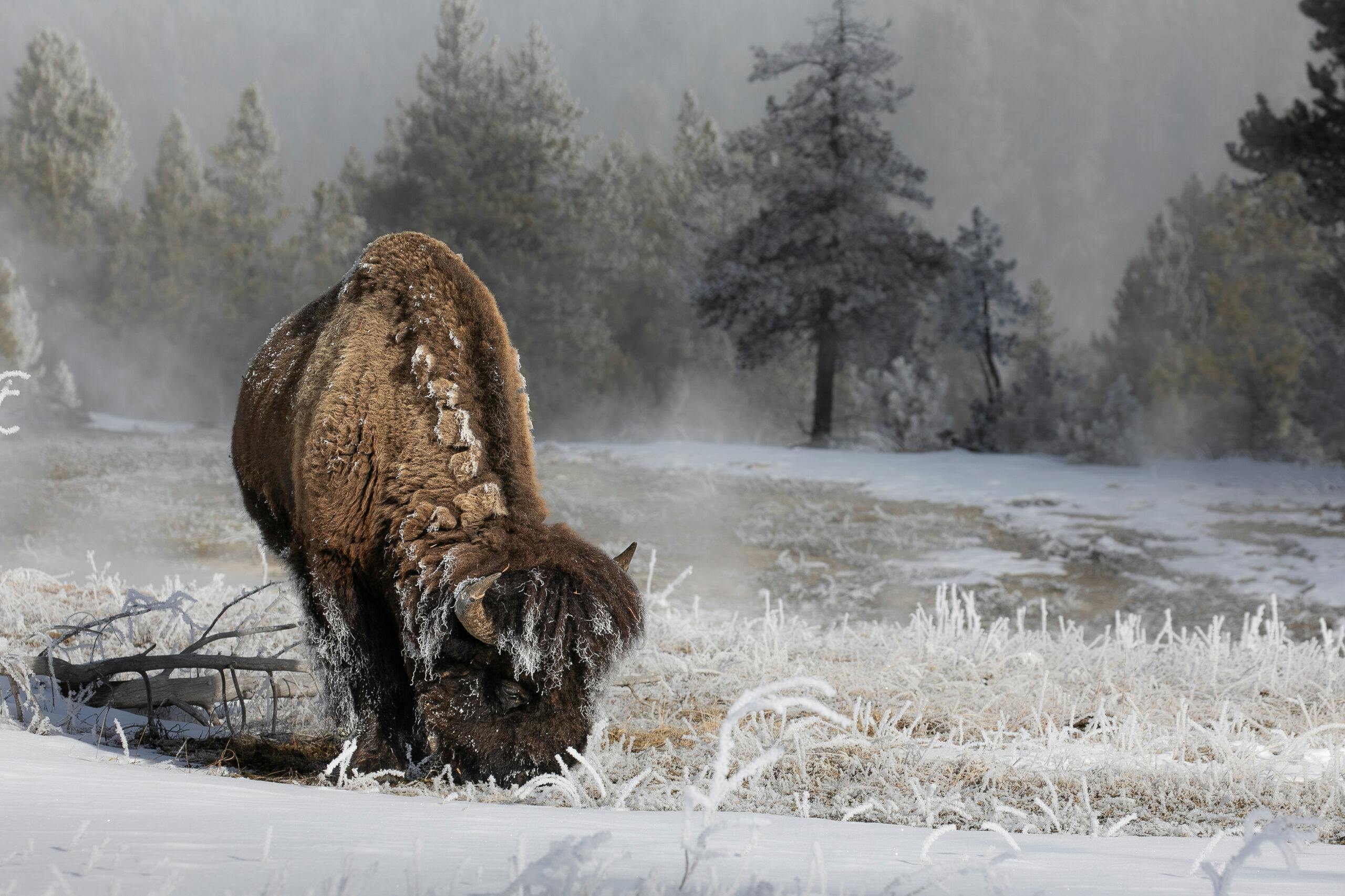
Yellowstone National Park cast its wintry spell on a small group of travelers during Cheesemans’ nine-day photographic safari in early 2025. Blanketed in snow and silence, the park’s dramatic geothermal features and iconic wildlife took center stage. Led by professional wildlife photographer Scott Davis, guests ventured through steaming geyser basins, frosted valleys, and snow-covered forests, capturing unforgettable scenes of bison, foxes, elk, and, with patience and luck, wild wolves. With every step and shutter click, the group experienced Yellowstone’s rare solitude and the stark beauty that only winter can unveil.
🏞️ Trip Highlights
From the haunting howls of wolves echoing through Lamar Valley to the ethereal steam rising from vibrant geothermal pools, every day in Yellowstone delivered unforgettable moments. With expert guidance, intimate group size, and immersive access via snowcoach, this winter safari offered extraordinary opportunities for wildlife encounters and stunning photography.
Highlights Included:
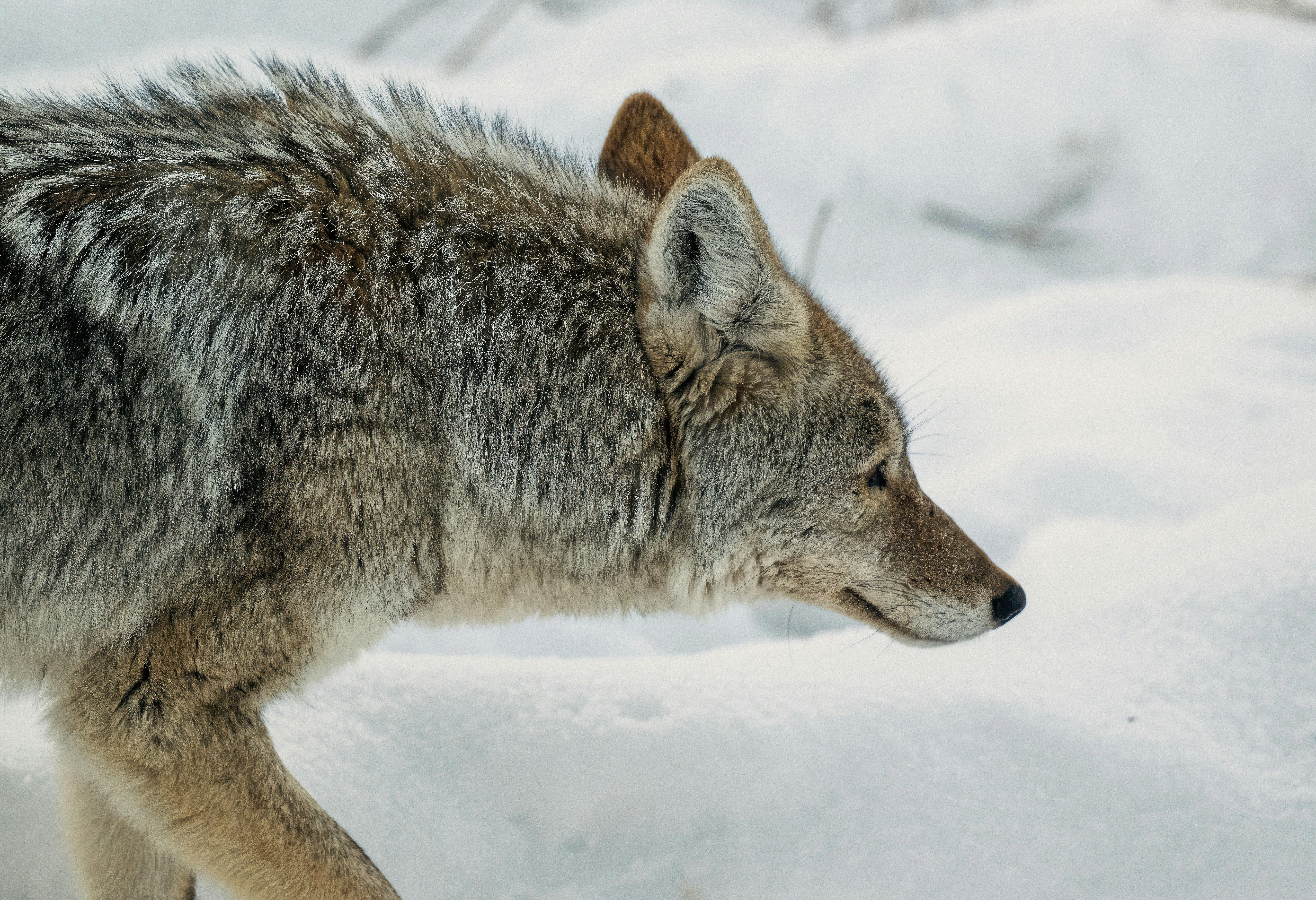
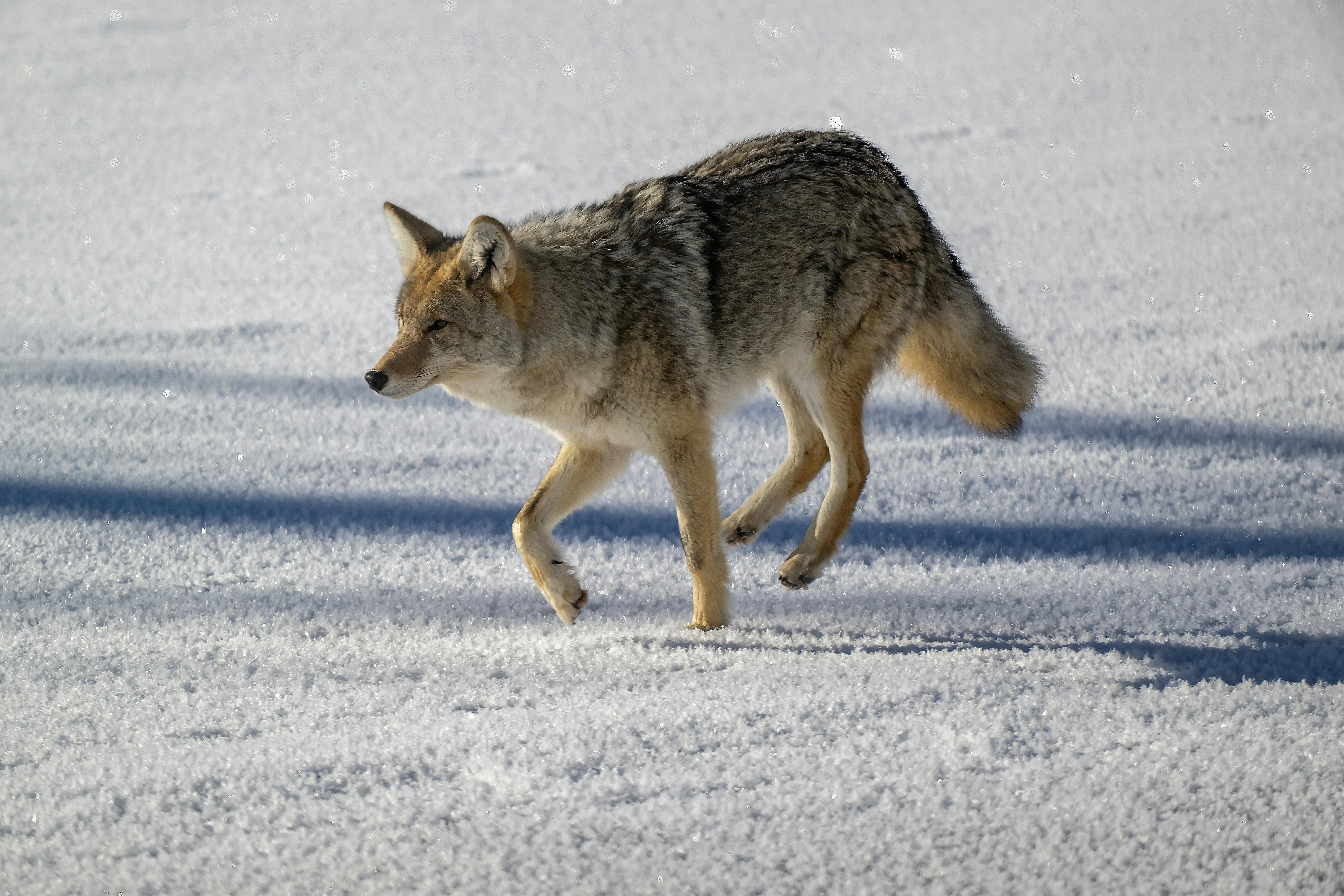
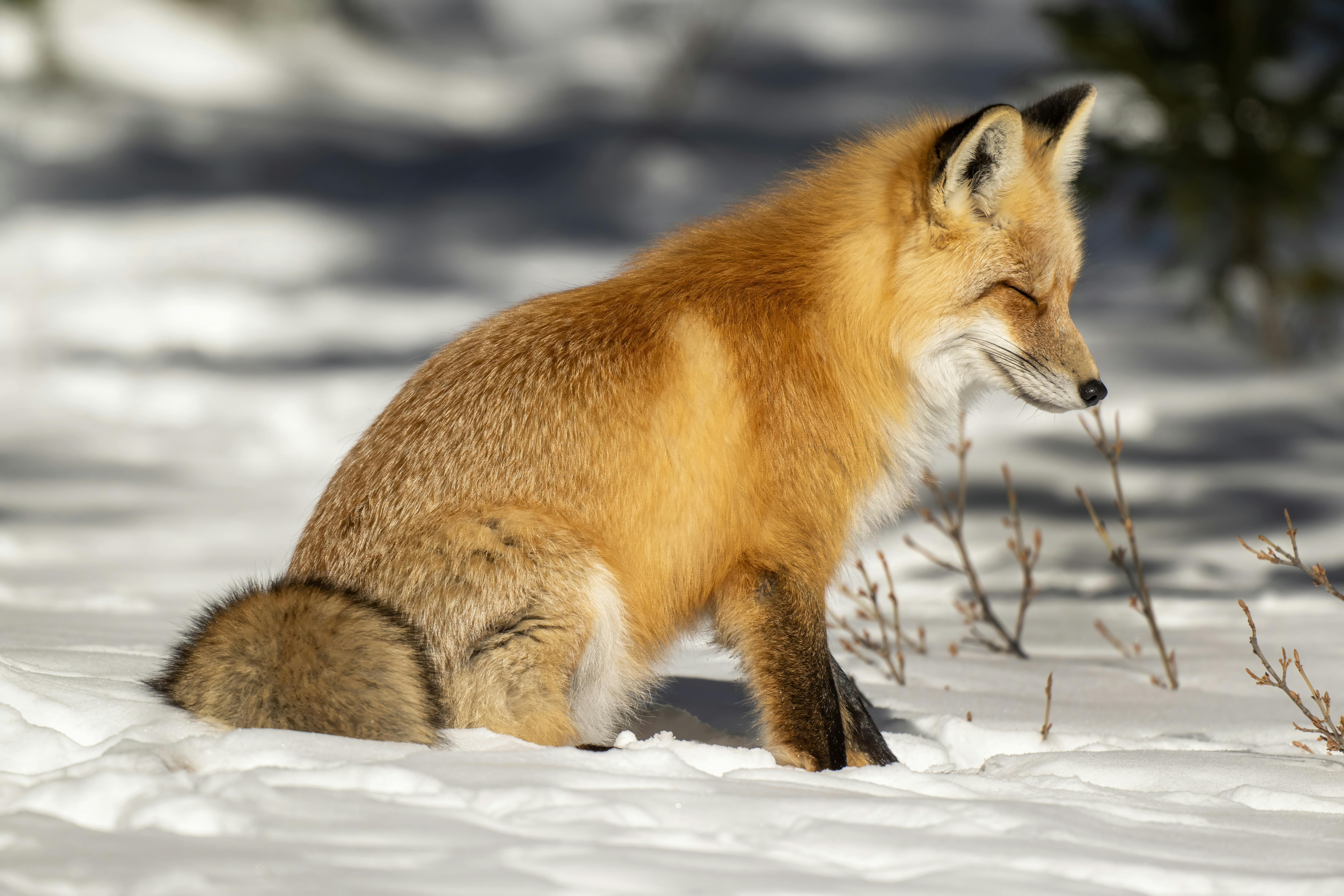
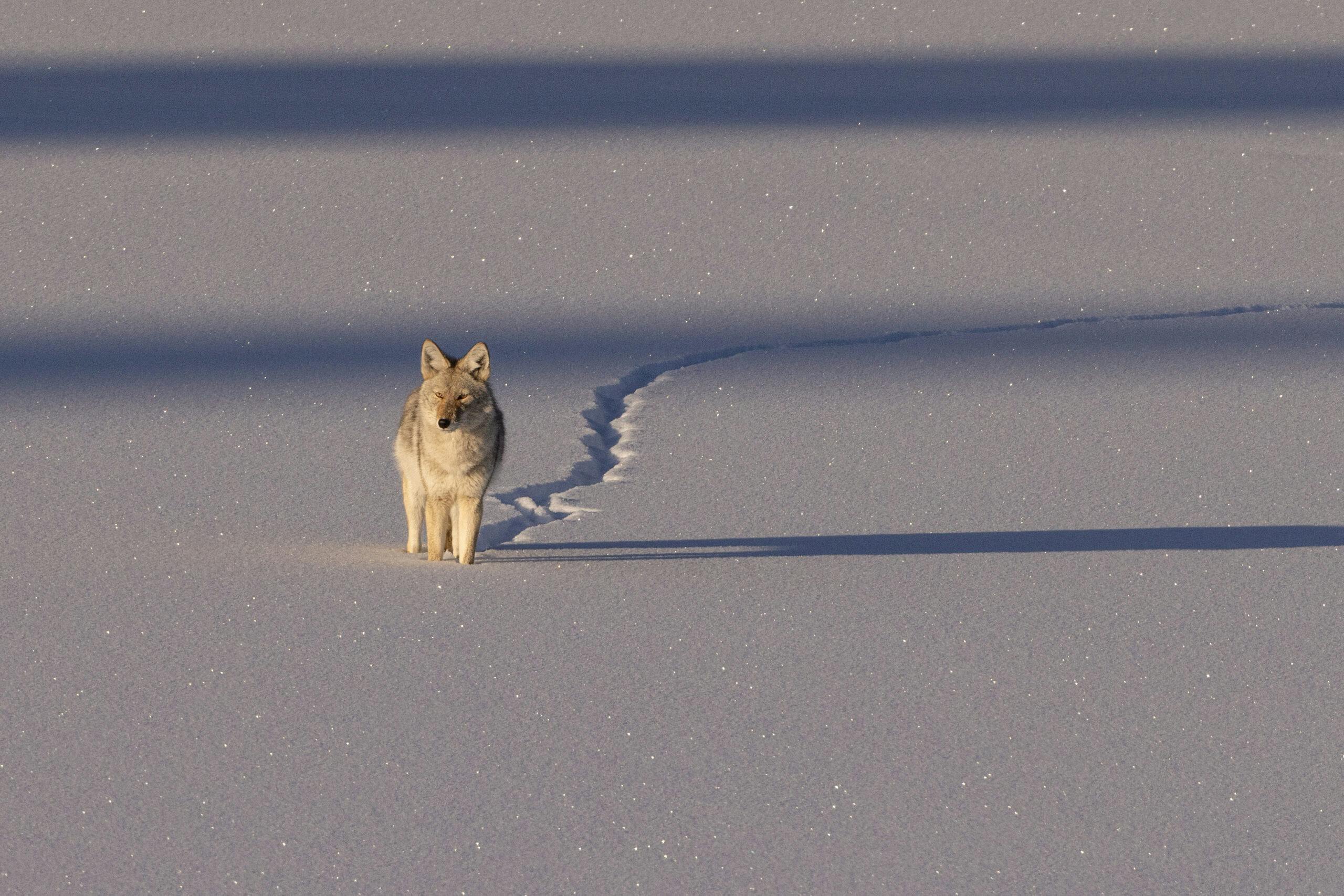
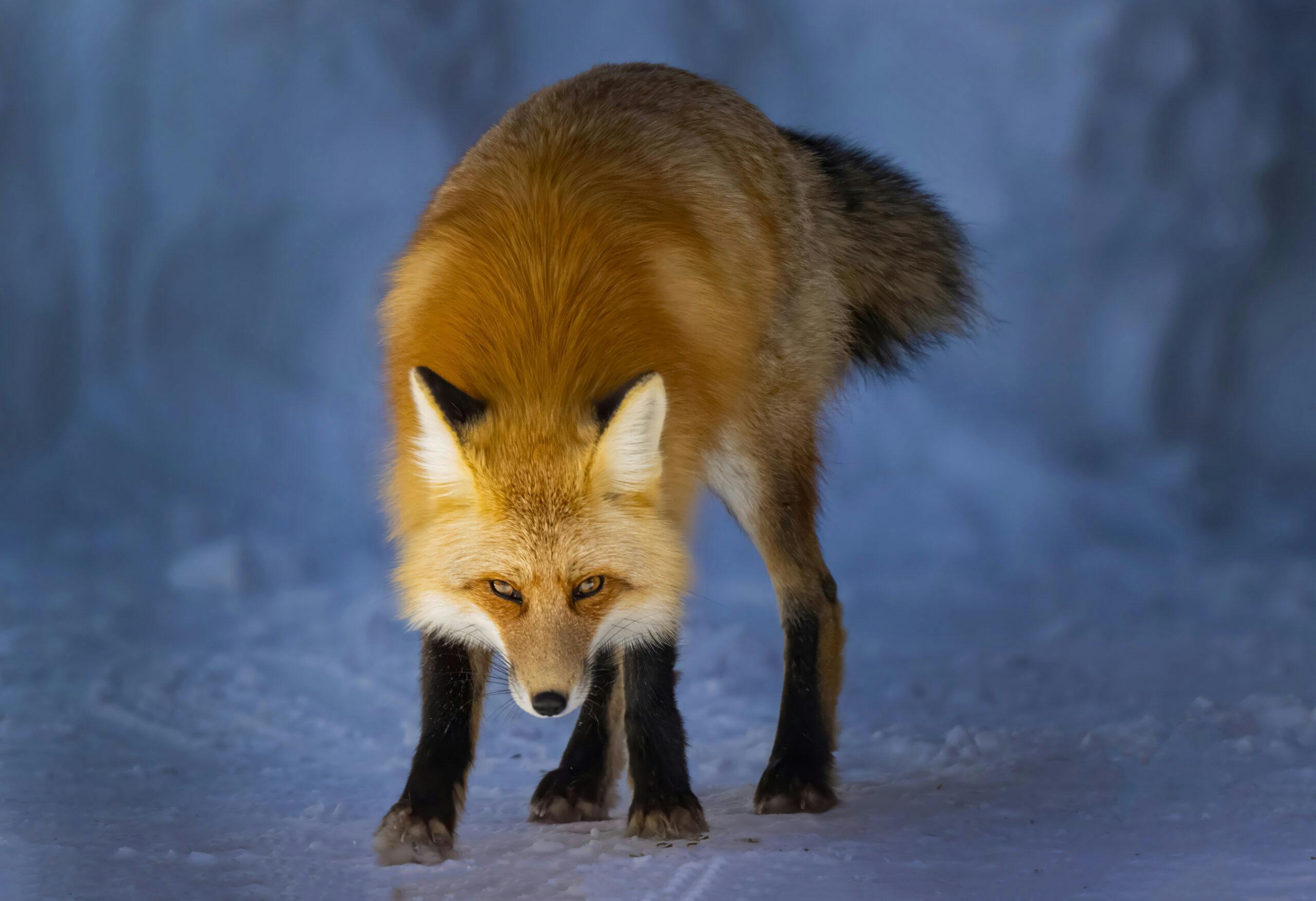
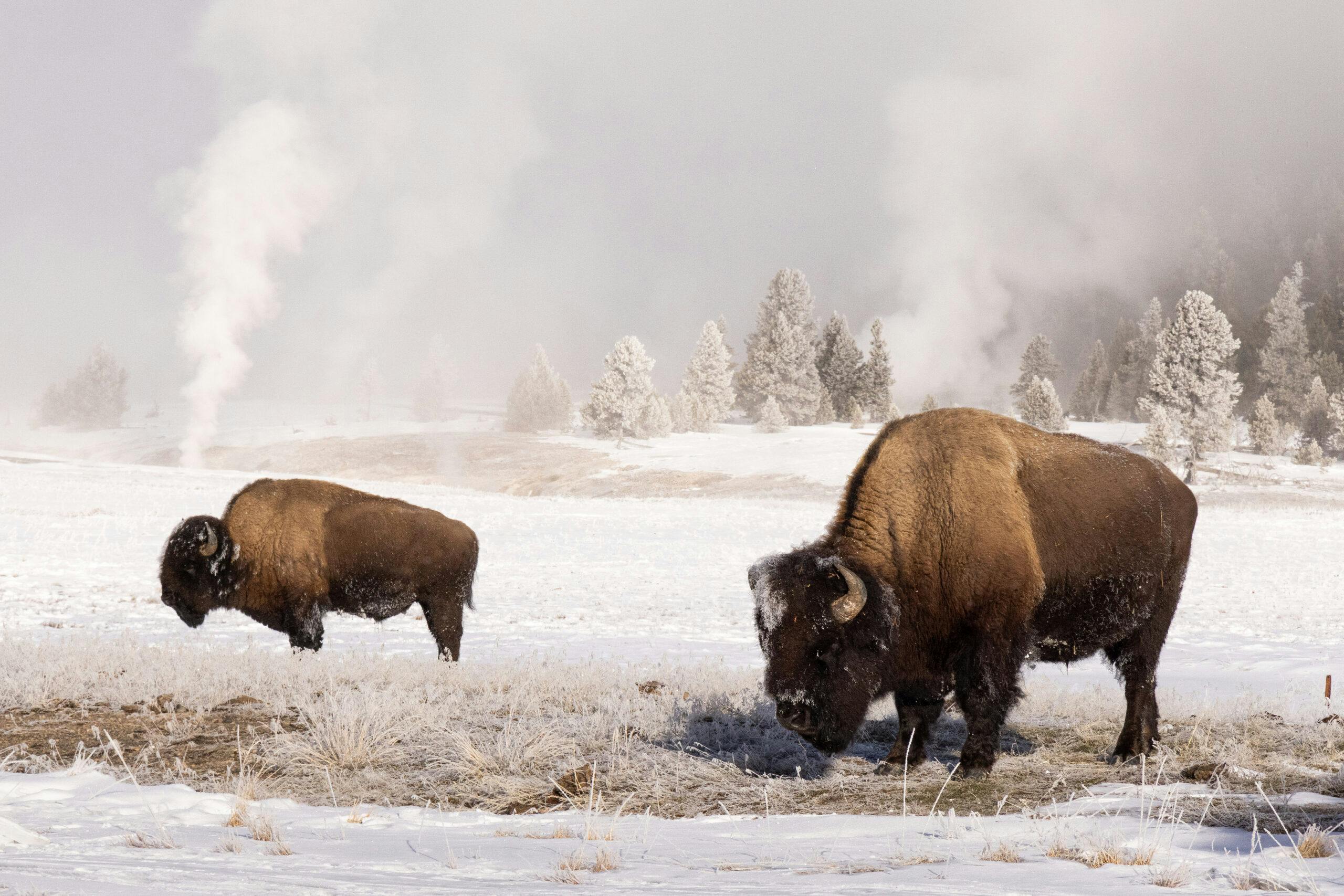
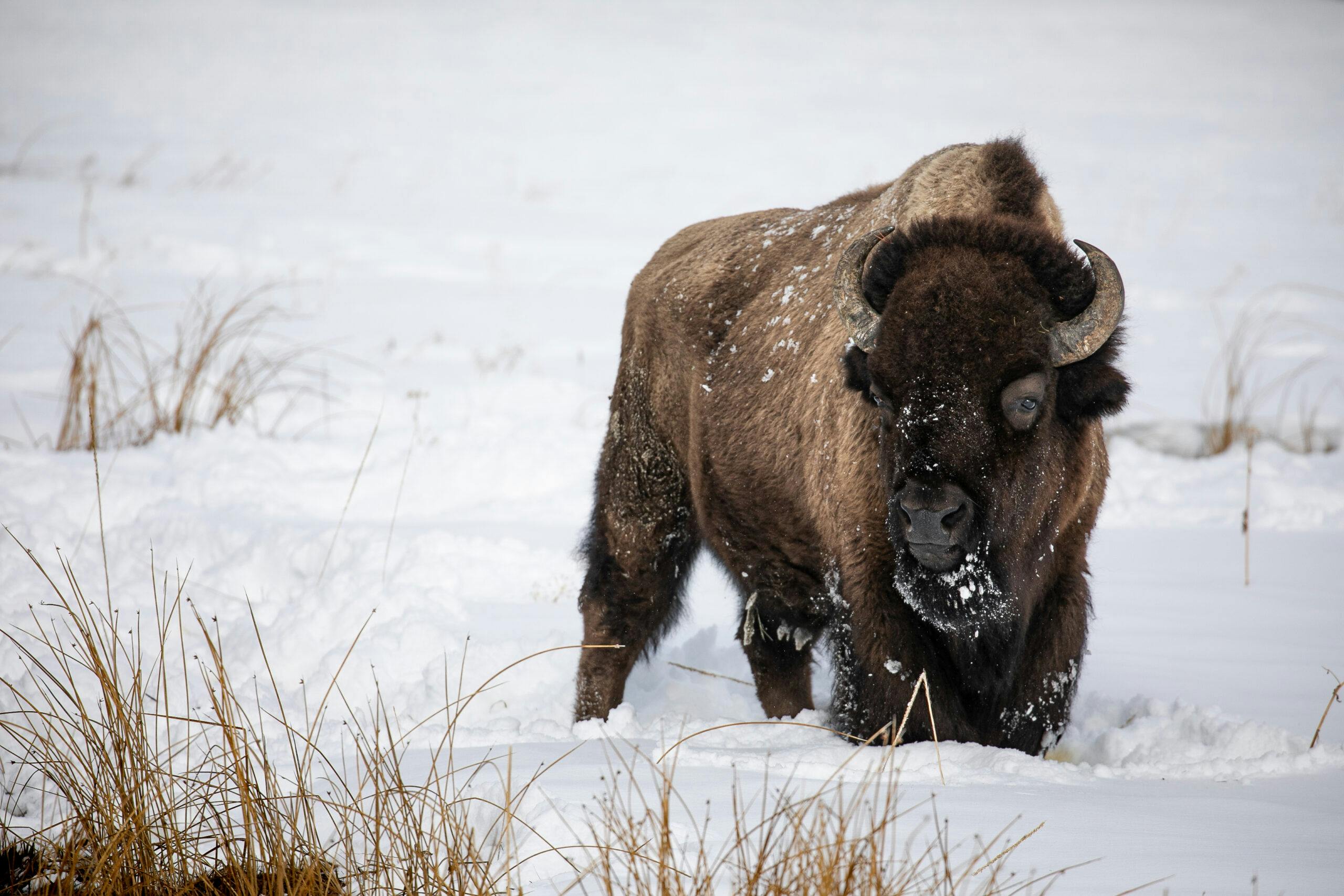
- 🐺 Spotted gray wolves, red foxes, coyotes, and bison thriving in their natural winter habitat
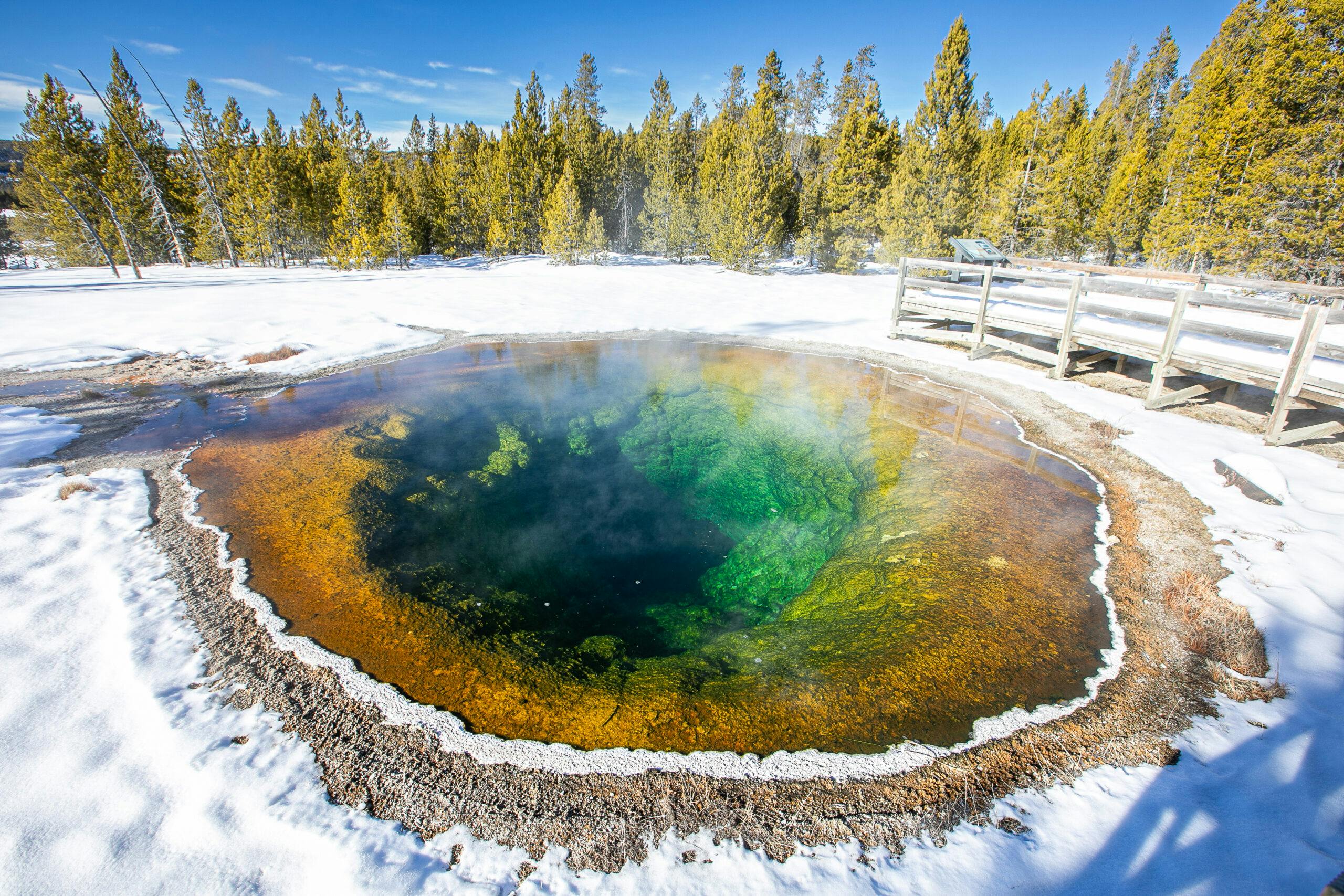
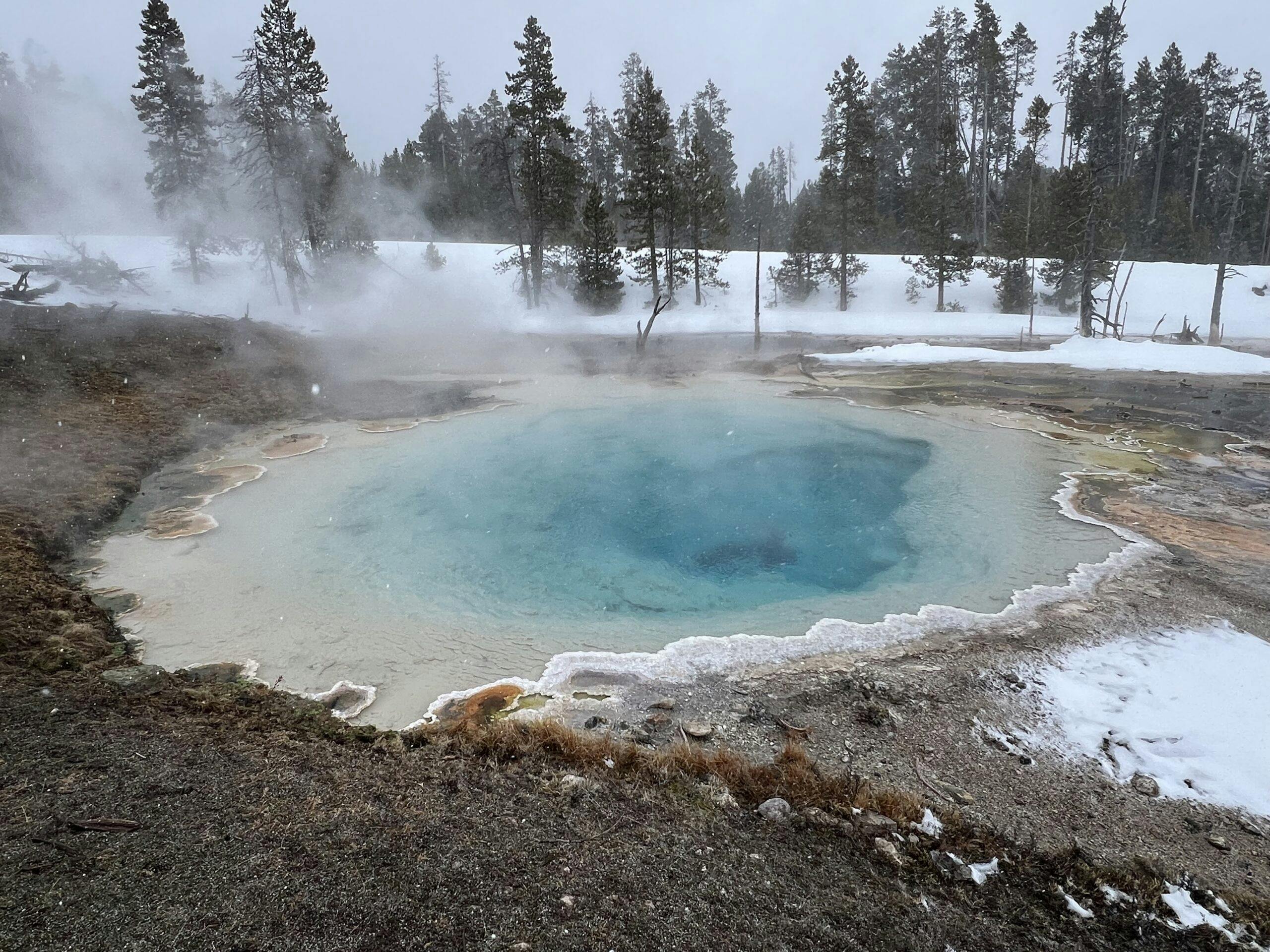
- 🌋 Photographed iconic geothermal features, including Old Faithful, Grand Prismatic Spring, and bubbling mud pots
- 📸 Refined photography skills with guidance from expert wildlife photographer Scott Davis
- 🚌 Explored Yellowstone’s remote interior by private snowcoach, away from winter crowds
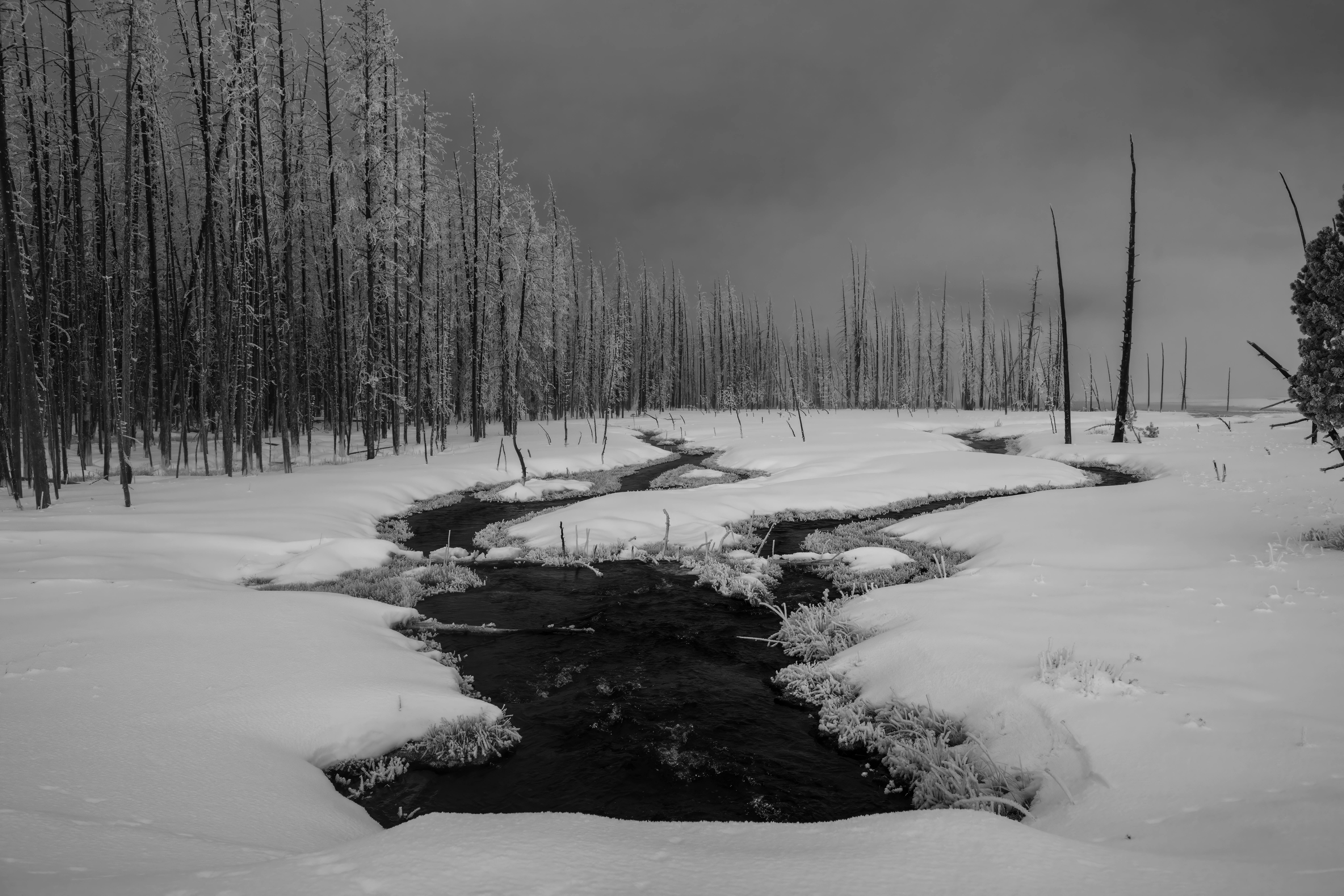
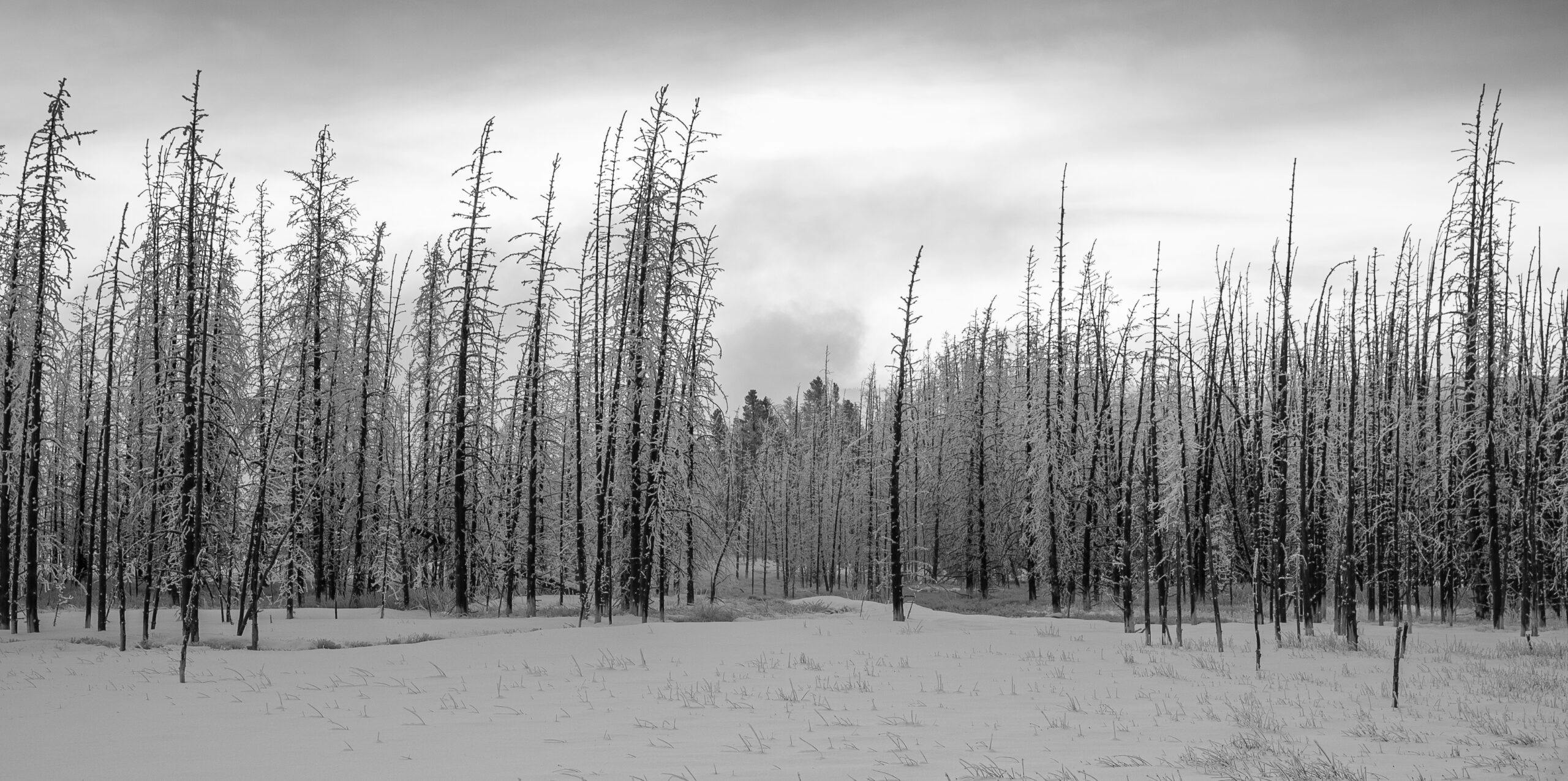
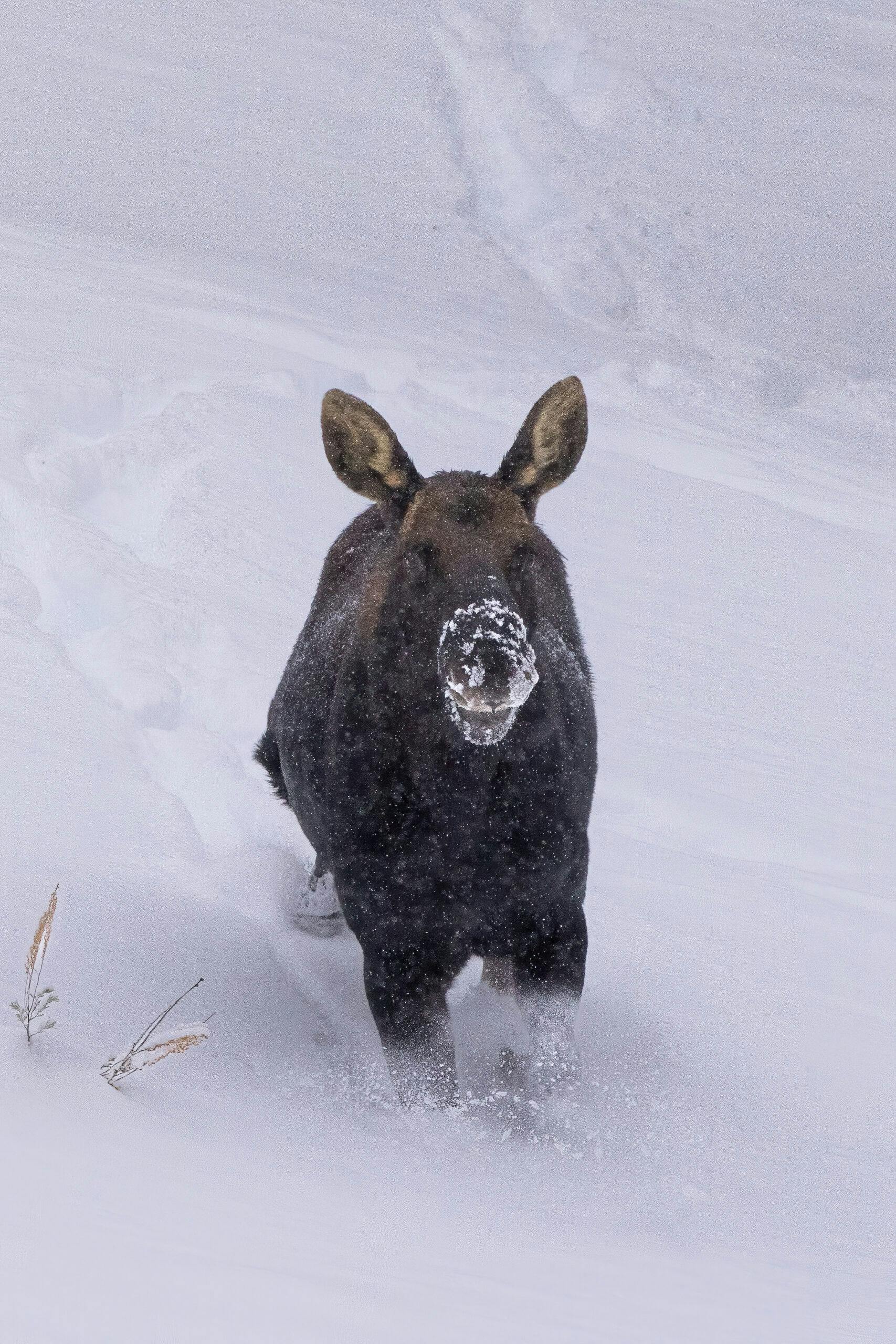
- ❄️ Captured dramatic winter landscapes featuring frozen waterfalls, steaming valleys, and frost-covered wildlife
- 🔭 Enjoyed wildlife encounters in Lamar and Hayden Valleys, two of Yellowstone’s best areas for winter viewing
Welcome to the Winter Wild
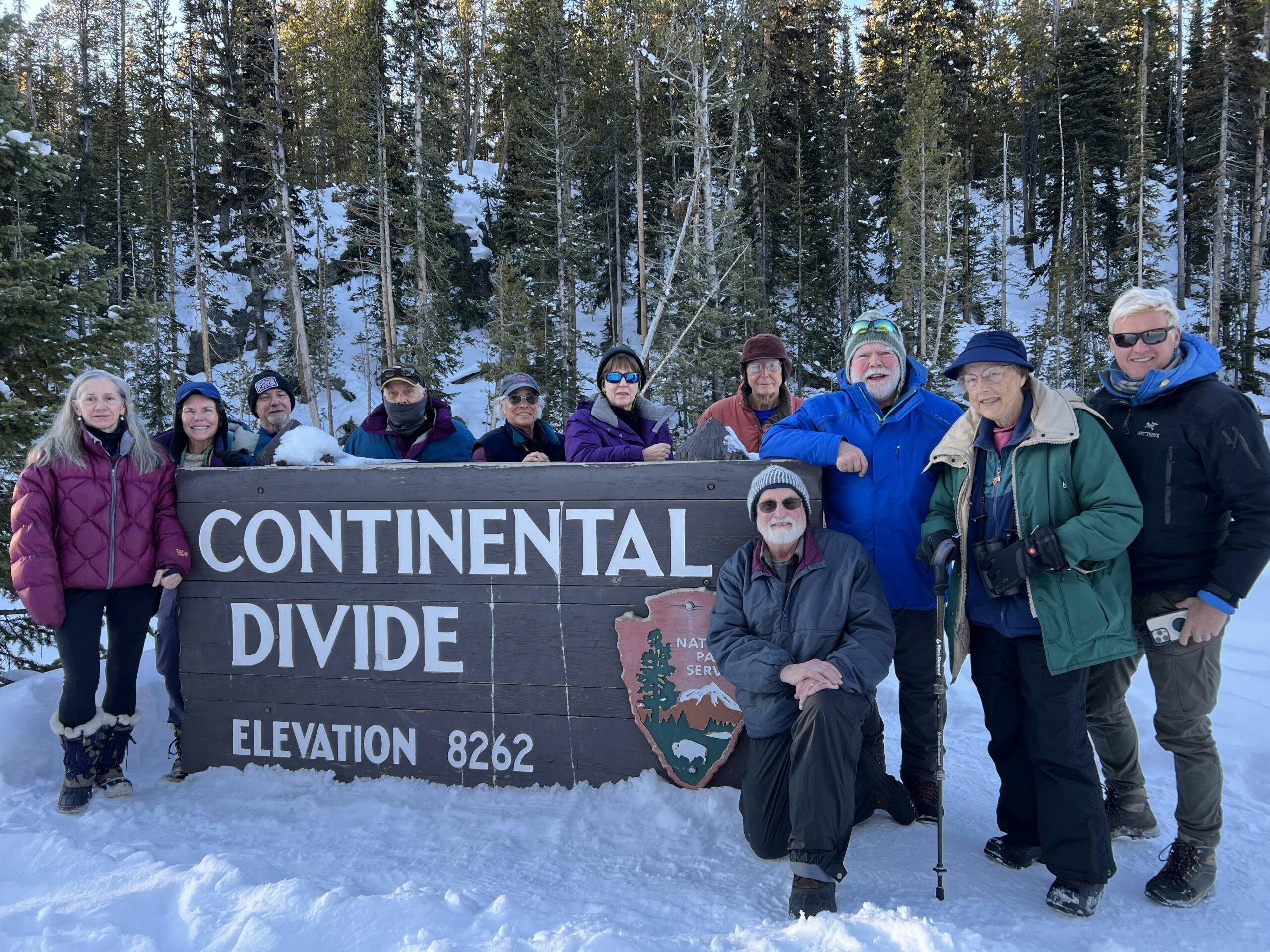
Guests touched down in Bozeman, Montana, where snow-covered mountains framed the skyline and the crisp winter air signaled the start of an adventure. After settling into their hotel, travelers met their expert guide, renowned wildlife photographer Scott Davis, and the rest of the group. Excitement built as everyone gathered to discuss the journey ahead into one of the most unique and untamed winter landscapes on Earth.
Into the Icebound Frontier
The group departed Bozeman, journeying south along the frozen Yellowstone River and into the park’s northern range. Along the way, they encountered bighorn sheep perched on snowy cliffs, herds of elk crossing the open fields, and pronghorn navigating the winter terrain. Upon arrival at Mammoth Hot Springs, guests were awestruck by the surreal scene—billowing steam rising from mineral terraces that glowed with pale hues against the snow, setting the tone for a week of contrasts and natural wonders.
Wolves and Wonder in Lamar Valley
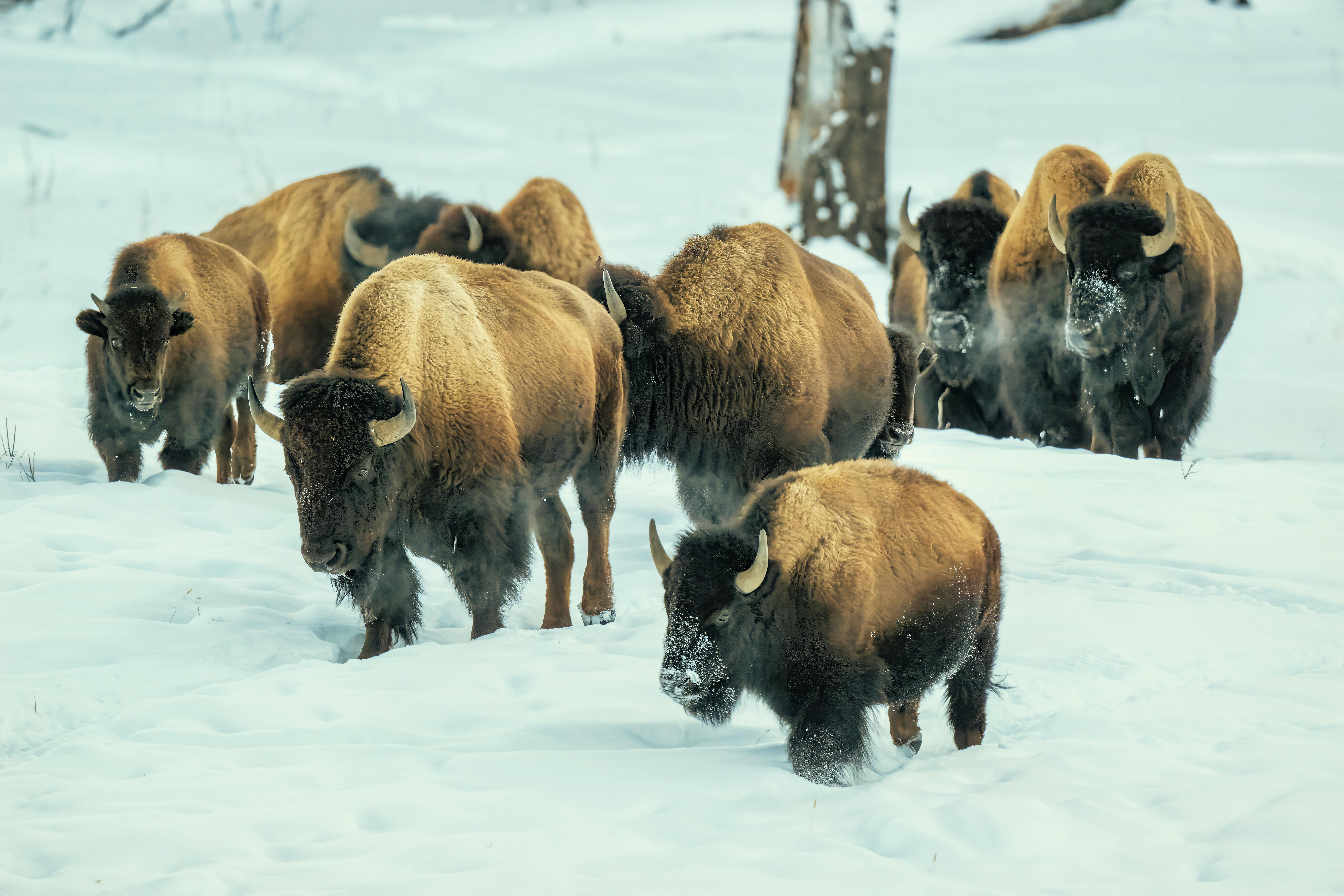
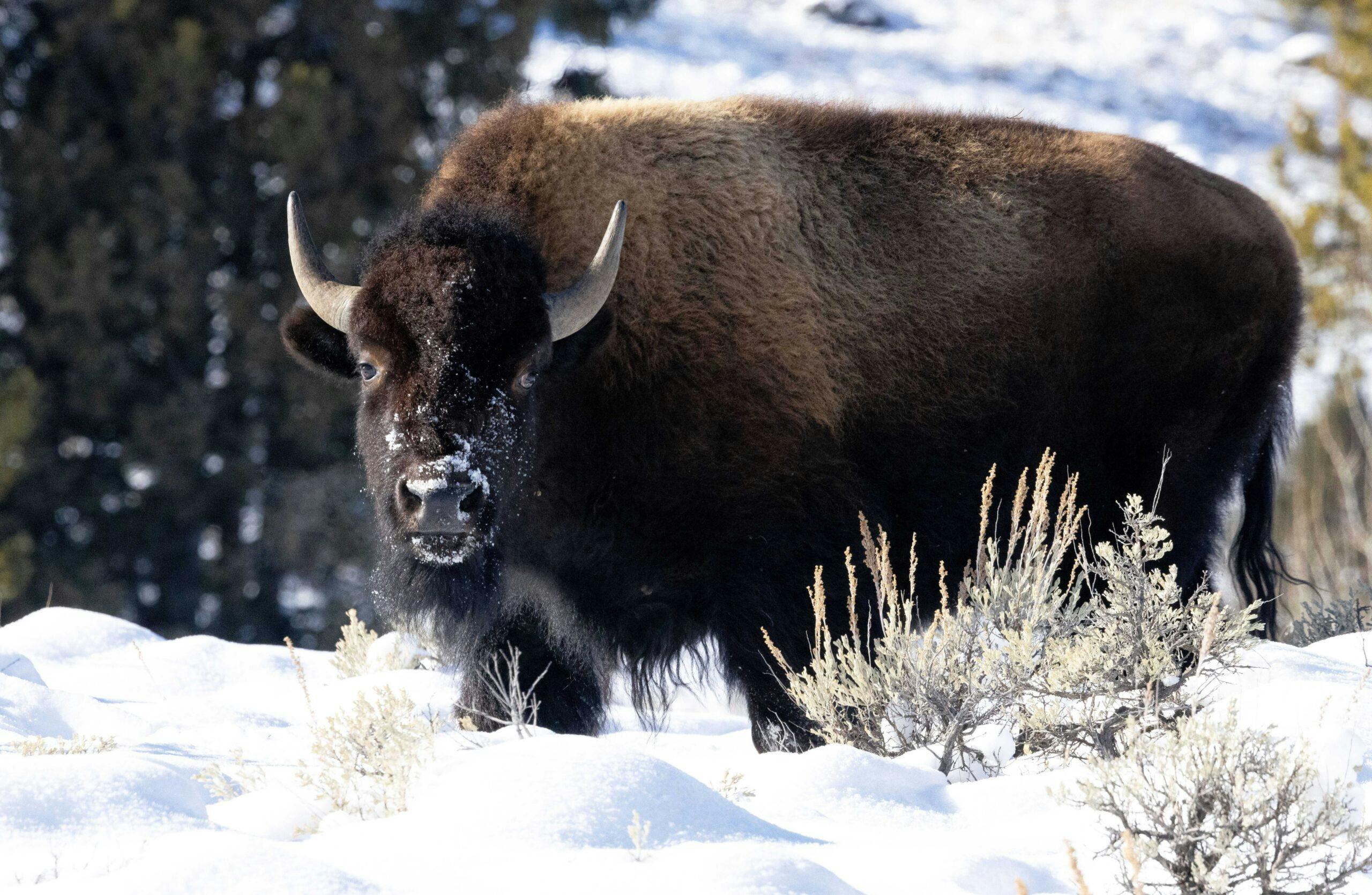
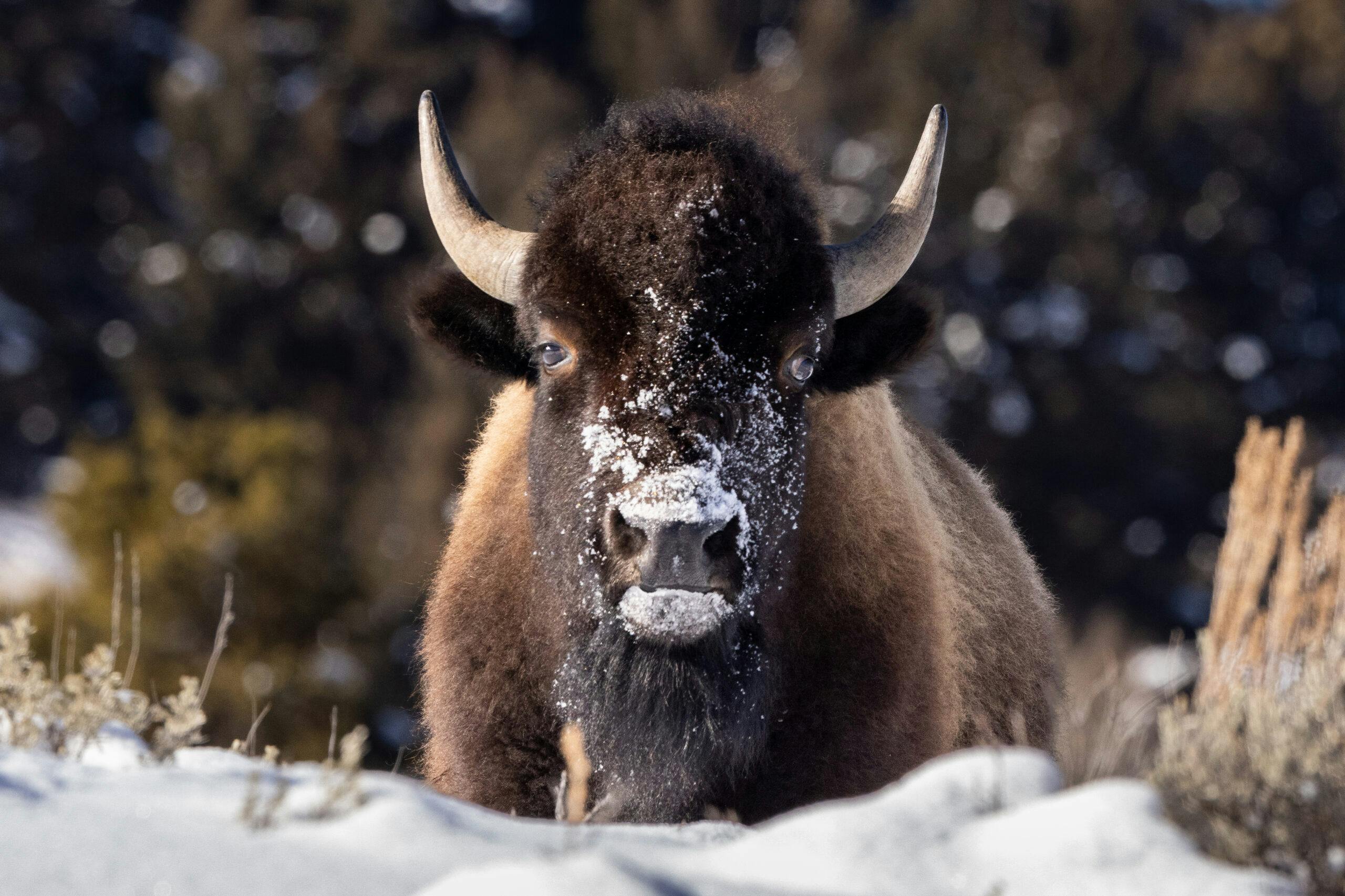
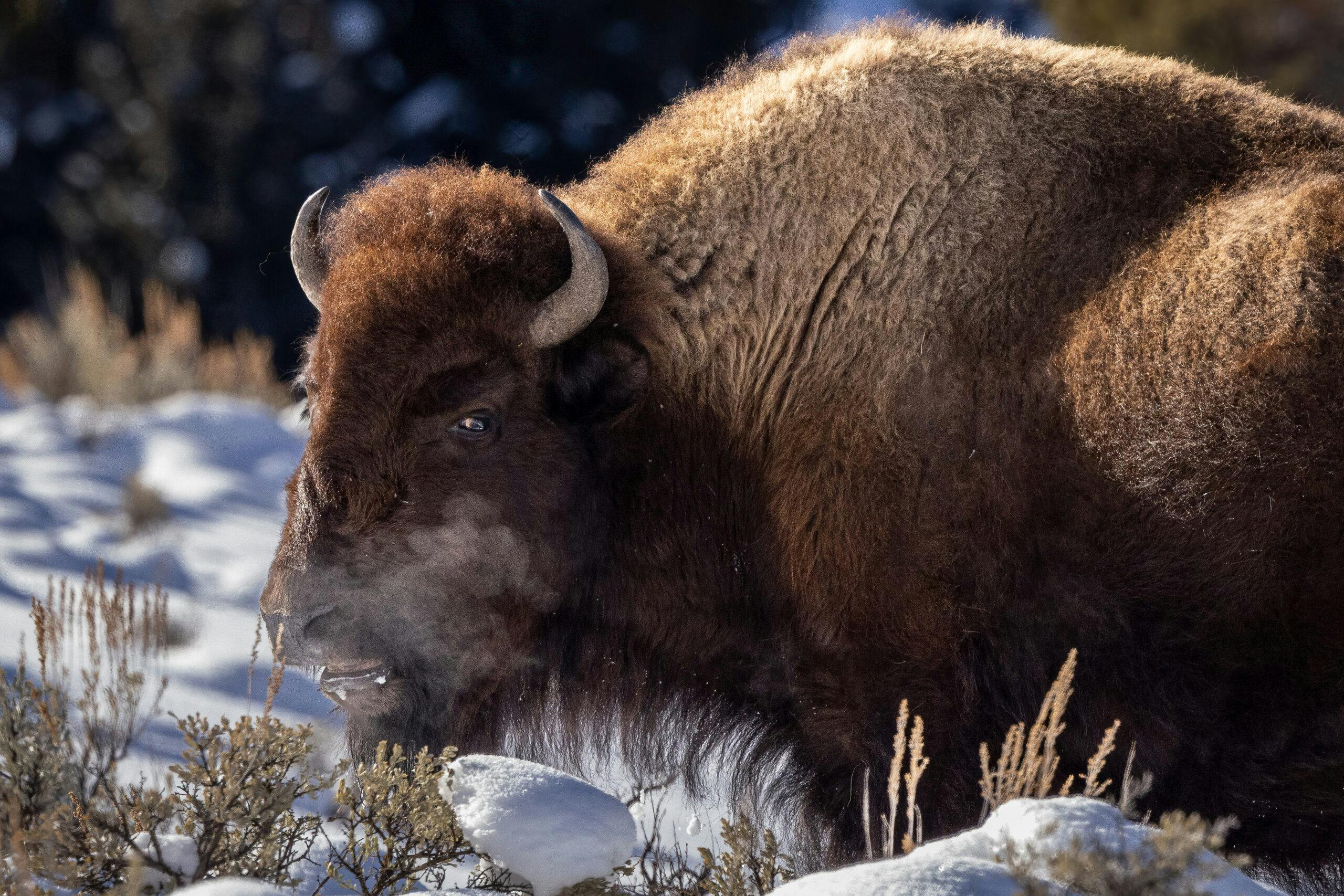
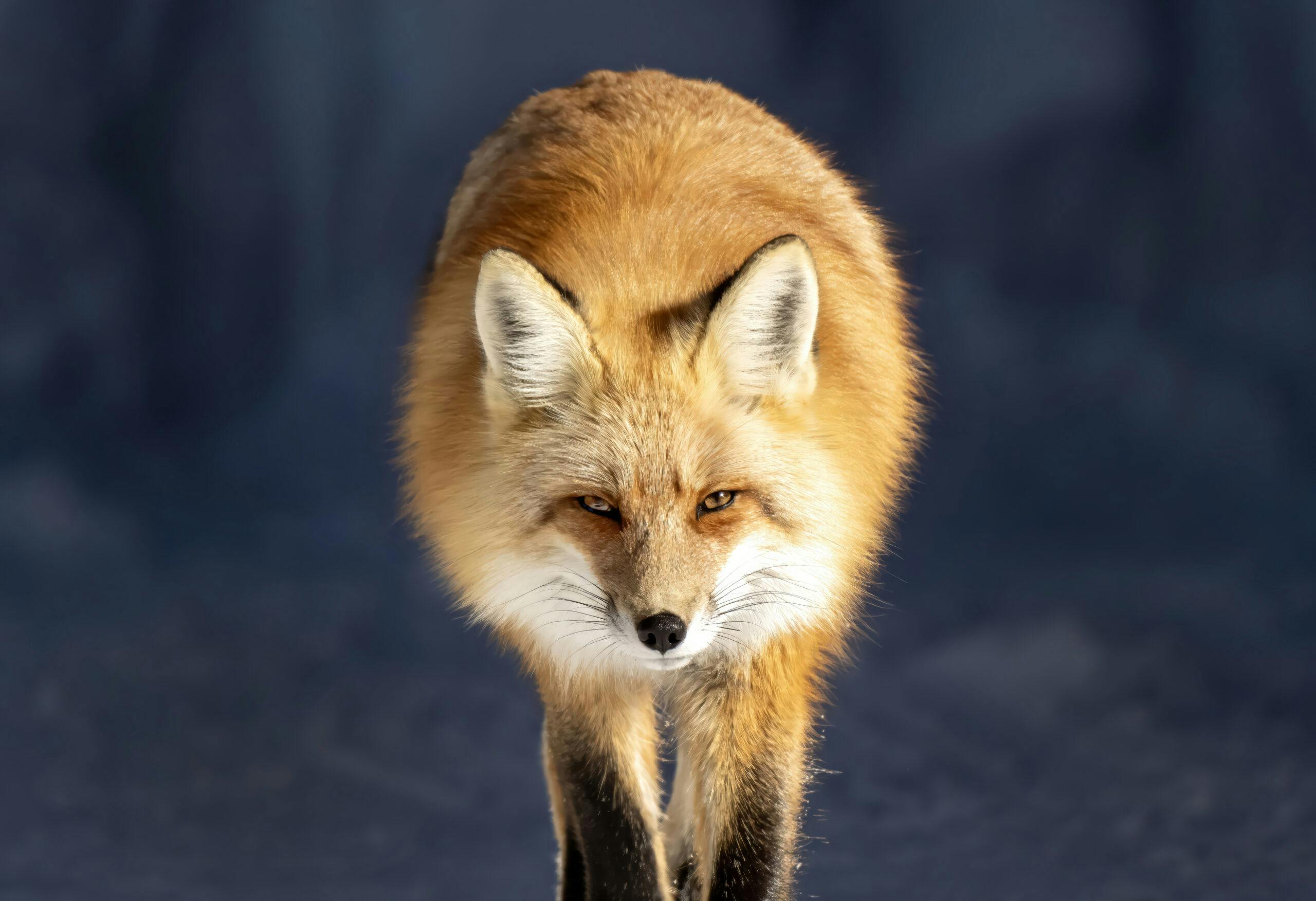
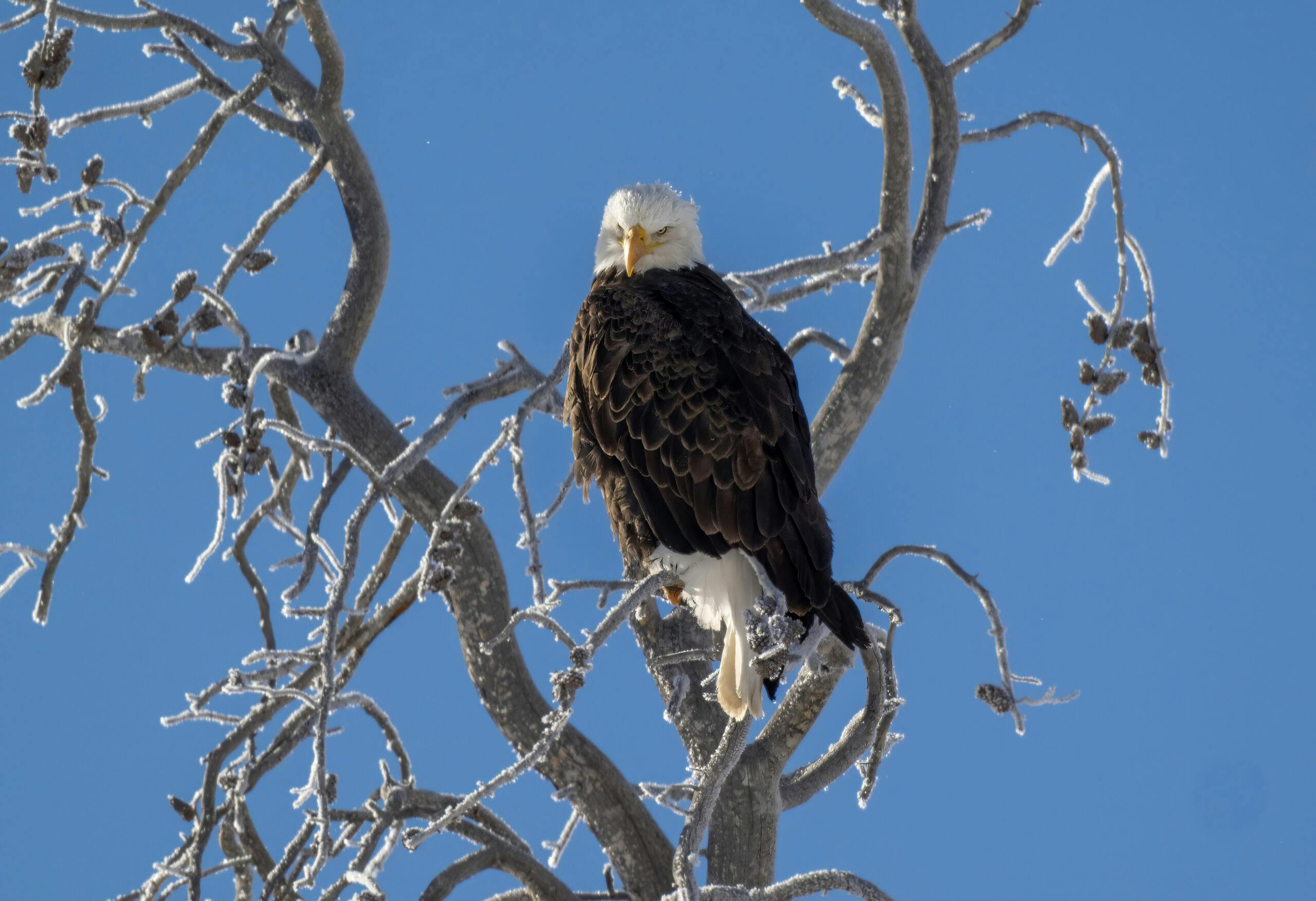
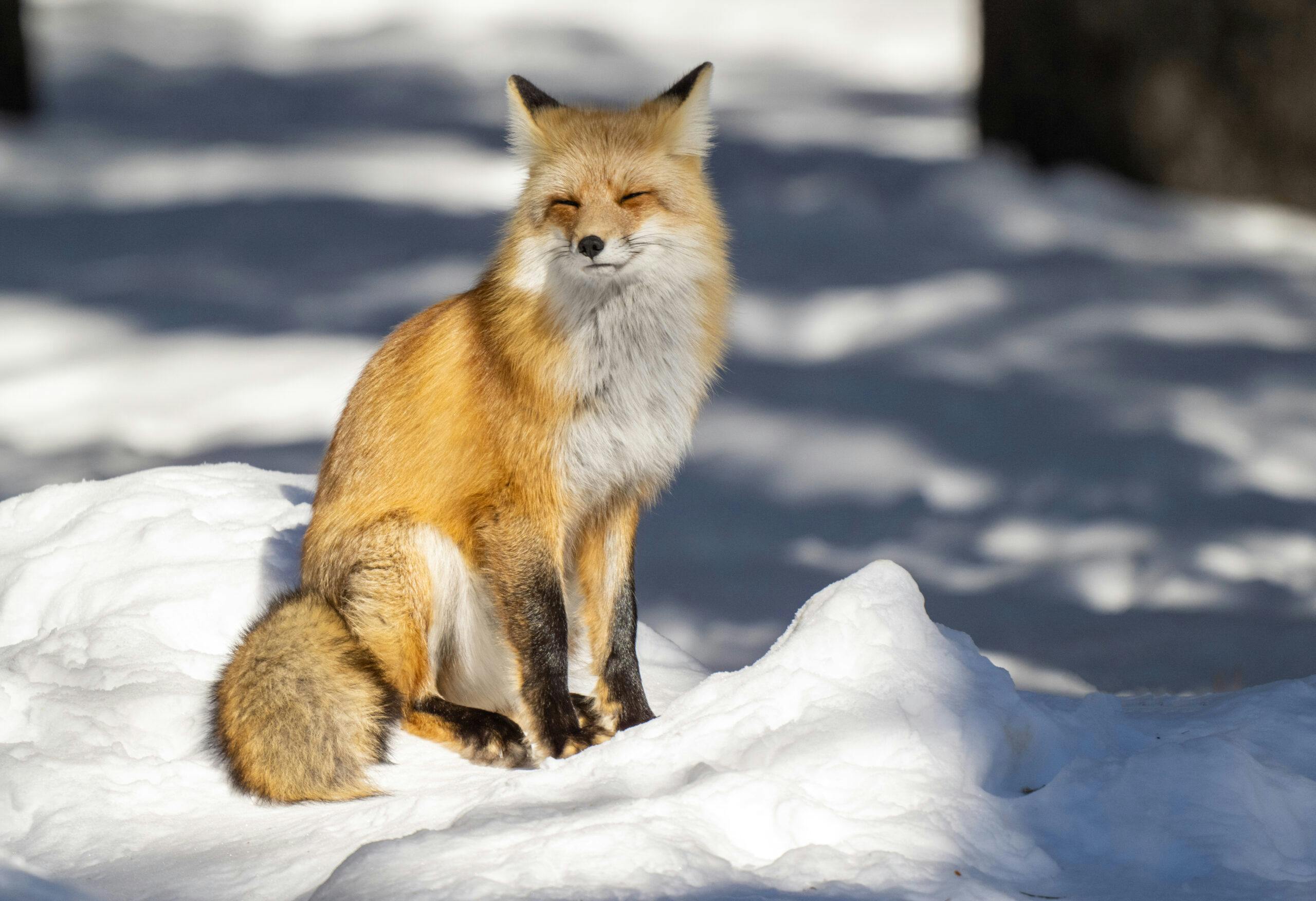
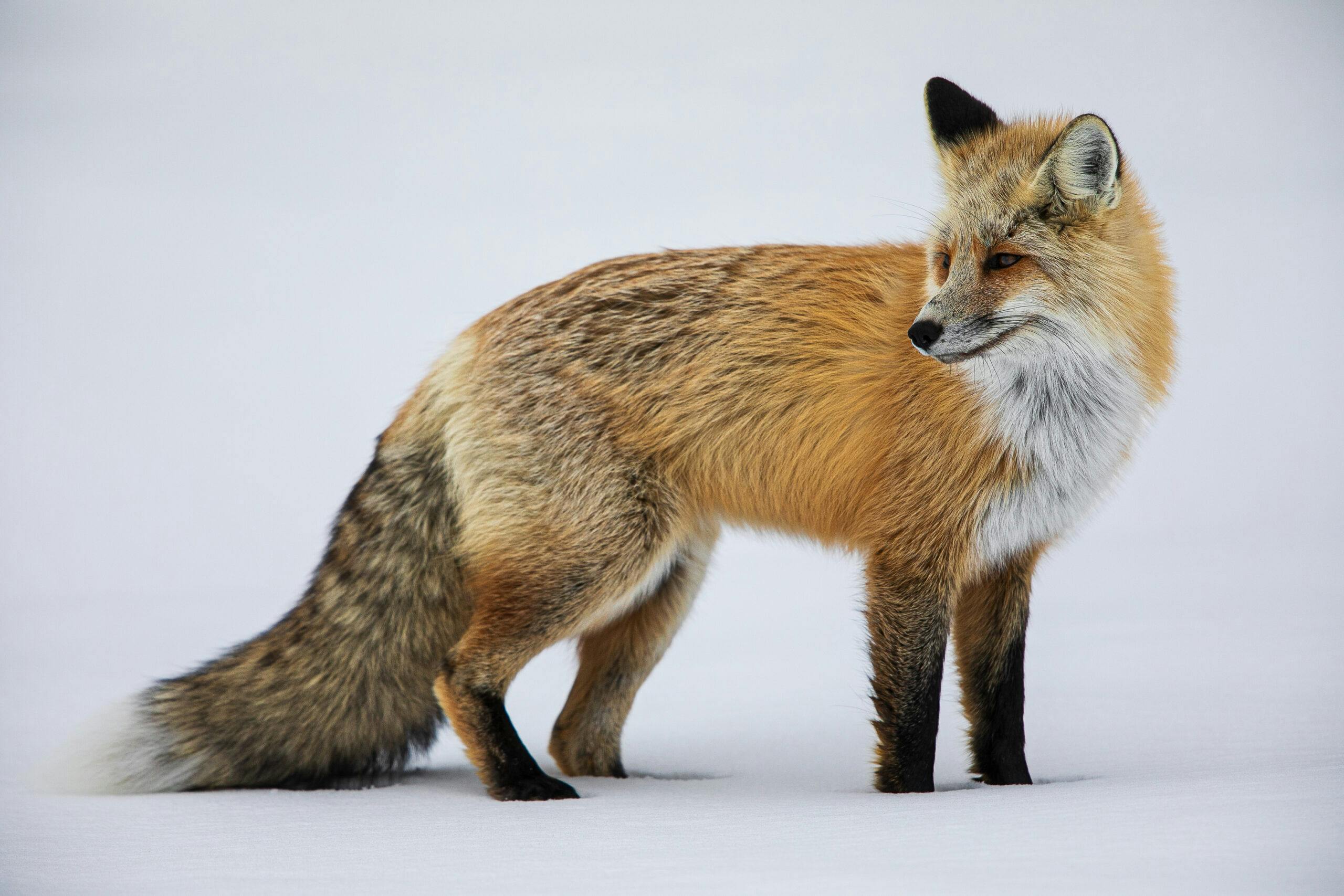
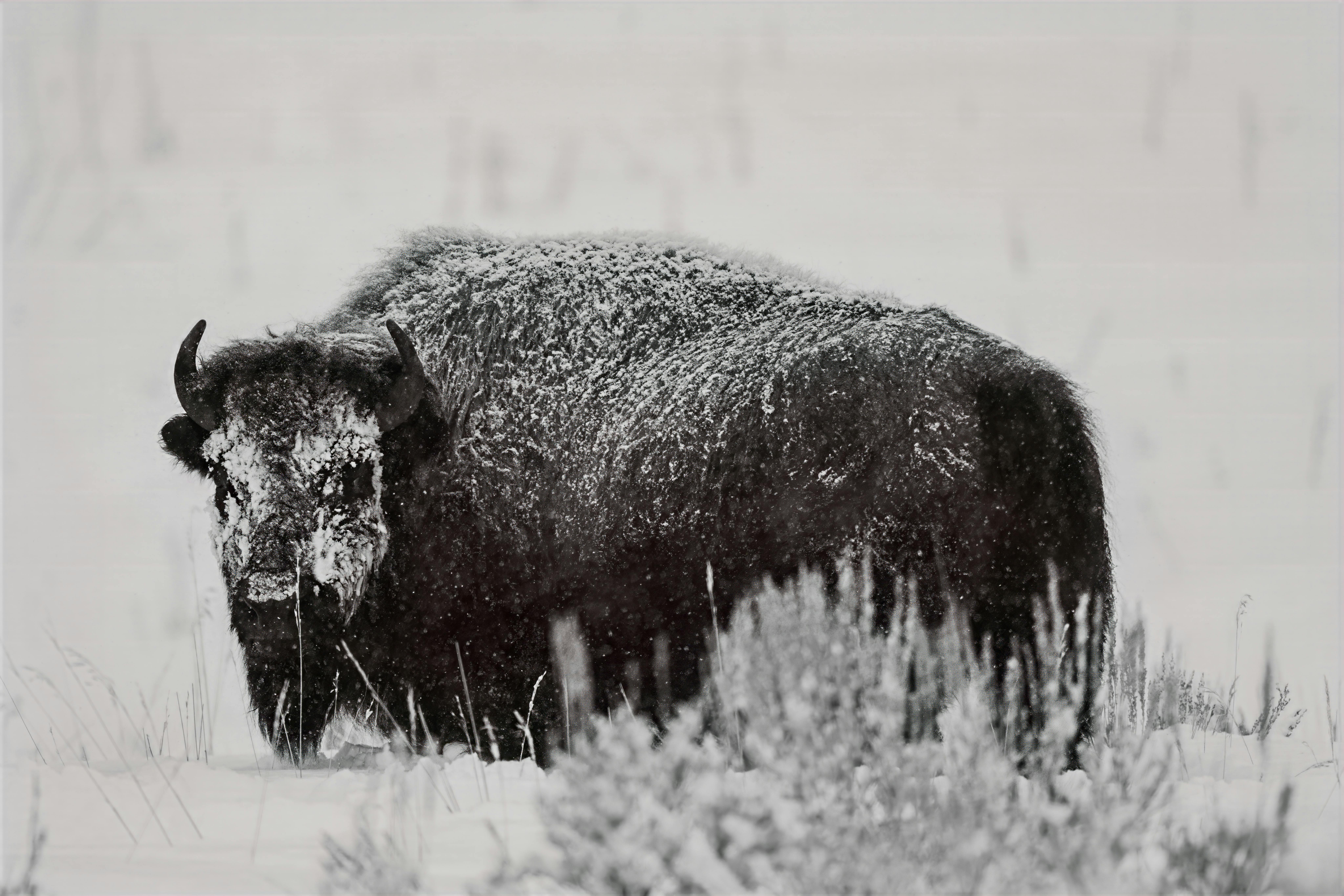
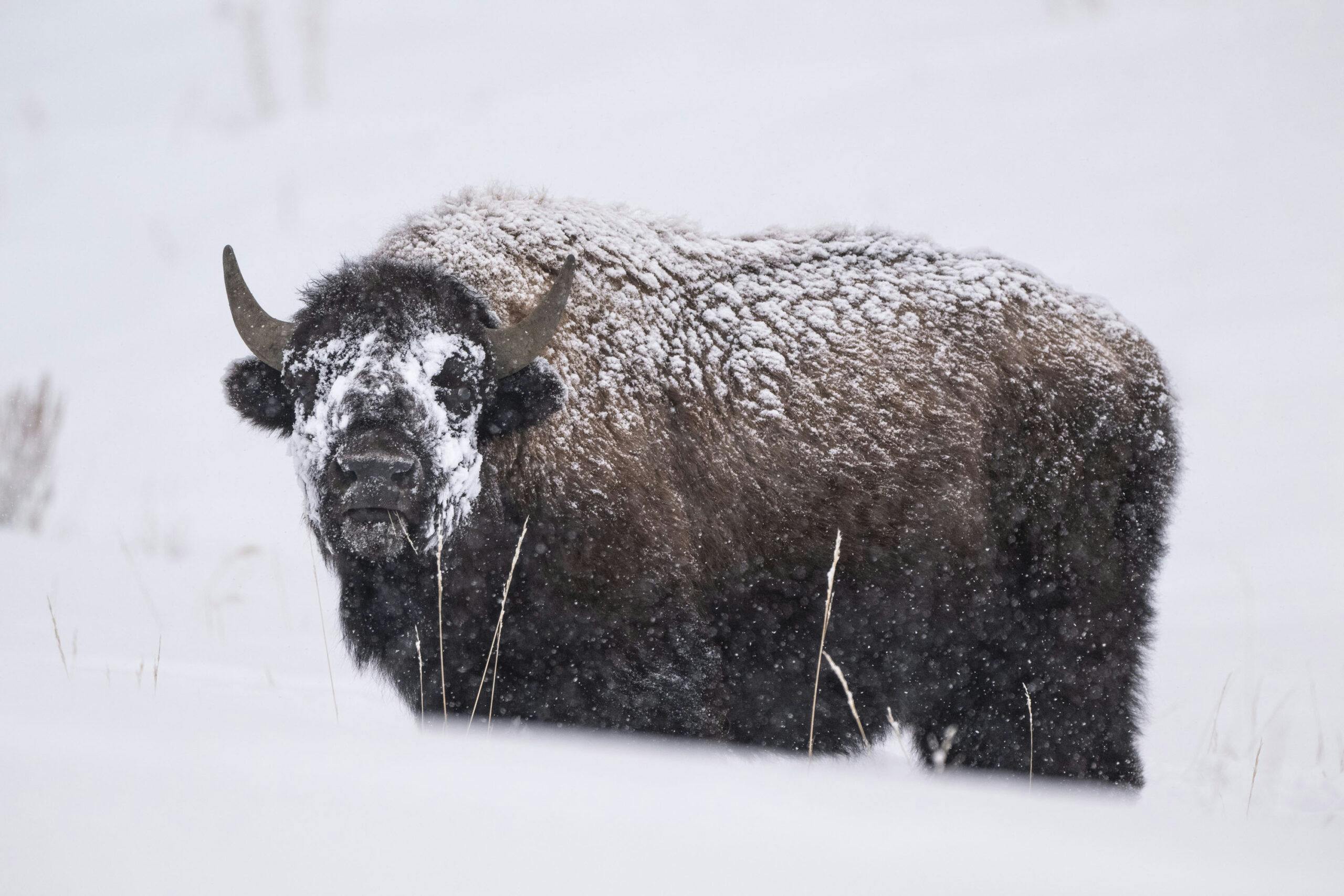
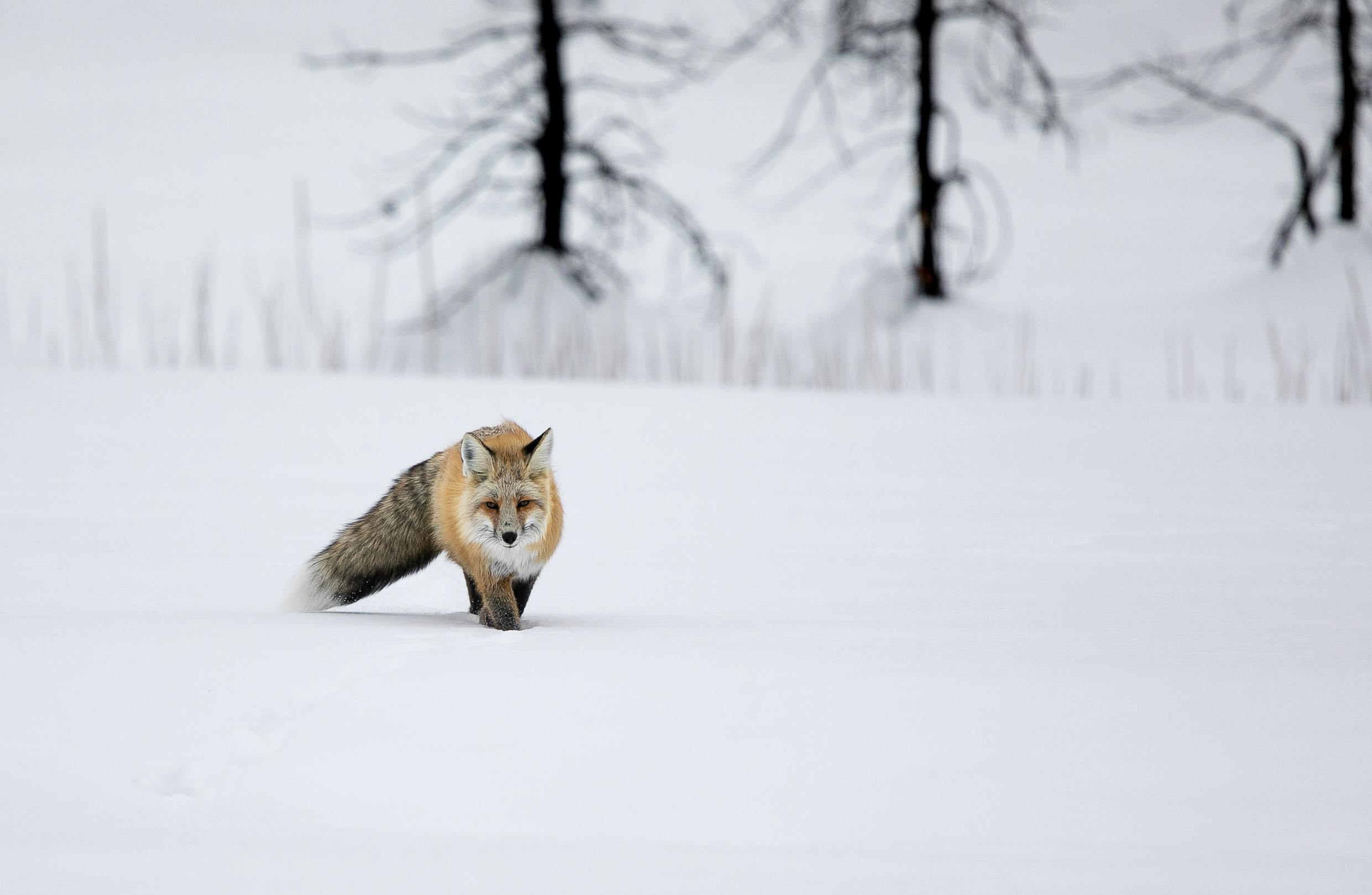
The day was dedicated to Lamar Valley, a wildlife-rich haven often called the “American Serengeti.” With scopes and long lenses ready, the group observed bison forging paths through deep snow, red foxes leaping after prey, and bald eagles soaring overhead. They patiently scanned the ridges and open flats, eventually rewarded by the eerie, unforgettable sound of wolves howling in the distance. It was a day filled with anticipation, awe, and rare glimpses into Yellowstone’s most elusive winter residents.
Snowcoach Safari to Yellowstone’s Heart
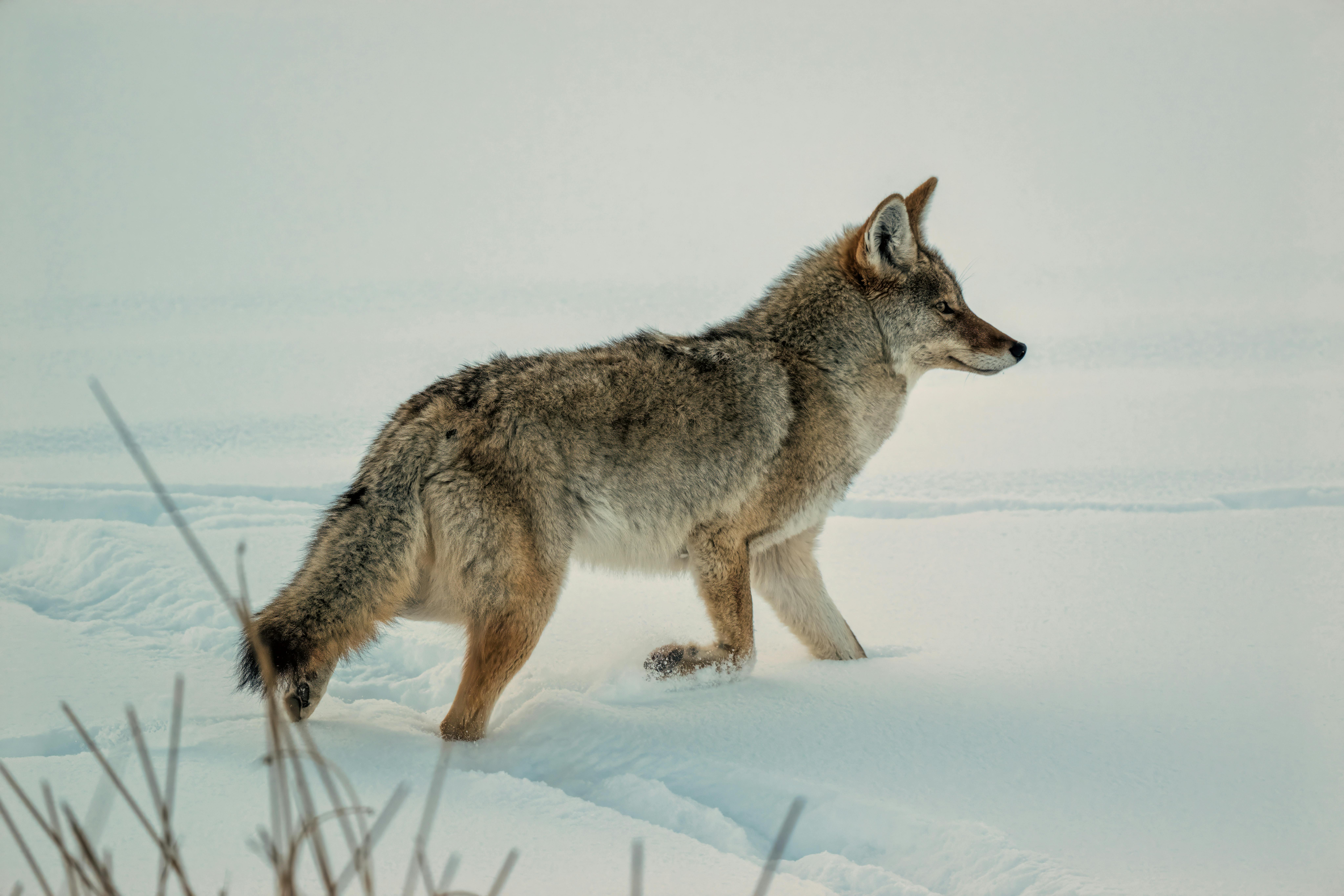
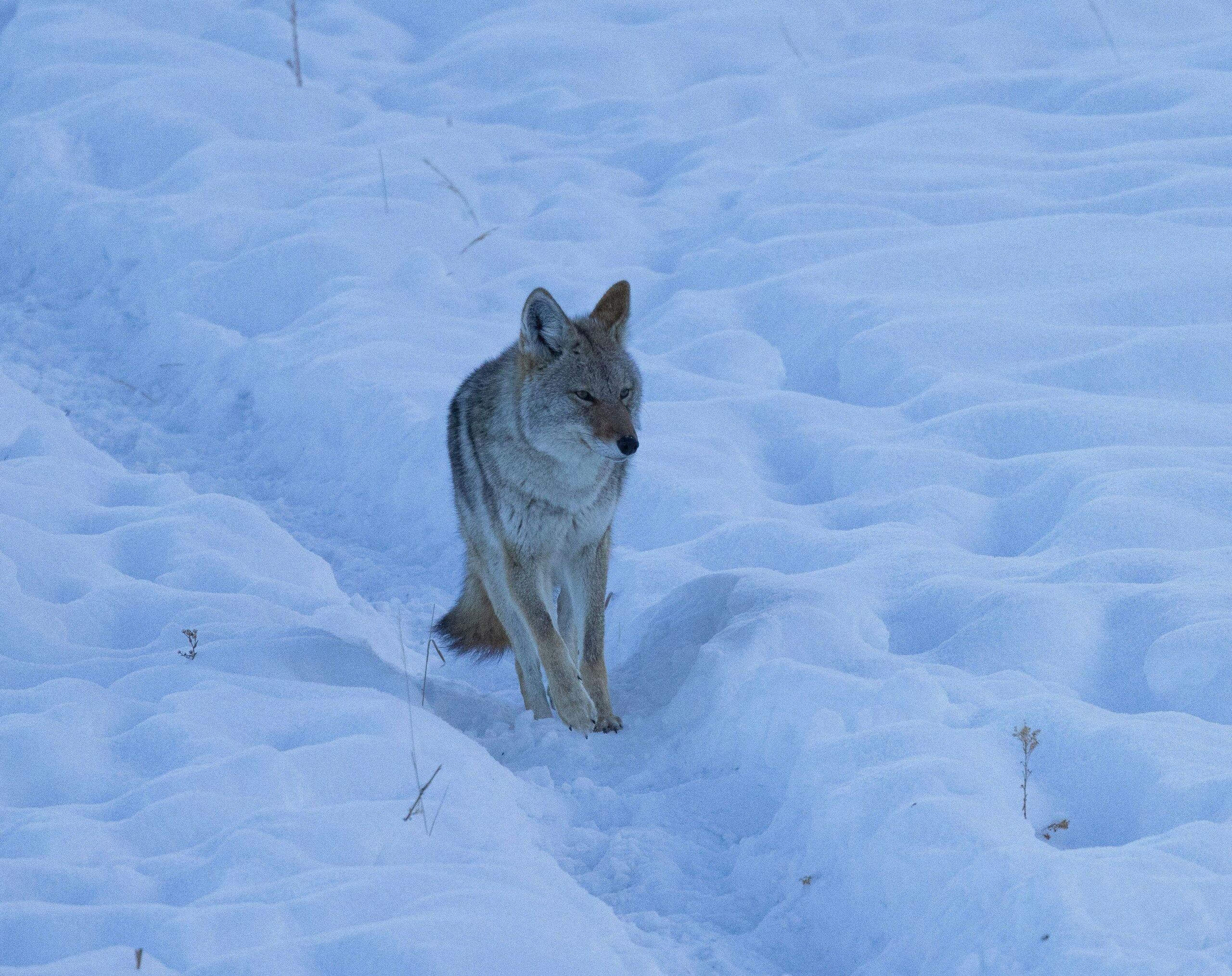
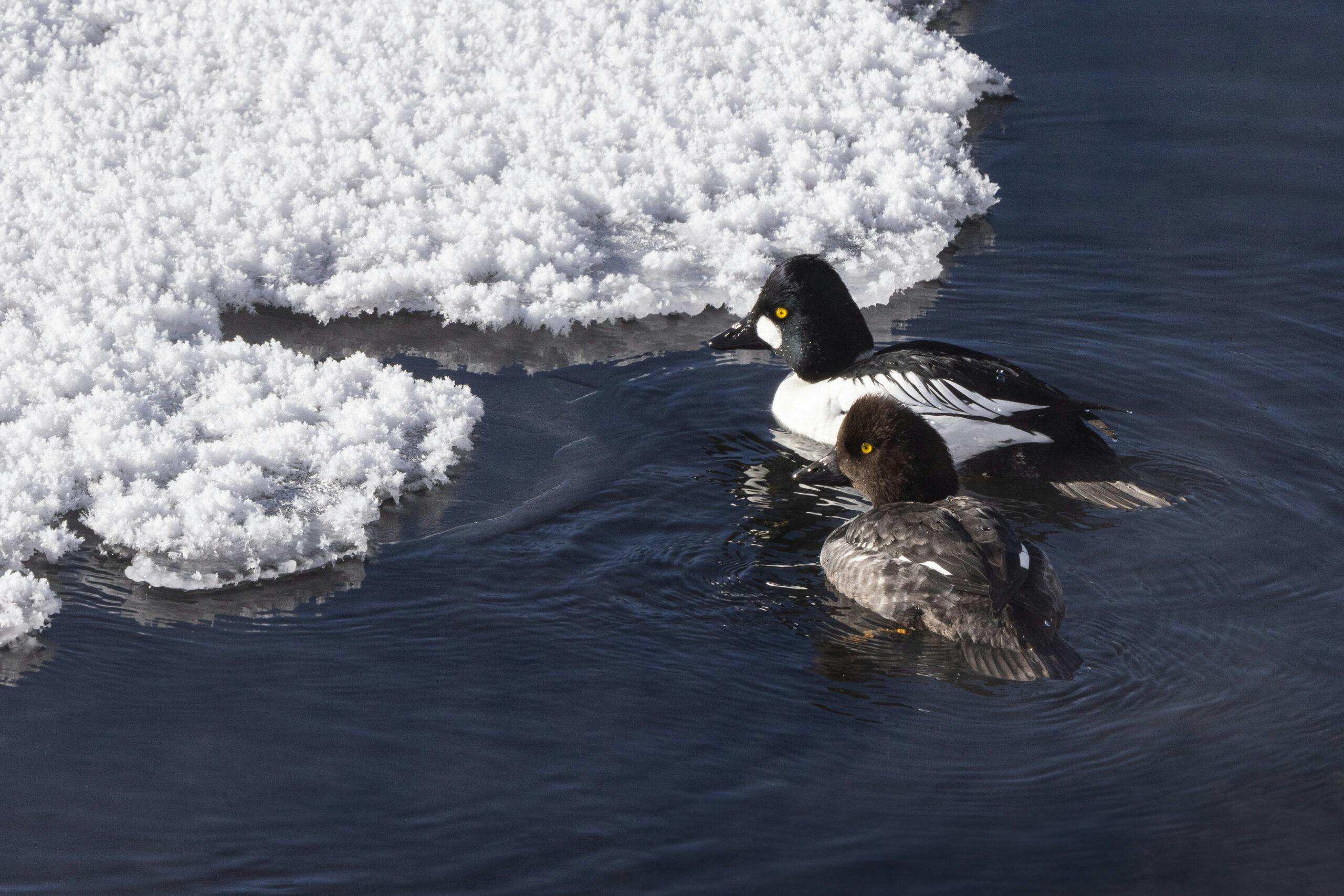
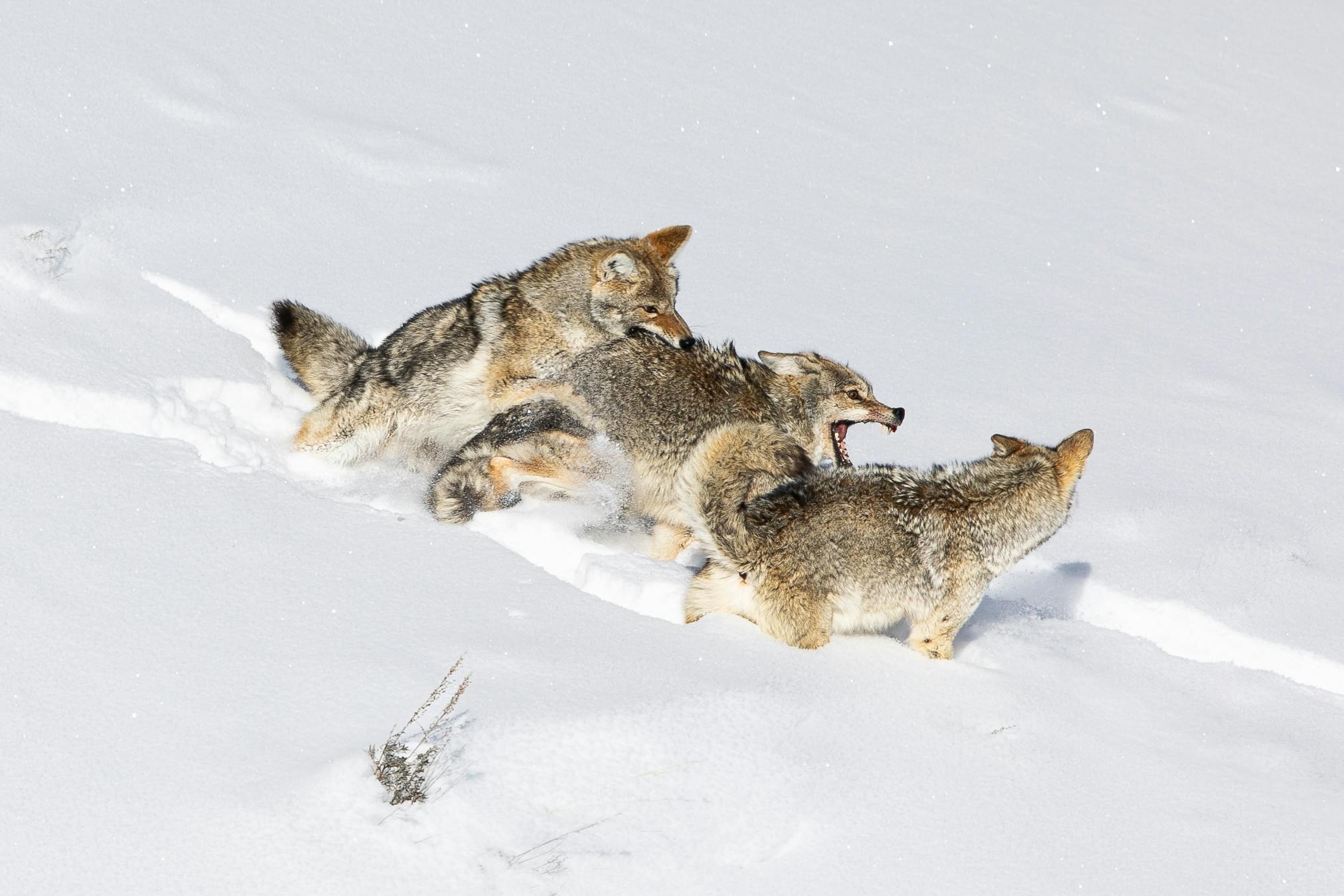
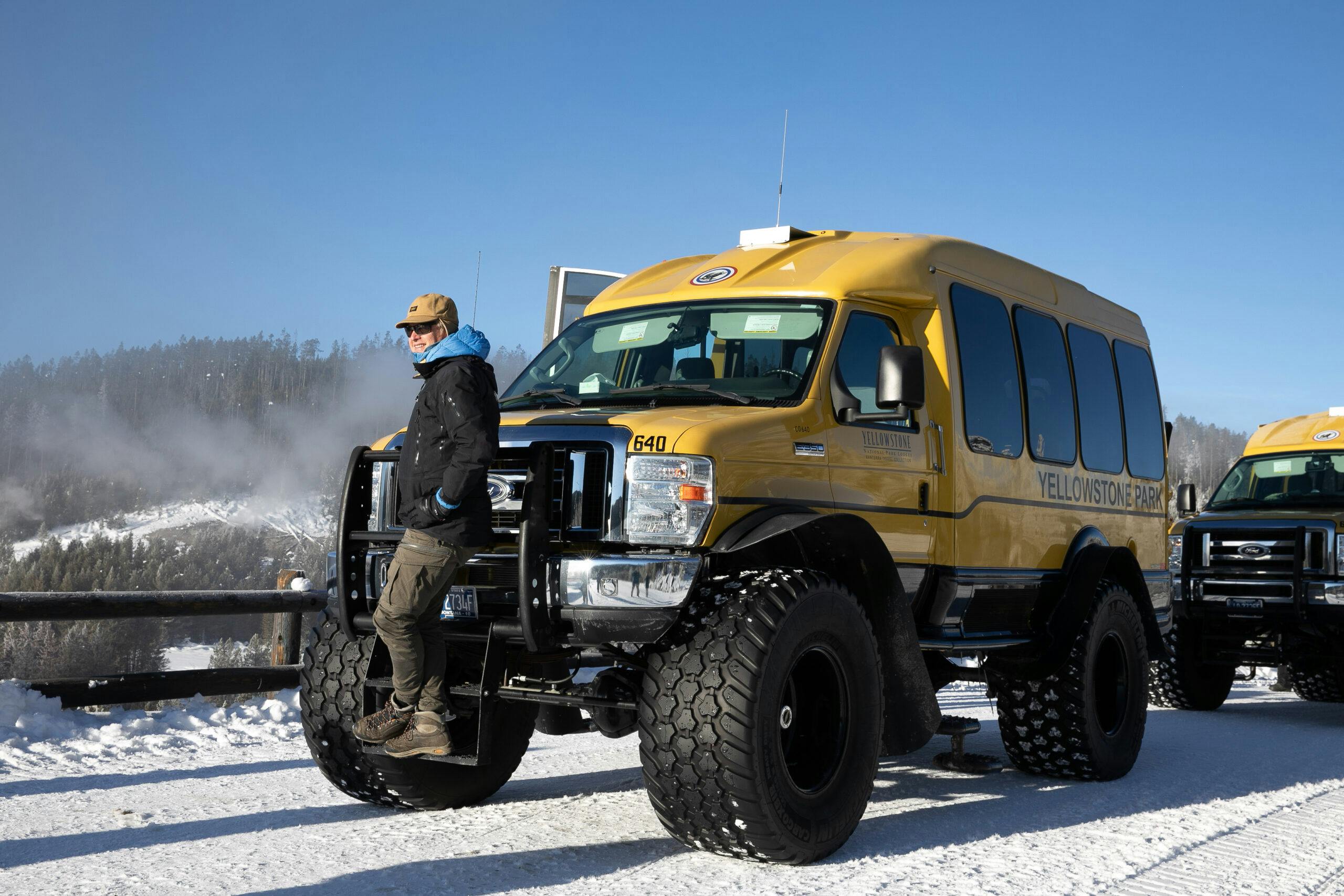
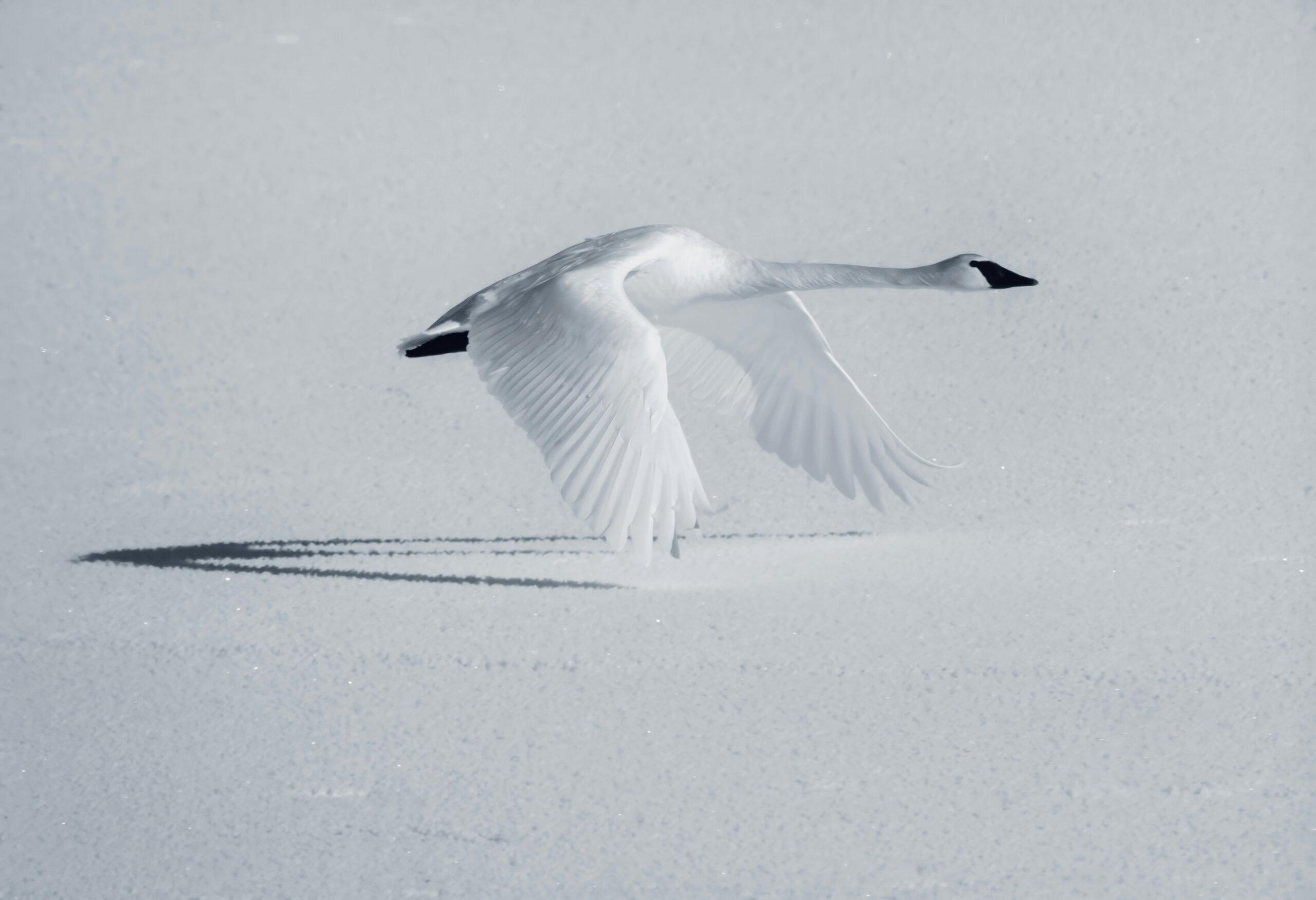
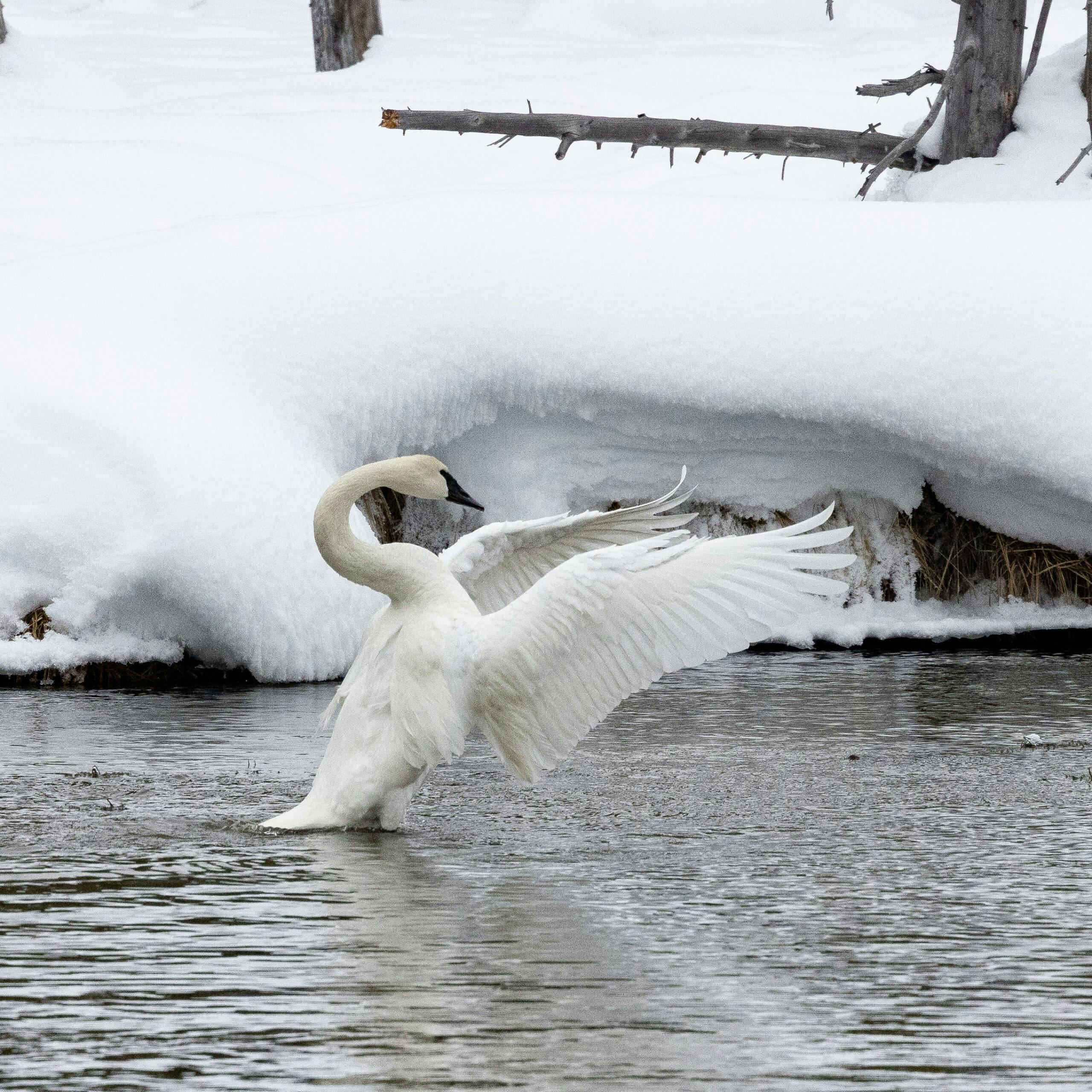
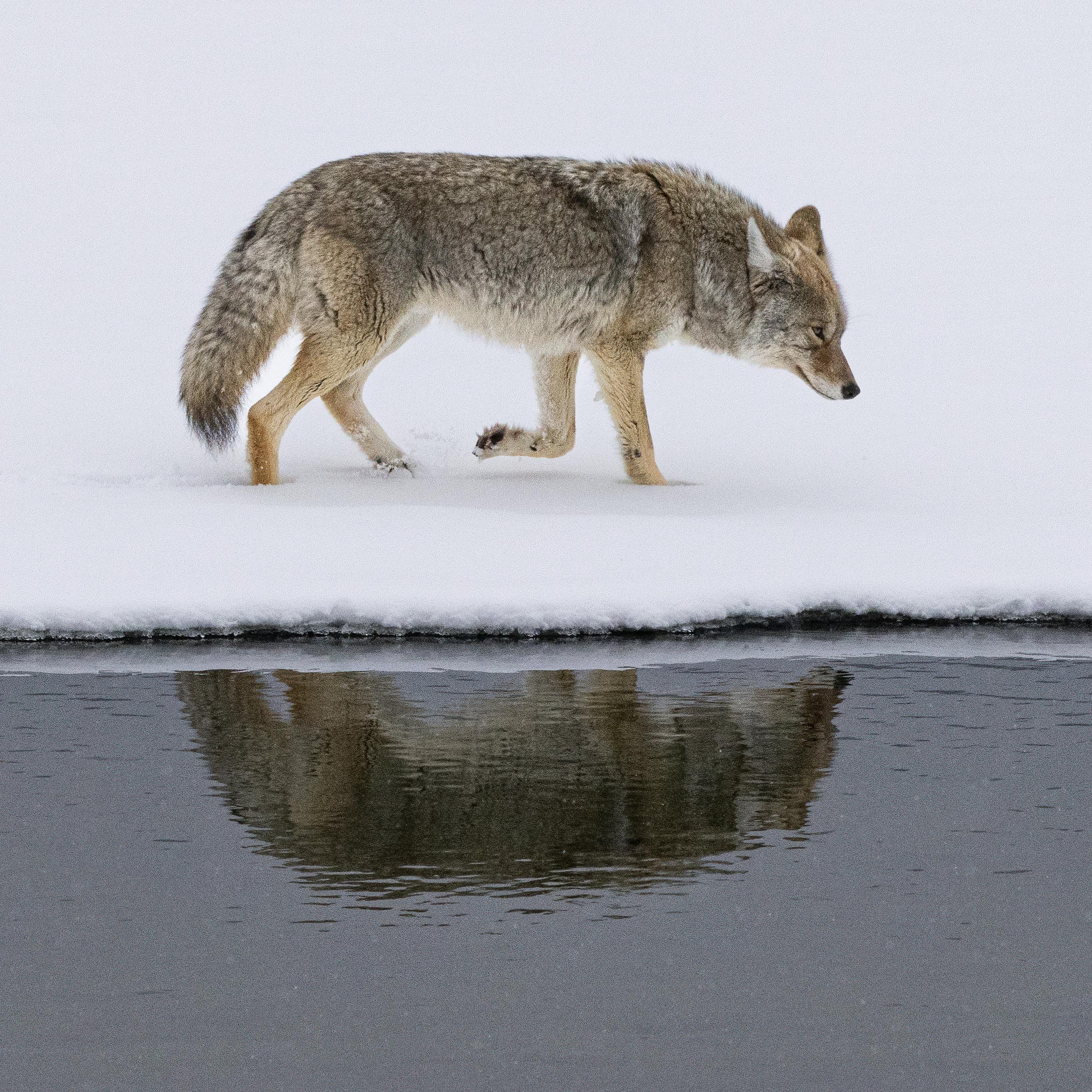
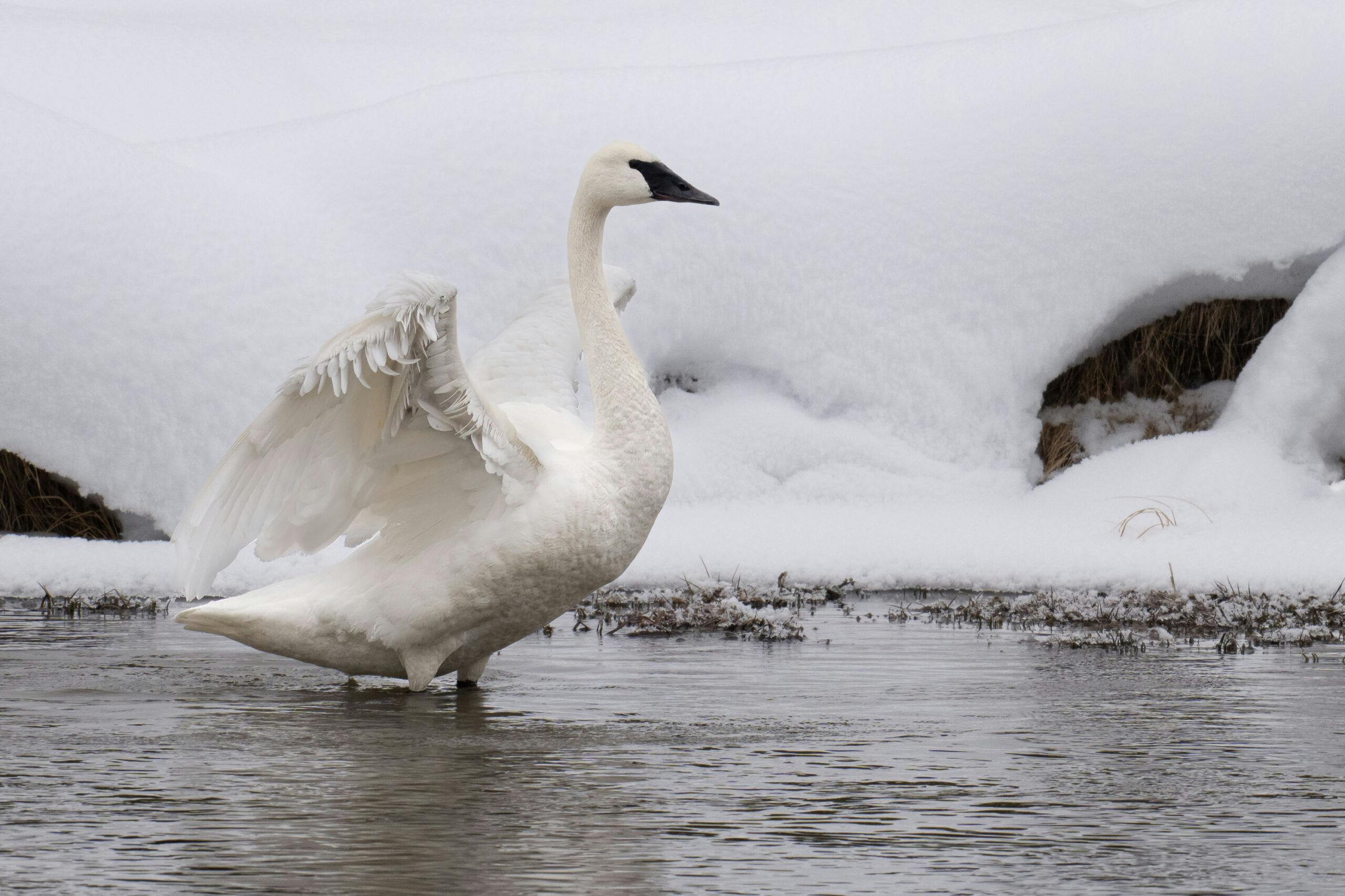
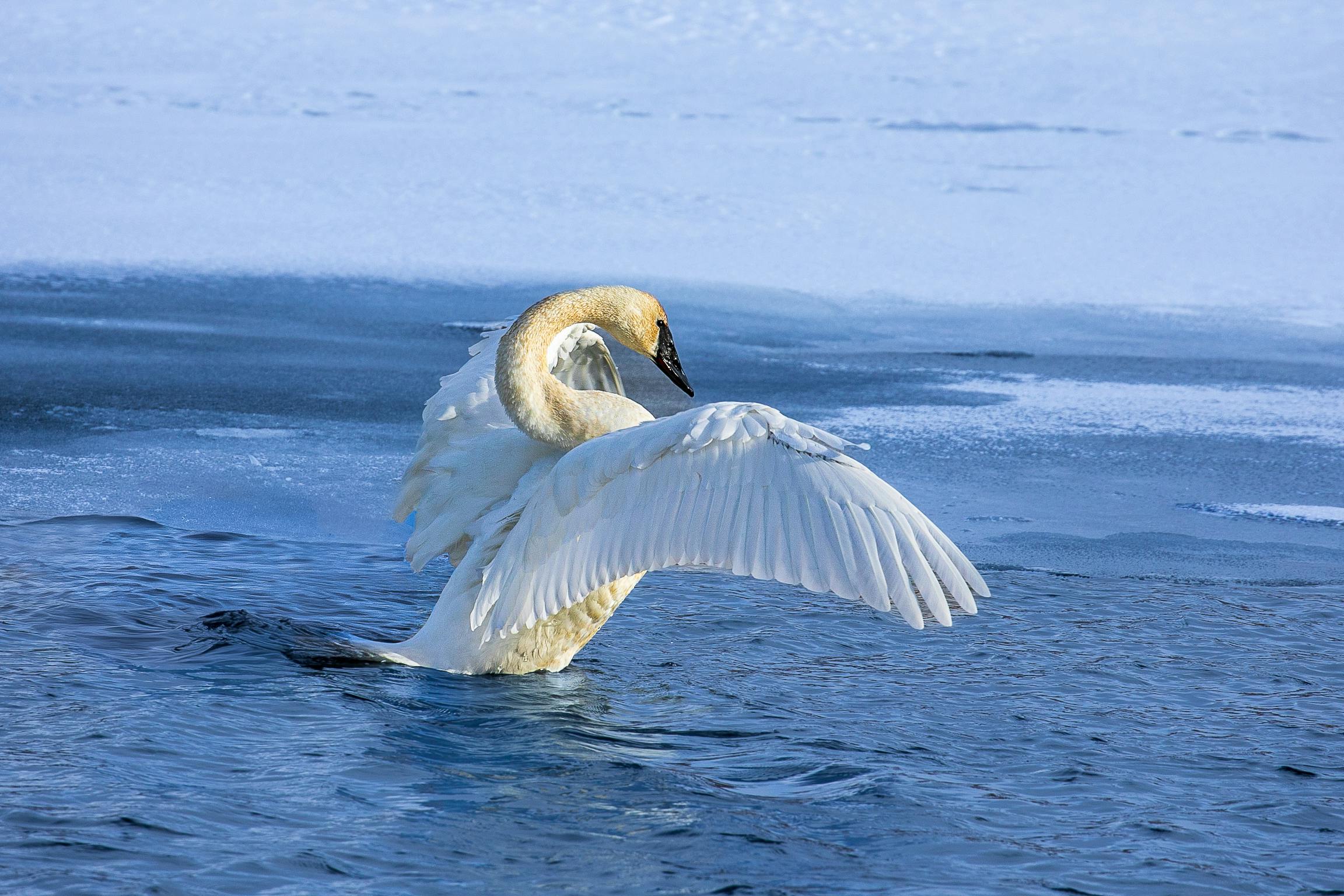
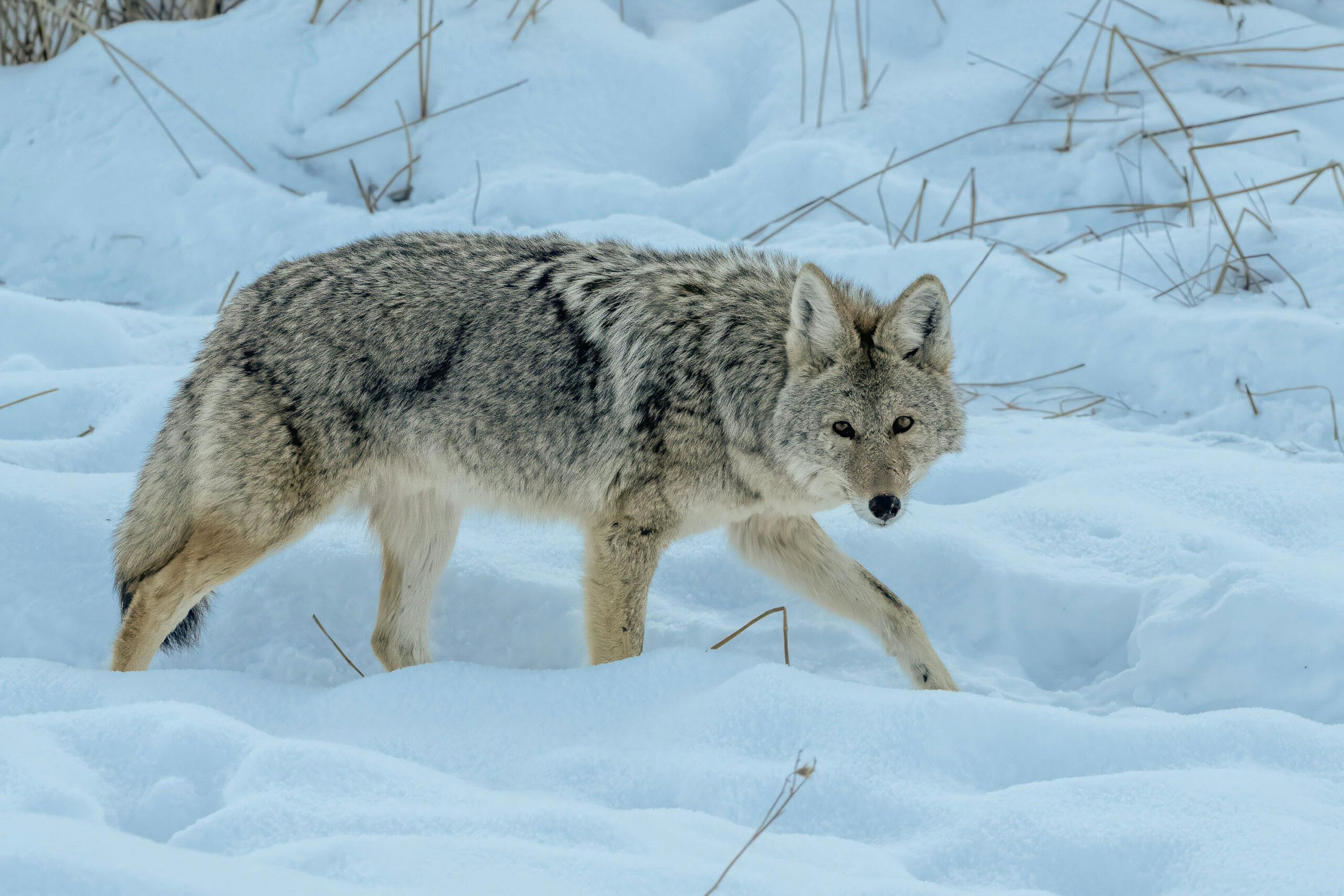
Leaving the northern range behind, guests boarded a private snowcoach—one of the only ways to access Yellowstone’s interior during winter. As they moved deeper into the park, the scenery transformed into a vast, snow-blanketed wilderness. In Hayden Valley, wildlife dotted the landscape: Trumpeter Swans glided across ice-edged rivers, coyotes trotted through meadows, and solitary bison stood like statues against the backdrop of frosted pines. Every turn revealed a new photographic opportunity in this pristine, frozen frontier.
Geysers Aglow in a Frozen Realm
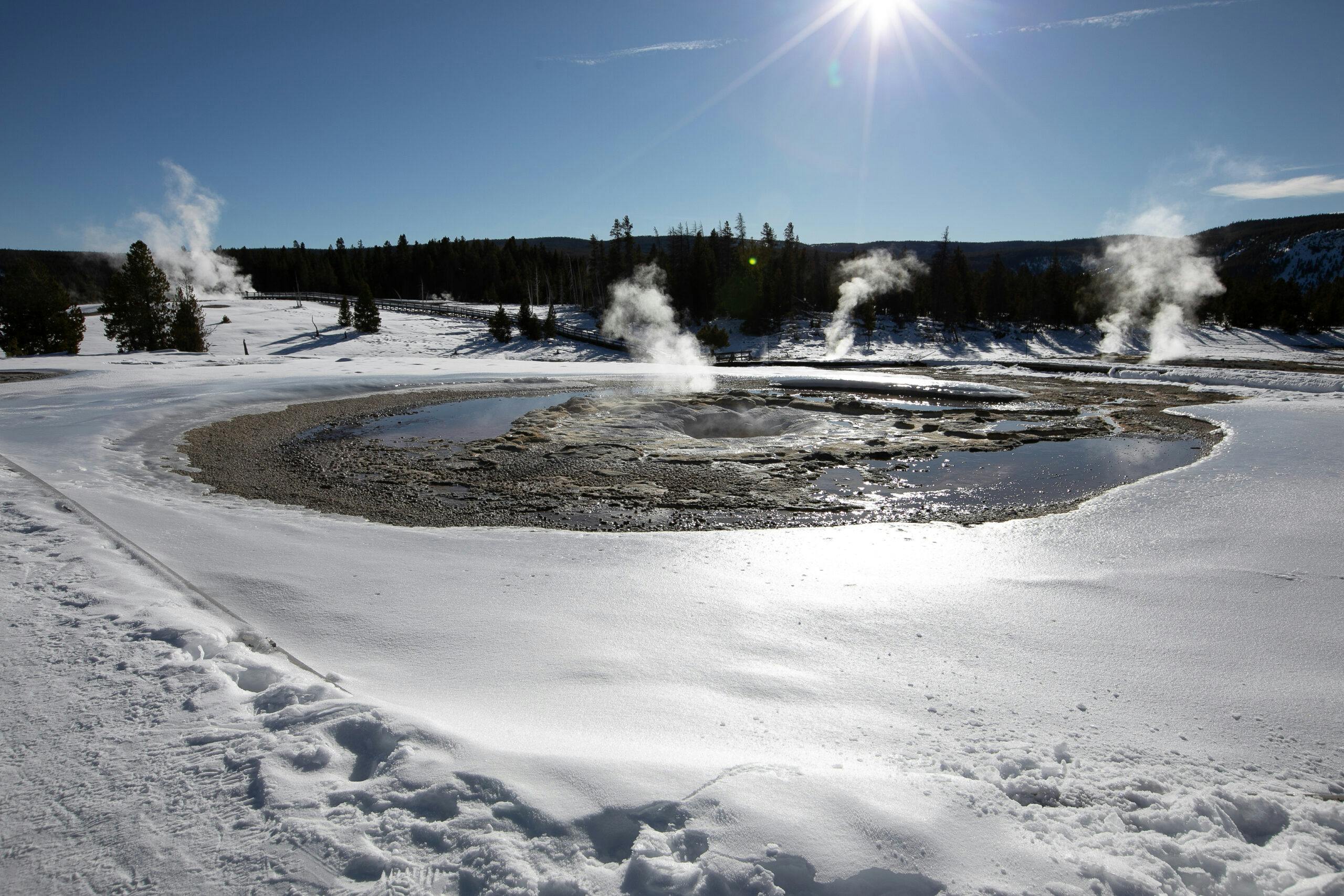
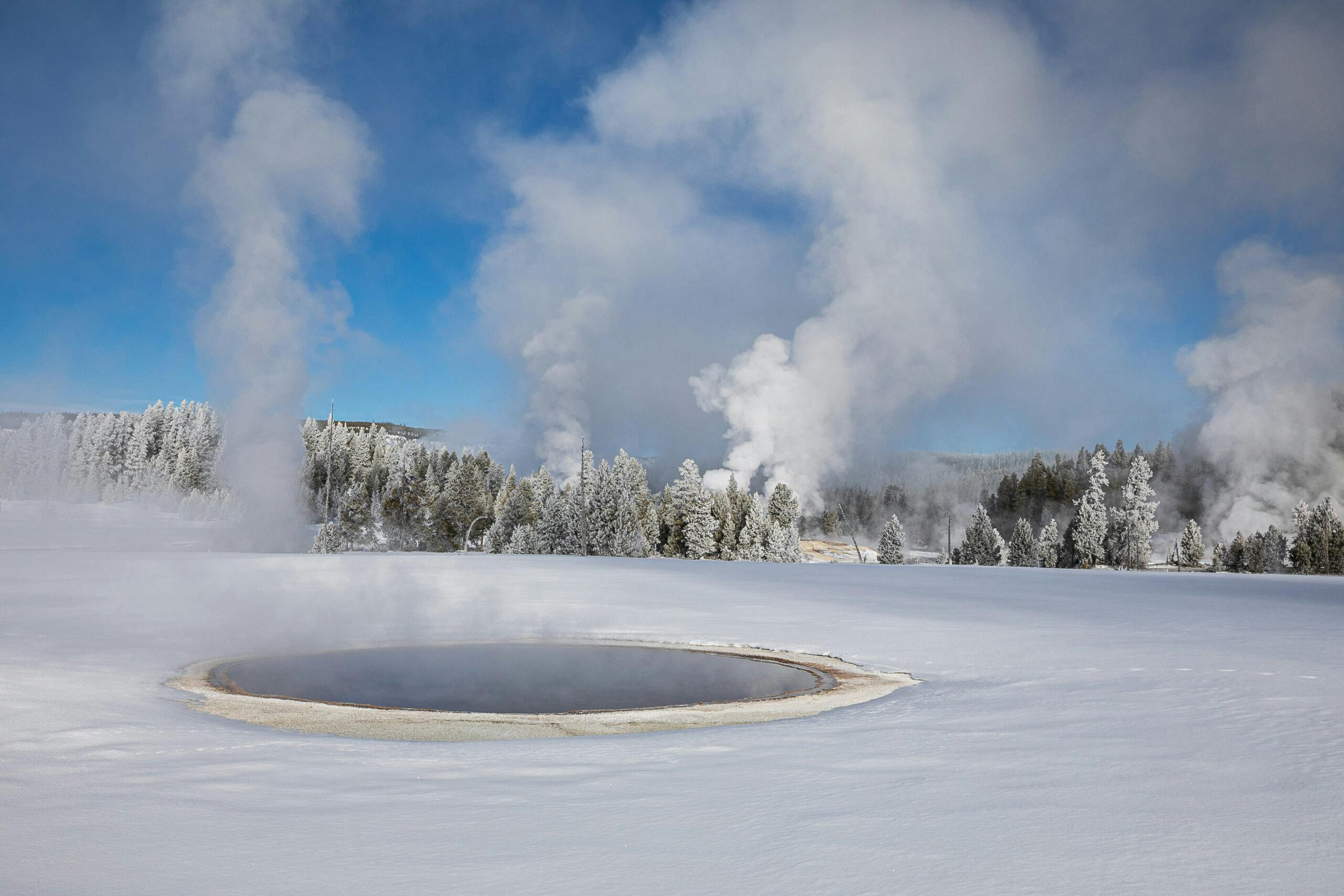
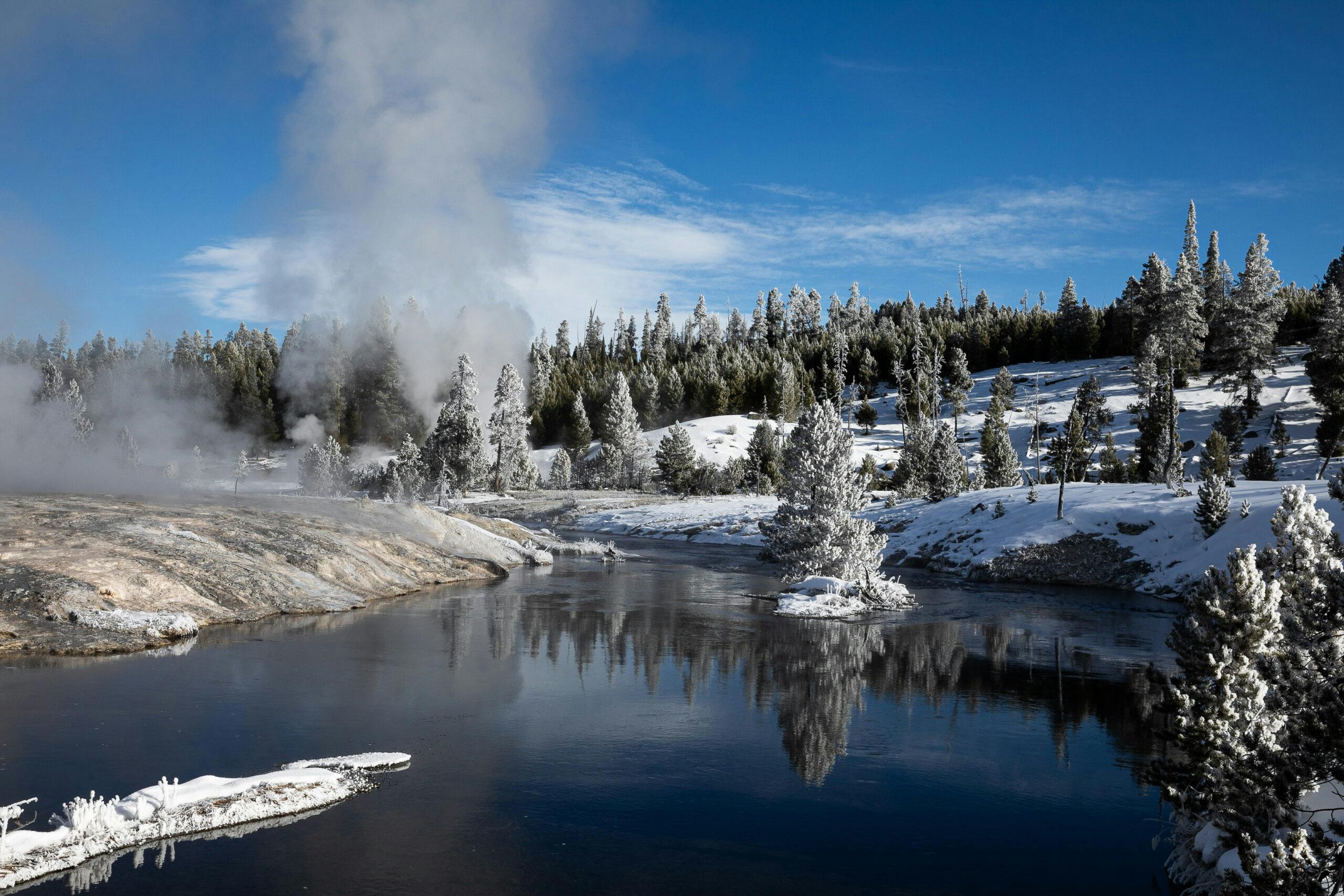
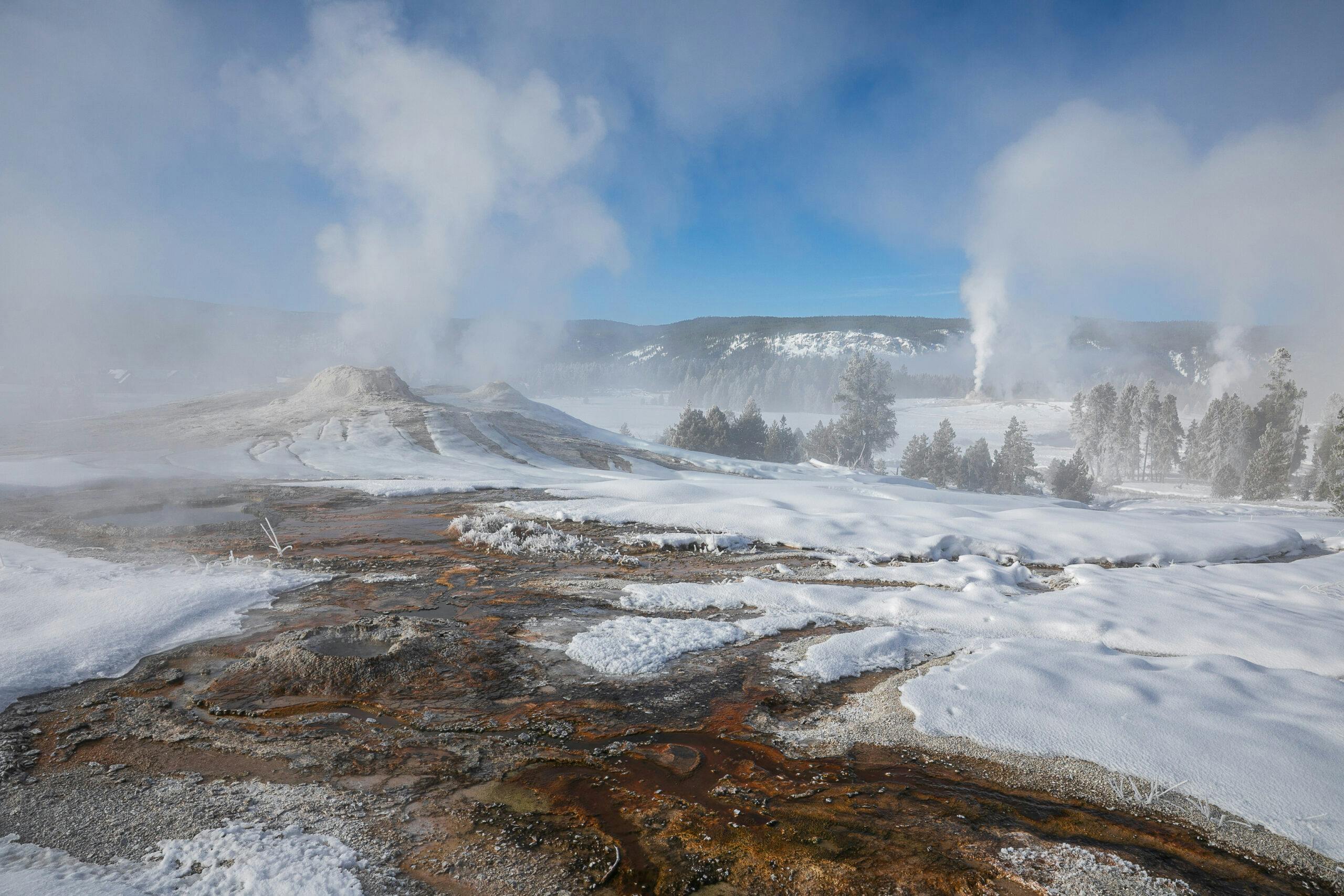
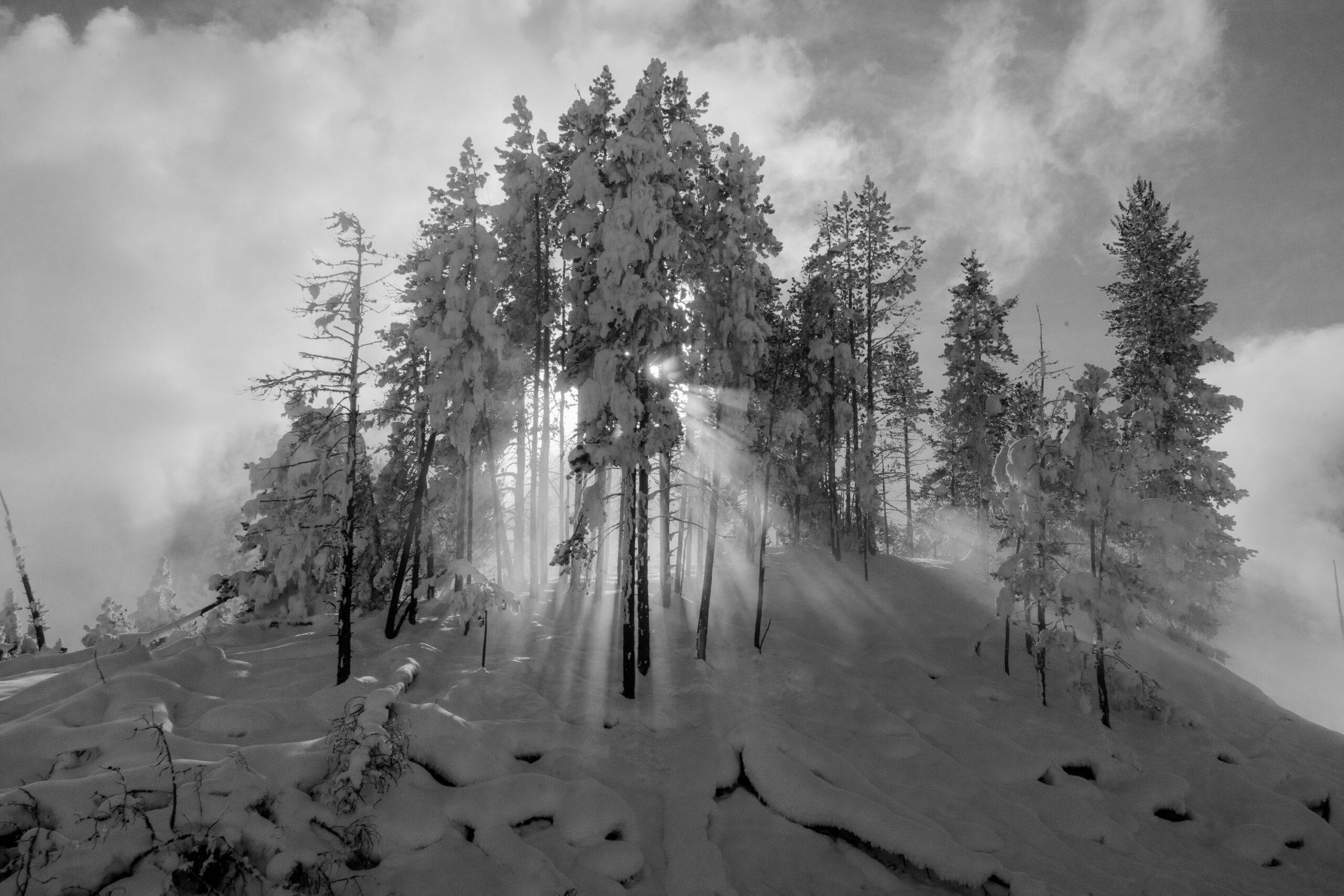
Based near Old Faithful, guests explored the geothermal wonders of Yellowstone’s core. They captured the dramatic eruptions of Old Faithful, with steam rising into cold air and cascading down as glittering “geyser rain.” Guided walks along the boardwalks brought them to bubbling mud pots, roaring fumaroles, and vibrant hot springs like the Grand Prismatic, whose colors burned brightly even through the icy mist. Early morning light created magical scenes as sunbeams filtered through steam, casting long shadows and illuminating the crystalline frost.
Return Through a Living Snow Globe
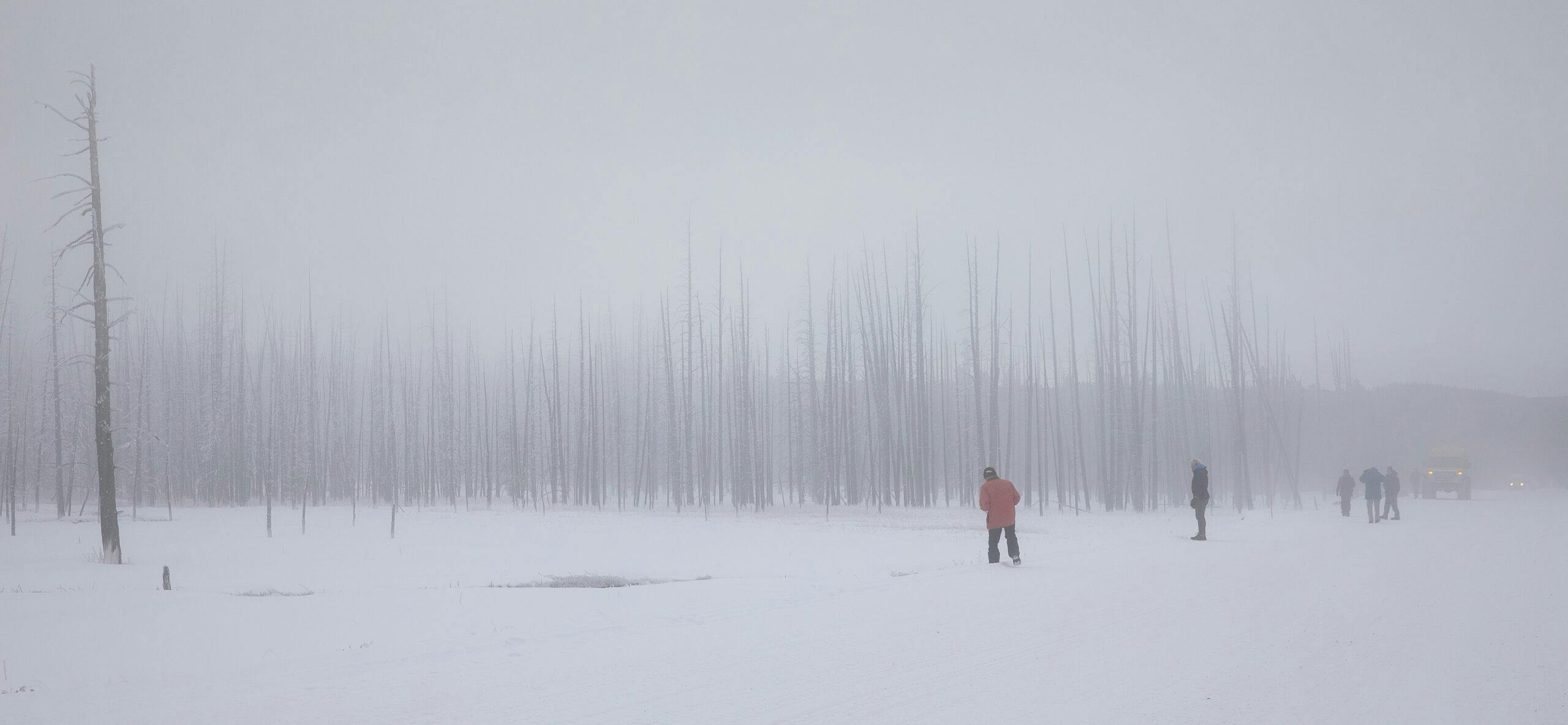
After one last peaceful morning walk among geysers, the group began their journey back to Mammoth Hot Springs by snowcoach. The return trip was far from ordinary—guests stopped often to photograph waterfalls frozen in time, rugged cliffs softened by snow, and the wildlife that continued to thrive in Yellowstone’s deepest winter. The park’s geothermal landscapes felt otherworldly, making this day a reflective and richly visual end to their time in the park’s interior.
Farewell to the Wild North
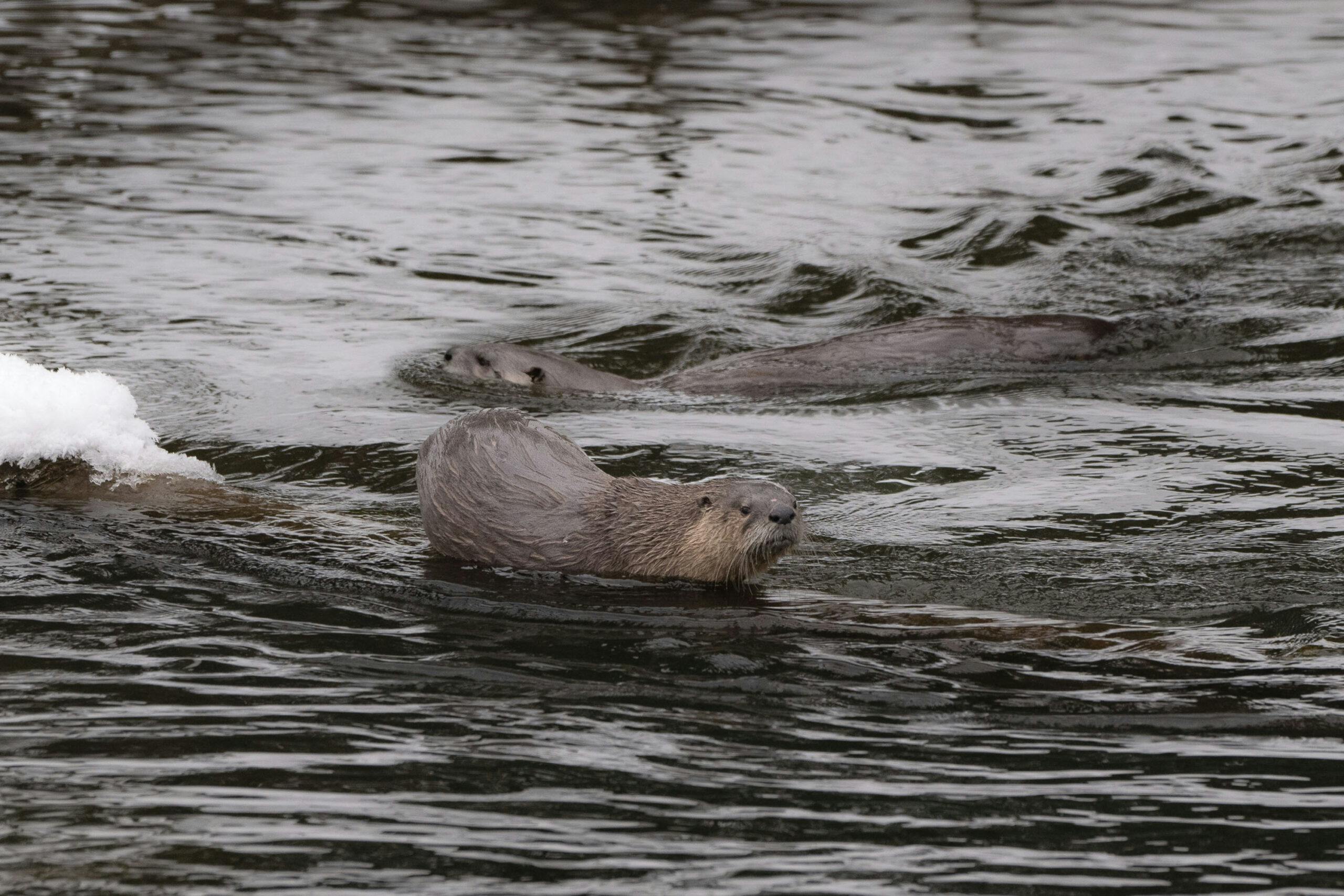
Returning to Lamar Valley one final time, the group embraced the quiet thrill of winter wildlife viewing. They scanned the snowy terrain for one last wolf sighting, spotted playful otters along icy creeks, and listened to the sounds of trumpeter swans echoing through the valley. The group gathered for a warm and heartfelt farewell dinner in Livingstone, before returning to Bozeman, reminiscing on moments from an extraordinary week in the wild..
Depart with Memories Etched in Snow
With gear packed and hearts full, travelers said goodbye to Yellowstone’s stunning winter landscapes. They departed Bozeman carrying not only breathtaking images but also a deeper appreciation for the raw beauty and resilience of the natural world in its most elemental season.
📅 Join Us in Yellowstone!
Experience Yellowstone’s quietest, wildest season for yourself. On our next winter safari, you’ll explore this iconic park in the peaceful stillness of snow-covered landscapes, photograph incredible wildlife, and journey deep into geyser country with expert guides.
🚀 Explore trips & book now:
Explore Our Expeditions | Contact Us for Assistance
Plan Your Next Adventure:
Capturing the perfect wildlife shot takes more than just luck—it requires patience, technique, and an understanding of the natural world. At Cheesemans’ Ecology Safaris, our expert guides include professional wildlife photographers who know how to get that once-in-a-lifetime shot while respecting wildlife and their habitats.
Whether you’re a beginner looking to improve your skills or an experienced photographer seeking pro-level tips, we’ve got you covered. Here are our top wildlife photography tips straight from the field.
1. Know Your Subject
The key to capturing stunning wildlife images is understanding the behavior of the animals you’re photographing. Our expert guides emphasize the importance of:
- Researching animal behavior: Knowing when and where animals are most active increases your chances of a great shot.
- Observing before shooting: Spend time watching how animals move and interact to anticipate the perfect moment.
- Respecting wildlife: Keep a safe distance and never disturb animals for the sake of a photo.
👉 Pro Tip: Bring a field guide or use apps like iNaturalist to identify species and learn more about them before your trip.
2. Master Your Camera Settings
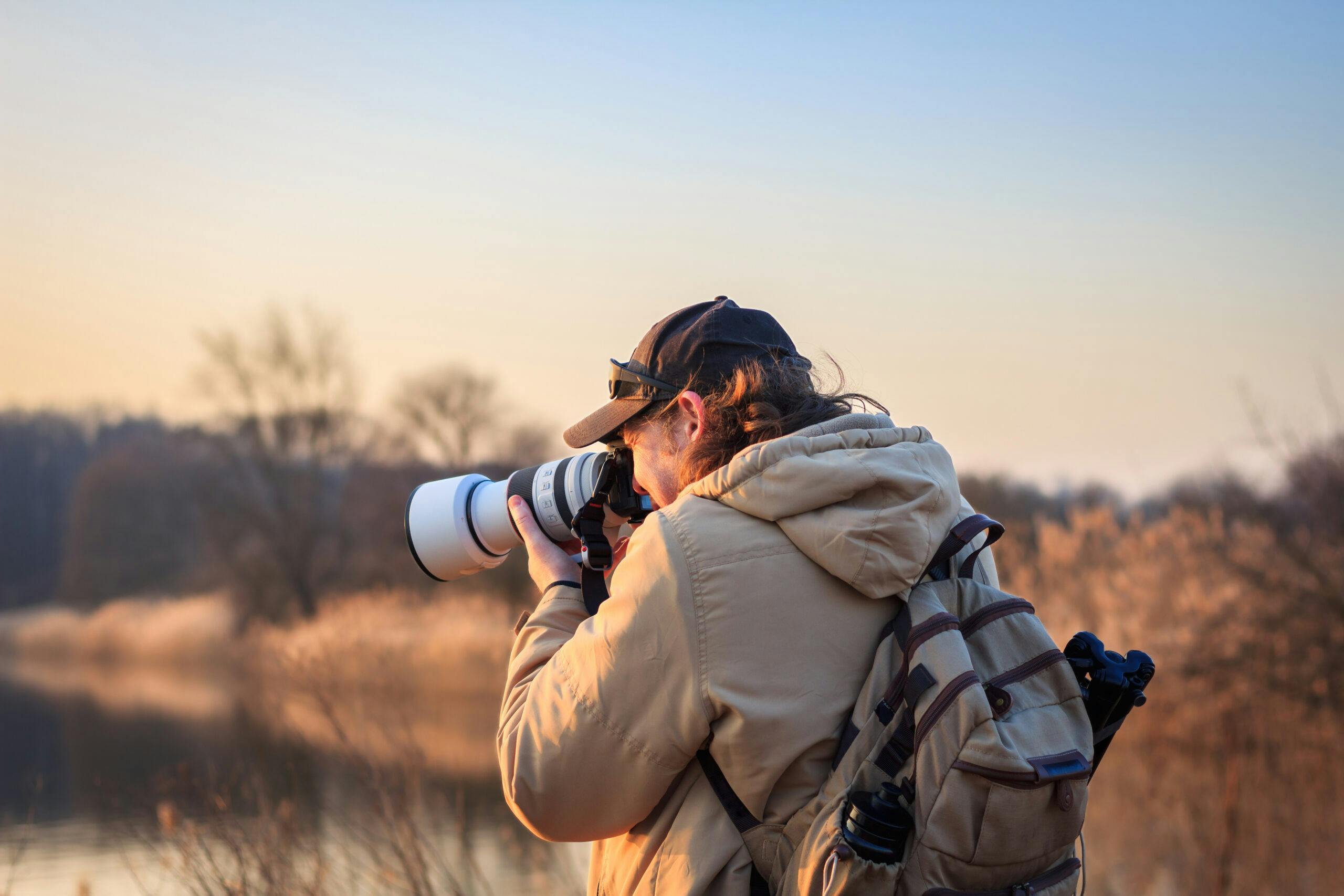
Wildlife photography often involves unpredictable subjects and challenging lighting conditions. Our guides recommend practicing these essential settings before your safari:
- Shutter Speed: Use a fast shutter speed (1/1000 sec or faster) to freeze action, especially for birds in flight or running animals.
- Aperture: A wider aperture (f/4 – f/5.6) helps create beautiful background blur, making your subject stand out.
- ISO: Don’t be afraid to increase your ISO in low-light conditions, but balance it to avoid excessive noise.
👉 Pro Tip: Set your camera to “burst mode” to capture multiple shots in quick succession and increase your chances of nailing the perfect shot.
3. Composition is Key
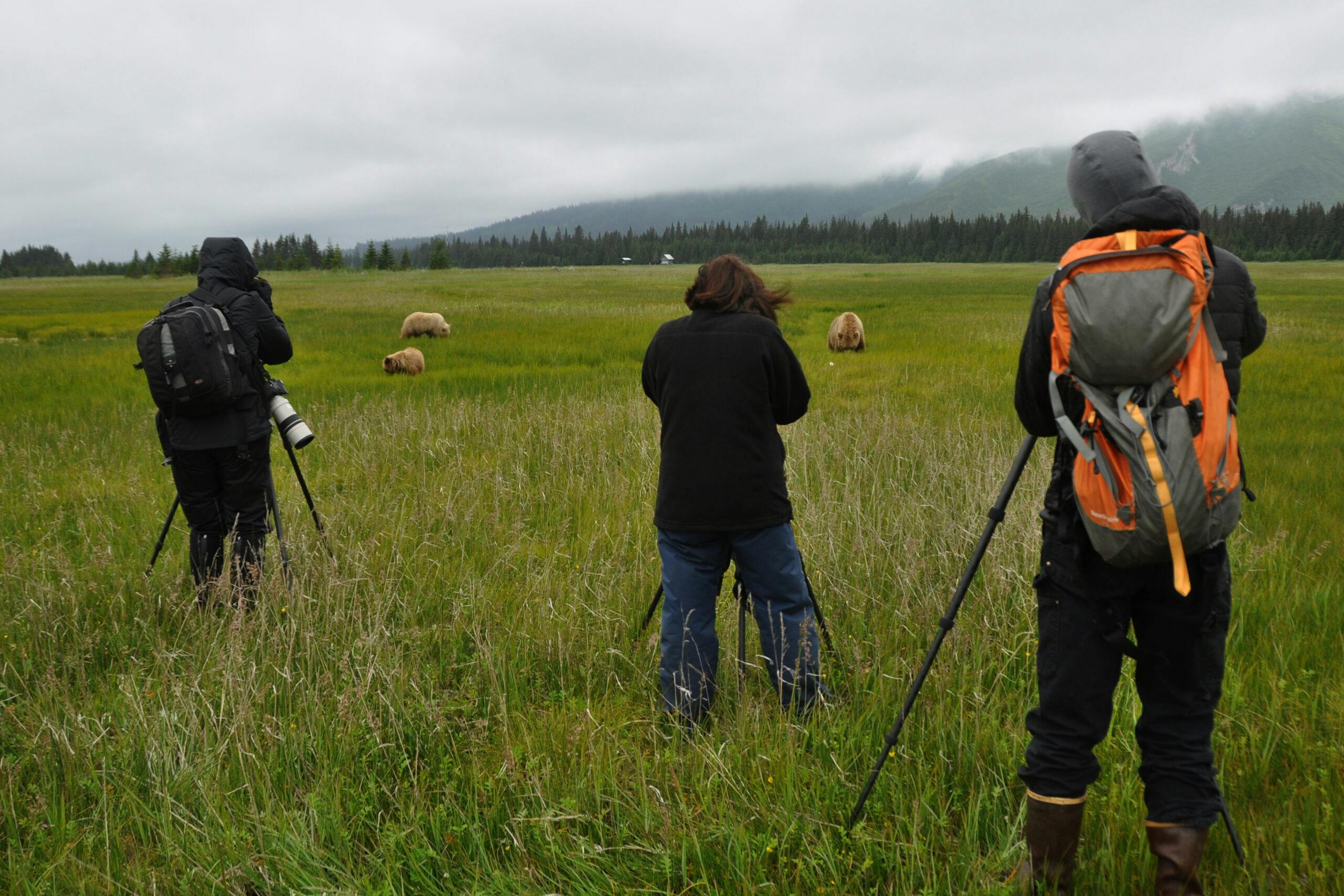
Great wildlife photography isn’t just about having the best gear—it’s about how you compose your shots. Use these composition techniques to enhance your images:
- Rule of Thirds: Place your subject off-center to create a more dynamic and balanced image.
- Leading Lines: Use natural elements like rivers or tree branches to guide the viewer’s eye to the subject.
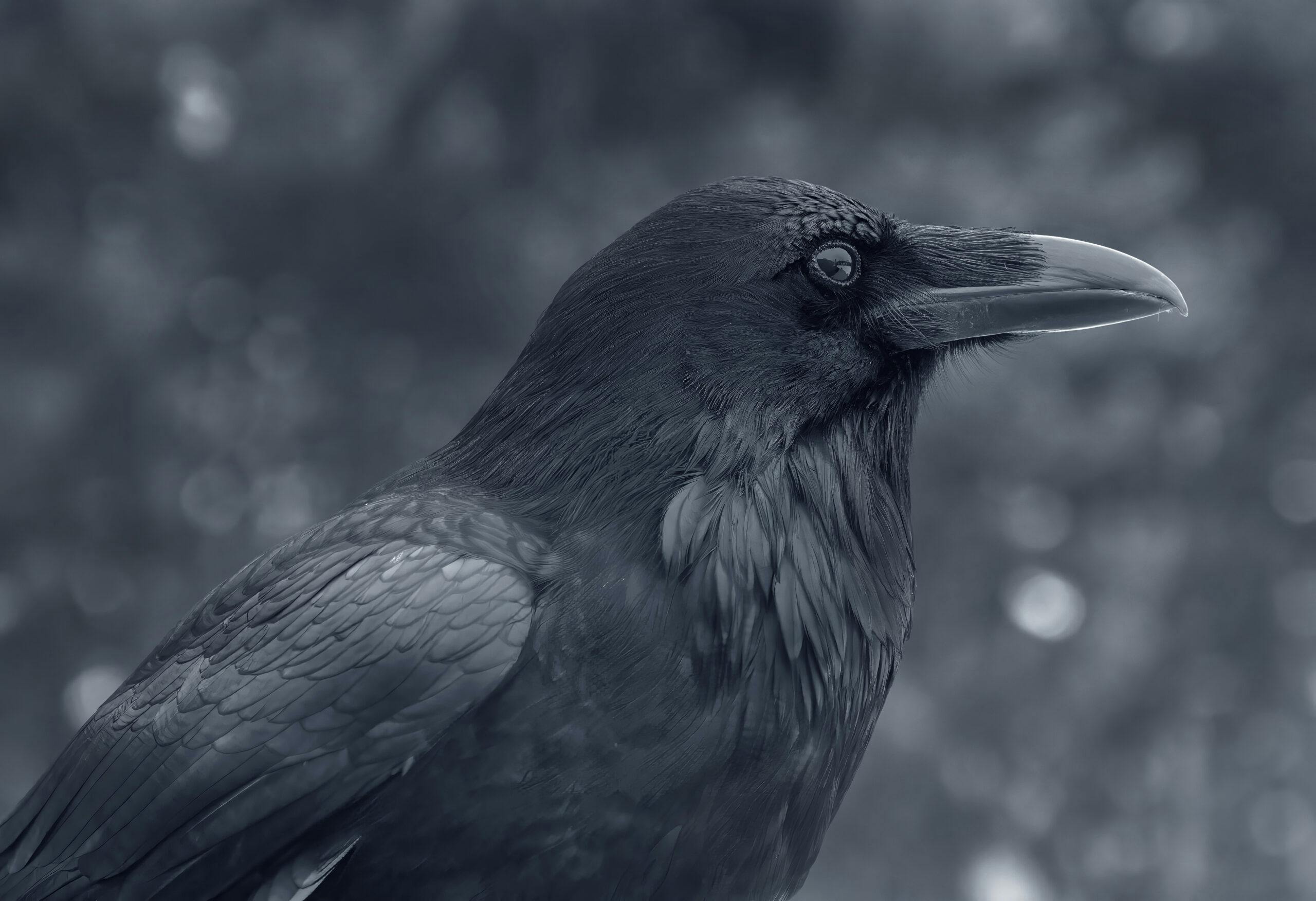
- Eye Contact: Capturing an animal’s eyes can create an emotional connection with viewers.
👉 Pro Tip: Experiment with different angles—getting low to eye level with your subject often results in more intimate and compelling shots.
4. Patience Pays Off
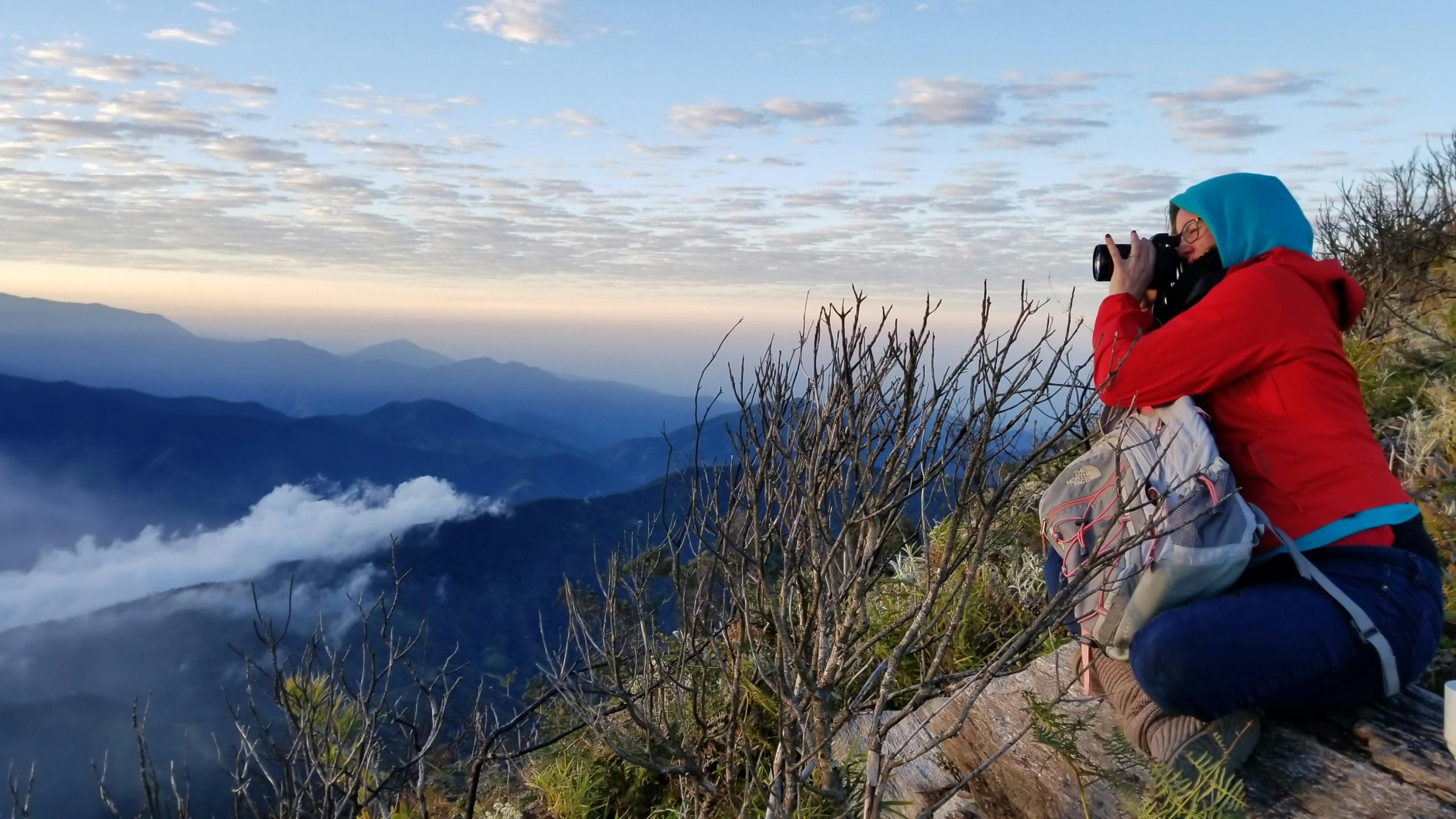
Wildlife photography requires a lot of patience. Animals won’t always be in the perfect position, and waiting quietly can reward you with incredible, natural moments.
Cheesemans’ trips are designed with extended field time, allowing you the opportunity to:
- Wait for unique behaviors and interactions to unfold naturally.
- Observe animals without rushing, leading to more authentic photographs.
- Capture different lighting conditions throughout the day.
👉 Pro Tip: Trust your leaders and stay with the group — our guides skillfully follow the wildlife, giving you the best chances for incredible shots without disturbing the animals.
5. The Right Gear for the Right Destination
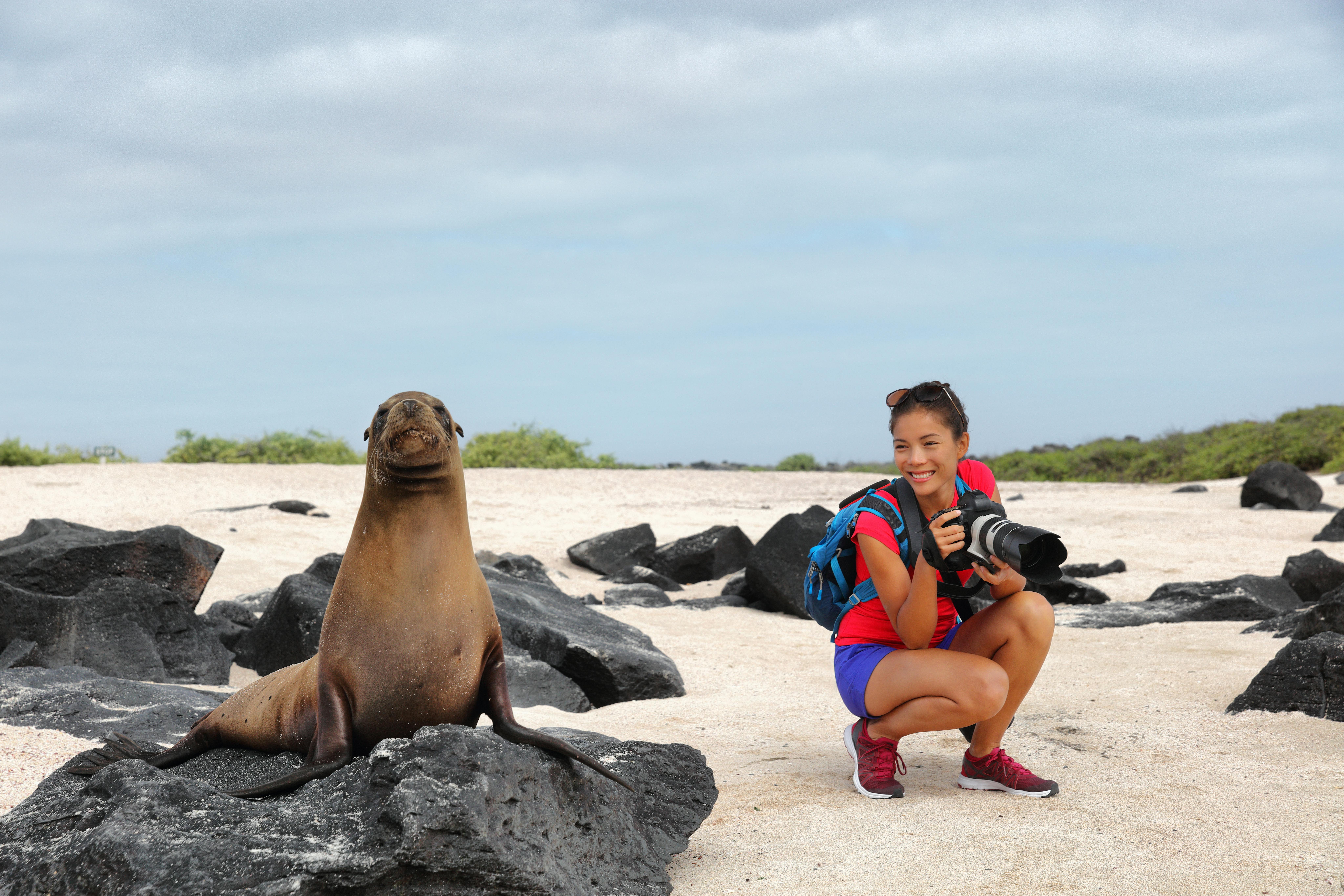
Choosing the right gear for your destination can make all the difference in capturing high-quality images. Our guides recommend:
- Telephoto Lens (200-600mm): Ideal for safaris, allowing you to photograph animals from a safe distance.
- Wide-Angle Lens (16-35mm): Perfect for capturing wildlife in their expansive landscapes, such as the vast plains of Africa or polar regions.
- Tripod or Monopod: Helps stabilize your shots, especially in low-light situations or when using heavy lenses.
- Extra Batteries & Memory Cards: Wildlife moments can happen anytime—be prepared with backups.
👉 Pro Tip: Practice using your gear before your trip to ensure you’re comfortable with settings and functionality in the field. Don’t forget to include your planned field clothing in your tests to ensure no issues with it while using your camera.
6. Take Advantage of Golden Light
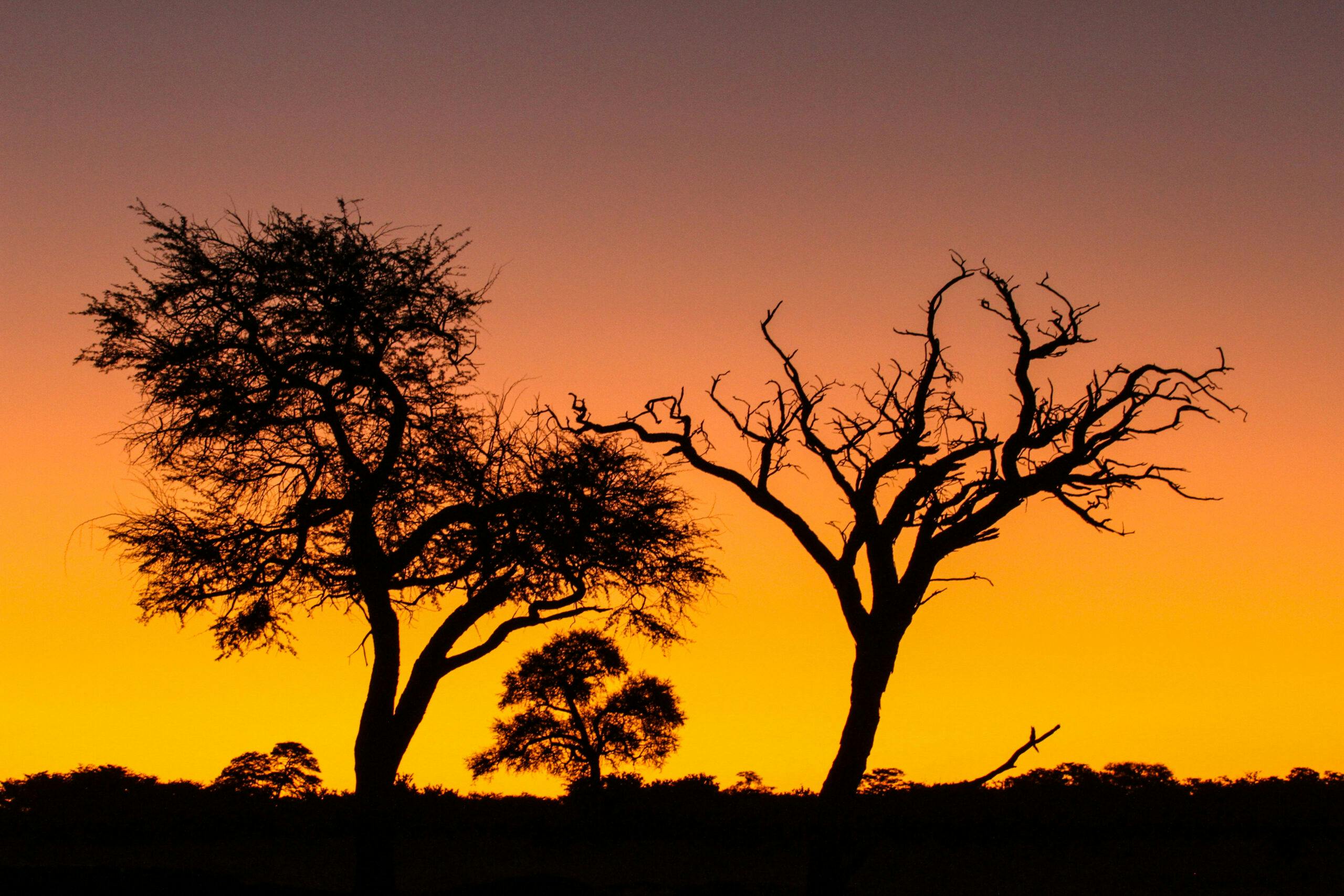
Lighting can make or break your wildlife shots. The best times for photography are:
- Golden Hour (Early Morning & Late Afternoon): Provides soft, warm light that enhances textures and colors.
- Overcast Days: Offer even lighting, reducing harsh shadows and helping capture fine details.
- Backlighting: Creates dramatic silhouettes and adds depth to your images.
👉 Pro Tip: Start your day early and stay out late—Cheesemans’ itineraries are designed to maximize these golden moments.
7. Tell a Story with Your Photos
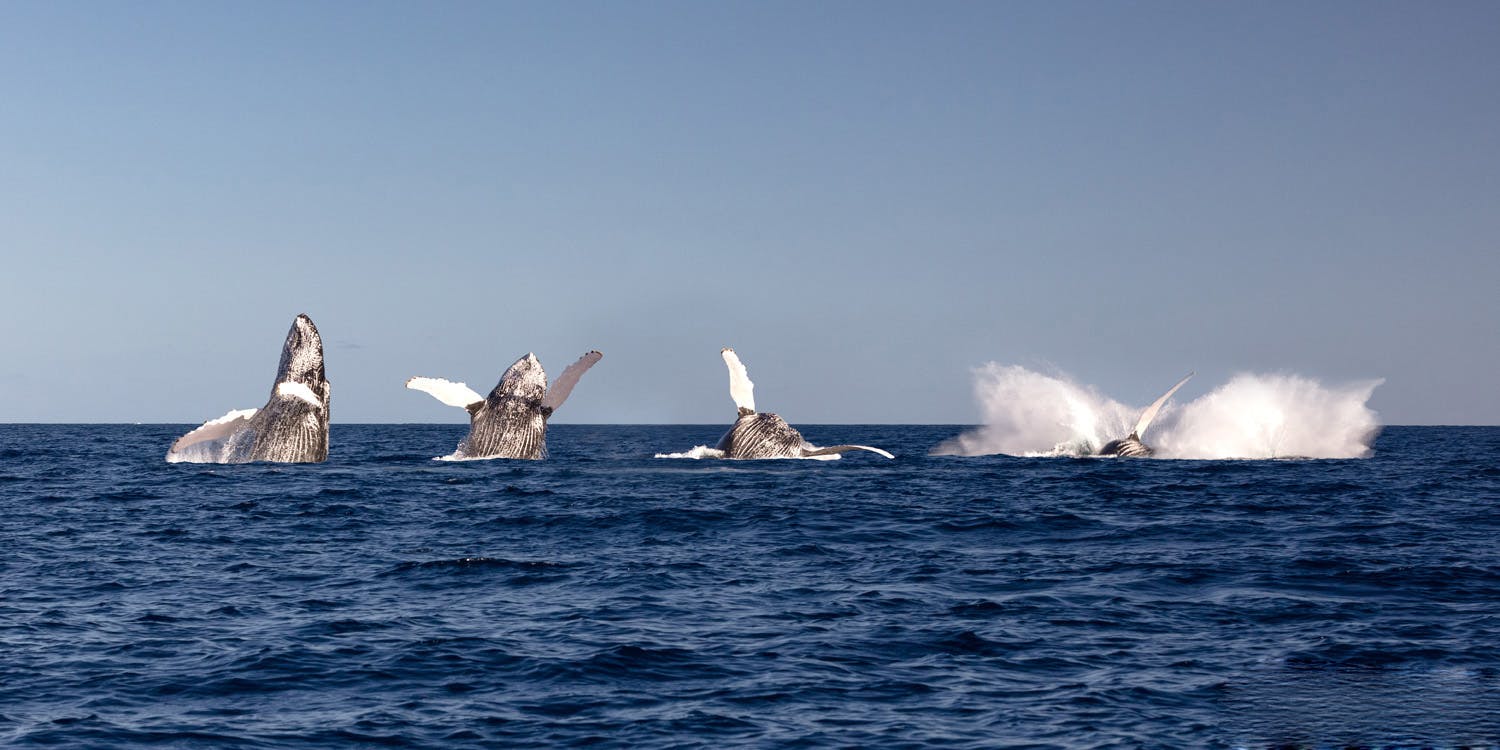
The most compelling wildlife images tell a story and evoke emotion. Try to capture:
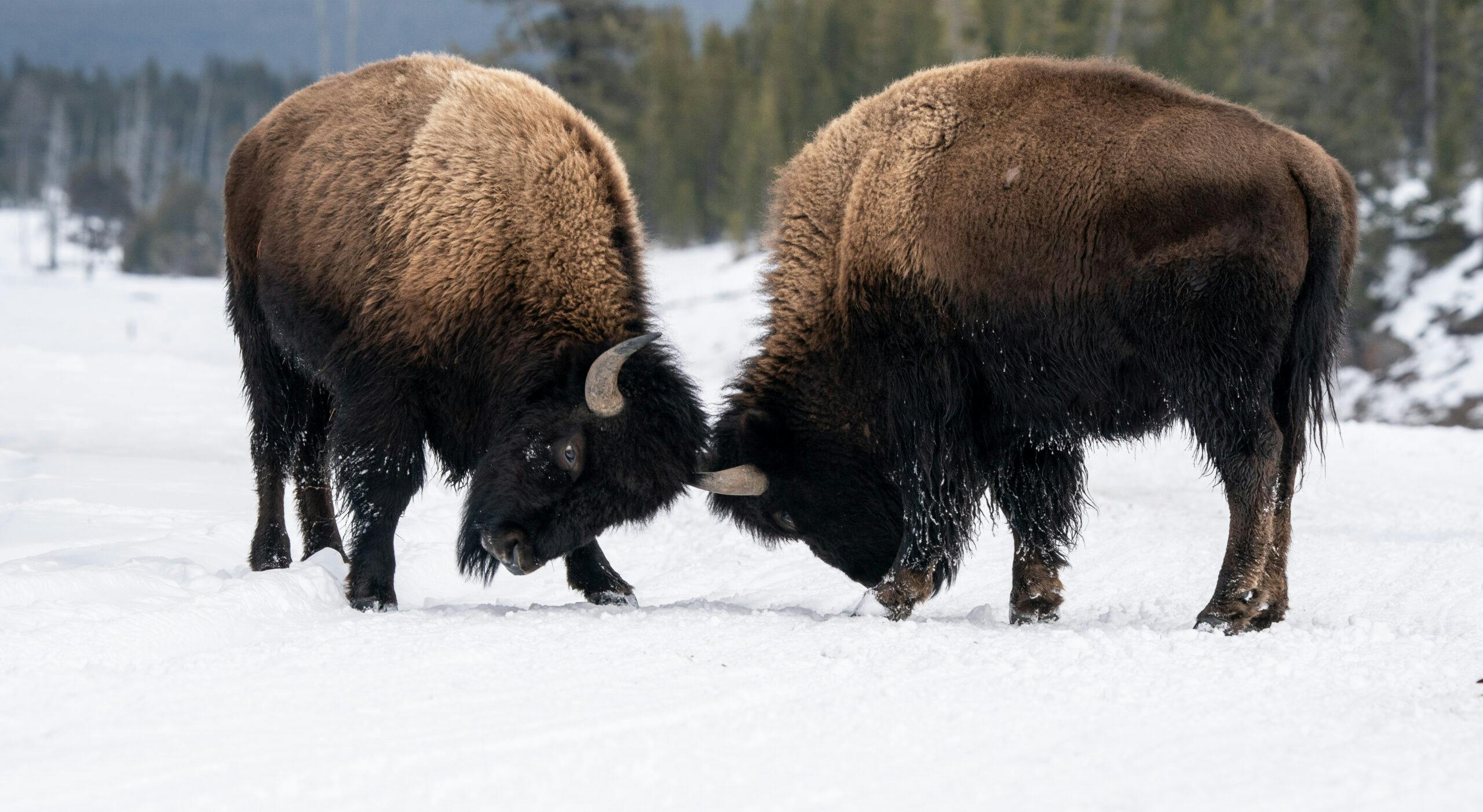
- Animal Interactions: Look for moments of play, conflict, or bonding.
- Environmental Context: Show the animal in its natural habitat to provide a sense of place.
- Action Shots: Animals in motion can add drama and excitement to your portfolio.
👉 Pro Tip: Keep a travel journal to document the stories behind your photos—it’s a great way to remember special moments and share them with others.
8. Ethical Wildlife Photography Practices
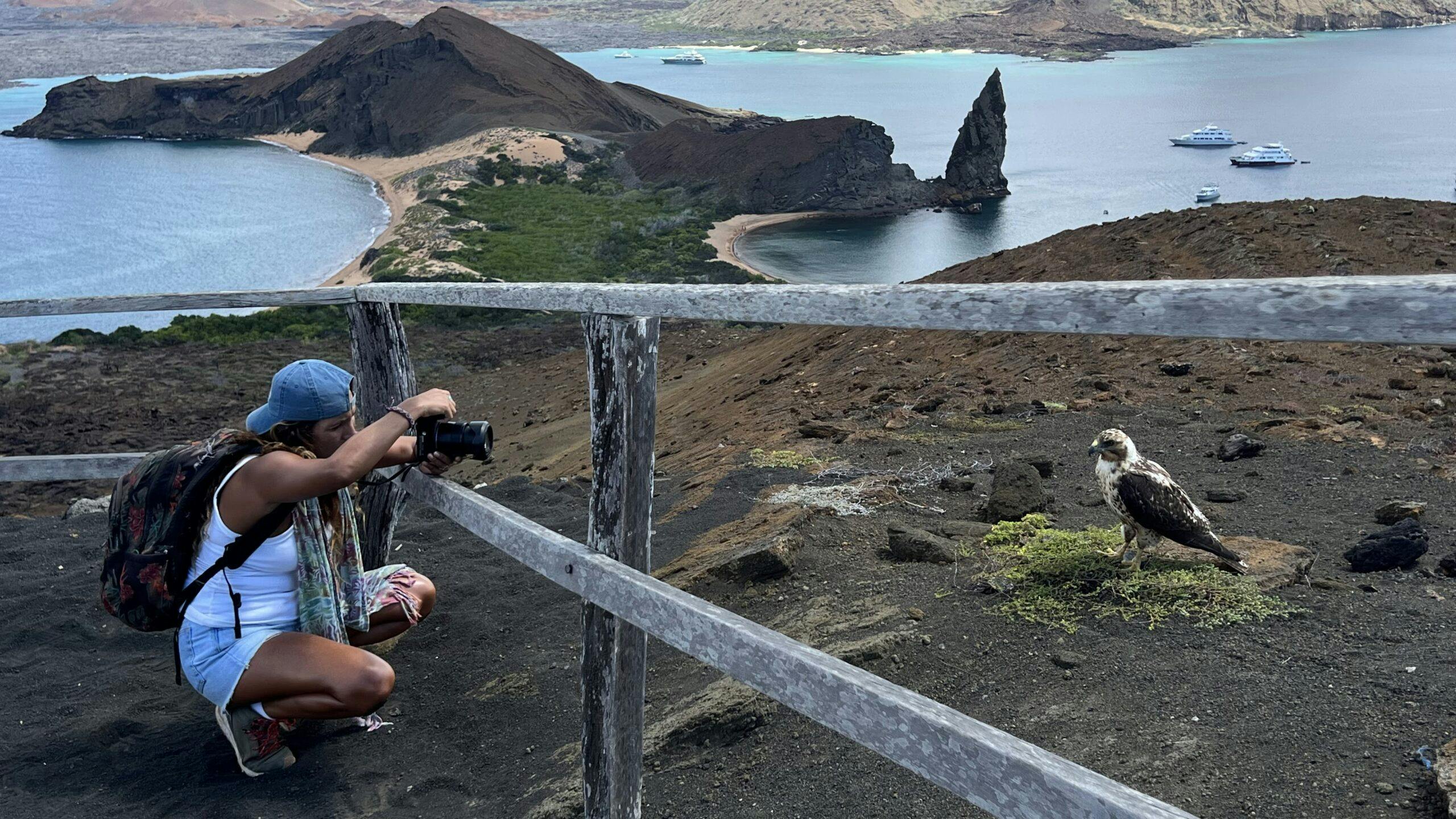
At Cheesemans’, we emphasize ethical wildlife photography that respects the animals and their habitats. Always remember to:
- Follow the guidance of your trip leaders and local wildlife regulations.
- Keep a respectful distance and never disturb animals to get a shot.
- Avoid using flash, as it can startle wildlife and alter natural behaviors.
Embrace Creativity and Enjoy the Journey
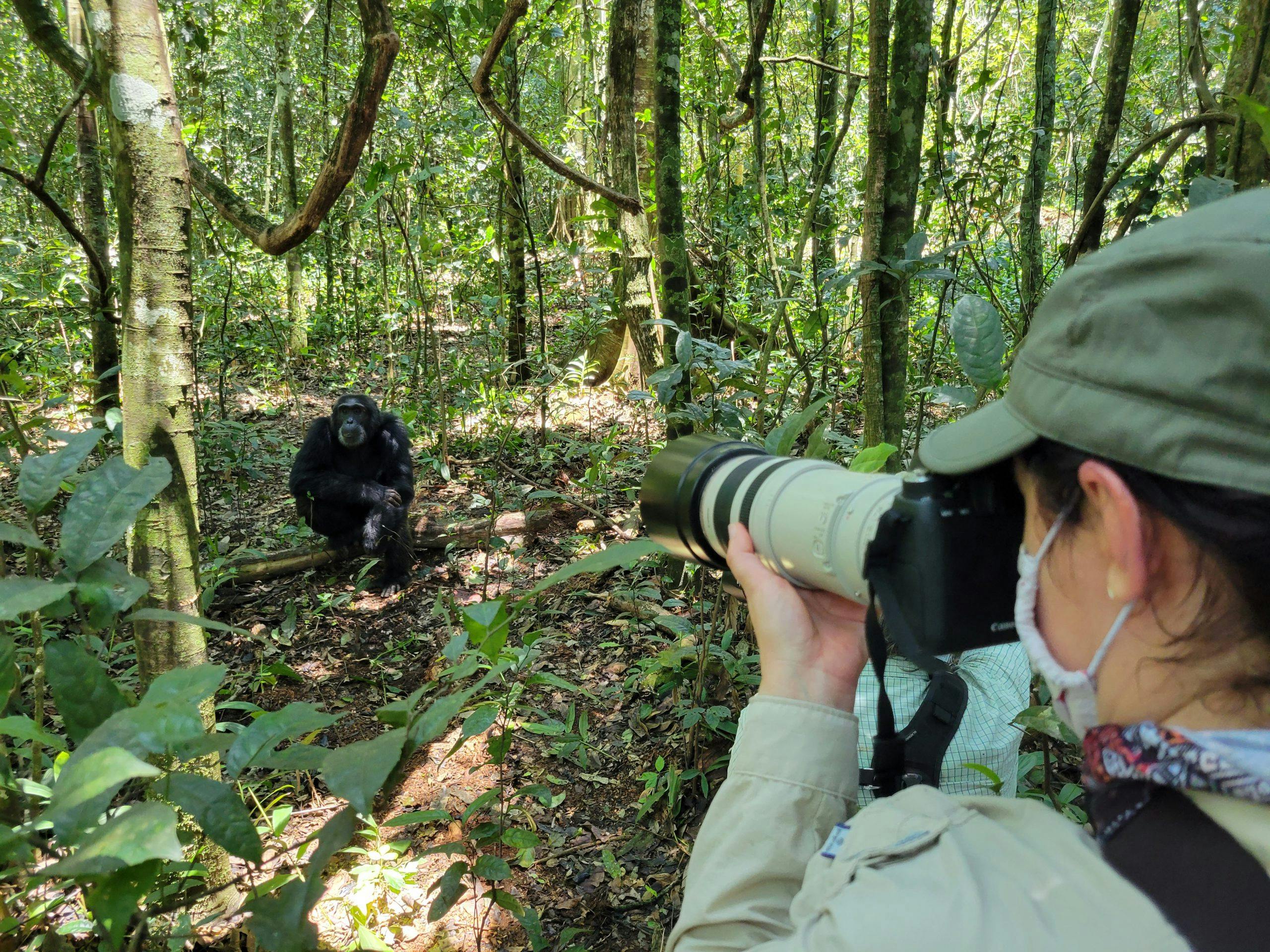
While these tips provide a solid foundation, remember that photography is also an art form. Don’t feel confined by the “rules”—some of the most compelling images come from thinking outside the box. Feel free to experiment with different techniques, perspectives, and settings. Most importantly, have fun with your photography.
Our photo guides are always here to support and encourage your photographic aspirations. We’re excited to see the unique moments you’ll capture on your journey with us.
Traveler Success Stories
“The guides were highly skilled, warm, and always open to helping with photography.”
-Jennifer Black | Svalbard
“We spent maximum time in the field so the opportunity to spot and photograph the animals was as advertised and this is the main reason for a photographic safari. Our pictures are numerous and great. Wonderful guides and lovely accomadations at all the camps.”
-Dale and Kathy Plapp | Tanzania
Capture Your Own Wildlife Masterpieces with Cheesemans’ Ecology Safaris
Whether you’re a seasoned pro or just starting out, Cheesemans’ safaris provide the perfect setting to hone your wildlife photography skills while experiencing incredible destinations.
Join us on an upcoming adventure and take your photography to the next level!
👉 Explore our photography-focused expeditions and start planning today!