By Stefanie Plein | December 2025
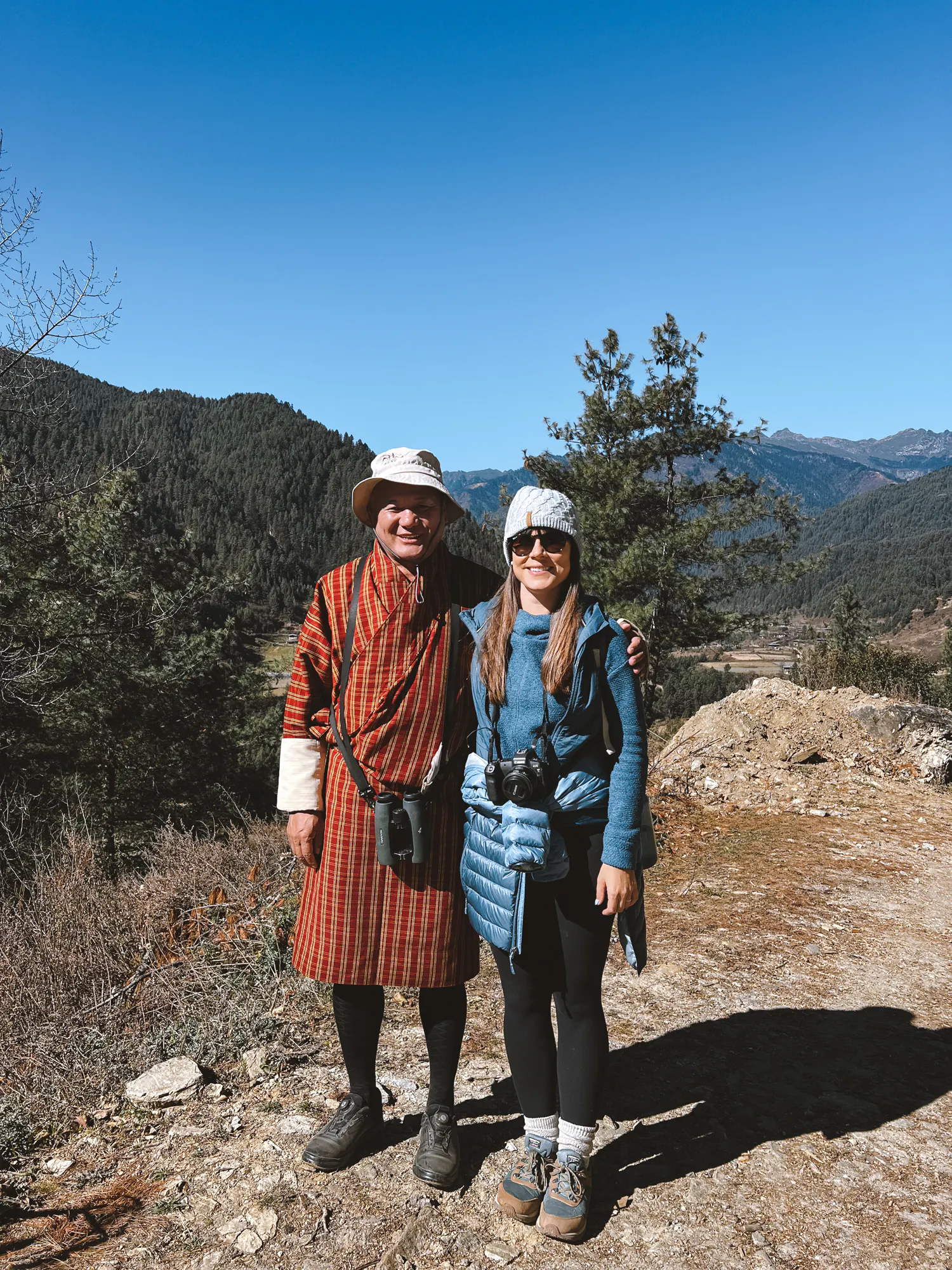
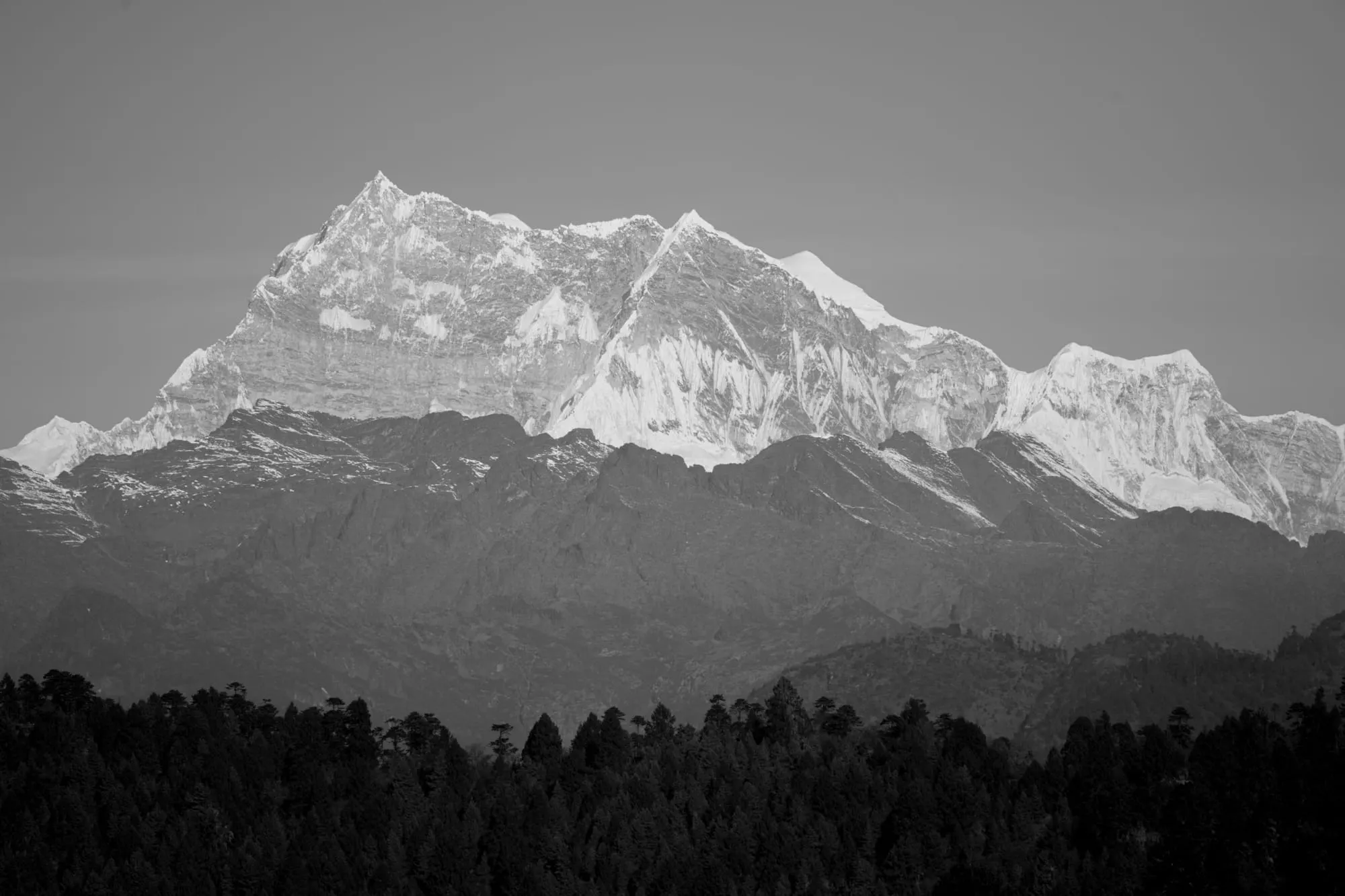
Bhutan is a country that feels like a secret waiting to be discovered. Nestled in the eastern Himalayas and fiercely protective of its cultural and natural heritage, it is one of the last truly unspoiled kingdoms on earth. During my 17-day journey with Hishey Tshering, I explored majestic mountains, wandered through vibrant villages, and witnessed rare wildlife in pristine valleys — all while experiencing the kind of warm, generous hospitality that stays with you long after you’ve returned home.
This is not a destination that shouts for attention. It whispers — and what it says is remarkable.
When to Visit
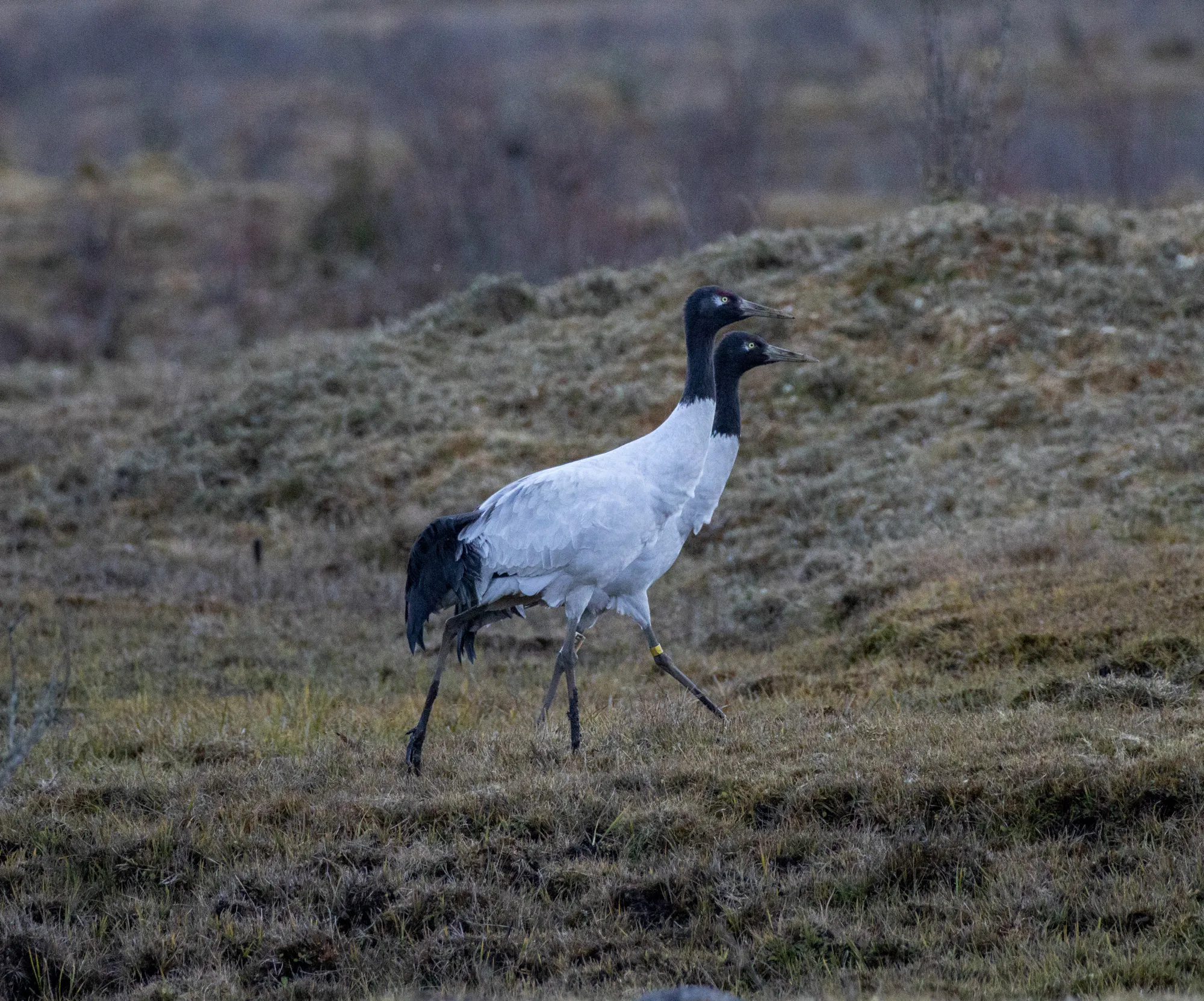
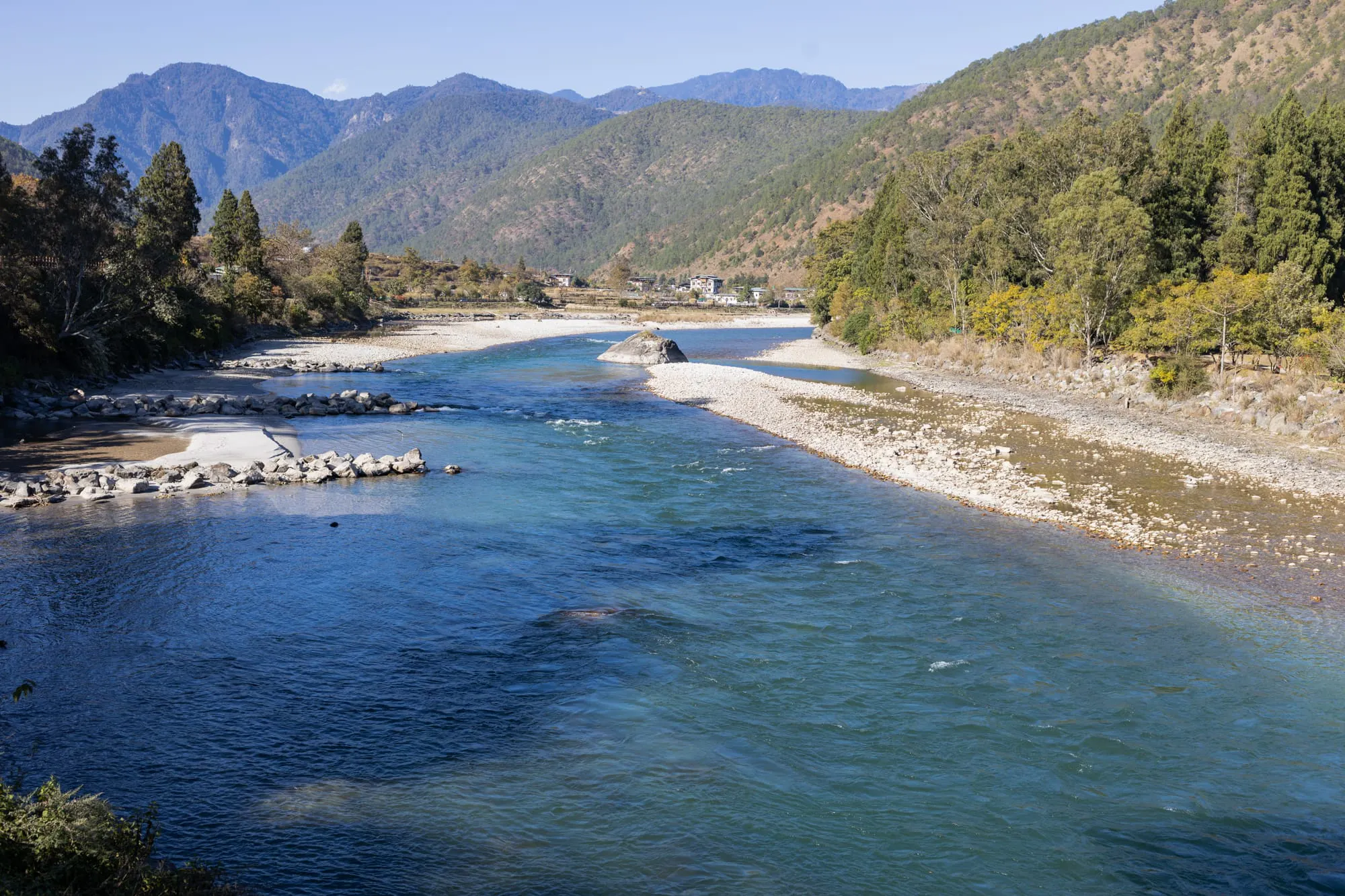
Bhutan rewards visitors year-round, but timing shapes the experience. October and November bring brilliantly clear skies and the spectacle of Black-necked Cranes arriving in the Phobjikha Valley. Spring (March–May) transforms the hillsides into a blaze of rhododendron blooms and mild temperatures perfect for trekking and sightseeing. Early-to-mid December — when I traveled — offers a quieter, off-season magic: crisp mountain air, uncrowded monasteries, and an intimacy with the landscape that the busier seasons can’t quite match. Whatever the season, Bhutan never disappoints.
Getting There
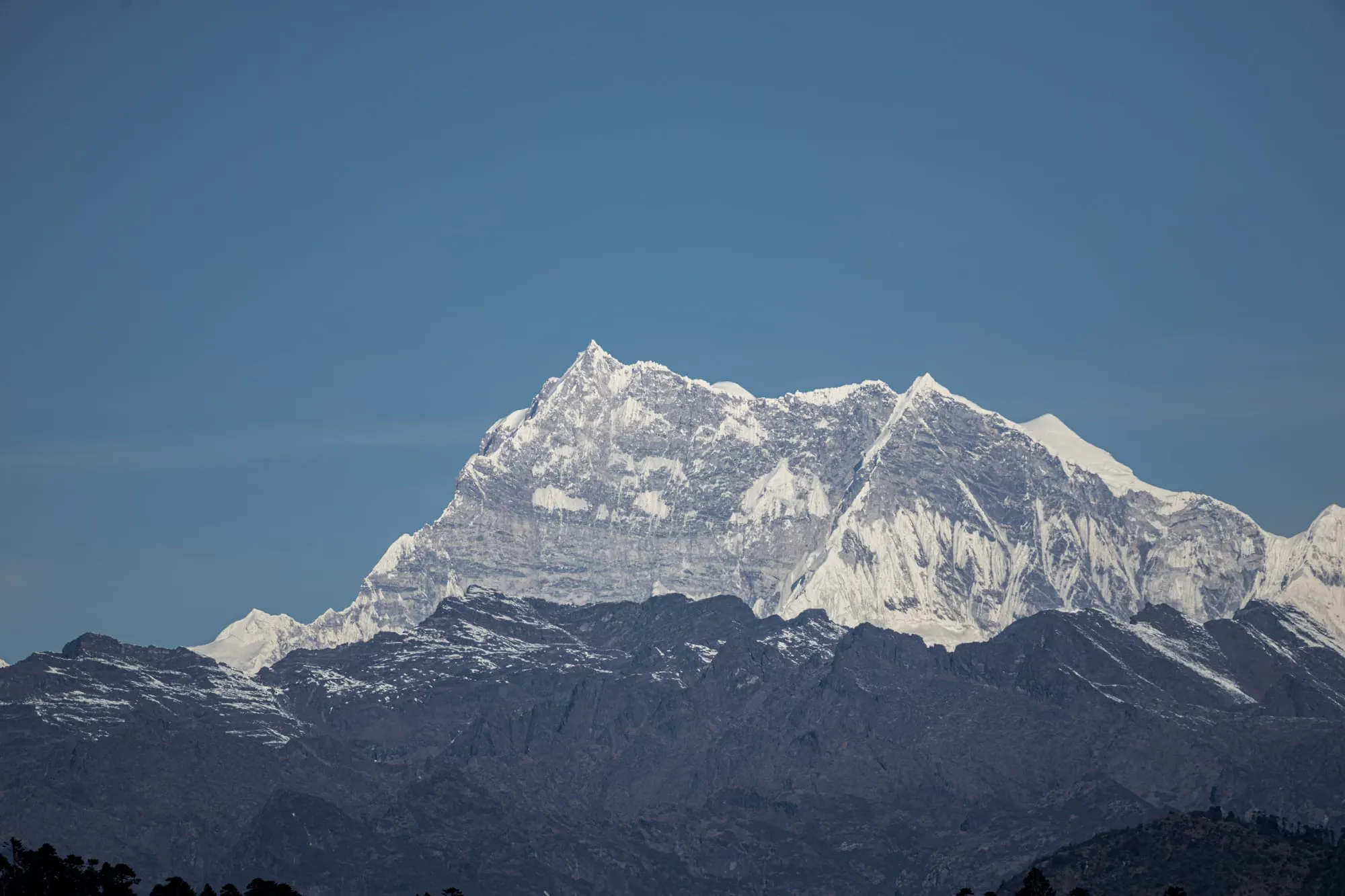
All international flights arrive at Paro Airport, considered one of the world’s most dramatic landing approaches — pilots navigate between towering Himalayan peaks before touching down on one of the region’s shortest runways. Most travelers route through Bangkok, with an overnight stay recommended for a smooth, unhurried connection. Once in Bhutan, scenic mountain roads and occasional domestic flights link the country’s main destinations. For something truly unforgettable, helicopter tours to remote Himalayan peaks — including Jhomolhari Base Camp — can be arranged for small groups.
Wildlife & Nature
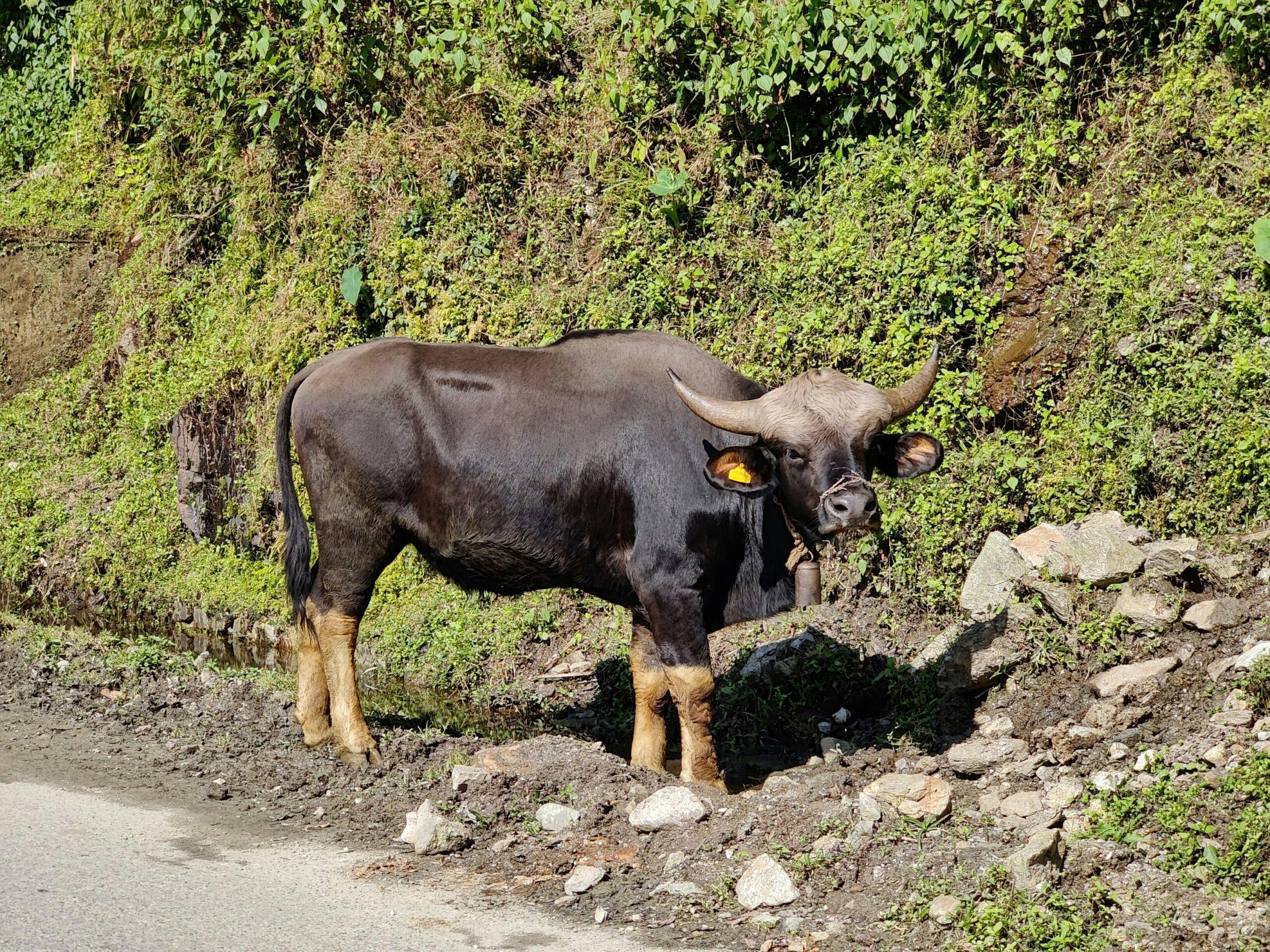
Bhutan is a living conservation miracle. More than 50% of its land remains forested, and a robust network of protected areas means wildlife genuinely thrives here. During my trip I encountered barking deer, Himalayan striped squirrels, giant flying squirrels, and the endearing Bhutan Takin — the country’s national animal, a wonderfully improbable-looking creature somewhere between a goat and a wildebeest.
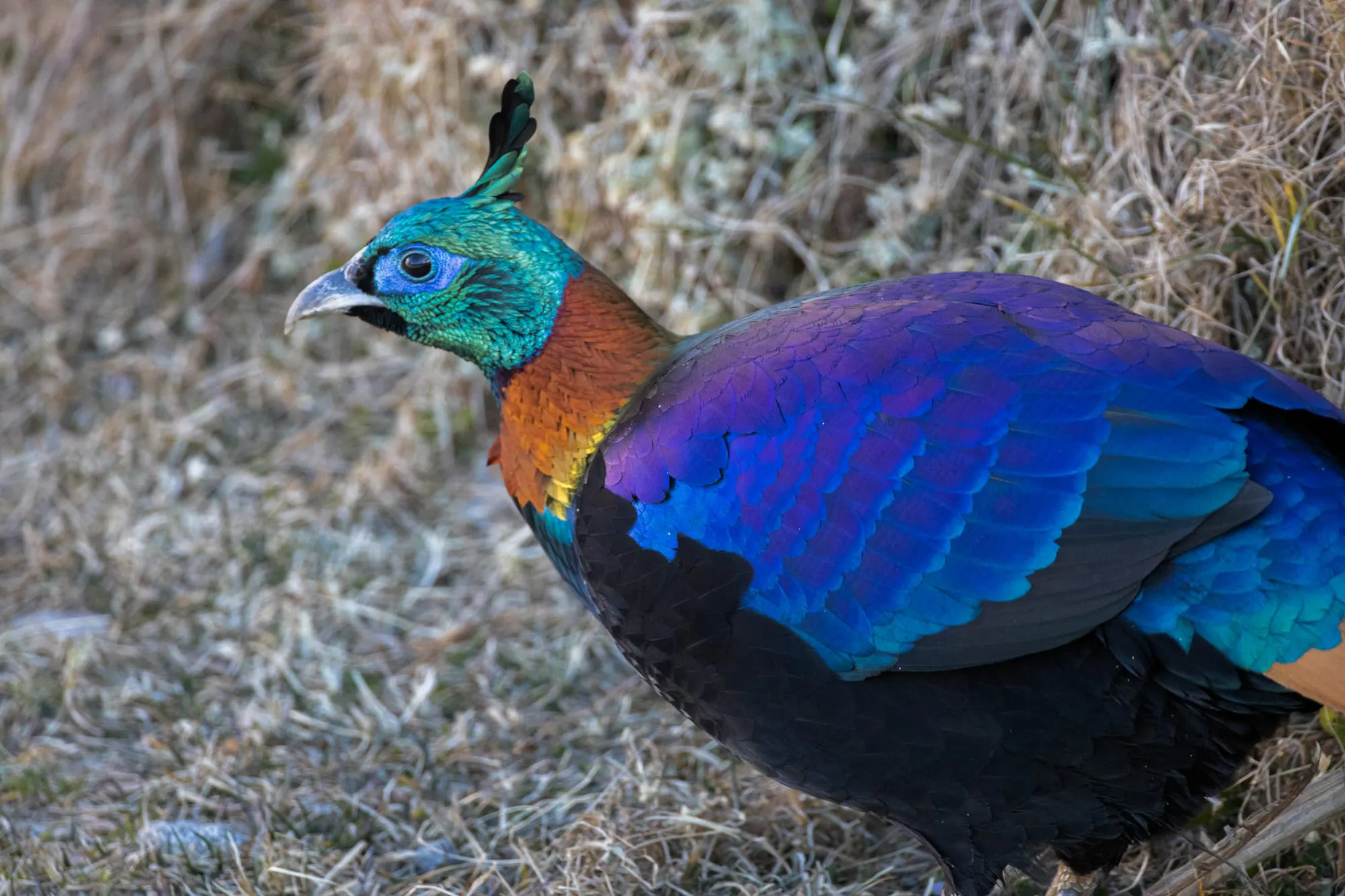
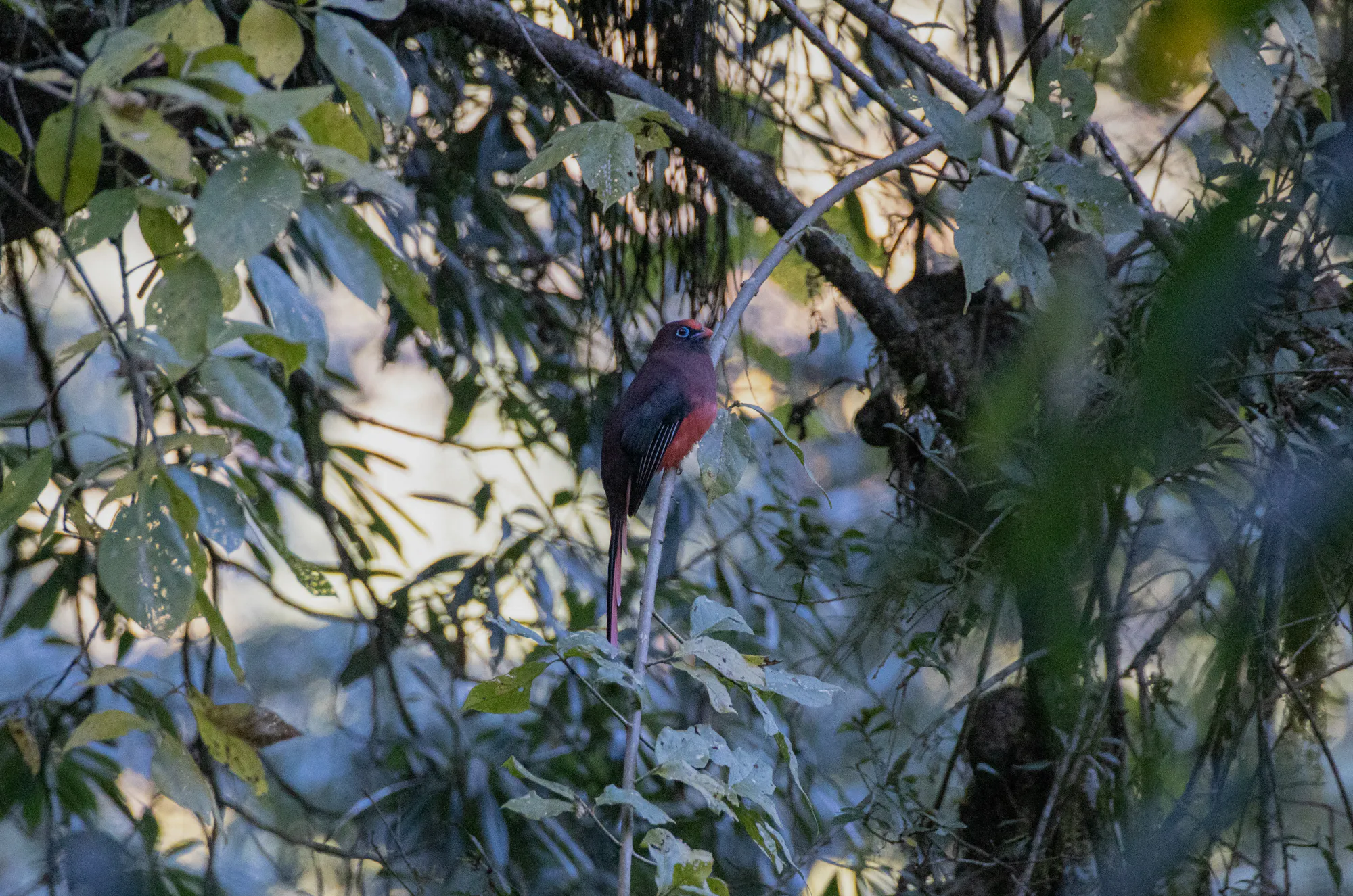
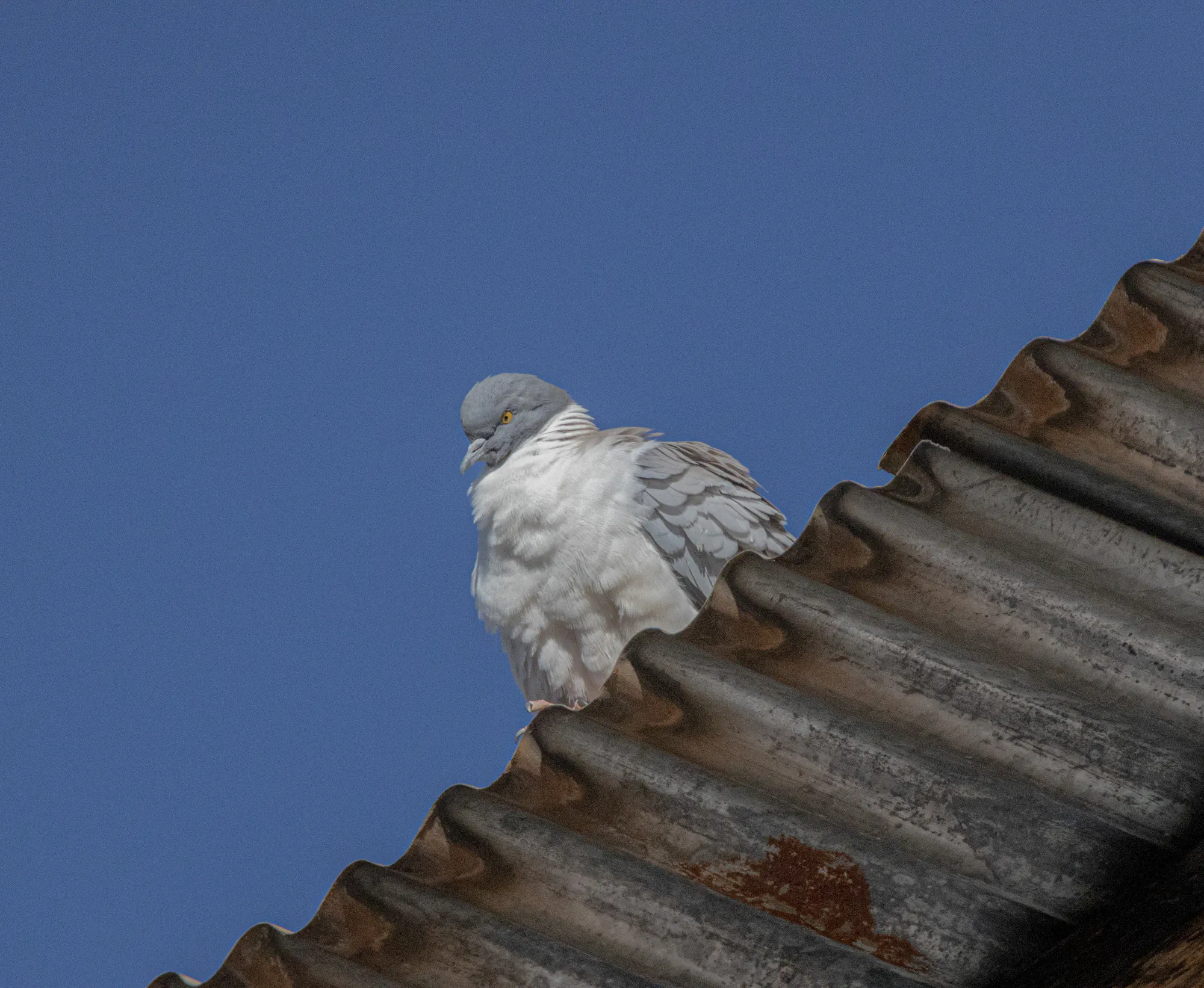
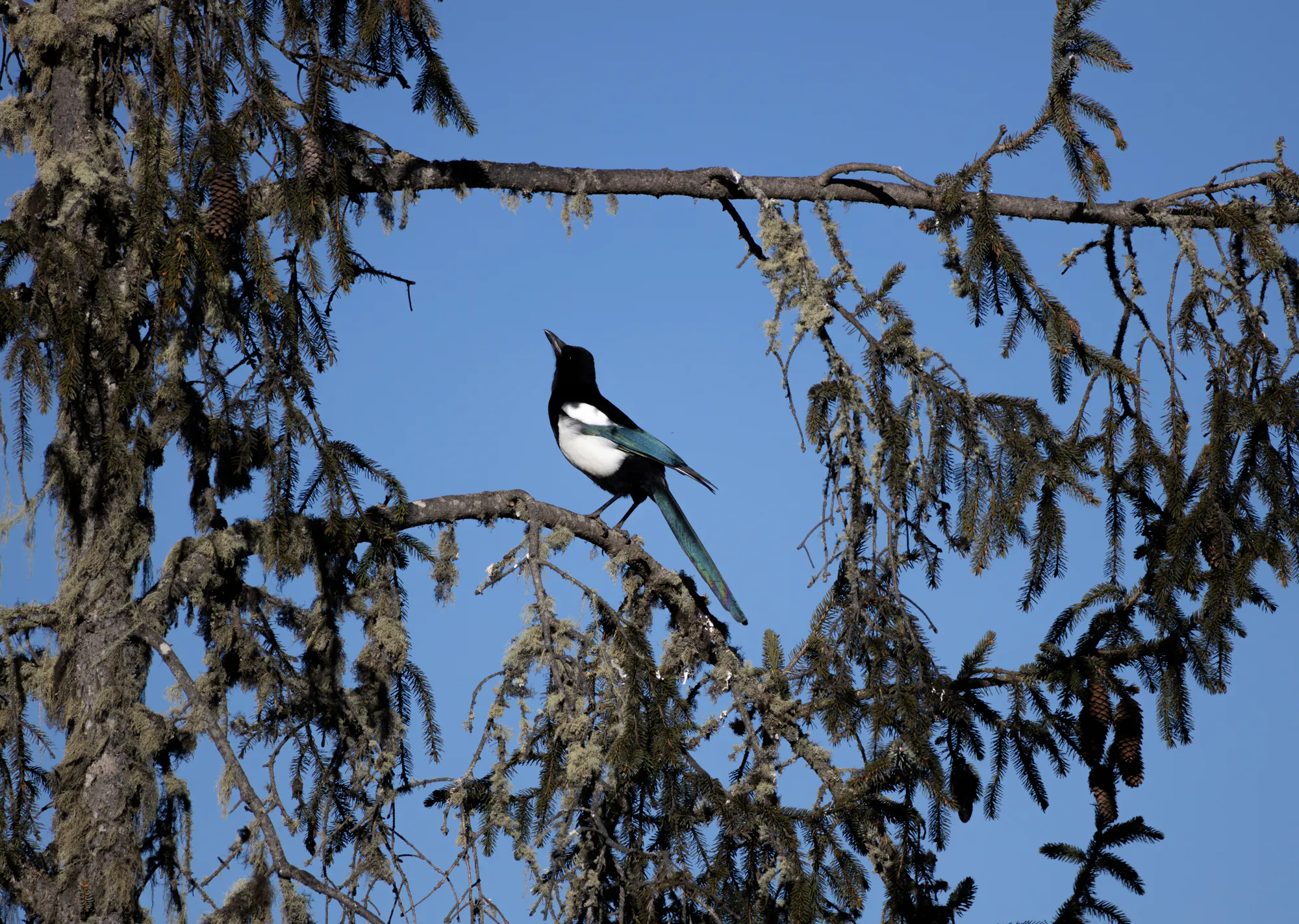
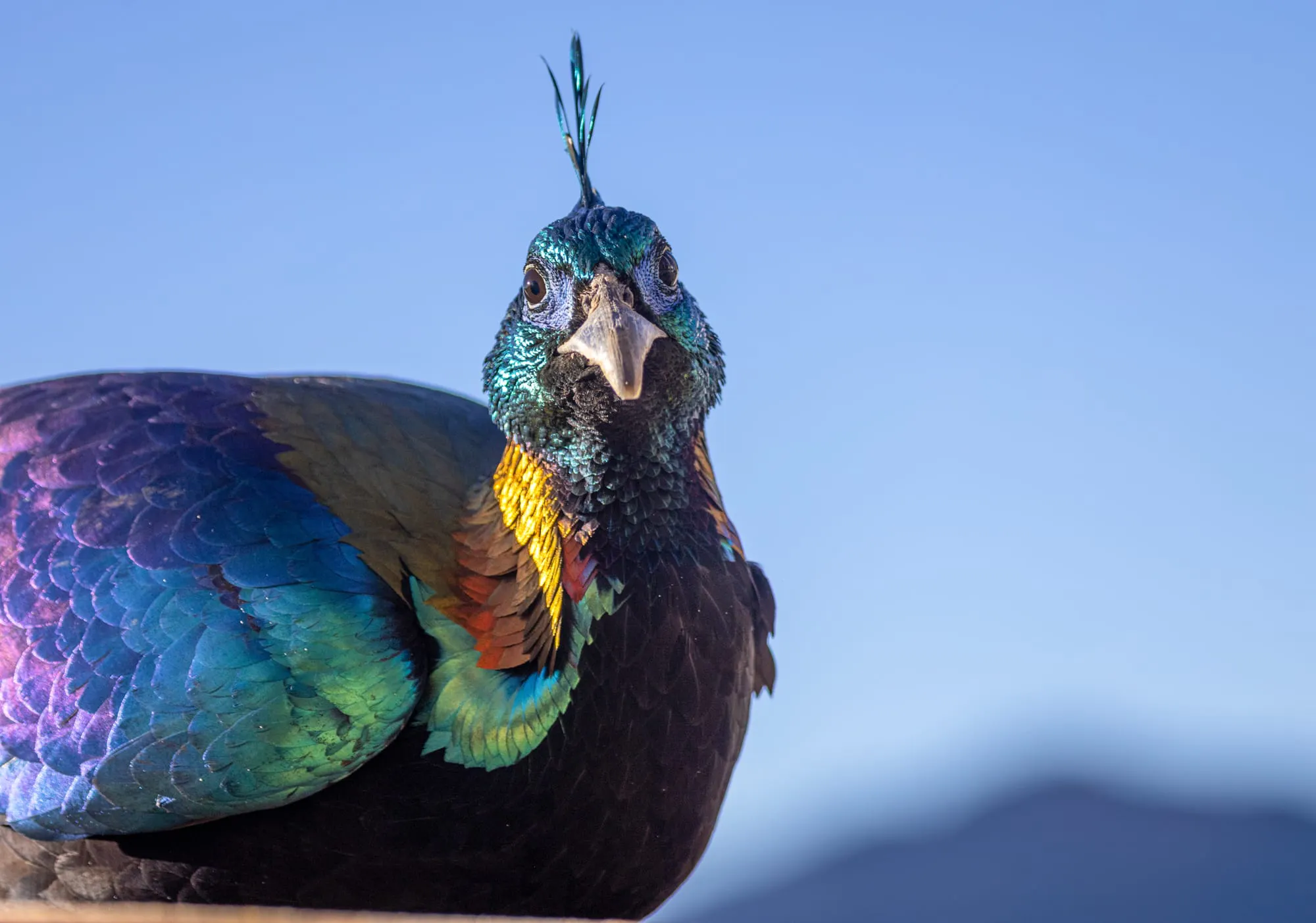
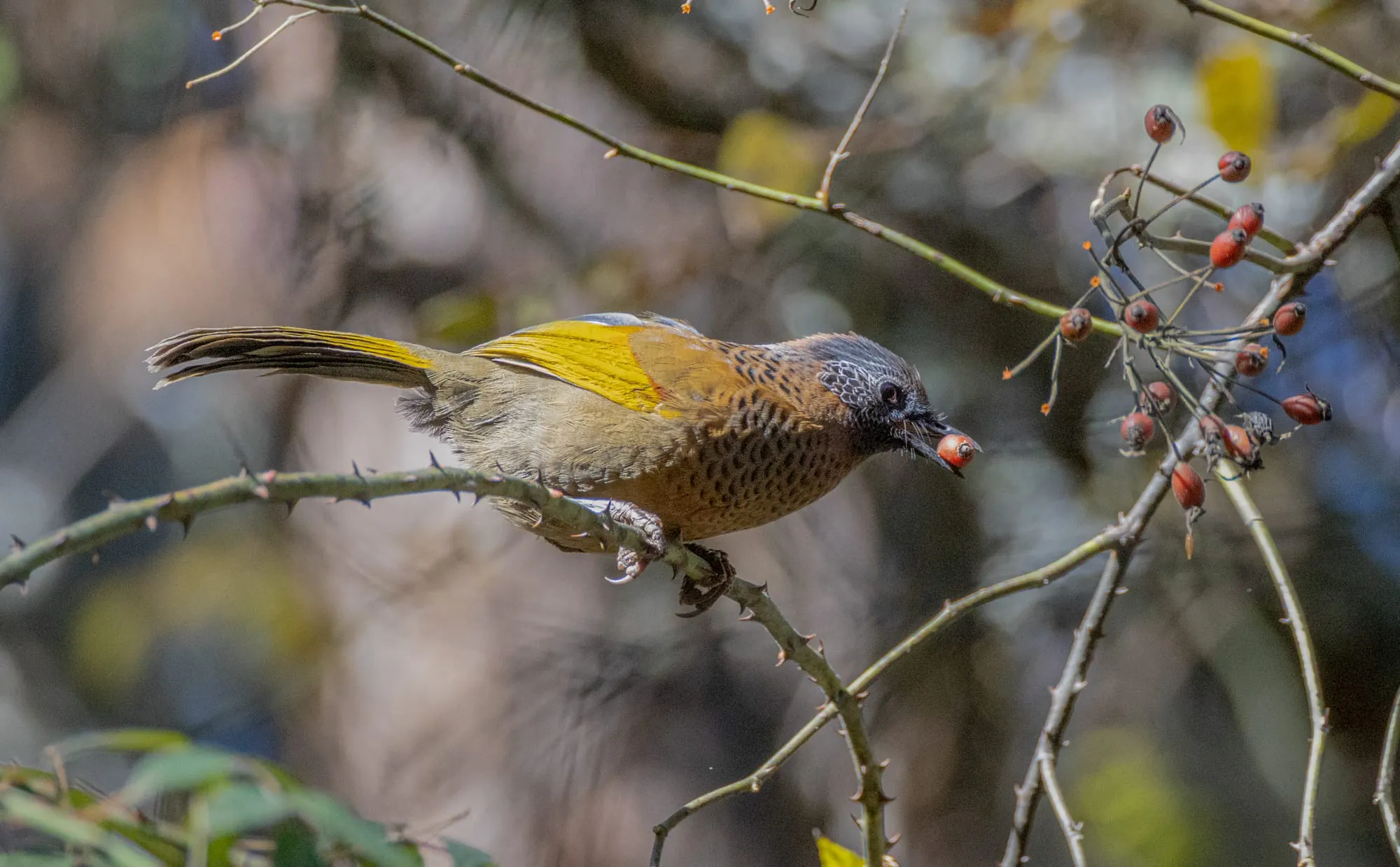
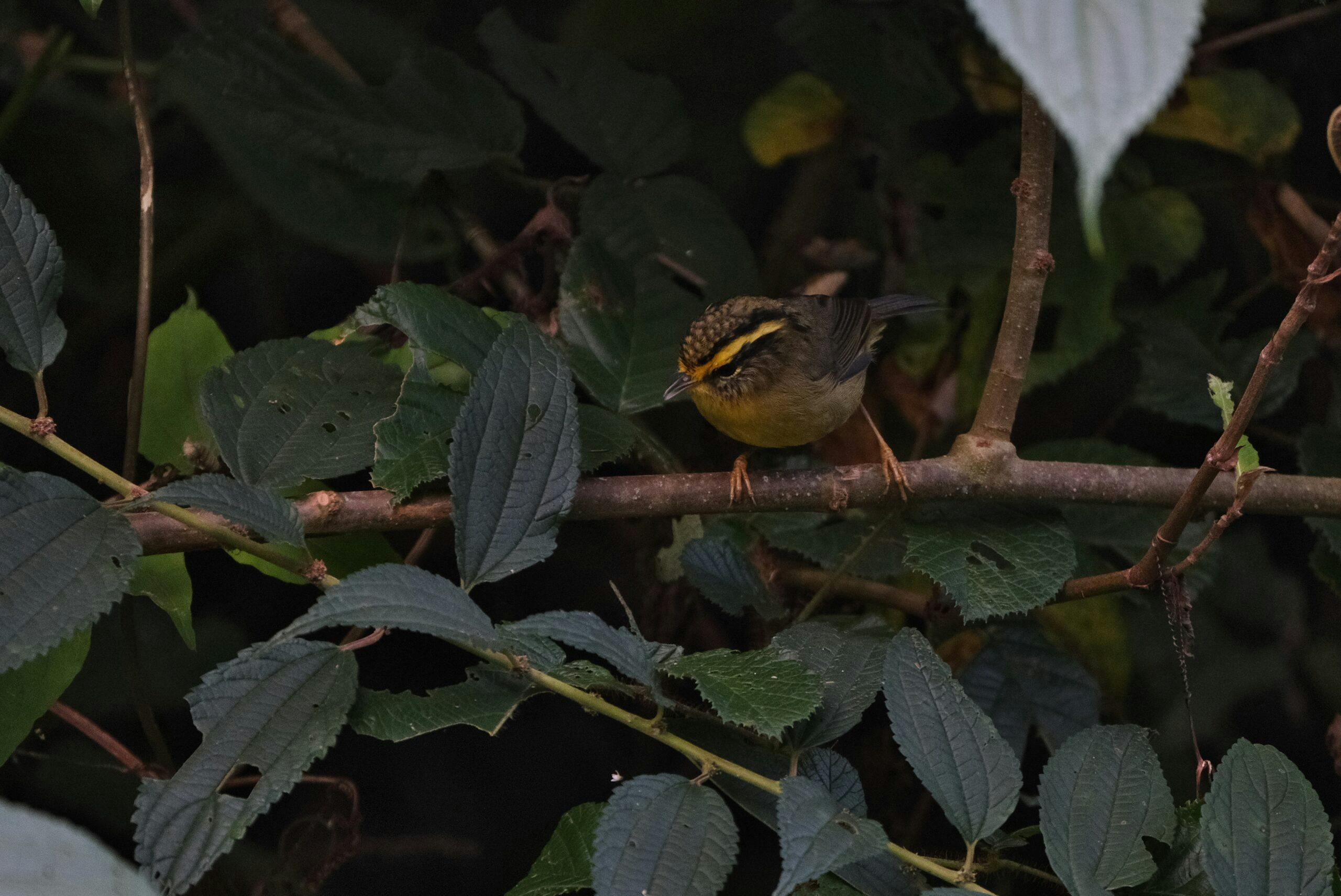
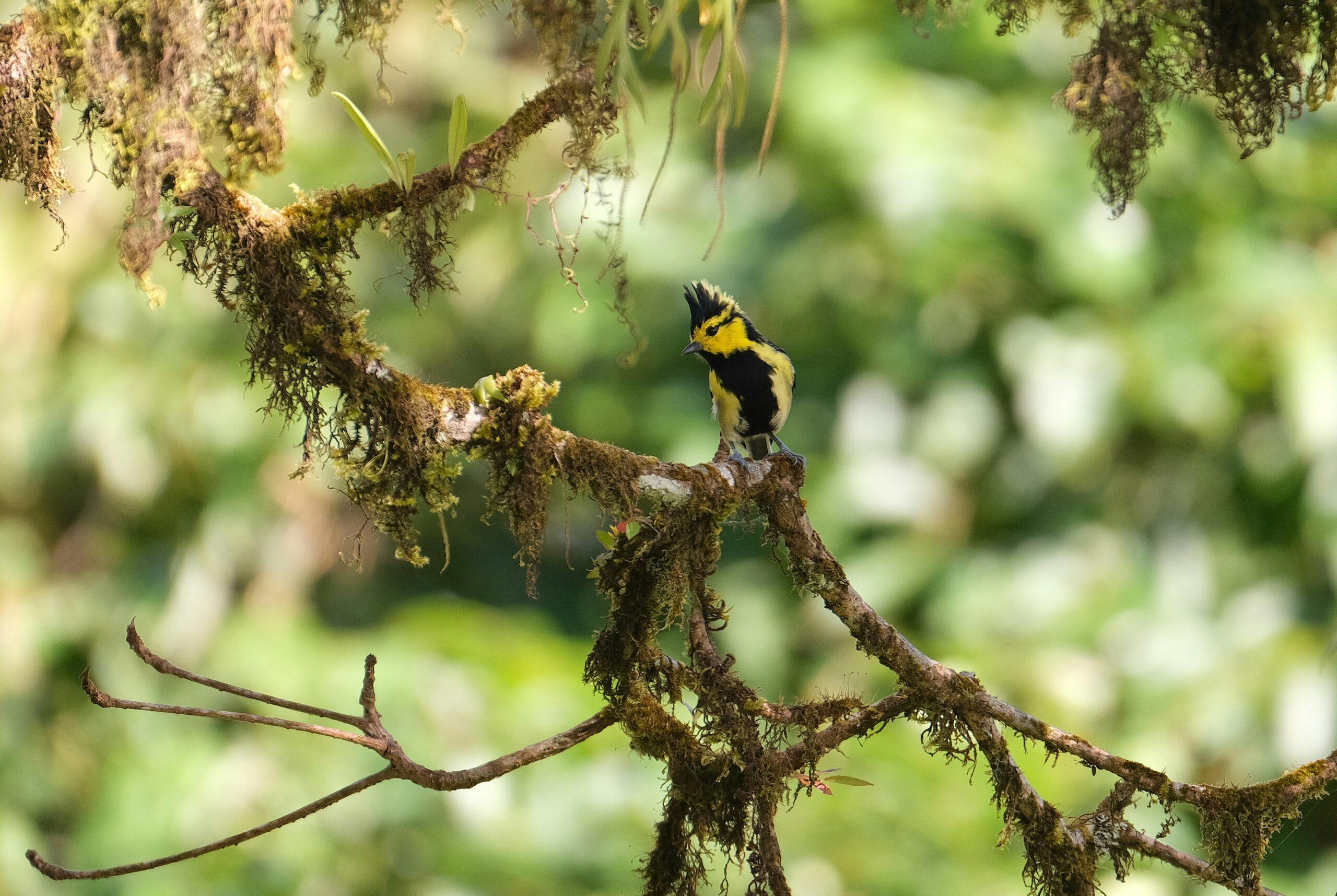
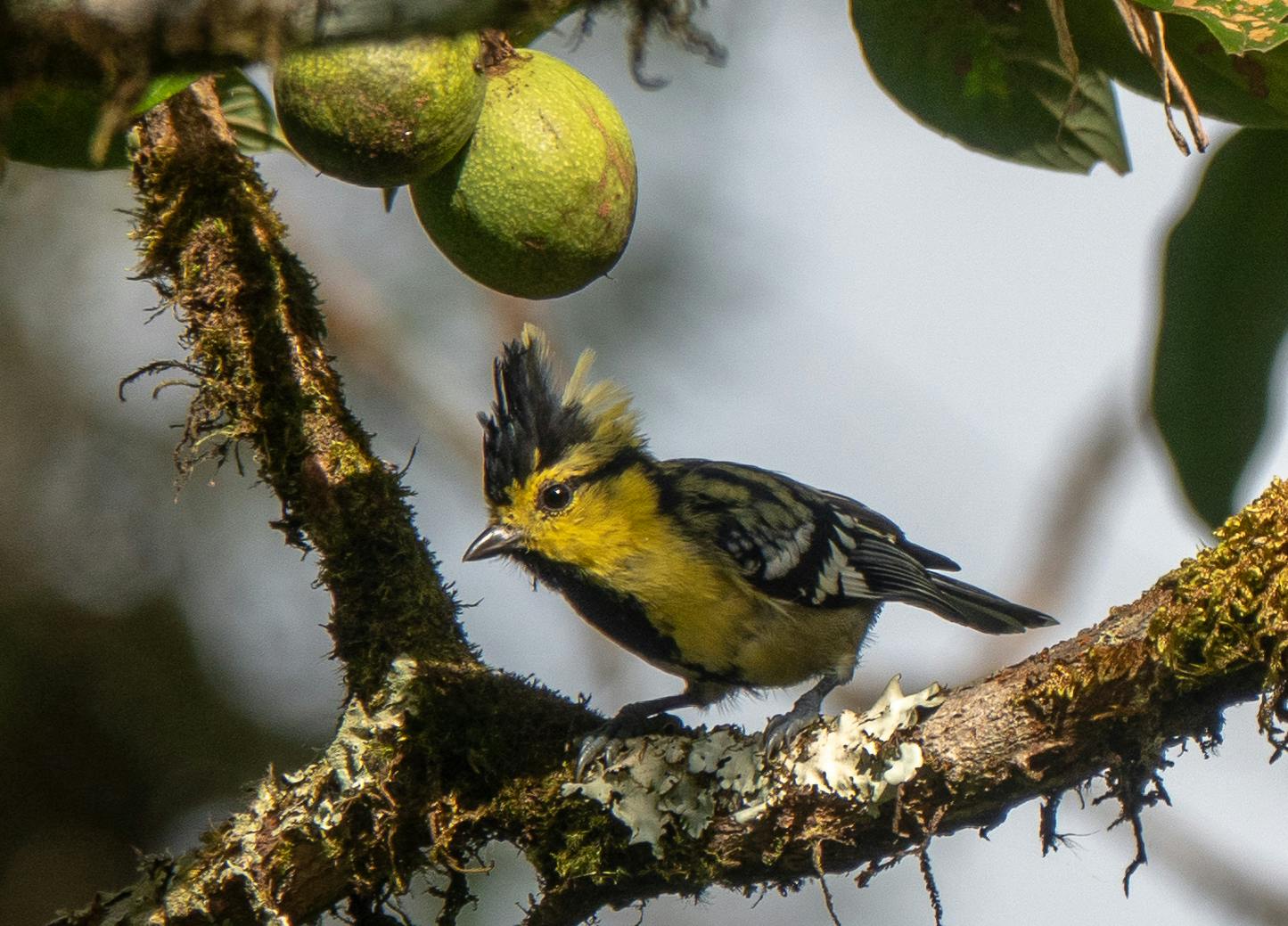
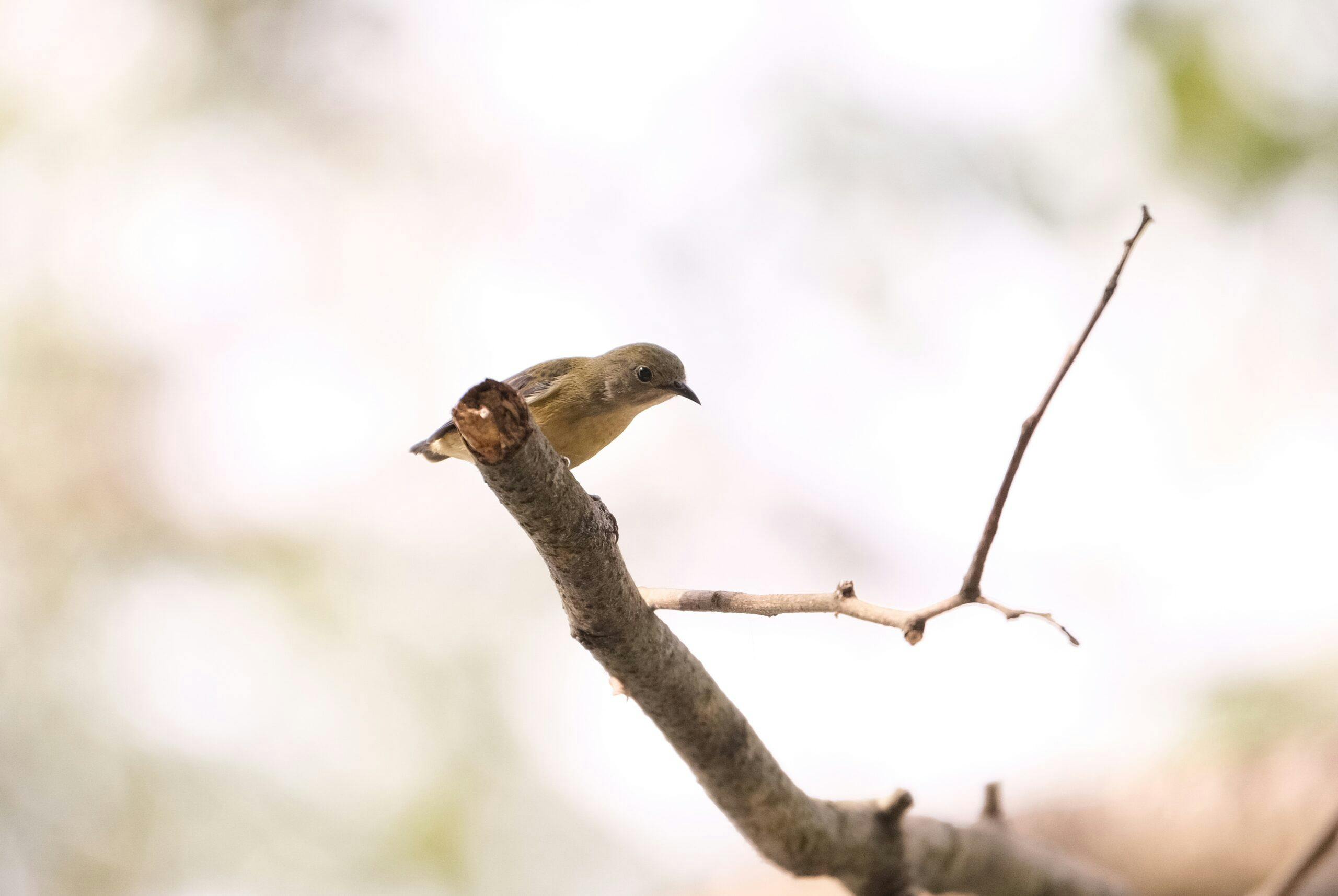
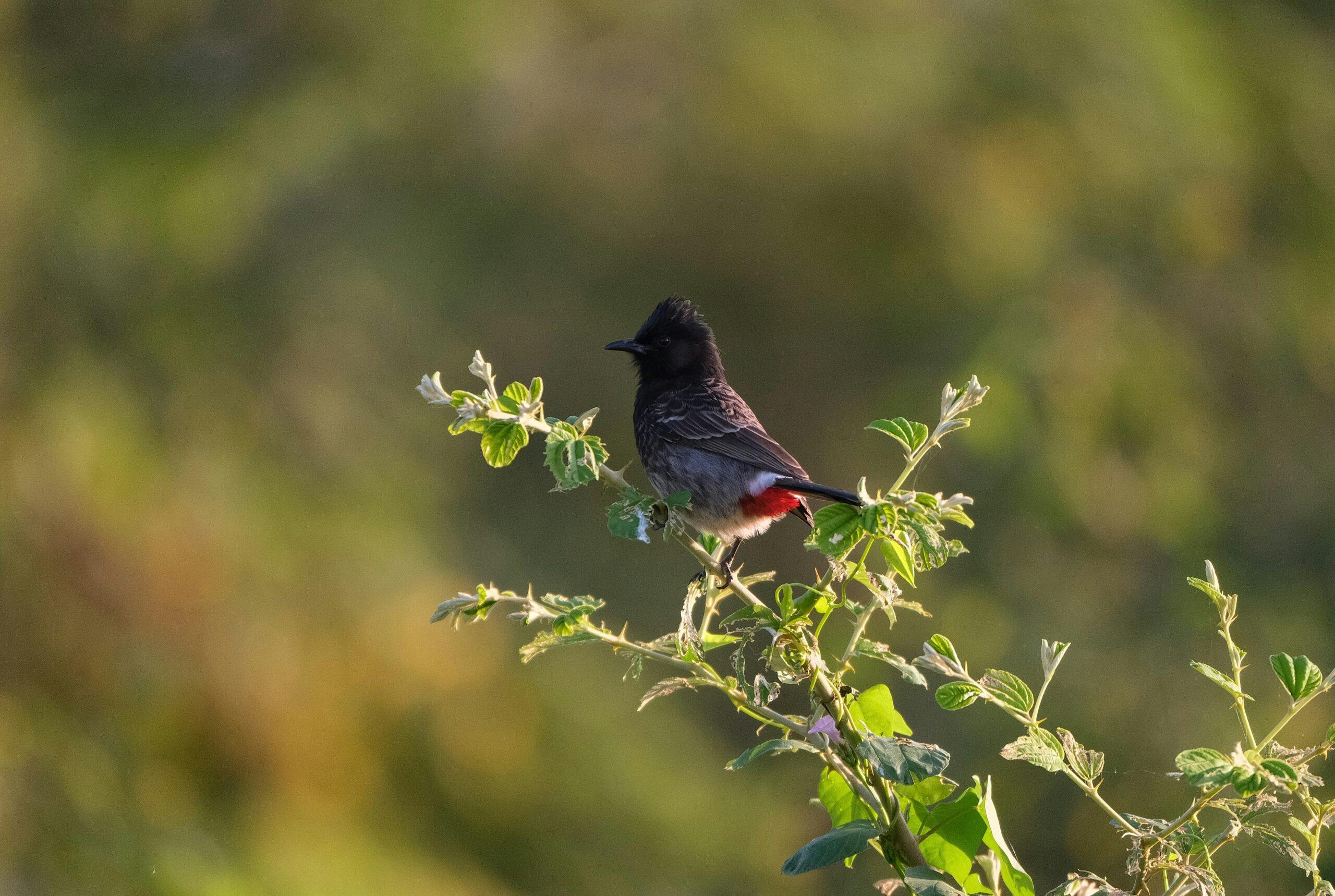
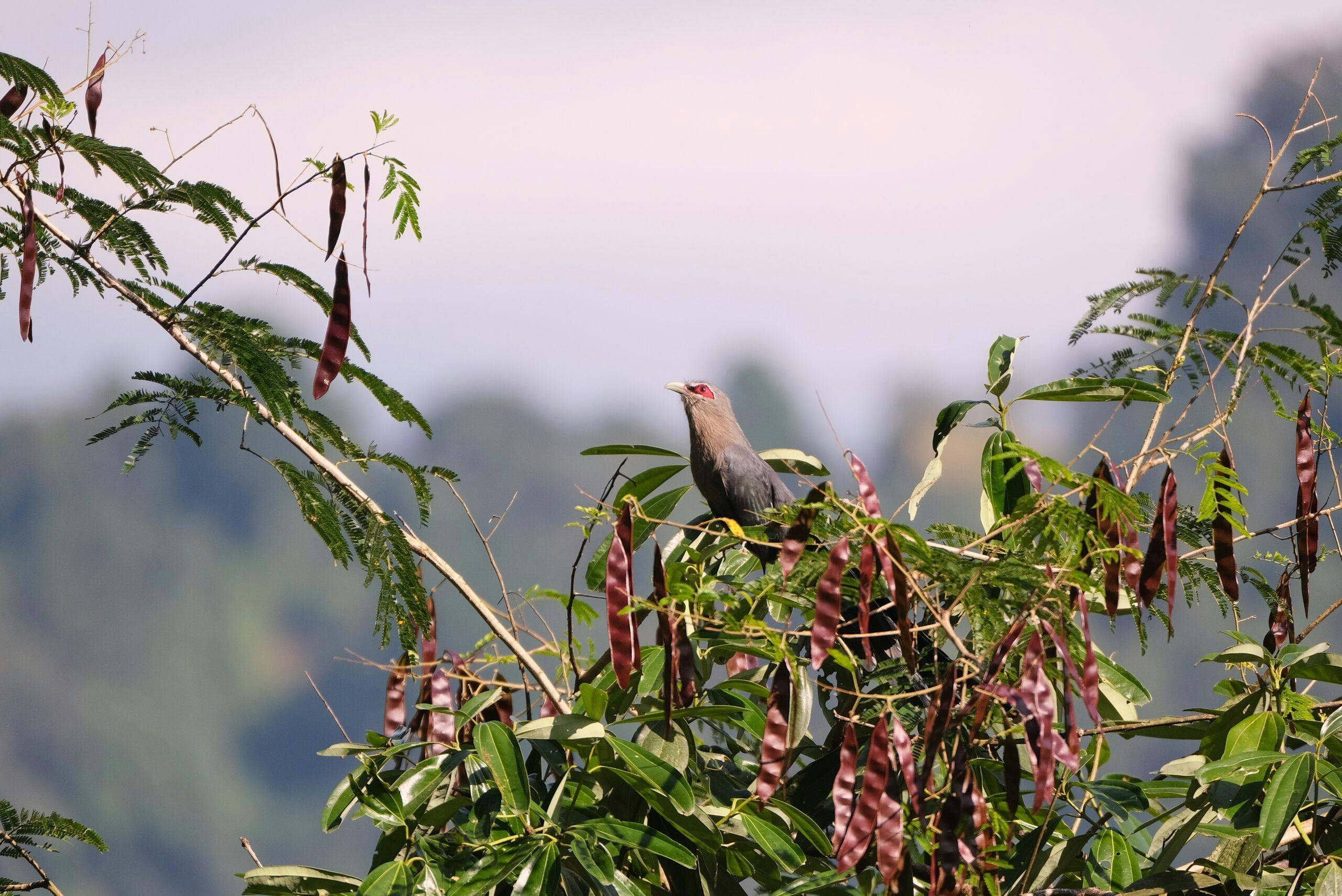
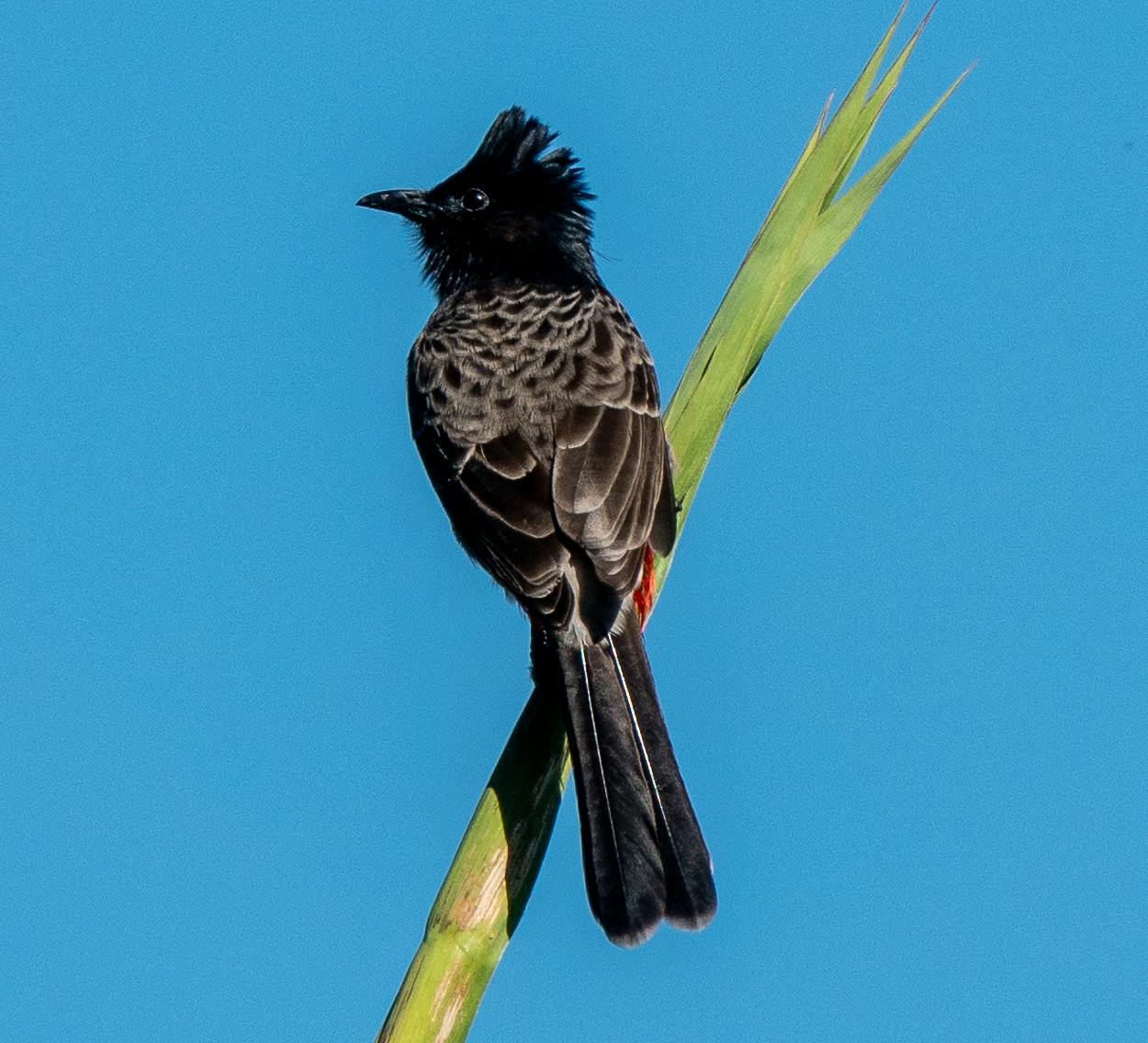
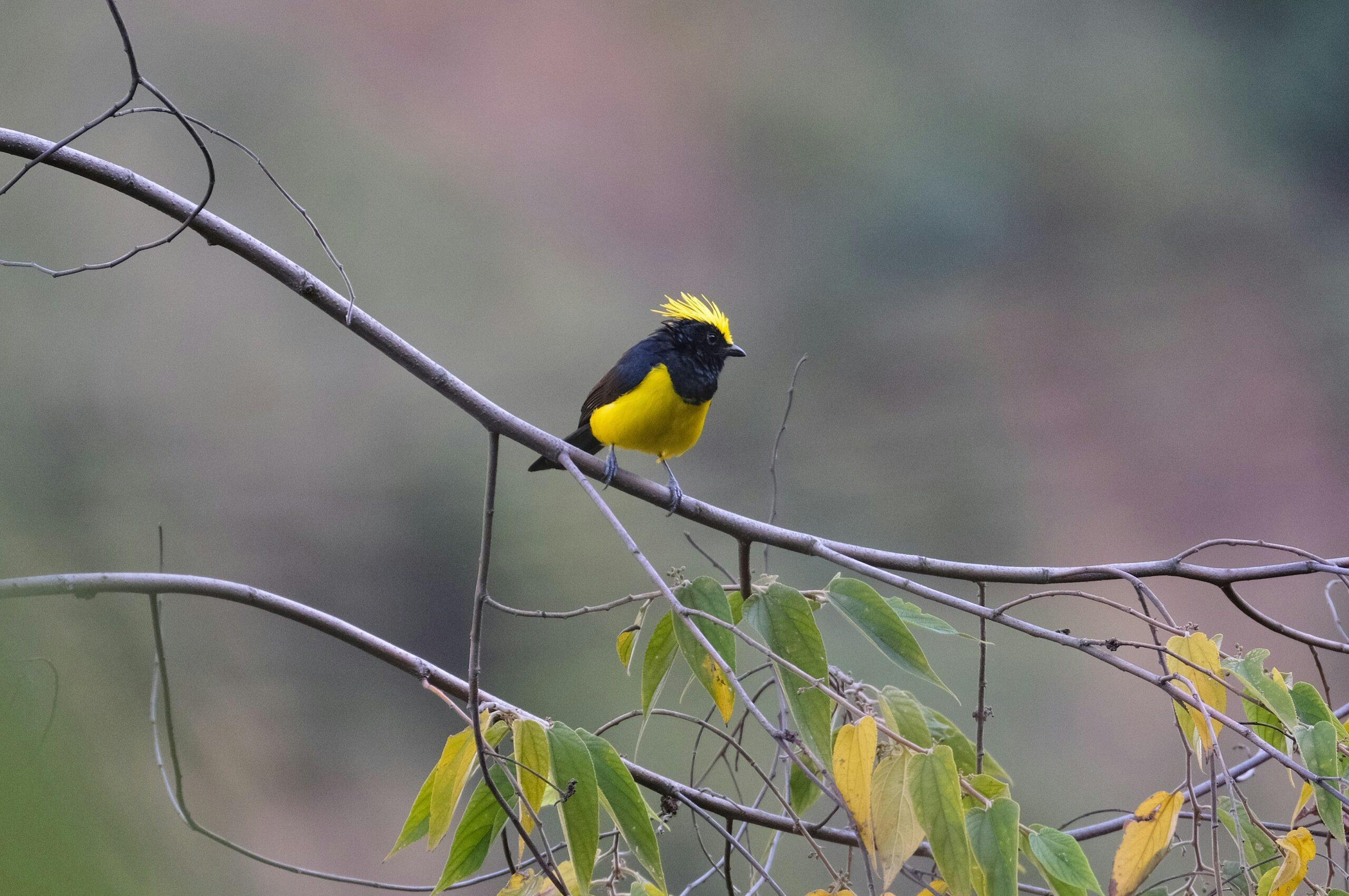
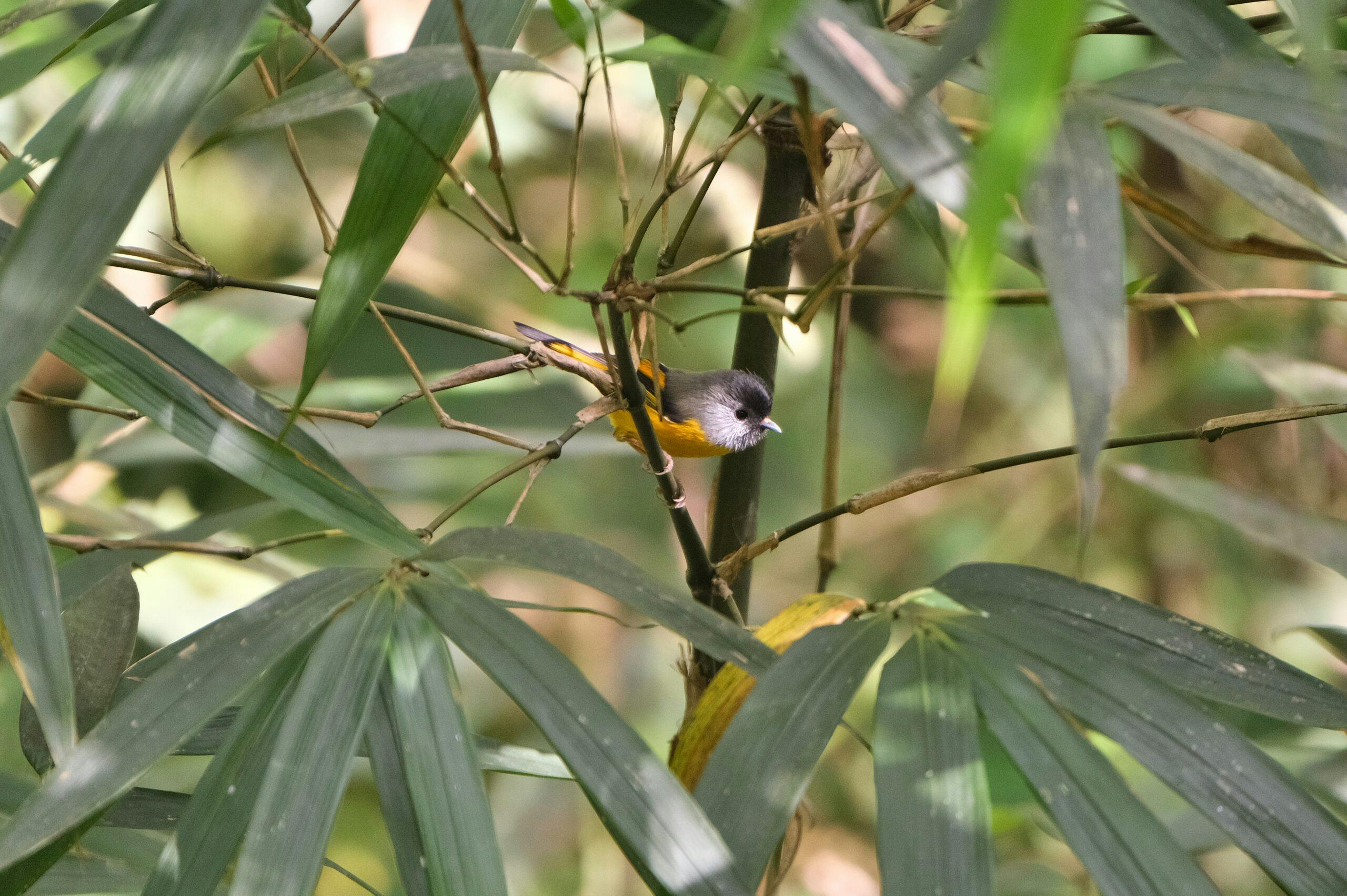
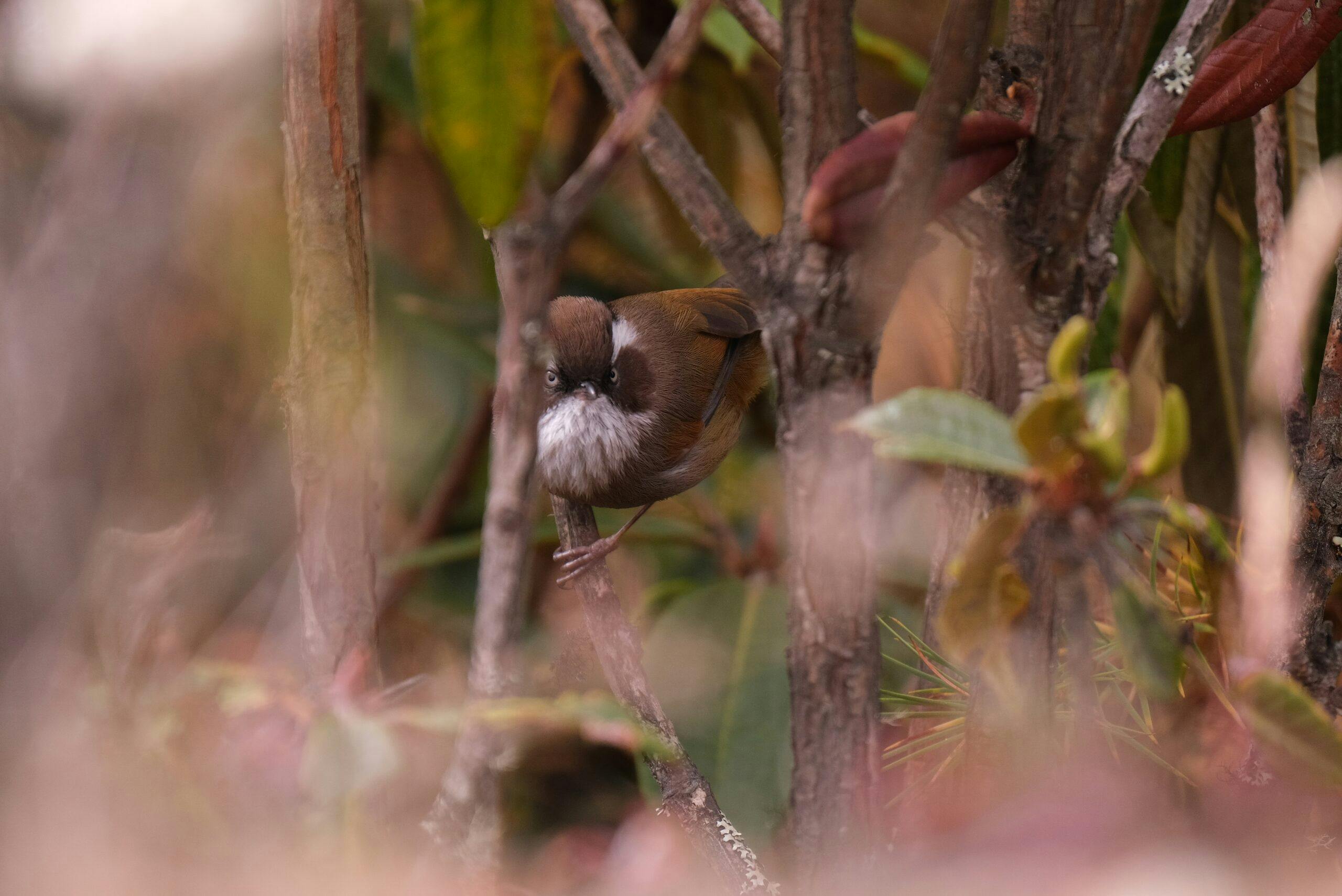
For birders, Bhutan is extraordinary. Over 736 species have been recorded here. I tallied 128 during my 17 days, including the dazzling Himalayan Monal Pheasant. The elevation range — from subtropical valleys at 4,000 feet to alpine passes above 13,000 feet — creates a diversity of habitats that keeps the sightings coming around every bend. Notable target species include:
- Black-necked Crane — Phobjikha Valley, November–December
- Himalayan Monal Pheasant — mid-elevation forests year-round
- Satyr Tragopan — spring, at higher elevations
- Beautiful Nuthatch — Eastern Bhutan, Royal Manas National Park area
- Ward’s Trogon — subtropical forests in the east
- White-bellied Heron — one of the world’s rarest herons; Bhutan is a stronghold
This is genuinely one of the most underrated wildlife destinations on earth. The combination of conservation commitment and habitat diversity puts Bhutan in a class by itself for a serious birder or naturalist.
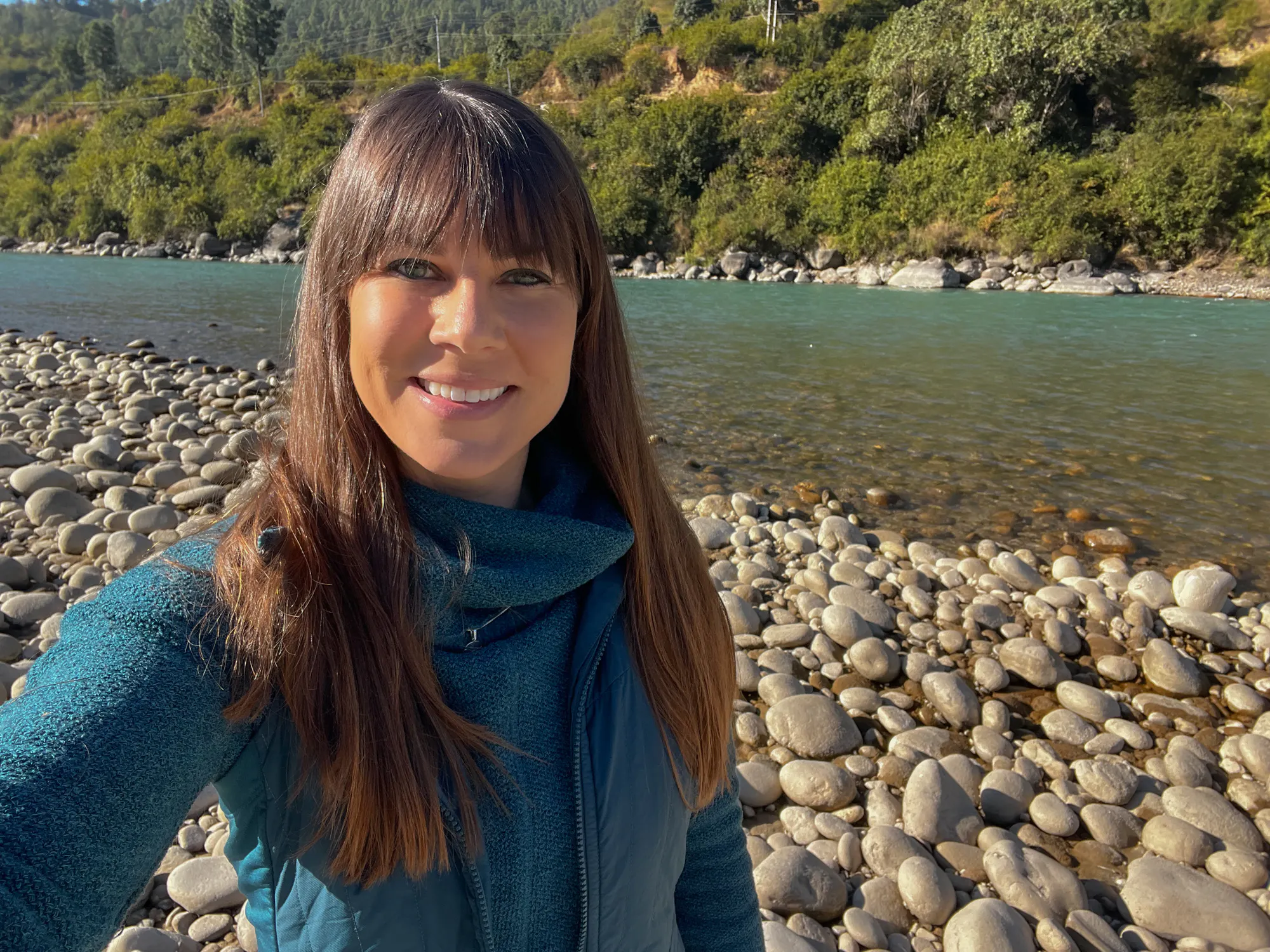
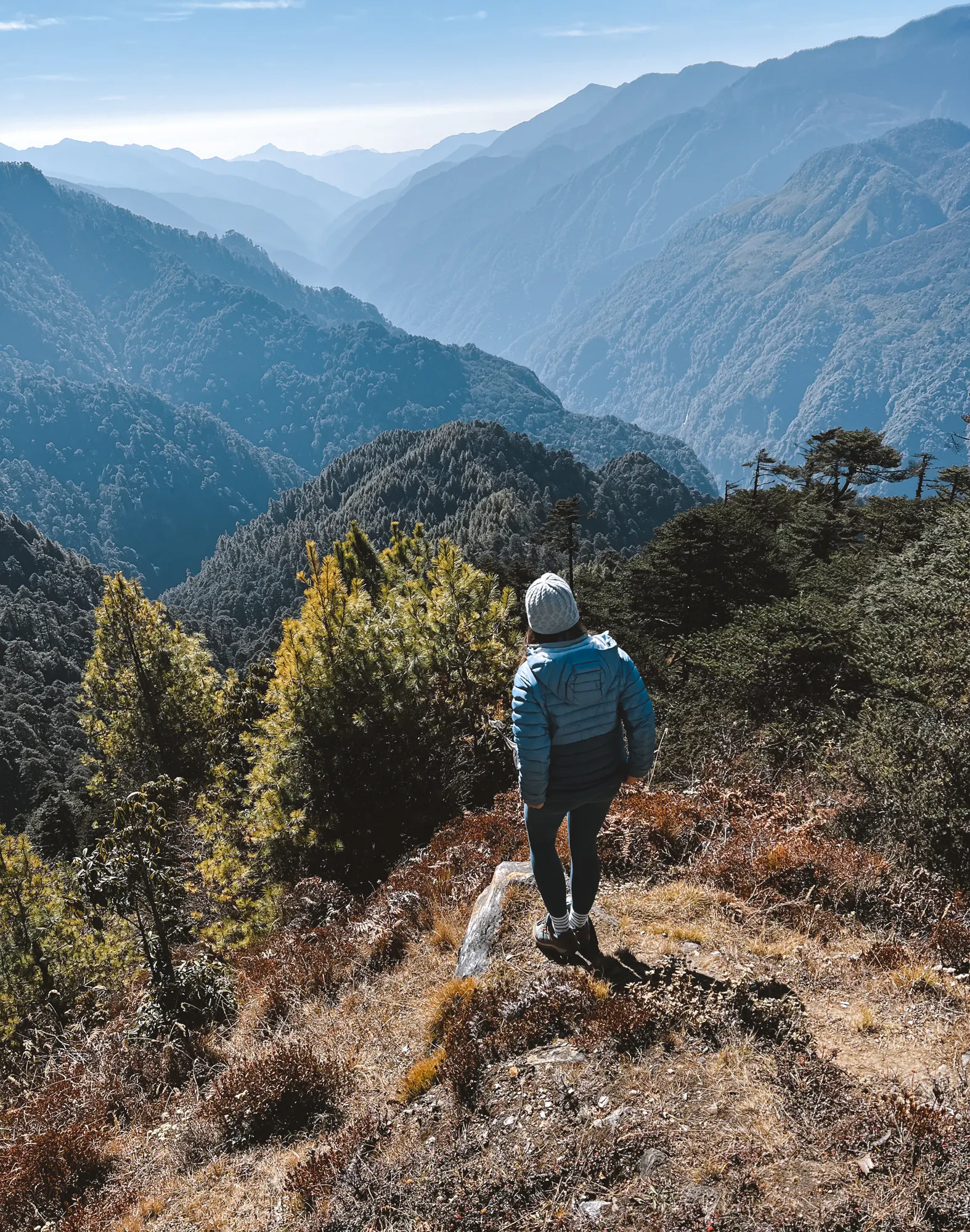
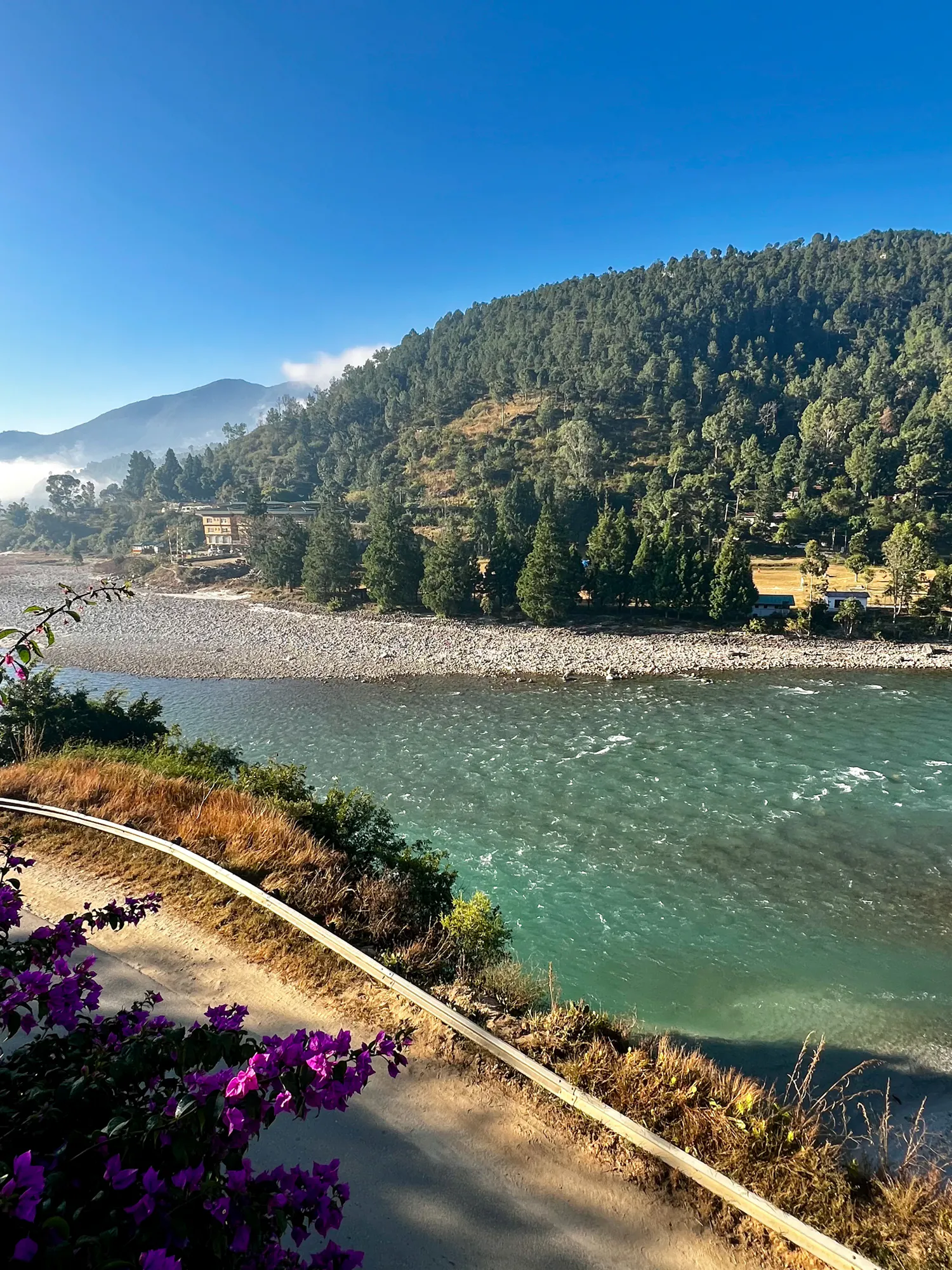
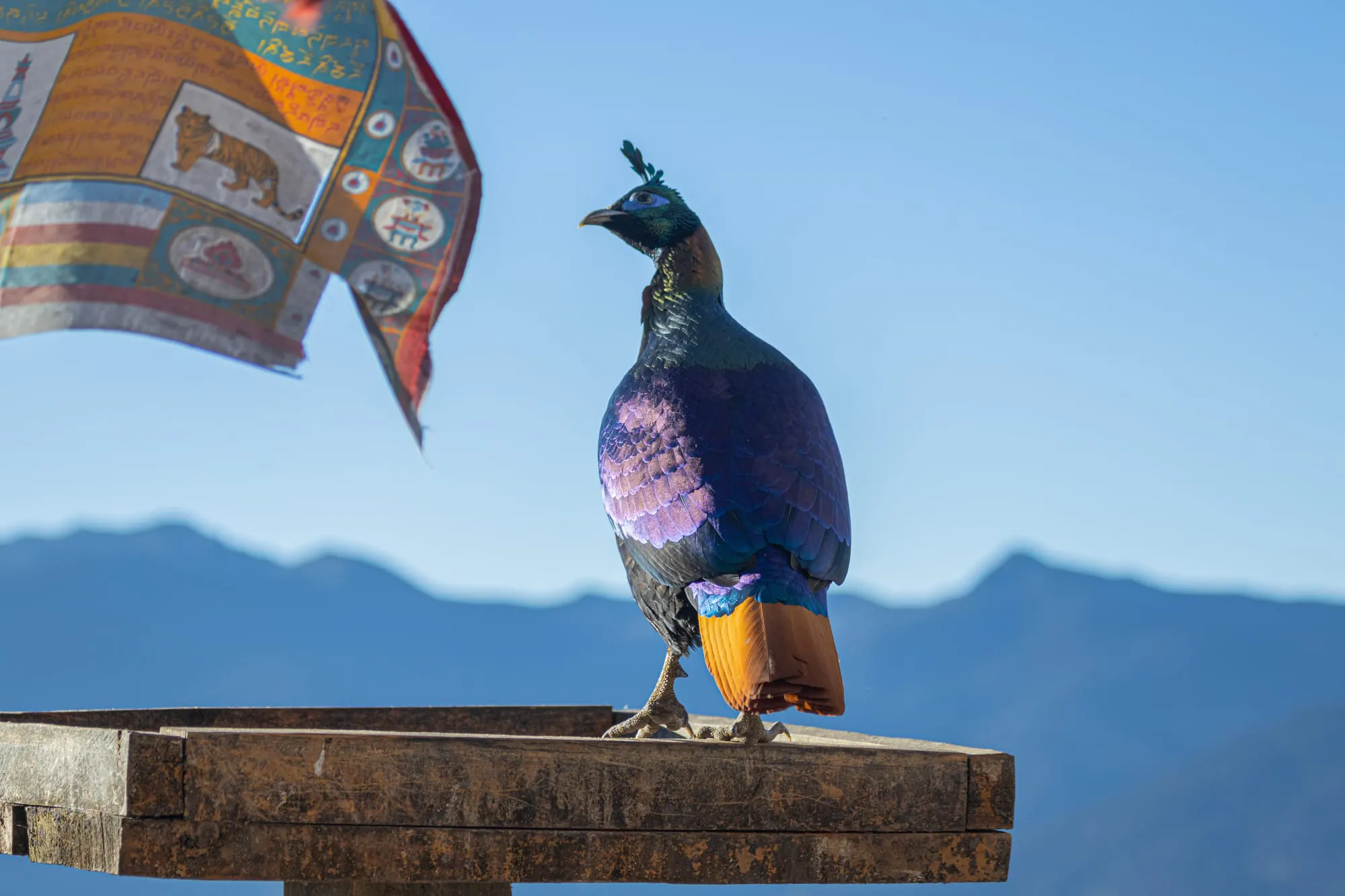
“The length of the trip gave us time to travel the whole country. The combination of birding and cultural aspects was excellent and the guides fulfilled both roles to a T.”
— Candy McManiman, Bhutan Traveler
Culture & Hospitality
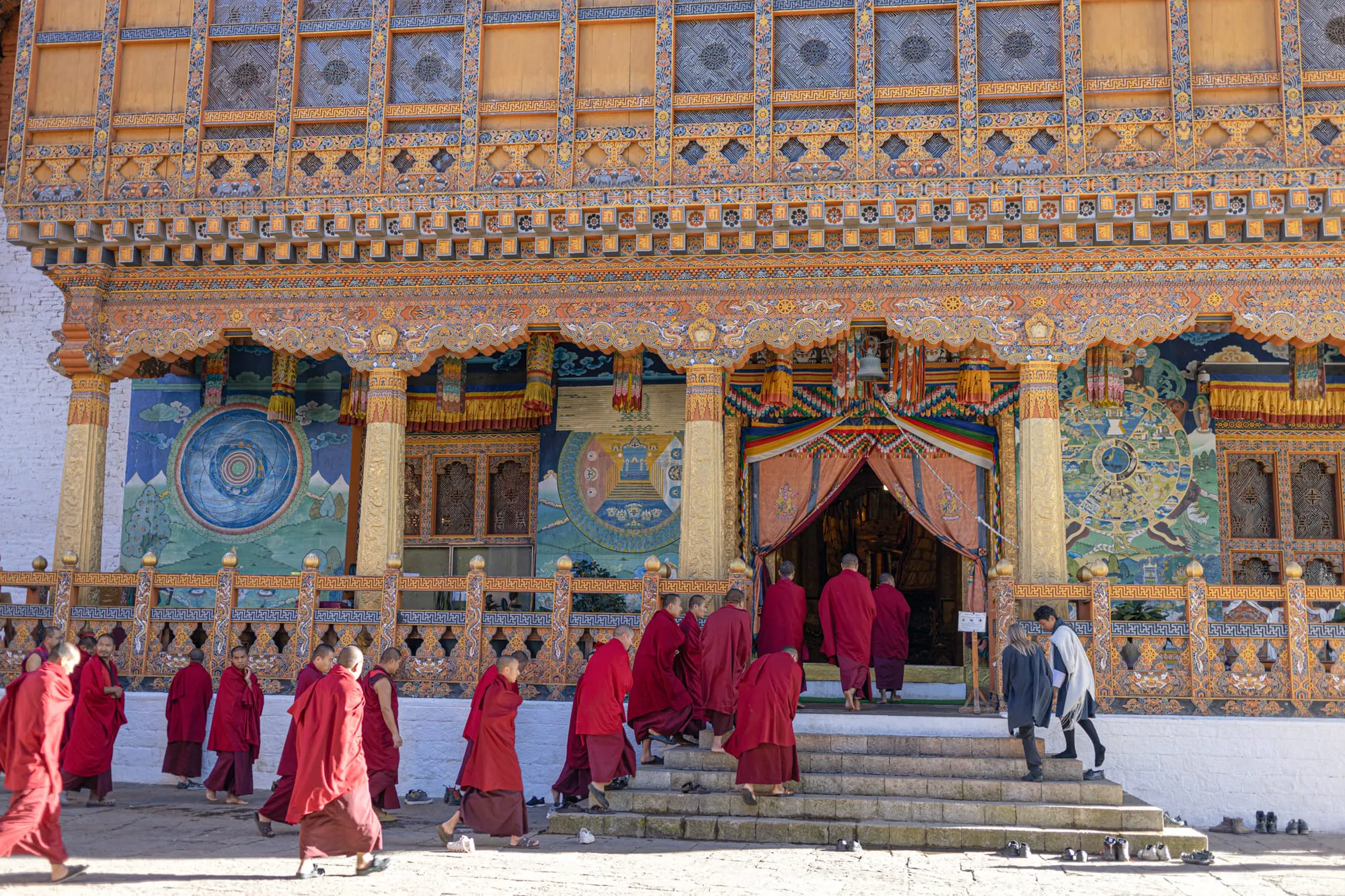
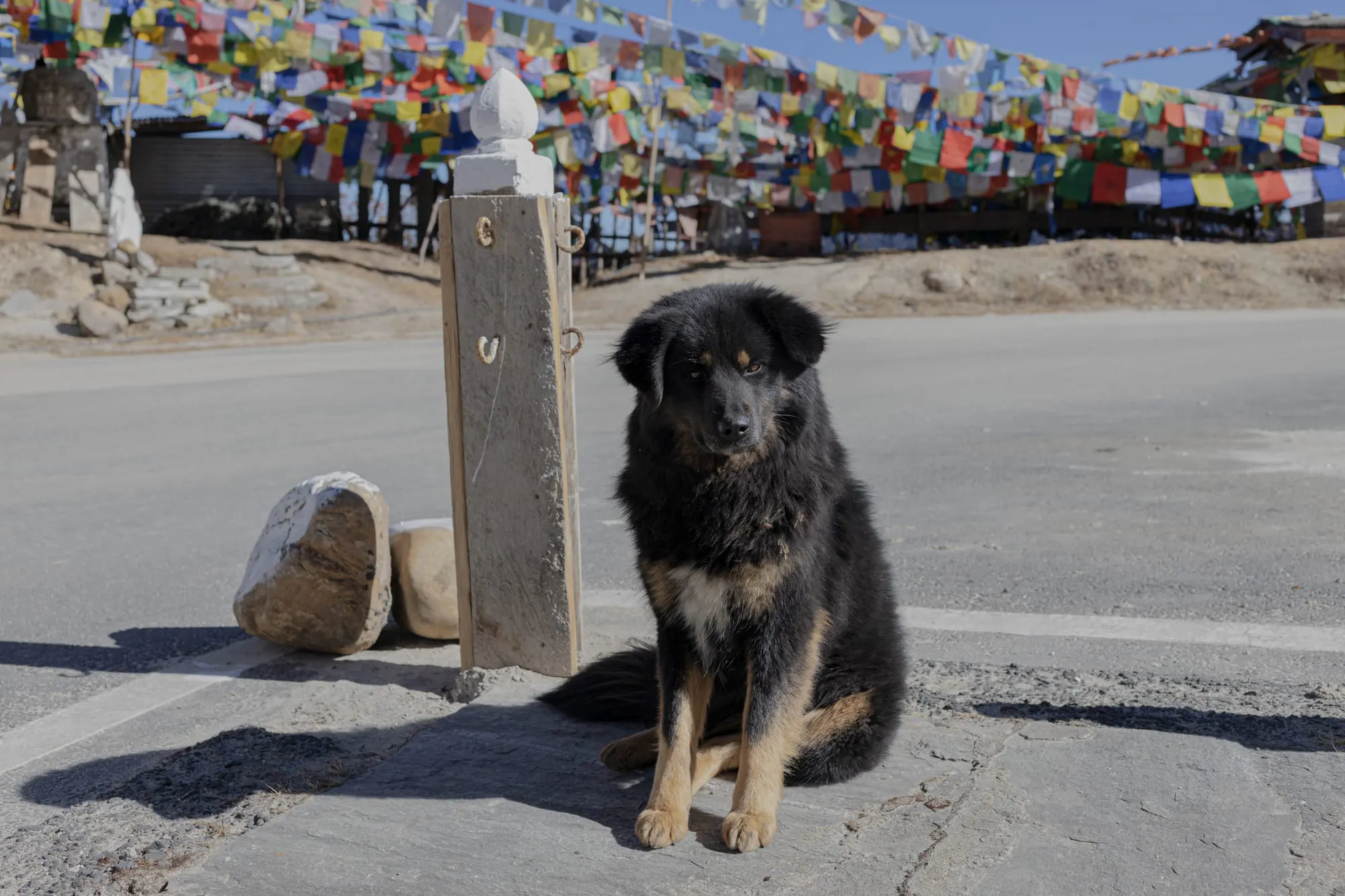
Bhutan measures its prosperity not in GDP but in Gross National Happiness — and you feel this philosophy in every interaction. From the monks tending centuries-old monasteries to the families who welcomed me into their homes for traditional meals, the Bhutanese carry a deep sense of contentment and pride in their culture. Even Bhutan’s street dogs are part of this ethos: well-cared-for through a nationwide sterilization and care program, they wander the towns like old friends.
Cultural highlights include:
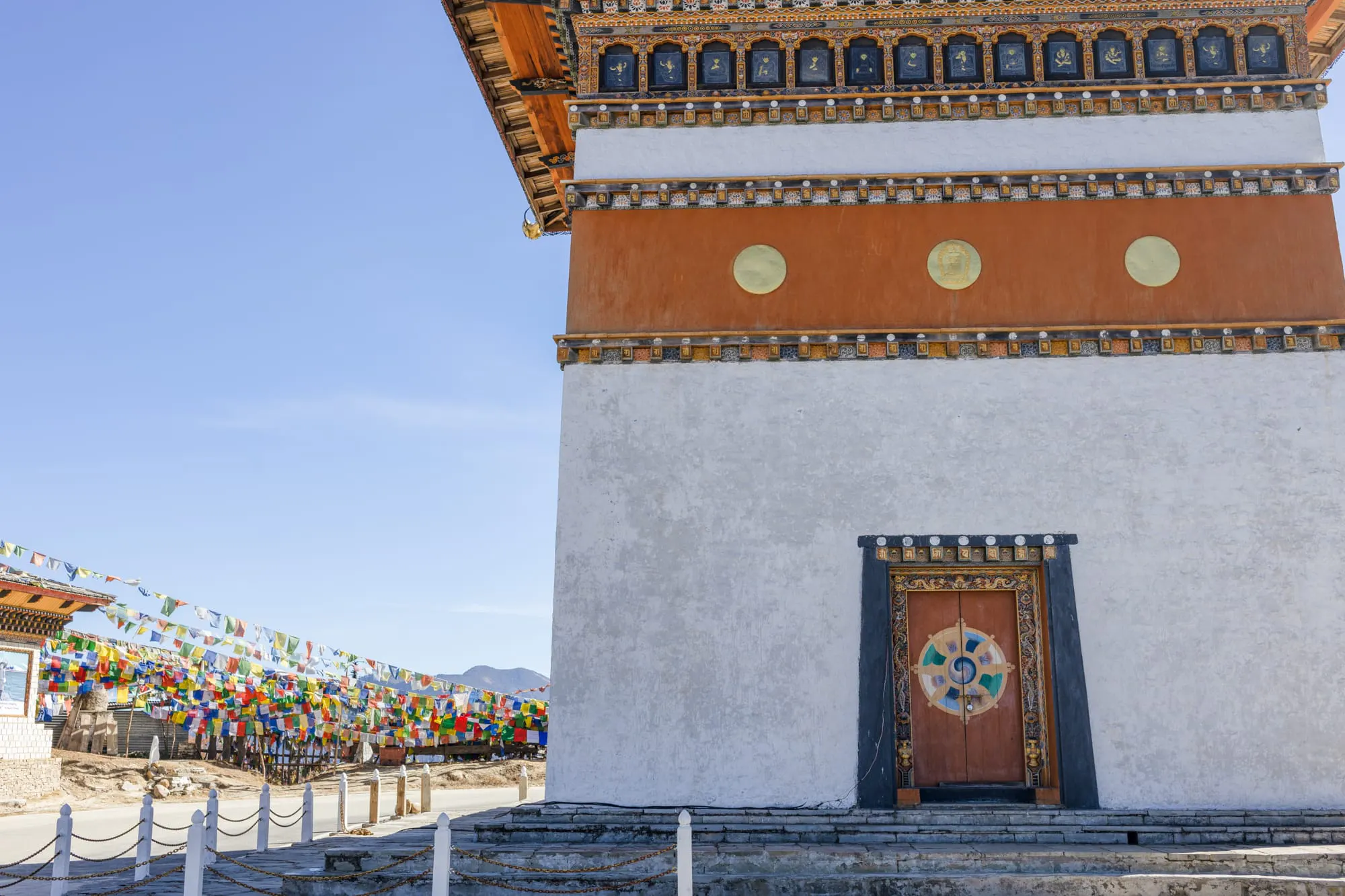
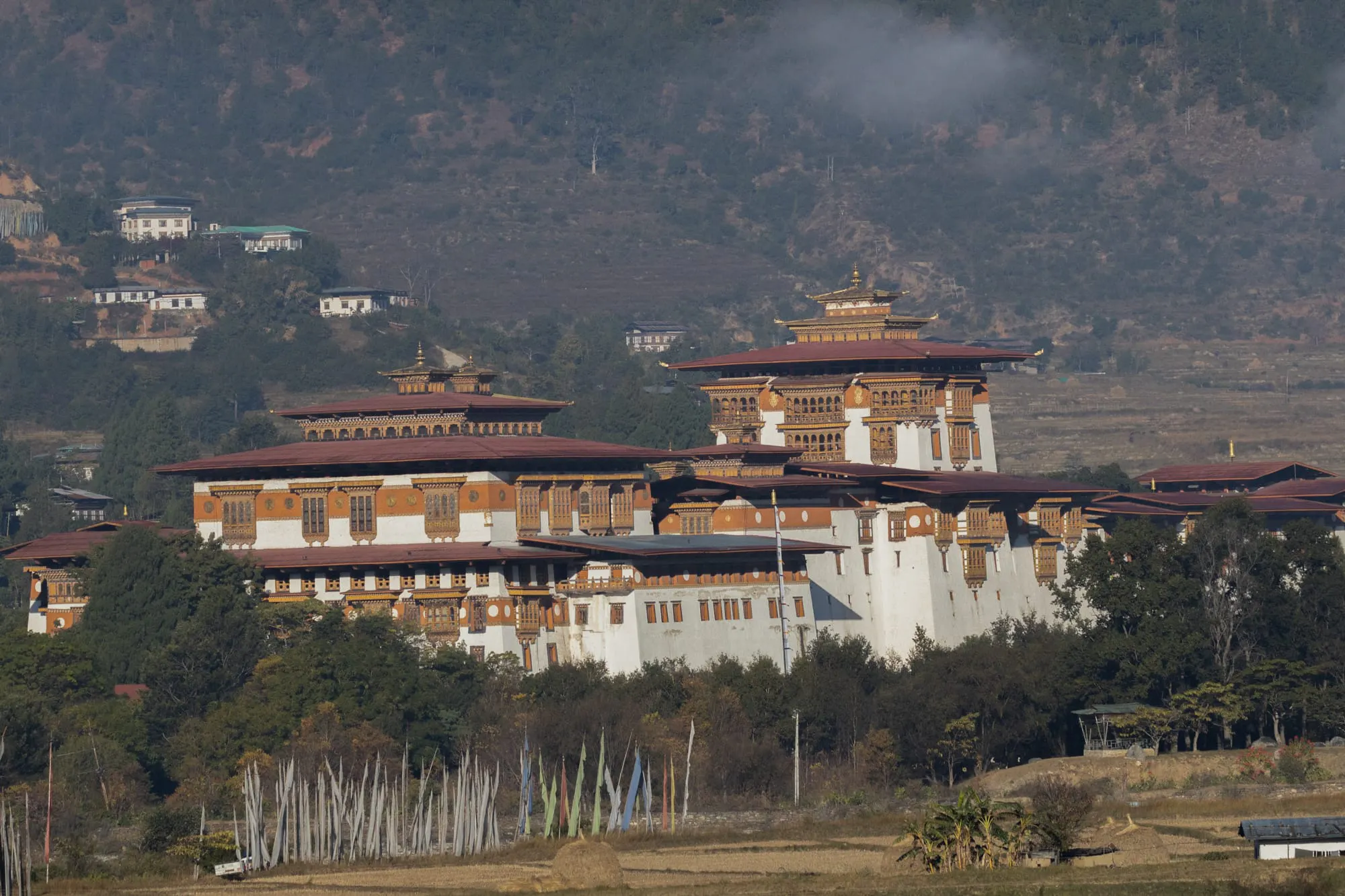
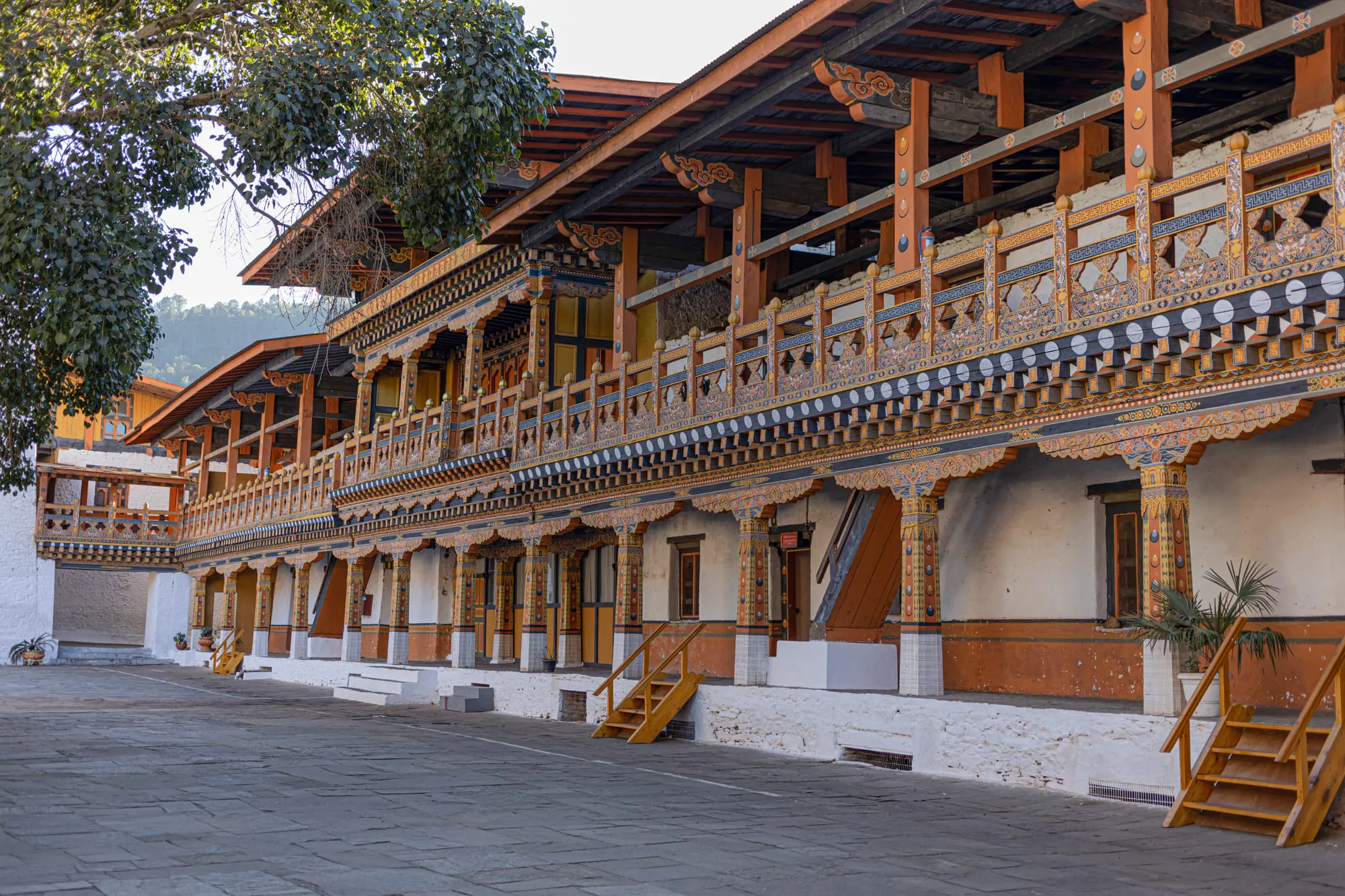
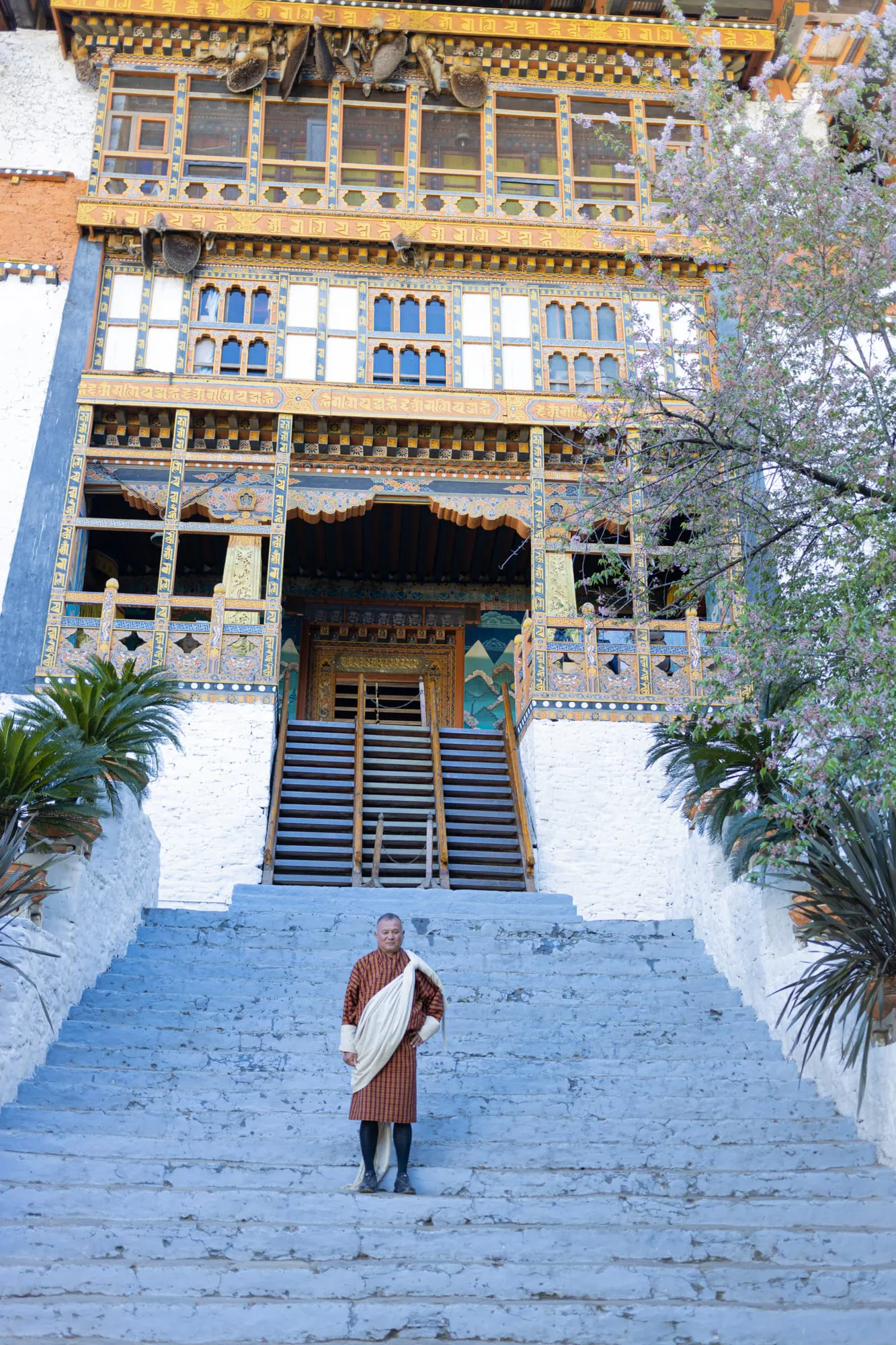
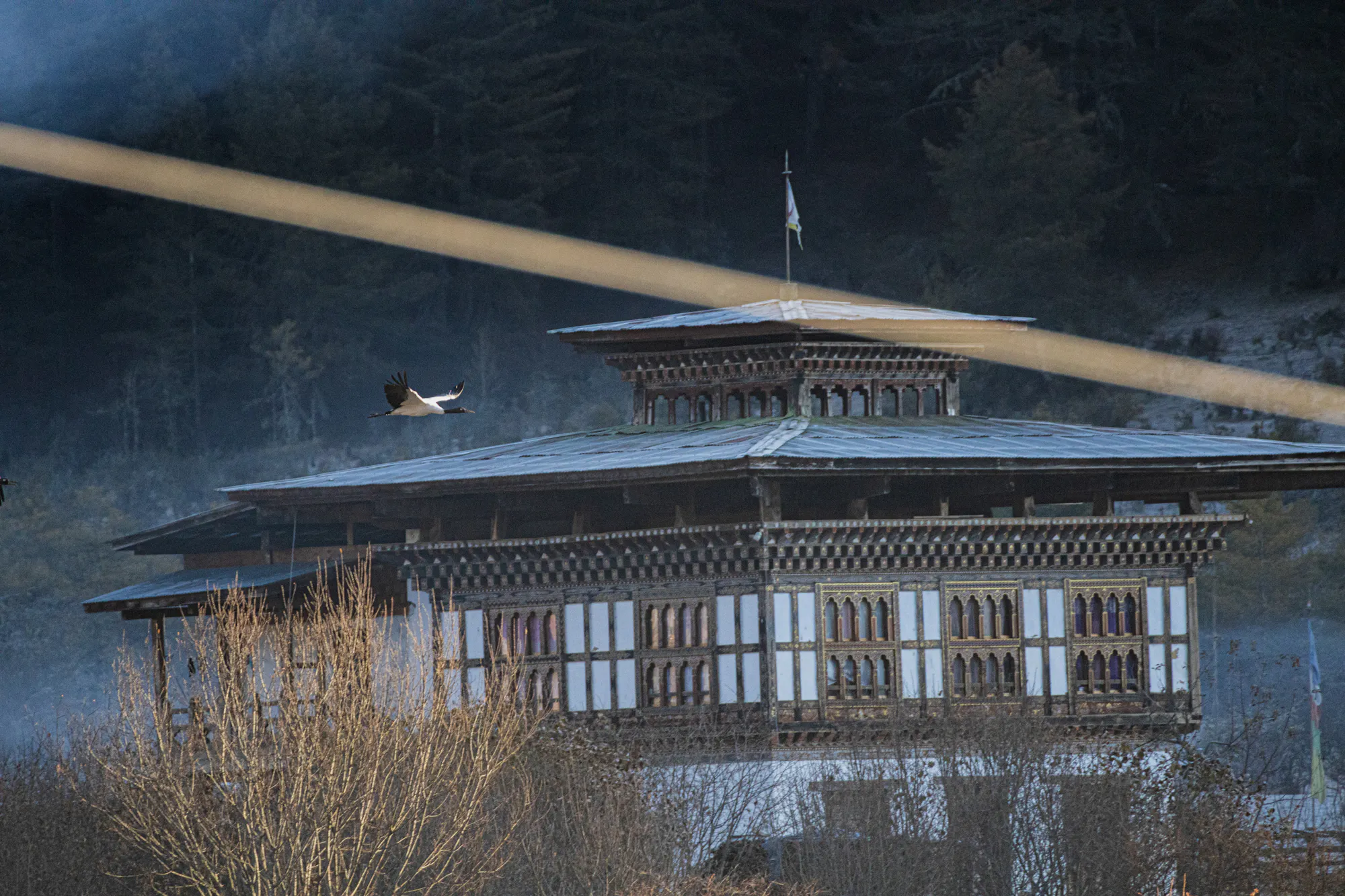
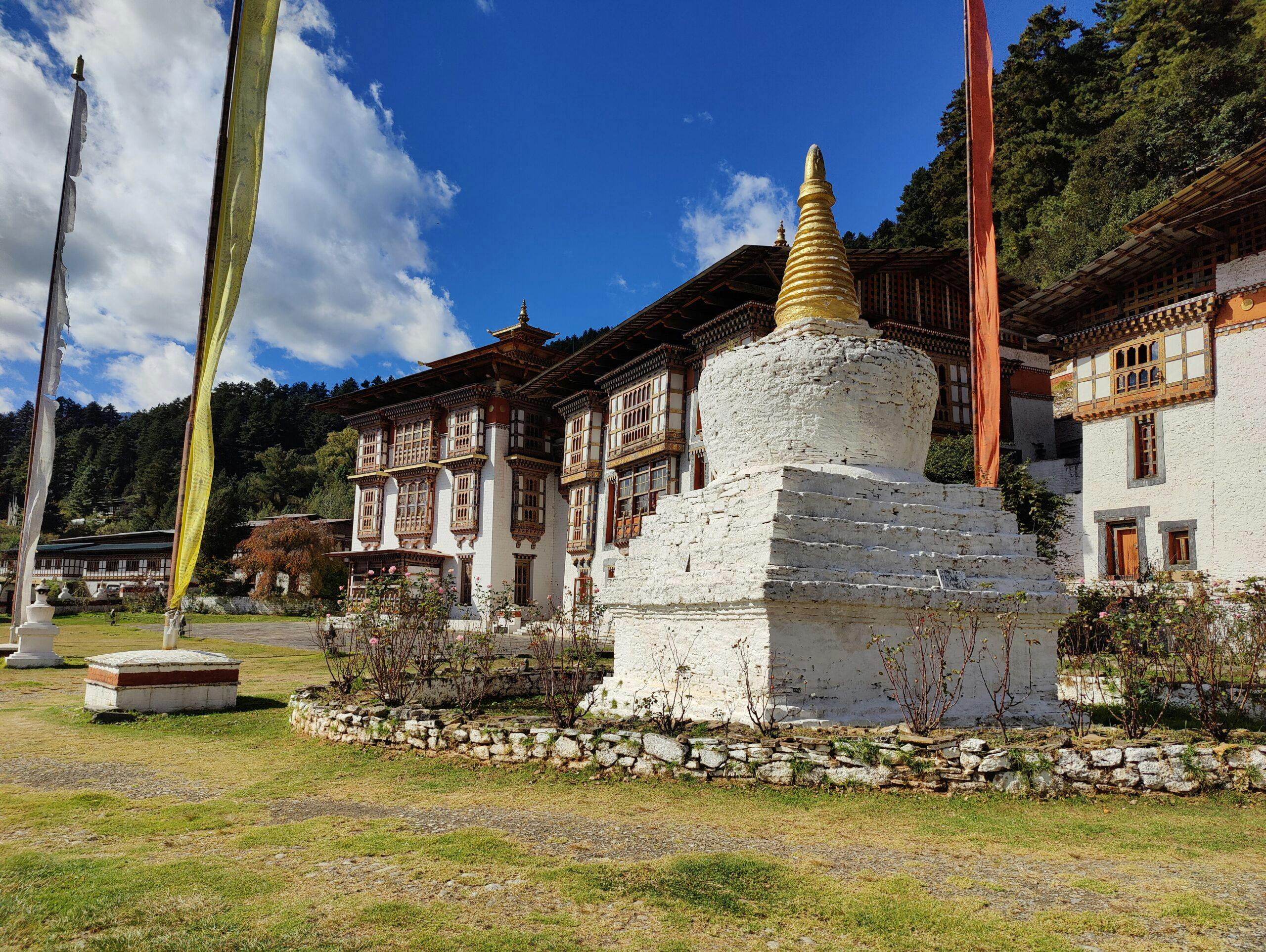
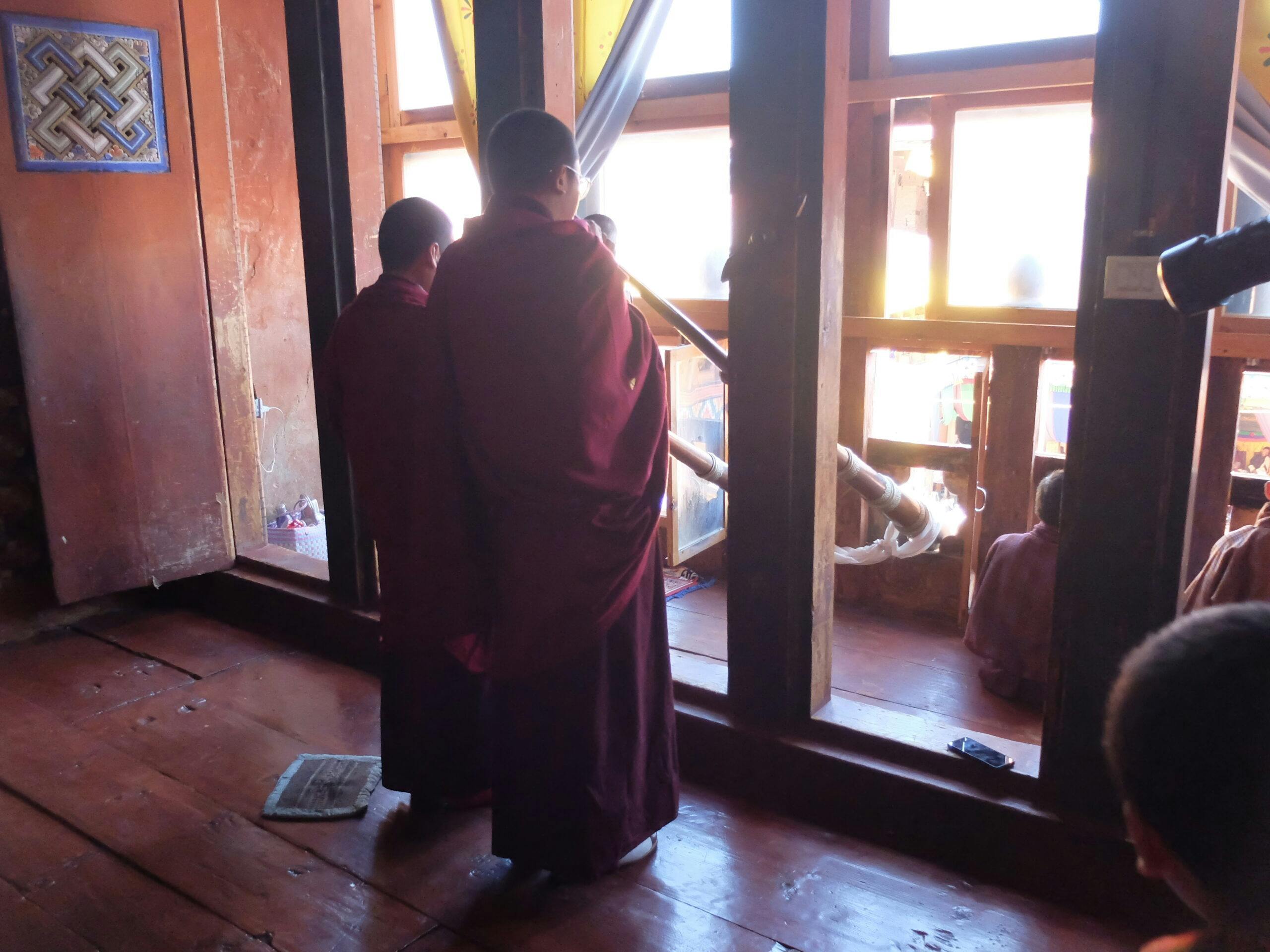
- Dzongs — ancient fortress-monasteries that still serve as the administrative and religious center of each district. They are stunning.
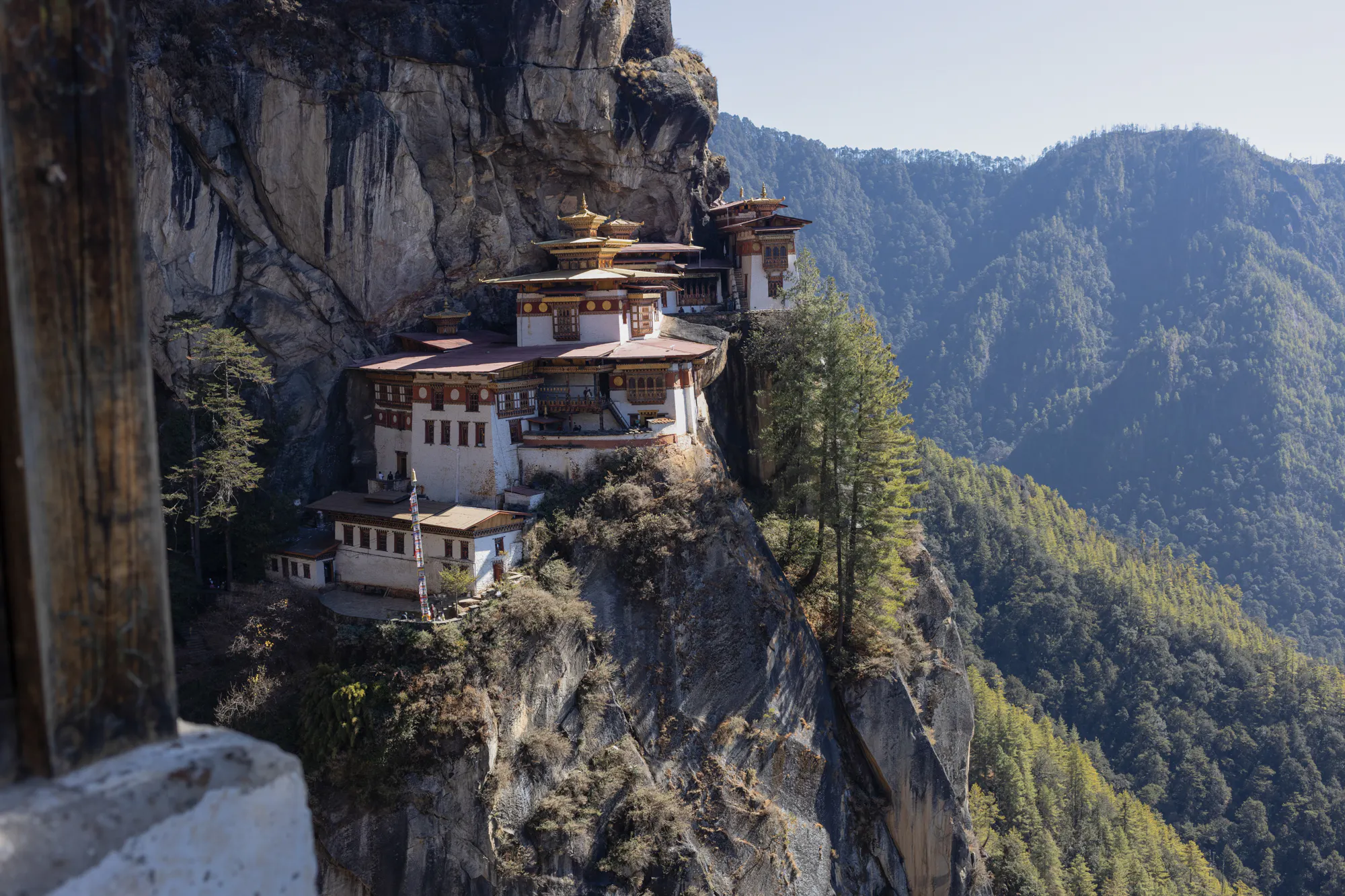
- Tiger’s Nest Monastery (Paro Taktsang) — perched 3,000 feet above the Paro Valley, accessible by a spectacular 4-mile roundtrip hike. One of the most iconic sights in all of Asia.
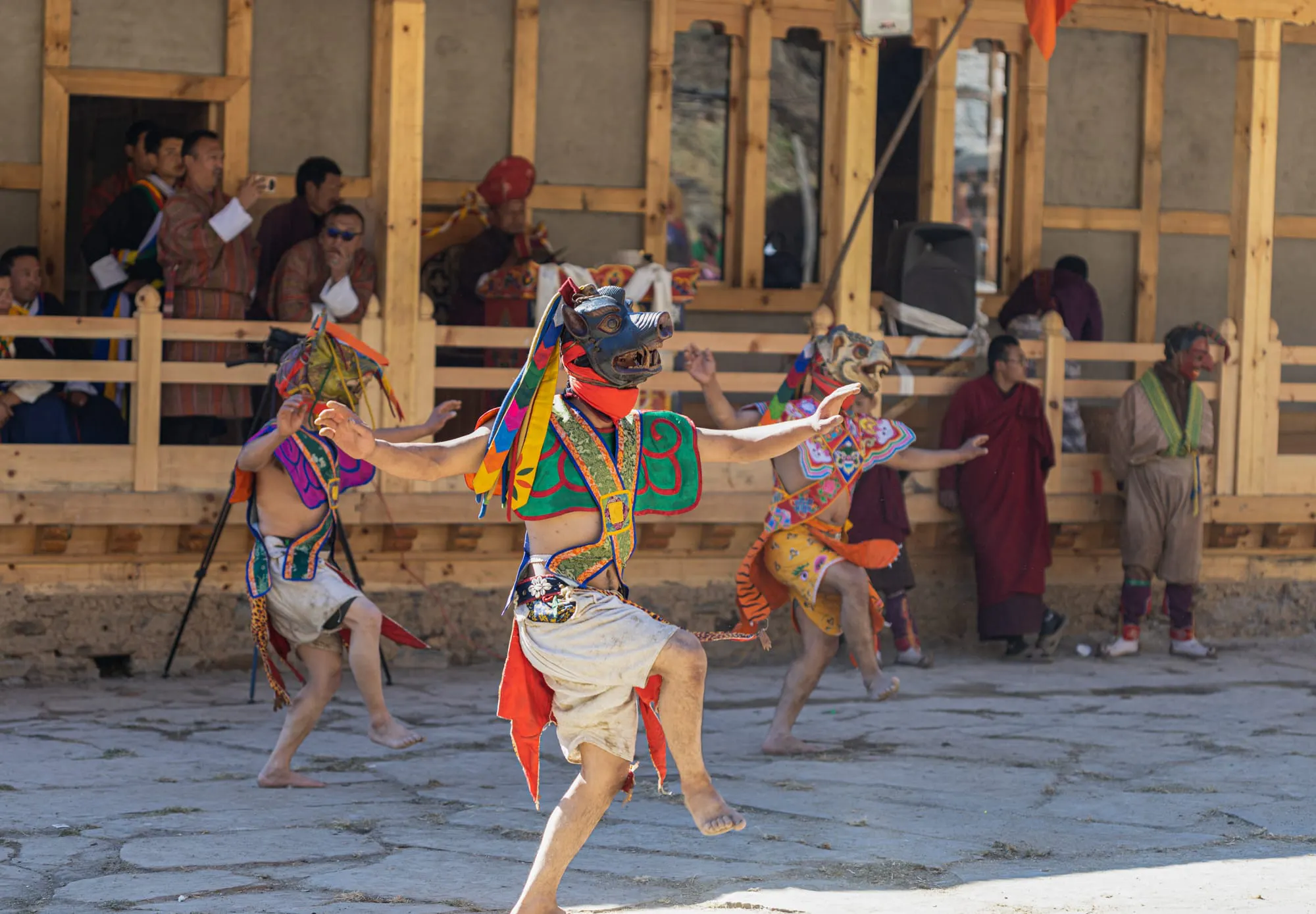
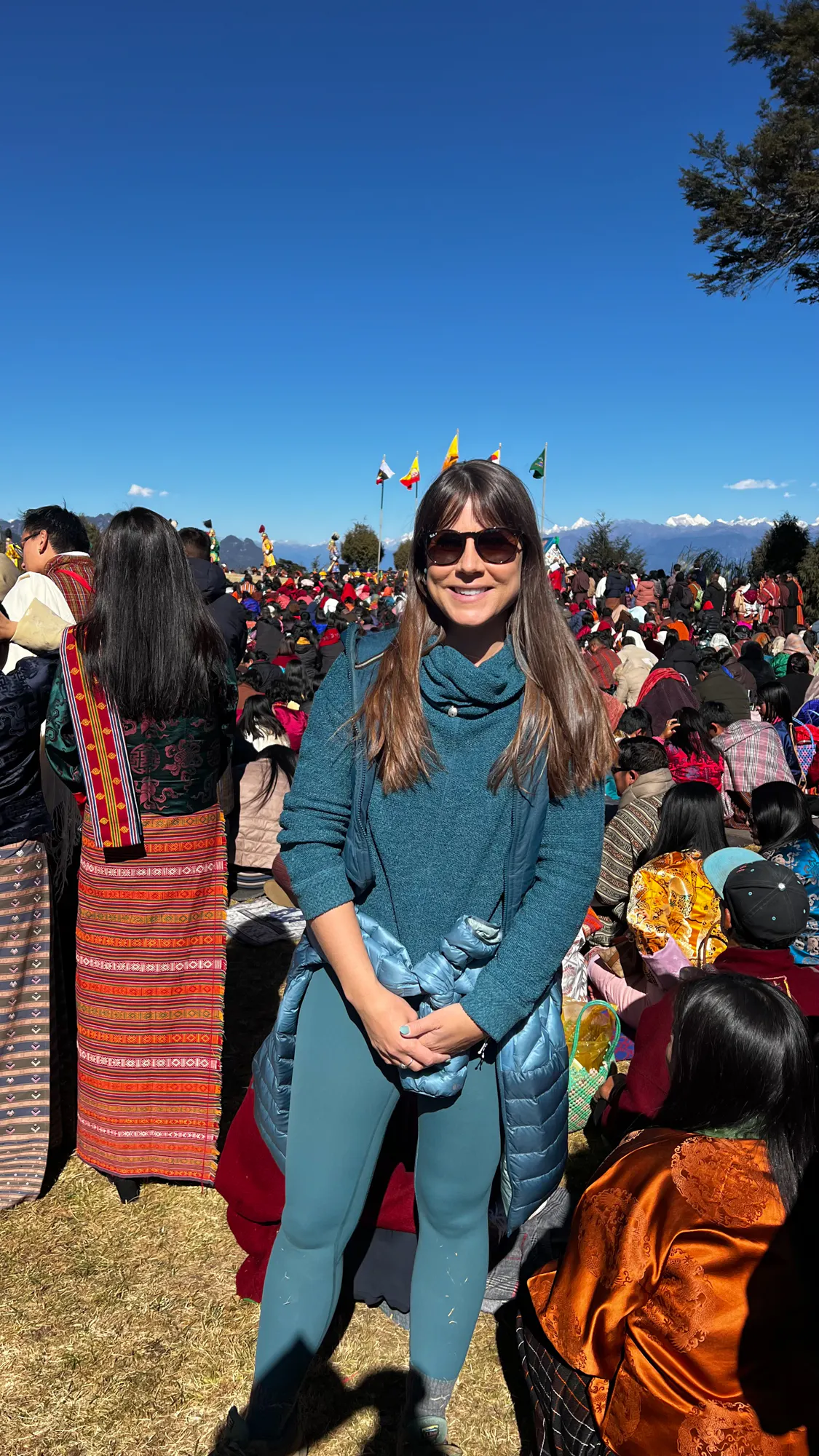
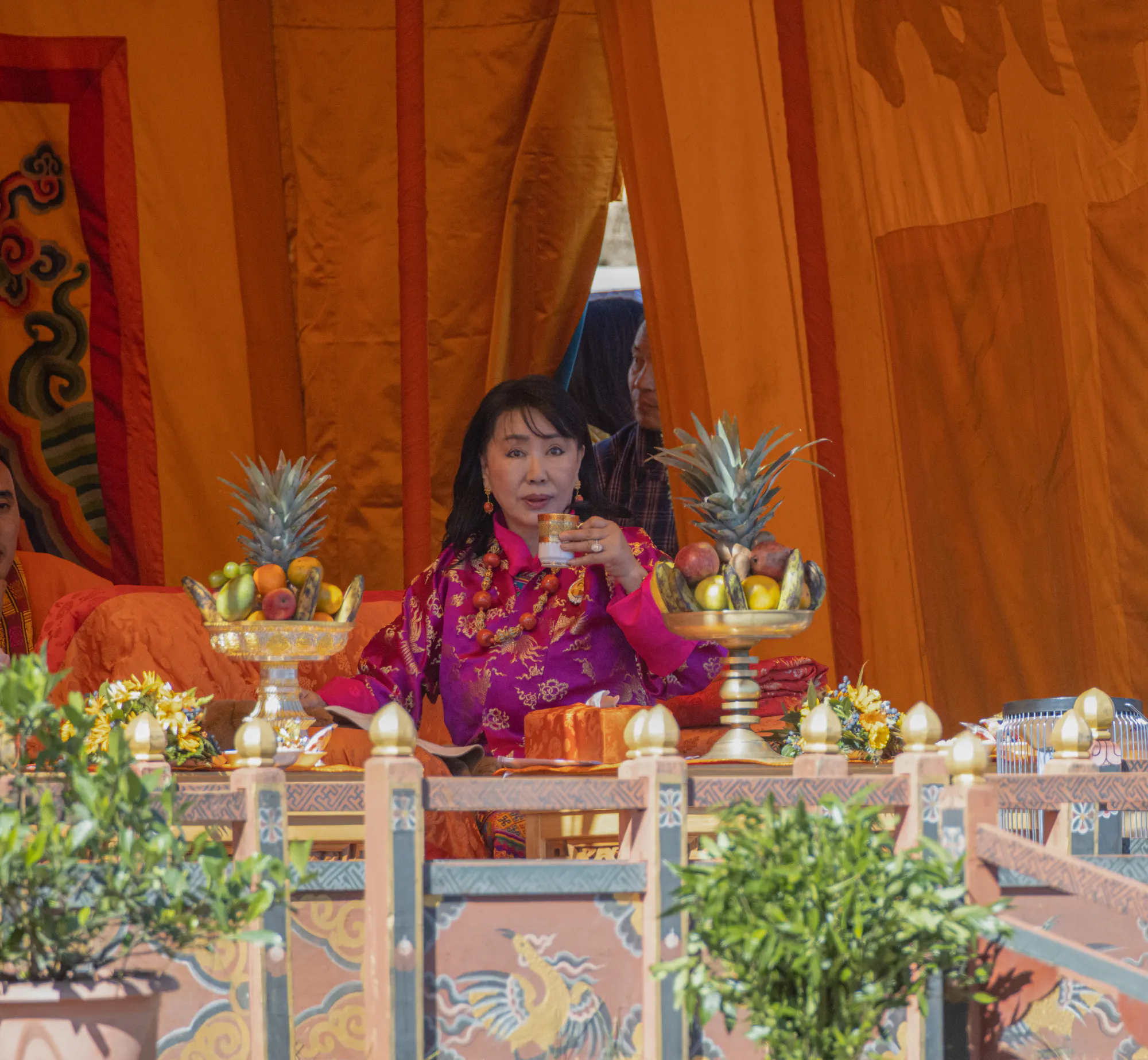
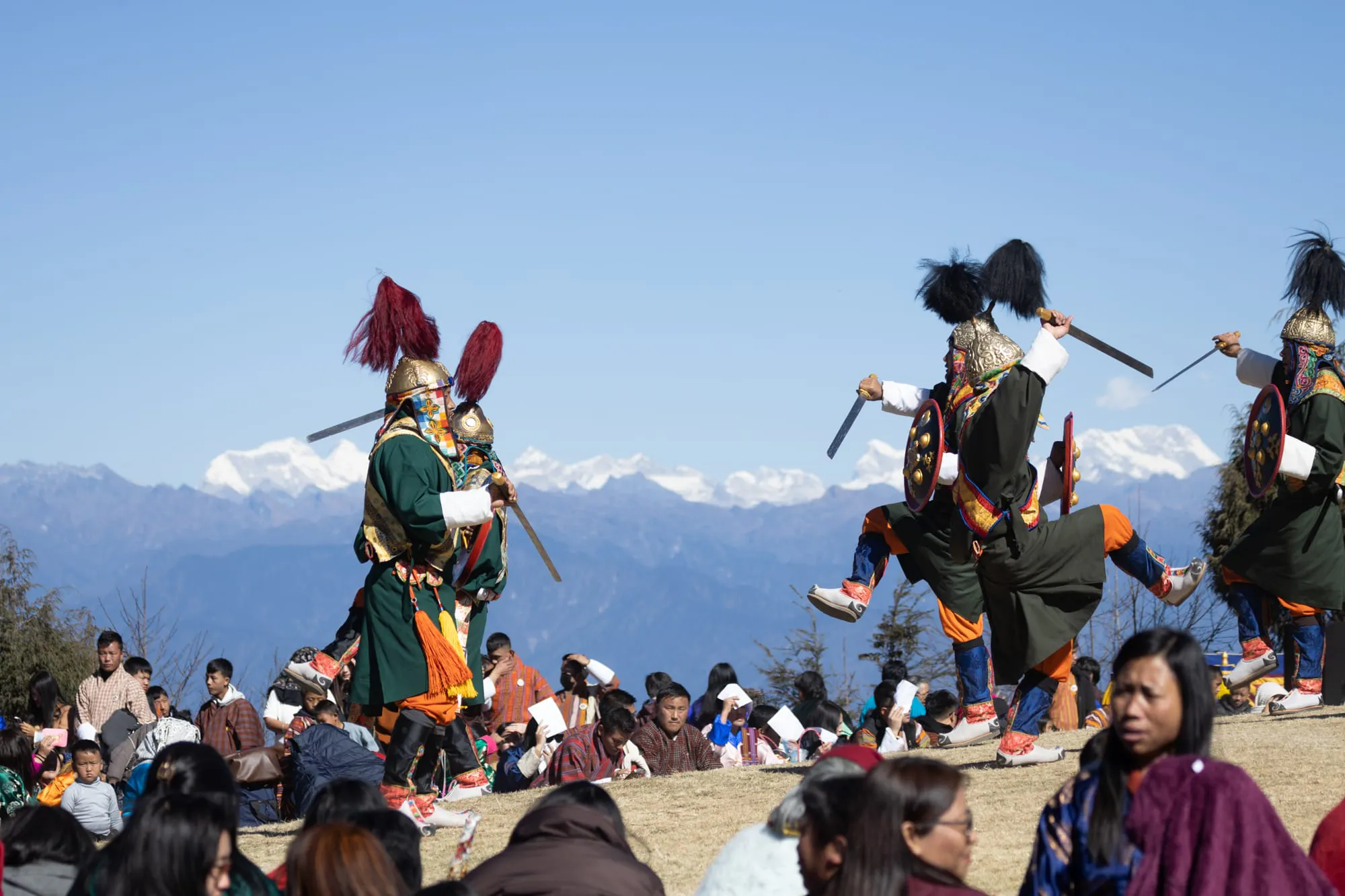
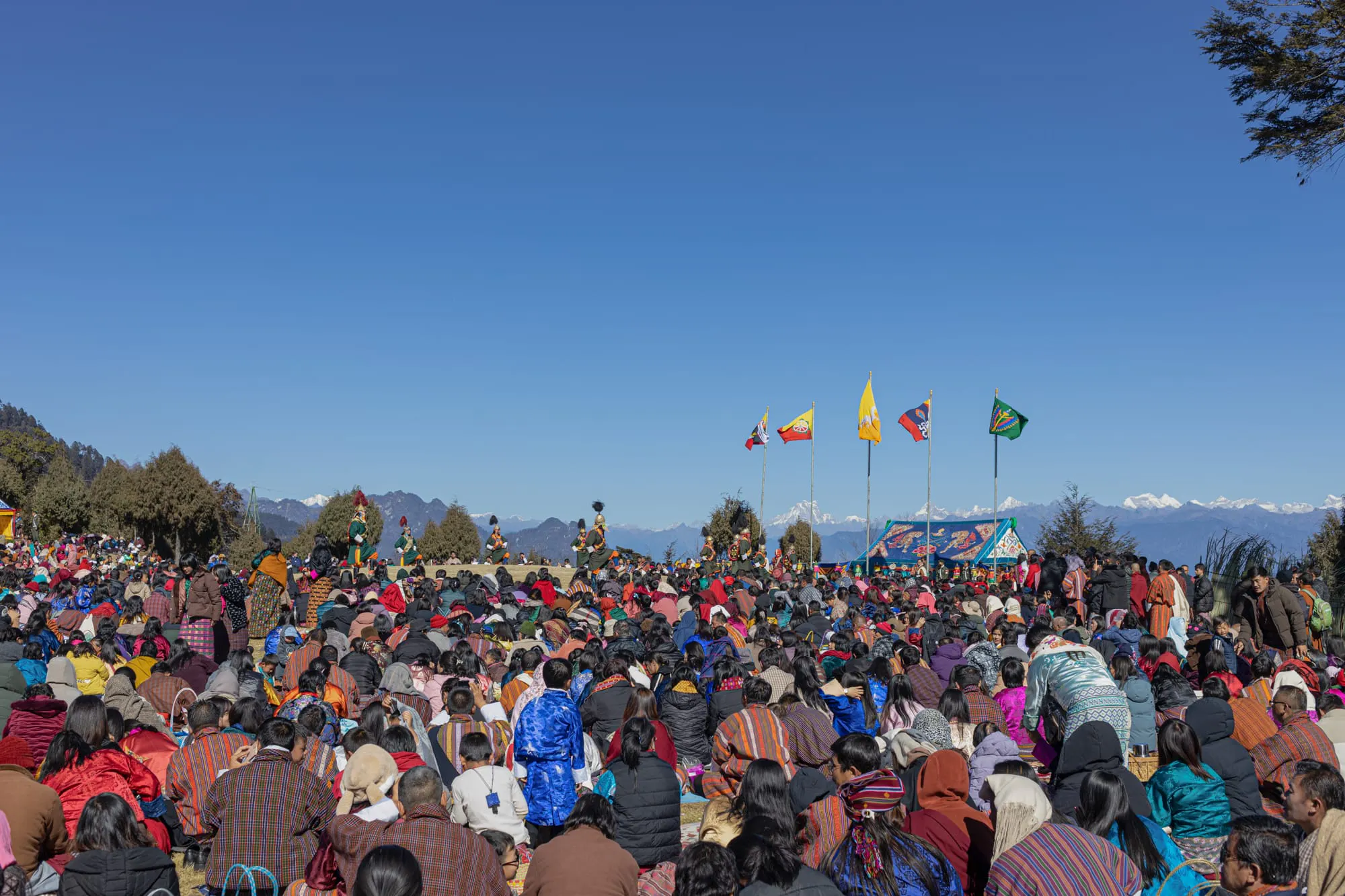
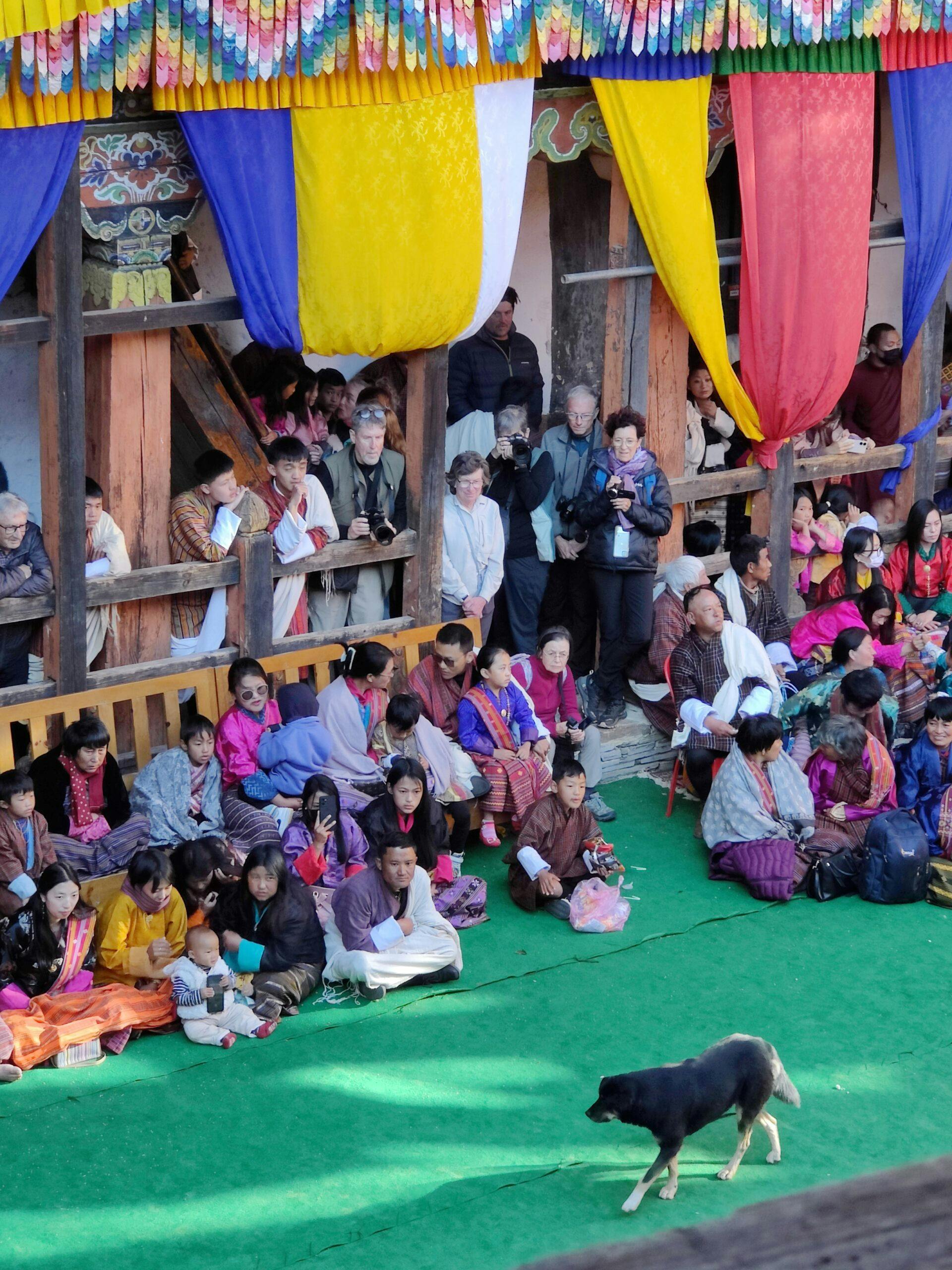
- Tsechu festivals — colorful masked dances, sacred music, and vibrant rituals. The Mongar Tsechu is particularly memorable.
- Traditional village homestays — meals with local families offer a depth of cultural connection that no hotel can replicate.
Accommodations & Cuisine
Lodges throughout Bhutan are clean, comfortable, and atmospheric — think warm wood interiors and mountain views. Meals are included and served buffet-style, showcasing the fresh, flavorful ingredients of Bhutanese cooking. Vegetarian, gluten-free, and dairy-free needs are easily accommodated. Hishey and his team handle all accommodations, transfers, and logistics seamlessly, so you can focus entirely on the experience.
Unique Experiences
No two days in Bhutan look alike. One morning you’re scanning a misty valley for rare cranes; the next you’re walking the courtyards of a 15th-century dzong. Multi-day treks through high mountain passes, dedicated birding excursions, and helicopter flights over glaciated peaks are all available for those who want to extend their trip. Bhutan doesn’t just offer sights — it offers stories.
Bhutan is a place where nature and culture exist in genuine harmony — not as a curated spectacle, but as a living reality. Whether you come for the birding, the trekking, the monasteries, or simply the rare pleasure of being surrounded by untouched nature, you will leave changed. And you will want to come back.
Bhutan is a place where nature and culture exist in genuine harmony — not as a curated spectacle, but as a living reality. Whether you come for the birding, the trekking, the monasteries, or simply the rare pleasure of being somewhere the modern world hasn’t quite reached, you will leave changed. And you will want to come back.
Join Us in Bhutan
Two departures. Both led by Hishey Tshering.
November 3–27, 2026 · 25 days · 10 guests max · From $9,750
October 29–November 22, 2027 · 25 days · 10 guests max · From $9,750
View 2026 Trip View 2027 TripFAQ
Whats the Best Time to Visit?
What Wildlife Should You Watch For?
What are the Cultural Must-Dos?
Are There Any Adventure Add-Ons?
How Do I Get There?
What If I Have Special Dietary Needs?
What Should I Know About Fitness Levels?
Ready to discover Bhutan? Contact us to begin planning your journey.

From Personal Loss to 280 Days in the Wild
For Scott Davis, the question wasn’t hypothetical: Am I actually living the life I want? At a crossroads shaped by loss, he confronted that question with a rare clarity. Many of us carry quiet dreams — untended, postponed, deferred by the routines and obligations of daily life. For Scott, it wasn’t enough to admire far‑off places in magazines; he knew he wanted to be in them, learning from them and sharing what he saw with others.
In the newest episode of the Big World Made Small podcast, host Jason Elkins and Scott reflect on a journey that moves beyond a résumé to reveal how deep curiosity and quiet resolve can shape a life worth exploring. Scott’s path from marine biology and wildlife research to the helm of Cheesemans’ Ecology Safaris didn’t come from following a script. It came from moments of reassessment, from connection with the natural world, and from a decision to meet uncertainty with intention.
About the Podcast
If you’re drawn to stories that explore the intersection of people and place, Big World Made Small is a conversation worth your time. Hosted by Jason Elkins, this podcast delves into the lived experience of adventure travel — not as a checklist but as a means of connection and discovery.
Episode #153 invites listeners to wander beyond the familiar and into the wild. Whether you’re a seasoned traveler or dreaming from your desk, Jason’s thoughtful interviews offer something deeper. Learn more at Adventure Travel Marketing.
Key Moments from the Conversation
From National Geographic Dreams to National Geographic Explorer
Scott’s fascination with the natural world began early. Like so many, he was captivated by the images and stories in National Geographic magazines. That fascination matured into a vocation — one that took him from marine biology into full-time exploration. He’s now a recognized National Geographic Explorer, yet what defines his path isn’t the title, but his continued passion for sharing that wonder with others.
280 Days a Year in the Field: What That Really Means
280 days in the field each year isn’t about endurance — it’s about presence. Scott describes life in remote environments as a daily practice in humility and observation. He guides guests through places where schedules bend to the rhythms of wildlife, and every moment demands attention. It’s less about clocking days and more about honoring the time we’re given in the wild.
Why Guest Relationships Matter More Than Perfect Itineraries
“We can plan meticulously,” Scott shares, “but it’s the unexpected conversations and shared discoveries that carve the deepest memories.” His philosophy prioritizes connection over perfection. It’s the unplanned moments — helping someone adjust their camera, spotting a leopard at dusk — that become the true essence of a trip.
The Call to Reject Complacency
One of Scott’s most powerful insights is about not settling. After experiencing loss, he chose to pursue a life that reflected his deepest values — not comfort, but curiosity; not routine, but meaning. This episode invites listeners to reconsider the paths they’re on and ask: What would it take to live a little bolder?
About Scott Davis
Scott Davis is co-CEO and co-owner of Cheesemans’ Ecology Safaris, blending scientific insight with adventure, photography, and conservation. With a background in marine biology and wildlife research, Scott has worked on all seven continents and collaborated with National Geographic, the BBC, and Animal Planet.
As a professional expedition leader and photographer, Scott now spends most of the year guiding travelers through remote ecosystems, helping them not only witness wildlife but understand it. He’s based in Monterey, California — though rarely standing still.

Experience It Yourself
If Scott’s reflections inspired you, you don’t have to just imagine these moments — you can experience them. Our small-group wildlife expeditions are designed around immersion, conservation, and education. Whether it’s witnessing humpbacks in Antarctica, polar bears in Svalbard, or marine wonders in the Galapagos, we offer more than just trips — we offer transformation.
Listen to Scott’s full episode on the Big World Made Small podcast, hosted by Jason Elkins. If it resonates with you, consider rating or reviewing it on Apple Podcasts to support the show.
Ready to explore more? Reach out to our safari coordinators — or browse our 2026–2027 expeditions online.
Closing Thought
Scott’s journey invites us to rethink what a bold life looks like. Not flashy, not reckless — but intentional. His message is simple: don’t wait. If there’s something calling to you, listen. You might just find a version of life that’s richer, fuller, and more connected than you ever expected.
Discover the Untouched Wilderness of Bhutan
Bhutan, the mystical “Land of the Thunder Dragon,” is a haven of towering Himalayan peaks, lush valleys, and centuries-old monasteries. For nearly three weeks, our guests embarked on an unforgettable expedition, immersing themselves in Bhutan’s spectacular birdlife, vibrant culture, and breathtaking landscapes. From the revered Black-necked Cranes of Phobjikha Valley to the iconic Tiger’s Nest Monastery, each day was a new chapter in a journey woven with natural wonder and spiritual heritage.
Key Experiences from the Bhutan Trip
- Spotted the rare Black-necked Cranes in the breathtaking Phobjikha Valley
- Hiked to the legendary Tiger’s Nest Monastery, perched on a dramatic cliffside
- Explored Jigme Dorji National Park, home to exotic birds and elusive wildlife
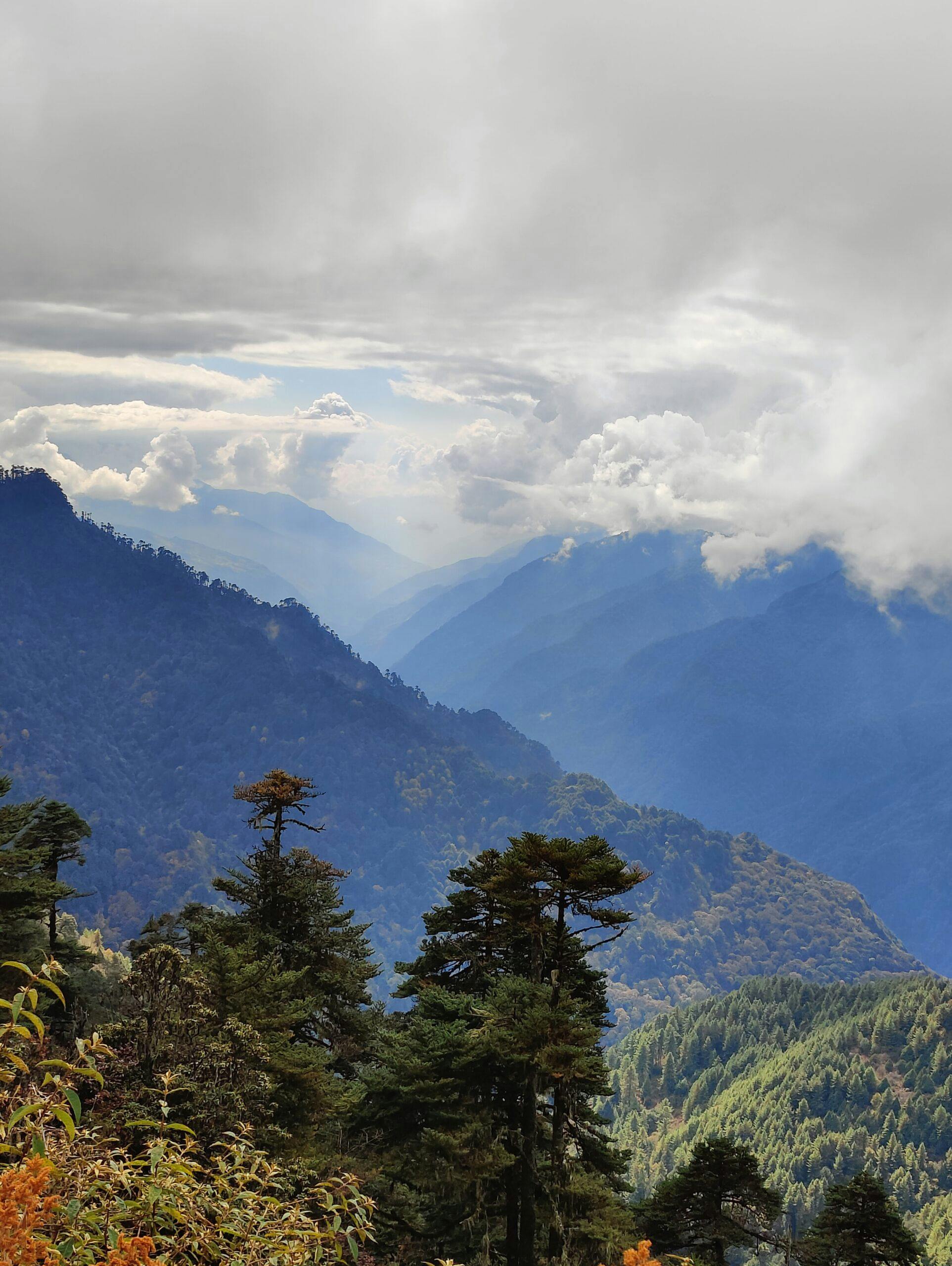
- Journeyed through Dochu La Pass for stunning Himalayan panoramas
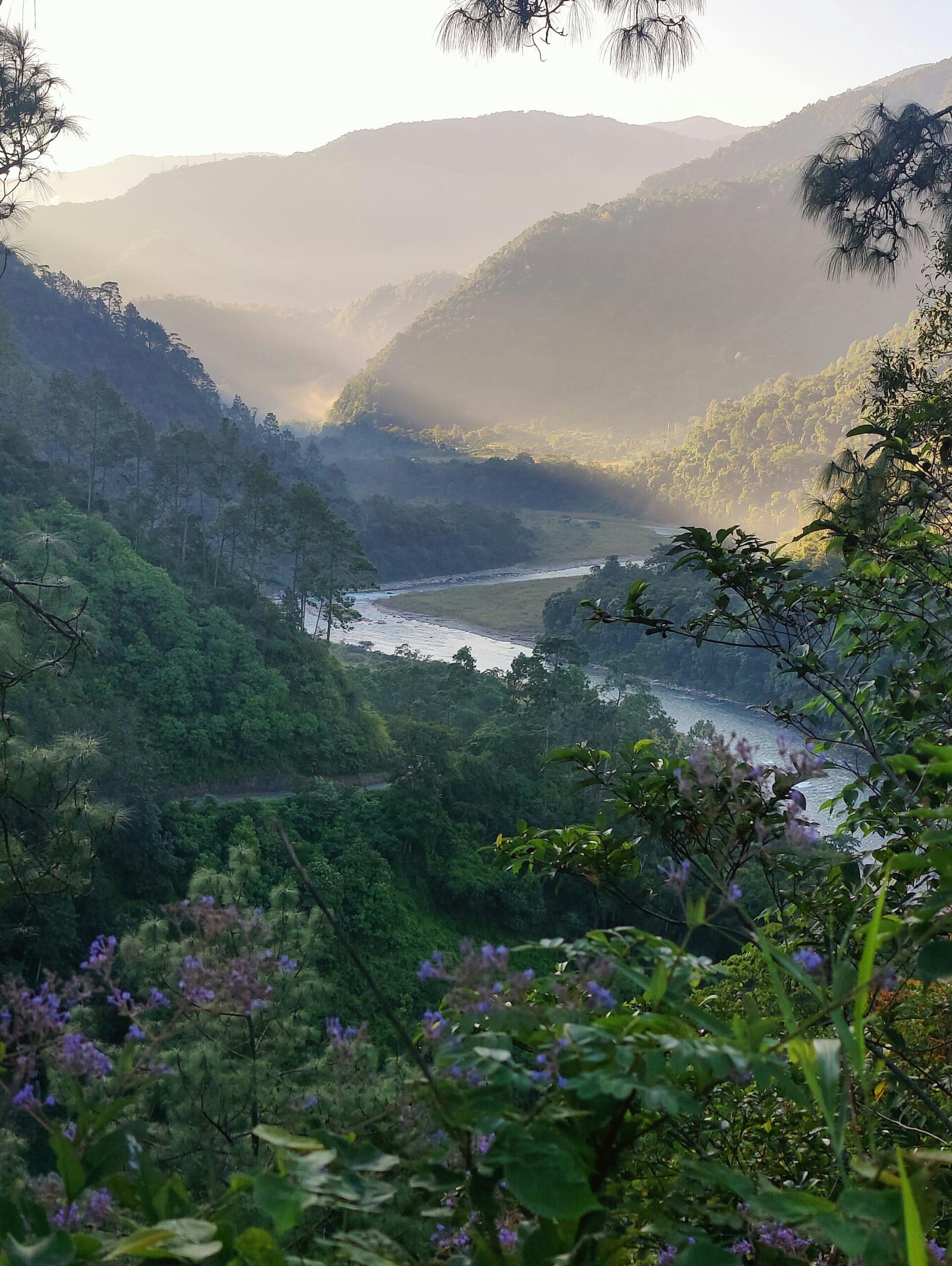
- Witnessed the critically endangered White-bellied Heron along pristine rivers
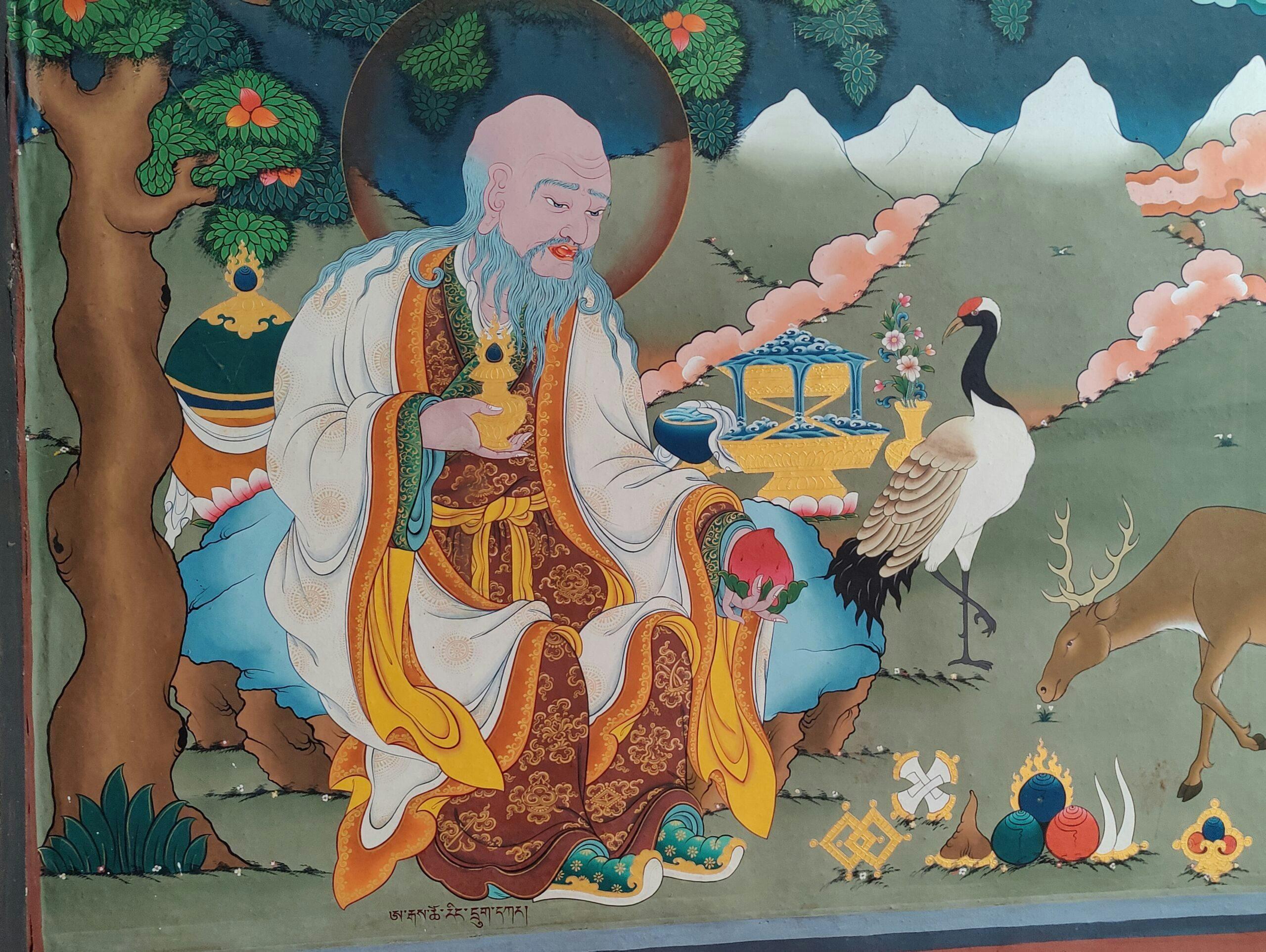
- Experienced Bhutanese culture with visits to ancient dzongs and monasteries
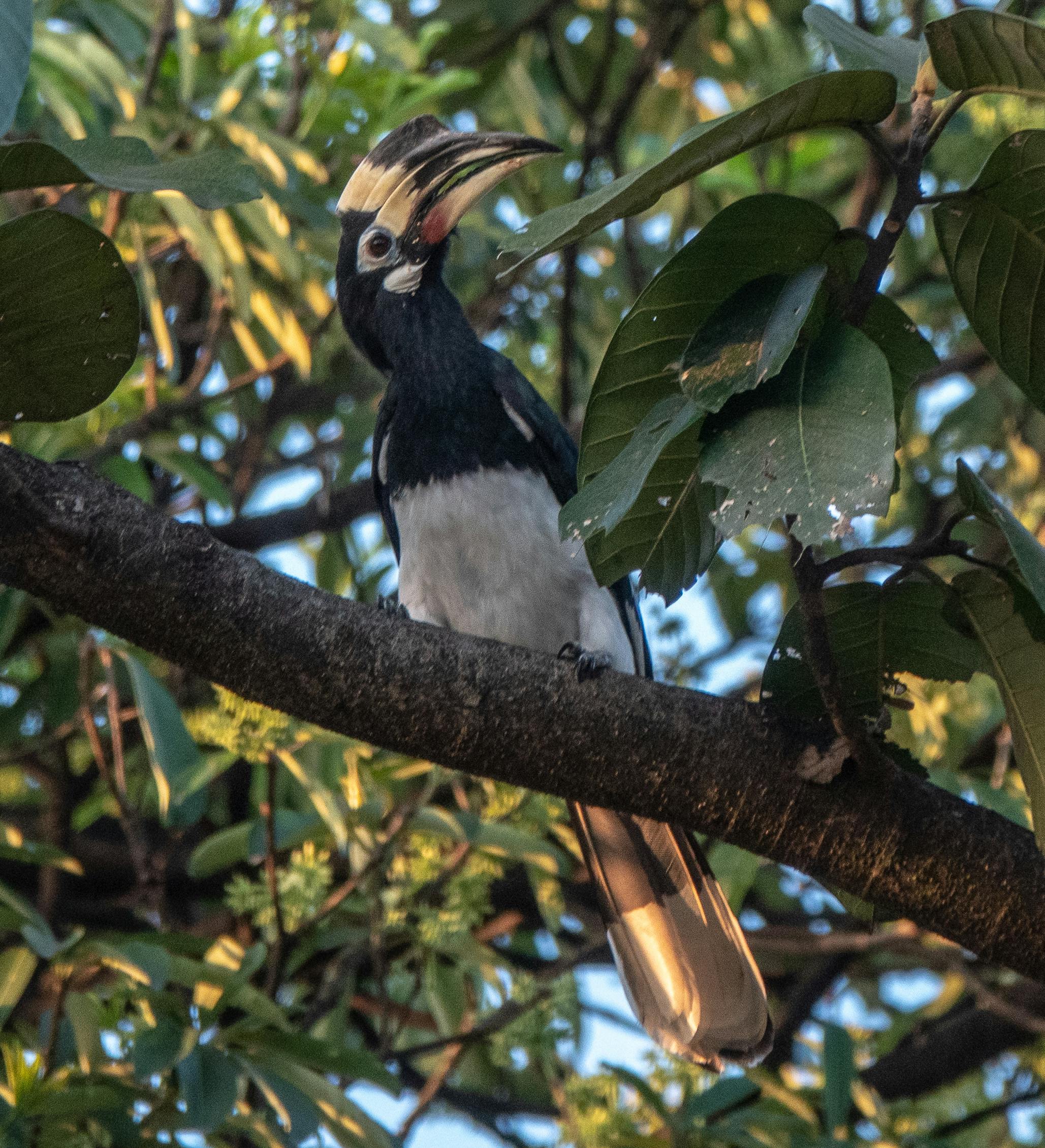
- Discovered the vibrant birdlife of Thrumsingla National Park, from hornbills to pheasants
“The length of the trip gave us time to travel the whole country. The combination of birding and cultural aspects was excellent and the guides fulfilled both roles to a ‘T’.
Hishey was an excellent guide and his positive attitude was contagious. Sharing meals with his family on several occasions was also a welcoming feature.” -Candy McManiman
Setting Off for Bhutan
The adventure began with flights to Bangkok, Thailand, where guests enjoyed a restful night before their early morning departure to Bhutan. Anticipation ran high as they prepared to explore one of the world’s most pristine and remote destinations.
Paro to Thimphu
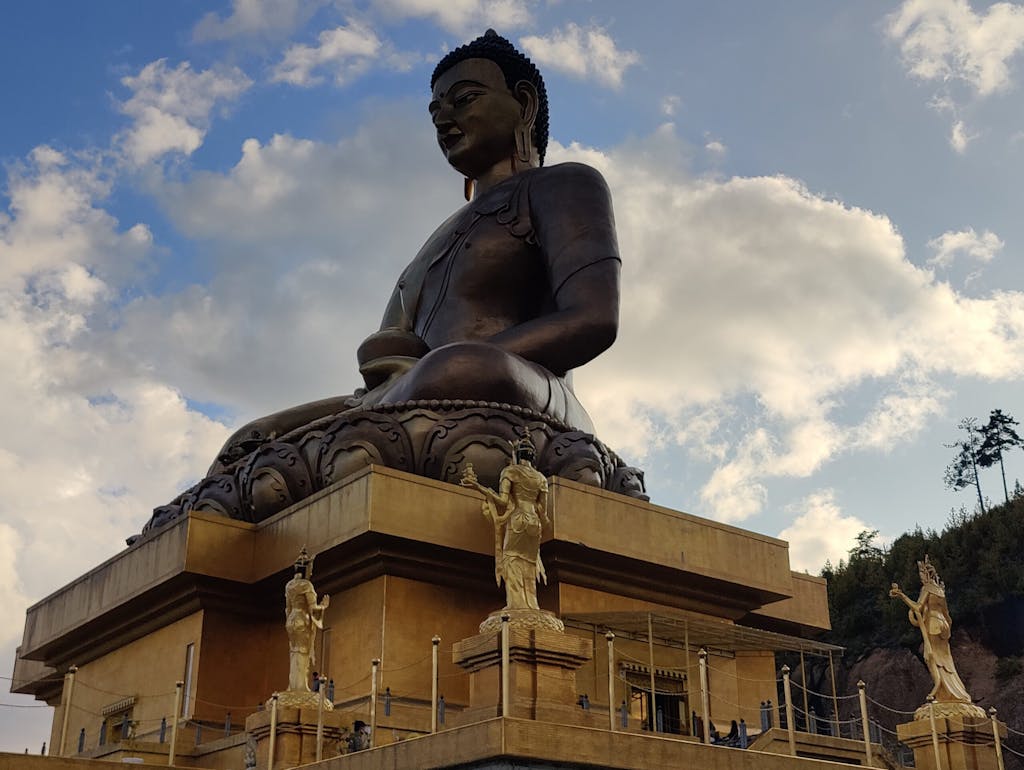
Flying into Paro International Airport was an adventure in itself. As the aircraft maneuvered through the towering Himalayas, guests marveled at the snow-capped peaks before descending into Bhutan’s lush valleys. Upon arrival, they were warmly welcomed by their expert guide, Hishey Tshering, a seasoned birder with a deep passion for Bhutan’s biodiversity.
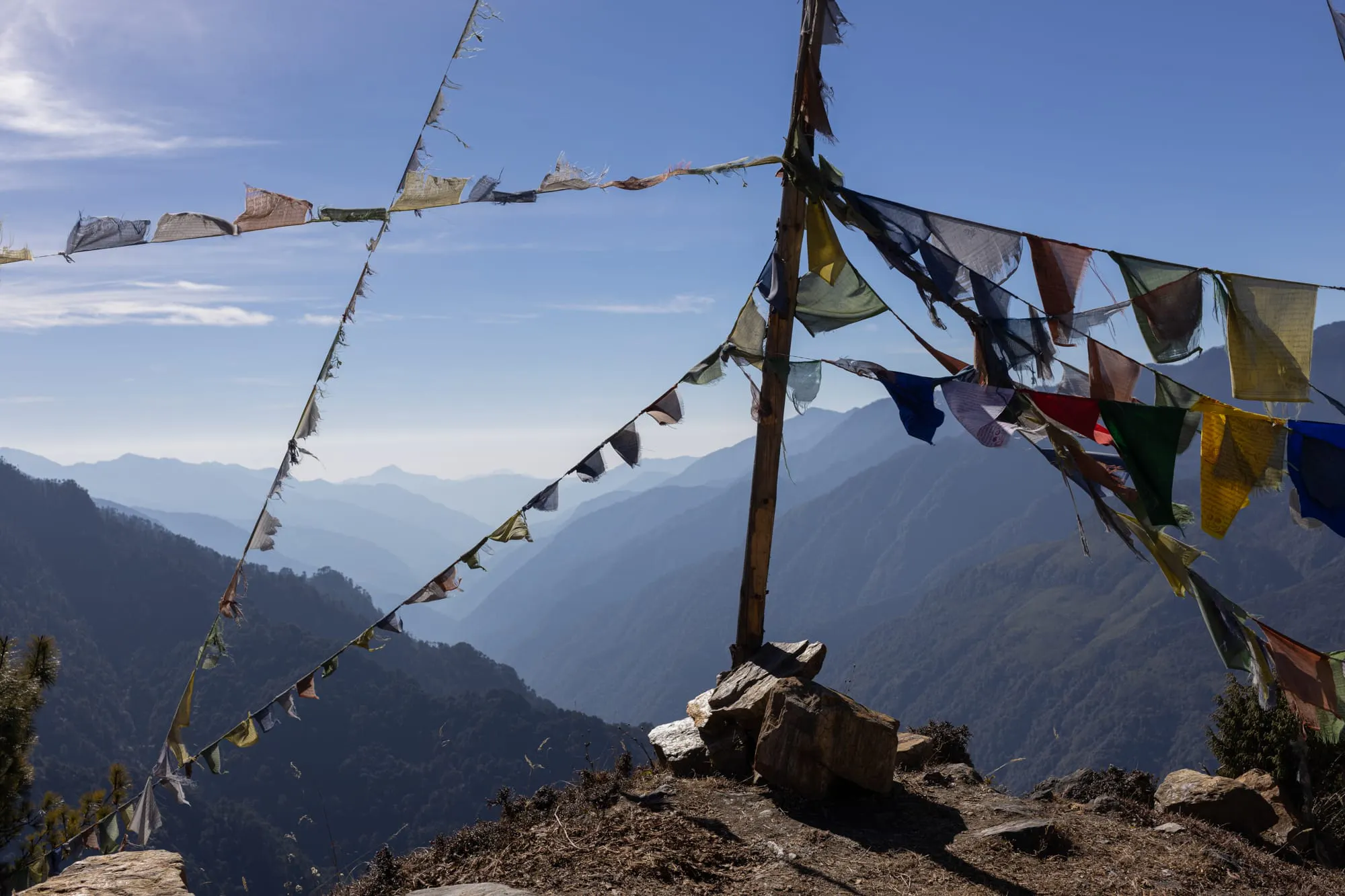
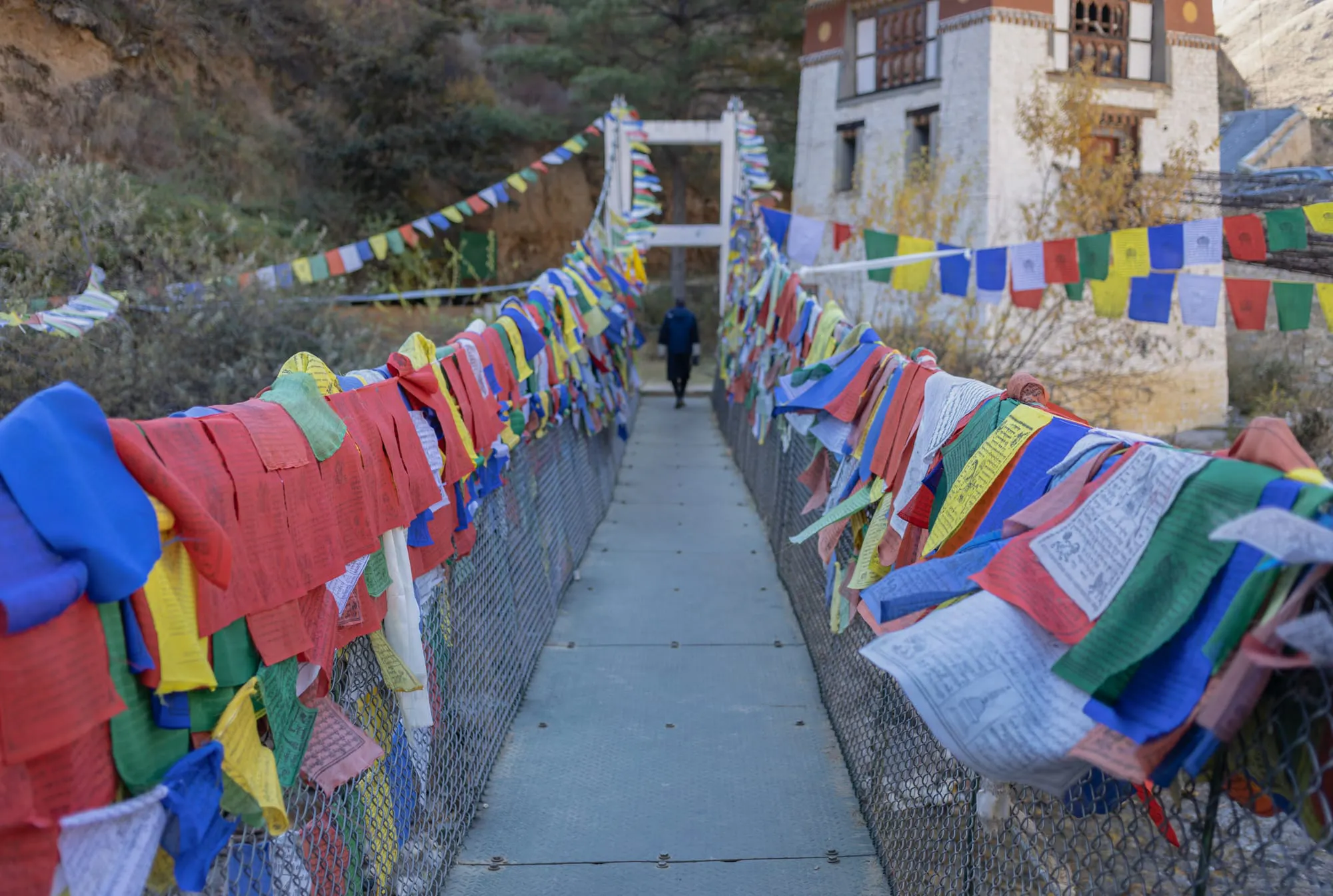
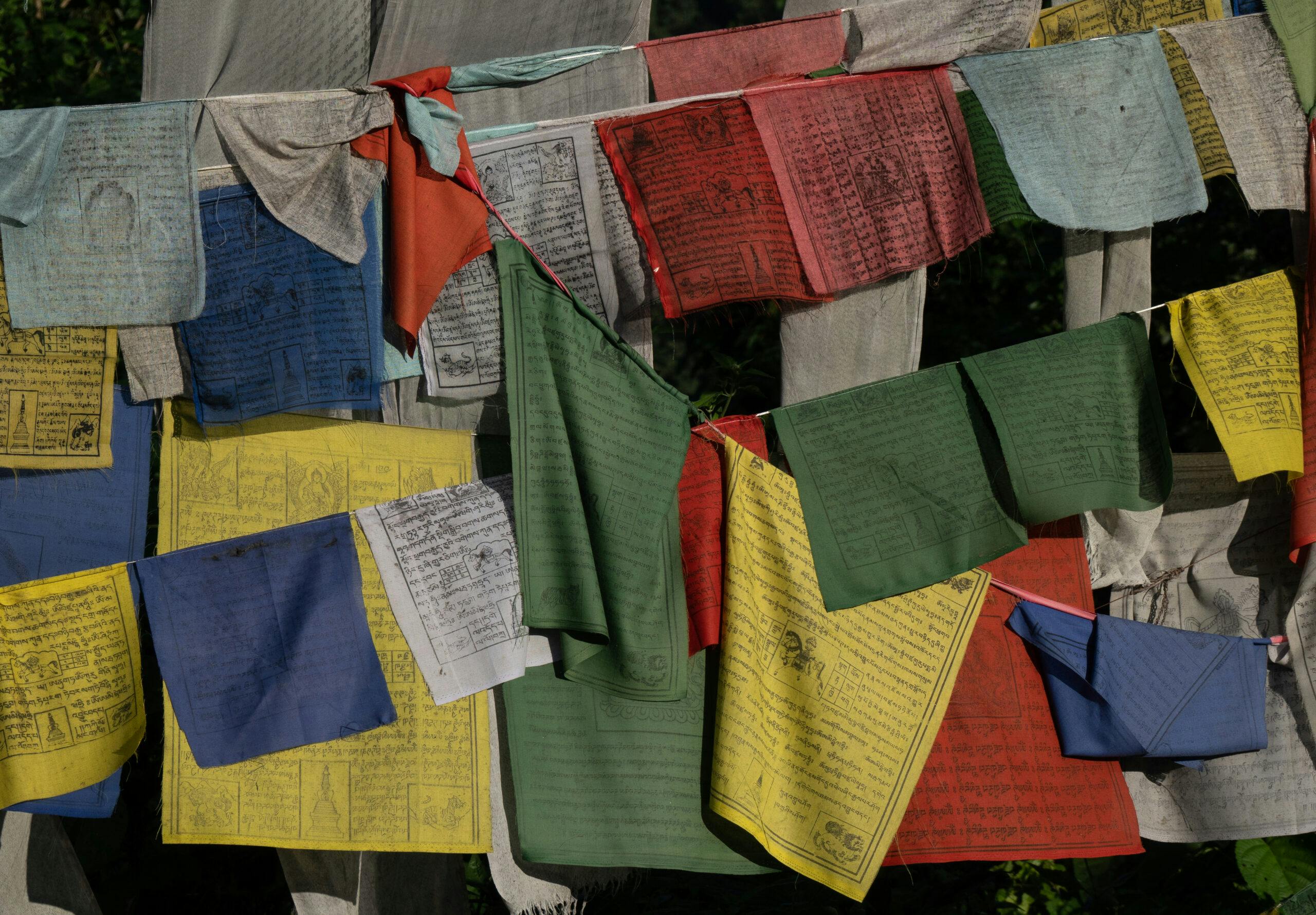
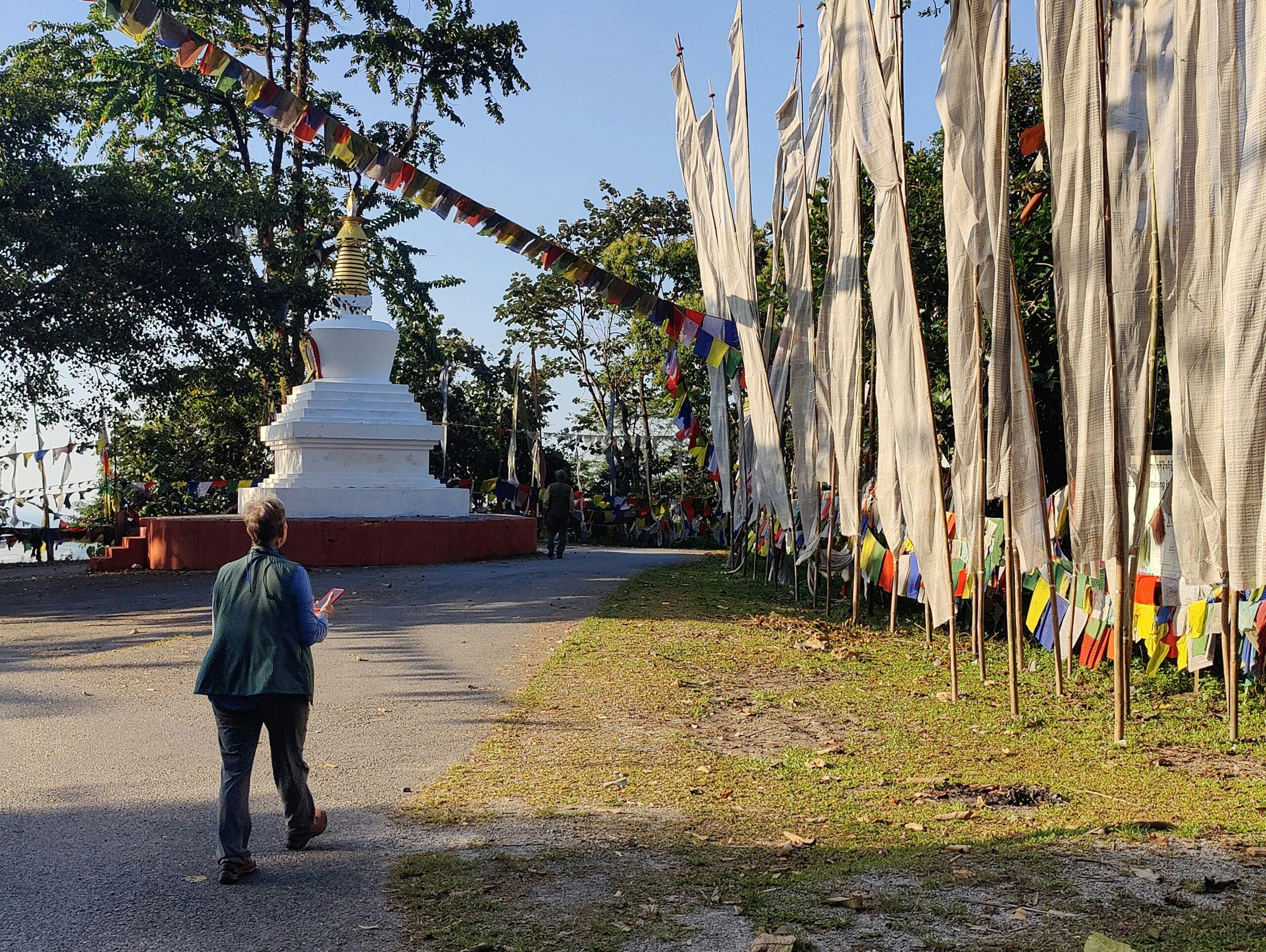
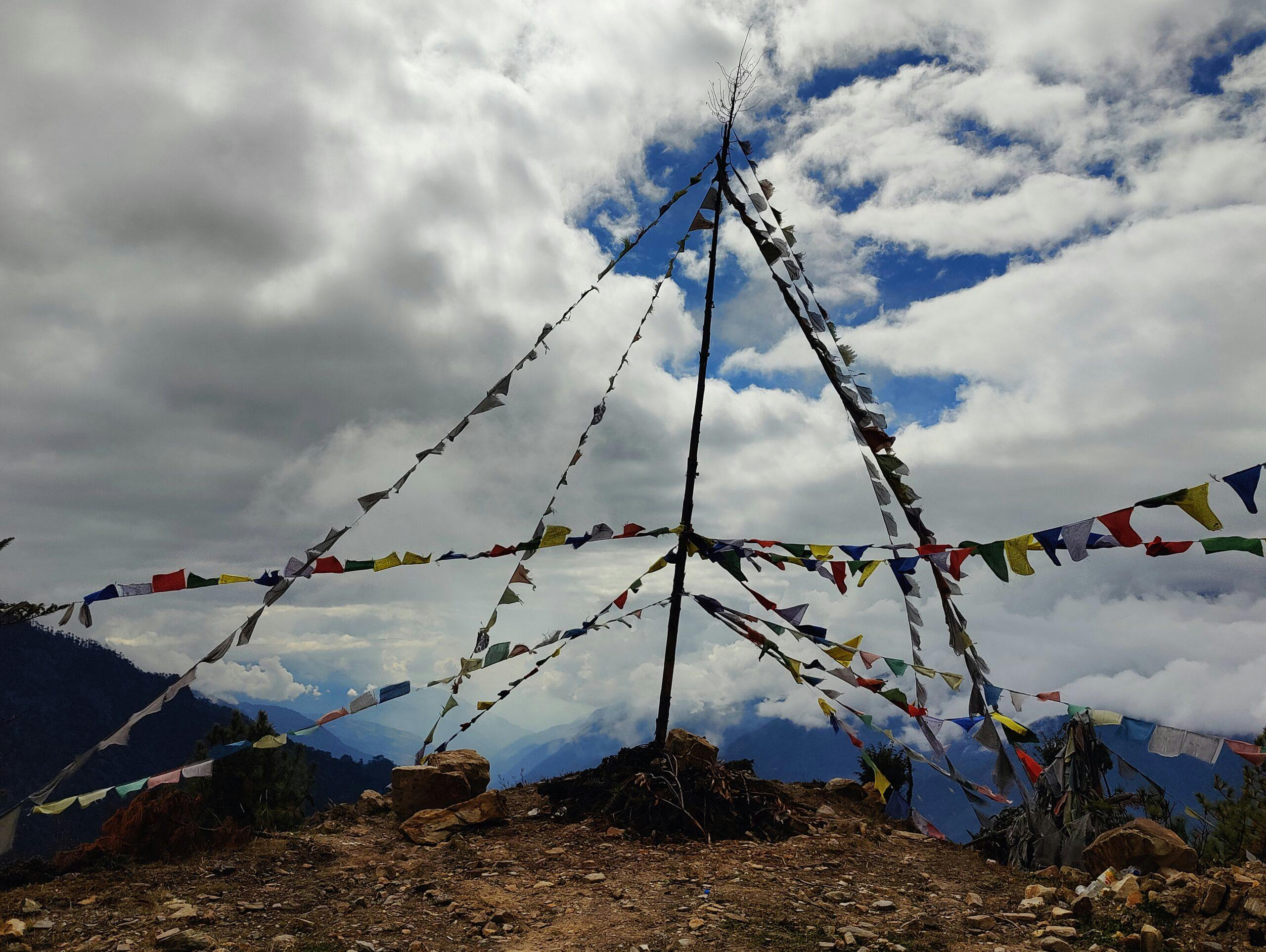
The scenic drive to Thimphu, Bhutan’s capital, offered the first glimpses of the country’s natural beauty—rolling hills, fluttering prayer flags, and traditional Bhutanese architecture. That evening, guests settled into their cozy hotel, savoring a traditional welcome meal and a briefing on the incredible journey ahead.
Exploring Bhutan’s Natural and Cultural Wonders
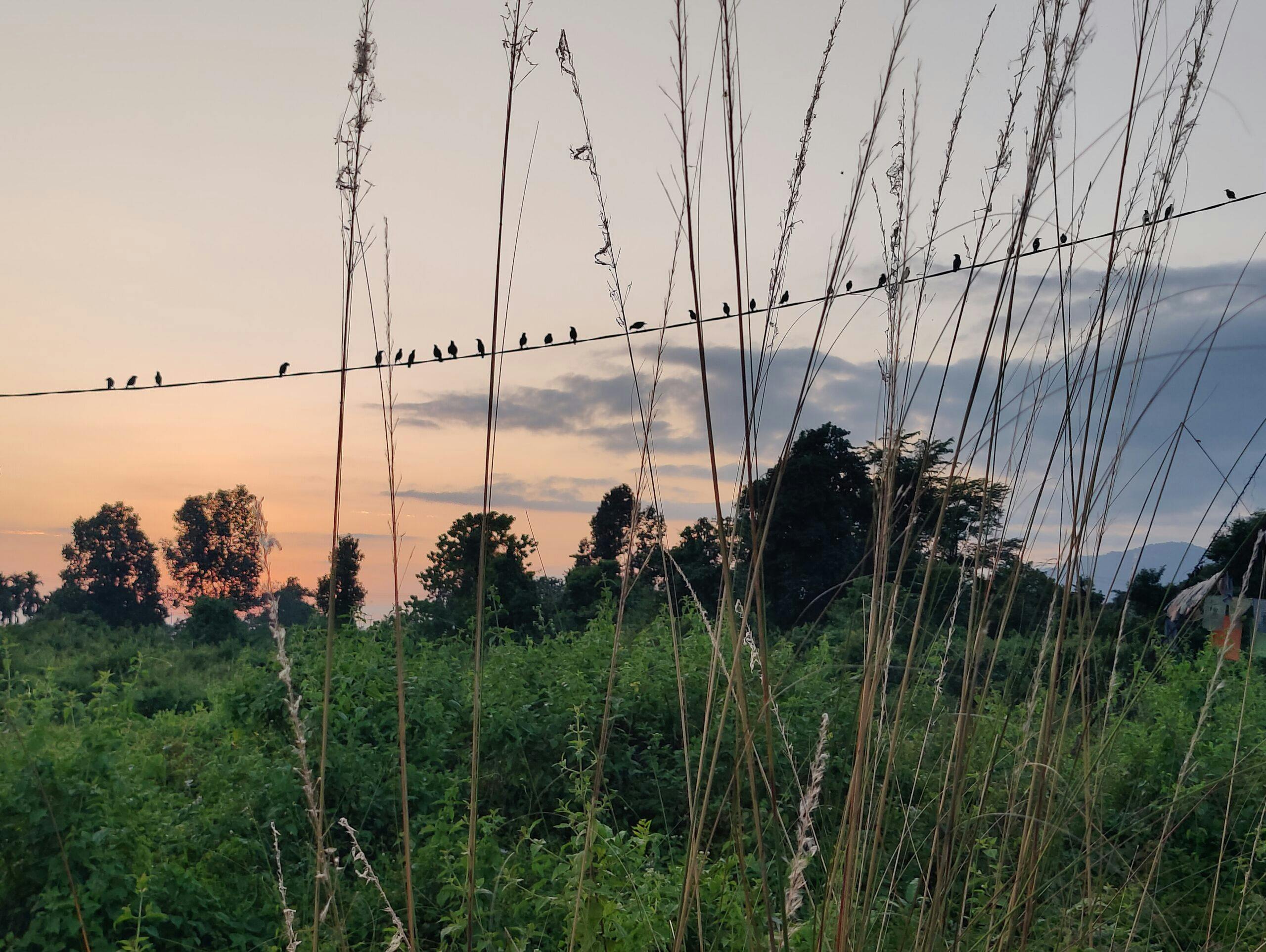
Thimphu & Jigme Dorji National Park
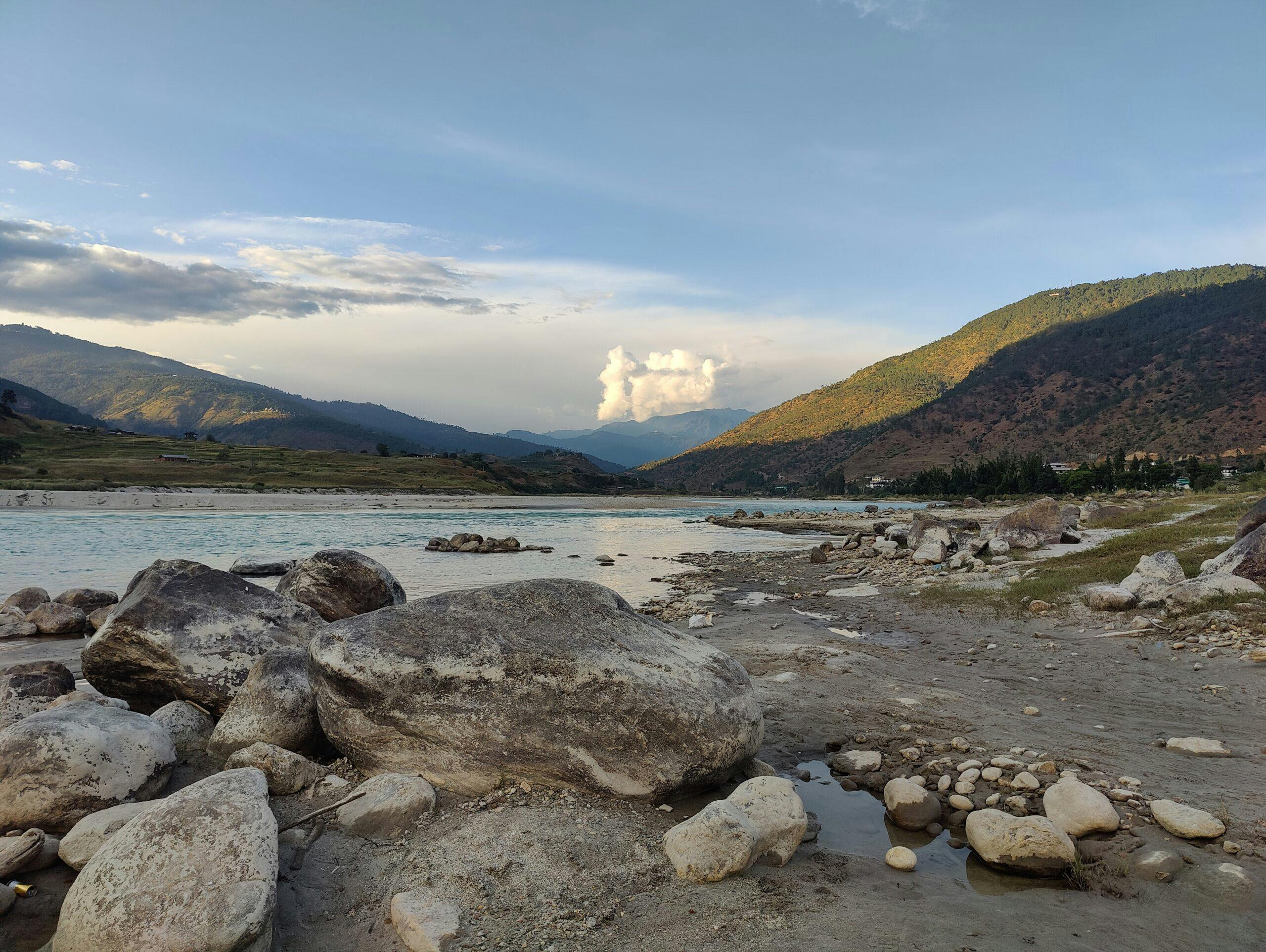
In Thimphu, guests explored Bhutanese culture through visits to a traditional paper-making workshop and a weaving center, where artisans preserved ancient techniques. At the takin reserve, they encountered Bhutan’s national animal, a peculiar goat-antelope hybrid found only in the Eastern Himalayas.
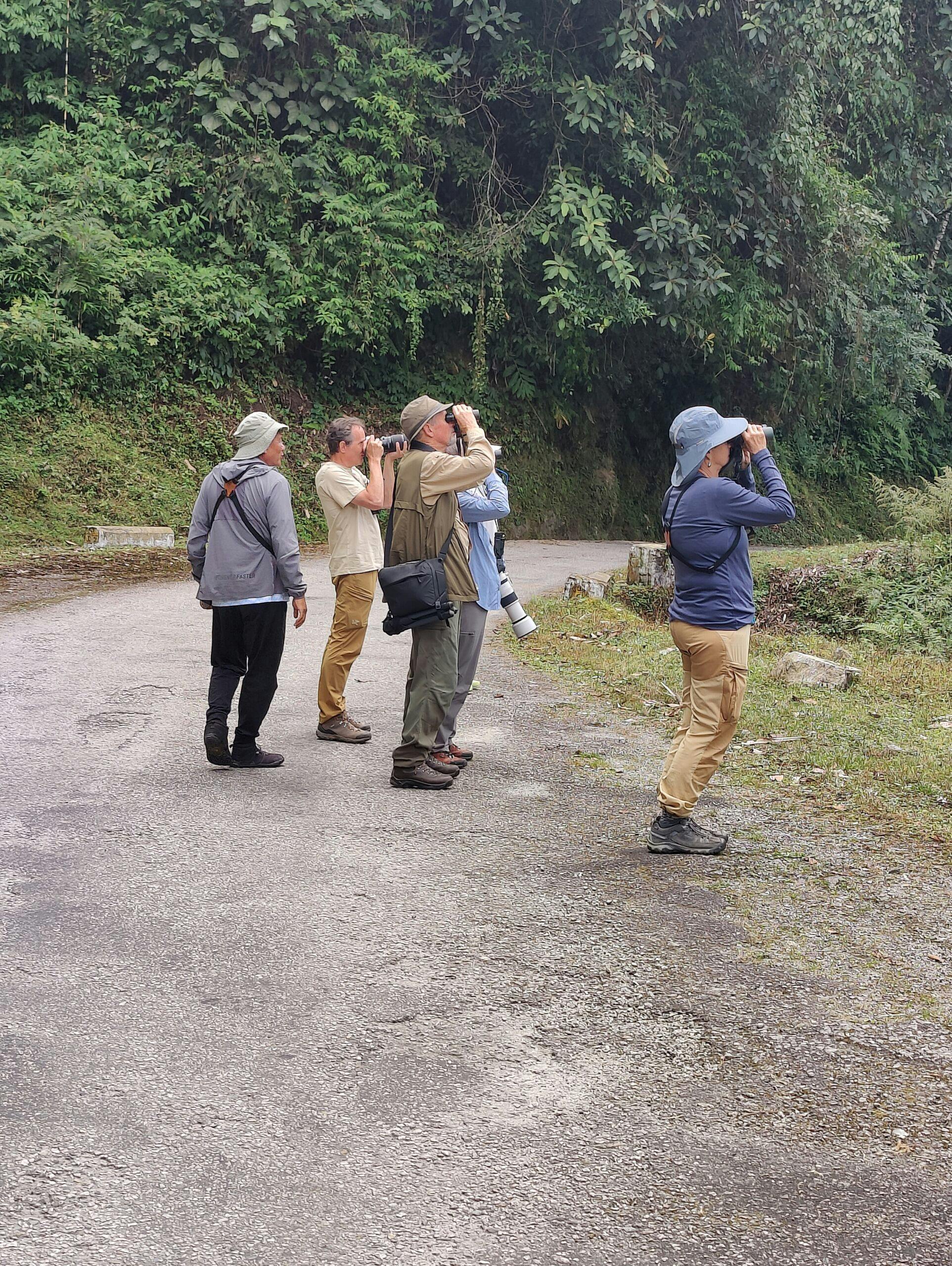
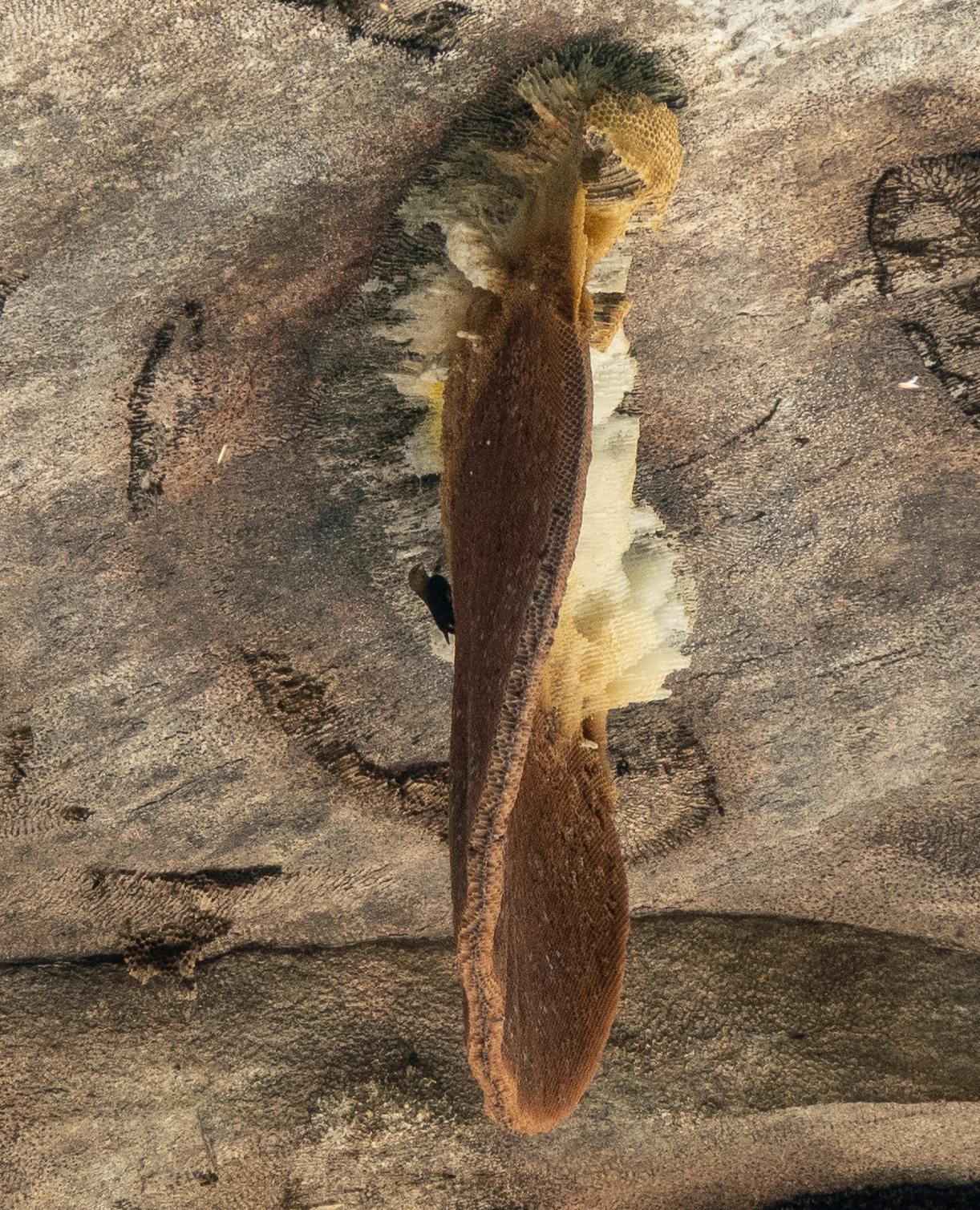
A day trip to Jigme Dorji National Park, Bhutan’s second-largest protected area, provided thrilling birding experiences, with sightings of the Crested Kingfisher and Rufous-bellied Woodpecker. Lucky visitors even spotted the elusive Yellow-rumped Honeyguide, a species uniquely adapted to feeding on rock bee honeycombs.
Central & Eastern Bhutan – Diverse Habitats and Rich Culture
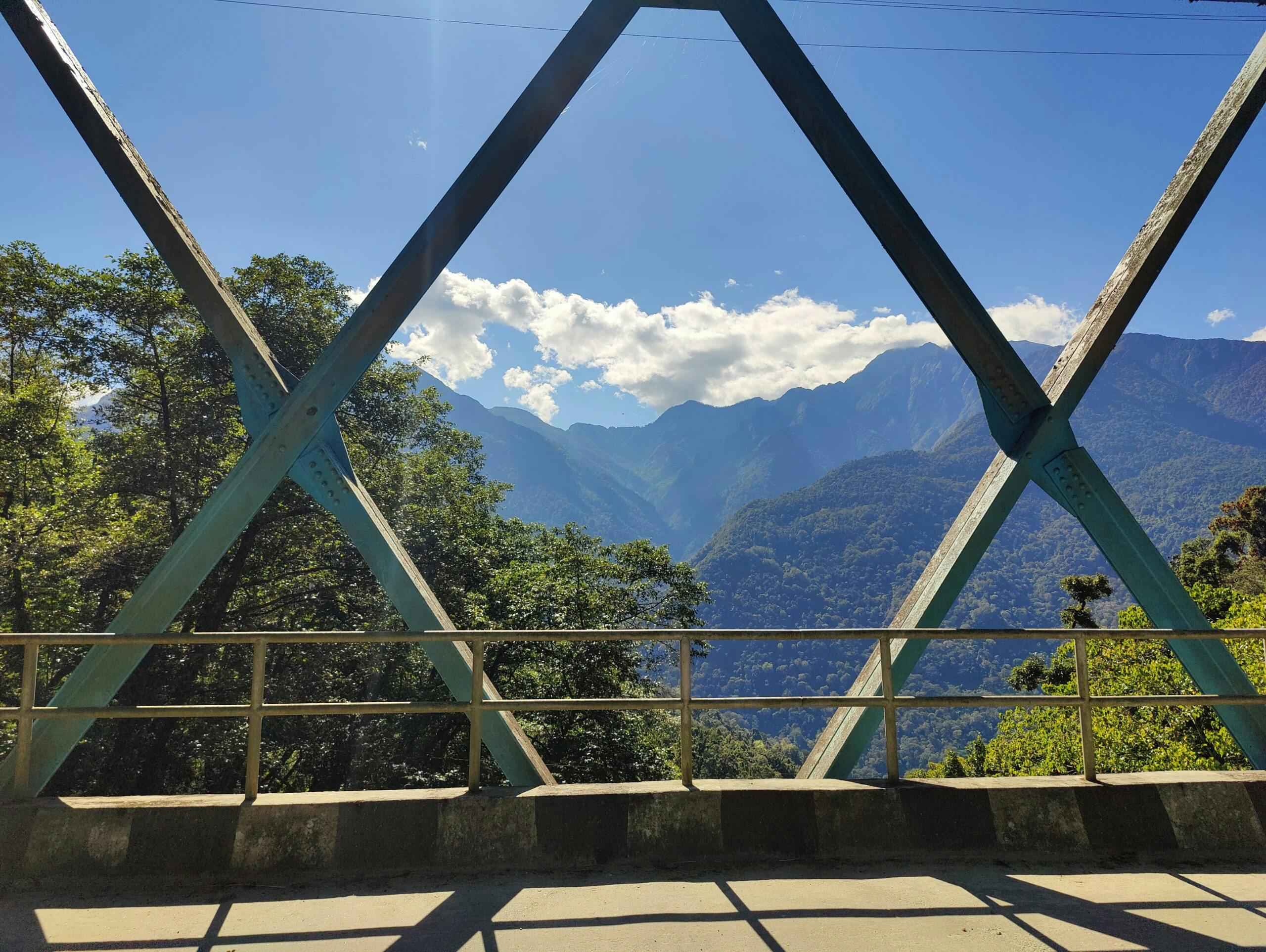
Traveling eastward, guests ventured deeper into Bhutan’s wilderness, passing through Trongsa, Bumthang, Mongar, and Zhemgang—each region offering unique landscapes and birding opportunities.
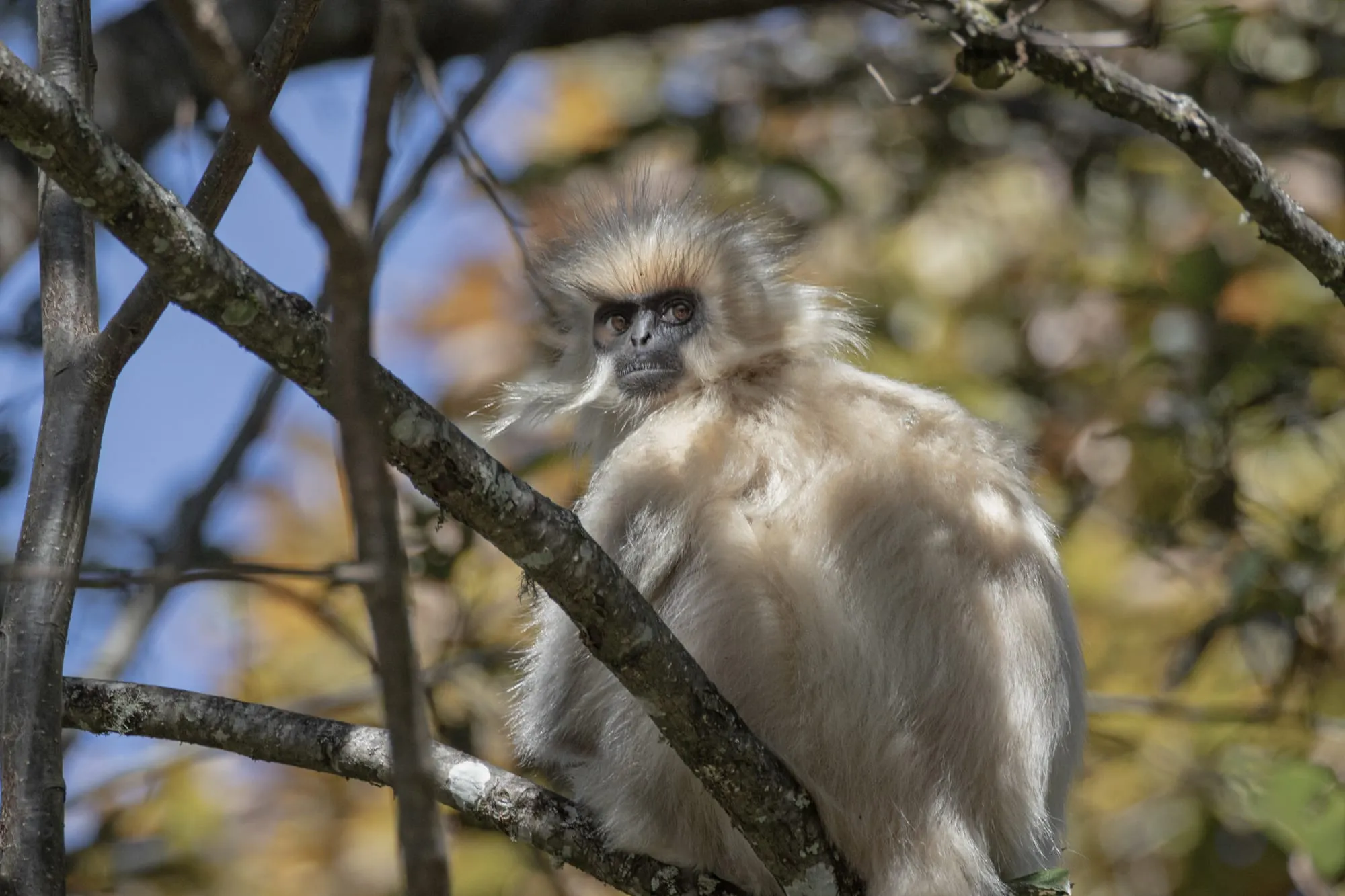
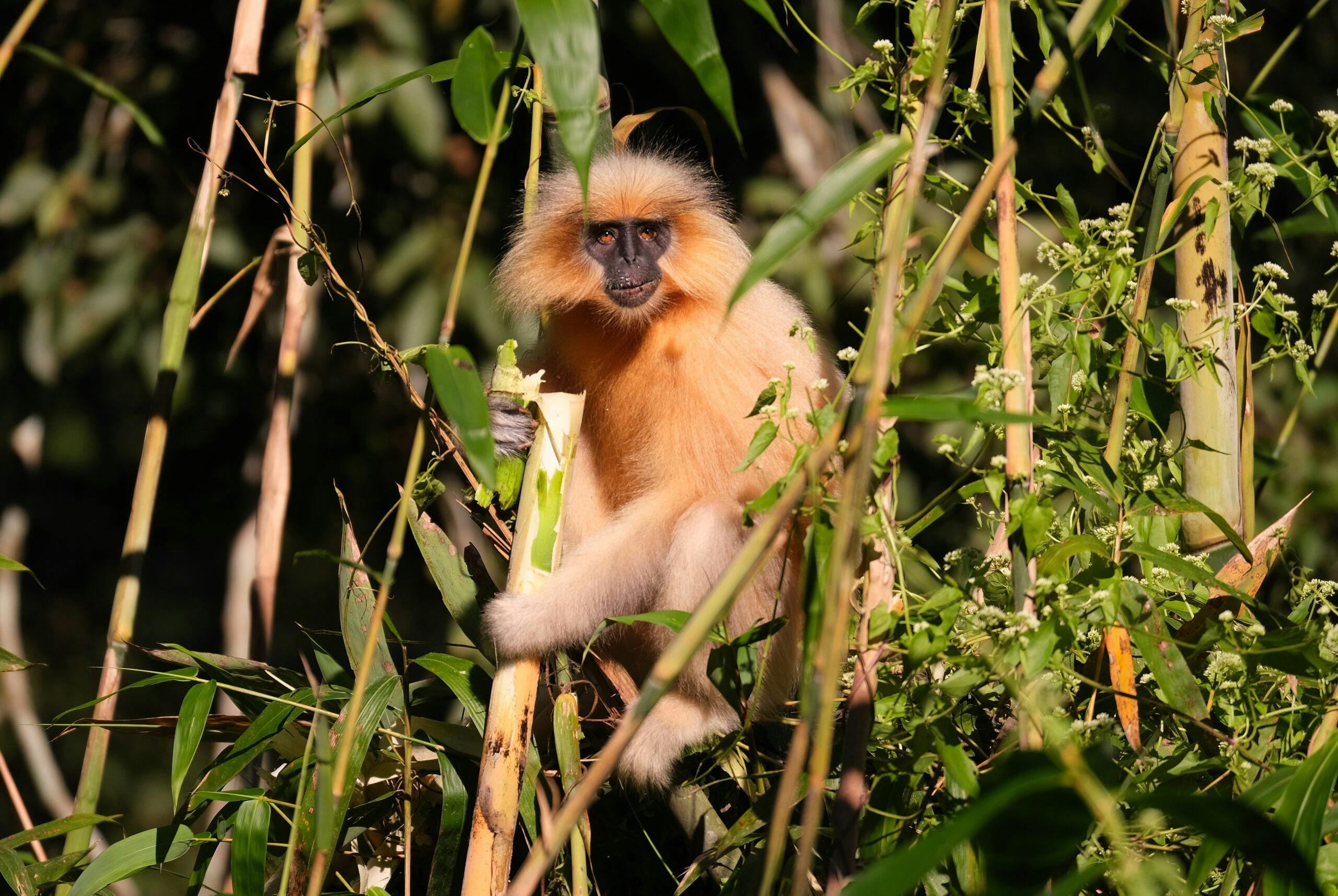
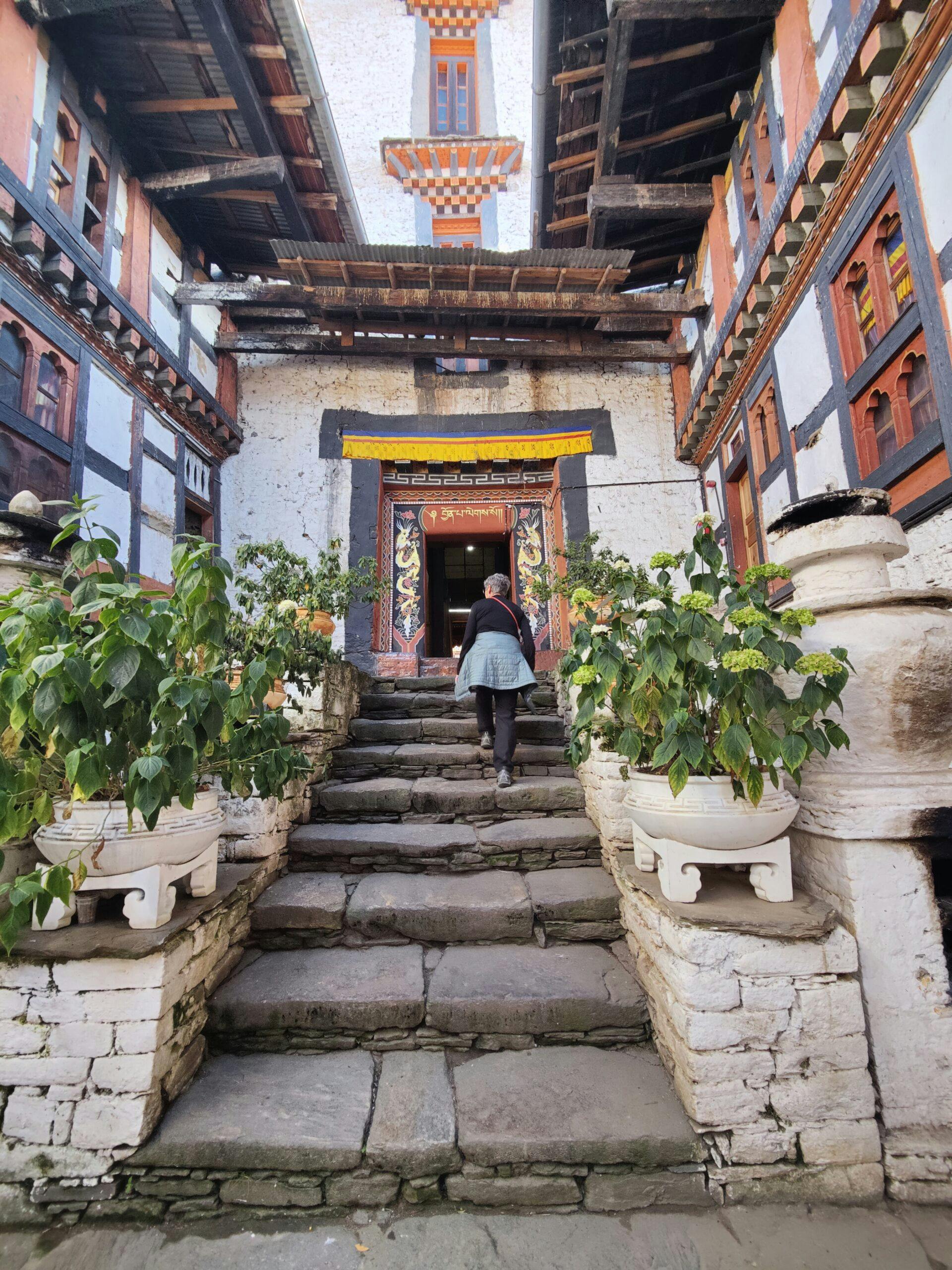
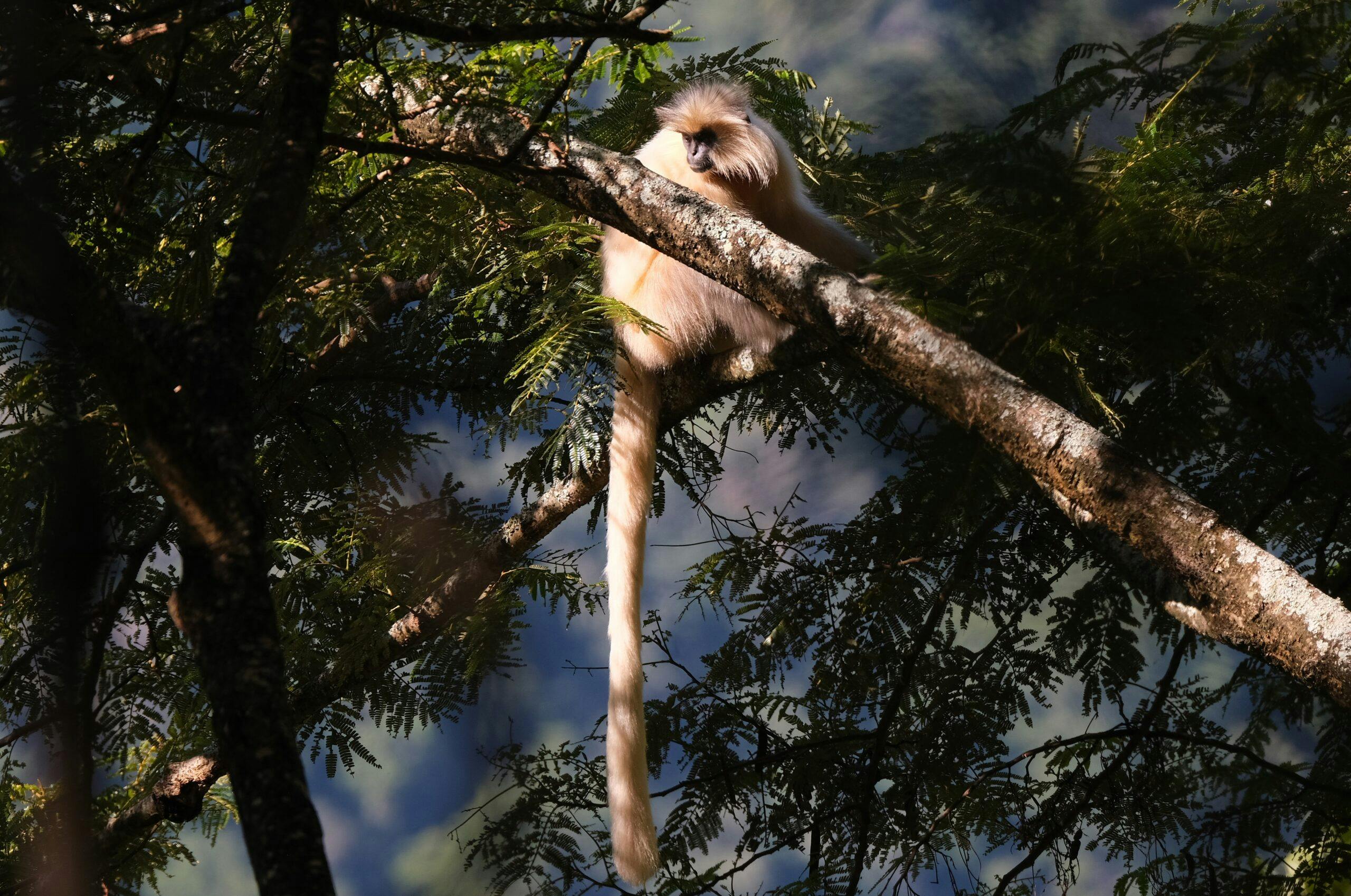
In Trongsa, they explored Bhutan’s largest dzong, an architectural masterpiece overlooking a dramatic gorge. Continuing into Bumthang, guests wandered through blue pine forests teeming with Himalayan Griffons, Rosefinches, and Rufous-breasted Accentors. Lucky observers caught glimpses of the golden langur, an endemic primate found only in Bhutan and parts of India.
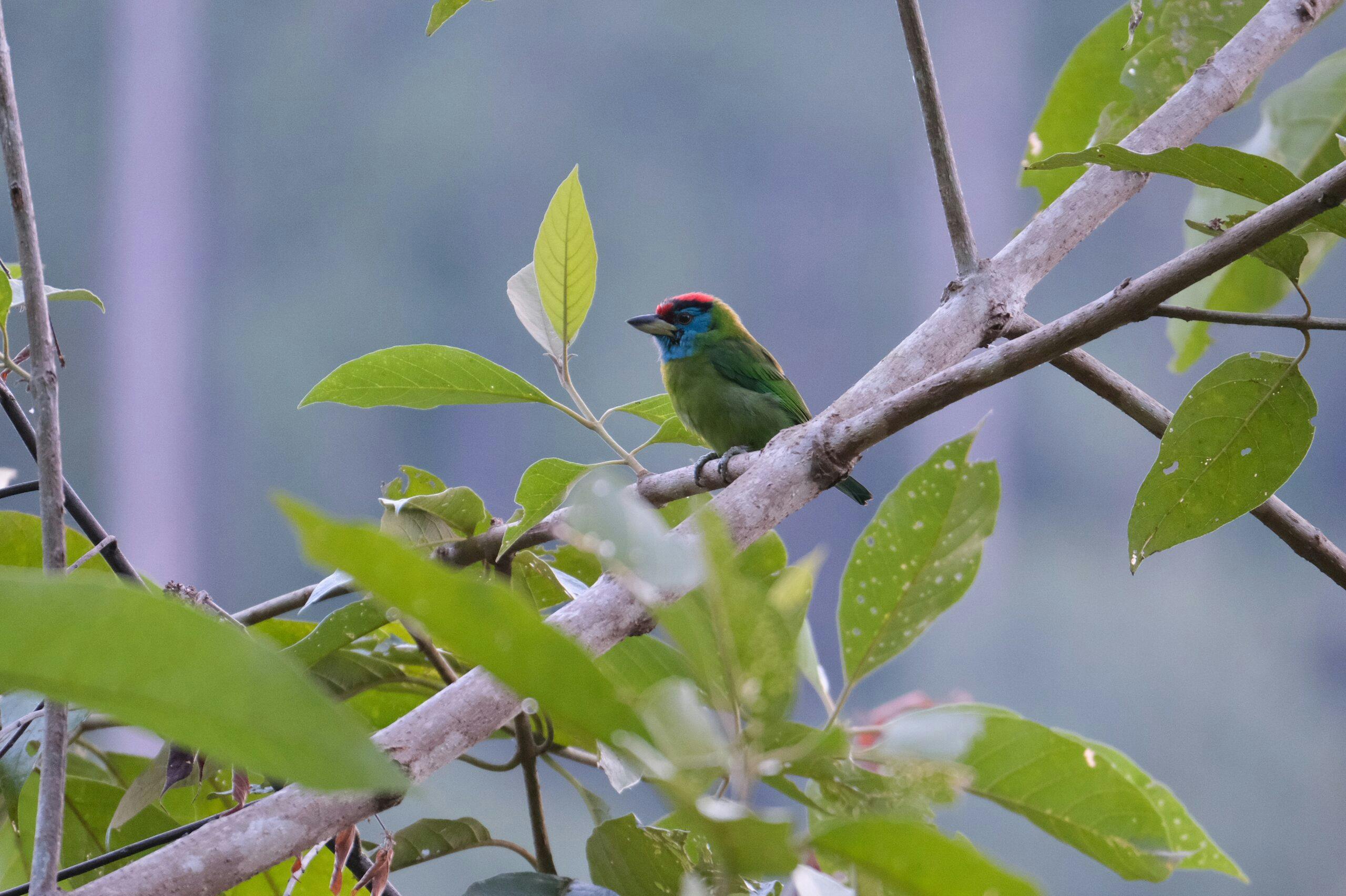
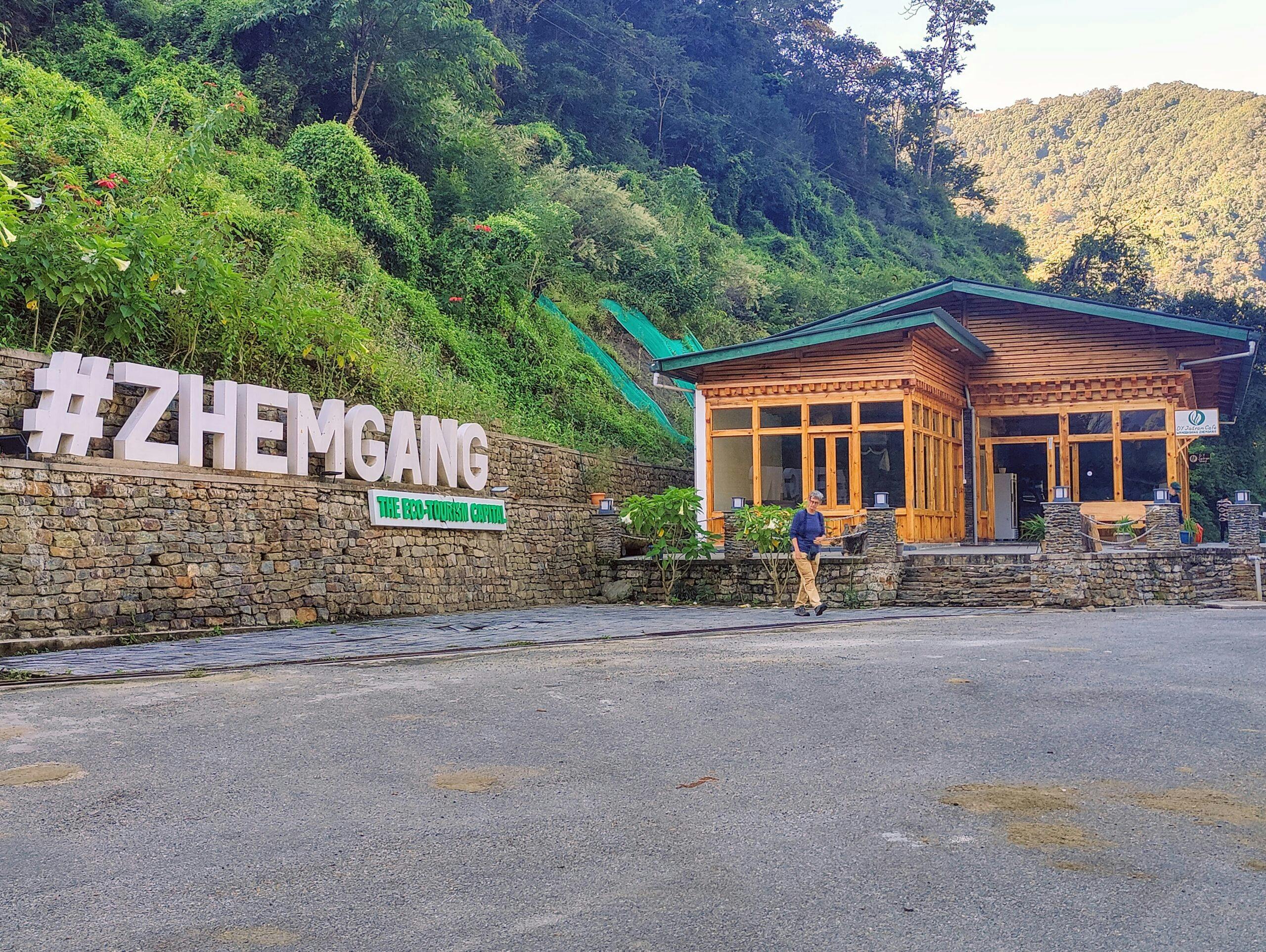
In Zhemgang, the group explored pristine subtropical forests, home to the Fire-tailed Myzornis, Blue-bearded Bee-eaters, and Golden Babblers. Encounters with the black giant squirrel and yellow-throated marten added excitement to the journey. Night drives in Thrumsingla National Park provided opportunities to spot elusive nocturnal species, including the leopard cat.
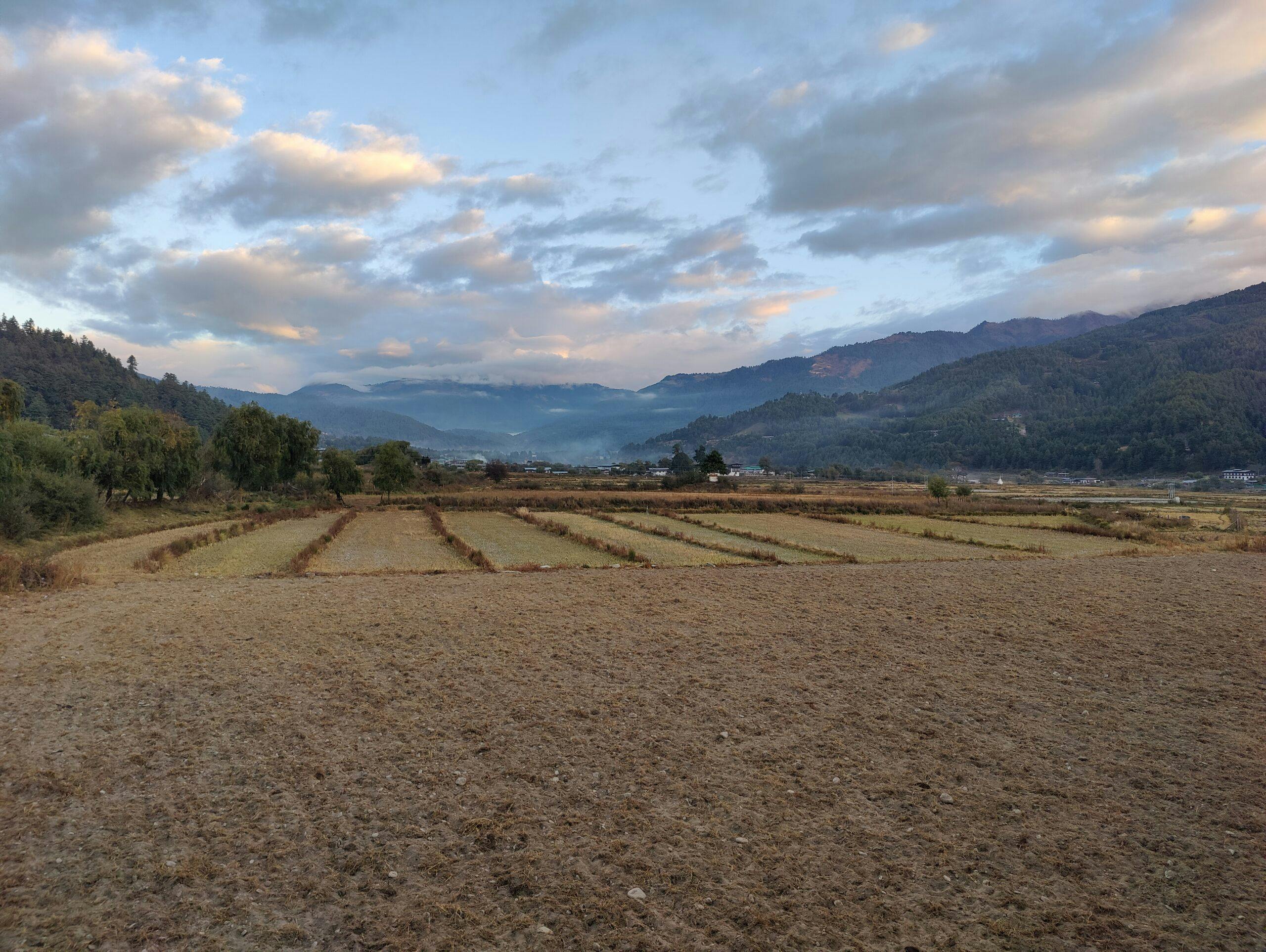
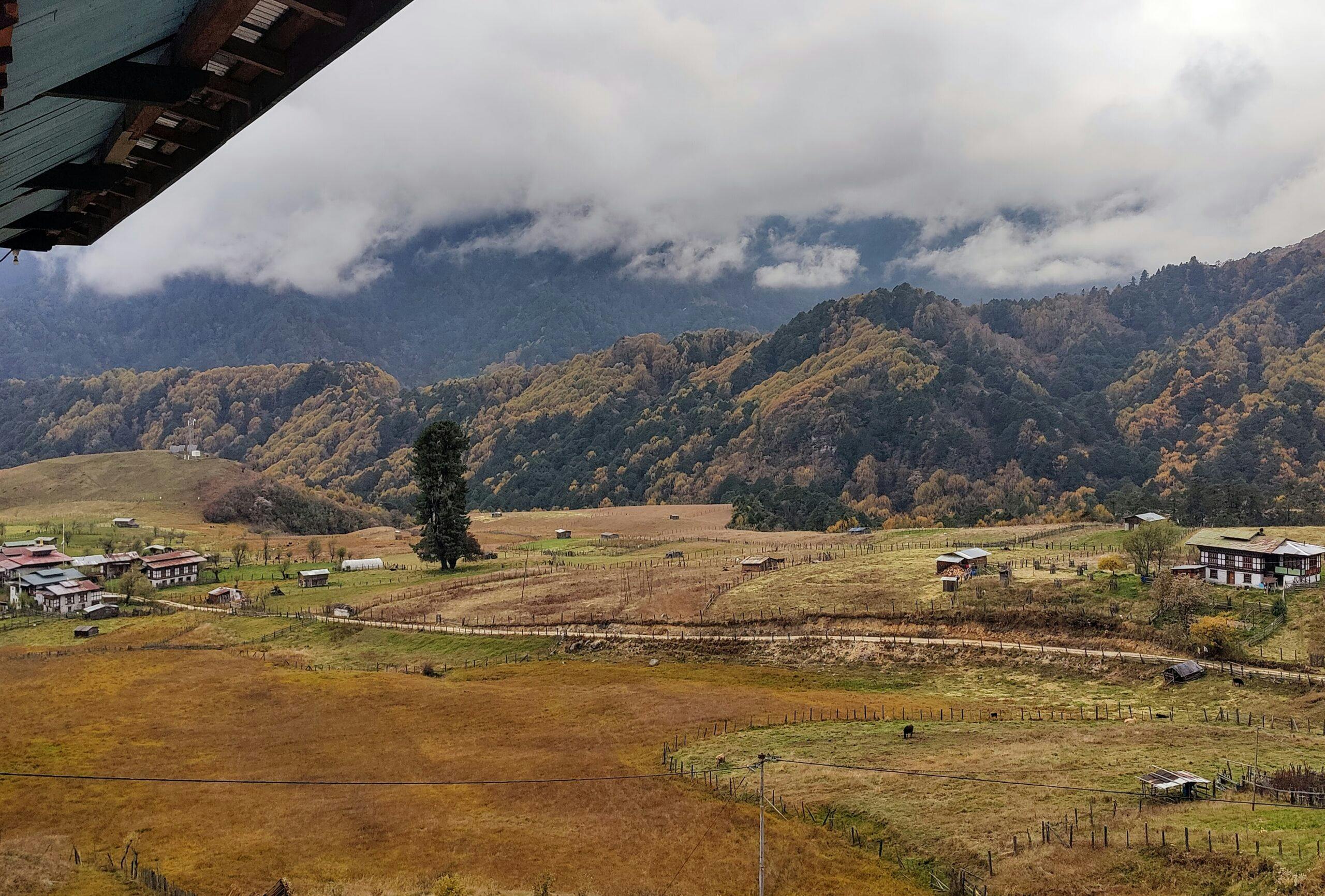
Phobjikha Valley – The Sacred Land of Cranes
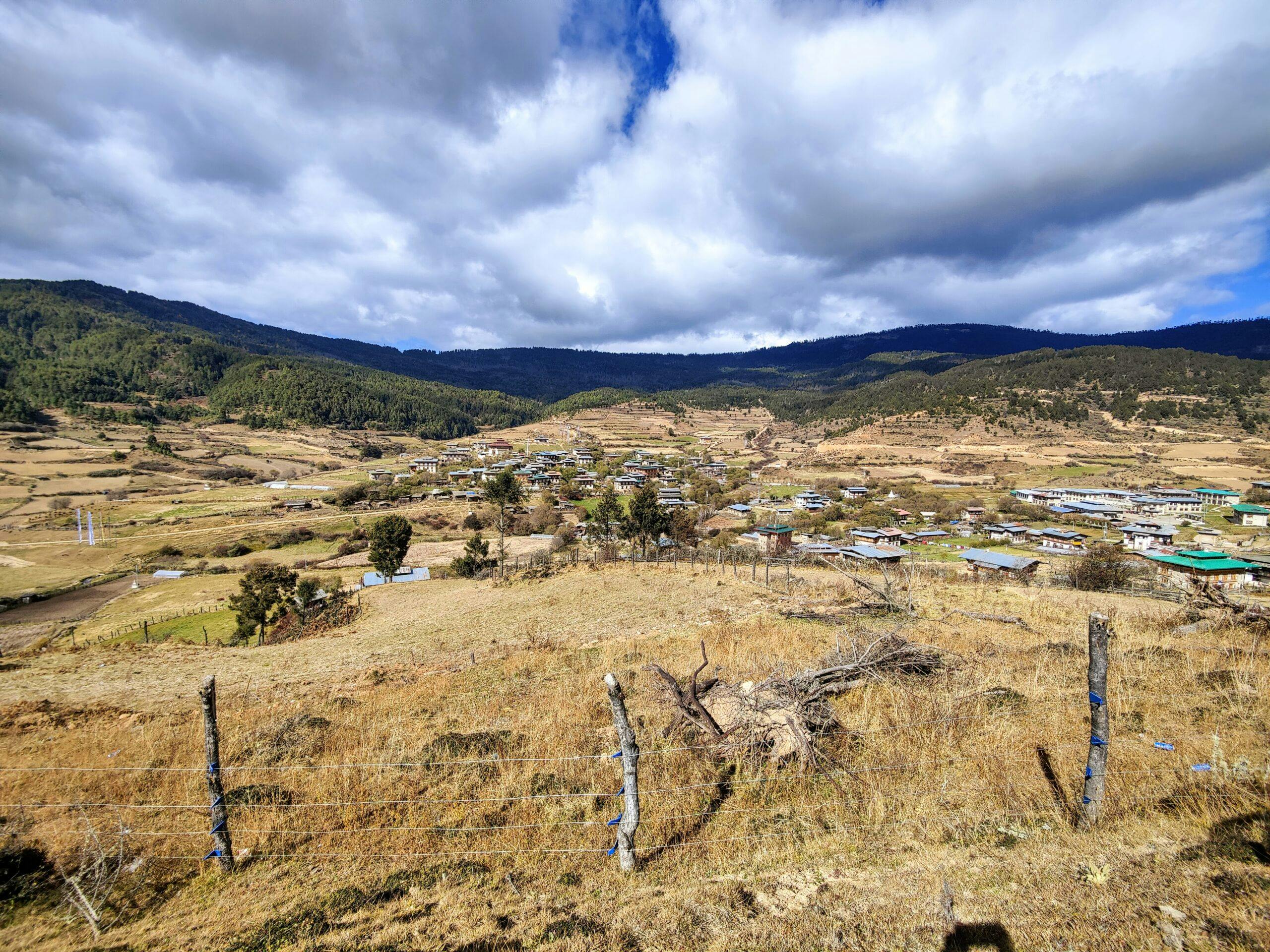
Paro Valley & Tiger’s Nest Monastery
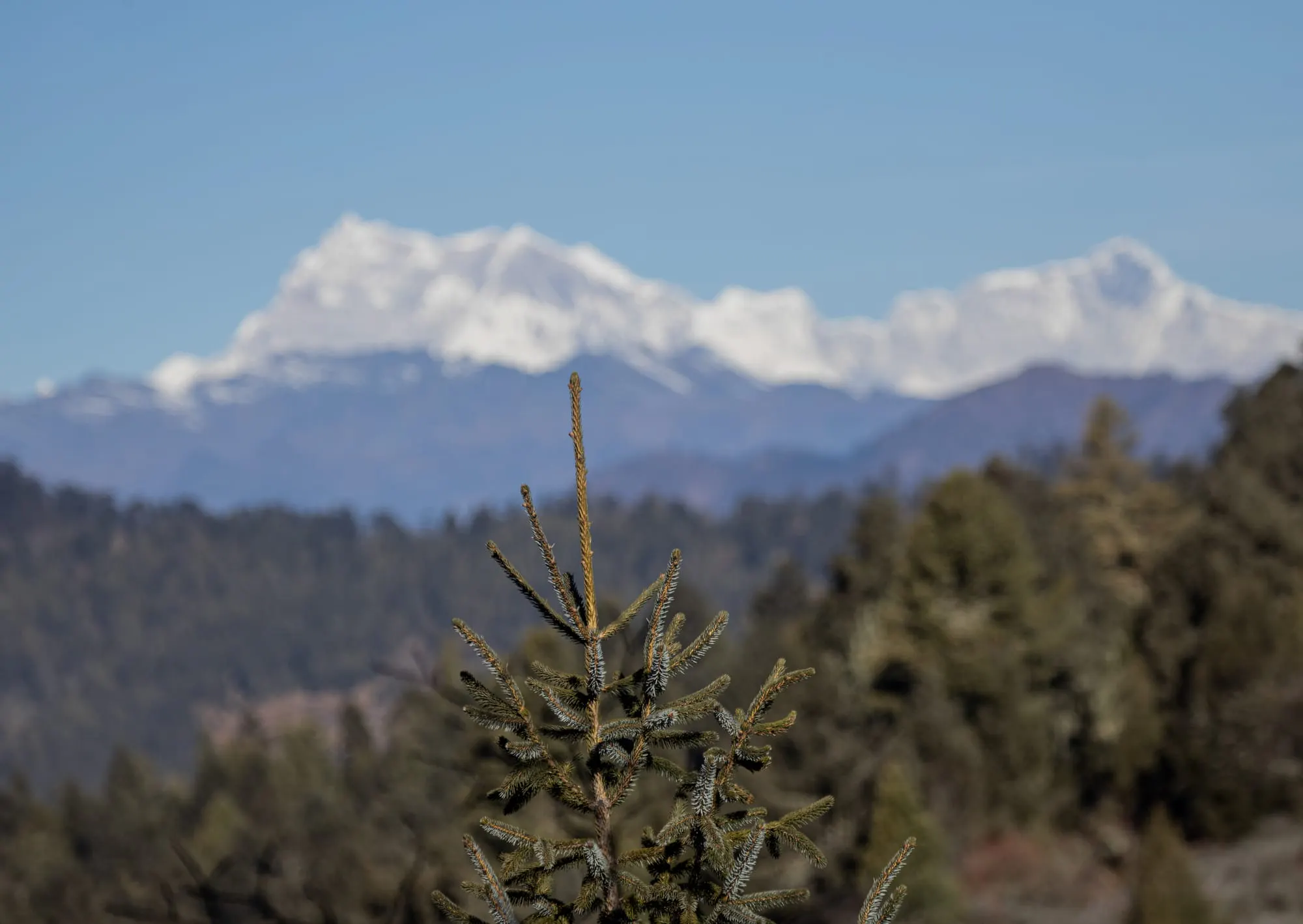
The journey concluded in Paro Valley, a region rich in history and wildlife. A drive up to Chele La Pass (nearly 13,000 feet) rewarded guests with panoramic mountain views and excellent birding opportunities.
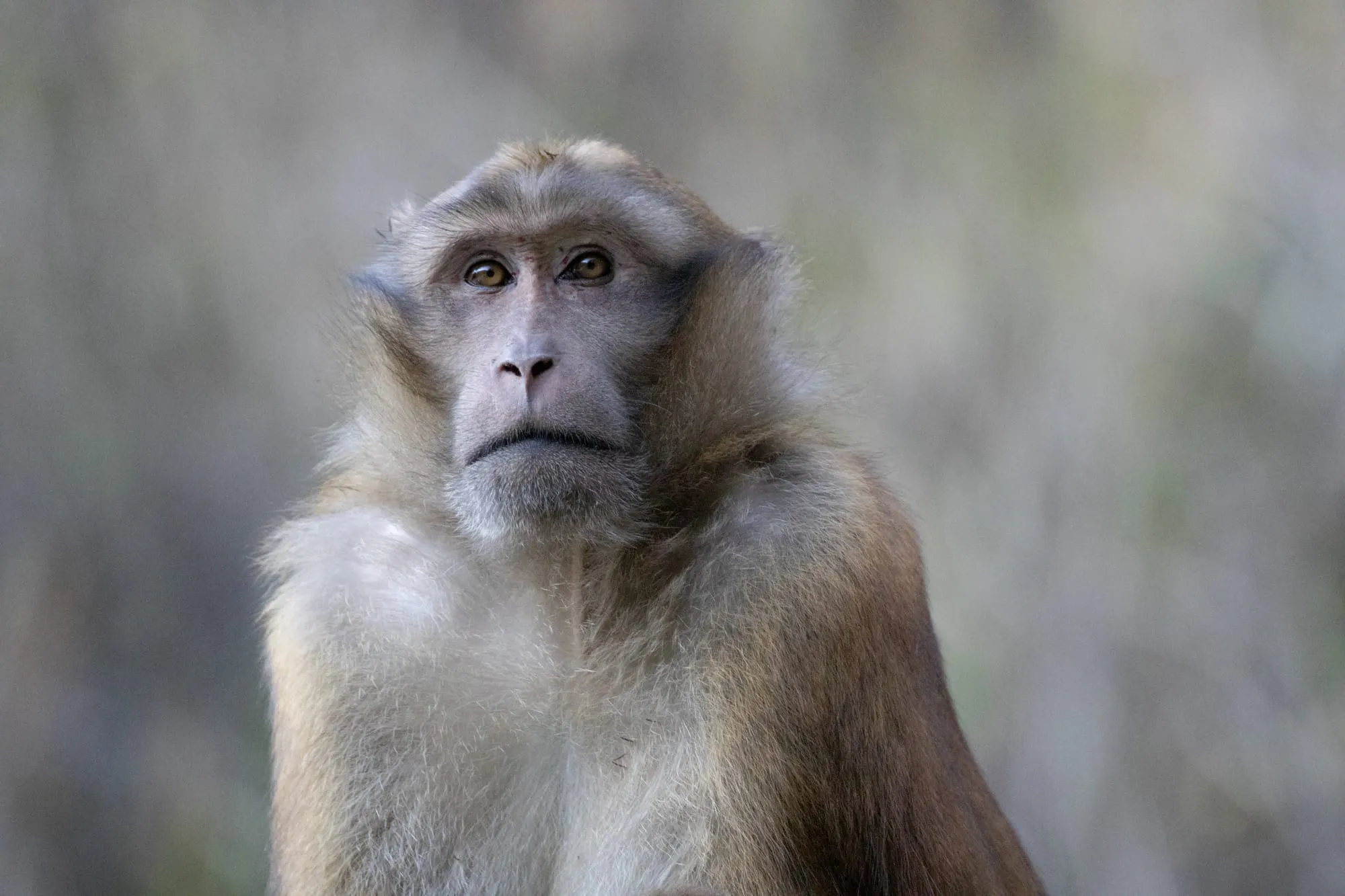
A highlight of the trip’s finale was the hike to Tiger’s Nest Monastery (Paro Taktsang), an architectural marvel perched on a cliffside at over 10,000 feet. The trail wound through pine forests teeming with Assam macaques, offering a rare glimpse into Bhutan’s thriving ecosystem.
November 23 – 24: Farewell to Bhutan
With hearts full of memories, guests bid farewell to Bhutan, flying from Paro back to Bangkok. As the Himalayan peaks faded into the distance, they carried home stories of rare cranes, ancient monasteries, and encounters with Bhutan’s extraordinary wildlife—a journey unlike any other.
Your Next Adventure Awaits!
Bhutan and India share deep cultural and ecological connections, from the sacred Himalayan landscapes to the incredible biodiversity of their national parks. Just like Bhutan, India offers a mix of breathtaking mountain scenery, vibrant wildlife, and rich traditions. Guests who enjoyed Bhutan’s natural wonders will find India’s national parks equally captivating, with opportunities to spot tigers, elephants, and an astonishing array of bird species.